EP2849417A1 - Communication processing method and device - Google Patents
Communication processing method and device Download PDFInfo
- Publication number
- EP2849417A1 EP2849417A1 EP13847340.0A EP13847340A EP2849417A1 EP 2849417 A1 EP2849417 A1 EP 2849417A1 EP 13847340 A EP13847340 A EP 13847340A EP 2849417 A1 EP2849417 A1 EP 2849417A1
- Authority
- EP
- European Patent Office
- Prior art keywords
- communication
- current
- executive agent
- agent
- operation instruction
- Prior art date
- Legal status (The legal status is an assumption and is not a legal conclusion. Google has not performed a legal analysis and makes no representation as to the accuracy of the status listed.)
- Granted
Links
Images
Classifications
-
- H—ELECTRICITY
- H04—ELECTRIC COMMUNICATION TECHNIQUE
- H04M—TELEPHONIC COMMUNICATION
- H04M1/00—Substation equipment, e.g. for use by subscribers
- H04M1/60—Substation equipment, e.g. for use by subscribers including speech amplifiers
- H04M1/6033—Substation equipment, e.g. for use by subscribers including speech amplifiers for providing handsfree use or a loudspeaker mode in telephone sets
- H04M1/6041—Portable telephones adapted for handsfree use
-
- H—ELECTRICITY
- H04—ELECTRIC COMMUNICATION TECHNIQUE
- H04M—TELEPHONIC COMMUNICATION
- H04M1/00—Substation equipment, e.g. for use by subscribers
- H04M1/60—Substation equipment, e.g. for use by subscribers including speech amplifiers
- H04M1/6033—Substation equipment, e.g. for use by subscribers including speech amplifiers for providing handsfree use or a loudspeaker mode in telephone sets
- H04M1/6041—Portable telephones adapted for handsfree use
- H04M1/6058—Portable telephones adapted for handsfree use involving the use of a headset accessory device connected to the portable telephone
-
- H—ELECTRICITY
- H04—ELECTRIC COMMUNICATION TECHNIQUE
- H04W—WIRELESS COMMUNICATION NETWORKS
- H04W88/00—Devices specially adapted for wireless communication networks, e.g. terminals, base stations or access point devices
- H04W88/02—Terminal devices
-
- H—ELECTRICITY
- H04—ELECTRIC COMMUNICATION TECHNIQUE
- H04M—TELEPHONIC COMMUNICATION
- H04M1/00—Substation equipment, e.g. for use by subscribers
- H04M1/60—Substation equipment, e.g. for use by subscribers including speech amplifiers
- H04M1/6033—Substation equipment, e.g. for use by subscribers including speech amplifiers for providing handsfree use or a loudspeaker mode in telephone sets
- H04M1/6041—Portable telephones adapted for handsfree use
- H04M1/6058—Portable telephones adapted for handsfree use involving the use of a headset accessory device connected to the portable telephone
- H04M1/6066—Portable telephones adapted for handsfree use involving the use of a headset accessory device connected to the portable telephone including a wireless connection
-
- H—ELECTRICITY
- H04—ELECTRIC COMMUNICATION TECHNIQUE
- H04M—TELEPHONIC COMMUNICATION
- H04M1/00—Substation equipment, e.g. for use by subscribers
- H04M1/72—Mobile telephones; Cordless telephones, i.e. devices for establishing wireless links to base stations without route selection
- H04M1/724—User interfaces specially adapted for cordless or mobile telephones
-
- H—ELECTRICITY
- H04—ELECTRIC COMMUNICATION TECHNIQUE
- H04M—TELEPHONIC COMMUNICATION
- H04M1/00—Substation equipment, e.g. for use by subscribers
- H04M1/72—Mobile telephones; Cordless telephones, i.e. devices for establishing wireless links to base stations without route selection
- H04M1/725—Cordless telephones
Definitions
- the present invention relates in general to the communication technology field, and, in particular, to communication processing methods and devices.
- an intelligent mobile terminal can use a Bluetooth headset, a wired headset or the main body of the terminal to perform its basic communication functions.
- the function being used may be interrupted by misoperation of one of the devices.
- an intelligent mobile terminal connects to a Bluetooth headset and a wired headset
- the wired headset is used to answer the phone, if a button of the Bluetooth headset is pressed by others accidentally, the current communication may be interrupted.
- the communication executive agents currently not being used may be misoperated, which may lead to an interruption of the function currently being performed, and thus an interruption of the communication.
- An object of the embodiments of the present disclosure is to provide a communication processing method and device, to solve a problem of a communication interruption caused by a misoperation of a communication executive agent currently not being used.
- a communication processing method comprises:
- a communication processing device comprising:
- the sending agent of the operation instruction is judged.
- the current communication is switched to another communication executive agent which can continue the current communication if the sending agent of the operation instruction is not the communication executive agent being used by the current communication.
- the operation instruction will be responded only if the sending agent of the operation instruction is the communication executive agent being used by the current communication. Thus, a communication interruption caused by a misoperation of an idle communication executive agent is avoided during the communication process.
- the current communication is switched to another communication executive agent rather than an immediate response to the current operation instruction is made, which may avoid a current communication interruption by accident as a result of an operation instruction sent by other communication executive agent not being used.
- a communication processing method provided by the first embodiment of the disclosure comprises, firstly, receiving a communication operation instruction; then determining a sending agent of the received operation instruction; switching the current communication to a second communication executive agent if the sending agent is not the first communication executive agent being used by the current communication.
- the second embodiment of the disclosure will explain the communication processing method in the first embodiment in detail in combination with actual applications.
- the embodiments of the disclosure are illustrated by taking the operation instruction being a communication termination instruction as an example, however, the disclosure is not limited thereto.
- An implementation procedure of the communication processing method in the second embodiment of the disclosure specifically comprises:
- a communication termination instruction received during communication procedure can be one sent by the terminal itself or other peripheral devices.
- the communication termination instruction for ending the call can be one sent by the operation of the "hang up" button of the terminal (mobile phone) itself, or can be one sent by a key operation of other peripheral devices such as a wired headset or Bluetooth and so on.
- Step S102 determining a sending agent of the communication termination instruction.
- the information thereof needs to be analyzed to determine the sending agent of the communication termination instruction.
- Step S103 judging whether the sending agent of the communication termination instruction is the first communication executive agent being used by the current communication or not.
- step S104 the sending agent is judged whether or not it is the first communication executive agent being used by the current communication according to the device identification information carried in the communication termination instruction. If it is, step S104 is performed; and if it is not, then step S105 is performed.
- Step S104 terminating the current communication.
- Step S105 switching the current communication to a second executive agent which can continue the current communication from the first communication executive agent and continuing the current communication.
- the second communication executive agent which can continue the current communication after the switch can be the sending agent sending the communication termination instruction, or it can also be other communication executive agents which can continue the current communication, which can make sure the continuation of the current communication and that the first communication executive agent does not perform the termination operation.
- a mobile terminal when receiving a communication termination instruction, may judge a sending agent of the communication termination instruction, and switch the current communication to other communication executive agents which can continue the current communication in the case that the sending agent of the communication termination instruction is not the communication executive agent being used currently.
- the communication termination instruction is responded to terminate the current communication only when the current communication termination instruction is sent by the communication executive agent being used by the current communication.
- the method further comprises: letting the user choose whether or not to switch the current communication back to the first communication executive agent through the user interface of the mobile terminal.
- the switch instruction sent by the user through the user interface of the mobile terminal is detected, according to this switch instruction, the current communication may be switched to the first communication executive agent from the second communication executive agent.
- users can preset the above operation instruction for performing a switch.
- users can perform the corresponding operation directly on the user interface of the mobile terminal. It can determine whether the choice of the user is to perform the switch operation by judging whether the switch instruction sent through the user interface of the mobile terminal matches the preset operation instruction of performing the switch. If the result of the judgment is that the switch instruction sent by the user through the user interface of the mobile terminal matches the preset operation instruction of performing the switch, it is to perform the switching from the second communication executive agent back to the first communication executive agent.
- users select whether to switch the current communication back to the former executive agent through the user interface of a mobile terminal, which can delay a communication interruption on one hand, and on the other hand can switch the communication procedure back to the former executive agent in time if the user accidentally touch the keys on the other communication executive agents.
- the communication processing method of the second embodiment is further explained in detail through a third embodiment of the disclosure.
- this embodiment of the disclosure takes a conversation procedure through a mobile terminal as an example; however, the disclosure is not limited thereto. It may also be that any other audio information is accepted through the mobile terminal and its peripheral devices.
- the communication executive agent receiving this phone call may be a receiver of the mobile terminal, or may also be a wired headset or a Bluetooth device or other peripheral devices.
- the communication executive agent receiving this phone call may be a receiver of the mobile terminal, or may also be a wired headset or a Bluetooth device or other peripheral devices.
- the mobile terminal first judges the communication executive agent used by the current conversation, and the connected peripheral devices.
- A the mobile terminal connecting to a wired headset and a Bluetooth at the same time
- A1 when it is determined that the mobile terminal is receiving the phone call through the receiver, if the "hang up" key on the mobile terminal is touched, then the phone call is hung up directly; if the key on the wired headset or the Bluetooth is touched, then the device for receiving the phone call in current conversation procedure is switched from the receiver to the wired headset or the Bluetooth.
- A2 when it is determined that the mobile terminal is receiving the phone call through the wired headset, if the key on the Bluetooth device is touched, then the current conversation procedure is switched to the Bluetooth device for receiving the phone call, and only the termination instruction sent by the Bluetooth device is responded; if the key on the mobile terminal is touched, then the current conversation is switched to the receiver. Because a wired headset may replace a receiver on the mobile terminal, the wired headset may continue to receive the phone call.
- A3 when it is determined that the mobile terminal is receiving the phone call through the Bluetooth device, if the key on the Bluetooth device is touched, then the phone call is directly terminated; if the key on the wired headset is touched, then the current conversation is switched to the wired headset, i.e., the device for receiving the phone call is switched from the Bluetooth device to the wired headset; if the key on the mobile terminal is touched, the wired headset continues to be used to receive the phone call, for the wired headset may be used instead of the receiver of the mobile terminal.
- the wired headset does not take part in the current conversation.
- the current conversation is terminated; if the key on the mobile terminal is touched, then the conversation is switched to the receiver of the terminal.
- the wired headset may be used instead of the receiver of the mobile terminal, when the key on the mobile terminal is touched, it needs to switch the conversation procedure to the receiver of the terminal in order to avoid a conversation interruption, though it is possible to continue to use the wired headset for receiving the phone call.
- the mobile terminal only responds to a conversation termination instruction sent by the terminal itself. If a conversation termination instruction is received, the current conversation is directly terminated without performing a switch.
- the conversation termination instruction is not sent from the reception device being used by the current conversation, the current conversation is switched to the device from which the conversation termination instruction is sent.
- a prompt may be popped up on the interface screen for the user to select whether to perform the reception device switch or not. If the user select Yes, then the conversation may be switched back to the former reception device, which may delay the conversation interruption on one hand, and on the other hand the conversation may be switched back to the former reception device in time in the case of misoperation.
- the user may set in advance whether to use the current reception device to receive the operation instruction corresponding to the current conversation, such as pressing a key or sliding on the screen and so on. If the user sends a switch instruction, the mobile terminal judges whether the instruction matches the preset operation instruction. If they are matched, then switch the current reception device back to the former reception device to continue the current conversation.
- the above mentioned switch procedure may be a seamless switch, in which case a switch among different reception devices without terminating the conversation may be performed.
- the conversation procedure may be optimized and the user experience is improved.
- a switch of the reception device is performed rather than responding to the termination instruction and ending the current conversation, which may avoid a conversation interruption caused by a misoperation when the mobile terminal connects to multiple peripheral devices.
- an information indicating whether to perform a switch may be popped up at an appropriate time, which allows the user to switch the current reception device, and allows switching back to the former reception device in time when a misoperation occurs.
- the fourth embodiment of the disclosure further provides a communication processing device for performing the above mentioned communication processing methods.
- the communication processing device comprises the following parts as shown in FIG. 2 :
- the process unit 23 is further used for performing an operation indicated by the operation instruction to the current communication in the case that the sending agent is the first communication executive agent used by the current communication.
- the process unit 23 is still used for:
- the switch instruction sent by the user through the user interface of the mobile terminal After detecting the switch instruction sent by the user through the user interface of the mobile terminal, judging whether the switch instruction sent by the user through the user interface of the mobile terminal matches a preset corresponding operation instruction for performing a switch. If the result of the judgment is that the switch instruction sent by the user through the user interface of the mobile terminal matches the preset corresponding operation instruction of performing the switch, performing switching the current communication from the second communication executive agent back to the first communication executive agent.
- the second executive agent is the sending agent of the operation instruction.
- the above switching is a seamless switching.
- the sending agent of the operation instruction in a communication procedure, when an operation instruction is received, the sending agent of the operation instruction will be judged.
- the current communication will be switched to other communication executive agents in the case that the sending agent of the operation instruction is not the communication executive agent being used by the current communication.
- the corresponding operation instruction is responded only when the operation instruction is sent by the communication executive agent being used by the current communication.
- a communication interruption caused by a misoperation of other communication executive agents during a communication procedure is avoided.
Landscapes
- Engineering & Computer Science (AREA)
- Signal Processing (AREA)
- Computer Networks & Wireless Communication (AREA)
- Human Computer Interaction (AREA)
- Mobile Radio Communication Systems (AREA)
- Telephone Function (AREA)
- Communication Control (AREA)
- Theoretical Computer Science (AREA)
- General Engineering & Computer Science (AREA)
- Multimedia (AREA)
- General Physics & Mathematics (AREA)
- Physics & Mathematics (AREA)
- General Business, Economics & Management (AREA)
- Business, Economics & Management (AREA)
Abstract
Description
- The present invention relates in general to the communication technology field, and, in particular, to communication processing methods and devices.
- With fast development of the communication technology, functions of mobile terminals are increasing, and the same function can be performed by multiple kinds of executive agents. For example, an intelligent mobile terminal can use a Bluetooth headset, a wired headset or the main body of the terminal to perform its basic communication functions.
- In the case that various devices are connected to one mobile terminal, the function being used may be interrupted by misoperation of one of the devices. For example, in the case that an intelligent mobile terminal connects to a Bluetooth headset and a wired headset, when the wired headset is used to answer the phone, if a button of the Bluetooth headset is pressed by others accidentally, the current communication may be interrupted.
- Therefore, in the case that a mobile terminal connects to multiple devices, the communication executive agents currently not being used may be misoperated, which may lead to an interruption of the function currently being performed, and thus an interruption of the communication.
- An object of the embodiments of the present disclosure is to provide a communication processing method and device, to solve a problem of a communication interruption caused by a misoperation of a communication executive agent currently not being used.
- The objects of the embodiments of the disclosure may be realized by the following technical schemes.
- According to one aspect of embodiments of the disclosure, a communication processing method is disclosed, and the method comprises:
- receiving a communication operation instruction;
- determining a sending agent of the operation instruction; and,
- changing the current communication to a second communication executive agent in case that the sending agent is not the first communication executive agent being used by the current communication.
- According to another aspect of embodiments of the disclosure, a communication processing device is disclosed, and the device comprises:
- a reception unit, used for receiving a communication operation instruction;
- a determination unit, used for determining a sending agent of the instruction; and,
- a process unit, used for changing the current communication to a second communication executive agent in case that the sending agent is not the first communication executive agent being used by the current communication.
- According to the communication processing method and device provided by the embodiments of the disclosure, during a communication process, when an operation instruction is received, the sending agent of the operation instruction is judged. The current communication is switched to another communication executive agent which can continue the current communication if the sending agent of the operation instruction is not the communication executive agent being used by the current communication. The operation instruction will be responded only if the sending agent of the operation instruction is the communication executive agent being used by the current communication. Thus, a communication interruption caused by a misoperation of an idle communication executive agent is avoided during the communication process.
-
-
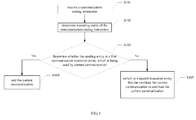
FIG. 1 illustrates a flow chart of a communication processing method according to an embodiment of the disclosure. -
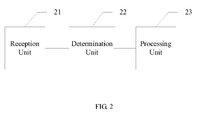
FIG. 2 illustrates a schematic diagram of the configuration of a communication processing device according to an embodiment of the disclosure. - According to communication processing method provided by the present disclosure, during a communication process, when an operation instruction not sent by the communication executive agent being used by the current communication, the current communication is switched to another communication executive agent rather than an immediate response to the current operation instruction is made, which may avoid a current communication interruption by accident as a result of an operation instruction sent by other communication executive agent not being used.
- A communication processing method provided by the first embodiment of the disclosure comprises, firstly, receiving a communication operation instruction; then determining a sending agent of the received operation instruction; switching the current communication to a second communication executive agent if the sending agent is not the first communication executive agent being used by the current communication. The second embodiment of the disclosure will explain the communication processing method in the first embodiment in detail in combination with actual applications. The embodiments of the disclosure are illustrated by taking the operation instruction being a communication termination instruction as an example, however, the disclosure is not limited thereto.
- An implementation procedure of the communication processing method in the second embodiment of the disclosure, as shown in
FIG. 1 , specifically comprises: - Step S101: receiving a communication termination instruction.
- Specifically, a communication termination instruction received during communication procedure can be one sent by the terminal itself or other peripheral devices. For example, during a conversation, the communication termination instruction for ending the call can be one sent by the operation of the "hang up" button of the terminal (mobile phone) itself, or can be one sent by a key operation of other peripheral devices such as a wired headset or Bluetooth and so on.
- Step S102: determining a sending agent of the communication termination instruction.
- Specifically, when a communication termination instruction is received, the information thereof needs to be analyzed to determine the sending agent of the communication termination instruction.
- Step S103: judging whether the sending agent of the communication termination instruction is the first communication executive agent being used by the current communication or not.
- Specifically, it needs to detect the first communication executive agent being used by the current communication and other communication executive agents which have an ability to perform the current communication. When the communication termination instruction is received, the sending agent is judged whether or not it is the first communication executive agent being used by the current communication according to the device identification information carried in the communication termination instruction. If it is, step S104 is performed; and if it is not, then step S105 is performed.
- Step S104: terminating the current communication.
- Step S105: switching the current communication to a second executive agent which can continue the current communication from the first communication executive agent and continuing the current communication.
- For example, the second communication executive agent which can continue the current communication after the switch can be the sending agent sending the communication termination instruction, or it can also be other communication executive agents which can continue the current communication, which can make sure the continuation of the current communication and that the first communication executive agent does not perform the termination operation.
- According to the above communication processing method provided in the embodiments of the disclosure, during the communication procedure, when receiving a communication termination instruction, a mobile terminal may judge a sending agent of the communication termination instruction, and switch the current communication to other communication executive agents which can continue the current communication in the case that the sending agent of the communication termination instruction is not the communication executive agent being used currently. The communication termination instruction is responded to terminate the current communication only when the current communication termination instruction is sent by the communication executive agent being used by the current communication. Thus, a communication interruption in the communication procedure caused by a misoperation of the other communication executive agents is avoided.
- For example, after switching the current communication to the second communication executive agent to continue the current communication, the method further comprises: letting the user choose whether or not to switch the current communication back to the first communication executive agent through the user interface of the mobile terminal. When the switch instruction sent by the user through the user interface of the mobile terminal is detected, according to this switch instruction, the current communication may be switched to the first communication executive agent from the second communication executive agent.
- For example, users can preset the above operation instruction for performing a switch. When prompted whether or not to perform a device switch on the user interface of the mobile terminal, users can perform the corresponding operation directly on the user interface of the mobile terminal. It can determine whether the choice of the user is to perform the switch operation by judging whether the switch instruction sent through the user interface of the mobile terminal matches the preset operation instruction of performing the switch. If the result of the judgment is that the switch instruction sent by the user through the user interface of the mobile terminal matches the preset operation instruction of performing the switch, it is to perform the switching from the second communication executive agent back to the first communication executive agent.
- In the embodiments of the disclosure, users select whether to switch the current communication back to the former executive agent through the user interface of a mobile terminal, which can delay a communication interruption on one hand, and on the other hand can switch the communication procedure back to the former executive agent in time if the user accidentally touch the keys on the other communication executive agents.
- The communication processing method of the second embodiment is further explained in detail through a third embodiment of the disclosure. In this embodiment of the disclosure, it takes a conversation procedure through a mobile terminal as an example; however, the disclosure is not limited thereto. It may also be that any other audio information is accepted through the mobile terminal and its peripheral devices.
- According to this embodiment of the disclosure, during the communication procedure of an ongoing conversation performed by the mobile terminal, the communication executive agent receiving this phone call may be a receiver of the mobile terminal, or may also be a wired headset or a Bluetooth device or other peripheral devices. When any of the above communication executive agents is in the state of conversation, communication may be interrupted if the keys of other communication executive agents are touched accidentally.
- In this embodiment of the disclosure, a communication procedure of an ongoing conversation performed through the communication processing method of the first embodiment of the disclosure is explained in combination with the case that the mobile terminal connects with various peripheral devices, but the disclosure is not limited thereto.
- Specifically, the mobile terminal first judges the communication executive agent used by the current conversation, and the connected peripheral devices.
- A1: when it is determined that the mobile terminal is receiving the phone call through the receiver, if the "hang up" key on the mobile terminal is touched, then the phone call is hung up directly; if the key on the wired headset or the Bluetooth is touched, then the device for receiving the phone call in current conversation procedure is switched from the receiver to the wired headset or the Bluetooth.
- A2: when it is determined that the mobile terminal is receiving the phone call through the wired headset, if the key on the Bluetooth device is touched, then the current conversation procedure is switched to the Bluetooth device for receiving the phone call, and only the termination instruction sent by the Bluetooth device is responded; if the key on the mobile terminal is touched, then the current conversation is switched to the receiver. Because a wired headset may replace a receiver on the mobile terminal, the wired headset may continue to receive the phone call.
- A3: when it is determined that the mobile terminal is receiving the phone call through the Bluetooth device, if the key on the Bluetooth device is touched, then the phone call is directly terminated; if the key on the wired headset is touched, then the current conversation is switched to the wired headset, i.e., the device for receiving the phone call is switched from the Bluetooth device to the wired headset; if the key on the mobile terminal is touched, the wired headset continues to be used to receive the phone call, for the wired headset may be used instead of the receiver of the mobile terminal.
- B1: when it is determined that the mobile terminal is receiving the phone call through the Bluetooth device, if the key on the Bluetooth device is touched, then the conversation is terminated directly; if the key on the mobile terminal is touched, then the device used by current conversation is switched from the Bluetooth device to the receiver of the mobile terminal.
- B2: when it is determined that the mobile terminal is receiving the phone call through the receiver of the mobile terminal, if the "hang up" key on the mobile terminal is touched, then the conversation is directly terminated; if the key on the Bluetooth device is detected to be touched to send a conversation termination instruction, then the current conversation is switched from the receiver to the Bluetooth.
- Because the mobile terminal currently only connects to the Bluetooth device, the wired headset does not take part in the current conversation.
- If the key on the wired headset is touched, then the current conversation is terminated; if the key on the mobile terminal is touched, then the conversation is switched to the receiver of the terminal.
- For example, as discussed above in the embodiment of the disclosure, because the wired headset may be used instead of the receiver of the mobile terminal, when the key on the mobile terminal is touched, it needs to switch the conversation procedure to the receiver of the terminal in order to avoid a conversation interruption, though it is possible to continue to use the wired headset for receiving the phone call.
- In this case, the mobile terminal only responds to a conversation termination instruction sent by the terminal itself. If a conversation termination instruction is received, the current conversation is directly terminated without performing a switch.
- For example, in the above procedure, if the conversation termination instruction is not sent from the reception device being used by the current conversation, the current conversation is switched to the device from which the conversation termination instruction is sent. In addition, after the reception device is switched, a prompt may be popped up on the interface screen for the user to select whether to perform the reception device switch or not. If the user select Yes, then the conversation may be switched back to the former reception device, which may delay the conversation interruption on one hand, and on the other hand the conversation may be switched back to the former reception device in time in the case of misoperation.
- For example, the user may set in advance whether to use the current reception device to receive the operation instruction corresponding to the current conversation, such as pressing a key or sliding on the screen and so on. If the user sends a switch instruction, the mobile terminal judges whether the instruction matches the preset operation instruction. If they are matched, then switch the current reception device back to the former reception device to continue the current conversation.
- For example, the above mentioned switch procedure may be a seamless switch, in which case a switch among different reception devices without terminating the conversation may be performed. Thus, the conversation procedure may be optimized and the user experience is improved.
- According to the communication processing method provided by the embodiments of the disclosure, in the case that a conversation termination instruction is sent by the reception device not used by the current communication, a switch of the reception device is performed rather than responding to the termination instruction and ending the current conversation, which may avoid a conversation interruption caused by a misoperation when the mobile terminal connects to multiple peripheral devices. In addition, an information indicating whether to perform a switch may be popped up at an appropriate time, which allows the user to switch the current reception device, and allows switching back to the former reception device in time when a misoperation occurs.
- The fourth embodiment of the disclosure further provides a communication processing device for performing the above mentioned communication processing methods. Specifically, the communication processing device comprises the following parts as shown in
FIG. 2 : - a
reception unit 21 for receiving a communication operation instruction; - a
determination unit 22 for determining the sending agent of the received operation instruction; and - a
processing unit 23 for switching the current communication to a second communication executive agent in the case that the sending agent determined bydetermination unit 22 is not the first communication executive agent being used by the current communication. - For example, the
process unit 23 is further used for performing an operation indicated by the operation instruction to the current communication in the case that the sending agent is the first communication executive agent used by the current communication. - For example, after switching the current communication to the second communication executive agent, the
process unit 23 is still used for: - detecting the switch instruction sent by the user through the user interface of the mobile terminal and indicating to switch the current communication back to the first communication executive agent;
- switching the current communication from the second communication executive agent back to the first communication executive agent.
- Specifically, after detecting the switch instruction sent by the user through the user interface of the mobile terminal, judging whether the switch instruction sent by the user through the user interface of the mobile terminal matches a preset corresponding operation instruction for performing a switch. If the result of the judgment is that the switch instruction sent by the user through the user interface of the mobile terminal matches the preset corresponding operation instruction of performing the switch, performing switching the current communication from the second communication executive agent back to the first communication executive agent.
- For example, the second executive agent is the sending agent of the operation instruction.
- For example, the above switching is a seamless switching.
- According to communication processing devices of the embodiments of the present disclosure, in a communication procedure, when an operation instruction is received, the sending agent of the operation instruction will be judged. The current communication will be switched to other communication executive agents in the case that the sending agent of the operation instruction is not the communication executive agent being used by the current communication. The corresponding operation instruction is responded only when the operation instruction is sent by the communication executive agent being used by the current communication. Thus, a communication interruption caused by a misoperation of other communication executive agents during a communication procedure is avoided.
- Obviously, those skilled in the art can make various changes and modifications to the embodiments of the disclosure without departing from the spirit and scope of the disclosure. Thus, all suitable changes and modifications which come within the spirit and scope of the appended claims and their equivalents are intended to fall within the scope of the disclosure.
Claims (12)
- A communication processing method, comprising:receiving an operation instruction for communication;determining a sending agent of the operation instruction; andswitching a current communication to a second communication executive agent in the case that the sending agent is not a first communication executive agent being used by the current communication.
- The communication processing method according to claim 1, wherein, after switching the current communication to the second communication executive agent, the method further comprising:detecting a switch instruction sent by a user through a user interface of a mobile terminal and indicating to switch the current communication back to the first communication executive agent; andswitching the current communication from the second communication executive agent back to the first communication executive agent.
- The communication processing method according to claim 2, wherein, the method further comprising: judging whether the switch instruction sent by the user through the user interface of the mobile terminal matches a preset corresponding operation instruction of performing a switch; and
the switching the current communication from the second communication executive agent back to the first communication executive agent is that:in the case that a result of the judging is that the switch instruction sent by the user through the user interface of the mobile terminal matches the preset corresponding operation instruction of performing a switch, switching the current communication from the second communication executive agent to the first communication executive agent. - The communication processing method according to any one of claims 1-3, wherein, the second communication executive agent is the sending agent of the operation instruction.
- The communication processing method according to any one of claims 1-4, wherein, the switching is a seamless switching.
- The communication processing method according to any one of claims 1-5, wherein, in the case that the sending agent is the first communication executive agent being used by the current communication, performing an operation indicated by the operation instruction to the current communication.
- A communication processing device, comprising:a reception unit for receiving a operation instruction for communication;a determination unit for determining a sending agent of the operation instruction; anda processing unit for switching a current communication to a second communication executive agent in the case that the sending agent is not the first communication executive agent being used by the current communication.
- The device according to claim 7, wherein, after switching the current communication to the second communication executive agent, the processing unit is further used for
detecting a switch instruction sent by a user through a user interface of a mobile terminal and indicating to switch the current communication back to the first communication executive agent, and
switching the current communication from the second communication executive agent back to the first communication executive agent. - The device according to claim 8, wherein, the processing unit is further used for judging whether the switch instruction sent by the user through the user interface of the mobile terminal matches a preset corresponding operation instruction of performing a switch; and
switching the current communication from the second communication executive agent back to the first communication executive agent in the case that a result of the judging is that the switch instruction sent by the user through the user interface of the mobile terminal matches the preset corresponding operation instruction of performing a switch. - The device according to any one of claims 7-9, wherein, the second communication executive agent is the sending agent of the operation instruction.
- The device according to any one of claims 7-10, wherein, the switching is a seamless switching.
- The device according to any one of claims 7-11, wherein, the process unit is further used for performing an operation indicated by the operation instruction to the current communication in the case that the sending agent is the first communication executive agent being used by the current communication.
Applications Claiming Priority (2)
| Application Number | Priority Date | Filing Date | Title |
|---|---|---|---|
| CN201210398162.6A CN102932536B (en) | 2012-10-18 | 2012-10-18 | Communication processing method and device |
| PCT/CN2013/078886 WO2014059803A1 (en) | 2012-10-18 | 2013-07-05 | Communication processing method and device |
Publications (3)
| Publication Number | Publication Date |
|---|---|
| EP2849417A1 true EP2849417A1 (en) | 2015-03-18 |
| EP2849417A4 EP2849417A4 (en) | 2015-10-14 |
| EP2849417B1 EP2849417B1 (en) | 2017-08-30 |
Family
ID=47647229
Family Applications (1)
| Application Number | Title | Priority Date | Filing Date |
|---|---|---|---|
| EP13847340.0A Active EP2849417B1 (en) | 2012-10-18 | 2013-07-05 | Communication processing method and device |
Country Status (9)
| Country | Link |
|---|---|
| US (1) | US20140115481A1 (en) |
| EP (1) | EP2849417B1 (en) |
| JP (1) | JP6310910B2 (en) |
| KR (1) | KR101638275B1 (en) |
| CN (1) | CN102932536B (en) |
| BR (1) | BR112014032371A2 (en) |
| MX (1) | MX342084B (en) |
| RU (1) | RU2602824C2 (en) |
| WO (1) | WO2014059803A1 (en) |
Cited By (1)
| Publication number | Priority date | Publication date | Assignee | Title |
|---|---|---|---|---|
| US12120261B2 (en) | 2019-08-21 | 2024-10-15 | Vivo Mobile Communication Co., Ltd. | Incoming call processing method and electronic device |
Families Citing this family (4)
| Publication number | Priority date | Publication date | Assignee | Title |
|---|---|---|---|---|
| CN102932536B (en) * | 2012-10-18 | 2014-12-24 | 小米科技有限责任公司 | Communication processing method and device |
| CN103888609B (en) * | 2014-03-13 | 2016-08-24 | 宇龙计算机通信科技(深圳)有限公司 | The processing method of a kind of incoming call and system |
| CN104618595B (en) * | 2015-01-30 | 2018-01-19 | 广东欧珀移动通信有限公司 | Call mode switching method and device |
| CN118984350A (en) * | 2016-08-26 | 2024-11-19 | 荣耀终端有限公司 | Audio output method, electronic device and storage medium |
Family Cites Families (32)
| Publication number | Priority date | Publication date | Assignee | Title |
|---|---|---|---|---|
| DE4440500A1 (en) * | 1994-11-12 | 1996-05-15 | Philips Patentverwaltung | Communication system |
| US6363145B1 (en) * | 1998-08-17 | 2002-03-26 | Siemens Information And Communication Networks, Inc. | Apparatus and method for automated voice analysis in ACD silent call monitoring |
| US7417980B2 (en) * | 2002-08-06 | 2008-08-26 | Brother Kogyo Kabushiki Kaisha | Internet telephone system |
| JP3816475B2 (en) * | 2003-09-30 | 2006-08-30 | 株式会社東芝 | Portable wireless communication device |
| US7400886B2 (en) * | 2004-01-09 | 2008-07-15 | Siemens Communications, Inc. | Call hand-over in a wireless local area network |
| JP4693421B2 (en) * | 2005-01-07 | 2011-06-01 | 株式会社ホンダアクセス | In-vehicle hands-free equipment |
| KR100736569B1 (en) * | 2005-10-20 | 2007-07-06 | 엘지전자 주식회사 | Mobile communication terminal and control method thereof |
| US8559350B2 (en) * | 2005-12-20 | 2013-10-15 | Microsoft Corporation | Mechanism to convey discovery information in a wireless network |
| US20070160054A1 (en) * | 2006-01-11 | 2007-07-12 | Cisco Technology, Inc. | Method and system for receiving call center feedback |
| EP1850569A1 (en) * | 2006-04-25 | 2007-10-31 | International Business Machines Corporation | Module for transferring a warning signal to headphones of an audio player |
| US20080080703A1 (en) * | 2006-06-07 | 2008-04-03 | Penning Randall J | Telephone station incorporating wirless handset and cradle feature |
| US20090010246A1 (en) * | 2006-12-11 | 2009-01-08 | Grattan Alan W | Cordless telephone systems |
| US20080220825A1 (en) * | 2007-03-05 | 2008-09-11 | Unigrand Ltd. | Bluetooth earphone with multiple audio gateways |
| TWI334735B (en) * | 2007-04-27 | 2010-12-11 | Delta Electronics Inc | Wireless headphone |
| US8068925B2 (en) * | 2007-06-28 | 2011-11-29 | Apple Inc. | Dynamic routing of audio among multiple audio devices |
| US9131078B2 (en) * | 2007-07-27 | 2015-09-08 | Lagavulin Limited | Apparatuses, methods, and systems for a portable, image-processing transmitter |
| CN101453248A (en) * | 2007-12-04 | 2009-06-10 | 艾威梯软件技术(北京)有限公司 | Method and computer for supporting Bluetooth voice call |
| CN201204622Y (en) * | 2008-02-22 | 2009-03-04 | 上海电机学院 | Universal Phone Headset |
| CN101610307A (en) * | 2008-06-17 | 2009-12-23 | 深圳富泰宏精密工业有限公司 | Answering modes of mobile phone switched system and method |
| US8112037B2 (en) * | 2008-09-02 | 2012-02-07 | Nissaf Ketari | Bluetooth assistant |
| US20100081488A1 (en) * | 2008-09-26 | 2010-04-01 | Kim Justin C | Portable wireless communication device |
| JP2010278857A (en) * | 2009-05-29 | 2010-12-09 | Nec Saitama Ltd | Hands-free cellular phone |
| US20100332286A1 (en) * | 2009-06-24 | 2010-12-30 | At&T Intellectual Property I, L.P., | Predicting communication outcome based on a regression model |
| CN102075892B (en) * | 2009-11-24 | 2014-12-10 | 中兴通讯股份有限公司 | Method and system for switching personal network voice |
| KR101669059B1 (en) * | 2010-01-28 | 2016-10-25 | 삼성전자주식회사 | Method and system for switching call service in mobile terminal |
| CN101841599A (en) * | 2010-04-07 | 2010-09-22 | 惠州Tcl移动通信有限公司 | Method and mobile phone for preventing mistaken hanging up in conversation of mobile phone |
| JP5091273B2 (en) * | 2010-04-23 | 2012-12-05 | 株式会社エヌ・ティ・ティ・ドコモ | Communication terminal and application control method |
| JP5170183B2 (en) * | 2010-07-29 | 2013-03-27 | ブラザー工業株式会社 | Communication control program and communication device |
| US20120057565A1 (en) * | 2010-09-03 | 2012-03-08 | Avaya Inc. | Dls-assisted wired to wireless handover |
| JP2012204845A (en) * | 2011-03-23 | 2012-10-22 | Denso Corp | Hands-free communication device |
| CN102497474B (en) * | 2011-12-06 | 2014-05-07 | 宇龙计算机通信科技(深圳)有限公司 | Terminal and communication channel switching method |
| CN102932536B (en) * | 2012-10-18 | 2014-12-24 | 小米科技有限责任公司 | Communication processing method and device |
-
2012
- 2012-10-18 CN CN201210398162.6A patent/CN102932536B/en active Active
-
2013
- 2013-07-05 RU RU2014153143/07A patent/RU2602824C2/en active
- 2013-07-05 JP JP2015516439A patent/JP6310910B2/en active Active
- 2013-07-05 BR BR112014032371A patent/BR112014032371A2/en not_active IP Right Cessation
- 2013-07-05 EP EP13847340.0A patent/EP2849417B1/en active Active
- 2013-07-05 WO PCT/CN2013/078886 patent/WO2014059803A1/en not_active Ceased
- 2013-07-05 MX MX2014015544A patent/MX342084B/en active IP Right Grant
- 2013-07-05 KR KR1020147035285A patent/KR101638275B1/en active Active
- 2013-10-24 US US14/061,757 patent/US20140115481A1/en not_active Abandoned
Cited By (1)
| Publication number | Priority date | Publication date | Assignee | Title |
|---|---|---|---|---|
| US12120261B2 (en) | 2019-08-21 | 2024-10-15 | Vivo Mobile Communication Co., Ltd. | Incoming call processing method and electronic device |
Also Published As
| Publication number | Publication date |
|---|---|
| RU2014153143A (en) | 2016-07-20 |
| KR101638275B1 (en) | 2016-07-08 |
| JP2015525029A (en) | 2015-08-27 |
| CN102932536A (en) | 2013-02-13 |
| CN102932536B (en) | 2014-12-24 |
| RU2602824C2 (en) | 2016-11-20 |
| KR20150014499A (en) | 2015-02-06 |
| EP2849417A4 (en) | 2015-10-14 |
| EP2849417B1 (en) | 2017-08-30 |
| MX342084B (en) | 2016-09-12 |
| MX2014015544A (en) | 2015-04-08 |
| JP6310910B2 (en) | 2018-04-11 |
| US20140115481A1 (en) | 2014-04-24 |
| BR112014032371A2 (en) | 2017-06-27 |
| WO2014059803A1 (en) | 2014-04-24 |
Similar Documents
| Publication | Publication Date | Title |
|---|---|---|
| US8872775B2 (en) | Information processing apparatus | |
| KR101251439B1 (en) | Automatical test system and method performance of smart phone using android debug bridge interface | |
| JP6924783B2 (en) | Bluetooth connection management methods, master bluetooth devices, and equipment | |
| CN103197756B (en) | A kind of operation information inputting method of electronic equipment and electronic equipment | |
| EP2849417A1 (en) | Communication processing method and device | |
| CN103095915B (en) | A kind of method that prevents maloperation and mobile phone based on touch-screen mobile phone | |
| CN102932549A (en) | Mobile terminal and method for quickly entering application programs through earphones | |
| CN104168385B (en) | Double card changing method and device | |
| CN104883444B (en) | One kind call quick application process, system and mobile terminal | |
| CN106921778A (en) | For the communication means and communication equipment of electric terminal | |
| CN106131328A (en) | Call control method, call control apparatus and terminal | |
| CN106453828A (en) | Call switching method and communication terminal | |
| CN104023120B (en) | The method and apparatus of call | |
| KR101502346B1 (en) | Call control method and module of smartphone with dual speaker | |
| CN1331026C (en) | Method for realizing active function by assembled keys | |
| CN107872562B (en) | Call method, device and terminal | |
| CN103220419B (en) | A kind of call terminal and call handling method | |
| CN104363329A (en) | Communication method and electronic devices | |
| CN103516886B (en) | A kind of response method and electronic equipment | |
| CN105827875A (en) | Call switching method, calling terminal and called terminal | |
| CN106101401A (en) | A kind of incoming call processing method and device | |
| CN104836923B (en) | Control the method, apparatus and mobile terminal of call hang-ups | |
| KR101466961B1 (en) | Apparatus and methdo for calling | |
| CN106572239A (en) | Incoming call processing method | |
| JP6571510B2 (en) | Telephone and telephone control method |
Legal Events
| Date | Code | Title | Description |
|---|---|---|---|
| PUAI | Public reference made under article 153(3) epc to a published international application that has entered the european phase |
Free format text: ORIGINAL CODE: 0009012 |
|
| 17P | Request for examination filed |
Effective date: 20141211 |
|
| AK | Designated contracting states |
Kind code of ref document: A1 Designated state(s): AL AT BE BG CH CY CZ DE DK EE ES FI FR GB GR HR HU IE IS IT LI LT LU LV MC MK MT NL NO PL PT RO RS SE SI SK SM TR |
|
| AX | Request for extension of the european patent |
Extension state: BA ME |
|
| RA4 | Supplementary search report drawn up and despatched (corrected) |
Effective date: 20150911 |
|
| RIC1 | Information provided on ipc code assigned before grant |
Ipc: H04M 1/60 20060101ALI20150907BHEP Ipc: H04M 1/725 20060101AFI20150907BHEP |
|
| DAX | Request for extension of the european patent (deleted) | ||
| 17Q | First examination report despatched |
Effective date: 20160317 |
|
| GRAP | Despatch of communication of intention to grant a patent |
Free format text: ORIGINAL CODE: EPIDOSNIGR1 |
|
| INTG | Intention to grant announced |
Effective date: 20170608 |
|
| GRAS | Grant fee paid |
Free format text: ORIGINAL CODE: EPIDOSNIGR3 |
|
| GRAA | (expected) grant |
Free format text: ORIGINAL CODE: 0009210 |
|
| AK | Designated contracting states |
Kind code of ref document: B1 Designated state(s): AL AT BE BG CH CY CZ DE DK EE ES FI FR GB GR HR HU IE IS IT LI LT LU LV MC MK MT NL NO PL PT RO RS SE SI SK SM TR |
|
| REG | Reference to a national code |
Ref country code: GB Ref legal event code: FG4D |
|
| REG | Reference to a national code |
Ref country code: CH Ref legal event code: EP |
|
| REG | Reference to a national code |
Ref country code: AT Ref legal event code: REF Ref document number: 924650 Country of ref document: AT Kind code of ref document: T Effective date: 20170915 |
|
| REG | Reference to a national code |
Ref country code: IE Ref legal event code: FG4D |
|
| REG | Reference to a national code |
Ref country code: DE Ref legal event code: R096 Ref document number: 602013025960 Country of ref document: DE |
|
| REG | Reference to a national code |
Ref country code: NL Ref legal event code: MP Effective date: 20170830 |
|
| REG | Reference to a national code |
Ref country code: LT Ref legal event code: MG4D |
|
| REG | Reference to a national code |
Ref country code: AT Ref legal event code: MK05 Ref document number: 924650 Country of ref document: AT Kind code of ref document: T Effective date: 20170830 |
|
| PG25 | Lapsed in a contracting state [announced via postgrant information from national office to epo] |
Ref country code: HR Free format text: LAPSE BECAUSE OF FAILURE TO SUBMIT A TRANSLATION OF THE DESCRIPTION OR TO PAY THE FEE WITHIN THE PRESCRIBED TIME-LIMIT Effective date: 20170830 Ref country code: LT Free format text: LAPSE BECAUSE OF FAILURE TO SUBMIT A TRANSLATION OF THE DESCRIPTION OR TO PAY THE FEE WITHIN THE PRESCRIBED TIME-LIMIT Effective date: 20170830 Ref country code: SE Free format text: LAPSE BECAUSE OF FAILURE TO SUBMIT A TRANSLATION OF THE DESCRIPTION OR TO PAY THE FEE WITHIN THE PRESCRIBED TIME-LIMIT Effective date: 20170830 Ref country code: AT Free format text: LAPSE BECAUSE OF FAILURE TO SUBMIT A TRANSLATION OF THE DESCRIPTION OR TO PAY THE FEE WITHIN THE PRESCRIBED TIME-LIMIT Effective date: 20170830 Ref country code: FI Free format text: LAPSE BECAUSE OF FAILURE TO SUBMIT A TRANSLATION OF THE DESCRIPTION OR TO PAY THE FEE WITHIN THE PRESCRIBED TIME-LIMIT Effective date: 20170830 Ref country code: NO Free format text: LAPSE BECAUSE OF FAILURE TO SUBMIT A TRANSLATION OF THE DESCRIPTION OR TO PAY THE FEE WITHIN THE PRESCRIBED TIME-LIMIT Effective date: 20171130 |
|
| PG25 | Lapsed in a contracting state [announced via postgrant information from national office to epo] |
Ref country code: LV Free format text: LAPSE BECAUSE OF FAILURE TO SUBMIT A TRANSLATION OF THE DESCRIPTION OR TO PAY THE FEE WITHIN THE PRESCRIBED TIME-LIMIT Effective date: 20170830 Ref country code: RS Free format text: LAPSE BECAUSE OF FAILURE TO SUBMIT A TRANSLATION OF THE DESCRIPTION OR TO PAY THE FEE WITHIN THE PRESCRIBED TIME-LIMIT Effective date: 20170830 Ref country code: ES Free format text: LAPSE BECAUSE OF FAILURE TO SUBMIT A TRANSLATION OF THE DESCRIPTION OR TO PAY THE FEE WITHIN THE PRESCRIBED TIME-LIMIT Effective date: 20170830 Ref country code: IS Free format text: LAPSE BECAUSE OF FAILURE TO SUBMIT A TRANSLATION OF THE DESCRIPTION OR TO PAY THE FEE WITHIN THE PRESCRIBED TIME-LIMIT Effective date: 20171230 Ref country code: BG Free format text: LAPSE BECAUSE OF FAILURE TO SUBMIT A TRANSLATION OF THE DESCRIPTION OR TO PAY THE FEE WITHIN THE PRESCRIBED TIME-LIMIT Effective date: 20171130 Ref country code: GR Free format text: LAPSE BECAUSE OF FAILURE TO SUBMIT A TRANSLATION OF THE DESCRIPTION OR TO PAY THE FEE WITHIN THE PRESCRIBED TIME-LIMIT Effective date: 20171201 |
|
| PG25 | Lapsed in a contracting state [announced via postgrant information from national office to epo] |
Ref country code: NL Free format text: LAPSE BECAUSE OF FAILURE TO SUBMIT A TRANSLATION OF THE DESCRIPTION OR TO PAY THE FEE WITHIN THE PRESCRIBED TIME-LIMIT Effective date: 20170830 |
|
| PG25 | Lapsed in a contracting state [announced via postgrant information from national office to epo] |
Ref country code: DK Free format text: LAPSE BECAUSE OF FAILURE TO SUBMIT A TRANSLATION OF THE DESCRIPTION OR TO PAY THE FEE WITHIN THE PRESCRIBED TIME-LIMIT Effective date: 20170830 Ref country code: RO Free format text: LAPSE BECAUSE OF FAILURE TO SUBMIT A TRANSLATION OF THE DESCRIPTION OR TO PAY THE FEE WITHIN THE PRESCRIBED TIME-LIMIT Effective date: 20170830 Ref country code: CZ Free format text: LAPSE BECAUSE OF FAILURE TO SUBMIT A TRANSLATION OF THE DESCRIPTION OR TO PAY THE FEE WITHIN THE PRESCRIBED TIME-LIMIT Effective date: 20170830 Ref country code: PL Free format text: LAPSE BECAUSE OF FAILURE TO SUBMIT A TRANSLATION OF THE DESCRIPTION OR TO PAY THE FEE WITHIN THE PRESCRIBED TIME-LIMIT Effective date: 20170830 |
|
| PG25 | Lapsed in a contracting state [announced via postgrant information from national office to epo] |
Ref country code: EE Free format text: LAPSE BECAUSE OF FAILURE TO SUBMIT A TRANSLATION OF THE DESCRIPTION OR TO PAY THE FEE WITHIN THE PRESCRIBED TIME-LIMIT Effective date: 20170830 Ref country code: SM Free format text: LAPSE BECAUSE OF FAILURE TO SUBMIT A TRANSLATION OF THE DESCRIPTION OR TO PAY THE FEE WITHIN THE PRESCRIBED TIME-LIMIT Effective date: 20170830 Ref country code: IT Free format text: LAPSE BECAUSE OF FAILURE TO SUBMIT A TRANSLATION OF THE DESCRIPTION OR TO PAY THE FEE WITHIN THE PRESCRIBED TIME-LIMIT Effective date: 20170830 Ref country code: SK Free format text: LAPSE BECAUSE OF FAILURE TO SUBMIT A TRANSLATION OF THE DESCRIPTION OR TO PAY THE FEE WITHIN THE PRESCRIBED TIME-LIMIT Effective date: 20170830 |
|
| REG | Reference to a national code |
Ref country code: DE Ref legal event code: R097 Ref document number: 602013025960 Country of ref document: DE |
|
| PLBE | No opposition filed within time limit |
Free format text: ORIGINAL CODE: 0009261 |
|
| STAA | Information on the status of an ep patent application or granted ep patent |
Free format text: STATUS: NO OPPOSITION FILED WITHIN TIME LIMIT |
|
| REG | Reference to a national code |
Ref country code: FR Ref legal event code: PLFP Year of fee payment: 6 |
|
| 26N | No opposition filed |
Effective date: 20180531 |
|
| PG25 | Lapsed in a contracting state [announced via postgrant information from national office to epo] |
Ref country code: SI Free format text: LAPSE BECAUSE OF FAILURE TO SUBMIT A TRANSLATION OF THE DESCRIPTION OR TO PAY THE FEE WITHIN THE PRESCRIBED TIME-LIMIT Effective date: 20170830 |
|
| REG | Reference to a national code |
Ref country code: CH Ref legal event code: PL |
|
| PG25 | Lapsed in a contracting state [announced via postgrant information from national office to epo] |
Ref country code: LU Free format text: LAPSE BECAUSE OF NON-PAYMENT OF DUE FEES Effective date: 20180705 Ref country code: MC Free format text: LAPSE BECAUSE OF FAILURE TO SUBMIT A TRANSLATION OF THE DESCRIPTION OR TO PAY THE FEE WITHIN THE PRESCRIBED TIME-LIMIT Effective date: 20170830 |
|
| REG | Reference to a national code |
Ref country code: BE Ref legal event code: MM Effective date: 20180731 |
|
| REG | Reference to a national code |
Ref country code: IE Ref legal event code: MM4A |
|
| PG25 | Lapsed in a contracting state [announced via postgrant information from national office to epo] |
Ref country code: CH Free format text: LAPSE BECAUSE OF NON-PAYMENT OF DUE FEES Effective date: 20180731 Ref country code: IE Free format text: LAPSE BECAUSE OF NON-PAYMENT OF DUE FEES Effective date: 20180705 Ref country code: LI Free format text: LAPSE BECAUSE OF NON-PAYMENT OF DUE FEES Effective date: 20180731 |
|
| PG25 | Lapsed in a contracting state [announced via postgrant information from national office to epo] |
Ref country code: BE Free format text: LAPSE BECAUSE OF NON-PAYMENT OF DUE FEES Effective date: 20180731 |
|
| PG25 | Lapsed in a contracting state [announced via postgrant information from national office to epo] |
Ref country code: MT Free format text: LAPSE BECAUSE OF NON-PAYMENT OF DUE FEES Effective date: 20180705 |
|
| PG25 | Lapsed in a contracting state [announced via postgrant information from national office to epo] |
Ref country code: TR Free format text: LAPSE BECAUSE OF FAILURE TO SUBMIT A TRANSLATION OF THE DESCRIPTION OR TO PAY THE FEE WITHIN THE PRESCRIBED TIME-LIMIT Effective date: 20170830 |
|
| PG25 | Lapsed in a contracting state [announced via postgrant information from national office to epo] |
Ref country code: HU Free format text: LAPSE BECAUSE OF FAILURE TO SUBMIT A TRANSLATION OF THE DESCRIPTION OR TO PAY THE FEE WITHIN THE PRESCRIBED TIME-LIMIT; INVALID AB INITIO Effective date: 20130705 Ref country code: PT Free format text: LAPSE BECAUSE OF FAILURE TO SUBMIT A TRANSLATION OF THE DESCRIPTION OR TO PAY THE FEE WITHIN THE PRESCRIBED TIME-LIMIT Effective date: 20170830 |
|
| PG25 | Lapsed in a contracting state [announced via postgrant information from national office to epo] |
Ref country code: MK Free format text: LAPSE BECAUSE OF NON-PAYMENT OF DUE FEES Effective date: 20170830 Ref country code: CY Free format text: LAPSE BECAUSE OF FAILURE TO SUBMIT A TRANSLATION OF THE DESCRIPTION OR TO PAY THE FEE WITHIN THE PRESCRIBED TIME-LIMIT Effective date: 20170830 |
|
| PG25 | Lapsed in a contracting state [announced via postgrant information from national office to epo] |
Ref country code: AL Free format text: LAPSE BECAUSE OF FAILURE TO SUBMIT A TRANSLATION OF THE DESCRIPTION OR TO PAY THE FEE WITHIN THE PRESCRIBED TIME-LIMIT Effective date: 20170830 |
|
| P01 | Opt-out of the competence of the unified patent court (upc) registered |
Effective date: 20230523 |
|
| PGFP | Annual fee paid to national office [announced via postgrant information from national office to epo] |
Ref country code: FR Payment date: 20240730 Year of fee payment: 12 |
|
| PGFP | Annual fee paid to national office [announced via postgrant information from national office to epo] |
Ref country code: DE Payment date: 20250722 Year of fee payment: 13 |
|
| PGFP | Annual fee paid to national office [announced via postgrant information from national office to epo] |
Ref country code: GB Payment date: 20250722 Year of fee payment: 13 |
|
| PG25 | Lapsed in a contracting state [announced via postgrant information from national office to epo] |
Ref country code: FR Free format text: LAPSE BECAUSE OF NON-PAYMENT OF DUE FEES Effective date: 20250731 |