EP2847178B1 - Derivatives of docosahexaenoylethanolamide and uses thereof - Google Patents
Derivatives of docosahexaenoylethanolamide and uses thereof Download PDFInfo
- Publication number
- EP2847178B1 EP2847178B1 EP13714787.2A EP13714787A EP2847178B1 EP 2847178 B1 EP2847178 B1 EP 2847178B1 EP 13714787 A EP13714787 A EP 13714787A EP 2847178 B1 EP2847178 B1 EP 2847178B1
- Authority
- EP
- European Patent Office
- Prior art keywords
- compound
- chch
- hplc
- formula
- lcms
- Prior art date
- Legal status (The legal status is an assumption and is not a legal conclusion. Google has not performed a legal analysis and makes no representation as to the accuracy of the status listed.)
- Active
Links
- OKCBLIPRZRNCTJ-KUBAVDMBSA-N CC/C=C\C/C=C\C/C=C\C/C=C\C/C=C\C/C=C\CCC(N(C1)CC1N1CCOCC1)=O Chemical compound CC/C=C\C/C=C\C/C=C\C/C=C\C/C=C\C/C=C\CCC(N(C1)CC1N1CCOCC1)=O OKCBLIPRZRNCTJ-KUBAVDMBSA-N 0.000 description 1
- YOVFAXSNUFUTJQ-JDPCYWKWSA-N CC/C=C\C/C=C\C/C=C\C/C=C\C/C=C\C/C=C\CCC([N]#C)=O Chemical compound CC/C=C\C/C=C\C/C=C\C/C=C\C/C=C\C/C=C\CCC([N]#C)=O YOVFAXSNUFUTJQ-JDPCYWKWSA-N 0.000 description 1
- TTXJMSRLGMWEJZ-UHFFFAOYSA-N CNCc1ccc[s]1 Chemical compound CNCc1ccc[s]1 TTXJMSRLGMWEJZ-UHFFFAOYSA-N 0.000 description 1
- RWIVICVCHVMHMU-UHFFFAOYSA-N NCCN1CCOCC1 Chemical compound NCCN1CCOCC1 RWIVICVCHVMHMU-UHFFFAOYSA-N 0.000 description 1
- HPXRVTGHNJAIIH-UHFFFAOYSA-N OC1CCCCC1 Chemical compound OC1CCCCC1 HPXRVTGHNJAIIH-UHFFFAOYSA-N 0.000 description 1
Images




Classifications
-
- C—CHEMISTRY; METALLURGY
- C07—ORGANIC CHEMISTRY
- C07D—HETEROCYCLIC COMPOUNDS
- C07D495/00—Heterocyclic compounds containing in the condensed system at least one hetero ring having sulfur atoms as the only ring hetero atoms
- C07D495/02—Heterocyclic compounds containing in the condensed system at least one hetero ring having sulfur atoms as the only ring hetero atoms in which the condensed system contains two hetero rings
- C07D495/04—Ortho-condensed systems
-
- C—CHEMISTRY; METALLURGY
- C07—ORGANIC CHEMISTRY
- C07C—ACYCLIC OR CARBOCYCLIC COMPOUNDS
- C07C233/00—Carboxylic acid amides
- C07C233/01—Carboxylic acid amides having carbon atoms of carboxamide groups bound to hydrogen atoms or to acyclic carbon atoms
- C07C233/02—Carboxylic acid amides having carbon atoms of carboxamide groups bound to hydrogen atoms or to acyclic carbon atoms having nitrogen atoms of carboxamide groups bound to hydrogen atoms or to carbon atoms of unsubstituted hydrocarbon radicals
- C07C233/09—Carboxylic acid amides having carbon atoms of carboxamide groups bound to hydrogen atoms or to acyclic carbon atoms having nitrogen atoms of carboxamide groups bound to hydrogen atoms or to carbon atoms of unsubstituted hydrocarbon radicals with carbon atoms of carboxamide groups bound to carbon atoms of an acyclic unsaturated carbon skeleton
-
- C—CHEMISTRY; METALLURGY
- C07—ORGANIC CHEMISTRY
- C07C—ACYCLIC OR CARBOCYCLIC COMPOUNDS
- C07C233/00—Carboxylic acid amides
- C07C233/01—Carboxylic acid amides having carbon atoms of carboxamide groups bound to hydrogen atoms or to acyclic carbon atoms
- C07C233/12—Carboxylic acid amides having carbon atoms of carboxamide groups bound to hydrogen atoms or to acyclic carbon atoms having the nitrogen atom of at least one of the carboxamide groups bound to a carbon atom of a hydrocarbon radical substituted by halogen atoms or by nitro or nitroso groups
- C07C233/13—Carboxylic acid amides having carbon atoms of carboxamide groups bound to hydrogen atoms or to acyclic carbon atoms having the nitrogen atom of at least one of the carboxamide groups bound to a carbon atom of a hydrocarbon radical substituted by halogen atoms or by nitro or nitroso groups with the substituted hydrocarbon radical bound to the nitrogen atom of the carboxamide group by an acyclic carbon atom
-
- C—CHEMISTRY; METALLURGY
- C07—ORGANIC CHEMISTRY
- C07C—ACYCLIC OR CARBOCYCLIC COMPOUNDS
- C07C233/00—Carboxylic acid amides
- C07C233/01—Carboxylic acid amides having carbon atoms of carboxamide groups bound to hydrogen atoms or to acyclic carbon atoms
- C07C233/16—Carboxylic acid amides having carbon atoms of carboxamide groups bound to hydrogen atoms or to acyclic carbon atoms having the nitrogen atom of at least one of the carboxamide groups bound to a carbon atom of a hydrocarbon radical substituted by singly-bound oxygen atoms
- C07C233/17—Carboxylic acid amides having carbon atoms of carboxamide groups bound to hydrogen atoms or to acyclic carbon atoms having the nitrogen atom of at least one of the carboxamide groups bound to a carbon atom of a hydrocarbon radical substituted by singly-bound oxygen atoms with the substituted hydrocarbon radical bound to the nitrogen atom of the carboxamide group by an acyclic carbon atom
- C07C233/20—Carboxylic acid amides having carbon atoms of carboxamide groups bound to hydrogen atoms or to acyclic carbon atoms having the nitrogen atom of at least one of the carboxamide groups bound to a carbon atom of a hydrocarbon radical substituted by singly-bound oxygen atoms with the substituted hydrocarbon radical bound to the nitrogen atom of the carboxamide group by an acyclic carbon atom having the carbon atom of the carboxamide group bound to a carbon atom of an acyclic unsaturated carbon skeleton
-
- C—CHEMISTRY; METALLURGY
- C07—ORGANIC CHEMISTRY
- C07C—ACYCLIC OR CARBOCYCLIC COMPOUNDS
- C07C233/00—Carboxylic acid amides
- C07C233/01—Carboxylic acid amides having carbon atoms of carboxamide groups bound to hydrogen atoms or to acyclic carbon atoms
- C07C233/16—Carboxylic acid amides having carbon atoms of carboxamide groups bound to hydrogen atoms or to acyclic carbon atoms having the nitrogen atom of at least one of the carboxamide groups bound to a carbon atom of a hydrocarbon radical substituted by singly-bound oxygen atoms
- C07C233/23—Carboxylic acid amides having carbon atoms of carboxamide groups bound to hydrogen atoms or to acyclic carbon atoms having the nitrogen atom of at least one of the carboxamide groups bound to a carbon atom of a hydrocarbon radical substituted by singly-bound oxygen atoms with the substituted hydrocarbon radical bound to the nitrogen atom of the carboxamide group by a carbon atom of a ring other than a six-membered aromatic ring
-
- C—CHEMISTRY; METALLURGY
- C07—ORGANIC CHEMISTRY
- C07C—ACYCLIC OR CARBOCYCLIC COMPOUNDS
- C07C233/00—Carboxylic acid amides
- C07C233/01—Carboxylic acid amides having carbon atoms of carboxamide groups bound to hydrogen atoms or to acyclic carbon atoms
- C07C233/30—Carboxylic acid amides having carbon atoms of carboxamide groups bound to hydrogen atoms or to acyclic carbon atoms having the nitrogen atom of at least one of the carboxamide groups bound to a carbon atom of a hydrocarbon radical substituted by doubly-bound oxygen atoms
- C07C233/31—Carboxylic acid amides having carbon atoms of carboxamide groups bound to hydrogen atoms or to acyclic carbon atoms having the nitrogen atom of at least one of the carboxamide groups bound to a carbon atom of a hydrocarbon radical substituted by doubly-bound oxygen atoms with the substituted hydrocarbon radical bound to the nitrogen atom of the carboxamide group by an acyclic carbon atom
-
- C—CHEMISTRY; METALLURGY
- C07—ORGANIC CHEMISTRY
- C07C—ACYCLIC OR CARBOCYCLIC COMPOUNDS
- C07C233/00—Carboxylic acid amides
- C07C233/01—Carboxylic acid amides having carbon atoms of carboxamide groups bound to hydrogen atoms or to acyclic carbon atoms
- C07C233/34—Carboxylic acid amides having carbon atoms of carboxamide groups bound to hydrogen atoms or to acyclic carbon atoms having the nitrogen atom of at least one of the carboxamide groups bound to a carbon atom of a hydrocarbon radical substituted by amino groups
- C07C233/35—Carboxylic acid amides having carbon atoms of carboxamide groups bound to hydrogen atoms or to acyclic carbon atoms having the nitrogen atom of at least one of the carboxamide groups bound to a carbon atom of a hydrocarbon radical substituted by amino groups with the substituted hydrocarbon radical bound to the nitrogen atom of the carboxamide group by an acyclic carbon atom
- C07C233/38—Carboxylic acid amides having carbon atoms of carboxamide groups bound to hydrogen atoms or to acyclic carbon atoms having the nitrogen atom of at least one of the carboxamide groups bound to a carbon atom of a hydrocarbon radical substituted by amino groups with the substituted hydrocarbon radical bound to the nitrogen atom of the carboxamide group by an acyclic carbon atom having the carbon atom of the carboxamide group bound to a carbon atom of an acyclic unsaturated carbon skeleton
-
- C—CHEMISTRY; METALLURGY
- C07—ORGANIC CHEMISTRY
- C07C—ACYCLIC OR CARBOCYCLIC COMPOUNDS
- C07C233/00—Carboxylic acid amides
- C07C233/01—Carboxylic acid amides having carbon atoms of carboxamide groups bound to hydrogen atoms or to acyclic carbon atoms
- C07C233/45—Carboxylic acid amides having carbon atoms of carboxamide groups bound to hydrogen atoms or to acyclic carbon atoms having the nitrogen atom of at least one of the carboxamide groups bound to a carbon atom of a hydrocarbon radical substituted by carboxyl groups
- C07C233/46—Carboxylic acid amides having carbon atoms of carboxamide groups bound to hydrogen atoms or to acyclic carbon atoms having the nitrogen atom of at least one of the carboxamide groups bound to a carbon atom of a hydrocarbon radical substituted by carboxyl groups with the substituted hydrocarbon radical bound to the nitrogen atom of the carboxamide group by an acyclic carbon atom
- C07C233/49—Carboxylic acid amides having carbon atoms of carboxamide groups bound to hydrogen atoms or to acyclic carbon atoms having the nitrogen atom of at least one of the carboxamide groups bound to a carbon atom of a hydrocarbon radical substituted by carboxyl groups with the substituted hydrocarbon radical bound to the nitrogen atom of the carboxamide group by an acyclic carbon atom having the carbon atom of the carboxamide group bound to a carbon atom of an acyclic unsaturated carbon skeleton
-
- C—CHEMISTRY; METALLURGY
- C07—ORGANIC CHEMISTRY
- C07C—ACYCLIC OR CARBOCYCLIC COMPOUNDS
- C07C235/00—Carboxylic acid amides, the carbon skeleton of the acid part being further substituted by oxygen atoms
- C07C235/02—Carboxylic acid amides, the carbon skeleton of the acid part being further substituted by oxygen atoms having carbon atoms of carboxamide groups bound to acyclic carbon atoms and singly-bound oxygen atoms bound to the same carbon skeleton
- C07C235/28—Carboxylic acid amides, the carbon skeleton of the acid part being further substituted by oxygen atoms having carbon atoms of carboxamide groups bound to acyclic carbon atoms and singly-bound oxygen atoms bound to the same carbon skeleton the carbon skeleton being acyclic and unsaturated
-
- C—CHEMISTRY; METALLURGY
- C07—ORGANIC CHEMISTRY
- C07C—ACYCLIC OR CARBOCYCLIC COMPOUNDS
- C07C255/00—Carboxylic acid nitriles
- C07C255/01—Carboxylic acid nitriles having cyano groups bound to acyclic carbon atoms
- C07C255/24—Carboxylic acid nitriles having cyano groups bound to acyclic carbon atoms containing cyano groups and singly-bound nitrogen atoms, not being further bound to other hetero atoms, bound to the same saturated acyclic carbon skeleton
- C07C255/29—Carboxylic acid nitriles having cyano groups bound to acyclic carbon atoms containing cyano groups and singly-bound nitrogen atoms, not being further bound to other hetero atoms, bound to the same saturated acyclic carbon skeleton containing cyano groups and acylated amino groups bound to the carbon skeleton
-
- C—CHEMISTRY; METALLURGY
- C07—ORGANIC CHEMISTRY
- C07D—HETEROCYCLIC COMPOUNDS
- C07D205/00—Heterocyclic compounds containing four-membered rings with one nitrogen atom as the only ring hetero atom
- C07D205/02—Heterocyclic compounds containing four-membered rings with one nitrogen atom as the only ring hetero atom not condensed with other rings
- C07D205/04—Heterocyclic compounds containing four-membered rings with one nitrogen atom as the only ring hetero atom not condensed with other rings having no double bonds between ring members or between ring members and non-ring members
-
- C—CHEMISTRY; METALLURGY
- C07—ORGANIC CHEMISTRY
- C07D—HETEROCYCLIC COMPOUNDS
- C07D213/00—Heterocyclic compounds containing six-membered rings, not condensed with other rings, with one nitrogen atom as the only ring hetero atom and three or more double bonds between ring members or between ring members and non-ring members
- C07D213/02—Heterocyclic compounds containing six-membered rings, not condensed with other rings, with one nitrogen atom as the only ring hetero atom and three or more double bonds between ring members or between ring members and non-ring members having three double bonds between ring members or between ring members and non-ring members
- C07D213/04—Heterocyclic compounds containing six-membered rings, not condensed with other rings, with one nitrogen atom as the only ring hetero atom and three or more double bonds between ring members or between ring members and non-ring members having three double bonds between ring members or between ring members and non-ring members having no bond between the ring nitrogen atom and a non-ring member or having only hydrogen or carbon atoms directly attached to the ring nitrogen atom
- C07D213/24—Heterocyclic compounds containing six-membered rings, not condensed with other rings, with one nitrogen atom as the only ring hetero atom and three or more double bonds between ring members or between ring members and non-ring members having three double bonds between ring members or between ring members and non-ring members having no bond between the ring nitrogen atom and a non-ring member or having only hydrogen or carbon atoms directly attached to the ring nitrogen atom with substituted hydrocarbon radicals attached to ring carbon atoms
- C07D213/36—Radicals substituted by singly-bound nitrogen atoms
- C07D213/40—Acylated substituent nitrogen atom
-
- C—CHEMISTRY; METALLURGY
- C07—ORGANIC CHEMISTRY
- C07D—HETEROCYCLIC COMPOUNDS
- C07D235/00—Heterocyclic compounds containing 1,3-diazole or hydrogenated 1,3-diazole rings, condensed with other rings
- C07D235/02—Heterocyclic compounds containing 1,3-diazole or hydrogenated 1,3-diazole rings, condensed with other rings condensed with carbocyclic rings or ring systems
- C07D235/04—Benzimidazoles; Hydrogenated benzimidazoles
- C07D235/06—Benzimidazoles; Hydrogenated benzimidazoles with only hydrogen atoms, hydrocarbon or substituted hydrocarbon radicals, directly attached in position 2
- C07D235/14—Radicals substituted by nitrogen atoms
-
- C—CHEMISTRY; METALLURGY
- C07—ORGANIC CHEMISTRY
- C07D—HETEROCYCLIC COMPOUNDS
- C07D295/00—Heterocyclic compounds containing polymethylene-imine rings with at least five ring members, 3-azabicyclo [3.2.2] nonane, piperazine, morpholine or thiomorpholine rings, having only hydrogen atoms directly attached to the ring carbon atoms
- C07D295/04—Heterocyclic compounds containing polymethylene-imine rings with at least five ring members, 3-azabicyclo [3.2.2] nonane, piperazine, morpholine or thiomorpholine rings, having only hydrogen atoms directly attached to the ring carbon atoms with substituted hydrocarbon radicals attached to ring nitrogen atoms
- C07D295/12—Heterocyclic compounds containing polymethylene-imine rings with at least five ring members, 3-azabicyclo [3.2.2] nonane, piperazine, morpholine or thiomorpholine rings, having only hydrogen atoms directly attached to the ring carbon atoms with substituted hydrocarbon radicals attached to ring nitrogen atoms substituted by singly or doubly bound nitrogen atoms
- C07D295/125—Heterocyclic compounds containing polymethylene-imine rings with at least five ring members, 3-azabicyclo [3.2.2] nonane, piperazine, morpholine or thiomorpholine rings, having only hydrogen atoms directly attached to the ring carbon atoms with substituted hydrocarbon radicals attached to ring nitrogen atoms substituted by singly or doubly bound nitrogen atoms with the ring nitrogen atoms and the substituent nitrogen atoms attached to the same carbon chain, which is not interrupted by carbocyclic rings
- C07D295/13—Heterocyclic compounds containing polymethylene-imine rings with at least five ring members, 3-azabicyclo [3.2.2] nonane, piperazine, morpholine or thiomorpholine rings, having only hydrogen atoms directly attached to the ring carbon atoms with substituted hydrocarbon radicals attached to ring nitrogen atoms substituted by singly or doubly bound nitrogen atoms with the ring nitrogen atoms and the substituent nitrogen atoms attached to the same carbon chain, which is not interrupted by carbocyclic rings to an acyclic saturated chain
-
- C—CHEMISTRY; METALLURGY
- C07—ORGANIC CHEMISTRY
- C07D—HETEROCYCLIC COMPOUNDS
- C07D295/00—Heterocyclic compounds containing polymethylene-imine rings with at least five ring members, 3-azabicyclo [3.2.2] nonane, piperazine, morpholine or thiomorpholine rings, having only hydrogen atoms directly attached to the ring carbon atoms
- C07D295/04—Heterocyclic compounds containing polymethylene-imine rings with at least five ring members, 3-azabicyclo [3.2.2] nonane, piperazine, morpholine or thiomorpholine rings, having only hydrogen atoms directly attached to the ring carbon atoms with substituted hydrocarbon radicals attached to ring nitrogen atoms
- C07D295/12—Heterocyclic compounds containing polymethylene-imine rings with at least five ring members, 3-azabicyclo [3.2.2] nonane, piperazine, morpholine or thiomorpholine rings, having only hydrogen atoms directly attached to the ring carbon atoms with substituted hydrocarbon radicals attached to ring nitrogen atoms substituted by singly or doubly bound nitrogen atoms
- C07D295/135—Heterocyclic compounds containing polymethylene-imine rings with at least five ring members, 3-azabicyclo [3.2.2] nonane, piperazine, morpholine or thiomorpholine rings, having only hydrogen atoms directly attached to the ring carbon atoms with substituted hydrocarbon radicals attached to ring nitrogen atoms substituted by singly or doubly bound nitrogen atoms with the ring nitrogen atoms and the substituent nitrogen atoms separated by carbocyclic rings or by carbon chains interrupted by carbocyclic rings
-
- C—CHEMISTRY; METALLURGY
- C07—ORGANIC CHEMISTRY
- C07D—HETEROCYCLIC COMPOUNDS
- C07D295/00—Heterocyclic compounds containing polymethylene-imine rings with at least five ring members, 3-azabicyclo [3.2.2] nonane, piperazine, morpholine or thiomorpholine rings, having only hydrogen atoms directly attached to the ring carbon atoms
- C07D295/16—Heterocyclic compounds containing polymethylene-imine rings with at least five ring members, 3-azabicyclo [3.2.2] nonane, piperazine, morpholine or thiomorpholine rings, having only hydrogen atoms directly attached to the ring carbon atoms acylated on ring nitrogen atoms
- C07D295/18—Heterocyclic compounds containing polymethylene-imine rings with at least five ring members, 3-azabicyclo [3.2.2] nonane, piperazine, morpholine or thiomorpholine rings, having only hydrogen atoms directly attached to the ring carbon atoms acylated on ring nitrogen atoms by radicals derived from carboxylic acids, or sulfur or nitrogen analogues thereof
- C07D295/182—Radicals derived from carboxylic acids
- C07D295/185—Radicals derived from carboxylic acids from aliphatic carboxylic acids
-
- C—CHEMISTRY; METALLURGY
- C07—ORGANIC CHEMISTRY
- C07D—HETEROCYCLIC COMPOUNDS
- C07D307/00—Heterocyclic compounds containing five-membered rings having one oxygen atom as the only ring hetero atom
- C07D307/02—Heterocyclic compounds containing five-membered rings having one oxygen atom as the only ring hetero atom not condensed with other rings
- C07D307/34—Heterocyclic compounds containing five-membered rings having one oxygen atom as the only ring hetero atom not condensed with other rings having two or three double bonds between ring members or between ring members and non-ring members
- C07D307/38—Heterocyclic compounds containing five-membered rings having one oxygen atom as the only ring hetero atom not condensed with other rings having two or three double bonds between ring members or between ring members and non-ring members with substituted hydrocarbon radicals attached to ring carbon atoms
- C07D307/52—Radicals substituted by nitrogen atoms not forming part of a nitro radical
-
- C—CHEMISTRY; METALLURGY
- C07—ORGANIC CHEMISTRY
- C07D—HETEROCYCLIC COMPOUNDS
- C07D309/00—Heterocyclic compounds containing six-membered rings having one oxygen atom as the only ring hetero atom, not condensed with other rings
- C07D309/02—Heterocyclic compounds containing six-membered rings having one oxygen atom as the only ring hetero atom, not condensed with other rings having no double bonds between ring members or between ring members and non-ring members
- C07D309/04—Heterocyclic compounds containing six-membered rings having one oxygen atom as the only ring hetero atom, not condensed with other rings having no double bonds between ring members or between ring members and non-ring members with only hydrogen atoms, hydrocarbon or substituted hydrocarbon radicals, directly attached to ring carbon atoms
-
- C—CHEMISTRY; METALLURGY
- C07—ORGANIC CHEMISTRY
- C07D—HETEROCYCLIC COMPOUNDS
- C07D319/00—Heterocyclic compounds containing six-membered rings having two oxygen atoms as the only ring hetero atoms
- C07D319/10—1,4-Dioxanes; Hydrogenated 1,4-dioxanes
- C07D319/14—1,4-Dioxanes; Hydrogenated 1,4-dioxanes condensed with carbocyclic rings or ring systems
- C07D319/16—1,4-Dioxanes; Hydrogenated 1,4-dioxanes condensed with carbocyclic rings or ring systems condensed with one six-membered ring
- C07D319/20—1,4-Dioxanes; Hydrogenated 1,4-dioxanes condensed with carbocyclic rings or ring systems condensed with one six-membered ring with substituents attached to the hetero ring
-
- C—CHEMISTRY; METALLURGY
- C07—ORGANIC CHEMISTRY
- C07D—HETEROCYCLIC COMPOUNDS
- C07D333/00—Heterocyclic compounds containing five-membered rings having one sulfur atom as the only ring hetero atom
- C07D333/02—Heterocyclic compounds containing five-membered rings having one sulfur atom as the only ring hetero atom not condensed with other rings
- C07D333/04—Heterocyclic compounds containing five-membered rings having one sulfur atom as the only ring hetero atom not condensed with other rings not substituted on the ring sulphur atom
- C07D333/06—Heterocyclic compounds containing five-membered rings having one sulfur atom as the only ring hetero atom not condensed with other rings not substituted on the ring sulphur atom with only hydrogen atoms, hydrocarbon or substituted hydrocarbon radicals, directly attached to the ring carbon atoms
- C07D333/14—Radicals substituted by singly bound hetero atoms other than halogen
- C07D333/20—Radicals substituted by singly bound hetero atoms other than halogen by nitrogen atoms
-
- C—CHEMISTRY; METALLURGY
- C07—ORGANIC CHEMISTRY
- C07C—ACYCLIC OR CARBOCYCLIC COMPOUNDS
- C07C2601/00—Systems containing only non-condensed rings
- C07C2601/04—Systems containing only non-condensed rings with a four-membered ring
-
- C—CHEMISTRY; METALLURGY
- C07—ORGANIC CHEMISTRY
- C07C—ACYCLIC OR CARBOCYCLIC COMPOUNDS
- C07C2601/00—Systems containing only non-condensed rings
- C07C2601/12—Systems containing only non-condensed rings with a six-membered ring
- C07C2601/14—The ring being saturated
Definitions
- Docosahexanenoic acid is an n-3 essential fatty acid that is highly enriched in the brain, and which increases neurogenesis, neurite growth, and synaptogenesis.
- Docosahexaenoylethanolamide (DEA, also called “synaptamide”) is a DHA derivative that also has been shown to increase hippocampal development and synaptic function.
- Agents capable of neurogenesis, neurite growth, and synaptogenesis are desirable for use in treating central nervous system (CNS) conditions, especially conditions such as stroke, neurodegenerative diseases, and brain injuries.
- CNS central nervous system
- the invention provides derivatives of synaptamide which have increased potency and hydrolysis resistance as compared to synaptamide, and compositions thereof.
- the present invention relates to synaptamide derivatives and compositions thereof, which can be used to increase neurogenesis, neurite growth and/or length, synaptogenesis, and/or synaptic protein expression.
- Table 1 Compound NR 1 R 2 Compound identifier in Figs.
- NCGC* 1 A8 ( Figs. 1 , 2 , 4-7 ) NCGC00248435-01 2 A7( Figs. 2 , 4 ) NCGC00248434-01 3 A4 ( Figs. 2 , 4 ) NCGC00248431-01 4 A10 ( Figs. 1 , 2 , 4 ) NCGC00248437-01 5 A5 ( Figs. 2 , 4 ) NCGC00248432-01 6 A1 ( Figs. 2 , 4 ) NCGC00248428 7 A9 ( Figs. 1 , 2 , 4 ) NCGC00248436-01 8 A6 ( Figs. 2 , 4 ) NCGC00248433-01 9 A2 ( Figs.
- NCGC00161207-03 32 F03 ( Fig. 3 ) NCGC00250363-01 33 G03 ( Fig. 3 ) NCGC00250358-01 34 H03 ( Fig. 3 ) NCGC00250346-01 35 A04 ( Fig. 3 ) NCGC00250359-01 36 B04 ( Fig. 3 ) NCGC00250366-01 37 C04 ( Fig. 3 ) NCGC00250356-01 38 D04 ( Fig. 3 ) NCGC00250345-01 39 E04 ( Fig. 3 ) NCGC00250353-01 40 F04 ( Fig. 3 ) NCGC00250364-01 41 G04 ( Fig. 3 ) NCGC00250336-01 42 H04 ( Fig.
- the present invention also provides methods of using the disclosed synaptamide derivatives and compositions thereof.
- the compounds of the invention can be used in a method of promoting cortical and/or hippocampal development, which can be reflected by, for example, promotion of neurite growth and/or length, and/or promotion of synaptogenesis.
- the compounds of the invention can be used in a method of promoting neurogenesis, i.e., enhancement of neuronal differentiation of neural stem cells.
- the compounds of the invention can be used in a method of promoting neurite growth and/or length, and/or promoting synaptogenesis, comprising applying to a neuron a compound of the present invention, and measuring the growth and/or length of a neurite of the neuron, wherein neurite growth and/or length is promoted if the length/growth of the neurite is greater than the length/growth of a control neurite of an untreated neuron, and synaptogenesis is promoted if the number and/or percent increase of synapsin-positive puncta is greater than that of untreated control.
- synaptogenesis can be measured by evaluating expression of synaptic proteins such as synapsin, PSD95 and/or NMDA receptor subunits such as NR2B.
- any suitable method of measuring neurite growth and/or length and/or measuring synaptogenesis can be employed in the methods of the present invention.
- methods employed for measuring the activity of synaptamide itself are suitable and desirable for measurement of the present synaptamide derivatives.
- Exemplary methods of evaluating synaptamide activity can be found in Kim et al., Biochem J., 435: 327-336 (2011 ); Cao et al., J. Neurochem., 111: 510-521 (2009 ); and Kim et al., Prostaglandins & Other Lipid Mediators, 96(1-4):1114-120 (2011 ).
- the neuron is in a subject, i.e., the treatment is applied in vivo.
- the neuron is in a culture, i.e., the treatment is applied in vitro.
- analysis of the neurite growth and/or length and/or analysis of the synaptogenesis can be performed on a sample that has been removed from a treated subject, i.e., ex vivo.
- the compounds of the invention can be used in a method of promoting neurogenesis, comprising applying a synaptamide derivative of the present invention to a tissue comprising neural stem cells, wherein neurogenesis is promoted if the number and/or percent increase of neurons in a treated sample of the tissue is increased as compared to an untreated control sample.
- the number/percent increase of neurons can be measured by any suitable method known to one of ordinary skill in the art by direct or indirect methods. For example, the number of neurons can be observed directly via microscopy of a sample of treated tissue. Direct, microscopic observation is preferred when the tissue is in a culture, or when the tissue is in a non-human subject. However, if the tissue is in a human subject, indirect methods such as behavioral test (motor function and/or learning and memory test) are preferably applied to determine whether neurogenesis has occurred.
- the methods can be conducted in any suitable subject.
- the subject is a mammal, such as a mouse, rat, rabbit, cat, dog, pig, cow, horse, non-human primate or human.
- the subject is a human. It will be understood by one of ordinary skill in the art that controls in the methods of the present invention are preferably from the same species as the subject.
- the subject suffers from a CNS condition.
- the CNS condition is a neurological condition.
- the condition can be an injury, such as a stroke, traumatic brain injury, spinal cord injury, or peripheral nerve injury.
- the condition can be a neurodegenerative disease such as multiple sclerosis, Huntington's disease, Parkinson's disease, amyotrophic lateral sclerosis, Alzheimer's disease, or other types of dementia.
- the neurological condition is a condition such as autism.
- controls in the methods of the present invention preferably have the same CNS condition as the subject.
- a method can be deemed to promote a desired activity, such as neurogenesis, neurite growth/length, and/or synaptogenesis, if the method results in an increase of such activity over an untreated or sham-treated control. It is not necessarily required that levels be restored to normal or to be enhanced above normal by any particular amount or percentage, unless such amount or percentage is otherwise specified.
- the compounds of the present invention are administered to an individual suffering from a CNS condition as described above in order to treat or prevent such condition or symptoms arising therefrom, the terms "treat,” and “prevent” as well as words stemming therefrom, as used herein, do not necessarily imply 100% or complete treatment or prevention.
- inventive methods can provide any amount of any level of treatment or prevention of cancer in a mammal.
- the treatment or prevention provided by the inventive method can include treatment or prevention of one or more conditions or symptoms of the disease or injury being treated or prevented.
- prevention can encompass delaying the onset of the disease, or a symptom or condition thereof.
- the control neurite should be a neurite that has a starting length that is similar to or the same as the starting length of the neurite of the first neuron.
- Such a comparison would involve absolute length.
- the starting lengths of the neurites may be different and the growth (increase in length of the neurite of the first neuron relative to the increase in length of the neurite of the control neuron) may be compared.
- the same concept for length/growth applies to the number/percent increase of neurons or synapsin-positive puncta.
- the control should have a starting number that is similar to or the same as the starting number of the test group. Such a comparison would involve absolute number. Additionally or alternatively, the starting numbers may be different and the percent increase (increase in number of the test group relative to the increase in number of the control) may be compared.
- the compounds of the present invention can be used in a method of promoting neurite growth and/or length within a mammal, the method comprising administering to the mammal an effective amount of a compound of Table 1, wherein neurite growth and/or length is promoted in the mammal.
- the compounds of the present invention can be used in a method wherein the method further comprises measuring the growth and/or length of a neurite of a neuron of the mammal.
- the compounds of the invention can be used in a method wherein the method further comprises measuring the growth and/or length of a neurite of a control.
- the compounds of the invention can be used in a method wherein the growth of the neurite of the mammal is greater than the growth of the neurite of the control.
- the compounds of the invention can be used in a method wherein the length of the neurite of the mammal is greater than the length of the neurite of the control.
- the compounds of the invention can be used in a method wherein the mammal has a neurological condition selected from traumatic brain injury, spinal cord injury, peripheral nerve injury, stroke, multiple sclerosis, autism, Alzheimer's disease, Huntington's disease, Parkinson's disease, amyotrophic lateral sclerosis.
- a neurological condition selected from traumatic brain injury, spinal cord injury, peripheral nerve injury, stroke, multiple sclerosis, autism, Alzheimer's disease, Huntington's disease, Parkinson's disease, amyotrophic lateral sclerosis.
- the compounds of the invention can be used in a method wherein the control is a neuron of a second mammal.
- the compounds of the invention can be used in a method wherein the mammal has a neurological condition selected from traumatic brain injury, spinal cord injury, peripheral nerve injury, stroke, multiple sclerosis, autism, Alzheimer's disease, Huntington's disease, Parkinson's disease, amyotrophic lateral sclerosis, and wherein the second mammal has the same neurological condition.
- a neurological condition selected from traumatic brain injury, spinal cord injury, peripheral nerve injury, stroke, multiple sclerosis, autism, Alzheimer's disease, Huntington's disease, Parkinson's disease, amyotrophic lateral sclerosis, and wherein the second mammal has the same neurological condition.
- the compounds of the invention can be used in a method wherein the compound is provided in a pharmaceutically acceptable composition.
- the compounds of the invention can be used in a method of promoting neurogenesis within a mammal, the method comprising administering to the mammal an effective amount of a compound of Table 1, wherein neurogenesis is promoted in the mammal.
- the compounds of the invention can be used in a method wherein the method further comprises measuring the number and/or percent increase of neurons or synapsin-positive puncta of a neuron of the mammal.
- the compounds of the invention can be used in a method wherein the method further comprises measuring the number and/or percent increase of neurons or synapsin-positive puncta of a neuron of a control.
- the compounds of the invention can be used in a method wherein the number of neurons of the mammal is greater than the number of neurons of the control.
- the compounds of the invention can be used in a method wherein the percent increase of neurons of the mammal is greater than the percent increase of neurons of the control.
- the compounds of the invention can be used in a method wherein the number of synapsin-positive puncta of the mammal is greater than the number of synapsin-positive puncta of the control.
- the compounds of the invention can be used in a method wherein the percent increase of synapsin-positive puncta of the mammal is greater than the percent increase of synapsin-positive puncta of the control.
- the compounds of the invention can be used in a method wherein the mammal has a neurological condition selected from traumatic brain injury, spinal cord injury, peripheral nerve injury, stroke, multiple sclerosis, autism, Alzheimer's disease, Huntington's disease, Parkinson's disease, amyotrophic lateral sclerosis.
- a neurological condition selected from traumatic brain injury, spinal cord injury, peripheral nerve injury, stroke, multiple sclerosis, autism, Alzheimer's disease, Huntington's disease, Parkinson's disease, amyotrophic lateral sclerosis.
- the compounds of the invention can be used in a method wherein the control comprises a neuron of a second mammal.
- the compounds of the invention can be used in a method wherein the mammal has a neurological condition selected from traumatic brain injury, spinal cord injury, peripheral nerve injury, stroke, multiple sclerosis, autism, Alzheimer's disease, Huntington's disease, Parkinson's disease, amyotrophic lateral sclerosis, and wherein the second mammal has the same neurological condition.
- a neurological condition selected from traumatic brain injury, spinal cord injury, peripheral nerve injury, stroke, multiple sclerosis, autism, Alzheimer's disease, Huntington's disease, Parkinson's disease, amyotrophic lateral sclerosis, and wherein the second mammal has the same neurological condition.
- the synaptamide derivatives of the present invention can be provided in a composition, such as a pharmaceutical composition suitable for therapeutic or prophylactic use, or a composition suitable for analytical use.
- a composition suitable for pharmaceutical compositions can be provided in a composition with any pharmaceutically acceptable carrier.
- the composition is formulated to provide suitable levels of CNS penetration in view of the desired route of administration.
- the composition can be formulated for administration by a route selected from intravenous, intraarterial, intramuscular, intraperitoneal, intrathecal, epidural, topical, percutaneous, subcutaneous, transmucosal, intranasal, or oral.
- the composition also can comprise additional components such as diluents, adjuvants, excipients, preservatives, and pH adjusting agents, and the like.
- Formulations suitable for injectable administration include aqueous and nonaqueous, isotonic sterile injection solutions, which can contain anti-oxidants, buffers, bacteriostats, and solutes that render the formulation isotonic with the blood of the intended recipient, and aqueous and nonaqueous sterile suspensions that can include suspending agents, solubilizers, thickening agents, stabilizers, and preservatives.
- the formulations can be presented in unit-dose or multi-dose sealed containers, such as ampules and vials, and can be stored in a freeze-dried (lyophilized) condition requiring only the addition of the sterile liquid carrier, for example, water, for injections, immediately prior to use.
- Extemporaneous injection solutions and suspensions can be prepared from sterile powders, granules, or tablets.
- Sterile injectable solutions can be prepared by incorporating the active compound in the required amount in an appropriate solvent with one or a combination of ingredients enumerated above, as required, followed by filtered sterilization.
- solutions for injection are free of endotoxin.
- dispersions are prepared by incorporating the active compound into a sterile vehicle which contains a basic dispersion medium and the required other ingredients from those enumerated above.
- the preferred methods of preparation are vacuum drying and freeze-drying which yields a powder of the active ingredient plus any additional desired ingredient from a previously sterile-filtered solution thereof.
- the active ingredients can also be entrapped in microcapsules prepared, for example, by coacervation techniques or by interfacial polymerisation, for example, hydroxymethylcellulose or gelatin-microcapsule and poly-(methylmethacylate) microcapsule, respectively, in colloidal drug delivery systems (for example, liposomes, albumin microspheres, microemulsions, nano-particles and nanocapsules) or in macroemulsions.
- colloidal drug delivery systems for example, liposomes, albumin microspheres, microemulsions, nano-particles and nanocapsules
- macroemulsions for example, liposomes, albumin microspheres, microemulsions, nano-particles and nanocapsules
- liposomes containing the synaptamide derivatives can be prepared by such methods as described in, for example, Rezler et al., J. Am.
- Particularly useful liposomes can be generated by, for example, the reverse-phase evaporation method with a lipid composition comprising phosphatidylcholine, cholesterol and PEG-derivatized phosphatidylethanolamine (PEG-PE). Liposomes are extruded through filters of defined pore size to yield liposomes with the desired diameter.
- Polypeptides of the present invention can be conjugated to the liposomes as described in, for example, Werle et al., Int. J. Pharm. 370(1-2): 26-32 (2009 ).
- the active ingredients can be delivered using a natural virus or virus-like particle, a dendrimer, carbon nanoassembly, a polymer carrier, a paramagnetic particle, a ferromagnetic particle, a polymersome, a filomicelle, a micelle or a lipoprotein.
- Administration into the airways can be used to provide systemic administration, for example to the trachea and/or the lungs. Such administration can be made via inhalation or via physical application, using aerosols, solutions, and devices such as a bronchoscope.
- the compositions herein are conveniently delivered from an insufflator, a nebulizer, a pump, a pressurized pack, or other convenient means of delivering an aerosol, non-aerosol spray of a powder, or non-aerosol spray of a liquid.
- Pressurized packs can comprise a suitable propellant such a liquefied gas or a compressed gas.
- Liquefied gases include, for example, fluorinated chlorinated hydrocarbons, hydrochlorofluorocarbons, hydrochlorocarbons, hydrocarbons, and hydrocarbon ethers.
- Compressed gases include, for example, nitrogen, nitrous oxide, and carbon dioxide.
- dichlorodifluoromethane, trichlorofluoromethane, dichlorotetrafluoroethane, carbon dioxide or other suitable gas is contemplated.
- the dosage unit can be determined by providing a valve to deliver a controlled amount.
- the powder mix can include a suitable powder base such as lactose or starch.
- the powder composition can be presented in unit dosage form such as, for example, capsules, cartridges, or blister packs from which the powder can be administered with the aid of an inhalator or insufflator.
- Systemic administration can also be transmucosal.
- penetrants appropriate to the barrier to be permeated are used in the formulation.
- penetrants are generally known in the art, and include, for example, for transmucosal administration, detergents, bile salts, and fusidic acid derivatives.
- Transmucosal administration can be accomplished through the use of nasal sprays, inhaled aerosols, suppositories, mouthwashes, rapidly dissolving tablets, or lozenges.
- the pharmaceutical compositions can be delivered using drug delivery systems.
- drug delivery systems include hyaluronic acid solutions or suspensions of collagen fragments.
- the drugs can be formulated in microcapsules, designed with appropriate polymeric materials for controlled release, such as polylactic acid, ethylhydroxycellulose, polycaprolactone, polycaprolactone diol, polylysine, polyglycolic, polymaleic acid, poly[N-(2-hydroxypropyl)methylacrylamide] and the like.
- Particular formulations using drug delivery systems can be in the form of liquid suspensions or the like.
- This example demonstrates the preparation of derivatives of docosahexaenoylethanolamide.
- reaction mixture was treated with amine NR 1 R 2 (0.55 mmol), stirred at room temperature for 3 h and quenched with NaHCO 3 (sat.).
- the reaction mixture was extracted with EtOAc, dried (MgSO 4 ), filtered, and concentrated under reduced pressure.
- the product was purified via column chromatography on SiO 2 (0-10% MeOH/CH 2 Cl 2 ) to afford the desired product.
- Embryonic neurons were prepared from E18 or P0 mouse hippocampi or cortex and cultured as described previously ( Calderon and Kim, J. Neurochem., 90(4):979-88 (2004 ), errata in J Neurochem., Sep;90(6):1540 (2004 )), with slight modification. Briefly, hippocampi or cotices were dissected and dissociated by a method using either 0.25% trypsin (Gibco Invitrogen Corporation, Grand Island, NY) in Hank's balanced salt solution (HBSS) or papain (20-30U/mL) in dissociation media containing cysteine at 37 °C for 15 min.
- trypsin Gibco Invitrogen Corporation, Grand Island, NY
- HBSS Hank's balanced salt solution
- papain 20-30U/mL
- cells were washed with same volume of HBSS, suspended in neurobasal medium (Gibco) containing 2% B27 supplement (Gibco), 1% glutamine/glutamax mix (1:4) (Gibco), 100U/ml penicillin (Gibco) and 100 ⁇ g/ml streptomycin (Gibco), and seeded on poly-D-lysine chambered slides (Lab-Tek, Naperville, IL) at a density of 30,000 cells/cm 2 . On the second day after seeding, the cells were treated with fatty acids, synaptamide or one of Compounds 1-50 for 48h.
- Docosahexaenoic acid (DHA) and oleic acid (OA) were complexed with fatty acid-free bovine serum albumin (BSA; Sigma, St Louis, MO) in the presence of ⁇ -tocopherol (Sigma) under an argon atmosphere and darkness to prevent oxidation of the fatty acids.
- BSA bovine serum albumin
- the mixture was mixed with fresh Neurobasal medium containing B27 supplement, glutamine/glutamax mix and antibiotics.
- Final concentrations of ⁇ -tocopherol and BSA in the culture medium were 40 ⁇ M and 0.01 %, respectively.
- DHA, OA, synaptamide, or one of Compounds 1-50 were dissolved in DMSO and applied directly together with ⁇ -tocopherol. In such case, the final concentration of DMSO is less than 0.005%. All stock solutions were aliquoted under argon and stored at - 70°C.
- Figure 2 provides graphical results of the data shown in Table 2, expressed as total neurite length per neuron.
- Figure 3 provides graphical results of these experiments for compounds 11-50 (having designations as provided in Table 1, above), expressed as relative neurite length as compared to untreated controls.
- Figure 4 provides graphical results of these experiments for compounds 1-10 (having designations as provided in Table 1, above), as applied to hippocampal neurons.
- Compounds 11-50 demonstrate comparable or superior effect on relative neurite length as compared to synaptamide.
- Compounds 1, 7, and 4, identified in Figures 1 , 2 and 4 as A8, A9, and A10, respectively, provide superior effect with respect to cortical neurite growth as compared to DHA, and exhibit activity at significantly lower dosages as compared to DHA and synaptamide.
- This Example demonstrates analysis of the stability of A8 of the present invention based on susceptibility to fatty acid amide hydrolase (FAAH) hydrolysis.
- FAAH fatty acid amide hydrolase
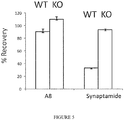
- Wildtype (WT) or FAAH knock out (KO) brain homogenates were incubated with either A8 or synaptamide.
- the data of Figure 5 suggests that the percent recovery of A8 is higher than synaptamide in both WT and FAAH KO samples, which suggests that A8 is less susceptible to hydrolysis by FAAH than synaptamide.
- This Example also demonstrates analysis of the stability of A8 of the present invention based on susceptibility to FAAH hydrolysis.
- HPLC-MS Analysis I. HPLC Conditions: Mobile Phase A: 30% Methanol; 70% Water; 0.1% Acetic acid Mobile Phase B: 100% Methanol; 0.1 % Acetic Acid Mobile Phase C: 88% methanol; 12% hexane; 0.1% acetic acid Flow Rate: 0.4 mL/minute
- This Example also demonstrates analysis of the stability of A8 of the present invention based on susceptibility to FAAH hydrolysis.
- the signal was optimized for each compound by ESI positive or negative ionization mode.
- a MS2 SIM scan was used to optimize the precursor ion and a product ion analysis was used to identify the best fragment for analysis and to optimize the collision energy.
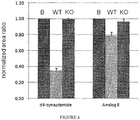
- Table 3 shows the results of the time course FAAH enzyme assay. The results suggest that A8 is less susceptible to hydrolysis by FAAH than synaptamide or AEA (anandamide).
- Table 3 NCGC ID NCGC00248435 NCGC00161198 NCGC00161195 Other ID A8 synaptamide AEA Conc. 1 mM 1 mM 1 mM Time (min) % remaining % remaining % remaining 0 99 100 74 30 101 5 1 60 85 1 1
- This Example provides pharmacokinetic data for A8.
- Brain tissue was homogenized for 2 min with 3 volumes (v/w) of homogenizing solution (PBS PH7.4) right before analysis. Sample storage and disposition Plasma and brain samples were stored at approximately -80°C until analysis.
- Table 6 shows formulation preparation information for NCGC00248435-03 for IP dosing.
- Table 6 Compound ID NCGC00248435-03 Appearance NA MW (free base) 339.61 FW (salt form) NA Purity NA Color oil NA: not available
- NCGC00248435-03 Weigh 60.97 mg NCGC00248435-03 to a clean vial. Add 0.610 mL of DMAC (Sigma, 18296kk) into the vial. Vortex the tube for 1-2 min and sonicate for 3-4 min. Add 0.610 mL of Solutol HS 15 (BASF, 08333356P0) into the vial. Vortex the tube for 1-2 min and sonicate for 2-3 min. Add 10.975 mL Saline into the tube. Vortex the tube for 2-3 min. The formulation was prepared just prior to use.
- Mobile phase Mobile Phase A: H2O- 0.025%FA-1 mM NH4OAc
- Mobile Phase B MeOH- 0.025%FA-1 mM NH4OAc Time (min) Pump B (%) 0.30 30 0.50 98 2.20 98 2.21 30 3.50 stop
- Mobile phase Mobile Phase A: H2O- 0.025%FA-1 mM NH4OAc
- Mobile Phase B ACN- 0.025%FA-1 mM NH4OAc Time (min) Pump B (%) 0.20 20 0.50 98 2.20 98 2.21 20 3.50 stop
- Plasma samples An aliquot of 30 ⁇ L plasma sample was added with 100 ⁇ L ACN (including Diclofenac, 50 ng/mL) for protein precipitation. The mixture was vortexed for 2 min and centrifuged at 12000 rpm for 5 min. The 8 ⁇ L supernatant was injected into LC-MS/MS for analysis.
- ACN including Diclofenac, 50 ng/mL
- Brain sample was homogenized for 2 min with 3 volumes (v/w) of homogenizing solution. An aliquot of 30 ⁇ L brain homogenate sample was added with 100 ⁇ L ACN (including Diclofenac, 50 ng/mL) for protein precipitation. The mixture was vortexed for 2 min and centrifuged at 12000 rpm for 5 min. The 8 ⁇ L supernatant was injected into LC-MS/MS for analysis.
- ACN including Diclofenac, 50 ng/mL
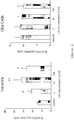
- Tables 7 and 8 and Figure 7 show the results.
- Table 7 Individual and mean plasma concentration-time data of NCGC00248435-03 after an IP dose of 50 mg/kg in male C57BU6 mice Dose Dose Sampling Concentration Mean Mean Dose Normalized Mean SD CV(%) (mg/kg) route time (ng/mL) (ng/mL) (uM) (hr) Individual 50 IP 0 BQL BQL BQL BQL NA NA 0.083 2092 3063 2707 2621 6.558 0.131 492 18.8 0.25 6549 4892 3849 5097 12.754 0.255 1362 26.7 0.5 5959 6378 5036 5791 14.492 0.290 687 11.9 1 4050 4574 3252 3959 9.907 0.198 666 16.8 2 1129 1064 870 1021 2.555 0.051 135 13.2 3 321 255 249 275 0.688 0.014 39.9 14.5 4 78.4 148 72.9 100 0.250 0.005 42.0 4
- Brain concentration Brain homogenate conc. x 4, assuming 1 g wet brain equals to 1 mL.
- BQL Below quantifiable limit of 1 ng/mL for NCGC00248435-03 in male C57BL/6 plasma and brain homogenate samples.
- NA Not available.
- This Example provides in vivo data for A8 in mice evaluated using the beam walk test.
- mice were trained to traverse a narrow beam before injury caused by controlled cortical impact (CCI), and the number of hind foot slips after injury was observed over the course of recovery.
- CCI cortical impact
- A8 has increased resistance to FAAH in comparison to synaptamide but still does show some susceptibility to hydrolysis by FAAH.
- the effects of A8 in FAAH KO mice were tested by one-time i.p. administration of A8 (25mg/kg) at 15 min after traumatic brain injury (TBI) inflicted by controlled cortical impact (CCI).
- TBI traumatic brain injury
- CCI controlled cortical impact
- This Example demonstrates analysis of the effect of A8 on neuronal and glial differentiation.
- Neural stem cells were cultured by the neurosphere method ( Rietze R. L., Reynolds B. A. (2006) Neural stem cell isolation and characterization. Methods Enzymol. 419, 3-23 ) with slight modification. Forebrain cortices of rats were isolated on embryonic day 14.5 and 12.5, respectively.
- the cortices were mechanically disrupted into single cells by repeated pipetting in a serum-free conditioned medium (N2 medium) containing DMEM/F12 (1:1), 0.6% (wt/vol) glucose, 0.1125% (wt/vol) sodium bicarbonate, 2 mM L-glutamine, 5 mM HEPES, 100 ⁇ g/mL human apo-transferrin, 20 nM progesterone, 30 nM sodium selenite, 60 ⁇ M putrescine, and 25 ⁇ g/mL insulin.
- N2 medium serum-free conditioned medium
- DMEM/F12 (1:1) 0.6% (wt/vol) glucose, 0.1125% (wt/vol) sodium bicarbonate
- 2 mM L-glutamine 5 mM HEPES
- 100 ⁇ g/mL human apo-transferrin 20 nM progesterone
- 30 nM sodium selenite 60 ⁇ M putrescine
- the dissociated cells were cultured in 6 cm dishes at a density of 1 ⁇ 10 5 cells/mL in N2 medium with 20 ng/mL bFGF and 2 ⁇ g/mL heparin in a humidified 5% CO 2 /95% air incubator at 37 °C. Within 3-4 days, the cells grew as free-floating neurospheres that were then collected by centrifugation, mechanically dissociated by pipetting, and passaged.
- NSCs Differentiation of NSCs: After the second passage, nestin- and SOX2-positive NSCs were enriched in the neurosphere with minimal presence of differentiated cells (MAP2, Tuj-1 and GFAP-positive cells). After the second passage neurospheres were mechanically dissociated and 5 ⁇ 10 5 cells/mL were plated onto 15 ⁇ g/mL poly-L-ornithine coated 6- or 24-well plates in N2 medium without bFGF and heparin to initiate the differentiation. The cultures were then treated with N2 medium containing A8 in the presence of 40 ⁇ M vitamin E for 1-7 days. As the vehicle control, N2 medium containing 40 ⁇ M vitamin E was used.
- Immunofluorescence staining For immunofluorescence staining, 2.5 x 10 5 NSCs were cultured in 0.5 mL media. Cultured cells were fixed with 4% (wt/vol) paraformaldehyde for 30 min at room temperature, washed with 0.1 M Tris-buffered solution (pH 7.5, TBS), blocked with 10% (vol/vol) normal goat serum in TBS containing 0.3% (vol/vol) Triton X-100 at room temperature for 60 min, and incubated with primary antibodies at 4 °C overnight. The primary antibodies were mouse anti-MAP2 (1:1000) and rabbit anti-glial fibrillary acidic protein (GFAP)(1:2000).
- GFAP rabbit anti-glial fibrillary acidic protein
- the cells were washed with TBS and incubated with Alexa Fluor 488- and 555- conjugated secondary antibodies (1:1000) at room temperature for 60 min. To visualize nuclei, the cells were counterstained with 2 ⁇ g/mL 4',6-diamidino-2-phenylindole (DAPI). Finally, the cells were mounted with 80% (vol/vol) glycerol, visualized under a fluorescence microscope and the image data were processed using MetaMorph software for quantitative information. The number of MAP2-and GFAP-positive cells were counted from three separate wells with three to six random fields per well.
- NSCs were treated with A8 in the 1-100 nM range for 7 days, and the expression of MAP2 (neuron marker), and GFAP (astrocyte marker) were examined by immunocytochemistry.
Landscapes
- Chemical & Material Sciences (AREA)
- Organic Chemistry (AREA)
- Pharmaceuticals Containing Other Organic And Inorganic Compounds (AREA)
- Acyclic And Carbocyclic Compounds In Medicinal Compositions (AREA)
Description
- Docosahexanenoic acid (DHA) is an n-3 essential fatty acid that is highly enriched in the brain, and which increases neurogenesis, neurite growth, and synaptogenesis. Docosahexaenoylethanolamide (DEA, also called "synaptamide") is a DHA derivative that also has been shown to increase hippocampal development and synaptic function. Agents capable of neurogenesis, neurite growth, and synaptogenesis are desirable for use in treating central nervous system (CNS) conditions, especially conditions such as stroke, neurodegenerative diseases, and brain injuries. Background art is found in the publications Hung the Dang et al. (Biorganic & Medicinal Chemistry, vol. 19, no. 4, p. 1520-1527, 22.12.2010),
WO 03/004484 A1 US 2011/212958 A1 ,WO 2012/149352 A1 , Hee-Yong Kim et al. (Biochemical Journal, vol. 83, no. 2, p. 1017-1036, 15.04.2011),JP H08 143454 EP 1 852 499 A1 - Additional DHA derivatives are needed which have increased potency and stability.
- In an aspect, the invention provides derivatives of synaptamide which have increased potency and hydrolysis resistance as compared to synaptamide, and compositions thereof.
- In another aspect, the invention provides a method of promoting neurite growth and/or length, and/or promoting synaptogenesis, comprising applying to a neuron a compound having the formula CH3CH2HC=CHCH2HC=CHCH2HC=CHCH2HC=CHCH2HC=CHCH2HC=CHCH2CH2CO-NR1R2, wherein the group NR1R2 is as provided in Table 1 below, and measuring the growth and/or length of a neurite of the neuron, wherein neurite growth and/or length is promoted if the length/growth of the neurite is greater than the length/growth of a control neurite of an untreated neuron and synaptogenesis is promoted if the number and/or percent increase of synapsin-positive puncta is greater than that of untreated control.
- In yet another aspect, the invention provides a method of promoting neurogenesis, comprising applying to a tissue comprising neural stem cells a compound having the formula CH3CH2HC=CHCH2HC=CHCH2HC=CHCH2HC=CHCH2HC=CHCH2HC=CHCH2CH2CO-NR1R2, wherein the group NR1R2 is as provided in Table 1 below, and measuring the differentiation of neurons in the tissue, wherein neurogenesis is promoted if the number and/or percent increase of neurons in a treated sample of the tissue or stem cells is increased as compared to an untreated control sample.
-
-
Figure 1 is a plot of neurite length by dosage for three synaptamide derivatives (A8, A9, and A10) as compared to DHA, DEA (synaptamide), and oleic acid, in accordance with embodiments of the invention. -
Figure 2 is a plot of total neurite length per neuron (µm) for neurons treated with 10 nM synaptamide derivatives A1-A10 as compared to DHA (100 nM), DEA (synaptamide, 10 nM), and a negative control, in accordance with embodiments of the invention. Figures are mean total neurite length per neuron for approximately 40 neurons from three randomly selected fields. -
Figure 3 is a plot of relative total neurite outgrowth per neuron as compared to a negative control (relative total outgrowth of control = 1), for DEA derivatives A1-A6, B1-B5, C1-C5, D1-D5, E1-E5, F1-F5, G1-G5, and H1-H5, in accordance with embodiments of the invention. -
Figure 4 is a plot of neurite outgrowth in hippocampal neurons (DIV1), expressed in terms of average total neurite length per neuron for neurons treated with 10 nM synaptamide derivatives A1-A10 as compared to DHA, DEA (synaptamide, 100 nM), for 72 hours, in accordance with embodiments of the invention. -
Figure 5 is a plot of percent recovery of compound (A8 or synaptamide) after incubation of wildtype (WT) or fatty acid amide hydrolase (FAAH) knock out (KO) brain homogenate with compound, in accordance with embodiments of the invention. -
Figure 6 is a plot of normalized area ratio of compound (Analog 8 (A8) or synaptamide deuterated at four positions) to anandamide (deuterated at four positions), normalized to buffer-only-value, in accordance with embodiments of the invention. -
Figure 7 is a plot presenting pharmacokinetic data generated for A8. -
Figure 8 is a plot presenting in vivo data for A8 in mice evaluated using the beam walk test (FAAH KO mice: n=5 for A8, n=7 for vehicle), in accordance with embodiments of the invention. -
Figure 9 is a plot presenting expression of MAP2 and GFAP in differentiating neural stem cells treated with A8, in accordance with embodiments of the invention. - The present invention relates to synaptamide derivatives and compositions thereof, which can be used to increase neurogenesis, neurite growth and/or length, synaptogenesis, and/or synaptic protein expression. Contemplated synaptamide derivatives have the formula: CH3CH2HC=CHCH2HC=CHCH2HC=CHCH2HC=CHCH2HC=CHCH2HC=CHCH2CH2CO-NR1R2, wherein the group NR1R2 is as provided in Table 1 below. It is surprisingly shown herein that synaptamide derivatives of the present invention have increased potency as compared to synaptamide and improved resistance to hydrolysis by fatty acid amide hydrolase (FAAH).
Table 1 Compound NR1R2 Compound identifier in Figs. 1-4 NCGC* 1 
A8 ( Figs. 1 ,2 ,4-7 )NCGC00248435-01 2 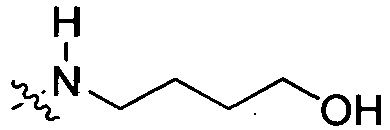
A7( Figs. 2 ,4 )NCGC00248434-01 3 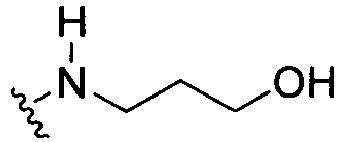
A4 ( Figs. 2 ,4 )NCGC00248431-01 4 
A10 ( Figs. 1 ,2 ,4 )NCGC00248437-01 5 
A5 ( Figs. 2 ,4 )NCGC00248432-01 6 
A1 ( Figs. 2 ,4 )NCGC00248428 7 
A9 ( Figs. 1 ,2 ,4 )NCGC00248436-01 8 
A6 ( Figs. 2 ,4 )NCGC00248433-01 9 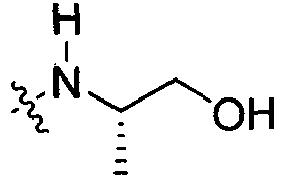
A2 ( Figs. 2 ,4 )NCGC00248429-01 10 
A3 ( Figs. 2 ,4 )NCGC00248430-01 11 
A01 ( Fig. 3 )NCGC00250349-01 12 
B01 ( Fig. 3 )NCGC00250369-01 13 
C01 ( Fig. 3 )NCGC00250337-01 14 
D01 ( Fig. 3 )NCGC00250347-01 15 
E01 ( Fig.3 ).NCGC00250365-01 16 
F01 ( Fig. 3 )NCGC00250370-01 17 
G01 ( Fig. 3 )NCGC00250371-01 18 
H01 ( Fig. 3 )NCGC00250367-01 19 
A02 ( Fig. 3 )NCGC00250340-01 20 
B02 ( Fig. 3 )NCGC00250351-01 21 
C02 ( Fig. 3 )NCGC00250348-01 22 
D02( Fig. 3 )NCGC00250357-01 23 
E02 ( Fig. 3 )NCGC00250334-01 24 
F02 ( Fig. 3 )NCGC00250342-01 25 
G02 ( Fig. 3 )NCGC00250354-01 26 
H02 ( Fig. 3 )NCGC00250355-01 27 
A03 ( Fig. 3 )NCGC00250343-01 28 
B03 ( Fig. 3 )NCGC00250333-01 29 
C03 ( Fig. 3 )NCGC00250339-01 30 
D03 ( Fig. 3 )NCGC00250362-01 31 ** 
E03 ( Fig. 3 )NCGC00161207-03 32 
F03 ( Fig. 3 )NCGC00250363-01 33 
G03 ( Fig. 3 )NCGC00250358-01 34 
H03 ( Fig. 3 )NCGC00250346-01 35 
A04 ( Fig. 3 )NCGC00250359-01 36 
B04 ( Fig. 3 )NCGC00250366-01 37 
C04 ( Fig. 3 )NCGC00250356-01 38 
D04 ( Fig. 3 )NCGC00250345-01 39 
E04 ( Fig. 3 )NCGC00250353-01 40 
F04 ( Fig. 3 )NCGC00250364-01 41 
G04 ( Fig. 3 )NCGC00250336-01 42 
H04 ( Fig. 3 )NCGC00250344-01 43 
A05 ( Fig. 3 )NCGC00250352-01 44 
B05 ( Fig. 3 )NCGC00250360-01 45 
C05 ( Fig. 3 )NCGC00250335-01 46 
D05 ( Fig. 3 )NCGC00250338-01 47 
E05 ( Fig. 3 )NCGC00250368-01 48 
F05 ( Fig. 3 )NCGC00250361-01 49 
G05 ( Fig. 3 )NCGC00250341-01 50 
H05 ( Fig. 3 )NCGC00250350-01 * "-01" designates batch.
**: compound not part of the invention - The present invention also provides methods of using the disclosed synaptamide derivatives and compositions thereof. In some embodiments, the compounds of the invention can be used in a method of promoting cortical and/or hippocampal development, which can be reflected by, for example, promotion of neurite growth and/or length, and/or promotion of synaptogenesis. In other embodiments, the compounds of the invention can be used in a method of promoting neurogenesis, i.e., enhancement of neuronal differentiation of neural stem cells.
- In another aspect, the compounds of the invention can be used in a method of promoting neurite growth and/or length, and/or promoting synaptogenesis, comprising applying to a neuron a compound of the present invention, and measuring the growth and/or length of a neurite of the neuron, wherein neurite growth and/or length is promoted if the length/growth of the neurite is greater than the length/growth of a control neurite of an untreated neuron, and synaptogenesis is promoted if the number and/or percent increase of synapsin-positive puncta is greater than that of untreated control. Alternatively, synaptogenesis can be measured by evaluating expression of synaptic proteins such as synapsin, PSD95 and/or NMDA receptor subunits such as NR2B.
- It will be understood that any suitable method of measuring neurite growth and/or length and/or measuring synaptogenesis can be employed in the methods of the present invention. In particular, methods employed for measuring the activity of synaptamide itself are suitable and desirable for measurement of the present synaptamide derivatives. Exemplary methods of evaluating synaptamide activity can be found in Kim et al., Biochem J., 435: 327-336 (2011); Cao et al., J. Neurochem., 111: 510-521 (2009); and Kim et al., Prostaglandins & Other Lipid Mediators, 96(1-4):1114-120 (2011). In preferred embodiments, the neuron is in a subject, i.e., the treatment is applied in vivo. In other embodiments, the neuron is in a culture, i.e., the treatment is applied in vitro. When a subject has been treated in vivo, analysis of the neurite growth and/or length and/or analysis of the synaptogenesis can be performed on a sample that has been removed from a treated subject, i.e., ex vivo.
- In a related aspect, the compounds of the invention can be used in a method of promoting neurogenesis, comprising applying a synaptamide derivative of the present invention to a tissue comprising neural stem cells, wherein neurogenesis is promoted if the number and/or percent increase of neurons in a treated sample of the tissue is increased as compared to an untreated control sample. The number/percent increase of neurons can be measured by any suitable method known to one of ordinary skill in the art by direct or indirect methods. For example, the number of neurons can be observed directly via microscopy of a sample of treated tissue. Direct, microscopic observation is preferred when the tissue is in a culture, or when the tissue is in a non-human subject. However, if the tissue is in a human subject, indirect methods such as behavioral test (motor function and/or learning and memory test) are preferably applied to determine whether neurogenesis has occurred.
- The methods can be conducted in any suitable subject. In preferred embodiments, the subject is a mammal, such as a mouse, rat, rabbit, cat, dog, pig, cow, horse, non-human primate or human. In most preferred embodiments, the subject is a human. It will be understood by one of ordinary skill in the art that controls in the methods of the present invention are preferably from the same species as the subject.
- According to the present invention, the subject suffers from a CNS condition. Preferably, the CNS condition is a neurological condition. The condition can be an injury, such as a stroke, traumatic brain injury, spinal cord injury, or peripheral nerve injury. Alternatively, the condition can be a neurodegenerative disease such as multiple sclerosis, Huntington's disease, Parkinson's disease, amyotrophic lateral sclerosis, Alzheimer's disease, or other types of dementia. In some embodiments, the neurological condition is a condition such as autism. In preferred embodiments, controls in the methods of the present invention preferably have the same CNS condition as the subject.
- It will be understood by one of ordinary skill in the art that a method can be deemed to promote a desired activity, such as neurogenesis, neurite growth/length, and/or synaptogenesis, if the method results in an increase of such activity over an untreated or sham-treated control. It is not necessarily required that levels be restored to normal or to be enhanced above normal by any particular amount or percentage, unless such amount or percentage is otherwise specified. To the extent the compounds of the present invention are administered to an individual suffering from a CNS condition as described above in order to treat or prevent such condition or symptoms arising therefrom, the terms "treat," and "prevent" as well as words stemming therefrom, as used herein, do not necessarily imply 100% or complete treatment or prevention. Rather, there are varying degrees of treatment or prevention of which one of ordinary skill in the art recognizes as having a potential benefit or therapeutic effect. In this respect, the inventive methods can provide any amount of any level of treatment or prevention of cancer in a mammal. Furthermore, the treatment or prevention provided by the inventive method can include treatment or prevention of one or more conditions or symptoms of the disease or injury being treated or prevented. Also, for purposes herein, "prevention" can encompass delaying the onset of the disease, or a symptom or condition thereof.
- As would be appreciated in the art, any comparisons discussed herein, when part of the methods of the present invention, involve the use of proper controls. For example, when the length of a neurite of a first neuron is measured and compared to the length of a neurite of a control neuron, the control neurite should be a neurite that has a starting length that is similar to or the same as the starting length of the neurite of the first neuron. Such a comparison would involve absolute length. Additionally or alternatively, the starting lengths of the neurites may be different and the growth (increase in length of the neurite of the first neuron relative to the increase in length of the neurite of the control neuron) may be compared. The same concept for length/growth applies to the number/percent increase of neurons or synapsin-positive puncta. When the number of neurons or puncta of a test group is measured and compared to the number of neurons or puncta of a control, the control should have a starting number that is similar to or the same as the starting number of the test group. Such a comparison would involve absolute number. Additionally or alternatively, the starting numbers may be different and the percent increase (increase in number of the test group relative to the increase in number of the control) may be compared.
- In one embodiment, the compounds of the present invention can be used in a method of promoting neurite growth and/or length within a mammal, the method comprising administering to the mammal an effective amount of a compound of Table 1, wherein neurite growth and/or length is promoted in the mammal.
- In another embodiment, the compounds of the present invention can be used in a method wherein the method further comprises measuring the growth and/or length of a neurite of a neuron of the mammal.
- In another embodiment, the compounds of the invention can be used in a method wherein the method further comprises measuring the growth and/or length of a neurite of a control.
- In another embodiment, the compounds of the invention can be used in a method wherein the growth of the neurite of the mammal is greater than the growth of the neurite of the control.
- In another embodiment, the compounds of the invention can be used in a method wherein the length of the neurite of the mammal is greater than the length of the neurite of the control.
- In another embodiment, the compounds of the invention can be used in a method wherein the mammal has a neurological condition selected from traumatic brain injury, spinal cord injury, peripheral nerve injury, stroke, multiple sclerosis, autism, Alzheimer's disease, Huntington's disease, Parkinson's disease, amyotrophic lateral sclerosis.
- In another embodiment, the compounds of the invention can be used in a method wherein the control is a neuron of a second mammal.
- In another embodiment, the compounds of the invention can be used in a method wherein the mammal has a neurological condition selected from traumatic brain injury, spinal cord injury, peripheral nerve injury, stroke, multiple sclerosis, autism, Alzheimer's disease, Huntington's disease, Parkinson's disease, amyotrophic lateral sclerosis, and wherein the second mammal has the same neurological condition.
- In another embodiment, the compounds of the invention can be used in a method wherein the compound is provided in a pharmaceutically acceptable composition.
- In another embodiment, the compounds of the invention can be used in a method of promoting neurogenesis within a mammal, the method comprising administering to the mammal an effective amount of a compound of Table 1, wherein neurogenesis is promoted in the mammal.
- In another embodiment, the compounds of the invention can be used in a method wherein the method further comprises measuring the number and/or percent increase of neurons or synapsin-positive puncta of a neuron of the mammal.
- In another embodiment, the compounds of the invention can be used in a method wherein the method further comprises measuring the number and/or percent increase of neurons or synapsin-positive puncta of a neuron of a control.
- In another embodiment, the compounds of the invention can be used in a method wherein the number of neurons of the mammal is greater than the number of neurons of the control.
- In another embodiment, the compounds of the invention can be used in a method wherein the percent increase of neurons of the mammal is greater than the percent increase of neurons of the control.
- In another embodiment, the compounds of the invention can be used in a method wherein the number of synapsin-positive puncta of the mammal is greater than the number of synapsin-positive puncta of the control.
- In another embodiment, the compounds of the invention can be used in a method wherein the percent increase of synapsin-positive puncta of the mammal is greater than the percent increase of synapsin-positive puncta of the control.
- In another embodiment, the compounds of the invention can be used in a method wherein the mammal has a neurological condition selected from traumatic brain injury, spinal cord injury, peripheral nerve injury, stroke, multiple sclerosis, autism, Alzheimer's disease, Huntington's disease, Parkinson's disease, amyotrophic lateral sclerosis.
- In another embodiment, the compounds of the invention can be used in a method wherein the control comprises a neuron of a second mammal.
- In another embodiment, the compounds of the invention can be used in a method wherein the mammal has a neurological condition selected from traumatic brain injury, spinal cord injury, peripheral nerve injury, stroke, multiple sclerosis, autism, Alzheimer's disease, Huntington's disease, Parkinson's disease, amyotrophic lateral sclerosis, and wherein the second mammal has the same neurological condition.
- The synaptamide derivatives of the present invention can be provided in a composition, such as a pharmaceutical composition suitable for therapeutic or prophylactic use, or a composition suitable for analytical use. For pharmaceutical compositions, the synaptamide derivatives can be provided in a composition with any pharmaceutically acceptable carrier. Desirably, the composition is formulated to provide suitable levels of CNS penetration in view of the desired route of administration.
- The composition can be formulated for administration by a route selected from intravenous, intraarterial, intramuscular, intraperitoneal, intrathecal, epidural, topical, percutaneous, subcutaneous, transmucosal, intranasal, or oral. The composition also can comprise additional components such as diluents, adjuvants, excipients, preservatives, and pH adjusting agents, and the like.
- Formulations suitable for injectable administration include aqueous and nonaqueous, isotonic sterile injection solutions, which can contain anti-oxidants, buffers, bacteriostats, and solutes that render the formulation isotonic with the blood of the intended recipient, and aqueous and nonaqueous sterile suspensions that can include suspending agents, solubilizers, thickening agents, stabilizers, and preservatives. The formulations can be presented in unit-dose or multi-dose sealed containers, such as ampules and vials, and can be stored in a freeze-dried (lyophilized) condition requiring only the addition of the sterile liquid carrier, for example, water, for injections, immediately prior to use. Extemporaneous injection solutions and suspensions can be prepared from sterile powders, granules, or tablets.
- Sterile injectable solutions can be prepared by incorporating the active compound in the required amount in an appropriate solvent with one or a combination of ingredients enumerated above, as required, followed by filtered sterilization. Preferably solutions for injection are free of endotoxin. Generally, dispersions are prepared by incorporating the active compound into a sterile vehicle which contains a basic dispersion medium and the required other ingredients from those enumerated above. In the case of sterile powders for the preparation of sterile injectable solutions, the preferred methods of preparation are vacuum drying and freeze-drying which yields a powder of the active ingredient plus any additional desired ingredient from a previously sterile-filtered solution thereof.
- The active ingredients can also be entrapped in microcapsules prepared, for example, by coacervation techniques or by interfacial polymerisation, for example, hydroxymethylcellulose or gelatin-microcapsule and poly-(methylmethacylate) microcapsule, respectively, in colloidal drug delivery systems (for example, liposomes, albumin microspheres, microemulsions, nano-particles and nanocapsules) or in macroemulsions. Such techniques are known in the art, e.g., as disclosed in Remington's Pharmaceutical Sciences 16th edition, Osol, A. Ed. (1980). Specifically, liposomes containing the synaptamide derivatives can be prepared by such methods as described in, for example, Rezler et al., J. Am. Chem. Soc. 129(16): 4961-72 (2007); Samad et al., Curr. Drug Deliv. 4(4): 297-305 (2007); and
U.S. Patents 4,485,045 and4,544,545 . Liposomes with enhanced circulation time are disclosed in, for example,U.S. Patent 5,013,556 . - Particularly useful liposomes can be generated by, for example, the reverse-phase evaporation method with a lipid composition comprising phosphatidylcholine, cholesterol and PEG-derivatized phosphatidylethanolamine (PEG-PE). Liposomes are extruded through filters of defined pore size to yield liposomes with the desired diameter. Polypeptides of the present invention can be conjugated to the liposomes as described in, for example, Werle et al., Int. J. Pharm. 370(1-2): 26-32 (2009).
- In other embodiments, the active ingredients can be delivered using a natural virus or virus-like particle, a dendrimer, carbon nanoassembly, a polymer carrier, a paramagnetic particle, a ferromagnetic particle, a polymersome, a filomicelle, a micelle or a lipoprotein.
- Administration into the airways can be used to provide systemic administration, for example to the trachea and/or the lungs. Such administration can be made via inhalation or via physical application, using aerosols, solutions, and devices such as a bronchoscope. For inhalation, the compositions herein are conveniently delivered from an insufflator, a nebulizer, a pump, a pressurized pack, or other convenient means of delivering an aerosol, non-aerosol spray of a powder, or non-aerosol spray of a liquid. Pressurized packs can comprise a suitable propellant such a liquefied gas or a compressed gas. Liquefied gases include, for example, fluorinated chlorinated hydrocarbons, hydrochlorofluorocarbons, hydrochlorocarbons, hydrocarbons, and hydrocarbon ethers. Compressed gases include, for example, nitrogen, nitrous oxide, and carbon dioxide. In particular, the use of dichlorodifluoromethane, trichlorofluoromethane, dichlorotetrafluoroethane, carbon dioxide or other suitable gas is contemplated. In the case of a pressurized aerosol, the dosage unit can be determined by providing a valve to deliver a controlled amount. In administering a dry powder composition, the powder mix can include a suitable powder base such as lactose or starch. The powder composition can be presented in unit dosage form such as, for example, capsules, cartridges, or blister packs from which the powder can be administered with the aid of an inhalator or insufflator.
- Systemic administration can also be transmucosal. For transmucosal administration, penetrants appropriate to the barrier to be permeated are used in the formulation. Such penetrants are generally known in the art, and include, for example, for transmucosal administration, detergents, bile salts, and fusidic acid derivatives. Transmucosal administration can be accomplished through the use of nasal sprays, inhaled aerosols, suppositories, mouthwashes, rapidly dissolving tablets, or lozenges.
- The pharmaceutical compositions can be delivered using drug delivery systems. Such delivery systems include hyaluronic acid solutions or suspensions of collagen fragments. The drugs can be formulated in microcapsules, designed with appropriate polymeric materials for controlled release, such as polylactic acid, ethylhydroxycellulose, polycaprolactone, polycaprolactone diol, polylysine, polyglycolic, polymaleic acid, poly[N-(2-hydroxypropyl)methylacrylamide] and the like. Particular formulations using drug delivery systems can be in the form of liquid suspensions or the like.
- The following examples further illustrate the invention but, of course, should not be construed as in any way limiting its scope.
- This example demonstrates the preparation of derivatives of docosahexaenoylethanolamide.
- A solution of (4Z,7Z,10Z,13Z,16Z,19Z)-docosa-4,7,10,13,16,19-hexaenoic acid (150 mg, 0.46 mmol), and diisopropylethylamine (DIPEA) (0.16 mL, 0.91 mmol) in CH3CN (6 mL) was treated with O-(7-Azabenzotriazol-1-yl)-N,N,N',N'-tetramethyluronium hexafluorophosphate (HATU) (400 mg, 1.05 mmol)) and stirred at room temperature for 5 min. The reaction mixture was treated with amine NR1R2 (0.55 mmol), stirred at room temperature for 3 h and quenched with NaHCO3 (sat.). The reaction mixture was extracted with EtOAc, dried (MgSO4), filtered, and concentrated under reduced pressure. The product was purified via column chromatography on SiO2 (0-10% MeOH/CH2Cl2) to afford the desired product.
- The resulting derivatives (Compounds 1-50) were analyzed by 1H NMR analysis, high performance liquid chromatography (HPLC) analysis, UV transmission analysis (UV254), liquid chromatography-mass spectrometry (LCMS) analysis, and high resolution mass spectrometry (HRMS) analysis. The HPLC retention times tR reported were obtained using the following specifications: Column: Phenomenex Luna C18 (3 micron, 3 x 75 mm); Run time: 8 min; Gradient: 4% to 100% Acetonitrile in water over 7 min; Mobile phase: Acetonitrile (0.025 % TFA), water (0.05 % TFA); Flow rate: 1 mL/min; Temperature: 50 °C; UV wavelength: 220 nm, 254 nm. Some retention times (marked with *) were acquired under similar conditions but with a shorter run time of 5 min with the same gradient over 3 min.

-
Compound 1, having the formula (4Z,7Z,10Z,13Z,16Z,19Z)-N-(2-hydroxy-2-methylpropyl)docosa-4,7,10,13,16,19-hexaenamide exhibited the following properties: 1H NMR (400 MHz, CHLOROFORM-d) δ 5.28 - 5.47 (m, 12 H) 3.27 (d, J=6.26 Hz, 2 H) 2.85 (t, J=5.28 Hz, 10 H) 2.39 - 2.48 (m, 3 H) 2.29 (t, J=7.24 Hz, 2 H) 2.03 - 2.13 (m, 2 H) 1.22 (s, 6 H) 0.93 - 1.01 (m, 3 H); HPLC: tR = 7.47 min, UV254 = 99%; LCMS: (electrospray +ve), mlz 400.3 (MH)+; HRMS (ESI): m/z calcd for C26H42NO2 [M+1]+ 400.3210, found 400.3221.
-
Compound 2, having the formula (4Z,7Z,10Z,13Z,16Z,19Z)-N-(4-hydroxybutyl)docosa-4,7,10,13,16,19-hexaenamide exhibited the following properties: HPLC: tR = 7.28 min, UV254 = 99%; LCMS: (electrospray +ve), m/z 400.3 (MH)+; HRMS (ESI): m/z calcd for C26H42NO2 [M+1]+ 400.3210, found 400.3220.
-
Compound 3, having the formula (4Z,7Z,10Z,13Z,16Z,19Z)-N-(3-hydroxypropyl)docosa-4,7,10,13,16,19-hexaenamide exhibited the following properties: HPLC: tR = 7.72 min, UV254 = 99%; LCMS: (electrospray +ve), m/z 386.3 (MH)+; HRMS (ESI): m/z calcd for C25H39NO2Na [M+Na]+ 408.2873, found 408.2876.
-
Compound 4, having the formula (4Z,7Z,10Z,13Z,16Z,19Z)-N-(2-morpholinoethyl)docosa-4,7,10,13,16,19-hexaenamide exhibited the following properties: HPLC: tR = 6.03 min, UV254 = 98%; LCMS: (electrospray +ve), m/z 441.3 (MH)+; HRMS (ESI): m/z calcd for C28H45N2O2 [M+1]+ 441.3476, found 441.3466.
-
Compound 5, having the formula (4Z,7Z,10Z,13Z,16Z,19Z)-N-(2-(dimethylamino)ethyl)docosa-4,7,10,13,16,19-hexaenamide exhibited the following properties: HPLC: tR = 6.01 min, UV254 = 98%; LCMS: (electrospray +ve), m/z 399.3 (MH)+; HRMS (ESI): m/z calcd for C26H43N2O [M+1]+ 399.3370, found 399.3370.
-
Compound 6, having the formula (4Z,7Z,10Z,13Z,16Z,19Z)-N-(2-methoxyethyl)docosa-4,7,10,13,16,19-hexaenamide exhibited the following properties: HPLC: tR = 7.58 min, UV254 = 99%; LCMS: (electrospray +ve), m/z 386.2 (MH)+; HRMS (ESI): m/z calcd for C25H40NO2 [M+1]+ 386.3054, found 386.3051.
-
Compound 7, having the formula (4Z,7Z,10Z,13Z,16Z,19Z)-N-phenethyldocosa-4,7,10,13,16,19-hexaenamide exhibited the following properties: HPLC: tR = 7.97 min, UV254 = 98%; LCMS: (electrospray +ve), mlz 432.3 (MH)+; HRMS (ESI): m/z calcd for C30H42NO [M+1]+ 432.3261, found 432.3248.
-
Compound 8, having the formula (4Z,7Z,10Z,13Z,16Z,19Z)-N-(1-hydroxy-2-methylpropan-2-yl)docosa-4,7,10,13,16,19-hexaenamide exhibited the following properties: HPLC: tR = 7.58 min, UV254 = 90%; LCMS: (electrospray +ve), m/z 400.2 (MH)+; HRMS (ESI): m/z calcd for C26H42NO2 [M+1]+ 400.3210, found 400.3201.
-
Compound 9, having the formula (4Z,7Z,10Z,3Z,16Z,9Z)-N-((S)-1-hydroxypropan-2-yl)docosa-4,7,10,13,16,19-hexaenamide exhibited the following properties: HPLC: tR = 7.35 min, UV254 = 98%; LCMS: (electrospray +ve), m/z 386.3 (MH)+; HRMS (ESI): m/z calcd for C25H39NO2Na [M+Na]+ 408.2873, found 408.2865.
-
Compound 10, having the formula (4Z,7Z,10Z,13Z,16Z,19Z)-N-((R)-1-hydroxypropan-2-yl)docosa-4,7,10,13,16,19-hexaenamide exhibited the following properties: HPLC: tR = 7.35 min, UV254 = 98%; LCMS: (electrospray +ve), m/z 386.3 (MH)+; HRMS (ESI): m/z calcd for C25H39NO2Na [M+Na]+ 408.2873, found 408.2878.
- Compound 11, having the formula (4Z,7Z,10Z,13Z,16Z,19Z)-N-(((S)-2,3-dihydrobenzo[b][1,4]dioxin-2-yl)methyl)docosa-4,7,10,13,16,19-hexaenamide exhibited the following properties: HPLC: tR = 3.83* min, UV254 = 90%; LCMS: (electrospray +ve), m/z 476.3 (MH)+; HRMS (ESI): m/z calcd for C31H42NO3 [M+1]+ 476.3159, found 476.3171.

- Compound 12, having the formula (4Z,7Z,10Z,13Z,16Z,19Z)-N-cyclobutyldocosa-4,7,10,13,16,19-hexaenamide exhibited the following properties: HPLC: tR = 7.86 min, UV254 = 98%; LCMS: (electrospray +ve), m/z 382.4 (MH)+; HRMS (ESI): m/z calcd for C26H40NO [M+1]+ 382.3104, found 382.3094.

- Compound 13, having the formula (4Z,7Z,10Z,13Z,16Z,19Z)-1-(3-morpholinoazetidin-1-yl)docosa-4,7,10,13,16,19-hexaen-1-one exhibited the following properties: HPLC: tR = 6.19 min, UV254 = 98%; LCMS: (electrospray +ve), m/z 453.3 (MH)+; HRMS (ESI): m/z calcd for C29H45N2O2 [M+1]+ 453.3476, found 453.3481.

- Compound 14, having the formula (4Z,7Z,10Z,13Z,16Z,19Z)-N-(pyridin-2-ylmethyl)docosa-4,7,10,13,16,19-hexaenamide exhibited the following properties: HPLC: tR = 2.79* min, UV254 = 95%; LCMS: (electrospray +ve), m/z 419.3 (MH)+; HRMS (ESI): m/z calcd for C28H39N2O [M+1]+ 419.3057, found 419.3063.

-
Compound 15, having the formula (4Z,7Z,10Z,13Z,16Z,19Z)-N-(cyclohexylmethyl)docosa-4,7,10,13,16,19-hexaenamide exhibited the following properties: HPLC: tR = 8.21 min, UV254 = 98%; LCMS: (electrospray +ve), m/z 424.4 (MH)+; HRMS (ESI): m/z calcd for C29H46NO [M+1]+ 424.3574, found 424.3570.
- Compound 16, having the formula (4Z,7Z,10Z,13Z,16Z,19Z)-N-(2-(2-(2-(5-((3aS,4S,6aR)-2-oxohexahydro-1H-thieno[3,4-d]imidazol-4-yl)pentanamido)ethoxy)ethoxy)ethyl)docosa-4,7,10,13,16,19-hexaenamide exhibited the following properties: HPLC: tR = 6.83 min, UV254 = 90%; LCMS: (electrospray +ve), m/z 685.4 (MH)+; HRMS (ESI): m/z calcd for C38H61N4O5S [M+1]+ 685.4357, found 685.4380.

- Compound 17, having the formula (4Z,7Z,10Z,13Z,16Z,19Z)-N-(2-(5-((3aS,4S,6aR)-2-oxohexahydro-1H-thieno[3,4-d]imidazol-4-yl)pentanamido)ethyl)docosa-4,7,10,13,16,19-hexaenamide exhibited the following properties: HPLC: tR = 6.83 min, UV254 = 90%; LCMS: (electrospray +ve), m/z 597.4 (MH)+; HRMS (ESI): m/z calcd for C34H53N4O3S [M+1]+, 597.3833, found 597.3828.

- Compound 18, having the formula: (4Z,7Z,10Z,13Z,16Z,19Z)-N-neopentyldocosa-4,7,10,13,16,19-hexaenamide exhibited the following properties: HPLC: tR = 8.06 min, UV254 = 99%; LCMS: (electrospray +ve), m/z 398.3 (MH)+; HRMS (ESI): m/z calcd for C27H44NO [M+1]+ 398.3417, found 398.3416.

- Compound 19, having the formula:(4Z,7Z,10Z,13Z,16Z,19Z)-N-(4-morpholinobenzyl)docosa-4,7,10,13,16,19-hexaenamide exhibited the following properties: HPLC: tR = 7.50 min, UV254 = 99%; LCMS: (electrospray +ve), m/z 503.4 (MH)+; HRMS (ESI): m/z calcd for C33H47N2O2 [M+1]+ 503.3632, found 503.3630.

-
Compound 20, having the formula: (4Z,7Z,10Z,13Z,16Z,19Z)-N-(3-methoxyphenethyl)docosa-4,7,10,13,16,19-hexaenamide exhibited the following properties: HPLC: tR = 7.96 min, UV254 = 99%; LCMS: (electrospray +ve), m/z 462.3 (MH)+; HRMS (ESI): m/z calcd for C31H44NO2 [M+1]+ 462.3367, found 462.3356.
- Compound 21, having the formula: (4Z,7Z,10Z,13Z,16Z,19Z)-N-(thiophen-2-ylmethyl)docosa-4,7,10,13,16,19-hexaenamide exhibited the following properties: HPLC: tR = 7.89 min, UV254 = 99%; LCMS: (electrospray +ve), mlz 424.3 (MH)+.

- Compound 22, having the formula: (4Z,7Z,10Z,13Z,16Z,19Z)-N-(4-fluorophenethyl)docosa-4,7,10,13,16,19-hexaenamide exhibited the following properties: HPLC: tR = 7.96 min, UV254 = 99%; LCMS: (electrospray +ve), m/z 450.4 (MH)+; HRMS (ESI): m/z calcd for C30H41NOF [M+1]+ 450.3167, found 450.3619.

- Compound 23, having the formula: (4Z,7Z,10Z,13Z,16Z,19Z)-N-(3-morpholinopropyl)docosa-4,7,10,13,16,19-hexaenamide exhibited the following properties: HPLC: tR = 6.22 min, UV254 = 99%; LCMS: (electrospray +ve), mlz 455.3 (MH)+.

- Compound 24, having the formula: (4Z,7Z, 10Z,13Z,16Z,19Z)-N-isobutyldocosa-4,7,10,13,16,19-hexaenamide exhibited the following properties: HPLC: tR = 7.95 min, UV254 = 99%; LCMS: (electrospray +ve), mlz 384.3 (MH)+.

-
Compound 25, having the formula: (4Z,7Z,10Z,13Z,16Z,19Z)-N-(furan-2-ylmethyl)docosa-4,7,10,13,16,19-hexaenamide (25): HPLC: tR = 7.79 min, UV254 = 99%; LCMS: (electrospray +ve), mlz 408.2 (MH)+.
- Compound 26, having the formula: (4Z,7Z,10Z,13Z,16Z,19Z)-N-(4-methylphenethyl)docosa-4,7,10,13,16,19-hexaenamide exhibited the following properties: HPLC: tR = 8.10 min, UV254 = 99%; LCMS: (electrospray +ve), mlz (MH)+;446.3.

- Compound 27, having the formula: (4Z,7Z,10Z,13Z,16Z,19Z)-N-((1S,2S)-2-hydroxycyclohexyl)docosa-4,7,10,13,16,19-hexaenamide exhibited the following properties: HPLC: tR = 7.64 min, UV254 = 99%; LCMS: (electrospray +ve), m/z 426.4 (MH)+; HRMS (ESI): m/z calcd for C28H43NO2 [M+1]+ 426.3367, found 426.3377.

- Compound 28, having the formula: (4Z,7Z,10Z,13Z,16Z,19Z)-N-(2-aminoethyl)docosa-4,7,10,13,16,19-hexaenamide exhibited the following properties: HPLC: tR = 5.99 min, UV254 = 99%; LCMS: (electrospray +ve), m/z 371.4 (MH)+.

- Compound 29, having the formula: (4Z,7Z,10Z,13Z,16Z,19Z)-1-morpholinodocosa-4,7,10,13,16,19-hexaen-1-one exhibited the following properties: HPLC: tR = 7.77 min, UV254 = 98%; LCMS: (electrospray +ve), m/z 398.3 (MH)+; HRMS (ESI): m/z calcd for C26H40NO2 [M+1]+ 398.3054, found 398.3058.

-
Compound 30, having the formula: (4Z,7Z,10Z,13Z,16Z,19Z)-N-(prop-2-ynyl)docosa-4,7,10,13,16,19-hexaenamide exhibited the following properties: HPLC: tR = 7.64 min, UV254 = 98%; LCMS: (electrospray +ve), m/z 366.3 (MH)+; HRMS (ESI): m/z calcd for C25H36NO [M+1]+ 366.2791, found 366.2779.
- Compound 31 (not part of the invention) , having the formula: 2-(4Z,7Z,10Z,13Z,16Z,19Z)-docosa-4,7,10,13,16,19-hexaenamidoacetic acid exhibited the following properties: HPLC: tR = 8.10 min, UV254 = 99%; LCMS: (electrospray +ve), m/z 385.4 (MH)+.

- Compound 32, having the formula: (4Z,7Z,10Z,13Z,16Z,19Z)-N-butyldocosa-4,7,10,13,16,19-hexaenamide (32): HPLC: tR = 7.95 min, UV254 = 98%; LCMS: (electrospray +ve), m/z 384.3 (MH)+.

- Compound 33, having the formula: (4Z,7Z,10Z,13Z,16Z,19Z)-N-(2,2,2-trifluoro-1-phenylethyl)docosa-4,7,10,13,16,19-hexaenamide exhibited the following properties: HPLC: tR = 8.06 min, UV254 = 98%; LCMS: (electrospray +ve), m/z 486.3 (MH)+.

- Compound 34, having the formula: (4Z,7Z,10Z,13Z,16Z,19Z)-N-(2-(pyridin-3-yl)ethyl)docosa-4,7,10,13,16,19-hexaenamide exhibited the following properties: HPLC: tR = 2.69* min, UV254 = 95%; LCMS: (electrospray +ve), m/z 433.4 (MH)+; HRMS (ESI): m/z calcd for C29H41N2O [M+1]+ 433.3213, found 433.3221.

- Compound 35, having the formula: (4Z,7Z,10Z,13Z,16Z,19Z)-N-(2-chlorophenethyl)docosa-4,7,10,13,16,19-hexaenamide exhibited the following properties: HPLC: tR = 8.10 min, UV254 = 98%; LCMS: (electrospray +ve), m/z 467.3 (MH)+; HRMS (ESI): m/z calcd for C30H41NOCl [M+1]+ 466.2871, found 466.2872.

- Compound 36, having the formula: (4Z,7Z,10Z,13Z,16Z,19Z)-N-(3-(dimethylamino)-2,2-dimethylpropyl)docosa-4,7,10,13,16,19-hexaenamide exhibited the following properties: HPLC: tR = 2.78* min, UV254 = 95%; LCMS: (electrospray +ve), m/z 441.4 (MH)+; HRMS (ESI): m/z calcd for C29H49N2O [M+1]+ 441.3839, found 441.3841.

- Compound 37, having the formula: (4Z,7Z,10Z,13Z,16Z,19Z)-N-(2,4-dichlorophenethyl)docosa-4,7,10,13,16,19-hexaenamide exhibited the following properties: HPLC: tR = 8.27 min, UV254 = 98%; LCMS: (electrospray +ve), m/z 501.2 (MH)+; HRMS (ESI): m/z calcd for C30H40NOCl2 [M+1]+ 500.2460, found 500.2467.

- Compound 38, having the formula: (4Z,7Z,10Z,13Z,16Z,19Z)-N-(2-oxo-2-phenylethyl)docosa-4,7,10,13,16,19-hexaenamide exhibited the following properties: HPLC: tR = 7.88 min, UV254 = 95%; LCMS: (electrospray +ve), m/z 446.3 (MH)+; HRMS (ESI): m/z calcd for C30H40NO2 [M+1]+ 446.3054, found 446.3061.

- Compound 39, having the formula: (4Z,7Z,10Z,13Z,16Z,19Z)-N-(2,3-dihydrobenzo[b][1,4]dioxin-6-yl)docosa-4,7,10,13,16,19-hexaenamide exhibited the following properties: HPLC: tR = 3.82* min, UV254 = 98%; LCMS: (electrospray +ve), m/z 462.3 (MH)+; HRMS (ESI): m/z calcd for C30H40NO3 [M+1]+ 462.3003, found 462.2998.

-
Compound 40, having the formula: (4Z,7Z,10Z,13Z,16Z,19Z)-N-(2-(diisopropylamino)ethyl)docosa-4,7,10,13,16,19-hexaenamide exhibited the following properties: HPLC: tR = 6.59 min, UV254 = 98%; LCMS: (electrospray +ve), m/z 455.4 (MH)+; HRMS (ESI): m/z calcd for C30H51N2O [M+1]+ 455.3996, found 455.3998.
- Compound 41, having the formula: (4Z,7Z,10Z,13Z,16Z,19Z)-N-(2-(pyrrolidin-1-yl)ethyl)docosa-4,7,10,13,16,19-hexaenamide exhibited the following properties: HPLC: tR = 2.72* min, UV254 = 95%; LCMS: (electrospray +ve), m/z 425.4 (MH)+; HRMS (ESI): m/z calcd for C28H45N2O [M+1]+ 425.3526, found 425.3513.

- Compound 42, having the formula: (4Z.7Z,10Z,13Z,16Z,19Z)-N-(2-hydroxy-2-phenylethyl)docosa-4,7,10,13,16,19-hexaenamide exhibited the following properties: HPLC: tR = 7.70 min, UV254 = 99%; LCMS: (electrospray +ve), mlz 448.3 (MH)+; HRMS (ESI): m/z calcd for C30H42NO2 [M+1]+ 448.3210, found 448.3213.

- Compound 43, having the formula: (4Z,7Z,10Z,13Z,16Z,19Z)-N-(2-(thiophen-2-yl)ethyl)docosa-4,7,10,13,16,19-hexaenamide exhibited the following properties: HPLC: tR = 3.82* min, UV254 = 95%; LCMS: (electrospray +ve), m/z 438.3 (MH)+; HRMS (ESI): m/z calcd for C28H40NOS [M+1]+ 438.2825, found 438.2807.

- Compound 44, having the formula: (4Z,7Z,10Z,13Z,16Z,19Z)-N-((1H-benzo[d]imidazol-2-yl)methyl)docosa-4,7,10,13,16,19-hexaenamide exhibited the following properties: HPLC: tR = 6.40 min, UV254 = 99%; LCMS: (electrospray +ve), m/z 458.3 (MH)+; HRMS (ESI): m/z calcd for C30H40N3O [M+1]+ 458.3166, found 458.3159.

- Compound 45, having the formula: (4Z,7Z,10Z,13Z,16Z,19Z)-N-(2-(piperidin-1-yl)ethyl)docosa-4,7,10,13,16,19-hexaenamide (45): HPLC: tR = 6.43 min, UV254 = 95%; LCMS: (electrospray +ve), m/z 439.3 (MH)+; HRMS (ESI): m/z calcd for C29H47N2O [M+1]+ 439.3683, found 439.3697.

- Compound 46, having the formula: (4Z,7Z,10Z,13Z,16Z,19Z)-N-((tetrahydro-2H-pyran-3-yl)methyl)docosa-4,7,10,13,16,19-hexaenamide exhibited the following properties: HPLC: tR = 3.66* min, UV254 = 98%; LCMS: (electrospray +ve), m/z 426.4 (MH)+; HRMS (ESI): m/z calcd for C28H44NO2 [M+1]+ 426.3367, found 426.3357.

- Compound 47, having the formula: (4Z,7Z,10Z,13Z,16Z,19Z)-N-(2-cyanoethyl)docosa-4,7,10,13,16,19-hexaenamide exhibited the following properties: HPLC: tR = 7.50 min, UV254 = 99%; LCMS: (electrospray +ve), m/z 381.4 (MH)+; HRMS (ESI): m/z calcd for C25H37N2O [M+1]+ 381.2900, found 381.2913.

- Compound 48, having the formula: (4Z,7Z,10Z,13Z,16Z,19Z)-N-(3-phenylpropyl)docosa-4,7,10,13,16,19-hexaenamide exhibited the following properties: HPLC: tR = 8.05 min, UV254 = 98%; LCMS: (electrospray +ve), m/z 446.4 (MH)+; HRMS (ESI): m/z calcd for C31H44NO [M+1]+ 446.3417, found 446.3421.

- Compound 49, having the formula: (4Z,7Z,10Z,13Z,16Z,19Z)-N-(2-(1H-benzo[d]imidazol-2-yl)ethyl)docosa-4,7,10,13,16,19-hexaenamide exhibited the following properties: HPLC: tR = 6.46 min, UV254 = 95%; LCMS: (electrospray +ve), m/z 472.3 (MH)+; HRMS (ESI): m/z calcd for C31H42N3O [M+1]+, 472.3322 found 472.3323.

-
Compound 50, having the formula: (4Z,7Z,10Z,13Z,16Z,19Z)-N-benzyldocosa-4,7,10,13,16,19-hexaenamide exhibited the following properties: HPLC: tR= 3.79* min, UV254 = 95%; LCMS: (electrospray +ve), mlz 418.3 (MH)+; HRMS (ESI): m/z calcd for C29H40NO [M+1]+ 418.3104, found 418.3124. - This example demonstrates analysis of effects of synaptamide derivatives as prepared in Example 1 (Compounds 1-50) on neurite growth.
- To obtain embryonic mouse neurons for analysis, pregnant female mice were killed by cervical dislocation after exposure to CO2 inhalation. Embryonic neurons were prepared from E18 or P0 mouse hippocampi or cortex and cultured as described previously (Calderon and Kim, J. Neurochem., 90(4):979-88 (2004), errata in J Neurochem., Sep;90(6):1540 (2004)), with slight modification. Briefly, hippocampi or cotices were dissected and dissociated by a method using either 0.25% trypsin (Gibco Invitrogen Corporation, Grand Island, NY) in Hank's balanced salt solution (HBSS) or papain (20-30U/mL) in dissociation media containing cysteine at 37 °C for 15 min. After the dissociation solution was aspirated off, cells were washed with same volume of HBSS, suspended in neurobasal medium (Gibco) containing 2% B27 supplement (Gibco), 1% glutamine/glutamax mix (1:4) (Gibco), 100U/ml penicillin (Gibco) and 100 µg/ml streptomycin (Gibco), and seeded on poly-D-lysine chambered slides (Lab-Tek, Naperville, IL) at a density of 30,000 cells/cm2. On the second day after seeding, the cells were treated with fatty acids, synaptamide or one of Compounds 1-50 for 48h. Docosahexaenoic acid (DHA) and oleic acid (OA) were complexed with fatty acid-free bovine serum albumin (BSA; Sigma, St Louis, MO) in the presence of α-tocopherol (Sigma) under an argon atmosphere and darkness to prevent oxidation of the fatty acids. The mixture was mixed with fresh Neurobasal medium containing B27 supplement, glutamine/glutamax mix and antibiotics. Final concentrations of α-tocopherol and BSA in the culture medium were 40 µM and 0.01 %, respectively. Alternatively, DHA, OA, synaptamide, or one of Compounds 1-50 were dissolved in DMSO and applied directly together with α-tocopherol. In such case, the final concentration of DMSO is less than 0.005%. All stock solutions were aliquoted under argon and stored at - 70°C.
- Cells were fixed with 0.4% paraformaldehyde (Sigma) in PBS (pH 7.4) for 30 min. After permeabilization with 0.1% Triton X-100 (Sigma), cells were blocked for 1 h at 37 °C with PBS containing 10% goat serum (Gibco), and then incubated with the primary antibody against microtubule-associated protein (MAP2, mouse monoclonal 1:250; Sigma). After washing with PBS, cells were incubated with the corresponding Cy2-, Cy3-conjugated secondary antibody (Jackson Immunoresearch Laboratories Inc., West Grove, PA). For the nuclear staining, 0.06% 4, 6-Diamidino-2-Phenylindole (Sigma) was used. After immunostaining, images were collected using an inverted motorized IX81 Olympus (Melville, NY) and the neurite length was analyzed with Metamorph software (Molecular Devices Corporation, Downingtown, PA). To minimize bias, neurons were evaluated blindly without the knowledge of sample identity. Four to six fields/well were chosen at random and only non-clustered neurons were evaluated to ensure the precision of the measurements. From each well, over 100 neurons were evaluated at 20X magnification for total neurite length/neuron. The data were obtained from triplicate wells and the experiments were repeated at least three times.
- Results of these experiments for Compounds 1-10 applied to the cortical neurons are provided in Table 2.
Table 2 Neurite Length/Neuron (µm) SE Control 4.7 3.5 3.3 3.8 0.4 DHA 10.9 19.4 13.3 14.5 2.5 Synaptamide 33.1 29.2 25.5 29.3 2.2 A1 10.9 9.5 6.8 9.1 1.2 A2 14.0 2.4 12.4 9.6 3.6 A3 14.2 5.8 8.5 9.5 2.5 A4 2.9 4.1 4.3 3.8 0.4 A5 4.5 10.2 5.3 6.7 1.8 A6 3.6 4.6 5.4 4.5 0.5 A7 7.6 7.4 5.8 6.9 0.6 A8 45.0 33.6 45.3 41.3 3.9 A9 30.1 56.3 38.9 41.8 7.7 A10 13.4 27.6 21.5 20.8 4.1 -
Figure 2 provides graphical results of the data shown in Table 2, expressed as total neurite length per neuron.Figure 3 provides graphical results of these experiments for compounds 11-50 (having designations as provided in Table 1, above), expressed as relative neurite length as compared to untreated controls.Figure 4 provides graphical results of these experiments for compounds 1-10 (having designations as provided in Table 1, above), as applied to hippocampal neurons. - An additional assay was performed in which Compounds (A8), 4(A10), and 7(A9) were applied at varying dosages (from 10-5nM to 10nM; 10-5nM, 10-4nM, 10-2nM, 0.1 nM, 1nM, and 10 nM) as compared to DHA, synaptamide, and oleic acid. Neurite growth was measured at each dosage. Results of this assay are provided at
Figure 1 . - These results demonstrate that Compounds 11-50 demonstrate comparable or superior effect on relative neurite length as compared to synaptamide. Furthermore, Compounds 1, 7, and 4, identified in
Figures 1 ,2 and4 as A8, A9, and A10, respectively, provide superior effect with respect to cortical neurite growth as compared to DHA, and exhibit activity at significantly lower dosages as compared to DHA and synaptamide. - This Example demonstrates analysis of the stability of A8 of the present invention based on susceptibility to fatty acid amide hydrolase (FAAH) hydrolysis.
- Wildtype (WT) or FAAH knock out (KO) brain homogenates were incubated with either A8 or synaptamide. The data of
Figure 5 suggests that the percent recovery of A8 is higher than synaptamide in both WT and FAAH KO samples, which suggests that A8 is less susceptible to hydrolysis by FAAH than synaptamide. - This Example also demonstrates analysis of the stability of A8 of the present invention based on susceptibility to FAAH hydrolysis.
- Incubation of synaptamide and A8 with brain homogenates: Make
5x pH 9 assay buffer (625 mM Tris, 5 mM EDTA). Collect fresh brains of C57 mice intocold 1X pH 9 assay buffer. Homogenize entire brain (including cerebellum) in 2 mL of cold buffer using a conical Potter-Evehjem type tissue homogenizer driven by a motor. Perform incubations in washed and silanized 10 mL glass test tubes at 37° C for 1 hour. Add 10 pmoles each of A8 and d4-synaptamide (5 uL of a 2 pmol/uL mixture of A8 and d4-synaptamide in DMSO). See Kim et al., Prostaglandins & Other Lipid Mediators, 96(1-4):114-120 (2011) for the structure of d4-synaptamide (d4-DEA). Add 500 µL of brain homogenate per incubation tube. Vortex gently. Incubate at 37° C in a water bath, shaking at 42 rpm for 1 hour. Stop reaction by adding 1 mL chloroform, 1 mL methanol, 1 mL methanol/BHT (50 mg / L BHT) and 300 µL water. Vortex to mix, store under an inert gas at -80° C until. Ready to extract via the method of Bligh and Dyer, Canadian J. Biochem. 37: 911-917, 1959. - Extraction procedure: Incubations are already in the 1st Bligh-Dyer ration (0.8:1:2 aqueous:CHCl3:MeOH). Work on wet ice. Add 10 pmoles of d4-anandamide which will be used as an internal standard to give relative quantification of the unhydrolyzed d4-synaptamide and A8. Add 1 mL water and 1 mL CHCl3 to each tube, purge with nitrogen, vortex vigorously 1 minute.
Centrifuge 5 minutes at 4° C; 3,000 rpm (Sorvall RTH 750 rotor) to separate phases. Extract the organic phase (bottom layer) to aclean silanized 10 mL test tube using glass Pasteur pipette. Avoid getting any aqueous phase in extract. Add 2 mL CHCl3 to the aqueous phase, purge with nitrogen andvortex 1 minute. Centrifuge as before and pool the organic phase with previous extract. Repeat extraction one more time using 2 mL CHCl3. Dry the extract under nitrogen, resuspend in 50 microliters 2:1 CHCl3:MeOH. Vortex and spin at 3,000 rpm to get all extract to bottom of test tube. Transfer extract to LC vials (use small volume inserts). Cap vials under argon and store at -80° C until ready to analyze via HPLC-MS. - HPLC-MS Analysis:
I. HPLC Conditions:
Mobile Phase A: 30% Methanol; 70% Water; 0.1% Acetic acid
Mobile Phase B: 100% Methanol; 0.1 % Acetic Acid
Mobile Phase C: 88% methanol; 12% hexane; 0.1% acetic acid
Flow Rate: 0.4 mL/minute
Column: BDS Hypersil C18; 50 mm x 2.1 mm (Thermo Scientific P/N 28105-052130)
Method 1 Gradient:0 minutes: 100 % A 1 minute: 100 % B 7 minutes: 100% B 7.1 minutes: 100% A 11.1 minutes: 100% A
Depending on the column used, it may be necessary to have two blank runs (injecting methanol) between actual sample runs in order to ensure that there is no carry-over from run to run. For the first washing step, mobile phase C should be included. For the second washing step, simply run theMethod 1 gradient again. For the first washing step, the gradient program is:
Method 2 Gradient:0 minutes: 100 % A 1 minute: 100 % B 3 minutes: 100 % B 4 minutes: 100 % C 8 minutes: 100 % C 9 minutes: 100% B 11.1 minutes: 100% B
II. Mass Spec Conditions For HPLC Runs (Thermo Quantum Ultra TSQ; Positive ionization; SRM mode)
Transitions Monitored (0.05 second dwell time per transition) - 352.3 → 66.2 (d4-anandamide)
- 376.3 → 66.2 (d4-synaptamide)
- 400.3 → 72.2 (A8)
- 400.3 → 382.3 (A8)
- The following references use an incubation procedure similar to the one described above: Mauro Maccarrone, Monica Bari, and Alessandro Finazzi Agro, "A sensitive and specific radiochromatographic assay of fatty acid amide hydrolase activity," Analytical Biochemistry 267, 314-318 (1999); Mitsunori Kono et. al., "Synthesis, SAR study, and biological evaluation of a series of piperazine ureas as fatty acid amide hydrolase (FAAH) inhibitors," Bioorganic & Medicinal Chemistry 21 (2013) 28-41; and Alexander C. Hayes et. al., "Identification of N-acylethanolamines in Dictyostelium discoideum and confirmation of their hydrolysis by fatty acid amide hydrolase," J Lipid Res. 2013 Feb; 54(2):457-66
- Ten pmoles each of A8 and d4-synaptamide were incubated with WT or FAAH KO brain homogenates or buffer (B, positive control). Relative quantitation was performed via SRM mass spectrometry.
Figure 6 shows the results, which suggest that A8 is less susceptible to hydrolysis by FAAH than the deuterated synaptamide. - This Example also demonstrates analysis of the stability of A8 of the present invention based on susceptibility to FAAH hydrolysis.
- Method development: The signal was optimized for each compound by ESI positive or negative ionization mode. A MS2 SIM scan was used to optimize the precursor ion and a product ion analysis was used to identify the best fragment for analysis and to optimize the collision energy.
- Analysis: Samples were analyzed by LC/MS/MS using a API 3000 coupled with an Shimadzu HPLC and a CTC PAL chilled autosampler, all controlled by MassHunter software (Agilent), all controlled by Analyst software (ABI). After separation on a C18 reverse phase HPLC column (Agilent, Waters, or equivalent). Mobile phase A was 0.1 % AcOH in water. Mobile phase B was 0.1% AcOH in methanol. The flow rate was 0.6 mL/min. The gradient program included a 0.5 min hold at 30% B (the starting conditions), followed by a gradient to 100%B over 2.5 min and a 1 min hold at 100%B. The column was then returned to starting conditions and equilibrated over 1.25 min.
- Assay Protocol: Assays were performed at 37 °C at pH = 9.0 and involved the use of 0.1 U of FAAH. Reaction was started by adding the substrate amides to sample to reach a final concentration of 1 µM. Reaction was terminated after an appropriate time by using protein precipitation treatment with acetonitrile (3:1, v/v).
- Table 3 shows the results of the time course FAAH enzyme assay. The results suggest that A8 is less susceptible to hydrolysis by FAAH than synaptamide or AEA (anandamide).
Table 3 NCGC ID NCGC00248435 NCGC00161198 NCGC00161195 Other ID A8 synaptamide AEA Conc. 1 mM 1 mM 1 mM Time (min) % remaining % remaining % remaining 0 99 100 74 30 101 5 1 60 85 1 1 - This Example provides pharmacokinetic data for A8.
- Table 4 shows the study design.
Table 4 Study Design Treatment Group Treatment No. of animals Route of admin. Dose Level (mg/kg) Dose Cone. (mg/mL) Dose Volume (mL/kq) Time points 1 NCGC00248435-03 33 IP 50 5 10 Predose, 0.083, 0.25, 0.5, 1, 2, 3, 4, 8, 12 and 24 hr for Plasma and brain collection Test article NCGC00248435-03 Test system C57BL/6 mice, 20-25 g, male, N=33, purchased from SLAC Laboratory Animal Co. LTD Qualification No.: SCXK (SH) 2007-0005 31283 Food status Free access to food and water Administration IP: 50 mg/kg (10 mL/kg) via left quadrant injection (N=33) Blood collection The animals were anesthetized with isoflurane and restrained manually at the designated time points. Approximately 120 µL of blood samples were taken from the animals into K2EDTA tube via cardiac puncture. Blood samples were put on ice and centrifuged to obtain plasma sample (2000 g, 5 min under 4°C) within 15 minutes post sampling. Brain collection The animal was euthanized by exsanguination. A mid-line incision was made in the animals scalp and skin retracted. The skull overlying the brain was removed. The whole brain was collected, rinsed with cold saline, dried on filtrate paper, weighed and snap frozen by placing into dry-ice. Brain tissue was homogenized for 2 min with 3 volumes (v/w) of homogenizing solution (PBS PH7.4) right before analysis. Sample storage and disposition Plasma and brain samples were stored at approximately -80°C until analysis. - Table 5 shows the sampling design after IP administration. Each time point is one animal, with 11 time points = 33 animals. Each time point was done in triplicate (N=3). The brain and plasma from each animal was analyzed.
Table 5 Dosing route Time points Animal No. (#1-#33) IP Pre-dose # 1, #2, #3 0.083 #4, #5, #6 0.25 #7, #8, #9 0.5 #10, #11, #12 1 #13, #14, #15 2 #16, #17, #18 3 #19, #20, #21 4 #22, #23, #24 8 #25, #26, #27 12 #28, #29, #30 24 #31, #32, #33 - Table 6 shows formulation preparation information for NCGC00248435-03 for IP dosing.
Table 6 Compound ID NCGC00248435-03 Appearance NA MW (free base) 339.61 FW (salt form) NA Purity NA Color oil NA: not available - Formulation preparation:
- IP: 5%DMAC+5%Solutol HS15+90%Saline
- 50 mg/kg, 10 mL/kg
- Weigh 60.97 mg NCGC00248435-03 to a clean vial. Add 0.610 mL of DMAC (Sigma, 18296kk) into the vial. Vortex the tube for 1-2 min and sonicate for 3-4 min. Add 0.610 mL of Solutol HS 15 (BASF, 08333356P0) into the vial. Vortex the tube for 1-2 min and sonicate for 2-3 min. Add 10.975 mL Saline into the tube. Vortex the tube for 2-3 min. The formulation was prepared just prior to use.
- Analytical method:
- Instrument:
- LCMSMS-6 (Agilent 6410, triple quadrupole)
- Matrix:
- Mouse plasma and brain homogenate
- Analyte(s):
- NCGC00248435-03
- Internal standard(s):
- Diclofenac
- MS conditions:
- Positive, ESI MRM detection
- NCGC00248435-03: [M+H]+ m/z 400.3→72.2
- Diclofenac: [M+H]+ m/z 296.0→214.0
- Mobile phase:
Mobile Phase A: H2O- 0.025%FA-1 mM NH4OAc
Mobile Phase B: MeOH- 0.025%FA-1 mM NH4OAcTime (min) Pump B (%) 0.30 30 0.50 98 2.20 98 2.21 30 3.50 stop
Column: Ultimate-XB-C18 (2.1×50 mm, 5 µm)
Flow rate: 0.45 mL/min
Retention time: - NCGC00248435-03: 2.56 min
- Diclofenac: 2.14 min
- Mobile phase:
Mobile Phase A: H2O- 0.025%FA-1 mM NH4OAc
Mobile Phase B: ACN- 0.025%FA-1 mM NH4OAcTime (min) Pump B (%) 0.20 20 0.50 98 2.20 98 2.21 20 3.50 stop
Column: Ultimate-XB-C18 (2.1×50 mm, 5 µm)
Flow rate: 0.45 mL/min
Retention time: - NCGC00248435-03: 2.26 min
- Diclofenac: 2.92 min
- For plasma samples: An aliquot of 30 µL plasma sample was added with 100 µL ACN (including Diclofenac, 50 ng/mL) for protein precipitation. The mixture was vortexed for 2 min and centrifuged at 12000 rpm for 5 min. The 8 µL supernatant was injected into LC-MS/MS for analysis.
- For 10-fold diluted samples: An aliquot of 3 µL plasma sample was added with 27 µL blank plasma to obtain the diluted plasma samples, and the sample dilution factor is 10. The exaction procedure for diluted samples was same as those for non-diluted samples.
- For brain samples: Brain sample was homogenized for 2 min with 3 volumes (v/w) of homogenizing solution. An aliquot of 30 µL brain homogenate sample was added with 100 µL ACN (including Diclofenac, 50 ng/mL) for protein precipitation. The mixture was vortexed for 2 min and centrifuged at 12000 rpm for 5 min. The 8 µL supernatant was injected into LC-MS/MS for analysis.
- Calibration curve:
- 2.00-3000.0 ng/ml for NCGC00248435-03 in C57 mouse plasma
- 1.00-3000.0 ng/ml for NCGC00248435-03 in C57 mouse brain homogenate
- Tables 7 and 8 and
Figure 7 show the results.Table 7 Individual and mean plasma concentration-time data of NCGC00248435-03 after an IP dose of 50 mg/kg in male C57BU6 mice Dose Dose Sampling Concentration Mean Mean Dose Normalized Mean SD CV(%) (mg/kg) route time (ng/mL) (ng/mL) (uM) (hr) Individual 50 IP 0 BQL BQL BQL BQL BQL NA NA 0.083 2092 3063 2707 2621 6.558 0.131 492 18.8 0.25 6549 4892 3849 5097 12.754 0.255 1362 26.7 0.5 5959 6378 5036 5791 14.492 0.290 687 11.9 1 4050 4574 3252 3959 9.907 0.198 666 16.8 2 1129 1064 870 1021 2.555 0.051 135 13.2 3 321 255 249 275 0.688 0.014 39.9 14.5 4 78.4 148 72.9 100 0.250 0.005 42.0 42.1 8 1.83 2.94 1.55 2.11 0.005 0.000 0.736 34.9 12 BQL BQL BQL BQL BQL BQL NA NA 24 BQL BQL BQL BQL BQL BQL NA NA PK pameters Unit Estimate Tmax hr 0.500 Cmax ng/mL 5791 Terminal t1/2 hr 0.714 AUClast hr*ng/mL 8081 AUCINF hr*ng/mL 8083 Table 8 Individual and mean brain concentration-time data of NCGC00248435-03 after an IP dose of 50 mg/kg in male C57BL/6 mice Dose Dose Sampling Concentration Mean Mean Dose Normalized Mean SD CV(%) (mg/kg) route time (ng/g) (ng/g) (uM) (hr) Individual 50 IP 0 BQL BQL BQL BQL BQL NA NA 0.083 554 310 551 472 1.181 0.024 140 29.6 0.25 853 1081 1330 1088 2.723 0.054 239 21.9 0.5 5113 5013 3992 4706 11.777 0.236 821 13.2 1 3651 2086 3367 3035 7.595 0.152 834 27.5 2 1376 2463 1494 1778 4.448 0.089 596 33.5 3 1931 1410 1152 1497 3.747 0.075 397 26.5 4 234 585 179 333 0.833 0.017 221 66.3 8 8.94 13.5 13.5 12.0 0.030 0.001 2.63 21.9 12 BQL BQL BQL BQL BQL BQL NA NA 24 BQL BQL BQL BQL BQL BQL NA NA PK parameters Unit Estim ate Tmax hr 0.500 Cmax ng/mL 4706 Terminal t1/2 hr 0.794 AUCbrain(AUClast) hr*ng/mL 8458 AUCINF hr*ng/mL 8471 AUCbrain/AUCplasma % 105 - Slight mobility reduction was observed for all animals post dose and lasted for 1 hr. The IP dosing solution was prepared in 5%DMAC+5%SolutolHS15+90%Saline. Brain was homogenized with 3 volumes (v/w) of PBS (pH7.4) and then analyzed with LC-MS/MS. The Brain concentration was corrected with a dilution factor of 4 as following: Brain concentration = Brain homogenate conc. x 4, assuming 1 g wet brain equals to 1 mL. BQL = Below quantifiable limit of 1 ng/mL for NCGC00248435-03 in male C57BL/6 plasma and brain homogenate samples. NA = Not available.
- This Example provides in vivo data for A8 in mice evaluated using the beam walk test.
- For the beam walk test, mice were trained to traverse a narrow beam before injury caused by controlled cortical impact (CCI), and the number of hind foot slips after injury was observed over the course of recovery.
- A8 has increased resistance to FAAH in comparison to synaptamide but still does show some susceptibility to hydrolysis by FAAH. The effects of A8 in FAAH KO mice were tested by one-time i.p. administration of A8 (25mg/kg) at 15 min after traumatic brain injury (TBI) inflicted by controlled cortical impact (CCI). The results (
Figure 8 ) indicated significant improvement of the TBI-induced behavioral deficit from theday 4 after TBI, suggesting therapeutic potential of A8 for functional improvement after TBI. - This Example demonstrates analysis of the effect of A8 on neuronal and glial differentiation.
- Fetal neural stem cell culture: Neural stem cells (NSCs) were cultured by the neurosphere method (Rietze R. L., Reynolds B. A. (2006) Neural stem cell isolation and characterization. Methods Enzymol. 419, 3-23) with slight modification. Forebrain cortices of rats were isolated on embryonic day 14.5 and 12.5, respectively. The cortices were mechanically disrupted into single cells by repeated pipetting in a serum-free conditioned medium (N2 medium) containing DMEM/F12 (1:1), 0.6% (wt/vol) glucose, 0.1125% (wt/vol) sodium bicarbonate, 2 mM L-glutamine, 5 mM HEPES, 100 µg/mL human apo-transferrin, 20 nM progesterone, 30 nM sodium selenite, 60 µM putrescine, and 25 µg/mL insulin. The dissociated cells were cultured in 6 cm dishes at a density of 1 × 10⁵ cells/mL in N2 medium with 20 ng/mL bFGF and 2 µg/mL heparin in a humidified 5% CO2/95% air incubator at 37 °C. Within 3-4 days, the cells grew as free-floating neurospheres that were then collected by centrifugation, mechanically dissociated by pipetting, and passaged.
- Differentiation of NSCs: After the second passage, nestin- and SOX2-positive NSCs were enriched in the neurosphere with minimal presence of differentiated cells (MAP2, Tuj-1 and GFAP-positive cells). After the second passage neurospheres were mechanically dissociated and 5×10⁵ cells/mL were plated onto 15 µg/mL poly-L-ornithine coated 6- or 24-well plates in N2 medium without bFGF and heparin to initiate the differentiation. The cultures were then treated with N2 medium containing A8 in the presence of 40 µM vitamin E for 1-7 days. As the vehicle control, N2 medium containing 40 µM vitamin E was used.
- Immunofluorescence staining: For immunofluorescence staining, 2.5 x 10⁵ NSCs were cultured in 0.5 mL media. Cultured cells were fixed with 4% (wt/vol) paraformaldehyde for 30 min at room temperature, washed with 0.1 M Tris-buffered solution (pH 7.5, TBS), blocked with 10% (vol/vol) normal goat serum in TBS containing 0.3% (vol/vol) Triton X-100 at room temperature for 60 min, and incubated with primary antibodies at 4 °C overnight. The primary antibodies were mouse anti-MAP2 (1:1000) and rabbit anti-glial fibrillary acidic protein (GFAP)(1:2000). The cells were washed with TBS and incubated with Alexa Fluor 488- and 555- conjugated secondary antibodies (1:1000) at room temperature for 60 min. To visualize nuclei, the cells were counterstained with 2 µg/mL 4',6-diamidino-2-phenylindole (DAPI). Finally, the cells were mounted with 80% (vol/vol) glycerol, visualized under a fluorescence microscope and the image data were processed using MetaMorph software for quantitative information. The number of MAP2-and GFAP-positive cells were counted from three separate wells with three to six random fields per well.
- NSCs were treated with A8 in the 1-100 nM range for 7 days, and the expression of MAP2 (neuron marker), and GFAP (astrocyte marker) were examined by immunocytochemistry. The immunofluorescence staining data (
Figure 9 ) showed significant increases in MAP2 positive cells (from 7.0 ± 0.8 to 10.8 ± 1.8 %, p = 0.02) after treatment with A8 at a concentration as low as 1 nM, while differentiation into GFAP positive cells was not affected, indicating that A8 is a potent neurogenic inducer. The maximum effect of A8 on neuronal differentiation was reached at a concentration around 10 nM (17.2 ± 4.1 %, p = 0.007). - The use of the terms "a" and "an" and "the" and "at least one" and similar referents in the context of describing the invention (especially in the context of the following claims) are to be construed to cover both the singular and the plural, unless otherwise indicated herein or clearly contradicted by context. The use of the term "at least one" followed by a list of one or more items (for example, "at least one of A and B") is to be construed to mean one item selected from the listed items (A or B) or any combination of two or more of the listed items (A and B), unless otherwise indicated herein or clearly contradicted by context. The terms "comprising," "having," "including," and "containing" are to be construed as open-ended terms (i.e., meaning "including, but not limited to,") unless otherwise noted. Recitation of ranges of values herein are merely intended to serve as a shorthand method of referring individually to each separate value falling within the range, unless otherwise indicated herein, and each separate value is incorporated into the specification as if it were individually recited herein. All methods described herein can be performed in any suitable order unless otherwise indicated herein or otherwise clearly contradicted by context. The use of any and all examples, or exemplary language (e.g., "such as") provided herein, is intended merely to better illuminate the invention and does not pose a limitation on the scope of the invention unless otherwise claimed. No language in the specification should be construed as indicating any non-claimed element as essential to the practice of the invention.
| Spray Voltage: | 4,000 |
| Capillary Temperature: | 350 °C |
| Sheath Gas Pressure: | 35 |
| Sweep Gas Pressure: | 0 |
| Aux Gas Pressure: | 5 |
| Collision Gas Pressure: | 1.2 mtorr |
| Collision Gas Energy: | 15 |
III. Mass Spectrometer Conditions For Direct Infusion Analysis (Thermo Quantum Ultra TSQ): All runs done at 10, then 20, then 40 uL per minute, using a "T" to mix analogs with HPLC solvents running at 0.4 mL per minute, 95% B, 5 % A (B=100% MeOH; A = 30% MeOH/70% Water; both with 0.1% acetic acid). For A8: From the 25 mg / mL in DMSO stock, made 200 pmol / uL into MeOH for infusion.
Claims (15)
- A compound having the formula: CH3CH2HC=CHCH2HC=CHCH2HC=CHCH2HC=CHCH2HC=CHCH2HC=CHCH2CH2CO-NR1R2, wherein the group NR1R2 is selected from:


- The compound of claim 1, wherein the compound is:

- The compound of claim 1, wherein the compound is:

- The compound of claim 1, wherein the compound is:

- The compound of claim 1, wherein the compound is:CH3CH2HC=CHCH2HC=CHCH2HC=CHCH2HC=CHCH2HC=CHCH2HC=CHCH2CH2CO-NHCH2CH2OCH3.
- A composition comprising the compound of any of claims 1-5 and a pharmaceutically acceptable carrier.
- A compound for use in treating a neurological condition in a mammal,
wherein the compound has the formula: CH3CH2HC=CHCH2HC=CHCH2HC=CHCH2HC=CHCH2HC=CHCH2HC=CHCH2CH2CO-NR1R2, wherein the group NR1R2 is selected from:


- The compound for use according to claim 7, wherein the neurological condition is selected from traumatic brain injury, spinal cord injury, peripheral nerve injury, stroke, multiple sclerosis, autism, Alzheimer's disease, Huntington's disease, Parkinson's disease, amyotrophic lateral sclerosis.
- The compound for use according to claim 7 or 8, wherein the compound increases neurite growth and/or length within the mammal.
- The compound for use according to any one of claims 7-9, wherein the compound increases neurogenesis within the mammal.
- The compound for use according to any one of claims 7-10, wherein the compound is

- The compound for use according to any one of claims 7-10, wherein the compound is

- The compound for use according to any one of claims 7-10, wherein the compound is

- The compound for use according to any one of claims 7-10, wherein the compound is CH3CH2HC=CHCH2HC=CHCH2HC=CHCH2HC=CHCH2HC=CHCH2HC=CHCH2CH2CO-NHCH2CH2OCH3.
- The compound for use according to any one of claims 7-14, wherein the compound is provided in a pharmaceutically acceptable composition.
Applications Claiming Priority (2)
| Application Number | Priority Date | Filing Date | Title |
|---|---|---|---|
| US201261624741P | 2012-04-16 | 2012-04-16 | |
| PCT/US2013/032333 WO2013158302A1 (en) | 2012-04-16 | 2013-03-15 | Derivatives of docosahexaenoylethanolamide and uses thereof |
Publications (2)
| Publication Number | Publication Date |
|---|---|
| EP2847178A1 EP2847178A1 (en) | 2015-03-18 |
| EP2847178B1 true EP2847178B1 (en) | 2017-01-04 |
Family
ID=48050293
Family Applications (1)
| Application Number | Title | Priority Date | Filing Date |
|---|---|---|---|
| EP13714787.2A Active EP2847178B1 (en) | 2012-04-16 | 2013-03-15 | Derivatives of docosahexaenoylethanolamide and uses thereof |
Country Status (3)
| Country | Link |
|---|---|
| US (1) | US9422308B2 (en) |
| EP (1) | EP2847178B1 (en) |
| WO (1) | WO2013158302A1 (en) |
Families Citing this family (4)
| Publication number | Priority date | Publication date | Assignee | Title |
|---|---|---|---|---|
| CN103833587B (en) * | 2014-03-26 | 2016-04-13 | 国家海洋局第三海洋研究所 | One kettle way prepares the method for high unsaturated fatty acyl Propanolamine |
| FI127024B (en) * | 2014-10-03 | 2017-09-29 | Adrian Harel | Multivalent compounds for use in the treatment and prevention of brain damage |
| EP4511065A4 (en) * | 2022-04-22 | 2026-04-08 | Melbourne Inst Tech | Compounds, compositions and methods for the release of biologically active substances |
| WO2025022402A1 (en) * | 2023-07-25 | 2025-01-30 | Ariel Scientific Innovations Ltd. | Compositions and methods for treating behavior diseases |
Family Cites Families (6)
| Publication number | Priority date | Publication date | Assignee | Title |
|---|---|---|---|---|
| JPH08143454A (en) | 1994-11-17 | 1996-06-04 | Kanagawa Kagaku Kenkyusho:Kk | Nerve growth factor production enhancer |
| JP2005232005A (en) | 2001-07-02 | 2005-09-02 | Maruha Corp | Novel aliphatic compounds, synthesis methods, usage methods |
| WO2006090745A1 (en) | 2005-02-22 | 2006-08-31 | Mochida Pharmaceutical Co., Ltd. | Neurotization promoting agent |
| US20110212958A1 (en) | 2010-02-26 | 2011-09-01 | Catabasis Pharmaceuticals, Inc. | Fatty acid raloxifene derivatives and their uses |
| WO2012115695A1 (en) * | 2011-02-25 | 2012-08-30 | Catabasis Pharmaceuticals, Inc. | Bis-fatty acid conjugates and their uses |
| EP2701509A4 (en) | 2011-04-29 | 2015-06-17 | Catabasis Pharmaceuticals Inc | Fatty acid guanidine and salicylate guanidine derivatives and their uses |
-
2013
- 2013-03-15 US US14/387,410 patent/US9422308B2/en active Active
- 2013-03-15 EP EP13714787.2A patent/EP2847178B1/en active Active
- 2013-03-15 WO PCT/US2013/032333 patent/WO2013158302A1/en not_active Ceased
Non-Patent Citations (1)
| Title |
|---|
| None * |
Also Published As
| Publication number | Publication date |
|---|---|
| US20150031878A1 (en) | 2015-01-29 |
| US9422308B2 (en) | 2016-08-23 |
| EP2847178A1 (en) | 2015-03-18 |
| WO2013158302A1 (en) | 2013-10-24 |
Similar Documents
| Publication | Publication Date | Title |
|---|---|---|
| US12344584B2 (en) | KCNQ potentiators | |
| US9422308B2 (en) | Derivatives of docosahexaenoylethanolamide and uses thereof | |
| CN105121437A (en) | Coumarin derivatives and methods of use in treating cystic fibrosis, chronic obstructive pulmonary disease, and misfolded protein disorders | |
| US7173060B2 (en) | Oxime derivatives and their use as pharmaceutically active agents | |
| JP2003519120A (en) | Substituted aminoalkylamide derivatives as antagonists of follicle-stimulating hormone | |
| CN113330020B (en) | 2-fluoro bile acids for the treatment of neurodegenerative diseases | |
| CN116514902A (en) | Deuterated peptidomimetic compounds and application thereof | |
| EP3970796A1 (en) | Composition for preventing or treating neurotrophic keratitis which contains pacap peptide or stabilized pacap peptide | |
| JP2025518741A (en) | 3-Azasteroid Compounds for Treating Mitochondrial Dysfunction-Related Disorders | |
| US10364242B2 (en) | Modulation of N-acylethanolamine-hydrolysing acid amidase (NAAA) for disease treatment | |
| CN105418563B (en) | Analogs of TAK 875 and preparation method and application | |
| RU2790174C1 (en) | 1-[[2-(2,2,2-trifluorethoxy)pyride-4-yl]methyl]urea derivatives as kcnq potentiators | |
| WO2025212581A1 (en) | Methods and compositions for activation of tubulin tyrosination | |
| HK40068179A (en) | 1-((2-(2,2,2-trifluoroethoxy)pyridin-4-yl)methyl)urea derivatives as kcnq potentiators | |
| HK40068179B (en) | 1-((2-(2,2,2-trifluoroethoxy)pyridin-4-yl)methyl)urea derivatives as kcnq potentiators | |
| HK40062202B (en) | 2-fluorinated bile acids for the treatment of neurodegenerative diseases | |
| HK40062202A (en) | 2-fluorinated bile acids for the treatment of neurodegenerative diseases | |
| EA046372B1 (en) | 2-FLUORINATED BALL ACIDS FOR THE TREATMENT OF NEURODEGENERATIVE DISEASES | |
| US20090099095A1 (en) | Novel neuroprotective peptide |
Legal Events
| Date | Code | Title | Description |
|---|---|---|---|
| PUAI | Public reference made under article 153(3) epc to a published international application that has entered the european phase |
Free format text: ORIGINAL CODE: 0009012 |
|
| 17P | Request for examination filed |
Effective date: 20141030 |
|
| AK | Designated contracting states |
Kind code of ref document: A1 Designated state(s): AL AT BE BG CH CY CZ DE DK EE ES FI FR GB GR HR HU IE IS IT LI LT LU LV MC MK MT NL NO PL PT RO RS SE SI SK SM TR |
|
| AX | Request for extension of the european patent |
Extension state: BA ME |
|
| DAX | Request for extension of the european patent (deleted) | ||
| RIN1 | Information on inventor provided before grant (corrected) |
Inventor name: MARUGAN, JUAN JOSE Inventor name: KIM, HEE-YONG Inventor name: PATNAIK, SAMARJIT Inventor name: ENGLUND, ERIKA E. |
|
| 17Q | First examination report despatched |
Effective date: 20151204 |
|
| GRAP | Despatch of communication of intention to grant a patent |
Free format text: ORIGINAL CODE: EPIDOSNIGR1 |
|
| INTG | Intention to grant announced |
Effective date: 20160805 |
|
| GRAS | Grant fee paid |
Free format text: ORIGINAL CODE: EPIDOSNIGR3 |
|
| GRAA | (expected) grant |
Free format text: ORIGINAL CODE: 0009210 |
|
| AK | Designated contracting states |
Kind code of ref document: B1 Designated state(s): AL AT BE BG CH CY CZ DE DK EE ES FI FR GB GR HR HU IE IS IT LI LT LU LV MC MK MT NL NO PL PT RO RS SE SI SK SM TR |
|
| REG | Reference to a national code |
Ref country code: GB Ref legal event code: FG4D |
|
| REG | Reference to a national code |
Ref country code: CH Ref legal event code: EP |
|
| REG | Reference to a national code |
Ref country code: AT Ref legal event code: REF Ref document number: 859109 Country of ref document: AT Kind code of ref document: T Effective date: 20170115 |
|
| REG | Reference to a national code |
Ref country code: IE Ref legal event code: FG4D |
|
| REG | Reference to a national code |
Ref country code: DE Ref legal event code: R096 Ref document number: 602013016154 Country of ref document: DE |
|
| REG | Reference to a national code |
Ref country code: FR Ref legal event code: PLFP Year of fee payment: 5 |
|
| REG | Reference to a national code |
Ref country code: LT Ref legal event code: MG4D Ref country code: NL Ref legal event code: MP Effective date: 20170104 |
|
| REG | Reference to a national code |
Ref country code: AT Ref legal event code: MK05 Ref document number: 859109 Country of ref document: AT Kind code of ref document: T Effective date: 20170104 |
|
| PG25 | Lapsed in a contracting state [announced via postgrant information from national office to epo] |
Ref country code: NL Free format text: LAPSE BECAUSE OF FAILURE TO SUBMIT A TRANSLATION OF THE DESCRIPTION OR TO PAY THE FEE WITHIN THE PRESCRIBED TIME-LIMIT Effective date: 20170104 |
|
| PG25 | Lapsed in a contracting state [announced via postgrant information from national office to epo] |
Ref country code: IS Free format text: LAPSE BECAUSE OF FAILURE TO SUBMIT A TRANSLATION OF THE DESCRIPTION OR TO PAY THE FEE WITHIN THE PRESCRIBED TIME-LIMIT Effective date: 20170504 Ref country code: NO Free format text: LAPSE BECAUSE OF FAILURE TO SUBMIT A TRANSLATION OF THE DESCRIPTION OR TO PAY THE FEE WITHIN THE PRESCRIBED TIME-LIMIT Effective date: 20170404 Ref country code: HR Free format text: LAPSE BECAUSE OF FAILURE TO SUBMIT A TRANSLATION OF THE DESCRIPTION OR TO PAY THE FEE WITHIN THE PRESCRIBED TIME-LIMIT Effective date: 20170104 Ref country code: FI Free format text: LAPSE BECAUSE OF FAILURE TO SUBMIT A TRANSLATION OF THE DESCRIPTION OR TO PAY THE FEE WITHIN THE PRESCRIBED TIME-LIMIT Effective date: 20170104 Ref country code: GR Free format text: LAPSE BECAUSE OF FAILURE TO SUBMIT A TRANSLATION OF THE DESCRIPTION OR TO PAY THE FEE WITHIN THE PRESCRIBED TIME-LIMIT Effective date: 20170405 Ref country code: LT Free format text: LAPSE BECAUSE OF FAILURE TO SUBMIT A TRANSLATION OF THE DESCRIPTION OR TO PAY THE FEE WITHIN THE PRESCRIBED TIME-LIMIT Effective date: 20170104 |
|
| PG25 | Lapsed in a contracting state [announced via postgrant information from national office to epo] |
Ref country code: AT Free format text: LAPSE BECAUSE OF FAILURE TO SUBMIT A TRANSLATION OF THE DESCRIPTION OR TO PAY THE FEE WITHIN THE PRESCRIBED TIME-LIMIT Effective date: 20170104 Ref country code: PL Free format text: LAPSE BECAUSE OF FAILURE TO SUBMIT A TRANSLATION OF THE DESCRIPTION OR TO PAY THE FEE WITHIN THE PRESCRIBED TIME-LIMIT Effective date: 20170104 Ref country code: ES Free format text: LAPSE BECAUSE OF FAILURE TO SUBMIT A TRANSLATION OF THE DESCRIPTION OR TO PAY THE FEE WITHIN THE PRESCRIBED TIME-LIMIT Effective date: 20170104 Ref country code: PT Free format text: LAPSE BECAUSE OF FAILURE TO SUBMIT A TRANSLATION OF THE DESCRIPTION OR TO PAY THE FEE WITHIN THE PRESCRIBED TIME-LIMIT Effective date: 20170504 Ref country code: RS Free format text: LAPSE BECAUSE OF FAILURE TO SUBMIT A TRANSLATION OF THE DESCRIPTION OR TO PAY THE FEE WITHIN THE PRESCRIBED TIME-LIMIT Effective date: 20170104 Ref country code: BG Free format text: LAPSE BECAUSE OF FAILURE TO SUBMIT A TRANSLATION OF THE DESCRIPTION OR TO PAY THE FEE WITHIN THE PRESCRIBED TIME-LIMIT Effective date: 20170404 Ref country code: LV Free format text: LAPSE BECAUSE OF FAILURE TO SUBMIT A TRANSLATION OF THE DESCRIPTION OR TO PAY THE FEE WITHIN THE PRESCRIBED TIME-LIMIT Effective date: 20170104 Ref country code: SE Free format text: LAPSE BECAUSE OF FAILURE TO SUBMIT A TRANSLATION OF THE DESCRIPTION OR TO PAY THE FEE WITHIN THE PRESCRIBED TIME-LIMIT Effective date: 20170104 |
|
| REG | Reference to a national code |
Ref country code: DE Ref legal event code: R097 Ref document number: 602013016154 Country of ref document: DE |
|
| PG25 | Lapsed in a contracting state [announced via postgrant information from national office to epo] |
Ref country code: IT Free format text: LAPSE BECAUSE OF FAILURE TO SUBMIT A TRANSLATION OF THE DESCRIPTION OR TO PAY THE FEE WITHIN THE PRESCRIBED TIME-LIMIT Effective date: 20170104 Ref country code: SK Free format text: LAPSE BECAUSE OF FAILURE TO SUBMIT A TRANSLATION OF THE DESCRIPTION OR TO PAY THE FEE WITHIN THE PRESCRIBED TIME-LIMIT Effective date: 20170104 Ref country code: CZ Free format text: LAPSE BECAUSE OF FAILURE TO SUBMIT A TRANSLATION OF THE DESCRIPTION OR TO PAY THE FEE WITHIN THE PRESCRIBED TIME-LIMIT Effective date: 20170104 Ref country code: RO Free format text: LAPSE BECAUSE OF FAILURE TO SUBMIT A TRANSLATION OF THE DESCRIPTION OR TO PAY THE FEE WITHIN THE PRESCRIBED TIME-LIMIT Effective date: 20170104 Ref country code: EE Free format text: LAPSE BECAUSE OF FAILURE TO SUBMIT A TRANSLATION OF THE DESCRIPTION OR TO PAY THE FEE WITHIN THE PRESCRIBED TIME-LIMIT Effective date: 20170104 |
|
| REG | Reference to a national code |
Ref country code: CH Ref legal event code: PL |
|
| PLBE | No opposition filed within time limit |
Free format text: ORIGINAL CODE: 0009261 |
|
| STAA | Information on the status of an ep patent application or granted ep patent |
Free format text: STATUS: NO OPPOSITION FILED WITHIN TIME LIMIT |
|
| PG25 | Lapsed in a contracting state [announced via postgrant information from national office to epo] |
Ref country code: DK Free format text: LAPSE BECAUSE OF FAILURE TO SUBMIT A TRANSLATION OF THE DESCRIPTION OR TO PAY THE FEE WITHIN THE PRESCRIBED TIME-LIMIT Effective date: 20170104 Ref country code: MC Free format text: LAPSE BECAUSE OF FAILURE TO SUBMIT A TRANSLATION OF THE DESCRIPTION OR TO PAY THE FEE WITHIN THE PRESCRIBED TIME-LIMIT Effective date: 20170104 Ref country code: SM Free format text: LAPSE BECAUSE OF FAILURE TO SUBMIT A TRANSLATION OF THE DESCRIPTION OR TO PAY THE FEE WITHIN THE PRESCRIBED TIME-LIMIT Effective date: 20170104 |
|
| 26N | No opposition filed |
Effective date: 20171005 |
|
| REG | Reference to a national code |
Ref country code: IE Ref legal event code: MM4A |
|
| PG25 | Lapsed in a contracting state [announced via postgrant information from national office to epo] |
Ref country code: LU Free format text: LAPSE BECAUSE OF NON-PAYMENT OF DUE FEES Effective date: 20170315 |
|
| PG25 | Lapsed in a contracting state [announced via postgrant information from national office to epo] |
Ref country code: LI Free format text: LAPSE BECAUSE OF NON-PAYMENT OF DUE FEES Effective date: 20170331 Ref country code: CH Free format text: LAPSE BECAUSE OF NON-PAYMENT OF DUE FEES Effective date: 20170331 Ref country code: SI Free format text: LAPSE BECAUSE OF FAILURE TO SUBMIT A TRANSLATION OF THE DESCRIPTION OR TO PAY THE FEE WITHIN THE PRESCRIBED TIME-LIMIT Effective date: 20170104 Ref country code: IE Free format text: LAPSE BECAUSE OF NON-PAYMENT OF DUE FEES Effective date: 20170315 |
|
| REG | Reference to a national code |
Ref country code: BE Ref legal event code: MM Effective date: 20170331 |
|
| REG | Reference to a national code |
Ref country code: FR Ref legal event code: PLFP Year of fee payment: 6 |
|
| PG25 | Lapsed in a contracting state [announced via postgrant information from national office to epo] |
Ref country code: BE Free format text: LAPSE BECAUSE OF NON-PAYMENT OF DUE FEES Effective date: 20170331 |
|
| PG25 | Lapsed in a contracting state [announced via postgrant information from national office to epo] |
Ref country code: MT Free format text: LAPSE BECAUSE OF NON-PAYMENT OF DUE FEES Effective date: 20170315 |
|
| PG25 | Lapsed in a contracting state [announced via postgrant information from national office to epo] |
Ref country code: HU Free format text: LAPSE BECAUSE OF FAILURE TO SUBMIT A TRANSLATION OF THE DESCRIPTION OR TO PAY THE FEE WITHIN THE PRESCRIBED TIME-LIMIT; INVALID AB INITIO Effective date: 20130315 |
|
| PG25 | Lapsed in a contracting state [announced via postgrant information from national office to epo] |
Ref country code: CY Free format text: LAPSE BECAUSE OF FAILURE TO SUBMIT A TRANSLATION OF THE DESCRIPTION OR TO PAY THE FEE WITHIN THE PRESCRIBED TIME-LIMIT Effective date: 20170104 |
|
| PG25 | Lapsed in a contracting state [announced via postgrant information from national office to epo] |
Ref country code: MK Free format text: LAPSE BECAUSE OF FAILURE TO SUBMIT A TRANSLATION OF THE DESCRIPTION OR TO PAY THE FEE WITHIN THE PRESCRIBED TIME-LIMIT Effective date: 20170104 |
|
| PG25 | Lapsed in a contracting state [announced via postgrant information from national office to epo] |
Ref country code: TR Free format text: LAPSE BECAUSE OF FAILURE TO SUBMIT A TRANSLATION OF THE DESCRIPTION OR TO PAY THE FEE WITHIN THE PRESCRIBED TIME-LIMIT Effective date: 20170104 |
|
| PG25 | Lapsed in a contracting state [announced via postgrant information from national office to epo] |
Ref country code: AL Free format text: LAPSE BECAUSE OF FAILURE TO SUBMIT A TRANSLATION OF THE DESCRIPTION OR TO PAY THE FEE WITHIN THE PRESCRIBED TIME-LIMIT Effective date: 20170104 |
|
| PGFP | Annual fee paid to national office [announced via postgrant information from national office to epo] |
Ref country code: GB Payment date: 20260327 Year of fee payment: 14 |
|
| PGFP | Annual fee paid to national office [announced via postgrant information from national office to epo] |
Ref country code: DE Payment date: 20260327 Year of fee payment: 14 |
|
| PGFP | Annual fee paid to national office [announced via postgrant information from national office to epo] |
Ref country code: FR Payment date: 20260325 Year of fee payment: 14 |