EP2841064B1 - Use of n-acetylcysteine amide in the treatment of cataracts - Google Patents
Use of n-acetylcysteine amide in the treatment of cataracts Download PDFInfo
- Publication number
- EP2841064B1 EP2841064B1 EP13782164.1A EP13782164A EP2841064B1 EP 2841064 B1 EP2841064 B1 EP 2841064B1 EP 13782164 A EP13782164 A EP 13782164A EP 2841064 B1 EP2841064 B1 EP 2841064B1
- Authority
- EP
- European Patent Office
- Prior art keywords
- naca
- cells
- treatment
- cell
- crad
- Prior art date
- Legal status (The legal status is an assumption and is not a legal conclusion. Google has not performed a legal analysis and makes no representation as to the accuracy of the status listed.)
- Active
Links
- UJCHIZDEQZMODR-BYPYZUCNSA-N (2r)-2-acetamido-3-sulfanylpropanamide Chemical compound CC(=O)N[C@@H](CS)C(N)=O UJCHIZDEQZMODR-BYPYZUCNSA-N 0.000 title claims description 367
- 238000011282 treatment Methods 0.000 title claims description 108
- 208000002177 Cataract Diseases 0.000 title claims description 75
- 239000000203 mixture Substances 0.000 claims description 58
- 238000000034 method Methods 0.000 claims description 55
- 150000003839 salts Chemical class 0.000 claims description 20
- 230000009467 reduction Effects 0.000 claims description 15
- 241000124008 Mammalia Species 0.000 claims description 13
- 239000000546 pharmaceutical excipient Substances 0.000 claims description 9
- 206010024214 Lenticular opacities Diseases 0.000 claims description 5
- 206010007748 Cataract cortical Diseases 0.000 claims description 3
- 206010007764 Cataract subcapsular Diseases 0.000 claims description 3
- 208000034189 Sclerosis Diseases 0.000 claims description 3
- 208000029511 cortical cataract Diseases 0.000 claims description 3
- 210000004027 cell Anatomy 0.000 description 230
- 210000001178 neural stem cell Anatomy 0.000 description 111
- 244000309459 oncolytic virus Species 0.000 description 86
- 102000000311 Cytosine Deaminase Human genes 0.000 description 47
- 108010080611 Cytosine Deaminase Proteins 0.000 description 47
- 206010018338 Glioma Diseases 0.000 description 38
- 230000003612 virological effect Effects 0.000 description 38
- 206010028980 Neoplasm Diseases 0.000 description 37
- 208000032612 Glial tumor Diseases 0.000 description 36
- 241000725303 Human immunodeficiency virus Species 0.000 description 34
- 230000000694 effects Effects 0.000 description 34
- 208000014674 injury Diseases 0.000 description 34
- RWSXRVCMGQZWBV-WDSKDSINSA-N glutathione Chemical compound OC(=O)[C@@H](N)CCC(=O)N[C@@H](CS)C(=O)NCC(O)=O RWSXRVCMGQZWBV-WDSKDSINSA-N 0.000 description 33
- 239000003642 reactive oxygen metabolite Substances 0.000 description 30
- 210000000130 stem cell Anatomy 0.000 description 30
- 230000001965 increasing effect Effects 0.000 description 28
- 230000035899 viability Effects 0.000 description 28
- 239000003981 vehicle Substances 0.000 description 27
- 230000001225 therapeutic effect Effects 0.000 description 26
- 208000027418 Wounds and injury Diseases 0.000 description 25
- 208000037265 diseases, disorders, signs and symptoms Diseases 0.000 description 24
- 230000010076 replication Effects 0.000 description 24
- 210000001519 tissue Anatomy 0.000 description 23
- 241000700159 Rattus Species 0.000 description 22
- 238000004519 manufacturing process Methods 0.000 description 22
- 208000020431 spinal cord injury Diseases 0.000 description 22
- 230000004083 survival effect Effects 0.000 description 22
- 230000000946 synaptic effect Effects 0.000 description 22
- 102100034343 Integrase Human genes 0.000 description 20
- 108010092799 RNA-directed DNA polymerase Proteins 0.000 description 20
- 241000699670 Mus sp. Species 0.000 description 19
- 239000003814 drug Substances 0.000 description 19
- 238000002347 injection Methods 0.000 description 19
- 239000007924 injection Substances 0.000 description 19
- 210000003819 peripheral blood mononuclear cell Anatomy 0.000 description 19
- 150000001875 compounds Chemical class 0.000 description 18
- 208000015181 infectious disease Diseases 0.000 description 18
- 238000007912 intraperitoneal administration Methods 0.000 description 17
- 239000000969 carrier Substances 0.000 description 16
- 230000003247 decreasing effect Effects 0.000 description 16
- 201000010099 disease Diseases 0.000 description 16
- 210000003141 lower extremity Anatomy 0.000 description 16
- 241001465754 Metazoa Species 0.000 description 15
- 239000003963 antioxidant agent Substances 0.000 description 15
- 235000006708 antioxidants Nutrition 0.000 description 15
- 150000002148 esters Chemical class 0.000 description 15
- 229960003180 glutathione Drugs 0.000 description 15
- 230000002438 mitochondrial effect Effects 0.000 description 15
- 239000008194 pharmaceutical composition Substances 0.000 description 15
- 210000004556 brain Anatomy 0.000 description 14
- 238000002474 experimental method Methods 0.000 description 14
- 230000037396 body weight Effects 0.000 description 13
- 201000011510 cancer Diseases 0.000 description 13
- 230000001537 neural effect Effects 0.000 description 13
- 229910052760 oxygen Inorganic materials 0.000 description 13
- 230000029058 respiratory gaseous exchange Effects 0.000 description 13
- 239000000243 solution Substances 0.000 description 13
- 201000010915 Glioblastoma multiforme Diseases 0.000 description 12
- 230000003833 cell viability Effects 0.000 description 12
- 230000014509 gene expression Effects 0.000 description 12
- 208000005017 glioblastoma Diseases 0.000 description 12
- 230000001976 improved effect Effects 0.000 description 12
- 210000003470 mitochondria Anatomy 0.000 description 12
- 230000029812 viral genome replication Effects 0.000 description 12
- 241000700605 Viruses Species 0.000 description 11
- 238000004458 analytical method Methods 0.000 description 11
- 230000003078 antioxidant effect Effects 0.000 description 11
- 230000006907 apoptotic process Effects 0.000 description 11
- 238000001727 in vivo Methods 0.000 description 11
- 239000001301 oxygen Substances 0.000 description 11
- 108090000623 proteins and genes Proteins 0.000 description 11
- 230000002829 reductive effect Effects 0.000 description 11
- 210000000278 spinal cord Anatomy 0.000 description 11
- 239000006228 supernatant Substances 0.000 description 11
- 238000003556 assay Methods 0.000 description 10
- QVGXLLKOCUKJST-UHFFFAOYSA-N atomic oxygen Chemical compound [O] QVGXLLKOCUKJST-UHFFFAOYSA-N 0.000 description 10
- 230000001413 cellular effect Effects 0.000 description 10
- 239000003889 eye drop Substances 0.000 description 10
- 230000003647 oxidation Effects 0.000 description 10
- 238000007254 oxidation reaction Methods 0.000 description 10
- PWKSKIMOESPYIA-BYPYZUCNSA-N L-N-acetyl-Cysteine Chemical compound CC(=O)N[C@@H](CS)C(O)=O PWKSKIMOESPYIA-BYPYZUCNSA-N 0.000 description 9
- 229960004308 acetylcysteine Drugs 0.000 description 9
- 230000001348 anti-glioma Effects 0.000 description 9
- 230000006378 damage Effects 0.000 description 9
- 230000006870 function Effects 0.000 description 9
- 230000036542 oxidative stress Effects 0.000 description 9
- 230000008733 trauma Effects 0.000 description 9
- 108020004414 DNA Proteins 0.000 description 8
- 230000001419 dependent effect Effects 0.000 description 8
- 208000035475 disorder Diseases 0.000 description 8
- 229940079593 drug Drugs 0.000 description 8
- 230000003834 intracellular effect Effects 0.000 description 8
- 210000004698 lymphocyte Anatomy 0.000 description 8
- 230000006686 mitochondrial oxygen consumption Effects 0.000 description 8
- 210000000944 nerve tissue Anatomy 0.000 description 8
- 230000000174 oncolytic effect Effects 0.000 description 8
- 230000007170 pathology Effects 0.000 description 8
- 238000012384 transportation and delivery Methods 0.000 description 8
- 108090000397 Caspase 3 Proteins 0.000 description 7
- 102100029855 Caspase-3 Human genes 0.000 description 7
- 108010024636 Glutathione Proteins 0.000 description 7
- 108090001005 Interleukin-6 Proteins 0.000 description 7
- 210000001744 T-lymphocyte Anatomy 0.000 description 7
- 108060008682 Tumor Necrosis Factor Proteins 0.000 description 7
- 239000002775 capsule Substances 0.000 description 7
- 238000009826 distribution Methods 0.000 description 7
- 231100000673 dose–response relationship Toxicity 0.000 description 7
- 238000001990 intravenous administration Methods 0.000 description 7
- 230000002045 lasting effect Effects 0.000 description 7
- 238000012379 oncolytic virotherapy Methods 0.000 description 7
- 238000002360 preparation method Methods 0.000 description 7
- 235000018102 proteins Nutrition 0.000 description 7
- 102000004169 proteins and genes Human genes 0.000 description 7
- 230000004043 responsiveness Effects 0.000 description 7
- 238000002560 therapeutic procedure Methods 0.000 description 7
- 230000001988 toxicity Effects 0.000 description 7
- 231100000419 toxicity Toxicity 0.000 description 7
- -1 transport Proteins 0.000 description 7
- MZOFCQQQCNRIBI-VMXHOPILSA-N (3s)-4-[[(2s)-1-[[(2s)-1-[[(1s)-1-carboxy-2-hydroxyethyl]amino]-4-methyl-1-oxopentan-2-yl]amino]-5-(diaminomethylideneamino)-1-oxopentan-2-yl]amino]-3-[[2-[[(2s)-2,6-diaminohexanoyl]amino]acetyl]amino]-4-oxobutanoic acid Chemical compound OC[C@@H](C(O)=O)NC(=O)[C@H](CC(C)C)NC(=O)[C@H](CCCN=C(N)N)NC(=O)[C@H](CC(O)=O)NC(=O)CNC(=O)[C@@H](N)CCCCN MZOFCQQQCNRIBI-VMXHOPILSA-N 0.000 description 6
- 208000030507 AIDS Diseases 0.000 description 6
- 208000003174 Brain Neoplasms Diseases 0.000 description 6
- XEKOWRVHYACXOJ-UHFFFAOYSA-N Ethyl acetate Chemical compound CCOC(C)=O XEKOWRVHYACXOJ-UHFFFAOYSA-N 0.000 description 6
- 108060001084 Luciferase Proteins 0.000 description 6
- 239000005089 Luciferase Substances 0.000 description 6
- 238000010240 RT-PCR analysis Methods 0.000 description 6
- 102000000852 Tumor Necrosis Factor-alpha Human genes 0.000 description 6
- 239000013061 administrable dose form Substances 0.000 description 6
- 230000008499 blood brain barrier function Effects 0.000 description 6
- 210000001218 blood-brain barrier Anatomy 0.000 description 6
- 229940012356 eye drops Drugs 0.000 description 6
- 238000001914 filtration Methods 0.000 description 6
- 238000011534 incubation Methods 0.000 description 6
- 238000007917 intracranial administration Methods 0.000 description 6
- 230000002601 intratumoral effect Effects 0.000 description 6
- 230000003137 locomotive effect Effects 0.000 description 6
- 238000011084 recovery Methods 0.000 description 6
- 239000000725 suspension Substances 0.000 description 6
- 208000024891 symptom Diseases 0.000 description 6
- 238000007910 systemic administration Methods 0.000 description 6
- 238000012360 testing method Methods 0.000 description 6
- 208000037816 tissue injury Diseases 0.000 description 6
- 210000004881 tumor cell Anatomy 0.000 description 6
- 206010003497 Asphyxia Diseases 0.000 description 5
- FAPWRFPIFSIZLT-UHFFFAOYSA-M Sodium chloride Chemical compound [Na+].[Cl-] FAPWRFPIFSIZLT-UHFFFAOYSA-M 0.000 description 5
- 238000009825 accumulation Methods 0.000 description 5
- 206010064930 age-related macular degeneration Diseases 0.000 description 5
- 230000015572 biosynthetic process Effects 0.000 description 5
- 231100000135 cytotoxicity Toxicity 0.000 description 5
- 230000003013 cytotoxicity Effects 0.000 description 5
- 238000001035 drying Methods 0.000 description 5
- 210000003743 erythrocyte Anatomy 0.000 description 5
- 210000003414 extremity Anatomy 0.000 description 5
- 238000009472 formulation Methods 0.000 description 5
- 238000002513 implantation Methods 0.000 description 5
- 230000005764 inhibitory process Effects 0.000 description 5
- 230000001404 mediated effect Effects 0.000 description 5
- 230000004898 mitochondrial function Effects 0.000 description 5
- 230000002035 prolonged effect Effects 0.000 description 5
- 239000011780 sodium chloride Substances 0.000 description 5
- 238000007920 subcutaneous administration Methods 0.000 description 5
- 230000009385 viral infection Effects 0.000 description 5
- QGZKDVFQNNGYKY-UHFFFAOYSA-N Ammonia Chemical compound N QGZKDVFQNNGYKY-UHFFFAOYSA-N 0.000 description 4
- NLXLAEXVIDQMFP-UHFFFAOYSA-N Ammonia chloride Chemical compound [NH4+].[Cl-] NLXLAEXVIDQMFP-UHFFFAOYSA-N 0.000 description 4
- 102100025064 Cellular tumor antigen p53 Human genes 0.000 description 4
- 102000004127 Cytokines Human genes 0.000 description 4
- 108090000695 Cytokines Proteins 0.000 description 4
- RTZKZFJDLAIYFH-UHFFFAOYSA-N Diethyl ether Chemical compound CCOCC RTZKZFJDLAIYFH-UHFFFAOYSA-N 0.000 description 4
- 239000006144 Dulbecco’s modified Eagle's medium Substances 0.000 description 4
- 108010010803 Gelatin Proteins 0.000 description 4
- 108010053070 Glutathione Disulfide Proteins 0.000 description 4
- 101000721661 Homo sapiens Cellular tumor antigen p53 Proteins 0.000 description 4
- 231100000002 MTT assay Toxicity 0.000 description 4
- 238000000134 MTT assay Methods 0.000 description 4
- 102000012751 Pyruvate Dehydrogenase Complex Human genes 0.000 description 4
- 108010090051 Pyruvate Dehydrogenase Complex Proteins 0.000 description 4
- 229920002472 Starch Polymers 0.000 description 4
- IQFYYKKMVGJFEH-XLPZGREQSA-N Thymidine Chemical compound O=C1NC(=O)C(C)=CN1[C@@H]1O[C@H](CO)[C@@H](O)C1 IQFYYKKMVGJFEH-XLPZGREQSA-N 0.000 description 4
- GLNADSQYFUSGOU-GPTZEZBUSA-J Trypan blue Chemical compound [Na+].[Na+].[Na+].[Na+].C1=C(S([O-])(=O)=O)C=C2C=C(S([O-])(=O)=O)C(/N=N/C3=CC=C(C=C3C)C=3C=C(C(=CC=3)\N=N\C=3C(=CC4=CC(=CC(N)=C4C=3O)S([O-])(=O)=O)S([O-])(=O)=O)C)=C(O)C2=C1N GLNADSQYFUSGOU-GPTZEZBUSA-J 0.000 description 4
- 230000004913 activation Effects 0.000 description 4
- 239000002246 antineoplastic agent Substances 0.000 description 4
- 230000002715 bioenergetic effect Effects 0.000 description 4
- 239000003153 chemical reaction reagent Substances 0.000 description 4
- 238000003501 co-culture Methods 0.000 description 4
- 238000002648 combination therapy Methods 0.000 description 4
- 230000007423 decrease Effects 0.000 description 4
- 239000002552 dosage form Substances 0.000 description 4
- 239000008298 dragée Substances 0.000 description 4
- 230000007717 exclusion Effects 0.000 description 4
- 229920000159 gelatin Polymers 0.000 description 4
- 239000008273 gelatin Substances 0.000 description 4
- 235000019322 gelatine Nutrition 0.000 description 4
- 235000011852 gelatine desserts Nutrition 0.000 description 4
- YPZRWBKMTBYPTK-BJDJZHNGSA-N glutathione disulfide Chemical compound OC(=O)[C@@H](N)CCC(=O)N[C@H](C(=O)NCC(O)=O)CSSC[C@@H](C(=O)NCC(O)=O)NC(=O)CC[C@H](N)C(O)=O YPZRWBKMTBYPTK-BJDJZHNGSA-N 0.000 description 4
- 238000003119 immunoblot Methods 0.000 description 4
- 230000001771 impaired effect Effects 0.000 description 4
- 238000000338 in vitro Methods 0.000 description 4
- 230000006698 induction Effects 0.000 description 4
- 239000003112 inhibitor Substances 0.000 description 4
- 230000015788 innate immune response Effects 0.000 description 4
- 238000005259 measurement Methods 0.000 description 4
- 230000007246 mechanism Effects 0.000 description 4
- 230000006540 mitochondrial respiration Effects 0.000 description 4
- 238000002156 mixing Methods 0.000 description 4
- 210000001616 monocyte Anatomy 0.000 description 4
- 210000002569 neuron Anatomy 0.000 description 4
- 230000003204 osmotic effect Effects 0.000 description 4
- 230000026731 phosphorylation Effects 0.000 description 4
- 238000006366 phosphorylation reaction Methods 0.000 description 4
- 229920001223 polyethylene glycol Polymers 0.000 description 4
- 235000013855 polyvinylpyrrolidone Nutrition 0.000 description 4
- 239000001267 polyvinylpyrrolidone Substances 0.000 description 4
- 229920000036 polyvinylpyrrolidone Polymers 0.000 description 4
- 230000002265 prevention Effects 0.000 description 4
- 230000000241 respiratory effect Effects 0.000 description 4
- 238000010186 staining Methods 0.000 description 4
- UCSJYZPVAKXKNQ-HZYVHMACSA-N streptomycin Chemical compound CN[C@H]1[C@H](O)[C@@H](O)[C@H](CO)O[C@H]1O[C@@H]1[C@](C=O)(O)[C@H](C)O[C@H]1O[C@@H]1[C@@H](NC(N)=N)[C@H](O)[C@@H](NC(N)=N)[C@H](O)[C@H]1O UCSJYZPVAKXKNQ-HZYVHMACSA-N 0.000 description 4
- 239000003826 tablet Substances 0.000 description 4
- 150000003573 thiols Chemical class 0.000 description 4
- 241000701161 unidentified adenovirus Species 0.000 description 4
- 102000007469 Actins Human genes 0.000 description 3
- 108010085238 Actins Proteins 0.000 description 3
- 206010005003 Bladder cancer Diseases 0.000 description 3
- 206010005949 Bone cancer Diseases 0.000 description 3
- 208000018084 Bone neoplasm Diseases 0.000 description 3
- 206010006187 Breast cancer Diseases 0.000 description 3
- 208000026310 Breast neoplasm Diseases 0.000 description 3
- 206010008342 Cervix carcinoma Diseases 0.000 description 3
- PHEDXBVPIONUQT-UHFFFAOYSA-N Cocarcinogen A1 Natural products CCCCCCCCCCCCCC(=O)OC1C(C)C2(O)C3C=C(C)C(=O)C3(O)CC(CO)=CC2C2C1(OC(C)=O)C2(C)C PHEDXBVPIONUQT-UHFFFAOYSA-N 0.000 description 3
- 206010009944 Colon cancer Diseases 0.000 description 3
- 102000000634 Cytochrome c oxidase subunit IV Human genes 0.000 description 3
- 108050008072 Cytochrome c oxidase subunit IV Proteins 0.000 description 3
- FBPFZTCFMRRESA-FSIIMWSLSA-N D-Glucitol Natural products OC[C@H](O)[C@H](O)[C@@H](O)[C@H](O)CO FBPFZTCFMRRESA-FSIIMWSLSA-N 0.000 description 3
- IAZDPXIOMUYVGZ-UHFFFAOYSA-N Dimethylsulphoxide Chemical compound CS(C)=O IAZDPXIOMUYVGZ-UHFFFAOYSA-N 0.000 description 3
- 102000004190 Enzymes Human genes 0.000 description 3
- 108090000790 Enzymes Proteins 0.000 description 3
- PEDCQBHIVMGVHV-UHFFFAOYSA-N Glycerine Chemical compound OCC(O)CO PEDCQBHIVMGVHV-UHFFFAOYSA-N 0.000 description 3
- 241001559542 Hippocampus hippocampus Species 0.000 description 3
- 206010021143 Hypoxia Diseases 0.000 description 3
- 206010058467 Lung neoplasm malignant Diseases 0.000 description 3
- OKKJLVBELUTLKV-UHFFFAOYSA-N Methanol Chemical compound OC OKKJLVBELUTLKV-UHFFFAOYSA-N 0.000 description 3
- 102000006746 NADH Dehydrogenase Human genes 0.000 description 3
- 108010086428 NADH Dehydrogenase Proteins 0.000 description 3
- 206010033128 Ovarian cancer Diseases 0.000 description 3
- 206010061535 Ovarian neoplasm Diseases 0.000 description 3
- 206010061902 Pancreatic neoplasm Diseases 0.000 description 3
- 206010060862 Prostate cancer Diseases 0.000 description 3
- 208000000236 Prostatic Neoplasms Diseases 0.000 description 3
- 206010063837 Reperfusion injury Diseases 0.000 description 3
- 208000000277 Splenic Neoplasms Diseases 0.000 description 3
- 208000007097 Urinary Bladder Neoplasms Diseases 0.000 description 3
- 208000006105 Uterine Cervical Neoplasms Diseases 0.000 description 3
- 208000036142 Viral infection Diseases 0.000 description 3
- IQFYYKKMVGJFEH-UHFFFAOYSA-N beta-L-thymidine Natural products O=C1NC(=O)C(C)=CN1C1OC(CO)C(O)C1 IQFYYKKMVGJFEH-UHFFFAOYSA-N 0.000 description 3
- 239000000872 buffer Substances 0.000 description 3
- 210000005056 cell body Anatomy 0.000 description 3
- 239000013592 cell lysate Substances 0.000 description 3
- 210000000170 cell membrane Anatomy 0.000 description 3
- 230000004663 cell proliferation Effects 0.000 description 3
- 239000001913 cellulose Substances 0.000 description 3
- 229920002678 cellulose Polymers 0.000 description 3
- 201000010881 cervical cancer Diseases 0.000 description 3
- 239000003795 chemical substances by application Substances 0.000 description 3
- 238000002512 chemotherapy Methods 0.000 description 3
- 208000029742 colonic neoplasm Diseases 0.000 description 3
- 239000012091 fetal bovine serum Substances 0.000 description 3
- 230000004907 flux Effects 0.000 description 3
- 201000010536 head and neck cancer Diseases 0.000 description 3
- 208000014829 head and neck neoplasm Diseases 0.000 description 3
- 238000010348 incorporation Methods 0.000 description 3
- 239000007788 liquid Substances 0.000 description 3
- 201000007270 liver cancer Diseases 0.000 description 3
- 208000014018 liver neoplasm Diseases 0.000 description 3
- 238000011068 loading method Methods 0.000 description 3
- 230000007774 longterm Effects 0.000 description 3
- 201000005202 lung cancer Diseases 0.000 description 3
- 208000020816 lung neoplasm Diseases 0.000 description 3
- 210000002540 macrophage Anatomy 0.000 description 3
- 208000002780 macular degeneration Diseases 0.000 description 3
- 208000015486 malignant pancreatic neoplasm Diseases 0.000 description 3
- 201000001441 melanoma Diseases 0.000 description 3
- 210000004498 neuroglial cell Anatomy 0.000 description 3
- 239000000041 non-steroidal anti-inflammatory agent Substances 0.000 description 3
- 229940021182 non-steroidal anti-inflammatory drug Drugs 0.000 description 3
- 230000001590 oxidative effect Effects 0.000 description 3
- 201000002528 pancreatic cancer Diseases 0.000 description 3
- 208000008443 pancreatic carcinoma Diseases 0.000 description 3
- PHEDXBVPIONUQT-RGYGYFBISA-N phorbol 13-acetate 12-myristate Chemical compound C([C@]1(O)C(=O)C(C)=C[C@H]1[C@@]1(O)[C@H](C)[C@H]2OC(=O)CCCCCCCCCCCCC)C(CO)=C[C@H]1[C@H]1[C@]2(OC(C)=O)C1(C)C PHEDXBVPIONUQT-RGYGYFBISA-N 0.000 description 3
- 239000002243 precursor Substances 0.000 description 3
- 230000000861 pro-apoptotic effect Effects 0.000 description 3
- 230000008569 process Effects 0.000 description 3
- 229940002612 prodrug Drugs 0.000 description 3
- 239000000651 prodrug Substances 0.000 description 3
- 230000000069 prophylactic effect Effects 0.000 description 3
- 230000004224 protection Effects 0.000 description 3
- 230000017610 release of virus from host Effects 0.000 description 3
- 230000019491 signal transduction Effects 0.000 description 3
- 239000000600 sorbitol Substances 0.000 description 3
- 201000002471 spleen cancer Diseases 0.000 description 3
- 239000003381 stabilizer Substances 0.000 description 3
- 235000019698 starch Nutrition 0.000 description 3
- 239000000126 substance Substances 0.000 description 3
- 235000000346 sugar Nutrition 0.000 description 3
- 230000036962 time dependent Effects 0.000 description 3
- 201000005112 urinary bladder cancer Diseases 0.000 description 3
- 239000013598 vector Substances 0.000 description 3
- 238000005406 washing Methods 0.000 description 3
- GVJHHUAWPYXKBD-UHFFFAOYSA-N (±)-α-Tocopherol Chemical compound OC1=C(C)C(C)=C2OC(CCCC(C)CCCC(C)CCCC(C)C)(C)CCC2=C1C GVJHHUAWPYXKBD-UHFFFAOYSA-N 0.000 description 2
- FWBHETKCLVMNFS-UHFFFAOYSA-N 4',6-Diamino-2-phenylindol Chemical compound C1=CC(C(=N)N)=CC=C1C1=CC2=CC=C(C(N)=N)C=C2N1 FWBHETKCLVMNFS-UHFFFAOYSA-N 0.000 description 2
- 206010002091 Anaesthesia Diseases 0.000 description 2
- VTYYLEPIZMXCLO-UHFFFAOYSA-L Calcium carbonate Chemical compound [Ca+2].[O-]C([O-])=O VTYYLEPIZMXCLO-UHFFFAOYSA-L 0.000 description 2
- 208000005623 Carcinogenesis Diseases 0.000 description 2
- 102000004039 Caspase-9 Human genes 0.000 description 2
- 108090000566 Caspase-9 Proteins 0.000 description 2
- 208000034656 Contusions Diseases 0.000 description 2
- FBPFZTCFMRRESA-JGWLITMVSA-N D-glucitol Chemical compound OC[C@H](O)[C@@H](O)[C@H](O)[C@H](O)CO FBPFZTCFMRRESA-JGWLITMVSA-N 0.000 description 2
- 230000004543 DNA replication Effects 0.000 description 2
- WSFSSNUMVMOOMR-UHFFFAOYSA-N Formaldehyde Chemical compound O=C WSFSSNUMVMOOMR-UHFFFAOYSA-N 0.000 description 2
- 208000008069 Geographic Atrophy Diseases 0.000 description 2
- 102000001554 Hemoglobins Human genes 0.000 description 2
- 108010054147 Hemoglobins Proteins 0.000 description 2
- GUBGYTABKSRVRQ-QKKXKWKRSA-N Lactose Natural products OC[C@H]1O[C@@H](O[C@H]2[C@H](O)[C@@H](O)C(O)O[C@@H]2CO)[C@H](O)[C@@H](O)[C@H]1O GUBGYTABKSRVRQ-QKKXKWKRSA-N 0.000 description 2
- 102000006404 Mitochondrial Proteins Human genes 0.000 description 2
- 108010058682 Mitochondrial Proteins Proteins 0.000 description 2
- 206010033799 Paralysis Diseases 0.000 description 2
- 229930182555 Penicillin Natural products 0.000 description 2
- JGSARLDLIJGVTE-MBNYWOFBSA-N Penicillin G Chemical group N([C@H]1[C@H]2SC([C@@H](N2C1=O)C(O)=O)(C)C)C(=O)CC1=CC=CC=C1 JGSARLDLIJGVTE-MBNYWOFBSA-N 0.000 description 2
- 239000002202 Polyethylene glycol Substances 0.000 description 2
- 238000011529 RT qPCR Methods 0.000 description 2
- GWEVSGVZZGPLCZ-UHFFFAOYSA-N Titan oxide Chemical compound O=[Ti]=O GWEVSGVZZGPLCZ-UHFFFAOYSA-N 0.000 description 2
- 108020005202 Viral DNA Proteins 0.000 description 2
- 101710101493 Viral myc transforming protein Proteins 0.000 description 2
- 239000004480 active ingredient Substances 0.000 description 2
- 230000001154 acute effect Effects 0.000 description 2
- 230000000996 additive effect Effects 0.000 description 2
- 230000002411 adverse Effects 0.000 description 2
- 235000019270 ammonium chloride Nutrition 0.000 description 2
- 230000037005 anaesthesia Effects 0.000 description 2
- 238000010171 animal model Methods 0.000 description 2
- 230000002424 anti-apoptotic effect Effects 0.000 description 2
- 239000007864 aqueous solution Substances 0.000 description 2
- 210000003719 b-lymphocyte Anatomy 0.000 description 2
- 230000003542 behavioural effect Effects 0.000 description 2
- 230000008901 benefit Effects 0.000 description 2
- 230000000903 blocking effect Effects 0.000 description 2
- 210000005013 brain tissue Anatomy 0.000 description 2
- 230000036952 cancer formation Effects 0.000 description 2
- 231100000504 carcinogenesis Toxicity 0.000 description 2
- 238000004113 cell culture Methods 0.000 description 2
- 230000030833 cell death Effects 0.000 description 2
- 238000000576 coating method Methods 0.000 description 2
- 230000009519 contusion Effects 0.000 description 2
- 230000002596 correlated effect Effects 0.000 description 2
- 230000000875 corresponding effect Effects 0.000 description 2
- 239000002537 cosmetic Substances 0.000 description 2
- 238000003235 crystal violet staining Methods 0.000 description 2
- 231100000433 cytotoxic Toxicity 0.000 description 2
- 230000001472 cytotoxic effect Effects 0.000 description 2
- 230000002354 daily effect Effects 0.000 description 2
- 231100000858 damage to nervous tissue Toxicity 0.000 description 2
- 235000021186 dishes Nutrition 0.000 description 2
- 239000006196 drop Substances 0.000 description 2
- 239000003937 drug carrier Substances 0.000 description 2
- 238000011156 evaluation Methods 0.000 description 2
- 239000010685 fatty oil Substances 0.000 description 2
- 230000001605 fetal effect Effects 0.000 description 2
- 239000000945 filler Substances 0.000 description 2
- 239000000499 gel Substances 0.000 description 2
- 238000000227 grinding Methods 0.000 description 2
- 230000007954 hypoxia Effects 0.000 description 2
- 238000002991 immunohistochemical analysis Methods 0.000 description 2
- 238000003364 immunohistochemistry Methods 0.000 description 2
- 230000006872 improvement Effects 0.000 description 2
- 230000002458 infectious effect Effects 0.000 description 2
- 230000037041 intracellular level Effects 0.000 description 2
- 208000017169 kidney disease Diseases 0.000 description 2
- 239000008101 lactose Substances 0.000 description 2
- 230000003902 lesion Effects 0.000 description 2
- 239000002502 liposome Substances 0.000 description 2
- 230000033001 locomotion Effects 0.000 description 2
- 238000001325 log-rank test Methods 0.000 description 2
- 238000003670 luciferase enzyme activity assay Methods 0.000 description 2
- HQKMJHAJHXVSDF-UHFFFAOYSA-L magnesium stearate Chemical compound [Mg+2].CCCCCCCCCCCCCCCCCC([O-])=O.CCCCCCCCCCCCCCCCCC([O-])=O HQKMJHAJHXVSDF-UHFFFAOYSA-L 0.000 description 2
- 230000003211 malignant effect Effects 0.000 description 2
- 210000004962 mammalian cell Anatomy 0.000 description 2
- 230000004065 mitochondrial dysfunction Effects 0.000 description 2
- 239000013642 negative control Substances 0.000 description 2
- 210000000056 organ Anatomy 0.000 description 2
- 230000002018 overexpression Effects 0.000 description 2
- 239000007800 oxidant agent Substances 0.000 description 2
- 238000006213 oxygenation reaction Methods 0.000 description 2
- 108010068338 p38 Mitogen-Activated Protein Kinases Proteins 0.000 description 2
- 102000002574 p38 Mitogen-Activated Protein Kinases Human genes 0.000 description 2
- 229940049954 penicillin Drugs 0.000 description 2
- WEXRUCMBJFQVBZ-UHFFFAOYSA-N pentobarbital Chemical compound CCCC(C)C1(CC)C(=O)NC(=O)NC1=O WEXRUCMBJFQVBZ-UHFFFAOYSA-N 0.000 description 2
- 230000000144 pharmacologic effect Effects 0.000 description 2
- 239000013641 positive control Substances 0.000 description 2
- 238000012545 processing Methods 0.000 description 2
- 238000004393 prognosis Methods 0.000 description 2
- 230000001681 protective effect Effects 0.000 description 2
- 238000004445 quantitative analysis Methods 0.000 description 2
- 150000003254 radicals Chemical class 0.000 description 2
- 238000001959 radiotherapy Methods 0.000 description 2
- 230000004044 response Effects 0.000 description 2
- 239000011734 sodium Substances 0.000 description 2
- 229910052708 sodium Inorganic materials 0.000 description 2
- 235000015424 sodium Nutrition 0.000 description 2
- 230000006641 stabilisation Effects 0.000 description 2
- 238000011105 stabilization Methods 0.000 description 2
- 239000008107 starch Substances 0.000 description 2
- 229960005322 streptomycin Drugs 0.000 description 2
- 150000008163 sugars Chemical class 0.000 description 2
- 208000011580 syndromic disease Diseases 0.000 description 2
- 239000000454 talc Substances 0.000 description 2
- 229910052623 talc Inorganic materials 0.000 description 2
- 235000012222 talc Nutrition 0.000 description 2
- 238000011200 topical administration Methods 0.000 description 2
- 231100000331 toxic Toxicity 0.000 description 2
- 230000002588 toxic effect Effects 0.000 description 2
- 235000019165 vitamin E Nutrition 0.000 description 2
- 239000011709 vitamin E Substances 0.000 description 2
- XLYOFNOQVPJJNP-UHFFFAOYSA-N water Substances O XLYOFNOQVPJJNP-UHFFFAOYSA-N 0.000 description 2
- 238000001262 western blot Methods 0.000 description 2
- 238000012447 xenograft mouse model Methods 0.000 description 2
- 229910052727 yttrium Inorganic materials 0.000 description 2
- LNAZSHAWQACDHT-XIYTZBAFSA-N (2r,3r,4s,5r,6s)-4,5-dimethoxy-2-(methoxymethyl)-3-[(2s,3r,4s,5r,6r)-3,4,5-trimethoxy-6-(methoxymethyl)oxan-2-yl]oxy-6-[(2r,3r,4s,5r,6r)-4,5,6-trimethoxy-2-(methoxymethyl)oxan-3-yl]oxyoxane Chemical compound CO[C@@H]1[C@@H](OC)[C@H](OC)[C@@H](COC)O[C@H]1O[C@H]1[C@H](OC)[C@@H](OC)[C@H](O[C@H]2[C@@H]([C@@H](OC)[C@H](OC)O[C@@H]2COC)OC)O[C@@H]1COC LNAZSHAWQACDHT-XIYTZBAFSA-N 0.000 description 1
- IXPNQXFRVYWDDI-UHFFFAOYSA-N 1-methyl-2,4-dioxo-1,3-diazinane-5-carboximidamide Chemical compound CN1CC(C(N)=N)C(=O)NC1=O IXPNQXFRVYWDDI-UHFFFAOYSA-N 0.000 description 1
- PFRXZICTHLYYGK-UHFFFAOYSA-N 2,5,7-trimethoxynaphthalene-1,4-dione Chemical compound C1=C(OC)C=C2C(=O)C(OC)=CC(=O)C2=C1OC PFRXZICTHLYYGK-UHFFFAOYSA-N 0.000 description 1
- HZLCGUXUOFWCCN-UHFFFAOYSA-N 2-hydroxynonadecane-1,2,3-tricarboxylic acid Chemical compound CCCCCCCCCCCCCCCCC(C(O)=O)C(O)(C(O)=O)CC(O)=O HZLCGUXUOFWCCN-UHFFFAOYSA-N 0.000 description 1
- KIFPIAKBYOIOCS-UHFFFAOYSA-N 2-methyl-2-(trioxidanyl)propane Chemical compound CC(C)(C)OOO KIFPIAKBYOIOCS-UHFFFAOYSA-N 0.000 description 1
- AZKSAVLVSZKNRD-UHFFFAOYSA-M 3-(4,5-dimethylthiazol-2-yl)-2,5-diphenyltetrazolium bromide Chemical compound [Br-].S1C(C)=C(C)N=C1[N+]1=NC(C=2C=CC=CC=2)=NN1C1=CC=CC=C1 AZKSAVLVSZKNRD-UHFFFAOYSA-M 0.000 description 1
- JUIVJWBDXPKTJB-UHFFFAOYSA-N 5-oxo-5-phenyl-5$l^{6}-thia-2,4-diazabicyclo[4.4.0]deca-1(10),4,6,8-tetraene-3-thione Chemical compound N=1C(=S)NC2=CC=CC=C2S=1(=O)C1=CC=CC=C1 JUIVJWBDXPKTJB-UHFFFAOYSA-N 0.000 description 1
- 230000002407 ATP formation Effects 0.000 description 1
- 244000215068 Acacia senegal Species 0.000 description 1
- 229920001817 Agar Polymers 0.000 description 1
- GUBGYTABKSRVRQ-XLOQQCSPSA-N Alpha-Lactose Chemical compound O[C@@H]1[C@@H](O)[C@@H](O)[C@@H](CO)O[C@H]1O[C@@H]1[C@@H](CO)O[C@H](O)[C@H](O)[C@H]1O GUBGYTABKSRVRQ-XLOQQCSPSA-N 0.000 description 1
- APKFDSVGJQXUKY-KKGHZKTASA-N Amphotericin-B Natural products O[C@H]1[C@@H](N)[C@H](O)[C@@H](C)O[C@H]1O[C@H]1C=CC=CC=CC=CC=CC=CC=C[C@H](C)[C@@H](O)[C@@H](C)[C@H](C)OC(=O)C[C@H](O)C[C@H](O)CC[C@@H](O)[C@H](O)C[C@H](O)C[C@](O)(C[C@H](O)[C@H]2C(O)=O)O[C@H]2C1 APKFDSVGJQXUKY-KKGHZKTASA-N 0.000 description 1
- 206010002329 Aneurysm Diseases 0.000 description 1
- 102100021663 Baculoviral IAP repeat-containing protein 5 Human genes 0.000 description 1
- DWRXFEITVBNRMK-UHFFFAOYSA-N Beta-D-1-Arabinofuranosylthymine Natural products O=C1NC(=O)C(C)=CN1C1C(O)C(O)C(CO)O1 DWRXFEITVBNRMK-UHFFFAOYSA-N 0.000 description 1
- 241000283690 Bos taurus Species 0.000 description 1
- 108091003079 Bovine Serum Albumin Proteins 0.000 description 1
- XUWFGELXIQKHOY-RELJEZBFSA-N CC(=O)NC(=O)[C@@H](N)CS.OC(=O)[C@@H](N)CCC(=O)N[C@@H](CS)C(=O)NCC(O)=O Chemical compound CC(=O)NC(=O)[C@@H](N)CS.OC(=O)[C@@H](N)CCC(=O)N[C@@H](CS)C(=O)NCC(O)=O XUWFGELXIQKHOY-RELJEZBFSA-N 0.000 description 1
- 102000004274 CCR5 Receptors Human genes 0.000 description 1
- 108010017088 CCR5 Receptors Proteins 0.000 description 1
- 241000282472 Canis lupus familiaris Species 0.000 description 1
- OYPOYMPGFACTLO-XWJKVJTJSA-N Cl.Cl.NC(=O)[C@H](N)CSSC[C@@H](N)C(N)=O Chemical compound Cl.Cl.NC(=O)[C@H](N)CSSC[C@@H](N)C(N)=O OYPOYMPGFACTLO-XWJKVJTJSA-N 0.000 description 1
- RYGMFSIKBFXOCR-UHFFFAOYSA-N Copper Chemical compound [Cu] RYGMFSIKBFXOCR-UHFFFAOYSA-N 0.000 description 1
- 229920002261 Corn starch Polymers 0.000 description 1
- 206010011224 Cough Diseases 0.000 description 1
- FBPFZTCFMRRESA-KVTDHHQDSA-N D-Mannitol Chemical compound OC[C@@H](O)[C@@H](O)[C@H](O)[C@H](O)CO FBPFZTCFMRRESA-KVTDHHQDSA-N 0.000 description 1
- 230000004544 DNA amplification Effects 0.000 description 1
- 101710088194 Dehydrogenase Proteins 0.000 description 1
- 229920002307 Dextran Polymers 0.000 description 1
- 206010012735 Diarrhoea Diseases 0.000 description 1
- 238000003718 Dual-Luciferase Reporter Assay System Methods 0.000 description 1
- 241001269524 Dura Species 0.000 description 1
- 208000000059 Dyspnea Diseases 0.000 description 1
- 206010013975 Dyspnoeas Diseases 0.000 description 1
- 101710199711 Early E1A protein Proteins 0.000 description 1
- LVGKNOAMLMIIKO-UHFFFAOYSA-N Elaidinsaeure-aethylester Natural products CCCCCCCCC=CCCCCCCCC(=O)OCC LVGKNOAMLMIIKO-UHFFFAOYSA-N 0.000 description 1
- 241000283086 Equidae Species 0.000 description 1
- 241000282326 Felis catus Species 0.000 description 1
- 108090000331 Firefly luciferases Proteins 0.000 description 1
- 206010064571 Gene mutation Diseases 0.000 description 1
- 108010063907 Glutathione Reductase Proteins 0.000 description 1
- 102100036442 Glutathione reductase, mitochondrial Human genes 0.000 description 1
- 229920000084 Gum arabic Polymers 0.000 description 1
- 208000031886 HIV Infections Diseases 0.000 description 1
- 208000037357 HIV infectious disease Diseases 0.000 description 1
- 239000012981 Hank's balanced salt solution Substances 0.000 description 1
- 241000282412 Homo Species 0.000 description 1
- 101000911513 Homo sapiens Uncharacterized protein FAM215A Proteins 0.000 description 1
- 241000700588 Human alphaherpesvirus 1 Species 0.000 description 1
- 241000713772 Human immunodeficiency virus 1 Species 0.000 description 1
- VEXZGXHMUGYJMC-UHFFFAOYSA-N Hydrochloric acid Chemical compound Cl VEXZGXHMUGYJMC-UHFFFAOYSA-N 0.000 description 1
- DGAQECJNVWCQMB-PUAWFVPOSA-M Ilexoside XXIX Chemical compound C[C@@H]1CC[C@@]2(CC[C@@]3(C(=CC[C@H]4[C@]3(CC[C@@H]5[C@@]4(CC[C@@H](C5(C)C)OS(=O)(=O)[O-])C)C)[C@@H]2[C@]1(C)O)C)C(=O)O[C@H]6[C@@H]([C@H]([C@@H]([C@H](O6)CO)O)O)O.[Na+] DGAQECJNVWCQMB-PUAWFVPOSA-M 0.000 description 1
- 206010061598 Immunodeficiency Diseases 0.000 description 1
- 208000029462 Immunodeficiency disease Diseases 0.000 description 1
- 238000012404 In vitro experiment Methods 0.000 description 1
- YQEZLKZALYSWHR-UHFFFAOYSA-N Ketamine Chemical compound C=1C=CC=C(Cl)C=1C1(NC)CCCCC1=O YQEZLKZALYSWHR-UHFFFAOYSA-N 0.000 description 1
- RWSXRVCMGQZWBV-UHFFFAOYSA-N L-Glutathione (reduced) Chemical compound OC(=O)C(N)CCC(=O)NC(CS)C(=O)NCC(O)=O RWSXRVCMGQZWBV-UHFFFAOYSA-N 0.000 description 1
- KJQFBVYMGADDTQ-CVSPRKDYSA-N L-buthionine-(S,R)-sulfoximine Chemical compound CCCCS(=N)(=O)CC[C@H](N)C(O)=O KJQFBVYMGADDTQ-CVSPRKDYSA-N 0.000 description 1
- ZDXPYRJPNDTMRX-VKHMYHEASA-N L-glutamine Chemical compound OC(=O)[C@@H](N)CCC(N)=O ZDXPYRJPNDTMRX-VKHMYHEASA-N 0.000 description 1
- 229930182816 L-glutamine Natural products 0.000 description 1
- 206010024305 Leukaemia monocytic Diseases 0.000 description 1
- 208000008771 Lymphadenopathy Diseases 0.000 description 1
- 102000043136 MAP kinase family Human genes 0.000 description 1
- 108091054455 MAP kinase family Proteins 0.000 description 1
- 235000019759 Maize starch Nutrition 0.000 description 1
- 229930195725 Mannitol Natural products 0.000 description 1
- NTIZESTWPVYFNL-UHFFFAOYSA-N Methyl isobutyl ketone Chemical compound CC(C)CC(C)=O NTIZESTWPVYFNL-UHFFFAOYSA-N 0.000 description 1
- 206010027926 Monoplegia Diseases 0.000 description 1
- 241000699666 Mus <mouse, genus> Species 0.000 description 1
- 241000699660 Mus musculus Species 0.000 description 1
- HSHXDCVZWHOWCS-UHFFFAOYSA-N N'-hexadecylthiophene-2-carbohydrazide Chemical compound CCCCCCCCCCCCCCCCNNC(=O)c1cccs1 HSHXDCVZWHOWCS-UHFFFAOYSA-N 0.000 description 1
- 150000007945 N-acyl ureas Chemical class 0.000 description 1
- 206010028923 Neonatal asphyxia Diseases 0.000 description 1
- 208000037212 Neonatal hypoxic and ischemic brain injury Diseases 0.000 description 1
- 208000028389 Nerve injury Diseases 0.000 description 1
- 229940122313 Nucleoside reverse transcriptase inhibitor Drugs 0.000 description 1
- 229930040373 Paraformaldehyde Natural products 0.000 description 1
- 102000035195 Peptidases Human genes 0.000 description 1
- 108091005804 Peptidases Proteins 0.000 description 1
- 229940122907 Phosphatase inhibitor Drugs 0.000 description 1
- 108010039918 Polylysine Proteins 0.000 description 1
- 239000004365 Protease Substances 0.000 description 1
- 229940124158 Protease/peptidase inhibitor Drugs 0.000 description 1
- 206010037660 Pyrexia Diseases 0.000 description 1
- LCTONWCANYUPML-UHFFFAOYSA-M Pyruvate Chemical compound CC(=O)C([O-])=O LCTONWCANYUPML-UHFFFAOYSA-M 0.000 description 1
- 241001068263 Replication competent viruses Species 0.000 description 1
- 208000017442 Retinal disease Diseases 0.000 description 1
- 239000006146 Roswell Park Memorial Institute medium Substances 0.000 description 1
- KEAYESYHFKHZAL-UHFFFAOYSA-N Sodium Chemical compound [Na] KEAYESYHFKHZAL-UHFFFAOYSA-N 0.000 description 1
- 229920002125 Sokalan® Polymers 0.000 description 1
- 208000006011 Stroke Diseases 0.000 description 1
- 229930006000 Sucrose Natural products 0.000 description 1
- CZMRCDWAGMRECN-UGDNZRGBSA-N Sucrose Chemical compound O[C@H]1[C@H](O)[C@@H](CO)O[C@@]1(CO)O[C@@H]1[C@H](O)[C@@H](O)[C@H](O)[C@@H](CO)O1 CZMRCDWAGMRECN-UGDNZRGBSA-N 0.000 description 1
- 108010002687 Survivin Proteins 0.000 description 1
- BPEGJWRSRHCHSN-UHFFFAOYSA-N Temozolomide Chemical compound O=C1N(C)N=NC2=C(C(N)=O)N=CN21 BPEGJWRSRHCHSN-UHFFFAOYSA-N 0.000 description 1
- 102100040247 Tumor necrosis factor Human genes 0.000 description 1
- 102100026728 Uncharacterized protein FAM215A Human genes 0.000 description 1
- 108010067390 Viral Proteins Proteins 0.000 description 1
- 229930003427 Vitamin E Natural products 0.000 description 1
- WHOHXJZQBJXAKL-AENDTGMFSA-N [(2s)-1-methoxy-1-oxo-3-sulfanylpropan-2-yl]azanium;chloride Chemical compound [Cl-].COC(=O)[C@H]([NH3+])CS WHOHXJZQBJXAKL-AENDTGMFSA-N 0.000 description 1
- 238000010521 absorption reaction Methods 0.000 description 1
- 235000010489 acacia gum Nutrition 0.000 description 1
- 239000000205 acacia gum Substances 0.000 description 1
- 239000000654 additive Substances 0.000 description 1
- 210000004504 adult stem cell Anatomy 0.000 description 1
- 239000008272 agar Substances 0.000 description 1
- 235000010419 agar Nutrition 0.000 description 1
- 229940040563 agaric acid Drugs 0.000 description 1
- 239000003570 air Substances 0.000 description 1
- 230000001476 alcoholic effect Effects 0.000 description 1
- 235000010443 alginic acid Nutrition 0.000 description 1
- 239000000783 alginic acid Substances 0.000 description 1
- 229920000615 alginic acid Polymers 0.000 description 1
- 229960001126 alginic acid Drugs 0.000 description 1
- 150000004781 alginic acids Chemical class 0.000 description 1
- 239000012080 ambient air Substances 0.000 description 1
- 230000001668 ameliorated effect Effects 0.000 description 1
- 150000001408 amides Chemical group 0.000 description 1
- 229910021529 ammonia Inorganic materials 0.000 description 1
- APKFDSVGJQXUKY-INPOYWNPSA-N amphotericin B Chemical compound O[C@H]1[C@@H](N)[C@H](O)[C@@H](C)O[C@H]1O[C@H]1/C=C/C=C/C=C/C=C/C=C/C=C/C=C/[C@H](C)[C@@H](O)[C@@H](C)[C@H](C)OC(=O)C[C@H](O)C[C@H](O)CC[C@@H](O)[C@H](O)C[C@H](O)C[C@](O)(C[C@H](O)[C@H]2C(O)=O)O[C@H]2C1 APKFDSVGJQXUKY-INPOYWNPSA-N 0.000 description 1
- 229960003942 amphotericin b Drugs 0.000 description 1
- 239000003242 anti bacterial agent Substances 0.000 description 1
- 230000003263 anti-adenoviral effect Effects 0.000 description 1
- 230000001093 anti-cancer Effects 0.000 description 1
- 239000002260 anti-inflammatory agent Substances 0.000 description 1
- 229940121363 anti-inflammatory agent Drugs 0.000 description 1
- 230000000259 anti-tumor effect Effects 0.000 description 1
- 230000000840 anti-viral effect Effects 0.000 description 1
- 229940088710 antibiotic agent Drugs 0.000 description 1
- 229940041181 antineoplastic drug Drugs 0.000 description 1
- 238000003782 apoptosis assay Methods 0.000 description 1
- 238000013459 approach Methods 0.000 description 1
- 238000011717 athymic nude mouse Methods 0.000 description 1
- 230000004900 autophagic degradation Effects 0.000 description 1
- 230000004888 barrier function Effects 0.000 description 1
- 230000006399 behavior Effects 0.000 description 1
- 230000009286 beneficial effect Effects 0.000 description 1
- 239000011230 binding agent Substances 0.000 description 1
- 230000008236 biological pathway Effects 0.000 description 1
- 230000031018 biological processes and functions Effects 0.000 description 1
- FSWNJZRQQVVVJT-UHFFFAOYSA-L bis(sulfanylidene)molybdenum;2-hydroxyethyl(trimethyl)azanium;sulfanide Chemical compound [SH-].[SH-].S=[Mo]=S.C[N+](C)(C)CCO.C[N+](C)(C)CCO FSWNJZRQQVVVJT-UHFFFAOYSA-L 0.000 description 1
- 210000004369 blood Anatomy 0.000 description 1
- 239000008280 blood Substances 0.000 description 1
- 210000000988 bone and bone Anatomy 0.000 description 1
- 210000004958 brain cell Anatomy 0.000 description 1
- DDPMGIMJSRUULN-UHFFFAOYSA-N buphedrone Chemical compound CCC(NC)C(=O)C1=CC=CC=C1 DDPMGIMJSRUULN-UHFFFAOYSA-N 0.000 description 1
- BQRGNLJZBFXNCZ-UHFFFAOYSA-N calcein am Chemical compound O1C(=O)C2=CC=CC=C2C21C1=CC(CN(CC(=O)OCOC(C)=O)CC(=O)OCOC(C)=O)=C(OC(C)=O)C=C1OC1=C2C=C(CN(CC(=O)OCOC(C)=O)CC(=O)OCOC(=O)C)C(OC(C)=O)=C1 BQRGNLJZBFXNCZ-UHFFFAOYSA-N 0.000 description 1
- 229910000019 calcium carbonate Inorganic materials 0.000 description 1
- 239000001506 calcium phosphate Substances 0.000 description 1
- 229910000389 calcium phosphate Inorganic materials 0.000 description 1
- 235000011010 calcium phosphates Nutrition 0.000 description 1
- 150000004657 carbamic acid derivatives Chemical class 0.000 description 1
- 229910052799 carbon Inorganic materials 0.000 description 1
- 150000004649 carbonic acid derivatives Chemical class 0.000 description 1
- 125000003178 carboxy group Chemical group [H]OC(*)=O 0.000 description 1
- 230000015556 catabolic process Effects 0.000 description 1
- 230000025084 cell cycle arrest Effects 0.000 description 1
- 230000005779 cell damage Effects 0.000 description 1
- 208000037887 cell injury Diseases 0.000 description 1
- 230000006037 cell lysis Effects 0.000 description 1
- 238000003570 cell viability assay Methods 0.000 description 1
- 210000004671 cell-free system Anatomy 0.000 description 1
- 230000005754 cellular signaling Effects 0.000 description 1
- 230000004700 cellular uptake Effects 0.000 description 1
- 239000002738 chelating agent Substances 0.000 description 1
- 229940044683 chemotherapy drug Drugs 0.000 description 1
- 238000011284 combination treatment Methods 0.000 description 1
- 230000001010 compromised effect Effects 0.000 description 1
- 229910052802 copper Inorganic materials 0.000 description 1
- 239000010949 copper Substances 0.000 description 1
- 230000008878 coupling Effects 0.000 description 1
- 238000010168 coupling process Methods 0.000 description 1
- 238000005859 coupling reaction Methods 0.000 description 1
- 239000013078 crystal Substances 0.000 description 1
- 210000004748 cultured cell Anatomy 0.000 description 1
- 108010043199 cytochrome c(3) Proteins 0.000 description 1
- 230000009089 cytolysis Effects 0.000 description 1
- 230000000120 cytopathologic effect Effects 0.000 description 1
- 210000000805 cytoplasm Anatomy 0.000 description 1
- 229940127089 cytotoxic agent Drugs 0.000 description 1
- 230000034994 death Effects 0.000 description 1
- 230000007812 deficiency Effects 0.000 description 1
- 230000003412 degenerative effect Effects 0.000 description 1
- 238000000326 densiometry Methods 0.000 description 1
- 238000001514 detection method Methods 0.000 description 1
- 230000001627 detrimental effect Effects 0.000 description 1
- 235000014113 dietary fatty acids Nutrition 0.000 description 1
- 238000010790 dilution Methods 0.000 description 1
- 239000012895 dilution Substances 0.000 description 1
- 239000000539 dimer Substances 0.000 description 1
- 229940042399 direct acting antivirals protease inhibitors Drugs 0.000 description 1
- 238000012377 drug delivery Methods 0.000 description 1
- 238000001378 electrochemiluminescence detection Methods 0.000 description 1
- 238000001962 electrophoresis Methods 0.000 description 1
- 230000008030 elimination Effects 0.000 description 1
- 238000003379 elimination reaction Methods 0.000 description 1
- 210000001671 embryonic stem cell Anatomy 0.000 description 1
- 230000001804 emulsifying effect Effects 0.000 description 1
- 238000005538 encapsulation Methods 0.000 description 1
- 238000005516 engineering process Methods 0.000 description 1
- 230000002255 enzymatic effect Effects 0.000 description 1
- 230000007360 epithelial dysfunction Effects 0.000 description 1
- LVGKNOAMLMIIKO-QXMHVHEDSA-N ethyl oleate Chemical compound CCCCCCCC\C=C/CCCCCCCC(=O)OCC LVGKNOAMLMIIKO-QXMHVHEDSA-N 0.000 description 1
- 229940093471 ethyl oleate Drugs 0.000 description 1
- 229960005420 etoposide Drugs 0.000 description 1
- 230000003203 everyday effect Effects 0.000 description 1
- 230000005713 exacerbation Effects 0.000 description 1
- 206010016256 fatigue Diseases 0.000 description 1
- 239000000194 fatty acid Substances 0.000 description 1
- 229930195729 fatty acid Natural products 0.000 description 1
- 210000000604 fetal stem cell Anatomy 0.000 description 1
- 239000000835 fiber Substances 0.000 description 1
- 230000037406 food intake Effects 0.000 description 1
- 230000008014 freezing Effects 0.000 description 1
- 238000007710 freezing Methods 0.000 description 1
- 230000004927 fusion Effects 0.000 description 1
- 230000005021 gait Effects 0.000 description 1
- WIGCFUFOHFEKBI-UHFFFAOYSA-N gamma-tocopherol Natural products CC(C)CCCC(C)CCCC(C)CCCC1CCC2C(C)C(O)C(C)C(C)C2O1 WIGCFUFOHFEKBI-UHFFFAOYSA-N 0.000 description 1
- PCHJSUWPFVWCPO-UHFFFAOYSA-N gold Chemical compound [Au] PCHJSUWPFVWCPO-UHFFFAOYSA-N 0.000 description 1
- 239000010931 gold Substances 0.000 description 1
- 229910052737 gold Inorganic materials 0.000 description 1
- 239000008187 granular material Substances 0.000 description 1
- 230000003370 grooming effect Effects 0.000 description 1
- 230000012010 growth Effects 0.000 description 1
- 229920000591 gum Polymers 0.000 description 1
- 238000010438 heat treatment Methods 0.000 description 1
- 230000005745 host immune response Effects 0.000 description 1
- 210000005260 human cell Anatomy 0.000 description 1
- 208000033519 human immunodeficiency virus infectious disease Diseases 0.000 description 1
- IXCSERBJSXMMFS-UHFFFAOYSA-N hydrogen chloride Substances Cl.Cl IXCSERBJSXMMFS-UHFFFAOYSA-N 0.000 description 1
- 229910000041 hydrogen chloride Inorganic materials 0.000 description 1
- 230000002209 hydrophobic effect Effects 0.000 description 1
- 239000001866 hydroxypropyl methyl cellulose Substances 0.000 description 1
- 235000010979 hydroxypropyl methyl cellulose Nutrition 0.000 description 1
- 229920003088 hydroxypropyl methyl cellulose Polymers 0.000 description 1
- 208000018875 hypoxemia Diseases 0.000 description 1
- 230000028993 immune response Effects 0.000 description 1
- 210000000987 immune system Anatomy 0.000 description 1
- 208000026278 immune system disease Diseases 0.000 description 1
- 230000007813 immunodeficiency Effects 0.000 description 1
- 230000001506 immunosuppresive effect Effects 0.000 description 1
- 230000001939 inductive effect Effects 0.000 description 1
- 230000008595 infiltration Effects 0.000 description 1
- 238000001764 infiltration Methods 0.000 description 1
- 230000002757 inflammatory effect Effects 0.000 description 1
- 238000001802 infusion Methods 0.000 description 1
- 230000002401 inhibitory effect Effects 0.000 description 1
- 238000011221 initial treatment Methods 0.000 description 1
- 229940124524 integrase inhibitor Drugs 0.000 description 1
- 239000002850 integrase inhibitor Substances 0.000 description 1
- 230000010354 integration Effects 0.000 description 1
- 210000004347 intestinal mucosa Anatomy 0.000 description 1
- 230000035987 intoxication Effects 0.000 description 1
- 231100000566 intoxication Toxicity 0.000 description 1
- 238000007918 intramuscular administration Methods 0.000 description 1
- 230000009545 invasion Effects 0.000 description 1
- 238000002955 isolation Methods 0.000 description 1
- 229960003299 ketamine Drugs 0.000 description 1
- 239000004922 lacquer Substances 0.000 description 1
- 230000013016 learning Effects 0.000 description 1
- 210000000265 leukocyte Anatomy 0.000 description 1
- 230000031700 light absorption Effects 0.000 description 1
- 230000003859 lipid peroxidation Effects 0.000 description 1
- 150000002632 lipids Chemical class 0.000 description 1
- 229940057995 liquid paraffin Drugs 0.000 description 1
- 239000012280 lithium aluminium hydride Substances 0.000 description 1
- 210000004185 liver Anatomy 0.000 description 1
- 244000144972 livestock Species 0.000 description 1
- 239000000314 lubricant Substances 0.000 description 1
- 239000012139 lysis buffer Substances 0.000 description 1
- 235000019359 magnesium stearate Nutrition 0.000 description 1
- 239000000594 mannitol Substances 0.000 description 1
- 235000010355 mannitol Nutrition 0.000 description 1
- 239000000463 material Substances 0.000 description 1
- 230000035800 maturation Effects 0.000 description 1
- 238000002483 medication Methods 0.000 description 1
- 239000002609 medium Substances 0.000 description 1
- 210000002901 mesenchymal stem cell Anatomy 0.000 description 1
- 230000004060 metabolic process Effects 0.000 description 1
- 239000002207 metabolite Substances 0.000 description 1
- NIQQIJXGUZVEBB-UHFFFAOYSA-N methanol;propan-2-one Chemical compound OC.CC(C)=O NIQQIJXGUZVEBB-UHFFFAOYSA-N 0.000 description 1
- DELQRANKBWOLJQ-JTQLQIEISA-N methyl (2r)-2-amino-3-benzylsulfanylpropanoate Chemical compound COC(=O)[C@@H](N)CSCC1=CC=CC=C1 DELQRANKBWOLJQ-JTQLQIEISA-N 0.000 description 1
- NDBQJIBNNUJNHA-AENDTGMFSA-N methyl (2r)-2-amino-3-hydroxypropanoate;hydrochloride Chemical compound Cl.COC(=O)[C@H](N)CO NDBQJIBNNUJNHA-AENDTGMFSA-N 0.000 description 1
- 229920000609 methyl cellulose Polymers 0.000 description 1
- 125000000250 methylamino group Chemical group [H]N(*)C([H])([H])[H] 0.000 description 1
- 239000001923 methylcellulose Substances 0.000 description 1
- 235000010981 methylcellulose Nutrition 0.000 description 1
- 239000003094 microcapsule Substances 0.000 description 1
- 210000000274 microglia Anatomy 0.000 description 1
- 239000011859 microparticle Substances 0.000 description 1
- 230000005012 migration Effects 0.000 description 1
- 238000013508 migration Methods 0.000 description 1
- 230000004048 modification Effects 0.000 description 1
- 238000012986 modification Methods 0.000 description 1
- 239000003068 molecular probe Substances 0.000 description 1
- 201000006894 monocytic leukemia Diseases 0.000 description 1
- 210000002200 mouth mucosa Anatomy 0.000 description 1
- 238000011228 multimodal treatment Methods 0.000 description 1
- 210000001665 muscle stem cell Anatomy 0.000 description 1
- 229960004927 neomycin Drugs 0.000 description 1
- 210000005170 neoplastic cell Anatomy 0.000 description 1
- 230000001613 neoplastic effect Effects 0.000 description 1
- 230000008764 nerve damage Effects 0.000 description 1
- 230000000926 neurological effect Effects 0.000 description 1
- 230000004112 neuroprotection Effects 0.000 description 1
- 230000000324 neuroprotective effect Effects 0.000 description 1
- 230000007935 neutral effect Effects 0.000 description 1
- 238000006386 neutralization reaction Methods 0.000 description 1
- 206010029410 night sweats Diseases 0.000 description 1
- 230000036565 night sweats Effects 0.000 description 1
- 229910052757 nitrogen Inorganic materials 0.000 description 1
- 229940042402 non-nucleoside reverse transcriptase inhibitor Drugs 0.000 description 1
- 231100000065 noncytotoxic Toxicity 0.000 description 1
- 239000002726 nonnucleoside reverse transcriptase inhibitor Substances 0.000 description 1
- 231100000252 nontoxic Toxicity 0.000 description 1
- 230000003000 nontoxic effect Effects 0.000 description 1
- 238000010606 normalization Methods 0.000 description 1
- 238000011580 nude mouse model Methods 0.000 description 1
- 239000002674 ointment Substances 0.000 description 1
- 238000000399 optical microscopy Methods 0.000 description 1
- 239000003960 organic solvent Substances 0.000 description 1
- 239000003791 organic solvent mixture Substances 0.000 description 1
- 238000012261 overproduction Methods 0.000 description 1
- YPZRWBKMTBYPTK-UHFFFAOYSA-N oxidized gamma-L-glutamyl-L-cysteinylglycine Natural products OC(=O)C(N)CCC(=O)NC(C(=O)NCC(O)=O)CSSCC(C(=O)NCC(O)=O)NC(=O)CCC(N)C(O)=O YPZRWBKMTBYPTK-UHFFFAOYSA-N 0.000 description 1
- 230000036284 oxygen consumption Effects 0.000 description 1
- 229920002866 paraformaldehyde Polymers 0.000 description 1
- 238000007911 parenteral administration Methods 0.000 description 1
- 230000037361 pathway Effects 0.000 description 1
- 229960001412 pentobarbital Drugs 0.000 description 1
- 239000000137 peptide hydrolase inhibitor Substances 0.000 description 1
- 208000033300 perinatal asphyxia Diseases 0.000 description 1
- 230000002093 peripheral effect Effects 0.000 description 1
- 230000035699 permeability Effects 0.000 description 1
- 230000008823 permeabilization Effects 0.000 description 1
- 239000012466 permeate Substances 0.000 description 1
- 239000008055 phosphate buffer solution Substances 0.000 description 1
- 229930004090 phosphatidylinositide Natural products 0.000 description 1
- 150000003013 phosphoric acid derivatives Chemical class 0.000 description 1
- 239000002504 physiological saline solution Substances 0.000 description 1
- 239000000049 pigment Substances 0.000 description 1
- 239000006187 pill Substances 0.000 description 1
- 239000004014 plasticizer Substances 0.000 description 1
- 229920000656 polylysine Polymers 0.000 description 1
- 229920000642 polymer Polymers 0.000 description 1
- 238000010837 poor prognosis Methods 0.000 description 1
- 229920001592 potato starch Polymers 0.000 description 1
- 230000003389 potentiating effect Effects 0.000 description 1
- 239000000843 powder Substances 0.000 description 1
- 230000001376 precipitating effect Effects 0.000 description 1
- 208000030266 primary brain neoplasm Diseases 0.000 description 1
- 230000004647 pro-inflammatory pathway Effects 0.000 description 1
- 230000003651 pro-proliferative effect Effects 0.000 description 1
- 230000005522 programmed cell death Effects 0.000 description 1
- 230000000770 proinflammatory effect Effects 0.000 description 1
- 230000035755 proliferation Effects 0.000 description 1
- 230000000644 propagated effect Effects 0.000 description 1
- 238000011321 prophylaxis Methods 0.000 description 1
- 238000000751 protein extraction Methods 0.000 description 1
- 238000010298 pulverizing process Methods 0.000 description 1
- 238000011002 quantification Methods 0.000 description 1
- 238000003753 real-time PCR Methods 0.000 description 1
- 239000002464 receptor antagonist Substances 0.000 description 1
- 229940044551 receptor antagonist Drugs 0.000 description 1
- 238000007670 refining Methods 0.000 description 1
- BOLDJAUMGUJJKM-LSDHHAIUSA-N renifolin D Natural products CC(=C)[C@@H]1Cc2c(O)c(O)ccc2[C@H]1CC(=O)c3ccc(O)cc3O BOLDJAUMGUJJKM-LSDHHAIUSA-N 0.000 description 1
- 230000003362 replicative effect Effects 0.000 description 1
- 239000000790 retinal pigment Substances 0.000 description 1
- 238000010839 reverse transcription Methods 0.000 description 1
- 230000002441 reversible effect Effects 0.000 description 1
- 229940100486 rice starch Drugs 0.000 description 1
- 239000003419 rna directed dna polymerase inhibitor Substances 0.000 description 1
- 229920006395 saturated elastomer Polymers 0.000 description 1
- 230000035807 sensation Effects 0.000 description 1
- 230000035945 sensitivity Effects 0.000 description 1
- 210000002966 serum Anatomy 0.000 description 1
- 239000004017 serum-free culture medium Substances 0.000 description 1
- 235000011803 sesame oil Nutrition 0.000 description 1
- 239000008159 sesame oil Substances 0.000 description 1
- 208000013220 shortness of breath Diseases 0.000 description 1
- 210000002027 skeletal muscle Anatomy 0.000 description 1
- 208000017520 skin disease Diseases 0.000 description 1
- 210000003625 skull Anatomy 0.000 description 1
- 239000002002 slurry Substances 0.000 description 1
- 235000010413 sodium alginate Nutrition 0.000 description 1
- 239000000661 sodium alginate Substances 0.000 description 1
- 229940005550 sodium alginate Drugs 0.000 description 1
- 238000002415 sodium dodecyl sulfate polyacrylamide gel electrophoresis Methods 0.000 description 1
- 239000007901 soft capsule Substances 0.000 description 1
- 239000012439 solid excipient Substances 0.000 description 1
- 239000011537 solubilization buffer Substances 0.000 description 1
- 239000002904 solvent Substances 0.000 description 1
- 241000894007 species Species 0.000 description 1
- 238000007619 statistical method Methods 0.000 description 1
- 239000005720 sucrose Substances 0.000 description 1
- 238000001356 surgical procedure Methods 0.000 description 1
- 238000003786 synthesis reaction Methods 0.000 description 1
- 239000006188 syrup Substances 0.000 description 1
- 235000020357 syrup Nutrition 0.000 description 1
- 238000011521 systemic chemotherapy Methods 0.000 description 1
- 230000009885 systemic effect Effects 0.000 description 1
- 230000008685 targeting Effects 0.000 description 1
- 229960004964 temozolomide Drugs 0.000 description 1
- 238000010257 thawing Methods 0.000 description 1
- 229940124597 therapeutic agent Drugs 0.000 description 1
- 230000004797 therapeutic response Effects 0.000 description 1
- 229940104230 thymidine Drugs 0.000 description 1
- 239000004408 titanium dioxide Substances 0.000 description 1
- 239000003053 toxin Substances 0.000 description 1
- 231100000765 toxin Toxicity 0.000 description 1
- 108700012359 toxins Proteins 0.000 description 1
- 230000005758 transcription activity Effects 0.000 description 1
- 230000009466 transformation Effects 0.000 description 1
- 230000000472 traumatic effect Effects 0.000 description 1
- 150000003626 triacylglycerols Chemical class 0.000 description 1
- QORWJWZARLRLPR-UHFFFAOYSA-H tricalcium bis(phosphate) Chemical compound [Ca+2].[Ca+2].[Ca+2].[O-]P([O-])([O-])=O.[O-]P([O-])([O-])=O QORWJWZARLRLPR-UHFFFAOYSA-H 0.000 description 1
- 230000001960 triggered effect Effects 0.000 description 1
- 210000002444 unipotent stem cell Anatomy 0.000 description 1
- 235000015112 vegetable and seed oil Nutrition 0.000 description 1
- 239000008158 vegetable oil Substances 0.000 description 1
- 210000003462 vein Anatomy 0.000 description 1
- 210000002845 virion Anatomy 0.000 description 1
- 235000019154 vitamin C Nutrition 0.000 description 1
- 239000011718 vitamin C Substances 0.000 description 1
- 229940046009 vitamin E Drugs 0.000 description 1
- 230000004580 weight loss Effects 0.000 description 1
- 208000016261 weight loss Diseases 0.000 description 1
- 229940100445 wheat starch Drugs 0.000 description 1
- 210000004885 white matter Anatomy 0.000 description 1
- BPICBUSOMSTKRF-UHFFFAOYSA-N xylazine Chemical compound CC1=CC=CC(C)=C1NC1=NCCCS1 BPICBUSOMSTKRF-UHFFFAOYSA-N 0.000 description 1
- 229960001600 xylazine Drugs 0.000 description 1
Images







Classifications
-
- A—HUMAN NECESSITIES
- A61—MEDICAL OR VETERINARY SCIENCE; HYGIENE
- A61K—PREPARATIONS FOR MEDICAL, DENTAL OR TOILETRY PURPOSES
- A61K31/00—Medicinal preparations containing organic active ingredients
- A61K31/16—Amides, e.g. hydroxamic acids
-
- A—HUMAN NECESSITIES
- A61—MEDICAL OR VETERINARY SCIENCE; HYGIENE
- A61K—PREPARATIONS FOR MEDICAL, DENTAL OR TOILETRY PURPOSES
- A61K9/00—Medicinal preparations characterised by special physical form
- A61K9/0012—Galenical forms characterised by the site of application
- A61K9/0019—Injectable compositions; Intramuscular, intravenous, arterial, subcutaneous administration; Compositions to be administered through the skin in an invasive manner
-
- A—HUMAN NECESSITIES
- A61—MEDICAL OR VETERINARY SCIENCE; HYGIENE
- A61K—PREPARATIONS FOR MEDICAL, DENTAL OR TOILETRY PURPOSES
- A61K9/00—Medicinal preparations characterised by special physical form
- A61K9/0012—Galenical forms characterised by the site of application
- A61K9/0048—Eye, e.g. artificial tears
-
- A—HUMAN NECESSITIES
- A61—MEDICAL OR VETERINARY SCIENCE; HYGIENE
- A61K—PREPARATIONS FOR MEDICAL, DENTAL OR TOILETRY PURPOSES
- A61K9/00—Medicinal preparations characterised by special physical form
- A61K9/08—Solutions
-
- A—HUMAN NECESSITIES
- A61—MEDICAL OR VETERINARY SCIENCE; HYGIENE
- A61P—SPECIFIC THERAPEUTIC ACTIVITY OF CHEMICAL COMPOUNDS OR MEDICINAL PREPARATIONS
- A61P27/00—Drugs for disorders of the senses
- A61P27/02—Ophthalmic agents
- A61P27/12—Ophthalmic agents for cataracts
-
- A—HUMAN NECESSITIES
- A61—MEDICAL OR VETERINARY SCIENCE; HYGIENE
- A61K—PREPARATIONS FOR MEDICAL, DENTAL OR TOILETRY PURPOSES
- A61K35/00—Medicinal preparations containing materials or reaction products thereof with undetermined constitution
- A61K35/66—Microorganisms or materials therefrom
- A61K35/76—Viruses; Subviral particles; Bacteriophages
Definitions
- Oxidative stress plays an important role in the progression of various diseases, causing damage to proteins, DNA, and lipids.
- Low molecular weight, hydrophobic antioxidant compounds are useful in treating conditions of peripheral tissues.
- a deficiency of cellular antioxidants may lead to excess free radicals, which cause macromolecular breakdown, lipid peroxidation, buildup of toxins and ultimately cell death.
- natural antioxidants such as glutathione (GSH) ( ⁇ -glutamyl cysteinyl glycine) are continuously supplied to the tissues.
- GSH glutathione
- GSH glutathione
- GSH When oxidized, GSH forms a dimer, GSSG, which may be recycled in organs producing glutathione reductase.
- reduced GSH is produced from GSSG, primarily in the liver, and to a smaller extent, by skeletal muscle and red and white blood cells, and is distributed through the blood stream to other tissues in the body.
- NAC amide Glutathione N-acetylcysteine amide
- NAC amide the amide form of N-acetylcysteine (NAC)
- BuOOH tert-butylhydroxyperoxide
- RBCs red blood cells
- BuOOH-induced thiol depletion and hemoglobin oxidation in the RBCs This restoration of thiol-depleted RBCs by externally applied NAC amide was significantly greater than that found using NAC.
- NAC amide protected hemoglobin from oxidation.
- GSSG oxidized glutathione
- GSH reduced glutathione
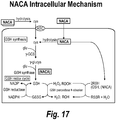
- NAC amide readily permeates cell membranes, replenishes intracellular GSH, and, by incorporating into the cell's redox machinery, protects the cell from oxidation.
- NAC amide Because of its neutral carboxyl group, NAC amide possesses enhanced properties of lipophilicity and cell permeability. (See, e.g., U.S. Pat. No. 5,874,468 to D. Atlas et al. ).
- NAC amide is also superior to NAC and GSH in crossing the cell membrane, as well as the blood-brain barrier.
- NAC amide may function directly or indirectly in many important biological phenomena, including the synthesis of proteins and DNA, transport, enzyme activity, metabolism, and protection of cells from free-radical mediated damage.
- NAC amide is a potent cellular antioxidant responsible for maintaining the proper oxidation state within the body. NAC amide can recycle oxidized biomolecules back to their active reduced forms and may be as effective, if not more effective, than GSH as an antioxidant.
- antioxidant compounds other than GSH, that are safe and even more potent, to overcome high oxidative stress in the pathogenesis of diseases.
- antioxidant compounds such as GSH, that are safe and even more potent, to overcome high oxidative stress in the pathogenesis of diseases.
- such compounds should readily cross the blood-brain barrier and easily permeate the cell membrane.
- Antioxidants such as vitamins E and C are not completely effective at decreasing oxidative stress, particularly because, in the case of vitamin E, they do not effectively cross through the cell membrane to reach the cytoplasm so as to provide antioxidant effects.
- the invention provides a composition comprising a therapeutically effective amount of N-acetylcysteine amide (NAC amide) for use in a method of treating cataracts in a subject (e.g. human), wherein the treatment of the cataract comprises reduction of a grade II cataract to a grade I cataract, reduction of a grade III cataract to a grade II or reduction of a grade III cataract to a grade I cataract wherein the grade is made according to Lens Opacity Classification System III or the treatment of cataract comprises reduction of the cataract so there is no sign of cataract in the subject after treatment.
- NAC amide N-acetylcysteine amide
- the composition also includes a pharmaceutically acceptable salt or excipient.
- the NACA is administered systemically.
- NACA can administered intraperitoneally or intravenously.
- the NACA is administered directly onto or into the eye of the subject.
- the NACA can be administered intraocularly.
- the subject is a mammal.
- the mammal is a human.
- the cataract can be selected from the group consisting of nuclear sclerosis, cortical cataract and posterior subcapsular cataract.
- the NACA is administered at between 5 and 10,000 mg/kg.
- the disclosure also provides a method of treating or preventing the formation or induction of cataracts in a subject (e.g. human) comprising administering N-acetylcysteine amide (NAC amide), or a pharmaceutically acceptable salt, ester, or derivative thereof, in a dose effective for treating or preventing the formation or induction of cataracts.
- a subject e.g. human
- NAC amide N-acetylcysteine amide
- pharmaceutically acceptable salt, ester, or derivative thereof in a dose effective for treating or preventing the formation or induction of cataracts.
- the disclosure also provides a method of treating retinal pigment epithelial dysfunction or death in degenerative retinal diseases, including age-related macular degeneration, comprising administering N-acetylcysteine amide (NAC amide), or a pharmaceutically acceptable salt, ester, or derivative thereof.
- NAC amide N-acetylcysteine amide
- the disclosure also provides a method of treating or preventing age-related macular degeneration in a subject (e.g. human) comprising administering N-acetylcysteine amide (NAC amide), or a pharmaceutically acceptable salt, ester, or derivative thereof, in a dose effective for treating or preventing age-related macular degeneration.
- a subject e.g. human
- NAC amide N-acetylcysteine amide
- a pharmaceutically acceptable salt, ester, or derivative thereof in a dose effective for treating or preventing age-related macular degeneration.
- the disclosure also provides a method of treating or preventing dry macular degeneration in a subject (e.g. human) comprising administering N-acetylcysteine amide (NAC amide), or a pharmaceutically acceptable salt, ester, or derivative thereof, in a dose effective for treating or preventing dry macular degeneration.
- a subject e.g. human
- NAC amide N-acetylcysteine amide
- a pharmaceutically acceptable salt, ester, or derivative thereof in a dose effective for treating or preventing dry macular degeneration.
- the disclosure also provides a method of treating spinal cord injury in a subject (e.g. human) comprising administering N-acetylcysteine amide (NAC amide), or a pharmaceutically acceptable salt, ester, or derivative thereof, in a dose effective for treating spinal cord injury.
- a subject e.g. human
- NAC amide N-acetylcysteine amide
- the spinal cord injury is cause by a traumatic force or blunt trauma.
- the disclosure also provides a method of treating contrast induced nephropathy and/or reperfusion injury in a subject (e.g. human) comprising administering N-acetylcysteine amide (NAC amide), or a pharmaceutically acceptable salt, ester, or derivative thereof, in a dose effective for treating Contrast induced nephropathy and/or reperfusion injury.
- a subject e.g. human
- NAC amide N-acetylcysteine amide
- ester or derivative thereof
- the dose for administration is 50-10,000 mg per dose, or in an equivalent amount. In some embodiments, the dose for administration is 25-500 mg per dose, or in an equivalent amount. In some embodiments, the NAC amide is delivered orally via a capsule.
- the dose is at least 300mg/kg where there is near complete protection of mitochondrial function.
- the disclosure also provides a dosage form for administration to the eye comprising NACA.
- the dosage form is eye drops.
- the dosage form comprises between 5 and 10,000 mg of NACA.
- the disclosure also provides a method of treating neuronal trauma in a subject in need thereof comprising administering to the subject a composition comprising a therapeutically effective dose of NACA.
- the neuronal trauma is spinal trauma.
- the NACA is administered systemically.
- the NACA is administered intraperitoneally or intravenously.
- the NACA is administered directly to the neuronal trauma.
- the neuronal trauma is spinal.
- the NACA is administered at between 75 and 600 mg/kg or at between 200 and 400 mg/kg to the subject.
- the disclosure also provides a method of increasing respiratory controlled ratio (RCR) and/or respiration rate in spinal cord tissue comprising administering to the spinal cord tissue a composition comprising an effective amount of NACA.
- RCR respiratory controlled ratio
- the injury is a result of trauma.
- the spinal cord tissue includes synaptic cells.
- the RCR and/or respiration rate is increased in the synaptic cells.
- the spinal cord tissue includes non-synaptic cells.
- the RCR and/or respiration rate is increased in the non-synaptic cells.
- the non-synaptic cells comprise neuronal soma cells. In other aspects of this embodiment, the non-synaptic cells comprise glial cells.
- the NACA is administered at between 75 and 600 mg/kg or at between 200 and 400 mg/kg to the subject.
- the subject is a mammal.
- the mammal is a human.
- the disclosure also provides a method of treating acquired immune deficiency syndrome (AIDS) in a subject in need thereof comprising administering to the subject a composition comprising a therapeutically effective amount of NACA.
- the composition further comprises a pharmaceutically acceptable salt or excipient.
- the NACA is administered systemically.
- the NACA is administered intraperitoneally or intravenously.
- the NACA is administered at between 5 and 10,000 mg/kg.
- the subject is a mammal.
- the mammal is a human.
- the treatment reduces the reverse transcription activity in cells infected by HIV in the subject. In other embodiments, the treatment reduces immunodeficiency in the subject.
- the disclosure also provides a method of reducing human immunodeficiency virus (HIV) replication in a mammalian cell comprising administering to the cell a compound comprising an effective amount of NACA.
- the cells are peripheral blood mononuclear cells.
- the peripheral blood mononuclear cells include a cell type selected from lymphocytes, monocytes and macrophages.
- peripheral blood mononuclear cells comprise lymphocytes.
- the lymphocytes can include T-cell lymphocytes.
- the reverse transcriptase activity in the peripheral blood mononuclear cells is decreased.
- the peripheral blood mononuclear cells is decreased by at least 50% or at least 90%.
- the mammalian cells are human cells.
- composition comprising NACA and an oncolytic virus.
- composition also includes a pharmaceutically acceptable salt or excipient.
- the oncolytic virus is transformed into a carrier cell.
- the carrier cell is a neural stem cell.
- the neural stem cell is an immortalized cell line.
- the immortalized cell line can include v-myc .
- the cell line is HB1.F3.CD.
- the oncolytic virus is CRAd-S-pk7.
- the disclosure also provides a method of treating cancer in a subject in need thereof comprising administering a composition comprising NACA and the oncolytic virus as described in any of the embodiments above.
- the NACA is administered systemically.
- the NACA is administered intraperitoneally or intravenously.
- the NACA is administered at between 100 and 400 mg/kg.
- the cancer is selected from the group consisting of glioma, breast cancer, lung cancer, brain cancer, melanoma, prostate cancer, ovarian cancer, pancreatic cancer, liver cancer, colon cancer, cervical cancer, bladder cancer, spleen cancer, head and neck cancer, or bone cancer.
- the cancer is glioma.
- the subject is a mammal.
- the mammal is a human.
- the disclosure also provides a method of improving the viability of carrier cells comprising oncolytic virus in a mammalian subject comprising co-administering the carrier cells comprising the oncolytic virus as described in any of the embodiments above, with an effective amount of NACA.
- the NACA is administered systemically.
- the NACA is administered intraperitoneally or intravenously.
- the NACA is administered at between 100 and 400 mg/kg.
- the subject is a mammal.
- the mammal is a human.
- the disclosure provides a method of inducing cancer cell oncolysis comprising administering to the cancer cell the oncolytic virus as described in any of the embodiments above and NACA.
- the NACA is administered systemically.
- the NACA is administered intraperitoneally or intravenously.
- the NACA is administered at between 5 and 10,000 mg/kg.
- the cancer is selected from the group consisting of glioma, breast cancer, lung cancer, brain cancer, melanoma, prostate cancer, ovarian cancer, pancreatic cancer, liver cancer, colon cancer, cervical cancer, bladder cancer, spleen cancer, head and neck cancer, or bone cancer.
- the cancer is glioma.
- the disclosure also provides a method of improving stem cell viability comprising administering an effective amount of NACA to the stem cells.
- the stem cells are neural stem cells.
- the stem cells are present in a subject.
- the NACA can be administered to the subject.
- the NACA is administered systemically.
- the NACA is administered intraperitoneally or intravenously.
- the NACA is administered at between 5 and 10,000 mg/kg.
- the present invention provides the use of N-acetylcysteine amide (NAC amide or NACA) or derivatives thereof, or a physiologically acceptable derivative, salt, or ester thereof, to treat disorders, conditions, pathologies and diseases that result from, or are associated with, the adverse effects of oxidative stress and/or the production of free radicals in cells, tissues and organs of the body.
- NACA and its derivatives are provided for use in methods and compositions for improving and treating such disorders, conditions, pathologies and diseases according to the appended claims.
- a "subject" within the context of the present invention encompasses, without limitation, mammals, e.g., humans, domestic animals and livestock including cats, dogs, cattle and horses.
- a "subject in need thereof' is a subject having one or more manifestations of disorders, conditions, pathologies, and diseases as disclosed herein in which administration or introduction of NAC amide or its derivatives would be considered beneficial by those of ordinary skill in the art.
- compositions comprising NAC amide provide an antioxidant to cells and tissues to reduce oxidative stress, and the adverse effects of cellular oxidation, in an organism.
- the invention provides a pharmaceutically acceptable formulation of NAC amide or derivatives thereof for use in a method of reducing oxidative stress associated with the conditions, diseases, pathologies as described herein, by administering a pharmaceutically acceptable formulation of NAC amide or derivatives thereof to a human or non-human mammal in an amount effective to reduce oxidative stress.
- NAC amide and its derivatives are provided to treat an organism having a disorder, condition, pathology, or disease that is associated with the overproduction of oxidants and/or oxygen free radical species.
- NAC amide treatment can be prophylactic or therapeutic.
- “Therapeutic treatment” or “therapeutic effect” means any improvement in the condition of a subject treated by the methods of the present invention, including obtaining a preventative or prophylactic effect, or any alleviation of the severity of signs or symptoms of a disorder, condition, pathology, or disease or its sequelae, including those caused by other treatment methods (e.g., chemotherapy and radiation therapy), which can be detected by means of physical examination, laboratory, or instrumental methods and considered statistically and/or clinically significant by those skilled in the art.
- “Prophylactic treatment” or “prophylactic effect” means prevention of any worsening in the condition of a subject treated by the methods of the present invention, as well as prevention of any exacerbation of the severity of signs and symptoms of a disorder, condition, pathology, or disease or its sequelae, including those caused by other treatment methods (e.g., chemotherapy and radiation therapy), which can be detected by means of physical examination, laboratory, or instrumental methods and considered statistically and/or clinically significant by those skilled in the art.
- other treatment methods e.g., chemotherapy and radiation therapy
- NAC amide used in the treatment and/or prevention of cosmetic conditions and dermatological disorders of the skin, hair, nails, and mucosal surfaces when applied topically.
- Compositions for topical administration include (a) NAC amide, or derivatives thereof, or a suitable salt or ester thereof, or a physiologically acceptable composition containing NAC amide or its derivatives; and (b) a topically acceptable vehicle or carrier.
- a method for the treatment and/or prevention of cosmetic conditions and/or dermatological disorders that entails topical administration of NAC amide- or NAC-amide derivative-containing compositions to an affected area of a patient.
- R 1 is OH, SH, or S--S--Z
- X is C or N
- R 3 is absent or wherein: R 4 is NH or O;
- R 5 is CF 3 , NH 2 , or CH 3 and wherein: Z is with the proviso that if R 1 is S--S--Z, X and X' are the same, Y and Y' are the same, R 2 and R 6 are the same, and R 3 and R 7 are the same.
- NAC amide compound and NAC amide derivatives comprising the compounds disclosed herein.
- Other derivatives are disclosed in U.S. Patent No. 8,354,449 .
- Also disclosed herein is a process for preparing an L- or D-isomer of the compounds of the present invention, comprising adding a base to L- or D-cystine diamide dihydrochloride to produce a first mixture, and subsequently heating the first mixture under vacuum; adding a methanolic solution to the heated first mixture; acidifying the mixture with alcoholic hydrogen chloride to obtain a first residue; dissolving the first residue in a first solution comprising methanol saturated with ammonia; adding a second solution to the dissolved first residue to produce a second mixture; precipitating and washing the second mixture; filtering and drying the second mixture to obtain a second residue; mixing the second residue with liquid ammonia and an ethanolic solution of ammonium chloride to produce a third mixture; and filtering and drying the third mixture, thereby preparing the L- or D-isomer compound.
- the process further comprises dissolving the L- or D-isomer compound in ether; adding to the dissolved L- or D-isomer compound an ethereal solution of lithium aluminum hydride, ethyl acetate, and water to produce a fourth mixture; and filtering and drying the fourth mixture, thereby preparing the L- or D-isomer compound.
- Also disclosed herein is a process for preparing an L- or D-isomer of the compounds disclosed herein, comprising mixing S-benzyl-L- or D-cysteine methyl ester hydrochloride or O-benzyl-L- or D-serine methyl ester hydrochloride with a base to produce a first mixture; adding ether to the first mixture; filtering and concentrating the first mixture; repeating steps (c) and (d), to obtain a first residue; adding ethyl acetate and a first solution to the first residue to produce a second mixture; filtering and drying the second mixture to produce a second residue; mixing the second residue with liquid ammonia, sodium metal, and an ethanolic solution of ammonium chloride to produce a third mixture; and filtering and drying the third mixture, thereby preparing the L- or D-isomer compound.
- NACA and derivatives thereof are used in the treatment of cataracts.
- the cataracts are caused by age, trauma, UV radiation exposure, genetics, skin diseases or medications.
- Cataracts include nuclear sclerosis, cortical cataract and posterior subcapsular cataract.
- Catracts that can be treating according to the methods disclosed herein include cataracts of various grades. Generally, grades show describe cataracts of increasing severity.
- the Lens Opacity Classification System III (LOCS III) is used to grade cataracts. This system grades cataracts as nuclear, anterior or posterior and uses a severity scale of 1-5, with 1 the least severe and 5 the most severe.
- the administration of NACA or derivatives thereof leads to a reduction in the severity of cataracts.
- the LOCS III grade of the cataract would be reduced after administration of NACA or derivatives thereof.
- the cataracts are reduced in severity by one, two, three or four grades.
- administration of NACA or derivatives thereof leads to elimination of the cataract.
- administration of NACA and derivatives thereof leads to stabilization of a cataract that is worsening in severity.
- a subject that has a cataract of a certain grade that would have a more severe cataract without the administration of NACA or a derivative thereof retains a cataract of the same severity after administration of NACA or a derivative thereof.
- NACA or derivatives thereof can be administered systemically or on, in or near the eye to subjects suffering from cataracts.
- Systemic administration methods include intraperitoneal, intravenous or oral administration.
- Administration onto the eye includes administration through eye drops or ointments appropriate for administration onto the eye.
- Administration into the eye can be performed using intraocular injection.
- Administration near the eye can be performed using periocular injection.
- any intraocular administration method known in the art could be used.
- Doses, amounts or quantities of NACA, or derivatives thereof, are determined on an individual basis. As is appreciated by the skilled practitioner in the art, dosing is dependent on the severity and responsiveness of the cataract to be treated, but will normally be one or more doses per day, with course of treatment lasting from several days to several months, or until a cure is effected or a diminution of disease state is achieved. Persons ordinarily skilled in the art can easily determine optimum dosages, dosing methodologies and repetition rates.
- a pharmaceutical formulation for orally administrable dosage form can comprise NACA, or a pharmaceutically acceptable salt, ester, or derivative thereof in an amount equivalent to at least 25-500 mg per dose, or in an amount equivalent to at least 50-350 mg per dose, or in an amount equivalent to at least 50-150 mg per dose, or in an amount equivalent to at least 25-250 mg per dose, or in an amount equivalent to at least 50 mg per dose.
- NAC amide or a derivative thereof can be administered to both human and non-human mammals. It therefore has application in both human and veterinary medicine.
- treatment with NACA can last for 1, 2, 3, 4, 5, 10, 15, 20, 25, 30, 35, 40, 45 or 50 weeks.
- NACA can be administered chronically to prevent the onset of cataracts or to prevent worsening of cataracts.
- NACA is administered in eye drops. These eye drops can further include a pharmaceutically acceptable buffer.
- NACA and derivatives thereof can be used for the treatment of nervous tissue injury.
- the nervous tissue injury is a spinal cord injury.
- injury is ameliorated through increasing the mitochondrial respiratory controlled ration (RCR) and/or the respiration rate of cells in the injured tissued.
- RCR and respiration rate can be increased in neuronal or non-neuronal cells from the spinal cord.
- Non-neuronal or non-synaptic cells include neuronal soma and glial cells.
- the RCR or respiration rates of neuronal cells are increased.
- the RCR or respiration rates of non-neuronal cells are increased.
- the RCR or respiration rates of neuronal and non-neuronal cells are increased.
- Doses, amounts or quantities of NACA, or derivatives thereof, are determined on an individual basis. As is appreciated by the skilled practitioner in the art, dosing is dependent on the severity and responsiveness of the cataract to be treated, but will normally be one or more doses per day, with course of treatment lasting from several days to several months, or until a cure is effected or a diminution of disease state is achieved. Persons ordinarily skilled in the art can easily determine optimum dosages, dosing methodologies and repetition rates.
- a pharmaceutical formulation for orally administrable dosage form can comprise NACA, or a pharmaceutically acceptable salt, ester, or derivative thereof in an amount equivalent to at least 75-600 mg/kg per dose, or in an amount equivalent to at least 200-400 mg/kg per dose, or in an amount equivalent to at least 250-350 mg/kg per dose, or in an amount equivalent to about 300 mg/kg per dose, or in an amount equivalent to at least 50 mg per dose.
- NAC amide or a derivative thereof can be administered to both human and non-human mammals. It therefore has application in both human and veterinary medicine.
- NACA or derivatives thereof can be administered systemically or on, in or near the eye to subjects suffering from cataracts.
- Systemic administration methods include intraperitoneal, intravenous or oral administration.
- NACA and derivatives thereof can also be administered directly to the damaged nerve tissue.
- NACA or derivatives thereof can be injected into spinal cord or into the brain or administered directly to other nerve tissue.
- NACA or derivatives thereof may also be administered by any method known in the art.
- treating the injury to nervous tissue can be used to improve paralysis or lack of sensation in a subject.
- the nervous tissue damage can be the result of a stroke, aneurysm or trauma.
- the nervous tissue damage can lead to lack of function of the limbs, including leg paralysis.
- administration of therapeutically effective amounts of NACA or derivatives thereof leads to the reduction of paralysis and increase in normal function of the limbs.
- Limbs can include arms and legs.
- cells in injured nerve tissue have impaired mitochondrial oxygen consumption rate in State III (ATP phosphorylation) and/or State V (complex I).
- Administration of effective amounts of NACA or derivatives thereof can increase the mitochondrial oxygen consumption rate in State III (ATP phosphorylation) and/or State V (complex I) after nerve tissue injury.
- injured nerve tissue have impaired overall mitochondrial oxygen consumption rate.
- Administration of effective amounts of NACA or derivatives thereof can increase the overall mitochondrial oxygen consumption rate after nerve tissue injury.
- nerve tissue injury leads to reduction of enzymatic activity in one or more of NADH dehydrogenase (Complex I); Cytochrome c Oxidase (Complex IV); and/or Pyruvate dehydrogenase complex (PDHC).
- Administration of effective amounts of NACA or derivatives thereof can increase any one or more of these activities after nerve tissue injury.
- NACA and derivatives thereof are used for the treatment of human immunodeficiency virus (HIV) infection and symptoms associated with acquired immune deficiency syndrome (AIDS).
- HIV human immunodeficiency virus
- AIDS acquired immune deficiency syndrome
- NACA and derivatives thereof are used to reduce HIV replication in infected cells. These cells can include peripheral blood mononuclear cells (PBMCs). PDMCs include lymphocytes, monocytes and macrophages. Lymphocytes include B-cells and T-cells. T-cells include CD4 and CD8 positive T-cells. NACA and derivatives thereof can be used to reduce HIV replication in any of these cell types. In certain embodiments, replication is reduced, greater than 10, 15, 20, 25, 30, 35, 40, 45, 50, 55, 60, 65, 70, 75, 80, 85, 90, 95, 96, 97, 98, 99 or 100%.
- NACA and derivatives thereof can be used to reduce reverse transcriptase (RT) activity in HIV infected cells.
- These cells can include peripheral blood mononuclear cells (PBMCs).
- PDMCs include lymphocytes, monocytes and macrophages.
- Lymphocytes include B-cells and T-cells.
- T-cells include CD4 and CD8 positive T-cells.
- RT activity is reduced, greater than 10, 15, 20, 25, 30, 35, 40, 45, 50, 55, 60, 65, 70, 75, 80, 85, 90, 95, 96, 97, 98, 99 or 100%.
- NACA or derivatives thereof can be administered systemically.
- Systemic administration methods include intraperitoneal, intravenous or oral administration.
- Doses, amounts or quantities of NACA, or derivatives thereof, are determined on an individual basis. As is appreciated by the skilled practitioner in the art, dosing is dependent on the severity and responsiveness of the cataract to be treated, but will normally be one or more doses per day, with course of treatment lasting from several days to several months, or until a cure is effected or a diminution of disease state is achieved. Persons ordinarily skilled in the art can easily determine optimum dosages, dosing methodologies and repetition rates.
- a pharmaceutical formulation for orally administrable dosage form can comprise NACA, or a pharmaceutically acceptable salt, ester, or derivative thereof in an amount equivalent to at least 25-500 mg per dose, or in an amount equivalent to at least 50-350 mg per dose, or in an amount equivalent to at least 50-150 mg per dose, or in an amount equivalent to at least 25-250 mg per dose, or in an amount equivalent to at least 50 mg per dose.
- NACA or derivatives thereof to reduce symptoms associated with HIV infection in a subject in need thereof.
- Administration of therapeutically effective amount of NACA or a derivative thereof can improve symptoms associated with AIDS. These symptoms include various immune dysfunctions that can present as fever, fatigue, swollen lymph nodes, diarrhea, weight loss, cough, shortness of breath, night sweats, chills and skin pathology.
- NACA or derivatives thereof can be co-administered with any known HIV or AIDS therapeutic. These therapeutics include fusion inhibitors, CCR5 receptor antagonists, nucleoside reverse transcriptase inhibitors, non- nucleoside reverse transcriptase inhibitors, protease inhibitors, integrase inhibitors and maturation inhibitors.
- NACA or derivatives thereof are used to increase the effectiveness of oncolytic viruses.
- Oncolytic viruses can be used to reduce the viability of various tumor cells. These tumor cells can be from cancers including glioma, breast cancer, lung cancer, brain cancer, melanoma, prostate cancer, ovarian cancer, pancreatic cancer, liver cancer, colon cancer, cervical cancer, bladder cancer, spleen cancer, head and neck cancer, or bone cancer.
- NACA or derivatives thereof can be administered with oncolytic virsues for the treatment of glioma.
- the glioma is glioblastoma multiforme (GBM).
- oncolytic viruses are administered in carrier cells.
- the carrier cells can be transformed with the oncolytic viruses and then administered to a subject in need thereof.
- the oncolytic viruses can then be contacted with cancer cells to reduce their viability.
- NACA or derivatives thereof can be used to increase the viability of the carrier cells. This allows a given dose of carrier cells transformed with oncolytic viruses the ability to delivery more virus to tumor cells thus decreasing the viability of the tumor cells.
- administration of NACA and derivatives thereof with carrier cells reduced reactive oxygen species in the carrier cells.
- NACA or derivatives thereof along with carrier cells including oncolytic viruses can be administered systemically or on, in or near the tumor to be treated in a subject.
- Systemic administration methods include intraperitoneal or intravenous administration. Administration into a tumor can be performed by injecting NACA or derivatives thereof along with carrier cells including oncolytic viruses at the site of the tumor. With glioma this could mean injection into the brain of the subject.
- the carrier cells including oncolytic viruses are administered at the site of the tumor while the NACA or derivatives thereof are administered systemically.
- Systemic administration methods include intraperitoneal, intravenous or oral administration.
- Doses, amounts or quantities of NACA, or derivatives thereof, are determined on an individual basis. As is appreciated by the skilled practitioner in the art, dosing is dependent on the severity and responsiveness of the cataract to be treated, but will normally be one or more doses per day, with course of treatment lasting from several days to several months, or until a cure is effected or a diminution of disease state is achieved. Persons ordinarily skilled in the art can easily determine optimum dosages, dosing methodologies and repetition rates.
- a pharmaceutical formulation for orally administrable dosage form can comprise NACA, or a pharmaceutically acceptable salt, ester, or derivative thereof in an amount equivalent to at least 25-500 mg/kg per dose, or in an amount equivalent to at least 50-350 mg/kg per dose, or in an amount equivalent to at least 100-400 mg/kg per dose, or in an amount equivalent to at least 200-300 mg/kg per dose, or in an amount equivalent to about 250 mg/kg per dose.
- NACA or a derivative thereof can be administered to both human and non-human mammals. It therefore has application in both human and veterinary medicine.
- the carrier cells including oncolytic viruses can be administered at between 1x10 5 cells to 1x10 8 cells. In certain embodiments, between 1x10 5 and 10x10 5 cells can be administered.
- administration of NACA or derivatives thereof with carrier cells including oncolytic viruses increases the viability of the carrier cells by 10, 15, 20, 25, 30, 35, 40, 45, 50, 55, 60, 65, 70, 75, 80, 85, 90, 95, 100, 150, 200, 300, 400, 500, 600, 700, 800, 900 or 1000%.
- administration of NACA or derivatives thereof with carrier cells including oncolytic viruses increases the viability of the carrier cells by between 20 and 50% or between 50 and 500%.
- administration of NACA or derivatives thereof with carrier cells including oncolytic viruses decreaes the viability of the targeted cancer cell by at least 10, 15, 20, 25, 30, 35, 40, 45, 50, 55, 60, 65, 70, 75, 80, 85, 90, 95, 100%.
- administration of NACA or derivatives thereof with carrier cells including oncolytic viruses decreaes the viability of the targeted cancer cell by between 20 and 75% or between 25 and 50%.
- the oncolytic virus is CRAd-S-pk7.
- the carrier cell is a neural stem cell.
- the neural stem cell is an immortalized stem cell.
- NACA or derivatives thereof are used to increase the viability of stem cells.
- Stem cells that can be used according to these methods include pluripotent, totipotent, multipotent, oligopotent or unipotent stem cells.
- Stem cells can also include embryonic, fetal or adult stem cells.
- stem cells can include mesenchymal stem cells, skin stem cells, muscle stem cells, neuronal stem cells and bone stem cells.
- stem cells used according to the methods described herein are neuronal stem cells.
- NACA can be administered on stem cells in vitro or in vivo.
- NACA When administered in vivo NACA can be administered systemically or at the site at which the stem cells are present. When administered systemically, NACA can be adminstered intravenously, intraperitoneally or orally.
- NACA is first administered to stem cells in vitro and the stem cells are then administered to a subject.
- stem cells are administered to a subject with NACA.
- the NACA and stem cells can be injected at the same time or administered via different routes. For example, stem cells could be injected at a particular site in a subject and NACA could be administered systemically.
- ROS reactive oxygen species
- Doses, amounts or quantities of NACA, or derivatives thereof, are determined on an individual basis. As is appreciated by the skilled practitioner in the art, dosing is dependent on the severity and responsiveness of the cataract to be treated, but will normally be one or more doses per day, with course of treatment lasting from several days to several months, or until a cure is effected or a diminution of disease state is achieved. Persons ordinarily skilled in the art can easily determine optimum dosages, dosing methodologies and repetition rates.
- a pharmaceutical formulation for orally administrable dosage form can comprise NACA, or a pharmaceutically acceptable salt, ester, or derivative thereof in an amount equivalent to at least 25-500 mg/kg per dose, or in an amount equivalent to at least 50-350 mg/kg per dose, or in an amount equivalent to at least 100-400 mg/kg per dose, or in an amount equivalent to at least 200-300 mg/kg per dose, or in an amount equivalent to about 250 mg/kg per dose.
- NACA or a derivative thereof can be administered to both human and non-human mammals. It therefore has application in both human and veterinary medicine.
- the stem cells can be administered at between 1x10 5 cells to 1x10 8 cells. In certain embodiments, between 1x10 5 and 10x10 5 cells can be administered.
- administration of NACA or derivatives thereof with increases the viability of stem cells by 10, 15, 20, 25, 30, 35, 40, 45, 50, 55, 60, 65, 70, 75, 80, 85, 90, 95, 100, 150, 200, 300, 400, 500, 600, 700, 800, 900 or 1000%. In certain embodiments, administration of NACA or derivatives thereof increases the viability of stem cells by between 20 and 50% or between 50 and 500%.
- NACA or derivatives thereof are used for the treatment of asphyxia.
- asphyxia is treated when a subject receives increased oxygenation of the brain due to administration of NACA or a derivative thereof than the subject would have otherwise received.
- administration of NACA or a derivative thereof increases oxygen to the brain in hypoxemic conditions. Hypoxemic conditions are those wherein the ambient oxygen level available to breathe is less than the concentration of oxygen at sea level.
- NACA or derivatives thereof can be administered in situations where a subject is likely to encounter low oxygen conditions, such as at high altitude or in an air plane to increase oxygenation of the brain.
- NACA or derivatives thereof can be administered systemically.
- Systemic administration methods include intraperitoneal, intravenous or oral administration.
- Doses, amounts or quantities of NACA, or derivatives thereof, are determined on an individual basis. As is appreciated by the skilled practitioner in the art, dosing is dependent on the severity and responsiveness of the cataract to be treated, but will normally be one or more doses per day, with course of treatment lasting from several days to several months, or until a cure is effected or a diminution of disease state is achieved. Persons ordinarily skilled in the art can easily determine optimum dosages, dosing methodologies and repetition rates.
- a pharmaceutical formulation for orally administrable dosage form can comprise NACA, or a pharmaceutically acceptable salt, ester, or derivative thereof in an amount equivalent to at least 25-500 mg per dose, or in an amount equivalent to at least 50-350 mg per dose, or in an amount equivalent to at least 50-150 mg per dose, or in an amount equivalent to at least 25-250 mg per dose, or in an amount equivalent to at least 50 mg per dose.
- NACA or a derivative thereof can be administered to both human and non-human mammals. It therefore has application in both human and veterinary medicine.
- the term "pharmaceutical composition” refers to a preparation of one or more of the components described herein, or physiologically acceptable salts or prodrugs thereof, with other chemical components such as physiologically suitable carriers and excipients.
- the purpose of a pharmaceutical composition is to facilitate administration of a compound to an organism.
- prodrug refers a precursor compound that can hydrolyze, oxidize, or otherwise react under biological conditions (in vitro or in vivo) to provide the active compound.
- prodrugs include, but are not limited to, metabolites of NSAIDs that include biohydrolyzable moieties such as biohydrolyzable ainides, biohydrolyzable esters, biohydrolyzable carbamates, biohydrolyzable carbonates, biohydrolyzable ureides, and biohydrolyzable phosphate analogues.
- biohydrolyzable moieties such as biohydrolyzable ainides, biohydrolyzable esters, biohydrolyzable carbamates, biohydrolyzable carbonates, biohydrolyzable ureides, and biohydrolyzable phosphate analogues.
- excipient refers to an inert or inactive substance added to a pharmaceutical composition to further facilitate administration of a compound.
- excipients include calcium carbonate, calcium phosphate, various sugars and types of starch, cellulose derivatives, gelatin, vegetable oils and polyethylene glycols.
- compositions of the present invention comprise NAC Amide or derviate thereof and may also include one or more additive drug (e.g., additional active ingredients), such as, but not limited to, NSAIDs, antibiotics, conventional anti-cancer and/or anti-inflammatory agents that may be suitable for combination therapy.
- additive drug e.g., additional active ingredients
- compositions of the present invention may be manufactured by processes well known in the art, e.g., by means of conventional mixing, dissolving, granulating, grinding, pulverizing, dragee-making, levigating, emulsifying, encapsulating, entrapping or by lyophilizing processes.
- compositions for use in accordance with the present invention thus may be formulated in conventional manner using one or more pharmaceutically acceptable carriers comprising excipients and auxiliaries, which facilitate processing of the active compounds into preparations which can be used pharmaceutically. Proper formulation is dependent upon the route of administration chosen.
- administration or any lingual variation thereof as used herein is meant any way of administration.
- the one or more of NAC Amide or derivative thereof and at least one additional drug may be administered in one therapeutic dosage form or in two separate therapeutic dosages such as in separate capsules, tablets or injections.
- the administration may be such that the periods between the administrations vary or are determined by the practitioner. It is however preferred that the second drug is administered within the therapeutic response time of the first drug.
- NAC Amide or derivative thereof and at least one additional drug which may be administered either at the same time, or separately, or sequentially, according to the invention, do not represent a mere aggregate of known agents, but a new combination with the valuable property that the effectiveness of the treatment is achieved at a much lower dosage of said at least one additional drug.
- compositions of the present invention may be administered by any convenient route, for example, by infusion or bolus injection, by absorption through epithelial or mucocutaneous linings (e.g., oral mucosa, rectal and intestinal mucosa, etc.) and may be administered together with any other therapeutic agent. Administration can be systemic or local.
- compositions of the invention include but are not limited to intradermal, intramuscular, intraperitoneal, intravenous, subcutaneous, intranasal, epidural, oral, sublingual, intranasal, intracerebral, intravaginal, transdermal, rectally, by inhalation, or topically to the cars, nose, eyes, or skin.
- the preferred mode of administration is left to the discretion of the practitioner, and will depend in part upon the site of the medical condition (such as the site of cancer) and the severity of thereof.
- composition of the invention may be formulated in aqueous solutions, preferably in physiologically compatible buffers such as Hank's solution, Ringer's solution, or physiological saline buffer.
- physiologically compatible buffers such as Hank's solution, Ringer's solution, or physiological saline buffer.
- penetrants appropriate to the barrier to be permeated are used in the formulation.
- penetrants for example DMSO, or polyethylene glycol are generally known in the art.
- the composition can be formulated readily by combining the active components with any pharmaceutically acceptable carriers known in the art.
- carriers may facilitate the manufacture of such as tablets, pills, dragees, capsules, liquids, gels, syrups, slurries, suspensions, and the like, for oral ingestion by a patient.
- Pharmacological preparations for oral use can be made using a solid excipient, optionally grinding the resulting mixture, and processing the mixture of granules, after adding suitable auxiliaries if desired, to obtain tablets or dragee cores.
- Suitable excipients are, in particular, fillers such as sugars, including lactose, sucrose, mannitol, or sorbitol; cellulose preparations such as, for example, maize starch, wheat starch, rice starch, potato starch, gelatin, gum, methyl cellulose, hydroxypropylmethyl-cellulose, sodium carbomethylcellulose, and/or physiologically acceptable polymers such as polyvinylpyrrolidone (PVP).
- PVP polyvinylpyrrolidone
- disintegrating agents may be added, such as cross-linked polyvinyl pyrrolidone, agar, or alginic acid or a salt thereof such as sodium alginate.
- Dragee cores are provided with suitable coatings.
- suitable coatings may be used which may optionally contain gum arabic, talc, polyvinyl pyrrolidone, carbopol gel, polyethylene glycol, titanium dioxide, lacquer solutions and suitable organic solvents or solvent mixtures.
- compositions which can be used orally, include push-fit capsules made of gelatin as well as soft, sealed capsules made of gelatin and a plasticizer, such as glycerol or sorbitol.
- the push-fit capsules may contain the active ingredients in admixture with filler such as lactose, binders such as starches, lubricants such as talc or magnesium stearate and, optionally, stabilizers.
- the active components may be dissolved or suspended in suitable liquids, such as fatty oils, liquid paraffin, or liquid polyethylene glycols.
- Dyestuffs or pigments may be added to the tablets or dragee coatings for identification or to characterize different combinations of active NSAID doses.
- stabilizers may be added.
- compositions for parenteral administration include aqueous solutions of the active preparation in a water-soluble form. Additionally, suspensions of the active preparation may be prepared as oily injection suspensions. Suitable lipophilic solvents or vehicles include fatty oils such as sesame oil, or synthetic fatty acids esters such as ethyl oleate, triglycerides or liposomes. Aqueous injection suspensions may contain substances, which increase the viscosity of the suspension, such as sodium carboxymethyl, cellulose, sorbitol or dextran. Optionally, the suspension may also contain suitable stabilizers or agents, which increase the solubility of the compounds, to allow for the preparation of highly concentrated solutions.
- the composition may be in a powder form for constitution before use with a suitable vehicle, e.g., sterile, pyrogen-free water.
- a suitable vehicle e.g., sterile, pyrogen-free water.
- the exact formulation, route of administration and dosage may be chosen by the physician familiar with the patient's condition. (See for example Fingl, et al., 1975, in "The Pharmacological Basis of Therapeutics", Chapter I, p. 1 ).
- dosing can also be a single administration of a slow release composition, with course of treatment lasting from several days to several weeks or until cure is effected or diminution of the disease state is achieved.
- Experiment 1 L-buthionine sulfoximine (BSO) was given to rats to induce cataracts for 3 days via i.p injection (injections performed on day 3). NACA given via i.p. injections gave lesser grade of cataracts in all rats as compared to the untreated group. 80% of lens in the NACA treated group showed no signs of cataract formation.
- BSO L-buthionine sulfoximine
- BSO was given to rats to induce cataracts for 3 days via i.p. injection (injections performed on day 10).
- NACA given via eye drop to group of rats after forming grade I cataracts.
- NACA given via eye drop to group of rats after forming grade II cataracts. All rats with grade I cataracts prior to NACA eye drop treatment showed no signs of cataracts after 3 week treatment. All rats with grade II cataracts prior to NACA eye drop treatment showed a reduction in grade of cataract after 3 week treatment (75% of which showed no sign of cataracts).
- BSO-only group also showed a reduction in the grade of cataract (All rats had a grade between 0 and II -- no grade III cataracts were present and 1-2 lens had no signs of cataract formation).
- Dose/Methods For the NACA application with eye drops, we used a 1% solution in Phosphate buffer solution (100mM) @ pH 7.0. The eye drops were applied twice daily 12 hours between each scheduled dose. Two drops were applied in each eye consisting of 10 ⁇ L each. The results shown were treatment given for 3 weeks after the corresponding grade cataract was formed.
- Buthathione Sulfoxamine BSO was administered twice, the first on 9 days of age and the second on 10 days of age.
- Reference Example 2 NACA in spinal cord injury model.
- DP1 N-acetyl cysteine amide
- vehicle vehicle
- NACA N-acetylcysteine amide
- synaptic (neuronal), non-synaptic (neuronal soma and glia) and total (synaptic and non-synaptic) mitochondria from naive and injured spinal cords were isolated and assessed for mitochondrial respiration and activities of NADH dehydrogenase, cytochrome oxidase and pyruvate dehydrogenase.
- SCI resulted in significantly compromised mitochondrial bioenergetics.
- NACA treatment improved mitochondrial bioenergetics with maximum restoration (p ⁇ 0.05) at 300 mg/kg.
- hindlimb functional recovery and tissue sparing was studied using a NACA dose of 300 mg/kg.
- NACA neuropeptide acetylcholine
- Osmotic pumps s.c.
- NACA treatment improved hindlimb locomotor function beginning 7 days-post SCI.
- NACA-treated rats were consistently stepping with weight support and displayed frequent coordination compared to vehicle-treated rats that only demonstrated frequent dorsal and occasional planter hindlimb stepping.
- Ongoing experiments include quantitative analysis of glutathione and oxidative markers of mitochondria isolated from acute experimental groups, and histological assessments following prolonged NACA treatment.
- NACA treatment at all the dosages improved mitochondrial OCR and showed a bell shape curve, with maximum restoration (p ⁇ 0.05) of OCR with the 300 mg/kg dosage.
- mitochondrial OCR after 75, 150 and 600 mg/kg body weight NACA treatment remained significantly lower than naive.
- the NACA-treated injured rats were able to consistently step with weight support and showed occasional forelimb-hindlimb coordination compared to vehicle-treated rats that demonstrated frequent dorsal and only occasional planter stepping of hindlimbs.
- terminal quantitative 2D kinematic gait analysis at 6 weeks post-injury confirmed improved hindlimb stepping patterns following NACA treatment.
- NACA treatment acutely following contusion SCI at the L1/L2 level significantly maintains mitochondrial bioenergetics in both non-synaptic and synaptic mitochondria.
- 300 mg/kg bodyweight is most effective in preserving mitochondrial function 24 hrs following SCI.
- prolonged continuous treatment with NACA 300 mg/kg for 7 day post-injury significantly improves the recovery of hindlimb locomotor function.
- Seahorse XF24 Flux Analyzer that requires very small protein samples than previously required using the Clark-type oxygen electrode. We are now prepared to move forward with the behavioral studies employing 2D and 3D kinematic analysis of hind limb movements.
- the present invention relates to a method for inhibiting HIV replication. Data is attached reporting the results of an HIV study in lymphocytes with 100% block of replication at 20 mM concentration.
- Figure 8 shows that addition of NACA did not have a large effect on U1 cell viability or proliferation as measured by [3H]-thymidine incorporation. 10-333 ⁇ M NACA is effective in reducing HIV replication in activated U1 cells.
- Figure 9 shows significant reduction to reverse transcriptase activity in U1 cells activared with 1 ng/mL TNF- ⁇ or 10 ng/mL IL-6.
- PBMC Peripheral blood mononuclear cells
- RT activity was also measured in activated U1 cells.
- U1 cells were activated with 1 ng/mL TNF- ⁇ , 10 ng/mL IL-6 or 10 nM phorbol 12-myristate 13-acetate (PMA). As shown in Figures 13-15 , 1-10 ⁇ M NACA is effective in reducing HIV replication in activated U1 cells.
- NACA inhibits HIV replication by preventing NFKB activation both by reducing reactive oxygen species and the effect of inflammatory cytokines as shown in Figure 16 .
- NACA may also act by increasing intracellular glutathione as shown in Figures 17 and 18 .
- NSCs neural stem cells
- OV gliomatropic oncolytic adenovirus
- NACA N -acetylcysteine amide
- NACA treatment was able to reduce the production of endogenous ROS triggered by CRAd-S-pk7, thereby preventing ROS-induced apoptosis of NSCs.
- the combination treatment of NACA and NSCs loaded with CRAd-S-pk7 showed enhanced mice survival and increased intratumoral apoptosis as compared to CRAd-S-pk7 loaded NSCs alone.
- the combined therapy enhanced CRAd-S-pk7 production and distribution in malignant tissues.
- NACA can increase the therapeutic efficacy of oncolytic viruses loaded into NSCs by preventing apoptosis and increasing viral production in the cell carrier.
- GBM Glioblastoma multiforme
- BBB ultra-selective blood-brain barrier
- Oncolytic virus (OV) therapy with replication-competent viruses is an attractive tool for the treatment of malignant cancers.
- OVs need to be safe and nontoxic to normal cells while capable of selectively destroying cancer cells.
- the CRAd-S-pk7 oncolytic virus is a conditionally replicative adenovirus (CRAd) vector that employs the survivin (S) promoter and a fiber modification containing polylysine (pk7)) to selectively transduce and replicate in neoplastic cells. It has previously been shown that CRAd-S-pk7 enhances cell cycle arrest, apoptosis, and oncolytic effect in glioma cells.
- HB1.F3.CD an FDA approved immortalized NSC line has been used for human clinical trials, HB1.F3.CD, as a delivery vehicle of OVs.
- This carrier is able to home to tumor areas and evade host immune response elicited by virus infection.
- CRAd-S-pk7 loaded HB1.F3.CD NSCs were able to suppress anti-adenoviral immune response and enhance anti-glioma therapeutic efficacy compared to CRAd-S-pk7 alone. Additional in vivo studies have demonstrated that CRAd-S-pk7 loaded HB1.F3.CD cells supported virus replication and maintained their tumor tropic properties for more than a week.
- oxidative stress plays a critical role in many biological pathways such as programmed cell death, age-related diseases, tumorigenesis as well as autophagy.
- ROS reactive oxygen species
- Such a ROS-mediated OS can be detrimental to the survival of cell carriers as well as to their ability to carry the therapeutic cargo to distant targeted sites.
- N -acetylcysteine NAC is a widely used low-molecular weight thiol antioxidant. The neutralization of the carboxylic group of NAC generated a more lipophilic and cell-permeable component, N -acetylcysteine amide (NACA).
- NACA appears to be a valid partner for a combination with CRAd-S-pk7 loaded NSCs in anti-glioma therapy.
- HB1.F3.CD is a v - myc immortalized human NSC (hNSC) line, derived from the human fetal brain that constitutively expresses cytosine deaminase (CD).
- HB1.F3.CD cells were maintained in DMEM supplemented with 10% fetal bovine serum, 2 mmol/L L-glutamine, 100 units/mL penicillin, 100 ug/mL streptomycin and 0.25 ug/mL amphotericin B.
- Anti-p53 (DO-1), actin and active caspase-3 antibodies were purchased from Santa Cruz biotechnology.
- Anti phospho-Akt, phospho-p38 and caspase-9 antibodies were purchased from Cell Signaling Technology.
- Anti-Hexon antibody was purchased from the Abcam.
- Human CRAd-Survivin-pk7 (CRAd-S-pk7) was propagated as described previously (5, 37), and NACA was provided by Dr. Glenn Goldstein (David Pharmaceuticals, New York, NY).
- HB1.F3.CD and glioma cells were infected with CRAd-S-pk7 (50 I.U./cells) for 1 hour followed by washing with PBS twice. Infected cells (5 ⁇ 10 3 cells/well) were plated onto a 96 well plate and further incubated using the complete medium with/without NACA (1 mM) in a dose- and time- dependent manner. Ten ⁇ l of 3-(4,5-dimethylthiazol-2-yl)-2,5-diphenyltetrazolium bromide was added into each well followed by incubation at 37 °C for 4 h. Finally, 100 ⁇ l of solubilization buffer was added.
- the plate was incubated at 37 °C overnight, and light absorption was measured at a 595 nm wavelength. Cell viability was also evaluated by trypan blue exclusion method using the Bio-Rad automated cell counter (TC10). Each value from these indicated assays represents the mean ⁇ SEM of triplicate measurements from three independent experiments.
- HB1.F3.CD cells (5 ⁇ 10 4 cell/well) were plated in 6 well culture dishes. On the next day, plated cells were infected with CRAd-S-pk7 at the indicated infection unit per cell for 1 hour and then carefully washed with PBS following the addition of fresh complete media with/without NACA. Total DNA from cultured cells (or animal brain tissue) was extracted at designated time points using DNeasy Tissue kit (QIAGEN) according to the manufacturer's protocol. DNA was quantified using NANO drop and was subsequently used for quantitative real-time PCR with iQ SYBR green supermix (Bio-Rad, Hercules, CA).
- Sequences of primers for detection of the E1A gene were the following: forward, 5'-AACCAGTTGCCGTGAGAGTTG-3' (SEQ ID NO:1); and reverse, 5'-CTCGTTAAGCAAGTCCTCGATACAT-3' (SEQ ID NO:2).
- DNA amplification was carried out using an Opticon 2 system (Bio-rad, CA). All samples were run in triplicates and results were shown as the average number of E1A copies/ng of DNA.
- HB1.F3.CD cells were seeded at a concentration of 50,000 cells per well in a 6 well plate using DMEM containing 10% FBS. Twenty-four hours after incubation, cells were infected with CRAd-S-pk7 at several infection units per cell and further incubated for 1 hour. Then virus-containing media were removed, cells were washed with 1X PBS and fresh complete media with/without NACA was added. After incubation for an indicated time, supernatant as well as cells were collected separately.
- HEK293 cells Collected cells were suspended in 200 ⁇ l of 1X PBS and were lysed by freezing and thawing three times. Lysed cells were incubated in 80% confluent HEK293 cells at a serial ten-fold dilution condition. Forty-eight hours after incubation, viral titer (infection units per milliliter) was determined by Adeno-X Rapid Titer Kit (Clontech, CA) according to the manufacturer's protocol.
- HB1.F3.CD cells (5 ⁇ 10 4 cell/well) were plated in 6 well culture dishes. Cells were infected with CRAd-S-pk7 (50 I.U./cell). One hour after incubation, cells were carefully washed with pre-warmed 1X PBS twice and then fresh complete media with/without 1 mM NACA was added. After 4 days, supernatant and infected U87 cells (5 ⁇ 10 4 cell/well in 6 well plates) were secured. The viability of glioma cells was determined by 0.25% crystal violet staining for 20 minutes at room temperature. Stained cells were visualized with an inverted microscope and counted (20X magnification).
- CRAd-S-pk7-permissive U87 cells were used as a positive control for adenoviral replication and virus induced cytopathic effect.
- U87-Luc cells (5 ⁇ 10 3 cells per well) were plated in HB1.F3.CD cultured plates and further incubated for 6 days. Luciferase activity was performed using Dual-Luciferase Reporter Assay System (Promega) according to the provided protocol. Corresponding firefly luciferase reporter activity was used for normalization.
- ROS Reactive Oxygen Species
- CM-H 2 DCFDA 5-(and-6) chlolomethyl-2',7'-dichlorfluorescein-diacetate
- CM-H 2 DCFDA 5-(and-6) chlolomethyl-2',7'-dichlorfluorescein-diacetate
- HB1.F3.CD cells were incubated in 6 well plates for 24 hours. After infecting cells with or without CRAd-S-pk7 (10 or 50 I.U) for 1 hour, cells were washed with fresh 1X PBS twice followed by the addition of complete media with/without 1 mM NACA. After 48 hours, cells were incubated with 10 ⁇ M CM- H 2 DCFDA in serum free media at 37°C for 30 minutes according to manufacturer's instruction.
- H 2 O 2 treatment was used as a positive control.
- Cells were treated with 50 ⁇ M H 2 O 2 before staining with CM-H 2 DCFDA. Subsequently, cells were fixed with 2% paraformaldehyde, and images were captured with fluorescence microscope. Three fields from each of three separate wells were measured for each group. Fluorescence was quantified from 30 random cells in each image using NIH image J software.
- HB1.F3.CD cells were incubated with various concentrations of CRAd-S-pk7 and/or NACA. Cells were washed and harvested in 1X PBS and subsequently lysed with lysis buffer (M-PER Mammalian Protein Extraction Reagent (Pierce) supplemented with 10mM Protease and Phosphatase Inhibitor cocktail (Roche)) according to the manufacturer's instructions. Thirty ⁇ g of each cell lysate was used for SDS-PAGE electrophoresis and immunoblotting. Immunocomplexes were visualized with enhanced chemiluminescence reagent (Bio-Rad). Images were collected using a Bio-Rad image analyzer.
- mice were housed in laminar-flow cabinets under specific-pathogen-free conditions. Mice were anesthetized by intraperitoneal (i.p.) injection with a ketamine/xylazine mixture (115/17 mg/kg), and were held in a stereotactic frame with an ear bar. After skin incision, a burr hole was made in the skull 1 mm anterior and 2 mm lateral to the bregma to expose the dura.
- a burr hole was made in the skull 1 mm anterior and 2 mm lateral to the bregma to expose the dura.
- U87 cells (2 ⁇ 10 5 cells in a volume of 2.5 ⁇ l of PBS) were slowly injected 3 mm deep into the brain with a Hamilton syringe.
- the animals were randomly divided into four groups, and were intraperitoneally treated with NACA (250 mg/kg/day) continuously for 5 days.
- mice received an intracranial or intratumoral injection of 4 ⁇ 10 5 HB1.F3.CD cells loaded with 50 I.U. of CRAd-S-pk7 oncolytic viruses.
- Neurological signs and body weight were checked every day during the treatment. Animals losing ⁇ 30% of their body weight or having trouble ambulating, feeding, or grooming were killed by CO 2 intoxication followed by cervical dislocation and the brains were removed. Midcoronal sections of the whole tumor were used for histological and immunohistochemical analyses.
- Tumors were dissected from the sacrificed mice, fixed in 10% buffered formalin solution, and frozen in OCT compound in a dry ice-methylbutane bath. Frozen tissues were cut coronally at the injection site in two pieces and sectioned into 10 ⁇ m thick slices. Immunofluorescent stains were applied using monoclonal antibodies against caspase 3 and E1A. Brain sections were dry at room temperature and fixation/permeabilization was carried with 50/50 mixture of acetone-methanol. The tissues were three times washed with cold PBS and blocked with 10% BSA for 30 minutes. Samples were incubated overnight at 4°C with primary antibodies, washed and incubated for 1 hour at room temperature with the secondary antibody. After washing with cold PBS three times, tissues were covered with Prolong Gold antifade reagent with DAPI (Invitrogen). Images were acquired using an inverted Zeiss microscope.
- NACA improves the viability of NSC carriers loaded with CRAd-S-pk7
- HB1.F3.CD NSC carriers were permissive for CRAd-S-pk7 infection and replication. It appears that the antioxidant effects of NACA inhibit cellular apoptosis and thus increase the intracellular production of CRAd-S-pk7 loaded in HB1.F3.CD stem cell carriers.
- NACA anti-apoptotic effects of NACA on OV-loaded NSCs
- MTT assay and trypan blue exclusion test were used at 72 hours post treatment. The results revealed that NACA was toxic to NSCs at concentrations over 1 mM ( Fig.
- NSCs An increased viability of NSCs was observed when 50 I.U. of CRAd-S-pk7 was combined with 1 mM of NACA as compared to other combinations (1, 5 and 10 I.U of OV per cell).
- NACA combined with CRAd-S-pk7 (50 I.U.) increased the viability of NSCs 48 hours post-treatment.
- treatment with 10 I.U of CRAd-S-pk7 and NACA showed an enhanced viability of NSC carriers 96 hours post-treatment as compared to CRAd-S-pk7 loaded NSCs alone ( Fig. 19B ).
- NACA treatment on CRAd-S-pk7 loaded NSCs increases viral replication and production of viral progeny
- DNA replication of CRAd-S-pk7 in stem cell carriers was highest at day 3 when cells were infected with 50 I.U/cell of OVs. Although, virus replication reached its peak, the viability of NSCs was decreased at this dose.
- quantitative RT-PCR analysis was conducted to check the expression of the adenoviral E1A gene at 72 hours post treatment. As shown in Figure 20 , when compared to the infection of OV alone, viral DNA replication was significantly increased when NSCs loaded with OV in the concentration of 50 I.U/cell (1.78 ⁇ 10 6 E1A copies/ng DNA) were treated with NACA.
- a viral titer assay was performed.
- the production of CRAd-S-pk7 viral progeny in HB1.F3.CD cells increased in a dose-dependent manner.
- the viral production was about 2-folds higher than in the infection dose of 1 and 10 I.U/cell, respectively ( Fig. 21A ).
- CRAd-S-pk7 infection in the concentration of 100 I.U./cell did not show an enhanced viral production as compared to 50 I.U./cell.
- NSCs treated with various concentrations of NACA (1, 2.5, 5 mM) but a single concentration of OV (50 I.U./cell) were assessed.
- NSCs loaded with 50 I.U/cell of OVs treated with ImM of NACA presented a significant increase (61%) in OV release as compared to untreated carriers ( Fig. 21B ).
- NSCs treated with 2.5 and 5 mM of NACA did not present a significant viral release as compared to NSCs treated with 1 mM of NACA.
- OV progeny in NSCs treated with or without ImM of NACA and loaded with different doses of CRAd-S-pk7 OVs (10, 50 and 100 I.U./cell) was then assessed.
- the supernatant of infected cells was harvested 3 days post-infection.
- HB1 .F3.CD cells released a significant amount of viruses from each combination of OV and NACA. Such a discharge was about 2-2.5 fold larger than the one observed in cells infected with OV alone ( Figs. 21C and D ).
- NSCs were infected with 50 I.U/cell of CRAd-S-pk7 and harvested cells and supernatant separately at indicated times.
- the combination of OV and NACA showed additive effects in both groups of released virus and cell associated virus as compared to OV only after 72 hours post infection.
- Free viruses that were collected in the supernatant of NSCs treated with NACA maintained an active replication until day 5 post-collection.
- virus replication was higher at 96 hours post treatment, and then it significantly decreased at day 5 due to cell death resultant from viral toxicity.
- NACA significantly induces virus replication in NSCs loaded with oncolytic vectors and enhances the release of their associated viral progeny.
- NACA treatment of NSCs loaded with CRAd-S-pk7 leads to increased production of infectious viral progeny and induction of glioma cell oncolysis.
- NSCs were permissive to CRAd-S-pk7 infection and replication.
- NACA treatment would affect the release of viral progeny from NSCs loaded with OVs and its related toxicity to glioma cells.
- trypan blue exclusion and crystal violet assay were used to measure CRAd-S-pk7-related toxicity towards U87 glioma cells 96 hours post-infection.
- Figure 22A brings a representative image demonstrating U87-related cytotoxicity as a result of CRAd-S-pk7 infection alone or combined with NACA treatment.
- U87 cells treated with NACA alone and U87 mock cells were used as a control.
- CRAd-S-pk7 viral progeny treated with NACA promote a significantly higher lysis of glioma cells (73% toxicity) as compared to treatment with CRAd-S-pk7 alone (38% toxicity).
- NACA modulates endogenous ROS and decreases the expression of markers of cellular apoptosis in NSCs infected with CRAd-S-pk7.
- ROS reactive oxygen species
- HB1.F3.CD cells infected with CRAd-S-pk7 presented ROS accumulation in a dose-dependent manner.
- the combined treatment with NACA effectively decreased endogenous ROS levels that were activated by cellular loading with oncolytic viruses.
- non-infected NSCs that were used as a control inherently expressed high levels of intracellular ROS. Such overexpression was decreased by NACA treatment.
- NACA's anti-apoptotic and pro-proliferative effects on NSCs loaded with OVs were examined by immunoblot assay.
- NSCs loaded with OVs presented an increased expression of pro-apoptotic genes (p53 and caspase-3) in a dose-dependent manner ( Fig. 23B ).
- Infected NSCs treated with NACA presented a significant decrease in p53 and caspase-3 expression.
- NACA As a lipophilic drug, NACA has the striking advantage of crossing the blood brain barrier (BBB). It has previously shown that NSCs could be used as delivery vehicles in order to enhance the anti-glioma therapeutic efficacy of OVs in vivo. Therefore, whether NACA treatment was able to increase the therapeutic efficacy of NSCs loaded with CRAd-S-pk7 OVs in a glioma xenograft model was evaluated. U87 cells were implanted in the brain of nude mice. Four days after tumor implantation, mice were divided into four groups: (1) control group, without treatment; (2) NACA alone group; (3) NSCs loaded with OV group; and (4) NSCs loaded with OV in mice systemically treated with NACA.
- BBB blood brain barrier
- Groups 2 and 4 received NACA intraperitoneally four days post-tumor implantation, in the concentration of 250 mg/kg/day for 5 days.
- Groups 3 and 4 received NSCs (4 ⁇ 10 5 cells/animal) loaded with CRAd-S-pk7 (50 I.U/cell) intratumorally also five days after tumor implantation.
- Mice treated with the combination of NACA and NSCs loaded with OVs presented a significantly higher survival (median survival of 40 days) than mice treated with NSCs loaded with OVs alone (median survival of 36 days) ( Fig. 24A ).
- NACA treatment alone did not improve animal survival (median survival of 31.5 days) as compared to the PBS control group (median survival of 30 days).
- tumors treated with the combination of NACA and NSCs loaded with CRAd-S-pk7 showed a significant increase in the expression of E1A viral protein as compared to mice treated with NSCs loaded with CRAd-S-pk7 alone.
- viral E1A protein was widely spread throughout the tumor in the combination group (group 4) as compared to the NSCs plus CRAd-S-pk7 group (group 3).
- group 4 the combination group
- the mice brains were collected and dissociated. Then, quantitative RT-PCR analysis was used to assess the amount of viral DNA and viral progeny in vivo.
- NSCs In general, systemically administered OVs are quickly eliminated by the innate immune response before they are able to reach the target tumor site.
- NSCs loaded with OVs were able to increase viral distribution, suppress anti-viral innate immune response, and extend animal median survival by 50% as compared to oncolytic virotherapy alone. Although only 20-30% of the NSCs contralaterally injected in the mouse brain were able to migrate to the targeted glioma area, the therapeutic effect was considered significant.
- NACA treatment could increase the in vivo viability of NSC carriers, enhance viral replication and improve therapeutic efficacy
- an in vivo analysis of the anti-tumor effects of the combination of NACA plus NSCs loaded with OVs on the survival of mice bearing intracranial gliomas was performed. It was found that NACA combination therapy significantly prolonged mice overall survival and promoted even intratumoral viral distribution as compared to NSCs loaded with OVs alone.
- Piglets of 12-36 hrs of age are given anesthesia.
- the piglets are orally intubated on a ventilator and central vein access is provided. After one hour of stabilization the following is performed on randomized groups.
- MABP decrease to 20 mmHg or BE ⁇ -20 piglets will be randomized to 4 different treatment groups.
- Group 1 will be resuscitated with 21% oxygen and receive NACA (shortly after start of resuscitation and thereafter a new dose after 5h).
- Group 2 will be resuscitated with ambient air and not receive NACA
- Group 3 will be resuscitated for 30 min with 100% oxygen and receive NACA (shortly after start of resuscitation and thereafter a new dose after 5h).
- Group 4 will be resuscitated for 30 min with 100% oxygen and will not receive NACA.
- the piglets will be observed for 9.5 h after the end of hypoxia. At the end of the observation time, the piglets will be given an overdose of Pentobarbital (150mg/kg). The total time of the experiment, from induction of anesthesia to the end, will be approximately 12.5h.
Landscapes
- Health & Medical Sciences (AREA)
- Veterinary Medicine (AREA)
- General Health & Medical Sciences (AREA)
- Chemical & Material Sciences (AREA)
- Public Health (AREA)
- Medicinal Chemistry (AREA)
- Life Sciences & Earth Sciences (AREA)
- Pharmacology & Pharmacy (AREA)
- Animal Behavior & Ethology (AREA)
- Epidemiology (AREA)
- Ophthalmology & Optometry (AREA)
- General Chemical & Material Sciences (AREA)
- Engineering & Computer Science (AREA)
- Nuclear Medicine, Radiotherapy & Molecular Imaging (AREA)
- Organic Chemistry (AREA)
- Chemical Kinetics & Catalysis (AREA)
- Bioinformatics & Cheminformatics (AREA)
- Dermatology (AREA)
- Acyclic And Carbocyclic Compounds In Medicinal Compositions (AREA)
- Pharmaceuticals Containing Other Organic And Inorganic Compounds (AREA)
- Medicines That Contain Protein Lipid Enzymes And Other Medicines (AREA)
Description
- Oxidative stress plays an important role in the progression of various diseases, causing damage to proteins, DNA, and lipids. Low molecular weight, hydrophobic antioxidant compounds are useful in treating conditions of peripheral tissues. A deficiency of cellular antioxidants may lead to excess free radicals, which cause macromolecular breakdown, lipid peroxidation, buildup of toxins and ultimately cell death. Because of the importance of antioxidant compounds in preventing this cellular oxidation, natural antioxidants, such as glutathione (GSH) (γ-glutamyl cysteinyl glycine) are continuously supplied to the tissues. GSH is synthesized by most cells and is one of the primary cellular antioxidants responsible for maintaining the proper oxidation state within the body. When oxidized, GSH forms a dimer, GSSG, which may be recycled in organs producing glutathione reductase. In human adults, reduced GSH is produced from GSSG, primarily in the liver, and to a smaller extent, by skeletal muscle and red and white blood cells, and is distributed through the blood stream to other tissues in the body.
- However, under certain conditions, the normal, physiologic supplies of GSH are insufficient, its distribution is inadequate or local oxidative demands are too high to prevent cellular oxidation. Under other conditions, the production of and demand for cell antioxidants, such as GSH, are mismatched, thus leading to insufficient levels of these molecules in the body. In other cases, certain tissues or biological processes consume the antioxidants so that their intracellular levels are suppressed. In either case, increased serum levels of antioxidant, e.g., glutathione, leads to increased amounts of the antioxidant that can be directed into cells. In facilitated transport systems for cellular uptake, the concentration gradient that drives uptake is increased.
- Glutathione N-acetylcysteine amide (NAC amide), the amide form of N-acetylcysteine (NAC), is a low molecular weight thiol antioxidant and a Cu2+ chelator. NAC amide provides protective effects against cell damage. NAC amide was shown to inhibit tert-butylhydroxyperoxide (BuOOH)-induced intracellular oxidation in red blood cells (RBCs) and to retard BuOOH-induced thiol depletion and hemoglobin oxidation in the RBCs. This restoration of thiol-depleted RBCs by externally applied NAC amide was significantly greater than that found using NAC. Unlike NAC, NAC amide protected hemoglobin from oxidation. (L. Grinberg et al., Free Radic Biol Med., 2005 Jan. 1, 38(1):136-45). In a cell-free system, NAC amide was shown to react with oxidized glutathione (GSSG) to generate reduced glutathione (GSH). NAC amide readily permeates cell membranes, replenishes intracellular GSH, and, by incorporating into the cell's redox machinery, protects the cell from oxidation. Because of its neutral carboxyl group, NAC amide possesses enhanced properties of lipophilicity and cell permeability. (See, e.g.,
U.S. Pat. No. 5,874,468 to D. Atlas et al. ). NAC amide is also superior to NAC and GSH in crossing the cell membrane, as well as the blood-brain barrier. - NAC amide may function directly or indirectly in many important biological phenomena, including the synthesis of proteins and DNA, transport, enzyme activity, metabolism, and protection of cells from free-radical mediated damage. NAC amide is a potent cellular antioxidant responsible for maintaining the proper oxidation state within the body. NAC amide can recycle oxidized biomolecules back to their active reduced forms and may be as effective, if not more effective, than GSH as an antioxidant.
- J. W. Carey et al., Free Radical Biology & Medicine, 50 (2011), 722-729 discloses effects of NAC amide on cataract development.
- There is a need in the art for other compounds and therapeutic aspects to treat a number of diseases that are linked to oxidative stress and the presence of free oxygen radicals and associated disease pathogenesis in cells and tissues. Needed are antioxidant compounds, other than GSH, that are safe and even more potent, to overcome high oxidative stress in the pathogenesis of diseases. Ideally, such compounds should readily cross the blood-brain barrier and easily permeate the cell membrane. Antioxidants such as vitamins E and C are not completely effective at decreasing oxidative stress, particularly because, in the case of vitamin E, they do not effectively cross through the cell membrane to reach the cytoplasm so as to provide antioxidant effects.
- The invention is defined in the appended claims. The invention provides a composition comprising a therapeutically effective amount of N-acetylcysteine amide (NAC amide) for use in a method of treating cataracts in a subject (e.g. human), wherein the treatment of the cataract comprises reduction of a grade II cataract to a grade I cataract, reduction of a grade III cataract to a grade II or reduction of a grade III cataract to a grade I cataract wherein the grade is made according to Lens Opacity Classification System III or the treatment of cataract comprises reduction of the cataract so there is no sign of cataract in the subject after treatment.
- In certain embodiments, the composition also includes a pharmaceutically acceptable salt or excipient.
- In other embodiments, the NACA is administered systemically. Optionally, NACA can administered intraperitoneally or intravenously. In another embodiment, the NACA is administered directly onto or into the eye of the subject. The NACA can be administered intraocularly.
- In certain embodiments, the subject is a mammal. Optionally, the mammal is a human.
- In other embodiments, the cataract can be selected from the group consisting of nuclear sclerosis, cortical cataract and posterior subcapsular cataract.
- In other embodiments, the NACA is administered at between 5 and 10,000 mg/kg.
- The disclosure also provides a method of treating or preventing the formation or induction of cataracts in a subject (e.g. human) comprising administering N-acetylcysteine amide (NAC amide), or a pharmaceutically acceptable salt, ester, or derivative thereof, in a dose effective for treating or preventing the formation or induction of cataracts.
- The disclosure also provides a method of treating retinal pigment epithelial dysfunction or death in degenerative retinal diseases, including age-related macular degeneration, comprising administering N-acetylcysteine amide (NAC amide), or a pharmaceutically acceptable salt, ester, or derivative thereof.
- The disclosure (not within the scope of the claims) also provides a method of treating or preventing age-related macular degeneration in a subject (e.g. human) comprising administering N-acetylcysteine amide (NAC amide), or a pharmaceutically acceptable salt, ester, or derivative thereof, in a dose effective for treating or preventing age-related macular degeneration.
- The disclosure (not within the scope of the claims) also provides a method of treating or preventing dry macular degeneration in a subject (e.g. human) comprising administering N-acetylcysteine amide (NAC amide), or a pharmaceutically acceptable salt, ester, or derivative thereof, in a dose effective for treating or preventing dry macular degeneration.
- The disclosure (not within the scope of the claims) also provides a method of treating spinal cord injury in a subject (e.g. human) comprising administering N-acetylcysteine amide (NAC amide), or a pharmaceutically acceptable salt, ester, or derivative thereof, in a dose effective for treating spinal cord injury. In some embodiment, the spinal cord injury is cause by a traumatic force or blunt trauma.
- The disclosure (not within the scope of the claims) also provides a method of treating contrast induced nephropathy and/or reperfusion injury in a subject (e.g. human) comprising administering N-acetylcysteine amide (NAC amide), or a pharmaceutically acceptable salt, ester, or derivative thereof, in a dose effective for treating Contrast induced nephropathy and/or reperfusion injury.
- The dose for administration is 50-10,000 mg per dose, or in an equivalent amount. In some embodiments, the dose for administration is 25-500 mg per dose, or in an equivalent amount. In some embodiments, the NAC amide is delivered orally via a capsule.
- In some embodiments, the dose is at least 300mg/kg where there is near complete protection of mitochondrial function.
- The disclosure also provides a dosage form for administration to the eye comprising NACA. In certain embodiments, the dosage form is eye drops.
- In other embodiments, the dosage form comprises between 5 and 10,000 mg of NACA.
- The disclosure (not within the scope of the claims) also provides a method of treating neuronal trauma in a subject in need thereof comprising administering to the subject a composition comprising a therapeutically effective dose of NACA. In certain embodiments, the neuronal trauma is spinal trauma. In other embodiments, the NACA is administered systemically. Optionally, the NACA is administered intraperitoneally or intravenously.
- In other embodiments, the NACA is administered directly to the neuronal trauma. Optionally, the neuronal trauma is spinal.
- In other embodiments, the NACA is administered at between 75 and 600 mg/kg or at between 200 and 400 mg/kg to the subject.
- The disclosure (not within the scope of the claims) also provides a method of increasing respiratory controlled ratio (RCR) and/or respiration rate in spinal cord tissue comprising administering to the spinal cord tissue a composition comprising an effective amount of NACA. In certain embodiments, the injury is a result of trauma.
- In other embodiments, the spinal cord tissue includes synaptic cells. In one aspect of this embodiment, the RCR and/or respiration rate is increased in the synaptic cells.
- In other embodiments, the spinal cord tissue includes non-synaptic cells. In one aspect of this embodiment, the RCR and/or respiration rate is increased in the non-synaptic cells. In certain aspects of this embodiment, the non-synaptic cells comprise neuronal soma cells. In other aspects of this embodiment, the non-synaptic cells comprise glial cells.
- In other embodiments, the NACA is administered at between 75 and 600 mg/kg or at between 200 and 400 mg/kg to the subject.
- In other embodiments, the subject is a mammal. Optionally, the mammal is a human.
- The disclosure (not within the scope of the claims) also provides a method of treating acquired immune deficiency syndrome (AIDS) in a subject in need thereof comprising administering to the subject a composition comprising a therapeutically effective amount of NACA. In some embodiments, the composition further comprises a pharmaceutically acceptable salt or excipient.
- In other embodiments, the NACA is administered systemically. Optionally, the NACA is administered intraperitoneally or intravenously.
- In other embodiments, the NACA is administered at between 5 and 10,000 mg/kg.
- In yet other embodiments, the subject is a mammal. Optionally, the mammal is a human.
- In certain embodiments, the treatment reduces the reverse transcription activity in cells infected by HIV in the subject. In other embodiments, the treatment reduces immunodeficiency in the subject.
- The disclosure (not within the scope of the claims) also provides a method of reducing human immunodeficiency virus (HIV) replication in a mammalian cell comprising administering to the cell a compound comprising an effective amount of NACA. In certain embodiments, the cells are peripheral blood mononuclear cells. In certain aspects of this embodiment, the peripheral blood mononuclear cells include a cell type selected from lymphocytes, monocytes and macrophages. Optionally, peripheral blood mononuclear cells comprise lymphocytes. The lymphocytes can include T-cell lymphocytes.
- In other embodiments, the reverse transcriptase activity in the peripheral blood mononuclear cells is decreased. In certain aspects of this embodiment, the peripheral blood mononuclear cells is decreased by at least 50% or at least 90%.
- In other embodiments, the mammalian cells are human cells.
- The disclosure (not within the scope of the claims) also provides a composition comprising NACA and an oncolytic virus. In certain embodiments, the composition also includes a pharmaceutically acceptable salt or excipient.
- In other embodiments, the oncolytic virus is transformed into a carrier cell. In certain aspects of this embodiment, the carrier cell is a neural stem cell. Optionally, the neural stem cell is an immortalized cell line. The immortalized cell line can include v-myc. In certain specific embodiments, the cell line is HB1.F3.CD. In other specific embodiments, the oncolytic virus is CRAd-S-pk7.
- The disclosure (not within the scope of the claims) also provides a method of treating cancer in a subject in need thereof comprising administering a composition comprising NACA and the oncolytic virus as described in any of the embodiments above. In certain embodiments, the NACA is administered systemically. According to certain aspects of these embodiments, the NACA is administered intraperitoneally or intravenously.
- In other embodiments, the NACA is administered at between 100 and 400 mg/kg.
- In other embodiments, the cancer is selected from the group consisting of glioma, breast cancer, lung cancer, brain cancer, melanoma, prostate cancer, ovarian cancer, pancreatic cancer, liver cancer, colon cancer, cervical cancer, bladder cancer, spleen cancer, head and neck cancer, or bone cancer. In certain embodiments, the cancer is glioma.
- In other embodiments, the subject is a mammal. Optionally, the mammal is a human.
- The disclosure (not within the scope of the claims) also provides a method of improving the viability of carrier cells comprising oncolytic virus in a mammalian subject comprising co-administering the carrier cells comprising the oncolytic virus as described in any of the embodiments above, with an effective amount of NACA. In certain embodiments, the NACA is administered systemically. In certain aspects of these embodiments, the NACA is administered intraperitoneally or intravenously.
- In other embodiments, the NACA is administered at between 100 and 400 mg/kg.
- In other embodiments, the subject is a mammal. Optionally, the mammal is a human.
- The disclosure provides a method of inducing cancer cell oncolysis comprising administering to the cancer cell the oncolytic virus as described in any of the embodiments above and NACA. In certain embodiments, the NACA is administered systemically. In certain aspects of these embodiments, the NACA is administered intraperitoneally or intravenously.
- In other embodiments, the NACA is administered at between 5 and 10,000 mg/kg.
- In other embodiments, the cancer is selected from the group consisting of glioma, breast cancer, lung cancer, brain cancer, melanoma, prostate cancer, ovarian cancer, pancreatic cancer, liver cancer, colon cancer, cervical cancer, bladder cancer, spleen cancer, head and neck cancer, or bone cancer. In certain embodiments, the cancer is glioma.
- The disclosure (not within the scope of the claims) also provides a method of improving stem cell viability comprising administering an effective amount of NACA to the stem cells. In certain embodiments, the stem cells are neural stem cells.
- In other embodiments, the stem cells are present in a subject. The NACA can be administered to the subject. In certain embodiments, the NACA is administered systemically. Optionally, the NACA is administered intraperitoneally or intravenously.
- In other embodiments, the NACA is administered at between 5 and 10,000 mg/kg.
-
-
Figure 1 is a bar graph showing NACA (DP1) post-injury treatment improves mitochondrial function as indicated by the respiratory control ratio (measurement of mitochondrial coupling). -
Figure 2 is a bar graph showing that NACA (DP1) post-injury treatment improves mitochondrial function by restoring state III (ATP production) and state V (maximum electron transport) respiration rates. -
Figure 3 . is a bar graph showing that after 6 weeks of testing, treatment with NACA (DP1) rendered significant increases in the BB scores (∼11-walking) compared to vehicle treatment (∼8-dragging limbs). -
Figure 4 is a bar graph showing synaptic mitochondrial oxygen consumption results for from left to right of negative control, vehicle, and 75, 100, 300 and 600 mg of NACA. -
Figure 5 is a bar graph showing non-synaptic mitochondrial oxygen consumption results for from left to right of negative control, vehicle, and 75, 100, 300 and 600 mg of NACA. -
Figure 6 is a line graph showing improved hindlimb locomotor function beginning 7 days-post SCI. -
Figure 7 is a line graph showing amount of reverse transcriptase (RT) activity in non-activated HIV infected U1 cells with varying amounts of NACA. -
Figure 8 is a bar graph showing thymidine incorporation in HIV U1 cells in media (RPMI), and activated with TNF-α or IL-6 with varying amounts of NACA. -
Figure 9 shows bar graphs showing reverse transcriptase (RT) activity in U1 cells infected with HIV and activated with TNF-α or IL-6 with varying amounts of NACA. -
Figure 10 is a bar graph showing vaibility of HIV infected peripheral blood mononuclear cells (PBMCs) in the presence of varying amounts of NACA. -
Figure 11 is a bar graph showing amount of HIV RNA produced in HIV infected peripheral blood mononuclear cells (PBMCs) in the presence of varying amounts of NACA. -
Figure 12 is a bar graph that shows percent inhibition of HIV replication in HIV infected peripheral blood mononuclear cells (PBMCs) in the presence of varying amounts of NACA. -
Figure 13 is a bar graph that shows reverse transcriptase (RT) activity in HIV infected U1 cells activated with TNF-α with varying amounts of NACA. -
Figure 14 is a bar graph that shows reverse transcriptase (RT) activity in HIV infected U1 cells activated with IL-6 with varying amounts of NACA. -
Figure 15 is a bar graph that shows reverse transcriptase (RT) activity in HIV infected U1 cells activated with PMAwith varying amounts of NACA. -
Figure 16 is a schematic that shows a potential mechanism of NACA in inhibition of HIV replication. -
Figure 17 is a schematic that shows a potential mechanism of NACA in inhibition of HIV replication. -
Figure 18 is a schematic that shows a potential mechanism of NACA in inhibition of HIV replication. -
Figure 19A . HB1.F3.CD NSCs were treated with various concentrations of NACA (1, 2.5, 5 and 10 mM), CRAd-S-pk7 (1, 5, 10 and 50 I.U) and the combination of NACA with CRAd-S-pk7. Cell viability was evaluated byMTT assay 72 hours after treatment. Representative digital microscopic image of viable cells are seen in the bottom ofFigure 1A . Scale bar, 200 µm. -
Figure 19B . HB1.F3.CD cells were infected with CRAd-S-pk7 at 10 and 50 I.U./cell. Media were changed one hour after virus infection and then exposed to 1 mM of NACA or were left untreated. Cell viability was measured by MTT assay at the indicated times. -
Figure 19C . The viability of U87 glioma cells after treatment with NACA and CRAd-S-pk7 was determined by MTT assay at 72 hours. The values shown are mean ± SEM. *,P < 0.05, **, P < 0.01 versus control. -
Figure 20A . The replication capacity of CRAd-S-pk7 combined with NACA was measured by quantitative RT-PCR. Viral replication was determined by the number of viral E1A copies per ng of DNA from infected NSCs. All samples were analyzed in triplicates. They are presented as mean ± SEM. - Figuire 20B. HB1.F3.CD cells were infected with CRAd-Spk7 in a dose-dependent manner (1, 5, 10 and 50 I.U./cell) and then combined with 1 mM of NACA at 72 hours post treatment.
-
Figure 20C . The replication of CRAd-S-pk7 treated with 1 mM of NACA was measured by qRT-PCR in a time-dependent manner. -
Figure 21A . Media of HB1.F3.CD cells infected with various concentrations of CRAd-S-pk7 (1, 10, 50 and 100 I.U./cell) were collected at 72 hours post treatment and assessed by viral titer assay. -
Figure 21B . HB1.F3.CD cells were infected with 50 I.U./cell of CRAd-S-pk7 and infected with 50 I.U./cell of CRAd-S-pk7 and treated with different concentrations of NACA (1, 2.5 and 5 mM). Viral titer was then evaluated. -
Figure 21C . HB1.F3.CD cells were infected with several doses of CRAd-S-pk7 and subsequently treated with or without 1 mM of NACA. Three days post-treatment, supernatant was collected and viral titer assay was performed. -
Figure 21D . Representative microscopic pictures of viral titer assay. Scale bar, 200 µm. -
Figure 21E . HB1.F3.CD cells were infected with CRAd-S-pk7 at 50 I.U./cell with or without 1 mM of NACA. Supernatant (cell free) and the infected cells (cell associated) were separately collected at indicated time-points. Viral titer was then analyzed. -
Figure 22A . HB1.F3.CD cells were infected with CRAd-S-pk7 (50 I.U/cell) and then treated with or without 1 mM of NACA. Supernatant was collected four days after initial treatment and used to infect U87 glioma cells. Cell viability was analyzed 4 days later using crystal violet staining (top). Scale bar, 200 µm. Differences in U87 cell viability between CON (control), NACA only, CRAd-S-pk7 only and OV and NACA combination groups were quantified (bottom). -
Figure 22B . HB1.F3.CD cells were infected with CRAd-S-pk7 (50 I.U/cell) and then treated with or without 1 mM of NACA. U87-Luc cells were plated in precultured wells containing NSCs loaded with OVs at the following ratio (NSCs: U87-Luc, 1:0.5 and 1:1). NSCs and U87 cells were lysed at 96 hours post co-culture and Luciferase activity was measured. Bar graph shows luciferase activity (arithmetic mean ± SEM) in quadruplicates for each co-culture. *P < 0.05. -
Figure 23A . HB1.F3.CD cells were infected with CRAd-S-pk7 (10 and 50 I.U/cell) and then treated with or without 1 mM of NACA for 24 hours. Afterwards, cells were incubated with an oxidant-sensitive fluorogenic reagent, CM-H2DCFDA. Cell image was obtained using a fluorescent microscope. Scale bar, 100 µm. The mean fluorescence of four randomly selected fields was calculated. ROS values were compared with the control group and expressed as the fold of the control level. -
Figure 23B . HB1.F3.CD cells were treated with NACA (1, 2.5 and 5 mM) and CRAd-S-pk7 (1, 10 and 50 I.U/cell). After 24 hours, cell lysates were analyzed by immunoblotting. -
Figure 23C . HB1.F3.CD cells were treated with combination of NACA and CRAd-S-pk7 as indicated and cells were collected. Cell lysates (30 µg) were analyzed by immunoblotting with p-Akt, p53 and caspase-3 antibodies. -
Figure 23D . HB1.F3.CD cells were treated with combination of NACA (1 mM) and CRAd-S-pk7 (50 I.U/cell) and subjected to western blotting. Equal protein loading was verified by anti- β-actin antibody. The quantitative analysis of p-p38 and p-Akt protein levels was determined by densitometry analysis (normalized to actin), represented as a bar graph. -
Figure 24A . Kaplan-Meier survival curve of mice implanted with U87 cells that were randomly divided into 4 groups: PBS (n=6), NACA only (250 mg/kg, n=6), HB1.F3.CD cells loaded with CRAd-S-pk7 (50 I.U./cell, n=7) and combination of NACA and HB1.F3.CD cells loaded with CRAd-S-pk7 (n=7). Differences between survival curves were compared using a log-rank test and are shown as P- values. *P < 0.05 -
Figure 24B . Histological sections of U87 brain tumors were stained with anti-caspase-3 antibody. -
Figure 25A . Immunohistochemistry staining showing E1A expression in U87 tumor sections (center and border) of mice treated with PBS, NACA only, HB1.F3.CD cells loaded with NACA and combination of NACA and HB1.F3.CD cells loaded with NACA. Scale bar, 35 µm. -
Figure 25B . The right brain hemisphere (the one with implanted tumor cells and intratumoral injection of NSCs) of mice from all four groups (n=4 per group) was collected and in vivo CRAd-S-pk7 replication was quantified by quantitative RT-PCR. Viral progeny was assessed by viral titer assay. - The present invention provides the use of N-acetylcysteine amide (NAC amide or NACA) or derivatives thereof, or a physiologically acceptable derivative, salt, or ester thereof, to treat disorders, conditions, pathologies and diseases that result from, or are associated with, the adverse effects of oxidative stress and/or the production of free radicals in cells, tissues and organs of the body. NACA and its derivatives are provided for use in methods and compositions for improving and treating such disorders, conditions, pathologies and diseases according to the appended claims.
- As used herein, a "subject" within the context of the present invention encompasses, without limitation, mammals, e.g., humans, domestic animals and livestock including cats, dogs, cattle and horses. A "subject in need thereof' is a subject having one or more manifestations of disorders, conditions, pathologies, and diseases as disclosed herein in which administration or introduction of NAC amide or its derivatives would be considered beneficial by those of ordinary skill in the art.
- In an aspect of the present invention, compositions comprising NAC amide provide an antioxidant to cells and tissues to reduce oxidative stress, and the adverse effects of cellular oxidation, in an organism. The invention provides a pharmaceutically acceptable formulation of NAC amide or derivatives thereof for use in a method of reducing oxidative stress associated with the conditions, diseases, pathologies as described herein, by administering a pharmaceutically acceptable formulation of NAC amide or derivatives thereof to a human or non-human mammal in an amount effective to reduce oxidative stress.
- In another aspect of the present invention, NAC amide and its derivatives are provided to treat an organism having a disorder, condition, pathology, or disease that is associated with the overproduction of oxidants and/or oxygen free radical species. According to this invention NAC amide treatment can be prophylactic or therapeutic.
- "Therapeutic treatment" or "therapeutic effect" means any improvement in the condition of a subject treated by the methods of the present invention, including obtaining a preventative or prophylactic effect, or any alleviation of the severity of signs or symptoms of a disorder, condition, pathology, or disease or its sequelae, including those caused by other treatment methods (e.g., chemotherapy and radiation therapy), which can be detected by means of physical examination, laboratory, or instrumental methods and considered statistically and/or clinically significant by those skilled in the art.
- "Prophylactic treatment" or "prophylactic effect" means prevention of any worsening in the condition of a subject treated by the methods of the present invention, as well as prevention of any exacerbation of the severity of signs and symptoms of a disorder, condition, pathology, or disease or its sequelae, including those caused by other treatment methods (e.g., chemotherapy and radiation therapy), which can be detected by means of physical examination, laboratory, or instrumental methods and considered statistically and/or clinically significant by those skilled in the art.
- Also disclosed herein (not within the scope of the claims) is NAC amide used in the treatment and/or prevention of cosmetic conditions and dermatological disorders of the skin, hair, nails, and mucosal surfaces when applied topically. Compositions for topical administration are provided that include (a) NAC amide, or derivatives thereof, or a suitable salt or ester thereof, or a physiologically acceptable composition containing NAC amide or its derivatives; and (b) a topically acceptable vehicle or carrier. Also disclosed herein is a method for the treatment and/or prevention of cosmetic conditions and/or dermatological disorders that entails topical administration of NAC amide- or NAC-amide derivative-containing compositions to an affected area of a patient.
- Also disclosed herein is a compound of the formula I:


and wherein: Z is
- Also disclosed herein is a NAC amide compound and NAC amide derivatives comprising the compounds disclosed herein. Other derivatives are disclosed in
U.S. Patent No. 8,354,449 . - Also disclosed herein is a process for preparing an L- or D-isomer of the compounds of the present invention are provided, comprising adding a base to L- or D-cystine diamide dihydrochloride to produce a first mixture, and subsequently heating the first mixture under vacuum; adding a methanolic solution to the heated first mixture; acidifying the mixture with alcoholic hydrogen chloride to obtain a first residue; dissolving the first residue in a first solution comprising methanol saturated with ammonia; adding a second solution to the dissolved first residue to produce a second mixture; precipitating and washing the second mixture; filtering and drying the second mixture to obtain a second residue; mixing the second residue with liquid ammonia and an ethanolic solution of ammonium chloride to produce a third mixture; and filtering and drying the third mixture, thereby preparing the L- or D-isomer compound.
- In some embodiments, the process further comprises dissolving the L- or D-isomer compound in ether; adding to the dissolved L- or D-isomer compound an ethereal solution of lithium aluminum hydride, ethyl acetate, and water to produce a fourth mixture; and filtering and drying the fourth mixture, thereby preparing the L- or D-isomer compound.
- Also disclosed herein is a process for preparing an L- or D-isomer of the compounds disclosed herein, comprising mixing S-benzyl-L- or D-cysteine methyl ester hydrochloride or O-benzyl-L- or D-serine methyl ester hydrochloride with a base to produce a first mixture; adding ether to the first mixture; filtering and concentrating the first mixture; repeating steps (c) and (d), to obtain a first residue; adding ethyl acetate and a first solution to the first residue to produce a second mixture; filtering and drying the second mixture to produce a second residue; mixing the second residue with liquid ammonia, sodium metal, and an ethanolic solution of ammonium chloride to produce a third mixture; and filtering and drying the third mixture, thereby preparing the L- or D-isomer compound.
- According to certain embodiments, NACA and derivatives thereof are used in the treatment of cataracts. In certain embodiments, the cataracts are caused by age, trauma, UV radiation exposure, genetics, skin diseases or medications. Cataracts include nuclear sclerosis, cortical cataract and posterior subcapsular cataract. Catracts that can be treating according to the methods disclosed herein include cataracts of various grades. Generally, grades show describe cataracts of increasing severity. In certain embodiments, the Lens Opacity Classification System III (LOCS III) is used to grade cataracts. This system grades cataracts as nuclear, anterior or posterior and uses a severity scale of 1-5, with 1 the least severe and 5 the most severe.
- In certain embodiments, the administration of NACA or derivatives thereof leads to a reduction in the severity of cataracts. Thus, in certain embodiments, the LOCS III grade of the cataract would be reduced after administration of NACA or derivatives thereof. In certain embodiments, the cataracts are reduced in severity by one, two, three or four grades. In certain embodiments, administration of NACA or derivatives thereof leads to elimination of the cataract. In other embodiments, administration of NACA and derivatives thereof leads to stabilization of a cataract that is worsening in severity. Thus, a subject that has a cataract of a certain grade, that would have a more severe cataract without the administration of NACA or a derivative thereof retains a cataract of the same severity after administration of NACA or a derivative thereof.
- According to certain embodiments, NACA or derivatives thereof can be administered systemically or on, in or near the eye to subjects suffering from cataracts. Systemic administration methods include intraperitoneal, intravenous or oral administration. Administration onto the eye includes administration through eye drops or ointments appropriate for administration onto the eye. Administration into the eye can be performed using intraocular injection. Administration near the eye can be performed using periocular injection. However, any intraocular administration method known in the art could be used.
- Doses, amounts or quantities of NACA, or derivatives thereof, are determined on an individual basis. As is appreciated by the skilled practitioner in the art, dosing is dependent on the severity and responsiveness of the cataract to be treated, but will normally be one or more doses per day, with course of treatment lasting from several days to several months, or until a cure is effected or a diminution of disease state is achieved. Persons ordinarily skilled in the art can easily determine optimum dosages, dosing methodologies and repetition rates. For example, a pharmaceutical formulation for orally administrable dosage form can comprise NACA, or a pharmaceutically acceptable salt, ester, or derivative thereof in an amount equivalent to at least 25-500 mg per dose, or in an amount equivalent to at least 50-350 mg per dose, or in an amount equivalent to at least 50-150 mg per dose, or in an amount equivalent to at least 25-250 mg per dose, or in an amount equivalent to at least 50 mg per dose. NAC amide or a derivative thereof can be administered to both human and non-human mammals. It therefore has application in both human and veterinary medicine.
- In certain embodiments, treatment with NACA can last for 1, 2, 3, 4, 5, 10, 15, 20, 25, 30, 35, 40, 45 or 50 weeks. NACA can be administered chronically to prevent the onset of cataracts or to prevent worsening of cataracts. In certain embodiments, NACA is administered in eye drops. These eye drops can further include a pharmaceutically acceptable buffer.
- In certain embodiments, NACA and derivatives thereof can be used for the treatment of nervous tissue injury. In some embodiments, the nervous tissue injury is a spinal cord injury. According to some embodiments, injury is ameliorated through increasing the mitochondrial respiratory controlled ration (RCR) and/or the respiration rate of cells in the injured tissued. In some embodiments, the RCR and respiration rate can be increased in neuronal or non-neuronal cells from the spinal cord. Non-neuronal or non-synaptic cells include neuronal soma and glial cells. In certain embodiments, the RCR or respiration rates of neuronal cells are increased. In other embodiments, the RCR or respiration rates of non-neuronal cells are increased. In other embodiments, the RCR or respiration rates of neuronal and non-neuronal cells are increased.
- Doses, amounts or quantities of NACA, or derivatives thereof, are determined on an individual basis. As is appreciated by the skilled practitioner in the art, dosing is dependent on the severity and responsiveness of the cataract to be treated, but will normally be one or more doses per day, with course of treatment lasting from several days to several months, or until a cure is effected or a diminution of disease state is achieved. Persons ordinarily skilled in the art can easily determine optimum dosages, dosing methodologies and repetition rates. For example, a pharmaceutical formulation for orally administrable dosage form can comprise NACA, or a pharmaceutically acceptable salt, ester, or derivative thereof in an amount equivalent to at least 75-600 mg/kg per dose, or in an amount equivalent to at least 200-400 mg/kg per dose, or in an amount equivalent to at least 250-350 mg/kg per dose, or in an amount equivalent to about 300 mg/kg per dose, or in an amount equivalent to at least 50 mg per dose. NAC amide or a derivative thereof can be administered to both human and non-human mammals. It therefore has application in both human and veterinary medicine.
- According to certain embodiments, NACA or derivatives thereof can be administered systemically or on, in or near the eye to subjects suffering from cataracts. Systemic administration methods include intraperitoneal, intravenous or oral administration. NACA and derivatives thereof can also be administered directly to the damaged nerve tissue. Thus, NACA or derivatives thereof can be injected into spinal cord or into the brain or administered directly to other nerve tissue. NACA or derivatives thereof may also be administered by any method known in the art.
- In certain embodiments, treating the injury to nervous tissue can be used to improve paralysis or lack of sensation in a subject. In some embodiments, the nervous tissue damage can be the result of a stroke, aneurysm or trauma. In certain embodiments, the nervous tissue damage can lead to lack of function of the limbs, including leg paralysis. In these embodiments, administration of therapeutically effective amounts of NACA or derivatives thereof leads to the reduction of paralysis and increase in normal function of the limbs. Limbs can include arms and legs.
- In some embodiments, cells in injured nerve tissue have impaired mitochondrial oxygen consumption rate in State III (ATP phosphorylation) and/or State V (complex I). Administration of effective amounts of NACA or derivatives thereof can increase the mitochondrial oxygen consumption rate in State III (ATP phosphorylation) and/or State V (complex I) after nerve tissue injury. In other embodiments, injured nerve tissue have impaired overall mitochondrial oxygen consumption rate. Administration of effective amounts of NACA or derivatives thereof can increase the overall mitochondrial oxygen consumption rate after nerve tissue injury. In other embodiments, nerve tissue injury leads to reduction of enzymatic activity in one or more of NADH dehydrogenase (Complex I); Cytochrome c Oxidase (Complex IV); and/or Pyruvate dehydrogenase complex (PDHC). Administration of effective amounts of NACA or derivatives thereof can increase any one or more of these activities after nerve tissue injury.
- In certain embodiments, NACA and derivatives thereof are used for the treatment of human immunodeficiency virus (HIV) infection and symptoms associated with acquired immune deficiency syndrome (AIDS). In some embodiments, NACA and derivatives thereof are used to reduce HIV replication in infected cells. These cells can include peripheral blood mononuclear cells (PBMCs). PDMCs include lymphocytes, monocytes and macrophages. Lymphocytes include B-cells and T-cells. T-cells include CD4 and CD8 positive T-cells. NACA and derivatives thereof can be used to reduce HIV replication in any of these cell types. In certain embodiments, replication is reduced, greater than 10, 15, 20, 25, 30, 35, 40, 45, 50, 55, 60, 65, 70, 75, 80, 85, 90, 95, 96, 97, 98, 99 or 100%.
- In certain embodiments, NACA and derivatives thereof can be used to reduce reverse transcriptase (RT) activity in HIV infected cells. These cells can include peripheral blood mononuclear cells (PBMCs). PDMCs include lymphocytes, monocytes and macrophages. Lymphocytes include B-cells and T-cells. T-cells include CD4 and CD8 positive T-cells. NACA and derivatives thereof can be used to reduce RT activity in any of these cell types. In certain embodiments, RT activity is reduced, greater than 10, 15, 20, 25, 30, 35, 40, 45, 50, 55, 60, 65, 70, 75, 80, 85, 90, 95, 96, 97, 98, 99 or 100%.
- According to certain embodiments, NACA or derivatives thereof can be administered systemically. Systemic administration methods include intraperitoneal, intravenous or oral administration. Doses, amounts or quantities of NACA, or derivatives thereof, are determined on an individual basis. As is appreciated by the skilled practitioner in the art, dosing is dependent on the severity and responsiveness of the cataract to be treated, but will normally be one or more doses per day, with course of treatment lasting from several days to several months, or until a cure is effected or a diminution of disease state is achieved. Persons ordinarily skilled in the art can easily determine optimum dosages, dosing methodologies and repetition rates. For example, a pharmaceutical formulation for orally administrable dosage form can comprise NACA, or a pharmaceutically acceptable salt, ester, or derivative thereof in an amount equivalent to at least 25-500 mg per dose, or in an amount equivalent to at least 50-350 mg per dose, or in an amount equivalent to at least 50-150 mg per dose, or in an amount equivalent to at least 25-250 mg per dose, or in an amount equivalent to at least 50 mg per dose.
- In some embodiments, administration of NACA or derivatives thereof to reduce symptoms associated with HIV infection in a subject in need thereof. Administration of therapeutically effective amount of NACA or a derivative thereof can improve symptoms associated with AIDS. These symptoms include various immune dysfunctions that can present as fever, fatigue, swollen lymph nodes, diarrhea, weight loss, cough, shortness of breath, night sweats, chills and skin pathology. In other embodiments, NACA or derivatives thereof can be co-administered with any known HIV or AIDS therapeutic. These therapeutics include fusion inhibitors, CCR5 receptor antagonists, nucleoside reverse transcriptase inhibitors, non- nucleoside reverse transcriptase inhibitors, protease inhibitors, integrase inhibitors and maturation inhibitors.
- In certain embodiments, NACA or derivatives thereof are used to increase the effectiveness of oncolytic viruses. Oncolytic viruses can be used to reduce the viability of various tumor cells. These tumor cells can be from cancers including glioma, breast cancer, lung cancer, brain cancer, melanoma, prostate cancer, ovarian cancer, pancreatic cancer, liver cancer, colon cancer, cervical cancer, bladder cancer, spleen cancer, head and neck cancer, or bone cancer. In certain embodiments, NACA or derivatives thereof can be administered with oncolytic virsues for the treatment of glioma. In some embodiments, the glioma is glioblastoma multiforme (GBM).
- In certain embodiments, oncolytic viruses are administered in carrier cells. The carrier cells can be transformed with the oncolytic viruses and then administered to a subject in need thereof. The oncolytic viruses can then be contacted with cancer cells to reduce their viability. In some embodiments, NACA or derivatives thereof can be used to increase the viability of the carrier cells. This allows a given dose of carrier cells transformed with oncolytic viruses the ability to delivery more virus to tumor cells thus decreasing the viability of the tumor cells. In certain embodiments, administration of NACA and derivatives thereof with carrier cells reduced reactive oxygen species in the carrier cells.
- According to certain embodiments, NACA or derivatives thereof along with carrier cells including oncolytic viruses can be administered systemically or on, in or near the tumor to be treated in a subject. Systemic administration methods include intraperitoneal or intravenous administration. Administration into a tumor can be performed by injecting NACA or derivatives thereof along with carrier cells including oncolytic viruses at the site of the tumor. With glioma this could mean injection into the brain of the subject. In certain embodiments, the carrier cells including oncolytic viruses are administered at the site of the tumor while the NACA or derivatives thereof are administered systemically. Systemic administration methods include intraperitoneal, intravenous or oral administration.
- Doses, amounts or quantities of NACA, or derivatives thereof, are determined on an individual basis. As is appreciated by the skilled practitioner in the art, dosing is dependent on the severity and responsiveness of the cataract to be treated, but will normally be one or more doses per day, with course of treatment lasting from several days to several months, or until a cure is effected or a diminution of disease state is achieved. Persons ordinarily skilled in the art can easily determine optimum dosages, dosing methodologies and repetition rates. For example, a pharmaceutical formulation for orally administrable dosage form can comprise NACA, or a pharmaceutically acceptable salt, ester, or derivative thereof in an amount equivalent to at least 25-500 mg/kg per dose, or in an amount equivalent to at least 50-350 mg/kg per dose, or in an amount equivalent to at least 100-400 mg/kg per dose, or in an amount equivalent to at least 200-300 mg/kg per dose, or in an amount equivalent to about 250 mg/kg per dose. NACA or a derivative thereof can be administered to both human and non-human mammals. It therefore has application in both human and veterinary medicine. The carrier cells including oncolytic viruses can be administered at between 1x10⁵ cells to 1x10⁸ cells. In certain embodiments, between 1x10⁵ and 10x105 cells can be administered.
- According to certain embodiments, administration of NACA or derivatives thereof with carrier cells including oncolytic viruses increases the viability of the carrier cells by 10, 15, 20, 25, 30, 35, 40, 45, 50, 55, 60, 65, 70, 75, 80, 85, 90, 95, 100, 150, 200, 300, 400, 500, 600, 700, 800, 900 or 1000%. In certain embodiments, administration of NACA or derivatives thereof with carrier cells including oncolytic viruses increases the viability of the carrier cells by between 20 and 50% or between 50 and 500%.
- According to other embodiments, administration of NACA or derivatives thereof with carrier cells including oncolytic viruses decreaes the viability of the targeted cancer cell by at least 10, 15, 20, 25, 30, 35, 40, 45, 50, 55, 60, 65, 70, 75, 80, 85, 90, 95, 100%. In certain embodiments, administration of NACA or derivatives thereof with carrier cells including oncolytic viruses decreaes the viability of the targeted cancer cell by between 20 and 75% or between 25 and 50%.
- In certain embodiments, the oncolytic virus is CRAd-S-pk7. In other embodiments, the carrier cell is a neural stem cell. In other embodiments, the neural stem cell is an immortalized stem cell.
- In certain embodiments, NACA or derivatives thereof are used to increase the viability of stem cells. Stem cells that can be used according to these methods include pluripotent, totipotent, multipotent, oligopotent or unipotent stem cells. Stem cells can also include embryonic, fetal or adult stem cells. In other embodiments, stem cells can include mesenchymal stem cells, skin stem cells, muscle stem cells, neuronal stem cells and bone stem cells. In certain embodiments, stem cells used according to the methods described herein are neuronal stem cells.
- According to certain embodiments, NACA can be administered on stem cells in vitro or in vivo. When administered in vivo NACA can be administered systemically or at the site at which the stem cells are present. When administered systemically, NACA can be adminstered intravenously, intraperitoneally or orally. In certain embodiments, NACA is first administered to stem cells in vitro and the stem cells are then administered to a subject. In other embodiments, stem cells are administered to a subject with NACA. In these embodiments, the NACA and stem cells can be injected at the same time or administered via different routes. For example, stem cells could be injected at a particular site in a subject and NACA could be administered systemically.
- As shown in
Figure 23 , reactive oxygen species (ROS) accumulated in a dose-dependent manner. Treatment with NACA, however, effectively decreased endogenous ROS levels that were activated by cellular loading with oncolytic viruses. An interesting finding was that non-infected NSCs that were used as a control inherently expressed high levels of intracellular ROS. Such overexpression was decreased by NACA treatment. - Doses, amounts or quantities of NACA, or derivatives thereof, are determined on an individual basis. As is appreciated by the skilled practitioner in the art, dosing is dependent on the severity and responsiveness of the cataract to be treated, but will normally be one or more doses per day, with course of treatment lasting from several days to several months, or until a cure is effected or a diminution of disease state is achieved. Persons ordinarily skilled in the art can easily determine optimum dosages, dosing methodologies and repetition rates. For example, a pharmaceutical formulation for orally administrable dosage form can comprise NACA, or a pharmaceutically acceptable salt, ester, or derivative thereof in an amount equivalent to at least 25-500 mg/kg per dose, or in an amount equivalent to at least 50-350 mg/kg per dose, or in an amount equivalent to at least 100-400 mg/kg per dose, or in an amount equivalent to at least 200-300 mg/kg per dose, or in an amount equivalent to about 250 mg/kg per dose. NACA or a derivative thereof can be administered to both human and non-human mammals. It therefore has application in both human and veterinary medicine. The stem cells can be administered at between 1x10⁵ cells to 1x10⁸ cells. In certain embodiments, between 1x10⁵ and 10x105 cells can be administered.
- According to certain embodiments, administration of NACA or derivatives thereof with increases the viability of stem cells by 10, 15, 20, 25, 30, 35, 40, 45, 50, 55, 60, 65, 70, 75, 80, 85, 90, 95, 100, 150, 200, 300, 400, 500, 600, 700, 800, 900 or 1000%. In certain embodiments, administration of NACA or derivatives thereof increases the viability of stem cells by between 20 and 50% or between 50 and 500%.
- In certain embodiments, NACA or derivatives thereof are used for the treatment of asphyxia. In some embodiments, asphyxia is treated when a subject receives increased oxygenation of the brain due to administration of NACA or a derivative thereof than the subject would have otherwise received. In other embodiments, administration of NACA or a derivative thereof increases oxygen to the brain in hypoxemic conditions. Hypoxemic conditions are those wherein the ambient oxygen level available to breathe is less than the concentration of oxygen at sea level. In certain embodiments, NACA or derivatives thereof can be administered in situations where a subject is likely to encounter low oxygen conditions, such as at high altitude or in an air plane to increase oxygenation of the brain.
- According to certain embodiments, NACA or derivatives thereof can be administered systemically. Systemic administration methods include intraperitoneal, intravenous or oral administration. Doses, amounts or quantities of NACA, or derivatives thereof, are determined on an individual basis. As is appreciated by the skilled practitioner in the art, dosing is dependent on the severity and responsiveness of the cataract to be treated, but will normally be one or more doses per day, with course of treatment lasting from several days to several months, or until a cure is effected or a diminution of disease state is achieved. Persons ordinarily skilled in the art can easily determine optimum dosages, dosing methodologies and repetition rates. For example, a pharmaceutical formulation for orally administrable dosage form can comprise NACA, or a pharmaceutically acceptable salt, ester, or derivative thereof in an amount equivalent to at least 25-500 mg per dose, or in an amount equivalent to at least 50-350 mg per dose, or in an amount equivalent to at least 50-150 mg per dose, or in an amount equivalent to at least 25-250 mg per dose, or in an amount equivalent to at least 50 mg per dose. NACA or a derivative thereof can be administered to both human and non-human mammals. It therefore has application in both human and veterinary medicine.
- As used herein the term "pharmaceutical composition" refers to a preparation of one or more of the components described herein, or physiologically acceptable salts or prodrugs thereof, with other chemical components such as physiologically suitable carriers and excipients. The purpose of a pharmaceutical composition is to facilitate administration of a compound to an organism. The term "prodrug" refers a precursor compound that can hydrolyze, oxidize, or otherwise react under biological conditions (in vitro or in vivo) to provide the active compound. Examples of prodrugs include, but are not limited to, metabolites of NSAIDs that include biohydrolyzable moieties such as biohydrolyzable ainides, biohydrolyzable esters, biohydrolyzable carbamates, biohydrolyzable carbonates, biohydrolyzable ureides, and biohydrolyzable phosphate analogues.
- The term "excipient" refers to an inert or inactive substance added to a pharmaceutical composition to further facilitate administration of a compound. Non-limiting examples of excipients include calcium carbonate, calcium phosphate, various sugars and types of starch, cellulose derivatives, gelatin, vegetable oils and polyethylene glycols.
- The pharmaceutical compositions of the present invention comprise NAC Amide or derviate thereof and may also include one or more additive drug (e.g., additional active ingredients), such as, but not limited to, NSAIDs, antibiotics, conventional anti-cancer and/or anti-inflammatory agents that may be suitable for combination therapy.
- The pharmaceutical compositions of the present invention may be manufactured by processes well known in the art, e.g., by means of conventional mixing, dissolving, granulating, grinding, pulverizing, dragee-making, levigating, emulsifying, encapsulating, entrapping or by lyophilizing processes.
- The compositions for use in accordance with the present invention thus may be formulated in conventional manner using one or more pharmaceutically acceptable carriers comprising excipients and auxiliaries, which facilitate processing of the active compounds into preparations which can be used pharmaceutically. Proper formulation is dependent upon the route of administration chosen.
- The term "administration" or any lingual variation thereof as used herein is meant any way of administration. The one or more of NAC Amide or derivative thereof and at least one additional drug may be administered in one therapeutic dosage form or in two separate therapeutic dosages such as in separate capsules, tablets or injections. In the case of the two separate therapeutic dosages, the administration may be such that the periods between the administrations vary or are determined by the practitioner. It is however preferred that the second drug is administered within the therapeutic response time of the first drug. The one or more of NAC Amide or derivative thereof and at least one additional drug which may be administered either at the same time, or separately, or sequentially, according to the invention, do not represent a mere aggregate of known agents, but a new combination with the valuable property that the effectiveness of the treatment is achieved at a much lower dosage of said at least one additional drug.
- The pharmaceutical compositions of the present invention may be administered by any convenient route, for example, by infusion or bolus injection, by absorption through epithelial or mucocutaneous linings (e.g., oral mucosa, rectal and intestinal mucosa, etc.) and may be administered together with any other therapeutic agent. Administration can be systemic or local.
- Various delivery systems are known, e.g., encapsulation in liposomes, microparticles, microcapsules or capsules, that may be used to administer the compositions of the invention. Methods of administration include but are not limited to intradermal, intramuscular, intraperitoneal, intravenous, subcutaneous, intranasal, epidural, oral, sublingual, intranasal, intracerebral, intravaginal, transdermal, rectally, by inhalation, or topically to the cars, nose, eyes, or skin. The preferred mode of administration is left to the discretion of the practitioner, and will depend in part upon the site of the medical condition (such as the site of cancer) and the severity of thereof.
- For example, for injection the composition of the invention may be formulated in aqueous solutions, preferably in physiologically compatible buffers such as Hank's solution, Ringer's solution, or physiological saline buffer. For transmucosal administration, penetrants appropriate to the barrier to be permeated are used in the formulation. Such penetrants for example DMSO, or polyethylene glycol are generally known in the art.
- For oral administration, the composition can be formulated readily by combining the active components with any pharmaceutically acceptable carriers known in the art. Such "carriers" may facilitate the manufacture of such as tablets, pills, dragees, capsules, liquids, gels, syrups, slurries, suspensions, and the like, for oral ingestion by a patient. Pharmacological preparations for oral use can be made using a solid excipient, optionally grinding the resulting mixture, and processing the mixture of granules, after adding suitable auxiliaries if desired, to obtain tablets or dragee cores. Suitable excipients are, in particular, fillers such as sugars, including lactose, sucrose, mannitol, or sorbitol; cellulose preparations such as, for example, maize starch, wheat starch, rice starch, potato starch, gelatin, gum, methyl cellulose, hydroxypropylmethyl-cellulose, sodium carbomethylcellulose, and/or physiologically acceptable polymers such as polyvinylpyrrolidone (PVP). If desired, disintegrating agents may be added, such as cross-linked polyvinyl pyrrolidone, agar, or alginic acid or a salt thereof such as sodium alginate.
- Dragee cores are provided with suitable coatings. For this purpose, concentrated sugar solutions may be used which may optionally contain gum arabic, talc, polyvinyl pyrrolidone, carbopol gel, polyethylene glycol, titanium dioxide, lacquer solutions and suitable organic solvents or solvent mixtures.
- Pharmaceutical compositions, which can be used orally, include push-fit capsules made of gelatin as well as soft, sealed capsules made of gelatin and a plasticizer, such as glycerol or sorbitol. The push-fit capsules may contain the active ingredients in admixture with filler such as lactose, binders such as starches, lubricants such as talc or magnesium stearate and, optionally, stabilizers. In soft capsules, the active components may be dissolved or suspended in suitable liquids, such as fatty oils, liquid paraffin, or liquid polyethylene glycols.
- Dyestuffs or pigments may be added to the tablets or dragee coatings for identification or to characterize different combinations of active NSAID doses. In addition, stabilizers may be added.
- Pharmaceutical compositions for parenteral administration include aqueous solutions of the active preparation in a water-soluble form. Additionally, suspensions of the active preparation may be prepared as oily injection suspensions. Suitable lipophilic solvents or vehicles include fatty oils such as sesame oil, or synthetic fatty acids esters such as ethyl oleate, triglycerides or liposomes. Aqueous injection suspensions may contain substances, which increase the viscosity of the suspension, such as sodium carboxymethyl, cellulose, sorbitol or dextran. Optionally, the suspension may also contain suitable stabilizers or agents, which increase the solubility of the compounds, to allow for the preparation of highly concentrated solutions.
- Alternatively, the composition may be in a powder form for constitution before use with a suitable vehicle, e.g., sterile, pyrogen-free water. The exact formulation, route of administration and dosage may be chosen by the physician familiar with the patient's condition. (See for example Fingl, et al., 1975, in "The Pharmacological Basis of Therapeutics", Chapter I, p. 1). Depending on the severity and responsiveness of the condition treated, dosing can also be a single administration of a slow release composition, with course of treatment lasting from several days to several weeks or until cure is effected or diminution of the disease state is achieved.
- Experiment 1: L-buthionine sulfoximine (BSO) was given to rats to induce cataracts for 3 days via i.p injection (injections performed on day 3). NACA given via i.p. injections gave lesser grade of cataracts in all rats as compared to the untreated group. 80% of lens in the NACA treated group showed no signs of cataract formation.
- Experiment 2: BSO was given to rats to induce cataracts for 3 days via i.p. injection (injections performed on day 10). NACA given via eye drop to group of rats after forming grade I cataracts. NACA given via eye drop to group of rats after forming grade II cataracts. All rats with grade I cataracts prior to NACA eye drop treatment showed no signs of cataracts after 3 week treatment. All rats with grade II cataracts prior to NACA eye drop treatment showed a reduction in grade of cataract after 3 week treatment (75% of which showed no sign of cataracts). BSO-only group also showed a reduction in the grade of cataract (All rats had a grade between 0 and II -- no grade III cataracts were present and 1-2 lens had no signs of cataract formation).
- Dose/Methods: For the NACA application with eye drops, we used a 1% solution in Phosphate buffer solution (100mM) @ pH 7.0. The eye drops were applied twice daily 12 hours between each scheduled dose. Two drops were applied in each eye consisting of 10 µL each. The results shown were treatment given for 3 weeks after the corresponding grade cataract was formed.
- To generate the cataracts, an i.p. injection of (4mM/kg body weight) Buthathione Sulfoxamine (BSO) was administered twice, the first on 9 days of age and the second on 10 days of age.
- There were 8 rats which had grade II cataracts and 12 rats which had grade I cataracts upon 15 days of age.
- Summary: Female SD rats were contused at upper lumbar (L1-L2) spinal cord level at 250 kDyn. Rats were treated with N-acetyl cysteine amide (DP1, DP1 was supplied from David Pharmaceuticals), a glutathione precursor or vehicle (vehicle) 15 min post-injury (150 mg/kg in saline) followed by a booster at 6 hr post-injury (n=4/group). Spinal cords were dissected out 24 hr after injury and 1.5 cm tissue segment centered on epicenter were taken for mitochondrial isolation. Isolated mitochondria were subjected for assessment of mitochondrial respiration rates.
- Results shows that mitochondrial respiratory controlled ratio (RCR) and respiration rates significantly decreased following injury compared to shams (
Figures 1 and 2 ). Treatment with DP1 significantly improved RCR and respiration rates compared to vehicle treatment (Figures 1 and 2 ). In a long-term behavior study, we similarly administered DP1 or saline at 15 min post injury followed by 6 hr booster. We also inserted subcutaneous osmotic pumps containing DP1 or saline to continually deliver for 7-days post-injury (n=5/group). As illustrated inFigure 3 , after 6 weeks of testing, treatment with DP1 rendered significant increases in the BBB scores (∼11-walking) compared to vehicle treatment (∼8-dragging limbs). Overall, DP1 treatment promotes neuroprotection by targeting mitochondrial dysfunction that is directly correlated with the improved hind-limb function over weeks post-injury. - The neuroprotective efficacy of a glutathione precursor, N-acetylcysteine amide (NACA) was evaluated following contusion spinal cord injury (SCI). Adult female SD rats were contused (250 kdyn @ L1/L2) using IH impactor. Vehicle (saline) or one of the 4 dosages of NACA (75, 150, 300 and 600 mg/kg) were administered (i.p.) 15 min post-injury, followed by one booster at 6 hrs post-injury. At 24 hr post-injury, synaptic (neuronal), non-synaptic (neuronal soma and glia) and total (synaptic and non-synaptic) mitochondria from naive and injured spinal cords were isolated and assessed for mitochondrial respiration and activities of NADH dehydrogenase, cytochrome oxidase and pyruvate dehydrogenase. Compared to the naive group, SCI resulted in significantly compromised mitochondrial bioenergetics. NACA treatment improved mitochondrial bioenergetics with maximum restoration (p<0.05) at 300 mg/kg. Next, hindlimb functional recovery and tissue sparing was studied using a NACA dose of 300 mg/kg. Vehicle or NACA was administered 15 min post-injury. Osmotic pumps (s.c.) were inserted (
delivery rate 300 mg/day) for 7 days post-injury. NACA treatment improved hindlimb locomotor function beginning 7 days-post SCI. After 7 weeks, NACA-treated rats were consistently stepping with weight support and displayed frequent coordination compared to vehicle-treated rats that only demonstrated frequent dorsal and occasional planter hindlimb stepping. Ongoing experiments include quantitative analysis of glutathione and oxidative markers of mitochondria isolated from acute experimental groups, and histological assessments following prolonged NACA treatment. Collectively, these results showed that acute NACA treatment after SCI significantly maintains mitochondrial bioenergetics in all three mitochondrial populations, and prolonged continuous treatment with NACA significantly improves the recovery of hindlimb locomotor function. This study was supported by KSCHIRT #8-13 (AGR), NIH/NINDS R01NS069633 (AGR & PGS), NIH/NINDS P30 NS051220 and a generous donation from the Michael and Helen Schaffer Foundation, Boston, MA. - In pilot experiments, using naive spinal cord mitochondria, methods were standardized for measurement of mitochondrial oxygen consumption employing the Seahorse Biosciences XF24 Flux Analyzer, a multiple microplate based system. This revealed that only ∼5µg mitochondrial protein is needed to measure oxygen consumption compared to the Clark-type oxygen electrode which required ∼80µg of mitochondrial protein; a 16-fold yield increase. In addition to increased sensitivity, multiple samples can be analyzed at the same time.
- Therefore, using the 24 well Seahorse XF24 Flux Analyzer, mitochondrial respiration was assessed in synaptic mitochondria isolated 24 hrs after spinal cord injury (SCI). Injured rats received i.p. injection of either Vehicle (saline) or one of the four different dosages of NACA (75, 150, 300 and 600 mg/kg body weight) at 15 min post-SCI, followed by a booster (same respective dosage of either NACA or vehicle) at 6 hr after first administration. Compared to naive mitochondria, significantly (p<0.05) impaired mitochondrial oxygen consumption rate (OCR) [State III (ATP phosphorylation) & State V (complex I)] was observed after SCI with Vehicle treatment (
Figure 4 ). In comparison, NACA treatment at all the dosages improved mitochondrial OCR and showed a bell shape curve, with maximum restoration (p<0.05) of OCR with the 300 mg/kg dosage. However, mitochondrial OCR after 75, 150 and 600 mg/kg body weight NACA treatment remained significantly lower than naive. - Similar to synaptic mitochondria, we found that SCI resulted in significantly (p<0.05) impaired mitochondrial OCR (State III-ATP phosphorylation) in non-synaptic mitochondria. Compared to vehicle, NACA treatment at 300 mg/kg body weight significantly (p<0.05) restored mitochondrial OCR. While 75, 150 and 600 mg/kg body weight NACA treatment improved OCR, they were not significantly different from injured Vehicle treatment values (
Figure 5 ). Therefore, based on these collective results, 300 mg/kg body weight NACA will be used inAim 2 for combinatorial treatment with ALC. - Based on the respiration data above, in the next set of completed experiments two dosages of NACA (75 or 300 mg/kg body weight) were selected to assess activities of mitochondrial enzyme complexes 1) NADH dehydrogenase (Complex I), 2) Cytochrome c Oxidase (Complex IV) and 3) Pyruvate dehydrogenase complex (PDHC). Results showed that compared to naive, SCI resulted in significant (p<0.05) reduction in activities of all three enzyme complexes in both synaptic and non-synaptic mitochondria. However, treatment with NACA significantly improved their activities in a dose-dependent manner. Notably, the protective effects of NACA on complex I activity were more pronounced in non-synaptic mitochondria than synaptic mitochondria.
- We assessed long-term hind limb functional recovery using the most effective NACA dose (300 mg/kg body weight) that we determined in mitochondrial respiration experiments. Vehicle or NACA (300 mg/kg body weight) were administered 15 min post-injury. Osmotic pumps (s.c.) were also inserted (
delivery rate 300 mg/day) for 7 days post-injury. Treatment with NACA improved hindlimb locomotor function beginning 7 days-post SCI (seeFigure 6 ). Critically, after 7 weeks the NACA-treated injured rats were able to consistently step with weight support and frequent coordination compared to vehicle-treated rats that only demonstrated frequent dorsal and occasional planter stepping of hind limb. We have also performed 2D and 3D kinematic assessments at 7 weeks post-injury in these cohorts of injured animals; analysis is ongoing. - In preliminarily studies long-term hindlimb functional recovery was also assessed using two different dosages of NACA (150 and 300 mg/kg body weight). Vehicle or NACA were injected (i.p.) 15 min post-injury before osmotic pumps were inserted (s.c.) to deliver at 150 or 300 mg/kg/day for 7 days post-injury. After 6 weeks, the injured rats treated with either NACA dosage showed significantly improved hindlimb locomotor recovery compared to vehicle treatment.
- Notably, the NACA-treated injured rats were able to consistently step with weight support and showed occasional forelimb-hindlimb coordination compared to vehicle-treated rats that demonstrated frequent dorsal and only occasional planter stepping of hindlimbs. Furthermore, terminal quantitative 2D kinematic gait analysis at 6 weeks post-injury confirmed improved hindlimb stepping patterns following NACA treatment.
- MRI analysis was carried out on the same cohorts of injured animals. Preliminary quantitative assessments indicated reduced lesion volume with NACA treatment compared to vehicle.
- Confirmatory histological assessments of the same injured spinal cord tissues showed significantly reduced lesion volume and increased tissue sparing at injury epicenter with NACA treatment; in addition to increased spared white matter volume.
- We also implemented 2D and 3D kinematic analysis of hind limb movements, including learning of acquisition software, precise calibration of complex photographic equipment interfaced with computers, constructing the behavioral apparatus for testing, creating enormous files for each animal required for data acquisition, and algorithmic quantification of normal walking patterns in uninjured rats followed by refining methods to quantify altered regularity indices of coordinated walking after SCI.
- Collectively, we have shown that NACA treatment acutely following contusion SCI at the L1/L2 level significantly maintains mitochondrial bioenergetics in both non-synaptic and synaptic mitochondria. Importantly, among all the dosages of NACA assessed, 300 mg/kg bodyweight is most effective in preserving
mitochondrial function 24 hrs following SCI. Moreover, prolonged continuous treatment with NACA (300 mg/kg for 7 day post-injury) significantly improves the recovery of hindlimb locomotor function. We have also developed a method for measurements of mitochondrial function using Seahorse XF24 Flux Analyzer that requires very small protein samples than previously required using the Clark-type oxygen electrode. We are now prepared to move forward with the behavioral studies employing 2D and 3D kinematic analysis of hind limb movements. - In some embodiments, the present invention relates to a method for inhibiting HIV replication. Data is attached reporting the results of an HIV study in lymphocytes with 100% block of replication at 20 mM concentration.
- Chronically HIV-infected U1 cells (monocytes) were stimulated for 6 hours in the presence of NACA. Cytokines (IL-6, TNF-a) or PMA were added and maintained in the cell cultures for 6 days, collecting supernatants daily. Cell viability and proliferation were checked by optical microscopy, and [3H]-thymidine incorporation, and calcein AM assay. Reverse transcriptase-polymerase chain reaction (RT-PCR) and reverse transcriptase (RT) activity assay as readout of virion production. As shown in
Figure 7 , addition of NACA did not alter relative amounts of reverse transcriptase activity betweendays Figure 8 shows that addition of NACA did not have a large effect on U1 cell viability or proliferation as measured by [3H]-thymidine incorporation. 10-333 µM NACA is effective in reducing HIV replication in activated U1 cells.Figure 9 shows significant reduction to reverse transcriptase activity in U1 cells activared with 1 ng/mL TNF-α or 10 ng/mL IL-6. - Peripheral blood mononuclear cells (PBMC) were acutely infected with HIV-1 and stimulated with NACA. Cell viability was measured in HIV infected PBMCs with varying concentrations of NACA.
Figure 10 shows that administration of NACA did not affect cell viability. However, NACA had an inhibitor effect on HIV replication in HIV infected PBMCs as shown inFigure 11 . At concentrations of 10 mM and above, HIV replication was almost 100% inhibited as shown inFigure 12 . - RT activity was also measured in activated U1 cells. U1 cells were activated with 1 ng/mL TNF-α, 10 ng/mL IL-6 or 10 nM phorbol 12-myristate 13-acetate (PMA). As shown in
Figures 13-15 ,1-10 µM NACA is effective in reducing HIV replication in activated U1 cells. - Applicants do not wish to be limited by theory, however it is possible that NACA inhibits HIV replication by preventing NFKB activation both by reducing reactive oxygen species and the effect of inflammatory cytokines as shown in
Figure 16 . NACA may also act by increasing intracellular glutathione as shown inFigures 17 and18 . - The experiments below show the role neural stem cells (NSCs) as delivery vehicles of CRAd-S-pk7, a gliomatropic oncolytic adenovirus (OV) and the role of N-acetylcysteine amide (NACA), in preventing OV-mediated toxicity towards NSC carriers in an orthotropic glioma xenograft mouse model. The results shown below demonstrate that the combination of NACA and CRAd-S-pk7 not only increases the viability of these cell carriers, but also improves the production of viral progeny in HB1.F3.CD NSCs. Furthermore, NACA treatment was able to reduce the production of endogenous ROS triggered by CRAd-S-pk7, thereby preventing ROS-induced apoptosis of NSCs. In an intracranial xenograft mouse model, the combination treatment of NACA and NSCs loaded with CRAd-S-pk7 showed enhanced mice survival and increased intratumoral apoptosis as compared to CRAd-S-pk7 loaded NSCs alone. The combined therapy enhanced CRAd-S-pk7 production and distribution in malignant tissues. Finally, these results suggest that NACA can increase the therapeutic efficacy of oncolytic viruses loaded into NSCs by preventing apoptosis and increasing viral production in the cell carrier. These data demonstrate that the combination of NACA and NSCs loaded with CRAd-S-pk7 may be a desirable strategy to improve the therapeutic efficacy of anti-glioma oncolytic virotherapy.
- Glioblastoma multiforme (GBM) is the most common primary brain tumor in adults. Although several treatment options such as surgery, irradiation and chemotherapy have been attempted, the prognosis for GBM patients is still dismal due to the lack of therapeutic effectiveness. Even with aggressive and continued treatment, median survival of patients with GBM is only 12-15 months. The reason for such a poor prognosis is related to GBM's propensity for infiltration, invasion, and integration into normal brain tissues together with its inherent resistance to multimodal treatments. Another important consideration for poor outcome in patients with GBM is the presence of an ultra-selective blood-brain barrier (BBB), which hinders drug delivery to brain tumors. This is considered to be one of main problems of systemic chemotherapy against GBM. Therefore, novel feasible therapeutic strategies that are able to specifically target gliomas and overcome the above-described limitations need to be developed in order to prevent GBM recurrence and enhance the prognosis of affected patients.
- Oncolytic virus (OV) therapy with replication-competent viruses is an attractive tool for the treatment of malignant cancers. In order to reach a feasible clinical application, OVs need to be safe and nontoxic to normal cells while capable of selectively destroying cancer cells. The CRAd-S-pk7 oncolytic virus is a conditionally replicative adenovirus (CRAd) vector that employs the survivin (S) promoter and a fiber modification containing polylysine (pk7)) to selectively transduce and replicate in neoplastic cells. It has previously been shown that CRAd-S-pk7 enhances cell cycle arrest, apoptosis, and oncolytic effect in glioma cells. It has also been demonstrated that CRAd-S-pk7 oncolytic virotherapy either alone or in combination with temozolomide, a well-known chemotherapeutic agent, increases the survival of mice bearing intracranial glioma xenografts. Although successful preclinical results have been obtained with oncolytic adenoviruses in anti-glioma therapy, this therapeutic strategy is still limited due to the rapid OV clearance by the host immune system and inefficient viral delivery to the tumor sites.
- To overcome this limitation, an FDA approved immortalized NSC line has been used for human clinical trials, HB1.F3.CD, as a delivery vehicle of OVs. This carrier is able to home to tumor areas and evade host immune response elicited by virus infection. We have shown that CRAd-S-pk7 loaded HB1.F3.CD NSCs were able to suppress anti-adenoviral immune response and enhance anti-glioma therapeutic efficacy compared to CRAd-S-pk7 alone. Additional in vivo studies have demonstrated that CRAd-S-pk7 loaded HB1.F3.CD cells supported virus replication and maintained their tumor tropic properties for more than a week. In order to enhance the therapeutic efficacy of oncolytic vectors, various preclinical studies have investigated the use of combined anti-cancer drugs with OVs in glioma-bearing animal models. Recently, it was reported that the combination of oncolytic Herpes Simplex Virus-1 (oHSV-1) and copper inhibitor (ATN-224) significantly decreased glioma growth and prolonged animal survival. An additional report has shown that oHSV combined with low-dose-Etoposide was able to increase the survival of cancer stem cell-enriched glioma-bearing mice. Taken together, the above results suggest that the combination of oncolytic viruses and chemotherapeutic drugs can provide a potential strategy for anti-glioma therapy.
- It has been previously shown that oxidative stress (OS) plays a critical role in many biological pathways such as programmed cell death, age-related diseases, tumorigenesis as well as autophagy. In response to viral infection, reactive oxygen species (ROS) induces the generation of danger signals to activate the innate immune response. Such a ROS-mediated OS can be detrimental to the survival of cell carriers as well as to their ability to carry the therapeutic cargo to distant targeted sites. N-acetylcysteine (NAC) is a widely used low-molecular weight thiol antioxidant. The neutralization of the carboxylic group of NAC generated a more lipophilic and cell-permeable component, N-acetylcysteine amide (NACA).
- Experiments have been carried out to determine the therapeutic effects of the combination of NACA and CRAd-S-pk7 OV loaded NSCs on glioma progression. The in vitro results indicate that NACA treatment combined with CRAd-S-pk7 loaded HB1.F3.CD NSCs increases the production of viral progeny and significantly enhances glioma cell oncolysis compared to CRAd-S-pk7 loaded NSCs alone. It was also found that NACA decreases viral-induced levels of intracellular ROS and prevents CRAd-S-pk7 induced apoptosis of NSCs. Furthermore, it was observed that the combined treatment increases virus production in the stem cell carrier and enhances apoptosis of glioma tissues, which leads to a higher animal survival. NACA appears to be a valid partner for a combination with CRAd-S-pk7 loaded NSCs in anti-glioma therapy.
- U87 (purchased from the American Tissue Culture Collection) and U87-Luciferase-neomycin (U87-LucNeo) cells were maintained in Dulbecco's modified Eagle's medium (DMEM) supplemented with 10% FBS and 100 units of penicillin/streptomycin at 37°C with 5% CO2. HB1.F3.CD is a v-myc immortalized human NSC (hNSC) line, derived from the human fetal brain that constitutively expresses cytosine deaminase (CD). HB1.F3.CD cells were maintained in DMEM supplemented with 10% fetal bovine serum, 2 mmol/L L-glutamine, 100 units/mL penicillin, 100 ug/mL streptomycin and 0.25 ug/mL amphotericin B. Anti-p53 (DO-1), actin and active caspase-3 antibodies were purchased from Santa Cruz biotechnology. Anti phospho-Akt, phospho-p38 and caspase-9 antibodies were purchased from Cell Signaling Technology. Anti-Hexon antibody was purchased from the Abcam. Human CRAd-Survivin-pk7 (CRAd-S-pk7) was propagated as described previously (5, 37), and NACA was provided by Dr. Glenn Goldstein (David Pharmaceuticals, New York, NY).
- HB1.F3.CD and glioma cells were infected with CRAd-S-pk7 (50 I.U./cells) for 1 hour followed by washing with PBS twice. Infected cells (5 × 10³ cells/well) were plated onto a 96 well plate and further incubated using the complete medium with/without NACA (1 mM) in a dose- and time- dependent manner. Ten µl of 3-(4,5-dimethylthiazol-2-yl)-2,5-diphenyltetrazolium bromide was added into each well followed by incubation at 37 °C for 4 h. Finally, 100 µl of solubilization buffer was added. The plate was incubated at 37 °C overnight, and light absorption was measured at a 595 nm wavelength. Cell viability was also evaluated by trypan blue exclusion method using the Bio-Rad automated cell counter (TC10). Each value from these indicated assays represents the mean ± SEM of triplicate measurements from three independent experiments.
- For quantitative PCR analysis of adenoviral E1A gene expression, HB1.F3.CD cells (5 × 10⁴ cell/well) were plated in 6 well culture dishes. On the next day, plated cells were infected with CRAd-S-pk7 at the indicated infection unit per cell for 1 hour and then carefully washed with PBS following the addition of fresh complete media with/without NACA. Total DNA from cultured cells (or animal brain tissue) was extracted at designated time points using DNeasy Tissue kit (QIAGEN) according to the manufacturer's protocol. DNA was quantified using NANO drop and was subsequently used for quantitative real-time PCR with iQ SYBR green supermix (Bio-Rad, Hercules, CA). Sequences of primers for detection of the E1A gene were the following: forward, 5'-AACCAGTTGCCGTGAGAGTTG-3' (SEQ ID NO:1); and reverse, 5'-CTCGTTAAGCAAGTCCTCGATACAT-3' (SEQ ID NO:2). DNA amplification was carried out using an
Opticon 2 system (Bio-rad, CA). All samples were run in triplicates and results were shown as the average number of E1A copies/ng of DNA. - To investigate the production of viral progeny in NSCs infected with CRAd-S-pk7 and then treated with or without NACA, HB1.F3.CD cells were seeded at a concentration of 50,000 cells per well in a 6 well plate using DMEM containing 10% FBS. Twenty-four hours after incubation, cells were infected with CRAd-S-pk7 at several infection units per cell and further incubated for 1 hour. Then virus-containing media were removed, cells were washed with 1X PBS and fresh complete media with/without NACA was added. After incubation for an indicated time, supernatant as well as cells were collected separately. Collected cells were suspended in 200 µl of 1X PBS and were lysed by freezing and thawing three times. Lysed cells were incubated in 80% confluent HEK293 cells at a serial ten-fold dilution condition. Forty-eight hours after incubation, viral titer (infection units per milliliter) was determined by Adeno-X Rapid Titer Kit (Clontech, CA) according to the manufacturer's protocol.
- To evaluate the cytotoxic effect of oncolytic viruses released from NSCs toward glioma cells, HB1.F3.CD cells (5 × 10⁴ cell/well) were plated in 6 well culture dishes. Cells were infected with CRAd-S-pk7 (50 I.U./cell). One hour after incubation, cells were carefully washed with pre-warmed 1X PBS twice and then fresh complete media with/without 1 mM NACA was added. After 4 days, supernatant and infected U87 cells (5 × 10⁴ cell/well in 6 well plates) were secured. The viability of glioma cells was determined by 0.25% crystal violet staining for 20 minutes at room temperature. Stained cells were visualized with an inverted microscope and counted (20X magnification).
- For determination of virus-mediated cytotoxicity, HB1.F3.CD cells infected with CRAd-S-pk7 were plated in 96 well culture plates at a cell density of 2,500 (U87-Luc and HB1.F3.CD cell ratio=1:0.5) or 5,000 (U87-Luc and HB1.F3.CD cell ratio=1:1) cells/well and incubated in a humidified incubator at 37°C with 5% CO2. CRAd-S-pk7-permissive U87 cells were used as a positive control for adenoviral replication and virus induced cytopathic effect. Four hours later U87-Luc cells (5× 10³ cells per well) were plated in HB1.F3.CD cultured plates and further incubated for 6 days. Luciferase activity was performed using Dual-Luciferase Reporter Assay System (Promega) according to the provided protocol. Corresponding firefly luciferase reporter activity was used for normalization.
- Endogenous ROS generation in NSCs was accessed by staining cells with 5-(and-6) chlolomethyl-2',7'-dichlorfluorescein-diacetate (CM-H2DCFDA; Molecular Probes). Briefly, HB1.F3.CD cells were incubated in 6 well plates for 24 hours. After infecting cells with or without CRAd-S-pk7 (10 or 50 I.U) for 1 hour, cells were washed with fresh 1X PBS twice followed by the addition of complete media with/without 1 mM NACA. After 48 hours, cells were incubated with 10 µM CM- H2DCFDA in serum free media at 37°C for 30 minutes according to manufacturer's instruction. H2O2 treatment was used as a positive control. Cells were treated with 50 µM H2O2 before staining with CM-H2DCFDA. Subsequently, cells were fixed with 2% paraformaldehyde, and images were captured with fluorescence microscope. Three fields from each of three separate wells were measured for each group. Fluorescence was quantified from 30 random cells in each image using NIH image J software.
- HB1.F3.CD cells were incubated with various concentrations of CRAd-S-pk7 and/or NACA. Cells were washed and harvested in 1X PBS and subsequently lysed with lysis buffer (M-PER Mammalian Protein Extraction Reagent (Pierce) supplemented with 10mM Protease and Phosphatase Inhibitor cocktail (Roche)) according to the manufacturer's instructions. Thirty µg of each cell lysate was used for SDS-PAGE electrophoresis and immunoblotting. Immunocomplexes were visualized with enhanced chemiluminescence reagent (Bio-Rad). Images were collected using a Bio-Rad image analyzer.
- The University of Chicago Institutional Animal Care and Use Committee approved the animal studies and all procedures. The anti-glioma therapeutic efficacy of the combination of OV-loaded NSCs and NACA was determined in an in vivo intracranial animal model. Briefly, 6 week old athymic nude mice were housed in laminar-flow cabinets under specific-pathogen-free conditions. Mice were anesthetized by intraperitoneal (i.p.) injection with a ketamine/xylazine mixture (115/17 mg/kg), and were held in a stereotactic frame with an ear bar. After skin incision, a burr hole was made in the
skull 1 mm anterior and 2 mm lateral to the bregma to expose the dura. U87 cells (2 × 10⁵ cells in a volume of 2.5µl of PBS) were slowly injected 3 mm deep into the brain with a Hamilton syringe. Four days after tumor implantation, the animals were randomly divided into four groups, and were intraperitoneally treated with NACA (250 mg/kg/day) continuously for 5 days. On the next day after NACA first treatment, mice received an intracranial or intratumoral injection of 4 × 10⁵ HB1.F3.CD cells loaded with 50 I.U. of CRAd-S-pk7 oncolytic viruses. The four groups were: group 1 (PBS i.p,, control, n=6), group 2 (NACA, 250mg/kg i.p., n=6), group 3 (HB1.F3.CD cells loaded with CRAd-S-pk7 50 I.U., n=7) and group 4 (NACA, 250 mg/kg i.p. plus HB1.F3.CD cells loaded with CRAd-S-pk7 50 I.U., n=7). Neurological signs and body weight were checked every day during the treatment. Animals losing ≥30% of their body weight or having trouble ambulating, feeding, or grooming were killed by CO2 intoxication followed by cervical dislocation and the brains were removed. Midcoronal sections of the whole tumor were used for histological and immunohistochemical analyses. - Tumors were dissected from the sacrificed mice, fixed in 10% buffered formalin solution, and frozen in OCT compound in a dry ice-methylbutane bath. Frozen tissues were cut coronally at the injection site in two pieces and sectioned into 10 µm thick slices. Immunofluorescent stains were applied using monoclonal antibodies against
caspase 3 and E1A. Brain sections were dry at room temperature and fixation/permeabilization was carried with 50/50 mixture of acetone-methanol. The tissues were three times washed with cold PBS and blocked with 10% BSA for 30 minutes. Samples were incubated overnight at 4°C with primary antibodies, washed and incubated for 1 hour at room temperature with the secondary antibody. After washing with cold PBS three times, tissues were covered with Prolong Gold antifade reagent with DAPI (Invitrogen). Images were acquired using an inverted Zeiss microscope. - Experimental data were analyzed for statistical significance using SigmaPlot, statistical analysis software (Systat Software) and GraphPad Prism 4 (GraphPad Software Inc., San Diego CA). All experiments were performed in a blinded manner. Survival curves were generated by Kaplan-Meier method, and log-rank test was used to compare the distributions of survival times. The data were expressed as mean ± SEM. Statistical significance was defined as *, P < 0.05 and **, P < 0.001.
- HB1.F3.CD NSC carriers were permissive for CRAd-S-pk7 infection and replication. It appears that the antioxidant effects of NACA inhibit cellular apoptosis and thus increase the intracellular production of CRAd-S-pk7 loaded in HB1.F3.CD stem cell carriers. To test the anti-apoptotic effects of NACA on OV-loaded NSCs, the effect of NACA combined with CRAd-S-pk7 on the viability of both NSCs and glioma cells was assessed. To measure NACA-related cytotoxicity, an MTT assay and trypan blue exclusion test were used at 72 hours post treatment. The results revealed that NACA was toxic to NSCs at concentrations over 1 mM (
Fig. 19A ), whereas toxicity was observed in U87 cells at a concentration of 10 mM (Fig. 19C ). The ImM concentration showed to be optimal because it allowed evaluation of the production of infectious adenoviral progeny without affecting the viability of NSCs. Therefore, the concentration of 1 mM of NACA was chosen to be used in our further in vitro experiments. CRAd-S-pk7 was toxic to HB1.F3.CD cells in a dose dependent fashion. As shown inFigure 19A , viability of the NSCs was reduced by 13% at the dose of 5 I.U./cell, 27% at 10 I.U/cell and about 53% when NSCs were infected by 50 I.U at 72 hours post-infection. An increased viability of NSCs was observed when 50 I.U. of CRAd-S-pk7 was combined with 1 mM of NACA as compared to other combinations (1, 5 and 10 I.U of OV per cell). NACA combined with CRAd-S-pk7 (50 I.U.) increased the viability ofNSCs 48 hours post-treatment. Moreover, treatment with 10 I.U of CRAd-S-pk7 and NACA showed an enhanced viability ofNSC carriers 96 hours post-treatment as compared to CRAd-S-pk7 loaded NSCs alone (Fig. 19B ). - To further evaluate the effects of NACA combination with OVs on glioma cell viability, we infected U87 cells with various concentrations (1, 10 and 50 I.U./cell) of CRAd-S-pk7 and measured the viability of cells after treatment with NACA via trypan blue exclusion. In contrast with NSCs, the combination of NACA and OV did not show an enhanced viability of U87 cells (
Fig. 19C ). Therefore, the data suggest that low-dose NACA, which has no cytotoxic effect in NSCs, enhances the viability of OV loaded NSCs and do not increase the viability of U87 cells. - DNA replication of CRAd-S-pk7 in stem cell carriers was highest at
day 3 when cells were infected with 50 I.U/cell of OVs. Although, virus replication reached its peak, the viability of NSCs was decreased at this dose. Thus, in order to determine the replication kinetics of CRAd-S-pk7 in NSCs treated with NACA, quantitative RT-PCR analysis was conducted to check the expression of the adenoviral E1A gene at 72 hours post treatment. As shown inFigure 20 , when compared to the infection of OV alone, viral DNA replication was significantly increased when NSCs loaded with OV in the concentration of 50 I.U/cell (1.78 × 10⁶ E1A copies/ng DNA) were treated with NACA. Combination of 50 I.U of OV loaded into NSCs treated with 1 mM of NACA showed a 4.2 fold increase in viral replication compared to OV single treatment (p=0.024) (Fig. 20B ). Contrarily, other combinations with various concentrations of CRAd-S-pk7 (1, 5, and 10 I.U/cell) and ImM of NACA showed little improvement of viral replication in NSCs as compared to single treatment (p > 0.05). Time course treatment of CRAd-S-pk7 with ImM of NACA demonstrated that virus replication had significantly increased from 48 to 96 hours post treatment as compared to OV single treatment. The highest effect (about a log) was observed at 72 hours post-initial therapy (Fig. 20C ). - To evaluate viral production in NSC carriers treated with NACA, a viral titer assay was performed. The production of CRAd-S-pk7 viral progeny in HB1.F3.CD cells increased in a dose-dependent manner. At 50 I.U. of CRAd-S-pk7 per cell, the viral production was about 2-folds higher than in the infection dose of 1 and 10 I.U/cell, respectively (
Fig. 21A ). However, CRAd-S-pk7 infection in the concentration of 100 I.U./cell did not show an enhanced viral production as compared to 50 I.U./cell. Then, viral release from NSCs treated with various concentrations of NACA (1, 2.5, 5 mM) but a single concentration of OV (50 I.U./cell) was assessed. NSCs were harvested and subjected to total viral titer evaluation after 3 days of incubation. As a result, NSCs loaded with 50 I.U/cell of OVs treated with ImM of NACA presented a significant increase (61%) in OV release as compared to untreated carriers (Fig. 21B ). NSCs treated with 2.5 and 5 mM of NACA did not present a significant viral release as compared to NSCs treated with 1 mM of NACA. - The release of OV progeny in NSCs treated with or without ImM of NACA and loaded with different doses of CRAd-S-pk7 OVs (10, 50 and 100 I.U./cell) was then assessed. The supernatant of infected cells was harvested 3 days post-infection. HB1 .F3.CD cells released a significant amount of viruses from each combination of OV and NACA. Such a discharge was about 2-2.5 fold larger than the one observed in cells infected with OV alone (
Figs. 21C andD ). In order to determine replication and viral release in a in time dependent fashion, NSCs were infected with 50 I.U/cell of CRAd-S-pk7 and harvested cells and supernatant separately at indicated times. As shown inFigure 21E , the combination of OV and NACA showed additive effects in both groups of released virus and cell associated virus as compared to OV only after 72 hours post infection. Free viruses that were collected in the supernatant of NSCs treated with NACA maintained an active replication untilday 5 post-collection. In the cell associated virus group (NSCs infected with OVs that were collected apart from the supernatant), virus replication was higher at 96 hours post treatment, and then it significantly decreased atday 5 due to cell death resultant from viral toxicity. Taken together, these data indicate that NACA significantly induces virus replication in NSCs loaded with oncolytic vectors and enhances the release of their associated viral progeny. - Next, the capacity of the viral progeny released from NSCs to lyse targeted tumor cells was examined. Previously, it was shown that NSCs were permissive to CRAd-S-pk7 infection and replication. To assess if NACA treatment would affect the release of viral progeny from NSCs loaded with OVs and its related toxicity to glioma cells, the supernatant containing the viral progeny released from infected NSCs treated or not with NACA was collected. Then trypan blue exclusion and crystal violet assay were used to measure CRAd-S-pk7-related toxicity towards
U87 glioma cells 96 hours post-infection.Figure 22A brings a representative image demonstrating U87-related cytotoxicity as a result of CRAd-S-pk7 infection alone or combined with NACA treatment. Here, U87 cells treated with NACA alone and U87 mock cells were used as a control. As shown inFigure 22A , CRAd-S-pk7 viral progeny treated with NACA promote a significantly higher lysis of glioma cells (73% toxicity) as compared to treatment with CRAd-S-pk7 alone (38% toxicity). To further assess the cytotoxic effects of OV therapy combined or not with NACA on glioma cell viability, a co-culture experiment was performed using U87 cells tagged with Luciferase report (U87-Luc) and HB1.F3.CD NSCs loaded with CRAd-S-pk7 OVs. First, NSCs loaded with CRAd-S-pk7 (50 I.U./cell) were plated in a 96 well plate in two concentrations: 2500 and 5000 cells/well. Then, U87-Luc cells were plated onto the pre-cultured wells following respectively the concentrations of 1 U87:0.5 NSCs and 1 U87:1 NSC. Co-cultured cells in both conditions were incubated for 6 days, when glioma cells were collected, lysed and luciferase activity was measured by luciferase assay (Promega). A decreased luciferase activity was found in U87-Luc cells infected with CRAd-S-pk7 treated with NACA as compared to infected U87-Luc cells that did not receive NACA (Fig. 22B ). Thus, U87-Luc cells infected with CRAd-S-pk7 presented a higher cytotoxicity when compared to its control without NACA. Moreover, non-infected U87 cells treated with NACA presented lower rates of cell lysis as compared to its mock control (U87 cells alone). Taken togeher, the above described results demonstrate that NACA may effectively improve the therapeutic efficacy of oncolytic virotherapy and thereby enhance glioma oncolysis. - Previous studies have demonstrated that the generation of reactive oxygen species (ROS) was closely related to the activation of proinflammatory pathways that happened as a response to viral infection. Other reports have also correlated the generation of ROS with the promotion of cellular transformation and tumorigenesis through DNA oxidation and subsequent gene mutation. Recently, a couple of additional studies have shown that cellular infection with OVs resulted in the accumulation of endogenous ROS in microglia and monocytic leukemia cells. Such an accumulation was able to induce the expression of proinflammatory cytokines and mitochondrial dysfunction in the host cell. Based on these findings, the mechanisms underlying OV-mediated ROS accumulation in NSC carriers were investigated. To answer this question, it was first checked if OV infection would be able to affect endogenous ROS levels in stem cell carriers. As shown in
Figure 23A , HB1.F3.CD cells infected with CRAd-S-pk7 presented ROS accumulation in a dose-dependent manner. The combined treatment with NACA, however, effectively decreased endogenous ROS levels that were activated by cellular loading with oncolytic viruses. Further, non-infected NSCs that were used as a control inherently expressed high levels of intracellular ROS. Such overexpression was decreased by NACA treatment. - It has been previously shown that ROS accumulation in NSCs can lead to a number of different outcomes, such as decreased cellular proliferation and H2O2-induced apoptosis. Thus, NACA's anti-apoptotic and pro-proliferative effects on NSCs loaded with OVs were examined by immunoblot assay. NSCs loaded with OVs presented an increased expression of pro-apoptotic genes (p53 and caspase-3) in a dose-dependent manner (
Fig. 23B ). Infected NSCs treated with NACA, however, presented a significant decrease in p53 and caspase-3 expression. In connection with the signaling pathways related to pro-apoptotic stimuli, a recent report showed that ROS-dependent activation of Akt, Erkl/2 and p38 mitogen-activated protein kinases in NSCs was associated with decreased self-renewal and proliferation. Based on this information, It was investigated if NACA treatment was able to prevent OV-induced increase in the intracellular levels of ROS through inhibition of p-Akt and p-p38 signaling pathways. NSCs loaded with CRAd-S-pk7 treated with NACA presented decreased activation of Akt and p38 pathways and reduced expression of apoptosis-related genes (p53, caspase-9 and caspase-3) (Figs. 23C andD ). We also found that the combination of CRAd-S-pk7 and NACA induced a higher expression of the adenovirus late protein (Hexon) as compared to OV alone. Hence, the results suggest that NACA effectively reduces the levels of apoptosis-related proteins as well as downregulates PI3K (phosphatidylinositide 3-kinase) and MAPK (mitogen-activated protein kinase) signaling pathways in CRAd-S-pk7 loaded NSCs through modulation of intracellular ROS. - As a lipophilic drug, NACA has the striking advantage of crossing the blood brain barrier (BBB). It has previously shown that NSCs could be used as delivery vehicles in order to enhance the anti-glioma therapeutic efficacy of OVs in vivo. Therefore, whether NACA treatment was able to increase the therapeutic efficacy of NSCs loaded with CRAd-S-pk7 OVs in a glioma xenograft model was evaluated. U87 cells were implanted in the brain of nude mice. Four days after tumor implantation, mice were divided into four groups: (1) control group, without treatment; (2) NACA alone group; (3) NSCs loaded with OV group; and (4) NSCs loaded with OV in mice systemically treated with NACA.
Groups Groups Fig. 24A ). NACA treatment alone, however, did not improve animal survival (median survival of 31.5 days) as compared to the PBS control group (median survival of 30 days). An important finding was that tumors treated with the combination of NACA and NSCs loaded with CRAd-S-pk7 presented an increased expression of pro-apoptotic markers such as caspase-3 as compared to NSCs loaded with OV alone (Fig. 24B ). One of the main advantages of using NSCs loaded with OVs is their ability of penetrate the tumor and reach infiltrative neoplastic areas. To evaluate if NACA treatment would affect NSC migration and intratumoral viral distribution in vivo, the expression of an early-phase protein that drives viral genome replication (E1A) was examined in tumor sections. Mice were sacrificed 21 days post tumor implantation, their brains were collected and subjected to immunohistochemical analysis using adenoviral E1A antibody. As shownFigure 25A , tumors treated with the combination of NACA and NSCs loaded with CRAd-S-pk7 showed a significant increase in the expression of E1A viral protein as compared to mice treated with NSCs loaded with CRAd-S-pk7 alone. Also, viral E1A protein was widely spread throughout the tumor in the combination group (group 4) as compared to the NSCs plus CRAd-S-pk7 group (group 3). On the second repeat of the experiment the mice brains were collected and dissociated. Then, quantitative RT-PCR analysis was used to assess the amount of viral DNA and viral progeny in vivo. A significant increase in CRAd-S-pk7 viral E1A and progeny in the NACA combination group was found as compared to the OV loaded NSCs group (Fig. 25B ). Taken together, these data indicate that NACA enhances the therapeutic efficacy of CRAd-S-pk7 loaded NSCs by increasing intratumoral apoptosis and improving viral distribution in intracranial glioma xenografts. - Despite the existence of advanced therapeutic strategies to treat GBM patients, their mean overall survival has little improved over the past decades. Also, the currently available treatment options that are effective for GBM patients are extremely limited. Therefore, it is undeniable that these patients are in need of novel and more effective therapeutic approaches. Oncolytic virotherapy using NSCs as carriers is one of the most promising areas of advancement.
- A number of studies have shown that anti-glioma oncolytic virotherapy has a prominent potential. However, the application of such strategy in clinical trials is still limited due to elevated production of cytokines such as IL-6 and TNF-α that elicit the innate immune response against viral infection.
- In general, systemically administered OVs are quickly eliminated by the innate immune response before they are able to reach the target tumor site. Previous reports demonstrated that NSCs not only have the capacity to migrate towards tumor areas, but they also possess immunosuppressive properties. Regarding the ability of NSCs to deliver OVs, we have reported that NSCs loaded with OVs were able to increase viral distribution, suppress anti-viral innate immune response, and extend animal median survival by 50% as compared to oncolytic virotherapy alone. Although only 20-30% of the NSCs contralaterally injected in the mouse brain were able to migrate to the targeted glioma area, the therapeutic effect was considered significant. In order to investigate if NACA treatment could increase the in vivo viability of NSC carriers, enhance viral replication and improve therapeutic efficacy, an in vivo analysis of the anti-tumor effects of the combination of NACA plus NSCs loaded with OVs on the survival of mice bearing intracranial gliomas was performed. It was found that NACA combination therapy significantly prolonged mice overall survival and promoted even intratumoral viral distribution as compared to NSCs loaded with OVs alone.
- This is outline of current study which tests for protection from asphyxia and blocking brain cell and nerve damage as a result of instances of lack of oxygen in all tissues. The results are also applicable to support use of NACA for blocking reperfusion injury.
- Piglets of 12-36 hrs of age are given anesthesia. The piglets are orally intubated on a ventilator and central vein access is provided. After one hour of stabilization the following is performed on randomized groups.
Controls (n=6)
Intervention group (N = 4 x 10):
Global hypoxia breathing 8% O2 in N2. CO2 will be added during hypoxemia aiming at a pCO2 of 8.0-9.5 kPa (to imitate perinatal asphyxia). When MABP decrease to 20 mmHg or BE <-20, piglets will be randomized to 4 different treatment groups.
Group 1 will be resuscitated with 21% oxygen and receive NACA (shortly after start of resuscitation and thereafter a new dose after 5h).
Group 2 will be resuscitated with ambient air and not receive NACA
Group 3 will be resuscitated for 30 min with 100% oxygen and receive NACA (shortly after start of resuscitation and thereafter a new dose after 5h).
Group 4 will be resuscitated for 30 min with 100% oxygen and will not receive NACA.
The piglets will be observed for 9.5 h after the end of hypoxia.
At the end of the observation time, the piglets will be given an overdose of Pentobarbital (150mg/kg). The total time of the experiment, from induction of anesthesia to the end, will be approximately 12.5h. -
- Patel, S. P., Sullivan P.G., Lyttle T.S., Magnuson, D. S. K. and Rabchevsky A.G., (2012) Acetyl-1-carnitine treatment following spinal cord injury improves mitochondrial function correlated with remarkable tissue sparing and functional recovery. (In Revision) Neuroscience .
- Aghi M, Martuza RL. 2005. Oncolytic viral therapies - the clinical experience. Oncogene 24:7802-7816.
- Ahmed AU, Rolle CE, Tyler MA, Han Y, Sengupta S, Wainwright DA, Balyasnikova IV, UlasovIV, Lesniak MS. 2010. Bone marrow mesenchymal stem cells loaded with an oncolytic adenovirus suppress the anti-adenoviral immune response in the cotton rat model. Mol Ther 18:1846-1856.
- Ahmed AU, Thaci B, Alexiades NG, Han Y, Qian S, Liu F, Balyasnikova IV, Ulasov IY, Aboody KS, Lesniak MS. 2011. Neural stem cell-based cell carriers enhance therapeutic efficacy of an oncolytic adenovirus in an orthotopic mouse model of human glioblastoma. Mol Ther 19:1714-1726.
- Ahmed AU, Tyler MA, Thaci B, Alexiades NG, Han Y, Ulasov IV, Lesniak MS. 2011. A comparative study of neural and mesenchymal stem cell-based carriers for oncolytic adenovirus in a model of malignant glioma. Mol Pharm 8:1559-1572.
- Ahmed AU, Ulasov IV, Mercer RW, Lesniak MS. 2012. Maintaining and Loading Neural Stem Cells for Delivery of Oncolytic Adenovirus to Brain Tumors. Methods Mol Biol 797:97-109.
- Benhar M, Dalyot I, Engelberg D, Levitzki A. 2001. Enhanced ROS production in oncogenically transformed cells potentiates c-Jun N-terminal kinase and p38 mitogen-activated protein kinase activation and sensitization to genotoxic stress. Mol Cell Biol 21 :6913-6926.
- Cheema TA, Kanai R, Kim GW, Wakimoto H, Passer B, Rabkin SD, Martuza RL. 2011. Enhanced antitumor efficacy of low-dose Etoposide with oncolytic herpes simplex virus in human glioblastoma stem cell xenografts. Clin Cancer Res 17:7383-7393.
- DeNicola GM, Karreth FA, Humpton TJ, Gopinathan A, Wei C, Frese K, Mangal D, Yu KH, Yeo CJ, Calhoun ES, Scrimieri F, Winter JM, Hruban RH, Iacobuzio-Donahue C, Kern SE, Blair IA, Tuveson DA. 2011. Oncogene-induced Nrf2 transcription promotes ROS detoxification and tumorigenesis. Nature 475:106-109.
- Fink K, Duval A, Martel A, Soucy-Faulkner A, Grandvaux N.. 2008. Dual role of NOX2 in respiratory syncytial virus- and sendai virus-induced activation of NF-kappaB in airway epithelial cells. J Immunol 180:6911-6922.
- Fisher K. 2006. Striking out at disseminated metastases: the systemic delivery of oncolytic viruses. Curr Opin Mol Ther 8:301-313.
- Giese A, Westphal M. 1996. Glioma invasion in the central nervous system. Neurosurgery 39:235-250; discussion 250-232.
- Glass R, Synowitz M, Kronenberg G, Walzlein JH, Markovic DS, Wang LP, Gast D, Kiwit J, Kempermann G, Kettenmann H. 2005. Glioblastoma-induced attraction of endogenous neural precursor cells is associated with improved survival. J Neurosci 25:2637-2646.
- Gong X, Celsi G, Carlsson K, Norgren S, Chen M. 2010. N-acetylcysteine amide protects renal proximal tubular epithelial cells against iohexol-induced apoptosis by blocking p38 MAPK and iNOS signaling. Am J Nephrol 31:178-188.
- Grinberg L, Fibach E, Amer J, Atlas D. 2005. N-acetylcysteine amide, a novel cell-permeating thiol, restores cellular glutathione and protects human red blood cells from oxidative stress. Free Radic Biol Med 38:136-145.
- Hockenbery DM, Oltvai ZN, Yin XM, Milliman CL, Korsmeyer SJ. 1993. Bcl-2 functions in an antioxidant pathway to prevent apoptosis. Cell 75:241-251.
- Hu S, Sheng WS, Schachtele SJ, Lokensgard JR. 2011. Reactive oxygen species drive herpes simplex virus (HSV)-1-induced proinflammatory cytokine production by murine microglia. J neuroinflammation 8:123.
- Kim J, Wong PK. 2009. Loss of ATM impairs proliferation of neural stem cells through oxidative stress-mediated p38 MAPK signaling. Stem Cells 27:1987-1998.
- Kongara S, Karantza V. 2012. The interplay between autophagy and ROS in tumorigenesis. Front Oncol 2:171.
- Kornblith PK, Welch WC, Bradley MK. 1993. The future of therapy for glioblastoma. Surg Neurol 39:538-543.
- Krex D, Klink B, Hartmann C, von Deimling A, Pietsch T, Simon M, Sabel M, Steinbach JP, Heese O, Reifenberger G, Weller M, Schackert. 2007. Long-term survival with glioblastoma multiforme. Brain 130:2596-2606.
- Lorence RM, Rood PA, Kelley KW. 1988. Newcastle disease virus as an antineoplastic agent: induction of tumor necrosis factor-alpha and augmentation of its cytotoxicity. J Natl Cancer Inst 80:1305-1312.
- Madhavan L, Ourednik V, Ourednik J. 2006. Increased "vigilance" of antioxidant mechanisms in neural stem cells potentiates their capability to resist oxidative stress. Stem Cells 24:2110-2119.
- Martin V, Herrera F, Garcia-Santos G, Antolin I, Rodriguez-Blanco J, Rodriguez C. 2007. Signaling pathways involved in antioxidant control of glioma cell proliferation. Free Radic Biol Med 42:1715-1722.
- McGuire KA, Barlan AU, Griffin TM, Wiethoff CM. 2011. .
- Nicholas MK, Lukas RV, Chmura S, Yamini B, Lesniak M, Pytel P. 2011. Molecular heterogeneity in glioblastoma: therapeutic opportunities and challenges. Semin Oncol 38:243-253.
- Offen D, Gilgun-Sherki Y, Barhum Y, Benhar M, Grinberg L, Reich R, Melamed E, Atlas D. 2004. A low molecular weight copper chelator crosses the blood-brain barrier and attenuates experimental autoimmune encephalomyelitis. J Neurochem 89:1241-1251.
- Pecora AL, Rizvi N, Cohen GI, Meropol NJ, Sterman D, Marshall JL, Goldberg S, Gross P, O'Neil JD, Groene WS, Roberts MS, Rabin H, Bamat MK, Lorence RM. 2002. Phase I trial of intravenous administration of PV701, an oncolytic virus, in patients with advanced solid cancers. J Clin Oncol 20:2251-2266.
- Pluchino S, Zanotti L, Rossi B, Brambilla E, Ottoboni L, Salani G, Martinello M, Cattalini A, Bergami A, Furlan R, Comi G, Constantin G, Martino G. 2005. Neurosphere-derived multipotent precursors promote neuroprotection by an immunomodulatory mechanism. Nature 436:266-271.
- Stanziale SF, Petrowsky H, Adusumilli PS, Ben-Porat L, Gonen M, Fong Y. 2004. Infection with oncolytic herpes simplex virus-1 induces apoptosis in neighboring human cancer cells: a potential target to increase anticancer activity. Clin Cancer Res 10:3225-3232.
- Storz P. 2005. Reactive oxygen species in tumor progression. Front Biosci 10:18811896.
- Stupp R, Hegi ME, Mason WP, van den Bent MJ, Taphoorn MJ, Janzer RC, Ludwin SK, Allgeier A, Fisher B, Belanger K, Hau P, Brandes AA, Gijtenbeek J, Marosi C, Vecht CJ, Mokhtari K, Wesseling P, Villa S, Eisenhauer E, Gorlia T, Weller M, Lacombe D, Cairncross JG, Mirimanoff RO. 2009. Effects of radiotherapy with concomitant and adjuvant temozolomide versus radiotherapy alone on survival in glioblastoma in a randomised phase III study: 5-year analysis of the EORTC-NCIC trial. Lancet Oncol 10:459-466.
- Stupp R, Mason WP, van den Bent MJ, Weller M, Fisher B, Taphoorn MJ, Belanger K, Brandes AA, Marosi C, Bogdahn U, Curschmann J, Janzer RC, Ludwin SK, Gorlia T, Allgeier A, Lacombe D, Cairncross JG, Eisenhauer E, Mirimanoff RO. 2005. Radiotherapy plus concomitant and adjuvant temozolomide for glioblastoma. N Engl J Med 352:987-996.
- Thaci B, Ahmed AU, Ulasov IV, Tobias AL, Han Y, Aboody KS, Lesniak MS. 2012. Pharmacokinetic study of neural stem cell-based cell carrier for oncolytic virotherapy: targeted delivery of the therapeutic payload in an orthotopic brain tumor model. Cancer Gene Ther 19:431-442.
- Thumma SR, Elaimy AL, Daines N, Mackay AR, Lamoreaux WT, Fairbanks RK, Demakas JJ, Cooke BS, Lee CM. 2012. Long-term survival after gamma knife radiosurgery in a case of recurrent glioblastoma multiforme: a case report and review of the literature. Case Rep Med 2012:545492.
- Ulasov IV, Sonabend AM, Nandi S, Khramtsov A, Han Y, Lesniak MS. 2009. Combination of adenoviral virotherapy and temozolomide chemotherapy eradicates malignant glioma through autophagic and apoptotic cell death in vivo. Br J Cancer 100:1154-1164.
- Ulasov IV, Tyler MA, Zhu ZB, Han Y, He TC, Lesniak MS. 2009. Oncolytic adenoviral vectors which employ the survivin promoter induce glioma oncolysis via a process of beclin-dependent autophagy. Int J Oncol 34:729-742.
- Ulasov IV, Zhu ZB, Tyler MA, Han Y, Rivera AA, Khramtsov A, Curiel DT, Lesniak MS. 2007. Survivin-driven and fiber-modified oncolytic adenovirus exhibits potent antitumor activity in established intracranial glioma. Hum Gene Ther 18:589-602.
- Yang WQ, Lun X, Palmer CA, Wilcox ME, Muzik H, Shi ZQ, Dyck R, Coffey M, Thompson B, Hamilton M, Nishikawa SG, Brasher PM, Fonseca K, George D, Rewcastle NB, Johnston RN, Stewart D, Lee PW, Senger DL, Forsyth PA. 2004. Efficacy and safety evaluation of .
- Yoo JY, Pradarelli J, Haseley A, Wojton J, Kaka A, Bratasz A, Alvarez-Breckenridge CA, Yu JG, Powell K, Mazar AP, Teknos TN, Chiocca EA, Glorioso JC, Old M, Kaur B. 2012. Copper chelation enhances antitumor efficacy and systemic delivery of oncolytic HSV. Clin Cancer Res 18:4931 -4941.
- Zhang X, Banerjee A, Banks WA, Ercal N. 2009. N-Acetylcysteine amide protects against methamphetamine-induced oxidative stress and neurotoxicity in immortalized human brain endothelial cells. Brain Res 1275:87-95.
Claims (10)
- A composition comprising a therapeutically effective amount of N-acetylcysteine amide (NACA) for use in a method of treating cataracts in a subject in need thereof, wherein the treatment of the cataract comprises:a) reduction of a grade II cataract to a grade I cataract, wherein the grade is made according to Lens Opacity Classification System III; orb) reduction of a grade III cataract to a grade II cataract, wherein the grade is made according to Lens Opacity Classification System III; orc) reduction of a grade III cataract to a grade I cataract, wherein the grade is made according to Lens Opacity Classification System III; ord) reduction of the cataract so there is no sign of cataract in the subject after treatment.
- The composition for use of claim 1, wherein the composition further comprises a pharmaceutically acceptable salt or excipient.
- The composition for use of any preceding claim, wherein the NACA is administered systemically.
- The composition for use of claim 3, wherein the NACA is administered intraperitoneally or intravenously.
- The composition for use of any preceding claim, wherein the NACA is administered directly onto or into the eye of the subject.
- The composition for use of claim 5, wherein the NACA is administered intraocularly.
- The composition for use of any preceding claim, wherein the subject is a mammal.
- The composition for use of claim 7, wherein the mammal is a human.
- The composition for use of any preceding claim, wherein the cataract is selected from the group consisting of nuclear sclerosis, cortical cataract and posterior subcapsular cataract.
- The composition for use of any preceding claim, wherein the NACA is administered at between 5 and 10,000 mg/kg.
Applications Claiming Priority (2)
| Application Number | Priority Date | Filing Date | Title |
|---|---|---|---|
| US201261638799P | 2012-04-26 | 2012-04-26 | |
| PCT/US2013/038415 WO2013163545A1 (en) | 2012-04-26 | 2013-04-26 | Use of n-acetylcysteine amide in the treatment of disease and injury |
Publications (3)
| Publication Number | Publication Date |
|---|---|
| EP2841064A1 EP2841064A1 (en) | 2015-03-04 |
| EP2841064A4 EP2841064A4 (en) | 2015-12-02 |
| EP2841064B1 true EP2841064B1 (en) | 2019-06-12 |
Family
ID=49483927
Family Applications (1)
| Application Number | Title | Priority Date | Filing Date |
|---|---|---|---|
| EP13782164.1A Active EP2841064B1 (en) | 2012-04-26 | 2013-04-26 | Use of n-acetylcysteine amide in the treatment of cataracts |
Country Status (4)
| Country | Link |
|---|---|
| US (2) | US20150148423A1 (en) |
| EP (1) | EP2841064B1 (en) |
| CA (1) | CA2871774C (en) |
| WO (1) | WO2013163545A1 (en) |
Families Citing this family (17)
| Publication number | Priority date | Publication date | Assignee | Title |
|---|---|---|---|---|
| WO2015112715A1 (en) * | 2014-01-24 | 2015-07-30 | Brighton Biotech, Inc. | Naca for the treatment of chronic or low impact brian trauma |
| WO2016073829A2 (en) * | 2014-11-07 | 2016-05-12 | The Johns Hopkins University | Treatment of retinitis pigmentosa with n-acetylcysteine amide |
| US11268964B2 (en) | 2014-11-11 | 2022-03-08 | The Johns Hopkins University | Biomarkers useful in the treatment of subjects having diseases of the eye |
| US11548851B2 (en) | 2017-09-20 | 2023-01-10 | Nacuity Pharmaceuticals, Inc. | Method for preparation of n-acetyl cysteine amide and derivatives thereof |
| AU2018338103B2 (en) | 2017-09-20 | 2020-07-16 | Nacuity Pharmaceuticals, Inc. | Method for preparation of N-acetyl cysteine amide and derivatives thereof |
| US20190151271A1 (en) * | 2017-11-21 | 2019-05-23 | The Johns Hopkins University | Compositions and methods for treatment of eye diseases |
| US20230381120A1 (en) * | 2019-01-11 | 2023-11-30 | Nacuity Pharmaceuticals, Inc. | Treatment of Age-Related Macular Degeneration, Glaucoma, and Diabetic Retinopathy with N-Acetylcysteine Amide (NACA) or (2R,2R')-3,3'-Disulfanediyl BIS(2-Acetamidopropanamide)(DiNACA) |
| WO2020146674A1 (en) * | 2019-01-11 | 2020-07-16 | Nacuity Pharmaceuticals, Inc. | Treatment of age-related macular degeneration, glaucoma, and diabetic retinopathy with n-acetylicysteine amide (naca) or 2r,2r')-3-3'-disulfanediyl bis (2-acetamidopropanamide) (dinaca) |
| US12245998B2 (en) | 2019-01-11 | 2025-03-11 | Nacuity Pharmaceuticals, Inc. | N-acetylcysteine amide (NACA) and (2R,2R′)-3,3′ disulfanediyl bis(2-acetamidopropanamide) (diNACA) for the prevention and treatment of radiation pneumonitis and treatment of pulmonary function in Cystic Fibrosis |
| US12152281B2 (en) * | 2019-05-30 | 2024-11-26 | Trizell Ltd. | Gene therapy vector contamination assay |
| JP2023500360A (en) * | 2019-11-04 | 2023-01-05 | ニューロネイザル, インコーポレイテッド | Using magnetic resonance spectroscopy to calibrate and select doses, formulations, and devices for intranasal administration of N-acetylcysteine |
| CN115484945A (en) | 2019-12-18 | 2022-12-16 | 纽罗内泽尔公司 | Methods of treating brain disorders |
| CN111096830B (en) * | 2019-12-28 | 2021-11-30 | 杭州电子科技大学 | Exoskeleton gait prediction method based on LightGBM |
| CA3167959A1 (en) * | 2020-01-24 | 2021-07-29 | Nacuity Pharmaceuticals, Inc. | Prodrug for the treatment of disease and injury of oxidative stress |
| FI4225351T1 (en) * | 2020-10-12 | 2023-10-20 | Hpvvax Llc | Composition and method for treating cancer using a vaccine as a first therapueutic active ingredient in combination with a second active ingredient |
| US20220304955A1 (en) * | 2021-03-23 | 2022-09-29 | Nacuity Pharmaceuticals, Inc. | Treatment of ferroptosis |
| WO2025144762A1 (en) * | 2023-12-28 | 2025-07-03 | Immorta Bio, Inc. | Reprogrammed cell modulation of cancer microenvironment by tumor homing personalized regenerative cells |
Family Cites Families (3)
| Publication number | Priority date | Publication date | Assignee | Title |
|---|---|---|---|---|
| IT1249047B (en) * | 1991-02-21 | 1995-02-11 | Zambon Spa | PHARMACEUTICAL COMPOSITION FOR THE TREATMENT OF CATARACT |
| US5874468A (en) | 1996-12-26 | 1999-02-23 | Yissum | Brain targeted low molecular weight hydrophobic antioxidant compounds |
| EP1877044A4 (en) * | 2005-04-21 | 2009-09-02 | Glenn A Goldstein | N-acetylcysteine amide (nac amide) for the treatment of diseases and conditions associated with oxidative stress |
-
2013
- 2013-04-26 EP EP13782164.1A patent/EP2841064B1/en active Active
- 2013-04-26 CA CA2871774A patent/CA2871774C/en active Active
- 2013-04-26 WO PCT/US2013/038415 patent/WO2013163545A1/en not_active Ceased
- 2013-04-26 US US14/397,341 patent/US20150148423A1/en not_active Abandoned
-
2019
- 2019-01-25 US US16/257,641 patent/US20190388369A1/en not_active Abandoned
Non-Patent Citations (1)
| Title |
|---|
| None * |
Also Published As
| Publication number | Publication date |
|---|---|
| EP2841064A1 (en) | 2015-03-04 |
| CA2871774C (en) | 2021-05-18 |
| WO2013163545A1 (en) | 2013-10-31 |
| US20190388369A1 (en) | 2019-12-26 |
| US20150148423A1 (en) | 2015-05-28 |
| EP2841064A4 (en) | 2015-12-02 |
| CA2871774A1 (en) | 2013-10-31 |
Similar Documents
| Publication | Publication Date | Title |
|---|---|---|
| US20190388369A1 (en) | Use of N-acetylcysteine Amide in the Treatment Of Disease and Injury | |
| Yu et al. | OX40L-expressing M1-like macrophage exosomes for cancer immunotherapy | |
| Zhu et al. | Chitosan-based nanoparticle co-delivery of docetaxel and curcumin ameliorates anti-tumor chemoimmunotherapy in lung cancer | |
| US20240024271A1 (en) | Methods and Compositions for Preventing and Treating Auditory Dysfunctions | |
| Yan et al. | Inhalable metal–organic framework-mediated cuproptosis combined with PD-L1 checkpoint blockade for lung metastasis synergistic immunotherapy | |
| Shukla et al. | Multifunctional hybrid nanoconstructs facilitate intracellular localization of doxorubicin and genistein to enhance apoptotic and anti-angiogenic efficacy in breast adenocarcinoma | |
| Qu et al. | Drug-drug conjugates self-assembled nanomedicines triggered photo−/immuno-therapy for synergistic cancer treatments | |
| WO2025044424A1 (en) | Anti-tumor pharmaceutical composition based on immune checkpoint blocking and use thereof | |
| JP2024504260A (en) | Methods for regulating serine and glycine limitations and sensitizing them to these limitations | |
| WO2021169149A1 (en) | Catalase nanoparticles and methods for use | |
| CN104918630A (en) | Inhibition of drug resistant cancer cells | |
| Chen et al. | Design of a targeted dual drug delivery system for boosting the efficacy of photoimmunotherapy against melanoma proliferation and metastasis | |
| Shao et al. | A pH-responsive polymersome depleting regulatory T cells and blocking A2A receptor for cancer immunotherapy | |
| ES2800162T3 (en) | Therapeutic use of negative functional modulators of erythropoietin | |
| Zhou et al. | A leucine derivate-adjuvanted LNP vaccine enhances antitumor immunity through mTOR activation and metabolic reprograming in dendritic cells | |
| Liu et al. | Efficient suppression of oral squamous cell carcinoma through spatial dimension conversion drug delivery systems-enabled immunomodulatory-photodynamic therapy | |
| Liu et al. | YTHDF1-targeting nanoassembly reverses tumoral immune evasion through epigenetics and cell cycle modulation | |
| WO2024145901A1 (en) | Drug-co-loaded micelle, synergistic drug system thereof, preparation method therefor, and use thereof | |
| US9468643B2 (en) | PDE5 inhibitor compositions and methods for immunotherapy | |
| CN117159540A (en) | Medical application of Benzosceptin C | |
| ES3048808T3 (en) | A pharmaceutical micronutrient composition for use in the treatment of depression | |
| Jin et al. | Inhalable acid-responsive methane nanocapsule for remodeling fibrogenic microenvironment to alleviate idiopathic pulmonary fibrosis | |
| CN104173354B (en) | Pharmaceutical composition for treating cancer | |
| CN116407647B (en) | A conjugate with triple photo-immune function and its preparation method and application | |
| US20240342106A1 (en) | Nanoparticles and uses thereof for treatment of human immunodeficiency virus |
Legal Events
| Date | Code | Title | Description |
|---|---|---|---|
| PUAI | Public reference made under article 153(3) epc to a published international application that has entered the european phase |
Free format text: ORIGINAL CODE: 0009012 |
|
| 17P | Request for examination filed |
Effective date: 20141126 |
|
| AK | Designated contracting states |
Kind code of ref document: A1 Designated state(s): AL AT BE BG CH CY CZ DE DK EE ES FI FR GB GR HR HU IE IS IT LI LT LU LV MC MK MT NL NO PL PT RO RS SE SI SK SM TR |
|
| AX | Request for extension of the european patent |
Extension state: BA ME |
|
| DAX | Request for extension of the european patent (deleted) | ||
| RA4 | Supplementary search report drawn up and despatched (corrected) |
Effective date: 20151103 |
|
| RIC1 | Information provided on ipc code assigned before grant |
Ipc: A61K 9/08 20060101ALI20151027BHEP Ipc: A61K 31/16 20060101AFI20151027BHEP Ipc: A61P 27/12 20060101ALI20151027BHEP |
|
| STAA | Information on the status of an ep patent application or granted ep patent |
Free format text: STATUS: EXAMINATION IS IN PROGRESS |
|
| 17Q | First examination report despatched |
Effective date: 20180213 |
|
| GRAP | Despatch of communication of intention to grant a patent |
Free format text: ORIGINAL CODE: EPIDOSNIGR1 |
|
| STAA | Information on the status of an ep patent application or granted ep patent |
Free format text: STATUS: GRANT OF PATENT IS INTENDED |
|
| INTG | Intention to grant announced |
Effective date: 20181218 |
|
| GRAS | Grant fee paid |
Free format text: ORIGINAL CODE: EPIDOSNIGR3 |
|
| GRAA | (expected) grant |
Free format text: ORIGINAL CODE: 0009210 |
|
| STAA | Information on the status of an ep patent application or granted ep patent |
Free format text: STATUS: THE PATENT HAS BEEN GRANTED |
|
| AK | Designated contracting states |
Kind code of ref document: B1 Designated state(s): AL AT BE BG CH CY CZ DE DK EE ES FI FR GB GR HR HU IE IS IT LI LT LU LV MC MK MT NL NO PL PT RO RS SE SI SK SM TR |
|
| REG | Reference to a national code |
Ref country code: GB Ref legal event code: FG4D |
|
| REG | Reference to a national code |
Ref country code: CH Ref legal event code: EP |
|
| REG | Reference to a national code |
Ref country code: AT Ref legal event code: REF Ref document number: 1141686 Country of ref document: AT Kind code of ref document: T Effective date: 20190615 |
|
| REG | Reference to a national code |
Ref country code: DE Ref legal event code: R096 Ref document number: 602013056571 Country of ref document: DE |
|
| REG | Reference to a national code |
Ref country code: IE Ref legal event code: FG4D |
|
| REG | Reference to a national code |
Ref country code: NL Ref legal event code: MP Effective date: 20190612 |
|
| REG | Reference to a national code |
Ref country code: LT Ref legal event code: MG4D |
|
| PG25 | Lapsed in a contracting state [announced via postgrant information from national office to epo] |
Ref country code: NO Free format text: LAPSE BECAUSE OF FAILURE TO SUBMIT A TRANSLATION OF THE DESCRIPTION OR TO PAY THE FEE WITHIN THE PRESCRIBED TIME-LIMIT Effective date: 20190912 Ref country code: LT Free format text: LAPSE BECAUSE OF FAILURE TO SUBMIT A TRANSLATION OF THE DESCRIPTION OR TO PAY THE FEE WITHIN THE PRESCRIBED TIME-LIMIT Effective date: 20190612 Ref country code: SE Free format text: LAPSE BECAUSE OF FAILURE TO SUBMIT A TRANSLATION OF THE DESCRIPTION OR TO PAY THE FEE WITHIN THE PRESCRIBED TIME-LIMIT Effective date: 20190612 Ref country code: HR Free format text: LAPSE BECAUSE OF FAILURE TO SUBMIT A TRANSLATION OF THE DESCRIPTION OR TO PAY THE FEE WITHIN THE PRESCRIBED TIME-LIMIT Effective date: 20190612 Ref country code: AL Free format text: LAPSE BECAUSE OF FAILURE TO SUBMIT A TRANSLATION OF THE DESCRIPTION OR TO PAY THE FEE WITHIN THE PRESCRIBED TIME-LIMIT Effective date: 20190612 Ref country code: FI Free format text: LAPSE BECAUSE OF FAILURE TO SUBMIT A TRANSLATION OF THE DESCRIPTION OR TO PAY THE FEE WITHIN THE PRESCRIBED TIME-LIMIT Effective date: 20190612 |
|
| PG25 | Lapsed in a contracting state [announced via postgrant information from national office to epo] |
Ref country code: LV Free format text: LAPSE BECAUSE OF FAILURE TO SUBMIT A TRANSLATION OF THE DESCRIPTION OR TO PAY THE FEE WITHIN THE PRESCRIBED TIME-LIMIT Effective date: 20190612 Ref country code: GR Free format text: LAPSE BECAUSE OF FAILURE TO SUBMIT A TRANSLATION OF THE DESCRIPTION OR TO PAY THE FEE WITHIN THE PRESCRIBED TIME-LIMIT Effective date: 20190913 Ref country code: RS Free format text: LAPSE BECAUSE OF FAILURE TO SUBMIT A TRANSLATION OF THE DESCRIPTION OR TO PAY THE FEE WITHIN THE PRESCRIBED TIME-LIMIT Effective date: 20190612 Ref country code: BG Free format text: LAPSE BECAUSE OF FAILURE TO SUBMIT A TRANSLATION OF THE DESCRIPTION OR TO PAY THE FEE WITHIN THE PRESCRIBED TIME-LIMIT Effective date: 20190912 |
|
| REG | Reference to a national code |
Ref country code: AT Ref legal event code: MK05 Ref document number: 1141686 Country of ref document: AT Kind code of ref document: T Effective date: 20190612 |
|
| PG25 | Lapsed in a contracting state [announced via postgrant information from national office to epo] |
Ref country code: SK Free format text: LAPSE BECAUSE OF FAILURE TO SUBMIT A TRANSLATION OF THE DESCRIPTION OR TO PAY THE FEE WITHIN THE PRESCRIBED TIME-LIMIT Effective date: 20190612 Ref country code: CZ Free format text: LAPSE BECAUSE OF FAILURE TO SUBMIT A TRANSLATION OF THE DESCRIPTION OR TO PAY THE FEE WITHIN THE PRESCRIBED TIME-LIMIT Effective date: 20190612 Ref country code: RO Free format text: LAPSE BECAUSE OF FAILURE TO SUBMIT A TRANSLATION OF THE DESCRIPTION OR TO PAY THE FEE WITHIN THE PRESCRIBED TIME-LIMIT Effective date: 20190612 Ref country code: PT Free format text: LAPSE BECAUSE OF FAILURE TO SUBMIT A TRANSLATION OF THE DESCRIPTION OR TO PAY THE FEE WITHIN THE PRESCRIBED TIME-LIMIT Effective date: 20191014 Ref country code: AT Free format text: LAPSE BECAUSE OF FAILURE TO SUBMIT A TRANSLATION OF THE DESCRIPTION OR TO PAY THE FEE WITHIN THE PRESCRIBED TIME-LIMIT Effective date: 20190612 Ref country code: NL Free format text: LAPSE BECAUSE OF FAILURE TO SUBMIT A TRANSLATION OF THE DESCRIPTION OR TO PAY THE FEE WITHIN THE PRESCRIBED TIME-LIMIT Effective date: 20190612 Ref country code: EE Free format text: LAPSE BECAUSE OF FAILURE TO SUBMIT A TRANSLATION OF THE DESCRIPTION OR TO PAY THE FEE WITHIN THE PRESCRIBED TIME-LIMIT Effective date: 20190612 |
|
| PG25 | Lapsed in a contracting state [announced via postgrant information from national office to epo] |
Ref country code: IT Free format text: LAPSE BECAUSE OF FAILURE TO SUBMIT A TRANSLATION OF THE DESCRIPTION OR TO PAY THE FEE WITHIN THE PRESCRIBED TIME-LIMIT Effective date: 20190612 Ref country code: ES Free format text: LAPSE BECAUSE OF FAILURE TO SUBMIT A TRANSLATION OF THE DESCRIPTION OR TO PAY THE FEE WITHIN THE PRESCRIBED TIME-LIMIT Effective date: 20190612 Ref country code: IS Free format text: LAPSE BECAUSE OF FAILURE TO SUBMIT A TRANSLATION OF THE DESCRIPTION OR TO PAY THE FEE WITHIN THE PRESCRIBED TIME-LIMIT Effective date: 20191012 Ref country code: SM Free format text: LAPSE BECAUSE OF FAILURE TO SUBMIT A TRANSLATION OF THE DESCRIPTION OR TO PAY THE FEE WITHIN THE PRESCRIBED TIME-LIMIT Effective date: 20190612 |
|
| REG | Reference to a national code |
Ref country code: DE Ref legal event code: R097 Ref document number: 602013056571 Country of ref document: DE |
|
| PG25 | Lapsed in a contracting state [announced via postgrant information from national office to epo] |
Ref country code: TR Free format text: LAPSE BECAUSE OF FAILURE TO SUBMIT A TRANSLATION OF THE DESCRIPTION OR TO PAY THE FEE WITHIN THE PRESCRIBED TIME-LIMIT Effective date: 20190612 |
|
| PLBE | No opposition filed within time limit |
Free format text: ORIGINAL CODE: 0009261 |
|
| STAA | Information on the status of an ep patent application or granted ep patent |
Free format text: STATUS: NO OPPOSITION FILED WITHIN TIME LIMIT |
|
| PG25 | Lapsed in a contracting state [announced via postgrant information from national office to epo] |
Ref country code: DK Free format text: LAPSE BECAUSE OF FAILURE TO SUBMIT A TRANSLATION OF THE DESCRIPTION OR TO PAY THE FEE WITHIN THE PRESCRIBED TIME-LIMIT Effective date: 20190612 Ref country code: PL Free format text: LAPSE BECAUSE OF FAILURE TO SUBMIT A TRANSLATION OF THE DESCRIPTION OR TO PAY THE FEE WITHIN THE PRESCRIBED TIME-LIMIT Effective date: 20190612 |
|
| 26N | No opposition filed |
Effective date: 20200313 |
|
| PG25 | Lapsed in a contracting state [announced via postgrant information from national office to epo] |
Ref country code: SI Free format text: LAPSE BECAUSE OF FAILURE TO SUBMIT A TRANSLATION OF THE DESCRIPTION OR TO PAY THE FEE WITHIN THE PRESCRIBED TIME-LIMIT Effective date: 20190612 Ref country code: IS Free format text: LAPSE BECAUSE OF FAILURE TO SUBMIT A TRANSLATION OF THE DESCRIPTION OR TO PAY THE FEE WITHIN THE PRESCRIBED TIME-LIMIT Effective date: 20200224 |
|
| PG2D | Information on lapse in contracting state deleted |
Ref country code: IS |
|
| PGFP | Annual fee paid to national office [announced via postgrant information from national office to epo] |
Ref country code: DE Payment date: 20200428 Year of fee payment: 8 Ref country code: FR Payment date: 20200430 Year of fee payment: 8 |
|
| PGFP | Annual fee paid to national office [announced via postgrant information from national office to epo] |
Ref country code: GB Payment date: 20200429 Year of fee payment: 8 |
|
| PG25 | Lapsed in a contracting state [announced via postgrant information from national office to epo] |
Ref country code: MC Free format text: LAPSE BECAUSE OF FAILURE TO SUBMIT A TRANSLATION OF THE DESCRIPTION OR TO PAY THE FEE WITHIN THE PRESCRIBED TIME-LIMIT Effective date: 20190612 |
|
| REG | Reference to a national code |
Ref country code: CH Ref legal event code: PL |
|
| PG25 | Lapsed in a contracting state [announced via postgrant information from national office to epo] |
Ref country code: LI Free format text: LAPSE BECAUSE OF NON-PAYMENT OF DUE FEES Effective date: 20200430 Ref country code: CH Free format text: LAPSE BECAUSE OF NON-PAYMENT OF DUE FEES Effective date: 20200430 Ref country code: LU Free format text: LAPSE BECAUSE OF NON-PAYMENT OF DUE FEES Effective date: 20200426 |
|
| REG | Reference to a national code |
Ref country code: BE Ref legal event code: MM Effective date: 20200430 |
|
| PG25 | Lapsed in a contracting state [announced via postgrant information from national office to epo] |
Ref country code: BE Free format text: LAPSE BECAUSE OF NON-PAYMENT OF DUE FEES Effective date: 20200430 |
|
| PG25 | Lapsed in a contracting state [announced via postgrant information from national office to epo] |
Ref country code: IE Free format text: LAPSE BECAUSE OF NON-PAYMENT OF DUE FEES Effective date: 20200426 |
|
| REG | Reference to a national code |
Ref country code: DE Ref legal event code: R119 Ref document number: 602013056571 Country of ref document: DE |
|
| GBPC | Gb: european patent ceased through non-payment of renewal fee |
Effective date: 20210426 |
|
| PG25 | Lapsed in a contracting state [announced via postgrant information from national office to epo] |
Ref country code: GB Free format text: LAPSE BECAUSE OF NON-PAYMENT OF DUE FEES Effective date: 20210426 Ref country code: FR Free format text: LAPSE BECAUSE OF NON-PAYMENT OF DUE FEES Effective date: 20210430 Ref country code: DE Free format text: LAPSE BECAUSE OF NON-PAYMENT OF DUE FEES Effective date: 20211103 |
|
| PG25 | Lapsed in a contracting state [announced via postgrant information from national office to epo] |
Ref country code: MT Free format text: LAPSE BECAUSE OF FAILURE TO SUBMIT A TRANSLATION OF THE DESCRIPTION OR TO PAY THE FEE WITHIN THE PRESCRIBED TIME-LIMIT Effective date: 20190612 Ref country code: CY Free format text: LAPSE BECAUSE OF FAILURE TO SUBMIT A TRANSLATION OF THE DESCRIPTION OR TO PAY THE FEE WITHIN THE PRESCRIBED TIME-LIMIT Effective date: 20190612 |
|
| PG25 | Lapsed in a contracting state [announced via postgrant information from national office to epo] |
Ref country code: MK Free format text: LAPSE BECAUSE OF FAILURE TO SUBMIT A TRANSLATION OF THE DESCRIPTION OR TO PAY THE FEE WITHIN THE PRESCRIBED TIME-LIMIT Effective date: 20190612 |