EP2831007B1 - Device for manufacturing columnar curved tempered glass - Google Patents
Device for manufacturing columnar curved tempered glass Download PDFInfo
- Publication number
- EP2831007B1 EP2831007B1 EP12872620.5A EP12872620A EP2831007B1 EP 2831007 B1 EP2831007 B1 EP 2831007B1 EP 12872620 A EP12872620 A EP 12872620A EP 2831007 B1 EP2831007 B1 EP 2831007B1
- Authority
- EP
- European Patent Office
- Prior art keywords
- glass
- bending
- tempering
- curved
- rollers
- Prior art date
- Legal status (The legal status is an assumption and is not a legal conclusion. Google has not performed a legal analysis and makes no representation as to the accuracy of the status listed.)
- Active
Links
Images


Classifications
-
- C—CHEMISTRY; METALLURGY
- C03—GLASS; MINERAL OR SLAG WOOL
- C03B—MANUFACTURE, SHAPING, OR SUPPLEMENTARY PROCESSES
- C03B23/00—Re-forming shaped glass
- C03B23/02—Re-forming glass sheets
- C03B23/023—Re-forming glass sheets by bending
- C03B23/03—Re-forming glass sheets by bending by press-bending between shaping moulds
- C03B23/033—Re-forming glass sheets by bending by press-bending between shaping moulds in a continuous way, e.g. roll forming, or press-roll bending
-
- C—CHEMISTRY; METALLURGY
- C03—GLASS; MINERAL OR SLAG WOOL
- C03B—MANUFACTURE, SHAPING, OR SUPPLEMENTARY PROCESSES
- C03B27/00—Tempering or quenching glass products
- C03B27/04—Tempering or quenching glass products using gas
- C03B27/044—Tempering or quenching glass products using gas for flat or bent glass sheets being in a horizontal position
- C03B27/0442—Tempering or quenching glass products using gas for flat or bent glass sheets being in a horizontal position for bent glass sheets
-
- C—CHEMISTRY; METALLURGY
- C03—GLASS; MINERAL OR SLAG WOOL
- C03B—MANUFACTURE, SHAPING, OR SUPPLEMENTARY PROCESSES
- C03B27/00—Tempering or quenching glass products
- C03B27/04—Tempering or quenching glass products using gas
- C03B27/044—Tempering or quenching glass products using gas for flat or bent glass sheets being in a horizontal position
- C03B27/0442—Tempering or quenching glass products using gas for flat or bent glass sheets being in a horizontal position for bent glass sheets
- C03B27/0447—Tempering or quenching glass products using gas for flat or bent glass sheets being in a horizontal position for bent glass sheets the quench unit being variably adaptable to the bend of the sheet
-
- C—CHEMISTRY; METALLURGY
- C03—GLASS; MINERAL OR SLAG WOOL
- C03B—MANUFACTURE, SHAPING, OR SUPPLEMENTARY PROCESSES
- C03B35/00—Transporting of glass products during their manufacture, e.g. hot glass lenses, prisms
- C03B35/14—Transporting hot glass sheets or ribbons, e.g. by heat-resistant conveyor belts or bands
- C03B35/16—Transporting hot glass sheets or ribbons, e.g. by heat-resistant conveyor belts or bands by roller conveyors
- C03B35/166—Transporting hot glass sheets or ribbons, e.g. by heat-resistant conveyor belts or bands by roller conveyors specially adapted for both flat and bent sheets or ribbons
-
- C—CHEMISTRY; METALLURGY
- C03—GLASS; MINERAL OR SLAG WOOL
- C03B—MANUFACTURE, SHAPING, OR SUPPLEMENTARY PROCESSES
- C03B35/00—Transporting of glass products during their manufacture, e.g. hot glass lenses, prisms
- C03B35/14—Transporting hot glass sheets or ribbons, e.g. by heat-resistant conveyor belts or bands
- C03B35/16—Transporting hot glass sheets or ribbons, e.g. by heat-resistant conveyor belts or bands by roller conveyors
- C03B35/18—Construction of the conveyor rollers ; Materials, coatings or coverings thereof
- C03B35/187—Rollers specially adapted for both flat and bent sheets or ribbons, i.e. rollers of adjustable curvature
-
- C—CHEMISTRY; METALLURGY
- C03—GLASS; MINERAL OR SLAG WOOL
- C03B—MANUFACTURE, SHAPING, OR SUPPLEMENTARY PROCESSES
- C03B35/00—Transporting of glass products during their manufacture, e.g. hot glass lenses, prisms
- C03B35/14—Transporting hot glass sheets or ribbons, e.g. by heat-resistant conveyor belts or bands
- C03B35/16—Transporting hot glass sheets or ribbons, e.g. by heat-resistant conveyor belts or bands by roller conveyors
- C03B35/18—Construction of the conveyor rollers ; Materials, coatings or coverings thereof
- C03B35/189—Disc rollers
-
- C—CHEMISTRY; METALLURGY
- C03—GLASS; MINERAL OR SLAG WOOL
- C03B—MANUFACTURE, SHAPING, OR SUPPLEMENTARY PROCESSES
- C03B2225/00—Transporting hot glass sheets during their manufacture
- C03B2225/02—Means for positioning, aligning or orientating the sheets during their travel, e.g. stops
Definitions
- the present invention relates to a device used for manufacturing columnar curved tempered glass.
- the columnar curved tempered glass used in reality comprises two kinds, one is the equal arc columnar curved tempered glass as shown in Fig. 1 , namely, the columnar curved tempered glass with cross section of circular arc; and the other one is the unequal arc columnar curved tempered glass as shown in Fig. 2(a, b, c and d) , namely, the columnar curved tempered glass with cross section curve comprising a plurality of arc segments having different curvatures and/or straight segments.
- a roller type bending device is usually used for processing the equal arc columnar curved tempered glass.
- Such bending device comprises a roller type bending mechanism and a chiller cooling mechanism, and the rollers in the rollers bending mechanism are positioned between the upper and lower chillers in the chiller cooling mechanism.
- the roller type bending mechanism is divided into two kinds according to the operating mode, one is shown in Fig. 3 and Fig. 4 , namely, the arrangement of each supporting roller in the rollers supporting high temperature flat glass is changed from planar arrangement in space into curved arrangement corresponding to the shape of the glass to be formed, so as to enable the glass to suffer bending deformation.
- Such bending mechanism is called as the first mechanism below.
- Fig. 3 is a schematic diagram showing the bending mechanism before deformation; Fig.
- FIG. 4 is a schematic diagram showing the bending mechanism after deformation.
- 1 represents for a supporting roller
- 2 represents for a glass plate
- 3 represents for chillers.
- the other one is shown in Fig. 5, Fig. 6 and Fig. 7 .
- the axis of each supporting roller in the rollers supporting the high temperature flat glass bends itself so as to enable the supported glass to suffer bending deformation.
- Such bending mechanism is called as the second mechanism below.
- Fig. 5 is a side view showing the bending mechanism before deformation
- Fig. 6 is an end face view showing the bending mechanism before deformation
- Fig. 7 is a schematic diagram showing the bending mechanism after deformation.
- the supporting roller with flexional axis in the figures can be constituted by a soft supporting roller, or constituted by combining a plurality of spaced rollers through a connecting device (not shown in the figures).
- the flat glass is fed into a heating furnace and heated, and then the heated high temperature flat glass 2 is fed into a bending device to suffer bending and tempering. After the high temperature flat glass is fed to the rollers of a bending mechanism in the bending device, the high temperature flat glass firstly undergoes bending, and then tempering is carried out by the cooling mechanism.
- the chillers in the tempering mechanism are arranged according to the corresponding shape of the curved glass subjected to bending to ensure uniform distance between each chiller and the glass surface, simultaneously, the supporting roller or the supporting unit needs to be continually rotated back and forth to swing the glass, thereby avoiding the influence of the supporting roller or the supporting unit on the tempering on the lower surface of the glass.
- the finished product of the curved glass is output by the rollers after each supporting roller is reset to be horizontally positioned; and for the second bending mechanism, the finished product of the curved glass is output by the rollers directly.
- the swinging curved glass For the first bending mechanism, the curved glass subjected to bending swings perpendicular to the axis of the supporting roller in the tempering process, the swinging curved glass always keep mutually parallel to the supporting roller and the chiller arrays positioned above and under the supporting roller when the equal arc curved glass is processed; and the swinging curved glass is not parallel to the rollers and the chiller array when the unequal arc curved glass is processed, so that the precise bending of the curved glass is affected, as well as the swinging curved glass will collide with the chiller thereabove and is crushed, and only the second bending mechanism can be used for processing the unequal arc columnar curved tempered glass.
- the back end with high temperature is easier to bend, so that the curved tempered glass subjected to bending has a bit smaller curvature near the front end than that near the back end, and the quality of the curved tempered glass is also affected.
- a device for processing columnar curved tempered glass normally comprises a bending mechanism and a tempering mechanism.
- the relative vertical position of each supporting roller in the glass bending mechanism is adjustable enabling the supported glass to suffer bending deformation.
- the rolling path extends thereby horizontally and perpendicular to the axial direction of the supporting rollers.
- EP 0 412 341 A1 discloses a further device whereby the supporting rollers for forming and bending the glass are provided on a vehicle which is movable in the axial direction of the supporting rollers and conveys the deformed glass with the supporting rollers together from the bending mechanism to the tempering mechanism.
- JP 2000-327350 A also discloses a bending mechanism comprising not vertically movable supporting rollers for conveying the glass from the heating oven into the bending mechanism, upper and lower molds for forming the glass, whereby the deformed curved glass is supported by raising free wheels extending between the supporting rollers and the lower mold after the deformation.
- the output direction is defined to be perpendicular to the input path.
- the device futher comprises a conveying mechanism comprising rails and a shuttle apparatus movably arranged on the rails with arms holding the glass is provided at the far-end of the supporting rollers, whereby the rails are arranged parallel to the supporting rollers, so that the conveying mechanism can move the glass from the bending mechanism to the cooling mechanism in the axial direction of the supporting rollers.
- the free wheels support the glass
- WO 01/30711 A1 discloses a device for tempering unequal arc columnar curved glass, according to which cooling manifolds with cooling nozzles are not only displaceable in the vertical direction, but also connected with cooling sledges and rails for moving horizontally with the curved glass reciprocating along the rolling path.
- Another tempering mechanism is know from JP-2009221043 A , whereby the tempering mechanism comprises multiple cooling sledges along the rolling path, whereby the cooling sledges move vertically corresponding to the shape of the horizontally moving curved glass.
- these mechanisms are complicated and relatively slow, as the cooling sledges have to be retracted vertically to allow the curved glass to be conveyed into the tempering mechanism or along the rolling path.
- JP-2008100914 A is a tempering mechanism with a upper and a lower cooling ventilators of the tempering mechanism formed corresponding to the curved shape of the curved glass to be tempered. This is however expensive and not flexible.
- Devices for processing complex curved tempered glass are also known from EP-A-0776865 , US-A-2011/154862 and US-A-2003/106340 , whereby the shape of the glass is formed not by supporting rollers, which are vertically adjustable relative to each other, but by a forming mold and the glass is held and transported using a frame.
- the present invention provides a novel device for manufacturing a columnar curved tempered glass, according to claim 1, and the bending quality of the columnar curved tempered glass manufactured by using the device can be improved.
- the device for processing columnar curved tempered glass mainly comprises a glass heating furnace, a glass bending mechanism and a glass tempering mechanism connected sequentially, wherein the relative vertical position of each supporting roller of the glass supporting rollers in the glass bending mechanism is adjustable, and the supporting rollers are arranged in a curve corresponding to the shape of the glass to be formed so as to enable the supported glass to suffer bending deformation, and a conveying mechanism for outputting the formed curved glass in the axial direction of the supporting roller is arranged at the clearance of the rollers of the bending mechanism.
- the conveying mechanism can be formed by rollers or a conveying belt.
- the curved glass subjected to bending undergoes tempering treatment in a passing-through type tempering treatment mode, namely, the curved glass begins to suffer tempering during entering the tempering mechanism, and tempering is completed as the curved glass passes through the tempering mechanism.
- the glass bending mechanism is preset in according with the columnar curved glass to be formed, so that the high temperature flat glass begins to suffer bending deformation during entering the glass bending mechanism, and bending is completed when all the high temperature flat glass has entered the bending station, thereby realizing passing-through type bending of the high temperature flat glass.
- auxiliary compression rollers are arranged in parallel above the roller table in the glass bending mechanism.
- the auxiliary compression roller also involves the bending process of the high temperature glass to improve the bending accuracy of the curved glass.
- a bar gate type precise bending mechanism is further connected to the output end of the curved glass of the glass bending mechanism.
- Bending components in according with the shapes of the upper and lower surfaces of the glass to be formed are respectively arranged above and below the passage through which the curved glass passes in the precise bending mechanism, and the bending components are constituted by a plurality of rollers arranged in width of the glass, or a soft supporting roller with axis capable of suffering bending deformation.
- bending and tempering of the high temperature flat glass are completed by two stations to break the normal procedure that bending and tempering are carried out by a single bending device intensively, and the formed curved glass is output to a tempering station in the columnar extending direction thereof to process tempering, therefore the curved glass is transferred from the bending station to the tempering station smoothly.
- the device is not only used for manufacturing equal arc columnar curved tempered glass products, but also provides a novel technological approach for manufacturing unequal arc columnar curved tempered glass.
- the high temperature flat glass undergoes bending deformation in a passing-through type bending mode, so that the thermal consistency when bending is carried out on the glass in the span range thereof is ensured, and the bending quality of the glass is further improved.
- the formed glass is tempered by adopting the passing-through type tempering treatment mode, therefore the shaping quality of the curved glass and the quality of tempering treatment are further ensured.
- the bending quality of the curved glass is further improved.
- each station is arranged as shown in Fig. 8 , wherein an loading table 6, a heating furnace 7, a glass bending mechanism 8, a tempering mechanism 9 and a unloading table 10 connected sequentially are arranged.
- the direction the curved glass formed by the glass bending mechanism output from the bending mechanism 8 to the tempering mechanism 9 is perpendicular to the direction the high temperature flat glass output from the heating furnace 7.
- the aforementioned first bending mechanism is adopted to the glass bending mechanism 8, namely, the arrangement of each supporting roller in the rollers supporting the high temperature flat glass is changed from a planar arrangement in space into a curved arrangement corresponding to the shape of the glass to be formed, so as to enable the glass to suffer bending deformation, and a transferring scroll wheel 5 is arranged between the adjacent supporting rollers 1.
- the tempering mechanism 9 is formed by the chiller 3 and the rollers transferring glass between the upper and lower chiller.
- the finished product of the columnar curved tempered glass is extracted from the unloading table 10.
- the transferring scroll wheel 5 in the bending mechanism can be formed by conveying mechanisms of other types, such as belt type conveying mechanism.
- the rollgang in the tempering mechanism of the tempering mechanism 9 in Fig. 12 is constituted by the transferring scroll wheel 5; however, the rollgang can also be constituted by a soft supporting roller as shown in Fig. 13 .
- the curved glass manufactured in the example is unequal arc columnar curved tempered glass, naturally, by adopting the device of the present invention, equal arc columnar curved tempered glass can also be manufactured.
- a precise bending mechanism 11 can also be arranged between the bending mechanism 8 and the tempering mechanism 9 in order to improve the bending accuracy of the columnar curved tempered glass, in this way, the curved glass formed by the bending mechanism 8 is subjected to precise bending by the precise bending mechanism 11, and then transferred into the tempering mechanism 9.
- the transferring scroll wheel 5 or the soft supporting roller for clamping the upper and lower surface of the curved glass simultaneously and transferring the curved glass forward simultaneously is arranged in the precise bending mechanism of the precise bending mechanism 11.
- the scroll wheel or the supporting roller in the precise bending mechanism is arranged according to the predetermined shape of the curved glass, and further precise bending of the curved glass basically formed upstream is just completed.
- the tempering mechanism on the tempering mechanism 9 can be on line before the curved glass is input, in this way, the curved glass begins to suffer tempering during entering, and tempering is completed as long as passing through the tempering mechanism 9, thereby realizing passing-through type tempering of the curved glass.
- Tempering treatment can also be carried out on the curved glass after all the curved glass to be treated has been transferred to the tempering mechanism.
- the tempering mechanism can also work in such a way, namely, the tempering mechanism is on line before the curved glass is input, then the curved glass begins to suffer tempering during entering, then the tempering mechanism swings as well as undergoes tempering until tempering is completed after all the glass has entered.
- Bending can be carried on the high temperature flat glass by the bending mechanism on the glass bending mechanism 8 in the aforementioned examples when all the high temperature flat glass has entered.
- the glass bending mechanism is preset in the state corresponding to the shape of the curved glass to be formed, in this way, the high temperature flat glass undergoes bending once enters the bending mechanism, thereby realizing passing-through type bending of the high temperature flat glass.
- auxiliary compression rollers 4 are arranged above the glass supporting roller in parallel in order to ensure that the high temperature glass is capable of entering the bending mechanism smoothly.
- the auxiliary compression rollers 4 also involve the bending process of the high temperature glass to improve the bending quality of the curved glass.
Landscapes
- Chemical & Material Sciences (AREA)
- Engineering & Computer Science (AREA)
- Materials Engineering (AREA)
- Organic Chemistry (AREA)
- Physics & Mathematics (AREA)
- Thermal Sciences (AREA)
- Re-Forming, After-Treatment, Cutting And Transporting Of Glass Products (AREA)
Description
- The present invention relates to a device used for manufacturing columnar curved tempered glass.
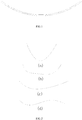
- The columnar curved tempered glass used in reality comprises two kinds, one is the equal arc columnar curved tempered glass as shown in
Fig. 1 , namely, the columnar curved tempered glass with cross section of circular arc; and the other one is the unequal arc columnar curved tempered glass as shown inFig. 2(a, b, c and d) , namely, the columnar curved tempered glass with cross section curve comprising a plurality of arc segments having different curvatures and/or straight segments. - A roller type bending device is usually used for processing the equal arc columnar curved tempered glass. Such bending device comprises a roller type bending mechanism and a chiller cooling mechanism, and the rollers in the rollers bending mechanism are positioned between the upper and lower chillers in the chiller cooling mechanism. The roller type bending mechanism is divided into two kinds according to the operating mode, one is shown in
Fig. 3 and Fig. 4 , namely, the arrangement of each supporting roller in the rollers supporting high temperature flat glass is changed from planar arrangement in space into curved arrangement corresponding to the shape of the glass to be formed, so as to enable the glass to suffer bending deformation. Such bending mechanism is called as the first mechanism below.Fig. 3 is a schematic diagram showing the bending mechanism before deformation;Fig. 4 is a schematic diagram showing the bending mechanism after deformation. In thefigures, 1 represents for a supporting roller; 2 represents for a glass plate and 3 represents for chillers. The other one is shown inFig. 5, Fig. 6 and Fig. 7 . The axis of each supporting roller in the rollers supporting the high temperature flat glass bends itself so as to enable the supported glass to suffer bending deformation. Such bending mechanism is called as the second mechanism below.Fig. 5 is a side view showing the bending mechanism before deformation;Fig. 6 is an end face view showing the bending mechanism before deformation;Fig. 7 is a schematic diagram showing the bending mechanism after deformation. The supporting roller with flexional axis in the figures can be constituted by a soft supporting roller, or constituted by combining a plurality of spaced rollers through a connecting device (not shown in the figures). - In production, firstly, the flat glass is fed into a heating furnace and heated, and then the heated high temperature
flat glass 2 is fed into a bending device to suffer bending and tempering. After the high temperature flat glass is fed to the rollers of a bending mechanism in the bending device, the high temperature flat glass firstly undergoes bending, and then tempering is carried out by the cooling mechanism. In the cooling tempering process, in order to ensure that the upper and lower surfaces of the glass and each position of the same surface have the same tempering effect as much as possible, the chillers in the tempering mechanism are arranged according to the corresponding shape of the curved glass subjected to bending to ensure uniform distance between each chiller and the glass surface, simultaneously, the supporting roller or the supporting unit needs to be continually rotated back and forth to swing the glass, thereby avoiding the influence of the supporting roller or the supporting unit on the tempering on the lower surface of the glass. Finally, for the first bending mechanism after the glass plate is tempered, the finished product of the curved glass is output by the rollers after each supporting roller is reset to be horizontally positioned; and for the second bending mechanism, the finished product of the curved glass is output by the rollers directly. - For the first bending mechanism, the curved glass subjected to bending swings perpendicular to the axis of the supporting roller in the tempering process, the swinging curved glass always keep mutually parallel to the supporting roller and the chiller arrays positioned above and under the supporting roller when the equal arc curved glass is processed; and the swinging curved glass is not parallel to the rollers and the chiller array when the unequal arc curved glass is processed, so that the precise bending of the curved glass is affected, as well as the swinging curved glass will collide with the chiller thereabove and is crushed, and only the second bending mechanism can be used for processing the unequal arc columnar curved tempered glass.
- When the unequal arc columnar curved tempered glass is processed by using the second bending mechanism, though the problem that the curved glass collides with the chiller array thereabove while it undergoes tempering and swinging is avoided, obvious wavy deformation always exists at both sides of the formed curved glass adjacent to each supporting roller due to the fact that the high temperature flat glass is driven by a plurality of the supporting rollers arranged between the rollers at intervals to complete the deformation of the glass, so it is difficult to meet high quality requirement of the curved glass article. Certainly, wavy deformation also exists at both sides of the curved glass adjacent to each supporting roller while the equal arc curved tempered glass is processed by the second bending mechanism.
- Moreover, as the front and back ends of the high temperature flat glass depart from the glass heating furnace at different time and have different outside cooling time, temperature gradient exists from the front end to the back end of the high temperature flat glass while the high temperature flat glass has entered the bending mechanism. The front end of the glass has lower temperature than that of the back end, and the larger the size of the glass in the forward and backward direction, the higher the temperature gradient in the forward and backward direction, whereas the temperature before the glass is bent directly relates to the result of bending. Compared with the front end with low temperature, the back end with high temperature is easier to bend, so that the curved tempered glass subjected to bending has a bit smaller curvature near the front end than that near the back end, and the quality of the curved tempered glass is also affected.
- A device for processing columnar curved tempered glass is also known from prior art, normally comprises a bending mechanism and a tempering mechanism. The relative vertical position of each supporting roller in the glass bending mechanism is adjustable enabling the supported glass to suffer bending deformation. The rolling path extends thereby horizontally and perpendicular to the axial direction of the supporting rollers. By conveying the curved glass from the bending mechanism into the tempering mechanism, it has to be avoided that the curved glass collides with the tempering mechanism, on one hand. On the other hand, curved glass must be moved to ensure an evenly distributed cooling effect.
-
EP 0 412 341 A1 discloses a further device whereby the supporting rollers for forming and bending the glass are provided on a vehicle which is movable in the axial direction of the supporting rollers and conveys the deformed glass with the supporting rollers together from the bending mechanism to the tempering mechanism. -
JP 2000-327350 A - Different tempering mechanisms are know from the prior art.
WO 01/30711 A1 JP-2009221043 A - Also know from the prior art, e.g.
JP-2008100914 A - Devices for processing complex curved tempered glass are also known from
EP-A-0776865 ,US-A-2011/154862 andUS-A-2003/106340 , whereby the shape of the glass is formed not by supporting rollers, which are vertically adjustable relative to each other, but by a forming mold and the glass is held and transported using a frame. - Aiming at the problem in the prior art, the present invention provides a novel device for manufacturing a columnar curved tempered glass, according to
claim 1, and the bending quality of the columnar curved tempered glass manufactured by using the device can be improved. - In order to fulfill the aforementioned purpose, the device for processing columnar curved tempered glass mainly comprises a glass heating furnace, a glass bending mechanism and a glass tempering mechanism connected sequentially, wherein the relative vertical position of each supporting roller of the glass supporting rollers in the glass bending mechanism is adjustable, and the supporting rollers are arranged in a curve corresponding to the shape of the glass to be formed so as to enable the supported glass to suffer bending deformation, and a conveying mechanism for outputting the formed curved glass in the axial direction of the supporting roller is arranged at the clearance of the rollers of the bending mechanism.
- Further, the conveying mechanism can be formed by rollers or a conveying belt.
- Further, the curved glass subjected to bending undergoes tempering treatment in a passing-through type tempering treatment mode, namely, the curved glass begins to suffer tempering during entering the tempering mechanism, and tempering is completed as the curved glass passes through the tempering mechanism.
- Further, the glass bending mechanism is preset in according with the columnar curved glass to be formed, so that the high temperature flat glass begins to suffer bending deformation during entering the glass bending mechanism, and bending is completed when all the high temperature flat glass has entered the bending station, thereby realizing passing-through type bending of the high temperature flat glass.
- Further, a plurality of auxiliary compression rollers are arranged in parallel above the roller table in the glass bending mechanism. By utilizing the cooperation of the auxiliary compression rollers and the supporting rollers in the lower rollers, the high temperature glass is driven to feed the bending mechanism while suffering bending deformation, simultaneously, the auxiliary compression roller also involves the bending process of the high temperature glass to improve the bending accuracy of the curved glass.
- Further, a bar gate type precise bending mechanism is further connected to the output end of the curved glass of the glass bending mechanism. Bending components in according with the shapes of the upper and lower surfaces of the glass to be formed are respectively arranged above and below the passage through which the curved glass passes in the precise bending mechanism, and the bending components are constituted by a plurality of rollers arranged in width of the glass, or a soft supporting roller with axis capable of suffering bending deformation.
- In the present invention, bending and tempering of the high temperature flat glass are completed by two stations to break the normal procedure that bending and tempering are carried out by a single bending device intensively, and the formed curved glass is output to a tempering station in the columnar extending direction thereof to process tempering, therefore the curved glass is transferred from the bending station to the tempering station smoothly. The device is not only used for manufacturing equal arc columnar curved tempered glass products, but also provides a novel technological approach for manufacturing unequal arc columnar curved tempered glass.
- In the present invention, the high temperature flat glass undergoes bending deformation in a passing-through type bending mode, so that the thermal consistency when bending is carried out on the glass in the span range thereof is ensured, and the bending quality of the glass is further improved. The formed glass is tempered by adopting the passing-through type tempering treatment mode, therefore the shaping quality of the curved glass and the quality of tempering treatment are further ensured.
- In the present invention, by arranging the precise bending mechanism at the output end of the bending device, the bending quality of the curved glass is further improved.
-
-
Fig. 1 is a schematic diagram of the cross section of equal arc columnar-curved tempered glass; -
Fig. 2(a)-2(d) are schematic diagrams of cross sections of 4 kinds of unequal arc columnar-curved tempered glass; -
Fig. 3 is a schematic diagram showing the state before the deformation of the existing first glass bending mechanism; -
Fig. 4 is a schematic diagram showing the state after the deformation of the bending mechanism inFig. 3 ; -
Fig. 5 is a schematic diagram showing the state before the deformation of the existing second glass bending mechanism; -
Fig. 6 is a side view of the glass bending mechanism inFig. 5 ; -
Fig. 7 is a schematic diagram showing the state after the deformation of the glass bending mechanism inFig. 5 ; -
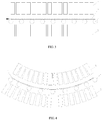
Fig. 8 is a schematic diagram showing the arrangement state of each station inembodiment 1 of the present invention; -
Fig. 9 is a state schematic diagram when the high temperature flat glass is transferred to the bending mechanism in the present invention; -
Fig. 10 is a schematic diagram showing the state of the high temperature flat glass subjected to bending inFig. 9 ; -
Fig. 11 is a structure diagram of the glass bending mechanism with auxiliary rollers used while a passing-through type bending mode is adopted in the present invention; -
Fig. 12 is a schematic diagram showing the working state while the curved glass subjected to bending undergoes tempering; -
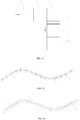
Fig. 13 is a schematic diagram showing the working state of another structure of the tempering mechanism; -
Fig. 14 is a schematic diagram showing the arrangement state of each station in theembodiment 2 of the present invention; -
Fig. 15 is the first structural schematic diagram of the precise bending mechanism; -
Fig. 16 is the second structural schematic diagram of the precise bending mechanism. - In the
figures: 1 - supporting roller, 2- glass, 3- chiller, 4- auxiliary compression roller, 5-transferring scroll wheel, 6- loading table, 7- heating furnace, 8- glass bending station, 9- tempering station, 10- unloading table, and 11- precise bending station. - Hereinafter, the present invention will be explained in detail with the accompanying figures.
- In the columnar curved tempered glass processing device of the present invention, each station is arranged as shown in
Fig. 8 , wherein an loading table 6, aheating furnace 7, a glass bending mechanism 8, a tempering mechanism 9 and a unloading table 10 connected sequentially are arranged. The direction the curved glass formed by the glass bending mechanism output from the bending mechanism 8 to the tempering mechanism 9 is perpendicular to the direction the high temperature flat glass output from theheating furnace 7. - The aforementioned first bending mechanism is adopted to the glass bending mechanism 8, namely, the arrangement of each supporting roller in the rollers supporting the high temperature flat glass is changed from a planar arrangement in space into a curved arrangement corresponding to the shape of the glass to be formed, so as to enable the glass to suffer bending deformation, and a
transferring scroll wheel 5 is arranged between the adjacent supportingrollers 1. The tempering mechanism 9 is formed by thechiller 3 and the rollers transferring glass between the upper and lower chiller. - While the columnar curved tempered glass is processed, as shown in
Fig. 9 ,Fig. 10 ,Fig. 11 andFig. 12 , firstly, the high temperatureflat glass 2 heated by theheating furnace 7 is transferred to the glass bending mechanism 8 to suffer bending and then the curved glass is output by the transferringscroll wheel 5 in the bending mechanism of the glass bending mechanism 8 to the tempering mechanism 9 in the columnar extending direction of the curved glass, so as to suffer tempering. - Finally, the finished product of the columnar curved tempered glass is extracted from the unloading table 10. Of course, the transferring
scroll wheel 5 in the bending mechanism can be formed by conveying mechanisms of other types, such as belt type conveying mechanism. - The rollgang in the tempering mechanism of the tempering mechanism 9 in
Fig. 12 is constituted by the transferringscroll wheel 5; however, the rollgang can also be constituted by a soft supporting roller as shown inFig. 13 . - It remains to be explained that the curved glass manufactured in the example is unequal arc columnar curved tempered glass, naturally, by adopting the device of the present invention, equal arc columnar curved tempered glass can also be manufactured.
- As shown in
Fig. 14 , a precise bending mechanism 11 can also be arranged between the bending mechanism 8 and the tempering mechanism 9 in order to improve the bending accuracy of the columnar curved tempered glass, in this way, the curved glass formed by the bending mechanism 8 is subjected to precise bending by the precise bending mechanism 11, and then transferred into the tempering mechanism 9. - As shown in
Fig. 13 orFig. 14 , the transferringscroll wheel 5 or the soft supporting roller for clamping the upper and lower surface of the curved glass simultaneously and transferring the curved glass forward simultaneously is arranged in the precise bending mechanism of the precise bending mechanism 11. The scroll wheel or the supporting roller in the precise bending mechanism is arranged according to the predetermined shape of the curved glass, and further precise bending of the curved glass basically formed upstream is just completed. - In the aforementioned examples, the tempering mechanism on the tempering mechanism 9 can be on line before the curved glass is input, in this way, the curved glass begins to suffer tempering during entering, and tempering is completed as long as passing through the tempering mechanism 9, thereby realizing passing-through type tempering of the curved glass. Tempering treatment can also be carried out on the curved glass after all the curved glass to be treated has been transferred to the tempering mechanism. Besides the two operating mode, the tempering mechanism can also work in such a way, namely, the tempering mechanism is on line before the curved glass is input, then the curved glass begins to suffer tempering during entering, then the tempering mechanism swings as well as undergoes tempering until tempering is completed after all the glass has entered.
- Bending can be carried on the high temperature flat glass by the bending mechanism on the glass bending mechanism 8 in the aforementioned examples when all the high temperature flat glass has entered. As well as shown in
Fig. 11 , the glass bending mechanism is preset in the state corresponding to the shape of the curved glass to be formed, in this way, the high temperature flat glass undergoes bending once enters the bending mechanism, thereby realizing passing-through type bending of the high temperature flat glass. - When the bending of the glass is carried out in a passing-through type bending mode , preferably, a plurality of
auxiliary compression rollers 4 are arranged above the glass supporting roller in parallel in order to ensure that the high temperature glass is capable of entering the bending mechanism smoothly. By utilizing the cooperation of theauxiliary compression rollers 4 and thebottom supporting roller 1, the high temperature glass is driven to feed the bending mechanism while suffering bending deformation, simultaneously, theauxiliary compression rollers 4 also involve the bending process of the high temperature glass to improve the bending quality of the curved glass.
Claims (5)
- A device for manufacturing columnar curved tempered glass, mainly comprising a glass heating furnace (7) for flat glass, a glass bending mechanism (8) and a glass tempering mechanism (9) connected sequentially, wherein the relative vertical position of each supporting roller of the glass supporting rollers (1) in the glass bending mechanism (8) is adjustable, and the supporting rollers (4) are arranged in a curve corresponding to the shape of the glass (2) to be formed so as to enable the supported glass (2) to suffer bending deformation,
characterized in that a conveying mechanism (5) for outputting the formed curved glass (2) in the axial direction of the supporting roller (1) is arranged at the clearance of the rollers (1) of the bending mechanism to transfer the formed curved glass (2) to the tempering mechanism (9) in the columnar extending direction of the curved glass. - The device according to claim 1, wherein the conveying mechanism is constituted by rollers (5) or a conveying belt.
- The device according to claim 1, wherein the curved glass (2) subjected to bending undergoes tempering treatment in a passing-through type tempering treatment mode , namely, the curved glass (2) begins to suffer tempering during entering the tempering mechanism (9), and tempering is completed as the curved glass (2) passes through the tempering mechanism (9).
- The device according to claim 1, wherein the glass bending mechanism (8) is preset in according with the columnar curved glass (2) to be formed, so that the high temperature flat glass (2) begins to suffer bending deformation during entering the glass bending mechanism (8), and bending is completed when all the high temperature flat glass (2) has entered the bending station (8), thereby realizing passing-through type bending of the high temperature flat glass (2).
- The device according to claim 1, wherein a plurality of auxiliary compression rollers (4) are arranged in parallel above the roller table in the glass bending mechanism (8), by utilizing the cooperation of the auxiliary compression rollers (4) and the supporting rollers (1) in the lower rollers, the high temperature glass (2) is driven to feed the bending mechanism (8) while suffering bending deformation, simultaneously, the auxiliary compression rollers (4) also involve the bending process of the high temperature glass (2) to improve the bending accuracy of the curved glass (2).
Applications Claiming Priority (2)
| Application Number | Priority Date | Filing Date | Title |
|---|---|---|---|
| CN201210094847.1A CN102617023B (en) | 2012-03-31 | 2012-03-31 | Machining device for columnar curved toughened glass |
| PCT/CN2012/078547 WO2013143240A1 (en) | 2012-03-31 | 2012-07-12 | Device for manufacturing columnar curved tempered glass |
Publications (3)
| Publication Number | Publication Date |
|---|---|
| EP2831007A1 EP2831007A1 (en) | 2015-02-04 |
| EP2831007A4 EP2831007A4 (en) | 2015-10-21 |
| EP2831007B1 true EP2831007B1 (en) | 2017-11-15 |
Family
ID=46557303
Family Applications (1)
| Application Number | Title | Priority Date | Filing Date |
|---|---|---|---|
| EP12872620.5A Active EP2831007B1 (en) | 2012-03-31 | 2012-07-12 | Device for manufacturing columnar curved tempered glass |
Country Status (7)
| Country | Link |
|---|---|
| US (1) | US9604866B2 (en) |
| EP (1) | EP2831007B1 (en) |
| JP (1) | JP5918901B2 (en) |
| KR (1) | KR101839181B1 (en) |
| CN (1) | CN102617023B (en) |
| ES (1) | ES2653681T3 (en) |
| WO (1) | WO2013143240A1 (en) |
Families Citing this family (30)
| Publication number | Priority date | Publication date | Assignee | Title |
|---|---|---|---|---|
| CN102826741B (en) * | 2012-08-27 | 2015-04-01 | 洛阳兰迪玻璃机器股份有限公司 | Positioning device for curved glass moulding and preparation method of curved glass |
| CN102826742B (en) * | 2012-09-14 | 2015-02-04 | 洛阳兰迪玻璃机器股份有限公司 | Glass toughening equipment with reversible forming mechanism |
| CN102951831B (en) * | 2012-11-28 | 2014-12-10 | 洛阳兰迪玻璃机器股份有限公司 | Glass toughening unit |
| US9154138B2 (en) | 2013-10-11 | 2015-10-06 | Palo Alto Research Center Incorporated | Stressed substrates for transient electronic systems |
| US9780044B2 (en) | 2015-04-23 | 2017-10-03 | Palo Alto Research Center Incorporated | Transient electronic device with ion-exchanged glass treated interposer |
| FI126859B (en) * | 2016-03-18 | 2017-06-30 | Glaston Finland Oy | A method and apparatus for bending and curing a sheet of glass |
| US10012250B2 (en) | 2016-04-06 | 2018-07-03 | Palo Alto Research Center Incorporated | Stress-engineered frangible structures |
| US10026579B2 (en) | 2016-07-26 | 2018-07-17 | Palo Alto Research Center Incorporated | Self-limiting electrical triggering for initiating fracture of frangible glass |
| US10224297B2 (en) | 2016-07-26 | 2019-03-05 | Palo Alto Research Center Incorporated | Sensor and heater for stimulus-initiated fracture of a substrate |
| US10903173B2 (en) | 2016-10-20 | 2021-01-26 | Palo Alto Research Center Incorporated | Pre-conditioned substrate |
| WO2018081663A1 (en) * | 2016-10-31 | 2018-05-03 | Corning Incorporated | Glass forming apparatus |
| KR101930742B1 (en) * | 2017-05-29 | 2019-03-11 | 주식회사 이오테크닉스 | Warpage reduction device and method |
| CA3088454C (en) * | 2018-01-18 | 2022-09-27 | Luoyang Northglass Technology Co., Ltd | Production device and production method for single curved tempered glass |
| US10717669B2 (en) | 2018-05-16 | 2020-07-21 | Palo Alto Research Center Incorporated | Apparatus and method for creating crack initiation sites in a self-fracturing frangible member |
| CN108545913B (en) * | 2018-06-08 | 2023-12-08 | 上海北玻玻璃技术工业有限公司 | Spherical toughened glass production device and method |
| CN109336377B (en) * | 2018-09-27 | 2023-08-01 | 洛阳兰迪玻璃机器股份有限公司 | Method and device for splicing bottom-formed glass plates |
| US11107645B2 (en) | 2018-11-29 | 2021-08-31 | Palo Alto Research Center Incorporated | Functionality change based on stress-engineered components |
| US10947150B2 (en) | 2018-12-03 | 2021-03-16 | Palo Alto Research Center Incorporated | Decoy security based on stress-engineered substrates |
| CN109761480B (en) * | 2019-03-27 | 2023-12-19 | 洛阳兰迪玻璃机器股份有限公司 | A flexible shaft support device for glass bending and tempering equipment |
| FR3094364A1 (en) * | 2019-03-29 | 2020-10-02 | Saint-Gobain Glass France | CONVEYING SHEETS OF GLASS BY BENT ROLLERS |
| US10969205B2 (en) | 2019-05-03 | 2021-04-06 | Palo Alto Research Center Incorporated | Electrically-activated pressure vessels for fracturing frangible structures |
| CN110372191B (en) * | 2019-07-29 | 2024-03-01 | 洛阳兰迪玻璃机器股份有限公司 | A curved glass tempering equipment with stress spot weakening effect |
| CN110498594B (en) * | 2019-08-13 | 2023-07-25 | 洛阳兰迪玻璃机器股份有限公司 | A flexible shaft bending glass tempering equipment and forming method |
| CN110498599B (en) * | 2019-08-13 | 2024-07-26 | 洛阳兰迪玻璃机器股份有限公司 | Air grid for curved glass tempering |
| CN112577460B (en) * | 2020-11-17 | 2025-07-22 | 洛阳兰迪玻璃机器股份有限公司 | Automatic arc adjusting detection device and automatic arc adjusting method for glass bending tempering equipment |
| US11904986B2 (en) | 2020-12-21 | 2024-02-20 | Xerox Corporation | Mechanical triggers and triggering methods for self-destructing frangible structures and sealed vessels |
| US12013043B2 (en) | 2020-12-21 | 2024-06-18 | Xerox Corporation | Triggerable mechanisms and fragment containment arrangements for self-destructing frangible structures and sealed vessels |
| CN114988673B (en) * | 2022-05-27 | 2023-06-02 | 安徽晶晶玻璃制品有限公司 | Hot bending device for tempered glass processing and implementation method thereof |
| CN117164219B (en) * | 2023-08-14 | 2024-09-20 | 中山雅健玻璃制品有限公司 | A circulating tempered glass bending and forming processing device |
| US12375600B1 (en) | 2024-12-05 | 2025-07-29 | Jason Andrew Rosenmayer | Mobile device case with user input and power adapter |
Citations (2)
| Publication number | Priority date | Publication date | Assignee | Title |
|---|---|---|---|---|
| EP0412341A1 (en) * | 1989-08-11 | 1991-02-13 | Tamglass Engineering Oy | Method and apparatus for manufacturing a bent glass sheet |
| JP2000327350A (en) * | 1999-05-14 | 2000-11-28 | Asahi Glass Co Ltd | Glass sheet forming method and apparatus |
Family Cites Families (46)
| Publication number | Priority date | Publication date | Assignee | Title |
|---|---|---|---|---|
| US4430110A (en) * | 1982-07-28 | 1984-02-07 | Ppg Industries, Inc. | Shaping sheets of glass or other deformable material to a compound curvature |
| DE3640892A1 (en) * | 1986-11-29 | 1988-06-09 | Ver Glaswerke Gmbh | METHOD AND DEVICE FOR BENDING A GLASS DISC |
| US5009693A (en) * | 1989-10-04 | 1991-04-23 | Muirfield Holdings L.P. | Method and apparatus for bending glass |
| FR2677637B1 (en) * | 1991-06-11 | 1994-04-15 | Saint Gobain Vitrage Internal | PROCESS FOR THE PREPARATION OF GLASS SHEETS. |
| US5286271A (en) * | 1992-07-02 | 1994-02-15 | Ppg Industries, Inc. | Method and apparatus for bending glass sheets |
| US5320661A (en) * | 1992-07-02 | 1994-06-14 | Ppg Industries, Inc. | Method and apparatus of bending glass sheets |
| CA2141830C (en) * | 1994-02-14 | 1999-06-01 | Ppg Industries Ohio, Inc. | Method and apparatus of bending glass sheets |
| IT1279084B1 (en) * | 1995-11-29 | 1997-12-04 | Massimo Leone | HORIZONTAL BENDING AND TEMPERING PROCEDURE AND EQUIPMENT FOR LATERALLY MOVEMENT GLASS |
| US5833729A (en) * | 1996-12-16 | 1998-11-10 | Ppg Industries, Inc. | Method and apparatus for bending glass sheets |
| US5992180A (en) * | 1997-08-06 | 1999-11-30 | Asahi Glass Company Ltd. | Method and apparatus for bend-shaping a glass plate |
| US6729160B1 (en) * | 1997-11-20 | 2004-05-04 | Glasstech, Inc. | Apparatus and method for forming heated glass sheets |
| BR9906620A (en) * | 1998-06-19 | 2000-09-19 | Asahi Glass Co Ltd | Curve forming method and apparatus for a glass plate |
| JP3988009B2 (en) * | 1998-06-19 | 2007-10-10 | 旭硝子株式会社 | Method and apparatus for bending glass plate |
| US6035666A (en) * | 1998-10-21 | 2000-03-14 | Glasstech, Inc. | Apparatus for roll forming glass sheets |
| JP2000327351A (en) * | 1999-05-13 | 2000-11-28 | Asahi Glass Co Ltd | Method and apparatus for bending glass plate |
| US6582799B1 (en) * | 1999-06-02 | 2003-06-24 | Ppg Industries Ohio, Inc. | Laminated transparency |
| CZ2001413A3 (en) * | 1999-06-17 | 2001-08-15 | Asahi Glass Company, Limited | Air-cooling/tempering device and an air-cooling/tempering method for a glass plate |
| DK173562B1 (en) * | 1999-10-26 | 2001-03-12 | Wave Glass Technology Aps | Method and device for bending malleable sheet material |
| US7155937B2 (en) * | 2000-07-13 | 2007-01-02 | Saint-Gobain Glass France | Method and device for bending a glass sheet |
| US7311961B2 (en) * | 2000-10-24 | 2007-12-25 | Ppg Industries Ohio, Inc. | Method of making coated articles and coated articles made thereby |
| US20030228476A1 (en) * | 2001-10-22 | 2003-12-11 | Harry Buhay | Methods of changing the visible light transmittance of coated articles and coated articles made thereby |
| US6869644B2 (en) * | 2000-10-24 | 2005-03-22 | Ppg Industries Ohio, Inc. | Method of making coated articles and coated articles made thereby |
| BR0205757A (en) * | 2001-07-18 | 2003-07-22 | Asahi Glass Co Ltd | Glass Curving Apparatus and Curved Roller |
| CN100542985C (en) * | 2002-04-25 | 2009-09-23 | Ppg工业俄亥俄公司 | Coated article with protective coating and cathode target for making the coated article |
| CZ307527B6 (en) * | 2002-04-25 | 2018-11-14 | Vitro, S.A.B. De C.V. | A product with a coating layer comprising a barrier coating and a method of manufacturing this product |
| JP2008100914A (en) * | 2002-06-17 | 2008-05-01 | Nippon Sheet Glass Co Ltd | Method and apparatus for producing bent glass sheet |
| CN1200892C (en) * | 2002-06-19 | 2005-05-11 | 洛阳市名特玻璃技术有限公司 | Shift forming method for double curved glass tempering procedure |
| CN2651247Y (en) | 2003-08-05 | 2004-10-27 | 赵雁 | Continuous curved face strengthened glass producing apparatus |
| US7237408B2 (en) * | 2003-08-29 | 2007-07-03 | Ppg Industries, Ohio, Inc. | Flexible surface mold and method of use |
| CN1227172C (en) | 2003-09-22 | 2005-11-16 | 王斌 | Method for manufacturing horizontal roller-free hyperboloid toughened glass |
| FR2862056B1 (en) * | 2003-11-12 | 2006-01-13 | Saint Gobain | PROCESS AND MACHINE FOR OBTAINING GLAZED GLASS SHEETS |
| US7086252B2 (en) * | 2004-06-10 | 2006-08-08 | Glasstech, Inc. | System and method for continuous forming of glass sheets |
| US7162893B2 (en) * | 2005-05-13 | 2007-01-16 | Glasstech, Inc. | Glass sheet bending station and method for glass sheet bending |
| US8453479B2 (en) * | 2005-05-13 | 2013-06-04 | Glasstech, Inc. | Glass sheet bending method |
| FI20055309A7 (en) * | 2005-06-15 | 2006-12-16 | Tamglass Ltd Oy | Method and apparatus for bending and tempering glass sheets |
| FI120035B (en) | 2007-06-18 | 2009-06-15 | Glaston Services Ltd Oy | Method and apparatus for bending and curing glass sheets |
| WO2009099615A1 (en) * | 2008-02-05 | 2009-08-13 | Corning Incorporated | Damage resistant glass article for use as a cover plate in electronic devices |
| JP4962365B2 (en) * | 2008-03-14 | 2012-06-27 | 旭硝子株式会社 | Method and apparatus for bending glass plate |
| JP2009221043A (en) * | 2008-03-14 | 2009-10-01 | Asahi Glass Co Ltd | Air-quench tempering apparatus for glass plate |
| KR101592045B1 (en) * | 2008-03-31 | 2016-02-05 | 아사히 가라스 가부시키가이샤 | Air-cooled tempering device and air-cooled tempering method for glass plate |
| CN102143920B (en) * | 2008-09-09 | 2015-05-13 | 旭硝子株式会社 | Air-cool intensifying apparatus for glass plate, and air-cool intensifying method |
| US8771532B2 (en) * | 2009-03-31 | 2014-07-08 | Corning Incorporated | Glass having anti-glare surface and method of making |
| US20120052302A1 (en) * | 2010-08-24 | 2012-03-01 | Matusick Joseph M | Method of strengthening edge of glass article |
| JP5398026B2 (en) * | 2011-03-02 | 2014-01-29 | 信越化学工業株式会社 | Glass base material stretching method and apparatus |
| US9938186B2 (en) * | 2012-04-13 | 2018-04-10 | Corning Incorporated | Strengthened glass articles having etched features and methods of forming the same |
| JP6426478B2 (en) * | 2014-01-31 | 2018-11-21 | 信越化学工業株式会社 | Method and apparatus for processing glass rod |
-
2012
- 2012-03-31 CN CN201210094847.1A patent/CN102617023B/en active Active
- 2012-07-12 WO PCT/CN2012/078547 patent/WO2013143240A1/en not_active Ceased
- 2012-07-12 ES ES12872620.5T patent/ES2653681T3/en active Active
- 2012-07-12 EP EP12872620.5A patent/EP2831007B1/en active Active
- 2012-07-12 KR KR1020147024477A patent/KR101839181B1/en active Active
- 2012-07-12 JP JP2015500745A patent/JP5918901B2/en active Active
- 2012-07-12 US US14/386,636 patent/US9604866B2/en active Active
Patent Citations (2)
| Publication number | Priority date | Publication date | Assignee | Title |
|---|---|---|---|---|
| EP0412341A1 (en) * | 1989-08-11 | 1991-02-13 | Tamglass Engineering Oy | Method and apparatus for manufacturing a bent glass sheet |
| JP2000327350A (en) * | 1999-05-14 | 2000-11-28 | Asahi Glass Co Ltd | Glass sheet forming method and apparatus |
Also Published As
| Publication number | Publication date |
|---|---|
| JP2015515436A (en) | 2015-05-28 |
| EP2831007A4 (en) | 2015-10-21 |
| JP5918901B2 (en) | 2016-05-18 |
| ES2653681T3 (en) | 2018-02-08 |
| EP2831007A1 (en) | 2015-02-04 |
| WO2013143240A1 (en) | 2013-10-03 |
| KR20150002600A (en) | 2015-01-07 |
| US9604866B2 (en) | 2017-03-28 |
| CN102617023B (en) | 2014-12-31 |
| US20150121964A1 (en) | 2015-05-07 |
| CN102617023A (en) | 2012-08-01 |
| KR101839181B1 (en) | 2018-04-26 |
Similar Documents
| Publication | Publication Date | Title |
|---|---|---|
| US9604866B2 (en) | Device for manufacturing columnar curved tempered glass | |
| EP2831008B1 (en) | Method for manufacturing columnar curved tempered glass | |
| CN101531452B (en) | Method and apparatus for bending a glass sheet | |
| KR20150135344A (en) | Glass sheet support structure | |
| EP0062814B1 (en) | Apparatus for curving and tempering or heat toughening thin glass sheets | |
| CN100431990C (en) | Glass sheet bending apparatus, bending method, and bending roller | |
| US3856499A (en) | Shaping heat-softened glass sheets by roll forming | |
| US7228717B2 (en) | Apparatus for glass sheet forming with cross curvature | |
| WO2011122679A1 (en) | Device for moulding and reinforcing glass plate, and method of manufacture for glass plate | |
| CN202543038U (en) | Columnar curved toughened glass processing device | |
| CN104973758B (en) | A kind of molding curved tempered glass change arc equipment of gradual change | |
| EP3663417A1 (en) | Cooling device for metal plates and continuous heat treatment equipment for metal plates | |
| US3068672A (en) | Apparatus for bending sheet glass | |
| US20130152635A1 (en) | Process and device of three-dimensional deformation of panels, in particular glass panels | |
| KR102228672B1 (en) | Glass sheet forming system | |
| CN107265840B (en) | Continuous processing method and processing equipment for 3D bending of cover plate glass | |
| EP1041045A2 (en) | Device for positioning a vitreous sheet in correspondence of a moulding station in plants for glass panel manufacturing and manufacturing plant thereof |
Legal Events
| Date | Code | Title | Description |
|---|---|---|---|
| PUAI | Public reference made under article 153(3) epc to a published international application that has entered the european phase |
Free format text: ORIGINAL CODE: 0009012 |
|
| 17P | Request for examination filed |
Effective date: 20141031 |
|
| AK | Designated contracting states |
Kind code of ref document: A1 Designated state(s): AL AT BE BG CH CY CZ DE DK EE ES FI FR GB GR HR HU IE IS IT LI LT LU LV MC MK MT NL NO PL PT RO RS SE SI SK SM TR |
|
| AX | Request for extension of the european patent |
Extension state: BA ME |
|
| DAX | Request for extension of the european patent (deleted) | ||
| RA4 | Supplementary search report drawn up and despatched (corrected) |
Effective date: 20150922 |
|
| RIC1 | Information provided on ipc code assigned before grant |
Ipc: C03B 27/044 20060101ALI20150916BHEP Ipc: C03B 23/033 20060101AFI20150916BHEP |
|
| 17Q | First examination report despatched |
Effective date: 20160808 |
|
| GRAP | Despatch of communication of intention to grant a patent |
Free format text: ORIGINAL CODE: EPIDOSNIGR1 |
|
| INTG | Intention to grant announced |
Effective date: 20170619 |
|
| GRAS | Grant fee paid |
Free format text: ORIGINAL CODE: EPIDOSNIGR3 |
|
| GRAA | (expected) grant |
Free format text: ORIGINAL CODE: 0009210 |
|
| AK | Designated contracting states |
Kind code of ref document: B1 Designated state(s): AL AT BE BG CH CY CZ DE DK EE ES FI FR GB GR HR HU IE IS IT LI LT LU LV MC MK MT NL NO PL PT RO RS SE SI SK SM TR |
|
| REG | Reference to a national code |
Ref country code: CH Ref legal event code: EP Ref country code: GB Ref legal event code: FG4D Ref country code: AT Ref legal event code: REF Ref document number: 946076 Country of ref document: AT Kind code of ref document: T Effective date: 20171115 |
|
| REG | Reference to a national code |
Ref country code: IE Ref legal event code: FG4D |
|
| REG | Reference to a national code |
Ref country code: DE Ref legal event code: R096 Ref document number: 602012039951 Country of ref document: DE |
|
| REG | Reference to a national code |
Ref country code: ES Ref legal event code: FG2A Ref document number: 2653681 Country of ref document: ES Kind code of ref document: T3 Effective date: 20180208 |
|
| REG | Reference to a national code |
Ref country code: NL Ref legal event code: MP Effective date: 20171115 |
|
| REG | Reference to a national code |
Ref country code: LT Ref legal event code: MG4D |
|
| REG | Reference to a national code |
Ref country code: AT Ref legal event code: MK05 Ref document number: 946076 Country of ref document: AT Kind code of ref document: T Effective date: 20171115 |
|
| PG25 | Lapsed in a contracting state [announced via postgrant information from national office to epo] |
Ref country code: NO Free format text: LAPSE BECAUSE OF FAILURE TO SUBMIT A TRANSLATION OF THE DESCRIPTION OR TO PAY THE FEE WITHIN THE PRESCRIBED TIME-LIMIT Effective date: 20180215 Ref country code: NL Free format text: LAPSE BECAUSE OF FAILURE TO SUBMIT A TRANSLATION OF THE DESCRIPTION OR TO PAY THE FEE WITHIN THE PRESCRIBED TIME-LIMIT Effective date: 20171115 Ref country code: LT Free format text: LAPSE BECAUSE OF FAILURE TO SUBMIT A TRANSLATION OF THE DESCRIPTION OR TO PAY THE FEE WITHIN THE PRESCRIBED TIME-LIMIT Effective date: 20171115 Ref country code: FI Free format text: LAPSE BECAUSE OF FAILURE TO SUBMIT A TRANSLATION OF THE DESCRIPTION OR TO PAY THE FEE WITHIN THE PRESCRIBED TIME-LIMIT Effective date: 20171115 Ref country code: SE Free format text: LAPSE BECAUSE OF FAILURE TO SUBMIT A TRANSLATION OF THE DESCRIPTION OR TO PAY THE FEE WITHIN THE PRESCRIBED TIME-LIMIT Effective date: 20171115 |
|
| PG25 | Lapsed in a contracting state [announced via postgrant information from national office to epo] |
Ref country code: RS Free format text: LAPSE BECAUSE OF FAILURE TO SUBMIT A TRANSLATION OF THE DESCRIPTION OR TO PAY THE FEE WITHIN THE PRESCRIBED TIME-LIMIT Effective date: 20171115 Ref country code: BG Free format text: LAPSE BECAUSE OF FAILURE TO SUBMIT A TRANSLATION OF THE DESCRIPTION OR TO PAY THE FEE WITHIN THE PRESCRIBED TIME-LIMIT Effective date: 20180215 Ref country code: HR Free format text: LAPSE BECAUSE OF FAILURE TO SUBMIT A TRANSLATION OF THE DESCRIPTION OR TO PAY THE FEE WITHIN THE PRESCRIBED TIME-LIMIT Effective date: 20171115 Ref country code: LV Free format text: LAPSE BECAUSE OF FAILURE TO SUBMIT A TRANSLATION OF THE DESCRIPTION OR TO PAY THE FEE WITHIN THE PRESCRIBED TIME-LIMIT Effective date: 20171115 Ref country code: AT Free format text: LAPSE BECAUSE OF FAILURE TO SUBMIT A TRANSLATION OF THE DESCRIPTION OR TO PAY THE FEE WITHIN THE PRESCRIBED TIME-LIMIT Effective date: 20171115 Ref country code: GR Free format text: LAPSE BECAUSE OF FAILURE TO SUBMIT A TRANSLATION OF THE DESCRIPTION OR TO PAY THE FEE WITHIN THE PRESCRIBED TIME-LIMIT Effective date: 20180216 |
|
| PG25 | Lapsed in a contracting state [announced via postgrant information from national office to epo] |
Ref country code: CZ Free format text: LAPSE BECAUSE OF FAILURE TO SUBMIT A TRANSLATION OF THE DESCRIPTION OR TO PAY THE FEE WITHIN THE PRESCRIBED TIME-LIMIT Effective date: 20171115 Ref country code: DK Free format text: LAPSE BECAUSE OF FAILURE TO SUBMIT A TRANSLATION OF THE DESCRIPTION OR TO PAY THE FEE WITHIN THE PRESCRIBED TIME-LIMIT Effective date: 20171115 Ref country code: CY Free format text: LAPSE BECAUSE OF FAILURE TO SUBMIT A TRANSLATION OF THE DESCRIPTION OR TO PAY THE FEE WITHIN THE PRESCRIBED TIME-LIMIT Effective date: 20171115 Ref country code: EE Free format text: LAPSE BECAUSE OF FAILURE TO SUBMIT A TRANSLATION OF THE DESCRIPTION OR TO PAY THE FEE WITHIN THE PRESCRIBED TIME-LIMIT Effective date: 20171115 Ref country code: SK Free format text: LAPSE BECAUSE OF FAILURE TO SUBMIT A TRANSLATION OF THE DESCRIPTION OR TO PAY THE FEE WITHIN THE PRESCRIBED TIME-LIMIT Effective date: 20171115 |
|
| REG | Reference to a national code |
Ref country code: DE Ref legal event code: R097 Ref document number: 602012039951 Country of ref document: DE |
|
| PG25 | Lapsed in a contracting state [announced via postgrant information from national office to epo] |
Ref country code: RO Free format text: LAPSE BECAUSE OF FAILURE TO SUBMIT A TRANSLATION OF THE DESCRIPTION OR TO PAY THE FEE WITHIN THE PRESCRIBED TIME-LIMIT Effective date: 20171115 Ref country code: IT Free format text: LAPSE BECAUSE OF FAILURE TO SUBMIT A TRANSLATION OF THE DESCRIPTION OR TO PAY THE FEE WITHIN THE PRESCRIBED TIME-LIMIT Effective date: 20171115 Ref country code: SM Free format text: LAPSE BECAUSE OF FAILURE TO SUBMIT A TRANSLATION OF THE DESCRIPTION OR TO PAY THE FEE WITHIN THE PRESCRIBED TIME-LIMIT Effective date: 20171115 Ref country code: PL Free format text: LAPSE BECAUSE OF FAILURE TO SUBMIT A TRANSLATION OF THE DESCRIPTION OR TO PAY THE FEE WITHIN THE PRESCRIBED TIME-LIMIT Effective date: 20171115 |
|
| PLBE | No opposition filed within time limit |
Free format text: ORIGINAL CODE: 0009261 |
|
| STAA | Information on the status of an ep patent application or granted ep patent |
Free format text: STATUS: NO OPPOSITION FILED WITHIN TIME LIMIT |
|
| 26N | No opposition filed |
Effective date: 20180817 |
|
| PG25 | Lapsed in a contracting state [announced via postgrant information from national office to epo] |
Ref country code: SI Free format text: LAPSE BECAUSE OF FAILURE TO SUBMIT A TRANSLATION OF THE DESCRIPTION OR TO PAY THE FEE WITHIN THE PRESCRIBED TIME-LIMIT Effective date: 20171115 |
|
| REG | Reference to a national code |
Ref country code: CH Ref legal event code: PL |
|
| GBPC | Gb: european patent ceased through non-payment of renewal fee |
Effective date: 20180712 |
|
| PG25 | Lapsed in a contracting state [announced via postgrant information from national office to epo] |
Ref country code: LU Free format text: LAPSE BECAUSE OF NON-PAYMENT OF DUE FEES Effective date: 20180712 Ref country code: MC Free format text: LAPSE BECAUSE OF FAILURE TO SUBMIT A TRANSLATION OF THE DESCRIPTION OR TO PAY THE FEE WITHIN THE PRESCRIBED TIME-LIMIT Effective date: 20171115 |
|
| REG | Reference to a national code |
Ref country code: BE Ref legal event code: MM Effective date: 20180731 |
|
| REG | Reference to a national code |
Ref country code: IE Ref legal event code: MM4A |
|
| PG25 | Lapsed in a contracting state [announced via postgrant information from national office to epo] |
Ref country code: GB Free format text: LAPSE BECAUSE OF NON-PAYMENT OF DUE FEES Effective date: 20180712 Ref country code: IE Free format text: LAPSE BECAUSE OF NON-PAYMENT OF DUE FEES Effective date: 20180712 Ref country code: LI Free format text: LAPSE BECAUSE OF NON-PAYMENT OF DUE FEES Effective date: 20180731 Ref country code: FR Free format text: LAPSE BECAUSE OF NON-PAYMENT OF DUE FEES Effective date: 20180731 Ref country code: CH Free format text: LAPSE BECAUSE OF NON-PAYMENT OF DUE FEES Effective date: 20180731 |
|
| PG25 | Lapsed in a contracting state [announced via postgrant information from national office to epo] |
Ref country code: BE Free format text: LAPSE BECAUSE OF NON-PAYMENT OF DUE FEES Effective date: 20180731 |
|
| PG25 | Lapsed in a contracting state [announced via postgrant information from national office to epo] |
Ref country code: MT Free format text: LAPSE BECAUSE OF NON-PAYMENT OF DUE FEES Effective date: 20180712 |
|
| PG25 | Lapsed in a contracting state [announced via postgrant information from national office to epo] |
Ref country code: HU Free format text: LAPSE BECAUSE OF FAILURE TO SUBMIT A TRANSLATION OF THE DESCRIPTION OR TO PAY THE FEE WITHIN THE PRESCRIBED TIME-LIMIT; INVALID AB INITIO Effective date: 20120712 Ref country code: PT Free format text: LAPSE BECAUSE OF FAILURE TO SUBMIT A TRANSLATION OF THE DESCRIPTION OR TO PAY THE FEE WITHIN THE PRESCRIBED TIME-LIMIT Effective date: 20171115 |
|
| PG25 | Lapsed in a contracting state [announced via postgrant information from national office to epo] |
Ref country code: MK Free format text: LAPSE BECAUSE OF NON-PAYMENT OF DUE FEES Effective date: 20171115 |
|
| PG25 | Lapsed in a contracting state [announced via postgrant information from national office to epo] |
Ref country code: AL Free format text: LAPSE BECAUSE OF FAILURE TO SUBMIT A TRANSLATION OF THE DESCRIPTION OR TO PAY THE FEE WITHIN THE PRESCRIBED TIME-LIMIT Effective date: 20171115 Ref country code: IS Free format text: LAPSE BECAUSE OF FAILURE TO SUBMIT A TRANSLATION OF THE DESCRIPTION OR TO PAY THE FEE WITHIN THE PRESCRIBED TIME-LIMIT Effective date: 20180315 |
|
| PGFP | Annual fee paid to national office [announced via postgrant information from national office to epo] |
Ref country code: ES Payment date: 20250811 Year of fee payment: 14 |
|
| PGFP | Annual fee paid to national office [announced via postgrant information from national office to epo] |
Ref country code: DE Payment date: 20250711 Year of fee payment: 14 |
|
| PGFP | Annual fee paid to national office [announced via postgrant information from national office to epo] |
Ref country code: TR Payment date: 20250704 Year of fee payment: 14 |