EP2827254A1 - Server device, login management system and non-temporary recording medium - Google Patents
Server device, login management system and non-temporary recording medium Download PDFInfo
- Publication number
- EP2827254A1 EP2827254A1 EP13761440.0A EP13761440A EP2827254A1 EP 2827254 A1 EP2827254 A1 EP 2827254A1 EP 13761440 A EP13761440 A EP 13761440A EP 2827254 A1 EP2827254 A1 EP 2827254A1
- Authority
- EP
- European Patent Office
- Prior art keywords
- login
- logout
- request
- unit
- automatic
- Prior art date
- Legal status (The legal status is an assumption and is not a legal conclusion. Google has not performed a legal analysis and makes no representation as to the accuracy of the status listed.)
- Granted
Links
Images


Classifications
-
- G—PHYSICS
- G06—COMPUTING OR CALCULATING; COUNTING
- G06F—ELECTRIC DIGITAL DATA PROCESSING
- G06F21/00—Security arrangements for protecting computers, components thereof, programs or data against unauthorised activity
- G06F21/30—Authentication, i.e. establishing the identity or authorisation of security principals
- G06F21/31—User authentication
-
- H—ELECTRICITY
- H04—ELECTRIC COMMUNICATION TECHNIQUE
- H04L—TRANSMISSION OF DIGITAL INFORMATION, e.g. TELEGRAPHIC COMMUNICATION
- H04L63/00—Network architectures or network communication protocols for network security
- H04L63/08—Network architectures or network communication protocols for network security for authentication of entities
-
- H—ELECTRICITY
- H04—ELECTRIC COMMUNICATION TECHNIQUE
- H04L—TRANSMISSION OF DIGITAL INFORMATION, e.g. TELEGRAPHIC COMMUNICATION
- H04L67/00—Network arrangements or protocols for supporting network services or applications
- H04L67/14—Session management
- H04L67/143—Termination or inactivation of sessions, e.g. event-controlled end of session
-
- H—ELECTRICITY
- H04—ELECTRIC COMMUNICATION TECHNIQUE
- H04L—TRANSMISSION OF DIGITAL INFORMATION, e.g. TELEGRAPHIC COMMUNICATION
- H04L67/00—Network arrangements or protocols for supporting network services or applications
- H04L67/14—Session management
- H04L67/143—Termination or inactivation of sessions, e.g. event-controlled end of session
- H04L67/145—Termination or inactivation of sessions, e.g. event-controlled end of session avoiding end of session, e.g. keep-alive, heartbeats, resumption message or wake-up for inactive or interrupted session
-
- G—PHYSICS
- G06—COMPUTING OR CALCULATING; COUNTING
- G06F—ELECTRIC DIGITAL DATA PROCESSING
- G06F2221/00—Indexing scheme relating to security arrangements for protecting computers, components thereof, programs or data against unauthorised activity
- G06F2221/21—Indexing scheme relating to G06F21/00 and subgroups addressing additional information or applications relating to security arrangements for protecting computers, components thereof, programs or data against unauthorised activity
- G06F2221/2137—Time limited access, e.g. to a computer or data
Definitions
- the present invention relates to a server apparatus, a login management system, a server program, and a login management program that manage automatic logout of a logged in user.
- Patent Document 1 As a conventional login management system, a system that performs automatic logout when a logged in user browses a Web page has been known (for example, refer to Patent Document 1).
- login is performed by user authentication with respect to a server apparatus with an authentication function, and the server apparatus performs logout automatically if no Web page request is made within a predetermined login timeout period.
- Patent Document 2 a system that performs automatic refreshing upon browse of a Web page has also been known (for example, refer to Patent Document 2).
- the automatic refreshing a Web page is automatically requested to a server apparatus at a predetermined refreshing time interval, to thereby keep latest information displayed on a browser.
- the automatic logout function and the automatic refreshing function can enhance security and meet real-time property requirement if employed separately; however, these functions had a problem of being incompatible with each other.
- the login timeout period for the automatic logout is set to be longer than the refreshing time interval for the automatic refreshing, a request of the automatic refreshing prevents the login timeout, leading to a security problem.
- the refreshing time interval is set to be longer than the login timeout period, the login timeout takes place before the automatic refreshing, not meeting the real-time property requirement.
- Patent Document 1 Japanese Unexamined Patent Application Publication No. 2003-141074
- Patent Document 2 Japanese Unexamined Patent Application Publication No. 2005-353025
- a problem to be solved by the present invention is that the automatic logout function and the automatic refreshing function are incompatible with each other.
- the present invention is provided with a page responding unit, a login performing unit, a logout performing unit, a counting unit, and a logout managing unit.
- the page responding unit submits a response of a Web page in response to an automatic request at a predetermined refreshing time interval or a manual request from a user.
- the login performing unit performs login by user authentication.
- the logout performing unit performs logout of the user in a case in which the request from the user who logged in is not received within a login timeout period, which is defined to be longer than the refreshing time interval.
- the counting unit counts the automatic requests received within the login timeout period.
- the logout managing unit makes the logout performed in a case in which an accumulated refreshing time, which is accumulated due to the successive automatic requests subjected to the counting, exceeds the login timeout period.
- the present invention achieves an objective of realizing compatibility between the automatic logout function and the automatic refreshing function by setting a login timeout period for the automatic logout to be longer than a refreshing time interval for the automatic refreshing, and performing logout based on succession of the automatic requests made at the refreshing time intervals.
- the present invention makes the logout performed in a case in which an accumulated refreshing time, which is accumulated due to the successive automatic requests, exceeds the login timeout period.
- Such login management can be enforced between a general Web server and a client terminal, as well as between an apparatus such as a printer with a Web server function and a client terminal.
- FIG. 1 is a block diagram illustrating a login management system according to Embodiment 1 of the present invention.
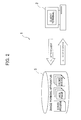
- FIG. 2 is a schematic view illustrating a basic concept of a Web page request and a response in the login management system of FIG. 1 .
- a client terminal 3 and an image forming apparatus 5 as the server apparatus are connected via a network 7 such as a LAN.
- a Web page generated by the image forming apparatus 5 is displayed on the client terminal 3 by exchange of a request and a response between the client terminal 3 and the image forming apparatus 5.
- login management upon display of the Web page on the client terminal 3, login management is employed in which the automatic logout of a logged in user and the automatic refreshing of the Web page are realized in parallel.
- the client terminal 3 is composed of an information processing device such as a computer.
- an image display unit 9 composed of a monitor device and external operating devices such as a mouse and a keyboard (not illustrated) are connected.
- the client terminal 3 is provided with an input/output unit 11, a storage unit 13, and a control unit 15.
- the input/output unit 11 is an interface that exchanges data with the image forming apparatus 5.
- the storage unit 13 is a storage device such as ROM (Read Only Memory), RAM (Random Access Memory), a hard disk, or the like, that stores various control applications and data.
- the control unit 15 is a control element such as a CPU (Central Process Unit) that executes a software program to perform various control and operations.
- CPU Central Process Unit
- the control unit 15 in the present embodiment executes a browser program (client program) in the storage unit 13 to function as a display unit 17, a page requesting unit 19, and a login requesting unit 21.
- client program client program
- the display unit 17 realizes the display step, receiving a response from the image forming apparatus 5 and displaying a Web page on the image display unit 9. Display of the Web page is performed by a browser 23 on the image display unit 9.
- the page requesting unit 19 realizes the page requesting step, accepting a manual request from a user and an automatic request and submits to the image forming apparatus 5.
- the manual request is accepted by the browser 23 or by a Web page displayed on the browser 23.
- the page requesting unit 19 submits the manual request thus received to the image forming apparatus 5 by using HTTP (HyperText Transfer Protocol).
- the automatic request is accepted by a Web page displayed on the browser 23 with the automatic refreshing setting.
- the page requesting unit 19 submits the automatic request to the image forming apparatus 5 at predetermined refreshing time intervals.
- the "automatic request” may be referred to as an "automatic refreshing request”.
- identification information such as a variable that can be recognized by the image forming apparatus 5 is added to the automatic refreshing request.
- the page requesting unit 19 submits the identification information of the automatic refreshing request along with the automatic refreshing request.
- the login requesting unit 21 realizes the login requesting step, accepting authentication information of the user and submits to the image forming apparatus 5. More specifically, an input of authentication information such as a user ID and a password is accepted on a Web page requiring login. The login requesting unit 21 submits the authentication information thus accepted to the image forming apparatus 5 as a login request. This submission is performed by, for example, adding the authentication information to a Web page request.
- the image forming apparatus 5 is composed of, for example, a printer or a digital multi function peripheral with a Web server function, and provided with an input/output unit 25, a storage unit 27, and a control unit 29 similarly to the client terminal 3.
- the input/output unit 25 is an interface that exchanges data with the client terminal 3.
- the storage unit 27 is a storage device such as ROM, RAM, a hard disk, or the like, that stores various control applications and data.
- the control unit 29 is a control element such as a CPU that executes a software program to perform various control and operations.
- the control unit 29 of the image forming apparatus 5 in the present embodiment executes a server program in the storage unit 27 to function as a page responding unit 33, a login performing unit 31, a logout performing unit 35, a counting unit 37, and a logout managing unit 39.
- the page responding unit 33 realizes the page responding step, submitting a response of a Web page to the client terminal 3 in response to the automatic refreshing request or a manual request from the user.
- the Web page is a template file in a format of HTML or the like stored in the storage unit 27.
- basic information to be submitted to the client terminal 3 is indicated.
- HTTP is used for submission of the response of the Web page.
- the login performing unit 31 realizes the login performing step, performing login by user authentication.
- the authentication is performed by comparing the authentication information received from the client terminal 3 against management information in the storage unit 27.
- the management information is user information for authentication and information accompanying the user information.
- the logout performing unit 35 realizes the logout performing step, performing the automatic logout. In other words, the logout performing unit 35 performs logout of the user in a case in which the request from the logged in user is not received within the login timeout period.
- the login timeout period in the present embodiment is defined to be relatively longer than the refreshing time interval of the automatic refreshing.
- the counting unit 37 realizes the counting step, counting the automatic requests received within the login timeout period. In this counting, the counting unit 37 counts the number of successive automatic refreshing requests, in other words, the number of successive automatic refreshing.
- the counting unit 37 counts the identification information added to the automatic refreshing request, and adds "1" to the number of successive automatic refreshing in the management information in the storage unit 27.
- the counting unit 37 resets the number of successive automatic refreshing counted. More specifically, in a case in which the request received includes no identification information, the counting unit 37 changes the number of successive automatic refreshing to "0" in the management information in the storage unit 27.
- the logout managing unit 39 realizes the logout managing step, making the logout performed in a case in which an accumulated refreshing time, which is accumulated due to the successive automatic requests counted, exceeds the login timeout period.
- the accumulated refreshing time is obtained by multiplying the number of successive automatic refreshing that has been counted and stored in the storage unit 27 by the refreshing time interval of the automatic refreshing, and in a case in which the accumulated refreshing time exceeds the login timeout period, the logout managing unit 39 makes the logout performing unit 35 perform logout.
- the logout managing unit 39 makes the logout performed in a case in which the following Equation (1) is fulfilled, X being the refreshing time interval of the automatic refreshing, Y being the login timeout period, and Z being the number of successive automatic refreshing counted. Y ⁇ X + Z
- the refreshing time interval of the automatic refreshing can be obtained by obtaining, upon reception of the automatic refreshing request, an elapsed time since the previous request.
- the refreshing time interval can be stored in advance in the storage unit 27 of the image forming apparatus 5.
- the number of successive automatic refreshing that fulfills Equation (1) can be stored as a threshold in the storage unit 27. In this case, the logout can be performed in a case in which the number of successive automatic refreshing counted exceeds the threshold.
- a Web page for management of the image forming apparatus 5 is displayed on the client terminal 3 to a logged in user, while automatically refreshing the Web page and performing the automatic logout of the user.
- FIG. 3 is a flow chart for login management according to Embodiment 1.
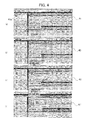
- FIG. 4 shows an example of a Web page according to Embodiment 1: (a) a window before login; (b) a window after login; (c) a window upon automatic refreshing; and (d) a window after logout.
- the flowchart of FIG. 3 starts by making a login request in the client terminal 3 in FIG. 1 .
- the display unit 17 of the client terminal 3 displays a pre-login Web page 41 (a Web page requiring login) of FIG. 4(a) on the browser 23 in the image displaying unit 9.
- a pre-login Web page 41 (a Web page requiring login) of FIG. 4(a) on the browser 23 in the image displaying unit 9.
- an input of authentication information (a user ID and a password), and selection of a login button 41a are accepted.
- the authentication information thus input is added to a request of a Web page by the login requesting unit 21, in response to the selection of the login button 41a on the Web page 41.
- the request is submitted to the image forming apparatus 5 by the page requesting unit 19.
- the image forming apparatus 5 starts the flowchart of FIG. 3 .
- Step S1 the "Login Process” is first performed.
- the login performing unit 31 of the image forming apparatus 5 performs authentication of the user based on the authentication information in the request received. Login of the user comes into effect by this authentication, and the processing is advanced to Step S2.
- Step S2 the "response of the Web page" is made.
- the page responding unit 33 generates, for the logged-in user, a post-login Web page in response to a request received along with the authentication information, and returns a response to the client terminal 3.
- the display unit 17 receives the response and displays the post-login Web page 43 of FIG. 4(b) on the browser 23.
- the automatic refreshing setting (check for auto-refresh) is further performed as in a Web page 45 in FIG. 4(c) .
- the page requesting unit 19 makes the automatic request at the refreshing time intervals. Step S2 is thus terminated, and the processing is advanced to Step S3.
- Step S3 processing "Request Received Within Timeout Period?" is performed.
- the page responding unit 33 of the image forming apparatus 5 determines whether the request from the logged in user is received within the login timeout period or not. This determination can be realized by the page responding unit 33 and the counting unit 37.
- Step S4 In a case in which the page responding unit 33 receives the request within the login timeout period (YES), the processing is advanced to Step S4. In a case in which the page responding unit 33 does not receive the request within the login timeout period (NO), the processing is advanced to the logout processing in Step S8. It should be noted that, in the present embodiment, the page responding unit 33 receives at least the automatic refreshing request within the login timeout period, and the processing is advanced to Step S4.
- Step S4 processing "Automatic Refreshing?" is performed.
- the counting unit 37 of the image forming apparatus 5 determines whether the request received is the automatic refreshing request or not. In other words, the counting unit 37 determines presence of the identification information in the request.
- the counting unit 37 determines that the request received is the automatic refreshing request and the processing is advanced to Step S5. In a case in which the identification information is not present (NO), the counting unit 37 determines that the request received is the manual request and the processing is advanced to Step S6.
- Step S5 processing "Incrementing Z Value” is performed.
- the counting unit 37 adds "1" to the value of Z, the number of successive automatic refreshing, in the management information in the storage unit 27.
- Step S5 is thus terminated, and the processing is advanced to Step S7.
- Step S6 processing "Resetting Z Value” is performed.
- the counting unit 37 changes the value of Z, the number of successive automatic refreshing, to "0" in the management information in the storage unit 27.
- Step S6 is thus terminated, and the processing is returned to Step S2 and a response of a Web page is made in response to the manual request.
- Step S7 determination of "Y ⁇ X ⁇ Z?" is performed.
- the logout managing unit 39 determines whether the accumulated refreshing time obtained by multiplying the refreshing time interval X by the number of successive automatic refreshing Z is equal to or greater than the login timeout period Y or not.
- Step S8 "Logout Processing" is performed.
- the logout managing unit 39 makes the logout performing unit 35 perform logout of the user in a case in which the automatic refreshing is repeated for a predetermined number of times, or a request is not received within the login timeout period.
- the page responding unit 33 In a case in which the automatic refreshing is repeated, the page responding unit 33 generates the post-login Web page in response to the automatic refreshing request, and returns a response to the client terminal 3.
- the display unit 17 receives the response and displays the post-login Web page 47 of FIG. 4(d) on the browser 23.
- the automatic refreshing request is made within the login timeout period, thereby preventing the login timeout from occurring and infallibly performing the automatic refreshing. Therefore, the invention can meet the requirement of real-time property by displaying latest information by the automatic refreshing.
- automatic logout can be performed when the accumulated refreshing time obtained from the number of successive automatic refreshing is equal to or greater than the login timeout period. Therefore, enhanced security is also realized by the automatic logout.
- the image forming apparatus 5 as the server apparatus of the present embodiment is provided with the page responding unit 33, the login performing unit 31, the logout performing unit 35, the counting unit 37, and the logout managing unit 39.
- the page responding unit 33 submits a response of a Web page in response to an automatic request at a predetermined refreshing time interval or a manual request from a user.
- the login performing unit 31 performs login by user authentication.
- the logout performing unit 35 performs logout of the user in a case in which the request from the user who logged in is not received within the login timeout period, which is defined to be longer than the refreshing time interval.
- the counting unit 37 counts the automatic request upon reception of the automatic request within the login timeout period.
- the logout managing unit 39 makes the logout performing unit 35 perform logout in a case in which the accumulated refreshing time, which is accumulated due to the successive automatic requests counted, exceeds the login timeout period.
- the present embodiment by setting the refreshing time interval of the automatic refreshing longer than the login timeout period, the automatic refreshing request can be made within the login timeout period. As a result, the present embodiment can prevent the login timeout from occurring and infallibly perform the automatic refreshing.
- the automatic logout function and the automatic refreshing function can be provided in parallel and can enhance security and meet real-time property requirement.
- the count of the automatic request is reset in a case in which the counting unit 37 receives the manual request from the user who logged in.
- repetition of the automatic request can be determined infallibly, and logout based on this can be performed infallibly. Therefore, in the present embodiment, enhanced security can be realized more infallibly.
- the logout managing unit 39 obtains the accumulated refreshing time by multiplying the refreshing time by the number of the successive automatic requests obtained by the counting, logout based on repetition of the automatic refreshing can be performed easily and infallibly.
- the login managing system 1 of the present embodiment includes the client terminal 3 connected to the image forming apparatus 5.
- the client terminal 3 includes the login requesting unit 21, the page requesting unit 19, and the display unit 17.
- the login requesting unit 21 accepts the authentication information of the user and submits to the image forming apparatus 5.
- the page requesting unit 19 accepts the manual request and the automatic request and submits to the image forming apparatus 5.
- the display unit 17 receives a response from the image forming apparatus 5 and makes the Web page displayed.
- the automatic logout function and the automatic refreshing function can be realized in parallel upon display of a Web page based on the exchange of a request and a response between the client terminal 3 and the image forming apparatus 5.
- server program to be executed by a computer can be stored (recorded) non-transitory in a computer-readable storage medium, such as ROM and a hard disk in the computer, an external storage device, or a portable storage medium.
- a computer-readable storage medium such as ROM and a hard disk in the computer, an external storage device, or a portable storage medium.
- the external storage device indicates a memory expansion device incorporating a storage medium such as a CD-ROM (Compact Disk-Read only Memory), that is externally connected to an electronic device.
- the portable storage medium indicates a storage medium that can be loaded into a storage medium driving device (drive device) and is portable, such as a flexible disk, a memory card, and a magneto optical disk.
- the program stored in the storage medium is loaded onto RAM and the like of the computer and executed by a CPU (control unit). This execution realizes a function of the computer.
Landscapes
- Engineering & Computer Science (AREA)
- Computer Security & Cryptography (AREA)
- Computer Networks & Wireless Communication (AREA)
- Signal Processing (AREA)
- Theoretical Computer Science (AREA)
- General Engineering & Computer Science (AREA)
- Computer Hardware Design (AREA)
- Software Systems (AREA)
- Physics & Mathematics (AREA)
- General Physics & Mathematics (AREA)
- Health & Medical Sciences (AREA)
- Cardiology (AREA)
- General Health & Medical Sciences (AREA)
- Computing Systems (AREA)
- Information Transfer Between Computers (AREA)
Abstract
Description
- The present invention relates to a server apparatus, a login management system, a server program, and a login management program that manage automatic logout of a logged in user.
- As a conventional login management system, a system that performs automatic logout when a logged in user browses a Web page has been known (for example, refer to Patent Document 1).
- More specifically, login is performed by user authentication with respect to a server apparatus with an authentication function, and the server apparatus performs logout automatically if no Web page request is made within a predetermined login timeout period.
- Meanwhile, a system that performs automatic refreshing upon browse of a Web page has also been known (for example, refer to Patent Document 2). With the automatic refreshing, a Web page is automatically requested to a server apparatus at a predetermined refreshing time interval, to thereby keep latest information displayed on a browser.
- The automatic logout function and the automatic refreshing function can enhance security and meet real-time property requirement if employed separately; however, these functions had a problem of being incompatible with each other.
- More specifically, if the login timeout period for the automatic logout is set to be longer than the refreshing time interval for the automatic refreshing, a request of the automatic refreshing prevents the login timeout, leading to a security problem.
- On the other hand, if the refreshing time interval is set to be longer than the login timeout period, the login timeout takes place before the automatic refreshing, not meeting the real-time property requirement.
- Patent Document 1: Japanese Unexamined Patent Application Publication No.
2003-141074 - Patent Document 2: Japanese Unexamined Patent Application Publication No.
2005-353025 - A problem to be solved by the present invention is that the automatic logout function and the automatic refreshing function are incompatible with each other.
- The present invention is provided with a page responding unit, a login performing unit, a logout performing unit, a counting unit, and a logout managing unit. The page responding unit submits a response of a Web page in response to an automatic request at a predetermined refreshing time interval or a manual request from a user. The login performing unit performs login by user authentication. The logout performing unit performs logout of the user in a case in which the request from the user who logged in is not received within a login timeout period, which is defined to be longer than the refreshing time interval. The counting unit counts the automatic requests received within the login timeout period. The logout managing unit makes the logout performed in a case in which an accumulated refreshing time, which is accumulated due to the successive automatic requests subjected to the counting, exceeds the login timeout period.
-
-
FIG. 1 is a block diagram illustrating a login management system (Embodiment 1); -
FIG. 2 is a schematic view illustrating a basic concept of a Web page request and a response in the login management system ofFIG. 1 (Embodiment 1); -
FIG. 3 is a flow chart for login management (Embodiment 1); and -
FIG. 4 shows an example of a Web page: (a) a window before login; (b) a window after login; (c) a window upon automatic refreshing; and (d) a window after logout (Embodiment 1). - The present invention achieves an objective of realizing compatibility between the automatic logout function and the automatic refreshing function by setting a login timeout period for the automatic logout to be longer than a refreshing time interval for the automatic refreshing, and performing logout based on succession of the automatic requests made at the refreshing time intervals.
- More specifically, the present invention makes the logout performed in a case in which an accumulated refreshing time, which is accumulated due to the successive automatic requests, exceeds the login timeout period.
- Such login management can be enforced between a general Web server and a client terminal, as well as between an apparatus such as a printer with a Web server function and a client terminal.
- An embodiment of the present invention is described hereinafter with reference to the drawings.
-
FIG. 1 is a block diagram illustrating a login management system according to Embodiment 1 of the present invention.FIG. 2 is a schematic view illustrating a basic concept of a Web page request and a response in the login management system ofFIG. 1 . - As shown in
FIGS. 1 and2 , in a login management system 1, aclient terminal 3 and animage forming apparatus 5 as the server apparatus are connected via anetwork 7 such as a LAN. - In the login management system 1, a Web page generated by the
image forming apparatus 5 is displayed on theclient terminal 3 by exchange of a request and a response between theclient terminal 3 and theimage forming apparatus 5. - In the login management system 1 of the present embodiment, upon display of the Web page on the
client terminal 3, login management is employed in which the automatic logout of a logged in user and the automatic refreshing of the Web page are realized in parallel. - As shown in
FIG. 1 , theclient terminal 3 is composed of an information processing device such as a computer. To theclient terminal 3, animage display unit 9 composed of a monitor device and external operating devices such as a mouse and a keyboard (not illustrated) are connected. Theclient terminal 3 is provided with an input/output unit 11, astorage unit 13, and acontrol unit 15. - The input/
output unit 11 is an interface that exchanges data with theimage forming apparatus 5. Thestorage unit 13 is a storage device such as ROM (Read Only Memory), RAM (Random Access Memory), a hard disk, or the like, that stores various control applications and data. Thecontrol unit 15 is a control element such as a CPU (Central Process Unit) that executes a software program to perform various control and operations. - The
control unit 15 in the present embodiment executes a browser program (client program) in thestorage unit 13 to function as adisplay unit 17, apage requesting unit 19, and alogin requesting unit 21. - The
display unit 17 realizes the display step, receiving a response from theimage forming apparatus 5 and displaying a Web page on theimage display unit 9. Display of the Web page is performed by abrowser 23 on theimage display unit 9. - The
page requesting unit 19 realizes the page requesting step, accepting a manual request from a user and an automatic request and submits to theimage forming apparatus 5. The manual request is accepted by thebrowser 23 or by a Web page displayed on thebrowser 23. Upon acceptance of the manual request, thepage requesting unit 19 submits the manual request thus received to theimage forming apparatus 5 by using HTTP (HyperText Transfer Protocol). - On the other hand, the automatic request is accepted by a Web page displayed on the
browser 23 with the automatic refreshing setting. In a case in which the automatic refreshing is set, thepage requesting unit 19 submits the automatic request to theimage forming apparatus 5 at predetermined refreshing time intervals. It should be noted that, in the present embodiment, the "automatic request" may be referred to as an "automatic refreshing request". - Upon submission of the automatic refreshing request, identification information such as a variable that can be recognized by the
image forming apparatus 5 is added to the automatic refreshing request. As a result, thepage requesting unit 19 submits the identification information of the automatic refreshing request along with the automatic refreshing request. - The
login requesting unit 21 realizes the login requesting step, accepting authentication information of the user and submits to theimage forming apparatus 5. More specifically, an input of authentication information such as a user ID and a password is accepted on a Web page requiring login. Thelogin requesting unit 21 submits the authentication information thus accepted to theimage forming apparatus 5 as a login request. This submission is performed by, for example, adding the authentication information to a Web page request. - The
image forming apparatus 5 is composed of, for example, a printer or a digital multi function peripheral with a Web server function, and provided with an input/output unit 25, astorage unit 27, and acontrol unit 29 similarly to theclient terminal 3. - In other words, the input/
output unit 25 is an interface that exchanges data with theclient terminal 3. Thestorage unit 27 is a storage device such as ROM, RAM, a hard disk, or the like, that stores various control applications and data. Thecontrol unit 29 is a control element such as a CPU that executes a software program to perform various control and operations. - The
control unit 29 of theimage forming apparatus 5 in the present embodiment executes a server program in thestorage unit 27 to function as apage responding unit 33, alogin performing unit 31, alogout performing unit 35, acounting unit 37, and alogout managing unit 39. - The
page responding unit 33 realizes the page responding step, submitting a response of a Web page to theclient terminal 3 in response to the automatic refreshing request or a manual request from the user. - The Web page is a template file in a format of HTML or the like stored in the
storage unit 27. In the Web page, basic information to be submitted to theclient terminal 3 is indicated. HTTP is used for submission of the response of the Web page. - The
login performing unit 31 realizes the login performing step, performing login by user authentication. The authentication is performed by comparing the authentication information received from theclient terminal 3 against management information in thestorage unit 27. It should be noted that the management information is user information for authentication and information accompanying the user information. - The
logout performing unit 35 realizes the logout performing step, performing the automatic logout. In other words, thelogout performing unit 35 performs logout of the user in a case in which the request from the logged in user is not received within the login timeout period. The login timeout period in the present embodiment is defined to be relatively longer than the refreshing time interval of the automatic refreshing. - The
counting unit 37 realizes the counting step, counting the automatic requests received within the login timeout period. In this counting, thecounting unit 37 counts the number of successive automatic refreshing requests, in other words, the number of successive automatic refreshing. - In the present embodiment, the
counting unit 37 counts the identification information added to the automatic refreshing request, and adds "1" to the number of successive automatic refreshing in the management information in thestorage unit 27. - In addition, in a case in which the manual request from the user is received, the
counting unit 37 resets the number of successive automatic refreshing counted. More specifically, in a case in which the request received includes no identification information, thecounting unit 37 changes the number of successive automatic refreshing to "0" in the management information in thestorage unit 27. - The
logout managing unit 39 realizes the logout managing step, making the logout performed in a case in which an accumulated refreshing time, which is accumulated due to the successive automatic requests counted, exceeds the login timeout period. - More specifically, the accumulated refreshing time is obtained by multiplying the number of successive automatic refreshing that has been counted and stored in the
storage unit 27 by the refreshing time interval of the automatic refreshing, and in a case in which the accumulated refreshing time exceeds the login timeout period, thelogout managing unit 39 makes thelogout performing unit 35 perform logout. - In other words, the
logout managing unit 39 makes the logout performed in a case in which the following Equation (1) is fulfilled, X being the refreshing time interval of the automatic refreshing, Y being the login timeout period, and Z being the number of successive automatic refreshing counted.
- It should be noted that the refreshing time interval of the automatic refreshing can be obtained by obtaining, upon reception of the automatic refreshing request, an elapsed time since the previous request.
- Alternatively, the refreshing time interval can be stored in advance in the
storage unit 27 of theimage forming apparatus 5. Yet alternatively, the number of successive automatic refreshing that fulfills Equation (1) can be stored as a threshold in thestorage unit 27. In this case, the logout can be performed in a case in which the number of successive automatic refreshing counted exceeds the threshold. - In the login management in the present embodiment, a Web page for management of the
image forming apparatus 5 is displayed on theclient terminal 3 to a logged in user, while automatically refreshing the Web page and performing the automatic logout of the user. - This login processing is described specifically with reference to
FIGS. 3 and4 .FIG. 3 is a flow chart for login management according to Embodiment 1.FIG. 4 shows an example of a Web page according to Embodiment 1: (a) a window before login; (b) a window after login; (c) a window upon automatic refreshing; and (d) a window after logout. - The flowchart of
FIG. 3 starts by making a login request in theclient terminal 3 inFIG. 1 . In other words, thedisplay unit 17 of theclient terminal 3 displays a pre-login Web page 41 (a Web page requiring login) ofFIG. 4(a) on thebrowser 23 in theimage displaying unit 9. On theWeb page 41, an input of authentication information (a user ID and a password), and selection of alogin button 41a are accepted. - The authentication information thus input is added to a request of a Web page by the
login requesting unit 21, in response to the selection of thelogin button 41a on theWeb page 41. The request is submitted to theimage forming apparatus 5 by thepage requesting unit 19. Theimage forming apparatus 5 starts the flowchart ofFIG. 3 . - In Step S1, the "Login Process" is first performed. In other words, the
login performing unit 31 of theimage forming apparatus 5 performs authentication of the user based on the authentication information in the request received. Login of the user comes into effect by this authentication, and the processing is advanced to Step S2. - In Step S2, the "response of the Web page" is made. In other words, the
page responding unit 33 generates, for the logged-in user, a post-login Web page in response to a request received along with the authentication information, and returns a response to theclient terminal 3. - In the
client terminal 3, thedisplay unit 17 receives the response and displays thepost-login Web page 43 ofFIG. 4(b) on thebrowser 23. - In the present embodiment, the automatic refreshing setting (check for auto-refresh) is further performed as in a
Web page 45 inFIG. 4(c) . As a result, thepage requesting unit 19 makes the automatic request at the refreshing time intervals. Step S2 is thus terminated, and the processing is advanced to Step S3. - In Step S3, processing "Request Received Within Timeout Period?" is performed. In this processing, the
page responding unit 33 of theimage forming apparatus 5 determines whether the request from the logged in user is received within the login timeout period or not. This determination can be realized by thepage responding unit 33 and thecounting unit 37. - In a case in which the
page responding unit 33 receives the request within the login timeout period (YES), the processing is advanced to Step S4. In a case in which thepage responding unit 33 does not receive the request within the login timeout period (NO), the processing is advanced to the logout processing in Step S8. It should be noted that, in the present embodiment, thepage responding unit 33 receives at least the automatic refreshing request within the login timeout period, and the processing is advanced to Step S4. - In Step S4, processing "Automatic Refreshing?" is performed. In this processing, the
counting unit 37 of theimage forming apparatus 5 determines whether the request received is the automatic refreshing request or not. In other words, thecounting unit 37 determines presence of the identification information in the request. - In a case in which the identification information is present (YES), the
counting unit 37 determines that the request received is the automatic refreshing request and the processing is advanced to Step S5. In a case in which the identification information is not present (NO), thecounting unit 37 determines that the request received is the manual request and the processing is advanced to Step S6. - In Step S5, processing "Incrementing Z Value" is performed. In other words, the
counting unit 37 adds "1" to the value of Z, the number of successive automatic refreshing, in the management information in thestorage unit 27. Step S5 is thus terminated, and the processing is advanced to Step S7. - On the other hand, in Step S6, processing "Resetting Z Value" is performed. In other words, the
counting unit 37 changes the value of Z, the number of successive automatic refreshing, to "0" in the management information in thestorage unit 27. Step S6 is thus terminated, and the processing is returned to Step S2 and a response of a Web page is made in response to the manual request. - In Step S7, determination of "Y ≥ X × Z?" is performed. In other words, the
logout managing unit 39 determines whether the accumulated refreshing time obtained by multiplying the refreshing time interval X by the number of successive automatic refreshing Z is equal to or greater than the login timeout period Y or not. - In a case in which Y ≥ X × Z (YES), the processing is advanced to Step S8. In a case in which Y < X × Z (NO), the processing is returned to Step S2 and a response of the automatic refreshing is made.
- In Step S8, "Logout Processing" is performed. In other words, the
logout managing unit 39 makes thelogout performing unit 35 perform logout of the user in a case in which the automatic refreshing is repeated for a predetermined number of times, or a request is not received within the login timeout period. - In a case in which the automatic refreshing is repeated, the
page responding unit 33 generates the post-login Web page in response to the automatic refreshing request, and returns a response to theclient terminal 3. - In the
client terminal 3, thedisplay unit 17 receives the response and displays thepost-login Web page 47 ofFIG. 4(d) on thebrowser 23. - As described above, in the login management of the present embodiment, the automatic refreshing request is made within the login timeout period, thereby preventing the login timeout from occurring and infallibly performing the automatic refreshing. Therefore, the invention can meet the requirement of real-time property by displaying latest information by the automatic refreshing.
- On the other hand, in a case in which the automatic refreshing is repeated successively, automatic logout can be performed when the accumulated refreshing time obtained from the number of successive automatic refreshing is equal to or greater than the login timeout period. Therefore, enhanced security is also realized by the automatic logout.
- The
image forming apparatus 5 as the server apparatus of the present embodiment is provided with thepage responding unit 33, thelogin performing unit 31, thelogout performing unit 35, thecounting unit 37, and thelogout managing unit 39. Thepage responding unit 33 submits a response of a Web page in response to an automatic request at a predetermined refreshing time interval or a manual request from a user. Thelogin performing unit 31 performs login by user authentication. Thelogout performing unit 35 performs logout of the user in a case in which the request from the user who logged in is not received within the login timeout period, which is defined to be longer than the refreshing time interval. Thecounting unit 37 counts the automatic request upon reception of the automatic request within the login timeout period. Thelogout managing unit 39 makes thelogout performing unit 35 perform logout in a case in which the accumulated refreshing time, which is accumulated due to the successive automatic requests counted, exceeds the login timeout period. - Therefore, in the present embodiment, by setting the refreshing time interval of the automatic refreshing longer than the login timeout period, the automatic refreshing request can be made within the login timeout period. As a result, the present embodiment can prevent the login timeout from occurring and infallibly perform the automatic refreshing.
- Even in such a configuration, in the present embodiment, in a case in which the automatic refreshing is repeated successively, automatic logout can be performed when the accumulated refreshing time obtained from the number of successive automatic refreshing is equal to or greater than the login timeout period. Failure of login timeout to occur due to repeated automatic refreshing can thus be prevented.
- As a result, in the present embodiment, the automatic logout function and the automatic refreshing function can be provided in parallel and can enhance security and meet real-time property requirement.
- In addition, in the present embodiment, the count of the automatic request is reset in a case in which the
counting unit 37 receives the manual request from the user who logged in. - Therefore, in the present embodiment, repetition of the automatic request can be determined infallibly, and logout based on this can be performed infallibly. Therefore, in the present embodiment, enhanced security can be realized more infallibly.
- In addition, in the present embodiment, since the
logout managing unit 39 obtains the accumulated refreshing time by multiplying the refreshing time by the number of the successive automatic requests obtained by the counting, logout based on repetition of the automatic refreshing can be performed easily and infallibly. - The login managing system 1 of the present embodiment includes the
client terminal 3 connected to theimage forming apparatus 5. Theclient terminal 3 includes thelogin requesting unit 21, thepage requesting unit 19, and thedisplay unit 17. Thelogin requesting unit 21 accepts the authentication information of the user and submits to theimage forming apparatus 5. Thepage requesting unit 19 accepts the manual request and the automatic request and submits to theimage forming apparatus 5. Thedisplay unit 17 receives a response from theimage forming apparatus 5 and makes the Web page displayed. - Therefore, in the login management system 1, the automatic logout function and the automatic refreshing function can be realized in parallel upon display of a Web page based on the exchange of a request and a response between the
client terminal 3 and theimage forming apparatus 5. - In addition, the server program to be executed by a computer can be stored (recorded) non-transitory in a computer-readable storage medium, such as ROM and a hard disk in the computer, an external storage device, or a portable storage medium.
- The external storage device indicates a memory expansion device incorporating a storage medium such as a CD-ROM (Compact Disk-Read only Memory), that is externally connected to an electronic device. The portable storage medium indicates a storage medium that can be loaded into a storage medium driving device (drive device) and is portable, such as a flexible disk, a memory card, and a magneto optical disk.
- And then, the program stored in the storage medium is loaded onto RAM and the like of the computer and executed by a CPU (control unit). This execution realizes a function of the computer.
Claims (6)
- A server apparatus comprising: a page responding unit that submits a response of a Web page in response to an automatic request at a predetermined refreshing time interval or a manual request from a user;
a login performing unit that performs login by authentication of the user;
a logout performing unit that performs logout of the user in a case in which the request from the user who logged in is not received within a login timeout period, which is defined to be longer than the refreshing time interval;
a counting unit that performs counting of the automatic request upon reception of the automatic request within the login timeout period; and
a logout managing unit that makes the logout performed in a case in which an accumulated refreshing time, which is accumulated due to the successive automatic requests subjected to the counting, exceeds the login timeout period. - The server apparatus according to claim 1, wherein
the counting unit resets the count of the automatic request in a case in which the manual request from the user who logged in is received. - The server apparatus according to claim 1, wherein
the accumulated refreshing time is calculated by multiplying the refreshing time by the number of the successive automatic requests obtained by the counting. - A login management system comprising the server apparatus according to claim 1 and a client terminal that is connected to the server apparatus, wherein
the client terminal includes:a login requesting unit that accepts authentication information of the user and submits to the server apparatus;a page requesting unit that accepts the manual request and the automatic request and submits to the server apparatus; anda display unit that receives a response from the server apparatus and makes the Web page displayed. - A computer-readable non- transitory storage medium that stores a server program,
the server program comprising:a page responding step of submitting a response of a Web page to a computer in response to an automatic request at a predetermined refreshing time interval or a manual request from a user;a login performing step of performing login by user authentication;a logout performing step of performing logout of the user in a case in which the request from the user who logged in is not received within a login timeout period, which is defined to be longer than the refreshing time interval;a counting step of performing counting of the automatic request upon reception of the automatic request within the login timeout period; anda logout managing step of making the logout performed in a case in which an accumulated refreshing time, which is accumulated due to the successive automatic requests subjected to the counting, exceeds the login timeout period. - A computer-readable non- transitory storage medium that stores a login management program including the server program according to claim 5 and a client program that collaborate therewith,
the server program comprising:a page responding step of submitting a response of a Web page to a computer in response to an automatic request at a predetermined refreshing time interval or a manual request from a user;a login performing step of performing login by user authentication;a logout performing step of performing logout of the user in a case in which the request from the user who logged in is not received within a login timeout period, which is defined to be longer than the refreshing time interval;a counting step of performing counting of the automatic request upon reception of the automatic request within the login timeout period; anda logout managing step of making the logout performed in a case in which an accumulated refreshing time, which is accumulated due to the successive automatic requests subjected to the counting, exceeds the login timeout period.
Applications Claiming Priority (2)
| Application Number | Priority Date | Filing Date | Title |
|---|---|---|---|
| JP2012054333 | 2012-03-12 | ||
| PCT/JP2013/054233 WO2013136934A1 (en) | 2012-03-12 | 2013-02-20 | Server device, login management system and non-temporary recording medium |
Publications (3)
| Publication Number | Publication Date |
|---|---|
| EP2827254A1 true EP2827254A1 (en) | 2015-01-21 |
| EP2827254A4 EP2827254A4 (en) | 2015-10-28 |
| EP2827254B1 EP2827254B1 (en) | 2019-05-22 |
Family
ID=49160852
Family Applications (1)
| Application Number | Title | Priority Date | Filing Date |
|---|---|---|---|
| EP13761440.0A Active EP2827254B1 (en) | 2012-03-12 | 2013-02-20 | Server device, login management system and non-temporary recording medium |
Country Status (5)
| Country | Link |
|---|---|
| US (1) | US9727713B2 (en) |
| EP (1) | EP2827254B1 (en) |
| JP (1) | JP5818966B2 (en) |
| CN (1) | CN104160386B (en) |
| WO (1) | WO2013136934A1 (en) |
Families Citing this family (12)
| Publication number | Priority date | Publication date | Assignee | Title |
|---|---|---|---|---|
| US20150073987A1 (en) | 2012-04-17 | 2015-03-12 | Zighra Inc. | Fraud detection system, method, and device |
| US20140351417A1 (en) * | 2013-05-21 | 2014-11-27 | Tsz Fung Chan | Session timeout method for dhtmlx interface control library |
| US10015153B1 (en) * | 2013-12-23 | 2018-07-03 | EMC IP Holding Company LLC | Security using velocity metrics identifying authentication performance for a set of devices |
| US10187799B2 (en) | 2014-08-19 | 2019-01-22 | Zighra Inc. | System and method for implicit authentication |
| US20160162900A1 (en) | 2014-12-09 | 2016-06-09 | Zighra Inc. | Fraud detection system, method, and device |
| CN104765288B (en) * | 2015-02-06 | 2018-07-17 | 深圳市昌遂科技有限公司 | Power distribution unit |
| US10554676B2 (en) | 2015-03-03 | 2020-02-04 | Zighra Inc. | System and method for behavioural biometric authentication using program modelling |
| EP3145158B1 (en) * | 2015-09-15 | 2020-05-27 | Panasonic Intellectual Property Management Co., Ltd. | Method for controlling information terminal, and application system |
| JP2017107473A (en) * | 2015-12-11 | 2017-06-15 | キヤノン株式会社 | Information processing system, information processing apparatus, server, and information processing method |
| CN106209905B (en) * | 2016-08-16 | 2020-01-24 | 新华三技术有限公司 | Network security management method and device |
| CN110166563A (en) * | 2019-05-27 | 2019-08-23 | 杭州迪普科技股份有限公司 | A kind of page login-timeout method for updating time and device |
| CN110855658B (en) * | 2019-11-07 | 2020-12-01 | 苏州亿歌网络科技有限公司 | Service login method, device, equipment and storage medium |
Family Cites Families (6)
| Publication number | Priority date | Publication date | Assignee | Title |
|---|---|---|---|---|
| JP4493249B2 (en) * | 2001-11-05 | 2010-06-30 | インターナショナル・ビジネス・マシーンズ・コーポレーション | Network system, server, timeout time information providing method, and program |
| JP2005353025A (en) | 2004-06-11 | 2005-12-22 | Nobuhiro Maesako | Webslide & watch |
| JP2008141489A (en) * | 2006-12-01 | 2008-06-19 | Seiko Epson Corp | E-mail transmitter |
| JP2008158808A (en) * | 2006-12-22 | 2008-07-10 | Bank Of Tokyo-Mitsubishi Ufj Ltd | Time-out avoidance program and time-out avoidance method |
| JP2010198055A (en) * | 2009-02-23 | 2010-09-09 | Nec Engineering Ltd | Web state monitoring system and web server |
| CN102143226B (en) | 2011-02-12 | 2015-04-08 | 华为技术有限公司 | Time-out control method, time-out control device and time-out control system |
-
2013
- 2013-02-20 WO PCT/JP2013/054233 patent/WO2013136934A1/en not_active Ceased
- 2013-02-20 EP EP13761440.0A patent/EP2827254B1/en active Active
- 2013-02-20 CN CN201380013715.4A patent/CN104160386B/en not_active Expired - Fee Related
- 2013-02-20 JP JP2014504752A patent/JP5818966B2/en not_active Expired - Fee Related
- 2013-02-20 US US14/384,375 patent/US9727713B2/en not_active Expired - Fee Related
Also Published As
| Publication number | Publication date |
|---|---|
| JP5818966B2 (en) | 2015-11-18 |
| CN104160386A (en) | 2014-11-19 |
| JPWO2013136934A1 (en) | 2015-08-03 |
| CN104160386B (en) | 2017-07-28 |
| WO2013136934A1 (en) | 2013-09-19 |
| EP2827254B1 (en) | 2019-05-22 |
| US9727713B2 (en) | 2017-08-08 |
| EP2827254A4 (en) | 2015-10-28 |
| US20150067779A1 (en) | 2015-03-05 |
Similar Documents
| Publication | Publication Date | Title |
|---|---|---|
| EP2827254B1 (en) | Server device, login management system and non-temporary recording medium | |
| RU2704495C1 (en) | Method and device for sending an electronic book | |
| CN104169935B (en) | Information processor, information processing system, information processing method | |
| JP4825318B1 (en) | Authentication system and method | |
| JP5497774B2 (en) | System and method for correction of social criteria in tilted images | |
| CN102857579A (en) | Information processing method, device, terminal and server | |
| US20160156570A1 (en) | Method, Storage Medium Storing Management Program, and Storage Medium Storing Terminal Program | |
| JP2021121076A5 (en) | ||
| US20140165065A1 (en) | Process requesting apparatus, method of controlling process requesting apparatus and recording medium for process requesting apparatus | |
| KR101434234B1 (en) | Method and apparatus for digital photo frame service providing feedback information | |
| CN107357861B (en) | A method and device for presenting data based on visual controls | |
| AU2023358012A1 (en) | Privacy protection of digital image data on a social network | |
| JP6955067B1 (en) | Display control device, display control method and display control program | |
| CN113489572A (en) | Request sending method, device, equipment and storage medium | |
| US12347339B1 (en) | System and method for making a recommendation to a user of a website or application | |
| JP6752648B2 (en) | Printing device and its control method, and program | |
| JP2024159745A5 (en) | ||
| US20170093953A1 (en) | Information processing apparatus, system, information processing method, and storage medium | |
| CN110875990B (en) | Image reading apparatus | |
| JP2025124203A (en) | Information processing device, information processing method, and program | |
| CN119766847A (en) | Resolution adjustment method, device, equipment and storage medium | |
| EP2541424A1 (en) | Program, data management method, and data management device | |
| JP2022129608A (en) | Information processing device and program | |
| KR20140047218A (en) | Method for encouraging self-management of user's terminal, and managing server | |
| JP5188241B2 (en) | Resource information management system and resource information management method |
Legal Events
| Date | Code | Title | Description |
|---|---|---|---|
| PUAI | Public reference made under article 153(3) epc to a published international application that has entered the european phase |
Free format text: ORIGINAL CODE: 0009012 |
|
| 17P | Request for examination filed |
Effective date: 20140923 |
|
| AK | Designated contracting states |
Kind code of ref document: A1 Designated state(s): AL AT BE BG CH CY CZ DE DK EE ES FI FR GB GR HR HU IE IS IT LI LT LU LV MC MK MT NL NO PL PT RO RS SE SI SK SM TR |
|
| AX | Request for extension of the european patent |
Extension state: BA ME |
|
| DAX | Request for extension of the european patent (deleted) | ||
| RA4 | Supplementary search report drawn up and despatched (corrected) |
Effective date: 20150924 |
|
| RIC1 | Information provided on ipc code assigned before grant |
Ipc: H04L 29/06 20060101ALI20150918BHEP Ipc: H04L 29/08 20060101AFI20150918BHEP Ipc: G06F 21/31 20130101ALI20150918BHEP |
|
| GRAP | Despatch of communication of intention to grant a patent |
Free format text: ORIGINAL CODE: EPIDOSNIGR1 |
|
| STAA | Information on the status of an ep patent application or granted ep patent |
Free format text: STATUS: GRANT OF PATENT IS INTENDED |
|
| INTG | Intention to grant announced |
Effective date: 20181220 |
|
| GRAS | Grant fee paid |
Free format text: ORIGINAL CODE: EPIDOSNIGR3 |
|
| GRAA | (expected) grant |
Free format text: ORIGINAL CODE: 0009210 |
|
| STAA | Information on the status of an ep patent application or granted ep patent |
Free format text: STATUS: THE PATENT HAS BEEN GRANTED |
|
| AK | Designated contracting states |
Kind code of ref document: B1 Designated state(s): AL AT BE BG CH CY CZ DE DK EE ES FI FR GB GR HR HU IE IS IT LI LT LU LV MC MK MT NL NO PL PT RO RS SE SI SK SM TR |
|
| REG | Reference to a national code |
Ref country code: GB Ref legal event code: FG4D |
|
| REG | Reference to a national code |
Ref country code: CH Ref legal event code: EP |
|
| REG | Reference to a national code |
Ref country code: IE Ref legal event code: FG4D |
|
| REG | Reference to a national code |
Ref country code: AT Ref legal event code: REF Ref document number: 1137471 Country of ref document: AT Kind code of ref document: T Effective date: 20190615 |
|
| REG | Reference to a national code |
Ref country code: DE Ref legal event code: R096 Ref document number: 602013055775 Country of ref document: DE |
|
| REG | Reference to a national code |
Ref country code: NL Ref legal event code: MP Effective date: 20190522 |
|
| REG | Reference to a national code |
Ref country code: LT Ref legal event code: MG4D |
|
| PG25 | Lapsed in a contracting state [announced via postgrant information from national office to epo] |
Ref country code: SE Free format text: LAPSE BECAUSE OF FAILURE TO SUBMIT A TRANSLATION OF THE DESCRIPTION OR TO PAY THE FEE WITHIN THE PRESCRIBED TIME-LIMIT Effective date: 20190522 Ref country code: PT Free format text: LAPSE BECAUSE OF FAILURE TO SUBMIT A TRANSLATION OF THE DESCRIPTION OR TO PAY THE FEE WITHIN THE PRESCRIBED TIME-LIMIT Effective date: 20190922 Ref country code: ES Free format text: LAPSE BECAUSE OF FAILURE TO SUBMIT A TRANSLATION OF THE DESCRIPTION OR TO PAY THE FEE WITHIN THE PRESCRIBED TIME-LIMIT Effective date: 20190522 Ref country code: AL Free format text: LAPSE BECAUSE OF FAILURE TO SUBMIT A TRANSLATION OF THE DESCRIPTION OR TO PAY THE FEE WITHIN THE PRESCRIBED TIME-LIMIT Effective date: 20190522 Ref country code: NL Free format text: LAPSE BECAUSE OF FAILURE TO SUBMIT A TRANSLATION OF THE DESCRIPTION OR TO PAY THE FEE WITHIN THE PRESCRIBED TIME-LIMIT Effective date: 20190522 Ref country code: NO Free format text: LAPSE BECAUSE OF FAILURE TO SUBMIT A TRANSLATION OF THE DESCRIPTION OR TO PAY THE FEE WITHIN THE PRESCRIBED TIME-LIMIT Effective date: 20190822 Ref country code: FI Free format text: LAPSE BECAUSE OF FAILURE TO SUBMIT A TRANSLATION OF THE DESCRIPTION OR TO PAY THE FEE WITHIN THE PRESCRIBED TIME-LIMIT Effective date: 20190522 Ref country code: LT Free format text: LAPSE BECAUSE OF FAILURE TO SUBMIT A TRANSLATION OF THE DESCRIPTION OR TO PAY THE FEE WITHIN THE PRESCRIBED TIME-LIMIT Effective date: 20190522 Ref country code: HR Free format text: LAPSE BECAUSE OF FAILURE TO SUBMIT A TRANSLATION OF THE DESCRIPTION OR TO PAY THE FEE WITHIN THE PRESCRIBED TIME-LIMIT Effective date: 20190522 |
|
| PG25 | Lapsed in a contracting state [announced via postgrant information from national office to epo] |
Ref country code: GR Free format text: LAPSE BECAUSE OF FAILURE TO SUBMIT A TRANSLATION OF THE DESCRIPTION OR TO PAY THE FEE WITHIN THE PRESCRIBED TIME-LIMIT Effective date: 20190823 Ref country code: BG Free format text: LAPSE BECAUSE OF FAILURE TO SUBMIT A TRANSLATION OF THE DESCRIPTION OR TO PAY THE FEE WITHIN THE PRESCRIBED TIME-LIMIT Effective date: 20190822 Ref country code: LV Free format text: LAPSE BECAUSE OF FAILURE TO SUBMIT A TRANSLATION OF THE DESCRIPTION OR TO PAY THE FEE WITHIN THE PRESCRIBED TIME-LIMIT Effective date: 20190522 Ref country code: RS Free format text: LAPSE BECAUSE OF FAILURE TO SUBMIT A TRANSLATION OF THE DESCRIPTION OR TO PAY THE FEE WITHIN THE PRESCRIBED TIME-LIMIT Effective date: 20190522 |
|
| REG | Reference to a national code |
Ref country code: AT Ref legal event code: MK05 Ref document number: 1137471 Country of ref document: AT Kind code of ref document: T Effective date: 20190522 |
|
| PG25 | Lapsed in a contracting state [announced via postgrant information from national office to epo] |
Ref country code: AT Free format text: LAPSE BECAUSE OF FAILURE TO SUBMIT A TRANSLATION OF THE DESCRIPTION OR TO PAY THE FEE WITHIN THE PRESCRIBED TIME-LIMIT Effective date: 20190522 Ref country code: DK Free format text: LAPSE BECAUSE OF FAILURE TO SUBMIT A TRANSLATION OF THE DESCRIPTION OR TO PAY THE FEE WITHIN THE PRESCRIBED TIME-LIMIT Effective date: 20190522 Ref country code: EE Free format text: LAPSE BECAUSE OF FAILURE TO SUBMIT A TRANSLATION OF THE DESCRIPTION OR TO PAY THE FEE WITHIN THE PRESCRIBED TIME-LIMIT Effective date: 20190522 Ref country code: RO Free format text: LAPSE BECAUSE OF FAILURE TO SUBMIT A TRANSLATION OF THE DESCRIPTION OR TO PAY THE FEE WITHIN THE PRESCRIBED TIME-LIMIT Effective date: 20190522 Ref country code: CZ Free format text: LAPSE BECAUSE OF FAILURE TO SUBMIT A TRANSLATION OF THE DESCRIPTION OR TO PAY THE FEE WITHIN THE PRESCRIBED TIME-LIMIT Effective date: 20190522 Ref country code: SK Free format text: LAPSE BECAUSE OF FAILURE TO SUBMIT A TRANSLATION OF THE DESCRIPTION OR TO PAY THE FEE WITHIN THE PRESCRIBED TIME-LIMIT Effective date: 20190522 |
|
| REG | Reference to a national code |
Ref country code: DE Ref legal event code: R097 Ref document number: 602013055775 Country of ref document: DE |
|
| PG25 | Lapsed in a contracting state [announced via postgrant information from national office to epo] |
Ref country code: SM Free format text: LAPSE BECAUSE OF FAILURE TO SUBMIT A TRANSLATION OF THE DESCRIPTION OR TO PAY THE FEE WITHIN THE PRESCRIBED TIME-LIMIT Effective date: 20190522 Ref country code: IT Free format text: LAPSE BECAUSE OF FAILURE TO SUBMIT A TRANSLATION OF THE DESCRIPTION OR TO PAY THE FEE WITHIN THE PRESCRIBED TIME-LIMIT Effective date: 20190522 |
|
| PLBE | No opposition filed within time limit |
Free format text: ORIGINAL CODE: 0009261 |
|
| STAA | Information on the status of an ep patent application or granted ep patent |
Free format text: STATUS: NO OPPOSITION FILED WITHIN TIME LIMIT |
|
| PG25 | Lapsed in a contracting state [announced via postgrant information from national office to epo] |
Ref country code: TR Free format text: LAPSE BECAUSE OF FAILURE TO SUBMIT A TRANSLATION OF THE DESCRIPTION OR TO PAY THE FEE WITHIN THE PRESCRIBED TIME-LIMIT Effective date: 20190522 |
|
| 26N | No opposition filed |
Effective date: 20200225 |
|
| PG25 | Lapsed in a contracting state [announced via postgrant information from national office to epo] |
Ref country code: PL Free format text: LAPSE BECAUSE OF FAILURE TO SUBMIT A TRANSLATION OF THE DESCRIPTION OR TO PAY THE FEE WITHIN THE PRESCRIBED TIME-LIMIT Effective date: 20190522 |
|
| PG25 | Lapsed in a contracting state [announced via postgrant information from national office to epo] |
Ref country code: SI Free format text: LAPSE BECAUSE OF FAILURE TO SUBMIT A TRANSLATION OF THE DESCRIPTION OR TO PAY THE FEE WITHIN THE PRESCRIBED TIME-LIMIT Effective date: 20190522 |
|
| REG | Reference to a national code |
Ref country code: CH Ref legal event code: PL |
|
| REG | Reference to a national code |
Ref country code: BE Ref legal event code: MM Effective date: 20200229 |
|
| PG25 | Lapsed in a contracting state [announced via postgrant information from national office to epo] |
Ref country code: MC Free format text: LAPSE BECAUSE OF FAILURE TO SUBMIT A TRANSLATION OF THE DESCRIPTION OR TO PAY THE FEE WITHIN THE PRESCRIBED TIME-LIMIT Effective date: 20190522 Ref country code: LU Free format text: LAPSE BECAUSE OF NON-PAYMENT OF DUE FEES Effective date: 20200220 |
|
| PG25 | Lapsed in a contracting state [announced via postgrant information from national office to epo] |
Ref country code: LI Free format text: LAPSE BECAUSE OF NON-PAYMENT OF DUE FEES Effective date: 20200229 Ref country code: CH Free format text: LAPSE BECAUSE OF NON-PAYMENT OF DUE FEES Effective date: 20200229 |
|
| PG25 | Lapsed in a contracting state [announced via postgrant information from national office to epo] |
Ref country code: IE Free format text: LAPSE BECAUSE OF NON-PAYMENT OF DUE FEES Effective date: 20200220 |
|
| PG25 | Lapsed in a contracting state [announced via postgrant information from national office to epo] |
Ref country code: BE Free format text: LAPSE BECAUSE OF NON-PAYMENT OF DUE FEES Effective date: 20200229 |
|
| REG | Reference to a national code |
Ref country code: DE Ref legal event code: R079 Ref document number: 602013055775 Country of ref document: DE Free format text: PREVIOUS MAIN CLASS: H04L0029080000 Ipc: H04L0065000000 |
|
| PGFP | Annual fee paid to national office [announced via postgrant information from national office to epo] |
Ref country code: GB Payment date: 20211230 Year of fee payment: 10 |
|
| PGFP | Annual fee paid to national office [announced via postgrant information from national office to epo] |
Ref country code: DE Payment date: 20211230 Year of fee payment: 10 |
|
| PG25 | Lapsed in a contracting state [announced via postgrant information from national office to epo] |
Ref country code: MT Free format text: LAPSE BECAUSE OF FAILURE TO SUBMIT A TRANSLATION OF THE DESCRIPTION OR TO PAY THE FEE WITHIN THE PRESCRIBED TIME-LIMIT Effective date: 20190522 Ref country code: CY Free format text: LAPSE BECAUSE OF FAILURE TO SUBMIT A TRANSLATION OF THE DESCRIPTION OR TO PAY THE FEE WITHIN THE PRESCRIBED TIME-LIMIT Effective date: 20190522 |
|
| PGFP | Annual fee paid to national office [announced via postgrant information from national office to epo] |
Ref country code: FR Payment date: 20220118 Year of fee payment: 10 |
|
| PG25 | Lapsed in a contracting state [announced via postgrant information from national office to epo] |
Ref country code: MK Free format text: LAPSE BECAUSE OF FAILURE TO SUBMIT A TRANSLATION OF THE DESCRIPTION OR TO PAY THE FEE WITHIN THE PRESCRIBED TIME-LIMIT Effective date: 20190522 Ref country code: IS Free format text: LAPSE BECAUSE OF FAILURE TO SUBMIT A TRANSLATION OF THE DESCRIPTION OR TO PAY THE FEE WITHIN THE PRESCRIBED TIME-LIMIT Effective date: 20190922 |
|
| REG | Reference to a national code |
Ref country code: DE Ref legal event code: R119 Ref document number: 602013055775 Country of ref document: DE |
|
| GBPC | Gb: european patent ceased through non-payment of renewal fee |
Effective date: 20230220 |
|
| PG25 | Lapsed in a contracting state [announced via postgrant information from national office to epo] |
Ref country code: GB Free format text: LAPSE BECAUSE OF NON-PAYMENT OF DUE FEES Effective date: 20230220 |
|
| PG25 | Lapsed in a contracting state [announced via postgrant information from national office to epo] |
Ref country code: GB Free format text: LAPSE BECAUSE OF NON-PAYMENT OF DUE FEES Effective date: 20230220 Ref country code: FR Free format text: LAPSE BECAUSE OF NON-PAYMENT OF DUE FEES Effective date: 20230228 Ref country code: DE Free format text: LAPSE BECAUSE OF NON-PAYMENT OF DUE FEES Effective date: 20230901 |