EP2816842A1 - Access control method and device - Google Patents
Access control method and device Download PDFInfo
- Publication number
- EP2816842A1 EP2816842A1 EP12868715.9A EP12868715A EP2816842A1 EP 2816842 A1 EP2816842 A1 EP 2816842A1 EP 12868715 A EP12868715 A EP 12868715A EP 2816842 A1 EP2816842 A1 EP 2816842A1
- Authority
- EP
- European Patent Office
- Prior art keywords
- user equipment
- access
- information
- timing advance
- wireless access
- Prior art date
- Legal status (The legal status is an assumption and is not a legal conclusion. Google has not performed a legal analysis and makes no representation as to the accuracy of the status listed.)
- Granted
Links
- 238000000034 method Methods 0.000 title claims abstract description 73
- 230000008569 process Effects 0.000 abstract description 23
- 238000004590 computer program Methods 0.000 description 7
- 238000012545 processing Methods 0.000 description 7
- 238000010586 diagram Methods 0.000 description 6
- 230000005540 biological transmission Effects 0.000 description 5
- 238000012790 confirmation Methods 0.000 description 4
- 230000006870 function Effects 0.000 description 3
- 238000005259 measurement Methods 0.000 description 3
- 238000012986 modification Methods 0.000 description 3
- 230000004048 modification Effects 0.000 description 3
- 230000003287 optical effect Effects 0.000 description 3
- 230000011664 signaling Effects 0.000 description 3
- 230000003993 interaction Effects 0.000 description 2
- 238000004891 communication Methods 0.000 description 1
- 238000005516 engineering process Methods 0.000 description 1
- 230000000977 initiatory effect Effects 0.000 description 1
- 230000007774 longterm Effects 0.000 description 1
- 230000007246 mechanism Effects 0.000 description 1
- 238000010295 mobile communication Methods 0.000 description 1
Images



Classifications
-
- H—ELECTRICITY
- H04—ELECTRIC COMMUNICATION TECHNIQUE
- H04W—WIRELESS COMMUNICATION NETWORKS
- H04W12/00—Security arrangements; Authentication; Protecting privacy or anonymity
- H04W12/08—Access security
-
- H—ELECTRICITY
- H04—ELECTRIC COMMUNICATION TECHNIQUE
- H04W—WIRELESS COMMUNICATION NETWORKS
- H04W48/00—Access restriction; Network selection; Access point selection
- H04W48/02—Access restriction performed under specific conditions
- H04W48/04—Access restriction performed under specific conditions based on user or terminal location or mobility data, e.g. moving direction, speed
-
- H—ELECTRICITY
- H04—ELECTRIC COMMUNICATION TECHNIQUE
- H04W—WIRELESS COMMUNICATION NETWORKS
- H04W56/00—Synchronisation arrangements
- H04W56/0005—Synchronisation arrangements synchronizing of arrival of multiple uplinks
-
- H—ELECTRICITY
- H04—ELECTRIC COMMUNICATION TECHNIQUE
- H04W—WIRELESS COMMUNICATION NETWORKS
- H04W8/00—Network data management
- H04W8/02—Processing of mobility data, e.g. registration information at HLR [Home Location Register] or VLR [Visitor Location Register]; Transfer of mobility data, e.g. between HLR, VLR or external networks
- H04W8/08—Mobility data transfer
-
- H—ELECTRICITY
- H04—ELECTRIC COMMUNICATION TECHNIQUE
- H04W—WIRELESS COMMUNICATION NETWORKS
- H04W56/00—Synchronisation arrangements
- H04W56/004—Synchronisation arrangements compensating for timing error of reception due to propagation delay
- H04W56/0045—Synchronisation arrangements compensating for timing error of reception due to propagation delay compensating for timing error by altering transmission time
Definitions
- the present application relates to communication technology field, and particularly to an access control method and device.
- UE User Equipment
- RRC Radio Resource Control
- RNC Radio Network Controller
- a distance between a UE and a base station is characterized by timing advance, and the UE would report a measurement result of the timing advance to a RNC according to a request of the RNC only after an RRC connection is established. Therefore, access control of the UE based on location would proceed upon that the establishment of the RRC connection is completed.
- the RNC would acquire location information of the UE after the RRC connection is established, in order to judge whether to accept the UE according to the location information; during the RNC acquiring the location information, the UE would simultaneously interact with the core network (such as performing registration processes, short message transmission processes and etc.); if the UE would not report the location information timely or the signaling interaction delay between the UE and the core network is short, the RNC might not acquire the location information of the UE while the registration process (or the short message transmission process) of the UE has ended, resulting in that the RNC cannot control the access of the UE timely.
- the core network such as performing registration processes, short message transmission processes and etc.
- An access control method and device are provided by the embodiments of the present application, to timely control the access of the UE.
- an embodiment of the present application is to provide an access control method, comprising: a wireless access device receiving a request message from a user equipment, the request message carrying timing advance information; and the wireless access device controlling the access of the user equipment according to the timing advance information.
- the step of the wireless access device controlling the access of the user equipment according to the timing advance information comprises:
- the step of the wireless access device controlling the access of the user equipment according to the timing advance information comprises:
- the step of the wireless access device controlling the access of the user equipment according to the location information comprises:
- the step of the wireless access device controlling the access of the user equipment according to the timing advance information comprises:
- the step of the wireless access device controlling the access of the user equipment according to the timing advance information and the AOA information comprises:
- the step of the wireless access device controlling the access of the user equipment according to the timing advance information comprises:
- the step of the wireless access device controlling the access of the user equipment according to the location information and the AOA information comprises:
- the step of the wireless access device controlling the access of the user equipment according to the timing advance information comprises:
- the request message includes: a Radio Resource Control, RRC, connection establishment request message; a cell updating request message; and a User Registration Area, URA, updating message.
- RRC Radio Resource Control
- URA User Registration Area
- An embodiment of the present application is to provide an access control method, comprising:
- the request message includes: a Radio Resource Control, RRC, connection establishment request message; a cell updating request message; and a User Registration Area, URA, updating message.
- RRC Radio Resource Control
- URA User Registration Area
- An embodiment of the present application is to provide a wireless access device, comprising:
- the controlling module is particularly configured to judge whether the timing advance information satisfies a condition of restricted access, and if so, reject the access of the user equipment; otherwise, allow the access of the user equipment.
- the controlling module is particularly configured to determine location information of the user equipment according to the timing advance information, and control the access of the user equipment according to the location information.
- the controlling module is further configured to judge whether the location information satisfies a condition of restricted access, and if so, reject the access of the user equipment; otherwise, allow the access of the user equipment.
- the controlling module is particularly configured to determine Angle of Arrival, AOA, information corresponding to the user equipment, and control the access of the user equipment according to the timing advance information and the AOA information.
- the controlling module is further configured to judge whether the timing advance information and the AOA information all satisfy a condition of restricted access, and if so, reject the access of the user equipment; otherwise, allow the access of the user equipment.
- the controlling module is particularly configured to determine location information of the user equipment according to the timing advance information, and determine AOA information corresponding to the user equipment; and control the access of the user equipment according to the location information and the AOA information.
- the controlling module is further configured to judge whether the location information and the AOA information all satisfy a condition of restricted access, and if so, reject the access of the user equipment; otherwise, allow the access of the user equipment.
- the controlling module is further configured to acquire time calibration information corresponding to the timing advance information, and use the time calibration information to control the access of the user equipment.
- the request message includes: a Radio Resource Control, RRC, connection establishment request message; a cell updating request message; and a User Registration Area, URA, updating message.
- RRC Radio Resource Control
- URA User Registration Area
- An embodiment of the present application is to provide a user equipment, comprising:
- the request message includes: a Radio Resource Control, RRC, connection establishment request message; a cell updating request message; and a User Registration Area, URA, updating message.
- RRC Radio Resource Control
- URA User Registration Area
- An embodiment of the present application is to provide a computer-readable recording medium in which a program for executing the method according to claim 1 is recorded.
- a wireless access device may acquire timing advance information of the UE (or location information of the UE) during an RRC connection establishment process or a cell updating process rather than acquire the timing advance information of the UE (or the location information of the UE) after an RRC connection establishment process or a cell updating process, thus performing access control to the UE based on the timing advance information of the UE (or the location information of the UE), and then timely controlling the access of the UE.
- a RNC would necessarily query location information of a UE after the UE established a RRC connection, wait for the UE (and a base station) to report a measurement result, and calculate the location information of the UE according to the measurement result, thereby judging whether to accept the UE according to the location information.
- the RNC after the RRC connection is established, during the process of the RNC querying location of the UE, it is required that the UE simultaneously interact with the core network (such as, performing registration process and short message transmission process); and thus, if the UE would not report timely, or in the case that a safe mode control is not enabled on the network side, the signaling interaction delay between the UE and the core network is short, the RNC might not query the location information of the UE while the registration process (or the short message transmission process) of the UE has ended, resulting in that the RNC cannot control the access of the UE timely at this time.
- the core network such as, performing registration process and short message transmission process
- the embodiments of the present application are to provide an access control method and device, such that a wireless access device may acquire timing advance information of the UE (or location information of the UE) during an RRC connection establishment process or a cell updating process rather than acquire the timing advance information of the UE (or the location information of the UE) after an RRC connection establishment process or a cell updating process, thus performing access control to the UE based on the timing advance information of the UE (or the location information of the UE), and then timely controlling the access of the UE.
- the first embodiment of the present application is to provide an access control method, such that a wireless access device can timely acquire timing advance information of a UE and control the access of the UE based on the timing advance (equivalent to round trip delay between the UE and the wireless access devices, which can be used to calculate the distance between the UE and the wireless access device) information; application scenarios of the method may include but not be limited to: Time Division-Synchronous Code Division Multiple Access (TD-SCDMA) system and Long Term Evolution (LTE) system. As shown in Figure 1 , the method may comprise the following steps:
- the request message may include but not be limited to: an RRC connection establishment request message; a cell updating request message; and a User Registration Area (URA) updating message.
- RRC connection establishment request message a request message
- cell updating request message a cell updating request message
- UUA User Registration Area
- the process of the wireless access device controlling the access of the UE according to the timing advance information can adopt the following modes:
- the wireless access device judges whether the timing advance information satisfies a condition of restricted access, and if so, rejects the access of the UE; otherwise, allows the access of the UE.
- the timing advance information satisfies the condition of restricted access, it may judge whether the timing advance is greater than a preset time threshold (which can be selected based on practical experience), or, may judge whether the timing advance is less than a preset time threshold (which can be selected based on practical experience).
- a preferred implementation mode is as follows: the wireless access device may acquire time calibration information corresponding to the timing advance information, and use the time calibration information to control the access of the UE. Specifically, the wireless access device judges whether the time calibration information satisfies a condition of restricted access, and if so, rejects the access of the UE; otherwise, allows the access of the UE.
- the wireless access device determines location information of the UE according to the timing advance information, and controls the access of the UE according to the location information.
- the wireless access device determines location information of the UE according to the timing advance information, and judges whether the location information satisfies a condition of restricted access, and if so, rejects the access of the UE; otherwise, allows the access of the UE.
- judging whether the location information satisfies the condition of restricted access it may judge whether the location information is greater than a preset distance threshold (which can be selected based on practical experience), or, may judge whether the location information is less than a preset distance threshold (which can be selected based on practical experience).
- a preferred implementation mode is as follows: the wireless access device may acquire time calibration information corresponding to the timing advance information, and use the time calibration information to control the access of the UE. Specifically, the wireless access device determines the location information of the UE according to the time calibration information, and judges whether the location information satisfies a condition of restricted access, and if so, rejects the access of the UE; otherwise, allows the access of the UE.
- the wireless access device determines Angle of Arrival (AOA, which refers to direction information of the UE) information corresponding to the UE, and controls the access of the UE according to the timing advance information and the AOA information.
- AOA Angle of Arrival
- the wireless access device judges whether the timing advance information and the AOA information all satisfy a condition of restricted access, and if so, rejects the access of the UE; otherwise, allows the access of the UE.
- the timing advance information When judging whether the timing advance information satisfies the condition of restricted access, it may judge whether the timing advance is greater than a preset time threshold (which can be selected based on practical experience), or, may judge whether the timing advance is less than a preset time threshold (which can be selected based on practical experience); when judging whether the AOA information satisfies the condition of restricted access, it may judge whether the AOA is within a preset range.
- a preferred implementation mode is as follows: the wireless access device may acquire time calibration information corresponding to the timing advance information, and use the time calibration information to control the access of the UE. Specifically, the wireless access device judges whether the time calibration information and the AOA information all satisfy a condition of restricted access, and if so, rejects the access of the UE; otherwise, allows the access of the UE.
- the wireless access device determines location information of the UE according to the timing advance information, and determines AOA information corresponding to the UE; and the wireless access device controls the access of the UE according to the location information and the AOA information.
- the wireless access device determines location information of the UE according to the timing advance information, and judges whether the location information and the AOA information all satisfy a condition of restricted access, and if so, rejects the access of the UE; otherwise, allows the access of the UE.
- the location information satisfies the condition of restricted access
- it may judge whether the location information is greater than a preset distance threshold (which can be selected based on practical experience), or, may judge whether the location information is less than a preset distance threshold (which can be selected based on practical experience); when judging whether the AOA information satisfies the condition of restricted access, it may judge whether the AOA is within a preset range.
- a preferred implementation mode is as follows: the wireless access device may acquire time calibration information corresponding to the timing advance information, and use the time calibration information to control the access of the UE. Specifically, the wireless access device determines location information of the UE according to the time calibration information, and judges whether the location information and the AOA information all satisfy a condition of restricted access, and if so, rejects the access of the UE; otherwise, allows the access of the UE.
- the wireless access device may acquire the timing advance information of the UE (or the location information of the UE) during the RRC connection establishment process or the cell updating process, thus performing access control to the UE based on the timing advance information of the UE (or the location information of the UE), and then timely controlling the access of the UE.
- the location information of the UE can be acquired, and thereby the UE access can be controlled.
- the wireless access device consists of a base station and a RNC, wherein the base station is a radio transceiver module of the wireless access device, the RNC is a resource management module of the wireless access device; the wireless access device can control multiple cells, and the UE establishes a connection with the network side through radio resource of the cells.
- the resource management module is configured to control the radio resources of the cells, including allocation of resources for the UE, if the UE is rejected, then the UE will be informed by an air interface message to release the connection, etc.; the radio transceiver module is configured to receive data of the resource management module, forward the data which is processed to the UE, to receive data from the UE, and forward the data which is processed to the resource management module.
- the resource management module may also receive data from a Core Network (CN) through an lu interface and send data of the UE to the CN.
- CN Core Network
- the second embodiment of the present application is to provide an access control method which can be applied to a TD-SCDMA system and a LTE system.
- the method may comprise the following steps:
- the radio transceiver module may also acquire time calibration information of the timing advance of the UE, and forward the time calibration information and the RRC connection establishment request message to the resource management module.
- Step 303 after receiving the RRC connection establishment request message, the resource management module uses the timing advance information to control the access of the UE.
- the resource management module may also use the time calibration information (which can be received from the radio transceiver module, or obtained by the resource module itself) of the timing advance to control the access of the UE.
- the resource management module judges whether the timing advance of the UE satisfies a condition of restricted access (fox example, the timing advance is greater than a threshold, or the timing advance is less than a threshold); if the condition of restricted access is satisfied, the access of the UE will be rejected and an RRC rejection message may be sent to the UE through the radio transceiver module; if the condition of restricted access is not satisfied, radio resources will be allocated for the UE and an RRC establishment message may be sent to the UE through the radio transceiver module.
- a condition of restricted access fox example, the timing advance is greater than a threshold, or the timing advance is less than a threshold
- the resource management module may also use the timing advance information to acquire location information of the UE (such as the distance between the UE and the radio transceiver module), and judge whether the location information of the UE satisfies a condition of restricted access; if the condition of restricted access is satisfied, the access of the UE will be rejected and an RRC rejection message may be sent to the UE through the radio transceiver module; if the condition of restricted access is not satisfied, radio resources will be allocated for the UE and an RRC establishment message may be sent to the UE through the radio transceiver module.
- location information of the UE such as the distance between the UE and the radio transceiver module
- the third embodiment of the present application is to provide an access control method which can be applied to a TD-SCDMA system.
- the method may comprise the following steps:
- the radio transceiver module may also obtain time calibration information of the timing advance of the UE, and forward the time calibration information and the cell updating request message to the resource management module.
- the resource management module may also use the time calibration information (which can be received from the radio transceiver module, or obtained by the resource module itself) of the timing advance to control the access of the UE.
- the resource management module judges whether the timing advance of the UE satisfies a condition of restricted access (fox example, the timing advance is greater than a threshold, or the timing advance is less than a threshold); if the condition of restricted access is satisfied, the RRC connection of the UE may be released and an RRC release message may be sent to the UE through the radio transceiver module; if the condition of restricted access is not satisfied, radio resources will be allocated for the UE and a cell updating confirmation message may be sent to the UE through the radio transceiver module.
- a condition of restricted access for example, the timing advance is greater than a threshold, or the timing advance is less than a threshold
- the resource management module may also use the timing advance information to acquire location information of the UE (such as the distance between the UE and the radio transceiver module), and judge whether the location information of the UE satisfies a condition of restricted access; if the condition of restricted access is satisfied, the RRC connection of the UE may be released and an RRC release message may be sent to the UE through the radio transceiver module; if the condition of restricted access is not satisfied, radio resources will be allocated for the UE and a cell updating confirmation message may be sent to the UE through the radio transceiver module.
- location information of the UE such as the distance between the UE and the radio transceiver module
- the fourth embodiment of the present application is to provide an access control method, which can be applied to a TD-SCDMA system and a LTE system.
- the method may comprise the following steps:
- the radio transceiver module may also acquire time calibration information of the timing advance of the UE, and forward the time calibration information, the AOA information and the RRC connection establishment request message to the resource management module.
- the resource management module may also use the time calibration information (which can be received from the radio transceiver module, or obtained by the resource module itself) of the timing advance and the AOA information to control the access of the UE.
- the resource management module judges whether the timing advance of the UE and the AOA information satisfy a condition of restricted access (fox example, the timing advance satisfies a certain condition, and / or the AOA information falls in between a certain range); if the condition of restricted access is satisfied, the access of the UE will be rejected and an RRC rejection message may be sent to the UE through the radio transceiver module; if the condition of restricted access is not satisfied, radio resources will be allocated for the UE and an RRC establishment message may be sent to the UE through the radio transceiver module.
- a condition of restricted access fox example, the timing advance satisfies a certain condition, and / or the AOA information falls in between a certain range
- the resource management module may also use the timing advance information to acquire location information of the UE (such as the distance between the UE and the radio transceiver module), and judge whether the location information of the UE and the AOA information satisfy a condition of restricted access; if the condition of restricted access is satisfied, the access of the UE will be rejected and an RRC rejection message may be sent to the UE through the radio transceiver module; if the condition of restricted access is not satisfied, radio resources will be allocated for the UE and an RRC establishment message may be sent to the UE through the radio transceiver module.
- location information of the UE such as the distance between the UE and the radio transceiver module
- the fifth embodiment of the present application is to provide an access control method which can be applied to a TD-SCDMA system.
- the method may comprise the following steps:
- the radio transceiver module may also acquire time calibration information of the timing advance of the UE, and forward the time calibration information, the AOA information and the cell updating request message to the resource management module.
- the resource management module may also use the time calibration information (which can be received from the radio transceiver module, or obtained by the resource module itself) of the timing advance and the AOA information to control the access of the UE.
- the resource management module judges whether the timing advance of the UE and the AOA information satisfy a condition of restricted access (fox example, the timing advance satisfies a certain condition, and / or the AOA information falls in between a certain range); if the condition of restricted access is satisfied, the RRC connection of the UE will be released and an RRC release message may be sent to the UE through the radio transceiver module; if the condition of restricted access is not satisfied, radio resources will be allocated for the UE and a cell updating confirmation message may be sent to the UE through the radio transceiver module.
- a condition of restricted access fox example, the timing advance satisfies a certain condition, and / or the AOA information falls in between a certain range
- the resource management module may also use the timing advance information to acquire location information of the UE (such as the distance between the UE and the radio transceiver module), and judge whether the location information of the UE and the AOA information satisfy a condition of restricted access; if the condition of restricted access is satisfied, the RRC connection of the UE will be released and an RRC release message may be sent to the UE through the radio transceiver module; if the condition of restricted access is not satisfied, radio resources will be allocated for the UE and a cell updating confirmation message may be sent to the UE through the radio transceiver module.
- location information of the UE such as the distance between the UE and the radio transceiver module
- the wireless access device may comprise:
- the controlling module 12 may be particularly configured to judge whether the timing advance information satisfies a condition of restricted access, and if so, reject the access of the user equipment; otherwise, allow the access of the user equipment.
- the controlling module 12 may be particularly configured to determine location information of the user equipment according to the timing advance information, and control the access of the user equipment according to the location information.
- the controlling module 12 may be further configured to judge whether the location information satisfies a condition of restricted access, and if so, reject the access of the user equipment; otherwise, allow the access of the user equipment.
- the controlling module 12 may be particularly configured to determine Angle of Arrival (AOA) information corresponding to the user equipment, and control the access of the user equipment according to the timing advance information and the AOA information.
- AOA Angle of Arrival
- the controlling module 12 may be further configured to judge whether the timing advance information and the AOA information all satisfy a condition of restricted access, and if so, reject the access of the user equipment; otherwise, allow the access of the user equipment.
- the controlling module 12 may be particularly configured to determine location information of the user equipment according to the timing advance information, and determine AOA information corresponding to the user equipment; and control the access of the user equipment according to the location information and the AOA information.
- the controlling module 12 may be further configured to judge whether the location information and the AOA information all satisfy a condition of restricted access, and if so, reject the access of the user equipment; otherwise, allow the access of the user equipment.
- the controlling module 12 may be further configured to acquire time calibration information corresponding to the timing advance information, and use the time calibration information to control the access of the user equipment.
- the request message may include:
- each of modules of the device of the present application can be integrally formed, or can be separately disposed.
- the above modules can be combined into a single module or can be further divided into several modules.
- an embodiment of the present application is to provide a user equipment.
- the user equipment may comprise:
- the request message may include:
- each of modules of the user equipment of the present application can be integrally formed, or can be separately disposed.
- the above modules can be combined into a single module or can be further divided into several modules.
- the eighth embodiment of the present application is to provide a computer-readable recording medium in which a program for executing the method embodiments is recorded.
- the computer readable recording medium may include any mechanism which can be used to store or transmit information in a computer (for example, a person computer) readable form readable form.
- machine-readable medium may include a Read Only Memory (ROM), a Random Access Memory (RAM), a magnetic disk storage media, an optical storage media, a flash memory media, a propagation signal in electrical, optical, acoustical or other forms (e.g., carrier wave, infrared signal, digital signal, etc.).
- the embodiments of the present application may be provided as a method, a system or a computer program product. Therefore, the present application may employ forms of full hardware embodiment, full software embodiment or combination of software and hardware embodiment. Moreover, the present application may employ a form of computer program product that can be implemented as one or more computer useable storage media (including but not being limited to magnetic disk storage device, CD-ROM and optical storage device, etc.) containing computer useable program codes.
- computer useable storage media including but not being limited to magnetic disk storage device, CD-ROM and optical storage device, etc.
- the present application has been described with reference to the flow charts and / or the block diagrams of the method, device (system) and computer program product according to the embodiments of the present application. It should be understood that each of steps and / or modules in the flow charts and / or the block diagrams and combination of steps and / or modules in the flow charts and / or the block diagrams may be implemented by computer program instructions.
- the computer program instructions may be provided for a general-purpose computer, a special-purpose computer, an embedded processor or processor of other programmable data processing device to form an apparatus, such that the instructions executed by the computer or the processor of other programmable data processing device may form a device for implementing function(s) as specified in one or more steps in the flow charts and / or one or more modules in the block diagrams.
- the computer program instructions may also be stored in a computer readable storage device which is able to boot a computer or other programmable data processing device to work in a specified manner, such that the instructions stored in the computer readable storage device may form a product including command device(s), the command device(s) implementing function(s) as specified in one or more steps in the flow charts and / or one or more modules in the block diagrams.
- the computer program instructions may also be installed in a computer or other programmable data processing device, such that the computer or other programmable data processing device may execute a series of operating steps to form processing implemented by the computer, and thereby the instructions executed in the computer or other programmable data processing device may provide steps for implementing function(s) as specified in one or more steps in the flow charts and / or one or more modules in the block diagrams.
- the present application may be implemented by means of software in connection with the required universal hardware platform, and of course, can also be implemented by hardware, but in many cases the former is a more preferred implementation.
- the essential part or the part contributing to the prior art of the technical solutions of the present application may be embodied as a form of software product.
- the computer software product may be stored in the storage medium, and comprise a plurality of instructions which could used to execute the methods as described in various embodiments of the present application by a computer device (that could be a personal computer, a server or a network equipment).
- modules of the devices in the embodiments may be disposed in the devices of the embodiments as described herein, or may be changed accordingly to be positioned in one or more different devices from that in the embodiments.
- the modules in the above embodiments can be combined in a single module or can be further divided into multiple modules.
Landscapes
- Engineering & Computer Science (AREA)
- Computer Networks & Wireless Communication (AREA)
- Signal Processing (AREA)
- Computer Security & Cryptography (AREA)
- Databases & Information Systems (AREA)
- Mobile Radio Communication Systems (AREA)
Abstract
Description
- This present application claims priority from Chinese Patent Application No.
201210036408.5 - The present application relates to communication technology field, and particularly to an access control method and device.
- User Equipment (UE), when initiating a service, first establishes a Radio Resource Control (RRC) connection with a Radio Network Controller (RNC) of a wireless access network; subsequently, the UE establishes a signaling connection with a core network, to perform processes of registration, calling, short message transmission and etc.
- In the prior art, a distance between a UE and a base station is characterized by timing advance, and the UE would report a measurement result of the timing advance to a RNC according to a request of the RNC only after an RRC connection is established. Therefore, access control of the UE based on location would proceed upon that the establishment of the RRC connection is completed.
- In carrying out the present application, the inventor has found at least the following problems exist in the prior art:
- The RNC would acquire location information of the UE after the RRC connection is established, in order to judge whether to accept the UE according to the location information; during the RNC acquiring the location information, the UE would simultaneously interact with the core network (such as performing registration processes, short message transmission processes and etc.); if the UE would not report the location information timely or the signaling interaction delay between the UE and the core network is short, the RNC might not acquire the location information of the UE while the registration process (or the short message transmission process) of the UE has ended, resulting in that the RNC cannot control the access of the UE timely.
- An access control method and device are provided by the embodiments of the present application, to timely control the access of the UE.
- In order to achieve one of the above objects, an embodiment of the present application is to provide an access control method, comprising: a wireless access device receiving a request message from a user equipment, the request message carrying timing advance information; and
the wireless access device controlling the access of the user equipment according to the timing advance information. - Preferably, the step of the wireless access device controlling the access of the user equipment according to the timing advance information comprises:
- the wireless access device judging whether the timing advance information satisfies a condition of restricted access, and if so, rejecting the access of the user equipment; otherwise, allowing the access of the user equipment.
- Preferably, the step of the wireless access device controlling the access of the user equipment according to the timing advance information comprises:
- the wireless access device determining location information of the user equipment according to the timing advance information, and controlling the access of the user equipment according to the location information.
- Preferably, the step of the wireless access device controlling the access of the user equipment according to the location information comprises:
- the wireless access device judging whether the location information satisfies a condition of restricted access, and if so, rejecting the access of the user equipment; otherwise, allowing the access of the user equipment.
- Preferably, the step of the wireless access device controlling the access of the user equipment according to the timing advance information comprises:
- the wireless access device determining Angle of Arrival, AOA, information corresponding to the user equipment, and controlling the access of the user equipment according to the timing advance information and the AOA information.
- Preferably, the step of the wireless access device controlling the access of the user equipment according to the timing advance information and the AOA information comprises:
- the wireless access device judging whether the timing advance information and the AOA information all satisfy a condition of restricted access, and if so, rejecting the access of the user equipment; otherwise, allowing the access of the user equipment.
- Preferably, the step of the wireless access device controlling the access of the user equipment according to the timing advance information comprises:
- the wireless access device determining location information of the user equipment according to the timing advance information, and determining AOA information corresponding to the user equipment; and
- the wireless access device controlling the access of the user equipment according to the location information and the AOA information.
- Preferably, the step of the wireless access device controlling the access of the user equipment according to the location information and the AOA information comprises:
- the wireless access device judging whether the location information and the AOA information all satisfy a condition of restricted access, and if so, rejecting the access of the user equipment; otherwise, allowing the access of the user equipment.
- Preferably, the step of the wireless access device controlling the access of the user equipment according to the timing advance information comprises:
- the wireless access device further acquiring time calibration information corresponding to the timing advance information, and using the time calibration information to control the access of the user equipment.
- Preferably, the request message includes: a Radio Resource Control, RRC, connection establishment request message; a cell updating request message; and a User Registration Area, URA, updating message.
- An embodiment of the present application is to provide an access control method, comprising:
- a user equipment determining timing advance information; and the user equipment sending a request message to a wireless access device, the request message carrying the timing advance information.
- Preferably, the request message includes: a Radio Resource Control, RRC, connection establishment request message; a cell updating request message; and a User Registration Area, URA, updating message.
- An embodiment of the present application is to provide a wireless access device, comprising:
- a receiving module, configured to receive a request message from a user equipment, the request message carrying timing advance information; and
- a controlling module, configured to control the access of the user equipment according to the timing advance information.
- Preferably, the controlling module is particularly configured to judge whether the timing advance information satisfies a condition of restricted access, and if so, reject the access of the user equipment; otherwise, allow the access of the user equipment.
- Preferably, the controlling module is particularly configured to determine location information of the user equipment according to the timing advance information, and control the access of the user equipment according to the location information.
- Preferably, the controlling module is further configured to judge whether the location information satisfies a condition of restricted access, and if so, reject the access of the user equipment; otherwise, allow the access of the user equipment.
- Preferably, the controlling module is particularly configured to determine Angle of Arrival, AOA, information corresponding to the user equipment, and control the access of the user equipment according to the timing advance information and the AOA information.
- Preferably, the controlling module is further configured to judge whether the timing advance information and the AOA information all satisfy a condition of restricted access, and if so, reject the access of the user equipment; otherwise, allow the access of the user equipment.
- Preferably, the controlling module is particularly configured to determine location information of the user equipment according to the timing advance information, and determine AOA information corresponding to the user equipment; and control the access of the user equipment according to the location information and the AOA information.
- Preferably, the controlling module is further configured to judge whether the location information and the AOA information all satisfy a condition of restricted access, and if so, reject the access of the user equipment; otherwise, allow the access of the user equipment.
- Preferably, the controlling module is further configured to acquire time calibration information corresponding to the timing advance information, and use the time calibration information to control the access of the user equipment.
- Preferably, the request message includes: a Radio Resource Control, RRC, connection establishment request message; a cell updating request message; and a User Registration Area, URA, updating message.
- An embodiment of the present application is to provide a user equipment, comprising:
- a determining module, configured to determine timing advance information; and
- a sending module, configured to send a request message to a wireless access device, the request message carrying the timing advance information.
- Preferably, the request message includes: a Radio Resource Control, RRC, connection establishment request message; a cell updating request message; and a User Registration Area, URA, updating message.
- An embodiment of the present application is to provide a computer-readable recording medium in which a program for executing the method according to
claim 1 is recorded. - Compared with the prior art, the embodiments of the present application have at least the following advantages: in the embodiments of the present application, a wireless access device may acquire timing advance information of the UE (or location information of the UE) during an RRC connection establishment process or a cell updating process rather than acquire the timing advance information of the UE (or the location information of the UE) after an RRC connection establishment process or a cell updating process, thus performing access control to the UE based on the timing advance information of the UE (or the location information of the UE), and then timely controlling the access of the UE.
- In order to more clearly explain the technical solutions of the present application, the accompanying drawings required in the description of the embodiments will be simply introduced hereinafter. Obviously, the accompanying drawings described hereinafter are merely some embodiments of the present application, and it should be noted by an ordinary person skilled in the art that other drawings may be obtained on the basis of these drawings without paying creative efforts.
-
Figure 1 is a schematic drawing of a flow of an access control method according to a first embodiment of the present application; -
Figure 2 is a schematic drawing of an application scenario of the embodiments of the present application; -
Figure 3 is a schematic drawing of a flow of an access control method according to a second embodiment of the present application; -
Figure 4 is a schematic drawing of a flow of an access control method according to a third embodiment of the present application; -
Figure 5 is a schematic drawing of a flow of an access control method according to a fourth embodiment of the present application; -
Figure 6 is a schematic drawing of a flow of an access control method according to a fifth embodiment of the present application; -
Figure 7 is a schematic drawing of structure of a wireless access device according to a sixth embodiment of the present application; and -
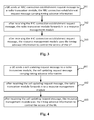
Figure 8 is a schematic drawing of structure of a user equipment according to a seventh embodiment of the present application. - In carrying out the present application, the inventor has found: a RNC would necessarily query location information of a UE after the UE established a RRC connection, wait for the UE (and a base station) to report a measurement result, and calculate the location information of the UE according to the measurement result, thereby judging whether to accept the UE according to the location information. Further, after the RRC connection is established, during the process of the RNC querying location of the UE, it is required that the UE simultaneously interact with the core network (such as, performing registration process and short message transmission process); and thus, if the UE would not report timely, or in the case that a safe mode control is not enabled on the network side, the signaling interaction delay between the UE and the core network is short, the RNC might not query the location information of the UE while the registration process (or the short message transmission process) of the UE has ended, resulting in that the RNC cannot control the access of the UE timely at this time.
- For the above findings, the embodiments of the present application are to provide an access control method and device, such that a wireless access device may acquire timing advance information of the UE (or location information of the UE) during an RRC connection establishment process or a cell updating process rather than acquire the timing advance information of the UE (or the location information of the UE) after an RRC connection establishment process or a cell updating process, thus performing access control to the UE based on the timing advance information of the UE (or the location information of the UE), and then timely controlling the access of the UE.
- Hereinafter, technical solutions of the present application will be clearly and fully described in conjunction with the accompanying drawings of the present application. Obviously, the described embodiments are only part but not all of the embodiments of the application. Based on the embodiments of the present application, all other embodiments obtained by an ordinary person skilled in the art without paying creative efforts will fall into the protection scope of the present application.
- The first embodiment of the present application is to provide an access control method, such that a wireless access device can timely acquire timing advance information of a UE and control the access of the UE based on the timing advance (equivalent to round trip delay between the UE and the wireless access devices, which can be used to calculate the distance between the UE and the wireless access device) information; application scenarios of the method may include but not be limited to: Time Division-Synchronous Code Division Multiple Access (TD-SCDMA) system and Long Term Evolution (LTE) system. As shown in
Figure 1 , the method may comprise the following steps: - Step 101, a UE determines timing advance information, and sends a request message to a wireless access device, the request message carrying the timing advance information.
- In the embodiment of the present application, the request message may include but not be limited to: an RRC connection establishment request message; a cell updating request message; and a User Registration Area (URA) updating message.
-
Step 102, the wireless access device receives the request message from the UE. -
Step 103, the wireless access device controls the access of the UE according to the timing advance information. - In the embodiment of the present application, the process of the wireless access device controlling the access of the UE according to the timing advance information can adopt the following modes:
- In first mode, the wireless access device controls the access of the UE according to the timing advance information.
- Specifically, the wireless access device judges whether the timing advance information satisfies a condition of restricted access, and if so, rejects the access of the UE; otherwise, allows the access of the UE. When judging whether the timing advance information satisfies the condition of restricted access, it may judge whether the timing advance is greater than a preset time threshold (which can be selected based on practical experience), or, may judge whether the timing advance is less than a preset time threshold (which can be selected based on practical experience).
- In the embodiment of the present application, a preferred implementation mode is as follows: the wireless access device may acquire time calibration information corresponding to the timing advance information, and use the time calibration information to control the access of the UE. Specifically, the wireless access device judges whether the time calibration information satisfies a condition of restricted access, and if so, rejects the access of the UE; otherwise, allows the access of the UE.
- In second mode, the wireless access device determines location information of the UE according to the timing advance information, and controls the access of the UE according to the location information.
- Specifically, the wireless access device determines location information of the UE according to the timing advance information, and judges whether the location information satisfies a condition of restricted access, and if so, rejects the access of the UE; otherwise, allows the access of the UE. When judging whether the location information satisfies the condition of restricted access, it may judge whether the location information is greater than a preset distance threshold (which can be selected based on practical experience), or, may judge whether the location information is less than a preset distance threshold (which can be selected based on practical experience).
- In the embodiment of the present application, a preferred implementation mode is as follows: the wireless access device may acquire time calibration information corresponding to the timing advance information, and use the time calibration information to control the access of the UE. Specifically, the wireless access device determines the location information of the UE according to the time calibration information, and judges whether the location information satisfies a condition of restricted access, and if so, rejects the access of the UE; otherwise, allows the access of the UE.
- In third mode, the wireless access device determines Angle of Arrival (AOA, which refers to direction information of the UE) information corresponding to the UE, and controls the access of the UE according to the timing advance information and the AOA information.
- Specifically, the wireless access device judges whether the timing advance information and the AOA information all satisfy a condition of restricted access, and if so, rejects the access of the UE; otherwise, allows the access of the UE. When judging whether the timing advance information satisfies the condition of restricted access, it may judge whether the timing advance is greater than a preset time threshold (which can be selected based on practical experience), or, may judge whether the timing advance is less than a preset time threshold (which can be selected based on practical experience); when judging whether the AOA information satisfies the condition of restricted access, it may judge whether the AOA is within a preset range.
- In the embodiment of the present application, a preferred implementation mode is as follows: the wireless access device may acquire time calibration information corresponding to the timing advance information, and use the time calibration information to control the access of the UE. Specifically, the wireless access device judges whether the time calibration information and the AOA information all satisfy a condition of restricted access, and if so, rejects the access of the UE; otherwise, allows the access of the UE.
- In fourth mode, the wireless access device determines location information of the UE according to the timing advance information, and determines AOA information corresponding to the UE; and the wireless access device controls the access of the UE according to the location information and the AOA information.
- Specifically, the wireless access device determines location information of the UE according to the timing advance information, and judges whether the location information and the AOA information all satisfy a condition of restricted access, and if so, rejects the access of the UE; otherwise, allows the access of the UE. When judging whether the location information satisfies the condition of restricted access, it may judge whether the location information is greater than a preset distance threshold (which can be selected based on practical experience), or, may judge whether the location information is less than a preset distance threshold (which can be selected based on practical experience); when judging whether the AOA information satisfies the condition of restricted access, it may judge whether the AOA is within a preset range.
- In the embodiment of the present application, a preferred implementation mode is as follows: the wireless access device may acquire time calibration information corresponding to the timing advance information, and use the time calibration information to control the access of the UE. Specifically, the wireless access device determines location information of the UE according to the time calibration information, and judges whether the location information and the AOA information all satisfy a condition of restricted access, and if so, rejects the access of the UE; otherwise, allows the access of the UE.
- In conclusion, in the embodiment of the present application, the wireless access device may acquire the timing advance information of the UE (or the location information of the UE) during the RRC connection establishment process or the cell updating process, thus performing access control to the UE based on the timing advance information of the UE (or the location information of the UE), and then timely controlling the access of the UE.
- Further, in a mobile communication network, because of some special reasons (for example, national boundaries, military areas, etc.), it is necessary that UE access is forbidden in a related area. By determining the distance (which is embodied as a timing advance measured by the UE) between the UE and the wireless access device and the location of the wireless access device, the location information of the UE can be acquired, and thereby the UE access can be controlled.
- Hereinafter, the embodiment of the present application will be further described in connection with the application scenario as shown in
Figure 2 . - As shown in
Figure 2 , the wireless access device consists of a base station and a RNC, wherein the base station is a radio transceiver module of the wireless access device, the RNC is a resource management module of the wireless access device; the wireless access device can control multiple cells, and the UE establishes a connection with the network side through radio resource of the cells. In the wireless access device, the resource management module is configured to control the radio resources of the cells, including allocation of resources for the UE, if the UE is rejected, then the UE will be informed by an air interface message to release the connection, etc.; the radio transceiver module is configured to receive data of the resource management module, forward the data which is processed to the UE, to receive data from the UE, and forward the data which is processed to the resource management module. In addition, the resource management module may also receive data from a Core Network (CN) through an lu interface and send data of the UE to the CN. - Based on the application scenario of
Figure 2 , the second embodiment of the present application is to provide an access control method which can be applied to a TD-SCDMA system and a LTE system. As shown inFigure 3 , the method may comprise the following steps: -
Step 301, a UE sends an RRC connection establishment request message to a radio transceiver module, the RRC connection establishment request message carrying timing advance information (TA information). -
Step 302, after receiving the RRC connection establishment request message, the radio transceiver module forwards it to a resource management module. - In a preferred implementation mode, the radio transceiver module may also acquire time calibration information of the timing advance of the UE, and forward the time calibration information and the RRC connection establishment request message to the resource management module.
-
Step 303, after receiving the RRC connection establishment request message, the resource management module uses the timing advance information to control the access of the UE. - In a preferred implementation mode, the resource management module may also use the time calibration information (which can be received from the radio transceiver module, or obtained by the resource module itself) of the timing advance to control the access of the UE.
- Specifically, the resource management module judges whether the timing advance of the UE satisfies a condition of restricted access (fox example, the timing advance is greater than a threshold, or the timing advance is less than a threshold); if the condition of restricted access is satisfied, the access of the UE will be rejected and an RRC rejection message may be sent to the UE through the radio transceiver module; if the condition of restricted access is not satisfied, radio resources will be allocated for the UE and an RRC establishment message may be sent to the UE through the radio transceiver module.
- Further, the resource management module may also use the timing advance information to acquire location information of the UE (such as the distance between the UE and the radio transceiver module), and judge whether the location information of the UE satisfies a condition of restricted access; if the condition of restricted access is satisfied, the access of the UE will be rejected and an RRC rejection message may be sent to the UE through the radio transceiver module; if the condition of restricted access is not satisfied, radio resources will be allocated for the UE and an RRC establishment message may be sent to the UE through the radio transceiver module.
- Based on the application scenario of
Figure 2 , the third embodiment of the present application is to provide an access control method which can be applied to a TD-SCDMA system. As shown inFigure 4 , the method may comprise the following steps: -
Step 401, after establishing an RRC connection of a UE, if a cell updating (for example, a cell updating caused by wireless link failure, or a cell updating caused by changing cell, etc.) occurs during movement of the UE, the UE sends a cell updating request message to a radio transceiver module, the cell updating request message carrying timing advance information (TA information). -
Step 402, after receiving the cell updating request message, the radio transceiver module forwards it to a resource management module. - In a preferred implementation mode, the radio transceiver module may also obtain time calibration information of the timing advance of the UE, and forward the time calibration information and the cell updating request message to the resource management module.
-
Step 403, after receiving the cell updating request message, the resource management module uses the timing advance information to control the access of the UE. - In a preferred implementation mode, the resource management module may also use the time calibration information (which can be received from the radio transceiver module, or obtained by the resource module itself) of the timing advance to control the access of the UE.
- Specifically, the resource management module judges whether the timing advance of the UE satisfies a condition of restricted access (fox example, the timing advance is greater than a threshold, or the timing advance is less than a threshold); if the condition of restricted access is satisfied, the RRC connection of the UE may be released and an RRC release message may be sent to the UE through the radio transceiver module; if the condition of restricted access is not satisfied, radio resources will be allocated for the UE and a cell updating confirmation message may be sent to the UE through the radio transceiver module.
- Further, the resource management module may also use the timing advance information to acquire location information of the UE (such as the distance between the UE and the radio transceiver module), and judge whether the location information of the UE satisfies a condition of restricted access; if the condition of restricted access is satisfied, the RRC connection of the UE may be released and an RRC release message may be sent to the UE through the radio transceiver module; if the condition of restricted access is not satisfied, radio resources will be allocated for the UE and a cell updating confirmation message may be sent to the UE through the radio transceiver module.
- Based on the application scenario of
Figure 2 , the fourth embodiment of the present application is to provide an access control method, which can be applied to a TD-SCDMA system and a LTE system. As shown inFigure 5 , the method may comprise the following steps: -
Step 501, a UE sends an RRC connection establishment request message to a radio transceiver module, the RRC connection establishment request message carrying timing advance information (TA information). -
Step 502, after receiving the RRC connection establishment request message, the radio transceiver module determines AOA information of the UE according to a wave incoming direction of the message, and forwards the AOA information and the RRC connection establishment request message to a resource management module. - In a preferred implementation mode, the radio transceiver module may also acquire time calibration information of the timing advance of the UE, and forward the time calibration information, the AOA information and the RRC connection establishment request message to the resource management module.
-
Step 503, after receiving the RRC connection establishment request message and the AOA information, the resource management module uses the timing advance information and the AOA information to control the access of the UE. - In a preferred implementation mode, the resource management module may also use the time calibration information (which can be received from the radio transceiver module, or obtained by the resource module itself) of the timing advance and the AOA information to control the access of the UE.
- Specifically, the resource management module judges whether the timing advance of the UE and the AOA information satisfy a condition of restricted access (fox example, the timing advance satisfies a certain condition, and / or the AOA information falls in between a certain range); if the condition of restricted access is satisfied, the access of the UE will be rejected and an RRC rejection message may be sent to the UE through the radio transceiver module; if the condition of restricted access is not satisfied, radio resources will be allocated for the UE and an RRC establishment message may be sent to the UE through the radio transceiver module.
- Further, the resource management module may also use the timing advance information to acquire location information of the UE (such as the distance between the UE and the radio transceiver module), and judge whether the location information of the UE and the AOA information satisfy a condition of restricted access; if the condition of restricted access is satisfied, the access of the UE will be rejected and an RRC rejection message may be sent to the UE through the radio transceiver module; if the condition of restricted access is not satisfied, radio resources will be allocated for the UE and an RRC establishment message may be sent to the UE through the radio transceiver module.
- Based on the application scenario of
Figure 2 , the fifth embodiment of the present application is to provide an access control method which can be applied to a TD-SCDMA system. As shown inFigure 6 , the method may comprise the following steps: -
Step 601, after establishing an RRC connection of a UE, if a cell updating (for example, a cell updating caused by wireless link failure, or a cell updating caused by changing cell, etc.) occurs during movement of the UE, the UE sends a cell updating request message to a radio transceiver module, the cell updating request message carrying timing advance information (TA information). -
Step 602, after receiving the cell updating request message, the radio transceiver module determines AOA information of the UE according to a wave incoming direction of the message, and forwards the AOA information and the cell updating request message to a resource management module. - In a preferred implementation mode, the radio transceiver module may also acquire time calibration information of the timing advance of the UE, and forward the time calibration information, the AOA information and the cell updating request message to the resource management module.
-
Step 603, after receiving the cell updating request message and the AOA information, the resource management module uses the timing advance information and the AOA information to control the access of the UE. - In a preferred implementation mode, the resource management module may also use the time calibration information (which can be received from the radio transceiver module, or obtained by the resource module itself) of the timing advance and the AOA information to control the access of the UE.
- Specifically, the resource management module judges whether the timing advance of the UE and the AOA information satisfy a condition of restricted access (fox example, the timing advance satisfies a certain condition, and / or the AOA information falls in between a certain range); if the condition of restricted access is satisfied, the RRC connection of the UE will be released and an RRC release message may be sent to the UE through the radio transceiver module; if the condition of restricted access is not satisfied, radio resources will be allocated for the UE and a cell updating confirmation message may be sent to the UE through the radio transceiver module.
- Further, the resource management module may also use the timing advance information to acquire location information of the UE (such as the distance between the UE and the radio transceiver module), and judge whether the location information of the UE and the AOA information satisfy a condition of restricted access; if the condition of restricted access is satisfied, the RRC connection of the UE will be released and an RRC release message may be sent to the UE through the radio transceiver module; if the condition of restricted access is not satisfied, radio resources will be allocated for the UE and a cell updating confirmation message may be sent to the UE through the radio transceiver module.
- Based on the same inventive concept as the methods described above, an embodiment of the present application is to provide a wireless access device. As shown in
Figure 7 , the wireless access device may comprise: - a receiving module 11, configured to receive a request message from a user equipment, the request message carrying timing advance information; and
- a controlling
module 12, configured to control the access of the user equipment according to the timing advance information. - The controlling
module 12 may be particularly configured to judge whether the timing advance information satisfies a condition of restricted access, and if so, reject the access of the user equipment; otherwise, allow the access of the user equipment. - The controlling
module 12 may be particularly configured to determine location information of the user equipment according to the timing advance information, and control the access of the user equipment according to the location information. - The controlling
module 12 may be further configured to judge whether the location information satisfies a condition of restricted access, and if so, reject the access of the user equipment; otherwise, allow the access of the user equipment. - The controlling
module 12 may be particularly configured to determine Angle of Arrival (AOA) information corresponding to the user equipment, and control the access of the user equipment according to the timing advance information and the AOA information. - The controlling
module 12 may be further configured to judge whether the timing advance information and the AOA information all satisfy a condition of restricted access, and if so, reject the access of the user equipment; otherwise, allow the access of the user equipment. - The controlling
module 12 may be particularly configured to determine location information of the user equipment according to the timing advance information, and determine AOA information corresponding to the user equipment; and control the access of the user equipment according to the location information and the AOA information. - The controlling
module 12 may be further configured to judge whether the location information and the AOA information all satisfy a condition of restricted access, and if so, reject the access of the user equipment; otherwise, allow the access of the user equipment. - The controlling
module 12 may be further configured to acquire time calibration information corresponding to the timing advance information, and use the time calibration information to control the access of the user equipment. - In the embodiment of the present application, the request message may include:
- a Radio Resource Control (RRC) connection establishment request message;
- a cell updating request message; and
- a User Registration Area (URA) updating message.
- Herein, each of modules of the device of the present application can be integrally formed, or can be separately disposed. The above modules can be combined into a single module or can be further divided into several modules.
- Based on the same inventive concept as the methods described above, an embodiment of the present application is to provide a user equipment. As shown in
Figure 8 , the user equipment may comprise: - a determining
module 21, configured to determine timing advance information; and - a sending
module 22, configured to send a request message to a wireless access device, the request message carrying the timing advance information. - In the embodiment of the present application, the request message may include:
- a Radio Resource Control (RRC) connection establishment request message;
- a cell updating request message; and
- a User Registration Area (URA) updating message.
- Herein, each of modules of the user equipment of the present application can be integrally formed, or can be separately disposed. The above modules can be combined into a single module or can be further divided into several modules.
- The eighth embodiment of the present application is to provide a computer-readable recording medium in which a program for executing the method embodiments is recorded.
- The computer readable recording medium may include any mechanism which can be used to store or transmit information in a computer (for example, a person computer) readable form readable form. For example, machine-readable medium may include a Read Only Memory (ROM), a Random Access Memory (RAM), a magnetic disk storage media, an optical storage media, a flash memory media, a propagation signal in electrical, optical, acoustical or other forms (e.g., carrier wave, infrared signal, digital signal, etc.).
- The various embodiments in the description have been explained progressively. Each of embodiments only emphasizes the differences from one another, and the same or similar explanations of various embodiments could be made reference to each other. Since the device embodiment is substantially similar to the method embodiments, the explanations thereof are relatively brief and reference could be made to the related parts in the method embodiments.
- It should be understood by an ordinary person skilled in the art that the embodiments of the present application may be provided as a method, a system or a computer program product. Therefore, the present application may employ forms of full hardware embodiment, full software embodiment or combination of software and hardware embodiment. Moreover, the present application may employ a form of computer program product that can be implemented as one or more computer useable storage media (including but not being limited to magnetic disk storage device, CD-ROM and optical storage device, etc.) containing computer useable program codes.
- The present application has been described with reference to the flow charts and / or the block diagrams of the method, device (system) and computer program product according to the embodiments of the present application. It should be understood that each of steps and / or modules in the flow charts and / or the block diagrams and combination of steps and / or modules in the flow charts and / or the block diagrams may be implemented by computer program instructions. The computer program instructions may be provided for a general-purpose computer, a special-purpose computer, an embedded processor or processor of other programmable data processing device to form an apparatus, such that the instructions executed by the computer or the processor of other programmable data processing device may form a device for implementing function(s) as specified in one or more steps in the flow charts and / or one or more modules in the block diagrams.
- The computer program instructions may also be stored in a computer readable storage device which is able to boot a computer or other programmable data processing device to work in a specified manner, such that the instructions stored in the computer readable storage device may form a product including command device(s), the command device(s) implementing function(s) as specified in one or more steps in the flow charts and / or one or more modules in the block diagrams. The computer program instructions may also be installed in a computer or other programmable data processing device, such that the computer or other programmable data processing device may execute a series of operating steps to form processing implemented by the computer, and thereby the instructions executed in the computer or other programmable data processing device may provide steps for implementing function(s) as specified in one or more steps in the flow charts and / or one or more modules in the block diagrams.
- Although the preferred embodiments of the present application have been described, other variations and modifications can be made to the embodiments by those persons skilled in the art upon understanding of the basic inventive concepts. Therefore, the appended claims are intended to be constructed as covering the preferred embodiments and all the variations and modifications fallen into the scope of the application.
- Finally, it should be explained that the relational terms such as "first" and "second" herein are only used to distinguish an entity or operation from another entity or operation, but not necessarily require or suggest there exists any real relation or sequence between the entities or operations. Moreover, terms such as "include", "comprise" or any other variants are intended to cover non-exclusive containing, so that the process, method, object and device containing a series of elements not only include these elements but also include other elements that are not definitely listed or the inherent elements of the process, method, object and device. Unless otherwise specified, an element defined by wording "include a ... ..." may not exclude additional same element existing in the process, method, object and device containing this element.
- Through the above description of the embodiments, it should be clearly appreciated by the person skilled in the art that the present application may be implemented by means of software in connection with the required universal hardware platform, and of course, can also be implemented by hardware, but in many cases the former is a more preferred implementation. Based on this understanding, the essential part or the part contributing to the prior art of the technical solutions of the present application may be embodied as a form of software product. The computer software product may be stored in the storage medium, and comprise a plurality of instructions which could used to execute the methods as described in various embodiments of the present application by a computer device (that could be a personal computer, a server or a network equipment).
- It should be appreciated by the person skilled in the art that the accompanying drawings are only schematic views of the preferred embodiments, and the modules or the processes in the accompanying drawings are not necessarily required to implement the present application.
- It should be appreciated by the person skilled in the art that the modules of the devices in the embodiments may be disposed in the devices of the embodiments as described herein, or may be changed accordingly to be positioned in one or more different devices from that in the embodiments. The modules in the above embodiments can be combined in a single module or can be further divided into multiple modules.
- The sequence numbers of the embodiments of the present application are only for the descriptive purpose but not represent the relative merits of the embodiments.
- Disclosed above are only specific embodiments of the present application. However, the present application is not limited thereto. Any modifications which could be contemplated by the person skilled in the art will be fallen into protection scope of the present application.
Claims (25)
- An access control method, characterized by comprising:a wireless access device receiving a request message from a user equipment, the request message carrying timing advance information; andthe wireless access device controlling the access of the user equipment according to the timing advance information.
- The method according to claim 1, characterized in that, the step of the wireless access device controlling the access of the user equipment according to the timing advance information, comprises:the wireless access device judging whether the timing advance information satisfies a condition of restricted access, and if so, rejecting the access of the user equipment; otherwise, allowing the access of the user equipment.
- The method according to claim 1, characterized in that, the step of the wireless access device controlling the access of the user equipment according to the timing advance information, comprises:the wireless access device determining location information of the user equipment according to the timing advance information, and controlling the access of the user equipment according to the location information.
- The method according to claim 3, characterized in that, the step of the wireless access device controlling the access of the user equipment according to the location information, comprises:the wireless access device judging whether the location information satisfies a condition of restricted access, and if so, rejecting the access of the user equipment; otherwise, allowing the access of the user equipment.
- The method according to claim 1, characterized in that, the step of the wireless access device controlling the access of the user equipment according to the timing advance information, comprises:the wireless access device determining Angle of Arrival, AOA, information corresponding to the user equipment, and controlling the access of the user equipment according to the timing advance information and the AOA information.
- The method according to claim 5, characterized in that, the step of the wireless access device controlling the access of the user equipment according to the timing advance information and the AOA information, comprises:the wireless access device judging whether the timing advance information and the AOA information all satisfy a condition of restricted access, and if so, rejecting the access of the user equipment; otherwise, allowing the access of the user equipment.
- The method according to claim 1, characterized in that, the step of the wireless access device controlling the access of the user equipment according to the timing advance information, comprises:the wireless access device determining location information of the user equipment according to the timing advance information, and determining AOA information corresponding to the user equipment; andthe wireless access device controlling the access of the user equipment according to the location information and the AOA information.
- The method according to claim 7, characterized in that, the step of the wireless access device controlling the access of the user equipment according to the location information and the AOA information, comprises:the wireless access device judging whether the location information and the AOA information all satisfy a condition of restricted access, and if so, rejecting the access of the user equipment; otherwise, allowing the access of the user equipment.
- The method according to claim 1, 3, 5 or 7, characterized in that, the step of the wireless access device controlling the access of the user equipment according to the timing advance information, comprises:the wireless access device further acquiring time calibration information corresponding to the timing advance information, and using the time calibration information to control the access of the user equipment.
- The method according to claim 1, characterized in that, the request message includes: an Radio Resource Control, RRC, connection establishment request message; a cell updating request message; and a User Registration Area, URA, updating message.
- An access control method, characterized by comprising:a user equipment determining timing advance information; andthe user equipment sending a request message to a wireless access device, the request message carrying the timing advance information.
- The method according to claim 11, characterized in that, the request message includes: an Radio Resource Control, RRC, connection establishment request message; a cell updating request message; and a User Registration Area, URA, updating message.
- A wireless access device, characterized by comprising:a receiving module, configured to receive a request message from a user equipment, the request message carrying timing advance information; anda controlling module, configured to control the access of the user equipment according to the timing advance information.
- The wireless access device according to claim 13, characterized in that,
the controlling module is particularly configured to judge whether the timing advance information satisfies a condition of restricted access, and if so, reject the access of the user equipment; otherwise, allow the access of the user equipment. - The wireless access device according to claim 13, characterized in that,
the controlling module is particularly configured to determine location information of the user equipment according to the timing advance information, and control the access of the user equipment according to the location information. - The wireless access device according to claim 15, characterized in that,
the controlling module is further configured to judge whether the location information satisfies a condition of restricted access, and if so, reject the access of the user equipment; otherwise, allow the access of the user equipment. - The wireless access device according to claim 13, characterized in that,
the controlling module is particularly configured to determine Angle of Arrival, AOA, information corresponding to the user equipment, and control the access of the user equipment according to the timing advance information and the AOA information. - The wireless access device according to claim 17, characterized in that,
the controlling module is further configured to judge whether the timing advance information and the AOA information all satisfy a condition of restricted access, and if so, reject the access of the user equipment; otherwise, allow the access of the user equipment. - The wireless access device according to claim 13, characterized in that,
the controlling module is particularly configured to determine location information of the user equipment according to the timing advance information, and determine AOA information corresponding to the user equipment; and control the access of the user equipment according to the location information and the AOA information. - The wireless access device according to claim 19, characterized in that,
the controlling module is further configured to judge whether the location information and the AOA information all satisfy a condition of restricted access, and if so, reject the access of the user equipment; otherwise, allow the access of the user equipment. - The wireless access device according to claim 13, 15, 17 or 19, characterized in that,
the controlling module is further configured to acquire time calibration information corresponding to the timing advance information, and use the time calibration information to control the access of the user equipment. - The wireless access device according to claim 13, characterized in that, the request message includes: a Radio Resource Control, RRC, connection establishment request message; a cell updating request message; and a User Registration Area, URA, updating message.
- A user equipment, characterized by comprising:a determining module, configured to determine timing advance information; anda sending module, configured to send a request message to a wireless access device, the request message carrying the timing advance information.
- The user equipment according to claim 23, characterized in that, the request message includes: a Radio Resource Control, RRC, connection establishment request message; a cell updating request message; and a User Registration Area, URA, updating message.
- A computer-readable recording medium in which a program for executing the method according to claim 1 is recorded.
Applications Claiming Priority (2)
| Application Number | Priority Date | Filing Date | Title |
|---|---|---|---|
| CN201210036408.5A CN102573011B (en) | 2012-02-17 | 2012-02-17 | Access control method and equipment |
| PCT/CN2012/085183 WO2013120370A1 (en) | 2012-02-17 | 2012-11-23 | Access control method and device |
Publications (3)
| Publication Number | Publication Date |
|---|---|
| EP2816842A1 true EP2816842A1 (en) | 2014-12-24 |
| EP2816842A4 EP2816842A4 (en) | 2016-02-17 |
| EP2816842B1 EP2816842B1 (en) | 2019-07-17 |
Family
ID=46417187
Family Applications (1)
| Application Number | Title | Priority Date | Filing Date |
|---|---|---|---|
| EP12868715.9A Active EP2816842B1 (en) | 2012-02-17 | 2012-11-23 | Access control method and device |
Country Status (4)
| Country | Link |
|---|---|
| US (1) | US9241272B2 (en) |
| EP (1) | EP2816842B1 (en) |
| CN (1) | CN102573011B (en) |
| WO (1) | WO2013120370A1 (en) |
Families Citing this family (7)
| Publication number | Priority date | Publication date | Assignee | Title |
|---|---|---|---|---|
| CN102573011B (en) * | 2012-02-17 | 2015-05-20 | 大唐移动通信设备有限公司 | Access control method and equipment |
| CN103222313A (en) * | 2012-11-23 | 2013-07-24 | 华为技术有限公司 | Access request processing method, apparatus and system |
| EP3085171B1 (en) * | 2013-12-20 | 2021-03-24 | Telefonaktiebolaget LM Ericsson (publ) | Method and means for maintaining uplink time alignment |
| CN104159270B (en) * | 2014-08-08 | 2018-05-01 | 大唐移动通信设备有限公司 | Control the method and apparatus of user equipment access |
| CN104507139B (en) * | 2014-11-20 | 2019-02-26 | 大唐移动通信设备有限公司 | Control method, radio network controller and the user equipment of user equipment access |
| CN105142201B (en) * | 2015-08-11 | 2018-09-11 | 大唐移动通信设备有限公司 | A kind of access control method and radio network controller |
| WO2024256065A1 (en) * | 2023-06-16 | 2024-12-19 | Nokia Solutions And Networks Oy | Triggering release of radio resource control connection |
Family Cites Families (13)
| Publication number | Priority date | Publication date | Assignee | Title |
|---|---|---|---|---|
| CN201063813Y (en) * | 2005-12-22 | 2008-05-21 | 美商内数位科技公司 | User facility |
| CN100531439C (en) * | 2006-07-24 | 2009-08-19 | 普天信息技术研究院 | Channel resource allocation method of terminal inceptive access |
| JP4545768B2 (en) * | 2007-02-28 | 2010-09-15 | 株式会社エヌ・ティ・ティ・ドコモ | Radio control signal generation method, radio base station apparatus, and mobile station |
| US8463297B2 (en) * | 2007-12-27 | 2013-06-11 | Trueposition, Inc. | Subscriber selective, area-based service control |
| WO2010060752A2 (en) * | 2008-11-03 | 2010-06-03 | Nokia Siemens Networks Oy | Methods, apparatuses, system, related computer program product and data structure for power control and resource allocation |
| US8326319B2 (en) * | 2009-01-23 | 2012-12-04 | At&T Mobility Ii Llc | Compensation of propagation delays of wireless signals |
| CN101808359B (en) * | 2009-02-12 | 2014-08-13 | 电信科学技术研究院 | Method and device for positioning terminal in long-term evolution system |
| CN101835224A (en) * | 2009-03-09 | 2010-09-15 | 大唐移动通信设备有限公司 | Switching method and terminal of HSPA (High Speed Packet Access) channel |
| US8744480B2 (en) * | 2010-07-08 | 2014-06-03 | At&T Mobility Ii Llc | Selected restriction of wireless communication services |
| EP2606693A1 (en) * | 2010-08-16 | 2013-06-26 | Telefonaktiebolaget L M Ericsson (publ) | Positioning node, user equipment and methods therein |
| US20140204843A1 (en) * | 2011-10-03 | 2014-07-24 | Telefonaktiebolaget Lm Ericsson (Publ) | Reliable PDSCH Decoding on Cross-Scheduled Carrier during Random Access Procedure |
| JP5793252B2 (en) * | 2011-12-20 | 2015-10-14 | 京セラ株式会社 | System and method for small cell uplink interference mitigation |
| CN102573011B (en) * | 2012-02-17 | 2015-05-20 | 大唐移动通信设备有限公司 | Access control method and equipment |
-
2012
- 2012-02-17 CN CN201210036408.5A patent/CN102573011B/en active Active
- 2012-11-23 WO PCT/CN2012/085183 patent/WO2013120370A1/en not_active Ceased
- 2012-11-23 EP EP12868715.9A patent/EP2816842B1/en active Active
- 2012-11-23 US US14/379,491 patent/US9241272B2/en active Active
Also Published As
| Publication number | Publication date |
|---|---|
| CN102573011B (en) | 2015-05-20 |
| US20150031339A1 (en) | 2015-01-29 |
| US9241272B2 (en) | 2016-01-19 |
| CN102573011A (en) | 2012-07-11 |
| EP2816842A4 (en) | 2016-02-17 |
| WO2013120370A1 (en) | 2013-08-22 |
| EP2816842B1 (en) | 2019-07-17 |
Similar Documents
| Publication | Publication Date | Title |
|---|---|---|
| US9241272B2 (en) | Access control method and device | |
| JP7435870B2 (en) | User equipment, communication equipment, and methods thereof | |
| US10187246B2 (en) | Method and apparatus for transmission mode conversion | |
| US11218934B2 (en) | Base station switching method and apparatus | |
| EP3282766A1 (en) | Information processing method, communication node and computer storage medium | |
| EP3282719A1 (en) | Method and device for determining and using d2d relay node | |
| EP3113573B1 (en) | Semi-persistent scheduling (sps) method and apparatus | |
| EP3554139A1 (en) | Access processing method, base station and mobile communication terminal | |
| EP3668210A1 (en) | Method and device for configuring wireless resource pool | |
| US11737126B2 (en) | Method and device for controlling interference | |
| EP3567927B1 (en) | Access method, and terminal | |
| EP3046365B1 (en) | Communication access method and user equipment | |
| EP3439363A2 (en) | Access point switching method and device | |
| WO2021144062A1 (en) | Apparatus, method and computer program | |
| US11460839B2 (en) | Unmanned aerial vehicle access method and device | |
| EP3522602B1 (en) | Communication connection control method and device | |
| CN108616939A (en) | A kind of radio resource control RRC re-establishes treating method and apparatus | |
| CN102651899B (en) | A kind of mobile communications network notifies method, system and the equipment of end packet information | |
| US9532384B2 (en) | Mobile communication method and radio base station | |
| CN111065111B (en) | Method and device for concurrently reporting multiple measurement events | |
| CN117354890A (en) | Communication methods and devices | |
| JP6023484B2 (en) | Radio base station and mobile station | |
| CN104507139B (en) | Control method, radio network controller and the user equipment of user equipment access | |
| US9860922B2 (en) | Trunking user based message transmission method and device | |
| EP4486001A1 (en) | Cell re-selection priority determination method and apparatus, and terminal and storage medium |
Legal Events
| Date | Code | Title | Description |
|---|---|---|---|
| PUAI | Public reference made under article 153(3) epc to a published international application that has entered the european phase |
Free format text: ORIGINAL CODE: 0009012 |
|
| 17P | Request for examination filed |
Effective date: 20140814 |
|
| AK | Designated contracting states |
Kind code of ref document: A1 Designated state(s): AL AT BE BG CH CY CZ DE DK EE ES FI FR GB GR HR HU IE IS IT LI LT LU LV MC MK MT NL NO PL PT RO RS SE SI SK SM TR |
|
| AX | Request for extension of the european patent |
Extension state: BA ME |
|
| DAX | Request for extension of the european patent (deleted) | ||
| RA4 | Supplementary search report drawn up and despatched (corrected) |
Effective date: 20160118 |
|
| RIC1 | Information provided on ipc code assigned before grant |
Ipc: H04W 56/00 20090101ALI20160112BHEP Ipc: H04W 48/04 20090101AFI20160112BHEP Ipc: H04W 8/08 20090101ALI20160112BHEP Ipc: H04W 12/08 20090101ALI20160112BHEP |
|
| GRAP | Despatch of communication of intention to grant a patent |
Free format text: ORIGINAL CODE: EPIDOSNIGR1 |
|
| STAA | Information on the status of an ep patent application or granted ep patent |
Free format text: STATUS: GRANT OF PATENT IS INTENDED |
|
| INTG | Intention to grant announced |
Effective date: 20190416 |
|
| GRAS | Grant fee paid |
Free format text: ORIGINAL CODE: EPIDOSNIGR3 |
|
| GRAA | (expected) grant |
Free format text: ORIGINAL CODE: 0009210 |
|
| STAA | Information on the status of an ep patent application or granted ep patent |
Free format text: STATUS: THE PATENT HAS BEEN GRANTED |
|
| AK | Designated contracting states |
Kind code of ref document: B1 Designated state(s): AL AT BE BG CH CY CZ DE DK EE ES FI FR GB GR HR HU IE IS IT LI LT LU LV MC MK MT NL NO PL PT RO RS SE SI SK SM TR |
|
| REG | Reference to a national code |
Ref country code: GB Ref legal event code: FG4D |
|
| REG | Reference to a national code |
Ref country code: CH Ref legal event code: EP |
|
| REG | Reference to a national code |
Ref country code: IE Ref legal event code: FG4D |
|
| REG | Reference to a national code |
Ref country code: DE Ref legal event code: R096 Ref document number: 602012062167 Country of ref document: DE |
|
| REG | Reference to a national code |
Ref country code: AT Ref legal event code: REF Ref document number: 1156983 Country of ref document: AT Kind code of ref document: T Effective date: 20190815 |
|
| REG | Reference to a national code |
Ref country code: NL Ref legal event code: MP Effective date: 20190717 |
|
| REG | Reference to a national code |
Ref country code: LT Ref legal event code: MG4D |
|
| REG | Reference to a national code |
Ref country code: AT Ref legal event code: MK05 Ref document number: 1156983 Country of ref document: AT Kind code of ref document: T Effective date: 20190717 |
|
| PG25 | Lapsed in a contracting state [announced via postgrant information from national office to epo] |
Ref country code: NO Free format text: LAPSE BECAUSE OF FAILURE TO SUBMIT A TRANSLATION OF THE DESCRIPTION OR TO PAY THE FEE WITHIN THE PRESCRIBED TIME-LIMIT Effective date: 20191017 Ref country code: AT Free format text: LAPSE BECAUSE OF FAILURE TO SUBMIT A TRANSLATION OF THE DESCRIPTION OR TO PAY THE FEE WITHIN THE PRESCRIBED TIME-LIMIT Effective date: 20190717 Ref country code: HR Free format text: LAPSE BECAUSE OF FAILURE TO SUBMIT A TRANSLATION OF THE DESCRIPTION OR TO PAY THE FEE WITHIN THE PRESCRIBED TIME-LIMIT Effective date: 20190717 Ref country code: SE Free format text: LAPSE BECAUSE OF FAILURE TO SUBMIT A TRANSLATION OF THE DESCRIPTION OR TO PAY THE FEE WITHIN THE PRESCRIBED TIME-LIMIT Effective date: 20190717 Ref country code: FI Free format text: LAPSE BECAUSE OF FAILURE TO SUBMIT A TRANSLATION OF THE DESCRIPTION OR TO PAY THE FEE WITHIN THE PRESCRIBED TIME-LIMIT Effective date: 20190717 Ref country code: LT Free format text: LAPSE BECAUSE OF FAILURE TO SUBMIT A TRANSLATION OF THE DESCRIPTION OR TO PAY THE FEE WITHIN THE PRESCRIBED TIME-LIMIT Effective date: 20190717 Ref country code: BG Free format text: LAPSE BECAUSE OF FAILURE TO SUBMIT A TRANSLATION OF THE DESCRIPTION OR TO PAY THE FEE WITHIN THE PRESCRIBED TIME-LIMIT Effective date: 20191017 Ref country code: PT Free format text: LAPSE BECAUSE OF FAILURE TO SUBMIT A TRANSLATION OF THE DESCRIPTION OR TO PAY THE FEE WITHIN THE PRESCRIBED TIME-LIMIT Effective date: 20191118 Ref country code: NL Free format text: LAPSE BECAUSE OF FAILURE TO SUBMIT A TRANSLATION OF THE DESCRIPTION OR TO PAY THE FEE WITHIN THE PRESCRIBED TIME-LIMIT Effective date: 20190717 |
|
| PG25 | Lapsed in a contracting state [announced via postgrant information from national office to epo] |
Ref country code: ES Free format text: LAPSE BECAUSE OF FAILURE TO SUBMIT A TRANSLATION OF THE DESCRIPTION OR TO PAY THE FEE WITHIN THE PRESCRIBED TIME-LIMIT Effective date: 20190717 Ref country code: AL Free format text: LAPSE BECAUSE OF FAILURE TO SUBMIT A TRANSLATION OF THE DESCRIPTION OR TO PAY THE FEE WITHIN THE PRESCRIBED TIME-LIMIT Effective date: 20190717 Ref country code: GR Free format text: LAPSE BECAUSE OF FAILURE TO SUBMIT A TRANSLATION OF THE DESCRIPTION OR TO PAY THE FEE WITHIN THE PRESCRIBED TIME-LIMIT Effective date: 20191018 Ref country code: LV Free format text: LAPSE BECAUSE OF FAILURE TO SUBMIT A TRANSLATION OF THE DESCRIPTION OR TO PAY THE FEE WITHIN THE PRESCRIBED TIME-LIMIT Effective date: 20190717 Ref country code: IS Free format text: LAPSE BECAUSE OF FAILURE TO SUBMIT A TRANSLATION OF THE DESCRIPTION OR TO PAY THE FEE WITHIN THE PRESCRIBED TIME-LIMIT Effective date: 20191117 Ref country code: RS Free format text: LAPSE BECAUSE OF FAILURE TO SUBMIT A TRANSLATION OF THE DESCRIPTION OR TO PAY THE FEE WITHIN THE PRESCRIBED TIME-LIMIT Effective date: 20190717 |
|
| PG25 | Lapsed in a contracting state [announced via postgrant information from national office to epo] |
Ref country code: TR Free format text: LAPSE BECAUSE OF FAILURE TO SUBMIT A TRANSLATION OF THE DESCRIPTION OR TO PAY THE FEE WITHIN THE PRESCRIBED TIME-LIMIT Effective date: 20190717 |
|
| PG25 | Lapsed in a contracting state [announced via postgrant information from national office to epo] |
Ref country code: RO Free format text: LAPSE BECAUSE OF FAILURE TO SUBMIT A TRANSLATION OF THE DESCRIPTION OR TO PAY THE FEE WITHIN THE PRESCRIBED TIME-LIMIT Effective date: 20190717 Ref country code: PL Free format text: LAPSE BECAUSE OF FAILURE TO SUBMIT A TRANSLATION OF THE DESCRIPTION OR TO PAY THE FEE WITHIN THE PRESCRIBED TIME-LIMIT Effective date: 20190717 Ref country code: EE Free format text: LAPSE BECAUSE OF FAILURE TO SUBMIT A TRANSLATION OF THE DESCRIPTION OR TO PAY THE FEE WITHIN THE PRESCRIBED TIME-LIMIT Effective date: 20190717 Ref country code: IT Free format text: LAPSE BECAUSE OF FAILURE TO SUBMIT A TRANSLATION OF THE DESCRIPTION OR TO PAY THE FEE WITHIN THE PRESCRIBED TIME-LIMIT Effective date: 20190717 Ref country code: DK Free format text: LAPSE BECAUSE OF FAILURE TO SUBMIT A TRANSLATION OF THE DESCRIPTION OR TO PAY THE FEE WITHIN THE PRESCRIBED TIME-LIMIT Effective date: 20190717 |
|
| PG25 | Lapsed in a contracting state [announced via postgrant information from national office to epo] |
Ref country code: CZ Free format text: LAPSE BECAUSE OF FAILURE TO SUBMIT A TRANSLATION OF THE DESCRIPTION OR TO PAY THE FEE WITHIN THE PRESCRIBED TIME-LIMIT Effective date: 20190717 Ref country code: SM Free format text: LAPSE BECAUSE OF FAILURE TO SUBMIT A TRANSLATION OF THE DESCRIPTION OR TO PAY THE FEE WITHIN THE PRESCRIBED TIME-LIMIT Effective date: 20190717 Ref country code: IS Free format text: LAPSE BECAUSE OF FAILURE TO SUBMIT A TRANSLATION OF THE DESCRIPTION OR TO PAY THE FEE WITHIN THE PRESCRIBED TIME-LIMIT Effective date: 20200224 Ref country code: SK Free format text: LAPSE BECAUSE OF FAILURE TO SUBMIT A TRANSLATION OF THE DESCRIPTION OR TO PAY THE FEE WITHIN THE PRESCRIBED TIME-LIMIT Effective date: 20190717 |
|
| REG | Reference to a national code |
Ref country code: DE Ref legal event code: R097 Ref document number: 602012062167 Country of ref document: DE |
|
| REG | Reference to a national code |
Ref country code: CH Ref legal event code: PL |
|
| PLBE | No opposition filed within time limit |
Free format text: ORIGINAL CODE: 0009261 |
|
| STAA | Information on the status of an ep patent application or granted ep patent |
Free format text: STATUS: NO OPPOSITION FILED WITHIN TIME LIMIT |
|
| PG2D | Information on lapse in contracting state deleted |
Ref country code: IS |
|
| PG25 | Lapsed in a contracting state [announced via postgrant information from national office to epo] |
Ref country code: LU Free format text: LAPSE BECAUSE OF NON-PAYMENT OF DUE FEES Effective date: 20191123 Ref country code: MC Free format text: LAPSE BECAUSE OF FAILURE TO SUBMIT A TRANSLATION OF THE DESCRIPTION OR TO PAY THE FEE WITHIN THE PRESCRIBED TIME-LIMIT Effective date: 20190717 Ref country code: LI Free format text: LAPSE BECAUSE OF NON-PAYMENT OF DUE FEES Effective date: 20191130 Ref country code: CH Free format text: LAPSE BECAUSE OF NON-PAYMENT OF DUE FEES Effective date: 20191130 |
|
| 26N | No opposition filed |
Effective date: 20200603 |
|
| REG | Reference to a national code |
Ref country code: BE Ref legal event code: MM Effective date: 20191130 |
|
| PG25 | Lapsed in a contracting state [announced via postgrant information from national office to epo] |
Ref country code: SI Free format text: LAPSE BECAUSE OF FAILURE TO SUBMIT A TRANSLATION OF THE DESCRIPTION OR TO PAY THE FEE WITHIN THE PRESCRIBED TIME-LIMIT Effective date: 20190717 |
|
| PG25 | Lapsed in a contracting state [announced via postgrant information from national office to epo] |
Ref country code: IE Free format text: LAPSE BECAUSE OF NON-PAYMENT OF DUE FEES Effective date: 20191123 |
|
| PG25 | Lapsed in a contracting state [announced via postgrant information from national office to epo] |
Ref country code: BE Free format text: LAPSE BECAUSE OF NON-PAYMENT OF DUE FEES Effective date: 20191130 |
|
| PG25 | Lapsed in a contracting state [announced via postgrant information from national office to epo] |
Ref country code: CY Free format text: LAPSE BECAUSE OF FAILURE TO SUBMIT A TRANSLATION OF THE DESCRIPTION OR TO PAY THE FEE WITHIN THE PRESCRIBED TIME-LIMIT Effective date: 20190717 |
|
| PG25 | Lapsed in a contracting state [announced via postgrant information from national office to epo] |
Ref country code: MT Free format text: LAPSE BECAUSE OF FAILURE TO SUBMIT A TRANSLATION OF THE DESCRIPTION OR TO PAY THE FEE WITHIN THE PRESCRIBED TIME-LIMIT Effective date: 20190717 Ref country code: HU Free format text: LAPSE BECAUSE OF FAILURE TO SUBMIT A TRANSLATION OF THE DESCRIPTION OR TO PAY THE FEE WITHIN THE PRESCRIBED TIME-LIMIT; INVALID AB INITIO Effective date: 20121123 |
|
| PG25 | Lapsed in a contracting state [announced via postgrant information from national office to epo] |
Ref country code: MK Free format text: LAPSE BECAUSE OF FAILURE TO SUBMIT A TRANSLATION OF THE DESCRIPTION OR TO PAY THE FEE WITHIN THE PRESCRIBED TIME-LIMIT Effective date: 20190717 |
|
| PGFP | Annual fee paid to national office [announced via postgrant information from national office to epo] |
Ref country code: DE Payment date: 20241121 Year of fee payment: 13 |
|
| PGFP | Annual fee paid to national office [announced via postgrant information from national office to epo] |
Ref country code: GB Payment date: 20241120 Year of fee payment: 13 |
|
| PGFP | Annual fee paid to national office [announced via postgrant information from national office to epo] |
Ref country code: FR Payment date: 20241128 Year of fee payment: 13 |