EP2816354A1 - Biomarker for complex regional pain syndrome (CRPS) - Google Patents
Biomarker for complex regional pain syndrome (CRPS) Download PDFInfo
- Publication number
- EP2816354A1 EP2816354A1 EP13172634.1A EP13172634A EP2816354A1 EP 2816354 A1 EP2816354 A1 EP 2816354A1 EP 13172634 A EP13172634 A EP 13172634A EP 2816354 A1 EP2816354 A1 EP 2816354A1
- Authority
- EP
- European Patent Office
- Prior art keywords
- crps
- p29ing4
- types
- inflammatory diseases
- autoantibodies
- Prior art date
- Legal status (The legal status is an assumption and is not a legal conclusion. Google has not performed a legal analysis and makes no representation as to the accuracy of the status listed.)
- Granted
Links
- 208000023890 Complex Regional Pain Syndromes Diseases 0.000 title claims abstract description 107
- 239000000090 biomarker Substances 0.000 title description 2
- 102100035677 Inhibitor of growth protein 4 Human genes 0.000 claims abstract description 54
- 101710141736 Inhibitor of growth protein 4 Proteins 0.000 claims abstract description 54
- 108090000623 proteins and genes Proteins 0.000 claims abstract description 53
- 238000000034 method Methods 0.000 claims abstract description 49
- 108090000765 processed proteins & peptides Proteins 0.000 claims abstract description 40
- 208000027866 inflammatory disease Diseases 0.000 claims abstract description 34
- 238000003745 diagnosis Methods 0.000 claims abstract description 30
- 238000002560 therapeutic procedure Methods 0.000 claims abstract description 23
- 238000011161 development Methods 0.000 claims abstract description 22
- 102000004196 processed proteins & peptides Human genes 0.000 claims abstract description 22
- 238000009007 Diagnostic Kit Methods 0.000 claims abstract description 5
- 238000001356 surgical procedure Methods 0.000 claims abstract description 5
- 238000012502 risk assessment Methods 0.000 claims abstract description 4
- 208000037265 diseases, disorders, signs and symptoms Diseases 0.000 claims description 21
- 239000012472 biological sample Substances 0.000 claims description 19
- 201000010099 disease Diseases 0.000 claims description 18
- 210000004369 blood Anatomy 0.000 claims description 15
- 239000008280 blood Substances 0.000 claims description 15
- 239000000523 sample Substances 0.000 claims description 15
- 238000011282 treatment Methods 0.000 claims description 15
- 238000002965 ELISA Methods 0.000 claims description 14
- 238000001514 detection method Methods 0.000 claims description 14
- 208000013586 Complex regional pain syndrome type 1 Diseases 0.000 claims description 13
- 238000012360 testing method Methods 0.000 claims description 12
- 210000002966 serum Anatomy 0.000 claims description 9
- 239000003550 marker Substances 0.000 claims description 5
- 238000013517 stratification Methods 0.000 claims description 5
- 210000001124 body fluid Anatomy 0.000 claims description 4
- 239000010839 body fluid Substances 0.000 claims description 4
- 230000000694 effects Effects 0.000 claims description 4
- 210000004209 hair Anatomy 0.000 claims description 4
- 150000001875 compounds Chemical class 0.000 claims description 3
- 239000008194 pharmaceutical composition Substances 0.000 claims description 3
- 210000003296 saliva Anatomy 0.000 claims description 3
- 238000011285 therapeutic regimen Methods 0.000 claims description 3
- 239000012530 fluid Substances 0.000 claims description 2
- 238000000338 in vitro Methods 0.000 claims description 2
- 201000008482 osteoarthritis Diseases 0.000 claims description 2
- 239000000126 substance Substances 0.000 claims description 2
- 238000003556 assay Methods 0.000 claims 3
- 238000003018 immunoassay Methods 0.000 claims 3
- 125000003275 alpha amino acid group Chemical group 0.000 claims 1
- 230000008878 coupling Effects 0.000 claims 1
- 238000010168 coupling process Methods 0.000 claims 1
- 238000005859 coupling reaction Methods 0.000 claims 1
- 230000004069 differentiation Effects 0.000 claims 1
- 238000003119 immunoblot Methods 0.000 claims 1
- 238000010166 immunofluorescence Methods 0.000 claims 1
- 239000000376 reactant Substances 0.000 claims 1
- 238000001262 western blot Methods 0.000 claims 1
- 208000010392 Bone Fractures Diseases 0.000 abstract 1
- 238000004519 manufacturing process Methods 0.000 abstract 1
- 206010039073 rheumatoid arthritis Diseases 0.000 description 40
- 210000001503 joint Anatomy 0.000 description 20
- 230000027455 binding Effects 0.000 description 18
- 230000002757 inflammatory effect Effects 0.000 description 18
- 201000005671 spondyloarthropathy Diseases 0.000 description 17
- 239000000427 antigen Substances 0.000 description 16
- 102000036639 antigens Human genes 0.000 description 16
- 108091007433 antigens Proteins 0.000 description 16
- 208000012659 Joint disease Diseases 0.000 description 15
- 235000018102 proteins Nutrition 0.000 description 14
- 102000004169 proteins and genes Human genes 0.000 description 14
- 208000024891 symptom Diseases 0.000 description 12
- 239000003446 ligand Substances 0.000 description 10
- 102000039955 ING family Human genes 0.000 description 8
- 108091070237 ING family Proteins 0.000 description 8
- 208000002193 Pain Diseases 0.000 description 8
- 208000014674 injury Diseases 0.000 description 8
- 108010001336 Horseradish Peroxidase Proteins 0.000 description 7
- 230000035945 sensitivity Effects 0.000 description 7
- 239000003795 chemical substances by application Substances 0.000 description 5
- 230000008733 trauma Effects 0.000 description 5
- AVWQQPYHYQKEIZ-UHFFFAOYSA-K trisodium;2-dodecylbenzenesulfonate;3-dodecylbenzenesulfonate;4-dodecylbenzenesulfonate Chemical compound [Na+].[Na+].[Na+].CCCCCCCCCCCCC1=CC=C(S([O-])(=O)=O)C=C1.CCCCCCCCCCCCC1=CC=CC(S([O-])(=O)=O)=C1.CCCCCCCCCCCCC1=CC=CC=C1S([O-])(=O)=O AVWQQPYHYQKEIZ-UHFFFAOYSA-K 0.000 description 5
- 206010002556 Ankylosing Spondylitis Diseases 0.000 description 4
- 102000004190 Enzymes Human genes 0.000 description 4
- 108090000790 Enzymes Proteins 0.000 description 4
- 206010028980 Neoplasm Diseases 0.000 description 4
- 206010003246 arthritis Diseases 0.000 description 4
- 208000014439 complex regional pain syndrome type 2 Diseases 0.000 description 4
- 230000006378 damage Effects 0.000 description 4
- 230000007717 exclusion Effects 0.000 description 4
- 108091070501 miRNA Proteins 0.000 description 4
- 235000013336 milk Nutrition 0.000 description 4
- 239000008267 milk Substances 0.000 description 4
- 210000004080 milk Anatomy 0.000 description 4
- 210000005036 nerve Anatomy 0.000 description 4
- 229920001184 polypeptide Polymers 0.000 description 4
- 239000000843 powder Substances 0.000 description 4
- 210000001519 tissue Anatomy 0.000 description 4
- 241000283707 Capra Species 0.000 description 3
- 101001001416 Homo sapiens Inhibitor of growth protein 5 Proteins 0.000 description 3
- 101150035419 ING4 gene Proteins 0.000 description 3
- 102100035676 Inhibitor of growth protein 5 Human genes 0.000 description 3
- 208000027418 Wounds and injury Diseases 0.000 description 3
- 150000001413 amino acids Chemical class 0.000 description 3
- 230000015572 biosynthetic process Effects 0.000 description 3
- 239000005018 casein Substances 0.000 description 3
- BECPQYXYKAMYBN-UHFFFAOYSA-N casein, tech. Chemical compound NCCCCC(C(O)=O)N=C(O)C(CC(O)=O)N=C(O)C(CCC(O)=N)N=C(O)C(CC(C)C)N=C(O)C(CCC(O)=O)N=C(O)C(CC(O)=O)N=C(O)C(CCC(O)=O)N=C(O)C(C(C)O)N=C(O)C(CCC(O)=N)N=C(O)C(CCC(O)=N)N=C(O)C(CCC(O)=N)N=C(O)C(CCC(O)=O)N=C(O)C(CCC(O)=O)N=C(O)C(COP(O)(O)=O)N=C(O)C(CCC(O)=N)N=C(O)C(N)CC1=CC=CC=C1 BECPQYXYKAMYBN-UHFFFAOYSA-N 0.000 description 3
- 235000021240 caseins Nutrition 0.000 description 3
- 210000004027 cell Anatomy 0.000 description 3
- 230000008859 change Effects 0.000 description 3
- 230000003247 decreasing effect Effects 0.000 description 3
- 238000010790 dilution Methods 0.000 description 3
- 239000012895 dilution Substances 0.000 description 3
- 208000035475 disorder Diseases 0.000 description 3
- 239000003112 inhibitor Substances 0.000 description 3
- 239000000203 mixture Substances 0.000 description 3
- 230000009257 reactivity Effects 0.000 description 3
- 239000000758 substrate Substances 0.000 description 3
- 208000011580 syndromic disease Diseases 0.000 description 3
- YBJHBAHKTGYVGT-ZKWXMUAHSA-N (+)-Biotin Chemical compound N1C(=O)N[C@@H]2[C@H](CCCCC(=O)O)SC[C@@H]21 YBJHBAHKTGYVGT-ZKWXMUAHSA-N 0.000 description 2
- 208000008035 Back Pain Diseases 0.000 description 2
- 235000000638 D-biotin Nutrition 0.000 description 2
- 239000011665 D-biotin Substances 0.000 description 2
- 208000015220 Febrile disease Diseases 0.000 description 2
- 241000282412 Homo Species 0.000 description 2
- 108091061608 Homo sapiens miR-650 stem-loop Proteins 0.000 description 2
- 208000004454 Hyperalgesia Diseases 0.000 description 2
- 108090000191 Inhibitor of growth protein 1 Proteins 0.000 description 2
- 102000003781 Inhibitor of growth protein 1 Human genes 0.000 description 2
- 206010030113 Oedema Diseases 0.000 description 2
- 102000015636 Oligopeptides Human genes 0.000 description 2
- 108010038807 Oligopeptides Proteins 0.000 description 2
- 229910019142 PO4 Inorganic materials 0.000 description 2
- 206010036030 Polyarthritis Diseases 0.000 description 2
- 229920001213 Polysorbate 20 Polymers 0.000 description 2
- 201000001263 Psoriatic Arthritis Diseases 0.000 description 2
- 208000036824 Psoriatic arthropathy Diseases 0.000 description 2
- FAPWRFPIFSIZLT-UHFFFAOYSA-M Sodium chloride Chemical compound [Na+].[Cl-] FAPWRFPIFSIZLT-UHFFFAOYSA-M 0.000 description 2
- 108010078814 Tumor Suppressor Protein p53 Proteins 0.000 description 2
- 102000015098 Tumor Suppressor Protein p53 Human genes 0.000 description 2
- 238000004458 analytical method Methods 0.000 description 2
- 238000003149 assay kit Methods 0.000 description 2
- 238000007469 bone scintigraphy Methods 0.000 description 2
- 238000003759 clinical diagnosis Methods 0.000 description 2
- 239000003814 drug Substances 0.000 description 2
- 230000000763 evoking effect Effects 0.000 description 2
- 239000012634 fragment Substances 0.000 description 2
- 208000035474 group of disease Diseases 0.000 description 2
- 238000003384 imaging method Methods 0.000 description 2
- 230000001900 immune effect Effects 0.000 description 2
- 238000011534 incubation Methods 0.000 description 2
- 230000003902 lesion Effects 0.000 description 2
- 239000012528 membrane Substances 0.000 description 2
- 238000012544 monitoring process Methods 0.000 description 2
- NBIIXXVUZAFLBC-UHFFFAOYSA-K phosphate Chemical compound [O-]P([O-])([O-])=O NBIIXXVUZAFLBC-UHFFFAOYSA-K 0.000 description 2
- 239000010452 phosphate Substances 0.000 description 2
- 208000030428 polyarticular arthritis Diseases 0.000 description 2
- 229920000642 polymer Polymers 0.000 description 2
- 235000010486 polyoxyethylene sorbitan monolaurate Nutrition 0.000 description 2
- 239000000256 polyoxyethylene sorbitan monolaurate Substances 0.000 description 2
- 238000004393 prognosis Methods 0.000 description 2
- 238000011321 prophylaxis Methods 0.000 description 2
- 238000003498 protein array Methods 0.000 description 2
- 208000002574 reactive arthritis Diseases 0.000 description 2
- 102000005962 receptors Human genes 0.000 description 2
- 108020003175 receptors Proteins 0.000 description 2
- 238000012216 screening Methods 0.000 description 2
- 230000001953 sensory effect Effects 0.000 description 2
- 239000011780 sodium chloride Substances 0.000 description 2
- 239000000243 solution Substances 0.000 description 2
- 230000009885 systemic effect Effects 0.000 description 2
- 230000001228 trophic effect Effects 0.000 description 2
- 230000001457 vasomotor Effects 0.000 description 2
- 102000002260 Alkaline Phosphatase Human genes 0.000 description 1
- 108020004774 Alkaline Phosphatase Proteins 0.000 description 1
- 206010003267 Arthritis reactive Diseases 0.000 description 1
- 208000001387 Causalgia Diseases 0.000 description 1
- 108010077544 Chromatin Proteins 0.000 description 1
- 208000014094 Dystonic disease Diseases 0.000 description 1
- 238000012286 ELISA Assay Methods 0.000 description 1
- 241000588724 Escherichia coli Species 0.000 description 1
- 108010043121 Green Fluorescent Proteins Proteins 0.000 description 1
- 102000004144 Green Fluorescent Proteins Human genes 0.000 description 1
- 102100030595 HLA class II histocompatibility antigen gamma chain Human genes 0.000 description 1
- 102000012153 HLA-B27 Antigen Human genes 0.000 description 1
- 108010061486 HLA-B27 Antigen Proteins 0.000 description 1
- 108090000246 Histone acetyltransferases Proteins 0.000 description 1
- 102000003893 Histone acetyltransferases Human genes 0.000 description 1
- 101001082627 Homo sapiens HLA class II histocompatibility antigen gamma chain Proteins 0.000 description 1
- 101100233090 Homo sapiens ING5 gene Proteins 0.000 description 1
- 208000035154 Hyperesthesia Diseases 0.000 description 1
- 102000001284 I-kappa-B kinase Human genes 0.000 description 1
- 108060006678 I-kappa-B kinase Proteins 0.000 description 1
- 101150090113 ING3 gene Proteins 0.000 description 1
- 102000008394 Immunoglobulin Fragments Human genes 0.000 description 1
- 108010021625 Immunoglobulin Fragments Proteins 0.000 description 1
- 101150029724 Ing2 gene Proteins 0.000 description 1
- 102100024067 Inhibitor of growth protein 2 Human genes 0.000 description 1
- 102100024070 Inhibitor of growth protein 3 Human genes 0.000 description 1
- 108060001084 Luciferase Proteins 0.000 description 1
- 239000005089 Luciferase Substances 0.000 description 1
- 241000124008 Mammalia Species 0.000 description 1
- 208000002033 Myoclonus Diseases 0.000 description 1
- 102000007079 Peptide Fragments Human genes 0.000 description 1
- 108010033276 Peptide Fragments Proteins 0.000 description 1
- 102000007056 Recombinant Fusion Proteins Human genes 0.000 description 1
- 108010008281 Recombinant Fusion Proteins Proteins 0.000 description 1
- 201000001947 Reflex Sympathetic Dystrophy Diseases 0.000 description 1
- 208000033464 Reiter syndrome Diseases 0.000 description 1
- 208000025747 Rheumatic disease Diseases 0.000 description 1
- 201000002661 Spondylitis Diseases 0.000 description 1
- 206010044565 Tremor Diseases 0.000 description 1
- 108010040002 Tumor Suppressor Proteins Proteins 0.000 description 1
- 102000001742 Tumor Suppressor Proteins Human genes 0.000 description 1
- 230000002159 abnormal effect Effects 0.000 description 1
- 206010053552 allodynia Diseases 0.000 description 1
- 230000004075 alteration Effects 0.000 description 1
- 238000013459 approach Methods 0.000 description 1
- 239000012736 aqueous medium Substances 0.000 description 1
- 230000005784 autoimmunity Effects 0.000 description 1
- 230000002567 autonomic effect Effects 0.000 description 1
- 210000003403 autonomic nervous system Anatomy 0.000 description 1
- 239000011324 bead Substances 0.000 description 1
- 102000016966 beta-2 Adrenergic Receptors Human genes 0.000 description 1
- 108010014499 beta-2 Adrenergic Receptors Proteins 0.000 description 1
- 230000000903 blocking effect Effects 0.000 description 1
- 230000017531 blood circulation Effects 0.000 description 1
- 230000036770 blood supply Effects 0.000 description 1
- 210000004204 blood vessel Anatomy 0.000 description 1
- 230000001713 cholinergic effect Effects 0.000 description 1
- 210000003483 chromatin Anatomy 0.000 description 1
- 230000001684 chronic effect Effects 0.000 description 1
- 239000011248 coating agent Substances 0.000 description 1
- 238000000576 coating method Methods 0.000 description 1
- 230000000052 comparative effect Effects 0.000 description 1
- 230000002596 correlated effect Effects 0.000 description 1
- 238000013211 curve analysis Methods 0.000 description 1
- 230000003111 delayed effect Effects 0.000 description 1
- 230000001419 dependent effect Effects 0.000 description 1
- 238000002405 diagnostic procedure Methods 0.000 description 1
- 230000009266 disease activity Effects 0.000 description 1
- 229940079593 drug Drugs 0.000 description 1
- 239000000975 dye Substances 0.000 description 1
- 238000013399 early diagnosis Methods 0.000 description 1
- 230000002255 enzymatic effect Effects 0.000 description 1
- 238000011156 evaluation Methods 0.000 description 1
- 230000002349 favourable effect Effects 0.000 description 1
- GNBHRKFJIUUOQI-UHFFFAOYSA-N fluorescein Chemical compound O1C(=O)C2=CC=CC=C2C21C1=CC=C(O)C=C1OC1=CC(O)=CC=C21 GNBHRKFJIUUOQI-UHFFFAOYSA-N 0.000 description 1
- 201000002904 focal dystonia Diseases 0.000 description 1
- 238000009963 fulling Methods 0.000 description 1
- PCHJSUWPFVWCPO-UHFFFAOYSA-N gold Chemical compound [Au] PCHJSUWPFVWCPO-UHFFFAOYSA-N 0.000 description 1
- 239000005090 green fluorescent protein Substances 0.000 description 1
- 230000008105 immune reaction Effects 0.000 description 1
- 230000036046 immunoreaction Effects 0.000 description 1
- 208000018937 joint inflammation Diseases 0.000 description 1
- 239000011159 matrix material Substances 0.000 description 1
- 108091063911 miR-650 stem-loop Proteins 0.000 description 1
- 239000002679 microRNA Substances 0.000 description 1
- 238000012775 microarray technology Methods 0.000 description 1
- 210000000282 nail Anatomy 0.000 description 1
- 239000013642 negative control Substances 0.000 description 1
- 230000007830 nerve conduction Effects 0.000 description 1
- 210000000653 nervous system Anatomy 0.000 description 1
- 208000004296 neuralgia Diseases 0.000 description 1
- 210000002569 neuron Anatomy 0.000 description 1
- 208000021722 neuropathic pain Diseases 0.000 description 1
- 210000000056 organ Anatomy 0.000 description 1
- 230000037361 pathway Effects 0.000 description 1
- 239000013641 positive control Substances 0.000 description 1
- 230000002980 postoperative effect Effects 0.000 description 1
- 238000012545 processing Methods 0.000 description 1
- 230000000069 prophylactic effect Effects 0.000 description 1
- 230000002285 radioactive effect Effects 0.000 description 1
- 230000001105 regulatory effect Effects 0.000 description 1
- PYWVYCXTNDRMGF-UHFFFAOYSA-N rhodamine B Chemical compound [Cl-].C=12C=CC(=[N+](CC)CC)C=C2OC2=CC(N(CC)CC)=CC=C2C=1C1=CC=CC=C1C(O)=O PYWVYCXTNDRMGF-UHFFFAOYSA-N 0.000 description 1
- 210000003491 skin Anatomy 0.000 description 1
- 238000002415 sodium dodecyl sulfate polyacrylamide gel electrophoresis Methods 0.000 description 1
- 239000007787 solid Substances 0.000 description 1
- 230000002269 spontaneous effect Effects 0.000 description 1
- 230000003068 static effect Effects 0.000 description 1
- 210000000106 sweat gland Anatomy 0.000 description 1
- 230000035900 sweating Effects 0.000 description 1
- 230000008961 swelling Effects 0.000 description 1
- 230000002889 sympathetic effect Effects 0.000 description 1
- 230000001225 therapeutic effect Effects 0.000 description 1
- 238000001931 thermography Methods 0.000 description 1
- 238000005406 washing Methods 0.000 description 1
Images

Classifications
-
- G—PHYSICS
- G01—MEASURING; TESTING
- G01N—INVESTIGATING OR ANALYSING MATERIALS BY DETERMINING THEIR CHEMICAL OR PHYSICAL PROPERTIES
- G01N33/00—Investigating or analysing materials by specific methods not covered by groups G01N1/00 - G01N31/00
- G01N33/48—Biological material, e.g. blood, urine; Haemocytometers
- G01N33/50—Chemical analysis of biological material, e.g. blood, urine; Testing involving biospecific ligand binding methods; Immunological testing
- G01N33/53—Immunoassay; Biospecific binding assay; Materials therefor
- G01N33/564—Immunoassay; Biospecific binding assay; Materials therefor for pre-existing immune complex or autoimmune disease, i.e. systemic lupus erythematosus, rheumatoid arthritis, multiple sclerosis, rheumatoid factors or complement components C1-C9
-
- G—PHYSICS
- G01—MEASURING; TESTING
- G01N—INVESTIGATING OR ANALYSING MATERIALS BY DETERMINING THEIR CHEMICAL OR PHYSICAL PROPERTIES
- G01N33/00—Investigating or analysing materials by specific methods not covered by groups G01N1/00 - G01N31/00
- G01N33/48—Biological material, e.g. blood, urine; Haemocytometers
- G01N33/50—Chemical analysis of biological material, e.g. blood, urine; Testing involving biospecific ligand binding methods; Immunological testing
- G01N33/68—Chemical analysis of biological material, e.g. blood, urine; Testing involving biospecific ligand binding methods; Immunological testing involving proteins, peptides or amino acids
- G01N33/6854—Immunoglobulins
- G01N33/686—Anti-idiotype
-
- G—PHYSICS
- G01—MEASURING; TESTING
- G01N—INVESTIGATING OR ANALYSING MATERIALS BY DETERMINING THEIR CHEMICAL OR PHYSICAL PROPERTIES
- G01N2800/00—Detection or diagnosis of diseases
- G01N2800/10—Musculoskeletal or connective tissue disorders
- G01N2800/101—Diffuse connective tissue disease, e.g. Sjögren, Wegener's granulomatosis
- G01N2800/102—Arthritis; Rheumatoid arthritis, i.e. inflammation of peripheral joints
-
- G—PHYSICS
- G01—MEASURING; TESTING
- G01N—INVESTIGATING OR ANALYSING MATERIALS BY DETERMINING THEIR CHEMICAL OR PHYSICAL PROPERTIES
- G01N2800/00—Detection or diagnosis of diseases
- G01N2800/70—Mechanisms involved in disease identification
- G01N2800/7095—Inflammation
Definitions
- the present invention relates in a first aspect to a method for diagnosing the presence or the risk of development or the therapy control of Complex Regional Pain Syndrome (CRPS) and other inflammatory diseases including the joints, e.g. spondyloarhtritis and rheumatoid arthritis.
- the method comprises the steps of analyzing a sample from an individual to be tested for the presence of autoantibodies against the inhibitor of growth (ING) family proteins, in particular, the p29ING4 protein whereby the presence of said autoantibodies against ING, in particular, p29ING4 is indicative for the presence or the risk of development CRPS.
- the present invention relates to a diagnostic kit for use in the method according to the present invention.
- the present application relates to the use of the ING proteins, in particular, the p29ING4 protein or immunoreactive peptides thereof in the diagnosis, risk assessment or therapy control of CRPS or developing CRPS or other inflammatory diseases involving the joints, in particular, in subjects undergoing scheduled surgery of hands and feet.
- CRPS is a syndrome characterized by a continuing (spontaneous and/or evoked) regional pain that is seemingly disproportionate in time or degree to the usual cause of any known trauma or other lesion.
- the pain is regional (not in a specific nerve territory or dermatome) and usually has a distal predominance of abnormal sensory, motor, sudomotor, vasomotor, and/or trophic findings.
- the syndrome shows variable progression over time.
- CRPS CR-associated clinical diagnostic criteria for CRPS
- the clinical diagnostic criteria include continuing pain which is disproportionate to any inciting event, at least one symptom of different functions and categories as outlined therein including sensory, vasomotor, sudomotor/edema, motor/throphic symptoms.
- the clinical diagnostics criteria for CRPS include the criteria: "there is no other diagnosis that better explains the signs and symptoms".
- at present diagnosis of CRPS is based on excluding other diseases and conditions, i.e. a negative diagnosis only.
- CRPS can be differentiated into various subtypes, namely, CRPS I, old name "reflex sympathetic dystrophy”; CRPS 11, old name “causalgia”; and CRPS-NOS (not otherwise specified) including all individuals which were not categorized in I or II and which partially meets CRPS criteria but not better explained by any other condition.
- CRPS I old name "reflex sympathetic dystrophy”
- CRPS II old name "causalgia”
- CRPS-NOS not otherwise specified
- the main symptom of CRPS is severe neuropathic pain located deep and distally accented in the involved limb with concomitant hyperalgesia, one third of patients also suffer from allodynia (brush-evoked pain).
- CRPS I often occurs in the hands or feet after a minor injury, while CRPS II is caused by injury to a specific nerve. It is thought that CRPS is the result from damages to the nervous system, including the nerves that control the blood vessels and sweat glands.
- CRPS is a clinical diagnosis
- the characteristic clinical symptoms have to be recognized and differentiated from ordinary posttraumatic or post operative findings and by the existence of other conditions or diseases.
- diagnosis is based on the fact that other diseases can be excluded and "there is no other diagnosis that better explains the signs and symptoms".
- this discrimination is difficult because of similarities between CRPS and injury-related symptoms.
- the first diagnosis of CRPS is made in many cases too late, months or even years after the onset of symptoms in some patients. Evidences suggest that the earlier specific treatment is started, the more successful it is.
- CRPS 3-phase-bone-scintigraphy
- diagnosis is complicated by the fact that some patients improve without treatment and a delay in diagnosis and/or treatment for the syndrome can result in severe physical and psychological problems.
- CRPS is a frequent complication after trauma or operation with a prevalence of about 30/100.000.
- Prospective studies in patients with distal radial fracture revealed a more than 20 % incident of this complication.
- CRPS has a relevant social impact, because it frequently causes severe long standing disability in the afflicted patients.
- the incidence of rheumatoid arthritis is 30/100.000, while for MS 4/100.000.
- micro-RNAs modulation may be used as diagnostic tool also in CRPS.
- Orlova IA et al., Journal of Translational Medicine, 2011, 9:195 described differences in miRNAs profiles that may be useful in patients stratification and have utility as potential bio-markers for pain.
- Spondyloarthritis also known as spondyloarthropaty or spondylitis identifies a group of diseases primarily affecting the spine and other joints. This group of diseases is also identified as seronegative spondyloarthritis.
- seronegative refers to the fact that usually no rheumatoid factors are present in the blood.
- the group of Spa can be divided into Ankylosing Spondylitis (AS), reactive arthritis and its special manifestation, Reiter Syndrome, and into psoriatic arthritis (PsA), enteropatic arthritis and undifferentiated spondyloarthritis.
- RA Rheumatoid arthritis
- diagnosis and management of said disease is important.
- RA is a chronic, systemic inflammatory disorder that may affects many tissues in organs, but principally attacks flexible joints.
- RA diagnosis is based mainly on Y-rays imaging only.
- ING4 inhibitor of growth family member 4, is a gene encoding a tumor protein that contains a PHD-finger, which is a common motive in proteins involved in chromatin remodelling. This protein combines TP53 and EP300/P300, a component of the histone acetyl transferase Complex, suggesting its involvement in TP53 dependent on regulatory pathway.
- the ING4 gene belongs to the ING (inhibitor of growth) tumor suppressor.
- An overview of the ING family is given in Gunduz, E., et al., J. Hard tissue biology, 2008, 17(1), 1-10 .
- Thr ING family comprises at least 7 members, ING1 a, b, and c, ING 2 to 5.
- ING4 Involvement of one of the ING family member ING4 in various types of tumors and cancers as well its use as a marker in tumor diagnosis and therapy has been discussed in the literature. ING4 is also known as p29ING4. Of note, ING4 has not been discussed with respect to pain so far.
- CRPS 1 including the criteria of "there is no other diagnosis that better explains the signs and symptoms of the individual" it is clear that there is a need for providing a diagnostic tool and a method for supporting diagnosis and assessing the risk of developing CRPS including CRPS I and CRPS II, as well as a tool and method for therapy control thereof.
- this tool e.g. the kit, or a method should preferably allow to differentiate between CRPS and other types of inflammatory diseases, in particular osteoarthritis, or other non-inflammatory joint diseases.
- the present invention aims in providing a method for diagnosing the presence or the risk of development, or for therapy control of Complex Regional Pain Syndrome (CRPS), preferably of CRPS I, or other inflammatory diseases involving the joints in a subject.
- CRPS Complex Regional Pain Syndrome
- the present inventors recognized that subjects or individuals suffering from CRPS have at least autoantibodies directed against ING family members, in particular, the molecule p29ING4, that is, the gene product of ING4. It has been recognized that the presence of autoantibodies against ING, like p29ING4, are indicative for CRPS or sensitive for the risk of development CRPS or important for treatment control of CRPS. In particular, earlier diagnosis of CRPS is possible making the laborious diagnosis redundant for excluding other diseases.
- CRPS Complex Regional Pain Syndrome
- a first embodiment relates to a method for diagnosing the presence or the risk of development, or for the therapy control of inflammatory disease involving the joint including RA and Spa, in particular for diagnosing the presence or the risk of development, or for the therapy control of CRPS, preferably of CRPS I, in a subject comprising
- IgA and IgG autoantibodies are detected.
- the subject is a human and the autoantibodies are human autoantibodies.
- Another embodiment of the present invention relates to a diagnostic kit for use in a method according to the present invention for diagnosing the presence or risk of a development as well as for treatment control of the inflammatory disease involving joints, in particular, of CRPS in a subject comprising means of determining autoantibodies against an ING gene product of the ING family, in particular, the P29ING4 protein or immunological peptides derived therefrom in a biological sample of subject to be tested and instructions how to use said test kit.
- said test kit is an ELISA assay.
- the present invention relates to a method for diagnosing the presence or the risk of development, or for the therapy control of an inflammatory disease involving joints including RA and Spa, in particular, of CRPS, preferably of CRPS1, in a subject comprising
- the present invention is based on the observation of present inventor that subjects afflicted with CRPS or having risk of developing CRPS as well as for therapeutic control of CRPS have autoantibodies against the ING gene product, in particular, p29ING4. The same holds true for subjects afflicted with other types of inflammatory diseases involving joint inflammation including RA and Spa.
- the method according to the present invention may be combined with the method as described in WO2012/022459 including the detection of autoantibodies directed agains CD74 and/or IKBKB.
- autoantibody or “autoantibodies” is meant an autoantibody that is directed against one or more of the subjects own proteins.
- ING gene product refers to a peptide, e.g. the polypeptide or the protein, of the gene encoding an ING family member including the ING1a, ING1b, ING1c, ING2, ING3, ING4, and ING5 gene.
- P29ING4 is the gen product of the ING4 gene.
- the gene product is expressed by a variety of cells.
- the present inventors demonstrate that the gene product of ING genes, including P29ING4 represent entities to which autoantibodies can be found in subjects afflicted with CPRS or other types of inflammatory joint diseases including RA and Spa.
- determining the presence of autoantibodies against CRPS or other types of inflammatory diseases involving the joints including RA and Spa are indicative of the presence or the risk of development, or for the therapy control of CPRS or other types of inflammatory diseases involving the joints including RA and Spa in a subject.
- determining autoantibodies against the gene product of ING genes, in particular, against P29ING4 allow to identify individuals suffering from CPRS or other types of inflammatory joint diseases including RA and Spa.
- the methods allow to determine CPRS I.
- the presence of autoantibodies against p29ING4 is determined.
- the diagnostic method is particularly relevant for diagnosis in humans.
- the diagnosis may be relevant not only in case of detecting the presence of CRPS but also for assessing and diagnosing the risk of development of CRPS. This might be relevant for example in case of any type of scheduled surgery of hands and feet to be conducted in said individuals.
- the individual may be tested in advance for the risk of development CPRS based on the presence of autoantibodies against an ING gene product, in particular, against p29ING4 and in case of a positive result, prophylactic arrangements could be performed or the monitoring could be tightened.
- detecting autoantibodies against an ING gene product in particular, against p29ING4 can be used for treatment control in case of manifest CRPS or other types of inflammatory diseases involving joints including RA and Spa. That is, the presence of autoantibodies against an ING gene product, for example, against p29ING4, in particular, development of new autoantibodies and cells producing the same during therapy may be controlled accordingly.
- the terms "individual”, “patient” and “subject” are used interchangeably and refer to patients and subjects of humans or other mammals and include any individual it is desired to examine or treat using the methods of the present invention. However, it will be understood that “patient” does not imply that symptoms are present.
- biological sample refers to a sample obtained before from the subject that may be extracted, untreated, treated, isolated or concentrated therefrom.
- the method according to the present invention does not include the step of taking the sample from the subject. Rather, the sample is an isolated sample which may be processed further.
- the biological sample is selected from any part of the patient's body, including, but not limited to hair, skin, nails, tissues or body fluids, such as saliva, synovia and blood as well as liquor.
- the term “obtained from” is meant that a sample such as for example, serum is isolated from or derived from a particular source of the subject including obtaining the same physically from the subject.
- the biological sample is obtained in advance and the method according to the present invention includes the use of said isolated biological sample previously isolated from the subject to be tested and physically determining the presence or absence of the autoantibodies as described herein.
- diagnosis refers to methods by which a skilled artisan can estimate and even determine whether or not a subject suffering from a given disease, disorder or condition.
- diagnosis on the basis of one or more diagnostic indicators, namely autoantibodies, the amount (including presence or absence) of which is indicator for the presence, severity, or absence of the condition.
- "making a diagnosis” or “diagnosing”, as used herein, may further include making a prognosis which can provide for predicting a clinical outcome, selecting an appropriate treatment, or monitoring a current treatment and potentially change in the treatment based on the measure of a diagnostic autoantibody.
- determining refers to assessing the presence, absence, quantity, level or amount of the respective autoantibodies within the subject derived sample, including qualitative or quantitative concentration levels of said substances otherwise evaluating the values or categorization of a subject clinical parameter.
- said terms include the physical detection or analysis, respectively. It has been determined by the inventors that autoantibodies against an ING gene product, in particular, against p29ING4 can be correlated with the presence or the risk of developing CRPS, in particular, CRPS I, or other types of inflammatory diseases involving joints including RA and Spa.
- multiple determinations of autoantibodies over time can be made to facilitate diagnosis and/or prognosis.
- the isolated biological sample is selected from blood, tissue or fluid preferably selected from hair, skin, nails, saliva, synovial, liquor and blood. It is particularly preferred, that the biological sample is an isolated body fluid, preferably blood, in particular, serum.
- the methods according to the present invention are in vitro methods.
- the methods according to the present invention allow the diagnosis of the presence or risk of development of CRPS or other types of inflammatory joint diseases including RA and Spa, as stated above. Moreover, the method according to the present invention allows for the stratification of the therapeutic regimen of a subject afflicted with CRPS or other types of inflammatory joint diseases including RA and Spa, or being at risk of developing CRPS or other types of inflammatory joint diseases including RA and Spa. Moreover, the methods according to the present invention allows to identify the stratification of the disease, in particular, the activity of the disease and the subject afflicted with CRPS or other types of inflammatory joint diseases including RA and Spa.
- the skilled person is well aware of useful immunodetection methods allowing analyzing the sample for the presence or absence of autoantibodies against an ING gene product, in particular, against p29ING4.
- an antigen namely an ING gene product
- a p29ING4 oligo-, polypeptide or protein representing the autoantibody immunoreactive peptide
- polypeptide or protein which are used interchangeably herein, refer to a polymer of amino acids having a length of at least 50 aa.
- oligopeptide refers to a polymer of amino acids having a length of from 5 to 49 aa.
- Said antigen antibody mixture can be detected by known means and methods. That is, detection of immunocomplex formation of antigen autoantibody can be achieved through the application of numerous approaches. These methods are generally based upon the detection of a label or marker, such as any radioactive, fluorescent, biological or enzymatic tags or labels of standard use in the art. Of course, one may find additional advantages through the use of a secondary binding ligand such as a second antibody or a biotine/avidine (streptavidine) ligand binding arrangement as it is known in the art.
- a secondary binding ligand such as a second antibody or a biotine/avidine (streptavidine) ligand binding arrangement as it is known in the art.
- the primary immune complex can be detected by a second binding ligand that has binding affinity for the antigen or the autoantibody presented in the sample, for example reactivity to the Fc region of the autoantibodies or having reactivity to a region of the antigen different to the binding region of the autoantibody.
- the second binding ligand can be linked to a detectable label or marker molecule.
- the second binding ligand is itself often an antibody which may thus be termed a secondary antibody.
- the primary immune complexes are contacted with the labelled, secondary binding ligand or antibody, under conditions effective and for a period of time sufficient to allow the formation of secondary immune complexes.
- the secondary immune complexes are then generally washed to remove of any unbound labelled secondary antibodies or ligands, and the remaining label in the secondary immune complex is then detected.
- the second binding ligand such as an antibody, having binding activity for either the antigen or autoantibody, may also be used to bind to the primary immune complexes.
- the second binding ligand contains an enzyme capable of processing a substrate detectable to a product and, hence, amplify a signal over time. After washing, the secondary immune complexes are contacted with substrate, permitting detection.
- comparative immunodetection may be used.
- the skilled person is well aware of suitable methods.
- the biological sample is a body fluid, preferably blood.
- the biological sample is serum of the subject to be diagnosed.
- the methods according to the present invention allows for the stratification of the therapeutic regimen of a subject afflicted with CRPS, or being at risk of developing CRPS. That is, the present invention allows to identify the status of disease, in particular, the active state of the disease in a subject afflicted with CRPS.
- the autoantibodies to be detected may be of the IgA and/or IgG type. That is, it is possible to determine the presence of IgA and/or IgG autoantibodies in the biological sample obtained from the subject. Although it is sufficient to detect only one type of antibodies, either IgA or IgG autoantibodies, it is preferred that both IgA and IgG autoantibodies against an ING gene product, in particular, against p29ING4 are detected.
- the subject is a human and the autoantibodies are human autoantibodies.
- the presently disclosed subject matter provides test kits or diagnostic kits for the use in a method according to the present invention.
- immunological kits for use in detecting autoantibodies in biological samples allowing diagnosis of CRPS, like CRPS I, or other types of inflammatory diseases involving joints including RA and Spa.
- the present invention provides a test kit for use in a method according to the present invention for diagnosing the presence or the risk of a development as well as for the therapy control of CRPS or other types of inflammatory diseases involving joints including RA and Spa, in a subject comprising means or determining autoantibodies against an ING gene product, in particular, against p29ING4 in a biological sample of a subject to be tested and instructions on how to use the test kit.
- said test kit is an ELISA.
- kits can generally comprise one or more antigens, namely, oligo- or polypeptides of the ING gene product, in particular of p29ING4 that can immunoreact with the autoantibodies.
- the immunodetection kits will comprise in suitable container(s), one or more autoantibody immunoreactive peptide antigens derived from the ING gene product, in particular, from p29ING4.
- Said antigens useful in the presently claimed methods and test kits may be the full ING gene product, in particular, the p29ING4 protein or immune reactive peptides derived therefrom.
- the immune reactive peptide is at least one peptide selected from a peptide of Seq. ID. No. 1, Seq. ID. No.2, Seq. ID. No.3, Seq.ID.No.4, and Seq.ID.No.5. It is preferred that an immune reactive peptide comprising the peptide of Seq. ID. No. 1 is used. In case of CRPS, it is also favourable to use an immune reactive peptide comprising the sequence of Seq. ID. No. 5.
- the antigen can be provided bound to a solid support, such as for example a column matrix or a well of a microtiter plate, a membrane, beads, dip sticks or the like.
- a solid support such as for example a column matrix or a well of a microtiter plate, a membrane, beads, dip sticks or the like.
- the support can be provided as a separate element of the kit.
- the test kit according to the present invention for diagnosing CRPS or other types of inflammatory joint diseases including RA and Spa includes beside the antigen a detection agent for the autoantibodies which may be an antibody, antibody fragment, etc.
- the kit may comprise more than one detection agent.
- the kit further comprises substrate and further means for allowing reaction with an enzyme used as label for the detecting agent which may be an antibody.
- the immunodetection agents of the kit can include detectable labels that are associated with or linked to the given detecting agent, in particular, the detecting antibody. Detectable labels that are associated with or attached to a secondary binding ligand are also contemplated. Detectable labels include dyes, illuminescent or fluorescent molecules, biotine, radiolabels or enzymes. Typical examples for suitable labels include commonly known fluorescent molecules, like rhodamine, fluorescein, green fluorescent protein or luciferase, or alkaline phosphatase and horseradish peroxidase as examples for suitable enzymes.
- kits further comprise positive and negative controls for verifying the results obtained when using the kit.
- the components of the kits can be packaged either in aqueous medium or lyophilised form and, in addition, the kits comprise one or more containers allowing to conduct the detection.
- the test kit comprises instructions for use of the kit.
- the present invention relates to the use of an ING gene product, in particular, of p29ING4, immune reactive sequences or analogs thereof in the diagnosis, risk assessment or therapy control of CRPS or other types of inflammatory diseases involving joints including RA and Spa.
- immune reactive peptides refers to peptide fragments of an ING gene product, in particular, of p29ING4 enabling binding with the autoantibodies derived from the subject.
- the present invention relates to the use of peptides derived from an ING gene product, in particular, from p29ING4 including immune reactive peptides in diagnostics and/or treatment of CRPS or other types of inflammatory joint diseases involving joints including RA and Spa. That is, the use of ING gene product peptides, in particular, of p29ING4 peptides including the immune reactive peptides of said molecules in the treatment of the disease identified herein allow to induce tolerance, thus, being useful in prophylaxis and therapy of CRPS.
- the ING gene product like p29ING4, immune reactive peptides thereof as well as analogs thereof may be used for systemic or local therapy of diseases, disorders or conditions which are associated with an immunoreaction against said compounds.
- the administration thereof may be effected orally, parenterally or via mucosal membranes.
- the ING gene product autoantigen in particular, the p29ING4 autoantigen may be used to eliminate autoantibodies extracorporeally from the subject in need thereof.
- miRNA may be used as a medicament, e.g. hsa-miR-650.
- hsa-miR-650 may be used in diagnosis as well. That is, an increased miR-650 is indicative for the the presence or the risk of development, or for the therapy control of the complex regional pain syndrome (CRPS) or other types of inflammatory diseases involving joints, preferably of CRPS1
- CRPS complex regional pain syndrome
- the present invention provides pharmaceutical compositions containing ING gene product molecules, in particular, p29ING4 molecules including immune reactive peptides for use in the prophylaxis and treatment of the diseases identified herein as well as in diseases, disorders or conditions associated with an immune reaction against these compounds.
- the pharmaceutical composition may be provided in a suitable form. The skilled person is well aware of useful forms, dosages etc.
- a recombinant full length protein of was used as the antigen. Its purity was >90% by SDS-PAGE and it was derived in an Escherichia coli host expression system (Source Biosciences Lifesciences, UK).
- 96 well plates (Maxisorb, Nunc, Denmark) were coated with 1 ⁇ g human per well and phosphate saline buffer (PBS) over night. Then the plates were blocked with 300 ⁇ l PBS and 1% fat reduced milk powder (Saliter, Obergünzburg, Germany) per well for 30 minutes at room temperature (RT).
- the plates were incubated with 100 ⁇ l diluted sera (1:100) in Tris-phophate buffer (TBS) with 1% fat reduced milk powder for 30 minutes at RT. After 30 minutes of incubation, the plates were washed 3 times with 300 ⁇ l 0.05% Tween-20 PBS (PBS-T) (Thermo Fisher Scientific, DK). Next, 100 ⁇ l of a secondary goat anti-human IgG (Fcy fragment specific) labelled with horse radish peroxidase (HRP) (Jackson ImmunoResearch Europe Ltd.) was added in a dilution of 2:10000 or 2 ⁇ l in 10 ml PBS with 1% fat reduced milk powder.
- TBS Tris-phophate buffer
- HRP horse radish peroxidase
- 96 well plates (Maxisorb, Nunc, Denmark) were coated with 1 ⁇ g human synthetic peptide of p29ING4 per well and phosphate saline buffer (PBS) over night. Then the plates were blocked with 300 ⁇ l PBS and 0.2% casein (Thermo Fisher Scientific, DK) per well for 30 minutes at room temperature (RT). The plates were incubated with 100 ⁇ l diluted sera (1:100) in PBS 0.2% Casein for 30 minutes at RT. After 30 minutes of incubation, the plates were washed 3 times with 300 ⁇ l 0.05% Tween-20 PBS (PBS-T) (Thermo Fisher Scientific, DK).
- PBS-T 300 ⁇ l 0.05% Tween-20 PBS
- the cut offs (CO) of the ELISAs were chosen by receiver operating characteristic (ROC) curve analysis.
- ROC receiver operating characteristic
- the frequency of anti-IgG autoantibodies against p29ING4 was 15/46 (33%) in patients with CRPS, 14/46 (30%) in patients with SpA, 8/36 (22%) in patients with RA, 3/40 (8%) in patients with GPA, and 1/56(1%) in healthy donors.
- the frequency of anti-IgA autoantibodies against p29ING4 was 18/46 (39%) in patients with CRPS, 12/46 (26%) in patients with SpA, 10/36 (28%) in patients with RA, 2/40 (3%) in patients with GPA, 4/56 (7%) in healthy donors.
- the frequency of autoantibodies against p29ING4 was 27/46 (59%) in patients with CRPS, 19/46 (40%) in patients with SpA, 14/36 (39%) in patients with RA, 3/40 (8%) in patients with GPA, and 4/56 (7%) in healthy donors.
- Aa1-23 peptide has a high similarity to ING1, 3 and 5, e.g peptide of p28ING5 MATAMYLEHYLDSIENLPCELQR (Seq. ID. No. 6), or, p27ING3 LYLEDYLEMIEQLPMDL (Seq. ID. No. 7).
- CRPS or other inflammatory joint diseases might target other ING proteins as well and using these proteins as antigens might increase the sensitivity for CRPS and other inflammatory joint diseases.
Landscapes
- Health & Medical Sciences (AREA)
- Life Sciences & Earth Sciences (AREA)
- Immunology (AREA)
- Engineering & Computer Science (AREA)
- Hematology (AREA)
- Urology & Nephrology (AREA)
- Molecular Biology (AREA)
- Biomedical Technology (AREA)
- Chemical & Material Sciences (AREA)
- Physics & Mathematics (AREA)
- Biochemistry (AREA)
- Cell Biology (AREA)
- Pathology (AREA)
- Biotechnology (AREA)
- Food Science & Technology (AREA)
- Medicinal Chemistry (AREA)
- General Physics & Mathematics (AREA)
- Analytical Chemistry (AREA)
- Microbiology (AREA)
- General Health & Medical Sciences (AREA)
- Rheumatology (AREA)
- Rehabilitation Therapy (AREA)
- Proteomics, Peptides & Aminoacids (AREA)
- Measuring Or Testing Involving Enzymes Or Micro-Organisms (AREA)
- Peptides Or Proteins (AREA)
- Investigating Or Analysing Biological Materials (AREA)
Abstract
Description
- The present invention relates in a first aspect to a method for diagnosing the presence or the risk of development or the therapy control of Complex Regional Pain Syndrome (CRPS) and other inflammatory diseases including the joints, e.g. spondyloarhtritis and rheumatoid arthritis. The method comprises the steps of analyzing a sample from an individual to be tested for the presence of autoantibodies against the inhibitor of growth (ING) family proteins, in particular, the p29ING4 protein whereby the presence of said autoantibodies against ING, in particular, p29ING4 is indicative for the presence or the risk of development CRPS. In another aspect, the present invention relates to a diagnostic kit for use in the method according to the present invention. Further, the present application relates to the use of the ING proteins, in particular, the p29ING4 protein or immunoreactive peptides thereof in the diagnosis, risk assessment or therapy control of CRPS or developing CRPS or other inflammatory diseases involving the joints, in particular, in subjects undergoing scheduled surgery of hands and feet.
- CRPS is a syndrome characterized by a continuing (spontaneous and/or evoked) regional pain that is seemingly disproportionate in time or degree to the usual cause of any known trauma or other lesion. The pain is regional (not in a specific nerve territory or dermatome) and usually has a distal predominance of abnormal sensory, motor, sudomotor, vasomotor, and/or trophic findings. The syndrome shows variable progression over time.
- Various clinical diagnostic criteria for CRPS exist. A recent publication of Harden, R.N. et al., Pain Med., 2013, doi:10.1111/PME.12033 provides an overview thereof. The clinical diagnostic criteria include continuing pain which is disproportionate to any inciting event, at least one symptom of different functions and categories as outlined therein including sensory, vasomotor, sudomotor/edema, motor/throphic symptoms. Remarkably, the clinical diagnostics criteria for CRPS include the criteria: "there is no other diagnosis that better explains the signs and symptoms". Thus, it is clear, that at present diagnosis of CRPS is based on excluding other diseases and conditions, i.e. a negative diagnosis only.
- CRPS can be differentiated into various subtypes, namely, CRPS I, old name "reflex sympathetic dystrophy"; CRPS 11, old name "causalgia"; and CRPS-NOS (not otherwise specified) including all individuals which were not categorized in I or II and which partially meets CRPS criteria but not better explained by any other condition. At present, the current diagnostic guidelines distinguish between CRPS without (CRPS I) or with obvious nerve lesions (CRPS II). The main symptom of CRPS is severe neuropathic pain located deep and distally accented in the involved limb with concomitant hyperalgesia, one third of patients also suffer from allodynia (brush-evoked pain). Autonomic and trophic disturbances, such as edema and swelling of the limb, skin changes, altered growth of hair and nails, and increased or decreased sweating can additionally be observed. Most patients have a weakness of the effected limb, with tremor, myoclonus, and focal dystonia frequently present.
- Typically, CRPS I often occurs in the hands or feet after a minor injury, while CRPS II is caused by injury to a specific nerve. It is thought that CRPS is the result from damages to the nervous system, including the nerves that control the blood vessels and sweat glands.
- As CRPS is a clinical diagnosis, the characteristic clinical symptoms have to be recognized and differentiated from ordinary posttraumatic or post operative findings and by the existence of other conditions or diseases. As mentioned above, at present diagnosis is based on the fact that other diseases can be excluded and "there is no other diagnosis that better explains the signs and symptoms". During the early phase following trauma this discrimination is difficult because of similarities between CRPS and injury-related symptoms. Thus, the first diagnosis of CRPS is made in many cases too late, months or even years after the onset of symptoms in some patients. Evidences suggest that the earlier specific treatment is started, the more successful it is.
- When looking into the literature, it is clear that diagnosing CRPS is difficult, but early diagnosis is very important. Typically, the doctor will take a medical history and do a physical examination. Other tests may include a method to show temperature differences and a lack of blood supply in the affected limb (thermography), as well as bone scans, nerve conduction studies and x-rays. For example, clinical diagnosis of CRPS can be assisted and specified by 3-phase-bone-scintigraphy (TPBS) which is currently the gold standard of the imaging procedures. An accelerated blood flow into the affected limb combined with an increased periarticular activity during the blood pool phase and the delayed static phase are classical findings of TPBS, but the sensitivity (65 %) and specificity (50 %) of TPBS for the diagnosis of CRPS I is variable throughout the literature. Aside time and effort of TPBS sensitivity and specificity of TPBS significantly decreased already three to six months after symptom onset.
- Thus, it is clear, that diagnosis is complicated by the fact that some patients improve without treatment and a delay in diagnosis and/or treatment for the syndrome can result in severe physical and psychological problems.
- CRPS is a frequent complication after trauma or operation with a prevalence of about 30/100.000. Prospective studies in patients with distal radial fracture revealed a more than 20 % incident of this complication. Hence, CRPS has a relevant social impact, because it frequently causes severe long standing disability in the afflicted patients. Of note, the incidence of rheumatoid arthritis is 30/100.000, while for MS 4/100.000.
- Recently, autoimmunity against the β-2 adrenergic receptor and muscarinic-2 receptor in CRPS was described, Kohr D., et al., 2011, Pain, 152, 2690-2700. Therein, identification of functionally active autoantibodies in serum samples from CRPS patients are described. In addition, antibodies directed against antigens of the autonomic nervous system, shown by reactivity of patients are sympathetic and myentheriplexus neurons as well as cholinergic neuroplastome cells have been detected as well. The origin of the antibodies was not known and their specificity was not established. In addition, it is not known whether the antibodies were already present before trauma. In
WO 2010/069570 peptides against autoantibodies associated with CRPS and use of these peptides have been described, based on the finding of autoantibodies against the above-cited receptor molecules. - Finally, it has been speculated that micro-RNAs (miRNAs) modulation may be used as diagnostic tool also in CRPS. Orlova IA., et al., Journal of Translational Medicine, 2011, 9:195 described differences in miRNAs profiles that may be useful in patients stratification and have utility as potential bio-markers for pain.
- Spondyloarthritis (Spa) also known as spondyloarthropaty or spondylitis identifies a group of diseases primarily affecting the spine and other joints. This group of diseases is also identified as seronegative spondyloarthritis. The term "seronegative" refers to the fact that usually no rheumatoid factors are present in the blood. The group of Spa can be divided into Ankylosing Spondylitis (AS), reactive arthritis and its special manifestation, Reiter Syndrome, and into psoriatic arthritis (PsA), enteropatic arthritis and undifferentiated spondyloarthritis.
- Also for Rheumatoid arthritis (RA), another example of an inflammatory joint disease, diagnosis and management of said disease is important. RA is a chronic, systemic inflammatory disorder that may affects many tissues in organs, but principally attacks flexible joints. Until today RA diagnosis is based mainly on Y-rays imaging only.
- ING4 inhibitor of growth family, member 4, (ING4), is a gene encoding a tumor protein that contains a PHD-finger, which is a common motive in proteins involved in chromatin remodelling. This protein combines TP53 and EP300/P300, a component of the histone acetyl transferase Complex, suggesting its involvement in TP53 dependent on regulatory pathway. The ING4 gene belongs to the ING (inhibitor of growth) tumor suppressor. An overview of the ING family is given in Gunduz, E., et al., J. Hard tissue biology, 2008, 17(1), 1-10. Thr ING family comprises at least 7 members, ING1 a, b, and c, ING 2 to 5.
- Involvement of one of the ING family member ING4 in various types of tumors and cancers as well its use as a marker in tumor diagnosis and therapy has been discussed in the literature. ING4 is also known as p29ING4. Of note, ING4 has not been discussed with respect to pain so far.
- In view of the above, in particular, in view of the clinical criteria for diagnosing CRPS, in particular, CRPS 1 including the criteria of "there is no other diagnosis that better explains the signs and symptoms of the individual" it is clear that there is a need for providing a diagnostic tool and a method for supporting diagnosis and assessing the risk of developing CRPS including CRPS I and CRPS II, as well as a tool and method for therapy control thereof.
- Further, there is a need for providing a diagnostic tool and a method for supporting diagnosis and assessing the risk of developing other inflammatory diseases involving the joints, including RA and Spa, like AS and undifferentiated spondyloarthritis.
- In addition, this tool, e.g. the kit, or a method should preferably allow to differentiate between CRPS and other types of inflammatory diseases, in particular osteoarthritis, or other non-inflammatory joint diseases.
- The present invention aims in providing a method for diagnosing the presence or the risk of development, or for therapy control of Complex Regional Pain Syndrome (CRPS), preferably of CRPS I, or other inflammatory diseases involving the joints in a subject. That is, the present inventors recognized that subjects or individuals suffering from CRPS have at least autoantibodies directed against ING family members, in particular, the molecule p29ING4, that is, the gene product of ING4. It has been recognized that the presence of autoantibodies against ING, like p29ING4, are indicative for CRPS or sensitive for the risk of development CRPS or important for treatment control of CRPS. In particular, earlier diagnosis of CRPS is possible making the laborious diagnosis redundant for excluding other diseases. Thus, a first embodiment relates to a method for diagnosing the presence or the risk of development, or for the therapy control of inflammatory disease involving the joint including RA and Spa, in particular for diagnosing the presence or the risk of development, or for the therapy control of CRPS, preferably of CRPS I, in a subject comprising
- analysing a sample from a subject which may be risk of developing or may be suspected to suffering from an inflammatory disease involving the joints, in particular, CRPS, for the presence of autoantibodies against a ING family member, in particular, p29ING4,
- whereby the presence of autoantibodies against the ING family member, in particular, p29ING4 is indicative of the presence or the risk of development, or for the treatment control of the inflammatory disease involving joints, in particular, of CRPS.
- Preferably, IgA and IgG autoantibodies are detected. In another preferred embodiment, the subject is a human and the autoantibodies are human autoantibodies.
- Another embodiment of the present invention relates to a diagnostic kit for use in a method according to the present invention for diagnosing the presence or risk of a development as well as for treatment control of the inflammatory disease involving joints, in particular, of CRPS in a subject comprising means of determining autoantibodies against an ING gene product of the ING family, in particular, the P29ING4 protein or immunological peptides derived therefrom in a biological sample of subject to be tested and instructions how to use said test kit. Preferably, said test kit is an ELISA assay.
-
-
Figure 1 : The figure shows the arbitrary units of the antibodies binding to p29ING4 protein in complex regional pain syndrome (CRPS, n=46), spondyloarthritis (SpA, n=46), rheumatoid arthritis (RA, n=36), Granulomatosis with Polyangitis (GPA, n=40) and blood donors (BD, n=56). -
Figure 2 : The figure shows the arbitrary units of the antibodies binding to p29ING4 peptide aa1-23 in complex regional pain syndrome (CRPS, n=46), spondyloarthritis (SpA, n=46), rheumatoid arthritis (RA, n=36), Granulomatosis with Polyangitis (GPA, n=40) and blood donors (BD, n=56). -
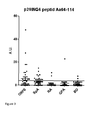
Figure 3 : The figure shows the arbitrary units of the antibodies binding to p29ING4 peptide aa94-114 in complex regional pain syndrome (CRPS, n=46), spondyloarthritis (SpA, n=46), rheumatoid arthritis (RA, n=36), Granulomatosis with Polyangitis (GPA, n=40) and blood donors (BD, n=56). - In a first aspect, the present invention relates to a method for diagnosing the presence or the risk of development, or for the therapy control of an inflammatory disease involving joints including RA and Spa, in particular, of CRPS, preferably of CRPS1, in a subject comprising
- a. providing a biological sample from a subject, and
- b. analysing the sample for the presence of autoantibodies against an ING gene product, in particular, against p29ING4,
- That is, the present invention is based on the observation of present inventor that subjects afflicted with CRPS or having risk of developing CRPS as well as for therapeutic control of CRPS have autoantibodies against the ING gene product, in particular, p29ING4. The same holds true for subjects afflicted with other types of inflammatory diseases involving joint inflammation including RA and Spa.
- For example, in case of Spa including AS and undifferentiated spondyloarthritis, the method according to the present invention may be combined with the method as described in
WO2012/022459 including the detection of autoantibodies directed agains CD74 and/or IKBKB. - With respect to the term "autoantibody" or "autoantibodies" is meant an autoantibody that is directed against one or more of the subjects own proteins.
- As used herein, the term "ING gene product" refers to a peptide, e.g. the polypeptide or the protein, of the gene encoding an ING family member including the ING1a, ING1b, ING1c, ING2, ING3, ING4, and ING5 gene.
- P29ING4 is the gen product of the ING4 gene. The gene product is expressed by a variety of cells. The present inventors demonstrate that the gene product of ING genes, including P29ING4 represent entities to which autoantibodies can be found in subjects afflicted with CPRS or other types of inflammatory joint diseases including RA and Spa. Hence, determining the presence of autoantibodies against CRPS or other types of inflammatory diseases involving the joints including RA and Spa are indicative of the presence or the risk of development, or for the therapy control of CPRS or other types of inflammatory diseases involving the joints including RA and Spa in a subject. As demonstrated in the examples, determining autoantibodies against the gene product of ING genes, in particular, against P29ING4 allow to identify individuals suffering from CPRS or other types of inflammatory joint diseases including RA and Spa.
- In a preferred embodiment, the methods allow to determine CPRS I. In another advantageous embodiment, the presence of autoantibodies against p29ING4 is determined.
- The analysis and determination of the presence of autoantibodies against the ING gene product, in particular, against p29ING4 allows for the first time a high-sensitive diagnostics of CRPS and a classification of CRPS from other diseases and conditions having similar symptoms.
- The diagnostic method is particularly relevant for diagnosis in humans. The diagnosis may be relevant not only in case of detecting the presence of CRPS but also for assessing and diagnosing the risk of development of CRPS. This might be relevant for example in case of any type of scheduled surgery of hands and feet to be conducted in said individuals. For example, in case of a necessary surgery, the individual may be tested in advance for the risk of development CPRS based on the presence of autoantibodies against an ING gene product, in particular, against p29ING4 and in case of a positive result, prophylactic arrangements could be performed or the monitoring could be tightened.
- Moreover, detecting autoantibodies against an ING gene product, in particular, against p29ING4 can be used for treatment control in case of manifest CRPS or other types of inflammatory diseases involving joints including RA and Spa. That is, the presence of autoantibodies against an ING gene product, for example, against p29ING4, in particular, development of new autoantibodies and cells producing the same during therapy may be controlled accordingly.
- As used herein, the terms "individual", "patient" and "subject" are used interchangeably and refer to patients and subjects of humans or other mammals and include any individual it is desired to examine or treat using the methods of the present invention. However, it will be understood that "patient" does not imply that symptoms are present.
- The term "biological sample" as used herein refers to a sample obtained before from the subject that may be extracted, untreated, treated, isolated or concentrated therefrom. Of note, the method according to the present invention does not include the step of taking the sample from the subject. Rather, the sample is an isolated sample which may be processed further. Suitably, the biological sample is selected from any part of the patient's body, including, but not limited to hair, skin, nails, tissues or body fluids, such as saliva, synovia and blood as well as liquor.
- Throughout the specification, unless the context requires otherwise, the word "comprise" will be understood to imply the inclusion of a stated step or element or group of steps or elements but not the exclusion of any other step or element or groups of steps of elements.
- Further, the term "comprise" or "comprising" as well as "obtain" or "obtaining" include the embodiment of "consist" or "consisting of".
- With the term "obtained from" is meant that a sample such as for example, serum is isolated from or derived from a particular source of the subject including obtaining the same physically from the subject. Typically, the biological sample is obtained in advance and the method according to the present invention includes the use of said isolated biological sample previously isolated from the subject to be tested and physically determining the presence or absence of the autoantibodies as described herein.
- As used herein, the terms "a", "an" and "the" mean "one or more" are used in this application, including the claims, unless otherwise indicated.
- Unless defined otherwise, all technical and scientific terms used herein have the same meaning as commonly understood to one of the ordinary skilled in the art to which the present disclosed subject matter belongs.
- The terms "diagnosing" and "diagnosis" as used herein refers to methods by which a skilled artisan can estimate and even determine whether or not a subject suffering from a given disease, disorder or condition. The skilled artisan makes the diagnosis on the basis of one or more diagnostic indicators, namely autoantibodies, the amount (including presence or absence) of which is indicator for the presence, severity, or absence of the condition.
- Hence, "making a diagnosis" or "diagnosing", as used herein, may further include making a prognosis which can provide for predicting a clinical outcome, selecting an appropriate treatment, or monitoring a current treatment and potentially change in the treatment based on the measure of a diagnostic autoantibody.
- The term "determining" or "analyzing" as used herein refers to assessing the presence, absence, quantity, level or amount of the respective autoantibodies within the subject derived sample, including qualitative or quantitative concentration levels of said substances otherwise evaluating the values or categorization of a subject clinical parameter. In particular, said terms include the physical detection or analysis, respectively. It has been determined by the inventors that autoantibodies against an ING gene product, in particular, against p29ING4 can be correlated with the presence or the risk of developing CRPS, in particular, CRPS I, or other types of inflammatory diseases involving joints including RA and Spa.
- In addition, in some embodiments of the presently disclosed subject matter, multiple determinations of autoantibodies over time can be made to facilitate diagnosis and/or prognosis.
- As identified above, it is preferred that the isolated biological sample is selected from blood, tissue or fluid preferably selected from hair, skin, nails, saliva, synovial, liquor and blood. It is particularly preferred, that the biological sample is an isolated body fluid, preferably blood, in particular, serum.
- Typically, the methods according to the present invention are in vitro methods.
- The methods according to the present invention allow the diagnosis of the presence or risk of development of CRPS or other types of inflammatory joint diseases including RA and Spa, as stated above. Moreover, the method according to the present invention allows for the stratification of the therapeutic regimen of a subject afflicted with CRPS or other types of inflammatory joint diseases including RA and Spa, or being at risk of developing CRPS or other types of inflammatory joint diseases including RA and Spa. Moreover, the methods according to the present invention allows to identify the stratification of the disease, in particular, the activity of the disease and the subject afflicted with CRPS or other types of inflammatory joint diseases including RA and Spa.
- The skilled person is well aware of useful immunodetection methods allowing analyzing the sample for the presence or absence of autoantibodies against an ING gene product, in particular, against p29ING4. For example, the biological sample obtained from the subject is contacted with an antigen, namely an ING gene product, e.g. with a p29ING4 oligo-, polypeptide or protein representing the autoantibody immunoreactive peptide, thus, allowing binding of the autoantibody to said peptide. In this connection, the terms polypeptide or protein which are used interchangeably herein, refer to a polymer of amino acids having a length of at least 50 aa. The term "oligopeptide" refers to a polymer of amino acids having a length of from 5 to 49 aa.
- Contacting the chosen biological sample of the antigen under conditions effective and for a period of time sufficient to allow the formation of immune complexes, is generally a matter of adding the composition to the sample and incubating the mixture for a period of time along enough for the autoantibodies to form immune complexes with the antigens presented. Said antigen antibody mixture can be detected by known means and methods. That is, detection of immunocomplex formation of antigen autoantibody can be achieved through the application of numerous approaches. These methods are generally based upon the detection of a label or marker, such as any radioactive, fluorescent, biological or enzymatic tags or labels of standard use in the art. Of course, one may find additional advantages through the use of a secondary binding ligand such as a second antibody or a biotine/avidine (streptavidine) ligand binding arrangement as it is known in the art.
- In some embodiments, the primary immune complex can be detected by a second binding ligand that has binding affinity for the antigen or the autoantibody presented in the sample, for example reactivity to the Fc region of the autoantibodies or having reactivity to a region of the antigen different to the binding region of the autoantibody. In these cases, the second binding ligand can be linked to a detectable label or marker molecule. The second binding ligand is itself often an antibody which may thus be termed a secondary antibody. Typically, the primary immune complexes are contacted with the labelled, secondary binding ligand or antibody, under conditions effective and for a period of time sufficient to allow the formation of secondary immune complexes. The secondary immune complexes are then generally washed to remove of any unbound labelled secondary antibodies or ligands, and the remaining label in the secondary immune complex is then detected.
- The second binding ligand, such as an antibody, having binding activity for either the antigen or autoantibody, may also be used to bind to the primary immune complexes. The second binding ligand contains an enzyme capable of processing a substrate detectable to a product and, hence, amplify a signal over time. After washing, the secondary immune complexes are contacted with substrate, permitting detection.
- Alternatively, comparative immunodetection may be used. The skilled person is well aware of suitable methods.
- It is particularly preferred that the biological sample is a body fluid, preferably blood. In particular, the biological sample is serum of the subject to be diagnosed.
- Further, in another embodiment, the methods according to the present invention allows for the stratification of the therapeutic regimen of a subject afflicted with CRPS, or being at risk of developing CRPS. That is, the present invention allows to identify the status of disease, in particular, the active state of the disease in a subject afflicted with CRPS.
- The autoantibodies to be detected may be of the IgA and/or IgG type. That is, it is possible to determine the presence of IgA and/or IgG autoantibodies in the biological sample obtained from the subject. Although it is sufficient to detect only one type of antibodies, either IgA or IgG autoantibodies, it is preferred that both IgA and IgG autoantibodies against an ING gene product, in particular, against p29ING4 are detected.
- In a particular preferred embodiment, the subject is a human and the autoantibodies are human autoantibodies.
- In a further embodiment, the presently disclosed subject matter provides test kits or diagnostic kits for the use in a method according to the present invention. In particular, immunological kits for use in detecting autoantibodies in biological samples allowing diagnosis of CRPS, like CRPS I, or other types of inflammatory diseases involving joints including RA and Spa. That is, the present invention provides a test kit for use in a method according to the present invention for diagnosing the presence or the risk of a development as well as for the therapy control of CRPS or other types of inflammatory diseases involving joints including RA and Spa, in a subject comprising means or determining autoantibodies against an ING gene product, in particular, against p29ING4 in a biological sample of a subject to be tested and instructions on how to use the test kit. In a preferred embodiment, said test kit is an ELISA.
- Such kits can generally comprise one or more antigens, namely, oligo- or polypeptides of the ING gene product, in particular of p29ING4 that can immunoreact with the autoantibodies. Typically, the immunodetection kits will comprise in suitable container(s), one or more autoantibody immunoreactive peptide antigens derived from the ING gene product, in particular, from p29ING4. Said antigens useful in the presently claimed methods and test kits may be the full ING gene product, in particular, the p29ING4 protein or immune reactive peptides derived therefrom.
- For example, the immune reactive peptide is at least one peptide selected from a peptide of Seq. ID. No. 1, Seq. ID. No.2, Seq. ID. No.3, Seq.ID.No.4, and Seq.ID.No.5. It is preferred that an immune reactive peptide comprising the peptide of Seq. ID. No. 1 is used. In case of CRPS, it is also favourable to use an immune reactive peptide comprising the sequence of Seq. ID. No. 5.
- In certain embodiments, the antigen can be provided bound to a solid support, such as for example a column matrix or a well of a microtiter plate, a membrane, beads, dip sticks or the like. Alternatively, the support can be provided as a separate element of the kit.
- That is, the test kit according to the present invention for diagnosing CRPS or other types of inflammatory joint diseases including RA and Spa, includes beside the antigen a detection agent for the autoantibodies which may be an antibody, antibody fragment, etc. In addition, the kit may comprise more than one detection agent. If required, the kit further comprises substrate and further means for allowing reaction with an enzyme used as label for the detecting agent which may be an antibody.
- The immunodetection agents of the kit can include detectable labels that are associated with or linked to the given detecting agent, in particular, the detecting antibody. Detectable labels that are associated with or attached to a secondary binding ligand are also contemplated. Detectable labels include dyes, illuminescent or fluorescent molecules, biotine, radiolabels or enzymes. Typical examples for suitable labels include commonly known fluorescent molecules, like rhodamine, fluorescein, green fluorescent protein or luciferase, or alkaline phosphatase and horseradish peroxidase as examples for suitable enzymes.
- Optionally, the kits further comprise positive and negative controls for verifying the results obtained when using the kit. The components of the kits can be packaged either in aqueous medium or lyophilised form and, in addition, the kits comprise one or more containers allowing to conduct the detection. In addition, the test kit comprises instructions for use of the kit.
- Moreover, the present invention relates to the use of an ING gene product, in particular, of p29ING4, immune reactive sequences or analogs thereof in the diagnosis, risk assessment or therapy control of CRPS or other types of inflammatory diseases involving joints including RA and Spa.
- In this connection, the term "immune reactive peptides" refers to peptide fragments of an ING gene product, in particular, of p29ING4 enabling binding with the autoantibodies derived from the subject.
- Finally, the present invention relates to the use of peptides derived from an ING gene product, in particular, from p29ING4 including immune reactive peptides in diagnostics and/or treatment of CRPS or other types of inflammatory joint diseases involving joints including RA and Spa. That is, the use of ING gene product peptides, in particular, of p29ING4 peptides including the immune reactive peptides of said molecules in the treatment of the disease identified herein allow to induce tolerance, thus, being useful in prophylaxis and therapy of CRPS. For example, the ING gene product, like p29ING4, immune reactive peptides thereof as well as analogs thereof may be used for systemic or local therapy of diseases, disorders or conditions which are associated with an immunoreaction against said compounds. The administration thereof may be effected orally, parenterally or via mucosal membranes. Alternatively, the ING gene product autoantigen, in particular, the p29ING4 autoantigen may be used to eliminate autoantibodies extracorporeally from the subject in need thereof.
- Alternatively, miRNA may be used as a medicament, e.g. hsa-miR-650. Of course, hsa-miR-650 may be used in diagnosis as well. That is, an increased miR-650 is indicative for the the presence or the risk of development, or for the therapy control of the complex regional pain syndrome (CRPS) or other types of inflammatory diseases involving joints, preferably of CRPS1
- Hence, the present invention provides pharmaceutical compositions containing ING gene product molecules, in particular, p29ING4 molecules including immune reactive peptides for use in the prophylaxis and treatment of the diseases identified herein as well as in diseases, disorders or conditions associated with an immune reaction against these compounds. The pharmaceutical composition may be provided in a suitable form. The skilled person is well aware of useful forms, dosages etc.
- The following example has been included to illustrate most of the present disclosed subject matter. In the light of the present disclosure and the general level of the skilled in the art, those of skill will appreciate that the following sample are intended to be exemplary only in the numerous changes, alterations can be employed without departing from the scope of the present disclosed subject matter.
- 70 sera of patients having different types of different inflammatory and rheumatic diseases were screened via protein microarray technology. A new marker of CRPS has been identified which has been evaluated further for its frequency and association accordingly.
- In protein array screening, 4 of 6 patients with CRPS showed antibodies against p29ING4, 1/6 antibodies against p29ING4 and p27ING3 and 1/6 against p28ING5.
- In ELISA, an evaluation was effected with sera of 46 patients with CRPS, 32 blood donors, 46 patients with spondyloarthritis (SpA), 40 patients with granulomatosis with polyangitis (GPA) and 36 having rheumatoid arthritis (RA). The patients have been well characterized with regard to the disease activity, demographic data and treatment. The sera of the patients of the controls had been stored in a -20°C freezer until use.
- For each of the following ELISAs we tested different conditions and each component including the plates, blocking solutions and coating solutions was tested for unspecificity.
- In this ELISA, a recombinant full length protein of was used as the antigen. Its purity was >90% by SDS-PAGE and it was derived in an Escherichia coli host expression system (Source Biosciences Lifesciences, UK). For performing the ELISA tests, 96 well plates (Maxisorb, Nunc, Denmark) were coated with 1 µg human per well and phosphate saline buffer (PBS) over night. Then the plates were blocked with 300µl PBS and 1% fat reduced milk powder (Saliter, Obergünzburg, Germany) per well for 30 minutes at room temperature (RT). The plates were incubated with 100 µl diluted sera (1:100) in Tris-phophate buffer (TBS) with 1% fat reduced milk powder for 30 minutes at RT. After 30 minutes of incubation, the plates were washed 3 times with 300 µl 0.05% Tween-20 PBS (PBS-T) (Thermo Fisher Scientific, DK). Next, 100 µl of a secondary goat anti-human IgG (Fcy fragment specific) labelled with horse radish peroxidase (HRP) (Jackson ImmunoResearch Europe Ltd.) was added in a dilution of 2:10000 or 2 µl in 10 ml PBS with 1% fat reduced milk powder. Instead of secondary goat anti-human IgG (Fcy fragment specific) labelled with HRP (Jackson ImmunoResearch Europe Ltd.), a secondary goat anti-human IgA labelled with HRP was added in a dilution of 3:10000 or 3µl in 10ml PBS with 1% fat reduced milk powder for the detection of IgA autoantibodies. The plates were incubated for 30 min at room temperature and washed 3 times with PBS-T. The color reaction was performed with TMB (Thermo Fisher Scientific, DK) for up to 30 min according to the manufacturer's instructions and the ODs were read at 450 nm in an ELISA reader. As a standard a serum of a patient with a high OD was used. The concentration of IgG antibodies against in this serum was defined as 100 U/ml.
- We used the following peptides (Biomatik, Wilmington, Delaware, USA):
- Amino acid sequence
- (Aa)1-23 MAAGMYLEHYLDSIENLPFELQR (Seq. ID. No.1)
- Aa24-44 FQLMRDLDQRTEDLKAEIDK (Seq. ID. No.2)
- Aa45-72 LATEYMSSARSLSSEEKLALLKQIQEAYG (Seq. ID. No.3)
- Aa71-93 AYGKCKEFGDDKVQLAMQTYEMV (Seq. ID. No.4)
- Aa94-114 DKHIRRLDTDLARFEADLKEK (Seq. ID. No.5)
- For performing the ELISA tests, 96 well plates (Maxisorb, Nunc, Denmark) were coated with 1 µg human synthetic peptide of p29ING4 per well and phosphate saline buffer (PBS) over night. Then the plates were blocked with 300µl PBS and 0.2% casein (Thermo Fisher Scientific, DK) per well for 30 minutes at room temperature (RT). The plates were incubated with 100 µl diluted sera (1:100) in PBS 0.2% Casein for 30 minutes at RT. After 30 minutes of incubation, the plates were washed 3 times with 300 µl 0.05% Tween-20 PBS (PBS-T) (Thermo Fisher Scientific, DK). Next, 100 µl of a secondary peroxidase-goat anti-human IgG Fcy specific labelled with horse radish peroxidase (HRP) (Jackson ImmunoResearch Europe Ltd.) was added in a dilution of 2:10000 or 2 µl in 10 ml 1% casein PBS. The plates were incubated for 30 min at room temperature and washed 3 times with PBS-T. The color reaction was performed with TMB (Thermo Fisher Scientific, DK) for up to 30 min according to the manufacturer's instructions and the ODs were read at 450 nm in an ELISA reader. As a standard a serum of a patient with a high OD was used. The concentration of IgG antibodies against each peptide in this serum was defined as 100 U/ml.
- The cut offs (CO) of the ELISAs were chosen by receiver operating characteristic (ROC) curve analysis. We defined patients with CRPS as the fraction of true positives out of the positives (True positive rate, TPR) and healthy donors as the fraction of the false positives out of the negatives (False positive rate, FPR). Each ELISA was performed with 8 negative blood donors.
- Using full recombinant protein of the inhibitor of growth protein 4 (p29ING4) , the frequency of anti-IgG autoantibodies against p29ING4 was 15/46 (33%) in patients with CRPS, 14/46 (30%) in patients with SpA, 8/36 (22%) in patients with RA, 3/40 (8%) in patients with GPA, and 1/56(1%) in healthy donors.
- The frequency of anti-IgA autoantibodies against p29ING4 was 18/46 (39%) in patients with CRPS, 12/46 (26%) in patients with SpA, 10/36 (28%) in patients with RA, 2/40 (3%) in patients with GPA, 4/56 (7%) in healthy donors. By combining both ELISAs, the frequency of autoantibodies against p29ING4 was 27/46 (59%) in patients with CRPS, 19/46 (40%) in patients with SpA, 14/36 (39%) in patients with RA, 3/40 (8%) in patients with GPA, and 4/56 (7%) in healthy donors.
- By exclusion of patients with inflammatory back pain or polyarthritis, the specificity for CRPS within the groups of inflammatory joint diseases and febrile diseases increased to 100% and the sensitivity did not change.
- By exclusion of patients with incidental trauma or inflammatory back pain and HLA-B27, the specificity for RA within the groups of inflammatory joint diseases and febrile diseases increased to 100% and the sensitivity did not change.
- By exclusion of patients with polyarthritis and rheumatoid factors or anti-citrullinated antibodies, the specificity for RA within the groups of inflammatory joint diseases increased to 100% and the sensitivity decreased to 7/36 (19%) for IgG antibodies, 9/36 (25%) for IgA and 12/36 (33%) for IgA or IgG antibodies.
- By using the detection of IgG antibodies against the peptide A1-23 of p29ING4, we could detect a similar percentage of patients as for the combined use of IgA and IgG antibodies against p29ING4. Since different patients with CRPS were analysed the sensitivity increased to 36/46 (78%) for CRPS. A similar effect could be observed for RA and SpA.
- Aa1-23 peptide has a high similarity to ING1, 3 and 5, e.g peptide of p28ING5 MATAMYLEHYLDSIENLPCELQR (Seq. ID. No. 6), or, p27ING3 LYLEDYLEMIEQLPMDL (Seq. ID. No. 7).
- We detected antibodies against ING5 in 1/5 patients with CRPS by protein array screening. Therefore, CRPS or other inflammatory joint diseases might target other ING proteins as well and using these proteins as antigens might increase the sensitivity for CRPS and other inflammatory joint diseases.


Claims (15)
- A method for diagnosing the presence or the risk of development, or for the therapy control of the complex regional pain syndrome (CRPS) or other types of inflammatory diseases involving joints, preferably of CRPS1, in a subject comprisinga. obtaining from the subject a biological sample, andb. analysing the sample for the presence of autoantibodies against anwhereby the presence of autoantibodies against the ING gene product, in particular against p29ING4 is indicative of the presence or the risk of development, or for the therapy control of CRPS or other types of inflammatory diseases involving joints.
ING gene product, in particular, against p29ING4, - The method according to claim 1, characterized in that IgA and/or IgG autoantibodies are detected.
- The method according to any one of the preceding claims, characterized in that the subject is a human and the autoantibodies are human autoantibodies.
- The method according to any one of the preceding claims, characterized in that detection is performed using an immunoassay, preferably with direct or indirect coupling of one reactant to a detectable marker substance.
- The method according to claim 4, characterized in that the detection is carried out using an ELISA, RIA, multiplex immunoassay or immunofluorescence assay, western blot, line assay, dot blot assay.
- The method according to any one of the preceding claims wherein the biological sample is an isolated sample selected from blood, tissue or fluid preferably selected from hair, skin, nails, saliva, synovia, liquor and blood.
- The method according to claim 6 wherein the biological sample is a body fluid, preferably blood, in particular, serum.
- The method according to any one of the preceding claims being an in vitro method.
- The method according to any one of the preceding claims allowing differentiation between CRPS and other types of diseases, in particular, arthrosis, or non-inflammatory diseases.
- The method according to any one of the preceding claims for the stratification of the therapeutic regimen of a subject afflicted with CRPS or other types of inflammatory diseases involving joints, or being at risk of developing CRPS or other types of inflammatory diseases involving joints.
- The method according to any one of the preceding claims for identifying the status of disease, in particular, the activity of the disease in a subject afflicted CRPS or other types of inflammatory diseases involving joints.
- A diagnostic kit for use in a method according to any one of claims 1 to 11 for diagnosing the presence or the risk of a development as well as for therapy control of CRPS or other types of inflammatory diseases involving joints in a subject comprising means of determining autantibodies against an ING gene product, in particular, against p29ING4 in a biological sample of a subject to be tested and instructions on how to use said test kit.
- The test kit for use according to claim 12 which is an ELISA, RIA, multiplex immunoassay, immunoblot or dot blot.
- A use of an ING gene product, in particular, of p29ING4, or the immune reactive peptides thereof, in particular, a peptide including the amino acid sequence according to any one of Seq. ID. No. 1, 2, 3, 4, 5, 6, or 7 in the diagnosis, risk assessment or therapy control of CRPS or developing CRPS or other types of inflammatory diseases involving joints, in particular, in subjects undergoing surgery.
- Pharmaceutical composition containing an ING gene product, in particular, p29ING4 or compounds including the immune reactive peptides thereof for use in the diagnostics and/or treatment of CRPS or other types of inflammatory diseases involving joints.
Priority Applications (2)
| Application Number | Priority Date | Filing Date | Title |
|---|---|---|---|
| EP13172634.1A EP2816354B1 (en) | 2013-06-19 | 2013-06-19 | Biomarker for complex regional pain syndrome (CRPS) |
| PCT/EP2014/062919 WO2014202707A1 (en) | 2013-06-19 | 2014-06-19 | Biomarker for complex regional pain syndrome (crps) |
Applications Claiming Priority (1)
| Application Number | Priority Date | Filing Date | Title |
|---|---|---|---|
| EP13172634.1A EP2816354B1 (en) | 2013-06-19 | 2013-06-19 | Biomarker for complex regional pain syndrome (CRPS) |
Publications (2)
| Publication Number | Publication Date |
|---|---|
| EP2816354A1 true EP2816354A1 (en) | 2014-12-24 |
| EP2816354B1 EP2816354B1 (en) | 2016-09-28 |
Family
ID=48628384
Family Applications (1)
| Application Number | Title | Priority Date | Filing Date |
|---|---|---|---|
| EP13172634.1A Not-in-force EP2816354B1 (en) | 2013-06-19 | 2013-06-19 | Biomarker for complex regional pain syndrome (CRPS) |
Country Status (2)
| Country | Link |
|---|---|
| EP (1) | EP2816354B1 (en) |
| WO (1) | WO2014202707A1 (en) |
Cited By (1)
| Publication number | Priority date | Publication date | Assignee | Title |
|---|---|---|---|---|
| WO2018190365A1 (en) * | 2017-04-12 | 2018-10-18 | 国立大学法人九州大学 | Neuropathic pain marker and use thereof |
Citations (3)
| Publication number | Priority date | Publication date | Assignee | Title |
|---|---|---|---|---|
| US20050097626A1 (en) * | 2002-01-23 | 2005-05-05 | Harris Curtis C. | Tumor suppressor gene, p28ing5 |
| EP2199305A1 (en) * | 2008-12-18 | 2010-06-23 | Max-Delbrück-Centrum | Peptides against autoantibodies associated with CRPS and use of these peptides |
| WO2012022459A1 (en) | 2010-08-16 | 2012-02-23 | Medizinische Hochschule Hannover | Methods and means for diagnosing spondylarthritis using autoantibody markers |
-
2013
- 2013-06-19 EP EP13172634.1A patent/EP2816354B1/en not_active Not-in-force
-
2014
- 2014-06-19 WO PCT/EP2014/062919 patent/WO2014202707A1/en not_active Ceased
Patent Citations (4)
| Publication number | Priority date | Publication date | Assignee | Title |
|---|---|---|---|---|
| US20050097626A1 (en) * | 2002-01-23 | 2005-05-05 | Harris Curtis C. | Tumor suppressor gene, p28ing5 |
| EP2199305A1 (en) * | 2008-12-18 | 2010-06-23 | Max-Delbrück-Centrum | Peptides against autoantibodies associated with CRPS and use of these peptides |
| WO2010069570A2 (en) | 2008-12-18 | 2010-06-24 | Max-Delbrück-Centrum für Molekulare Medizin | Peptides against autoantibodies associated with crps and use of these peptides |
| WO2012022459A1 (en) | 2010-08-16 | 2012-02-23 | Medizinische Hochschule Hannover | Methods and means for diagnosing spondylarthritis using autoantibody markers |
Non-Patent Citations (5)
| Title |
|---|
| GUNDUZ, E. ET AL., J. HARD TISSUE BIOLOGY, vol. 17, no. 1, 2008, pages 1 - 10 |
| HARDEN, R.N. ET AL., PAIN MED., 2013 |
| KOHR D ET AL: "Autoantibodies in complex regional pain syndrome bind to a differentiation-dependent neuronal surface autoantigen", PAIN, ELSEVIER SCIENCE PUBLISHERS, AMSTERDAM, NL, vol. 143, no. 3, 1 June 2009 (2009-06-01), pages 246 - 251, XP026851890, ISSN: 0304-3959, [retrieved on 20090416] * |
| KOHR D. ET AL., PAIN, vol. 152, 2011, pages 2690 - 2700 |
| ORLOVA IA. ET AL., JOURNAL OF TRANSLATIONAL MEDICINE, vol. 9, 2011, pages 195 |
Cited By (2)
| Publication number | Priority date | Publication date | Assignee | Title |
|---|---|---|---|---|
| WO2018190365A1 (en) * | 2017-04-12 | 2018-10-18 | 国立大学法人九州大学 | Neuropathic pain marker and use thereof |
| JPWO2018190365A1 (en) * | 2017-04-12 | 2020-05-14 | 国立大学法人九州大学 | Neuropathic pain markers and their use |
Also Published As
| Publication number | Publication date |
|---|---|
| EP2816354B1 (en) | 2016-09-28 |
| WO2014202707A1 (en) | 2014-12-24 |
Similar Documents
| Publication | Publication Date | Title |
|---|---|---|
| US11199549B2 (en) | MEl'hods and means for diagnosing spondylarthritis using autoantibody markers | |
| US7972796B2 (en) | Methods for diagnosis of encephalitis | |
| JPWO2008120684A1 (en) | Prognosis determination method for acute central nervous system disorder | |
| JP2017133831A (en) | Colorectal cancer metastasis detection method | |
| JP5934183B2 (en) | Compositions and methods for characterizing myopathy | |
| KR20150036102A (en) | Bag3 as biochemical serum and tissue marker | |
| JP6609570B2 (en) | Methods and biomarkers for detecting cancer | |
| US9915667B2 (en) | Methods and means for diagnosing vasculitis | |
| NO20161585A1 (en) | Improved immunoassay methods | |
| JP2022130598A (en) | How to diagnose cancer from blood | |
| EP2816354B1 (en) | Biomarker for complex regional pain syndrome (CRPS) | |
| JP7006926B2 (en) | Diagnostic method, diagnostic marker and diagnostic kit for Takayasu's arteritis | |
| JP7620324B2 (en) | Method for diagnosing inflammatory bowel disease, diagnostic probe, and diagnostic kit | |
| EP2791686B1 (en) | Tenascin-c and use thereof in rheumatoid arthritis | |
| CN107484423A (en) | The method of rheumatoid arthritis is assessed by measuring anti-CCP and anti-PIK3CD | |
| JP7619556B2 (en) | Body fluid antibody biomarkers for detecting arterial lesions and for detecting cerebrovascular disease, diabetes, chronic kidney disease, or solid cancer | |
| JP6672168B2 (en) | Methods and biomarkers for detecting sarcoma metastases | |
| HK40114577A (en) | A protein antigen composition for detecting aortic dissection and its application | |
| HK1203232B (en) | Tenascin-c and use thereof in rheumatoid arthritis | |
| LIESENBORGS et al. | Antibodies against three novel peptides in early axial spondyloarthritis patients from two independent cohorts |
Legal Events
| Date | Code | Title | Description |
|---|---|---|---|
| PUAI | Public reference made under article 153(3) epc to a published international application that has entered the european phase |
Free format text: ORIGINAL CODE: 0009012 |
|
| 17P | Request for examination filed |
Effective date: 20130619 |
|
| AK | Designated contracting states |
Kind code of ref document: A1 Designated state(s): AL AT BE BG CH CY CZ DE DK EE ES FI FR GB GR HR HU IE IS IT LI LT LU LV MC MK MT NL NO PL PT RO RS SE SI SK SM TR |
|
| AX | Request for extension of the european patent |
Extension state: BA ME |
|
| R17P | Request for examination filed (corrected) |
Effective date: 20150623 |
|
| RBV | Designated contracting states (corrected) |
Designated state(s): AL AT BE BG CH CY CZ DE DK EE ES FI FR GB GR HR HU IE IS IT LI LT LU LV MC MK MT NL NO PL PT RO RS SE SI SK SM TR |
|
| 17Q | First examination report despatched |
Effective date: 20150730 |
|
| GRAP | Despatch of communication of intention to grant a patent |
Free format text: ORIGINAL CODE: EPIDOSNIGR1 |
|
| INTG | Intention to grant announced |
Effective date: 20160418 |
|
| GRAS | Grant fee paid |
Free format text: ORIGINAL CODE: EPIDOSNIGR3 |
|
| GRAA | (expected) grant |
Free format text: ORIGINAL CODE: 0009210 |
|
| AK | Designated contracting states |
Kind code of ref document: B1 Designated state(s): AL AT BE BG CH CY CZ DE DK EE ES FI FR GB GR HR HU IE IS IT LI LT LU LV MC MK MT NL NO PL PT RO RS SE SI SK SM TR |
|
| REG | Reference to a national code |
Ref country code: GB Ref legal event code: FG4D |
|
| REG | Reference to a national code |
Ref country code: CH Ref legal event code: EP |
|
| REG | Reference to a national code |
Ref country code: AT Ref legal event code: REF Ref document number: 833206 Country of ref document: AT Kind code of ref document: T Effective date: 20161015 |
|
| REG | Reference to a national code |
Ref country code: IE Ref legal event code: FG4D |
|
| REG | Reference to a national code |
Ref country code: DE Ref legal event code: R096 Ref document number: 602013012088 Country of ref document: DE |
|
| REG | Reference to a national code |
Ref country code: CH Ref legal event code: NV Representative=s name: BRAUNPAT BRAUN EDER AG, CH |
|
| REG | Reference to a national code |
Ref country code: LT Ref legal event code: MG4D |
|
| PG25 | Lapsed in a contracting state [announced via postgrant information from national office to epo] |
Ref country code: LT Free format text: LAPSE BECAUSE OF FAILURE TO SUBMIT A TRANSLATION OF THE DESCRIPTION OR TO PAY THE FEE WITHIN THE PRESCRIBED TIME-LIMIT Effective date: 20160928 Ref country code: RS Free format text: LAPSE BECAUSE OF FAILURE TO SUBMIT A TRANSLATION OF THE DESCRIPTION OR TO PAY THE FEE WITHIN THE PRESCRIBED TIME-LIMIT Effective date: 20160928 Ref country code: NO Free format text: LAPSE BECAUSE OF FAILURE TO SUBMIT A TRANSLATION OF THE DESCRIPTION OR TO PAY THE FEE WITHIN THE PRESCRIBED TIME-LIMIT Effective date: 20161228 Ref country code: FI Free format text: LAPSE BECAUSE OF FAILURE TO SUBMIT A TRANSLATION OF THE DESCRIPTION OR TO PAY THE FEE WITHIN THE PRESCRIBED TIME-LIMIT Effective date: 20160928 Ref country code: HR Free format text: LAPSE BECAUSE OF FAILURE TO SUBMIT A TRANSLATION OF THE DESCRIPTION OR TO PAY THE FEE WITHIN THE PRESCRIBED TIME-LIMIT Effective date: 20160928 |
|
| REG | Reference to a national code |
Ref country code: NL Ref legal event code: MP Effective date: 20160928 |
|
| REG | Reference to a national code |
Ref country code: AT Ref legal event code: MK05 Ref document number: 833206 Country of ref document: AT Kind code of ref document: T Effective date: 20160928 |
|
| PG25 | Lapsed in a contracting state [announced via postgrant information from national office to epo] |
Ref country code: LV Free format text: LAPSE BECAUSE OF FAILURE TO SUBMIT A TRANSLATION OF THE DESCRIPTION OR TO PAY THE FEE WITHIN THE PRESCRIBED TIME-LIMIT Effective date: 20160928 Ref country code: NL Free format text: LAPSE BECAUSE OF FAILURE TO SUBMIT A TRANSLATION OF THE DESCRIPTION OR TO PAY THE FEE WITHIN THE PRESCRIBED TIME-LIMIT Effective date: 20160928 Ref country code: GR Free format text: LAPSE BECAUSE OF FAILURE TO SUBMIT A TRANSLATION OF THE DESCRIPTION OR TO PAY THE FEE WITHIN THE PRESCRIBED TIME-LIMIT Effective date: 20161229 Ref country code: SE Free format text: LAPSE BECAUSE OF FAILURE TO SUBMIT A TRANSLATION OF THE DESCRIPTION OR TO PAY THE FEE WITHIN THE PRESCRIBED TIME-LIMIT Effective date: 20160928 |
|
| PG25 | Lapsed in a contracting state [announced via postgrant information from national office to epo] |
Ref country code: EE Free format text: LAPSE BECAUSE OF FAILURE TO SUBMIT A TRANSLATION OF THE DESCRIPTION OR TO PAY THE FEE WITHIN THE PRESCRIBED TIME-LIMIT Effective date: 20160928 Ref country code: RO Free format text: LAPSE BECAUSE OF FAILURE TO SUBMIT A TRANSLATION OF THE DESCRIPTION OR TO PAY THE FEE WITHIN THE PRESCRIBED TIME-LIMIT Effective date: 20160928 |
|
| PG25 | Lapsed in a contracting state [announced via postgrant information from national office to epo] |
Ref country code: PT Free format text: LAPSE BECAUSE OF FAILURE TO SUBMIT A TRANSLATION OF THE DESCRIPTION OR TO PAY THE FEE WITHIN THE PRESCRIBED TIME-LIMIT Effective date: 20170130 Ref country code: SK Free format text: LAPSE BECAUSE OF FAILURE TO SUBMIT A TRANSLATION OF THE DESCRIPTION OR TO PAY THE FEE WITHIN THE PRESCRIBED TIME-LIMIT Effective date: 20160928 Ref country code: AT Free format text: LAPSE BECAUSE OF FAILURE TO SUBMIT A TRANSLATION OF THE DESCRIPTION OR TO PAY THE FEE WITHIN THE PRESCRIBED TIME-LIMIT Effective date: 20160928 Ref country code: CZ Free format text: LAPSE BECAUSE OF FAILURE TO SUBMIT A TRANSLATION OF THE DESCRIPTION OR TO PAY THE FEE WITHIN THE PRESCRIBED TIME-LIMIT Effective date: 20160928 Ref country code: BE Free format text: LAPSE BECAUSE OF FAILURE TO SUBMIT A TRANSLATION OF THE DESCRIPTION OR TO PAY THE FEE WITHIN THE PRESCRIBED TIME-LIMIT Effective date: 20160928 Ref country code: IS Free format text: LAPSE BECAUSE OF FAILURE TO SUBMIT A TRANSLATION OF THE DESCRIPTION OR TO PAY THE FEE WITHIN THE PRESCRIBED TIME-LIMIT Effective date: 20170128 Ref country code: SM Free format text: LAPSE BECAUSE OF FAILURE TO SUBMIT A TRANSLATION OF THE DESCRIPTION OR TO PAY THE FEE WITHIN THE PRESCRIBED TIME-LIMIT Effective date: 20160928 Ref country code: ES Free format text: LAPSE BECAUSE OF FAILURE TO SUBMIT A TRANSLATION OF THE DESCRIPTION OR TO PAY THE FEE WITHIN THE PRESCRIBED TIME-LIMIT Effective date: 20160928 Ref country code: PL Free format text: LAPSE BECAUSE OF FAILURE TO SUBMIT A TRANSLATION OF THE DESCRIPTION OR TO PAY THE FEE WITHIN THE PRESCRIBED TIME-LIMIT Effective date: 20160928 Ref country code: BG Free format text: LAPSE BECAUSE OF FAILURE TO SUBMIT A TRANSLATION OF THE DESCRIPTION OR TO PAY THE FEE WITHIN THE PRESCRIBED TIME-LIMIT Effective date: 20161228 |
|
| REG | Reference to a national code |
Ref country code: FR Ref legal event code: PLFP Year of fee payment: 5 |
|
| REG | Reference to a national code |
Ref country code: DE Ref legal event code: R097 Ref document number: 602013012088 Country of ref document: DE |
|
| PG25 | Lapsed in a contracting state [announced via postgrant information from national office to epo] |
Ref country code: IT Free format text: LAPSE BECAUSE OF FAILURE TO SUBMIT A TRANSLATION OF THE DESCRIPTION OR TO PAY THE FEE WITHIN THE PRESCRIBED TIME-LIMIT Effective date: 20160928 |
|
| PG25 | Lapsed in a contracting state [announced via postgrant information from national office to epo] |
Ref country code: DK Free format text: LAPSE BECAUSE OF FAILURE TO SUBMIT A TRANSLATION OF THE DESCRIPTION OR TO PAY THE FEE WITHIN THE PRESCRIBED TIME-LIMIT Effective date: 20160928 |
|
| PLBE | No opposition filed within time limit |
Free format text: ORIGINAL CODE: 0009261 |
|
| STAA | Information on the status of an ep patent application or granted ep patent |
Free format text: STATUS: NO OPPOSITION FILED WITHIN TIME LIMIT |
|
| 26N | No opposition filed |
Effective date: 20170629 |
|
| PG25 | Lapsed in a contracting state [announced via postgrant information from national office to epo] |
Ref country code: SI Free format text: LAPSE BECAUSE OF FAILURE TO SUBMIT A TRANSLATION OF THE DESCRIPTION OR TO PAY THE FEE WITHIN THE PRESCRIBED TIME-LIMIT Effective date: 20160928 |
|
| PG25 | Lapsed in a contracting state [announced via postgrant information from national office to epo] |
Ref country code: MC Free format text: LAPSE BECAUSE OF FAILURE TO SUBMIT A TRANSLATION OF THE DESCRIPTION OR TO PAY THE FEE WITHIN THE PRESCRIBED TIME-LIMIT Effective date: 20160928 |
|
| REG | Reference to a national code |
Ref country code: IE Ref legal event code: MM4A |
|
| PG25 | Lapsed in a contracting state [announced via postgrant information from national office to epo] |
Ref country code: LU Free format text: LAPSE BECAUSE OF NON-PAYMENT OF DUE FEES Effective date: 20170619 Ref country code: IE Free format text: LAPSE BECAUSE OF NON-PAYMENT OF DUE FEES Effective date: 20170619 |
|
| REG | Reference to a national code |
Ref country code: CH Ref legal event code: PCAR Free format text: NEW ADDRESS: HOLEESTRASSE 87, 4054 BASEL (CH) |
|
| REG | Reference to a national code |
Ref country code: FR Ref legal event code: PLFP Year of fee payment: 6 |
|
| PG25 | Lapsed in a contracting state [announced via postgrant information from national office to epo] |
Ref country code: MT Free format text: LAPSE BECAUSE OF NON-PAYMENT OF DUE FEES Effective date: 20170619 |
|
| PG25 | Lapsed in a contracting state [announced via postgrant information from national office to epo] |
Ref country code: AL Free format text: LAPSE BECAUSE OF FAILURE TO SUBMIT A TRANSLATION OF THE DESCRIPTION OR TO PAY THE FEE WITHIN THE PRESCRIBED TIME-LIMIT Effective date: 20160928 |
|
| PG25 | Lapsed in a contracting state [announced via postgrant information from national office to epo] |
Ref country code: HU Free format text: LAPSE BECAUSE OF FAILURE TO SUBMIT A TRANSLATION OF THE DESCRIPTION OR TO PAY THE FEE WITHIN THE PRESCRIBED TIME-LIMIT; INVALID AB INITIO Effective date: 20130619 |
|
| PG25 | Lapsed in a contracting state [announced via postgrant information from national office to epo] |
Ref country code: CY Free format text: LAPSE BECAUSE OF FAILURE TO SUBMIT A TRANSLATION OF THE DESCRIPTION OR TO PAY THE FEE WITHIN THE PRESCRIBED TIME-LIMIT Effective date: 20160928 |
|
| PG25 | Lapsed in a contracting state [announced via postgrant information from national office to epo] |
Ref country code: MK Free format text: LAPSE BECAUSE OF FAILURE TO SUBMIT A TRANSLATION OF THE DESCRIPTION OR TO PAY THE FEE WITHIN THE PRESCRIBED TIME-LIMIT Effective date: 20160928 |
|
| PG25 | Lapsed in a contracting state [announced via postgrant information from national office to epo] |
Ref country code: TR Free format text: LAPSE BECAUSE OF FAILURE TO SUBMIT A TRANSLATION OF THE DESCRIPTION OR TO PAY THE FEE WITHIN THE PRESCRIBED TIME-LIMIT Effective date: 20160928 |
|
| PGFP | Annual fee paid to national office [announced via postgrant information from national office to epo] |
Ref country code: DE Payment date: 20210624 Year of fee payment: 9 Ref country code: FR Payment date: 20210621 Year of fee payment: 9 |
|
| PGFP | Annual fee paid to national office [announced via postgrant information from national office to epo] |
Ref country code: GB Payment date: 20210623 Year of fee payment: 9 Ref country code: CH Payment date: 20210623 Year of fee payment: 9 |
|
| REG | Reference to a national code |
Ref country code: DE Ref legal event code: R119 Ref document number: 602013012088 Country of ref document: DE |
|
| REG | Reference to a national code |
Ref country code: CH Ref legal event code: PL |
|
| GBPC | Gb: european patent ceased through non-payment of renewal fee |
Effective date: 20220619 |
|
| PG25 | Lapsed in a contracting state [announced via postgrant information from national office to epo] |
Ref country code: LI Free format text: LAPSE BECAUSE OF NON-PAYMENT OF DUE FEES Effective date: 20220630 Ref country code: FR Free format text: LAPSE BECAUSE OF NON-PAYMENT OF DUE FEES Effective date: 20220630 Ref country code: CH Free format text: LAPSE BECAUSE OF NON-PAYMENT OF DUE FEES Effective date: 20220630 |
|
| PG25 | Lapsed in a contracting state [announced via postgrant information from national office to epo] |
Ref country code: GB Free format text: LAPSE BECAUSE OF NON-PAYMENT OF DUE FEES Effective date: 20220619 Ref country code: DE Free format text: LAPSE BECAUSE OF NON-PAYMENT OF DUE FEES Effective date: 20230103 |