EP2811023A1 - Vector simultaneously expressing dodecameric trail and hsv-tk suicide genes, and anticancer stem cell therapeutic agent using same - Google Patents
Vector simultaneously expressing dodecameric trail and hsv-tk suicide genes, and anticancer stem cell therapeutic agent using same Download PDFInfo
- Publication number
- EP2811023A1 EP2811023A1 EP13743799.2A EP13743799A EP2811023A1 EP 2811023 A1 EP2811023 A1 EP 2811023A1 EP 13743799 A EP13743799 A EP 13743799A EP 2811023 A1 EP2811023 A1 EP 2811023A1
- Authority
- EP
- European Patent Office
- Prior art keywords
- nucleotide sequence
- trail
- dna cassette
- hsv
- dodecameric
- Prior art date
- Legal status (The legal status is an assumption and is not a legal conclusion. Google has not performed a legal analysis and makes no representation as to the accuracy of the status listed.)
- Granted
Links
Images

Classifications
-
- A—HUMAN NECESSITIES
- A61—MEDICAL OR VETERINARY SCIENCE; HYGIENE
- A61K—PREPARATIONS FOR MEDICAL, DENTAL OR TOILETRY PURPOSES
- A61K38/00—Medicinal preparations containing peptides
- A61K38/16—Peptides having more than 20 amino acids; Gastrins; Somatostatins; Melanotropins; Derivatives thereof
- A61K38/17—Peptides having more than 20 amino acids; Gastrins; Somatostatins; Melanotropins; Derivatives thereof from animals; from humans
- A61K38/19—Cytokines; Lymphokines; Interferons
- A61K38/191—Tumor necrosis factors [TNF], e.g. lymphotoxin [LT], i.e. TNF-beta
-
- C—CHEMISTRY; METALLURGY
- C12—BIOCHEMISTRY; BEER; SPIRITS; WINE; VINEGAR; MICROBIOLOGY; ENZYMOLOGY; MUTATION OR GENETIC ENGINEERING
- C12N—MICROORGANISMS OR ENZYMES; COMPOSITIONS THEREOF; PROPAGATING, PRESERVING, OR MAINTAINING MICROORGANISMS; MUTATION OR GENETIC ENGINEERING; CULTURE MEDIA
- C12N15/00—Mutation or genetic engineering; DNA or RNA concerning genetic engineering, vectors, e.g. plasmids, or their isolation, preparation or purification; Use of hosts therefor
- C12N15/09—Recombinant DNA-technology
- C12N15/11—DNA or RNA fragments; Modified forms thereof; Non-coding nucleic acids having a biological activity
-
- C—CHEMISTRY; METALLURGY
- C07—ORGANIC CHEMISTRY
- C07K—PEPTIDES
- C07K14/00—Peptides having more than 20 amino acids; Gastrins; Somatostatins; Melanotropins; Derivatives thereof
- C07K14/435—Peptides having more than 20 amino acids; Gastrins; Somatostatins; Melanotropins; Derivatives thereof from animals; from humans
- C07K14/52—Cytokines; Lymphokines; Interferons
- C07K14/525—Tumour necrosis factor [TNF]
-
- A—HUMAN NECESSITIES
- A61—MEDICAL OR VETERINARY SCIENCE; HYGIENE
- A61K—PREPARATIONS FOR MEDICAL, DENTAL OR TOILETRY PURPOSES
- A61K48/00—Medicinal preparations containing genetic material which is inserted into cells of the living body to treat genetic diseases; Gene therapy
-
- A—HUMAN NECESSITIES
- A61—MEDICAL OR VETERINARY SCIENCE; HYGIENE
- A61K—PREPARATIONS FOR MEDICAL, DENTAL OR TOILETRY PURPOSES
- A61K48/00—Medicinal preparations containing genetic material which is inserted into cells of the living body to treat genetic diseases; Gene therapy
- A61K48/005—Medicinal preparations containing genetic material which is inserted into cells of the living body to treat genetic diseases; Gene therapy characterised by an aspect of the 'active' part of the composition delivered, i.e. the nucleic acid delivered
-
- A—HUMAN NECESSITIES
- A61—MEDICAL OR VETERINARY SCIENCE; HYGIENE
- A61P—SPECIFIC THERAPEUTIC ACTIVITY OF CHEMICAL COMPOUNDS OR MEDICINAL PREPARATIONS
- A61P35/00—Antineoplastic agents
-
- C—CHEMISTRY; METALLURGY
- C12—BIOCHEMISTRY; BEER; SPIRITS; WINE; VINEGAR; MICROBIOLOGY; ENZYMOLOGY; MUTATION OR GENETIC ENGINEERING
- C12N—MICROORGANISMS OR ENZYMES; COMPOSITIONS THEREOF; PROPAGATING, PRESERVING, OR MAINTAINING MICROORGANISMS; MUTATION OR GENETIC ENGINEERING; CULTURE MEDIA
- C12N15/00—Mutation or genetic engineering; DNA or RNA concerning genetic engineering, vectors, e.g. plasmids, or their isolation, preparation or purification; Use of hosts therefor
- C12N15/09—Recombinant DNA-technology
- C12N15/63—Introduction of foreign genetic material using vectors; Vectors; Use of hosts therefor; Regulation of expression
- C12N15/79—Vectors or expression systems specially adapted for eukaryotic hosts
- C12N15/85—Vectors or expression systems specially adapted for eukaryotic hosts for animal cells
- C12N15/86—Viral vectors
-
- C—CHEMISTRY; METALLURGY
- C12—BIOCHEMISTRY; BEER; SPIRITS; WINE; VINEGAR; MICROBIOLOGY; ENZYMOLOGY; MUTATION OR GENETIC ENGINEERING
- C12N—MICROORGANISMS OR ENZYMES; COMPOSITIONS THEREOF; PROPAGATING, PRESERVING, OR MAINTAINING MICROORGANISMS; MUTATION OR GENETIC ENGINEERING; CULTURE MEDIA
- C12N15/00—Mutation or genetic engineering; DNA or RNA concerning genetic engineering, vectors, e.g. plasmids, or their isolation, preparation or purification; Use of hosts therefor
- C12N15/09—Recombinant DNA-technology
- C12N15/63—Introduction of foreign genetic material using vectors; Vectors; Use of hosts therefor; Regulation of expression
- C12N15/79—Vectors or expression systems specially adapted for eukaryotic hosts
- C12N15/85—Vectors or expression systems specially adapted for eukaryotic hosts for animal cells
- C12N15/86—Viral vectors
- C12N15/861—Adenoviral vectors
-
- C—CHEMISTRY; METALLURGY
- C12—BIOCHEMISTRY; BEER; SPIRITS; WINE; VINEGAR; MICROBIOLOGY; ENZYMOLOGY; MUTATION OR GENETIC ENGINEERING
- C12N—MICROORGANISMS OR ENZYMES; COMPOSITIONS THEREOF; PROPAGATING, PRESERVING, OR MAINTAINING MICROORGANISMS; MUTATION OR GENETIC ENGINEERING; CULTURE MEDIA
- C12N7/00—Viruses; Bacteriophages; Compositions thereof; Preparation or purification thereof
-
- C—CHEMISTRY; METALLURGY
- C12—BIOCHEMISTRY; BEER; SPIRITS; WINE; VINEGAR; MICROBIOLOGY; ENZYMOLOGY; MUTATION OR GENETIC ENGINEERING
- C12N—MICROORGANISMS OR ENZYMES; COMPOSITIONS THEREOF; PROPAGATING, PRESERVING, OR MAINTAINING MICROORGANISMS; MUTATION OR GENETIC ENGINEERING; CULTURE MEDIA
- C12N9/00—Enzymes; Proenzymes; Compositions thereof; Processes for preparing, activating, inhibiting, separating or purifying enzymes
- C12N9/10—Transferases (2.)
- C12N9/12—Transferases (2.) transferring phosphorus containing groups, e.g. kinases (2.7)
- C12N9/1205—Phosphotransferases with an alcohol group as acceptor (2.7.1), e.g. protein kinases
- C12N9/1211—Thymidine kinase (2.7.1.21)
-
- C—CHEMISTRY; METALLURGY
- C12—BIOCHEMISTRY; BEER; SPIRITS; WINE; VINEGAR; MICROBIOLOGY; ENZYMOLOGY; MUTATION OR GENETIC ENGINEERING
- C12Y—ENZYMES
- C12Y207/00—Transferases transferring phosphorus-containing groups (2.7)
- C12Y207/01—Phosphotransferases with an alcohol group as acceptor (2.7.1)
- C12Y207/01021—Thymidine kinase (2.7.1.21)
-
- A—HUMAN NECESSITIES
- A61—MEDICAL OR VETERINARY SCIENCE; HYGIENE
- A61K—PREPARATIONS FOR MEDICAL, DENTAL OR TOILETRY PURPOSES
- A61K35/00—Medicinal preparations containing materials or reaction products thereof with undetermined constitution
- A61K35/12—Materials from mammals; Compositions comprising non-specified tissues or cells; Compositions comprising non-embryonic stem cells; Genetically modified cells
-
- A—HUMAN NECESSITIES
- A61—MEDICAL OR VETERINARY SCIENCE; HYGIENE
- A61K—PREPARATIONS FOR MEDICAL, DENTAL OR TOILETRY PURPOSES
- A61K35/00—Medicinal preparations containing materials or reaction products thereof with undetermined constitution
- A61K35/12—Materials from mammals; Compositions comprising non-specified tissues or cells; Compositions comprising non-embryonic stem cells; Genetically modified cells
- A61K35/28—Bone marrow; Haematopoietic stem cells; Mesenchymal stem cells of any origin, e.g. adipose-derived stem cells
-
- A—HUMAN NECESSITIES
- A61—MEDICAL OR VETERINARY SCIENCE; HYGIENE
- A61K—PREPARATIONS FOR MEDICAL, DENTAL OR TOILETRY PURPOSES
- A61K35/00—Medicinal preparations containing materials or reaction products thereof with undetermined constitution
- A61K35/12—Materials from mammals; Compositions comprising non-specified tissues or cells; Compositions comprising non-embryonic stem cells; Genetically modified cells
- A61K35/48—Reproductive organs
- A61K35/50—Placenta; Placental stem cells; Amniotic fluid; Amnion; Amniotic stem cells
-
- A—HUMAN NECESSITIES
- A61—MEDICAL OR VETERINARY SCIENCE; HYGIENE
- A61K—PREPARATIONS FOR MEDICAL, DENTAL OR TOILETRY PURPOSES
- A61K38/00—Medicinal preparations containing peptides
-
- C—CHEMISTRY; METALLURGY
- C07—ORGANIC CHEMISTRY
- C07K—PEPTIDES
- C07K2319/00—Fusion polypeptide
- C07K2319/01—Fusion polypeptide containing a localisation/targetting motif
- C07K2319/02—Fusion polypeptide containing a localisation/targetting motif containing a signal sequence
-
- C—CHEMISTRY; METALLURGY
- C12—BIOCHEMISTRY; BEER; SPIRITS; WINE; VINEGAR; MICROBIOLOGY; ENZYMOLOGY; MUTATION OR GENETIC ENGINEERING
- C12N—MICROORGANISMS OR ENZYMES; COMPOSITIONS THEREOF; PROPAGATING, PRESERVING, OR MAINTAINING MICROORGANISMS; MUTATION OR GENETIC ENGINEERING; CULTURE MEDIA
- C12N2710/00—MICROORGANISMS OR ENZYMES; COMPOSITIONS THEREOF; PROPAGATING, PRESERVING, OR MAINTAINING MICROORGANISMS; MUTATION OR GENETIC ENGINEERING; CULTURE MEDIA dsDNA viruses
- C12N2710/00011—Details
- C12N2710/10011—Adenoviridae
- C12N2710/10041—Use of virus, viral particle or viral elements as a vector
- C12N2710/10043—Use of virus, viral particle or viral elements as a vector viral genome or elements thereof as genetic vector
-
- C—CHEMISTRY; METALLURGY
- C12—BIOCHEMISTRY; BEER; SPIRITS; WINE; VINEGAR; MICROBIOLOGY; ENZYMOLOGY; MUTATION OR GENETIC ENGINEERING
- C12N—MICROORGANISMS OR ENZYMES; COMPOSITIONS THEREOF; PROPAGATING, PRESERVING, OR MAINTAINING MICROORGANISMS; MUTATION OR GENETIC ENGINEERING; CULTURE MEDIA
- C12N2710/00—MICROORGANISMS OR ENZYMES; COMPOSITIONS THEREOF; PROPAGATING, PRESERVING, OR MAINTAINING MICROORGANISMS; MUTATION OR GENETIC ENGINEERING; CULTURE MEDIA dsDNA viruses
- C12N2710/00011—Details
- C12N2710/10011—Adenoviridae
- C12N2710/10311—Mastadenovirus, e.g. human or simian adenoviruses
- C12N2710/10341—Use of virus, viral particle or viral elements as a vector
- C12N2710/10343—Use of virus, viral particle or viral elements as a vector viral genome or elements thereof as genetic vector
-
- C—CHEMISTRY; METALLURGY
- C12—BIOCHEMISTRY; BEER; SPIRITS; WINE; VINEGAR; MICROBIOLOGY; ENZYMOLOGY; MUTATION OR GENETIC ENGINEERING
- C12N—MICROORGANISMS OR ENZYMES; COMPOSITIONS THEREOF; PROPAGATING, PRESERVING, OR MAINTAINING MICROORGANISMS; MUTATION OR GENETIC ENGINEERING; CULTURE MEDIA
- C12N2800/00—Nucleic acids vectors
- C12N2800/22—Vectors comprising a coding region that has been codon optimised for expression in a respective host
-
- C—CHEMISTRY; METALLURGY
- C12—BIOCHEMISTRY; BEER; SPIRITS; WINE; VINEGAR; MICROBIOLOGY; ENZYMOLOGY; MUTATION OR GENETIC ENGINEERING
- C12N—MICROORGANISMS OR ENZYMES; COMPOSITIONS THEREOF; PROPAGATING, PRESERVING, OR MAINTAINING MICROORGANISMS; MUTATION OR GENETIC ENGINEERING; CULTURE MEDIA
- C12N2830/00—Vector systems having a special element relevant for transcription
- C12N2830/001—Vector systems having a special element relevant for transcription controllable enhancer/promoter combination
- C12N2830/002—Vector systems having a special element relevant for transcription controllable enhancer/promoter combination inducible enhancer/promoter combination, e.g. hypoxia, iron, transcription factor
- C12N2830/003—Vector systems having a special element relevant for transcription controllable enhancer/promoter combination inducible enhancer/promoter combination, e.g. hypoxia, iron, transcription factor tet inducible
Definitions
- the present invention relates to a vector coexpressing dodecameric TNF related apoptosis inducing ligand (TRAIL) and Herpes simplex virus thymidine kinase (HSV-TK) suicide genes, and an anticancer stem cell therapeutic agent using the same.
- TRAIL dodecameric TNF related apoptosis inducing ligand
- HSV-TK Herpes simplex virus thymidine kinase
- the present invention relates to a DNA cassette comprising a nucleotide sequences encoding dodecameric TRAIL and a suicide gene nucleotide sequence, a recombinant expression vector comprising the DNA cassette, a recombinant adenovirus prepared by using the recombinant expression vector, a host cell transduced with the recombinant adenovirus, a composition for treating cancer comprising the host cell, and a method for treating cancer comprising the step of administering the composition for treating cancer to a subject.
- MSCs Mesenchymal stem cells
- osteoblasts chondrocytes
- adipocytes a pluripotent adult stem cells that can differentiate into osteoblasts, chondrocytes, and adipocytes, and are widely used as a therapeutic agent for many different types of diseases for the purpose of tissue regeneration.
- MSCs are known to have the property of specifically tracking and migrating toward tumor sites in vivo, and recently, have emerged as targeted-delivery vehicles for anticancer agents ( Aboody et al., Proc Natl Acad Sci, 97: 12846, 2000 ). Many studies have been conducted on targeted therapy of metastatic cancer using the tumor-tropic nature of MSCs.
- mice bearing metastatic cancer received systemic administration of MSCs expressing anticancer cytokine IL-12 or IFN-beta, or oncolytic virus, the size of metastatic lesion was decreased and survival of the mice was extended ( Shah et al. Advanced Drug Delivery Reviews, 2011 ).
- TRAIL is a TNF (tumor necrosis factor) family protein, and is known to induce selective apoptosis of tumor cells ( Wiley et al., Immunity, 3(6):673-682, 1995 ). In fact, TRAIL was found to exert cytotoxicity on various cancer cell lines without damaging healthy tissues ( Ashkenazi et al., J. Clin. Invest., 104:155-162, 1999 ; Walczak et al., Nat. Med., 5:157-163, 1999 ), owing to high-level expression of decoy receptors 1 and 2 (DcR1 and DcR2) by normal cells on their cell surfaces ( Sheridan et al., Science, 277:81 8-821, 1997 ).
- DcR1 and DcR2 decoy receptors 1 and 2
- DcR1 and DcR2 bind to TRAIL, but do not transduce TRAIL-mediated apoptotic signals due to their absence of intracellular signaling domains. Based on its ability to induce tumor cell-specific apoptosis, TRAIL has emerged as a promising therapeutic agent against cancer.
- a dodecameric TRAIL by linking a secretion signal sequence of tPA (tissue plasminogen activation) and a dodecamer-forming domain of SPD (surfactant protein D) to the amino terminus of the extracellular domain (amino acid 114-281) of TRAIL, that can bind to the TRAIL receptors DR4 and DR5, for achieving effective anticancer gene therapy utilizing TRAIL (International Application No. PCT/KR2007/001099 ).
- tPA tissue plasminogen activation
- SPD surfactant protein D
- Suicide gene therapy is one of the anticancer gene therapies, and is a method of delivering suicide genes such as HSV-TK (Herpes simplex virus thymidine kinase), cytosine deaminase, nitroreductase, carboxylesterase, cytochrome P450, or PNP (Purine nucleoside phosphorylase) directly to tumor cells.
- HSV-TK Herpes simplex virus thymidine kinase
- cytosine deaminase cytosine deaminase
- nitroreductase carboxylesterase
- cytochrome P450 cytochrome P450
- PNP Purine nucleoside phosphorylase
- the cytotoxic substance is transferred from the cells expressing the suicide gene to adjacent cells via gap junctions to induce apoptosis of the neighboring cells, and this phenomenon is known as the bystander effect.
- the prodrug when a prodrug is systemically administered to the living body after inducing the expression of the suicide gene in a tumor tissue, the prodrug is converted into a cytotoxic substance only in the vicinity of tumor cells and subsequently induces their apoptosis, without eliciting significant damages to normal tissues ( The FASEB journal, 23:1584, 2009 ).
- HSV-TK is the most widely used suicide gene, and its efficacy and safety have already been demonstrated in phase III clinical trials.
- HSV-TK phosphorylates a prodrug ganciclovir (GCV), and the phosphorylated ganciclovir triphosphate (GCV-3P) incorporates into DNA to prevent normal DNA synthesis, leading to cell apoptosis ( Moolten et al., Cancer Res. 46: 5276, 1986 ).
- GCV-3P phosphorylated ganciclovir triphosphate
- HSV-TK is transferred to a local tumor site using adenovirus or lentivirus, and then GCV is administered, tumor-specific apoptosis can be expected.
- tumor-specific promoters or tropism-modifying strategies of viral vectors are used.
- TRAIL and HSV-TK are considered as safe candidates for targeted cancer therapy in terms of their ability to induce tumor-specific apoptosis, and they have been applied for the treatment of metastatic cancers utilizing engineered MSCs.
- anticancer efficacy of the TRAIL or HSV-TK therapy alone has been considered moderate, leading to the limited clinical success in the treatment of cancer ( Loebinger et al., Cancer Res, 69: 4134, 2009 ; Miletic et al. Molecular Ther, 15: 1373,2007 ).
- the present inventors constructed a vector coexpressing dodecameric TRAIL and HSV-TK suicide genes and subsequently produced a recombinant adenovirus coexpressing these genes.
- a vector coexpressing dodecameric TRAIL and HSV-TK suicide genes and subsequently produced a recombinant adenovirus coexpressing these genes.
- transduced cells exhibited superior apoptosis-inducing ability against various tumor cells.
- MSCs coexpressing dodecameric TRAIL and HSV-TK showed combinatory anticancer effects, compared to those expressing TRAIL, dodecameric TRAIL, or HSV-TK alone.
- MSCs coexpressing dodecameric TRAIL and HSV-TK were systemically administered to mice bearing pulmonary metastasis, MSCs were found to be specifically localized in the vicinity of tumor nodules, and the size as well as the number of metastatic nodules was markedly reduced, leading to significant improvement of mice survival. More importantly, repeated administrations of MSCs coexpressing dodecameric TRAIL and HSV-TK resulted in further enhancement of anticancer effects, and after three injections, all metastatic tumor nodules were completely eliminated in mice, thereby completing the present invention.
- An object of the present invention is to provide a DNA cassette comprising a nucleotide sequence encoding dodecameric TNF related apoptosis inducing ligand (TRAIL) and a suicide gene nucleotide sequence.
- TRAIL dodecameric TNF related apoptosis inducing ligand
- Another object of the present invention is to provide a recombinant expression vector comprising the DNA cassette.
- Still another object of the present invention is to provide a recombinant adenovirus which is prepared by using the recombinant expression vector.
- Still another object of the present invention is to provide a host cell which is transduced with the recombinant adenovirus.
- Still another object of the present invention is to provide a composition for treating cancer comprising the host cell.
- Still another object of the present invention is to provide a method for treating cancer comprising the step of administering the composition for treating cancer to a subject suspected of having cancer.
- the stem cell therapy coexpressing dodecameric TRAIL and HSV-TK by introduction of the DNA cassette of the present invention has more potent anticancer effects than the known therapy, and thus can be effectively used in the treatment of many different types of solid tumors and metastatic tumors.
- the present invention provides a DNA cassette comprising a nucleotide sequence encoding a dodecameric TNF related apoptosis inducing ligand (TRAIL) and a suicide gene nucleotide sequence.
- TRAIL dodecameric TNF related apoptosis inducing ligand
- the term "dodecameric TNF related apoptosis inducing ligand (TRAIL)" is intended to refer to a secretory TRAIL protein having a dodecameric structure by multimerization of expressed TRAIL proteins, and it may be a dodecameric TRAIL which is prepared by a method described in International Publication No. WO2007/102690 and Korean Patent Publication No. 10-2009-0015885 .
- the dodecameric TRAIL protein of the present invention was found to show higher apoptosis-inducing activity against tumor cells compared to monomeric or trimeric TRAIL.
- a nucleotide sequence encoding a dodecamer-forming domain was located at 5' upstream of the nucleotide sequence encoding the TRAIL protein to produce TRAIL as a dodecamer, and a nucleotide sequence encoding a secretion signal sequence was located at 5' upstream of the dodecamer-forming domain for extracellular secretion of the protein.
- the nucleotide sequence encoding dodecameric TRAIL of the present invention may include a nucleotide sequence encoding a secretion signal sequence, a nucleotide sequence encoding a dodecamer-forming domain, and a nucleotide sequence encoding TRAIL.
- the term "TNF related apoptosis inducing ligand (TRAIL)" is one of the proteins that function as a ligand to induce the process of cell death, called apoptosis.
- the nucleotide sequence encoding TRAIL may be a gene encoding TRAIL protein derived from human, monkey, rat, mouse, or other species, and human TRAIL gene may be preferably used.
- nucleotide sequence encoding TRAIL of the present invention has a reactivity with the TRAIL receptor DR4 or DR5
- only a part of the nucleotide sequence encoding TRAIL can be used.
- a nucleotide sequence encoding 114 to 281 amino acids of TRAIL may be used.
- the nucleotide sequence encoding TRAIL can be easily prepared by those illustrated in the previous articles using the information available in GenBank (GeneID: 8743, Pitti. R. M. et al., J. Biol. Chem. 271: 12687, 1996 ).
- the secretion signal sequence serves to secrete the TRAIL protein to outside the cells. Since TRAIL is expressed on the cell surface, TRAIL lacks its own secretion signal sequence. The extracellular domain of TRAIL is known to induce apoptotic signaling by TRAIL protein.
- the secretion signal sequence is used for extracellular secretion of the dodecameric TRAIL protein, thereby increasing the anticancer effects thereof.
- the nucleotide sequence encoding the secretion signal sequence is located 5' upstream of the nucleotide sequence encoding the dodecamer-forming domain. Examples of the secretion signal sequence may include, but are not limited to, tPA, HSV, gDs, SEC2, SEC(CV) or the like with preference for tPA (tissue plasminogen activator).
- tPA was used as the secretion signal sequence.
- tPA is a secretion signal sequence having excellent capability of inducing secretion and is able to secrete the dodecameric TRAIL protein of the present invention outside cells more effectively.
- the dodecamer-forming domain assists the dodecamerization of TRAIL proteins for the preparation of a stable form of the TRAIL protein through multimerization thereof.
- the nucleotide sequence encoding the dodecamer-forming domain was allowed to locate 5' upstream of the nucleotide sequence encoding the TRAIL protein.
- the dodecamer-forming domain is, but not limited to, preferably SPD (surfactant protein D).
- the nucleotide sequence encoding the dodecameric TRAIL of the present invention may be composed of the nucleotide sequence encoding the secretion signal sequence, the nucleotide sequence encoding the dodecamer-forming domain, and the nucleotide sequence encoding TRAIL.
- the nucleotide sequence encoding tPA secretion signal sequence of SEQ ID NO. 4 the nucleotide sequence encoding SPD dodecamer-forming domain of SEQ ID NO. 5
- nucleotide sequence encoding the dodecameric TRAIL of the present invention may have the nucleotide sequence of SEQ ID NO. 1.
- suicide gene is a gene capable of inducing cell apoptosis, and it may be, but is not limited to, preferably HSV-TK (Herpes simplex virus thymidine kinase), cytosine deaminase, nitroreductase, carboxylesterase, cytochrome P450 or PNP (Purine nucleoside phosphorylase), and more preferably, HSV-TK.
- HSV-TK Herpes simplex virus thymidine kinase
- cytosine deaminase cytosine deaminase
- nitroreductase carboxylesterase
- cytochrome P450 or PNP Purine nucleoside phosphorylase
- HSV-TK may be preferably a codon-optimized HSV-TK represented by SEQ ID NO. 2.
- nucleotide sequences encoding dodecameric TRAIL and HSV-TK protein of the present invention the sequences identical to those of the wild-type may be used as they is, but codon-optimized nucleotide sequences of dodecameric TRAIL and HSV-TK protein may be preferably used so that protein expression frequency is increased in mammalian cells, especially, in human cells.
- codon-optimized sequence or "codon optimization”, as used herein, is intended to refer to the substitution of some of the amino acid codons encoding a protein of interest (e.g., the dodecameric TRAIL or HSV-TK protein of the present invention) with such codons as increase the expression level of the protein of interest in mammalian cells, especially in human cells.
- a protein of interest e.g., the dodecameric TRAIL or HSV-TK protein of the present invention
- Various combinations of some of the amino acid codons to be substituted can be applied by those skilled in the art.
- one or more of the codons encoding the amino acids of dodecameric TRAIL and HSV-TK protein are substituted with those recognized as a higher frequency in human cells.
- nucleotides of the nucleotide sequence encoding tPA secretion signal sequence which constitutes the nucleotide sequence encoding dodecameric TRAIL were subjected to codon optimization, and the resulting sequence is represented by SEQ ID NO. 4, 78 to 314 nucleotides of the nucleotide sequence encoding the dodecamer-forming domain SPD were subjected to codon optimization, and the resulting sequence is represented by SEQ ID NO. 5, and the codon-optimized nucleotide sequence encoding TRAIL is represented by SEQ ID NO. 6.
- the codon-optimized nucleotide sequences encoding dodecameric TRAIL and HSV-TK are represented by SEQ ID NOs. 1 and 2, respectively. Accordingly, the codon-optimized nucleotide sequences encoding dodecameric TRAIL and HSV-TK resulted in higher protein expression levels compared to those induced by wild-type sequences, and thus have excellent capability of inducing secretion of anticancer genes.
- the DNA cassette of the present invention may further include a transcription/ translation initiation sequence between the nucleotide sequence encoding the dodecameric TRAIL and the suicide gene nucleotide sequence.
- This is a sequence for coexpressing two genes in one vector, an IRES sequence, a 9-nt sequence or a dual promoter system can be preferably used. More preferably, IRES sequence can be used.
- IRES also called internal ribosome entry site
- IRES functions to coexpress the dodecameric TRAIL and the suicide gene of the present invention.
- IRES sequence represented by SEQ ID NO. 3 and the nucleotide sequences encoding dodecameric TRAIL and HSV-TK were chemically synthesized to prepare a dTRAIL-IRES-TK cassette ( FIG 1 ).
- the present invention provides a recombinant expression vector comprising the DNA cassette.
- the vector of the present invention which describes a recombinant expression vector capable of expressing a protein of interest, that is, the dodecameric TRAIL and suicide gene proteins, in a host cell, may include essential regulatory elements to which a gene insert (e.g., the DNA cassette) is operably linked in such a manner as to be expressed.
- a gene insert e.g., the DNA cassette
- operably linked means that there is a functional linkage between a nucleotide expression control sequence and a nucleotide sequence encoding a target protein, in such a manner as to perform general functions.
- the operable linkage to the recombinant expression vector may be prepared using a genetic recombinant technique that is well known in the art, and site-specific DNA cleavage and ligation may be carried out using enzymes that are generally known in the art.
- a vector may include expression regulatory elements, such as a promoter, an operator, an initiation codon, a stop codon, a polyadenylation signal and an enhancer.
- Both the initiation codon and the stop codon are generally regarded as a part of the nucleotide sequence encoding the target protein and are necessary in order to be functional in an individual to whom a genetic construct has been administered, and must be in frame with the coding sequence.
- the vector of the present invention may include plasmid vectors, cosmid vectors, bacteriophage vectors, and viral vectors, but are not limited thereto, with preference for viral vectors. Of them, adenoviral vectors are more preferable.
- An adenoviral vector which is one of the most prevalent vectors for use in gene therapy of cancer patients, shows excellent efficiency in transfection into various cells.
- the recombinant adenovirus used in the present invention is type 5 and is incapable of self-replication due to the deficiency of the E1A gene essential for replication.
- the DNA cassette prepared by chemically synthesizing the nucleotide sequences encoding dodecameric TRAIL, IRES sequence, and HSV-TK sequence were inserted into an adenovirus shuttle vector so as to prepare a recombinant expression vector capable of coexpressing dodecameric TRAIL and HSV-TK.
- the present invention provides a recombinant adenovirus which is prepared by using recombinant expression vector.
- the recombinant adenovirus can be prepared by introducing the adenovirus-derived recombinant expression vector including the DNA cassette of the present invention into a packaging cell line, culturing the packaging cells, and harvesting the recombinant adenovirus produced from the packaging cells.
- the recombinant adenovirus includes an inducible adenovirus which includes an inducible promoter to control expression in response to a particular compound.
- the inducible promoter is CMV-Tet10 and the expression is induced by tetracycline.
- a tetracycline-inducible system is one of the most widely used inducible systems in vivo and is economically advantageous with the production of no significant side effects.
- the present invention provides a host cell which is transduced with the recombinant adenovirus.
- the host cell of the present invention coexpresses dodecameric TRAIL and HSV-TK so as to kill tumor cells and to have excellent anticancer effects, and thus it can be widely used in cell therapy for cancer treatment.
- the host cell a host cell widely known in the art can be used. Any host cell usable in cell therapy can be used, and stem cells are preferred. If the host cell is a stem cell, it can be used in stem cell therapy for cancer treatment.
- the term "stem cell” means a cell having a potential for both self-renewal and differentiation into many different types of cells.
- the stem cell is preferably an embryonic stem cell or an adult stem cell, and more preferably, an adult stem cell, MSC, and most preferably, a human MSC having tumor-tropic property.
- MSCs coexpressing dodecameric TRAIL and HSV-TK can preferentially migrate toward tumors, and stably secrete dodecameric TRAIL, and HSV-TK converts a prodrug into a cytotoxic substance, which is transferred to adjacent tumor cells.
- dodecameric TRAIL is more stable as a secretory form and has higher capacity to induce the apoptosis of tumor cells compared to monomeric TRAIL, and thus it is more useful in the preparation of cell therapy product as well as direct injection thereof into tumor cells.
- MSCs coexpressing dodecameric TRAIL and HSV-TK were found to show combinatory anticancer effects, compared to those expressing dodecameric TRAIL or HSV-TK alone.
- MSCs coexpressing dodecameric TRAIL and HSV-TK were prepared using the recombinant adenovirus. It was found that when MSCs were cocultured with tumor cells in vitro, the apoptosis of tumor cells was remarkably increased ( FIG. 4 ), and the administration of engineered MSCs significantly reduced the number of metastatic tumor nodules ( FIG. 5 ) and prolonged the survival of mice bearing metastatic renal cell carcinoma mouse ( FIG. 6 ), suggesting that the cells of the present invention, in particular, stem cells can be used in the anticancer cell therapy for the treatment of cancer.
- the present invention provides a composition for treating cancer including the host cell.
- the host cell coexpresses the dodecameric TRAIL and the suicide gene protein, which act in a combinatorial manner to increase anticancer effects. Therefore, the host cell has anticancer therapeutic effects.
- the recombinant expression vector capable of coexpressing dodecameric TRAIL and HSV-TK protein of the present invention and the recombinant adenovirus prepared by using the vector can be also included as an active ingredient in the therapeutic composition for cancer of the present invention.
- Cancer which can be treated by the composition of the present invention includes all types of common cancer diseases, and cancers of which apoptosis is induced by the cell therapeutic agent of the present invention are included without limitation. Examples thereof may include all types of cancers generally known, such as liver cancer, stomach cancer, colon cancer, breast cancer, lung cancer, pancreatic cancer, colorectal cancer, renal cancer, breast cancer, cervical cancer, prostate cancer, ovarian cancer, thyroid cancer, and include solid tumors and metastatic tumors. Metastatic tumors may be preferred.
- a metastatic carcinoma mouse model by renal carcinoma cell RENCA was used to examine cancer therapeutic effects ( FIGs. 5 to 7 ).
- composition of the present invention includes a pharmaceutically acceptable carrier, and can be prepared into various dosage forms including tablets, troches, capsules, elixirs, suspensions, syrups, wafers, injections, etc.
- a pharmaceutically acceptable carrier any form of solvents, dispersing media, coating agents, antibacterial or antifungal agents, isotonics, and absorption retardants may be used as a carrier. These media and materials for effective use in pharmaceutically active ingredients are well known in the art.
- composition can be formulated into a suitable pharmaceutical composition.
- the vector expressing dodecameric TRAIL and HSV-TK protein of the present invention, or an adenovirus or a stem cell prepared by using the vector is provided as a therapeutic composition for cancer.
- this therapeutic composition mammals including humans can be injected.
- the composition including dodecameric TRAIL and HSV-TK protein of the present invention may be administered via oral routes or non-oral routes, such as intramuscular, intravenous, intraarterial, peritoneal, subcutaneous, and intradermal routes.
- Preferable administration mode and formulation are an intravenous injection, a subcutaneous injection, an intradermal injection, an intramuscular injection, instillation, and an intratumoral injection.
- the composition may be administered in a single dose or in multiple doses.
- the composition of the present invention may be administered together with GCV (ganciclovir) or after administration of GCV.
- composition must be administered in a pharmaceutically effective amount.
- the pharmaceutically effective amount is determined depending on the mode and frequency of administration, the kind and severity of the cancer, the age, gender and condition of patient, and other factors well-known in the medical art.
- the composition may be administered once or in multiple doses.
- the present invention provides a method for treating cancer comprising the step of administering the composition for treating cancer to a subject suspected of having cancer.
- the cancer and the composition for treating cancer are the same as described above, and the composition for treating cancer coexpresses dodecameric TRAIL and suicide gene so as to synergistically increase anticancer effects. Therefore, since the therapeutic composition has anticancer therapeutic effects, it can be used in cancer therapy by administration thereof into a subject.
- composition for treating cancer administered to a subject suspected of having cancer may comprise as an active ingredient the recombinant expression vector capable of coexpressing dodecameric TRAIL and HSV-TK protein of the present invention and the recombinant adenovirus prepared by using the vector as well as the above described host cell.
- the term "subject” means a human or an animal such as horse, sheep, pig, goat, camel, antelope, dog, etc. having a disease, of which symptoms can be ameliorated by administration of the pharmaceutical composition for the treatment of cancer according to the present invention. Cancer can be effectively prevented and treated by administration of the therapeutic composition for cancer to the subject.
- the term "administration" means introduction of a predetermined substance into a subject by a certain suitable method.
- the composition for treating cancer according to the present invention may be administered via any of the common routes, oral or non-oral route, as long as it is able to reach a desired tissue.
- the therapeutic composition for cancer according to the present invention may be administered using a certain apparatus capable of transporting the active ingredients into a target cell.
- the method for treating cancer of the present invention may further comprise the step of administering ganciclovir (GCV).
- GCV may be administered together with the composition for treating cancer of the present invention, or before or after administration of the composition for treating cancer.
- the GCV was administered after administration of the stem cell therapeutic agent of the present invention, and then its effects of killing tumor cells and its therapeutic effects on cancer were evaluated.
- Codon-optimized tPA secretion signal sequence having a nucleotide sequence of SEQ ID NO. 4 and codon-optimized SPD dodecamer-forming sequence having a nucleotide sequence of SEQ ID NO. 5 were chemically synthesized in a linked form.
- KpnI(5') and NotI(3') sites were added to its terminus.
- the tPA-SPD signal sequence was inserted into an inducible adenovirus shuttle vector, pShuttle-Tet10 which was digested with KpnI and NotI, so as to construct a pShuttle-Tet10/tPA-SPD vector.
- the inducible adenovirus shuttle vector pShuttle-Tet10 has an inducible promoter CMV-Tet10. Subsequently, codon-optimized human TRAIL (114-281) having a nucleotide sequence of SEQ ID NO. 6 was chemically synthesized. In the same manner, NotI(5') and XbaI(3') sites were added to its terminus for effective insertion into a vector.
- the codon-optimized human dodecameric TRAIL sequence having a nucleotide sequence of SEQ ID NO. 1 which was prepared in Example 1, IRES sequence having a nucleotide sequence of SEQ ID NO. 2 and codon-optimized HSV-TK sequence having a nucleotide sequence of SEQ ID NO. 3 were chemically synthesized so as to construct a DNA cassette ( FIG. 1 ).
- the DNA cassette thus constructed was inserted into an adenovirus shuttle vector pShuttle so as to construct a pShuttle/dTRAIL-IRES-TK vector.
- pShuttle/dTRAIL-IRES-TK was cleaved with PmeI, and was subjected to homologous recombination with a pAd/Easy vector incapable of self-replication in competent cells. Thereafter, an antibiotic Kanamycin was used to select pAd/dTRAIL-IRES-TK having the dTRAIL-IRES-TK cassette, which was cleaved with PacI to examine a DNA band of 35+4.5kb for accurate confirmation.
- pAd/dTRAIL-IRES-TK was transformed into a packaging cell 293 cell line. After 10 days, a recombinant adenovirus rAd/dTRAIL-IRES-TK expressing the dTRAIL-IRES-TK cassette was obtained.
- MSC/dTRAIL-TK which is a MSC expressing both dTRAIL and HSV-TK
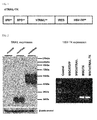
- rAd/dTRAIL-IRES-TK prepared in Example 2 and iron ions were used to transduce rat bone marrow-derived MSCs (rBM-MSC) for 30 minutes. 24 hours after transduction, Western blotting was carried out using a cell lysate to examine human TRAIL expression, and HSV-TK expression was examined by RT-PCR ( FIG. 2 ). As a result, it was found that the prepared MSC/dTRAIL-TK expressed both TRAIL and HSV-TK.
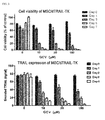
- MSC/dTRAIL-TK In order to examine the suicide induction effect of MSC/dTRAIL-TK by GCV treatment, cells were treated with 10, 30, and 100 ⁇ M of GCV. From 1 day after GCV treatment, survival rate of MSC/dTRAIL-TK was examined by an MTS method every other day. As a result, almost all cells were eliminated one week after treatment of 100 ⁇ M of GCV ( FIG. 3 ).
- Example 5 Remarkably increased tumor cell death by coexpression of dTRAIL and HSV-TK in vitro
- MSC/dTRAIL-TK shows a combinatory (synergistic) tumoricidal effects on tumor cells in vitro
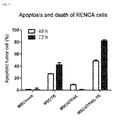
- tumor cells and MSC/dTRAIL-TK were co-cultured and the apoptosis of tumor cells was analyzed.
- MSC/Mock expressing none, MSC/TK expressing HSV-TK only, MSC/dTRAIL expressing dTRAIL only were co-cultured as control groups.
- murine renal cell carcinoma RENCA cells were labeled with CFSE (Carboxyfluorescein succinimidyl ester) and co-cultured with MSCs for 48 hours, followed by 100 ⁇ M GCV treatment.
- CFSE Carboxyfluorescein succinimidyl ester
- the cells were then further cultured for 48 or 72 hours. Then, all cells were collected, and stained with Annexin-V and 7-AAD, and then cell death was analyzed by FACS (fluorescence activated cell sorter). As a result, tumor cell death was remarkably increased RENCA cells co-cultured with MSC/dTRAIL-TK, compared those co-cultured with MSC/dTRAIL or MSC/TK. In particular, 90% or more of tumor cells were eliminated after 72 hours of GCV treatment ( FIG. 4 ). These results show that coexpression of dodecameric TRAIL and HSV-TK by MSC/dTRAIL-TK of the present invention result incombinatory effects on apoptosis induction of tumor cells.
- Example 6 Evaluation of therapeutic efficacy of MSC/dTRAIL-TK in metastatic cancer mouse model
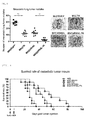
- mice were injected with 5x10 5 of RENCA cells intravenously, and after 7 days, the same number of MSC/dTRAIL-TK was injected via the same route or comparison, MSC/EGFP, MSC/dTRAIL, and MSC/TK were used as control groups. 2 days after MSC injection, 50 mg/kg of GCV was intraperitoneally injected for 7 consecutive days. On day 14 after tumor injection, the number of metastatic tumor nodules on the lung was counted.
- Example 7 100% complete remission rate of metastatic cancer by repeated administration of MSC/dTRAIL-TK
- the metastatic carcinoma mouse model used in Example 6 was administered with MSC/dTRAIL-TK on day 7 after tumor injection at two-week intervals twice or three times.
- the survival rate of the metastatic carcinoma mice was examined. As a result, when administered once, all metastatic carcinoma mice died before 90 days. In contrast, when administered twice, 70% of the metastatic carcinoma mice were completely cured ( FIG. 7 ). In addition, when mice were administered with MSC/dTRAIL-TK three times, 100% of tumor-bearing mice were completely cured.
Landscapes
- Health & Medical Sciences (AREA)
- Life Sciences & Earth Sciences (AREA)
- Chemical & Material Sciences (AREA)
- Genetics & Genomics (AREA)
- Engineering & Computer Science (AREA)
- Organic Chemistry (AREA)
- General Health & Medical Sciences (AREA)
- Zoology (AREA)
- Bioinformatics & Cheminformatics (AREA)
- Biotechnology (AREA)
- Molecular Biology (AREA)
- Wood Science & Technology (AREA)
- Medicinal Chemistry (AREA)
- General Engineering & Computer Science (AREA)
- Biochemistry (AREA)
- Biomedical Technology (AREA)
- Animal Behavior & Ethology (AREA)
- Veterinary Medicine (AREA)
- Public Health (AREA)
- Pharmacology & Pharmacy (AREA)
- Epidemiology (AREA)
- Biophysics (AREA)
- Microbiology (AREA)
- Proteomics, Peptides & Aminoacids (AREA)
- Gastroenterology & Hepatology (AREA)
- Virology (AREA)
- Immunology (AREA)
- Plant Pathology (AREA)
- Physics & Mathematics (AREA)
- Toxicology (AREA)
- Chemical Kinetics & Catalysis (AREA)
- General Chemical & Material Sciences (AREA)
- Nuclear Medicine, Radiotherapy & Molecular Imaging (AREA)
- Cell Biology (AREA)
- Developmental Biology & Embryology (AREA)
- Medicines Containing Material From Animals Or Micro-Organisms (AREA)
- Medicines That Contain Protein Lipid Enzymes And Other Medicines (AREA)
- Micro-Organisms Or Cultivation Processes Thereof (AREA)
- Pharmaceuticals Containing Other Organic And Inorganic Compounds (AREA)
Abstract
Description
- The present invention relates to a vector coexpressing dodecameric TNF related apoptosis inducing ligand (TRAIL) and Herpes simplex virus thymidine kinase (HSV-TK) suicide genes, and an anticancer stem cell therapeutic agent using the same. Particularly, the present invention relates to a DNA cassette comprising a nucleotide sequences encoding dodecameric TRAIL and a suicide gene nucleotide sequence, a recombinant expression vector comprising the DNA cassette, a recombinant adenovirus prepared by using the recombinant expression vector, a host cell transduced with the recombinant adenovirus, a composition for treating cancer comprising the host cell, and a method for treating cancer comprising the step of administering the composition for treating cancer to a subject.
- Mesenchymal stem cells (MSCs) are pluripotent adult stem cells that can differentiate into osteoblasts, chondrocytes, and adipocytes, and are widely used as a therapeutic agent for many different types of diseases for the purpose of tissue regeneration. In addition, MSCs are known to have the property of specifically tracking and migrating toward tumor sites in vivo, and recently, have emerged as targeted-delivery vehicles for anticancer agents (Aboody et al., Proc Natl Acad Sci, 97: 12846, 2000). Many studies have been conducted on targeted therapy of metastatic cancer using the tumor-tropic nature of MSCs. Practically, when mice bearing metastatic cancer received systemic administration of MSCs expressing anticancer cytokine IL-12 or IFN-beta, or oncolytic virus, the size of metastatic lesion was decreased and survival of the mice was extended (Shah et al. Advanced Drug Delivery Reviews, 2011).
- TRAIL is a TNF (tumor necrosis factor) family protein, and is known to induce selective apoptosis of tumor cells (Wiley et al., Immunity, 3(6):673-682, 1995). In fact, TRAIL was found to exert cytotoxicity on various cancer cell lines without damaging healthy tissues (Ashkenazi et al., J. Clin. Invest., 104:155-162, 1999; Walczak et al., Nat. Med., 5:157-163, 1999), owing to high-level expression of
decoy receptors 1 and 2 (DcR1 and DcR2) by normal cells on their cell surfaces (Sheridan et al., Science, 277:81 8-821, 1997). DcR1 and DcR2 bind to TRAIL, but do not transduce TRAIL-mediated apoptotic signals due to their absence of intracellular signaling domains. Based on its ability to induce tumor cell-specific apoptosis, TRAIL has emerged as a promising therapeutic agent against cancer. In the prior art, the present inventors developed a dodecameric TRAIL by linking a secretion signal sequence of tPA (tissue plasminogen activation) and a dodecamer-forming domain of SPD (surfactant protein D) to the amino terminus of the extracellular domain (amino acid 114-281) of TRAIL, that can bind to the TRAIL receptors DR4 and DR5, for achieving effective anticancer gene therapy utilizing TRAIL (International Application No.PCT/KR2007/001099 - Suicide gene therapy is one of the anticancer gene therapies, and is a method of delivering suicide genes such as HSV-TK (Herpes simplex virus thymidine kinase), cytosine deaminase, nitroreductase, carboxylesterase, cytochrome P450, or PNP (Purine nucleoside phosphorylase) directly to tumor cells. The suicide gene expresses one of the above-mentioned enzymes, and this enzyme converts an injected non-toxic prodrug into a cytotoxic substance through enzymatic reaction. The cytotoxic substance is transferred from the cells expressing the suicide gene to adjacent cells via gap junctions to induce apoptosis of the neighboring cells, and this phenomenon is known as the bystander effect. Importantly, when a prodrug is systemically administered to the living body after inducing the expression of the suicide gene in a tumor tissue, the prodrug is converted into a cytotoxic substance only in the vicinity of tumor cells and subsequently induces their apoptosis, without eliciting significant damages to normal tissues (The FASEB journal, 23:1584, 2009).
- Among various types of suicide genes, HSV-TK is the most widely used suicide gene, and its efficacy and safety have already been demonstrated in phase III clinical trials. HSV-TK phosphorylates a prodrug ganciclovir (GCV), and the phosphorylated ganciclovir triphosphate (GCV-3P) incorporates into DNA to prevent normal DNA synthesis, leading to cell apoptosis (Moolten et al., Cancer Res. 46: 5276, 1986). The action of GCV-3P is specific to rapidly proliferating cells, and thus this method can be used to selectively eliminate tumor cells while sparing normal cells. In practice, when HSV-TK is transferred to a local tumor site using adenovirus or lentivirus, and then GCV is administered, tumor-specific apoptosis can be expected. To further improve the tumor specificity, tumor-specific promoters or tropism-modifying strategies of viral vectors are used.
- TRAIL and HSV-TK are considered as safe candidates for targeted cancer therapy in terms of their ability to induce tumor-specific apoptosis, and they have been applied for the treatment of metastatic cancers utilizing engineered MSCs. However, anticancer efficacy of the TRAIL or HSV-TK therapy alone has been considered moderate, leading to the limited clinical success in the treatment of cancer (Loebinger et al., Cancer Res, 69: 4134, 2009; Miletic et al. Molecular Ther, 15: 1373,2007).
- To develop highly effective targeted anticancer gene therapy, the present inventors constructed a vector coexpressing dodecameric TRAIL and HSV-TK suicide genes and subsequently produced a recombinant adenovirus coexpressing these genes. When the recombinant adenovirus was delivered to stem cells, transduced cells exhibited superior apoptosis-inducing ability against various tumor cells. MSCs coexpressing dodecameric TRAIL and HSV-TK showed combinatory anticancer effects, compared to those expressing TRAIL, dodecameric TRAIL, or HSV-TK alone. Furthermore, when MSCs coexpressing dodecameric TRAIL and HSV-TK were systemically administered to mice bearing pulmonary metastasis, MSCs were found to be specifically localized in the vicinity of tumor nodules, and the size as well as the number of metastatic nodules was markedly reduced, leading to significant improvement of mice survival. More importantly, repeated administrations of MSCs coexpressing dodecameric TRAIL and HSV-TK resulted in further enhancement of anticancer effects, and after three injections, all metastatic tumor nodules were completely eliminated in mice, thereby completing the present invention.
- An object of the present invention is to provide a DNA cassette comprising a nucleotide sequence encoding dodecameric TNF related apoptosis inducing ligand (TRAIL) and a suicide gene nucleotide sequence.
- Another object of the present invention is to provide a recombinant expression vector comprising the DNA cassette.
- Still another object of the present invention is to provide a recombinant adenovirus which is prepared by using the recombinant expression vector.
- Still another object of the present invention is to provide a host cell which is transduced with the recombinant adenovirus.
- Still another object of the present invention is to provide a composition for treating cancer comprising the host cell.
- Still another object of the present invention is to provide a method for treating cancer comprising the step of administering the composition for treating cancer to a subject suspected of having cancer.
- The stem cell therapy coexpressing dodecameric TRAIL and HSV-TK by introduction of the DNA cassette of the present invention has more potent anticancer effects than the known therapy, and thus can be effectively used in the treatment of many different types of solid tumors and metastatic tumors.
-
-
FIG. 1 shows a schematic illustration of a DNA cassette (dTRAIL-TK) composed of human dodecameric TRAIL sequence, IRES sequence, and HSV-TK sequence; -
FIG. 2 shows the expression of TRAIL and HSV-TK by dTRAIL-TK DNA cassette-introduced MSCs (MSC/dTRAIL-TK); -
FIG. 3 shows the cell survival and TRAIL expression by dTRAIL-TK DNA cassette-introduced MSCs (MSC/dTRAIL-TK) upon the treatment of GCV; -
FIG. 4 shows the cytotoxic effects of mesenchymal stem cells coexpressing dodecameric TRAIL and HSV-TK (MSC/dTRAIL-TK) against RENCA cells in vitro; -
FIG. 5 shows the number of pulmonary metastatic nodules in a murine metastatic renal cell carcinoma model upon MSC/dTRAIL-TK treatment; -
FIG. 6 shows the survival rate of mice with metastatic renal cell carcinoma following the administration of MSC/dTRAIL-TK; and -
FIG. 7 shows the survival rate of mice with metastatic renal cell carcinoma following the repeated administrations of MSC/dTRAIL-TK. - In one aspect to achieve the above objects, the present invention provides a DNA cassette comprising a nucleotide sequence encoding a dodecameric TNF related apoptosis inducing ligand (TRAIL) and a suicide gene nucleotide sequence.
- As used herein, the term "dodecameric TNF related apoptosis inducing ligand (TRAIL)" is intended to refer to a secretory TRAIL protein having a dodecameric structure by multimerization of expressed TRAIL proteins, and it may be a dodecameric TRAIL which is prepared by a method described in International Publication No.
WO2007/102690 and Korean Patent Publication No.10-2009-0015885 - Although the dodecameric TRAIL was used in the present invention, a trimeric or multimeric TRAIL can also be included in the scope of the present invention, based on the combinatory anticancer effects exerted by the coexpression of dTRAIL and HSV-TK. The nucleotide sequence encoding dodecameric TRAIL of the present invention may include a nucleotide sequence encoding a secretion signal sequence, a nucleotide sequence encoding a dodecamer-forming domain, and a nucleotide sequence encoding TRAIL.
- As used herein, the term "TNF related apoptosis inducing ligand (TRAIL)" is one of the proteins that function as a ligand to induce the process of cell death, called apoptosis. In the present invention, the nucleotide sequence encoding TRAIL may be a gene encoding TRAIL protein derived from human, monkey, rat, mouse, or other species, and human TRAIL gene may be preferably used.
- Since the protein expressed from the nucleotide sequence encoding TRAIL of the present invention has a reactivity with the TRAIL receptor DR4 or DR5, only a part of the nucleotide sequence encoding TRAIL can be used. Preferably, a nucleotide sequence encoding 114 to 281 amino acids of TRAIL may be used. The nucleotide sequence encoding TRAIL can be easily prepared by those illustrated in the previous articles using the information available in GenBank (GeneID: 8743, Pitti. R. M. et al., J. Biol. Chem. 271: 12687, 1996).
- In the present invention, the secretion signal sequence serves to secrete the TRAIL protein to outside the cells. Since TRAIL is expressed on the cell surface, TRAIL lacks its own secretion signal sequence. The extracellular domain of TRAIL is known to induce apoptotic signaling by TRAIL protein. In the present invention, the secretion signal sequence is used for extracellular secretion of the dodecameric TRAIL protein, thereby increasing the anticancer effects thereof. The nucleotide sequence encoding the secretion signal sequence is located 5' upstream of the nucleotide sequence encoding the dodecamer-forming domain. Examples of the secretion signal sequence may include, but are not limited to, tPA, HSV, gDs, SEC2, SEC(CV) or the like with preference for tPA (tissue plasminogen activator).
- In one embodiment of the present invention, tPA was used as the secretion signal sequence. tPA is a secretion signal sequence having excellent capability of inducing secretion and is able to secrete the dodecameric TRAIL protein of the present invention outside cells more effectively.
- In the present invention, the dodecamer-forming domain assists the dodecamerization of TRAIL proteins for the preparation of a stable form of the TRAIL protein through multimerization thereof. In order to achieve this, the nucleotide sequence encoding the dodecamer-forming domain was allowed to locate 5' upstream of the nucleotide sequence encoding the TRAIL protein. The dodecamer-forming domain is, but not limited to, preferably SPD (surfactant protein D).
- As described above, the nucleotide sequence encoding the dodecameric TRAIL of the present invention may be composed of the nucleotide sequence encoding the secretion signal sequence, the nucleotide sequence encoding the dodecamer-forming domain, and the nucleotide sequence encoding TRAIL. In one embodiment of the present invention, the nucleotide sequence encoding tPA secretion signal sequence of SEQ ID NO. 4, the nucleotide sequence encoding SPD dodecamer-forming domain of SEQ ID NO. 5, and the nucleotide sequence encoding TRAIL of SEQ ID NO. 6 were chemically synthesized to prepare a codon-optimized nucleotide sequence encoding human dodecameric TRAIL, and finally, a tPA-SPD-TRAIL DNA cassette of SEQ ID NO. 1 was prepared. Preferably, the nucleotide sequence encoding the dodecameric TRAIL of the present invention may have the nucleotide sequence of SEQ ID NO. 1.
- As used herein, the term "suicide gene" is a gene capable of inducing cell apoptosis, and it may be, but is not limited to, preferably HSV-TK (Herpes simplex virus thymidine kinase), cytosine deaminase, nitroreductase, carboxylesterase, cytochrome P450 or PNP (Purine nucleoside phosphorylase), and more preferably, HSV-TK. In addition, the HSV-TK may be preferably a codon-optimized HSV-TK represented by SEQ ID NO. 2.
- As the nucleotide sequences encoding dodecameric TRAIL and HSV-TK protein of the present invention, the sequences identical to those of the wild-type may be used as they is, but codon-optimized nucleotide sequences of dodecameric TRAIL and HSV-TK protein may be preferably used so that protein expression frequency is increased in mammalian cells, especially, in human cells. The term "codon-optimized sequence" or "codon optimization", as used herein, is intended to refer to the substitution of some of the amino acid codons encoding a protein of interest (e.g., the dodecameric TRAIL or HSV-TK protein of the present invention) with such codons as increase the expression level of the protein of interest in mammalian cells, especially in human cells. Various combinations of some of the amino acid codons to be substituted can be applied by those skilled in the art. In the present invention, one or more of the codons encoding the amino acids of dodecameric TRAIL and HSV-TK protein, in detail, for alanine (Ala: A), arginine (Arg: R), asparagine (Asn: N), aspartate (Asp: D), cysteine (Cys: C), glutamine (Gln: Q), glutamate (Glu: E), glycine (Gly: G), histidine (His: H), isoleucine (Ile: I), leucine (Leu: L), lysine (Lys: K), phenylalanine (Phe: F), proline (Pro: P), serine (Ser: S), threonine (Thr: T), valine (Val: V) and tyrosine (Tyr: Y) are substituted with those recognized as a higher frequency in human cells.
- In a specific embodiment of the present invention, 1 to 23 nucleotides of the nucleotide sequence encoding tPA secretion signal sequence which constitutes the nucleotide sequence encoding dodecameric TRAIL were subjected to codon optimization, and the resulting sequence is represented by SEQ ID NO. 4, 78 to 314 nucleotides of the nucleotide sequence encoding the dodecamer-forming domain SPD were subjected to codon optimization, and the resulting sequence is represented by SEQ ID NO. 5, and the codon-optimized nucleotide sequence encoding TRAIL is represented by SEQ ID NO. 6. Therefore, the codon-optimized nucleotide sequences encoding dodecameric TRAIL and HSV-TK are represented by SEQ ID NOs. 1 and 2, respectively. Accordingly, the codon-optimized nucleotide sequences encoding dodecameric TRAIL and HSV-TK resulted in higher protein expression levels compared to those induced by wild-type sequences, and thus have excellent capability of inducing secretion of anticancer genes.
- The DNA cassette of the present invention may further include a transcription/ translation initiation sequence between the nucleotide sequence encoding the dodecameric TRAIL and the suicide gene nucleotide sequence. This is a sequence for coexpressing two genes in one vector, an IRES sequence, a 9-nt sequence or a dual promoter system can be preferably used. More preferably, IRES sequence can be used.
- As used herein, the term "IRES", also called internal ribosome entry site, means a specific region found in mRNA, to which ribosome directly binds so as to allow multiple proteins to be synthesized from a single mRNA in eukaryotic cell. IRES functions to coexpress the dodecameric TRAIL and the suicide gene of the present invention. In one embodiment of the present invention, IRES sequence represented by SEQ ID NO. 3 and the nucleotide sequences encoding dodecameric TRAIL and HSV-TK were chemically synthesized to prepare a dTRAIL-IRES-TK cassette (
FIG 1 ). - In another aspect, the present invention provides a recombinant expression vector comprising the DNA cassette.
- The vector of the present invention, which describes a recombinant expression vector capable of expressing a protein of interest, that is, the dodecameric TRAIL and suicide gene proteins, in a host cell, may include essential regulatory elements to which a gene insert (e.g., the DNA cassette) is operably linked in such a manner as to be expressed.
- As used herein, the term "operably linked" means that there is a functional linkage between a nucleotide expression control sequence and a nucleotide sequence encoding a target protein, in such a manner as to perform general functions. The operable linkage to the recombinant expression vector may be prepared using a genetic recombinant technique that is well known in the art, and site-specific DNA cleavage and ligation may be carried out using enzymes that are generally known in the art. A vector may include expression regulatory elements, such as a promoter, an operator, an initiation codon, a stop codon, a polyadenylation signal and an enhancer. Both the initiation codon and the stop codon are generally regarded as a part of the nucleotide sequence encoding the target protein and are necessary in order to be functional in an individual to whom a genetic construct has been administered, and must be in frame with the coding sequence.
- The vector of the present invention may include plasmid vectors, cosmid vectors, bacteriophage vectors, and viral vectors, but are not limited thereto, with preference for viral vectors. Of them, adenoviral vectors are more preferable. An adenoviral vector, which is one of the most prevalent vectors for use in gene therapy of cancer patients, shows excellent efficiency in transfection into various cells.
- The recombinant adenovirus used in the present invention is
type 5 and is incapable of self-replication due to the deficiency of the E1A gene essential for replication. In one embodiment of the present invention, the DNA cassette prepared by chemically synthesizing the nucleotide sequences encoding dodecameric TRAIL, IRES sequence, and HSV-TK sequence were inserted into an adenovirus shuttle vector so as to prepare a recombinant expression vector capable of coexpressing dodecameric TRAIL and HSV-TK. - In still another aspect, the present invention provides a recombinant adenovirus which is prepared by using recombinant expression vector.
- The recombinant adenovirus can be prepared by introducing the adenovirus-derived recombinant expression vector including the DNA cassette of the present invention into a packaging cell line, culturing the packaging cells, and harvesting the recombinant adenovirus produced from the packaging cells.
- The recombinant adenovirus includes an inducible adenovirus which includes an inducible promoter to control expression in response to a particular compound. The inducible promoter is CMV-Tet10 and the expression is induced by tetracycline. A tetracycline-inducible system is one of the most widely used inducible systems in vivo and is economically advantageous with the production of no significant side effects.
- In still another aspect, the present invention provides a host cell which is transduced with the recombinant adenovirus. The host cell of the present invention coexpresses dodecameric TRAIL and HSV-TK so as to kill tumor cells and to have excellent anticancer effects, and thus it can be widely used in cell therapy for cancer treatment.
- As the host cell, a host cell widely known in the art can be used. Any host cell usable in cell therapy can be used, and stem cells are preferred. If the host cell is a stem cell, it can be used in stem cell therapy for cancer treatment.
- As used herein, the term "stem cell" means a cell having a potential for both self-renewal and differentiation into many different types of cells. In the present invention, the stem cell is preferably an embryonic stem cell or an adult stem cell, and more preferably, an adult stem cell, MSC, and most preferably, a human MSC having tumor-tropic property.
- Owing to their tumor-tropic nature MSC, MSCs coexpressing dodecameric TRAIL and HSV-TK can preferentially migrate toward tumors, and stably secrete dodecameric TRAIL, and HSV-TK converts a prodrug into a cytotoxic substance, which is transferred to adjacent tumor cells. In particular, dodecameric TRAIL is more stable as a secretory form and has higher capacity to induce the apoptosis of tumor cells compared to monomeric TRAIL, and thus it is more useful in the preparation of cell therapy product as well as direct injection thereof into tumor cells. In addition, MSCs coexpressing dodecameric TRAIL and HSV-TK were found to show combinatory anticancer effects, compared to those expressing dodecameric TRAIL or HSV-TK alone.
- In one embodiment of the present invention, MSCs coexpressing dodecameric TRAIL and HSV-TK were prepared using the recombinant adenovirus. It was found that when MSCs were cocultured with tumor cells in vitro, the apoptosis of tumor cells was remarkably increased (
FIG. 4 ), and the administration of engineered MSCs significantly reduced the number of metastatic tumor nodules (FIG. 5 ) and prolonged the survival of mice bearing metastatic renal cell carcinoma mouse (FIG. 6 ), suggesting that the cells of the present invention, in particular, stem cells can be used in the anticancer cell therapy for the treatment of cancer. - In still another aspect, the present invention provides a composition for treating cancer including the host cell. As described above, the host cell coexpresses the dodecameric TRAIL and the suicide gene protein, which act in a combinatorial manner to increase anticancer effects. Therefore, the host cell has anticancer therapeutic effects.
- In addition to the host cell, the recombinant expression vector capable of coexpressing dodecameric TRAIL and HSV-TK protein of the present invention and the recombinant adenovirus prepared by using the vector can be also included as an active ingredient in the therapeutic composition for cancer of the present invention.
- Cancer which can be treated by the composition of the present invention includes all types of common cancer diseases, and cancers of which apoptosis is induced by the cell therapeutic agent of the present invention are included without limitation. Examples thereof may include all types of cancers generally known, such as liver cancer, stomach cancer, colon cancer, breast cancer, lung cancer, pancreatic cancer, colorectal cancer, renal cancer, breast cancer, cervical cancer, prostate cancer, ovarian cancer, thyroid cancer, and include solid tumors and metastatic tumors. Metastatic tumors may be preferred. In one embodiment of the present invention, a metastatic carcinoma mouse model by renal carcinoma cell RENCA was used to examine cancer therapeutic effects (
FIGs. 5 to 7 ). - The composition of the present invention includes a pharmaceutically acceptable carrier, and can be prepared into various dosage forms including tablets, troches, capsules, elixirs, suspensions, syrups, wafers, injections, etc. As long as it is pharmaceutically acceptable, any form of solvents, dispersing media, coating agents, antibacterial or antifungal agents, isotonics, and absorption retardants may be used as a carrier. These media and materials for effective use in pharmaceutically active ingredients are well known in the art.
- Depending on the purpose thereof, the composition can be formulated into a suitable pharmaceutical composition.
- In a specific embodiment of the present invention, the vector expressing dodecameric TRAIL and HSV-TK protein of the present invention, or an adenovirus or a stem cell prepared by using the vector is provided as a therapeutic composition for cancer. With this therapeutic composition, mammals including humans can be injected.
- In a specific embodiment, the composition including dodecameric TRAIL and HSV-TK protein of the present invention may be administered via oral routes or non-oral routes, such as intramuscular, intravenous, intraarterial, peritoneal, subcutaneous, and intradermal routes. Preferable administration mode and formulation are an intravenous injection, a subcutaneous injection, an intradermal injection, an intramuscular injection, instillation, and an intratumoral injection. The composition may be administered in a single dose or in multiple doses. In particular, the composition of the present invention may be administered together with GCV (ganciclovir) or after administration of GCV.
- Also, the composition must be administered in a pharmaceutically effective amount. The pharmaceutically effective amount is determined depending on the mode and frequency of administration, the kind and severity of the cancer, the age, gender and condition of patient, and other factors well-known in the medical art. The composition may be administered once or in multiple doses.
- In still another aspect, the present invention provides a method for treating cancer comprising the step of administering the composition for treating cancer to a subject suspected of having cancer. The cancer and the composition for treating cancer are the same as described above, and the composition for treating cancer coexpresses dodecameric TRAIL and suicide gene so as to synergistically increase anticancer effects. Therefore, since the therapeutic composition has anticancer therapeutic effects, it can be used in cancer therapy by administration thereof into a subject.
- The composition for treating cancer administered to a subject suspected of having cancer may comprise as an active ingredient the recombinant expression vector capable of coexpressing dodecameric TRAIL and HSV-TK protein of the present invention and the recombinant adenovirus prepared by using the vector as well as the above described host cell.
- As used herein, the term "subject" means a human or an animal such as horse, sheep, pig, goat, camel, antelope, dog, etc. having a disease, of which symptoms can be ameliorated by administration of the pharmaceutical composition for the treatment of cancer according to the present invention. Cancer can be effectively prevented and treated by administration of the therapeutic composition for cancer to the subject.
- As used herein, the term "administration" means introduction of a predetermined substance into a subject by a certain suitable method. The composition for treating cancer according to the present invention may be administered via any of the common routes, oral or non-oral route, as long as it is able to reach a desired tissue. In addition, the therapeutic composition for cancer according to the present invention may be administered using a certain apparatus capable of transporting the active ingredients into a target cell.
- The method for treating cancer of the present invention may further comprise the step of administering ganciclovir (GCV). The GCV may be administered together with the composition for treating cancer of the present invention, or before or after administration of the composition for treating cancer. In one embodiment of the present invention, the GCV was administered after administration of the stem cell therapeutic agent of the present invention, and then its effects of killing tumor cells and its therapeutic effects on cancer were evaluated.
- Hereinafter, the present invention will be described in more detail with reference to Examples. It will be apparent to those skilled in the art that these Examples are for illustrative purposes only, and the scope of the present invention is not intended to be limited by these Examples.
- Codon-optimized tPA secretion signal sequence having a nucleotide sequence of SEQ ID NO. 4 and codon-optimized SPD dodecamer-forming sequence having a nucleotide sequence of SEQ ID NO. 5 were chemically synthesized in a linked form. For effective insertion into a vector, KpnI(5') and NotI(3') sites were added to its terminus. The tPA-SPD signal sequence was inserted into an inducible adenovirus shuttle vector, pShuttle-Tet10 which was digested with KpnI and NotI, so as to construct a pShuttle-Tet10/tPA-SPD vector. The inducible adenovirus shuttle vector pShuttle-Tet10 has an inducible promoter CMV-Tet10. Subsequently, codon-optimized human TRAIL (114-281) having a nucleotide sequence of SEQ ID NO. 6 was chemically synthesized. In the same manner, NotI(5') and XbaI(3') sites were added to its terminus for effective insertion into a vector. Thereafter, it was inserted into a pShuttle-Tet10/tPA-SPD vector which was digested with NotI and XbaI, so as to construct a pShuttle-Tet10/tPA-SPD-TRAIL, leading to preparation of tPA-SPD-TRAIL DNA cassette (SEQ ID NO. 1).
- The codon-optimized human dodecameric TRAIL sequence having a nucleotide sequence of SEQ ID NO. 1 which was prepared in Example 1, IRES sequence having a nucleotide sequence of SEQ ID NO. 2 and codon-optimized HSV-TK sequence having a nucleotide sequence of SEQ ID NO. 3 were chemically synthesized so as to construct a DNA cassette (
FIG. 1 ). The DNA cassette thus constructed was inserted into an adenovirus shuttle vector pShuttle so as to construct a pShuttle/dTRAIL-IRES-TK vector. pShuttle/dTRAIL-IRES-TK was cleaved with PmeI, and was subjected to homologous recombination with a pAd/Easy vector incapable of self-replication in competent cells. Thereafter, an antibiotic Kanamycin was used to select pAd/dTRAIL-IRES-TK having the dTRAIL-IRES-TK cassette, which was cleaved with PacI to examine a DNA band of 35+4.5kb for accurate confirmation. pAd/dTRAIL-IRES-TK was transformed into a packaging cell 293 cell line. After 10 days, a recombinant adenovirus rAd/dTRAIL-IRES-TK expressing the dTRAIL-IRES-TK cassette was obtained. - To prepare MSC/dTRAIL-TK which is a MSC expressing both dTRAIL and HSV-TK, rAd/dTRAIL-IRES-TK prepared in Example 2 and iron ions were used to transduce rat bone marrow-derived MSCs (rBM-MSC) for 30 minutes. 24 hours after transduction, Western blotting was carried out using a cell lysate to examine human TRAIL expression, and HSV-TK expression was examined by RT-PCR (
FIG. 2 ). As a result, it was found that the prepared MSC/dTRAIL-TK expressed both TRAIL and HSV-TK. - In order to examine the suicide induction effect of MSC/dTRAIL-TK by GCV treatment, cells were treated with 10, 30, and 100 µM of GCV. From 1 day after GCV treatment, survival rate of MSC/dTRAIL-TK was examined by an MTS method every other day. As a result, almost all cells were eliminated one week after treatment of 100 µM of GCV (
FIG. 3 ). - Next, in order to examine whether TRAIL expression is reduced by MSC/dTRAIL-TK apoptosis, GCV was treated at the same concentrations, and the culture broth was collected every 24 hours to examine TRAIL expression by ELISA (enzyme-linked immunosorbent assay). As a result, it was found that TRAIL expression was reduced according to the death of engineered MSCs by GCV/TK treatment (
FIG. 3 ). - In order to examine whether MSC/dTRAIL-TK shows a combinatory (synergistic) tumoricidal effects on tumor cells in vitro, tumor cells and MSC/dTRAIL-TK were co-cultured and the apoptosis of tumor cells was analyzed. For comparison, MSC/Mock expressing none, MSC/TK expressing HSV-TK only, MSC/dTRAIL expressing dTRAIL only were co-cultured as control groups. To examine tumor-specific apoptosis, murine renal cell carcinoma RENCA cells were labeled with CFSE (Carboxyfluorescein succinimidyl ester) and co-cultured with MSCs for 48 hours, followed by 100 µM GCV treatment. The cells were then further cultured for 48 or 72 hours. Then, all cells were collected, and stained with Annexin-V and 7-AAD, and then cell death was analyzed by FACS (fluorescence activated cell sorter). As a result, tumor cell death was remarkably increased RENCA cells co-cultured with MSC/dTRAIL-TK, compared those co-cultured with MSC/dTRAIL or MSC/TK. In particular, 90% or more of tumor cells were eliminated after 72 hours of GCV treatment (
FIG. 4 ). These results show that coexpression of dodecameric TRAIL and HSV-TK by MSC/dTRAIL-TK of the present invention result incombinatory effects on apoptosis induction of tumor cells. - In order to evaluate whether the anticancer effects of MSC/dTRAIL-TK demonstrated in vitro are also found in metastatic carcinoma mouse model, mice were injected with 5x10⁵ of RENCA cells intravenously, and after 7 days, the same number of MSC/dTRAIL-TK was injected via the same route or comparison, MSC/EGFP, MSC/dTRAIL, and MSC/TK were used as control groups. 2 days after MSC injection, 50 mg/kg of GCV was intraperitoneally injected for 7 consecutive days. On day 14 after tumor injection, the number of metastatic tumor nodules on the lung was counted. As a result, 35% reduction in the number of lung tumor nodules was observed in the MSC/dTRAIL-TK-treated group, displaying superior efficacy compared to MSC/TK and MSC/dTRAIL-treated groups (
FIG. 5 ). The survival rate of the metastatic carcinoma mouse was continuously examined. As a result, mice treated with MSC/dTRAIL-TK survived up to 80 days (FIG. 6 ). This result suggests that MSC/dTRAIL-TK of the present invention also shows excellent anticancer effects on animal models in vivo. - In order to examine whether anti-metastatic effects of MSC/dTRAIL-TK can be improved by repeated administrations, the metastatic carcinoma mouse model used in Example 6 was administered with MSC/dTRAIL-TK on
day 7 after tumor injection at two-week intervals twice or three times. The survival rate of the metastatic carcinoma mice was examined. As a result, when administered once, all metastatic carcinoma mice died before 90 days. In contrast, when administered twice, 70% of the metastatic carcinoma mice were completely cured (FIG. 7 ). In addition, when mice were administered with MSC/dTRAIL-TK three times, 100% of tumor-bearing mice were completely cured. It is worth noting that complete regression of metastatic tumors is hardly achieved by conventional chemo- or radiotherapy, and more importantly, there has been no report about achieving 100% complete remission rate of the metastatic tumors using stem cell-based gene therapy alone. Therefore, it can be seen that the present invention provides very excellent and outstanding results.


Claims (19)
- A DNA cassette comprising a nucleotide sequence encoding dodecameric TNF related apoptosis inducing ligand (TRAIL) and a suicide gene nucleotide sequence.
- The DNA cassette according to claim 1, further comprising a transcription/translation initiation sequence between the nucleotide sequence encoding dodecameric TRAIL and the suicide gene nucleotide sequence.
- The DNA cassette according to claim 2, wherein the transcription/translation initiation sequence is an internal ribosome entry site (IRES) nucleotide sequence.
- The DNA cassette according to claim 1, wherein the nucleotide sequence encoding dodecameric TRAIL comprises a nucleotide sequence encoding a secretion signal sequence, a nucleotide sequence encoding a dodecamer-forming domain, and a nucleotide sequence encoding TRAIL.
- The DNA cassette according to claim 4, wherein the secretion signal sequence is tissue plasminogen activator (tPA).
- The DNA cassette according to claim 4, wherein the dodecamer-forming domain is surfactant protein D (SPD).
- The DNA cassette according to claim 4, wherein the TRAIL is an extracellular domain corresponding to amino acid residues at positions 114 to 281 of the full amino acid sequence of TRAIL.
- The DNA cassette according to claim 1, wherein the suicide gene is Herpes simplex virus thymidine kinase (HSV-TK).
- The DNA cassette according to claim 1, wherein the nucleotide sequence encoding dodecameric TRAIL has a nucleotide sequence of SEQ ID NO. 1.
- The DNA cassette according to claim 8, wherein the nucleotide sequence encoding HSV-TK has a nucleotide sequence of SEQ ID NO. 2.
- The DNA cassette according to claim 3, wherein the IRES nucleotide sequence has a nucleotide sequence of SEQ ID NO. 3.
- A recombinant expression vector comprising the DNA cassette of any one of claims 1 to 11.
- The recombinant expression vector according to claim 12, wherein the recombinant expression vector is derived from adenovirus.
- A recombinant adenovirus which is prepared by using the recombinant expression vector of claim 13.
- A host cell which is transduced with the recombinant adenovirus of claim 14.
- The host cell according to claim 15, wherein the host cell is a stem cell.
- A composition for treating cancer comprising the host cell of claim 15.
- A method for treating cancer, comprising administering the composition for treating cancer of claim 17 to a subject suspected of having cancer.
- The method according to claim 18, further comprising administering ganciclovir (GCV).
Applications Claiming Priority (2)
| Application Number | Priority Date | Filing Date | Title |
|---|---|---|---|
| KR20120010462 | 2012-02-01 | ||
| PCT/KR2013/000849 WO2013115608A1 (en) | 2012-02-01 | 2013-02-01 | Vector simultaneously expressing dodecameric trail and hsv-tk suicide genes, and anticancer stem cell therapeutic agent using same |
Publications (3)
| Publication Number | Publication Date |
|---|---|
| EP2811023A1 true EP2811023A1 (en) | 2014-12-10 |
| EP2811023A4 EP2811023A4 (en) | 2015-11-18 |
| EP2811023B1 EP2811023B1 (en) | 2018-10-24 |
Family
ID=48905568
Family Applications (1)
| Application Number | Title | Priority Date | Filing Date |
|---|---|---|---|
| EP13743799.2A Not-in-force EP2811023B1 (en) | 2012-02-01 | 2013-02-01 | Vector simultaneously expressing dodecameric trail and hsv-tk suicide genes, and anticancer stem cell therapeutic agent using same |
Country Status (6)
| Country | Link |
|---|---|
| US (1) | US20140369979A1 (en) |
| EP (1) | EP2811023B1 (en) |
| JP (2) | JP2015506697A (en) |
| KR (1) | KR102053385B1 (en) |
| CN (2) | CN104160027B (en) |
| WO (1) | WO2013115608A1 (en) |
Cited By (1)
| Publication number | Priority date | Publication date | Assignee | Title |
|---|---|---|---|---|
| EP3412775A4 (en) * | 2016-02-05 | 2019-07-31 | Slbigen Inc. | MESENCHYMAL STEM CELL EXPRESSING TRAIL AND CD, AND USE THEREOF |
Families Citing this family (9)
| Publication number | Priority date | Publication date | Assignee | Title |
|---|---|---|---|---|
| AU2017277499B2 (en) * | 2016-06-07 | 2022-07-28 | The Pacific Heart, lung & Blood Institute | Compositions and methods for treating cancer |
| KR20190015154A (en) * | 2017-08-04 | 2019-02-13 | 주식회사 에스엘바이젠 | Pharmaceutical composition for preventing or treating cancer comprising mesenchymal stem cell expressing trail and cd |
| AU2018395012B2 (en) * | 2017-12-28 | 2022-03-10 | Bionoxx Inc. | Oncolytic virus improved in safety and anticancer effect |
| CN108330135A (en) * | 2018-01-29 | 2018-07-27 | 山东兴瑞生物科技有限公司 | Modify fusion, the plasmid with the fusion, lentiviral particle, stem cell and the application of mescenchymal stem cell |
| CN111836888B (en) * | 2018-03-21 | 2024-01-12 | 洪明奇 | Engineered stem cells for cancer treatment |
| CN108531458A (en) * | 2018-04-27 | 2018-09-14 | 赛诺(深圳)生物医药研究有限公司 | Treat the genetic engineering natural killer cells product of tumour |
| CN109735571A (en) * | 2019-03-11 | 2019-05-10 | 四川药智联恒科技有限公司 | Double independent variable Lentiviral and its application |
| CN110669145B (en) * | 2019-10-15 | 2021-08-27 | 北京贝来生物科技有限公司 | Method for modifying mesenchymal stem cells by tripolymer TRAIL fusion protein gene and application thereof |
| CN114231504A (en) * | 2021-11-30 | 2022-03-25 | 华中科技大学同济医学院附属同济医院 | Oncolytic adenovirus recombinant carrying TMTP1 and HSV-TK, and construction method and application thereof |
Family Cites Families (10)
| Publication number | Priority date | Publication date | Assignee | Title |
|---|---|---|---|---|
| JP2007516698A (en) * | 2003-10-06 | 2007-06-28 | セダーズ−シナイ メディカル センター | Use of CXCR4 protein expression on stem cell surface as a marker for tumor-directed potential |
| JP4685358B2 (en) | 2004-01-21 | 2011-05-18 | ヤマハ発動機株式会社 | Wire mesh filter for casting machine |
| EP1621550A1 (en) * | 2004-07-29 | 2006-02-01 | Dompé S.P.A. | Tumor-homing cells engineered to produce tumor necrosis factor-related apoptosis-inducing ligand (TRAIL) |
| WO2007102690A1 (en) * | 2006-03-06 | 2007-09-13 | Postech Foundation | Vector including the codon-optimized dna cassette for producing secretory recombinant dodecamer trail |
| KR101451852B1 (en) * | 2006-03-06 | 2015-01-29 | 주식회사 바이오드 | A vector comprising a codon-optimized nucleic acid sequence that produces secretory recombinant 12-mer TRAIL |
| GR20060100496A (en) * | 2006-09-01 | 2008-04-15 | Παρθενιος Μπουλικας | LIPOSOMALLY ENCAPSULATED HYBRID ADENOVIRUS-SEMLIKI FOREST VIRUS (SFV) VECTORS CARRYING RNAi CONSTRUCTS AND THERAPEUTIC GENES FOR USE AGAINST CANCER TARGETS AND OTHER DISEASES. |
| ES2507507T3 (en) * | 2007-05-24 | 2014-10-15 | Apceth Gmbh & Co. Kg | Genetically modified CD34 negative mesenchymal stem cells for the treatment of tumors |
| KR101039235B1 (en) * | 2007-08-29 | 2011-06-07 | 메디포스트(주) | A composition for diagnosing, preventing or treating a disease involving interleukin-8 or gialpha-alpha expressing cells including cord blood-derived mesenchymal stem cells |
| JP5727458B2 (en) * | 2009-04-13 | 2015-06-03 | アプセト ゲゼルシャフト ミット ベシュレンクテル ハフツング ウント コンパニー コマンディトゲゼルシャフトApceth Gmbh & Co. Kg | Modified mesenchymal stem cells and methods of treating tumors using the same |
| KR101032871B1 (en) * | 2009-07-10 | 2011-05-06 | 주식회사 바이오드 | A vector capable of simultaneously containing and expressing BMP-2 and HV-T-K suicide genes and self-regulating stem cell therapy into which the vector is introduced |
-
2013
- 2013-02-01 KR KR1020130012051A patent/KR102053385B1/en active Active
- 2013-02-01 JP JP2014555490A patent/JP2015506697A/en active Pending
- 2013-02-01 US US14/376,090 patent/US20140369979A1/en not_active Abandoned
- 2013-02-01 CN CN201380012507.2A patent/CN104160027B/en not_active Expired - Fee Related
- 2013-02-01 CN CN201610351612.4A patent/CN105950630A/en active Pending
- 2013-02-01 EP EP13743799.2A patent/EP2811023B1/en not_active Not-in-force
- 2013-02-01 WO PCT/KR2013/000849 patent/WO2013115608A1/en not_active Ceased
-
2016
- 2016-11-10 JP JP2016219322A patent/JP6552471B2/en not_active Expired - Fee Related
Cited By (1)
| Publication number | Priority date | Publication date | Assignee | Title |
|---|---|---|---|---|
| EP3412775A4 (en) * | 2016-02-05 | 2019-07-31 | Slbigen Inc. | MESENCHYMAL STEM CELL EXPRESSING TRAIL AND CD, AND USE THEREOF |
Also Published As
| Publication number | Publication date |
|---|---|
| CN105950630A (en) | 2016-09-21 |
| JP2015506697A (en) | 2015-03-05 |
| KR102053385B1 (en) | 2019-12-06 |
| WO2013115608A1 (en) | 2013-08-08 |
| JP2017093426A (en) | 2017-06-01 |
| KR20130089214A (en) | 2013-08-09 |
| CN104160027B (en) | 2016-06-22 |
| US20140369979A1 (en) | 2014-12-18 |
| EP2811023A4 (en) | 2015-11-18 |
| JP6552471B2 (en) | 2019-07-31 |
| EP2811023B1 (en) | 2018-10-24 |
| CN104160027A (en) | 2014-11-19 |
Similar Documents
| Publication | Publication Date | Title |
|---|---|---|
| EP2811023B1 (en) | Vector simultaneously expressing dodecameric trail and hsv-tk suicide genes, and anticancer stem cell therapeutic agent using same | |
| Kim et al. | Complete regression of metastatic renal cell carcinoma by multiple injections of engineered mesenchymal stem cells expressing dodecameric TRAIL and HSV-TK | |
| Yuan et al. | Mesenchymal stromal cell delivery of full-length tumor necrosis factor–related apoptosis-inducing ligand is superior to soluble type for cancer therapy | |
| US20240101628A1 (en) | Cancer Treatment | |
| US9017672B2 (en) | Hexon Tat-PTD modified adenovirus and uses thereof | |
| US10071126B2 (en) | Conditionally replicating adenovirus to express REIC gene | |
| Alekseenko et al. | Therapeutic properties of a vector carrying the HSV thymidine kinase and GM-CSF genes and delivered as a complex with a cationic copolymer | |
| JP7693555B2 (en) | Protein molecules and their uses | |
| US20240108652A1 (en) | Enhancing metabolic fitness of t cells to treat cancer | |
| Qian et al. | The potential of gene therapy in the treatment of hepatocellular carcinoma | |
| ES2340400T3 (en) | CELLS LOCATED IN TUMORS MODIFIED BY GENETIC ENGINEERING TO PRODUCE BINDING APOPTOSIS INDUCTOR RELATED TO THE TUMOR NECROSIS FACTOR (TRAIL). | |
| US11485767B2 (en) | Multivalent PD-L1 binding compounds for treating cancer | |
| US12527821B2 (en) | Compositions and methods related to tumor cell killers and vaccines | |
| EP3743094B1 (en) | Mda-7/il-24 secretory variants and methods of use | |
| Benouchan et al. | Delivery of the bacterial nitroreductase gene into endothelial cells prolongs the survival of tumour-bearing mice by bystander mechanisms | |
| Akbulut et al. | Cancer gene therapy | |
| WO2025188938A1 (en) | Engineered cells and methods of using the same | |
| Evans et al. | Intra-peritoneal administration of genetic therapies: promises and pitfalls | |
| EP4720108A1 (en) | Fas ligand variant and recombinant cell having increased cytotoxicity and greater survival | |
| Ahmad | Creating a built-in suicide system in Adeno associated viral constructs as a safety check mechanism for treatment of possible tumor development in long term gene therapy studies. | |
| HK40062457A (en) | Multivalent pd-l1 binding compounds for treating cancer | |
| Keung et al. | Genetically engineered stem cell therapies targeting gastrointestinal malignancy | |
| Zolochevska et al. | Novel antitumor strategies using cytokine PEDF for prostate cancer therapy | |
| Meriläinen et al. | 601. HIV-1 TAT protein transduction domain-mediated enhancement of HSV-TK/ganciclovir suicide gene therapy |
Legal Events
| Date | Code | Title | Description |
|---|---|---|---|
| PUAI | Public reference made under article 153(3) epc to a published international application that has entered the european phase |
Free format text: ORIGINAL CODE: 0009012 |
|
| 17P | Request for examination filed |
Effective date: 20140826 |
|
| AK | Designated contracting states |
Kind code of ref document: A1 Designated state(s): AL AT BE BG CH CY CZ DE DK EE ES FI FR GB GR HR HU IE IS IT LI LT LU LV MC MK MT NL NO PL PT RO RS SE SI SK SM TR |
|
| AX | Request for extension of the european patent |
Extension state: BA ME |
|
| DAX | Request for extension of the european patent (deleted) | ||
| RA4 | Supplementary search report drawn up and despatched (corrected) |
Effective date: 20151020 |
|
| RIC1 | Information provided on ipc code assigned before grant |
Ipc: C12N 15/861 20060101ALI20151014BHEP Ipc: C12N 7/01 20060101ALI20151014BHEP Ipc: C12N 15/63 20060101ALI20151014BHEP Ipc: A61K 35/12 20150101ALI20151014BHEP Ipc: C12N 15/12 20060101AFI20151014BHEP |
|
| RIC1 | Information provided on ipc code assigned before grant |
Ipc: C12N 15/12 20060101AFI20160517BHEP Ipc: A61K 35/12 20060101ALI20160517BHEP Ipc: C12N 7/01 20060101ALI20160517BHEP Ipc: C12N 15/861 20060101ALI20160517BHEP Ipc: C12N 15/63 20060101ALI20160517BHEP |
|
| STAA | Information on the status of an ep patent application or granted ep patent |
Free format text: STATUS: REQUEST FOR EXAMINATION WAS MADE |
|
| STAA | Information on the status of an ep patent application or granted ep patent |
Free format text: STATUS: EXAMINATION IS IN PROGRESS |
|
| 17Q | First examination report despatched |
Effective date: 20170710 |
|
| GRAP | Despatch of communication of intention to grant a patent |
Free format text: ORIGINAL CODE: EPIDOSNIGR1 |
|
| STAA | Information on the status of an ep patent application or granted ep patent |
Free format text: STATUS: GRANT OF PATENT IS INTENDED |
|
| INTG | Intention to grant announced |
Effective date: 20180524 |
|
| GRAS | Grant fee paid |
Free format text: ORIGINAL CODE: EPIDOSNIGR3 |
|
| GRAA | (expected) grant |
Free format text: ORIGINAL CODE: 0009210 |
|
| STAA | Information on the status of an ep patent application or granted ep patent |
Free format text: STATUS: THE PATENT HAS BEEN GRANTED |
|
| AK | Designated contracting states |
Kind code of ref document: B1 Designated state(s): AL AT BE BG CH CY CZ DE DK EE ES FI FR GB GR HR HU IE IS IT LI LT LU LV MC MK MT NL NO PL PT RO RS SE SI SK SM TR |
|
| REG | Reference to a national code |
Ref country code: CH Ref legal event code: EP |
|
| REG | Reference to a national code |
Ref country code: IE Ref legal event code: FG4D |
|
| REG | Reference to a national code |
Ref country code: AT Ref legal event code: REF Ref document number: 1056710 Country of ref document: AT Kind code of ref document: T Effective date: 20181115 |
|
| REG | Reference to a national code |
Ref country code: DE Ref legal event code: R096 Ref document number: 602013045562 Country of ref document: DE |
|
| REG | Reference to a national code |
Ref country code: NL Ref legal event code: MP Effective date: 20181024 |
|
| REG | Reference to a national code |
Ref country code: LT Ref legal event code: MG4D |
|
| REG | Reference to a national code |
Ref country code: AT Ref legal event code: MK05 Ref document number: 1056710 Country of ref document: AT Kind code of ref document: T Effective date: 20181024 |
|
| PG25 | Lapsed in a contracting state [announced via postgrant information from national office to epo] |
Ref country code: NL Free format text: LAPSE BECAUSE OF FAILURE TO SUBMIT A TRANSLATION OF THE DESCRIPTION OR TO PAY THE FEE WITHIN THE PRESCRIBED TIME-LIMIT Effective date: 20181024 |
|
| PG25 | Lapsed in a contracting state [announced via postgrant information from national office to epo] |
Ref country code: IS Free format text: LAPSE BECAUSE OF FAILURE TO SUBMIT A TRANSLATION OF THE DESCRIPTION OR TO PAY THE FEE WITHIN THE PRESCRIBED TIME-LIMIT Effective date: 20190224 Ref country code: LT Free format text: LAPSE BECAUSE OF FAILURE TO SUBMIT A TRANSLATION OF THE DESCRIPTION OR TO PAY THE FEE WITHIN THE PRESCRIBED TIME-LIMIT Effective date: 20181024 Ref country code: ES Free format text: LAPSE BECAUSE OF FAILURE TO SUBMIT A TRANSLATION OF THE DESCRIPTION OR TO PAY THE FEE WITHIN THE PRESCRIBED TIME-LIMIT Effective date: 20181024 Ref country code: BG Free format text: LAPSE BECAUSE OF FAILURE TO SUBMIT A TRANSLATION OF THE DESCRIPTION OR TO PAY THE FEE WITHIN THE PRESCRIBED TIME-LIMIT Effective date: 20190124 Ref country code: NO Free format text: LAPSE BECAUSE OF FAILURE TO SUBMIT A TRANSLATION OF THE DESCRIPTION OR TO PAY THE FEE WITHIN THE PRESCRIBED TIME-LIMIT Effective date: 20190124 Ref country code: PL Free format text: LAPSE BECAUSE OF FAILURE TO SUBMIT A TRANSLATION OF THE DESCRIPTION OR TO PAY THE FEE WITHIN THE PRESCRIBED TIME-LIMIT Effective date: 20181024 Ref country code: HR Free format text: LAPSE BECAUSE OF FAILURE TO SUBMIT A TRANSLATION OF THE DESCRIPTION OR TO PAY THE FEE WITHIN THE PRESCRIBED TIME-LIMIT Effective date: 20181024 Ref country code: AT Free format text: LAPSE BECAUSE OF FAILURE TO SUBMIT A TRANSLATION OF THE DESCRIPTION OR TO PAY THE FEE WITHIN THE PRESCRIBED TIME-LIMIT Effective date: 20181024 Ref country code: LV Free format text: LAPSE BECAUSE OF FAILURE TO SUBMIT A TRANSLATION OF THE DESCRIPTION OR TO PAY THE FEE WITHIN THE PRESCRIBED TIME-LIMIT Effective date: 20181024 Ref country code: FI Free format text: LAPSE BECAUSE OF FAILURE TO SUBMIT A TRANSLATION OF THE DESCRIPTION OR TO PAY THE FEE WITHIN THE PRESCRIBED TIME-LIMIT Effective date: 20181024 |
|
| PGFP | Annual fee paid to national office [announced via postgrant information from national office to epo] |
Ref country code: GB Payment date: 20190218 Year of fee payment: 7 |
|
| PG25 | Lapsed in a contracting state [announced via postgrant information from national office to epo] |
Ref country code: SE Free format text: LAPSE BECAUSE OF FAILURE TO SUBMIT A TRANSLATION OF THE DESCRIPTION OR TO PAY THE FEE WITHIN THE PRESCRIBED TIME-LIMIT Effective date: 20181024 Ref country code: GR Free format text: LAPSE BECAUSE OF FAILURE TO SUBMIT A TRANSLATION OF THE DESCRIPTION OR TO PAY THE FEE WITHIN THE PRESCRIBED TIME-LIMIT Effective date: 20190125 Ref country code: AL Free format text: LAPSE BECAUSE OF FAILURE TO SUBMIT A TRANSLATION OF THE DESCRIPTION OR TO PAY THE FEE WITHIN THE PRESCRIBED TIME-LIMIT Effective date: 20181024 Ref country code: RS Free format text: LAPSE BECAUSE OF FAILURE TO SUBMIT A TRANSLATION OF THE DESCRIPTION OR TO PAY THE FEE WITHIN THE PRESCRIBED TIME-LIMIT Effective date: 20181024 Ref country code: PT Free format text: LAPSE BECAUSE OF FAILURE TO SUBMIT A TRANSLATION OF THE DESCRIPTION OR TO PAY THE FEE WITHIN THE PRESCRIBED TIME-LIMIT Effective date: 20190224 |
|
| REG | Reference to a national code |
Ref country code: DE Ref legal event code: R097 Ref document number: 602013045562 Country of ref document: DE |
|
| PG25 | Lapsed in a contracting state [announced via postgrant information from national office to epo] |
Ref country code: DK Free format text: LAPSE BECAUSE OF FAILURE TO SUBMIT A TRANSLATION OF THE DESCRIPTION OR TO PAY THE FEE WITHIN THE PRESCRIBED TIME-LIMIT Effective date: 20181024 Ref country code: IT Free format text: LAPSE BECAUSE OF FAILURE TO SUBMIT A TRANSLATION OF THE DESCRIPTION OR TO PAY THE FEE WITHIN THE PRESCRIBED TIME-LIMIT Effective date: 20181024 Ref country code: CZ Free format text: LAPSE BECAUSE OF FAILURE TO SUBMIT A TRANSLATION OF THE DESCRIPTION OR TO PAY THE FEE WITHIN THE PRESCRIBED TIME-LIMIT Effective date: 20181024 |
|
| PG25 | Lapsed in a contracting state [announced via postgrant information from national office to epo] |
Ref country code: RO Free format text: LAPSE BECAUSE OF FAILURE TO SUBMIT A TRANSLATION OF THE DESCRIPTION OR TO PAY THE FEE WITHIN THE PRESCRIBED TIME-LIMIT Effective date: 20181024 Ref country code: SK Free format text: LAPSE BECAUSE OF FAILURE TO SUBMIT A TRANSLATION OF THE DESCRIPTION OR TO PAY THE FEE WITHIN THE PRESCRIBED TIME-LIMIT Effective date: 20181024 Ref country code: EE Free format text: LAPSE BECAUSE OF FAILURE TO SUBMIT A TRANSLATION OF THE DESCRIPTION OR TO PAY THE FEE WITHIN THE PRESCRIBED TIME-LIMIT Effective date: 20181024 Ref country code: SM Free format text: LAPSE BECAUSE OF FAILURE TO SUBMIT A TRANSLATION OF THE DESCRIPTION OR TO PAY THE FEE WITHIN THE PRESCRIBED TIME-LIMIT Effective date: 20181024 |
|
| PLBE | No opposition filed within time limit |
Free format text: ORIGINAL CODE: 0009261 |
|
| STAA | Information on the status of an ep patent application or granted ep patent |
Free format text: STATUS: NO OPPOSITION FILED WITHIN TIME LIMIT |
|
| REG | Reference to a national code |
Ref country code: DE Ref legal event code: R119 Ref document number: 602013045562 Country of ref document: DE |
|
| REG | Reference to a national code |
Ref country code: CH Ref legal event code: PL |
|
| 26N | No opposition filed |
Effective date: 20190725 |
|
| PG25 | Lapsed in a contracting state [announced via postgrant information from national office to epo] |
Ref country code: SI Free format text: LAPSE BECAUSE OF FAILURE TO SUBMIT A TRANSLATION OF THE DESCRIPTION OR TO PAY THE FEE WITHIN THE PRESCRIBED TIME-LIMIT Effective date: 20181024 Ref country code: LU Free format text: LAPSE BECAUSE OF NON-PAYMENT OF DUE FEES Effective date: 20190201 Ref country code: MC Free format text: LAPSE BECAUSE OF FAILURE TO SUBMIT A TRANSLATION OF THE DESCRIPTION OR TO PAY THE FEE WITHIN THE PRESCRIBED TIME-LIMIT Effective date: 20181024 |
|
| REG | Reference to a national code |
Ref country code: BE Ref legal event code: MM Effective date: 20190228 |
|
| REG | Reference to a national code |
Ref country code: IE Ref legal event code: MM4A |
|
| PG25 | Lapsed in a contracting state [announced via postgrant information from national office to epo] |
Ref country code: CH Free format text: LAPSE BECAUSE OF NON-PAYMENT OF DUE FEES Effective date: 20190228 Ref country code: LI Free format text: LAPSE BECAUSE OF NON-PAYMENT OF DUE FEES Effective date: 20190228 |
|
| PG25 | Lapsed in a contracting state [announced via postgrant information from national office to epo] |
Ref country code: IE Free format text: LAPSE BECAUSE OF NON-PAYMENT OF DUE FEES Effective date: 20190201 Ref country code: DE Free format text: LAPSE BECAUSE OF NON-PAYMENT OF DUE FEES Effective date: 20190903 |
|
| PG25 | Lapsed in a contracting state [announced via postgrant information from national office to epo] |
Ref country code: FR Free format text: LAPSE BECAUSE OF NON-PAYMENT OF DUE FEES Effective date: 20190228 Ref country code: BE Free format text: LAPSE BECAUSE OF NON-PAYMENT OF DUE FEES Effective date: 20190228 |
|
| PG25 | Lapsed in a contracting state [announced via postgrant information from national office to epo] |
Ref country code: TR Free format text: LAPSE BECAUSE OF FAILURE TO SUBMIT A TRANSLATION OF THE DESCRIPTION OR TO PAY THE FEE WITHIN THE PRESCRIBED TIME-LIMIT Effective date: 20181024 |
|
| PG25 | Lapsed in a contracting state [announced via postgrant information from national office to epo] |
Ref country code: MT Free format text: LAPSE BECAUSE OF NON-PAYMENT OF DUE FEES Effective date: 20190201 |
|
| GBPC | Gb: european patent ceased through non-payment of renewal fee |
Effective date: 20200201 |
|
| PG25 | Lapsed in a contracting state [announced via postgrant information from national office to epo] |
Ref country code: GB Free format text: LAPSE BECAUSE OF NON-PAYMENT OF DUE FEES Effective date: 20200201 |
|
| PG25 | Lapsed in a contracting state [announced via postgrant information from national office to epo] |
Ref country code: CY Free format text: LAPSE BECAUSE OF FAILURE TO SUBMIT A TRANSLATION OF THE DESCRIPTION OR TO PAY THE FEE WITHIN THE PRESCRIBED TIME-LIMIT Effective date: 20181024 |
|
| PG25 | Lapsed in a contracting state [announced via postgrant information from national office to epo] |
Ref country code: HU Free format text: LAPSE BECAUSE OF FAILURE TO SUBMIT A TRANSLATION OF THE DESCRIPTION OR TO PAY THE FEE WITHIN THE PRESCRIBED TIME-LIMIT; INVALID AB INITIO Effective date: 20130201 |
|
| PG25 | Lapsed in a contracting state [announced via postgrant information from national office to epo] |
Ref country code: MK Free format text: LAPSE BECAUSE OF FAILURE TO SUBMIT A TRANSLATION OF THE DESCRIPTION OR TO PAY THE FEE WITHIN THE PRESCRIBED TIME-LIMIT Effective date: 20181024 |