EP2800559B1 - Agent for reduction of sensory irritation - Google Patents
Agent for reduction of sensory irritation Download PDFInfo
- Publication number
- EP2800559B1 EP2800559B1 EP13702665.4A EP13702665A EP2800559B1 EP 2800559 B1 EP2800559 B1 EP 2800559B1 EP 13702665 A EP13702665 A EP 13702665A EP 2800559 B1 EP2800559 B1 EP 2800559B1
- Authority
- EP
- European Patent Office
- Prior art keywords
- compound
- trpa1
- mass
- sensory irritation
- use according
- Prior art date
- Legal status (The legal status is an assumption and is not a legal conclusion. Google has not performed a legal analysis and makes no representation as to the accuracy of the status listed.)
- Active
Links
- NNTVXWSMKXIYQP-FMIVXFBMSA-N CC/C(/CO)=C\C(C)c1ccccc1 Chemical compound CC/C(/CO)=C\C(C)c1ccccc1 NNTVXWSMKXIYQP-FMIVXFBMSA-N 0.000 description 1
- FWLNUABKLADZFY-ZRDIBKRKSA-N CCOC(/C(/C)=C/C(C)c1ccccc1)=O Chemical compound CCOC(/C(/C)=C/C(C)c1ccccc1)=O FWLNUABKLADZFY-ZRDIBKRKSA-N 0.000 description 1
Images


Classifications
-
- C—CHEMISTRY; METALLURGY
- C07—ORGANIC CHEMISTRY
- C07C—ACYCLIC OR CARBOCYCLIC COMPOUNDS
- C07C33/00—Unsaturated compounds having hydroxy or O-metal groups bound to acyclic carbon atoms
- C07C33/28—Alcohols containing only six-membered aromatic rings as cyclic part with unsaturation outside the aromatic rings
- C07C33/30—Alcohols containing only six-membered aromatic rings as cyclic part with unsaturation outside the aromatic rings monocyclic
-
- A—HUMAN NECESSITIES
- A61—MEDICAL OR VETERINARY SCIENCE; HYGIENE
- A61K—PREPARATIONS FOR MEDICAL, DENTAL OR TOILETRY PURPOSES
- A61K31/00—Medicinal preparations containing organic active ingredients
- A61K31/045—Hydroxy compounds, e.g. alcohols; Salts thereof, e.g. alcoholates
-
- A—HUMAN NECESSITIES
- A61—MEDICAL OR VETERINARY SCIENCE; HYGIENE
- A61P—SPECIFIC THERAPEUTIC ACTIVITY OF CHEMICAL COMPOUNDS OR MEDICINAL PREPARATIONS
- A61P17/00—Drugs for dermatological disorders
-
- A—HUMAN NECESSITIES
- A61—MEDICAL OR VETERINARY SCIENCE; HYGIENE
- A61P—SPECIFIC THERAPEUTIC ACTIVITY OF CHEMICAL COMPOUNDS OR MEDICINAL PREPARATIONS
- A61P17/00—Drugs for dermatological disorders
- A61P17/04—Antipruritics
-
- A—HUMAN NECESSITIES
- A61—MEDICAL OR VETERINARY SCIENCE; HYGIENE
- A61P—SPECIFIC THERAPEUTIC ACTIVITY OF CHEMICAL COMPOUNDS OR MEDICINAL PREPARATIONS
- A61P43/00—Drugs for specific purposes, not provided for in groups A61P1/00-A61P41/00
-
- C—CHEMISTRY; METALLURGY
- C07—ORGANIC CHEMISTRY
- C07C—ACYCLIC OR CARBOCYCLIC COMPOUNDS
- C07C31/00—Saturated compounds having hydroxy or O-metal groups bound to acyclic carbon atoms
- C07C31/02—Monohydroxylic acyclic alcohols
- C07C31/125—Monohydroxylic acyclic alcohols containing five to twenty-two carbon atoms
Definitions
- the present invention relates to a compound for use in reduction of sensory irritation.
- Sensation is produced when stimulation received from outside is converted to an electrical signal and transmitted to the brain through nerve cells.
- To convert external stimulation to an electrical signal the existence of a receptor to perceive the external stimulation is essential.
- TRPA1 is a non-selective cation channel belonging to a superfamily of transient receptor potential (TRP) ion channel and was found as a cold-temperature receptor (17°C) in nociceptive neurons (Non Patent Document 1). After that, it is reported that TRPA1 is a chemoreceptor which responds to mustard oil, allyl isothiocyanate (AITC) contained therein, cinnamon, garlic, methyl salicylate, eugenol and the like, and is a pain receptor which responds to a cold temperature, mechanical and chemical stimulation (Non Patent Documents 2 and 3).
- TRP transient receptor potential
- Patent Documents 1 and 2 it is recently reported that parabens and alkali agents respond to TRPA1 and substances which suppress irritation caused by parabens and alkali agents can be screened using transformed cells by TRPA1 gene.
- TRPA1 is a nociceptor of skin and mucous membrane and activated by various stimulation, and therefore inhibition of TRPA1 activity is considered to be effective to reduce the pain caused by various stimulation and so far agents for reduction of sensory irritation have been searched and evaluated by contacting a test agent and AITC with TRPA1-expressing cells and measuring the changes of intracellular calcium ion concentration induced by AITC through TRPA1 (Non Patent Document 4).
- the present disclosure is summarized in the following 1) to 8) .
- the present invention relates to the provision of a compound for use in reduction of sensory irritation for skin or mucous membrane.
- the present inventors evaluated materials which inhibit the activity of TRPA1 and found that the compound represented by the above formula (1) inhibits the activity of TRPA1 and is effective to reduce sensory irritation for skin or mucosa membrane caused by a causative substance of sensory irritation.
- the TRPA1 inhibitor and the agent for reduction of sensory irritation for skin or mucous membrane have potential to effectively inhibit the activation of TRPA1. Accordingly, when the TRPA1 inhibitor or the agent for reduction of sensory irritation for skin or mucous membrane is used with various compositions containing a causative substance of sensory irritation such as an antiseptic, an antiseptic aid, ammonia or the like, the sensory irritation and pain caused by such a causative substance can be alleviated.
- a causative substance of sensory irritation such as an antiseptic, an antiseptic aid, ammonia or the like
- the alkyl group having 1 to 3 carbon atoms represented by R 1 and R 3 may be either linear or branched and specific examples include a methyl group, an ethyl group, an n-propyl group and an isopropyl group, among which a methyl group is preferable.
- R 1 and R 3 are both hydrogen atoms or either one of them is an alkyl group having 1 to 3 carbon atoms (preferably a methyl group).
- the alkyl group having 1 to 6 carbon atoms represented by R 2 may be either linear or branched and examples thereof include a methyl group, an ethyl group, an n-propyl group, an isopropyl group, an n-butyl group, a t-butyl group, an n-pentyl group, an n-hexyl group and the like, among which an alkyl group having 1 to 3 carbon atoms is preferable, with a methyl group and an ethyl group being more preferable.
- Preferred embodiment of the compound represented by the formula (1) includes a case wherein R 1 is a hydrogen atom or a methyl group, R 2 is a methyl group or an ethyl group, R 3 is a hydrogen atom and R 4 is a methyl group or an ethyl group.
- Compound 1 is a substance used in skin care products, softeners or the like as a long-lasting fragrance and commercially available under the name of "Pamplefleur".
- the cis isomer (Z isomer) and the trans isomer (E isomer) exist.
- isomers such as optical isomers including d -isomer, l -isomer and the like and rotational isomers, may exist. In the present invention, any of the mixtures and isolates of these isomers are encompassed.
- the compound represented by the formula (1) can be chemically synthesized in accordance with a known method (e.g., J. Org. Chem. 2005, 70, 1281 - 1290 ).
- the compound can be synthesized, as shown in the following reaction formula, by condensing a carbonyl compound represented by A and triester of phosphonocarboxylic acid or the like in the presence of a base to form an ⁇ , ⁇ unsaturated ester B, subjecting the ester B to a reduction reaction using LiAlH 4 or the like to form an alcohol C, further hydrogenating the alcohol C to form a saturated alcohol D, furthermore subjecting the alcohol D to an oxidation reaction using TEMPO and iodobenzene diacetate or the like to form an aldehyde E and incorporating an alkyl group using an alkylating agent such as a Grignard reagent to form Compound F.
- R 1 to R 4 are as defined above.
- Examples of the more preferred compound of the compound represented by the formula (1) include those listed in Table 1 to be described later, among which 2-methyl-4-phenyl-1-pentanol (Compound 1), (E)-2-ethyl-4-phenyl-2-penten-1-ol (Compound 2), (Z)-2-ethyl-4-phenyl-2-penten-1-ol (Compound 3), 2-ethyl-4-phenyl-1-pentanol (Compound 4), (E)-2-ethyl-4-phenyl-2-hexen-1-ol (Compound 7), (Z)-2-ethyl-4-phenyl-2-hexen-1-ol (Compound 8) and (E)-2-methyl-4-phenyl-2-penten-1-ol (Compound 10) are preferable in light of the inhibitory effect on TRPA1 activation.
- the compound represented by the formula (1) has the inhibitory effect on TRPA1 activation by inhibiting the inflow of an intracellular cation amount caused by stimulants when allowed, together with various TRPA1 stimulants, to contact a TRPA1-transduced cell (TRPA1 expression cell) (Examples 1 to 4, 7 and 8). Also, when the compound represented by the formula (1) is applied to skin together with an antiseptic which activates TRPA1, the compound exhibits the effect to alleviate sensory irritation property caused by the antiseptic and irritating odor (Examples 5 and 6).
- the compound represented by the formula (1) may be a TRPA1 inhibitor and an agent for reduction of sensory irritation for skin or mucous membrane effective to alleviate sensory irritation and pain to skin or mucous membrane induced through TRPA1.
- the "inhibition of TRPA1 activity” used herein refers to inhibition of TRPA1 activity, which is a receptor; specifically, the inhibition or blockage of the activation expressed when a TRPA1 stimulant (agonist) bonds to TRPA1, for example, the regulatory capacity of ion flux (e.g., the transport capacity of cations such as calcium ion, sodium ion or the like from outside to inside of a cell), the regulatory capacity of membrane potential (e.g., current generating capacity).
- the regulatory capacity of ion flux e.g., the transport capacity of cations such as calcium ion, sodium ion or the like from outside to inside of a cell
- membrane potential e.g., current generating capacity
- TRPA1 stimulant examples include AITC, ammonia, bradykinin, cinnamaldehyde, 4-hydroxynonenal, allicin, acrolein, menthol, methyl salicylate, eugenol, parabens, phenoxyethanol, iodopropynyl butylcarbamate (IPBC), triclosan, benzyl alcohol and the like.
- AITC ammonia
- bradykinin cinnamaldehyde
- 4-hydroxynonenal allicin, acrolein, menthol, methyl salicylate, eugenol, parabens, phenoxyethanol, iodopropynyl butylcarbamate (IPBC), triclosan, benzyl alcohol and the like.
- IPBC iodopropynyl butylcarbamate
- the inhibitory effect on TRPA1 activation of the compound represented by the formula (1) can be evaluated, for example, using a TRPA1 expression cell, by comparing the difference between the calcium ion concentration in the TRPA1-expressing cell which is contacted with a TRPA1 stimulant (e.g., AITC) in the presence of the compound represented by the formula (1) and the calcium ion concentration in the TRPA1-expressing cell which is contacted a TRPA1 stimulant in the absence of the compound represented by the formula (1).
- a TRPA1 stimulant e.g., AITC
- reducing sensory irritation of skin or mucous membrane means to inhibit or alleviate the sensory irritation and pain induced through TRPA1 activation; more specifically, the term means the inhibition or alleviation of the sensory irritation caused by chemical substances, which are the TRPA1 stimulants described above.
- Preferred TRPA1 stimulants herein are chemical substances which may cause sensory irritation to skin or mucous membrane (referred to as "causative substance of sensory irritation"), and examples include antiseptics such as parabens, phenoxyethanol, iodopropynyl butylcarbamate (IPBC) and triclosan, antiseptic aids such as benzyl alcohol, ammonia, acrolein, menthol, methyl salicylate, eugenol and the-like.
- antiseptics such as parabens, phenoxyethanol, iodopropynyl butylcarbamate (IPBC) and triclosan
- antiseptic aids such as benzyl alcohol, ammonia, acrolein, menthol, methyl salicylate, eugenol and the-like.
- the "mucous membrane” used herein includes the oral cavity, throat, nasal cavity, ear cavity, conjunctival sac and the like.
- the effect that reduces sensory irritation may be measured by the sensory evaluation as shown in Examples to be described later or may be evaluated based on the changes of intracellular calcium ion concentration using the above-described TRPA1-expressing cell.
- the TRPA1 inhibitor and the agent for reduction of sensory irritation for skin or mucous membrane may be added to a composition containing a causative substance of sensory irritation described above (cosmetics, quasi drugs, pharmaceutical products, daily supplies or the like which include skin cleansers, head and hair cleansers, make-up agents, bath agents, perm solutions, hair dyes, soaps, detergents, laundry detergents, toothpastes and the like) or may be combined with the composition.
- the TRPA1 inhibitor and the agent for reduction of sensory irritation for skin or mucous membrane may be prepared separately from a composition containing a causative substance of sensory irritation and combined simultaneously or successively therewith.
- the sensory irritation caused by such a causative substance of sensory irritation can be reduced.
- the TRPA1 inhibitor and the agent for reduction of sensory irritation for skin or mucous membrane may be the compound represented by the formula (1) which is used singly, or may be a composition combined with an additive, an excipient or the like used in various preparations such as pharmaceutical products, cosmetics, quasi drugs and daily supplies, including oils, colorants, flavors, antiseptics, chelating agents, pigments, antioxidants, vitamins, minerals, sweeteners, seasonings, preservatives, binders, extenders, disintegrators, surfactants, lubricants, dispersants, buffers, coating agents, carriers, diluents or the like.
- the form thereof is not limited and the inhibitor and the agent can be prepared in any form, for example, solutions, emulsions, suspensions, gels, solids, powders, particulates and aerosols.
- the amount of the TRPA1 inhibitor and the agent for reduction of sensory irritation for skin or mucous membrane to be used is not limited insofar as the effect that reduces sensory irritation is achieved.
- the amount of the compound represented by the formula (1) may be preferably 0.01 parts by mass or more, more preferably 0.1 parts by mass or more, and preferably 10 parts by mass or less, more preferably 1 part by mass or less per part by mass of a causative substance of sensory irritation.
- the amount to be used may be preferably 0.01 to 10 parts by mass, more preferably 0.1 to 1 part by mass, per part by mass of a causative substance of sensory irritation.
- R 1 and R 3 each independently represent a hydrogen atom or an alkyl group having 1 to 3 carbon atoms
- R 2 represents an alkyl group having 1 to 6 carbon atoms
- R 4 represents a hydrogen atom, a methyl group or an ethyl group
- a double line composed of a dotted line and a solid line represents a single bond or a double bond.
- LiAlH 4 (52.2 mg) was suspended in tetrahydrofuran (5 mL), subsequently a solution of the ⁇ , ⁇ unsaturated ester (g) (136 mg) obtained in Production Example 2 (1) dissolved in tetrahydrofuran (1 mL) was added thereto and the solution was stirred at 0°C for 30 minutes. Water (80 ⁇ L), a 15% sodium hydroxide aqueous solution (80 ⁇ L) and water (240 ⁇ L) was added in this order to the reaction solution and stirred for a day, followed by filtering the insoluble matters.
- the human TRPA1 gene of which the full length is inserted into pENTR223.1 was purchased from Open Biosystems.
- the TRPA1 gene was sub-cloned into an expression vector pcDNA3.2-V5/DEST (Invitrogen) and transfected into HEK293 cells using Lipofectamine 2000 (Invitrogen).
- the transfected cells were grown in DMEM medium containing G-418 (450 ⁇ g/ml; Promega KK) and thus selected.
- the HEK293 cells do not express endogenous TRPA1 and hence can be used as a control against the TRPA1-transfected cell line.
- TRPA1 transfected into the HEK293 cell was measured using the fluorescent calcium imaging method.
- the cultured TRPA1 expressing cells were inoculated in a poly-D-lysine coated 96-well plate (BD Falcon) (30000 cells/well) and incubated at 37°C overnight and subsequently the culture medium was removed therefrom, followed by adding Fluo4-AM (2 ⁇ g/ml; Dojin Chemical Co.Ltd) dissolved in a Ringer's solution to incubate the cells at 37°C for 60 minutes. After that, the fluo4-AM solution was removed and a Ringer's solution was added to the well and a fluorescent plate reader (FDSS3000; Hamamatsu Photonics K.K.) was set.
- FDSS3000 Hamamatsu Photonics K.K.
- the measurement was carried out every second for 4 minutes, and 15 seconds later from the start of measurement, a TRPA1 stimulant of AITC and a test material (2-methyl-4-phenyl-1-pentanol (Compound 1)) were added respectively at the final concentrations of 30 ⁇ M and 0.01% using an FDSS3000 built-in dispenser to evaluate the TRPA1 activities by the changes of fluorescence intensity thereafter.
- the TRPA1 activity is expressed as the fluorescence intensity ratio (Ratio; F peak /F 0 ) calculated by dividing the peak of fluorescence intensity (F peak ) after the addition of stimulant by the fluorescence intensity (F 0 ) before the addition of stimulant.
- the same substance was added to HEK293 cells into which TRPA1 was not transfected and the fluorescence intensity ratio (Ratio 293 ) in this case was calculated to verify that the activity triggered by the stimulant was resulted from the TRPA1 activation.
- Ratio for TRPA 1 inhibition % ( 1 ⁇ ( ( Ratio obtained by the addition of stimulant + test material ) ⁇ ( Ratio 293 obtained by the addition of stimulant + test material ) ) / ( Ratio obtained by the addition of stimulant + ethanol ⁇ ( Ratio 293 obtained by the addition of stimulant + ethanol ) ) ) ⁇ 100
- Table 2 shows the effect (ratio for TRPA1 inhibition) of Compound 1 on the TRPA1 activation by 30 ⁇ M of AITC. It is verified that 2-methyl-4-phenyl-1-pentanol is a highly effective TRPA1 inhibitor compared with d-camphor, a known TRPA1 inhibitor.
- the inhibitory effect of 2-methyl-4-phenyl-1-pentanol (Compound 1) on TRPA1 activation was evaluated for the dose dependency.
- the effect of 1 to 100 ⁇ M of Compound 1 on the TRPA1 activation induced by 30 ⁇ M of AITC was measured ( Figure 1 ).
- the dose dependency was found in the inhibitory effect of 2-methyl-4-phenyl-1-pentanol on TRPA1 activation and the IC 50 value was 17.9 ⁇ M.
- TRPA1 stimulants cinnamaldehyde, 4-hydroxynonenal, allicin and l-menthol were prepared, and the effect of Compound 1 on the TRPA1 activation induced respectively by 20 ⁇ M (cinnamaldehyde), 30 ⁇ M (4-hydroxynonenal), 300 nM (allicin) and 200 ⁇ M (l-menthol) was studied. The results are shown in Table 3 and Figure 2 .
- Figure 3 revealed that all of phenoxyethanol, IPBC, triclosan and benzyl alcohol activate TRPA1 in a dose dependent manner. Further, the inhibitory effect of Compound 1 was evaluated and the inhibitory effect on TRPA1 activation was confirmed (Table 4).
- Table 4 Ratio for TRPA1 inhibition (%) TRPA1 stimulant Compound 1 Camphor (mM) 0.1 mM 0.5 mM 0.5 mM Phenoxyethanol 20 78.76 85.24 13.96 Benzyl alcohol 20 48.86 84.35 -0.89 Triclosan 0.1 84.47 95.57 27.45 IPBC 0.03 93.97 n.d. 32.40
- the distilled water was wiped off 8 minutes later, 300 ⁇ l of an antiseptic solution (0.2% methylparaben (MP) + 0.35% phenoxyethanol (Phe) aqueous solution) was applied to the same part to notate the degrees of unpleasant sensation in the same manner. Subsequently, the antiseptic solution was wiped off and 300 ⁇ l of a test material solution (the preservative solution + 0.05% Compound 1) was applied to the same part of the distilled water applied side to notate the degree of discomfort in the same manner. The maximum value of discomfort values is extracted and the test was carried out by the Willcoxon signed-rank test method. The results are shown in Figure 4 .
- Figure 4 revealed that the discomfort (pain) score was significantly increased by the antiseptic application compared with the distilled water application and that the discomfort (pain) was reduced by Compound 1.
- Table 5 revealed that the ammonia odor (irritating odor) was reduced by the inhalation of the test perfume and the effect was further maintained for 5 minutes after the inhalation.
- Table 6 revealed that Compounds used in the present invention are highly effective materials for inhibition of TRPA1 activity compared with d-camphor, a known TRPA1 inhibitor.
Landscapes
- Health & Medical Sciences (AREA)
- Chemical & Material Sciences (AREA)
- Organic Chemistry (AREA)
- Life Sciences & Earth Sciences (AREA)
- Veterinary Medicine (AREA)
- Public Health (AREA)
- General Health & Medical Sciences (AREA)
- Medicinal Chemistry (AREA)
- Animal Behavior & Ethology (AREA)
- Pharmacology & Pharmacy (AREA)
- General Chemical & Material Sciences (AREA)
- Nuclear Medicine, Radiotherapy & Molecular Imaging (AREA)
- Engineering & Computer Science (AREA)
- Chemical Kinetics & Catalysis (AREA)
- Bioinformatics & Cheminformatics (AREA)
- Epidemiology (AREA)
- Dermatology (AREA)
- Acyclic And Carbocyclic Compounds In Medicinal Compositions (AREA)
- Cosmetics (AREA)
- Organic Low-Molecular-Weight Compounds And Preparation Thereof (AREA)
- Pharmaceuticals Containing Other Organic And Inorganic Compounds (AREA)
Description
- The present invention relates to a compound for use in reduction of sensory irritation.
- Sensation is produced when stimulation received from outside is converted to an electrical signal and transmitted to the brain through nerve cells. To convert external stimulation to an electrical signal, the existence of a receptor to perceive the external stimulation is essential.
- TRPA1 is a non-selective cation channel belonging to a superfamily of transient receptor potential (TRP) ion channel and was found as a cold-temperature receptor (17°C) in nociceptive neurons (Non Patent Document 1). After that, it is reported that TRPA1 is a chemoreceptor which responds to mustard oil, allyl isothiocyanate (AITC) contained therein, cinnamon, garlic, methyl salicylate, eugenol and the like, and is a pain receptor which responds to a cold temperature, mechanical and chemical stimulation (
Non Patent Documents 2 and 3). - Further, it is recently reported that parabens and alkali agents respond to TRPA1 and substances which suppress irritation caused by parabens and alkali agents can be screened using transformed cells by TRPA1 gene (
Patent Documents 1 and 2). - Thus, TRPA1 is a nociceptor of skin and mucous membrane and activated by various stimulation, and therefore inhibition of TRPA1 activity is considered to be effective to reduce the pain caused by various stimulation and so far agents for reduction of sensory irritation have been searched and evaluated by contacting a test agent and AITC with TRPA1-expressing cells and measuring the changes of intracellular calcium ion concentration induced by AITC through TRPA1 (Non Patent Document 4).
-
- [Patent Document 1]
JP-A-2008-79528 - [Patent Document 2]
JP-A-2009-82053 -
- [Non Patent Document 1] Story et al. 2003, Cell 112, 819-829
- [Non Patent Document 2] Kwan et al. 2006, Neuron 50, 277-289
- [Non Patent Literature 3] Folia Pharmacologica Japonica , Vol. 124, pp. 219 -227, 2004, published by The Japanese Pharmacological Society
- [Non Patent Document 4] Molecular Pain 2008, 4: 48
- The present invention is as described in the appended claims.
- The present disclosure is summarized in the following 1) to 8) .
- 1) A TRPA1 inhibitor comprising as an active ingredient a compound represented by the following formula (1).
- 2) An agent for reduction of sensory irritation for skin or mucous membrane comprising as an active ingredient a compound represented by the following formula (1).
- 3) Use of a compound represented by the following formula (1) for the production of a TRPA1 inhibitor.
- 4) Use of a compound represented by the following formula (1) for the production of an agent for reduction of sensory irritation for skin or mucous membrane.
- 5) A compound represented by the following formula (1) for use in inhibition of TRPA1 activity.
- 6) A compound represented by the following formula (1) for use in reduction of sensory irritation for skin or mucous membrane.
- 7) A method for inhibiting TRPA1 activity comprising using a compound represented by the following formula (1).
- 8) A method for reducing sensory irritation for skin or mucous membrane comprising using a compound represented by the following formula (1).
-
- [
Figure 1] Figure 1 is a graph showing the inhibitory effect ofCompound 1 on TRPA1 activation caused by AITC (dose dependency). - [
Figure 2] Figure 2 is a graph showing the effect ofCompound 1 on TRPA1 activation caused by various TRPA1 stimulants. - [
Figure 3] Figure 3 is a graph showing TRPA1 activation caused by antiseptics and antiseptic aids. - [
Figure 4] Figure 4 is a graph showing the effect ofCompound 1 on sensory irritation caused by antiseptics. - [
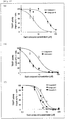
Figure 5] Figure 5 is a graph showing the inhibitory effect (dose dependency) of the compounds
on TRPA1 activation.- (A): Compound 10, Compound 1, (B): Compound 3, Compound 4, (C) : Compound 7, Compound 8, Compound 2
- The present invention relates to the provision of a compound for use in reduction of sensory irritation for skin or mucous membrane.
- The present inventors evaluated materials which inhibit the activity of TRPA1 and found that the compound represented by the above formula (1) inhibits the activity of TRPA1 and is effective to reduce sensory irritation for skin or mucosa membrane caused by a causative substance of sensory irritation.
- The TRPA1 inhibitor and the agent for reduction of sensory irritation for skin or mucous membrane have potential to effectively inhibit the activation of TRPA1. Accordingly, when the TRPA1 inhibitor or the agent for reduction of sensory irritation for skin or mucous membrane is used with various compositions containing a causative substance of sensory irritation such as an antiseptic, an antiseptic aid, ammonia or the like, the sensory irritation and pain caused by such a causative substance can be alleviated.
- In the formula (1), the alkyl group having 1 to 3 carbon atoms represented by R1 and R3 may be either linear or branched and specific examples include a methyl group, an ethyl group, an n-propyl group and an isopropyl group, among which a methyl group is preferable.
- It is preferable that R1 and R3 are both hydrogen atoms or either one of them is an alkyl group having 1 to 3 carbon atoms (preferably a methyl group).
- The alkyl group having 1 to 6 carbon atoms represented by R2 may be either linear or branched and examples thereof include a methyl group, an ethyl group, an n-propyl group, an isopropyl group, an n-butyl group, a t-butyl group, an n-pentyl group, an n-hexyl group and the like, among which an alkyl group having 1 to 3 carbon atoms is preferable, with a methyl group and an ethyl group being more preferable.
- Preferred embodiment of the compound represented by the formula (1) includes a case wherein R1 is a hydrogen atom or a methyl group, R2 is a methyl group or an ethyl group, R3 is a hydrogen atom and R4 is a methyl group or an ethyl group.
- The compound wherein R1 and R3 are both hydrogen atoms, R2 and R4 are both methyl groups and a double line composed of a dotted line and a solid line represents a single bond, namely, 2-methyl-4-phenyl-1-pentanol (Compound 1) is a substance used in skin care products, softeners or the like as a long-lasting fragrance and commercially available under the name of "Pamplefleur".
- Further, in the compound represented by the formula (1) wherein the double line composed of a dotted line and a solid line represents a double bond, the cis isomer (Z isomer) and the trans isomer (E isomer) exist. Also, depending on the type and combination of substituents, isomers such as optical isomers including d-isomer, l-isomer and the like and rotational isomers, may exist. In the present invention, any of the mixtures and isolates of these isomers are encompassed.
- The compound represented by the formula (1) can be chemically synthesized in accordance with a known method (e.g., J. Org. Chem. 2005, 70, 1281 - 1290). For example, the compound can be synthesized, as shown in the following reaction formula, by condensing a carbonyl compound represented by A and triester of phosphonocarboxylic acid or the like in the presence of a base to form an α,β unsaturated ester B, subjecting the ester B to a reduction reaction using LiAlH4 or the like to form an alcohol C, further hydrogenating the alcohol C to form a saturated alcohol D, furthermore subjecting the alcohol D to an oxidation reaction using TEMPO and iodobenzene diacetate or the like to form an aldehyde E and incorporating an alkyl group using an alkylating agent such as a Grignard reagent to form Compound F.

- Further, a commercially available "pamplefleur" (IFF Inc.) or the like can also be used as the 2-methyl-4-phenyl-1-pentanol.
- Examples of the more preferred compound of the compound represented by the formula (1) include those listed in Table 1 to be described later, among which 2-methyl-4-phenyl-1-pentanol (Compound 1), (E)-2-ethyl-4-phenyl-2-penten-1-ol (Compound 2), (Z)-2-ethyl-4-phenyl-2-penten-1-ol (Compound 3), 2-ethyl-4-phenyl-1-pentanol (Compound 4), (E)-2-ethyl-4-phenyl-2-hexen-1-ol (Compound 7), (Z)-2-ethyl-4-phenyl-2-hexen-1-ol (Compound 8) and (E)-2-methyl-4-phenyl-2-penten-1-ol (Compound 10) are preferable in light of the inhibitory effect on TRPA1 activation.
- The compound represented by the formula (1), as demonstrated in Examples to described later, has the inhibitory effect on TRPA1 activation by inhibiting the inflow of an intracellular cation amount caused by stimulants when allowed, together with various TRPA1 stimulants, to contact a TRPA1-transduced cell (TRPA1 expression cell) (Examples 1 to 4, 7 and 8). Also, when the compound represented by the formula (1) is applied to skin together with an antiseptic which activates TRPA1, the compound exhibits the effect to alleviate sensory irritation property caused by the antiseptic and irritating odor (Examples 5 and 6).
- Thus, the compound represented by the formula (1) may be a TRPA1 inhibitor and an agent for reduction of sensory irritation for skin or mucous membrane effective to alleviate sensory irritation and pain to skin or mucous membrane induced through TRPA1.
- The "inhibition of TRPA1 activity" used herein refers to inhibition of TRPA1 activity, which is a receptor; specifically, the inhibition or blockage of the activation expressed when a TRPA1 stimulant (agonist) bonds to TRPA1, for example, the regulatory capacity of ion flux (e.g., the transport capacity of cations such as calcium ion, sodium ion or the like from outside to inside of a cell), the regulatory capacity of membrane potential (e.g., current generating capacity).
- Examples of the TRPA1 stimulant herein include AITC, ammonia, bradykinin, cinnamaldehyde, 4-hydroxynonenal, allicin, acrolein, menthol, methyl salicylate, eugenol, parabens, phenoxyethanol, iodopropynyl butylcarbamate (IPBC), triclosan, benzyl alcohol and the like.
- The inhibitory effect on TRPA1 activation of the compound represented by the formula (1) can be evaluated, for example, using a TRPA1 expression cell, by comparing the difference between the calcium ion concentration in the TRPA1-expressing cell which is contacted with a TRPA1 stimulant (e.g., AITC) in the presence of the compound represented by the formula (1) and the calcium ion concentration in the TRPA1-expressing cell which is contacted a TRPA1 stimulant in the absence of the compound represented by the formula (1).
- Further, the "reducing sensory irritation of skin or mucous membrane" means to inhibit or alleviate the sensory irritation and pain induced through TRPA1 activation; more specifically, the term means the inhibition or alleviation of the sensory irritation caused by chemical substances, which are the TRPA1 stimulants described above. Preferred TRPA1 stimulants herein are chemical substances which may cause sensory irritation to skin or mucous membrane (referred to as "causative substance of sensory irritation"), and examples include antiseptics such as parabens, phenoxyethanol, iodopropynyl butylcarbamate (IPBC) and triclosan, antiseptic aids such as benzyl alcohol, ammonia, acrolein, menthol, methyl salicylate, eugenol and the-like.
- The "mucous membrane" used herein includes the oral cavity, throat, nasal cavity, ear cavity, conjunctival sac and the like.
- The effect that reduces sensory irritation may be measured by the sensory evaluation as shown in Examples to be described later or may be evaluated based on the changes of intracellular calcium ion concentration using the above-described TRPA1-expressing cell.
- The TRPA1 inhibitor and the agent for reduction of sensory irritation for skin or mucous membrane may be added to a composition containing a causative substance of sensory irritation described above (cosmetics, quasi drugs, pharmaceutical products, daily supplies or the like which include skin cleansers, head and hair cleansers, make-up agents, bath agents, perm solutions, hair dyes, soaps, detergents, laundry detergents, toothpastes and the like) or may be combined with the composition. For example, the TRPA1 inhibitor and the agent for reduction of sensory irritation for skin or mucous membrane may be prepared separately from a composition containing a causative substance of sensory irritation and combined simultaneously or successively therewith. Thus, the sensory irritation caused by such a causative substance of sensory irritation can be reduced.
- The TRPA1 inhibitor and the agent for reduction of sensory irritation for skin or mucous membrane may be the compound represented by the formula (1)
which is used singly, or may be a composition combined with an additive, an excipient or the like used in various preparations such as pharmaceutical products, cosmetics, quasi drugs and daily supplies, including oils, colorants, flavors, antiseptics, chelating agents, pigments, antioxidants, vitamins, minerals, sweeteners, seasonings, preservatives, binders, extenders, disintegrators, surfactants, lubricants, dispersants, buffers, coating agents, carriers, diluents or the like. Further, the form thereof is not limited and the inhibitor and the agent can be prepared in any form, for example, solutions, emulsions, suspensions, gels, solids, powders, particulates and aerosols. - When the TRPA1 inhibitor and the agent for reduction of sensory irritation for skin or mucous membrane are used with a composition containing a causative substance of sensory irritation, the amount of the TRPA1 inhibitor and the agent for reduction of sensory irritation for skin or mucous membrane to be used is not limited insofar as the effect that reduces sensory irritation is achieved. But, the amount of the compound represented by the formula (1) may be preferably 0.01 parts by mass or more, more preferably 0.1 parts by mass or more, and preferably 10 parts by mass or less, more preferably 1 part by mass or less per part by mass of a causative substance of sensory irritation. For example, the amount to be used may be preferably 0.01 to 10 parts by mass, more preferably 0.1 to 1 part by mass, per part by mass of a causative substance of sensory irritation.
- Regarding the above embodiments, the present application further discloses the following embodiments.
- <1> A TRPA1 inhibitor comprising as an active ingredient a compound represented by the following formula (1).
- <2> An agent for reduction of sensory irritation for skin or mucous membrane comprising as an active ingredient a compound represented by the following formula (1).
- <3> Use of a compound represented by the following formula (1) for the production of a TRPA1 inhibitor.
- <4> Use of a compound represented by the following formula (1) for the production of an agent for reduction of sensory irritation for skin or mucous membrane.
- <5> A compound represented by the following formula (1) for use in inhibition of TRPA1 activity.
- <6> A compound represented by the following formula (1) for use in reduction of sensory irritation of skin or mucous membrane.
- <7> A method for inhibiting the TRPA1 activity comprising using a compound represented by the following formula (1).
- <8> A method for reducing sensory irritation to skin or mucous membrane comprising using a compound represented by the following formula (1).
- <9> In the above <2>, <4>, <6> or <8>, the reduction of sensory irritation is reduction of the sensory irritation to skin or mucous membrane caused by a causative substance of sensory irritation.
- <10> In the above <9>, the causative substance of sensory irritation is an antiseptic, an antiseptic aid or ammonia.
- <11> In the above <5>, <6>, <7> or <8>, the compound represented by the following formula (1) is added to a composition containing a causative substance of sensory irritation, or combined with the composition.
- <12> In the above <11>, the compound represented by the following formula (1) is used in an amount of preferably 0.01 parts by mass or more, more preferably 0.1 parts by mass or more, and preferably 10 parts by mass or less, more preferably 1 part by mass or less, per part by mass of a causative substance of sensory irritation.
- In the formula (1), R1 and R3 each independently represent a hydrogen atom or an alkyl group having 1 to 3 carbon atoms, R2 represents an alkyl group having 1 to 6 carbon atoms, R4 represents a hydrogen atom, a methyl group or an ethyl group, and a double line composed of a dotted line and a solid line represents a single bond or a double bond.
- Hereinbelow, Production Examples of the compounds used in the present invention (
Compounds 1 to 12) shown in Table 1 and the Comparative Compounds are described. For Compound 1 (2-methyl-4-phenyl-1-pentanol), a commercially available "pamplefleur" (IFF Inc.) was purchased. - 1H-NMR spectrum was measured by a Bruker Avance-600 using CHCl3 (7.24) as the internal standard substance, and 13C NMR spectrum was measured by a Bruker Avance-600 using CHCl3 (77.0) as the internal standard substance.
[Table 1] Compound 12-methyl-4-phenyl-1-pentanol 
Compound 2 (E)-2-ethyl-4-phenyl-2-penten-1-ol 
Compound 3 (Z)-2-ethyl-4-phenyl-2-penten-1- ol 
Compound 4 2-ethyl-4-phenyl-1-pentanol 
Compound 5 2-methyl-4-phenyl-2-hexen-1-ol 
Compound 6 2-methyl-4-phenyl-1-hexanol 
Compound 7 (E)-2-ethyl-4-phenyl-2-hexen-1-ol 
Compound 8 (Z)-2-ethyl-4-phenyl-2-hexen-1-ol 
Compound 9 2,3-dimethyl-4-phenyl-1-butanol 
Compound 10 (E)-2-methyl-4-phenyl-2-penten-1-ol 
Compound 11 2-methyl-4-phenyl-1-butanol 
Compound 12 3-methyl-5-phenyl-2-hexanol 
-
- (1) Sodium hydride (purity 55%, 195 mg) was suspended in tetrahydrofuran (15 mL), triethyl 2-phosphonobutyrate (1.33 mL) was added thereto and the solution was stirred for 30 minutes at room temperature under nitrogen atmosphere. A solution of 2-phenylpropionaldehyde (a) (300 mg) dissolved in tetrahydrofuran (5 mL) was added to the reaction solution and further stirred for 15 hours. An aqueous solution of saturated ammonium chloride and hexane were added to the reaction solution and the hexane layer was dried under reduced pressure and subsequently purified by silica gel chromatography, thereby obtaining (E)-α,β unsaturated ester (b) (35.9 mg) and (Z)-α,β unsaturated ester (c) (396.4 mg).

- (2) LiAlH4 (9.6 mg) was suspended in tetrahydrofuran (1 mL), a solution of the (E)-α,β unsaturated ester (b) (23.5 mg) obtained in (1) dissolved in tetrahydrofuran (0.5 mL) was added thereto and stirred at 0°C for 30 minutes. Water (20 µL), a 15% sodium hydroxide aqueous solution (20 µL) and water (60 µL) were added in this order to the reaction solution and stirred for a day, followed by filtering the insoluble matters. The filtrate was dried under reduced pressure and purified by silica gel chromatography, thereby obtaining (E)-2-ethyl-4-phenyl-2-penten-1-ol (Compound 2) (14.0 mg).

The NMR spectrum ofCompound 2 is shown below.
1HNMR (600 MHz, CDCl3) δ 7.30-7.26 (m, 2H), 7.25-7.22 (m, 2H), 7.19-7.15 (m, 1H), 5.52 (d, J = 9.8 Hz, 1H), 4.04 (s, 2H), 3.72 (dq, J = 9.8, 7.0 Hz, 1H), 2.24-2.13 (m, 2H), 1.34 (d, J = 7.0 Hz, 3H), 1.00 (t, J = 7.5 Hz, 3H);
13CNMR (150 MHz, CDCl3) δ 146.7, 139.5, 131.2, 128.6, 127.0, 126.1, 66.7, 37.6, 22.6, 21.4, 13.5. - (3) LiAlH4 (151 mg) was suspended in tetrahydrofuran (9 mL), a solution of the (Z)-α,β unsaturated ester (c) (371 mg) obtained in (1) dissolved in tetrahydrofuran (6 mL) was added thereto and stirred at 0°C for 30 minutes. Water (200 µL), a 15% sodium hydroxide aqueous solution (200 µL) and water (600 µL) were added in this order to the reaction solution and stirred for a day, followed by filtering the insoluble matters. The filtrate was dried under reduced pressure and purified by silica gel chromatography, thereby obtaining (Z)-2-ethyl-4-phenyl-2-penten-1-ol (Compound 3) (258 mg).
- The NMR spectrum of
Compound 3 is shown below.
1HNMR (600 MHz, CDCl3) δ 7.30-7.26 (m, 2H), 7.23-7.21 (m, 2H), 7.19-7.15 (m, 1H), 5.44 (d, J = 9.5 Hz, 1H), 4.20 (d, J = 11.9 Hz, 1H), 4.17 (d, J = 11.9 Hz, 1H), 3.79 (dq, J = 9.5, 6.9 Hz, 1H), 2.14 (q, J = 7.4 Hz, 2H), 1.33 (d, J = 6.9 Hz, 3H), 1.03 (t, J = 7.4 Hz, 3H);
13CNMR (150 MHz, CDCl3) δ 146.8, 139.0, 132.5, 128.5, 126.8, 126.0, 60.7, 37.5, 27.8, 23.0, 12.7. - Compound 3 (80.1 mg) obtained in (4) was dissolved in ethyl acetate (8 mL), Pd/C (10%, 40.0 mg) was added under nitrogen atmosphere, subsequently the system was replaced with hydrogen gas and the solution was stirred at room temperature for 3 hours. The reaction solution was celite-filtered, the filtrate was dried under reduced pressure and purified by silica gel chromatography, thereby obtaining 2-ethyl-4-phenyl-1-pentanol (dr = 65 : 35, Compound 4) (53.8 mg).

- The NMR spectrum of
Compound 4 is shown below.
1HNMR (600 MHz, CDCl3) δ 7.29-7.25 (m, 2H), 7.19-7.15 (m, 3H), 3.53 (d, J = 4.9 Hz, 1.3H), 3.45 (dd, J = 5.5, 1.3 Hz, 0.7H), 2.84-2.75 (m, 1H), 1.65 (ddd, J = 13.8, 8.9, 5.7 Hz, 0.35H), 1.61-1.52 (m, 1.3H), 1.47 (ddd, J = 13.8, 7.7, 6.3 Hz, 0.35H), 1.39-1.26 (m, 3H), 1.23 (d, J = 7.2 Hz, 1.05H), 1.22 (d, J = 7.1 Hz, 1.95H), 0.85 (t, J = 7.4 Hz, 1.05H), 0.82 (t, J = 7.4 Hz, 1.95H);
13CNMR (150 MHz, CDCl3) δ 147.5 (2C), 128.4 (2C), 127.0, 126.9, 125.9 (2C), 65.3, 64.8, 39.6, 39.4 (2C), 39.0, 37.4, 37.3, 23.7, 23.1 (3C), 10.9, 10.7. -
- (1) 2-Phenyl-1-butanol (d) (1.00 g) was dissolved in dichloromethane (33 mL), subsequently iodobenzene diacetate (4.08 g) and TEMPO (208 mg) were added thereto and the solution was stirred at room temperature for 1.5 hours under nitrogen atmosphere. An aqueous solution of saturated sodium bicarbonate, an aqueous solution of sodium thiosulfate and hexane were added to the reaction solution and the hexane layer was dried under reduced pressure and subsequently purified by silica gel chromatography, thereby obtaining aldehyde (e) (640 mg).
Sodium hydride (purity 55%, 89.9 mg) was suspended in tetrahydrofuran (7 mL), triethyl 2-phosphonopropionate (0.56 mL) was added thereto and the solution was stirred for 30 minutes at room temperature under nitrogen atmosphere. A solution of the thus obtained aldehyde (e) (153 mg) dissolved in tetrahydrofuran (2 mL) was added to the reaction solution and further stirred for 14 hours. An aqueous solution of saturated ammonium chloride and hexane were added to the reaction solution and the hexane layer was dried under reduced pressure and subsequently purified by silica gel chromatography, thereby obtaining an α,β unsaturated ester (f) (E/Z = 1 : 2, 160 mg).
Further, sodium hydride (purity 55%, 90.7 mg) was similarly suspended in tetrahydrofuran (7 mL), triethyl 2-phosphonobutyrate (0.62 mL) was added thereto and the solution was stirred for 30 minutes at room temperature under nitrogen atmosphere. A solution of aldehyde (e) (154 mg) dissolved in tetrahydrofuran (2 mL) was added to the reaction solution and further stirred for 14 hours. An aqueous solution of saturated ammonium chloride and hexane were added to the reaction solution and the hexane layer was dried under reduced pressure and subsequently purified by silica gel chromatography, thereby obtaining an α,β unsaturated ester (g) (E/Z = 1 : 4, 152 mg).
- (2) LiAlH4 (65.4 mg) was suspended in tetrahydrofuran (5 mL), a solution of the α,β unsaturated ester (f) (160 mg) obtained in (1) dissolved in tetrahydrofuran (1 mL) was added thereto and stirred at 0°C for 30 minutes. Water (100 µL), a 15% sodium hydroxide aqueous solution (100 µL) and water (300 µL) were added in this order to the reaction solution and stirred for a day, followed by filtering the insoluble matters. The filtrate was dried under reduced pressure and purified by silica gel chromatography, thereby obtaining 2-methyl-4-phenyl-2-hexen-1-ol (E/Z = 3 : 7, Compound 5) (99.6 mg).

The NMR spectrum of Compound 5 is shown below.
1HNMR (600 MHz, CDCl3) δ 7.29-7.25 (m, 2H), 7.20-7.14 (m, 3H), 5.54 (d, J = 9.6 Hz, 0.3H), 5.43 (d, J = 9.8 Hz, 0.7H), 4.15 (s, 1.4H), 3.99 (s, 0.6H), 3.45-3.40 (m, 0.7H), 3.41-3.36 (m, 0.3H), 1.80 (d, J = 1.3 Hz, 2.1H), 1.75-1.57 (m, 2H), 1.70 (d, J = 1.2 Hz, 0.9H), 0.84 (t, J = 7.4 Hz, 0.9H), 0.83 (d, J = 7.4 Hz, 2.1H);
13CNMR (150 MHz, CDCl3) δ 145.7, 145.4, 134.6, 134.4, 132.5, 129.9, 128.5, 128.4, 127.3, 127.2, 126.0, 125.9, 68.8, 61.9, 45.7, 45.5, 30.1, 29.8, 21.5 (2C), 14.0, 12.2. - (3) Compound 5 (54.6 mg) obtained in (2) was dissolved in ethyl acetate (3 mL), Pd/C (10%, 27.3 mg) was added thereto under nitrogen atmosphere, subsequently the system was replaced with hydrogen gas and the solution was stirred at room temperature for 1 hours. The reaction solution was celite-filtered and the filtrate was dried under reduced pressure and purified by silica gel chromatography, thereby obtaining 2-methyl-4-phenyl-1-hexenol (dr = 1 : 1, hereinafter Compound 6) (22.7 mg).
- The NMR spectrum of Compound 6 is shown below.
1HNMR (600 MHz, CDCl3) δ 7.28-7.25 (m, 2H), 7.18-7.12 (m, 3H), 3.49 (dd, J = 10.5, 4.9 Hz, 0.5H), 3.38 (dd, J = 10.5, 6.4 Hz, 0.5H), 3.34 (dd, J = 10.5, 5.8 Hz, 0.5H), 3.30 (dd, J = 10.5, 6.2 Hz, 0.5H), 2.54-2.48 (m, 1H), 1.73-1.27 (m, 5H), 0.87 (d, J = 6.4 Hz, 1.5H), 0.84 (d, J = 6.8 Hz, 1.5H), 0.75 (t, J = 7.3 Hz, 1.5H), 0.73 (t, J = 7.3Hz, 1.5H);
13CNMR (150 MHz, CDCl3) δ 145.8, 145.3, 128.2 (2C), 127.7, 127.6, 125.9 (2C), 68.8, 67.6, 45.1, 45.0, 40.1, 39.7, 33.3, 33.2, 30.8, 29.8, 17.5, 16.0, 12.2, 12.1. - LiAlH4 (52.2 mg) was suspended in tetrahydrofuran (5 mL), subsequently a solution of the α,β unsaturated ester (g) (136 mg) obtained in Production Example 2 (1) dissolved in tetrahydrofuran (1 mL) was added thereto and the solution was stirred at 0°C for 30 minutes. Water (80 µL), a 15% sodium hydroxide aqueous solution (80 µL) and water (240 µL) was added in this order to the reaction solution and stirred for a day, followed by filtering the insoluble matters. The filtrate was dried under reduced pressure and purified by silica gel chromatography, thereby obtaining 2-ethyl-4-phenyl-2-hexen-1-ol (E/Z = 1 : 4) (84.6 mg). The obtained compound (a mixture) (20.0 mg) was purified by ODS-HPLC (Inertsil ODS-3, an aqueous solution of 50% acetonitrile/0.1% formic acid), thereby obtaining (E)-2-ethyl-4-phenyl-2-hexen-1-ol (Compound 7) (3.4 mg) and (Z)-2-ethyl-4-phenyl-2-hexen-1-ol (Compound 8) (13.6 mg).

- The NMR spectrum of
Compound 7 is shown below.
1HNMR (600 MHz, CDCl3) δ 7.28-7.25 (m, 2H), 7.20-7.14 (m, 3H), 5.51 (d, J = 9.8 Hz, 1H), 4.04 (s, 2H), 3.39 (dt, J = 9.8, 7.4 Hz, 1H), 2.16 (q, J = 7.6 Hz, 2H), 1.76-1.68 (m, 1H), 1.67-1.59 (m, 1H), 0.97 (t, J = 7.6 Hz, 3H), 0.84 (t, J = 7.4 Hz, 3H);
13CNMR (150 MHz, CDCl3) δ 145.5, 140.3, 129.9, 128.4, 127.3, 125.9, 66.7, 45.4, 30.0, 21.3, 13.2, 12.3. - The NMR spectrum of
Compound 8 is shown below.
1HNMR (600 MHz, CDCl3) δ 7.29-7.25 (m, 2H), 7.20-7.14 (m, 3H), 5.44 (d, J = 9.8 Hz, 1H), 4.19 (d, J = 11.9 Hz, 2H), 4.13 (d, J = 11.9 Hz, 1H), 3.46 (m, 1H), 2.14 (m, 2H), 1.76-1.68 (m, 1H), 1.66-1.58 (m, 1H), 1.03 (t, J = 7.5 Hz, 3H), 0.84 (t, J = 7.4 Hz, 3H);
13CNMR (150 MHz, CDCl3) δ 145.8, 140.1, 131.3, 128.5, 127.2, 126.0, 60.7, 45.3, 30.3, 28.0, 12.8, 12.2. -
- (1) 1-Phenyl-2-propanol (h) (428 mg) was dissolved in dichloromethane (16 mL), subsequently molecular sieves 4A (400 mg), N-methylmorpholine (1.10 g) and tetrapropylammonium perruthenate (110 mg) were added thereto and the solution was stirred for 24 hours at room temperature under nitrogen atmosphere. The reaction solution was filtered using a silica gel short column, and the filtrate was dried under reduced pressure and subsequently purified by silica gel chromatography, thereby obtaining ketone (i) (102 mg).
Sodium hydride (purity 55%, 81.2 mg) was suspended in tetrahydrofuran (5 mL), triethyl 2-phosphonopropionate (0.48 mL) was added thereto and the solution was stirred for 30 minutes at room temperature under nitrogen atmosphere. A solution of the thus obtained ketone (i) (100 mg) dissolved in tetrahydrofuran (2 mL) was added to the reaction solution and further stirred for 22 hours. An aqueous solution of saturated ammonium chloride and hexane were added to the reaction solution and the hexane layer was dried under reduced pressure and subsequently purified by silica gel chromatography, thereby obtaining an α,β unsaturated ester (j) (E/Z = 1 : 1, 97.6 mg).
- (2) LiAlH4 (37.6 mg) was suspended in tetrahydrofuran (3 mL) and a solution of the α,β unsaturated ester (j) (86.5 mg) obtained in (1) dissolved in tetrahydrofuran (1 mL) was added thereto and stirred at 0°C for 30 minutes. Water (50 µL), a 15% sodium hydroxide aqueous solution (50 µL) and water (150 µL) were added in this order to the reaction solution and stirred for a day, followed by filtering the insoluble matters. The filtrate was dried under reduced pressure and purified by silica gel chromatography, thereby obtaining allylalcohol (k) (E/Z = 1 : 1) (49.4 mg).

- (3) Allylalcohol (30.0 mg) obtained in (2) was dissolved in ethyl acetate (3 mL), Pd/C (10%, 15.0 mg) was added thereto under nitrogen atmosphere, subsequently the system was replaced with hydrogen gas and the solution was stirred at room temperature for 1 hours. The reaction solution was celite-filtered and the filtrate was dried under reduced pressure and subsequently purified by silica gel chromatography, thereby obtaining 2,3-dimethyl-4-phenyl-1-butanol (dr = 3 : 2, Compound 9) (17.4 mg).
- The NMR spectrum of Compound 9 is shown below.
1HNMR (600 MHz, CDCl3) δ 7.28-7.24 (m, 2H), 7.18-7.13 (m, 3H), 3.68 (dd, J = 10.5, 5.8 Hz, 0.4H), 3.55-3.44 (m, 1.6H), 2.76 (dd, J = 13.4, 4.8 Hz, 0.4H), 2.64 (dd, J = 13.5, 6.8 Hz, 0.6H), 2.44 (dd, J = 13.5, 8.4 Hz, 0.6H), 2.26 (dd, J = 13.4, 9.9 Hz, 0.4H), 2.01-1.94 (m, 0.6H), 1.90-1.83 (m, 0.4H), 1.70-1.62 (m, 1H), 0.97 (d, J = 7.0 Hz, 1.2H), 0.87 (d, J = 6.9 Hz, 1.8H), 0.82 (d, J = 7.0 Hz, 1.2H), 0.77 (d, J = 6.9 Hz, 1.8H);
13CNMR (150 MHz, CDCl3) δ 141.7, 141.4, 129.1, 129.0, 128.2 (2C), 125.7 (2C), 66.7, 65.9, 41.4, 40.3, 39.4, 38.8, 36.9, 35.4, 16.6, 14.0, 13.7, 11.1. -
- (1) 2-Phenylpropionaldehyde (a) (300 mg) was dissolved in tetrahydrofuran (10 mL) and subsequently ethyl 2-(triphenylphosphoranylidene)propionate (1.70 g) was added thereto and the solution was stirred for 24 hours at room temperature under nitrogen atmosphere. Water and hexane/ethyl acetate were added to the reaction solution and the organic layer was dried under reduced pressure and subsequently purified by silica gel chromatography, thereby obtaining (E)-α,β unsaturated ester (1) (261 mg).

- (2) LiAlH4 (227 mg) was suspended in tetrahydrofuran (10 mL) and a solution of the (E)-α,β unsaturated ester (1) (261 mg) obtained in (1) dissolved in tetrahydrofuran (2 mL) was added thereto and stirred at 0°C for 30 minutes. Water (200 µL), a 15% sodium hydroxide aqueous solution (200 µL) and water (600 µL) were added in this order to the reaction solution and stirred for a day, followed by filtering the insoluble matters. The filtrate was dried under reduced pressure and subsequently purified by silica gel chromatography, thereby obtaining (E)-2-methyl-4-phenyl-2-penten-1-ol (Compound 10) (115 mg).
- The NMR spectrum of
Compound 10 is shown below.
1HNMR (600 MHz, CDCl3) δ 7.29-7.26 (m, 2H), 7.23-7.21 (m, 2H), 7.18-7.15 (m, 1H), 5.55 (dq, J = 9.4, 1.3 Hz, 1H), 3.99 (s, 2H), 3.69 (dq, J = 9.4, 6.9 Hz, 1H), 1.72 (d, J = 1.3 Hz, 3H), 1.32 (d, J = 6.9 Hz, 3H);
13CNMR (150 MHz, CDCl3) δ 146.4, 133.7, 131.2, 128.4, 126.9, 126.0, 68.7, 37.7, 22.1, 13.8. - LiAlH4 (30.6 mg) was suspended in tetrahydrofuran (2 mL), 2-methyl-4-phenyl-1-butanoic acid (m) (47.9 mg) dissolved in tetrahydrofuran (0.5 mL) was added thereto and stirred at 0°C for 30 minutes. Water (50 µL), a 15% sodium hydroxide aqueous solution (50 µL) and water (150 µL) were added in this order to the reaction solution and stirred for a day, followed by filtering the insoluble matters. The filtrate was dried under reduced pressure and subsequently purified by silica gel chromatography, thereby obtaining 2-methyl-4-phenyl-1-butanol (Compound 11) (16.5 mg).

- The NMR spectrum of Compound 11 is shown below.
1HNMR (600 MHz, CDCl3) δ 7.28-7.25 (m, 2H), 7.19-7.14 (m, 3H), 3.51 (dd, J = 10.5, 5.8 Hz, 1H), 3.45 (dd, J = 10.5, 6.4 Hz, 1H), 2.69 (ddd, J = 13.7, 10.4, 5.6 Hz, 1H), 2.58 (ddd, J = 13.7, 10.2, 6.4 Hz, 1H), 1.78-1.71 (m, 1H), 1.69-1.61 (m, 1H), 1.46-1.39 (m, 1H), 0.97 (d, J = 6.8 Hz, 3H);
13CNMR (150 MHz, CDCl3) δ 142.6, 128.3 (2C), 125.7, 68.1, 35.3, 34.9, 33.2, 16.5. -
- (1) Compound 1 (532 mg) was dissolved in dichloromethane (20 mL), subsequently iodobenzene diacetate (2.88 g) and TEMPO (93.2 mg) were added thereto and the solution was stirred at room temperature for 1.5 hours under nitrogen atmosphere. An aqueous solution of saturated sodium bicarbonate, an aqueous solution of sodium thiosulfate and ethyl acetate were added to the reaction solution and subsequently the ethyl acetate layer was dried under reduced pressure and purified by silica gel chromatography, thereby obtaining aldehyde (n) (361 mg).

- (2) The aldehyde (n) (31.1 mg) obtained in (1) was dissolved in tetrahydrofuran (2 mL), subsequently methyl magnesium bromide (3M in diethyl ether, 0.088 mL) was added thereto at 0°C under nitrogen atmosphere and the solution was stirred at the same conditions for 30 minutes. An aqueous solution of saturated ammonium chloride and ethyl acetate were added to the reaction solution and the ethyl acetate layer was dried under reduced pressure and subsequently purified by silica gel chromatography, thereby obtaining 3-methyl-5-phenyl-2-hexanol (dr = 3 : 2 : 2 : 2, Compound 12) (24.5 mg).
- The NMR spectrum of Compound 12 is shown below.
1HNMR (600 MHz, CDCl3) δ 7.30-7.26 (m, 2H), 7.21-7.15 (m, 3H), 3.74 (qd, J = 6.4, 4.0 Hz, 0.33H), 3.67 (qd, J = 6.3, 5.2 Hz, 0.22H), 3.59 (qd, J = 6.4, 4.2 Hz, 0.22H), 3.55 (qd, J = 6.3, 5.0 Hz, 0.22H), 2.84-2.74 (m, 1H), 1.85-1.74 (m, 0.44H), 1.69-1.55 (m, 0.78H), 1.51-1.45 (m, 0.33H), 1.45-1.34 (m, 1H), 1.32-1.16 (m, 0.44H), 1.24 (d, J = 7.0 Hz, 0.67H), 1.24 (d, J = 6.9 Hz, 0.67H), 1.22 (d, J = 6.9 Hz, 1H), 1.21 (d, J = 7.0 Hz, 0.67H), 1.12-1.09 (m, 1.67H), 1.06 (d, J = 6.4 Hz, 0.67H), 1.04 (d, J = 6.3 Hz, 0.67H), 0.87-0.83 (m, 3H);
13CNMR (150 MHz, CDCl3) δ 148.2, 148.1, 146.9 (2C), 128.4 (3C), 128.3, 127.1, 127.0, 126.9, 126.8, 125.9 (3C), 125.8, 72.0, 71.6 (2C), 70.9, 41.6, 41.4, 40.7, 40.6, 37.7, 37.4 (2C), 37.2 (3C), 37.1 (2C), 24.1, 24.0, 21.7, 21.4, 20.2, 19.7, 19.2, 18.9. -
- (1) LiAlH4 (30.0 mg) was suspended in tetrahydrofuran (2 mL), a solution of 4-phenyl-1-pentanoic acid (o) (46.9 mg) dissolved in tetrahydrofuran (0.5 mL) was added thereto and stirred at 0°C for 30 minutes. Water (50 µL), a 15% sodium hydroxide aqueous solution (50 µL) and water (150 µL) were added in this order to the reaction solution and stirred for a day, followed by filtering the insoluble matters. The filtrate was dried under reduced pressure and subsequently purified by silica gel chromatography, thereby obtaining 4-phenyl-1-pentanol (Comparative Compound 1) (8.1 mg).

The NMR spectrum ofComparative Compound 1 is shown below.
1HNMR (600 MHz, CDCl3) δ 7.29-7.25 (m, 2H), 7.18-7.15 (m, 3H), 3.57 (t, J = 6.6 Hz, 2H), 2.68 (qt, J = 7.0, 7.0 Hz, 1H), 1.66-1.59 (m, 2H), 1.55-1.46 (m, 1H), 1.44-1.37 (m, 1H), 1.24 (d, J = 7.0 Hz, 3H);
13CNMR (150 MHz, CDCl3) δ 147.3, 128.3, 126.9, 125.9, 63.0, 39.8, 34.4, 30.9, 22.4. - (2) For 4-phenyl-1-butanol (Comparative Compound 2), a commercial product (Tokyo Chemical Industry Co., Ltd.: P1275) was used.
- The human TRPA1 gene of which the full length is inserted into pENTR223.1 was purchased from Open Biosystems. The TRPA1 gene was sub-cloned into an expression vector pcDNA3.2-V5/DEST (Invitrogen) and transfected into HEK293 cells using Lipofectamine 2000 (Invitrogen). The transfected cells were grown in DMEM medium containing G-418 (450 µg/ml; Promega KK) and thus selected. The HEK293 cells do not express endogenous TRPA1 and hence can be used as a control against the TRPA1-transfected cell line.
- The activity of TRPA1 transfected into the HEK293 cell was measured using the fluorescent calcium imaging method. First, the cultured TRPA1 expressing cells were inoculated in a poly-D-lysine coated 96-well plate (BD Falcon) (30000 cells/well) and incubated at 37°C overnight and subsequently the culture medium was removed therefrom, followed by adding Fluo4-AM (2 µg/ml; Dojin Chemical Co.Ltd) dissolved in a Ringer's solution to incubate the cells at 37°C for 60 minutes. After that, the fluo4-AM solution was removed and a Ringer's solution was added to the well and a fluorescent plate reader (FDSS3000; Hamamatsu Photonics K.K.) was set. A fluorescent image, excited at an excitation wavelength of 480 nm and a temperature inside the reader of 24°C, was detected using a CCD camera at a detection wavelength of 520 nm. The measurement was carried out every second for 4 minutes, and 15 seconds later from the start of measurement, a TRPA1 stimulant of AITC and a test material (2-methyl-4-phenyl-1-pentanol (Compound 1)) were added respectively at the final concentrations of 30 µM and 0.01% using an FDSS3000 built-in dispenser to evaluate the TRPA1 activities by the changes of fluorescence intensity thereafter. The TRPA1 activity is expressed as the fluorescence intensity ratio (Ratio; Fpeak/F0) calculated by dividing the peak of fluorescence intensity (Fpeak) after the addition of stimulant by the fluorescence intensity (F0) before the addition of stimulant. As a control, the same substance was added to HEK293 cells into which TRPA1 was not transfected and the fluorescence intensity ratio (Ratio293) in this case was calculated to verify that the activity triggered by the stimulant was resulted from the TRPA1 activation.
- To evaluate the effect of
Compound 1 on the TRPA1 activation caused by AITC, the inhibition (ratio for TRPA1 inhibition; %) ofCompound 1 on TRPA1 activity when AITC (30 µM) and ethanol (0.01%; solvent control) were added was evaluated. The inhibitory effect on TRPA1 activity attained by mixing and adding AITC (stimulant) (30 µM) and Compound 1 (test material) (0.01%) was calculated in accordance with the following expression.
- Table 2 shows the effect (ratio for TRPA1 inhibition) of
Compound 1 on the TRPA1 activation by 30 µM of AITC. It is verified that 2-methyl-4-phenyl-1-pentanol is a highly effective TRPA1 inhibitor compared with d-camphor, a known TRPA1 inhibitor.[Table 2] Material Name Ratio for TRPA1 inhibition (%) 0.01 % Compound 192.7 0.01% Camphor 6.9 0.03% Camphor 89.7 - The inhibitory effect of 2-methyl-4-phenyl-1-pentanol (Compound 1) on TRPA1 activation was evaluated for the dose dependency. The effect of 1 to 100 µM of
Compound 1 on the TRPA1 activation induced by 30 µM of AITC was measured (Figure 1 ). As a result, the dose dependency was found in the inhibitory effect of 2-methyl-4-phenyl-1-pentanol on TRPA1 activation and the IC50 value was 17.9 µM. - The inhibitory effect of 2-methyl-4-phenyl-1-pentanol (Compound 1) on the TRPA1 activation induced by TRPA1 stimulants other than AITC was evaluated.
- As TRPA1 stimulants, cinnamaldehyde, 4-hydroxynonenal, allicin and l-menthol were prepared, and the effect of
Compound 1 on the TRPA1 activation induced respectively by 20 µM (cinnamaldehyde), 30 µM (4-hydroxynonenal), 300 nM (allicin) and 200 µM (l-menthol) was studied. The results are shown in Table 3 andFigure 2 .[Table 3] TRPA1 stimulant Inhibitory ratio (%) Allyl isothiocyanate (20 µM) 96.6 Cinnamaldehyde (20 µM) 79.8 4-Hydroxynonenal (30 µM) 72.1 Allysine (0.3 µM) 98.8 Menthol (0.2 mM) 100 - As a result, the inhibitory effect of
Compound 1 on the TRPA1 activation induced by any of cinnamaldehyde, 4-hydroxynonenal, allicin and 1-menthol was verified. - To study the TRPA1 activation caused by a raw material used as an antiseptic or an antiseptic aid and the effect of 2-methyl-4-phenyl-1-pentanol (Compound 1) thereon, the TRPA1 activation caused by, as antiseptics, phenoxyethanol (20 to 30 mM), iodopropynyl butylcarbamate (IPBC) (0.03 to 0.1 mM) and triclosan (0.1 to 0.3 mM) and, as an antiseptic aid, benzyl alcohol (20 to 30 mM) were evaluated for the TRPA1 activation. Further, the ratio for TRPA1 inhibition of Compound 1 (0.1 to 0.5 mM) when stimulated by phenoxyethanol (20 mM), IPBC (0.03 mM), triclosan (0.1 mM) and benzyl alcohol (20 mM) were measured. The results are shown in
Figure 3 . -
Figure 3 revealed that all of phenoxyethanol, IPBC, triclosan and benzyl alcohol activate TRPA1 in a dose dependent manner. Further, the inhibitory effect ofCompound 1 was evaluated and the inhibitory effect on TRPA1 activation was confirmed (Table 4).Table 4 Ratio for TRPA1 inhibition (%) TRPA1 stimulant Compound 1 Camphor (mM) 0.1 mM 0.5 mM 0.5 mM Phenoxyethanol 20 78.76 85.24 13.96 Benzyl alcohol 20 48.86 84.35 -0.89 Triclosan 0.1 84.47 95.57 27.45 IPBC 0.03 93.97 n.d. 32.40 - To evaluate the skin sensory irritation, 22 women (
age 20 to 59) having high sensitivity (1% lactic acid-sensitive, low current perception threshold and sensitive skin conscious with medical history of allergic disease) were selected as the subjects. - After washing the face, the subjects entered a constant temperature-humidity room (
room temperature 20°C, humidity about 50%) and were acclimated for 20 minutes, followed by applying 300 µl of distilled water heated to 37°C in one side of the face from the cheek to the nose. 1, 2.5, 5 and 8 minutes after the application, the degree (intensity) of unpleasant sensation (pain) reported in accordance with the following unpleasant sensation reference values was notated. -
- 0.0 ; None or pleasant sensation
- 0.5 ; Slight discomfort barely detectable
- 1.0 ; Mild discomfort, detectable sensation but tolerable 1.5 ; Mild to moderate discomfort
- 2.0 ; Moderate discomfort, unpleasant feeling but tolerable
- 2.5 ; Moderate to severe discomfort
- 3.0 ; Severe discomfort, intense unpleasant feeling
- The distilled water was wiped off 8 minutes later, 300 µl of an antiseptic solution (0.2% methylparaben (MP) + 0.35% phenoxyethanol (Phe) aqueous solution) was applied to the same part to notate the degrees of unpleasant sensation in the same manner. Subsequently, the antiseptic solution was wiped off and 300µl of a test material solution (the preservative solution + 0.05% Compound 1) was applied to the same part of the distilled water applied side to notate the degree of discomfort in the same manner. The maximum value of discomfort values is extracted and the test was carried out by the Willcoxon signed-rank test method. The results are shown in
Figure 4 . -
Figure 4 revealed that the discomfort (pain) score was significantly increased by the antiseptic application compared with the distilled water application and that the discomfort (pain) was reduced byCompound 1. - Five evaluation-specialized panelists of ammonia stimulation (panelists who can distinctively perceive the stimulation from ammonia steam having a concentration of 150 to 200 ppm and also present the same score on repeated evaluations on the stimulation intensity) sniffed, for 1 minute, a test perfume (Compound 1) volatilized and saturated for 5 hours or more in a 100 ml glass bottle (temperature 25°C, humidity 45%), and for 10 minutes immediately after sniffing, the ammonia odor (irritating odor) was evaluated. Ammonia was volatilized and saturated by putting a cotton ball impregnated with a 28% ammonia water (20 µl) in a 50 ml syringe for 12 hours or more. The intensity of ammonia odor (irritating odor) was evaluated using a 7-stage scale (0 to 6). Comparative evaluation was carried out without sniffing the test perfume.
- (3) Results Table 5 shows the average values (round off to the nearest integer) of ammonia odor (irritating odor) scores.
[Table 5] Immediately after inhalation 1 minute later 2 minutes later 5 minutes later 6 minutes later 10 minutes later Example 1 2 2 2 3 3 Comparative Example 3 3 3 3 3 3 - Table 5 revealed that the ammonia odor (irritating odor) was reduced by the inhalation of the test perfume and the effect was further maintained for 5 minutes after the inhalation.
- In the same manner as in Example 1, the inhibitory effects on TRPA1 activation(ratio for TRPA1 inhibition) of the following Compounds,
Comparative Compounds (100 µM each) and d-camphor (100 µM, 500 µM) to the TRPA1 activation induced by 5.0 and 10 µM of AITC were evaluated (Table 6).[Table 6] Compound Ratio for TRPA1 inhibition (%) 10 µM AITC 5.0 µM AITC Compound 1 80.8 100 Compound 273.8 99.4 Compound 3101.6 103.7 Compound 4101.1 70.5 Compound 5 27.6 83.4 Compound 6 9.7 18.7 Compound 7101.7 103.3 Compound 8101.0 101.9 Compound 9 51.7 89.5 Compound 1031.8 92.9 Compound 11 3.9 19.5 Compound 12 27.1 54.9 Comparative Compound 10.0 N.D. Comparative Compound 20.8 0.0 d-Camphor (100 µM) 0.0 1.8 d-Camphor (500 µM) 15.1 27.8 - Table 6 revealed that Compounds used in the present invention are highly effective materials for inhibition of TRPA1 activity compared with d-camphor, a known TRPA1 inhibitor.
- The inhibitory effects of 2-methyl-4-phenyl-1-pentanol (Compound 1), (E)-2-ethyl-4-phenyl-2-penten-1-ol (Compound 2), (Z)-2-ethyl-4-phenyl-2-penten-1-ol (Compound 3), 2-ethyl-4-phenyl-1-pentanol (Compound 4), (E)-2-ethyl-4-phenyl-2-hexen-1-ol (Compound 7), (Z)-2-ethyl-4-phenyl-2-hexen-1-ol (Compound 8) and (E)-2-methyl-4-phenyl-2-penten-1-ol (Compound 10) on TRPA1 activation were studied for the dose dependency.
- The effect of each Compound on the TRPA1 activation induced by 5.0 µM of AITC was measured (
Figure 5 ) and the IC50 value of each Compound is shown in Table 7. As a result, the dose dependency was found in the inhibitory effect on TRPA1 activation of each Compound.[Table 7] Compound 50% inhibitory concentration (µM) Compound 17.7 Compound 25.8 Compound 310.6 Compound 43.1 Compound 73.4 Compound 82.0 Compound 1032.5


Claims (15)
- A compound represented by the following formula (1)

- The compound for use according to claim 1, wherein R1 and R3 are both hydrogen atoms or either one of them is a methyl group.
- The compound for use according to claim 1, wherein R2 is an alkyl group having 1 to 3 carbon atoms.
- The compound for use according to claim 1, wherein R1 is a hydrogen atom or a methyl group, R2 is a methyl group or an ethyl group, R3 is a hydrogen atom and R4 is a methyl group or an ethyl group.
- The compound for use according to claim 1, wherein R1 and R3 are both hydrogen atoms, R2 and R4 are both methyl groups and a double line composed of the dotted line and the solid line represents a single bond.
- The compound for use according to any one of claims 1 to 5, wherein the reduction of sensory irritation is reduction of sensory irritation to skin or mucous membrane caused by a causative substance of sensory irritation.
- The compound for use according to claim 6, wherein the causative substance of sensory irritation is an antiseptic, an antiseptic aid or ammonia.
- The compound for use according to claim 6 or 7, wherein the causative substance of sensory irritation is parabens, phenoxyethanol, iodopropynyl butylcarbamate, triclosan, benzyl alcohol, ammonia, acrolein, menthol, methyl salicylate or eugenol.
- The compound for use according to any one of claims 1 to 8, wherein the mucous membrane is oral cavity, throat, nasal cavity, ear cavity or conjunctival sac.
- The compound for use according to any one of claims 6 to 9, wherein the amount of the compound is 0.01 parts by mass or more, preferably 0.1 parts by mass or more and 10 parts by mass or less, more preferably 1 part by mass or less per part by mass of a causative substance of sensory irritation.
- The compound for use according to any one of claims 6 to 9, wherein the amount of the compound is from 0.01 parts by mass to 10 parts by mass per part by mass of a causative substance of sensory irritation.
- The compound for use according to any one of claims 6 to 9, wherein the amount of the compound is from 0.1 parts by mass to 1 part by mass per part by mass of a causative substance of sensory irritation.
- The compound for use according to any one of claims 1 to 12, wherein the compound is present in a cosmetic composition selected from the group consisting of skin cleansers, head and hair cleansers, make-up agents, bath agents, perm solutions, hair dyes, soaps, detergents, laundry detergents, and toothpastes.
- Pharmaceutical composition comprising a compound represented by the following formula (1)

- A compound selected from (E)-2-ethyl-4-phenyl-2-penten-1-ol, (Z)-2-ethyl-4-phenyl-2-penten-1-ol; (E)-2-ethyl-4-phenyl-2-hexen-1-ol; or (Z)-2-ethyl-4-phenyl-2-hexen-1-ol.
Applications Claiming Priority (2)
| Application Number | Priority Date | Filing Date | Title |
|---|---|---|---|
| JP2012000775 | 2012-01-05 | ||
| PCT/JP2013/050347 WO2013103155A1 (en) | 2012-01-05 | 2013-01-04 | Agent for reduction of sensory irritation |
Publications (2)
| Publication Number | Publication Date |
|---|---|
| EP2800559A1 EP2800559A1 (en) | 2014-11-12 |
| EP2800559B1 true EP2800559B1 (en) | 2018-09-05 |
Family
ID=47664381
Family Applications (1)
| Application Number | Title | Priority Date | Filing Date |
|---|---|---|---|
| EP13702665.4A Active EP2800559B1 (en) | 2012-01-05 | 2013-01-04 | Agent for reduction of sensory irritation |
Country Status (5)
| Country | Link |
|---|---|
| US (1) | US9856196B2 (en) |
| EP (1) | EP2800559B1 (en) |
| JP (1) | JP6180115B2 (en) |
| CN (1) | CN104039315B (en) |
| WO (1) | WO2013103155A1 (en) |
Families Citing this family (7)
| Publication number | Priority date | Publication date | Assignee | Title |
|---|---|---|---|---|
| BR112016010349B1 (en) * | 2013-11-08 | 2022-03-08 | Firmenich Sa | USE AS A PERFUME INGREDIENT, PERFUME COMPOSITION AND PERFUME PRODUCT |
| JP6410352B2 (en) * | 2014-10-10 | 2018-10-24 | 花王株式会社 | Irritation mitigation agent |
| WO2017060488A1 (en) | 2015-10-09 | 2017-04-13 | Almirall, S.A. | New trpa1 antagonists |
| WO2017064068A1 (en) | 2015-10-14 | 2017-04-20 | Almirall, S.A. | New trpa1 antagonists |
| WO2019107496A1 (en) * | 2017-11-30 | 2019-06-06 | 花王株式会社 | Method for evaluating or selecting sensory-stimulation-reducing agent |
| TW202545507A (en) * | 2019-03-08 | 2025-12-01 | 日商樂敦製藥股份有限公司 | Ophthalmic compounds that inhibit irritation |
| WO2025264860A2 (en) | 2024-06-18 | 2025-12-26 | Yale University | Methods of treating post-covid airway disease |
Family Cites Families (10)
| Publication number | Priority date | Publication date | Assignee | Title |
|---|---|---|---|---|
| DE3103268C2 (en) * | 1981-01-31 | 1985-04-11 | Ruhrchemie Ag, 4200 Oberhausen | 2-methylen-3-benzyl-butanal, 2-methyl-3-benzyl-butanal, 2-methyl-3-benzyl-butanol and their use as odoriferous substances |
| US4458699A (en) * | 1982-02-11 | 1984-07-10 | International Flavors & Fragrances Inc. | Uses of methyl phenyl pentanol derivatives in augmenting or enhancing the aroma or taste of smoking tobacco and smoking tobacco articles |
| US4610812A (en) | 1984-12-14 | 1986-09-09 | International Flavors & Fragrances Inc. | Uses of methyl phenyl pentanol derivatives in augmenting or enhancing the aroma or taste of consumable materials |
| DE19541967A1 (en) * | 1995-11-10 | 1997-05-15 | Beiersdorf Ag | Combination, useful as deodorant for personal care |
| CA2413713A1 (en) | 2002-12-06 | 2004-06-06 | Christian Nadeau | Novel resins bearing a chiral auxiliary for the construction of small chiral organic molecules |
| JP2006079528A (en) | 2004-09-13 | 2006-03-23 | Toshiba Corp | Data writing device |
| JP4917858B2 (en) | 2006-09-27 | 2012-04-18 | 株式会社マンダム | Screening method for substances that suppress irritation of parabens |
| JP5229777B2 (en) | 2007-09-28 | 2013-07-03 | 株式会社マンダム | Evaluation method |
| HRP20140015T1 (en) | 2007-12-20 | 2014-02-14 | Pharma Mar, S.A. | Antitumoral compounds |
| JP5328190B2 (en) | 2008-03-24 | 2013-10-30 | 株式会社マンダム | Method for evaluating TRPA1 activator |
-
2013
- 2013-01-04 WO PCT/JP2013/050347 patent/WO2013103155A1/en not_active Ceased
- 2013-01-04 JP JP2013000054A patent/JP6180115B2/en active Active
- 2013-01-04 US US14/361,038 patent/US9856196B2/en not_active Expired - Fee Related
- 2013-01-04 CN CN201380004876.7A patent/CN104039315B/en not_active Expired - Fee Related
- 2013-01-04 EP EP13702665.4A patent/EP2800559B1/en active Active
Also Published As
| Publication number | Publication date |
|---|---|
| WO2013103155A1 (en) | 2013-07-11 |
| US9856196B2 (en) | 2018-01-02 |
| CN104039315B (en) | 2016-08-24 |
| JP2013155172A (en) | 2013-08-15 |
| CN104039315A (en) | 2014-09-10 |
| EP2800559A1 (en) | 2014-11-12 |
| US20140323586A1 (en) | 2014-10-30 |
| JP6180115B2 (en) | 2017-08-16 |
Similar Documents
| Publication | Publication Date | Title |
|---|---|---|
| US9856196B2 (en) | Agent for reduction of sensory irritation | |
| AU2011308857B2 (en) | Oral care compositions with improved flavor | |
| EP2854750B1 (en) | Trpa1 antagonists for reducing negative sensations caused by hydrogen peroxide | |
| JP2022036981A (en) | Cosmetic blend | |
| US20170119639A1 (en) | Compositions for deposition on biological surfaces | |
| JP5528524B2 (en) | Cooling sensation agent and TRPM8 activator | |
| EP2873710B1 (en) | Processed nutmeg product and method for producing same | |
| JP6061508B2 (en) | TRPA1 activity inhibitor | |
| JP5789642B2 (en) | Irritation mitigation agent | |
| CA3000021C (en) | Method of separating stereoisomers using supercritical fluid chromatography | |
| JP6410352B2 (en) | Irritation mitigation agent | |
| JP2014227390A (en) | Menthol derivative, and cold sensing agent, trpm8 activator, cold sensation giving method and trpm8 activation method using the same | |
| JP5672660B2 (en) | Intraoral isovaleric acid production inhibitor and halitosis inhibitor |
Legal Events
| Date | Code | Title | Description |
|---|---|---|---|
| PUAI | Public reference made under article 153(3) epc to a published international application that has entered the european phase |
Free format text: ORIGINAL CODE: 0009012 |
|
| 17P | Request for examination filed |
Effective date: 20140731 |
|
| AK | Designated contracting states |
Kind code of ref document: A1 Designated state(s): AL AT BE BG CH CY CZ DE DK EE ES FI FR GB GR HR HU IE IS IT LI LT LU LV MC MK MT NL NO PL PT RO RS SE SI SK SM TR |
|
| DAX | Request for extension of the european patent (deleted) | ||
| 17Q | First examination report despatched |
Effective date: 20160203 |
|
| STAA | Information on the status of an ep patent application or granted ep patent |
Free format text: STATUS: EXAMINATION IS IN PROGRESS |
|
| GRAP | Despatch of communication of intention to grant a patent |
Free format text: ORIGINAL CODE: EPIDOSNIGR1 |
|
| STAA | Information on the status of an ep patent application or granted ep patent |
Free format text: STATUS: GRANT OF PATENT IS INTENDED |
|
| INTG | Intention to grant announced |
Effective date: 20180222 |
|
| GRAJ | Information related to disapproval of communication of intention to grant by the applicant or resumption of examination proceedings by the epo deleted |
Free format text: ORIGINAL CODE: EPIDOSDIGR1 |
|
| STAA | Information on the status of an ep patent application or granted ep patent |
Free format text: STATUS: EXAMINATION IS IN PROGRESS |
|
| GRAR | Information related to intention to grant a patent recorded |
Free format text: ORIGINAL CODE: EPIDOSNIGR71 |
|
| GRAS | Grant fee paid |
Free format text: ORIGINAL CODE: EPIDOSNIGR3 |
|
| STAA | Information on the status of an ep patent application or granted ep patent |
Free format text: STATUS: GRANT OF PATENT IS INTENDED |
|
| GRAA | (expected) grant |
Free format text: ORIGINAL CODE: 0009210 |
|
| STAA | Information on the status of an ep patent application or granted ep patent |
Free format text: STATUS: THE PATENT HAS BEEN GRANTED |
|
| INTC | Intention to grant announced (deleted) | ||
| RAP1 | Party data changed (applicant data changed or rights of an application transferred) |
Owner name: KAO CORPORATION |
|
| AK | Designated contracting states |
Kind code of ref document: B1 Designated state(s): AL AT BE BG CH CY CZ DE DK EE ES FI FR GB GR HR HU IE IS IT LI LT LU LV MC MK MT NL NO PL PT RO RS SE SI SK SM TR |
|
| INTG | Intention to grant announced |
Effective date: 20180730 |
|
| REG | Reference to a national code |
Ref country code: GB Ref legal event code: FG4D |
|
| REG | Reference to a national code |
Ref country code: CH Ref legal event code: EP |
|
| REG | Reference to a national code |
Ref country code: AT Ref legal event code: REF Ref document number: 1037034 Country of ref document: AT Kind code of ref document: T Effective date: 20180915 |
|
| REG | Reference to a national code |
Ref country code: IE Ref legal event code: FG4D |
|
| REG | Reference to a national code |
Ref country code: DE Ref legal event code: R096 Ref document number: 602013043066 Country of ref document: DE |
|
| REG | Reference to a national code |
Ref country code: NL Ref legal event code: MP Effective date: 20180905 |
|
| REG | Reference to a national code |
Ref country code: LT Ref legal event code: MG4D |
|
| PG25 | Lapsed in a contracting state [announced via postgrant information from national office to epo] |
Ref country code: FI Free format text: LAPSE BECAUSE OF FAILURE TO SUBMIT A TRANSLATION OF THE DESCRIPTION OR TO PAY THE FEE WITHIN THE PRESCRIBED TIME-LIMIT Effective date: 20180905 Ref country code: LT Free format text: LAPSE BECAUSE OF FAILURE TO SUBMIT A TRANSLATION OF THE DESCRIPTION OR TO PAY THE FEE WITHIN THE PRESCRIBED TIME-LIMIT Effective date: 20180905 Ref country code: SE Free format text: LAPSE BECAUSE OF FAILURE TO SUBMIT A TRANSLATION OF THE DESCRIPTION OR TO PAY THE FEE WITHIN THE PRESCRIBED TIME-LIMIT Effective date: 20180905 Ref country code: NO Free format text: LAPSE BECAUSE OF FAILURE TO SUBMIT A TRANSLATION OF THE DESCRIPTION OR TO PAY THE FEE WITHIN THE PRESCRIBED TIME-LIMIT Effective date: 20181205 Ref country code: GR Free format text: LAPSE BECAUSE OF FAILURE TO SUBMIT A TRANSLATION OF THE DESCRIPTION OR TO PAY THE FEE WITHIN THE PRESCRIBED TIME-LIMIT Effective date: 20181206 Ref country code: RS Free format text: LAPSE BECAUSE OF FAILURE TO SUBMIT A TRANSLATION OF THE DESCRIPTION OR TO PAY THE FEE WITHIN THE PRESCRIBED TIME-LIMIT Effective date: 20180905 Ref country code: BG Free format text: LAPSE BECAUSE OF FAILURE TO SUBMIT A TRANSLATION OF THE DESCRIPTION OR TO PAY THE FEE WITHIN THE PRESCRIBED TIME-LIMIT Effective date: 20181205 |
|
| REG | Reference to a national code |
Ref country code: AT Ref legal event code: MK05 Ref document number: 1037034 Country of ref document: AT Kind code of ref document: T Effective date: 20180905 |
|
| PG25 | Lapsed in a contracting state [announced via postgrant information from national office to epo] |
Ref country code: HR Free format text: LAPSE BECAUSE OF FAILURE TO SUBMIT A TRANSLATION OF THE DESCRIPTION OR TO PAY THE FEE WITHIN THE PRESCRIBED TIME-LIMIT Effective date: 20180905 Ref country code: AL Free format text: LAPSE BECAUSE OF FAILURE TO SUBMIT A TRANSLATION OF THE DESCRIPTION OR TO PAY THE FEE WITHIN THE PRESCRIBED TIME-LIMIT Effective date: 20180905 Ref country code: LV Free format text: LAPSE BECAUSE OF FAILURE TO SUBMIT A TRANSLATION OF THE DESCRIPTION OR TO PAY THE FEE WITHIN THE PRESCRIBED TIME-LIMIT Effective date: 20180905 |
|
| PG25 | Lapsed in a contracting state [announced via postgrant information from national office to epo] |
Ref country code: ES Free format text: LAPSE BECAUSE OF FAILURE TO SUBMIT A TRANSLATION OF THE DESCRIPTION OR TO PAY THE FEE WITHIN THE PRESCRIBED TIME-LIMIT Effective date: 20180905 Ref country code: IT Free format text: LAPSE BECAUSE OF FAILURE TO SUBMIT A TRANSLATION OF THE DESCRIPTION OR TO PAY THE FEE WITHIN THE PRESCRIBED TIME-LIMIT Effective date: 20180905 Ref country code: RO Free format text: LAPSE BECAUSE OF FAILURE TO SUBMIT A TRANSLATION OF THE DESCRIPTION OR TO PAY THE FEE WITHIN THE PRESCRIBED TIME-LIMIT Effective date: 20180905 Ref country code: AT Free format text: LAPSE BECAUSE OF FAILURE TO SUBMIT A TRANSLATION OF THE DESCRIPTION OR TO PAY THE FEE WITHIN THE PRESCRIBED TIME-LIMIT Effective date: 20180905 Ref country code: NL Free format text: LAPSE BECAUSE OF FAILURE TO SUBMIT A TRANSLATION OF THE DESCRIPTION OR TO PAY THE FEE WITHIN THE PRESCRIBED TIME-LIMIT Effective date: 20180905 Ref country code: CZ Free format text: LAPSE BECAUSE OF FAILURE TO SUBMIT A TRANSLATION OF THE DESCRIPTION OR TO PAY THE FEE WITHIN THE PRESCRIBED TIME-LIMIT Effective date: 20180905 Ref country code: PL Free format text: LAPSE BECAUSE OF FAILURE TO SUBMIT A TRANSLATION OF THE DESCRIPTION OR TO PAY THE FEE WITHIN THE PRESCRIBED TIME-LIMIT Effective date: 20180905 Ref country code: EE Free format text: LAPSE BECAUSE OF FAILURE TO SUBMIT A TRANSLATION OF THE DESCRIPTION OR TO PAY THE FEE WITHIN THE PRESCRIBED TIME-LIMIT Effective date: 20180905 Ref country code: IS Free format text: LAPSE BECAUSE OF FAILURE TO SUBMIT A TRANSLATION OF THE DESCRIPTION OR TO PAY THE FEE WITHIN THE PRESCRIBED TIME-LIMIT Effective date: 20190105 |
|
| PG25 | Lapsed in a contracting state [announced via postgrant information from national office to epo] |
Ref country code: PT Free format text: LAPSE BECAUSE OF FAILURE TO SUBMIT A TRANSLATION OF THE DESCRIPTION OR TO PAY THE FEE WITHIN THE PRESCRIBED TIME-LIMIT Effective date: 20190105 Ref country code: SK Free format text: LAPSE BECAUSE OF FAILURE TO SUBMIT A TRANSLATION OF THE DESCRIPTION OR TO PAY THE FEE WITHIN THE PRESCRIBED TIME-LIMIT Effective date: 20180905 Ref country code: SM Free format text: LAPSE BECAUSE OF FAILURE TO SUBMIT A TRANSLATION OF THE DESCRIPTION OR TO PAY THE FEE WITHIN THE PRESCRIBED TIME-LIMIT Effective date: 20180905 |
|
| REG | Reference to a national code |
Ref country code: DE Ref legal event code: R097 Ref document number: 602013043066 Country of ref document: DE |
|
| PLBE | No opposition filed within time limit |
Free format text: ORIGINAL CODE: 0009261 |
|
| STAA | Information on the status of an ep patent application or granted ep patent |
Free format text: STATUS: NO OPPOSITION FILED WITHIN TIME LIMIT |
|
| PG25 | Lapsed in a contracting state [announced via postgrant information from national office to epo] |
Ref country code: DK Free format text: LAPSE BECAUSE OF FAILURE TO SUBMIT A TRANSLATION OF THE DESCRIPTION OR TO PAY THE FEE WITHIN THE PRESCRIBED TIME-LIMIT Effective date: 20180905 |
|
| 26N | No opposition filed |
Effective date: 20190606 |
|
| PG25 | Lapsed in a contracting state [announced via postgrant information from national office to epo] |
Ref country code: SI Free format text: LAPSE BECAUSE OF FAILURE TO SUBMIT A TRANSLATION OF THE DESCRIPTION OR TO PAY THE FEE WITHIN THE PRESCRIBED TIME-LIMIT Effective date: 20180905 Ref country code: MC Free format text: LAPSE BECAUSE OF FAILURE TO SUBMIT A TRANSLATION OF THE DESCRIPTION OR TO PAY THE FEE WITHIN THE PRESCRIBED TIME-LIMIT Effective date: 20180905 |
|
| REG | Reference to a national code |
Ref country code: CH Ref legal event code: PL |
|
| GBPC | Gb: european patent ceased through non-payment of renewal fee |
Effective date: 20190104 |
|
| PG25 | Lapsed in a contracting state [announced via postgrant information from national office to epo] |
Ref country code: LU Free format text: LAPSE BECAUSE OF NON-PAYMENT OF DUE FEES Effective date: 20190104 |
|
| REG | Reference to a national code |
Ref country code: BE Ref legal event code: MM Effective date: 20190131 |
|
| REG | Reference to a national code |
Ref country code: IE Ref legal event code: MM4A |
|
| PG25 | Lapsed in a contracting state [announced via postgrant information from national office to epo] |
Ref country code: BE Free format text: LAPSE BECAUSE OF NON-PAYMENT OF DUE FEES Effective date: 20190131 |
|
| PG25 | Lapsed in a contracting state [announced via postgrant information from national office to epo] |
Ref country code: GB Free format text: LAPSE BECAUSE OF NON-PAYMENT OF DUE FEES Effective date: 20190104 Ref country code: CH Free format text: LAPSE BECAUSE OF NON-PAYMENT OF DUE FEES Effective date: 20190131 Ref country code: LI Free format text: LAPSE BECAUSE OF NON-PAYMENT OF DUE FEES Effective date: 20190131 |
|
| PG25 | Lapsed in a contracting state [announced via postgrant information from national office to epo] |
Ref country code: IE Free format text: LAPSE BECAUSE OF NON-PAYMENT OF DUE FEES Effective date: 20190104 |
|
| PG25 | Lapsed in a contracting state [announced via postgrant information from national office to epo] |
Ref country code: TR Free format text: LAPSE BECAUSE OF FAILURE TO SUBMIT A TRANSLATION OF THE DESCRIPTION OR TO PAY THE FEE WITHIN THE PRESCRIBED TIME-LIMIT Effective date: 20180905 |
|
| PG25 | Lapsed in a contracting state [announced via postgrant information from national office to epo] |
Ref country code: MT Free format text: LAPSE BECAUSE OF NON-PAYMENT OF DUE FEES Effective date: 20190104 |
|
| PG25 | Lapsed in a contracting state [announced via postgrant information from national office to epo] |
Ref country code: CY Free format text: LAPSE BECAUSE OF FAILURE TO SUBMIT A TRANSLATION OF THE DESCRIPTION OR TO PAY THE FEE WITHIN THE PRESCRIBED TIME-LIMIT Effective date: 20180905 |
|
| PG25 | Lapsed in a contracting state [announced via postgrant information from national office to epo] |
Ref country code: HU Free format text: LAPSE BECAUSE OF FAILURE TO SUBMIT A TRANSLATION OF THE DESCRIPTION OR TO PAY THE FEE WITHIN THE PRESCRIBED TIME-LIMIT; INVALID AB INITIO Effective date: 20130104 |
|
| PG25 | Lapsed in a contracting state [announced via postgrant information from national office to epo] |
Ref country code: MK Free format text: LAPSE BECAUSE OF FAILURE TO SUBMIT A TRANSLATION OF THE DESCRIPTION OR TO PAY THE FEE WITHIN THE PRESCRIBED TIME-LIMIT Effective date: 20180905 |
|
| P01 | Opt-out of the competence of the unified patent court (upc) registered |
Effective date: 20230522 |
|
| PGFP | Annual fee paid to national office [announced via postgrant information from national office to epo] |
Ref country code: FR Payment date: 20231212 Year of fee payment: 12 |
|
| PGFP | Annual fee paid to national office [announced via postgrant information from national office to epo] |
Ref country code: DE Payment date: 20241203 Year of fee payment: 13 |
|
| PG25 | Lapsed in a contracting state [announced via postgrant information from national office to epo] |
Ref country code: FR Free format text: LAPSE BECAUSE OF NON-PAYMENT OF DUE FEES Effective date: 20250131 |