EP2796543A2 - Method for sterilizing microbial cells using polyethylene glycol-based nonionic surfactant - Google Patents
Method for sterilizing microbial cells using polyethylene glycol-based nonionic surfactant Download PDFInfo
- Publication number
- EP2796543A2 EP2796543A2 EP12858874.6A EP12858874A EP2796543A2 EP 2796543 A2 EP2796543 A2 EP 2796543A2 EP 12858874 A EP12858874 A EP 12858874A EP 2796543 A2 EP2796543 A2 EP 2796543A2
- Authority
- EP
- European Patent Office
- Prior art keywords
- microbial cells
- sterilized
- polyethylene glycol
- nonionic surfactant
- based nonionic
- Prior art date
- Legal status (The legal status is an assumption and is not a legal conclusion. Google has not performed a legal analysis and makes no representation as to the accuracy of the status listed.)
- Granted
Links
Images
Classifications
-
- C—CHEMISTRY; METALLURGY
- C12—BIOCHEMISTRY; BEER; SPIRITS; WINE; VINEGAR; MICROBIOLOGY; ENZYMOLOGY; MUTATION OR GENETIC ENGINEERING
- C12N—MICROORGANISMS OR ENZYMES; COMPOSITIONS THEREOF; PROPAGATING, PRESERVING, OR MAINTAINING MICROORGANISMS; MUTATION OR GENETIC ENGINEERING; CULTURE MEDIA
- C12N1/00—Microorganisms; Compositions thereof; Processes of propagating, maintaining or preserving microorganisms or compositions thereof; Processes of preparing or isolating a composition containing a microorganism; Culture media therefor
- C12N1/20—Bacteria; Culture media therefor
-
- C—CHEMISTRY; METALLURGY
- C12—BIOCHEMISTRY; BEER; SPIRITS; WINE; VINEGAR; MICROBIOLOGY; ENZYMOLOGY; MUTATION OR GENETIC ENGINEERING
- C12N—MICROORGANISMS OR ENZYMES; COMPOSITIONS THEREOF; PROPAGATING, PRESERVING, OR MAINTAINING MICROORGANISMS; MUTATION OR GENETIC ENGINEERING; CULTURE MEDIA
- C12N1/00—Microorganisms; Compositions thereof; Processes of propagating, maintaining or preserving microorganisms or compositions thereof; Processes of preparing or isolating a composition containing a microorganism; Culture media therefor
- C12N1/36—Adaptation or attenuation of cells
-
- A—HUMAN NECESSITIES
- A23—FOODS OR FOODSTUFFS; TREATMENT THEREOF, NOT COVERED BY OTHER CLASSES
- A23B—PRESERVATION OF FOODS, FOODSTUFFS OR NON-ALCOHOLIC BEVERAGES; CHEMICAL RIPENING OF FRUIT OR VEGETABLES
- A23B2/00—Preservation of foods or foodstuffs, in general
- A23B2/70—Preservation of foods or foodstuffs, in general by treatment with chemicals
- A23B2/725—Preservation of foods or foodstuffs, in general by treatment with chemicals in the form of liquids or solids
- A23B2/729—Organic compounds; Microorganisms; Enzymes
- A23B2/742—Organic compounds containing oxygen
- A23B2/754—Organic compounds containing oxygen containing carboxyl groups
-
- A—HUMAN NECESSITIES
- A23—FOODS OR FOODSTUFFS; TREATMENT THEREOF, NOT COVERED BY OTHER CLASSES
- A23L—FOODS, FOODSTUFFS OR NON-ALCOHOLIC BEVERAGES, NOT OTHERWISE PROVIDED FOR; PREPARATION OR TREATMENT THEREOF
- A23L29/00—Foods or foodstuffs containing additives; Preparation or treatment thereof
- A23L29/06—Enzymes
-
- A—HUMAN NECESSITIES
- A23—FOODS OR FOODSTUFFS; TREATMENT THEREOF, NOT COVERED BY OTHER CLASSES
- A23L—FOODS, FOODSTUFFS OR NON-ALCOHOLIC BEVERAGES, NOT OTHERWISE PROVIDED FOR; PREPARATION OR TREATMENT THEREOF
- A23L29/00—Foods or foodstuffs containing additives; Preparation or treatment thereof
- A23L29/065—Microorganisms
-
- A—HUMAN NECESSITIES
- A23—FOODS OR FOODSTUFFS; TREATMENT THEREOF, NOT COVERED BY OTHER CLASSES
- A23L—FOODS, FOODSTUFFS OR NON-ALCOHOLIC BEVERAGES, NOT OTHERWISE PROVIDED FOR; PREPARATION OR TREATMENT THEREOF
- A23L29/00—Foods or foodstuffs containing additives; Preparation or treatment thereof
- A23L29/30—Foods or foodstuffs containing additives; Preparation or treatment thereof containing carbohydrate syrups; containing sugars; containing sugar alcohols, e.g. xylitol; containing starch hydrolysates, e.g. dextrin
-
- C—CHEMISTRY; METALLURGY
- C12—BIOCHEMISTRY; BEER; SPIRITS; WINE; VINEGAR; MICROBIOLOGY; ENZYMOLOGY; MUTATION OR GENETIC ENGINEERING
- C12N—MICROORGANISMS OR ENZYMES; COMPOSITIONS THEREOF; PROPAGATING, PRESERVING, OR MAINTAINING MICROORGANISMS; MUTATION OR GENETIC ENGINEERING; CULTURE MEDIA
- C12N11/00—Carrier-bound or immobilised enzymes; Carrier-bound or immobilised microbial cells; Preparation thereof
- C12N11/16—Enzymes or microbial cells immobilised on or in a biological cell
-
- C—CHEMISTRY; METALLURGY
- C12—BIOCHEMISTRY; BEER; SPIRITS; WINE; VINEGAR; MICROBIOLOGY; ENZYMOLOGY; MUTATION OR GENETIC ENGINEERING
- C12N—MICROORGANISMS OR ENZYMES; COMPOSITIONS THEREOF; PROPAGATING, PRESERVING, OR MAINTAINING MICROORGANISMS; MUTATION OR GENETIC ENGINEERING; CULTURE MEDIA
- C12N9/00—Enzymes; Proenzymes; Compositions thereof; Processes for preparing, activating, inhibiting, separating or purifying enzymes
- C12N9/90—Isomerases (5.)
-
- C—CHEMISTRY; METALLURGY
- C12—BIOCHEMISTRY; BEER; SPIRITS; WINE; VINEGAR; MICROBIOLOGY; ENZYMOLOGY; MUTATION OR GENETIC ENGINEERING
- C12P—FERMENTATION OR ENZYME-USING PROCESSES TO SYNTHESISE A DESIRED CHEMICAL COMPOUND OR COMPOSITION OR TO SEPARATE OPTICAL ISOMERS FROM A RACEMIC MIXTURE
- C12P19/00—Preparation of compounds containing saccharide radicals
- C12P19/02—Monosaccharides
-
- C—CHEMISTRY; METALLURGY
- C12—BIOCHEMISTRY; BEER; SPIRITS; WINE; VINEGAR; MICROBIOLOGY; ENZYMOLOGY; MUTATION OR GENETIC ENGINEERING
- C12P—FERMENTATION OR ENZYME-USING PROCESSES TO SYNTHESISE A DESIRED CHEMICAL COMPOUND OR COMPOSITION OR TO SEPARATE OPTICAL ISOMERS FROM A RACEMIC MIXTURE
- C12P19/00—Preparation of compounds containing saccharide radicals
- C12P19/24—Preparation of compounds containing saccharide radicals produced by the action of an isomerase, e.g. fructose
-
- C—CHEMISTRY; METALLURGY
- C12—BIOCHEMISTRY; BEER; SPIRITS; WINE; VINEGAR; MICROBIOLOGY; ENZYMOLOGY; MUTATION OR GENETIC ENGINEERING
- C12Q—MEASURING OR TESTING PROCESSES INVOLVING ENZYMES, NUCLEIC ACIDS OR MICROORGANISMS; COMPOSITIONS OR TEST PAPERS THEREFOR; PROCESSES OF PREPARING SUCH COMPOSITIONS; CONDITION-RESPONSIVE CONTROL IN MICROBIOLOGICAL OR ENZYMOLOGICAL PROCESSES
- C12Q1/00—Measuring or testing processes involving enzymes, nucleic acids or microorganisms; Compositions therefor; Processes of preparing such compositions
- C12Q1/02—Measuring or testing processes involving enzymes, nucleic acids or microorganisms; Compositions therefor; Processes of preparing such compositions involving viable microorganisms
-
- C—CHEMISTRY; METALLURGY
- C12—BIOCHEMISTRY; BEER; SPIRITS; WINE; VINEGAR; MICROBIOLOGY; ENZYMOLOGY; MUTATION OR GENETIC ENGINEERING
- C12Q—MEASURING OR TESTING PROCESSES INVOLVING ENZYMES, NUCLEIC ACIDS OR MICROORGANISMS; COMPOSITIONS OR TEST PAPERS THEREFOR; PROCESSES OF PREPARING SUCH COMPOSITIONS; CONDITION-RESPONSIVE CONTROL IN MICROBIOLOGICAL OR ENZYMOLOGICAL PROCESSES
- C12Q1/00—Measuring or testing processes involving enzymes, nucleic acids or microorganisms; Compositions therefor; Processes of preparing such compositions
- C12Q1/02—Measuring or testing processes involving enzymes, nucleic acids or microorganisms; Compositions therefor; Processes of preparing such compositions involving viable microorganisms
- C12Q1/22—Testing for sterility conditions
-
- C—CHEMISTRY; METALLURGY
- C12—BIOCHEMISTRY; BEER; SPIRITS; WINE; VINEGAR; MICROBIOLOGY; ENZYMOLOGY; MUTATION OR GENETIC ENGINEERING
- C12Y—ENZYMES
- C12Y503/00—Intramolecular oxidoreductases (5.3)
- C12Y503/01—Intramolecular oxidoreductases (5.3) interconverting aldoses and ketoses (5.3.1)
- C12Y503/01003—Arabinose isomerase (5.3.1.3)
-
- Y—GENERAL TAGGING OF NEW TECHNOLOGICAL DEVELOPMENTS; GENERAL TAGGING OF CROSS-SECTIONAL TECHNOLOGIES SPANNING OVER SEVERAL SECTIONS OF THE IPC; TECHNICAL SUBJECTS COVERED BY FORMER USPC CROSS-REFERENCE ART COLLECTIONS [XRACs] AND DIGESTS
- Y02—TECHNOLOGIES OR APPLICATIONS FOR MITIGATION OR ADAPTATION AGAINST CLIMATE CHANGE
- Y02P—CLIMATE CHANGE MITIGATION TECHNOLOGIES IN THE PRODUCTION OR PROCESSING OF GOODS
- Y02P20/00—Technologies relating to chemical industry
- Y02P20/50—Improvements relating to the production of bulk chemicals
- Y02P20/52—Improvements relating to the production of bulk chemicals using catalysts, e.g. selective catalysts
Definitions
- the present invention relates to a method for sterilizing microbial cells by treating microbial cells or cultures containing microbial cells with a polyethylene glycol-based nonionic surfactant to achieve substantially complete sterilization of the microbial cells while maintaining enzyme activity expressed in the microbial cells at a high level, and sterilized microbial cells produced therefrom.
- the present invention relates to a method for sterilizing microbial cells by treating microbial cells with a polyethylene glycol-based nonionic surfactant which can be used in foods, thereby enabling use of the sterilized microbial cells for food production, and a substance containing the sterilized microbial cells.
- Some processes for preparing foods may require the use of various enzymes produced by various microorganisms. Namely, an intended enzyme may be obtained from a microorganism and then used as a constitutional material for foods.
- Methods for completely sterilizing microorganism cells are largely classified into two methods, i.e., a method using physical means and a method using chemical means.
- Examples of the method using the physical means may include methods of performing heating, ultraviolet irradiation, electromagnetic wave irradiation, sterilization filtration, or the like.
- Examples of the method using the chemical means may include methods using phenols, alcohols, oxidants, heavy metal ions, sterilization gases, or the like.
- Korean Patent No. 10-0501864 discloses one example of a method for sterilizing microbial cells using chemical means.
- This publication discloses a method for sterilizing Rhodococcus, which is a recombinant bacteria, using a cationic or an amphoteric surfactant. This method improves the sterilization efficiency of microbial cells using a cationic surfactant. However, this method has a problem caused by benzethonium chloride used as a cationic surfactant.
- Benzethonium chloride has a strong sterilizing power and is used in medicines for treating rhinitis and stomatitis, mouthwash, and the like.
- benzethonium chloride is considered a representative environmental hormone causing endocrine disruption and is quite noxious to the human body.
- the above method can be only employed in a method for sterilizing microbial cells for industrial purposes without risk of being introduced to the human body in specific applications.
- the above method is far from a method for sterilizing microbial cells, which can be used for food production as suggested in the present invention.
- the inventors of the present invention conducted thorough investigation in order to solve the problems as described above, and developed a method for sterilizing microbial cells using a polyethylene glycol-based nonionic surfactant which can be used in foods.
- the present invention is aimed at providing a method for sterilizing microbial cells by treating microbial cells or cultures containing microbial cells with a polyethylene glycol-based nonionic surfactant such that the microbial cells are substantially completely sterilized while enzyme activity expressed in the microbial cells is maintained at a high level.
- the present invention is aimed at providing a substance containing sterilized microbial cells, which is capable of being used for food production by treating microbial cells with a polyethylene glycol-based nonionic surfactant.
- the present invention is aimed at providing a substance containing sterilized microbial cells, which is capable of being used for tagatose production by treating genus Corynebacterium microbial cells, which produce galactose and/or arabinose isomerase, with a polyethylene glycol-based nonionic surfactant.
- the present invention relates to a method for sterilizing microbial cells by treating microbial cells with a polyethylene glycol-based nonionic surfactant, and a substance containing the sterilized microbial cells.
- a method for sterilizing microbial cells which includes treating microbial cells or cultures containing microbial cells with a polyethylene glycol-based nonionic surfactant.
- the polyethylene glycol-based nonionic surfactant includes at least one selected from the group consisting of ether type, ester type and nitrogen-containing type polyethylene glycol-based nonionic surfactants.
- the polyethylene glycol-based nonionic surfactant is used in a concentration of 0.1% to 10% based on the microbial cells or cultures containing the microbial cells.
- treatment of the microbial cells or cultures containing the microbial cells is performed at a temperature from 0°C to 70°C.
- the microbial cell is genus Corynebacterium.
- the microbial cell is of the genus Corynebacterium capable of producing galactose and/or arabinose isomerase.
- the method is employed in a process for preparing tagatose.
- Yet another embodiment of the present invention provides a substance containing sterilized microbial cells which are sterilized by the method of the present invention.
- a substance containing the sterilized microbial cells wherein the sterilized microbial cells are used for the preparation of tagatose.
- a substance containing sterilized microbial cells which is capable of being used for food production and includes: a) a polyethylene glycol-based nonionic surfactant; and b) galactose or arabinose isomerase.
- microbial cells or cultures containing microbial cells are treated with a polyethylene glycol-based nonionic surfactant, thereby achieving substantially complete sterilization of the microbial cells while allowing enzyme activity expressed in the microbial cells to be maintained at a high level.
- the method for sterilizing microbial cells prevents the secondary contamination of products due to leakage of microbial cells in the preparation of foods and facilitates the treatment of the microbial cells in a subsequent process.
- the present invention provides a substance containing sterilized microbial cells, which is capable of being used for food production, by sterilizing microbial cells with a polyethylene glycol-based nonionic surfactant which can be used in foods.
- the present invention provides a substance containing sterilized microbial cells, which is capable of being used for food production, by sterilizing genus Corynebacterium microbial cells capable of producing galactose and/or arabinose isomerase with a polyethylene glycol-based nonionic surfactant.
- a method for sterilizing microbial cells which includes treating microbial cells or cultures containing microbial cells with a polyethylene glycol-based nonionic surfactant.
- Microbial cells used in the present invention are not particularly limited, and any well-known microorganisms including wild types and genetically engineered microorganisms can be used.
- the microbial cells preferably include microbial cells of the genus Corynebacterium, more preferably Corynebacterium glutamicum ATCC 13032.
- Corynebacterium glutamicum ATCC 13032 is known in the art and deposited with an international depository authority, the ATCC (American Type Culture Collection, Manassas, USA).
- Corynebacterium glutamicum ATCC 13032 which can be used in the present invention, may have a capability of producing galactose and/or arabinose isomerase and may be genetically recombined to produce the isomerase.
- the cultures may refer to a culture medium or a culture solution in which microbial cells are cultivated, and a culture containing a cultivation resultant of microbial cells in the culture medium or culture solution.
- the cultures may include nutrition sources required in culturing microbial cells, for example, a carbon source, a nitrogen source and the like, as well as mineral salt components, amino acids, vitamins, nucleic acids and/or other components generally contained in culture media (or culture solutions).
- nutrition sources required in culturing microbial cells for example, a carbon source, a nitrogen source and the like, as well as mineral salt components, amino acids, vitamins, nucleic acids and/or other components generally contained in culture media (or culture solutions).
- cultures may include enzymes produced and secreted from microbial cells as resultants of culturing the microbial cells.
- the term "sterilizing microbial cells” means that the viable microbial cell count of the corresponding microbial cells in a relatively high concentration of microbial cell suspension is substantially close to 0.
- the expression “substantially close to 0” means that the survival rate of microbial cells (viable microbial cell count after sterilization/viable microbial cell count before sterilization) is 1/10 -5 or less.
- the viable microbial cell count may be calculated by diluting a microbial cell suspension to a predetermined concentration, spreading the microbial cell suspension on a culture medium in which the microbial cells are viable, and determining the viable microbial cell count on the culture medium based on the dilution ratio.
- the method for sterilizing microbial cells includes treating microbial cells or cultures containing microbial cells with a polyethylene glycol-based nonionic surfactant.
- the expression "treating with a polyethylene glycol-based nonionic surfactant” means all forms of treatment, for example, by directly contacting the microbial cells with the polyethylene glycol-based nonionic surfactant, or by contacting a culture containing the microbial cells with the polyethylene glycol-based nonionic surfactant added. Sterilization may be performed while stirring the surfactant.
- the polyethylene glycol-based nonionic surfactant may be used without limitation in so far as the nonionic surfactant is a polyethylene glycol-based surfactant.
- polyethylene glycol-based nonionic surfactant may include ether type polyethylene glycol-based nonionic surfactants, such as polyoxyethylene and the like; ester type polyethylene glycol-based nonionic surfactants, such as polyethylene glycol fatty acid ester and the like; or nitrogen-containing type polyethylene glycol-based nonionic surfactants, such as polyoxyethylene fatty acid amide and the like, without being limited thereto. These may be used alone or in combination of two or more thereof.
- the polyethylene glycol-based nonionic surfactant is preferably a nitrogen-containing type nonionic surfactant, such as polyoxyethylene fatty acid amide.
- the concentration of the surfactant is not particularly limited.
- the concentration of the surfactant is 0.1% to 10%, more preferably 0.5% to 8% based on the microbial cells or cultures containing the microbial cells.
- the concentration of the surfactant used is less than 0.1%, it is difficult to achieve sufficient sterilization of microbial cells.
- concentration of the surfactant used is greater than 10%, the amount of surfactant becomes excessive, which is not efficient, and there is a possibility of deteriorating enzyme activity. Further, the content of the surfactant in the sterilized microbial cells increases, so that the sterilized microbial cells become unsuitable for use in various applications, such as food production and the like.
- the method for sterilizing microbial cells according to the present invention may be carried out at any temperature so long as the temperature does not inhibit stability of enzymes produced by the microbial cells.
- the method for sterilizing microbial cells is performed at a temperature from 0°C to 70°C, more preferably from 10°C to 60°C.
- the enzymes produced by the microbial cells can be deteriorated, thereby lowering the enzyme activity.
- the method may further include adding a substrate for the enzymes and/or a substrate analogue in order to maintain the stability of the enzymes produced by the corresponding microbial cells without deteriorating the enzyme activity.
- the method may be used in a process of producing tagatose.
- a substance containing the sterilized microbial cells which are sterilized by the method according to the present invention.
- the substance containing the sterilized microbial cells may include the sterilized microbial cells and enzymes produced by the microbial cells before sterilization.
- the substance containing the sterilized microbial cells may be prepared by sterilizing microbial cells of the genus Corynebacterium, preferably Corynebacterium glutamicum microbial cells, more preferably Corynebacterium glutamicum ATCC 13032 microbial cells capable of producing galactose and/or arabinose isomerase.
- the substance containing the sterilized microbial cells may include galactose and/or arabinose isomerase.
- the use of the substance containing the sterilized microbial cells is not particularly limited, and the substance containing the sterilized microbial cells may be used for food production, preferably in the process of producing tagatose.
- Tagatose is an isomer of galactose and is a natural sugar known to have physical and chemical properties similar to those of fructose.
- Tagatose is recognized as GRAS (Generally Recognized As Safe) by the FDA (Food and Drug Administration) and is approved for use as a sweetener for foods, drinks, health foods, diet additives, and the like. Tagatose has no side effects and is a low calorie sugar having almost zero calories. Tagatose is an important sweetener substituting sugar which is one factor causing various adult diseases such as obesity, diabetes, and the like.
- Tagatose may be prepared through a biological method by isomerizing galactose or arabinose using galactose or arabinose isomerase.
- a substance containing sterilized microbial cells which is capable of being used for food production, and includes: a) a polyethylene glycol-based nonionic surfactant; and b) galactose or arabinose isomerase.
- food production may include all cases where the substance containing sterilized microbial cells is used directly or indirectly in food production.
- Recombinant Corynebacterium glutamicum ATCC 13032 strains were treated with different concentrations of a nitrogen-containing polyethylene glycol-based surfactant (Naimine S-215, Nihon Yushi Co., Ltd.) and Tween 80 (polyoxyethylene sorbitan mono-oleate) provided as nonionic surfactants to determine the degree of sterilization of Corynebacterium glutamicum ATCC 13032 and enzyme activity.
- a nitrogen-containing polyethylene glycol-based surfactant Naimine S-215, Nihon Yushi Co., Ltd.
- Tween 80 polyoxyethylene sorbitan mono-oleate
- MB medium (10 g/L of Bacto-trypton, 5 g/L of Bacto-yeast extract, 5 g/L of NaCl, 5 g/L of Soytone) containing kanamycin in a concentration of 10 ⁇ g/ml was inoculated with Corynebacterium glutamicum ATCC 13032 such that the initial concentration OD600 was 0.1, followed by culturing at 30°C for 24 hours to induce the expression of recombinant galactose isomerase.
- a 5L jar fermenter containing 3L of a mutation medium 80 g/L of glucose, 20 g/L of soytone, 10 g/L of (NH 4 ) 2 SO 4 , 1.2 g/L of KH 2 PO 4 , 1.4 g/L of MgSO 4 ) containing kanamycin in a concentration of 10 ⁇ g/ml was inoculated with the resulting culture solution such that OD600 was 0.6, followed by culturing at 30°C for 20 hours.
- a mutation medium 80 g/L of glucose, 20 g/L of soytone, 10 g/L of (NH 4 ) 2 SO 4 , 1.2 g/L of KH 2 PO 4 , 1.4 g/L of MgSO 4
- 11 specimens composed of 40 ml of cultures containing the microbial cells were prepared.
- a surfactant was not added to a first specimen, a polyethylene glycol-based nonionic surfactant (PEG) was added in various concentrations (based on the cultures, 0.05%, 0.1%, 0.5%, 1% and 5%, respectively) to second to sixth specimens, and Tween 80 was added in various concentrations to seventh to eleventh specimens, followed by leaving the microbial cells at 30°C for 3 hours to sterilize the microbial cells.
- PEG polyethylene glycol-based nonionic surfactant
- the 11 specimens were applied to MB agar medium containing kanamycin, followed by culturing at 30°C for 24 hours to determine the viable microbial cell count.
- Cultures free from the microbial cells were suspended in 50 mM Tris-HCl buffer solution (purchased from Sigma-Aldrich) containing 300 g/L of galactose substrate, pH 7.5, followed by isomerization from galactose to tagatose at 55°C for 2 hours.
- the enzyme activity after the sterilization treatment was measured by comparing the produced amount of tagatose after the completion of reaction with the amount of galactose at the start of isomerization.
- Sterilization was performed by the same procedure as in Example 1 except that two specimens for each condition were prepared with the type and concentration of the surfactant varied to prepare 22 specimens and that the temperature for sterilization treatment was set to 30°C and 50°C.
Landscapes
- Chemical & Material Sciences (AREA)
- Life Sciences & Earth Sciences (AREA)
- Engineering & Computer Science (AREA)
- Health & Medical Sciences (AREA)
- Organic Chemistry (AREA)
- Zoology (AREA)
- Wood Science & Technology (AREA)
- Genetics & Genomics (AREA)
- Bioinformatics & Cheminformatics (AREA)
- Microbiology (AREA)
- Biotechnology (AREA)
- General Health & Medical Sciences (AREA)
- Biochemistry (AREA)
- General Engineering & Computer Science (AREA)
- Biomedical Technology (AREA)
- Molecular Biology (AREA)
- Medicinal Chemistry (AREA)
- Polymers & Plastics (AREA)
- Food Science & Technology (AREA)
- Chemical Kinetics & Catalysis (AREA)
- General Chemical & Material Sciences (AREA)
- Nutrition Science (AREA)
- Virology (AREA)
- Tropical Medicine & Parasitology (AREA)
- Proteomics, Peptides & Aminoacids (AREA)
- Physics & Mathematics (AREA)
- Analytical Chemistry (AREA)
- Biophysics (AREA)
- Immunology (AREA)
- Public Health (AREA)
- Epidemiology (AREA)
- Cell Biology (AREA)
- Micro-Organisms Or Cultivation Processes Thereof (AREA)
- Enzymes And Modification Thereof (AREA)
- Medicinal Preparation (AREA)
- Agricultural Chemicals And Associated Chemicals (AREA)
- Preparation Of Compounds By Using Micro-Organisms (AREA)
Abstract
Description
- The present invention relates to a method for sterilizing microbial cells by treating microbial cells or cultures containing microbial cells with a polyethylene glycol-based nonionic surfactant to achieve substantially complete sterilization of the microbial cells while maintaining enzyme activity expressed in the microbial cells at a high level, and sterilized microbial cells produced therefrom.
- More particularly, the present invention relates to a method for sterilizing microbial cells by treating microbial cells with a polyethylene glycol-based nonionic surfactant which can be used in foods, thereby enabling use of the sterilized microbial cells for food production, and a substance containing the sterilized microbial cells.
- Some processes for preparing foods may require the use of various enzymes produced by various microorganisms. Namely, an intended enzyme may be obtained from a microorganism and then used as a constitutional material for foods.
- As such, in the event of employing microorganism cells in the process of food production, there are problems in that viable microorganism cells can leak and be incorporated into products, thereby causing secondary microorganism contamination.
- To solve these problems, such leakage of microbial cells is generally minimized by reacting microorganisms having high stability in a closed system and fixing the used microbial cells. In recent years, however, the use of genetically engineered microorganisms has rapidly increased for mass production of specific enzymes. When such genetically engineered microorganisms are used in the process of food production, a complete sterilization of the microorganism cells is required to ensure food safety.
- Methods for completely sterilizing microorganism cells are largely classified into two methods, i.e., a method using physical means and a method using chemical means. Examples of the method using the physical means may include methods of performing heating, ultraviolet irradiation, electromagnetic wave irradiation, sterilization filtration, or the like. Examples of the method using the chemical means may include methods using phenols, alcohols, oxidants, heavy metal ions, sterilization gases, or the like.
- Korean Patent No.
10-0501864 - This publication discloses a method for sterilizing Rhodococcus, which is a recombinant bacteria, using a cationic or an amphoteric surfactant. This method improves the sterilization efficiency of microbial cells using a cationic surfactant. However, this method has a problem caused by benzethonium chloride used as a cationic surfactant.
- Benzethonium chloride has a strong sterilizing power and is used in medicines for treating rhinitis and stomatitis, mouthwash, and the like. However, recent studies report that benzethonium chloride is considered a representative environmental hormone causing endocrine disruption and is quite noxious to the human body.
- Accordingly, the above method can be only employed in a method for sterilizing microbial cells for industrial purposes without risk of being introduced to the human body in specific applications. In this regard, the above method is far from a method for sterilizing microbial cells, which can be used for food production as suggested in the present invention.
- The inventors of the present invention conducted thorough investigation in order to solve the problems as described above, and developed a method for sterilizing microbial cells using a polyethylene glycol-based nonionic surfactant which can be used in foods.
- Specifically, the present invention is aimed at providing a method for sterilizing microbial cells by treating microbial cells or cultures containing microbial cells with a polyethylene glycol-based nonionic surfactant such that the microbial cells are substantially completely sterilized while enzyme activity expressed in the microbial cells is maintained at a high level.
- In addition, the present invention is aimed at providing a substance containing sterilized microbial cells, which is capable of being used for food production by treating microbial cells with a polyethylene glycol-based nonionic surfactant.
- Further, the present invention is aimed at providing a substance containing sterilized microbial cells, which is capable of being used for tagatose production by treating genus Corynebacterium microbial cells, which produce galactose and/or arabinose isomerase, with a polyethylene glycol-based nonionic surfactant.
- The present invention relates to a method for sterilizing microbial cells by treating microbial cells with a polyethylene glycol-based nonionic surfactant, and a substance containing the sterilized microbial cells.
- In accordance with one aspect of the present invention, there is provided a method for sterilizing microbial cells, which includes treating microbial cells or cultures containing microbial cells with a polyethylene glycol-based nonionic surfactant.
- In one embodiment of the invention, the polyethylene glycol-based nonionic surfactant includes at least one selected from the group consisting of ether type, ester type and nitrogen-containing type polyethylene glycol-based nonionic surfactants.
- In another embodiment of the invention, the polyethylene glycol-based nonionic surfactant is used in a concentration of 0.1% to 10% based on the microbial cells or cultures containing the microbial cells.
- In a further embodiment of the invention, treatment of the microbial cells or cultures containing the microbial cells is performed at a temperature from 0°C to 70°C.
- In yet another embodiment of the invention, the microbial cell is genus Corynebacterium.
- In yet another embodiment of the invention, the microbial cell is of the genus Corynebacterium capable of producing galactose and/or arabinose isomerase.
- In yet another embodiment of the invention, the method is employed in a process for preparing tagatose.
- Yet another embodiment of the present invention provides a substance containing sterilized microbial cells which are sterilized by the method of the present invention.
- In accordance with another aspect of the present invention, there is provided a substance containing the sterilized microbial cells, wherein the sterilized microbial cells are used for the preparation of tagatose.
- In accordance with a further aspect of the present invention, there is provided a substance containing sterilized microbial cells, which is capable of being used for food production and includes: a) a polyethylene glycol-based nonionic surfactant; and b) galactose or arabinose isomerase.
- In the method for sterilizing microbial cells according to the present invention, microbial cells or cultures containing microbial cells are treated with a polyethylene glycol-based nonionic surfactant, thereby achieving substantially complete sterilization of the microbial cells while allowing enzyme activity expressed in the microbial cells to be maintained at a high level.
- In addition, according to the present invention, the method for sterilizing microbial cells prevents the secondary contamination of products due to leakage of microbial cells in the preparation of foods and facilitates the treatment of the microbial cells in a subsequent process.
- Further, the present invention provides a substance containing sterilized microbial cells, which is capable of being used for food production, by sterilizing microbial cells with a polyethylene glycol-based nonionic surfactant which can be used in foods.
- Furthermore, the present invention provides a substance containing sterilized microbial cells, which is capable of being used for food production, by sterilizing genus Corynebacterium microbial cells capable of producing galactose and/or arabinose isomerase with a polyethylene glycol-based nonionic surfactant.
-
-
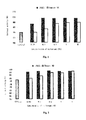
Fig. 1 is a graph depicting the results of residual enzyme activity after microbial cells were sterilized at 30°C in Example 2. -
Fig. 2 is a graph depicting the results of residual enzyme activity after microbial cells were sterilized at 50°C in Example 2. - Hereinafter, embodiments of the present invention will be described in more detail with reference to the accompanying drawings. A description of details apparent to those skilled in the art will be omitted herein.
- In accordance with one aspect of the invention, there is provided a method for sterilizing microbial cells, which includes treating microbial cells or cultures containing microbial cells with a polyethylene glycol-based nonionic surfactant.
- Microbial cells used in the present invention are not particularly limited, and any well-known microorganisms including wild types and genetically engineered microorganisms can be used.
- The microbial cells preferably include microbial cells of the genus Corynebacterium, more preferably Corynebacterium glutamicum ATCC 13032.
- Corynebacterium glutamicum ATCC 13032 is known in the art and deposited with an international depository authority, the ATCC (American Type Culture Collection, Manassas, USA).
- Corynebacterium glutamicum ATCC 13032, which can be used in the present invention, may have a capability of producing galactose and/or arabinose isomerase and may be genetically recombined to produce the isomerase.
- As used herein, the cultures may refer to a culture medium or a culture solution in which microbial cells are cultivated, and a culture containing a cultivation resultant of microbial cells in the culture medium or culture solution.
- The cultures may include nutrition sources required in culturing microbial cells, for example, a carbon source, a nitrogen source and the like, as well as mineral salt components, amino acids, vitamins, nucleic acids and/or other components generally contained in culture media (or culture solutions).
- Further, the cultures may include enzymes produced and secreted from microbial cells as resultants of culturing the microbial cells.
- As used herein, the term "sterilizing microbial cells" means that the viable microbial cell count of the corresponding microbial cells in a relatively high concentration of microbial cell suspension is substantially close to 0. The expression "substantially close to 0" means that the survival rate of microbial cells (viable microbial cell count after sterilization/viable microbial cell count before sterilization) is 1/10-5 or less.
- The viable microbial cell count may be calculated by diluting a microbial cell suspension to a predetermined concentration, spreading the microbial cell suspension on a culture medium in which the microbial cells are viable, and determining the viable microbial cell count on the culture medium based on the dilution ratio.
- The method for sterilizing microbial cells according to the present invention includes treating microbial cells or cultures containing microbial cells with a polyethylene glycol-based nonionic surfactant. The expression "treating with a polyethylene glycol-based nonionic surfactant" means all forms of treatment, for example, by directly contacting the microbial cells with the polyethylene glycol-based nonionic surfactant, or by contacting a culture containing the microbial cells with the polyethylene glycol-based nonionic surfactant added. Sterilization may be performed while stirring the surfactant.
- In the present invention, the polyethylene glycol-based nonionic surfactant may be used without limitation in so far as the nonionic surfactant is a polyethylene glycol-based surfactant.
- Examples of the polyethylene glycol-based nonionic surfactant may include ether type polyethylene glycol-based nonionic surfactants, such as polyoxyethylene and the like; ester type polyethylene glycol-based nonionic surfactants, such as polyethylene glycol fatty acid ester and the like; or nitrogen-containing type polyethylene glycol-based nonionic surfactants, such as polyoxyethylene fatty acid amide and the like, without being limited thereto. These may be used alone or in combination of two or more thereof.
- In the present invention, the polyethylene glycol-based nonionic surfactant is preferably a nitrogen-containing type nonionic surfactant, such as polyoxyethylene fatty acid amide.
- In treatment of microbial cells or cultures containing microbial cells with the polyethylene glycol-based nonionic surfactant, the concentration of the surfactant is not particularly limited. Preferably, the concentration of the surfactant is 0.1% to 10%, more preferably 0.5% to 8% based on the microbial cells or cultures containing the microbial cells.
- When the concentration of the surfactant used is less than 0.1%, it is difficult to achieve sufficient sterilization of microbial cells. When the concentration of the surfactant used is greater than 10%, the amount of surfactant becomes excessive, which is not efficient, and there is a possibility of deteriorating enzyme activity. Further, the content of the surfactant in the sterilized microbial cells increases, so that the sterilized microbial cells become unsuitable for use in various applications, such as food production and the like.
- The method for sterilizing microbial cells according to the present invention may be carried out at any temperature so long as the temperature does not inhibit stability of enzymes produced by the microbial cells. Preferably, the method for sterilizing microbial cells is performed at a temperature from 0°C to 70°C, more preferably from 10°C to 60°C.
- When the temperature is less than 0°C or greater than 70°C, the enzymes produced by the microbial cells can be deteriorated, thereby lowering the enzyme activity.
- According to the present invention, the method may further include adding a substrate for the enzymes and/or a substrate analogue in order to maintain the stability of the enzymes produced by the corresponding microbial cells without deteriorating the enzyme activity.
- In another aspect of the present invention, the method may be used in a process of producing tagatose.
- In accordance with a further aspect of the invention, there is provided a substance containing the sterilized microbial cells which are sterilized by the method according to the present invention.
- The substance containing the sterilized microbial cells may include the sterilized microbial cells and enzymes produced by the microbial cells before sterilization.
- The substance containing the sterilized microbial cells may be prepared by sterilizing microbial cells of the genus Corynebacterium, preferably Corynebacterium glutamicum microbial cells, more preferably Corynebacterium glutamicum ATCC 13032 microbial cells capable of producing galactose and/or arabinose isomerase.
- The substance containing the sterilized microbial cells may include galactose and/or arabinose isomerase.
- The use of the substance containing the sterilized microbial cells is not particularly limited, and the substance containing the sterilized microbial cells may be used for food production, preferably in the process of producing tagatose.
- Tagatose is an isomer of galactose and is a natural sugar known to have physical and chemical properties similar to those of fructose.
- Tagatose is recognized as GRAS (Generally Recognized As Safe) by the FDA (Food and Drug Administration) and is approved for use as a sweetener for foods, drinks, health foods, diet additives, and the like. Tagatose has no side effects and is a low calorie sugar having almost zero calories. Tagatose is an important sweetener substituting sugar which is one factor causing various adult diseases such as obesity, diabetes, and the like.
- Tagatose may be prepared through a biological method by isomerizing galactose or arabinose using galactose or arabinose isomerase.
- According to a further aspect of the present invention, there is provided a substance containing sterilized microbial cells, which is capable of being used for food production, and includes: a) a polyethylene glycol-based nonionic surfactant; and b) galactose or arabinose isomerase.
- As used herein, the term "food production" may include all cases where the substance containing sterilized microbial cells is used directly or indirectly in food production.
- Next, the present invention will be described in more detail with reference to examples and comparative examples. However, it should be understood that the following examples and comparative examples are provided for illustration only and are not to be construed in any way as limiting the scope of the present invention.
- Recombinant Corynebacterium glutamicum ATCC 13032 strains were treated with different concentrations of a nitrogen-containing polyethylene glycol-based surfactant (Naimine S-215, Nihon Yushi Co., Ltd.) and Tween 80 (polyoxyethylene sorbitan mono-oleate) provided as nonionic surfactants to determine the degree of sterilization of Corynebacterium glutamicum ATCC 13032 and enzyme activity. A detailed method for performing such measurement is as follows.
- MB medium (10 g/L of Bacto-trypton, 5 g/L of Bacto-yeast extract, 5 g/L of NaCl, 5 g/L of Soytone) containing kanamycin in a concentration of 10 µg/ml was inoculated with Corynebacterium glutamicum ATCC 13032 such that the initial concentration OD600 was 0.1, followed by culturing at 30°C for 24 hours to induce the expression of recombinant galactose isomerase.
- A 5L jar fermenter containing 3L of a mutation medium (80 g/L of glucose, 20 g/L of soytone, 10 g/L of (NH4)2SO4, 1.2 g/L of KH2PO4, 1.4 g/L of MgSO4) containing kanamycin in a concentration of 10 µg/ml was inoculated with the resulting culture solution such that OD600 was 0.6, followed by culturing at 30°C for 20 hours.
- 11 specimens composed of 40 ml of cultures containing the microbial cells were prepared. A surfactant was not added to a first specimen, a polyethylene glycol-based nonionic surfactant (PEG) was added in various concentrations (based on the cultures, 0.05%, 0.1%, 0.5%, 1% and 5%, respectively) to second to sixth specimens, and
Tween 80 was added in various concentrations to seventh to eleventh specimens, followed by leaving the microbial cells at 30°C for 3 hours to sterilize the microbial cells. - After sterilization of the microbial cells, the 11 specimens were applied to MB agar medium containing kanamycin, followed by culturing at 30°C for 24 hours to determine the viable microbial cell count.
- A culture containing sterilized microbial cells (a substance containing sterilized microbial cells) was subjected to centrifugation at 8000 x g (= 10,000 rpm) for 10 minutes to harvest the microbial cells. Cultures free from the microbial cells were suspended in 50 mM Tris-HCl buffer solution (purchased from Sigma-Aldrich) containing 300 g/L of galactose substrate, pH 7.5, followed by isomerization from galactose to tagatose at 55°C for 2 hours.
- After the isomerization, the residual activity of the galactose isomerase was measured.
- The enzyme activity after the sterilization treatment was measured by comparing the produced amount of tagatose after the completion of reaction with the amount of galactose at the start of isomerization.
- After the sterilization, the viable microbial cell count and residual enzyme activity were measured. Results are shown in Table 1.
TABLE 1 Surfactant Treatment Temperature (°C) Treatment time (h) Viable microbial cell count (number/ml) Residual enzyme activity (%) None 30 3 >108 68 PEG 0.05% >108 87 PEG 0.1% >107 98 PEG 0.5% >104 96 PEG 1%0 97 PEG 5%0 100 Tween 80 0.05%>108 71 Tween 80 0.1%>108 80 Tween 80 0.5%>108 91 Tween 80 1%>108 93 Tween 80 5%>108 92 - Sterilization was performed by the same procedure as in Example 1 except that two specimens for each condition were prepared with the type and concentration of the surfactant varied to prepare 22 specimens and that the temperature for sterilization treatment was set to 30°C and 50°C.
- After sterilization, the viable microbial cell count and residual enzyme activity were measured. Results are shown in Tables 2 and 3.
TABLE 2 Surfactant Treatment Temperature (°C) Treatment time (h) Viable microbial cell count (number/ml) Residual activity of enzyme (%) None 30 3 >108 68 50 >107 87 PEG 0.05% 30 >108 87 50 >104 95 PEG 0.1% 30 >107 98 50 >104 98 PEG 0.5% 30 >104 96 50 30 96 PEG 1%30 0 97 50 0 95 PEG 5%30 0 100 50 0 96 TABLE 3 Surfactant Treatment Temperature (°C) Treatment time (h) Viable microbial cell count (number/ml) Residual activity of enzyme (%) Tween 80 0.05%30 3 >108 71 50 >108 90 Tween 80 0.1%30 >108 80 50 >107 93 Tween 80 0.5%30 >108 91 50 >105 97 Tween 80 1%30 >108 93 50 >103 97 Tween 80 5%30 >108 92 50 >103 97 - As shown in Tables 1 to 3, it could be seen that, when
Tween 80 was used, the microbial cells were not completely sterilized even with treatment using 5% Tween 80. However, when the polyethylene glycol-based nonionic surfactant was used, the viable microbial cell count started to remarkably decrease from the concentration of 0.5% and the microbial cells were completely sterilized at a concentration of 1%. - Further, , it could be seen that sterilization with the polyethylene glycol-based nonionic surfactant exhibited higher residual enzyme activity as compared with the case where sterilization was performed with
Tween 80 in the same concentration. From the result that enzyme activity was higher upon sterilization using the polyethylene glycol-based nonionic surfactant than the case where the enzyme was not treated with the surfactant, it was determined that the surfactant could facilitate interaction between enzyme and substrate. - The measurement results at different sterilization temperatures showed that sterilization was performed more effectively when microbial cells were treated at 50°C.
Claims (12)
- A method for sterilizing microbial cells, comprising:treating microbial cells or cultures containing microbial cells with a polyethylene glycol-based nonionic surfactant.
- The method according to claim 1, wherein the polyethylene glycol-based nonionic surfactant comprises at least one selected from the group consisting of ether type, ester type and nitrogen-containing type polyethylene glycol-based nonionic surfactants.
- The method according to claim 1, wherein the polyethylene glycol-based nonionic surfactant is used in a concentration of 0.1% to 10% based on the microbial cells or cultures containing the microbial cells.
- The method according to claim 1, wherein the treatment is performed at a temperature from 0°C to 70°C.
- The method according to claim 1, wherein the microbial cells are of the genus Corynebacterium.
- The method according to claim 5, wherein the genus Corynebacterium has a capability of producing galactose and/or arabinose isomerase.
- The method according to any one of claims 1 to 6, wherein the method is employed in a process for preparing tagatose.
- A substance containing sterilized microbial cells sterilized by the method according to any one of claims 1 to 6.
- The substance according to claim 8, wherein the sterilized microbial cells are used for the preparation of tagatose.
- A substance containing sterilized microbial cells, which is capable of being used for food production, comprising:a) a polyethylene glycol-based nonionic surfactant; andb) galactose or arabinose isomerase.
- The substance according to claim 10, wherein the sterilized microbial cells are of the genus Corynebacterium.
- The substance according to claim 10, wherein the sterilized microbial cells are sterilized by the method according to any one of claims 1 to 6.
Applications Claiming Priority (2)
| Application Number | Priority Date | Filing Date | Title |
|---|---|---|---|
| KR20110141641A KR20130073674A (en) | 2011-12-23 | 2011-12-23 | Sterilizing process using a polyethylene glycol nonionic surfactant, and the sterilized microbial cell |
| PCT/KR2012/011161 WO2013095002A2 (en) | 2011-12-23 | 2012-12-20 | Method for sterilizing microbial cells using polyethylene glycol-based nonionic surfactant |
Publications (3)
| Publication Number | Publication Date |
|---|---|
| EP2796543A2 true EP2796543A2 (en) | 2014-10-29 |
| EP2796543A4 EP2796543A4 (en) | 2015-08-05 |
| EP2796543B1 EP2796543B1 (en) | 2019-02-13 |
Family
ID=48669664
Family Applications (1)
| Application Number | Title | Priority Date | Filing Date |
|---|---|---|---|
| EP12858874.6A Active EP2796543B1 (en) | 2011-12-23 | 2012-12-20 | Method for sterilizing microbial cells using polyethylene glycol-based nonionic surfactant |
Country Status (10)
| Country | Link |
|---|---|
| US (1) | US9504271B2 (en) |
| EP (1) | EP2796543B1 (en) |
| JP (1) | JP5926818B2 (en) |
| KR (1) | KR20130073674A (en) |
| CN (2) | CN104011200B (en) |
| BR (1) | BR112014015451B1 (en) |
| IN (1) | IN2014CN04407A (en) |
| MY (1) | MY190495A (en) |
| PH (1) | PH12014501413B1 (en) |
| WO (1) | WO2013095002A2 (en) |
Families Citing this family (1)
| Publication number | Priority date | Publication date | Assignee | Title |
|---|---|---|---|---|
| EP3027019B1 (en) * | 2013-10-03 | 2017-06-28 | Dow Global Technologies LLC | Microbicidal composition comprising phenoxyethanol |
Family Cites Families (15)
| Publication number | Priority date | Publication date | Assignee | Title |
|---|---|---|---|---|
| FR2199470B1 (en) * | 1971-06-21 | 1977-12-30 | Wave Energy Systems | |
| JPS5410639B2 (en) * | 1973-09-03 | 1979-05-08 | ||
| JPS56113294A (en) * | 1980-02-07 | 1981-09-07 | Agency Of Ind Science & Technol | Microbial preparation of pristanol |
| CA2082476C (en) * | 1991-11-11 | 2003-01-28 | Katsura Kitatsuji | Process for producing flavine nucleotides |
| US7393528B2 (en) * | 1997-01-09 | 2008-07-01 | Tvedten Stephen L | Biological pesticide |
| WO1998030236A1 (en) * | 1997-01-09 | 1998-07-16 | Tvedten Stephen L | Biological pesticide |
| US5863547A (en) * | 1997-02-25 | 1999-01-26 | Healthpoint, Ltd. | Glutaraldehyde plus alcohol product |
| JP3973423B2 (en) * | 1999-11-12 | 2007-09-12 | 三菱レイヨン株式会社 | Dead cells |
| BR0211148A (en) * | 2001-07-16 | 2004-06-29 | Arla Foods Amba | Process for tagatose production |
| US7658959B2 (en) * | 2003-06-12 | 2010-02-09 | Cargill, Incorporated | Antimicrobial salt solutions for food safety applications |
| US7588696B2 (en) * | 2003-06-12 | 2009-09-15 | Cargill, Incorporated | Antimicrobial water softener salt and solutions |
| JP2006050931A (en) * | 2004-08-11 | 2006-02-23 | Mc Foodtech Kk | Keeping quality-improving agent for food |
| US8137946B2 (en) * | 2006-11-27 | 2012-03-20 | Cj Cheiljedang Corporation | Recombinant GRAS strains expressing thermophilic arabinose isomerase as an active form and method of preparing food grade tagatose by using the same |
| KR100872694B1 (en) * | 2006-11-27 | 2008-12-10 | 씨제이제일제당 (주) | Arabinos isomerase expressed from a strain of the genus Corynebacterium and a method for preparing tagatose using the same |
| KR100872695B1 (en) * | 2006-11-27 | 2008-12-10 | 씨제이제일제당 (주) | Food-safe thermophilic arabinose isomerase expressed from the JSR microorganism and the method of preparing tagatose using the same |
-
2011
- 2011-12-23 KR KR20110141641A patent/KR20130073674A/en not_active Ceased
-
2012
- 2012-12-20 CN CN201280063298.XA patent/CN104011200B/en active Active
- 2012-12-20 IN IN4407CHN2014 patent/IN2014CN04407A/en unknown
- 2012-12-20 MY MYPI2014701670A patent/MY190495A/en unknown
- 2012-12-20 JP JP2014548660A patent/JP5926818B2/en active Active
- 2012-12-20 CN CN201710381847.2A patent/CN107177526B/en active Active
- 2012-12-20 EP EP12858874.6A patent/EP2796543B1/en active Active
- 2012-12-20 WO PCT/KR2012/011161 patent/WO2013095002A2/en not_active Ceased
- 2012-12-20 BR BR112014015451-1A patent/BR112014015451B1/en active IP Right Grant
-
2014
- 2014-06-20 PH PH12014501413A patent/PH12014501413B1/en unknown
- 2014-06-20 US US14/311,185 patent/US9504271B2/en active Active
Also Published As
| Publication number | Publication date |
|---|---|
| MY190495A (en) | 2022-04-25 |
| CN104011200B (en) | 2017-12-12 |
| WO2013095002A3 (en) | 2013-08-15 |
| EP2796543B1 (en) | 2019-02-13 |
| PH12014501413A1 (en) | 2014-09-22 |
| EP2796543A4 (en) | 2015-08-05 |
| PH12014501413B1 (en) | 2014-09-22 |
| KR20130073674A (en) | 2013-07-03 |
| WO2013095002A2 (en) | 2013-06-27 |
| BR112014015451A8 (en) | 2017-07-04 |
| BR112014015451B1 (en) | 2021-09-14 |
| BR112014015451A2 (en) | 2017-06-13 |
| US9504271B2 (en) | 2016-11-29 |
| JP2015505677A (en) | 2015-02-26 |
| CN107177526A (en) | 2017-09-19 |
| CN104011200A (en) | 2014-08-27 |
| IN2014CN04407A (en) | 2015-09-04 |
| US20140302564A1 (en) | 2014-10-09 |
| CN107177526B (en) | 2021-02-26 |
| JP5926818B2 (en) | 2016-05-25 |
Similar Documents
| Publication | Publication Date | Title |
|---|---|---|
| Agaliya et al. | Molecular characterization of lactobacilli isolated from fermented idli batter | |
| KR20180129454A (en) | Tetragenococcus halophilus having inhibition activity of biogenic amine production and growth of pathogenic microorganism | |
| AU2021249958B2 (en) | Method for producing sulfated polysaccharide and method for producing PAPS | |
| KR102856009B1 (en) | Method for producing sulfated polysaccharides and method for producing PAPS | |
| Jimat et al. | PURIFICATION AND PARTIAL CHARACTERIZATION OF L-ASPARAGINASE ENZYME PRODUCED BY NEWLY ISOLATE BACILLUS SP. | |
| US9504271B2 (en) | Method for sterilizing microbial cells using polyethylene glycol-based nonionic surfactant | |
| EP1233057B1 (en) | Sterilized microbial cells | |
| KR101740545B1 (en) | Bacillus subtilis strain YD-6 and uses thereof | |
| KR20230074400A (en) | Novel Levilactobacillus brevis PK08 strain having Biogenic amine degradation effect, and uses thereof | |
| Niyomukiza et al. | Concomitant production of α-amylase and protease by Bacillus aerius strain FPWSHA isolated from food wastes | |
| KR101740540B1 (en) | Bacillus subtilis strain JP-5 and uses thereof | |
| CN106244498A (en) | A kind of garden stuff pesticide residue purifies the preparation method of microbial inoculum | |
| KR102614724B1 (en) | A beverage composition containing chlorophyll-deficient chlorella and a process for preparing the same | |
| KR101498265B1 (en) | Sterilizing process using a polyethylene glycol nonionic surfactant, and the sterilized microbial cell | |
| Oh et al. | Isolation, purification, and enzymatic characterization of extracellular chitosanase from marine bacterium Bacillus subtilis CH2 | |
| Yao et al. | Selection of potential Bacillus starters for cocoa beans fermentation improvement | |
| JP5751546B2 (en) | Lactic acid bacteria | |
| CN119955692B (en) | Pediococcus pentosaceus producing novel IIa bacteriocin, application thereof and construction of secretory engineering bacteria | |
| N’goma-Mona et al. | A Meta-Advance of Bacillus-Mediated Biosurfactant Augmentation in the Chikwangue Composition | |
| CN105982035A (en) | Natto preparing method for increasing inhibition ratio of natto water extract to alpha-glucosidase | |
| RU2811941C1 (en) | Sulphated polysaccharide production method and paps production method | |
| CN116836860B (en) | Weissella thailandensis BAZ54 strain and its application in degradation of biogenic amines | |
| Sahin | Isolation and characterization of a diazotrophic, oxalate-oxidizing bacterium from sour grass (Oxalis pes-caprae L.) | |
| JP2012170378A (en) | New lactic acid bacterium | |
| US9677097B2 (en) | Clostridium cadaveris strain and uses of the same |
Legal Events
| Date | Code | Title | Description |
|---|---|---|---|
| PUAI | Public reference made under article 153(3) epc to a published international application that has entered the european phase |
Free format text: ORIGINAL CODE: 0009012 |
|
| 17P | Request for examination filed |
Effective date: 20140722 |
|
| AK | Designated contracting states |
Kind code of ref document: A2 Designated state(s): AL AT BE BG CH CY CZ DE DK EE ES FI FR GB GR HR HU IE IS IT LI LT LU LV MC MK MT NL NO PL PT RO RS SE SI SK SM TR |
|
| DAX | Request for extension of the european patent (deleted) | ||
| A4 | Supplementary search report drawn up and despatched |
Effective date: 20150703 |
|
| RIC1 | Information provided on ipc code assigned before grant |
Ipc: C12Q 1/22 20060101ALI20150629BHEP Ipc: C12Q 1/02 20060101ALI20150629BHEP Ipc: C12N 1/36 20060101AFI20150629BHEP |
|
| STAA | Information on the status of an ep patent application or granted ep patent |
Free format text: STATUS: EXAMINATION IS IN PROGRESS |
|
| 17Q | First examination report despatched |
Effective date: 20170928 |
|
| GRAP | Despatch of communication of intention to grant a patent |
Free format text: ORIGINAL CODE: EPIDOSNIGR1 |
|
| STAA | Information on the status of an ep patent application or granted ep patent |
Free format text: STATUS: GRANT OF PATENT IS INTENDED |
|
| RIC1 | Information provided on ipc code assigned before grant |
Ipc: C12N 1/20 20060101ALI20181018BHEP Ipc: C12N 9/90 20060101ALI20181018BHEP Ipc: C12P 19/02 20060101ALI20181018BHEP Ipc: C12P 19/24 20060101ALI20181018BHEP Ipc: C12Q 1/02 20060101ALI20181018BHEP Ipc: A23L 29/00 20141029ALI20181018BHEP Ipc: C12N 1/36 20060101AFI20181018BHEP Ipc: C12Q 1/22 20060101ALI20181018BHEP Ipc: C12N 11/16 20060101ALI20181018BHEP Ipc: A23L 3/3508 20060101ALI20181018BHEP |
|
| INTG | Intention to grant announced |
Effective date: 20181120 |
|
| RIC1 | Information provided on ipc code assigned before grant |
Ipc: C12P 19/02 20060101ALI20181018BHEP Ipc: C12N 1/20 20060101ALI20181018BHEP Ipc: A23L 29/00 20160101ALI20181018BHEP Ipc: C12N 1/36 20060101AFI20181018BHEP Ipc: C12N 11/16 20060101ALI20181018BHEP Ipc: C12Q 1/22 20060101ALI20181018BHEP Ipc: A23L 3/3508 20060101ALI20181018BHEP Ipc: C12Q 1/02 20060101ALI20181018BHEP Ipc: C12N 9/90 20060101ALI20181018BHEP Ipc: C12P 19/24 20060101ALI20181018BHEP |
|
| GRAS | Grant fee paid |
Free format text: ORIGINAL CODE: EPIDOSNIGR3 |
|
| GRAA | (expected) grant |
Free format text: ORIGINAL CODE: 0009210 |
|
| STAA | Information on the status of an ep patent application or granted ep patent |
Free format text: STATUS: THE PATENT HAS BEEN GRANTED |
|
| AK | Designated contracting states |
Kind code of ref document: B1 Designated state(s): AL AT BE BG CH CY CZ DE DK EE ES FI FR GB GR HR HU IE IS IT LI LT LU LV MC MK MT NL NO PL PT RO RS SE SI SK SM TR |
|
| REG | Reference to a national code |
Ref country code: GB Ref legal event code: FG4D |
|
| RIC1 | Information provided on ipc code assigned before grant |
Ipc: C12N 1/36 20060101AFI20181018BHEP Ipc: A23L 3/3508 20060101ALI20181018BHEP Ipc: C12Q 1/02 20060101ALI20181018BHEP Ipc: C12Q 1/22 20060101ALI20181018BHEP Ipc: C12N 11/16 20060101ALI20181018BHEP Ipc: C12N 1/20 20060101ALI20181018BHEP Ipc: A23L 29/00 20160101ALI20181018BHEP Ipc: C12P 19/02 20060101ALI20181018BHEP Ipc: C12P 19/24 20060101ALI20181018BHEP Ipc: C12N 9/90 20060101ALI20181018BHEP |
|
| REG | Reference to a national code |
Ref country code: CH Ref legal event code: EP Ref country code: AT Ref legal event code: REF Ref document number: 1096245 Country of ref document: AT Kind code of ref document: T Effective date: 20190215 |
|
| REG | Reference to a national code |
Ref country code: IE Ref legal event code: FG4D |
|
| REG | Reference to a national code |
Ref country code: DE Ref legal event code: R096 Ref document number: 602012056701 Country of ref document: DE |
|
| REG | Reference to a national code |
Ref country code: LT Ref legal event code: MG4D |
|
| REG | Reference to a national code |
Ref country code: NL Ref legal event code: MP Effective date: 20190213 |
|
| PG25 | Lapsed in a contracting state [announced via postgrant information from national office to epo] |
Ref country code: PT Free format text: LAPSE BECAUSE OF FAILURE TO SUBMIT A TRANSLATION OF THE DESCRIPTION OR TO PAY THE FEE WITHIN THE PRESCRIBED TIME-LIMIT Effective date: 20190613 Ref country code: LT Free format text: LAPSE BECAUSE OF FAILURE TO SUBMIT A TRANSLATION OF THE DESCRIPTION OR TO PAY THE FEE WITHIN THE PRESCRIBED TIME-LIMIT Effective date: 20190213 Ref country code: NL Free format text: LAPSE BECAUSE OF FAILURE TO SUBMIT A TRANSLATION OF THE DESCRIPTION OR TO PAY THE FEE WITHIN THE PRESCRIBED TIME-LIMIT Effective date: 20190213 Ref country code: FI Free format text: LAPSE BECAUSE OF FAILURE TO SUBMIT A TRANSLATION OF THE DESCRIPTION OR TO PAY THE FEE WITHIN THE PRESCRIBED TIME-LIMIT Effective date: 20190213 Ref country code: NO Free format text: LAPSE BECAUSE OF FAILURE TO SUBMIT A TRANSLATION OF THE DESCRIPTION OR TO PAY THE FEE WITHIN THE PRESCRIBED TIME-LIMIT Effective date: 20190513 Ref country code: SE Free format text: LAPSE BECAUSE OF FAILURE TO SUBMIT A TRANSLATION OF THE DESCRIPTION OR TO PAY THE FEE WITHIN THE PRESCRIBED TIME-LIMIT Effective date: 20190213 |
|
| PG25 | Lapsed in a contracting state [announced via postgrant information from national office to epo] |
Ref country code: BG Free format text: LAPSE BECAUSE OF FAILURE TO SUBMIT A TRANSLATION OF THE DESCRIPTION OR TO PAY THE FEE WITHIN THE PRESCRIBED TIME-LIMIT Effective date: 20190513 Ref country code: IS Free format text: LAPSE BECAUSE OF FAILURE TO SUBMIT A TRANSLATION OF THE DESCRIPTION OR TO PAY THE FEE WITHIN THE PRESCRIBED TIME-LIMIT Effective date: 20190613 Ref country code: GR Free format text: LAPSE BECAUSE OF FAILURE TO SUBMIT A TRANSLATION OF THE DESCRIPTION OR TO PAY THE FEE WITHIN THE PRESCRIBED TIME-LIMIT Effective date: 20190514 Ref country code: RS Free format text: LAPSE BECAUSE OF FAILURE TO SUBMIT A TRANSLATION OF THE DESCRIPTION OR TO PAY THE FEE WITHIN THE PRESCRIBED TIME-LIMIT Effective date: 20190213 Ref country code: LV Free format text: LAPSE BECAUSE OF FAILURE TO SUBMIT A TRANSLATION OF THE DESCRIPTION OR TO PAY THE FEE WITHIN THE PRESCRIBED TIME-LIMIT Effective date: 20190213 Ref country code: HR Free format text: LAPSE BECAUSE OF FAILURE TO SUBMIT A TRANSLATION OF THE DESCRIPTION OR TO PAY THE FEE WITHIN THE PRESCRIBED TIME-LIMIT Effective date: 20190213 |
|
| REG | Reference to a national code |
Ref country code: AT Ref legal event code: MK05 Ref document number: 1096245 Country of ref document: AT Kind code of ref document: T Effective date: 20190213 |
|
| PG25 | Lapsed in a contracting state [announced via postgrant information from national office to epo] |
Ref country code: RO Free format text: LAPSE BECAUSE OF FAILURE TO SUBMIT A TRANSLATION OF THE DESCRIPTION OR TO PAY THE FEE WITHIN THE PRESCRIBED TIME-LIMIT Effective date: 20190213 Ref country code: IT Free format text: LAPSE BECAUSE OF FAILURE TO SUBMIT A TRANSLATION OF THE DESCRIPTION OR TO PAY THE FEE WITHIN THE PRESCRIBED TIME-LIMIT Effective date: 20190213 Ref country code: SK Free format text: LAPSE BECAUSE OF FAILURE TO SUBMIT A TRANSLATION OF THE DESCRIPTION OR TO PAY THE FEE WITHIN THE PRESCRIBED TIME-LIMIT Effective date: 20190213 Ref country code: CZ Free format text: LAPSE BECAUSE OF FAILURE TO SUBMIT A TRANSLATION OF THE DESCRIPTION OR TO PAY THE FEE WITHIN THE PRESCRIBED TIME-LIMIT Effective date: 20190213 Ref country code: AL Free format text: LAPSE BECAUSE OF FAILURE TO SUBMIT A TRANSLATION OF THE DESCRIPTION OR TO PAY THE FEE WITHIN THE PRESCRIBED TIME-LIMIT Effective date: 20190213 Ref country code: DK Free format text: LAPSE BECAUSE OF FAILURE TO SUBMIT A TRANSLATION OF THE DESCRIPTION OR TO PAY THE FEE WITHIN THE PRESCRIBED TIME-LIMIT Effective date: 20190213 Ref country code: ES Free format text: LAPSE BECAUSE OF FAILURE TO SUBMIT A TRANSLATION OF THE DESCRIPTION OR TO PAY THE FEE WITHIN THE PRESCRIBED TIME-LIMIT Effective date: 20190213 Ref country code: EE Free format text: LAPSE BECAUSE OF FAILURE TO SUBMIT A TRANSLATION OF THE DESCRIPTION OR TO PAY THE FEE WITHIN THE PRESCRIBED TIME-LIMIT Effective date: 20190213 |
|
| REG | Reference to a national code |
Ref country code: DE Ref legal event code: R097 Ref document number: 602012056701 Country of ref document: DE |
|
| PG25 | Lapsed in a contracting state [announced via postgrant information from national office to epo] |
Ref country code: SM Free format text: LAPSE BECAUSE OF FAILURE TO SUBMIT A TRANSLATION OF THE DESCRIPTION OR TO PAY THE FEE WITHIN THE PRESCRIBED TIME-LIMIT Effective date: 20190213 Ref country code: PL Free format text: LAPSE BECAUSE OF FAILURE TO SUBMIT A TRANSLATION OF THE DESCRIPTION OR TO PAY THE FEE WITHIN THE PRESCRIBED TIME-LIMIT Effective date: 20190213 |
|
| PLBE | No opposition filed within time limit |
Free format text: ORIGINAL CODE: 0009261 |
|
| STAA | Information on the status of an ep patent application or granted ep patent |
Free format text: STATUS: NO OPPOSITION FILED WITHIN TIME LIMIT |
|
| PG25 | Lapsed in a contracting state [announced via postgrant information from national office to epo] |
Ref country code: AT Free format text: LAPSE BECAUSE OF FAILURE TO SUBMIT A TRANSLATION OF THE DESCRIPTION OR TO PAY THE FEE WITHIN THE PRESCRIBED TIME-LIMIT Effective date: 20190213 |
|
| 26N | No opposition filed |
Effective date: 20191114 |
|
| PG25 | Lapsed in a contracting state [announced via postgrant information from national office to epo] |
Ref country code: SI Free format text: LAPSE BECAUSE OF FAILURE TO SUBMIT A TRANSLATION OF THE DESCRIPTION OR TO PAY THE FEE WITHIN THE PRESCRIBED TIME-LIMIT Effective date: 20190213 |
|
| PG25 | Lapsed in a contracting state [announced via postgrant information from national office to epo] |
Ref country code: TR Free format text: LAPSE BECAUSE OF FAILURE TO SUBMIT A TRANSLATION OF THE DESCRIPTION OR TO PAY THE FEE WITHIN THE PRESCRIBED TIME-LIMIT Effective date: 20190213 |
|
| REG | Reference to a national code |
Ref country code: CH Ref legal event code: PL |
|
| PG25 | Lapsed in a contracting state [announced via postgrant information from national office to epo] |
Ref country code: MC Free format text: LAPSE BECAUSE OF FAILURE TO SUBMIT A TRANSLATION OF THE DESCRIPTION OR TO PAY THE FEE WITHIN THE PRESCRIBED TIME-LIMIT Effective date: 20190213 |
|
| PG25 | Lapsed in a contracting state [announced via postgrant information from national office to epo] |
Ref country code: IE Free format text: LAPSE BECAUSE OF NON-PAYMENT OF DUE FEES Effective date: 20191220 Ref country code: LU Free format text: LAPSE BECAUSE OF NON-PAYMENT OF DUE FEES Effective date: 20191220 |
|
| PG25 | Lapsed in a contracting state [announced via postgrant information from national office to epo] |
Ref country code: CH Free format text: LAPSE BECAUSE OF NON-PAYMENT OF DUE FEES Effective date: 20191231 Ref country code: LI Free format text: LAPSE BECAUSE OF NON-PAYMENT OF DUE FEES Effective date: 20191231 |
|
| PG25 | Lapsed in a contracting state [announced via postgrant information from national office to epo] |
Ref country code: CY Free format text: LAPSE BECAUSE OF FAILURE TO SUBMIT A TRANSLATION OF THE DESCRIPTION OR TO PAY THE FEE WITHIN THE PRESCRIBED TIME-LIMIT Effective date: 20190213 |
|
| PG25 | Lapsed in a contracting state [announced via postgrant information from national office to epo] |
Ref country code: MT Free format text: LAPSE BECAUSE OF FAILURE TO SUBMIT A TRANSLATION OF THE DESCRIPTION OR TO PAY THE FEE WITHIN THE PRESCRIBED TIME-LIMIT Effective date: 20190213 Ref country code: HU Free format text: LAPSE BECAUSE OF FAILURE TO SUBMIT A TRANSLATION OF THE DESCRIPTION OR TO PAY THE FEE WITHIN THE PRESCRIBED TIME-LIMIT; INVALID AB INITIO Effective date: 20121220 |
|
| PG25 | Lapsed in a contracting state [announced via postgrant information from national office to epo] |
Ref country code: MK Free format text: LAPSE BECAUSE OF FAILURE TO SUBMIT A TRANSLATION OF THE DESCRIPTION OR TO PAY THE FEE WITHIN THE PRESCRIBED TIME-LIMIT Effective date: 20190213 |
|
| P01 | Opt-out of the competence of the unified patent court (upc) registered |
Effective date: 20230606 |
|
| PGFP | Annual fee paid to national office [announced via postgrant information from national office to epo] |
Ref country code: BE Payment date: 20250820 Year of fee payment: 14 |
|
| PGFP | Annual fee paid to national office [announced via postgrant information from national office to epo] |
Ref country code: FR Payment date: 20250821 Year of fee payment: 14 |
|
| PGFP | Annual fee paid to national office [announced via postgrant information from national office to epo] |
Ref country code: DE Payment date: 20250820 Year of fee payment: 14 |
|
| PGFP | Annual fee paid to national office [announced via postgrant information from national office to epo] |
Ref country code: GB Payment date: 20251001 Year of fee payment: 14 |