EP2789654A1 - Composition for foam tape base material, foam tape using same, and method for manufacturing composition for foam tape base material - Google Patents
Composition for foam tape base material, foam tape using same, and method for manufacturing composition for foam tape base material Download PDFInfo
- Publication number
- EP2789654A1 EP2789654A1 EP12855149.6A EP12855149A EP2789654A1 EP 2789654 A1 EP2789654 A1 EP 2789654A1 EP 12855149 A EP12855149 A EP 12855149A EP 2789654 A1 EP2789654 A1 EP 2789654A1
- Authority
- EP
- European Patent Office
- Prior art keywords
- base material
- foam tape
- material composition
- weight
- parts
- Prior art date
- Legal status (The legal status is an assumption and is not a legal conclusion. Google has not performed a legal analysis and makes no representation as to the accuracy of the status listed.)
- Granted
Links
Images
Classifications
-
- C—CHEMISTRY; METALLURGY
- C08—ORGANIC MACROMOLECULAR COMPOUNDS; THEIR PREPARATION OR CHEMICAL WORKING-UP; COMPOSITIONS BASED THEREON
- C08L—COMPOSITIONS OF MACROMOLECULAR COMPOUNDS
- C08L33/00—Compositions of homopolymers or copolymers of compounds having one or more unsaturated aliphatic radicals, each having only one carbon-to-carbon double bond, and only one being terminated by only one carboxyl radical, or of salts, anhydrides, esters, amides, imides or nitriles thereof; Compositions of derivatives of such polymers
- C08L33/04—Homopolymers or copolymers of esters
-
- C—CHEMISTRY; METALLURGY
- C09—DYES; PAINTS; POLISHES; NATURAL RESINS; ADHESIVES; COMPOSITIONS NOT OTHERWISE PROVIDED FOR; APPLICATIONS OF MATERIALS NOT OTHERWISE PROVIDED FOR
- C09J—ADHESIVES; NON-MECHANICAL ASPECTS OF ADHESIVE PROCESSES IN GENERAL; ADHESIVE PROCESSES NOT PROVIDED FOR ELSEWHERE; USE OF MATERIALS AS ADHESIVES
- C09J7/00—Adhesives in the form of films or foils
- C09J7/10—Adhesives in the form of films or foils without carriers
-
- C—CHEMISTRY; METALLURGY
- C08—ORGANIC MACROMOLECULAR COMPOUNDS; THEIR PREPARATION OR CHEMICAL WORKING-UP; COMPOSITIONS BASED THEREON
- C08F—MACROMOLECULAR COMPOUNDS OBTAINED BY REACTIONS ONLY INVOLVING CARBON-TO-CARBON UNSATURATED BONDS
- C08F220/00—Copolymers of compounds having one or more unsaturated aliphatic radicals, each having only one carbon-to-carbon double bond, and only one being terminated by only one carboxyl radical or a salt, anhydride ester, amide, imide or nitrile thereof
- C08F220/02—Monocarboxylic acids having less than ten carbon atoms; Derivatives thereof
- C08F220/04—Acids; Metal salts or ammonium salts thereof
- C08F220/06—Acrylic acid; Methacrylic acid; Metal salts or ammonium salts thereof
-
- C—CHEMISTRY; METALLURGY
- C08—ORGANIC MACROMOLECULAR COMPOUNDS; THEIR PREPARATION OR CHEMICAL WORKING-UP; COMPOSITIONS BASED THEREON
- C08J—WORKING-UP; GENERAL PROCESSES OF COMPOUNDING; AFTER-TREATMENT NOT COVERED BY SUBCLASSES C08B, C08C, C08F, C08G or C08H
- C08J9/00—Working-up of macromolecular substances to porous or cellular articles or materials; After-treatment thereof
- C08J9/0061—Working-up of macromolecular substances to porous or cellular articles or materials; After-treatment thereof characterized by the use of several polymeric components
-
- C—CHEMISTRY; METALLURGY
- C08—ORGANIC MACROMOLECULAR COMPOUNDS; THEIR PREPARATION OR CHEMICAL WORKING-UP; COMPOSITIONS BASED THEREON
- C08J—WORKING-UP; GENERAL PROCESSES OF COMPOUNDING; AFTER-TREATMENT NOT COVERED BY SUBCLASSES C08B, C08C, C08F, C08G or C08H
- C08J9/00—Working-up of macromolecular substances to porous or cellular articles or materials; After-treatment thereof
- C08J9/0066—Use of inorganic compounding ingredients
-
- C—CHEMISTRY; METALLURGY
- C08—ORGANIC MACROMOLECULAR COMPOUNDS; THEIR PREPARATION OR CHEMICAL WORKING-UP; COMPOSITIONS BASED THEREON
- C08J—WORKING-UP; GENERAL PROCESSES OF COMPOUNDING; AFTER-TREATMENT NOT COVERED BY SUBCLASSES C08B, C08C, C08F, C08G or C08H
- C08J9/00—Working-up of macromolecular substances to porous or cellular articles or materials; After-treatment thereof
- C08J9/009—Use of pretreated compounding ingredients
-
- C—CHEMISTRY; METALLURGY
- C08—ORGANIC MACROMOLECULAR COMPOUNDS; THEIR PREPARATION OR CHEMICAL WORKING-UP; COMPOSITIONS BASED THEREON
- C08J—WORKING-UP; GENERAL PROCESSES OF COMPOUNDING; AFTER-TREATMENT NOT COVERED BY SUBCLASSES C08B, C08C, C08F, C08G or C08H
- C08J9/00—Working-up of macromolecular substances to porous or cellular articles or materials; After-treatment thereof
- C08J9/04—Working-up of macromolecular substances to porous or cellular articles or materials; After-treatment thereof using blowing gases generated by a previously added blowing agent
- C08J9/12—Working-up of macromolecular substances to porous or cellular articles or materials; After-treatment thereof using blowing gases generated by a previously added blowing agent by a physical blowing agent
- C08J9/122—Hydrogen, oxygen, CO2, nitrogen or noble gases
-
- C—CHEMISTRY; METALLURGY
- C09—DYES; PAINTS; POLISHES; NATURAL RESINS; ADHESIVES; COMPOSITIONS NOT OTHERWISE PROVIDED FOR; APPLICATIONS OF MATERIALS NOT OTHERWISE PROVIDED FOR
- C09D—COATING COMPOSITIONS, e.g. PAINTS, VARNISHES OR LACQUERS; FILLING PASTES; CHEMICAL PAINT OR INK REMOVERS; INKS; CORRECTING FLUIDS; WOODSTAINS; PASTES OR SOLIDS FOR COLOURING OR PRINTING; USE OF MATERIALS THEREFOR
- C09D183/00—Coating compositions based on macromolecular compounds obtained by reactions forming in the main chain of the macromolecule a linkage containing silicon, with or without sulfur, nitrogen, oxygen, or carbon only; Coating compositions based on derivatives of such polymers
- C09D183/04—Polysiloxanes
-
- C—CHEMISTRY; METALLURGY
- C09—DYES; PAINTS; POLISHES; NATURAL RESINS; ADHESIVES; COMPOSITIONS NOT OTHERWISE PROVIDED FOR; APPLICATIONS OF MATERIALS NOT OTHERWISE PROVIDED FOR
- C09J—ADHESIVES; NON-MECHANICAL ASPECTS OF ADHESIVE PROCESSES IN GENERAL; ADHESIVE PROCESSES NOT PROVIDED FOR ELSEWHERE; USE OF MATERIALS AS ADHESIVES
- C09J133/00—Adhesives based on homopolymers or copolymers of compounds having one or more unsaturated aliphatic radicals, each having only one carbon-to-carbon double bond, and at least one being terminated by only one carboxyl radical, or of salts, anhydrides, esters, amides, imides, or nitriles thereof; Adhesives based on derivatives of such polymers
- C09J133/04—Homopolymers or copolymers of esters
- C09J133/06—Homopolymers or copolymers of esters of esters containing only carbon, hydrogen and oxygen, the oxygen atom being present only as part of the carboxyl radical
- C09J133/08—Homopolymers or copolymers of acrylic acid esters
-
- C—CHEMISTRY; METALLURGY
- C09—DYES; PAINTS; POLISHES; NATURAL RESINS; ADHESIVES; COMPOSITIONS NOT OTHERWISE PROVIDED FOR; APPLICATIONS OF MATERIALS NOT OTHERWISE PROVIDED FOR
- C09J—ADHESIVES; NON-MECHANICAL ASPECTS OF ADHESIVE PROCESSES IN GENERAL; ADHESIVE PROCESSES NOT PROVIDED FOR ELSEWHERE; USE OF MATERIALS AS ADHESIVES
- C09J133/00—Adhesives based on homopolymers or copolymers of compounds having one or more unsaturated aliphatic radicals, each having only one carbon-to-carbon double bond, and at least one being terminated by only one carboxyl radical, or of salts, anhydrides, esters, amides, imides, or nitriles thereof; Adhesives based on derivatives of such polymers
- C09J133/04—Homopolymers or copolymers of esters
- C09J133/06—Homopolymers or copolymers of esters of esters containing only carbon, hydrogen and oxygen, the oxygen atom being present only as part of the carboxyl radical
- C09J133/10—Homopolymers or copolymers of methacrylic acid esters
-
- C—CHEMISTRY; METALLURGY
- C09—DYES; PAINTS; POLISHES; NATURAL RESINS; ADHESIVES; COMPOSITIONS NOT OTHERWISE PROVIDED FOR; APPLICATIONS OF MATERIALS NOT OTHERWISE PROVIDED FOR
- C09J—ADHESIVES; NON-MECHANICAL ASPECTS OF ADHESIVE PROCESSES IN GENERAL; ADHESIVE PROCESSES NOT PROVIDED FOR ELSEWHERE; USE OF MATERIALS AS ADHESIVES
- C09J4/00—Adhesives based on organic non-macromolecular compounds having at least one polymerisable carbon-to-carbon unsaturated bond ; adhesives, based on monomers of macromolecular compounds of groups C09J183/00 - C09J183/16
-
- C—CHEMISTRY; METALLURGY
- C09—DYES; PAINTS; POLISHES; NATURAL RESINS; ADHESIVES; COMPOSITIONS NOT OTHERWISE PROVIDED FOR; APPLICATIONS OF MATERIALS NOT OTHERWISE PROVIDED FOR
- C09J—ADHESIVES; NON-MECHANICAL ASPECTS OF ADHESIVE PROCESSES IN GENERAL; ADHESIVE PROCESSES NOT PROVIDED FOR ELSEWHERE; USE OF MATERIALS AS ADHESIVES
- C09J7/00—Adhesives in the form of films or foils
- C09J7/20—Adhesives in the form of films or foils characterised by their carriers
- C09J7/22—Plastics; Metallised plastics
- C09J7/26—Porous or cellular plastics
-
- C—CHEMISTRY; METALLURGY
- C08—ORGANIC MACROMOLECULAR COMPOUNDS; THEIR PREPARATION OR CHEMICAL WORKING-UP; COMPOSITIONS BASED THEREON
- C08J—WORKING-UP; GENERAL PROCESSES OF COMPOUNDING; AFTER-TREATMENT NOT COVERED BY SUBCLASSES C08B, C08C, C08F, C08G or C08H
- C08J2333/00—Characterised by the use of homopolymers or copolymers of compounds having one or more unsaturated aliphatic radicals, each having only one carbon-to-carbon double bond, and only one being terminated by only one carboxyl radical, or of salts, anhydrides, esters, amides, imides, or nitriles thereof; Derivatives of such polymers
- C08J2333/02—Homopolymers or copolymers of acids; Metal or ammonium salts thereof
-
- C—CHEMISTRY; METALLURGY
- C08—ORGANIC MACROMOLECULAR COMPOUNDS; THEIR PREPARATION OR CHEMICAL WORKING-UP; COMPOSITIONS BASED THEREON
- C08J—WORKING-UP; GENERAL PROCESSES OF COMPOUNDING; AFTER-TREATMENT NOT COVERED BY SUBCLASSES C08B, C08C, C08F, C08G or C08H
- C08J2333/00—Characterised by the use of homopolymers or copolymers of compounds having one or more unsaturated aliphatic radicals, each having only one carbon-to-carbon double bond, and only one being terminated by only one carboxyl radical, or of salts, anhydrides, esters, amides, imides, or nitriles thereof; Derivatives of such polymers
- C08J2333/04—Characterised by the use of homopolymers or copolymers of compounds having one or more unsaturated aliphatic radicals, each having only one carbon-to-carbon double bond, and only one being terminated by only one carboxyl radical, or of salts, anhydrides, esters, amides, imides, or nitriles thereof; Derivatives of such polymers esters
- C08J2333/06—Characterised by the use of homopolymers or copolymers of compounds having one or more unsaturated aliphatic radicals, each having only one carbon-to-carbon double bond, and only one being terminated by only one carboxyl radical, or of salts, anhydrides, esters, amides, imides, or nitriles thereof; Derivatives of such polymers esters of esters containing only carbon, hydrogen, and oxygen, the oxygen atom being present only as part of the carboxyl radical
-
- C—CHEMISTRY; METALLURGY
- C08—ORGANIC MACROMOLECULAR COMPOUNDS; THEIR PREPARATION OR CHEMICAL WORKING-UP; COMPOSITIONS BASED THEREON
- C08J—WORKING-UP; GENERAL PROCESSES OF COMPOUNDING; AFTER-TREATMENT NOT COVERED BY SUBCLASSES C08B, C08C, C08F, C08G or C08H
- C08J2483/00—Characterised by the use of macromolecular compounds obtained by reactions forming in the main chain of the macromolecule a linkage containing silicon with or without sulfur, nitrogen, oxygen, or carbon only; Derivatives of such polymers
- C08J2483/10—Block- or graft-copolymers containing polysiloxane sequences
- C08J2483/12—Block- or graft-copolymers containing polysiloxane sequences containing polyether sequences
-
- C—CHEMISTRY; METALLURGY
- C08—ORGANIC MACROMOLECULAR COMPOUNDS; THEIR PREPARATION OR CHEMICAL WORKING-UP; COMPOSITIONS BASED THEREON
- C08K—Use of inorganic or non-macromolecular organic substances as compounding ingredients
- C08K5/00—Use of organic ingredients
- C08K5/54—Silicon-containing compounds
-
- C—CHEMISTRY; METALLURGY
- C08—ORGANIC MACROMOLECULAR COMPOUNDS; THEIR PREPARATION OR CHEMICAL WORKING-UP; COMPOSITIONS BASED THEREON
- C08K—Use of inorganic or non-macromolecular organic substances as compounding ingredients
- C08K7/00—Use of ingredients characterised by shape
- C08K7/22—Expanded, porous or hollow particles
-
- C—CHEMISTRY; METALLURGY
- C09—DYES; PAINTS; POLISHES; NATURAL RESINS; ADHESIVES; COMPOSITIONS NOT OTHERWISE PROVIDED FOR; APPLICATIONS OF MATERIALS NOT OTHERWISE PROVIDED FOR
- C09J—ADHESIVES; NON-MECHANICAL ASPECTS OF ADHESIVE PROCESSES IN GENERAL; ADHESIVE PROCESSES NOT PROVIDED FOR ELSEWHERE; USE OF MATERIALS AS ADHESIVES
- C09J2301/00—Additional features of adhesives in the form of films or foils
- C09J2301/10—Additional features of adhesives in the form of films or foils characterized by the structural features of the adhesive tape or sheet
- C09J2301/16—Additional features of adhesives in the form of films or foils characterized by the structural features of the adhesive tape or sheet by the structure of the carrier layer
-
- C—CHEMISTRY; METALLURGY
- C09—DYES; PAINTS; POLISHES; NATURAL RESINS; ADHESIVES; COMPOSITIONS NOT OTHERWISE PROVIDED FOR; APPLICATIONS OF MATERIALS NOT OTHERWISE PROVIDED FOR
- C09J—ADHESIVES; NON-MECHANICAL ASPECTS OF ADHESIVE PROCESSES IN GENERAL; ADHESIVE PROCESSES NOT PROVIDED FOR ELSEWHERE; USE OF MATERIALS AS ADHESIVES
- C09J2301/00—Additional features of adhesives in the form of films or foils
- C09J2301/40—Additional features of adhesives in the form of films or foils characterized by the presence of essential components
-
- C—CHEMISTRY; METALLURGY
- C09—DYES; PAINTS; POLISHES; NATURAL RESINS; ADHESIVES; COMPOSITIONS NOT OTHERWISE PROVIDED FOR; APPLICATIONS OF MATERIALS NOT OTHERWISE PROVIDED FOR
- C09J—ADHESIVES; NON-MECHANICAL ASPECTS OF ADHESIVE PROCESSES IN GENERAL; ADHESIVE PROCESSES NOT PROVIDED FOR ELSEWHERE; USE OF MATERIALS AS ADHESIVES
- C09J2301/00—Additional features of adhesives in the form of films or foils
- C09J2301/40—Additional features of adhesives in the form of films or foils characterized by the presence of essential components
- C09J2301/41—Additional features of adhesives in the form of films or foils characterized by the presence of essential components additives as essential feature of the carrier layer
-
- C—CHEMISTRY; METALLURGY
- C09—DYES; PAINTS; POLISHES; NATURAL RESINS; ADHESIVES; COMPOSITIONS NOT OTHERWISE PROVIDED FOR; APPLICATIONS OF MATERIALS NOT OTHERWISE PROVIDED FOR
- C09J—ADHESIVES; NON-MECHANICAL ASPECTS OF ADHESIVE PROCESSES IN GENERAL; ADHESIVE PROCESSES NOT PROVIDED FOR ELSEWHERE; USE OF MATERIALS AS ADHESIVES
- C09J2301/00—Additional features of adhesives in the form of films or foils
- C09J2301/40—Additional features of adhesives in the form of films or foils characterized by the presence of essential components
- C09J2301/412—Additional features of adhesives in the form of films or foils characterized by the presence of essential components presence of microspheres
-
- C—CHEMISTRY; METALLURGY
- C09—DYES; PAINTS; POLISHES; NATURAL RESINS; ADHESIVES; COMPOSITIONS NOT OTHERWISE PROVIDED FOR; APPLICATIONS OF MATERIALS NOT OTHERWISE PROVIDED FOR
- C09J—ADHESIVES; NON-MECHANICAL ASPECTS OF ADHESIVE PROCESSES IN GENERAL; ADHESIVE PROCESSES NOT PROVIDED FOR ELSEWHERE; USE OF MATERIALS AS ADHESIVES
- C09J2400/00—Presence of inorganic and organic materials
- C09J2400/20—Presence of organic materials
- C09J2400/24—Presence of a foam
-
- C—CHEMISTRY; METALLURGY
- C09—DYES; PAINTS; POLISHES; NATURAL RESINS; ADHESIVES; COMPOSITIONS NOT OTHERWISE PROVIDED FOR; APPLICATIONS OF MATERIALS NOT OTHERWISE PROVIDED FOR
- C09J—ADHESIVES; NON-MECHANICAL ASPECTS OF ADHESIVE PROCESSES IN GENERAL; ADHESIVE PROCESSES NOT PROVIDED FOR ELSEWHERE; USE OF MATERIALS AS ADHESIVES
- C09J2433/00—Presence of (meth)acrylic polymer
Definitions
- the present invention relates to a foam tape base material composition and a foam tape using the same, and more particularly, to a foam tape base material composition using a siloxane surfactant, a foam tape using the base material composition, and a method for preparing the same.
- Korean Patent Laid-open Publication No. 10-2000-18221 discloses an acrylic foam tape used for exterior decoration, such as interior design, garnish for automobiles, and the like, and a method for preparing the acrylic foam tape.
- a fluorine surfactant used in preparation of an existing bubble dispersive type foam tape has a limit in use due to extremely high price and environmental regulations.
- commercially available fluorine surfactants do not sufficiently stabilize bubbles in an acrylic adhesive, it is difficult to prepare the acrylic foam tape having a desired low density.
- an existing silicone surfactant includes high molecular weight polysiloxane and thus helps the foam tape to have bubble stability, there is a problem in that the silicone surfactant deteriorates adhesion of the finally prepared foam tape. This happens because a large number of siloxane groups included in the silicone surfactant can provide influence on the foam tape, such as deterioration in adhesion of a surface thereof, and other low molecular weight mixing components included in the silicone surfactant also have influence on adhesion of the foam tape.
- the present invention is conceived to solve the above problems, and it is an aspect of the present invention to provide a foam tape exhibiting excellent bubble stability and adhesion.
- a foam tape base material composition includes an acrylic monomer, a radical initiator, a cross-linking agent, a porous filler, and a surfactant, wherein the surfactant includes 60% by weight (wt%) to 90 wt% of a siloxane polymer, and 10 wt% to 40 wt% of a non-siloxane polymer.
- the foam tape base material composition includes the surfactant including a high amount of the siloxane polymer and a low amount of the non-siloxane polymer, the foam tape base material composition exhibits excellent bubble stability and does not deteriorate adhesion of the foam tape.
- a foam tape base material composition includes an acrylic monomer, a radical initiator, a cross-linking agent, a porous filler, and a surfactant, wherein the surfactant includes 60 wt% to 90 wt% of a siloxane polymer, and 10 wt% to 40 wt% of a non-siloxane polymer.
- the surfactant includes a higher amount of the siloxane polymer and a lower amount of the non-siloxane polymer than existing surfactants. If a foam tape is prepared using the existing surfactant including a high amount of the non-siloxane polymer, the foam tape can be deteriorated in adhesion, since the non-siloxane polymer moves to a surface of the tape.
- the foam tape base material composition according to the invention minimizes an existing problem due to deterioration in adhesion by reducing the amount of the non-siloxane polymer, and exhibits excellent bubble stability by increasing the amount of the siloxane compound.
- the surfactant includes 60 wt% to 90 wt% of the siloxane polymer, and 10 wt% to 40 wt% of the non-siloxane polymer, as described above. If the siloxane polymer is present in an amount of less than 60 wt%, it is difficult to secure sufficient bubble stability of the foam tape, and if the siloxane polymer is present in an amount of greater than 90 wt%, the foam tape can suffer from deterioration in adhesion.
- the non-siloxane polymer is present in an amount of less than 10 wt%, there is a problem in that the foam tape does not obtain a sufficiently stable foam shape, and if the non-siloxane polymer is present in an amount of greater than 40 wt%, the foam tape can suffer from deterioration in adhesion.
- the siloxane polymer refers to a siloxane group-containing polymer, and may be polyalkyleneoxide-modified polydimethylsiloxane.
- the polyalkyleneoxide-modified polydimethylsiloxane may have a block copolymer form.
- the polyalkyleneoxide-modified polydimethylsiloxane may have a structure in which linear polydimethylsiloxane includes branched polyalkyleneoxide, or a structure in which polyalkyleneoxide is placed at an end of a silicone backbone.
- non-siloxane polymer may be polyalkyleneoxide.
- the acrylic monomer serves to improve adhesion and cohesion of the foam tape, and may include at least one selected from the group consisting of butyl acrylate, butyl methacrylate, hexyl acrylate, hexyl methacrylate, n-octyl acrylate, n-octyl methacrylate, isooctyl acrylate, isooctyl methacrylate, 2-ethylhexyl acrylate, 2-ethylhexyl methacrylate, isononyl acrylate, isononyl methacrylate, acrylic acid, methacrylic acid, maleic acid, fumaric acid, acrylamide, N-vinyl pyrrolidone, N-vinyl caprolactam, and acrylonitrile.
- the acrylic monomer may include a mixture of a soft acrylate monomer, such as butyl acrylate, butyl methacrylate, hexyl acrylate, hexyl methacrylate, n-octyl acrylate, n-octyl methacrylate, isooctyl acrylate, isooctyl methacrylate, 2-ethylhexyl acrylate, 2-ethylhexyl methacrylate, isononyl acrylate and isononyl methacrylate, and a hard acrylate monomer, such as acrylic acid, methacrylic acid, maleic acid, fumaric acid, acrylamide, N-vinyl pyrrolidone, N-vinyl caprolactam and acrylonitrile.
- the acrylic monomer may include 80 parts by weight to 99 parts by weight of the soft acrylate monomer, and 1 part by weight to 20 parts by weight of the hard acrylate mono
- the radical initiator is used in polymerization of the acrylic monomer, and may be selected from among commercially available initiators. More particularly, the radical initiator may be a mixture of a thermal initiator and a photoinitiator. Since polymerization by the photoinitiator can provide low polymerization efficiency, molecular weight and viscosity of a polymer are preferably adjusted to within a desired range by mixing the thermal initiator with the photoinitiator.
- the photoinitiator may include benzoin methyl ether, benzoin isopropyl ether, anisoin methyl ether, benzoin, benzyl ketal, and the like.
- the thermal initiator may include peroxide thermal initiators including benzoyl peroxide, azobisisobutyronitrile, and amine thermal initiators.
- peroxide thermal initiators including benzoyl peroxide, azobisisobutyronitrile, and amine thermal initiators.
- the thermal initiator and the photoinitiator may be any one which is used by those skilled in the art and is commercially available without limitation.
- the cross-linking agent serves to reinforce initial adhesion of the foam tape through cross-linking between acrylic polymers in the process of polymerization of the acrylic monomer and in the process of exhibition of adhesion of an adhesive.
- the cross-linking agent may include photo cross-linking agents, thermal cross-linking agents, and mixtures thereof.
- the cross-linking agent may include diacrylate cross-linking agents, such as hexanediol diacrylate, ethylene glycol diacrylate, diethylene glycol diacrylate, triethylene glycol diacrylate, propylene glycol diacrylate, dipropylene glycol diacrylate, tripropylene diacrylate and the like, triacrylate, aziridine, epoxy cross-linking agents, and the like.
- the cross-linking agent may also be any one which is used by those skilled in the art and is commercially available without limitation.
- the porous filler may include thermally expandable resins, such as polymeric sphere Expancel 551DUTM and the like, glass macroballoonTM, glass bubbles, and the like.
- the porous filler serves to form a large number of pores in the foam tape through expansion thereof by heat upon polymerization of the acrylic monomer.
- the glass macroballoon is generally used in the art, and may have a hollow spherical shape in order to efficiently absorb noise.
- the foam tape base material composition may further include an additive selected from the group consisting of tackifiers, coupling agents, antistatic agents, dyes, pigments, UV blocking agents, antioxidants, processing oil, and mixtures thereof.
- the tackifier serves to improve initial adhesion of the foam tape.
- the tackifier may include at least one selected from among rosin ester, rosin, terpene, and petroleum resin tackifiers.
- the coupling agent promotes cross-linking of the acrylic polymer included in the base material composition upon exposure to heat, sunlight, temperature or the like under ambient conditions, and thus allows a three-dimensional network to be formed, the coupling agent serves to allow the foam tape to exhibit permanent adhesion.
- the coupling agent may be a mixture of amine silane and epoxy silane.
- the antistatic agent serves to prevent an adherend to which the foam tape is applied from suffering from static electricity.
- the antistatic agent may be an antistatic agent known in the art.
- the foam tape base material composition may include the processing fluid to improve cold resistance.
- the processing fluid may include diisobutyl phthalate (DIBP), dioctyl phthalate (DOP), allyl ethers, paraffin oil, naphthalene oil, and the like, without being limited thereto.
- the base material composition may further include dyes, pigments, UV blocking agents, antioxidants, and the like so long as the base material composition maintains properties thereof.
- an amount thereof may vary with desired properties of a final product.
- the foam tape base material composition may include 0.1 parts by weight to 5 parts by weight of the radical initiator, 0.01 parts by weight to 5 parts by weight of the cross-linking agent, 1 parts by weight to 10 parts by weight of the porous filler, and 0.1 parts by weight to 5 parts by weight of the surfactant, based on 100 parts by weight of the acrylic monomer.
- the radical initiator is present in an amount of less than 0.1 parts by weight, there can be a problem of an unreacted monomer, and if the radical initiator is present in an amount of greater than 5 parts by weight, there can be a problem of reduction in molecular weight of the polymer.
- the foam tape base material composition if the cross-linking agent is present in an amount of less than 0.01 parts by weight, the foam tape can suffer from deterioration in cohesion or weather resistance. Conversely, if the cross-linking agent is present in an amount of greater than 5 parts by weight, the foam tape can suffer from deterioration in initial adhesion and adhesive properties.
- the foam tape base material composition if the porous filler is present in an amount of less than 1 part by weight, the foam tape can suffer from deterioration in prevention of noise. Conversely, if the porous filler is present in an amount of greater than 10 parts by weight, the foam tape can suffer from deterioration in adhesion due to excess filler.
- the foam tape base material composition if the surfactant is present in an amount of less than 0.1 parts by weight, there can be a problem of residual bubbles in the foam tape. Conversely, if the surfactant is present in an amount of greater than 5 parts by weight, the foam tape can suffer from deterioration in cohesion and durability.
- a method for preparing a foam tape includes: (a) mixing an acrylic monomer, a radical initiator, a cross-linking agent, a porous filler, and a surfactant including 60 wt% to 90 wt% of a siloxane polymer and 10 wt% to 40 wt% of a non-siloxane polymer to prepare a base material composition; (b) coating the base material composition onto a backing film; and (c) forming a foam tape by performing polymerization simultaneously with foam formation by curing the backing film coated with the base material composition through a UV curing apparatus.
- the base material composition of the foam tape is prepared by mixing the acrylic monomer, the radical initiator, a cross-linking agent, the porous filler, and the surfactant including 60 wt% to 90 wt% of the siloxane polymer and 10 wt% to 40 wt% of the non-siloxane polymer.
- the base material composition obtained in operation (a) is coated onto the backing film.
- the backing film serves to support the base material composition while the base material composition is polymerized to form an adhesive material.
- the backing film may be a general PET release film.
- coating may be performed using a general coater.
- foam formation and polymerization are simultaneously performed by simultaneously performing UV irradiation (10 W to 60 W) and heating (100°C to 180°C) by curing the backing film coated with the base material composition using the UV curing apparatus.
- UV irradiation may be performed at a power of 10 W to 60 W, and heating may be performed at a temperature of 100°C to 180°C.
- polymerization may be performed under typical polymerization conditions, particularly, under conditions for polymerization of the acrylic monomer into an acrylic polymer.
- the present invention is not limited as to the polymerization conditions, for efficiency of the initiator, it is desirable that an oven at a temperature of 60°C to 120°C be used in polymerization by a thermal initiator, and that polymerization be performed for 2 minutes to 3 minutes.
- a foam tape 3 prepared through the above processes has a structure which includes a foam layer 1 formed of the base material composition, and a backing film 2 supporting the foam layer.
- An acrylic foam tape according to Example 2 was prepared in the same manner as in Example 1 except that a silicone surfactant including 65 wt% of a dimethyl methyl propyl siloxane copolymer and 35 wt% of a non-siloxane polymer was used.
- An acrylic foam tape according to Example 3 was prepared in the same manner as in Example 1 except that a silicone surfactant including 75 wt% of a dimethyl methyl propyl siloxane copolymer and 25 wt% of a non-siloxane polymer was used.
- An acrylic foam tape according to Example 4 was prepared in the same manner as in Example 1 except that a silicone surfactant including 85 wt% of a dimethyl methyl propyl siloxane copolymer and 15 wt% of a non-siloxane polymer was used.
- An acrylic foam tape according to Comparative Example 1 was prepared in the same manner as in Example 1 except that a silicone surfactant (SH 192, Dow Corning Toray Co., Ltd.) including 50 wt% of a dimethyl methyl propyl siloxane copolymer and 50 wt% of a non-siloxane polymer was used.
- a silicone surfactant SH 192, Dow Corning Toray Co., Ltd.
- An acrylic foam tape according to Comparative Example 2 was prepared in the same manner as in Example 1 except that a fluorine surfactant FC-4430 (3M Co., Ltd.) was used instead of the silicone surfactant.
- Bubble stability was evaluated only on the acrylic foam tapes according to Example 1 and Comparative Example 1 to 2. Under the same conditions as coating conditions (injection of nitrogen gas into an adhesive composition and introduction of a surfactant thereto), a discharge liquid was poured into a paper cup, followed by photographing with a digital camera for observation of bubble increase and bubble size over time using a stopwatch.
- ABS plate, a chrome plate, a painted plate (standard painted plate for peel strength measurement) and a polycarbonate (PC) plate which have a width of 50 mm and a length of 120 mm, were cleaned with an isopropyl alcohol solution, followed by drying.
- a PET film having a thickness of 0.038 mm and a width of 30 mm was laminated on one surface of each of the acrylic foam tapes so as to form a cover, thereby preparing a specimen.
- the specimen was bonded to each of the ABS, chrome, painted, and PC plates, followed by rolling 5 times in each direction using a 2 kg roller, thereby preparing a sample for peel strength.
- the prepared samples were left at room temperature for 30 minutes and for 24 hours. Next, 180° peel strength was measured on the sample at room temperature at a speed of 300 mm/min, and an average value of 5 samples was recorded.
- Example 1 the foam tape of Example 1 according to the invention exhibited equivalent bubble stability to the foam tape using the fluorine surfactant even though the foam tape according to the present invention did not use a high-price surfactant such as the fluorine surfactant.
- the foam tape of Comparative Example 1 using the existing silicone surfactant alone exhibited low peel strength on most substrates, and exhibited extremely low peel strength particularly on the PC surface. (However, referring to evaluation results of peel strength on the chrome surface after the foam tape was left for 24 hours, the PET backing film was separated while the foam tape was broken due to high adhesion thereof in all cases of Examples and Comparative Examples.)
- the foam tapes of Comparative Examples exhibited lower peel strength than those of Examples. It is understood that, since other mixing components (non-siloxane polymer) contained in the surfactant used in the foam tape of Comparative Examples affected a surface of the foam tape, the foam tape was deteriorated in peel strength. Conversely, since the surfactant used in the foam tape of Example 1 had a low amount of other mixing components (non-siloxane polymer), the foam tape according to the invention exhibited high peel strength on most adherends.
Landscapes
- Chemical & Material Sciences (AREA)
- Organic Chemistry (AREA)
- Chemical Kinetics & Catalysis (AREA)
- Polymers & Plastics (AREA)
- Medicinal Chemistry (AREA)
- Health & Medical Sciences (AREA)
- Materials Engineering (AREA)
- Engineering & Computer Science (AREA)
- Wood Science & Technology (AREA)
- Life Sciences & Earth Sciences (AREA)
- Inorganic Chemistry (AREA)
- Adhesive Tapes (AREA)
- Adhesives Or Adhesive Processes (AREA)
- Polymerisation Methods In General (AREA)
- Graft Or Block Polymers (AREA)
- Manufacture Of Porous Articles, And Recovery And Treatment Of Waste Products (AREA)
- Laminated Bodies (AREA)
Abstract
Description
- The present invention relates to a foam tape base material composition and a foam tape using the same, and more particularly, to a foam tape base material composition using a siloxane surfactant, a foam tape using the base material composition, and a method for preparing the same.
- In the related art, Korean Patent Laid-open Publication No.
10-2000-18221 - Further, although an existing silicone surfactant includes high molecular weight polysiloxane and thus helps the foam tape to have bubble stability, there is a problem in that the silicone surfactant deteriorates adhesion of the finally prepared foam tape. This happens because a large number of siloxane groups included in the silicone surfactant can provide influence on the foam tape, such as deterioration in adhesion of a surface thereof, and other low molecular weight mixing components included in the silicone surfactant also have influence on adhesion of the foam tape.
- Therefore, there is a need for a foam tape having competitive price and quality by introducing a silicone surfactant which exhibits high bubble stability and does not deteriorate adhesion of the foam tape.
- The present invention is conceived to solve the above problems, and it is an aspect of the present invention to provide a foam tape exhibiting excellent bubble stability and adhesion.
- In accordance with one aspect of the present invention, a foam tape base material composition includes an acrylic monomer, a radical initiator, a cross-linking agent, a porous filler, and a surfactant, wherein the surfactant includes 60% by weight (wt%) to 90 wt% of a siloxane polymer, and 10 wt% to 40 wt% of a non-siloxane polymer.
- According to the invention, since the foam tape base material composition includes the surfactant including a high amount of the siloxane polymer and a low amount of the non-siloxane polymer, the foam tape base material composition exhibits excellent bubble stability and does not deteriorate adhesion of the foam tape.
-
-
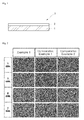
Fig. 1 is a sectional view of a foam tape according to one embodiment of the present invention. -
Fig. 2 includes pictures showing evaluation results of bubble stability of foam tapes according to Examples and Comparative Examples. - The above and other aspects, features, and advantages of the present invention will become apparent from the detailed description of the following embodiments in conjunction with the accompanying drawings. It should be understood that the present invention is not limited to the following embodiments and may be embodied in different ways and that the embodiments are provided for complete disclosure and thorough understanding of the present invention by those skilled in the art. The scope of the present invention is defined only by the claims. Like components will be denoted by like reference numerals throughout the specification.
- Hereinafter, a foam tape base material composition, a foam tape using the base material composition and a method for preparing the foam tape according to embodiments of the present invention will be described in detail with reference to the accompanying drawings.
- According to one embodiment of the invention, a foam tape base material composition includes an acrylic monomer, a radical initiator, a cross-linking agent, a porous filler, and a surfactant, wherein the surfactant includes 60 wt% to 90 wt% of a siloxane polymer, and 10 wt% to 40 wt% of a non-siloxane polymer.
- According to the invention, the surfactant includes a higher amount of the siloxane polymer and a lower amount of the non-siloxane polymer than existing surfactants. If a foam tape is prepared using the existing surfactant including a high amount of the non-siloxane polymer, the foam tape can be deteriorated in adhesion, since the non-siloxane polymer moves to a surface of the tape. The foam tape base material composition according to the invention minimizes an existing problem due to deterioration in adhesion by reducing the amount of the non-siloxane polymer, and exhibits excellent bubble stability by increasing the amount of the siloxane compound.
- According to the invention, the surfactant includes 60 wt% to 90 wt% of the siloxane polymer, and 10 wt% to 40 wt% of the non-siloxane polymer, as described above. If the siloxane polymer is present in an amount of less than 60 wt%, it is difficult to secure sufficient bubble stability of the foam tape, and if the siloxane polymer is present in an amount of greater than 90 wt%, the foam tape can suffer from deterioration in adhesion. In addition, if the non-siloxane polymer is present in an amount of less than 10 wt%, there is a problem in that the foam tape does not obtain a sufficiently stable foam shape, and if the non-siloxane polymer is present in an amount of greater than 40 wt%, the foam tape can suffer from deterioration in adhesion.
- The siloxane polymer refers to a siloxane group-containing polymer, and may be polyalkyleneoxide-modified polydimethylsiloxane. The polyalkyleneoxide-modified polydimethylsiloxane may have a block copolymer form. The polyalkyleneoxide-modified polydimethylsiloxane may have a structure in which linear polydimethylsiloxane includes branched polyalkyleneoxide, or a structure in which polyalkyleneoxide is placed at an end of a silicone backbone.
- In addition, the non-siloxane polymer may be polyalkyleneoxide.
- According to the invention, the acrylic monomer serves to improve adhesion and cohesion of the foam tape, and may include at least one selected from the group consisting of butyl acrylate, butyl methacrylate, hexyl acrylate, hexyl methacrylate, n-octyl acrylate, n-octyl methacrylate, isooctyl acrylate, isooctyl methacrylate, 2-ethylhexyl acrylate, 2-ethylhexyl methacrylate, isononyl acrylate, isononyl methacrylate, acrylic acid, methacrylic acid, maleic acid, fumaric acid, acrylamide, N-vinyl pyrrolidone, N-vinyl caprolactam, and acrylonitrile.
- The acrylic monomer may include a mixture of a soft acrylate monomer, such as butyl acrylate, butyl methacrylate, hexyl acrylate, hexyl methacrylate, n-octyl acrylate, n-octyl methacrylate, isooctyl acrylate, isooctyl methacrylate, 2-ethylhexyl acrylate, 2-ethylhexyl methacrylate, isononyl acrylate and isononyl methacrylate, and a hard acrylate monomer, such as acrylic acid, methacrylic acid, maleic acid, fumaric acid, acrylamide, N-vinyl pyrrolidone, N-vinyl caprolactam and acrylonitrile. The acrylic monomer may include 80 parts by weight to 99 parts by weight of the soft acrylate monomer, and 1 part by weight to 20 parts by weight of the hard acrylate monomer.
- According to the invention, the radical initiator is used in polymerization of the acrylic monomer, and may be selected from among commercially available initiators. More particularly, the radical initiator may be a mixture of a thermal initiator and a photoinitiator. Since polymerization by the photoinitiator can provide low polymerization efficiency, molecular weight and viscosity of a polymer are preferably adjusted to within a desired range by mixing the thermal initiator with the photoinitiator. The photoinitiator may include benzoin methyl ether, benzoin isopropyl ether, anisoin methyl ether, benzoin, benzyl ketal, and the like. In addition, the thermal initiator may include peroxide thermal initiators including benzoyl peroxide, azobisisobutyronitrile, and amine thermal initiators. The thermal initiator and the photoinitiator may be any one which is used by those skilled in the art and is commercially available without limitation.
- According to the invention, the cross-linking agent serves to reinforce initial adhesion of the foam tape through cross-linking between acrylic polymers in the process of polymerization of the acrylic monomer and in the process of exhibition of adhesion of an adhesive. The cross-linking agent may include photo cross-linking agents, thermal cross-linking agents, and mixtures thereof. For example, the cross-linking agent may include diacrylate cross-linking agents, such as hexanediol diacrylate, ethylene glycol diacrylate, diethylene glycol diacrylate, triethylene glycol diacrylate, propylene glycol diacrylate, dipropylene glycol diacrylate, tripropylene diacrylate and the like, triacrylate, aziridine, epoxy cross-linking agents, and the like. The cross-linking agent may also be any one which is used by those skilled in the art and is commercially available without limitation.
- The porous filler may include thermally expandable resins, such as polymeric sphere Expancel 551DU™ and the like, glass macroballoon™, glass bubbles, and the like. The porous filler serves to form a large number of pores in the foam tape through expansion thereof by heat upon polymerization of the acrylic monomer. The glass macroballoon is generally used in the art, and may have a hollow spherical shape in order to efficiently absorb noise.
- In addition, the foam tape base material composition may further include an additive selected from the group consisting of tackifiers, coupling agents, antistatic agents, dyes, pigments, UV blocking agents, antioxidants, processing oil, and mixtures thereof.
- The tackifier serves to improve initial adhesion of the foam tape. The tackifier may include at least one selected from among rosin ester, rosin, terpene, and petroleum resin tackifiers.
- After the foam tape according to the invention is used in attachment between adherends, and the like, since the coupling agent promotes cross-linking of the acrylic polymer included in the base material composition upon exposure to heat, sunlight, temperature or the like under ambient conditions, and thus allows a three-dimensional network to be formed, the coupling agent serves to allow the foam tape to exhibit permanent adhesion. The coupling agent may be a mixture of amine silane and epoxy silane.
- The antistatic agent serves to prevent an adherend to which the foam tape is applied from suffering from static electricity. The antistatic agent may be an antistatic agent known in the art.
- Further, the foam tape base material composition may include the processing fluid to improve cold resistance. The processing fluid may include diisobutyl phthalate (DIBP), dioctyl phthalate (DOP), allyl ethers, paraffin oil, naphthalene oil, and the like, without being limited thereto.
- According to the invention, the base material composition may further include dyes, pigments, UV blocking agents, antioxidants, and the like so long as the base material composition maintains properties thereof. In addition, an amount thereof may vary with desired properties of a final product.
- According to the invention, the foam tape base material composition may include 0.1 parts by weight to 5 parts by weight of the radical initiator, 0.01 parts by weight to 5 parts by weight of the cross-linking agent, 1 parts by weight to 10 parts by weight of the porous filler, and 0.1 parts by weight to 5 parts by weight of the surfactant, based on 100 parts by weight of the acrylic monomer.
- In the foam tape base material composition, if the radical initiator is present in an amount of less than 0.1 parts by weight, there can be a problem of an unreacted monomer, and if the radical initiator is present in an amount of greater than 5 parts by weight, there can be a problem of reduction in molecular weight of the polymer.
- In the foam tape base material composition, if the cross-linking agent is present in an amount of less than 0.01 parts by weight, the foam tape can suffer from deterioration in cohesion or weather resistance. Conversely, if the cross-linking agent is present in an amount of greater than 5 parts by weight, the foam tape can suffer from deterioration in initial adhesion and adhesive properties.
- In the foam tape base material composition, if the porous filler is present in an amount of less than 1 part by weight, the foam tape can suffer from deterioration in prevention of noise. Conversely, if the porous filler is present in an amount of greater than 10 parts by weight, the foam tape can suffer from deterioration in adhesion due to excess filler.
- In the foam tape base material composition, if the surfactant is present in an amount of less than 0.1 parts by weight, there can be a problem of residual bubbles in the foam tape. Conversely, if the surfactant is present in an amount of greater than 5 parts by weight, the foam tape can suffer from deterioration in cohesion and durability.
- According to one embodiment of the invention, a method for preparing a foam tape includes: (a) mixing an acrylic monomer, a radical initiator, a cross-linking agent, a porous filler, and a surfactant including 60 wt% to 90 wt% of a siloxane polymer and 10 wt% to 40 wt% of a non-siloxane polymer to prepare a base material composition; (b) coating the base material composition onto a backing film; and (c) forming a foam tape by performing polymerization simultaneously with foam formation by curing the backing film coated with the base material composition through a UV curing apparatus.
- In operation (a), the base material composition of the foam tape is prepared by mixing the acrylic monomer, the radical initiator, a cross-linking agent, the porous filler, and the surfactant including 60 wt% to 90 wt% of the siloxane polymer and 10 wt% to 40 wt% of the non-siloxane polymer.
- In operation (b), the base material composition obtained in operation (a) is coated onto the backing film. The backing film serves to support the base material composition while the base material composition is polymerized to form an adhesive material. The backing film may be a general PET release film. In addition, coating may be performed using a general coater.
- In operation (c), foam formation and polymerization are simultaneously performed by simultaneously performing UV irradiation (10 W to 60 W) and heating (100°C to 180°C) by curing the backing film coated with the base material composition using the UV curing apparatus. UV irradiation may be performed at a power of 10 W to 60 W, and heating may be performed at a temperature of 100°C to 180°C. In operation (c), polymerization may be performed under typical polymerization conditions, particularly, under conditions for polymerization of the acrylic monomer into an acrylic polymer. Although the present invention is not limited as to the polymerization conditions, for efficiency of the initiator, it is desirable that an oven at a temperature of 60°C to 120°C be used in polymerization by a thermal initiator, and that polymerization be performed for 2 minutes to 3 minutes.
- Through the above processes, the foam tape according to the invention can be prepared. As shown in
Fig. 1 , afoam tape 3 prepared through the above processes has a structure which includes afoam layer 1 formed of the base material composition, and abacking film 2 supporting the foam layer. - Hereinafter, the present invention will be explained in more detail with reference to some examples. It should be understood that these examples are not to be in any way construed as limiting the present invention.
- 90 parts by weight of 2-ethylhexyl acrylate and 10 parts by weight of a polar acrylic acid monomer were subjected to thermal polymerization in a 1 L glass reactor, thereby preparing a syrup having a viscosity of 3500 cPs. Next, 0.5 parts by weight of Irgacure-651 (α,α-methoxy-α-hydroxyacetophenone) as a photoinitiator, and 0.35 parts by weight of 1,6-hexanediol diacrylate (HDDA) as a cross-linking agent were mixed with the syrup based on 100 parts by weight of the syrup, followed by sufficient stirring. Next, 4.5 parts by weight of glass bubbles and 1.5 parts by weight of silica were mixed with the mixed syrup, followed by sufficient stirring until the components were uniformly mixed. The mixture was subjected to vacuum degassing using a vacuum pump. Next, the mixture and 2 parts by weight of a silicone surfactant including 80 wt% of a siloxane polyalkyleneoxide copolymer and 20 wt% of a non-siloxane polymer were coated to a thickness of 1 mm onto a release film using a frother while nitrogen gas was injected, followed by curing using a UV curing apparatus, thereby preparing an acrylic foam tape.
- An acrylic foam tape according to Example 2 was prepared in the same manner as in Example 1 except that a silicone surfactant including 65 wt% of a dimethyl methyl propyl siloxane copolymer and 35 wt% of a non-siloxane polymer was used.
- An acrylic foam tape according to Example 3 was prepared in the same manner as in Example 1 except that a silicone surfactant including 75 wt% of a dimethyl methyl propyl siloxane copolymer and 25 wt% of a non-siloxane polymer was used.
- An acrylic foam tape according to Example 4 was prepared in the same manner as in Example 1 except that a silicone surfactant including 85 wt% of a dimethyl methyl propyl siloxane copolymer and 15 wt% of a non-siloxane polymer was used.
- An acrylic foam tape according to Comparative Example 1 was prepared in the same manner as in Example 1 except that a silicone surfactant (SH 192, Dow Corning Toray Co., Ltd.) including 50 wt% of a dimethyl methyl propyl siloxane copolymer and 50 wt% of a non-siloxane polymer was used.
- An acrylic foam tape according to Comparative Example 2 was prepared in the same manner as in Example 1 except that a fluorine surfactant FC-4430 (3M Co., Ltd.) was used instead of the silicone surfactant.
- Bubble stability was evaluated only on the acrylic foam tapes according to Example 1 and Comparative Example 1 to 2. Under the same conditions as coating conditions (injection of nitrogen gas into an adhesive composition and introduction of a surfactant thereto), a discharge liquid was poured into a paper cup, followed by photographing with a digital camera for observation of bubble increase and bubble size over time using a stopwatch.
- An ABS plate, a chrome plate, a painted plate (standard painted plate for peel strength measurement) and a polycarbonate (PC) plate, which have a width of 50 mm and a length of 120 mm, were cleaned with an isopropyl alcohol solution, followed by drying. A PET film having a thickness of 0.038 mm and a width of 30 mm was laminated on one surface of each of the acrylic foam tapes so as to form a cover, thereby preparing a specimen. The specimen was bonded to each of the ABS, chrome, painted, and PC plates, followed by rolling 5 times in each direction using a 2 kg roller, thereby preparing a sample for peel strength.
- The prepared samples were left at room temperature for 30 minutes and for 24 hours. Next, 180° peel strength was measured on the sample at room temperature at a speed of 300 mm/min, and an average value of 5 samples was recorded.
- Results of bubble stability are shown in
Fig. 2 . Referring toFig. 2 , it can be confirmed that the foam tape of Comparative Example 1 using a typical silicone surfactant suffered from escape of lots of large-sized bubbles after 3 minutes. Conversely, it can be seen that the foam tape of Example 1 according to the invention exhibited excellent bubble stability since the foam tape of Example 1 less suffered from escape of bubbles than Comparative Example 1. In addition, referring toFig. 2 again, it can be seen that the foam tape of Comparative Example 2 using the fluorine surfactant also exhibited similar bubble stability to that of Example 1. That is, it can be seen that the foam tape of Example 1 according to the invention exhibited equivalent bubble stability to the foam tape using the fluorine surfactant even though the foam tape according to the present invention did not use a high-price surfactant such as the fluorine surfactant. -
[Table 1] Standing time Peel strength (g/inch) Painted surface Chrome surface ABS PC Example 1 30 minutes 2796 2594 3435 1426 24 hours 3077 Backing separation 3475 1658 Example 2 30 minutes 2708 2512 3399 1387 24 hours 3010 Backing separation 3124 1597 Example 3 30 minutes 2751 2543 3412 1392 24 hours 3021 Backing separation 3234 1617 Example 4 30 minutes 2774 2560 3425 1402 24 hours 3039 Backing separation 3411 1633 Comparative Example 1 30 minutes 2630 2298 1931 653 24 hours 3054 Backing separation 2450 1033 Comparative Example 2 30 minutes 2484 2074 2197 1502 24 hours 2986 Backing separation 2625 1852 - Referring to Table 1 showing evaluation results of peel strength, the foam tape of Comparative Example 1 using the existing silicone surfactant alone exhibited low peel strength on most substrates, and exhibited extremely low peel strength particularly on the PC surface. (However, referring to evaluation results of peel strength on the chrome surface after the foam tape was left for 24 hours, the PET backing film was separated while the foam tape was broken due to high adhesion thereof in all cases of Examples and Comparative Examples.)
- As such, the foam tapes of Comparative Examples exhibited lower peel strength than those of Examples. It is understood that, since other mixing components (non-siloxane polymer) contained in the surfactant used in the foam tape of Comparative Examples affected a surface of the foam tape, the foam tape was deteriorated in peel strength. Conversely, since the surfactant used in the foam tape of Example 1 had a low amount of other mixing components (non-siloxane polymer), the foam tape according to the invention exhibited high peel strength on most adherends.
Claims (8)
- A foam tape base material composition comprising: an acrylic monomer, a radical initiator, a cross-linking agent, a porous filler, and a surfactant, wherein the surfactant comprises 60 wt% to 90 wt% of a siloxane polymer and 10 wt% to 40 wt% of a non-siloxane polymer.
- The base material composition according to claim 1, wherein the siloxane polymer is a polyalkyleneoxide-modified polydimethylsiloxane.
- The base material composition according to claim 1, wherein the non-siloxane polymer is a polyalkyleneoxide.
- The base material composition according to claim 1, further comprising: an additive selected from the group consisting of tackifiers, coupling agents, antistatic agents, dyes, pigments, UV blocking agents, antioxidants, processing oil, and mixtures thereof.
- The base material composition according to claim 1, wherein the acrylic monomer comprises at least one selected from the group consisting of butyl acrylate, butyl methacrylate, hexyl acrylate, hexyl methacrylate, n-octyl acrylate, n-octyl methacrylate, isooctyl acrylate, isooctyl methacrylate, 2-ethylhexyl acrylate, 2-ethylhexyl methacrylate, isononyl acrylate, isononyl methacrylate, acrylic acid, methacrylic acid, maleic acid, fumaric acid, acrylamide, N-vinyl pyrrolidone, N-vinyl caprolactam, and acrylonitrile.
- The base material composition according to claim 1, wherein the base material composition comprises 0.1 parts by weight to 5 parts by weight of the radical initiator, 0.01 parts by weight to 5 parts by weight of the cross-linking agent, 1 parts by weight to 10 parts by weight of the porous filler, and 0.1 parts by weight to 5 parts by weight of the surfactant, based on 100 parts by weight of the acrylic monomer.
- A foam tape comprising the foam tape base material composition according to any one of claims 1 to 6.
- A method for preparing a foam tape comprising:(a) mixing an acrylic monomer, a radical initiator, a cross-linking agent, a porous filler, and a surfactant including 60 wt% to 90 wt% of a siloxane polymer and 10 wt% to 40 wt% of a non-siloxane polymer to prepare a base material composition;(b) coating the base material composition onto a backing film; and(c) forming a foam tape by performing polymerization simultaneously with foam formation by curing the backing film coated with the base material composition through a UV curing apparatus.
Applications Claiming Priority (2)
| Application Number | Priority Date | Filing Date | Title |
|---|---|---|---|
| KR1020110130523A KR101400558B1 (en) | 2011-12-07 | 2011-12-07 | Base material composition of foam tape, foam tape using the same and manufacturing method thereof |
| PCT/KR2012/010519 WO2013085295A1 (en) | 2011-12-07 | 2012-12-06 | Composition for foam tape base material, foam tape using same, and method for manufacturing composition for foam tape base material |
Publications (3)
| Publication Number | Publication Date |
|---|---|
| EP2789654A1 true EP2789654A1 (en) | 2014-10-15 |
| EP2789654A4 EP2789654A4 (en) | 2015-03-11 |
| EP2789654B1 EP2789654B1 (en) | 2016-03-09 |
Family
ID=48574582
Family Applications (1)
| Application Number | Title | Priority Date | Filing Date |
|---|---|---|---|
| EP12855149.6A Active EP2789654B1 (en) | 2011-12-07 | 2012-12-06 | Composition for foam tape base material, foam tape using same, and method for manufacturing composition for foam tape base material |
Country Status (6)
| Country | Link |
|---|---|
| US (1) | US20140308457A1 (en) |
| EP (1) | EP2789654B1 (en) |
| JP (1) | JP2015505874A (en) |
| KR (1) | KR101400558B1 (en) |
| CN (1) | CN103958598B (en) |
| WO (1) | WO2013085295A1 (en) |
Cited By (1)
| Publication number | Priority date | Publication date | Assignee | Title |
|---|---|---|---|---|
| EP2862911B1 (en) * | 2012-06-19 | 2020-05-06 | Lg Chem, Ltd. | Adhesive agent composition having improved bubble stability and method for preparing same |
Families Citing this family (6)
| Publication number | Priority date | Publication date | Assignee | Title |
|---|---|---|---|---|
| KR101523817B1 (en) * | 2012-07-10 | 2015-05-28 | (주)엘지하우시스 | Flame retaedant adhesive composition with improved foam stability and the method for manufacturing the same |
| EP3529335A4 (en) * | 2016-10-19 | 2020-06-24 | Architectural Solutions IP, LLC | Flame resistant material and resultant products |
| JP2019536669A (en) * | 2016-12-09 | 2019-12-19 | スリーエム イノベイティブ プロパティズ カンパニー | Polymer multilayer film |
| KR102167635B1 (en) | 2017-09-28 | 2020-10-19 | 세키스이가가쿠 고교가부시키가이샤 | Shock absorbing sheet |
| CN109988515B (en) * | 2019-04-15 | 2021-08-06 | 江苏南方卫材医药股份有限公司 | Aldehyde-free low-sensitivity medical adhesive tape base material and adhesive coating method |
| US12600886B2 (en) * | 2022-09-23 | 2026-04-14 | Toyota Motor Engineering & Manufacturing North America, Inc. | Resins for adhesive bonding of fabrics |
Family Cites Families (15)
| Publication number | Priority date | Publication date | Assignee | Title |
|---|---|---|---|---|
| CA1124428A (en) * | 1977-05-16 | 1982-05-25 | Minnesota Mining And Manufacturing Company | Foam-like pressure-sensitive adhesive tape |
| EP0084220B1 (en) * | 1982-01-15 | 1987-01-07 | Minnesota Mining And Manufacturing Company | Cellular pressure-sensitive adhesive product |
| EP0324242A3 (en) * | 1988-01-13 | 1991-10-23 | Minnesota Mining And Manufacturing Company | Colored foamlike pressure-sensitive adhesive tape |
| AU3313689A (en) * | 1988-05-18 | 1989-11-23 | Minnesota Mining And Manufacturing Company | Tackified pressure sensitive adhesive |
| US5221334A (en) * | 1990-04-11 | 1993-06-22 | E. I. Du Pont De Nemours And Company | Aqueous pigmented inks for ink jet printers |
| JP3497519B2 (en) * | 1992-12-18 | 2004-02-16 | ミネソタ マイニング アンド マニュファクチャリング カンパニー | Multilayer foamed pressure-sensitive adhesive tape and method for producing the same |
| KR20000018221A (en) | 2000-01-22 | 2000-04-06 | 이보상 | The materials composite making system and bumper foam tape |
| EP1156077A1 (en) | 2000-05-15 | 2001-11-21 | Huntsman International Llc | Process for making rigid polyurethane foams |
| JP2003176466A (en) * | 2002-12-17 | 2003-06-24 | Minnesota Mining & Mfg Co <3M> | Multi-layer foam pressure-sensitive adhesive tape |
| US6841616B2 (en) * | 2003-03-28 | 2005-01-11 | Arkema Inc. | Polymerization of halogen-containing monomers using siloxane surfactant |
| KR100957785B1 (en) * | 2006-08-07 | 2010-05-12 | (주)엘지하우시스 | Foam tape base composition for automobiles, foam tape comprising the same and method for producing same |
| CN101842455A (en) * | 2007-10-16 | 2010-09-22 | 电气化学工业株式会社 | Adhesive, adhesive sheet, multi-layered adhesive sheet, and production method for electronic part |
| JP5570706B2 (en) * | 2008-05-29 | 2014-08-13 | 日東電工株式会社 | Acrylic pressure sensitive adhesive tape or sheet |
| JP5139410B2 (en) * | 2009-12-18 | 2013-02-06 | 日東電工株式会社 | Adhesive tape and method for producing adhesive tape |
| JP2011190289A (en) * | 2010-03-11 | 2011-09-29 | Nitto Denko Corp | Pressure-sensitive adhesive tape |
-
2011
- 2011-12-07 KR KR1020110130523A patent/KR101400558B1/en active Active
-
2012
- 2012-12-06 EP EP12855149.6A patent/EP2789654B1/en active Active
- 2012-12-06 JP JP2014545819A patent/JP2015505874A/en active Pending
- 2012-12-06 CN CN201280058555.0A patent/CN103958598B/en active Active
- 2012-12-06 US US14/359,862 patent/US20140308457A1/en not_active Abandoned
- 2012-12-06 WO PCT/KR2012/010519 patent/WO2013085295A1/en not_active Ceased
Cited By (1)
| Publication number | Priority date | Publication date | Assignee | Title |
|---|---|---|---|---|
| EP2862911B1 (en) * | 2012-06-19 | 2020-05-06 | Lg Chem, Ltd. | Adhesive agent composition having improved bubble stability and method for preparing same |
Also Published As
| Publication number | Publication date |
|---|---|
| KR101400558B1 (en) | 2014-05-29 |
| KR20130063902A (en) | 2013-06-17 |
| WO2013085295A1 (en) | 2013-06-13 |
| JP2015505874A (en) | 2015-02-26 |
| US20140308457A1 (en) | 2014-10-16 |
| CN103958598A (en) | 2014-07-30 |
| EP2789654A4 (en) | 2015-03-11 |
| CN103958598B (en) | 2016-12-21 |
| EP2789654B1 (en) | 2016-03-09 |
Similar Documents
| Publication | Publication Date | Title |
|---|---|---|
| EP2789654B1 (en) | Composition for foam tape base material, foam tape using same, and method for manufacturing composition for foam tape base material | |
| EP3402854B1 (en) | Pressure-sensitive adhesive composition and article thereof | |
| EP2767567B1 (en) | Adhesive tape for car | |
| EP1398361B1 (en) | Double-sided pressure-sensitive adhesive tape and adhesion method | |
| WO2008047636A1 (en) | Acrylic adhesive tape or sheet, and method for producing the same | |
| KR101736536B1 (en) | Adhesive composition, adhesive film and acryl foam adhesive tape | |
| CN110093107A (en) | The manufacturing method of bonding sheet and its manufacturing method and image display device | |
| KR101820562B1 (en) | Acryl foam adhesive tape and flat panel display using the same | |
| JP3888679B2 (en) | Double-sided adhesive tape and fixing method | |
| EP3455313A1 (en) | Adhesive, metal member assembly, and method for manufacturing metal member assembly | |
| KR101598658B1 (en) | Acryl foam adhesive tape and flat panel display using the same | |
| EP2843021B1 (en) | Substrate composition for foam tape, foam tape using same, and preparation method thereof | |
| JP6245381B2 (en) | Adhesive sheet and electronic device | |
| KR20120005681A (en) | Adhesive composition for adhesive panel, adhesive sheet and decorative panel | |
| KR20260065961A (en) | Pressure-sensitive adhesive tape | |
| JP3507849B2 (en) | Acrylic adhesive sheet and method for producing the same | |
| KR101988074B1 (en) | Adhesive film for automobile | |
| KR102217640B1 (en) | Composition for foam adhesive tape and foam adhesive tape comprising cured product thereof | |
| CN114213980A (en) | Acrylic adhesive and non-foam buffer adhesive tape | |
| JP2024102441A (en) | Pressure-sensitive adhesive composition for decorative sheet, decorative sheet, decorative structure, and method for producing same | |
| CN114854337A (en) | Adhesive and preparation method thereof | |
| JPH09235539A (en) | PSA composition and PSA sheet | |
| KR20150061363A (en) | Adhesive composition |
Legal Events
| Date | Code | Title | Description |
|---|---|---|---|
| PUAI | Public reference made under article 153(3) epc to a published international application that has entered the european phase |
Free format text: ORIGINAL CODE: 0009012 |
|
| 17P | Request for examination filed |
Effective date: 20140522 |
|
| AK | Designated contracting states |
Kind code of ref document: A1 Designated state(s): AL AT BE BG CH CY CZ DE DK EE ES FI FR GB GR HR HU IE IS IT LI LT LU LV MC MK MT NL NO PL PT RO RS SE SI SK SM TR |
|
| REG | Reference to a national code |
Ref country code: DE Ref legal event code: R079 Ref document number: 602012015549 Country of ref document: DE Free format text: PREVIOUS MAIN CLASS: C08L0033040000 Ipc: C08K0007220000 |
|
| A4 | Supplementary search report drawn up and despatched |
Effective date: 20150211 |
|
| RIC1 | Information provided on ipc code assigned before grant |
Ipc: C09J 4/00 20060101ALI20150205BHEP Ipc: C09J 7/02 20060101ALI20150205BHEP Ipc: C08J 9/00 20060101ALI20150205BHEP Ipc: C08K 7/22 20060101AFI20150205BHEP |
|
| DAX | Request for extension of the european patent (deleted) | ||
| GRAP | Despatch of communication of intention to grant a patent |
Free format text: ORIGINAL CODE: EPIDOSNIGR1 |
|
| INTG | Intention to grant announced |
Effective date: 20150714 |
|
| GRAS | Grant fee paid |
Free format text: ORIGINAL CODE: EPIDOSNIGR3 |
|
| GRAA | (expected) grant |
Free format text: ORIGINAL CODE: 0009210 |
|
| AK | Designated contracting states |
Kind code of ref document: B1 Designated state(s): AL AT BE BG CH CY CZ DE DK EE ES FI FR GB GR HR HU IE IS IT LI LT LU LV MC MK MT NL NO PL PT RO RS SE SI SK SM TR |
|
| REG | Reference to a national code |
Ref country code: GB Ref legal event code: FG4D |
|
| REG | Reference to a national code |
Ref country code: AT Ref legal event code: REF Ref document number: 779504 Country of ref document: AT Kind code of ref document: T Effective date: 20160315 Ref country code: CH Ref legal event code: EP |
|
| REG | Reference to a national code |
Ref country code: IE Ref legal event code: FG4D |
|
| REG | Reference to a national code |
Ref country code: DE Ref legal event code: R096 Ref document number: 602012015549 Country of ref document: DE |
|
| REG | Reference to a national code |
Ref country code: LT Ref legal event code: MG4D |
|
| REG | Reference to a national code |
Ref country code: NL Ref legal event code: MP Effective date: 20160309 |
|
| PG25 | Lapsed in a contracting state [announced via postgrant information from national office to epo] |
Ref country code: NO Free format text: LAPSE BECAUSE OF FAILURE TO SUBMIT A TRANSLATION OF THE DESCRIPTION OR TO PAY THE FEE WITHIN THE PRESCRIBED TIME-LIMIT Effective date: 20160609 Ref country code: FI Free format text: LAPSE BECAUSE OF FAILURE TO SUBMIT A TRANSLATION OF THE DESCRIPTION OR TO PAY THE FEE WITHIN THE PRESCRIBED TIME-LIMIT Effective date: 20160309 Ref country code: HR Free format text: LAPSE BECAUSE OF FAILURE TO SUBMIT A TRANSLATION OF THE DESCRIPTION OR TO PAY THE FEE WITHIN THE PRESCRIBED TIME-LIMIT Effective date: 20160309 Ref country code: GR Free format text: LAPSE BECAUSE OF FAILURE TO SUBMIT A TRANSLATION OF THE DESCRIPTION OR TO PAY THE FEE WITHIN THE PRESCRIBED TIME-LIMIT Effective date: 20160610 Ref country code: ES Free format text: LAPSE BECAUSE OF FAILURE TO SUBMIT A TRANSLATION OF THE DESCRIPTION OR TO PAY THE FEE WITHIN THE PRESCRIBED TIME-LIMIT Effective date: 20160309 |
|
| REG | Reference to a national code |
Ref country code: AT Ref legal event code: MK05 Ref document number: 779504 Country of ref document: AT Kind code of ref document: T Effective date: 20160309 |
|
| PG25 | Lapsed in a contracting state [announced via postgrant information from national office to epo] |
Ref country code: SE Free format text: LAPSE BECAUSE OF FAILURE TO SUBMIT A TRANSLATION OF THE DESCRIPTION OR TO PAY THE FEE WITHIN THE PRESCRIBED TIME-LIMIT Effective date: 20160309 Ref country code: NL Free format text: LAPSE BECAUSE OF FAILURE TO SUBMIT A TRANSLATION OF THE DESCRIPTION OR TO PAY THE FEE WITHIN THE PRESCRIBED TIME-LIMIT Effective date: 20160309 Ref country code: PL Free format text: LAPSE BECAUSE OF FAILURE TO SUBMIT A TRANSLATION OF THE DESCRIPTION OR TO PAY THE FEE WITHIN THE PRESCRIBED TIME-LIMIT Effective date: 20160309 Ref country code: LT Free format text: LAPSE BECAUSE OF FAILURE TO SUBMIT A TRANSLATION OF THE DESCRIPTION OR TO PAY THE FEE WITHIN THE PRESCRIBED TIME-LIMIT Effective date: 20160309 Ref country code: LV Free format text: LAPSE BECAUSE OF FAILURE TO SUBMIT A TRANSLATION OF THE DESCRIPTION OR TO PAY THE FEE WITHIN THE PRESCRIBED TIME-LIMIT Effective date: 20160309 Ref country code: RS Free format text: LAPSE BECAUSE OF FAILURE TO SUBMIT A TRANSLATION OF THE DESCRIPTION OR TO PAY THE FEE WITHIN THE PRESCRIBED TIME-LIMIT Effective date: 20160309 |
|
| PG25 | Lapsed in a contracting state [announced via postgrant information from national office to epo] |
Ref country code: IS Free format text: LAPSE BECAUSE OF FAILURE TO SUBMIT A TRANSLATION OF THE DESCRIPTION OR TO PAY THE FEE WITHIN THE PRESCRIBED TIME-LIMIT Effective date: 20160709 Ref country code: EE Free format text: LAPSE BECAUSE OF FAILURE TO SUBMIT A TRANSLATION OF THE DESCRIPTION OR TO PAY THE FEE WITHIN THE PRESCRIBED TIME-LIMIT Effective date: 20160309 |
|
| REG | Reference to a national code |
Ref country code: FR Ref legal event code: PLFP Year of fee payment: 5 |
|
| PG25 | Lapsed in a contracting state [announced via postgrant information from national office to epo] |
Ref country code: PT Free format text: LAPSE BECAUSE OF FAILURE TO SUBMIT A TRANSLATION OF THE DESCRIPTION OR TO PAY THE FEE WITHIN THE PRESCRIBED TIME-LIMIT Effective date: 20160711 Ref country code: RO Free format text: LAPSE BECAUSE OF FAILURE TO SUBMIT A TRANSLATION OF THE DESCRIPTION OR TO PAY THE FEE WITHIN THE PRESCRIBED TIME-LIMIT Effective date: 20160309 Ref country code: CZ Free format text: LAPSE BECAUSE OF FAILURE TO SUBMIT A TRANSLATION OF THE DESCRIPTION OR TO PAY THE FEE WITHIN THE PRESCRIBED TIME-LIMIT Effective date: 20160309 Ref country code: SM Free format text: LAPSE BECAUSE OF FAILURE TO SUBMIT A TRANSLATION OF THE DESCRIPTION OR TO PAY THE FEE WITHIN THE PRESCRIBED TIME-LIMIT Effective date: 20160309 Ref country code: AT Free format text: LAPSE BECAUSE OF FAILURE TO SUBMIT A TRANSLATION OF THE DESCRIPTION OR TO PAY THE FEE WITHIN THE PRESCRIBED TIME-LIMIT Effective date: 20160309 Ref country code: SK Free format text: LAPSE BECAUSE OF FAILURE TO SUBMIT A TRANSLATION OF THE DESCRIPTION OR TO PAY THE FEE WITHIN THE PRESCRIBED TIME-LIMIT Effective date: 20160309 |
|
| REG | Reference to a national code |
Ref country code: DE Ref legal event code: R097 Ref document number: 602012015549 Country of ref document: DE |
|
| PG25 | Lapsed in a contracting state [announced via postgrant information from national office to epo] |
Ref country code: IT Free format text: LAPSE BECAUSE OF FAILURE TO SUBMIT A TRANSLATION OF THE DESCRIPTION OR TO PAY THE FEE WITHIN THE PRESCRIBED TIME-LIMIT Effective date: 20160309 Ref country code: BE Free format text: LAPSE BECAUSE OF FAILURE TO SUBMIT A TRANSLATION OF THE DESCRIPTION OR TO PAY THE FEE WITHIN THE PRESCRIBED TIME-LIMIT Effective date: 20160309 |
|
| PLBE | No opposition filed within time limit |
Free format text: ORIGINAL CODE: 0009261 |
|
| STAA | Information on the status of an ep patent application or granted ep patent |
Free format text: STATUS: NO OPPOSITION FILED WITHIN TIME LIMIT |
|
| PG25 | Lapsed in a contracting state [announced via postgrant information from national office to epo] |
Ref country code: DK Free format text: LAPSE BECAUSE OF FAILURE TO SUBMIT A TRANSLATION OF THE DESCRIPTION OR TO PAY THE FEE WITHIN THE PRESCRIBED TIME-LIMIT Effective date: 20160309 |
|
| 26N | No opposition filed |
Effective date: 20161212 |
|
| PG25 | Lapsed in a contracting state [announced via postgrant information from national office to epo] |
Ref country code: BG Free format text: LAPSE BECAUSE OF FAILURE TO SUBMIT A TRANSLATION OF THE DESCRIPTION OR TO PAY THE FEE WITHIN THE PRESCRIBED TIME-LIMIT Effective date: 20160609 |
|
| PLAA | Information modified related to event that no opposition was filed |
Free format text: ORIGINAL CODE: 0009299DELT |
|
| PLBE | No opposition filed within time limit |
Free format text: ORIGINAL CODE: 0009261 |
|
| R26N | No opposition filed (corrected) |
Effective date: 20161212 |
|
| RAP2 | Party data changed (patent owner data changed or rights of a patent transferred) |
Owner name: LG CHEM, LTD. |
|
| REG | Reference to a national code |
Ref country code: DE Ref legal event code: R082 Ref document number: 602012015549 Country of ref document: DE Representative=s name: BECKER-KURIG-STRAUS PATENTANWAELTE PARTNERSCHA, DE Ref country code: DE Ref legal event code: R082 Ref document number: 602012015549 Country of ref document: DE Representative=s name: BECKER, KURIG, STRAUS, DE Ref country code: DE Ref legal event code: R082 Ref document number: 602012015549 Country of ref document: DE Representative=s name: 2K PATENT- UND RECHTSANWAELTE PARTNERSCHAFT MB, DE Ref country code: DE Ref legal event code: R081 Ref document number: 602012015549 Country of ref document: DE Owner name: LG CHEM, LTD., KR Free format text: FORMER OWNER: LG HAUSYS, LTD., SEOUL, KR |
|
| PG25 | Lapsed in a contracting state [announced via postgrant information from national office to epo] |
Ref country code: SI Free format text: LAPSE BECAUSE OF FAILURE TO SUBMIT A TRANSLATION OF THE DESCRIPTION OR TO PAY THE FEE WITHIN THE PRESCRIBED TIME-LIMIT Effective date: 20160309 |
|
| REG | Reference to a national code |
Ref country code: CH Ref legal event code: PL |
|
| GBPC | Gb: european patent ceased through non-payment of renewal fee |
Effective date: 20161206 |
|
| PG25 | Lapsed in a contracting state [announced via postgrant information from national office to epo] |
Ref country code: MC Free format text: LAPSE BECAUSE OF FAILURE TO SUBMIT A TRANSLATION OF THE DESCRIPTION OR TO PAY THE FEE WITHIN THE PRESCRIBED TIME-LIMIT Effective date: 20160309 |
|
| REG | Reference to a national code |
Ref country code: IE Ref legal event code: MM4A |
|
| PG25 | Lapsed in a contracting state [announced via postgrant information from national office to epo] |
Ref country code: CH Free format text: LAPSE BECAUSE OF NON-PAYMENT OF DUE FEES Effective date: 20161231 Ref country code: LI Free format text: LAPSE BECAUSE OF NON-PAYMENT OF DUE FEES Effective date: 20161231 Ref country code: LU Free format text: LAPSE BECAUSE OF NON-PAYMENT OF DUE FEES Effective date: 20161206 |
|
| REG | Reference to a national code |
Ref country code: FR Ref legal event code: PLFP Year of fee payment: 6 |
|
| PG25 | Lapsed in a contracting state [announced via postgrant information from national office to epo] |
Ref country code: GB Free format text: LAPSE BECAUSE OF NON-PAYMENT OF DUE FEES Effective date: 20161206 Ref country code: IE Free format text: LAPSE BECAUSE OF NON-PAYMENT OF DUE FEES Effective date: 20161206 |
|
| PG25 | Lapsed in a contracting state [announced via postgrant information from national office to epo] |
Ref country code: HU Free format text: LAPSE BECAUSE OF FAILURE TO SUBMIT A TRANSLATION OF THE DESCRIPTION OR TO PAY THE FEE WITHIN THE PRESCRIBED TIME-LIMIT; INVALID AB INITIO Effective date: 20121206 |
|
| PG25 | Lapsed in a contracting state [announced via postgrant information from national office to epo] |
Ref country code: CY Free format text: LAPSE BECAUSE OF FAILURE TO SUBMIT A TRANSLATION OF THE DESCRIPTION OR TO PAY THE FEE WITHIN THE PRESCRIBED TIME-LIMIT Effective date: 20160309 Ref country code: MK Free format text: LAPSE BECAUSE OF FAILURE TO SUBMIT A TRANSLATION OF THE DESCRIPTION OR TO PAY THE FEE WITHIN THE PRESCRIBED TIME-LIMIT Effective date: 20160309 |
|
| PG25 | Lapsed in a contracting state [announced via postgrant information from national office to epo] |
Ref country code: MT Free format text: LAPSE BECAUSE OF NON-PAYMENT OF DUE FEES Effective date: 20161206 |
|
| PG25 | Lapsed in a contracting state [announced via postgrant information from national office to epo] |
Ref country code: TR Free format text: LAPSE BECAUSE OF FAILURE TO SUBMIT A TRANSLATION OF THE DESCRIPTION OR TO PAY THE FEE WITHIN THE PRESCRIBED TIME-LIMIT Effective date: 20160309 Ref country code: AL Free format text: LAPSE BECAUSE OF FAILURE TO SUBMIT A TRANSLATION OF THE DESCRIPTION OR TO PAY THE FEE WITHIN THE PRESCRIBED TIME-LIMIT Effective date: 20160309 |
|
| REG | Reference to a national code |
Ref country code: DE Ref legal event code: R082 Ref document number: 602012015549 Country of ref document: DE Representative=s name: STRAUS, ALEXANDER, DIPL.-CHEM.UNIV. DR.PHIL., DE Ref country code: DE Ref legal event code: R082 Ref document number: 602012015549 Country of ref document: DE Representative=s name: 2K PATENT- UND RECHTSANWAELTE PARTNERSCHAFT MB, DE |
|
| REG | Reference to a national code |
Ref country code: DE Ref legal event code: R082 Ref document number: 602012015549 Country of ref document: DE Representative=s name: STRAUS, ALEXANDER, DIPL.-CHEM.UNIV. DR.PHIL., DE |
|
| PGFP | Annual fee paid to national office [announced via postgrant information from national office to epo] |
Ref country code: DE Payment date: 20251120 Year of fee payment: 14 |
|
| PGFP | Annual fee paid to national office [announced via postgrant information from national office to epo] |
Ref country code: FR Payment date: 20251125 Year of fee payment: 14 |