EP2788373B1 - New actinomycete integrative and conjugative element from actinoplanes sp. se50/110 as plasmid for genetic transformation of related actinobacteria - Google Patents
New actinomycete integrative and conjugative element from actinoplanes sp. se50/110 as plasmid for genetic transformation of related actinobacteria Download PDFInfo
- Publication number
- EP2788373B1 EP2788373B1 EP12794734.9A EP12794734A EP2788373B1 EP 2788373 B1 EP2788373 B1 EP 2788373B1 EP 12794734 A EP12794734 A EP 12794734A EP 2788373 B1 EP2788373 B1 EP 2788373B1
- Authority
- EP
- European Patent Office
- Prior art keywords
- actinoplanes
- gene
- protein
- amino acids
- dna
- Prior art date
- Legal status (The legal status is an assumption and is not a legal conclusion. Google has not performed a legal analysis and makes no representation as to the accuracy of the status listed.)
- Not-in-force
Links
- 241001446247 uncultured actinomycete Species 0.000 title claims description 7
- 230000002068 genetic effect Effects 0.000 title description 4
- 230000009466 transformation Effects 0.000 title description 4
- 239000013612 plasmid Substances 0.000 title description 3
- 241001156739 Actinobacteria <phylum> Species 0.000 title description 2
- 241000936716 Actinoplanes sp. SE50/110 Species 0.000 title 1
- 108091033319 polynucleotide Proteins 0.000 claims description 4
- 102000040430 polynucleotide Human genes 0.000 claims description 4
- 239000002157 polynucleotide Substances 0.000 claims description 4
- 108090000623 proteins and genes Proteins 0.000 description 113
- 241000187712 Actinoplanes sp. Species 0.000 description 56
- 102000004169 proteins and genes Human genes 0.000 description 48
- 150000001413 amino acids Chemical class 0.000 description 39
- 108020004414 DNA Proteins 0.000 description 24
- 108091033380 Coding strand Proteins 0.000 description 22
- XUFXOAAUWZOOIT-SXARVLRPSA-N (2R,3R,4R,5S,6R)-5-[[(2R,3R,4R,5S,6R)-5-[[(2R,3R,4S,5S,6R)-3,4-dihydroxy-6-methyl-5-[[(1S,4R,5S,6S)-4,5,6-trihydroxy-3-(hydroxymethyl)-1-cyclohex-2-enyl]amino]-2-oxanyl]oxy]-3,4-dihydroxy-6-(hydroxymethyl)-2-oxanyl]oxy]-6-(hydroxymethyl)oxane-2,3,4-triol Chemical compound O([C@H]1O[C@H](CO)[C@H]([C@@H]([C@H]1O)O)O[C@H]1O[C@@H]([C@H]([C@H](O)[C@H]1O)N[C@@H]1[C@@H]([C@@H](O)[C@H](O)C(CO)=C1)O)C)[C@@H]1[C@@H](CO)O[C@@H](O)[C@H](O)[C@H]1O XUFXOAAUWZOOIT-SXARVLRPSA-N 0.000 description 9
- 229960002632 acarbose Drugs 0.000 description 9
- XUFXOAAUWZOOIT-UHFFFAOYSA-N acarviostatin I01 Natural products OC1C(O)C(NC2C(C(O)C(O)C(CO)=C2)O)C(C)OC1OC(C(C1O)O)C(CO)OC1OC1C(CO)OC(O)C(O)C1O XUFXOAAUWZOOIT-UHFFFAOYSA-N 0.000 description 9
- 241001507144 Micromonospora aurantiaca ATCC 27029 Species 0.000 description 8
- 210000004027 cell Anatomy 0.000 description 6
- 238000012546 transfer Methods 0.000 description 6
- 102100034343 Integrase Human genes 0.000 description 5
- 108010061833 Integrases Proteins 0.000 description 5
- 108020004566 Transfer RNA Proteins 0.000 description 4
- 230000001419 dependent effect Effects 0.000 description 4
- 238000010353 genetic engineering Methods 0.000 description 4
- 230000010354 integration Effects 0.000 description 4
- 230000010076 replication Effects 0.000 description 4
- 241000894007 species Species 0.000 description 4
- 102000004160 Phosphoric Monoester Hydrolases Human genes 0.000 description 3
- 108090000608 Phosphoric Monoester Hydrolases Proteins 0.000 description 3
- 101100301560 Streptomyces ambofaciens repSA gene Proteins 0.000 description 3
- 210000000349 chromosome Anatomy 0.000 description 3
- 239000002184 metal Substances 0.000 description 3
- 238000000034 method Methods 0.000 description 3
- 230000008520 organization Effects 0.000 description 3
- 230000008569 process Effects 0.000 description 3
- 230000006798 recombination Effects 0.000 description 3
- 238000005215 recombination Methods 0.000 description 3
- 208000001072 type 2 diabetes mellitus Diseases 0.000 description 3
- 229940077274 Alpha glucosidase inhibitor Drugs 0.000 description 2
- 241000894006 Bacteria Species 0.000 description 2
- 241000187808 Frankia sp. Species 0.000 description 2
- 208000012766 Growth delay Diseases 0.000 description 2
- ONIBWKKTOPOVIA-BYPYZUCNSA-N L-Proline Chemical compound OC(=O)[C@@H]1CCCN1 ONIBWKKTOPOVIA-BYPYZUCNSA-N 0.000 description 2
- 102000001442 NUDIX hydrolase domains Human genes 0.000 description 2
- 108050009655 NUDIX hydrolase domains Proteins 0.000 description 2
- ONIBWKKTOPOVIA-UHFFFAOYSA-N Proline Natural products OC(=O)C1CCCN1 ONIBWKKTOPOVIA-UHFFFAOYSA-N 0.000 description 2
- 101710088839 Replication initiation protein Proteins 0.000 description 2
- 241000187758 Streptomyces ambofaciens Species 0.000 description 2
- 101100096332 Streptomyces lividans spdA gene Proteins 0.000 description 2
- 101100096333 Streptomyces lividans spdB gene Proteins 0.000 description 2
- 239000003888 alpha glucosidase inhibitor Substances 0.000 description 2
- 230000015572 biosynthetic process Effects 0.000 description 2
- 238000002474 experimental method Methods 0.000 description 2
- NOESYZHRGYRDHS-UHFFFAOYSA-N insulin Chemical compound N1C(=O)C(NC(=O)C(CCC(N)=O)NC(=O)C(CCC(O)=O)NC(=O)C(C(C)C)NC(=O)C(NC(=O)CN)C(C)CC)CSSCC(C(NC(CO)C(=O)NC(CC(C)C)C(=O)NC(CC=2C=CC(O)=CC=2)C(=O)NC(CCC(N)=O)C(=O)NC(CC(C)C)C(=O)NC(CCC(O)=O)C(=O)NC(CC(N)=O)C(=O)NC(CC=2C=CC(O)=CC=2)C(=O)NC(CSSCC(NC(=O)C(C(C)C)NC(=O)C(CC(C)C)NC(=O)C(CC=2C=CC(O)=CC=2)NC(=O)C(CC(C)C)NC(=O)C(C)NC(=O)C(CCC(O)=O)NC(=O)C(C(C)C)NC(=O)C(CC(C)C)NC(=O)C(CC=2NC=NC=2)NC(=O)C(CO)NC(=O)CNC2=O)C(=O)NCC(=O)NC(CCC(O)=O)C(=O)NC(CCCNC(N)=N)C(=O)NCC(=O)NC(CC=3C=CC=CC=3)C(=O)NC(CC=3C=CC=CC=3)C(=O)NC(CC=3C=CC(O)=CC=3)C(=O)NC(C(C)O)C(=O)N3C(CCC3)C(=O)NC(CCCCN)C(=O)NC(C)C(O)=O)C(=O)NC(CC(N)=O)C(O)=O)=O)NC(=O)C(C(C)CC)NC(=O)C(CO)NC(=O)C(C(C)O)NC(=O)C1CSSCC2NC(=O)C(CC(C)C)NC(=O)C(NC(=O)C(CCC(N)=O)NC(=O)C(CC(N)=O)NC(=O)C(NC(=O)C(N)CC=1C=CC=CC=1)C(C)C)CC1=CN=CN1 NOESYZHRGYRDHS-UHFFFAOYSA-N 0.000 description 2
- 238000004519 manufacturing process Methods 0.000 description 2
- 201000000083 maturity-onset diabetes of the young type 1 Diseases 0.000 description 2
- 230000000630 rising effect Effects 0.000 description 2
- 230000005945 translocation Effects 0.000 description 2
- 241000187844 Actinoplanes Species 0.000 description 1
- 241001484216 Actinoplanes friuliensis Species 0.000 description 1
- 102000002735 Acyl-CoA Dehydrogenase Human genes 0.000 description 1
- 108010001058 Acyl-CoA Dehydrogenase Proteins 0.000 description 1
- 200000000007 Arterial disease Diseases 0.000 description 1
- 206010003211 Arteriosclerosis coronary artery Diseases 0.000 description 1
- 201000004569 Blindness Diseases 0.000 description 1
- 101100166100 Candida parapsilosis SAPP2 gene Proteins 0.000 description 1
- 208000017667 Chronic Disease Diseases 0.000 description 1
- 102000053602 DNA Human genes 0.000 description 1
- 102000004163 DNA-directed RNA polymerases Human genes 0.000 description 1
- 108090000626 DNA-directed RNA polymerases Proteins 0.000 description 1
- 102000004190 Enzymes Human genes 0.000 description 1
- 108090000790 Enzymes Proteins 0.000 description 1
- 102000004877 Insulin Human genes 0.000 description 1
- 108090001061 Insulin Proteins 0.000 description 1
- 241000187708 Micromonospora Species 0.000 description 1
- 241000218940 Micromonospora rosaria Species 0.000 description 1
- 241001274418 Mycobacterium colombiense CECT 3035 Species 0.000 description 1
- 108091028043 Nucleic acid sequence Proteins 0.000 description 1
- 108010076504 Protein Sorting Signals Proteins 0.000 description 1
- 208000001647 Renal Insufficiency Diseases 0.000 description 1
- 241000426681 Salinispora tropica Species 0.000 description 1
- 241000187747 Streptomyces Species 0.000 description 1
- 241001531149 Streptomyces cattleya NRRL 8057 = DSM 46488 Species 0.000 description 1
- 241000187432 Streptomyces coelicolor Species 0.000 description 1
- 241001180603 Streptomyces griseoflavus Tu4000 Species 0.000 description 1
- 241000187180 Streptomyces sp. Species 0.000 description 1
- 241001596104 Streptosporangium roseum DSM 43021 Species 0.000 description 1
- 108090000992 Transferases Proteins 0.000 description 1
- 241000065202 Verrucosispora maris AB-18-032 Species 0.000 description 1
- 206010052428 Wound Diseases 0.000 description 1
- 208000027418 Wounds and injury Diseases 0.000 description 1
- 239000012190 activator Substances 0.000 description 1
- 102000016679 alpha-Glucosidases Human genes 0.000 description 1
- 108010028144 alpha-Glucosidases Proteins 0.000 description 1
- 230000003321 amplification Effects 0.000 description 1
- 230000003466 anti-cipated effect Effects 0.000 description 1
- 230000008901 benefit Effects 0.000 description 1
- 230000033228 biological regulation Effects 0.000 description 1
- 108020001778 catalytic domains Proteins 0.000 description 1
- 230000032823 cell division Effects 0.000 description 1
- 239000003795 chemical substances by application Substances 0.000 description 1
- 238000003776 cleavage reaction Methods 0.000 description 1
- 206010012601 diabetes mellitus Diseases 0.000 description 1
- 229940079593 drug Drugs 0.000 description 1
- 239000003814 drug Substances 0.000 description 1
- 238000004520 electroporation Methods 0.000 description 1
- 230000007613 environmental effect Effects 0.000 description 1
- 108010055246 excisionase Proteins 0.000 description 1
- 108091008053 gene clusters Proteins 0.000 description 1
- 102000034356 gene-regulatory proteins Human genes 0.000 description 1
- 108091006104 gene-regulatory proteins Proteins 0.000 description 1
- 230000035876 healing Effects 0.000 description 1
- 230000006872 improvement Effects 0.000 description 1
- 238000009655 industrial fermentation Methods 0.000 description 1
- 229940125396 insulin Drugs 0.000 description 1
- 230000035990 intercellular signaling Effects 0.000 description 1
- 201000006370 kidney failure Diseases 0.000 description 1
- 230000004807 localization Effects 0.000 description 1
- 230000013011 mating Effects 0.000 description 1
- 230000007246 mechanism Effects 0.000 description 1
- 230000001404 mediated effect Effects 0.000 description 1
- 230000002503 metabolic effect Effects 0.000 description 1
- 230000004060 metabolic process Effects 0.000 description 1
- 238000002703 mutagenesis Methods 0.000 description 1
- 231100000350 mutagenesis Toxicity 0.000 description 1
- 238000003199 nucleic acid amplification method Methods 0.000 description 1
- 108020004707 nucleic acids Proteins 0.000 description 1
- 102000039446 nucleic acids Human genes 0.000 description 1
- 150000007523 nucleic acids Chemical class 0.000 description 1
- 102000006040 nudix hydrolase Human genes 0.000 description 1
- 108020003260 nudix hydrolase Proteins 0.000 description 1
- 238000005457 optimization Methods 0.000 description 1
- 238000002360 preparation method Methods 0.000 description 1
- 230000008844 regulatory mechanism Effects 0.000 description 1
- 230000000754 repressing effect Effects 0.000 description 1
- 238000005096 rolling process Methods 0.000 description 1
- 230000007017 scission Effects 0.000 description 1
- 230000019491 signal transduction Effects 0.000 description 1
- 239000000126 substance Substances 0.000 description 1
- 230000035897 transcription Effects 0.000 description 1
- 238000013518 transcription Methods 0.000 description 1
- 230000002103 transcriptional effect Effects 0.000 description 1
- 238000011426 transformation method Methods 0.000 description 1
Images


Classifications
-
- C—CHEMISTRY; METALLURGY
- C12—BIOCHEMISTRY; BEER; SPIRITS; WINE; VINEGAR; MICROBIOLOGY; ENZYMOLOGY; MUTATION OR GENETIC ENGINEERING
- C12P—FERMENTATION OR ENZYME-USING PROCESSES TO SYNTHESISE A DESIRED CHEMICAL COMPOUND OR COMPOSITION OR TO SEPARATE OPTICAL ISOMERS FROM A RACEMIC MIXTURE
- C12P19/00—Preparation of compounds containing saccharide radicals
- C12P19/26—Preparation of nitrogen-containing carbohydrates
-
- C—CHEMISTRY; METALLURGY
- C07—ORGANIC CHEMISTRY
- C07K—PEPTIDES
- C07K14/00—Peptides having more than 20 amino acids; Gastrins; Somatostatins; Melanotropins; Derivatives thereof
- C07K14/195—Peptides having more than 20 amino acids; Gastrins; Somatostatins; Melanotropins; Derivatives thereof from bacteria
- C07K14/365—Peptides having more than 20 amino acids; Gastrins; Somatostatins; Melanotropins; Derivatives thereof from bacteria from Actinoplanes (G)
-
- C—CHEMISTRY; METALLURGY
- C12—BIOCHEMISTRY; BEER; SPIRITS; WINE; VINEGAR; MICROBIOLOGY; ENZYMOLOGY; MUTATION OR GENETIC ENGINEERING
- C12N—MICROORGANISMS OR ENZYMES; COMPOSITIONS THEREOF; PROPAGATING, PRESERVING, OR MAINTAINING MICROORGANISMS; MUTATION OR GENETIC ENGINEERING; CULTURE MEDIA
- C12N15/00—Mutation or genetic engineering; DNA or RNA concerning genetic engineering, vectors, e.g. plasmids, or their isolation, preparation or purification; Use of hosts therefor
- C12N15/09—Recombinant DNA-technology
- C12N15/11—DNA or RNA fragments; Modified forms thereof; Non-coding nucleic acids having a biological activity
- C12N15/52—Genes encoding for enzymes or proenzymes
-
- C—CHEMISTRY; METALLURGY
- C12—BIOCHEMISTRY; BEER; SPIRITS; WINE; VINEGAR; MICROBIOLOGY; ENZYMOLOGY; MUTATION OR GENETIC ENGINEERING
- C12N—MICROORGANISMS OR ENZYMES; COMPOSITIONS THEREOF; PROPAGATING, PRESERVING, OR MAINTAINING MICROORGANISMS; MUTATION OR GENETIC ENGINEERING; CULTURE MEDIA
- C12N15/00—Mutation or genetic engineering; DNA or RNA concerning genetic engineering, vectors, e.g. plasmids, or their isolation, preparation or purification; Use of hosts therefor
- C12N15/09—Recombinant DNA-technology
- C12N15/63—Introduction of foreign genetic material using vectors; Vectors; Use of hosts therefor; Regulation of expression
- C12N15/74—Vectors or expression systems specially adapted for prokaryotic hosts other than E. coli, e.g. Lactobacillus, Micromonospora
-
- C—CHEMISTRY; METALLURGY
- C12—BIOCHEMISTRY; BEER; SPIRITS; WINE; VINEGAR; MICROBIOLOGY; ENZYMOLOGY; MUTATION OR GENETIC ENGINEERING
- C12N—MICROORGANISMS OR ENZYMES; COMPOSITIONS THEREOF; PROPAGATING, PRESERVING, OR MAINTAINING MICROORGANISMS; MUTATION OR GENETIC ENGINEERING; CULTURE MEDIA
- C12N15/00—Mutation or genetic engineering; DNA or RNA concerning genetic engineering, vectors, e.g. plasmids, or their isolation, preparation or purification; Use of hosts therefor
- C12N15/09—Recombinant DNA-technology
- C12N15/63—Introduction of foreign genetic material using vectors; Vectors; Use of hosts therefor; Regulation of expression
- C12N15/74—Vectors or expression systems specially adapted for prokaryotic hosts other than E. coli, e.g. Lactobacillus, Micromonospora
- C12N15/76—Vectors or expression systems specially adapted for prokaryotic hosts other than E. coli, e.g. Lactobacillus, Micromonospora for Actinomyces; for Streptomyces
-
- C—CHEMISTRY; METALLURGY
- C12—BIOCHEMISTRY; BEER; SPIRITS; WINE; VINEGAR; MICROBIOLOGY; ENZYMOLOGY; MUTATION OR GENETIC ENGINEERING
- C12P—FERMENTATION OR ENZYME-USING PROCESSES TO SYNTHESISE A DESIRED CHEMICAL COMPOUND OR COMPOSITION OR TO SEPARATE OPTICAL ISOMERS FROM A RACEMIC MIXTURE
- C12P19/00—Preparation of compounds containing saccharide radicals
- C12P19/26—Preparation of nitrogen-containing carbohydrates
- C12P19/28—N-glycosides
Definitions
- the prokaryotic organism Actinoplanes sp. SE50/110 produces the alpha-glucosidase inhibitor acarbose, which is used worldwide in the treatment of diabetes mellitus type-2. Based on the fact, that the incidence of diabetes type-2 is rapidly rising worldwide, an increasing demand for acarbose is expected in the future. In order to meet these expectations, genetic manipulations of the strain and its derivatives have to be carried out, aiming at increasing acarbose yields. However, currently no tools for genetic manipulation exist for this strain, hampering the process of strain improvement.
- the present invention is directed to an innate DNA sequence within the complete genome sequence of Actinoplanes sp. SE50/110 which resembles the structure of an actinomycete integrative and conjugative element (AICE).
- AICE actinomycete integrative and conjugative element
- Related AICEs were used for establishing genetic manipulation tools for other bacteria in the past.
- Actinoplanes sp. SE50/110 is a Gram-positive, aerobic bacterium with a high G+C content genome of about 9.25 MB in size (Schwientek et al., 2012).
- the medically important organism is the natural producer of a variety of chemically related substances, which were found to inhibit human alpha-glucosidases (Caspary and Graf, 1979), making them especially suitable for pharmaceutical applications (Frommer et al., 1975, 1977 a, 1977 b, 1979).
- the pseudotetrasaccharide acarbose which is synthesized through enzymes encoded in the well characterized acarbose gene cluster (Wehmeier and Piepersberg, 2004), is used worldwide in the treatment of type-2 diabetes mellitus (non-insulin-dependent).
- Diabetes mellitus type-2 is a chronic disease with more than 250 million people affected worldwide. Inappropriately managed or untreated, it can lead to severe cases of renal failure, blindness, slowly healing wounds and arterial diseases, including coronary artery atherosclerosis (IDF, 2009). As the incidence of diabetes type 2 is rapidly rising worldwide, an ever increasing demand for diabetes drugs like acarbose needs to be anticipated.
- the pseudotetrasaccharide acarbose is currently produced by industrial fermentation of yield-optimized strains, which are based on the wild-type bacterium Actinoplanes sp. SE50/110 (ATCC 31044; CBS 674.73).
- WO2012016960 discloses the full sequence of the genome of Actinoplanes sp.
- an actinomycete integrative and conjugative element has been identified on the Actinoplanes sp. SE50/110 genome (GenBank:CP003170), which can be used for this purpose as has been shown previously for related species (Hosted et al., 2005).
- AICEs are a class of mobile genetic elements possessing a highly conserved structural organization with functional modules for excision/integration, replication, conjugative transfer and regulation (te Poele, Bolhuis, et al., 2008). Being able to replicate autonomously, they are also said to mediate the acquisition of additional modules encoding functions, such as resistance and metabolic traits, which confer a selective advantage to the host under certain environmental conditions (Burrus and Waldor, 2004).
- a new AICE, designated pACPL was identified in the complete genome sequence of Actinoplanes sp. SE50/110 ( Fig. 1 ).
- Att identity segments are 43 nt in size and attB overlaps the 3' end of a proline tRNA gene.
- identity segment in attP is flanked by two 21 nt repeats containing two mismatches: GTCACCCAGTTAGT(T/C)AC(C/T)CAG.
- pACPL was shown to subsist in at least twelve copies ( Fig. 2 ) as an extrachromosomal element in an average Actinoplanes sp. SE50/110 cell (Schwientek et al., 2012).
- pACPL hosts 22 protein coding sequences.
- the actinomycete integrative and conjugative element of the present invention is selected from the group consisting of:
- the gene int (genomic locus tag: ACPL_6310) encodes the integrase of the AICE with a length of 388 amino acids. Its sequence shows 74% similarity to an integrase (GenBank: EFL40120.1) of Streptomyces griseoflavus Tu4000 within the first 383 amino acids.
- the integrase domain of the protein is located from amino acid 182 - 365 and shows high similarity (e-value 2.90e-21) to the Int/Topo IB signature motif (conserved domain: cd01182).
- the integrase is responsible for integration into a tRNA gene by site-specific recombination which occurs between the two similar attachment sites attB on the chromosome and attP on the AICE (te Poele, Bolhuis, et al., 2008).
- the gene xis (genomic locus tag: ACPL_6309) encodes the excisionase of the AICE with a length of 68 amino acids). It shows highest similarity to the hypothetical protein Sros_7036 (GenBank: ACZ89735.1) from Streptosporangium roseum DSM 43021. The protein contains a moderately conserved (e-value: 1.31e-07) helix-turn-helix motif (pfam12728) between amino acids 9-55. Xis is needed in combination with Int to mediate the excision of the AICE from the chromosome in preparation for amplification and transfer to other hosts (te Poele, Bolhuis, et al., 2008).
- the gene repSA (genomic locus tag: ACPL_6308) encodes the replication initiation protein of the AICE with a length of 598 amino acids. It has highest similarity to a putative plasmid replication initiation protein (GenBank: ADL48867.1) from Micromonospora aurantiaca ATCC 27029. The protein resembles the well characterized RepSA protein from Streptomyces ambofaciens which has been found to apply a rolling cycle replication mechanism (Hagège et al., 1993).
- the gene aice1 (genomic locus tag: ACPL_6307) encodes a protein with unknown function with a length of 97 amino acids. It shows 69% similarity in the first 80 amino acids to the hypothetical protein Micau_5360 (GenBank: ADL48866.1) from Micromonospora aurantiaca ATCC 27029.
- the gene spdA (genomic locus tag: ACPL_6306) encodes a putative spread protein of the AICE with a length of 107 amino acids.
- SpdA shows 54% similarity to a spread protein (GenBank: ABD10289.1) from Frankia sp. CcI3.
- Spread proteins are involved in pock formation, which reflects a temporary growth delay of recipient cells that are in the process of acquiring an AICE from a donor cell. Thus, spread proteins assist in the intramycelial spread of (Kataoka et al., 1994; Grohmann et al., 2003; te Poele, Bolhuis, et al., 2008).
- the gene spdB (genomic locus tag: ACPL_6305) encodes a putative spread protein of the AICE with a length of 169 amino acids.
- SpdB shows 84% similarity between the amino acids 40 - 131 to a spread protein (GenBank: AAX38998.1) from Micromonospora rosaria.
- Spread proteins are involved in pock formation, which reflects a temporary growth delay of recipient cells that are in the process of acquiring an AICE from a donor cell. Thus, spread proteins assist in the intramycelial spread of (Kataoka et al., 1994; Grohmann et al., 2003; te Poele, Bolhuis, et al., 2008).
- a signal peptide has been found for SpdB, its cleavage site is predicted at position 18. Furthermore, three transmembrane helices were found at positions i53-70o75-97i109-131o.
- the gene aice2 (genomic locus tag: ACPL_6304) encodes a protein with unknown function with a length of 96 amino acids. It shows 57% similarity between the amino acids 12 - 89 to the hypothetical protein Micau_5358 (GenBank: ADL48864.1) from Micromonospora aurantiaca ATCC 27029.
- the gene aice3 (genomic locus tag: ACPL_6303) encodes a protein with unknown function with a length of 61 amino acids. It shows no significant similarity to any of the proteins in public databases.
- the gene aice4 (genomic locus tag: ACPL_6302) encodes a protein with unknown function with a length of 138 amino acids. It shows 69% similarity in the last 113 amino acids to the hypothetical protein Micau_5357 (GenBank: ADL48863.1) from Micromonospora aurantiaca ATCC 27029.
- the gene aice5 (genomic locus tag: ACPL_6301) encodes a protein with unknown function with a length of 108 amino acids. It shows 79% similarity to the complete amino acid sequence of the hypothetical protein Micau_5356 (GenBank: ADL48862.1) from Micromonospora aurantiaca ATCC 27029. This protein has a low pfam hit (e-value 0.0022) to sigma factors with extracytoplasmic function (ECF). These sigma factors can bind to RNA polymerase in order to stimulate the transcription of specific genes. They are believed to be activated upon receiving a stimulus from the environment and are often cotranscribed with one or more negative regulators (Helmann, 2002).
- the gene aice6 (genomic locus tag: ACPL_6300) encodes a protein with unknown function with a length of 149 amino acids. It shows 50% similarity to the complete amino acid sequence of the hypothetical protein VAB18032_01645 (GenBank: AEB47413.1) from Verrucosispora maris AB-18-032.
- the gene aice7 (genomic locus tag: ACPL_6299) encodes a protein with unknown function with a length of 66 amino acids. It shows no similarity to any of the proteins in public databases. Aice7 contains a single transmembrane helix ranging from amino acid 9 - 31.
- the gene tra (genomic locus tag: ACPL 6298) encodes the main transfer protein of the AICE with a length of 293 amino acids. It exhibits 74% similarity throughout the major part to a cell division protein (GenBank: ADL48859.1) from Micromonospora aurantiaca ATCC 27029. Tra contains a domain with significant similarity (e-value 3.1e-14) to the FtsK/SpoIIIE domain between amino acids 29 - 187, which is found in all AICEs and Streptomyces transferase genes (te Poele, Bolhuis, et al., 2008). Several experiments have provided evidence, that homologues of Tra are responsible for the translocation of double-stranded DNA to the recipient strains. Translocation occurs at the hyphal tips of the mating mycelium (Possoz et al., 2001; Reuther et al., 2006).
- the gene aice8 (genomic locus tag: ACPL_6297) encodes a protein with unknown function with a length of 124 amino acids. It shows 44% similarity between the amino acids 44 - 116 to the sequence of the FadE6 protein (GenBank: EGT86701.1) from Mycobacterium colombiense CECT 3035. While the complete FadE6 protein has 733 amino acids that resemble an acyl-CoA dehydrogenase, Aice8 is unlikely to have a similar function as it does not contain the catalytic domains of FadE6 and is only 124 amino acids in length.
- the gene aice9 (genomic locus tag: ACPL_6296) encodes a protein with unknown function with a length of 320 amino acids. It shows 68% similarity throughout the major part of the sequence to the hypothetical protein Micau_5352 (GenBank: ADL48858.1) from Micromonospora aurantiaca ATCC 27029. This protein contains four transmembrane helices at positions i32-51o57-79i88-110o115-134i.
- the gene aice10 (genomic locus tag: ACPL_6295) encodes a protein with unknown function with a length of 69 amino acids. It shows no significant similarity to any of the proteins in public databases.
- the gene pra (genomic locus tag: ACPL_6294) is likely to encode the activator of the repSA, xis and int genes. It has a length of 105 amino acids and shows 90% similarity throughout the complete sequence to the hypothetical protein Micau_5352 (GenBank: ADL48857.1) from Micromonospora aurantiaca ATCC 27029. Pra, which regulates the transfer and replication of the AICE, is believed to be repressed by the transcriptional regulator KorSA in the AICE pSAM2 from Streptomyces ambofaciens (Sezonov et al., 2000). By repressing Pra, the AICE remains in its integrated from on the chromosome.
- the gene reg (genomic locus tag: ACPL_ 6293 ) encodes a regulatory protein of the AICE with a length of 444 amino acids. It shows 50% similarity throughout the complete sequence to a putative regulator (GenBank: CCB75999.1) from Streptomyces cattleya NRRL 8057. Reg contains a helix-turn-helix domain, ranging from amino acids 4 - 72. Although the sequence similarity between Reg and KorSA from pSAM2 is very low, the localization of reg between the pra and nud genes may be an indication for Reg resembling a homologue to KorSA, which is frequently found in this genetic organization (te Poele, Bolhuis, et al., 2008).
- the gene nud (genomic locus tag: ACPL_6292) encodes a protein which contains a NUDIX-hydrolase domain between amino acids 29 - 144. It has a size of 172 amino acids and shows 72% similarity throughout the sequence to a hypothetical protein (GenBank: EFL09132.1) of Streptomyces sp. AA4 and various NUDIX hydrolases from closely related species. Nud exhibits 42% similarity between amino acids 21 - 108 to the Pif protein of pSAM2.
- Pif also contains a NUDIX-hydrolase domain, and was shown to be involved in intercellular signaling, which is believed to inhibit replication and transfer of the AICE in order to prevent redundant transfer between pSAM2 harboring cells (Possoz et al., 2003; te Poele, Bolhuis, et al., 2008). It is therefore likely, that Pra, Reg and Nud in pACPL resemble a similar regulatory mechanism like Pra, KorSA and Pif do for pSAM2.
- the gene mdp (genomic locus tag: ACPL_6291) encodes a metal-dependent phosphohydrolase with a length of 80 amino acids. It exhibits 66% similarity throughout its sequence to a metal-dependent phosphohydrolase (GenBank: ABD10513.1) from Frankia sp. CcI3. Mdp encoding genes are frequently found in a cluster with pra, reg and nud homologues on other AICEs (te Poele, Bolhuis, et al., 2008). Metal-dependent phosphohydrolases may be involved in signal transduction or nucleic acid metabolism (te Poele, Samborskyy, et al., 2008).
- the gene aice11 (genomic locus tag: ACPL_6290) encodes a protein with unknown function with a length of 256 amino acids. It shows no significant similarity to any of the proteins in public databases.
- the gene aice12 (genomic locus tag: ACPL_6289) encodes a protein with unknown function with a length of 93 amino acids. It shows no significant similarity to any of the proteins in public databases.
Landscapes
- Health & Medical Sciences (AREA)
- Life Sciences & Earth Sciences (AREA)
- Chemical & Material Sciences (AREA)
- Organic Chemistry (AREA)
- Genetics & Genomics (AREA)
- Engineering & Computer Science (AREA)
- Wood Science & Technology (AREA)
- Zoology (AREA)
- Bioinformatics & Cheminformatics (AREA)
- Biotechnology (AREA)
- General Engineering & Computer Science (AREA)
- Molecular Biology (AREA)
- Biochemistry (AREA)
- General Health & Medical Sciences (AREA)
- Biomedical Technology (AREA)
- Microbiology (AREA)
- Biophysics (AREA)
- Plant Pathology (AREA)
- Physics & Mathematics (AREA)
- General Chemical & Material Sciences (AREA)
- Chemical Kinetics & Catalysis (AREA)
- Gastroenterology & Hepatology (AREA)
- Medicinal Chemistry (AREA)
- Proteomics, Peptides & Aminoacids (AREA)
- Micro-Organisms Or Cultivation Processes Thereof (AREA)
- Preparation Of Compounds By Using Micro-Organisms (AREA)
- Enzymes And Modification Thereof (AREA)
- Pharmaceuticals Containing Other Organic And Inorganic Compounds (AREA)
- Measuring Or Testing Involving Enzymes Or Micro-Organisms (AREA)
Description
- The prokaryotic organism Actinoplanes sp. SE50/110 produces the alpha-glucosidase inhibitor acarbose, which is used worldwide in the treatment of diabetes mellitus type-2. Based on the fact, that the incidence of diabetes type-2 is rapidly rising worldwide, an increasing demand for acarbose is expected in the future. In order to meet these expectations, genetic manipulations of the strain and its derivatives have to be carried out, aiming at increasing acarbose yields. However, currently no tools for genetic manipulation exist for this strain, hampering the process of strain improvement.
- The present invention is directed to an innate DNA sequence within the complete genome sequence of Actinoplanes sp. SE50/110 which resembles the structure of an actinomycete integrative and conjugative element (AICE). Related AICEs were used for establishing genetic manipulation tools for other bacteria in the past. In this document, we describe the unique features of the specific AICE found in Actinoplanes sp. SE50/110, which are clearly distinct from any other known AICE as a whole, but share minor parts with varying sequence similarity with other characterized AICEs from other species.
- Actinoplanes sp. SE50/110 is a Gram-positive, aerobic bacterium with a high G+C content genome of about 9.25 MB in size (Schwientek et al., 2012). The medically important organism is the natural producer of a variety of chemically related substances, which were found to inhibit human alpha-glucosidases (Caspary and Graf, 1979), making them especially suitable for pharmaceutical applications (Frommer et al., 1975, 1977 a, 1977 b, 1979). In particular, the pseudotetrasaccharide acarbose, which is synthesized through enzymes encoded in the well characterized acarbose gene cluster (Wehmeier and Piepersberg, 2004), is used worldwide in the treatment of type-2 diabetes mellitus (non-insulin-dependent).
- Diabetes mellitus type-2 is a chronic disease with more than 250 million people affected worldwide. Inappropriately managed or untreated, it can lead to severe cases of renal failure, blindness, slowly healing wounds and arterial diseases, including coronary artery atherosclerosis (IDF, 2009). As the incidence of
diabetes type 2 is rapidly rising worldwide, an ever increasing demand for diabetes drugs like acarbose needs to be anticipated. The pseudotetrasaccharide acarbose is currently produced by industrial fermentation of yield-optimized strains, which are based on the wild-type bacterium Actinoplanes sp. SE50/110 (ATCC 31044; CBS 674.73).WO2012016960 discloses the full sequence of the genome of Actinoplanes sp. SE50/110. While classical strain optimization through conventional mutagenesis was a very successful way of increasing the production of acarbose in the past, this strategy seems to have reached its limits by now. In order to further increase production efficacy, targeted genetic engineering methods have to be applied, which requires a functional transformation system for Actinoplanes sp. SE50/110. Previous experiments revealed that Actinoplanes sp. SE50/110 and Actinoplanes friuliensis (and presumably most other Actinoplanes spp.) do not allow for standard transformation methods like electroporation or PEG-mediated transformation, despite serious efforts have been made (Heinzelmann et al., 2003). In this context, an actinomycete integrative and conjugative element (AICE) has been identified on the Actinoplanes sp. SE50/110 genome (GenBank:CP003170), which can be used for this purpose as has been shown previously for related species (Hosted et al., 2005). - AICEs are a class of mobile genetic elements possessing a highly conserved structural organization with functional modules for excision/integration, replication, conjugative transfer and regulation (te Poele, Bolhuis, et al., 2008). Being able to replicate autonomously, they are also said to mediate the acquisition of additional modules encoding functions, such as resistance and metabolic traits, which confer a selective advantage to the host under certain environmental conditions (Burrus and Waldor, 2004). A new AICE, designated pACPL, was identified in the complete genome sequence of Actinoplanes sp. SE50/110 (
Fig. 1 ). Its size of 13.6 kb and the structural gene organization are in good accordance with other known AICEs of closely related species like Micromonospora rosario, Salinispora tropica or Streptomyces coelicolor (te Poele, Bolhuis, et al., 2008). - Most known AICEs subsist in their host genome by integration in the 3' end of a tRNA gene by site-specific recombination between two short identical sequences (att identity segments) within the attachment sites located on the genome (attB) and the AICE (attP), respectively (te Poele, Bolhuis, et al., 2008). In pACPL, the att identity segments are 43 nt in size and attB overlaps the 3' end of a proline tRNA gene. Moreover, the identity segment in attP is flanked by two 21 nt repeats containing two mismatches: GTCACCCAGTTAGT(T/C)AC(C/T)CAG. These exhibit high similarities to the arm-type sites identified in the AICE pSAM2 from Strepomyces ambofaciens. For pSAM2 it was shown that the integrase binds to these repeats and that they are essential for efficient recombination (Raynal et al., 2002).
- Besides the proline tRNA genomic integration site, pACPL was shown to subsist in at least twelve copies (
Fig. 2 ) as an extrachromosomal element in an average Actinoplanes sp. SE50/110 cell (Schwientek et al., 2012). pACPL hosts 22 protein coding sequences. - The actinomycete integrative and conjugative element of the present invention is selected from the group consisting of:
- a) a polynucleotide having the sequence of
SEQ ID 1, and - b) a polynucleotide having at least 90% identity with the sequence of
SEQ ID 1. - Preferred are AICEs having at least 95% identity with the sequence of
SEQ ID 1. More preferred are AICEs having at least 98% identity with the sequence ofSEQ ID 1. - The gene int (genomic locus tag: ACPL_6310) encodes the integrase of the AICE with a length of 388 amino acids. Its sequence shows 74% similarity to an integrase (GenBank: EFL40120.1) of Streptomyces griseoflavus Tu4000 within the first 383 amino acids. The integrase domain of the protein is located from amino acid 182 - 365 and shows high similarity (e-value 2.90e-21) to the Int/Topo IB signature motif (conserved domain: cd01182). The integrase is responsible for integration into a tRNA gene by site-specific recombination which occurs between the two similar attachment sites attB on the chromosome and attP on the AICE (te Poele, Bolhuis, et al., 2008).
- The gene xis (genomic locus tag: ACPL_6309) encodes the excisionase of the AICE with a length of 68 amino acids). It shows highest similarity to the hypothetical protein Sros_7036 (GenBank: ACZ89735.1) from Streptosporangium roseum DSM 43021. The protein contains a moderately conserved (e-value: 1.31e-07) helix-turn-helix motif (pfam12728) between amino acids 9-55. Xis is needed in combination with Int to mediate the excision of the AICE from the chromosome in preparation for amplification and transfer to other hosts (te Poele, Bolhuis, et al., 2008).
- The gene repSA (genomic locus tag: ACPL_6308) encodes the replication initiation protein of the AICE with a length of 598 amino acids. It has highest similarity to a putative plasmid replication initiation protein (GenBank: ADL48867.1) from Micromonospora aurantiaca ATCC 27029. The protein resembles the well characterized RepSA protein from Streptomyces ambofaciens which has been found to apply a rolling cycle replication mechanism (Hagège et al., 1993).
- The gene aice1 (genomic locus tag: ACPL_6307) encodes a protein with unknown function with a length of 97 amino acids. It shows 69% similarity in the first 80 amino acids to the hypothetical protein Micau_5360 (GenBank: ADL48866.1) from Micromonospora aurantiaca ATCC 27029.
- The gene spdA (genomic locus tag: ACPL_6306) encodes a putative spread protein of the AICE with a length of 107 amino acids. SpdA shows 54% similarity to a spread protein (GenBank: ABD10289.1) from Frankia sp. CcI3. Spread proteins are involved in pock formation, which reflects a temporary growth delay of recipient cells that are in the process of acquiring an AICE from a donor cell. Thus, spread proteins assist in the intramycelial spread of (Kataoka et al., 1994; Grohmann et al., 2003; te Poele, Bolhuis, et al., 2008).
- The gene spdB (genomic locus tag: ACPL_6305) encodes a putative spread protein of the AICE with a length of 169 amino acids. SpdB shows 84% similarity between the amino acids 40 - 131 to a spread protein (GenBank: AAX38998.1) from Micromonospora rosaria. Spread proteins are involved in pock formation, which reflects a temporary growth delay of recipient cells that are in the process of acquiring an AICE from a donor cell. Thus, spread proteins assist in the intramycelial spread of (Kataoka et al., 1994; Grohmann et al., 2003; te Poele, Bolhuis, et al., 2008). A signal peptide has been found for SpdB, its cleavage site is predicted at position 18. Furthermore, three transmembrane helices were found at positions i53-70o75-97i109-131o.
- The gene aice2 (genomic locus tag: ACPL_6304) encodes a protein with unknown function with a length of 96 amino acids. It shows 57% similarity between the amino acids 12 - 89 to the hypothetical protein Micau_5358 (GenBank: ADL48864.1) from Micromonospora aurantiaca ATCC 27029.
- The gene aice3 (genomic locus tag: ACPL_6303) encodes a protein with unknown function with a length of 61 amino acids. It shows no significant similarity to any of the proteins in public databases.
- The gene aice4 (genomic locus tag: ACPL_6302) encodes a protein with unknown function with a length of 138 amino acids. It shows 69% similarity in the last 113 amino acids to the hypothetical protein Micau_5357 (GenBank: ADL48863.1) from Micromonospora aurantiaca ATCC 27029.
- The gene aice5 (genomic locus tag: ACPL_6301) encodes a protein with unknown function with a length of 108 amino acids. It shows 79% similarity to the complete amino acid sequence of the hypothetical protein Micau_5356 (GenBank: ADL48862.1) from Micromonospora aurantiaca ATCC 27029. This protein has a low pfam hit (e-value 0.0022) to sigma factors with extracytoplasmic function (ECF). These sigma factors can bind to RNA polymerase in order to stimulate the transcription of specific genes. They are believed to be activated upon receiving a stimulus from the environment and are often cotranscribed with one or more negative regulators (Helmann, 2002).
- The gene aice6 (genomic locus tag: ACPL_6300) encodes a protein with unknown function with a length of 149 amino acids. It shows 50% similarity to the complete amino acid sequence of the hypothetical protein VAB18032_01645 (GenBank: AEB47413.1) from Verrucosispora maris AB-18-032.
- The gene aice7 (genomic locus tag: ACPL_6299) encodes a protein with unknown function with a length of 66 amino acids. It shows no similarity to any of the proteins in public databases. Aice7 contains a single transmembrane helix ranging from amino acid 9 - 31.
- The gene tra (genomic locus tag: ACPL 6298) encodes the main transfer protein of the AICE with a length of 293 amino acids. It exhibits 74% similarity throughout the major part to a cell division protein (GenBank: ADL48859.1) from Micromonospora aurantiaca ATCC 27029. Tra contains a domain with significant similarity (e-value 3.1e-14) to the FtsK/SpoIIIE domain between amino acids 29 - 187, which is found in all AICEs and Streptomyces transferase genes (te Poele, Bolhuis, et al., 2008). Several experiments have provided evidence, that homologues of Tra are responsible for the translocation of double-stranded DNA to the recipient strains. Translocation occurs at the hyphal tips of the mating mycelium (Possoz et al., 2001; Reuther et al., 2006).
- The gene aice8 (genomic locus tag: ACPL_6297) encodes a protein with unknown function with a length of 124 amino acids. It shows 44% similarity between the amino acids 44 - 116 to the sequence of the FadE6 protein (GenBank: EGT86701.1) from Mycobacterium colombiense CECT 3035. While the complete FadE6 protein has 733 amino acids that resemble an acyl-CoA dehydrogenase, Aice8 is unlikely to have a similar function as it does not contain the catalytic domains of FadE6 and is only 124 amino acids in length.
- The gene aice9 (genomic locus tag: ACPL_6296) encodes a protein with unknown function with a length of 320 amino acids. It shows 68% similarity throughout the major part of the sequence to the hypothetical protein Micau_5352 (GenBank: ADL48858.1) from Micromonospora aurantiaca ATCC 27029. This protein contains four transmembrane helices at positions i32-51o57-79i88-110o115-134i.
- The gene aice10 (genomic locus tag: ACPL_6295) encodes a protein with unknown function with a length of 69 amino acids. It shows no significant similarity to any of the proteins in public databases.
- The gene pra (genomic locus tag: ACPL_6294) is likely to encode the activator of the repSA, xis and int genes. It has a length of 105 amino acids and shows 90% similarity throughout the complete sequence to the hypothetical protein Micau_5352 (GenBank: ADL48857.1) from Micromonospora aurantiaca ATCC 27029. Pra, which regulates the transfer and replication of the AICE, is believed to be repressed by the transcriptional regulator KorSA in the AICE pSAM2 from Streptomyces ambofaciens (Sezonov et al., 2000). By repressing Pra, the AICE remains in its integrated from on the chromosome.
- The gene reg (genomic locus tag: ACPL_6293) encodes a regulatory protein of the AICE with a length of 444 amino acids. It shows 50% similarity throughout the complete sequence to a putative regulator (GenBank: CCB75999.1) from Streptomyces cattleya NRRL 8057. Reg contains a helix-turn-helix domain, ranging from amino acids 4 - 72. Although the sequence similarity between Reg and KorSA from pSAM2 is very low, the localization of reg between the pra and nud genes may be an indication for Reg resembling a homologue to KorSA, which is frequently found in this genetic organization (te Poele, Bolhuis, et al., 2008).
- The gene nud (genomic locus tag: ACPL_6292) encodes a protein which contains a NUDIX-hydrolase domain between amino acids 29 - 144. It has a size of 172 amino acids and shows 72% similarity throughout the sequence to a hypothetical protein (GenBank: EFL09132.1) of Streptomyces sp. AA4 and various NUDIX hydrolases from closely related species. Nud exhibits 42% similarity between amino acids 21 - 108 to the Pif protein of pSAM2. Pif also contains a NUDIX-hydrolase domain, and was shown to be involved in intercellular signaling, which is believed to inhibit replication and transfer of the AICE in order to prevent redundant transfer between pSAM2 harboring cells (Possoz et al., 2003; te Poele, Bolhuis, et al., 2008). It is therefore likely, that Pra, Reg and Nud in pACPL resemble a similar regulatory mechanism like Pra, KorSA and Pif do for pSAM2.
- The gene mdp (genomic locus tag: ACPL_6291) encodes a metal-dependent phosphohydrolase with a length of 80 amino acids. It exhibits 66% similarity throughout its sequence to a metal-dependent phosphohydrolase (GenBank: ABD10513.1) from Frankia sp. CcI3. Mdp encoding genes are frequently found in a cluster with pra, reg and nud homologues on other AICEs (te Poele, Bolhuis, et al., 2008). Metal-dependent phosphohydrolases may be involved in signal transduction or nucleic acid metabolism (te Poele, Samborskyy, et al., 2008).
- The gene aice11 (genomic locus tag: ACPL_6290) encodes a protein with unknown function with a length of 256 amino acids. It shows no significant similarity to any of the proteins in public databases.
- The gene aice12 (genomic locus tag: ACPL_6289) encodes a protein with unknown function with a length of 93 amino acids. It shows no significant similarity to any of the proteins in public databases.
-
- Burrus, V., Waldor, M.K., 2004. Shaping bacterial genomes with integrative and conjugative elements. Res. Microbiol 155, 376-386.
- Caspary, W.F., Graf, S., 1979. Inhibition of human intestinal alpha-glucosidehydrolases by a new complex oligosaccharide. Res Exp Med (Berl) 175, 1-6.
- Frommer, W., Junge, B., Keup, U., Mueller, L., Schmidt, D., 1977. Amino sugar derivatives. German patent
DE 2347782 (US patent 4,062,950 ). - Frommer, W., Junge, B., Müller, L., Schmidt, D., Truscheit, E., 1979. Neue Enzyminhibitoren aus Mikroorganismen. Planta Med 35, 195-217.
- Frommer, W., Puls, W., Schäfer, D., Schmidt, D., 1975. Glycoside-hydrolase enzyme inhibitors. German patent
DE 2064092 (US patent 3,876,766 ). - Frommer, W., Puls, W., Schmidt, D., 1977. Process for the productionof a saccharase inhibitor. German patent
DE 2209834 (US patent 4,019,960 ). - Grohmann, E., Muth, G., Espinosa, M., 2003. Conjugative Plasmid Transfer in Gram-Positive Bacteria. Microbiol. Mol. Biol. Rev. 67, 277-301.
- Hagège, J., Pernodet, J.L., Friedmann, A., Guérineau, M., 1993. Mode and origin of replication of pSAM2, a conjugative integrating element of Streptomyces ambofaciens. Mol. Microbiol. 10, 799-812.
- Heinzelmann, E., Berger, S., Puk, O., Reichenstein, B., Wohlleben, W., Schwartz, D., 2003. A Glutamate Mutase Is Involved in the Biosynthesis of the Lipopeptide Antibiotic Friulimicin in Actinoplanes friuliensis. Antimicrob Agents Chemother 47, 447-457.
- Helmann, J.D., 2002. The extracytoplasmic function (ECF) sigma factors. Adv. Microb. Physiol. 46,47-110.
- Hosted, T.J., Jr, Wang, T., Horan, A.C., 2005. Characterization of the Micromonospora rosaria pMR2 plasmid and development of a high G+C codon optimized integrase for site-specific integration. Plasmid 54, 249-258.
- IDF, 2009. IDF Diabetes Atlas, 4th edn. International Diabetes Federation, Brussels, Belgium: International Diabetes Federation.
- Kataoka, M., Kiyose, Y.M., Michisuji, Y., Horiguchi, T., Seki, T., Yoshida, T., 1994. Complete Nucleotide Sequence of the Streptomyces nigrifaciens Plasmid, pSN22: Genetic Organization and Correlation with Genetic Properties. Plasmid 32, 55-69.
- te Poele, E.M., Bolhuis, H., Dijkhuizen, L., 2008. Actinomycete integrative and conjugative elements. Antonie Van Leeuwenhoek 94, 127-143.
- te Poele, E.M., Samborskyy, M., Oliynyk, M., Leadlay, P.F., Bolhuis, H., Dijkhuizen, L., 2008. Actinomycete integrative and conjugative pMEA-like elements of Amycolatopsis and Saccharopolyspora decoded. Plasmid 59, 202-216.
- Possoz, C., Gagnat, J., Sezonov, G., Guérineau, M., Pernodet, J.-L., 2003. Conjugal immunity of Streptomyces strains carrying the integrative element pSAM2 is due to the pif gene (pSAM2 immunity factor). Mol. Microbiol. 47, 1385-1393.
- Possoz, C., Ribard, C., Gagnat, J., Pernodet, J.L., Guérineau, M., 2001. The integrative element pSAM2 from Streptomyces: kinetics and mode of conjugal transfer. Mol. Microbiol. 42, 159-166.
- Raynal, A., Friedmann, A., Tuphile, K., Guerineau, M., Pernodet, J.-L., 2002. Characterization of the attP site of the integrative element pSAM2 from Streptomyces ambofaciens. Microbiology (Reading, Engl.) 148, 61-67.
- Reuther, J., Gekeler, C., Tiffert, Y., Wohlleben, W., Muth, G., 2006. Unique conjugation mechanism in mycelial streptomycetes: a DNA-binding ATPase translocates unprocessed plasmid DNA at the hyphal tip. Mol. Microbiol. 61, 436-446.
- Schwientek, P., Szczepanowski, R., Rückert, C., Kalinowski, J., Klein, A., Selber, K., Wehmeier, U.F., Stoye, J., Pühler, A., 2012. The complete genome sequence of the acarbose producer Actinoplanes sp. SE50/110. BMC Genomics 1-2.
- Sezonov, G., Possoz, C., Friedmann, A., Pernodet, J.L., Guérineau, M., 2000. KorSA from the Streptomyces integrative element pSAM2 is a central transcriptional repressor: target genes and binding sites. J. Bacteriol. 182, 1243-1250.
- Wehmeier, U.F., Piepersberg, W., 2004. Biotechnology and molecular biology of the alpha-glucosidase inhibitor acarbose. Appl. Microbiol. Biotechnol 63, 613-625.
-
- <110> Bayer Pharma AG
- <120> New actinomycete integrative and conjugative element from Actinoplanes sp. SE50/110 as plasmid for genetic transformation of related Actinobacteria
- <130> N/A
- <160> 45
- <170> PatentIn version 3.5
- <210> 1
<211> 13643
<212> DNA
<213> Actinoplanes sp. SE50/110 - <220>
<221> gene
<222> (112)..(1278)
<223> gene name: int; coding strand: reverse - <220>
<221> gene
<222> (1275)..(1481)
<223> gene name: xis; coding strand: reverse - <220>
<221> gene
<222> (1510)..(3306)
<223> gene name: repSA; coding strand: reverse - <220>
<221> gene
<222> (3308)..(3601)
<223> gene name: aice1; coding strand: reverse - <220>
<221> gene
<222> (3598)..(3921)
<223> gene name: spdA; coding strand: reverse - <220>
<221> gene
<222> (3918)..(4427)
<223> gene name: spdB; coding strand: reverse - <220>
<221> gene
<222> (4424)..(4714)
<223> gene name: aice2; coding strand: reverse - <220>
<221> gene
<222> (4711)..(4896)
<223> gene name: aice3; coding strand: reverse - <220>
<221> gene
<222> (4893)..(5309)
<223> gene name: aice4; coding strand: reverse - <220>
<221> gene
<222> (5306)..(5632)
<223> gene name: aice5; coding strand: reverse - <220>
<221> gene
<222> (5629)..(6078)
<223> gene name: aice6; coding strand: reverse - <220>
<221> gene
<222> (6165)..(6365)
<223> gene name: aice7; coding strand: reverse - <220>
<221> gene
<222> (6362)..(7243)
<223> gene name: tra; coding strand: reverse - <220>
<221> gene
<222> (7310)..(7684)
<223> gene name: aice8; coding strand: reverse - <220>
<221> gene
<222> (7696)..(8616)
<223> gene name: aice9; coding strand: reverse - <220>
<221> gene
<222> (8731)..(8940)
<223> gene name: aice10; coding strand: reverse - <220>
<221> gene
<222> (9109)..(9426)
<223> gene name: pra; coding strand: reverse - <220>
<221> gene
<222> (9663)..(10997)
<223> gene name: reg; coding strand: forward - <220>
<221> gene
<222> (11012)..(11530)
<223> gene name: nud; coding strand: forward - <220>
<221> gene
<222> (11542)..(11784)
<223> gene name: mdp; coding strand: reverse - <220>
<221> gene
<222> (11881)..(12651)
<223> gene name: aice11; coding strand: forward - <220>
<221> gene
<222> (12626)..(12907)
<223> gene name: aice12; coding strand: reverse - <400> 1


- <210> 2
<211> 282
<212> DNA
<213> Actinoplanes sp. SE50/110 - <400> 2

- <210> 3
<211> 771
<212> DNA
<213> Actinoplanes sp. SE50/110 - <400> 3


- <210> 4
<211> 243
<212> DNA
<213> Actinoplanes sp. SE50/110 - <400> 4

- <210> 5
<211> 519
<212> DNA
<213> Actinoplanes sp. SE50/110 - <400> 5

- <210> 6
<211> 1335
<212> DNA
<213> Actinoplanes sp. SE50/110 - <400> 6


- <210> 7
<211> 318
<212> DNA
<213> Actinoplanes sp. SE50/110 - <400> 7

- <210> 8
<211> 210
<212> DNA
<213> Actinoplanes sp. SE50/110
- <210> 9
<211> 921
<212> DNA
<213> Actinoplanes sp. SE50/110 - <400> 9

- <210> 10
<211> 375
<212> DNA
<213> Actinoplanes sp. SE50/110 - <400> 10


- <210> 11
<211> 882
<212> DNA
<213> Actinoplanes sp. SE50/110 - <400> 11

- <210> 12
<211> 201
<212> DNA
<213> Actinoplanes sp. SE50/110 - <400> 12

- <210> 13
<211> 450
<212> DNA
<213> Actinoplanes sp. SE50/110 - <400> 13

- <210> 14
<211> 327
<212> DNA
<213> Actinoplanes sp. SE50/110 - <400> 14

- <210> 15
<211> 417
<212> DNA
<213> Actinoplanes sp. SE50/110 - <400> 15

- <210> 16
<211> 186
<212> DNA
<213> Actinoplanes sp. SE50/110 - <400> 16

- <210> 17
<211> 291
<212> DNA
<213> Actinoplanes sp. SE50/110 - <400> 17

- <210> 18
<211> 510
<212> DNA
<213> Actinoplanes sp. SE50/110 - <400> 18

- <210> 19
<211> 324
<212> DNA
<213> Actinoplanes sp. SE50/110 - <400> 19


- <210> 20
<211> 294
<212> DNA
<213> Actinoplanes sp. SE50/110 - <400> 20

- <210> 21
<211> 1797
<212> DNA
<213> Actinoplanes sp. SE50/110 - <400> 21


- <210> 22
<211> 207
<212> DNA
<213> Actinoplanes sp. SE50/110 - <400> 22

- <210> 23
<211> 1167
<212> DNA
<213> Actinoplanes sp. SE50/110 - <400> 23


- <210> 24
<211> 93
<212> PRT
<213> Actinoplanes sp. SE50/110 - <400> 24

- <210> 25
<211> 256
<212> PRT
<213> Actinoplanes sp. SE50/110 - <400> 25


- <210> 26
<211> 80
<212> PRT
<213> Actinoplanes sp. SE50/110 - <400> 26

- <210> 27
<211> 172
<212> PRT
<213> Actinoplanes sp. SE50/110 - <400> 27


- <210> 28
<211> 444
<212> PRT
<213> Actinoplanes sp. SE50/110 - <400> 28


- <210> 30
<211> 69
<212> PRT
<213> Actinoplanes sp. SE50/110 - <400> 30


- <210> 31
<211> 306
<212> PRT
<213> Actinoplanes sp. SE50/110 - <400> 31


- <210> 32
<211> 124
<212> PRT
<213> Actinoplanes sp. SE50/110 - <400> 32


- <210> 33
<211> 293
<212> PRT
<213> Actinoplanes sp. SE50/110 - <400> 33


- <210> 34
<211> 66
<212> PRT
<213> Actinoplanes sp. SE50/110 - <400> 34

- <210> 35
<211> 149
<212> PRT
<213> Actinoplanes sp. SE50/110 - <400> 35

- <210> 36
<211> 108
<212> PRT
<213> Actinoplanes sp. SE50/110 - <400> 36

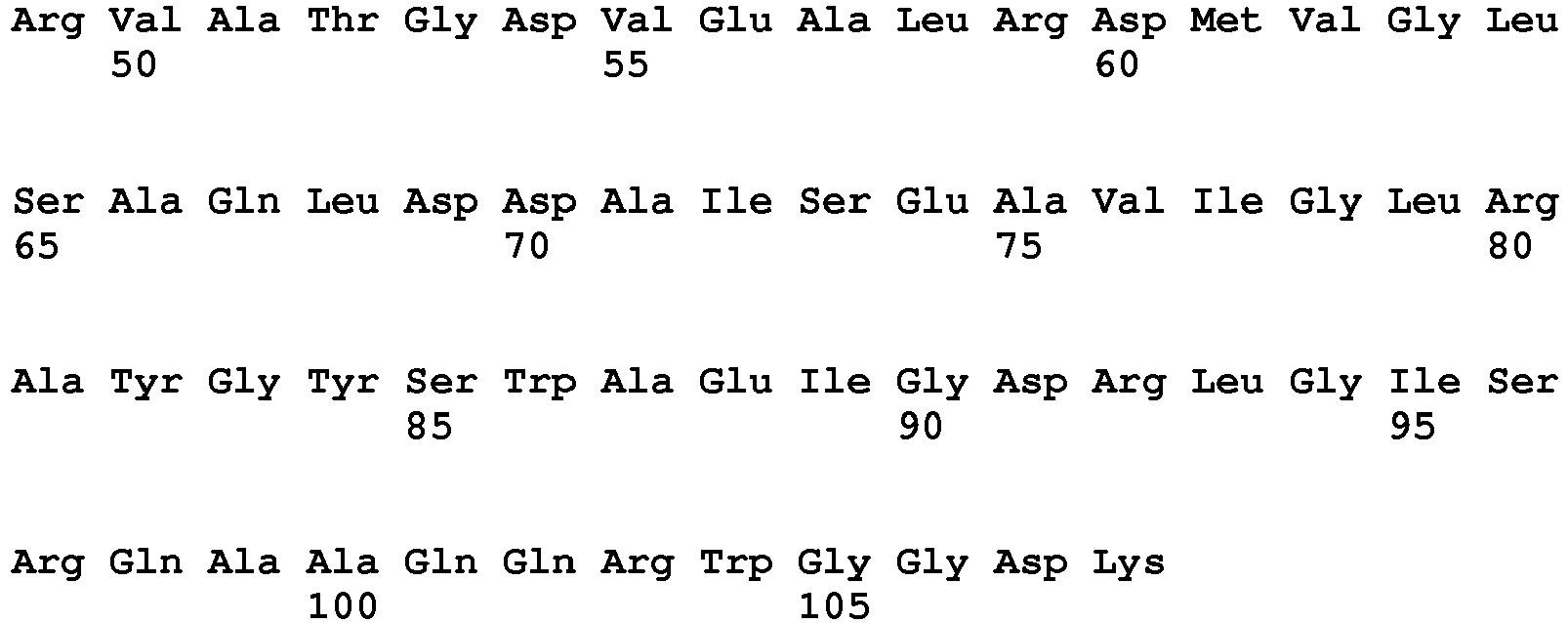
- <210> 37
<211> 138
<212> PRT
<213> Actinoplanes sp. SE50/110 - <400> 37

- <210> 38
<211> 61
<212> PRT
<213> Actinoplanes sp. SE50/110
- <210> 39
<211> 96
<212> PRT
<213> Actinoplanes sp. SE50/110 - <400> 39

- <210> 40
<211> 169
<212> PRT
<213> Actinoplanes sp. SE50/110 - <400> 40


- <210> 41
<211> 107
<212> PRT
<213> Actinoplanes sp. SE50/110 - <400> 41


- <210> 42
<211> 97
<212> PRT
<213> Actinoplanes sp. SE50/110 - <400> 42
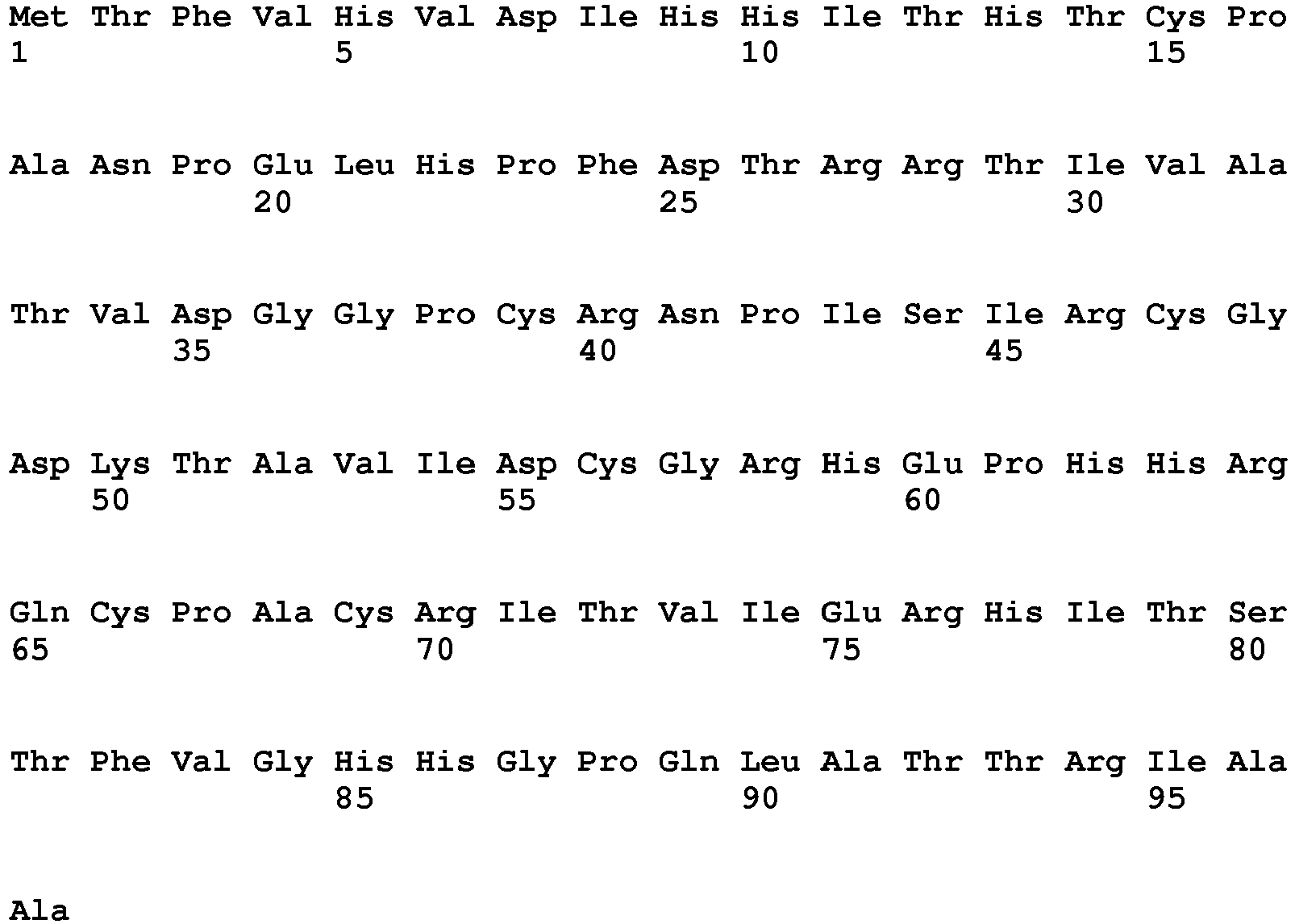
- <210> 43
<211> 598
<212> PRT
<213> Actinoplanes sp. SE50/110 - <400> 43


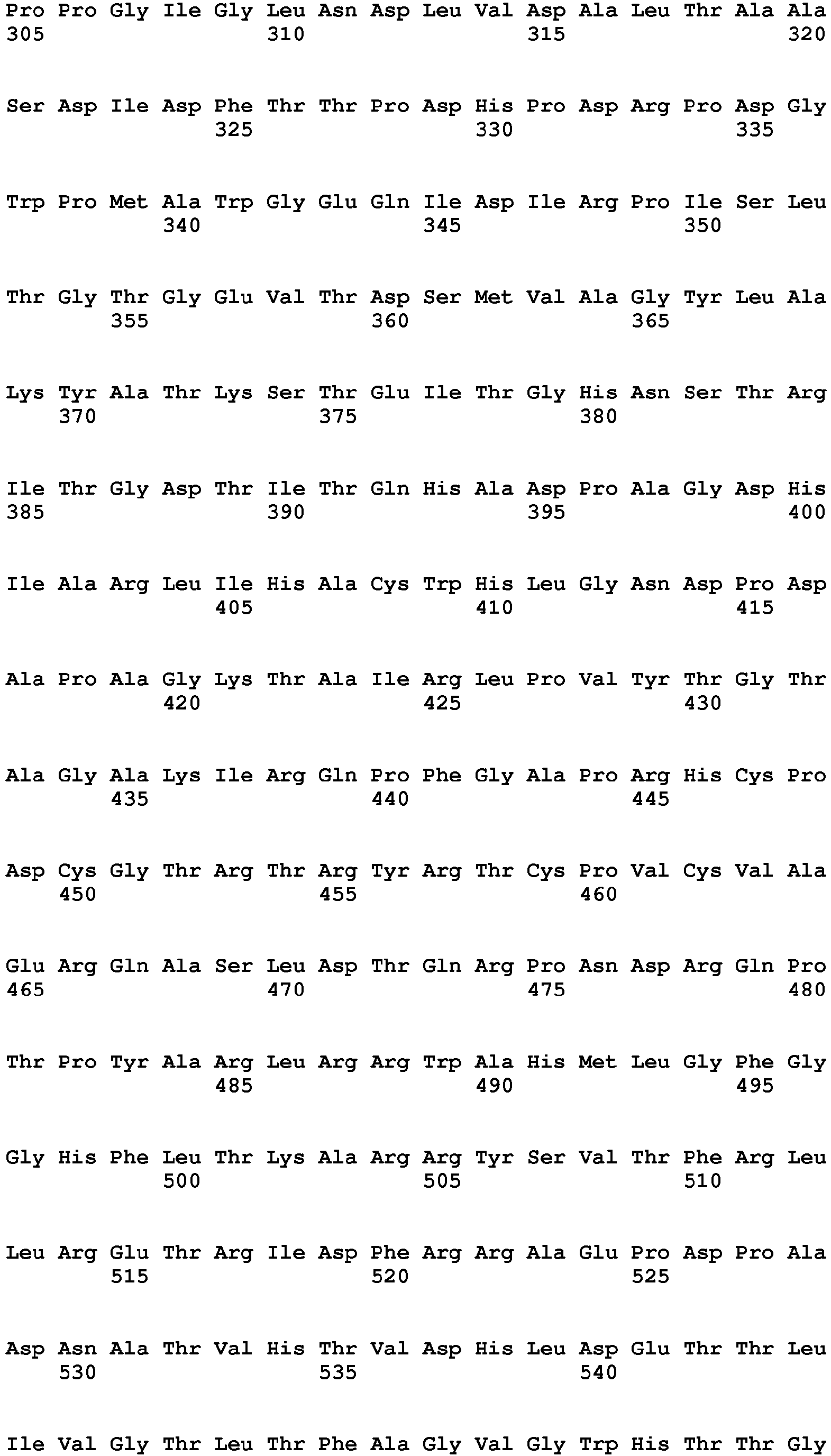

- <210> 44
<211> 68
<212> PRT
<213> Actinoplanes sp. SE50/110 - <400> 44
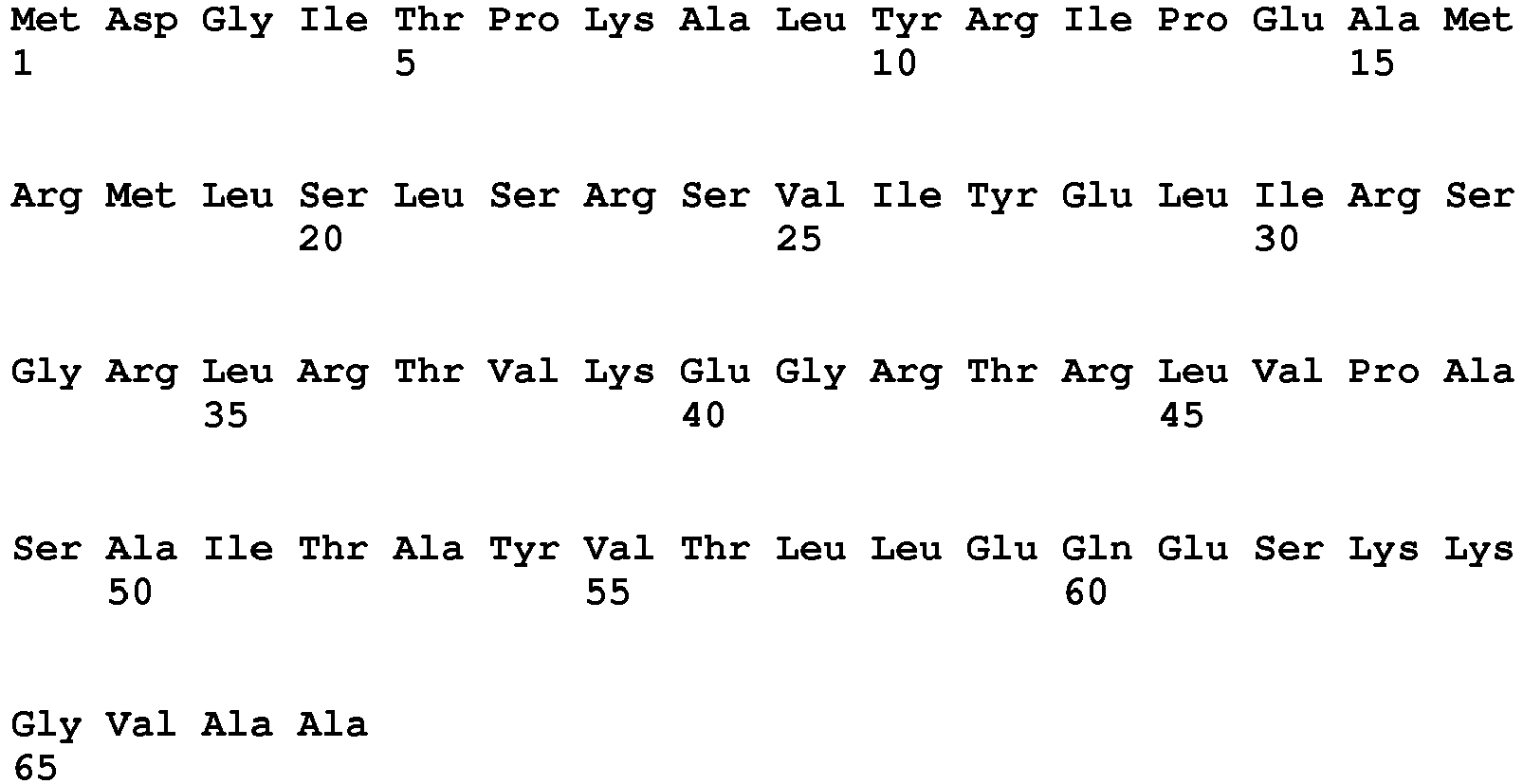
- <210> 45
<211> 388
<212> PRT
<213> Actinoplanes sp. SE50/110 - <400> 45


Claims (2)
- An actinomycete integrative and conjugative element being selected from the group consisting of:a) a polynucleotide consisting of the sequence of SEQ ID NO: 1 andb) a polynucleotide consisting of a sequence that has at least 90% identity with the sequence of SEQ ID NO: 1.
- The actinomycete integrative and conjugative element of claim 1 consisting of a sequence that has at least 95% identity with the sequence of SEQ ID NO: 1.
Priority Applications (1)
| Application Number | Priority Date | Filing Date | Title |
|---|---|---|---|
| EP12794734.9A EP2788373B1 (en) | 2011-12-08 | 2012-12-04 | New actinomycete integrative and conjugative element from actinoplanes sp. se50/110 as plasmid for genetic transformation of related actinobacteria |
Applications Claiming Priority (3)
| Application Number | Priority Date | Filing Date | Title |
|---|---|---|---|
| EP11192618 | 2011-12-08 | ||
| PCT/EP2012/074366 WO2013083566A1 (en) | 2011-12-08 | 2012-12-04 | New actinomycete integrative and conjugative element from actinoplanes sp. se50/110 as plasmid for genetic transformation of related actinobacteria |
| EP12794734.9A EP2788373B1 (en) | 2011-12-08 | 2012-12-04 | New actinomycete integrative and conjugative element from actinoplanes sp. se50/110 as plasmid for genetic transformation of related actinobacteria |
Publications (2)
| Publication Number | Publication Date |
|---|---|
| EP2788373A1 EP2788373A1 (en) | 2014-10-15 |
| EP2788373B1 true EP2788373B1 (en) | 2019-01-23 |
Family
ID=47278320
Family Applications (1)
| Application Number | Title | Priority Date | Filing Date |
|---|---|---|---|
| EP12794734.9A Not-in-force EP2788373B1 (en) | 2011-12-08 | 2012-12-04 | New actinomycete integrative and conjugative element from actinoplanes sp. se50/110 as plasmid for genetic transformation of related actinobacteria |
Country Status (12)
| Country | Link |
|---|---|
| US (2) | US9217154B2 (en) |
| EP (1) | EP2788373B1 (en) |
| JP (1) | JP2015501641A (en) |
| KR (1) | KR20140109922A (en) |
| CN (1) | CN104144942A (en) |
| AR (1) | AR089117A1 (en) |
| CA (1) | CA2858259A1 (en) |
| ES (1) | ES2718331T3 (en) |
| HK (1) | HK1203970A1 (en) |
| IL (1) | IL232587A (en) |
| IN (1) | IN2014CN04155A (en) |
| WO (1) | WO2013083566A1 (en) |
Families Citing this family (3)
| Publication number | Priority date | Publication date | Assignee | Title |
|---|---|---|---|---|
| WO2013083566A1 (en) | 2011-12-08 | 2013-06-13 | Bayer Intellectual Property Gmbh | New actinomycete integrative and conjugative element from actinoplanes sp. se50/110 as plasmid for genetic transformation of related actinobacteria |
| CN112592878B (en) * | 2020-12-25 | 2022-08-26 | 上海交通大学 | Method for enhancing expression of positive regulatory protein gene to improve acarbose fermentation level |
| CN112522174B (en) * | 2020-12-25 | 2022-08-09 | 上海交通大学 | Method for improving acarbose fermentation level by knocking out negative regulatory protein gene |
Family Cites Families (8)
| Publication number | Priority date | Publication date | Assignee | Title |
|---|---|---|---|---|
| DE2064092C2 (en) | 1970-12-28 | 1983-06-01 | Bayer Ag, 5090 Leverkusen | Actinomycete glycoside hydrolase inhibitors |
| DE2209834C3 (en) | 1972-03-01 | 1978-04-20 | Bayer Ag, 5090 Leverkusen | Manufacture of saccharase inhibitors |
| US4062950A (en) | 1973-09-22 | 1977-12-13 | Bayer Aktiengesellschaft | Amino sugar derivatives |
| DE2347782C3 (en) | 1973-09-22 | 1979-10-11 | Bayer Ag, 5090 Leverkusen | Amino sugar derivatives, processes for their preparation and medicaments containing these compounds |
| EP0796915A3 (en) * | 1996-03-22 | 1999-04-14 | Bayer Ag | Process for the preparation and use of acarviosyl-transferase in the conversion of ascarbose-homologous in acarbose and in the preparation of acarbose-homologous |
| KR20100034055A (en) * | 2007-07-27 | 2010-03-31 | 와이어쓰 엘엘씨 | Vectors and methods for cloning gene clusters or portions thereof |
| TW201217533A (en) * | 2010-08-04 | 2012-05-01 | Bayer Pharma AG | Genomics of actinoplanes utahensis |
| WO2013083566A1 (en) | 2011-12-08 | 2013-06-13 | Bayer Intellectual Property Gmbh | New actinomycete integrative and conjugative element from actinoplanes sp. se50/110 as plasmid for genetic transformation of related actinobacteria |
-
2012
- 2012-12-04 WO PCT/EP2012/074366 patent/WO2013083566A1/en not_active Ceased
- 2012-12-04 CA CA2858259A patent/CA2858259A1/en not_active Abandoned
- 2012-12-04 JP JP2014545206A patent/JP2015501641A/en active Pending
- 2012-12-04 EP EP12794734.9A patent/EP2788373B1/en not_active Not-in-force
- 2012-12-04 US US14/363,810 patent/US9217154B2/en not_active Expired - Fee Related
- 2012-12-04 ES ES12794734T patent/ES2718331T3/en active Active
- 2012-12-04 IN IN4155CHN2014 patent/IN2014CN04155A/en unknown
- 2012-12-04 HK HK15104333.1A patent/HK1203970A1/en unknown
- 2012-12-04 KR KR1020147018467A patent/KR20140109922A/en not_active Ceased
- 2012-12-04 CN CN201280060526.8A patent/CN104144942A/en active Pending
- 2012-12-07 AR ARP120104603A patent/AR089117A1/en not_active Application Discontinuation
-
2014
- 2014-05-13 IL IL232587A patent/IL232587A/en not_active IP Right Cessation
-
2015
- 2015-11-12 US US14/939,495 patent/US9562249B2/en not_active Expired - Fee Related
Non-Patent Citations (1)
| Title |
|---|
| None * |
Also Published As
| Publication number | Publication date |
|---|---|
| US20160130622A1 (en) | 2016-05-12 |
| KR20140109922A (en) | 2014-09-16 |
| AR089117A1 (en) | 2014-07-30 |
| US9562249B2 (en) | 2017-02-07 |
| ES2718331T3 (en) | 2019-07-01 |
| IL232587A (en) | 2017-08-31 |
| WO2013083566A1 (en) | 2013-06-13 |
| EP2788373A1 (en) | 2014-10-15 |
| CN104144942A (en) | 2014-11-12 |
| US20140349346A1 (en) | 2014-11-27 |
| IL232587A0 (en) | 2014-06-30 |
| IN2014CN04155A (en) | 2015-07-17 |
| JP2015501641A (en) | 2015-01-19 |
| US9217154B2 (en) | 2015-12-22 |
| HK1203970A1 (en) | 2015-11-06 |
| CA2858259A1 (en) | 2013-06-13 |
Similar Documents
| Publication | Publication Date | Title |
|---|---|---|
| AU2020223370B2 (en) | Enzymes with RuvC domains | |
| KR102606680B1 (en) | S. Pyogenes ACS9 mutant gene and polypeptide encoded thereby | |
| Neal et al. | Nucleotide sequence analysis reveals similarities between proteins determining methylenomycin A resistance in Streptomyces and tetracycline resistance in eubacteria | |
| Brown et al. | Characterization of spo0A homologues in diverse Bacillus and Clostridium species identifies a probable DNA‐binding domain | |
| GB2603704A (en) | Class II, type V Crispr systems | |
| Zhou et al. | pheS*, an effective host-genotype-independent counter-selectable marker for marker-free chromosome deletion in Bacillus amyloliquefaciens | |
| US20180320201A1 (en) | S. pyogenes cas9 mutant genes and polypeptides encoded by same | |
| KR20190082318A (en) | CRISPR / CPF1 system and method | |
| WO2016150855A1 (en) | Crispr/cas9 based engineering of actinomycetal genomes | |
| CN107142272A (en) | A kind of method for controlling plasmid replication in Escherichia coli | |
| US20220056457A1 (en) | Cis conjugative plasmid system | |
| US9562249B2 (en) | Actinomycete integrative and conjugative element from Actinoplanes sp. SE50/110 as plasmid for genetic transformation of related actinobacteria | |
| Churchward | Conjugative transposons and related mobile elements | |
| Sangrador-Vegas et al. | Characterization of plasmid pASV479 from Bifidobacterium pseudolongum subsp. globosum and its use for expression vector construction | |
| CN117384921A (en) | Biosynthetic gene cluster of Isatropolones and its applications | |
| CN105176899B (en) | Method for constructing recombinant bacteria producing or high-yielding target gene product, and the constructed recombinant bacteria and application | |
| CN107475169A (en) | Cas7 and Cas3 prokaryotic gene edit methods in a kind of type Cas systems based on I | |
| KR102633804B1 (en) | Recombinant Bacillus genus microorganism and Method for producing human milk oligosaccharides using the same | |
| CN103757048A (en) | Construction and application of drug resistant gene-free yeast-bacterial shuttle vector | |
| Jang et al. | Isolation of a novel plasmid from Couchioplanes caeruleus and construction of two plasmid vectors for gene expression in Actinoplanes missouriensis | |
| TW201336992A (en) | New actinomycete integrative and conjugative element from Actinoplanes sp. SE50/110 as plasmid for genetic transformation of related actinobacteria | |
| AU686707B2 (en) | Regulatory nucleic acid sequences and uses thereof | |
| CN101724672B (en) | Method for constructing lidamycin high-yield strain through genetic manipulation for biosynthetic controlling gene | |
| HK40096548A (en) | Endolysin of methicillin-resistant staphylococcus aureus encoded by circular rna and use thereof | |
| HK40096548B (en) | Endolysin of methicillin-resistant staphylococcus aureus encoded by circular rna and use thereof |
Legal Events
| Date | Code | Title | Description |
|---|---|---|---|
| PUAI | Public reference made under article 153(3) epc to a published international application that has entered the european phase |
Free format text: ORIGINAL CODE: 0009012 |
|
| 17P | Request for examination filed |
Effective date: 20140708 |
|
| AK | Designated contracting states |
Kind code of ref document: A1 Designated state(s): AL AT BE BG CH CY CZ DE DK EE ES FI FR GB GR HR HU IE IS IT LI LT LU LV MC MK MT NL NO PL PT RO RS SE SI SK SM TR |
|
| DAX | Request for extension of the european patent (deleted) | ||
| 17Q | First examination report despatched |
Effective date: 20160606 |
|
| STAA | Information on the status of an ep patent application or granted ep patent |
Free format text: STATUS: EXAMINATION IS IN PROGRESS |
|
| GRAP | Despatch of communication of intention to grant a patent |
Free format text: ORIGINAL CODE: EPIDOSNIGR1 |
|
| STAA | Information on the status of an ep patent application or granted ep patent |
Free format text: STATUS: GRANT OF PATENT IS INTENDED |
|
| INTG | Intention to grant announced |
Effective date: 20180808 |
|
| RIN1 | Information on inventor provided before grant (corrected) |
Inventor name: ROSEN, WINFRIED Inventor name: KALINOWSKI, JOERN Inventor name: WEHLMANN, HERMANN Inventor name: SELBER, KLAUS Inventor name: WEHMEIER, UDO Inventor name: SCHWIENTEK, PATRICK Inventor name: KLEIN, ANDREAS Inventor name: PUEHLER, ALFRED |
|
| GRAS | Grant fee paid |
Free format text: ORIGINAL CODE: EPIDOSNIGR3 |
|
| GRAA | (expected) grant |
Free format text: ORIGINAL CODE: 0009210 |
|
| STAA | Information on the status of an ep patent application or granted ep patent |
Free format text: STATUS: THE PATENT HAS BEEN GRANTED |
|
| AK | Designated contracting states |
Kind code of ref document: B1 Designated state(s): AL AT BE BG CH CY CZ DE DK EE ES FI FR GB GR HR HU IE IS IT LI LT LU LV MC MK MT NL NO PL PT RO RS SE SI SK SM TR |
|
| REG | Reference to a national code |
Ref country code: GB Ref legal event code: FG4D |
|
| REG | Reference to a national code |
Ref country code: CH Ref legal event code: EP |
|
| REG | Reference to a national code |
Ref country code: AT Ref legal event code: REF Ref document number: 1091368 Country of ref document: AT Kind code of ref document: T Effective date: 20190215 |
|
| REG | Reference to a national code |
Ref country code: IE Ref legal event code: FG4D |
|
| REG | Reference to a national code |
Ref country code: DE Ref legal event code: R096 Ref document number: 602012056260 Country of ref document: DE |
|
| REG | Reference to a national code |
Ref country code: NL Ref legal event code: MP Effective date: 20190123 |
|
| PG25 | Lapsed in a contracting state [announced via postgrant information from national office to epo] |
Ref country code: NL Free format text: LAPSE BECAUSE OF FAILURE TO SUBMIT A TRANSLATION OF THE DESCRIPTION OR TO PAY THE FEE WITHIN THE PRESCRIBED TIME-LIMIT Effective date: 20190123 |
|
| REG | Reference to a national code |
Ref country code: ES Ref legal event code: FG2A Ref document number: 2718331 Country of ref document: ES Kind code of ref document: T3 Effective date: 20190701 |
|
| PG25 | Lapsed in a contracting state [announced via postgrant information from national office to epo] |
Ref country code: SE Free format text: LAPSE BECAUSE OF FAILURE TO SUBMIT A TRANSLATION OF THE DESCRIPTION OR TO PAY THE FEE WITHIN THE PRESCRIBED TIME-LIMIT Effective date: 20190123 Ref country code: LT Free format text: LAPSE BECAUSE OF FAILURE TO SUBMIT A TRANSLATION OF THE DESCRIPTION OR TO PAY THE FEE WITHIN THE PRESCRIBED TIME-LIMIT Effective date: 20190123 Ref country code: FI Free format text: LAPSE BECAUSE OF FAILURE TO SUBMIT A TRANSLATION OF THE DESCRIPTION OR TO PAY THE FEE WITHIN THE PRESCRIBED TIME-LIMIT Effective date: 20190123 Ref country code: NO Free format text: LAPSE BECAUSE OF FAILURE TO SUBMIT A TRANSLATION OF THE DESCRIPTION OR TO PAY THE FEE WITHIN THE PRESCRIBED TIME-LIMIT Effective date: 20190423 Ref country code: PT Free format text: LAPSE BECAUSE OF FAILURE TO SUBMIT A TRANSLATION OF THE DESCRIPTION OR TO PAY THE FEE WITHIN THE PRESCRIBED TIME-LIMIT Effective date: 20190523 Ref country code: PL Free format text: LAPSE BECAUSE OF FAILURE TO SUBMIT A TRANSLATION OF THE DESCRIPTION OR TO PAY THE FEE WITHIN THE PRESCRIBED TIME-LIMIT Effective date: 20190123 |
|
| REG | Reference to a national code |
Ref country code: AT Ref legal event code: MK05 Ref document number: 1091368 Country of ref document: AT Kind code of ref document: T Effective date: 20190123 |
|
| PG25 | Lapsed in a contracting state [announced via postgrant information from national office to epo] |
Ref country code: LV Free format text: LAPSE BECAUSE OF FAILURE TO SUBMIT A TRANSLATION OF THE DESCRIPTION OR TO PAY THE FEE WITHIN THE PRESCRIBED TIME-LIMIT Effective date: 20190123 Ref country code: IS Free format text: LAPSE BECAUSE OF FAILURE TO SUBMIT A TRANSLATION OF THE DESCRIPTION OR TO PAY THE FEE WITHIN THE PRESCRIBED TIME-LIMIT Effective date: 20190523 Ref country code: GR Free format text: LAPSE BECAUSE OF FAILURE TO SUBMIT A TRANSLATION OF THE DESCRIPTION OR TO PAY THE FEE WITHIN THE PRESCRIBED TIME-LIMIT Effective date: 20190424 Ref country code: HR Free format text: LAPSE BECAUSE OF FAILURE TO SUBMIT A TRANSLATION OF THE DESCRIPTION OR TO PAY THE FEE WITHIN THE PRESCRIBED TIME-LIMIT Effective date: 20190123 Ref country code: RS Free format text: LAPSE BECAUSE OF FAILURE TO SUBMIT A TRANSLATION OF THE DESCRIPTION OR TO PAY THE FEE WITHIN THE PRESCRIBED TIME-LIMIT Effective date: 20190123 Ref country code: BG Free format text: LAPSE BECAUSE OF FAILURE TO SUBMIT A TRANSLATION OF THE DESCRIPTION OR TO PAY THE FEE WITHIN THE PRESCRIBED TIME-LIMIT Effective date: 20190423 |
|
| REG | Reference to a national code |
Ref country code: DE Ref legal event code: R097 Ref document number: 602012056260 Country of ref document: DE |
|
| PG25 | Lapsed in a contracting state [announced via postgrant information from national office to epo] |
Ref country code: AL Free format text: LAPSE BECAUSE OF FAILURE TO SUBMIT A TRANSLATION OF THE DESCRIPTION OR TO PAY THE FEE WITHIN THE PRESCRIBED TIME-LIMIT Effective date: 20190123 Ref country code: RO Free format text: LAPSE BECAUSE OF FAILURE TO SUBMIT A TRANSLATION OF THE DESCRIPTION OR TO PAY THE FEE WITHIN THE PRESCRIBED TIME-LIMIT Effective date: 20190123 Ref country code: CZ Free format text: LAPSE BECAUSE OF FAILURE TO SUBMIT A TRANSLATION OF THE DESCRIPTION OR TO PAY THE FEE WITHIN THE PRESCRIBED TIME-LIMIT Effective date: 20190123 Ref country code: EE Free format text: LAPSE BECAUSE OF FAILURE TO SUBMIT A TRANSLATION OF THE DESCRIPTION OR TO PAY THE FEE WITHIN THE PRESCRIBED TIME-LIMIT Effective date: 20190123 Ref country code: SK Free format text: LAPSE BECAUSE OF FAILURE TO SUBMIT A TRANSLATION OF THE DESCRIPTION OR TO PAY THE FEE WITHIN THE PRESCRIBED TIME-LIMIT Effective date: 20190123 Ref country code: DK Free format text: LAPSE BECAUSE OF FAILURE TO SUBMIT A TRANSLATION OF THE DESCRIPTION OR TO PAY THE FEE WITHIN THE PRESCRIBED TIME-LIMIT Effective date: 20190123 |
|
| PG25 | Lapsed in a contracting state [announced via postgrant information from national office to epo] |
Ref country code: SM Free format text: LAPSE BECAUSE OF FAILURE TO SUBMIT A TRANSLATION OF THE DESCRIPTION OR TO PAY THE FEE WITHIN THE PRESCRIBED TIME-LIMIT Effective date: 20190123 |
|
| PLBE | No opposition filed within time limit |
Free format text: ORIGINAL CODE: 0009261 |
|
| STAA | Information on the status of an ep patent application or granted ep patent |
Free format text: STATUS: NO OPPOSITION FILED WITHIN TIME LIMIT |
|
| PG25 | Lapsed in a contracting state [announced via postgrant information from national office to epo] |
Ref country code: AT Free format text: LAPSE BECAUSE OF FAILURE TO SUBMIT A TRANSLATION OF THE DESCRIPTION OR TO PAY THE FEE WITHIN THE PRESCRIBED TIME-LIMIT Effective date: 20190123 |
|
| 26N | No opposition filed |
Effective date: 20191024 |
|
| PG25 | Lapsed in a contracting state [announced via postgrant information from national office to epo] |
Ref country code: SI Free format text: LAPSE BECAUSE OF FAILURE TO SUBMIT A TRANSLATION OF THE DESCRIPTION OR TO PAY THE FEE WITHIN THE PRESCRIBED TIME-LIMIT Effective date: 20190123 |
|
| PG25 | Lapsed in a contracting state [announced via postgrant information from national office to epo] |
Ref country code: TR Free format text: LAPSE BECAUSE OF FAILURE TO SUBMIT A TRANSLATION OF THE DESCRIPTION OR TO PAY THE FEE WITHIN THE PRESCRIBED TIME-LIMIT Effective date: 20190123 |
|
| REG | Reference to a national code |
Ref country code: DE Ref legal event code: R119 Ref document number: 602012056260 Country of ref document: DE |
|
| REG | Reference to a national code |
Ref country code: CH Ref legal event code: PL |
|
| REG | Reference to a national code |
Ref country code: BE Ref legal event code: MM Effective date: 20191231 |
|
| PG25 | Lapsed in a contracting state [announced via postgrant information from national office to epo] |
Ref country code: MC Free format text: LAPSE BECAUSE OF FAILURE TO SUBMIT A TRANSLATION OF THE DESCRIPTION OR TO PAY THE FEE WITHIN THE PRESCRIBED TIME-LIMIT Effective date: 20190123 |
|
| GBPC | Gb: european patent ceased through non-payment of renewal fee |
Effective date: 20191204 |
|
| PG25 | Lapsed in a contracting state [announced via postgrant information from national office to epo] |
Ref country code: DE Free format text: LAPSE BECAUSE OF NON-PAYMENT OF DUE FEES Effective date: 20200701 Ref country code: GB Free format text: LAPSE BECAUSE OF NON-PAYMENT OF DUE FEES Effective date: 20191204 Ref country code: FR Free format text: LAPSE BECAUSE OF NON-PAYMENT OF DUE FEES Effective date: 20191231 Ref country code: IE Free format text: LAPSE BECAUSE OF NON-PAYMENT OF DUE FEES Effective date: 20191204 Ref country code: LU Free format text: LAPSE BECAUSE OF NON-PAYMENT OF DUE FEES Effective date: 20191204 Ref country code: IT Free format text: LAPSE BECAUSE OF NON-PAYMENT OF DUE FEES Effective date: 20191204 |
|
| PG25 | Lapsed in a contracting state [announced via postgrant information from national office to epo] |
Ref country code: BE Free format text: LAPSE BECAUSE OF NON-PAYMENT OF DUE FEES Effective date: 20191231 Ref country code: CH Free format text: LAPSE BECAUSE OF NON-PAYMENT OF DUE FEES Effective date: 20191231 Ref country code: LI Free format text: LAPSE BECAUSE OF NON-PAYMENT OF DUE FEES Effective date: 20191231 |
|
| PG25 | Lapsed in a contracting state [announced via postgrant information from national office to epo] |
Ref country code: CY Free format text: LAPSE BECAUSE OF FAILURE TO SUBMIT A TRANSLATION OF THE DESCRIPTION OR TO PAY THE FEE WITHIN THE PRESCRIBED TIME-LIMIT Effective date: 20190123 |
|
| REG | Reference to a national code |
Ref country code: ES Ref legal event code: FD2A Effective date: 20210601 |
|
| PG25 | Lapsed in a contracting state [announced via postgrant information from national office to epo] |
Ref country code: HU Free format text: LAPSE BECAUSE OF FAILURE TO SUBMIT A TRANSLATION OF THE DESCRIPTION OR TO PAY THE FEE WITHIN THE PRESCRIBED TIME-LIMIT; INVALID AB INITIO Effective date: 20121204 Ref country code: MT Free format text: LAPSE BECAUSE OF FAILURE TO SUBMIT A TRANSLATION OF THE DESCRIPTION OR TO PAY THE FEE WITHIN THE PRESCRIBED TIME-LIMIT Effective date: 20190123 |
|
| PG25 | Lapsed in a contracting state [announced via postgrant information from national office to epo] |
Ref country code: ES Free format text: LAPSE BECAUSE OF NON-PAYMENT OF DUE FEES Effective date: 20191205 |
|
| PG25 | Lapsed in a contracting state [announced via postgrant information from national office to epo] |
Ref country code: MK Free format text: LAPSE BECAUSE OF FAILURE TO SUBMIT A TRANSLATION OF THE DESCRIPTION OR TO PAY THE FEE WITHIN THE PRESCRIBED TIME-LIMIT Effective date: 20190123 |