EP2784904A2 - Power charging apparatus and battery apparatus - Google Patents
Power charging apparatus and battery apparatus Download PDFInfo
- Publication number
- EP2784904A2 EP2784904A2 EP14275046.2A EP14275046A EP2784904A2 EP 2784904 A2 EP2784904 A2 EP 2784904A2 EP 14275046 A EP14275046 A EP 14275046A EP 2784904 A2 EP2784904 A2 EP 2784904A2
- Authority
- EP
- European Patent Office
- Prior art keywords
- power
- charging
- battery
- chargers
- battery cells
- Prior art date
- Legal status (The legal status is an assumption and is not a legal conclusion. Google has not performed a legal analysis and makes no representation as to the accuracy of the status listed.)
- Granted
Links
Images





Classifications
-
- H—ELECTRICITY
- H02—GENERATION; CONVERSION OR DISTRIBUTION OF ELECTRIC POWER
- H02J—ELECTRIC POWER NETWORKS; CIRCUIT ARRANGEMENTS OR SYSTEMS FOR SUPPLYING OR DISTRIBUTING ELECTRIC POWER; SYSTEMS FOR STORING ELECTRIC ENERGY
- H02J7/00—Circuit arrangements for charging or discharging batteries or for supplying loads from batteries
-
- H—ELECTRICITY
- H02—GENERATION; CONVERSION OR DISTRIBUTION OF ELECTRIC POWER
- H02J—ELECTRIC POWER NETWORKS; CIRCUIT ARRANGEMENTS OR SYSTEMS FOR SUPPLYING OR DISTRIBUTING ELECTRIC POWER; SYSTEMS FOR STORING ELECTRIC ENERGY
- H02J7/00—Circuit arrangements for charging or discharging batteries or for supplying loads from batteries
- H02J7/50—Circuit arrangements for charging or discharging batteries or for supplying loads from batteries acting upon multiple batteries simultaneously or sequentially
-
- H—ELECTRICITY
- H02—GENERATION; CONVERSION OR DISTRIBUTION OF ELECTRIC POWER
- H02J—ELECTRIC POWER NETWORKS; CIRCUIT ARRANGEMENTS OR SYSTEMS FOR SUPPLYING OR DISTRIBUTING ELECTRIC POWER; SYSTEMS FOR STORING ELECTRIC ENERGY
- H02J2207/00—Details of circuit arrangements for charging or discharging batteries or supplying loads from batteries
- H02J2207/40—Details of circuit arrangements for charging or discharging batteries or supplying loads from batteries adapted for charging from various sources, e.g. AC, DC or multivoltage
-
- H—ELECTRICITY
- H02—GENERATION; CONVERSION OR DISTRIBUTION OF ELECTRIC POWER
- H02J—ELECTRIC POWER NETWORKS; CIRCUIT ARRANGEMENTS OR SYSTEMS FOR SUPPLYING OR DISTRIBUTING ELECTRIC POWER; SYSTEMS FOR STORING ELECTRIC ENERGY
- H02J50/00—Circuit arrangements or systems for wireless supply or distribution of electric power
- H02J50/10—Circuit arrangements or systems for wireless supply or distribution of electric power using inductive coupling
-
- H—ELECTRICITY
- H02—GENERATION; CONVERSION OR DISTRIBUTION OF ELECTRIC POWER
- H02J—ELECTRIC POWER NETWORKS; CIRCUIT ARRANGEMENTS OR SYSTEMS FOR SUPPLYING OR DISTRIBUTING ELECTRIC POWER; SYSTEMS FOR STORING ELECTRIC ENERGY
- H02J50/00—Circuit arrangements or systems for wireless supply or distribution of electric power
- H02J50/10—Circuit arrangements or systems for wireless supply or distribution of electric power using inductive coupling
- H02J50/12—Circuit arrangements or systems for wireless supply or distribution of electric power using inductive coupling of the resonant type
-
- H—ELECTRICITY
- H02—GENERATION; CONVERSION OR DISTRIBUTION OF ELECTRIC POWER
- H02J—ELECTRIC POWER NETWORKS; CIRCUIT ARRANGEMENTS OR SYSTEMS FOR SUPPLYING OR DISTRIBUTING ELECTRIC POWER; SYSTEMS FOR STORING ELECTRIC ENERGY
- H02J50/00—Circuit arrangements or systems for wireless supply or distribution of electric power
- H02J50/40—Circuit arrangements or systems for wireless supply or distribution of electric power using two or more transmitting or receiving devices
- H02J50/402—Circuit arrangements or systems for wireless supply or distribution of electric power using two or more transmitting or receiving devices the two or more transmitting or the two or more receiving devices being integrated in the same unit, e.g. power mats with several coils or antennas with several sub-antennas
Definitions
- the present disclosure relates to a power charging apparatus and a battery apparatus capable of quickly charging a battery cell with power.
- An electric or electronic apparatus refers to an apparatus operated by using electricity as an energy source.
- a power supply unit which connects to the electronic apparatus directly with a wired schemeusing a connector, or the like, to thereby supply power to a battery embedded in the electronic apparatus is used.
- a power supplier may supply power to the battery embedded in the electronic apparatus with a noncontact scheme, for example, magnetic induction effect or magnetic resonance effect.
- a mobile device such as a smart phone, a tablet personal computer (PC), a detachable laptop PC, or the like, consumes a large amount of power to meet user's demands for a large screen, or the like.
- battery capacity of the mobile device has been gradually increased. As such, charging time of the battery may become longer due to the large battery capacity.
- An aspect of the present disclosure may provide a power charging apparatus and a battery apparatus capable of quickly charging a battery with power by separately charging each battery cell with power.
- a power charging apparatus may include: a power supplier supplying power; and a charging part having at least two chargers charging power received from the power supplier to at least two battery cells connected to each other in parallel.
- Each of the at least two chargers one to one corresponds to each of the at least two battery cells, and charges the power to the corresponding each of the at least two battery cells.
- the power supplier may supply power to the charging part in a wired scheme.
- Each of the at least two chargers may receive power from a plurality of power sources which are independent from each other.
- Each of the at least two chargers may be insulated from each other.
- the power supplier may transmit power to the charging part in a wireless scheme.
- the power supplier may include: a power converting unit providing a preset power; and at least one power transmission coil transmitting power from the power converting unit in a wireless scheme.
- Each of the at least two chargers of the charging part may include: a power reception coil receiving power transmitted from the at least one power transmission coil in a wireless scheme; and a charging controller receiving power from the power reception coil to thereby control a current value of power charged into the corresponding battery cell.
- the power supplier may include a first number of the power transmission coils, and the first number corresponds to a number of reception coils of the charger.
- a battery apparatus may include: a battery having at least two battery cells connected to each other in parallel; and a charging part having at least two chargers charging power received from a power supplier to the at least two battery cells.
- a charging part having at least two chargers charging power received from a power supplier to the at least two battery cells.
- Each of the at least two chargers one to one corresponds to each of the at least two battery cells, and charges the power to the corresponding each of the at least two battery cells.
- the battery may include a plurality of battery groups having a plurality of battery cells connected to one another in series and each charged with power from the corresponding charger, and the plurality of battery groups may be connected to one another in parallel.
- the charging apparatus configured to charge a battery having at least two battery cells.
- the charging apparatus comprises a charging part having at least two chargers charging power received from an external power supplier to the at least two battery cells.
- Each of the at least two chargers one to one corresponding to each of the at least two battery cells, and charging the power to the corresponding each of the at least two battery cells.
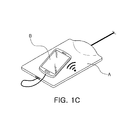
- FIGS. 1A through 1C illustrate examples utilizing a power charging apparatus according to an exemplary embodiment of the present disclosure.
- a power charging apparatus A may quickly charge each battery cell in an electronic device including a battery apparatus having a plurality of battery cells with power in a wired scheme ( FIG. 1A ), a wireless scheme ( FIG. 1B ), or a wired and wireless scheme ( FIG. 1C ).
- the electronic device to be charged is not limited to a mobile phone, but includes any device equipped with a battery such as a tablet PC, and a laptop PC.
- FIGS. 2 through 4 illustrating schematic diagrams of first to third exemplary embodiments of a power charging apparatus according to the present disclosure.
- the power charging apparatus A may include a power supplying unit 110 and a charging part 120.
- the power supplying unit 110 may transfer power to the charging part 120 in the wired scheme and the charging part 120 may include a plurality of chargers 121-1,121-2,122-1, and 122-2, and each of the plurality of chargers 121-1,121-2,122-1, and 122-2 may charge the corresponding battery cell BC11, BC12, BC21, and BC22 with power.
- Each of the plurality of chargers 121-1, 121-2, 122-1, and 122-2 may receive power from an independent power source, the power supplying unit 110, and each of the plurality of chargers 121-1, 121-2, 122-1, and 122-2 may be insulated from one another.
- the battery unit 130 may be used for charging the battery apparatus B and include the plurality of battery cells BC11, BC12, BC21, and BC22, and the plurality of battery cells BC11, BC12, BC21, and BC22 may have at least two battery cells connected to each other in parallel. As illustrated, the battery unit 130 may include at least two battery cell groups connected to each other in parallel and the at least two battery cell groups may include the plurality of battery cells BC11, BC12, BC21, and BC22 connected to one another in series.
- a 1-1st battery cell BC11 and a 1-2nd battery cell BC12 may be connected to each other in series to thereby form one battery cell group
- a 2-1st battery cell BC21 and a 2-2nd battery cell BC22 may be connected to each other in series to thereby form the other battery cell group
- the battery cells may be connected to one another in parallel.
- a plurality of battery cell groups may be connected to one another in parallel
- at least two battery cells are illustrated in each battery cell group
- a plurality of battery cells may be connected to one another in series in one battery cell group.
- the battery cells BC11, BC12, BC21, and BC22 may correspond one-to-one to the chargers 121-1, 121-2, 122-1, and 122-2, and each of the chargers 121-1, 121-2, 122-1, and 122-2 may control a current value of power charged into the corresponding battery cells BC11, BC12, BC21, and BC22, respectively, so as to become a maximum allowable current or less of the corresponding battery cell.
- the maximum allowable current of the battery cell is 1A
- power having a current value corresponding to a total sum of the maximum allowable current of the plurality of battery cells needs to be charged.
- this may cause problems such as heating of the charger, an enlargement of a circuit, anduse of expensive elements.
- the current value of power in which one charger charges the plurality of battery cells connected to one another in parallel is decreased in order to prevent these problems, it may take a long time to charge the plurality of battery cells connected to one another in parallel with power.
- the power charging apparatus may include the plurality of chargers corresponding one-to-one to the plurality of battery cells connected to one another in parallel, such that it may control the current value of power charged into the corresponding battery cell to be maintained at the maximum allowable current of the battery cell, if necessary, and control the current value of power charged into the corresponding battery cell to be maintained at the maximum allowable current or less when power charged into the battery cell approaches a full charge.
- the battery cell may be quickly charged with power while solving the problems such as heating of the charger at the time of the power charging, the enlargement of the circuit, and the use of the expensive elements.
- the power charging apparatus A may wirelessly transmit power from the power supplying units 210 and 310.
- the power supplying units 210 and 310 may include power converting units 211 and 311 providing a preset power and power transmission coils P1, P11, P12, P21, and P22 transmitting power from the power converting units 211 and 311 wirelessly.
- the power supplying units 210 and 310 may include one power transmission coil P1 as illustrated in FIG. 2 , and may include a plurality of power transmission coils P11, P12, P21, and P22 to increase transmission efficiency of power, the number of the plurality of power transmission coils P11, P12, P21, and P22 may correspond to the number of power reception coils S11, S12, S21, and S22.
- the charging parts 220 and 320 may include a plurality of chargers 221-1, 221-2,222-1, 222-2, 321-1, 321-2, 322-1, and 322-2, so as to correspond one-to-one to the plurality of battery cells BC11, BC12, BC21, and BC22, of the battery units 230 and 330, and each of the plurality of chargers 221-1, 221-2,222-1, 222-2, 321-1, 321-2, 322-1, and 322-2 may include the power reception coils S11, S12, S21, and S22 and charging control units L11, L12, L21, and L22 to charge the corresponding battery cells BC11, BC12, BC21, and BC22 with power.
- the power reception coils S11, S12, S21, and S22 may receive power from the power transmission coils P1, P11, P12, P21, and P22 of the power supplying units 210 and 310 in a wireless scheme such as a magnetic induction scheme or a magnetic resonance scheme, and the charging control units L11, L12, L21, and L22 may charge the corresponding battery cells BC11, BC12, BC21, and BC22 with power from the power reception coils S11, S12, S21, and S22 and control the current value of power charged into the corresponding battery cell to be maintained at the maximum allowable current of the battery cell, if necessary, and control the current value of power charged into the corresponding battery cell to be maintained at the maximum allowable current or less when power charged into the corresponding battery cell approaches a full charge.
- a wireless scheme such as a magnetic induction scheme or a magnetic resonance scheme
- each of a 1-1st charging control unit L11, a 1-2nd charging control unit L12, a 1-3rd charging control unit L13, a 2-1st charging control unit L21, a 2-2nd charging control unit L22, and a 2-3rd charging control unit L23 may control the current value of power charged into the corresponding battery cell BC11, BC12, BC13, BC21, BC22, or BC23 to be maintained at the maximum allowable current of the battery cell, if necessary, and control the current value of power charged into the corresponding battery cell to be maintained at the maximum allowable current or less when power charged into the corresponding battery cell approaches a full charge.
- FIGS. 5A through 5D illustrate examples utilizing a battery apparatus according to an exemplary embodiment of the present disclosure.
- a battery apparatus B uses six battery cells BC11 to BC23, where among the six battery cells BC11 to BC23, three battery cells BC11, BC12, and BC13 may be connected to each other in series to thereby form one battery cell group and three battery cells BC21, BC22, and BC23 may be connected to each other in series to thereby form one battery cell group, and the two battery cell groups BC11, BC12, BC13 and BC21, BC22, BC23 may be configured to be connected to each other in parallel.
- the battery apparatus B according to an exemplary embodiment of the present disclosure may be used for a cellular phone, a tablet PC, a laptop PC, or the like, but respective detailed drawings thereof will be omitted.
- the battery apparatus B may include six power reception coils S11 to S23 each corresponding to the six battery cells BC11 to BC23, where the six power reception coils S11 to S23 may wirelessly receive power from the power transmission coil P1 of the power charging apparatus A.
- the power charging apparatus A may include the six power transmission coils P11, P12, P13, P21, P22, and P23 corresponding to the six power reception coils S11 to S23.
- a battery pack generally used for a laptop PC adopts the six battery cells, where the three battery cells among the six battery cells are connected to one another in series to thereby form one battery cell group and the two battery cell groups may be configured to be connected to each other in parallel. Therefore, although the battery apparatus B according to an exemplary embodiment of the present disclosure illustrates the six battery cells configured of the two battery cell groups, as an example, at least two battery cells may be connected to each other in parallel, the plurality of battery cell groups may also be connected to one another in parallel, and each of the plurality of battery cell groups may include the plurality battery cells connected to one another in series.
- FIGS. 6A through 6C illustrate schematic diagrams of first to third exemplary embodiments of a battery apparatus according to the present disclosure.
- first to third exemplary embodiments of the battery apparatus B may include two battery cells BC11 and BC21 connected to each other in parallel and may each charge the two battery cells BC11 and BC21 connected to each other in parallel with power in a wired scheme, a wireless scheme or a wired and wireless scheme.
- the battery apparatus B may charge one battery cell in the wired scheme and charge the other battery cell in the wireless scheme, among the two battery cells BC11 and BC21 connected to each other in parallel.
- the battery apparatus B may transmit power to one battery cell of the two battery cells BC11 and BC21 connected to each other in parallel in the wired scheme and the wireless scheme, thereby charging the battery cell more quickly.
- FIGS. 7A and 7B are configuration diagrams schematically illustrating fourth and fifth exemplary embodiments of a battery apparatus according to the present disclosure.
- a charging part 520 may include a plurality of chargers 521-1, 521-2, 521-3, 522-1, 522-2, and 522-3, where the plurality of chargers 521-1, 521-2, 521-3, 522-1, 522-2, and 522-3 may receive power from the outside in the wired scheme.
- the plurality of chargers 521-1, 521-2, 521-3, 522-1, 522-2, and 522-3 may correspond one-to-one to each of the plurality of battery cells BC11, BC12, BC13, BC21, BC22, and BC23 of a battery unit 530 and each of the plurality of chargers 521-1, 521-2, 521-3, 522-1, 522-2, and 522-3 may charge the corresponding battery cell BC11, BC12, BC13, BC21, BC22, or BC23 with power.
- Each of the plurality of chargers 521-1, 521-2, 521-3, 522-1, 522-2, and 522-3 may include the charging control units L11, L12, L13, L21, L22, and L23, where each of a 1-1st charging control unit L11, a 1-2nd charging control unit L12, a 1-3rd charging control unit L13, a 2-1st charging control unit L21, a 2-2nd charging control unit L22, and a 2-3rd charging control unit L23 may control the current value of power charged into the corresponding battery cell BC11, BC12, BC13, BC21, BC22, or BC23 to be maintained at the maximum allowable current of the battery cell, if necessary, and control the current value of power charged into the corresponding battery cell to be maintained at the maximum allowable current or less when power charged into the corresponding battery cell approaches a full charge.
- a charging part 620 may include a plurality of chargers 621-1, 621-2, 621-3, 622-1, 622-2, and 622-3, where the plurality of chargers 621-1, 621-2, 621-3, 622-1, 622-2, and 622-3 may receive power from the outside in the wireless scheme.
- the plurality of chargers 621-1, 621-2, 621-3, 622-1, 622-2, and 622-3 may correspond one-to-one to each of the plurality of battery cells BC11, BC12, BC13, BC21, BC22, and BC23 of a battery unit 630 and each of the plurality of chargers 621-1, 621-2, 621-3, 622-1, 622-2, and 622-3 may charge the corresponding battery cell BC11, BC12, BC13, BC21, BC22, or BC23 with power.
- Each of the plurality of chargers 621-1, 621-2, 621-3, 622-1, 622-2, and 622-3 may include the power reception coils S11, S12, S13, S21, S22, and S23 capable of receiving power from the outside in the wireless scheme and the charging control units L11, L12, L13, L21, L22, and L23 charging the corresponding battery cell BC11, BC12, BC13, BC21, BC22, or BC23 with power received from the power reception coils S11, S12, S13, S21, S22, and S23 and controlling a current value at the time of the charging, where each of a 1-1st charging control unit L11, a 1-2nd charging control unit L12, a 1-3rd charging control unit L13, a 2-1st charging control unit L21, a 2-2nd charging control unit L22, and a 2-3rd charging control unit L23 may control the current value of power charged into the corresponding battery cell BC11, BC12, BC13, BC21, BC
- each battery cell is separately charged with power, such that the battery may be charged with power at the maximum current while solving the problems such as heating of the charger, the enlargement of the circuit, and the use of the expensive elements.
- the battery may be quickly charged with power by separately charging each battery cell with power.
Landscapes
- Engineering & Computer Science (AREA)
- Power Engineering (AREA)
- Charge And Discharge Circuits For Batteries Or The Like (AREA)
- Secondary Cells (AREA)
Abstract
Description
- This application claims the benefit of U.S Provisional Patent Application No.
61/799,319 filed on March 15, 2013 10-2013-0104472 filed on August 30, 2013 - The present disclosure relates to a power charging apparatus and a battery apparatus capable of quickly charging a battery cell with power.
- An electric or electronic apparatus refers to an apparatus operated by using electricity as an energy source.
- In order to operate the electric orelectronic apparatus, power, which is the energy source necessary to operate the apparatus, needs to be supplied, where power should be supplied from the outside unless the apparatus receives power with self-generating electricity.
- Therefore, in order for the electric or electronic apparatus to receive power from the outside, a power supply unit for transferring power from the external power supplier to the electric or electronic apparatus is necessary.
- A power supply unit which connects to the electronic apparatus directly with a wired schemeusing a connector, or the like, to thereby supply power to a battery embedded in the electronic apparatus is used. As an alternative,a power supplier may supply power to the battery embedded in the electronic apparatus with a noncontact scheme, for example, magnetic induction effect or magnetic resonance effect.
- Meanwhile, a mobile device such as a smart phone, a tablet personal computer (PC), a detachable laptop PC, or the like, consumes a large amount of power to meet user's demands for a large screen, or the like. To keep up with consumption of a large amount of power of the mobile device, battery capacity of the mobile device has been gradually increased. As such, charging time of the battery may become longer due to the large battery capacity. A need exists for providing a power charging apparatus and a battery apparatus to quickly charge a battery with power.
- An aspect of the present disclosure may provide a power charging apparatus and a battery apparatus capable of quickly charging a battery with power by separately charging each battery cell with power.
- According to an aspect of the present disclosure, a power charging apparatus may include: a power supplier supplying power; and a charging part having at least two chargers charging power received from the power supplier to at least two battery cells connected to each other in parallel. Each of the at least two chargers one to one corresponds to each of the at least two battery cells, and charges the power to the corresponding each of the at least two battery cells. The power supplier may supply power to the charging part in a wired scheme.
- Each of the at least two chargers may receive power from a plurality of power sources which are independent from each other.
- Each of the at least two chargers may be insulated from each other.
- The power supplier may transmit power to the charging part in a wireless scheme.
- The power supplier may include: a power converting unit providing a preset power; and at least one power transmission coil transmitting power from the power converting unit in a wireless scheme.
- Each of the at least two chargers of the charging part may include: a power reception coil receiving power transmitted from the at least one power transmission coil in a wireless scheme; and a charging controller receiving power from the power reception coil to thereby control a current value of power charged into the corresponding battery cell.
- The power supplier may include a first number of the power transmission coils, and the first number corresponds to a number of reception coils of the charger.
- According to another aspect of the present disclosure, a battery apparatus may include: a battery having at least two battery cells connected to each other in parallel; and a charging part having at least two chargers charging power received from a power supplier to the at least two battery cells. Each of the at least two chargers one to one corresponds to each of the at least two battery cells, and charges the power to the corresponding each of the at least two battery cells.
- The battery may include a plurality of battery groups having a plurality of battery cells connected to one another in series and each charged with power from the corresponding charger, and the plurality of battery groups may be connected to one another in parallel.
- Another aspect of the disclosure provides a charging apparatus configured to charge a battery having at least two battery cells. The charging apparatus comprises a charging part having at least two chargers charging power received from an external power supplier to the at least two battery cells. Each of the at least two chargers one to one corresponding to each of the at least two battery cells, and charging the power to the corresponding each of the at least two battery cells.
- The above and other aspects, features and other advantages of the present disclosure will be more clearly understood from the following detailed description taken in conjunction with the accompanying drawings, in which:
-
FIGS. 1A through 1C illustrate examples utilizing a power charging apparatus according to an exemplary embodiment of the present disclosure; -
FIGS. 2 through 4 illustrate schematical diagrams of first to third exemplary embodiments of a power charging apparatus according to the present disclosure; -
FIGS. 5A through 5D illustrate examples utilizing a battery apparatus according to an exemplary embodiment of the present disclosure; -
FIGS. 6A through 6C illustrate schematical diagrams of first to third exemplary embodiments of a battery apparatus according to the present disclosure; and -
FIGS. 7A and7B illustrate schematical digarams of fourth and fifth exemplary embodiments of a battery apparatus according to the present disclosure. - Exemplary embodiments of the present disclosure will now be described in detail with reference to the accompanying drawings.
- The disclosure may, however, be exemplified in many different forms and should not be construed as being limited to the specific embodiments set forth herein. Rather, these embodiments are provided so that this disclosure will be thorough and complete, and will fully convey the scope of the disclosure to those skilled in the art.
- In the drawings, the shapes and dimensions of elements may be exaggerated for clarity, and the same reference numerals will be used throughout to designate the same or like elements.
-
FIGS. 1A through 1C illustrate examples utilizing a power charging apparatus according to an exemplary embodiment of the present disclosure. - Referring to
FIGS. 1A through 1C , a power charging apparatus A according to an exemplary embodiment of the present disclosure may quickly charge each battery cell in an electronic device including a battery apparatus having a plurality of battery cells with power in a wired scheme (FIG. 1A ), a wireless scheme (FIG. 1B ), or a wired and wireless scheme (FIG. 1C ). The electronic device to be charged is not limited to a mobile phone, but includes any device equipped with a battery such as a tablet PC, and a laptop PC. -
FIGS. 2 through 4 illustrating schematic diagrams of first to third exemplary embodiments of a power charging apparatus according to the present disclosure. - Referring to
FIG. 2 , the power charging apparatus A according to an exemplary embodiment of the present disclosure may include apower supplying unit 110 and acharging part 120. - The
power supplying unit 110 may transfer power to the chargingpart 120 in the wired scheme and thecharging part 120 may include a plurality of chargers 121-1,121-2,122-1, and 122-2, and each of the plurality of chargers 121-1,121-2,122-1, and 122-2 may charge the corresponding battery cell BC11, BC12, BC21, and BC22 with power. - Each of the plurality of chargers 121-1, 121-2, 122-1, and 122-2 may receive power from an independent power source, the
power supplying unit 110, and each of the plurality of chargers 121-1, 121-2, 122-1, and 122-2 may be insulated from one another. - Therefore, even in the middle of fast charging of the battery cell, a discharging operation providing power to a device to operate the corresponding device may be performed. The
battery unit 130 may be used for charging the battery apparatus B and include the plurality of battery cells BC11, BC12, BC21, and BC22, and the plurality of battery cells BC11, BC12, BC21, and BC22 may have at least two battery cells connected to each other in parallel. As illustrated, thebattery unit 130 may include at least two battery cell groups connected to each other in parallel and the at least two battery cell groups may include the plurality of battery cells BC11, BC12, BC21, and BC22 connected to one another in series. Here, a 1-1st battery cell BC11 and a 1-2nd battery cell BC12 may be connected to each other in series to thereby form one battery cell group, a 2-1st battery cell BC21 and a 2-2nd battery cell BC22 may be connected to each other in series to thereby form the other battery cell group, and the battery cells may be connected to one another in parallel. Although at least two battery cell groups are illustrated, a plurality of battery cell groups may be connected to one another in parallel, and although at least two battery cells are illustrated in each battery cell group, a plurality of battery cells may be connected to one another in series in one battery cell group. - The battery cells BC11, BC12, BC21, and BC22 may correspond one-to-one to the chargers 121-1, 121-2, 122-1, and 122-2, and each of the chargers 121-1, 121-2, 122-1, and 122-2 may control a current value of power charged into the corresponding battery cells BC11, BC12, BC21, and BC22, respectively, so as to become a maximum allowable current or less of the corresponding battery cell.
- For example, in the case in which the maximum allowable current of the battery cell is 1A, when one charger charges the plurality of battery cells connected to one another in parallel with power, power having a current value corresponding to a total sum of the maximum allowable current of the plurality of battery cells needs to be charged. However, this may cause problems such as heating of the charger, an enlargement of a circuit, anduse of expensive elements. On the other hand, when the current value of power in which one charger charges the plurality of battery cells connected to one another in parallel is decreased in order to prevent these problems, it may take a long time to charge the plurality of battery cells connected to one another in parallel with power.
- Therefore, the power charging apparatus according to an exemplary embodiment of the present disclosure may include the plurality of chargers corresponding one-to-one to the plurality of battery cells connected to one another in parallel, such that it may control the current value of power charged into the corresponding battery cell to be maintained at the maximum allowable current of the battery cell, if necessary, and control the current value of power charged into the corresponding battery cell to be maintained at the maximum allowable current or less when power charged into the battery cell approaches a full charge.
- Therefore, the battery cell may be quickly charged with power while solving the problems such as heating of the charger at the time of the power charging, the enlargement of the circuit, and the use of the expensive elements.
- Referring to
FIGS. 3 and4 , the power charging apparatus A according to an exemplary embodiment of the present disclosure may wirelessly transmit power from thepower supplying units power supplying units power converting units power converting units - The
power supplying units FIG. 2 , and may include a plurality of power transmission coils P11, P12, P21, and P22 to increase transmission efficiency of power, the number of the plurality of power transmission coils P11, P12, P21, and P22 may correspond to the number of power reception coils S11, S12, S21, and S22. - The charging
parts battery units - The power reception coils S11, S12, S21, and S22 may receive power from the power transmission coils P1, P11, P12, P21, and P22 of the
power supplying units - That is, each of a 1-1st charging control unit L11, a 1-2nd charging control unit L12, a 1-3rd charging control unit L13, a 2-1st charging control unit L21, a 2-2nd charging control unit L22, and a 2-3rd charging control unit L23 may control the current value of power charged into the corresponding battery cell BC11, BC12, BC13, BC21, BC22, or BC23 to be maintained at the maximum allowable current of the battery cell, if necessary, and control the current value of power charged into the corresponding battery cell to be maintained at the maximum allowable current or less when power charged into the corresponding battery cell approaches a full charge.
-
FIGS. 5A through 5D illustrate examples utilizing a battery apparatus according to an exemplary embodiment of the present disclosure. - Referring to
FIGS. 5A ,5C , and5D , a battery apparatus B according to an exemplary embodiment of the present disclosure uses six battery cells BC11 to BC23, where among the six battery cells BC11 to BC23, three battery cells BC11, BC12, and BC13 may be connected to each other in series to thereby form one battery cell group and three battery cells BC21, BC22, and BC23 may be connected to each other in series to thereby form one battery cell group, and the two battery cell groups BC11, BC12, BC13 and BC21, BC22, BC23 may be configured to be connected to each other in parallel. (The battery apparatus B according to an exemplary embodiment of the present disclosure may be used for a cellular phone, a tablet PC, a laptop PC, or the like, but respective detailed drawings thereof will be omitted.) - In addition, when power is wirelessly received, the battery apparatus B may include six power reception coils S11 to S23 each corresponding to the six battery cells BC11 to BC23, where the six power reception coils S11 to S23 may wirelessly receive power from the power transmission coil P1 of the power charging apparatus A.
- On the other hand, the power charging apparatus A may include the six power transmission coils P11, P12, P13, P21, P22, and P23 corresponding to the six power reception coils S11 to S23.
- As described above, referring to
FIGS. 5A through 5D , a battery pack generally used for a laptop PC adopts the six battery cells, where the three battery cells among the six battery cells are connected to one another in series to thereby form one battery cell group and the two battery cell groups may be configured to be connected to each other in parallel. Therefore, although the battery apparatus B according to an exemplary embodiment of the present disclosure illustrates the six battery cells configured of the two battery cell groups, as an example, at least two battery cells may be connected to each other in parallel, the plurality of battery cell groups may also be connected to one another in parallel, and each of the plurality of battery cell groups may include the plurality battery cells connected to one another in series. -
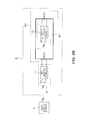
FIGS. 6A through 6C illustrate schematic diagrams of first to third exemplary embodiments of a battery apparatus according to the present disclosure. - Referring to
FIGS. 6A through 6C , first to third exemplary embodiments of the battery apparatus B according to the present disclosure may include two battery cells BC11 and BC21 connected to each other in parallel and may each charge the two battery cells BC11 and BC21 connected to each other in parallel with power in a wired scheme, a wireless scheme or a wired and wireless scheme. - More specifically, referring to
FIG. 6C , the battery apparatus B may charge one battery cell in the wired scheme and charge the other battery cell in the wireless scheme, among the two battery cells BC11 and BC21 connected to each other in parallel. - In addition, although not illustrated, the battery apparatus B may transmit power to one battery cell of the two battery cells BC11 and BC21 connected to each other in parallel in the wired scheme and the wireless scheme, thereby charging the battery cell more quickly.
-
FIGS. 7A and7B are configuration diagrams schematically illustrating fourth and fifth exemplary embodiments of a battery apparatus according to the present disclosure. - Referring to
FIG. 7A , in the fourth exemplary embodiment of the battery apparatus B according to the present disclosure, a chargingpart 520 may include a plurality of chargers 521-1, 521-2, 521-3, 522-1, 522-2, and 522-3, where the plurality of chargers 521-1, 521-2, 521-3, 522-1, 522-2, and 522-3 may receive power from the outside in the wired scheme. The plurality of chargers 521-1, 521-2, 521-3, 522-1, 522-2, and 522-3 may correspond one-to-one to each of the plurality of battery cells BC11, BC12, BC13, BC21, BC22, and BC23 of abattery unit 530 and each of the plurality of chargers 521-1, 521-2, 521-3, 522-1, 522-2, and 522-3 may charge the corresponding battery cell BC11, BC12, BC13, BC21, BC22, or BC23 with power. - Each of the plurality of chargers 521-1, 521-2, 521-3, 522-1, 522-2, and 522-3 may include the charging control units L11, L12, L13, L21, L22, and L23, where each of a 1-1st charging control unit L11, a 1-2nd charging control unit L12, a 1-3rd charging control unit L13, a 2-1st charging control unit L21, a 2-2nd charging control unit L22, and a 2-3rd charging control unit L23 may control the current value of power charged into the corresponding battery cell BC11, BC12, BC13, BC21, BC22, or BC23 to be maintained at the maximum allowable current of the battery cell, if necessary, and control the current value of power charged into the corresponding battery cell to be maintained at the maximum allowable current or less when power charged into the corresponding battery cell approaches a full charge.
- Referring to
FIG. 7B , in the fifth exemplary embodiment of the battery apparatus B according to the present disclosure, a chargingpart 620 may include a plurality of chargers 621-1, 621-2, 621-3, 622-1, 622-2, and 622-3, where the plurality of chargers 621-1, 621-2, 621-3, 622-1, 622-2, and 622-3 may receive power from the outside in the wireless scheme. The plurality of chargers 621-1, 621-2, 621-3, 622-1, 622-2, and 622-3 may correspond one-to-one to each of the plurality of battery cells BC11, BC12, BC13, BC21, BC22, and BC23 of abattery unit 630 and each of the plurality of chargers 621-1, 621-2, 621-3, 622-1, 622-2, and 622-3 may charge the corresponding battery cell BC11, BC12, BC13, BC21, BC22, or BC23 with power. - Each of the plurality of chargers 621-1, 621-2, 621-3, 622-1, 622-2, and 622-3 may include the power reception coils S11, S12, S13, S21, S22, and S23 capable of receiving power from the outside in the wireless scheme and the charging control units L11, L12, L13, L21, L22, and L23 charging the corresponding battery cell BC11, BC12, BC13, BC21, BC22, or BC23 with power received from the power reception coils S11, S12, S13, S21, S22, and S23 and controlling a current value at the time of the charging, where each of a 1-1st charging control unit L11, a 1-2nd charging control unit L12, a 1-3rd charging control unit L13, a 2-1st charging control unit L21, a 2-2nd charging control unit L22, and a 2-3rd charging control unit L23 may control the current value of power charged into the corresponding battery cell BC11, BC12, BC13, BC21, BC22, or BC23 to be maintained at the maximum allowable current of the battery cell, if necessary, and control the current value of power charged into the corresponding battery cell to be maintained at the maximum allowable current or less when power charged into the corresponding battery cell approaches a full charge.
- As described above, according to exemplary embodiments of the present disclosure, each battery cell is separately charged with power, such that the battery may be charged with power at the maximum current while solving the problems such as heating of the charger, the enlargement of the circuit, and the use of the expensive elements.
- As set forth above, according to exemplary embodiments of the present disclosure, the battery may be quickly charged with power by separately charging each battery cell with power.
- While exemplary embodiments have been illustrated and described above, it will be apparent to those skilled in the art that modifications and variations could be made without departing from the spirit and scope of the present disclosure as defined by the appended claims.
Claims (20)
- A power charging apparatus, comprising:a power supplier supplying power; anda charging part having at least two chargers charging the power received from the power supplier to at least two battery cells connected to each other in parallel, each of the at least two chargers one to one corresponding to each of the at least two battery cells, and charging the power to the corresponding each of the at least two battery cells charger.
- The power charging apparatus of claim 1, wherein the power supplier supplies power to the charging part in a wired scheme.
- The power charging apparatus of claim 2, wherein each of the at least two chargers receives power from a plurality of power sources which are independent from each other.
- The power charging apparatus of claim 2, wherein each of the at least two chargers is insulated from each other.
- The power charging apparatus of claim 1, wherein the power suppliertransmits power to the charging part in a wireless scheme.
- The power charging apparatus of claim 5, wherein the power supplier includes:a power converter providing a preset power; andat least one power transmission coil transmitting power from the power converter in a wireless scheme.
- The power charging apparatus of claim 6, wherein each of the at least two chargers of the charging part includes:a power reception coil receiving power transmitted from the at least one power transmission coil in a wireless scheme; anda charging controller receiving power from the power reception coil to thereby control a current value of power charged into the corresponding battery cell.
- The power charging apparatus of claim 6, wherein the power supplier includes a first number of the power transmission coils , the first number corresponding a number of power reception coils one to one corresponding the power transmision coils charger.
- A battery apparatus, comprising:a battery having at least two battery cells connected to each other in parallel; anda charging part having at least two chargers charging power received from an external power supplier to at least two battery cells connected to each other in parallel, each of the at least two chargers one to one corresponding to each of the at least two battery cells, and charging the power to the the corresponding each of the at least two battery cells. charger
- The battery apparatus of claim 9, wherein the charging part receives power in a wired scheme.
- The battery apparatus of claim 10, wherein each of the at least two chargers receives the power from a plurality of power sources which are independent from each other.
- The battery apparatus of claim 10, wherein each of the at least two chargers is insulated from each other.
- The battery apparatus of claim 9, wherein the charging part receives power in a wireless scheme.
- The battery apparatus of claim 13, wherein each of the at least two chargers of the charging part includes:a power reception coil receiving power transmitted in the wireless scheme; anda charging controller receiving power from the power reception coil to thereby control a current value of power charged into the corresponding battery cell.
- The battery apparatus of claim 9, wherein the battery includes a plurality of battery groups having a plurality of battery cells connected to one another in series and each charged with power from the corresponding charger, and
the plurality of battery groups are connected to one another in parallel. - A charging apparatus configured to charge a battery having at least two battery cells, the apparatus comprising:a charging part having at least two chargers charging power received from an external power supplier to the at least two battery cells, each of the at least two chargers one to one corresponding to each of the at least two battery cells, and charging the power to the corresponding each of the at least two battery cells.
- The charging apparatus of claim 16, wherein the charging part receives power in a wired scheme.
- The charging apparatus of claim 16, wherein the charging part receives power in a wireless scheme.
- The charging apparatus of claim 16, wherein each of the at least two chargers of the charging part includes:a power reception coil receiving power transmitted in the wireless scheme; anda charging controller receiving power from the power reception coil to thereby control a current value of power charged into the corresponding battery cell.
- The charging apparatus of claim 16, wherein each of the at least two chargers is insulated from each other.
Applications Claiming Priority (2)
| Application Number | Priority Date | Filing Date | Title |
|---|---|---|---|
| US201361799319P | 2013-03-15 | 2013-03-15 | |
| KR1020130104472A KR20140113267A (en) | 2013-03-15 | 2013-08-30 | Power charging apparatus and battery apparatus |
Publications (3)
| Publication Number | Publication Date |
|---|---|
| EP2784904A2 true EP2784904A2 (en) | 2014-10-01 |
| EP2784904A3 EP2784904A3 (en) | 2015-04-01 |
| EP2784904B1 EP2784904B1 (en) | 2019-12-25 |
Family
ID=50236118
Family Applications (1)
| Application Number | Title | Priority Date | Filing Date |
|---|---|---|---|
| EP14275046.2A Active EP2784904B1 (en) | 2013-03-15 | 2014-03-07 | Power charging apparatus and battery apparatus |
Country Status (4)
| Country | Link |
|---|---|
| US (1) | US9502910B2 (en) |
| EP (1) | EP2784904B1 (en) |
| JP (1) | JP2014183737A (en) |
| CN (1) | CN104052099B (en) |
Cited By (1)
| Publication number | Priority date | Publication date | Assignee | Title |
|---|---|---|---|---|
| EP4080713A4 (en) * | 2019-12-24 | 2023-06-07 | Guangdong Oppo Mobile Telecommunications Corp., Ltd. | ELECTRONIC DEVICE |
Families Citing this family (12)
| Publication number | Priority date | Publication date | Assignee | Title |
|---|---|---|---|---|
| US9711994B2 (en) | 2014-01-31 | 2017-07-18 | Semiconductor Energy Laboratory Co., Ltd. | Electronic device and its operation system |
| KR102293958B1 (en) | 2014-02-28 | 2021-08-27 | 가부시키가이샤 한도오따이 에네루기 켄큐쇼 | Electronic device |
| US9673658B2 (en) * | 2014-03-06 | 2017-06-06 | Samsung Electro-Mechanics Co., Ltd. | Non-contact capacitive coupling type power charging apparatus and non-contact capacitive coupling type battery apparatus |
| KR20160042540A (en) * | 2014-10-10 | 2016-04-20 | 삼성전기주식회사 | Wireless power receiving apparatus and electronic device having the same |
| KR101635084B1 (en) * | 2016-03-31 | 2016-06-30 | 주식회사 핀크래프트엔지니어링 | Multi charging device enabled by current and voltage control |
| CN108155727A (en) * | 2017-12-21 | 2018-06-12 | 天津大学 | Parallel front formula rechargeable battery applied to magnet coupled resonant type wireless charging |
| CN107994644A (en) * | 2017-12-21 | 2018-05-04 | 天津大学 | Solar powered unmanned plane energy conversion method |
| CN107919735A (en) * | 2017-12-21 | 2018-04-17 | 天津大学 | Miniature drone fast wireless charging system |
| CN107919710A (en) * | 2017-12-21 | 2018-04-17 | 天津大学 | Miniature drone fast wireless rechargeable battery |
| CN109066862A (en) * | 2018-08-17 | 2018-12-21 | 北京臻迪科技股份有限公司 | Charging unit and charging method |
| CN114365383A (en) * | 2019-11-15 | 2022-04-15 | Oppo广东移动通信有限公司 | Wireless receiving device, wireless charging system and wireless charging method |
| JP7846670B2 (en) * | 2020-07-25 | 2026-04-15 | キャメロン ディー.ケヴィン | Robot electromagnetic induction electric vehicle charging system |
Family Cites Families (21)
| Publication number | Priority date | Publication date | Assignee | Title |
|---|---|---|---|---|
| JPH08317572A (en) * | 1995-05-15 | 1996-11-29 | Nippondenso Co Ltd | Battery pack charge state control device |
| JPH09285027A (en) * | 1996-04-18 | 1997-10-31 | Nippon Electric Ind Co Ltd | Battery charging device for electric vehicles |
| DE102005034588A1 (en) * | 2005-07-25 | 2007-02-01 | Temic Automotive Electric Motors Gmbh | energy storage |
| US8169185B2 (en) * | 2006-01-31 | 2012-05-01 | Mojo Mobility, Inc. | System and method for inductive charging of portable devices |
| US7948208B2 (en) * | 2006-06-01 | 2011-05-24 | Mojo Mobility, Inc. | Power source, charging system, and inductive receiver for mobile devices |
| JP4313809B2 (en) * | 2006-09-14 | 2009-08-12 | 株式会社Nttファシリティーズ | Rechargeable battery pack system and battery pack charge control method |
| CN103259344B (en) | 2007-12-21 | 2016-08-10 | 捷通国际有限公司 | Circuit for induced power transmission |
| DE102009035167A1 (en) | 2008-08-01 | 2010-02-18 | Tkadlec, Stanislav | Inductively coupled electric energy reservoir for lightning arrester, has inductive coupling with primary coil, where current impulse and energy from lightning are transferred by primary coil through coupling as alternating voltage |
| CN101953015A (en) * | 2009-01-07 | 2011-01-19 | 松下电器产业株式会社 | Battery charging method and battery charging system |
| JP5597022B2 (en) * | 2009-05-13 | 2014-10-01 | キヤノン株式会社 | Power supply apparatus and control method |
| US9496721B2 (en) | 2009-10-14 | 2016-11-15 | Ud Trucks Corporation | Power storage apparatus |
| US8148942B2 (en) | 2009-11-05 | 2012-04-03 | O2Micro International Limited | Charging systems with cell balancing functions |
| JP2011199975A (en) * | 2010-03-18 | 2011-10-06 | Nec Corp | Device, system and method for noncontact power transmission |
| DE102010029427A1 (en) * | 2010-05-28 | 2011-12-01 | Siemens Aktiengesellschaft | Energy storage device |
| KR101184752B1 (en) * | 2010-06-03 | 2012-09-20 | 정윤이 | Battery package and charging method of battery package |
| TWM404155U (en) * | 2010-08-16 | 2011-05-21 | Sunyen Co Ltd | Electricity charger of the electric car |
| WO2012090473A1 (en) | 2010-12-29 | 2012-07-05 | 川崎重工業株式会社 | Battery module charging system |
| CN103348558B (en) * | 2011-01-20 | 2016-04-27 | 株式会社东芝 | Semiconductor equipment, power transfer apparatus, power receiving apparatus, charging system, wireless communication system and charging method |
| KR101785456B1 (en) * | 2011-04-25 | 2017-11-06 | 엘지전자 주식회사 | Apparatus and system for providing wireless power charge service |
| JP5714975B2 (en) * | 2011-05-12 | 2015-05-07 | Fdk株式会社 | Charger |
| US20130127405A1 (en) | 2011-11-17 | 2013-05-23 | Helmut Scherer | Wireless charging system and apparatus, and control method thereof |
-
2014
- 2014-03-06 US US14/199,718 patent/US9502910B2/en active Active
- 2014-03-07 EP EP14275046.2A patent/EP2784904B1/en active Active
- 2014-03-12 JP JP2014049388A patent/JP2014183737A/en active Pending
- 2014-03-13 CN CN201410093575.2A patent/CN104052099B/en active Active
Non-Patent Citations (1)
| Title |
|---|
| None |
Cited By (2)
| Publication number | Priority date | Publication date | Assignee | Title |
|---|---|---|---|---|
| EP4080713A4 (en) * | 2019-12-24 | 2023-06-07 | Guangdong Oppo Mobile Telecommunications Corp., Ltd. | ELECTRONIC DEVICE |
| US12506363B2 (en) | 2019-12-24 | 2025-12-23 | Guangdong Oppo Mobile Telecommunications Corp., Ltd. | Electronic device |
Also Published As
| Publication number | Publication date |
|---|---|
| CN104052099A (en) | 2014-09-17 |
| US9502910B2 (en) | 2016-11-22 |
| EP2784904B1 (en) | 2019-12-25 |
| EP2784904A3 (en) | 2015-04-01 |
| JP2014183737A (en) | 2014-09-29 |
| CN104052099B (en) | 2019-01-01 |
| US20140266033A1 (en) | 2014-09-18 |
Similar Documents
| Publication | Publication Date | Title |
|---|---|---|
| EP2784904A2 (en) | Power charging apparatus and battery apparatus | |
| KR102035307B1 (en) | Power charging apparatus and battery apparatus | |
| KR100971748B1 (en) | Short range wireless power transfer system | |
| CN106208402B (en) | Non-contact electric power receiver and contactless battery | |
| US9941749B2 (en) | Non-contact type charger | |
| US9929583B2 (en) | Non-contact type charger, non-contact type battery, and non-contact type power transmission method | |
| US10003212B2 (en) | Non-contact type charger and non-contact type battery | |
| US9634525B2 (en) | Non-contact type power receiving apparatus | |
| CN103138342A (en) | Wireless charging mobile power source | |
| CN106208399A (en) | Wireless power receptor and the electronic installation including this wireless power receptor | |
| CN106160249A (en) | Wireless power receives device and includes that wireless power receives the electronic installation of device | |
| CN209805437U (en) | Charging system and electronic device | |
| CN106208285B (en) | Contact-less charger, contactless battery and non-contact electric power sending method | |
| CN103545850A (en) | Electronic device | |
| CN104578349A (en) | Wireless charger and wireless charging system | |
| CN106410914B (en) | Distributed centralized power management system | |
| CN201378747Y (en) | Power adapter capable of self-power supply | |
| KR101973406B1 (en) | Apparatus and method for transmitting and receiving wireless power | |
| KR20140113267A (en) | Power charging apparatus and battery apparatus | |
| CN206422571U (en) | Wireless charging device and system | |
| CN203632341U (en) | Dual power supply system | |
| KR20140095400A (en) | Apparatus for charging and discharging battery | |
| CN104881142A (en) | Self-charging wireless keyboard | |
| KR101994738B1 (en) | Non-contact type power receiving apparatus | |
| JP5938310B2 (en) | Power transmission device, power supply system, and power supply method |
Legal Events
| Date | Code | Title | Description |
|---|---|---|---|
| 17P | Request for examination filed |
Effective date: 20140307 |
|
| AK | Designated contracting states |
Kind code of ref document: A2 Designated state(s): AL AT BE BG CH CY CZ DE DK EE ES FI FR GB GR HR HU IE IS IT LI LT LU LV MC MK MT NL NO PL PT RO RS SE SI SK SM TR |
|
| AX | Request for extension of the european patent |
Extension state: BA ME |
|
| PUAI | Public reference made under article 153(3) epc to a published international application that has entered the european phase |
Free format text: ORIGINAL CODE: 0009012 |
|
| PUAL | Search report despatched |
Free format text: ORIGINAL CODE: 0009013 |
|
| AK | Designated contracting states |
Kind code of ref document: A3 Designated state(s): AL AT BE BG CH CY CZ DE DK EE ES FI FR GB GR HR HU IE IS IT LI LT LU LV MC MK MT NL NO PL PT RO RS SE SI SK SM TR |
|
| AX | Request for extension of the european patent |
Extension state: BA ME |
|
| RIC1 | Information provided on ipc code assigned before grant |
Ipc: H02J 7/00 20060101AFI20150226BHEP Ipc: H02J 7/02 20060101ALI20150226BHEP |
|
| R17P | Request for examination filed (corrected) |
Effective date: 20151001 |
|
| RBV | Designated contracting states (corrected) |
Designated state(s): AL AT BE BG CH CY CZ DE DK EE ES FI FR GB GR HR HU IE IS IT LI LT LU LV MC MK MT NL NO PL PT RO RS SE SI SK SM TR |
|
| GRAP | Despatch of communication of intention to grant a patent |
Free format text: ORIGINAL CODE: EPIDOSNIGR1 |
|
| STAA | Information on the status of an ep patent application or granted ep patent |
Free format text: STATUS: GRANT OF PATENT IS INTENDED |
|
| RIC1 | Information provided on ipc code assigned before grant |
Ipc: H02J 7/02 20160101ALI20190524BHEP Ipc: H02J 7/00 20060101AFI20190524BHEP |
|
| INTG | Intention to grant announced |
Effective date: 20190619 |
|
| RAP1 | Party data changed (applicant data changed or rights of an application transferred) |
Owner name: WITS CO., LTD. |
|
| GRAJ | Information related to disapproval of communication of intention to grant by the applicant or resumption of examination proceedings by the epo deleted |
Free format text: ORIGINAL CODE: EPIDOSDIGR1 |
|
| STAA | Information on the status of an ep patent application or granted ep patent |
Free format text: STATUS: REQUEST FOR EXAMINATION WAS MADE |
|
| GRAR | Information related to intention to grant a patent recorded |
Free format text: ORIGINAL CODE: EPIDOSNIGR71 |
|
| GRAS | Grant fee paid |
Free format text: ORIGINAL CODE: EPIDOSNIGR3 |
|
| STAA | Information on the status of an ep patent application or granted ep patent |
Free format text: STATUS: GRANT OF PATENT IS INTENDED |
|
| GRAA | (expected) grant |
Free format text: ORIGINAL CODE: 0009210 |
|
| STAA | Information on the status of an ep patent application or granted ep patent |
Free format text: STATUS: THE PATENT HAS BEEN GRANTED |
|
| INTC | Intention to grant announced (deleted) | ||
| INTG | Intention to grant announced |
Effective date: 20191113 |
|
| AK | Designated contracting states |
Kind code of ref document: B1 Designated state(s): AL AT BE BG CH CY CZ DE DK EE ES FI FR GB GR HR HU IE IS IT LI LT LU LV MC MK MT NL NO PL PT RO RS SE SI SK SM TR |
|
| REG | Reference to a national code |
Ref country code: GB Ref legal event code: FG4D |
|
| REG | Reference to a national code |
Ref country code: CH Ref legal event code: EP |
|
| REG | Reference to a national code |
Ref country code: DE Ref legal event code: R096 Ref document number: 602014058855 Country of ref document: DE |
|
| REG | Reference to a national code |
Ref country code: AT Ref legal event code: REF Ref document number: 1218195 Country of ref document: AT Kind code of ref document: T Effective date: 20200115 |
|
| REG | Reference to a national code |
Ref country code: IE Ref legal event code: FG4D |
|
| REG | Reference to a national code |
Ref country code: NL Ref legal event code: MP Effective date: 20191225 |
|
| PG25 | Lapsed in a contracting state [announced via postgrant information from national office to epo] |
Ref country code: BG Free format text: LAPSE BECAUSE OF FAILURE TO SUBMIT A TRANSLATION OF THE DESCRIPTION OR TO PAY THE FEE WITHIN THE PRESCRIBED TIME-LIMIT Effective date: 20200325 Ref country code: FI Free format text: LAPSE BECAUSE OF FAILURE TO SUBMIT A TRANSLATION OF THE DESCRIPTION OR TO PAY THE FEE WITHIN THE PRESCRIBED TIME-LIMIT Effective date: 20191225 Ref country code: SE Free format text: LAPSE BECAUSE OF FAILURE TO SUBMIT A TRANSLATION OF THE DESCRIPTION OR TO PAY THE FEE WITHIN THE PRESCRIBED TIME-LIMIT Effective date: 20191225 Ref country code: LV Free format text: LAPSE BECAUSE OF FAILURE TO SUBMIT A TRANSLATION OF THE DESCRIPTION OR TO PAY THE FEE WITHIN THE PRESCRIBED TIME-LIMIT Effective date: 20191225 Ref country code: NO Free format text: LAPSE BECAUSE OF FAILURE TO SUBMIT A TRANSLATION OF THE DESCRIPTION OR TO PAY THE FEE WITHIN THE PRESCRIBED TIME-LIMIT Effective date: 20200325 Ref country code: GR Free format text: LAPSE BECAUSE OF FAILURE TO SUBMIT A TRANSLATION OF THE DESCRIPTION OR TO PAY THE FEE WITHIN THE PRESCRIBED TIME-LIMIT Effective date: 20200326 Ref country code: LT Free format text: LAPSE BECAUSE OF FAILURE TO SUBMIT A TRANSLATION OF THE DESCRIPTION OR TO PAY THE FEE WITHIN THE PRESCRIBED TIME-LIMIT Effective date: 20191225 |
|
| REG | Reference to a national code |
Ref country code: LT Ref legal event code: MG4D |
|
| PG25 | Lapsed in a contracting state [announced via postgrant information from national office to epo] |
Ref country code: HR Free format text: LAPSE BECAUSE OF FAILURE TO SUBMIT A TRANSLATION OF THE DESCRIPTION OR TO PAY THE FEE WITHIN THE PRESCRIBED TIME-LIMIT Effective date: 20191225 Ref country code: RS Free format text: LAPSE BECAUSE OF FAILURE TO SUBMIT A TRANSLATION OF THE DESCRIPTION OR TO PAY THE FEE WITHIN THE PRESCRIBED TIME-LIMIT Effective date: 20191225 |
|
| PG25 | Lapsed in a contracting state [announced via postgrant information from national office to epo] |
Ref country code: AL Free format text: LAPSE BECAUSE OF FAILURE TO SUBMIT A TRANSLATION OF THE DESCRIPTION OR TO PAY THE FEE WITHIN THE PRESCRIBED TIME-LIMIT Effective date: 20191225 |
|
| PG25 | Lapsed in a contracting state [announced via postgrant information from national office to epo] |
Ref country code: NL Free format text: LAPSE BECAUSE OF FAILURE TO SUBMIT A TRANSLATION OF THE DESCRIPTION OR TO PAY THE FEE WITHIN THE PRESCRIBED TIME-LIMIT Effective date: 20191225 Ref country code: CZ Free format text: LAPSE BECAUSE OF FAILURE TO SUBMIT A TRANSLATION OF THE DESCRIPTION OR TO PAY THE FEE WITHIN THE PRESCRIBED TIME-LIMIT Effective date: 20191225 Ref country code: RO Free format text: LAPSE BECAUSE OF FAILURE TO SUBMIT A TRANSLATION OF THE DESCRIPTION OR TO PAY THE FEE WITHIN THE PRESCRIBED TIME-LIMIT Effective date: 20191225 Ref country code: PT Free format text: LAPSE BECAUSE OF FAILURE TO SUBMIT A TRANSLATION OF THE DESCRIPTION OR TO PAY THE FEE WITHIN THE PRESCRIBED TIME-LIMIT Effective date: 20200520 Ref country code: EE Free format text: LAPSE BECAUSE OF FAILURE TO SUBMIT A TRANSLATION OF THE DESCRIPTION OR TO PAY THE FEE WITHIN THE PRESCRIBED TIME-LIMIT Effective date: 20191225 |
|
| PG25 | Lapsed in a contracting state [announced via postgrant information from national office to epo] |
Ref country code: SK Free format text: LAPSE BECAUSE OF FAILURE TO SUBMIT A TRANSLATION OF THE DESCRIPTION OR TO PAY THE FEE WITHIN THE PRESCRIBED TIME-LIMIT Effective date: 20191225 Ref country code: IS Free format text: LAPSE BECAUSE OF FAILURE TO SUBMIT A TRANSLATION OF THE DESCRIPTION OR TO PAY THE FEE WITHIN THE PRESCRIBED TIME-LIMIT Effective date: 20200425 Ref country code: SM Free format text: LAPSE BECAUSE OF FAILURE TO SUBMIT A TRANSLATION OF THE DESCRIPTION OR TO PAY THE FEE WITHIN THE PRESCRIBED TIME-LIMIT Effective date: 20191225 |
|
| REG | Reference to a national code |
Ref country code: DE Ref legal event code: R097 Ref document number: 602014058855 Country of ref document: DE |
|
| PG25 | Lapsed in a contracting state [announced via postgrant information from national office to epo] |
Ref country code: DK Free format text: LAPSE BECAUSE OF FAILURE TO SUBMIT A TRANSLATION OF THE DESCRIPTION OR TO PAY THE FEE WITHIN THE PRESCRIBED TIME-LIMIT Effective date: 20191225 Ref country code: ES Free format text: LAPSE BECAUSE OF FAILURE TO SUBMIT A TRANSLATION OF THE DESCRIPTION OR TO PAY THE FEE WITHIN THE PRESCRIBED TIME-LIMIT Effective date: 20191225 Ref country code: MC Free format text: LAPSE BECAUSE OF FAILURE TO SUBMIT A TRANSLATION OF THE DESCRIPTION OR TO PAY THE FEE WITHIN THE PRESCRIBED TIME-LIMIT Effective date: 20191225 |
|
| PLBE | No opposition filed within time limit |
Free format text: ORIGINAL CODE: 0009261 |
|
| REG | Reference to a national code |
Ref country code: CH Ref legal event code: PL |
|
| STAA | Information on the status of an ep patent application or granted ep patent |
Free format text: STATUS: NO OPPOSITION FILED WITHIN TIME LIMIT |
|
| REG | Reference to a national code |
Ref country code: AT Ref legal event code: MK05 Ref document number: 1218195 Country of ref document: AT Kind code of ref document: T Effective date: 20191225 |
|
| PG25 | Lapsed in a contracting state [announced via postgrant information from national office to epo] |
Ref country code: SI Free format text: LAPSE BECAUSE OF FAILURE TO SUBMIT A TRANSLATION OF THE DESCRIPTION OR TO PAY THE FEE WITHIN THE PRESCRIBED TIME-LIMIT Effective date: 20191225 |
|
| 26N | No opposition filed |
Effective date: 20200928 |
|
| REG | Reference to a national code |
Ref country code: BE Ref legal event code: MM Effective date: 20200331 |
|
| PG25 | Lapsed in a contracting state [announced via postgrant information from national office to epo] |
Ref country code: LU Free format text: LAPSE BECAUSE OF NON-PAYMENT OF DUE FEES Effective date: 20200307 |
|
| PG25 | Lapsed in a contracting state [announced via postgrant information from national office to epo] |
Ref country code: AT Free format text: LAPSE BECAUSE OF FAILURE TO SUBMIT A TRANSLATION OF THE DESCRIPTION OR TO PAY THE FEE WITHIN THE PRESCRIBED TIME-LIMIT Effective date: 20191225 Ref country code: IE Free format text: LAPSE BECAUSE OF NON-PAYMENT OF DUE FEES Effective date: 20200307 Ref country code: LI Free format text: LAPSE BECAUSE OF NON-PAYMENT OF DUE FEES Effective date: 20200331 Ref country code: IT Free format text: LAPSE BECAUSE OF FAILURE TO SUBMIT A TRANSLATION OF THE DESCRIPTION OR TO PAY THE FEE WITHIN THE PRESCRIBED TIME-LIMIT Effective date: 20191225 Ref country code: CH Free format text: LAPSE BECAUSE OF NON-PAYMENT OF DUE FEES Effective date: 20200331 Ref country code: FR Free format text: LAPSE BECAUSE OF NON-PAYMENT OF DUE FEES Effective date: 20200331 |
|
| PG25 | Lapsed in a contracting state [announced via postgrant information from national office to epo] |
Ref country code: PL Free format text: LAPSE BECAUSE OF FAILURE TO SUBMIT A TRANSLATION OF THE DESCRIPTION OR TO PAY THE FEE WITHIN THE PRESCRIBED TIME-LIMIT Effective date: 20191225 Ref country code: BE Free format text: LAPSE BECAUSE OF NON-PAYMENT OF DUE FEES Effective date: 20200331 |
|
| GBPC | Gb: european patent ceased through non-payment of renewal fee |
Effective date: 20200325 |
|
| PG25 | Lapsed in a contracting state [announced via postgrant information from national office to epo] |
Ref country code: GB Free format text: LAPSE BECAUSE OF NON-PAYMENT OF DUE FEES Effective date: 20200325 |
|
| PG25 | Lapsed in a contracting state [announced via postgrant information from national office to epo] |
Ref country code: TR Free format text: LAPSE BECAUSE OF FAILURE TO SUBMIT A TRANSLATION OF THE DESCRIPTION OR TO PAY THE FEE WITHIN THE PRESCRIBED TIME-LIMIT Effective date: 20191225 Ref country code: MT Free format text: LAPSE BECAUSE OF FAILURE TO SUBMIT A TRANSLATION OF THE DESCRIPTION OR TO PAY THE FEE WITHIN THE PRESCRIBED TIME-LIMIT Effective date: 20191225 Ref country code: CY Free format text: LAPSE BECAUSE OF FAILURE TO SUBMIT A TRANSLATION OF THE DESCRIPTION OR TO PAY THE FEE WITHIN THE PRESCRIBED TIME-LIMIT Effective date: 20191225 |
|
| PG25 | Lapsed in a contracting state [announced via postgrant information from national office to epo] |
Ref country code: MK Free format text: LAPSE BECAUSE OF FAILURE TO SUBMIT A TRANSLATION OF THE DESCRIPTION OR TO PAY THE FEE WITHIN THE PRESCRIBED TIME-LIMIT Effective date: 20191225 |
|
| PGFP | Annual fee paid to national office [announced via postgrant information from national office to epo] |
Ref country code: DE Payment date: 20251222 Year of fee payment: 13 |