EP2784160A1 - Novel gene derived from mud flat metagenome and novel protein obtained therefrom showing coactivity of phospholipase and lipase - Google Patents
Novel gene derived from mud flat metagenome and novel protein obtained therefrom showing coactivity of phospholipase and lipase Download PDFInfo
- Publication number
- EP2784160A1 EP2784160A1 EP12850464.4A EP12850464A EP2784160A1 EP 2784160 A1 EP2784160 A1 EP 2784160A1 EP 12850464 A EP12850464 A EP 12850464A EP 2784160 A1 EP2784160 A1 EP 2784160A1
- Authority
- EP
- European Patent Office
- Prior art keywords
- phospholipase
- lipase
- polypeptide
- mplag
- protein
- Prior art date
- Legal status (The legal status is an assumption and is not a legal conclusion. Google has not performed a legal analysis and makes no representation as to the accuracy of the status listed.)
- Granted
Links
Images






Classifications
-
- C—CHEMISTRY; METALLURGY
- C07—ORGANIC CHEMISTRY
- C07K—PEPTIDES
- C07K14/00—Peptides having more than 20 amino acids; Gastrins; Somatostatins; Melanotropins; Derivatives thereof
- C07K14/195—Peptides having more than 20 amino acids; Gastrins; Somatostatins; Melanotropins; Derivatives thereof from bacteria
-
- C—CHEMISTRY; METALLURGY
- C11—ANIMAL OR VEGETABLE OILS, FATS, FATTY SUBSTANCES OR WAXES; FATTY ACIDS THEREFROM; DETERGENTS; CANDLES
- C11D—DETERGENT COMPOSITIONS; USE OF SINGLE SUBSTANCES AS DETERGENTS; SOAP OR SOAP-MAKING; RESIN SOAPS; RECOVERY OF GLYCEROL
- C11D3/00—Other compounding ingredients of detergent compositions covered in group C11D1/00
- C11D3/16—Organic compounds
- C11D3/38—Products with no well-defined composition, e.g. natural products
- C11D3/386—Preparations containing enzymes, e.g. protease or amylase
- C11D3/38627—Preparations containing enzymes, e.g. protease or amylase containing lipase
-
- C—CHEMISTRY; METALLURGY
- C12—BIOCHEMISTRY; BEER; SPIRITS; WINE; VINEGAR; MICROBIOLOGY; ENZYMOLOGY; MUTATION OR GENETIC ENGINEERING
- C12N—MICROORGANISMS OR ENZYMES; COMPOSITIONS THEREOF; PROPAGATING, PRESERVING, OR MAINTAINING MICROORGANISMS; MUTATION OR GENETIC ENGINEERING; CULTURE MEDIA
- C12N15/00—Mutation or genetic engineering; DNA or RNA concerning genetic engineering, vectors, e.g. plasmids, or their isolation, preparation or purification; Use of hosts therefor
- C12N15/09—Recombinant DNA-technology
- C12N15/11—DNA or RNA fragments; Modified forms thereof; Non-coding nucleic acids having a biological activity
- C12N15/52—Genes encoding for enzymes or proenzymes
-
- C—CHEMISTRY; METALLURGY
- C12—BIOCHEMISTRY; BEER; SPIRITS; WINE; VINEGAR; MICROBIOLOGY; ENZYMOLOGY; MUTATION OR GENETIC ENGINEERING
- C12N—MICROORGANISMS OR ENZYMES; COMPOSITIONS THEREOF; PROPAGATING, PRESERVING, OR MAINTAINING MICROORGANISMS; MUTATION OR GENETIC ENGINEERING; CULTURE MEDIA
- C12N15/00—Mutation or genetic engineering; DNA or RNA concerning genetic engineering, vectors, e.g. plasmids, or their isolation, preparation or purification; Use of hosts therefor
- C12N15/09—Recombinant DNA-technology
- C12N15/63—Introduction of foreign genetic material using vectors; Vectors; Use of hosts therefor; Regulation of expression
-
- C—CHEMISTRY; METALLURGY
- C12—BIOCHEMISTRY; BEER; SPIRITS; WINE; VINEGAR; MICROBIOLOGY; ENZYMOLOGY; MUTATION OR GENETIC ENGINEERING
- C12N—MICROORGANISMS OR ENZYMES; COMPOSITIONS THEREOF; PROPAGATING, PRESERVING, OR MAINTAINING MICROORGANISMS; MUTATION OR GENETIC ENGINEERING; CULTURE MEDIA
- C12N9/00—Enzymes; Proenzymes; Compositions thereof; Processes for preparing, activating, inhibiting, separating or purifying enzymes
- C12N9/14—Hydrolases (3)
- C12N9/16—Hydrolases (3) acting on ester bonds (3.1)
- C12N9/18—Carboxylic ester hydrolases (3.1.1)
- C12N9/20—Triglyceride splitting, e.g. by means of lipase
-
- C—CHEMISTRY; METALLURGY
- C07—ORGANIC CHEMISTRY
- C07K—PEPTIDES
- C07K2319/00—Fusion polypeptide
- C07K2319/20—Fusion polypeptide containing a tag with affinity for a non-protein ligand
- C07K2319/21—Fusion polypeptide containing a tag with affinity for a non-protein ligand containing a His-tag
-
- C—CHEMISTRY; METALLURGY
- C07—ORGANIC CHEMISTRY
- C07K—PEPTIDES
- C07K2319/00—Fusion polypeptide
- C07K2319/20—Fusion polypeptide containing a tag with affinity for a non-protein ligand
- C07K2319/23—Fusion polypeptide containing a tag with affinity for a non-protein ligand containing a GST-tag
-
- C—CHEMISTRY; METALLURGY
- C07—ORGANIC CHEMISTRY
- C07K—PEPTIDES
- C07K2319/00—Fusion polypeptide
- C07K2319/40—Fusion polypeptide containing a tag for immunodetection, or an epitope for immunisation
- C07K2319/41—Fusion polypeptide containing a tag for immunodetection, or an epitope for immunisation containing a Myc-tag
-
- C—CHEMISTRY; METALLURGY
- C07—ORGANIC CHEMISTRY
- C07K—PEPTIDES
- C07K2319/00—Fusion polypeptide
- C07K2319/40—Fusion polypeptide containing a tag for immunodetection, or an epitope for immunisation
- C07K2319/43—Fusion polypeptide containing a tag for immunodetection, or an epitope for immunisation containing a FLAG-tag
-
- C—CHEMISTRY; METALLURGY
- C07—ORGANIC CHEMISTRY
- C07K—PEPTIDES
- C07K2319/00—Fusion polypeptide
- C07K2319/50—Fusion polypeptide containing protease site
-
- C—CHEMISTRY; METALLURGY
- C12—BIOCHEMISTRY; BEER; SPIRITS; WINE; VINEGAR; MICROBIOLOGY; ENZYMOLOGY; MUTATION OR GENETIC ENGINEERING
- C12Y—ENZYMES
- C12Y301/00—Hydrolases acting on ester bonds (3.1)
- C12Y301/01—Carboxylic ester hydrolases (3.1.1)
- C12Y301/01003—Triacylglycerol lipase (3.1.1.3)
-
- C—CHEMISTRY; METALLURGY
- C12—BIOCHEMISTRY; BEER; SPIRITS; WINE; VINEGAR; MICROBIOLOGY; ENZYMOLOGY; MUTATION OR GENETIC ENGINEERING
- C12Y—ENZYMES
- C12Y301/00—Hydrolases acting on ester bonds (3.1)
- C12Y301/01—Carboxylic ester hydrolases (3.1.1)
- C12Y301/01032—Phospholipase A1 (3.1.1.32)
Definitions
- the present invention relates to a novel protein showing both phospholipase and lipase activities, more precisely a gene isolated from the microbial metagenome of tidal flat sediment and displaying both phospholipase and lipase activities and a protein encoded therefrom showing the coactivity of calcium-dependent phospholipase and lipase.
- Lipase (glycerol ester hydrolase, EC 3.1.1.3) is a carboxy ester hydrolase belonging to ⁇ / ⁇ hydrolases that are able to decompose or synthesize long-chain acylglycerol.
- a variety of animals, plants, and microorganisms have been confirmed to synthesize lipase. Accordingly, studies on the biochemical characteristics of lipase and on lipase genes have been actively undergoing. The endogenous lipase is not only involved in fat metabolism but also comparatively stable in organic solvents.
- This endogenous lipase does not need coenzymes, has wide substrate specificity and comparatively high optical specificity, making it an excellent biocatalyst for bioconversion, in the field of detergent industry, food additive production, pitch elimination in paper industry, and others. Studies have been under-going to mass-produce such industrially useable and valuable lipase with high efficiency. In particular, studies have been focused mainly on microorganisms producing lipase. Hosts capable of producing lipase are exemplified by Candida sp., Bacillus sp., Penicilium sp., Mucor sp., Rhizopus sp., Pseudomonas sp., and Streptomyces sp.
- Lysophospholipid is generated from hydrolysis of phospholipid by phospholipase, which not only acts like a functional group in the course of platelet aggregation but also mediates various physiological activities including signal transduction or plays a role in preventing over-ripen of fruits and plants as a plant hormone.
- lysophospholipid has a high water-solubility and can form a stable emulsion even at different hydrogen ion concentrations and temperatures.
- lysophospholipid is also stable in the presence of magnesium and calcium ions, so that it has been used in the fields of medicine, cosmetics, and food industry.
- the said lysophospholipid can be generated from phospholipid mediated by phospholipase in a certain biochemical pathway and at this time phospholipase A hydrolyzes 1-acyl group or 2-acyl group of phospholipid to produce lysophospholipid and fatty acid.
- This phospholipase A is an essential enzyme in the synthesis of phospholipid containing useful fatty acid such as polyunsaturated fatty acid (PUFA) exemplified by DHA or EPA, etc.
- PUFA polyunsaturated fatty acid
- This phospholipase A is isolated from various mammals, snake or bee venom, and microorganisms such as Serratia sp., Aspergillus sp., Streptomyces sp., and Fusarium sp. and can be applied to food industry.
- substrate specificity or enzyme stability of this enzyme has to be improved ( De Maria et al., Appl. Microbiol. Biotechnol. 74:290-300, 2007 ).
- lipase and phospholipase display similar mechanism to each other.
- lipase obtained from Staphylococcus hyicus is the only enzyme displaying coactivity to lipid and phospholipid ( van Oort et al., Biochemistry, 28:9278-9285, 1989 ).
- the enzyme originated from S. hyicus is hard to be produced in a large scale and has comparatively low stability, which makes it less usable in industry.
- Lipase hydrolyzes lipid dirt into water-soluble fatty acid or glycerol, suggesting that it makes the function of a surfactant easy. So, lipase has been a target as a detergent or a bleach additive, which was not practical so far, though. This is because lipase loses its enzyme activity at a low washing temperature, meaning oil and fat components are not eliminated completely.
- microorganisms suitable for culture were the major targets of the attempt to find out an enzyme having excellent activity and stability.
- Various enzymes identified from some of those microorganisms have been used industrially.
- recent molecular-microbial ecology studies proved that at least 99% microorganisms in the natural world are not separated or identified either by the conventional culture method performed in a lab ( Amann et al., Microbiol. Rev. 59: 143-169, 1995 ; Hugenholtz and Pace, Trends Biotechnol. 14: 190-197, 1996 ; Ward et al., Nature 345: 63-65, 1990 ). Therefore, a new attempt has been made to search novel genes that could not been identified because of the difficulty in culture from the library constructed by using metagenome, the genome of the microorganisms extracted directly from the natural world without the process of culture and further to develop useful materials therefrom.
- Metagenome is the definition indicating the genome of all microorganisms existing in the natural world.
- the metagenome study is composed of the following steps; isolating metagenome from microorganisms in the natural world without culture; constructing library thereof; and introducing the library into E. coli suitable for culture.
- This method is to obtain useful materials from those microorganisms which could not be cultured. Even though it is very hard to obtain information about such microorganism, the origin of a target gene, this method has the advantage of obtaining the useful product and gene of the microorganism at the same time.
- a TIGR The Institute for Genomic Research team also constructed the general marine microorganism metagenome library in BAC vector to screen genetic resources of those marine microorganisms that could not be cultured so far.
- the present inventors isolated a novel gene from the microbial metagenome library obtained from the tidal flat sediment where have a unique microbial diversity including the various unculturable microoranisms, constructed a vector containing the said gene, transfected E. coli with the vector, and accordingly confirmed that the protein produced from the transformant constructed above displayed excellent phospholipase and lipase activities together and had excellent activity and stability as well even at a low temperature and in alkali condition, leading to the completion of the present invention.
- the present invention provides a polypeptide composed of the amino acid sequence represented by SEQ. ID. NO: 5 and having both phospholipase and lipase activities.
- the present invention also provides a polynucleotide encoding the polypeptide of the present invention.
- the present invention further provides a recombinant expression vector containing the polynucleotide of the present invention.
- the present invention also provides a transformant prepared by transfecting a host cell with the recombinant expression vector of the present invention.
- the present invention also provides a preparation method of a recombinant protein having both phospholipase and lipase activities which comprises the following steps:
- the present invention also provides a detergent additive containing the polypeptide of the invention having both phospholipase and lipase activities as an active ingredient.
- the present invention also provides a washing method including the step of treating the surface of a material with the polypeptide of the invention having both phospholipase and lipase activities.
- the present invention provides a use of the polypeptide of the invention having both phospholipase and lipase activities for the preparation of a detergent.
- the novel gene isolated from the metagenome library of tidal flat sediment microorganisms and the protein having phospholipase and lipase activities encoded from the novel gene are expressed in a water-soluble form to be mass-producible; enable ultra high-purity protein to be obtained through single step purification using an Ni-NTA column; show good activity in the pH range of 5 ⁇ 10; maintain good low temperature activity and stability up to a temperature of 3°C to 40°C; and have high resistance against various organic solvents. Therefore, the novel gene and the protein can be usefully used for various industrial fields such as the purification and conversion of oil and fat, bio-medicine, and fine chemistry.
- the term "recombinant expression vector” used in this invention indicates a vector that is able to express a target protein or target RNA in an appropriate host cell, which is a linear or circular DNA molecule composed of fragments encoding the target polypeptide operably linked to additional fragments provided for the transcription of the expression vector. Such additional fragment includes a promoter and a terminator sequence.
- the said expression vector includes one or more replication origins, one or more selection markers, and polyadenylation signals, etc.
- the expression vector is generally induced from a plasmid or virus DNA or contains both of them.
- operably linked indicates the functional linkage between a nucleic acid expression regulating sequence and a nucleic acid sequence encoding a target protein or RNA in order to accomplish general functions thereby.
- the functional linkage between a promoter and a nucleic acid sequence encoding a protein or RNA can affect the expression of the nucleic acid sequence.
- Operable linking with a recombinant vector can be performed by the genetic recombination technique well-known to those in the art and site-specific DNA cleavage and linkage is accomplished by using an enzyme well known to those in the art.
- the present invention provides a polypeptide having both phospholipase and lipase activities and is composed of the amino acid sequence represented by SEQ. ID. NO: 5.
- the present invention also provides a polynucleotide encoding the polypeptide having both phospholipase and lipase activities which is represented by SEQ. ID. NO: 5.
- the said phospholipase and lipase preferably display excellent activity in pH range of 5 ⁇ 10 and more preferably in pH range of 6 ⁇ 9, and most preferably in pH 8, but not always limited thereto.
- the active temperature of the said phospholipase and lipase is preferably 3 ⁇ 30°C, and more preferably 5 ⁇ 25°C, but not always limited thereto.
- the polynucleotide herein is preferably composed of the nucleotide sequence represented by SEQ. ID. NO: 3, but not always limited thereto.
- DNA was extracted from a tidal flat sediments sample, which was then cloned into a fosmid vector to construct a metagenome library.
- the library was distributed in a solid nutrient medium supplemented with tricaprylin emulsion, followed by culture. The colonies forming clear zone were screened and the recombinant plasmid pFosPlaG was isolated, followed by nucleotide sequencing.
- the identified gene (SEQ. ID. NO: 1) was registered at GenBank, USA (Accession Number: EU285670).
- the open reading frame (ORF) corresponding to the region between 2881 st and 4578 th nucleotide of the sequence represented by SEQ. ID.
- NO: 1 is the protein coding region having both phospholipase and lipase activities, which was identified as the gene having both phospholipase and lipase activities that is composed of the nucleotide sequence represented by SEQ. ID. NO: 2 (1698 bp).
- the gene having both phospholipase and lipase activities herein was named PlaG.
- the phospholipase/lipase PlaG (the protein having both phospholipase and lipase activities) sequence of the present invention was compared with other conventional proteins using BLAST database.
- the protein displayed homology in the amino-terminal and carboxy-terminal of the total sequence with other proteins having different characteristics. Particularly, 287 amino acid residues of the amino-terminal showed the highest homology with a Beggiatoa sp. PS derived secreted protein (ZP_02001945), which was as high as 54% (see Figure 1A ).
- the sequence of the invention had a catalytic triad composed of 435 th Ser, 496 th Asp, and 560 th His in the consensus sequence of the conservative Gly-X-Ser-X-Gly of ⁇ / ⁇ hydrolase and the surrounding amino acids were composed of characteristic sequences of phospholipase A (see Figure 1B ).
- 26 amino acid residues in the amino-terminal were identified as a secreted signal peptide and the sequence range from the 27 th residue (Ala) where the secreted signal peptide ends to the 157 th residue (Gly) repeated asfollowing range between the 158 th Thr and the 287 th Gly. That is, the gene represented by SEQ. ID.
- a phylogenetic tree was constructed using the amino acid sequence (SEQ. ID. NO: 5) of the polypeptide phospholipase/lipase MPlaG (the protein having both phospholipase and lipase activities) encoded by the sequence represented by SEQ. ID. NO: 3 along with other amino acid sequences of various lipases and phospholipases known so far.
- SEQ. ID. NO: 5 amino acid sequence of the polypeptide phospholipase/lipase MPlaG
- the phospholipase/lipase MPlaG of the present invention did not belong to any lipase family but had higher correlation with rather phospholipase in phylogenetically (see Figure 3 ).
- the phospholipase/lipase MPlaG originated from tidal flat metagenome of the present invention had a common sequence shared with lipase or phospholipase A but was definitely a novel enzyme displaying low homology with the conventional lipase or phospholipase.
- the MPlaG gene represented by SEQ. ID. NO: 3 was cloned into a vector (see Figure 2 ), and E. coli was transfected with the vector.
- the phospholipase/lipase MPlaG produced from the transformant was confirmed by SDS-PAGE.
- the confirmed gene had the molecular weight of approximately 31 kDa.
- the phospholipase/lipase MPlaG of the present invention was also confirmed to express in a water-soluble form (see Figure 10 ).
- the phospholipase/lipase MPlaG of the present invention was dropped on the solid medium supplemented with phosphatydilcholine emulsion to investigate phospholipase activity of the MPlaG gene represented by SEQ. ID. NO: 3.
- the activity was measured by investigating the clear zone formed therein.
- the clear zone was clearly formed on the solid medium treated with the phospholipase/lipase MPlaG of the present invention, suggesting that the MPlaG gene had phospholipase activity as well (see Figure 4 ).
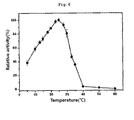
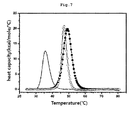
- the phospholipase/lipase MPlaG of the present invention is characterized by followings: it is stable in the pH range of 5 ⁇ 10 and displays maximum activity at pH 8 (see Figure 5 ); it is active at the temperature of up to 40°C and shows maximum activity at 25°C (see Figure 6 ); and it has the melting temperature of 38.5°C which has been confirmed by differential scanning calorimetry (DSC) (see Figure 7 ). Specificity of the phospholipase/lipase MPlaG of the present invention to various phospholipids was investigated.
- amino acid variants or fragments having different sequences from that of the polypeptide of the present invention having the amino acid sequence represented by SEQ. ID. NO: 5, which can be generated by deletion, insertion, substitution, or combination of amino acid residues of the polypeptide, can also be included in the criteria of the present invention as long as the variants or the fragments do not affect the function of the protein.
- modification of amino acid in protein and peptide is acceptable as long as it does not change the general activity of molecule.
- modification includes phosphorylation, sulfation, acrylation, glycosylation, methylation, and farnesylation. Therefore, the present invention includes not only the polypeptide having the amino acid sequence represented by SEQ. ID.
- polypeptide having the same amino acid sequence indicates that it has at least 80% homology in amino acid sequence, more preferably at least 90%, and most preferably at least 95% homology, but not always limited thereto and actually the sequence having at least 70% homology in amino acid sequence and showing the same biochemical activity can be included in this invention.
- the polynucleotide of the present invention is preferably the one represented by SEQ. ID. NO: 3.
- various modification or transformation in the coding region is allowed as long as the modification or the transformation does not make any change in amino acid sequence of the protein having both phospholipase and lipase activities expressed from the coding region.
- modification or transformation can also be allowed in other regions than the coding region as long as the modification or transformation does not affect the gene expression.
- modified genes are also included in the criteria of the present invention, which is well understood by those in the art.
- the present invention includes the polynucleotide actually having the same nucleotide sequence as the gene represented by SEQ. ID. NO: 3 having both phospholipase and lipase activities and the fragments thereof.
- the "polynucleotide actually having the same nucleotide sequence” means the polynucleotide having at least 80% homology, more preferably at least 90% homology, and most preferably at least 95% homology in sequence, but not always limited thereto. In fact, the polynucleotide having at least 70% homology in sequence and having the same biochemical activity to the protein encoded is included in this invention as well.
- polynucleotide of the present invention is allowed to have substitution, deletion, insertion, or combination of one or more nucleic acid nucleotides, suggesting that it can be modified, as long as the modified polynucleotide still can encode a protein having the same activity.
- modified polynucleotide can also be included in the criteria of the present invention.
- the polypeptide having the amino acid sequence represented by SEQ. ID. NO: 5 is preferably encoded by the nucleic acid molecule having the polynucleotide sequence represented by SEQ. ID. NO: 3, but not always limited thereto.
- polypeptide of the present invention can also be encoded by any nucleic acid molecule that has the nucleotide sequence whose sequence is different but is alike to the sequence represented by SEQ. ID. NO: 3 as long as it can encode the protein of the present invention.
- the nucleic acid molecule sequence can be single-stranded or double-stranded DNA or RNA (mRNA).
- the present invention also provides a recombinant expression vector comprising the polynucleotide of the present invention represented by SEQ. ID. NO: 3.
- expression regulating sequences such as promoter, terminator or enhancer and sequences for membrane targeting or secretion are properly selected according to the type of host to produce the gene or protein having both phospholipase and lipase activities and those sequences can be combined properly according to the purpose of use.
- the expression vector of the present invention includes plasmid vector, cosmid vector, bacteriophage vector, and virus vector, but not always limited thereto.
- the expression vector can be constructed to meet the purpose of use by containing an expression regulating element such as promoter, operator, initiation codon, stop codon, polyadenylation signal and enhancer, a signal sequence for membrane targeting or secretion, or a leader sequence.
- the promoter of the expression vector can be constitutive or inductive.
- the signal sequence can be PhoA signal sequence or OmpA signal sequence.
- the signal sequence can be ⁇ -amylase signal sequence or subtilisin signal sequence.
- the signal sequence can be MF ⁇ signal sequence or SUC2 signal sequence.
- the signal sequence can be insulin signal sequence, ⁇ -interferon signal sequence, or antibody molecule signal sequence, but not always limited thereto.
- the expression vector can include a selection marker for the selection of a host cell appropriate for harboring an expression vector. If the expression vector is replicable, it can contain a replication origin. When the recombinant expression vector containing the gene encoding the phospholipase/lipase MPlaG of the present invention is introduced in a host and the phospholipase/lipase MPlaG protein is expressed therein, the protein activity can be observed. Therefore, the transformed host cell can be selected without a selection marker by adding a substrate such as tricaprylin to the culture medium of the host cell.
- the recombinant expression vector of the present invention can contain the sequence appropriate for the purification of the expressed target.
- the polynucleotide encoding the tag for separation and purification operably linked to the gene having both phospholipase and lipase activities can be linked to the vector.
- the tag for separation and purification is selected from the group consisting of GST, poly-Arg, FLAG, His-tag, and c-myc, or two or more of those tags can be linked stepwise.
- His-tag is linked to C-terminal, and then the expressed phospholipase/lipase MPlaG was purified by using Ni-NTA (Ni-nitriloteiacetic acid, Qiagen, Germany) column.
- Ni-NTA Ni-nitriloteiacetic acid, Qiagen, Germany
- the MPlaG gene represented by SEQ. ID. NO: 3 was cloned in a vector (see Figure 2 ), and E. coli was transfected with the vector. Then, the phospholipase/lipase MPlaG protein produced from the transformant was confirmed by SDS-PAGE. As a result, it was confirmed that the protein having the molecular weight of approximately 31 kDa was successfully produced. It was also confirmed that the phospholipase/lipase MPlaG of the present invention was expressed in a water-soluble form (see Figure 10 ).
- the present invention also provides a transformant prepared by transfecting a host cell with the recombinant expression vector comprising the polynucleotide of the present invention represented by SEQ. ID. NO: 3.
- the transfected host cell After inserting the recombinant expression vector of the invention in a proper host cell, for example E. coli or yeast, preferably E. coli, the transfected host cell was cultured to replicate or mass-produce DNA of the novel gene or the novel protein having both phospholipase and lipase activities.
- Culture method, medium and conditions can be selected by those in the art based on the conventional methods and conditions well known to those in the art.
- the recombinant vector pET22b(+)-MPlaG containing the novel MPlaG gene was constructed (see Figure 2 ), which was inserted in E. coli BL21(DE3).
- the activity of the phospholipase/lipase MPlaG expressed in the transfected strain was investigated.
- E. coli transfected with the pET-22b(+) vector that did not contain the said gene did not degrade tricaprylin and phosphatidylcholine.
- E. coli transfected with the pET-22b(+) vector that did not contain the said gene did not degrade tricaprylin and phosphatidylcholine.
- E. coli transfected with the pET-22b(+) vector that did not contain the said gene did not degrade tricaprylin and phosphatidylcholine.
- E. coli transfected with the pET-22b(+) vector that did not contain the said gene did not degrade tricaprylin and phosphat
- the E. coli transformant BL21(DE3)/pET22b(+)-MPlaG was deposited at Korean Collection for Type Cultures (KCTC), Korea Research Institute of Bioscience and Biotechnology (KRIBB) on May 30, 2011 (Accession No: KCTC 11942BP).
- the present invention also provides a preparation method of a recombinant protein having both phospholipase and lipase activities which comprises the following steps:
- step 1) the polynucleotide encoding the tag for separation and purification and the protease recognition site can be additionally linked to N-terminal of the polynucleotide.
- the purified or the original form of phospholipase/lipase MPlaG can be obtained by addition of the additional step of purifying the phospholipase/lipase MPlaG by using the tag for separation and purification and then treating a protease capable of digesting the protease recognition site thereto.
- the tag for separation and purification is preferably one or more tags selected from the group consisting of GST, poly-Arg, FLAG, His-tag, and c-myc, and more preferably His-tag, but not always limited thereto.
- the present invention also provides a detergent additive containing the polypeptide comprising the amino acid sequence represented by SEQ. ID. NO: 5 and having both phospholipase and lipase activities as an active ingredient.
- the present invention also provides a washing method including the step of treating the surface of a material with the polypeptide of the invention having both phospholipase and lipase activities.
- the present invention provides a use of the polypeptide of the invention having both phospholipase and lipase activities for the preparation of a detergent.
- novel gene isolated from the metagenome library of tidal flat sediments and the protein having phospholipase and lipase activities encoded from the novel gene are expressed in a water-soluble form to be mass-producible; enable ultra high-purity protein to be obtained through single step purification using an Ni-NTA column; show good activity in the pH range of 5 ⁇ 10; maintain good low temperature activity and stability up to a temperature of 3°C to 40°C; and have high resistance against various organic solvents. Therefore, the novel gene and the protein can be usefully used for various industrial fields such as the purification and conversion of oil and fat, bio-medicine, and fine chemistry.
- the supernatant was obtained by centrifugation, to which 30% (v/v) polyethylene glycol containing 1.6 M NaCl was added at the equal volume, followed by well-mixing.
- the precipitated DNA was isolated by centrifugation, which was then suspended in TE buffer.
- the equal volume of phenol/chloroform/isoamyl alcohol (25:24:1) and chloroform/isoamyl alcohol (24:1) mixed solution was added thereto, followed by extraction twice.
- the supernatant was obtained by centrifugation, to which isopropanol was added to precipitate DNA.
- the precipitated DNA was completely dried and then dissolved in sterilized water.
- electrophoresis was performed using PFGE (pulse-field gel electrophoresis) to digest the DNA into 23 ⁇ 48 kb fragments. Gel elution was performed using Gelase (Epicentre, USA). The purified DNA fragments were used to construct a metagenome library by using CopyControl fosmid library construction kit (Epicentre, USA).
- transformants were selected randomly and recombinant plasmids were extracted therefrom, which were treated with selected restriction enzyme. As a result, they all contained recombinant plasmid and the average size of the inserted metagenome was 35 kb.
- Example 2 Screening and isolation of the recombinant plasmid having lipase activity
- the metagenome library was cultured on a solid medium containing tricaprylin.
- the said metagenome library was distributed on a solid nutritive medium [1% (w/v) trypton, 0.5% (w/v) yeast extract, 0.5% (w/v) NaCl, 1.5% (w/v) agar] supplemented with tricapryline emulsion [1% (v/v) tricaprylin, 1 mM CaCl 2 , 0.5% (w/v) Gum arabic], followed by culture at 37°C.
- tricaprylin is decomposed by lipase, clear zone is formed. So, the colonies forming such clear zone were selected.
- the recombinant plasmid was isolated from such colonies showing excellent activity of decomposing tricaprylin and named pFosPlaG.
- Example 3 Sequencing of the recombinant plasmid having excellent lipase activity
- DNA fragments were prepared physically by using pipetting from pFosPlaG, which were sub-cloned in pUC118 (TaKaRa) vector. Sequencing was performed using an automatic sequencer (ABl 3730 DNA analyzer).
- the pFosPlaG was in the size of 28,845 bp and the nucleotide sequence of the gene was the same as the sequence represented by SEQ. ID. NO: 1, which was registered at GenBank, USA, under the accession number of EU285670.
- amino acid sequence was compared between the protein of the invention and the conventional proteins using BLAST database.
- the phospholipase/lipase MPalG (the protein having both phospholipase and lipase activities; SEQ. ID. NO: 5) expressed from the phospholipase/lipase PlaG (SEQ. ID. NO: 4), more preferably from the catalytic domain MPlaG of the PlaG, demonstrated the highest homology with Grimontia hollisae CIP 101886 but showed low homology with the previously reported phospholipase gene group, which was as low as 30 ⁇ 35%, suggesting that the gene was a novel gene encoding phospholipase.
- the phospholipase/lipase PlaG is composed of a structural domain and a catalytic domain.
- the functional domain of the phospholipase/lipase PlaG was named phospholipase/lipase MPlaG.
- a phylogenetic tree was constructed using the amino acid sequence (SEQ. ID. NO: 5) of the phospholipase/lipase MPlaG along with other amino acid sequences of various lipases and phospholipases known so far.
- the phospholipase/lipase MPlaG of the present invention did not belong to any lipase family but had higher correlation with rather phospholipase phylogenetically ( Figure 3 ).
- the phospholipase/lipase MPlaG of the present invention was far apart from Staphylococcus hyicus originated lipase known to have not only lipase activity but also excellent phospholipase activity.
- ORF composed of only PlaG catalytic domain (MPlaG) was designed and prepared thereby.
- E. coli BL21(DE3)/pET22b(+)-MPlaG was constructed by transfecting E. coli BL21(DE3) with the prepared recombinant vector.
- PCR polymerase chain reaction
- the N-terminal primer and the C-terminal primer of the MPlaG gene of the present invention have Nde I and Xho I cleavage site, respectively, and are oligonucleotides represented by SEQ. ID. NO: 6 and SEQ. ID. NO: 7 respectively.
- the recombinant vector pET22b(+)-MPlaG contains a very powerful T7 promoter and a read signal therein. When this vector is introduced in such a host as E. coli BL21(DE3) containing T7 RNA polymerase, the phospholipase/lipase MPlaG can be mass-produced therefrom. Also, a tag encoding 6 histidines playing a role in purification of phospholipase and lipase is formed in the C-terminal.
- the DNA fragments amplified massively through PCR were digested with Nde I and XhoI, which were then ligated to the expression vector pET-22b(+) treated with the same restriction enzymes and calf intestinal phosphatase to construct the recombinant plasmid pET22b(+)-MPlaG for the expression of phospholipase and lipase ( Figure 2 ).
- a transformant was constructed by transfecting E. coli BL21(DE3) with the recombinant plasmid pET22b(+)-MPlaG through electroporation. The constructed transformant was named E.
- KCTC Korean Collection for Type Cultures
- KRIBB Korean Research Institute of Bioscience and Biotechnology
- the E. coli BL21(DE3)/pET22b(+)-MPlaG constructed in Example 4 was cultured in a liquid nutritive medium [1% (w/v) trypton, 0.5% (w/v) yeast extract, 0.5% (w/v) NaCl] containing ampicillin (100 ⁇ g/ml) until OD 600 reached 0.6.
- IPTG isopropyl- ⁇ -D-thiogalactopyranoside
- coli BL21(DE3)/pET22b(+)-MPlaG was obtained by centrifugation, which was suspended in binding buffer (50 mM Tris-HCl, pH 8, 500 mM NaCl, 10 mM imidazole). The cell suspension was lysed by ultrasonication. The cell lysate was centrifuged to obtain supernatant. The supernatant was loaded on Ni-NTA (nitriloteiacetic acid) column to elute phospholipase and lipase by imidazole gradient, followed by dialysis-concentration.
- binding buffer 50 mM Tris-HCl, pH 8, 500 mM NaCl, 10 mM imidazole.
- the cell suspension was lysed by ultrasonication.
- the cell lysate was centrifuged to obtain supernatant.
- the supernatant was loaded on Ni-NTA (nitriloteiacetic acid) column to elute phospholipase
- SDS-PAGE sodium dodecyl sulfate-polyacrylamide gel electrophoresis
- the phospholipase/lipase MPlaG of the present invention was successfully produced as the protein in the molecular weight of approximately 31 kDa 12 hours after the expression induction.
- the said molecular weight was very close to the expected molecular weight of the amino acid sequence having both phospholipase and lipase activities, suggesting that this protein band was the novel phospholipase/lipase MPlaG of the invention.
- the phospholipase/lipase MPlaG of the present invention was expressed in a water-soluble form.
- the protein expression of the phospholipase/lipase MPlaG of the invention was significantly increased, comparing with the full-length protein phospholipase/lipase PlaG ( Figure 10 ).
- the full-length protein phospholipase/lipase PlaG always existed together with a non-specific protein even after being through various purification processes or being expressed by using a new vector system.
- the phospholipase/lipase MPlaG of the present invention can be produced with high purity even with one-step purification process using Ni-NTA column.
- the recombinant plasmid pFosPlaG derived from the metagenome library was isolated in the solid nutritive medium supplemented with tricaprylin emulsion which has been widely used for the isolation/confirmation of lipase gene.
- the phospholipase/lipase MPlaG was loaded on the solid medium supplemented with phosphatydilcholine emulsion [0.5% (w/v) phosphatydilcholine, 0.5% (w/v) taurocholic acid, 20 mM CaCl 2 ], followed by observing clear zone to confirm the activity.
- lipase CALB lipase B from Candida antarctica
- E . coli BL21(DE3) the host cell used for the construction of a transformant
- Enzyme activity of the phospholipase/lipase MPlaG purified in Example 5 over temperature and pH, specificity over substrates with different carbon chain length, and relation of the phospholipase/lipase MPlaG with various metal ions, inhibitors, and organic solvents were investigated based on lipase activity.
- enzyme activity was measured by the following two methods.
- First method was pH-stat. 5 ml of triglycerol and 495 ml of gum arabic suspension [20 mM NaCl, 1 mM CaCl 2 , 0.5% (w/v) gum arabic] were mixed to prepare an emulsion using Waring blender. 25 ml of the prepared triglycerol emulsion was loaded in a reactor equipped with an apparatus of controlling temperature, to which 10 mM NaOH was loaded to regulate pH as 8. The phospholipase/lipase MPlaG enzyme solution purified above was loaded to the emulsion, followed by hydrolysis at 25°C.
- 1 unit (U) of enzyme was defined as the enzyme amount capable of producing 1 ⁇ mol of fatty acid.
- the second method was spectrophotometric assay as standard methodof the present invention. Particularly, the phospholipase/lipase MPlaG enzyme solution was added to the reaction solution [20 ⁇ l of 10 mM para-nitrophenyl ester substrate, 40 ⁇ l of ethanol, and 940 ⁇ l of 50 mM Tris-HCl (pH 8)], followed by reaction for 5 minutes. The increasing rate of para-nitrophenol hydrolyzed from the substrate was measured at OD 405 .
- 1 unit (U) of enzyme was defined as the enzyme amount capable of producing 1 ⁇ mol of para-nitrophenol via hydrolysis.
- the purified phospholipase/lipase MPlaG was added to the solid media respectively supplemented with various phospholipid emulsions. Then, the activity over phospholipid was investigated by comparing the size of clear zone.
- the phospholipid emulsion was composed of 0.5% (v/v) phospholipid substrate, 0.5% (w/v) taurocholic acid, and 20 mM CaCl 2 .
- the substrates used herein were phosphatydilcholine (PC, 99% purity), phosphatidylethanolamine (PE, 97% purity), phosphatidylserine (PS, 97% purity), phosphatidylinositol (PI, 98% purity), phosphatidylglycerol (PG, 99% purity), and phosphatidic acid (PA, 98% purity).
- PC phosphatydilcholine
- PE phosphatidylethanolamine
- PS phosphatidylserine
- PS phosphatidylinositol
- PI phosphatidylglycerol
- PA phosphatidic acid
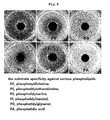
- the phospholipase/lipase MPlaG of the present invention demonstrated excellent activity to those substrates, phosphatydilcholine, phosphatidylethanolamine, and phosphatidylglycerol, but did not decompose phosphatidylserine and phosphatidic acid known to be degraded by secreted phospholipase A ( Figure 8 ).
- the activity of MPlaG to hydrolyze triacylglyceride, olive oil, and phosphatidylcholine was measured by titrating free fatty acid using pH titrator (842 Tirando, Metrohm). By adding 10 mM NaOH solution, pH of the substrate emulsion was regulated to 8.0. Then, a proper amount of enzyme solution was added thereto. Execretion rate of fatty acid was measured by using pH titrator for 5 minutes. 1 unit of lipase activity was defined as the enzyme amount capable of releasing 1 ⁇ mole of fatty acid. To exclude the non-enzymatic hydrolysis value of the substrates, the activity was measured without enzyme addition for every measurement under different conditons, which would be the control reaction.
- MPlaG was a member of phospholipase family, but showed a significant lipase activity to olive oil.
- Spectrophotometric assay was also performed at room temperature to investigate the activity of MPlaG to para-nitrophenyl ester with various carbon chain lengths, the synthetic substrate.
- para-nitrophenyl butyrate (C4), para-nitrophenyl caprylate (C8), para-nitrophenyl caprate (C10), para-nitrophenyl laurate (C12), para-nitrophenyl palmitate (C16), and para-nitrophenyl stearate (C18) were used as substrates for the comparison of the activity.
- the activity of MPlaG to p-nitrophenyl ester was measured by the standard evaluation method using spectrophotometric detection.
- p-nitrophenyl caprate (C 10) was used as a substrate. 5 mM Ca 2+ was added to the reaction solution. The reaction product para-nitrophenol was continuously measured for 5 minutes at OD 450 using DU800 spectrophotometer (Beckman). 1 unit of activity to p-nitrophenyl ester was defined as the enzyme amount capable of releasing 1 ⁇ mole of p-nitrophenyl ester. To exclude the non-enzymatic hydrolysis value of the substrates, the activity was measured without enzymefor every measurement under different conditons, which would be the control reaction.
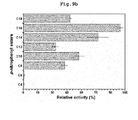
- the MPlaG of the present invention demonstrated the highest activity (approximately 112 times) to para-nitrophenyl palmitate (C 16) and the second highest activity to para-nitrophenyl butyrate (C 4) ( Figure 9B ).
- MPlaG Specificity of MPlaG over the location and chain length of phospholipid was investigated. To do so, phosphatydilcholine with different carbon chain lengths (C6, C7, C8, and C14) and 1-oleoly-2-palmitoyl-phosphatidylcholine (OPPC) were used.
- the purified MPlaG was added to 50 mM tris buffer (pH 8.0) containing 5 mM CaCl 2 and 150 mM NaCl, followed by enzyme reaction along with 1 mM substrate for 12 hours at 25°C. The reaction product was analyzed by liquid chromatography mass spectrometry (LC-MS) using Finnigan LCQ.
- LC-MS liquid chromatography mass spectrometry
- the MPlaG of the present invention decomposed triolein not degraded by esterase, and showed interfical activity as the concentration of tributyrin increased, indicating that it is not phosphoesterase/esterase but phospholipase/lipase.
- the phospholipase/lipase MPlaG of the present invention showed the highest enzyme activity to the natural substrate olive oil. Only the phospholipase/lipase MPlaG of the invention showed enzyme activity to the phospholipase substrate phosphatidylcholine. That is, unlike those lipases CALB and CRL, the phospholipase/lipase MPlaG of the invention had phospholipase activity, confirmed quantitatively. In the meantime, considering that P.
- pseudoalcaligene derived lipase demonstrated 5.7 U/mg of phospholipase activity
- LecitaseTM Novozyme
- 6 U/mg of phospholipase activity reported in a research paper ( Biochimica et Biophysica Acta 1259(1995) 9-17 )
- the phospholipase/lipase MPlaG of the present invention characteristically demonstrated excellent lipase activity and phospholipase activity (Table 4).
Landscapes
- Chemical & Material Sciences (AREA)
- Health & Medical Sciences (AREA)
- Life Sciences & Earth Sciences (AREA)
- Genetics & Genomics (AREA)
- Organic Chemistry (AREA)
- Engineering & Computer Science (AREA)
- Wood Science & Technology (AREA)
- Zoology (AREA)
- Bioinformatics & Cheminformatics (AREA)
- Molecular Biology (AREA)
- General Health & Medical Sciences (AREA)
- Biochemistry (AREA)
- Biomedical Technology (AREA)
- Biotechnology (AREA)
- General Engineering & Computer Science (AREA)
- Medicinal Chemistry (AREA)
- Microbiology (AREA)
- Biophysics (AREA)
- Gastroenterology & Hepatology (AREA)
- Proteomics, Peptides & Aminoacids (AREA)
- Physics & Mathematics (AREA)
- Plant Pathology (AREA)
- Oil, Petroleum & Natural Gas (AREA)
- Chemical Kinetics & Catalysis (AREA)
- Enzymes And Modification Thereof (AREA)
- Micro-Organisms Or Cultivation Processes Thereof (AREA)
Abstract
Description
- The present invention relates to a novel protein showing both phospholipase and lipase activities, more precisely a gene isolated from the microbial metagenome of tidal flat sediment and displaying both phospholipase and lipase activities and a protein encoded therefrom showing the coactivity of calcium-dependent phospholipase and lipase.
- Lipase (glycerol ester hydrolase, EC 3.1.1.3) is a carboxy ester hydrolase belonging to α/β hydrolases that are able to decompose or synthesize long-chain acylglycerol. Up to date, a variety of animals, plants, and microorganisms have been confirmed to synthesize lipase. Accordingly, studies on the biochemical characteristics of lipase and on lipase genes have been actively undergoing. The endogenous lipase is not only involved in fat metabolism but also comparatively stable in organic solvents. This endogenous lipase does not need coenzymes, has wide substrate specificity and comparatively high optical specificity, making it an excellent biocatalyst for bioconversion, in the field of detergent industry, food additive production, pitch elimination in paper industry, and others. Studies have been under-going to mass-produce such industrially useable and valuable lipase with high efficiency. In particular, studies have been focused mainly on microorganisms producing lipase. Hosts capable of producing lipase are exemplified by Candida sp., Bacillus sp., Penicilium sp., Mucor sp., Rhizopus sp., Pseudomonas sp., and Streptomyces sp.
- Lysophospholipid is generated from hydrolysis of phospholipid by phospholipase, which not only acts like a functional group in the course of platelet aggregation but also mediates various physiological activities including signal transduction or plays a role in preventing over-ripen of fruits and plants as a plant hormone. In particular, lysophospholipid has a high water-solubility and can form a stable emulsion even at different hydrogen ion concentrations and temperatures. lysophospholipid is also stable in the presence of magnesium and calcium ions, so that it has been used in the fields of medicine, cosmetics, and food industry.
- The said lysophospholipid can be generated from phospholipid mediated by phospholipase in a certain biochemical pathway and at this time phospholipase A hydrolyzes 1-acyl group or 2-acyl group of phospholipid to produce lysophospholipid and fatty acid. This phospholipase A is an essential enzyme in the synthesis of phospholipid containing useful fatty acid such as polyunsaturated fatty acid (PUFA) exemplified by DHA or EPA, etc. This phospholipase A is isolated from various mammals, snake or bee venom, and microorganisms such as Serratia sp., Aspergillus sp., Streptomyces sp., and Fusarium sp. and can be applied to food industry. In order for this enzyme to be used in more industrial fields, substrate specificity or enzyme stability of this enzyme has to be improved (De Maria et al., Appl. Microbiol. Biotechnol. 74:290-300, 2007).
- Both lipase and phospholipase display similar mechanism to each other. However, lipase obtained from Staphylococcus hyicus is the only enzyme displaying coactivity to lipid and phospholipid (van Oort et al., Biochemistry, 28:9278-9285, 1989). The enzyme originated from S. hyicus is hard to be produced in a large scale and has comparatively low stability, which makes it less usable in industry.
- In the field of fine chemistry producing high value-added lead compounds including medicinal products, when ester compounds are synthesized by the conventional chemical method, the synthesis is achieved at high temperature under high pressure with requiring high consumption of energy, which causes many side reactions that might have a bad effect on the quality of the product. In addition, the conventional method has disadvantages of low conversion rate and low purify in some optical isomers, because of which the production of high purity fine chemical product has been troubled. To overcome the above problem, recent studies have been focused on taking advantage of such reaction that uses the enzyme displaying site specificity and optical specificity as a biocatalyst. However, this attempt has been limited in its application because of the problem of losing the enzyme activity at low temperature.
- Lipase hydrolyzes lipid dirt into water-soluble fatty acid or glycerol, suggesting that it makes the function of a surfactant easy. So, lipase has been a target as a detergent or a bleach additive, which was not practical so far, though. This is because lipase loses its enzyme activity at a low washing temperature, meaning oil and fat components are not eliminated completely.
- The microorganisms suitable for culture were the major targets of the attempt to find out an enzyme having excellent activity and stability. Various enzymes identified from some of those microorganisms have been used industrially. However, recent molecular-microbial ecology studies proved that at least 99% microorganisms in the natural world are not separated or identified either by the conventional culture method performed in a lab (Amann et al., Microbiol. Rev. 59: 143-169, 1995; Hugenholtz and Pace, Trends Biotechnol. 14: 190-197, 1996; Ward et al., Nature 345: 63-65, 1990). Therefore, a new attempt has been made to search novel genes that could not been identified because of the difficulty in culture from the library constructed by using metagenome, the genome of the microorganisms extracted directly from the natural world without the process of culture and further to develop useful materials therefrom.
- Metagenome is the definition indicating the genome of all microorganisms existing in the natural world. In general, the metagenome study is composed of the following steps; isolating metagenome from microorganisms in the natural world without culture; constructing library thereof; and introducing the library into E. coli suitable for culture. This method is to obtain useful materials from those microorganisms which could not be cultured. Even though it is very hard to obtain information about such microorganism, the origin of a target gene, this method has the advantage of obtaining the useful product and gene of the microorganism at the same time.
- A research team at University of Wisconsin, USA, was the first study group who succeeded in isolation of massive metagenome and thereafter constructed metagenome library by cloning the metagenome into bacterial artificial chromosome (BAC) vector. They also succeeded in isolation of broad spectrum antibiotics and the genes involved therein (Gillespie et al., Appl. Environ. Microbiol. 68: 4301-4306, 2002; Rondon et al., Appl. Environ. Microbiol. 66: 2541-2547, 2000). A TIGR (The Institute for Genomic Research) team also constructed the general marine microorganism metagenome library in BAC vector to screen genetic resources of those marine microorganisms that could not be cultured so far.
- The present inventors isolated a novel gene from the microbial metagenome library obtained from the tidal flat sediment where have a unique microbial diversity including the various unculturable microoranisms, constructed a vector containing the said gene, transfected E. coli with the vector, and accordingly confirmed that the protein produced from the transformant constructed above displayed excellent phospholipase and lipase activities together and had excellent activity and stability as well even at a low temperature and in alkali condition, leading to the completion of the present invention.
- It is an object of the present invention to provide a novel gene isolated from the metagenome of tidal flat sediment microorganisms, a recombinant vector containing the gene, a transformant transfected with the said vector, and a polypeptide encoded from the said gene having both phospholipase and lipase activities.
- It is another object of the present invention to provide a detergent additive containing the polypeptide of the invention having both phospholipase and lipase activities as an active ingredient.
- It is also an object of the present invention to provide a washing method including the step of treating the surface of a material with the polypeptide of the invention having both phospholipase and lipase activities.
- It is further an object of the present invention to provide a use of the polypeptide of the invention having both phospholipase and lipase activities for the preparation of a detergent.
- To achieve the above objects, the present invention provides a polypeptide composed of the amino acid sequence represented by SEQ. ID. NO: 5 and having both phospholipase and lipase activities.
- The present invention also provides a polynucleotide encoding the polypeptide of the present invention.
- The present invention further provides a recombinant expression vector containing the polynucleotide of the present invention.
- The present invention also provides a transformant prepared by transfecting a host cell with the recombinant expression vector of the present invention.
- The present invention also provides a preparation method of a recombinant protein having both phospholipase and lipase activities which comprises the following steps:
- 1) constructing a recombinant expression vector containing the polynucleotide of the present invention;
- 2) preparing a transformant by introducing the recombinant expression vector above into a host cell; and,
- 3) culturing the transformant and inducing the expression of the recombinant protein therein, followed by obtaining the expressed recombinant protein.
- The present invention also provides a detergent additive containing the polypeptide of the invention having both phospholipase and lipase activities as an active ingredient.
- The present invention also provides a washing method including the step of treating the surface of a material with the polypeptide of the invention having both phospholipase and lipase activities.
- In addition, the present invention provides a use of the polypeptide of the invention having both phospholipase and lipase activities for the preparation of a detergent.
- As explained hereinbefore, the novel gene isolated from the metagenome library of tidal flat sediment microorganisms and the protein having phospholipase and lipase activities encoded from the novel gene: are expressed in a water-soluble form to be mass-producible; enable ultra high-purity protein to be obtained through single step purification using an Ni-NTA column; show good activity in the pH range of 5 ∼ 10; maintain good low temperature activity and stability up to a temperature of 3°C to 40°C; and have high resistance against various organic solvents. Therefore, the novel gene and the protein can be usefully used for various industrial fields such as the purification and conversion of oil and fat, bio-medicine, and fine chemistry.
- The application of the preferred embodiments of the present invention is best understood with reference to the accompanying drawings, wherein:
-
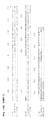
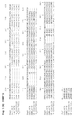
Figure 1 is a diagram showing homology among the phospholipase/lipase PlaG (the protein PlaG having both phospholipase and lipase activities) of the present invention, the protein having similarity to amino-terminal (A) thereof, and the protein having similarity to carboxy-terminal (B):- ZP_02001945: Beggiatoa sp. PS derived secreted protein;
- EBL22535: marine metagenome derived hypothetical protein;
- AAD10476: Serratia sp. MK1 derived phospholipase A1;
- AAM13978: Serratia marcescens derived phospholipase;
- YP_001005338: Yersinia enterocolitica 8081 derived phospholipase A;
- YP_001479905: Serratia proteamaculans 568 derived phospholipase A1; and
The amino acids marked by * indicate well-preserved lipase specific catalytic triad and the underlined part indicates common amino acid sequences in around Ser of phospholipase A1.
-
Figure 2 is a schematic diagram illustrating the recombinant vector pET22b(+)-MPlaG containing the catalytic domain MPlaG of the novel PlaG gene originated from the metagenome library of tidal flat sediment microorganisms. -
Figure 3 is a diagram illustrating the phylogenetic tree of the phospholipase/lipase MPlaG (the protein PlaG having both phospholipase and lipase activities) derived from tidal flat metagenome, various lipases selected from the conventional lipase family, phospholipase/lipase MPlaG like phospholipase, and other known phospholipases; The phylogenetic tree was constructed by using the program MEGALIGN and the bar indicates amino acid substitution. -
Figure 4 is a set of photographs illustrating the activity of the phospholipase/lipase MPlaG of the present invention on the solid medium supplemented with tricaprylin or phosphatidylcholine emulsion. Cell lysate of E. coli BL21(DE3), the host cell used for transformation, was used as the negative control, while Candida antarctica lipase B (CALB) was used as the lipase-positive control. -
Figure 5 is a graph illustrating the pH dependent activity (●) and stability (■) of the phospholipase/lipase MPlaG of the present invention. -
Figure 6 is a graph illustrating the temperature dependent activity of the phospholipase/lipase MPlaG of the present invention. -
Figure 7 is a graph illustrating the changes of melting temperature of the phospholipase/lipase MPlaG of the present invention according to 0 mM (-), 2 mM (○), and 5 mM (●) of calcium. -
Figure 8 is a set of photographs illustrating the substrate specificity of the phospholipase/lipase MPlaG of the present invention against various phospholipids. -
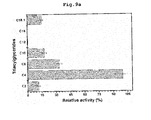
Figure 9 is a set of graphs illustrating the chain-length specificity of MPlaG to triglyceride (a), para-nitrophenyl ester (b) and phosphatidylcholine (c), measured by pH-titration, spectrometry, and LC-MS; The vertical and horizontal lines in (a) and (b) indicate the substrate carbon chain length and the relative activity to the maximum activity (100%), respectively; In LC-MS, the reaction products of MPlaG to phosphatydilcholine were isolated by HPLC as follows:- diC6PC, 8.77 min (1,2-dihexanoyl-phosphatidylcholine, m/z 498, 89.6%) and 10.36 min (2-hexanoyl-lysophosphatidylcholine, m/
z 400, 10.4%); diC7PC, 8.40 min (1,2-diheptanoyl-phosphatidylcholine, m/z 526, 50.5%) and 9.99 min (2-heptanoyllysophosphatidylcholine, m/z 414, 49.5%); diC8PC, 8.14 min (1,2-dioctanoyl-phosphatidylcholine, m/z 554, 49.6%) and 9.73 min (2-octanoyl-lysophosphatidylcholine, m/z 428, 50.4%); diC14PC, 7.68 min (1,2-dimyristoyl phosphatidylcholine, m/z 722, 96.5%) and 8.91 min (2-myristoyllysophosphatidylcholine, m/z 512, 3.5%).
- diC6PC, 8.77 min (1,2-dihexanoyl-phosphatidylcholine, m/z 498, 89.6%) and 10.36 min (2-hexanoyl-lysophosphatidylcholine, m/
-
Figure 10 is a photograph illustrating the result of SDS-PAGE (sodium dodecylsulfate-polyacrylamide gel electrophoresis) performed to confirm the purified phospholipase/lipase MPlaG of the present invention:- M: size marker;
- Lane 1: full-length phospholipase/lipase PlaG;
- Lane 2: truncated
protein 1; and - Lane 3: truncated protein 2 (phospholipase/lipase MPlaG).
-
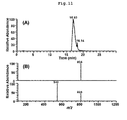
Figure 11 is a set of graphs illustrating the identification of phospholipase A1 activity of MPlaG; Site specificity of MPlaG for OPPC (1-oleoyl-2-palmitoyl-phosphatidylcholine) was determined by LC-MS;(a) The reaction products generated from MPlaG were isolated by HPLC at the time point of 16.93 min (m/z 804, OPPC, upper graph of (B)), and at 18.14 min (m/z 540, 2-palmitoyl-lysophoaphatidylcholine, lower graph of (B)). - The terms used in this invention are defined hereinafter.
- The term "recombinant expression vector" used in this invention indicates a vector that is able to express a target protein or target RNA in an appropriate host cell, which is a linear or circular DNA molecule composed of fragments encoding the target polypeptide operably linked to additional fragments provided for the transcription of the expression vector. Such additional fragment includes a promoter and a terminator sequence. The said expression vector includes one or more replication origins, one or more selection markers, and polyadenylation signals, etc. The expression vector is generally induced from a plasmid or virus DNA or contains both of them.
- The term "operably linked" used in this invention indicates the functional linkage between a nucleic acid expression regulating sequence and a nucleic acid sequence encoding a target protein or RNA in order to accomplish general functions thereby. For example, the functional linkage between a promoter and a nucleic acid sequence encoding a protein or RNA can affect the expression of the nucleic acid sequence. Operable linking with a recombinant vector can be performed by the genetic recombination technique well-known to those in the art and site-specific DNA cleavage and linkage is accomplished by using an enzyme well known to those in the art.
- Hereinafter, the present invention is described in detail.
- The present invention provides a polypeptide having both phospholipase and lipase activities and is composed of the amino acid sequence represented by SEQ. ID. NO: 5.
- The present invention also provides a polynucleotide encoding the polypeptide having both phospholipase and lipase activities which is represented by SEQ. ID. NO: 5.
- The said phospholipase and lipase preferably display excellent activity in pH range of 5 ∼ 10 and more preferably in pH range of 6 ∼ 9, and most preferably in
pH 8, but not always limited thereto. - The active temperature of the said phospholipase and lipase is preferably 3 ∼ 30°C, and more preferably 5 ∼ 25°C, but not always limited thereto.
- The polynucleotide herein is preferably composed of the nucleotide sequence represented by SEQ. ID. NO: 3, but not always limited thereto.
- In a preferred embodiment of the present invention, DNA was extracted from a tidal flat sediments sample, which was then cloned into a fosmid vector to construct a metagenome library. The library was distributed in a solid nutrient medium supplemented with tricaprylin emulsion, followed by culture. The colonies forming clear zone were screened and the recombinant plasmid pFosPlaG was isolated, followed by nucleotide sequencing. The identified gene (SEQ. ID. NO: 1) was registered at GenBank, USA (Accession Number: EU285670). The open reading frame (ORF) corresponding to the region between 2881st and 4578th nucleotide of the sequence represented by SEQ. ID. NO: 1 is the protein coding region having both phospholipase and lipase activities, which was identified as the gene having both phospholipase and lipase activities that is composed of the nucleotide sequence represented by SEQ. ID. NO: 2 (1698 bp). The gene having both phospholipase and lipase activities herein was named PlaG.
- In a preferred embodiment of the present invention, the phospholipase/lipase PlaG (the protein having both phospholipase and lipase activities) sequence of the present invention was compared with other conventional proteins using BLAST database. As a result, the protein displayed homology in the amino-terminal and carboxy-terminal of the total sequence with other proteins having different characteristics. Particularly, 287 amino acid residues of the amino-terminal showed the highest homology with a Beggiatoa sp. PS derived secreted protein (ZP_02001945), which was as high as 54% (see
Figure 1A ). In the meantime, 167 amino acid residues of the carboxy-terminal displayed the highest homology with Grimontia hollisae CIP 101886 derived phospholipase, but showed low homology with the previously reported phospholipase gene group, which was as low as 30 ∼ 35%, suggesting that the gene of the present invention was a novel gene encoding phospholipase. The homology in amino acid sequence was compared between the phospholipase/lipase PlaG of the present invention and the similar phospholipase amino acid sequences. As a result, it was confirmed that the sequence of the invention had a catalytic triad composed of 435th Ser, 496th Asp, and 560th His in the consensus sequence of the conservative Gly-X-Ser-X-Gly of α/β hydrolase and the surrounding amino acids were composed of characteristic sequences of phospholipase A (seeFigure 1B ). In particular, 26 amino acid residues in the amino-terminal were identified as a secreted signal peptide and the sequence range from the 27th residue (Ala) where the secreted signal peptide ends to the 157th residue (Gly) repeated asfollowing range between the 158th Thr and the 287th Gly. That is, the gene represented by SEQ. ID. NO: 2 was confirmed to have the structure composed of the structural domain made of 287 amino acid residues of the amino-terminal and the functional domain (MPlaG) composed of 278 amino acids of the carboxy-terminal. Based on the founding, the open reading frame MPlaG composed of only the catalytic domain was designed by using the sequence represented by SEQ. ID. NO: 2, which was then represented by SEQ. ID. NO: 3. Lipase is generally apt to be secreted extracellularly and this process differs from a type of microorganism. So, the open reading frame design herein is to avoid such difficulty of the exogenous protein expression. Guanine-cytosine content in the MPlaG gene having both phospholipase and lipase activities and represented by SEQ. ID. NO: 3 was 44.1%, molecular weight of the protein obtained therefrom was approximately 30.5 kDa, and isoelectric point (pI) was 4.0. - In a preferred embodiment of the present invention, a phylogenetic tree was constructed using the amino acid sequence (SEQ. ID. NO: 5) of the polypeptide phospholipase/lipase MPlaG (the protein having both phospholipase and lipase activities) encoded by the sequence represented by SEQ. ID. NO: 3 along with other amino acid sequences of various lipases and phospholipases known so far. As a result, the phospholipase/lipase MPlaG of the present invention did not belong to any lipase family but had higher correlation with rather phospholipase in phylogenetically (see
Figure 3 ). That is, the phospholipase/lipase MPlaG originated from tidal flat metagenome of the present invention had a common sequence shared with lipase or phospholipase A but was definitely a novel enzyme displaying low homology with the conventional lipase or phospholipase. - In a preferred embodiment of the present invention, the MPlaG gene represented by SEQ. ID. NO: 3 was cloned into a vector (see
Figure 2 ), and E. coli was transfected with the vector. The phospholipase/lipase MPlaG produced from the transformant was confirmed by SDS-PAGE. The confirmed gene had the molecular weight of approximately 31 kDa. The phospholipase/lipase MPlaG of the present invention was also confirmed to express in a water-soluble form (seeFigure 10 ). - In a preferred embodiment of the present invention, the phospholipase/lipase MPlaG of the present invention was dropped on the solid medium supplemented with phosphatydilcholine emulsion to investigate phospholipase activity of the MPlaG gene represented by SEQ. ID. NO: 3. The activity was measured by investigating the clear zone formed therein. As a result, the clear zone was clearly formed on the solid medium treated with the phospholipase/lipase MPlaG of the present invention, suggesting that the MPlaG gene had phospholipase activity as well (see
Figure 4 ). - The phospholipase/lipase MPlaG of the present invention is characterized by followings: it is stable in the pH range of 5 ∼ 10 and displays maximum activity at pH 8 (see
Figure 5 ); it is active at the temperature of up to 40°C and shows maximum activity at 25°C (seeFigure 6 ); and it has the melting temperature of 38.5°C which has been confirmed by differential scanning calorimetry (DSC) (seeFigure 7 ). Specificity of the phospholipase/lipase MPlaG of the present invention to various phospholipids was investigated. As a result, it showed excellent activity to phosphatydilcholine, phosphatydilethanolamine, and phosphatydilglycerol, but did not decompose phosphatydilserine and phosphatydil acid known to be degraded by secretory phospholipase A (seeFigure 8 ). MPlaG demonstrated high preference to para-nitrophenyl ester having long acyl straight chain, triglyceride having short acyl straight chain, and phospholipid having medium length acyl straight chain, suggesting that it has chain length specificity over substrate. The purified enzyme demonstrated its activity to triolein (C18:1) not hydrolyzed by esterases. Hydrolase activity of the purified enzyme with increasing concentrations of tributyrin was measured and as a result the enzyme showed interfacial activity , indicating MPlaG was not an esterase (seeFigure 9A ). In addition, hydrolysis site of MPlaG was determined by liquid chromatography mass spectrometry (LC-MS) using 1-oleoly-2-palmitoyl-phosphatidylcholine (OPPC) (seeFigure 11 ). Particularly, MPlaG was reacted with OPPC (molecular weight: 759) at 25°C for 12 hours, followed by LC-MS. LC-MS result confirmed that MPlaG decomposed OPPC (m/z 804, [M-H+HCOOH]-) to produce the reaction product (m/z 540). If MPlaG digested palmitic acid at sn-2 site of OPPC, the reaction product would have been observed at m/z 567. However, MS spectrum was detected at m/z 540 corresponding to 2-palmitoyl-lysophosphatidylcholine. Therefore, it was suggested that MPlaG could be identified as phospholipase A1 that is able to accelerate hydrolysis of acyl group in sn-1 site of phospholipid. In addition, it was also investigated how the enzyme could be affected by various additives. As a result, the enzyme activity was approximately 10 times increased by Ca2+ (see Table 1) and the activity was not inhibited by various organic solvents (see Table 2). - The amino acid variants or fragments having different sequences from that of the polypeptide of the present invention having the amino acid sequence represented by SEQ. ID. NO: 5, which can be generated by deletion, insertion, substitution, or combination of amino acid residues of the polypeptide, can also be included in the criteria of the present invention as long as the variants or the fragments do not affect the function of the protein. It is well known to those in the art that the modification of amino acid in protein and peptide is acceptable as long as it does not change the general activity of molecule. Such modification includes phosphorylation, sulfation, acrylation, glycosylation, methylation, and farnesylation. Therefore, the present invention includes not only the polypeptide having the amino acid sequence represented by SEQ. ID. NO: 5 but also the polypeptide having the same amino acid sequence and a variant thereof or an active fragment thereof. Herein, the polypeptide having the same amino acid sequence indicates that it has at least 80% homology in amino acid sequence, more preferably at least 90%, and most preferably at least 95% homology, but not always limited thereto and actually the sequence having at least 70% homology in amino acid sequence and showing the same biochemical activity can be included in this invention.
- The polynucleotide of the present invention is preferably the one represented by SEQ. ID. NO: 3. However, considering codon degeneracy or preference of codon in a living thing which is supposed to express the gene having both phospholipase and lipase activities, various modification or transformation in the coding region is allowed as long as the modification or the transformation does not make any change in amino acid sequence of the protein having both phospholipase and lipase activities expressed from the coding region. Such modification or transformation can also be allowed in other regions than the coding region as long as the modification or transformation does not affect the gene expression. Such modified genes are also included in the criteria of the present invention, which is well understood by those in the art. Therefore, the present invention includes the polynucleotide actually having the same nucleotide sequence as the gene represented by SEQ. ID. NO: 3 having both phospholipase and lipase activities and the fragments thereof. The "polynucleotide actually having the same nucleotide sequence" means the polynucleotide having at least 80% homology, more preferably at least 90% homology, and most preferably at least 95% homology in sequence, but not always limited thereto. In fact, the polynucleotide having at least 70% homology in sequence and having the same biochemical activity to the protein encoded is included in this invention as well. As explained hereinbefore, the polynucleotide of the present invention is allowed to have substitution, deletion, insertion, or combination of one or more nucleic acid nucleotides, suggesting that it can be modified, as long as the modified polynucleotide still can encode a protein having the same activity. Such modified polynucleotide can also be included in the criteria of the present invention. The polypeptide having the amino acid sequence represented by SEQ. ID. NO: 5 is preferably encoded by the nucleic acid molecule having the polynucleotide sequence represented by SEQ. ID. NO: 3, but not always limited thereto. In fact, the polypeptide of the present invention can also be encoded by any nucleic acid molecule that has the nucleotide sequence whose sequence is different but is alike to the sequence represented by SEQ. ID. NO: 3 as long as it can encode the protein of the present invention. The nucleic acid molecule sequence can be single-stranded or double-stranded DNA or RNA (mRNA).
- The present invention also provides a recombinant expression vector comprising the polynucleotide of the present invention represented by SEQ. ID. NO: 3.
- In the course of the construction of the recombinant expression vector, expression regulating sequences such as promoter, terminator or enhancer and sequences for membrane targeting or secretion are properly selected according to the type of host to produce the gene or protein having both phospholipase and lipase activities and those sequences can be combined properly according to the purpose of use.
- The expression vector of the present invention includes plasmid vector, cosmid vector, bacteriophage vector, and virus vector, but not always limited thereto. The expression vector can be constructed to meet the purpose of use by containing an expression regulating element such as promoter, operator, initiation codon, stop codon, polyadenylation signal and enhancer, a signal sequence for membrane targeting or secretion, or a leader sequence. The promoter of the expression vector can be constitutive or inductive. When the host is Escherichia sp., the signal sequence can be PhoA signal sequence or OmpA signal sequence. When the host is Bacillus sp., the signal sequence can be α-amylase signal sequence or subtilisin signal sequence. When the host is yeast, the signal sequence can be MFα signal sequence or SUC2 signal sequence. When the host is an animal cell, the signal sequence can be insulin signal sequence, α-interferon signal sequence, or antibody molecule signal sequence, but not always limited thereto. The expression vector can include a selection marker for the selection of a host cell appropriate for harboring an expression vector. If the expression vector is replicable, it can contain a replication origin. When the recombinant expression vector containing the gene encoding the phospholipase/lipase MPlaG of the present invention is introduced in a host and the phospholipase/lipase MPlaG protein is expressed therein, the protein activity can be observed. Therefore, the transformed host cell can be selected without a selection marker by adding a substrate such as tricaprylin to the culture medium of the host cell.
- The recombinant expression vector of the present invention can contain the sequence appropriate for the purification of the expressed target. Particularly, the polynucleotide encoding the tag for separation and purification operably linked to the gene having both phospholipase and lipase activities can be linked to the vector. At this time, the tag for separation and purification is selected from the group consisting of GST, poly-Arg, FLAG, His-tag, and c-myc, or two or more of those tags can be linked stepwise.
- In a preferred embodiment of the present invention, His-tag is linked to C-terminal, and then the expressed phospholipase/lipase MPlaG was purified by using Ni-NTA (Ni-nitriloteiacetic acid, Qiagen, Germany) column.
- In a preferred embodiment of the present invention, the MPlaG gene represented by SEQ. ID. NO: 3 was cloned in a vector (see
Figure 2 ), and E. coli was transfected with the vector. Then, the phospholipase/lipase MPlaG protein produced from the transformant was confirmed by SDS-PAGE. As a result, it was confirmed that the protein having the molecular weight of approximately 31 kDa was successfully produced. It was also confirmed that the phospholipase/lipase MPlaG of the present invention was expressed in a water-soluble form (seeFigure 10 ). - The present invention also provides a transformant prepared by transfecting a host cell with the recombinant expression vector comprising the polynucleotide of the present invention represented by SEQ. ID. NO: 3.
- After inserting the recombinant expression vector of the invention in a proper host cell, for example E. coli or yeast, preferably E. coli, the transfected host cell was cultured to replicate or mass-produce DNA of the novel gene or the novel protein having both phospholipase and lipase activities. Culture method, medium and conditions can be selected by those in the art based on the conventional methods and conditions well known to those in the art.
- In a preferred embodiment of the present invention, the recombinant vector pET22b(+)-MPlaG containing the novel MPlaG gene was constructed (see
Figure 2 ), which was inserted in E. coli BL21(DE3). The activity of the phospholipase/lipase MPlaG expressed in the transfected strain was investigated. As a result, E. coli transfected with the pET-22b(+) vector that did not contain the said gene did not degrade tricaprylin and phosphatidylcholine. On the contrary, E. coli transfected with the vector containing the phospholipase/lipase MPlaG of the present invention degraded tricaprylin and phosphatidylcholine successfully, and thus showed both phospholipase and lipase activities (seeFigure 4 ). Accordingly, it was confirmed that the gene having both phospholipase and lipase activities of the present invention which had been isolated from the metagenome library of tidal flat sediments was expressed in the E. coli transformant and displayed its activity effectively therein. To confirm both phospholipase and lipase activities, an equal amount of the protein was loaded on the solid medium containing tricaprylin and phosphatidylcholine. As a result, clear zone was formed on the medium containing tricaprylin (lipase substrate) and phosphatydilcholine (phospholipid), suggesting that not only phospholipase activity but also lipase activity was displayed (seeFigure 4 ). The E. coli transformant BL21(DE3)/pET22b(+)-MPlaG was deposited at Korean Collection for Type Cultures (KCTC), Korea Research Institute of Bioscience and Biotechnology (KRIBB) on May 30, 2011 (Accession No: KCTC 11942BP). - The present invention also provides a preparation method of a recombinant protein having both phospholipase and lipase activities which comprises the following steps:
- 1) constructing a recombinant expression vector containing the polynucleotide SEQ. ID. NO: 3;
- 2) preparing a transformant by introducing the recombinant expression vector above into a host cell; and,
- 3) culturing the transformant and inducing the expression of the recombinant protein therein, followed by obtaining the expressed recombinant protein.
- In step 1), the polynucleotide encoding the tag for separation and purification and the protease recognition site can be additionally linked to N-terminal of the polynucleotide. Thus, it is possible to obtain the purified or the original form of phospholipase/lipase MPlaG. That is, the original form of phospholipase/lipase MPlaG can be obtained by addition of the additional step of purifying the phospholipase/lipase MPlaG by using the tag for separation and purification and then treating a protease capable of digesting the protease recognition site thereto.
- The tag for separation and purification is preferably one or more tags selected from the group consisting of GST, poly-Arg, FLAG, His-tag, and c-myc, and more preferably His-tag, but not always limited thereto.
- The present invention also provides a detergent additive containing the polypeptide comprising the amino acid sequence represented by SEQ. ID. NO: 5 and having both phospholipase and lipase activities as an active ingredient.
- The present invention also provides a washing method including the step of treating the surface of a material with the polypeptide of the invention having both phospholipase and lipase activities.
- In addition, the present invention provides a use of the polypeptide of the invention having both phospholipase and lipase activities for the preparation of a detergent.
- The novel gene isolated from the metagenome library of tidal flat sediments and the protein having phospholipase and lipase activities encoded from the novel gene: are expressed in a water-soluble form to be mass-producible; enable ultra high-purity protein to be obtained through single step purification using an Ni-NTA column; show good activity in the pH range of 5 ∼ 10; maintain good low temperature activity and stability up to a temperature of 3°C to 40°C; and have high resistance against various organic solvents. Therefore, the novel gene and the protein can be usefully used for various industrial fields such as the purification and conversion of oil and fat, bio-medicine, and fine chemistry.
- Practical and presently preferred embodiments of the present invention are illustrative as shown in the following Examples, Experimental Examples and Manufacturing Examples.
- However, it will be appreciated that those skilled in the art, on consideration of this disclosure, may make modifications and improvements within the spirit and scope of the present invention.
- 10 g of a soil sample collected in tidal flat of Saemangeum reclaimed land, Buan-gun, Jeollabuk-do, Korea was suspended in the equal volume of DNA extraction buffer containing 50 µg/mℓ of proteinase K [100 mM Tris-HCl (pH 8), 100 mM EDTA (ethylenediaminetetraacetic acid, Sigma, USA), 100 mM sodium phosphate (
pH 8, Sigma, USA), 1.5 M NaCl (Junsei, Japan), 1% (w/v) CTAB (hexadecyl trimethyl ammonium bromide, Sigma, USA)], to which an anionic surfactant (sodium dodecyl sulfate, SDS, Sigma, USA) was added at the final concentration of 2% (v/v), followed by reaction at 65°C for 2 hours. The supernatant was obtained by centrifugation, to which 30% (v/v) polyethylene glycol containing 1.6 M NaCl was added at the equal volume, followed by well-mixing. The precipitated DNA was isolated by centrifugation, which was then suspended in TE buffer. The equal volume of phenol/chloroform/isoamyl alcohol (25:24:1) and chloroform/isoamyl alcohol (24:1) mixed solution was added thereto, followed by extraction twice. The supernatant was obtained by centrifugation, to which isopropanol was added to precipitate DNA. The precipitated DNA was completely dried and then dissolved in sterilized water. After eliminating impurities, electrophoresis was performed using PFGE (pulse-field gel electrophoresis) to digest the DNA into 23 ∼ 48 kb fragments. Gel elution was performed using Gelase (Epicentre, USA). The purified DNA fragments were used to construct a metagenome library by using CopyControl fosmid library construction kit (Epicentre, USA). - To examine the quality of the library, transformants were selected randomly and recombinant plasmids were extracted therefrom, which were treated with selected restriction enzyme. As a result, they all contained recombinant plasmid and the average size of the inserted metagenome was 35 kb.
- To screen a gene having lipase activity from the metagenome library constructed in Example 1, the metagenome library was cultured on a solid medium containing tricaprylin.
- Particularly, the said metagenome library was distributed on a solid nutritive medium [1% (w/v) trypton, 0.5% (w/v) yeast extract, 0.5% (w/v) NaCl, 1.5% (w/v) agar] supplemented with tricapryline emulsion [1% (v/v) tricaprylin, 1 mM CaCl2, 0.5% (w/v) Gum arabic], followed by culture at 37°C. When tricaprylin is decomposed by lipase, clear zone is formed. So, the colonies forming such clear zone were selected. The recombinant plasmid was isolated from such colonies showing excellent activity of decomposing tricaprylin and named pFosPlaG.
- Sequencing of the recombinant plasmid pFosPlaG isolated from the metagenome library was performed by shot-gun sequencing.
- Particularly, DNA fragments were prepared physically by using pipetting from pFosPlaG, which were sub-cloned in pUC118 (TaKaRa) vector. Sequencing was performed using an automatic sequencer (ABl 3730 DNA analyzer).
- As a result, the pFosPlaG was in the size of 28,845 bp and the nucleotide sequence of the gene was the same as the sequence represented by SEQ. ID. NO: 1, which was registered at GenBank, USA, under the accession number of EU285670.
- Only those ORFs (open reading frames) that have the e-value under e-2 were identified by using National Center for Biotechnology Information (NCBI) ORF finder. The function of each ORF was predicted by using BlastX.
- As a result, as shown in Table 1, total 15 ORFs were identified. The ORF corresponding to the region from the nucleotide #2881 to #4578 in the nucleotide sequence complementary to the sequence represented by SEQ. ID. NO: 1 was confirmed to be phospholipase protein coding region. So, the gene was named plaG. The gene (plaG) having both phospholipase and lipase activities of the present invention was composed of 1698 nucleotides and GC content was 44.94%. The phospholipase/lipase PlaG (the protein PlaG having both phospholipase and lipase activities; SEQ. ID. NO: 4) expressed from the gene was composed of 566 amino acids, which was identified to be the protein having the molecular weight of approximately 61,187 Da and having both phospholipase and lipase activities.
[Table 1] ORF no. Length (a.a.) G+C (%) Most homologous protein Putative source organism Homology (%) E-value 1 291 36.87 RNA polymerase sigma factor Planctomyces maris DSM 8797 39 2e -532 565 44.94 Phospholipase A Grimontia hollisae CIP 101886 31 5e -063 334 47.56 NADP-dependent oxidoreductases Moritella sp. PE36 88 4e-173 4 208 44.34 hypoxanthine phosphoribosyltransferase Desulfotalea psychrophila LSv54 71 2e-66 5 90 37.36 Putative regulatory protein Dictyoglomu S thermophilum H-6-12 57 8e-08 6 160 33.54 hypothetical protein Pelobacter carbinolicus DSM 2380 49 2e-26 7 328 36.58 Amino acid ABC transporter periplasmic protein Hahella chejuensis KCTC 2396 41 2e -478 274 40.48 Putative transposase Solibacter usitatus Ellin6076 39 3e-44 9 158 46.12 hypothetical protein Methanosarcina barkeri str. Fusaro 44 2e-37 10 107 38.58 hypothetical protein Chlorobium chlorochromatii CaD3 61 4e-36 11 1095 35.92 transcriptional regulator Bacillus sp. SG-1 22 5e -5712 253 39.76 NAD(P)H dehydrogenase Desulfatibacillum alkenivoran s AK-01 37 4e-43 13 114 31.59 Transposase Pseudomonas 28 1e-2 14 435 34.79 Hypothetical exported 24-amino acid repeat protein Fusobacterium nucleatum subsp. vinventii ATCC 49256 32 2e -4415 308 35.38 Transposase Marinobacter sp. ELB17 25 2e-11 - The amino acid sequence was compared between the protein of the invention and the conventional proteins using BLAST database.
- As a result, the phospholipase/lipase MPalG (the protein having both phospholipase and lipase activities; SEQ. ID. NO: 5) expressed from the phospholipase/lipase PlaG (SEQ. ID. NO: 4), more preferably from the catalytic domain MPlaG of the PlaG, demonstrated the highest homology with Grimontia hollisae CIP 101886 but showed low homology with the previously reported phospholipase gene group, which was as low as 30 ∼ 35%, suggesting that the gene was a novel gene encoding phospholipase. The homology between the amino acid sequence of the phospholipase/lipase PlaG of the present invention and the amino acid sequence of the similar phospholipase was investigated. As a result, it was confirmed that the sequence of the invention had a catalytic triad composed of 435th Ser, 496th Asp, and 560th His in the consensus sequence of the conservative Gly-X-Ser-X-Gly of α/β hydrolase and the surrounding amino acids were composed of characteristic sequences of phospholipase A ([LIV]-{KG}-[LIVFY]-[LIVMST]-G-[HYWV]-S-{YAG}-G-[GSTAC]) (
Figure 1B ). In the meantime, 287 amino acid residues in amino-terminal of the phospholipase/lipase PlaG displayed the highest homology (54%) with Beggiatoa sp. PS derived secreted protein (ZP_02001945) (Figure 1A ). In particular, 26 amino acid residues in the amino-terminal were identified as a secreted signal peptide and the sequence range from the 27th residue (Ala) where the secreted signal peptide ends to the 157th residue (Gly) repeated as following range between the 158th Thr and the 287th Gly (Figure 3 ). Based on the presence of the secreted signal peptide and the repeated sequence and the result of BLAST database searching , it was predicted that the phospholipase/lipase PlaG is composed of a structural domain and a catalytic domain. The functional domain of the phospholipase/lipase PlaG was named phospholipase/lipase MPlaG. - A phylogenetic tree was constructed using the amino acid sequence (SEQ. ID. NO: 5) of the phospholipase/lipase MPlaG along with other amino acid sequences of various lipases and phospholipases known so far.
- As a result, as shown in
Figure 3 , the phospholipase/lipase MPlaG of the present invention did not belong to any lipase family but had higher correlation with rather phospholipase phylogenetically (Figure 3 ). Moreover, the phospholipase/lipase MPlaG of the present invention was far apart from Staphylococcus hyicus originated lipase known to have not only lipase activity but also excellent phospholipase activity. The conventional Serratia sp. MK1, Serratia marcescens, Yersinia enterocolitica 8081, and Serratia proteamaculans 568 derived phospholipase amino acid sequences demonstrated high homology (59.7 ∼ 88.1%), but showed low homology with that of the phospholipase/lipase MPlaG of the present invention (17.2 ∼ 20.4%). That is, the phospholipase/lipase MPlaG originated from tidal flat metagenome of the present invention had a common sequence shared with lipase or phospholipase A but was definitely a novel enzyme displaying low homology with the conventional lipase or phospholipase. - To construct a recombinant plasmid capable of producing the novel phospholipase/lipase MPlaG of the present invention in a large scale, ORF composed of only PlaG catalytic domain (MPlaG) was designed and prepared thereby. The product [837 bp (SEQ. ID. NO: 3) from the 862nd bp of the sequence represented by SEQ. ID. NO: 2] was cloned in the restriction enzyme site (NdeI and XhoI) of pET-22b(+)(Novagen) vector. E. coli BL21(DE3)/pET22b(+)-MPlaG was constructed by transfecting E. coli BL21(DE3) with the prepared recombinant vector.
- Particularly, polymerase chain reaction (PCR) was performed by using the recombinant plasmid pFosPlaG screened from the metagenome library as template DNA with the synthesized N-terminal primer represented by SEQ. ID. NO: 6 and the synthesized C-terminal primer represented by SEQ. ID. NO: 7.


- The N-terminal primer and the C-terminal primer of the MPlaG gene of the present invention have NdeI and XhoI cleavage site, respectively, and are oligonucleotides represented by SEQ. ID. NO: 6 and SEQ. ID. NO: 7 respectively. The recombinant vector pET22b(+)-MPlaG contains a very powerful T7 promoter and a read signal therein. When this vector is introduced in such a host as E. coli BL21(DE3) containing T7 RNA polymerase, the phospholipase/lipase MPlaG can be mass-produced therefrom. Also, a tag encoding 6 histidines playing a role in purification of phospholipase and lipase is formed in the C-terminal.
- The DNA fragments amplified massively through PCR were digested with NdeI and XhoI, which were then ligated to the expression vector pET-22b(+) treated with the same restriction enzymes and calf intestinal phosphatase to construct the recombinant plasmid pET22b(+)-MPlaG for the expression of phospholipase and lipase (
Figure 2 ). A transformant was constructed by transfecting E. coli BL21(DE3) with the recombinant plasmid pET22b(+)-MPlaG through electroporation. The constructed transformant was named E. coli BL21(DE3)/pET22b(+)-MPlaG, which was deposited at Korean Collection for Type Cultures (KCTC), Korea Research Institute of Bioscience and Biotechnology (KRIBB) on May 30, 2011 (Accession No: KCTC 11942BP). - The E. coli BL21(DE3)/pET22b(+)-MPlaG constructed in Example 4 was cultured in a liquid nutritive medium [1% (w/v) trypton, 0.5% (w/v) yeast extract, 0.5% (w/v) NaCl] containing ampicillin (100 µg/mℓ) until OD600 reached 0.6. IPTG (isopropyl-β-D-thiogalactopyranoside) was added to the culture solution (final conc.: 0.5 mM), followed by further culture for 12 hours. E. coli BL21(DE3)/pET22b(+)-MPlaG was obtained by centrifugation, which was suspended in binding buffer (50 mM Tris-HCl,
pH - As a result, as shown in
Figure 10 , the phospholipase/lipase MPlaG of the present invention was successfully produced as the protein in the molecular weight of approximately 31 kDa 12 hours after the expression induction. The said molecular weight was very close to the expected molecular weight of the amino acid sequence having both phospholipase and lipase activities, suggesting that this protein band was the novel phospholipase/lipase MPlaG of the invention. The phospholipase/lipase MPlaG of the present invention was expressed in a water-soluble form. It was confirmed that the protein expression of the phospholipase/lipase MPlaG of the invention was significantly increased, comparing with the full-length protein phospholipase/lipase PlaG (Figure 10 ). In addition, the full-length protein phospholipase/lipase PlaG always existed together with a non-specific protein even after being through various purification processes or being expressed by using a new vector system. On the other hand, the phospholipase/lipase MPlaG of the present invention can be produced with high purity even with one-step purification process using Ni-NTA column. - The recombinant plasmid pFosPlaG derived from the metagenome library was isolated in the solid nutritive medium supplemented with tricaprylin emulsion which has been widely used for the isolation/confirmation of lipase gene. To investigate the phospholipase activity of the gene, the phospholipase/lipase MPlaG was loaded on the solid medium supplemented with phosphatydilcholine emulsion [0.5% (w/v) phosphatydilcholine, 0.5% (w/v) taurocholic acid, 20 mM CaCl2], followed by observing clear zone to confirm the activity. As the comparative group, lipase CALB (lipase B from Candida antarctica) exhibiting excellent lipase activity and the cell lysate of E. coli BL21(DE3), the host cell used for the construction of a transformant, were used.
- As a result, as shown in
Figure 4 , the cell lysate of E. coli BL21 (DE3) did not show the activity on both solid media. CALB formed clear zone only on the solid nutritive supplemented with tricaprylin emulsion, while the gene of the present invention formed clear zone on both solid media, suggesting that the gene of the invention had not only lipase activity but also phospholipase activity (Figure 4 ). - Enzyme activity of the phospholipase/lipase MPlaG purified in Example 5 over temperature and pH, specificity over substrates with different carbon chain length, and relation of the phospholipase/lipase MPlaG with various metal ions, inhibitors, and organic solvents were investigated based on lipase activity.
- Particularly, enzyme activity was measured by the following two methods. First method was pH-stat. 5 mℓ of triglycerol and 495 mℓ of gum arabic suspension [20 mM NaCl, 1 mM CaCl2, 0.5% (w/v) gum arabic] were mixed to prepare an emulsion using Waring blender. 25 mℓ of the prepared triglycerol emulsion was loaded in a reactor equipped with an apparatus of controlling temperature, to which 10 mM NaOH was loaded to regulate pH as 8. The phospholipase/lipase MPlaG enzyme solution purified above was loaded to the emulsion, followed by hydrolysis at 25°C. During the hydrolysis reaction, the amount of NaOH was measured by pH titrator (842T Titrando, Metrohm). 1 unit (U) of enzyme was defined as the enzyme amount capable of producing 1 µmol of fatty acid. The second method was spectrophotometric assay as standard methodof the present invention. Particularly, the phospholipase/lipase MPlaG enzyme solution was added to the reaction solution [20 µℓ of 10 mM para-nitrophenyl ester substrate, 40 µℓ of ethanol, and 940 µℓ of 50 mM Tris-HCl (pH 8)], followed by reaction for 5 minutes. The increasing rate of para-nitrophenol hydrolyzed from the substrate was measured at OD405. 1 unit (U) of enzyme was defined as the enzyme amount capable of producing 1 µmol of para-nitrophenol via hydrolysis.
- To investigate the enzyme activity over pH, the activities were measured in different pH buffers. As a result, the maximum activity was observed at
pH 8. After staying at different pH for 180 minutes, the remaining activity was measured. As a result, the enzyme activity was maintained stably in the pH range of 5 ∼ 10 (Figure 5 ). Phospholipase and lipase activity over temperature was also investigated. As a result, the maximum activity was observed at 25°C. The enzyme activity was still observed at 5°C (39% of maximum activity). When the temperature was raised more than the optimum activity temperature above, the activity was decreased rapidly (Figure 6 ). In addition, melting temperature was also investigated by using differential scanning calorimetry (DSC). As a result, the melting temperature was 38.5°C (Figure 7 ). The above results indicate that the phospholipase/lipase MPlaG of the present invention was the low-temperature activated alkaline lipase. - To investigate substrate specificity to various phospholipids, the purified phospholipase/lipase MPlaG was added to the solid media respectively supplemented with various phospholipid emulsions. Then, the activity over phospholipid was investigated by comparing the size of clear zone. The phospholipid emulsion was composed of 0.5% (v/v) phospholipid substrate, 0.5% (w/v) taurocholic acid, and 20 mM CaCl2. The substrates used herein were phosphatydilcholine (PC, 99% purity), phosphatidylethanolamine (PE, 97% purity), phosphatidylserine (PS, 97% purity), phosphatidylinositol (PI, 98% purity), phosphatidylglycerol (PG, 99% purity), and phosphatidic acid (PA, 98% purity).
- As a result, as shown in
Figure 8 , the phospholipase/lipase MPlaG of the present invention demonstrated excellent activity to those substrates, phosphatydilcholine, phosphatidylethanolamine, and phosphatidylglycerol, but did not decompose phosphatidylserine and phosphatidic acid known to be degraded by secreted phospholipase A (Figure 8 ). - The activity of MPlaG to hydrolyze triacylglyceride, olive oil, and phosphatidylcholine was measured by titrating free fatty acid using pH titrator (842 Tirando, Metrohm). By adding 10 mM NaOH solution, pH of the substrate emulsion was regulated to 8.0. Then, a proper amount of enzyme solution was added thereto. Execretion rate of fatty acid was measured by using pH titrator for 5 minutes. 1 unit of lipase activity was defined as the enzyme amount capable of releasing 1 µmole of fatty acid. To exclude the non-enzymatic hydrolysis value of the substrates, the activity was measured without enzyme addition for every measurement under different conditons, which would be the control reaction.
- As a result, specific enzyme activity of MPlaG toward olive oil and phosphatidylcholine was 2957±144 and 1735±147 Umg-1, respectively. MPlaG was a member of phospholipase family, but showed a significant lipase activity to olive oil.
- To further investigate specificity to substrate each having different carbon length, pH titration was performed with triacylglycerides sucha as tributyrin (C4), tricaprylin (C8), tricaprin (C10), trilaurin (C12), tripalmitin (C16), and triolein (C18:1). As a result, the highest enzyme activity was observed to tributyrin (C4) and the enzyme activity was significantly decreased as chain extended (
Figure 9A ). - Spectrophotometric assay was also performed at room temperature to investigate the activity of MPlaG to para-nitrophenyl ester with various carbon chain lengths, the synthetic substrate. At this experiment, para-nitrophenyl butyrate (C4), para-nitrophenyl caprylate (C8), para-nitrophenyl caprate (C10), para-nitrophenyl laurate (C12), para-nitrophenyl palmitate (C16), and para-nitrophenyl stearate (C18) were used as substrates for the comparison of the activity. Particularly, the activity of MPlaG to p-nitrophenyl ester was measured by the standard evaluation method using spectrophotometric detection. Unless informed otherwise, p-nitrophenyl caprate (C 10) was used as a substrate. 5 mM Ca2+ was added to the reaction solution. The reaction product para-nitrophenol was continuously measured for 5 minutes at OD450 using DU800 spectrophotometer (Beckman). 1 unit of activity to p-nitrophenyl ester was defined as the enzyme amount capable of releasing 1 µmole of p-nitrophenyl ester. To exclude the non-enzymatic hydrolysis value of the substrates, the activity was measured without enzymefor every measurement under different conditons, which would be the control reaction.
- As a result, the MPlaG of the present invention demonstrated the highest activity (approximately 112 times) to para-nitrophenyl palmitate (C 16) and the second highest activity to para-nitrophenyl butyrate (C 4) (
Figure 9B ). - Specificity of MPlaG over the location and chain length of phospholipid was investigated. To do so, phosphatydilcholine with different carbon chain lengths (C6, C7, C8, and C14) and 1-oleoly-2-palmitoyl-phosphatidylcholine (OPPC) were used. The purified MPlaG was added to 50 mM tris buffer (pH 8.0) containing 5 mM CaCl2 and 150 mM NaCl, followed by enzyme reaction along with 1 mM substrate for 12 hours at 25°C. The reaction product was analyzed by liquid chromatography mass spectrometry (LC-MS) using Finnigan LCQ. Advantage MAX ion trap mass spectrometer (Thermo Fisher Scientific) was equipped with electrospray ionization source. HPLC isolation was performed with HILIC guard column (4 x 2.0 mm, Phenomenex) and Kinetex HILIC column (2.6 µm, 2.1 x 100 mm, Phenomenex). The moving phase A was 10 mM ammonium formate whose pH was regulated as 3.0 with formic acid. The moving phase B was acetonitrile. Gradient elution was performed at the flow rate of 0.2 ml/min as follows: 0 ∼ 10 min., 10% ∼ 40% A (linear gradient); 10 ∼ 20 min., 70% A (isocratic). Column temperature was room temperature, and the injection volume was 10 µL. Mass spectra were obtained from m/z in the
negative ion mode 100 ∼ 1200 at the maximum ion injection time of 3 microscans and 200 ms. - As a result, the mass spectra were characterized by [M-H]- and [M-H+HCOOH]- in the negative ion mode. Hydrolase activity of phosphatydilcholine to lysophosphatidylcholine was highest to 1,2-Dioctanoyl-phosphatidylcholine (diC8PC) (
Figure 9C ). Therefore, MPlaG was confirmed to have high preference to para-nitrophenyl ester having long acyl straight chain, triglyceride having short acyl straight chain, and phospholipid having medium length acyl straight chain, showing that it had chain length specificity over substrate. The purified enzyme demonstrated its activity to triolein (C18:1) not hydrolyzed by esterases. Hydrolase activity of the purified enzyme as tributyrin concentration increased was measured and as a result the enzyme showed interfacial activity, indicating MPlaG was not an esterase (Figure 9A ). In addition, hydrolysis site of MPlaG was determined by liquid chromatography mass spectrometry (LC-MS) using 1-oleoly-2-palmitoyl-phosphatidylcholine (OPPC) (Figure 11 ). Particularly, MPlaG was reacted with OPPC (molecular weight: 759) at 25°C for 12 hours, followed by LC-MS. LC-MS result confirmed that MPlaG decomposed OPPC (m/z 804, [M-H+HCOOH]-) to produce the reaction product (m/z 540). If MPlaG digested palmitic acid at sn-2 site of OPPC, the reaction product would have been observed at m/z 567. However, MS spectrum was detected at m/z 540 ([M-h+COOH-C18:1]-) corresponding to 2-palmitoyl-lysophosphatidylcholine. So, it was suggested that MPlaG could be identified as phospholipase A1 that is able to accelerate hydrolysis of acyl group in sn-1 site of phospholipid. - The MPlaG of the present invention decomposed triolein not degraded by esterase, and showed interfical activity as the concentration of tributyrin increased, indicating that it is not phosphoesterase/esterase but phospholipase/lipase.
- Phospholipase and lipase activities over various metal ions and inhibitors at different concentrations were measured as shown in Table 2.
- As a result, as shown in
Figure 7 , the activities were increased approximately 10 times by Ca2+ but strongly inhibited by EDTA. When 2 mM and 5 mM of calcium ion were added, melting temperature of the phospholipase/lipase MPlaG of the present invention was raised from 38.5°C to 47.2°C and 49.2°C respectively. So, it was expected that the structural stability was increased by calcium ion (Figure 7 ).[Table 2] Metal ions and inhibitors Enzyme activity relative value (%) 1mM 5mM 10mM CaCl2 466 1015 994 CuCl2 135 32 11 MgCl 2105 198 142 FeSO4 137 142 151 ZnCl2 107 9 5 NiCl2 62 23 7 CoCl 2120 177 116 EDTA (ehylenediaminetetraacetic acid) 78 0 0 PMSF (phenyl methyl sulfonyl fluoride) 94 107 105 DTT (dithiothreitol) 93 107 105 2- mercaptoethanol 105 108 80 - To investigate stability of the phospholipase/lipase MPlaG of the present invention against dimethyl sulfoxide (DMSO), dimethylformamide (DMF), 2-propanol, ethanol, methanol, acetonitrile, and acetone shown in Table 3, enzyme activity of the phospholipase/lipase MPlaG was measured at different concentrations of the solvents.
- As a result, enzyme activity of the phospholipase/lipase MPlaG was hardly inhibited by those organic solvents at the concentrations of up to 60% (v/v), suggesting that this enzyme would be fully usable in the organic solvent condition in the industry.
[Table 3] Organic solvent Enzyme activity relative value (%) 20% 30% 50% 60% DMSO (dimethyl sulfoxide) 98 97 98 81 DMF (dimethylformamide) 99 100 93 98 2-propanol 101 97 96 99 Ethanol 100 95 94 98 Methanol 100 101 93 98 Acetonitrile 100 99 98 99 Acetone 96 100 96 99 - Specific activity was compared among the phospholipase/lipase MPlaG of the present invention and CALB (lipase from Candida antartica) and CRL (lipase from Candida rugosa) by pH-stat.
- As a result, as shown in Table 4, even though CALB displayed the highest enzyme activity to the synthetic substrate tributyrin (C4), the phospholipase/lipase MPlaG of the present invention showed the highest enzyme activity to the natural substrate olive oil. Only the phospholipase/lipase MPlaG of the invention showed enzyme activity to the phospholipase substrate phosphatidylcholine. That is, unlike those lipases CALB and CRL, the phospholipase/lipase MPlaG of the invention had phospholipase activity, confirmed quantitatively. In the meantime, considering that P. pseudoalcaligene derived lipase demonstrated 5.7 U/mg of phospholipase activity, and Lecitase™ (Novozyme) showed 6 U/mg of phospholipase activity, reported in a research paper (Biochimica et Biophysica Acta 1259(1995) 9-17), the phospholipase/lipase MPlaG of the present invention characteristically demonstrated excellent lipase activity and phospholipase activity (Table 4).
- In addition, specific activity of the phospholipase/lipase MPlaG of the invention and the full-length protein was also investigated using synthetic substrate. As a result, the phospholipase/lipase MPlaG of the invention displayed at least two times increased specific activityto the full-length protein.
[Table 4] Substrates Tributyrin (C4) Olive oil phosphatydilcholine Phospholipase/lipase MPlaG of the invention 140 ± 6.4 114.8 ± 11.3 13.4 ± 1.5 CALB (lipase from Candida antartica) 294.2 ± 14.5 15.3 ± 0.1 a CRL (lipase from Candida rugosa) 20.3 ± 0.5 53.7 ± 1.5 a a: not determined - Those skilled in the art will appreciate that the conceptions and specific embodiments disclosed in the foregoing description may be readily utilized as a basis for modifying or designing other embodiments for carrying out the same purposes of the present invention. Those skilled in the art will also appreciate that such equivalent embodiments do not depart from the spirit and scope of the invention as set forth in the appended Claims.
Claims (15)
- A polypeptide having both phospholipase and lipase activities and composed of the amino acid sequence represented by SEQ. ID. NO: 5.
- The polypeptide according to claim 1, wherein the active pH of the phospholipase and lipase is in the range of 5 ∼ 10.
- The polypeptide according to claim 1, wherein the active temperature of the phospholipase and lipase is in the range of 3 ∼ 30°C.
- A polynucleotide encoding the polypeptide of claim 1.
- A polynucleotide encoding the polypeptide of claim 1.The polynucleotide according to claim 4, wherein the polynucleotide comprises the nucleotide sequence represented by SEQ. ID. NO: 3.
- A polynucleotide encoding the polypeptide of claim 1.A recombinant expression vector containing the polynucleotide of claim 4.
- A transformant prepared by transfecting a host cell with the recombinant expression vector of claim 6.
- The transformant according to claim 7, wherein the transformant is deposited under the Accession Number of KCTC 11942BP.
- A polynucleotide encoding the polypeptide of claim 1.A preparation method of a recombinant protein having both phospholipase and lipase activities which comprises the following steps:1) constructing a recombinant expression vector containing the polynucleotide of claim 4;2) preparing a transformant by introducing the recombinant expression vector above into a host cell; and,3) culturing the transformant and inducing the expression of the recombinant protein therein, followed by obtaining the expressed recombinant protein.
- A polynucleotide encoding the polypeptide of claim 1.The preparation method according to claim 9, wherein the polynucleotide encoding the tag for secretion/purification and the protease recognition site are additionally linked to N-terminal of the polynucleotide in step 1).
- A polynucleotide encoding the polypeptide of claim 1.The preparation method according to claim 10, wherein the tag for separation/purification is one or more tags selected from the group consisting of GST, poly-Arg, FLAG, His-tag, and c-myc.
- A polynucleotide encoding the polypeptide of claim 1.The preparation method according to claim 10, wherein the additional step of obtaining the recombinant protein having both phospholipase and lipase activities in the original form by treating the protease capable of digesting the said protease recognition site is included.
- A polynucleotide encoding the polypeptide of claim 1.A detergent additive containing the polypeptide having both phospholipase and lipase activities and composed of the amino acid sequence represented by SEQ. ID. NO: 5 as an active ingredient.
- A washing method including the step of treating the surface of a material with the polypeptide having both phospholipase and lipase activities and composed of the amino acid sequence represented by SEQ. ID. NO: 5.
- A polynucleotide encoding the polypeptide of claim 1.An use of the polypeptide having both phospholipase and lipase activities and composed of the amino acid sequence represented by SEQ. ID. NO: 5 for the preparation of a detergent.
Applications Claiming Priority (2)
| Application Number | Priority Date | Filing Date | Title |
|---|---|---|---|
| KR20110120844 | 2011-11-18 | ||
| PCT/KR2012/005705 WO2013073760A1 (en) | 2011-11-18 | 2012-07-17 | Novel gene derived from mud flat metagenome and novel protein obtained therefrom showing coactivity of phospholipase and lipase |
Publications (3)
| Publication Number | Publication Date |
|---|---|
| EP2784160A1 true EP2784160A1 (en) | 2014-10-01 |
| EP2784160A4 EP2784160A4 (en) | 2014-12-31 |
| EP2784160B1 EP2784160B1 (en) | 2016-01-13 |
Family
ID=48663979
Family Applications (1)
| Application Number | Title | Priority Date | Filing Date |
|---|---|---|---|
| EP12850464.4A Not-in-force EP2784160B1 (en) | 2011-11-18 | 2012-07-17 | Novel gene derived from mud flat metagenome and novel protein obtained therefrom showing coactivity of phospholipase and lipase |
Country Status (6)
| Country | Link |
|---|---|
| US (1) | US9441018B2 (en) |
| EP (1) | EP2784160B1 (en) |
| KR (1) | KR101336785B1 (en) |
| CN (1) | CN104471065B (en) |
| DK (1) | DK2784160T3 (en) |
| WO (1) | WO2013073760A1 (en) |
Families Citing this family (1)
| Publication number | Priority date | Publication date | Assignee | Title |
|---|---|---|---|---|
| JP7875712B2 (en) * | 2022-04-13 | 2026-06-18 | 花王株式会社 | Novel lipase |
Family Cites Families (5)
| Publication number | Priority date | Publication date | Assignee | Title |
|---|---|---|---|---|
| CA2183431A1 (en) * | 1994-02-22 | 1995-08-24 | Allan Svendsen | A method of preparing a variant of a lipolytic enzyme |
| US7666630B2 (en) * | 2004-09-30 | 2010-02-23 | Novozymes, Inc. | Polypeptides having lipase activity and polynucleotides encoding same |
| US8137477B2 (en) * | 2005-03-22 | 2012-03-20 | Gumlink A/S | Method of cleaning a surface attached with at least one chewing gum lump |
| AU2006256531B2 (en) * | 2005-06-10 | 2011-01-27 | The University Of York | Lipase polypeptide |
| EP2057274B1 (en) * | 2006-09-21 | 2013-12-11 | DSM IP Assets B.V. | Phospholipases, nucleic acids encoding them and methods for making and using them |
-
2012
- 2012-07-17 DK DK12850464.4T patent/DK2784160T3/en active
- 2012-07-17 KR KR1020120077632A patent/KR101336785B1/en active Active
- 2012-07-17 WO PCT/KR2012/005705 patent/WO2013073760A1/en not_active Ceased
- 2012-07-17 EP EP12850464.4A patent/EP2784160B1/en not_active Not-in-force
- 2012-07-17 CN CN201280067563.1A patent/CN104471065B/en not_active Expired - Fee Related
-
2014
- 2014-05-16 US US14/280,062 patent/US9441018B2/en not_active Expired - Fee Related
Non-Patent Citations (5)
| Title |
|---|
| AHMED ALOULOU ET AL: "Kinetic and structural characterization of triacylglycerol lipases possessing phospholipase A1 activity", BIOCHIMICA ET BIOPHYSICA ACTA (BBA) - MOLECULAR AND CELL BIOLOGY OF LIPIDS, vol. 1841, no. 4, 1 April 2014 (2014-04-01), pages 581-587, XP055151058, ISSN: 1388-1981, DOI: 10.1016/j.bbalip.2013.12.009 * |
| DATABASE Geneseq [Online] 10 July 2008 (2008-07-10), "Invention related variant phospholipase polypeptide sequence, SEQ ID 164.", XP002732034, retrieved from EBI accession no. GSP:ARL18696 Database accession no. ARL18696 & WO 2008/036863 A2 (VERENIUM CORP [US]; O'DONOGHUE EILEEN [US]; BARTON NELSON R [US]) 27 March 2008 (2008-03-27) * |
| DATABASE UniProt [Online] 26 February 2008 (2008-02-26), "SubName: Full=Phospholipase A1 {ECO:0000313|EMBL:ABY56067.1};", XP002732033, retrieved from EBI accession no. UNIPROT:B0FB14 Database accession no. B0FB14 * |
| See also references of WO2013073760A1 * |
| SONG J K ET AL: "Cloning and expression of the gene encoding phospholipase A1 from Serratia sp. MK1 in Escherichia coli", JOURNAL OF BIOTECHNOLOGY, ELSEVIER SCIENCE PUBLISHERS, AMSTERDAM, NL, vol. 72, no. 1-2, 11 June 1999 (1999-06-11), pages 103-114, XP004172891, ISSN: 0168-1656, DOI: 10.1016/S0168-1656(99)00096-6 & DATABASE UniProt [Online] 1 November 1999 (1999-11-01), "SubName: Full=Phospholipase A1 {ECO:0000313|EMBL:AAD10476.2};", retrieved from EBI accession no. UNIPROT:Q9X9D8 Database accession no. Q9X9D8 * |
Also Published As
| Publication number | Publication date |
|---|---|
| KR20130055507A (en) | 2013-05-28 |
| DK2784160T3 (en) | 2016-04-11 |
| WO2013073760A1 (en) | 2013-05-23 |
| CN104471065A (en) | 2015-03-25 |
| EP2784160B1 (en) | 2016-01-13 |
| US20150329840A1 (en) | 2015-11-19 |
| KR101336785B1 (en) | 2013-12-04 |
| US9441018B2 (en) | 2016-09-13 |
| CN104471065B (en) | 2016-10-05 |
| EP2784160A4 (en) | 2014-12-31 |
Similar Documents
| Publication | Publication Date | Title |
|---|---|---|
| Kim et al. | Screening and characterization of a novel esterase from a metagenomic library | |
| Eggert et al. | A novel extracellular esterase from Bacillus subtilis and its conversion to a monoacylglycerol hydrolase | |
| Vujaklija et al. | A novel streptomycete lipase: cloning, sequencing and high-level expression of the Streptomyces rimosus GDS (L)-lipase gene | |
| KR100986161B1 (en) | Novel Esterase Derived from Tidal Flat Metagenome and Method for Preparing the Same | |
| Xuezheng et al. | Cloning and heterologous expression of two cold-active lipases from the Antarctic bacterium Psychrobacter sp. G | |
| Nguyen et al. | Enzymatic properties and expression patterns of five extracellular lipases of Fusarium graminearum in vitro | |
| EP2784160B1 (en) | Novel gene derived from mud flat metagenome and novel protein obtained therefrom showing coactivity of phospholipase and lipase | |
| Simatupang et al. | Lipolytic activity of Itb1. 1 and Lk3 thermostable lipases expressed in Escherichia coli and Pichia pastoris | |
| KR100380804B1 (en) | Thermostable Phospholipase A1 Mutants and Process for Preparing the Same | |
| EP2020441B1 (en) | Novel lipase | |
| US9255283B2 (en) | Compositions and methods for bacterial lysis and neutral lipid production | |
| EP3325630B1 (en) | Compositions and methods for oil degumming | |
| KR101209700B1 (en) | Novel genes encoding low temperature-adapted esterases | |
| JP6857927B1 (en) | Phosphatidylglycerol-specific novel enzyme | |
| Chao et al. | Molecular cloning of the carboxylesterase gene and biochemical characterization of the encoded protein from Pseudomonas citronellolis ATCC 13674 | |
| Ben Salah et al. | Expression in Pichia pastoris X33 of His-tagged lipase from a novel strain of Rhizopus oryzae and its mutant Asn 134 His: purification and characterization | |
| KR101383546B1 (en) | Esterases KTL4 Isolated from Deep Sea Sediment | |
| JP2017060424A (en) | Lipase, polynucleotide, recombinant vector, transformant, method for producing lipase, method for hydrolyzing glycerolipid, and method for producing hydrolyzate of glycerolipid | |
| RU2478708C1 (en) | RECOMBINANT PLASMID DNA pEstPc, ENCODING POLYPEPTIDE WITH PROPERTIES OF ESTERASE Psychrobacter cryohalolentis K5T, Escherichia coli BACTERIA STRAIN - PRODUCER OF POLYPEPTIDE WITH PROPERTIES OF ESTERASE Psychrobacter cryohalolentis K5T | |
| KR100572722B1 (en) | New Esterase | |
| KR100714374B1 (en) | Optically selective esterases for oploxacin esters, nucleotides encoding them and methods for preparing levofloxacin using the same | |
| Xue et al. | Heterologous expression of phospholipase A1 in Streptomyces mobaraensis and its application in crude oil degumming | |
| Yamamura et al. | A novel method of producing the key intermediate ASI-2 of ranirestat using a porcine liver esterase (PLE) substitute enzyme | |
| WO2012105565A1 (en) | Enzyme and method of production therefor | |
| WO2012104988A1 (en) | Enzyme and method of production therefor |
Legal Events
| Date | Code | Title | Description |
|---|---|---|---|
| PUAI | Public reference made under article 153(3) epc to a published international application that has entered the european phase |
Free format text: ORIGINAL CODE: 0009012 |
|
| 17P | Request for examination filed |
Effective date: 20140617 |
|
| AK | Designated contracting states |
Kind code of ref document: A1 Designated state(s): AL AT BE BG CH CY CZ DE DK EE ES FI FR GB GR HR HU IE IS IT LI LT LU LV MC MK MT NL NO PL PT RO RS SE SI SK SM TR |
|
| A4 | Supplementary search report drawn up and despatched |
Effective date: 20141203 |
|
| RIC1 | Information provided on ipc code assigned before grant |
Ipc: C12P 21/00 20060101ALI20141124BHEP Ipc: C12N 15/63 20060101ALI20141124BHEP Ipc: C12N 15/55 20060101AFI20141124BHEP Ipc: C12N 9/20 20060101ALN20141124BHEP Ipc: C07K 14/195 20060101ALI20141124BHEP |
|
| DAX | Request for extension of the european patent (deleted) | ||
| RIC1 | Information provided on ipc code assigned before grant |
Ipc: C12P 21/00 20060101ALI20150706BHEP Ipc: C07K 14/195 20060101ALI20150706BHEP Ipc: C12N 15/63 20060101ALI20150706BHEP Ipc: C12N 9/20 20060101ALN20150706BHEP Ipc: C12N 15/55 20060101AFI20150706BHEP |
|
| GRAJ | Information related to disapproval of communication of intention to grant by the applicant or resumption of examination proceedings by the epo deleted |
Free format text: ORIGINAL CODE: EPIDOSDIGR1 |
|
| GRAP | Despatch of communication of intention to grant a patent |
Free format text: ORIGINAL CODE: EPIDOSNIGR1 |
|
| RIC1 | Information provided on ipc code assigned before grant |
Ipc: C07K 14/195 20060101ALI20150811BHEP Ipc: C12N 9/20 20060101ALN20150811BHEP Ipc: C12N 15/55 20060101AFI20150811BHEP Ipc: C12N 15/63 20060101ALI20150811BHEP Ipc: C12P 21/00 20060101ALI20150811BHEP |
|
| INTG | Intention to grant announced |
Effective date: 20150902 |
|
| GRAS | Grant fee paid |
Free format text: ORIGINAL CODE: EPIDOSNIGR3 |
|
| GRAA | (expected) grant |
Free format text: ORIGINAL CODE: 0009210 |
|
| AK | Designated contracting states |
Kind code of ref document: B1 Designated state(s): AL AT BE BG CH CY CZ DE DK EE ES FI FR GB GR HR HU IE IS IT LI LT LU LV MC MK MT NL NO PL PT RO RS SE SI SK SM TR |
|
| REG | Reference to a national code |
Ref country code: GB Ref legal event code: FG4D |
|
| REG | Reference to a national code |
Ref country code: CH Ref legal event code: EP |
|
| REG | Reference to a national code |
Ref country code: DE Ref legal event code: R082 Ref document number: 602012014012 Country of ref document: DE Representative=s name: TER MEER STEINMEISTER & PARTNER PATENTANWAELTE, DE |
|
| REG | Reference to a national code |
Ref country code: IE Ref legal event code: FG4D |
|
| REG | Reference to a national code |
Ref country code: AT Ref legal event code: REF Ref document number: 770555 Country of ref document: AT Kind code of ref document: T Effective date: 20160215 |
|
| REG | Reference to a national code |
Ref country code: DE Ref legal event code: R096 Ref document number: 602012014012 Country of ref document: DE |
|
| REG | Reference to a national code |
Ref country code: DK Ref legal event code: T3 Effective date: 20160407 |
|
| REG | Reference to a national code |
Ref country code: LT Ref legal event code: MG4D |
|
| REG | Reference to a national code |
Ref country code: NL Ref legal event code: MP Effective date: 20160113 |
|
| REG | Reference to a national code |
Ref country code: AT Ref legal event code: MK05 Ref document number: 770555 Country of ref document: AT Kind code of ref document: T Effective date: 20160113 |
|
| PG25 | Lapsed in a contracting state [announced via postgrant information from national office to epo] |
Ref country code: NL Free format text: LAPSE BECAUSE OF FAILURE TO SUBMIT A TRANSLATION OF THE DESCRIPTION OR TO PAY THE FEE WITHIN THE PRESCRIBED TIME-LIMIT Effective date: 20160113 |
|
| PG25 | Lapsed in a contracting state [announced via postgrant information from national office to epo] |
Ref country code: FI Free format text: LAPSE BECAUSE OF FAILURE TO SUBMIT A TRANSLATION OF THE DESCRIPTION OR TO PAY THE FEE WITHIN THE PRESCRIBED TIME-LIMIT Effective date: 20160113 Ref country code: HR Free format text: LAPSE BECAUSE OF FAILURE TO SUBMIT A TRANSLATION OF THE DESCRIPTION OR TO PAY THE FEE WITHIN THE PRESCRIBED TIME-LIMIT Effective date: 20160113 Ref country code: IT Free format text: LAPSE BECAUSE OF FAILURE TO SUBMIT A TRANSLATION OF THE DESCRIPTION OR TO PAY THE FEE WITHIN THE PRESCRIBED TIME-LIMIT Effective date: 20160113 Ref country code: GR Free format text: LAPSE BECAUSE OF FAILURE TO SUBMIT A TRANSLATION OF THE DESCRIPTION OR TO PAY THE FEE WITHIN THE PRESCRIBED TIME-LIMIT Effective date: 20160414 Ref country code: NO Free format text: LAPSE BECAUSE OF FAILURE TO SUBMIT A TRANSLATION OF THE DESCRIPTION OR TO PAY THE FEE WITHIN THE PRESCRIBED TIME-LIMIT Effective date: 20160413 Ref country code: ES Free format text: LAPSE BECAUSE OF FAILURE TO SUBMIT A TRANSLATION OF THE DESCRIPTION OR TO PAY THE FEE WITHIN THE PRESCRIBED TIME-LIMIT Effective date: 20160113 |
|
| PG25 | Lapsed in a contracting state [announced via postgrant information from national office to epo] |
Ref country code: AT Free format text: LAPSE BECAUSE OF FAILURE TO SUBMIT A TRANSLATION OF THE DESCRIPTION OR TO PAY THE FEE WITHIN THE PRESCRIBED TIME-LIMIT Effective date: 20160113 Ref country code: RS Free format text: LAPSE BECAUSE OF FAILURE TO SUBMIT A TRANSLATION OF THE DESCRIPTION OR TO PAY THE FEE WITHIN THE PRESCRIBED TIME-LIMIT Effective date: 20160113 Ref country code: IS Free format text: LAPSE BECAUSE OF FAILURE TO SUBMIT A TRANSLATION OF THE DESCRIPTION OR TO PAY THE FEE WITHIN THE PRESCRIBED TIME-LIMIT Effective date: 20160513 Ref country code: PL Free format text: LAPSE BECAUSE OF FAILURE TO SUBMIT A TRANSLATION OF THE DESCRIPTION OR TO PAY THE FEE WITHIN THE PRESCRIBED TIME-LIMIT Effective date: 20160113 Ref country code: LV Free format text: LAPSE BECAUSE OF FAILURE TO SUBMIT A TRANSLATION OF THE DESCRIPTION OR TO PAY THE FEE WITHIN THE PRESCRIBED TIME-LIMIT Effective date: 20160113 Ref country code: SE Free format text: LAPSE BECAUSE OF FAILURE TO SUBMIT A TRANSLATION OF THE DESCRIPTION OR TO PAY THE FEE WITHIN THE PRESCRIBED TIME-LIMIT Effective date: 20160113 Ref country code: PT Free format text: LAPSE BECAUSE OF FAILURE TO SUBMIT A TRANSLATION OF THE DESCRIPTION OR TO PAY THE FEE WITHIN THE PRESCRIBED TIME-LIMIT Effective date: 20160513 Ref country code: LT Free format text: LAPSE BECAUSE OF FAILURE TO SUBMIT A TRANSLATION OF THE DESCRIPTION OR TO PAY THE FEE WITHIN THE PRESCRIBED TIME-LIMIT Effective date: 20160113 |
|
| REG | Reference to a national code |
Ref country code: DE Ref legal event code: R097 Ref document number: 602012014012 Country of ref document: DE |
|
| PG25 | Lapsed in a contracting state [announced via postgrant information from national office to epo] |
Ref country code: EE Free format text: LAPSE BECAUSE OF FAILURE TO SUBMIT A TRANSLATION OF THE DESCRIPTION OR TO PAY THE FEE WITHIN THE PRESCRIBED TIME-LIMIT Effective date: 20160113 |
|
| PLBE | No opposition filed within time limit |
Free format text: ORIGINAL CODE: 0009261 |
|
| STAA | Information on the status of an ep patent application or granted ep patent |
Free format text: STATUS: NO OPPOSITION FILED WITHIN TIME LIMIT |
|
| PG25 | Lapsed in a contracting state [announced via postgrant information from national office to epo] |
Ref country code: SM Free format text: LAPSE BECAUSE OF FAILURE TO SUBMIT A TRANSLATION OF THE DESCRIPTION OR TO PAY THE FEE WITHIN THE PRESCRIBED TIME-LIMIT Effective date: 20160113 Ref country code: SK Free format text: LAPSE BECAUSE OF FAILURE TO SUBMIT A TRANSLATION OF THE DESCRIPTION OR TO PAY THE FEE WITHIN THE PRESCRIBED TIME-LIMIT Effective date: 20160113 Ref country code: RO Free format text: LAPSE BECAUSE OF FAILURE TO SUBMIT A TRANSLATION OF THE DESCRIPTION OR TO PAY THE FEE WITHIN THE PRESCRIBED TIME-LIMIT Effective date: 20160113 Ref country code: CZ Free format text: LAPSE BECAUSE OF FAILURE TO SUBMIT A TRANSLATION OF THE DESCRIPTION OR TO PAY THE FEE WITHIN THE PRESCRIBED TIME-LIMIT Effective date: 20160113 |
|
| 26N | No opposition filed |
Effective date: 20161014 |
|
| PG25 | Lapsed in a contracting state [announced via postgrant information from national office to epo] |
Ref country code: BE Free format text: LAPSE BECAUSE OF FAILURE TO SUBMIT A TRANSLATION OF THE DESCRIPTION OR TO PAY THE FEE WITHIN THE PRESCRIBED TIME-LIMIT Effective date: 20160113 |
|
| PG25 | Lapsed in a contracting state [announced via postgrant information from national office to epo] |
Ref country code: BG Free format text: LAPSE BECAUSE OF FAILURE TO SUBMIT A TRANSLATION OF THE DESCRIPTION OR TO PAY THE FEE WITHIN THE PRESCRIBED TIME-LIMIT Effective date: 20160413 Ref country code: SI Free format text: LAPSE BECAUSE OF FAILURE TO SUBMIT A TRANSLATION OF THE DESCRIPTION OR TO PAY THE FEE WITHIN THE PRESCRIBED TIME-LIMIT Effective date: 20160113 |
|
| REG | Reference to a national code |
Ref country code: CH Ref legal event code: PL |
|
| GBPC | Gb: european patent ceased through non-payment of renewal fee |
Effective date: 20160717 |
|
| PG25 | Lapsed in a contracting state [announced via postgrant information from national office to epo] |
Ref country code: MC Free format text: LAPSE BECAUSE OF FAILURE TO SUBMIT A TRANSLATION OF THE DESCRIPTION OR TO PAY THE FEE WITHIN THE PRESCRIBED TIME-LIMIT Effective date: 20160113 |
|
| PG25 | Lapsed in a contracting state [announced via postgrant information from national office to epo] |
Ref country code: FR Free format text: LAPSE BECAUSE OF NON-PAYMENT OF DUE FEES Effective date: 20160801 Ref country code: LI Free format text: LAPSE BECAUSE OF NON-PAYMENT OF DUE FEES Effective date: 20160731 Ref country code: CH Free format text: LAPSE BECAUSE OF NON-PAYMENT OF DUE FEES Effective date: 20160731 |
|
| REG | Reference to a national code |
Ref country code: FR Ref legal event code: ST Effective date: 20170331 |
|
| REG | Reference to a national code |
Ref country code: IE Ref legal event code: MM4A |
|
| PG25 | Lapsed in a contracting state [announced via postgrant information from national office to epo] |
Ref country code: GB Free format text: LAPSE BECAUSE OF NON-PAYMENT OF DUE FEES Effective date: 20160717 |
|
| PG25 | Lapsed in a contracting state [announced via postgrant information from national office to epo] |
Ref country code: IE Free format text: LAPSE BECAUSE OF NON-PAYMENT OF DUE FEES Effective date: 20160717 |
|
| PG25 | Lapsed in a contracting state [announced via postgrant information from national office to epo] |
Ref country code: LU Free format text: LAPSE BECAUSE OF NON-PAYMENT OF DUE FEES Effective date: 20160717 |
|
| PG25 | Lapsed in a contracting state [announced via postgrant information from national office to epo] |
Ref country code: HU Free format text: LAPSE BECAUSE OF FAILURE TO SUBMIT A TRANSLATION OF THE DESCRIPTION OR TO PAY THE FEE WITHIN THE PRESCRIBED TIME-LIMIT; INVALID AB INITIO Effective date: 20120717 |
|
| PG25 | Lapsed in a contracting state [announced via postgrant information from national office to epo] |
Ref country code: MK Free format text: LAPSE BECAUSE OF FAILURE TO SUBMIT A TRANSLATION OF THE DESCRIPTION OR TO PAY THE FEE WITHIN THE PRESCRIBED TIME-LIMIT Effective date: 20160113 Ref country code: CY Free format text: LAPSE BECAUSE OF FAILURE TO SUBMIT A TRANSLATION OF THE DESCRIPTION OR TO PAY THE FEE WITHIN THE PRESCRIBED TIME-LIMIT Effective date: 20160113 Ref country code: MT Free format text: LAPSE BECAUSE OF NON-PAYMENT OF DUE FEES Effective date: 20160731 |
|
| PG25 | Lapsed in a contracting state [announced via postgrant information from national office to epo] |
Ref country code: AL Free format text: LAPSE BECAUSE OF FAILURE TO SUBMIT A TRANSLATION OF THE DESCRIPTION OR TO PAY THE FEE WITHIN THE PRESCRIBED TIME-LIMIT Effective date: 20160113 Ref country code: TR Free format text: LAPSE BECAUSE OF FAILURE TO SUBMIT A TRANSLATION OF THE DESCRIPTION OR TO PAY THE FEE WITHIN THE PRESCRIBED TIME-LIMIT Effective date: 20160113 |
|
| PGFP | Annual fee paid to national office [announced via postgrant information from national office to epo] |
Ref country code: DE Payment date: 20180703 Year of fee payment: 7 |
|
| PGFP | Annual fee paid to national office [announced via postgrant information from national office to epo] |
Ref country code: DK Payment date: 20180711 Year of fee payment: 7 |
|
| REG | Reference to a national code |
Ref country code: DE Ref legal event code: R119 Ref document number: 602012014012 Country of ref document: DE |
|
| REG | Reference to a national code |
Ref country code: DK Ref legal event code: EBP Effective date: 20190731 |
|
| PG25 | Lapsed in a contracting state [announced via postgrant information from national office to epo] |
Ref country code: DE Free format text: LAPSE BECAUSE OF NON-PAYMENT OF DUE FEES Effective date: 20200201 |
|
| PG25 | Lapsed in a contracting state [announced via postgrant information from national office to epo] |
Ref country code: DK Free format text: LAPSE BECAUSE OF NON-PAYMENT OF DUE FEES Effective date: 20190731 |