EP2779642B1 - Verfahren und vorrichtung zur kodierung/dekodierung von videobildern - Google Patents
Verfahren und vorrichtung zur kodierung/dekodierung von videobildern Download PDFInfo
- Publication number
- EP2779642B1 EP2779642B1 EP12847701.5A EP12847701A EP2779642B1 EP 2779642 B1 EP2779642 B1 EP 2779642B1 EP 12847701 A EP12847701 A EP 12847701A EP 2779642 B1 EP2779642 B1 EP 2779642B1
- Authority
- EP
- European Patent Office
- Prior art keywords
- motion information
- current block
- motion
- spatially adjacent
- adjacent image
- Prior art date
- Legal status (The legal status is an assumption and is not a legal conclusion. Google has not performed a legal analysis and makes no representation as to the accuracy of the status listed.)
- Active
Links
Images


Classifications
-
- H—ELECTRICITY
- H04—ELECTRIC COMMUNICATION TECHNIQUE
- H04N—PICTORIAL COMMUNICATION, e.g. TELEVISION
- H04N19/00—Methods or arrangements for coding, decoding, compressing or decompressing digital video signals
- H04N19/50—Methods or arrangements for coding, decoding, compressing or decompressing digital video signals using predictive coding
- H04N19/503—Methods or arrangements for coding, decoding, compressing or decompressing digital video signals using predictive coding involving temporal prediction
- H04N19/51—Motion estimation or motion compensation
-
- H—ELECTRICITY
- H04—ELECTRIC COMMUNICATION TECHNIQUE
- H04N—PICTORIAL COMMUNICATION, e.g. TELEVISION
- H04N19/00—Methods or arrangements for coding, decoding, compressing or decompressing digital video signals
- H04N19/50—Methods or arrangements for coding, decoding, compressing or decompressing digital video signals using predictive coding
- H04N19/503—Methods or arrangements for coding, decoding, compressing or decompressing digital video signals using predictive coding involving temporal prediction
- H04N19/51—Motion estimation or motion compensation
- H04N19/513—Processing of motion vectors
- H04N19/517—Processing of motion vectors by encoding
- H04N19/52—Processing of motion vectors by encoding by predictive encoding
-
- H—ELECTRICITY
- H04—ELECTRIC COMMUNICATION TECHNIQUE
- H04N—PICTORIAL COMMUNICATION, e.g. TELEVISION
- H04N19/00—Methods or arrangements for coding, decoding, compressing or decompressing digital video signals
- H04N19/42—Methods or arrangements for coding, decoding, compressing or decompressing digital video signals characterised by implementation details or hardware specially adapted for video compression or decompression, e.g. dedicated software implementation
- H04N19/436—Methods or arrangements for coding, decoding, compressing or decompressing digital video signals characterised by implementation details or hardware specially adapted for video compression or decompression, e.g. dedicated software implementation using parallelised computational arrangements
-
- H—ELECTRICITY
- H04—ELECTRIC COMMUNICATION TECHNIQUE
- H04N—PICTORIAL COMMUNICATION, e.g. TELEVISION
- H04N19/00—Methods or arrangements for coding, decoding, compressing or decompressing digital video signals
- H04N19/60—Methods or arrangements for coding, decoding, compressing or decompressing digital video signals using transform coding
- H04N19/61—Methods or arrangements for coding, decoding, compressing or decompressing digital video signals using transform coding in combination with predictive coding
Definitions
- Embodiments of the present invention relate to communications technologies, and in particular, to a method and an apparatus for video image coding and decoding processing.
- An interframe predictive coding technology includes a plurality of coding technologies that are based on a candidate motion information set, such as a merge mode coding technology and an advanced motion vector prediction technology.
- a common point of these technologies is that these technologies construct a candidate motion information set for an image block currently under coding and decoding processing (which is called a current block for short), and select a piece of motion information from the candidate motion information set as motion information of the current block or as a predictive value of motion information of the current block.
- the motion information may include a motion vector and a predictive direction, and other information such as a reference image index. To enable a decoding end to obtain motion information selected by a coding end, the coding end needs to transmit the selected information to the decoding end.
- the coding end and the decoding end construct a candidate motion information set in the same way as the coding end; therefore, the decoding end can select, according to the received information about motion information selection and from the candidate motion information set, the same motion information as that of the coding end for a motion compensation operation.
- Motion information of a spatially adjacent block may be used when the candidate motion information set of the current block is constructed, in other words, the candidate motion information set of the current block can be constructed only after motion information of the spatially adjacent block has been determined.
- the coding technology based on the candidate motion information set cannot be simultaneously used for more than one image block.
- Non-patent literature JEON Y ET AL “Non-CE9: improvement on parallelized merge/skip mode",7.
- JCT-VC MEETING 98. MPEG MEETING; 21-11-2011 - 30-11-2011; GENEVA; (JOINT COLLABORATIVE TEAM ON VIDEO CODING OF ISO/IEC JTC1/SC29/WG11 AND ITU-T SG.16 ); URL: HTTP://WFTP3.ITU.INT/AV-ARCH/JCTVC-SITE/, no. JCTVC-G164, 8 November 2011 (2011-11-08 ) discloses a method for coding a video signal comprising dividing an LCU into a number of non-overlapped motion estimation regions (MER).
- MER non-overlapped motion estimation regions
- the invention relates to a method for coding a video signal as described in claim 1, the method for coding a video signal according to claim 6, the apparatus for coding a video signal according to claim 11, and the apparatus for decoding a video signal according to 16.
- the corresponding dependent claims describe advantageous embodiments of the invention.
- the further examples which are not covered by any claim and which are called embodiments in the description are illustrative examples.
- a current block uses spatially adjacent motion information of a candidate motion information set of a parallel motion processing region where the current block is located, so that coding and decoding processing can be concurrently or simultaneously performed for a plurality of image blocks in the parallel motion processing region, improving coding and decoding efficiency. Further, because a candidate motion information set needs to be constructed only for a parallel motion processing region, not for each image block in the parallel motion processing region, complexity of video signal coding and decoding is also reduced.
- An embodiment of the present invention introduces an implementation manner of concurrently or simultaneously performing coding or decoding for a plurality of image blocks in a video signal.
- the video signal is processed by a coder or a decoder, so that better video signal communication or transmission can be implemented.
- the coder or a video processing device performs coding or decoding processing on a received video signal.
- a processor performs coding or decoding processing on the video signal in a specific case.
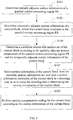
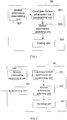
- FIG. 1 is a flowchart of a video coding method according to an embodiment of the present invention.
- a parallel motion processing region PR is a region of an image in a video signal, and can be set by using a parameter. All image blocks in each parallel motion processing region can be simultaneously coded and decoded by using a merge technology. Or in other words, the parallel processing region PR is a rectangular image block that includes a current block, and its size and shape are preset or are determined by information sent by a coding end.
- An image block currently under coding and decoding processing is known as a current block for short, and the parallel motion processing region PR is a region of an image in a video signal.
- the motion information indication may be an index numerical value (index value) of the selected motion information in the candidate motion information set.
- the coding end and the decoding end construct the candidate motion information set by using a same method; therefore, the decoding end can determine, by using an index, the motion information of the current block that is consistent with that at the coding end.
- specific motion information may also be sent to the decoding end as the motion information indication.
- the current block is an image block in the parallel motion processing region.
- the parallel motion processing region includes a plurality of image blocks, and in a practical process of processing a video signal, image blocks in a parallel motion processing region can concurrently or simultaneously serve as current blocks.
- the motion information may include a motion vector and a predictive direction, and may further include other information such as a reference image index.
- the embodiment of the present invention introduces an example of performing coding for a video signal in a merge mode. Obviously, a technology of the present invention may be directly used for other coding technologies that are based on a candidate motion information set.
- motion information of a currently coded image block is inferred based on motion information of a peripheral reconstructed image block.
- the motion information may include a motion vector and a predictive direction, and may further include other information such as a reference image index.
- the motion information such as the motion vector and the predictive direction may not be transmitted for an image block that uses the merge mode.
- FIG. 2 shows a method for constructing a candidate motion information set, where a current block is an image block being processed in a process of coding a current image, a co-location block refers to an image block that has a same size and same space coordinates as the current block in a time reference image of the current block, image blocks A, B, C, D, and E indicate spatially adjacent image blocks that can be used to construct a candidate motion information set, and image blocks 1 and 2 indicate temporally adjacent image blocks that can be used to construct the candidate motion information set.
- the motion information of any image block of the spatially adjacent image blocks and the temporally adjacent image blocks may be used as a piece of element motion information in the candidate motion information set.
- a current HEVC solution based on whether the adjacent image block exists and whether motion information of the adjacent image block exists, at most five adjacent image blocks are selected and motion information of these adjacent image blocks is used to form a candidate motion information set.
- the obtained candidate motion information set does not include the same motion information.
- whether motion information of corresponding spatially adjacent blocks exists may be sequentially checked in a sequence of A, B, C and D, and the obtainable motion information is added to the candidate motion information set.
- the motion information of block E is added.
- whether motion information of corresponding temporally adjacent blocks exists may be sequentially checked in a sequence of 1 and 2, and a first piece of obtainable motion information is added to the candidate motion information set.
- the co-location block of the current block is determined in a reference image of the current image, and motion information of a basic motion information unit in a lower right corner location (for example, image block 1 in FIG. 2 ) outside the co-location block is selected as temporally adjacent motion information of the current block.
- motion information of a basic motion information unit in a central location (for example, image block 2 in FIG. 2 ) of the co-location block is selected as the temporally adjacent motion information of the current block.
- the basic motion information unit is a minimum image block that stores and represents independent motion information, for example, it may be an image block of 4x4 in size.
- a coding end selects, based on a rate distortion criterion, optimal motion information from the candidate motion information set as the motion information of the current block, and transmits an index value of the selected motion information in the candidate motion information set to a decoding end.
- the decoding end may construct the candidate motion information set by using a same method, and select, according to the index value obtained by decoding, correct motion information from the candidate motion information set, to perform a motion compensation operation on the current block.
- a square region in an image is divided into four square sub-regions, where each square sub-region is a parallel motion processing region, and the four square sub-regions are marked as PR0, PR1, PR2, and PR3.
- a size of the four square sub-regions may be preset by using a parameter, and a fixed size may also be used during setting of a coding and decoding system.
- the same candidate motion information set is used for each of the image blocks.
- the image block is obtained by means of dividing by the coding end, and it may be a square image block, and may also be a non-square image block.
- the coding or decoding operation may be independently performed on the image block by using the merge mode.
- the image block may be a prediction unit.
- coding information of the spatially adjacent image block includes the motion information
- the motion information of the spatially adjacent block is added as the spatially adjacent motion information.
- image blocks SA3, SB3, SC3, SD3, and SE3 are obtainable, so as to determine the spatially adjacent motion information of PR3.
- the spatially adjacent image block of a PR region is an image block that is in an adjacent location of the PR region and has been coded or decoded, and it may be an image block above the PR region, may be an image block on the left of the PR region, may be an image block on the upper left of the PR region, may be an image block on the lower left of the PR region, may be an image block on the upper right of the PR region, or may also be an image block in another location adjacent to the PR region.
- a same method may be used to determine the spatially adjacent motion information for each square sub-region, or a different method may also be used to determine the spatially adjacent motion information for each square sub-region.
- each image block in the parallel motion processing region serves as the current block
- its temporally adjacent motion information is determined.
- the co-location block of the current block is determined in a reference image of the current block, and the motion information of the basic motion information unit in the lower right corner location (image block 1) outside the co-location block is selected as the temporally adjacent motion information of the current block. If the motion information of the basic motion information unit in the lower right corner location outside the co-location block does not exist, the motion information of the basic motion information unit in the central location (image block 2) of the co-location block is selected as the temporally adjacent motion information of the current block.
- the motion information of the basic motion information unit in another location may also be selected, from an adjacent region inside or outside the co-location block, as the temporally adjacent motion information of the current block.
- the temporally adjacent motion information of the current block and the spatially adjacent motion information of the parallel motion processing region PR are determined, which form the candidate motion information set of the current block.
- a candidate motion information set is constructed for the current block.
- An element of the candidate motion information set includes spatially adjacent motion information of the parallel motion processing region PR and temporally adjacent motion information of the current block.
- Candidate motion information sets of all image blocks in each parallel motion processing region all use the spatially adjacent motion information of the parallel motion processing region, and each image block determines its own temporally adjacent motion information.
- one or more spatially adjacent image blocks are selected for the parallel motion processing region PR, and it is determined whether motion information of each spatially adjacent image block of the spatially adjacent image blocks exists; and if the motion information exists, the motion information of each spatially adjacent image block is used as an element of the candidate motion information set, and the determined motion information of the spatially adjacent image block is added to the candidate motion information set of each image block in the parallel motion processing region PR.
- Image blocks of each parallel motion processing region PR all may become the current block.
- One or more temporally adjacent image blocks are selected for the current block; it is determined whether motion information of each temporally adjacent image block of the one or more temporally adjacent image blocks exists; and if the motion information exists, the motion information of each temporally adjacent image block is used as an element of the candidate motion information set, and the motion information of the temporally adjacent image block of the current block is added to the candidate motion information set of the current block. Therefore, the candidate motion information set of each current block includes two parts: one part is the motion information of the temporally adjacent image block of the current block, and the other part is the spatially adjacent motion information of the parallel motion processing region PR where the current block is located.
- an element may further be added to the candidate motion information set of the current block, that is, if the number of the elements that the candidate motion information set of the current block can accommodate is larger than the number of the calculated motion information elements, a method for constructing and obtaining one or more pieces of new motion information may be used.
- the new motion information may also be selected from the spatially
- a duplicate element of the candidate motion information set may also be removed, so that elements in the candidate motion information set are different from each other.
- each image block in the parallel motion processing region PR3 for example, blocks 2 to 9 in MR3, the following operations may be concurrently or simultaneously performed to continue to perform coding processing.
- the foregoing process of calculating the rate distortion cost may be: performing motion compensation for the image block by using the motion information and calculating an error signal of the motion compensation; performing space transformation, quantization, and entropy coding for the error signal, and calculating an coding rate of the image block; reconstructing a signal of the image block and calculating signal distortion; and calculating the rate distortion cost according to the signal distortion and coding rate of the image block signal.
- other coding information of the current block may further be transmitted to the decoding end, where the other coding information includes coding information of the error signal of the current block and coding mode information of the current block, and the like.
- the other coding information includes coding information of the error signal of the current block and coding mode information of the current block, and the like.
- coding and decoding process may be designated by appointment or fixed. In this case, the foregoing other coding information may not be transmitted.
- the other coding information may also be sent, so that the decoding end uses the same video signal processing mode.
- all image blocks in the parallel motion processing region use a same candidate motion information set; therefore, an operation of determining spatially adjacent motion information needs to be performed only once, and all image blocks can use the spatially adjacent motion information obtained by determining. Because the number of operations of determining the spatially adjacent motion information is reduced, implementation complexity can be reduced. Further, all motion information of a candidate motion information set of a current image block is obtained from a temporally adjacent image block or a spatially adjacent image block outside a square sub-region, but motion information of an image block of the square sub-region is not included.
- FIG. 4 is a flowchart of a video decoding method in this embodiment of the present invention.
- the coding end does not send the motion information indication, and therefore, the decoding end does not need to receive the motion information indication.
- This embodiment of the present invention is a process of performing decoding processing on the video signal obtained by using the foregoing coding method.
- a candidate motion information set is constructed for each current block by using the same method as that of the coding end. If the motion information indication of the current block includes an index value of an element of the motion information of the current block in the candidate motion information set, the selecting the motion information of the current block from the candidate motion information set according to the motion information indication includes: finding a corresponding element from the candidate motion information set according to the index value, and using the motion information indicated by the element as the motion information of the current block.
- the selecting the motion information of the current block from the candidate motion information set according to the motion information indication includes: finding the element from the candidate motion information set, and using the motion information indicated by the element as the motion information of the current block.
- the temporally adjacent motion information and spatially adjacent motion information are separately determined, where the spatially adjacent motion information may be determined in a plurality of implementation manners.
- the decoding end may determine the spatially adjacent motion information for one time before the image block in a parallel motion processing region PR is processed, and when each image block that uses a merge mode in the parallel motion processing region serves as the current block, each image block uses the determined spatially adjacent motion information of the parallel motion procession region PR.
- the spatially adjacent motion information of the parallel motion processing region PR may further be determined for one time when the image block that uses the merge mode in the parallel motion processing region PR is processed for the first time, and subsequently, in the parallel motion processing region, other image blocks that use the merge mode directly use the determined spatially adjacent motion information when they are processed.
- the spatially adjacent motion information of the parallel motion processing region where the image block is located is determined for one time, and obviously, in this case, the spatially adjacent motion information determined for all image blocks that use the merge mode in the parallel motion procession region is the same, that is, the spatially adjacent motion information of the parallel motion processing region.
- a candidate motion information set is constructed, by using the same spatially adjacent motion information, for all image blocks that use a merge mode in a parallel motion processing region; therefore, an operation of determining the spatially adjacent motion information needs to be performed only once, and all the image blocks can use the determined spatially adjacent motion information of the parallel motion processing region. Because the number of operations of constructing the candidate motion information set is reduced, implementation complexity can be reduced. Further, all motion information of a candidate motion information set of a current image block is obtained from a temporally adjacent image block or a spatially adjacent image block outside a square sub-region, but motion information of an image block of the square sub-region is not included.
- an embodiment of the present invention further provides an apparatus for implementing the foregoing coding and decoding methods.
- the apparatus may be a coding or decoding processor, may be a mobile phone, a computer, a set top box, or the like apparatus that includes a coding and decoding processing unit, and may even be a processor (processor).
- a coding or decoding apparatus of the present invention is configured to implement the foregoing coding and decoding methods. Each step and function of the methods may be implemented in the apparatus and all specific details about steps may be executed in the apparatus. Therefore, for all details about a process executed by a specific apparatus, reference may be made to the method embodiment part.
- an apparatus 50 for coding a video signal includes:
- the motion information determining unit 507 selects one or more spatially adjacent image blocks for the parallel motion processing region PR, determines whether motion information of each spatially adjacent image block of the one or more spatially adjacent image blocks exists, and if the motion information exists, uses the motion information of each spatially adjacent image block as an element of the candidate motion information set; and selects one or more temporally adjacent image blocks for the PR of the current block, determines whether motion information of each temporally adjacent image block of the one or more temporally adjacent image blocks exists, and if the motion information exists, uses the motion information of each temporally adjacent image block as an element of the candidate motion information set.
- the candidate motion information set constructing unit 501 is further configured to remove a duplicate element from the candidate motion information set, so that elements in the candidate motion information set are different from each other.
- the motion information determining unit 507 is configured to determine whether motion information of each spatially adjacent image block of the one or more spatially adjacent image blocks exists includes that: if the spatially adjacent image block is located in a coded image where the current block is located and may be used to assist in performing a coding operation on the current block, the spatially adjacent image block is obtainable, and the motion information determining unit 507 determines, after detecting the motion information of the spatially adjacent image block, that the motion information of the spatially adjacent image block exists; and if the temporally adjacent image block is located in a reference image of the current block and may be used to assist in performing the coding operation on the current block, the temporally adjacent image block is obtainable, and the motion information determining unit 507 determines, after detecting the motion information of the temporally adjacent image block, that the motion information of the temporally adjacent image block exists.
- That the motion information selecting unit 503 is configured to select the motion information of the current block from the candidate motion information set includes: performing motion compensation coding for the current block by using the motion information indicated by each element of the candidate motion information set, and calculating a rate distortion cost; and selecting the motion information indicated by an element that has a minimum rate distortion cost as the motion information of the current block.
- the motion information indication of the current block sent by the motion information selecting unit 503 includes an index value of the element of the motion information of the current block in the candidate motion information set.
- That the motion information selecting unit 503 is configured to send the motion information indication of the current block to a decoding end, so as to assist the decoding end in determining the motion information of the current block includes: sending the index value of the element that includes the motion information of the current block in the candidate motion information set to the decoding end, so as to assist the decoding end in determining the motion information of the current block.
- the coding apparatus 50 further includes a sending unit (not shown in the diagram), configured to send coding information of an error signal of the current block and coding mode information of the current block to the decoding end, so that the decoding end can obtain, by recovering, a reconstructed signal of the current block.
- a sending unit (not shown in the diagram), configured to send coding information of an error signal of the current block and coding mode information of the current block to the decoding end, so that the decoding end can obtain, by recovering, a reconstructed signal of the current block.
- FIG. 6 is a schematic diagram of an apparatus 60 for decoding a video signal according to the embodiment of the present invention.
- the apparatus includes:
- the motion information determining unit 609 selects one or more spatially adjacent image blocks for the parallel motion processing region PR and determines whether motion information of each spatially adjacent image block of the one or more spatially adjacent image blocks exists, and if the motion information exists, uses the motion information of each spatially adjacent image block as an element of the candidate motion information set; selects one or more temporally adjacent image blocks for the current block; and determines whether motion information of each temporally adjacent image block of the one or more temporally adjacent image blocks exists, and if the motion information exists, uses the motion information of each temporally adjacent image block as an element of the candidate motion information set.
- the candidate motion information set constructing unit 601 is further configured to remove a duplicate element from the candidate motion information set, so that elements in the candidate motion information set are different from each other.
- the motion information determining unit 609 is configured to determine whether motion information of each spatially adjacent image block of the one or more spatially adjacent image blocks exists includes that: if the spatially adjacent image block is located in a decoded image where the current block is located and may be used to assist in performing a decoding operation on the current block, the spatially adjacent image block is obtainable, and the motion information determining unit 609, after detecting the motion information of the spatially adjacent image block, that the motion information of the spatially adjacent image block exists.
- the motion information determining unit 609 selects one or more temporally adjacent image blocks for the current block, and determines whether motion information of each temporally adjacent image block of the one or more temporally adjacent image blocks exists; and if the motion information exists, the motion information determining unit uses the motion information of each temporally adjacent image block as a piece of the temporally adjacent motion information.
- the candidate motion information set constructing unit uses each piece of the spatially adjacent motion information as an element of the candidate motion information set of the current block, and uses each piece of the temporally adjacent motion information as an element of the candidate motion information set of the current block.
- the motion information selecting unit 605 is configured to select the motion information of the current block from the candidate motion information set according to the motion information indication includes that: the motion information selecting unit finds a corresponding element from the candidate motion information set according to the index value, and uses the motion information indicated by the element as the motion information of the current block.
- the same candidate motion information set is used for all image blocks in a parallel motion processing region; therefore, an operation of determining spatially adjacent motion information is required for only one time and all the image blocks can use the determined spatially adjacent motion information. Because the number of operations of determining the spatially adjacent motion information is reduced, implementation complexity can be reduced. Further, all motion information of a candidate motion information set of a current image block is obtained from a temporally adjacent image block or a spatially adjacent image block outside a square sub-region, but motion information of an image block of the square sub-region is not included.
- the described apparatus embodiment is merely exemplary.
- the units described as separate parts may or may not be physically separate, and parts displayed as units may or may not be physical units, may be located in one position, or may be distributed on at least two network units.
- a part or all of the modules may be selected according to actual needs to achieve the objectives of the solutions of the embodiments. A person of ordinary skill in the art may understand and implement without creative efforts.
Landscapes
- Engineering & Computer Science (AREA)
- Multimedia (AREA)
- Signal Processing (AREA)
- Computing Systems (AREA)
- Theoretical Computer Science (AREA)
- Compression Or Coding Systems Of Tv Signals (AREA)
Claims (20)
- Verfahren zum Kodieren eines Videosignals, das Folgendes umfasst:Bestimmen (S101) von räumlich benachbarten Bewegungsinformationen eines Verarbeitungsbereichs PR paralleler Bewegung, der eine Vielzahl von Bildblöcken umfasst;Bestimmen (S103) von zeitlich benachbarten Bewegungsinformationen eines aktuellen Blocks, wobei sich der aktuelle Block in dem Verarbeitungsbereich PR paralleler Bewegung befindet;Bestimmen (S105) eines Kandidaten-Bewegungsinformationssatzes des aktuellen Blocks gemäß den räumlich benachbarten Bewegungsinformationen des Verarbeitungsbereichs PR paralleler Bewegung und den zeitlich benachbarten Bewegungsinformationen des aktuellen Blocks;Auswählen (S107) von Bewegungsinformationen des aktuellen Blocks aus dem Kandidaten-Bewegungsinformationssatz und Senden einer Bewegungsinformationsangabe des aktuellen Blocks an ein Dekodierungsende, um das Dekodierungsende beim Bestimmen der Bewegungsinformationen des aktuellen Blocks zu unterstützen; undDurchführen (S109) von Bewegungskompensationskodierung für den aktuellen Block gemäß den Bewegungsinformationen des aktuellen Blocks;dadurch gekennzeichnet, dassdas Bestimmen (S105) eines Kandidaten-Bewegungsinformationssatzes des aktuellen Blocks gemäß den räumlich benachbarten Bewegungsinformationen des Verarbeitungsbereichs PR paralleler Bewegung und den zeitlich benachbarten Bewegungsinformationen des aktuellen Blocks Folgendes umfasst:Auswählen von ersten Bewegungsinformationen und zweiten Bewegungsinformationen aus den räumlich benachbarten Bewegungsinformationen oder den zeitlich benachbarten Bewegungsinformationen, um ein neues Stück von Bewegungsinformationen zu erhalten, bei dem es sich um bidirektionale Bewegungsinformationen handelt, wobei die ersten Bewegungsinformationen einen Vorwärtsbewegungsvektor und einen entsprechenden Vorwärtsreferenzbildindex beinhalten, und die zweiten Bewegungsinformationen einen Rückwärtsbewegungsvektor und einen entsprechenden Rückwärtsreferenzbildindex beinhalten,wobei die bidirektionalen Bewegungsinformationen eine Kombination der ersten Bewegungsinformationen und der zweiten Bewegungsinformationen sind und als ein Element des Kandidaten-Bewegungsinformationssatzes des aktuellen Blocks verwendet werden.
- Verfahren nach Anspruch 1, wobei das Bestimmen der räumlich benachbarten Bewegungsinformationen eines Verarbeitungsbereichs PR paralleler Bewegung Folgendes umfasst:
Auswählen eines oder mehrerer räumlich benachbarter Bildblöcke für den Verarbeitungsbereich PR paralleler Bewegung, Bestimmen, ob Bewegungsinformationen jedes räumlich benachbarten Bildblocks des einen oder der mehreren räumlich benachbarten Bildblöcke vorhanden sind, und wenn die Bewegungsinformationen vorhanden sind, Verwenden der Bewegungsinformationen jedes räumlich benachbarten Bildblocks als ein Stück der räumlich benachbarten Bewegungsinformationen. - Verfahren nach Anspruch 1, wobei das Bestimmen von zeitlich benachbarten Bewegungsinformationen eines aktuellen Blocks Folgendes umfasst:
Auswählen eines oder mehrerer zeitlich benachbarter Bildblöcke für den aktuellen Block, Bestimmen, ob Bewegungsinformationen jedes zeitlich benachbarten Bildblocks des einen oder der mehreren zeitlich benachbarten Bildblöcke vorhanden sind, und wenn die Bewegungsinformationen vorhanden sind, Verwenden der Bewegungsinformationen jedes zeitlich benachbarten Bildblocks als ein Stück der zeitlich benachbarten Bewegungsinformationen. - Verfahren nach einem der Ansprüche 1 bis 3, wobei das Bestimmen eines Kandidaten-Bewegungsinformationssatzes des aktuellen Blocks gemäß den räumlich benachbarten Bewegungsinformationen des Verarbeitungsbereichs PR paralleler Bewegung und den zeitlich benachbarten Bewegungsinformationen des aktuellen Blocks Folgendes umfasst:
Verwenden jedes Stücks der räumlich benachbarten Bewegungsinformationen als ein Element des Kandidaten-Bewegungsinformationssatzes des aktuellen Blocks; und Verwenden jedes Stücks der zeitlich benachbarten Bewegungsinformationen als ein Element des Kandidaten-Bewegungsinformationssatzes des aktuellen Blocks. - Verfahren nach Anspruch 1, wobei das Auswählen von Bewegungsinformationen des aktuellen Blocks aus dem Kandidaten-Bewegungsinformationssatz Folgendes umfasst:Durchführen von Bewegungskompensationskodierung für den aktuellen Block unter Verwendung der Bewegungsinformationen, die durch jedes Element des Kandidaten-Bewegungsinformationssatzes angegeben werden, und Berechnen eines Ratenstörungsaufwands; undAuswählen von Bewegungsinformationen, die durch ein Element angegeben werden, das einen minimalen Ratenstörungsaufwand aufweist, als die Bewegungsinformationen des aktuellen Blocks.
- Verfahren zum Dekodieren eines Videosignals, das Folgendes umfasst:Bestimmen (S197) von räumlich benachbarten Bewegungsinformationen eines Verarbeitungsbereichs PR paralleler Bewegung, der eine Vielzahl von Bildblöcken umfasst;Bestimmen (S199) von zeitlich benachbarten Bewegungsinformationen eines aktuellen Blocks, wobei sich der aktuelle Block in dem Verarbeitungsbereich PR paralleler Bewegung befindet;Bestimmen (S201) eines Kandidaten-Bewegungsinformationssatzes des aktuellen Blocks gemäß den räumlich benachbarten Bewegungsinformationen des Verarbeitungsbereichs PR paralleler Bewegung und den zeitlich benachbarten Bewegungsinformationen des aktuellen Blocks;Empfangen (S202) einer Bewegungsinformationsangabe, die von einem Kodierungsende gesendet wird;Auswählen (S203) der Bewegungsinformationen des aktuellen Blocks aus dem Kandidaten-Bewegungsinformationssatz gemäß der Bewegungsinformationsangabe; undDurchführen (S204) von Bewegungskompensationsverarbeitung an dem aktuellen Block gemäß den Bewegungsinformationen des aktuellen Blocks;dadurch gekennzeichnet, dassdas Bestimmen (S201) eines Kandidaten-Bewegungsinformationssatzes des aktuellen Blocks gemäß den räumlich benachbarten Bewegungsinformationen des Verarbeitungsbereichs PR paralleler Bewegung und den zeitlich benachbarten Bewegungsinformationen des aktuellen Blocks Folgendes umfasst:Auswählen von ersten Bewegungsinformationen und zweiten Bewegungsinformationen aus den räumlich benachbarten Bewegungsinformationen oder den zeitlich benachbarten Bewegungsinformationen, um ein neues Stück von Bewegungsinformationen zu erhalten, bei dem es sich um bidirektionale Bewegungsinformationen handelt, wobei die ersten Bewegungsinformationen einen Vorwärtsbewegungsvektor und einen entsprechenden Vorwärtsreferenzbildindex beinhalten, und die zweiten Bewegungsinformationen einen Rückwärtsbewegungsvektor und einen entsprechenden Rückwärtsreferenzbildindex beinhalten,wobei die bidirektionalen Bewegungsinformationen eine Kombination der ersten Bewegungsinformationen und der zweiten Bewegungsinformationen sind und alsein Element des Kandidaten-Bewegungsinformationssatzes des aktuellen Blocks verwendet werden.
- Verfahren nach Anspruch 6, wobei das Bestimmen der räumlich benachbarten Bewegungsinformationen eines Verarbeitungsbereichs PR paralleler Bewegung Folgendes umfasst:
Auswählen eines oder mehrerer räumlich benachbarter Bildblöcke für den Verarbeitungsbereich PR paralleler Bewegung, Bestimmen, ob Bewegungsinformationen jedes räumlich benachbarten Bildblocks des einen oder der mehreren räumlich benachbarten Bildblöcke vorhanden sind, und wenn die Bewegungsinformationen vorhanden sind, Verwenden der Bewegungsinformationen jedes räumlich benachbarten Bildblocks als ein Stück der räumlich benachbarten Bewegungsinformationen. - Verfahren nach Anspruch 6, wobei das Bestimmen von zeitlich benachbarten Bewegungsinformationen eines aktuellen Blocks Folgendes umfasst:
Auswählen eines oder mehrerer zeitlich benachbarter Bildblöcke für den aktuellen Block, Bestimmen, ob Bewegungsinformationen jedes zeitlich benachbarten Bildblocks des einen oder der mehreren zeitlich benachbarten Bildblöcke vorhanden sind, und wenn die Bewegungsinformationen vorhanden sind, Verwenden der Bewegungsinformationen jedes zeitlich benachbarten Bildblocks als ein Stück der zeitlich benachbarten Bewegungsinformationen. - Verfahren nach Anspruch 7, wobei das Bestimmen, ob Bewegungsinformationen jedes räumlich benachbarten Bildblocks des einen oder der mehreren räumlich benachbarten Bildblöcke vorhanden sind, den folgenden Fall umfasst:
wenn die Dekodierung für einen bestimmten räumlich benachbarten Bildblock unter Verwendung eines prädiktiven Interframe-Dekodierungsmodus durchgeführt wird, umfassen die Dekodierungsinformationen des räumlich benachbarten Bildblocks die Bewegungsinformationen und es wird bestimmt, dass die Bewegungsinformationen des räumlich benachbarten Bildblocks vorhanden sind. - Verfahren nach Anspruch 8, wobei das Bestimmen, ob Bewegungsinformationen jedes zeitlich benachbarten Bildblocks des einen oder der mehreren zeitlich benachbarten Bildblöcke vorhanden sind, den folgenden Fall umfasst:
wenn die Dekodierung für einen bestimmten zeitlich benachbarten Bildblock unter Verwendung eines prädiktiven Interframe-Dekodierungsmodus durchgeführt wird, umfassen die Dekodierungsinformationen des zeitlich benachbarten Bildblocks die Bewegungsinformationen und es wird bestimmt, dass die Bewegungsinformationen des zeitlich benachbarten Bildblocks vorhanden sind. - Gerät zum Kodieren eines Videosignals, das Folgendes umfasst:eine Bestimmungseinheit (507) für Bewegungsinformationen, die dazu konfiguriert ist, räumlich benachbarte Bewegungsinformationen eines Verarbeitungsbereichs PR paralleler Bewegung, der eine Vielzahl von Bildblöcken umfasst, und zeitlich benachbarte Bewegungsinformationen eines aktuellen Blocks zu bestimmen, wobei sich der aktuelle Block in dem Verarbeitungsbereich PR paralleler Bewegung befindet;eine Gestaltungseinheit (501) für Kandidaten-Bewegungsinformationssätze, die dazu konfiguriert ist, einen Kandidaten-Bewegungsinformationssatz des aktuellen Blocks gemäß den räumlich benachbarten Bewegungsinformationen des Verarbeitungsbereichs PR paralleler Bewegung und den zeitlich benachbarten Bewegungsinformationen des aktuellen Blocks zu bestimmen;eine Auswahleinheit (503) für Bewegungsinformationen, die dazu konfiguriert ist, Bewegungsinformationen des aktuellen Blocks aus dem Kandidaten-Bewegungsinformationssatz auszuwählen und eine Bewegungsinformationsangabe des aktuellen Blocks an ein Dekodierungsende zu senden, um das Dekodierungsende beim Bestimmen der Bewegungsinformationen des aktuellen Blocks zu unterstützen; undeine Kodiereinheit (505), die dazu konfiguriert ist, Bewegungskompensationskodierung für den aktuellen Block gemäß den Bewegungsinformationen des aktuellen Blocks durchzuführen;dadurch gekennzeichnet, dassdie Gestaltungseinheit (501) für Kandidaten-Bewegungsinformationssätze ferner zu Folgendem konfiguriert ist:Auswählen von ersten Bewegungsinformationen und zweiten Bewegungsinformationen aus den räumlich benachbarten Bewegungsinformationen oder den zeitlich benachbarten Bewegungsinformationen, wobei die ersten Bewegungsinformationen einen Vorwärtsbewegungsvektor und einen entsprechenden Vorwärtsreferenzbildindex beinhalten, und die zweiten Bewegungsinformationen einen Rückwärtsbewegungsvektor und einen entsprechenden Rückwärtsreferenzbildindex beinhalten;Kombinieren der ersten Bewegungsinformationen und der zweiten Bewegungsinformationen, um ein Stück neuer Bewegungsinformationen zu erhalten, bei dem es sich um bidirektionale Bewegungsinformationen handelt; undVerwenden jedes Stücks der neuen Bewegungsinformationen als ein Element des Kandidaten-Bewegungsinformationssatzes des aktuellen Blocks.
- Gerät nach Anspruch 11, wobei die Konfiguration der Bestimmungseinheit (507) für Bewegungsinformationen zum Bestimmen der räumlich benachbarten Bewegungsinformationen des Verarbeitungsbereichs PR paralleler Bewegung Folgendes umfasst:
die Bestimmungseinheit für Bewegungsinformationen wählt einen oder mehrere räumlich benachbarte Bildblöcke für den Verarbeitungsbereich PR paralleler Bewegung aus, bestimmt, ob Bewegungsinformationen jedes räumlich benachbarten Bildblocks des einen oder der mehreren räumlich benachbarten Bildblöcke vorhanden sind, und wenn die Bewegungsinformationen vorhanden sind, verwendet die Bewegungsinformationen jedes räumlich benachbarten Bildblocks als ein Stück der räumlich benachbarten Bewegungsinformationen. - Gerät nach Anspruch 11, wobei die Konfiguration der Bestimmungseinheit für Bewegungsinformationen zum Bestimmen der zeitlich benachbarten Bewegungsinformationen des aktuellen Blocks Folgendes umfasst: die Bestimmungseinheit für Bewegungsinformationen wählt einen oder mehrere zeitlich benachbarte Bildblöcke für den aktuellen Block aus, bestimmt, ob Bewegungsinformationen jedes zeitlich benachbarten Bildblocks des einen oder der mehreren zeitlich benachbarten Bildblöcke vorhanden sind, und, wenn die Bewegungsinformationen vorhanden sind, verwendet die Bewegungsinformationen jedes zeitlich benachbarten Bildblocks als ein Stück der zeitlich benachbarten Bewegungsinformationen.
- Gerät nach Anspruch 12, wobei die Konfiguration der Gestaltungseinheit für Kandidaten-Bewegungsinformationssätze zum Bestimmen, ob Bewegungsinformationen jedes räumlich benachbarten Bildblocks des einen oder der mehreren räumlich benachbarten Bildblöcke vorhanden sind, Folgendes umfasst:
wenn sich der räumlich benachbarte Bildblock in einem kodierten Bild befindet, in dem sich der aktuelle Block befindet, und dazu verwendet werden kann, die Durchführung einer Kodierungsoperation an dem aktuellen Block zu unterstützen, kann der räumlich benachbarte Bildblock erhalten werden und die Gestaltungseinheit für Kandidaten-Bewegungsinformationssätze bestimmt nach dem Erkennen der Bewegungsinformationen des räumlich benachbarten Bildblocks, dass die Bewegungsinformationen des räumlich benachbarten Bildblocks vorhanden sind. - Gerät nach Anspruch 13, wobei die Konfiguration der Gestaltungseinheit für Kandidaten-Bewegungsinformationssätze zum Bestimmen, ob Bewegungsinformationen jedes zeitlich benachbarten Bildblocks des einen oder der mehreren zeitlich benachbarten Bildblöcke vorhanden sind, Folgendes umfasst: wenn sich der zeitlich benachbarte Bildblock in einem Referenzbild des aktuellen Blocks befindet und dazu verwendet werden kann, eine Kodierungsoperation an dem aktuellen Block zu unterstützen, kann der zeitlich benachbarte Bildblock erhalten werden und die Gestaltungseinheit für Kandidaten-Bewegungsinformationssätze bestimmt nach dem Erkennen der Bewegungsinformationen des zeitlich benachbarten Bildblocks, dass die Bewegungsinformationen des zeitlich benachbarten Bildblocks vorhanden sind.
- Gerät zum Dekodieren eines Videosignals, das Folgendes umfasst:eine Bestimmungseinheit (609) für Bewegungsinformationen, die dazu konfiguriert ist, räumlich benachbarte Informationen eines Verarbeitungsbereichs PR paralleler Bewegung, der eine Vielzahl von Bildblöcken umfasst, und zeitlich benachbarte Bewegungsinformationen eines aktuellen Blocks zu bestimmen, wobei sich der aktuelle Block in dem Verarbeitungsbereich PR paralleler Bewegung befindet;eine Gestaltungseinheit (601) für Kandidaten-Bewegungsinformationssätze, die dazu konfiguriert ist, einen Kandidaten-Bewegungsinformationssatz des aktuellen Blocks gemäß den räumlich benachbarten Bewegungsinformationen des Verarbeitungsbereichs PR paralleler Bewegung und den zeitlich benachbarten Bewegungsinformationen des aktuellen Blocks zu bestimmen;eine Empfangseinheit (603), die dazu konfiguriert ist, eine Bewegungsinformationsangabe zu empfangen, die von einem Kodierungsende gesendet wird;eine Auswahleinheit (605) für Bewegungsinformationen, die dazu konfiguriert ist, Bewegungsinformationen des aktuellen Blocks aus dem Kandidaten-Bewegungsinformationssatz gemäß der Bewegungsinformationsangabe auszuwählen; undeine Kodiereinheit (607), die dazu konfiguriert ist, Bewegungskompensationsverarbeitung an dem aktuellen Block gemäß den Bewegungsinformationen des aktuellen Blocks durchzuführen;dadurch gekennzeichnet, dassdie Gestaltungseinheit (601) für Kandidaten-Bewegungsinformationssätze ferner zu Folgendem konfiguriert ist:Auswählen von ersten Bewegungsinformationen und zweiten Bewegungsinformationen aus den räumlich benachbarten Bewegungsinformationen oder den zeitlich benachbarten Bewegungsinformationen, wobei die ersten Bewegungsinformationen einen Vorwärtsbewegungsvektor und einen entsprechenden Vorwärtsreferenzbildindex beinhalten, und die zweiten Bewegungsinformationen einen Rückwärtsbewegungsvektor und einen entsprechenden Rückwärtsreferenzbildindex beinhalten;Kombinieren der ersten Bewegungsinformationen und der zweiten Bewegungsinformationen, um ein Stück neuer Bewegungsinformationen zu erhalten, bei dem es sich um bidirektionale Bewegungsinformationen handelt; undVerwenden jedes Stücks der neuen Bewegungsinformationen als ein Element des Kandidaten-Bewegungsinformationssatzes des aktuellen Blocks.
- Gerät nach Anspruch 16, wobei das Bestimmen der räumlich benachbarten Bewegungsinformationen des Verarbeitungsbereichs PR paralleler Bewegung durch die Bestimmungseinheit für Bewegungsinformationen Folgendes umfasst:
die Bestimmungseinheit für Bewegungsinformationen wählt einen oder mehrere räumlich benachbarte Bildblöcke für den Verarbeitungsbereich PR paralleler Bewegung aus, bestimmt, ob Bewegungsinformationen jedes räumlich benachbarten Bildblocks des einen oder der mehreren räumlich benachbarten Bildblöcke vorhanden sind, und wenn die Bewegungsinformationen vorhanden sind, verwendet die Bewegungsinformationen jedes räumlich benachbarten Bildblocks als ein Stück der räumlich benachbarten Bewegungsinformationen. - Gerät nach Anspruch 16, wobei das Bestimmen der zeitlich benachbarten Bewegungsinformationen des aktuellen Blocks durch die Bestimmungseinheit für Bewegungsinformationen Folgendes umfasst: Auswählen eines oder mehrerer zeitlich benachbarter Bildblöcke für den aktuellen Block; und Bestimmen, ob Bewegungsinformationen jedes zeitlich benachbarten Bildblocks des einen oder der mehreren zeitlich benachbarten Bildblöcke vorhanden sind, und wobei die Bestimmungseinheit für Bewegungsinformationen die Bewegungsinformationen jedes zeitlich benachbarten Bildblocks als ein Stück der zeitlich benachbarten Bewegungsinformationen verwendet, wenn die Bewegungsinformationen vorhanden sind.
- Gerät nach Anspruch 16, wobei das Bestimmen, ob Bewegungsinformationen für jeden räumlich benachbarten Bildblock des einen oder der mehreren räumlich benachbarten Bildblöcke vorhanden sind, durch die Bestimmungseinheit für Bewegungsinformationen Folgendes umfasst: wenn die Dekodierung für einen bestimmten räumlich benachbarten Bildblock unter Verwendung eines prädiktiven Interframe-Dekodierungsmodus durchgeführt wird, umfassen die Dekodierungsinformationen des räumlich benachbarten Bildblocks die Bewegungsinformationen und die Bestimmungseinheit für Bewegungsinformationen bestimmt, dass die Bewegungsinformationen des räumlich benachbarten Bildblocks vorhanden sind.
- Gerät nach Anspruch 18, wobei das Bestimmen, ob Bewegungsinformationen für jeden zeitlich benachbarten Bildblock des einen oder der mehreren zeitlich benachbarten Bildblöcke vorhanden sind, durch die Bestimmungseinheit für Bewegungsinformationen Folgendes umfasst: wenn die Dekodierung für einen bestimmten zeitlich benachbarten Bildblock unter Verwendung eines prädiktiven Interframe-Dekodierungsmodus durchgeführt wird, umfassen die Dekodierungsinformationen des zeitlich benachbarten Bildblocks die Bewegungsinformationen und die Bestimmungseinheit für Bewegungsinformationen bestimmt, dass die Bewegungsinformationen des räumlich benachbarten Bildblocks vorhanden sind.
Priority Applications (6)
| Application Number | Priority Date | Filing Date | Title |
|---|---|---|---|
| HRP20211651TT HRP20211651T8 (hr) | 2011-11-11 | 2012-11-02 | Postupak i uređaj za kodiranje/dekodiranje video slika |
| RS20211301A RS62478B1 (sr) | 2011-11-11 | 2012-11-02 | Postupak za kodiranje/dekodiranje slika video signala i uređaj |
| PL12847701T PL2779642T3 (pl) | 2011-11-11 | 2012-11-02 | Sposób i urządzenie do kodowania/dekodowania obrazu wideo |
| EP24190146.1A EP4472205A3 (de) | 2011-11-11 | 2012-11-02 | Verfahren und vorrichtung zur kodierung und dekodierung von videobildern |
| EP21184288.5A EP4002846B1 (de) | 2011-11-11 | 2012-11-02 | Videobildcodierungs- und -decodierungsverfahren und -vorrichtung |
| SI201231958T SI2779642T1 (sl) | 2011-11-11 | 2012-11-02 | Metoda in naprava za kodiranje/dekodiranje videa |
Applications Claiming Priority (2)
| Application Number | Priority Date | Filing Date | Title |
|---|---|---|---|
| CN201110357726.7A CN103108178B (zh) | 2011-11-11 | 2011-11-11 | 视频图像编解码的方法及装置 |
| PCT/CN2012/083969 WO2013067899A1 (zh) | 2011-11-11 | 2012-11-02 | 视频图像编解码的方法及装置 |
Related Child Applications (2)
| Application Number | Title | Priority Date | Filing Date |
|---|---|---|---|
| EP21184288.5A Division EP4002846B1 (de) | 2011-11-11 | 2012-11-02 | Videobildcodierungs- und -decodierungsverfahren und -vorrichtung |
| EP24190146.1A Division EP4472205A3 (de) | 2011-11-11 | 2012-11-02 | Verfahren und vorrichtung zur kodierung und dekodierung von videobildern |
Publications (3)
| Publication Number | Publication Date |
|---|---|
| EP2779642A1 EP2779642A1 (de) | 2014-09-17 |
| EP2779642A4 EP2779642A4 (de) | 2015-04-01 |
| EP2779642B1 true EP2779642B1 (de) | 2021-08-04 |
Family
ID=48288517
Family Applications (3)
| Application Number | Title | Priority Date | Filing Date |
|---|---|---|---|
| EP24190146.1A Pending EP4472205A3 (de) | 2011-11-11 | 2012-11-02 | Verfahren und vorrichtung zur kodierung und dekodierung von videobildern |
| EP21184288.5A Active EP4002846B1 (de) | 2011-11-11 | 2012-11-02 | Videobildcodierungs- und -decodierungsverfahren und -vorrichtung |
| EP12847701.5A Active EP2779642B1 (de) | 2011-11-11 | 2012-11-02 | Verfahren und vorrichtung zur kodierung/dekodierung von videobildern |
Family Applications Before (2)
| Application Number | Title | Priority Date | Filing Date |
|---|---|---|---|
| EP24190146.1A Pending EP4472205A3 (de) | 2011-11-11 | 2012-11-02 | Verfahren und vorrichtung zur kodierung und dekodierung von videobildern |
| EP21184288.5A Active EP4002846B1 (de) | 2011-11-11 | 2012-11-02 | Videobildcodierungs- und -decodierungsverfahren und -vorrichtung |
Country Status (12)
| Country | Link |
|---|---|
| US (1) | US9602816B2 (de) |
| EP (3) | EP4472205A3 (de) |
| CN (1) | CN103108178B (de) |
| DK (1) | DK2779642T3 (de) |
| ES (2) | ES2885760T3 (de) |
| HR (1) | HRP20211651T8 (de) |
| HU (2) | HUE056083T2 (de) |
| PL (2) | PL2779642T3 (de) |
| PT (1) | PT2779642T (de) |
| RS (1) | RS62478B1 (de) |
| SI (1) | SI2779642T1 (de) |
| WO (1) | WO2013067899A1 (de) |
Families Citing this family (3)
| Publication number | Priority date | Publication date | Assignee | Title |
|---|---|---|---|---|
| CN104717510B (zh) | 2013-12-13 | 2018-08-17 | 华为技术有限公司 | 用于图像处理的方法和装置 |
| KR20180098158A (ko) * | 2017-02-24 | 2018-09-03 | 주식회사 케이티 | 비디오 신호 처리 방법 및 장치 |
| WO2020096427A1 (ko) * | 2018-11-08 | 2020-05-14 | 주식회사 엑스리스 | 영상 신호 부호화/복호화 방법 및 이를 위한 장치 |
Family Cites Families (7)
| Publication number | Priority date | Publication date | Assignee | Title |
|---|---|---|---|---|
| KR101356735B1 (ko) * | 2007-01-03 | 2014-02-03 | 삼성전자주식회사 | 전역 움직임 벡터를 사용해서 움직임 벡터를 추정하기 위한방법, 장치, 인코더, 디코더 및 복호화 방법 |
| US8908765B2 (en) | 2007-11-15 | 2014-12-09 | General Instrument Corporation | Method and apparatus for performing motion estimation |
| WO2009115901A2 (en) * | 2008-03-19 | 2009-09-24 | Nokia Corporation | Combined motion vector and reference index prediction for video coding |
| CN101686393B (zh) * | 2008-09-28 | 2012-10-17 | 华为技术有限公司 | 应用于模板匹配的快速运动搜索方法及装置 |
| CN102812706B (zh) * | 2010-03-16 | 2016-11-02 | 汤姆逊许可证公司 | 用于视频编码和解码的隐式自适应运动向量预测值选择的方法和装置 |
| US9137544B2 (en) * | 2010-11-29 | 2015-09-15 | Mediatek Inc. | Method and apparatus for derivation of mv/mvp candidate for inter/skip/merge modes |
| CN102227132B (zh) * | 2011-05-25 | 2017-04-12 | 深圳市云宙多媒体技术有限公司 | 一种运动矢量预测编解码方法、装置及编解码系统 |
-
2011
- 2011-11-11 CN CN201110357726.7A patent/CN103108178B/zh active Active
-
2012
- 2012-11-02 EP EP24190146.1A patent/EP4472205A3/de active Pending
- 2012-11-02 WO PCT/CN2012/083969 patent/WO2013067899A1/zh not_active Ceased
- 2012-11-02 HU HUE12847701A patent/HUE056083T2/hu unknown
- 2012-11-02 EP EP21184288.5A patent/EP4002846B1/de active Active
- 2012-11-02 PL PL12847701T patent/PL2779642T3/pl unknown
- 2012-11-02 PL PL21184288.5T patent/PL4002846T3/pl unknown
- 2012-11-02 HU HUE21184288A patent/HUE067990T2/hu unknown
- 2012-11-02 DK DK12847701.5T patent/DK2779642T3/da active
- 2012-11-02 RS RS20211301A patent/RS62478B1/sr unknown
- 2012-11-02 ES ES12847701T patent/ES2885760T3/es active Active
- 2012-11-02 PT PT128477015T patent/PT2779642T/pt unknown
- 2012-11-02 EP EP12847701.5A patent/EP2779642B1/de active Active
- 2012-11-02 HR HRP20211651TT patent/HRP20211651T8/hr unknown
- 2012-11-02 ES ES21184288T patent/ES2988732T3/es active Active
- 2012-11-02 SI SI201231958T patent/SI2779642T1/sl unknown
-
2014
- 2014-05-09 US US14/274,408 patent/US9602816B2/en active Active
Non-Patent Citations (1)
| Title |
|---|
| None * |
Also Published As
| Publication number | Publication date |
|---|---|
| HRP20211651T8 (hr) | 2022-04-15 |
| HUE056083T2 (hu) | 2022-01-28 |
| EP4002846A2 (de) | 2022-05-25 |
| ES2885760T3 (es) | 2021-12-15 |
| EP2779642A1 (de) | 2014-09-17 |
| HUE067990T2 (hu) | 2024-12-28 |
| CN103108178B (zh) | 2016-03-30 |
| EP4472205A3 (de) | 2025-03-05 |
| PL2779642T3 (pl) | 2022-01-03 |
| EP4472205A2 (de) | 2024-12-04 |
| ES2988732T3 (es) | 2024-11-21 |
| PT2779642T (pt) | 2021-09-02 |
| EP4002846B1 (de) | 2024-07-24 |
| RS62478B1 (sr) | 2021-11-30 |
| US20140247880A1 (en) | 2014-09-04 |
| DK2779642T3 (da) | 2021-09-06 |
| EP4002846A3 (de) | 2022-06-08 |
| CN103108178A (zh) | 2013-05-15 |
| HRP20211651T1 (hr) | 2022-02-04 |
| SI2779642T1 (sl) | 2022-02-28 |
| WO2013067899A1 (zh) | 2013-05-16 |
| US9602816B2 (en) | 2017-03-21 |
| PL4002846T3 (pl) | 2024-10-28 |
| EP2779642A4 (de) | 2015-04-01 |
Similar Documents
| Publication | Publication Date | Title |
|---|---|---|
| US12425638B2 (en) | Method for encoding and decoding video, and apparatus using same | |
| JP6992128B2 (ja) | 映像復号化方法 | |
| US11503333B2 (en) | Unified merge candidate list usage | |
| EP3334157B1 (de) | Interprädiktionsverfahren und -vorrichtung in einem videocodierungssystem | |
| DK2755389T3 (en) | Method of inter prediction and arrangement thereof | |
| AU2016201031B2 (en) | Video prediction encoding device, video prediction encoding method, video prediction encoding program, video prediction decoding device, video prediction decoding method, and video prediction decoding program | |
| US20160191915A1 (en) | Video encoding and decoding methods and device using same | |
| EP2779642B1 (de) | Verfahren und vorrichtung zur kodierung/dekodierung von videobildern | |
| CN103096050B (zh) | 视频图像编解码的方法及装置 | |
| CN103139556B (zh) | 视频图像编解码的方法及装置 |
Legal Events
| Date | Code | Title | Description |
|---|---|---|---|
| REG | Reference to a national code |
Ref country code: HR Ref legal event code: TUEP Ref document number: P20211651T Country of ref document: HR |
|
| PUAI | Public reference made under article 153(3) epc to a published international application that has entered the european phase |
Free format text: ORIGINAL CODE: 0009012 |
|
| 17P | Request for examination filed |
Effective date: 20140520 |
|
| AK | Designated contracting states |
Kind code of ref document: A1 Designated state(s): AL AT BE BG CH CY CZ DE DK EE ES FI FR GB GR HR HU IE IS IT LI LT LU LV MC MK MT NL NO PL PT RO RS SE SI SK SM TR |
|
| RIN1 | Information on inventor provided before grant (corrected) |
Inventor name: YANG, HAITAO Inventor name: AU, OSCAR Inventor name: WEN, XING Inventor name: ZHOU, JIANTONG |
|
| DAX | Request for extension of the european patent (deleted) | ||
| A4 | Supplementary search report drawn up and despatched |
Effective date: 20150302 |
|
| RIC1 | Information provided on ipc code assigned before grant |
Ipc: H04N 19/436 20140101ALI20150224BHEP Ipc: H04N 19/52 20140101AFI20150224BHEP |
|
| STAA | Information on the status of an ep patent application or granted ep patent |
Free format text: STATUS: EXAMINATION IS IN PROGRESS |
|
| 17Q | First examination report despatched |
Effective date: 20170912 |
|
| GRAP | Despatch of communication of intention to grant a patent |
Free format text: ORIGINAL CODE: EPIDOSNIGR1 |
|
| STAA | Information on the status of an ep patent application or granted ep patent |
Free format text: STATUS: GRANT OF PATENT IS INTENDED |
|
| INTG | Intention to grant announced |
Effective date: 20210223 |
|
| RIN1 | Information on inventor provided before grant (corrected) |
Inventor name: WEN, XING Inventor name: AU, OSCAR Inventor name: ZHOU, JIANTONG Inventor name: YANG, HAITAO |
|
| GRAS | Grant fee paid |
Free format text: ORIGINAL CODE: EPIDOSNIGR3 |
|
| GRAA | (expected) grant |
Free format text: ORIGINAL CODE: 0009210 |
|
| STAA | Information on the status of an ep patent application or granted ep patent |
Free format text: STATUS: THE PATENT HAS BEEN GRANTED |
|
| AK | Designated contracting states |
Kind code of ref document: B1 Designated state(s): AL AT BE BG CH CY CZ DE DK EE ES FI FR GB GR HR HU IE IS IT LI LT LU LV MC MK MT NL NO PL PT RO RS SE SI SK SM TR |
|
| REG | Reference to a national code |
Ref country code: GB Ref legal event code: FG4D |
|
| REG | Reference to a national code |
Ref country code: AT Ref legal event code: REF Ref document number: 1418226 Country of ref document: AT Kind code of ref document: T Effective date: 20210815 |
|
| REG | Reference to a national code |
Ref country code: CH Ref legal event code: EP |
|
| REG | Reference to a national code |
Ref country code: DE Ref legal event code: R096 Ref document number: 602012076318 Country of ref document: DE |
|
| REG | Reference to a national code |
Ref country code: IE Ref legal event code: FG4D |
|
| REG | Reference to a national code |
Ref country code: PT Ref legal event code: SC4A Ref document number: 2779642 Country of ref document: PT Date of ref document: 20210902 Kind code of ref document: T Free format text: AVAILABILITY OF NATIONAL TRANSLATION Effective date: 20210825 |
|
| REG | Reference to a national code |
Ref country code: DK Ref legal event code: T3 Effective date: 20210830 |
|
| REG | Reference to a national code |
Ref country code: NL Ref legal event code: FP |
|
| REG | Reference to a national code |
Ref country code: SE Ref legal event code: TRGR |
|
| REG | Reference to a national code |
Ref country code: RO Ref legal event code: EPE |
|
| REG | Reference to a national code |
Ref country code: LT Ref legal event code: MG9D |
|
| REG | Reference to a national code |
Ref country code: GR Ref legal event code: EP Ref document number: 20210402623 Country of ref document: GR Effective date: 20211111 |
|
| REG | Reference to a national code |
Ref country code: ES Ref legal event code: FG2A Ref document number: 2885760 Country of ref document: ES Kind code of ref document: T3 Effective date: 20211215 |
|
| REG | Reference to a national code |
Ref country code: SK Ref legal event code: T3 Ref document number: E 38411 Country of ref document: SK |
|
| REG | Reference to a national code |
Ref country code: HR Ref legal event code: ODRP Ref document number: P20211651T Country of ref document: HR Payment date: 20211102 Year of fee payment: 10 |
|
| REG | Reference to a national code |
Ref country code: HU Ref legal event code: AG4A Ref document number: E056083 Country of ref document: HU |
|
| PG25 | Lapsed in a contracting state [announced via postgrant information from national office to epo] |
Ref country code: FI Free format text: LAPSE BECAUSE OF FAILURE TO SUBMIT A TRANSLATION OF THE DESCRIPTION OR TO PAY THE FEE WITHIN THE PRESCRIBED TIME-LIMIT Effective date: 20210804 Ref country code: NO Free format text: LAPSE BECAUSE OF FAILURE TO SUBMIT A TRANSLATION OF THE DESCRIPTION OR TO PAY THE FEE WITHIN THE PRESCRIBED TIME-LIMIT Effective date: 20211104 Ref country code: LT Free format text: LAPSE BECAUSE OF FAILURE TO SUBMIT A TRANSLATION OF THE DESCRIPTION OR TO PAY THE FEE WITHIN THE PRESCRIBED TIME-LIMIT Effective date: 20210804 |
|
| REG | Reference to a national code |
Ref country code: HR Ref legal event code: T1PR Ref document number: P20211651 Country of ref document: HR |
|
| PG25 | Lapsed in a contracting state [announced via postgrant information from national office to epo] |
Ref country code: LV Free format text: LAPSE BECAUSE OF FAILURE TO SUBMIT A TRANSLATION OF THE DESCRIPTION OR TO PAY THE FEE WITHIN THE PRESCRIBED TIME-LIMIT Effective date: 20210804 |
|
| REG | Reference to a national code |
Ref country code: AT Ref legal event code: UEP Ref document number: 1418226 Country of ref document: AT Kind code of ref document: T Effective date: 20210804 |
|
| REG | Reference to a national code |
Ref country code: HR Ref legal event code: T8IS Ref document number: P20211651 Country of ref document: HR |
|
| REG | Reference to a national code |
Ref country code: DE Ref legal event code: R097 Ref document number: 602012076318 Country of ref document: DE |
|
| PG25 | Lapsed in a contracting state [announced via postgrant information from national office to epo] |
Ref country code: SM Free format text: LAPSE BECAUSE OF FAILURE TO SUBMIT A TRANSLATION OF THE DESCRIPTION OR TO PAY THE FEE WITHIN THE PRESCRIBED TIME-LIMIT Effective date: 20210804 Ref country code: EE Free format text: LAPSE BECAUSE OF FAILURE TO SUBMIT A TRANSLATION OF THE DESCRIPTION OR TO PAY THE FEE WITHIN THE PRESCRIBED TIME-LIMIT Effective date: 20210804 Ref country code: AL Free format text: LAPSE BECAUSE OF FAILURE TO SUBMIT A TRANSLATION OF THE DESCRIPTION OR TO PAY THE FEE WITHIN THE PRESCRIBED TIME-LIMIT Effective date: 20210804 |
|
| PLBE | No opposition filed within time limit |
Free format text: ORIGINAL CODE: 0009261 |
|
| STAA | Information on the status of an ep patent application or granted ep patent |
Free format text: STATUS: NO OPPOSITION FILED WITHIN TIME LIMIT |
|
| PG25 | Lapsed in a contracting state [announced via postgrant information from national office to epo] |
Ref country code: MC Free format text: LAPSE BECAUSE OF FAILURE TO SUBMIT A TRANSLATION OF THE DESCRIPTION OR TO PAY THE FEE WITHIN THE PRESCRIBED TIME-LIMIT Effective date: 20210804 |
|
| 26N | No opposition filed |
Effective date: 20220506 |
|
| PG25 | Lapsed in a contracting state [announced via postgrant information from national office to epo] |
Ref country code: LU Free format text: LAPSE BECAUSE OF NON-PAYMENT OF DUE FEES Effective date: 20211102 |
|
| REG | Reference to a national code |
Ref country code: HU Ref legal event code: HC9C Owner name: HUAWEI TECHNOLOGIES CO., LTD., CN |
|
| PG25 | Lapsed in a contracting state [announced via postgrant information from national office to epo] |
Ref country code: IE Free format text: LAPSE BECAUSE OF NON-PAYMENT OF DUE FEES Effective date: 20211102 |
|
| REG | Reference to a national code |
Ref country code: HR Ref legal event code: ODRP Ref document number: P20211651 Country of ref document: HR Payment date: 20221026 Year of fee payment: 11 |
|
| PG25 | Lapsed in a contracting state [announced via postgrant information from national office to epo] |
Ref country code: CY Free format text: LAPSE BECAUSE OF FAILURE TO SUBMIT A TRANSLATION OF THE DESCRIPTION OR TO PAY THE FEE WITHIN THE PRESCRIBED TIME-LIMIT Effective date: 20210804 |
|
| P01 | Opt-out of the competence of the unified patent court (upc) registered |
Effective date: 20230524 |
|
| REG | Reference to a national code |
Ref country code: HR Ref legal event code: ODRP Ref document number: P20211651 Country of ref document: HR Payment date: 20231011 Year of fee payment: 12 |
|
| PG25 | Lapsed in a contracting state [announced via postgrant information from national office to epo] |
Ref country code: MK Free format text: LAPSE BECAUSE OF FAILURE TO SUBMIT A TRANSLATION OF THE DESCRIPTION OR TO PAY THE FEE WITHIN THE PRESCRIBED TIME-LIMIT Effective date: 20210804 |
|
| PG25 | Lapsed in a contracting state [announced via postgrant information from national office to epo] |
Ref country code: MT Free format text: LAPSE BECAUSE OF FAILURE TO SUBMIT A TRANSLATION OF THE DESCRIPTION OR TO PAY THE FEE WITHIN THE PRESCRIBED TIME-LIMIT Effective date: 20210804 |
|
| REG | Reference to a national code |
Ref country code: HR Ref legal event code: ODRP Ref document number: P20211651 Country of ref document: HR Payment date: 20241015 Year of fee payment: 13 |
|
| PGFP | Annual fee paid to national office [announced via postgrant information from national office to epo] |
Ref country code: GB Payment date: 20250930 Year of fee payment: 14 |
|
| PGFP | Annual fee paid to national office [announced via postgrant information from national office to epo] |
Ref country code: FR Payment date: 20250930 Year of fee payment: 14 |
|
| PGFP | Annual fee paid to national office [announced via postgrant information from national office to epo] |
Ref country code: SI Payment date: 20251013 Year of fee payment: 14 |
|
| PGFP | Annual fee paid to national office [announced via postgrant information from national office to epo] |
Ref country code: NL Payment date: 20251003 Year of fee payment: 14 |
|
| REG | Reference to a national code |
Ref country code: HR Ref legal event code: ODRP Ref document number: P20211651 Country of ref document: HR Payment date: 20251016 Year of fee payment: 14 |
|
| REG | Reference to a national code |
Ref country code: CH Ref legal event code: U11 Free format text: ST27 STATUS EVENT CODE: U-0-0-U10-U11 (AS PROVIDED BY THE NATIONAL OFFICE) Effective date: 20251201 |
|
| PGFP | Annual fee paid to national office [announced via postgrant information from national office to epo] |
Ref country code: PT Payment date: 20251103 Year of fee payment: 14 |
|
| PGFP | Annual fee paid to national office [announced via postgrant information from national office to epo] |
Ref country code: HU Payment date: 20251105 Year of fee payment: 14 |
|
| PGFP | Annual fee paid to national office [announced via postgrant information from national office to epo] |
Ref country code: DE Payment date: 20250930 Year of fee payment: 14 |
|
| PGFP | Annual fee paid to national office [announced via postgrant information from national office to epo] |
Ref country code: AT Payment date: 20251027 Year of fee payment: 14 |
|
| PGFP | Annual fee paid to national office [announced via postgrant information from national office to epo] |
Ref country code: DK Payment date: 20251112 Year of fee payment: 14 Ref country code: IT Payment date: 20251022 Year of fee payment: 14 |
|
| PGFP | Annual fee paid to national office [announced via postgrant information from national office to epo] |
Ref country code: HR Payment date: 20251016 Year of fee payment: 14 |
|
| PGFP | Annual fee paid to national office [announced via postgrant information from national office to epo] |
Ref country code: BE Payment date: 20251003 Year of fee payment: 14 Ref country code: TR Payment date: 20251024 Year of fee payment: 14 Ref country code: GR Payment date: 20251014 Year of fee payment: 14 |
|
| PGFP | Annual fee paid to national office [announced via postgrant information from national office to epo] |
Ref country code: SE Payment date: 20251001 Year of fee payment: 14 Ref country code: CH Payment date: 20251201 Year of fee payment: 14 |
|
| PGFP | Annual fee paid to national office [announced via postgrant information from national office to epo] |
Ref country code: CZ Payment date: 20251021 Year of fee payment: 14 |
|
| PGFP | Annual fee paid to national office [announced via postgrant information from national office to epo] |
Ref country code: PL Payment date: 20251014 Year of fee payment: 14 Ref country code: BG Payment date: 20251016 Year of fee payment: 14 |
|
| PGFP | Annual fee paid to national office [announced via postgrant information from national office to epo] |
Ref country code: SK Payment date: 20251013 Year of fee payment: 14 Ref country code: RO Payment date: 20251027 Year of fee payment: 14 |
|
| PGFP | Annual fee paid to national office [announced via postgrant information from national office to epo] |
Ref country code: RS Payment date: 20251021 Year of fee payment: 14 |
|
| PGFP | Annual fee paid to national office [announced via postgrant information from national office to epo] |
Ref country code: ES Payment date: 20251211 Year of fee payment: 14 |