EP2758048B1 - Mitochondria-targeted antioxidants for treatment of age-related brain disorders - Google Patents
Mitochondria-targeted antioxidants for treatment of age-related brain disorders Download PDFInfo
- Publication number
- EP2758048B1 EP2758048B1 EP12769839.7A EP12769839A EP2758048B1 EP 2758048 B1 EP2758048 B1 EP 2758048B1 EP 12769839 A EP12769839 A EP 12769839A EP 2758048 B1 EP2758048 B1 EP 2758048B1
- Authority
- EP
- European Patent Office
- Prior art keywords
- rats
- mitochondria
- brain
- skq
- skqr1
- Prior art date
- Legal status (The legal status is an assumption and is not a legal conclusion. Google has not performed a legal analysis and makes no representation as to the accuracy of the status listed.)
- Active
Links
Images







Classifications
-
- A—HUMAN NECESSITIES
- A61—MEDICAL OR VETERINARY SCIENCE; HYGIENE
- A61K—PREPARATIONS FOR MEDICAL, DENTAL OR TOILETRY PURPOSES
- A61K31/00—Medicinal preparations containing organic active ingredients
- A61K31/66—Phosphorus compounds
-
- A—HUMAN NECESSITIES
- A61—MEDICAL OR VETERINARY SCIENCE; HYGIENE
- A61K—PREPARATIONS FOR MEDICAL, DENTAL OR TOILETRY PURPOSES
- A61K31/00—Medicinal preparations containing organic active ingredients
- A61K31/33—Heterocyclic compounds
- A61K31/395—Heterocyclic compounds having nitrogen as a ring hetero atom, e.g. guanethidine or rifamycins
- A61K31/435—Heterocyclic compounds having nitrogen as a ring hetero atom, e.g. guanethidine or rifamycins having six-membered rings with one nitrogen as the only ring hetero atom
- A61K31/44—Non condensed pyridines; Hydrogenated derivatives thereof
- A61K31/4427—Non condensed pyridines; Hydrogenated derivatives thereof containing further heterocyclic ring systems
- A61K31/444—Non condensed pyridines; Hydrogenated derivatives thereof containing further heterocyclic ring systems containing a six-membered ring with nitrogen as a ring heteroatom, e.g. amrinone
-
- A—HUMAN NECESSITIES
- A61—MEDICAL OR VETERINARY SCIENCE; HYGIENE
- A61K—PREPARATIONS FOR MEDICAL, DENTAL OR TOILETRY PURPOSES
- A61K45/00—Medicinal preparations containing active ingredients not provided for in groups A61K31/00 - A61K41/00
- A61K45/06—Mixtures of active ingredients without chemical characterisation, e.g. antiphlogistics and cardiaca
-
- A—HUMAN NECESSITIES
- A61—MEDICAL OR VETERINARY SCIENCE; HYGIENE
- A61K—PREPARATIONS FOR MEDICAL, DENTAL OR TOILETRY PURPOSES
- A61K47/00—Medicinal preparations characterised by the non-active ingredients used, e.g. carriers or inert additives; Targeting or modifying agents chemically bound to the active ingredient
- A61K47/50—Medicinal preparations characterised by the non-active ingredients used, e.g. carriers or inert additives; Targeting or modifying agents chemically bound to the active ingredient the non-active ingredient being chemically bound to the active ingredient, e.g. polymer-drug conjugates
- A61K47/51—Medicinal preparations characterised by the non-active ingredients used, e.g. carriers or inert additives; Targeting or modifying agents chemically bound to the active ingredient the non-active ingredient being chemically bound to the active ingredient, e.g. polymer-drug conjugates the non-active ingredient being a modifying agent
- A61K47/54—Medicinal preparations characterised by the non-active ingredients used, e.g. carriers or inert additives; Targeting or modifying agents chemically bound to the active ingredient the non-active ingredient being chemically bound to the active ingredient, e.g. polymer-drug conjugates the non-active ingredient being a modifying agent the modifying agent being an organic compound
-
- A—HUMAN NECESSITIES
- A61—MEDICAL OR VETERINARY SCIENCE; HYGIENE
- A61K—PREPARATIONS FOR MEDICAL, DENTAL OR TOILETRY PURPOSES
- A61K47/00—Medicinal preparations characterised by the non-active ingredients used, e.g. carriers or inert additives; Targeting or modifying agents chemically bound to the active ingredient
- A61K47/50—Medicinal preparations characterised by the non-active ingredients used, e.g. carriers or inert additives; Targeting or modifying agents chemically bound to the active ingredient the non-active ingredient being chemically bound to the active ingredient, e.g. polymer-drug conjugates
- A61K47/51—Medicinal preparations characterised by the non-active ingredients used, e.g. carriers or inert additives; Targeting or modifying agents chemically bound to the active ingredient the non-active ingredient being chemically bound to the active ingredient, e.g. polymer-drug conjugates the non-active ingredient being a modifying agent
- A61K47/54—Medicinal preparations characterised by the non-active ingredients used, e.g. carriers or inert additives; Targeting or modifying agents chemically bound to the active ingredient the non-active ingredient being chemically bound to the active ingredient, e.g. polymer-drug conjugates the non-active ingredient being a modifying agent the modifying agent being an organic compound
- A61K47/545—Heterocyclic compounds
-
- A—HUMAN NECESSITIES
- A61—MEDICAL OR VETERINARY SCIENCE; HYGIENE
- A61P—SPECIFIC THERAPEUTIC ACTIVITY OF CHEMICAL COMPOUNDS OR MEDICINAL PREPARATIONS
- A61P25/00—Drugs for disorders of the nervous system
-
- A—HUMAN NECESSITIES
- A61—MEDICAL OR VETERINARY SCIENCE; HYGIENE
- A61P—SPECIFIC THERAPEUTIC ACTIVITY OF CHEMICAL COMPOUNDS OR MEDICINAL PREPARATIONS
- A61P25/00—Drugs for disorders of the nervous system
- A61P25/28—Drugs for disorders of the nervous system for treating neurodegenerative disorders of the central nervous system, e.g. nootropic agents, cognition enhancers, drugs for treating Alzheimer's disease or other forms of dementia
-
- C—CHEMISTRY; METALLURGY
- C09—DYES; PAINTS; POLISHES; NATURAL RESINS; ADHESIVES; COMPOSITIONS NOT OTHERWISE PROVIDED FOR; APPLICATIONS OF MATERIALS NOT OTHERWISE PROVIDED FOR
- C09B—ORGANIC DYES OR CLOSELY-RELATED COMPOUNDS FOR PRODUCING DYES, e.g. PIGMENTS; MORDANTS; LAKES
- C09B11/00—Diaryl- or thriarylmethane dyes
- C09B11/04—Diaryl- or thriarylmethane dyes derived from triarylmethanes, i.e. central C-atom is substituted by amino, cyano, alkyl
- C09B11/10—Amino derivatives of triarylmethanes
- C09B11/24—Phthaleins containing amino groups ; Phthalanes; Fluoranes; Phthalides; Rhodamine dyes; Phthaleins having heterocyclic aryl rings; Lactone or lactame forms of triarylmethane dyes
-
- C—CHEMISTRY; METALLURGY
- C09—DYES; PAINTS; POLISHES; NATURAL RESINS; ADHESIVES; COMPOSITIONS NOT OTHERWISE PROVIDED FOR; APPLICATIONS OF MATERIALS NOT OTHERWISE PROVIDED FOR
- C09B—ORGANIC DYES OR CLOSELY-RELATED COMPOUNDS FOR PRODUCING DYES, e.g. PIGMENTS; MORDANTS; LAKES
- C09B69/00—Dyes not provided for by a single group of this subclass
- C09B69/001—Dyes containing an onium group attached to the dye skeleton via a bridge
Definitions
- This disclosure is in the fields of pharmacology and medicine. More particularly, this disclosure relates to the treatment of neurodegenerative brain pathologies.
- ND neurodegeneration
- AD Alzheimer's disease
- PD Parkinson's disease
- mROS reactive oxygen species primarily originating from mitochondria
- oxidative stress and mROS play a role in ND pathogenesis
- this knowledge has not led to the development of an effective treatment.
- targeting a known antioxidant (MitoQ) specifically to quench mROS has failed ( Murphy, et al, Ann. Rev. Pharmacol. Toxicol. 47:629-656 (2007 ); Snow, et al, Mov. Disord. 25: 1670- 1674 (2010 ); Tauskela.
- mitochondria-targeted rechargeable antioxidants including SkQI and SkQRI and other compounds of formula ⁇ I ⁇ described in the' 895 application as well as the functional truncated variant thereof described herein (herein collectively referred to as "SkQ mitochondria-targeted antioxidants")
- SkQI and SkQRI compounds of formula ⁇ I ⁇ described in the' 895 application as well as the functional truncated variant thereof described herein (herein collectively referred to as "SkQ mitochondria-targeted antioxidants”
- SkQ mitochondria-targeted antioxidants can be used alone or in combination with glycolysis inhibitors to treat brain pathologies developing in elderly humans.
- brain pathologies include AD and other neurodegenerative diseases.
- the invention provides an SkQR or SkQR1 antioxidant to provide said neuroprotective effect, either prophylactically to inhibit the course of a brain pathology or for treatment of the pathology after its onset wherein said pathology which is the result of alcohol intoxication as set out in the claims.
- the SkQ mitochondria-targeted antioxidant is administered to the mammal in an amount of about 1 pmole to 1 mmole per kg of body weight of the mammal per day, preferably 1mmole/kg/day to 100 mmoles/kg/day and more preferably 10 nmoles/kg/day to 10 mmoles/kg/day.
- the SkQ mitochondria-targeted antioxidant may be administered to the mammal prior to an appearance in the subject of behavioral defects due to the brain pathology. In another embodiment, the SkQ mitochondria-targeted antioxidant is administered to the mammal after the mammal has contracted the brain pathology or after an appearance in the subject of behavioral defects due to the brain pathology.
- the SkQ mitochondria-targeted antioxidant may be administered to the mammal by any mode of administration selected from the group consisting of intradermal, intramuscular, intraperitoneal, intravenous, subcutaneous, intranasal, epidural, oral, sublingual, intracerebral, intravaginal, transdermal, rectal, by inhalation and topical.
- the SkQ mitochondria-targeted antioxidant is administered to the mammal in combination with a glycolysis inhibitor.
- Glycolysis inhibitors that are useful in the invention include, for example, 2-deoxglucose and any other glycolysis inhibitor known in the art to inhibit, reduce, or stop glycolysis in a cancer cell.
- the glycolysis inhibitor will be used in an amount of from about 0.05 ⁇ g/kg to about 5 mg/kg of a patient's weight along with SkQ in an amount ranging from about 0.1 ⁇ g/kg to about 10 mg/kg of the patient's weight.
- Equivalent dosages can be administered over various time periods including, but not limited to, about every 2 hours, about every 6 hours, about every 8 hours, about every 12 hours, about every 24 hours, about every 36 hours, about every 48 hours, about every 72 hours, about every week, about every two weeks, about every three weeks, about every month, and about every two months.
- the number and frequency of dosages corresponding to a completed course of therapy can be routinely determined according to the judgment of a health-care practitioner.
- compositions for treating a brain pathology in a mammal comprising a synergistically effective amount of SkQ mitochondria-targeted antioxidant in combination with a glycolysis inhibitor.
- SkQ mitochondria-targeted antioxidants are used to treat age-related brain disorders.
- plastoquinonyl decyltriphenyl-phosphonium (SkQl) and plastoquinonyl decylrhodamine 19 (SkQR1) have been used as described herein to study their effect on brain function.
- the general formula of SkQ is described in the '895 application and WO 2007046729 .
- Other variants of SkQ including plastoquinone or methylplastoquinone, conjugated with lipophillic moiety, are also useful for this purpose.
- C 12 TPP truncated SkQ variant
- SkQR1 also decreased the related behavioral defects caused by transient occlusion of themiddle cerebral artery. Behavioral tests were performed 1 day before the induction of ischemia and on the first day after the induction of ischemia. The limb-placing test was used to evaluate the neurological deficit estimated by a conventional (4-point scale with modifications as described by Jolkonen et al. Eur J. Pharmacol, 400:211-219 (2000 )). The test had 2 limb-placing tasks that assess the sensorimotor integration of forelimb and hindlimb responses to tactile and proprioceptive stimulation.
- AD amyloid ⁇ peptide
- APP protein precursor
- Impairment of synaptic plasticity occurs before apoptotic and neurodegenerative events typical for the terminal stage of AD. It correlates with accumulation of A ⁇ , causing the synaptic dysfunction and loss of memory accompanying AD ( Selkoe, Science 298:789-791 (2002 ); Oddo, et al., Neuron 39:409-421 (2003 ); Haass, et al., Nat. Rev. Mol. Cell Biol. 8:101-112 (2007 )).
- Fig. 15 shows the nootropic effect of SkQR1 using LTP signal in neurons of hippocampal slices.
- SkQR1 clearly stimulates LTP indicating nootropic activity of SkQ.
- Fig. 16 provides a comparison of the neuroprotective effects of SkQ1, SkQR1 and C 12 TPP based on the LTP signal in neurons of hippocampal slices.
- Ab stands for beta-amyloid treatment.
- the experiment showed neuroprotective activity of SkQ1, SkQR1 and C 12 TPP in the model of Alzheimer disease. All SkQs and C 12 TPP were administered in vivo to rats prior the extraction of hippocampus. The results show that C 12 TPP exhibits lower but still sufficient neuroprotective activity compared to SkQ.
- ethanol intoxication caused a decrease of locomotor activity compared to Intact Control group: decreased track length (p ⁇ 0.05), movement time (p ⁇ 0.05), mean speed (p ⁇ 0.05) and increased immobilization time (p ⁇ 0.05) ( Fig. 4 ).
- the 250 nM SkQ1 dose had the most pronounced effect, increasing track length (p ⁇ 0.05), decreasing immobilization time (p ⁇ 0.05) ( Fig. 5 ).
- Ethanol intoxication caused muscle weakness (p ⁇ 0.05) in the Negative Control group.
- Administration of SkQl 250 nM reduced this effect, increasing muscle strength (p ⁇ 0.05) ( Fig. 6 ).
- the SkQl group had an increased track length in closed arms ((p ⁇ 0.05), movement time in central zone (p ⁇ 0.05), number of looking out from closed arms, rearing (p ⁇ 0.005)) compared to the Negative Control group ( Fig. 10 . This is indicative of lower anxiety in the SkQl group.
- the forced swimming test showed a decrease of depression parameters; animals of the SkQ1 group had less immobilization time (p ⁇ 0.05) ( Fig. 11 ).
- ethanol consumption of 15% solution was measured for 45 days.
- the level of ethanol consumption during first day in the SkQl group was lower (p ⁇ 0.01) than in the Negative Control group.
- the decreased ethanol consumption during first day indicates lower level of ethanol craving after SkQl administration.
- the average ethanol consumption was nearly 2 X lower (p ⁇ 0.05) in the SkQl group than in the Negative Control group ( Fig. 12 ).
- the body weight of rats after SkQ1 administration was higher (p ⁇ 0.05).
- SkQ1 had pronounced effect on chronically alcoholised rat, decreasing ethanol consumption twice and improving behavior parameters during alcohol deprivation without any correlation with individual behavior parameters: increasing exploratory activity and decreasing depression.
- This data contains evidence that a mitochondrially targeted antioxidant has neuroprotective activity in vivo. Such activity can be used for creation of a treatment of alcohol abuse and alcoholism and other conditions related to damage of nervous system, including withdrawal syndrome.
- the present disclosure utilizes mitochondrial antioxidants to treat alcohol intoxication and abuse.
- the disclosure provides a procedure to treat alcoholic patient with therapeutically-efficient doses of mitochondrial-targeted antioxidant in order to decrease the damage done by alcohol and it derivates and to reduce alcohol dependency of the patient.
- SkQ1 can be used in combination with basic alcohol therapy.
- exemplary modes of basic therapy used in a period of abstinence include, but are not limited to, administration of sedatives, anticonvulsants, vitamins, electrolyte repletion, antidepressants, and psychotherapy. Doses of all drugs are individual, as well as additional treatment, according to patient condition and co-occurring medical problems.
- Hyperhomocysteinemia is associated with several neurodegenerative disorders where glutamate receptors of modulators of glutamate receptors are involved, such as Alzheimer's disease, schizophrenia. In adults hyperhomocysteinemia can cause cerebral aneurisms ( Xu, et al. (2011) Neurosci. Lett., 494:139-44 ), pulmonary embolism ( Karalezli, et al. (2011) Clin. Appl. Thromb. Hemost . Epub ahead of print), Crohn's disease ( Maire, et al. (2001) Gastroenterol. Clin. Biol., 25: 745-8 ), non alcoholic fatty liver disease ( Bravo, et al.
- Hyperhomocysteinemia during pregnancy can cause preeclampsia, intrauterine growth retardation, premature rupture of the membranes, placental abruption ( Murphy, et al. (2011) Adv. Clin. Chem., 53: 105-37 ], early miscarriage ( Vollset, et al. (2000) Am. J. Clin. Nutr., 71:962-8 ), gestosis (late toxicosis) ( Azizi, et al. (2010) Bone, 46:1344-8 ), neurocognitive impairment in children ( Bhate, et al. (2008) Food Nutr. Bull., 29:249-54 ), microcephalia, megaloblastic anaemia, and hypotonia ( Honzik, et al.
- Figs. 13 and 14 demonstrate that offspring of rats with hyperhomocisteinemia show deficit of pre-impulse inhibition (high mean level of startle reaction to loud stimulus given after pre-impulse) that indicate development of schizophrenia.
- SkQ-1 given to mother rats normalized parameters of pre-impulse inhibition of the progeny (Fig. 17).
- Rats after prenatal hyperhomocisteinemia show non stable and very high reflex reaction on sound stimuli. In SkQl-treated group this effect of hyperhomocisteinemia was significantly reduced (Fig. 18).
- SkQR1 (100 nmol/kg) was injected intraperitoneally 1 h after the trauma and then daily in the same dose during the following four days.
- MRI magnetic resonance imaging study was performed as described in [15] using a BioSpec 70/30 (Bruker, Germany) with magnetic field induction of 7 T and gradient of 105 mT/m.
- the damaged focal volume was determined morphometrically on the 7th day after the trauma.
- the brain of the animal was fixed by submerging it in a mixture of formalin- ethanol-acetic acid in the ratio 2 : 7 : 1 for 24 h; then the brain was placed in 70% ethanol for 24 h; then serial sections were prepared using a NVSLM1 vibratome (World Precision Instruments) with a step of 100 ⁇ m. Every second section was sequentially mounted onto glasses covered with gela_ tin and stained with 0.2% Methylene Blue.
- limb-placing test was performed 24 h before the operation and then on the third and seventh days after the trauma.
- Neurologic deficit caused by the skull-brain trauma was estimated using a 12-score scale [16] in modification [17].
- the resulting score on this scale is determined as the sum of points obtained in six tests assessing the response of the forelimbs and hindlimbs to tactile and proprioceptive stimulation in the presence of obvious reflexes.
- Malfunctioning of the limb was estimated using the following system: 2 points corresponds to complete performance of the test; 1 point corresponds to performing the test with a delay of 2 sec or incompletely; 0 point corresponded to the lack of response to the stimulation of the limb.
- results are expressed as the mean ⁇ standard error of mean.
- results of behavioral tests were compared using the Mann-Whitney test for independent samples.
- the statistical significance of differences in the damaged volumes was assessed using Student's t -test at the significance level ofp ⁇ 0.05.
- the animals were treated and subjected to experimental procedures in accordance with requirements of the Counsel of the European Community 86/609/EEC on use of animals for experimental studies.
- Magnetic resonance images obtained on the first day after the skull-brain trauma allowed us to clearly identify the lesion area in the sensorimotor cortex of the left hemisphere.
- the localization of the damaged area was in complete correlation with data on behavioral performance based on the sensitivity and motor activity of the limbs.
- the results of the limb-placing test revealed the development after the trauma of a functional deficit in the right limbs, whereas it was absent in the left limbs.
- the mechanism of the protective effect can be mediated through the ability of SkQR1 to decrease the level of mitochondrial ROS and also to induce in vivo ischemic tolerance due to initiating an increased production of erythropoietin that, in turn, decreases the activity of glycogen synthase kinase (GSK-3 ⁇ ) [2011], which is involved in the apoptotic cascade in neurons under conditions of ischemia, trauma, and in Alzheimer's disease.
- GSK-3 ⁇ glycogen synthase kinase
- the route and/or mode of administration of the antioxidant-containing pharmaceutical compositions described herein can vary depending upon the desired results.
- Way of administration include, intradermal, intramuscular, intraperitoneal, intravenous, subcutaneous, intranasal, epidural, oral, sublingual, intracerebral, intravaginal, transdermal, rectal, by inhalation, or topical.
- the mode of administration is left to the discretion of the practitioner.
- the pharmaceutical composition described herein is administered locally. This is achieved, for example, by local infusion during surgery, by injection, by means of a catheter, by means of a suppository or enema, or by means of an implant, the implant being of a porous, non-porous, or gelatinous material, including membranes, such as sialastic membranes, or fibers.
- the pharmaceutical composition described herein is introduced into the central nervous system, circulatory system or gastrointestinal tract by any suitable route, including intraventricular, intrathecal injection, paraspinal injection, epidural injection, enema, and by injection adjacent to a peripheral nerve.
- Pulmonary administration can also be employed, e.g ., by use of an inhaler or nebulizer, and formulation with an aerosolizing agent, or via perfusion in a fluorocarbon or synthetic pulmonary surfactant.
- the pharmaceutical composition described herein can be formulated to include a suitable amount of a physiologically acceptable carrier or excipient (see, e.g ., Remington's Pharmaceutical Sciences, pp. 1447-1676 (Alfonso R. Gennaro, ed., 19th ed. 1995 )).
- physiologically acceptable excipients can be, e.g., liquids, such as water and oils, including those of petroleum, animal, vegetable, or synthetic origin, such as peanut oil, soybean oil, mineral oil, sesame oil and the like.
- the physiologically acceptable excipients can be saline, gum acacia, gelatin, starch paste, talc, keratin, colloidal silica, urea and the like.
- the physiologically acceptable excipients are sterile when administered to an animal.
- the physiologically acceptable excipient should be stable under the conditions of manufacture and storage and should be preserved against the contaminating action of microorganisms.
- Water is a particularly useful excipient when the pharmaceutical composition described herein is administered intravenously. Saline solutions and aqueous dextrose and glycerol solutions can also be employed as liquid excipients, particularly for injectable solutions.
- Suitable physiologically acceptable excipients also include starch, glucose, lactose, sucrose, gelatin, malt, rice, flour, chalk, silica gel, sodium stearate, glycerol monostearate, talc, sodium chloride, dried skim milk, glycerol, propylene, glycol, water, ethanol and the like.
- Other examples of suitable physiologically acceptable excipients are described in Remington's Pharmaceutical Sciences, pp. 1447-1676 (Alfonso R. Gennaro, ed., 19th ed. 1995 ).
- the pharmaceutical compositions if desired, can also contain minor amounts of wetting or emulsifying agents, or pH buffering agents.
- Liquid carriers can be used in preparing solutions, suspensions, emulsions, syrups, and elixirs.
- the pharmaceutical composition described herein can be suspended in a pharmaceutically acceptable liquid carrier such as water, an organic solvent, a mixture of both, or pharmaceutically acceptable oils or fat.
- the liquid carrier can contain other suitable pharmaceutical additives including solubilizers, emulsifiers, buffers, preservatives, sweeteners, flavoring agents, suspending agents, thickening agents, colors, viscosity regulators, stabilizers, or osmo-regulators.
- liquid carriers for oral and parenteral administration include water (particular containing additives described herein, e.g ., cellulose derivatives, including sodium carboxymethyl cellulose solution), alcohols (including monohydric alcohols and polyhydric alcohols, e.g., glycols) and their derivatives, and oils (e.g., fractionated coconut oil and arachis oil).
- the carrier can also be an oily ester such as ethyl oleate and isopropyl myristate.
- the liquid carriers can be in sterile liquid form for administration.
- the liquid carrier for pressurized compositions can be halogenated hydrocarbon or other pharmaceutically acceptable propellant.
- compositions for intravenous administration can comprise a sterile isotonic aqueous buffer.
- the compositions can also include a solubilizing agent.
- Compositions for intravenous administration can optionally include a local anesthetic such as lignocaine to lessen pain at the site of the injection.
- the glycolytic enzyme or the glycolytic enzyme and the mitochondrially-targeted antioxidant can be supplied either separately or mixed together in unit dosage form, for example, as a concentrate in a hermetically sealed container such as an ampoule or sachette indicating the quantity of active agent.
- the pharmaceutical composition described herein is administered by infusion, it can be dispensed, for example, with an infusion bottle containing sterile pharmaceutical grade water or saline.
- an ampoule of sterile water for injection or saline can be provided so that the enzyme or enzyme and antioxidant and the carrier can be mixed prior to administration.
- the amount of antioxidant-containing pharmaceutical composition described herein that is effective for treating an ND can be determined using standard clinical techniques known to those with skill in the art.
- in vitro or in vivo assays can optionally be employed to help identify optimal dosage ranges.
- the precise dose to be employed can also depend on the route of administration, the ND, the seriousness of the ND being treated, as well as various physical factors related to the individual being treated, and can be decided according to the judgment of a health-care practitioner.
- an antioxidant or glycolysis inhibitor in an amount of from about 0.05 ⁇ g/kg to about 5 mg/kg of a patient's weight can be used.
- An antioxidant in an amount ranging from about 0.1 ⁇ g/kg to about 10 mg/kg of a patient's weight can be used.
- Equivalent dosages can be administered over various time periods including, but not limited to, about every 2 hours, about every 6 hours, about every 8 hours, about every 12 hours, about every 24 hours, about every 36 hours, about every 48 hours, about every 72 hours, about every week, about every two weeks, about every three weeks, about every month, and about every two months.
- the number and frequency of dosages corresponding to a completed course of therapy can be determined according to the judgment of a health-care practitioner.
- the pharmaceutical composition described herein is in unit dosage form, e.g., as a tablet, capsule, solution, suspension, emulsion, or granule.
- the pharmaceutical composition can be sub-divided into unit doses containing appropriate quantities of the pharmaceutical composition described herein.
- the unit dosage form can be a packaged pharmaceutical composition, for example, vials, ampoules, pre-filled syringes or sachets containing liquids.
- One exemplary pharmaceutical composition comprises SkQl and 3PO.
- SkQ1 in amounts ranging from about 0.05 ⁇ g/kg to about 5000 ⁇ g/kg of patient's weight and 3PO in amounts ranging from about 0.0001 mg/kg to about 10 mg/kg of patient's weight are useful in this pharmaceutical composition.
- Another useful treatment of ND is to administer an SkQ antioxidant in combination with a glycolysis inhibitor. Inhibition of glycolysis increases mROS production due to increased activity of mitochondria.
- One way to inhibit glycolysis is to inhibit 6-phosphofructo-2-kinase (PFK-2) using any known PFK-2 inhibitor.
- PFK-2 can be inhibited with 3-(3-pyridinyl)-1-(4-pyridinyl)-2-propen-1-one (3PO) ( Clem, et al., Mol.Cancer Ther. 7:110-20 (2008 )).
Landscapes
- Health & Medical Sciences (AREA)
- Chemical & Material Sciences (AREA)
- Animal Behavior & Ethology (AREA)
- Veterinary Medicine (AREA)
- Public Health (AREA)
- General Health & Medical Sciences (AREA)
- Life Sciences & Earth Sciences (AREA)
- Medicinal Chemistry (AREA)
- Pharmacology & Pharmacy (AREA)
- Epidemiology (AREA)
- Bioinformatics & Cheminformatics (AREA)
- Engineering & Computer Science (AREA)
- Organic Chemistry (AREA)
- Neurology (AREA)
- Neurosurgery (AREA)
- Biomedical Technology (AREA)
- Nuclear Medicine, Radiotherapy & Molecular Imaging (AREA)
- General Chemical & Material Sciences (AREA)
- Chemical Kinetics & Catalysis (AREA)
- Psychiatry (AREA)
- Hospice & Palliative Care (AREA)
- Pharmaceuticals Containing Other Organic And Inorganic Compounds (AREA)
- Acyclic And Carbocyclic Compounds In Medicinal Compositions (AREA)
Description
- This disclosure is in the fields of pharmacology and medicine. More particularly, this disclosure relates to the treatment of neurodegenerative brain pathologies.
- Age-related brain pathologies caused by neurodegeneration (ND), such as Alzheimer's disease (AD) and Parkinson's disease (PD), affect millions world-wide each year. Such brain pathologies are often mediated by reactive oxygen species primarily originating from mitochondria (mROS). However, although oxidative stress and mROS play a role in ND pathogenesis, this knowledge has not led to the development of an effective treatment. For example, targeting a known antioxidant (MitoQ) specifically to quench mROS has failed (Murphy, et al, Ann. Rev. Pharmacol. Toxicol. 47:629-656 (2007); Snow, et al, Mov. Disord. 25: 1670- 1674 (2010); Tauskela. Drugs 10:399-412 (2007); Lioret, et al, J. Alzheimer's Disease, [Epub ahead of print, PMID: 21876249 (2011)). Moreover traditional antioxidants -tocopherol, ascorbate and a-lipoate, although safe, have been ineffective in treating AD patients (Lott, et al, Amer. J. Med. Genet. 155: 1939-1948 (2011)). This can be partially explained by the fact that mROS normally perform several physiological functions of vital importance, and their total elimination entails death of the organism. For example, mice and rats kept in a chamber with 02-free air die within three weeks (Goldstein, Biochemistry (Mosc) 67: 161 - 170 (2002)).
- Thus, there remains a great need for treatments for ND pathologies.
- Previously, in US Patent Application Publication
US 2011/0053895 ("the '895 application"), we described how mitochondria-targeted rechargeable antioxidants can be used for the prevention and treatment of cardiovascular pathologies as well as diseases and pathological conditions originating from disorders of blood circulation or oxygen supply to tissues and organs. The '895 application includes examples that show that pretreatment with SkQRl can provide a prophylactic effect against brain hemorrhagic stroke and behavioral abnormalities caused by cerebral compression ischemia. However, to date, there has been nothing that would show or suggest a prophylactic effect of mitochondria-targeted rechargeable antioxidants against other brain pathologies or an effect in the treatment of brain pathologies generally. - Guilherme V. Potari et al ;n "Antioxidant Effect of Thiamine on Acutely Alcoholized Rats and Lack of Efficacy Using Thamine or Glucose to Reduce Blood Alcohol Content", Basic & Clinical Pharmacology & Toxicology vol 103 pages 482-486 describes the use of thiamine to treat alcohol intoxication, demonstrating the beneficial effects of thiamine as an antioxidant for ethanol metabolism.
- The inventors have discovered that mitochondria-targeted rechargeable antioxidants, including SkQI and SkQRI and other compounds of formula {I} described in the' 895 application as well as the functional truncated variant thereof described herein (herein collectively referred to as "SkQ mitochondria-targeted antioxidants"), can be used alone or in combination with glycolysis inhibitors to treat brain pathologies developing in elderly humans. Such brain pathologies include AD and other neurodegenerative diseases.
- In accordance with this discovery, the invention provides an SkQR or SkQR1 antioxidant to provide said neuroprotective effect, either prophylactically to inhibit the course of a brain pathology or for treatment of the pathology after its onset wherein said pathology which is the result of alcohol intoxication as set out in the claims.
- In a preferred embodiment, the SkQ mitochondria-targeted antioxidant is administered to the mammal in an amount of about 1 pmole to 1 mmole per kg of body weight of the mammal per day, preferably 1mmole/kg/day to 100 mmoles/kg/day and more preferably 10 nmoles/kg/day to 10 mmoles/kg/day.
- In one embodiment, the SkQ mitochondria-targeted antioxidant may be administered to the mammal prior to an appearance in the subject of behavioral defects due to the brain pathology. In another embodiment, the SkQ mitochondria-targeted antioxidant is administered to the mammal after the mammal has contracted the brain pathology or after an appearance in the subject of behavioral defects due to the brain pathology. The SkQ mitochondria-targeted antioxidant may be administered to the mammal by any mode of administration selected from the group consisting of intradermal, intramuscular, intraperitoneal, intravenous, subcutaneous, intranasal, epidural, oral, sublingual, intracerebral, intravaginal, transdermal, rectal, by inhalation and topical.
- In yet another preferred embodiment, the SkQ mitochondria-targeted antioxidant is administered to the mammal in combination with a glycolysis inhibitor. Glycolysis inhibitors that are useful in the invention include, for example, 2-deoxglucose and any other glycolysis inhibitor known in the art to inhibit, reduce, or stop glycolysis in a cancer cell. In a preferred embodiment of the invention, the glycolysis inhibitor will be used in an amount of from about 0.05 µg/kg to about 5 mg/kg of a patient's weight along with SkQ in an amount ranging from about 0.1 µg/kg to about 10 mg/kg of the patient's weight. Equivalent dosages can be administered over various time periods including, but not limited to, about every 2 hours, about every 6 hours, about every 8 hours, about every 12 hours, about every 24 hours, about every 36 hours, about every 48 hours, about every 72 hours, about every week, about every two weeks, about every three weeks, about every month, and about every two months. The number and frequency of dosages corresponding to a completed course of therapy can be routinely determined according to the judgment of a health-care practitioner.
- In a still further embodiment of the invention there is described a pharmaceutical composition for treating a brain pathology in a mammal comprising a synergistically effective amount of SkQ mitochondria-targeted antioxidant in combination with a glycolysis inhibitor.
- The foregoing various features of the disclosure may be more fully understood from the following description, when read together with the accompanying drawings.
-
Figure 1A is a graphic representation demonstrating that SkQR1 lowers brain infarct volume measured by staining of brain sections with 2,3,5-triphenyl tetrazolium chloride. -
Figure 1B is a graphic representation demonstrating that SkQR1 lowers damage to the performance of the limb placement test in rats after transient middle cerebral artery occlusion. -
Figure 2A is a graphic representation demonstrating SkQ1 reversal of agedependent behavioral defects in Wistar rats as measured by the elevated plus maze (EPM), where the average number of entries into open arms of EPM is shown for young rats (3 months old, column marked with 3) and older rats (14 months old, columns marked with 14) - control (white column) and SkQ1 treated (black column). -
Figure 2B is a graphic representation demonstrating SkQ1 reversal of agedependent behavioral defects in Wistar rats as measured by the elevated plus maze (EPM), where the average time spent into open arms of EPM is shown for young rats (3 months old, column marked with 3) and older rats (14 months old, columns marked with 14) - control (white column) and SkQ1 treated (black column). -
Figure 2C is a graphic representation demonstrating SkQ1 reversal of agedependent behavioral defects in Wistar rats as measured by the elevated plus maze (EPM), where the average number of entries into closed arms of EPM is shown for young rats (3 months old, column marked with 3) and older rats (14 months old, columns marked with 14) - control (white column) and SkQl treated (black column). -
Figure 2D shows average time spent into closed arms of EPM for young rats (3 months old, column marked with 3) and older rats (14 months old, columns marked with 14) - control (white column) and SkQ1 treated (black column). -
Figure 3A is a graphic representation showing long term potentiation (LTP) of hippocampal slice neurons characterized by time course of pop-spike amplitude (%) in a control (non-treated) hippocampal slice. -
Figure 3B is a graphic representation showing the LTP caused by in vitro addition of AB, where the decay of LTP of hippocampal slice neurons characterized by a decrease of pop-spike amplitude (%) in a hippocampal slice treated with Aβ. -
Figure 3C is a graphic representation demonstrating that SkQR1 treatment in vivo prevents decay of the long-term potentiation (LTP) caused by in vitro addition of Aβ to a hippocampal slice. SkQR1 Aβ was added 15 min before the LTP induction with highfrequency electric stimulation (arrow). The decay of LTP (i.e. decrease of pop-spike amplitude) in a hippocampal slice treated with Aβ can be prevented by SkQR1 treatment. -
Figure 3D is a graphic representation demonstrating that SkQ1 treatment in vivo prevents decay of the long-term potentiation (LTP) caused by in vitro addition of Aβ to a hippocampal slice. SkQR1 Aβ was added 15 min before the LTP induction with highfrequency electric stimulation (arrow). The decay of LTP (i.e. decrease of pop-spike amplitude) in a hippocampal slice treated with Aβ can be prevented by SkQR1 treatment. -
Figure 4 is a graphic representation of behavior parameters in theopen field test 4 hours after ethanol narcosis of a Negative Control group in % to intact control. (*-p<0.05); -
Figure 5 is a schematic representation of the behavior parameters in theopen field test 4 hours after ethanol narcosis of all groups in % to intact control. (*-p<0.05 for SKQ-1 250 nM compared to negative control); -
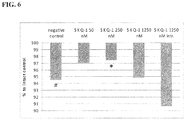
Figure 6 is a graphic representation showingmuscle strength measurement 4 hours after ethanol narcosis in % to intact control. * - p<0.05 to negative control, # - p<0.05 to intact control; -
Figure 7 is a graphic representation showing behavior parameters in the elevated plus maze test 24 hours after ethanol narcosis of Negative Control group in % to intact control. (*-p<0.05); -
Figure 8 is a graphic representation showing behavior parameters in the elevated plus maze test 24 hours after ethanol narcosis in % to negative control. (*-p<0.05 to intact control); -
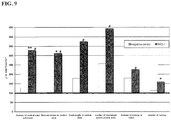
Figure 9 is a graphic representation showing behavior parameters in the open field test of chronically alcoholised rats in % to intact control. (* - p<0,05; ** - p<0,005 to negative control; # - p<0,05, ## - p<0,01, to intact control); -
Figure 10 is a graphic representation showing behavior parameters in the elevated plus-maze test of chronically alcoholised rats in % to intact control. (* - p<0,05; ** - p<0,005 to negative control; # - p<0,05, ## - p<0,01, to intact control); -
Figure 11 is a graphic representation showing behavior parameters in the Porsolt forced swimming test of chronically alcoholised rats in % to intact control. (* - p<0,05 SKQ-1 to negative control); and -
Figure 12 is a graphic representation showing the consumption of 15% ethanol solution after deprivation in ml (*-p<0,01 on 1st day of alcoholisation SKQ-1 to negative control; # - p<0,05 for average ethanol consumption for 1-36 days SKQ-1 to negative control). -
Figure 13 is a graphic representation showing the inhibition of startle reaction to loud stimulus by pre-impulse in rats, where the histogram bars indicate the mean level of startle reaction after pre-stimulus as % to that of control group of rats (without hyperhomocisteinemia). l-m corresponds to group of rats treated with high L-methionine diet, and skq+lm corresponds to group of rats treated with high L-methionine diet and SkQl. -
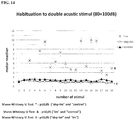
Figure 14 is a graphic representation showing habituation of rats to double acoustic stimulus in normal conditions, under hyperhomocisteinemia and under hyperhomocisteinemia treated with SkQl, where motor reaction to the double stimulus and P values for different pairs of groups is indicated. -
Figure 15 is a bar graph showing the nootropic activity of preferred SkQ mitochondria-targeted antioxidants of the invention when administered to animals in vivo. -
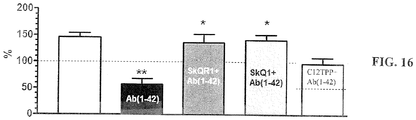
Figure 16 is a bar graph comparing the neuroprotective effects of preferred SkQ mitochondria-targeted antioxidants of the invention when administered in vivo in a model of Alzheimer disease. - The invention is defined by the claims. Any subject-matter falling outside the scope of the claims is provided for information purposes only.
- Unless otherwise specified, all technical and scientific terms used here have the same meanings that are understandable to those skilled in the art.
- In the present disclosure, SkQ mitochondria-targeted antioxidants are used to treat age-related brain disorders. For example, plastoquinonyl decyltriphenyl-phosphonium (SkQl) and plastoquinonyl decylrhodamine 19 (SkQR1) have been used as described herein to study their effect on brain function. The general formula of SkQ is described in the '895 application and
WO 2007046729 . Other variants of SkQ, including plastoquinone or methylplastoquinone, conjugated with lipophillic moiety, are also useful for this purpose.
- In the present disclosure, the following truncated SkQ variant ("C12TPP") is included in the SkQ mitochondria-targeted antioxidants that may also be used to provide the described neuroprotective effects.

- Several effects of SkQs were observed when brain functions were studied. Where indicated, 1 µmol SkQR1 per kg of body weight was injected intraperitoneally 24 h before the 60 min occlusion of the artery. The ischemia effect was studied 24 h after the occlusion (Plotnikov, et al., Biochemistry (Mosc) 75:145-150 (2010) here and below, p < 0.05 for SkQ effect). In particular. A single imtraperitoneal injection of ShQR1 (0.5-2µmol/kg body weight) to rats strongly decreased the infarct volume in brain (
Fig. 1A ). - SkQR1 also decreased the related behavioral defects caused by transient occlusion of themiddle cerebral artery. Behavioral tests were performed 1 day before the induction of ischemia and on the first day after the induction of ischemia. The limb-placing test was used to evaluate the neurological deficit estimated by a conventional (4-point scale with modifications as described by Jolkonen et al. Eur J. Pharmacol, 400:211-219 (2000)). The test had 2 limb-placing tasks that assess the sensorimotor integration of forelimb and hindlimb responses to tactile and proprioceptive stimulation. The task was scored in a following way: the rat performed normally, 2 points; the rat performed with a delay exceeding 2 sec, and/or incompletely, 1 point; and the rat which did not perform normally, 0 points.
Figure 1B shows a decrease in these behavioral defects after injection of SkQR1. - A demonstrative effect of in vivo treatment with SkQ1 was observed (Stefanova, et al., J. Alzheimer's Dis. 21:479-491 (2010)) where age-dependant behavioral effects were studied in Wistar rats. Rats of 3 months and 14 months old were investigated. An elevated plus maze with two open and two closed arms was used. Young animals placed in the maze center entered both types of arms with equal probability (
Figs. 2A and 2C ). However, the 14-month-old rats preferred to enter the closed arms only (Fig. 2D ), the probability of entering the open arms being extremely low. If, nevertheless, a 14-month-old rat entered an open arm, the animal immediately left this arm (Fig. 2B ). Addition of SkQ1 to the food (250 nmol/kg body weight daily) for 10 weeks completely reversed the age effect (Fig. 2D ). With SkQl, the probability of entering an open arm for the 14-month-old rats was as high as for young rats and, when entering an open arm, the SkQl-treated old rats spent in it a time which was almost as long as for the young rodents. Number of squares crossed by the animals in the open field test proved to be slightly smaller (by 25%) for the 14-month-old rats than for the 3-month-old animals. This difference was also abolished by SkQl (Stefanova, et al., J. Alzheimer's Dis. 21:479-491 (2010)). - One of the key events in the development of AD is the release of amyloid β peptide (Aβ) from its protein precursor (APP) (Pagani, et al., Int. J. Alzheimer's Dis. 925050 (2011)). Impairment of synaptic plasticity occurs before apoptotic and neurodegenerative events typical for the terminal stage of AD. It correlates with accumulation of Aβ, causing the synaptic dysfunction and loss of memory accompanying AD (Selkoe, Science 298:789-791 (2002); Oddo, et al., Neuron 39:409-421 (2003); Haass, et al., Nat. Rev. Mol. Cell Biol. 8:101-112 (2007)).
- As a model of cell memory, an electric response of a hippocampal slice (long-term potentiation, LTP) was used (Malenka, et al., Science 285:1870-1874 (1999)). A direct experiment was performed showing the prevention of Aβ toxicity in hippocampus by in vivo treatment of rats with 1 µmol SkQR1 per kg of body weight. The compound was injected intraperitoneally into the animal 24 hours before hippocampal slices were obtained to measure LTP. Some slices were pretreated with Aβ for 15 minutes. As is seen in
Fig. 3B , Aβ impaired LTP relative to untreated control. However, treatment of the animal with SkQR1 prevented such impairment (Fig. 3C ). - These results show that mitochondria-targeted rechargeable antioxidants of SkQ type are useful for the treatment of AD and other mROS-mediated brain pathologies.
- Other experiments were done that show that SkQR1 demonstrates nootropic activity when administered to animals in vivo (
Fig. 15 ) and that all types of tested SkQs and C12TPP demonstrate neuroprotective activity when administered in vivo in the model of Alzheimer disease (Fig. 16 ). Specifically,Fig. 15 shows the nootropic effect of SkQR1 using LTP signal in neurons of hippocampal slices. As shown inFig. 15 , SkQR1 clearly stimulates LTP indicating nootropic activity of SkQ. -
Fig. 16 provides a comparison of the neuroprotective effects of SkQ1, SkQR1 and C12TPP based on the LTP signal in neurons of hippocampal slices. Ab stands for beta-amyloid treatment. The experiment showed neuroprotective activity of SkQ1, SkQR1 and C12TPP in the model of Alzheimer disease. All SkQs and C12TPP were administered in vivo to rats prior the extraction of hippocampus. The results show that C12TPP exhibits lower but still sufficient neuroprotective activity compared to SkQ. - In alcoholism treatment the procedures used can be divided into two steps:
detoxification during alcohol deprivation; and reduction of alcohol motivation to prevent alcohol relapse. - In these experiments, 6 groups of experimental animals (Wistar rats) were used. (1) The Intact Control group (n=12), had no ethanol narcosis, and were orally administered a normal isotonic 0.9% NaCl solution; (2) the Negative Control group (n=12) was orally administered a normal physiological solution after ethanol narcosis; (3) The
SkQl 50 nM control group (n=12) was orally administered SkQl in aconcentration 50 nM after ethanol narcosis; (4) TheSkQl 250 nM control group (n=12) was orally administered SkQ1 in a concentration of 250 nM after ethanol narcosis; (5) TheSkQl 1250 nM control group (n=12) was orally administered SkQl in a concentration of 1250 nM after ethanol narcosis; (6) theSkQl 1250 nM intr control group (n=13) was intraperitoneally administered SkQl in a concentration of 1250 nM after ethanol narcosis. - Four hours after awakening from ethanol narcosis, acute symptoms of ethanol intoxication were observed in an open field test. In the Negative Control group ethanol intoxication caused a decrease of locomotor activity compared to Intact Control group: decreased track length (p<0.05), movement time (p<0.05), mean speed (p<0.05) and increased immobilization time (p<0.05) (
Fig. 4 ). The 250 nM SkQ1 dose had the most pronounced effect, increasing track length (p<0.05), decreasing immobilization time (p<0.05) (Fig. 5 ). Ethanol intoxication caused muscle weakness (p<0.05) in the Negative Control group. Administration ofSkQl 250 nM reduced this effect, increasing muscle strength (p<0.05) (Fig. 6 ). - Twenty-four hours after ethanol narcosis, elevated plus maze (Treit et al. (1993) Pharmacol. Biochem. Behav. 44:463-9) and Porsolt forced swimming (Petit-Demouliere et al. (2005) Psychopharmacol. (Berl). 177: 245-55) tests were performed. In the elevated plus maze test, ethanol intoxication caused decrease of exploratory activity, resulting in lower number of rearing (p<0.05) and looking out from closed arms p<0.05) in the Negative Control group compared to the Intact Control (
Fig. 7 ). In the 250 nM SkQl group, the level of exploratory activity is higher: increased number of risk behavior (p<0.05), looking out from closed arms (p<0.05) (Fig. 8 ). - Thus, a single dose of mitochondrial antioxidant SkQl after ethanol narcosis improved behavioral and physiological parameters, alleviating acute alcohol intoxication. SkQl also had pronounced effect on chronically alcoholised rat.
- Male albino rats had free access to a 15% ethanol solution, as well as to food and water. After 6 months of alcoholisation, animals with average consumption more than 11 ml of 15% ethanol solution were divided into two even groups and subjected to the following treatment. The Negative Control group (n=16) (chronically alcoholised rats) were orally administered 1 ml per kg of isotonic 0.9% NaCl solution every two days for 20 days during alcohol deprivation. The SkQl group (n=17) (chronically alcoholised rats) were orally administered 1 ml per kg of
SkQl 250 nM solution every two days for 20 days during alcohol deprivation. The Intact Control group (n=10) (animals had no previous contact with ethanol) wre orally administered 1 ml per kg of normal physiological solution every two days for 20 days. - After this course of drug administration, the effect on behavioral parameters was observed using the open field test, the elevated plus maze test, and the Porsolt forced swimming test.
- In the open field test, treated animals had increased number of rearing ((p<0.05), number of entrance in central zone (p<0.01), movement time in central zone (p<0.05)) compared to the Negative Control group (
Fig. 9 . Therefore, SkQl increases exploratory activity during alcohol deprivation. - In the elevated plus maze test, the SkQl group had an increased track length in closed arms ((p<0.05), movement time in central zone (p<0.05), number of looking out from closed arms, rearing (p<0.005)) compared to the Negative Control group (
Fig. 10 . This is indicative of lower anxiety in the SkQl group. - The forced swimming test showed a decrease of depression parameters; animals of the SkQ1 group had less immobilization time (p<0.05) (
Fig. 11 ). - According to behavioral tests, administration of SkQl during alcohol deprivation can alleviate ethanol withdrawal symptoms: increasing exploratory activity, without hyperactivation of locomotor activity; and decreasing anxiety and depression components in behavior.
- After behavioral testing, ethanol consumption of 15% solution was measured for 45 days. The level of ethanol consumption during first day in the SkQl group was lower (p<0.01) than in the Negative Control group. The decreased ethanol consumption during first day indicates lower level of ethanol craving after SkQl administration. During the next month, the average ethanol consumption was nearly 2 X lower (p<0.05) in the SkQl group than in the Negative Control group (
Fig. 12 ). Additionally, the body weight of rats after SkQ1 administration was higher (p<0.05). - Therefore, SkQ1 had pronounced effect on chronically alcoholised rat, decreasing ethanol consumption twice and improving behavior parameters during alcohol deprivation without any correlation with individual behavior parameters: increasing exploratory activity and decreasing depression.
- This data contains evidence that a mitochondrially targeted antioxidant has neuroprotective activity in vivo. Such activity can be used for creation of a treatment of alcohol abuse and alcoholism and other conditions related to damage of nervous system, including withdrawal syndrome.
- The present disclosure utilizes mitochondrial antioxidants to treat alcohol intoxication and abuse. The disclosure provides a procedure to treat alcoholic patient with therapeutically-efficient doses of mitochondrial-targeted antioxidant in order to decrease the damage done by alcohol and it derivates and to reduce alcohol dependency of the patient.
- Administration of SkQ1 can be used in combination with basic alcohol therapy. Exemplary modes of basic therapy used in a period of abstinence include, but are not limited to, administration of sedatives, anticonvulsants, vitamins, electrolyte repletion, antidepressants, and psychotherapy. Doses of all drugs are individual, as well as additional treatment, according to patient condition and co-occurring medical problems.
- Hyperhomocysteinemia is associated with several neurodegenerative disorders where glutamate receptors of modulators of glutamate receptors are involved, such as Alzheimer's disease, schizophrenia. In adults hyperhomocysteinemia can cause cerebral aneurisms (Xu, et al. (2011) Neurosci. Lett., 494:139-44), pulmonary embolism (Karalezli, et al. (2011) Clin. Appl. Thromb. Hemost . Epub ahead of print), Crohn's disease (Maire, et al. (2001) Gastroenterol. Clin. Biol., 25: 745-8 ), non alcoholic fatty liver disease (Bravo, et al. (2011) Lipids Health Dis., 10:60), dementia and Alzheimer's disease (Deshmukh, et al. (2010) Eur. J. Clin. Nutr., 64: 495-502], vascular dementia, cognitive impairment or silent or asymptomatic embolic stroke, (Herrmann, et al. (2011) Clin. Chem. Lab. Med., 49: 435-41 ), brain atrophy in patients with brain epilepsy (Gorgone, et al. (2009) Epilepsia, Suppl. 1:33-6 ), atherosclerosis and thrombophilia (Kolling, et al. (2011) Cardiovasc. Toxicol. 11:67-73 ).
- Hyperhomocysteinemia during pregnancy can cause preeclampsia, intrauterine growth retardation, premature rupture of the membranes, placental abruption (Murphy, et al. (2011) Adv. Clin. Chem., 53: 105-37 ], early miscarriage (Vollset, et al. (2000) Am. J. Clin. Nutr., 71:962-8 ), gestosis (late toxicosis) (Azizi, et al. (2010) Bone, 46:1344-8), neurocognitive impairment in children (Bhate, et al. (2008) Food Nutr. Bull., 29:249-54), microcephalia, megaloblastic anaemia, and hypotonia (Honzik, et al. (2010) J. Paediatr. Neurol., 14: 488-95 ), neural tube defects (Rogers (2008) Med. Hypotheses., 71: 406-10 ), hypotrophy (Molloy, et al. (2009) Pediatrics., 123: 917-23 ), and Down's syndrom (Murphy, et al. (2011) Adv. Clin. Chem., 53: 105-37 ).
- An experiment was performed on 161 female Wistar rats (n=12) with body weight 200 g -250 g and their offspring (n=149) from 0 to 1.5 months old. All animals were SPF-category and were housed under the standard conditions according to GLP-regulations (controlled microbiological conditions, light-
dark cycle 12/12 hours, ventilation rate 10-12 V/h, room temperature 22+2 °C, withmaximum change 1°C per day, humidity 30-70%). Rats were housed in individual cages with free access to food and water. - Each female rat was held with 3 male rats for one night. First day of the pregnancy was considered to be the day when spermatozoon were found in a vaginal smear. Hyperhomocysteinemia is experimentally developed by oral administration of L-methionine (Makhro, et al. (2008) Bull. Expt. Biol. Med., 146:37-39 ). L-methionine was added to the drinking water of rats at the dose of 1 mg/kg of body weight per day for whole period of pregnancy (approximately 21 d). L-methionine administration was continued after offspring birth (lactation period approximately 30 d). Therefore, offspring obtained L-methionine both with mother milk and from drinking water. Females of the experimental group were orally administered SkQl in
dose 250 nM/kg in 50 ml solution once per 2 d during period of lactation. Animals from the control group were given distilled water instead of SkQl. - On
day 45 of life, pups were tested for schizophrenia symptoms in acoustical startle reflex. Normally (on control non- hyperhomocysteinemia rats) weaker pre-impulse (70 dB white noise, stimuli soundvolume 80 dB,duration 20 ms) decreases reaction on louder stimulus (70 dB white noise, stimuli soundvolume 100 dB,duration 20 ms) produced in 100 ms after first signal in comparison to louder stimulus given alone. This phenomenon is called pre-impulse inhibition. In the experiment stimuli were produced 20 times with the background white noise (sound volume 70 dB). In case of schizophrenia or similar disorders in brain functions pre-impulse inhibition and adaptation to the stimuli is less pronounced or absent (Kar, et al. (2003) Exp. Toxicol. Pathol., 55(1): 69-83 ). - The results presented in
Figs. 13 and14 demonstrate that offspring of rats with hyperhomocisteinemia show deficit of pre-impulse inhibition (high mean level of startle reaction to loud stimulus given after pre-impulse) that indicate development of schizophrenia. SkQ-1 given to mother rats normalized parameters of pre-impulse inhibition of the progeny (Fig. 17). Rats after prenatal hyperhomocisteinemia show non stable and very high reflex reaction on sound stimuli. In SkQl-treated group this effect of hyperhomocisteinemia was significantly reduced (Fig. 18). - In this study, we, the inventors, employed our modification of the earlier used model of focal open severe brain trauma in rats [13]. The study was performed on male Wistar rats with body weight of 180-250 g. Before the surgery, the animals were anesthetized by an intraperitoneal injection of 3% chloral hydrate (330 mg/kg). To create the trauma, the left frontal part of the skull was trepanized above the sensorimotor cortex zone, and a
movable Teflon piston 4 mm in diameter with depth of insertion of 2.5 mm was placed into it; this piston was struck from the height of 10 cm with a 50-g load sliding along a directing rail. Localization of the sensorimotor cortex zone was determined based on data described in [14]. - SkQR1 (100 nmol/kg) was injected intraperitoneally 1 h after the trauma and then daily in the same dose during the following four days.
- A magnetic resonance imaging (MRI) study was performed as described in [15] using a
BioSpec 70/30 (Bruker, Germany) with magnetic field induction of 7 T and gradient of 105 mT/m. The damaged focal volume was determined morphometrically on the 7th day after the trauma. For this, the brain of the animal was fixed by submerging it in a mixture of formalin- ethanol-acetic acid in the ratio 2 : 7 : 1 for 24 h; then the brain was placed in 70% ethanol for 24 h; then serial sections were prepared using a NVSLM1 vibratome (World Precision Instruments) with a step of 100 µm. Every second section was sequentially mounted onto glasses covered with gela_ tin and stained with 0.2% Methylene Blue. Then the sections were treated routinely (dehydrated with increasing ethanol concentration, cleared with xylene, and mounted in balsam) and scanned on a slide-device of an Epson Perfection V100 PHOTO scanner. As a result, files were obtained with a picture of light-blue section of the brain with a clearly shown damage area. The volume of the lesion was determined as a cylinder with V= ∑Sn × d, where d is thickness of the section pair (200 µm); Sn is the area of the lesion in the section in mm2; ∑ is the sum of volumes of ischemic damage in the sections using an Image J program (Bethesda MD, USA). - Behavioral "limb-placing test" was performed 24 h before the operation and then on the third and seventh days after the trauma. Neurologic deficit caused by the skull-brain trauma was estimated using a 12-score scale [16] in modification [17]. The resulting score on this scale is determined as the sum of points obtained in six tests assessing the response of the forelimbs and hindlimbs to tactile and proprioceptive stimulation in the presence of obvious reflexes. Malfunctioning of the limb was estimated using the following system: 2 points corresponds to complete performance of the test; 1 point corresponds to performing the test with a delay of 2 sec or incompletely; 0 point corresponded to the lack of response to the stimulation of the limb.
- The results are expressed as the mean ± standard error of mean. The results of behavioral tests were compared using the Mann-Whitney test for independent samples. The statistical significance of differences in the damaged volumes was assessed using Student's t-test at the significance level ofp < 0.05.
- The animals were treated and subjected to experimental procedures in accordance with requirements of the Counsel of the European Community 86/609/EEC on use of animals for experimental studies.
- Magnetic resonance images obtained on the first day after the skull-brain trauma allowed us to clearly identify the lesion area in the sensorimotor cortex of the left hemisphere. The localization of the damaged area was in complete correlation with data on behavioral performance based on the sensitivity and motor activity of the limbs.
- The results of the limb-placing test revealed the development after the trauma of a functional deficit in the right limbs, whereas it was absent in the left limbs. In the intact rats before the trauma, the test gave 12 points for both the right and left limbs, and after the skull-brain trauma in the rats not treated with SkQR1 this score for the right limbs was 4.5 ± 0.9 points on the third day (n = 14) and 4.3 ± 0.8 points on the seventh day (n = 14).
- The intraperitoneal injections of SkQR1 significantly decreased the neurological deficit. In this case the right limbs of the rats showed on the third day 6.6 ± 0.8 (n = 14) and 7.4 ± 0.8 points (n = 14) on the seventh day after the trauma. The morphometric analysis after completing the behavioral test revealed that on the seventh day after the trauma the injection of SkQR1 decreased the damaged volume nearly twofold (to 15 ± 4 mm3 (n = 14)), whereas without treatment with SkQR1 the damaged area was 28 ± 4 mm3 (n = 13).
- Thus, in our work the injection of SkQR1 to animals after skull-brain trauma was shown for the first time to significantly decrease the neurological posttraumatic deficit and the volume of lesion.
- It has been earlier shown that extremely low, nanomolar concentrations of mitochondria-targeted antioxidants, plastoquinone derivatives SkQl and SkQR1, could be used on animal models of various pathologies including Alzheimer's disease, cardiac arrhythmia, and myocardial and renal infarction 2009, 2008, 2010, 2011 the pathogenesis of which is significantly determined by increased production of ROS in mitochondria. On various models of ischemic brain stroke, we have demonstrated that mitochondria-targeted antioxidants are efficient in preventing the consequences of brain ischemia such as destruction of nervous tissue and neurological deficit 2008, 2010. Skull-brain trauma is another serious medical problem. In the present invention, this pathology was studied on our modified model of open focal brain trauma [13]. This model allowed to obtain a standard in the size and localization of cortical damage accompanied by pronounced neurological deficit corresponding to clinical manifestations of the brain trauma. This model improves perspectives in the search and experimental base for pharmacological correction of this cerebral pathology.
- The mechanisms of development of brain trauma and brain ischemia are similar in common, and the propagation of these pathologies significantly depends on mitochondria and the MMP [11, 18], which leads to an increased production of ROS by mitochondria [10, 12]. These active molecules directly damage lipids, proteins, and nucleic acids in the cell. ROS also activate different molecular signaling pathways associated with cell death [19]. The increased production of ROS by mitochondria under conditions of both ischemia and trauma is the most important pathogenetic detail in the mechanism of the neurodestruction. Therefore, it was reasonable to suggest that the trauma-induced development of neurological distortion could be decreased using mitochondria-targeted antioxidants [20]. In the present invention, for the first time we were able to demonstrate that the injection of SkQR1 in nanomolar concentrations during four days after skull-brain trauma reliably decreases the neurological deficit, whereas in the absence of SkQR1 this deficit did not decrease during the same period. The morphometric analysis of the damaged area revealed that in the SkQR1-treated rats the volume of the lesion in the brain cortex was significantly lower than in the untreated animals. The mechanism of the protective effect can be mediated through the ability of SkQR1 to decrease the level of mitochondrial ROS and also to induce in vivo ischemic tolerance due to initiating an increased production of erythropoietin that, in turn, decreases the activity of glycogen synthase kinase (GSK-3β) [2011], which is involved in the apoptotic cascade in neurons under conditions of ischemia, trauma, and in Alzheimer's disease. Previously, there have been attempts to treat ischemia and trauma using common, non-targeted antioxidants, but their efficiency was rather limited, especially in clinical studies [22].
- The route and/or mode of administration of the antioxidant-containing pharmaceutical compositions described herein can vary depending upon the desired results. One with skill in the art, i.e., a physician, is aware that routes or modes of administration, as well as regimens can be adjusted to provide the desired response, e.g., a therapeutic response.
- Way of administration include, intradermal, intramuscular, intraperitoneal, intravenous, subcutaneous, intranasal, epidural, oral, sublingual, intracerebral, intravaginal, transdermal, rectal, by inhalation, or topical. The mode of administration is left to the discretion of the practitioner.
- For example, in some instances, the pharmaceutical composition described herein is administered locally. This is achieved, for example, by local infusion during surgery, by injection, by means of a catheter, by means of a suppository or enema, or by means of an implant, the implant being of a porous, non-porous, or gelatinous material, including membranes, such as sialastic membranes, or fibers. In some situations, the pharmaceutical composition described herein is introduced into the central nervous system, circulatory system or gastrointestinal tract by any suitable route, including intraventricular, intrathecal injection, paraspinal injection, epidural injection, enema, and by injection adjacent to a peripheral nerve.
- Pulmonary administration can also be employed, e.g., by use of an inhaler or nebulizer, and formulation with an aerosolizing agent, or via perfusion in a fluorocarbon or synthetic pulmonary surfactant.
- The pharmaceutical composition described herein can be formulated to include a suitable amount of a physiologically acceptable carrier or excipient (see, e.g., Remington's Pharmaceutical Sciences, pp. 1447-1676 (Alfonso R. Gennaro, ed., 19th ed. 1995)). Such physiologically acceptable excipients can be, e.g., liquids, such as water and oils, including those of petroleum, animal, vegetable, or synthetic origin, such as peanut oil, soybean oil, mineral oil, sesame oil and the like. The physiologically acceptable excipients can be saline, gum acacia, gelatin, starch paste, talc, keratin, colloidal silica, urea and the like. In addition, auxiliary, stabilizing, thickening, lubricating, and coloring agents can be used. In one situation, the physiologically acceptable excipients are sterile when administered to an animal. The physiologically acceptable excipient should be stable under the conditions of manufacture and storage and should be preserved against the contaminating action of microorganisms. Water is a particularly useful excipient when the pharmaceutical composition described herein is administered intravenously. Saline solutions and aqueous dextrose and glycerol solutions can also be employed as liquid excipients, particularly for injectable solutions. Suitable physiologically acceptable excipients also include starch, glucose, lactose, sucrose, gelatin, malt, rice, flour, chalk, silica gel, sodium stearate, glycerol monostearate, talc, sodium chloride, dried skim milk, glycerol, propylene, glycol, water, ethanol and the like. Other examples of suitable physiologically acceptable excipients are described in Remington's Pharmaceutical Sciences, pp. 1447-1676 (Alfonso R. Gennaro, ed., 19th ed. 1995). The pharmaceutical compositions, if desired, can also contain minor amounts of wetting or emulsifying agents, or pH buffering agents.
- Liquid carriers can be used in preparing solutions, suspensions, emulsions, syrups, and elixirs. The pharmaceutical composition described herein can be suspended in a pharmaceutically acceptable liquid carrier such as water, an organic solvent, a mixture of both, or pharmaceutically acceptable oils or fat. The liquid carrier can contain other suitable pharmaceutical additives including solubilizers, emulsifiers, buffers, preservatives, sweeteners, flavoring agents, suspending agents, thickening agents, colors, viscosity regulators, stabilizers, or osmo-regulators. Suitable examples of liquid carriers for oral and parenteral administration include water (particular containing additives described herein, e.g., cellulose derivatives, including sodium carboxymethyl cellulose solution), alcohols (including monohydric alcohols and polyhydric alcohols, e.g., glycols) and their derivatives, and oils (e.g., fractionated coconut oil and arachis oil). For parenteral administration the carrier can also be an oily ester such as ethyl oleate and isopropyl myristate. The liquid carriers can be in sterile liquid form for administration. The liquid carrier for pressurized compositions can be halogenated hydrocarbon or other pharmaceutically acceptable propellant.
- In other instances, the antioxidant-containing pharmaceutical composition described herein is formulated for intravenous administration. Compositions for intravenous administration can comprise a sterile isotonic aqueous buffer. The compositions can also include a solubilizing agent. Compositions for intravenous administration can optionally include a local anesthetic such as lignocaine to lessen pain at the site of the injection. The glycolytic enzyme or the glycolytic enzyme and the mitochondrially-targeted antioxidant can be supplied either separately or mixed together in unit dosage form, for example, as a concentrate in a hermetically sealed container such as an ampoule or sachette indicating the quantity of active agent. Where the pharmaceutical composition described herein is administered by infusion, it can be dispensed, for example, with an infusion bottle containing sterile pharmaceutical grade water or saline. Where the pharmaceutical composition described herein is administered by injection, an ampoule of sterile water for injection or saline can be provided so that the enzyme or enzyme and antioxidant and the carrier can be mixed prior to administration.
- The amount of antioxidant-containing pharmaceutical composition described herein that is effective for treating an ND can be determined using standard clinical techniques known to those with skill in the art. In addition, in vitro or in vivo assays can optionally be employed to help identify optimal dosage ranges. The precise dose to be employed can also depend on the route of administration, the ND, the seriousness of the ND being treated, as well as various physical factors related to the individual being treated, and can be decided according to the judgment of a health-care practitioner. For example, an antioxidant or glycolysis inhibitor in an amount of from about 0.05 µg/kg to about 5 mg/kg of a patient's weight can be used. An antioxidant in an amount ranging from about 0.1 µg/kg to about 10 mg/kg of a patient's weight can be used. Equivalent dosages can be administered over various time periods including, but not limited to, about every 2 hours, about every 6 hours, about every 8 hours, about every 12 hours, about every 24 hours, about every 36 hours, about every 48 hours, about every 72 hours, about every week, about every two weeks, about every three weeks, about every month, and about every two months. The number and frequency of dosages corresponding to a completed course of therapy can be determined according to the judgment of a health-care practitioner.
- In some instances, the pharmaceutical composition described herein is in unit dosage form, e.g., as a tablet, capsule, solution, suspension, emulsion, or granule. In such form, the pharmaceutical composition can be sub-divided into unit doses containing appropriate quantities of the pharmaceutical composition described herein. The unit dosage form can be a packaged pharmaceutical composition, for example, vials, ampoules, pre-filled syringes or sachets containing liquids.
- One exemplary pharmaceutical composition comprises SkQl and 3PO. For example, SKQ1 in amounts ranging from about 0.05 µg/kg to about 5000 µg/kg of patient's weight and 3PO in amounts ranging from about 0.0001 mg/kg to about 10 mg/kg of patient's weight are useful in this pharmaceutical composition.
- Another useful treatment of ND is to administer an SkQ antioxidant in combination with a glycolysis inhibitor. Inhibition of glycolysis increases mROS production due to increased activity of mitochondria. One way to inhibit glycolysis is to inhibit 6-phosphofructo-2-kinase (PFK-2) using any known PFK-2 inhibitor. For example, PFK-2 can be inhibited with 3-(3-pyridinyl)-1-(4-pyridinyl)-2-propen-1-one (3PO) (Clem, et al., Mol.Cancer Ther. 7:110-20 (2008)).
-
- 1. Liberman, E. A., Topali, V. P., Tsofina, L. M., Jasaitis, A. A., and Skulachev, V. P. (1969) Nature, 222, 1076-1078.
- 2. Grinius, L. L., Jasaitis, A. A., Kadziauskas, Yu. L., Liberman, E. A., Skulachev, V. P., Topali, V. P., Tsofina, L. M., and Vladimirova, M. A. (1970) Biochim. Biophys. Acta, 216, 1-12.
- 3. Bakeeva, L. E., Grinius, L. L., Jasaitis, A. A., Kuliene, V. V., Levitsky, D. O., Liberman, E. A., Severina, I. I., and Skulachev, V. P. (1970) Biochim. Biophys. Acta, 216, 12-21.
- 4. Liberman, E. A., and Skulachev, V. P. (1970) Biochim. Biophys. Acta, 216, 30-42.
- 5. Skulachev, V. P., Anisimov, V. N., Antonenko, Y. N., Bakeeva, L. E., Chemyak, B. V., Erichev, V. P., Filenko, O. F., Kalinina, N. I., Kapelko, V. I., Kolosova, N. G., Kopnin, B. P., Korshunova, G. A., Lichinitser, M. R., Obukhova, L. A., Pasyukova, E. G., Pisarenko, O. I., Roginsky, V. A., Ruuge, E. K., Senin, I. I., Severina, I. I., Skulachev, M. V., Spivak, I. M., Tashlitsky, V. N., Tkachuk, V. A., Vyssokikh, M. Y., Yaguzhinsky, L. S., and Zorov, D. B. (2009) Biochim. Biophys. Acta, 1787, 437-461.
- 6. Skulachev, M. V., Antonenko, Y. N., Anisimov, V. N., Chemyak, B. V., Cherepanov, D. A., Chistyakov, V. A., Egorov, M. V., Kolosova, N. G., Korshunova, G. A., Lyamzaev, K. G., Plotnikov, E. Y., Roginsky, V. A., Savchenko, A. Y., Severina, I.I., Severin, F. F., Shkurat, T. P., Tashlitsky, V. N., Shidlovsky, K. M., Vyssokikh, M. Y., Zamyatnin, A. A., Jr., Zorov, D. B., and Skulachev, V. P. (2011) Curr. Drug Targets, 12, 800-826.
- 7. Bakeeva, L. E., Barskov, I. V., Egorov, M. V., Isaev, N. K., Kapelko, V.I., Kazachenko, A. V., Kirpatovsky, M. L., Kozlovsky, S. V., Lakomkin, V L., Levina, S. V., Pisarenko, O. I., Plotnikov, E. Y, Saprunova, V B., Serebryakova, L. I., Skulachev, M. V., Stelmashuk, E. V., Studneva, I. M., Tskitishvili, O. V., Vasil'eva, A. K., Viktorov, I. V., Zorov, D. B., and Skulachev, V P. (2008) Biochemistry (Moscow), 73, 1288-1299.
- 8. Plotnikov, E. Y, Silachev, D. N., Chupyrkina, A. A.. Danshina, M. I., Yankauskas, S. S., Morosanova, M. A., Stelmashook, E. V., Vasil'eva, A. K., Goryacheva, E. S., Pirogov, Yu. A., Isaev, N. K., and Zorov, D. B. (2010) Biochemistry (Moscow), 75, 145-150.
- 9. Kapay, N. A., Isaev, N. K., Stelmashook, E. V., Popova, O. V., Zorov, D. B., Skrebitsky, V. G., and Skulachev, V. P. (2011) Biochemistry (Moscow), 76, 1367-1370.
- 10. Andriessen, T. M., Jacobs, B., and Vos, P. E. (2010) J. Cell Mol. Med., 14, 2381-2392.
- 11. Veech, R. L., Valeri, C. R., and VanItallie, T. B. (2012) IUBMB Life, 64, 203-207.
- 12. Zorov, D. B., Filburn, C. R., Klotz, L. O., Zweier, J. L., and Sollott, S. J. (2000) J. Exp. Med., 192, 1001-1014.
- 13. Feeney, D. M., Boyeson, M. G., Linn, R. T., Murray, H. M., and Dail, W. G. (1981) Brain Res., 211, 67-77.
- 14. Hicks, S. P., and D'Amato, C. J. (1977) Exp. Neurol., 56, 410-420.
- 15. Silachev, D. N., Uchevatkin, A. A., Pirogov, Y. A., Zorov, D. B., and Isaev, N. K. (2009) Byul. Eksp. Biol. Med., 147, 232-237.
- 16. De Ryck, M., van Reempts, J., Borgers, M., Wauquier, A., and Janssen, P. A. (1989) Stroke, 20, 1383-1390.
- 17. Jolkkonen, J., Puurunen, K., Rantakomi, S., Harkonen, A., Haapalinna, A., and Sivenius, J. (2000) Eur. J. Pharmacol., 400, 211-219.
- 18. Gouriou, Y., Demaurex, N., Bijlenga, P., and De Marchi, U. (2011) Biochimie, 93, 2060-2067.
- 19. Niizuma, K., Yoshioka, H., Chen, H., Kim, G. S., Jung, J. E., Katsu, M., Okami, N., and Chan, P. H. (2010) Biochim. Biophys. Acta, 1802, 92-99.
- 20. Skulachev, V. P. (2012) J. Alzheimer's Dis., 28, 283-289.
- 21. Plotnikov, E. Y, Chupyrkina, A. A., Jankauskas, S. S., Pevzner, I. B., Silachev, D. N., Skulachev, V. P., and Zorov. D. B. (2011) Biochim. Biophys. Acta, 1812, 77-86.
- 22. Slemmer, J. E., Shacka, J. J., Sweeney, M. I., and Weber. J. T. (2008) Curr. Med. Chem., 15, 404-414.
Claims (2)
- An SkQ mitochondria-targeted antioxidant selected from the group consisting of SkQ1 and SkQR1

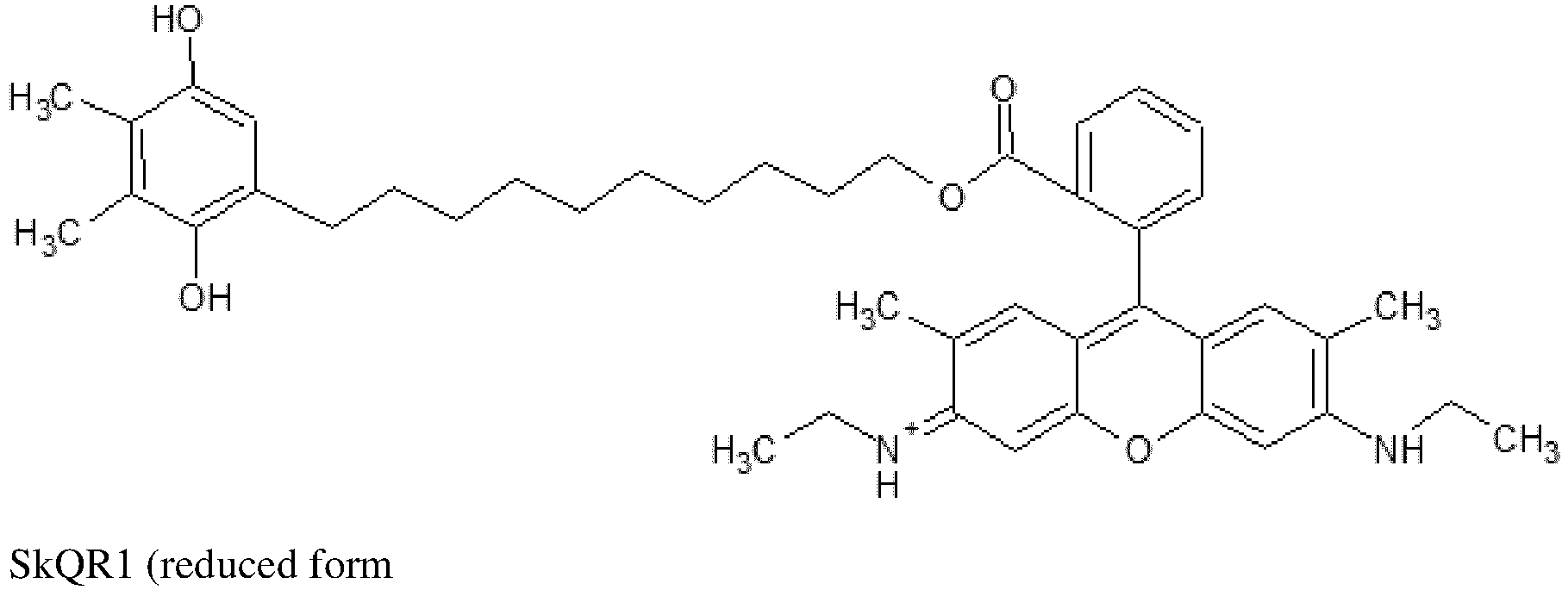
- The SkQ mitochondria-targeted antioxidant for use according to claim 1, wherein the SkQ mitochondria-targeted antioxidant is to be administered to the mammal in an amount of about 1 pmole to 1 mmole per kg of body weight of the mammal per day.
Applications Claiming Priority (2)
| Application Number | Priority Date | Filing Date | Title |
|---|---|---|---|
| US201161537701P | 2011-09-22 | 2011-09-22 | |
| PCT/US2012/056613 WO2013044058A1 (en) | 2011-09-22 | 2012-09-21 | Mitochondria-targeted antioxidants for treatment of age-related brain disorders |
Publications (2)
| Publication Number | Publication Date |
|---|---|
| EP2758048A1 EP2758048A1 (en) | 2014-07-30 |
| EP2758048B1 true EP2758048B1 (en) | 2021-05-19 |
Family
ID=49182572
Family Applications (1)
| Application Number | Title | Priority Date | Filing Date |
|---|---|---|---|
| EP12769839.7A Active EP2758048B1 (en) | 2011-09-22 | 2012-09-21 | Mitochondria-targeted antioxidants for treatment of age-related brain disorders |
Country Status (3)
| Country | Link |
|---|---|
| US (2) | US20140329776A1 (en) |
| EP (1) | EP2758048B1 (en) |
| WO (1) | WO2013044058A1 (en) |
Families Citing this family (3)
| Publication number | Priority date | Publication date | Assignee | Title |
|---|---|---|---|---|
| WO2019002936A2 (en) * | 2017-06-26 | 2019-01-03 | Mitotech S.A. | A set of mitochondria-targeted compounds |
| KR20240073137A (en) | 2020-09-09 | 2024-05-24 | 소셜 프로핏 네트워크 | Methods and Compositions for Delivery of Biotin to Mitochondria |
| WO2025078880A1 (en) * | 2023-10-11 | 2025-04-17 | Mitotech S.A. | Mitochondria-targeted antioxidants for use in the treatment of cell balloooning-associated diseases, such as non-alcoholic fatty liver disease (nafld) and non-alcoholic steatohepatitis (nash) |
Family Cites Families (4)
| Publication number | Priority date | Publication date | Assignee | Title |
|---|---|---|---|---|
| US6331532B1 (en) * | 1998-11-25 | 2001-12-18 | University Of Otago | Mitochondrially targeted antioxidants |
| RU2318500C2 (en) | 2005-10-18 | 2008-03-10 | Общество С Ограниченной Ответственностью "Митотехнология" | Method for on body by target delivery of biologically active substances in mitochondria, pharmaceutical composition for its realization and compound used for this aim |
| WO2008127138A1 (en) * | 2007-04-11 | 2008-10-23 | Limited Liability Company 'mitotechnology' | Composition for decelerating the ageing in the organism and for extending the life time thereof and the use of said composition |
| US8518915B2 (en) | 2007-06-29 | 2013-08-27 | Mitotech Sa | Use of mitochondrially-addressed compounds for preventing and treating cardiovascular diseases |
-
2012
- 2012-09-21 US US14/353,645 patent/US20140329776A1/en not_active Abandoned
- 2012-09-21 WO PCT/US2012/056613 patent/WO2013044058A1/en not_active Ceased
- 2012-09-21 EP EP12769839.7A patent/EP2758048B1/en active Active
-
2016
- 2016-03-02 US US15/058,903 patent/US10188669B2/en active Active
Non-Patent Citations (1)
| Title |
|---|
| GUILHERME V. PORTARI ET AL: "Antioxidant Effect of Thiamine on Acutely Alcoholized Rats and Lack of Efficacy Using Thiamine or Glucose to Reduce Blood Alcohol Content", BASIC & CLINICAL PHARMACOLOGY & TOXICOLOGY, vol. 103, no. 5, 1 November 2008 (2008-11-01), COPENHAGEN, DK, pages 482 - 486, XP055463406, ISSN: 1742-7835, DOI: 10.1111/j.1742-7843.2008.00311.x * |
Also Published As
| Publication number | Publication date |
|---|---|
| US20160354392A1 (en) | 2016-12-08 |
| US20140329776A1 (en) | 2014-11-06 |
| EP2758048A1 (en) | 2014-07-30 |
| US10188669B2 (en) | 2019-01-29 |
| WO2013044058A1 (en) | 2013-03-28 |
Similar Documents
| Publication | Publication Date | Title |
|---|---|---|
| ES2640777T3 (en) | Anaplerotic therapy for Alzheimer's disease | |
| CN105142632B (en) | Enhance autophagy or increase lifespan by administration of urolithin or its precursors | |
| AU2020267285A1 (en) | Methods for treatment of cognitive decline | |
| CN107007606B (en) | Medicine for preventing and treating sjogren syndrome and combination thereof | |
| Peng et al. | Gastrodin alleviates cerebral ischemic damage in mice by improving anti-oxidant and anti-inflammation activities and inhibiting apoptosis pathway | |
| US11826345B2 (en) | Dosing regimens of PKC activators | |
| Hu et al. | Ginkgolide B reduces neuronal cell apoptosis in the hemorrhagic rat brain: possible involvement of Toll-like receptor 4/nuclear factor-kappa B pathway | |
| Sun et al. | Neuroprotective effects of natural cordycepin on LPS-induced Parkinson’s disease through suppressing TLR4/NF-κB/NLRP3-mediated pyroptosis | |
| Wang et al. | α-Lipoic acid prevents bupivacaine-induced neuron injury in vitro through a PI3K/Akt-dependent mechanism | |
| US9254280B2 (en) | Medical food for cognitive decline | |
| Methippara et al. | Salubrinal, an endoplasmic reticulum stress blocker, modulates sleep homeostasis and activation of sleep-and wake-regulatory neurons | |
| US20230078820A1 (en) | Fenfluramine for treatment of demyelinating diseases and conditions | |
| KR20170066432A (en) | Methods and Compositions for Treating Psychotic Disorders | |
| KR20160079899A (en) | Use of indolyl and idolinyl hydroxamates for treating neurodegenerative disorders or cognitive deficits | |
| RU2701720C1 (en) | Combinations of palmitoylethanolamide for treating chronic pain | |
| Dutta et al. | Alleviation of Huntington pathology in mice by oral administration of food additive glyceryl tribenzoate | |
| RU2693627C2 (en) | Edaravon combination for treating ischemic brain injury | |
| US10188669B2 (en) | Mitochondria-targeted antioxidants for treatment of age-related brain disorders | |
| WO2007059431A1 (en) | Use of an omega-3 lipid-based emulsion following ischemic injury to provide protection and recovery in human organs | |
| US12274708B2 (en) | Composition for ameliorating or treating dementia containing 2′-fucosyllactose | |
| Wang et al. | Artesunate alleviates cerebral ischemia/reperfusion injury by suppressing FUNDC1-mediated excessive mitophagy | |
| He et al. | Luteolin attenuates cognitive dysfunction induced by chronic cerebral hypoperfusion through the modulation of the PI3K/Akt pathway in rats | |
| Lee et al. | The effects of Korean Red Ginseng-derived components on oligodendrocyte lineage cells: Distinct facilitatory roles of the non-saponin and saponin fractions, and Rb1, in proliferation, differentiation and myelination | |
| Niu et al. | Hyperbaric oxygen causes both antiinflammation and antipyresis in rabbits | |
| CA3053059C (en) | Compounds for use in the prevention and/or treatment of non-alcoholic fat liver disease and non-alcoholic steatohepatitis |
Legal Events
| Date | Code | Title | Description |
|---|---|---|---|
| PUAI | Public reference made under article 153(3) epc to a published international application that has entered the european phase |
Free format text: ORIGINAL CODE: 0009012 |
|
| 17P | Request for examination filed |
Effective date: 20140422 |
|
| AK | Designated contracting states |
Kind code of ref document: A1 Designated state(s): AL AT BE BG CH CY CZ DE DK EE ES FI FR GB GR HR HU IE IS IT LI LT LU LV MC MK MT NL NO PL PT RO RS SE SI SK SM TR |
|
| DAX | Request for extension of the european patent (deleted) | ||
| STAA | Information on the status of an ep patent application or granted ep patent |
Free format text: STATUS: EXAMINATION IS IN PROGRESS |
|
| 17Q | First examination report despatched |
Effective date: 20170220 |
|
| GRAP | Despatch of communication of intention to grant a patent |
Free format text: ORIGINAL CODE: EPIDOSNIGR1 |
|
| STAA | Information on the status of an ep patent application or granted ep patent |
Free format text: STATUS: GRANT OF PATENT IS INTENDED |
|
| RIC1 | Information provided on ipc code assigned before grant |
Ipc: C09B 69/00 20060101ALI20200611BHEP Ipc: A61P 25/28 20060101ALI20200611BHEP Ipc: A61K 31/66 20060101ALI20200611BHEP Ipc: C09B 11/24 20060101ALI20200611BHEP Ipc: A61K 31/352 20060101AFI20200611BHEP Ipc: A61K 47/54 20170101ALI20200611BHEP Ipc: A61P 25/00 20060101ALI20200611BHEP |
|
| INTG | Intention to grant announced |
Effective date: 20200626 |
|
| GRAJ | Information related to disapproval of communication of intention to grant by the applicant or resumption of examination proceedings by the epo deleted |
Free format text: ORIGINAL CODE: EPIDOSDIGR1 |
|
| STAA | Information on the status of an ep patent application or granted ep patent |
Free format text: STATUS: EXAMINATION IS IN PROGRESS |
|
| INTC | Intention to grant announced (deleted) | ||
| GRAP | Despatch of communication of intention to grant a patent |
Free format text: ORIGINAL CODE: EPIDOSNIGR1 |
|
| STAA | Information on the status of an ep patent application or granted ep patent |
Free format text: STATUS: GRANT OF PATENT IS INTENDED |
|
| INTG | Intention to grant announced |
Effective date: 20201209 |
|
| GRAS | Grant fee paid |
Free format text: ORIGINAL CODE: EPIDOSNIGR3 |
|
| GRAA | (expected) grant |
Free format text: ORIGINAL CODE: 0009210 |
|
| STAA | Information on the status of an ep patent application or granted ep patent |
Free format text: STATUS: THE PATENT HAS BEEN GRANTED |
|
| AK | Designated contracting states |
Kind code of ref document: B1 Designated state(s): AL AT BE BG CH CY CZ DE DK EE ES FI FR GB GR HR HU IE IS IT LI LT LU LV MC MK MT NL NO PL PT RO RS SE SI SK SM TR |
|
| REG | Reference to a national code |
Ref country code: GB Ref legal event code: FG4D |
|
| REG | Reference to a national code |
Ref country code: CH Ref legal event code: EP |
|
| REG | Reference to a national code |
Ref country code: DE Ref legal event code: R096 Ref document number: 602012075607 Country of ref document: DE |
|
| REG | Reference to a national code |
Ref country code: AT Ref legal event code: REF Ref document number: 1393327 Country of ref document: AT Kind code of ref document: T Effective date: 20210615 |
|
| REG | Reference to a national code |
Ref country code: IE Ref legal event code: FG4D |
|
| REG | Reference to a national code |
Ref country code: LT Ref legal event code: MG9D |
|
| REG | Reference to a national code |
Ref country code: AT Ref legal event code: MK05 Ref document number: 1393327 Country of ref document: AT Kind code of ref document: T Effective date: 20210519 |
|
| REG | Reference to a national code |
Ref country code: NL Ref legal event code: MP Effective date: 20210519 |
|
| PG25 | Lapsed in a contracting state [announced via postgrant information from national office to epo] |
Ref country code: AT Free format text: LAPSE BECAUSE OF FAILURE TO SUBMIT A TRANSLATION OF THE DESCRIPTION OR TO PAY THE FEE WITHIN THE PRESCRIBED TIME-LIMIT Effective date: 20210519 Ref country code: BG Free format text: LAPSE BECAUSE OF FAILURE TO SUBMIT A TRANSLATION OF THE DESCRIPTION OR TO PAY THE FEE WITHIN THE PRESCRIBED TIME-LIMIT Effective date: 20210819 Ref country code: HR Free format text: LAPSE BECAUSE OF FAILURE TO SUBMIT A TRANSLATION OF THE DESCRIPTION OR TO PAY THE FEE WITHIN THE PRESCRIBED TIME-LIMIT Effective date: 20210519 Ref country code: LT Free format text: LAPSE BECAUSE OF FAILURE TO SUBMIT A TRANSLATION OF THE DESCRIPTION OR TO PAY THE FEE WITHIN THE PRESCRIBED TIME-LIMIT Effective date: 20210519 Ref country code: FI Free format text: LAPSE BECAUSE OF FAILURE TO SUBMIT A TRANSLATION OF THE DESCRIPTION OR TO PAY THE FEE WITHIN THE PRESCRIBED TIME-LIMIT Effective date: 20210519 |
|
| PG25 | Lapsed in a contracting state [announced via postgrant information from national office to epo] |
Ref country code: PT Free format text: LAPSE BECAUSE OF FAILURE TO SUBMIT A TRANSLATION OF THE DESCRIPTION OR TO PAY THE FEE WITHIN THE PRESCRIBED TIME-LIMIT Effective date: 20210920 Ref country code: NO Free format text: LAPSE BECAUSE OF FAILURE TO SUBMIT A TRANSLATION OF THE DESCRIPTION OR TO PAY THE FEE WITHIN THE PRESCRIBED TIME-LIMIT Effective date: 20210819 Ref country code: PL Free format text: LAPSE BECAUSE OF FAILURE TO SUBMIT A TRANSLATION OF THE DESCRIPTION OR TO PAY THE FEE WITHIN THE PRESCRIBED TIME-LIMIT Effective date: 20210519 Ref country code: ES Free format text: LAPSE BECAUSE OF FAILURE TO SUBMIT A TRANSLATION OF THE DESCRIPTION OR TO PAY THE FEE WITHIN THE PRESCRIBED TIME-LIMIT Effective date: 20210519 Ref country code: LV Free format text: LAPSE BECAUSE OF FAILURE TO SUBMIT A TRANSLATION OF THE DESCRIPTION OR TO PAY THE FEE WITHIN THE PRESCRIBED TIME-LIMIT Effective date: 20210519 Ref country code: GR Free format text: LAPSE BECAUSE OF FAILURE TO SUBMIT A TRANSLATION OF THE DESCRIPTION OR TO PAY THE FEE WITHIN THE PRESCRIBED TIME-LIMIT Effective date: 20210820 Ref country code: IS Free format text: LAPSE BECAUSE OF FAILURE TO SUBMIT A TRANSLATION OF THE DESCRIPTION OR TO PAY THE FEE WITHIN THE PRESCRIBED TIME-LIMIT Effective date: 20210919 Ref country code: RS Free format text: LAPSE BECAUSE OF FAILURE TO SUBMIT A TRANSLATION OF THE DESCRIPTION OR TO PAY THE FEE WITHIN THE PRESCRIBED TIME-LIMIT Effective date: 20210519 Ref country code: SE Free format text: LAPSE BECAUSE OF FAILURE TO SUBMIT A TRANSLATION OF THE DESCRIPTION OR TO PAY THE FEE WITHIN THE PRESCRIBED TIME-LIMIT Effective date: 20210519 |
|
| PG25 | Lapsed in a contracting state [announced via postgrant information from national office to epo] |
Ref country code: NL Free format text: LAPSE BECAUSE OF FAILURE TO SUBMIT A TRANSLATION OF THE DESCRIPTION OR TO PAY THE FEE WITHIN THE PRESCRIBED TIME-LIMIT Effective date: 20210519 |
|
| PG25 | Lapsed in a contracting state [announced via postgrant information from national office to epo] |
Ref country code: EE Free format text: LAPSE BECAUSE OF FAILURE TO SUBMIT A TRANSLATION OF THE DESCRIPTION OR TO PAY THE FEE WITHIN THE PRESCRIBED TIME-LIMIT Effective date: 20210519 Ref country code: CZ Free format text: LAPSE BECAUSE OF FAILURE TO SUBMIT A TRANSLATION OF THE DESCRIPTION OR TO PAY THE FEE WITHIN THE PRESCRIBED TIME-LIMIT Effective date: 20210519 Ref country code: DK Free format text: LAPSE BECAUSE OF FAILURE TO SUBMIT A TRANSLATION OF THE DESCRIPTION OR TO PAY THE FEE WITHIN THE PRESCRIBED TIME-LIMIT Effective date: 20210519 Ref country code: SK Free format text: LAPSE BECAUSE OF FAILURE TO SUBMIT A TRANSLATION OF THE DESCRIPTION OR TO PAY THE FEE WITHIN THE PRESCRIBED TIME-LIMIT Effective date: 20210519 Ref country code: SM Free format text: LAPSE BECAUSE OF FAILURE TO SUBMIT A TRANSLATION OF THE DESCRIPTION OR TO PAY THE FEE WITHIN THE PRESCRIBED TIME-LIMIT Effective date: 20210519 Ref country code: RO Free format text: LAPSE BECAUSE OF FAILURE TO SUBMIT A TRANSLATION OF THE DESCRIPTION OR TO PAY THE FEE WITHIN THE PRESCRIBED TIME-LIMIT Effective date: 20210519 |
|
| REG | Reference to a national code |
Ref country code: DE Ref legal event code: R097 Ref document number: 602012075607 Country of ref document: DE |
|
| PLBE | No opposition filed within time limit |
Free format text: ORIGINAL CODE: 0009261 |
|
| STAA | Information on the status of an ep patent application or granted ep patent |
Free format text: STATUS: NO OPPOSITION FILED WITHIN TIME LIMIT |
|
| 26N | No opposition filed |
Effective date: 20220222 |
|
| REG | Reference to a national code |
Ref country code: CH Ref legal event code: PL |
|
| REG | Reference to a national code |
Ref country code: BE Ref legal event code: MM Effective date: 20210930 |
|
| PG25 | Lapsed in a contracting state [announced via postgrant information from national office to epo] |
Ref country code: IS Free format text: LAPSE BECAUSE OF FAILURE TO SUBMIT A TRANSLATION OF THE DESCRIPTION OR TO PAY THE FEE WITHIN THE PRESCRIBED TIME-LIMIT Effective date: 20210919 Ref country code: MC Free format text: LAPSE BECAUSE OF FAILURE TO SUBMIT A TRANSLATION OF THE DESCRIPTION OR TO PAY THE FEE WITHIN THE PRESCRIBED TIME-LIMIT Effective date: 20210519 Ref country code: AL Free format text: LAPSE BECAUSE OF FAILURE TO SUBMIT A TRANSLATION OF THE DESCRIPTION OR TO PAY THE FEE WITHIN THE PRESCRIBED TIME-LIMIT Effective date: 20210519 |
|
| PG25 | Lapsed in a contracting state [announced via postgrant information from national office to epo] |
Ref country code: LU Free format text: LAPSE BECAUSE OF NON-PAYMENT OF DUE FEES Effective date: 20210921 Ref country code: IE Free format text: LAPSE BECAUSE OF NON-PAYMENT OF DUE FEES Effective date: 20210921 Ref country code: BE Free format text: LAPSE BECAUSE OF NON-PAYMENT OF DUE FEES Effective date: 20210930 |
|
| PG25 | Lapsed in a contracting state [announced via postgrant information from national office to epo] |
Ref country code: LI Free format text: LAPSE BECAUSE OF NON-PAYMENT OF DUE FEES Effective date: 20210930 Ref country code: CH Free format text: LAPSE BECAUSE OF NON-PAYMENT OF DUE FEES Effective date: 20210930 |
|
| PG25 | Lapsed in a contracting state [announced via postgrant information from national office to epo] |
Ref country code: HU Free format text: LAPSE BECAUSE OF FAILURE TO SUBMIT A TRANSLATION OF THE DESCRIPTION OR TO PAY THE FEE WITHIN THE PRESCRIBED TIME-LIMIT; INVALID AB INITIO Effective date: 20120921 Ref country code: CY Free format text: LAPSE BECAUSE OF FAILURE TO SUBMIT A TRANSLATION OF THE DESCRIPTION OR TO PAY THE FEE WITHIN THE PRESCRIBED TIME-LIMIT Effective date: 20210519 |
|
| PG25 | Lapsed in a contracting state [announced via postgrant information from national office to epo] |
Ref country code: MK Free format text: LAPSE BECAUSE OF FAILURE TO SUBMIT A TRANSLATION OF THE DESCRIPTION OR TO PAY THE FEE WITHIN THE PRESCRIBED TIME-LIMIT Effective date: 20210519 |
|
| PG25 | Lapsed in a contracting state [announced via postgrant information from national office to epo] |
Ref country code: MT Free format text: LAPSE BECAUSE OF FAILURE TO SUBMIT A TRANSLATION OF THE DESCRIPTION OR TO PAY THE FEE WITHIN THE PRESCRIBED TIME-LIMIT Effective date: 20210519 |
|
| PGFP | Annual fee paid to national office [announced via postgrant information from national office to epo] |
Ref country code: DE Payment date: 20240702 Year of fee payment: 13 |
|
| PGFP | Annual fee paid to national office [announced via postgrant information from national office to epo] |
Ref country code: GB Payment date: 20240701 Year of fee payment: 13 |
|
| PGFP | Annual fee paid to national office [announced via postgrant information from national office to epo] |
Ref country code: FR Payment date: 20240702 Year of fee payment: 13 |
|
| PGFP | Annual fee paid to national office [announced via postgrant information from national office to epo] |
Ref country code: IT Payment date: 20240812 Year of fee payment: 13 |
|
| PG25 | Lapsed in a contracting state [announced via postgrant information from national office to epo] |
Ref country code: TR Free format text: LAPSE BECAUSE OF FAILURE TO SUBMIT A TRANSLATION OF THE DESCRIPTION OR TO PAY THE FEE WITHIN THE PRESCRIBED TIME-LIMIT Effective date: 20210519 |