EP2754716A1 - Method for producing useful metabolite from filamentous fungus - Google Patents
Method for producing useful metabolite from filamentous fungus Download PDFInfo
- Publication number
- EP2754716A1 EP2754716A1 EP12829534.2A EP12829534A EP2754716A1 EP 2754716 A1 EP2754716 A1 EP 2754716A1 EP 12829534 A EP12829534 A EP 12829534A EP 2754716 A1 EP2754716 A1 EP 2754716A1
- Authority
- EP
- European Patent Office
- Prior art keywords
- light
- growth
- shikimic acid
- blue
- filamentous fungi
- Prior art date
- Legal status (The legal status is an assumption and is not a legal conclusion. Google has not performed a legal analysis and makes no representation as to the accuracy of the status listed.)
- Granted
Links
Images


Classifications
-
- C—CHEMISTRY; METALLURGY
- C12—BIOCHEMISTRY; BEER; SPIRITS; WINE; VINEGAR; MICROBIOLOGY; ENZYMOLOGY; MUTATION OR GENETIC ENGINEERING
- C12P—FERMENTATION OR ENZYME-USING PROCESSES TO SYNTHESISE A DESIRED CHEMICAL COMPOUND OR COMPOSITION OR TO SEPARATE OPTICAL ISOMERS FROM A RACEMIC MIXTURE
- C12P7/00—Preparation of oxygen-containing organic compounds
- C12P7/40—Preparation of oxygen-containing organic compounds containing a carboxyl group including Peroxycarboxylic acids
- C12P7/42—Hydroxy-carboxylic acids
-
- A—HUMAN NECESSITIES
- A61—MEDICAL OR VETERINARY SCIENCE; HYGIENE
- A61P—SPECIFIC THERAPEUTIC ACTIVITY OF CHEMICAL COMPOUNDS OR MEDICINAL PREPARATIONS
- A61P35/00—Antineoplastic agents
-
- C—CHEMISTRY; METALLURGY
- C12—BIOCHEMISTRY; BEER; SPIRITS; WINE; VINEGAR; MICROBIOLOGY; ENZYMOLOGY; MUTATION OR GENETIC ENGINEERING
- C12N—MICROORGANISMS OR ENZYMES; COMPOSITIONS THEREOF; PROPAGATING, PRESERVING, OR MAINTAINING MICROORGANISMS; MUTATION OR GENETIC ENGINEERING; CULTURE MEDIA
- C12N1/00—Microorganisms; Compositions thereof; Processes of propagating, maintaining or preserving microorganisms or compositions thereof; Processes of preparing or isolating a composition containing a microorganism; Culture media therefor
- C12N1/14—Fungi; Culture media therefor
-
- C—CHEMISTRY; METALLURGY
- C12—BIOCHEMISTRY; BEER; SPIRITS; WINE; VINEGAR; MICROBIOLOGY; ENZYMOLOGY; MUTATION OR GENETIC ENGINEERING
- C12N—MICROORGANISMS OR ENZYMES; COMPOSITIONS THEREOF; PROPAGATING, PRESERVING, OR MAINTAINING MICROORGANISMS; MUTATION OR GENETIC ENGINEERING; CULTURE MEDIA
- C12N13/00—Treatment of microorganisms or enzymes with electrical or wave energy, e.g. magnetism, sonic waves
Definitions
- the present invention relates to a method for producing useful metabolites from filamentous fungi. More precisely, the present invention relates to a method for increasing the content of metabolites such as shikimic acid in mycelia by applying a stimulus with light of specific wavelength in the cultivation of filamentous fungi.
- Shikimic acid is a common biosynthetic intermediate of various aromatic compounds in plants and microorganisms, and is a very important substance to plants and microorganisms. Further, shikimic acid is a very useful compound used as a raw material for manufacturing Oseltamivir (TAMIFLU) (registered trademark), a medicine to treat new strains of influenza, as well as a lot of medicines and agricultural chemicals.
- TAMIFLU Oseltamivir
- shikimic acid is mainly produced by extracting and purifying from Illicium verum (star anise).
- methods for stably producing shikimic acid still have been pursued.
- a method for preparing shikimic acid derivatives by selective dehydration from quinic acid using Vilsmeier reagent Patent Publication 1
- a method for producing diaminoshikimic acid from isophthalic acid Patent Publication 2
- a method for preparing diaminoshikimic acid from furan Patent Publication 3
- Non-patent Publication 8 a method for producing shikimic acid by using chlorogenic acid contained in coffee grounds as a raw material together with a microorganism that has chlorogenic acid hydrolase as a microbial catalyst
- the present invention relates to useful metabolites of filamentous fungi and a method for producing the useful metabolites as follows.
- the method for producing useful metabolites of the present invention makes it possible to produce physiologically active substances used in medicines or precursors as raw materials of medicines from filamentous fungi efficiently.
- the present invention makes it possible to produce shikimic acid from filamentous fungi efficiently.
- the method for producing shikimic acid of the present invention makes it possible to dramatically increase the content of shikimic acid and accumulate it in mycelia of the filamentous fungi by only one-step process. According to the method of the present invention, shikimic acid can be obtained efficiently by using commercially available and inexpensive materials, thus it is possible to produce shikimic acid at low cost and short times, and shikimic acid can be provided stably.
- the method for producing shikimic acid of the present invention utilizes the suppression mechanism of mycelial growth by light. It is presumed that when light stimulation is applied to filamentous fungi cultured in the dark, the biosynthetic pathway of aromatic amino acids is blocked after shikimic acid is biosynthesized in mycelia; thereby, the shikimic acid accumulates and due to which the content of shikimic acid can be increased dramatically.
- the present invention can contribute to the medical field.
- the method for producing useful metabolites of the present invention makes it possible to produce physiologically active substance such as antitumor substances.
- the antitumor substance produced by the present invention can effectively suppress the gene expression coding FABP5 related to cancer metastasis; in addition, the antitumor substance shows a high antitumor effect even at a small amount, and thus is possible to provide a safe antitumor agent.
- basidiomycetes As a filamentous fungus used in the process for producing useful metabolites of the present invention, basidiomycetes, ascomycetes, zygomycetes, and myxomycetes, etc. can be utilized. Basidiomycetes are particularly preferable. Basidiomycetes include genus Pleurotus and genus Lentinula, etc., and specifically include Pleurotus ostreatus, Pleurotus eryngii, and Lentinula edodes, etc. As a basidiomycete used in the present invention, genus Pleurotus is preferable, and Pleurotus ostreatus is particularly preferable.
- the method for producing useful metabolites of the present invention may comprise a growth suppression process that increases the content of useful metabolites in mycelia by suppressing the growth of filamentous fungi.
- the growth suppression process is the suppression of the growth of filamentous fungi by applying light stimulation.
- monochromatic visible light are preferable, which include violet, blue-violet, blue, blue-green, green, and yellow-green visible lights, preferably blue light. It may also be near-ultraviolet (e.g., UVA).
- It may comprise a culture process of performing filamentous fungi culture before light irradiation.
- the state of filamentous fungi when light stimulation applied is not particularly limited and it is applicable to both mycelia and fruit bodies; the culture time can be shortened when utilizing mycelia.
- a center wavelength is desirably shorter than 570 nm, preferably 400-545 nm, more preferably 450-495 nm, and further preferably 460-480 nm. Alternatively, it may be 315-400 nm.
- Photon flux density is desirably not less than 10 ⁇ mol m -2 s -1 , and it may be 10-1000 ⁇ mol m -2 s -1 , but not limited thereto. It is preferably 30-500 ⁇ mol m -2 s -1 , more preferably 50-200 ⁇ mol m -2 s- 1 , and further preferably 90-120 ⁇ mol m -2 s -1 .
- Irradiation time is not limited particularly, but desirably not less than 3 hours for single irradiation. It is preferably 12-120 hours, and more preferably 24-60 hours. Further, irradiation is preferably carried out continuously, but dark culture and light culture (irradiation) maybe repeated in turn. For example, dark culture and light culture (irradiation) may be repeated every 1, 2, 3, 4, or 5 day(s).
- a device generating light to stimulate such as monochromatic visible light and near-ultraviolet
- a device generating light to stimulate such as monochromatic visible light and near-ultraviolet
- an LED light irradiation device may be used.
- the method for producing useful metabolites of the present invention may comprise a process of extracting useful metabolites from the filamentous fungi.
- the extracts may be extracted by a method of separating into an organic layer and a water layer by using an organic solvent.
- the extracting solvent for metabolites methanol, water, chloroform, and dichloromethane, etc. may be used, but not limited thereto.
- the organic solvent e.g., esters such as methyl acetate and ethyl acetate, ketones such as acetone, ethers such as diethyl ether, aromatic hydrocarbons such as xylene, toluene, and benzene, and aliphatic hydrocarbons such as hexane, as well as alcohols such as methanol, ethanol, isopropanol, and butanol may also be used in combination.
- the antitumor substance is highly contained in the organic layer, while shikimic acid is highly contained in the water layer.
- methanol, chloroform, and water may be used as the solvents.
- methanol, chloroform, and water may be used as the solvents.
- methanol, chloroform, and water may be used as the solvents.
- methanol, chloroform, and water may be used as the solvents.
- methanol, chloroform, and water may be used as the solvents.
- methanol, chloroform, and water may be used as the solvents.
- the method for producing useful metabolites of the present invention may comprise a process of extracting useful metabolites comprising a process of homogenizing mycelia, a process of centrifugal separation, and a process of extraction using organic solvents and a process of purification such as separation and drying.
- the useful metabolites of the present invention include primary metabolite and secondary metabolite; the metabolites include an intermediate of aromatic compounds such as shikimic acid and physiologically active substances such as an antitumor substance, etc.
- One aspect of the present invention relates to a method for producing shikimic acid.
- the method for producing shikimic acid of the present invention is characterized by having a growth suppression process that increases the content of shikimic acid in mycelia by suppressing the growth of filamentous fungi.
- the filamentous fungus is a mycelium.
- the growth suppression process is characterized in that the growth of filamentous fungi is suppressed by applying light stimulation to filamentous fungi.
- the light used for light stimulation is light with a wavelength shorter than 570 nm.
- the light used for light stimulation is blue light.
- a culture process conducting a culture of the filamentous fungi is comprised as the pre-process of the growth suppression process.
- the method for producing shikimic acid of the present invention is based on the knowledge that the stimulus of light plays an important role in controlling the growth rate and morphogenesis of plants and fungi, and in increasing the amount of contained functional nutrient ingredients therein; particularly, the mycelial growth is remarkably suppressed when light not more than a specific wavelength is irradiated to the Pleurotus ostreatus mycelia at the vegetative stage. Further, it is based on the knowledge that this suppression significantly appears when the irradiation light has a wavelength shorter than that of the green light, particularly when the irradiation light is blue light, and that the suppression degree depends on the photon flux density of the irradiation light.
- the method for producing shikimic acid of the present invention utilizes the suppression mechanism of fungi growth by light. It is presumed that after the biosynthesis of shikimic acid in mycelia, shikimic acid accumulates in mycelia by blocking the aromatic amino acid biosynthetic pathway by applying light stimulation to filamentous fungi cultured in the dark, thereby the content of shikimic acid can be increased dramatically.
- WC1 and WC2 in Neurospora crassa of ascomycetes are well studied, and they are considered to be involved in the synthesis of carotenoid and the photoregulation of circadian rhythm. Further, as the homologue genes of WC1 and WC2, dst1 in Coprinopsis cinerea, which is classified to basidiomycete as same as Pleurotus ostreatus, and madA of Phycomyces in zygomycetes have been reported.
- the blue light is considered as light that plays a very important role in biological control system, because genes coding for blue light receptors are widely preserved in plants and fungi.
- the interruption of aromatic amino acid biosynthetic pathway due to the photoreceptors of fungi or the photoreceptor action, and the growth inhibitory action due to the same, are applicable in the interior or exterior of the present invention as a new constitution of an invention, or a new invention per se.
- the fungi that increase the content of shikimic acid are not particularly limited, any fungus having photoreceptor and shikimic acid pathway is applicable. Specifically, Pleurotus ostreatus, Lentinula edodes, and other ascomycetes, basidiomycetes, zygomycetes, and myxomycetes, etc. are applicable, but basidiomycetes are preferable. Further, the state of filamentous fungi when light stimulation applied is not particularly limited and it is applicable to both mycelia and fruit bodies. However, mycelia are suitable because the culture time can be shortened when utilizing mycelia.
- light sources of the irradiation light are not particularly limited, any light source that can produce light of specific wavelength is applicable.
- LED is suitable because of low power consumption.
- the wavelength of light is not particularly limited; any light with a wavelength that can obtain growth inhibitory action on fungi is applicable. Specifically, visible light, infrared radiation, ultraviolet radiation, and other electromagnetic waves are applicable; monochromatic visible light and near-ultraviolet radiation are preferable.
- the growth inhibitory action on fungi may be achieved by the stimulus other than light, e.g., temperature and sound.
- the growth inhibitory action is confirmed from the green light with a wavelength in a range from 495 nm to 570 nm, and the blue light with a wavelength in a range of 380 nm to 495 nm is suitable because the growth inhibitory action is significant under in such an occasion.
- One aspect of the present invention relates to a method for producing antitumor substances.
- the method for producing antitumor substances of the present invention may comprise a process of extracting useful metabolites from filamentous fungi.
- the extracts may be extracted by a method of separating into an organic layer and a water layer by using an organic solvent.
- the extracting solvent for metabolites methanol, water, chloroform, and dichloromethane, etc. may be used, but not limited thereto.
- the organic solvent e.g., esters such as methyl acetate and ethyl acetate, ketones such as acetone, ethers such as diethyl ether, aromatic hydrocarbons such as xylene, toluene, and benzene, and aliphatic hydrocarbons such as hexane, as well as alcohol such as methanol, ethanol, isopropanol, and butanol may also be used in combination.
- esters such as methyl acetate and ethyl acetate
- ketones such as acetone
- ethers such as diethyl ether
- aromatic hydrocarbons such as xylene, toluene, and benzene
- aliphatic hydrocarbons such as hexane
- alcohol such as methanol, ethanol, isopropanol, and butanol
- the antitumor substance of the present invention can be extracted a lot from the organic layer.
- the antitumor substance of the present invention has cancer cell proliferation-inhibiting activity or apoptosis-inducing activity. Further, it can effectively suppress the gene expression coding FABP5 and has an excellent antitumor activity even in a small amount.
- the device used for cultivation is an ELUX-1096 LED plant cultivation device (CCS).
- CCS ELUX-1096 LED plant cultivation device
- LED light source panel ISL series 305 ⁇ 302 (CCS) was used as a light source for irradiating Pleurotus ostreatus mycelia.
- LI-250 Light-Meter LI-250 Light-Meter (LI-COR) was used with LI-190 Quantum Sensor (LI-COR) or by attaching 660/730 nm SKR110 Sensor (PP Systems International).
- a modified MA medium composition: 2% malt extract, 2% glucose, 0.1% peptone
- agar concentration prepared in a Pyrex (R) Petri dish (diameter, 90 mm)
- a commercial strain, Pleurotus ostreatus KH-3 (Chikumakasei Co.,ltd.)
- the test mycelia was inoculated, set in the dark at 20°C, and incubated.
- the mycelial colony grew concentrically in the Petri dish. From the periphery of the mycelial colony, a disk like colony 6 mm in diameter was cut out by a cork borer, and used as the inoculation source of the present example.
- a GPY medium composition: 5% glucose, 2.5% polypeptone, 2.5 % yeast extract
- agar concentration prepared in a Pyrex (R) Petri dish (diameter, 90 mm)
- the inoculation source prepared as mentioned above was inoculated, set in the dark at 20° C, and incubated.
- a colony growing till 6 mm in diameter and a colony growing till 20 mm in diameter were used as samples.
- Figure 1 is a graph showing the growth change of the samples irradiated with the each monochromatic visible light described above. From this figure, it is recognized that in the samples irradiated with red light and far-red light, the mycelial colony grows in the same rate as those incubated in the dark without light irradiation. Further, it is recognized that in the samples irradiated by green light, the mycelial growth becomes significantly slow, and that the mycelial growth is completely stopped by blue-light irradiation. Accordingly, a growth suppression of Pleurotus ostreatus mycelia is verified when the light wavelength is shorter than that of green light, and it is recognized as a particularly remarkable phenomenon in blue light.
- Figure 2 is a graph showing the growth change of mycelial colony on changing the emission intensity of blue light irradiated. From this figure, it is acknowledged that the growth of mycelial colony is more suppressed when the emission intensity of irradiation blue light becomes stronger. Further, it is recognized that for the sample where emission intensity is 105 ⁇ mol m -2 s -1 , the growth is completely interrupted. Furthermore, it is recognized that the growth rate becomes constant and stable after the passage of 3 days from the start of the experiment for all samples. Thus, it is recognized that the suppression effect of mycelial growth by blue-light irradiation depends on the emission intensity of light irradiated and that the suppression effect is continuously stable.
- Figure 3 is a graph showing the growth change of mycelial colony caused by repeating blue-light irradiation and dark storage alternately. From this figure, it is recognized that the suppression of the mycelial growth due to light irradiation and the recovery of the growth of the mycelial colony due to the interruption of light irradiation alternately appear when blue-light irradiation and dark storage are repeated alternately every 3 days. It is assumed that this is caused by repeated induction of expression and suppression of genes involved in the growth of Pleurotus ostreatus mycelia by transmitting blue-light signals.
- Table 1 shows the result of quantitative analysis carried out according to the method mentioned above. Calculation of the content was performed by multiplying the concentration (nmol/g) measured using CE-TOFMS by 174.15, the molecular weight of the shikimic acid. From the table, it is recognized that the content of shikimic acid in the samples is increased, as the irradiation time of blue light to samples is increased. Thus, it is recognized that the increment of shikimic acid in mycelia of the present invention correlates strongly with the irradiation time of blue-light irradiation. Further, it is confirmed that the method used in the present invention is effective in increasing the content of shikimic acid in mycelia.
- PC-3 Human prostate cancer cell PC-3 (acquired from Japan Health Sciences Foundation) was cultured in a RPMI medium (SIGMA) with 10% FBS (MP Biomedicals). Using the organic layer components prepared as mentioned above, an analysis for the effect on cell proliferation of PC-3 cells was performed by microscopic observation of the number of the cells ( Fig. 4 ).
- the organic layer component extracted from the mycelia cultured in the dark and then under blue-light irradiation (48h) was dissolved by ethanol (EtOH) and added in the medium at a final concentration of 0.2% (v/v) and 2% (v/v). After 48-hour cultivation, the number of the cells was observed by a microscope.
- PC-3 cells was cultured in a 6-well Plate (NUNC (registered trademark: MULTIDISH)) till 50% for each well.
- NUNC registered trademark: MULTIDISH
- the organic layer components prepared as mentioned above were used, and gene expression analysis was performed by semi-quantitative RT-PCR.
- the organic layer components dissolved by ethanol (EtOH) was added in the medium at a final concentration of 0.2% (v/v) and 2% (v/v), and semi-quantitative PCR analysis was performed after 48-hour cultivation.
- RT-PCR was carried out by using ReverTra Ace (R) kit (TOYOBO) and 2 ⁇ GoTaq (R) Green Master Mix (Promega).
- the sample prepared in the above-mentioned (1) was diluted up to 250 ng/ ⁇ L by adding DEPC water.
- the composition of Table 2 was prepared with using the diluted sample, then treated by thermal cycler with the following steps 1-3 (Step 1: 30°C, 10 min; Step 2: 42°C, 60 min; Step 3: 95°C, 5 min), and cDNA (complementary DNA) was synthesized.
- [Table 2] 2 ⁇ RT Buffer 4 2.5 mM dNTP 8 Oligo (dT) 1 N-F H 2 O 2 RNase inhibitor 0.5 RTase 0.5 Sample (250 ng/ ⁇ L) 4 Total ( ⁇ L) 20
- the composition of Table 4 was treated by thermal cycler with the following steps 1-3 (Step 1: 95°C, 5 min; Step 2: 1) 95°C, 30 sec, 2) 56°C, 40 sec, 3) 72°C, 1 min; with 1)-3) as one cycle, 23 cycles for 18SrRNA and ⁇ -actin or 31 cycles for Smad4 and c-myc; Step 3: 72°C, 5 min), and DNA was amplified.
- the cDNA obtained by the above-mentioned reverse transcription reaction was diluted up to 1/100 and used as a template.
- the reagent composition and primers used in quantitative RT-PCR are shown in Table 5 and Table 6, respectively.
- the prepared reagent was set in StepOne (R) Real-time PCR System (Applied Biosystems) and quantitatively analyzed by ⁇ CT Method.
- the FABP5 gene expression was significantly decreased by addition of the extracts from the samples cultured in the dark and under blue-light irradiation, and the effect of the extract from the sample cultured under blue light irradiation is stronger than that from the sample cultured in the dark, where ca.65% of the FABP5 gene expression was suppressed by addition of the extract (2% v/v) from the sample cultured under blue-light irradiation. This shows that the production of antitumor substances can be increased by blue-light irradiation.
- the method for producing useful metabolites found by the present invention makes it possible to efficiently produce industrially useful substances such as shikimic acid from filamentous fungi.
- industrially useful substances such as shikimic acid from filamentous fungi.
- attention of the market to shikimic acid has increased and its price has also increased.
- the yield of the current method for producing shikimic acid is still confined to about 0.3-3% and no alternative method has been found, which renders the supply of Tamiflu unstable during influenza pandemic and this causes a social issue.
- the method for producing shikimic acid of the present invention is capable of obtaining shikimic acid efficiently by using commercially available and inexpensive materials; further, since it is possible to execute the process only in one step, the method can be performed at a low cost and in short time. Further, the method for producing useful metabolites found by the present invention can also efficiently produce antitumor substances.
Landscapes
- Chemical & Material Sciences (AREA)
- Life Sciences & Earth Sciences (AREA)
- Organic Chemistry (AREA)
- Engineering & Computer Science (AREA)
- Health & Medical Sciences (AREA)
- Zoology (AREA)
- Wood Science & Technology (AREA)
- Genetics & Genomics (AREA)
- Bioinformatics & Cheminformatics (AREA)
- Biotechnology (AREA)
- General Health & Medical Sciences (AREA)
- Biochemistry (AREA)
- Microbiology (AREA)
- General Engineering & Computer Science (AREA)
- Biomedical Technology (AREA)
- Chemical Kinetics & Catalysis (AREA)
- General Chemical & Material Sciences (AREA)
- Medicinal Chemistry (AREA)
- Mycology (AREA)
- Botany (AREA)
- Tropical Medicine & Parasitology (AREA)
- Virology (AREA)
- Nuclear Medicine, Radiotherapy & Molecular Imaging (AREA)
- Pharmacology & Pharmacy (AREA)
- Animal Behavior & Ethology (AREA)
- Public Health (AREA)
- Veterinary Medicine (AREA)
- Preparation Of Compounds By Using Micro-Organisms (AREA)
Abstract
Description
- The present invention relates to a method for producing useful metabolites from filamentous fungi. More precisely, the present invention relates to a method for increasing the content of metabolites such as shikimic acid in mycelia by applying a stimulus with light of specific wavelength in the cultivation of filamentous fungi.
- Shikimic acid is a common biosynthetic intermediate of various aromatic compounds in plants and microorganisms, and is a very important substance to plants and microorganisms. Further, shikimic acid is a very useful compound used as a raw material for manufacturing Oseltamivir (TAMIFLU) (registered trademark), a medicine to treat new strains of influenza, as well as a lot of medicines and agricultural chemicals.
- Currently, shikimic acid is mainly produced by extracting and purifying from Illicium verum (star anise). However, due to a problem that the content of component is not constant in the case of extracting from natural products, methods for stably producing shikimic acid still have been pursued. For example, as synthetic production approaches, a method for preparing shikimic acid derivatives by selective dehydration from quinic acid using Vilsmeier reagent (Patent Publication 1), a method for producing diaminoshikimic acid from isophthalic acid(Patent Publication 2), and a method for preparing diaminoshikimic acid from furan (Patent Publication 3), etc. have been reported. All of these methods are the methods for producing shikimic acid derivatives and further step(s) is (are) required to obtain target shikimic acid.
- In addition, as other production methods from quinic acid, a method for producing shikimic acid in two steps by using shikimic acid dehydrogenase and glucose dehydrogenase derived from an acetobactor (Patent Publication 4) and a method converting quinic acid to an acetal of quinic acid ester followed by producing shikimic acid from the acetal (Patent Publication 5), etc. have been reported. As production methods using microorganisms, the methods utilizing a Citrobacter microorganism (
Patent Publication 6 and 7), etc. have been reported; further, a method for producing shikimic acid by using chlorogenic acid contained in coffee grounds as a raw material together with a microorganism that has chlorogenic acid hydrolase as a microbial catalyst (Patent Publication 8), etc. has been reported. Moreover, as a production method of shikimic acid by fermentation using E. coli has been reported (Non-patent Publication 1). - On the other hand, the inventors of the present invention so far have reported that the mycelial growth of Pleurotus ostreatus, a type of basidiomycetes, is suppressed by blue light, and also that gene expression response to blue light is observed (
Non-patent Publication 2 and 3). However, it is totally unknown what kinds of metabolites are produced, when Pleurotus ostreatus is stimulated by blue light and the growth thereof is suppressed. -
- Patent Publication 1:
JP 3641384 B - Patent Publication 2:
JP 2001-354635 A - Patent Publication 3:
JP 2001-288152 A - Patent Publication 4:
JP 2007-300809 A - Patent Publication 5:
JP H11-349583 A - Patent Publication 6:
JP 2000-078967 A - Patent Publication 7:
JP 2002-281993 A - Patent Publication 8:
JP 2009-201473 A - Non-patent Publication 1: B. A.Bohm, Chemical Reviews, 65, 435-466 (1965)
- Non-patent Publication 2: Nakano et al., Biosci Biotechnol Biochem. 2010; 74(10): 2160-5.
- Non-patent Publication 3: Nakano et al., J. Light & Vis. Env.; 35(1): 90-94 2011
- Since all of the conventional methods for producing shikimic acid require several steps for the production, there is a problem that the conventional methods are not suitable for mass production because the conventional methods need a lot of time and cost for production. In forging ahead with research to solve the problem, the present inventors have found that useful metabolites are produced by stimulating filamentous fungi with light, e.g., a stimulation of filamentous fungi such as Pleurotus ostreatus with blue light dramatically increases the content of shikimic acid in the mycelia and the extracts in the organic layer from the mycelia stimulated by blue light shows antitumor activity, and as a result of further investigation, the present invention has been accomplished.
- The present invention relates to useful metabolites of filamentous fungi and a method for producing the useful metabolites as follows.
- [1] A method for producing useful metabolites comprising a growth suppression process that increases the content of useful metabolites in mycelia by suppressing the growth of filamentous fungi.
- [2] The method for producing useful metabolites of [1], wherein the growth suppression process is the suppression of the growth of filamentous fungi by applying stimulus of light having a center wavelength shorter than 570 nm to the filamentous fungi.
- [3] The method of [1] or [2], wherein the method comprises a process of extracting useful metabolites from filamentous fungi.
- [4] The method of any one of [1] to [3], wherein the filamentous fungi are basidiomycetes.
- [5] The method of [4], wherein the basidiomycete is genus Pleurotus.
- [6] The method of any one of [2] to [5], wherein the stimulus of light is blue-light stimulation.
- [7] The method of any one of [2] to [6], wherein the stimulus of light is applied with irradiation at the light intensity more than 10 µmol m-2 s-1.
- [8] The method of any one of [2] to [7], wherein the stimulus of light is applied with intermittent irradiation.
- [9] The method of any one of [1] to [8], wherein the useful metabolite is shikimic acid.
- [10] The method of any one of [1] to [8], wherein the useful metabolite is an antitumor substance.
- [11] A useful metabolite produced by the method of any one of [1] to [10].
- The method for producing useful metabolites of the present invention makes it possible to produce physiologically active substances used in medicines or precursors as raw materials of medicines from filamentous fungi efficiently. For example, the present invention makes it possible to produce shikimic acid from filamentous fungi efficiently.
- The method for producing shikimic acid of the present invention makes it possible to dramatically increase the content of shikimic acid and accumulate it in mycelia of the filamentous fungi by only one-step process. According to the method of the present invention, shikimic acid can be obtained efficiently by using commercially available and inexpensive materials, thus it is possible to produce shikimic acid at low cost and short times, and shikimic acid can be provided stably.
- The method for producing shikimic acid of the present invention utilizes the suppression mechanism of mycelial growth by light. It is presumed that when light stimulation is applied to filamentous fungi cultured in the dark, the biosynthetic pathway of aromatic amino acids is blocked after shikimic acid is biosynthesized in mycelia; thereby, the shikimic acid accumulates and due to which the content of shikimic acid can be increased dramatically.
- Further, it is possible to get novel products by using the obtained shikimic acid as a starting material. Namely, the blocking of the biosynthetic pathway of aromatic amino acids of the present invention would make it possible not only to obtain shikimic acid but also to provide means for obtaining other substances synthesized from shikimic acid as a precursor by adding processes further reacting with shikimic acid. By applying these synthesized substances to medicines, the present invention can contribute to the medical field.
- Furthermore, the method for producing useful metabolites of the present invention makes it possible to produce physiologically active substance such as antitumor substances. The antitumor substance produced by the present invention can effectively suppress the gene expression coding FABP5 related to cancer metastasis; in addition, the antitumor substance shows a high antitumor effect even at a small amount, and thus is possible to provide a safe antitumor agent.
-
- [
FIG.1] FIG.1 is a graph showing the relation between the wavelength of irradiation light and the growth of Pleurotus ostreatus mycelia. - [
FIG.2] FIG.2 is a graph showing the relation between the intensity of blue light irradiated and the growth of Pleurotus ostreatus mycelia. - [
FIG.3] FIG.3 is a graph showing change in the growth of Pleurotus ostreatus mycelia when blue-light irradiation was carried out intermittently. - [
FIG.4] FIG.4 is a picture showing a result of the observation of cell number affected by the addition of components from organic layer. - [
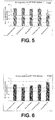
FIG.5] FIG.5 is a graph showing an analysis result of the gene expression coding β-actin by a semi-quantitative PCR method. - [
FIG.6] FIG.6 is a graph showing an analysis result of the gene expression coding c-myc by a semi-quantitative PCR method. - [
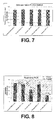
FIG.7] FIG.7 is a graph showing an analysis result of the gene expression coding Smad4 by a semi-quantitative PCR method. - [
FIG.8] FIG.8 is a graph showing an analysis result of the gene expression coding FABP5 by a semi-quantitative PCR method. - As a filamentous fungus used in the process for producing useful metabolites of the present invention, basidiomycetes, ascomycetes, zygomycetes, and myxomycetes, etc. can be utilized. Basidiomycetes are particularly preferable. Basidiomycetes include genus Pleurotus and genus Lentinula, etc., and specifically include Pleurotus ostreatus, Pleurotus eryngii, and Lentinula edodes, etc. As a basidiomycete used in the present invention, genus Pleurotus is preferable, and Pleurotus ostreatus is particularly preferable.
- The method for producing useful metabolites of the present invention may comprise a growth suppression process that increases the content of useful metabolites in mycelia by suppressing the growth of filamentous fungi. Preferably, the growth suppression process is the suppression of the growth of filamentous fungi by applying light stimulation.
- As for the light stimulation, monochromatic visible light are preferable, which include violet, blue-violet, blue, blue-green, green, and yellow-green visible lights, preferably blue light. It may also be near-ultraviolet (e.g., UVA).
- It may comprise a culture process of performing filamentous fungi culture before light irradiation. The state of filamentous fungi when light stimulation applied is not particularly limited and it is applicable to both mycelia and fruit bodies; the culture time can be shortened when utilizing mycelia.
- As for the wavelength of light, a center wavelength is desirably shorter than 570 nm, preferably 400-545 nm, more preferably 450-495 nm, and further preferably 460-480 nm. Alternatively, it may be 315-400 nm.
- Photon flux density is desirably not less than 10 µmol m-2 s-1, and it may be 10-1000 µmol m-2 s-1, but not limited thereto. It is preferably 30-500 µmol m-2 s-1, more preferably 50-200 µmol m-2 s-1, and further preferably 90-120 µmol m-2 s-1.
- Irradiation time is not limited particularly, but desirably not less than 3 hours for single irradiation. It is preferably 12-120 hours, and more preferably 24-60 hours. Further, irradiation is preferably carried out continuously, but dark culture and light culture (irradiation) maybe repeated in turn. For example, dark culture and light culture (irradiation) may be repeated every 1, 2, 3, 4, or 5 day(s).
- As a light irradiation device, a device generating light to stimulate, such as monochromatic visible light and near-ultraviolet, may be used without limitation. For example, an LED light irradiation device may be used.
- The method for producing useful metabolites of the present invention may comprise a process of extracting useful metabolites from the filamentous fungi. The extracts may be extracted by a method of separating into an organic layer and a water layer by using an organic solvent. As for the extracting solvent for metabolites, methanol, water, chloroform, and dichloromethane, etc. may be used, but not limited thereto. In addition, the organic solvent, e.g., esters such as methyl acetate and ethyl acetate, ketones such as acetone, ethers such as diethyl ether, aromatic hydrocarbons such as xylene, toluene, and benzene, and aliphatic hydrocarbons such as hexane, as well as alcohols such as methanol, ethanol, isopropanol, and butanol may also be used in combination. Typically, the antitumor substance is highly contained in the organic layer, while shikimic acid is highly contained in the water layer.
- As for the method for extracting useful metabolites of the present invention, e.g., methanol, chloroform, and water may be used as the solvents. Specifically, after adding methanol and homogenizing mycelia, equal amount of chloroform to methanol and 2/5 amount of water to methanol are added, centrifugal separation etc. is performed, and separation into the water layer and the organic layeris achieved. The obtained water layer and organic layer may be subjected to further centrifugal separation and ultrafiltration, etc. Typically, useful metabolites such as shikimic acid can be collected from the water layer, and the antitumor substance of the present invention can be collected from the organic layer.
- Therefore, the method for producing useful metabolites of the present invention may comprise a process of extracting useful metabolites comprising a process of homogenizing mycelia, a process of centrifugal separation, and a process of extraction using organic solvents and a process of purification such as separation and drying.
- The useful metabolites of the present invention include primary metabolite and secondary metabolite; the metabolites include an intermediate of aromatic compounds such as shikimic acid and physiologically active substances such as an antitumor substance, etc.
- One aspect of the present invention relates to a method for producing shikimic acid.
- In one embodiment of the present invention, the method for producing shikimic acid of the present invention is characterized by having a growth suppression process that increases the content of shikimic acid in mycelia by suppressing the growth of filamentous fungi.
- Further, it is characterized in that the filamentous fungus is a mycelium.
- Moreover, the growth suppression process is characterized in that the growth of filamentous fungi is suppressed by applying light stimulation to filamentous fungi.
- Moreover, it is characterized in that the light used for light stimulation is light with a wavelength shorter than 570 nm.
- Moreover, it is characterized in that the light used for light stimulation is blue light.
- Moreover, it is characterized in that a culture process conducting a culture of the filamentous fungi is comprised as the pre-process of the growth suppression process.
- The method for producing shikimic acid of the present invention is based on the knowledge that the stimulus of light plays an important role in controlling the growth rate and morphogenesis of plants and fungi, and in increasing the amount of contained functional nutrient ingredients therein; particularly, the mycelial growth is remarkably suppressed when light not more than a specific wavelength is irradiated to the Pleurotus ostreatus mycelia at the vegetative stage. Further, it is based on the knowledge that this suppression significantly appears when the irradiation light has a wavelength shorter than that of the green light, particularly when the irradiation light is blue light, and that the suppression degree depends on the photon flux density of the irradiation light.
- As mentioned above, the method for producing shikimic acid of the present invention utilizes the suppression mechanism of fungi growth by light. It is presumed that after the biosynthesis of shikimic acid in mycelia, shikimic acid accumulates in mycelia by blocking the aromatic amino acid biosynthetic pathway by applying light stimulation to filamentous fungi cultured in the dark, thereby the content of shikimic acid can be increased dramatically.
- As the blue light receptors of plants, cryptochrome and phototropin have been found. As for the blue light receptors of fungi, WC1 and WC2 in Neurospora crassa of ascomycetes are well studied, and they are considered to be involved in the synthesis of carotenoid and the photoregulation of circadian rhythm. Further, as the homologue genes of WC1 and WC2, dst1 in Coprinopsis cinerea, which is classified to basidiomycete as same as Pleurotus ostreatus, and madA of Phycomyces in zygomycetes have been reported. Thus, the blue light is considered as light that plays a very important role in biological control system, because genes coding for blue light receptors are widely preserved in plants and fungi. The interruption of aromatic amino acid biosynthetic pathway due to the photoreceptors of fungi or the photoreceptor action, and the growth inhibitory action due to the same, are applicable in the interior or exterior of the present invention as a new constitution of an invention, or a new invention per se.
- In the method for producing shikimic acid of the present invention, the fungi that increase the content of shikimic acid are not particularly limited, any fungus having photoreceptor and shikimic acid pathway is applicable. Specifically, Pleurotus ostreatus, Lentinula edodes, and other ascomycetes, basidiomycetes, zygomycetes, and myxomycetes, etc. are applicable, but basidiomycetes are preferable. Further, the state of filamentous fungi when light stimulation applied is not particularly limited and it is applicable to both mycelia and fruit bodies. However, mycelia are suitable because the culture time can be shortened when utilizing mycelia.
- In the method for producing shikimic acid of the present invention, light sources of the irradiation light are not particularly limited, any light source that can produce light of specific wavelength is applicable. However, LED is suitable because of low power consumption. Further, the wavelength of light is not particularly limited; any light with a wavelength that can obtain growth inhibitory action on fungi is applicable. Specifically, visible light, infrared radiation, ultraviolet radiation, and other electromagnetic waves are applicable; monochromatic visible light and near-ultraviolet radiation are preferable. Furthermore, the growth inhibitory action on fungi may be achieved by the stimulus other than light, e.g., temperature and sound. However, the growth inhibitory action is confirmed from the green light with a wavelength in a range from 495 nm to 570 nm, and the blue light with a wavelength in a range of 380 nm to 495 nm is suitable because the growth inhibitory action is significant under in such an occasion.
- One aspect of the present invention relates to a method for producing antitumor substances.
- The method for producing antitumor substances of the present invention may comprise a process of extracting useful metabolites from filamentous fungi. The extracts may be extracted by a method of separating into an organic layer and a water layer by using an organic solvent. As for the extracting solvent for metabolites, methanol, water, chloroform, and dichloromethane, etc. may be used, but not limited thereto. In addition, the organic solvent, e.g., esters such as methyl acetate and ethyl acetate, ketones such as acetone, ethers such as diethyl ether, aromatic hydrocarbons such as xylene, toluene, and benzene, and aliphatic hydrocarbons such as hexane, as well as alcohol such as methanol, ethanol, isopropanol, and butanol may also be used in combination. Typically, the antitumor substance of the present invention can be extracted a lot from the organic layer.
- The antitumor substance of the present invention has cancer cell proliferation-inhibiting activity or apoptosis-inducing activity. Further, it can effectively suppress the gene expression coding FABP5 and has an excellent antitumor activity even in a small amount.
- The method for producing useful metabolites of the present invention is explained in detail in the examples described below, but the scope of the present invention should not be limited by these examples.
- In the present example, the device used for cultivation is an ELUX-1096 LED plant cultivation device (CCS). In the present example, an experiment in which shikimic acid was produced in Pleurotus ostreatus was carried out at 20°C. As a light source for irradiating Pleurotus ostreatus mycelia, LED light source panel ISL series 305×302 (CCS) was used. For the measurement of emission intensity, LI-250 Light-Meter (LI-COR) was used with LI-190 Quantum Sensor (LI-COR) or by attaching 660/730 nm SKR110 Sensor (PP Systems International).
- In the center of a modified MA medium (composition: 2% malt extract, 2% glucose, 0.1% peptone) with 2.5% agar concentration prepared in a Pyrex (R) Petri dish (diameter, 90 mm), a commercial strain, Pleurotus ostreatus KH-3 (Chikumakasei Co.,ltd.), prepared as the test mycelia was inoculated, set in the dark at 20°C, and incubated. By this operation, the mycelial colony grew concentrically in the Petri dish. From the periphery of the mycelial colony, a disk like
colony 6 mm in diameter was cut out by a cork borer, and used as the inoculation source of the present example. - In the center of a GPY medium (composition: 5% glucose, 2.5% polypeptone, 2.5 % yeast extract) with 2.5 % agar concentration prepared in a Pyrex (R) Petri dish (diameter, 90 mm), the inoculation source prepared as mentioned above was inoculated, set in the dark at 20° C, and incubated. In the experiment of the present example, a colony growing till 6 mm in diameter and a colony growing till 20 mm in diameter were used as samples.
- An experiment for confirming the effect of light wavelength on mycelial growth was performed by changing the wavelength of irradiation light to mycelia. The samples prepared as mentioned above were irradiated by monochromatic lights of each wavelength of blue light, green light, red light, and far-red light with emission intensity of 95 µmolm-2s-1, and the growth of each mycelial colony was monitored and compared. The tracking of the growth change was made by an evaluation method, in which the maximum value and minimum value of the diameter of mycelial colony was measured every 24 hours and the average value was calculated and set as the amount of the growth change in mycelial colony. The center wavelength of each monochromatic visible light is 470 nm for blue light, 525 nm for green light, 660 nm for red light, and 735 nm for far-red light.
-
Figure 1 is a graph showing the growth change of the samples irradiated with the each monochromatic visible light described above. From this figure, it is recognized that in the samples irradiated with red light and far-red light, the mycelial colony grows in the same rate as those incubated in the dark without light irradiation. Further, it is recognized that in the samples irradiated by green light, the mycelial growth becomes significantly slow, and that the mycelial growth is completely stopped by blue-light irradiation. Accordingly, a growth suppression of Pleurotus ostreatus mycelia is verified when the light wavelength is shorter than that of green light, and it is recognized as a particularly remarkable phenomenon in blue light. - An experiment for verifying the effect of light intensity on mycelial growth was performed by changing the emission intensity of blue light irradiated to mycelia. The samples prepared as mentioned above were incubated for one week with blue-light irradiation at emission intensity set at 6 µmol m-2 s-1, 11 µmol m-2 s-1, 26µmol m-2 s-1, 51 µmol m-2 s-1, and 105 µmol m-2 s-1, and the growth of each mycelial colony was monitored and compared. The evaluation method is the same as the above experiment.
-
Figure 2 is a graph showing the growth change of mycelial colony on changing the emission intensity of blue light irradiated. From this figure, it is acknowledged that the growth of mycelial colony is more suppressed when the emission intensity of irradiation blue light becomes stronger. Further, it is recognized that for the sample where emission intensity is 105 µmol m-2 s-1, the growth is completely interrupted. Furthermore, it is recognized that the growth rate becomes constant and stable after the passage of 3 days from the start of the experiment for all samples. Thus, it is recognized that the suppression effect of mycelial growth by blue-light irradiation depends on the emission intensity of light irradiated and that the suppression effect is continuously stable. - An experiment for evaluating the effect on the growth of mycelial colony was performed by intermittent irradiation that repeats blue-light irradiation and dark storage alternately. The samples prepared as mentioned above were irradiated for 3 days by blue light set at 105 µmol m-2 s-1, after that dark storage was performed for 3 days, and this set was repeated alternately for 21 days. The evaluation method is the same as the above experiment.
-
Figure 3 is a graph showing the growth change of mycelial colony caused by repeating blue-light irradiation and dark storage alternately. From this figure, it is recognized that the suppression of the mycelial growth due to light irradiation and the recovery of the growth of the mycelial colony due to the interruption of light irradiation alternately appear when blue-light irradiation and dark storage are repeated alternately every 3 days. It is assumed that this is caused by repeated induction of expression and suppression of genes involved in the growth of Pleurotus ostreatus mycelia by transmitting blue-light signals. - Extraction of metabolites contained in mycelia was carried out in order to evaluate the content of shikimic acid in Pleurotus ostreatus mycelia grown according to the above-mentioned experiments. The extraction method is as described below.
- I. The mycelia on the surface of culture medium, which was grown in the Petri dishes in a predetermined size by the growth suppression experiment due to blue-light irradiation to mycelia, were collected by using a scraper (Sumilon MS-93100 (R), Sumitomo Bakelite Co. ltd.). In the case of the present example, the colony was grown till 60 mm in diameter.
- II. 500 µL of methanol solution containing the internal standard material was added to 50 mg of the sample collected in the above Process I under ice cooling, and it is homogenized by using a desktop homogenizer (BMS-M10N21, BMS) at 1500 rpm (150sec × 3 times).
- III. 500 µL of chloroform and 200 µL of Milli-Q water were added into the solution homogenized in the above Process II. The obtained solution was stirred, mixed, and then centrifugal separation was performed under the following conditions: 2300×g, 4°C, 120min.
- IV. Among the solution centrifugally separated in the above Process III, only 400 µL of an aqueous solution from the water layer was transferred to ultrafiltration tube (Millipore, Ultrafree-MC UFC3 LCC centrifugal filter unit 5kD).
- V. Ultrafiltration was carried out for the solution transferred in the above Process IV by performing further centrifugal separation under the following conditions: 9100×g, 4 °C, 120 min.
- VI. The filtrate in the above Process V was dried, dissolved in 20 µL of Milli-Q water again, and it was used as a sample for evaluating mycelia obtained in the growth experiments mentioned above.
- Shikimic acid contained in each sample prepared by the methods mentioned above was quantitatively analyzed. A capillary electrophoresis time-of-flight mass spectrometer (CE-TOFMS System, Agilent Technologies) was used as the device for analysis, which was set to an anion mode, and analysis for anionic metabolites of each sample was carried out. Following 3 samples were used in the analysis: OM-1 obtained by incubating Pleurotus ostreatus in the dark, OM-2 obtained by blue-light irradiation for 12 hours to the similar sample as that of OM-1, and OM-3 obtained by blue-light irradiation for 36 hours in the same way.
[Table 1] Analyte name OM-1 OM-2 OM-3 Content, µg/g 2.3 116 460 - Table 1 shows the result of quantitative analysis carried out according to the method mentioned above. Calculation of the content was performed by multiplying the concentration (nmol/g) measured using CE-TOFMS by 174.15, the molecular weight of the shikimic acid. From the table, it is recognized that the content of shikimic acid in the samples is increased, as the irradiation time of blue light to samples is increased. Thus, it is recognized that the increment of shikimic acid in mycelia of the present invention correlates strongly with the irradiation time of blue-light irradiation. Further, it is confirmed that the method used in the present invention is effective in increasing the content of shikimic acid in mycelia.
- Using the same method as the extraction method of shikimic acid described in Example 1, organic layer components were extracted from the organic layer.
- The effect of the obtained organic layer components on cancer cell proliferation was studied.
- Human prostate cancer cell PC-3 (acquired from Japan Health Sciences Foundation) was cultured in a RPMI medium (SIGMA) with 10% FBS (MP Biomedicals). Using the organic layer components prepared as mentioned above, an analysis for the effect on cell proliferation of PC-3 cells was performed by microscopic observation of the number of the cells (
Fig. 4 ). - The organic layer component extracted from the mycelia cultured in the dark and then under blue-light irradiation (48h) was dissolved by ethanol (EtOH) and added in the medium at a final concentration of 0.2% (v/v) and 2% (v/v). After 48-hour cultivation, the number of the cells was observed by a microscope.
- As shown in
Fig. 4 , compared to the control (Fig. 4A ), concentration-dependent decrease in the number of the cells was seen with the addition of the extract obtained from the culture in the dark (Fig. 4B and 4C ). Further, the decrease in the number of the cells was also seen with the addition of the extract from the sample irradiated using blue light, and the cell proliferation depressing effect by the extract obtained from the blue light irradiation culture was significant compared to those in the samples obtained from the culture in the dark (Figs. and 4E). - PC-3 cells was cultured in a 6-well Plate (NUNC (registered trademark: MULTIDISH)) till 50% for each well. The organic layer components prepared as mentioned above were used, and gene expression analysis was performed by semi-quantitative RT-PCR. The organic layer components dissolved by ethanol (EtOH) was added in the medium at a final concentration of 0.2% (v/v) and 2% (v/v), and semi-quantitative PCR analysis was performed after 48-hour cultivation.
- After cultivation, the medium was removed; washed by PBS, 500 µL of TRIzol was added and pipetting was performed, then RNA was collected.
- 100 µL of chloroform was added into the collected RNA and mixed. The mixture was placed at room temperature for 2-3 minutes, then centrifugal separation (13,000 rpm, 15 min, 4 °C) was carried out, and the supernatant was collected. An equal volume of isopropanol was added into the supernatant and mixed thoroughly by gentle inversion. After being placed at room temperature for 10 minutes, centrifugal separation (13, 000 rpm, 10 min, 4 °C) was carried out, then the supernatant was decanted. Washing the pellet by addition of 70% of ethanol, centrifugal separation (13,000 rpm, 5 min, 4 °C) was carried out, and the supernatant was decanted. After drying the pellet at room temperature, the pellet was dissolved by adding 20 µL of DEPC water, and the obtained solution was used as a sample.
- RT-PCR was carried out by using ReverTra Ace (R) kit (TOYOBO) and 2×GoTaq (R) Green Master Mix (Promega).
- Firstly, the sample prepared in the above-mentioned (1) was diluted up to 250 ng/µL by adding DEPC water. The composition of Table 2 was prepared with using the diluted sample, then treated by thermal cycler with the following steps 1-3 (Step 1: 30°C, 10 min; Step 2: 42°C, 60 min; Step 3: 95°C, 5 min), and cDNA (complementary DNA) was synthesized.
[Table 2] 2× RT Buffer 4 2.5 mM dNTP 8 Oligo (dT) 1 N-F H2O 2 RNase inhibitor 0.5 RTase 0.5 Sample (250 ng/µL) 4 Total (µL) 20 - Using the synthesized cDNA as a template, and using primers that amplifies each gene shown in Table 3 (β-actin, Smad4, c-myc) and primers that amplifies 18SrRNA as a endogenous control, the composition of Table 4 was treated by thermal cycler with the following steps 1-3 (Step 1: 95°C, 5 min; Step 2: 1) 95°C, 30 sec, 2) 56°C, 40 sec, 3) 72°C, 1 min; with 1)-3) as one cycle, 23 cycles for 18SrRNA and β-actin or 31 cycles for Smad4 and c-myc; Step 3: 72°C, 5 min), and DNA was amplified.
- The amplified DNA was electrophoresed with agarose gel and dyed with ethidium bromide, then the gel was photographed by E-Graph (ATTO). Semi-quantitative analysis was performed by quantifying fluorescence intensity of each band using ImageJ. As shown in
Fig. 5 to Fig. 7 , c-myc (Fig. 6 ) and Smad4 gene expression levels (Fig. 7 ) were hardly decreased by addition of the extract from the samples cultured in the dark and under blue-light irradiation; however, ca. 25% of the β-actin gene expression level was suppressed by addition of the extract (2% v/v) from the sample irradiated by blue light (Fig. 5 ).[Table 3] SEQ ID NO. Gene Number of Cycles Sequence 1 18srRNA-F 23 AAACGGCTACCACATCCAAG 2 18srRNA-R 23 CCTCCAATGGATCCTCGTTA 3 β-actin-F 23 AGGTCATCACCATTGGCAAT 4 β-actin-R 23 ACTCGTCATACTCCTGCTTG 5 Smad4-F 31 TTGCTTCCACTTGAATGCTG 6 Smad4-R 31 CTTCAAAGGGGACACCAAAA 7 c-myc-F 31 TTCGGGTAGTGGAAAACCAG 8 c-myc-R 31 CAGCAGCTCGAATTTCTTCC [Table 4] master mix 10 N-F H2O 8 Primer 1 cDNA 1 Total (µL) 20 - The cDNA obtained by the above-mentioned reverse transcription reaction was diluted up to 1/100 and used as a template. The reagent composition and primers used in quantitative RT-PCR are shown in Table 5 and Table 6, respectively.
-
[Table 5] KAPASYBR®FAST 10 qPCR Master Mix (2×) Nuclease-Free H2O 7.2 KAPASYBR®FAST 0.4 ROX High (50×) Primer (10 µM) 0.4 1/100 cDNA 2 Total (µL) 20 -
[Table 6] SEQ ID NO. Gene Sequence 9 18srRNA- F CGGCTACCACATCCAAGGAA 10 18srRNA-R GCTGGAATTACCGCGGCT 11 FABP5- F GCTGATGGCAGAAAAACTCAGA 12 FABP5-R CCTGATGCTGAACCAATGCA - The prepared reagent was set in StepOne (R) Real-time PCR System (Applied Biosystems) and quantitatively analyzed by ΔΔCT Method.
- As shown in
Fig. 8 , the FABP5 gene expression was significantly decreased by addition of the extracts from the samples cultured in the dark and under blue-light irradiation, and the effect of the extract from the sample cultured under blue light irradiation is stronger than that from the sample cultured in the dark, where ca.65% of the FABP5 gene expression was suppressed by addition of the extract (2% v/v) from the sample cultured under blue-light irradiation. This shows that the production of antitumor substances can be increased by blue-light irradiation. - The method for producing useful metabolites found by the present invention makes it possible to efficiently produce industrially useful substances such as shikimic acid from filamentous fungi. In recent years, linked with the demand for the anti-influenza drug Tamiflu, attention of the market to shikimic acid has increased and its price has also increased. However, the yield of the current method for producing shikimic acid is still confined to about 0.3-3% and no alternative method has been found, which renders the supply of Tamiflu unstable during influenza pandemic and this causes a social issue. The method for producing shikimic acid of the present invention is capable of obtaining shikimic acid efficiently by using commercially available and inexpensive materials; further, since it is possible to execute the process only in one step, the method can be performed at a low cost and in short time. Further, the method for producing useful metabolites found by the present invention can also efficiently produce antitumor substances.
- Translation of the words in figures.
- [
Fig.1 ]- □ Mycelial colony growth (mm)
- □ Dark
- □ Far-red
- □ Red
- □ Green
- □ Blue
- □ Error bar = SD
- □ Irradiation period
- □ 10 days after irradiation
- [
Fig.2 ]- □ Mycelial colony growth (mm)
- □ Dark
- □ Irradiation period
- □ 7 days after irradiation
- [
Fig.3 ]- □ Mycelial colony growth (mm)
- □ Dark
- □ Light-dark cycle every 3 days
- □ Error bar = SD
- □ Irradiation period
- [
Fig.4 ]- A. Control (100% EtOH)
- B. Sample (0h-0.2%)
- C. Sample (0h-2%)
- D. Sample (48h-0.2%)
- E. Sample (48h-2%)
- [
Fig.5], [Fig.6 ], [Fig.7 ]- □ Semi-quantitative RT-PCR Method
- □ Relative expression level
- □ Vehicle (100% EtOH)
- □ Sample (0h) 0.2%
- □ Sample (0h) 2%
- □ Sample (48h) 0.2%
- □ Sample (48h) 2%
- [
Fig.8 ]- □ Real-time PCR
- □ -⑦ [

Fig. 5], [Fig. 6 ], [Fig.7 ]


Claims (11)
- A method for producing useful metabolites comprising a growth suppression process that increases the content of useful metabolites in mycelia by suppressing the growth of filamentous fungi.
- The method for producing useful metabolites according to Claim 1, wherein the growth suppression process is suppression of the growth of filamentous fungi by applying a stimulus of light, which has a center wavelength shorter than 570 nm, to the filamentous fungi.
- The method according to Claim 1 or 2, wherein the method comprises a process of extracting useful metabolites from filamentous fungi.
- The method according to any one of Claims 1 to 3, wherein the filamentous fungi are basidiomycetes.
- The method according to Claim 4, wherein the basidiomycete is genus Pleurotus.
- The method according to any one of Claims 2 to 5, wherein the stimulus of light is blue-light stimulation.
- The method according to any one of Claims 2 to 6, wherein the stimulus of light is applied by the light irradiated at more than 10 µmol m-2 s-1.
- The method according to any one of Claims 2 to 7, wherein the stimulus of light is applied with intermittent irradiation.
- The method according to any one of Claims 1 to 8, wherein the useful metabolite is shikimic acid.
- The method according to any one of Claims 1 to 8, wherein the useful metabolite is an antitumor substance.
- A useful metabolite produced by the method according to any one of Claims 1 to 10.
Applications Claiming Priority (2)
| Application Number | Priority Date | Filing Date | Title |
|---|---|---|---|
| JP2011194491 | 2011-09-07 | ||
| PCT/JP2012/070017 WO2013035473A1 (en) | 2011-09-07 | 2012-08-06 | Method for producing useful metabolite from filamentous fungus |
Publications (3)
| Publication Number | Publication Date |
|---|---|
| EP2754716A1 true EP2754716A1 (en) | 2014-07-16 |
| EP2754716A4 EP2754716A4 (en) | 2015-02-18 |
| EP2754716B1 EP2754716B1 (en) | 2018-03-28 |
Family
ID=47831925
Family Applications (1)
| Application Number | Title | Priority Date | Filing Date |
|---|---|---|---|
| EP12829534.2A Active EP2754716B1 (en) | 2011-09-07 | 2012-08-06 | Method for producing shikimic acid and an antitumour agent from basidiomycetes by light stimulation |
Country Status (7)
| Country | Link |
|---|---|
| US (1) | US9834796B2 (en) |
| EP (1) | EP2754716B1 (en) |
| JP (1) | JP6095171B2 (en) |
| KR (1) | KR20140077901A (en) |
| CN (1) | CN103930556B (en) |
| CA (1) | CA2852465A1 (en) |
| WO (1) | WO2013035473A1 (en) |
Families Citing this family (3)
| Publication number | Priority date | Publication date | Assignee | Title |
|---|---|---|---|---|
| EP2754716B1 (en) * | 2011-09-07 | 2018-03-28 | Masanobu Kojima | Method for producing shikimic acid and an antitumour agent from basidiomycetes by light stimulation |
| KR102576229B1 (en) * | 2021-03-12 | 2023-09-08 | 박대정 | Method for producing pet healthy food using fermentation product by Lentinula edodes fermentation of herbs and oak |
| JP7840253B2 (en) * | 2022-12-02 | 2026-04-03 | 三菱電機株式会社 | Composting methods |
Family Cites Families (21)
| Publication number | Priority date | Publication date | Assignee | Title |
|---|---|---|---|---|
| JPS5588699A (en) | 1978-12-28 | 1980-07-04 | Nissan Chem Ind Ltd | Preparation of physiologically active substance such as dechlorogriseofulvin with coriolus vernicipes |
| JPH07227289A (en) | 1994-02-14 | 1995-08-29 | Nippon Mektron Ltd | Microbial metabolites and antitumor agents containing them as active ingredients |
| JPH11152230A (en) | 1997-09-19 | 1999-06-08 | Seimei Kagaku Kenkyusho:Kk | Composition containing mushroom or its extract |
| JPH11349583A (en) | 1998-04-10 | 1999-12-21 | Mitsui Chem Inc | Production of quinic acid derivative |
| DE69900483T2 (en) | 1998-05-13 | 2002-06-27 | F. Hoffmann-La Roche Ag, Basel | Process for the preparation of shikimic acid and its derivatives |
| JP2000078967A (en) | 1998-07-02 | 2000-03-21 | Toray Ind Inc | Microorganism belonging to the genus Citrobacter and method for producing shikimic acid using the same |
| WO2000001800A1 (en) * | 1998-07-02 | 2000-01-13 | Toray Industries, Inc. | Microorganism belonging to the genus citrobacter and process for producing shikimic acid |
| US6403824B2 (en) | 2000-02-22 | 2002-06-11 | Hoffmann-La Roche Inc. | Process for the preparation for 4,5-diamino shikimic acid derivatives |
| US6518048B2 (en) | 2000-04-10 | 2003-02-11 | Hoffmann-La Roche Inc. | Stereo-specific synthesis of shimikic acid derivatives with improved efficiency |
| JP2002281993A (en) | 2001-03-27 | 2002-10-02 | Toray Ind Inc | Method for producing shikimic acid |
| JP2007300809A (en) | 2006-05-08 | 2007-11-22 | Yamaguchi Univ | Method for producing shikimic acid |
| CN101078020A (en) * | 2006-05-23 | 2007-11-28 | 曹庸 | Biological transformation and purification method for illicium plants shikimic acid |
| CN101134958A (en) | 2006-08-29 | 2008-03-05 | 上海海泰药业有限公司 | Method for producing shikimic acid by biological engineering invoice method expression and engineering bacterium constructed thereby |
| CN101139566A (en) * | 2006-09-08 | 2008-03-12 | 中国科学院上海生命科学研究院 | A shikimic acid producing strain and its construction method |
| WO2008128076A1 (en) * | 2007-04-13 | 2008-10-23 | Monsanto Technology Llc | Use of glyphosate to produce shikimic acid in microorganisms |
| JP2009201473A (en) | 2008-02-29 | 2009-09-10 | Yamaguchi Univ | Process for production of quinic acid and/or caffeic acid |
| CN101245357B (en) * | 2008-03-28 | 2011-06-01 | 北京化工大学 | A method for improving the yield of shikimic acid produced by fermentation |
| US20100239711A1 (en) * | 2009-03-23 | 2010-09-23 | Pei-Jung Li | Method for manufacturing coffee by solid state fermentation |
| CN101857879A (en) | 2010-03-16 | 2010-10-13 | 唐东升 | Method for promoting and inducing Pleurotus eryngii mycelium to produce and accumulate triterpenoid |
| US9284566B2 (en) * | 2010-11-03 | 2016-03-15 | The Regents Of The University Of California | Biofuel and chemical production by recombinant microorganisms via fermentation of proteinaceous biomass |
| EP2754716B1 (en) * | 2011-09-07 | 2018-03-28 | Masanobu Kojima | Method for producing shikimic acid and an antitumour agent from basidiomycetes by light stimulation |
-
2012
- 2012-08-06 EP EP12829534.2A patent/EP2754716B1/en active Active
- 2012-08-06 WO PCT/JP2012/070017 patent/WO2013035473A1/en not_active Ceased
- 2012-08-06 CN CN201280054117.7A patent/CN103930556B/en active Active
- 2012-08-06 JP JP2013532503A patent/JP6095171B2/en active Active
- 2012-08-06 KR KR1020147008897A patent/KR20140077901A/en not_active Withdrawn
- 2012-08-06 CA CA2852465A patent/CA2852465A1/en not_active Abandoned
- 2012-08-06 US US14/343,404 patent/US9834796B2/en active Active
Non-Patent Citations (10)
| Title |
|---|
| AVAGYAN ET AL: "Change of metabolic activity of Pleurotus ostreatus culture under the influence of electromagnetic waves (translated)", MIKOLOGIYA I FITOPATOLOGIYA, vol. 45, November 2011 (2011-11-01), pages 77 - 83, XP002734205 * |
| CHEN ET AL: "Anticancer activities of wild and cultivated edible Danish mushrooms", INTERNATIONAL JOURNAL OF MEDICINAL MUSHROOMS, vol. 9, 2007, pages 290 - 291, XP002734213 * |
| DAWOUD ET AL: "Evaluation of nutritional substrate and physical stress (gamma irradiation) in beta-glucan productivity by mushroom (Pleurotus ostreatus)", AFRICAN JOURNAL OF BIOTECHNOLOGY, vol. 10, 7 November 2011 (2011-11-07), pages 15578 - 15586, XP002734175 * |
| GREGORI ET AL: "Cultivation techniques and medicinal properties of Pleurotus spp.", FOOD TECHNOLOGY AND BIOTECHNOLOGY, vol. 45, 2007, pages 238 - 249, XP002734203 * |
| KOJIMA (SHINSU UNIVERSITY): "Correlation between gene expression and metabolite production in oyster mushroom mycelia stimulated by blue light", MEETING OF THE JAPANESE BIOCHEMICAL SOCITY, January 2012 (2012-01-01), JAPAN, pages 1 - 16 * |
| MIYAZAKI ET AL: "Light-stimulative effects on the cultivation of edible mushrooms by using blue LED", CONFERENCE PAPER, ARCACHON, FRANCE, 4-7 OCTOBER 2011, October 2011 (2011-10-01), pages 58 - 67, XP002734204, Retrieved from the Internet <URL:https://colloque4.inra.fr/var/icmbmp7/storage/fckeditor/file/poster%20session/P7.pdf> [retrieved on 20150108] * |
| N.N.: "[In Japanese]", PROJECT INFORMATION, 2012, pages 1 - 24, XP002734176, Retrieved from the Internet <URL:http://jstshingi.jp/abst/p/12/1224/sis07.pdf> [retrieved on 20150107] * |
| NAKANO ET AL: "Effects of light wavelength and intensity on the expression of photoresponse genes in oyster mushroom mycelia", JOURNAL OF LIGHT & VISUAL ENVIRONMENT, vol. 35, June 2011 (2011-06-01), pages 90 - 94, XP002734174 * |
| POYEDINOK ET AL: "The activity of certain medicinal mushrooms after light influences", INTERNATIONAL JOURNAL OF MEDICINAL MUSHROOMS, vol. 9, 2007, pages 342 - 343, XP002734212 * |
| See also references of WO2013035473A1 * |
Also Published As
| Publication number | Publication date |
|---|---|
| CN103930556B (en) | 2016-03-30 |
| CA2852465A1 (en) | 2013-03-14 |
| EP2754716B1 (en) | 2018-03-28 |
| CN103930556A (en) | 2014-07-16 |
| US20140332719A1 (en) | 2014-11-13 |
| US9834796B2 (en) | 2017-12-05 |
| KR20140077901A (en) | 2014-06-24 |
| EP2754716A4 (en) | 2015-02-18 |
| JPWO2013035473A1 (en) | 2015-03-23 |
| JP6095171B2 (en) | 2017-03-15 |
| WO2013035473A1 (en) | 2013-03-14 |
Similar Documents
| Publication | Publication Date | Title |
|---|---|---|
| Son et al. | 1H NMR-based metabolomic approach for understanding the fermentation behaviors of wine yeast strains | |
| Turk et al. | Cordyceps mushroom with increased cordycepin content by the cultivation on edible insects | |
| JP6560301B2 (en) | Method for promoting laccase production by microorganisms | |
| EP2754716B1 (en) | Method for producing shikimic acid and an antitumour agent from basidiomycetes by light stimulation | |
| Bondzie-Quaye et al. | Advances in the biosynthesis, diversification, and hyperproduction of ganoderic acids in Ganoderma lucidum | |
| Shi et al. | Linoleic acid functions as a quorum‐sensing molecule in Monascus purpureus–Saccharomyces cerevisiae co‐culture | |
| CN118932005A (en) | A method and application of red yeast for preparing carotenoids | |
| CN107227264A (en) | A kind of Lasiodiplodia iranensis bacterium and its method for fermentation production jasmonic | |
| Wang et al. | Nutritional value and volatiles of the edible mushroom Leucocalocybe mongolica | |
| CN111000204A (en) | Fermentation method for improving quality of shrimp paste | |
| Haider | Citric acid production from carob pod extract by Aspergillus niger | |
| Tsivileva et al. | Antioxidant properties of the Artist's Conk medicinal mushroom, Ganoderma applanatum (Agaricomycetes), upon cultivation with para-substituted phenolic compounds and tea leaf extracts | |
| Privalova et al. | Tris (2-hydroxyethyl) ammonium arylchalcogenylacetates, growth stimulants of alcohol yeast Saccharomyces cerevisiae | |
| CN108795773B (en) | Musk mould strain and perfume prepared from same | |
| CN108795771B (en) | Musk mould strain and perfume prepared from same | |
| Abu-Mejdad et al. | Isolation and molecular identification of yeasts, study their potential for producing killer toxins and evaluation of toxins activity against some bacteria and pathogenic fungi | |
| CN117838742A (en) | Preparation method of ganoderma lucidum triterpene crude extract with acetylcholine inhibition activity | |
| Lin et al. | In vitro induction of fruiting body in Antrodia cinnamomea—a medicinally important fungus | |
| CN105087522B (en) | A kind of extracting method of the endocellular enzyme generated in fungal mycelium liquid deep layer fermenting | |
| CN101418341A (en) | Method for quickly screening taxol-producing endophytic fungi | |
| Wu et al. | Revitalization of the Endophytic Fungus Acremonium sp. MEP2000 and Its Impact on the Growth and Accumulation of Bioactive Compounds in Inonotus obliquus | |
| CN112251361A (en) | Mucor strain and application thereof, mucor preparation, nanru and preparation method thereof | |
| Ghesmati et al. | Cell Wall Extract from Piriformospora indica Enhances Valerenic Acid Content in Valerian Roots via Modulating Sesquiterpene Synthase Genes | |
| TWI395813B (en) | Manufacturing mmethod for obtaining polysaccharide from the solid fermentation product of antrodia camphorate | |
| CN102559831B (en) | Preparation method and application of 3, 6, 6-trimethylcycloheptyl-2-alkene-1-ketone fragrance |
Legal Events
| Date | Code | Title | Description |
|---|---|---|---|
| PUAI | Public reference made under article 153(3) epc to a published international application that has entered the european phase |
Free format text: ORIGINAL CODE: 0009012 |
|
| 17P | Request for examination filed |
Effective date: 20140407 |
|
| AK | Designated contracting states |
Kind code of ref document: A1 Designated state(s): AL AT BE BG CH CY CZ DE DK EE ES FI FR GB GR HR HU IE IS IT LI LT LU LV MC MK MT NL NO PL PT RO RS SE SI SK SM TR |
|
| RAP1 | Party data changed (applicant data changed or rights of an application transferred) |
Owner name: SHINSHU UNIVERSITY Owner name: LSIP, LLC |
|
| DAX | Request for extension of the european patent (deleted) | ||
| A4 | Supplementary search report drawn up and despatched |
Effective date: 20150121 |
|
| RIC1 | Information provided on ipc code assigned before grant |
Ipc: C12P 7/42 20060101AFI20150112BHEP Ipc: C12N 1/14 20060101ALI20150112BHEP Ipc: C12N 13/00 20060101ALI20150112BHEP Ipc: C12R 1/645 20060101ALI20150112BHEP |
|
| 17Q | First examination report despatched |
Effective date: 20150904 |
|
| RAP1 | Party data changed (applicant data changed or rights of an application transferred) |
Owner name: SHINSHU UNIVERSITY |
|
| STAA | Information on the status of an ep patent application or granted ep patent |
Free format text: STATUS: EXAMINATION IS IN PROGRESS |
|
| REG | Reference to a national code |
Ref country code: DE Ref legal event code: R079 Ref document number: 602012044577 Country of ref document: DE Free format text: PREVIOUS MAIN CLASS: C12P0007420000 Ipc: C12P0001020000 |
|
| RIC1 | Information provided on ipc code assigned before grant |
Ipc: C12N 1/14 20060101ALI20170811BHEP Ipc: C12N 13/00 20060101ALI20170811BHEP Ipc: C12P 7/42 20060101ALI20170811BHEP Ipc: A61P 35/00 20060101ALI20170811BHEP Ipc: C12P 1/02 20060101AFI20170811BHEP |
|
| GRAP | Despatch of communication of intention to grant a patent |
Free format text: ORIGINAL CODE: EPIDOSNIGR1 |
|
| STAA | Information on the status of an ep patent application or granted ep patent |
Free format text: STATUS: GRANT OF PATENT IS INTENDED |
|
| INTG | Intention to grant announced |
Effective date: 20170927 |
|
| GRAS | Grant fee paid |
Free format text: ORIGINAL CODE: EPIDOSNIGR3 |
|
| GRAA | (expected) grant |
Free format text: ORIGINAL CODE: 0009210 |
|
| STAA | Information on the status of an ep patent application or granted ep patent |
Free format text: STATUS: THE PATENT HAS BEEN GRANTED |
|
| AK | Designated contracting states |
Kind code of ref document: B1 Designated state(s): AL AT BE BG CH CY CZ DE DK EE ES FI FR GB GR HR HU IE IS IT LI LT LU LV MC MK MT NL NO PL PT RO RS SE SI SK SM TR |
|
| RAP1 | Party data changed (applicant data changed or rights of an application transferred) |
Owner name: KOJIMA, MASANOBU Owner name: SHONAN TECHNOLOGY CENTER, INC. |
|
| REG | Reference to a national code |
Ref country code: GB Ref legal event code: FG4D |
|
| REG | Reference to a national code |
Ref country code: CH Ref legal event code: EP |
|
| REG | Reference to a national code |
Ref country code: AT Ref legal event code: REF Ref document number: 983486 Country of ref document: AT Kind code of ref document: T Effective date: 20180415 |
|
| REG | Reference to a national code |
Ref country code: IE Ref legal event code: FG4D |
|
| REG | Reference to a national code |
Ref country code: DE Ref legal event code: R096 Ref document number: 602012044577 Country of ref document: DE |
|
| PG25 | Lapsed in a contracting state [announced via postgrant information from national office to epo] |
Ref country code: FI Free format text: LAPSE BECAUSE OF FAILURE TO SUBMIT A TRANSLATION OF THE DESCRIPTION OR TO PAY THE FEE WITHIN THE PRESCRIBED TIME-LIMIT Effective date: 20180328 Ref country code: NO Free format text: LAPSE BECAUSE OF FAILURE TO SUBMIT A TRANSLATION OF THE DESCRIPTION OR TO PAY THE FEE WITHIN THE PRESCRIBED TIME-LIMIT Effective date: 20180628 Ref country code: HR Free format text: LAPSE BECAUSE OF FAILURE TO SUBMIT A TRANSLATION OF THE DESCRIPTION OR TO PAY THE FEE WITHIN THE PRESCRIBED TIME-LIMIT Effective date: 20180328 Ref country code: LT Free format text: LAPSE BECAUSE OF FAILURE TO SUBMIT A TRANSLATION OF THE DESCRIPTION OR TO PAY THE FEE WITHIN THE PRESCRIBED TIME-LIMIT Effective date: 20180328 |
|
| REG | Reference to a national code |
Ref country code: NL Ref legal event code: MP Effective date: 20180328 |
|
| REG | Reference to a national code |
Ref country code: LT Ref legal event code: MG4D |
|
| REG | Reference to a national code |
Ref country code: FR Ref legal event code: PLFP Year of fee payment: 7 |
|
| PG25 | Lapsed in a contracting state [announced via postgrant information from national office to epo] |
Ref country code: LV Free format text: LAPSE BECAUSE OF FAILURE TO SUBMIT A TRANSLATION OF THE DESCRIPTION OR TO PAY THE FEE WITHIN THE PRESCRIBED TIME-LIMIT Effective date: 20180328 Ref country code: SE Free format text: LAPSE BECAUSE OF FAILURE TO SUBMIT A TRANSLATION OF THE DESCRIPTION OR TO PAY THE FEE WITHIN THE PRESCRIBED TIME-LIMIT Effective date: 20180328 Ref country code: RS Free format text: LAPSE BECAUSE OF FAILURE TO SUBMIT A TRANSLATION OF THE DESCRIPTION OR TO PAY THE FEE WITHIN THE PRESCRIBED TIME-LIMIT Effective date: 20180328 Ref country code: BG Free format text: LAPSE BECAUSE OF FAILURE TO SUBMIT A TRANSLATION OF THE DESCRIPTION OR TO PAY THE FEE WITHIN THE PRESCRIBED TIME-LIMIT Effective date: 20180628 Ref country code: GR Free format text: LAPSE BECAUSE OF FAILURE TO SUBMIT A TRANSLATION OF THE DESCRIPTION OR TO PAY THE FEE WITHIN THE PRESCRIBED TIME-LIMIT Effective date: 20180629 |
|
| PG25 | Lapsed in a contracting state [announced via postgrant information from national office to epo] |
Ref country code: ES Free format text: LAPSE BECAUSE OF FAILURE TO SUBMIT A TRANSLATION OF THE DESCRIPTION OR TO PAY THE FEE WITHIN THE PRESCRIBED TIME-LIMIT Effective date: 20180328 Ref country code: RO Free format text: LAPSE BECAUSE OF FAILURE TO SUBMIT A TRANSLATION OF THE DESCRIPTION OR TO PAY THE FEE WITHIN THE PRESCRIBED TIME-LIMIT Effective date: 20180328 Ref country code: NL Free format text: LAPSE BECAUSE OF FAILURE TO SUBMIT A TRANSLATION OF THE DESCRIPTION OR TO PAY THE FEE WITHIN THE PRESCRIBED TIME-LIMIT Effective date: 20180328 Ref country code: PL Free format text: LAPSE BECAUSE OF FAILURE TO SUBMIT A TRANSLATION OF THE DESCRIPTION OR TO PAY THE FEE WITHIN THE PRESCRIBED TIME-LIMIT Effective date: 20180328 Ref country code: EE Free format text: LAPSE BECAUSE OF FAILURE TO SUBMIT A TRANSLATION OF THE DESCRIPTION OR TO PAY THE FEE WITHIN THE PRESCRIBED TIME-LIMIT Effective date: 20180328 Ref country code: AL Free format text: LAPSE BECAUSE OF FAILURE TO SUBMIT A TRANSLATION OF THE DESCRIPTION OR TO PAY THE FEE WITHIN THE PRESCRIBED TIME-LIMIT Effective date: 20180328 |
|
| PG25 | Lapsed in a contracting state [announced via postgrant information from national office to epo] |
Ref country code: SM Free format text: LAPSE BECAUSE OF FAILURE TO SUBMIT A TRANSLATION OF THE DESCRIPTION OR TO PAY THE FEE WITHIN THE PRESCRIBED TIME-LIMIT Effective date: 20180328 Ref country code: SK Free format text: LAPSE BECAUSE OF FAILURE TO SUBMIT A TRANSLATION OF THE DESCRIPTION OR TO PAY THE FEE WITHIN THE PRESCRIBED TIME-LIMIT Effective date: 20180328 Ref country code: CZ Free format text: LAPSE BECAUSE OF FAILURE TO SUBMIT A TRANSLATION OF THE DESCRIPTION OR TO PAY THE FEE WITHIN THE PRESCRIBED TIME-LIMIT Effective date: 20180328 |
|
| REG | Reference to a national code |
Ref country code: AT Ref legal event code: MK05 Ref document number: 983486 Country of ref document: AT Kind code of ref document: T Effective date: 20180328 |
|
| PG25 | Lapsed in a contracting state [announced via postgrant information from national office to epo] |
Ref country code: PT Free format text: LAPSE BECAUSE OF FAILURE TO SUBMIT A TRANSLATION OF THE DESCRIPTION OR TO PAY THE FEE WITHIN THE PRESCRIBED TIME-LIMIT Effective date: 20180730 |
|
| REG | Reference to a national code |
Ref country code: DE Ref legal event code: R097 Ref document number: 602012044577 Country of ref document: DE |
|
| PG25 | Lapsed in a contracting state [announced via postgrant information from national office to epo] |
Ref country code: DK Free format text: LAPSE BECAUSE OF FAILURE TO SUBMIT A TRANSLATION OF THE DESCRIPTION OR TO PAY THE FEE WITHIN THE PRESCRIBED TIME-LIMIT Effective date: 20180328 Ref country code: AT Free format text: LAPSE BECAUSE OF FAILURE TO SUBMIT A TRANSLATION OF THE DESCRIPTION OR TO PAY THE FEE WITHIN THE PRESCRIBED TIME-LIMIT Effective date: 20180328 |
|
| PLBE | No opposition filed within time limit |
Free format text: ORIGINAL CODE: 0009261 |
|
| STAA | Information on the status of an ep patent application or granted ep patent |
Free format text: STATUS: NO OPPOSITION FILED WITHIN TIME LIMIT |
|
| 26N | No opposition filed |
Effective date: 20190103 |
|
| PG25 | Lapsed in a contracting state [announced via postgrant information from national office to epo] |
Ref country code: MC Free format text: LAPSE BECAUSE OF FAILURE TO SUBMIT A TRANSLATION OF THE DESCRIPTION OR TO PAY THE FEE WITHIN THE PRESCRIBED TIME-LIMIT Effective date: 20180328 |
|
| PG25 | Lapsed in a contracting state [announced via postgrant information from national office to epo] |
Ref country code: LU Free format text: LAPSE BECAUSE OF NON-PAYMENT OF DUE FEES Effective date: 20180806 |
|
| REG | Reference to a national code |
Ref country code: BE Ref legal event code: MM Effective date: 20180831 |
|
| REG | Reference to a national code |
Ref country code: IE Ref legal event code: MM4A |
|
| PG25 | Lapsed in a contracting state [announced via postgrant information from national office to epo] |
Ref country code: SI Free format text: LAPSE BECAUSE OF FAILURE TO SUBMIT A TRANSLATION OF THE DESCRIPTION OR TO PAY THE FEE WITHIN THE PRESCRIBED TIME-LIMIT Effective date: 20180328 |
|
| PG25 | Lapsed in a contracting state [announced via postgrant information from national office to epo] |
Ref country code: IE Free format text: LAPSE BECAUSE OF NON-PAYMENT OF DUE FEES Effective date: 20180806 |
|
| PG25 | Lapsed in a contracting state [announced via postgrant information from national office to epo] |
Ref country code: BE Free format text: LAPSE BECAUSE OF NON-PAYMENT OF DUE FEES Effective date: 20180831 |
|
| PG25 | Lapsed in a contracting state [announced via postgrant information from national office to epo] |
Ref country code: MT Free format text: LAPSE BECAUSE OF NON-PAYMENT OF DUE FEES Effective date: 20180806 |
|
| PG25 | Lapsed in a contracting state [announced via postgrant information from national office to epo] |
Ref country code: TR Free format text: LAPSE BECAUSE OF FAILURE TO SUBMIT A TRANSLATION OF THE DESCRIPTION OR TO PAY THE FEE WITHIN THE PRESCRIBED TIME-LIMIT Effective date: 20180328 |
|
| PG25 | Lapsed in a contracting state [announced via postgrant information from national office to epo] |
Ref country code: HU Free format text: LAPSE BECAUSE OF FAILURE TO SUBMIT A TRANSLATION OF THE DESCRIPTION OR TO PAY THE FEE WITHIN THE PRESCRIBED TIME-LIMIT; INVALID AB INITIO Effective date: 20120806 |
|
| PG25 | Lapsed in a contracting state [announced via postgrant information from national office to epo] |
Ref country code: MK Free format text: LAPSE BECAUSE OF NON-PAYMENT OF DUE FEES Effective date: 20180328 Ref country code: CY Free format text: LAPSE BECAUSE OF FAILURE TO SUBMIT A TRANSLATION OF THE DESCRIPTION OR TO PAY THE FEE WITHIN THE PRESCRIBED TIME-LIMIT Effective date: 20180328 |
|
| PG25 | Lapsed in a contracting state [announced via postgrant information from national office to epo] |
Ref country code: IS Free format text: LAPSE BECAUSE OF FAILURE TO SUBMIT A TRANSLATION OF THE DESCRIPTION OR TO PAY THE FEE WITHIN THE PRESCRIBED TIME-LIMIT Effective date: 20180728 |
|
| PGFP | Annual fee paid to national office [announced via postgrant information from national office to epo] |
Ref country code: IT Payment date: 20230825 Year of fee payment: 12 Ref country code: GB Payment date: 20230822 Year of fee payment: 12 Ref country code: CH Payment date: 20230902 Year of fee payment: 12 |
|
| PGFP | Annual fee paid to national office [announced via postgrant information from national office to epo] |
Ref country code: FR Payment date: 20230824 Year of fee payment: 12 Ref country code: DE Payment date: 20230821 Year of fee payment: 12 |
|
| REG | Reference to a national code |
Ref country code: DE Ref legal event code: R119 Ref document number: 602012044577 Country of ref document: DE |
|
| REG | Reference to a national code |
Ref country code: CH Ref legal event code: PL |
|
| GBPC | Gb: european patent ceased through non-payment of renewal fee |
Effective date: 20240806 |
|
| PG25 | Lapsed in a contracting state [announced via postgrant information from national office to epo] |
Ref country code: CH Free format text: LAPSE BECAUSE OF NON-PAYMENT OF DUE FEES Effective date: 20240831 |
|
| PG25 | Lapsed in a contracting state [announced via postgrant information from national office to epo] |
Ref country code: DE Free format text: LAPSE BECAUSE OF NON-PAYMENT OF DUE FEES Effective date: 20250301 |
|
| PG25 | Lapsed in a contracting state [announced via postgrant information from national office to epo] |
Ref country code: GB Free format text: LAPSE BECAUSE OF NON-PAYMENT OF DUE FEES Effective date: 20240806 |
|
| PG25 | Lapsed in a contracting state [announced via postgrant information from national office to epo] |
Ref country code: IT Free format text: LAPSE BECAUSE OF NON-PAYMENT OF DUE FEES Effective date: 20240806 |
|
| PG25 | Lapsed in a contracting state [announced via postgrant information from national office to epo] |
Ref country code: FR Free format text: LAPSE BECAUSE OF NON-PAYMENT OF DUE FEES Effective date: 20240831 |