EP2754666A1 - Peptide secreted by lactobacillus plantarum with immunomodulating function - Google Patents
Peptide secreted by lactobacillus plantarum with immunomodulating function Download PDFInfo
- Publication number
- EP2754666A1 EP2754666A1 EP12829295.0A EP12829295A EP2754666A1 EP 2754666 A1 EP2754666 A1 EP 2754666A1 EP 12829295 A EP12829295 A EP 12829295A EP 2754666 A1 EP2754666 A1 EP 2754666A1
- Authority
- EP
- European Patent Office
- Prior art keywords
- peptide
- cells
- seq
- inflammatory
- intestinal
- Prior art date
- Legal status (The legal status is an assumption and is not a legal conclusion. Google has not performed a legal analysis and makes no representation as to the accuracy of the status listed.)
- Granted
Links
- 108090000765 processed proteins & peptides Proteins 0.000 title claims abstract description 100
- 240000006024 Lactobacillus plantarum Species 0.000 title claims abstract description 11
- 235000013965 Lactobacillus plantarum Nutrition 0.000 title claims description 9
- 229940072205 lactobacillus plantarum Drugs 0.000 title claims description 9
- 230000008975 immunomodulatory function Effects 0.000 title 1
- 208000023275 Autoimmune disease Diseases 0.000 claims abstract description 10
- 208000027866 inflammatory disease Diseases 0.000 claims abstract description 10
- 208000022559 Inflammatory bowel disease Diseases 0.000 claims description 16
- 230000003110 anti-inflammatory effect Effects 0.000 claims description 16
- 244000005709 gut microbiome Species 0.000 claims description 11
- 230000002519 immonomodulatory effect Effects 0.000 claims description 8
- 239000000203 mixture Substances 0.000 claims description 8
- 241000186660 Lactobacillus Species 0.000 claims description 7
- 208000028774 intestinal disease Diseases 0.000 claims description 7
- 239000002537 cosmetic Substances 0.000 claims description 6
- 230000004054 inflammatory process Effects 0.000 claims description 6
- 208000011231 Crohn disease Diseases 0.000 claims description 5
- 201000010099 disease Diseases 0.000 claims description 5
- 208000037265 diseases, disorders, signs and symptoms Diseases 0.000 claims description 5
- 239000008194 pharmaceutical composition Substances 0.000 claims description 5
- 206010009900 Colitis ulcerative Diseases 0.000 claims description 4
- 201000006704 Ulcerative Colitis Diseases 0.000 claims description 4
- 230000003831 deregulation Effects 0.000 claims description 4
- 229940126601 medicinal product Drugs 0.000 claims description 4
- 206010061218 Inflammation Diseases 0.000 claims description 3
- 208000002389 Pouchitis Diseases 0.000 claims description 3
- 125000003275 alpha amino acid group Chemical group 0.000 claims 3
- 108090000623 proteins and genes Proteins 0.000 abstract description 31
- 102000004169 proteins and genes Human genes 0.000 abstract description 29
- 241000894006 Bacteria Species 0.000 abstract description 25
- 238000000034 method Methods 0.000 abstract description 20
- 230000000968 intestinal effect Effects 0.000 abstract description 19
- 210000001035 gastrointestinal tract Anatomy 0.000 abstract description 13
- 230000001900 immune effect Effects 0.000 abstract description 11
- 210000000987 immune system Anatomy 0.000 abstract description 11
- 230000007246 mechanism Effects 0.000 abstract description 11
- 230000008569 process Effects 0.000 abstract description 11
- 239000012634 fragment Substances 0.000 abstract description 10
- 108091005804 Peptidases Proteins 0.000 abstract description 9
- 239000004365 Protease Substances 0.000 abstract description 9
- 238000003776 cleavage reaction Methods 0.000 abstract description 7
- 230000007017 scission Effects 0.000 abstract description 7
- MTCFGRXMJLQNBG-REOHCLBHSA-N (2S)-2-Amino-3-hydroxypropansäure Chemical compound OC[C@H](N)C(O)=O MTCFGRXMJLQNBG-REOHCLBHSA-N 0.000 abstract description 6
- AYFVYJQAPQTCCC-GBXIJSLDSA-N L-threonine Chemical compound C[C@@H](O)[C@H](N)C(O)=O AYFVYJQAPQTCCC-GBXIJSLDSA-N 0.000 abstract description 6
- 102000035195 Peptidases Human genes 0.000 abstract description 6
- MTCFGRXMJLQNBG-UHFFFAOYSA-N Serine Natural products OCC(N)C(O)=O MTCFGRXMJLQNBG-UHFFFAOYSA-N 0.000 abstract description 6
- AYFVYJQAPQTCCC-UHFFFAOYSA-N Threonine Natural products CC(O)C(N)C(O)=O AYFVYJQAPQTCCC-UHFFFAOYSA-N 0.000 abstract description 6
- 239000004473 Threonine Substances 0.000 abstract description 6
- 238000009169 immunotherapy Methods 0.000 abstract description 5
- 230000020192 tolerance induction in gut-associated lymphoid tissue Effects 0.000 abstract description 5
- 238000012360 testing method Methods 0.000 abstract description 2
- 230000002496 gastric effect Effects 0.000 abstract 1
- 230000002068 genetic effect Effects 0.000 abstract 1
- 238000000338 in vitro Methods 0.000 abstract 1
- 210000004443 dendritic cell Anatomy 0.000 description 72
- 210000001744 T-lymphocyte Anatomy 0.000 description 45
- 238000004519 manufacturing process Methods 0.000 description 43
- 102000004127 Cytokines Human genes 0.000 description 34
- 108090000695 Cytokines Proteins 0.000 description 34
- 235000018102 proteins Nutrition 0.000 description 28
- 150000001413 amino acids Chemical group 0.000 description 20
- 210000004347 intestinal mucosa Anatomy 0.000 description 20
- 102000003814 Interleukin-10 Human genes 0.000 description 19
- 108090000174 Interleukin-10 Proteins 0.000 description 19
- 210000004027 cell Anatomy 0.000 description 19
- 230000005012 migration Effects 0.000 description 19
- 238000013508 migration Methods 0.000 description 19
- 230000000770 proinflammatory effect Effects 0.000 description 19
- 239000006041 probiotic Substances 0.000 description 18
- 235000018291 probiotics Nutrition 0.000 description 18
- 102000013462 Interleukin-12 Human genes 0.000 description 17
- 108010065805 Interleukin-12 Proteins 0.000 description 17
- 239000002158 endotoxin Substances 0.000 description 17
- 229920006008 lipopolysaccharide Polymers 0.000 description 17
- 229940076144 interleukin-10 Drugs 0.000 description 15
- 229940117681 interleukin-12 Drugs 0.000 description 15
- 210000004369 blood Anatomy 0.000 description 14
- 239000008280 blood Substances 0.000 description 14
- 239000003550 marker Substances 0.000 description 13
- 235000001014 amino acid Nutrition 0.000 description 12
- 239000000427 antigen Substances 0.000 description 12
- 102000036639 antigens Human genes 0.000 description 12
- 108091007433 antigens Proteins 0.000 description 12
- JVTAAEKCZFNVCJ-UHFFFAOYSA-N lactic acid Chemical group CC(O)C(O)=O JVTAAEKCZFNVCJ-UHFFFAOYSA-N 0.000 description 11
- 230000000529 probiotic effect Effects 0.000 description 11
- 230000001580 bacterial effect Effects 0.000 description 10
- 238000000684 flow cytometry Methods 0.000 description 10
- 230000006870 function Effects 0.000 description 10
- 238000001574 biopsy Methods 0.000 description 9
- 230000003993 interaction Effects 0.000 description 9
- 102000004196 processed proteins & peptides Human genes 0.000 description 9
- 102000013691 Interleukin-17 Human genes 0.000 description 8
- 108050003558 Interleukin-17 Proteins 0.000 description 8
- 102000004887 Transforming Growth Factor beta Human genes 0.000 description 8
- 108090001012 Transforming Growth Factor beta Proteins 0.000 description 8
- 108050001049 Extracellular proteins Proteins 0.000 description 7
- 230000009286 beneficial effect Effects 0.000 description 7
- 230000002757 inflammatory effect Effects 0.000 description 7
- 102000006354 HLA-DR Antigens Human genes 0.000 description 6
- 108010058597 HLA-DR Antigens Proteins 0.000 description 6
- 102000015696 Interleukins Human genes 0.000 description 6
- 108010063738 Interleukins Proteins 0.000 description 6
- 230000015572 biosynthetic process Effects 0.000 description 6
- 230000000903 blocking effect Effects 0.000 description 6
- 210000001072 colon Anatomy 0.000 description 6
- 230000014509 gene expression Effects 0.000 description 6
- 210000005207 gut dendritic cell Anatomy 0.000 description 6
- 210000000936 intestine Anatomy 0.000 description 6
- 239000002609 medium Substances 0.000 description 6
- 230000001105 regulatory effect Effects 0.000 description 6
- 235000004400 serine Nutrition 0.000 description 6
- 230000000638 stimulation Effects 0.000 description 6
- 238000003786 synthesis reaction Methods 0.000 description 6
- 235000008521 threonine Nutrition 0.000 description 6
- 102100033016 Integrin beta-7 Human genes 0.000 description 5
- 229930191564 Monensin Natural products 0.000 description 5
- GAOZTHIDHYLHMS-UHFFFAOYSA-N Monensin A Natural products O1C(CC)(C2C(CC(O2)C2C(CC(C)C(O)(CO)O2)C)C)CCC1C(O1)(C)CCC21CC(O)C(C)C(C(C)C(OC)C(C)C(O)=O)O2 GAOZTHIDHYLHMS-UHFFFAOYSA-N 0.000 description 5
- 101710132582 Protein D1 Proteins 0.000 description 5
- 238000010586 diagram Methods 0.000 description 5
- 238000002474 experimental method Methods 0.000 description 5
- 230000001965 increasing effect Effects 0.000 description 5
- 108010021315 integrin beta7 Proteins 0.000 description 5
- 235000014655 lactic acid Nutrition 0.000 description 5
- 239000004310 lactic acid Substances 0.000 description 5
- 229960005358 monensin Drugs 0.000 description 5
- GAOZTHIDHYLHMS-KEOBGNEYSA-N monensin A Chemical compound C([C@@](O1)(C)[C@H]2CC[C@@](O2)(CC)[C@H]2[C@H](C[C@@H](O2)[C@@H]2[C@H](C[C@@H](C)[C@](O)(CO)O2)C)C)C[C@@]21C[C@H](O)[C@@H](C)[C@@H]([C@@H](C)[C@@H](OC)[C@H](C)C(O)=O)O2 GAOZTHIDHYLHMS-KEOBGNEYSA-N 0.000 description 5
- 210000003819 peripheral blood mononuclear cell Anatomy 0.000 description 5
- 230000000284 resting effect Effects 0.000 description 5
- 241000186012 Bifidobacterium breve Species 0.000 description 4
- KCXVZYZYPLLWCC-UHFFFAOYSA-N EDTA Chemical compound OC(=O)CN(CC(O)=O)CCN(CC(O)=O)CC(O)=O KCXVZYZYPLLWCC-UHFFFAOYSA-N 0.000 description 4
- 241000736262 Microbiota Species 0.000 description 4
- 210000000068 Th17 cell Anatomy 0.000 description 4
- 210000000612 antigen-presenting cell Anatomy 0.000 description 4
- 238000012512 characterization method Methods 0.000 description 4
- 230000036541 health Effects 0.000 description 4
- 210000002865 immune cell Anatomy 0.000 description 4
- 230000001939 inductive effect Effects 0.000 description 4
- 210000004877 mucosa Anatomy 0.000 description 4
- 238000011160 research Methods 0.000 description 4
- 210000001519 tissue Anatomy 0.000 description 4
- FWMNVWWHGCHHJJ-SKKKGAJSSA-N 4-amino-1-[(2r)-6-amino-2-[[(2r)-2-[[(2r)-2-[[(2r)-2-amino-3-phenylpropanoyl]amino]-3-phenylpropanoyl]amino]-4-methylpentanoyl]amino]hexanoyl]piperidine-4-carboxylic acid Chemical compound C([C@H](C(=O)N[C@H](CC(C)C)C(=O)N[C@H](CCCCN)C(=O)N1CCC(N)(CC1)C(O)=O)NC(=O)[C@H](N)CC=1C=CC=CC=1)C1=CC=CC=C1 FWMNVWWHGCHHJJ-SKKKGAJSSA-N 0.000 description 3
- 241000186000 Bifidobacterium Species 0.000 description 3
- 208000015943 Coeliac disease Diseases 0.000 description 3
- 102100037486 Reverse transcriptase/ribonuclease H Human genes 0.000 description 3
- 230000009471 action Effects 0.000 description 3
- 230000001413 cellular effect Effects 0.000 description 3
- 230000001143 conditioned effect Effects 0.000 description 3
- 235000005911 diet Nutrition 0.000 description 3
- 230000004069 differentiation Effects 0.000 description 3
- 238000001943 fluorescence-activated cell sorting Methods 0.000 description 3
- 230000003284 homeostatic effect Effects 0.000 description 3
- 230000013632 homeostatic process Effects 0.000 description 3
- 230000028993 immune response Effects 0.000 description 3
- 210000005204 intestinal dendritic cell Anatomy 0.000 description 3
- 230000004609 intestinal homeostasis Effects 0.000 description 3
- 229940039696 lactobacillus Drugs 0.000 description 3
- 239000010410 layer Substances 0.000 description 3
- 239000000463 material Substances 0.000 description 3
- 230000035800 maturation Effects 0.000 description 3
- 244000005700 microbiome Species 0.000 description 3
- 230000004048 modification Effects 0.000 description 3
- 238000012986 modification Methods 0.000 description 3
- 210000004400 mucous membrane Anatomy 0.000 description 3
- 210000003097 mucus Anatomy 0.000 description 3
- 239000013642 negative control Substances 0.000 description 3
- 210000005259 peripheral blood Anatomy 0.000 description 3
- 239000011886 peripheral blood Substances 0.000 description 3
- 239000013641 positive control Substances 0.000 description 3
- 230000009467 reduction Effects 0.000 description 3
- 230000003248 secreting effect Effects 0.000 description 3
- 230000028327 secretion Effects 0.000 description 3
- 239000003001 serine protease inhibitor Substances 0.000 description 3
- 238000010186 staining Methods 0.000 description 3
- 108091003079 Bovine Serum Albumin Proteins 0.000 description 2
- 101150013553 CD40 gene Proteins 0.000 description 2
- 108090000317 Chymotrypsin Proteins 0.000 description 2
- 206010009944 Colon cancer Diseases 0.000 description 2
- 208000001333 Colorectal Neoplasms Diseases 0.000 description 2
- 241000588724 Escherichia coli Species 0.000 description 2
- 229920002444 Exopolysaccharide Polymers 0.000 description 2
- 108010040721 Flagellin Proteins 0.000 description 2
- 108010068370 Glutens Proteins 0.000 description 2
- 229920000057 Mannan Polymers 0.000 description 2
- PXHVJJICTQNCMI-UHFFFAOYSA-N Nickel Chemical compound [Ni] PXHVJJICTQNCMI-UHFFFAOYSA-N 0.000 description 2
- 108091028043 Nucleic acid sequence Proteins 0.000 description 2
- 108090000284 Pepsin A Proteins 0.000 description 2
- 102000057297 Pepsin A Human genes 0.000 description 2
- 108010076504 Protein Sorting Signals Proteins 0.000 description 2
- 108050000761 Serpin Proteins 0.000 description 2
- 102000008847 Serpin Human genes 0.000 description 2
- PXIPVTKHYLBLMZ-UHFFFAOYSA-N Sodium azide Chemical compound [Na+].[N-]=[N+]=[N-] PXIPVTKHYLBLMZ-UHFFFAOYSA-N 0.000 description 2
- 108010002321 Tight Junction Proteins Proteins 0.000 description 2
- 102000000591 Tight Junction Proteins Human genes 0.000 description 2
- 108090000631 Trypsin Proteins 0.000 description 2
- 102000004142 Trypsin Human genes 0.000 description 2
- 102100040245 Tumor necrosis factor receptor superfamily member 5 Human genes 0.000 description 2
- 230000002159 abnormal effect Effects 0.000 description 2
- 230000004721 adaptive immunity Effects 0.000 description 2
- 238000004458 analytical method Methods 0.000 description 2
- 230000001363 autoimmune Effects 0.000 description 2
- 230000008901 benefit Effects 0.000 description 2
- 229960002376 chymotrypsin Drugs 0.000 description 2
- 230000001010 compromised effect Effects 0.000 description 2
- 210000000805 cytoplasm Anatomy 0.000 description 2
- 238000011161 development Methods 0.000 description 2
- 230000037213 diet Effects 0.000 description 2
- VHJLVAABSRFDPM-QWWZWVQMSA-N dithiothreitol Chemical compound SC[C@@H](O)[C@H](O)CS VHJLVAABSRFDPM-QWWZWVQMSA-N 0.000 description 2
- 239000012636 effector Substances 0.000 description 2
- 210000001842 enterocyte Anatomy 0.000 description 2
- 239000000499 gel Substances 0.000 description 2
- 235000021312 gluten Nutrition 0.000 description 2
- 238000011534 incubation Methods 0.000 description 2
- 230000035992 intercellular communication Effects 0.000 description 2
- 229940047122 interleukins Drugs 0.000 description 2
- 230000003834 intracellular effect Effects 0.000 description 2
- 238000010212 intracellular staining Methods 0.000 description 2
- 238000002372 labelling Methods 0.000 description 2
- 230000001404 mediated effect Effects 0.000 description 2
- 210000005087 mononuclear cell Anatomy 0.000 description 2
- 244000052769 pathogen Species 0.000 description 2
- 230000008506 pathogenesis Effects 0.000 description 2
- 230000007170 pathology Effects 0.000 description 2
- 229940111202 pepsin Drugs 0.000 description 2
- 230000037452 priming Effects 0.000 description 2
- 238000012545 processing Methods 0.000 description 2
- 230000001737 promoting effect Effects 0.000 description 2
- 239000000243 solution Substances 0.000 description 2
- 241000894007 species Species 0.000 description 2
- UCSJYZPVAKXKNQ-HZYVHMACSA-N streptomycin Chemical compound CN[C@H]1[C@H](O)[C@@H](O)[C@H](CO)O[C@H]1O[C@@H]1[C@](C=O)(O)[C@H](C)O[C@H]1O[C@@H]1[C@@H](NC(N)=N)[C@H](O)[C@@H](NC(N)=N)[C@H](O)[C@H]1O UCSJYZPVAKXKNQ-HZYVHMACSA-N 0.000 description 2
- 239000000725 suspension Substances 0.000 description 2
- 229960001322 trypsin Drugs 0.000 description 2
- 239000012588 trypsin Substances 0.000 description 2
- WPUZGNPQMIWOHE-UHFFFAOYSA-N 3',6'-diacetyloxy-3-oxospiro[2-benzofuran-1,9'-xanthene]-5-carboxylic acid Chemical compound O1C(=O)C2=CC(C(O)=O)=CC=C2C21C1=CC=C(OC(C)=O)C=C1OC1=CC(OC(=O)C)=CC=C21 WPUZGNPQMIWOHE-UHFFFAOYSA-N 0.000 description 1
- 102100024222 B-lymphocyte antigen CD19 Human genes 0.000 description 1
- 102000029816 Collagenase Human genes 0.000 description 1
- 108060005980 Collagenase Proteins 0.000 description 1
- 241000192125 Firmicutes Species 0.000 description 1
- 229930182566 Gentamicin Natural products 0.000 description 1
- CEAZRRDELHUEMR-URQXQFDESA-N Gentamicin Chemical compound O1[C@H](C(C)NC)CC[C@@H](N)[C@H]1O[C@H]1[C@H](O)[C@@H](O[C@@H]2[C@@H]([C@@H](NC)[C@@](C)(O)CO2)O)[C@H](N)C[C@@H]1N CEAZRRDELHUEMR-URQXQFDESA-N 0.000 description 1
- 241000282412 Homo Species 0.000 description 1
- 101000980825 Homo sapiens B-lymphocyte antigen CD19 Proteins 0.000 description 1
- 101000946889 Homo sapiens Monocyte differentiation antigen CD14 Proteins 0.000 description 1
- 101000581981 Homo sapiens Neural cell adhesion molecule 1 Proteins 0.000 description 1
- 206010020751 Hypersensitivity Diseases 0.000 description 1
- -1 IFNγ Proteins 0.000 description 1
- 102000004889 Interleukin-6 Human genes 0.000 description 1
- 108090001005 Interleukin-6 Proteins 0.000 description 1
- ZDXPYRJPNDTMRX-VKHMYHEASA-N L-glutamine Chemical compound OC(=O)[C@@H](N)CCC(N)=O ZDXPYRJPNDTMRX-VKHMYHEASA-N 0.000 description 1
- 229930182816 L-glutamine Natural products 0.000 description 1
- 241000194035 Lactococcus lactis Species 0.000 description 1
- 108010052285 Membrane Proteins Proteins 0.000 description 1
- 241001465754 Metazoa Species 0.000 description 1
- 102100035877 Monocyte differentiation antigen CD14 Human genes 0.000 description 1
- 101000894412 Mycolicibacterium paratuberculosis (strain ATCC BAA-968 / K-10) Bacterioferritin Proteins 0.000 description 1
- 108010067372 Pancreatic elastase Proteins 0.000 description 1
- 102000016387 Pancreatic elastase Human genes 0.000 description 1
- 229930040373 Paraformaldehyde Natural products 0.000 description 1
- 229930182555 Penicillin Natural products 0.000 description 1
- JGSARLDLIJGVTE-MBNYWOFBSA-N Penicillin G Chemical compound N([C@H]1[C@H]2SC([C@@H](N2C1=O)C(O)=O)(C)C)C(=O)CC1=CC=CC=C1 JGSARLDLIJGVTE-MBNYWOFBSA-N 0.000 description 1
- 239000012980 RPMI-1640 medium Substances 0.000 description 1
- 206010038063 Rectal haemorrhage Diseases 0.000 description 1
- 229940122055 Serine protease inhibitor Drugs 0.000 description 1
- 101710102218 Serine protease inhibitor Proteins 0.000 description 1
- FAPWRFPIFSIZLT-UHFFFAOYSA-M Sodium chloride Chemical compound [Na+].[Cl-] FAPWRFPIFSIZLT-UHFFFAOYSA-M 0.000 description 1
- 235000014897 Streptococcus lactis Nutrition 0.000 description 1
- 230000024932 T cell mediated immunity Effects 0.000 description 1
- 239000002253 acid Substances 0.000 description 1
- 150000007513 acids Chemical class 0.000 description 1
- 230000003213 activating effect Effects 0.000 description 1
- 230000004913 activation Effects 0.000 description 1
- 239000000654 additive Substances 0.000 description 1
- 239000011543 agarose gel Substances 0.000 description 1
- 230000007815 allergy Effects 0.000 description 1
- 230000004075 alteration Effects 0.000 description 1
- 230000006907 apoptotic process Effects 0.000 description 1
- 238000013459 approach Methods 0.000 description 1
- 235000009697 arginine Nutrition 0.000 description 1
- 150000001484 arginines Chemical class 0.000 description 1
- 244000052616 bacterial pathogen Species 0.000 description 1
- 239000003855 balanced salt solution Substances 0.000 description 1
- 239000011324 bead Substances 0.000 description 1
- 230000027455 binding Effects 0.000 description 1
- 229940098773 bovine serum albumin Drugs 0.000 description 1
- 201000011510 cancer Diseases 0.000 description 1
- 239000002775 capsule Substances 0.000 description 1
- 230000015556 catabolic process Effects 0.000 description 1
- 230000032823 cell division Effects 0.000 description 1
- 230000010261 cell growth Effects 0.000 description 1
- 230000004663 cell proliferation Effects 0.000 description 1
- 230000015861 cell surface binding Effects 0.000 description 1
- 230000007969 cellular immunity Effects 0.000 description 1
- 238000005119 centrifugation Methods 0.000 description 1
- 230000008859 change Effects 0.000 description 1
- 238000010367 cloning Methods 0.000 description 1
- 229960002424 collagenase Drugs 0.000 description 1
- 230000000112 colonic effect Effects 0.000 description 1
- 150000001875 compounds Chemical class 0.000 description 1
- 239000012228 culture supernatant Substances 0.000 description 1
- 238000004163 cytometry Methods 0.000 description 1
- 235000013365 dairy product Nutrition 0.000 description 1
- 230000003247 decreasing effect Effects 0.000 description 1
- 238000006731 degradation reaction Methods 0.000 description 1
- 238000001514 detection method Methods 0.000 description 1
- 230000000378 dietary effect Effects 0.000 description 1
- 238000001085 differential centrifugation Methods 0.000 description 1
- 230000029087 digestion Effects 0.000 description 1
- BFMYDTVEBKDAKJ-UHFFFAOYSA-L disodium;(2',7'-dibromo-3',6'-dioxido-3-oxospiro[2-benzofuran-1,9'-xanthene]-4'-yl)mercury;hydrate Chemical compound O.[Na+].[Na+].O1C(=O)C2=CC=CC=C2C21C1=CC(Br)=C([O-])C([Hg])=C1OC1=C2C=C(Br)C([O-])=C1 BFMYDTVEBKDAKJ-UHFFFAOYSA-L 0.000 description 1
- 239000003814 drug Substances 0.000 description 1
- 230000000694 effects Effects 0.000 description 1
- 238000005516 engineering process Methods 0.000 description 1
- 210000002919 epithelial cell Anatomy 0.000 description 1
- 210000005081 epithelial layer Anatomy 0.000 description 1
- 210000003020 exocrine pancreas Anatomy 0.000 description 1
- 238000000605 extraction Methods 0.000 description 1
- 239000012091 fetal bovine serum Substances 0.000 description 1
- 239000012997 ficoll-paque Substances 0.000 description 1
- 235000013305 food Nutrition 0.000 description 1
- 229960002518 gentamicin Drugs 0.000 description 1
- 230000012010 growth Effects 0.000 description 1
- 239000001963 growth medium Substances 0.000 description 1
- 102000049018 human NCAM1 Human genes 0.000 description 1
- 230000036737 immune function Effects 0.000 description 1
- 230000036039 immunity Effects 0.000 description 1
- 150000002475 indoles Chemical class 0.000 description 1
- 239000000411 inducer Substances 0.000 description 1
- 230000006698 induction Effects 0.000 description 1
- 208000015181 infectious disease Diseases 0.000 description 1
- 210000005007 innate immune system Anatomy 0.000 description 1
- 229940100601 interleukin-6 Drugs 0.000 description 1
- 238000011835 investigation Methods 0.000 description 1
- PGHMRUGBZOYCAA-UHFFFAOYSA-N ionomycin Natural products O1C(CC(O)C(C)C(O)C(C)C=CCC(C)CC(C)C(O)=CC(=O)C(C)CC(C)CC(CCC(O)=O)C)CCC1(C)C1OC(C)(C(C)O)CC1 PGHMRUGBZOYCAA-UHFFFAOYSA-N 0.000 description 1
- PGHMRUGBZOYCAA-ADZNBVRBSA-N ionomycin Chemical compound O1[C@H](C[C@H](O)[C@H](C)[C@H](O)[C@H](C)/C=C/C[C@@H](C)C[C@@H](C)C(/O)=C/C(=O)[C@@H](C)C[C@@H](C)C[C@@H](CCC(O)=O)C)CC[C@@]1(C)[C@@H]1O[C@](C)([C@@H](C)O)CC1 PGHMRUGBZOYCAA-ADZNBVRBSA-N 0.000 description 1
- 238000002955 isolation Methods 0.000 description 1
- 210000000265 leukocyte Anatomy 0.000 description 1
- 230000000670 limiting effect Effects 0.000 description 1
- 210000004698 lymphocyte Anatomy 0.000 description 1
- 230000010534 mechanism of action Effects 0.000 description 1
- 230000004060 metabolic process Effects 0.000 description 1
- 230000000813 microbial effect Effects 0.000 description 1
- 230000001617 migratory effect Effects 0.000 description 1
- 235000013336 milk Nutrition 0.000 description 1
- 239000008267 milk Substances 0.000 description 1
- 210000004080 milk Anatomy 0.000 description 1
- 230000009456 molecular mechanism Effects 0.000 description 1
- 230000000877 morphologic effect Effects 0.000 description 1
- 230000031990 negative regulation of inflammatory response Effects 0.000 description 1
- 210000000440 neutrophil Anatomy 0.000 description 1
- 229910052759 nickel Inorganic materials 0.000 description 1
- 239000002773 nucleotide Chemical group 0.000 description 1
- 125000003729 nucleotide group Chemical group 0.000 description 1
- 235000016709 nutrition Nutrition 0.000 description 1
- 230000002018 overexpression Effects 0.000 description 1
- 229920002866 paraformaldehyde Polymers 0.000 description 1
- 239000002245 particle Substances 0.000 description 1
- 229940049954 penicillin Drugs 0.000 description 1
- 210000001539 phagocyte Anatomy 0.000 description 1
- 239000000546 pharmaceutical excipient Substances 0.000 description 1
- 230000006461 physiological response Effects 0.000 description 1
- 229920002401 polyacrylamide Polymers 0.000 description 1
- 230000003389 potentiating effect Effects 0.000 description 1
- 230000002265 prevention Effects 0.000 description 1
- 125000002924 primary amino group Chemical group [H]N([H])* 0.000 description 1
- 230000019525 primary metabolic process Effects 0.000 description 1
- 230000007112 pro inflammatory response Effects 0.000 description 1
- 239000000047 product Substances 0.000 description 1
- 230000002062 proliferating effect Effects 0.000 description 1
- 230000035755 proliferation Effects 0.000 description 1
- 239000011241 protective layer Substances 0.000 description 1
- 210000001243 pseudopodia Anatomy 0.000 description 1
- 238000000746 purification Methods 0.000 description 1
- 238000011002 quantification Methods 0.000 description 1
- 102000005962 receptors Human genes 0.000 description 1
- 108020003175 receptors Proteins 0.000 description 1
- 230000004044 response Effects 0.000 description 1
- 150000003355 serines Chemical class 0.000 description 1
- 230000011664 signaling Effects 0.000 description 1
- 238000002415 sodium dodecyl sulfate polyacrylamide gel electrophoresis Methods 0.000 description 1
- 229960005322 streptomycin Drugs 0.000 description 1
- 239000000126 substance Substances 0.000 description 1
- 230000004083 survival effect Effects 0.000 description 1
- 208000024891 symptom Diseases 0.000 description 1
- 230000009885 systemic effect Effects 0.000 description 1
- 230000002123 temporal effect Effects 0.000 description 1
- ZRKFYGHZFMAOKI-QMGMOQQFSA-N tgfbeta Chemical compound C([C@H](NC(=O)[C@H](C(C)C)NC(=O)CNC(=O)[C@H](CCC(O)=O)NC(=O)[C@H](CCCNC(N)=N)NC(=O)[C@H](CC(N)=O)NC(=O)[C@H](CC(C)C)NC(=O)[C@H]([C@@H](C)O)NC(=O)[C@H](CCC(O)=O)NC(=O)[C@H]([C@@H](C)O)NC(=O)[C@H](CC(C)C)NC(=O)CNC(=O)[C@H](C)NC(=O)[C@H](CO)NC(=O)[C@H](CCC(N)=O)NC(=O)[C@@H](NC(=O)[C@H](C)NC(=O)[C@H](C)NC(=O)[C@@H](NC(=O)[C@H](CC(C)C)NC(=O)[C@@H](N)CCSC)C(C)C)[C@@H](C)CC)C(=O)N[C@@H]([C@@H](C)O)C(=O)N[C@@H](C(C)C)C(=O)N[C@@H](CC=1C=CC=CC=1)C(=O)N[C@@H](C)C(=O)N1[C@@H](CCC1)C(=O)N[C@@H]([C@@H](C)O)C(=O)N[C@@H](CC(N)=O)C(=O)N[C@@H](CCC(O)=O)C(=O)N[C@@H](C)C(=O)N[C@@H](CC=1C=CC=CC=1)C(=O)N[C@@H](CCCNC(N)=N)C(=O)N[C@@H](C)C(=O)N[C@@H](CC(C)C)C(=O)N1[C@@H](CCC1)C(=O)N1[C@@H](CCC1)C(=O)N[C@@H](CCCNC(N)=N)C(=O)N[C@@H](CCC(O)=O)C(=O)N[C@@H](CCCNC(N)=N)C(=O)N[C@@H](CO)C(=O)N[C@@H](CCCNC(N)=N)C(=O)N[C@@H](CC(C)C)C(=O)N[C@@H](CC(C)C)C(O)=O)C1=CC=C(O)C=C1 ZRKFYGHZFMAOKI-QMGMOQQFSA-N 0.000 description 1
- 150000003588 threonines Chemical class 0.000 description 1
- 239000003053 toxin Substances 0.000 description 1
- 231100000765 toxin Toxicity 0.000 description 1
- 229960005486 vaccine Drugs 0.000 description 1
- 235000013311 vegetables Nutrition 0.000 description 1
- 238000012795 verification Methods 0.000 description 1
Images






Classifications
-
- C—CHEMISTRY; METALLURGY
- C07—ORGANIC CHEMISTRY
- C07K—PEPTIDES
- C07K14/00—Peptides having more than 20 amino acids; Gastrins; Somatostatins; Melanotropins; Derivatives thereof
- C07K14/195—Peptides having more than 20 amino acids; Gastrins; Somatostatins; Melanotropins; Derivatives thereof from bacteria
- C07K14/335—Peptides having more than 20 amino acids; Gastrins; Somatostatins; Melanotropins; Derivatives thereof from bacteria from Lactobacillus (G)
-
- A—HUMAN NECESSITIES
- A23—FOODS OR FOODSTUFFS; TREATMENT THEREOF, NOT COVERED BY OTHER CLASSES
- A23L—FOODS, FOODSTUFFS OR NON-ALCOHOLIC BEVERAGES, NOT OTHERWISE PROVIDED FOR; PREPARATION OR TREATMENT THEREOF
- A23L33/00—Modifying nutritive qualities of foods; Dietetic products; Preparation or treatment thereof
- A23L33/10—Modifying nutritive qualities of foods; Dietetic products; Preparation or treatment thereof using additives
- A23L33/135—Bacteria or derivatives thereof, e.g. probiotics
-
- A—HUMAN NECESSITIES
- A23—FOODS OR FOODSTUFFS; TREATMENT THEREOF, NOT COVERED BY OTHER CLASSES
- A23L—FOODS, FOODSTUFFS OR NON-ALCOHOLIC BEVERAGES, NOT OTHERWISE PROVIDED FOR; PREPARATION OR TREATMENT THEREOF
- A23L33/00—Modifying nutritive qualities of foods; Dietetic products; Preparation or treatment thereof
- A23L33/10—Modifying nutritive qualities of foods; Dietetic products; Preparation or treatment thereof using additives
- A23L33/17—Amino acids, peptides or proteins
- A23L33/18—Peptides; Protein hydrolysates
-
- A—HUMAN NECESSITIES
- A61—MEDICAL OR VETERINARY SCIENCE; HYGIENE
- A61K—PREPARATIONS FOR MEDICAL, DENTAL OR TOILETRY PURPOSES
- A61K38/00—Medicinal preparations containing peptides
-
- A—HUMAN NECESSITIES
- A61—MEDICAL OR VETERINARY SCIENCE; HYGIENE
- A61K—PREPARATIONS FOR MEDICAL, DENTAL OR TOILETRY PURPOSES
- A61K38/00—Medicinal preparations containing peptides
- A61K38/16—Peptides having more than 20 amino acids; Gastrins; Somatostatins; Melanotropins; Derivatives thereof
-
- A—HUMAN NECESSITIES
- A61—MEDICAL OR VETERINARY SCIENCE; HYGIENE
- A61P—SPECIFIC THERAPEUTIC ACTIVITY OF CHEMICAL COMPOUNDS OR MEDICINAL PREPARATIONS
- A61P1/00—Drugs for disorders of the alimentary tract or the digestive system
- A61P1/04—Drugs for disorders of the alimentary tract or the digestive system for ulcers, gastritis or reflux esophagitis, e.g. antacids, inhibitors of acid secretion, mucosal protectants
-
- A—HUMAN NECESSITIES
- A61—MEDICAL OR VETERINARY SCIENCE; HYGIENE
- A61P—SPECIFIC THERAPEUTIC ACTIVITY OF CHEMICAL COMPOUNDS OR MEDICINAL PREPARATIONS
- A61P37/00—Drugs for immunological or allergic disorders
Definitions
- the present invention which describes the use of a peptide secreted by a lactobacillus in human immunotherapy, relates both to the food technology sector and to medicine. It relates to the amino acid sequence (ST peptide) that could be used in immunotherapy of certain inflammatory diseases, such as inflammatory bowel disease (IBD; divided into Crohn's disease, ulcerative colitis and pouchitis) and in other pathologies where oral tolerance is compromised (as in the case of celiac disease with respect to dietary gluten).
- IBD inflammatory bowel disease
- the route of administration could be inclusion in a functional foodstuff or via directed maturation of donor dendritic cells (vaccines of dendritic cells).
- the human gastrointestinal tract is home to a wide variety of commensal, mutualist and pathogenic bacteria and is precisely where there is one of the main points of contact between bacteria and the immune system.
- This set of bacteria contributes to a large extent to the set of antigens or foreign substances together with the antigens in the diet against which, in normal conditions, the immune system would react with the aim of eliminating them, as occurs in systemic immunity.
- a mechanism of immunologic tolerance is deployed against said antigens, called oral tolerance, intended to maintain homeostasis of the mucosa ( Feng and Elson (2010) Adaptive immunity in host - microbiota dialog. Muc. Immuno/. 4, 15-21 ).
- the process of tolerance to the intestinal microbiota is mediated, in large part, by two cellular types which, incorporated in the intestinal mucosa, are responsible for the correct processing and recognition of the antigens originating from the intestinal microbiota. These are the T lymphocytes and the dendritic cells (DCs).
- the DCs are phagocytic cells specialized in the processing and presentation of antigens; in the case of the intestinal DCs they play an essential role in recognition of the microorganisms that are present there, putting out pseudopodia between the enterocytes of the intestinal epithelium toward the lumen ( Rescigno et al. (2001) Dendritic cells express tight junction proteins and penetrate gut epithelial monolayers to sample bacteria. Nat Immunol.
- the DCs engulf the bacterial particles and process them, undergoing a series of changes called maturation and displaying these bacterial antigens on their surface, so that they can be recognized by other cells of the immune system.
- This change is accompanied by a series of phenotypic alterations in the DCs, such as the production of certain cytokines.
- the DCs are, in their turn, crucial for the proliferation and differentiation of the T lymphocytes into effector cells of type Th1 (induce a pro-inflammatory response), Th2 (induce an anti-inflammatory response) or Th17 (are involved in the protection of surface tissues against infections), or else into regulatory cells (Treg) ( Zhu and Pau (2008) CD4 T cells: fates, functions, and faults. Blood 112, 1557-1569 ).
- the T lymphocytes are the cells responsible for the cellular immune response.
- Some strains belonging to the lactic acid group of bacteria are considered to be probiotic, since they are capable of modulating the composition of the intestinal microbiota favorably, with beneficial effects on human health ( Rijkers, G.T. et al. (2010) Guidance for substantiating the evidence for beneficial effects of probiotics: current status and recommendations for future research. J. Nutr. 140, 671S-676S ).
- various research teams have been accumulating scientific evidence that suggests that certain extracellular components might be responsible for some of the beneficial effects attributed to probiotics. This makes more sense if it is borne in mind that in normal conditions, in healthy individuals, the microbiota is not in direct contact with the layer of enterocytes and/or the DCs.
- the microbiota is embedded in the protective layer of mucus that covers the epithelial layer of the intestine. It is therefore plausible that these beneficial effects of probiotics are not due to direct interaction of the bacteria with the DCs. Conversely, the probiotics might perform their function by producing certain components that can cross the layer of mucus, facilitating capture of them by the DCs. Among these extracellular components, we may mention exopolysaccharides, teichoic acids, indoles and the surface and extracellular proteins ( Lebeer et al. (2010) Host interactions of probiotic bacterial surface molecules: comparison with commensals and pathogens. Nat. Rev. Microbiol. 8, 171-84 ).
- the latter are defined as the group of proteins that are secreted during bacterial growth and that are released to the medium surrounding them ( Sánchez et al. (2008) Exported proteins in probiotic bacteria: adhesion to intestinal surfaces, host immunomodulation and molecular cross-talking with the host. FEMS Immunol. Med. Microbiol. 54, 1-17 ). At present, the extracellular proteins constitute an active area of research for identification and characterization of the molecular mechanisms of action of probiotics.
- the extracellular proteins can be divided into two main groups. The first comprises those proteins that have a signal peptide that is located in their N-terminal portion and guides the pre-protein to the secretion machinery, via which it is secreted to the medium. The second group comprises those proteins which, in addition to a signal peptide, have cell surface binding domains, and are released to the medium during the process of renewal of the bacterial wall. Finally, some authors identify a third group of extracellular proteins, comprising proteins of the central metabolism, without secretion domains, and for which the mechanism responsible for their secretion to the extracellular environment is unknown.
- the systems for secreting proteins are highly conserved within the Eubacteria division. These systems are particularly well characterized in Gram-negative bacteria, where at least seven systems are identified (types 1-6 and the system of "twin arginines") ( Sibbald and van Dijl (2009) Bacterial secreted proteins: secretory mechanisms and role in pathogenesis. Ed. Wooldridge, Caister Academic Press ). In Gram-positive bacteria, the taxonomic group that comprises the majority of probiotic strains, the extracellular proteins would be exported by similar systems.
- bioinformatics has been the tool used for identifying extracellular proteins in probiotics, and only a small proportion have been well identified or characterized experimentally.
- extracellular proteins produced by the bifidobacteria we may mention the serine protease inhibitor (serpin), produced by various species of bifidobacteria ( Turroni et al. (2010) Characterization of the serpin-encoding gene of Bifidobacterium breve 2108. Appl. Environ. Microbiol. 76, 3206-3219 ).
- This protein efficiently inhibits both the elastases secreted by the exocrine pancreas and by the neutrophils, immune cells implicated in inflammatory processes.
- patent EP95900421.9 that relates to protection of some compositions that bind specifically to colorectal cancer cells and the method of use thereof.
- This document describes the use of other ST peptides, in this case derivatives of a heat-stable toxin produced by a strain of the bacterium Escherichia coli, whose sequences do not correspond to the sequence of the peptide described in this invention.
- ST peptides as the ST receptor binding peptides of between 13 and 25 amino acids, these peptides originate from E. coli and are included in conjugated compounds, which also comprise a radiostable active residue, and are capable of being directed specifically at metastasized colorectal cancer cells.
- WO2009138092 refers to strain 299v of Lactobacillus plantarum and stresses the probiotic properties of the strain Lb. plantarum DSM 21379, describing the use thereof in the development of a functional foodstuff and of a medicinal product for improving cellular immunity.
- the functions of this microorganism that are emphasized include that of inducing the production of cytokines for improving the animal's immune system.
- cytokines are pro-inflammatory (IL-6).
- This invention describes the sequence of the ST peptide, encoded within one of the proteins secreted by a lactic acid bacterium, preferably Lactobacillus plantarum (so far without known function), said peptide of 30 kDa contains a fragment without cleavage sites for the most important intestinal proteases. It is also characterized by having a serine and threonine content of at least 50%.
- this peptide is brought in contact with DCs obtained both from blood and from human intestinal biopsies, it is able to modulate them to a regulatory phenotype where the production of IL-12 (pro-inflammatory interleukin characteristic of antigen presenting cells) is blocked and the production of IL-10 (anti-inflammatory cytokine via blocking of the synthesis of pro-inflammatory cytokines by other immune cell types, such as the T lymphocytes) is expanded.
- IL-12 pro-inflammatory interleukin characteristic of antigen presenting cells
- IL-10 anti-inflammatory cytokine via blocking of the synthesis of pro-inflammatory cytokines by other immune cell types, such as the T lymphocytes
- the ST peptide promotes the mechanisms of intestinal homeostasis via its action on the DCs. Since it is capable of blocking an anti-inflammatory interleukin (IL-12) and of increasing the synthesis of an anti-inflammatory interleukin (IL-10), the ST peptide could be used in immunotherapy, in the context of certain inflammatory and autoimmune diseases, in which it is known that there is an abnormal immune response to the intestinal microbiota as well as in other pathologies where the mechanisms of oral tolerance to other antigens are lost. This would provide the scientific basis for the creation of a whole range of functional foodstuffs that would contain those molecules, produced by the probiotics, that are responsible for their beneficial action on human health.
- IL-12 anti-inflammatory interleukin
- IL-10 anti-inflammatory interleukin
- the present invention relates to an ST peptide with immunomodulating and/or anti-inflammatory properties, characterized in that:
- ST peptide refers to a peptide preferably of 73 amino acids, with immunomodulating and/or anti-inflammatory properties, that is secreted preferably by a Lactobacillus bacterium, preferably by Lactobacillus plantarum, more preferably by the strains Lb. plantarum NCIMB 8826, Lb. plantarum 299V, and Lb. plantarum BMCM12, whose amino acid sequence has a content of at least 50% of the amino acids serine and threonine, and comprises a fragment of at least 30 kDa without cleavage sites for at least one intestinal protease.
- This peptide can have at least 80-100% homology with SEQ ID No: 1, or the ortholog thereof.
- the expression "with immunomodulating properties” refers to its capacity for modulating the response of cells of the human immune system such as the dendritic cells, which in their turn are capable of modulating the function of other immune cells such as the T lymphocytes. This modulation of the immune response comprises blocking.
- the expression "with anti-inflammatory properties” refers to its capacity for inducing the production of interleukin 10, a potent anti-inflammatory cytokine, as well as for blocking the production of interleukin 12, a cytokine of a pro-inflammatory nature, in dendritic cells isolated both from peripheral blood and from human intestinal mucosa. Moreover, T lymphocytes matured in the presence of said dendritic cells will also acquire a profile of production of non-pro-inflammatory cytokines.
- said Lactobacillus bacterium is Lactobacillus plantarum. More preferably, the strain of said bacterium Lactobacillus plantarum is selected from the following group of strains: Lb. plantarum NCIMB 8826, Lb. plantarum 299V, and Lb. plantarum BMCM12.
- said ST peptide is characterized in that its amino acid sequence has at least 80-100% homology with SEQ ID No: 1.
- said ST peptide is characterized in that its amino acid sequence has 95% homology with SEQ ID No: 1. More preferably said ST peptide is characterized in that its amino acid sequence is SEQ ID No: 1, or the ortholog thereof.
- sequence homology refers to the concept of “sequence homology”, referring to the degree of similarity between two amino acid or nucleotide sequences.
- ortholog refers to two amino acid or nucleotide chains, derived from two different organisms, that share a high degree of homology.
- said ST peptide is characterized in that the intestinal protease is selected from the following group: pepsin, trypsin, chymotrypsin, and combinations thereof.
- the present invention also refers to the use of said ST peptide in a method for treating and/or preventing an intestinal disorder, said method being characterized in that it comprises administering a therapeutically effective amount of the ST peptide defined above to a patient, to activate the process of immunologic ignorance or tolerance to the commensal bacteria of the intestine of said patient.
- intestinal disorder refers to any intestinal ailment where the immune system is involved either in its origin or in its treatment.
- the term "immunologic tolerance” refers to the set of induced processes whereby the immune system does not respond to an antigen, endogenous or exogenous.
- the term "immunologic ignorance” refers to its capacity for promoting the mechanisms of intestinal homeostasis promoting not only immunologic tolerance (differentiating the dendritic cells isolated both from peripheral blood and from human intestinal mucosa toward a cytokine regulatory profile) but also priming the T lymphocytes that are stimulated with an increased capacity for migration toward skin tissues where they will not be exposed to the microbial antigens of the gastrointestinal tract.
- the expression "commensal bacteria of the patient's intestine” refers to the set of bacteria that live in the human gastrointestinal tract.
- said intestinal disorder is an inflammatory disease, selected between an inflammatory bowel disease (IBD), or a celiac disease.
- IBD inflammatory bowel disease
- said inflammatory bowel disease is selected from the following group: Crohn's disease, ulcerative colitis and pouchitis.
- said intestinal disorder is caused by an autoimmune disease or a disease caused by deregulation in the composition and/or activity/metabolism of the intestinal microbiota.
- said immunomodulating and/or anti-inflammatory properties are manifested respectively in that the administration of a therapeutically effective amount of the ST peptide to a patient comprises:
- the method of treatment and/or prevention defined above is characterized in that said dendritic cells in their turn induce the maturation of T lymphocytes, which:
- the profile of migration to the skin defined in a) comprises a decrease in expression of the marker of migration to intestinal mucosa integrin ⁇ 7 and an increase in expression of the marker of migration to skin CLA.
- the profile of production of non-pro-inflammatory cytokines defined in b) comprises a decrease in the expression of pro-inflammatory cytokines IFN ⁇ and interleukin 17 (IL-17).
- said administration of a therapeutically effective amount of the ST peptide is characterized in that said ST peptide is contained in a functional foodstuff (probiotic) or else in a pharmaceutical composition, preferably in the form of a capsule.
- Another aspect protected by the present invention relates to a functional foodstuff, characterized in that it comprises a therapeutically effective amount of the ST peptide defined above.
- the term "functional foodstuff” refers to the set of foodstuffs which, in addition to their nutritional characteristics, confer a benefit on the consumer's health or help to avoid contracting diseases.
- compositions preferably pharmaceutical, characterized in that it comprises a therapeutically effective amount of the ST peptide defined above.
- composition refers to a mixture of active principles and excipients with a format suitable for use in humans.
- the present invention also relates to the use of the functional foodstuff or composition defined above, to activate the process of immunologic tolerance toward the commensal bacteria of the patient's intestine.
- the present invention also relates to the use of said ST peptide in a cosmetic application.
- cosmetic application refers to the use in cosmetics intended to improve the state of human skin, notably of the face.
- Lb. plantarum is a mesophilic lactic acid bacterium that can be isolated from a large number of fermented foodstuffs, including vegetable and milk products ( Tallon et al. (2003) Isolation and characterization of two exopolysaccharides produced by Lactobacillus plantarum EP56. Res. Microbiol. 154, 705-712 ).
- the capacity of some strains for surviving the conditions of the human gastrointestinal tract has meant that some researchers have been interested in its probiotic potential.
- probiotics as probiotics (as is the case of strain 299v)
- have been demonstrated scientifically de Vries, et al. (2006) Lactobacillus plantarum- survival, functional and potential probiotic properties in the human intestinal tract. Int. Dairy J. 16, 1018-1028 ).
- Fig. 1 shows the main proteins secreted by Lb. plantarum NCIMB 8826, Lb. plantarum 299v and Lb. plantarum BMCM12 (lanes 5, 6 and 7), there is relative similarity between the proteins secreted by different members of the species Lb. plantarum.
- the sequence of the ST peptide whose sequence is shown in Fig.
- SEQ ID No: 1 is derived from the central zone of the protein designated D1 (GenBank identifying number gi
- This zone is characterized by its richness in the amino acids serine and threonine, from which its name is derived, and is characterized by the absence of cleavage sites for some of the most important proteases of the gastrointestinal tract (pepsin, trypsin and chymotrypsin) ( Fig. 3 ).
- the DNA sequence coding for the fragment ST (corresponding to the amino acid sequence marked in Fig. 2 as SEQ ID NO: 2), was cloned in Lactococcus lactis and was purified in a nickel affinity column according to standard protocols. This peptide is secreted to the culture supernatant, from where it can be isolated and purified, and is characterized by forming artifacts in agarose gels in denaturing conditions (SDS-PAGE), migrating to a size corresponding to about 100 kDa (Fig. 4). The sequence of the terminal amino of the peptide was verified by Edman degradation.
- Regions rich in serine and threonine can be found in proteins encoded by many other lactic acid bacteria and in genera of the gastrointestinal tract, so that the conclusions derived from the present invention could be applied to ST peptides derived from other sequences of other microorganisms.
- the ST peptides released by the intestinal proteases or by the proteases of the antigen presenting cells may be capable of influencing the function of the innate immune system associated with mucosae, we undertook an investigation of their interaction with the principal antigen presenting cells, the DCs.
- absence of lipopolysaccharide in the samples of ST peptide identified as SEQ ID NO:1 was verified using the chromogenic kit from Genscript.
- Our starting hypothesis was to consider that the ST peptide identified as SEQ ID NO: 1, produced in the intestinal environment or ingested with foodstuffs, might interact with the DCs of the intestinal mucosa, thus affecting the immune function.
- Example 1 Interaction of the ST peptide identified as SEQ ID NO: 1 with dendritic cells derived from blood
- the dendritic cells were obtained from healthy patients who had neither autoimmune diseases, nor inflammatory diseases nor allergies nor malignant tumors. These subjects had given their written consent for their blood to be used for scientific purposes.
- the peripheral blood mononuclear cells (PBMCs) were isolated by differential centrifugation in Ficoll-Paque Plus (Amersham Biosciences, Chalfont St. Giles, UK).
- the cellular fraction LDC low-density cells
- the cells present in this LDC fraction were HLA-DR positive in 98-100% of cases, with morphological characteristics typical of the DCs ( Ng, et al. (2009).
- a novel population of human CD56+ human leukocyte antigen D-related (HLA-DR+) colonic lamina intestinal cells is associated with inflammation in ulcerative colitis. Clin. Exp. Immunol.158, 205-218 ).
- the flow cytometry data were obtained in a FACSCalibur cytometer (BD Biosciences), and the data were analyzed with the WinList 5.0 software (Verity, ME, US). The proportion of samples positive for a particular marker was determined relative to isotype controls. For quantification by histograms, an analysis was performed with the WinList software, in which the histogram of isotype staining was subtracted from the histogram of specific staining using normalized superenhanced D max (SED) substraction ( Bagwell, C.B. (2005). Hyperlog - a flexible log-like transform for negative, zero, and positive valued data. Cytometry. 64, 34-42 ).
- the DCs were cultured for 4 hours in the presence/absence of monensin. Then they were stained for the surface markers as described above. Next they were fixed with LeucopermA, and permeabilized with LeucopermB before adding the intracellular staining antibodies. After incubation, the DCs were washed in FACS buffer, were fixed and were acquired as described above. The analysis was performed by the SED substraction detailed above, where the histogram of each cytokine of the DCs that had not been incubated with monensin were subtracted from the histogram of each cytokine of the DCs that had been incubated in the absence of monensin.
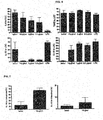
- the ST peptide identified as SEQ ID NO: 1 did not produce changes in the markers of migration of the DCs enriched with peripheral blood (integrin ⁇ 7, intestinal mucosa marker and CLA, skin marker). Nor did the peptide produce changes in the induction of MHC molecules of type II (HLA-DR) or of certain co-stimulating molecules (CD40) or activation molecules (CD83) ( Fig. 5 , panel B). As can be seen in the latter, LPS (positive control) did induce overexpression in all of them.
- HLA-DR type II
- CD40 co-stimulating molecules
- CD83 activation molecules
- the presence of the ST peptide identified as SEQ ID NO: 1 in enriched dendritic cells from human blood (LDCs) means that these acquire a profile of production of regulatory cytokines, reducing the production of the pro-inflammatory cytokine IL-12 and increasing the production of the anti-inflammatory cytokine IL-10.
- the reduction in the synthesis of IL-6, with consequent theoretical reduction in the synthesis of type Th17 T cells, is also interesting since in the context of certain autoimmune and inflammatory diseases an increase of this cell type is observed ( Stockinger and Veldhoen (2007) Differentiation and function of Th17 T cells. Curr. Opin. Immunol. 19, 281-286 ).
- Example 2 Interaction of the ST peptide identified as SEQ ID NO: 1 with dendritic cells obtained from biopsy of intestinal mucosa
- Biopsies from the colon were obtained from three healthy patients, who had given their written consent to participate in this study (one woman and two men, age range 30-58 years). These patients had normal intestines, both macroscopically and histologically, and had been examined after reporting changes in intestinal transit or rectal bleeding. Once obtained, the biopsies were collected in complete medium cooled to 4°C and were processed before the first hour counting from when they were obtained. The biopsies were incubated in Hanks's balanced salt solution (HBSS) (Gibco BRL, Paisley, Scotland, UK) containing 1 mM dithiothreitol (DTT) (Sigma-Aldrich) for 20 minutes.
- HBSS Hanks's balanced salt solution
- DTT dithiothreitol
- EDTA ethylenediaminetetraacetic acid
- the cellular suspensions of mononuclear cells of the lamina intestinal (GID) were incubated for 4 hours in the presence of the ST peptide identified as SEQ ID NO: 1 purified (10 ⁇ g/mL) and in the presence/absence, in its turn, of monensin, with their corresponding negative controls.
- the DCs of the laminar intestinal were identified by flow cytometry from the presence of the markers HLA-DR+ and CD3-CD14-GD16-CD19-CD34- ( Hart et al. (2005) Characteristics of intestinal dendritic cells in inflammatory bowel diseases. Gastroenterology. 129, 50-65 ).
- Example 3 Interaction of dendritic cells obtained from blood matured with the ST peptide identified as SEQ ID NO: 1 with T lymphocytes
- the T lymphocytes were obtained from peripheral blood mononuclear cells (PBMCs).
- PBMCs peripheral blood mononuclear cells
- the PBMCs obtained from freshly drawn blood as described in example 1, were resuspended in MiniMACs buffer (PBS supplemented with bovine serum albumin 0.5% (w/v) and EDTA 2 mM).
- MiniMACs buffer PBS supplemented with bovine serum albumin 0.5% (w/v) and EDTA 2 mM.
- This suspension was enriched with T cells by removing the CD14 positive, CD19 positive and HLA-DR positive cells with immuno-magnetized beads (Miltenyi Biotech, Bisley, UK) following the manufacturer's instructions.
- a percentage of T cells 94.91% ⁇ 1.06 (mean ⁇ standard deviation) was obtained as the mean value of all the extractions/enrichments.
- the T cells were labeled with 5-carboxyfluorescein diacetate succinimidyl ester (CFSE, Invitrogen Ltd, UK) according to the manufacturer's instructions.
- the T cells thus labeled (4x10 5 cells per well) were incubated for 5 days with DCs at 0, 1, 2 or 3% in microtiter plates with U-shaped bottom.
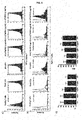
- the proliferating T cells were identified and quantified by flow cytometry as those that contained a small amount of CFSE (CFSE low ) ( Fig. 8 ).
- the fraction of T cells that were not put in contact with DCs displayed a profile of "homing” (markers that indicate to which tissue they are directed) and of production of interleukins (IL-10, TGF ⁇ , IFN ⁇ , IL-17) characteristic of each donor.
- "homing" markers markers that indicate to which tissue they are directed
- interleukins interleukins
- both the absolute values of "homing” markers, and those of production of cytokines produced by LDCs (example 1) not conditioned with the ST peptide identified as SEQ ID NO:1 or with LPS, were also different in each donor.
- cytokines are pro-inflammatary, and in the case of IL-17 (Th17 cells) it is known that its production by the T cells is greater in certain autoimmune and inflammatory diseases.
- the T lymphocytes matured with DCs conditioned by the ST peptide identified as SEQ ID NO: 1 acquire a profile of production of non-pro-inflammatory cytokines and a profile of migration to skin.
- Example 4 Interaction of dendritic cells obtained from intestinal mucosa matured with the ST peptide identified as SEQ ID NO: 1 with virgin T lymphocytes
- This example is the same as the preceding example, except in this case DCs isolated from intestinal mucosa were used.
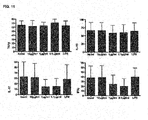
- the intestinal DCs are already "homeostatic" in the sense that the profile of cytokines that they imprint on the T cells is to induce IL-10 (anti-inflammatory), whereas there is no increase in other interleukins (TGF ⁇ , IL-17 and IFN ⁇ ).
- the DCs incubated with the ST peptide identified as SEQ ID NO: 1 induce an even greater increase in the production of IL-10 and in the production of TGF ⁇ in the T cells ( Fig. 12c ).
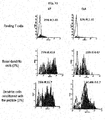
- the DCs conditioned by the peptide induce a greater number of lymphocytes that express the marker of migration to skin ( Fig. 13 ) so that, once more, it is demonstrated that the ST peptide identified as SEQ ID NO: 1 would promote the process of immune ignorance.
- Example 5 Potential use of the ST peptide identified as SEQ ID NO: 1 in inflammatory bowel disease, autoimmune diseases with cutaneous manifestations and cosmetics
- ST peptide identified as SEQ ID NO: 1 defined above could be included in programs of immunotherapy in the context both of inflammatory bowel disease and other inflammatory diseases, and in the context of autoimmune diseases that proceed with inflammatory symptoms.
Landscapes
- Health & Medical Sciences (AREA)
- Life Sciences & Earth Sciences (AREA)
- Chemical & Material Sciences (AREA)
- Organic Chemistry (AREA)
- Proteomics, Peptides & Aminoacids (AREA)
- General Health & Medical Sciences (AREA)
- Medicinal Chemistry (AREA)
- Engineering & Computer Science (AREA)
- Molecular Biology (AREA)
- Gastroenterology & Hepatology (AREA)
- Pharmacology & Pharmacy (AREA)
- Animal Behavior & Ethology (AREA)
- Bioinformatics & Cheminformatics (AREA)
- Public Health (AREA)
- Veterinary Medicine (AREA)
- Genetics & Genomics (AREA)
- Biochemistry (AREA)
- Biophysics (AREA)
- Immunology (AREA)
- Nutrition Science (AREA)
- Polymers & Plastics (AREA)
- Food Science & Technology (AREA)
- Mycology (AREA)
- Epidemiology (AREA)
- Chemical Kinetics & Catalysis (AREA)
- General Chemical & Material Sciences (AREA)
- Nuclear Medicine, Radiotherapy & Molecular Imaging (AREA)
- Medicines Containing Material From Animals Or Micro-Organisms (AREA)
- Coloring Foods And Improving Nutritive Qualities (AREA)
- Medicines That Contain Protein Lipid Enzymes And Other Medicines (AREA)
- Peptides Or Proteins (AREA)
- Cosmetics (AREA)
- Micro-Organisms Or Cultivation Processes Thereof (AREA)
Abstract
Description
- The present invention, which describes the use of a peptide secreted by a lactobacillus in human immunotherapy, relates both to the food technology sector and to medicine. It relates to the amino acid sequence (ST peptide) that could be used in immunotherapy of certain inflammatory diseases, such as inflammatory bowel disease (IBD; divided into Crohn's disease, ulcerative colitis and pouchitis) and in other pathologies where oral tolerance is compromised (as in the case of celiac disease with respect to dietary gluten). The route of administration could be inclusion in a functional foodstuff or via directed maturation of donor dendritic cells (vaccines of dendritic cells).
- The human gastrointestinal tract is home to a wide variety of commensal, mutualist and pathogenic bacteria and is precisely where there is one of the main points of contact between bacteria and the immune system. This set of bacteria contributes to a large extent to the set of antigens or foreign substances together with the antigens in the diet against which, in normal conditions, the immune system would react with the aim of eliminating them, as occurs in systemic immunity. However, in the intestinal compartment this does not occur at all like this, and instead a mechanism of immunologic tolerance is deployed against said antigens, called oral tolerance, intended to maintain homeostasis of the mucosa (Feng and Elson (2010) Adaptive immunity in host - microbiota dialog. Muc. Immuno/. 4, 15-21). In certain circumstances this homeostasis is lost and the immune system reacts abnormally against the intestinal microbiota, with development of more or less severe inflammatory processes such as inflammatory bowel disease (IBD) or against some antigens in the diet (as in the case of gluten in celiac disease). Moreover, the relation that exists between certain autoimmune diseases and deregulation in the composition of the intestinal microbiota is also known (Adams et al. (2008) IgG antibodies against common gut bacteria are more diagnostic for Crohn's Disease than IgG against mannan or flagellin. Am. J. Gastroenterol. 103, 386-396).
- The process of tolerance to the intestinal microbiota is mediated, in large part, by two cellular types which, incorporated in the intestinal mucosa, are responsible for the correct processing and recognition of the antigens originating from the intestinal microbiota. These are the T lymphocytes and the dendritic cells (DCs). The DCs are phagocytic cells specialized in the processing and presentation of antigens; in the case of the intestinal DCs they play an essential role in recognition of the microorganisms that are present there, putting out pseudopodia between the enterocytes of the intestinal epithelium toward the lumen (Rescigno et al. (2001) Dendritic cells express tight junction proteins and penetrate gut epithelial monolayers to sample bacteria. Nat Immunol. 2, 361-367). The DCs engulf the bacterial particles and process them, undergoing a series of changes called maturation and displaying these bacterial antigens on their surface, so that they can be recognized by other cells of the immune system. This change, moreover, is accompanied by a series of phenotypic alterations in the DCs, such as the production of certain cytokines. The DCs are, in their turn, crucial for the proliferation and differentiation of the T lymphocytes into effector cells of type Th1 (induce a pro-inflammatory response), Th2 (induce an anti-inflammatory response) or Th17 (are involved in the protection of surface tissues against infections), or else into regulatory cells (Treg) (Zhu and Pau (2008) CD4 T cells: fates, functions, and faults. Blood 112, 1557-1569). Complementing the DCs, the T lymphocytes are the cells responsible for the cellular immune response.
- Some strains belonging to the lactic acid group of bacteria are considered to be probiotic, since they are capable of modulating the composition of the intestinal microbiota favorably, with beneficial effects on human health (Rijkers, G.T. et al. (2010) Guidance for substantiating the evidence for beneficial effects of probiotics: current status and recommendations for future research. J. Nutr. 140, 671S-676S). In recent years, various research teams have been accumulating scientific evidence that suggests that certain extracellular components might be responsible for some of the beneficial effects attributed to probiotics. This makes more sense if it is borne in mind that in normal conditions, in healthy individuals, the microbiota is not in direct contact with the layer of enterocytes and/or the DCs. In fact, the microbiota is embedded in the protective layer of mucus that covers the epithelial layer of the intestine. It is therefore plausible that these beneficial effects of probiotics are not due to direct interaction of the bacteria with the DCs. Conversely, the probiotics might perform their function by producing certain components that can cross the layer of mucus, facilitating capture of them by the DCs. Among these extracellular components, we may mention exopolysaccharides, teichoic acids, indoles and the surface and extracellular proteins (Lebeer et al. (2010) Host interactions of probiotic bacterial surface molecules: comparison with commensals and pathogens. Nat. Rev. Microbiol. 8, 171-84). The latter are defined as the group of proteins that are secreted during bacterial growth and that are released to the medium surrounding them (Sánchez et al. (2008) Exported proteins in probiotic bacteria: adhesion to intestinal surfaces, host immunomodulation and molecular cross-talking with the host. FEMS Immunol. Med. Microbiol. 54, 1-17). At present, the extracellular proteins constitute an active area of research for identification and characterization of the molecular mechanisms of action of probiotics.
- The extracellular proteins can be divided into two main groups. The first comprises those proteins that have a signal peptide that is located in their N-terminal portion and guides the pre-protein to the secretion machinery, via which it is secreted to the medium. The second group comprises those proteins which, in addition to a signal peptide, have cell surface binding domains, and are released to the medium during the process of renewal of the bacterial wall. Finally, some authors identify a third group of extracellular proteins, comprising proteins of the central metabolism, without secretion domains, and for which the mechanism responsible for their secretion to the extracellular environment is unknown.
- The systems for secreting proteins are highly conserved within the Eubacteria division. These systems are particularly well characterized in Gram-negative bacteria, where at least seven systems are identified (types 1-6 and the system of "twin arginines") (Sibbald and van Dijl (2009) Bacterial secreted proteins: secretory mechanisms and role in pathogenesis. Ed. Wooldridge, Caister Academic Press). In Gram-positive bacteria, the taxonomic group that comprises the majority of probiotic strains, the extracellular proteins would be exported by similar systems.
- Until now, bioinformatics has been the tool used for identifying extracellular proteins in probiotics, and only a small proportion have been well identified or characterized experimentally. Among the extracellular proteins produced by the bifidobacteria, we may mention the serine protease inhibitor (serpin), produced by various species of bifidobacteria (Turroni et al. (2010) Characterization of the serpin-encoding gene of Bifidobacterium breve 2108. Appl. Environ. Microbiol. 76, 3206-3219). This protein efficiently inhibits both the elastases secreted by the exocrine pancreas and by the neutrophils, immune cells implicated in inflammatory processes. For this reason it has been postulated that serpin might be responsible for some of the anti-inflammatory effects of the bifidobacteria. It has also been suggested that proteins secreted by a strain of Bifidobacterium breve could be capable of producing soluble factors, very probably small peptides, which after interacting with the DCs would reduce the inflammatory processes at the level of the intestinal epithelium (Heuvelin et al. (2009) Mechanisms involved in alleviation of intestinal inflammation by Bifidobacterium breve soluble factors. PLoS ONE. 4:e5184).
- These works are just examples of how the process of intercellular communication between bacteria and immune cells of the innate system could mediate a series of physiological responses directed at regulating the immunologic homeostasis of our intestinal mucosa, and therefore of our body. Part of this process, as shown by the results described in the present invention, could be mediated by peptides encoded within the main proteins secreted by the lactic acid bacteria present in our gastrointestinal tract.
- Regarding similar patents available in the databases, we may mention patent
EP95900421.9 - On the other hand,
WO2009138092 refers to strain 299v of Lactobacillus plantarum and stresses the probiotic properties of the strain Lb. plantarum DSM 21379, describing the use thereof in the development of a functional foodstuff and of a medicinal product for improving cellular immunity. The functions of this microorganism that are emphasized include that of inducing the production of cytokines for improving the animal's immune system. Although this document describes how Lb. plantarum produces cytokines for improving the immune system, said cytokines are pro-inflammatory (IL-6). - Therefore there is currently a need to identify an ST peptide derived from proteins secreted by lactic acid bacteria, with both immunomodulating and anti-inflammatory function for treating diseases connected with deregulation of the intestinal microbiota, inflammatory diseases and/or diseases where oral tolerance is compromised.
- This invention describes the sequence of the ST peptide, encoded within one of the proteins secreted by a lactic acid bacterium, preferably Lactobacillus plantarum (so far without known function), said peptide of 30 kDa contains a fragment without cleavage sites for the most important intestinal proteases. It is also characterized by having a serine and threonine content of at least 50%. If this peptide is brought in contact with DCs obtained both from blood and from human intestinal biopsies, it is able to modulate them to a regulatory phenotype where the production of IL-12 (pro-inflammatory interleukin characteristic of antigen presenting cells) is blocked and the production of IL-10 (anti-inflammatory cytokine via blocking of the synthesis of pro-inflammatory cytokines by other immune cell types, such as the T lymphocytes) is expanded. These DCs treated with the ST peptide also acquire a different functionality since the T lymphocytes that they stimulate acquire a migratory profile directed preferentially at the skin with a profile of non-pro-inflammatory cytokines. This mechanism of action contributes actively to maintaining intestinal homeostasis not by priming the mechanisms of immunologic tolerance but instead of immunologic ignorance. Thus, the mature DCs with the ST peptide in the intestine promote secondary migration of the effector cells (T lymphocytes) to the skin, thereby hindering the establishment of an active immune response against the commensal flora in the gastrointestinal tract.
- To summarize, the ST peptide promotes the mechanisms of intestinal homeostasis via its action on the DCs. Since it is capable of blocking an anti-inflammatory interleukin (IL-12) and of increasing the synthesis of an anti-inflammatory interleukin (IL-10), the ST peptide could be used in immunotherapy, in the context of certain inflammatory and autoimmune diseases, in which it is known that there is an abnormal immune response to the intestinal microbiota as well as in other pathologies where the mechanisms of oral tolerance to other antigens are lost. This would provide the scientific basis for the creation of a whole range of functional foodstuffs that would contain those molecules, produced by the probiotics, that are responsible for their beneficial action on human health.
- The present invention relates to an ST peptide with immunomodulating and/or anti-inflammatory properties, characterized in that:
- a) it is secreted by a bacterium of the genus Lactobacillus,
- b) its amino acid sequence has a content of between 30 and 60% of the amino acids serine and threonine, and
- c) it comprises a fragment of at least 30 kDa without cleavage sites for at least one intestinal protease.
- In the present invention, the term "ST peptide" refers to a peptide preferably of 73 amino acids, with immunomodulating and/or anti-inflammatory properties, that is secreted preferably by a Lactobacillus bacterium, preferably by Lactobacillus plantarum, more preferably by the strains Lb. plantarum NCIMB 8826, Lb. plantarum 299V, and Lb. plantarum BMCM12, whose amino acid sequence has a content of at least 50% of the amino acids serine and threonine, and comprises a fragment of at least 30 kDa without cleavage sites for at least one intestinal protease. This peptide can have at least 80-100% homology with SEQ ID No: 1, or the ortholog thereof.
- In the present invention, the expression "with immunomodulating properties" refers to its capacity for modulating the response of cells of the human immune system such as the dendritic cells, which in their turn are capable of modulating the function of other immune cells such as the T lymphocytes. This modulation of the immune response comprises blocking.
- In the present invention, the expression "with anti-inflammatory properties" refers to its capacity for inducing the production of
interleukin 10, a potent anti-inflammatory cytokine, as well as for blocking the production ofinterleukin 12, a cytokine of a pro-inflammatory nature, in dendritic cells isolated both from peripheral blood and from human intestinal mucosa. Moreover, T lymphocytes matured in the presence of said dendritic cells will also acquire a profile of production of non-pro-inflammatory cytokines. - In a preferred embodiment said Lactobacillus bacterium is Lactobacillus plantarum. More preferably, the strain of said bacterium Lactobacillus plantarum is selected from the following group of strains: Lb. plantarum NCIMB 8826, Lb. plantarum 299V, and Lb. plantarum BMCM12.
- In a preferred embodiment of the present invention, said ST peptide is characterized in that its amino acid sequence has at least 80-100% homology with SEQ ID No: 1. Preferably said ST peptide is characterized in that its amino acid sequence has 95% homology with SEQ ID No: 1. More preferably said ST peptide is characterized in that its amino acid sequence is SEQ ID No: 1, or the ortholog thereof.
- In the present invention the term "homology" refers to the concept of "sequence homology", referring to the degree of similarity between two amino acid or nucleotide sequences.
- In the present invention the term "ortholog" refers to two amino acid or nucleotide chains, derived from two different organisms, that share a high degree of homology.
- In a preferred embodiment of the present invention, said ST peptide is characterized in that the intestinal protease is selected from the following group: pepsin, trypsin, chymotrypsin, and combinations thereof.
- The present invention also refers to the use of said ST peptide in a method for treating and/or preventing an intestinal disorder, said method being characterized in that it comprises administering a therapeutically effective amount of the ST peptide defined above to a patient, to activate the process of immunologic ignorance or tolerance to the commensal bacteria of the intestine of said patient.
- In the present invention the term "intestinal disorder" refers to any intestinal ailment where the immune system is involved either in its origin or in its treatment.
- In the present invention the term "immunologic tolerance" refers to the set of induced processes whereby the immune system does not respond to an antigen, endogenous or exogenous.
- In the present invention, the term "immunologic ignorance" refers to its capacity for promoting the mechanisms of intestinal homeostasis promoting not only immunologic tolerance (differentiating the dendritic cells isolated both from peripheral blood and from human intestinal mucosa toward a cytokine regulatory profile) but also priming the T lymphocytes that are stimulated with an increased capacity for migration toward skin tissues where they will not be exposed to the microbial antigens of the gastrointestinal tract.
- In the present invention the expression "commensal bacteria of the patient's intestine" refers to the set of bacteria that live in the human gastrointestinal tract.
- In a preferred embodiment of the present invention said intestinal disorder is an inflammatory disease, selected between an inflammatory bowel disease (IBD), or a celiac disease.
- In an even more preferred embodiment of the present invention said inflammatory bowel disease (IBD) is selected from the following group: Crohn's disease, ulcerative colitis and pouchitis.
- In a preferred embodiment of the present invention said intestinal disorder is caused by an autoimmune disease or a disease caused by deregulation in the composition and/or activity/metabolism of the intestinal microbiota.
- In a preferred embodiment of the present invention said immunomodulating and/or anti-inflammatory properties are manifested respectively in that the administration of a therapeutically effective amount of the ST peptide to a patient comprises:
- a) inducing, in the dendritic cells of said patient, the production of an anti-inflammatory and homeostatic cytokine, preferably interleukin 10 (IL-10), and/or
- b) blocking, in the dendritic cells of said patient, the production of a pro-inflammatory cytokine, preferably pro-inflammatory interleukin 12 (IL-12), when this is present, in addition to other pro-inflammatory cytokines such as IL-6 that are highly relevant in inflammatory bowel disease.
- In an even more preferred embodiment, the method of treatment and/or prevention defined above is characterized in that said dendritic cells in their turn induce the maturation of T lymphocytes, which:
- a) acquire a profile of migration to the skin, and/or
- b) acquire a profile of production of non-pro-inflammatory cytokines.
- Preferably the profile of migration to the skin defined in a) comprises a decrease in expression of the marker of migration to intestinal mucosa integrin β7 and an increase in expression of the marker of migration to skin CLA. Preferably the profile of production of non-pro-inflammatory cytokines defined in b) comprises a decrease in the expression of pro-inflammatory cytokines IFNγ and interleukin 17 (IL-17).
- In another preferred embodiment of the present invention, said administration of a therapeutically effective amount of the ST peptide is characterized in that said ST peptide is contained in a functional foodstuff (probiotic) or else in a pharmaceutical composition, preferably in the form of a capsule.
- Another aspect protected by the present invention relates to a functional foodstuff, characterized in that it comprises a therapeutically effective amount of the ST peptide defined above.
- In the present invention the term "functional foodstuff" refers to the set of foodstuffs which, in addition to their nutritional characteristics, confer a benefit on the consumer's health or help to avoid contracting diseases.
- Another aspect protected by the present invention relates to a composition, preferably pharmaceutical, characterized in that it comprises a therapeutically effective amount of the ST peptide defined above.
- In the present invention the term "pharmaceutical composition" refers to a mixture of active principles and excipients with a format suitable for use in humans.
- The present invention also relates to the use of the functional foodstuff or composition defined above, to activate the process of immunologic tolerance toward the commensal bacteria of the patient's intestine.
- The present invention also relates to the use of said ST peptide in a cosmetic application.
- In the present invention the term "cosmetic application" refers to the use in cosmetics intended to improve the state of human skin, notably of the face.
- Throughout the description and the claims, the word "comprises" and its variants are not intended to exclude other technical characteristics, additives, components or steps. For a person skilled in the art, other aims, advantages and features of the invention will become clear partly from the description and partly from the implementation of the invention, The following figures and examples are provided for purposes of illustration, and are not intended to limit the present invention.
-
-
Fig. 1 . Protein gel in denaturing conditions showing the total proteins and proteins secreted by 3 strains of Lactobacillus plantarum. Lanes 1-3: total proteins of strains NCIMB 8826, 299v and BMCM12. Lane 4: proteins present in the culture medium. Lanes 5-7: proteins secreted by strains NCIMB 8826, 299v and BMCM12. MM: marker of molecular weight of proteins (kDa). -
Fig.2 . A. Zone rich in serines and threonines present in the central zone of protein D1 identified as SEQ ID NO:2, between amino acid positions 70 and 135, and B. Amino acid sequence of the ST peptide identified as SEQ ID NO: 1, described in the present patent. The amino acids underlined in SEQ ID NO: 1 represent the changes of the ST peptide relative to the central zone of protein D1 identified as SEQ ID NO: 2. -
Fig. 3 . Theoretical cleavage sites of the main intestinal proteases on the central fragment of protein D1, identified as SEQ ID NO: 2. As can be seen (indicated with an arrow), the fragment ST does not contain theoretical cleavage sites. A. Represents the fragment of protein D1 between amino acid positions 61 and 120, identified as SEQ ID NO: 3, and B. represents the fragment of protein D1 betweenamino acid positions - Fig. 4. Migration of the ST peptide identified as SEQ ID NO: 1 purified in polyacrylamide gel in denaturing conditions.
-
Fig.5 . a) Production of markers of migration to intestinal mucosa (integrin β7) and to skin (CLA) in enriched dendritic cells from human blood (LDCs). The conditions tested were the baseline (absence of signaling), 0.0, 0.1, 1.0 or 10 micrograms/milliliter of the ST peptides identified as SEQ ID NO: 1.b) the test carried out with this peptide alters neither the markers of migration to tissues (β7 and CLA), nor the molecules of the MHC of type II (HLA-DR) nor certain co-stimulatory molecules (CD40) or activating molecules (CD83) on enriched dendritic cells from human blood. Stimulation with lipopolysaccharide (LPS) was used as a control of stimulation with a pro-inflammatory bacterial component. -
Fig. 6 . Modification of the profile of production of cytokines measured in the cytoplasm of enriched dendritic cells from human blood induced by different concentrations of the ST peptide identified as SEQ ID NO: 1. Stimulation with LPS was used as a control of stimulation with a pro-inflammatory bacterial component. IL-6:interleukin 6, TGFβ: transforming growth factor beta, IL-10:interleukin 10, IL-12:interleukin 12. -
Fig. 7 . Modification of the profile of production of the cytokines IL-10 and IL-12 measured in the cytoplasm of enriched dendritic cells from colon mucosa biopsies (intestinal DC). -
Fig. 8 . From left to right, representations obtained by flow cytometry that represents populations of T cells stimulated with allogenic dendritic cells. Left panel: detection of viable cells by the "forward side scatter" technique. Central panel: identification of the marker DC3. Right panel: the stimulated T cells were identified by loss of the staining for CFSE derived from cell division. -
Fig. 9 . Flow cytometry diagrams showing changes induced in T cells stimulated by enriched dendritic cells from blood (LDC) and exposed to the ST peptide identified as SEQ ID NO: 1 (LDC BP) or to lipopolysaccharide (LPS LDC). In all cases comparison was with the changes produced in the T cells at rest (resting T-cells), and using unstimulated LDCs (basal LDC). A) Changes in the levels of the marker of migration to intestinal mucosa integrin β7 induced by different concentrations of the ST peptide identified as SEQ ID NO: 1 (BP LDC) and of lipopalysaccharide (LPS LDC). B) Changes in the levels of the marker of migration to skin CLA induced by different concentrations of the ST peptide identified as SEQ ID NO: 1 (BP LDC) and of lipopolysaccharide (LPS LDC). C) Bar chart representation of the results of 3 independent experiments. -
Fig.10 . Flow cytometry diagrams showing changes in the production of the cytokines IL-10, TGFβ, IFNγ and IL-17 in T lymphocytes stimulated by enriched dendritic cells from blood (LDC) and pulsed with different concentrations of the ST peptide identified as SEQ ID NO: 1 (BP LDC) or lipopolysaccharide (LPS LDC). In all cases comparison was with the changes produced in the T cells at rest (resting T-cells), and using unstimulated LDCs (basal LDC). -
Fig. 11 . Graphical representation of the data inFig. 10 showing the values of 3 independent experiments and their deviations. -
Fig.12 . Flow cytometry diagrams showing changes in the production of the cytokines TGFβ, IL-10, IL-17 and IFNγ in T lymphocytes stimulated by enriched dendritic cells from colon biopsies (gut DC) in the absence of stimulation (basal gut DC) (central panel) or pulsed beforehand with the ST peptide identified as SEQ ID NO:1 (peptide gut DC) (bottom panel). The top panel shows the production of the same cytokines in T cells at rest (resting T cells). -
Fig. 13 . Flow cytometry diagrams showing changes in the production of the markers of migration β7 (intestinal mucosa) and CLA (epithelial mucosa) in T lymphocytes stimulated with enriched dendritic cells from colon biopsies (gut DC) in the absence of stimulation (basal gut DC) (central panel) or pulsed beforehand with the ST peptide identified as SEQ ID NO:1 (peptide gut DC) (bottom panel). The top panel shows the production of the same markers of migration in T cells at rest (resting T cells). -
Fig. 14 . Flow cytometry diagrams representing the production of IL-10 and IL-12 in a donor whose dendritic cells of the colon mucosa displayed abnormal production of IL-12. These dendritic cells were incubated in the presence of the ST peptide identified as SEQ ID NO: 1 (+BP). In comparison with the baseline conditions (basal) the presence of the ST peptide identified as SEQ ID NO:1 was capable of inducing the production of IL-10 and of blocking the production of IL-12. -
- Adams et al. (2008) IgG antibodies against common gut bacteria are more diagnostic for Crohn's Disease than IgG against mannan or flagellin. Am. J. Gastroenterol. 103, 386-396
- Feng and Elson (2010) Adaptive immunity in the host - microbiota dialog. Muc. Immunol. 4, 15-21
- Lebeer et al. (2010) Host interactions of probiotic bacterial surface molecules: comparison with commensals and pathogens. Next. Rev. Microbiol. 8,171-84
- Rescigno et al. (2001) Dendritic cells express tight junction proteins and penetrate gut epithelial monolayers to sample bacteria. Nat Immunol. 2, 361-367
- Rijkers, G.T. et al. (2010) Guidance for substantiating the evidence for beneficial effects of probiotics: current status and recommendations for future research. J. Nutr. 140, 671S-676S
- Sánchez et al. (2008) Exported proteins in probiotic bacteria: adhesion to intestinal surfaces, host immunomodulation and molecular cross-talking with the host. FEMS Immunol. Med. Microbiol. 54, 1-17
- Sibbald and van Dijl (2009) Bacterial secreted proteins: secretory mechanisms and role in pathogenesis. Ed. Wooldridge, Caister Academic Press
- Turroni et al, (2010) Characterization of serpin-encoding gene of Bifidobacterium breve 210B. Appl. Environ. Microbiol. 76, 3206-3219
- Zhu and Pau (2008) CD4 T cells: fates, functions, and faults. Blood 112, 1557-1569
- The following specific examples that are provided in this patent document serve to illustrate the nature of the present invention. These examples are included solely for purposes of illustration and are not to be interpreted as limitations to the invention claimed herein. Therefore the examples described hereunder illustrate the invention without limiting the field of application thereof.
- Lb. plantarum is a mesophilic lactic acid bacterium that can be isolated from a large number of fermented foodstuffs, including vegetable and milk products (Tallon et al. (2003) Isolation and characterization of two exopolysaccharides produced by Lactobacillus plantarum EP56. Res. Microbiol. 154, 705-712). The capacity of some strains for surviving the conditions of the human gastrointestinal tract has meant that some researchers have been interested in its probiotic potential. Thus, the beneficial effects of some strains of Lb. plantarum on human health, currently marketed as probiotics (as is the case of strain 299v), have been demonstrated scientifically (de Vries, et al. (2006) Lactobacillus plantarum- survival, functional and potential probiotic properties in the human intestinal tract. Int. Dairy J. 16, 1018-1028).
- At present, there is growing interest in investigating the proteins secreted by probiotic bacteria, as they are potential mediators of intercellular communication between bacteria and cells of the host's immune system. As can be seen in
Fig. 1 , which shows the main proteins secreted by Lb. plantarum NCIMB 8826, Lb. plantarum 299v and Lb. plantarum BMCM12 (lanes Fig. 2 identified as SEQ ID No: 1, is derived from the central zone of the protein designated D1 (GenBank identifying number gi|28270057) identified as SEQ ID No: 2, with some modifications and inclusions of amino acids that are shown underlined in SEQ ID NO: 1 (Fig. 2 ). This zone is characterized by its richness in the amino acids serine and threonine, from which its name is derived, and is characterized by the absence of cleavage sites for some of the most important proteases of the gastrointestinal tract (pepsin, trypsin and chymotrypsin) (Fig. 3 ). - The DNA sequence coding for the fragment ST (corresponding to the amino acid sequence marked in
Fig. 2 as SEQ ID NO: 2), was cloned in Lactococcus lactis and was purified in a nickel affinity column according to standard protocols. This peptide is secreted to the culture supernatant, from where it can be isolated and purified, and is characterized by forming artifacts in agarose gels in denaturing conditions (SDS-PAGE), migrating to a size corresponding to about 100 kDa (Fig. 4). The sequence of the terminal amino of the peptide was verified by Edman degradation. - Regions rich in serine and threonine can be found in proteins encoded by many other lactic acid bacteria and in genera of the gastrointestinal tract, so that the conclusions derived from the present invention could be applied to ST peptides derived from other sequences of other microorganisms.
- Since the ST peptides released by the intestinal proteases or by the proteases of the antigen presenting cells may be capable of influencing the function of the innate immune system associated with mucosae, we undertook an investigation of their interaction with the principal antigen presenting cells, the DCs. Firstly, absence of lipopolysaccharide in the samples of ST peptide identified as SEQ ID NO:1 was verified using the chromogenic kit from Genscript. Our starting hypothesis was to consider that the ST peptide identified as SEQ ID NO: 1, produced in the intestinal environment or ingested with foodstuffs, might interact with the DCs of the intestinal mucosa, thus affecting the immune function.
- The dendritic cells were obtained from healthy patients who had neither autoimmune diseases, nor inflammatory diseases nor allergies nor malignant tumors. These subjects had given their written consent for their blood to be used for scientific purposes. The peripheral blood mononuclear cells (PBMCs) were isolated by differential centrifugation in Ficoll-Paque Plus (Amersham Biosciences, Chalfont St. Giles, UK). The cellular fraction LDC (low-density cells) was obtained by overnight centrifugation in NycoPrepeTM solution. The cells present in this LDC fraction were HLA-DR positive in 98-100% of cases, with morphological characteristics typical of the DCs (Ng, et al. (2009). A novel population of human CD56+ human leukocyte antigen D-related (HLA-DR+) colonic lamina propria cells is associated with inflammation in ulcerative colitis. Clin. Exp. Immunol.158, 205-218).
- Half a million LDCs per milliliter were cultured in complete medium (Dutch modified RPMI 1640 (Sigma-Aldrich. Dorset, UK) containing 100U/mL penicillin/streptomycin, 2 mM L-glutamine, 50U/mL gentamicin (Sigma-Aldrich) and fetal bovine serum at 10% (v/v) (TCS cellworks, Buckingham, UK)). These cultures were carried out in the presence of the ST peptide identified as SEQ ID NO: 1 purified at concentrations of 10µg/mL, 1µg/mL and 0.1µg/mL, and of LPS (100ng/mL) (Sigma-Aldrich, St. Louis, USA) as positive control. The results were compared with parallel cultures without ST peptide identified as SEQ ID NO: 1 nor added LPS, acting as negative controls.
- For the various experiments, labeling of the cells with the various antibodies (Table 1) was carried out in PBS supplemented with 1 mM EDTA and sodium azide at 0.02% (w/v) (FACS buffer). Labeling was carried out for 20 minutes in ice, in the dark. The cells were then washed with FACS buffer and were fixed with paraformaldehyde at 1% (v/v) in saline solution, and stored at 4°C until acquisition of data in the flow cytometer. The negative controls used were isotype-matched antibodies without specificity, labeled with the same fluorochrome, which were obtained from the same company (isotype controls).
- The flow cytometry data were obtained in a FACSCalibur cytometer (BD Biosciences), and the data were analyzed with the WinList 5.0 software (Verity, ME, US). The proportion of samples positive for a particular marker was determined relative to isotype controls. For quantification by histograms, an analysis was performed with the WinList software, in which the histogram of isotype staining was subtracted from the histogram of specific staining using normalized superenhanced Dmax (SED) substraction (Bagwell, C.B. (2005). Hyperlog - a flexible log-like transform for negative, zero, and positive valued data. Cytometry. 64, 34-42).
- The DCs were cultured for 4 hours in the presence/absence of monensin. Then they were stained for the surface markers as described above. Next they were fixed with LeucopermA, and permeabilized with LeucopermB before adding the intracellular staining antibodies. After incubation, the DCs were washed in FACS buffer, were fixed and were acquired as described above. The analysis was performed by the SED substraction detailed above, where the histogram of each cytokine of the DCs that had not been incubated with monensin were subtracted from the histogram of each cytokine of the DCs that had been incubated in the absence of monensin. This protocol has been extensively validated by our colleagues (Hart et al., (2005) Characteristics of intestinal dendritic cells in inflammatory bowel diseases. Gastroenterology. 129, 50-65) and makes it possible to quantify changes in the natural production of cytokines by the DCs in the absence of external stimuli such as PMA and/or ionomycin. Using this approach, the intracellular content of each cytokine is not determined. Instead, the changes induced in the production of cytokines in a temporal window of 4 hours (incubation time with monensin) are determined independently of the initial content of cytokines.
- As can be seen in
Fig. 5 (panel A), the ST peptide identified as SEQ ID NO: 1 did not produce changes in the markers of migration of the DCs enriched with peripheral blood (integrin β7, intestinal mucosa marker and CLA, skin marker). Nor did the peptide produce changes in the induction of MHC molecules of type II (HLA-DR) or of certain co-stimulating molecules (CD40) or activation molecules (CD83) (Fig. 5 , panel B). As can be seen in the latter, LPS (positive control) did induce overexpression in all of them. - Regarding the changes in the production of (intracellular) cytokines induced by the peptide in LDCs, this did not affect the regulatory molecule TGFβ, implicated in the control of cell growth, in cellular proliferation, and in processes of differentiation and apoptosis. Conversely, the ST peptide identified as SEQ ID NO: 1 induced a reduction in the synthesis of IL-6 (inducer of the generation of Th17 cells) and IL-12 (pro-inflammatory), and an increase in the synthesis of IL-10 (anti-inflammatory and homeostatic) (
Fig. 6 ). - In conclusion, the presence of the ST peptide identified as SEQ ID NO: 1 in enriched dendritic cells from human blood (LDCs) means that these acquire a profile of production of regulatory cytokines, reducing the production of the pro-inflammatory cytokine IL-12 and increasing the production of the anti-inflammatory cytokine IL-10. The reduction in the synthesis of IL-6, with consequent theoretical reduction in the synthesis of type Th17 T cells, is also interesting since in the context of certain autoimmune and inflammatory diseases an increase of this cell type is observed (Stockinger and Veldhoen (2007) Differentiation and function of Th17 T cells. Curr. Opin. Immunol. 19, 281-286).
- Since the site of action of the ST peptide identified as SEQ ID NO: 1 would in principle be the intestinal mucosa, we decided to try to validate the experiments described in example 1 using DCs isolated from said location.
- Biopsies from the colon were obtained from three healthy patients, who had given their written consent to participate in this study (one woman and two men, age range 30-58 years). These patients had normal intestines, both macroscopically and histologically, and had been examined after reporting changes in intestinal transit or rectal bleeding. Once obtained, the biopsies were collected in complete medium cooled to 4°C and were processed before the first hour counting from when they were obtained. The biopsies were incubated in Hanks's balanced salt solution (HBSS) (Gibco BRL, Paisley, Scotland, UK) containing 1 mM dithiothreitol (DTT) (Sigma-Aldrich) for 20 minutes. Next, they were incubated in a 1 mM solution of ethylenediaminetetraacetic acid (EDTA) in order to remove both the epithelial cells and the layer of mucus and its associated bacteria. The mononuclear cells of the lamina propria were extracted by digestion in the presence of
collagenase D 1 mg/mL (Roche Diagnostics Ltd, Lewes, UK) in complete medium, which does not affect the phenotype or the function of the DCs (Hart et al. (2005) Characteristics of intestinal dendritic cells in inflammatory bowel diseases. Gastroenterology. 129, 50-65). The cellular suspensions of mononuclear cells of the lamina propria (200000 cells/mL) were incubated for 4 hours in the presence of the ST peptide identified as SEQ ID NO: 1 purified (10µg/mL) and in the presence/absence, in its turn, of monensin, with their corresponding negative controls. The DCs of the laminar propria were identified by flow cytometry from the presence of the markers HLA-DR+ and CD3-CD14-GD16-CD19-CD34- (Hart et al. (2005) Characteristics of intestinal dendritic cells in inflammatory bowel diseases. Gastroenterology. 129, 50-65). - The remaining procedures followed in this example were the same as in
section 1 of example 1. - Using the model of intestinal DCs, the two most interesting points described in example 1 could be confirmed, the increase in the production of IL-10 and the absence of any increase in the production of IL-12. At this point it has to be borne in mind that the DCs isolated from the intestinal mucosa of healthy individuals have very low levels of production of the pro-inflammatory cytokine IL-12 (
Fig. 7 ). - The T lymphocytes were obtained from peripheral blood mononuclear cells (PBMCs). The PBMCs, obtained from freshly drawn blood as described in example 1, were resuspended in MiniMACs buffer (PBS supplemented with bovine serum albumin 0.5% (w/v) and
EDTA 2 mM). This suspension was enriched with T cells by removing the CD14 positive, CD19 positive and HLA-DR positive cells with immuno-magnetized beads (Miltenyi Biotech, Bisley, UK) following the manufacturer's instructions. A percentage of T cells of 94.91%±1.06 (mean±standard deviation) was obtained as the mean value of all the extractions/enrichments. - The T cells were labeled with 5-carboxyfluorescein diacetate succinimidyl ester (CFSE, Invitrogen Ltd, UK) according to the manufacturer's instructions. The T cells thus labeled (4x10⁵ cells per well) were incubated for 5 days with DCs at 0, 1, 2 or 3% in microtiter plates with U-shaped bottom. The proliferating T cells were identified and quantified by flow cytometry as those that contained a small amount of CFSE (CFSElow) (
Fig. 8 ). - The remaining flow cytometry protocols were carried out as described in
section 1 of example 1. - The fraction of T cells that were not put in contact with DCs (resting T cells) displayed a profile of "homing" (markers that indicate to which tissue they are directed) and of production of interleukins (IL-10, TGFβ, IFNγ, IL-17) characteristic of each donor. As was to be expected, both the absolute values of "homing" markers, and those of production of cytokines produced by LDCs (example 1) not conditioned with the ST peptide identified as SEQ ID NO:1 or with LPS, were also different in each donor. Despite this, the DCs incubated beforehand with the ST peptide identified as SEQ ID NO: 1 or with LPS (positive control), always induced the same profile of production of cytokines and of "homing" markers in the T cells from the various donors. Focusing on the DCs incubated with the ST peptide identified as SEQ ID NO: 1, these induced, in the T lymphocytes, a decrease in the marker of migration to intestinal mucosa integrin β7, whereas, conversely, the amount of marker CLA (marker of migration to skin) increased considerably (
Fig. 9 ). Therefore, the DCs enriched with blood incubated in the presence of the ST peptide identified as SEQ ID NO: 1 imprint markers of migration to skin in the T lymphocytes. From the immunologic viewpoint, this can be interpreted as a mechanism of immune ignorance of the antigens present in the gastrointestinal tract. In this sense, the T cells, once in the skin, would never encounter the antigen against which they were selected in the intestinal mucosa, and are therefore inactive. - Moreover, the profile of production of cytokines in these same T cells (co-incubated with DCs that had previously been incubated with the ST peptide identified as SEQ ID NO: 1) differed in the sense that both the production of IFNγ and of IL-17 decreased (
Figs. 10 and11 ). Both cytokines are pro-inflammatary, and in the case of IL-17 (Th17 cells) it is known that its production by the T cells is greater in certain autoimmune and inflammatory diseases. - Therefore the T lymphocytes matured with DCs conditioned by the ST peptide identified as SEQ ID NO: 1 acquire a profile of production of non-pro-inflammatory cytokines and a profile of migration to skin.
- This example is the same as the preceding example, except in this case DCs isolated from intestinal mucosa were used. As can be seen in
Fig. 12 , the intestinal DCs are already "homeostatic" in the sense that the profile of cytokines that they imprint on the T cells is to induce IL-10 (anti-inflammatory), whereas there is no increase in other interleukins (TGFβ, IL-17 and IFNγ). The DCs incubated with the ST peptide identified as SEQ ID NO: 1 induce an even greater increase in the production of IL-10 and in the production of TGFβ in the T cells (Fig. 12c ). - Finally, just as in the preceding example, the DCs conditioned by the peptide induce a greater number of lymphocytes that express the marker of migration to skin (
Fig. 13 ) so that, once more, it is demonstrated that the ST peptide identified as SEQ ID NO: 1 would promote the process of immune ignorance. - One of the donors who gave written consent to donate a biopsy from the intestinal mucosa of the colon for our experiments had some DCs that produced unusually high levels of IL-12, the classical pro-inflammatory interleukin of the antigen presenting cells. As can be seen in
Fig. 14 , the ST peptide identified as SEQ ID NO: 1 completely cancelled the production of IL-12 in these dendritic cells, as well as increasing the production of the anti-inflammatory interleukin IL-10. - Although it is a single example, we suggest that the ST peptide identified as SEQ ID NO: 1 defined above could be included in programs of immunotherapy in the context both of inflammatory bowel disease and other inflammatory diseases, and in the context of autoimmune diseases that proceed with inflammatory symptoms.


Claims (15)
Applications Claiming Priority (2)
| Application Number | Priority Date | Filing Date | Title |
|---|---|---|---|
| ES201131469A ES2402014B1 (en) | 2011-09-07 | 2011-09-07 | PEPTIDE SECRETED BY LACTOBACILLUS PLANTARUM WITH IMMUNOMODULATORY FUNCTION |
| PCT/ES2012/070643 WO2013034795A1 (en) | 2011-09-07 | 2012-09-07 | Peptide secreted by lactobacillus plantarum with immunomodulating function |
Publications (3)
| Publication Number | Publication Date |
|---|---|
| EP2754666A1 true EP2754666A1 (en) | 2014-07-16 |
| EP2754666A4 EP2754666A4 (en) | 2015-03-04 |
| EP2754666B1 EP2754666B1 (en) | 2019-12-18 |
Family
ID=47831580
Family Applications (1)
| Application Number | Title | Priority Date | Filing Date |
|---|---|---|---|
| EP12829295.0A Active EP2754666B1 (en) | 2011-09-07 | 2012-09-07 | Peptide secreted by lactobacillus plantarum with immunomodulating function |
Country Status (8)
| Country | Link |
|---|---|
| US (1) | US9340588B2 (en) |
| EP (1) | EP2754666B1 (en) |
| JP (1) | JP6059230B2 (en) |
| CN (1) | CN104093733A (en) |
| AU (1) | AU2012306225A1 (en) |
| ES (2) | ES2402014B1 (en) |
| IL (1) | IL231411A0 (en) |
| WO (1) | WO2013034795A1 (en) |
Cited By (2)
| Publication number | Priority date | Publication date | Assignee | Title |
|---|---|---|---|---|
| WO2022060199A1 (en) * | 2020-09-21 | 2022-03-24 | 국민바이오 주식회사 | Novel lactic acid bacteria isolated from aged meat, and use thereof |
| WO2023006774A3 (en) * | 2021-07-27 | 2023-03-23 | Enterome S.A. | Il-10 inducing polypeptides and uses thereof |
Families Citing this family (16)
| Publication number | Priority date | Publication date | Assignee | Title |
|---|---|---|---|---|
| US20080124355A1 (en) | 2006-09-22 | 2008-05-29 | David Gordon Bermudes | Live bacterial vaccines for viral infection prophylaxis or treatment |
| US8241623B1 (en) | 2009-02-09 | 2012-08-14 | David Bermudes | Protease sensitivity expression system |
| US8771669B1 (en) | 2010-02-09 | 2014-07-08 | David Gordon Bermudes | Immunization and/or treatment of parasites and infectious agents by live bacteria |
| US8524220B1 (en) | 2010-02-09 | 2013-09-03 | David Gordon Bermudes | Protease inhibitor: protease sensitivity expression system composition and methods improving the therapeutic activity and specificity of proteins delivered by bacteria |
| US9597379B1 (en) | 2010-02-09 | 2017-03-21 | David Gordon Bermudes | Protease inhibitor combination with therapeutic proteins including antibodies |
| US9593339B1 (en) | 2013-02-14 | 2017-03-14 | David Gordon Bermudes | Bacteria carrying bacteriophage and protease inhibitors for the treatment of disorders and methods of treatment |
| US10676723B2 (en) | 2015-05-11 | 2020-06-09 | David Gordon Bermudes | Chimeric protein toxins for expression by therapeutic bacteria |
| JP7057059B2 (en) * | 2016-08-22 | 2022-04-19 | 株式会社明治 | Method for producing a culture of Lactobacillus plantarum |
| US11129906B1 (en) | 2016-12-07 | 2021-09-28 | David Gordon Bermudes | Chimeric protein toxins for expression by therapeutic bacteria |
| US11180535B1 (en) | 2016-12-07 | 2021-11-23 | David Gordon Bermudes | Saccharide binding, tumor penetration, and cytotoxic antitumor chimeric peptides from therapeutic bacteria |
| CN109504619B (en) * | 2018-10-31 | 2021-12-03 | 西北农林科技大学 | Lactobacillus plantarum and application thereof |
| CN117042626A (en) * | 2020-09-21 | 2023-11-10 | 国民生物公司 | New lactic acid bacteria isolated from aged meat and their uses |
| CN112812158B (en) * | 2021-02-02 | 2022-07-26 | 上海珑欣生物医学科技有限公司 | Polypeptide fragment C and application thereof |
| CN112851774B (en) * | 2021-02-02 | 2022-07-26 | 上海珑欣生物医学科技有限公司 | Polypeptide fragment B and application thereof |
| CN112679589B (en) * | 2021-02-02 | 2022-07-26 | 上海珑欣生物医学科技有限公司 | Polypeptide fragment D and application thereof |
| CN116686911A (en) * | 2023-04-24 | 2023-09-05 | 山东深海生物科技股份有限公司 | Biological polypeptide preparation for improving intestinal tract and inhibiting proliferation of solitary bacteria and application thereof |
Family Cites Families (6)
| Publication number | Priority date | Publication date | Assignee | Title |
|---|---|---|---|---|
| ES2216004T3 (en) | 1993-10-26 | 2004-10-16 | Thomas Jefferson University | COMPOSITIONS THAT SPECIFICALLY JOIN COLORECTAL CANCER CELLS AND PROCEDURES FOR THE SAME USE. |
| FR2848115B1 (en) * | 2002-12-05 | 2005-03-25 | Rhodia Chimie Sa | BACTERIAL COMPOSITION AND USE THEREOF |
| US7344867B2 (en) * | 2005-04-15 | 2008-03-18 | Eamonn Connolly | Selection and use of lactic acid bacteria for reducing inflammation in mammals |
| FR2930264B1 (en) * | 2008-04-18 | 2013-02-22 | Gervais Danone Sa | NEW STRAIN OF LACTOBACILLUS PARACASEI SUBSP. PARACASEI WITH ANTIMICROBIAL AND IMMUNOMODULATORY PROPERTIES |
| EE05341B1 (en) * | 2008-05-13 | 2010-08-16 | O� Tervisliku Piima Biotehnoloogiate Arenduskeskus | Isolated microorganism or Lactobacillus plantarum Inducia DSM 21379 as a probiotic that enhances the natural defenses of the organism, the food and the composition containing them, and the use of the microorganism in the preparation of a cell-mediated immunity |
| KR101178217B1 (en) * | 2009-10-28 | 2012-09-07 | 씨제이제일제당 (주) | Novel lactobacillus plantarum and compositions comprising the same |
-
2011
- 2011-09-07 ES ES201131469A patent/ES2402014B1/en active Active
-
2012
- 2012-09-07 ES ES12829295T patent/ES2770583T3/en active Active
- 2012-09-07 JP JP2014529034A patent/JP6059230B2/en not_active Expired - Fee Related
- 2012-09-07 AU AU2012306225A patent/AU2012306225A1/en not_active Abandoned
- 2012-09-07 EP EP12829295.0A patent/EP2754666B1/en active Active
- 2012-09-07 CN CN201280054784.5A patent/CN104093733A/en active Pending
- 2012-09-07 US US14/343,197 patent/US9340588B2/en not_active Expired - Fee Related
- 2012-09-07 WO PCT/ES2012/070643 patent/WO2013034795A1/en not_active Ceased
-
2014
- 2014-03-09 IL IL231411A patent/IL231411A0/en unknown
Cited By (2)
| Publication number | Priority date | Publication date | Assignee | Title |
|---|---|---|---|---|
| WO2022060199A1 (en) * | 2020-09-21 | 2022-03-24 | 국민바이오 주식회사 | Novel lactic acid bacteria isolated from aged meat, and use thereof |
| WO2023006774A3 (en) * | 2021-07-27 | 2023-03-23 | Enterome S.A. | Il-10 inducing polypeptides and uses thereof |
Also Published As
| Publication number | Publication date |
|---|---|
| EP2754666A4 (en) | 2015-03-04 |
| ES2402014B1 (en) | 2014-02-27 |
| WO2013034795A1 (en) | 2013-03-14 |
| AU2012306225A8 (en) | 2014-04-10 |
| ES2402014A1 (en) | 2013-04-26 |
| JP2014526455A (en) | 2014-10-06 |
| CN104093733A (en) | 2014-10-08 |
| AU2012306225A1 (en) | 2014-04-03 |
| IL231411A0 (en) | 2014-04-30 |
| US9340588B2 (en) | 2016-05-17 |
| JP6059230B2 (en) | 2017-01-11 |
| ES2770583T3 (en) | 2020-07-02 |
| EP2754666B1 (en) | 2019-12-18 |
| US20140296480A1 (en) | 2014-10-02 |
Similar Documents
| Publication | Publication Date | Title |
|---|---|---|
| US9340588B2 (en) | Peptide secreted by Lactobacillus plantarum with immunomodulating function | |
| KR102248111B1 (en) | Novel Bifidobacterium bifidum Strain and Polysaccharides Derived from Bifidobacterium bifidum | |
| Fernandez et al. | Anti-inflammatory capacity of selected lactobacilli in experimental colitis is driven by NOD2-mediated recognition of a specific peptidoglycan-derived muropeptide | |
| JP2022050448A (en) | Polypeptides and immunomodulation | |
| JP2021518414A (en) | Compositions Containing Bacterial Strains | |
| US20220370519A1 (en) | Probiotics for use in the prevention or treatment of illness and/or symptoms associated with coronaviruses | |
| Cherno et al. | Immunological properties of the bacterial origin compounds | |
| US8445426B2 (en) | Peptides and methods for producing them | |
| JPWO2006093313A1 (en) | T cell apoptosis inducer | |
| Ohue et al. | Bacterial heat shock protein 60, GroEL, can induce the conversion of naïve T cells into a CD4+ CD25+ Foxp3-expressing phenotype | |
| JP6531893B2 (en) | Follicular helper T cell enhancer | |
| US20220362358A1 (en) | Bacteria-engineered to elicit antigen-specific t-cells | |
| Pauletto | PROBIOTICS-INDUCED EPIGENETIC MODIFICATIONS IN IMMUNE CELLS AS A NOVEL STRATEGY TO ASSESS THEIR ACTIVITY | |
| Bernardo | Novel Methods for Proteolytic Removal of Allergenic Proteins in Milk and Whey | |
| Nguyen | A Study of Immune-Regulation of Microbiota Supernatant on Macrophage Function | |
| Urbaniak | Characterization of microbial communities in the mammary glands and the influence of this microbiota on health and disease | |
| Krisztián | Characteristics of Dendritic Cell-Mediated Immunity Modulated by the Unique Features of Normal Gut Microbiota Members and the Retinoid Milieu | |
| Dimmitt et al. | W1194 P-Glycoprotein Deficient Dendritic Cells Have Greater Activation Following Treatment with TLR4 and TLR9 Ligands | |
| Zhang | Intestinal delivery of heterologous peptides with lactobacilli | |
| Giannakou | The Effect Of Probiotic Administration On The Risk Of Atopic Sensitization And Asthma induction In Children And Adults | |
| Tóth et al. | THESIS FOR THE DEGREE OF DOCTOR OF PHILOSOPHY (PHD) |
Legal Events
| Date | Code | Title | Description |
|---|---|---|---|
| PUAI | Public reference made under article 153(3) epc to a published international application that has entered the european phase |
Free format text: ORIGINAL CODE: 0009012 |
|
| 17P | Request for examination filed |
Effective date: 20140407 |
|
| AK | Designated contracting states |
Kind code of ref document: A1 Designated state(s): AL AT BE BG CH CY CZ DE DK EE ES FI FR GB GR HR HU IE IS IT LI LT LU LV MC MK MT NL NO PL PT RO RS SE SI SK SM TR |
|
| DAX | Request for extension of the european patent (deleted) | ||
| A4 | Supplementary search report drawn up and despatched |
Effective date: 20150204 |
|
| RIC1 | Information provided on ipc code assigned before grant |
Ipc: C07K 14/335 20060101AFI20150126BHEP Ipc: A23L 1/30 20060101ALI20150126BHEP Ipc: A61K 38/16 20060101ALI20150126BHEP Ipc: A61P 37/00 20060101ALI20150126BHEP |
|
| 17Q | First examination report despatched |
Effective date: 20160614 |
|
| STAA | Information on the status of an ep patent application or granted ep patent |
Free format text: STATUS: EXAMINATION IS IN PROGRESS |
|
| RIC1 | Information provided on ipc code assigned before grant |
Ipc: A61P 37/00 20060101ALI20181123BHEP Ipc: A61K 38/16 20060101ALI20181123BHEP Ipc: C07K 14/335 20060101AFI20181123BHEP |
|
| GRAP | Despatch of communication of intention to grant a patent |
Free format text: ORIGINAL CODE: EPIDOSNIGR1 |
|
| STAA | Information on the status of an ep patent application or granted ep patent |
Free format text: STATUS: GRANT OF PATENT IS INTENDED |
|
| INTG | Intention to grant announced |
Effective date: 20190123 |
|
| GRAS | Grant fee paid |
Free format text: ORIGINAL CODE: EPIDOSNIGR3 |
|
| RIN1 | Information on inventor provided before grant (corrected) |
Inventor name: KNIGHT, STELLA C. Inventor name: BERNARDO ORDIZ, DAVID Inventor name: MARGOLLES BARROS, ABELARDO Inventor name: SANCHEZ GARCIA, BORJA Inventor name: HAFID, OMAR |
|
| RAP1 | Party data changed (applicant data changed or rights of an application transferred) |
Owner name: IMPERIAL COLLEGE INNOVATIONS LIMITED |
|
| GRAA | (expected) grant |
Free format text: ORIGINAL CODE: 0009210 |
|
| STAA | Information on the status of an ep patent application or granted ep patent |
Free format text: STATUS: THE PATENT HAS BEEN GRANTED |
|
| AK | Designated contracting states |
Kind code of ref document: B1 Designated state(s): AL AT BE BG CH CY CZ DE DK EE ES FI FR GB GR HR HU IE IS IT LI LT LU LV MC MK MT NL NO PL PT RO RS SE SI SK SM TR |
|
| REG | Reference to a national code |
Ref country code: GB Ref legal event code: FG4D |
|
| REG | Reference to a national code |
Ref country code: CH Ref legal event code: EP |
|
| REG | Reference to a national code |
Ref country code: IE Ref legal event code: FG4D |
|
| REG | Reference to a national code |
Ref country code: DE Ref legal event code: R096 Ref document number: 602012066604 Country of ref document: DE |
|
| REG | Reference to a national code |
Ref country code: AT Ref legal event code: REF Ref document number: 1214499 Country of ref document: AT Kind code of ref document: T Effective date: 20200115 |
|
| REG | Reference to a national code |
Ref country code: NL Ref legal event code: FP |
|
| PG25 | Lapsed in a contracting state [announced via postgrant information from national office to epo] |
Ref country code: FI Free format text: LAPSE BECAUSE OF FAILURE TO SUBMIT A TRANSLATION OF THE DESCRIPTION OR TO PAY THE FEE WITHIN THE PRESCRIBED TIME-LIMIT Effective date: 20191218 Ref country code: BG Free format text: LAPSE BECAUSE OF FAILURE TO SUBMIT A TRANSLATION OF THE DESCRIPTION OR TO PAY THE FEE WITHIN THE PRESCRIBED TIME-LIMIT Effective date: 20200318 Ref country code: NO Free format text: LAPSE BECAUSE OF FAILURE TO SUBMIT A TRANSLATION OF THE DESCRIPTION OR TO PAY THE FEE WITHIN THE PRESCRIBED TIME-LIMIT Effective date: 20200318 Ref country code: GR Free format text: LAPSE BECAUSE OF FAILURE TO SUBMIT A TRANSLATION OF THE DESCRIPTION OR TO PAY THE FEE WITHIN THE PRESCRIBED TIME-LIMIT Effective date: 20200319 Ref country code: LV Free format text: LAPSE BECAUSE OF FAILURE TO SUBMIT A TRANSLATION OF THE DESCRIPTION OR TO PAY THE FEE WITHIN THE PRESCRIBED TIME-LIMIT Effective date: 20191218 Ref country code: SE Free format text: LAPSE BECAUSE OF FAILURE TO SUBMIT A TRANSLATION OF THE DESCRIPTION OR TO PAY THE FEE WITHIN THE PRESCRIBED TIME-LIMIT Effective date: 20191218 Ref country code: LT Free format text: LAPSE BECAUSE OF FAILURE TO SUBMIT A TRANSLATION OF THE DESCRIPTION OR TO PAY THE FEE WITHIN THE PRESCRIBED TIME-LIMIT Effective date: 20191218 |
|
| REG | Reference to a national code |
Ref country code: LT Ref legal event code: MG4D |
|
| PG25 | Lapsed in a contracting state [announced via postgrant information from national office to epo] |
Ref country code: HR Free format text: LAPSE BECAUSE OF FAILURE TO SUBMIT A TRANSLATION OF THE DESCRIPTION OR TO PAY THE FEE WITHIN THE PRESCRIBED TIME-LIMIT Effective date: 20191218 Ref country code: RS Free format text: LAPSE BECAUSE OF FAILURE TO SUBMIT A TRANSLATION OF THE DESCRIPTION OR TO PAY THE FEE WITHIN THE PRESCRIBED TIME-LIMIT Effective date: 20191218 |
|
| PG25 | Lapsed in a contracting state [announced via postgrant information from national office to epo] |
Ref country code: AL Free format text: LAPSE BECAUSE OF FAILURE TO SUBMIT A TRANSLATION OF THE DESCRIPTION OR TO PAY THE FEE WITHIN THE PRESCRIBED TIME-LIMIT Effective date: 20191218 |
|
| REG | Reference to a national code |
Ref country code: ES Ref legal event code: FG2A Ref document number: 2770583 Country of ref document: ES Kind code of ref document: T3 Effective date: 20200702 |
|
| PG25 | Lapsed in a contracting state [announced via postgrant information from national office to epo] |
Ref country code: EE Free format text: LAPSE BECAUSE OF FAILURE TO SUBMIT A TRANSLATION OF THE DESCRIPTION OR TO PAY THE FEE WITHIN THE PRESCRIBED TIME-LIMIT Effective date: 20191218 Ref country code: CZ Free format text: LAPSE BECAUSE OF FAILURE TO SUBMIT A TRANSLATION OF THE DESCRIPTION OR TO PAY THE FEE WITHIN THE PRESCRIBED TIME-LIMIT Effective date: 20191218 Ref country code: PT Free format text: LAPSE BECAUSE OF FAILURE TO SUBMIT A TRANSLATION OF THE DESCRIPTION OR TO PAY THE FEE WITHIN THE PRESCRIBED TIME-LIMIT Effective date: 20200513 Ref country code: RO Free format text: LAPSE BECAUSE OF FAILURE TO SUBMIT A TRANSLATION OF THE DESCRIPTION OR TO PAY THE FEE WITHIN THE PRESCRIBED TIME-LIMIT Effective date: 20191218 |
|
| PG25 | Lapsed in a contracting state [announced via postgrant information from national office to epo] |
Ref country code: SM Free format text: LAPSE BECAUSE OF FAILURE TO SUBMIT A TRANSLATION OF THE DESCRIPTION OR TO PAY THE FEE WITHIN THE PRESCRIBED TIME-LIMIT Effective date: 20191218 Ref country code: IS Free format text: LAPSE BECAUSE OF FAILURE TO SUBMIT A TRANSLATION OF THE DESCRIPTION OR TO PAY THE FEE WITHIN THE PRESCRIBED TIME-LIMIT Effective date: 20200418 Ref country code: SK Free format text: LAPSE BECAUSE OF FAILURE TO SUBMIT A TRANSLATION OF THE DESCRIPTION OR TO PAY THE FEE WITHIN THE PRESCRIBED TIME-LIMIT Effective date: 20191218 |
|
| REG | Reference to a national code |
Ref country code: DE Ref legal event code: R097 Ref document number: 602012066604 Country of ref document: DE |
|
| REG | Reference to a national code |
Ref country code: AT Ref legal event code: MK05 Ref document number: 1214499 Country of ref document: AT Kind code of ref document: T Effective date: 20191218 |
|
| PLBE | No opposition filed within time limit |
Free format text: ORIGINAL CODE: 0009261 |
|
| STAA | Information on the status of an ep patent application or granted ep patent |
Free format text: STATUS: NO OPPOSITION FILED WITHIN TIME LIMIT |
|
| PG25 | Lapsed in a contracting state [announced via postgrant information from national office to epo] |
Ref country code: DK Free format text: LAPSE BECAUSE OF FAILURE TO SUBMIT A TRANSLATION OF THE DESCRIPTION OR TO PAY THE FEE WITHIN THE PRESCRIBED TIME-LIMIT Effective date: 20191218 |
|
| 26N | No opposition filed |
Effective date: 20200921 |
|
| PG25 | Lapsed in a contracting state [announced via postgrant information from national office to epo] |
Ref country code: AT Free format text: LAPSE BECAUSE OF FAILURE TO SUBMIT A TRANSLATION OF THE DESCRIPTION OR TO PAY THE FEE WITHIN THE PRESCRIBED TIME-LIMIT Effective date: 20191218 Ref country code: SI Free format text: LAPSE BECAUSE OF FAILURE TO SUBMIT A TRANSLATION OF THE DESCRIPTION OR TO PAY THE FEE WITHIN THE PRESCRIBED TIME-LIMIT Effective date: 20191218 |
|
| PG25 | Lapsed in a contracting state [announced via postgrant information from national office to epo] |
Ref country code: PL Free format text: LAPSE BECAUSE OF FAILURE TO SUBMIT A TRANSLATION OF THE DESCRIPTION OR TO PAY THE FEE WITHIN THE PRESCRIBED TIME-LIMIT Effective date: 20191218 |
|
| PG25 | Lapsed in a contracting state [announced via postgrant information from national office to epo] |
Ref country code: MC Free format text: LAPSE BECAUSE OF FAILURE TO SUBMIT A TRANSLATION OF THE DESCRIPTION OR TO PAY THE FEE WITHIN THE PRESCRIBED TIME-LIMIT Effective date: 20191218 |
|
| REG | Reference to a national code |
Ref country code: CH Ref legal event code: PL |
|
| REG | Reference to a national code |
Ref country code: BE Ref legal event code: MM Effective date: 20200930 |
|
| PG25 | Lapsed in a contracting state [announced via postgrant information from national office to epo] |
Ref country code: LU Free format text: LAPSE BECAUSE OF NON-PAYMENT OF DUE FEES Effective date: 20200907 |
|
| PG25 | Lapsed in a contracting state [announced via postgrant information from national office to epo] |
Ref country code: BE Free format text: LAPSE BECAUSE OF NON-PAYMENT OF DUE FEES Effective date: 20200930 Ref country code: CH Free format text: LAPSE BECAUSE OF NON-PAYMENT OF DUE FEES Effective date: 20200930 Ref country code: LI Free format text: LAPSE BECAUSE OF NON-PAYMENT OF DUE FEES Effective date: 20200930 Ref country code: IE Free format text: LAPSE BECAUSE OF NON-PAYMENT OF DUE FEES Effective date: 20200907 |
|
| PG25 | Lapsed in a contracting state [announced via postgrant information from national office to epo] |
Ref country code: TR Free format text: LAPSE BECAUSE OF FAILURE TO SUBMIT A TRANSLATION OF THE DESCRIPTION OR TO PAY THE FEE WITHIN THE PRESCRIBED TIME-LIMIT Effective date: 20191218 Ref country code: MT Free format text: LAPSE BECAUSE OF FAILURE TO SUBMIT A TRANSLATION OF THE DESCRIPTION OR TO PAY THE FEE WITHIN THE PRESCRIBED TIME-LIMIT Effective date: 20191218 Ref country code: CY Free format text: LAPSE BECAUSE OF FAILURE TO SUBMIT A TRANSLATION OF THE DESCRIPTION OR TO PAY THE FEE WITHIN THE PRESCRIBED TIME-LIMIT Effective date: 20191218 |
|
| PG25 | Lapsed in a contracting state [announced via postgrant information from national office to epo] |
Ref country code: MK Free format text: LAPSE BECAUSE OF FAILURE TO SUBMIT A TRANSLATION OF THE DESCRIPTION OR TO PAY THE FEE WITHIN THE PRESCRIBED TIME-LIMIT Effective date: 20191218 |
|
| PGFP | Annual fee paid to national office [announced via postgrant information from national office to epo] |
Ref country code: NL Payment date: 20220922 Year of fee payment: 11 Ref country code: GB Payment date: 20220914 Year of fee payment: 11 Ref country code: DE Payment date: 20220920 Year of fee payment: 11 |
|
| PGFP | Annual fee paid to national office [announced via postgrant information from national office to epo] |
Ref country code: FR Payment date: 20220920 Year of fee payment: 11 |
|
| PGFP | Annual fee paid to national office [announced via postgrant information from national office to epo] |
Ref country code: IT Payment date: 20220930 Year of fee payment: 11 Ref country code: ES Payment date: 20221018 Year of fee payment: 11 |
|
| P01 | Opt-out of the competence of the unified patent court (upc) registered |
Effective date: 20230424 |
|
| REG | Reference to a national code |
Ref country code: DE Ref legal event code: R119 Ref document number: 602012066604 Country of ref document: DE |
|
| REG | Reference to a national code |
Ref country code: NL Ref legal event code: MM Effective date: 20231001 |
|
| GBPC | Gb: european patent ceased through non-payment of renewal fee |
Effective date: 20230907 |
|
| PG25 | Lapsed in a contracting state [announced via postgrant information from national office to epo] |
Ref country code: NL Free format text: LAPSE BECAUSE OF NON-PAYMENT OF DUE FEES Effective date: 20231001 |
|
| PG25 | Lapsed in a contracting state [announced via postgrant information from national office to epo] |
Ref country code: NL Free format text: LAPSE BECAUSE OF NON-PAYMENT OF DUE FEES Effective date: 20231001 |
|
| PG25 | Lapsed in a contracting state [announced via postgrant information from national office to epo] |
Ref country code: GB Free format text: LAPSE BECAUSE OF NON-PAYMENT OF DUE FEES Effective date: 20230907 |
|
| PG25 | Lapsed in a contracting state [announced via postgrant information from national office to epo] |
Ref country code: GB Free format text: LAPSE BECAUSE OF NON-PAYMENT OF DUE FEES Effective date: 20230907 Ref country code: FR Free format text: LAPSE BECAUSE OF NON-PAYMENT OF DUE FEES Effective date: 20230930 Ref country code: DE Free format text: LAPSE BECAUSE OF NON-PAYMENT OF DUE FEES Effective date: 20240403 |
|
| REG | Reference to a national code |
Ref country code: ES Ref legal event code: FD2A Effective date: 20241025 |
|
| PG25 | Lapsed in a contracting state [announced via postgrant information from national office to epo] |
Ref country code: IT Free format text: LAPSE BECAUSE OF NON-PAYMENT OF DUE FEES Effective date: 20230907 |
|
| PG25 | Lapsed in a contracting state [announced via postgrant information from national office to epo] |
Ref country code: IT Free format text: LAPSE BECAUSE OF NON-PAYMENT OF DUE FEES Effective date: 20230907 |
|
| PG25 | Lapsed in a contracting state [announced via postgrant information from national office to epo] |
Ref country code: ES Free format text: LAPSE BECAUSE OF NON-PAYMENT OF DUE FEES Effective date: 20230908 |
|
| PG25 | Lapsed in a contracting state [announced via postgrant information from national office to epo] |
Ref country code: ES Free format text: LAPSE BECAUSE OF NON-PAYMENT OF DUE FEES Effective date: 20230908 |