EP2745845A1 - A method for preventing or treating an HIV infection - Google Patents
A method for preventing or treating an HIV infection Download PDFInfo
- Publication number
- EP2745845A1 EP2745845A1 EP12306622.7A EP12306622A EP2745845A1 EP 2745845 A1 EP2745845 A1 EP 2745845A1 EP 12306622 A EP12306622 A EP 12306622A EP 2745845 A1 EP2745845 A1 EP 2745845A1
- Authority
- EP
- European Patent Office
- Prior art keywords
- hiv
- epitope
- proviral
- subject
- epitopes
- Prior art date
- Legal status (The legal status is an assumption and is not a legal conclusion. Google has not performed a legal analysis and makes no representation as to the accuracy of the status listed.)
- Withdrawn
Links
- 238000000034 method Methods 0.000 title claims abstract description 68
- 208000031886 HIV Infections Diseases 0.000 title claims abstract description 25
- 208000037357 HIV infectious disease Diseases 0.000 title claims abstract description 23
- 208000033519 human immunodeficiency virus infectious disease Diseases 0.000 title claims abstract description 23
- 230000001566 pro-viral effect Effects 0.000 claims abstract description 84
- 241000725303 Human immunodeficiency virus Species 0.000 claims abstract description 58
- 108700028369 Alleles Proteins 0.000 claims abstract description 54
- 229960005486 vaccine Drugs 0.000 claims abstract description 46
- 230000005867 T cell response Effects 0.000 claims abstract description 16
- 210000004027 cell Anatomy 0.000 claims description 28
- 239000000203 mixture Substances 0.000 claims description 25
- 230000003612 virological effect Effects 0.000 claims description 21
- 241000713772 Human immunodeficiency virus 1 Species 0.000 claims description 19
- 238000011225 antiretroviral therapy Methods 0.000 claims description 18
- 238000012163 sequencing technique Methods 0.000 claims description 16
- 210000001744 T-lymphocyte Anatomy 0.000 claims description 8
- 238000007481 next generation sequencing Methods 0.000 claims description 8
- 108010075704 HLA-A Antigens Proteins 0.000 claims description 7
- 108010058607 HLA-B Antigens Proteins 0.000 claims description 6
- 210000003563 lymphoid tissue Anatomy 0.000 claims description 6
- 238000012175 pyrosequencing Methods 0.000 claims description 6
- 238000007480 sanger sequencing Methods 0.000 claims description 5
- 230000008901 benefit Effects 0.000 claims description 4
- 210000001519 tissue Anatomy 0.000 claims description 4
- 238000004458 analytical method Methods 0.000 claims description 3
- 210000003040 circulating cell Anatomy 0.000 claims description 3
- 238000012268 genome sequencing Methods 0.000 claims description 3
- 102100028972 HLA class I histocompatibility antigen, A alpha chain Human genes 0.000 claims 1
- 102100028976 HLA class I histocompatibility antigen, B alpha chain Human genes 0.000 claims 1
- 108700018351 Major Histocompatibility Complex Proteins 0.000 description 42
- 230000020382 suppression by virus of host antigen processing and presentation of peptide antigen via MHC class I Effects 0.000 description 42
- 210000001151 cytotoxic T lymphocyte Anatomy 0.000 description 33
- 108020004414 DNA Proteins 0.000 description 23
- 241000700605 Viruses Species 0.000 description 17
- 108090000765 processed proteins & peptides Proteins 0.000 description 16
- 230000004044 response Effects 0.000 description 16
- 102100034343 Integrase Human genes 0.000 description 15
- 108010092799 RNA-directed DNA polymerase Proteins 0.000 description 14
- 108091007433 antigens Proteins 0.000 description 14
- 102000036639 antigens Human genes 0.000 description 14
- 238000003556 assay Methods 0.000 description 14
- 239000000427 antigen Substances 0.000 description 13
- 108020000999 Viral RNA Proteins 0.000 description 11
- 230000035772 mutation Effects 0.000 description 9
- 102000004196 processed proteins & peptides Human genes 0.000 description 9
- 238000011282 treatment Methods 0.000 description 9
- 230000029812 viral genome replication Effects 0.000 description 9
- 230000000977 initiatory effect Effects 0.000 description 8
- 210000003819 peripheral blood mononuclear cell Anatomy 0.000 description 8
- 108090000623 proteins and genes Proteins 0.000 description 8
- 239000003814 drug Substances 0.000 description 7
- 208000030507 AIDS Diseases 0.000 description 6
- 102000011786 HLA-A Antigens Human genes 0.000 description 6
- 229940079593 drug Drugs 0.000 description 6
- 102000004169 proteins and genes Human genes 0.000 description 6
- 102000006390 HLA-B Antigens Human genes 0.000 description 5
- 108010028921 Lipopeptides Proteins 0.000 description 5
- 230000000798 anti-retroviral effect Effects 0.000 description 5
- 238000013459 approach Methods 0.000 description 5
- 238000013461 design Methods 0.000 description 5
- 230000028993 immune response Effects 0.000 description 5
- 210000004698 lymphocyte Anatomy 0.000 description 5
- 238000006467 substitution reaction Methods 0.000 description 5
- 238000002255 vaccination Methods 0.000 description 5
- 102210047469 A*02:01 Human genes 0.000 description 4
- 102210042961 A*03:01 Human genes 0.000 description 4
- 210000002443 helper t lymphocyte Anatomy 0.000 description 4
- 239000002726 nonnucleoside reverse transcriptase inhibitor Substances 0.000 description 4
- 108020004705 Codon Proteins 0.000 description 3
- 229940033330 HIV vaccine Drugs 0.000 description 3
- 102100028971 HLA class I histocompatibility antigen, C alpha chain Human genes 0.000 description 3
- 108010052199 HLA-C Antigens Proteins 0.000 description 3
- 102000008949 Histocompatibility Antigens Class I Human genes 0.000 description 3
- 238000012408 PCR amplification Methods 0.000 description 3
- 108010033276 Peptide Fragments Proteins 0.000 description 3
- 102000007079 Peptide Fragments Human genes 0.000 description 3
- 101710149136 Protein Vpr Proteins 0.000 description 3
- 125000003275 alpha amino acid group Chemical group 0.000 description 3
- 150000001413 amino acids Chemical class 0.000 description 3
- 230000003321 amplification Effects 0.000 description 3
- 239000011324 bead Substances 0.000 description 3
- 239000011230 binding agent Substances 0.000 description 3
- 230000002163 immunogen Effects 0.000 description 3
- 238000000338 in vitro Methods 0.000 description 3
- 238000003199 nucleic acid amplification method Methods 0.000 description 3
- 238000002560 therapeutic procedure Methods 0.000 description 3
- 108091032973 (ribonucleotides)n+m Proteins 0.000 description 2
- 102210047218 B*07:02 Human genes 0.000 description 2
- 108091026890 Coding region Proteins 0.000 description 2
- 238000007400 DNA extraction Methods 0.000 description 2
- 206010059866 Drug resistance Diseases 0.000 description 2
- 108010088652 Histocompatibility Antigens Class I Proteins 0.000 description 2
- 101000650854 Homo sapiens Small glutamine-rich tetratricopeptide repeat-containing protein alpha Proteins 0.000 description 2
- 108091054437 MHC class I family Proteins 0.000 description 2
- 108091005804 Peptidases Proteins 0.000 description 2
- 239000004365 Protease Substances 0.000 description 2
- 102100037486 Reverse transcriptase/ribonuclease H Human genes 0.000 description 2
- 101710201961 Virion infectivity factor Proteins 0.000 description 2
- 230000004913 activation Effects 0.000 description 2
- 230000037029 cross reaction Effects 0.000 description 2
- 230000009260 cross reactivity Effects 0.000 description 2
- 230000001419 dependent effect Effects 0.000 description 2
- 230000000694 effects Effects 0.000 description 2
- 108700004025 env Genes Proteins 0.000 description 2
- 238000003114 enzyme-linked immunosorbent spot assay Methods 0.000 description 2
- 230000005847 immunogenicity Effects 0.000 description 2
- 238000001727 in vivo Methods 0.000 description 2
- 208000015181 infectious disease Diseases 0.000 description 2
- 230000003834 intracellular effect Effects 0.000 description 2
- 210000000265 leukocyte Anatomy 0.000 description 2
- 229940042402 non-nucleoside reverse transcriptase inhibitor Drugs 0.000 description 2
- 239000002773 nucleotide Substances 0.000 description 2
- 125000003729 nucleotide group Chemical group 0.000 description 2
- 239000008188 pellet Substances 0.000 description 2
- 238000000159 protein binding assay Methods 0.000 description 2
- 230000009257 reactivity Effects 0.000 description 2
- 230000001105 regulatory effect Effects 0.000 description 2
- 230000010076 replication Effects 0.000 description 2
- 239000003419 rna directed dna polymerase inhibitor Substances 0.000 description 2
- 229940021747 therapeutic vaccine Drugs 0.000 description 2
- 108091093088 Amplicon Proteins 0.000 description 1
- 102210048102 B*08:01 Human genes 0.000 description 1
- 102210047471 B*44:02 Human genes 0.000 description 1
- 108090000565 Capsid Proteins Proteins 0.000 description 1
- VYZAMTAEIAYCRO-UHFFFAOYSA-N Chromium Chemical compound [Cr] VYZAMTAEIAYCRO-UHFFFAOYSA-N 0.000 description 1
- 108091035707 Consensus sequence Proteins 0.000 description 1
- 238000013382 DNA quantification Methods 0.000 description 1
- 238000011510 Elispot assay Methods 0.000 description 1
- 241000560067 HIV-1 group M Species 0.000 description 1
- 241000282412 Homo Species 0.000 description 1
- 108010048209 Human Immunodeficiency Virus Proteins Proteins 0.000 description 1
- 241000713340 Human immunodeficiency virus 2 Species 0.000 description 1
- 108010061833 Integrases Proteins 0.000 description 1
- 102100037850 Interferon gamma Human genes 0.000 description 1
- 108010074328 Interferon-gamma Proteins 0.000 description 1
- 241000713666 Lentivirus Species 0.000 description 1
- 102000043129 MHC class I family Human genes 0.000 description 1
- 101710163270 Nuclease Proteins 0.000 description 1
- 108091034117 Oligonucleotide Proteins 0.000 description 1
- 208000037581 Persistent Infection Diseases 0.000 description 1
- 101800001357 Potential peptide Proteins 0.000 description 1
- 102400000745 Potential peptide Human genes 0.000 description 1
- 102000007056 Recombinant Fusion Proteins Human genes 0.000 description 1
- 108010008281 Recombinant Fusion Proteins Proteins 0.000 description 1
- 102000006382 Ribonucleases Human genes 0.000 description 1
- 108010083644 Ribonucleases Proteins 0.000 description 1
- QIVBCDIJIAJPQS-UHFFFAOYSA-N Tryptophan Natural products C1=CC=C2C(CC(N)C(O)=O)=CNC2=C1 QIVBCDIJIAJPQS-UHFFFAOYSA-N 0.000 description 1
- 206010058874 Viraemia Diseases 0.000 description 1
- 108020005202 Viral DNA Proteins 0.000 description 1
- 108010067390 Viral Proteins Proteins 0.000 description 1
- 208000036142 Viral infection Diseases 0.000 description 1
- 239000002671 adjuvant Substances 0.000 description 1
- 230000002411 adverse Effects 0.000 description 1
- 238000010171 animal model Methods 0.000 description 1
- 210000000612 antigen-presenting cell Anatomy 0.000 description 1
- 210000003719 b-lymphocyte Anatomy 0.000 description 1
- 230000009286 beneficial effect Effects 0.000 description 1
- 102000015736 beta 2-Microglobulin Human genes 0.000 description 1
- 108010081355 beta 2-Microglobulin Proteins 0.000 description 1
- 230000002457 bidirectional effect Effects 0.000 description 1
- 238000004166 bioassay Methods 0.000 description 1
- 210000004369 blood Anatomy 0.000 description 1
- 239000008280 blood Substances 0.000 description 1
- 238000004364 calculation method Methods 0.000 description 1
- 238000001516 cell proliferation assay Methods 0.000 description 1
- 230000036755 cellular response Effects 0.000 description 1
- 238000012512 characterization method Methods 0.000 description 1
- 239000003153 chemical reaction reagent Substances 0.000 description 1
- 229910052804 chromium Inorganic materials 0.000 description 1
- 239000011651 chromium Substances 0.000 description 1
- 210000000349 chromosome Anatomy 0.000 description 1
- 230000001684 chronic effect Effects 0.000 description 1
- 230000000295 complement effect Effects 0.000 description 1
- 230000009089 cytolysis Effects 0.000 description 1
- 230000000120 cytopathologic effect Effects 0.000 description 1
- 210000000805 cytoplasm Anatomy 0.000 description 1
- 231100000433 cytotoxic Toxicity 0.000 description 1
- 230000001472 cytotoxic effect Effects 0.000 description 1
- 230000007402 cytotoxic response Effects 0.000 description 1
- 238000002784 cytotoxicity assay Methods 0.000 description 1
- 231100000263 cytotoxicity test Toxicity 0.000 description 1
- 238000012217 deletion Methods 0.000 description 1
- 230000037430 deletion Effects 0.000 description 1
- 238000000432 density-gradient centrifugation Methods 0.000 description 1
- 238000001514 detection method Methods 0.000 description 1
- 238000011161 development Methods 0.000 description 1
- 238000010790 dilution Methods 0.000 description 1
- 239000012895 dilution Substances 0.000 description 1
- 208000037265 diseases, disorders, signs and symptoms Diseases 0.000 description 1
- 239000003937 drug carrier Substances 0.000 description 1
- 101150030339 env gene Proteins 0.000 description 1
- 230000008029 eradication Effects 0.000 description 1
- 238000011156 evaluation Methods 0.000 description 1
- 238000002474 experimental method Methods 0.000 description 1
- 108700004026 gag Genes Proteins 0.000 description 1
- 101150098622 gag gene Proteins 0.000 description 1
- 230000002068 genetic effect Effects 0.000 description 1
- PCHJSUWPFVWCPO-UHFFFAOYSA-N gold Chemical compound [Au] PCHJSUWPFVWCPO-UHFFFAOYSA-N 0.000 description 1
- 239000010931 gold Substances 0.000 description 1
- 229910052737 gold Inorganic materials 0.000 description 1
- 108010007811 human immunodeficiency virus p17 gag peptide Proteins 0.000 description 1
- 238000009396 hybridization Methods 0.000 description 1
- 230000001900 immune effect Effects 0.000 description 1
- 230000008073 immune recognition Effects 0.000 description 1
- 210000000987 immune system Anatomy 0.000 description 1
- 238000003125 immunofluorescent labeling Methods 0.000 description 1
- 238000000099 in vitro assay Methods 0.000 description 1
- 230000001939 inductive effect Effects 0.000 description 1
- 238000011835 investigation Methods 0.000 description 1
- 230000000670 limiting effect Effects 0.000 description 1
- 239000002502 liposome Substances 0.000 description 1
- 230000007774 longterm Effects 0.000 description 1
- 210000002540 macrophage Anatomy 0.000 description 1
- 238000004519 manufacturing process Methods 0.000 description 1
- 239000000463 material Substances 0.000 description 1
- 108700004028 nef Genes Proteins 0.000 description 1
- 101150023385 nef gene Proteins 0.000 description 1
- 230000010807 negative regulation of binding Effects 0.000 description 1
- 108020004707 nucleic acids Proteins 0.000 description 1
- 102000039446 nucleic acids Human genes 0.000 description 1
- 150000007523 nucleic acids Chemical class 0.000 description 1
- 238000000424 optical density measurement Methods 0.000 description 1
- 230000036961 partial effect Effects 0.000 description 1
- 244000052769 pathogen Species 0.000 description 1
- 230000002688 persistence Effects 0.000 description 1
- 239000000546 pharmaceutical excipient Substances 0.000 description 1
- 108700004029 pol Genes Proteins 0.000 description 1
- 101150088264 pol gene Proteins 0.000 description 1
- 230000035755 proliferation Effects 0.000 description 1
- 238000003753 real-time PCR Methods 0.000 description 1
- 230000009467 reduction Effects 0.000 description 1
- 230000002829 reductive effect Effects 0.000 description 1
- 238000011160 research Methods 0.000 description 1
- 230000002441 reversible effect Effects 0.000 description 1
- 238000012552 review Methods 0.000 description 1
- 102200069353 rs8103142 Human genes 0.000 description 1
- 230000028327 secretion Effects 0.000 description 1
- 238000004088 simulation Methods 0.000 description 1
- 230000001629 suppression Effects 0.000 description 1
- 230000001225 therapeutic effect Effects 0.000 description 1
- 230000004797 therapeutic response Effects 0.000 description 1
- 210000004881 tumor cell Anatomy 0.000 description 1
- 241001430294 unidentified retrovirus Species 0.000 description 1
- 239000012646 vaccine adjuvant Substances 0.000 description 1
- 229940124931 vaccine adjuvant Drugs 0.000 description 1
- 108700026220 vif Genes Proteins 0.000 description 1
- 101150059019 vif gene Proteins 0.000 description 1
- 230000009385 viral infection Effects 0.000 description 1
- 108700026215 vpr Genes Proteins 0.000 description 1
- 101150024249 vpr gene Proteins 0.000 description 1
- 108700026222 vpu Genes Proteins 0.000 description 1
- 101150090490 vpu gene Proteins 0.000 description 1
Images


Classifications
-
- A—HUMAN NECESSITIES
- A61—MEDICAL OR VETERINARY SCIENCE; HYGIENE
- A61K—PREPARATIONS FOR MEDICAL, DENTAL OR TOILETRY PURPOSES
- A61K39/00—Medicinal preparations containing antigens or antibodies
- A61K39/12—Viral antigens
-
- A—HUMAN NECESSITIES
- A61—MEDICAL OR VETERINARY SCIENCE; HYGIENE
- A61P—SPECIFIC THERAPEUTIC ACTIVITY OF CHEMICAL COMPOUNDS OR MEDICINAL PREPARATIONS
- A61P31/00—Antiinfectives, i.e. antibiotics, antiseptics, chemotherapeutics
- A61P31/12—Antivirals
- A61P31/14—Antivirals for RNA viruses
- A61P31/18—Antivirals for RNA viruses for HIV
-
- C—CHEMISTRY; METALLURGY
- C07—ORGANIC CHEMISTRY
- C07K—PEPTIDES
- C07K14/00—Peptides having more than 20 amino acids; Gastrins; Somatostatins; Melanotropins; Derivatives thereof
- C07K14/435—Peptides having more than 20 amino acids; Gastrins; Somatostatins; Melanotropins; Derivatives thereof from animals; from humans
- C07K14/705—Receptors; Cell surface antigens; Cell surface determinants
- C07K14/70503—Immunoglobulin superfamily
- C07K14/70539—MHC-molecules, e.g. HLA-molecules
-
- C—CHEMISTRY; METALLURGY
- C12—BIOCHEMISTRY; BEER; SPIRITS; WINE; VINEGAR; MICROBIOLOGY; ENZYMOLOGY; MUTATION OR GENETIC ENGINEERING
- C12N—MICROORGANISMS OR ENZYMES; COMPOSITIONS THEREOF; PROPAGATING, PRESERVING, OR MAINTAINING MICROORGANISMS; MUTATION OR GENETIC ENGINEERING; CULTURE MEDIA
- C12N2740/00—Reverse transcribing RNA viruses
- C12N2740/00011—Details
- C12N2740/10011—Retroviridae
- C12N2740/16011—Human Immunodeficiency Virus, HIV
- C12N2740/16034—Use of virus or viral component as vaccine, e.g. live-attenuated or inactivated virus, VLP, viral protein
Definitions
- the present invention relates to the field of medicine, and more particularly to the field of the vaccination of HIV infections. It notably relates a method for determining and selecting epitopes susceptible to elicite a T-cell response to HIV.
- the human immunodeficiency virus or HIV
- HIV is a retrovirus of the lentivirus genus which infects humans and is responsible for the acquired immunodeficiency syndrome (AIDS).
- AIDS acquired immunodeficiency syndrome
- Viruses are able to evade CTL responses mainly via mutations within the epitopes and selection for escape mutants is a major driving force of HIV evolution. Once viral escape occurs, decay of corresponding CTL responses and generation of responses directed towards mutants and epitopes at new locations have been observed. Examination of the dynamics of primary HIV-1-specific CTL responses in acutely infected subjects has suggested that responses rapidly selected escape mutations and were followed by responses to epitopes that escaped more slowly or were invariant. However, the dynamics of later CTL responses and CTL responses to epitope variants were not clear. Moreover, there is some discordance on whether or not there is a viral evolution under an efficient antiretroviral treatment.
- HIV vaccines While the obstacles to creating an effective HIV vaccine are considerable, advances have been made in the last few years with the development of novel vaccines strategies, such as polyepitope vaccines, conserved-region vaccines, central protein design, polyvalent natural proteins or polyvalent central proteins strategies.
- Most of the HIV vaccine prototypes developed to date have used naturally occurring HIV proteins from circulating virus as vaccine antigens.
- these antigens either unmodified or with engineered deletions introduced to improve safety or enhance immunogenicity, are close to consensus sequences so as to provide the best coverage of potential epitopes in a target population. Up today, there is no consensus epitope efficient to obtain an optimal vaccination therapy for a population of patients infected with HIV. Accordingly, there is a strong need to methods to determine efficient epitopes susceptible to elicit a T-cell response.
- HLA-A and HLA-B antigens are expressed at the cell surface at approximately equal densities, whereas the expression of HLA-C is significantly lower.
- HLA-C is significantly lower.
- Each of these loci has a number of alleles.
- class I binding motifs can be applied to the identification of potential immunogenic peptides in animal models. Because human population groups, including racial and ethnic groups, have distinct patterns of distribution of HLA alleles, it will be of value to identify suitable epitopes capable of binding to HLA allele, so as to achieve sufficient coverage of all population groups. The present invention addresses these needs.
- the present invention stems on the discovery of an evolution of the virus, at the level of nucleotide sequence, between the plasma of a human subject affected with HIV infection and the proviral intracellular compartments of the same subject. Considering this, the inventors have discovered that it is possible to provide inventive methods to select and design vaccine compositions that address the problems and limitations in the art. It becomes clear that curative vaccination with generic epitopes from circulating virus, as stated in the art, cannot be fully efficient because the epitopes are different or modified when they are archived.
- HIV provirus epitopes also called archived epitopes.
- the vaccine epitopes will be selected from the sequenced proviral DNA in agreement with the HLA alleles, in particular class I alleles, of the patients.
- Archived provirus epitope suitable to presentation i.e. corresponding to HLA class I alleles the subject, is then selected to design suitable vaccine based on the provirus epitopes.
- the present invention relates to a method for selecting an epitope susceptible to elicite a T-cell response to human immunodeficiency virus (HIV) in a subject affected with HIV infection, wherein the method comprises:
- the present invention relates to a method for selecting a subject affected with HIV infection or determining whether a subject affected with HIV infection is susceptible to benefit from a vaccine composition containing one or more epitope(s), wherein the method comprises:
- HIV proviral genome sequenced in the methods of the invention is sequenced for the whole proviral genome.
- HIV proviral genome is sequenced for a part thereof, preferably a region selected from the group consisting of Gag, Nef, Pol, Env regions and combinations thereof.
- HIV proviral genome is a HIV-1 proviral genome.
- the epitope(s) is/are present in Gag, Nef, Pol and/or Env region(s).
- the subject affected with HIV infection is at success of antiretroviral therapy.
- the cells in which HIV proviral genome is archived are selected from circulating cells and viral reservoir tissue and/or cell, more preferably from lymphoid tissue, in particular gut lymphoid tissue, or memory CD4 + T cells.
- the molecular typing of HLA class I alleles is a molecular typing of HLA-A and HLA-B class I alleles.
- the proviral HIV genome sequencing is performed by Sanger sequencing method or by next generation sequencing (NGS) methods, preferably by ultra deep pyrosequencing (UDPS) sequencing method.
- NGS next generation sequencing
- UDPS ultra deep pyrosequencing
- T CD8 + cytotoxic response for the decrease of viral replication in the primary infection phase of HIV infection is well known. It is moreover now clear that these cellular responses and the corresponding vaccine attempts are dependent on the immunogenetical characters of the individuals, mainly the HLA class I alleles.
- the present invention results from the particular interest of the inventors to HIV-1 patients at success of a first line ART (AntiRetroviral Therapy). Generally, these patients are not routinely extensively investigated because they have an undetectable viral load. However, the inventors decided to focus the experiment on proviral DNA in order to address the following question: Taking into account the HLA class I alleles of patients, can the archived viral CTL epitopes be presented to their immunological system, assuming that replication and release from the archived virus will be a major part of the emerging viral replication at failure or interruption of ART ?
- HIV refers to Human Immunodeficiency Virus.
- it includes HIV-1 and HIV-2.
- HIV is HIV-1.
- the method comprises the sequencing of the whole HIV proviral genome.
- HIV proviral genome is sequenced for a region selected from the group consisting of Gag, Nef, Pol and Env regions and parts or combinations thereof, still more preferably for the three regions.
- region is intended herein which encodes the gene selected from the group consisting of Gag, Nef, Pol, Env genes.
- the region may comprise the coding sequence and also the regulatory elements of the gene.
- the preferred region is the coding sequence or part thereof.
- the HLA class I alleles to take into consideration are HLA-A, HLA-B and HLA-C alleles, and more preferably HLA-A and HLA-B alleles.
- HLA class I alleles of the patient are unknown, it is necessary to perform the molecular typing of HLA class I alleles of the patient.
- the methods for molecular typing of HLA class I alleles are well-known by the one skilled in the art.
- one or more epitopes can be identified or defined in the proviral sequences of the subject and its binding capacity to the HLA class I molecules of said subject can be determined.
- the binding capacity of the identified epitopes to the HLA class I alleles of the subject is determined and the epitope(s) having a binding capacity is/are selected.
- having a binding capacity is intended that the IC50 is less than 500 nM.
- the IC50 corresponds to Kd.
- IC50 is the concentration of peptide in a binding assay at which 50% inhibition of binding of a reference peptide is observed.
- high binding capacity with respect to HLA class I molecules is defined as binding with an IC 50 value of 50 nM or less, and “intermediate binding capacity " is binding with an IC 50 value of between 50 and about 500 nM.
- the selected epitopes present a high binding capacity.
- a method for preparing a vaccine composition susceptible to elicit a T-cell response to HIV in a subject comprises the selection of proviral epitope(s) susceptible to elicit a T-cell response to HIV in a subject affected with HIV infection as defined above and further comprises preparing a vaccine composition comprising at least one selected proviral epitope.
- the prepared vaccine composition may include any pharmaceutically acceptable carrier or excipient. Preferably, it comprises several selected epitopes, in particular from 2 to 30 proviral epitopes. In a preferred embodiment, epitopes will be selected in order to be specific of several distinct targets of HIV (e.g., preferably Gag, Nef, Pol, Env regions).
- the method further comprises:
- RT UDPS was performed using the Roche GS Junior equipment. Amplicons previously obtained, purified and quantified were pooled at equimolar concentrations. Clonal amplification on beads (EmPCR) was performed using the 454 Life Science reagents that enable bidirectional sequencing, composed of 30 cycles PCR amplification. DNA containing beads were recovered and UDPS was performed on the GS Junior sequencer (454 Life Sciences; Roche). UDPS generated a median of 11.000 sequence reads per sample.
- the immune epitope database (www.immuneepitope.org) was used to predict T-cell epitope recognition. We have chosen to evaluate the affinity of the epitopes for the MHC molecules by the MHC IC50 (nM) value; small values are associated with better binders and, particularly, 500 nM is often used as the threshold between binders and non-binders.
Landscapes
- Health & Medical Sciences (AREA)
- Life Sciences & Earth Sciences (AREA)
- Chemical & Material Sciences (AREA)
- General Health & Medical Sciences (AREA)
- Immunology (AREA)
- Virology (AREA)
- Organic Chemistry (AREA)
- Medicinal Chemistry (AREA)
- Pharmacology & Pharmacy (AREA)
- Veterinary Medicine (AREA)
- Public Health (AREA)
- Molecular Biology (AREA)
- Animal Behavior & Ethology (AREA)
- Mycology (AREA)
- Zoology (AREA)
- Nuclear Medicine, Radiotherapy & Molecular Imaging (AREA)
- AIDS & HIV (AREA)
- Oncology (AREA)
- Gastroenterology & Hepatology (AREA)
- Tropical Medicine & Parasitology (AREA)
- Biophysics (AREA)
- General Chemical & Material Sciences (AREA)
- Communicable Diseases (AREA)
- Chemical Kinetics & Catalysis (AREA)
- Biochemistry (AREA)
- Toxicology (AREA)
- Genetics & Genomics (AREA)
- Proteomics, Peptides & Aminoacids (AREA)
- Microbiology (AREA)
- Cell Biology (AREA)
- Epidemiology (AREA)
- Medicines Containing Antibodies Or Antigens For Use As Internal Diagnostic Agents (AREA)
- Peptides Or Proteins (AREA)
Abstract
Description
- The present invention relates to the field of medicine, and more particularly to the field of the vaccination of HIV infections. It notably relates a method for determining and selecting epitopes susceptible to elicite a T-cell response to HIV.
- The human immunodeficiency virus, or HIV, is a retrovirus of the lentivirus genus which infects humans and is responsible for the acquired immunodeficiency syndrome (AIDS). The global spread of HIV and dramatically large number of people infected with the virus have made AIDS a global heath priority.
- HIV infection is a chronic infection with non-stop viral replication leading to decrease of the number of TCD4 lymphocytes and immunodepression. Viral replication can be reduced by antiretroviral drugs of different classes. The reduction of viral replication, generally below the threshold of the viral load commercial assays, is followed by an increase of the TCD4 lymphocytes. On one side, different clinical trials have shown, in patients at full success, that interruption of an antiretroviral therapy (ART) is followed by a rebound of viral replication. On other side, lifelong adherence to ART medication in HIV-infected patients is not a convincing approach because of important limitations (such as resistance to medication, adverse effects in the medium-to-long-term, cost...).
- New therapeutic alternatives to ART therefore still merit investigation. Antiretroviral treatments are beneficial for delaying the appearance of AIDS, but in patients at success of an antiretroviral therapy, the next step is viral eradication.
- Classical approaches such as whole inactivated virus or recombinant proteins initially were potentially interesting as therapeutic vaccines. Overall, however, the ability of these early vaccines to increase HIV-specific responses was very limited and study results were discouraging, as no consistent immunogenicity was demonstrated and there was no clear impact on viral load. The understanding of the biology of HIV infection and the role of immune responses in containing viral replication in long-term non-progressor patients needs still to be developed. Capacity of HIV,
type 1 in particular, to mutate and evolve rapidly has made combating this virus a tremendous challenge. CD8 cytotoxic T-lymphocyte (CTL) responses are associated with variable levels of HIV infection control, yet these responses are unable to clear the virus. Viruses are able to evade CTL responses mainly via mutations within the epitopes and selection for escape mutants is a major driving force of HIV evolution. Once viral escape occurs, decay of corresponding CTL responses and generation of responses directed towards mutants and epitopes at new locations have been observed. Examination of the dynamics of primary HIV-1-specific CTL responses in acutely infected subjects has suggested that responses rapidly selected escape mutations and were followed by responses to epitopes that escaped more slowly or were invariant. However, the dynamics of later CTL responses and CTL responses to epitope variants were not clear. Moreover, there is some discordance on whether or not there is a viral evolution under an efficient antiretroviral treatment. - During the course of the AIDS disease, there is normally an initial period of clinical latency which can extend for several years after infection with HIV-1. During this period, there is a chronic replication of HIV-1 in producing cells while the virus exists as a dormant or non-expressing provirus in a reservoir sub-population of chronically infected cells. In Vitro studies with chronically HIV-1-infected tumor cell lines have shown that activation of the dormant provirus occurs when the correct stimuli are encountered. Theoretically, a similar activation occurs with chronically infected cells in vivo and results in TCD4 lymphocytes down-modulation, production of viral progeny, and cytopathic sequela. The TCD4 lymphocyte is the in vivo reservoir for HIV-1.
- While the obstacles to creating an effective HIV vaccine are considerable, advances have been made in the last few years with the development of novel vaccines strategies, such as polyepitope vaccines, conserved-region vaccines, central protein design, polyvalent natural proteins or polyvalent central proteins strategies. Most of the HIV vaccine prototypes developed to date have used naturally occurring HIV proteins from circulating virus as vaccine antigens. Preferably, these antigens, either unmodified or with engineered deletions introduced to improve safety or enhance immunogenicity, are close to consensus sequences so as to provide the best coverage of potential epitopes in a target population. Up today, there is no consensus epitope efficient to obtain an optimal vaccination therapy for a population of patients infected with HIV. Accordingly, there is a strong need to methods to determine efficient epitopes susceptible to elicit a T-cell response.
- A complementary important aspect to bear in mind when developing a vaccine strategy is the presentation of epitope to immune system, thereby inducing an immune response. Presentation is indeed dependent of binding capacity of an epitope to major histocompatibility complex (MHC) molecules. MHC molecules are classified as either Class I or Class II molecules. Class II MHC molecules are expressed primarily on cells involved in initiating and sustaining immune responses, such as T lymphocytes, B lymphocytes, macrophages, etc. Class II MHC molecules are recognized by helper T lymphocytes and induce proliferation of helper T lymphocytes and amplification of the immune response to the particular immunogenic peptide that is displayed. Class I MHC molecules are expressed on almost all nucleated cells and are recognized by CTLs, which then destroy the antigen-bearing cells. The CTL recognizes the antigen in the form of a peptide fragment bound to the MHC class I molecules rather than the intact foreign antigen itself. The antigen must normally be endogenously synthesized by the cell, and a portion of the protein antigen is degraded into small peptide fragments in the cytoplasm. Some of these small peptides translocate into a pre-Golgi compartment and interact with class I heavy chains to facilitate proper folding and association with the
subunit beta 2 microglobulin. The peptide-MHC class I complex is then routed to the cell surface for expression and potential recognition by specific CTLs. The MHC class I antigens are encoded by the HLA-A, B, and C loci. HLA-A and HLA-B antigens are expressed at the cell surface at approximately equal densities, whereas the expression of HLA-C is significantly lower. Each of these loci has a number of alleles. Several authors have provided preliminary evidence that class I binding motifs can be applied to the identification of potential immunogenic peptides in animal models. Because human population groups, including racial and ethnic groups, have distinct patterns of distribution of HLA alleles, it will be of value to identify suitable epitopes capable of binding to HLA allele, so as to achieve sufficient coverage of all population groups. The present invention addresses these needs. - The inventors have unexpectedly and surprisingly discovered that the problems and limitations noted above can be overcome by practicing the invention disclosed herein. In particular, the present invention stems on the discovery of an evolution of the virus, at the level of nucleotide sequence, between the plasma of a human subject affected with HIV infection and the proviral intracellular compartments of the same subject. Considering this, the inventors have discovered that it is possible to provide inventive methods to select and design vaccine compositions that address the problems and limitations in the art. It becomes clear that curative vaccination with generic epitopes from circulating virus, as stated in the art, cannot be fully efficient because the epitopes are different or modified when they are archived. Even a reference viral RNA before initiation of ART can be a decoy, and the archived epitopes may be different. The inventors propose a very new approach to identify and select HIV epitopes in vaccine strategy based on selection of HIV provirus epitopes (also called archived epitopes). Assuming that the archived proviral DNA will be the major origin of viral replication at failure or treatment interruption, the vaccine epitopes will be selected from the sequenced proviral DNA in agreement with the HLA alleles, in particular class I alleles, of the patients. Archived provirus epitope suitable to presentation, i.e. corresponding to HLA class I alleles the subject, is then selected to design suitable vaccine based on the provirus epitopes.
- The present invention provides a new approach to designing immunogenic vaccinal strategy most effective to elicit a T-cell response in a subject affected with HIV infection. Ultimately, this approach could be combined with the best other strategies to deal with the magnitude, character, and persistence of a vaccine-elicited immune response in order to create an effective HIV vaccine.
- In a first aspect, the present invention relates to a method for selecting an epitope susceptible to elicite a T-cell response to human immunodeficiency virus (HIV) in a subject affected with HIV infection, wherein the method comprises:
- i) sequencing HIV proviral genome archived in cells of said subject, or part thereof;
- ii) identifying one or more proviral epitope(s) and determining binding capacity of said proviral epitope(s) to HLA class I molecules of said subj ect;
- iii) selecting proviral epitope(s) presenting a binding capacity to HLA class I molecules, thereby selecting proviral epitope(s)susceptible to elicite a T-cell response to HIV,
- In still another embodiment, the invention comprises a method for preparing a vaccine composition susceptible to elicit a T-cell response to HIV in a subject, wherein the method comprises the steps i), ii) and iii) as defined above and further comprises preparing a vaccine composition comprising at least one proviral epitope selected in step iii).
- In a second aspect, the present invention relates to a method for selecting a subject affected with HIV infection or determining whether a subject affected with HIV infection is susceptible to benefit from a vaccine composition containing one or more epitope(s), wherein the method comprises:
- i) sequencing HIV proviral genome archived in cells of said subject,or part thereof, to identify the proviral sequence corresponding to said one or more epitope(s) of said vaccine composition;
- ii) comparing proviral sequence(s) of said epitope(s) identified in step i) to epitope(s) of the vaccine composition;
- iii) selecting the subject when no significant difference is determined in step ii).
- Preferably, the method further comprises:
- iv) determining binding capacity of epitope(s) of the vaccine composition to HLA class I molecules of said subject; and
- v) selecting the subject when epitope(s) of the vaccine composition present(s) binding capacity to HLA class I molecules of said subject,
- Preferably, HIV proviral genome sequenced in the methods of the invention is sequenced for the whole proviral genome. Alternatively, HIV proviral genome is sequenced for a part thereof, preferably a region selected from the group consisting of Gag, Nef, Pol, Env regions and combinations thereof.
- In a preferred embodiment, HIV proviral genome is a HIV-1 proviral genome.
- Preferably, the epitope(s) is/are present in Gag, Nef, Pol and/or Env region(s).
- In a preferred embodiment of the invention, the subject affected with HIV infection is at success of antiretroviral therapy.
- Preferably, the cells in which HIV proviral genome is archived are selected from circulating cells and viral reservoir tissue and/or cell, more preferably from lymphoid tissue, in particular gut lymphoid tissue, or memory CD4+ T cells.
- Preferably, the molecular typing of HLA class I alleles is a molecular typing of HLA-A and HLA-B class I alleles.
- Optionally, the binding capacity of epitope(s) to HLA class I molecules is a theoretical binding capacity. For instance, the binding capacity of epitope(s) to HLA class I molecules determined in the methods of the invention is realized by means of database, preferably a public database, more preferably the "immune epitope database and analysis resource" (IEDB).
- Optionally, the proviral HIV genome sequencing is performed by Sanger sequencing method or by next generation sequencing (NGS) methods, preferably by ultra deep pyrosequencing (UDPS) sequencing method.
-
-
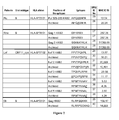
Figure 1 : Patients, antiretroviral drugs and length of treatment, viral subtype, drug resistance mutations, HLA I alleles -
Figure 2 : Potential CTL reactivity against archived viral epitope according to HLA I alleles: cross reactivity to Lipo5 lipopeptides -
Figure 3 : Theoretical presentation of CTL epitopes in the sequenced parts of the archived proviral DNA - Importance of T CD8+ cytotoxic response for the decrease of viral replication in the primary infection phase of HIV infection is well known. It is moreover now clear that these cellular responses and the corresponding vaccine attempts are dependent on the immunogenetical characters of the individuals, mainly the HLA class I alleles.
- The present invention results from the particular interest of the inventors to HIV-1 patients at success of a first line ART (AntiRetroviral Therapy). Generally, these patients are not routinely extensively investigated because they have an undetectable viral load. However, the inventors decided to focus the experiment on proviral DNA in order to address the following question: Taking into account the HLA class I alleles of patients, can the archived viral CTL epitopes be presented to their immunological system, assuming that replication and release from the archived virus will be a major part of the emerging viral replication at failure or interruption of ART ?
- By asking this question, the inventors demonstrated that curative vaccination with generic CTL epitopes cannot be fully efficient as such, because proviral epitopes in a patient can be distinct from reference epitopes and evenmore, because proviral epitopes can be modified when archived in genome of a cell. Therefore, the inventors surprisingly found that the sequences of the circulating virus can be distinct from the archived provirus.
- Therefore, inventors disclose a method to design vaccine epitopes that will be in agreement with the HLA class I alleles of the patients and with the epitopes present in the provirus. Therefore, selected vaccine epitopes are more susceptible to elicit a T-cell response to the subject affected with HIV infection.
- More particularly, a first aspect of the present invention concerns a method for selecting an epitope susceptible to elicit a T-cell response to HIV in a subject affected with HIV infection, wherein the method comprises:
- i) sequencing HIV proviral genome archived in cells of said subject, or part thereof;
- ii) identifying one or more proviral epitope(s) and determining binding capacity of said proviral epitope(s) to HLA class I molecules of said subj ect;
- iii) selecting proviral epitope(s) presenting a binding capacity to HLA class I molecules, thereby selecting proviral epitope(s)susceptible to elicit a T-cell response to HIV,
- HIV refers to Human Immunodeficiency Virus. In particular, it includes HIV-1 and HIV-2. Preferably, HIV is HIV-1.
- By the term "proviral" or "archived", it is intended the sequence(s) or genome of the HIV virus which has been integrated into the chromosomes of patient's cells.
- By "subject" or "patient" is intended a human, in particular a human infected by HIV. The subject can be an adult or a child. In a very particular embodiment, the subject or patient is at success of antiretroviral therapy. This means that the subject or patient infected by HIV, after a treatment with an antiretroviral therapy, has a low viral load, preferably below 50 copies/mL.
- In one embodiment, the method comprises the sequencing of the whole HIV proviral genome.
- Alternatively, only part(s) of HIV proviral genome can be sequenced. Indeed, epitopes generally used for preparing vaccine are present in Gag, Nef, Pol, Vif, Vpr, Vpu and/or Env region(s). Preferably, HIV proviral genome is sequenced for a region selected from the group consisting of Gag, Nef, Pol, Vif, Vpr, Vpu and/or Env region(s) and parts or combination thereof, preferably a region selected from the group consisting of Gag, Nef, Pol, Env regions and parts or combinations thereof, more preferably for the four regions. Still more preferably, HIV proviral genome is sequenced for a region selected from the group consisting of Gag, Nef, Pol and Env regions and parts or combinations thereof, still more preferably for the three regions. By "region" is intended herein which encodes the gene selected from the group consisting of Gag, Nef, Pol, Env genes. The region may comprise the coding sequence and also the regulatory elements of the gene. The preferred region is the coding sequence or part thereof.
- As it is well-known, Gag gene encodes the nucleocapsid-core proteins; Pol gene encodes Reverse Transcriptase, protease, integrase and ribonuclease; Env gene encodes viral-coat proteins; Nef gene encodes a Negative Regulatory Factor; Vif gene encodes viral infectivity factor; Vpr gene encodes viral protein R; Vpu gene encodes viral protein unique. In respect to Pol, a part of particular interest is the sequence encoding the Reverse Transcriptase (RT). Alternatively, the portion encoding the protease in Pol may be of particular interest.
- The method may comprise an additional preliminary step of providing a sample from the patient. The sample includes cells with archived HIV genome, for instance circulating cells or viral reservoir tissues or cells. In a first embodiment, the sample may be a blood sample, in particular a PBMC (peripheral blood mononuclear cells) sample from the patient. In another embodiment, the sample includes viral reservoir tissues or cells, preferably from lymphoid tissue, in particular gut lymphoid tissue. Preferably, the sample includes memory CD4+ T cells from the patient.
- The sequencing step may comprise DNA extraction, PCR amplification and sequencing. The methods of sequencing HIV proviral sequences are well-known to the one skilled in the art.
- The sequencing can be performed by any method known in the art, for instance by the well-known Sanger method. However, more effective sequencing methods are now available and known under the designation of next generation sequencing. In a preferred embodiment, the sequencing is performed by using the UDPS method (Ultra-Deep Pyro Sequencing).
- Once the proviral sequences have been obtained, the sequences are analyzed in order to identify one or more epitopes and determining their binding capacity to HLA class I molecules of said subject.
- In particular, the epitopes under consideration in the present invention are those susceptible to induce a CTL (cytotoxic T lymphocyte) response, i.e., T Cell epitopes binding to HLA class I molecules. These epitopes are herein called CTL epitopes or T cell epitopes. These epitopes are generally peptides of 8-15 amino acids, preferably 8-11 amino acids. Typically, a T cell epitope is 9 amino acids in length.
- "Human Leukocyte Antigen" or "HLA" is a human class I or class II Major Histocompatibility Complex (MHC) protein (see, e.g., Stites, et al., IMMUNOLOGY, 8TH ED., Lange Publishing, Los Altos, CA (1994). Class I HLA molecules are expressed on almost all nucleated cells and are recognized by cytotoxic T lymphocytes (CTLs), which then destroy the antigen-bearing cells. CTLs are particularly important in fighting viral infections. The CTL recognizes the antigen in the form of a peptide fragment bound to the HLA class I molecules rather than the intact foreign antigen itself. Antigen presenting systems are preferably allele-phenotyped, in particular HLA-phenotyped. HLA class I molecules include three major groups, namely HLA-A, HLA-B and HLA-C molecules. HLA class I molecules are grouped into such HLA supertypes that share somewhat similar binding affinity for peptides bearing certain amino acid motifs. A non-exhaustive list of HLA supertypes includes: A01; A02; A03; A24; B07; B27; B44; B58 and B62.
- In the context of the present invention, the HLA class I alleles to take into consideration are HLA-A, HLA-B and HLA-C alleles, and more preferably HLA-A and HLA-B alleles.
- Therefore, if the HLA class I alleles of the patient are unknown, it is necessary to perform the molecular typing of HLA class I alleles of the patient. The methods for molecular typing of HLA class I alleles are well-known by the one skilled in the art.
- Then, on the basis of proviral sequences of the subject and its HLA class I alleles, one or more epitopes can be identified or defined in the proviral sequences of the subject and its binding capacity to the HLA class I molecules of said subject can be determined.
- In order to identify one or more epitopes in the proviral sequences of the subject, several options are available to the one skilled in the art.
- Firstly, numerous epitopes have already been defined and characterized in the art (
EP346022 WO97/34621 WO96/20006 EP 888120 WO99/58658 WO0029008 EP1225907 ;WO0147955 WO0155177 WO0156355 WO02069691 WO03029285 WO04092201 WO06091798 WO07137591 - The one skilled in the art can choose any of the available tools for identifying one or several proviral epitopes in the obtained proviral sequences of the subject. For instance, such tools are available on IEDB (www.immuneepitope.org), on SYFPEITHI (www.syfpeithi.de/home.htm), and Los Alamos Database (www.hiv.lanl.gov/content/immunology/index.html). These databases allow the identification of CTL epitopes based on a HIV sequence. Optionally, the identification of proviral epitopes takes into consideration the HLA class I alleles of the subject.
- Then, the binding capacity of the identified epitopes to the HLA class I alleles of the subject is determined and the epitope(s) having a binding capacity is/are selected. By "having a binding capacity" is intended that the IC50 is less than 500 nM. The IC50 corresponds to Kd. IC50 is the concentration of peptide in a binding assay at which 50% inhibition of binding of a reference peptide is observed. As used herein, "high binding capacity " with respect to HLA class I molecules is defined as binding with an IC50 value of 50 nM or less, and "intermediate binding capacity " is binding with an IC50 value of between 50 and about 500 nM. In a preferred embodiment, the selected epitopes present a high binding capacity.
- In one embodiment, the method includes the determination of a theoretical binding capacity of the epitope to the HLA class I alleles of the subject. Several well-known and recognized databases allow the calculation of a binding capacity of epitope sequences to the HLA class I alleles. Non-exhaustively, the following databases can be cited as referenced tools: IEDB (www.immuneepitope.org), on SYFPEITHI (www.syfpeithi.de/home.htm), Los Alamos Database (www.hiv.lanl.gov/content/immunology/index.html); atom.research.microsoft.com/bio/epipred.aspx.
- In an alternative or additional embodiment, the binding capacity is determined by an in vitro assay. Peptides comprising epitopes are synthesized and tested for their ability to bind to relevant HLA class I proteins. Assays may involve evaluation of peptide binding to purified HLA class I molecules in relation to the binding of a radioiodinated reference peptide. Alternatively, cells expressing empty class I molecules (i.e. cell surface HLA molecules that lack any bound peptide) may be evaluated for peptide binding by immunofluorescent staining and flow microfluorimetry.
- Optionally, when variability is observed among the proviral epitope sequences of the subject, the less variable epitopes are selected. In other word, the epitopes which are the most conserved in the proviral sequences of the subject will be selected.
- In addition to the determination of the binding capacity of the epitopes, the method may further comprise a step in which the CTL response is measured.
- The CTL response can be tested in vitro by any CTL assay available in the art. Conventional assays utilized to detect T cell responses include proliferation assays, lymphokine secretion assays, direct cytotoxicity assays, and limiting dilution assays. For instance, the assay may be selected among the well-know IFN-γ ELISpot assay, the CTL lysis assay using standard 51Chromium release assay, the Live Virus ELISPOT (LVE) assay or the Viral suppression assay (VSA) (see for instance, Ranasinghe et al, 2011, PLoS Pathogens, 7, e1001341).
- Also disclosed is a method for preparing a vaccine composition susceptible to elicit a T-cell response to HIV in a subject, wherein the method comprises the selection of proviral epitope(s) susceptible to elicit a T-cell response to HIV in a subject affected with HIV infection as defined above and further comprises preparing a vaccine composition comprising at least one selected proviral epitope. The prepared vaccine composition may include any pharmaceutically acceptable carrier or excipient. Preferably, it comprises several selected epitopes, in particular from 2 to 30 proviral epitopes. In a preferred embodiment, epitopes will be selected in order to be specific of several distinct targets of HIV (e.g., preferably Gag, Nef, Pol, Env regions). Optionally, several epitopes can be selected for each HIV target. Of course, the vaccine composition may further comprise additional components such as vaccine adjuvant (e.g., incomplete Freund's adjuvant), liposomes, HTL (helper T lymphocyte) epitopes, antigen-presenting cells, etc. The epitope peptides can be modified to become lipopeptides.
- In a particular embodiment of the methods detailed above, the method may further include a step (by Sanger and/or NGS sequencing) of determining if mutation(s) which have been disclosed as Drug Resitstance Mutations is/are present in the proviral sequences of the subject. Such mutations are well-known in the art. For instance, some are disclosed in
WO06091798 - In another aspect, the present invention concerns a method for selecting a subject affected with HIV infection or determining whether a subject affected with HIV infection is susceptible to benefit from a vaccine composition containing one or more epitope(s), wherein the method comprises:
- i) sequencing HIV proviral genome archived in cells of said subject,or part thereof, to identify the proviral sequence corresponding to said one or more epitope(s) of said vaccine composition;
- ii) comparing proviral sequence(s) of said epitope(s) identified in step i) to epitope(s) of the vaccine composition;
- iii) selecting the subject when no significant difference is determined in step ii).
- By "no significant difference" is intended that the differences have no impact on the binding capacity to HLA class I molecules and/or the capacity of cross-reacting in the CTL response. The binding capacity can be determined by either a theoretical IC50 or an in vitro binding assay. The cross-reaction can be easily tested with a CTL response assay. More particularly, it is intended that the proviral sequence when compared to the vaccine epitope presents no more than 3, 2 or 1 amino acid substitutions, preferably less than 2 or 1 amino acid substitutions.
- Optionally, the method further comprises:
- iv) determining binding capacity of epitope(s) of the vaccine composition to HLA class I molecules of said subject; and
- v) selecting the subject when epitope(s) of the vaccine composition present(s) binding capacity to HLA class I molecules of said subject,
- The method can further comprise a step of determining whether proviral sequence(s) of said epitope(s) present(s) a binding capacity to HLA class I molecules of said subject, and selecting the subject when proviral sequence(s) of said epitope(s) present(s) binding capacity to HLA class I molecules of said subject.
- One can thereby, relative to a pre-established vaccine composition, select a subject affected with HIV infection for being a good responder to the vaccine therapy, or determining whether the subject affected with HIV infection is susceptible to benefit from the vaccine therapy.
- Eleven HIV-1 infected patients were enrolled in this study which received a positive agreement from the « Comité de protection des personnes du Sud Ouest » (DC 2012/48). All are adults were at success of a first ART including at least one NRTI and/or NNRTI (Non-Nucleoside Reverse Transcriptase Inhibitors and Non-Nucleoside Reverse Transcriptase Inhibitors). Written informed consent was obtained from each study participant. First line ART period ranges from 8 months to 9 years with indetectable viral load (under 50 copies/ml Roche Ampliprep Cobas Taqman and under 40 copies/ml Abbott) and without intermittent viremia or blip.
- PBMCs were separated by density gradient centrifugation and stored as dry pellets at -80°C. PBMC HIV-1 DNA was extracted using the MagNA Pure automatic system (Roche) according to the manufacturer's specifications, and quantitated by UV optical density measurement. PBMC DNA extract was used for HIV-1 proviral and episomic DNA quantification by means of a standardized real-time PCR technique, based on the 5' nuclease method, in the long terminal repeat region. This technique takes both integrated HIV-1 provirus and non-integrated HIV-1 DNA forms into account. Results were expressed as the log10-transformed number of HIV-1 DNA copies/106 PBMCs, with a detection threshold of 1.8 log10 copies/106 PBMCs.
- Epitopic regions of Gag and Nef were amplified from DNA extracted previously using primers described in Table 1 and AmpliTaq Gold with GeneAmp Kit (Applied Biosystem, Foster City, CA). Epitopic region of RT was amplified using primers described in Table 1 and FastStart Taq DNApol HiFi (Roche).


- Genomic DNA was extracted from the frozen white blood cell pellets and quantitated as described above. Intermediate-to-high resolution was performed by reverse Polymerase Chain Reaction-Sequence Specific Oligonucleotide (PCR-SSO) hybridization using the LuminexH flow beads LabTypeH assay (InGen, Chilly-Mazarin, France) for the A and B loci. Allelic ambiguities were solved with PCR-Sequence Specific Primer (SSP) amplification using Olerup assays (BioNoBis, Montfort L'Amaury, France). The manufacturers' recommendations were strictly followed. Allele assignment was performed by comparison with the official nomenclature and validated by the WHO committee for HLA system factors.
- PCR products were sequenced on both strands using an Applied Biosystems 3500xls Dx Genetic Analyzer and primers from the second PCR.
- RT UDPS was performed using the Roche GS Junior equipment. Amplicons previously obtained, purified and quantified were pooled at equimolar concentrations. Clonal amplification on beads (EmPCR) was performed using the 454 Life Science reagents that enable bidirectional sequencing, composed of 30 cycles PCR amplification. DNA containing beads were recovered and UDPS was performed on the GS Junior sequencer (454 Life Sciences; Roche). UDPS generated a median of 11.000 sequence reads per sample.
- The immune epitope database (www.immuneepitope.org) was used to predict T-cell epitope recognition. We have chosen to evaluate the affinity of the epitopes for the MHC molecules by the MHC IC50 (nM) value; small values are associated with better binders and, particularly, 500 nM is often used as the threshold between binders and non-binders.
- 11 patients have been recruited; all were receiving a successful
first line ART 8 months to 9 years after initiation of treatment; no case exhibited a blip all along the survey period reported; all treatments included at least one drug of the NRTI/NNRTI classes. - Among 11 HIV-1 isolates, all RNA viral loads (VL) were below the threshold of 50 copies/Ml; For all samples, the quantitation of 2-LTR episomic DNA was found below the threshold of 10 copies/million PBMC.
- The Gag sequence of one strain (Agu) exhibited 5 stop codons; in all cases, tryptophan amino acid was replaced by a stop codon, consequence of a switch from TGG (wild) to TAG or TAA.
- When we consider the frequencies of mutant variants above 1%, 3 provirus exhibited M184I/V mutations between 4 and 99.6%; 2 provirus were bearing G190E variants (2.30 and 12% respectively), one 5.90% K70R and one 20% M230L. 2 isolates were bearing two mutations simultaneously: Tri with M184I and G190E and Bil with M184V plus M230L. For three patients (Sei, Bur and Tri), viral RNA could be investigated before initiation of ART, and exhibited DRMs in the proviral DNA, while no DRM could be observed in the initiation sample.
- Cross reactivity to Lipo5 lipopeptides (
Figure 2 ) The ANRS HIV-LIPO-5 lipopeptides are composed of the Gag 17-35, Gag 253-284, Nef 66-97, Nef 116-145, and Pol 325-355 peptides ( Gahery et al., Thérapie, 2005, 60;243-248). According to the different HLA I alleles and the different available sequences of Gag, Nef and Pol obtained after Sanger sequencing, the data are shown inFigure 2 . - Pic. The virus has been identified as subtype B HIV-1; with an HLA A*03:01 allele, the patient should recognize the Pol 325-355 epitope (AIFQSSMTK), which is one of the Lipo5 peptides designed from the HXB2 HIV-1 subtype B reference. The archived epitope in the provirus exhibits a substitution (AIFQ A SMTK), but the presentation with the allele is still excellent (MHC IC50 20.24 versus 12.04).
- Rou. The virus is of subtype B; with HLA B*08:01. 2 Gag epitopes can be presented according to the HXB2 reference; EIYKRWII with a MHC IC50 of 257.38 and GGKKKYKLK with a MHC IC50 of 31,060.99 (low affinity). The archived epitopes are identical.
- Laf. The patient is infected with a CRF11_cpx; with HLA allele B*07:02. 5 epitopes of Nef 66-97 should be recognized. All corresponding archived epitopes are different from those referenced from HXB2 and 4 are efficiently presented while one is not: FPVTPQVPL (MHC IC50 13.57) / FPV K PQVP V (MHC IC50 30.21); FPVTPQVPLR (MHC IC50 20,589) / FPV K PQVP V R (MHC IC50 10,191); TPQVPLRPM (MHC IC50 29.56) / K PQVP V RPM (MHC IC50 11.17); RPMTYKAAV (MHC IC50 5.53) /RPMTYKAA F (MHC IC50 4.26) ; RPMTYKAAL (MHC IC50 2.80) / RPMTYKAA F (MHC IC50 4.26).
- Eli. The virus is of subtype B. According to HLA alleles A*03:01, B*07:02 and B* 35:01, 13 epitopes corresponding to Gag 17-35, Gag 253-284, Nef 66-97 and Pol 325-355 could be evaluated (not shown). Most of them exhibit substitutions in the proviral DNA without variation of the MHC IC50. One is no longer recognized: Gag 17-35 ; RLRPGGKKK (MHC IC50 158.17) / RLRRPGGKK Q (MHC IC50 14,882).
- Pic. According to HLA allele A*03:01, the epitopes RT (Reverse Transcriptase) 33-43, RT 73-82, RT 93-101 of HXB2 can be presented with MHC IC50 ranging from 45.58 to 367.82. The epitopes which are archived in the proviral DNA are identical. With HLA allele B 51:01, 2 epitopes of HXB2, RT 42-50 (EKEGKISKI) and RT 128-135 (TAFTIPSI), can be presented with MHC IC50 of 36,931 and 2,032 respectively. The first archived epitope is unchanged and the second exhibits a substitution (TAFTIPS L ) with a MHC IC50 switching from 2,032 to 11,857.
- Sei. This patient could be investigated on viral RNA before initiation of HAART and on proviral DNA at success. With HLA alleles A*02:01, A*26:01, B*39:01 and B*40:01, 10 epitopes could be analyzed in Gag, Nef and Pol (RT). When HXB2 reference and viral RNA are compared, 6 epitopes are strictly identical, 2 are mutated (with increase of MHC IC50) and 2 exhibit double populations at some codons and corresponding residues.
- With HLA allele A*02:01, Gag p17 77-85 (SLYNTVATL) is presented with a MHC IC50 of 476. The viral RNA presents the epitope SL[ F Y]NT[ I V] S TL with 4 different combinations and MHC IC50 ranging from 178 to 759. In the same way, with HLA allele B 40:01, the epitope Gag p17 92-101 IEIKDTKEAL is recognized with a MHC IC50 of 53; the corresponding epitopes of the viral RNA exhibits 4 combinations [ I M] D [I V ]KDTKEAL with MHC IC50 ranging from 9,346 to 16,946.
- In the proviral DNA at success, the epitopes are identical to those recorded in the viral RNA with 2 exceptions: one is mutated (Nef 92-100 presented by the B*40:01 allele) with a MHC IC50 increasing from 63 to 198; the other is related to Gag p17 92-101 which exhibits 4 different combinations in the viral RNA; the archived epitope is that showing the highest MHC IC50 (I DV KDTKEAL; MHC IC50 16,946).
- Eli. For this subtype B and according to HXB2 reference, 2 epitopes are presented by the HLA allele A*03:01. In the proviral DNA, the first epitope is unchanged and the second is mutated without significant variation of the MHC IC50.
- Tre. This patient, who is infected with a subtype B HIV-1, is characterized by the HLA alleles A*02:01, B*40:01 and B*44:02. The B*40:01 antigen is able to present the Gag p17 epitope of HXB2 (IEIKDTKEAL) with a MHC IC50 of 53. The archived combinations of this epitope (I DV KDTKEAL and I DV KDTLEA V ) exhibit MHC IC50 values of 16,946 and 26,985 respectively.
- Tri. One epitope matching with HLA allele A*02:01 could be studied by Sanger and UDPS at baseline (RNA) and at success (archived DNA). The HXB2 epitope is VIYQYMDDL (SEQ ID No 56) and the observed epitope in the viral RNA at baseline is identical with a MHC IC50 of 1946.61. At success, the archived epitope is mutated (VIYQY I DDL- SEQ ID No 57) with a MHC IC50 of 855.38. The UDPS analysis of the epitope shows that there is a high stability of both epitopes at baseline and at success within the subpecies.
- The inventors have analysed the CTL epitopes of the provirus according to the HLA I alleles which determine the presentation of these epitopes to the cytotoxic CD8 lymphocytes. When they consider the lipopeptides which have been designed by ANRS (Lipo5) and if they state that they have to be identical or very close to the archived corresponding epitopes in order to trigger a significant vaccinal therapeutic response, it is clear that, with the partial results they could obtain, there is a high variability of the patterns; some archived epitopes are identical while some are different with a predicted less efficient vaccinal effect. This French therapeutic vaccine has been well tolerated in a
phase 2 study (Salmon-Céron et al, ) and has some interest (Pialoux et al, Clin Vaccine Immunol, 2008, 15, 562-568), but it is highly doubtful that these generic epitopes which have been designed on a HXB2 reference will be identical to archived epitopes. - When the inventors consider the epitopes of the archived provirus and the HLA I alleles, they see that the patterns are also different with epitopes identical to the HXB2 reference and the expected MHC, but also mutated epitopes which are not any longer recognized. Very interesting cases are those where epitopes are recorded as combinations in the viral RNA before initiation of ART, and epitopes finally selected in the proviral DNA are the less efficiently presented. Moreover, the present results on UDPS sequences of a part of RT show that there is an evolution of the virus at the level of nucleotide sequence between the plasma and the proviral intracellular compartments.
- Although they have been obtained by simulation and not by biological assays (for example ELIspot) which could hardly be used on a large scale, the present results show that curative vaccination with generic epitopes, mainly CTL epitopes, cannot be fully efficient because the epitopes are different from the B reference or are modified when they are archived as it has been described (Queen et al, J Viro, 2011, 85, 9167-9175) and that the inventors are not in a position of expecting a cross reaction; secondly, these generic epitopes are not systematically suitable to presentation due to the diversity of class I antigens and corresponding HLA alleles. This is a problem not only for LIPO-5 peptides but also for all other generic vaccines based on recombinant viruses or viral DNA (Garcia et al, Hum Vaccin Immunother, 2012, 8, 569-581). On the other hand, when you first identify the HLA I alleles and design potential peptide epitopes on the HXB2 reference, you have to be aware that some of these epitopes can be different in the archived provirus. Even the reference of viral RNA before initiation of HAART can be a decoy because the archived epitopes may be different. The inventors propose that, assuming that the archived proviral DNA will be the major origin of viral replication at failure or treatment interruption, the vaccinal epitopes will be selected from the sequenced proviral DNA in agreement with the HLA alleles of the patients.
- Data and tools within the IEDB are presented as a public resource: see www.immuneepitope.org and Vita R, Zarebski L, Greenbaum JA, Emami H, Hoof I, Salimi N, Damle R, Sette A, Peters B. The immune epitope database 2.0. Nucleic Acids Res. 2010 Jan;38(Database issue):D854-62. Epub 2009 Nov 11.


Claims (15)
- A method for selecting an epitope is susceptible to elicit a T-cell response to human immunodeficiency virus (HIV) in a subject affected with HIV infection, wherein the method comprises:i) sequencing HIV proviral genome archived in cells of said subject, or part thereof;ii) identifying one or more proviral epitope(s) and determining binding capacity of said proviral epitope(s) to HLA class I molecules of said subj ect;iii) selecting proviral epitope(s) presenting a binding capacity to HLA class I molecules, thereby selecting proviral epitope(s) susceptible to elicit a T-cell response to HIV,
the method further optionally comprising a step of molecular typing HLA class I alleles of said subject before step ii). - A method for selecting a subject affected with HIV infection or determining whether a subject affected with HIV infection is susceptible to benefit from a vaccine composition containing one or more epitope(s), wherein the method comprises:i) sequencing HIV proviral genome archived in cells of said subject,or part thereof, to identify the proviral sequence corresponding to said one or more epitope(s) of said vaccine composition;ii) comparing proviral sequence(s) of said epitope(s) identified in step i) to epitope(s) of the vaccine composition;iii) selecting the subject when no significant difference is determined in step ii).
- The method according to claim 2, further comprising :iv) determining binding capacity of epitope(s) of the vaccine composition to HLA class I molecules of said subject; andv) selecting the subject when epitope(s) of the vaccine composition present(s) binding capacity to HLA class I molecules of said subject,
the method further optionally comprising a step of molecular typing HLA class I alleles of said subject before step iv). - A method for preparing a vaccine composition susceptible to elicite a T-cell response to HIV in a subject, wherein the method comprises the steps i), ii) and iii) as defined in claim 1 and further comprises preparing a vaccine composition comprising at least one proviral epitope selected in step iii).
- The method according to any of the preceding claims, wherein HIV proviral genome is sequenced for whole proviral genome.
- The method according to claims 1 to 4, wherein HIV proviral genome is sequenced for a region selected from the group consisting of Gag, Nef, Pol, Env regions and combinations thereof.
- The method according to any of the preceding claims, wherein HIV proviral genome is a HIV-1 proviral genome.
- The method according to any of the preceding claims, wherein the epitope(s) is/are present in Gag, Nef, Pol and/or Env region(s).
- The method according to any of the preceding claims, wherein the subject affected with HIV infection is at success of antiretroviral therapy.
- The method according to any of the preceding claims, wherein the cells in which HIV proviral genome is archived are selected from circulating cells and viral reservoir tissue and/or cell, more preferably from lymphoid tissue, in particular gut lymphoid tissue, or memory CD4+ T cells.
- The method according to any of the preceding claims, wherein the molecular typing of HLA class I alleles is a molecular typing of HLA-A and HLA-B class I alleles.
- The method according to any of the preceding claims, wherein the binding capacity is a theoretical binding capacity.
- The method according to any of the preceding claims, wherein the binding capacity of epitope(s) to HLA class I molecules is determined by means of database, preferably a public database, more preferably the "immune epitope database and analysis resource" (IEDB).
- The method according to any of the preceding claims, wherein proviral HIV genome sequencing is performed by Sanger sequencing method or next generation sequencing (NGS) method, preferably by ultra deep pyrosequencing (UDPS) sequencing method.
- The method according to claim 14, wherein proviral HIV genome sequencing is preferably performed by next generation sequencing (NGS) methods, preferably by ultra deep pyrosequencing (UDPS).
Priority Applications (2)
| Application Number | Priority Date | Filing Date | Title |
|---|---|---|---|
| EP12306622.7A EP2745845A1 (en) | 2012-12-19 | 2012-12-19 | A method for preventing or treating an HIV infection |
| PCT/EP2013/077086 WO2014095998A1 (en) | 2012-12-19 | 2013-12-18 | A method for preventing or treating an hiv infection |
Applications Claiming Priority (1)
| Application Number | Priority Date | Filing Date | Title |
|---|---|---|---|
| EP12306622.7A EP2745845A1 (en) | 2012-12-19 | 2012-12-19 | A method for preventing or treating an HIV infection |
Publications (1)
| Publication Number | Publication Date |
|---|---|
| EP2745845A1 true EP2745845A1 (en) | 2014-06-25 |
Family
ID=47603165
Family Applications (1)
| Application Number | Title | Priority Date | Filing Date |
|---|---|---|---|
| EP12306622.7A Withdrawn EP2745845A1 (en) | 2012-12-19 | 2012-12-19 | A method for preventing or treating an HIV infection |
Country Status (2)
| Country | Link |
|---|---|
| EP (1) | EP2745845A1 (en) |
| WO (1) | WO2014095998A1 (en) |
Cited By (3)
| Publication number | Priority date | Publication date | Assignee | Title |
|---|---|---|---|---|
| EP3370065A1 (en) * | 2017-03-03 | 2018-09-05 | Treos Bio Kft | Immunogenic peptides |
| WO2018158456A1 (en) * | 2017-03-03 | 2018-09-07 | Treos Bio Zrt | Personalised immunogenic peptide identification platform |
| US10973909B1 (en) | 2020-04-03 | 2021-04-13 | Peptc Vaccines Limited | Coronavirus vaccine |
Families Citing this family (2)
| Publication number | Priority date | Publication date | Assignee | Title |
|---|---|---|---|---|
| FR3086534B1 (en) | 2018-10-01 | 2020-11-06 | Univ Bordeaux | METHOD FOR TREATING INFECTION WITH HUMAN IMMUNODEFICIENCY VIRUS |
| WO2020248032A1 (en) * | 2019-06-10 | 2020-12-17 | Ricardo Diaz | Method for defining a personalized vaccine against hiv/aids |
Citations (17)
| Publication number | Priority date | Publication date | Assignee | Title |
|---|---|---|---|---|
| EP0346022A1 (en) | 1988-06-10 | 1989-12-13 | United Biomedical, Inc. | Peptide fragments of HIV |
| WO1996020006A1 (en) | 1994-12-23 | 1996-07-04 | Medical Research Council | Vaccine against aids comprising a peptide sequence of hiv |
| WO1997034621A1 (en) | 1996-03-21 | 1997-09-25 | Cytel Corporation | Hla-a2.1 binding peptides and their uses |
| EP0888120A1 (en) | 1996-03-21 | 1999-01-07 | Epimmune, Inc. | Hla binding peptides and their uses |
| WO1999058658A2 (en) | 1998-05-13 | 1999-11-18 | Epimmune, Inc. | Expression vectors for stimulating an immune response and methods of using the same |
| WO2000029008A2 (en) | 1998-11-16 | 2000-05-25 | Board Of Regents, The University Of Texas System | Hiv-specific t-cell induction |
| WO2001047955A2 (en) | 1999-12-23 | 2001-07-05 | Medical Research Council | Improvements in or relating to immune responses to hiv |
| WO2001055177A2 (en) | 2000-01-28 | 2001-08-02 | Statens Serum Institut | Methods to identify ctl epitopes of hiv |
| WO2001056355A2 (en) | 2000-02-04 | 2001-08-09 | Duke University | Human immunodeficiency virus vaccine |
| EP1225907A1 (en) | 1999-10-05 | 2002-07-31 | Epimmune Inc. | Inducing cellular immune responses to human immunodeficiency virus-1 using peptide and nucleic acid compositions |
| FR2821556A1 (en) * | 2001-03-02 | 2002-09-06 | Aventis Pasteur | Vaccine for controlling viral rebound after cessation of antiretroviral therapy in HIV patients, containing lipopeptides derived from CTL epitopes of HIV proteins |
| WO2002069691A2 (en) | 2001-03-01 | 2002-09-12 | The Government Of The United States Of America, As Represented By The Secretary, Department Of Health And Human Services, Centers For Disease Control And Prevention, Technology Transfer Office | Immunogenic hiv peptides for use as reagents and vaccines |
| WO2003029285A2 (en) | 2001-09-28 | 2003-04-10 | Institut Pasteur | Identification of cd8 epitopes from hiv-1 proteins for prevention and therapy of hiv infections |
| WO2004092201A2 (en) | 2003-03-31 | 2004-10-28 | The Goverment Of The United States Of America As Represented By The Secretary Of The Department Of Health And Human Services | Enhanced hiv-1 vaccines and methods for their use |
| WO2006091798A2 (en) | 2005-02-22 | 2006-08-31 | The Government Of The United States Of America, As Represented By The Secretary Of The Department Of Health And Human Services | Vaccines and methods for prevention and treatment of drug-resistant hiv-1 and hepatitis b virus |
| WO2007137591A2 (en) | 2006-06-01 | 2007-12-06 | Statens Serum Institut | Hiv vaccine |
| WO2009046984A1 (en) * | 2007-10-09 | 2009-04-16 | Technologie Integrale Ltd. | Hiv preventive vaccine based on hiv specific antibodies |
-
2012
- 2012-12-19 EP EP12306622.7A patent/EP2745845A1/en not_active Withdrawn
-
2013
- 2013-12-18 WO PCT/EP2013/077086 patent/WO2014095998A1/en not_active Ceased
Patent Citations (17)
| Publication number | Priority date | Publication date | Assignee | Title |
|---|---|---|---|---|
| EP0346022A1 (en) | 1988-06-10 | 1989-12-13 | United Biomedical, Inc. | Peptide fragments of HIV |
| WO1996020006A1 (en) | 1994-12-23 | 1996-07-04 | Medical Research Council | Vaccine against aids comprising a peptide sequence of hiv |
| WO1997034621A1 (en) | 1996-03-21 | 1997-09-25 | Cytel Corporation | Hla-a2.1 binding peptides and their uses |
| EP0888120A1 (en) | 1996-03-21 | 1999-01-07 | Epimmune, Inc. | Hla binding peptides and their uses |
| WO1999058658A2 (en) | 1998-05-13 | 1999-11-18 | Epimmune, Inc. | Expression vectors for stimulating an immune response and methods of using the same |
| WO2000029008A2 (en) | 1998-11-16 | 2000-05-25 | Board Of Regents, The University Of Texas System | Hiv-specific t-cell induction |
| EP1225907A1 (en) | 1999-10-05 | 2002-07-31 | Epimmune Inc. | Inducing cellular immune responses to human immunodeficiency virus-1 using peptide and nucleic acid compositions |
| WO2001047955A2 (en) | 1999-12-23 | 2001-07-05 | Medical Research Council | Improvements in or relating to immune responses to hiv |
| WO2001055177A2 (en) | 2000-01-28 | 2001-08-02 | Statens Serum Institut | Methods to identify ctl epitopes of hiv |
| WO2001056355A2 (en) | 2000-02-04 | 2001-08-09 | Duke University | Human immunodeficiency virus vaccine |
| WO2002069691A2 (en) | 2001-03-01 | 2002-09-12 | The Government Of The United States Of America, As Represented By The Secretary, Department Of Health And Human Services, Centers For Disease Control And Prevention, Technology Transfer Office | Immunogenic hiv peptides for use as reagents and vaccines |
| FR2821556A1 (en) * | 2001-03-02 | 2002-09-06 | Aventis Pasteur | Vaccine for controlling viral rebound after cessation of antiretroviral therapy in HIV patients, containing lipopeptides derived from CTL epitopes of HIV proteins |
| WO2003029285A2 (en) | 2001-09-28 | 2003-04-10 | Institut Pasteur | Identification of cd8 epitopes from hiv-1 proteins for prevention and therapy of hiv infections |
| WO2004092201A2 (en) | 2003-03-31 | 2004-10-28 | The Goverment Of The United States Of America As Represented By The Secretary Of The Department Of Health And Human Services | Enhanced hiv-1 vaccines and methods for their use |
| WO2006091798A2 (en) | 2005-02-22 | 2006-08-31 | The Government Of The United States Of America, As Represented By The Secretary Of The Department Of Health And Human Services | Vaccines and methods for prevention and treatment of drug-resistant hiv-1 and hepatitis b virus |
| WO2007137591A2 (en) | 2006-06-01 | 2007-12-06 | Statens Serum Institut | Hiv vaccine |
| WO2009046984A1 (en) * | 2007-10-09 | 2009-04-16 | Technologie Integrale Ltd. | Hiv preventive vaccine based on hiv specific antibodies |
Non-Patent Citations (13)
| Title |
|---|
| ANDREW J MCMICHAEL ET AL: "Lessons learned from HIV-1 vaccine trials: new priorities and directions", NATURE IMMUNOLOGY, vol. 13, no. 5, 1 January 2012 (2012-01-01), pages 423 - 427, XP055055168, ISSN: 1529-2908, DOI: 10.1038/ni.2264 * |
| GAHERY ET AL., THERAPIE, vol. 60, 2005, pages 243 - 248 |
| GARCIA ET AL., HUM VACCIN IMMUNOTHER, vol. 8, 2012, pages 569 - 581 |
| M. R. BETTS ET AL: "Characterization of functional and phenotypic changes in anti-Gag vaccine-induced T cell responses and their role in protection after HIV-1 infection", PROCEEDINGS OF THE NATIONAL ACADEMY OF SCIENCES, vol. 102, no. 12, 22 March 2005 (2005-03-22), US, pages 4512 - 4517, XP055279948, ISSN: 0027-8424, DOI: 10.1073/pnas.0408773102 * |
| PIALOUX ET AL., CLIN VACCINE IMMUNOL, vol. 15, 2008, pages 562 - 568 |
| QUEEN ET AL., J VIRO, vol. 85, 2011, pages 9167 - 9175 |
| RANASINGHE ET AL., PLOS PATHOGENS, vol. 7, 2011, pages E1001341 |
| ROUTY J P ET AL: "Immunologic activity and safety of autologous HIV RNA-electroporated dendritic cells in HIV-1 infected patients receiving antiretroviral therapy", CLINICAL IMMUNOLOGY, ACADEMIC PRESS, US, vol. 134, no. 2, 1 February 2010 (2010-02-01), pages 140 - 147, XP026827613, ISSN: 1521-6616, [retrieved on 20091104] * |
| S. E. QUEEN ET AL: "Replication-Competent Simian Immunodeficiency Virus (SIV) Gag Escape Mutations Archived in Latent Reservoirs during Antiretroviral Treatment of SIV-Infected Macaques", JOURNAL OF VIROLOGY, vol. 85, no. 17, 1 September 2011 (2011-09-01), pages 9167 - 9175, XP055055180, ISSN: 0022-538X, DOI: 10.1128/JVI.00366-11 * |
| SALMON-CERON ET AL., AIDS, vol. 24, 2010, pages 2211 - 2223 |
| STITES ET AL.: "IMMUNOLOGY", 1994, LANGE PUBLISHING |
| THOMAS A. RASMUSSEN ET AL: "Eliminating the latent HIV reservoir by reactivation strategies: Advancing to clinical trials", HUMAN VACCINES & IMMUNOTHERAPEUTICS, vol. 9, no. 4, 1 April 2013 (2013-04-01), XP055055126, ISSN: 2164-5515, DOI: 10.4161/hv.23202 * |
| VITA R; ZAREBSKI L; GREENBAUM JA; EMAMI H; HOOF I; SALIMI N; DAMLE R; SETTE A; PETERS B.: "The immune epitope database 2.0", NUCLEIC ACIDS RES., vol. 38, 11 November 2009 (2009-11-11), pages D854 - 62, XP055204880, DOI: doi:10.1093/nar/gkp1004 |
Cited By (14)
| Publication number | Priority date | Publication date | Assignee | Title |
|---|---|---|---|---|
| EP3589310A1 (en) * | 2017-03-03 | 2020-01-08 | Treos Bio Zrt. | Personalised immunogenic peptide identification platform |
| US11628211B2 (en) | 2017-03-03 | 2023-04-18 | Treos Bio Limited | Vaccine |
| WO2018158457A1 (en) * | 2017-03-03 | 2018-09-07 | Treos Bio Zrt | Population-based immunogenic peptide identification platform |
| US10213497B2 (en) | 2017-03-03 | 2019-02-26 | Treos Bio Zrt. | Vaccine |
| KR20190133010A (en) * | 2017-03-03 | 2019-11-29 | 트레오스 바이오 지알티 | Personalized Immunogenic Peptide Identification Platform |
| KR20190134636A (en) * | 2017-03-03 | 2019-12-04 | 트레오스 바이오 지알티 | Population-based Immunogenic Peptide Identification Platform |
| US11213578B2 (en) | 2017-03-03 | 2022-01-04 | Treos Bio Limited | Vaccine |
| EP3370065A1 (en) * | 2017-03-03 | 2018-09-05 | Treos Bio Kft | Immunogenic peptides |
| WO2018158456A1 (en) * | 2017-03-03 | 2018-09-07 | Treos Bio Zrt | Personalised immunogenic peptide identification platform |
| US11426452B2 (en) | 2017-03-03 | 2022-08-30 | Treos Bio Limited | Vaccine |
| IL268917B (en) * | 2017-03-03 | 2022-12-01 | Treos Bio Zrt | A population-based immunogenic peptide identification platform |
| IL268917B2 (en) * | 2017-03-03 | 2023-04-01 | Treos Bio Zrt | Population-based immunogenic peptide identification platform |
| AU2018228786B2 (en) * | 2017-03-03 | 2025-03-06 | Treos Bio Limited | Personalised immunogenic peptide identification platform |
| US10973909B1 (en) | 2020-04-03 | 2021-04-13 | Peptc Vaccines Limited | Coronavirus vaccine |
Also Published As
| Publication number | Publication date |
|---|---|
| WO2014095998A1 (en) | 2014-06-26 |
Similar Documents
| Publication | Publication Date | Title |
|---|---|---|
| Mothe et al. | Definition of the viral targets of protective HIV-1-specific T cell responses | |
| Carlson et al. | HIV-1 adaptation to HLA: a window into virus–host immune interactions | |
| Rowland-Jones et al. | Broadly cross-reactive HIV-specific cytotoxic T-lymphocytes in highly-exposed persistently seronegative donors | |
| Sriwanthana et al. | HIV-specific cytotoxic T lymphocytes, HLA-A11, and chemokine-related factors may act synergistically to determine HIV resistance in CCR5 Δ32-negative female sex workers in Chiang Rai, northern Thailand | |
| US20230128001A1 (en) | Hiv antigens and mhc complexes | |
| AIDS Vaccine Evaluation Group 022 Protocol Team | Cellular and humoral immune responses to a canarypox vaccine containing human immunodeficiency virus type 1 Env, Gag, and Pro in combination with rgp120 | |
| Choi et al. | First Phase I human clinical trial of a killed whole-HIV-1 vaccine: demonstration of its safety and enhancement of anti-HIV antibody responses | |
| Paris et al. | HLA class II restriction of HIV-1 clade-specific neutralizing antibody responses in ethnic Thai recipients of the RV144 prime-boost vaccine combination of ALVAC-HIV and AIDSVAX® B/E | |
| WO2014095998A1 (en) | A method for preventing or treating an hiv infection | |
| Maness et al. | AIDS virus–specific CD8+ T lymphocytes against an immunodominant cryptic epitope select for viral escape | |
| Naruse et al. | Diversity of MHC class I genes in Burmese-origin rhesus macaques | |
| Messer et al. | Mice of the resistant H-2b haplotype mount broad CD4+ T cell responses against 9 distinct Friend virus epitopes | |
| Carrington et al. | Effects of MHC class I on HIV/SIV disease in primates | |
| Fellay et al. | Host genetic determinants of T cell responses to the MRKAd5 HIV-1 gag/pol/nef vaccine in the step trial | |
| Mehra et al. | MHC-based vaccination approaches: progress and perspectives | |
| Sundaramurthi et al. | HLA based selection of epitopes offers a potential window of opportunity for vaccine design against HIV | |
| Connelley et al. | Escape from CD8+ T cell response by natural variants of an immunodominant epitope from Theileria parva is predominantly due to loss of TCR recognition | |
| Solomon et al. | The most common Chinese rhesus macaque MHC class I molecule shares peptide binding repertoire with the HLA-B7 supertype | |
| Lakhashe et al. | Multimodality vaccination against clade C SHIV: partial protection against mucosal challenges with a heterologous tier 2 virus | |
| Lian et al. | Characterization of classical major histocompatibility complex (MHC) class II genes in northern pig-tailed macaques (Macaca leonina) | |
| Loffredo et al. | Beyond Mamu-A* 01+ Indian rhesus macaques: continued discovery of new MHC class I molecules that bind epitopes from the simian AIDS viruses | |
| Paris et al. | HLA class I serotypes and cytotoxic T‐lymphocyte responses among human immunodeficiency virus‐1‐uninfected Thai volunteers immunized with ALVAC‐HIV in combination with monomeric gp120 or oligomeric gp160 protein boosting | |
| BRPI0708708A2 (en) | polypeptide having no more than 100 amino acids, multiple epitope immunogenic polypeptide, polypeptide composition, method for producing a polypeptide, polypeptide construction, method for producing the same, vaccine composition or drug against a hiv virus, method for producing a composition vaccine or medicine, use of a polypeptide, a polypeptide composition, a polypeptide construct or a vaccine or medicine composition | |
| Gudmundsdotter et al. | Cross-clade immune responses to Gag p24 in patients infected with different HIV-1 subtypes and correlation with HLA class I and II alleles | |
| Mahiti et al. | Dynamic range of Nef-mediated evasion of HLA class II-restricted immune responses in early HIV-1 infection |
Legal Events
| Date | Code | Title | Description |
|---|---|---|---|
| PUAI | Public reference made under article 153(3) epc to a published international application that has entered the european phase |
Free format text: ORIGINAL CODE: 0009012 |
|
| 17P | Request for examination filed |
Effective date: 20121219 |
|
| AK | Designated contracting states |
Kind code of ref document: A1 Designated state(s): AL AT BE BG CH CY CZ DE DK EE ES FI FR GB GR HR HU IE IS IT LI LT LU LV MC MK MT NL NO PL PT RO RS SE SI SK SM TR |
|
| AX | Request for extension of the european patent |
Extension state: BA ME |
|
| R17P | Request for examination filed (corrected) |
Effective date: 20141218 |
|
| RBV | Designated contracting states (corrected) |
Designated state(s): AL AT BE BG CH CY CZ DE DK EE ES FI FR GB GR HR HU IE IS IT LI LT LU LV MC MK MT NL NO PL PT RO RS SE SI SK SM TR |
|
| 17Q | First examination report despatched |
Effective date: 20160617 |
|
| STAA | Information on the status of an ep patent application or granted ep patent |
Free format text: STATUS: THE APPLICATION IS DEEMED TO BE WITHDRAWN |
|
| 18D | Application deemed to be withdrawn |
Effective date: 20161028 |