EP2745840A2 - Composition including stem cell-derived microvesicles for promoting neurogenesis - Google Patents
Composition including stem cell-derived microvesicles for promoting neurogenesis Download PDFInfo
- Publication number
- EP2745840A2 EP2745840A2 EP12824443.1A EP12824443A EP2745840A2 EP 2745840 A2 EP2745840 A2 EP 2745840A2 EP 12824443 A EP12824443 A EP 12824443A EP 2745840 A2 EP2745840 A2 EP 2745840A2
- Authority
- EP
- European Patent Office
- Prior art keywords
- stem cells
- microvesicles
- cells
- derived microvesicles
- ischemic
- Prior art date
- Legal status (The legal status is an assumption and is not a legal conclusion. Google has not performed a legal analysis and makes no representation as to the accuracy of the status listed.)
- Granted
Links
Images




Classifications
-
- A—HUMAN NECESSITIES
- A61—MEDICAL OR VETERINARY SCIENCE; HYGIENE
- A61K—PREPARATIONS FOR MEDICAL, DENTAL OR TOILETRY PURPOSES
- A61K35/00—Medicinal preparations containing materials or reaction products thereof with undetermined constitution
- A61K35/12—Materials from mammals; Compositions comprising non-specified tissues or cells; Compositions comprising non-embryonic stem cells; Genetically modified cells
- A61K35/44—Vessels; Vascular smooth muscle cells; Endothelial cells; Endothelial progenitor cells
-
- A—HUMAN NECESSITIES
- A61—MEDICAL OR VETERINARY SCIENCE; HYGIENE
- A61K—PREPARATIONS FOR MEDICAL, DENTAL OR TOILETRY PURPOSES
- A61K35/00—Medicinal preparations containing materials or reaction products thereof with undetermined constitution
- A61K35/12—Materials from mammals; Compositions comprising non-specified tissues or cells; Compositions comprising non-embryonic stem cells; Genetically modified cells
- A61K35/28—Bone marrow; Haematopoietic stem cells; Mesenchymal stem cells of any origin, e.g. adipose-derived stem cells
-
- A—HUMAN NECESSITIES
- A61—MEDICAL OR VETERINARY SCIENCE; HYGIENE
- A61K—PREPARATIONS FOR MEDICAL, DENTAL OR TOILETRY PURPOSES
- A61K35/00—Medicinal preparations containing materials or reaction products thereof with undetermined constitution
- A61K35/12—Materials from mammals; Compositions comprising non-specified tissues or cells; Compositions comprising non-embryonic stem cells; Genetically modified cells
-
- A—HUMAN NECESSITIES
- A61—MEDICAL OR VETERINARY SCIENCE; HYGIENE
- A61K—PREPARATIONS FOR MEDICAL, DENTAL OR TOILETRY PURPOSES
- A61K35/00—Medicinal preparations containing materials or reaction products thereof with undetermined constitution
- A61K35/12—Materials from mammals; Compositions comprising non-specified tissues or cells; Compositions comprising non-embryonic stem cells; Genetically modified cells
- A61K35/48—Reproductive organs
- A61K35/51—Umbilical cord; Umbilical cord blood; Umbilical stem cells
-
- A—HUMAN NECESSITIES
- A61—MEDICAL OR VETERINARY SCIENCE; HYGIENE
- A61K—PREPARATIONS FOR MEDICAL, DENTAL OR TOILETRY PURPOSES
- A61K38/00—Medicinal preparations containing peptides
- A61K38/16—Peptides having more than 20 amino acids; Gastrins; Somatostatins; Melanotropins; Derivatives thereof
- A61K38/17—Peptides having more than 20 amino acids; Gastrins; Somatostatins; Melanotropins; Derivatives thereof from animals; from humans
- A61K38/177—Receptors; Cell surface antigens; Cell surface determinants
- A61K38/179—Receptors; Cell surface antigens; Cell surface determinants for growth factors; for growth regulators
-
- A—HUMAN NECESSITIES
- A61—MEDICAL OR VETERINARY SCIENCE; HYGIENE
- A61K—PREPARATIONS FOR MEDICAL, DENTAL OR TOILETRY PURPOSES
- A61K38/00—Medicinal preparations containing peptides
- A61K38/16—Peptides having more than 20 amino acids; Gastrins; Somatostatins; Melanotropins; Derivatives thereof
- A61K38/17—Peptides having more than 20 amino acids; Gastrins; Somatostatins; Melanotropins; Derivatives thereof from animals; from humans
- A61K38/177—Receptors; Cell surface antigens; Cell surface determinants
- A61K38/1793—Receptors; Cell surface antigens; Cell surface determinants for cytokines; for lymphokines; for interferons
-
- A—HUMAN NECESSITIES
- A61—MEDICAL OR VETERINARY SCIENCE; HYGIENE
- A61P—SPECIFIC THERAPEUTIC ACTIVITY OF CHEMICAL COMPOUNDS OR MEDICINAL PREPARATIONS
- A61P25/00—Drugs for disorders of the nervous system
-
- A—HUMAN NECESSITIES
- A61—MEDICAL OR VETERINARY SCIENCE; HYGIENE
- A61P—SPECIFIC THERAPEUTIC ACTIVITY OF CHEMICAL COMPOUNDS OR MEDICINAL PREPARATIONS
- A61P25/00—Drugs for disorders of the nervous system
- A61P25/08—Antiepileptics; Anticonvulsants
-
- A—HUMAN NECESSITIES
- A61—MEDICAL OR VETERINARY SCIENCE; HYGIENE
- A61P—SPECIFIC THERAPEUTIC ACTIVITY OF CHEMICAL COMPOUNDS OR MEDICINAL PREPARATIONS
- A61P25/00—Drugs for disorders of the nervous system
- A61P25/14—Drugs for disorders of the nervous system for treating abnormal movements, e.g. chorea, dyskinesia
- A61P25/16—Anti-Parkinson drugs
-
- A—HUMAN NECESSITIES
- A61—MEDICAL OR VETERINARY SCIENCE; HYGIENE
- A61P—SPECIFIC THERAPEUTIC ACTIVITY OF CHEMICAL COMPOUNDS OR MEDICINAL PREPARATIONS
- A61P25/00—Drugs for disorders of the nervous system
- A61P25/28—Drugs for disorders of the nervous system for treating neurodegenerative disorders of the central nervous system, e.g. nootropic agents, cognition enhancers, drugs for treating Alzheimer's disease or other forms of dementia
-
- A—HUMAN NECESSITIES
- A61—MEDICAL OR VETERINARY SCIENCE; HYGIENE
- A61P—SPECIFIC THERAPEUTIC ACTIVITY OF CHEMICAL COMPOUNDS OR MEDICINAL PREPARATIONS
- A61P9/00—Drugs for disorders of the cardiovascular system
-
- A—HUMAN NECESSITIES
- A61—MEDICAL OR VETERINARY SCIENCE; HYGIENE
- A61P—SPECIFIC THERAPEUTIC ACTIVITY OF CHEMICAL COMPOUNDS OR MEDICINAL PREPARATIONS
- A61P9/00—Drugs for disorders of the cardiovascular system
- A61P9/10—Drugs for disorders of the cardiovascular system for treating ischaemic or atherosclerotic diseases, e.g. antianginal drugs, coronary vasodilators, drugs for myocardial infarction, retinopathy, cerebrovascula insufficiency, renal arteriosclerosis
-
- C—CHEMISTRY; METALLURGY
- C12—BIOCHEMISTRY; BEER; SPIRITS; WINE; VINEGAR; MICROBIOLOGY; ENZYMOLOGY; MUTATION OR GENETIC ENGINEERING
- C12N—MICROORGANISMS OR ENZYMES; COMPOSITIONS THEREOF; PROPAGATING, PRESERVING, OR MAINTAINING MICROORGANISMS; MUTATION OR GENETIC ENGINEERING; CULTURE MEDIA
- C12N5/00—Undifferentiated human, animal or plant cells, e.g. cell lines; Tissues; Cultivation or maintenance thereof; Culture media therefor
- C12N5/06—Animal cells or tissues; Human cells or tissues
- C12N5/0602—Vertebrate cells
- C12N5/0618—Cells of the nervous system
- C12N5/0623—Stem cells
-
- C—CHEMISTRY; METALLURGY
- C12—BIOCHEMISTRY; BEER; SPIRITS; WINE; VINEGAR; MICROBIOLOGY; ENZYMOLOGY; MUTATION OR GENETIC ENGINEERING
- C12N—MICROORGANISMS OR ENZYMES; COMPOSITIONS THEREOF; PROPAGATING, PRESERVING, OR MAINTAINING MICROORGANISMS; MUTATION OR GENETIC ENGINEERING; CULTURE MEDIA
- C12N5/00—Undifferentiated human, animal or plant cells, e.g. cell lines; Tissues; Cultivation or maintenance thereof; Culture media therefor
- C12N5/06—Animal cells or tissues; Human cells or tissues
- C12N5/0602—Vertebrate cells
- C12N5/069—Vascular Endothelial cells
-
- C—CHEMISTRY; METALLURGY
- C12—BIOCHEMISTRY; BEER; SPIRITS; WINE; VINEGAR; MICROBIOLOGY; ENZYMOLOGY; MUTATION OR GENETIC ENGINEERING
- C12N—MICROORGANISMS OR ENZYMES; COMPOSITIONS THEREOF; PROPAGATING, PRESERVING, OR MAINTAINING MICROORGANISMS; MUTATION OR GENETIC ENGINEERING; CULTURE MEDIA
- C12N2502/00—Coculture with; Conditioned medium produced by
- C12N2502/11—Coculture with; Conditioned medium produced by blood or immune system cells
-
- C—CHEMISTRY; METALLURGY
- C12—BIOCHEMISTRY; BEER; SPIRITS; WINE; VINEGAR; MICROBIOLOGY; ENZYMOLOGY; MUTATION OR GENETIC ENGINEERING
- C12N—MICROORGANISMS OR ENZYMES; COMPOSITIONS THEREOF; PROPAGATING, PRESERVING, OR MAINTAINING MICROORGANISMS; MUTATION OR GENETIC ENGINEERING; CULTURE MEDIA
- C12N2502/00—Coculture with; Conditioned medium produced by
- C12N2502/13—Coculture with; Conditioned medium produced by connective tissue cells; generic mesenchyme cells, e.g. so-called "embryonic fibroblasts"
- C12N2502/1352—Mesenchymal stem cells
- C12N2502/1358—Bone marrow mesenchymal stem cells (BM-MSC)
Definitions
- the present invention relates to a composition comprising stem cell-derived microvesicles for promoting neurogenesis and a method for promoting neurogenesis.
- stem cell therapies have been conducted for various diseases such as cerebral infarction, traumatic neuronal injury, musculoskeletal disease, etc.
- the current technology has reached up to the level of simple extraction, culture and proliferation of stem cells and injection of the stem cells.
- stem cell therapies have not yet shown a significant effect. Extensive research on a variety of genetically modified stem cells to promote the effect has continued to progress, but cell therapies using genes cannot be applied to the human body due to ethical issues.
- stem cells there are several problems in clinical application of the use of stem cells. Firstly, in the case of cell therapy products, there is a risk of tumor formation after stem cells are transplanted into tissue. Secondly, stem cells may cause arterial occlusion due to a relatively large size, resulting in cerebral infarction. Thirdly, stem cells can migrate to the brain during the acute phase when the brain-blood barrier is open but have limitations in crossing the brain-blood barrier due to a large size during the chronic stage. Lastly, inducing stem cells to specialized cells having desired properties for cell therapy products has limitation.
- microvesicles are small vesicles of 0.1 to 1 ⁇ m diameter and refer to cell membrane microparticles circulating in the blood, such as endothelial cells, platelets, etc. It is known that stem cell-derived microvesicles contain proteins, receptors as well as nuclear components and thus have a role in cell-to-cell communication. Moreover, the microvesicles contain a relatively small amount of animal serum compared to stem cells, and the risk of zoonosis can also be eliminated. In view of these characteristics of microvesicles, the cell therapy using microvesicles is expected to be a new paradigm that can overcome the limitations of existing stem cell therapies.
- Patent Publication No. 2010-122087 discloses a particle secreted by a mesenchymal stem cell and comprising at least one biological property of a mesenchymal stem cell and a technology using the particle as a therapeutic agent for cardioprotection.
- the present inventors have studied the correlation between microvesicles and neuronal cells and found that stem cell-derived microvesicles have excellent effects of promoting neurogenesis and migration of neuronal cells and promoting angiogenesis in vascular endothelial cells, thus completing the present invention.
- the present invention provides a composition for promoting neurogenesis, comprising stem cell-derived microvesicles as an active ingredient.
- the present invention provides a method for promoting neurogenesis, comprising the step of applying stem cell-derived microvesicles to neural stem cells.
- the present invention provides a pharmaceutical composition for prevention or treatment of degenerative neurological diseases, comprising stem cell-derived microvesicles as an active ingredient.
- the present invention provides a method for treating neurological damage, comprising the step of treating a subject other than human, suffering from neurological damage, with stem cell-derived microvesicles.
- the stem cell-derived microvesicles according to the present invention have excellent effects of promoting neurogenesis and migration of neuronal cells and promoting angiogenesis of vascular endothelial cells, thus treating neurological damage.
- the present invention provides a composition for promoting neurogenesis, comprising stem cell-derived microvesicles as an active ingredient.
- the present invention provides a method for promoting neurogenesis, comprising the step of applying stem cell-derived microvesicles to neural stem cells.
- stem cell-derived microvesicles refers to small vesicles derived from stem cells, containing receptors and proteins, and having a diameter of 0.1 to 1 ⁇ m.
- the stem cell-derived microvesicles may be microvesicles derived from stem cells induced by ischemic stimuli, and the ischemic stimuli may preferably be ischemic preconditioning stimuli.
- the ischemic preconditioning stimuli may be performed by exposing stem cells to an environment that causes ischemia or treating stem cells with ischemic brain extract.
- the ischemic brain extract may be an extract obtained from the brain of subjects that have ischemic symptoms.
- the one example of ischemic symptoms may be ischemic stroke.
- the stem cell-derived microvesicles may include, but not particularly limited to, CD105 positive microvesicles, annexin V-negative microvesicles, etc. which are specific to mesenchymal stem cells
- the stem cells that are the source of the microvesicles may be, but not limited to, any one of induced pluripotent stem cells (iPS), adult stem cells, embryonic stem cells, mesenchymal stem cells, adipose stem cells, hematopoietic stem cells, and cord blood stem cells, preferably mesenchymal stem cells.
- iPS induced pluripotent stem cells
- adult stem cells embryonic stem cells
- mesenchymal stem cells adipose stem cells
- hematopoietic stem cells hematopoietic stem cells
- cord blood stem cells preferably mesenchymal stem cells.
- the stem cell-derived microvesicles according to the present invention can promote neurogenesis and migration of neuronal cells and also promote angiogenesis in vascular endothelial cells.
- the present invention provides a pharmaceutical composition for prevention or treatment of degenerative neurological diseases, comprising stem cell-derived microvesicles as an active ingredient.
- the stem cell-derived microvesicles according to the present invention can promote neurogenesis and migration of neuronal cells and promote angiogenesis in vascular endothelial cells, thus having excellent effect of treating neurological damage. Therefore, the stem cell-derived microvesicles according to the present invention can be effectively used in prevention or treatment of degenerative neurological diseases.
- degenerative neurological diseases is intended to include, but not limited to, a variety of diseases caused by neurological damage without limitation, and an example of the degenerative neurological diseases may be any one of ischemic stroke, cerebral infarction, neurotrauma, Parkinson's disease, Lou Gehrig' disease, and epilepsy.
- the pharmaceutical composition for prevention or treatment of degenerative neurological diseases comprising stem cell-derived microvesicles as an active ingredient according to the present invention may preferably contain other ingredients which may provide a synergy effect to the main effect within a range of not impairing the main effect of the present invention, in addition to the stem cell-derived microvesicles.
- the pharmaceutical composition of the present invention may further comprise pharmaceutically acceptable carrier, excipients, and diluents for administration, in addition to the above-described active ingredient.
- carriers, excipients, and diluents may include lactose, dextrose, sucrose, sorbitol, mannitol, xylitol, erythritol, maltitol, starch, acacia gum, alginate, gelatin, calcium phosphate, calcium silicate, cellulose, methylcellulose, microcrystalline cellulose, polyvinylpyrrolidone, water, methyl hydroxybenzoate, propyl hydroxybenzoate, talc, magnesium stearate, and mineral oil.
- the pharmaceutical composition of the present invention may be formulated into various formulations for parenteral or oral administration.
- a representative example of the parenteral formulation may preferably be an isotonic aqueous solution or as an injectable formulation.
- the injectable formulation may be prepared by a method known in the art using a suitable dispersant or wetting agent and a suspending agent by any method known in the art.
- the respective ingredients may be dissolved in a saline or buffer solution to be formulated into an injectable formulation.
- Solid formulations for oral administration may include tablets, pills, powders, granules, capsules, etc.
- the solid formulations may be prepared by mixing the active ingredient with at least one excipient such as starch, calcium carbonate, sucrose, lactose, gelatin, etc.
- excipients such as starch, calcium carbonate, sucrose, lactose, gelatin, etc.
- lubricants such as magnesium stearate, talc, etc. may be used in addition to simple excipients.
- Liquid formulations for oral administration may include suspensions, internal solutions, emulsions, syrups, etc.
- the liquid formulations may include, and various excipients such as humectants, sweeteners, aromatics, preservatives, etc. may be included in addition to generally-used simple diluents such as water and liquid paraffin.
- Formulations for parenteral administration may include sterile solutions, non-aqueous solvents, suspensions, emulsions, freeze-dried formulations, and suppositories.
- Propylene glycol, polyethylene glycol, vegetable oil such as olive oil, and injectable ester such as ethyl oleate, etc. may be used for non-aqueous solvents and suspensions.
- Witepsol, macrogol, Tween 61, cacao oil, laurin oil, glycerogelatin, etc. may be used for suppository bases.
- the effective dosage of the pharmaceutical composition of the present invention may vary depending on the age, gender, and weight of a patient.
- the pharmaceutical composition of the present invention may be administered in a dose of 100 ⁇ g/kg to 1 mg/kg, preferably 200 ⁇ g/kg to 500 ⁇ g/kg.
- composition of the present invention may be used alone or in combination with surgical operation, chemical therapy, radiotherapy, hormonal therapy, chemical therapy, drug therapy, and methods using biological response modifiers.
- the present invention provides a method for treating neurological damage, comprising the step of treating a subject other than human, suffering from neurological damage, with stem cell-derived microvesicles.
- the treatment with stem cell-derived microvesicles promotes neurogenesis and migration of neuronal cells and also promotes angiogenesis in vascular endothelial cells, thus effectively treating neurological damage.
- neurological damage refers to damage to the nerve caused by physical factors or degenerative neurological diseases.
- the neurological damage by physical factors may include, but not limited to, brain trauma, spinal cord injury, cerebral infarction, cerebral hemorrhage, neurotrauma, etc.
- the neurological damage by degenerative neurological disease may include, but not limited to, ischemic stroke, cerebral infarction, neurotrauma, Parkinson's disease, Lou Gehrig' disease, and epilepsy.
- the subject other than human may preferably include, but not limited to, a rat, a red fox, a skunk, a raccoon, a badger, a dog, a wolf, a mongoose, a coyote, a weasel, and a cat.
- Example 1 Comparison of the levels of stem cell-derived microvesicles in serum
- stem cell-derived microvesicles Citrated sera were collected from stroke patients and centrifuged at 19,800 g and 10 °C for 10 minutes to obtain stem cell-derived microvesicles.
- the obtained stem cell-derived microvesicles were suspended in 20 ⁇ l PBS, and the blood levels of stem cell-derived microvesicles (CD105-positive/annexin V-negative) and microvesicles (CXCR4-positive/annexin V-negative) expressing the SDF-1 receptor, CXCR4, were compared in patients with a small infarct (DWI volume: 10 cc or less) and patients with a large infarct (DWI volume: 10 cc or more), and it was determined whether CD105-positive cells were CD90-positive or double-positive cells.
- FIG. 1 The results of the above experiment are shown in FIG. 1 .
- FIG. 1 it was found that the amount of CD105-positive cells and CXCR4-postive cells in patients with a large infarct (B) after the onset of cerebral infarction was greater than that in patients with a small infarct (A). It can be seen from this result that the number of stem cell-derived microvesicles and microvesicles capable of migrating by SDF-1 chemotaxis increases in patients with a large infarct. Moreover, it was found that most CD105-postive cells were CD90 double-positive cells, indicating that CD105-positive microvesicles were derived from stem cells.
- the number of CD105-positive/annexin V-negative stem cell-derived microvesicles showed a tendency to increase as the infarct size was larger and the NIHSS score was higher (A), and the number of CD105-positive/CXCR4-positive/annexin V-negative microvesicles showed a tendency to increase as the NIHSS score was higher and to decrease as the time since the onset of cerebral infarction increased (B).
- the blood level of stem cellswith high motility was increased by microvesicles as the severity of cerebral infarction was higher, indicating that the existence of potential stem cells may decrease as the time since the onset of cerebral infarction increases.
- the blood concentration of SDF-1 ⁇ decreased as the infarct size was larger and increased as the time since the onset of cerebral infarction increased (C).
- Example 2 Isolation of microvesicles from bone marrow-derived stem cells
- Bone marrows were collected from the femur of rats to obtain bone marrow-derived mesenchymal stem cells by culture.
- the obtained mesenchymal stem cells were cultured at a density of 1 x 10 5 cell/ml in T75 flask at 5% CO 2 and 37 °C and subcultured at 80% confluence.
- the subculture was performed in a manner that the medium was removed, the stem cells were gently washed with PBS more than once, cultured in a 37 °C incubator for about 1 minute after addition of Tryple (Invitrogen), and placed in a medium containing 10% FBS fetal bovine serum (FBS) to neutralize the reaction, and then the cells were collected and centrifuged at 1,300 g for 4 minutes.
- FBS FBS fetal bovine serum
- the cell precipitates were resuspended in a medium containing FBS, counted, and cultured.
- the fourth to sixth passage cells were used in the experiment.
- Low-glucose DMEM containing 10% FBS and 1% penicillin/streptomycin was used as a medium.
- Hemispheric tissues of white rats with induced middle cerebral artery occlusion were fragmented in 150 mg/ml DMEM medium and then centrifuged at 10,000 g for 10 minutes, and the supernatant was collected to obtain ischemic brain extracts.
- the obtained ischemic brain extracts were plated in equal amounts and kept at -70 °C.
- the stem cells were suspended in DMEM medium to prepare 20% ischemic brain extract, thus preparing stimulatives for ischemic preconditioning stimuli containing 20% ischemic brain extract or 20% ischemic serum.
- the bone marrow-derived mesenchymal stem cells prepared in Example 2.1 were cultured in a 60 mm culture dish in DMEM medium containing 10% FBS.
- the stimulatives for ischemic preconditioning stimuli (20% ischemic brain extract or 20% ischemic serum) prepared in Example 2.2 were added, and then the supernatant was collected from the culture medium.
- the supernatant was centrifuged at low speed (2,500 g, 10 °C, 10 minutes) to remove impurities from the supernatant and centrifuged again at high speed (14,500 g, 10 °C, 45 minutes), thus obtaining microvesicles derived from stem cells.
- the number of the obtained microvesicles was calculated by the following formula, and the expression degree of CD105 and annexin V in each microvesicle was analyzed using a flow cytometer.
- the expression degree of CD105 and annexin V was used as a marker to determine whether the microvesicles were derived from mesenchymal stem cells, and microvesicles obtained from bone marrow-derived mesenchymal stem cells treated with knockout DEME and staurosporin A were used as controls.
- the results of the above experiment are shown in FIG. 3 .
- microvesicles obtained by ischemic preconditioning did not cause neuronal cell death, but more than 70% neuronal cell death occurred in the group treated with NMDA. Therefore, it can be seen that the microvesicles obtained by ischemic preconditioning do not induce the death of neural stem cells and thus is considered as a safe material.
- Example 3 Stimulation of neural stem cells using stem cell-derived microvesicles
- Example 3.1 The neural stem cells induced in Example 3.1 were treated with the stem cell-derived microvesicles obtained in Example 2.3 by ischemic preconditioning, and the neurogenesis capabilities of the treated neural stem cells were compared.
- Microvesicles obtained from mesenchymal stem cells without ischemic stimuli were used as a control.
- Each experimental group was observed under an optical microscope and a confocal microscope.
- Nestin as a marker for neural stem cells
- DCX doublecortin
- the neurogenesis capability did not significantly increase in neural stem cells treated with microvesicles obtained without ischemic stimuli (A), but the expression of nestin and DCX markers significantly increased in neural stem cells treated with microvesicles obtained by applying ischemic stimuli to bone marrow stem cells (B), representing the increase in neurogenesis capability.
- Vascular endothelial cells were treated with the microvesicles (1, 3, 10, 30 ⁇ g/ml) obtained in Example 2.2 by ischemic stimuli, and the angiogenesis capabilities of vascular endothelial cells were compared.
- Microvesicles obtained from mesenchymal stem cells without ischemic stimuli were used as a control.
- Living cells were fluorescence-stained with Calcein AM to be used as a marker to measure the angiogenesis capability and observed under a fluorescence microscope. The results of the above experiment are shown in FIG. 6 .
- microvesicles obtained in Example 2.3 by ischemic stimuli were injected into the ventricle of rats with ischemic stroke, and the migration distances of neural progenitor cells were compared.
- PBS containing no microvesicles was injected into the ventricle and used as a control, and the microvesicles were fluorescence-stained with antibodies against the DCX marker for neural progenitor cells.
Landscapes
- Health & Medical Sciences (AREA)
- Life Sciences & Earth Sciences (AREA)
- Engineering & Computer Science (AREA)
- Biomedical Technology (AREA)
- Chemical & Material Sciences (AREA)
- General Health & Medical Sciences (AREA)
- Cell Biology (AREA)
- Bioinformatics & Cheminformatics (AREA)
- Zoology (AREA)
- Biotechnology (AREA)
- Veterinary Medicine (AREA)
- Medicinal Chemistry (AREA)
- Public Health (AREA)
- Pharmacology & Pharmacy (AREA)
- Animal Behavior & Ethology (AREA)
- Developmental Biology & Embryology (AREA)
- Organic Chemistry (AREA)
- Immunology (AREA)
- Epidemiology (AREA)
- Genetics & Genomics (AREA)
- Wood Science & Technology (AREA)
- Virology (AREA)
- Neurology (AREA)
- Neurosurgery (AREA)
- Nuclear Medicine, Radiotherapy & Molecular Imaging (AREA)
- General Chemical & Material Sciences (AREA)
- Chemical Kinetics & Catalysis (AREA)
- Hematology (AREA)
- Microbiology (AREA)
- General Engineering & Computer Science (AREA)
- Biochemistry (AREA)
- Vascular Medicine (AREA)
- Proteomics, Peptides & Aminoacids (AREA)
- Gastroenterology & Hepatology (AREA)
- Reproductive Health (AREA)
- Heart & Thoracic Surgery (AREA)
- Cardiology (AREA)
- Urology & Nephrology (AREA)
- Psychiatry (AREA)
- Psychology (AREA)
Abstract
Description
- The present invention relates to a composition comprising stem cell-derived microvesicles for promoting neurogenesis and a method for promoting neurogenesis.
- Recently, various preclinical and clinical studies on stem cell therapies have been conducted for various diseases such as cerebral infarction, traumatic neuronal injury, musculoskeletal disease, etc. However, the current technology has reached up to the level of simple extraction, culture and proliferation of stem cells and injection of the stem cells. Moreover, it is known, as a result of clinical studies up to now, that stem cell therapies have not yet shown a significant effect. Extensive research on a variety of genetically modified stem cells to promote the effect has continued to progress, but cell therapies using genes cannot be applied to the human body due to ethical issues.
- Moreover, there are several problems in clinical application of the use of stem cells. Firstly, in the case of cell therapy products, there is a risk of tumor formation after stem cells are transplanted into tissue. Secondly, stem cells may cause arterial occlusion due to a relatively large size, resulting in cerebral infarction. Thirdly, stem cells can migrate to the brain during the acute phase when the brain-blood barrier is open but have limitations in crossing the brain-blood barrier due to a large size during the chronic stage. Lastly, inducing stem cells to specialized cells having desired properties for cell therapy products has limitation.
- Contrarily, cell therapy using microvesicles has recently attracted attention as a method that is differentiated from the cell therapy using stem cells. Typically, microvesicles are small vesicles of 0.1 to 1 µm diameter and refer to cell membrane microparticles circulating in the blood, such as endothelial cells, platelets, etc. It is known that stem cell-derived microvesicles contain proteins, receptors as well as nuclear components and thus have a role in cell-to-cell communication. Moreover, the microvesicles contain a relatively small amount of animal serum compared to stem cells, and the risk of zoonosis can also be eliminated. In view of these characteristics of microvesicles, the cell therapy using microvesicles is expected to be a new paradigm that can overcome the limitations of existing stem cell therapies.
- Therefore, extensive research aimed at using these stem cell-derived microvesicles instead of stem cells has continued to progress. For example, International Patent Publication No.
WO 2010/070141 discloses a method for producing stem cell-derived microvesicles and therapeutic effects of the produced microvesicles on immune disease, allergic response, inflammatory disease, etc., and Korean - Patent Publication No.
2010-122087 - However, there is not much research on stem cell-derived microvesicles, and it cannot be said that all stem cells that can be used for treatment of various diseases can be replaced by microvesicles. In particular, the correlation between microvesicles and neurogenesis has not been reported.
- Therefore, if the generation of neuronal cells can be promoted using stem cell-derived microvesicles, it is possible to use them in the treatment of diseases related to neurological damage, and thus there is an urgent need to study the correlation between microvesicles and neuronal cells.
- The present inventors have studied the correlation between microvesicles and neuronal cells and found that stem cell-derived microvesicles have excellent effects of promoting neurogenesis and migration of neuronal cells and promoting angiogenesis in vascular endothelial cells, thus completing the present invention.
- To achieve the above objects, the present invention provides a composition for promoting neurogenesis, comprising stem cell-derived microvesicles as an active ingredient.
- Moreover, the present invention provides a method for promoting neurogenesis, comprising the step of applying stem cell-derived microvesicles to neural stem cells.
- Furthermore, the present invention provides a pharmaceutical composition for prevention or treatment of degenerative neurological diseases, comprising stem cell-derived microvesicles as an active ingredient.
- In addition, the present invention provides a method for treating neurological damage, comprising the step of treating a subject other than human, suffering from neurological damage, with stem cell-derived microvesicles.
- The stem cell-derived microvesicles according to the present invention have excellent effects of promoting neurogenesis and migration of neuronal cells and promoting angiogenesis of vascular endothelial cells, thus treating neurological damage.
-
-
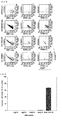
FIG. 1 shows blood levels of CD105-positive/annexin V-negative and CXCR4-positive/annexin V-negative microvesicles in a patient with a small infarct (A) and in a patient with a large infarct (B) and the correlation between CD105-positive and CD90-positive (C). -
FIG. 2 shows the correlation between CD105-positive/annexin V-negative microvesicles (A), CD105-positive/CXCR4-positive/annexin V-negative microvesicles (B), and SDF-1α (C) according to the infarct size (DWI), NIHSS, and the time since the onset of cerebral infarction. -
FIG. 3 shows the numbers of stem cell-derived microvesicles in bone marrow-derived mesenchymal stem cells treated with Kn DEME (knockout DEME),STS 100 nm (staurosporin A), 20% ischemic brain extract (20% BE (whole)), and 20% ischemic serum (20% serum), determined by a flow cytometer using CD105 and annexin V. -
FIG. 4 shows neuronal cell deaths after treatment of neuronal cells with stem cell-derived microvesicles (1, 3, 10, 30 µg/ml) obtained by ischemic stimuli or with 30 µm NMDA as a control, determined by LDH analysis. -
FIG. 5 shows neurogenesis capabilities after treatment of neuronal stem cells with microvesicles obtained without ischemic stimuli (A) or with stem cell-derived microvesicles obtained by ischemic stimuli (B), determined by an optical microscope and a confocal microscope. -
FIG. 6 shows angiogenesis capabilities of vascular endothelial cells after treatment with microvesicles (1, 3, 10, 30 µg/ml) obtained by ischemic stimuli, determined by a fluorescence microscope. -
FIG. 7 shows migration distances of neural progenitor cells after injection of microvesicles obtained by ischemic stimuli into the ventricle of rats with ischemic stroke, determined by fluorescence staining (A) and shows the numerical results thereof (B) (Contra: contralateral, ipsi: ipsilateral). -
FIG. 8 shows angiogenesis of vascular endothelial cells after injection of stem cell-derived microvesicles obtained by ischemic stimuli into the ventricle of rats with ischemic stroke, determined by fluorescence staining (A) and shows the numerical results thereof (B) (Contra: contralateral, ipsi: ipsilateral, sham: normal control group). - The present invention provides a composition for promoting neurogenesis, comprising stem cell-derived microvesicles as an active ingredient.
- Moreover, the present invention provides a method for promoting neurogenesis, comprising the step of applying stem cell-derived microvesicles to neural stem cells.
- As used herein, the term "stem cell-derived microvesicles" refers to small vesicles derived from stem cells, containing receptors and proteins, and having a diameter of 0.1 to 1 µm.
- The stem cell-derived microvesicles may be microvesicles derived from stem cells induced by ischemic stimuli, and the ischemic stimuli may preferably be ischemic preconditioning stimuli. The ischemic preconditioning stimuli may be performed by exposing stem cells to an environment that causes ischemia or treating stem cells with ischemic brain extract.
- The ischemic brain extract may be an extract obtained from the brain of subjects that have ischemic symptoms. The one example of ischemic symptoms may be ischemic stroke.
- The stem cell-derived microvesicles may include, but not particularly limited to, CD105 positive microvesicles, annexin V-negative microvesicles, etc. which are specific to mesenchymal stem cells
- Here, the stem cells that are the source of the microvesicles may be, but not limited to, any one of induced pluripotent stem cells (iPS), adult stem cells, embryonic stem cells, mesenchymal stem cells, adipose stem cells, hematopoietic stem cells, and cord blood stem cells, preferably mesenchymal stem cells.
- The stem cell-derived microvesicles according to the present invention can promote neurogenesis and migration of neuronal cells and also promote angiogenesis in vascular endothelial cells.
- Moreover, the present invention provides a pharmaceutical composition for prevention or treatment of degenerative neurological diseases, comprising stem cell-derived microvesicles as an active ingredient.
- The stem cell-derived microvesicles according to the present invention can promote neurogenesis and migration of neuronal cells and promote angiogenesis in vascular endothelial cells, thus having excellent effect of treating neurological damage. Therefore, the stem cell-derived microvesicles according to the present invention can be effectively used in prevention or treatment of degenerative neurological diseases.
- As used herein, the term "degenerative neurological diseases" is intended to include, but not limited to, a variety of diseases caused by neurological damage without limitation, and an example of the degenerative neurological diseases may be any one of ischemic stroke, cerebral infarction, neurotrauma, Parkinson's disease, Lou Gehrig' disease, and epilepsy.
- The pharmaceutical composition for prevention or treatment of degenerative neurological diseases, comprising stem cell-derived microvesicles as an active ingredient according to the present invention may preferably contain other ingredients which may provide a synergy effect to the main effect within a range of not impairing the main effect of the present invention, in addition to the stem cell-derived microvesicles.
- Moreover, the pharmaceutical composition of the present invention may further comprise pharmaceutically acceptable carrier, excipients, and diluents for administration, in addition to the above-described active ingredient. Examples of carriers, excipients, and diluents may include lactose, dextrose, sucrose, sorbitol, mannitol, xylitol, erythritol, maltitol, starch, acacia gum, alginate, gelatin, calcium phosphate, calcium silicate, cellulose, methylcellulose, microcrystalline cellulose, polyvinylpyrrolidone, water, methyl hydroxybenzoate, propyl hydroxybenzoate, talc, magnesium stearate, and mineral oil.
- The pharmaceutical composition of the present invention may be formulated into various formulations for parenteral or oral administration. A representative example of the parenteral formulation may preferably be an isotonic aqueous solution or as an injectable formulation. The injectable formulation may be prepared by a method known in the art using a suitable dispersant or wetting agent and a suspending agent by any method known in the art. For example, the respective ingredients may be dissolved in a saline or buffer solution to be formulated into an injectable formulation.
- Solid formulations for oral administration may include tablets, pills, powders, granules, capsules, etc. The solid formulations may be prepared by mixing the active ingredient with at least one excipient such as starch, calcium carbonate, sucrose, lactose, gelatin, etc. Moreover, lubricants such as magnesium stearate, talc, etc. may be used in addition to simple excipients.
- Liquid formulations for oral administration may include suspensions, internal solutions, emulsions, syrups, etc. The liquid formulations may include, and various excipients such as humectants, sweeteners, aromatics, preservatives, etc. may be included in addition to generally-used simple diluents such as water and liquid paraffin.
- Formulations for parenteral administration may include sterile solutions, non-aqueous solvents, suspensions, emulsions, freeze-dried formulations, and suppositories. Propylene glycol, polyethylene glycol, vegetable oil such as olive oil, and injectable ester such as ethyl oleate, etc. may be used for non-aqueous solvents and suspensions. Witepsol, macrogol, Tween 61, cacao oil, laurin oil, glycerogelatin, etc. may be used for suppository bases.
- The effective dosage of the pharmaceutical composition of the present invention may vary depending on the age, gender, and weight of a patient. However, the pharmaceutical composition of the present invention may be administered in a dose of 100 µg/kg to 1 mg/kg, preferably 200 µg/kg to 500 µg/kg.
- For the prevention or treatment of degenerative neurological diseases, the composition of the present invention may be used alone or in combination with surgical operation, chemical therapy, radiotherapy, hormonal therapy, chemical therapy, drug therapy, and methods using biological response modifiers.
- Moreover, the present invention provides a method for treating neurological damage, comprising the step of treating a subject other than human, suffering from neurological damage, with stem cell-derived microvesicles.
- The treatment with stem cell-derived microvesicles promotes neurogenesis and migration of neuronal cells and also promotes angiogenesis in vascular endothelial cells, thus effectively treating neurological damage.
- As used here, the term "neurological damage" refers to damage to the nerve caused by physical factors or degenerative neurological diseases. The neurological damage by physical factors may include, but not limited to, brain trauma, spinal cord injury, cerebral infarction, cerebral hemorrhage, neurotrauma, etc., and the neurological damage by degenerative neurological disease may include, but not limited to, ischemic stroke, cerebral infarction, neurotrauma, Parkinson's disease, Lou Gehrig' disease, and epilepsy.
- The subject other than human may preferably include, but not limited to, a rat, a red fox, a skunk, a raccoon, a badger, a dog, a wolf, a mongoose, a coyote, a weasel, and a cat.
- In the following, the present invention will be described in detail with reference Preparation Examples and Examples. However, the following Preparation Examples and Examples are provided only for illustration of the present invention, and the present invention is not limited by the following Preparation Examples and Examples.
- Citrated sera were collected from stroke patients and centrifuged at 19,800 g and 10 °C for 10 minutes to obtain stem cell-derived microvesicles. The obtained stem cell-derived microvesicles were suspended in 20 µl PBS, and the blood levels of stem cell-derived microvesicles (CD105-positive/annexin V-negative) and microvesicles (CXCR4-positive/annexin V-negative) expressing the SDF-1 receptor, CXCR4, were compared in patients with a small infarct (DWI volume: 10 cc or less) and patients with a large infarct (DWI volume: 10 cc or more), and it was determined whether CD105-positive cells were CD90-positive or double-positive cells. The results of the above experiment are shown in
FIG. 1 . - As shown in
FIG. 1 , it was found that the amount of CD105-positive cells and CXCR4-postive cells in patients with a large infarct (B) after the onset of cerebral infarction was greater than that in patients with a small infarct (A). It can be seen from this result that the number of stem cell-derived microvesicles and microvesicles capable of migrating by SDF-1 chemotaxis increases in patients with a large infarct. Moreover, it was found that most CD105-postive cells were CD90 double-positive cells, indicating that CD105-positive microvesicles were derived from stem cells. - Meanwhile, based on clinical records of stroke patients, the correlation between stem cell-derived microvesicles (CD105-positive/annexin V-negative), microvesicles expressing the SDF-1 receptor, CXCR4 (CXCR4-positive/annexin V-negative), and SDF-1α according to the diffusion weighted image (DWI) showing the infarct size, the National Institutes of Health Stroke Scale (NIHSS), and the time since the onset of cerebral infarction was analyzed. The results of the above experiment are shown in
FIG. 2 . - As shown in
FIG. 2 , the number of CD105-positive/annexin V-negative stem cell-derived microvesicles showed a tendency to increase as the infarct size was larger and the NIHSS score was higher (A), and the number of CD105-positive/CXCR4-positive/annexin V-negative microvesicles showed a tendency to increase as the NIHSS score was higher and to decrease as the time since the onset of cerebral infarction increased (B). It can be seen from these results that the blood level of stem cellswith high motility was increased by microvesicles as the severity of cerebral infarction was higher, indicating that the existence of potential stem cells may decrease as the time since the onset of cerebral infarction increases. Meanwhile, the blood concentration of SDF-1α decreased as the infarct size was larger and increased as the time since the onset of cerebral infarction increased (C). - Bone marrows were collected from the femur of rats to obtain bone marrow-derived mesenchymal stem cells by culture. The obtained mesenchymal stem cells were cultured at a density of 1 x 10⁵ cell/ml in T75 flask at 5% CO2 and 37 °C and subcultured at 80% confluence. The subculture was performed in a manner that the medium was removed, the stem cells were gently washed with PBS more than once, cultured in a 37 °C incubator for about 1 minute after addition of Tryple (Invitrogen), and placed in a medium containing 10% FBS fetal bovine serum (FBS) to neutralize the reaction, and then the cells were collected and centrifuged at 1,300 g for 4 minutes. The cell precipitates were resuspended in a medium containing FBS, counted, and cultured. The fourth to sixth passage cells were used in the experiment. Low-glucose DMEM containing 10% FBS and 1% penicillin/streptomycin was used as a medium.
- Hemispheric tissues of white rats with induced middle cerebral artery occlusion were fragmented in 150 mg/ml DMEM medium and then centrifuged at 10,000 g for 10 minutes, and the supernatant was collected to obtain ischemic brain extracts. The obtained ischemic brain extracts were plated in equal amounts and kept at -70 °C. For application of ischemic stimuli to stem cells, the stem cells were suspended in DMEM medium to prepare 20% ischemic brain extract, thus preparing stimulatives for ischemic preconditioning stimuli containing 20% ischemic brain extract or 20% ischemic serum.
- The bone marrow-derived mesenchymal stem cells prepared in Example 2.1 were cultured in a 60 mm culture dish in DMEM medium containing 10% FBS. The stimulatives for ischemic preconditioning stimuli (20% ischemic brain extract or 20% ischemic serum) prepared in Example 2.2 were added, and then the supernatant was collected from the culture medium. The supernatant was centrifuged at low speed (2,500 g, 10 °C, 10 minutes) to remove impurities from the supernatant and centrifuged again at high speed (14,500 g, 10 °C, 45 minutes), thus obtaining microvesicles derived from stem cells. The number of the obtained microvesicles was calculated by the following formula, and the expression degree of CD105 and annexin V in each microvesicle was analyzed using a flow cytometer.
- The number of microvesicles (n/L) = (the total amount of microvesicle suspension / the amount of microvesicles used in the antibody response) x (the total amount of microvesicle diluent for flow cytometry / the amount of microvesicle diluent used for flow cytometry) x (106/the total amount of serum)
- The expression degree of CD105 and annexin V was used as a marker to determine whether the microvesicles were derived from mesenchymal stem cells, and microvesicles obtained from bone marrow-derived mesenchymal stem cells treated with knockout DEME and staurosporin A were used as controls. The results of the above experiment are shown in
FIG. 3 . - As shown in
FIG. 3 , it can be seen that the amount of microvesicles obtained from bone marrow-derived mesenchymal stem cells did not increase in the control groups treated with Kn DEME (knockout DEME),STS 100 nm (staurosporin A), and 20% ischemic serum (20% serum), but the amount of microvesicles significantly increased in the group treated with 20% ischemic brain extract (20% BE (whole)). Therefore, it was found that it was desirable to use the ischemic brain extract in order to increase the secretion of microvesicles. - It was determined whether cell death was induced when neuronal cells under culture were treated with microvesicles obtained by ischemic preconditioning. The neuronal cell death was determined by LDH analysis 24 hours after treating neuronal cell culture with microvesicles (1, 3, 10, 30 µg/ml) obtained by ischemic preconditioning or with 30 µm NMDA (positive control). The results of the above experiment are shown in
FIG. 4 . - As shown in
FIG. 4 , it was found that microvesicles obtained by ischemic preconditioning did not cause neuronal cell death, but more than 70% neuronal cell death occurred in the group treated with NMDA. Therefore, it can be seen that the microvesicles obtained by ischemic preconditioning do not induce the death of neural stem cells and thus is considered as a safe material. - Brain tissues collected from 14-day-old embryonic rats were gently fragmented using a narrow-bore glass pipette or dissociated to single cell level using a cell dissociation solution such as Accutase and centrifuged (500 g, 5 minutes), thus obtaining precipitated cells. The obtained cells were cultured in DMEM/F12 medium containing 1XN2 supplement, 25 ng/ml bFGF, and 25 ng/ml EGF to induce neural stem cells. The induced neural stem cells were subcultured such that the diameter of the neuronal cell is maintained within 100 nm.
- The neural stem cells induced in Example 3.1 were treated with the stem cell-derived microvesicles obtained in Example 2.3 by ischemic preconditioning, and the neurogenesis capabilities of the treated neural stem cells were compared. Microvesicles obtained from mesenchymal stem cells without ischemic stimuli were used as a control. Each experimental group was observed under an optical microscope and a confocal microscope. Nestin as a marker for neural stem cells and doublecortin (DCX) as a marker for neural progenitor cells were used, and their differentiation into astroglial cells was determined. The results of the above experiment are shown in
FIG. 5 . - As shown in
FIG. 5 , it was found that the neurogenesis capability did not significantly increase in neural stem cells treated with microvesicles obtained without ischemic stimuli (A), but the expression of nestin and DCX markers significantly increased in neural stem cells treated with microvesicles obtained by applying ischemic stimuli to bone marrow stem cells (B), representing the increase in neurogenesis capability. - Vascular endothelial cells were treated with the microvesicles (1, 3, 10, 30 µg/ml) obtained in Example 2.2 by ischemic stimuli, and the angiogenesis capabilities of vascular endothelial cells were compared. Microvesicles obtained from mesenchymal stem cells without ischemic stimuli were used as a control. Living cells were fluorescence-stained with Calcein AM to be used as a marker to measure the angiogenesis capability and observed under a fluorescence microscope. The results of the above experiment are shown in
FIG. 6 . - As shown in
FIG. 6 , it was found that the increase in fluorescence was not observed in the control group (ctrl), but the fluorescence increased in a concentration-dependent manner by angiogenesis in vascular endothelial cells after treatment with stem cell-derived microvesicles. Therefore, it can be seen that the stem cell-derived microvesicles can promote angiogenesis in vascular endothelial cells. - The microvesicles obtained in Example 2.3 by ischemic stimuli were injected into the ventricle of rats with ischemic stroke, and the migration distances of neural progenitor cells were compared. PBS containing no microvesicles was injected into the ventricle and used as a control, and the microvesicles were fluorescence-stained with antibodies against the DCX marker for neural progenitor cells.
- The results are shown in
FIG. 7 . - As shown in
FIG. 7 , it was found that the injection of stem cell-derived microvesicles into the ventricle of rats with ischemic stroke significantly increased the migration distance of neural progenitor cells in both the ipsilateral (ipsi) and contralateral (contra) of the ventricle, compared to the control group (Veh) treated PBS. Therefore, it can be seen that the stem cell-derived microvesicles can stimulate neural progenitor cells to promote their migration. - The microvesicles obtained in Example 2.3 by ischemic stimuli were injected into the ventricle of rats with ischemic stroke, and the degrees of angiogenesis of vascular endothelial cells were compared. PBS containing no microvesicles was injected into the ventricle and used as a control, and the microvesicles were fluorescence-stained with antibodies against Von Willebrand factor (vWF), a marker for neural progenitor cells. The results of the above experiment are shown in
FIG. 8 . - As shown in
FIG. 8 , it was found that the neurogenesis increased in both the ipsilateral (ipsi) and contralateral (contra) of the ventricle and, in particular, significantly increased in the contralateral of the ventricle in the experimental group treated with stem cell-derived microvesicles, compared with the normal control and the PBS-treated control group (sham). Therefore, it can be seen that the stem cell-derived microvesicles can promote the migration of neural progenitor cells and also promote angiogenesis in vascular endothelial cells.
Claims (19)
- A composition for promoting neurogenesis, comprising stem cell-derived microvesicles as an active ingredient.
- The composition for promoting neurogenesis of claim 1, wherein the stem cell-derived microvesicles are microvesicles derived from stem cells induced by ischemic stimuli.
- The composition for promoting neurogenesis of claim 2, wherein the ischemic stimuli are to treat stem cells with ischemic brain extract.
- The composition for promoting neurogenesis of claim 1, wherein the stem cell-derived microvesicles are CD105-positive and annexin V-negative microvesicles.
- The composition for promoting neurogenesis of claim 1, wherein the stem cells comprise at least one selected from the group consisting of induced pluripotent stem cells (iPS), adult stem cells, embryonic stem cells, mesenchymal stem cells, adipose stem cells, hematopoietic stem cells, and cord blood stem cells.
- The composition for promoting neurogenesis of claim 1, wherein the cell-derived microvesicles promote neurogenesis and migration of neuronal cells.
- The composition for promoting neurogenesis of claim 1, wherein the cell-derived microvesicles promote angiogenesis of vascular endothelial cells.
- A method for promoting neurogenesis, comprising the step of applying stem cell-derived microvesicles to neural stem cells.
- The method for promoting neurogenesis of claim 8, wherein the stem cell-derived microvesicles are obtained by applying ischemic stimuli to stem cells.
- The method for promoting neurogenesis of claim 9, wherein the ischemic stimuli are to treat stem cells with ischemic brain extract.
- The method for promoting neurogenesis of claim 8, wherein the stem cells comprise at least one selected from the group consisting of induced pluripotent stem cells (iPS), adult stem cells, embryonic stem cells, mesenchymal stem cells, adipose stem cells, hematopoietic stem cells, and cord blood stem cells.
- A pharmaceutical composition for prevention or treatment of degenerative neurological diseases, comprising stem cell-derived microvesicles as an active ingredient.
- The pharmaceutical composition for prevention or treatment of degenerative neurological diseases of claim 12, wherein the degenerative neurological disease comprises at least one selected from the group consisting of ischemic stroke, cerebral infarction, neurotrauma, Parkinson's disease, Lou Gehrig' disease, and epilepsy.
- A method for treating neurological damage, comprising the step of treating a subject other than human, suffering from neurological damage, with stem cell-derived microvesicles.
- The method for treating neurological damage of claim 14, wherein the neurological damage is neurological damage caused by a physical damage or degenerative neurological disease.
- The method for treating neurological damage of claim 15, wherein the physical damage comprises at least one selected from the group consisting of brain trauma, spinal cord injury, and neurotrauma.
- The method for treating neurological damage of claim 15, wherein the degenerative neurological disease comprises at least one selected from the group consisting of ischemic stroke, cerebral infarction, neurotrauma, Parkinson's disease, Lou Gehrig' disease, and epilepsy.
- The method for treating neurological damage of claim 14, wherein the subject other than human comprises at least one selected from the group consisting of a rat, a red fox, a skunk, a raccoon, a badger, a dog, a wolf, a mongoose, a coyote, a weasel, and a cat.
- The method for treating neurological damage of claim 14, wherein the cell-derived microvesicles promote neurogenesis and migration of neuronal cells.
Applications Claiming Priority (3)
| Application Number | Priority Date | Filing Date | Title |
|---|---|---|---|
| KR20110081147 | 2011-08-16 | ||
| KR1020120088778A KR101405437B1 (en) | 2011-08-16 | 2012-08-14 | Composition for promoting neurogenesis comprising stemcell-derived microvesicle |
| PCT/KR2012/006478 WO2013025042A2 (en) | 2011-08-16 | 2012-08-14 | Composition including stem cell-derived microvesicles for promoting neurogenesis |
Publications (3)
| Publication Number | Publication Date |
|---|---|
| EP2745840A2 true EP2745840A2 (en) | 2014-06-25 |
| EP2745840A4 EP2745840A4 (en) | 2015-04-22 |
| EP2745840B1 EP2745840B1 (en) | 2017-07-12 |
Family
ID=47897528
Family Applications (1)
| Application Number | Title | Priority Date | Filing Date |
|---|---|---|---|
| EP12824443.1A Active EP2745840B1 (en) | 2011-08-16 | 2012-08-14 | Composition including stem cell-derived microvesicles for use in promoting neurogenesis |
Country Status (5)
| Country | Link |
|---|---|
| US (2) | US20150045298A1 (en) |
| EP (1) | EP2745840B1 (en) |
| JP (1) | JP5872041B2 (en) |
| KR (1) | KR101405437B1 (en) |
| WO (1) | WO2013025042A2 (en) |
Cited By (6)
| Publication number | Priority date | Publication date | Assignee | Title |
|---|---|---|---|---|
| EP2905331A4 (en) * | 2012-10-05 | 2016-04-06 | Samsung Life Public Welfare Foundation | COMPOSITION COMPRISING ISCHEMIC SERUM FOR PROMOTING STEM CELL ACTIVATION AND METHOD FOR PROMOTING STEM CELL ACTIVATION |
| CN105520911A (en) * | 2014-09-30 | 2016-04-27 | 重庆润泽医药有限公司 | Oxiracetam phospholipid-coated microbubble and preparation method thereof |
| CN108473961A (en) * | 2015-11-04 | 2018-08-31 | 菲特治疗公司 | Methods and compositions for inducing differentiation of hematopoietic cells |
| EP3423070A4 (en) * | 2016-03-03 | 2019-08-21 | Henry Ford Health System | EXOSOMES GENERATED BY 3D COLLAGEN SCAFFOLDING AND USES THEREOF |
| US10406182B2 (en) | 2013-10-09 | 2019-09-10 | Reneuron Limited | Stem cell microparticles and miRNA |
| US11634688B2 (en) | 2015-01-26 | 2023-04-25 | Fate Therapeutics, Inc. | Methods and compositions for inducing hematopoietic cell differentiation |
Families Citing this family (15)
| Publication number | Priority date | Publication date | Assignee | Title |
|---|---|---|---|---|
| GB201302468D0 (en) * | 2013-02-12 | 2013-03-27 | Reneuron Ltd | Stem cell product |
| CA2870466A1 (en) * | 2012-04-16 | 2013-10-24 | The Regents Of The University Of California | Ocular therapeutics using embryonic stem cell microvesicles |
| US10167448B2 (en) | 2013-12-12 | 2019-01-01 | Samsung Life Public Welfare Foundation | Pharmaceutical composition for treating cerebrovascular diseases, containing stem cell-derived exosome as active ingredient |
| EP3308795A1 (en) | 2016-10-12 | 2018-04-18 | Unicyte EV AG | A composition of extracellular vesicles (evs) and medical uses thereof |
| EP3568143B1 (en) * | 2017-01-11 | 2023-12-13 | Paracelsus Medizinische Privatuniversität Salzburg - Privatstiftung | Mesenchymal stem cell-derived extracellular vesicles and their medical use |
| KR102184722B1 (en) * | 2018-01-31 | 2020-12-01 | 서울대학교산학협력단 | Nanovesicles from Adult Stem Cells and its use for targeted therapy |
| US12622928B2 (en) | 2018-01-31 | 2026-05-12 | Seoul National University R&Db Foundation | Nanovesicles from adult stem cells and its use for targeted therapy |
| WO2020021312A1 (en) | 2018-07-26 | 2020-01-30 | Uniwersytet Jagiellonski | In vivo delivery system of the genome dna modifying enzymes and the use thereof |
| KR102320800B1 (en) * | 2018-10-25 | 2021-11-02 | 사회복지법인 삼성생명공익재단 | Stem cell-derived microvesicles with enhanced efficacy, use thereof and method for enhancing efficacy |
| US11351119B2 (en) | 2018-10-25 | 2022-06-07 | Samsung Life Public Welfare Foundation | Stem cell-derived microvesicles with enhanced efficacy, use thereof, and method for enhancing efficacy |
| CN114306238A (en) * | 2020-09-29 | 2022-04-12 | 中山大学 | Application of vesicles in the preparation of medicines for the treatment of pulmonary diseases |
| KR20230047936A (en) * | 2021-10-01 | 2023-04-10 | 주식회사 입셀 | Composition comprising component derived from induced pluripotent stem cell culture medium and uses thereof |
| WO2024090922A1 (en) * | 2022-10-24 | 2024-05-02 | 주식회사 디자인셀 | Pharmaceutical composition for preventing or treating cerebral nervous system diseases, comprising, as active ingredients, stem cell culture and extracellular vesicles isolated therefrom |
| WO2025182103A1 (en) * | 2024-02-28 | 2025-09-04 | セルソース株式会社 | Composition for ameliorating functional prognosis of cerebral infarction |
| KR20260010585A (en) * | 2024-07-12 | 2026-01-21 | (주) 테라베스트 | Extracellular vesicles derived from hematopoietic stem cell or natural killer cell and use thereof |
Family Cites Families (8)
| Publication number | Priority date | Publication date | Assignee | Title |
|---|---|---|---|---|
| JP2010500047A (en) * | 2006-08-15 | 2010-01-07 | エージェンシー フォー サイエンス,テクノロジー アンド リサーチ | Mesenchymal stem cell conditioned medium |
| US20100233216A1 (en) | 2007-10-15 | 2010-09-16 | Vincenzo Cantaluppi | Use of microvesicles (mvs) for preparing a medicament having adjuvant activity on endothelial cell transplantation, particularly in the treatment of diabetes by pancreatic islet transplantation, and related method |
| US8568771B2 (en) * | 2007-10-29 | 2013-10-29 | Fresenius Medical Care Deutschland G.M.B.H. | Use of microvesicles (MVs) derived from stem cells for preparing a medicament for endo/epithellal regeneration of damaged or injured tissues or organs, and related in vitro and in vivo methods |
| WO2009087361A1 (en) * | 2008-01-04 | 2009-07-16 | Lydac Neuroscience Limited | Microvesicles |
| PL2254586T3 (en) * | 2008-02-22 | 2015-09-30 | Agency For Science Tech And Research Astarstar | Mesenchymal stem cell particles |
| WO2010070141A2 (en) | 2008-12-19 | 2010-06-24 | Cellerix, S.A. | Compositions comprising adipose stem cells |
| JP5667180B2 (en) * | 2009-07-01 | 2015-02-12 | イオン メディックス インコーポレイテッド | Microvesicles derived from mammalian nucleated cells and uses thereof |
| CN102858997B (en) * | 2009-11-02 | 2014-06-18 | 新加坡科技研究局 | Methods for monitoring cell state and for immortalizing mesenchymal stem cells |
-
2012
- 2012-08-14 KR KR1020120088778A patent/KR101405437B1/en active Active
- 2012-08-14 JP JP2014525931A patent/JP5872041B2/en active Active
- 2012-08-14 US US14/238,798 patent/US20150045298A1/en not_active Abandoned
- 2012-08-14 EP EP12824443.1A patent/EP2745840B1/en active Active
- 2012-08-14 WO PCT/KR2012/006478 patent/WO2013025042A2/en not_active Ceased
-
2017
- 2017-07-14 US US15/649,842 patent/US10406180B2/en active Active
Cited By (9)
| Publication number | Priority date | Publication date | Assignee | Title |
|---|---|---|---|---|
| EP2905331A4 (en) * | 2012-10-05 | 2016-04-06 | Samsung Life Public Welfare Foundation | COMPOSITION COMPRISING ISCHEMIC SERUM FOR PROMOTING STEM CELL ACTIVATION AND METHOD FOR PROMOTING STEM CELL ACTIVATION |
| US10406182B2 (en) | 2013-10-09 | 2019-09-10 | Reneuron Limited | Stem cell microparticles and miRNA |
| CN105520911A (en) * | 2014-09-30 | 2016-04-27 | 重庆润泽医药有限公司 | Oxiracetam phospholipid-coated microbubble and preparation method thereof |
| US11634688B2 (en) | 2015-01-26 | 2023-04-25 | Fate Therapeutics, Inc. | Methods and compositions for inducing hematopoietic cell differentiation |
| US12385012B2 (en) | 2015-01-26 | 2025-08-12 | Fate Therapeutics, Inc. | Methods and compositions for inducing hematopoietic cell differentiation |
| CN108473961A (en) * | 2015-11-04 | 2018-08-31 | 菲特治疗公司 | Methods and compositions for inducing differentiation of hematopoietic cells |
| CN108473961B (en) * | 2015-11-04 | 2022-11-29 | 菲特治疗公司 | Methods and compositions for inducing hematopoietic cell differentiation |
| US12410403B2 (en) | 2015-11-04 | 2025-09-09 | Fate Therapeutics, Inc. | Methods and compositions for inducing hematopoietic cell differentiation |
| EP3423070A4 (en) * | 2016-03-03 | 2019-08-21 | Henry Ford Health System | EXOSOMES GENERATED BY 3D COLLAGEN SCAFFOLDING AND USES THEREOF |
Also Published As
| Publication number | Publication date |
|---|---|
| JP5872041B2 (en) | 2016-03-01 |
| US20170368103A1 (en) | 2017-12-28 |
| KR20130019356A (en) | 2013-02-26 |
| EP2745840A4 (en) | 2015-04-22 |
| KR101405437B1 (en) | 2014-06-11 |
| US20150045298A1 (en) | 2015-02-12 |
| JP2014524437A (en) | 2014-09-22 |
| WO2013025042A2 (en) | 2013-02-21 |
| EP2745840B1 (en) | 2017-07-12 |
| US10406180B2 (en) | 2019-09-10 |
| WO2013025042A3 (en) | 2013-06-13 |
Similar Documents
| Publication | Publication Date | Title |
|---|---|---|
| US10406180B2 (en) | Composition including stem cell-derived microvesicles for promoting neurogenesis | |
| JP7514348B2 (en) | Composition for promoting the production of stem cell-derived exosomes and enhancing stem cell function, comprising hyaluronic acid | |
| KR101039235B1 (en) | A composition for diagnosing, preventing or treating a disease involving interleukin-8 or gialpha-alpha expressing cells including cord blood-derived mesenchymal stem cells | |
| KR20140040696A (en) | Cell therapy composition for preventing or treating immune disease comprising mesenchymal stem cell and regulatory t cell | |
| JP2015159895A (en) | Pluripotent stem cells for cerebral infarction treatment | |
| KR20190094124A (en) | Pharmaceutical composition for preventing or treating rheumatoid arthritis comprising isolated mitochondria | |
| JP2007535486A (en) | Method for promoting functional recovery of endogenous or implanted or transplanted stem cells using high molecular weight hyaluronic acid | |
| JP2018023343A (en) | Cell culture medium and cell culture method | |
| WO2017131352A1 (en) | Composition for inducing beige adipocyte differentiation containing exosome extracted from stem cells | |
| CN108588026A (en) | The preparation method and its usage of the clinical grade mescenchymal stem cell of height expression IL10 | |
| JP2015522076A (en) | Compositions and methods for improving mobilization and proliferation of blastomere-like stem cells | |
| EP4596682A1 (en) | Fine particles, nk cell activator, culture method for nk cells, production method for activated nk cells, and activation method for nk cells | |
| EP4349348B1 (en) | Agent for use in improving cancer cachexia and method for improving cancer cachexia | |
| RU2727540C1 (en) | Application of membrane vesicles of multipotent stromal cells induced by b cytochalasin, for restoration and increase of mitochondrial function | |
| KR101659158B1 (en) | Mesenchymal stem cells treated metformin having immuno-modulating activity and cell therapeutic agent for preventing or treating immune disease | |
| JP6604492B2 (en) | Pluripotent stem cells for cerebral infarction treatment | |
| KR20150091519A (en) | A method of generating multilineage potential cells | |
| Jumena et al. | The Effect of Hypoxic Mesenchymal Cell Secretome Administration on VEGF Levels In Type 1 Diabetes Rats Model | |
| EP4026551A1 (en) | Therapeutic agent for myocarditis | |
| JP2025123077A (en) | Pluripotent stem cells for the treatment of spinal cord infarction | |
| US20200038451A1 (en) | Stem cells as an individualized maternal therapy for prevention of prematurity | |
| KR20240177146A (en) | Composition for preventing or treating tissue fibrosis compirising isolated mitochondria and uses thereof | |
| KR20250049663A (en) | Composition for the treatment of allergic diseases including Torreya nucifera extract | |
| CA3095511A1 (en) | Stem cells and progenitor cells bearing cd31 |
Legal Events
| Date | Code | Title | Description |
|---|---|---|---|
| PUAI | Public reference made under article 153(3) epc to a published international application that has entered the european phase |
Free format text: ORIGINAL CODE: 0009012 |
|
| 17P | Request for examination filed |
Effective date: 20140224 |
|
| AK | Designated contracting states |
Kind code of ref document: A2 Designated state(s): AL AT BE BG CH CY CZ DE DK EE ES FI FR GB GR HR HU IE IS IT LI LT LU LV MC MK MT NL NO PL PT RO RS SE SI SK SM TR |
|
| DAX | Request for extension of the european patent (deleted) | ||
| A4 | Supplementary search report drawn up and despatched |
Effective date: 20150325 |
|
| RIC1 | Information provided on ipc code assigned before grant |
Ipc: A61K 35/51 20150101ALI20150319BHEP Ipc: A61K 35/28 20150101ALI20150319BHEP Ipc: A61P 25/28 20060101ALI20150319BHEP Ipc: A61P 25/00 20060101ALI20150319BHEP Ipc: C12N 5/0775 20100101ALI20150319BHEP Ipc: A61K 35/12 20150101AFI20150319BHEP |
|
| 17Q | First examination report despatched |
Effective date: 20160523 |
|
| GRAP | Despatch of communication of intention to grant a patent |
Free format text: ORIGINAL CODE: EPIDOSNIGR1 |
|
| STAA | Information on the status of an ep patent application or granted ep patent |
Free format text: STATUS: GRANT OF PATENT IS INTENDED |
|
| INTG | Intention to grant announced |
Effective date: 20170420 |
|
| GRAS | Grant fee paid |
Free format text: ORIGINAL CODE: EPIDOSNIGR3 |
|
| GRAA | (expected) grant |
Free format text: ORIGINAL CODE: 0009210 |
|
| STAA | Information on the status of an ep patent application or granted ep patent |
Free format text: STATUS: THE PATENT HAS BEEN GRANTED |
|
| AK | Designated contracting states |
Kind code of ref document: B1 Designated state(s): AL AT BE BG CH CY CZ DE DK EE ES FI FR GB GR HR HU IE IS IT LI LT LU LV MC MK MT NL NO PL PT RO RS SE SI SK SM TR |
|
| REG | Reference to a national code |
Ref country code: GB Ref legal event code: FG4D |
|
| REG | Reference to a national code |
Ref country code: CH Ref legal event code: EP |
|
| REG | Reference to a national code |
Ref country code: AT Ref legal event code: REF Ref document number: 907711 Country of ref document: AT Kind code of ref document: T Effective date: 20170715 |
|
| REG | Reference to a national code |
Ref country code: IE Ref legal event code: FG4D |
|
| REG | Reference to a national code |
Ref country code: DE Ref legal event code: R096 Ref document number: 602012034538 Country of ref document: DE |
|
| REG | Reference to a national code |
Ref country code: FR Ref legal event code: PLFP Year of fee payment: 6 |
|
| REG | Reference to a national code |
Ref country code: NL Ref legal event code: MP Effective date: 20170712 |
|
| REG | Reference to a national code |
Ref country code: LT Ref legal event code: MG4D |
|
| REG | Reference to a national code |
Ref country code: AT Ref legal event code: MK05 Ref document number: 907711 Country of ref document: AT Kind code of ref document: T Effective date: 20170712 |
|
| PG25 | Lapsed in a contracting state [announced via postgrant information from national office to epo] |
Ref country code: LT Free format text: LAPSE BECAUSE OF FAILURE TO SUBMIT A TRANSLATION OF THE DESCRIPTION OR TO PAY THE FEE WITHIN THE PRESCRIBED TIME-LIMIT Effective date: 20170712 Ref country code: FI Free format text: LAPSE BECAUSE OF FAILURE TO SUBMIT A TRANSLATION OF THE DESCRIPTION OR TO PAY THE FEE WITHIN THE PRESCRIBED TIME-LIMIT Effective date: 20170712 Ref country code: NO Free format text: LAPSE BECAUSE OF FAILURE TO SUBMIT A TRANSLATION OF THE DESCRIPTION OR TO PAY THE FEE WITHIN THE PRESCRIBED TIME-LIMIT Effective date: 20171012 Ref country code: AT Free format text: LAPSE BECAUSE OF FAILURE TO SUBMIT A TRANSLATION OF THE DESCRIPTION OR TO PAY THE FEE WITHIN THE PRESCRIBED TIME-LIMIT Effective date: 20170712 Ref country code: SE Free format text: LAPSE BECAUSE OF FAILURE TO SUBMIT A TRANSLATION OF THE DESCRIPTION OR TO PAY THE FEE WITHIN THE PRESCRIBED TIME-LIMIT Effective date: 20170712 Ref country code: HR Free format text: LAPSE BECAUSE OF FAILURE TO SUBMIT A TRANSLATION OF THE DESCRIPTION OR TO PAY THE FEE WITHIN THE PRESCRIBED TIME-LIMIT Effective date: 20170712 Ref country code: NL Free format text: LAPSE BECAUSE OF FAILURE TO SUBMIT A TRANSLATION OF THE DESCRIPTION OR TO PAY THE FEE WITHIN THE PRESCRIBED TIME-LIMIT Effective date: 20170712 |
|
| PG25 | Lapsed in a contracting state [announced via postgrant information from national office to epo] |
Ref country code: RS Free format text: LAPSE BECAUSE OF FAILURE TO SUBMIT A TRANSLATION OF THE DESCRIPTION OR TO PAY THE FEE WITHIN THE PRESCRIBED TIME-LIMIT Effective date: 20170712 Ref country code: BG Free format text: LAPSE BECAUSE OF FAILURE TO SUBMIT A TRANSLATION OF THE DESCRIPTION OR TO PAY THE FEE WITHIN THE PRESCRIBED TIME-LIMIT Effective date: 20171012 Ref country code: PL Free format text: LAPSE BECAUSE OF FAILURE TO SUBMIT A TRANSLATION OF THE DESCRIPTION OR TO PAY THE FEE WITHIN THE PRESCRIBED TIME-LIMIT Effective date: 20170712 Ref country code: IS Free format text: LAPSE BECAUSE OF FAILURE TO SUBMIT A TRANSLATION OF THE DESCRIPTION OR TO PAY THE FEE WITHIN THE PRESCRIBED TIME-LIMIT Effective date: 20171112 Ref country code: GR Free format text: LAPSE BECAUSE OF FAILURE TO SUBMIT A TRANSLATION OF THE DESCRIPTION OR TO PAY THE FEE WITHIN THE PRESCRIBED TIME-LIMIT Effective date: 20171013 Ref country code: ES Free format text: LAPSE BECAUSE OF FAILURE TO SUBMIT A TRANSLATION OF THE DESCRIPTION OR TO PAY THE FEE WITHIN THE PRESCRIBED TIME-LIMIT Effective date: 20170712 Ref country code: LV Free format text: LAPSE BECAUSE OF FAILURE TO SUBMIT A TRANSLATION OF THE DESCRIPTION OR TO PAY THE FEE WITHIN THE PRESCRIBED TIME-LIMIT Effective date: 20170712 |
|
| REG | Reference to a national code |
Ref country code: CH Ref legal event code: PL |
|
| REG | Reference to a national code |
Ref country code: DE Ref legal event code: R097 Ref document number: 602012034538 Country of ref document: DE |
|
| PG25 | Lapsed in a contracting state [announced via postgrant information from national office to epo] |
Ref country code: DK Free format text: LAPSE BECAUSE OF FAILURE TO SUBMIT A TRANSLATION OF THE DESCRIPTION OR TO PAY THE FEE WITHIN THE PRESCRIBED TIME-LIMIT Effective date: 20170712 Ref country code: RO Free format text: LAPSE BECAUSE OF FAILURE TO SUBMIT A TRANSLATION OF THE DESCRIPTION OR TO PAY THE FEE WITHIN THE PRESCRIBED TIME-LIMIT Effective date: 20170712 Ref country code: CH Free format text: LAPSE BECAUSE OF NON-PAYMENT OF DUE FEES Effective date: 20170831 Ref country code: LI Free format text: LAPSE BECAUSE OF NON-PAYMENT OF DUE FEES Effective date: 20170831 Ref country code: MC Free format text: LAPSE BECAUSE OF FAILURE TO SUBMIT A TRANSLATION OF THE DESCRIPTION OR TO PAY THE FEE WITHIN THE PRESCRIBED TIME-LIMIT Effective date: 20170712 Ref country code: CZ Free format text: LAPSE BECAUSE OF FAILURE TO SUBMIT A TRANSLATION OF THE DESCRIPTION OR TO PAY THE FEE WITHIN THE PRESCRIBED TIME-LIMIT Effective date: 20170712 |
|
| PLBE | No opposition filed within time limit |
Free format text: ORIGINAL CODE: 0009261 |
|
| STAA | Information on the status of an ep patent application or granted ep patent |
Free format text: STATUS: NO OPPOSITION FILED WITHIN TIME LIMIT |
|
| REG | Reference to a national code |
Ref country code: IE Ref legal event code: MM4A |
|
| PG25 | Lapsed in a contracting state [announced via postgrant information from national office to epo] |
Ref country code: EE Free format text: LAPSE BECAUSE OF FAILURE TO SUBMIT A TRANSLATION OF THE DESCRIPTION OR TO PAY THE FEE WITHIN THE PRESCRIBED TIME-LIMIT Effective date: 20170712 Ref country code: SK Free format text: LAPSE BECAUSE OF FAILURE TO SUBMIT A TRANSLATION OF THE DESCRIPTION OR TO PAY THE FEE WITHIN THE PRESCRIBED TIME-LIMIT Effective date: 20170712 Ref country code: SM Free format text: LAPSE BECAUSE OF FAILURE TO SUBMIT A TRANSLATION OF THE DESCRIPTION OR TO PAY THE FEE WITHIN THE PRESCRIBED TIME-LIMIT Effective date: 20170712 Ref country code: IT Free format text: LAPSE BECAUSE OF FAILURE TO SUBMIT A TRANSLATION OF THE DESCRIPTION OR TO PAY THE FEE WITHIN THE PRESCRIBED TIME-LIMIT Effective date: 20170712 |
|
| REG | Reference to a national code |
Ref country code: BE Ref legal event code: MM Effective date: 20170831 |
|
| 26N | No opposition filed |
Effective date: 20180413 |
|
| REG | Reference to a national code |
Ref country code: FR Ref legal event code: PLFP Year of fee payment: 7 |
|
| PG25 | Lapsed in a contracting state [announced via postgrant information from national office to epo] |
Ref country code: LU Free format text: LAPSE BECAUSE OF NON-PAYMENT OF DUE FEES Effective date: 20170814 |
|
| PG25 | Lapsed in a contracting state [announced via postgrant information from national office to epo] |
Ref country code: IE Free format text: LAPSE BECAUSE OF NON-PAYMENT OF DUE FEES Effective date: 20170814 |
|
| PG25 | Lapsed in a contracting state [announced via postgrant information from national office to epo] |
Ref country code: SI Free format text: LAPSE BECAUSE OF FAILURE TO SUBMIT A TRANSLATION OF THE DESCRIPTION OR TO PAY THE FEE WITHIN THE PRESCRIBED TIME-LIMIT Effective date: 20170712 Ref country code: BE Free format text: LAPSE BECAUSE OF NON-PAYMENT OF DUE FEES Effective date: 20170831 |
|
| PG25 | Lapsed in a contracting state [announced via postgrant information from national office to epo] |
Ref country code: MT Free format text: LAPSE BECAUSE OF NON-PAYMENT OF DUE FEES Effective date: 20170814 |
|
| PG25 | Lapsed in a contracting state [announced via postgrant information from national office to epo] |
Ref country code: HU Free format text: LAPSE BECAUSE OF FAILURE TO SUBMIT A TRANSLATION OF THE DESCRIPTION OR TO PAY THE FEE WITHIN THE PRESCRIBED TIME-LIMIT; INVALID AB INITIO Effective date: 20120814 |
|
| PG25 | Lapsed in a contracting state [announced via postgrant information from national office to epo] |
Ref country code: CY Free format text: LAPSE BECAUSE OF NON-PAYMENT OF DUE FEES Effective date: 20170712 |
|
| PG25 | Lapsed in a contracting state [announced via postgrant information from national office to epo] |
Ref country code: MK Free format text: LAPSE BECAUSE OF FAILURE TO SUBMIT A TRANSLATION OF THE DESCRIPTION OR TO PAY THE FEE WITHIN THE PRESCRIBED TIME-LIMIT Effective date: 20170712 |
|
| REG | Reference to a national code |
Ref country code: DE Ref legal event code: R082 Ref document number: 602012034538 Country of ref document: DE Representative=s name: LAURENT CHARRAS, FR Ref country code: DE Ref legal event code: R081 Ref document number: 602012034538 Country of ref document: DE Owner name: S&E BIO CO., LTD., KR Free format text: FORMER OWNER: SAMSUNG LIFE PUBLIC WELFARE FOUNDATION, SEOUL, KR |
|
| REG | Reference to a national code |
Ref country code: GB Ref legal event code: 732E Free format text: REGISTERED BETWEEN 20200109 AND 20200115 |
|
| PG25 | Lapsed in a contracting state [announced via postgrant information from national office to epo] |
Ref country code: TR Free format text: LAPSE BECAUSE OF FAILURE TO SUBMIT A TRANSLATION OF THE DESCRIPTION OR TO PAY THE FEE WITHIN THE PRESCRIBED TIME-LIMIT Effective date: 20170712 |
|
| PG25 | Lapsed in a contracting state [announced via postgrant information from national office to epo] |
Ref country code: PT Free format text: LAPSE BECAUSE OF FAILURE TO SUBMIT A TRANSLATION OF THE DESCRIPTION OR TO PAY THE FEE WITHIN THE PRESCRIBED TIME-LIMIT Effective date: 20170712 |
|
| PG25 | Lapsed in a contracting state [announced via postgrant information from national office to epo] |
Ref country code: AL Free format text: LAPSE BECAUSE OF FAILURE TO SUBMIT A TRANSLATION OF THE DESCRIPTION OR TO PAY THE FEE WITHIN THE PRESCRIBED TIME-LIMIT Effective date: 20170712 |
|
| PGFP | Annual fee paid to national office [announced via postgrant information from national office to epo] |
Ref country code: DE Payment date: 20250812 Year of fee payment: 14 |
|
| PGFP | Annual fee paid to national office [announced via postgrant information from national office to epo] |
Ref country code: GB Payment date: 20250826 Year of fee payment: 14 |
|
| PGFP | Annual fee paid to national office [announced via postgrant information from national office to epo] |
Ref country code: FR Payment date: 20250828 Year of fee payment: 14 |