EP2732044B1 - Novel zinc finger-like peptide compositions as potent agents in cancer prevention and treatment - Google Patents
Novel zinc finger-like peptide compositions as potent agents in cancer prevention and treatment Download PDFInfo
- Publication number
- EP2732044B1 EP2732044B1 EP12810673.9A EP12810673A EP2732044B1 EP 2732044 B1 EP2732044 B1 EP 2732044B1 EP 12810673 A EP12810673 A EP 12810673A EP 2732044 B1 EP2732044 B1 EP 2732044B1
- Authority
- EP
- European Patent Office
- Prior art keywords
- cancer
- peptide
- zinc finger
- seq
- present
- Prior art date
- Legal status (The legal status is an assumption and is not a legal conclusion. Google has not performed a legal analysis and makes no representation as to the accuracy of the status listed.)
- Not-in-force
Links
Images






Classifications
-
- C—CHEMISTRY; METALLURGY
- C07—ORGANIC CHEMISTRY
- C07K—PEPTIDES
- C07K7/00—Peptides having 5 to 20 amino acids in a fully defined sequence; Derivatives thereof
- C07K7/04—Linear peptides containing only normal peptide links
- C07K7/06—Linear peptides containing only normal peptide links having 5 to 11 amino acids
-
- A—HUMAN NECESSITIES
- A61—MEDICAL OR VETERINARY SCIENCE; HYGIENE
- A61K—PREPARATIONS FOR MEDICAL, DENTAL OR TOILETRY PURPOSES
- A61K38/00—Medicinal preparations containing peptides
- A61K38/04—Peptides having up to 20 amino acids in a fully defined sequence; Derivatives thereof
- A61K38/08—Peptides having 5 to 11 amino acids
-
- A—HUMAN NECESSITIES
- A61—MEDICAL OR VETERINARY SCIENCE; HYGIENE
- A61K—PREPARATIONS FOR MEDICAL, DENTAL OR TOILETRY PURPOSES
- A61K38/00—Medicinal preparations containing peptides
- A61K38/04—Peptides having up to 20 amino acids in a fully defined sequence; Derivatives thereof
- A61K38/10—Peptides having 12 to 20 amino acids
-
- A—HUMAN NECESSITIES
- A61—MEDICAL OR VETERINARY SCIENCE; HYGIENE
- A61K—PREPARATIONS FOR MEDICAL, DENTAL OR TOILETRY PURPOSES
- A61K38/00—Medicinal preparations containing peptides
- A61K38/16—Peptides having more than 20 amino acids; Gastrins; Somatostatins; Melanotropins; Derivatives thereof
- A61K38/17—Peptides having more than 20 amino acids; Gastrins; Somatostatins; Melanotropins; Derivatives thereof from animals; from humans
- A61K38/1703—Peptides having more than 20 amino acids; Gastrins; Somatostatins; Melanotropins; Derivatives thereof from animals; from humans from vertebrates
- A61K38/1709—Peptides having more than 20 amino acids; Gastrins; Somatostatins; Melanotropins; Derivatives thereof from animals; from humans from vertebrates from mammals
-
- A—HUMAN NECESSITIES
- A61—MEDICAL OR VETERINARY SCIENCE; HYGIENE
- A61P—SPECIFIC THERAPEUTIC ACTIVITY OF CHEMICAL COMPOUNDS OR MEDICINAL PREPARATIONS
- A61P35/00—Antineoplastic agents
-
- A—HUMAN NECESSITIES
- A61—MEDICAL OR VETERINARY SCIENCE; HYGIENE
- A61P—SPECIFIC THERAPEUTIC ACTIVITY OF CHEMICAL COMPOUNDS OR MEDICINAL PREPARATIONS
- A61P35/00—Antineoplastic agents
- A61P35/02—Antineoplastic agents specific for leukemia
-
- C—CHEMISTRY; METALLURGY
- C07—ORGANIC CHEMISTRY
- C07K—PEPTIDES
- C07K14/00—Peptides having more than 20 amino acids; Gastrins; Somatostatins; Melanotropins; Derivatives thereof
- C07K14/435—Peptides having more than 20 amino acids; Gastrins; Somatostatins; Melanotropins; Derivatives thereof from animals; from humans
- C07K14/46—Peptides having more than 20 amino acids; Gastrins; Somatostatins; Melanotropins; Derivatives thereof from animals; from humans from vertebrates
- C07K14/47—Peptides having more than 20 amino acids; Gastrins; Somatostatins; Melanotropins; Derivatives thereof from animals; from humans from vertebrates from mammals
-
- C—CHEMISTRY; METALLURGY
- C07—ORGANIC CHEMISTRY
- C07K—PEPTIDES
- C07K7/00—Peptides having 5 to 20 amino acids in a fully defined sequence; Derivatives thereof
- C07K7/04—Linear peptides containing only normal peptide links
- C07K7/08—Linear peptides containing only normal peptide links having 12 to 20 amino acids
Definitions
- the present invention relates to a zinc finger-like peptide for treating cancer, a pharmaceutical composition containing the zinc finger-like peptide and a method for treating cancer.
- the general methods for treating cancer include surgery, radiotherapy, chemotherapy and immune therapy.
- the development of several therapeutic agents has lead to cancer treatments through new anti-cancer mechanisms, and it has been proven that the survival rate of patients can be increased by treating them with these therapeutic agents.
- the therapeutic agents can treat cancers through inhibition of cell cycle progression, angiogenesis, farnesyl transferase, and tyrosine kinases.
- Gafitinib is a drug for inhibiting non-small cell lung cancer, but it fails to cure in most cases. Also, it has no effects on blocking the progression of breast and colorectal cancers.
- the therapeutic effects of the anti-cancer drugs also depend on the locations of tumor cells, genetic variations of patients, and the side effects of drugs.
- cancer cells may become malignant and spread from its original sites to target organs via the lymphatic system or bloodstream, thereby establishing metastatic cancers.
- the object of the present invention is to provide a zinc finger-like peptide and a pharmaceutical composition containing the zinc finger-like peptide for use in treating cancer if administered intravenously.
- Another object of the present disclosure is to provide a zinc finger-like peptide expression plasmid, a pharmaceutical composition containing the zinc finger-like peptide and a method for treating cancer, wherein the zinc finger-like peptide expression plasmid can express a zinc finger-like peptide for treating cancer.
- the zinc finger-like peptide for treating cancer comprises: at least seven amino acids, wherein the sequence of the at least seven amino acids is represented by SEQ ID NO: 1.
- the zinc finger-like peptide expression plasmid for treating cancer comprises: a DNA sequence for expressing the aforementioned zinc finger-like peptide.
- the zinc finger-like peptide for treating cancer comprises: at least seven amino acids, wherein the sequence of the at least seven amino acids is represented by SEQ ID NO: 1 (RRSSSCK).
- the zinc finger-like peptide expression plasmid for treating cancer comprises: a DNA sequence for expressing the aforementioned zinc finger-like peptide, which has 100% identity to a sequence represented by SEQ ID NO: 3 (agaaggtcgt cttcttgtaa a).
- the present invention provides a zinc finger-like peptide, which is a small molecule peptide similar to a zinc finger motif.
- the amino-acid length of the peptide is not particularly limited, and the peptide can be constituted of 4-200 amino acids.
- the peptide contains 4-100 amino acids. More preferably, the peptide contains 5-70 amino acids. Most preferably, the peptide contains 6-45 amino acids. Particularly preferably, the peptide contains 7-15 amino acids.
- the zinc finger-like peptide for use in treating cancer comprises at least seven amino acids, wherein the sequence of the at least seven amino acids is represented by SEQ ID NO: 1. Most preferably, the sequence of the zinc finger-like peptide is SEQ ID NO: 1.
- the zinc finger-like peptide of the present invention may be represented by SEQ ID NO: 2 (MSSRRSSSCKYCEQDFRAHTQKNAATPFLAN).
- the DNA sequences shown in SEQ ID NOs: 3 and 4 are respectively coded into the amino acid sequences shown in SEQ ID NOs: 1 and 2.
- the DNA sequences shown in SEQ ID NO 4 is listed as the following: atgagcagca gaaggtcgtc ttcttgtaaa tattgtgaac aggacttccg agcacacaca cagaagaatg cggccacacc cttcctagcc aac.
- cDNA having DNA sequences shown in SEQ ID NO: 3 or 4 can be inserted into a vector to obtain the zinc finger-like peptide expression plasmid, which can express peptide having amino acid sequence shown in SEQ ID NO: 1 or 2 in vitro or in vivo.
- the sequence of the aforementioned zinc finger-like peptide can be derived from any zinc finger-like peptide of different species.
- the zinc finger-like peptide of the present invention is derived from human or mouse.
- the zinc finger-like peptide may be obtained through peptide synthesis, or expression of cDNA of zinc finger-like peptide from human or mouse.
- the zinc finger-like peptide of the present invention is obtained through peptide synthesis.
- the expression plasmid of the present disclosure can be any plasmid capable of expressing the zinc finger-like peptide of the present invention.
- the expression plasmid used in the present invention is pCR3.1 (available from Invitrogen) or pEGFPC1 (available from Clontech).
- the host for the zinc finger-like peptide of the present invention is not particularly limited, as long as it can express the cDNA inserted into the vector. Examples of the host may include: bacteria, mammalian cells or tumor cells.
- the zinc finger-like peptide expression plasmid of the present invention is transfected into mammalian cells or tumor cells to express the zinc finger-like peptide.
- the sequence thereof may contain at least two duplicate amino acid residues with similar chemical properties.
- the sequence thereof may contain at least two duplicate hydrophilic amino acid residues such as aspartic acid, glutamine, serine, threonine, or cysteine; at least two duplicate amino acid residues with alcoholic groups, such as threonine, serine or tyrosine; or at least two duplicate amino acid residues with thio-groups such as cysteine.
- the zinc finger-like peptide at least contains two cysteine and one histidine to form a zinc finger-like peptide with C2H2 motif.
- the zinc finger-like peptide expression plasmid of the present invention may further comprise a vector connecting to the DNA sequence for expressing the zinc finger-like peptide of the present invention.
- the type of the vector is not particularly limited by number, and can be any vector generally used in the art.
- the vector may be derived from pEGFP or pECFP, which is generally used to transfect into mammalian cells such as human cell lines for expressing inserted cDNAs.
- the zinc finger-like peptide or the expression plasmid of the present invention may be encapsulated into liposome.
- the expression plasmid is co-transfected into hosts with liposome to express the zinc finger-like peptide.
- the zinc finger-like peptide of the present invention has similar structure to zinc-finger motif.
- the peptide of the present invention may selectively contain several duplicate amino acid residues with similar chemical properties or several duplicate identical amino acid residues to form a peptide motif with specific bondings.
- the zinc finger-like peptide can self-polymerize without adding any catalytic agents.
- the zinc finger-like peptide of the present invention also can bind to proteins related to apoptosis. Hence, it can inhibit the growth of tumor cells, and can be used to treat or prevent cancers.
- the present invention further provides a pharmaceutical composition for treating cancer, which comprises: an effective amount of the aforementioned zinc finger-like peptide or zinc finger-like peptide expression plasmid; and a pharmaceutically acceptable carrier.
- the present invention also provides a method for treating cancer, which comprises: administering the aforementioned zinc finger-like peptide, the aforementioned zinc finger-like peptide expression plasmid, or the aforementioned pharmaceutical composition to a subject in need thereof.
- the zinc finger-like peptide of the present invention may be applied to various cancers, such as bladder cancer, bone cancer, brain cancer, breast cancer, cervical caner, colon cancer, endometrial cancer, esophageal cancer, leukemia, liver cancer, lymphoma, kidney cancer, osteosarcoma, ovarian cancer, pancreatic cancer, prostate cancer, skin cancer including basal and squamous cell carcinoma and melanoma, small intestine cancer, stomach cancer, thymus cancer and thyroid cancer, but the scope of applicability of the present invention is not limited thereto.
- cancers such as bladder cancer, bone cancer, brain cancer, breast cancer, cervical caner, colon cancer, endometrial cancer, esophageal cancer, leukemia, liver cancer, lymphoma, kidney cancer, osteosarcoma, ovarian cancer, pancreatic cancer, prostate cancer, skin cancer including basal and squamous cell carcinoma and melanoma, small intestine cancer, stomach cancer, thymus cancer and thyroid cancer
- the zinc finger-like peptide of the present invention is used to treat breast cancer, colon cancer, esophageal cancer, leukemia, lymphoma, liver cancer, lung cancer, ovarian cancer, pancreatic cancer, prostate cancer, skin cancer, stomach cancer or thyroid cancer. More preferably, the zinc finger-like peptide of the present invention is used to treat breast cancer, colon cancer, lung cancer, lymphoma, prostate cancer or skin cancer. Most preferably, the zinc finger-like peptide of the present invention is used to treat brain cancer, breast cancer, prostate cancer or skin cancer.
- the zinc finger-like peptide of the present invention can inhibit proliferation, growth, invasion and metastasis of tumor cells.
- the zinc fmger-like peptide and the pharmaceutical composition for treating cancer of the present invention is to be administered via parenteral, Namely injection.
- the term "pharmaceutically acceptable carrier” means that the carrier must be compatible with the active ingredients (and preferably, capable of stabilizing the active ingredients) and not be deleterious to the subject to be treated.
- the carrier may be at least one selected from the group consisting of active agents, adjuvants, dispersants, wetting agents and suspending agents.
- the example of the carrier may be microcrystalline cellulose, mannitol, glucose, non-fat milk powder, polyethylene, polyvinylprrolidone, starch or a combination thereof.
- treating refers to the application or administration of the zinc finger-like peptide or the pharmaceutical composition containing the zinc finger-like peptide to a subject with symptoms or tendencies of suffering from cancer in order to cure, heal, alleviate, relieve, alter, remedy, ameliorate, improve, prevent or affect the symptoms or tendencies of cancers.
- an effective amount used herein refers to the amount of each active ingredients such as the zinc finger-like peptide required to confer therapeutic effect on the subject. The effective amount may vary according to the route of administration, excipient usage, and co-usage with other active ingredients.
- nude mice 8-week nude mice were used as host subjects to perform in vivo experiments.
- the nude mice were placed in room temperature and suitable humidity, and supplied with sterile water and standard food for 2 consecutive weeks before performing experiments. Then, the nude mice were injected with zinc finger-like peptide and tumor cells. The detailed processes for the experiments are described as follows.
- the solution for suspending the zinc finger-like peptide is not particularly limited.
- the zinc finger-like peptide is resuspended in degassed purified water, in order to prevent the self-polymerization of the zinc finger-like peptide and loss its ability to inhibit tumor cell growth.
- zinc finger-like peptide with sequence shown in SEQ ID NO: 2 was injected into nude mice.
- nude mice were injected with an intravenous injection of peptide (2 mM, 100 ⁇ l phosphate-buffered saline or PBS) via tail veins per week for 3 consecutive weeks, followed by inoculating basal cell carcinoma (BCC) cells (2 million cells / 100 ⁇ l PBS) at both the right and left flanks.
- BCC basal cell carcinoma
- the process of the present control group was the same as that of the experimental group, except that the zinc finger-like peptide of the experimental group was substituted with PBS buffer (100 ⁇ l) in the present control group.
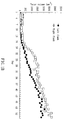
- the result is shown in FIG. 1B , which is a curve representing the tumor volumes of mice.
- the zinc finger-like peptide inhibited the growth of skin cancer cell on nude mice when the mice were pre-injected with zinc finger-like peptide (experimental group).
- the tumor volumes of mice without injection of zinc finger-like peptide were much larger than those of the experimental group.
- Nude mice were injected with an intravenous injection of peptide (2 mM, 100 ⁇ l PBS) via tail veins per week for 3 consecutive weeks, followed by inoculating BCC cells (2 million cells / 100 ⁇ l PBS) at both the right and left flanks. 2 months later, boost injection of peptide was carried out per week for 3 consecutive weeks. The tumor volumes (mm 3 ) were daily observed during the whole experiment.
- the process of the present experimental group was the same as that of the experimental group 1, except that the zinc finger-like peptide with sequence shown in SEQ ID NO: 1 of the experimental group 1 was substituted with zinc finger-like peptide with sequence shown in SEQ ID NO: 5 in the present experimental group.
- the process of the present control group was the same as that of the experimental group 1, except that the zinc finger-like peptide of the experimental group 1 was substituted with H 2 O (100 ⁇ l) in the present control group.
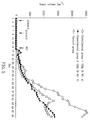
- FIG. 2 shows curves representing the tumor volumes of mice of the experimental group 1, the experimental group 2 and the control group of the present example.
- the zinc finger-like peptide with sequence shown in SEQ ID NO: 1 (experimental group 1) can prevent and inhibit the growth of cancer cell, and has effect on skin cancer treatment.
- the fifth amino acid, serine of SEQ ID NO: 1 is replaced with glycine (i.e. the zinc finger-like peptide with sequence shown in SEQ ID NO: 5)
- the therapeutic effect of the zinc finger-like peptide is decreased.
- the zinc finger-like peptide used in the experimental group 2 still has better treatment effect than H 2 O used in the control group.
- zinc finger-like peptide with sequence shown in SEQ ID NO: 1 is injected into nude mice.
- nude mice received an intravenous injection of peptide (2 mM, 100 ⁇ l sterile water) via tail veins per week for 3 consecutive weeks, followed by inoculation of malignant melanoma B16F10 (2 million cells / 100 ⁇ l PBS) at both the right and left flanks.
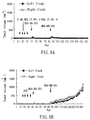
- the tumor volumes (mm 3 ) were observed daily during the whole experiment. Shown in FIG. 3A is the result representing the tumor volumes of mice of the present experimental group.
- the process of the present control group was the same as that of the experimental group, except that the zinc finger-like peptide of the experimental group was substituted with H 2 O (100 ⁇ l) in the present control group.
- the result is shown in FIG 3B , which is a curve representing the tumor volumes of mice of the present control group.
- the zinc finger-like peptide can inhibit the growth of skin melanoma on nude mice when the mice were pre-injected with zinc finger-like peptide (experimental group).
- the tumor volumes of mice without injection of zinc finger-like peptide (control group) were much larger than those of the experimental group.
- H 2 O 100 ⁇ l was injected into nude mice.
- FIG. 4 shows curves representing the tumor volumes of mice of the experimental groups 1-4 and the control group of the present example.
- the nude mice of the experimental group 3 died on 31 st day, and those of the experimental groups 2 and 4 died on 35 th day.
- the zinc finger-like peptide with sequence shown in SEQ ID NO: 1 (the experimental group 1) can effectively inhibit the growth of tumor cells.
- the skin cancer was completely cured after 115 days, and therefore the zinc finger-like peptide with sequence shown in SEQ ID NO: 1 has effect on skin cancer treatment.
- the activities of the zinc finger-like peptide on skin cancer treatment were reduced by phosphorylation of serine or deletion of cyctine of zinc finger-like peptide.
- the cDNA of zinc finger-like peptide was inserted into vector pCR3.1/CMV to form a zinc finger-like peptide expression plasmid, wherein the zinc finger-like peptide was connected to the c-terminal of EGFP.
- the zinc finger-like peptide expression plasmid containing DNA sequence for expressing the zinc finger-like peptide (SEQ ID NO: 4) (100 ⁇ l) was injected into nude mice via tail veins per week for 2 consecutive weeks, to express zinc finger-like peptide. Then, BCC cells (2 million cells / 100 ⁇ l medium) were inoculated into nude mice at both the right and left flanks. The tumor volumes (mm 3 ) were observed daily during the whole experiment.
- the process of the present experimental group was the same as that of the experimental group 1, except that the DNA sequence shown in SEQ ID NO: 4 was substituted with DNA sequence shown in SEQ ID NO: 7.
- the process of the present control group was the same as that of the experimental group 1, except that the zinc finger-like peptide expression plasmid was substituted with vector containing EGFP only.
- FIG. 5 shows curves representing the tumor volumes of mice of the experimental groups 1-2 and the control group of the present example.
- the growth of tumor cells can be inhibited and the volume thereof can be reduced, when the zinc finger-like peptide expression plasmid containing DNA sequence shown in SEQ ID NO: 4 (experimental group 1) was injected into nude mice.
- the zinc finger-like peptide expression plasmid exhibits ability to treat skin cancer.
- the zinc finger-like peptide expression plasmid containing DNA sequence shown in SEQ ID NO: 7 (experimental group 2) cannot effectively terminate the growth of tumor cells, it can slightly inhibit the growth of the tumor cells.
- FIG. 6A is a curve representing the tumor volumes of mice.
- the process of the present control group was the same as that of the experimental group, except that the zinc finger-like peptide of the experimental group was substituted with H 2 O (100 ⁇ l) in the present control group.
- the result is shown in FIG. 6B , which is a curve representing the tumor volumes of mice.
- the zinc finger-like peptide exhibits low side effect and has ability to prevent the growth of breast tumor cells.
- mice were injected with an intravenous injection of peptide (3 mM, 100 ⁇ l) via tail veins per week for 3 consecutive weeks, followed by inoculating breast carcinoma MDA-MB-468 (2 million cells / 100 ⁇ l medium) at both the right and left flanks.
- the tumor volumes (mm 3 ) were observed daily during the whole experiment.
- FIG. 7A is a curve representing the tumor volumes of mice.
- the process of the present control group was the same as that of the experimental group, except that the zinc finger-like peptide of the experimental group as substituted with H 2 O (100 ⁇ l) in the present control group.
- the result is shown in FIG. 7B , which is a curve representing the tumor volumes of mice.
- the process of the present control group was the same as that of the experimental group, except that the zinc finger-like peptide of the experimental group was substituted with PBS buffer (100 ⁇ l) in the present control group.
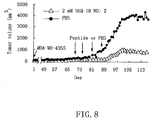
- FIG. 8 shows curves representing the tumor volumes of mice of the experimental groups 1-2 and the control group of the present example.
- the tumor volumes in the experimental group were significantly increased from the 89 th day, and the maximum tumor volumes were observed on the 100 th day (1000 mm 3 ). Then, the tumor volumes were reduced to 50% on the 113 th day.
- the tumor volumes in the control group were significantly increased from the 80 th day, and increased to 4000 times (4000 mm 3 ) on the 105 th day.
- the zinc finger-like peptide used therein can still terminate 75% tumor cell growth compared to the control group. Hence, the zinc finger-like peptide can be used to treat breast cancer.
- mice were injected with an intravenous injection of peptide (2 mM, 100 ⁇ l) via tail veins per week for 3 consecutive weeks, followed by inoculating malignant prostate cancer DU145 cells (2 million cells / 100 ⁇ l medium) at both the right and left flanks three months later.
- the tumor volumes (mm 3 ) were observed daily during the whole experiment.
- FIG. 9A is a curve representing the tumor volumes of mice.
- the process of the present control group was the same as that of the experimental group, except that the zinc finger-like peptide of the experimental group was substituted with H 2 O (100 ⁇ l) in the present control group.
- the result is shown in FIG. 9B , which is a curve representing the tumor volumes of mice.
- the implanted tumor cells in the control group without peptide injection proliferated at both the right and left flanks, and the tumor volumes of the control group were much lager than those of the experimental group.
- Nude mice were injected with an intravenous injection of peptide (2 mM, 100 ⁇ l) via tail veins per week for 3 consecutive weeks, followed by inoculating prostatic epithelial cells PZ-HPV-7 (2 million cells / 100 ⁇ l medium) at both the right and left flanks on the 20 th day and the 90 th day.
- the tumor volumes (mm 3 ) were observed daily during the whole experiment.
- FIG. 10A is a curve representing the tumor volumes of mice.
- the process of the present control group was the same as that of the experimental group, except that the zinc finger-like peptide of the experimental group was substituted with H 2 O (100 ⁇ l) in the present control group.
- the result is shown in FIG. 10B , which is a curve representing the tumor volumes of mice.
- the zinc finger-like peptide can be used to treat prostate cancer, terminate the growth of tumor cells, and obtain the purpose of cancer prevention.
- the process of the present control group was the same as that of the experimental group, except that the zinc finger-like peptide of the experimental group was substituted with H 2 O (100 ⁇ l) in the present control group.
- the result is shown in FIG. 11A , which is a curve representing the tumor volumes of mice.
- mice were injected with an intravenous injection of peptide (2 mM, 100 ⁇ l) via tail veins per week for 3 consecutive weeks, followed by inoculating malignant glioma U87-MG cells (2 million cells / 100 ⁇ l medium) at both the right and left flanks 1 month later.
- the tumor volumes (mm 3 ) were observed daily during the whole experiment.
- FIG. 11B is a curve representing the tumor volumes of mice.
- the process of the present control group was the same as that of the experimental group 1, except that the concentration of the zinc finger-like peptide is 4 mM.
- the result is shown in FIG 11C , which is a curve representing the tumor volumes of mice.
- the zinc finger-like peptide or the zinc finger-like peptide expression plasmid can inhibit the growth and the proliferation of tumor cells, and thus has potential for cancer treatment and prevention.
Landscapes
- Health & Medical Sciences (AREA)
- Life Sciences & Earth Sciences (AREA)
- Chemical & Material Sciences (AREA)
- General Health & Medical Sciences (AREA)
- Medicinal Chemistry (AREA)
- Organic Chemistry (AREA)
- Proteomics, Peptides & Aminoacids (AREA)
- Veterinary Medicine (AREA)
- Pharmacology & Pharmacy (AREA)
- Animal Behavior & Ethology (AREA)
- Public Health (AREA)
- Gastroenterology & Hepatology (AREA)
- Bioinformatics & Cheminformatics (AREA)
- Immunology (AREA)
- Epidemiology (AREA)
- Engineering & Computer Science (AREA)
- Biophysics (AREA)
- Biochemistry (AREA)
- Genetics & Genomics (AREA)
- Molecular Biology (AREA)
- Zoology (AREA)
- General Chemical & Material Sciences (AREA)
- Chemical Kinetics & Catalysis (AREA)
- Marine Sciences & Fisheries (AREA)
- Nuclear Medicine, Radiotherapy & Molecular Imaging (AREA)
- Toxicology (AREA)
- Hematology (AREA)
- Oncology (AREA)
- Medicines That Contain Protein Lipid Enzymes And Other Medicines (AREA)
- Peptides Or Proteins (AREA)
Description
- The present invention relates to a zinc finger-like peptide for treating cancer, a pharmaceutical composition containing the zinc finger-like peptide and a method for treating cancer.
- Foods or food additives, and environmental pollutions have been a source of contention as a cause or catalyst for promoting cancer in recent years. Not coincidentally, the same event is happening as well in the developed countries and around the world, positing as an alarming sign that the incidence rates of cancers are quite high. According to the data published by the American Cancer Society, cancer is being proved to be the most significant threat to public health.
- The general methods for treating cancer include surgery, radiotherapy, chemotherapy and immune therapy. In recent years, the development of several therapeutic agents has lead to cancer treatments through new anti-cancer mechanisms, and it has been proven that the survival rate of patients can be increased by treating them with these therapeutic agents. Generally, the therapeutic agents can treat cancers through inhibition of cell cycle progression, angiogenesis, farnesyl transferase, and tyrosine kinases.
- Although it is known that certain agents exhibit therapeutic effects on cancer, these agents do have their limitations. For example, "Gefitinib" is a drug for inhibiting non-small cell lung cancer, but it fails to cure in most cases. Also, it has no effects on blocking the progression of breast and colorectal cancers. In addition, the therapeutic effects of the anti-cancer drugs also depend on the locations of tumor cells, genetic variations of patients, and the side effects of drugs. Furthermore, cancer cells may become malignant and spread from its original sites to target organs via the lymphatic system or bloodstream, thereby establishing metastatic cancers.
- Since the risk of developing cancer generally increases with age, the occurrence rates of cancer go up as more people live to an old age and as mass lifestyle changes. Hence, there is a long unfulfilled need to provide new agents for cancer treatment and prevention.
- The present invention is defined by the claims.
- The object of the present invention is to provide a zinc finger-like peptide and a pharmaceutical composition containing the zinc finger-like peptide for use in treating cancer if administered intravenously.
- Another object of the present disclosure is to provide a zinc finger-like peptide expression plasmid, a pharmaceutical composition containing the zinc finger-like peptide and a method for treating cancer, wherein the zinc finger-like peptide expression plasmid can express a zinc finger-like peptide for treating cancer.
- To achieve the object, the zinc finger-like peptide for treating cancer comprises: at least seven amino acids, wherein the sequence of the at least seven amino acids is represented by SEQ ID NO: 1.
- In addition, the zinc finger-like peptide expression plasmid for treating cancer comprises: a DNA sequence for expressing the aforementioned zinc finger-like peptide.
- To achieve the object, the zinc finger-like peptide for treating cancer comprises: at least seven amino acids, wherein the sequence of the at least seven amino acids is represented by SEQ ID NO: 1 (RRSSSCK).
- In addition, the zinc finger-like peptide expression plasmid for treating cancer comprises: a DNA sequence for expressing the aforementioned zinc finger-like peptide, which has 100% identity to a sequence represented by SEQ ID NO: 3 (agaaggtcgt cttcttgtaa a).
- The present invention provides a zinc finger-like peptide, which is a small molecule peptide similar to a zinc finger motif. The amino-acid length of the peptide is not particularly limited, and the peptide can be constituted of 4-200 amino acids. Preferably, the peptide contains 4-100 amino acids. More preferably, the peptide contains 5-70 amino acids. Most preferably, the peptide contains 6-45 amino acids. Particularly preferably, the peptide contains 7-15 amino acids. The zinc finger-like peptide for use in treating cancer comprises at least seven amino acids, wherein the sequence of the at least seven amino acids is represented by SEQ ID NO: 1. Most preferably, the sequence of the zinc finger-like peptide is SEQ ID NO: 1.
- The zinc finger-like peptide of the present invention may be represented by SEQ ID NO: 2 (MSSRRSSSCKYCEQDFRAHTQKNAATPFLAN).
- The DNA sequences shown in SEQ ID NOs: 3 and 4 are respectively coded into the amino acid sequences shown in SEQ ID NOs: 1 and 2. The DNA sequences shown in
SEQ ID NO 4 is listed as the following: atgagcagca gaaggtcgtc ttcttgtaaa tattgtgaac aggacttccg agcacacaca cagaagaatg cggccacacc cttcctagcc aac. In the present invention, cDNA having DNA sequences shown in SEQ ID NO: 3 or 4 can be inserted into a vector to obtain the zinc finger-like peptide expression plasmid, which can express peptide having amino acid sequence shown in SEQ ID NO: 1 or 2 in vitro or in vivo. - The sequence of the aforementioned zinc finger-like peptide can be derived from any zinc finger-like peptide of different species. Preferably, the zinc finger-like peptide of the present invention is derived from human or mouse. In addition, the zinc finger-like peptide may be obtained through peptide synthesis, or expression of cDNA of zinc finger-like peptide from human or mouse. In one aspect of the present invention, the zinc finger-like peptide of the present invention is obtained through peptide synthesis.
- The expression plasmid of the present disclosure can be any plasmid capable of expressing the zinc finger-like peptide of the present invention. Preferably, the expression plasmid used in the present invention is pCR3.1 (available from Invitrogen) or pEGFPC1 (available from Clontech). The host for the zinc finger-like peptide of the present invention is not particularly limited, as long as it can express the cDNA inserted into the vector. Examples of the host may include: bacteria, mammalian cells or tumor cells. Preferably, the zinc finger-like peptide expression plasmid of the present invention is transfected into mammalian cells or tumor cells to express the zinc finger-like peptide.
- In the zinc finger-like peptide containing at least seven amino acids of the present invention, the sequence thereof may contain at least two duplicate amino acid residues with similar chemical properties. For example, the sequence thereof may contain at least two duplicate hydrophilic amino acid residues such as aspartic acid, glutamine, serine, threonine, or cysteine; at least two duplicate amino acid residues with alcoholic groups, such as threonine, serine or tyrosine; or at least two duplicate amino acid residues with thio-groups such as cysteine. In the present invention, the zinc finger-like peptide at least contains two cysteine and one histidine to form a zinc finger-like peptide with C2H2 motif.
- In addition, the zinc finger-like peptide expression plasmid of the present invention may further comprise a vector connecting to the DNA sequence for expressing the zinc finger-like peptide of the present invention. The type of the vector is not particularly limited by number, and can be any vector generally used in the art. For example, the vector may be derived from pEGFP or pECFP, which is generally used to transfect into mammalian cells such as human cell lines for expressing inserted cDNAs.
- Furthermore, the zinc finger-like peptide or the expression plasmid of the present invention may be encapsulated into liposome. Preferably, the expression plasmid is co-transfected into hosts with liposome to express the zinc finger-like peptide.
- The zinc finger-like peptide of the present invention has similar structure to zinc-finger motif. In addition, the peptide of the present invention may selectively contain several duplicate amino acid residues with similar chemical properties or several duplicate identical amino acid residues to form a peptide motif with specific bondings. Furthermore, the zinc finger-like peptide can self-polymerize without adding any catalytic agents. The zinc finger-like peptide of the present invention also can bind to proteins related to apoptosis. Hence, it can inhibit the growth of tumor cells, and can be used to treat or prevent cancers.
- The present invention further provides a pharmaceutical composition for treating cancer, which comprises: an effective amount of the aforementioned zinc finger-like peptide or zinc finger-like peptide expression plasmid; and a pharmaceutically acceptable carrier.
- In addition, the present invention also provides a method for treating cancer, which comprises: administering the aforementioned zinc finger-like peptide, the aforementioned zinc finger-like peptide expression plasmid, or the aforementioned pharmaceutical composition to a subject in need thereof.
- The zinc finger-like peptide of the present invention may be applied to various cancers, such as bladder cancer, bone cancer, brain cancer, breast cancer, cervical caner, colon cancer, endometrial cancer, esophageal cancer, leukemia, liver cancer, lymphoma, kidney cancer, osteosarcoma, ovarian cancer, pancreatic cancer, prostate cancer, skin cancer including basal and squamous cell carcinoma and melanoma, small intestine cancer, stomach cancer, thymus cancer and thyroid cancer, but the scope of applicability of the present invention is not limited thereto. Preferably, the zinc finger-like peptide of the present invention is used to treat breast cancer, colon cancer, esophageal cancer, leukemia, lymphoma, liver cancer, lung cancer, ovarian cancer, pancreatic cancer, prostate cancer, skin cancer, stomach cancer or thyroid cancer. More preferably, the zinc finger-like peptide of the present invention is used to treat breast cancer, colon cancer, lung cancer, lymphoma, prostate cancer or skin cancer. Most preferably, the zinc finger-like peptide of the present invention is used to treat brain cancer, breast cancer, prostate cancer or skin cancer.
- The zinc finger-like peptide of the present invention can inhibit proliferation, growth, invasion and metastasis of tumor cells.
- The zinc fmger-like peptide and the pharmaceutical composition for treating cancer of the present invention is to be administered via parenteral, Namely injection.
- According to the pharmaceutical composition of the present invention, the term "pharmaceutically acceptable carrier" means that the carrier must be compatible with the active ingredients (and preferably, capable of stabilizing the active ingredients) and not be deleterious to the subject to be treated. The carrier may be at least one selected from the group consisting of active agents, adjuvants, dispersants, wetting agents and suspending agents. The example of the carrier may be microcrystalline cellulose, mannitol, glucose, non-fat milk powder, polyethylene, polyvinylprrolidone, starch or a combination thereof.
- In addition, the term "treating" used in the present invention refers to the application or administration of the zinc finger-like peptide or the pharmaceutical composition containing the zinc finger-like peptide to a subject with symptoms or tendencies of suffering from cancer in order to cure, heal, alleviate, relieve, alter, remedy, ameliorate, improve, prevent or affect the symptoms or tendencies of cancers. Furthermore, "an effective amount" used herein refers to the amount of each active ingredients such as the zinc finger-like peptide required to confer therapeutic effect on the subject. The effective amount may vary according to the route of administration, excipient usage, and co-usage with other active ingredients.
- Other objects, advantages, and novel features of the invention will become more apparent from the following detailed description when taken in conjunction with the accompanying drawings.
-
-
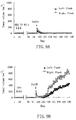
FIG. 1A is a curve representing the tumor volumes of mice in the experimental group according to Example 1 of the present invention; -
FIG. 1B is a curve representing the tumor volumes of mice in the control group according to Example 1 of the present invention; -
FIG. 2 shows curves representing the tumor volumes of mice according to Example 2 of the present invention; -
FIG. 3A is a curve representing the tumor volumes of mice in the experimental group according to Example 3 of the present invention; -
FIG 3B is a curve representing the tumor volumes of mice in the control group according to Example 3 of the present invention; -
FIG. 4 shows curves representing the tumor volumes of mice according to Example 4 of the present invention; -
FIG. 5 shows curves representing the tumor volumes of mice according to Example 5 of the present invention; -
FIG. 6A is a curve representing the tumor volumes of mice in the experimental group according to Example 6 of the present invention; -
FIG. 6B is a curve representing the tumor volumes of mice in the control group according to Example 6 of the present invention; -
FIG. 7A is a curve representing the tumor volumes of mice in the experimental group according to Example 7 of the present invention; -
FIG. 7B is a curve representing the tumor volumes of mice in the control group according to Example 7 of the present invention; -
FIG. 8 shows curves representing the tumor volumes of mice according to Example 8 of the present invention; -
FIG. 9A is a curve representing the tumor volumes of mice in the experimental group according to Example 9 of the present invention; -
FIG. 9B is a curve representing the tumor volumes of mice in the control group according to Example 9 of the present invention; -
FIG. 10A is a curve representing the tumor volumes of mice in the experimental group according to Example 10 of the present invention; -
FIG. 10B is a curve representing the tumor volumes of mice in the control group according to Example 10 of the present invention; -
FIG. 11A is a curve representing the tumor volumes of mice in the control group according to Example 11 of the present invention; -
FIG. 11B is a curve representing the tumor volumes of mice in theexperimental group 1 according to Example 11 of the present invention; and -
FIG. 11C is a curve representing the tumor volumes of mice in theexperimental group 1 according to Example 11 of the present invention. - The DNA sequence and the amino acid sequence of the zinc finger-like peptide used in the following examples are listed in the following table 1.
Table 1. SEQ ID NO: DNA/amino acid sequence SEQ ID NO: 1 RRSSSCK SEQ ID NO: 2 MSSRRSSSCKYCEQDFRAHTQKNAATPFLAN SEQ ID NO: 3 agaaggtcgt cttcttgtaa a SEQ ID NO: 4 
SEQ ID NO: 5 MSSRRSSGCKYCEQD (serine mutation) SEQ ID NO: 6 RSSSCK (cysteine deletion) SEQ ID NO: 7 atgagcagca gaaggtcgtc tggctgtaaa tattgtgaac aggacttccg agcacacaca cagaagaatg cggccacacc cttcctagcc aac SEQ ID NO: 8 MSSRRSSSCKYCEQD SEQ ID NO: 9 FRAHTQKNAATPFLAN - In the following examples and comparative examples, 8-week nude mice were used as host subjects to perform in vivo experiments. The nude mice were placed in room temperature and suitable humidity, and supplied with sterile water and standard food for 2 consecutive weeks before performing experiments. Then, the nude mice were injected with zinc finger-like peptide and tumor cells. The detailed processes for the experiments are described as follows.
- First, manually synthesized zinc finger-like peptide (Genemed Synthesis Inc., San Antonio, TX, USA) was resuspended in degassed purified water to obtain 1-5 mM of zinc finger-like peptide solution (100 µl). Herein, the solution for suspending the zinc finger-like peptide is not particularly limited. Preferably, the zinc finger-like peptide is resuspended in degassed purified water, in order to prevent the self-polymerization of the zinc finger-like peptide and loss its ability to inhibit tumor cell growth.
- Herein, zinc finger-like peptide with sequence shown in SEQ ID NO: 2 was injected into nude mice.
- In particularly, nude mice were injected with an intravenous injection of peptide (2 mM, 100 µl phosphate-buffered saline or PBS) via tail veins per week for 3 consecutive weeks, followed by inoculating basal cell carcinoma (BCC) cells (2 million cells / 100 µl PBS) at both the right and left flanks. The tumor volumes (mm3) were observed daily during the whole experiment. The result is shown in
FIG. 1A , which is a curve representing the tumor volumes of mice. - The process of the present control group was the same as that of the experimental group, except that the zinc finger-like peptide of the experimental group was substituted with PBS buffer (100 µl) in the present control group. The result is shown in
FIG. 1B , which is a curve representing the tumor volumes of mice. - As shown in
FIG. 1A andFIG. 1B , the zinc finger-like peptide inhibited the growth of skin cancer cell on nude mice when the mice were pre-injected with zinc finger-like peptide (experimental group). However, the tumor volumes of mice without injection of zinc finger-like peptide (control group) were much larger than those of the experimental group. These results indicate that the zinc finger-like peptide is effective on treating and preventing skin basal cell carcinoma. - In the present experimental group, zinc finger-like peptide with sequence shown in SEQ ID NO: 1 was injected into nude mice.
- Nude mice were injected with an intravenous injection of peptide (2 mM, 100 µl PBS) via tail veins per week for 3 consecutive weeks, followed by inoculating BCC cells (2 million cells / 100 µl PBS) at both the right and left flanks. 2 months later, boost injection of peptide was carried out per week for 3 consecutive weeks. The tumor volumes (mm3) were daily observed during the whole experiment.
- The process of the present experimental group was the same as that of the
experimental group 1, except that the zinc finger-like peptide with sequence shown in SEQ ID NO: 1 of theexperimental group 1 was substituted with zinc finger-like peptide with sequence shown in SEQ ID NO: 5 in the present experimental group. - The process of the present control group was the same as that of the
experimental group 1, except that the zinc finger-like peptide of theexperimental group 1 was substituted with H2O (100 µl) in the present control group. - The results of the present example are shown in
FIG. 2 , which shows curves representing the tumor volumes of mice of theexperimental group 1, theexperimental group 2 and the control group of the present example. As shown inFIG. 2 , the zinc finger-like peptide with sequence shown in SEQ ID NO: 1 (experimental group 1) can prevent and inhibit the growth of cancer cell, and has effect on skin cancer treatment. However, when the fifth amino acid, serine of SEQ ID NO: 1 is replaced with glycine (i.e. the zinc finger-like peptide with sequence shown in SEQ ID NO: 5), the therapeutic effect of the zinc finger-like peptide is decreased. However, the zinc finger-like peptide used in theexperimental group 2 still has better treatment effect than H2O used in the control group. - Herein, zinc finger-like peptide with sequence shown in SEQ ID NO: 1 is injected into nude mice.
- With this experimental group, nude mice received an intravenous injection of peptide (2 mM, 100 µl sterile water) via tail veins per week for 3 consecutive weeks, followed by inoculation of malignant melanoma B16F10 (2 million cells / 100 µl PBS) at both the right and left flanks. The tumor volumes (mm3) were observed daily during the whole experiment. Shown in
FIG. 3A is the result representing the tumor volumes of mice of the present experimental group. - The process of the present control group was the same as that of the experimental group, except that the zinc finger-like peptide of the experimental group was substituted with H2O (100 µl) in the present control group. The result is shown in
FIG 3B , which is a curve representing the tumor volumes of mice of the present control group. - As shown in
FIG. 3A andFIG. 3B , the zinc finger-like peptide can inhibit the growth of skin melanoma on nude mice when the mice were pre-injected with zinc finger-like peptide (experimental group). However, the tumor volumes of mice without injection of zinc finger-like peptide (control group) were much larger than those of the experimental group. These results indicate that the zinc finger-like peptide exhibit dramatic effects on treating and preventing malignant melanoma. - Nude mice received an intravenous injection of peptide (2 mM, 100 µl) via tail veins per week for 2 consecutive weeks, followed by inoculating malignant melanoma B16F10 (2 million cells / 100 µl PBS) at both the right and left flanks. The tumor volumes (mm3) were observed daily during the whole experiment.
- In the present experimental group, zinc finger-like peptide with sequence shown in SEQ ID NO: 1 was injected into nude mice.
- In the present experimental group, zinc finger-like peptide with sequence shown in SEQ ID NO: 1, in which the fifth amino acid, serine was phosphorylated, and injected into nude mice.
- In the present experimental group, zinc finger-like peptide with sequence shown in SEQ ID NO: 6 was injected into nude mice.
- In the present experimental group, zinc finger-like peptide with sequence shown in SEQ ID NO: 6, in which the fourth amino acid serine was phosphorylated, and injected nude mice.
- In the control group, H2O (100 µl) was injected into nude mice.
- The results of the present example are shown in
FIG. 4 , which shows curves representing the tumor volumes of mice of the experimental groups 1-4 and the control group of the present example. As shown inFIG. 4 , the nude mice of theexperimental group 3 died on 31st day, and those of theexperimental groups - The cDNA of zinc finger-like peptide was inserted into vector pCR3.1/CMV to form a zinc finger-like peptide expression plasmid, wherein the zinc finger-like peptide was connected to the c-terminal of EGFP.
- In the present experimental group, the zinc finger-like peptide expression plasmid containing DNA sequence for expressing the zinc finger-like peptide (SEQ ID NO: 4) (100 µl) was injected into nude mice via tail veins per week for 2 consecutive weeks, to express zinc finger-like peptide. Then, BCC cells (2 million cells / 100 µl medium) were inoculated into nude mice at both the right and left flanks. The tumor volumes (mm3) were observed daily during the whole experiment.
- The process of the present experimental group was the same as that of the
experimental group 1, except that the DNA sequence shown in SEQ ID NO: 4 was substituted with DNA sequence shown in SEQ ID NO: 7. - The process of the present control group was the same as that of the
experimental group 1, except that the zinc finger-like peptide expression plasmid was substituted with vector containing EGFP only. - The results of the present example are shown in
FIG. 5 , which shows curves representing the tumor volumes of mice of the experimental groups 1-2 and the control group of the present example. As shown inFIG. 5 , the growth of tumor cells can be inhibited and the volume thereof can be reduced, when the zinc finger-like peptide expression plasmid containing DNA sequence shown in SEQ ID NO: 4 (experimental group 1) was injected into nude mice. Hence, the zinc finger-like peptide expression plasmid exhibits ability to treat skin cancer. Although the zinc finger-like peptide expression plasmid containing DNA sequence shown in SEQ ID NO: 7 (experimental group 2) cannot effectively terminate the growth of tumor cells, it can slightly inhibit the growth of the tumor cells. These results indicate that serine in the zinc finger-like peptide plays an important role on the cancer treatment. - In the present experimental group, zinc finger-like peptide with sequences shown in SEQ ID NO: 8 and 9 was injected into nude mice.
- Nude mice received an intravenous injection of peptide (2 mM, 100 µl) via tail veins per week for 4 consecutive weeks, followed by inoculating breast adenocarcinoma MDA-MB-231 (2 million cells / 100 µl medium) at both the right and left flanks on 40th day and 85th day. The tumor volumes (mm3) were observed daily during the whole experiment. The result is shown in
FIG. 6A , which is a curve representing the tumor volumes of mice. - The process of the present control group was the same as that of the experimental group, except that the zinc finger-like peptide of the experimental group was substituted with H2O (100 µl) in the present control group. The result is shown in
FIG. 6B , which is a curve representing the tumor volumes of mice. - As shown in
FIG. 6A , when the nude mice were injected with peptide and followed by inoculating breast tumor cells (experimental group), the growth and proliferation of tumor cells were not observed at both the left and right flanks. However, as shown inFIG. 6B , the tumor volumes of the nude mice in the control group were increased to 1000 times at both the left and right flanks on the 161st day. These results indicate that the zinc finger-like peptide exhibit effects on treating and preventing breast adenocarcinoma. - In addition, there are no side effects on the nude mice injected with the zinc finger-like peptide 1.5 years layer. Hence, the zinc finger-like peptide exhibits low side effect and has ability to prevent the growth of breast tumor cells.
- In the present experimental group, zinc finger-like peptide with sequence shown in SEQ ID NO: 1 was injected into nude mice.
- Nude mice were injected with an intravenous injection of peptide (3 mM, 100 µl) via tail veins per week for 3 consecutive weeks, followed by inoculating breast carcinoma MDA-MB-468 (2 million cells / 100 µl medium) at both the right and left flanks. The tumor volumes (mm3) were observed daily during the whole experiment. The result is shown in
FIG. 7A , which is a curve representing the tumor volumes of mice. - The process of the present control group was the same as that of the experimental group, except that the zinc finger-like peptide of the experimental group as substituted with H2O (100 µl) in the present control group. The result is shown in
FIG. 7B , which is a curve representing the tumor volumes of mice. - As shown in
FIG. 7A , when the nude mice were injected with peptide and followed by inoculating breast tumor cells (experimental group), the growth and proliferation of tumor cells were not observed at both the left and right flanks. However, as shown inFIG. 7B , the tumor volumes of the nude mice in the control group were increased to 200-500 times at both the left and right flanks on the 91st day. These results indicate that the zinc finger-like peptide exhibit effects on treating and preventing breast carcinoma. - In the present experimental group, zinc finger-like peptide with sequence shown in SEQ ID NO: 2 was injected subcutaneously into nude mice.
- Nude mice received an injection of breast carcinoma MDA-MB-435s (2 million cells / 100 µl PBS) via tail veins at both the right and left flanks on the 1st day, followed by injecting peptide (2 mM, 100 µl) per week for 4 consecutive weeks from the 70th day. The tumor volumes (mm3) were observed daily during the whole experiment.
- The process of the present control group was the same as that of the experimental group, except that the zinc finger-like peptide of the experimental group was substituted with PBS buffer (100 µl) in the present control group.
- The results of the present example are shown in
FIG. 8 , which shows curves representing the tumor volumes of mice of the experimental groups 1-2 and the control group of the present example. The tumor volumes in the experimental group were significantly increased from the 89th day, and the maximum tumor volumes were observed on the 100th day (1000 mm3). Then, the tumor volumes were reduced to 50% on the 113th day. However, the tumor volumes in the control group were significantly increased from the 80th day, and increased to 4000 times (4000 mm3) on the 105th day. Although the tumor volumes in the experimental group were increased, the zinc finger-like peptide used therein can still terminate 75% tumor cell growth compared to the control group. Hence, the zinc finger-like peptide can be used to treat breast cancer. - In the present experimental group, zinc finger-like peptide with sequence shown in SEQ ID NO: 1 was injected into nude mice.
- Nude mice were injected with an intravenous injection of peptide (2 mM, 100 µl) via tail veins per week for 3 consecutive weeks, followed by inoculating malignant prostate cancer DU145 cells (2 million cells / 100 µl medium) at both the right and left flanks three months later. The tumor volumes (mm3) were observed daily during the whole experiment. The result is shown in
FIG. 9A , which is a curve representing the tumor volumes of mice. - The process of the present control group was the same as that of the experimental group, except that the zinc finger-like peptide of the experimental group was substituted with H2O (100 µl) in the present control group. The result is shown in
FIG. 9B , which is a curve representing the tumor volumes of mice. - As shown in
FIG. 9A , when the nude mice were injected with peptide and followed by incoluation of prostate tumor cells (experimental group), the growth and proliferation of tumor cells were not observed at both the left and right flanks. In addition, there is a 3-month resting period after peptide treatment prior to challenge with tumor cells, suggesting that zinc finger-like peptide could provide a long-term protection against cancer. - However, as shown in
FIG. 9A and FIG. 9B , the implanted tumor cells in the control group without peptide injection proliferated at both the right and left flanks, and the tumor volumes of the control group were much lager than those of the experimental group. - In the present experimental group, zinc finger-like peptide with sequence shown in SEQ ID NO: 1 was injected into nude mice.
- Nude mice were injected with an intravenous injection of peptide (2 mM, 100 µl) via tail veins per week for 3 consecutive weeks, followed by inoculating prostatic epithelial cells PZ-HPV-7 (2 million cells / 100 µl medium) at both the right and left flanks on the 20th day and the 90th day. The tumor volumes (mm3) were observed daily during the whole experiment. The result is shown in
FIG. 10A , which is a curve representing the tumor volumes of mice. - The process of the present control group was the same as that of the experimental group, except that the zinc finger-like peptide of the experimental group was substituted with H2O (100 µl) in the present control group. The result is shown in
FIG. 10B , which is a curve representing the tumor volumes of mice. - As shown in
FIG. 10A , when the nude mice were injected with peptide and followed by inoculating prostate tumor cells (experimental group), the growth and proliferation of tumor cells were not observed at both the left and right flanks. However, as shown inFIG 10B , the implanted tumor cells in the control group without peptide injection were proliferated at both the right and left flanks. - Hence, the zinc finger-like peptide can be used to treat prostate cancer, terminate the growth of tumor cells, and obtain the purpose of cancer prevention.
- The process of the present control group was the same as that of the experimental group, except that the zinc finger-like peptide of the experimental group was substituted with H2O (100 µl) in the present control group. The result is shown in
FIG. 11A , which is a curve representing the tumor volumes of mice. - In the present experimental group, zinc finger-like peptide with sequence shown in SEQ ID NO: 1 was injected into nude mice.
- Nude mice were injected with an intravenous injection of peptide (2 mM, 100 µl) via tail veins per week for 3 consecutive weeks, followed by inoculating malignant glioma U87-MG cells (2 million cells / 100 µl medium) at both the right and left
flanks 1 month later. The tumor volumes (mm3) were observed daily during the whole experiment. The result is shown inFIG. 11B , which is a curve representing the tumor volumes of mice. - The process of the present control group was the same as that of the
experimental group 1, except that the concentration of the zinc finger-like peptide is 4 mM. The result is shown inFIG 11C , which is a curve representing the tumor volumes of mice. - As shown in
FIG. 11A to FIG. 11C , when the nude mice were injected with peptide and followed by inoculating brain tumor cells (experimental groups 1 and 2), the growth and proliferation of tumor cells were slower than that observed in the control group. In addition, the suppression on tumor cell growth was getting significant as the concentration of the zinc finger-like peptide increased. - The aforementioned results indicate that the zinc finger-like peptide or the zinc finger-like peptide expression plasmid can inhibit the growth and the proliferation of tumor cells, and thus has potential for cancer treatment and prevention.
-
- <110> National Cheng Kung University
- <120> NOVEL ZINC FINGER-LIKE PEPTIDE COMPOSITIONS AS POTENT AGENTS IN CANCER PREVENTION AND TREATMENT
- <130> 20.118964
- <140>
EP12810673.9
<141> 2012-07-12 - <150>
TW 100124615
<151> 2011-07-12 - <160> 9
- <170> PatentIn version 3.5
- <210> 1
<211> 7
<212> PRT
<213> Artificial sequence - <220>
<223> synthesized peptide - <400> 1

- <210> 2
<211> 31
<212> PRT
<213> Artificial sequence - <220>
<223> synthesized peptide - <400> 2

- <210> 3
<211> 21
<212> DNA
<213> Artificial sequence - <220>
<223> synthesized DNA - <400> 3
agaaggtcgt cttcttgtaa a 21 - <210> 4
<211> 93
<212> DNA
<213> Artificial sequence - <220>
<223> synthesized DNA - <400> 4

- <210> 5
<211> 15
<212> PRT
<213> Artificial sequence - <220>
<223> synthesized peptide - <400> 5

- <210> 6
<211> 6
<212> PRT
<213> Artificial sequence - <220>
<223> synthesized peptide - <400> 6

- <210> 7
<211> 93
<212> DNA
<213> Artificial sequence - <220>
<223> synthesized DNA - <400> 7

- <210> 8
<211> 15
<212> PRT
<213> Artificial sequence - <220>
<223> synthesized peptide - <400> 8


- <210> 9
<211> 16
<212> PRT
<213> Artificial sequence - <220>
<223> synthesized peptide - <400> 9

-
- <110> National Cheng Kung University
- <120> NOVEL ZINC FINGER-LIKE PEPTIDE COMPOSITIONS AS POTENT AGENTS IN CANCER PREVENTION AND TREATMENT
- <130> 20.118964
- <140>
EP12810673.9
<141> 2012-07-12 - <150>
TW 100124615
<151> 2011-07-12 - <160> 9
- <170> PatentIn version 3.5
- <210> 1
<211> 7
<212> PRT
<213> Artificial sequence - <220>
<223> synthesized peptide - <400> 1

- <210> 2
<211> 31
<212> PRT
<213> Artificial sequence - <220>
<223> synthesized peptide - <400> 2

- <210> 3
<211> 21
<212> DNA
<213> Artificial sequence - <220>
<223> synthesized DNA - <400> 3
agaaggtcgt cttcttgtaa a 21 - <210> 4
<211> 93
<212> DNA
<213> Artificial sequence - <220>
<223> synthesized DNA - <400> 4

- <210> 5
<211> 15
<212> PRT
<213> Artificial sequence - <220>
<223> synthesized peptide - <400> 5

- <210> 6
<211> 6
<212> PRT
<213> Artificial sequence - <220>
<223> synthesized peptide - <400> 6

- <210> 7
<211> 93
<212> DNA
<213> Artificial sequence - <220>
<223> synthesized DNA - <400> 7

- <210> 8
<211> 15
<212> PRT
<213> Artificial sequence - <220>
<223> synthesized peptide - <400> 8


- <210> 9
<211> 16
<212> PRT
<213> Artificial sequence - <220>
<223> synthesized peptide - <400> 9

Claims (11)
- A zinc finger-like peptide for use in treating cancer, comprising:at least seven amino acids, wherein the sequence of the at least seven amino acids is represented by SEQ ID NO: 1,wherein the peptide is to be administered via intravenous injection.
- The zinc finger-like peptide for use as claimed in claim 1, wherein the sequence of the zinc finger-like peptide is SEQ ID NO: 1.
- The zinc finger-like peptide for use as claimed in claim 1, wherein the sequence of the zinc finger-like peptide is SEQ ID NO: 2.
- A pharmaceutical composition for use in treating cancer, comprising:an effective amount of a zinc finger-like peptide, wherein the zinc finger-like peptide comprises at least seven amino acids, wherein the sequence of the at least seven amino acids is represented by SEQ ID NO: 1; anda pharmaceutically acceptable carrier,wherein the composition is to be administered via intravenous injection.
- The pharmaceutical composition for use as claimed in claim 4, wherein the sequence of the zinc finger-like peptide is SEQ ID NO: 1.
- The pharmaceutical composition for use as claimed in claim 4, wherein the sequence of the zinc finger-like peptide is SEQ ID NO: 2.
- The pharmaceutical composition for use as claimed in claim 4, wherein the pharmaceutically acceptable carrier is at least one selected from the group consisting of: activators, excipients, adjuvants, dispersants, wetting agents, and suspensions.
- The zinc finger-like peptide for use as claimed in claim 1, wherein the cancer is bladder cancer, bone cancer, brain cancer, breast cancer, cervical cancer, colon cancer, endometrial cancer, esophageal cancer, leukemia, liver cancer, lymphoma, kidney cancer, osteosarcoma, ovarian cancer, pancreatic cancer, prostate cancer, skin cancer including basal and squamous cell carcinoma and melanoma, small intestine cancer, stomach cancer, thymus cancer or thyroid cancer.
- The zinc finger-like peptide for use as claimed in claim 8, wherein the cancer is brain cancer, breast cancer, prostate cancer or skin cancer.
- The pharmaceutical composition for use as claimed in claim 4, wherein the cancer is bladder cancer, bone cancer, brain cancer, breast cancer, cervical cancer, colon cancer, endometrial cancer, esophageal cancer, leukemia, liver cancer, lymphoma, kidney cancer, osteosarcoma, ovarian cancer, pancreatic cancer, prostate cancer, skin cancer including basal and squamous cell carcinoma and melanoma, small intestine cancer, stomach cancer, thymus cancer or thyroid cancer.
- The pharmaceutical composition for use as claimed in claim 10, wherein the cancer is brain cancer, breast cancer, prostate cancer or skin cancer.
Applications Claiming Priority (2)
| Application Number | Priority Date | Filing Date | Title |
|---|---|---|---|
| TW100124615A TWI496579B (en) | 2011-07-12 | 2011-07-12 | Zinc-like finger peptide, its plastids, and the use of pharmaceutical compositions containing the same |
| PCT/US2012/046390 WO2013009948A2 (en) | 2011-07-12 | 2012-07-12 | Novel zinc finger-like peptide compositions as potent agents in cancer prevention and treatment |
Publications (3)
| Publication Number | Publication Date |
|---|---|
| EP2732044A2 EP2732044A2 (en) | 2014-05-21 |
| EP2732044A4 EP2732044A4 (en) | 2014-12-24 |
| EP2732044B1 true EP2732044B1 (en) | 2016-09-07 |
Family
ID=47506911
Family Applications (1)
| Application Number | Title | Priority Date | Filing Date |
|---|---|---|---|
| EP12810673.9A Not-in-force EP2732044B1 (en) | 2011-07-12 | 2012-07-12 | Novel zinc finger-like peptide compositions as potent agents in cancer prevention and treatment |
Country Status (7)
| Country | Link |
|---|---|
| US (1) | US20140135272A1 (en) |
| EP (1) | EP2732044B1 (en) |
| JP (1) | JP2014523437A (en) |
| AU (1) | AU2012281131B2 (en) |
| CA (1) | CA2841516A1 (en) |
| TW (1) | TWI496579B (en) |
| WO (1) | WO2013009948A2 (en) |
Families Citing this family (4)
| Publication number | Priority date | Publication date | Assignee | Title |
|---|---|---|---|---|
| TWI453219B (en) * | 2012-07-12 | 2014-09-21 | Univ Nat Cheng Kung | Zinc-like finger peptide, and use thereof for a pharmaceutical composition comprising the same |
| JP6339814B2 (en) * | 2014-02-05 | 2018-06-06 | 株式会社島津製作所 | Cancer metastasis marker and analysis method thereof |
| US9546354B2 (en) | 2014-05-19 | 2017-01-17 | National Cheng Kung University | Z cells activated by zinc finger-like protein and uses thereof in cancer treatment |
| TWI669127B (en) * | 2017-11-24 | 2019-08-21 | 國立成功大學 | Method for treating alzheimer's disease and method for downregulating protein aggregation in brain |
Family Cites Families (2)
| Publication number | Priority date | Publication date | Assignee | Title |
|---|---|---|---|---|
| WO2002046412A2 (en) * | 2000-12-07 | 2002-06-13 | Sangamo Biosciences, Inc. | Regulation of angiogenesis with zinc finger proteins |
| JP2004315423A (en) * | 2003-04-15 | 2004-11-11 | Koji Hashimoto | Antineoplastic agent and method for inhibiting melanoma cell proliferation |
-
2011
- 2011-07-12 TW TW100124615A patent/TWI496579B/en not_active IP Right Cessation
-
2012
- 2012-07-12 US US14/232,350 patent/US20140135272A1/en not_active Abandoned
- 2012-07-12 WO PCT/US2012/046390 patent/WO2013009948A2/en not_active Ceased
- 2012-07-12 JP JP2014520304A patent/JP2014523437A/en active Pending
- 2012-07-12 EP EP12810673.9A patent/EP2732044B1/en not_active Not-in-force
- 2012-07-12 CA CA2841516A patent/CA2841516A1/en not_active Abandoned
- 2012-07-12 AU AU2012281131A patent/AU2012281131B2/en not_active Ceased
Non-Patent Citations (1)
| Title |
|---|
| NAN-SHAN CHANG: "Naturally occurring peptide Zfra inactivates tumor suppressors by covalent binding: An act of Zfration", DTIC, September 2009 (2009-09-01), Retrieved from the Internet <URL:www.dtic.mil/dtic/tr/fulltext/u2/a512651.pdf> [retrieved on 20150730] * |
Also Published As
| Publication number | Publication date |
|---|---|
| AU2012281131A1 (en) | 2014-02-13 |
| NZ620238A (en) | 2016-02-26 |
| WO2013009948A2 (en) | 2013-01-17 |
| CA2841516A1 (en) | 2013-01-17 |
| JP2014523437A (en) | 2014-09-11 |
| AU2012281131B2 (en) | 2017-04-20 |
| US20140135272A1 (en) | 2014-05-15 |
| EP2732044A4 (en) | 2014-12-24 |
| TWI496579B (en) | 2015-08-21 |
| EP2732044A2 (en) | 2014-05-21 |
| TW201302214A (en) | 2013-01-16 |
Similar Documents
| Publication | Publication Date | Title |
|---|---|---|
| US20040043962A1 (en) | Method for enhancing the effectiveness of cancer therapies | |
| WO2017200787A1 (en) | Peptide-dna chimeras for treatment of her overexpressing cancers | |
| AU2012281131B2 (en) | Novel zinc finger-like peptide compositions as potent agents in cancer prevention and treatment | |
| EP3398949B1 (en) | Uses of compound in preparation of drugs for treating brain glioma | |
| JP2023156486A (en) | A composition for preventing or treating graft-versus-host disease containing a TLR5 agonist derived from flagellin as an active ingredient | |
| CN116059387B (en) | An anti-pancreatic cancer vaccine and its medical use | |
| JP5539184B2 (en) | Antitumor agents, pharmaceuticals, compositions and uses thereof | |
| Kumar et al. | Myeloid‑derived suppressor cells as targets of emerging therapies and nanotherapies | |
| TWI465246B (en) | Use of a zinc-like finger peptide and a pharmaceutical composition comprising the same for the preparation of a medicament for treating or preventing breast cancer | |
| CN110151748A (en) | It is a kind of for treating the pharmaceutical composition of prostate cancer | |
| NZ620238B2 (en) | Novel zinc finger-like peptide compositions as potent agents in cancer prevention and treatment | |
| EP2158317B1 (en) | Anti-tumor drug, medicament, composition, and use thereof | |
| EP1992694A1 (en) | Anti-tumor drug, medicament, composition, and use thereof | |
| KR102473666B1 (en) | Pharmaceutical composition comprising HADP peptide in c-terminal region of HOXA9 protein for preventing, improving or treating lung cancer | |
| US7906621B2 (en) | Anti-tumor drug, medicament, composition, and use thereof | |
| HK40092199B (en) | A vaccine against pancreatic cancer, and its pharmaceutical use | |
| HK40092199A (en) | A vaccine against pancreatic cancer, and its pharmaceutical use | |
| TWI656131B (en) | Use of NRF-1 protein for preparing a medicament for treating bladder cancer | |
| CN121818663A (en) | Application of CD300LF small molecule inhibitor | |
| Ramos et al. | Afatinib is active in osteosarcoma in vitro models | |
| KR20190140761A (en) | An Adjuvant Pharmaceutical Composition for Anticancer Radiotherapy | |
| EP3459967A1 (en) | Use of an hspbp1 fragment as antitumor agent and for sensitization of tumour cells to chemotherapeutic drugs | |
| CN108714145A (en) | Purposes of the Tilorone in preparing the drug for reducing hemorrhagic stroke brain edema | |
| HK40000033A (en) | Uses of compound in preparation of drugs for treating brain glioma | |
| HK40000033B (en) | Uses of compound in preparation of drugs for treating brain glioma |
Legal Events
| Date | Code | Title | Description |
|---|---|---|---|
| PUAI | Public reference made under article 153(3) epc to a published international application that has entered the european phase |
Free format text: ORIGINAL CODE: 0009012 |
|
| 17P | Request for examination filed |
Effective date: 20140207 |
|
| AK | Designated contracting states |
Kind code of ref document: A2 Designated state(s): AL AT BE BG CH CY CZ DE DK EE ES FI FR GB GR HR HU IE IS IT LI LT LU LV MC MK MT NL NO PL PT RO RS SE SI SK SM TR |
|
| DAX | Request for extension of the european patent (deleted) | ||
| REG | Reference to a national code |
Ref country code: DE Ref legal event code: R079 Ref document number: 602012022579 Country of ref document: DE Free format text: PREVIOUS MAIN CLASS: C12P0021060000 Ipc: A61K0038080000 |
|
| A4 | Supplementary search report drawn up and despatched |
Effective date: 20141121 |
|
| RIC1 | Information provided on ipc code assigned before grant |
Ipc: A61P 35/00 20060101ALI20141117BHEP Ipc: A61K 38/10 20060101ALI20141117BHEP Ipc: A61K 38/08 20060101AFI20141117BHEP |
|
| 17Q | First examination report despatched |
Effective date: 20150810 |
|
| GRAP | Despatch of communication of intention to grant a patent |
Free format text: ORIGINAL CODE: EPIDOSNIGR1 |
|
| INTG | Intention to grant announced |
Effective date: 20160303 |
|
| GRAS | Grant fee paid |
Free format text: ORIGINAL CODE: EPIDOSNIGR3 |
|
| GRAA | (expected) grant |
Free format text: ORIGINAL CODE: 0009210 |
|
| AK | Designated contracting states |
Kind code of ref document: B1 Designated state(s): AL AT BE BG CH CY CZ DE DK EE ES FI FR GB GR HR HU IE IS IT LI LT LU LV MC MK MT NL NO PL PT RO RS SE SI SK SM TR |
|
| REG | Reference to a national code |
Ref country code: GB Ref legal event code: FG4D |
|
| REG | Reference to a national code |
Ref country code: CH Ref legal event code: EP |
|
| REG | Reference to a national code |
Ref country code: IE Ref legal event code: FG4D |
|
| REG | Reference to a national code |
Ref country code: AT Ref legal event code: REF Ref document number: 826231 Country of ref document: AT Kind code of ref document: T Effective date: 20161015 |
|
| REG | Reference to a national code |
Ref country code: DE Ref legal event code: R096 Ref document number: 602012022579 Country of ref document: DE |
|
| REG | Reference to a national code |
Ref country code: SE Ref legal event code: TRGR |
|
| REG | Reference to a national code |
Ref country code: LT Ref legal event code: MG4D |
|
| REG | Reference to a national code |
Ref country code: NL Ref legal event code: MP Effective date: 20160907 |
|
| PG25 | Lapsed in a contracting state [announced via postgrant information from national office to epo] |
Ref country code: HR Free format text: LAPSE BECAUSE OF FAILURE TO SUBMIT A TRANSLATION OF THE DESCRIPTION OR TO PAY THE FEE WITHIN THE PRESCRIBED TIME-LIMIT Effective date: 20160907 Ref country code: LT Free format text: LAPSE BECAUSE OF FAILURE TO SUBMIT A TRANSLATION OF THE DESCRIPTION OR TO PAY THE FEE WITHIN THE PRESCRIBED TIME-LIMIT Effective date: 20160907 Ref country code: FI Free format text: LAPSE BECAUSE OF FAILURE TO SUBMIT A TRANSLATION OF THE DESCRIPTION OR TO PAY THE FEE WITHIN THE PRESCRIBED TIME-LIMIT Effective date: 20160907 Ref country code: NO Free format text: LAPSE BECAUSE OF FAILURE TO SUBMIT A TRANSLATION OF THE DESCRIPTION OR TO PAY THE FEE WITHIN THE PRESCRIBED TIME-LIMIT Effective date: 20161207 Ref country code: RS Free format text: LAPSE BECAUSE OF FAILURE TO SUBMIT A TRANSLATION OF THE DESCRIPTION OR TO PAY THE FEE WITHIN THE PRESCRIBED TIME-LIMIT Effective date: 20160907 |
|
| PG25 | Lapsed in a contracting state [announced via postgrant information from national office to epo] |
Ref country code: LV Free format text: LAPSE BECAUSE OF FAILURE TO SUBMIT A TRANSLATION OF THE DESCRIPTION OR TO PAY THE FEE WITHIN THE PRESCRIBED TIME-LIMIT Effective date: 20160907 Ref country code: ES Free format text: LAPSE BECAUSE OF FAILURE TO SUBMIT A TRANSLATION OF THE DESCRIPTION OR TO PAY THE FEE WITHIN THE PRESCRIBED TIME-LIMIT Effective date: 20160907 Ref country code: GR Free format text: LAPSE BECAUSE OF FAILURE TO SUBMIT A TRANSLATION OF THE DESCRIPTION OR TO PAY THE FEE WITHIN THE PRESCRIBED TIME-LIMIT Effective date: 20161208 Ref country code: NL Free format text: LAPSE BECAUSE OF FAILURE TO SUBMIT A TRANSLATION OF THE DESCRIPTION OR TO PAY THE FEE WITHIN THE PRESCRIBED TIME-LIMIT Effective date: 20160907 |
|
| PG25 | Lapsed in a contracting state [announced via postgrant information from national office to epo] |
Ref country code: RO Free format text: LAPSE BECAUSE OF FAILURE TO SUBMIT A TRANSLATION OF THE DESCRIPTION OR TO PAY THE FEE WITHIN THE PRESCRIBED TIME-LIMIT Effective date: 20160907 Ref country code: EE Free format text: LAPSE BECAUSE OF FAILURE TO SUBMIT A TRANSLATION OF THE DESCRIPTION OR TO PAY THE FEE WITHIN THE PRESCRIBED TIME-LIMIT Effective date: 20160907 |
|
| PG25 | Lapsed in a contracting state [announced via postgrant information from national office to epo] |
Ref country code: SM Free format text: LAPSE BECAUSE OF FAILURE TO SUBMIT A TRANSLATION OF THE DESCRIPTION OR TO PAY THE FEE WITHIN THE PRESCRIBED TIME-LIMIT Effective date: 20160907 Ref country code: BE Free format text: LAPSE BECAUSE OF FAILURE TO SUBMIT A TRANSLATION OF THE DESCRIPTION OR TO PAY THE FEE WITHIN THE PRESCRIBED TIME-LIMIT Effective date: 20160907 Ref country code: IS Free format text: LAPSE BECAUSE OF FAILURE TO SUBMIT A TRANSLATION OF THE DESCRIPTION OR TO PAY THE FEE WITHIN THE PRESCRIBED TIME-LIMIT Effective date: 20170107 Ref country code: SK Free format text: LAPSE BECAUSE OF FAILURE TO SUBMIT A TRANSLATION OF THE DESCRIPTION OR TO PAY THE FEE WITHIN THE PRESCRIBED TIME-LIMIT Effective date: 20160907 Ref country code: CZ Free format text: LAPSE BECAUSE OF FAILURE TO SUBMIT A TRANSLATION OF THE DESCRIPTION OR TO PAY THE FEE WITHIN THE PRESCRIBED TIME-LIMIT Effective date: 20160907 Ref country code: PT Free format text: LAPSE BECAUSE OF FAILURE TO SUBMIT A TRANSLATION OF THE DESCRIPTION OR TO PAY THE FEE WITHIN THE PRESCRIBED TIME-LIMIT Effective date: 20170109 Ref country code: PL Free format text: LAPSE BECAUSE OF FAILURE TO SUBMIT A TRANSLATION OF THE DESCRIPTION OR TO PAY THE FEE WITHIN THE PRESCRIBED TIME-LIMIT Effective date: 20160907 Ref country code: BG Free format text: LAPSE BECAUSE OF FAILURE TO SUBMIT A TRANSLATION OF THE DESCRIPTION OR TO PAY THE FEE WITHIN THE PRESCRIBED TIME-LIMIT Effective date: 20161207 |
|
| REG | Reference to a national code |
Ref country code: DE Ref legal event code: R097 Ref document number: 602012022579 Country of ref document: DE |
|
| PG25 | Lapsed in a contracting state [announced via postgrant information from national office to epo] |
Ref country code: IT Free format text: LAPSE BECAUSE OF FAILURE TO SUBMIT A TRANSLATION OF THE DESCRIPTION OR TO PAY THE FEE WITHIN THE PRESCRIBED TIME-LIMIT Effective date: 20160907 |
|
| PLBE | No opposition filed within time limit |
Free format text: ORIGINAL CODE: 0009261 |
|
| STAA | Information on the status of an ep patent application or granted ep patent |
Free format text: STATUS: NO OPPOSITION FILED WITHIN TIME LIMIT |
|
| REG | Reference to a national code |
Ref country code: FR Ref legal event code: PLFP Year of fee payment: 6 |
|
| PG25 | Lapsed in a contracting state [announced via postgrant information from national office to epo] |
Ref country code: DK Free format text: LAPSE BECAUSE OF FAILURE TO SUBMIT A TRANSLATION OF THE DESCRIPTION OR TO PAY THE FEE WITHIN THE PRESCRIBED TIME-LIMIT Effective date: 20160907 |
|
| 26N | No opposition filed |
Effective date: 20170608 |
|
| PG25 | Lapsed in a contracting state [announced via postgrant information from national office to epo] |
Ref country code: SI Free format text: LAPSE BECAUSE OF FAILURE TO SUBMIT A TRANSLATION OF THE DESCRIPTION OR TO PAY THE FEE WITHIN THE PRESCRIBED TIME-LIMIT Effective date: 20160907 |
|
| PGFP | Annual fee paid to national office [announced via postgrant information from national office to epo] |
Ref country code: CH Payment date: 20170725 Year of fee payment: 6 |
|
| PGFP | Annual fee paid to national office [announced via postgrant information from national office to epo] |
Ref country code: SE Payment date: 20170721 Year of fee payment: 6 Ref country code: AT Payment date: 20170727 Year of fee payment: 6 |
|
| REG | Reference to a national code |
Ref country code: IE Ref legal event code: MM4A |
|
| PG25 | Lapsed in a contracting state [announced via postgrant information from national office to epo] |
Ref country code: IE Free format text: LAPSE BECAUSE OF NON-PAYMENT OF DUE FEES Effective date: 20170712 |
|
| PG25 | Lapsed in a contracting state [announced via postgrant information from national office to epo] |
Ref country code: LU Free format text: LAPSE BECAUSE OF NON-PAYMENT OF DUE FEES Effective date: 20170712 |
|
| REG | Reference to a national code |
Ref country code: FR Ref legal event code: PLFP Year of fee payment: 7 |
|
| PG25 | Lapsed in a contracting state [announced via postgrant information from national office to epo] |
Ref country code: MT Free format text: LAPSE BECAUSE OF NON-PAYMENT OF DUE FEES Effective date: 20170712 |
|
| PG25 | Lapsed in a contracting state [announced via postgrant information from national office to epo] |
Ref country code: AL Free format text: LAPSE BECAUSE OF FAILURE TO SUBMIT A TRANSLATION OF THE DESCRIPTION OR TO PAY THE FEE WITHIN THE PRESCRIBED TIME-LIMIT Effective date: 20160907 |
|
| REG | Reference to a national code |
Ref country code: CH Ref legal event code: PL |
|
| REG | Reference to a national code |
Ref country code: AT Ref legal event code: MM01 Ref document number: 826231 Country of ref document: AT Kind code of ref document: T Effective date: 20180712 |
|
| REG | Reference to a national code |
Ref country code: AT Ref legal event code: UEP Ref document number: 826231 Country of ref document: AT Kind code of ref document: T Effective date: 20160907 |
|
| PG25 | Lapsed in a contracting state [announced via postgrant information from national office to epo] |
Ref country code: CH Free format text: LAPSE BECAUSE OF NON-PAYMENT OF DUE FEES Effective date: 20180731 Ref country code: AT Free format text: LAPSE BECAUSE OF NON-PAYMENT OF DUE FEES Effective date: 20180712 Ref country code: LI Free format text: LAPSE BECAUSE OF NON-PAYMENT OF DUE FEES Effective date: 20180731 |
|
| PG25 | Lapsed in a contracting state [announced via postgrant information from national office to epo] |
Ref country code: SE Free format text: LAPSE BECAUSE OF NON-PAYMENT OF DUE FEES Effective date: 20180713 |
|
| PG25 | Lapsed in a contracting state [announced via postgrant information from national office to epo] |
Ref country code: HU Free format text: LAPSE BECAUSE OF FAILURE TO SUBMIT A TRANSLATION OF THE DESCRIPTION OR TO PAY THE FEE WITHIN THE PRESCRIBED TIME-LIMIT; INVALID AB INITIO Effective date: 20120712 Ref country code: MC Free format text: LAPSE BECAUSE OF FAILURE TO SUBMIT A TRANSLATION OF THE DESCRIPTION OR TO PAY THE FEE WITHIN THE PRESCRIBED TIME-LIMIT Effective date: 20160907 |
|
| PG25 | Lapsed in a contracting state [announced via postgrant information from national office to epo] |
Ref country code: CY Free format text: LAPSE BECAUSE OF NON-PAYMENT OF DUE FEES Effective date: 20160907 |
|
| PG25 | Lapsed in a contracting state [announced via postgrant information from national office to epo] |
Ref country code: MK Free format text: LAPSE BECAUSE OF FAILURE TO SUBMIT A TRANSLATION OF THE DESCRIPTION OR TO PAY THE FEE WITHIN THE PRESCRIBED TIME-LIMIT Effective date: 20160907 |
|
| PG25 | Lapsed in a contracting state [announced via postgrant information from national office to epo] |
Ref country code: TR Free format text: LAPSE BECAUSE OF FAILURE TO SUBMIT A TRANSLATION OF THE DESCRIPTION OR TO PAY THE FEE WITHIN THE PRESCRIBED TIME-LIMIT Effective date: 20160907 |
|
| REG | Reference to a national code |
Ref country code: DE Ref legal event code: R082 Ref document number: 602012022579 Country of ref document: DE |
|
| PGFP | Annual fee paid to national office [announced via postgrant information from national office to epo] |
Ref country code: GB Payment date: 20230711 Year of fee payment: 12 |
|
| PGFP | Annual fee paid to national office [announced via postgrant information from national office to epo] |
Ref country code: FR Payment date: 20230711 Year of fee payment: 12 Ref country code: DE Payment date: 20230707 Year of fee payment: 12 |
|
| REG | Reference to a national code |
Ref country code: DE Ref legal event code: R119 Ref document number: 602012022579 Country of ref document: DE |
|
| GBPC | Gb: european patent ceased through non-payment of renewal fee |
Effective date: 20240712 |
|
| PG25 | Lapsed in a contracting state [announced via postgrant information from national office to epo] |
Ref country code: DE Free format text: LAPSE BECAUSE OF NON-PAYMENT OF DUE FEES Effective date: 20250201 |
|
| PG25 | Lapsed in a contracting state [announced via postgrant information from national office to epo] |
Ref country code: FR Free format text: LAPSE BECAUSE OF NON-PAYMENT OF DUE FEES Effective date: 20240731 |
|
| PG25 | Lapsed in a contracting state [announced via postgrant information from national office to epo] |
Ref country code: GB Free format text: LAPSE BECAUSE OF NON-PAYMENT OF DUE FEES Effective date: 20240712 |