EP2725032A1 - Highly pure tritiated paromomycin - Google Patents
Highly pure tritiated paromomycin Download PDFInfo
- Publication number
- EP2725032A1 EP2725032A1 EP12306313.3A EP12306313A EP2725032A1 EP 2725032 A1 EP2725032 A1 EP 2725032A1 EP 12306313 A EP12306313 A EP 12306313A EP 2725032 A1 EP2725032 A1 EP 2725032A1
- Authority
- EP
- European Patent Office
- Prior art keywords
- paromomycin
- column
- porous graphite
- superior
- process according
- Prior art date
- Legal status (The legal status is an assumption and is not a legal conclusion. Google has not performed a legal analysis and makes no representation as to the accuracy of the status listed.)
- Withdrawn
Links
- UOZODPSAJZTQNH-LSWIJEOBSA-N paromomycin Chemical compound N[C@@H]1[C@@H](O)[C@H](O)[C@H](CN)O[C@@H]1O[C@H]1[C@@H](O)[C@H](O[C@H]2[C@@H]([C@@H](N)C[C@@H](N)[C@@H]2O)O[C@@H]2[C@@H]([C@@H](O)[C@H](O)[C@@H](CO)O2)N)O[C@@H]1CO UOZODPSAJZTQNH-LSWIJEOBSA-N 0.000 title claims abstract description 113
- UOZODPSAJZTQNH-UHFFFAOYSA-N Paromomycin II Natural products NC1C(O)C(O)C(CN)OC1OC1C(O)C(OC2C(C(N)CC(N)C2O)OC2C(C(O)C(O)C(CO)O2)N)OC1CO UOZODPSAJZTQNH-UHFFFAOYSA-N 0.000 title claims abstract description 112
- 229960001914 paromomycin Drugs 0.000 title claims abstract description 112
- 238000000034 method Methods 0.000 claims abstract description 37
- 238000000746 purification Methods 0.000 claims abstract description 17
- 239000000203 mixture Substances 0.000 claims abstract description 14
- 231100000584 environmental toxicity Toxicity 0.000 claims abstract description 8
- 238000012360 testing method Methods 0.000 claims abstract description 8
- DTQVDTLACAAQTR-UHFFFAOYSA-N Trifluoroacetic acid Chemical compound OC(=O)C(F)(F)F DTQVDTLACAAQTR-UHFFFAOYSA-N 0.000 claims description 28
- OKTJSMMVPCPJKN-UHFFFAOYSA-N Carbon Chemical compound [C] OKTJSMMVPCPJKN-UHFFFAOYSA-N 0.000 claims description 25
- 239000010439 graphite Substances 0.000 claims description 25
- 229910002804 graphite Inorganic materials 0.000 claims description 25
- WEVYAHXRMPXWCK-UHFFFAOYSA-N Acetonitrile Chemical compound CC#N WEVYAHXRMPXWCK-UHFFFAOYSA-N 0.000 claims description 21
- 238000004128 high performance liquid chromatography Methods 0.000 claims description 20
- 239000002904 solvent Substances 0.000 claims description 14
- 239000000126 substance Substances 0.000 claims description 13
- XLYOFNOQVPJJNP-UHFFFAOYSA-N water Substances O XLYOFNOQVPJJNP-UHFFFAOYSA-N 0.000 claims description 13
- 238000012544 monitoring process Methods 0.000 claims description 9
- 238000000825 ultraviolet detection Methods 0.000 claims description 7
- 239000002689 soil Substances 0.000 claims description 6
- 241000283690 Bos taurus Species 0.000 claims description 5
- 238000004811 liquid chromatography Methods 0.000 claims description 3
- 239000002245 particle Substances 0.000 claims description 3
- 235000013365 dairy product Nutrition 0.000 claims description 2
- YZCKVEUIGOORGS-NJFSPNSNSA-N Tritium Chemical compound [3H] YZCKVEUIGOORGS-NJFSPNSNSA-N 0.000 abstract description 14
- 229910052722 tritium Inorganic materials 0.000 abstract description 14
- VYPSYNLAJGMNEJ-UHFFFAOYSA-N Silicium dioxide Chemical compound O=[Si]=O VYPSYNLAJGMNEJ-UHFFFAOYSA-N 0.000 description 11
- 241001465754 Metazoa Species 0.000 description 9
- 238000001514 detection method Methods 0.000 description 7
- 230000007613 environmental effect Effects 0.000 description 7
- 238000001819 mass spectrum Methods 0.000 description 7
- 238000004458 analytical method Methods 0.000 description 6
- 230000000694 effects Effects 0.000 description 6
- 239000000047 product Substances 0.000 description 6
- 239000003814 drug Substances 0.000 description 5
- 239000012535 impurity Substances 0.000 description 5
- 238000002531 positive electrospray ionisation time-of-flight mass spectrometry Methods 0.000 description 5
- 230000002285 radioactive effect Effects 0.000 description 5
- 239000000377 silicon dioxide Substances 0.000 description 5
- 229940079593 drug Drugs 0.000 description 4
- 229940126601 medicinal product Drugs 0.000 description 4
- 238000001228 spectrum Methods 0.000 description 4
- 238000005533 tritiation Methods 0.000 description 4
- 241000894006 Bacteria Species 0.000 description 3
- 229930193140 Neomycin Natural products 0.000 description 3
- 230000003115 biocidal effect Effects 0.000 description 3
- 210000003608 fece Anatomy 0.000 description 3
- 239000012634 fragment Substances 0.000 description 3
- CFUQBFQTFMOZBK-QUCCMNQESA-N ibazocine Chemical compound C12=CC(O)=CC=C2C[C@H]2N(CC=C(C)C)CC[C@]1(C)C2(C)C CFUQBFQTFMOZBK-QUCCMNQESA-N 0.000 description 3
- 230000000968 intestinal effect Effects 0.000 description 3
- 238000002372 labelling Methods 0.000 description 3
- 230000014759 maintenance of location Effects 0.000 description 3
- 229960004927 neomycin Drugs 0.000 description 3
- 229960005065 paromomycin sulfate Drugs 0.000 description 3
- 230000002688 persistence Effects 0.000 description 3
- 238000002360 preparation method Methods 0.000 description 3
- 238000002390 rotary evaporation Methods 0.000 description 3
- 238000003786 synthesis reaction Methods 0.000 description 3
- 241000224432 Entamoeba histolytica Species 0.000 description 2
- LFQSCWFLJHTTHZ-UHFFFAOYSA-N Ethanol Chemical compound CCO LFQSCWFLJHTTHZ-UHFFFAOYSA-N 0.000 description 2
- 241000282412 Homo Species 0.000 description 2
- 241000282849 Ruminantia Species 0.000 description 2
- 239000002647 aminoglycoside antibiotic agent Substances 0.000 description 2
- 230000000844 anti-bacterial effect Effects 0.000 description 2
- 239000000059 antiamebic agent Substances 0.000 description 2
- 230000015572 biosynthetic process Effects 0.000 description 2
- 244000309466 calf Species 0.000 description 2
- 150000001875 compounds Chemical class 0.000 description 2
- 239000012043 crude product Substances 0.000 description 2
- 239000003480 eluent Substances 0.000 description 2
- JROGBPMEKVAPEH-GXGBFOEMSA-N emetine dihydrochloride Chemical compound Cl.Cl.N1CCC2=CC(OC)=C(OC)C=C2[C@H]1C[C@H]1C[C@H]2C3=CC(OC)=C(OC)C=C3CCN2C[C@@H]1CC JROGBPMEKVAPEH-GXGBFOEMSA-N 0.000 description 2
- 229940007078 entamoeba histolytica Drugs 0.000 description 2
- 238000000855 fermentation Methods 0.000 description 2
- 230000004151 fermentation Effects 0.000 description 2
- 230000009931 harmful effect Effects 0.000 description 2
- 238000001294 liquid chromatography-tandem mass spectrometry Methods 0.000 description 2
- 238000005567 liquid scintillation counting Methods 0.000 description 2
- 238000004949 mass spectrometry Methods 0.000 description 2
- 239000000463 material Substances 0.000 description 2
- 229940041024 other aminoglycosides in atc Drugs 0.000 description 2
- 238000007911 parenteral administration Methods 0.000 description 2
- 241000894007 species Species 0.000 description 2
- UCSJYZPVAKXKNQ-HZYVHMACSA-N streptomycin Chemical compound CN[C@H]1[C@H](O)[C@@H](O)[C@H](CO)O[C@H]1O[C@@H]1[C@](C=O)(O)[C@H](C)O[C@H]1O[C@@H]1[C@@H](NC(N)=N)[C@H](O)[C@@H](NC(N)=N)[C@H](O)[C@H]1O UCSJYZPVAKXKNQ-HZYVHMACSA-N 0.000 description 2
- 210000002700 urine Anatomy 0.000 description 2
- 208000030507 AIDS Diseases 0.000 description 1
- 208000004881 Amebiasis Diseases 0.000 description 1
- 206010001980 Amoebiasis Diseases 0.000 description 1
- 208000035143 Bacterial infection Diseases 0.000 description 1
- 241000242722 Cestoda Species 0.000 description 1
- 208000026368 Cestode infections Diseases 0.000 description 1
- 208000008953 Cryptosporidiosis Diseases 0.000 description 1
- 206010011502 Cryptosporidiosis infection Diseases 0.000 description 1
- 241000223935 Cryptosporidium Species 0.000 description 1
- 206010011668 Cutaneous leishmaniasis Diseases 0.000 description 1
- 241000866683 Diphyllobothrium latum Species 0.000 description 1
- 230000005526 G1 to G0 transition Effects 0.000 description 1
- 108700042658 GAP-43 Proteins 0.000 description 1
- 241000287828 Gallus gallus Species 0.000 description 1
- 241001464384 Hymenolepis nana Species 0.000 description 1
- 241000222722 Leishmania <genus> Species 0.000 description 1
- 241001502334 Mycobacterium avium complex bacterium Species 0.000 description 1
- 241000187479 Mycobacterium tuberculosis Species 0.000 description 1
- 238000005481 NMR spectroscopy Methods 0.000 description 1
- 206010037075 Protozoal infections Diseases 0.000 description 1
- 206010039438 Salmonella Infections Diseases 0.000 description 1
- 241000970242 Streptomyces chrestomyceticus Species 0.000 description 1
- 241000282887 Suidae Species 0.000 description 1
- QAOWNCQODCNURD-UHFFFAOYSA-L Sulfate Chemical compound [O-]S([O-])(=O)=O QAOWNCQODCNURD-UHFFFAOYSA-L 0.000 description 1
- 241000244159 Taenia saginata Species 0.000 description 1
- 241000244157 Taenia solium Species 0.000 description 1
- 239000004098 Tetracycline Substances 0.000 description 1
- XLYOFNOQVPJJNP-PWCQTSIFSA-N Tritiated water Chemical compound [3H]O[3H] XLYOFNOQVPJJNP-PWCQTSIFSA-N 0.000 description 1
- 238000009825 accumulation Methods 0.000 description 1
- 230000001154 acute effect Effects 0.000 description 1
- 239000003570 air Substances 0.000 description 1
- 229940126574 aminoglycoside antibiotic Drugs 0.000 description 1
- 230000000507 anthelmentic effect Effects 0.000 description 1
- 238000013475 authorization Methods 0.000 description 1
- 208000022362 bacterial infectious disease Diseases 0.000 description 1
- DSAJWYNOEDNPEQ-UHFFFAOYSA-N barium atom Chemical compound [Ba] DSAJWYNOEDNPEQ-UHFFFAOYSA-N 0.000 description 1
- 238000006243 chemical reaction Methods 0.000 description 1
- 230000001684 chronic effect Effects 0.000 description 1
- 210000003477 cochlea Anatomy 0.000 description 1
- 230000000052 comparative effect Effects 0.000 description 1
- 238000010790 dilution Methods 0.000 description 1
- 239000012895 dilution Substances 0.000 description 1
- 239000003651 drinking water Substances 0.000 description 1
- 235000020188 drinking water Nutrition 0.000 description 1
- 238000011156 evaluation Methods 0.000 description 1
- 230000029142 excretion Effects 0.000 description 1
- 238000002474 experimental method Methods 0.000 description 1
- 239000000706 filtrate Substances 0.000 description 1
- 210000001035 gastrointestinal tract Anatomy 0.000 description 1
- 201000006592 giardiasis Diseases 0.000 description 1
- 208000007386 hepatic encephalopathy Diseases 0.000 description 1
- 230000036039 immunity Effects 0.000 description 1
- 238000000338 in vitro Methods 0.000 description 1
- 208000015181 infectious disease Diseases 0.000 description 1
- 229960000318 kanamycin Drugs 0.000 description 1
- 229930027917 kanamycin Natural products 0.000 description 1
- SBUJHOSQTJFQJX-NOAMYHISSA-N kanamycin Chemical compound O[C@@H]1[C@@H](O)[C@H](O)[C@@H](CN)O[C@@H]1O[C@H]1[C@H](O)[C@@H](O[C@@H]2[C@@H]([C@@H](N)[C@H](O)[C@@H](CO)O2)O)[C@H](N)C[C@@H]1N SBUJHOSQTJFQJX-NOAMYHISSA-N 0.000 description 1
- 229930182823 kanamycin A Natural products 0.000 description 1
- 239000010871 livestock manure Substances 0.000 description 1
- 230000000116 mitigating effect Effects 0.000 description 1
- 238000005580 one pot reaction Methods 0.000 description 1
- 238000004806 packaging method and process Methods 0.000 description 1
- 244000052769 pathogen Species 0.000 description 1
- 230000000144 pharmacologic effect Effects 0.000 description 1
- 239000011148 porous material Substances 0.000 description 1
- 238000001243 protein synthesis Methods 0.000 description 1
- 239000000700 radioactive tracer Substances 0.000 description 1
- 239000000376 reactant Substances 0.000 description 1
- 239000011541 reaction mixture Substances 0.000 description 1
- 239000012925 reference material Substances 0.000 description 1
- 238000011160 research Methods 0.000 description 1
- 206010039447 salmonellosis Diseases 0.000 description 1
- 239000000741 silica gel Substances 0.000 description 1
- 229910002027 silica gel Inorganic materials 0.000 description 1
- 239000012064 sodium phosphate buffer Substances 0.000 description 1
- 239000000243 solution Substances 0.000 description 1
- 229960005322 streptomycin Drugs 0.000 description 1
- 229910021653 sulphate ion Inorganic materials 0.000 description 1
- 230000001629 suppression Effects 0.000 description 1
- 239000002352 surface water Substances 0.000 description 1
- 238000001308 synthesis method Methods 0.000 description 1
- 229960002180 tetracycline Drugs 0.000 description 1
- 229930101283 tetracycline Natural products 0.000 description 1
- 235000019364 tetracycline Nutrition 0.000 description 1
- 150000003522 tetracyclines Chemical class 0.000 description 1
- 230000002110 toxicologic effect Effects 0.000 description 1
- 231100000723 toxicological property Toxicity 0.000 description 1
- 230000014616 translation Effects 0.000 description 1
- 210000003812 trophozoite Anatomy 0.000 description 1
- 230000009278 visceral effect Effects 0.000 description 1
Images



Classifications
-
- C—CHEMISTRY; METALLURGY
- C07—ORGANIC CHEMISTRY
- C07H—SUGARS; DERIVATIVES THEREOF; NUCLEOSIDES; NUCLEOTIDES; NUCLEIC ACIDS
- C07H15/00—Compounds containing hydrocarbon or substituted hydrocarbon radicals directly attached to hetero atoms of saccharide radicals
- C07H15/20—Carbocyclic rings
- C07H15/22—Cyclohexane rings, substituted by nitrogen atoms
- C07H15/222—Cyclohexane rings substituted by at least two nitrogen atoms
- C07H15/226—Cyclohexane rings substituted by at least two nitrogen atoms with at least two saccharide radicals directly attached to the cyclohexane rings
- C07H15/228—Cyclohexane rings substituted by at least two nitrogen atoms with at least two saccharide radicals directly attached to the cyclohexane rings attached to adjacent ring-carbon atoms of the cyclohexane rings
- C07H15/232—Cyclohexane rings substituted by at least two nitrogen atoms with at least two saccharide radicals directly attached to the cyclohexane rings attached to adjacent ring-carbon atoms of the cyclohexane rings with at least three saccharide radicals in the molecule, e.g. lividomycin, neomycin, paromomycin
Definitions
- the present invention concerns a process for the purification of tritium marked paromomycin ([ 3 H]paromomycin), highly pure tritiated paromomycin obtained by said process and a composition comprising said paromomycin.
- the present invention preferably concerns the use of said tritium marked paromomycin for ecotoxicity tests in the veterinary field.
- Paromomycin is a broad-spectrum aminoglycoside antibiotic produced by Streptomyces Chrestomyceticus, and structurally related to neomycin, streptomycin and kanamycin. Like other aminoglycosides, paromomycin appears to inhibit the protein synthesis in susceptible bacteria at the 30S subunit of the ribosome.
- Paromomycin has a broad spectrum of activity, including activity against protozoa, bacteria and cestodes.
- the drug has an antibacterial spectrum similar to that of neomycin, but it is also active against some protozoa, including Leishmania spp., Entamoeba histolytica and Cryptosporidium spp., and has anthelmintic properties against tapeworms.
- Paromomycin is believed to act against both the trophozoite and encysted forms of Entamoeba histolytica.
- the antibiotic is active against Mycobacterium tuberculosis, including multi-drug resistant strains and Mycobacterium avium complex.
- Paromomycin is bactericidal to many normal and pathogenic organisms in the gastrointestinal tract.
- Paromomycin is also considered as a luminal or contact amebicide since it acts principally in the intestinal lumen. Unlike tetracycline, paromomycin is a direct-acting amebicide and is effective either in the presence or absence of bacteria.
- paromomycin is used in the treatment of human intestinal protozoal infections, including acute and chronic amoebiasis, cryptosporidiosis in patients with AIDS, and giardiasis.
- Paromomycin has also been tried parenterally for visceral, and topically for cutaneous leishmaniasis. It has also been used in the treatment of tapeworm infection, but it is not the treatment of choice, and, similarly to neomycin, paromomycin is used in the suppression of intestinal flora both pre-operative treatment and management of hepatic encephalopathy.
- Paromomycin is used as single oral dose to eliminate Taenia saginata, Taenia solium and Diphyllobothrium latum, and repeated doses are necessary to eliminate Hymenolepis nana.
- paromomycin sulfate is intended for treatment of a number of bacterial infections (colibacillosis, salmonellosis) either by parenteral administration (calve, pigs, dry cows) or by oral administration in feed and drinking water (calves, piglets, broiler chickens).
- paromomycin and paromomycin sulfate are poorly absorbed after oral administration and most of the dose is eliminated unchanged in the faeces. After parenteral administration, accumulation occurs in the renal cortex and the cochlea and excretion in almost exclusively in the urine as unchanged drug.
- Tritium and cabon-14 radiolabeled paromomycin and/or paromomycin sulfate are powerful tools for antibiotic tracer experiments in animals and environment.
- Tritium-labelled paromomycin can generally be obtained by fermentation in a solution containing tritiated reactants or with tritium gas. Purification of [ 3 H]paromomycin is classically performed with HPLC using a typical C18 silica column. However, the HPLC retention time of paromomycin on C18 silica columns is very short. Therefore all materials, including paromomycin and impurities, elute at the solvent front. Consequently, paromomycin cannot be separated efficiently from impurities with such columns.
- the first object of the invention is a new process for purification of [ 3 H]paromomycin, wherein the process comprises the use of a porous graphite column.
- Another object of the invention is highly pure [3H]paromomycin obtained with the process of the invention.
- Another object of the invention is a composition comprising highly pure [ 3 H]paromomycin.
- a fourth object of the invention is the use of the highly pure [ 3 H]paromomycin or composition comprising the same for monitoring and/or identifying and/or quantifying paromomycin in tissues of animals or humans or in environment (preferably soil).
- the first object of the invention is a new process for purification of [ 3 H]paromomycin, wherein the process comprises the use of a porous graphite column. Said purification aims at separating [ 3 H]paromomycin from the other components obtained after its synthesis, such as free tritium or tritiated or non tritiated fragments or moieties of paromomycin. More particularly, the porous graphite column implemented in the process of the invention is a column used in liquid chromatography, more preferably HPLC (high performance liquid chromatography).
- the [ 3 H]paromomycin to be purified is prepared by any method known in the art. Tritiation of paromomycin is preferably performed with tritium gas, as described in ( Wilzbach, K.E., J. Am. Chem. Soc., 79, 1013 (1957 )).
- the porous graphite column used in the process of the invention comprises porous graphite as stationary phase.
- the porous graphite column consists of 100% porous graphite, without any linking phase.
- appropriate columns to be used in the process of the invention may be cited Hypercarb ® columns manufactured by Thermo Electron Corporation.
- the graphite particle size may be comprised between 2 and 8 ⁇ m.
- the graphite particle size is preferably about 3, 5 or 7 ⁇ m, in particular it is about 5 ⁇ m.
- the pore size of the porous graphite column is about 250 ⁇ .
- the term about refers to a range comprised between plus and minus 10% of the value.
- the solvent system in the purification process of the invention comprises solvent A and solvent B.
- Solvent A is preferably trifluoroacetic acid in water, in particular 0.1% by volume trifluoroacetic acid in water
- solvent B is preferably trifluoroacetic acid in acetonitrile, in particular 0.1% by volume trifluoroacetic acid in acetonitrile.
- the gradient used in the HPLC purification process of the invention is preferably 0% by volume B (i.e., 100% by volume A) for 10 minutes, and then 0 to 30% by volume B (i.e., 100 to 70% by volume A) over 30 minutes.
- the HPLC system used in the process of purification of the invention is the following: Column: 100% porous graphite column (Hypercarb ® ), 5 ⁇ m, 150 x 10 mm, Solvent A : 0.1% by volume trifluoroacetic acid in water, Solvent B: 0.1% by volume trifluoroacetic acid in acetonitrile, Gradient: 0% by volume B for 10 minutes, and then 0 to 30% by volume B over 30 minutes, Flow rate: 2 mL/minute, and UV detection: 230 nm.
- the process of purification of [ 3 H]paromomycin according to the invention may comprise, before the use of the porous graphite column, a step of tritiation of paromomycin. It can also optionally comprise a step of chemical synthesis of paromomycin, before tritiation thereof.
- Chemical purity can be assessed by any appropriate technique known in the art. Chemical purity can be assessed for instance by NMR (Nuclear magnetic Resonance), by mass spectrometry, preferably by TOF MS ES+, or by HPLC, preferably by HPLC, preferably using appropriate column and solvent system, for instance coupled to UV detection. Preferably, the chemical purity of [ 3 H]paromomycin according to the invention is strictly superior to 95%, in particular superior or equal to 97%.
- Radiochemical purity may be defined as the proportion of the total radioactivity in the sample which is present as the desired radiolabelled species. Radiochemical purity can be assessed by any appropriate technique known in the art. Radiochemical purity can be assessed for instance by HPLC, preferably using appropriate column and solvent system, for instance coupled to radioactive detection. Preferably, the radiochemical purity of [ 3 H]paromomycin according to the invention is strictly superior to 95%, in particular superior or equal to 97%.
- the HPLC column used to assess the chemical and/or radiochemical purity of [ 3 H]paromomycin is not a C18 silica column.
- the chemical and/or radiochemical purity of [ 3 H]paromomycin in the present invention is advantageously assessed by HPLC using a porous graphite column as described above, such as a Hypercarb ® column.
- Another object of the invention is [ 3 H]paromomycin, preferably highly pure [ 3 H]paromomycin, obtained with the process of the invention.
- the terms "highly pure [ 3 H]paromomycin” refer to pharmaceutical grade [ 3 H]paromomycin. Pharmaceutical grade is a standard of purity meaning suitable for use as a medicine.
- the chemical purity of [ 3 H]paromomycin according to the invention is preferably strictly superior to 95%, in particular superior or equal to 97%.
- the radiochemical purity of [ 3 H]paromomycin according to the invention is preferably strictly superior to 95%, in particular superior or equal to 97%.
- the present invention deals with a composition
- a composition comprising, and preferably consisting of, [ 3 H]paromomycin, with a radiochemical purity strictly superior to 95%, in particular superior or equal to 97%, and / or a chemical purity strictly superior to 95%, in particular superior or equal to 97%.
- the composition presents a radiochemical purity strictly superior to 95%, in particular superior or equal to 97%, and a chemical purity strictly superior to 95%, in particular superior or equal to 97%.
- the chemical impurities may be tritiated or non tritiated fragments or moieties of paromomycin, or secondary products due to the process used for the synthesis of paromomycin.
- the radiochemical impurities are tritiated impurities, such as any [ 3 H] chemical fragments or moieties of paromomycin.
- composition comprising, and preferably consisting of, [ 3 H]paromomycin of the invention may be obtained by the process of purification as described above.
- the mass spectrum, preferably the TOF MS ES+ mass spectrum, of [ 3 H]paromomycin or of the composition of the invention comprises, as only significant m/z peaks, for instance as only peaks of intensity higher than 5%, preferably higher than 10% , those corresponding to 308.65, 309.15, 309.65 and 616.31.
- the combination of these m/z peaks is the signature of tritiated paromomycin.
- the present invention also concerns a process for the analysis of a [ 3 H]paromomycin sample, comprising the use a porous graphite HPLC column as described above, such as a Hypercarb ® column.
- Another object of the invention is the use of [ 3 H]paromomycin or the composition comprising the same, as defined above, as a tool for ecotoxicity tests or as a research tool. More specifically, it is useful as a tool for studying the behavior of [ 3 H]paromomycin in the environment, in particular in soil, in water and/or in the air. These tests allow assessing the environmental risk of paromomycin. Indeed, the aims of ecotoxicity tests performed for veterinary or human, preferably veterinary, medicinal products are to assess their potential harmful effects on the environment and/or to identify any precautionary measures which may be necessary to reduce said harmful effects.
- precautionary measures include, but are not limited to, controlling the application rate, the amount of contaminated manure being spread on agricultural lands or the access of treated pasture animals to surface waters.
- precautionary measures are aimed at mitigating the environmental impact of the use of veterinary medicinal product. Ecotoxicity studies are necessary for instance when applying for marketing authorization for a veterinary medicinal product, such as paromomycin.
- Tritium labeling of paromomycin according to the present invention allows an easy detection of paromomycin in the soil, water, air, and in various organisms, in particular aquatic organisms or organisms to which it is not intended (i.e., other non-target organisms). More particularly, tritium labeling of paromomycin according to the present invention allows monitoring the levels of excreted paromomycin into the environment by treated animals, and persistence thereof in such excretia. Tritium labeling of paromomycin according to the present invention also allows monitoring the levels of unused or wasted paromomycin spread into the environmental systems, and persistence thereof in such environmental systems.
- Ecotoxicity tests that can be performed according to the invention comprise studying the likely extent to which paromomycin (more specifically non-excreted or excreted paromomycin) will enter into environmental systems, in particular into the soil, water and/or air, its effects on aquatic organisms, and/or its effects on other organisms, in particular organisms to which paromomycin is not intended.
- the organisms to which the drug is not intended may be cited humans and animals, preferably animals, in particular non-human mammals.
- animals may be cited ruminants and fowl, preferably ruminants.
- the non-human mammals are cattle, preferably dairy cattle.
- evaluation of the potential ecotoxicity of the product is performed. For this purpose, it shall be considered the extent and duration of exposure of the environment to the product, as well as the information about the physical/chemical, pharmacological and/or toxicological properties of the compound obtained during the conduct of the other tests and trials required by health authorities.
- An in vitro or ex vivo method for monitoring and/or identifying and/or quantifying paromomycin can comprise the following steps : obtaining a sample susceptible to be radiolabelled by [ 3 H]paromomycin of the invention ; and determining the level of radioactivity of said sample, in particular by liquid scintillation counting (LSC) ; and optionally identifying and/or quantifying paromomycin by using an appropriate method, such as for example a liquid chromatography tandem mass spectrometry (LC-MS/MS) procedure, optionally with radiometric detection.
- LSC liquid scintillation counting
- [ 3 H]paromomycin of the invention was previously spread into the environment of interest or administered to an animal or a patient.
- the method of the invention allows therefore monitoring the levels of unused, wasted or excreted paromomycin into the environment, and persistence thereof in such environment.
- the sample susceptible to be radiolabelled by [ 3 H]paromomycin of the invention can be from an animal or a patient to which [ 3 H]paromomycin of the invention was previously administered; in this context, the sample can be various tissues, urine sample, plasma sample or excretory (faeces) sample.
- the sample can also be from the environmental system or a sample from an aquatic organism or a sample from another non-target organism.
- the crude product obtained in example 1 was purified in 4 lots of 2 mL, using the following HPLC system: Column: Hypercarb ® 5 ⁇ , 150 x 10 mm Solvent A: 0.1% trifluoroacetic acid in water Solvent B: 0.1% trifluoroacetic acid in acetonitrile Gradient: 0% B for 10 minutes, and from 0 to 30% B over 30 minutes Flow rate: 2 mL/minute UV detection: 230 nm
- the radiochemical yield of the pure product was 11 mCi.
- the radiochemical purity of [ 3 H]paromomycin was determined by HPLC in the following system: Column: Hypercarb ® 100 x 4.6 mm, 5 ⁇ m Column temperature: 35°C Eluent A: 0.1 % trifluoroacetic acid (aqueous) Eluent B: 0.1% trifluoroacetic acid in acetonitrile Gradient/flow rate: 1% B to 50% B over 30 minutes, hold for 2 minutes, at 0.5 mL/minute.
- [ 3 H]paromomycin obtained according to example 2 was diluted to 1 mCi/mL with water, and packaged as 2 x 1 mCi and 1x8 mCi packs.
- Figure 5 presents the radioactive detection and UV detection (205 nm) after the analysis of both samples with a porous graphite column (Hypercarb ® ).
- the conditions for the analysis are the following:
- Figure 6 presents the mass spectra of both samples, proving that the commercial sample is a complex mixture, when the sample according to the invention is chemically pure. Consequently, the purification process of the invention is clearly more powerful than the purification system classically used for [ 3 H] paromomycin.
Landscapes
- Chemical & Material Sciences (AREA)
- Organic Chemistry (AREA)
- Health & Medical Sciences (AREA)
- Life Sciences & Earth Sciences (AREA)
- Engineering & Computer Science (AREA)
- Biochemistry (AREA)
- Biotechnology (AREA)
- General Health & Medical Sciences (AREA)
- Genetics & Genomics (AREA)
- Molecular Biology (AREA)
- Pharmaceuticals Containing Other Organic And Inorganic Compounds (AREA)
Abstract
The present invention concerns a process for the purification of tritium marked paromomycin ([3H]paromomycin), highly pure tritiated paromomycin obtained by said process and a composition comprising said paromomycin. The present invention further concerns the use of said paromomycin for ecotoxicity tests.
Description
- The present invention concerns a process for the purification of tritium marked paromomycin ([3H]paromomycin), highly pure tritiated paromomycin obtained by said process and a composition comprising said paromomycin. The present invention preferably concerns the use of said tritium marked paromomycin for ecotoxicity tests in the veterinary field.
- Paromomycin is a broad-spectrum aminoglycoside antibiotic produced by Streptomyces Chrestomyceticus, and structurally related to neomycin, streptomycin and kanamycin. Like other aminoglycosides, paromomycin appears to inhibit the protein synthesis in susceptible bacteria at the 30S subunit of the ribosome.
- Paromomycin has a broad spectrum of activity, including activity against protozoa, bacteria and cestodes. The drug has an antibacterial spectrum similar to that of neomycin, but it is also active against some protozoa, including Leishmania spp., Entamoeba histolytica and Cryptosporidium spp., and has anthelmintic properties against tapeworms. Paromomycin is believed to act against both the trophozoite and encysted forms of Entamoeba histolytica. The antibiotic is active against Mycobacterium tuberculosis, including multi-drug resistant strains and Mycobacterium avium complex. Paromomycin is bactericidal to many normal and pathogenic organisms in the gastrointestinal tract. Paromomycin is also considered as a luminal or contact amebicide since it acts principally in the intestinal lumen. Unlike tetracycline, paromomycin is a direct-acting amebicide and is effective either in the presence or absence of bacteria.
- For example, paromomycin is used in the treatment of human intestinal protozoal infections, including acute and chronic amoebiasis, cryptosporidiosis in patients with AIDS, and giardiasis. Paromomycin has also been tried parenterally for visceral, and topically for cutaneous leishmaniasis. It has also been used in the treatment of tapeworm infection, but it is not the treatment of choice, and, similarly to neomycin, paromomycin is used in the suppression of intestinal flora both pre-operative treatment and management of hepatic encephalopathy.
- Paromomycin is used as single oral dose to eliminate Taenia saginata, Taenia solium and Diphyllobothrium latum, and repeated doses are necessary to eliminate Hymenolepis nana.
- In the veterinary field, paromomycin sulfate is intended for treatment of a number of bacterial infections (colibacillosis, salmonellosis) either by parenteral administration (calve, pigs, dry cows) or by oral administration in feed and drinking water (calves, piglets, broiler chickens).
- Like other aminoglycosides, paromomycin and paromomycin sulfate are poorly absorbed after oral administration and most of the dose is eliminated unchanged in the faeces. After parenteral administration, accumulation occurs in the renal cortex and the cochlea and excretion in almost exclusively in the urine as unchanged drug.
- As a result, mostly ingested antibiotic doses are excreted and subsequently disseminated into environmental compartments (such as water and soil).
- Tritium and cabon-14 radiolabeled paromomycin and/or paromomycin sulfate are powerful tools for antibiotic tracer experiments in animals and environment.
- Preparation of tritium-labelled paromomycin has initially been described in Ober R. et al. "Preparation of tritium-labelled paromomycin ('Humatin') by fermentation in a medium containing tritiated water", Nature, 1962 (193) :1289-90.
- The synthesis method has been optimized by Capmau et al. ("A one pot tritiation of aminoglycoside antibiotics". J Antibiot, 1983, (36):735-737). In this method, tritium paromomycin was separated from other reaction components on a silica gel column. According to Griffiths et al, the achieved yields are about 25% and specific activities of about 1.14 x 10⁴ cpm/µg of paromomycin are obtained (Infection and Immunity, Aug. 1998, p. 3874-3883).
- Tritium-labelled paromomycin can generally be obtained by fermentation in a solution containing tritiated reactants or with tritium gas. Purification of [3H]paromomycin is classically performed with HPLC using a typical C18 silica column. However, the HPLC retention time of paromomycin on C18 silica columns is very short. Therefore all materials, including paromomycin and impurities, elute at the solvent front. Consequently, paromomycin cannot be separated efficiently from impurities with such columns.
- The Applicant discovered that the use of a porous graphite column for the purification of [3H]paromomycin surprisingly afforded very highly pure [3H]paromomycin in a high yield.
- The first object of the invention is a new process for purification of [3H]paromomycin, wherein the process comprises the use of a porous graphite column.
- Another object of the invention is highly pure [3H]paromomycin obtained with the process of the invention.
- Another object of the invention is a composition comprising highly pure [3H]paromomycin.
- A fourth object of the invention is the use of the highly pure [3H]paromomycin or composition comprising the same for monitoring and/or identifying and/or quantifying paromomycin in tissues of animals or humans or in environment (preferably soil).
-
-
Figure 1 : HPLC spectrum of [3H]paromomomycin obtained in example 2. -
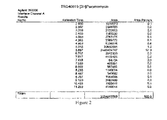
Figure 2 : Table of the intensities of the spectrum offigure 1 . -
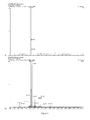
Figure 3 : TOF (Time Of Flight) MS ES+ (electrospray) mass spectrum of [3H]paromomomycin obtained in example 2. -
Figure 4 : TOF MS ES+ mass spectrum of the inactive reference material. -
Figure 5 : Radioactive detection and UV detection of a) [3H] paromomycin according to the invention and b) commercial paromomycin analyzed with a porous graphite column. -
Figure 6: a) TOF MS ES+ mass spectrum of [3H]paromomomycin according to the invention, b) TOF MS ES+ mass spectrum of commercial [3H]paromomomycin. - The first object of the invention is a new process for purification of [3H]paromomycin, wherein the process comprises the use of a porous graphite column. Said purification aims at separating [3H]paromomycin from the other components obtained after its synthesis, such as free tritium or tritiated or non tritiated fragments or moieties of paromomycin. More particularly, the porous graphite column implemented in the process of the invention is a column used in liquid chromatography, more preferably HPLC (high performance liquid chromatography).
- The [3H]paromomycin to be purified is prepared by any method known in the art. Tritiation of paromomycin is preferably performed with tritium gas, as described in (Wilzbach, K.E., J. Am. Chem. Soc., 79, 1013 (1957)).
- The porous graphite column used in the process of the invention comprises porous graphite as stationary phase. Preferably, the porous graphite column consists of 100% porous graphite, without any linking phase. Among appropriate columns to be used in the process of the invention may be cited Hypercarb® columns manufactured by Thermo Electron Corporation. The graphite particle size may be comprised between 2 and 8 µm. The graphite particle size is preferably about 3, 5 or 7 µm, in particular it is about 5 µm.
- In an embodiment, the pore size of the porous graphite column is about 250 Å.
- In the present invention, the term about refers to a range comprised between plus and
minus 10% of the value. - The solvent system in the purification process of the invention, particularly liquid chromatography, and more particularly HPLC, comprises solvent A and solvent B. Solvent A is preferably trifluoroacetic acid in water, in particular 0.1% by volume trifluoroacetic acid in water, and solvent B is preferably trifluoroacetic acid in acetonitrile, in particular 0.1% by volume trifluoroacetic acid in acetonitrile.
- The gradient used in the HPLC purification process of the invention is preferably 0% by volume B (i.e., 100% by volume A) for 10 minutes, and then 0 to 30% by volume B (i.e., 100 to 70% by volume A) over 30 minutes.
- In an embodiment, the HPLC system used in the process of purification of the invention is the following:
Column: 100% porous graphite column (Hypercarb®), 5 µm, 150 x 10 mm, Solvent A : 0.1% by volume trifluoroacetic acid in water, Solvent B: 0.1% by volume trifluoroacetic acid in acetonitrile, Gradient: 0% by volume B for 10 minutes, and then 0 to 30% by volume B over 30 minutes, Flow rate: 2 mL/minute, and UV detection: 230 nm. - The process of purification of [3H]paromomycin according to the invention may comprise, before the use of the porous graphite column, a step of tritiation of paromomycin. It can also optionally comprise a step of chemical synthesis of paromomycin, before tritiation thereof.
- The process of purification of [3H]paromomycin according to the invention affords highly pure [3H]paromomycin, with both a high chemical purity, and a high radiochemical purity.
- Chemical purity can be assessed by any appropriate technique known in the art. Chemical purity can be assessed for instance by NMR (Nuclear magnetic Resonance), by mass spectrometry, preferably by TOF MS ES+, or by HPLC, preferably by HPLC, preferably using appropriate column and solvent system, for instance coupled to UV detection. Preferably, the chemical purity of [3H]paromomycin according to the invention is strictly superior to 95%, in particular superior or equal to 97%.
- In the present invention, the percentage values are to be understood as mass percentages, unless otherwise specified.
- Radiochemical purity (RCP) may be defined as the proportion of the total radioactivity in the sample which is present as the desired radiolabelled species. Radiochemical purity can be assessed by any appropriate technique known in the art. Radiochemical purity can be assessed for instance by HPLC, preferably using appropriate column and solvent system, for instance coupled to radioactive detection. Preferably, the radiochemical purity of [3H]paromomycin according to the invention is strictly superior to 95%, in particular superior or equal to 97%.
- In an embodiment, the HPLC column used to assess the chemical and/or radiochemical purity of [3H]paromomycin is not a C18 silica column.
- The chemical and/or radiochemical purity of [3H]paromomycin in the present invention is advantageously assessed by HPLC using a porous graphite column as described above, such as a Hypercarb® column.
- Another object of the invention is [3H]paromomycin, preferably highly pure [3H]paromomycin, obtained with the process of the invention. The terms "highly pure [3H]paromomycin" refer to pharmaceutical grade [3H]paromomycin. Pharmaceutical grade is a standard of purity meaning suitable for use as a medicine. As described above, the chemical purity of [3H]paromomycin according to the invention is preferably strictly superior to 95%, in particular superior or equal to 97%. As also described above, the radiochemical purity of [3H]paromomycin according to the invention is preferably strictly superior to 95%, in particular superior or equal to 97%.
- In a particular embodiment, the present invention deals with a composition comprising, and preferably consisting of, [3H]paromomycin, with a radiochemical purity strictly superior to 95%, in particular superior or equal to 97%, and / or a chemical purity strictly superior to 95%, in particular superior or equal to 97%. Preferably, the composition presents a radiochemical purity strictly superior to 95%, in particular superior or equal to 97%, and a chemical purity strictly superior to 95%, in particular superior or equal to 97%.
- The chemical impurities may be tritiated or non tritiated fragments or moieties of paromomycin, or secondary products due to the process used for the synthesis of paromomycin. The radiochemical impurities are tritiated impurities, such as any [3H] chemical fragments or moieties of paromomycin.
- The composition comprising, and preferably consisting of, [3H]paromomycin of the invention may be obtained by the process of purification as described above.
- In an embodiment, the mass spectrum, preferably the TOF MS ES+ mass spectrum, of [3H]paromomycin or of the composition of the invention comprises, as only significant m/z peaks, for instance as only peaks of intensity higher than 5%, preferably higher than 10% , those corresponding to 308.65, 309.15, 309.65 and 616.31. The combination of these m/z peaks is the signature of tritiated paromomycin.
- The present invention also concerns a process for the analysis of a [3H]paromomycin sample, comprising the use a porous graphite HPLC column as described above, such as a Hypercarb® column.
- Another object of the invention is the use of [3H]paromomycin or the composition comprising the same, as defined above, as a tool for ecotoxicity tests or as a research tool. More specifically, it is useful as a tool for studying the behavior of [3H]paromomycin in the environment, in particular in soil, in water and/or in the air. These tests allow assessing the environmental risk of paromomycin. Indeed, the aims of ecotoxicity tests performed for veterinary or human, preferably veterinary, medicinal products are to assess their potential harmful effects on the environment and/or to identify any precautionary measures which may be necessary to reduce said harmful effects. In the context of veterinary medicinal products, such precautionary measures include, but are not limited to, controlling the application rate, the amount of contaminated manure being spread on agricultural lands or the access of treated pasture animals to surface waters. Such precautionary measures are aimed at mitigating the environmental impact of the use of veterinary medicinal product. Ecotoxicity studies are necessary for instance when applying for marketing authorization for a veterinary medicinal product, such as paromomycin.
- Tritium labeling of paromomycin according to the present invention allows an easy detection of paromomycin in the soil, water, air, and in various organisms, in particular aquatic organisms or organisms to which it is not intended (i.e., other non-target organisms). More particularly, tritium labeling of paromomycin according to the present invention allows monitoring the levels of excreted paromomycin into the environment by treated animals, and persistence thereof in such excretia. Tritium labeling of paromomycin according to the present invention also allows monitoring the levels of unused or wasted paromomycin spread into the environmental systems, and persistence thereof in such environmental systems.
- Ecotoxicity tests that can be performed according to the invention comprise studying the likely extent to which paromomycin (more specifically non-excreted or excreted paromomycin) will enter into environmental systems, in particular into the soil, water and/or air, its effects on aquatic organisms, and/or its effects on other organisms, in particular organisms to which paromomycin is not intended. Among the organisms to which the drug is not intended may be cited humans and animals, preferably animals, in particular non-human mammals. Among animals may be cited ruminants and fowl, preferably ruminants. For instance, the non-human mammals are cattle, preferably dairy cattle. Where the conclusions of these studies indicate potential exposure of the environment to the product, evaluation of the potential ecotoxicity of the product is performed. For this purpose, it shall be considered the extent and duration of exposure of the environment to the product, as well as the information about the physical/chemical, pharmacological and/or toxicological properties of the compound obtained during the conduct of the other tests and trials required by health authorities.
- An in vitro or ex vivo method for monitoring and/or identifying and/or quantifying paromomycin, can comprise the following steps : obtaining a sample susceptible to be radiolabelled by [3H]paromomycin of the invention ; and determining the level of radioactivity of said sample, in particular by liquid scintillation counting (LSC) ; and optionally identifying and/or quantifying paromomycin by using an appropriate method, such as for example a liquid chromatography tandem mass spectrometry (LC-MS/MS) procedure, optionally with radiometric detection.
- More specifically, according to the method of the invention, [3H]paromomycin of the invention was previously spread into the environment of interest or administered to an animal or a patient. The method of the invention allows therefore monitoring the levels of unused, wasted or excreted paromomycin into the environment, and persistence thereof in such environment. The sample susceptible to be radiolabelled by [3H]paromomycin of the invention can be from an animal or a patient to which [3H]paromomycin of the invention was previously administered; in this context, the sample can be various tissues, urine sample, plasma sample or excretory (faeces) sample. The sample can also be from the environmental system or a sample from an aquatic organism or a sample from another non-target organism.
- The following examples are intended to be illustrative, and not limitative, of the present invention.
- 60 mg paromomycin sulphate was dissolved in 1 mL 0.1 M sodium phosphate buffer at
pH 7. 30 mg of PdO on baryum sulphate were added and the mixture was stirred for 3 hours under 10 Ci tritium gas. After 3 hrs, the reaction mixture was filtered via a 0.45 µm GMF filter. The filtrate was dried by rotary evaporation and re-constituted in 0.75 mL ethanol: water (1 :1). Labile tritium was removed by rotary evaporation. The process was repeated 3 times to ensure complete removal of labile tritium. The product was dissolved in 8 mL water. The radiochemical yield of the crude product was 36 mCi. - The crude product obtained in example 1 was purified in 4 lots of 2 mL, using the following HPLC system:
Column: Hypercarb ® 5 µ, 150 x 10 mmSolvent A: 0.1% trifluoroacetic acid in water Solvent B: 0.1% trifluoroacetic acid in acetonitrile Gradient: 0% B for 10 minutes, and from 0 to 30% B over 30 minutes Flow rate: 2 mL/minute UV detection: 230 nm - The [3H]paromomycin fractions from the 4 HPLC runs were pooled, dried by rotary evaporation and re-constituted in 5 mL water.
- The radiochemical yield of the pure product was 11 mCi.
- The radiochemical purity of [3H]paromomycin was determined by HPLC in the following system:
Column: Hypercarb® 100 x 4.6 mm, 5 µm Column temperature: 35°C Eluent A: 0.1 % trifluoroacetic acid (aqueous) Eluent B: 0.1% trifluoroacetic acid in acetonitrile Gradient/flow rate: 1% B to 50% B over 30 minutes, hold for 2 minutes, at 0.5 mL/minute. - The radiochemical purity assessed by HPLC was 97.0% (see
figures 1 and2 ). The mass-spectrometry of [3H]paromomycin obtained in example 2 gave a spectrum that was consistent with the inactive material (seefigures 3 and4 ), and a specific activity of 0,6 Ci/mmol. - [3H]paromomycin obtained according to example 2 was diluted to 1 mCi/mL with water, and packaged as 2 x 1 mCi and 1x8 mCi packs.
- A sample of [3H] paromomycin purified according to the invention and a commercial sample of [3H] paromomycin sold by Moravek as having a purity higher or equal to 95% were analyzed both on a C18 silica column and on a porous graphite column (Hypercarb®).
- The analysis on the C18 silica column afforded a purity higher than 95% for both compounds;
- The analysis on the porous graphite column afforded a radiochemical purity of more than 96% for the sample according to the invention, and a radiochemical purity around 2% for the commercial sample.
-
Figure 5 presents the radioactive detection and UV detection (205 nm) after the analysis of both samples with a porous graphite column (Hypercarb®). The conditions for the analysis are the following: - Column: Hypercarb® 100 x 4.6 - 5 µm
- Column temperature: 35°C
- Eluant A: 0.1% trifluoroacetic acid (aqueous)
- Eluant B: 0.1% trifluoroacetic acid in acetonitrile
- Gradient/flow rate: 1%B-50%B over 30 minutes, hold for 2 minutes at 0.5 mL/min.
- Both UV and radioactive detection show the same retention time for the main peak of the sample according to the invention, which shows that [3H]paromomycin is both chemically pure and radiochemically pure.
- Conversely, the main peak in UV detection for the commercial sample probably corresponds to paromomycin, but the intensity of the signal for the same retention time in the radioactive detection is clearly low. Consequently, the majority of the tritiated species in the sample is not paromomycin.
-
Figure 6 presents the mass spectra of both samples, proving that the commercial sample is a complex mixture, when the sample according to the invention is chemically pure. Consequently, the purification process of the invention is clearly more powerful than the purification system classically used for [3H] paromomycin.
Claims (14)
- Process for purification of [3H]paromomycin, wherein the process comprises the use of a porous graphite column.
- Process according to claim 1, wherein the porous graphite column is the column used in liquid chromatography.
- Process according to claim 2, wherein the column is used in HPLC.
- Process according to any of claims 1 to 3, wherein the porous graphite column consists of 100% porous graphite.
- Process according to anyone of the preceding claims, wherein the column graphite particle size is 5 µm.
- Process according to any of claims 2 to 5, wherein the HPLC system is the following:Column: 100% porous graphite column, 5 µm, 150 x 10 mm,Solvent A: 0.1% trifluoroacetic acid in water,Solvent B: 0.1% trifluoroacetic acid in acetonitrile,Gradient: 0% B for 10 minutes, and then 0 to 30% B over 30 minutes,Flow rate: 2 mL/minute, andUV detection: 230 nm.
- Composition comprising [3H]paromomycin obtained by the process according to any of claims 1 to 6.
- Composition comprising [3H]paromomycin with a chemical purity strictly superior to 95%, in particular superior or equal to 97%, and a radiochemical purity strictly superior to 95%, in particular superior or equal to 97%.
- Use of the composition according to claim 7 or 8 as a tool for at least one ecotoxicity test.
- Use according to claim 9, for monitoring and/or identifying and/or quantifying paromomycin in the environment.
- Use according to claim 10, for monitoring and/or identifying and/or quantifying paromomycin in the soil or in various organisms.
- Use according to claim 9, for monitoring and/or identifying and/or quantifying paromomycin in non human mammals.
- Use according to claim 12, wherein non human mammals are cattle, preferably dairy cattle.
- Use according to claim 8, for monitoring and/or identifying and/or quantifying paromomycin in aquatic organisms, and/or in other organisms to which it is not intended.
Priority Applications (2)
| Application Number | Priority Date | Filing Date | Title |
|---|---|---|---|
| EP12306313.3A EP2725032A1 (en) | 2012-10-23 | 2012-10-23 | Highly pure tritiated paromomycin |
| PCT/EP2013/072189 WO2014064161A1 (en) | 2012-10-23 | 2013-10-23 | Highly pure tritiated paromomycin |
Applications Claiming Priority (1)
| Application Number | Priority Date | Filing Date | Title |
|---|---|---|---|
| EP12306313.3A EP2725032A1 (en) | 2012-10-23 | 2012-10-23 | Highly pure tritiated paromomycin |
Publications (1)
| Publication Number | Publication Date |
|---|---|
| EP2725032A1 true EP2725032A1 (en) | 2014-04-30 |
Family
ID=47278724
Family Applications (1)
| Application Number | Title | Priority Date | Filing Date |
|---|---|---|---|
| EP12306313.3A Withdrawn EP2725032A1 (en) | 2012-10-23 | 2012-10-23 | Highly pure tritiated paromomycin |
Country Status (2)
| Country | Link |
|---|---|
| EP (1) | EP2725032A1 (en) |
| WO (1) | WO2014064161A1 (en) |
-
2012
- 2012-10-23 EP EP12306313.3A patent/EP2725032A1/en not_active Withdrawn
-
2013
- 2013-10-23 WO PCT/EP2013/072189 patent/WO2014064161A1/en not_active Ceased
Non-Patent Citations (7)
| Title |
|---|
| CAPMAU ET AL.: "A one pot tritiation of aminoglycoside antibiotics", J ANTIBIOT, 1983, pages 735 - 737 |
| HANAI T: "Separation of polar compounds using carbon columns", JOURNAL OF CHROMATOGRAPHY, ELSEVIER SCIENCE PUBLISHERS B.V, NL, vol. 989, no. 2, 14 March 2003 (2003-03-14), pages 183 - 196, XP004412713, ISSN: 0021-9673, DOI: 10.1016/S0021-9673(02)02017-4 * |
| INFECTION AND IMMUNITY, August 1998 (1998-08-01), pages 3874 - 3883 |
| J. K. GRIFFITHS ET AL.: "Paromomycin and geneticin inhibit intracellular Cryptosporidium parvum without trafficking through the host cell cytoplasm: Implications for drug delivery", INFECTION AND IMMUNITY, vol. 66, no. 8, 1998, pages 3874 - 3883, XP055054022 * |
| KOIZUMI K: "High-performance liquid chromatographic separation of carbohydrates on graphitized carbon columns", JOURNAL OF CHROMATOGRAPHY, ELSEVIER SCIENCE PUBLISHERS B.V, NL, vol. 720, no. 1, 12 January 1996 (1996-01-12), pages 119 - 126, XP004038352, ISSN: 0021-9673, DOI: 10.1016/0021-9673(94)01274-1 * |
| OBER R. ET AL.: "Preparation of tritium-labelled paromomycin ('Humatin') by fermentation in a medium containing tritiated water", NATURE, 1962, pages 1289 - 90 |
| WILZBACH, K.E., J. AM. CHEM. SOC., vol. 79, 1957, pages 1013 |
Also Published As
| Publication number | Publication date |
|---|---|
| WO2014064161A1 (en) | 2014-05-01 |
Similar Documents
| Publication | Publication Date | Title |
|---|---|---|
| Williams et al. | Three molecular steps of aminoglycoside ototoxicity demonstrated in outer hair cells | |
| Horie et al. | Simultaneous determination of benofloxacin, danofloxacin, enrofloxacin and ofloxacin in chicken tissues by high-performance liquid chromatography | |
| KUEHL JR | Para-O-methylation of dopamine in schizophrenic and normal individuals | |
| Shephard et al. | Distribution and excretion of a single dose of the mycotoxin fumonisin B1 in a non-human primate | |
| EP1315749A2 (en) | Protein extracted from the intestines of vertebrates, which absorbs cholesterol, and the use of this protein for identifying inhibitors of intestinal cholesterol transport | |
| US12491270B2 (en) | Imaging histone deacetylases with a radiotracer using positron emission tomography | |
| EP3406591B1 (en) | Dicaffeoyl-spermidine derivative glycoside and use thereof | |
| Matabudul et al. | The simultaneous determination of the ionophore antibiotics in animal tissues and eggs by tandem electrospray LC–MS–MS | |
| Ishikawa et al. | Determination of tylosin excretion from sheep to assess tylosin spread to agricultural fields by manure application | |
| Wennerberg et al. | Formation of 7-methylguanine by dichlorvos in bacteria and mice | |
| Beyer et al. | Effects of ceftiofur treatment on the susceptibility of commensal porcine E. coli–comparison between treated and untreated animals housed in the same stable | |
| Delatour et al. | Pharmacokinetics in sheep and cattle of albendazole administered by an intraruminal slow release capsule | |
| Philip et al. | Hydroxy levamisole and its phase II conjugates as potential indicators of levamisole doping in thoroughbred horses | |
| Samanidou et al. | Chromatographic analysis of banned antibacterial growth promoters in animal feed | |
| CN102443026A (en) | Aminoglycoside compounds and extraction and separation method therefor | |
| WO2014064161A1 (en) | Highly pure tritiated paromomycin | |
| Bekheet et al. | 99mTc-labeled ceftazidime and biological evaluation in experimental animals for detection of bacterial infection | |
| Sadeh et al. | Induced mannosidosis‐excretion of oligosaccharides by locoweed‐intoxicated sheep | |
| Jung et al. | Chemistry, pharmacology and safety: milbemycin oxime | |
| Gbylik-Sikorska et al. | Effect of doxycycline concentrations in chicken tissues as a consequence of permanent exposure to enrofloxacin traces in drinking water | |
| KR102203849B1 (en) | Antibiotics composition for animals | |
| DE10111682B4 (en) | Caloporoside derivatives, process for their preparation and their use | |
| SHINDO et al. | Absorption, distribution, excretion and metabolism of cefmetazole in cynomolgus monkeys | |
| Vaghela et al. | Disposition kinetic behaviour of marbofloxacin in broiler chickens | |
| Wal et al. | Tritiation of tylosin and metabolic study in the rat |
Legal Events
| Date | Code | Title | Description |
|---|---|---|---|
| PUAI | Public reference made under article 153(3) epc to a published international application that has entered the european phase |
Free format text: ORIGINAL CODE: 0009012 |
|
| 17P | Request for examination filed |
Effective date: 20121023 |
|
| AK | Designated contracting states |
Kind code of ref document: A1 Designated state(s): AL AT BE BG CH CY CZ DE DK EE ES FI FR GB GR HR HU IE IS IT LI LT LU LV MC MK MT NL NO PL PT RO RS SE SI SK SM TR |
|
| AX | Request for extension of the european patent |
Extension state: BA ME |
|
| STAA | Information on the status of an ep patent application or granted ep patent |
Free format text: STATUS: THE APPLICATION IS DEEMED TO BE WITHDRAWN |
|
| 18D | Application deemed to be withdrawn |
Effective date: 20141031 |