EP2722481A2 - Produced sand gravel pack process - Google Patents
Produced sand gravel pack process Download PDFInfo
- Publication number
- EP2722481A2 EP2722481A2 EP13189173.1A EP13189173A EP2722481A2 EP 2722481 A2 EP2722481 A2 EP 2722481A2 EP 13189173 A EP13189173 A EP 13189173A EP 2722481 A2 EP2722481 A2 EP 2722481A2
- Authority
- EP
- European Patent Office
- Prior art keywords
- formation
- screen
- particulates
- chemical treatment
- borehole
- Prior art date
- Legal status (The legal status is an assumption and is not a legal conclusion. Google has not performed a legal analysis and makes no representation as to the accuracy of the status listed.)
- Withdrawn
Links
- 238000000034 method Methods 0.000 title claims abstract description 38
- 239000004576 sand Substances 0.000 title description 9
- 230000008569 process Effects 0.000 title description 6
- 230000015572 biosynthetic process Effects 0.000 claims abstract description 120
- 239000000126 substance Substances 0.000 claims abstract description 73
- 239000012530 fluid Substances 0.000 claims abstract description 45
- 150000003839 salts Chemical class 0.000 claims abstract description 7
- 239000000654 additive Substances 0.000 claims description 18
- 230000000996 additive effect Effects 0.000 claims description 17
- 239000002184 metal Substances 0.000 claims description 5
- 238000005054 agglomeration Methods 0.000 claims description 4
- 230000002776 aggregation Effects 0.000 claims description 4
- 230000001965 increasing effect Effects 0.000 claims description 4
- 238000012856 packing Methods 0.000 claims description 4
- 230000003472 neutralizing effect Effects 0.000 claims description 3
- 230000004044 response Effects 0.000 claims description 3
- 230000004931 aggregating effect Effects 0.000 claims description 2
- 230000003628 erosive effect Effects 0.000 description 8
- 238000004519 manufacturing process Methods 0.000 description 6
- 230000009286 beneficial effect Effects 0.000 description 3
- 238000002347 injection Methods 0.000 description 3
- 239000007924 injection Substances 0.000 description 3
- 239000000758 substrate Substances 0.000 description 3
- 230000004075 alteration Effects 0.000 description 1
- 230000004888 barrier function Effects 0.000 description 1
- 239000000919 ceramic Substances 0.000 description 1
- 230000000694 effects Effects 0.000 description 1
- 230000002708 enhancing effect Effects 0.000 description 1
- 238000001914 filtration Methods 0.000 description 1
- 230000004048 modification Effects 0.000 description 1
- 238000012986 modification Methods 0.000 description 1
- 230000007935 neutral effect Effects 0.000 description 1
- 230000035699 permeability Effects 0.000 description 1
- 239000012466 permeate Substances 0.000 description 1
- 238000005086 pumping Methods 0.000 description 1
- 230000000246 remedial effect Effects 0.000 description 1
Images


Classifications
-
- E—FIXED CONSTRUCTIONS
- E21—EARTH OR ROCK DRILLING; MINING
- E21B—EARTH OR ROCK DRILLING; OBTAINING OIL, GAS, WATER, SOLUBLE OR MELTABLE MATERIALS OR A SLURRY OF MINERALS FROM WELLS
- E21B43/00—Methods or apparatus for obtaining oil, gas, water, soluble or meltable materials or a slurry of minerals from wells
- E21B43/02—Subsoil filtering
- E21B43/08—Screens or liners
-
- E—FIXED CONSTRUCTIONS
- E21—EARTH OR ROCK DRILLING; MINING
- E21B—EARTH OR ROCK DRILLING; OBTAINING OIL, GAS, WATER, SOLUBLE OR MELTABLE MATERIALS OR A SLURRY OF MINERALS FROM WELLS
- E21B43/00—Methods or apparatus for obtaining oil, gas, water, soluble or meltable materials or a slurry of minerals from wells
- E21B43/02—Subsoil filtering
- E21B43/04—Gravelling of wells
-
- E—FIXED CONSTRUCTIONS
- E21—EARTH OR ROCK DRILLING; MINING
- E21B—EARTH OR ROCK DRILLING; OBTAINING OIL, GAS, WATER, SOLUBLE OR MELTABLE MATERIALS OR A SLURRY OF MINERALS FROM WELLS
- E21B43/00—Methods or apparatus for obtaining oil, gas, water, soluble or meltable materials or a slurry of minerals from wells
- E21B43/25—Methods for stimulating production
Definitions
- the screens can include wire-wrapped screens, metal-mesh screens, and expandable screens, among others.
- the screens can be used downhole in a number of completion systems to control sand.
- a gravel pack operation for example, gravel is placed in the annulus around the screen in an open hole.
- the screen can be run in a stand-alone application without a surrounding gravel pack in either a cased or an open hole.
- a stand-alone screen can become plugged and/or may erode rapidly as formation sand and other produced particulates pass through the screen during production.
- plugging or erosion occurs, operators need to take remedial steps to clean out and/or replace the screen, which can be time-consuming and costly. Plugging and erosion can be especially problematic when the stand-alone screen is run in a cased hole. For this reason, a stand-alone screen is only rarely run in a cased hole. Yet, being able to run a stand-alone screen in a cased hole may be beneficial in some circumstances and may also be beneficial when using screens in open hole applications.
- the subject matter of the present disclosure is directed to overcoming, or at least reducing the effects of, one or more of the problems set forth above.
- a borehole completion method treats a formation surrounding a borehole with a chemical treatment.
- a standalone screen deploys downhole in the borehole (either before, during, or after the treatment) on a downhole string. Any suitable type of standalone screen can be used, including a wire screen, a mesh screen, a sintered metal screen, a perforated pipe, an expandable screen, a gravel pack screen, or a combination thereof.
- packers disposed on the string are used to isolate the screen to particular portions of the borehole.
- the chemical treatment to agglomerate formation particulates can be especially useful in a cased hole having perforations, but the process may also be beneficial for open hole applications.
- a standalone screen in a cased hole can be prone to clogging and erosion.
- the chemical treatment can be passed through perforations in the casing to treat the surrounding formation. This can be accomplished by injecting the chemical treatment directly in the borehole through the screen, by capillary string, or other conveyance.
- the chemical treatment includes an inner salt adapted to modify the zeta potential of the formation particulates.
- zeta potential of a particulate refers to the electrokinetic potential of the particulates and is represented by a charge of the particulates' surfaces.
- the chemical treatment neutralizes the zeta potential of the formation particulates so they aggregate into one or more permeable structures in the annulus.
- a borehole completion method comprising:
- Deploying the screen may comprise deploying the screen before treating the formation, after treating the formation, during treatment of the formation, or a combination thereof.
- Treating the formation may comprise passing the chemical treatment through a perforation in a casing of the borehole.
- Treating the formation may comprise injecting the chemical treatment directly in the borehole.
- the chemical treatment may comprise a chemical additive adapted to modify the zeta potential of the formation particulates.
- the chemical additive may comprise an inner salt adapted to modify the zeta potential of the formation particulates.
- the screen may comprise a wire screen, a mesh screen, a sintered metal screen, a perforated pipe, an expandable screen, a gravel pack screen, or a combination thereof.
- Agglomerating the particulates may comprise neutralizing the zeta potential of the formation particulates with the chemical treatment and agglomerating the neutralized zeta potential particulates into one or more permeable structures in the annulus.
- the method may further comprise isolating a portion of the formation with a packer disposed on a string having the screen.
- the method may comprise performing the agglomeration of the formation particulates instead of packing the annulus with gravel.
- Treating the formation surrounding the borehole with the chemical treatment may comprise:
- a method of completing a borehole for production comprising:
- Deploying the screen may comprise deploying the screen before treating the formation, after treating the formation, during treatment of the formation, or a combination thereof.
- Treating the formation may comprise passing the chemical treatment through a perforation in a casing of the borehole.
- Treating the formation may comprise injecting the chemical treatment directly in the borehole.
- the chemical treatment may comprise a chemical additive adapted to modify the zeta potential of the formation particulates.
- the chemical additive may comprise an inner salt adapted to modify the zeta potential of the formation particulates.
- the screen may comprise a wire screen, a mesh screen, a sintered metal screen, a perforated pipe, an expandable screen, a gravel pack screen, or a combination thereof.
- Agglomerating the particulates may comprise neutralizing the zeta potential of the formation particulates with the chemical treatment and agglomerating the neutralized zeta potential particulates into one or more permeable structures in the annulus.
- the method may further comprise isolating a portion of the formation with a packer disposed on a string having the screen.
- the method may comprise performing the agglomeration of the formation particulates instead of packing the annulus with gravel.
- Treating the portion of the formation surrounding the borehole with the chemical treatment affecting the surface charge of the formation particulates may comprise:
- a borehole completion method treats a formation surrounding a borehole with a chemical treatment that alters how formation particulates interact.
- a standalone screen deploys downhole in the borehole (either before or after the treatment) on a downhole string.
- formation particulates treated with the chemical treatment agglomerate in the annulus surrounding the screen in permeable structures. This can be especially when the standalone screen is useful in a cased hole having perforations.
- the chemical treatment includes an inner salt adapted to neutralize the zeta potential (i.e ., electrokinetic potential) of the formation particulates so they aggregate into one or more permeable structures in the annulus.
- a completion string 20 has a number of stand-alone screens 30 deployed in a cased hole 10.
- Packers 22 disposed at various intervals between zones of interest isolate the annulus 14 between the casing 12 and the string 20, and the cased hole 10 has perforations 16 communicating with the surrounding formation of these zones.
- the produced fluid can pass through the perforations 16 into the borehole annulus 14.
- the produced fluid can enter the screens 30 and be produced up the string 20 at various wellhead components 26.
- a mechanical barrier 24 can be disposed downhole of the string 20 to isolate the bottom of the cased hole 10.
- the screens 30 used can include any of the conventional screens used for gravel pack operations, frac pack operations, or wellscreen operations. Therefore, the screens 30 can use wrapped wire, sintered metal, mesh, perforated pipe, ceramic screens, and other components.
- the chemical treatment (50) is applied to the cased hole 10 in which the stand-alone screens 30 are used
- the teachings of the present disclosure can be used in open holes in which stand-alone screens are used.
- the borehole 10 may have a combination of cased and open hole sections as found in the art.
- Figure 4 shows a process 100 for chemically treating the surrounding formation to reduce plugging and erosion for stand-alone screens 30.
- the completion string 20 is deployed in the borehole 10 and has a number of packers 22 and stand-alone screens 30 on the production tubing (Block 102).
- the packers 22 can then be activated to isolate the zones of interest in the formation from one another according to customary procedures (Block 104).
- a chemical treatment (50) is then applied downhole so that it permeates into the surrounding formation (Block 106).
- the borehole 10 through the formation may have a cased hole with perforations 16 or may be an open hole.
- the treatment (50) can be applied before, during, and/or after the screens 30 and completion string 20 have been deployed.
- the procedure for treating the formation can use any of the available methods depending on what tools can be deployed, how the chemical treatment (50) can be conveyed downhole, and other factors known in the art.
- standard chemical injection procedures can be used to apply the chemical treatment (50). Some of these standard chemical injection procedures can involve pumping the treatment (50) directly down the completion string 20, applying the treatment (50) with a capillary or workstring deployed in the completion string 20, or other techniques.
- the chemical additive of the treatment (50) can be pumped down the tubing string 20 so that it exits the screens 30 and enters the formation through the cased hole perforations 16.
- This chemical additive can even be part of a frac operation used to stimulate the formation.
- chemical injection uses a "self-diverting" fluid for the chemical treatment 50.
- This fluid is designed to be very thin and easy to inject into the formation.
- a capillary or workstring string 28 deployed in the completion string 20 injects the thin fluid for the chemical treatment 50 downhole, and the injected fluid passes out of the screen 30 and through the perforations 16. Entering the formation through the perforations 16, the injected fluid migrates into the surrounding area 40 of the formation. As the thin fluid migrates, the velocity and shear rate of the fluid is reduced, causing the fluid to become more viscous. In turn, the increasing viscosity of the migrating fluid causes the following fluids being injected behind it to be diverted to other parts of the formation in a self-diverting process.
- the chemical treatment (50) treats the formation substrate (sand, particulates, etc.) with the chemical additive that allows the formation particulates, if free, to flow or otherwise move towards the screens 30. Yet, as fluids are produced and enter the screens 30 (Block 108), the migrating formation particulates collect in the annulus 14 around the screens 30. However, the previously applied chemical additive prevents the formation particulates from substantially plugging the screens 30 or otherwise preventing the well from flowing by causing the formation particulates to agglomerate and form stable and permeable structures (e.g., 42 in Fig. 3 ) around the screens 30 (Block 110).
- ZPAS Zeta Potential Altering System
- the Zeta Potential Altering System (ZPAS) used for the chemical treatment (50) of the present disclosure can be a chemical additive based on an inner salt that modifies the zeta potential of the particulates.
- the system changes the particulates' charge towards neutral values, which enhances the agglomeration of the particulates.
- the particular aspects of the chemical additive applied in the chemical treatment 50 may depend on the expected chemistry downhole, including considerations of temperature, pressure, type of produce fluid, expected size of formation particulates, expected types of formation substrate, etc. Being able to treat the formation so that formation particulates form permeable, stable structures around the stand-alone screens 30 can eliminate the need to actively pack the annulus with gravel in a gravel pack operation. Moreover, the disclosed techniques can allow expandable sand screens (ESS) to be run in a cased hole, which can have advantages in some implementations. Use of the chemical treatment can also allow stand-alone screens 30 that have larger outside and inside dimensions to be installed downhole.
- ESS expandable sand screens
- Treating the formation with chemical additive according to the present disclosure can preferably be done before or at the time of first production. Depending on the implementation, additional additive may be needed to continue to create or maintain the permeable structure in the annulus.
Landscapes
- Life Sciences & Earth Sciences (AREA)
- Engineering & Computer Science (AREA)
- Geology (AREA)
- Mining & Mineral Resources (AREA)
- Physics & Mathematics (AREA)
- Environmental & Geological Engineering (AREA)
- Fluid Mechanics (AREA)
- General Life Sciences & Earth Sciences (AREA)
- Geochemistry & Mineralogy (AREA)
- Treatment Of Sludge (AREA)
- Filtration Of Liquid (AREA)
Abstract
Description
- Several types of screens are used downhole to filter produced fluids of formation particulates, such as sand. The screens can include wire-wrapped screens, metal-mesh screens, and expandable screens, among others. The screens can be used downhole in a number of completion systems to control sand. In a gravel pack operation, for example, gravel is placed in the annulus around the screen in an open hole. Alternatively, the screen can be run in a stand-alone application without a surrounding gravel pack in either a cased or an open hole.
- A stand-alone screen can become plugged and/or may erode rapidly as formation sand and other produced particulates pass through the screen during production. When plugging or erosion occurs, operators need to take remedial steps to clean out and/or replace the screen, which can be time-consuming and costly. Plugging and erosion can be especially problematic when the stand-alone screen is run in a cased hole. For this reason, a stand-alone screen is only rarely run in a cased hole. Yet, being able to run a stand-alone screen in a cased hole may be beneficial in some circumstances and may also be beneficial when using screens in open hole applications.
- The subject matter of the present disclosure is directed to overcoming, or at least reducing the effects of, one or more of the problems set forth above.
- A borehole completion method treats a formation surrounding a borehole with a chemical treatment. A standalone screen deploys downhole in the borehole (either before, during, or after the treatment) on a downhole string. Any suitable type of standalone screen can be used, including a wire screen, a mesh screen, a sintered metal screen, a perforated pipe, an expandable screen, a gravel pack screen, or a combination thereof. Typically, packers disposed on the string are used to isolate the screen to particular portions of the borehole.
- When fluid is produced from the formation through the screen, formation particulates treated with the chemical treatment are produced with the fluid from the formation, and they agglomerate in the annulus surrounding the screen in permeable structures to form a type of "gravel pack" structure. With the permeable structures formed in the annulus, operators do not need to actively pack the annulus with gravel.
- The chemical treatment to agglomerate formation particulates can be especially useful in a cased hole having perforations, but the process may also be beneficial for open hole applications. A standalone screen in a cased hole can be prone to clogging and erosion. Thus, the chemical treatment can be passed through perforations in the casing to treat the surrounding formation. This can be accomplished by injecting the chemical treatment directly in the borehole through the screen, by capillary string, or other conveyance.
- The chemical treatment includes an inner salt adapted to modify the zeta potential of the formation particulates. As discussed herein, zeta potential of a particulate refers to the electrokinetic potential of the particulates and is represented by a charge of the particulates' surfaces. To agglomerate the particulates, the chemical treatment neutralizes the zeta potential of the formation particulates so they aggregate into one or more permeable structures in the annulus.
- According to one aspect of the present invention there is provided a borehole completion method, comprising:
- treating a formation surrounding a borehole with a chemical treatment;
- deploying a screen in the borehole;
- producing fluid from the formation through the screen; and
- agglomerating formation particulates treated with the chemical treatment and produced with the fluid from the formation in an annulus surrounding the screen.
- Deploying the screen may comprise deploying the screen before treating the formation, after treating the formation, during treatment of the formation, or a combination thereof.
- Treating the formation may comprise passing the chemical treatment through a perforation in a casing of the borehole.
- Treating the formation may comprise injecting the chemical treatment directly in the borehole.
- The chemical treatment may comprise a chemical additive adapted to modify the zeta potential of the formation particulates.
- The chemical additive may comprise an inner salt adapted to modify the zeta potential of the formation particulates.
- The screen may comprise a wire screen, a mesh screen, a sintered metal screen, a perforated pipe, an expandable screen, a gravel pack screen, or a combination thereof.
- Agglomerating the particulates may comprise neutralizing the zeta potential of the formation particulates with the chemical treatment and agglomerating the neutralized zeta potential particulates into one or more permeable structures in the annulus.
- The method may further comprise isolating a portion of the formation with a packer disposed on a string having the screen.
- The method may comprise performing the agglomeration of the formation particulates instead of packing the annulus with gravel.
- Treating the formation surrounding the borehole with the chemical treatment may comprise:
- injecting the chemical treatment in a thin fluid into the formation; and
- diverting the injected fluid into the formation that follows the fluid already migrating in the formation in response to an increased viscosity of the migrating fluid caused by reduced velocity and shear rate of the migrating fluid.
- According to another aspect of the present invention there is provided a method of completing a borehole for production, comprising:
- treating portion of a formation surrounding a borehole with a chemical treatment affecting a surface charge of formation particulates;
- deploying a screen on a string downhole;
- producing fluid from the formation through the screen; and
- aggregating the formation particulates produced from the formation into a permeable structure in an annulus surrounding the screen by allowing the formation particulates with the affected surface charge to attract to one another.
- Deploying the screen may comprise deploying the screen before treating the formation, after treating the formation, during treatment of the formation, or a combination thereof.
- Treating the formation may comprise passing the chemical treatment through a perforation in a casing of the borehole.
- Treating the formation may comprise injecting the chemical treatment directly in the borehole.
- The chemical treatment may comprise a chemical additive adapted to modify the zeta potential of the formation particulates.
- The chemical additive may comprise an inner salt adapted to modify the zeta potential of the formation particulates.
- The screen may comprise a wire screen, a mesh screen, a sintered metal screen, a perforated pipe, an expandable screen, a gravel pack screen, or a combination thereof.
- Agglomerating the particulates may comprise neutralizing the zeta potential of the formation particulates with the chemical treatment and agglomerating the neutralized zeta potential particulates into one or more permeable structures in the annulus.
- The method may further comprise isolating a portion of the formation with a packer disposed on a string having the screen.
- The method may comprise performing the agglomeration of the formation particulates instead of packing the annulus with gravel.
- Treating the portion of the formation surrounding the borehole with the chemical treatment affecting the surface charge of the formation particulates may comprise:
- injecting the chemical treatment in a thin fluid into the formation; and
- diverting the injected fluid into the formation that follows the fluid already migrating in the formation in response to an increased viscosity of the migrating fluid caused by reduced velocity and shear rate of the migrating fluid.
- In a further aspect a borehole completion method treats a formation surrounding a borehole with a chemical treatment that alters how formation particulates interact. A standalone screen deploys downhole in the borehole (either before or after the treatment) on a downhole string. When fluid is produced, formation particulates treated with the chemical treatment agglomerate in the annulus surrounding the screen in permeable structures. This can be especially when the standalone screen is useful in a cased hole having perforations. The chemical treatment includes an inner salt adapted to neutralize the zeta potential (i.e., electrokinetic potential) of the formation particulates so they aggregate into one or more permeable structures in the annulus.
- The foregoing summary is not intended to summarize each potential embodiment or every aspect of the present disclosure.
-
-
Fig. 1 illustrates a borehole of a formation having a completion string with multiple stand-alone screens. -
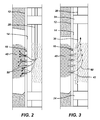
Fig. 2 illustrates one technique for injecting chemical treatment into the formation. -
Fig. 3 illustrates agglomerating of formation particulates treated with the chemical treatment and produced with the fluid from the formation in an annulus surrounding the screen. -
Fig. 4 illustrates a process for chemically treating a formation so plugging and erosion can be reduced for stand-alone screens deployed downhole. - In
Figure 1 , acompletion string 20 has a number of stand-alone screens 30 deployed in a casedhole 10.Packers 22 disposed at various intervals between zones of interest isolate theannulus 14 between thecasing 12 and thestring 20, and the casedhole 10 hasperforations 16 communicating with the surrounding formation of these zones. As fluid is produced from the formation, the produced fluid can pass through theperforations 16 into theborehole annulus 14. In turn, the produced fluid can enter thescreens 30 and be produced up thestring 20 atvarious wellhead components 26. As shown, amechanical barrier 24 can be disposed downhole of thestring 20 to isolate the bottom of the casedhole 10. - The
screens 30 used can include any of the conventional screens used for gravel pack operations, frac pack operations, or wellscreen operations. Therefore, thescreens 30 can use wrapped wire, sintered metal, mesh, perforated pipe, ceramic screens, and other components. - During production (60), fluid is produced from the formation through the casing's
perforations 16. As this process proceeds, formation sand and other particulates may tend to plug and/or erode thescreens 30, and this may be accelerated by virtue of theperforations 16 in the casedhole 10. To reduce the chances of plugging and erosion, the completion has a chemical treatment (50) applied to surrounding portions orareas 40 of the formation according to the procedures disclosed herein. (Figure 2 , which is discussed below, shows one technique for treatingareas 40 of the formation with the chemical treatment (50).) These treatedareas 40 can extend into the surrounding formation as shown. The actual extent of these treatedareas 40 may vary depending on how much chemical treatment is applied, characteristics of the formation, and other factors. - In any event, as shown in
Figures 1 and3 , producedfluid 60 exits the treatedformation area 40 through theperforations 16, sand and other particulates produced with the fluid will tend to collect in theannulus 14 surrounding thescreen 30 and thecasing 12. Left alone, these formation particulates would tend to plug and erode thescreens 30. Being chemically treated, however, the collected formation particulate is intended to have a significant amount of permeability that tends to reduce plugging and erosion. Moreover, the chemically treated formation particulate agglomerates together in theannulus 14 to form one or morepermeable structures 42 for filtering produced fluids and reducing plugging and erosion of thescreens 30. In other words, thesepermeable structures 42 can act as a gravel pack formed from the produced sand and particulate in theannulus 14 around thescreen 30 without thestructures 42 being formally placed there through gravel packing operations. - Although the chemical treatment (50) is applied to the cased
hole 10 in which the stand-alone screens 30 are used, the teachings of the present disclosure can be used in open holes in which stand-alone screens are used. Moreover, theborehole 10 may have a combination of cased and open hole sections as found in the art. - Still referring to the components in
Figures 1 and3 , discussion now turns to the flowchart inFigure 4 , which shows aprocess 100 for chemically treating the surrounding formation to reduce plugging and erosion for stand-alone screens 30. Initially, thecompletion string 20 is deployed in theborehole 10 and has a number ofpackers 22 and stand-alone screens 30 on the production tubing (Block 102). Thepackers 22 can then be activated to isolate the zones of interest in the formation from one another according to customary procedures (Block 104). - A chemical treatment (50) is then applied downhole so that it permeates into the surrounding formation (Block 106). As noted above, the borehole 10 through the formation may have a cased hole with
perforations 16 or may be an open hole. In general, the treatment (50) can be applied before, during, and/or after thescreens 30 andcompletion string 20 have been deployed. Accordingly, the procedure for treating the formation can use any of the available methods depending on what tools can be deployed, how the chemical treatment (50) can be conveyed downhole, and other factors known in the art. Thus, standard chemical injection procedures can be used to apply the chemical treatment (50). Some of these standard chemical injection procedures can involve pumping the treatment (50) directly down thecompletion string 20, applying the treatment (50) with a capillary or workstring deployed in thecompletion string 20, or other techniques. - When the chemical treatment (50) is applied after the
completion string 20 is run, for example, the chemical additive of the treatment (50) can be pumped down thetubing string 20 so that it exits thescreens 30 and enters the formation through the casedhole perforations 16. This chemical additive can even be part of a frac operation used to stimulate the formation. - As one example placement technique shown in
Figure 2 , chemical injection uses a "self-diverting" fluid for thechemical treatment 50. This fluid is designed to be very thin and easy to inject into the formation. A capillary orworkstring string 28 deployed in thecompletion string 20 injects the thin fluid for thechemical treatment 50 downhole, and the injected fluid passes out of thescreen 30 and through theperforations 16. Entering the formation through theperforations 16, the injected fluid migrates into the surroundingarea 40 of the formation. As the thin fluid migrates, the velocity and shear rate of the fluid is reduced, causing the fluid to become more viscous. In turn, the increasing viscosity of the migrating fluid causes the following fluids being injected behind it to be diverted to other parts of the formation in a self-diverting process. - Returning back to
Figure 4 , the chemical treatment (50) treats the formation substrate (sand, particulates, etc.) with the chemical additive that allows the formation particulates, if free, to flow or otherwise move towards thescreens 30. Yet, as fluids are produced and enter the screens 30 (Block 108), the migrating formation particulates collect in theannulus 14 around thescreens 30. However, the previously applied chemical additive prevents the formation particulates from substantially plugging thescreens 30 or otherwise preventing the well from flowing by causing the formation particulates to agglomerate and form stable and permeable structures (e.g., 42 inFig. 3 ) around the screens 30 (Block 110). - One suitable chemical additive that can be used for this purpose includes a Zeta Potential Altering System (hereafter called ZPAS). This type of chemical additive alters the Zeta potential of the downhole formation substrate so that formation particulates are attracted to each other. Zeta potential refers to the electrokinetic potential of the particulates and is represented by a charge of the particulates' surfaces.
- The Zeta Potential Altering System (ZPAS) used for the chemical treatment (50) of the present disclosure can be a chemical additive based on an inner salt that modifies the zeta potential of the particulates. In particular, the system changes the particulates' charge towards neutral values, which enhances the agglomeration of the particulates.
- Further details of the chemical additive for the Zeta Potential Altering System can be found in D. Johnson, et al., "Enhancing Gas and Oil Production With Zeta Potential Altering System," SPE 128048 (2010), which is incorporated herein by reference in its entirety. Other possible chemical additives could be used that alter the electrokinetic potential of the particulates.
- The particular aspects of the chemical additive applied in the
chemical treatment 50 may depend on the expected chemistry downhole, including considerations of temperature, pressure, type of produce fluid, expected size of formation particulates, expected types of formation substrate, etc. Being able to treat the formation so that formation particulates form permeable, stable structures around the stand-alone screens 30 can eliminate the need to actively pack the annulus with gravel in a gravel pack operation. Moreover, the disclosed techniques can allow expandable sand screens (ESS) to be run in a cased hole, which can have advantages in some implementations. Use of the chemical treatment can also allow stand-alone screens 30 that have larger outside and inside dimensions to be installed downhole. - Treating the formation with chemical additive according to the present disclosure can preferably be done before or at the time of first production. Depending on the implementation, additional additive may be needed to continue to create or maintain the permeable structure in the annulus.
- The foregoing description of preferred and other embodiments is not intended to limit or restrict the scope or applicability of the inventive concepts conceived of by the Applicants. In exchange for disclosing the inventive concepts contained herein, the Applicants desire all patent rights afforded by the appended claims. Therefore, it is intended that the appended claims include all modifications and alterations to the full extent that they come within the scope of the following claims or the equivalents thereof.
Claims (12)
- A borehole completion method, comprising:treating at least a portion of a formation surrounding a borehole with a chemical treatment;deploying a screen in the borehole;producing fluid from the formation through the screen; andagglomerating formation particulates treated with the chemical treatment and produced with the fluid from the formation in an annulus surrounding the screen.
- The method of claim 1, comprising:treating a portion of the formation surrounding the borehole with the chemical treatment and affecting a surface charge of formation particulates;deploying the screen on a string; andaggregating the formation particulates produced from the formation into a permeable structure in the annulus surrounding the screen by allowing the formation particulates with the affected surface charge to attract to one another.
- The method of claim 1 or 2, wherein deploying the screen comprises deploying the screen before treating the formation, after treating the formation, during treatment of the formation, or a combination thereof.
- The method of claim 1, 2 or 3, wherein treating the formation comprises passing the chemical treatment through a perforation in a casing of the borehole.
- The method of any preceding claim, wherein treating the formation comprises injecting the chemical treatment directly in the borehole.
- The method of any preceding claim, wherein the chemical treatment comprises a chemical additive adapted to modify the zeta potential of the formation particulates.
- The method of claim 6, wherein the chemical additive comprises an inner salt adapted to modify the zeta potential of the formation particulates.
- The method of any preceding claim, wherein the screen comprises a wire screen, a mesh screen, a sintered metal screen, a perforated pipe, an expandable screen, a gravel pack screen, or a combination thereof.
- The method of any preceding claim, wherein agglomerating the particulates comprises neutralizing the zeta potential of the formation particulates with the chemical treatment and agglomerating the neutralized zeta potential particulates into one or more permeable structures in the annulus.
- The method of any preceding claim, further comprising isolating a portion of the formation with a packer disposed on a string having the screen.
- The method of any preceding claim, comprising performing the agglomeration of the formation particulates instead of packing the annulus with gravel.
- The method of any preceding claim, wherein treating the portion of the formation surrounding the borehole with the chemical treatment comprises:injecting the chemical treatment in a thin fluid into the formation; anddiverting the injected fluid into the formation that follows the fluid already migrating in the formation in response to an increased viscosity of the migrating fluid caused by reduced velocity and shear rate of the migrating fluid.
Applications Claiming Priority (1)
| Application Number | Priority Date | Filing Date | Title |
|---|---|---|---|
| US13/653,690 US9334713B2 (en) | 2005-12-09 | 2012-10-17 | Produced sand gravel pack process |
Publications (1)
| Publication Number | Publication Date |
|---|---|
| EP2722481A2 true EP2722481A2 (en) | 2014-04-23 |
Family
ID=49382327
Family Applications (1)
| Application Number | Title | Priority Date | Filing Date |
|---|---|---|---|
| EP13189173.1A Withdrawn EP2722481A2 (en) | 2012-10-17 | 2013-10-17 | Produced sand gravel pack process |
Country Status (4)
| Country | Link |
|---|---|
| US (1) | US9334713B2 (en) |
| EP (1) | EP2722481A2 (en) |
| AU (1) | AU2013242814B2 (en) |
| CA (1) | CA2829463A1 (en) |
Cited By (1)
| Publication number | Priority date | Publication date | Assignee | Title |
|---|---|---|---|---|
| CN106018237A (en) * | 2016-05-27 | 2016-10-12 | 哈尔滨工业大学 | Rock core electrokinetic permeability measuring system |
Family Cites Families (187)
| Publication number | Priority date | Publication date | Assignee | Title |
|---|---|---|---|---|
| US2196042A (en) | 1938-02-01 | 1940-04-02 | Pyrene Minimax Corp | Fire extinguishing foam stabilizer |
| US2390153A (en) | 1940-06-26 | 1945-12-04 | Kern Rudolf | Condensation products and process of producing same |
| NL90675C (en) | 1953-10-09 | |||
| US2805958A (en) | 1955-03-08 | 1957-09-10 | Gen Electric | Preparation of hydrophobic silicas |
| US3088520A (en) | 1958-03-07 | 1963-05-07 | Jersey Prod Res Co | Producing fluid from an unconsolidated subterranean reservoir |
| IT649855A (en) | 1960-05-05 | |||
| US3059909A (en) | 1960-12-09 | 1962-10-23 | Chrysler Corp | Thermostatic fuel mixture control |
| US3163219A (en) | 1961-06-22 | 1964-12-29 | Atlantic Refining Co | Borate-gum gel breakers |
| US3301848A (en) | 1962-10-30 | 1967-01-31 | Pillsbury Co | Polysaccharides and methods for production thereof |
| US3301723A (en) | 1964-02-06 | 1967-01-31 | Du Pont | Gelled compositions containing galactomannan gums |
| GB1073338A (en) | 1965-07-21 | 1967-06-21 | British Titan Products | Mixed coating process |
| US3303896A (en) | 1965-08-17 | 1967-02-14 | Procter & Gamble | Process for drilling boreholes in the earth utilizing amine oxide surfactant foaming agent |
| US3565176A (en) | 1969-09-08 | 1971-02-23 | Clifford V Wittenwyler | Consolidation of earth formation using epoxy-modified resins |
| US3637014A (en) * | 1970-03-02 | 1972-01-25 | Mobil Oil Corp | Secondary oil recovery process using time-dependent shear-thinning liquid |
| US3856921A (en) | 1970-07-22 | 1974-12-24 | Exxon Research Engineering Co | Promoting scrubbing of acid gases |
| US3729052A (en) | 1971-06-15 | 1973-04-24 | L Caldwell | Hydrothermal treatment of subsurface earth formations |
| CA1034127A (en) | 1973-04-04 | 1978-07-04 | Herbert Helfert | Quaternary ammonium salts |
| US3933205A (en) | 1973-10-09 | 1976-01-20 | Othar Meade Kiel | Hydraulic fracturing process using reverse flow |
| AR207130A1 (en) | 1973-12-12 | 1976-09-15 | Dow Chemical Co | A METHOD OF REDUCING THE VISCOSITY OF AN ORGANIC LIQUID |
| US3888312A (en) | 1974-04-29 | 1975-06-10 | Halliburton Co | Method and compositions for fracturing well formations |
| US3960736A (en) | 1974-06-03 | 1976-06-01 | The Dow Chemical Company | Self-breaking viscous aqueous solutions and the use thereof in fracturing subterranean formations |
| US3937283A (en) | 1974-10-17 | 1976-02-10 | The Dow Chemical Company | Formation fracturing with stable foam |
| US3965982A (en) | 1975-03-31 | 1976-06-29 | Mobil Oil Corporation | Hydraulic fracturing method for creating horizontal fractures |
| AU506199B2 (en) | 1975-06-26 | 1979-12-20 | Exxon Research And Engineering Company | Absorbtion of co2 from gaseous feeds |
| US4007792A (en) | 1976-02-02 | 1977-02-15 | Phillips Petroleum Company | Hydraulic fracturing method using viscosified surfactant solutions |
| US4067389A (en) | 1976-07-16 | 1978-01-10 | Mobil Oil Corporation | Hydraulic fracturing technique |
| US4113631A (en) | 1976-08-10 | 1978-09-12 | The Dow Chemical Company | Foaming and silt suspending agent |
| FR2439230A1 (en) | 1978-10-17 | 1980-05-16 | Seppic Sa | USE OF FATTY AMINES FOR IMPROVING THE PROPERTIES OF FOAMS, AND IMPROVED FOAMING AGENTS CONTAINING SUCH AMINES |
| US4725372A (en) | 1980-10-27 | 1988-02-16 | The Dow Chemical Company | Aqueous wellbore service fluids |
| US4378845A (en) | 1980-12-30 | 1983-04-05 | Mobil Oil Corporation | Sand control method employing special hydraulic fracturing technique |
| US4683068A (en) | 1981-10-29 | 1987-07-28 | Dowell Schlumberger Incorporated | Fracturing of subterranean formations |
| US4561985A (en) | 1982-06-28 | 1985-12-31 | Union Carbide Corporation | Hec-bentonite compatible blends |
| US4705113A (en) | 1982-09-28 | 1987-11-10 | Atlantic Richfield Company | Method of cold water enhanced hydraulic fracturing |
| US4541935A (en) | 1982-11-08 | 1985-09-17 | The Dow Chemical Company | Hydraulic fracturing process and compositions |
| US4479041A (en) | 1982-11-22 | 1984-10-23 | General Electric Company | Pneumatic ball contact switch |
| US4514309A (en) | 1982-12-27 | 1985-04-30 | Hughes Tool Company | Cross-linking system for water based well fracturing fluids |
| US4748011A (en) | 1983-07-13 | 1988-05-31 | Baize Thomas H | Method and apparatus for sweetening natural gas |
| US4506734A (en) | 1983-09-07 | 1985-03-26 | The Standard Oil Company | Fracturing fluid breaker system which is activated by fracture closure |
| US4695389A (en) | 1984-03-16 | 1987-09-22 | Dowell Schlumberger Incorporated | Aqueous gelling and/or foaming agents for aqueous acids and methods of using the same |
| US4549608A (en) | 1984-07-12 | 1985-10-29 | Mobil Oil Corporation | Hydraulic fracturing method employing special sand control technique |
| US4623021A (en) | 1984-11-14 | 1986-11-18 | Mobil Oil Corporation | Hydraulic fracturing method employing a fines control technique |
| US4686052A (en) | 1985-07-08 | 1987-08-11 | Dowell Schlumberger Incorporated | Stabilized fracture fluid and crosslinker therefor |
| US4654266A (en) | 1985-12-24 | 1987-03-31 | Kachnik Joseph L | Durable, high-strength proppant and method for forming same |
| US4660643A (en) | 1986-02-13 | 1987-04-28 | Atlantic Richfield Company | Cold fluid hydraulic fracturing process for mineral bearing formations |
| US4657081A (en) | 1986-02-19 | 1987-04-14 | Dowell Schlumberger Incorporated | Hydraulic fracturing method using delayed crosslinker composition |
| US4739834A (en) | 1986-02-24 | 1988-04-26 | Exxon Research And Engineering Company | Controlled hydraulic fracturing via nonaqueous solutions containing low charge density polyampholytes |
| US4724905A (en) | 1986-09-15 | 1988-02-16 | Mobil Oil Corporation | Sequential hydraulic fracturing |
| US6262125B1 (en) | 1986-12-02 | 2001-07-17 | University Of Florida Research Foundation, Inc. | Sterically hindered tetraamines and method for their production |
| US4848468A (en) | 1986-12-08 | 1989-07-18 | Mobil Oil Corp. | Enhanced hydraulic fracturing of a shallow subsurface formation |
| US4714115A (en) | 1986-12-08 | 1987-12-22 | Mobil Oil Corporation | Hydraulic fracturing of a shallow subsurface formation |
| US4718490A (en) | 1986-12-24 | 1988-01-12 | Mobil Oil Corporation | Creation of multiple sequential hydraulic fractures via hydraulic fracturing combined with controlled pulse fracturing |
| US4741401A (en) | 1987-01-16 | 1988-05-03 | The Dow Chemical Company | Method for treating subterranean formations |
| US4779680A (en) | 1987-05-13 | 1988-10-25 | Marathon Oil Company | Hydraulic fracturing process using a polymer gel |
| BR8702856A (en) | 1987-06-05 | 1988-12-20 | Petroleo Brasileiro Sa | CONTINUOUS PROCESS OF FRACTURING HYDRAULIC WITH FOAM |
| US4795574A (en) | 1987-11-13 | 1989-01-03 | Nalco Chemical Company | Low temperature breakers for gelled fracturing fluids |
| US4817717A (en) | 1987-12-28 | 1989-04-04 | Mobil Oil Corporation | Hydraulic fracturing with a refractory proppant for sand control |
| US4892147A (en) | 1987-12-28 | 1990-01-09 | Mobil Oil Corporation | Hydraulic fracturing utilizing a refractory proppant |
| US4852650A (en) | 1987-12-28 | 1989-08-01 | Mobil Oil Corporation | Hydraulic fracturing with a refractory proppant combined with salinity control |
| US4830106A (en) | 1987-12-29 | 1989-05-16 | Mobil Oil Corporation | Simultaneous hydraulic fracturing |
| US4926940A (en) | 1988-09-06 | 1990-05-22 | Mobil Oil Corporation | Method for monitoring the hydraulic fracturing of a subsurface formation |
| US4869322A (en) | 1988-10-07 | 1989-09-26 | Mobil Oil Corporation | Sequential hydraulic fracturing of a subsurface formation |
| US4978512B1 (en) | 1988-12-23 | 1993-06-15 | Composition and method for sweetening hydrocarbons | |
| CA2007965C (en) | 1989-02-13 | 1996-02-27 | Jerry J. Weers | Suppression of the evolution of hydrogen sulfide gases from petroleum residua |
| US5169411A (en) | 1989-03-03 | 1992-12-08 | Petrolite Corporation | Suppression of the evolution of hydrogen sulfide gases from crude oil, petroleum residua and fuels |
| US4938286A (en) | 1989-07-14 | 1990-07-03 | Mobil Oil Corporation | Method for formation stimulation in horizontal wellbores using hydraulic fracturing |
| JPH087313Y2 (en) | 1989-10-13 | 1996-03-04 | 三菱重工業株式会社 | Refrigerator control device |
| US5074359A (en) | 1989-11-06 | 1991-12-24 | Atlantic Richfield Company | Method for hydraulic fracturing cased wellbores |
| US5024276A (en) | 1989-11-28 | 1991-06-18 | Shell Oil Company | Hydraulic fracturing in subterranean formations |
| US5110486A (en) | 1989-12-14 | 1992-05-05 | Exxon Research And Engineering Company | Breaker chemical encapsulated with a crosslinked elastomer coating |
| US5005645A (en) | 1989-12-06 | 1991-04-09 | Mobil Oil Corporation | Method for enhancing heavy oil production using hydraulic fracturing |
| US5082579A (en) | 1990-01-16 | 1992-01-21 | Bj Services Company | Method and composition for delaying the gellation of borated galactomannans |
| DE4027300A1 (en) | 1990-08-29 | 1992-03-05 | Linde Ag | Desulphurisation of gases - by scrubbing with nitrogen contg. heterocyclic solvent |
| US5106518A (en) | 1990-11-09 | 1992-04-21 | The Western Company Of North America | Breaker system for high viscosity fluids and method of use |
| US5099923A (en) | 1991-02-25 | 1992-03-31 | Nalco Chemical Company | Clay stabilizing method for oil and gas well treatment |
| US5224546A (en) | 1991-03-18 | 1993-07-06 | Smith William H | Method of breaking metal-crosslinked polymers |
| CA2073806C (en) | 1991-07-24 | 2003-09-23 | S. Bruce Mcconnell | Delayed borate crosslinking fracturing fluid |
| US5877127A (en) | 1991-07-24 | 1999-03-02 | Schlumberger Technology Corporation | On-the-fly control of delayed borate-crosslinking of fracturing fluids |
| US5908814A (en) | 1991-10-28 | 1999-06-01 | M-I L.L.C. | Drilling fluid additive and method for inhibiting hydration |
| US5424284A (en) | 1991-10-28 | 1995-06-13 | M-I Drilling Fluids Company | Drilling fluid additive and method for inhibiting hydration |
| US5259455A (en) | 1992-05-18 | 1993-11-09 | Nimerick Kenneth H | Method of using borate crosslinked fracturing fluid having increased temperature range |
| US5228510A (en) | 1992-05-20 | 1993-07-20 | Mobil Oil Corporation | Method for enhancement of sequential hydraulic fracturing using control pulse fracturing |
| US5624886A (en) | 1992-07-29 | 1997-04-29 | Bj Services Company | Controlled degradation of polysaccharides |
| US5246073A (en) | 1992-08-31 | 1993-09-21 | Union Oil Company Of California | High temperature stable gels |
| US5347004A (en) | 1992-10-09 | 1994-09-13 | Baker Hughes, Inc. | Mixtures of hexahydrotriazines useful as H2 S scavengers |
| US5330005A (en) | 1993-04-05 | 1994-07-19 | Dowell Schlumberger Incorporated | Control of particulate flowback in subterranean wells |
| CA2119316C (en) | 1993-04-05 | 2006-01-03 | Roger J. Card | Control of particulate flowback in subterranean wells |
| CA2125513A1 (en) | 1993-07-30 | 1995-01-31 | Kishan Bhatia | Method of treating sour gas and liquid hydrocarbon streams |
| US5402846A (en) | 1993-11-15 | 1995-04-04 | Mobil Oil Corporation | Unique method of hydraulic fracturing |
| US5363919A (en) | 1993-11-15 | 1994-11-15 | Mobil Oil Corporation | Simultaneous hydraulic fracturing using fluids with different densities |
| US5411091A (en) | 1993-12-09 | 1995-05-02 | Mobil Oil Corporation | Use of thin liquid spacer volumes to enhance hydraulic fracturing |
| US5482116A (en) | 1993-12-10 | 1996-01-09 | Mobil Oil Corporation | Wellbore guided hydraulic fracturing |
| US5614010A (en) | 1994-03-14 | 1997-03-25 | Clearwater, Inc. | Hydrocarbon gels useful in formation fracturing |
| US5571315A (en) | 1994-03-14 | 1996-11-05 | Clearwater, Inc. | Hydrocarbon gels useful in formation fracturing |
| US5488083A (en) | 1994-03-16 | 1996-01-30 | Benchmark Research And Technology, Inc. | Method of gelling a guar or derivatized guar polymer solution utilized to perform a hydraulic fracturing operation |
| US5472049A (en) | 1994-04-20 | 1995-12-05 | Union Oil Company Of California | Hydraulic fracturing of shallow wells |
| US5465792A (en) | 1994-07-20 | 1995-11-14 | Bj Services Company | Method of controlling production of excess water in oil and gas wells |
| US5462721A (en) | 1994-08-24 | 1995-10-31 | Crescent Holdings Limited | Hydrogen sulfide scavenging process |
| US5688478A (en) | 1994-08-24 | 1997-11-18 | Crescent Holdings Limited | Method for scavenging sulfides |
| US5980845A (en) | 1994-08-24 | 1999-11-09 | Cherry; Doyle | Regeneration of hydrogen sulfide scavengers |
| US5497831A (en) | 1994-10-03 | 1996-03-12 | Atlantic Richfield Company | Hydraulic fracturing from deviated wells |
| DE4438930C1 (en) | 1994-10-31 | 1995-10-26 | Daimler Benz Ag | Rack and pinion steering or control with servo motor |
| JP3154631B2 (en) | 1994-11-28 | 2001-04-09 | 三井化学株式会社 | Method for producing methylene-crosslinked polyphenylenepolyamine |
| US5551516A (en) | 1995-02-17 | 1996-09-03 | Dowell, A Division Of Schlumberger Technology Corporation | Hydraulic fracturing process and compositions |
| US5635458A (en) | 1995-03-01 | 1997-06-03 | M-I Drilling Fluids, L.L.C. | Water-based drilling fluids for reduction of water adsorption and hydration of argillaceous rocks |
| US5833000A (en) | 1995-03-29 | 1998-11-10 | Halliburton Energy Services, Inc. | Control of particulate flowback in subterranean wells |
| US5775425A (en) | 1995-03-29 | 1998-07-07 | Halliburton Energy Services, Inc. | Control of fine particulate flowback in subterranean wells |
| US5787986A (en) | 1995-03-29 | 1998-08-04 | Halliburton Energy Services, Inc. | Control of particulate flowback in subterranean wells |
| US6047772A (en) | 1995-03-29 | 2000-04-11 | Halliburton Energy Services, Inc. | Control of particulate flowback in subterranean wells |
| US5674377A (en) | 1995-06-19 | 1997-10-07 | Nalco/Exxon Energy Chemicals, L.P. | Method of treating sour gas and liquid hydrocarbon |
| WO1997010313A1 (en) | 1995-09-11 | 1997-03-20 | M-I L.L.C. | Glycol based drilling fluid |
| US5744024A (en) | 1995-10-12 | 1998-04-28 | Nalco/Exxon Energy Chemicals, L.P. | Method of treating sour gas and liquid hydrocarbon |
| US5807812A (en) | 1995-10-26 | 1998-09-15 | Clearwater, Inc. | Controlled gel breaker |
| US5722490A (en) | 1995-12-20 | 1998-03-03 | Ely And Associates, Inc. | Method of completing and hydraulic fracturing of a well |
| US5649596A (en) | 1996-02-27 | 1997-07-22 | Nalco/Exxon Energy Chemicals, L.P. | Use of breaker chemicals in gelled hydrocarbons |
| US5669447A (en) | 1996-04-01 | 1997-09-23 | Halliburton Energy Services, Inc. | Methods for breaking viscosified fluids |
| US5806597A (en) | 1996-05-01 | 1998-09-15 | Bj Services Company | Stable breaker-crosslinker-polymer complex and method of use in completion and stimulation |
| JP3868027B2 (en) | 1996-06-12 | 2007-01-17 | 三井化学株式会社 | Process for producing methylene-bridged polyphenylene polyamines mainly composed of triaminodiphenylmethanes |
| US5964295A (en) | 1996-10-09 | 1999-10-12 | Schlumberger Technology Corporation, Dowell Division | Methods and compositions for testing subterranean formations |
| JP3696993B2 (en) | 1996-10-09 | 2005-09-21 | 石原産業株式会社 | Method for producing titanium dioxide pigment |
| US6267938B1 (en) | 1996-11-04 | 2001-07-31 | Stanchem, Inc. | Scavengers for use in reducing sulfide impurities |
| US6330916B1 (en) | 1996-11-27 | 2001-12-18 | Bj Services Company | Formation treatment method using deformable particles |
| US6059034A (en) | 1996-11-27 | 2000-05-09 | Bj Services Company | Formation treatment method using deformable particles |
| US6169058B1 (en) | 1997-06-05 | 2001-01-02 | Bj Services Company | Compositions and methods for hydraulic fracturing |
| US6258859B1 (en) | 1997-06-10 | 2001-07-10 | Rhodia, Inc. | Viscoelastic surfactant fluids and related methods of use |
| US5908073A (en) | 1997-06-26 | 1999-06-01 | Halliburton Energy Services, Inc. | Preventing well fracture proppant flow-back |
| GB9714102D0 (en) | 1997-07-04 | 1997-09-10 | Ciba Geigy Ag | Compounds |
| WO1999005385A2 (en) | 1997-07-25 | 1999-02-04 | Ocre (Scotland) Limited | Seal arrangement |
| GB2330585B (en) | 1997-10-16 | 2001-08-01 | Nalco Exxon Energy Chem Lp | Gelling agent for hydrocarbon liquid and method of use |
| US6016871A (en) | 1997-10-31 | 2000-01-25 | Burts, Jr.; Boyce D. | Hydraulic fracturing additive, hydraulic fracturing treatment fluid made therefrom, and method of hydraulically fracturing a subterranean formation |
| US6035936A (en) | 1997-11-06 | 2000-03-14 | Whalen; Robert T. | Viscoelastic surfactant fracturing fluids and a method for fracturing subterranean formations |
| AUPP209498A0 (en) | 1998-03-02 | 1998-03-26 | Commonwealth Scientific And Industrial Research Organisation | Hydraulic fracturing of ore bodies |
| US6069118A (en) | 1998-05-28 | 2000-05-30 | Schlumberger Technology Corporation | Enhancing fluid removal from fractures deliberately introduced into the subsurface |
| US6162766A (en) | 1998-05-29 | 2000-12-19 | 3M Innovative Properties Company | Encapsulated breakers, compositions and methods of use |
| US6004908A (en) | 1998-11-25 | 1999-12-21 | Clearwater, Inc. | Rapid gel formation in hydrocarbon recovery |
| US6228812B1 (en) | 1998-12-10 | 2001-05-08 | Bj Services Company | Compositions and methods for selective modification of subterranean formation permeability |
| US6283212B1 (en) | 1999-04-23 | 2001-09-04 | Schlumberger Technology Corporation | Method and apparatus for deliberate fluid removal by capillary imbibition |
| US6133205A (en) | 1999-09-08 | 2000-10-17 | Nalco/Exxon Energy Chemical L.P. | Method of reducing the concentration of metal soaps of partially esterified phosphates from hydrocarbon flowback fluids |
| US6875728B2 (en) | 1999-12-29 | 2005-04-05 | Bj Services Company Canada | Method for fracturing subterranean formations |
| US6247543B1 (en) | 2000-02-11 | 2001-06-19 | M-I Llc | Shale hydration inhibition agent and method of use |
| BR0110771A (en) | 2000-05-15 | 2003-02-11 | Bj Services Co | Well composition and service method |
| US6793018B2 (en) | 2001-01-09 | 2004-09-21 | Bj Services Company | Fracturing using gel with ester delayed breaking |
| US6528568B2 (en) | 2001-02-23 | 2003-03-04 | Millennium Inorganic Chemicals, Inc. | Method for manufacturing high opacity, durable pigment |
| US8273693B2 (en) | 2001-12-12 | 2012-09-25 | Clearwater International Llc | Polymeric gel system and methods for making and using same in hydrocarbon recovery |
| US6725931B2 (en) | 2002-06-26 | 2004-04-27 | Halliburton Energy Services, Inc. | Methods of consolidating proppant and controlling fines in wells |
| JP2005526887A (en) | 2002-05-24 | 2005-09-08 | スリーエム イノベイティブ プロパティズ カンパニー | Use of surface modified nanoparticles for oil recovery |
| US6832650B2 (en) | 2002-09-11 | 2004-12-21 | Halliburton Energy Services, Inc. | Methods of reducing or preventing particulate flow-back in wells |
| US7017665B2 (en) | 2003-08-26 | 2006-03-28 | Halliburton Energy Services, Inc. | Strengthening near well bore subterranean formations |
| US7204311B2 (en) | 2003-08-27 | 2007-04-17 | Halliburton Energy Services, Inc. | Methods for controlling migration of particulates in a subterranean formation |
| US7140433B2 (en) | 2003-12-12 | 2006-11-28 | Clearwater International, Llc | Diamine terminated primary amine-aldehyde sulfur converting compositions and methods for making and using same |
| US9018145B2 (en) | 2003-12-23 | 2015-04-28 | Lubrizol Oilfield Solutions, Inc. | Foamer composition and methods for making and using same |
| JP3925932B2 (en) | 2004-01-08 | 2007-06-06 | 株式会社 東北テクノアーチ | Method for producing organically modified metal oxide nanoparticles |
| US7517447B2 (en) | 2004-01-09 | 2009-04-14 | Clearwater International, Llc | Sterically hindered N-methylsecondary and tertiary amine sulfur scavengers and methods for making and using same |
| US7971659B2 (en) | 2004-05-05 | 2011-07-05 | Clearwater International, Llc | Foamer/sulfur scavenger composition and methods for making and using same |
| US7268100B2 (en) | 2004-11-29 | 2007-09-11 | Clearwater International, Llc | Shale inhibition additive for oil/gas down hole fluids and methods for making and using same |
| US8563481B2 (en) | 2005-02-25 | 2013-10-22 | Clearwater International Llc | Corrosion inhibitor systems for low, moderate and high temperature fluids and methods for making and using same |
| US7673686B2 (en) * | 2005-03-29 | 2010-03-09 | Halliburton Energy Services, Inc. | Method of stabilizing unconsolidated formation for sand control |
| US7318474B2 (en) * | 2005-07-11 | 2008-01-15 | Halliburton Energy Services, Inc. | Methods and compositions for controlling formation fines and reducing proppant flow-back |
| US7767628B2 (en) | 2005-12-02 | 2010-08-03 | Clearwater International, Llc | Method for foaming a hydrocarbon drilling fluid and for producing light weight hydrocarbon fluids |
| US7350579B2 (en) | 2005-12-09 | 2008-04-01 | Clearwater International Llc | Sand aggregating reagents, modified sands, and methods for making and using same |
| US7392847B2 (en) | 2005-12-09 | 2008-07-01 | Clearwater International, Llc | Aggregating reagents, modified particulate metal-oxides, and methods for making and using same |
| US8950493B2 (en) * | 2005-12-09 | 2015-02-10 | Weatherford Technology Holding LLC | Method and system using zeta potential altering compositions as aggregating reagents for sand control |
| US8097567B2 (en) | 2006-01-09 | 2012-01-17 | Clearwater International, Llc | Well drilling fluids having clay control properties |
| US8084401B2 (en) | 2006-01-25 | 2011-12-27 | Clearwater International, Llc | Non-volatile phosphorus hydrocarbon gelling agent |
| US7712535B2 (en) | 2006-10-31 | 2010-05-11 | Clearwater International, Llc | Oxidative systems for breaking polymer viscosified fluids |
| US8172952B2 (en) | 2007-02-21 | 2012-05-08 | Clearwater International, Llc | Reduction of hydrogen sulfide in water treatment systems or other systems that collect and transmit bi-phasic fluids |
| US7992653B2 (en) | 2007-04-18 | 2011-08-09 | Clearwater International | Foamed fluid additive for underbalance drilling |
| US7565933B2 (en) | 2007-04-18 | 2009-07-28 | Clearwater International, LLC. | Non-aqueous foam composition for gas lift injection and methods for making and using same |
| US8158562B2 (en) | 2007-04-27 | 2012-04-17 | Clearwater International, Llc | Delayed hydrocarbon gel crosslinkers and methods for making and using same |
| US7942201B2 (en) | 2007-05-11 | 2011-05-17 | Clearwater International, Llc | Apparatus, compositions, and methods of breaking fracturing fluids |
| US8034750B2 (en) | 2007-05-14 | 2011-10-11 | Clearwater International Llc | Borozirconate systems in completion systems |
| US8728989B2 (en) | 2007-06-19 | 2014-05-20 | Clearwater International | Oil based concentrated slurries and methods for making and using same |
| US8065905B2 (en) | 2007-06-22 | 2011-11-29 | Clearwater International, Llc | Composition and method for pipeline conditioning and freezing point suppression |
| US8099997B2 (en) | 2007-06-22 | 2012-01-24 | Weatherford/Lamb, Inc. | Potassium formate gel designed for the prevention of water ingress and dewatering of pipelines or flowlines |
| US8028755B2 (en) | 2007-12-14 | 2011-10-04 | Clearwater International Llc | Quick lock wireline valve/blow-out preventor and methods for making and using same |
| US7712529B2 (en) * | 2008-01-08 | 2010-05-11 | Halliburton Energy Services, Inc. | Sand control screen assembly and method for use of same |
| US7703520B2 (en) * | 2008-01-08 | 2010-04-27 | Halliburton Energy Services, Inc. | Sand control screen assembly and associated methods |
| US7989404B2 (en) | 2008-02-11 | 2011-08-02 | Clearwater International, Llc | Compositions and methods for gas well treatment |
| US8141661B2 (en) | 2008-07-02 | 2012-03-27 | Clearwater International, Llc | Enhanced oil-based foam drilling fluid compositions and method for making and using same |
| US7956217B2 (en) | 2008-07-21 | 2011-06-07 | Clearwater International, Llc | Hydrolyzed nitrilotriacetonitrile compositions, nitrilotriacetonitrile hydrolysis formulations and methods for making and using same |
| US8287640B2 (en) | 2008-09-29 | 2012-10-16 | Clearwater International, Llc | Stable foamed cement slurry compositions and methods for making and using same |
| US7932214B2 (en) | 2008-11-14 | 2011-04-26 | Clearwater International, Llc | Foamed gel systems for fracturing subterranean formations, and methods for making and using same |
| US8011431B2 (en) | 2009-01-22 | 2011-09-06 | Clearwater International, Llc | Process and system for creating enhanced cavitation |
| US8093431B2 (en) | 2009-02-02 | 2012-01-10 | Clearwater International Llc | Aldehyde-amine formulations and method for making and using same |
| US9328285B2 (en) | 2009-04-02 | 2016-05-03 | Weatherford Technology Holdings, Llc | Methods using low concentrations of gas bubbles to hinder proppant settling |
| US8466094B2 (en) * | 2009-05-13 | 2013-06-18 | Clearwater International, Llc | Aggregating compositions, modified particulate metal-oxides, modified formation surfaces, and methods for making and using same |
| US8936087B2 (en) * | 2010-03-24 | 2015-01-20 | Halliburton Energy Services, Inc. | Methods and compositions for sand control in injection wells |
| US8944164B2 (en) * | 2011-09-28 | 2015-02-03 | Clearwater International Llc | Aggregating reagents and methods for making and using same |
-
2012
- 2012-10-17 US US13/653,690 patent/US9334713B2/en not_active Expired - Lifetime
-
2013
- 2013-10-08 AU AU2013242814A patent/AU2013242814B2/en not_active Expired - Fee Related
- 2013-10-09 CA CA2829463A patent/CA2829463A1/en not_active Abandoned
- 2013-10-17 EP EP13189173.1A patent/EP2722481A2/en not_active Withdrawn
Non-Patent Citations (1)
| Title |
|---|
| D. JOHNSON ET AL.: "Enhancing Gas and Oil Production With Zeta Potential Altering System", SPE 128048, 2010 |
Cited By (2)
| Publication number | Priority date | Publication date | Assignee | Title |
|---|---|---|---|---|
| CN106018237A (en) * | 2016-05-27 | 2016-10-12 | 哈尔滨工业大学 | Rock core electrokinetic permeability measuring system |
| CN106018237B (en) * | 2016-05-27 | 2018-10-02 | 哈尔滨工业大学 | A kind of rock core electrokinetic penetration rate measuring system |
Also Published As
| Publication number | Publication date |
|---|---|
| AU2013242814B2 (en) | 2016-05-05 |
| US9334713B2 (en) | 2016-05-10 |
| AU2013242814A1 (en) | 2014-05-01 |
| CA2829463A1 (en) | 2014-04-17 |
| US20140202694A9 (en) | 2014-07-24 |
| US20140102702A1 (en) | 2014-04-17 |
Similar Documents
| Publication | Publication Date | Title |
|---|---|---|
| CN102472091B (en) | There is the flow control apparatus of one or more recoverable type element | |
| CA2705768C (en) | Gravel packing apparatus utilizing diverter valves | |
| US6626241B2 (en) | Method of frac packing through existing gravel packed screens | |
| US9695675B2 (en) | High-rate injection screen assembly with checkable ports | |
| US11333002B2 (en) | Completion systems and methods to perform completion operations | |
| AU2013242814B2 (en) | Produced sand gravel pack process | |
| US20090101343A1 (en) | High rate gravel packing | |
| US20220003094A1 (en) | Process for producing hydrocarbon material from a subterranean formation while employing solids control | |
| AU3343700A (en) | Apparatus and method for treating and gravel-packing closely spaced zones | |
| AU2014318246B2 (en) | Flow-activated flow control device and method of using same in wellbores | |
| Singh et al. | A Novel Chemical Sand and Fines Control Using Zeta Potential Altering Chemistry and Placement Technique | |
| US20190119552A1 (en) | Acid soluble diverting agents for refracturing applications | |
| EP4204661B1 (en) | Enhanced hydrocarbon recovery with electric current | |
| US10202829B2 (en) | Inflow control device having elongated slots for bridging off during fluid loss control | |
| US9410413B2 (en) | Well system with annular space around casing for a treatment operation | |
| CN101514621A (en) | Sand prevention in multiple regions without a drill | |
| Gonzalez et al. | Case study: sand management evolution in a brownfield | |
| BR102013026812A2 (en) | sandy gravel packing process produced | |
| Ranjan et al. | Pinpoint fracture acidizing technology in tight carbonate formation: improved recovery, tuba reservoir, north Kuwait | |
| WO2016073852A1 (en) | Wellbore systems and methods for supplying treatment fluids via more than one path to a formation | |
| Rahim et al. | Evaluation and Selection of Stimulation Methods in Horizontal Gas Wells for Production Optimization Using Numerical Modeling of Well Performances |
Legal Events
| Date | Code | Title | Description |
|---|---|---|---|
| PUAI | Public reference made under article 153(3) epc to a published international application that has entered the european phase |
Free format text: ORIGINAL CODE: 0009012 |
|
| 17P | Request for examination filed |
Effective date: 20131017 |
|
| AK | Designated contracting states |
Kind code of ref document: A2 Designated state(s): AL AT BE BG CH CY CZ DE DK EE ES FI FR GB GR HR HU IE IS IT LI LT LU LV MC MK MT NL NO PL PT RO RS SE SI SK SM TR |
|
| AX | Request for extension of the european patent |
Extension state: BA ME |
|
| RAP1 | Party data changed (applicant data changed or rights of an application transferred) |
Owner name: WEATHERFORD/LAMB, INC. |
|
| RAP1 | Party data changed (applicant data changed or rights of an application transferred) |
Owner name: WEATHERFORD TECHNOLOGY HOLDINGS, LLC |
|
| STAA | Information on the status of an ep patent application or granted ep patent |
Free format text: STATUS: THE APPLICATION HAS BEEN WITHDRAWN |
|
| 18W | Application withdrawn |
Effective date: 20160621 |