EP2720484A1 - Method, system and device for triggering and performing spectrum sensing - Google Patents
Method, system and device for triggering and performing spectrum sensing Download PDFInfo
- Publication number
- EP2720484A1 EP2720484A1 EP12797527.4A EP12797527A EP2720484A1 EP 2720484 A1 EP2720484 A1 EP 2720484A1 EP 12797527 A EP12797527 A EP 12797527A EP 2720484 A1 EP2720484 A1 EP 2720484A1
- Authority
- EP
- European Patent Office
- Prior art keywords
- channel quality
- sensing
- declined
- band spectrum
- spectrum sensing
- Prior art date
- Legal status (The legal status is an assumption and is not a legal conclusion. Google has not performed a legal analysis and makes no representation as to the accuracy of the status listed.)
- Granted
Links
Images

Classifications
-
- H—ELECTRICITY
- H04—ELECTRIC COMMUNICATION TECHNIQUE
- H04W—WIRELESS COMMUNICATION NETWORKS
- H04W24/00—Supervisory, monitoring or testing arrangements
- H04W24/08—Testing, supervising or monitoring using real traffic
-
- H—ELECTRICITY
- H04—ELECTRIC COMMUNICATION TECHNIQUE
- H04W—WIRELESS COMMUNICATION NETWORKS
- H04W16/00—Network planning, e.g. coverage or traffic planning tools; Network deployment, e.g. resource partitioning or cells structures
- H04W16/14—Spectrum sharing arrangements between different networks
-
- H—ELECTRICITY
- H04—ELECTRIC COMMUNICATION TECHNIQUE
- H04W—WIRELESS COMMUNICATION NETWORKS
- H04W72/00—Local resource management
- H04W72/20—Control channels or signalling for resource management
- H04W72/27—Control channels or signalling for resource management between access points
-
- H—ELECTRICITY
- H04—ELECTRIC COMMUNICATION TECHNIQUE
- H04W—WIRELESS COMMUNICATION NETWORKS
- H04W72/00—Local resource management
- H04W72/50—Allocation or scheduling criteria for wireless resources
- H04W72/54—Allocation or scheduling criteria for wireless resources based on quality criteria
- H04W72/541—Allocation or scheduling criteria for wireless resources based on quality criteria using the level of interference
Definitions
- the present invention relates to the field of wireless communication technologies and particularly to a method, a system and a device for triggering and performing spectrum sensing.
- OFDM Orthogonal Frequency Division Multiplexing
- MIMO Multiple Input Multiple Output
- LTE Long Term Evolution
- CR Cognitive Radio
- a radio system can adapt its operating parameter to its demand dependent upon its operating environment.
- Cognitive radio in cooperation with software radio can enable flexible use of a spectrum, have the spectrum shared and improve the efficiency of the spectrum in use.
- the cognitive system when it is found that an authorized system is not in operation and an authorized frequency band is unused, the cognitive system makes use of the authorized frequency band and continues to detect the operating status of the authorized system in the authorized frequency band, and once it is found that the authorized system restarts its operation, a sensing node quits the authorized frequency band and transfers to a new frequency band for further operation. Throughout this flow, the cognitive system needs to perform spectrum sensing, make a spectrum decision and transfer the spectrum.
- Spectrum sensing is to obtain information about a radio environment, and spectrum management is to perform corresponding management on available frequency bands according to the obtained information about the radio environment to thereby improve the efficiency of the spectrum in use; and when the authorized system starts its operation, the cognitive system needs to transfer to a new operating frequency band in order to avoid serious interference to a primary user.
- Spectrum sensing is a technology in the cognitive radio system, and the sensing node is a node in the cognitive system to perform spectrum sensing. Spectrum sensing is currently performed in two operating modes of distributed and centralized. In the distributed mode, the sensing node in the cognitive system is separately in operation, and when it is determined that the authorized frequency band is unused, the cognitive system makes use of the authorized frequency band, and the sensing node continues to detect the operating status of the authorized system in the frequency band, and once it is found that the authorized system restarts its operation, the cognitive system quits the frequency band; and in the centralized mode, the sensing node in the cognitive system notifies a central node when determining that the authorized frequency band is idle , and the central node notifies the cognitive system of whether this frequency band is available, and the sensing node notifies the central node after determining that the authorized system restarts its operation, and the central node notifies the cognitive system of whether to quit the frequency band.
- the distributed mode the sensing node in the cognitive system is separately in operation, and when
- An initial task of cognitive radio is to obtain information about a radio operating environment, which can be obtained through spectrum sensing, that is, a signal of a transmitter of the authorized system in a target frequency band is detected to thereby determine whether the target frequency band is available.
- the frequency band is used for cognitive radio; and when the cognitive radio system makes use of a frequency band of the authorized system, the sensing node in the cognitive system still needs to trigger sensing periodically as to whether the authorized system restarts its operation in the current operating frequency band, and once the sensing node finds that the authorized system reuses the frequency band, the cognitive system needs to transfer to another frequency band for further operation.
- Existing spectrum sensing detects a signal of the authorized system in the operating frequency band (in-band) periodically in the silent period. If the sensing period is too long, after the authorized system comes into use, the sensing node cannot find the authorized system in a timely manner, and the cognitive system continues its operation so that the authorized system is subjected to interference from the cognitive system for a long period of time, thus degrading a quality of service of the authorized system, and also the cognitive system is subjected to interference from the signal of the authorized system, thus degrading a quality of service and even seriously causing a breakdown through the network.
- both system overhead of spectrum sensing and power consumption of a device may be increased significantly, and radio silence required by spectrum sensing may result in a waste of spectrum resources, for example, taking the sensing period of 100ms as an example, if the silent period during spectrum sensing is 20ms, then 20% of spectrum resources will be wasted.
- the sensing period is set too long, then interference between the authorized system and the cognitive system may result in a degraded quality of service and even a network breakdown; and if the sensing period is set too short, then power consumption of devices may be increased and spectrum resources will be wasted.
- Embodiments of the invention provide a method, a system and a device for triggering and performing spectrum sensing so as to solve the problems in the prior art of degrading of a quality of service of an authorized system and a cognitive system or even a network breakdown due to interference therebetween caused by setting the sensing period too long, or an increase in power consumption of devices and a waste of spectrum resources caused by setting the sensing period too short.
- An embodiment of the invention provides a method for performing spectrum sensing, the method including:
- An embodiment of the invention provides a method for triggering spectrum sensing, the method including:
- An embodiment of the invention provides a device for performing spectrum sensing, the device including:
- An embodiment of the invention provides a device for triggering spectrum sensing, the device including:
- An embodiment of the invention provides a system for performing spectrum sensing, the system including:
- in-band spectrum sensing is performed without setting a sensing period upon determining the channel quality has declined to the requirement for performing in-band spectrum sensing, thereby avoiding the problems of degrading of a quality of service of an authorized system and a cognitive system or even a network breakdown due to interference therebetween caused by setting the sensing period too long, or an increase in power consumption of devices and a waste of spectrum resources caused by setting the sensing period too short.
- a sensing node judges whether or not the channel quality has declined to the requirement for performing in-band spectrum sensing and performs in-band spectrum sensing upon determining that the channel quality has declined to the requirement for performing in-band spectrum sensing.
- In-band spectrum sensing is performed without setting a sensing period upon determining that the channel quality has declined to the requirement for performing in-band spectrum sensing, thereby avoiding the problems of degrading of a quality of service of an authorized system and a cognitive system or even a network breakdown due to interference therebetween caused by setting the sensing period too long, or an increase in power consumption of devices and a waste of spectrum resources caused by setting the sensing period too short.
- Performance of in-band spectrum sensing in the embodiment of the invention refers to that the sensing node detects a spectrum use status at an operating frequency of the current system.
- the cognitive system needs to obviate the frequency in a timely manner and transfer to an appropriate spare frequency for operation.
- a method for performing spectrum sensing includes the following steps.
- Step 101 A sensing node judges whether or not a channel quality has declined to a requirement for performing in-band spectrum sensing.
- Step 102 The sensing node performs in-band spectrum sensing upon determining that the channel quality has declined to the requirement for performing in-band spectrum sensing.
- the sensing node is capable of executing an independent cognitive action.
- a communication quality declines to some extent as per a monitored index of the communication quality, it is considered that an authorized system at an operating frequency of the current system may possibly have come into use, and the sensing node performs a spectrum sensing process.
- the sensing node triggers an in-band spectrum sensing process when an average of interference measurement in a period of time x is above a liminal value or there are a number of consecutive NACKs for feedbacks transmitted over an uplink/downlink service channel in the period of time x or there is a dramatic drop in received power or there is out of synchronization in uplink/downlink.
- the spectrum sensing process is controlled by a central node. If a cognitive node monitors the communication quality in the current system independently and reports in 1-bit information (0/1 information) to the central node periodically as to whether or not the communication quality has declined, where the 1-bit information is reported as 1 when the communication quality declines to some extent; otherwise, the 1-bit information is reported as 0.
- the central node accumulates and processes report results, and triggers the cognitive node to perform in-band spectrum sensing if the processing result is above a liminal value.
- the sensing node judges from channel quality information whether or not the channel quality has declined to the requirement for performing in-band spectrum sensing.
- the channel quality information includes but will not be limited to at least one of the following information:
- the sensing node determines that the channel quality has declined to the requirement for performing in-band spectrum sensing, for example, with the first liminal value of 20 and the first length of time of 60s, the interference value is above 20 for 60s, and then it is determined that the channel quality has declined to the requirement for performing in-band spectrum sensing.
- the sensing node determines that the channel quality has declined to the requirement for performing in-band spectrum sensing, for example, with the second liminal value of 25, and the second length of time of 3s, the received power value of the useful signal is below 25 for 3s, and then it is determined that the channel quality has declined to the requirement for performing in-band spectrum sensing.
- the useful signal here includes but will not be limited to one of the following useful signals:
- the sensing node determines that the channel quality has declined to the requirement for performing in-band spectrum sensing, for example, with the third liminal value of 5, 6 NACKs are received consecutively, and then it is determined that the channel quality has declined to the requirement for performing in-band spectrum sensing.
- the sensing node determines that the channel quality has declined to the requirement for performing in-band spectrum sensing.
- the sensing node determines that the channel quality has declined to the requirement for performing in-band spectrum sensing, for example, with the fourth length of time of 10s and the fourth liminal value of 6, 7 CRCs are received in 10s, and then it is determined that the channel quality has declined to the requirement for performing in-band spectrum sensing.
- the respective lengths of time and the respective liminal values mentioned above can be set from simulation or as particularly needed.
- the method further includes the following steps.
- Step A1 The sensing nodes each determine from channel quality information and notify the central node of a channel quality condition.
- Step A2 The central node judges from the channel quality conditions whether or not the channel quality has declined to the requirement for performing in-band spectrum sensing.
- Step A3. The sensing node determines that the channel quality has declined to the requirement for performing in-band spectrum sensing upon reception of an instruction to trigger spectrum sensing from the central node.
- channel quality information includes but will not be limited to at least one of the following information:
- the sensing node determines that the channel quality has declined; otherwise, it determines that the channel quality has not declined.
- the sensing node determines that the channel quality has declined; otherwise, it determines that the channel quality has not declined.
- the sensing node determines that the channel quality has declined; otherwise, it determines that the channel quality has not declined.
- the sensing node determines that the channel quality has declined; otherwise, it determines that the channel quality has not declined.
- the sensing node determines that the channel quality has declined; otherwise, it determines that the channel quality has not declined.
- the respective lengths of time and the respective liminal values mentioned above can be set from simulation or as particularly needed.
- the identically denominated lengths of time and liminal values in the distributed and centralized scenarios may or may not be the same, for example, the first length of time in the distributed scenario and the first length of time in the centralized scenario may or may not be the same.
- a report can be made in 1 bit. For example, 1 can be reported for the presence that the channel quality has declined, and 0 can be reported for the absence that the channel quality has not declined. Following the foregoing disclosure, 1 can be reported to the central node upon determining that the channel quality has declined; otherwise, 0 can be reported.
- the central node accumulates and processes the received channel quality conditions notified from the sensing nodes and judges from a processing result whether or not the channel quality has declined to the requirement for performing in-band spectrum sensing.
- the central node determines that the channel quality has declined to the requirement for performing in-band spectrum sensing; or the central node determines a weight of each sensing node from the distance between each sensing node and a base station serving an authorized system in use and judges from the weights of the sensing nodes and the received channel quality conditions whether or not the channel quality has declined to the requirement for performing in-band spectrum sensing.
- the central node can firstly determine whether there is geographical location information of the authorized system and geographical location information of the sensing nodes; and if not, then a statistic of report results is made in a preset period of time, and the report results of the cognitive nodes in the preset period of time are summed, and if a summation result is above a first threshold, then the sensing nodes are triggered to perform spectrum sensing; or if so, then report results are weighted and summed according to the distance of the sensing nodes from the base station where the authorized system resides, where a report result of a sensing node at a shorter distance from the base station where the authorized system resides is weighted higher (that is, 1 is weighted), and on the contrary, the report result is weighted lower, and if a processing result is above a third threshold, then the sensing nodes are triggered to perform spectrum sensing.
- the method further includes:
- the central node determines that the channel quality has declined to the requirement for performing in-band spectrum sensing; or in the step A2, the central node determines for a set a weight of each sensing node from the distance between each sensing node and a base station serving an authorized system in use and judges from the weights of the sensing nodes and the received channel quality conditions whether or not the channel quality has declined to the requirement for performing in-band spectrum sensing.
- the sensing nodes are divided into sets, whether or not the channel quality corresponding to each set has declined to the requirement for performing in-band spectrum sensing can be judged respective per set.
- the central node triggers for a set each sensing node in the set to perform in-band spectrum sensing upon determining that the channel quality has declined to the requirement for performing in-band spectrum sensing; or in the step A2, the central node determines for a set a base station serving an authorized system in use for the set and triggers all the sensing nodes using the authorized system of the base station to perform in-band spectrum sensing upon determining that the channel quality has declined to the requirement for performing in-band spectrum sensing.
- each sensing node in a set A can be triggered to perform in-band spectrum sensing upon determining that the channel quality corresponding to the set A has declined to the requirement for performing in-band spectrum sensing; or a base station serving an authorized system in use for the set A can be determined, and all the sensing nodes using the authorized system of the base station can be triggered to perform in-band spectrum sensing, that is, another set or sets than the set A may be involved.
- a sensing node includes a first determining unit 200 and a sensing module 210.
- the first determining module 200 is configured to judge whether or not a channel quality has declined to a requirement for performing in-band spectrum sensing.
- the sensing module 210 is configured to perform in-band spectrum sensing when it is determined that the channel quality has declined to the requirement for performing in-band spectrum sensing.
- the first determining module 200 judges from channel quality information whether or not the channel quality has declined to the requirement for performing in-band spectrum sensing.
- the channel quality information includes an interference value
- the interference value is consecutively measured above a first liminal value for a preset first length of time
- the first determining module 200 determines that the channel quality has declined to the requirement for performing in-band spectrum sensing.
- the channel quality information includes a received power value of a useful signal
- the received power value of the useful signal is consecutively below a second liminal value for a preset second length of time, then the first determining module 200 determines that the channel quality has declined to the requirement for performing in-band spectrum sensing.
- the first determining module 200 determines that the channel quality has declined to the requirement for performing in-band spectrum sensing.
- the channel quality information includes a synchronization status
- a user equipment is out of synchronization with a base station for a preset third length of time
- the first determining module 200 determines that the channel quality has declined to the requirement for performing in-band spectrum sensing.
- the first determining module 200 determines that the channel quality has declined to the requirement for performing in-band spectrum sensing.
- the first determining module 200 determines from channel quality information and notifies a central node of a channel quality condition and determines that the channel quality has declined to the requirement for performing in-band spectrum sensing upon reception of an instruction to trigger spectrum sensing from the central node.
- the first determining module 200 determines that the channel quality has declined; otherwise, it determines that the channel quality has not declined.
- the channel quality information includes a received power value of a useful signal
- the received power value of the useful signal is consecutively below a second liminal value for a preset second length of time, then the first determining module 200 determines that the channel quality has declined; otherwise, it determines that the channel quality has not declined.
- the first determining module 200 determines that the channel quality has declined; otherwise, it determines that the channel quality has not declined.
- the first determining module 200 determines that the channel quality has declined; otherwise, it determines that the channel quality has not declined.
- the first determining module 200 determines that the channel quality has declined; otherwise, it determines that the channel quality has not declined.
- a method for triggering spectrum sensing includes the following steps.
- Step 301 A central node judges whether or not the channel quality has declined to the requirement for performing in-band spectrum sensing.
- Step 302. The central node triggers sensing nodes to perform in-band spectrum sensing upon determining that the channel quality has declined to the requirement for performing in-band spectrum sensing.
- the central node accumulates and processes received channel quality conditions notified from the sensing nodes and judges from a processing result whether or not the channel quality has declined to the requirement for performing in-band spectrum sensing.
- the central node determines that the channel quality has declined to the requirement for performing in-band spectrum sensing; or the central node determines a weight of each sensing node from the distance between each sensing node and a base station serving an authorized system in use and judges from the weights of the sensing nodes and the received channel quality conditions whether or not the channel quality has declined to the requirement for performing in-band spectrum sensing.
- the central node can firstly determine whether there is geographical location information of the authorized system and geographical location information of a cognitive system; and if not, then a statistic of report results is made in a preset period of time, and the report results of the cognitive nodes in the preset period of time are summed, and if a summation result is above a first threshold, then the sensing nodes are triggered to perform spectrum sensing; or if so, then report results are weighted and summed according to the distance of the sensing nodes from the base station where the authorized system resides, where a report result of a sensing node at a shorter distance from the base station where the authorized system resides is weighted higher (that is, 1 is weighted), and on the contrary, the report result is weighted lower, and if a processing result is above a third threshold, then the sensing nodes are triggered to perform spectrum sensing.
- the method further includes:
- the central node determines that the channel quality has declined to the requirement for performing in-band spectrum sensing; or in the step 301, the central node determines for a set a weight of each sensing node from the distance between each sensing node and a base station serving an authorized system in use and judges from the weights of the sensing nodes and the received channel quality conditions whether or not channel quality has declined to the requirement for performing in-band spectrum sensing.
- the sensing nodes are divided into sets, whether or not the channel quality corresponding to each set has declined to the requirement for performing in-band spectrum sensing can be judged respective per set.
- the central node triggers for a set each sensing node in the set to perform in-band spectrum sensing upon determining that the channel quality has declined to the requirement for performing in-band spectrum sensing; or in the step 301, the central node determines for a set a base station serving an authorized system in use for the set and triggers all the sensing nodes using the authorized system of the base station to perform in-band spectrum sensing upon determining that the channel quality has declined to the requirement for performing in-band spectrum sensing.
- each sensing node in a set A can be triggered to perform in-band spectrum sensing upon determining that the channel quality corresponding to the set A has declined to the requirement for performing in-band spectrum sensing; or a base station serving an authorized system in use for the set A can be determined, and all the sensing nodes using the authorized system of the base station can be triggered to perform in-band spectrum sensing, that is, another set or sets than the set A may be involved.
- the central node in the embodiment of the invention particularly functions similarly to the central node in the centralized scenario in Fig.1 , and a repeated description thereof will be omitted here.
- a central node includes a second determining module 400 and a triggering module 410.
- the second determining module 400 is configured to judge whether or not a channel quality has declined to a requirement for performing in-band spectrum sensing.
- the triggering module 410 is configured to trigger sensing nodes to perform in-band spectrum sensing when it is determined that the channel quality has declined to the requirement for performing in-band spectrum sensing.
- the second determining module 400 accumulates and processes received channel quality conditions notified from the sensing nodes and judges from a processing result whether or not the channel quality has declined to the requirement for performing in-band spectrum sensing.
- the second determining module 400 determines the channel quality has declined to the requirement for performing in-band spectrum sensing if the number of declines of channel quality among the received channel quality conditions is above a first threshold; or determines the weight of each sensing node from the distance between each sensing node and a base station serving an authorized system in use and judges from the weights of the sensing nodes and the received channel quality conditions whether or not the channel quality has declined to the requirement for performing in-band spectrum sensing.
- the second determining module 400 attributes the sensing nodes operating at the same frequency to a set before judging whether or not the channel quality has declined to the requirement for performing in-band spectrum sensing.
- the second determining module 400 determines that the channel quality has declined to the requirement for performing in-band spectrum sensing upon determining that the number of declines of channel quality among channel quality conditions from the sensing nodes in the same set is above a second threshold; or determines for a set the weight of each sensing node from the distance between each sensing node and a base station serving an authorized system in use and judges from the weights of the sensing nodes and the received channel quality conditions whether or not the channel quality has declined to the requirement for performing in-band spectrum sensing.
- the triggering module 410 triggers for a set each sensing node in the set to perform in-band spectrum sensing upon determining that the channel quality has declined to the requirement for performing in-band spectrum sensing; or determines for a set a base station serving an authorized system in use for the set and triggers all the sensing nodes using the authorized system of the base station to perform in-band spectrum sensing upon determining that the channel quality has declined to the requirement for performing in-band spectrum sensing.
- the central node in the embodiment of the invention particularly functions similarly to the central node in Fig.3 , and a repeated description thereof will be omitted here.
- a system for performing spectrum sensing includes sensing nodes 500 and a central node 510.
- the sensing nodes 500 each are configured to determine from channel quality information and notify the central node of a channel quality condition and to determine that the channel quality has declined to the requirement for performing in-band spectrum sensing and perform in-band spectrum sensing upon reception of an instruction to trigger spectrum sensing from the central node.
- the central node 510 is configured to judge from the received channel quality conditions whether or not the channel quality has declined to the requirement for performing in-band spectrum sensing and to trigger the sensing nodes to perform in-band spectrum sensing upon determining that the channel quality has declined to the requirement for performing in-band spectrum sensing.
- the sensing nodes 500 in the embodiment of the invention particularly function similarly to the sensing nodes in the centralized scenario in Fig.1
- the central node 510 in the embodiment of the invention particularly functions similarly to the central node in the centralized scenario in Fig.1 , and a repeated description thereof will be omitted here.
- the embodiments of the invention can be embodied as a method, a system or a computer program product. Therefore the invention can be embodied in the form of an all-hardware embodiment, an all-software embodiment or an embodiment of software and hardware in combination. Furthermore the invention can be embodied in the form of a computer program product embodied in one or more computer useable storage mediums (including but not limited to a disk memory, a CD-ROM, an optical memory, etc.) in which computer useable program codes are contained.
- a computer useable storage mediums including but not limited to a disk memory, a CD-ROM, an optical memory, etc.
- These computer program instructions can also be stored into a computer readable memory capable of directing the computer or the other programmable data processing device to operate in a specific manner so that the instructions stored in the computer readable memory create an article of manufacture including instruction means which perform the functions specified in the flow(s) of the flow chart and/or the block(s) of the block diagram.
- These computer program instructions can also be loaded onto the computer or the other programmable data processing device so that a series of operational steps are performed on the computer or the other programmable data processing device to create a computer implemented process so that the instructions executed on the computer or the other programmable data processing device provide steps for performing the functions specified in the flow(s) of the flow chart and/or the block(s) of the block diagram.
- in-band spectrum sensing is performed without setting a sensing period upon determining that the channel quality has declined to the requirement for performing in-band spectrum sensing, thereby avoiding the problems of degrading of a quality of service of an authorized system and a cognitive system or even a network breakdown due to interference therebetween caused by setting the sensing period too long, or an increase in power consumption of devices and a waste of spectrum resources caused by setting the sensing period too short.
- the authorized system in the case that a system overhead is saved, the authorized system can be prevented as much as possible from interference for a long period of time and the cognitive system can be enabled to obviate interference from the authorized system in a timely manner, so the lowered overhead for performance of a detection process can consequently lower power consumption of a spectrum sensing process and improve the power endurance of a handheld device.
Landscapes
- Engineering & Computer Science (AREA)
- Computer Networks & Wireless Communication (AREA)
- Signal Processing (AREA)
- Mobile Radio Communication Systems (AREA)
Abstract
Description
- The present application claims priority to Chinese Patent Application No.
201110154299.2 - The present invention relates to the field of wireless communication technologies and particularly to a method, a system and a device for triggering and performing spectrum sensing.
- Along with rapid development in the industry of mobile communications, there is an increasingly distinct contradiction between an increasing demand for broadband wireless communication and a limited number of spectrum resources, and although Orthogonal Frequency Division Multiplexing (OFDM), Multiple Input Multiple Output (MIMO) and other technologies have been adopted in the Long Term Evolution (LTE), these cannot solve the problem of the limited number of spectrum resources thoroughly. Along with rapid development of mobile services in future, telecommunication operators will be faced with a more serious problem of the insufficient spectrum resources, and on the other hand, the spectrum use of some wireless systems is almost left unused temporally and geographically, for example, many of radio and television frequency bands have been left unused for a long time because a transmission capacity can be improved greatly by digital transmission along with evolvement of radio and television systems from analog transmission to digital transmission.
- In order to solve the problem of the insufficient spectrum resources, a new radio technology, i.e., Cognitive Radio (CR), has been widely regarded. With the technology of cognitive radio, a radio system can adapt its operating parameter to its demand dependent upon its operating environment. Cognitive radio in cooperation with software radio can enable flexible use of a spectrum, have the spectrum shared and improve the efficiency of the spectrum in use.
- For a typical cognitive radio system, when it is found that an authorized system is not in operation and an authorized frequency band is unused, the cognitive system makes use of the authorized frequency band and continues to detect the operating status of the authorized system in the authorized frequency band, and once it is found that the authorized system restarts its operation, a sensing node quits the authorized frequency band and transfers to a new frequency band for further operation. Throughout this flow, the cognitive system needs to perform spectrum sensing, make a spectrum decision and transfer the spectrum. Spectrum sensing is to obtain information about a radio environment, and spectrum management is to perform corresponding management on available frequency bands according to the obtained information about the radio environment to thereby improve the efficiency of the spectrum in use; and when the authorized system starts its operation, the cognitive system needs to transfer to a new operating frequency band in order to avoid serious interference to a primary user.
- Spectrum sensing is a technology in the cognitive radio system, and the sensing node is a node in the cognitive system to perform spectrum sensing. Spectrum sensing is currently performed in two operating modes of distributed and centralized. In the distributed mode, the sensing node in the cognitive system is separately in operation, and when it is determined that the authorized frequency band is unused, the cognitive system makes use of the authorized frequency band, and the sensing node continues to detect the operating status of the authorized system in the frequency band, and once it is found that the authorized system restarts its operation, the cognitive system quits the frequency band; and in the centralized mode, the sensing node in the cognitive system notifies a central node when determining that the authorized frequency band is idle , and the central node notifies the cognitive system of whether this frequency band is available, and the sensing node notifies the central node after determining that the authorized system restarts its operation, and the central node notifies the cognitive system of whether to quit the frequency band.
- The addition of the cognitive function to the wireless communication system can enhance the flexibility of the spectrum in use based upon an existing spectrum allocation policy to improve a network capacity greatly and ease the tension spectrum for telecommunication operators. An initial task of cognitive radio is to obtain information about a radio operating environment, which can be obtained through spectrum sensing, that is, a signal of a transmitter of the authorized system in a target frequency band is detected to thereby determine whether the target frequency band is available. When the target frequency band is available, the frequency band is used for cognitive radio; and when the cognitive radio system makes use of a frequency band of the authorized system, the sensing node in the cognitive system still needs to trigger sensing periodically as to whether the authorized system restarts its operation in the current operating frequency band, and once the sensing node finds that the authorized system reuses the frequency band, the cognitive system needs to transfer to another frequency band for further operation.
- When the cognitive system makes use of a frequency band of the authorized system, spectrum sensing in the operating frequency band (in-band) is subjected to interference of the current system so that the performance of detection may not be satisfied, so a common practice is to have the cognitive radio system kept silent during spectrum sensing. The cognitive system is disabled for communication in the course of sensing during the silent period.
- Existing spectrum sensing detects a signal of the authorized system in the operating frequency band (in-band) periodically in the silent period. If the sensing period is too long, after the authorized system comes into use, the sensing node cannot find the authorized system in a timely manner, and the cognitive system continues its operation so that the authorized system is subjected to interference from the cognitive system for a long period of time, thus degrading a quality of service of the authorized system, and also the cognitive system is subjected to interference from the signal of the authorized system, thus degrading a quality of service and even seriously causing a breakdown through the network. If the sensing period is too short, then both system overhead of spectrum sensing and power consumption of a device may be increased significantly, and radio silence required by spectrum sensing may result in a waste of spectrum resources, for example, taking the sensing period of 100ms as an example, if the silent period during spectrum sensing is 20ms, then 20% of spectrum resources will be wasted.
- In summary, currently if the sensing period is set too long, then interference between the authorized system and the cognitive system may result in a degraded quality of service and even a network breakdown; and if the sensing period is set too short, then power consumption of devices may be increased and spectrum resources will be wasted.
- Embodiments of the invention provide a method, a system and a device for triggering and performing spectrum sensing so as to solve the problems in the prior art of degrading of a quality of service of an authorized system and a cognitive system or even a network breakdown due to interference therebetween caused by setting the sensing period too long, or an increase in power consumption of devices and a waste of spectrum resources caused by setting the sensing period too short.
- An embodiment of the invention provides a method for performing spectrum sensing, the method including:
- judging, by a sensing node, whether or not the channel quality has declined to the requirement for performing in-band spectrum sensing; and
- performing, by the sensing node, in-band spectrum sensing upon determining that the channel quality has declined to the requirement for performing in-band spectrum sensing.
- An embodiment of the invention provides a method for triggering spectrum sensing, the method including:
- judging, by a central node, whether or not the channel quality has declined to the requirement for performing in-band spectrum sensing; and
- triggering, by the central node, sensing nodes to perform in-band spectrum sensing upon determining that the channel quality has declined to the requirement for performing in-band spectrum sensing.
- An embodiment of the invention provides a device for performing spectrum sensing, the device including:
- a first determining module configured to judge whether or not the channel quality has declined to the requirement for performing in-band spectrum sensing; and
- a sensing module configured to perform in-band spectrum sensing when it is determined that the channel quality has declined to the requirement for performing in-band spectrum sensing.
- An embodiment of the invention provides a device for triggering spectrum sensing, the device including:
- a second determining module configured to judge whether or not the channel quality has declined to the requirement for performing in-band spectrum sensing; and
- a triggering module configured to trigger sensing nodes to perform in-band spectrum sensing when it is determined that the channel quality has declined to the requirement for performing in-band spectrum sensing.
- An embodiment of the invention provides a system for performing spectrum sensing, the system including:
- sensing nodes each configured to determine from channel quality information and notify a central node of a channel quality condition and to determine that the channel quality has declined to the requirement for performing in-band spectrum sensing and perform in-band spectrum sensing upon reception of an instruction to trigger spectrum sensing from the central node; and
- the central node configured to judge from the received channel quality conditions whether or not the channel quality has declined to the requirement for performing in-band spectrum sensing and to trigger the sensing nodes to perform in-band spectrum sensing upon determining that the channel quality has declined to the requirement for performing in-band spectrum sensing.
- In the embodiments of the invention, in-band spectrum sensing is performed without setting a sensing period upon determining the channel quality has declined to the requirement for performing in-band spectrum sensing, thereby avoiding the problems of degrading of a quality of service of an authorized system and a cognitive system or even a network breakdown due to interference therebetween caused by setting the sensing period too long, or an increase in power consumption of devices and a waste of spectrum resources caused by setting the sensing period too short.
-
-
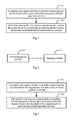
Fig.1 is a schematic flow chart of a method for performing spectrum sensing according to an embodiment of the invention; -
Fig.2 is a schematic structural diagram of a sensing node according to an embodiment of the invention; -
Fig.3 is a schematic flow chart of a method for triggering spectrum sensing according to an embodiment of the invention; -
Fig.4 is a schematic structural diagram of a central node according to an embodiment of the invention; and -
Fig.5 is a schematic structural diagram of a system for performing spectrum sensing according to an embodiment of the invention. - A sensing node according to an embodiment of the invention judges whether or not the channel quality has declined to the requirement for performing in-band spectrum sensing and performs in-band spectrum sensing upon determining that the channel quality has declined to the requirement for performing in-band spectrum sensing. In-band spectrum sensing is performed without setting a sensing period upon determining that the channel quality has declined to the requirement for performing in-band spectrum sensing, thereby avoiding the problems of degrading of a quality of service of an authorized system and a cognitive system or even a network breakdown due to interference therebetween caused by setting the sensing period too long, or an increase in power consumption of devices and a waste of spectrum resources caused by setting the sensing period too short.
- Performance of in-band spectrum sensing in the embodiment of the invention refers to that the sensing node detects a spectrum use status at an operating frequency of the current system.
- When the sensing node detects that the authorized system reuses the operating frequency of the current system, the cognitive system needs to obviate the frequency in a timely manner and transfer to an appropriate spare frequency for operation.
- Embodiments of the invention will be further described below in details with reference to the drawings.
- As illustrated in
Fig.1 , a method for performing spectrum sensing according to an embodiment of the invention includes the following steps. -
Step 101. A sensing node judges whether or not a channel quality has declined to a requirement for performing in-band spectrum sensing. -
Step 102. The sensing node performs in-band spectrum sensing upon determining that the channel quality has declined to the requirement for performing in-band spectrum sensing. - In an implementation, there are two scenarios in the embodiment of the invention, i.e., distributed and centralized scenarios.
- In the distributed scenario, the sensing node is capable of executing an independent cognitive action. When a communication quality declines to some extent as per a monitored index of the communication quality, it is considered that an authorized system at an operating frequency of the current system may possibly have come into use, and the sensing node performs a spectrum sensing process. For example, the sensing node triggers an in-band spectrum sensing process when an average of interference measurement in a period of time x is above a liminal value or there are a number of consecutive NACKs for feedbacks transmitted over an uplink/downlink service channel in the period of time x or there is a dramatic drop in received power or there is out of synchronization in uplink/downlink.
- In the centralized scenario, the spectrum sensing process is controlled by a central node. If a cognitive node monitors the communication quality in the current system independently and reports in 1-bit information (0/1 information) to the central node periodically as to whether or not the communication quality has declined, where the 1-bit information is reported as 1 when the communication quality declines to some extent; otherwise, the 1-bit information is reported as 0. The central node accumulates and processes report results, and triggers the cognitive node to perform in-band spectrum sensing if the processing result is above a liminal value.
- They will be introduced below respectively.
- In the distributed scenario:
- Preferably, in the
step 101, the sensing node judges from channel quality information whether or not the channel quality has declined to the requirement for performing in-band spectrum sensing. - The channel quality information includes but will not be limited to at least one of the following information:
- an interference value, a received power value of a useful signal, feedback information, a synchronization status and Cyclic Redundancy Check (CRC) information.
- If the channel quality information includes an interference value, then preferably in the
step 101, if the interference value is consecutively measured above a first liminal value for a preset first length of time, then the sensing node determines that the channel quality has declined to the requirement for performing in-band spectrum sensing, for example, with the first liminal value of 20 and the first length of time of 60s, the interference value is above 20 for 60s, and then it is determined that the channel quality has declined to the requirement for performing in-band spectrum sensing. - If the channel quality information includes a received power value of a useful signal, then preferably in the
step 101, if the received power value of the useful signal is consecutively below a second liminal value for a preset second length of time, then the sensing node determines that the channel quality has declined to the requirement for performing in-band spectrum sensing, for example, with the second liminal value of 25, and the second length of time of 3s, the received power value of the useful signal is below 25 for 3s, and then it is determined that the channel quality has declined to the requirement for performing in-band spectrum sensing. - The useful signal here includes but will not be limited to one of the following useful signals:
- a Received Signal Code Power (RSCP), a Reference Signal Received Quality (RSRQ), and Reference Signal Received Power (RSRP).
- If the channel quality information includes feedback information, then preferably in the
step 101, if the number of consecutively received NACKs is above a third liminal value, then the sensing node determines that the channel quality has declined to the requirement for performing in-band spectrum sensing, for example, with the third liminal value of 5, 6 NACKs are received consecutively, and then it is determined that the channel quality has declined to the requirement for performing in-band spectrum sensing. - If the channel quality information includes a synchronization status, then preferably in the
step 101, if a user equipment is out of synchronization with a base station for a preset third length of time (that is, uplink or downlink out-of-synchronization), then the sensing node determines that the channel quality has declined to the requirement for performing in-band spectrum sensing. - If the channel quality information includes CRC information, then preferably in the
step 101, if the number of CRCs received in a preset fourth length of time is above a fourth liminal value, then the sensing node determines that the channel quality has declined to the requirement for performing in-band spectrum sensing, for example, with the fourth length of time of 10s and the fourth liminal value of 6, 7 CRCs are received in 10s, and then it is determined that the channel quality has declined to the requirement for performing in-band spectrum sensing. - The respective lengths of time and the respective liminal values mentioned above can be set from simulation or as particularly needed.
- In the centralized scenario:
- Preferably before the
step 101, the method further includes the following steps. - Step A1. The sensing nodes each determine from channel quality information and notify the central node of a channel quality condition.
- Step A2. The central node judges from the channel quality conditions whether or not the channel quality has declined to the requirement for performing in-band spectrum sensing.
- Step A3. The sensing node determines that the channel quality has declined to the requirement for performing in-band spectrum sensing upon reception of an instruction to trigger spectrum sensing from the central node.
- Particularly the channel quality information includes but will not be limited to at least one of the following information:
- an interference value, a received power value of a useful signal, feedback information, a synchronization status and CRC information.
- If the channel quality information includes an interference value, then preferably in the step A1, if the interference value is consecutively measured above a first liminal value for a preset first length of time, then the sensing node determines that the channel quality has declined; otherwise, it determines that the channel quality has not declined.
- If the channel quality information includes a received power value of a useful signal, then preferably in the step A1, if the received power value of the useful signal is consecutively below a second liminal value for a preset second length of time, then the sensing node determines that the channel quality has declined; otherwise, it determines that the channel quality has not declined.
- If the channel quality information includes feedback information, then preferably in the step A1, if the number of consecutively received NACKs is above a third liminal value, then the sensing node determines that the channel quality has declined; otherwise, it determines that the channel quality has not declined.
- If the channel quality information includes a synchronization status, then preferably in the step A1, if a user equipment is out of synchronization with a base station for a preset third length of time, then the sensing node determines that the channel quality has declined; otherwise, it determines that the channel quality has not declined.
- If the channel quality information includes CRC information, then preferably in the step A1, if the number of CRCs received in a preset fourth length of time is above a fourth liminal value, then the sensing node determines that the channel quality has declined; otherwise, it determines that the channel quality has not declined.
- The respective lengths of time and the respective liminal values mentioned above can be set from simulation or as particularly needed.
- Since one part of an area throughout the network side may be in the centralized scenario and another part of the area may be in the distributed scenario, preferably, the identically denominated lengths of time and liminal values in the distributed and centralized scenarios may or may not be the same, for example, the first length of time in the distributed scenario and the first length of time in the centralized scenario may or may not be the same.
- In order to save resources, a report can be made in 1 bit. For example, 1 can be reported for the presence that the channel quality has declined, and 0 can be reported for the absence that the channel quality has not declined. Following the foregoing disclosure, 1 can be reported to the central node upon determining that the channel quality has declined; otherwise, 0 can be reported.
- Preferably in the step A2, the central node accumulates and processes the received channel quality conditions notified from the sensing nodes and judges from a processing result whether or not the channel quality has declined to the requirement for performing in-band spectrum sensing.
- Preferably, if the number of declines of channel quality among the received channel quality conditions is above a first threshold, then the central node determines that the channel quality has declined to the requirement for performing in-band spectrum sensing; or
the central node determines a weight of each sensing node from the distance between each sensing node and a base station serving an authorized system in use and judges from the weights of the sensing nodes and the received channel quality conditions whether or not the channel quality has declined to the requirement for performing in-band spectrum sensing. - With 1 reported when the channel quality has declined and 0 reported when the channel quality has not declined, the central node can firstly determine whether there is geographical location information of the authorized system and geographical location information of the sensing nodes; and
if not, then a statistic of report results is made in a preset period of time, and the report results of the cognitive nodes in the preset period of time are summed, and if a summation result is above a first threshold, then the sensing nodes are triggered to perform spectrum sensing; or
if so, then report results are weighted and summed according to the distance of the sensing nodes from the base station where the authorized system resides, where a report result of a sensing node at a shorter distance from the base station where the authorized system resides is weighted higher (that is, 1 is weighted), and on the contrary, the report result is weighted lower, and if a processing result is above a third threshold, then the sensing nodes are triggered to perform spectrum sensing. - With 0 reported when the channel quality has declined and 1 reported when the channel quality has not declined, a process similar to the foregoing process will apply except for "below" instead of "above", and a repeated description thereof will be omitted here.
- Preferably, before the step A2, the method further includes:
- the central node attributes the sensing nodes operating at the same frequency to a set.
- Correspondingly in the step A2, if the number of declines of channel quality among channel quality conditions from the sensing nodes in the same set is above a second threshold, then the central node determines that the channel quality has declined to the requirement for performing in-band spectrum sensing; or
in the step A2, the central node determines for a set a weight of each sensing node from the distance between each sensing node and a base station serving an authorized system in use and judges from the weights of the sensing nodes and the received channel quality conditions whether or not the channel quality has declined to the requirement for performing in-band spectrum sensing. - After the sensing nodes are divided into sets, whether or not the channel quality corresponding to each set has declined to the requirement for performing in-band spectrum sensing can be judged respective per set.
- Particular determination per set is similar to the foregoing determination without any division into sets, and a repeated description will be omitted here.
- Preferably in the step A2, the central node triggers for a set each sensing node in the set to perform in-band spectrum sensing upon determining that the channel quality has declined to the requirement for performing in-band spectrum sensing; or
in the step A2, the central node determines for a set a base station serving an authorized system in use for the set and triggers all the sensing nodes using the authorized system of the base station to perform in-band spectrum sensing upon determining that the channel quality has declined to the requirement for performing in-band spectrum sensing. - For example, only each sensing node in a set A can be triggered to perform in-band spectrum sensing upon determining that the channel quality corresponding to the set A has declined to the requirement for performing in-band spectrum sensing; or
a base station serving an authorized system in use for the set A can be determined, and all the sensing nodes using the authorized system of the base station can be triggered to perform in-band spectrum sensing, that is, another set or sets than the set A may be involved. - The distributed scenario will be further described below by way of an example.
- 1. A sensing node in a TD-SCDMA base station selects an initial sensing period, for example, a sensing period of 2 seconds (that is, the embodiment of the present invention can be used combining with an existing periodical sensing scenario).
- 2. The sensing node in the TD-SCDMA base station makes a real-time statistic of an uplink interference level in 5ms.
- 3. The statistic of interference is above a liminal value which is P times a statistic of the interference level over a long period of time, and then the sensing node in the TD-SCDMA base station triggers a spectrum sensing module to perform a spectrum sensing process.
- The centralized scenario will be further described below by way of an example.
- 1. Sensing nodes in a TD-SCDMA base station select an initial sensing period according to a type of an authorized system available from a database, for example, a sensing period of 2 seconds (that is, the embodiment of the present invention can be used combining with an existing periodical sensing scenario).
- 2. The sensing nodes in the TD-SCDMA base station make a real-time statistic of an uplink interference level in 5ms.
- 3. All the sensing nodes in the TD-SCDMA base station report 1-bit information synchronously to a central control node at a report period of 20ms, where the 1-bit information is reported particularly as 1 when the statistic of interference is above a liminal value which is P times a statistic of the interference level over a long period of time or as 0 when it is below the liminal value.
- 4. Each time the central node sums report results, and if a summation result is above a liminal value, then the central control node triggers a spectrum sensing module of the network TD-SCDMA base station to perform a spectrum sensing process.
- As illustrated in
Fig.2 , a sensing node according to an embodiment of the invention includes a first determiningunit 200 and asensing module 210. - The first determining
module 200 is configured to judge whether or not a channel quality has declined to a requirement for performing in-band spectrum sensing. - The
sensing module 210 is configured to perform in-band spectrum sensing when it is determined that the channel quality has declined to the requirement for performing in-band spectrum sensing. - Preferably, the first determining
module 200 judges from channel quality information whether or not the channel quality has declined to the requirement for performing in-band spectrum sensing. - Preferably, if the channel quality information includes an interference value, then if the interference value is consecutively measured above a first liminal value for a preset first length of time, then the first determining
module 200 determines that the channel quality has declined to the requirement for performing in-band spectrum sensing. - If the channel quality information includes a received power value of a useful signal, then if the received power value of the useful signal is consecutively below a second liminal value for a preset second length of time, then the first determining
module 200 determines that the channel quality has declined to the requirement for performing in-band spectrum sensing. - If the channel quality information includes feedback information, then if the number of consecutively received NACKs is above a third liminal value, then the first determining
module 200 determines that the channel quality has declined to the requirement for performing in-band spectrum sensing. - If the channel quality information includes a synchronization status, then if a user equipment is out of synchronization with a base station for a preset third length of time, then the first determining
module 200 determines that the channel quality has declined to the requirement for performing in-band spectrum sensing. - If the channel quality information includes CRC information, then if the number of CRCs received in a preset fourth length of time is above a fourth liminal value, then the first determining
module 200 determines that the channel quality has declined to the requirement for performing in-band spectrum sensing. - Preferably, the first determining
module 200 determines from channel quality information and notifies a central node of a channel quality condition and determines that the channel quality has declined to the requirement for performing in-band spectrum sensing upon reception of an instruction to trigger spectrum sensing from the central node. - Preferably, if the channel quality information includes an interference value, then if the interference value is consecutively measured above a first liminal value for a preset first length of time, then the first determining
module 200 determines that the channel quality has declined; otherwise, it determines that the channel quality has not declined. - If the channel quality information includes a received power value of a useful signal, then if the received power value of the useful signal is consecutively below a second liminal value for a preset second length of time, then the first determining
module 200 determines that the channel quality has declined; otherwise, it determines that the channel quality has not declined. - If the channel quality information includes feedback information, then if the number of consecutively received NACKs is above a third liminal value, then the first determining
module 200 determines that the channel quality has declined; otherwise, it determines that the channel quality has not declined. - If the channel quality information includes a synchronization status, then if a user equipment is out of synchronization with a base station for a preset third length of time, then the first determining
module 200 determines that the channel quality has declined; otherwise, it determines that the channel quality has not declined. - If the channel quality information includes CRC information, then if the number of CRCs received in a preset fourth length of time is above a fourth liminal value, then the first determining
module 200 determines that the channel quality has declined; otherwise, it determines that the channel quality has not declined. - As illustrated in
Fig.3 , a method for triggering spectrum sensing according to an embodiment of the invention includes the following steps. -
Step 301. A central node judges whether or not the channel quality has declined to the requirement for performing in-band spectrum sensing. -
Step 302. The central node triggers sensing nodes to perform in-band spectrum sensing upon determining that the channel quality has declined to the requirement for performing in-band spectrum sensing. - Preferably, in the
step 301, the central node accumulates and processes received channel quality conditions notified from the sensing nodes and judges from a processing result whether or not the channel quality has declined to the requirement for performing in-band spectrum sensing. - Preferably, if the number of declines of channel quality among the received channel quality conditions is above a first threshold, then the central node determines that the channel quality has declined to the requirement for performing in-band spectrum sensing; or
the central node determines a weight of each sensing node from the distance between each sensing node and a base station serving an authorized system in use and judges from the weights of the sensing nodes and the received channel quality conditions whether or not the channel quality has declined to the requirement for performing in-band spectrum sensing. - With 1 reported when the channel quality has declined and 0 reported when the channel quality has not declined, the central node can firstly determine whether there is geographical location information of the authorized system and geographical location information of a cognitive system; and
if not, then a statistic of report results is made in a preset period of time, and the report results of the cognitive nodes in the preset period of time are summed, and if a summation result is above a first threshold, then the sensing nodes are triggered to perform spectrum sensing; or
if so, then report results are weighted and summed according to the distance of the sensing nodes from the base station where the authorized system resides, where a report result of a sensing node at a shorter distance from the base station where the authorized system resides is weighted higher (that is, 1 is weighted), and on the contrary, the report result is weighted lower, and if a processing result is above a third threshold, then the sensing nodes are triggered to perform spectrum sensing. - With 0 reported when the channel quality has declined and 1 reported when the channel quality has not declined, a process similar to the foregoing process will apply except for "below" instead of "above", and a repeated description thereof will be omitted here.
- Preferably, before the
step 301, the method further includes: - the central node attributes the sensing nodes operating at the same frequency to a set.
- Correspondingly in the
step 301, if the number of declines of channel quality among channel quality conditions from the sensing nodes in the same set is above a second threshold, then the central node determines that the channel quality has declined to the requirement for performing in-band spectrum sensing; or
in thestep 301, the central node determines for a set a weight of each sensing node from the distance between each sensing node and a base station serving an authorized system in use and judges from the weights of the sensing nodes and the received channel quality conditions whether or not channel quality has declined to the requirement for performing in-band spectrum sensing. - After the sensing nodes are divided into sets, whether or not the channel quality corresponding to each set has declined to the requirement for performing in-band spectrum sensing can be judged respective per set.
- Particular determination per set is similar to the foregoing determination without any division into sets, and a repeated description will be omitted here.
- Preferably in the
step 301, the central node triggers for a set each sensing node in the set to perform in-band spectrum sensing upon determining that the channel quality has declined to the requirement for performing in-band spectrum sensing; or
in thestep 301, the central node determines for a set a base station serving an authorized system in use for the set and triggers all the sensing nodes using the authorized system of the base station to perform in-band spectrum sensing upon determining that the channel quality has declined to the requirement for performing in-band spectrum sensing. - For example, only each sensing node in a set A can be triggered to perform in-band spectrum sensing upon determining that the channel quality corresponding to the set A has declined to the requirement for performing in-band spectrum sensing; or
a base station serving an authorized system in use for the set A can be determined, and all the sensing nodes using the authorized system of the base station can be triggered to perform in-band spectrum sensing, that is, another set or sets than the set A may be involved. - The central node in the embodiment of the invention particularly functions similarly to the central node in the centralized scenario in
Fig.1 , and a repeated description thereof will be omitted here. - As illustrated in
Fig.4 , a central node according to an embodiment of the invention includes a second determiningmodule 400 and a triggeringmodule 410. - The second determining
module 400 is configured to judge whether or not a channel quality has declined to a requirement for performing in-band spectrum sensing. - The triggering
module 410 is configured to trigger sensing nodes to perform in-band spectrum sensing when it is determined that the channel quality has declined to the requirement for performing in-band spectrum sensing. - Preferably, the second determining
module 400 accumulates and processes received channel quality conditions notified from the sensing nodes and judges from a processing result whether or not the channel quality has declined to the requirement for performing in-band spectrum sensing. - Preferably, the second determining
module 400 determines the channel quality has declined to the requirement for performing in-band spectrum sensing if the number of declines of channel quality among the received channel quality conditions is above a first threshold; or determines the weight of each sensing node from the distance between each sensing node and a base station serving an authorized system in use and judges from the weights of the sensing nodes and the received channel quality conditions whether or not the channel quality has declined to the requirement for performing in-band spectrum sensing. - Preferably, the second determining
module 400 attributes the sensing nodes operating at the same frequency to a set before judging whether or not the channel quality has declined to the requirement for performing in-band spectrum sensing. - Preferably, the second determining
module 400 determines that the channel quality has declined to the requirement for performing in-band spectrum sensing upon determining that the number of declines of channel quality among channel quality conditions from the sensing nodes in the same set is above a second threshold; or determines for a set the weight of each sensing node from the distance between each sensing node and a base station serving an authorized system in use and judges from the weights of the sensing nodes and the received channel quality conditions whether or not the channel quality has declined to the requirement for performing in-band spectrum sensing. - Preferably, the triggering
module 410 triggers for a set each sensing node in the set to perform in-band spectrum sensing upon determining that the channel quality has declined to the requirement for performing in-band spectrum sensing; or determines for a set a base station serving an authorized system in use for the set and triggers all the sensing nodes using the authorized system of the base station to perform in-band spectrum sensing upon determining that the channel quality has declined to the requirement for performing in-band spectrum sensing. - The central node in the embodiment of the invention particularly functions similarly to the central node in
Fig.3 , and a repeated description thereof will be omitted here. - As illustrated in
Fig.5 , a system for performing spectrum sensing according to an embodiment of the invention includessensing nodes 500 and acentral node 510. - The
sensing nodes 500 each are configured to determine from channel quality information and notify the central node of a channel quality condition and to determine that the channel quality has declined to the requirement for performing in-band spectrum sensing and perform in-band spectrum sensing upon reception of an instruction to trigger spectrum sensing from the central node. - The
central node 510 is configured to judge from the received channel quality conditions whether or not the channel quality has declined to the requirement for performing in-band spectrum sensing and to trigger the sensing nodes to perform in-band spectrum sensing upon determining that the channel quality has declined to the requirement for performing in-band spectrum sensing. - The
sensing nodes 500 in the embodiment of the invention particularly function similarly to the sensing nodes in the centralized scenario inFig.1 , and thecentral node 510 in the embodiment of the invention particularly functions similarly to the central node in the centralized scenario inFig.1 , and a repeated description thereof will be omitted here. - Those skilled in the art shall appreciate that the embodiments of the invention can be embodied as a method, a system or a computer program product. Therefore the invention can be embodied in the form of an all-hardware embodiment, an all-software embodiment or an embodiment of software and hardware in combination. Furthermore the invention can be embodied in the form of a computer program product embodied in one or more computer useable storage mediums (including but not limited to a disk memory, a CD-ROM, an optical memory, etc.) in which computer useable program codes are contained.
- The invention has been described in a flow chart and/or a block diagram of the method, the device (system) and the computer program product according to the embodiments of the invention. It shall be appreciated that respective flows and/or blocks in the flow chart and/or the block diagram and combinations of the flows and/or the blocks in the flow chart and/or the block diagram can be embodied in computer program instructions. These computer program instructions can be loaded onto a general-purpose computer, a specific-purpose computer, an embedded processor or a processor of another programmable data processing device to produce a machine so that the instructions executed on the computer or the processor of the other programmable data processing device create means for performing the functions specified in the flow(s) of the flow chart and/or the block(s) of the block diagram.
- These computer program instructions can also be stored into a computer readable memory capable of directing the computer or the other programmable data processing device to operate in a specific manner so that the instructions stored in the computer readable memory create an article of manufacture including instruction means which perform the functions specified in the flow(s) of the flow chart and/or the block(s) of the block diagram.
- These computer program instructions can also be loaded onto the computer or the other programmable data processing device so that a series of operational steps are performed on the computer or the other programmable data processing device to create a computer implemented process so that the instructions executed on the computer or the other programmable data processing device provide steps for performing the functions specified in the flow(s) of the flow chart and/or the block(s) of the block diagram.
- Although the preferred embodiments of the invention have been described, those skilled in the art benefiting from the underlying inventive concept can make additional modifications and variations to these embodiments. Therefore the appended claims are intended to be construed as encompassing the preferred embodiments and all the modifications and variations coming into the scope of the invention.
- In the embodiments of the invention, in-band spectrum sensing is performed without setting a sensing period upon determining that the channel quality has declined to the requirement for performing in-band spectrum sensing, thereby avoiding the problems of degrading of a quality of service of an authorized system and a cognitive system or even a network breakdown due to interference therebetween caused by setting the sensing period too long, or an increase in power consumption of devices and a waste of spectrum resources caused by setting the sensing period too short.
- Furthermore, with the means to adjust spectrum sensing dynamically, in the case that a system overhead is saved, the authorized system can be prevented as much as possible from interference for a long period of time and the cognitive system can be enabled to obviate interference from the authorized system in a timely manner, so the lowered overhead for performance of a detection process can consequently lower power consumption of a spectrum sensing process and improve the power endurance of a handheld device.
- Evidently those skilled in the art can make various modifications and variations to the invention without departing from the scope of the invention. Thus the invention is also intended to encompass these modifications and variations thereto so long as the modifications and variations come into the scope of the claims appended to the invention and their equivalents.
Claims (23)
- A method for performing spectrum sensing, comprising:judging, by a sensing node, whether or not a channel quality has declined to a requirement for performing in-band spectrum sensing; andperforming, by the sensing node, in-band spectrum sensing upon determining that the channel quality has declined to the requirement for performing in-band spectrum sensing.
- The method according to claim 1, wherein judging by the sensing node whether or not the channel quality has declined to the requirement for performing in-band spectrum sensing comprises:judging, by the sensing node, from channel quality information whether or not the channel quality has declined to the requirement for performing in-band spectrum sensing.
- The method according to claim 2, wherein the channel quality information includes at least one of the following information:an interference value, a received power value of a useful signal, feedback information, a synchronization status and Cyclic Redundancy Check, CRC, information.
- The method according to claim 3, wherein judging by the sensing node whether or not the channel quality has declined to the requirement for performing in-band spectrum sensing comprises at least one of:with the channel quality information including an interference value, if the interference value is consecutively measured above a first liminal value for a preset first length of time, then determining, by the sensing node, that the channel quality has declined to the requirement for performing in-band spectrum sensing;with the channel quality information including a received power value of a useful signal, if the received power value of the useful signal is consecutively below a second liminal value for a preset second length of time, then determining, by the sensing node, that the channel quality has declined to the requirement for performing in-band spectrum sensing;with the channel quality information including feedback information, if the number of consecutively received NACKs is above a third liminal value, then determining, by the sensing node, that the channel quality has declined to the requirement for performing in-band spectrum sensing;with the channel quality information including a synchronization status, if a user equipment is out of synchronization with a base station for a preset third length of time, then determining, by the sensing node, that the channel quality has declined to the requirement for performing in-band spectrum sensing; andwith the channel quality information including CRC information, if the number of CRCs received in a preset fourth length of time is above a fourth liminal value, then determining, by the sensing node, that the channel quality has declined to the requirement for performing in-band spectrum sensing.
- The method according to claim 1, wherein before the sensing node determines whether or not the channel quality has declined to the requirement for performing in-band spectrum sensing, the method further comprises:determining from channel quality information and notifying, by the sensing node, a central node of a channel quality condition; andwherein judging by the sensing node whether or not the channel quality has declined to the requirement for performing in-band spectrum sensing comprises:determining, by the sensing node, that the channel quality has declined to the requirement for performing in-band spectrum sensing upon reception of an instruction to trigger spectrum sensing from the central node.
- The method according to claim 5, wherein the channel quality information includes at least one of the following information:an interference value, a received power value of a useful signal, feedback information, a synchronization status and CRC information.
- The method according to claim 6, wherein determining by the sensing node the channel quality condition comprises at least one of:with the channel quality information including an interference value, if the interference value is consecutively measured above a first liminal value for a preset first length of time, then determining by the sensing node, that the channel quality has declined; otherwise, determining that the channel quality has not declined;with the channel quality information including a received power value of a useful signal, if the received power value of the useful signal is consecutively below a second liminal value for a preset second length of time, then determining, by the sensing node, that the channel quality has declined; otherwise, determining that the channel quality has not declined;with the channel quality information including feedback information, if the number of consecutively received NACKs is above a third liminal value, then determining, by the sensing node, that the channel quality has declined; otherwise, determining that the channel quality has not declined;with the channel quality information including a synchronization status, if a user equipment is out of synchronization with a base station for a preset third length of time, then determining, by the sensing node, that the channel quality has declined; otherwise, determining that the channel quality has not declined; orwith the channel quality information including CRC information, if the number of CRCs received in a preset fourth length of time is above a fourth liminal value, then determining, by the sensing node, that the channel quality has declined; otherwise, determining that the channel quality has not declined.
- A method for triggering spectrum sensing, comprising:judging, by a central node, whether or not a channel quality has declined to a requirement for performing in-band spectrum sensing; andtriggering, by the central node, sensing nodes to perform in-band spectrum sensing upon determining that the channel quality has declined to the requirement for performing in-band spectrum sensing.
- The method according to claim 8, wherein judging by the central node whether or not the channel quality has declined to the requirement for performing in-band spectrum sensing comprises:accumulating and processing, by the central node, received channel quality conditions notified from the sensing nodes and judging from a processing result whether or not the channel quality has declined to the requirement for performing in-band spectrum sensing.
- The method according to claim 9, wherein judging by the central node whether or not the channel quality has declined to the requirement for performing in-band spectrum sensing comprises:determining, by the central node, that the channel quality has declined to the requirement for performing in-band spectrum sensing if the number of declines of channel quality among the received channel quality conditions is above a first threshold; ordetermining, by the central node, a weight of each sensing node from the distance between each sensing node and a base station serving an authorized system in use and judging from the weights of the sensing nodes and the received channel quality conditions whether or not the channel quality has declined to the requirement for performing in-band spectrum sensing.
- The method according to claim 8 or 9, wherein before the central node judges whether or not the channel quality has declined to the requirement for performing in-band spectrum sensing, the method further comprises:attributing, by the central node, the sensing nodes operating at the same frequency to a set; andwherein judging, by the central node, whether or not the channel quality has declined to the requirement for performing in-band spectrum sensing comprises:determining, by the central node, that the channel quality has declined to the requirement for performing in-band spectrum sensing if the number of declines of channel quality among channel quality conditions from the sensing nodes in the same set is above a second threshold; ordetermining, by the central node, for a set a weight of each sensing node from the distance between each sensing node and a base station serving an authorized system in use and judging from the weights of the sensing nodes and the received channel quality conditions whether or not the channel quality has declined to the requirement for performing in-band spectrum sensing.
- The method according to claim 11, wherein triggering by the central node the sensing nodes to perform in-band spectrum sensing comprises:triggering, by the central node, for a set each sensing node in the set to perform in-band spectrum sensing upon determining that the channel quality has declined to the requirement for performing in-band spectrum sensing; ordetermining, by the central node, for a set a base station serving an authorized system in use for the set and triggering all the sensing nodes using the authorized system of the base station to perform in-band spectrum sensing upon determining that the channel quality has declined to the requirement for performing in-band spectrum sensing.
- A device for performing spectrum sensing, comprising:a first determining module configured to judge whether or not a channel quality has declined to a requirement for performing in-band spectrum sensing; anda sensing module configured to perform in-band spectrum sensing when it is determined that the channel quality has declined to the requirement for performing in-band spectrum sensing.
- The device according to claim 13, wherein the first determining module is further configured:to judge from channel quality information whether or not the channel quality has declined to the requirement for performing in-band spectrum sensing.
- The device according to claim 14, wherein the first determining module is further configured:with the channel quality information including an interference value, if the interference value is consecutively measured above a first liminal value for a preset first length of time, to determine that the channel quality has declined to the requirement for performing in-band spectrum sensing;with the channel quality information including a received power value of a useful signal, if the received power value of the useful signal is consecutively below a second liminal value for a preset second length of time, to determine that the channel quality has declined to the requirement for performing in-band spectrum sensing;with the channel quality information including feedback information, if the number of consecutively received NACKs is above a third liminal value, to determine that the channel quality has declined to the requirement for performing in-band spectrum sensing;with the channel quality information including a synchronization status, if a user equipment is out of synchronization with a base station for a preset third length of time, to determine that the channel quality has declined to the requirement for performing in-band spectrum sensing; orwith the channel quality information including CRC information, if the number of CRCs received in a preset fourth length of time is above a fourth liminal value, to determine that the channel quality has declined to the requirement for performing in-band spectrum sensing.
- The device according to claim 13, wherein the first determining module is further configured:to determine from channel quality information and notify a central node of a channel quality condition and to determine that the channel quality has declined to the requirement for performing in-band spectrum sensing upon reception of an instruction to trigger spectrum sensing from the central node.
- The device according to claim 16, wherein the first determining module is further configured:with the channel quality information including an interference value, if the interference value is consecutively measured above a first liminal value for a preset first length of time, to determine that the channel quality has declined; otherwise, to determine that the channel quality has not declined;with the channel quality information including a received power value of a useful signal, if the received power value of the useful signal is consecutively below a second liminal value for a preset second length of time, to determine that the channel quality has declined; otherwise, to determine that the channel quality has not declined;with the channel quality information including feedback information, if the number of consecutively received NACKs is above a third liminal value, to determine that the channel quality has declined; otherwise, to determine that the channel quality has not declined;with the channel quality information including a synchronization status, if a user equipment is out of synchronization with a base station for a preset third length of time, to determine that the channel quality has declined; otherwise, to determine that the channel quality has not declined; orwith the channel quality information including CRC information, if the number of CRCs received in a preset fourth length of time is above a fourth liminal value, to determine that the channel quality has declined; otherwise, to determine that the channel quality has not declined
- A device for triggering spectrum sensing, comprising:a second determining module configured to judge whether or not a channel quality has declined to a requirement for performing in-band spectrum sensing; anda triggering module configured to trigger sensing nodes to perform in-band spectrum sensing when it is determined that the channel quality has declined to the requirement for performing in-band spectrum sensing.
- The device according to claim 18, wherein the second determining module is further configured:to accumulate and process received channel quality conditions notified from the sensing nodes and to judge from a processing result whether or not the channel quality has declined to the requirement for performing in-band spectrum sensing.
- The device according to claim 19, wherein the second determining module is further configured:to determine that the channel quality has declined to the requirement for performing in-band spectrum sensing if the number of declines of channel quality among the received channel quality conditions is above a first threshold; or to determine a weight of each sensing node from the distance between each sensing node and a base station serving an authorized system in use and to judge from the weights of the sensing nodes and the received channel quality conditions whether or not the channel quality has declined to the requirement for performing in-band spectrum sensing.
- The device according to claim 18 or 19, wherein the second determining module is further configured:to attribute the sensing nodes operating at the same frequency to a set before judging whether or not the channel quality has declined to the requirement for performing in-band spectrum sensing; andwherein the second determining module is further configured:to determine that the channel quality has declined to the requirement for performing in-band spectrum sensing if the number of declines of channel quality among channel quality conditions from the sensing nodes in the same set is above a second threshold; or to determine for a set a weight of each sensing node from the distance between each sensing node and a base station serving an authorized system in use and to judge from the weights of the sensing nodes and the received channel quality conditions whether or not the channel quality has declined to the requirement for performing in-band spectrum sensing.
- The device according to claim 21, wherein the triggering module is further configured:to trigger for a set each sensing node in the set to perform in-band spectrum sensing upon determining that the channel quality has declined to the requirement for performing in-band spectrum sensing; or to determine for a set a base station serving an authorized system in use for the set and trigger all the sensing nodes using the authorized system of the base station to perform in-band spectrum sensing upon determining that the channel quality has declined to the requirement for performing in-band spectrum sensing.
- A system for performing spectrum sensing, comprising:sensing nodes each configured to determine from channel quality information and notify a central node of a channel quality condition and to determine that the channel quality has declined to the requirement for performing in-band spectrum sensing and perform in-band spectrum sensing upon reception of an instruction to trigger spectrum sensing from the central node; andthe central node configured to judge from the received channel quality conditions whether or not the channel quality has declined to the requirement for performing in-band spectrum sensing and to trigger the sensing nodes to perform in-band spectrum sensing upon determining that the channel quality has declined to the requirement for performing in-band spectrum sensing.
Applications Claiming Priority (2)
| Application Number | Priority Date | Filing Date | Title |
|---|---|---|---|
| CN201110154299.2A CN102215076B (en) | 2011-06-09 | 2011-06-09 | Trigger and carry out method, system and the equipment of frequency spectrum perception |
| PCT/CN2012/073099 WO2012167649A1 (en) | 2011-06-09 | 2012-03-27 | Method, system and device for triggering and performing spectrum sensing |
Publications (3)
| Publication Number | Publication Date |
|---|---|
| EP2720484A1 true EP2720484A1 (en) | 2014-04-16 |
| EP2720484A4 EP2720484A4 (en) | 2015-11-25 |
| EP2720484B1 EP2720484B1 (en) | 2020-10-14 |
Family
ID=44746225
Family Applications (1)
| Application Number | Title | Priority Date | Filing Date |
|---|---|---|---|
| EP12797527.4A Active EP2720484B1 (en) | 2011-06-09 | 2012-03-27 | Method and system for triggering and performing spectrum sensing |
Country Status (4)
| Country | Link |
|---|---|
| US (1) | US9282478B2 (en) |
| EP (1) | EP2720484B1 (en) |
| CN (1) | CN102215076B (en) |
| WO (1) | WO2012167649A1 (en) |
Cited By (2)
| Publication number | Priority date | Publication date | Assignee | Title |
|---|---|---|---|---|
| CN105429721A (en) * | 2015-11-30 | 2016-03-23 | 浙江工业大学 | A Spectrum Pricing Method Based on User Preference Characteristics in Cognitive Radio Networks |
| CN106455074A (en) * | 2016-08-29 | 2017-02-22 | 温州大学瓯江学院 | Cognitive radio spectrum resource distribution method |
Families Citing this family (11)
| Publication number | Priority date | Publication date | Assignee | Title |
|---|---|---|---|---|
| CN102215076B (en) | 2011-06-09 | 2016-05-18 | 电信科学技术研究院 | Trigger and carry out method, system and the equipment of frequency spectrum perception |
| CN105743592B (en) * | 2012-09-18 | 2018-05-01 | 电信科学技术研究院 | Frequency spectrum perception control method, device and a kind of base station |
| CN104144019A (en) * | 2013-05-10 | 2014-11-12 | 中兴通讯股份有限公司 | Method and system for triggering spectrum sensing through secondary system radio performance monitoring |
| CN103269499B (en) * | 2013-05-15 | 2016-08-03 | 京信通信系统(广州)有限公司 | A kind of method detecting interference and network equipment |
| CN103327504B (en) * | 2013-07-12 | 2016-08-10 | 北京交通大学 | A kind of decision method at cognitive radio networks intermediate frequency spectrum perception interval |
| CN105407489B (en) * | 2014-09-12 | 2020-06-23 | 中兴通讯股份有限公司 | A spectrum sharing method and transmission node |
| EP3289794A1 (en) * | 2015-04-29 | 2018-03-07 | Intel Corporation | Spectrum sharing architectures and methods |
| CN113873674B (en) * | 2015-11-05 | 2024-09-17 | 索尼公司 | Electronic device in wireless communication system and method for wireless communication |
| US9768853B1 (en) * | 2016-03-16 | 2017-09-19 | Ibiquity Digital Corporation | Method and apparatus for blending an audio signal in an in-band on-channel radio system |
| CN107306401B (en) * | 2016-04-18 | 2019-09-17 | 普天信息技术有限公司 | A kind of contention resolution and sensory perceptual system based on frequency spectrum share |
| US10225046B2 (en) * | 2017-01-09 | 2019-03-05 | At&T Intellectual Property I, L.P. | Adaptive cyclic redundancy check for uplink control information encoding |
Family Cites Families (14)
| Publication number | Priority date | Publication date | Assignee | Title |
|---|---|---|---|---|
| IT1298198B1 (en) | 1998-01-26 | 1999-12-20 | Italtel Spa | METHOD FOR CHANGING WITHIN A SAME CELL CLUSTER AS A BEARER RADIO IN A DIGITAL TELECOMMUNICATION SYSTEM |
| US20080020751A1 (en) * | 2005-09-27 | 2008-01-24 | Qualcomm Incorporated | Channel monitoring methods in a wireless broadcast system |
| US8687563B2 (en) * | 2007-01-09 | 2014-04-01 | Stmicroelectronics, Inc. | Simultaneous sensing and data transmission |
| CN101656978B (en) | 2008-08-22 | 2014-01-01 | 株式会社Ntt都科摩 | Method and device for dynamically indicating user equipment to change discontinuous receiving state |
| CN101667872B (en) * | 2008-09-04 | 2013-02-13 | 上海无线通信研究中心 | Partition sensing based spectrum sensing method for wireless communication system |
| US8150328B2 (en) * | 2008-09-17 | 2012-04-03 | Motorola Solutions, Inc. | Method and apparatus for distributed sensing management and control within a cognitive radio network |
| US8699430B2 (en) * | 2008-10-10 | 2014-04-15 | The Trustees Of The Stevens Institute Of Technology | Method and apparatus for dynamic spectrum access |
| CN101459962B (en) * | 2009-01-06 | 2010-07-28 | 中国人民解放军理工大学通信工程学院 | Resource distributing method having QoS requirement in CR OFDM system |
| US8204015B2 (en) * | 2009-05-29 | 2012-06-19 | Motorola Solutions, Inc. | Method and apparatus for zone controller based dynamic spectrum allocation |
| US8326336B2 (en) | 2009-08-18 | 2012-12-04 | Electronics And Telecommunications Research Institute | Apparatus and method for communication in cognitive radio network |
| KR101290025B1 (en) | 2009-11-30 | 2013-07-30 | 한국전자통신연구원 | WIRELESS COMMUNICATION SYSTEM AND METHOD FOR SHARING sensing antenna, sensing receiver and data antenna, data transmitter-receiver |
| CN101808334B (en) * | 2010-03-15 | 2012-09-05 | 北京科技大学 | Spectrum perception method for detecting angle of arrival of authorized user in cognitive radio |
| CN101925169B (en) * | 2010-09-03 | 2012-12-05 | 电子科技大学 | Power control method in cognitive network |
| CN102215076B (en) * | 2011-06-09 | 2016-05-18 | 电信科学技术研究院 | Trigger and carry out method, system and the equipment of frequency spectrum perception |
-
2011
- 2011-06-09 CN CN201110154299.2A patent/CN102215076B/en active Active
-
2012
- 2012-03-27 US US14/125,083 patent/US9282478B2/en active Active
- 2012-03-27 WO PCT/CN2012/073099 patent/WO2012167649A1/en not_active Ceased
- 2012-03-27 EP EP12797527.4A patent/EP2720484B1/en active Active
Cited By (3)
| Publication number | Priority date | Publication date | Assignee | Title |
|---|---|---|---|---|
| CN105429721A (en) * | 2015-11-30 | 2016-03-23 | 浙江工业大学 | A Spectrum Pricing Method Based on User Preference Characteristics in Cognitive Radio Networks |
| CN105429721B (en) * | 2015-11-30 | 2017-09-05 | 浙江工业大学 | A Spectrum Pricing Method Based on User Preference Characteristics in Cognitive Radio Networks |
| CN106455074A (en) * | 2016-08-29 | 2017-02-22 | 温州大学瓯江学院 | Cognitive radio spectrum resource distribution method |
Also Published As
| Publication number | Publication date |
|---|---|
| WO2012167649A1 (en) | 2012-12-13 |
| US9282478B2 (en) | 2016-03-08 |
| CN102215076B (en) | 2016-05-18 |
| EP2720484A4 (en) | 2015-11-25 |
| EP2720484B1 (en) | 2020-10-14 |
| US20140120970A1 (en) | 2014-05-01 |
| CN102215076A (en) | 2011-10-12 |
Similar Documents
| Publication | Publication Date | Title |
|---|---|---|
| US9282478B2 (en) | Method, system and device for triggering and performing spectrum sensing | |
| US20240405828A1 (en) | Carrier aggregation capability reporting apparatus and method, and carrier measurement apparatus and method | |
| US8700086B2 (en) | Method and apparatus for power control | |
| US11153840B2 (en) | UE feedback of timing adjustment after a measurement gap | |
| US10111066B2 (en) | Methods to support measurements for user equipment | |
| JP5632546B2 (en) | Uplink power detection method, apparatus, and base station apparatus | |
| EP2124461A1 (en) | User device, base station apparatus and method for use in mobile communication system | |
| EP2555448A1 (en) | Mobile communication system, and carrier measurement method in the mobile communication system | |
| EP2391180A1 (en) | Allocation method for physical downlink control channel, base station and user terminal | |
| US11576055B2 (en) | Method, apparatus and computer readable media for network optimization | |
| EP2734005B1 (en) | Method of allocating resource, wireless communication system, base station, and program | |
| AU2007288910A1 (en) | Transmission device | |
| WO2017049909A1 (en) | Unlicensed carrier measurement gap configuration and measurement method, and corresponding base station and terminal | |
| EP3254378B1 (en) | Method, computer program and network node for handling interference caused by inter-modulation | |
| JP4656387B2 (en) | Mobile radio communication system and monitoring control method in mobile radio communication system | |
| CN111757498B (en) | Method and device for monitoring PDCCH | |
| CN112702770B (en) | Switching control method and related equipment | |
| EP2592880A1 (en) | Base station apparatus and method | |
| US12557095B2 (en) | Uplink transmission failure | |
| CN103731838A (en) | Collaborative spectrum sensing method and device in cognitive radio system | |
| CN111417134A (en) | Method and equipment for reporting interference measurement | |
| US10469178B2 (en) | Methods and apparatus for providing measurement information | |
| CN113993188A (en) | Communication method and device | |
| WO2015169384A1 (en) | Conditional benefit metric transmission for coordinated multipoint (comp) hypothesis for wireless networks | |
| WO2026008202A1 (en) | Pattern-based transmission opportunity |
Legal Events
| Date | Code | Title | Description |
|---|---|---|---|
| PUAI | Public reference made under article 153(3) epc to a published international application that has entered the european phase |
Free format text: ORIGINAL CODE: 0009012 |
|
| 17P | Request for examination filed |
Effective date: 20140109 |
|
| AK | Designated contracting states |
Kind code of ref document: A1 Designated state(s): AL AT BE BG CH CY CZ DE DK EE ES FI FR GB GR HR HU IE IS IT LI LT LU LV MC MK MT NL NO PL PT RO RS SE SI SK SM TR |
|
| DAX | Request for extension of the european patent (deleted) | ||
| RA4 | Supplementary search report drawn up and despatched (corrected) |
Effective date: 20151028 |
|
| RIC1 | Information provided on ipc code assigned before grant |
Ipc: H04W 24/08 20090101AFI20151022BHEP Ipc: H04W 72/00 20090101ALN20151022BHEP |
|
| STAA | Information on the status of an ep patent application or granted ep patent |
Free format text: STATUS: EXAMINATION IS IN PROGRESS |
|
| 17Q | First examination report despatched |
Effective date: 20170201 |
|
| RIC1 | Information provided on ipc code assigned before grant |
Ipc: H04W 24/08 20090101AFI20180719BHEP Ipc: H04W 72/00 20090101ALN20180719BHEP Ipc: H04W 16/14 20090101ALI20180719BHEP |
|
| RIC1 | Information provided on ipc code assigned before grant |
Ipc: H04W 24/08 20090101AFI20180824BHEP Ipc: H04W 72/00 20090101ALN20180824BHEP Ipc: H04W 16/14 20090101ALI20180824BHEP |
|
| RIC1 | Information provided on ipc code assigned before grant |
Ipc: H04W 16/14 20090101ALI20181009BHEP Ipc: H04W 24/08 20090101AFI20181009BHEP Ipc: H04W 72/00 20090101ALN20181009BHEP |
|
| REG | Reference to a national code |
Ref country code: DE Ref legal event code: R079 Ref document number: 602012072803 Country of ref document: DE Free format text: PREVIOUS MAIN CLASS: H04W0016140000 Ipc: H04W0024080000 |
|
| GRAP | Despatch of communication of intention to grant a patent |
Free format text: ORIGINAL CODE: EPIDOSNIGR1 |
|
| STAA | Information on the status of an ep patent application or granted ep patent |
Free format text: STATUS: GRANT OF PATENT IS INTENDED |
|
| RIC1 | Information provided on ipc code assigned before grant |
Ipc: H04W 24/08 20090101AFI20200423BHEP Ipc: H04W 16/14 20090101ALI20200423BHEP Ipc: H04W 72/00 20090101ALN20200423BHEP |
|
| RIC1 | Information provided on ipc code assigned before grant |
Ipc: H04W 72/00 20090101ALN20200428BHEP Ipc: H04W 16/14 20090101ALI20200428BHEP Ipc: H04W 24/08 20090101AFI20200428BHEP |
|
| RIC1 | Information provided on ipc code assigned before grant |
Ipc: H04W 72/00 20090101ALN20200504BHEP Ipc: H04W 16/14 20090101ALI20200504BHEP Ipc: H04W 24/08 20090101AFI20200504BHEP |
|
| INTG | Intention to grant announced |
Effective date: 20200527 |
|
| GRAS | Grant fee paid |
Free format text: ORIGINAL CODE: EPIDOSNIGR3 |
|
| GRAA | (expected) grant |
Free format text: ORIGINAL CODE: 0009210 |
|
| STAA | Information on the status of an ep patent application or granted ep patent |
Free format text: STATUS: THE PATENT HAS BEEN GRANTED |
|
| AK | Designated contracting states |
Kind code of ref document: B1 Designated state(s): AL AT BE BG CH CY CZ DE DK EE ES FI FR GB GR HR HU IE IS IT LI LT LU LV MC MK MT NL NO PL PT RO RS SE SI SK SM TR |
|
| REG | Reference to a national code |
Ref country code: GB Ref legal event code: FG4D |
|
| REG | Reference to a national code |
Ref country code: AT Ref legal event code: REF Ref document number: 1324780 Country of ref document: AT Kind code of ref document: T Effective date: 20201015 Ref country code: CH Ref legal event code: EP |
|
| REG | Reference to a national code |
Ref country code: DE Ref legal event code: R096 Ref document number: 602012072803 Country of ref document: DE |
|
| REG | Reference to a national code |
Ref country code: IE Ref legal event code: FG4D |
|
| REG | Reference to a national code |
Ref country code: AT Ref legal event code: MK05 Ref document number: 1324780 Country of ref document: AT Kind code of ref document: T Effective date: 20201014 |
|
| REG | Reference to a national code |
Ref country code: NL Ref legal event code: MP Effective date: 20201014 |
|
| PG25 | Lapsed in a contracting state [announced via postgrant information from national office to epo] |
Ref country code: GR Free format text: LAPSE BECAUSE OF FAILURE TO SUBMIT A TRANSLATION OF THE DESCRIPTION OR TO PAY THE FEE WITHIN THE PRESCRIBED TIME-LIMIT Effective date: 20210115 Ref country code: NO Free format text: LAPSE BECAUSE OF FAILURE TO SUBMIT A TRANSLATION OF THE DESCRIPTION OR TO PAY THE FEE WITHIN THE PRESCRIBED TIME-LIMIT Effective date: 20210114 Ref country code: PT Free format text: LAPSE BECAUSE OF FAILURE TO SUBMIT A TRANSLATION OF THE DESCRIPTION OR TO PAY THE FEE WITHIN THE PRESCRIBED TIME-LIMIT Effective date: 20210215 Ref country code: NL Free format text: LAPSE BECAUSE OF FAILURE TO SUBMIT A TRANSLATION OF THE DESCRIPTION OR TO PAY THE FEE WITHIN THE PRESCRIBED TIME-LIMIT Effective date: 20201014 Ref country code: RS Free format text: LAPSE BECAUSE OF FAILURE TO SUBMIT A TRANSLATION OF THE DESCRIPTION OR TO PAY THE FEE WITHIN THE PRESCRIBED TIME-LIMIT Effective date: 20201014 Ref country code: FI Free format text: LAPSE BECAUSE OF FAILURE TO SUBMIT A TRANSLATION OF THE DESCRIPTION OR TO PAY THE FEE WITHIN THE PRESCRIBED TIME-LIMIT Effective date: 20201014 |
|
| REG | Reference to a national code |
Ref country code: LT Ref legal event code: MG4D |
|
| PG25 | Lapsed in a contracting state [announced via postgrant information from national office to epo] |
Ref country code: PL Free format text: LAPSE BECAUSE OF FAILURE TO SUBMIT A TRANSLATION OF THE DESCRIPTION OR TO PAY THE FEE WITHIN THE PRESCRIBED TIME-LIMIT Effective date: 20201014 Ref country code: SE Free format text: LAPSE BECAUSE OF FAILURE TO SUBMIT A TRANSLATION OF THE DESCRIPTION OR TO PAY THE FEE WITHIN THE PRESCRIBED TIME-LIMIT Effective date: 20201014 Ref country code: IS Free format text: LAPSE BECAUSE OF FAILURE TO SUBMIT A TRANSLATION OF THE DESCRIPTION OR TO PAY THE FEE WITHIN THE PRESCRIBED TIME-LIMIT Effective date: 20210214 Ref country code: LV Free format text: LAPSE BECAUSE OF FAILURE TO SUBMIT A TRANSLATION OF THE DESCRIPTION OR TO PAY THE FEE WITHIN THE PRESCRIBED TIME-LIMIT Effective date: 20201014 Ref country code: ES Free format text: LAPSE BECAUSE OF FAILURE TO SUBMIT A TRANSLATION OF THE DESCRIPTION OR TO PAY THE FEE WITHIN THE PRESCRIBED TIME-LIMIT Effective date: 20201014 Ref country code: BG Free format text: LAPSE BECAUSE OF FAILURE TO SUBMIT A TRANSLATION OF THE DESCRIPTION OR TO PAY THE FEE WITHIN THE PRESCRIBED TIME-LIMIT Effective date: 20210114 Ref country code: AT Free format text: LAPSE BECAUSE OF FAILURE TO SUBMIT A TRANSLATION OF THE DESCRIPTION OR TO PAY THE FEE WITHIN THE PRESCRIBED TIME-LIMIT Effective date: 20201014 |
|
| PG25 | Lapsed in a contracting state [announced via postgrant information from national office to epo] |
Ref country code: HR Free format text: LAPSE BECAUSE OF FAILURE TO SUBMIT A TRANSLATION OF THE DESCRIPTION OR TO PAY THE FEE WITHIN THE PRESCRIBED TIME-LIMIT Effective date: 20201014 |
|
| REG | Reference to a national code |
Ref country code: DE Ref legal event code: R097 Ref document number: 602012072803 Country of ref document: DE |
|
| PG25 | Lapsed in a contracting state [announced via postgrant information from national office to epo] |
Ref country code: LT Free format text: LAPSE BECAUSE OF FAILURE TO SUBMIT A TRANSLATION OF THE DESCRIPTION OR TO PAY THE FEE WITHIN THE PRESCRIBED TIME-LIMIT Effective date: 20201014 Ref country code: RO Free format text: LAPSE BECAUSE OF FAILURE TO SUBMIT A TRANSLATION OF THE DESCRIPTION OR TO PAY THE FEE WITHIN THE PRESCRIBED TIME-LIMIT Effective date: 20201014 Ref country code: SK Free format text: LAPSE BECAUSE OF FAILURE TO SUBMIT A TRANSLATION OF THE DESCRIPTION OR TO PAY THE FEE WITHIN THE PRESCRIBED TIME-LIMIT Effective date: 20201014 Ref country code: CZ Free format text: LAPSE BECAUSE OF FAILURE TO SUBMIT A TRANSLATION OF THE DESCRIPTION OR TO PAY THE FEE WITHIN THE PRESCRIBED TIME-LIMIT Effective date: 20201014 Ref country code: EE Free format text: LAPSE BECAUSE OF FAILURE TO SUBMIT A TRANSLATION OF THE DESCRIPTION OR TO PAY THE FEE WITHIN THE PRESCRIBED TIME-LIMIT Effective date: 20201014 Ref country code: SM Free format text: LAPSE BECAUSE OF FAILURE TO SUBMIT A TRANSLATION OF THE DESCRIPTION OR TO PAY THE FEE WITHIN THE PRESCRIBED TIME-LIMIT Effective date: 20201014 |
|
| PLBE | No opposition filed within time limit |
Free format text: ORIGINAL CODE: 0009261 |
|
| REG | Reference to a national code |
Ref country code: DE Ref legal event code: R081 Ref document number: 602012072803 Country of ref document: DE Owner name: DATANG MOBILE COMMUNICATIONS EQUIPMENT CO., LT, CN Free format text: FORMER OWNER: CHINA ACADEMY OF TELECOMMUNICATIONS TECHNOLOGY, HAIDIAN, DISTRICT BEIJING, CN |
|
| STAA | Information on the status of an ep patent application or granted ep patent |
Free format text: STATUS: NO OPPOSITION FILED WITHIN TIME LIMIT |
|
| PG25 | Lapsed in a contracting state [announced via postgrant information from national office to epo] |
Ref country code: DK Free format text: LAPSE BECAUSE OF FAILURE TO SUBMIT A TRANSLATION OF THE DESCRIPTION OR TO PAY THE FEE WITHIN THE PRESCRIBED TIME-LIMIT Effective date: 20201014 |
|
| 26N | No opposition filed |
Effective date: 20210715 |
|
| PG25 | Lapsed in a contracting state [announced via postgrant information from national office to epo] |
Ref country code: IT Free format text: LAPSE BECAUSE OF FAILURE TO SUBMIT A TRANSLATION OF THE DESCRIPTION OR TO PAY THE FEE WITHIN THE PRESCRIBED TIME-LIMIT Effective date: 20201014 Ref country code: AL Free format text: LAPSE BECAUSE OF FAILURE TO SUBMIT A TRANSLATION OF THE DESCRIPTION OR TO PAY THE FEE WITHIN THE PRESCRIBED TIME-LIMIT Effective date: 20201014 Ref country code: MC Free format text: LAPSE BECAUSE OF FAILURE TO SUBMIT A TRANSLATION OF THE DESCRIPTION OR TO PAY THE FEE WITHIN THE PRESCRIBED TIME-LIMIT Effective date: 20201014 |
|
| REG | Reference to a national code |
Ref country code: CH Ref legal event code: PL |
|
| REG | Reference to a national code |
Ref country code: GB Ref legal event code: 732E Free format text: REGISTERED BETWEEN 20211007 AND 20211013 |
|
| PG25 | Lapsed in a contracting state [announced via postgrant information from national office to epo] |
Ref country code: SI Free format text: LAPSE BECAUSE OF FAILURE TO SUBMIT A TRANSLATION OF THE DESCRIPTION OR TO PAY THE FEE WITHIN THE PRESCRIBED TIME-LIMIT Effective date: 20201014 |
|
| REG | Reference to a national code |
Ref country code: BE Ref legal event code: MM Effective date: 20210331 |
|
| PG25 | Lapsed in a contracting state [announced via postgrant information from national office to epo] |
Ref country code: IE Free format text: LAPSE BECAUSE OF NON-PAYMENT OF DUE FEES Effective date: 20210327 Ref country code: CH Free format text: LAPSE BECAUSE OF NON-PAYMENT OF DUE FEES Effective date: 20210331 Ref country code: LI Free format text: LAPSE BECAUSE OF NON-PAYMENT OF DUE FEES Effective date: 20210331 Ref country code: LU Free format text: LAPSE BECAUSE OF NON-PAYMENT OF DUE FEES Effective date: 20210327 |
|
| PG25 | Lapsed in a contracting state [announced via postgrant information from national office to epo] |
Ref country code: IS Free format text: LAPSE BECAUSE OF FAILURE TO SUBMIT A TRANSLATION OF THE DESCRIPTION OR TO PAY THE FEE WITHIN THE PRESCRIBED TIME-LIMIT Effective date: 20210214 |
|
| PG25 | Lapsed in a contracting state [announced via postgrant information from national office to epo] |
Ref country code: BE Free format text: LAPSE BECAUSE OF NON-PAYMENT OF DUE FEES Effective date: 20210331 |
|
| PG25 | Lapsed in a contracting state [announced via postgrant information from national office to epo] |
Ref country code: HU Free format text: LAPSE BECAUSE OF FAILURE TO SUBMIT A TRANSLATION OF THE DESCRIPTION OR TO PAY THE FEE WITHIN THE PRESCRIBED TIME-LIMIT; INVALID AB INITIO Effective date: 20120327 Ref country code: CY Free format text: LAPSE BECAUSE OF FAILURE TO SUBMIT A TRANSLATION OF THE DESCRIPTION OR TO PAY THE FEE WITHIN THE PRESCRIBED TIME-LIMIT Effective date: 20201014 |
|
| PG25 | Lapsed in a contracting state [announced via postgrant information from national office to epo] |
Ref country code: MK Free format text: LAPSE BECAUSE OF FAILURE TO SUBMIT A TRANSLATION OF THE DESCRIPTION OR TO PAY THE FEE WITHIN THE PRESCRIBED TIME-LIMIT Effective date: 20201014 |
|
| PG25 | Lapsed in a contracting state [announced via postgrant information from national office to epo] |
Ref country code: MT Free format text: LAPSE BECAUSE OF FAILURE TO SUBMIT A TRANSLATION OF THE DESCRIPTION OR TO PAY THE FEE WITHIN THE PRESCRIBED TIME-LIMIT Effective date: 20201014 |
|
| PGFP | Annual fee paid to national office [announced via postgrant information from national office to epo] |
Ref country code: DE Payment date: 20250319 Year of fee payment: 14 |
|
| PGFP | Annual fee paid to national office [announced via postgrant information from national office to epo] |
Ref country code: FR Payment date: 20250325 Year of fee payment: 14 |
|
| PGFP | Annual fee paid to national office [announced via postgrant information from national office to epo] |
Ref country code: GB Payment date: 20250321 Year of fee payment: 14 |
|
| PG25 | Lapsed in a contracting state [announced via postgrant information from national office to epo] |
Ref country code: TR Free format text: LAPSE BECAUSE OF FAILURE TO SUBMIT A TRANSLATION OF THE DESCRIPTION OR TO PAY THE FEE WITHIN THE PRESCRIBED TIME-LIMIT Effective date: 20201014 |