EP2716299B1 - Peptide bfp 4 for promoting bone formation or vasculogenesis, and application therefor - Google Patents
Peptide bfp 4 for promoting bone formation or vasculogenesis, and application therefor Download PDFInfo
- Publication number
- EP2716299B1 EP2716299B1 EP12793200.2A EP12793200A EP2716299B1 EP 2716299 B1 EP2716299 B1 EP 2716299B1 EP 12793200 A EP12793200 A EP 12793200A EP 2716299 B1 EP2716299 B1 EP 2716299B1
- Authority
- EP
- European Patent Office
- Prior art keywords
- peptide
- ischemic
- bone
- bfp
- disease
- Prior art date
- Legal status (The legal status is an assumption and is not a legal conclusion. Google has not performed a legal analysis and makes no representation as to the accuracy of the status listed.)
- Active
Links
Images



Classifications
-
- A—HUMAN NECESSITIES
- A61—MEDICAL OR VETERINARY SCIENCE; HYGIENE
- A61K—PREPARATIONS FOR MEDICAL, DENTAL OR TOILETRY PURPOSES
- A61K38/00—Medicinal preparations containing peptides
- A61K38/04—Peptides having up to 20 amino acids in a fully defined sequence; Derivatives thereof
- A61K38/10—Peptides having 12 to 20 amino acids
-
- A—HUMAN NECESSITIES
- A61—MEDICAL OR VETERINARY SCIENCE; HYGIENE
- A61P—SPECIFIC THERAPEUTIC ACTIVITY OF CHEMICAL COMPOUNDS OR MEDICINAL PREPARATIONS
- A61P19/00—Drugs for skeletal disorders
-
- A—HUMAN NECESSITIES
- A61—MEDICAL OR VETERINARY SCIENCE; HYGIENE
- A61P—SPECIFIC THERAPEUTIC ACTIVITY OF CHEMICAL COMPOUNDS OR MEDICINAL PREPARATIONS
- A61P19/00—Drugs for skeletal disorders
- A61P19/02—Drugs for skeletal disorders for joint disorders, e.g. arthritis, arthrosis
-
- A—HUMAN NECESSITIES
- A61—MEDICAL OR VETERINARY SCIENCE; HYGIENE
- A61P—SPECIFIC THERAPEUTIC ACTIVITY OF CHEMICAL COMPOUNDS OR MEDICINAL PREPARATIONS
- A61P19/00—Drugs for skeletal disorders
- A61P19/08—Drugs for skeletal disorders for bone diseases, e.g. rachitism, Paget's disease
-
- A—HUMAN NECESSITIES
- A61—MEDICAL OR VETERINARY SCIENCE; HYGIENE
- A61P—SPECIFIC THERAPEUTIC ACTIVITY OF CHEMICAL COMPOUNDS OR MEDICINAL PREPARATIONS
- A61P19/00—Drugs for skeletal disorders
- A61P19/08—Drugs for skeletal disorders for bone diseases, e.g. rachitism, Paget's disease
- A61P19/10—Drugs for skeletal disorders for bone diseases, e.g. rachitism, Paget's disease for osteoporosis
-
- A—HUMAN NECESSITIES
- A61—MEDICAL OR VETERINARY SCIENCE; HYGIENE
- A61P—SPECIFIC THERAPEUTIC ACTIVITY OF CHEMICAL COMPOUNDS OR MEDICINAL PREPARATIONS
- A61P9/00—Drugs for disorders of the cardiovascular system
-
- A—HUMAN NECESSITIES
- A61—MEDICAL OR VETERINARY SCIENCE; HYGIENE
- A61P—SPECIFIC THERAPEUTIC ACTIVITY OF CHEMICAL COMPOUNDS OR MEDICINAL PREPARATIONS
- A61P9/00—Drugs for disorders of the cardiovascular system
- A61P9/04—Inotropic agents, i.e. stimulants of cardiac contraction; Drugs for heart failure
-
- A—HUMAN NECESSITIES
- A61—MEDICAL OR VETERINARY SCIENCE; HYGIENE
- A61P—SPECIFIC THERAPEUTIC ACTIVITY OF CHEMICAL COMPOUNDS OR MEDICINAL PREPARATIONS
- A61P9/00—Drugs for disorders of the cardiovascular system
- A61P9/10—Drugs for disorders of the cardiovascular system for treating ischaemic or atherosclerotic diseases, e.g. antianginal drugs, coronary vasodilators, drugs for myocardial infarction, retinopathy, cerebrovascula insufficiency, renal arteriosclerosis
-
- C—CHEMISTRY; METALLURGY
- C07—ORGANIC CHEMISTRY
- C07K—PEPTIDES
- C07K14/00—Peptides having more than 20 amino acids; Gastrins; Somatostatins; Melanotropins; Derivatives thereof
- C07K14/435—Peptides having more than 20 amino acids; Gastrins; Somatostatins; Melanotropins; Derivatives thereof from animals; from humans
- C07K14/475—Growth factors; Growth regulators
- C07K14/51—Bone morphogenetic factor; Osteogenins; Osteogenic factor; Bone-inducing factor
-
- C—CHEMISTRY; METALLURGY
- C07—ORGANIC CHEMISTRY
- C07K—PEPTIDES
- C07K7/00—Peptides having 5 to 20 amino acids in a fully defined sequence; Derivatives thereof
- C07K7/04—Linear peptides containing only normal peptide links
- C07K7/08—Linear peptides containing only normal peptide links having 12 to 20 amino acids
Definitions
- the present invention relates to a peptide for therapeutic use in promoting osteoporosis or vascularization and to a pharmaceutical composition for use in prophylaxis or therapy of a bone disease or an ischemic disease.
- Bones constitute part of the endoskeleton which physically supports the body, and play an important role in maintaining the blood calcium level.
- bones In a normal state, bones exhibit dynamic homeostasis in which both bone resorption and formation actively proceed in metabolic balance. The disruption of the balance between bone resorption and formation with a shift towards bone resorption causes a decrease in bone mineral density or bone mass and bone strength, leading to osteoporosis.
- Osteoporosis is a bone disease characterized by the high risk of fracture upon receiving just a slight impact as a result of weakened bones.
- Other representative bone diseases are osteoarthritis and bone defects.
- Osteoarthritis also known as degenerative arthritis, is characterized by a local degenerative change in the joint as a result of the breakdown and loss of cartilage. Bone defects may form in many sites of the body, predominantly because of acute trauma with the accompaniment of bone matrix loss, acute trauma with the accompaniment of surgical bone loss, chronic infection with the accompaniment of bone resection, and chronic nonunion with the accompaniment of segmental defects.
- bisphosphonates have a problem associated with the uptake thereof in that because bisphosphonates are absorbed at a very low rate and cause erosion of the esophagus, the patients must take them together with a sufficient amount of water and sit upright for a time after the uptake of the medication.
- Hormonal agents are required to be taken over the entire lifespan of the patients and the administration thereof over the long term may cause side effects such as breast cancer, uterine cancer, and thrombosis.
- Vitamin D agents are very expensive, and their pharmaceutical efficacy is not reliable.
- Calcitonin agents are also expensive and have a problem associated with the administration thereof. Calcium agents do not engender significant side effects, but are limited to prophylactic effects rather than therapeutic effects.
- the parathyroid hormone agent FORTEOTM which has recently been commercialized, can induce bone formation and thus has an advantage over conventional drugs that work to prevent bone resorption.
- it suffers from the disadvantages of being administered by daily injection over a long period of time and being very expensive.
- Ischemic diseases are caused by locally restricting the blood supply as a result of various pathological abnormalities in the blood vessels, with resultant damage or malfunction of tissues. Blood supply through vessels is essential for wound healing or tissue regeneration.
- Vascular diseases such as arteriosclerosis, myocardial infarction, and angina pectoris are caused by restricted blood flow.
- Vascular therapy is used to treat diseases by generating vessels.
- Vascular endothelial growth factor(VEGF) is already used as a therapeutic for severe ischemia.
- Other vasculogenic or angiogenic factors such as fibroblast growth factor (FGF), epidermal growth factor (EGF) and platelet-derived endothelial growth factor (PDEGF) have also been studied for purposes of clinical use.
- FGF fibroblast growth factor
- EGF epidermal growth factor
- PEGF platelet-derived endothelial growth factor
- these factors are proteins and so are difficult to separate and purify. In addition, they are too expensive for clinical application.
- WO 2009/139525 A1 and WO 2009/154330 A1 disclose synthetic bone forming peptides BFP1 and BFP2.
- WO 00/47114 A1 disclosed the combination of a bone forming peptide with a soluble collagen.
- SEQ ID NO: 1 also named BFP 4 and being defined as follows: Phe-Phe-Lys-Ala-Thr-Glu-Val-His-Phe-Arg-Ser-Ile-Arg-Ser-Thr, is known from WO 2010/037395 relative to the preparation of multimeric MHC-peptide complexes for use in the diagnosis of, treatment of or vaccination against a disease.
- the present invention aims at providing alternative uses for BFP 4 peptides.
- BFP 4 bone forming peptide 4
- osteogenesis is intended to refer to the process of laying down new bone material, including the formation of bone matrix by osteoblasts and the mineralization thereof.
- vascularization is intended to refer to the physical process of blood vessel formation, that is, the generation of new blood vessels into cells, tissues or organs, including both the de novo production of endothelial cells (vasculogenesis) and the growth of new blood vessels from pre-existing ones (angiogenesis).
- promoting osteogenesis or vascularization means bringing about osteogenesis or vascularization within a short time, including the induction of osteogenesis and vascularization.
- peptide as used herein, is meant a short polymer of amino acids linked by peptide bonds. All of the amino acids may have an L- or D-configuration. Variations in the peptides including fusion with other amino acids or peptides is within the scope of the present invention so long as it has the activity of promoting osteogenesis or vascularization.
- the amino acid useful in the present invention may include a naturally occurring amino acid, a synthetic amino acid, and an amino acid analog and an amino acid mimic, which act like naturally occurring amino acids.
- naturally occurring amino acid means an amino acid encoded by genetic code.
- the amino acid analog is a compound which has hydrogen atoms, a carboxyl group, an amino group and an ⁇ carbon atom linked to an R group, with a modification given to the R group (e.g., norleucine) or the peptide backbone.
- amino acid mimic means a chemical compound which differs from amino acids in chemical structure, but acts like a naturally occurring amino acid.
- the amino acid sequence of SEQ ID NO: 1 may be derived from BMP7, and for example, from the prodomain of Bone morphogenetic protein 7(BMP7).
- BMPs are known as factors capable of inducing ossification, but exist in a trace amount in nature. BMPs have high-molecular weights and the recombinant preparation thereof is very expensive. In addition, many restrictions are put on the use of BMPs as medications in terms of physical properties and administration due to the proteinous properties thereof.
- the peptide of the present invention is a low-molecular weight compound comprising 15 amino acids and can be economically produced. Also in terms of function, the peptide of the present invention exhibits an osteogenic effect identical to or higher than that of BMP7.
- the peptide of the present invention may promote osteoblast differentiation or VEGF expression.
- the peptide of the present invention may be a peptide having the activity of promoting osteogenesis and vascularization.
- the peptide of the present invention was found to promote osteoblastic differentiation at higher levels than did BMP7, as measured by Alizarin Red staining ( FIG. 2 ). Also, an animal test with mice showed that even a greater extent of bone formation was achieved at sites treated with the peptide of the present invention than with BMP7 ( FIG. 8 ). Therefore, the peptide of the present invention can be useful for the prevention and treatment of bone diseases.
- VEGF vascular endothelial growth factor
- BMP7 BMP7
- the peptide of the present invention may be prepared using a well-known peptide synthesis method or by culturing transformed host cells.
- a polynucleotide encoding the peptide is introduced into an expression vector which is then transformed into a host cell, and the transformant is cultured to produce the peptide.
- any appropriate method known in the art may be used.
- polynucleotide refers to a polymer composed of many nucleotide monomers covalently bonded in a chain, as exemplified by DNA (deoxyribonucleic acid) or RNA (ribonucleic acid).
- the polynucleotide comprises a polynucleotide encoding the peptide of claim 1.
- polynucleotide various modifications may be made in the encoding region provided that they do not change the amino acid sequence of the polypeptide expressed from the coding region, due to codon degeneracy or in consideration of the codons preferred by the organism in which they are to be expressed, and various modifications or alterations may be introduced even in regions other than the coding region so long as they have no influence on the expression of the gene. That is to say, the polynucleotide may be modified at one or more nucleic acid bases by substitution, deletion, insertion or a combination thereof as long as the resulting polynucleotides encode functionally equivalent polypeptides.
- the recombinant vector is a means for expressing the peptide within a host cell.
- Any expression vector such as a plasmid vector, a cosmid vector, a bacteriophage vector, and so on may be used so long as it is known for an expressing vector in the art.
- the vector may be readily constructed by the artisan of ordinary skill using a well-known DNA recombination technique.
- the present invention provides a pharmaceutical composition for use in the prophylaxis or therapy of a bone disease or an ischemic disease as defined by claim 5.
- Advantageous embodiments thereof are indicated in further claims.
- the above-indicated peptide and pharmaceutical composition can be used for the prophylaxis or therapy of a bone disease or an ischemic disease, comprising administering the pharmaceutical composition to a subject which has been attacked with or is likely to be attacked with the bone disease or the ischemic disease.
- prevention refers to any measure taken in order to suppress or delay the onset of bone diseases or ischemic diseases by administering the pharmaceutical composition of an embodiment of the present invention.
- treatment refers to any measure taken in order to improve or beneficially alter symptoms of bone diseases or ischemic diseases by administering said pharmaceutical composition of an embodiment of the present invention.
- the term "subject,” as used herein, refers to any animal including humans, which has been attacked with or is likely to be attacked with the bone disease or ischemic disease.
- the bone disease may be selected from the group consisting of osteoporosis, osteoarthritis, bone fracture, osteogenesis imperfect and a combination thereof.
- the ischemic disease may be one selected from the group consisting of ischemic necrosis, ischemic cerebrovascular diseases, ischemic renal diseases, ischemic lung diseases, ischemic diseases of the limbs, ischemic heart diseases, apoplexy, cerebral infarction, myocardial infarction, ischemic heart failure, angina pectoris, obstructive arteriosclerosis and a combination thereof.
- any administration route may be taken.
- the pharmaceutical composition of the embodiment of the present invention may be administered directly or indirectly via intraperitoneal, intravenous, intramuscular, subcutaneous, interdermal, oral, intrapulmonary, intrarectal, or intracellular routes.
- the pharmaceutical composition of the embodiment of the present invention may be administered by means of any device capable of transporting an active ingredient into target cells.
- the pharmaceutical composition of an embodiment of the present invention may further comprise a pharmaceutically acceptable vehicle.
- the pharmaceutical composition of an embodiment of the present invention may exist in various oral or non-oral dosage forms.
- the pharmaceutical composition of an embodiment of the present invention may be formulated in combination with diluents or an excipient such as a filler, a thickener, a binder, a wetting agent, a disintegrant, a surfactant, etc.
- Solid preparations intended for oral administration may take the form of tablets, pills, powders, granules, capsules, and the like.
- the peptide of an embodiment of the present invention may be formulated in combination with at least one excipient such as starch, calcium carbonate, sucrose, lactose, or gelatin.
- excipients intended for oral administration include suspensions, internal use solutions, emulsions, syrups, and the like.
- various excipients such as wetting agents, sweetening agents, aromatics, preservatives, and the like may be contained in the liquid preparations.
- the pharmaceutical composition of the embodiment of the present invention may be administered via a non-oral route.
- sterile aqueous solutions non-aqueous solvents, suspensions, emulsions, lyophilizates, suppositories, and the like may be used.
- Injectable propylene glycol, polyethylene glycol, vegetable oils such as olive oil, and esters such as ethyl oleate may be suitable for non-aqueous solvents and suspensions.
- the basic materials of suppositories include Witepsol, macrogol, Tween 61, cacao butter, laurin butter, and glycerogelatin.
- the dosage form of the pharmaceutical composition of the present invention may be selected from the group consisting of a tablet, a pill, a powder, a granule, a capsule, a suspension, an internal use solution, an emulsion, a syrup, a sterile aqueous solution, a non-aqueous solution, a suspension, a lyophilizate, and a suppository.
- the pharmaceutical composition of the present invention is administered in a therapeutically or pharmaceutically effective amount.
- therapeutically or pharmaceutically effective amount is intended to refer to a sufficient amount of the pharmaceutical composition to treat a disease, at a reasonable benefit/risk ratio applicable to any medical treatment.
- the effective amount may vary depending on various factors including the severity of the disease being treated, the patient's age and sex, drug activity, sensitivity to drugs, the time of administration, the route of administration, the rate of excretion, the period of time of treatment, the coadministration of drugs, and other parameters well known in the art.
- the pharmaceutical composition of the present invention may be used in combination with surgery, hormones, drugs, and/or biological reaction regulators.
- the peptide for use in promoting osteogenesis in accordance with the present invention has a low molecular weight so that it can be economically synthesized.
- the peptide of the present invention can promote osteoblastic differentiation, thus inducing osteogenesis.
- the peptide of the present invention is useful in the prevention or treatment of bone diseases.
- the peptide for use in promoting vascularization in accordance with the present invention can induce the expression of VEGF, resulting in vascularization. Therefore, the peptide of the present invention is applicable to the prevention or treatment of ischemic diseases.
- the peptide having the amino acid sequence of SEQ ID NO: 1 can be artificially synthesized using a well-known method. The synthesis of the peptide was entrusted to Peptron Co Ltd(Korea). The peptide having the amino acid sequence of SEQ ID NO: 1 was named BFP 4 (bone forming peptide 4).
- BFP 4 is composed of 15 amino acid residues with a molecular weight of 1826.1 and has an alpha-helix structure as illustrated in FIG. 1 .
- mesenchymal stem cells isolated from Balb/c mouse bone marrow stromal cells were seeded at a density of 1x10 4 cells in a DMEM (Dulbecco's Modified Eagle Medium) supplemented with 10% FBS and incubated at 37°C for about 3 days in a 5% CO 2 atmosphere.
- DMEM Dulbecco's Modified Eagle Medium
- An osteogenic differentiation medium was prepared by supplementing DMEM with 50 ⁇ g/mL ascorbic acid, 10 -8 M dexamethasone and 10 mM beta-glycophosphate.
- the degree of osteoblastic differentiation was analyzed by measuring mineralization with Alizarin red staining. That is, the greater advance in osteoblastic differentiation produced a wider region positive to Alizarin red. After the cells in the osteogenic differentiation medium were treated with BFP 4 in the presence of Alizarin Red, the staining of Alizarin red was monitored to determine the degree of osteoblastic differentiation. In this regard, the mesenchymal cells were transferred into an osteogenic differentiation medium and incubated for three days.
- BFP 4 or BMP7 was added in concentrations of 0.001 ⁇ g/mL, 0.01 ⁇ g/mL, 0.05 ⁇ g/mL, and 0.1 ⁇ g/mL to the medium, followed by incubation for an additional 2 days. Subsequently, the mesenchymal stem cells were fixed for one hour with ice-cooled 70% ethanol and stained for about 10 min with Alizarin red-S to analyze the degree of deposition of calcium. The results are shown in FIG. 2 .
- MTT ((3-(4,5-Dimethylthiazol-2-yl)-2,5-diphenyltetrazolium bromide, a yellow tetrazole) assay was performed using an MTT Cell Proliferation Assay Kit (Cayman Chemical) according to the instructions of the manufacturer.
- alkaline phosphatase (ALP), a marker enzyme characteristic of osteoblasts, and calcium were quantitatively analyzed using a DALP-250 QuantiChrom Alkaline Phosphatase Assay Kit (Gentaur) and a DICA-500 QuantiChrom Calcium Assay Kit (Gentaur), respectively.
- ALP alkaline phosphatase
- Gentaur QuantiChrom Alkaline Phosphatase Assay Kit
- DICA-500 QuantiChrom Calcium Assay Kit (Gentaur)
- both the activity of ALP and the concentration of calcium were significantly increased at BFP 4 concentrations of 0.01 ⁇ g/mL and 0.1 ⁇ g/mL.
- BFP 4 induced expression of the osteoblast-specific genes.
- EXAMPLE 7 Assay of BFP 4-Induced Cell Surface Marker Expression During Osteoblastic Differentiation
- the cell surface marker CD44 was expressed at a high level in the mesenchymal cells which were undergoing osteoblastic differentiation. Particularly, a peak in the expression level of CD44 was detected at a BFP 4 concentration of 0.1 ⁇ g/mL. Also, CD51 was expressed at higher levels in the presence of BFP 4 during the osteoblastic differentiation ( FIG. 6 ).
- the BFP 4-induced expression of the cell surface markers CD44 and CD51 was observed using a fluorescence microscope, and the results are given in FIG. 7 .
- DAPI(4',6-diamidino-2-phenylindole) staining was performed to ascertain the viability of the cells during osteoblastic differentiation, and anti-CD44 or CD51 antibodies which appear when they bind to the antigens, were used for fluorescence analysis.
- both CD44 and CD51 were expressed in the cells. Higher expression levels of CD44 and CD51 were observed in the osteogenic differentiation medium in the presence of BFP 4.
- EXAMPLE 9 In vivo Assay of BFP 4 for Ability to Promote Osteogenesis in Vivo
- mesenchymal stem cells were treated twice with ODM over two days to induce osteoblastic differentiation.
- BMP7 or BFP 4 was added to the cells, followed by incubation for 24 hours.
- Cells were harvested and transplanted in the same number into the back of the mice, with collagen serving as a scaffold.
- X-rays bone formation was examined 4 and 8 weeks after the transplantation. The results are given in FIG. 8 .
- BFP 4 was assayed for its ability to induce VEGF expression.
- proteins were isolated from the cells treated with the peptide and subjected to electrophoresis before measurement using an anti-VEGF antibody.
- VEGF As seen in FIG. 9 , the expression of VEGF was induced by BFP 4 and to a higher level than by BMP7.
- FIG. 10 blood vessels were newly formed in the Matrigel 8 weeks after transplantation. Particularly, more vascularization was induced by BFP4 than by BMP7.
Landscapes
- Health & Medical Sciences (AREA)
- Chemical & Material Sciences (AREA)
- Life Sciences & Earth Sciences (AREA)
- General Health & Medical Sciences (AREA)
- Medicinal Chemistry (AREA)
- Organic Chemistry (AREA)
- Engineering & Computer Science (AREA)
- Bioinformatics & Cheminformatics (AREA)
- Pharmacology & Pharmacy (AREA)
- Veterinary Medicine (AREA)
- Public Health (AREA)
- Animal Behavior & Ethology (AREA)
- General Chemical & Material Sciences (AREA)
- Chemical Kinetics & Catalysis (AREA)
- Nuclear Medicine, Radiotherapy & Molecular Imaging (AREA)
- Physical Education & Sports Medicine (AREA)
- Proteomics, Peptides & Aminoacids (AREA)
- Orthopedic Medicine & Surgery (AREA)
- Gastroenterology & Hepatology (AREA)
- Immunology (AREA)
- Cardiology (AREA)
- Rheumatology (AREA)
- Epidemiology (AREA)
- Molecular Biology (AREA)
- Biophysics (AREA)
- Genetics & Genomics (AREA)
- Biochemistry (AREA)
- Heart & Thoracic Surgery (AREA)
- Zoology (AREA)
- Toxicology (AREA)
- Vascular Medicine (AREA)
- Urology & Nephrology (AREA)
- Hospice & Palliative Care (AREA)
- Medicines That Contain Protein Lipid Enzymes And Other Medicines (AREA)
- Peptides Or Proteins (AREA)
Description
- The present invention relates to a peptide for therapeutic use in promoting osteoporosis or vascularization and to a pharmaceutical composition for use in prophylaxis or therapy of a bone disease or an ischemic disease.
- Bones constitute part of the endoskeleton which physically supports the body, and play an important role in maintaining the blood calcium level. In a normal state, bones exhibit dynamic homeostasis in which both bone resorption and formation actively proceed in metabolic balance. The disruption of the balance between bone resorption and formation with a shift towards bone resorption causes a decrease in bone mineral density or bone mass and bone strength, leading to osteoporosis.
- Osteoporosis is a bone disease characterized by the high risk of fracture upon receiving just a slight impact as a result of weakened bones. Other representative bone diseases are osteoarthritis and bone defects. Osteoarthritis, also known as degenerative arthritis, is characterized by a local degenerative change in the joint as a result of the breakdown and loss of cartilage. Bone defects may form in many sites of the body, predominantly because of acute trauma with the accompaniment of bone matrix loss, acute trauma with the accompaniment of surgical bone loss, chronic infection with the accompaniment of bone resection, and chronic nonunion with the accompaniment of segmental defects.
- The market associated with bone disease around the world amounts to approximately 130 billion dollars and it is expected to continuously expand in size. Thus, research institutes and pharmaceutical companies have made tremendous investments in the development of medicines for bone diseases.
- Medicines currently used for osteoporosis include bisphosphonates (alendronate, etidronate, etc.), hormonal agents (raloxifene), vitamin D agents, calcitonin agents and calcium agents. Recently, the parathyroid hormone agent FORTEO™ has been commercially available and has an ability to form new bones.
- However, bisphosphonates have a problem associated with the uptake thereof in that because bisphosphonates are absorbed at a very low rate and cause erosion of the esophagus, the patients must take them together with a sufficient amount of water and sit upright for a time after the uptake of the medication. Hormonal agents are required to be taken over the entire lifespan of the patients and the administration thereof over the long term may cause side effects such as breast cancer, uterine cancer, and thrombosis. Vitamin D agents are very expensive, and their pharmaceutical efficacy is not reliable. Calcitonin agents are also expensive and have a problem associated with the administration thereof. Calcium agents do not engender significant side effects, but are limited to prophylactic effects rather than therapeutic effects.
- The parathyroid hormone agent FORTEO™, which has recently been commercialized, can induce bone formation and thus has an advantage over conventional drugs that work to prevent bone resorption. However, it suffers from the disadvantages of being administered by daily injection over a long period of time and being very expensive. There is therefore the need for a novel medication and method that can increase bone mass and improve bone quality to substantially reduce the risk of fracture, thus being applicable to the treatment of osteoporosis.
- Ischemic diseases are caused by locally restricting the blood supply as a result of various pathological abnormalities in the blood vessels, with resultant damage or malfunction of tissues. Blood supply through vessels is essential for wound healing or tissue regeneration. Vascular diseases, such as arteriosclerosis, myocardial infarction, and angina pectoris are caused by restricted blood flow.
- Vascular therapy is used to treat diseases by generating vessels. Vascular endothelial growth factor(VEGF) is already used as a therapeutic for severe ischemia. Other vasculogenic or angiogenic factors such as fibroblast growth factor (FGF), epidermal growth factor (EGF) and platelet-derived endothelial growth factor (PDEGF) have also been studied for purposes of clinical use. However, these factors are proteins and so are difficult to separate and purify. In addition, they are too expensive for clinical application.
-
WO 2009/139525 A1 andWO 2009/154330 A1 disclose synthetic bone forming peptides BFP1 and BFP2. -
WO 00/47114 A1 - Further, SEQ ID NO: 1, also named
BFP 4 and being defined as follows: Phe-Phe-Lys-Ala-Thr-Glu-Val-His-Phe-Arg-Ser-Ile-Arg-Ser-Thr, is known fromWO 2010/037395 relative to the preparation of multimeric MHC-peptide complexes for use in the diagnosis of, treatment of or vaccination against a disease. - The present invention aims at providing alternative uses for
BFP 4 peptides. - This technical problem is solved according to
claim 1 by a peptide for use in promoting osteogenesis or vascularization, having the amino acid sequence of SEQ ID NO: 1. Advantageous embodiments are indicated in further claims. - Leading to the present invention, intensive and thorough research into the treatment of bone diseases and ischemic diseases resulted in the finding that BFP 4 (bone forming peptide 4) can be economically synthesized and has the activity of promoting osteogenesis and vascularization.
- As used herein, the term "osteogenesis" is intended to refer to the process of laying down new bone material, including the formation of bone matrix by osteoblasts and the mineralization thereof.
- The term "vascularization," as used herein, is intended to refer to the physical process of blood vessel formation, that is, the generation of new blood vessels into cells, tissues or organs, including both the de novo production of endothelial cells (vasculogenesis) and the growth of new blood vessels from pre-existing ones (angiogenesis).
- As used herein, the term "promoting osteogenesis or vascularization" or grammatical variations thereof means bringing about osteogenesis or vascularization within a short time, including the induction of osteogenesis and vascularization.
- By the term "peptide," as used herein, is meant a short polymer of amino acids linked by peptide bonds. All of the amino acids may have an L- or D-configuration. Variations in the peptides including fusion with other amino acids or peptides is within the scope of the present invention so long as it has the activity of promoting osteogenesis or vascularization.
- The amino acid useful in the present invention may include a naturally occurring amino acid, a synthetic amino acid, and an amino acid analog and an amino acid mimic, which act like naturally occurring amino acids. The term "naturally occurring amino acid" means an amino acid encoded by genetic code. The amino acid analog is a compound which has hydrogen atoms, a carboxyl group, an amino group and an α carbon atom linked to an R group, with a modification given to the R group (e.g., norleucine) or the peptide backbone. The term "amino acid mimic" means a chemical compound which differs from amino acids in chemical structure, but acts like a naturally occurring amino acid.
- The amino acid sequence of SEQ ID NO: 1 may be derived from BMP7, and for example, from the prodomain of Bone morphogenetic protein 7(BMP7). BMPs are known as factors capable of inducing ossification, but exist in a trace amount in nature. BMPs have high-molecular weights and the recombinant preparation thereof is very expensive. In addition, many restrictions are put on the use of BMPs as medications in terms of physical properties and administration due to the proteinous properties thereof. In contrast, the peptide of the present invention is a low-molecular weight compound comprising 15 amino acids and can be economically produced. Also in terms of function, the peptide of the present invention exhibits an osteogenic effect identical to or higher than that of BMP7.
- The peptide of the present invention may promote osteoblast differentiation or VEGF expression.
- In an embodiment, the peptide of the present invention may be a peptide having the activity of promoting osteogenesis and vascularization.
- In an experiment in which the differentiation of osteoblast cells was examined, the peptide of the present invention was found to promote osteoblastic differentiation at higher levels than did BMP7, as measured by Alizarin Red staining (
FIG. 2 ). Also, an animal test with mice showed that even a greater extent of bone formation was achieved at sites treated with the peptide of the present invention than with BMP7 (FIG. 8 ). Therefore, the peptide of the present invention can be useful for the prevention and treatment of bone diseases. - The expression of VEGF, known as a potent factor involved in vascularization, stimulates the formation of new blood vessels. In an example of the present invention, a higher level of VEGF was expressed by the peptide of the present invention than by BMP7 (
FIG. 9 ). An animal test of mice showed that the peptide of the present invention induced the formation of new blood vessels in matrigel (FIG. 10 ). Accordingly, the peptide of the present invention can be useful for the prevention and treatment of ischemic diseases. - The peptide of the present invention may be prepared using a well-known peptide synthesis method or by culturing transformed host cells. In the latter case, typically, a polynucleotide encoding the peptide is introduced into an expression vector which is then transformed into a host cell, and the transformant is cultured to produce the peptide. To culture the transformant, any appropriate method known in the art may be used.
- As used herein, the term "polynucleotide" refers to a polymer composed of many nucleotide monomers covalently bonded in a chain, as exemplified by DNA (deoxyribonucleic acid) or RNA (ribonucleic acid). The polynucleotide comprises a polynucleotide encoding the peptide of
claim 1. - In the polynucleotide, various modifications may be made in the encoding region provided that they do not change the amino acid sequence of the polypeptide expressed from the coding region, due to codon degeneracy or in consideration of the codons preferred by the organism in which they are to be expressed, and various modifications or alterations may be introduced even in regions other than the coding region so long as they have no influence on the expression of the gene. That is to say, the polynucleotide may be modified at one or more nucleic acid bases by substitution, deletion, insertion or a combination thereof as long as the resulting polynucleotides encode functionally equivalent polypeptides.
- The recombinant vector is a means for expressing the peptide within a host cell. Any expression vector such as a plasmid vector, a cosmid vector, a bacteriophage vector, and so on may be used so long as it is known for an expressing vector in the art. The vector may be readily constructed by the artisan of ordinary skill using a well-known DNA recombination technique.
- In accordance with a further aspect thereof, the present invention provides a pharmaceutical composition for use in the prophylaxis or therapy of a bone disease or an ischemic disease as defined by
claim 5. Advantageous embodiments thereof are indicated in further claims. - The above-indicated peptide and pharmaceutical composition can be used for the prophylaxis or therapy of a bone disease or an ischemic disease, comprising administering the pharmaceutical composition to a subject which has been attacked with or is likely to be attacked with the bone disease or the ischemic disease.
- As used herein, the term "prevention" refers to any measure taken in order to suppress or delay the onset of bone diseases or ischemic diseases by administering the pharmaceutical composition of an embodiment of the present invention. The term "treatment," as used herein, refers to any measure taken in order to improve or beneficially alter symptoms of bone diseases or ischemic diseases by administering said pharmaceutical composition of an embodiment of the present invention.
- The term "subject," as used herein, refers to any animal including humans, which has been attacked with or is likely to be attacked with the bone disease or ischemic disease. The bone disease may be selected from the group consisting of osteoporosis, osteoarthritis, bone fracture, osteogenesis imperfect and a combination thereof. The ischemic disease may be one selected from the group consisting of ischemic necrosis, ischemic cerebrovascular diseases, ischemic renal diseases, ischemic lung diseases, ischemic diseases of the limbs, ischemic heart diseases, apoplexy, cerebral infarction, myocardial infarction, ischemic heart failure, angina pectoris, obstructive arteriosclerosis and a combination thereof.
- So long as it allows the pharmaceutical composition of the embodiment of the present invention to reach tissues or cells of interest (e.g. bone-defected site), any administration route may be taken. Depending on the purposes of administration, the pharmaceutical composition of the embodiment of the present invention may be administered directly or indirectly via intraperitoneal, intravenous, intramuscular, subcutaneous, interdermal, oral, intrapulmonary, intrarectal, or intracellular routes. In this context, the pharmaceutical composition of the embodiment of the present invention may be administered by means of any device capable of transporting an active ingredient into target cells.
- The pharmaceutical composition of an embodiment of the present invention may further comprise a pharmaceutically acceptable vehicle. When containing a pharmaceutically acceptable vehicle, the pharmaceutical composition of an embodiment of the present invention may exist in various oral or non-oral dosage forms. In this regard, the pharmaceutical composition of an embodiment of the present invention may be formulated in combination with diluents or an excipient such as a filler, a thickener, a binder, a wetting agent, a disintegrant, a surfactant, etc. Solid preparations intended for oral administration may take the form of tablets, pills, powders, granules, capsules, and the like. In regards to these solid agents, the peptide of an embodiment of the present invention may be formulated in combination with at least one excipient such as starch, calcium carbonate, sucrose, lactose, or gelatin. Liquid preparations intended for oral administration include suspensions, internal use solutions, emulsions, syrups, and the like. In addition to a simple diluent such as water or liquid paraffin, various excipients, such as wetting agents, sweetening agents, aromatics, preservatives, and the like may be contained in the liquid preparations. Also, the pharmaceutical composition of the embodiment of the present invention may be administered via a non-oral route. For this, sterile aqueous solutions, non-aqueous solvents, suspensions, emulsions, lyophilizates, suppositories, and the like may be used. Injectable propylene glycol, polyethylene glycol, vegetable oils such as olive oil, and esters such as ethyl oleate may be suitable for non-aqueous solvents and suspensions. The basic materials of suppositories include Witepsol, macrogol, Tween 61, cacao butter, laurin butter, and glycerogelatin.
- The dosage form of the pharmaceutical composition of the present invention may be selected from the group consisting of a tablet, a pill, a powder, a granule, a capsule, a suspension, an internal use solution, an emulsion, a syrup, a sterile aqueous solution, a non-aqueous solution, a suspension, a lyophilizate, and a suppository.
- The pharmaceutical composition of the present invention is administered in a therapeutically or pharmaceutically effective amount. The term "therapeutically or pharmaceutically effective amount," as used herein, is intended to refer to a sufficient amount of the pharmaceutical composition to treat a disease, at a reasonable benefit/risk ratio applicable to any medical treatment. The effective amount may vary depending on various factors including the severity of the disease being treated, the patient's age and sex, drug activity, sensitivity to drugs, the time of administration, the route of administration, the rate of excretion, the period of time of treatment, the coadministration of drugs, and other parameters well known in the art.
- For treating bone diseases or ischemic diseases, the pharmaceutical composition of the present invention may be used in combination with surgery, hormones, drugs, and/or biological reaction regulators.
- The peptide for use in promoting osteogenesis in accordance with the present invention has a low molecular weight so that it can be economically synthesized. In addition, the peptide of the present invention can promote osteoblastic differentiation, thus inducing osteogenesis. Hence, the peptide of the present invention is useful in the prevention or treatment of bone diseases.
- Also, the peptide for use in promoting vascularization in accordance with the present invention can induce the expression of VEGF, resulting in vascularization. Therefore, the peptide of the present invention is applicable to the prevention or treatment of ischemic diseases.
-
-
FIG. 1 is a diagram showing the amino acid sequence, structure and net charge ofBFP 4. -
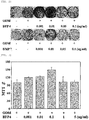
FIG. 2 is of photographs showing the ability ofBFP 4 to promote osteoblastic differentiation, as analyzed by Alizarin red staining. -
FIG. 3 is a graph showing the non-cytotoxicity ofBFP 4. -
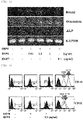
FIG. 4 is of graphs showing BFP 4-induced increases in both ALP activity and calcium level. -
FIG. 5 is a photograph showing the BFP 4-induced expression of runx2, osteocalcin and ALP genes by western blot. -
FIG. 6 is of graphs showing the BFP 4-induced expression of cell surface markers (CD44 and CD51) associated with osteoblastic differentiation, as analyzed by FACS. -
FIG. 7 is of fluorescence microphotographs showing the BFP 4-induced expression of CD44 and CD51. -
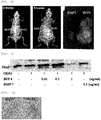
FIG. 8 is of X-ray photographs showing the BFP 4-induced osteogenesis in transplanted regions of mice. -
FIG. 9 is a photograph showing the BFP 4-induced expression of VEGF. -
FIG. 10 is a photograph showing the BFP 4-induced vascularization in Matrigel transplanted into an animal. - A better understanding of the present invention may be obtained through the following examples which are set forth to illustrate the present invention.
- The peptide having the amino acid sequence of SEQ ID NO: 1 can be artificially synthesized using a well-known method. The synthesis of the peptide was entrusted to Peptron Co Ltd(Korea). The peptide having the amino acid sequence of SEQ ID NO: 1 was named BFP 4 (bone forming peptide 4).

- Analysis with a commercial program showed that
BFP 4 is composed of 15 amino acid residues with a molecular weight of 1826.1 and has an alpha-helix structure as illustrated inFIG. 1 . - For use as osteoblast cells in this example, mesenchymal stem cells isolated from Balb/c mouse bone marrow stromal cells were seeded at a density of 1x10⁴ cells in a DMEM (Dulbecco's Modified Eagle Medium) supplemented with 10% FBS and incubated at 37°C for about 3 days in a 5% CO2 atmosphere.
- An osteogenic differentiation medium (ODM) was prepared by supplementing DMEM with 50 µg/mL ascorbic acid, 10-8 M dexamethasone and 10 mM beta-glycophosphate.
- Because calcium is deposited when the mesenchymal stem cells differentiate into osteoblasts, the degree of osteoblastic differentiation was analyzed by measuring mineralization with Alizarin red staining. That is, the greater advance in osteoblastic differentiation produced a wider region positive to Alizarin red. After the cells in the osteogenic differentiation medium were treated with
BFP 4 in the presence of Alizarin Red, the staining of Alizarin red was monitored to determine the degree of osteoblastic differentiation. In this regard, the mesenchymal cells were transferred into an osteogenic differentiation medium and incubated for three days. Thereafter,BFP 4 or BMP7 was added in concentrations of 0.001 µg/mL, 0.01 µg/mL, 0.05 µg/mL, and 0.1 µg/mL to the medium, followed by incubation for an additional 2 days. Subsequently, the mesenchymal stem cells were fixed for one hour with ice-cooled 70% ethanol and stained for about 10 min with Alizarin red-S to analyze the degree of deposition of calcium. The results are shown inFIG. 2 . - As can be seen in
FIG. 2 , the most intensive staining was detected in the cells treated withBFP 4 at a concentration of 0.01 µg/mL. Particularly,BFP 4 according to the present invention was found to produce more intensive colors than did BMP7 (FIG. 2 ). These data indicate that activity for osteoblastic differentiation ofBFP 4 is more potent than that of BMP7. - At concentrations effective for calcium deposition,
BFP 4 was analyzed for cytotoxicity. The results are shown inFIG. 3 . In this context, MTT((3-(4,5-Dimethylthiazol-2-yl)-2,5-diphenyltetrazolium bromide, a yellow tetrazole) assay was performed using an MTT Cell Proliferation Assay Kit (Cayman Chemical) according to the instructions of the manufacturer. - As seen in
FIG. 3 , no cytotoxicity was detected at concentrations ofBFP 4 which are effective for promoting osteogenic differentiation. - During osteoblastic differentiation, alkaline phosphatase (ALP), a marker enzyme characteristic of osteoblasts, and calcium were quantitatively analyzed using a DALP-250 QuantiChrom Alkaline Phosphatase Assay Kit (Gentaur) and a DICA-500 QuantiChrom Calcium Assay Kit (Gentaur), respectively. The results are depicted in
FIG. 4 . - As can be seen in
FIG. 4 , both the activity of ALP and the concentration of calcium were significantly increased atBFP 4 concentrations of 0.01 µg/mL and 0.1 µg/mL. - The ability of
BFP 4 to induce the expression of runx2, osteocalcin and alkaline phosphatase genes, which are marker genes characteristic of osteoblasts, was assayed. The results are shown inFIG. 5 . In this regard, RNA was isolated from the cells treated with the peptide and reverse transcribed into DNA which was then used as a template for PCR. Electrophoresis of the PCR products determined the expression levels of the marker genes. - As shown in
FIG. 5 ,BFP 4 induced expression of the osteoblast-specific genes. - The effect of
BFP 4 on the expression of CD44 and CD51, surface proteins characteristically emerging during differentiation from mesenchymal stem cells into osteoblasts, was measured using FACS. The results are shown inFIG. 6 . - As seen in
FIG. 6 , whenBFP 4 was added to the osteogenic differentiation medium, the cell surface marker CD44 was expressed at a high level in the mesenchymal cells which were undergoing osteoblastic differentiation. Particularly, a peak in the expression level of CD44 was detected at aBFP 4 concentration of 0.1 µg/mL. Also, CD51 was expressed at higher levels in the presence ofBFP 4 during the osteoblastic differentiation (FIG. 6 ). - The BFP 4-induced expression of the cell surface markers CD44 and CD51 was observed using a fluorescence microscope, and the results are given in
FIG. 7 . In this regard, DAPI(4',6-diamidino-2-phenylindole) staining was performed to ascertain the viability of the cells during osteoblastic differentiation, and anti-CD44 or CD51 antibodies which appear when they bind to the antigens, were used for fluorescence analysis. - As can be seen in
FIG. 7 , both CD44 and CD51 were expressed in the cells. Higher expression levels of CD44 and CD51 were observed in the osteogenic differentiation medium in the presence ofBFP 4. - An animal test with mice (n=6) was performed to examine the ability of
BFP 4 to promote osteogenesis in vivo. First, mesenchymal stem cells were treated twice with ODM over two days to induce osteoblastic differentiation. Upon the second treatment with ODM, BMP7 orBFP 4 was added to the cells, followed by incubation for 24 hours. Cells were harvested and transplanted in the same number into the back of the mice, with collagen serving as a scaffold. Using X-rays, bone formation was examined 4 and 8 weeks after the transplantation. The results are given inFIG. 8 . - As can be seen in the X-ray photographs of
FIG. 8 , four weeks after transplantation, new bones were formed in the region treated withBFP 4. In addition, as seen in the photographs taken 8 weeks after transplantation, a significantly higher extent of bone formation was achieved in the region treated withBFP 4 than that treated with BMP7. These experimental results imply thatBFP 4 has higher activity of promoting osteoblastic differentiation compared to the conventional factor BMP7, and can be useful for the prevention and treatment of bone diseases. - To examine the effect of
BFP 4 on vascularization,BFP 4 was assayed for its ability to induce VEGF expression. In this regard, proteins were isolated from the cells treated with the peptide and subjected to electrophoresis before measurement using an anti-VEGF antibody. - As seen in
FIG. 9 , the expression of VEGF was induced byBFP 4 and to a higher level than by BMP7. - To examine the ability of
BFP 4 to form new blood vessels in vivo, a mouse animal test was performed using Matrigel. In this context, cells were treated with the peptide and mixed well with Matrigel before transplantation into the back of the mice. Eight weeks after the transplantation, the Matrigel was detached from the mouse back which was then observed with regard to the formation of new blood vessels. - As shown in
FIG. 10 , blood vessels were newly formed in theMatrigel 8 weeks after transplantation. Particularly, more vascularization was induced by BFP4 than by BMP7. -
- <110> CHONNAM NATIONAL UNIVERSITY HOSPITAL
- <120>
Bone forming peptide 4 for promoting osteogenesis or vascularization and use thereof - <130> OPP2012037KR
- <150>
KR10-2011-0054179
<151> 2011-06-03 - <160> 1
- <170> KopatentIn 1.71
- <210> 1
<211> 15
<212> PRT
<213> Artificial Sequence - <220>
<223> Bone forming peptide 4(BFP4) is derived from BMP-7. - <400> 1

Claims (7)
- A peptide for therapeutic use in promoting osteogenesis or vascularization, having the amino acid sequence of SEQ ID NO: 1.
- The peptide for therapeutic use in promoting osteogenesis or vascularization according to claim 1, wherein the amino acid sequence of SEQ ID NO: 1 is derived from BMP7.
- The peptide for therapeutic use in promoting osteogenesis or vascularization according to claim 1, having an activity of promoting osteoblastic differentiation or Vascular endothelial growth factor (VEGF) expression.
- The peptide for therapeutic use in promoting osteogenesis or vascularization according to claim 1, having an activity of promoting osteogenesis and vascularization.
- A pharmaceutical composition for use in prophylaxis or therapy of a bone disease or an ischemic disease, comprising as an active ingredient the peptide of any one of claims 1 to 4, a polynucleotide encoding said peptide, or a recombinant vector carrying said polynucleotide.
- The pharmaceutical composition for use in prophylaxis or therapy of a bone disease or an ischemic disease according to claim 5, wherein the bone disease is selected from the group consisting of osteoporosis, osteoarthritis, bone fracture, osteogenesis imperfect and a combination thereof.
- The pharmaceutical composition for use in prophylaxis or therapy of a bone disease or an ischemic disease according to claim 5, wherein the ischemic disease is selected from the group consisting of ischemic necrosis, ischemic cerebrovascular disease, ischemic renal diseases, ischemic lung diseases, ischemic diseases of limbs, ischemic heart diseases, apoplexy, cerebral infarction, myocardial infarction, ischemic heart failure, obstructive arteriosclerosis, and a combination thereof.
Applications Claiming Priority (2)
| Application Number | Priority Date | Filing Date | Title |
|---|---|---|---|
| KR1020110054179A KR101274930B1 (en) | 2011-06-03 | 2011-06-03 | Bone forming peptide 4 for promoting osteogenesis or vascularization and use thereof |
| PCT/KR2012/004346 WO2012165900A2 (en) | 2011-06-03 | 2012-06-01 | Peptide bfp 4 for promoting bone formation or vasculogenesis, and application therefor |
Publications (3)
| Publication Number | Publication Date |
|---|---|
| EP2716299A2 EP2716299A2 (en) | 2014-04-09 |
| EP2716299A4 EP2716299A4 (en) | 2014-12-24 |
| EP2716299B1 true EP2716299B1 (en) | 2019-05-22 |
Family
ID=47260109
Family Applications (1)
| Application Number | Title | Priority Date | Filing Date |
|---|---|---|---|
| EP12793200.2A Active EP2716299B1 (en) | 2011-06-03 | 2012-06-01 | Peptide bfp 4 for promoting bone formation or vasculogenesis, and application therefor |
Country Status (7)
| Country | Link |
|---|---|
| US (2) | US20120309675A1 (en) |
| EP (1) | EP2716299B1 (en) |
| JP (1) | JP6025002B2 (en) |
| KR (1) | KR101274930B1 (en) |
| DK (1) | DK2716299T3 (en) |
| ES (1) | ES2739180T3 (en) |
| WO (1) | WO2012165900A2 (en) |
Families Citing this family (7)
| Publication number | Priority date | Publication date | Assignee | Title |
|---|---|---|---|---|
| WO2015182815A1 (en) * | 2014-05-26 | 2015-12-03 | 한국생명공학연구원 | Pharmaceutical composition for preventing and treating ischemic disease, containing ndrg3 expression or activity promoter as active ingredient |
| CN105273039A (en) * | 2015-11-12 | 2016-01-27 | 河北智同生物制药有限公司 | Bone peptide extracting tank and application thereof |
| KR102169782B1 (en) | 2016-08-31 | 2020-10-27 | 가톨릭대학교 산학협력단 | Cell spheroid formed by co-culture of human gingiva-derived stem cell and osteoprecursor cell and increasing method of VEGF production thereof |
| WO2018147517A1 (en) * | 2017-02-08 | 2018-08-16 | 부경대학교 산학협력단 | Composition for preventing or treating bone diseases comprising cockle protein-derived peptide as active ingredient |
| CN111214649B (en) * | 2020-02-27 | 2023-06-27 | 广州领晟医疗科技有限公司 | Application of BM23 peptide in preparing medicament for treating ischemic cerebrovascular disease |
| CN113388005B (en) * | 2021-06-30 | 2022-09-27 | 北京泽勤生物医药有限公司 | Polypeptide for enhancing osteoblast activity and application thereof in treating orthopedic diseases |
| KR20250017027A (en) * | 2023-07-26 | 2025-02-04 | 덕성여자대학교 산학협력단 | Compositions for the prevention or treatment of cancer comprising a CCL8 binding peptide |
Family Cites Families (11)
| Publication number | Priority date | Publication date | Assignee | Title |
|---|---|---|---|---|
| US6150328A (en) | 1986-07-01 | 2000-11-21 | Genetics Institute, Inc. | BMP products |
| ATE493141T1 (en) * | 1996-03-22 | 2011-01-15 | Stryker Corp | METHOD FOR IMPROVED FUNCTIONAL RECOVERY OF MOTOR COORDINATION, LANGUAGE OR SENSORY PERCEPTION AFTER CNS TRAUMA OR ISCHEMIA |
| WO2000047114A1 (en) * | 1999-02-12 | 2000-08-17 | Collagenesis, Inc. | Injectable collagen-based delivery system for bone morphogenic proteins |
| US20040067505A1 (en) * | 2001-09-26 | 2004-04-08 | Enrique Alvarez | Therapeutic polypeptides, nucleic acids encoding same, and methods of use |
| JP2008169116A (en) * | 2005-04-18 | 2008-07-24 | Tokyo Medical & Dental Univ | Anti-hepatitis C virus agent containing BMP-7 |
| WO2008014054A2 (en) * | 2006-07-27 | 2008-01-31 | Centocor, Inc. | Bmp-7 variant compositions, methods and uses |
| WO2009139525A1 (en) * | 2008-05-16 | 2009-11-19 | Industry Foundation Of Chonnam National University | An synthetic peptide containing bone forming peptide 1(bfp 1) for stimulating osteoblast differentiation, and pharmaceutical composition comprising the synthetic peptide |
| US8025872B2 (en) * | 2008-05-16 | 2011-09-27 | Industry Foundation Of Chonnam National University | Osteogenic synthetic peptides, pharmaceutical compositions comprising the same, and medium containing the same |
| EP2303911B1 (en) | 2008-06-20 | 2012-08-15 | Industry Foundation Of Chonnam National University | A synthetic peptide consisting of bone forming peptide 2(bfp 2) for stimulating osteoblast differentiation, and pharmaceutical composition comprising the synthetic peptide |
| WO2010037395A2 (en) * | 2008-10-01 | 2010-04-08 | Dako Denmark A/S | Mhc multimers in cancer vaccines and immune monitoring |
| KR100999831B1 (en) | 2010-02-26 | 2010-12-09 | 오스템임플란트 주식회사 | Oligopeptides Enhancing Osteoblast Differentiation |
-
2011
- 2011-06-03 KR KR1020110054179A patent/KR101274930B1/en active Active
-
2012
- 2012-06-01 DK DK12793200.2T patent/DK2716299T3/en active
- 2012-06-01 EP EP12793200.2A patent/EP2716299B1/en active Active
- 2012-06-01 WO PCT/KR2012/004346 patent/WO2012165900A2/en not_active Ceased
- 2012-06-01 JP JP2014513444A patent/JP6025002B2/en active Active
- 2012-06-01 ES ES12793200T patent/ES2739180T3/en active Active
- 2012-06-01 US US13/486,035 patent/US20120309675A1/en not_active Abandoned
-
2014
- 2014-01-13 US US14/153,191 patent/US9238055B2/en active Active
Non-Patent Citations (1)
| Title |
|---|
| None * |
Also Published As
| Publication number | Publication date |
|---|---|
| KR101274930B1 (en) | 2013-06-17 |
| ES2739180T3 (en) | 2020-01-29 |
| US20120309675A1 (en) | 2012-12-06 |
| US20140200174A1 (en) | 2014-07-17 |
| EP2716299A2 (en) | 2014-04-09 |
| KR20120134940A (en) | 2012-12-12 |
| WO2012165900A2 (en) | 2012-12-06 |
| JP6025002B2 (en) | 2016-11-16 |
| EP2716299A4 (en) | 2014-12-24 |
| US9238055B2 (en) | 2016-01-19 |
| WO2012165900A3 (en) | 2013-03-28 |
| DK2716299T3 (en) | 2019-08-05 |
| JP2014516547A (en) | 2014-07-17 |
Similar Documents
| Publication | Publication Date | Title |
|---|---|---|
| US9238055B2 (en) | Peptide bone forming peptide 4 for promoting osteogenesis or vascularization and use thereof | |
| KR101018050B1 (en) | Synthetic peptide PF1 for promoting bone formation, bone stimulating functional pharmaceutical composition and media composition comprising the synthetic peptide PF1 | |
| KR20090090315A (en) | Metastin Derivatives and Uses thereof | |
| KR102882291B1 (en) | active polypeptide compounds | |
| KR100987731B1 (en) | Synthetic peptide for promoting bone formation, pharmaceutical composition and media composition comprising the synthetic peptide | |
| JP6420459B2 (en) | Peptide having fibrosis inhibitory activity and composition containing the same | |
| CA2619593C (en) | Stem cell derived factors for treating pathologic conditions | |
| KR20200085832A (en) | Activin receptor type IIA variants and methods of use thereof | |
| CA2690734A1 (en) | Polypeptides and methods of use | |
| WO2014187807A1 (en) | Follistatin derivatives | |
| KR20160029069A (en) | Cell-penetrating peptide and conjugate comprising same | |
| US20210369812A1 (en) | Osteoinductive peptides, compositions, implants, and methods of use | |
| CN111647042B (en) | Bone reconstruction regulating polypeptide and application | |
| EP3196208B1 (en) | Peptide having osteoclast differentiation and activation inhibition, and use of same | |
| KR101637497B1 (en) | Peptide for promoting bone formation and use thereof | |
| KR20220127749A (en) | Method for producing fusion protein inducing direct cross-differentiation from somatic cells to osteoblasts and use thereof | |
| JP5767582B2 (en) | Peptides and their uses | |
| WO2012165682A1 (en) | Bone forming peptide 4 for promoting osteogenesis or vascularization and use thereof | |
| EP2862577B1 (en) | Use of obestatin for muscle regeneration | |
| KR20240072367A (en) | Novel Peptides from Platelet Derived Growth Factor and uses thereof | |
| CN120623280A (en) | An anti-bone destruction bioactive polypeptide targeting osteoclast membrane surface receptors and its application | |
| Ponnapakkam | Fusion proteins of collagen-binding domain and parathyroid hormone | |
| KR20120054536A (en) | Osteogenic synthetic peptides derived from bfp 1, pharmaceutical compositions comprising the same, and media containing the same | |
| KR20160127971A (en) | Peptide for promoting osteogenesis or vascularization and use thereof | |
| JP2003018994A (en) | Peptide compounds that bind to receptor tyrosine kinase RET |
Legal Events
| Date | Code | Title | Description |
|---|---|---|---|
| PUAI | Public reference made under article 153(3) epc to a published international application that has entered the european phase |
Free format text: ORIGINAL CODE: 0009012 |
|
| 17P | Request for examination filed |
Effective date: 20131230 |
|
| AK | Designated contracting states |
Kind code of ref document: A2 Designated state(s): AL AT BE BG CH CY CZ DE DK EE ES FI FR GB GR HR HU IE IS IT LI LT LU LV MC MK MT NL NO PL PT RO RS SE SI SK SM TR |
|
| DAX | Request for extension of the european patent (deleted) | ||
| A4 | Supplementary search report drawn up and despatched |
Effective date: 20141125 |
|
| RIC1 | Information provided on ipc code assigned before grant |
Ipc: A61P 19/10 20060101ALI20141119BHEP Ipc: C07K 7/08 20060101ALI20141119BHEP Ipc: A61K 38/10 20060101AFI20141119BHEP Ipc: A61P 9/10 20060101ALI20141119BHEP |
|
| STAA | Information on the status of an ep patent application or granted ep patent |
Free format text: STATUS: EXAMINATION IS IN PROGRESS |
|
| 17Q | First examination report despatched |
Effective date: 20161024 |
|
| GRAP | Despatch of communication of intention to grant a patent |
Free format text: ORIGINAL CODE: EPIDOSNIGR1 |
|
| STAA | Information on the status of an ep patent application or granted ep patent |
Free format text: STATUS: GRANT OF PATENT IS INTENDED |
|
| INTG | Intention to grant announced |
Effective date: 20181213 |
|
| RIN1 | Information on inventor provided before grant (corrected) |
Inventor name: YOON, TAEK RIM Inventor name: JEONG, MYUNG HO Inventor name: KIM, HYUNG KEUN |
|
| GRAS | Grant fee paid |
Free format text: ORIGINAL CODE: EPIDOSNIGR3 |
|
| GRAJ | Information related to disapproval of communication of intention to grant by the applicant or resumption of examination proceedings by the epo deleted |
Free format text: ORIGINAL CODE: EPIDOSDIGR1 |
|
| GRAL | Information related to payment of fee for publishing/printing deleted |
Free format text: ORIGINAL CODE: EPIDOSDIGR3 |
|
| STAA | Information on the status of an ep patent application or granted ep patent |
Free format text: STATUS: EXAMINATION IS IN PROGRESS |
|
| GRAR | Information related to intention to grant a patent recorded |
Free format text: ORIGINAL CODE: EPIDOSNIGR71 |
|
| STAA | Information on the status of an ep patent application or granted ep patent |
Free format text: STATUS: GRANT OF PATENT IS INTENDED |
|
| GRAA | (expected) grant |
Free format text: ORIGINAL CODE: 0009210 |
|
| STAA | Information on the status of an ep patent application or granted ep patent |
Free format text: STATUS: THE PATENT HAS BEEN GRANTED |
|
| INTC | Intention to grant announced (deleted) | ||
| AK | Designated contracting states |
Kind code of ref document: B1 Designated state(s): AL AT BE BG CH CY CZ DE DK EE ES FI FR GB GR HR HU IE IS IT LI LT LU LV MC MK MT NL NO PL PT RO RS SE SI SK SM TR |
|
| INTG | Intention to grant announced |
Effective date: 20190412 |
|
| REG | Reference to a national code |
Ref country code: GB Ref legal event code: FG4D |
|
| REG | Reference to a national code |
Ref country code: CH Ref legal event code: EP |
|
| REG | Reference to a national code |
Ref country code: IE Ref legal event code: FG4D |
|
| REG | Reference to a national code |
Ref country code: DE Ref legal event code: R096 Ref document number: 602012060412 Country of ref document: DE |
|
| REG | Reference to a national code |
Ref country code: AT Ref legal event code: REF Ref document number: 1135270 Country of ref document: AT Kind code of ref document: T Effective date: 20190615 |
|
| REG | Reference to a national code |
Ref country code: CH Ref legal event code: NV Representative=s name: P&TS SA, CH |
|
| REG | Reference to a national code |
Ref country code: DK Ref legal event code: T3 Effective date: 20190731 |
|
| REG | Reference to a national code |
Ref country code: SE Ref legal event code: TRGR |
|
| REG | Reference to a national code |
Ref country code: NL Ref legal event code: MP Effective date: 20190522 |
|
| REG | Reference to a national code |
Ref country code: LT Ref legal event code: MG4D |
|
| PG25 | Lapsed in a contracting state [announced via postgrant information from national office to epo] |
Ref country code: LT Free format text: LAPSE BECAUSE OF FAILURE TO SUBMIT A TRANSLATION OF THE DESCRIPTION OR TO PAY THE FEE WITHIN THE PRESCRIBED TIME-LIMIT Effective date: 20190522 Ref country code: HR Free format text: LAPSE BECAUSE OF FAILURE TO SUBMIT A TRANSLATION OF THE DESCRIPTION OR TO PAY THE FEE WITHIN THE PRESCRIBED TIME-LIMIT Effective date: 20190522 Ref country code: NO Free format text: LAPSE BECAUSE OF FAILURE TO SUBMIT A TRANSLATION OF THE DESCRIPTION OR TO PAY THE FEE WITHIN THE PRESCRIBED TIME-LIMIT Effective date: 20190822 Ref country code: FI Free format text: LAPSE BECAUSE OF FAILURE TO SUBMIT A TRANSLATION OF THE DESCRIPTION OR TO PAY THE FEE WITHIN THE PRESCRIBED TIME-LIMIT Effective date: 20190522 Ref country code: PT Free format text: LAPSE BECAUSE OF FAILURE TO SUBMIT A TRANSLATION OF THE DESCRIPTION OR TO PAY THE FEE WITHIN THE PRESCRIBED TIME-LIMIT Effective date: 20190922 Ref country code: AL Free format text: LAPSE BECAUSE OF FAILURE TO SUBMIT A TRANSLATION OF THE DESCRIPTION OR TO PAY THE FEE WITHIN THE PRESCRIBED TIME-LIMIT Effective date: 20190522 Ref country code: NL Free format text: LAPSE BECAUSE OF FAILURE TO SUBMIT A TRANSLATION OF THE DESCRIPTION OR TO PAY THE FEE WITHIN THE PRESCRIBED TIME-LIMIT Effective date: 20190522 |
|
| PG25 | Lapsed in a contracting state [announced via postgrant information from national office to epo] |
Ref country code: BG Free format text: LAPSE BECAUSE OF FAILURE TO SUBMIT A TRANSLATION OF THE DESCRIPTION OR TO PAY THE FEE WITHIN THE PRESCRIBED TIME-LIMIT Effective date: 20190822 Ref country code: RS Free format text: LAPSE BECAUSE OF FAILURE TO SUBMIT A TRANSLATION OF THE DESCRIPTION OR TO PAY THE FEE WITHIN THE PRESCRIBED TIME-LIMIT Effective date: 20190522 Ref country code: GR Free format text: LAPSE BECAUSE OF FAILURE TO SUBMIT A TRANSLATION OF THE DESCRIPTION OR TO PAY THE FEE WITHIN THE PRESCRIBED TIME-LIMIT Effective date: 20190823 Ref country code: LV Free format text: LAPSE BECAUSE OF FAILURE TO SUBMIT A TRANSLATION OF THE DESCRIPTION OR TO PAY THE FEE WITHIN THE PRESCRIBED TIME-LIMIT Effective date: 20190522 |
|
| REG | Reference to a national code |
Ref country code: AT Ref legal event code: MK05 Ref document number: 1135270 Country of ref document: AT Kind code of ref document: T Effective date: 20190522 |
|
| REG | Reference to a national code |
Ref country code: ES Ref legal event code: FG2A Ref document number: 2739180 Country of ref document: ES Kind code of ref document: T3 Effective date: 20200129 |
|
| PG25 | Lapsed in a contracting state [announced via postgrant information from national office to epo] |
Ref country code: AT Free format text: LAPSE BECAUSE OF FAILURE TO SUBMIT A TRANSLATION OF THE DESCRIPTION OR TO PAY THE FEE WITHIN THE PRESCRIBED TIME-LIMIT Effective date: 20190522 Ref country code: CZ Free format text: LAPSE BECAUSE OF FAILURE TO SUBMIT A TRANSLATION OF THE DESCRIPTION OR TO PAY THE FEE WITHIN THE PRESCRIBED TIME-LIMIT Effective date: 20190522 Ref country code: RO Free format text: LAPSE BECAUSE OF FAILURE TO SUBMIT A TRANSLATION OF THE DESCRIPTION OR TO PAY THE FEE WITHIN THE PRESCRIBED TIME-LIMIT Effective date: 20190522 Ref country code: EE Free format text: LAPSE BECAUSE OF FAILURE TO SUBMIT A TRANSLATION OF THE DESCRIPTION OR TO PAY THE FEE WITHIN THE PRESCRIBED TIME-LIMIT Effective date: 20190522 Ref country code: SK Free format text: LAPSE BECAUSE OF FAILURE TO SUBMIT A TRANSLATION OF THE DESCRIPTION OR TO PAY THE FEE WITHIN THE PRESCRIBED TIME-LIMIT Effective date: 20190522 |
|
| REG | Reference to a national code |
Ref country code: DE Ref legal event code: R097 Ref document number: 602012060412 Country of ref document: DE |
|
| PG25 | Lapsed in a contracting state [announced via postgrant information from national office to epo] |
Ref country code: SM Free format text: LAPSE BECAUSE OF FAILURE TO SUBMIT A TRANSLATION OF THE DESCRIPTION OR TO PAY THE FEE WITHIN THE PRESCRIBED TIME-LIMIT Effective date: 20190522 Ref country code: IT Free format text: LAPSE BECAUSE OF FAILURE TO SUBMIT A TRANSLATION OF THE DESCRIPTION OR TO PAY THE FEE WITHIN THE PRESCRIBED TIME-LIMIT Effective date: 20190522 Ref country code: MC Free format text: LAPSE BECAUSE OF FAILURE TO SUBMIT A TRANSLATION OF THE DESCRIPTION OR TO PAY THE FEE WITHIN THE PRESCRIBED TIME-LIMIT Effective date: 20190522 |
|
| PLBE | No opposition filed within time limit |
Free format text: ORIGINAL CODE: 0009261 |
|
| STAA | Information on the status of an ep patent application or granted ep patent |
Free format text: STATUS: NO OPPOSITION FILED WITHIN TIME LIMIT |
|
| PG25 | Lapsed in a contracting state [announced via postgrant information from national office to epo] |
Ref country code: TR Free format text: LAPSE BECAUSE OF FAILURE TO SUBMIT A TRANSLATION OF THE DESCRIPTION OR TO PAY THE FEE WITHIN THE PRESCRIBED TIME-LIMIT Effective date: 20190522 |
|
| 26N | No opposition filed |
Effective date: 20200225 |
|
| PG25 | Lapsed in a contracting state [announced via postgrant information from national office to epo] |
Ref country code: PL Free format text: LAPSE BECAUSE OF FAILURE TO SUBMIT A TRANSLATION OF THE DESCRIPTION OR TO PAY THE FEE WITHIN THE PRESCRIBED TIME-LIMIT Effective date: 20190522 Ref country code: IE Free format text: LAPSE BECAUSE OF NON-PAYMENT OF DUE FEES Effective date: 20190601 |
|
| PG25 | Lapsed in a contracting state [announced via postgrant information from national office to epo] |
Ref country code: LU Free format text: LAPSE BECAUSE OF NON-PAYMENT OF DUE FEES Effective date: 20190601 Ref country code: SI Free format text: LAPSE BECAUSE OF FAILURE TO SUBMIT A TRANSLATION OF THE DESCRIPTION OR TO PAY THE FEE WITHIN THE PRESCRIBED TIME-LIMIT Effective date: 20190522 |
|
| PG25 | Lapsed in a contracting state [announced via postgrant information from national office to epo] |
Ref country code: CY Free format text: LAPSE BECAUSE OF FAILURE TO SUBMIT A TRANSLATION OF THE DESCRIPTION OR TO PAY THE FEE WITHIN THE PRESCRIBED TIME-LIMIT Effective date: 20190522 |
|
| PG25 | Lapsed in a contracting state [announced via postgrant information from national office to epo] |
Ref country code: IS Free format text: LAPSE BECAUSE OF FAILURE TO SUBMIT A TRANSLATION OF THE DESCRIPTION OR TO PAY THE FEE WITHIN THE PRESCRIBED TIME-LIMIT Effective date: 20190922 |
|
| PG25 | Lapsed in a contracting state [announced via postgrant information from national office to epo] |
Ref country code: HU Free format text: LAPSE BECAUSE OF FAILURE TO SUBMIT A TRANSLATION OF THE DESCRIPTION OR TO PAY THE FEE WITHIN THE PRESCRIBED TIME-LIMIT; INVALID AB INITIO Effective date: 20120601 Ref country code: MT Free format text: LAPSE BECAUSE OF FAILURE TO SUBMIT A TRANSLATION OF THE DESCRIPTION OR TO PAY THE FEE WITHIN THE PRESCRIBED TIME-LIMIT Effective date: 20190522 |
|
| PG25 | Lapsed in a contracting state [announced via postgrant information from national office to epo] |
Ref country code: MK Free format text: LAPSE BECAUSE OF FAILURE TO SUBMIT A TRANSLATION OF THE DESCRIPTION OR TO PAY THE FEE WITHIN THE PRESCRIBED TIME-LIMIT Effective date: 20190522 |
|
| PGFP | Annual fee paid to national office [announced via postgrant information from national office to epo] |
Ref country code: SE Payment date: 20250626 Year of fee payment: 14 |
|
| PGFP | Annual fee paid to national office [announced via postgrant information from national office to epo] |
Ref country code: ES Payment date: 20250718 Year of fee payment: 14 |
|
| PGFP | Annual fee paid to national office [announced via postgrant information from national office to epo] |
Ref country code: CH Payment date: 20250701 Year of fee payment: 14 |
|
| REG | Reference to a national code |
Ref country code: CH Ref legal event code: U11 Free format text: ST27 STATUS EVENT CODE: U-0-0-U10-U11 (AS PROVIDED BY THE NATIONAL OFFICE) Effective date: 20260701 |
|
| PGFP | Annual fee paid to national office [announced via postgrant information from national office to epo] |
Ref country code: GB Payment date: 20260623 Year of fee payment: 15 Ref country code: DK Payment date: 20260622 Year of fee payment: 15 |
|
| PGFP | Annual fee paid to national office [announced via postgrant information from national office to epo] |
Ref country code: DE Payment date: 20260630 Year of fee payment: 15 |
|
| PGFP | Annual fee paid to national office [announced via postgrant information from national office to epo] |
Ref country code: BE Payment date: 20260622 Year of fee payment: 15 |
|
| PGFP | Annual fee paid to national office [announced via postgrant information from national office to epo] |
Ref country code: FR Payment date: 20260622 Year of fee payment: 15 |