EP2708233A1 - Ctrp6 which can be used as therapeutic and prophylactic agent for autoimmune diseases - Google Patents
Ctrp6 which can be used as therapeutic and prophylactic agent for autoimmune diseases Download PDFInfo
- Publication number
- EP2708233A1 EP2708233A1 EP12785351.3A EP12785351A EP2708233A1 EP 2708233 A1 EP2708233 A1 EP 2708233A1 EP 12785351 A EP12785351 A EP 12785351A EP 2708233 A1 EP2708233 A1 EP 2708233A1
- Authority
- EP
- European Patent Office
- Prior art keywords
- ctrp6
- disease
- mice
- seq
- complement
- Prior art date
- Legal status (The legal status is an assumption and is not a legal conclusion. Google has not performed a legal analysis and makes no representation as to the accuracy of the status listed.)
- Granted
Links
Images


Classifications
-
- C—CHEMISTRY; METALLURGY
- C07—ORGANIC CHEMISTRY
- C07K—PEPTIDES
- C07K14/00—Peptides having more than 20 amino acids; Gastrins; Somatostatins; Melanotropins; Derivatives thereof
- C07K14/435—Peptides having more than 20 amino acids; Gastrins; Somatostatins; Melanotropins; Derivatives thereof from animals; from humans
- C07K14/46—Peptides having more than 20 amino acids; Gastrins; Somatostatins; Melanotropins; Derivatives thereof from animals; from humans from vertebrates
- C07K14/47—Peptides having more than 20 amino acids; Gastrins; Somatostatins; Melanotropins; Derivatives thereof from animals; from humans from vertebrates from mammals
-
- A—HUMAN NECESSITIES
- A61—MEDICAL OR VETERINARY SCIENCE; HYGIENE
- A61K—PREPARATIONS FOR MEDICAL, DENTAL OR TOILETRY PURPOSES
- A61K38/00—Medicinal preparations containing peptides
- A61K38/16—Peptides having more than 20 amino acids; Gastrins; Somatostatins; Melanotropins; Derivatives thereof
- A61K38/17—Peptides having more than 20 amino acids; Gastrins; Somatostatins; Melanotropins; Derivatives thereof from animals; from humans
- A61K38/1703—Peptides having more than 20 amino acids; Gastrins; Somatostatins; Melanotropins; Derivatives thereof from animals; from humans from vertebrates
- A61K38/1709—Peptides having more than 20 amino acids; Gastrins; Somatostatins; Melanotropins; Derivatives thereof from animals; from humans from vertebrates from mammals
-
- A—HUMAN NECESSITIES
- A61—MEDICAL OR VETERINARY SCIENCE; HYGIENE
- A61P—SPECIFIC THERAPEUTIC ACTIVITY OF CHEMICAL COMPOUNDS OR MEDICINAL PREPARATIONS
- A61P1/00—Drugs for disorders of the alimentary tract or the digestive system
- A61P1/04—Drugs for disorders of the alimentary tract or the digestive system for ulcers, gastritis or reflux esophagitis, e.g. antacids, inhibitors of acid secretion, mucosal protectants
-
- A—HUMAN NECESSITIES
- A61—MEDICAL OR VETERINARY SCIENCE; HYGIENE
- A61P—SPECIFIC THERAPEUTIC ACTIVITY OF CHEMICAL COMPOUNDS OR MEDICINAL PREPARATIONS
- A61P1/00—Drugs for disorders of the alimentary tract or the digestive system
- A61P1/16—Drugs for disorders of the alimentary tract or the digestive system for liver or gallbladder disorders, e.g. hepatoprotective agents, cholagogues, litholytics
-
- A—HUMAN NECESSITIES
- A61—MEDICAL OR VETERINARY SCIENCE; HYGIENE
- A61P—SPECIFIC THERAPEUTIC ACTIVITY OF CHEMICAL COMPOUNDS OR MEDICINAL PREPARATIONS
- A61P1/00—Drugs for disorders of the alimentary tract or the digestive system
- A61P1/18—Drugs for disorders of the alimentary tract or the digestive system for pancreatic disorders, e.g. pancreatic enzymes
-
- A—HUMAN NECESSITIES
- A61—MEDICAL OR VETERINARY SCIENCE; HYGIENE
- A61P—SPECIFIC THERAPEUTIC ACTIVITY OF CHEMICAL COMPOUNDS OR MEDICINAL PREPARATIONS
- A61P11/00—Drugs for disorders of the respiratory system
-
- A—HUMAN NECESSITIES
- A61—MEDICAL OR VETERINARY SCIENCE; HYGIENE
- A61P—SPECIFIC THERAPEUTIC ACTIVITY OF CHEMICAL COMPOUNDS OR MEDICINAL PREPARATIONS
- A61P11/00—Drugs for disorders of the respiratory system
- A61P11/02—Nasal agents, e.g. decongestants
-
- A—HUMAN NECESSITIES
- A61—MEDICAL OR VETERINARY SCIENCE; HYGIENE
- A61P—SPECIFIC THERAPEUTIC ACTIVITY OF CHEMICAL COMPOUNDS OR MEDICINAL PREPARATIONS
- A61P11/00—Drugs for disorders of the respiratory system
- A61P11/06—Antiasthmatics
-
- A—HUMAN NECESSITIES
- A61—MEDICAL OR VETERINARY SCIENCE; HYGIENE
- A61P—SPECIFIC THERAPEUTIC ACTIVITY OF CHEMICAL COMPOUNDS OR MEDICINAL PREPARATIONS
- A61P13/00—Drugs for disorders of the urinary system
- A61P13/12—Drugs for disorders of the urinary system of the kidneys
-
- A—HUMAN NECESSITIES
- A61—MEDICAL OR VETERINARY SCIENCE; HYGIENE
- A61P—SPECIFIC THERAPEUTIC ACTIVITY OF CHEMICAL COMPOUNDS OR MEDICINAL PREPARATIONS
- A61P17/00—Drugs for dermatological disorders
-
- A—HUMAN NECESSITIES
- A61—MEDICAL OR VETERINARY SCIENCE; HYGIENE
- A61P—SPECIFIC THERAPEUTIC ACTIVITY OF CHEMICAL COMPOUNDS OR MEDICINAL PREPARATIONS
- A61P17/00—Drugs for dermatological disorders
- A61P17/06—Antipsoriatics
-
- A—HUMAN NECESSITIES
- A61—MEDICAL OR VETERINARY SCIENCE; HYGIENE
- A61P—SPECIFIC THERAPEUTIC ACTIVITY OF CHEMICAL COMPOUNDS OR MEDICINAL PREPARATIONS
- A61P19/00—Drugs for skeletal disorders
- A61P19/02—Drugs for skeletal disorders for joint disorders, e.g. arthritis, arthrosis
-
- A—HUMAN NECESSITIES
- A61—MEDICAL OR VETERINARY SCIENCE; HYGIENE
- A61P—SPECIFIC THERAPEUTIC ACTIVITY OF CHEMICAL COMPOUNDS OR MEDICINAL PREPARATIONS
- A61P19/00—Drugs for skeletal disorders
- A61P19/06—Antigout agents, e.g. antihyperuricemic or uricosuric agents
-
- A—HUMAN NECESSITIES
- A61—MEDICAL OR VETERINARY SCIENCE; HYGIENE
- A61P—SPECIFIC THERAPEUTIC ACTIVITY OF CHEMICAL COMPOUNDS OR MEDICINAL PREPARATIONS
- A61P25/00—Drugs for disorders of the nervous system
-
- A—HUMAN NECESSITIES
- A61—MEDICAL OR VETERINARY SCIENCE; HYGIENE
- A61P—SPECIFIC THERAPEUTIC ACTIVITY OF CHEMICAL COMPOUNDS OR MEDICINAL PREPARATIONS
- A61P25/00—Drugs for disorders of the nervous system
- A61P25/14—Drugs for disorders of the nervous system for treating abnormal movements, e.g. chorea, dyskinesia
-
- A—HUMAN NECESSITIES
- A61—MEDICAL OR VETERINARY SCIENCE; HYGIENE
- A61P—SPECIFIC THERAPEUTIC ACTIVITY OF CHEMICAL COMPOUNDS OR MEDICINAL PREPARATIONS
- A61P25/00—Drugs for disorders of the nervous system
- A61P25/14—Drugs for disorders of the nervous system for treating abnormal movements, e.g. chorea, dyskinesia
- A61P25/16—Anti-Parkinson drugs
-
- A—HUMAN NECESSITIES
- A61—MEDICAL OR VETERINARY SCIENCE; HYGIENE
- A61P—SPECIFIC THERAPEUTIC ACTIVITY OF CHEMICAL COMPOUNDS OR MEDICINAL PREPARATIONS
- A61P25/00—Drugs for disorders of the nervous system
- A61P25/28—Drugs for disorders of the nervous system for treating neurodegenerative disorders of the central nervous system, e.g. nootropic agents, cognition enhancers, drugs for treating Alzheimer's disease or other forms of dementia
-
- A—HUMAN NECESSITIES
- A61—MEDICAL OR VETERINARY SCIENCE; HYGIENE
- A61P—SPECIFIC THERAPEUTIC ACTIVITY OF CHEMICAL COMPOUNDS OR MEDICINAL PREPARATIONS
- A61P27/00—Drugs for disorders of the senses
- A61P27/02—Ophthalmic agents
-
- A—HUMAN NECESSITIES
- A61—MEDICAL OR VETERINARY SCIENCE; HYGIENE
- A61P—SPECIFIC THERAPEUTIC ACTIVITY OF CHEMICAL COMPOUNDS OR MEDICINAL PREPARATIONS
- A61P29/00—Non-central analgesic, antipyretic or antiinflammatory agents, e.g. antirheumatic agents; Non-steroidal antiinflammatory drugs [NSAID]
-
- A—HUMAN NECESSITIES
- A61—MEDICAL OR VETERINARY SCIENCE; HYGIENE
- A61P—SPECIFIC THERAPEUTIC ACTIVITY OF CHEMICAL COMPOUNDS OR MEDICINAL PREPARATIONS
- A61P3/00—Drugs for disorders of the metabolism
- A61P3/08—Drugs for disorders of the metabolism for glucose homeostasis
- A61P3/10—Drugs for disorders of the metabolism for glucose homeostasis for hyperglycaemia, e.g. antidiabetics
-
- A—HUMAN NECESSITIES
- A61—MEDICAL OR VETERINARY SCIENCE; HYGIENE
- A61P—SPECIFIC THERAPEUTIC ACTIVITY OF CHEMICAL COMPOUNDS OR MEDICINAL PREPARATIONS
- A61P31/00—Antiinfectives, i.e. antibiotics, antiseptics, chemotherapeutics
- A61P31/04—Antibacterial agents
-
- A—HUMAN NECESSITIES
- A61—MEDICAL OR VETERINARY SCIENCE; HYGIENE
- A61P—SPECIFIC THERAPEUTIC ACTIVITY OF CHEMICAL COMPOUNDS OR MEDICINAL PREPARATIONS
- A61P37/00—Drugs for immunological or allergic disorders
-
- A—HUMAN NECESSITIES
- A61—MEDICAL OR VETERINARY SCIENCE; HYGIENE
- A61P—SPECIFIC THERAPEUTIC ACTIVITY OF CHEMICAL COMPOUNDS OR MEDICINAL PREPARATIONS
- A61P37/00—Drugs for immunological or allergic disorders
- A61P37/02—Immunomodulators
-
- A—HUMAN NECESSITIES
- A61—MEDICAL OR VETERINARY SCIENCE; HYGIENE
- A61P—SPECIFIC THERAPEUTIC ACTIVITY OF CHEMICAL COMPOUNDS OR MEDICINAL PREPARATIONS
- A61P37/00—Drugs for immunological or allergic disorders
- A61P37/02—Immunomodulators
- A61P37/06—Immunosuppressants, e.g. drugs for graft rejection
-
- A—HUMAN NECESSITIES
- A61—MEDICAL OR VETERINARY SCIENCE; HYGIENE
- A61P—SPECIFIC THERAPEUTIC ACTIVITY OF CHEMICAL COMPOUNDS OR MEDICINAL PREPARATIONS
- A61P9/00—Drugs for disorders of the cardiovascular system
-
- C—CHEMISTRY; METALLURGY
- C07—ORGANIC CHEMISTRY
- C07K—PEPTIDES
- C07K14/00—Peptides having more than 20 amino acids; Gastrins; Somatostatins; Melanotropins; Derivatives thereof
- C07K14/435—Peptides having more than 20 amino acids; Gastrins; Somatostatins; Melanotropins; Derivatives thereof from animals; from humans
- C07K14/575—Hormones
- C07K14/5759—Products of obesity genes, e.g. leptin, obese (OB), tub, fat
-
- Y—GENERAL TAGGING OF NEW TECHNOLOGICAL DEVELOPMENTS; GENERAL TAGGING OF CROSS-SECTIONAL TECHNOLOGIES SPANNING OVER SEVERAL SECTIONS OF THE IPC; TECHNICAL SUBJECTS COVERED BY FORMER USPC CROSS-REFERENCE ART COLLECTIONS [XRACs] AND DIGESTS
- Y02—TECHNOLOGIES OR APPLICATIONS FOR MITIGATION OR ADAPTATION AGAINST CLIMATE CHANGE
- Y02A—TECHNOLOGIES FOR ADAPTATION TO CLIMATE CHANGE
- Y02A50/00—TECHNOLOGIES FOR ADAPTATION TO CLIMATE CHANGE in human health protection, e.g. against extreme weather
- Y02A50/30—Against vector-borne diseases, e.g. mosquito-borne, fly-borne, tick-borne or waterborne diseases whose impact is exacerbated by climate change
Definitions
- the present invention relates to a pharmaceutical composition containing CTRP6 as an active ingredient.
- the present invention relates to the prevention and treatment of autoimmune disease by CTRP6.
- the complement system is an enzyme cascade by serine proteases that mainly assists in defense against infection.
- the complement system bridges innate immunity and adaptive immunity by amplifying antibody responses and immune memory, lysing foreign cells, removing immune complexes and apoptotic cells, and the like.
- Many complement components are proteins present as inert zymogens in the serum and play a role in a number of biological functions (chemotactic stimulation, induction of IgE-independent degranulation of mast cells, and the like).
- Three pathways, the classical pathway, lectin pathway, and alternative pathway, are known in complement activation.
- the lectin pathway (mannose-binding lectin pathway) is activated independent of antibodies by bonding of mannose-binding lectin with mannose groups on the bacterial cell wall, following an activation pathway similar to that of the classical pathway.
- the alternative pathway is a pathway in which C3(H 2 O) produced by adventitious hydrolysis is activated by factor B and factor D. It is spontaneously activated all the time, but is controlled by factor H, factor I, and other such control factors.
- This common pathway begins with C3 convertase cleaving C3 protein into C3a and C3b.
- the cleavage of C3 promotes the formation of membrane attack complexes that dissolve foreign cells, and the like.
- the C1q molecule is the target recognition protein of the classical pathway.
- the C1q molecule is a heterocomplex constructed from chain A, chain B, and chain C and has a globular domain (gC1q domain) that recognizes the target.
- Each chain has a short N-terminal region followed by a collagen-like region (CLR), with a gC1q domain located on the C-terminal side of the collagen-like region (Non-patent Reference 1).
- C1q domain a protein group based on the similarity of the tertiary structure of the gC1q domain to TNF.
- CTRP C1QTNF-related protein family is part of this superfamily as a subfamily especially similar to complement C1q. Seventeen CTRP members have been found in humans.
- CTRP1 is a protein discovered as a protein related to the G-protein-coupled receptor. It is expressed mainly in the heart and has a strong anti-troponin effect.
- CTRP6 and CTRP8 are homologs of CTRP1 and have similar domain structures, but differ in intron-exon pattern.
- CTRP2 and CTRP7 are thought to belong to the same subfamily based on sequence homology, similarity of domain structure, and intron-exon pattern.
- CTRP3 is known to promote the differentiation and growth of cartilage cells.
- CTRP4 alone among this group has one or more C1q domains.
- CTRP5 was discovered as a protein related to late-onset retinal degeneration and is expressed mainly in the retinal pigment epithelium, liver, lung, brain, and placenta (Patent Reference 1).
- CTRP1 manifests a strong effect in the prevention of artery blockage and platelet activation, as was mentioned above, and its administration apparently does not induce any bleeding complications, it may be clinically useful in the treatment of various conditions associated with vascular damage, including coronary angioplasty, intimal resection of the carotid artery, and stroke (Patent Reference 2).
- Non-Patent Reference 1 Kishore et al., TRENDS in Immunology, Vol. 25, No. 10, October 2004, pp. 551-561
- the object of the present invention is the elucidation of the biological function of CTRP6 and its application.
- CTRP6 was clarified to specifically suppress the complement alternative pathway. CTRP6 is therefore a novel inhibitor of the complement alternative pathway. It was also possible to treat arthritis by administration of CTRP6.
- the present invention relates to
- the pharmaceutical composition of the present invention can be utilized as an effective drug for the prevention and/or treatment of associated inflammation and autoimmune disease by specifically suppressing the complement alternative pathway or suppressing activation of complement C3.
- CTRP6 activity has low specificity between species. It is therefore also possible to use a CTRP6 molecule derived from various animals. Furthermore, since the C1q domains of human CTRP6 and mouse CTRP6 have 82% amino acid sequence identity (the maximum is 60% amino acid identity between other domains), those skilled in the art can easily select as functional analogs of CTRP6 those that specifically suppress the complement alternative pathway or suppress complement activation from among proteins or peptides having at least 80% sequence homology with human CTRP6 (SEQ ID NO: 1) or mouse CTRP6 (SEQ ID NO: 2) or having at least about 80% sequence homology with the C1q domain of these CTRP6.
- SEQ ID NO: 1 sequence homology with human CTRP6
- SEQ ID NO: 2 mouse CTRP6
- Such functional analogs more preferably have at least 85%, 90%, or 95% sequence homology with human CTRP6 (SEQ ID NO: 1) or mouse CTRP6 (SEQ ID NO: 2) or have at least 80%, 90%, or 95% sequence homology with the C1q domain of CTRP6.
- CTRP6 of the present invention those among proteins or peptides consisting of amino acid sequences having one or more amino acids deleted, substituted, or added in the above human CTRP6 (SEQ ID NO: 1) or mouse CTRP6 (SEQ ID NO: 2) that specifically suppress the complement alternative pathway or suppress complement activation as above.
- these molecules are considered as functional analogs even if they have the structure of one of these molecules but not the other or even if the two amino acid sequences are not completely identical as long as these two molecules have substantially analogous activity.
- leucine can be substituted by valine
- lysine can be substituted by arginine
- glutamine can be substituted by asparagine without changing the function of the polypeptide.
- Recombinant human CTRP6 is available as a commercial product (from Bio Vender and Adipo Bioscience). If the desired CTRP6 or functional analog thereof is unavailable, those skilled in the art can prepare such analogs based on the known CTRP6 sequence.
- the base sequences that encode human CTRP6 (SEQ ID NO: 1) and mouse CTRP6 (SEQ ID NO: 2) are known (GenBank Accession Numbers: human: CU013002, mouse:BC071187; refer also to Figure 11 )
- they can be expressed recombinantly by molecular cloning into an expression vector containing a suitable promoter and other suitable transcriptional control elements by utilizing cDNA having this sequence as is or by utilizing DNA that can hybridize with such cDNA under suitable stringent conditions (for example, hybridization by 3 ⁇ SSC at 68°C, washing by 2 ⁇ SSC and 0.1% SDS at 68°C), and transfected into prokaryotic host cells or eukaryotic host cells to produce functional analogs of CTRP6.
- the method of administration of the pharmaceutical composition of the present invention may be either systemic or local.
- systemic administration include oral administration and parenteral administration, including subcutaneous administration, intraperitoneal administration, intramuscular injection, intra-arterial administration, and intravenous administration, and the like.
- local administration include local injection to the epidermis, eye, and various tumors, administration to the lungs and bronchi by inhalation of aerosol, and the like.
- the dose of the pharmaceutical composition of the present invention varies depending on the patient's age, physique, gender, severity of symptoms, specific activity of the active ingredient, pharmaceutical form, and other such factors.
- the effective dose of human CRP6 used as an intramuscular injection is 0.01 ⁇ g to 10 mg/kg/day, preferably 0.1-500 ⁇ g/kg/day, and more preferably 1-50 ⁇ g/kg/day.
- the dose may be adjusted as is appropriate to match the patient's condition and the inflammation or disease to be treated.
- the frequency of administration may be 1-2 times/day, or daily, or 1-3 times/week.
- Pharmacologically acceptable additives can be contained together with the CTRP6 or functional analog thereof used in the present invention in the pharmaceutical composition of the present invention.
- pH buffer for example, pH buffer, preservative, and isotonifying agent can be added as needed.
- pH buffer for example, pH buffer, preservative, and isotonifying agent.
- Those having a pH buffering effect that can be added to injectable preparations are used as pH buffers. Examples include acetic acid, succinic acid, tartaric acid, lactic acid, or salts thereof, or the like.
- Sodium chloride, potassium chloride, and other such inorganic salts, monosaccharides, disaccharides, and other such sugars can be used as isotonifying agents as long as they are common pharmacologically acceptable ones.
- the pharmaceutical composition of the present invention can be used advantageously for the prevention and/or treatment of autoimmune disease.
- the complement alternative pathway is a cascade activated by deposition of C3b on a sensitive surface. This pathway is activated via inflammatory activity including activation of mast cells, macrophages, neutrophils, endothelial cells, and the like and tissue damage and forms C5b-9 complexes, which are membrane attack complexes, on the sensitive surface and damages cells together with producing biologically active fragments of complement proteins such as C3a, C4a, C5a anaphylatoxin, and the like. Consequently, it is reasonable to expect that suppressing activation of the complement alternative pathway will make it possible to prevent and treat a wide range of autoimmune diseases.
- Burns, severe asthma, anaphylactic shock, inflammation of the bowel, hives, vascular edema, angiitis, multiple sclerosis, myasthenia gravis, membranoproliferative glomerulonephritis, and other such inflammatory symptoms and autoimmune/immune complex diseases are also intimately related to complement activation ( V.M. Holers, Clinical Immunology, Principles and Practice (book), edited by R.R. Rich, published by Mosby Press, 1996, pp. 363-391 ; B.P. Morgan, Eur. J. Clin. Invest. (1994), Vol. 24, pp. 219-228 ).
- W02007/103549 discloses a method of treating and/or preventing uveitis, allergic conjunctivitis, and other such complement-mediated eye disorders by suppressing complement activation.
- W02004/103294 discloses methods of preventing and treating sepsis and septic shock by a complement inhibitor.
- W02006/101860 mentions that inhibitors of the complement cascade can be useful in the treatment of neurodegenerative diseases, including Alzheimer's disease.
- examples of autoimmune diseases and associated inflammatory symptoms that can be prevented and treated by the pharmaceutical composition of the present invention are rheumatoid arthritis, rheumatoid spondylitis, osteoarthritis, gout, type 1 diabetes, vitiligo, systemic lupus erythematosus, biliary cirrhosis, uveitis, vesicular pemphigoid, Graves' ophthalmopathy, multiple sclerosis, lupus, fibromyalgia, sepsis, septic shock, endotoxin shock, gram-negative bacterial sepsis, toxic shock syndrome, asthma, adult respiratory distress syndrome, chronic obstructive pulmonary disease, chronic pulmonary inflammation, inflammatory bowel disease, Crohn's disease, psoriasis, eczema, ulcerative colitis, pancreatic fibrosis, hepatic fibrosis, acute and chronic nephropathy, irritable
- the CTRP6 of the present invention suppressed activation of the complement alternative pathway and also suppressed deposition of complement C3b and formation of C5b-9 complexes. Therefore, the prevention/treatment of autoimmune diseases and associated inflammation related to the complement alternative pathway, specifically rheumatoid arthritis or type 1 diabetes, is a very interesting phenomenon, but is not limited to this.
- the pharmaceutical composition of the present invention can be used in combination with other anti-inflammatories and analgesics as long as this does not cause any serious adverse effects in the patient.
- it can be used in combination with 5-lipoxygenase inhibitors, cyclooxygenase-2 inhibitors, interleukin-1 inhibitors, NMDA antagonists and nitric oxide inhibitors or nitric oxide synthesis inhibitors, nonsteroidal anti-inflammatories or cytokine-suppressive anti-inflammatories.
- Exon 3 that encodes the C1q domain of the C1qtnf6 gene was substituted by a neomycin resistance gene ( Neo r ) by homologous recombination in E14.1 ES cells.
- Neo r neomycin resistance gene
- DT diphtheria toxin gene
- genomic DNA corresponding to C1qtnf6 was amplified from the genomic DNA of E14.1 ES cells using the following primers.
- a targeting vector was constructed by substituting the genomic fragment corresponding to exon 3 (encoding the C1q domain) of the C1qtnf6 gene by a DNA fragment containing a neomycin resistance gene ( Neo r ) under PGK1 promoter control for positive selection.
- a diphtheria toxin gene (DT) under MC1 promoter control was also bonded to the 3' terminal of this targeting vector for negative selection.
- a stop codon and a HindIII sequence for screening were also introduced into exon 2 of this targeting vector (see Figure 2 ).
- the targeting vector constructed in this way was introduced into ES cells (E14.1) by electroporation and selected by G418 (manufactured by Nacalai).
- the target clones were screened by PCR and Southern blot hybridization analysis. The first screening was conducted by PCR using the following primers.
- the target clones were confirmed by continuing the above PCR screening and conducting Southern blot hybridization analysis. Specifically, the genome of the ES cells was digested by HindIII and EcoRV and used as 5' and 3' probes, respectively. In brief, the 5' probe was amplified by the following primers.
- the 3' probe was amplified by the following primers.
- C1qtnf6 KO mice of the same litter of F1 (C57BL/6J ⁇ 1290la/Hsd) background were used in type II collagen (sometimes abbreviated hereinafter as "IIC") restimulation assay and complement assay (detection of C5b-9), and mice of C57BL/6 background were used in other studies in the examples below.
- IIC type II collagen
- complement assay detection of C5b-9
- an initial immunization (day 0) was performed by subcutaneous injection of 100 ⁇ L of this emulsified liquid at three locations near the base of the mouse's tail.
- Booster immunization was performed on day 21.
- FIG. 3a arthritis exacerbated significantly in C1qtnf6 KO mice (sometimes abbreviated hereinafter as "KO mice").
- Figure 3b shows that typical synovitis developed in the joints of the KO mice.
- Figure 3c also shows that elevation of the IIC-specific IgG level after the initial immunization was significantly greater in the KO mice than in the WT mice.
- CTRP6 does not affect antibody production by B cells
- Thymus-dependent (or -independent) antibody production was tested by the following method.
- C1qtnf6 KO mice were immunized by intraperitoneal injection of a mixture of 200 ⁇ g of trinitrophenyl 16 [TNP(16)]-keyhole limpet hemocyanin (KLH) (manufactured by Biosearch Technologies) and the same amount of Imject Alum (trade name; manufactured by Pierce).
- Booster immunization was performed on day 21. Serum was collected at the time of the initial immunization (day 0) and days 14 and 30 thereafter, and the TNP-KLH-specific IgG1 level was assayed by ELISA.
- ELISA In ELISA, collected serum that had been diluted to 1:500 served as the test sample, and the TNP-specific antibody level of the sample was measured using a plate coated by 20 ⁇ g of TNP(30)-BSA and a conjugate of alkaline phosphate and goat and rabbit polyclonal antibody to mouse IgG1 (manufactured by Zymed).
- C1qtnf6 KO mice were immunized by intraperitoneal injection of 200 ⁇ g of trinitrophenyl 65-aminoethyl-carboxyl-methyl (AECM)-Ficoll (manufactured by Biosearch Technologies). Serum was collected seven days after immunization, and the TNP-Ficoll-specific IgG3 level was assayed.
- AECM trinitrophenyl 65-aminoethyl-carboxyl-methyl
- [ 3 H]TdR (0.25 mCi/mL) was caused to be taken up by the cells from six hours before the end of culture.
- the proliferative response of lymph node cells to antigen was the same in C1qtnf6 KO mice as in WT mice, and the mice responded normally.
- the production of the complement C3a and C5a molecules was significantly elevated in comparison to WT mice after IIC stimulation in C1qtnf6 KO mice.
- OVA/anti-OVA immune complex OVA; manufactured by Sigma, anti-OVA antibody; manufactured by Millipore
- 50 ⁇ g/mL of mannan manufactured by Sigma
- 200 ⁇ g/mL of LPS manufactured by Sigma
- Serum collected from normally raised mice (n 8) diluted to 1, 2, and 4% and serum-free solution were incubated for one hour at 37°C in the plates, and the activated C3b bonded to the plates was then assayed using anti-mouse C3 antibody (manufactured by abcam).
- the CP and LP activity were assayed in GVB2+ buffer, and the AP activity was assayed in GVB/MgEGTA buffer.
- mice that overexpress CTRP6 were created as follows. Refer to Example 1-a. for the details.
- Mouse C1qtnf6 (full length) cDNA amplified by RT-PCR using the following primers was incorporated downstream of a CAG promoter in a pCXN vector.
- the amplified cDNA fragment was sequenced and confirmed to be the correct sequence. After introducing this cDNA fragment into a vector, the vector was treated by BamHI and PvuI, and a purified fragment was obtained. The fragment purified in this way was microinjected into the pronuclei of eggs of C57BL/6J mice, and the eggs were placed in the oviducts of pseudopregnant ICR mice. Whether or not the mice obtained were Tg mice was confirmed by PCR using the following primers, and the genomic DNA was treated by HindIII and EcoRI and confirmed by Southern blotting.
- An animal model of arthritis was produced based on DBA/1J mice.
- a liquid obtained by emulsifying type II collagen in a concentration of 2 mg/mL relative to complete Freund adjuvant (CFA; manufactured by Difco) an initial immunization (day 0) was performed by subcutaneous injection of 100 ⁇ L of this emulsified liquid at three locations near the base of the mouse's tail.
- Booster immunization was performed on day 21.
- 100 ⁇ L of liquid obtained by emulsifying the same amount of type II collagen (IIC) as above with complete Freund adjuvant was injected subcutaneously in the above mice near the locations of the previous injections.
- a pharmaceutical product for the prevention and/or treatment of autoimmune disease is provided based on the present invention. Therefore, the present invention can be utilized in the pharmaceutical manufacturing industry and the like.
Landscapes
- Health & Medical Sciences (AREA)
- Life Sciences & Earth Sciences (AREA)
- Chemical & Material Sciences (AREA)
- Organic Chemistry (AREA)
- Medicinal Chemistry (AREA)
- General Health & Medical Sciences (AREA)
- Bioinformatics & Cheminformatics (AREA)
- Engineering & Computer Science (AREA)
- Pharmacology & Pharmacy (AREA)
- Animal Behavior & Ethology (AREA)
- Public Health (AREA)
- Veterinary Medicine (AREA)
- Chemical Kinetics & Catalysis (AREA)
- General Chemical & Material Sciences (AREA)
- Nuclear Medicine, Radiotherapy & Molecular Imaging (AREA)
- Immunology (AREA)
- Gastroenterology & Hepatology (AREA)
- Neurosurgery (AREA)
- Biomedical Technology (AREA)
- Neurology (AREA)
- Proteomics, Peptides & Aminoacids (AREA)
- Zoology (AREA)
- Pulmonology (AREA)
- Molecular Biology (AREA)
- Genetics & Genomics (AREA)
- Biophysics (AREA)
- Biochemistry (AREA)
- Toxicology (AREA)
- Endocrinology (AREA)
- Obesity (AREA)
- Diabetes (AREA)
- Rheumatology (AREA)
- Epidemiology (AREA)
- Marine Sciences & Fisheries (AREA)
- Child & Adolescent Psychology (AREA)
- Pain & Pain Management (AREA)
- Physical Education & Sports Medicine (AREA)
- Dermatology (AREA)
- Psychology (AREA)
- Psychiatry (AREA)
Abstract
Description
- The present invention relates to a pharmaceutical composition containing CTRP6 as an active ingredient. In particular, the present invention relates to the prevention and treatment of autoimmune disease by CTRP6.
- The complement system is an enzyme cascade by serine proteases that mainly assists in defense against infection. The complement system bridges innate immunity and adaptive immunity by amplifying antibody responses and immune memory, lysing foreign cells, removing immune complexes and apoptotic cells, and the like. Many complement components are proteins present as inert zymogens in the serum and play a role in a number of biological functions (chemotactic stimulation, induction of IgE-independent degranulation of mast cells, and the like). Three pathways, the classical pathway, lectin pathway, and alternative pathway, are known in complement activation.
- In the classical pathway, the starting point of activation is the interaction of the complement component C1 protein and an antigen-IgM complex or antigen-IgG complex. The lectin pathway (mannose-binding lectin pathway) is activated independent of antibodies by bonding of mannose-binding lectin with mannose groups on the bacterial cell wall, following an activation pathway similar to that of the classical pathway. The alternative pathway is a pathway in which C3(H2O) produced by adventitious hydrolysis is activated by factor B and factor D. It is spontaneously activated all the time, but is controlled by factor H, factor I, and other such control factors.
- All three of the above pathways finally merge into a common pathway. This common pathway begins with C3 convertase cleaving C3 protein into C3a and C3b. The cleavage of C3 promotes the formation of membrane attack complexes that dissolve foreign cells, and the like.
- The C1q molecule is the target recognition protein of the classical pathway. The C1q molecule is a heterocomplex constructed from chain A, chain B, and chain C and has a globular domain (gC1q domain) that recognizes the target. Each chain has a short N-terminal region followed by a collagen-like region (CLR), with a gC1q domain located on the C-terminal side of the collagen-like region (Non-patent Reference 1).
- Many non-complement proteins having a similar structure to the gC1q domain (also referred to simply as "C1q domain" in this specification) of the C1q molecule are also known. There is a protein group called the C1QTNF superfamily based on the similarity of the tertiary structure of the gC1q domain to TNF. The CTRP (C1QTNF-related protein) family is part of this superfamily as a subfamily especially similar to complement C1q. Seventeen CTRP members have been found in humans.
- CTRP1 is a protein discovered as a protein related to the G-protein-coupled receptor. It is expressed mainly in the heart and has a strong anti-troponin effect. CTRP6 and CTRP8 are homologs of CTRP1 and have similar domain structures, but differ in intron-exon pattern. CTRP2 and CTRP7 are thought to belong to the same subfamily based on sequence homology, similarity of domain structure, and intron-exon pattern. CTRP3 is known to promote the differentiation and growth of cartilage cells. CTRP4 alone among this group has one or more C1q domains. CTRP5 was discovered as a protein related to late-onset retinal degeneration and is expressed mainly in the retinal pigment epithelium, liver, lung, brain, and placenta (Patent Reference 1).
- Since CTRP1 manifests a strong effect in the prevention of artery blockage and platelet activation, as was mentioned above, and its administration apparently does not induce any bleeding complications, it may be clinically useful in the treatment of various conditions associated with vascular damage, including coronary angioplasty, intimal resection of the carotid artery, and stroke (Patent Reference 2).
- However, no relationship between CTRP6 and autoimmune disease due to complement activation is predicted in any of the prior art.
-
- Patent Reference 1:
US Patent Publication No. 2004/0248156A1 - Patent Reference 2: Japanese Translation of
PCT International Application Publication No. 2008-507591 - Non-Patent Reference 1: Kishore et al., TRENDS in Immunology, Vol. 25, No. 10, October 2004, pp. 551-561
- The object of the present invention is the elucidation of the biological function of CTRP6 and its application.
- CTRP6 was clarified to specifically suppress the complement alternative pathway. CTRP6 is therefore a novel inhibitor of the complement alternative pathway. It was also possible to treat arthritis by administration of CTRP6.
- Therefore, the present invention relates to
- (1) a pharmaceutical composition for the prevention or treatment of autoimmune disease containing CTRP6.
- It was also possible to treat arthritis in mice using human CTRP6, as in the examples below. It was also discovered that the C1q domains of human CTRP6 and mouse CTRP6 have 82% amino acid sequence identity and that both are involved in suppressing complement activation. Therefore, embodiments of the present invention encompass
- (2) a pharmaceutical composition according to (1) above wherein CTRP6 comprises an amino acid sequence shown by
- i) the human CTRP6 sequence (SEQ ID NO: 1) or
- ii) the mouse CTRP6 sequence (SEQ ID NO: 2);
or is - iii) a protein having at least 80% sequence identity with SEQ ID NO: 1 or SEQ ID NO: 2 and activity to suppress complement activation, or
- iv) a protein comprising an amino acid sequence in which one or several amino acids have been deleted, substituted, or added in the above SEQ ID NO: 1 or SEQ ID NO: 2, and having activity to suppress complement activation.
- In relationship to examples of autoimmune diseases appropriately prevented and/or treated by the pharmaceutical composition of the present invention, embodiments of the present invention encompass
- (3) a pharmaceutical composition according to (1) or (2) above wherein the autoimmune disease is an inflammation selected from the group consisting of rheumatoid arthritis, rheumatoid spondylitis, osteoarthritis, gout,
type 1 diabetes, vitiligo, systemic lupus erythematosus, biliary cirrhosis, uveitis, vesicular pemphigoid, Graves' ophthalmopathy, multiple sclerosis, lupus, fibromyalgia, sepsis, septic shock, endotoxin shock, gram-negative bacterial sepsis, toxic shock syndrome, asthma, adult respiratory distress syndrome, chronic obstructive pulmonary disease, chronic pulmonary inflammation, inflammatory bowel disease, Crohn's disease, psoriasis, eczema, ulcerative colitis, pancreatic fibrosis, hepatic fibrosis, acute and chronic nephropathy, irritable bowel syndrome, fever, restenosis, cerebral malaria, ischemic injury, nerve damage, Alzheimer's disease, Huntington's disease, Parkinson's disease, acute and chronic pain, allergic rhinitis, allergic conjunctivitis, chronic heart failure, acute coronary syndrome, and graft-versus-host reaction. - A critical link between CTRP6 and the complement alternative pathway was also demonstrated in the examples below. Therefore, another aspect of the present invention is
- (4) a pharmaceutical composition according to any of (1) to (3) above wherein the autoimmune disease is a disease related to the complement alternative pathway.
- Also provided as an embodiment related to the appropriate use of the present invention is
- (5) a pharmaceutical composition according to (3) above wherein the autoimmune disease is rheumatoid arthritis or
type 1 diabetes. - The pharmaceutical composition of the present invention can be utilized as an effective drug for the prevention and/or treatment of associated inflammation and autoimmune disease by specifically suppressing the complement alternative pathway or suppressing activation of complement C3.
-
- [
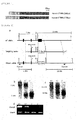
Figure 1] Figure 1 shows the structure of the CTRP6 molecule and the sequence identity of human CTRP6 and mouse CTRP6. The CTRP6 molecule comprises four regions in order from the left of the drawing: a signal peptide, a variable region, a collagen domain, and a C1q domain. The amino acid sequence identity in each region between the human molecule and the mouse molecule is 55, 51, 60, and 82%, respectively. - [
Figure 2 ] The upper part ofFigure 2a shows the wild type (WT) allele structure of mouse C1qtnf6, the middle part shows the structure of the targeting vector, and the lower part shows the predicted structure of a mutant allele of C1qtnf6. In the figure, exons are represented by filled rectangles.Exon 3 of the C1qtnf6 gene encoding the C1q domain is substituted by a neomycin resistance gene (Neor). A diphtheria toxin gene (DT) was bonded to the 3' terminal of the genome fragment for negative selection.Figure 2b shows the results of Southern blot analysis conducted using a HindIII (restriction site shown by "H" inFigure 2a ) digestion product as a genome probe and a 5' probe (shown as "5' probe" inFigure 2a ) to confirm the production of a C1qtnf6 deletion allele.Figure 2c shows the results of Southern blot analysis conducted using an EcoRV (restriction site shown by "E" inFigure 2a ) digestion product as a genome probe and a 3' probe (shown as "3' probe" inFigure 2a ) to confirm the production of a C1qtnf6 deletion allele. - [
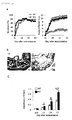
Figure 3] Figure 3a shows the results obtained by comparing the exacerbation (*2) of collagen-induced arthritis between C1qtnf6 knockout mice (shown by "KO") and wild type mice (shown by "WT"). The left side ofFigure 3a shows the incidence (vertical axis: Incidence (%)) of arthritis. The right side shows the seriousness (horizontal axis: Score/affected mice) evaluated from 21 days after the first immunization by type II collagen (that is, the day of booster immunization). The incidence and seriousness score accorded with the standards listed in Nat. Protoc. (2008), Vol. 3(4), pp. 612-618. The results are expressed by the mean±standard error (WT: n = 18 and KO: n = 16 by total of two independent studies). "*" represents a significant difference at a risk of 0.05% (Mann-Whitney U-test).Figure 3b shows the results of histopathological studies of the mouse joints 42 days after the initial immunization. Typical symptoms of synovitis are seen in the affected joints (right side ofFigure 3b ) of KO mice. The scale bar in the photographs corresponds to 300 µm.Figure 3c shows the results obtained by detecting the type II collagen (IIC)-specific IgG level in mouse serum by ELISA before the initial immunization ("pre" on the horizontal axis of the figure) and 14, 28, and 42 days after the initial immunization. The results are expressed by the mean±standard error (WT: n = 18 and KO: n = 16 by total of two independent studies). "*" represents a significant difference at a risk of 0.05% and "***" represents a significant difference at a risk of 0.005% (Student's T-test). - [
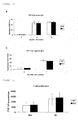
Figure 4] Figure 4a shows the results obtained by detecting the TNP-KLH-specific IgG1 level in mouse serum by ELISA ondays Figure 4b shows the results obtained by detecting the TNP-Ficoll-specific IgG3 level in mouse serum by ELISA ondays Figures 4a and 4b . - [
Figure 5] Figure 5 is a graph showing lymphocyte proliferation when lymphocytes collected from mice onday 7 after the initial immunization were cultured with (expressed as "IIC" in the figure) or without (expressed as "Med" in the figure) type II collagen present as [3H]TdR uptake. The wild type mouse group is listed as "WT" and the knockout mouse group as "KO." The results are expressed by the mean±standard error (both groups, n = 6). - [
Figure 6] Figure 6a shows the results obtained by detecting the complement C3a molecule in mouse plasma by ELISA before the initial immunization and onday 7 after the initial immunization.Figure 6b shows the results obtained by detecting the complement C5a molecule in the serum by ELISA before the initial immunization and onday 7 after the initial immunization. In bothFigures 6a and 6b , "pre" on the horizontal axis shows the data from before the initial immunization and "IIC" shows the data fromday 7 after the initial immunization by type II collagen. The wild type mouse group is listed as "WT" and the knockout mouse group as "KO." The results are expressed by the mean±standard error (both groups, n = 8). "*" represents a significant difference at a risk of 0.05% (Student's T-test). - [
Figure 7] Figure 7a shows the results obtained by measuring activation of the complement classical pathway in serum collected from normally raised mice as deposition of the complement C3b molecule.Figure 7b shows the results obtained by measuring activation of the complement lectin pathway in serum collected from normally raised mice as deposition of the C3b molecule.Figure 7c shows the results obtained by measuring activation of the complement alternative pathway in serum collected from normally raised mice as deposition of the complement C3b molecule. InFigures 7a-7c , the horizontal axis shows the dilution factor of the serum, and the vertical axis shows the ELISA measurement results on the activated C3b molecule bonded to the plate. The wild type mouse group is listed as "WT" and the knockout mouse group as "KO." The results are expressed by the mean±standard error (both groups, n = 8). "**" represents a significant difference at a risk of 0.01%, and "***" represents a significant difference at a risk of 0.005% (Student's T-test). - [
Figure 8] Figure 8a shows the results obtained by measuring activation of the complement alternative pathway as deposition of the complement C3b molecule when various concentrations of CTRP6 molecule were added in advance to serum (5% diluted) collected from normally raised C1qtnf6 KO mice.Figure 8b shows the results obtained by measuring activation of the complement alternative pathway as deposition of complement C5b-9 complex when various concentrations of CTRP6 molecule were added in advance to serum (10% diluted) collected from normally raised C1qtnf6 KO mice. In bothFigures 8a and 8b , the horizontal axis shows the CTRP6 concentration added, and the vertical axis shows the ELISA measurement results of activated C3b molecule or C5b-9 complex bonded to the plate. The results are expressed by the mean±standard error (both groups, n = 8). "*" represents a significant difference at a risk of 0.05%, and "***" represents a significant difference at a risk of 0.005% (Student's T-test). - [
Figure 9] Figure 9a shows the results obtained by confirming the CTRP6 level in the plasma of C1qtnf6 Tg mice (n = 8) by ELISA. The vertical axis represents the CTRP value (ng/mL).Figure 9b shows the results obtained by measuring activation of the complement classical pathway (CP), lectin pathway (LP), and alternative pathway (AP) in serum collected from normally raised C1qtnf6 Tg mice (n = 5) as deposition of the complement C3b molecule. The vertical axis represents the ELISA measurement results on activated C3b molecule bonded to the plate.Figure 9c shows the results obtained by comparing exacerbation (*2) of collagen-induced arthritis between C1qtnf6 Tg mice (shown by "Tg") and wild type mice (shown by "WT"). The upper part ofFigure 9c is the incidence of arthritis (vertical axis: Incidence (%)) and the lower part is the seriousness (vertical axis: Score/affected mice) evaluated from 21 days after the initial immunization by type II collagen (that is, the day of booster immunization). The incidence and seriousness score accorded with the standards listed in Nat. Protoc. (2008), Vol. 3(4), pp. 612-618. WT: n = 32 and Tg: n = 25 by total of two independent studies. InFigures 9a and 9b , the results are expressed by the mean±standard error. "***" represents a significant difference at a risk of 0.005% (Student's T-test). InFigure 9c , the results are expressed by the mean±standard error, and "*" represents a significant difference at a risk of 0.05% (Mann-Whitney U-test). - [
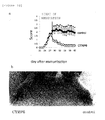
Figure 10] Figure 10 shows the therapeutic effect of human CTRP6 in DBA/1J mice in which collagen-induced arthritis was induced by immunization by type II collagen.Figure 10a is the results of visual examination from 21 days after the initial immunization by type II collagen (that is, the day of booster immunization). CTRP6 was administered daily fromday 28 after the initial immunization. The seriousness score on the vertical axis accorded with the seriousness criteria 0-4 listed in Nat. Protoc. (2007), Vol. 2(5), pp. 1269-1275. The results are expressed by the mean±standard error (n = 11).Figure 10b is a photograph showing the therapeutic effect. Type II collagen was injected at the base of the mouse's tail. The left leg (left side of the photograph) was injected with CTRP6; the right leg (right side of the photograph) was injected with phosphate-buffered physiological saline as a control. InFigure 10a , the results are expressed by the mean±standard error, and "*" represents a significant difference at a risk of 0.05% (Mann-Whitney U-test). - [
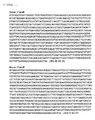
Figure 11] Figure 11 shows the base sequences that encode human CTRP6 and mouse CTRP6. - Any can be used as the active ingredient in the pharmaceutical composition of the present invention as long as it is a protein that manifests CTRP6 activity in vivo. Therefore, these proteins are collectively termed "functional analogs" of CTRP6 in the present invention. One can judge that a certain protein or peptide is a functional analog of CTRP6 by confirming that this protein is capable of specifically suppressing the complement alternative pathway, or that this protein is capable of suppressing complement activation, or both. Concrete examples of this method are listed in the examples as ELISA methods of evaluating complement C3b and/or C5b activation.
- Examples discussed below in which mice were treated using human CTRP6 also confirmed that CTRP6 activity has low specificity between species. It is therefore also possible to use a CTRP6 molecule derived from various animals. Furthermore, since the C1q domains of human CTRP6 and mouse CTRP6 have 82% amino acid sequence identity (the maximum is 60% amino acid identity between other domains), those skilled in the art can easily select as functional analogs of CTRP6 those that specifically suppress the complement alternative pathway or suppress complement activation from among proteins or peptides having at least 80% sequence homology with human CTRP6 (SEQ ID NO: 1) or mouse CTRP6 (SEQ ID NO: 2) or having at least about 80% sequence homology with the C1q domain of these CTRP6. Such functional analogs more preferably have at least 85%, 90%, or 95% sequence homology with human CTRP6 (SEQ ID NO: 1) or mouse CTRP6 (SEQ ID NO: 2) or have at least 80%, 90%, or 95% sequence homology with the C1q domain of CTRP6. Furthermore, homology of the amino acid sequence here can be defined as the percentage of positivity shown by the BLASTP algorithm that can be implemented by the internet site http://www. ncbi.n/m.nih.gov/egi-gin/BLAST by a search using the default parameters of the program (matrix = Blosum62; gap penalties: existence = 11, extension = 1).
-

-

- Therefore, those skilled in the art can also easily select as functional analogs of CTRP6 of the present invention those among proteins or peptides consisting of amino acid sequences having one or more amino acids deleted, substituted, or added in the above human CTRP6 (SEQ ID NO: 1) or mouse CTRP6 (SEQ ID NO: 2) that specifically suppress the complement alternative pathway or suppress complement activation as above. In short, these molecules are considered as functional analogs even if they have the structure of one of these molecules but not the other or even if the two amino acid sequences are not completely identical as long as these two molecules have substantially analogous activity. For example, leucine can be substituted by valine, lysine can be substituted by arginine, and glutamine can be substituted by asparagine without changing the function of the polypeptide.
- Recombinant human CTRP6 is available as a commercial product (from Bio Vender and Adipo Bioscience). If the desired CTRP6 or functional analog thereof is unavailable, those skilled in the art can prepare such analogs based on the known CTRP6 sequence. For example, since the base sequences that encode human CTRP6 (SEQ ID NO: 1) and mouse CTRP6 (SEQ ID NO: 2) are known (GenBank Accession Numbers: human: CU013002, mouse:BC071187; refer also to
Figure 11 ), they can be expressed recombinantly by molecular cloning into an expression vector containing a suitable promoter and other suitable transcriptional control elements by utilizing cDNA having this sequence as is or by utilizing DNA that can hybridize with such cDNA under suitable stringent conditions (for example, hybridization by 3× SSC at 68°C, washing by 2× SSC and 0.1% SDS at 68°C), and transfected into prokaryotic host cells or eukaryotic host cells to produce functional analogs of CTRP6. The techniques of such procedures are described fully by J. Sambrook et al. in Molecular Cloning, A Laboratory Manual 2nd ed., Cold Springs Harbor Laboratory, New York (1989) and are known to those skilled in the art. - The method of administration of the pharmaceutical composition of the present invention may be either systemic or local. Examples of systemic administration include oral administration and parenteral administration, including subcutaneous administration, intraperitoneal administration, intramuscular injection, intra-arterial administration, and intravenous administration, and the like. Examples of local administration include local injection to the epidermis, eye, and various tumors, administration to the lungs and bronchi by inhalation of aerosol, and the like. The dose of the pharmaceutical composition of the present invention varies depending on the patient's age, physique, gender, severity of symptoms, specific activity of the active ingredient, pharmaceutical form, and other such factors. For example, the effective dose of human CRP6 used as an intramuscular injection is 0.01 µg to 10 mg/kg/day, preferably 0.1-500 µg/kg/day, and more preferably 1-50 µg/kg/day. The dose may be adjusted as is appropriate to match the patient's condition and the inflammation or disease to be treated. Furthermore, the frequency of administration may be 1-2 times/day, or daily, or 1-3 times/week.
- Pharmacologically acceptable additives can be contained together with the CTRP6 or functional analog thereof used in the present invention in the pharmaceutical composition of the present invention. For example, in a composition in the form of an injectable preparation, pH buffer, preservative, and isotonifying agent can be added as needed. Those having a pH buffering effect that can be added to injectable preparations are used as pH buffers. Examples include acetic acid, succinic acid, tartaric acid, lactic acid, or salts thereof, or the like. Methyl p-oxybenzoate, ethyl p-oxybenzoate, propyl p-oxybenzoate, and other such parabens; 2-phenylethanol, ethyl alcohol, chlorobutanol, and other such alcohols; benzalkonium chloride, benzethonium chloride, cetyl pyridinium chloride, and other such surfactants may be added as preservatives. Sodium chloride, potassium chloride, and other such inorganic salts, monosaccharides, disaccharides, and other such sugars can be used as isotonifying agents as long as they are common pharmacologically acceptable ones.
- The pharmaceutical composition of the present invention can be used advantageously for the prevention and/or treatment of autoimmune disease. The complement alternative pathway is a cascade activated by deposition of C3b on a sensitive surface. This pathway is activated via inflammatory activity including activation of mast cells, macrophages, neutrophils, endothelial cells, and the like and tissue damage and forms C5b-9 complexes, which are membrane attack complexes, on the sensitive surface and damages cells together with producing biologically active fragments of complement proteins such as C3a, C4a, C5a anaphylatoxin, and the like. Consequently, it is reasonable to expect that suppressing activation of the complement alternative pathway will make it possible to prevent and treat a wide range of autoimmune diseases.
- Model animal experiments on suppression of complement activation report that it can be effective in the treatment of rheumatoid arthritis (Y. Wang et al., Proc. Natl. Acad. Sci. (1995), Vol. 92, pp. 8955-8959), systemic lupus erythematosus and glomerulonephritis (Y. Wang et al., Proc. Natl. Acad. Sci. (1996), Vol. 93, pp. 8563-8568), reperfusion injury (E.A. Amsterdam et al., Am. J. Physiol. (1995), Vol. 268, pp. H448-H457), adult respiratory distress syndrome (R. Rabinovici et al., J. Immunol. (1992), Vol. 49, pp. 1744-1750), cardiopulmonary bypass and hemodialysis (C.S. Rinder, J. Clin. Invest. (1995), Vol. 96, pp. 1564-1572), myocardial infarction (J.W. Homeister et al., J. Immunol. (1993), Vol. 150, pp. 1055-1064; H.F. Weisman et al., Science (1990), Vol. 249, pp. 146-151), and hyperacute rejection in organ transplant (T.J. Kroshus et al., Transplantation (1995), Vol. 60, pp. 1194-1202). Burns, severe asthma, anaphylactic shock, inflammation of the bowel, hives, vascular edema, angiitis, multiple sclerosis, myasthenia gravis, membranoproliferative glomerulonephritis, and other such inflammatory symptoms and autoimmune/immune complex diseases are also intimately related to complement activation (V.M. Holers, Clinical Immunology, Principles and Practice (book), edited by R.R. Rich, published by Mosby Press, 1996, pp. 363-391; B.P. Morgan, Eur. J. Clin. Invest. (1994), Vol. 24, pp. 219-228).
W02007/103549 discloses a method of treating and/or preventing uveitis, allergic conjunctivitis, and other such complement-mediated eye disorders by suppressing complement activation.W02004/103294 discloses methods of preventing and treating sepsis and septic shock by a complement inhibitor.W02006/101860 mentions that inhibitors of the complement cascade can be useful in the treatment of neurodegenerative diseases, including Alzheimer's disease. Therefore, examples of autoimmune diseases and associated inflammatory symptoms that can be prevented and treated by the pharmaceutical composition of the present invention are rheumatoid arthritis, rheumatoid spondylitis, osteoarthritis, gout,type 1 diabetes, vitiligo, systemic lupus erythematosus, biliary cirrhosis, uveitis, vesicular pemphigoid, Graves' ophthalmopathy, multiple sclerosis, lupus, fibromyalgia, sepsis, septic shock, endotoxin shock, gram-negative bacterial sepsis, toxic shock syndrome, asthma, adult respiratory distress syndrome, chronic obstructive pulmonary disease, chronic pulmonary inflammation, inflammatory bowel disease, Crohn's disease, psoriasis, eczema, ulcerative colitis, pancreatic fibrosis, hepatic fibrosis, acute and chronic nephropathy, irritable bowel syndrome, fever, restenosis, cerebral malaria, ischemic injury, nerve damage, Alzheimer's disease, Huntington's disease, Parkinson's disease, acute and chronic pain, allergic rhinitis, allergic conjunctivitis, chronic heart failure, acute coronary syndrome, and graft-versus-host reaction. - In particular, as in the examples below, the CTRP6 of the present invention suppressed activation of the complement alternative pathway and also suppressed deposition of complement C3b and formation of C5b-9 complexes. Therefore, the prevention/treatment of autoimmune diseases and associated inflammation related to the complement alternative pathway, specifically rheumatoid arthritis or
type 1 diabetes, is a very interesting phenomenon, but is not limited to this. - The pharmaceutical composition of the present invention can be used in combination with other anti-inflammatories and analgesics as long as this does not cause any serious adverse effects in the patient. For example, it can be used in combination with 5-lipoxygenase inhibitors, cyclooxygenase-2 inhibitors, interleukin-1 inhibitors, NMDA antagonists and nitric oxide inhibitors or nitric oxide synthesis inhibitors, nonsteroidal anti-inflammatories or cytokine-suppressive anti-inflammatories.
-
- (1) The fact that arthritis exacerbated significantly in C1qtnf6 KO mice in comparison to wild type (WT) mice as a result of creating C1qtnf6 (CTRP6 gene) KO mice and inducing collagen-induced arthritis,
- (2) the fact that CTRP6 specifically suppressed the complement alternative pathway,
- (3) the fact that C1qtnf6 Tg mice (mice that overexpress CTRP6) were created and symptoms of arthritis improved in these mice, and
- (4) the fact that arthritis in mice can be treated by administration of human CTRP6 are explained in detail below based on examples. Nonetheless, it goes without saying that the present invention is not limited to the examples.
-
Exon 3 that encodes the C1q domain of the C1qtnf6 gene was substituted by a neomycin resistance gene (Neo r ) by homologous recombination in E14.1 ES cells. A diphtheria toxin gene (DT) was also bonded to the 3' terminal of the genome fragment for negative selection. - Specifically, genomic DNA corresponding to C1qtnf6 was amplified from the genomic DNA of E14.1 ES cells using the following primers.
-
- Sense: 5'-tccccgcggctccaaaccatgctgactct-3' (SEQ ID NO: 3)
- Antisense: 5'-cgtctagaagcacctaactgcatgctgg-3' (SEQ ID NO: 4)
-
- Sense: 5'-ccatcgatatctgggcaagtccccatgtct-3' (SEQ ID NO: 5)
- Antisense: 5'-acgcgtcgactcctcctgggtcattctgca-3' (SEQ ID NO: 6)
- Fragments of 3.5 kb and 6.9 kb, respectively, were obtained as the 5' and 3' arms by this amplification.
- A targeting vector was constructed by substituting the genomic fragment corresponding to exon 3 (encoding the C1q domain) of the C1qtnf6 gene by a DNA fragment containing a neomycin resistance gene (Neo r ) under PGK1 promoter control for positive selection. A diphtheria toxin gene (DT) under MC1 promoter control was also bonded to the 3' terminal of this targeting vector for negative selection. A stop codon and a HindIII sequence for screening were also introduced into
exon 2 of this targeting vector (seeFigure 2 ). The targeting vector constructed in this way was introduced into ES cells (E14.1) by electroporation and selected by G418 (manufactured by Nacalai). The target clones were screened by PCR and Southern blot hybridization analysis. The first screening was conducted by PCR using the following primers. -
- Sense: 5'-ctctttctggcaagcacatagctc-3' (SEQ ID NO: 7)
- Antisense: 5'-agaggaacccaagcttcttacagg-3' (SEQ ID NO: 8)
- The target clones were confirmed by continuing the above PCR screening and conducting Southern blot hybridization analysis. Specifically, the genome of the ES cells was digested by HindIII and EcoRV and used as 5' and 3' probes, respectively. In brief, the 5' probe was amplified by the following primers.
-
- Sense: 5'-aacctgacttatgtgtgggcag-3' (SEQ ID NO: 9)
- Antisense: 5'-caggattgtatgagtgtctggg-3' (SEQ ID NO: 10)
- The 3' probe was amplified by the following primers.
-
- Sense: 5'-agaggatgtgtgcgtagtccaa-3' (SEQ ID NO: 11)
- Antisense: 5'-tggatggacagatggatggatg-3' (SEQ ID NO: 12)
- One target cell was identified as a result of the above screening (targeting efficiency 0.5%). Chimeric mice were created by a condensation method in accordance with the literature (Proc. Natl. Acad. Sci. USA, Vol. 90, pp. 8424-8428 and J. Exp. Med., Vol. 187, pp. 1463-1475) using this target clone. The contribution of the ES cells to these chimeric mice was confirmed by the coat color. Next, male chimeric mice were mated with female C57BL/6J mice to create heterozygous progeny. The F1 progeny were crossed, and heterozygous C1qtnf6 KO mice were obtained. Furthermore, C1qtnf6 KO mice of the same litter of F1 (C57BL/6J × 1290la/Hsd) background were used in type II collagen (sometimes abbreviated hereinafter as "IIC") restimulation assay and complement assay (detection of C5b-9), and mice of C57BL/6 background were used in other studies in the examples below. The following primers were used in genotyping of the C1qtnf6 KO mice.
-
- WT sense: 5'-ggcatctctggtgcttacaaccaag-3' (SEQ ID NO: 13)
- Mutant sense: 5'-agttatacgcgttcgctcggtaccca-3' (SEQ ID NO: 14)
- Antisense (common): 5'-gacagcaagctgatcatccacactca-3' (SEQ ID NO: 15)
- The above common antisense primer and WT sense primer were used in detection of the WT allele (686 bp), and the common antisense primer and mutant sense primer were used in detection of the mutant allele (454 bp) (see
Figure 2 ). - The exacerbation of collagen-induced arthritis (CIA) in C1qtnf6 KO mice was tested by the following method.
- Using a liquid obtained by emulsifying type II collagen (manufactured by Sigma) in a concentration of 2 mg/mL and heat-killed Mycobacterium tuberculosis (H37Ra; manufactured by Difco) in a concentration of 1.65 mg/mL relative to incomplete Freund adjuvant (IFA; manufactured by Difco), an initial immunization (day 0) was performed by subcutaneous injection of 100 µL of this emulsified liquid at three locations near the base of the mouse's tail. Booster immunization was performed on
day 21. In this case, 100 µL of liquid obtained by emulsifying the same amount of type II collagen (IIC) as above with complete Freund adjuvant was injected subcutaneously in the above mice near the locations of the previous injections. The incidence of arthritis and seriousness scores in these mice were subsequently evaluated by the criteria stated in Nat. Protoc. (2008), Vol. 3(4), pp. 612-618. Furthermore, the studies were conducted twice independently (total number of animals in the two studies: WT: n = 18, KO: n = 16). Histopathology studies of the joints were also conducted 42 days (day 42) after the initial immunization. Serum was also collected from the mice before and after the initial immunization, and the IIC-specific IgG level was studied by ELISA. The results are shown inFigure 3 . - As shown in
Figure 3a , arthritis exacerbated significantly in C1qtnf6 KO mice (sometimes abbreviated hereinafter as "KO mice"). As far as the histopathology findings,Figure 3b shows that typical synovitis developed in the joints of the KO mice.Figure 3c also shows that elevation of the IIC-specific IgG level after the initial immunization was significantly greater in the KO mice than in the WT mice. - Thymus-dependent (or -independent) antibody production was tested by the following method.
- To evaluate the immune response to thymus-dependent antigen, C1qtnf6 KO mice were immunized by intraperitoneal injection of a mixture of 200 µg of trinitrophenyl 16 [TNP(16)]-keyhole limpet hemocyanin (KLH) (manufactured by Biosearch Technologies) and the same amount of Imject Alum (trade name; manufactured by Pierce). Booster immunization was performed on
day 21. Serum was collected at the time of the initial immunization (day 0) anddays - On the other hand, to evaluate the immune response to thymus-independent antigen, C1qtnf6 KO mice were immunized by intraperitoneal injection of 200 µg of trinitrophenyl 65-aminoethyl-carboxyl-methyl (AECM)-Ficoll (manufactured by Biosearch Technologies). Serum was collected seven days after immunization, and the TNP-Ficoll-specific IgG3 level was assayed. In this assay, the above serum that had been diluted to 1:100 served as the sample, and the TNP-specific antibody level was determined by ELISA using a plate coated by 20 µg of TNP(30)-BSA and a conjugate of alkaline phosphate and goat and rabbit polyclonal antibody to mouse IgG3 (manufactured by Zymed). Both
Figures 4a and 4b show that CTRP6 did not affect antibody production by B cells. - 1290la/Hsd × C57BL/6J F1 mice were immunized using 100 µL of liquid obtained by emulsifying IIC in a concentration of 2 mg/mL and heat-killed Mycobacterium tuberculosis (H37Ra; manufactured by Difco) in a concentration of 5 mg/mL with complete Freund adjuvant (CFA; manufactured by Difco). Lymph node cells were collected on
day 7 after immunization. The collected lymph node cells (5 × 10⁵ cells/well) were cultured for three days with or without 100 mg/mL of heat-denatured IIC present. [3H]TdR (0.25 mCi/mL) was caused to be taken up by the cells from six hours before the end of culture. As shown inFigure 5 , the proliferative response of lymph node cells to antigen was the same in C1qtnf6 KO mice as in WT mice, and the mice responded normally. - Using a liquid obtained by emulsifying type II collagen (manufactured by Sigma) in a concentration of 2 mg/mL and heat-killed Mycobacterium tuberculosis (H37Ra; manufactured by Difco) in a concentration of 1.65 mg/mL relative to incomplete Freund adjuvant (IFA; manufactured by Difco), immunization was performed by subcutaneous injection of 100 µL of this emulsified liquid at three locations near the base of the mouse's tail. Plasma was collected from the mice on
day 7 after immunization by type II collagen (IIC). The plasma was incubated in a plate (manufactured by BD Falcon) coated by anti-mouse C3a capture monoclonal antibody or anti-mouse C5a capture monoclonal antibody (both manufactured by BD Pharmigen), and the complement C3a and complement C5a in the mouse plasma were detected using biotin-conjugated detection monoclonal antibody (manufactured by BD Pharmigen) (n = 8). As shown inFigure 6 , the production of the complement C3a and C5a molecules was significantly elevated in comparison to WT mice after IIC stimulation in C1qtnf6 KO mice. - Plates (manufactured by Nunc) were coated by OVA/anti-OVA immune complex (OVA; manufactured by Sigma, anti-OVA antibody; manufactured by Millipore), 50 µg/mL of mannan (manufactured by Sigma), and 200 µg/mL of LPS (manufactured by Sigma), respectively, to assay complement activation of the classical pathway (CP), lectin pathway (LP), and alternative pathway (AP) by a method in accordance with Blood (Jan. 15, 2008), Vol. 111(2), pp. 732-740) (Epub Oct. 4, 2007). Serum collected from normally raised mice (n = 8) diluted to 1, 2, and 4% and serum-free solution were incubated for one hour at 37°C in the plates, and the activated C3b bonded to the plates was then assayed using anti-mouse C3 antibody (manufactured by abcam). The CP and LP activity were assayed in GVB2+ buffer, and the AP activity was assayed in GVB/MgEGTA buffer.
- In brief, as shown in
Figure 7 , only the alternative pathway (AP) was judged to activate readily in KO mice as a result of studying the activation of the three pathways, the classical pathway (CP), lectin pathway (LP), and alternative pathway (AP), by reacting serum under different plate conditions and buffer conditions. - It was judged based on 1-e. above that only the alternative pathway (AP) activates readily in KO mice.
- Therefore, as a reconstitution experiment, various concentrations of recombinant CTRP6 (available from Bio Vender) were mixed in advance with C1qtnf6 KO mouse serum (5%) in GVB/MgEGTA buffer, and the AP activity was assayed by the procedure of 1-e. above. Here, various concentrations of CTRP6 were also mixed with KO mouse serum (10%) in advance, and the formation of C5b-9 complexes was assayed by an anti-mouse C5b-9 antibody (abcam) protocol using plates with LPS immobilized in a concentration of 200 µg/mL.
- As shown in
Figures 8a and 8b , concentration-dependent suppression of the alternative pathway by CTRP6 was confirmed as suppression of activation of complement C3b and complement C5b, respectively, as a result of varying the concentration (5% and 10%) of serum of KO mice that do not produce CTRP6 and adding CTRP6. - C1qtnf6 Tg mice (mice that overexpress CTRP6) were created as follows. Refer to Example 1-a. for the details.
- Mouse C1qtnf6 (full length) cDNA amplified by RT-PCR using the following primers was incorporated downstream of a CAG promoter in a pCXN vector.
-
- Sense: 5'-TTGAATTCGCAGGATGAGGGTCATCATGG-3'(SEQ ID NO: 16)
- Antisense: 5'-CGGAATTCAGTTGTCCTCTGCCTTGATC-3' (SEQ ID NO: 17)
- The amplified cDNA fragment was sequenced and confirmed to be the correct sequence. After introducing this cDNA fragment into a vector, the vector was treated by BamHI and PvuI, and a purified fragment was obtained. The fragment purified in this way was microinjected into the pronuclei of eggs of C57BL/6J mice, and the eggs were placed in the oviducts of pseudopregnant ICR mice. Whether or not the mice obtained were Tg mice was confirmed by PCR using the following primers, and the genomic DNA was treated by HindIII and EcoRI and confirmed by Southern blotting.
-
- Sense: 5'-ACGTGCTGGTTGTTGTGCTGTCTC-3' (SEQ ID NO: 18)
- Antisense: 5'-CTTTATAGCCACCTTTGTTCATGGC-3' (SEQ ID: 19)
-
- Sense: 5'-CTACAGGAACACCAGGGAAGCCA-3' (SEQ ID NO: 20)
- Antisense: 5'-TTGATCAGGTGGCCACTGAAGGT-3' (SEQ ID NO: 21)
- The following three primers were used in genotyping of the Tg mice.
-
- Common: 5'-CTGTGTACGTTGAGGCTGAAGAAG-3' (SEQ ID NO: 22)
- WT-specific: 5'-TGGCCTCAGTTTCACTTCTGCAGA-3' (SEQ ID NO: 23)
- Tg-specific: 5'-ATCCTAAAGGGTGACAAAGGGGAC-3' (SEQ ID NO: 24)
- Littermates were also used in the study.
-
- 1) The CTRP6 in the plasma of the C1qtnf6 Tg mice (sometimes abbreviated as Tg mice) created in this way was confirmed by ELISA. Specifically, mouse serum diluted to 10% was incubated for one hour at room temperature in plates (manufactured by Nunc) coated by anti-CTRP6 antibody (manufactured by Anaspec), and the amount of CTRP6 bonded to the plate was then determined using biotinized anti-CTRP6 antibody (antibody manufactured by Anaspec biotinized using a Dojindo Labeling Kit (manufactured by Cosmo Bio)).
The results are shown inFigure 9a . As intended, the amount of CTRP6 in the C1qtnf6 Tg mouse plasma was significantly greater than in WT. - 2) Next, suppression of collagen-induced arthritis (CIA) in C1qtnf6 Tg mice was tested by the procedure of 1-b. above. However, the concentration of heat-killed Mycobacterium tuberculosis (H37Ra; manufactured by Difco) in the emulsified liquid used in immunization was set at 2.5 mg/mL to make the symptoms more serious than in the study in WT by increasing the amount of killed Mycobacterium tuberculosis.
As shown inFigure 9c , exacerbation of arthritis in C1qtnf6 Tg mice was significantly suppressed in comparison to WT. - 3) The fact that the complement alternative pathway is specifically suppressed in C1qtnf6 Tg mice was also verified by the procedure of 1-e. above.
- The results in
Figure 9b confirmed that the complement alternative pathway is specifically suppressed in C1qtnf6 Tg mice. - An animal model of arthritis was produced based on DBA/1J mice. Using a liquid obtained by emulsifying type II collagen in a concentration of 2 mg/mL relative to complete Freund adjuvant (CFA; manufactured by Difco), an initial immunization (day 0) was performed by subcutaneous injection of 100 µL of this emulsified liquid at three locations near the base of the mouse's tail. Booster immunization was performed on
day 21. In this case, 100 µL of liquid obtained by emulsifying the same amount of type II collagen (IIC) as above with complete Freund adjuvant was injected subcutaneously in the above mice near the locations of the previous injections. - To test the effect of CTRP6 on arthritis, recombinant human CTRP6 solution (corresponding to 300 ng of CTRP6) obtained from Adipo Bioscience and PBS (pH 7.4) from
day 28, each in an injection quantity of 30 µL, were injected into the articular cavity of the knee joint, CTRP6 to the left leg and PBS to the right leg, of the DBA/1J mice (n = 11). - Swelling and reddening of the joint were examined visually thereafter in the left and right legs and evaluated on a seriousness scale of 0-4 described in Nat. Protoc. (2007), Vol. 2(5), pp. 1269-1275.
- The results in
Figure 10 clearly showed that CTRP6 administration to DBA/1J mice that had developed arthritis improved the symptoms of the arthritis. In addition, the left leg injected with CTRP6 was healed in 8 of 11 mice. - A pharmaceutical product for the prevention and/or treatment of autoimmune disease is provided based on the present invention. Therefore, the present invention can be utilized in the pharmaceutical manufacturing industry and the like.


Claims (5)
- A CTRP6-containing pharmaceutical composition for the prevention or treatment of autoimmune disease.
- The pharmaceutical composition according to Claim 1 wherein CTRP6 comprises an amino acid sequence shown byi) the human CTRP6 sequence (SEQ ID NO: 1) orii) the mouse CTRP6 sequence (SEQ ID NO: 2);
or isiii) a protein having at least 80% sequence identity with SEQ ID NO: 1 or SEQ ID NO: 2 and activity to suppress complement activation, oriv) a protein comprising an amino acid sequence in which one or several amino acids have been deleted, substituted, or added in the above SEQ ID NO: 1 or SEQ ID NO: 2, and having activity to suppress complement activation. - The pharmaceutical composition according to Claim 1 or 2 wherein the autoimmune disease is an inflammation selected from the group consisting of rheumatoid arthritis, rheumatoid spondylitis, osteoarthritis, gout, type 1 diabetes, vitiligo, systemic lupus erythematosus, biliary cirrhosis, uveitis, vesicular pemphigoid, Graves' ophthalmopathy, multiple sclerosis, lupus, fibromyalgia, sepsis, septic shock, endotoxin shock, gram-negative bacterial sepsis, toxic shock syndrome, asthma, adult respiratory distress syndrome, chronic obstructive pulmonary disease, chronic pulmonary inflammation, inflammatory bowel disease, Crohn's disease, psoriasis, eczema, ulcerative colitis, pancreatic fibrosis, hepatic fibrosis, acute and chronic nephropathy, irritable bowel syndrome, fever, restenosis, cerebral malaria, ischemic injury, nerve damage, Alzheimer's disease, Huntington's disease, Parkinson's disease, acute and chronic pain, allergic rhinitis, allergic conjunctivitis, chronic heart failure, acute coronary syndrome, and graft-versus-host reaction.
- The pharmaceutical composition according to any of Claims 1 to 3 wherein the autoimmune disease is a disease related to the complement alternative pathway.
- The pharmaceutical composition according to Claim 3 wherein the autoimmune disease is rheumatoid arthritis or type 1 diabetes.
Applications Claiming Priority (3)
| Application Number | Priority Date | Filing Date | Title |
|---|---|---|---|
| US201161485746P | 2011-05-13 | 2011-05-13 | |
| JP2011219350 | 2011-10-03 | ||
| PCT/JP2012/061827 WO2012157479A1 (en) | 2011-05-13 | 2012-05-09 | Ctrp6 which can be used as therapeutic and prophylactic agent for autoimmune diseases |
Publications (3)
| Publication Number | Publication Date |
|---|---|
| EP2708233A1 true EP2708233A1 (en) | 2014-03-19 |
| EP2708233A4 EP2708233A4 (en) | 2015-01-07 |
| EP2708233B1 EP2708233B1 (en) | 2018-06-27 |
Family
ID=47176809
Family Applications (1)
| Application Number | Title | Priority Date | Filing Date |
|---|---|---|---|
| EP12785351.3A Not-in-force EP2708233B1 (en) | 2011-05-13 | 2012-05-09 | Ctrp6 which can be used as therapeutic and prophylactic agent for autoimmune diseases |
Country Status (4)
| Country | Link |
|---|---|
| US (1) | US9175054B2 (en) |
| EP (1) | EP2708233B1 (en) |
| JP (1) | JP5793188B2 (en) |
| WO (1) | WO2012157479A1 (en) |
Cited By (2)
| Publication number | Priority date | Publication date | Assignee | Title |
|---|---|---|---|---|
| CN111298121A (en) * | 2020-02-26 | 2020-06-19 | 嘉兴学院 | Application of CTRP6 gene deletion in tumor growth inhibition |
| CN111778284A (en) * | 2020-06-24 | 2020-10-16 | 西安医学院 | An animal model of atherosclerosis mediated by CTRP6 and its establishment method |
Families Citing this family (3)
| Publication number | Priority date | Publication date | Assignee | Title |
|---|---|---|---|---|
| EP3069726B1 (en) | 2013-11-15 | 2021-01-27 | Tokyo University of Science Foundation | Agent for use in a method of treating autoimmune disease |
| JP6442703B2 (en) * | 2016-12-26 | 2018-12-26 | 日本ビーシージー製造株式会社 | Oil-in-water emulsion formulation containing bacterial cell wall skeleton components |
| JP7266307B2 (en) * | 2018-02-14 | 2023-04-28 | 学校法人東京理科大学 | Chondrocyte Proliferation Promoter and Chondrocyte Proliferation Promotion Method |
Family Cites Families (7)
| Publication number | Priority date | Publication date | Assignee | Title |
|---|---|---|---|---|
| AU5037100A (en) * | 1999-05-27 | 2000-12-18 | Zymogenetics Inc. | Adipocyte complement related protein homolog zacrp6 |
| US20050226845A1 (en) | 2004-03-10 | 2005-10-13 | Chih-Ping Liu | Method of treatment using interferon-tau |
| US20040248156A1 (en) | 2001-12-03 | 2004-12-09 | Tianhua Hu | Methods and materials relating to novel C1q domain-containing polypeptides and polynucleotides |
| EP2266606B1 (en) | 2003-05-15 | 2014-09-10 | Genentech, Inc. | Methods and compositions for the prevention and treatment of sepsis |
| JP2008507591A (en) | 2004-05-21 | 2008-03-13 | ゼンコー・インコーポレイテッド | C1q family member proteins with altered immunogenicity |
| DE602006010834D1 (en) | 2005-03-16 | 2010-01-14 | Janssen Pharmaceutica Nv | NEW THIOPHENSULFOXIMINE FOR THE TREATMENT OF COMPLEMENTED DISEASES AND SUFFERING |
| DK1991275T3 (en) | 2006-03-08 | 2014-12-08 | Archemix Llc | Complement aptamers AND ANTI-C5 AGENTS FOR USE IN THE TREATMENT OF EYE DISEASES |
-
2012
- 2012-05-09 JP JP2013515089A patent/JP5793188B2/en active Active
- 2012-05-09 WO PCT/JP2012/061827 patent/WO2012157479A1/en not_active Ceased
- 2012-05-09 US US14/116,039 patent/US9175054B2/en active Active
- 2012-05-09 EP EP12785351.3A patent/EP2708233B1/en not_active Not-in-force
Non-Patent Citations (5)
| Title |
|---|
| K. MCMAHON ET AL: "The Role of 5-AMP-Activated Protein Kinase (AMPK) in Diabetic Nephropathy: A New Direction?", CURRENT ENZYME INHIBITION, vol. 5, no. 1, 1 February 2009 (2009-02-01), pages 44-50, XP055154069, ISSN: 1573-4080, DOI: 10.2174/157340809787314256 * |
| LEE W ET AL: "C1qTNF-related protein-6 mediates fatty acid oxidation via the activation of the AMP-activated protein kinase", FEBS LETTERS, ELSEVIER, AMSTERDAM, NL, vol. 584, no. 5, 5 March 2010 (2010-03-05) , pages 968-972, XP026940312, ISSN: 0014-5793, DOI: 10.1016/J.FEBSLET.2010.01.040 [retrieved on 2010-01-26] * |
| LOMAS H M ET AL: "Targeting AMP-activated protein kinase as a therapeutic strategy for Amyotrophic Lateral Sclerosis", ABSTRACTS OF THE ANNUAL MEETING OF THE SOCIETY FOR NEUROSCIENCE, SOCIETY FOR NEUROSCIENCE, WASHINGTON, DC, US, vol. 40, 17 November 2010 (2010-11-17), XP009181372, ISSN: 0190-5295 * |
| NATH NARENDER ET AL: "5-aminoimidazole-4-carboxamide ribonucleoside: a novel immunomodulator in experimental autoimmune encephalomyelitis", FASEB JOURNAL, FED. OF AMERICAN SOC. FOR EXPERIMENTAL BIOLOGY, US, vol. 19, no. 4, suppl, 6 March 2005 (2005-03-06), pages A926-A927, XP009181368, ISSN: 0892-6638 * |
| See also references of WO2012157479A1 * |
Cited By (3)
| Publication number | Priority date | Publication date | Assignee | Title |
|---|---|---|---|---|
| CN111298121A (en) * | 2020-02-26 | 2020-06-19 | 嘉兴学院 | Application of CTRP6 gene deletion in tumor growth inhibition |
| CN111778284A (en) * | 2020-06-24 | 2020-10-16 | 西安医学院 | An animal model of atherosclerosis mediated by CTRP6 and its establishment method |
| CN111778284B (en) * | 2020-06-24 | 2023-09-22 | 西安医学院 | Animal model of atherosclerosis mediated by CTRP6 and method of establishing the same |
Also Published As
| Publication number | Publication date |
|---|---|
| EP2708233A4 (en) | 2015-01-07 |
| EP2708233B1 (en) | 2018-06-27 |
| JP5793188B2 (en) | 2015-10-14 |
| JPWO2012157479A1 (en) | 2014-07-31 |
| US20140194343A1 (en) | 2014-07-10 |
| US9175054B2 (en) | 2015-11-03 |
| WO2012157479A1 (en) | 2012-11-22 |
Similar Documents
| Publication | Publication Date | Title |
|---|---|---|
| JP2021063117A (en) | Anti-inflammatory polypeptides | |
| JP6914193B2 (en) | Fusion protein containing BDNF | |
| EP2708233B1 (en) | Ctrp6 which can be used as therapeutic and prophylactic agent for autoimmune diseases | |
| US20230364181A1 (en) | Treatment of hmgb1-mediated inflammation | |
| JP2010538005A (en) | Synthetic apolipoprotein E mimetic polypeptides and methods of use | |
| US9951120B2 (en) | Method of treating diabetes using non-glycosylated apolipoprotein A-IV | |
| CA3146031A1 (en) | Immunity inducer and pharmaceutical composition for preventing or treating aging-related diseases | |
| US20230348554A1 (en) | Biological macromolecular target-specific complement inhibitor, preparation method therefor, and application thereof | |
| JP2023521867A (en) | Modified interleukin-22 polypeptide and uses thereof | |
| JP2021506772A (en) | Recombinant IgG Fc multimer for the treatment of neuromyelitis optica | |
| KR20130132375A (en) | Methods for treatment of nephrotic syndrome and related conditions | |
| AU2014233219B2 (en) | Methods for treatment of nephrotic syndrome and related conditions | |
| US20230310631A1 (en) | Therapeutic use of glucagon derivative or conjugate thereof for liver disease | |
| KR20190126801A (en) | How to use soluble CD24 to treat systemic lupus erythematosus | |
| AU2012385960B2 (en) | Method of treating hyperglycemic disorders using apolipoprotein AIV | |
| JP2019520341A (en) | Compositions and methods for treating metabolic disorders | |
| US20060147448A1 (en) | Treatment of immunological renal disorders by lymphotoxin pathway inhibitors | |
| US20150218246A1 (en) | Short-form human md-2 as a negative regulator of toll-like receptor 4 signaling | |
| EP3154639B1 (en) | Uses of humanized cobra venom factor for reducing or preventing immunogenicity | |
| HK40084879A (en) | Biological macromolecular target-specific complement inhibitor, preparation method therefor, and application thereof | |
| JPWO2002064770A1 (en) | Novel scavenger receptor class A protein | |
| WO2002016579A2 (en) | Nucleic acids, vectors, host cells, polypeptides and uses thereof | |
| AU2004277281A1 (en) | Therapeutic method |
Legal Events
| Date | Code | Title | Description |
|---|---|---|---|
| PUAI | Public reference made under article 153(3) epc to a published international application that has entered the european phase |
Free format text: ORIGINAL CODE: 0009012 |
|
| 17P | Request for examination filed |
Effective date: 20131213 |
|
| AK | Designated contracting states |
Kind code of ref document: A1 Designated state(s): AL AT BE BG CH CY CZ DE DK EE ES FI FR GB GR HR HU IE IS IT LI LT LU LV MC MK MT NL NO PL PT RO RS SE SI SK SM TR |
|
| DAX | Request for extension of the european patent (deleted) | ||
| A4 | Supplementary search report drawn up and despatched |
Effective date: 20141210 |
|
| RIC1 | Information provided on ipc code assigned before grant |
Ipc: A61P 25/00 20060101ALI20141204BHEP Ipc: A61P 11/06 20060101ALI20141204BHEP Ipc: A61P 25/28 20060101ALI20141204BHEP Ipc: A61K 38/00 20060101AFI20141204BHEP Ipc: A61P 25/14 20060101ALI20141204BHEP Ipc: A61P 17/06 20060101ALI20141204BHEP Ipc: A61P 1/04 20060101ALI20141204BHEP Ipc: A61P 3/10 20060101ALI20141204BHEP Ipc: A61P 19/06 20060101ALI20141204BHEP Ipc: A61P 11/02 20060101ALI20141204BHEP Ipc: A61P 19/02 20060101ALI20141204BHEP Ipc: A61K 38/17 20060101ALI20141204BHEP Ipc: A61P 1/16 20060101ALI20141204BHEP Ipc: A61P 9/00 20060101ALI20141204BHEP Ipc: A61P 25/16 20060101ALI20141204BHEP Ipc: A61P 1/18 20060101ALI20141204BHEP Ipc: A61P 11/00 20060101ALI20141204BHEP Ipc: C07K 14/47 20060101ALI20141204BHEP Ipc: A61P 13/12 20060101ALI20141204BHEP Ipc: A61P 17/00 20060101ALI20141204BHEP |
|
| 17Q | First examination report despatched |
Effective date: 20160714 |
|
| STAA | Information on the status of an ep patent application or granted ep patent |
Free format text: STATUS: EXAMINATION IS IN PROGRESS |
|
| GRAP | Despatch of communication of intention to grant a patent |
Free format text: ORIGINAL CODE: EPIDOSNIGR1 |
|
| STAA | Information on the status of an ep patent application or granted ep patent |
Free format text: STATUS: GRANT OF PATENT IS INTENDED |
|
| INTG | Intention to grant announced |
Effective date: 20180209 |
|
| GRAS | Grant fee paid |
Free format text: ORIGINAL CODE: EPIDOSNIGR3 |
|
| GRAA | (expected) grant |
Free format text: ORIGINAL CODE: 0009210 |
|
| STAA | Information on the status of an ep patent application or granted ep patent |
Free format text: STATUS: THE PATENT HAS BEEN GRANTED |
|
| AK | Designated contracting states |
Kind code of ref document: B1 Designated state(s): AL AT BE BG CH CY CZ DE DK EE ES FI FR GB GR HR HU IE IS IT LI LT LU LV MC MK MT NL NO PL PT RO RS SE SI SK SM TR |
|
| REG | Reference to a national code |
Ref country code: GB Ref legal event code: FG4D |
|
| REG | Reference to a national code |
Ref country code: AT Ref legal event code: REF Ref document number: 1011707 Country of ref document: AT Kind code of ref document: T Effective date: 20180715 |
|
| REG | Reference to a national code |
Ref country code: DE Ref legal event code: R096 Ref document number: 602012047871 Country of ref document: DE |
|
| REG | Reference to a national code |
Ref country code: IE Ref legal event code: FG4D |
|
| PG25 | Lapsed in a contracting state [announced via postgrant information from national office to epo] |
Ref country code: NO Free format text: LAPSE BECAUSE OF FAILURE TO SUBMIT A TRANSLATION OF THE DESCRIPTION OR TO PAY THE FEE WITHIN THE PRESCRIBED TIME-LIMIT Effective date: 20180927 Ref country code: SE Free format text: LAPSE BECAUSE OF FAILURE TO SUBMIT A TRANSLATION OF THE DESCRIPTION OR TO PAY THE FEE WITHIN THE PRESCRIBED TIME-LIMIT Effective date: 20180627 Ref country code: BG Free format text: LAPSE BECAUSE OF FAILURE TO SUBMIT A TRANSLATION OF THE DESCRIPTION OR TO PAY THE FEE WITHIN THE PRESCRIBED TIME-LIMIT Effective date: 20180927 Ref country code: FI Free format text: LAPSE BECAUSE OF FAILURE TO SUBMIT A TRANSLATION OF THE DESCRIPTION OR TO PAY THE FEE WITHIN THE PRESCRIBED TIME-LIMIT Effective date: 20180627 Ref country code: LT Free format text: LAPSE BECAUSE OF FAILURE TO SUBMIT A TRANSLATION OF THE DESCRIPTION OR TO PAY THE FEE WITHIN THE PRESCRIBED TIME-LIMIT Effective date: 20180627 |
|
| REG | Reference to a national code |
Ref country code: NL Ref legal event code: MP Effective date: 20180627 |
|
| REG | Reference to a national code |
Ref country code: LT Ref legal event code: MG4D |
|
| PG25 | Lapsed in a contracting state [announced via postgrant information from national office to epo] |
Ref country code: LV Free format text: LAPSE BECAUSE OF FAILURE TO SUBMIT A TRANSLATION OF THE DESCRIPTION OR TO PAY THE FEE WITHIN THE PRESCRIBED TIME-LIMIT Effective date: 20180627 Ref country code: HR Free format text: LAPSE BECAUSE OF FAILURE TO SUBMIT A TRANSLATION OF THE DESCRIPTION OR TO PAY THE FEE WITHIN THE PRESCRIBED TIME-LIMIT Effective date: 20180627 Ref country code: GR Free format text: LAPSE BECAUSE OF FAILURE TO SUBMIT A TRANSLATION OF THE DESCRIPTION OR TO PAY THE FEE WITHIN THE PRESCRIBED TIME-LIMIT Effective date: 20180928 Ref country code: RS Free format text: LAPSE BECAUSE OF FAILURE TO SUBMIT A TRANSLATION OF THE DESCRIPTION OR TO PAY THE FEE WITHIN THE PRESCRIBED TIME-LIMIT Effective date: 20180627 |
|
| REG | Reference to a national code |
Ref country code: AT Ref legal event code: MK05 Ref document number: 1011707 Country of ref document: AT Kind code of ref document: T Effective date: 20180627 |
|
| PG25 | Lapsed in a contracting state [announced via postgrant information from national office to epo] |
Ref country code: NL Free format text: LAPSE BECAUSE OF FAILURE TO SUBMIT A TRANSLATION OF THE DESCRIPTION OR TO PAY THE FEE WITHIN THE PRESCRIBED TIME-LIMIT Effective date: 20180627 |
|
| PG25 | Lapsed in a contracting state [announced via postgrant information from national office to epo] |
Ref country code: IS Free format text: LAPSE BECAUSE OF FAILURE TO SUBMIT A TRANSLATION OF THE DESCRIPTION OR TO PAY THE FEE WITHIN THE PRESCRIBED TIME-LIMIT Effective date: 20181027 Ref country code: AT Free format text: LAPSE BECAUSE OF FAILURE TO SUBMIT A TRANSLATION OF THE DESCRIPTION OR TO PAY THE FEE WITHIN THE PRESCRIBED TIME-LIMIT Effective date: 20180627 Ref country code: EE Free format text: LAPSE BECAUSE OF FAILURE TO SUBMIT A TRANSLATION OF THE DESCRIPTION OR TO PAY THE FEE WITHIN THE PRESCRIBED TIME-LIMIT Effective date: 20180627 Ref country code: PL Free format text: LAPSE BECAUSE OF FAILURE TO SUBMIT A TRANSLATION OF THE DESCRIPTION OR TO PAY THE FEE WITHIN THE PRESCRIBED TIME-LIMIT Effective date: 20180627 Ref country code: RO Free format text: LAPSE BECAUSE OF FAILURE TO SUBMIT A TRANSLATION OF THE DESCRIPTION OR TO PAY THE FEE WITHIN THE PRESCRIBED TIME-LIMIT Effective date: 20180627 Ref country code: CZ Free format text: LAPSE BECAUSE OF FAILURE TO SUBMIT A TRANSLATION OF THE DESCRIPTION OR TO PAY THE FEE WITHIN THE PRESCRIBED TIME-LIMIT Effective date: 20180627 Ref country code: SK Free format text: LAPSE BECAUSE OF FAILURE TO SUBMIT A TRANSLATION OF THE DESCRIPTION OR TO PAY THE FEE WITHIN THE PRESCRIBED TIME-LIMIT Effective date: 20180627 |
|
| PG25 | Lapsed in a contracting state [announced via postgrant information from national office to epo] |
Ref country code: IT Free format text: LAPSE BECAUSE OF FAILURE TO SUBMIT A TRANSLATION OF THE DESCRIPTION OR TO PAY THE FEE WITHIN THE PRESCRIBED TIME-LIMIT Effective date: 20180627 Ref country code: SM Free format text: LAPSE BECAUSE OF FAILURE TO SUBMIT A TRANSLATION OF THE DESCRIPTION OR TO PAY THE FEE WITHIN THE PRESCRIBED TIME-LIMIT Effective date: 20180627 Ref country code: ES Free format text: LAPSE BECAUSE OF FAILURE TO SUBMIT A TRANSLATION OF THE DESCRIPTION OR TO PAY THE FEE WITHIN THE PRESCRIBED TIME-LIMIT Effective date: 20180627 |
|
| REG | Reference to a national code |
Ref country code: DE Ref legal event code: R097 Ref document number: 602012047871 Country of ref document: DE |
|
| PLBE | No opposition filed within time limit |
Free format text: ORIGINAL CODE: 0009261 |
|
| STAA | Information on the status of an ep patent application or granted ep patent |
Free format text: STATUS: NO OPPOSITION FILED WITHIN TIME LIMIT |
|
| PG25 | Lapsed in a contracting state [announced via postgrant information from national office to epo] |
Ref country code: DK Free format text: LAPSE BECAUSE OF FAILURE TO SUBMIT A TRANSLATION OF THE DESCRIPTION OR TO PAY THE FEE WITHIN THE PRESCRIBED TIME-LIMIT Effective date: 20180627 |
|
| 26N | No opposition filed |
Effective date: 20190328 |
|
| PG25 | Lapsed in a contracting state [announced via postgrant information from national office to epo] |
Ref country code: SI Free format text: LAPSE BECAUSE OF FAILURE TO SUBMIT A TRANSLATION OF THE DESCRIPTION OR TO PAY THE FEE WITHIN THE PRESCRIBED TIME-LIMIT Effective date: 20180627 |
|
| PG25 | Lapsed in a contracting state [announced via postgrant information from national office to epo] |
Ref country code: AL Free format text: LAPSE BECAUSE OF FAILURE TO SUBMIT A TRANSLATION OF THE DESCRIPTION OR TO PAY THE FEE WITHIN THE PRESCRIBED TIME-LIMIT Effective date: 20180627 |
|
| REG | Reference to a national code |
Ref country code: CH Ref legal event code: PL |
|
| PG25 | Lapsed in a contracting state [announced via postgrant information from national office to epo] |
Ref country code: LI Free format text: LAPSE BECAUSE OF NON-PAYMENT OF DUE FEES Effective date: 20190531 Ref country code: MC Free format text: LAPSE BECAUSE OF FAILURE TO SUBMIT A TRANSLATION OF THE DESCRIPTION OR TO PAY THE FEE WITHIN THE PRESCRIBED TIME-LIMIT Effective date: 20180627 Ref country code: CH Free format text: LAPSE BECAUSE OF NON-PAYMENT OF DUE FEES Effective date: 20190531 |
|
| REG | Reference to a national code |
Ref country code: BE Ref legal event code: MM Effective date: 20190531 |
|
| PG25 | Lapsed in a contracting state [announced via postgrant information from national office to epo] |
Ref country code: LU Free format text: LAPSE BECAUSE OF NON-PAYMENT OF DUE FEES Effective date: 20190509 |
|
| PG25 | Lapsed in a contracting state [announced via postgrant information from national office to epo] |
Ref country code: TR Free format text: LAPSE BECAUSE OF FAILURE TO SUBMIT A TRANSLATION OF THE DESCRIPTION OR TO PAY THE FEE WITHIN THE PRESCRIBED TIME-LIMIT Effective date: 20180627 |
|
| PG25 | Lapsed in a contracting state [announced via postgrant information from national office to epo] |
Ref country code: IE Free format text: LAPSE BECAUSE OF NON-PAYMENT OF DUE FEES Effective date: 20190509 |
|
| PG25 | Lapsed in a contracting state [announced via postgrant information from national office to epo] |
Ref country code: BE Free format text: LAPSE BECAUSE OF NON-PAYMENT OF DUE FEES Effective date: 20190531 |
|
| PG25 | Lapsed in a contracting state [announced via postgrant information from national office to epo] |
Ref country code: FR Free format text: LAPSE BECAUSE OF NON-PAYMENT OF DUE FEES Effective date: 20190531 Ref country code: PT Free format text: LAPSE BECAUSE OF FAILURE TO SUBMIT A TRANSLATION OF THE DESCRIPTION OR TO PAY THE FEE WITHIN THE PRESCRIBED TIME-LIMIT Effective date: 20181029 |
|
| PG25 | Lapsed in a contracting state [announced via postgrant information from national office to epo] |
Ref country code: CY Free format text: LAPSE BECAUSE OF FAILURE TO SUBMIT A TRANSLATION OF THE DESCRIPTION OR TO PAY THE FEE WITHIN THE PRESCRIBED TIME-LIMIT Effective date: 20180627 |
|
| PG25 | Lapsed in a contracting state [announced via postgrant information from national office to epo] |
Ref country code: HU Free format text: LAPSE BECAUSE OF FAILURE TO SUBMIT A TRANSLATION OF THE DESCRIPTION OR TO PAY THE FEE WITHIN THE PRESCRIBED TIME-LIMIT; INVALID AB INITIO Effective date: 20120509 Ref country code: MT Free format text: LAPSE BECAUSE OF FAILURE TO SUBMIT A TRANSLATION OF THE DESCRIPTION OR TO PAY THE FEE WITHIN THE PRESCRIBED TIME-LIMIT Effective date: 20180627 |
|
| PG25 | Lapsed in a contracting state [announced via postgrant information from national office to epo] |
Ref country code: MK Free format text: LAPSE BECAUSE OF FAILURE TO SUBMIT A TRANSLATION OF THE DESCRIPTION OR TO PAY THE FEE WITHIN THE PRESCRIBED TIME-LIMIT Effective date: 20180627 |
|
| PGFP | Annual fee paid to national office [announced via postgrant information from national office to epo] |
Ref country code: DE Payment date: 20230503 Year of fee payment: 12 |
|
| PGFP | Annual fee paid to national office [announced via postgrant information from national office to epo] |
Ref country code: GB Payment date: 20230512 Year of fee payment: 12 |
|
| REG | Reference to a national code |
Ref country code: DE Ref legal event code: R119 Ref document number: 602012047871 Country of ref document: DE |
|
| GBPC | Gb: european patent ceased through non-payment of renewal fee |
Effective date: 20240509 |
|
| PG25 | Lapsed in a contracting state [announced via postgrant information from national office to epo] |
Ref country code: DE Free format text: LAPSE BECAUSE OF NON-PAYMENT OF DUE FEES Effective date: 20241203 |
|
| PG25 | Lapsed in a contracting state [announced via postgrant information from national office to epo] |
Ref country code: GB Free format text: LAPSE BECAUSE OF NON-PAYMENT OF DUE FEES Effective date: 20240509 |