EP2706808B1 - Service data scheduling method, base station, and base station controller - Google Patents
Service data scheduling method, base station, and base station controller Download PDFInfo
- Publication number
- EP2706808B1 EP2706808B1 EP12794131.8A EP12794131A EP2706808B1 EP 2706808 B1 EP2706808 B1 EP 2706808B1 EP 12794131 A EP12794131 A EP 12794131A EP 2706808 B1 EP2706808 B1 EP 2706808B1
- Authority
- EP
- European Patent Office
- Prior art keywords
- service
- base station
- priority
- cached
- station controller
- Prior art date
- Legal status (The legal status is an assumption and is not a legal conclusion. Google has not performed a legal analysis and makes no representation as to the accuracy of the status listed.)
- Active
Links
Images



Classifications
-
- H—ELECTRICITY
- H04—ELECTRIC COMMUNICATION TECHNIQUE
- H04W—WIRELESS COMMUNICATION NETWORKS
- H04W12/00—Security arrangements; Authentication; Protecting privacy or anonymity
- H04W12/08—Access security
-
- H—ELECTRICITY
- H04—ELECTRIC COMMUNICATION TECHNIQUE
- H04L—TRANSMISSION OF DIGITAL INFORMATION, e.g. TELEGRAPHIC COMMUNICATION
- H04L63/00—Network architectures or network communication protocols for network security
- H04L63/10—Network architectures or network communication protocols for network security for controlling access to devices or network resources
- H04L63/105—Multiple levels of security
-
- H—ELECTRICITY
- H04—ELECTRIC COMMUNICATION TECHNIQUE
- H04W—WIRELESS COMMUNICATION NETWORKS
- H04W72/00—Local resource management
- H04W72/20—Control channels or signalling for resource management
- H04W72/29—Control channels or signalling for resource management between an access point and the access point controlling device
-
- H—ELECTRICITY
- H04—ELECTRIC COMMUNICATION TECHNIQUE
- H04W—WIRELESS COMMUNICATION NETWORKS
- H04W72/00—Local resource management
- H04W72/50—Allocation or scheduling criteria for wireless resources
- H04W72/56—Allocation or scheduling criteria for wireless resources based on priority criteria
- H04W72/566—Allocation or scheduling criteria for wireless resources based on priority criteria of the information or information source or recipient
-
- H—ELECTRICITY
- H04—ELECTRIC COMMUNICATION TECHNIQUE
- H04W—WIRELESS COMMUNICATION NETWORKS
- H04W74/00—Wireless channel access
- H04W74/04—Scheduled access
Definitions
- the present invention relates to the communications field, and in particular, to a service data scheduling method, a base station, and a base station controller.
- a local breakout (LBO, Local Breakout) function is implemented on a base station at present, that is, most low-priority services are directly distributed from the base station to an Ethernet.
- service data is not completely cached in a base station controller, and service data of one user may be partially cached in a base station controller, and partially cached in a base station. It can be seen that the existing service data scheduling method is not suitable for the scenario, and cannot solve the service data scheduling problem in such a scenario.
- Document D1 discloses a method for assigning one or more spreading codes to users according to the spectrum bandwidth class of the BTS.
- the scheduler in the BTS schedules a plurality of users for simultaneous transmission at a given time.
- the maximum number of users to be scheduled depends on the spectrum bandwidth class of the BTS.
- the scheduler may schedule users based on link quality, priority of traffic intended for each user, quality of service (QOS) requirements, user priority level, etc.
- QOS quality of service
- the greater number of codes assigned to each scheduled user the larger the spectrum over which the user receives transmitted signals.
- Document D2 discloses a scheduling method of wireless mobile communication system.
- The_RNC determines credit values to be assgined to each UE, and informs the NodeBs of the credit values.
- the scheduling credit values are used by the base station as a priority/probability for selecting UEs.
- the RNC calculates a scheduling credit value for each UE based on the information related to path-gains or path-losses.
- Embodiments of the present invention provide a method for sending service data and a radio communication system, which are used to implement service data scheduling for a user when service data of the user is distributed in both a base station and a base station controller.
- an embodiment of the present invention provides a method for sending service data, including: receiving, by a base station, a service attribute message sent by a base station controller, where the service attribute message includes attribute information of each service corresponding to service data pertaining to a user equipment (UE) that is cached in the base station controller, and the attribute information includes a service type and a service priority; obtaining, by the base station, a user priority of the UE, according to the service attribute message and attribute information of each service corresponding to service data of the UE that is cached locally in a base station, where the service data cached in the base station controller and the service data cached in the base station pertains to the same UE; granting, by the base station, air interface bandwidth to the UE according to the user priority of the UE; granting, by the base station, air interface bandwidth to each service of the UE, according to the air interface bandwidth granted to the UE and a service priority of each service of the UE; sending, by the base station, air interface bandwidth information of each service to the
- an embodiment of the present invention provides a radio communication system including a base station and a base station controller, where the base station, including: a receiving unit, configured to receive a service attribute message sent by a base station controller, where the service attribute message includes attribute information of each service corresponding to service data that is pertaining to a user equipment (UE) and cached in the base station controller, and the attribute information includes a service type and a service priority; an obtaining unit, configured to obtain a user priority of the UE, according to the service attribute message received by the receiving unit and attribute information of each service corresponding to service data of the UE that is cached locally, where the service data cached in the base station controller and the service data cached in the base station pertains to the same UE; an authorizing unit, configured to grant air interface bandwidth to the UE according to the user priority of the UE obtained by the obtaining unit, and configured to grant air interface bandwidth to each service of the UE according to the air interface bandwidth granted to the UE and a service priority of each service of the UE;
- the base station cooperates with the base station controller, that is, the base station controller sends attribute information of each service corresponding to locally cached service data to the base station (or the base station sends attribute information of each service corresponding to locally cached service data to the base station controller), so that the base station (or the base station controller) can grant authorization to each service, thereby implementing service data scheduling for a user when service data of the user is distributed and cached in the base station and the base station controller.
- a service data scheduling method includes the following steps:
- the service attribute message includes attribute information, such as a service type, a service priority, and a cached data size of service, of each service corresponding to service data that is pertaining to a same UE and cached in the base station controller.
- the UE is a UE that requires the base station to schedule service data of the UE.
- the base station controller may send the service attribute message of the UE to the base station by using a dedicated link of the UE, and the base station may receive the service attribute message of the UE on the dedicated link of the UE.
- the base station controller may send, with respect to a dedicated link of each UE, service attribute messages of corresponding UEs to the base station respectively by using different dedicated links, and the base station may receive the service attribute messages of the UEs on the dedicated links, and distinguish the service attribute messages of the UEs according to the different dedicated links of different UEs.
- the base station obtains a user priority of the UE according to the received service attribute message and attribute information of each service corresponding to service data of the UE that is cached locally.
- the base station may learn, from the received service attribute message, the attribute information, such as a service type, a service priority, and a cached data size of service, of each service corresponding to the service data of the UE that is cached in the base station controller.
- the attribute information such as a service type, a service priority, and a cached data size of service, of each service corresponding to the service data of the UE that is cached in the base station controller.
- the base station may obtain, according to the service data of the UE that is cached locally, attribute information of each of the services corresponding to all service data of the UE, so as to obtain the user priority of the UE.
- the base station may first obtain, by using deep packet inspection DPI, the service type of each service corresponding to the locally cached service data, and then obtain a service priority of the corresponding service by querying a table according to the obtained service type of the service.
- DPI deep packet inspection
- the user priority may be obtained by using cache delays of the services to modify the above algorithm, for example: of service 2 / maximum delay of service 2 ) + ... + priority of service N ⁇ cached data size of service N ⁇ cache delay of service N / maximum delay of service N .
- the user priority of the UE may also be obtained by using a maximum absolute priority evaluation method, for example:
- N is the current maximum number of services of the UE.
- the cache delays of the services and the maximum delays of the services may be carried in the service attribute message.
- the base station grants authorization to the UE by using the user priority of the UE.
- the base station can obtain the user priority of the UE, and then grant authorization to the UE.
- a user scheduling priority of each UE may be computed by using a proportional fairness algorithm, and then authorization is granted to the UE, that is, an air interface bandwidth is granted to the UE.
- the base station may first grant authorization to a UE having a high user scheduling priority according to the user scheduling priorities; and if an available bandwidth of the air interface is greater than a cached data size of services of the high-priority user, grant a remaining bandwidth to a next-priority UE, and so on, until the bandwidth is granted completely.
- the proportional fairness algorithm may be as follows:
- the base station is capable of detecting the air interface channel environment and average transmit rate of each UE within a coverage area of the base station in real time.
- the base station grants authorization to each service of the UE according to the service priority of each service.
- the base station grants, according to the service priority of each service of the UE, the authorization granted to the UE in step 103 to the service of the UE.
- the base station first grants authorization to a high-priority service; and if the bandwidth granted by the base station to the UE is greater than a cached data size of the high-priority service of the UE, grants a remaining bandwidth to a next-priority service of the UE, until the bandwidth granted by the base station to the UE is completely granted.
- the base station sends authorization information of each service corresponding to the service data of the UE that is cached in the base station controller to the base station controller. After granting the authorization to each service of the UE, the base station sends the authorization information of each service corresponding to the service data of the UE that is cached in the base station controller to the base station controller, so that the base station controller learns a specific authorization state of the service corresponding to the service data of the UE that is cached locally.
- the scheduling process is completed.
- the base station and the base station controller may send service data to the UE according to the authorization to each service of the UE, respectively.
- GSM Global System for Mobile Communications
- UMTS Universal Mobile Telecommunications System
- TD-SCDMA Time Division-Synchronous Code Division Multiple Access
- the base station cooperates with the base station controller, that is, the base station controller sends attribute information of each service corresponding to locally cached service data to the base station, so that the base station can grant authorization to each service, thereby implementing service data scheduling for a user when service data of the user is distributed and cached in both the base station and the base station controller.
- the base station performs scheduling according to QoS requirements of the service while also considering the air interface channel environment, thereby obtaining a better air interface throughput while satisfying the user's QoS.
- a service data scheduling method includes the following steps.
- Abase station controller sends a service attribute message to a base station.
- the base station controller sends attribute information (such as a service type, a service priority, and a cached data size of service) of each service corresponding to cached service data pertaining to a same UE to the base station.
- attribute information such as a service type, a service priority, and a cached data size of service
- the UE is a UE that requires the base station to schedule service data of the UE.
- the base station controller may obtain, by using deep packet inspection DPI, the service type of each service corresponding to the service data of the UE that is cached locally, and then obtain a service priority of the corresponding service by querying a table according to the obtained service type of the service.
- DPI deep packet inspection
- the base station controller may send the service attribute message of the UE to the base station by using a dedicated link of the UE, and the base station may receive the service attribute message of the UE on the dedicated link of the UE.
- the base station controller may send, with respect to a dedicated link of each UE, service attribute messages of corresponding UEs to the base station respectively by using different dedicated links, and the base station may receive the service attribute messages of the UEs on the dedicated links, and distinguish the service attribute messages of the UEs according to the different dedicated links of different UEs.
- the base station obtains a user priority of the UE according to the received service attribute message and attribute information of each service corresponding to service data of the UE that is cached locally.
- the base station may learn, from the received service attribute message, the attribute information, such as a service type, a service priority, and a cached data size of service, of each service corresponding to the service data of the UE that is cached in the base station controller.
- the attribute information such as a service type, a service priority, and a cached data size of service, of each service corresponding to the service data of the UE that is cached in the base station controller.
- the base station may obtain, according to the service data of the UE that is cached locally, attribute information of each of the services corresponding to all service data of the UE, so as to obtain the user priority of the UE.
- the base station may first obtain, by using deep packet inspection DPI, the service type of each service corresponding to the locally cached service data, and then obtain a service priority of the corresponding service by querying a table according to the obtained service type of the service.
- DPI deep packet inspection
- the user priority of the UE may also be obtained by using a maximum absolute priority evaluation method, for example:
- the base station grants authorization to the UE by using the user priority of the UE.
- the base station can obtain the user priority of the UE, and then grant authorization to the UE.
- a user scheduling priority of each UE may be computed by using a proportional fairness algorithm, and then authorization is granted to the UE, that is, an air interface bandwidth is granted to the UE.
- the base station may first grant authorization to a UE having a high user scheduling priority according to the user scheduling priorities; and if an available bandwidth of the air interface is greater than a cached data size of services of the high-priority user, grant a remaining bandwidth to a next-priority UE, and so on, until the bandwidth is granted completely.
- the proportional fairness algorithm may be as follows:
- the base station is capable of detecting the air interface channel environment and average transmit rate of each UE within a coverage area of the base station in real time.
- the base station grants authorization to each service of the UE according to the service priority of each service.
- the base station grants, according to the service priority of each service of the UE, the authorization granted to the UE in step 203 to the service of the UE.
- the base station first grants authorization to a high-priority service; and if the bandwidth granted by the base station to the UE is greater than a cached data size of the high-priority service of the UE, grants a remaining bandwidth to a next-priority service of the UE, until the bandwidth granted by the base station to the UE is completely granted.
- the base station sends authorization information of each service corresponding to the service data of the UE that is cached in the base station controller to the base station controller.
- the base station After granting the authorization to each service of the UE, the base station sends the authorization information of each service corresponding to the service data of the UE that is cached in the base station controller to the base station controller, so that the base station controller learns a specific authorization state of the service corresponding to the service data of the UE that is cached locally.
- the scheduling process is completed.
- the base station and the base station controller may send service data according to the authorization of the service of the UE.
- the technical solution provided by the embodiment of the present invention is applicable to packet service data scheduling, and may be applied to an RAN subsystem, where base station LBO is implemented, of systems such as GSM, UMTS, and TD-SCDMA.
- the base station cooperates with the base station controller, that is, the base station controller sends attribute information of each service corresponding to locally cached service data to the base station, so that the base station can grant authorization to each service, thereby implementing service data scheduling for a user when service data of the user is distributed and cached in both the base station and the base station controller.
- the base station performs scheduling according to QoS requirements of the service while also considering the air interface channel environment, thereby obtaining a better air interface throughput while satisfying the user's QoS.
- a service data scheduling method includes the following steps.
- a base station controller receives a service attribute message sent by a base station.
- the service attribute message includes attribute information (such as a service type, a service priority, and a cached data size of service) of each service corresponding to service data that is pertaining to a same UE and cached in the base station.
- attribute information such as a service type, a service priority, and a cached data size of service
- the UE is a UE that requires the base station controller to schedule service data of the UE.
- the base station may send the service attribute message of the UE to the base station controller by using a dedicated link of the UE, and the base station controller may receive the service attribute message of the UE on the dedicated link of the UE.
- the base station may send, with respect to a dedicated link of each UE, service attribute messages of corresponding UEs to the base station controller respectively by using different dedicated links, and the base station controller may receive the service attribute messages of the UEs on the dedicated links, and distinguish the service attribute messages of the UEs according to the different dedicated links of different UEs.
- the base station controller computes, according to the received attribute information and attribute information of each service corresponding to locally cached service data, a user priority of the UE that the service is pertaining to.
- the base station controller may learn, from the received service attribute message, the attribute information, such as a service type, a service priority, and a cached data size of service, of each service corresponding to the service data of the UE that is cached in the base station.
- the attribute information such as a service type, a service priority, and a cached data size of service, of each service corresponding to the service data of the UE that is cached in the base station.
- the base station controller may obtain, according to the service data of the UE that is cached locally, attribute information of each of the services corresponding to all service data of the UE, so as to obtain the user priority of the UE.
- the base station may first obtain, by using deep packet inspection DPI, the service type of each service corresponding to the locally cached service data, and then obtain a service priority of the corresponding service by querying a table according to the obtained service type of the service.
- DPI deep packet inspection
- the user priority of the UE may also be obtained by using a maximum absolute priority evaluation method, for example:
- the base station controller sends the user priority of the UE to the base station.
- the base station controller sends the user priority of the UE that is computed and obtained in step 302 to the base station, so that the base station grants authorization to the UE by using the user priority, that is, grants an air interface bandwidth to the UE.
- the base station controller receives a user authorization message sent by the base station.
- the user authorization message includes authorization information of the UE, that is, a specific state of the authorization granted by the base station to the UE.
- the base station controller grants authorization to each service of the UE according to the service priority of each service.
- the base station controller may learn, according to the received user authorization message of the UE, the authorization granted by the base station to the UE; and the base station controller may grant, according to the service priority of each service of the UE, the authorization granted by the base station to the UE to the service, where a process may specifically be that: the base station controller first grants authorization to a high-priority service; and if the bandwidth granted by the base station to the UE is greater than a cached data size of the high-priority service of the UE, the base station controller grants a remaining bandwidth to a next-priority service of the UE, until the bandwidth granted by the base station to the UE is completely granted.
- the base station controller sends authorization information of each service corresponding to the service data of the UE that is cached in the base station to the base station.
- the base station controller After granting the authorization to each service of the UE, the base station controller sends the authorization information of each service corresponding to the service data of the UE that is cached in the base station to the base station, so that the base station learns a specific authorization state of the service corresponding to the service data of the UE that is cached locally.
- the base station controller After the base station controller sends the authorization information of each service corresponding to the service data of the UE that is cached in the base station to the base station, the scheduling process is completed.
- the base station and the base station controller may send service data according to the authorization of the service of the UE.
- the technical solution provided by the embodiment of the present invention is applicable to packet service data scheduling, and may be applied to an RAN subsystem, where base station LBO is implemented, of systems such as GSM, UMTS, and TD-SCDMA.
- the base station cooperates with the base station controller, that is, the base station sends attribute information of each service corresponding to locally cached service data to the base station controller, so that the base station controller can grant authorization to each service, thereby implementing service data scheduling for a user when service data of the user is distributed and cached in both the base station and the base station controller.
- a service data scheduling method includes the following steps.
- Abase station sends a service attribute message to a base station controller.
- the base station sends attribute information (such as service a type, a service priority, and a cached data size of service) of each service corresponding to cached service data pertaining to a same UE to the base station controller.
- attribute information such as service a type, a service priority, and a cached data size of service
- the UE is a UE that requires the base station controller to schedule service data of the UE.
- the base station may obtain, by using deep packet inspection DPI, the service type of each service corresponding to the service data of the UE that is cached locally, and then obtain a service priority of the corresponding service by querying a table according to the obtained service type of the service.
- DPI deep packet inspection
- the base station may send the service attribute message of the UE to the base station controller by using a dedicated link of the UE, and the base station controller may receive the service attribute message of the UE on the dedicated link of the UE.
- the base station may send, with respect to a dedicated link of each UE, service attribute messages of corresponding UEs to the base station controller respectively by using different dedicated links, and the base station controller may receive the service attribute messages of the UEs on the dedicated links, and distinguish the service attribute messages of the UEs according to the different dedicated links of different UEs.
- the base station controller obtains a user priority of the UE according to the received service attribute message and attribute information of each service corresponding to service data of the UE that is cached locally.
- the base station controller may learn, from the received service attribute message, the attribute information, such as a service type, a service priority, and a cached data size of service, of each service corresponding to the service data of the UE that is cached in the base station.
- the attribute information such as a service type, a service priority, and a cached data size of service, of each service corresponding to the service data of the UE that is cached in the base station.
- the base station controller may obtain, according to the service data of the UE that is cached locally, attribute information of each of the services corresponding to all service data of the UE, so as to obtain the user priority of the UE.
- the base station controller may first obtain, by using deep packet inspection DPI, the service type of each service corresponding to the locally cached service data, and then obtain a service priority of the corresponding service by querying a table according to the obtained service type of the service.
- the user priority of the UE may also be obtained by using a maximum absolute priority evaluation method, for example:
- the base station controller sends the user priority of the UE to the base station.
- the base station controller sends the user priority of the UE obtained in step 402 to the base station, so that the base station grants authorization to the UE by using the user priority.
- the base station grants authorization to the UE by using the user priority of the UE.
- the base station may grant authorization to the UE.
- a user scheduling priority of each UE may be computed by using a proportional fairness algorithm, and then authorization is granted to the UE, that is, an air interface bandwidth is granted to the UE.
- the base station may first grant authorization to a UE having a high user scheduling priority according to the user scheduling priorities; and if an available bandwidth of the air interface is greater than a cached data size of services of the high-priority user, grant a remaining bandwidth to a next-priority UE, and so on, until the bandwidth is granted completely.
- the proportional fairness algorithm may be as follows:
- the base station is capable of detecting the air interface channel environment and average transmit rate of each UE within a coverage area of the base station in real time.
- the base station sends a user authorization message to the base station controller.
- the base station After performing step 404, the base station sends authorization information of the UE to the base station controller by using the user authorization message, so that the base station controller learns a specific state of the authorization granted by the base station to the UE.
- the base station controller grants authorization to each service of the UE according to the service priority of each service.
- the base station controller may learn, according to the received user authorization message of the UE, the authorization granted by the base station to the UE; and the base station controller may grant, according to the service priority of each service of the UE, the authorization granted by the base station to the UE to the service, where a process may specifically be that: the base station controller first grants authorization to a high-priority service; and if the bandwidth granted by the base station to the UE is greater than a cached data size of the high-priority service of the UE, the base station controller grants a remaining bandwidth to a next-priority service of the UE, until the bandwidth granted by the base station to the UE is completely granted.
- the base station controller sends authorization information of each service corresponding to the service data of the UE that is cached in the base station to the base station.
- the base station controller After granting the authorization to each service of the UE, the base station controller sends the authorization information of each service corresponding to the service data of the UE that is cached in the base station to the base station, so that the base station learns a specific authorization state of the service corresponding to the service data of the UE that is cached locally.
- the base station controller After the base station controller sends the authorization information of each service corresponding to the service data of the UE that is cached in the base station to the base station, the scheduling process is completed.
- the base station and the base station controller may send service data according to the authorization of the service of the UE.
- the technical solution provided by the embodiment of the present invention is applicable to packet service data scheduling, and may be applied to an RAN subsystem, where base station LBO is implemented, of systems such as GSM, UMTS, and TD-SCDMA.
- the base station cooperates with the base station controller, that is, the base station sends attribute information of each service corresponding to locally cached service data to the base station controller, so that the base station controller can grant authorization to each service, thereby implementing service data scheduling for a user when service data of the user is distributed and cached in both the base station and the base station controller.
- the base station performs scheduling according to QoS requirements of the service while also considering the air interface channel environment, thereby obtaining a better air interface throughput while satisfying the user's QoS.
- a base station 500 includes the following:
- the obtaining unit 502 may obtain, according to the service data of the UE that is cached locally, attribute information of each of the services corresponding to all service data of the UE, so as to obtain the user priority of the UE.
- the base station 500 may further include a parsing and obtaining unit, configured to obtain, by using deep packet inspection DPI, the service type of each service corresponding to the service data of the UE that is cached locally, and obtain a service priority of the corresponding service by querying a table according to the obtained service type of the service.
- a parsing and obtaining unit configured to obtain, by using deep packet inspection DPI, the service type of each service corresponding to the service data of the UE that is cached locally, and obtain a service priority of the corresponding service by querying a table according to the obtained service type of the service.
- the obtaining unit 502 may also obtain the user priority of the UE by using a maximum absolute priority evaluation method, for example:
- An authorizing unit 503 is configured to grant authorization to the UE by using the user priority of the UE obtained by the obtaining unit 502.
- the authorizing unit 503 may further obtain a user scheduling priority of each UE by using a proportional fairness algorithm, and then grant authorization to the UE, that is, grant an air interface bandwidth to the UE.
- the authorizing unit 503 may first grant, according to the user scheduling priorities, authorization (that is, grant a bandwidth) to a UE having a high user scheduling priority; and if an available bandwidth of the air interface is greater than a cached data size of services of the high-priority user, grant a remaining bandwidth to a next-priority UE, and so on, until the bandwidth is granted completely.
- the proportional fairness algorithm may be as follows:
- the base station 500 is capable of detecting the air interface channel environment and average transmit rate of each UE within a coverage area of the base station in real time.
- the authorizing unit 503 is further configured to grant the authorization granted to the UE to the service of the UE according to the service priority of each service of the UE.
- the authorizing unit 503 first grants authorization to a high-priority service; and if the bandwidth granted to the UE is greater than a cached data size of the high-priority service of the UE, grants a remaining bandwidth to a next-priority service of the UE, until the bandwidth granted by the base station to the UE is completely granted.
- a sending unit 504 is configured to send authorization information of each service corresponding to the service data of the UE that is cached in the base station controller to the base station controller.
- the base station 500 may send, by using the sending unit 504, the authorization information of each service corresponding to the service data of the UE that is cached in the base station controller to the base station controller, so that the base station controller learns a specific authorization state of the service corresponding to the service data of the UE that is cached locally.
- the base station 500 in this embodiment may be the base station in the foregoing method embodiments, and may be used to implement all technical solutions in the foregoing method embodiments, where functions of functional modules thereof may be specifically implemented according to the methods in the foregoing method embodiments, and reference may be made to relevant description in the foregoing embodiments for specific implementation processes thereof, which are not described herein again.
- the base station cooperates with the base station controller, that is, the base station controller sends attribute information of each service corresponding to locally cached service data to the base station, so that the base station can grant authorization to each service, thereby implementing service data scheduling for a user when service data of the user is distributed and cached in both the base station and the base station controller.
- a base station controller 600 includes the following:
- the obtaining unit 602 may obtain, according to the service data of the UE that is cached locally, attribute information of each of the services corresponding to all service data of the UE, so as to obtain the user priority of the UE.
- the base station controller 600 may further include a parsing and obtaining unit, configured to obtain, by using deep packet inspection DPI, the service type of each service corresponding to the service data of the UE that is cached locally, and obtain a service priority of the corresponding service by querying a table according to the obtained service type of the service.
- a parsing and obtaining unit configured to obtain, by using deep packet inspection DPI, the service type of each service corresponding to the service data of the UE that is cached locally, and obtain a service priority of the corresponding service by querying a table according to the obtained service type of the service.
- a sending unit 603 is configured to send the user priority of the UE that is obtained by the obtaining unit 602 to the base station.
- the sending unit 603 sends the user priority of the UE obtained by the obtaining unit 602 to the base station, so that the base station grants authorization to the UE by using the user priority.
- the receiving unit 601 is further configured to receive a user authorization message sent by the base station.
- the user authorization message includes authorization information of the UE, that is, a specific state of the authorization granted by the base station to the UE.
- An authorizing unit 604 is configured to grant authorization to each service of the UE according to the service priority of each service of the UE
- the authorizing unit 604 may learn, according to the received user authorization message of the UE, the authorization granted by the base station to the UE; and the authorizing unit 604 may grant, according to the service priority of each service of the UE, the authorization granted by the base station to the UE to the service, where a process may specifically be that: the authorizing unit 604 first grants authorization to a high-priority service; and if the bandwidth granted by the base station to the UE is greater than a cached data size of the high-priority service of the UE, the authorizing unit 604 grants a remaining bandwidth to a next-priority service of the UE, until the bandwidth granted by the base station to the UE is completely granted.
- the sending unit 603 is further configured to send authorization information of each service corresponding to the service data of the UE that is cached in the base station to the base station.
- the base station controller 600 may send, by using the sending unit 603, the authorization information of each service corresponding to the service data of the UE that is cached in the base station to the base station, so that the base station learns a specific state of the authorization granted by the base station controller 600 to each service corresponding to the service data of the UE that is cached in the base station.
- the base station controller 600 in this embodiment may be the base station controller in the foregoing method embodiments, and may be used to implement all technical solutions in the foregoing method embodiments, where functions of functional modules thereof may be specifically implemented according to the methods in the foregoing method embodiments, and reference may be made to relevant description in the foregoing embodiments for specific implementation processes thereof, which are not described herein again.
- the base station cooperates with the base station controller, that is, the base station sends attribute information of each service corresponding to locally cached service data to the base station controller, so that the base station controller can grant authorization to each service, thereby implementing service data scheduling for a user when service data of the user is distributed and cached in both the base station and the base station controller.
- the disclosed system, apparatus, and method may be implemented in other manners.
- the described apparatus embodiments are merely exemplary.
- the unit division is merely logical function division and may be other division in actual implementation.
- a plurality of units or components may be combined or integrated into another system, or some features may be ignored or not performed.
- the displayed or discussed mutual couplings or direct couplings or communication connections may be implemented through some interfaces.
- the indirect couplings or communication connections between the apparatuses or units may be implemented in electronic, mechanical or other forms.
- the units described as separate parts may or may not be physically separate, and parts displayed as units may or may not be physical units, may be located in one position, or may be distributed on a plurality of network units. A part or all of the units may be selected according to actual needs to achieve the objectives of the solutions of the embodiments.
- functional units in the embodiments of the present invention may be integrated into one processing unit, or each of the units may exist alone physically, or two or more units are integrated into one unit.
- the integrated unit may be implemented in a form of hardware, or may be implemented in a form of a software functional unit.
- the integrated unit When the integrated unit are implemented in a form of a software functional unit and sold or used as an independent product, the integrated unit may be stored in a computer-readable storage medium. Based on such an understanding, the technical solutions of the present invention essentially, or the part contributing to the prior art, or all or a part of the technical solutions may be implemented in a form of a software product.
- the computer software product is stored in a storage medium, and includes several instructions for instructing a computer device (which may be a personal computer, a server, or a network device, or the like) to perform all or a part of the steps of the methods described in the embodiments of the present invention.
- the foregoing storage medium includes: any medium that can store program codes, such as a USB flash disk, a removable hard disk, a read-only memory (Read-Only Memory, ROM), a random access memory (Random Access Memory, RAM), a magnetic disk, or an optical disk.
- program codes such as a USB flash disk, a removable hard disk, a read-only memory (Read-Only Memory, ROM), a random access memory (Random Access Memory, RAM), a magnetic disk, or an optical disk.
Landscapes
- Engineering & Computer Science (AREA)
- Computer Networks & Wireless Communication (AREA)
- Signal Processing (AREA)
- Computer Security & Cryptography (AREA)
- Computer Hardware Design (AREA)
- Computing Systems (AREA)
- General Engineering & Computer Science (AREA)
- Mobile Radio Communication Systems (AREA)
Description
- The present invention relates to the communications field, and in particular, to a service data scheduling method, a base station, and a base station controller.
- The explosive growth in mobile services imposes much pressure on operators in network expansion. In order to reduce the bandwidth consumption of transmission networks of the core network and the radio access network (RAN, Radio Access Network), reduce operating costs of services, and implement differentiated quality of service (QoS, Quality of Service), network are evolving toward flat structures.
- In a conventional radio communication system, all service data is cached in a base station controller, and a specific process of scheduling the service data is as follows:
- A base station controller computes a user priority for each user according to information such as service types and service priorities of all services of each user; the base station controller sends the computed user priority to a base station; the base station authorizes each user (that is, grants an air interface bandwidth to each user) according to the user priority and the air interface channel environment, and returns an authorization result to the base station controller; the base station controller authorizes the services of each user (that is, grants an air interface bandwidth to each service) based on an authorization state of the user, and sends service data of the user to the base station according to an authorization result; and the base station sends the service data to a user equipment (UE, User Equipment) over the air interface.
- However, in order to implement network expansion, a local breakout (LBO, Local Breakout) function is implemented on a base station at present, that is, most low-priority services are directly distributed from the base station to an Ethernet. In such a scenario, service data is not completely cached in a base station controller, and service data of one user may be partially cached in a base station controller, and partially cached in a base station. It can be seen that the existing service data scheduling method is not suitable for the scenario, and cannot solve the service data scheduling problem in such a scenario.
- Document D1 (
US20070268959 A1 ) discloses a method for assigning one or more spreading codes to users according to the spectrum bandwidth class of the BTS. Specially, the scheduler in the BTS schedules a plurality of users for simultaneous transmission at a given time. The maximum number of users to be scheduled depends on the spectrum bandwidth class of the BTS. The scheduler may schedule users based on link quality, priority of traffic intended for each user, quality of service (QOS) requirements, user priority level, etc. The greater number of codes assigned to each scheduled user, the larger the spectrum over which the user receives transmitted signals. - Document D2 (
US20050079865 A1 ) discloses a scheduling method of wireless mobile communication system. The_RNC determines credit values to be assgined to each UE, and informs the NodeBs of the credit values. The scheduling credit values are used by the base station as a priority/probability for selecting UEs. The RNC calculates a scheduling credit value for each UE based on the information related to path-gains or path-losses. - Embodiments of the present invention provide a method for sending service data and a radio communication system, which are used to implement service data scheduling for a user when service data of the user is distributed in both a base station and a base station controller.
- In one aspect, an embodiment of the present invention provides a method for sending service data, including: receiving, by a base station, a service attribute message sent by a base station controller, where the service attribute message includes attribute information of each service corresponding to service data pertaining to a user equipment (UE) that is cached in the base station controller, and the attribute information includes a service type and a service priority; obtaining, by the base station, a user priority of the UE, according to the service attribute message and attribute information of each service corresponding to service data of the UE that is cached locally in a base station, where the service data cached in the base station controller and the service data cached in the base station pertains to the same UE; granting, by the base station, air interface bandwidth to the UE according to the user priority of the UE; granting, by the base station, air interface bandwidth to each service of the UE, according to the air interface bandwidth granted to the UE and a service priority of each service of the UE; sending, by the base station, air interface bandwidth information of each service to the base station controller, wherein the air interface bandwidth information of each service corresponds to the service data of the UE that is cached in the base station controller; sending, by the base station controller, service data that is cached in the base station controller to the base station, according to the air interface bandwidth to each service of the UE; sending, by the base station, service data that is cached in the base station and the service data that is received from the base station controller to the UE, according to the air interface bandwidth to each service of the UE.
- In another aspect, an embodiment of the present invention provides a radio communication system including a base station and a base station controller, where the base station, including: a receiving unit, configured to receive a service attribute message sent by a base station controller, where the service attribute message includes attribute information of each service corresponding to service data that is pertaining to a user equipment (UE) and cached in the base station controller, and the attribute information includes a service type and a service priority; an obtaining unit, configured to obtain a user priority of the UE, according to the service attribute message received by the receiving unit and attribute information of each service corresponding to service data of the UE that is cached locally, where the service data cached in the base station controller and the service data cached in the base station pertains to the same UE; an authorizing unit, configured to grant air interface bandwidth to the UE according to the user priority of the UE obtained by the obtaining unit, and configured to grant air interface bandwidth to each service of the UE according to the air interface bandwidth granted to the UE and a service priority of each service of the UE; a sending unit, configured to send air interface bandwidth information of each service to the base station controller, wherein the air interface bandwidth information of each service corresponds to the service data of the UE that is cached in the base
station controller; the base station controller is configured to send service data that is cached in the base station controller to the base station, according to the air interface bandwidth to each service of the UE; the sending unit is further configured to send service data that is locally cached and the service data that is received from the base station controller to the UE, according to the air interface bandwidth to each service of the UE. - As can be seen from above, in the embodiments of the present invention, the base station cooperates with the base station controller, that is, the base station controller sends attribute information of each service corresponding to locally cached service data to the base station (or the base station sends attribute information of each service corresponding to locally cached service data to the base station controller), so that the base station (or the base station controller) can grant authorization to each service, thereby implementing service data scheduling for a user when service data of the user is distributed and cached in the base station and the base station controller.
- To illustrate the technical solutions in the embodiments of the present invention more clearly, the following briefly introduces the accompanying drawings required for describing the embodiments. Apparently, the accompanying drawings in the following description show merely some embodiments of the present invention, and a person of ordinary skill in the art may still derive other drawings from these accompanying drawings without creative efforts.
-
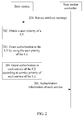
FIG. 1 is a schematic flowchart of a service data scheduling method according to an embodiment of the present invention; -
FIG. 2 is a schematic flowchart of a service data scheduling method according to another embodiment of the present invention; -
FIG. 3 is a schematic flowchart of a service data scheduling method according to still another embodiment of the present invention; -
FIG. 4 is a schematic flowchart of a service data scheduling method according to still another embodiment of the present invention; -
FIG. 5 is a schematic structural diagram of a base station according to an embodiment of the present invention; and -
FIG. 6 is a schematic structural diagram of a base station controller according to an embodiment of the present invention. - To make the invention objectives, features, and advantages of the present invention more comprehensible, the following clearly describes the technical solutions in the embodiments of the present invention with reference to the accompanying drawings in the embodiments of the present invention. Apparently, the described embodiments are merely a part rather than all of the embodiments of the present invention. All other embodiments obtained by a person of ordinary skill in the art based on the embodiments of the present invention without creative efforts shall fall within the protection scope of the present invention.
- The following describes a service data scheduling method in the embodiments of the present invention. Referring to
FIG. 1 , a service data scheduling method according to an embodiment of the present invention includes the following steps: - 101. Abase station receives a service attribute message sent by a base station controller.
- The service attribute message includes attribute information, such as a service type, a service priority, and a cached data size of service, of each service corresponding to service data that is pertaining to a same UE and cached in the base station controller.
- It should be noted that the UE is a UE that requires the base station to schedule service data of the UE.
- In an actual application, the base station controller may send the service attribute message of the UE to the base station by using a dedicated link of the UE, and the base station may receive the service attribute message of the UE on the dedicated link of the UE. Similarly, when service data of multiple UEs needs to be scheduled, the base station controller may send, with respect to a dedicated link of each UE, service attribute messages of corresponding UEs to the base station respectively by using different dedicated links, and the base station may receive the service attribute messages of the UEs on the dedicated links, and distinguish the service attribute messages of the UEs according to the different dedicated links of different UEs.
- 102. The base station obtains a user priority of the UE according to the received service attribute message and attribute information of each service corresponding to service data of the UE that is cached locally.
- After receiving the service attribute message sent by the base station controller, the base station may learn, from the received service attribute message, the attribute information, such as a service type, a service priority, and a cached data size of service, of each service corresponding to the service data of the UE that is cached in the base station controller.
- The base station may obtain, according to the service data of the UE that is cached locally, attribute information of each of the services corresponding to all service data of the UE, so as to obtain the user priority of the UE.
- In an actual application, the base station may first obtain, by using deep packet inspection DPI, the service type of each service corresponding to the locally cached service data, and then obtain a service priority of the corresponding service by querying a table according to the obtained service type of the service.
- Specifically, the user priority of the UE may be obtained by using the following algorithm:

- Alternatively, the user priority may be obtained by using cache delays of the services to modify the above algorithm, for example:

- Alternatively, the user priority of the UE may also be obtained by using a maximum absolute priority evaluation method, for example:
- user priority = max (priority of service 1, priority of service 2, ..., priority of service N), that is, among service priorities ofN services, a highest service priority is used as the user priority.
- N is the current maximum number of services of the UE. In an actual application, the cache delays of the services and the maximum delays of the services may be carried in the service attribute message.
- It may be understood that the user priority may be obtained by using another method, which is not limited herein.
- 103. The base station grants authorization to the UE by using the user priority of the UE.
- By performing
step 102, the base station can obtain the user priority of the UE, and then grant authorization to the UE. When service data of multiple UEs needs to be scheduled, a user scheduling priority of each UE may be computed by using a proportional fairness algorithm, and then authorization is granted to the UE, that is, an air interface bandwidth is granted to the UE. - Specifically, if service data of multiple UEs needs to be scheduled at this time, after obtaining the user scheduling priority of each UE, the base station may first grant authorization to a UE having a high user scheduling priority according to the user scheduling priorities; and if an available bandwidth of the air interface is greater than a cached data size of services of the high-priority user, grant a remaining bandwidth to a next-priority UE, and so on, until the bandwidth is granted completely.
- The proportional fairness algorithm may be as follows:
- user scheduling priority = user priority x air interface channel environment of the UE/average transmit rate of the UE. Indeed, the user scheduling priority may also be obtained in another manner. For example, the user scheduling priority may be obtained by using a maximum throughput granting algorithm, where the algorithm may be as follows:

- It may be understood that in the existing network mechanism, the base station is capable of detecting the air interface channel environment and average transmit rate of each UE within a coverage area of the base station in real time.
- 104. The base station grants authorization to each service of the UE according to the service priority of each service.
- The base station grants, according to the service priority of each service of the UE, the authorization granted to the UE in
step 103 to the service of the UE. - For example, the base station first grants authorization to a high-priority service; and if the bandwidth granted by the base station to the UE is greater than a cached data size of the high-priority service of the UE, grants a remaining bandwidth to a next-priority service of the UE, until the bandwidth granted by the base station to the UE is completely granted.
- 105. The base station sends authorization information of each service corresponding to the service data of the UE that is cached in the base station controller to the base station controller.
After granting the authorization to each service of the UE, the base station sends the authorization information of each service corresponding to the service data of the UE that is cached in the base station controller to the base station controller, so that the base station controller learns a specific authorization state of the service corresponding to the service data of the UE that is cached locally. - After the base station sends the authorization information of each service corresponding to the service data of the UE that is cached in the base station controller to the base station controller, the scheduling process is completed. The base station and the base station controller may send service data to the UE according to the authorization to each service of the UE, respectively.
- It should be noted that the technical solution provided by the embodiment of the present invention is applicable to packet service data scheduling, and may be applied to an RAN subsystem, where base station LBO is implemented, of systems such as Global System for Mobile Communications (GSM, Global System for Mobile Communications), Universal Mobile Telecommunications System (UMTS, Universal Mobile Telecommunications System), and Time Division-Synchronous Code Division Multiple Access (TD-SCDMA, Time Division-Synchronous Code Division Multiple Access).
- As can be seen from above, in the embodiment of the present invention, the base station cooperates with the base station controller, that is, the base station controller sends attribute information of each service corresponding to locally cached service data to the base station, so that the base station can grant authorization to each service, thereby implementing service data scheduling for a user when service data of the user is distributed and cached in both the base station and the base station controller. Meanwhile, in the embodiment of the present invention, the base station performs scheduling according to QoS requirements of the service while also considering the air interface channel environment, thereby obtaining a better air interface throughput while satisfying the user's QoS.
- In order to illustrate the technical solution of the present invention more clearly, the following describes the service data scheduling method in the embodiments of the present invention in detail. Referring to
FIG. 2 , a service data scheduling method according to another embodiment of the present invention includes the following steps. - 201. Abase station controller sends a service attribute message to a base station.
- The base station controller sends attribute information (such as a service type, a service priority, and a cached data size of service) of each service corresponding to cached service data pertaining to a same UE to the base station.
- It should be noted that the UE is a UE that requires the base station to schedule service data of the UE.
- In an actual application, the base station controller may obtain, by using deep packet inspection DPI, the service type of each service corresponding to the service data of the UE that is cached locally, and then obtain a service priority of the corresponding service by querying a table according to the obtained service type of the service.
- In an actual application, the base station controller may send the service attribute message of the UE to the base station by using a dedicated link of the UE, and the base station may receive the service attribute message of the UE on the dedicated link of the UE. Similarly, when service data of multiple UEs needs to be scheduled, the base station controller may send, with respect to a dedicated link of each UE, service attribute messages of corresponding UEs to the base station respectively by using different dedicated links, and the base station may receive the service attribute messages of the UEs on the dedicated links, and distinguish the service attribute messages of the UEs according to the different dedicated links of different UEs.
- 202. The base station obtains a user priority of the UE according to the received service attribute message and attribute information of each service corresponding to service data of the UE that is cached locally.
- After receiving the service attribute message sent by the base station controller, the base station may learn, from the received service attribute message, the attribute information, such as a service type, a service priority, and a cached data size of service, of each service corresponding to the service data of the UE that is cached in the base station controller.
- The base station may obtain, according to the service data of the UE that is cached locally, attribute information of each of the services corresponding to all service data of the UE, so as to obtain the user priority of the UE.
- In an actual application, the base station may first obtain, by using deep packet inspection DPI, the service type of each service corresponding to the locally cached service data, and then obtain a service priority of the corresponding service by querying a table according to the obtained service type of the service.
- Specifically, the user priority of the UE may be obtained by using the following algorithm:


- user priority = max (priority of service 1, priority of service 2, ..., priority of service N), that is, among service priorities of N services, a highest service priority is used as the user priority. N is the current maximum number of services of the UE. In an actual application, the cache delays of the services and the maximum delays of the services may be carried in the service attribute message.
- It may be understood that the user priority may be obtained by using another method, which is not limited herein.
- 203. The base station grants authorization to the UE by using the user priority of the UE.
- By performing step 202, the base station can obtain the user priority of the UE, and then grant authorization to the UE. When service data of multiple UEs needs to be scheduled, a user scheduling priority of each UE may be computed by using a proportional fairness algorithm, and then authorization is granted to the UE, that is, an air interface bandwidth is granted to the UE.
- Specifically, if service data of multiple UEs needs to be scheduled at this time, after obtaining the user scheduling priority of each UE, the base station may first grant authorization to a UE having a high user scheduling priority according to the user scheduling priorities; and if an available bandwidth of the air interface is greater than a cached data size of services of the high-priority user, grant a remaining bandwidth to a next-priority UE, and so on, until the bandwidth is granted completely.
- The proportional fairness algorithm may be as follows:
- user scheduling priority = user priority x air interface channel environment of the UE/average transmit rate of the UE. Indeed, the user scheduling priority may also be obtained in another manner. For example, the user scheduling priority may be obtained by using a maximum throughput granting algorithm, where the algorithm may be as follows:
- It may be understood that in the existing network mechanism, the base station is capable of detecting the air interface channel environment and average transmit rate of each UE within a coverage area of the base station in real time.
- 204. The base station grants authorization to each service of the UE according to the service priority of each service.
- The base station grants, according to the service priority of each service of the UE, the authorization granted to the UE in step 203 to the service of the UE.
- For example, the base station first grants authorization to a high-priority service; and if the bandwidth granted by the base station to the UE is greater than a cached data size of the high-priority service of the UE, grants a remaining bandwidth to a next-priority service of the UE, until the bandwidth granted by the base station to the UE is completely granted.
- 205. The base station sends authorization information of each service corresponding to the service data of the UE that is cached in the base station controller to the base station controller.
- After granting the authorization to each service of the UE, the base station sends the authorization information of each service corresponding to the service data of the UE that is cached in the base station controller to the base station controller, so that the base station controller learns a specific authorization state of the service corresponding to the service data of the UE that is cached locally.
- After the base station sends the authorization information of each service corresponding to the service data of the UE that is cached in the base station controller to the base station controller, the scheduling process is completed. The base station and the base station controller may send service data according to the authorization of the service of the UE.
- It should be noted that the technical solution provided by the embodiment of the present invention is applicable to packet service data scheduling, and may be applied to an RAN subsystem, where base station LBO is implemented, of systems such as GSM, UMTS, and TD-SCDMA.
- As can be seen from above, in the embodiment of the present invention, the base station cooperates with the base station controller, that is, the base station controller sends attribute information of each service corresponding to locally cached service data to the base station, so that the base station can grant authorization to each service, thereby implementing service data scheduling for a user when service data of the user is distributed and cached in both the base station and the base station controller. Meanwhile, in the embodiment of the present invention, the base station performs scheduling according to QoS requirements of the service while also considering the air interface channel environment, thereby obtaining a better air interface throughput while satisfying the user's QoS.
- The scheduling process of the foregoing embodiments is mainly completed in the base station. The following describes a service data scheduling method where a service scheduling process is completed in a base station controller. Referring to
FIG. 3 , a service data scheduling method according to another embodiment of the present invention includes the following steps. - 301. A base station controller receives a service attribute message sent by a base station.
- The service attribute message includes attribute information (such as a service type, a service priority, and a cached data size of service) of each service corresponding to service data that is pertaining to a same UE and cached in the base station.
- It should be noted that the UE is a UE that requires the base station controller to schedule service data of the UE.
- In an actual application, the base station may send the service attribute message of the UE to the base station controller by using a dedicated link of the UE, and the base station controller may receive the service attribute message of the UE on the dedicated link of the UE. Similarly, when service data of multiple UEs needs to be scheduled, the base station may send, with respect to a dedicated link of each UE, service attribute messages of corresponding UEs to the base station controller respectively by using different dedicated links, and the base station controller may receive the service attribute messages of the UEs on the dedicated links, and distinguish the service attribute messages of the UEs according to the different dedicated links of different UEs.
- 302. The base station controller computes, according to the received attribute information and attribute information of each service corresponding to locally cached service data, a user priority of the UE that the service is pertaining to.
- After receiving the service attribute message sent by the base station, the base station controller may learn, from the received service attribute message, the attribute information, such as a service type, a service priority, and a cached data size of service, of each service corresponding to the service data of the UE that is cached in the base station.
- The base station controller may obtain, according to the service data of the UE that is cached locally, attribute information of each of the services corresponding to all service data of the UE, so as to obtain the user priority of the UE.
- In an actual application, the base station may first obtain, by using deep packet inspection DPI, the service type of each service corresponding to the locally cached service data, and then obtain a service priority of the corresponding service by querying a table according to the obtained service type of the service.
- Specifically, the user priority of the UE may be obtained by using the following algorithm:


- Alternatively, the user priority of the UE may also be obtained by using a maximum absolute priority evaluation method, for example:
- user priority = max (priority of service 1, priority of service 2, ..., priority of service N), that is, among service priorities of N services, a highest service priority is used as the user priority. N is the current maximum number of services of the UE. In an actual application, the cache delays of the services and the maximum delays of the services may be carried in the service attribute message.
- It may be understood that the user priority may be obtained by using another method, which is not limited herein.
- 303. The base station controller sends the user priority of the UE to the base station.
- The base station controller sends the user priority of the UE that is computed and obtained in
step 302 to the base station, so that the base station grants authorization to the UE by using the user priority, that is, grants an air interface bandwidth to the UE. - 304. The base station controller receives a user authorization message sent by the base station.
- The user authorization message includes authorization information of the UE, that is, a specific state of the authorization granted by the base station to the UE.
- 305. The base station controller grants authorization to each service of the UE according to the service priority of each service.
- The base station controller may learn, according to the received user authorization message of the UE, the authorization granted by the base station to the UE; and the base station controller may grant, according to the service priority of each service of the UE, the authorization granted by the base station to the UE to the service, where a process may specifically be that: the base station controller first grants authorization to a high-priority service; and if the bandwidth granted by the base station to the UE is greater than a cached data size of the high-priority service of the UE, the base station controller grants a remaining bandwidth to a next-priority service of the UE, until the bandwidth granted by the base station to the UE is completely granted.
- 306. The base station controller sends authorization information of each service corresponding to the service data of the UE that is cached in the base station to the base station.
- After granting the authorization to each service of the UE, the base station controller sends the authorization information of each service corresponding to the service data of the UE that is cached in the base station to the base station, so that the base station learns a specific authorization state of the service corresponding to the service data of the UE that is cached locally.
- After the base station controller sends the authorization information of each service corresponding to the service data of the UE that is cached in the base station to the base station, the scheduling process is completed. The base station and the base station controller may send service data according to the authorization of the service of the UE.
- It should be noted that the technical solution provided by the embodiment of the present invention is applicable to packet service data scheduling, and may be applied to an RAN subsystem, where base station LBO is implemented, of systems such as GSM, UMTS, and TD-SCDMA.
- As can be seen from above, in the embodiment of the present invention, the base station cooperates with the base station controller, that is, the base station sends attribute information of each service corresponding to locally cached service data to the base station controller, so that the base station controller can grant authorization to each service, thereby implementing service data scheduling for a user when service data of the user is distributed and cached in both the base station and the base station controller.
- In order to illustrate the technical solution of the present invention more clearly, the following describes the service data scheduling method in the embodiments of the present invention in detail. Referring to
FIG. 4 , a service data scheduling method according to another embodiment of the present invention includes the following steps. - 401. Abase station sends a service attribute message to a base station controller.
- The base station sends attribute information (such as service a type, a service priority, and a cached data size of service) of each service corresponding to cached service data pertaining to a same UE to the base station controller.
- It should be noted that the UE is a UE that requires the base station controller to schedule service data of the UE.
- In an actual application, the base station may obtain, by using deep packet inspection DPI, the service type of each service corresponding to the service data of the UE that is cached locally, and then obtain a service priority of the corresponding service by querying a table according to the obtained service type of the service.
- In an actual application, the base station may send the service attribute message of the UE to the base station controller by using a dedicated link of the UE, and the base station controller may receive the service attribute message of the UE on the dedicated link of the UE. Similarly, when service data of multiple UEs needs to be scheduled, the base station may send, with respect to a dedicated link of each UE, service attribute messages of corresponding UEs to the base station controller respectively by using different dedicated links, and the base station controller may receive the service attribute messages of the UEs on the dedicated links, and distinguish the service attribute messages of the UEs according to the different dedicated links of different UEs.
- 402. The base station controller obtains a user priority of the UE according to the received service attribute message and attribute information of each service corresponding to service data of the UE that is cached locally.
- After receiving the service attribute message sent by the base station, the base station controller may learn, from the received service attribute message, the attribute information, such as a service type, a service priority, and a cached data size of service, of each service corresponding to the service data of the UE that is cached in the base station.
- The base station controller may obtain, according to the service data of the UE that is cached locally, attribute information of each of the services corresponding to all service data of the UE, so as to obtain the user priority of the UE.
- In an actual application, the base station controller may first obtain, by using deep packet inspection DPI, the service type of each service corresponding to the locally cached service data, and then obtain a service priority of the corresponding service by querying a table according to the obtained service type of the service.
- Specifically, the user priority of the UE may be obtained by using the following algorithm:

- Alternatively, the user priority may be obtained by using cache delays of the services to modify the above algorithm, for example:

- Alternatively, the user priority of the UE may also be obtained by using a maximum absolute priority evaluation method, for example:
- user priority = max (priority of service 1, priority of service 2, ..., priority of service N), that is, among service priorities of N services, a highest service priority is used as the user priority. N is the current maximum number of services of the UE. In an actual application, the cache delays of the services and the maximum delays of the services may be carried in the service attribute message.
- It may be understood that the user priority may be obtained by using another method, which is not limited herein.
- 403. The base station controller sends the user priority of the UE to the base station.
- The base station controller sends the user priority of the UE obtained in step 402 to the base station, so that the base station grants authorization to the UE by using the user priority.
- 404. The base station grants authorization to the UE by using the user priority of the UE.
- After receiving the user priority of the UE sent by the base station controller, the base station may grant authorization to the UE. When service data of multiple UEs needs to be scheduled, a user scheduling priority of each UE may be computed by using a proportional fairness algorithm, and then authorization is granted to the UE, that is, an air interface bandwidth is granted to the UE.
- Specifically, if service data of multiple UEs needs to be scheduled at this time, after obtaining the user scheduling priority of each UE, the base station may first grant authorization to a UE having a high user scheduling priority according to the user scheduling priorities; and if an available bandwidth of the air interface is greater than a cached data size of services of the high-priority user, grant a remaining bandwidth to a next-priority UE, and so on, until the bandwidth is granted completely.
- The proportional fairness algorithm may be as follows:
- user scheduling priority = user priority x air interface channel environment of the UE/average transmit rate of the UE. Indeed, the user scheduling priority may also be obtained in another manner. For example, the user scheduling priority may be obtained by using a maximum throughput granting algorithm, where the algorithm may be as follows:

- It may be understood that in the existing network mechanism, the base station is capable of detecting the air interface channel environment and average transmit rate of each UE within a coverage area of the base station in real time.
- 405. The base station sends a user authorization message to the base station controller.
- After performing step 404, the base station sends authorization information of the UE to the base station controller by using the user authorization message, so that the base station controller learns a specific state of the authorization granted by the base station to the UE.
- 406. The base station controller grants authorization to each service of the UE according to the service priority of each service.
- The base station controller may learn, according to the received user authorization message of the UE, the authorization granted by the base station to the UE; and the base station controller may grant, according to the service priority of each service of the UE, the authorization granted by the base station to the UE to the service, where a process may specifically be that: the base station controller first grants authorization to a high-priority service; and if the bandwidth granted by the base station to the UE is greater than a cached data size of the high-priority service of the UE, the base station controller grants a remaining bandwidth to a next-priority service of the UE, until the bandwidth granted by the base station to the UE is completely granted.
- 407. The base station controller sends authorization information of each service corresponding to the service data of the UE that is cached in the base station to the base station.
- After granting the authorization to each service of the UE, the base station controller sends the authorization information of each service corresponding to the service data of the UE that is cached in the base station to the base station, so that the base station learns a specific authorization state of the service corresponding to the service data of the UE that is cached locally.
- After the base station controller sends the authorization information of each service corresponding to the service data of the UE that is cached in the base station to the base station, the scheduling process is completed. The base station and the base station controller may send service data according to the authorization of the service of the UE.
- It should be noted that the technical solution provided by the embodiment of the present invention is applicable to packet service data scheduling, and may be applied to an RAN subsystem, where base station LBO is implemented, of systems such as GSM, UMTS, and TD-SCDMA.
- As can be seen from above, in the embodiment of the present invention, the base station cooperates with the base station controller, that is, the base station sends attribute information of each service corresponding to locally cached service data to the base station controller, so that the base station controller can grant authorization to each service, thereby implementing service data scheduling for a user when service data of the user is distributed and cached in both the base station and the base station controller. Meanwhile, in the embodiment of the present invention, the base station performs scheduling according to QoS requirements of the service while also considering the air interface channel environment, thereby obtaining a better air interface throughput while satisfying the user's QoS.
- The following describes a base station according to an embodiment of the present invention. Referring to
FIG. 5 , abase station 500 according to an embodiment of the present invention includes the following: - a receiving
unit 501 is configured to receive a service attribute message sent by a base station controller, where - the service attribute message includes attribute information of each service corresponding to service data that is pertaining to a same UE and cached in the base station controller, and the attribute information may include a service type, a service priority, and a cached data size of service; and
- an obtaining
unit 502 is configured to obtain a user priority of the UE according to the service attribute message received by the receivingunit 501 and attribute information of each services corresponding to service data of the UE that is cached locally. - The obtaining
unit 502 may obtain, according to the service data of the UE that is cached locally, attribute information of each of the services corresponding to all service data of the UE, so as to obtain the user priority of the UE. - In an actual application, the
base station 500 may further include a parsing and obtaining unit, configured to obtain, by using deep packet inspection DPI, the service type of each service corresponding to the service data of the UE that is cached locally, and obtain a service priority of the corresponding service by querying a table according to the obtained service type of the service. - Specifically, the obtaining
unit 502 may obtain the user priority of the UE by using the following algorithm:
unit 502 may obtain the user priority by using cache delays of the services to modify the above algorithm, for example:
- Alternatively, the obtaining
unit 502 may also obtain the user priority of the UE by using a maximum absolute priority evaluation method, for example: - user priority = max (priority of service 1, priority of service 2, ..., priority of service N), that is, among service priorities ofN services, a highest service priority is used as the user priority. N is the current maximum number of services of the UE. In an actual application, the cache delays of the services and the maximum delays of the services may be carried in the service attribute message.
- It may be understood that the user priority may be obtained by using another method, which is not limited herein.
- An authorizing
unit 503 is configured to grant authorization to the UE by using the user priority of the UE obtained by the obtainingunit 502. - When service data of multiple UEs needs to be scheduled, the authorizing
unit 503 may further obtain a user scheduling priority of each UE by using a proportional fairness algorithm, and then grant authorization to the UE, that is, grant an air interface bandwidth to the UE. The authorizingunit 503 may first grant, according to the user scheduling priorities, authorization (that is, grant a bandwidth) to a UE having a high user scheduling priority; and if an available bandwidth of the air interface is greater than a cached data size of services of the high-priority user, grant a remaining bandwidth to a next-priority UE, and so on, until the bandwidth is granted completely. - The proportional fairness algorithm may be as follows:
- user scheduling priority = user priority x air interface channel environment of the UE/average transmit rate of the UE. Indeed, the user scheduling priority may also be obtained in another manner. For example, the user scheduling priority may be obtained by using a maximum throughput granting algorithm, where the algorithm may be as follows:

- It may be understood that in the existing network mechanism, the
base station 500 is capable of detecting the air interface channel environment and average transmit rate of each UE within a coverage area of the base station in real time. - The authorizing
unit 503 is further configured to grant the authorization granted to the UE to the service of the UE according to the service priority of each service of the UE. - For example, the authorizing
unit 503 first grants authorization to a high-priority service; and if the bandwidth granted to the UE is greater than a cached data size of the high-priority service of the UE, grants a remaining bandwidth to a next-priority service of the UE, until the bandwidth granted by the base station to the UE is completely granted. - A sending
unit 504 is configured to send authorization information of each service corresponding to the service data of the UE that is cached in the base station controller to the base station controller. - After the authorizing
unit 503 grants the authorization to each service of the UE, thebase station 500 may send, by using the sendingunit 504, the authorization information of each service corresponding to the service data of the UE that is cached in the base station controller to the base station controller, so that the base station controller learns a specific authorization state of the service corresponding to the service data of the UE that is cached locally. - It should be noted that the
base station 500 in this embodiment may be the base station in the foregoing method embodiments, and may be used to implement all technical solutions in the foregoing method embodiments, where functions of functional modules thereof may be specifically implemented according to the methods in the foregoing method embodiments, and reference may be made to relevant description in the foregoing embodiments for specific implementation processes thereof, which are not described herein again. - As can be seen from above, in the embodiment of the present invention, the base station cooperates with the base station controller, that is, the base station controller sends attribute information of each service corresponding to locally cached service data to the base station, so that the base station can grant authorization to each service, thereby implementing service data scheduling for a user when service data of the user is distributed and cached in both the base station and the base station controller.
- The following describes a base station controller according to an embodiment of the present invention. Referring to
FIG. 6 , abase station controller 600 according to an embodiment of the present invention includes the following: - a receiving
unit 601 is configured to receive a service attribute message sent by a base station, where - the service attribute message includes attribute information of each service corresponding to service data that is pertaining to a same UE and cached in the base station, and the attribute information may include a service type, a service priority, and a cached data size of service; and
- an obtaining
unit 602 is configured to obtain a user priority of the UE according to the service attribute message received by the receivingunit 601 and attribute information of each service corresponding to service data of the UE that is cached locally. - The obtaining
unit 602 may obtain, according to the service data of the UE that is cached locally, attribute information of each of the services corresponding to all service data of the UE, so as to obtain the user priority of the UE. - In an actual application, the
base station controller 600 may further include a parsing and obtaining unit, configured to obtain, by using deep packet inspection DPI, the service type of each service corresponding to the service data of the UE that is cached locally, and obtain a service priority of the corresponding service by querying a table according to the obtained service type of the service. - A sending
unit 603 is configured to send the user priority of the UE that is obtained by the obtainingunit 602 to the base station. - The sending
unit 603 sends the user priority of the UE obtained by the obtainingunit 602 to the base station, so that the base station grants authorization to the UE by using the user priority. - The receiving
unit 601 is further configured to receive a user authorization message sent by the base station. - The user authorization message includes authorization information of the UE, that is, a specific state of the authorization granted by the base station to the UE.
- An authorizing
unit 604 is configured to grant authorization to each service of the UE according to the service priority of each service of the UE - The authorizing
unit 604 may learn, according to the received user authorization message of the UE, the authorization granted by the base station to the UE; and the authorizingunit 604 may grant, according to the service priority of each service of the UE, the authorization granted by the base station to the UE to the service, where a process may specifically be that: the authorizingunit 604 first grants authorization to a high-priority service; and if the bandwidth granted by the base station to the UE is greater than a cached data size of the high-priority service of the UE, the authorizingunit 604 grants a remaining bandwidth to a next-priority service of the UE, until the bandwidth granted by the base station to the UE is completely granted.
The sendingunit 603 is further configured to send authorization information of each service corresponding to the service data of the UE that is cached in the base station to the base station. - After the authorizing
unit 604 grants the authorization to each service of the UE, thebase station controller 600 may send, by using the sendingunit 603, the authorization information of each service corresponding to the service data of the UE that is cached in the base station to the base station, so that the base station learns a specific state of the authorization granted by thebase station controller 600 to each service corresponding to the service data of the UE that is cached in the base station. - It should be noted that the
base station controller 600 in this embodiment may be the base station controller in the foregoing method embodiments, and may be used to implement all technical solutions in the foregoing method embodiments, where functions of functional modules thereof may be specifically implemented according to the methods in the foregoing method embodiments, and reference may be made to relevant description in the foregoing embodiments for specific implementation processes thereof, which are not described herein again. - As can be seen from above, in the embodiment of the present invention, the base station cooperates with the base station controller, that is, the base station sends attribute information of each service corresponding to locally cached service data to the base station controller, so that the base station controller can grant authorization to each service, thereby implementing service data scheduling for a user when service data of the user is distributed and cached in both the base station and the base station controller.
- It may be clearly understood by a person skilled in the art that, for the purpose of convenient and brief description, reference may be made to the corresponding process in the foregoing method embodiments for detailed working processes of the foregoing system, apparatus and unit, which are not described herein again.
- In the several embodiments provided in the present application, it should be understood that the disclosed system, apparatus, and method may be implemented in other manners. For example, the described apparatus embodiments are merely exemplary. For example, the unit division is merely logical function division and may be other division in actual implementation. For example, a plurality of units or components may be combined or integrated into another system, or some features may be ignored or not performed. In addition, the displayed or discussed mutual couplings or direct couplings or communication connections may be implemented through some interfaces. The indirect couplings or communication connections between the apparatuses or units may be implemented in electronic, mechanical or other forms.
- The units described as separate parts may or may not be physically separate, and parts displayed as units may or may not be physical units, may be located in one position, or may be distributed on a plurality of network units. A part or all of the units may be selected according to actual needs to achieve the objectives of the solutions of the embodiments.
- In addition, functional units in the embodiments of the present invention may be integrated into one processing unit, or each of the units may exist alone physically, or two or more units are integrated into one unit. The integrated unit may be implemented in a form of hardware, or may be implemented in a form of a software functional unit.
- When the integrated unit are implemented in a form of a software functional unit and sold or used as an independent product, the integrated unit may be stored in a computer-readable storage medium. Based on such an understanding, the technical solutions of the present invention essentially, or the part contributing to the prior art, or all or a part of the technical solutions may be implemented in a form of a software product. The computer software product is stored in a storage medium, and includes several instructions for instructing a computer device (which may be a personal computer, a server, or a network device, or the like) to perform all or a part of the steps of the methods described in the embodiments of the present invention. The foregoing storage medium includes: any medium that can store program codes, such as a USB flash disk, a removable hard disk, a read-only memory (Read-Only Memory, ROM), a random access memory (Random Access Memory, RAM), a magnetic disk, or an optical disk.
- Detailed above are a service data scheduling method and related devices. A person of ordinary skill in the art may make variations to the implementation manners and application scope of the present invention according to the idea of the embodiments of the present invention. Therefore, the specification shall not be construed as a limitation to the present invention.

Claims (9)
- A method for sending service data, comprising:receiving (101, 201), by a base station, a service attribute message sent by a base station controller, wherein the service attribute message comprises attribute information of each service corresponding to service data that is pertaining to a user equipment, UE, and is cached in the base station controller, and the attribute information comprises a service type and a service priority;obtaining (102, 202), by the base station, a user priority of the UE, according to the service attribute message and attribute information of each service corresponding to service data of the UE that is cached locally in a base station, wherein the service data cached in the base station controller and the service data cached in the base station pertains to the same UE;granting (103, 203), by the base station, an air interface bandwidth to the UE according to the user priority of the UE;granting (104, 204), by the base station, an air interface bandwidth to each service of the UE, according to the air interface bandwidth granted to the UE and the service priority of each service of the UE;sending (105, 205), by the base station, air interface bandwidth information of each service to the base station controller, wherein the air interface bandwidth information of each service corresponds to the service data of the UE that is cached in the base station controller;sending, by the base station controller, service data that is cached in the base station controller to the base station, according to the air interface bandwidth to each service of the UE;sending, by the base station, service data that is cached in the base station and the service data that is received from the base station controller, to the UE, according to the air interface bandwidth to each service of the UE.
- The method according to claim 1, wherein before the obtaining a user priority of the UE according to the service attribute message and attribute information of each service corresponding to service data of the UE that is cached locally in a base station, the method further comprises:obtaining, by using deep packet inspection DPI, the service type of each service corresponding to the service data of the UE that is cached locally in the base station; andobtaining the service priority of the corresponding service by querying a table according to the obtained service type.
- The method according to claim 1, wherein the obtaining a user priority of the UE according to the service attribute message and attribute information of each service corresponding to service data of the UE that is cached locally in a base station, comprises:using a highest service priority among service priorities; of the services of the UE as the user priority of the UE.
- The method according to claim 1, wherein the attribute information sent by the base station controller further comprises cached data size of service, and the obtaining a user priority of the UE according to the service attribute message and attribute information of each service corresponding to service data of the UE that is cached locally in a base station comprises:

- The method according to claim 1, wherein the attribute information sent by the base station controller further comprises cached data size of service, cache delay of service, and maximum delay of service, and the obtaining a user priority of the UE according to the service attribute message and attribute information of each service corresponding to service data of the UE that is cached locally in a base station comprises:

- The method according to any one of claims 1 to 5, wherein the granting the air interface bandwidth to the UE according to the user priority of the UE comprises:computing a user scheduling priority of the UE, and granting the air interface bandwidth to the UE according to the user scheduling priority.
- The method according to claim 6, wherein: user scheduling priority of the UE = user priority of the UE x air interface channel environment of the UE/average transmit rate of the UE; or

- A radio communication system, comprising a base station and a base station controller, wherein the base station comprises:a receiving unit (501), configured to receive a service attribute message sent by a base station controller, wherein the service attribute message comprises attribute information of each service corresponding to service data that is pertaining to a user equipment, UE, and is cached in the base station controller, and the attribute information comprises a service type and a service priority;an obtaining unit (502), configured to obtain a user priority of the UE, according to the service attribute message received by the receiving unit and attribute information of each service corresponding to service data of the UE that is cached locally, wherein the service data cached in the base station controller and the service data cached in the base station pertains to the same UE;an authorizing unit (503), configured to grant an air interface bandwidth to the UE according to the user priority of the UE obtained by the obtaining unit, and configured to grant an air interface bandwidth to each service of the UE according to the air interface bandwidth granted to the UE and each service priority of the service of the UE; anda sending unit (504), configured to send air interface bandwidth information of each service to the base station controller, wherein the air interface bandwidth information of each service corresponds to the service data of the UE that is cached in the base station controller;the base station controller is configured to send service data that is cached in the base station controller to the base station, according to the air interface bandwidth to each service of the UE;wherein the sending unit is further configured to send service data that is locally cached and the service data that is received from the base station controller to the UE, according to the air interface bandwidth to each service of the UE.
- The radio communication system according to claim 8, wherein the base station further comprises :a parsing and obtaining unit, configured to obtain, by using deep packet inspection DPI, the service type of each service corresponding to the service data of the UE that is cached locally in the base station, and obtain the service priority of the corresponding service by querying a table according to the service type.
Applications Claiming Priority (2)
| Application Number | Priority Date | Filing Date | Title |
|---|---|---|---|
| CN2011101467667A CN102202411B (en) | 2011-06-01 | 2011-06-01 | Business data scheduling method and related equipment |
| PCT/CN2012/076273 WO2012163276A1 (en) | 2011-06-01 | 2012-05-30 | Service data scheduling method, base station, and base station controller |
Publications (3)
| Publication Number | Publication Date |
|---|---|
| EP2706808A1 EP2706808A1 (en) | 2014-03-12 |
| EP2706808A4 EP2706808A4 (en) | 2014-10-01 |
| EP2706808B1 true EP2706808B1 (en) | 2016-11-16 |
Family
ID=44662713
Family Applications (1)
| Application Number | Title | Priority Date | Filing Date |
|---|---|---|---|
| EP12794131.8A Active EP2706808B1 (en) | 2011-06-01 | 2012-05-30 | Service data scheduling method, base station, and base station controller |
Country Status (4)
| Country | Link |
|---|---|
| US (1) | US9351298B2 (en) |
| EP (1) | EP2706808B1 (en) |
| CN (1) | CN102202411B (en) |
| WO (1) | WO2012163276A1 (en) |
Families Citing this family (5)
| Publication number | Priority date | Publication date | Assignee | Title |
|---|---|---|---|---|
| CN102202411B (en) | 2011-06-01 | 2013-10-09 | 上海华为技术有限公司 | Business data scheduling method and related equipment |
| CN102571607B (en) * | 2012-02-28 | 2014-11-05 | 大连梯耐德网络技术有限公司 | A network velocity distribution system |
| CN105992381B (en) * | 2015-03-06 | 2019-07-26 | 鼎桥通信技术有限公司 | A kind of dispatching method |
| CN106534898B (en) * | 2016-11-15 | 2019-03-15 | 中国联合网络通信集团有限公司 | A kind of method, apparatus and system obtaining stream medium data |
| KR102252896B1 (en) * | 2020-08-19 | 2021-05-17 | 서울대학교산학협력단 | Method for performing edge caching at base station based on user mobility and multiple file preference and base station performing the same |
Family Cites Families (18)
| Publication number | Priority date | Publication date | Assignee | Title |
|---|---|---|---|---|
| US20040123326A1 (en) * | 2002-12-18 | 2004-06-24 | General Instrument Corporation | Method and apparatus for allocating tuning devices to broadband head-end services |
| US7353025B2 (en) * | 2003-09-29 | 2008-04-01 | Lg Electronics Inc. | Uplink scheduling method of wireless mobile communication system |
| KR100678184B1 (en) * | 2004-05-19 | 2007-02-02 | 삼성전자주식회사 | Advanced Reverse Channel Scheduling Method and Device in Mobile Communication System |
| WO2006093350A1 (en) * | 2005-03-04 | 2006-09-08 | Matsushita Electric Industrial Co., Ltd. | Resource control system and method in a communication network |
| US20070070894A1 (en) * | 2005-09-26 | 2007-03-29 | Fan Wang | Method to determine a scheduling priority value for a user data connection based on a quality of service requirement |
| US8081686B2 (en) * | 2006-05-16 | 2011-12-20 | Alcatel Lucent | Scalable spectrum CDMA communication systems and methods with dynamic orthogonal code allocation |
| JP4805080B2 (en) * | 2006-09-29 | 2011-11-02 | 株式会社エヌ・ティ・ティ・ドコモ | Communication control method, radio base station, and radio control station |
| CN101272256B (en) * | 2007-03-23 | 2011-07-06 | 华为技术有限公司 | Business handling method and system, policy control and charging regulation functional entity |
| CN101453762B (en) * | 2007-11-30 | 2011-06-01 | 中国移动通信集团公司 | A method, device and system for wireless resource scheduling |
| CN101494545B (en) * | 2007-12-27 | 2012-06-20 | 华为技术有限公司 | Method, system and mobile terminal for prompting business accounting |
| US8462743B2 (en) * | 2008-01-25 | 2013-06-11 | Nokia Siemens Networks Oy | Method, apparatus and computer program for signaling channel quality information in a network that employs relay nodes |
| CN101527965B (en) * | 2008-03-05 | 2011-04-20 | 大唐移动通信设备有限公司 | Method and system for improving uplink service quality |
| KR20110038655A (en) * | 2008-07-01 | 2011-04-14 | 후아웨이 테크놀러지 컴퍼니 리미티드 | System and method for mobility restriction in wireless communication system |
| US8755831B2 (en) * | 2009-03-24 | 2014-06-17 | QYALCOMM Incorporated | Selectively allocating data channel resources to wireless communication devices within a wireless communications system |
| US8233448B2 (en) * | 2009-08-24 | 2012-07-31 | Clearwire Ip Holdings Llc | Apparatus and method for scheduler implementation for best effort (BE) prioritization and anti-starvation |
| CN101657020A (en) * | 2009-09-22 | 2010-02-24 | 中兴通讯股份有限公司 | Wireless resource control method and wireless resource control device |
| US8593967B2 (en) * | 2011-03-08 | 2013-11-26 | Medium Access Systems Private Limited | Method and system of intelligently load balancing of Wi-Fi access point apparatus in a WLAN |
| CN102202411B (en) * | 2011-06-01 | 2013-10-09 | 上海华为技术有限公司 | Business data scheduling method and related equipment |
-
2011
- 2011-06-01 CN CN2011101467667A patent/CN102202411B/en not_active Expired - Fee Related
-
2012
- 2012-05-30 EP EP12794131.8A patent/EP2706808B1/en active Active
- 2012-05-30 WO PCT/CN2012/076273 patent/WO2012163276A1/en not_active Ceased
-
2013
- 2013-11-26 US US14/090,992 patent/US9351298B2/en active Active
Also Published As
| Publication number | Publication date |
|---|---|
| US20140086181A1 (en) | 2014-03-27 |
| US9351298B2 (en) | 2016-05-24 |
| EP2706808A1 (en) | 2014-03-12 |
| CN102202411A (en) | 2011-09-28 |
| CN102202411B (en) | 2013-10-09 |
| EP2706808A4 (en) | 2014-10-01 |
| WO2012163276A1 (en) | 2012-12-06 |
Similar Documents
| Publication | Publication Date | Title |
|---|---|---|
| KR101870851B1 (en) | Method and device for triggering buffer state reporting bsr | |
| EP2005669B1 (en) | Prioritising data transmission | |
| EP2234316B1 (en) | Method and apparatus for power headroom reporting | |
| EP3503644B1 (en) | Methods and devices for processing buffer status report | |
| CN110267343B (en) | Paging management method, network data analysis function and network side equipment | |
| CN106954277B (en) | Scheduling request processing method and device | |
| US20140226477A1 (en) | Method, Apparatus, and System for Improving user Experience of Small Flow User | |
| EP2293637A1 (en) | Method and apparatus for performing buffer status reporting | |
| US20150156750A1 (en) | Accessing method, equipment and base station | |
| KR20110019313A (en) | Method and apparatus for measuring radio resource usage by traffic class in wireless communication system | |
| EP3177065A1 (en) | Data transmission method and base station | |
| EP3668265B1 (en) | Information transmission method and device | |
| US9351298B2 (en) | Service data scheduling method, base station, and base station controller | |
| US10506580B2 (en) | Uplink data transmission method and device | |
| CN105122909A (en) | Synchronization method, base station, and user equipment | |
| EP2099249A1 (en) | Method and apparatus for performing buffer status reporting | |
| US20160278111A1 (en) | Service scheduling method and device | |
| JP2019059258A (en) | Management device, flight management system, and flight management method and program | |
| EP3340677B1 (en) | Method for wireless communication, network device and terminal device | |
| WO2006006000A1 (en) | Qos differentiation for wcdma services mapped onto an e-dch channel | |
| EP3500037B1 (en) | Data transmission method, terminal device and network device | |
| CN108322939B (en) | Method and apparatus for wireless communication system supporting multiple physical layer methods | |
| EP1352540A1 (en) | Method for reporting status information between a mobile station and a radio access network | |
| WO2018201902A1 (en) | Data transmission method and device | |
| US10645723B2 (en) | Signal transmission method, signal transmission control method, user equipment, and base station |
Legal Events
| Date | Code | Title | Description |
|---|---|---|---|
| PUAI | Public reference made under article 153(3) epc to a published international application that has entered the european phase |
Free format text: ORIGINAL CODE: 0009012 |
|
| 17P | Request for examination filed |
Effective date: 20131204 |
|
| AK | Designated contracting states |
Kind code of ref document: A1 Designated state(s): AL AT BE BG CH CY CZ DE DK EE ES FI FR GB GR HR HU IE IS IT LI LT LU LV MC MK MT NL NO PL PT RO RS SE SI SK SM TR |
|
| DAX | Request for extension of the european patent (deleted) | ||
| A4 | Supplementary search report drawn up and despatched |
Effective date: 20140903 |
|
| RIC1 | Information provided on ipc code assigned before grant |
Ipc: H04W 72/12 20090101AFI20140828BHEP Ipc: H04W 92/12 20090101ALN20140828BHEP |
|
| 17Q | First examination report despatched |
Effective date: 20150601 |
|
| GRAP | Despatch of communication of intention to grant a patent |
Free format text: ORIGINAL CODE: EPIDOSNIGR1 |
|
| RIC1 | Information provided on ipc code assigned before grant |
Ipc: H04W 92/12 20090101ALN20160525BHEP Ipc: H04W 72/12 20090101AFI20160525BHEP |
|
| INTG | Intention to grant announced |
Effective date: 20160607 |
|
| GRAS | Grant fee paid |
Free format text: ORIGINAL CODE: EPIDOSNIGR3 |
|
| GRAA | (expected) grant |
Free format text: ORIGINAL CODE: 0009210 |
|
| AK | Designated contracting states |
Kind code of ref document: B1 Designated state(s): AL AT BE BG CH CY CZ DE DK EE ES FI FR GB GR HR HU IE IS IT LI LT LU LV MC MK MT NL NO PL PT RO RS SE SI SK SM TR |
|
| REG | Reference to a national code |
Ref country code: GB Ref legal event code: FG4D |
|
| REG | Reference to a national code |
Ref country code: CH Ref legal event code: EP |
|
| REG | Reference to a national code |
Ref country code: IE Ref legal event code: FG4D |
|
| REG | Reference to a national code |
Ref country code: AT Ref legal event code: REF Ref document number: 846960 Country of ref document: AT Kind code of ref document: T Effective date: 20161215 |
|
| REG | Reference to a national code |
Ref country code: DE Ref legal event code: R096 Ref document number: 602012025513 Country of ref document: DE |
|
| REG | Reference to a national code |
Ref country code: DE Ref legal event code: R096 Ref document number: 602012025513 Country of ref document: DE |
|
| PG25 | Lapsed in a contracting state [announced via postgrant information from national office to epo] |
Ref country code: LV Free format text: LAPSE BECAUSE OF FAILURE TO SUBMIT A TRANSLATION OF THE DESCRIPTION OR TO PAY THE FEE WITHIN THE PRESCRIBED TIME-LIMIT Effective date: 20161116 |
|
| REG | Reference to a national code |
Ref country code: NL Ref legal event code: MP Effective date: 20161116 |
|
| REG | Reference to a national code |
Ref country code: LT Ref legal event code: MG4D |
|
| REG | Reference to a national code |
Ref country code: AT Ref legal event code: MK05 Ref document number: 846960 Country of ref document: AT Kind code of ref document: T Effective date: 20161116 |
|
| PG25 | Lapsed in a contracting state [announced via postgrant information from national office to epo] |
Ref country code: LT Free format text: LAPSE BECAUSE OF FAILURE TO SUBMIT A TRANSLATION OF THE DESCRIPTION OR TO PAY THE FEE WITHIN THE PRESCRIBED TIME-LIMIT Effective date: 20161116 Ref country code: NO Free format text: LAPSE BECAUSE OF FAILURE TO SUBMIT A TRANSLATION OF THE DESCRIPTION OR TO PAY THE FEE WITHIN THE PRESCRIBED TIME-LIMIT Effective date: 20170216 Ref country code: GR Free format text: LAPSE BECAUSE OF FAILURE TO SUBMIT A TRANSLATION OF THE DESCRIPTION OR TO PAY THE FEE WITHIN THE PRESCRIBED TIME-LIMIT Effective date: 20170217 Ref country code: SE Free format text: LAPSE BECAUSE OF FAILURE TO SUBMIT A TRANSLATION OF THE DESCRIPTION OR TO PAY THE FEE WITHIN THE PRESCRIBED TIME-LIMIT Effective date: 20161116 Ref country code: NL Free format text: LAPSE BECAUSE OF FAILURE TO SUBMIT A TRANSLATION OF THE DESCRIPTION OR TO PAY THE FEE WITHIN THE PRESCRIBED TIME-LIMIT Effective date: 20161116 |
|
| PG25 | Lapsed in a contracting state [announced via postgrant information from national office to epo] |
Ref country code: PT Free format text: LAPSE BECAUSE OF FAILURE TO SUBMIT A TRANSLATION OF THE DESCRIPTION OR TO PAY THE FEE WITHIN THE PRESCRIBED TIME-LIMIT Effective date: 20170316 Ref country code: FI Free format text: LAPSE BECAUSE OF FAILURE TO SUBMIT A TRANSLATION OF THE DESCRIPTION OR TO PAY THE FEE WITHIN THE PRESCRIBED TIME-LIMIT Effective date: 20161116 Ref country code: AT Free format text: LAPSE BECAUSE OF FAILURE TO SUBMIT A TRANSLATION OF THE DESCRIPTION OR TO PAY THE FEE WITHIN THE PRESCRIBED TIME-LIMIT Effective date: 20161116 Ref country code: HR Free format text: LAPSE BECAUSE OF FAILURE TO SUBMIT A TRANSLATION OF THE DESCRIPTION OR TO PAY THE FEE WITHIN THE PRESCRIBED TIME-LIMIT Effective date: 20161116 Ref country code: ES Free format text: LAPSE BECAUSE OF FAILURE TO SUBMIT A TRANSLATION OF THE DESCRIPTION OR TO PAY THE FEE WITHIN THE PRESCRIBED TIME-LIMIT Effective date: 20161116 Ref country code: PL Free format text: LAPSE BECAUSE OF FAILURE TO SUBMIT A TRANSLATION OF THE DESCRIPTION OR TO PAY THE FEE WITHIN THE PRESCRIBED TIME-LIMIT Effective date: 20161116 Ref country code: RS Free format text: LAPSE BECAUSE OF FAILURE TO SUBMIT A TRANSLATION OF THE DESCRIPTION OR TO PAY THE FEE WITHIN THE PRESCRIBED TIME-LIMIT Effective date: 20161116 |
|
| PG25 | Lapsed in a contracting state [announced via postgrant information from national office to epo] |
Ref country code: CZ Free format text: LAPSE BECAUSE OF FAILURE TO SUBMIT A TRANSLATION OF THE DESCRIPTION OR TO PAY THE FEE WITHIN THE PRESCRIBED TIME-LIMIT Effective date: 20161116 Ref country code: SK Free format text: LAPSE BECAUSE OF FAILURE TO SUBMIT A TRANSLATION OF THE DESCRIPTION OR TO PAY THE FEE WITHIN THE PRESCRIBED TIME-LIMIT Effective date: 20161116 Ref country code: EE Free format text: LAPSE BECAUSE OF FAILURE TO SUBMIT A TRANSLATION OF THE DESCRIPTION OR TO PAY THE FEE WITHIN THE PRESCRIBED TIME-LIMIT Effective date: 20161116 Ref country code: DK Free format text: LAPSE BECAUSE OF FAILURE TO SUBMIT A TRANSLATION OF THE DESCRIPTION OR TO PAY THE FEE WITHIN THE PRESCRIBED TIME-LIMIT Effective date: 20161116 Ref country code: RO Free format text: LAPSE BECAUSE OF FAILURE TO SUBMIT A TRANSLATION OF THE DESCRIPTION OR TO PAY THE FEE WITHIN THE PRESCRIBED TIME-LIMIT Effective date: 20161116 |
|
| REG | Reference to a national code |
Ref country code: DE Ref legal event code: R097 Ref document number: 602012025513 Country of ref document: DE |
|
| PG25 | Lapsed in a contracting state [announced via postgrant information from national office to epo] |
Ref country code: BE Free format text: LAPSE BECAUSE OF FAILURE TO SUBMIT A TRANSLATION OF THE DESCRIPTION OR TO PAY THE FEE WITHIN THE PRESCRIBED TIME-LIMIT Effective date: 20161116 Ref country code: SM Free format text: LAPSE BECAUSE OF FAILURE TO SUBMIT A TRANSLATION OF THE DESCRIPTION OR TO PAY THE FEE WITHIN THE PRESCRIBED TIME-LIMIT Effective date: 20161116 Ref country code: LU Free format text: LAPSE BECAUSE OF NON-PAYMENT OF DUE FEES Effective date: 20170531 Ref country code: BG Free format text: LAPSE BECAUSE OF FAILURE TO SUBMIT A TRANSLATION OF THE DESCRIPTION OR TO PAY THE FEE WITHIN THE PRESCRIBED TIME-LIMIT Effective date: 20170216 |
|
| PLBE | No opposition filed within time limit |
Free format text: ORIGINAL CODE: 0009261 |
|
| STAA | Information on the status of an ep patent application or granted ep patent |
Free format text: STATUS: NO OPPOSITION FILED WITHIN TIME LIMIT |
|
| 26N | No opposition filed |
Effective date: 20170817 |
|
| PG25 | Lapsed in a contracting state [announced via postgrant information from national office to epo] |
Ref country code: SI Free format text: LAPSE BECAUSE OF FAILURE TO SUBMIT A TRANSLATION OF THE DESCRIPTION OR TO PAY THE FEE WITHIN THE PRESCRIBED TIME-LIMIT Effective date: 20161116 |
|
| REG | Reference to a national code |
Ref country code: CH Ref legal event code: PL |
|
| PG25 | Lapsed in a contracting state [announced via postgrant information from national office to epo] |
Ref country code: MC Free format text: LAPSE BECAUSE OF FAILURE TO SUBMIT A TRANSLATION OF THE DESCRIPTION OR TO PAY THE FEE WITHIN THE PRESCRIBED TIME-LIMIT Effective date: 20161116 |
|
| REG | Reference to a national code |
Ref country code: IE Ref legal event code: MM4A |
|
| PG25 | Lapsed in a contracting state [announced via postgrant information from national office to epo] |
Ref country code: CH Free format text: LAPSE BECAUSE OF NON-PAYMENT OF DUE FEES Effective date: 20170531 Ref country code: LI Free format text: LAPSE BECAUSE OF NON-PAYMENT OF DUE FEES Effective date: 20170531 |
|
| REG | Reference to a national code |
Ref country code: FR Ref legal event code: ST Effective date: 20180131 |
|
| PG25 | Lapsed in a contracting state [announced via postgrant information from national office to epo] |
Ref country code: LU Free format text: LAPSE BECAUSE OF NON-PAYMENT OF DUE FEES Effective date: 20170530 |
|
| PG25 | Lapsed in a contracting state [announced via postgrant information from national office to epo] |
Ref country code: IE Free format text: LAPSE BECAUSE OF NON-PAYMENT OF DUE FEES Effective date: 20170530 |
|
| PG25 | Lapsed in a contracting state [announced via postgrant information from national office to epo] |
Ref country code: FR Free format text: LAPSE BECAUSE OF NON-PAYMENT OF DUE FEES Effective date: 20170531 |
|
| PG25 | Lapsed in a contracting state [announced via postgrant information from national office to epo] |
Ref country code: MT Free format text: LAPSE BECAUSE OF NON-PAYMENT OF DUE FEES Effective date: 20170530 |
|
| PG25 | Lapsed in a contracting state [announced via postgrant information from national office to epo] |
Ref country code: HU Free format text: LAPSE BECAUSE OF FAILURE TO SUBMIT A TRANSLATION OF THE DESCRIPTION OR TO PAY THE FEE WITHIN THE PRESCRIBED TIME-LIMIT; INVALID AB INITIO Effective date: 20120530 |
|
| PG25 | Lapsed in a contracting state [announced via postgrant information from national office to epo] |
Ref country code: CY Free format text: LAPSE BECAUSE OF NON-PAYMENT OF DUE FEES Effective date: 20161116 |
|
| PG25 | Lapsed in a contracting state [announced via postgrant information from national office to epo] |
Ref country code: MK Free format text: LAPSE BECAUSE OF FAILURE TO SUBMIT A TRANSLATION OF THE DESCRIPTION OR TO PAY THE FEE WITHIN THE PRESCRIBED TIME-LIMIT Effective date: 20161116 |
|
| PG25 | Lapsed in a contracting state [announced via postgrant information from national office to epo] |
Ref country code: TR Free format text: LAPSE BECAUSE OF FAILURE TO SUBMIT A TRANSLATION OF THE DESCRIPTION OR TO PAY THE FEE WITHIN THE PRESCRIBED TIME-LIMIT Effective date: 20161116 |
|
| PG25 | Lapsed in a contracting state [announced via postgrant information from national office to epo] |
Ref country code: AL Free format text: LAPSE BECAUSE OF FAILURE TO SUBMIT A TRANSLATION OF THE DESCRIPTION OR TO PAY THE FEE WITHIN THE PRESCRIBED TIME-LIMIT Effective date: 20161116 Ref country code: IS Free format text: LAPSE BECAUSE OF FAILURE TO SUBMIT A TRANSLATION OF THE DESCRIPTION OR TO PAY THE FEE WITHIN THE PRESCRIBED TIME-LIMIT Effective date: 20170316 |
|
| PGFP | Annual fee paid to national office [announced via postgrant information from national office to epo] |
Ref country code: DE Payment date: 20250402 Year of fee payment: 14 |
|
| PGFP | Annual fee paid to national office [announced via postgrant information from national office to epo] |
Ref country code: GB Payment date: 20250401 Year of fee payment: 14 |
|
| PGFP | Annual fee paid to national office [announced via postgrant information from national office to epo] |
Ref country code: IT Payment date: 20250422 Year of fee payment: 14 |