EP2698995A2 - Skalierbare hochgeschwindigkeits-videokodierungsvorrichtung und verfahren dafür unter verwendung von mehrspurigen videos - Google Patents
Skalierbare hochgeschwindigkeits-videokodierungsvorrichtung und verfahren dafür unter verwendung von mehrspurigen videos Download PDFInfo
- Publication number
- EP2698995A2 EP2698995A2 EP12771035.8A EP12771035A EP2698995A2 EP 2698995 A2 EP2698995 A2 EP 2698995A2 EP 12771035 A EP12771035 A EP 12771035A EP 2698995 A2 EP2698995 A2 EP 2698995A2
- Authority
- EP
- European Patent Office
- Prior art keywords
- encoding
- layer
- macroblock
- video
- mode
- Prior art date
- Legal status (The legal status is an assumption and is not a legal conclusion. Google has not performed a legal analysis and makes no representation as to the accuracy of the status listed.)
- Withdrawn
Links
Images




Classifications
-
- H—ELECTRICITY
- H04—ELECTRIC COMMUNICATION TECHNIQUE
- H04N—PICTORIAL COMMUNICATION, e.g. TELEVISION
- H04N19/00—Methods or arrangements for coding, decoding, compressing or decompressing digital video signals
- H04N19/10—Methods or arrangements for coding, decoding, compressing or decompressing digital video signals using adaptive coding
- H04N19/134—Methods or arrangements for coding, decoding, compressing or decompressing digital video signals using adaptive coding characterised by the element, parameter or criterion affecting or controlling the adaptive coding
- H04N19/136—Incoming video signal characteristics or properties
- H04N19/137—Motion inside a coding unit, e.g. average field, frame or block difference
- H04N19/139—Analysis of motion vectors, e.g. their magnitude, direction, variance or reliability
-
- H—ELECTRICITY
- H04—ELECTRIC COMMUNICATION TECHNIQUE
- H04N—PICTORIAL COMMUNICATION, e.g. TELEVISION
- H04N19/00—Methods or arrangements for coding, decoding, compressing or decompressing digital video signals
- H04N19/10—Methods or arrangements for coding, decoding, compressing or decompressing digital video signals using adaptive coding
- H04N19/102—Methods or arrangements for coding, decoding, compressing or decompressing digital video signals using adaptive coding characterised by the element, parameter or selection affected or controlled by the adaptive coding
- H04N19/103—Selection of coding mode or of prediction mode
- H04N19/107—Selection of coding mode or of prediction mode between spatial and temporal predictive coding, e.g. picture refresh
-
- H—ELECTRICITY
- H04—ELECTRIC COMMUNICATION TECHNIQUE
- H04N—PICTORIAL COMMUNICATION, e.g. TELEVISION
- H04N19/00—Methods or arrangements for coding, decoding, compressing or decompressing digital video signals
- H04N19/10—Methods or arrangements for coding, decoding, compressing or decompressing digital video signals using adaptive coding
- H04N19/134—Methods or arrangements for coding, decoding, compressing or decompressing digital video signals using adaptive coding characterised by the element, parameter or criterion affecting or controlling the adaptive coding
- H04N19/157—Assigned coding mode, i.e. the coding mode being predefined or preselected to be further used for selection of another element or parameter
- H04N19/159—Prediction type, e.g. intra-frame, inter-frame or bidirectional frame prediction
-
- H—ELECTRICITY
- H04—ELECTRIC COMMUNICATION TECHNIQUE
- H04N—PICTORIAL COMMUNICATION, e.g. TELEVISION
- H04N19/00—Methods or arrangements for coding, decoding, compressing or decompressing digital video signals
- H04N19/10—Methods or arrangements for coding, decoding, compressing or decompressing digital video signals using adaptive coding
- H04N19/169—Methods or arrangements for coding, decoding, compressing or decompressing digital video signals using adaptive coding characterised by the coding unit, i.e. the structural portion or semantic portion of the video signal being the object or the subject of the adaptive coding
- H04N19/17—Methods or arrangements for coding, decoding, compressing or decompressing digital video signals using adaptive coding characterised by the coding unit, i.e. the structural portion or semantic portion of the video signal being the object or the subject of the adaptive coding the unit being an image region, e.g. an object
- H04N19/176—Methods or arrangements for coding, decoding, compressing or decompressing digital video signals using adaptive coding characterised by the coding unit, i.e. the structural portion or semantic portion of the video signal being the object or the subject of the adaptive coding the unit being an image region, e.g. an object the region being a block, e.g. a macroblock
-
- H—ELECTRICITY
- H04—ELECTRIC COMMUNICATION TECHNIQUE
- H04N—PICTORIAL COMMUNICATION, e.g. TELEVISION
- H04N19/00—Methods or arrangements for coding, decoding, compressing or decompressing digital video signals
- H04N19/10—Methods or arrangements for coding, decoding, compressing or decompressing digital video signals using adaptive coding
- H04N19/169—Methods or arrangements for coding, decoding, compressing or decompressing digital video signals using adaptive coding characterised by the coding unit, i.e. the structural portion or semantic portion of the video signal being the object or the subject of the adaptive coding
- H04N19/184—Methods or arrangements for coding, decoding, compressing or decompressing digital video signals using adaptive coding characterised by the coding unit, i.e. the structural portion or semantic portion of the video signal being the object or the subject of the adaptive coding the unit being bits, e.g. of the compressed video stream
-
- H—ELECTRICITY
- H04—ELECTRIC COMMUNICATION TECHNIQUE
- H04N—PICTORIAL COMMUNICATION, e.g. TELEVISION
- H04N19/00—Methods or arrangements for coding, decoding, compressing or decompressing digital video signals
- H04N19/10—Methods or arrangements for coding, decoding, compressing or decompressing digital video signals using adaptive coding
- H04N19/169—Methods or arrangements for coding, decoding, compressing or decompressing digital video signals using adaptive coding characterised by the coding unit, i.e. the structural portion or semantic portion of the video signal being the object or the subject of the adaptive coding
- H04N19/187—Methods or arrangements for coding, decoding, compressing or decompressing digital video signals using adaptive coding characterised by the coding unit, i.e. the structural portion or semantic portion of the video signal being the object or the subject of the adaptive coding the unit being a scalable video layer
-
- H—ELECTRICITY
- H04—ELECTRIC COMMUNICATION TECHNIQUE
- H04N—PICTORIAL COMMUNICATION, e.g. TELEVISION
- H04N19/00—Methods or arrangements for coding, decoding, compressing or decompressing digital video signals
- H04N19/30—Methods or arrangements for coding, decoding, compressing or decompressing digital video signals using hierarchical techniques, e.g. scalability
-
- H—ELECTRICITY
- H04—ELECTRIC COMMUNICATION TECHNIQUE
- H04N—PICTORIAL COMMUNICATION, e.g. TELEVISION
- H04N19/00—Methods or arrangements for coding, decoding, compressing or decompressing digital video signals
- H04N19/30—Methods or arrangements for coding, decoding, compressing or decompressing digital video signals using hierarchical techniques, e.g. scalability
- H04N19/31—Methods or arrangements for coding, decoding, compressing or decompressing digital video signals using hierarchical techniques, e.g. scalability in the temporal domain
-
- H—ELECTRICITY
- H04—ELECTRIC COMMUNICATION TECHNIQUE
- H04N—PICTORIAL COMMUNICATION, e.g. TELEVISION
- H04N19/00—Methods or arrangements for coding, decoding, compressing or decompressing digital video signals
- H04N19/40—Methods or arrangements for coding, decoding, compressing or decompressing digital video signals using video transcoding, i.e. partial or full decoding of a coded input stream followed by re-encoding of the decoded output stream
-
- H—ELECTRICITY
- H04—ELECTRIC COMMUNICATION TECHNIQUE
- H04N—PICTORIAL COMMUNICATION, e.g. TELEVISION
- H04N19/00—Methods or arrangements for coding, decoding, compressing or decompressing digital video signals
- H04N19/42—Methods or arrangements for coding, decoding, compressing or decompressing digital video signals characterised by implementation details or hardware specially adapted for video compression or decompression, e.g. dedicated software implementation
-
- H—ELECTRICITY
- H04—ELECTRIC COMMUNICATION TECHNIQUE
- H04N—PICTORIAL COMMUNICATION, e.g. TELEVISION
- H04N19/00—Methods or arrangements for coding, decoding, compressing or decompressing digital video signals
- H04N19/50—Methods or arrangements for coding, decoding, compressing or decompressing digital video signals using predictive coding
- H04N19/503—Methods or arrangements for coding, decoding, compressing or decompressing digital video signals using predictive coding involving temporal prediction
- H04N19/51—Motion estimation or motion compensation
-
- H—ELECTRICITY
- H04—ELECTRIC COMMUNICATION TECHNIQUE
- H04N—PICTORIAL COMMUNICATION, e.g. TELEVISION
- H04N19/00—Methods or arrangements for coding, decoding, compressing or decompressing digital video signals
- H04N19/60—Methods or arrangements for coding, decoding, compressing or decompressing digital video signals using transform coding
- H04N19/61—Methods or arrangements for coding, decoding, compressing or decompressing digital video signals using transform coding in combination with predictive coding
-
- H—ELECTRICITY
- H04—ELECTRIC COMMUNICATION TECHNIQUE
- H04N—PICTORIAL COMMUNICATION, e.g. TELEVISION
- H04N5/00—Details of television systems
-
- H—ELECTRICITY
- H04—ELECTRIC COMMUNICATION TECHNIQUE
- H04N—PICTORIAL COMMUNICATION, e.g. TELEVISION
- H04N7/00—Television systems
Definitions
- the present invention relates to a high-speed scalable video coding device and method using a multi-track video, and more particularly, to a high-speed scalable video coding device and method using a multi-track video, for encoding a macroblock at high speed in an intra prediction or motion prediction mode using encoding information about a multi-track video.
- CP Content Provider
- basic ingesting processes such as resolution scaling, frame rate conversion, video/audio encoding, metadata insertion, and packaging, are performed on the content.
- a problem occurs when the video is played back in the user terminal.
- a process of playing back the final results and directly checking, by a person, the played results is performed.
- a technique for preventing a user from viewing an interrupted video or a video including a broken image is generalized through adaptive video streaming technology in which the amount of video data is controlled according to a network environment of a user and transmitted.
- adaptive video streaming technology in general, compression videos having various data sizes corresponding to one original video are prepared, and a compression video suitable for a network environment of a user is selected.
- a service system needs to ingest a multi-track video that is several compression videos for one video.
- Scalable Video Coding SVC
- JVT Join Video Technology
- the SVC method has recently been standardized and is in the early stage in commercialization, and a multi-track video method for preparing several files for a video using an existing coding method, such as H.264, as a step prior to the SVC method and providing a file suitable for each device and network environment is now utilized.
- an existing multi-track video needs to be encoded into SVC again. Such re-encoding is problematic in that a lot of time is taken.
- the present invention has been contrived to solve the aforementioned problems, and an object of the present invention is to provide a high-speed scalable video coding device and method using a multi-track video for encoding a macroblock at high speed in an inter-layer intra prediction mode or an inter-layer/intra layer motion prediction mode using an encoding mode of a multi-track video, that is, compression videos compressed in various formats, and encoding information including prediction information.
- a scalable video encoding device includes a video array unit for arraying a multi-track video in a plurality of layers according to a set reference, a bit stream analysis unit for extracting encoding information, including an encoding mode and prediction information, by analyzing a bit stream of each of the layers, and an SVC encoding unit for determining an encoding mode using encoding information about a layer on which scalable video encoding is performed and an upper or lower layer of the layer on which scalable video encoding is performed and performing encoding in the determined encoding mode.
- the set reference may be defined as order of picture quality determined using an objective picture quality evaluation method
- the video array unit may array the multi-track video in the plurality of layers such that a high-picture quality video is disposed in an upper layer according to the order of picture quality.
- the video array unit may array the multi-track video in the plurality of layers such that a video having higher resolution is disposed in a higher level, array the multi-track video in the plurality of layers such that a video having a higher frame rate is disposed in a higher level if two or more videos having identical resolution are present, and array the multi-track video in the plurality of layers such that a video having a higher bit rate is disposed in a higher level if two or more videos having identical resolution and frame rate are present.
- the SVC encoding unit may encode each layer of the multi-track video by the macroblock and sequentially perform scalable video encoding on the plurality of layers from the lowest layer to the highest layer or from the highest layer to the lowest layer.
- the SVC encoding unit may perform inter-layer intra prediction by up-scaling decoded texture information about a macroblock of the layer on which scalable video encoding is performed and decoded texture information about a macroblock of an upper layer corresponding to the macroblock, calculate an encoding cost of an inter-layer intra mode, calculate an encoding cost of an encoding mode of the layer on which scalable video encoding is performed, compare the calculated encoding costs with each other, perform encoding in the inter-layer intra mode if the encoding cost of the inter-layer intra mode is smaller than the encoding cost of the encoding mode of the layer on which scalable video encoding is performed, and perform encoding in the encoding mode of the layer on which scalable video encoding is performed if the encoding cost of the inter-layer intra mode is greater than or equal to the encoding cost of the encoding mode of the layer on which scalable video encoding is performed.
- bit stream analysis unit may extract the prediction information, including macroblock partition information and motion vector information, through video bit stream decoding for neighboring layers of the plurality of layers.
- the SVC encoding unit may encode each layer of the multi-track video by the macroblock and encode the macroblock in an inter-layer motion prediction mode, an intra mode, or an encoding mode of the layer on which scalable video encoding is performed using macroblock partition information and motion vector information.
- the SVC encoding unit may determine the inter-layer motion prediction mode, the intra mode, or the encoding mode of the layer on which scalable video encoding is performed to be an encoding mode of the macroblock by sequentially determining a first process of determining whether or not the macroblock of the layer on which scalable video encoding is performed is a motion prediction mode, a second process of determining whether or not a macroblock of a lower layer of the macroblock is a motion prediction mode, a third process of determining whether or not macroblock partition information about a macroblock of the lower layer that has been up-scaled is identical with macroblock partition information about the macroblock, and a fourth process of determining whether or not a motion vector of the macroblock of the lower layer is identical with a motion vector of the macroblock.
- a scalable video encoding method includes steps of (a) arraying, by a scalable video encoding device, a multi-track video in a plurality of layers according to a set reference, (b) extracting, by the encoding device, encoding information, including an encoding mode and prediction information, by analyzing the bit stream of each of the arrayed layers, and (c) determining, by the encoding device, an encoding mode using encoding information about a layer on which scalable video encoding is performed and an upper or lower layer of the layer on which scalable video encoding is performed and encoding the multi-track video in the determined encoding mode.
- the scalable video encoding method may further include the step of generating, by the encoding device, the multi-track video by compressing videos in various formats or receiving, by the encoding device, the multi-track video prior to the step (a).
- the step (a) may include the steps of (a-1) arraying the multi-track video in the plurality of layers such that a video having higher resolution is disposed in a higher level, (a-2) arraying the multi-track video in the plurality of layers such that a video having a higher frame rate is disposed in a higher level if two or more videos having the same resolution are present in the multi-track video arrayed according to the resolutions, and (a-3) arraying the multi-track video in the plurality of layers such that a video having a higher bit rate is disposed in a higher level if two or more videos having the same frame rate are present in the multi-track video arrayed according to the frame rates.
- the step (c) may include the steps of (c-1) performing inter-layer intra prediction by up-scaling the encoding information about a macroblock of the layer on which scalable video encoding is performed and the encoding information about a macroblock of an upper layer corresponding to the macroblock, (c-2) calculating an encoding cost of an inter-layer intra mode and an encoding cost of an encoding mode of the layer on which scalable video encoding is performed, (c-3) determining the inter-layer intra mode or the encoding mode of the layer on which scalable video encoding is performed to be the encoding mode of the layer on which scalable video encoding is performed by comparing the calculated encoding costs with each other, and (c-4) encoding the macroblock of the layer on which scalable video encoding is performed in the determined encoding mode, wherein the steps (c-1) to (c-4) are repeated until the encoding of videos of the multi-track video from the lowest layer to the highest layer are sequentially completed.
- the inter-layer intra mode may be determined to be the encoding mode of the layer on which scalable video encoding is performed if the calculated encoding cost of the inter-layer intra mode is smaller than the encoding cost of the encoding mode of the layer on which scalable video encoding is performed, and the encoding mode of the layer on which scalable video encoding is performed may be determined to be the encoding mode of the layer on which scalable video encoding is performed if the calculated encoding cost of the inter-layer intra mode is greater than or equal to the encoding cost of the encoding mode of the layer on which scalable video encoding is performed.
- the set reference may be order of picture quality determined using an objective picture quality evaluation method
- the multi-track video may be arrayed in the plurality of layers such that a high-picture quality video is disposed in an upper layer according to the order of picture quality.
- the step (c) may include the steps of (c-1) determining whether or not a macroblock of the layer on which scalable video encoding is performed is a motion prediction mode using motion vector information, (c-2) performing a step (c-3) if the macroblock is a motion prediction mode and encoding the macroblock in an intra mode if the macroblock is not a motion prediction mode, (c-3) determining whether or not a macroblock of the lower layer of the macroblock is a motion prediction mode, (c-4) performing a step (c-5) if the macroblock of the lower layer is a motion prediction mode and encoding the macroblock in an encoding mode of the macroblock if the macroblock of the lower layer is not a motion prediction mode, (c-5) comparing macroblock partition information about a macroblock of the lower layer that has been up-scaled with macroblock partition information about the macroblock, (c-6) performing a step (c-7) if the pieces of macroblock partition information are identical with each other and encoding the macroblock in
- the high-speed scalable video coding device and method using a multi-track video according to the present invention is advantageous in that the time taken for encoding into scalable videos can be reduced because encoding information about a multi-track video is used.
- compression efficiency can be improved because an encoding mode is determined by comparing an encoding cost for an existing encoding mode of a multi-track video with an encoding cost for an inter-layer intra prediction mode.
- a calculation time necessary for motion prediction can be reduced and the time taken for encoding into a scalable video can be reduced because an encoding mode is determined by comparing information about the prediction of an existing multi-track video with information about the prediction of a scalable video.
- FIG. 1 is a construction diagram showing an embodiment of a scalable video providing system in accordance with an aspect of the present invention.
- the scalable video providing system 1000 of the present invention includes, as shown in FIG. 1 , a user terminal 100, a scalable video encoding device 200, and a communication network 300.
- the user terminal 100 can receive a scalable video and decode and display the scalable video depending on the specification of the user terminal, a network environment, or a service type.
- the user terminal 100 means a video display device including IPTV, a settop box, a smart phone, and a mobile communication terminal supporting a DMB function
- the specification of the user terminal means information about the resolution and size of a display screen
- the network environment means a frame transfer rate
- the service type means the type of displayed video, such as HDTV, SDTV, or DMB.
- the scalable video encoding device 200 performs a scalable video encoding function on a multi-track video.
- the communication network 300 provides a path along which a scalable video received from the scalable video encoding device 200 is transmitted to the user terminal 100 and includes a mobile communication network, such as WCDMA, HDPA, 3G, or 4G, a local communication network, such as Bluetooth, Zigbee, or Wi-Fi, a wired communication network, such as a PSTN, or wired and wireless Internet.
- a mobile communication network such as WCDMA, HDPA, 3G, or 4G
- a local communication network such as Bluetooth, Zigbee, or Wi-Fi
- a wired communication network such as a PSTN, or wired and wireless Internet.
- the scalable video encoding device 200 is described in detail with reference to FIGS. 2 to 5 .
- FIG. 2 is a construction diagram showing a first embodiment of the scalable video encoding device in accordance with another aspect of the present invention
- FIG. 3 is a construction diagram showing a second embodiment of the scalable video encoding device in accordance with another aspect of the present invention
- FIG. 4 is a diagram illustrating the function of a multi-track video generation unit that is an element of the scalable video encoding device in accordance with a second embodiment of the present invention
- FIG. 5 is a diagram illustrating the function of an SVC encoding unit that is an element of the scalable video encoding device in accordance with the first or second embodiment of the present invention.
- the scalable video encoding device 200 performs a function for arraying a multi-track video in a plurality of layers according to a set reference, extracting encoding information about the plurality of arrayed layers, and encoding the multi-track video into a scalable video using the extracted encoding information.
- the multi-track video means a plurality of compression videos having different formats, which have been compressed from the same video in various formats.
- the multi-track video means a video coded using various encoding methods (e.g., H.264) in order to provide compression videos having formats suitable for various devices and network environments.
- the scalable video encoding device 200 is a device for encoding a multi-track video, that is, an existing encoded compression video, into a scalable video.
- the scalable video encoding device 200 can improve scalable video encoding speed using encoding information about a multi-track video when encoding the multi-track video into a scalable video.
- the scalable video encoding device 200 determines an encoding mode based on a 'set reference' on which a multi-track video is arrayed and 'encoding information' used to determine the encoding mode and can reduce an encoding time by encoding the multi-track video based on the determined encoding mode.
- the scalable video encoding device 200 is configured to include a video array unit 210, a bit stream analysis unit 220, and an SVC encoding unit 230, as shown in FIG. 2 .
- the video array unit 210 of the scalable video encoding device arrays a multi-track video in a plurality of layers according to a set reference so that compression videos having different formats are arrayed in the plurality of layers.
- a 'layer' used herein means a compression video.
- the video array unit 210 can select any one of a first reference, including the resolution, frame rate, and bit rate of a compression video, and a second reference, that is, order of objectively evaluated picture quality, as a set reference on which the multi-track video is arrayed.
- a first reference including the resolution, frame rate, and bit rate of a compression video
- a second reference that is, order of objectively evaluated picture quality
- the bit stream analysis unit 220 extracts encoding information, including an encoding mode and prediction information, by analyzing the bit stream of each layer.
- the encoding mode means an intra mode or an inter mode, that is, a method of compressing a macroblock.
- the prediction information means information necessary for motion prediction, which include a motion vector and macroblock partition information.
- bit stream analysis unit 220 performs a function for extracting encoding information that has been used when encoding a multi-track video.
- the SVC encoding unit 230 determines an encoding mode using encoding information about an upper or lower layer of a layer on which scalable video encoding is now performed and a layer on which scalable video encoding is now performed (hereinafter called a 'layer to be now encoded') and performs encoding in the determined encoding mode.
- the SVC encoding unit 230 determines an encoding mode of a layer to be now encoded or a macroblock using encoding information about two layers or a macroblock corresponding to the two layers.
- the SVC encoding unit 230 can select one of first encoding information, including the encoding cost of an encoding mode, and second encoding information, including a motion vector and macroblock partition information, in order to determine an encoding mode.
- the scalable video encoding device 200 encodes a multi-track video according to the following order.
- the video array unit 210 arrays a multi-track video in a plurality of layers according to the first reference, that is, resolutions, frame rates, and bit rates.
- the video array unit 210 arrays a multi-track video in a plurality of layers such that a video having higher resolution is disposed in a higher level, arrays a multi-track video in a plurality of layers such that a video having a higher frame rate is disposed in a higher level if two or more videos having the same resolution are present, and arrays a multi-track video in a plurality of layers such that a video having a higher bit rate is disposed in a higher level if two or more videos having the same resolution and frame rate are present.
- the bit stream analysis unit 220 extracts encoding information by analyzing the bit stream of each layer and sequentially provides the SVC encoding unit 230 with encoding information about the lowest layer or the highest layer.
- the SVC encoding unit 230 encodes each of a plurality of layers of a multi-track video by the macroblock and sequentially performs scalable video encoding from the lowest layer to the highest layer of the plurality of layers or from the highest layer to the lowest layer of the plurality of layers.
- the scalable video encoding is performed using the bit stream of the lowest layer as a base layer, and neighboring upper layers are then sequentially subject to scalable video encoding.
- the SVC encoding unit 230 performs inter-layer intra prediction by up-scaling the macroblock of a layer to be now encoded and decoded texture information about each of upper layer macroblocks corresponding to the macroblock.
- the SVC encoding unit 230 calculates the encoding cost of an encoding mode of a layer to be now encoded, calculates the encoding cost of an inter-layer intra mode through inter-layer intra prediction, and uses the calculated encoding costs as the first encoding information.
- the SVC encoding unit 230 compares the calculated encoding costs with each other, determines the inter-layer intra mode to be the encoding mode if the encoding cost of the inter-layer intra mode is smaller than the encoding cost of the encoding mode of the layer to be now encoded, and determines the encoding mode of the layer to be now encoded to be the encoding mode if the encoding cost of the inter-layer intra mode is equal to or greater than the encoding cost of the encoding mode of the layer to be now encoded.
- the SVC encoding unit 230 performs scalable video encoding on a multi-trap video in the determined encoding mode.
- the scalable video encoding device 200 encodes the multi-track video according to the following order.
- the video array unit 210 selects the second reference as a set reference and arrays a multi-track video in a plurality of layers such that a high-picture quality video is disposed in an upper layer in order of picture quality that has been determined using an objective picture quality evaluation method.
- the objective picture quality evaluation method can be classified into a full reference method for comparing a compressed image with the original image, a reduced reference method for extracting only major information from the original image and evaluating the extracted information, and a non-reference method for evaluating picture quality without the original image.
- a compression capacity to a Peak Signal to Noise Ratio (PSNR) on which how much is a loss reduced from the original image or how much is capacity reduced in the same loss can be used as an evaluation criterion.
- PSNR Peak Signal to Noise Ratio
- the bit stream analysis unit 220 extracts prediction information, including macroblock partition information and motion vector information, as the second encoding information through video bit stream decoding for neighboring layers of a plurality of layers and provides the SVC encoding unit 230 with the extracted prediction information based on prediction information about the highest layer and layers neighboring the highest layer.
- the SVC encoding unit 230 determines one of an inter-layer motion prediction mode, an intra mode, and an encoding mode of a layer on which scalable video encoding is performed to be an encoding mode for a macroblock using the macroblock partition information and the motion vector information and encodes each layer of the multi-track video by the macroblock.
- the SVC encoding unit 230 can sequentially determine a first process of determining whether or not the macroblock of the layer to be now encoded is a motion prediction mode, a second process of determining whether or not the macroblock of a lower layer of the macroblock is a motion prediction mode, a third process of determining whether or not macroblock partition information about the macroblock of the lower layer that has been up-scaled is identical with macroblock partition information about the macroblock, and a fourth process of determining whether or not a motion vector of the macroblock of the lower layer is identical with a motion vector of the macroblock based on the motion vector information, determine the inter-layer motion prediction mode, the intra mode, or the encoding mode of a layer on which scalable video encoding to be an encoding mode for the macroblock based on a result of the determination, and encode the macroblock in the determined encoding mode.
- the SVC encoding unit 230 encodes the macroblock of the layer to be now encoded in the intra mode if the macroblock of the layer to be now encoded does not correspond to a motion prediction mode in the first process and performs the second process if the macroblock of the layer to be now encoded is the motion prediction mode.
- the SVC encoding unit 230 encodes the macroblock to be now encoded in its own encoding mode if the macroblock of the lower layer does not correspond to the motion prediction mode in the second process and performs the third process if the macroblock of the lower layer is the motion prediction mode.
- the SVC encoding unit 230 encodes the macroblock to be now encoded in its own encoding mode if the macroblock partition information about the macroblock of the lower layer is not identical with the macroblock partition information about the macroblock in the third process and performs the fourth process if the macroblock partition information about the macroblock of the lower layer is identical with the macroblock partition information about the macroblock.
- the SVC encoding unit 230 encodes the macroblock to be now encoded in its own encoding mode if a motion vector of the macroblock of the lower layer is not identical with a motion vector of the macroblock in the fourth process and encodes the macroblock to be now encoded in the inter-layer motion prediction mode if a motion vector of the macroblock of the lower layer is identical with a motion vector of the macroblock.
- the SVC encoding unit 230 determines an encoding mode by performing intra prediction using texture information about the received layer and a layer under the received layer or determines an encoding mode through motion prediction for the received layer and the lower layer.
- the SVC encoding unit 260 performs Discrete Cosine Transform (DCT)/quantization processes and Context-Adaptive Variable-Length Coding (CAVLC)/Context-Adaptive Binary Arithmetic Coding (CABAC) processes on an SVC video in the determined operation mode.
- DCT Discrete Cosine Transform
- CAVLC Context-Adaptive Variable-Length Coding
- CABAC Context-Adaptive Binary Arithmetic Coding
- the scalable video encoding device 200 compares a motion vector of the macroblock of the lower layer with a motion vector of the macroblock to be encoded.
- the scalable video encoding device 200 performs encoding in the inter-layer motion prediction mode if a motion vector of the macroblock to be encoded is identical with a motion vector of the macroblock of the lower layer and performs encoding in the encoding mode of the macroblock to be now encoded if the macroblock partition information is not the same or the motion vector is not the same.
- the scalable video encoding device is configured to include a video array unit 210, a bit stream analysis unit 220, an SVC encoding unit 230, a communication unit 240, an original video storage unit 250, and a multi-track video generation unit 260, as shown in FIG. 3 .
- the video array unit 210, the bit stream analysis unit 220, and the SVC encoding unit 230 are the same as those of the scalable video encoding device 200 according to the first embodiment, and thus only the communication unit 240, the original video storage unit 250, and the multi-track video generation unit 260 different from the scalable video encoding device 200 according to the first embodiment are described.
- the communication unit 240 is an element for accessing a user terminal over a communication network.
- the communication unit 240 forms a channel through which control signals and scalable videos are transported, and the original video storage unit 250 stores the original video that has not been encoded.
- the multi-track video generation unit 260 receives the original video from the original video storage unit 250 and generates a multi-track video, as shown in FIG. 4 .
- a plurality of video encoders 1 to N generates compression videos having different formats using the original video, and the generated compression videos having different formats mean a multi-track video.
- the scalable video encoding device 200 according to the second embodiment is different from the scalable video encoding device according to the first embodiment in that it further performs a function for generating a multi-track video by encoding the original video in various formats.
- FIG. 6 is a flowchart illustrating a scalable video encoding method in accordance with another aspect of the present invention
- FIGS. 7 to 10 are flowcharts illustrating a first embodiment to a fourth embodiment of the scalable video encoding method in accordance with another aspect of the present invention.
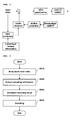
- the scalable video encoding method in accordance with another aspect of the present invention includes arraying, by the scalable video encoding device, a multi-track video in a plurality of layers according to a set reference (S610) and extracting encoding information including an encoding mode and prediction information by analyzing the bit streams of the arrayed layers (S620), as shown in FIG. 6 .
- the scalable video encoding method includes determining an encoding mode using encoding information about a layer on which scalable video encoding is performed and encoding information about an upper or lower layer (S630) and encoding the multi-track video in the determined encoding mode (S640).
- a multi-track video can be encoded into scalable videos at high speed because an encoding mode on which the multi-track video will be encoded is determined using encoding information about an existing multi-track video and the multi-track video.
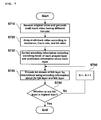
- the scalable video encoding method according to the first embodiment is a case where the first reference and the first encoding information are selected and encoding is performed. As shown in FIG. 7 , the scalable video encoding method for a multi-track video is performed according to processes S710 to S760.
- the original video is received, and a multi-track video having different formats is generated using the original video (S710).
- the multi-track video is arrayed according to their resolutions, frame rates, and bit rates (S720).
- the scalable video encoding device can generate the multi-track video by compressing the original video in various formats.
- the array of the multi-track video can be performed by arraying the multi-track video such that a video having higher resolution is disposed in an upper layer, arraying the multi-track video again such that a video having a higher frame rate is disposed in an upper layer if two or more videos having the same resolution are present in the multi-track video arrayed according to resolutions, and arraying the multi-track video again such that a video having a higher bit rate is disposed in an upper layer if two or more videos having the same frame rate are present in the multi-track video arrayed again according to the frame rates.
- encoding information including an encoding mode of each of the arrayed layers and prediction information about each layer, is extracted (S730), and encoding information about an (N-1) th layer to be now encoded and information the encoding of an N th layer that is an upper layer are transferred to the SVC encoding unit.
- the SVC encoding unit encodes the bit stream of the N th layer by the macroblock using the encoding information about the (N-1) th layer and the encoding information about the N th layer (S740) and determines whether or not the N th layer is the highest layer (S750).
- the SVC encoding unit terminates the encoding if encoding has been performed up to the highest layer and performs scalable video encoding from the lowest layer to the highest layer by repeating the processes S740 to S750 by substituting N ⁇ (N+1) if the N th layer is not the highest layer.
- the scalable video encoding method according to the second embodiment is detailed processes of the processes S740 to S760 of FIG. 7 if the first reference and the first encoding information are selected and encoding is performed, and the scalable video encoding method is shown in FIG. 8 .
- the scalable video encoding method includes arraying a multi-track video according to the first reference (resolution, a frame rate, and a bit rate) and extracting encoding information about each layer.
- inter-layer intra prediction is performed by up-scaling encoding information about the macroblock of a layer on which video encoding is performed and encoding information about a macroblock in the upper layer of the macroblock on which video encoding is performed (S810).
- the encoding cost A of an inter-layer intra mode and the encoding cost B of an encoding mode of the layer on which scalable video encoding is performed are calculated (S820), and the calculated encoding costs are compared with each other (S830).
- the inter-layer intra mode is determined to be an encoding mode, and the layer to be now encoded is encoded (S840). If A is not smaller than B, the layer to be now encoded is encoded in the encoding mode of the layer to be now encoded (S850).
- the processes S810 to S850 can be repeated until encoding for the videos of the multi-track video from the lowest layer to the highest layer are sequentially completed.
- the scalable video encoding method according to the third embodiment is a case where the second reference and the second encoding information are selected and encoding is performed.
- the scalable video encoding method for a multi-track video is performed according to processes S910 to S970, as shown in FIG. 8 .
- the scalable video encoding method includes receiving the original video, generating a multi-track video having different formats (S910), and arraying the multi-track video in order of picture quality (S920).
- the array of the multi-track video can be determined in order of picture quality determined using an objective picture quality evaluation method, and the multi-track video can be arrayed in a plurality of layers such that high-picture quality videos are arrayed in an upper layer in order of picture quality.
- the scalable video encoding method extracts prediction information, including an encoding mode, macroblock partition information, and motion vector information for each of the arrayed layers, as encoding information (S930).
- An encoding mode of the macroblock of an N th layer is determined using macroblock partition information and motion information about the N th layer, that is, a layer to be now encoded, and an (N-1) th layer, that is, a lower layer, (S940). Encoding is performed in the determined encoding mode (S950).
- the scalable video encoding method according to the fourth embodiment correspond to detailed processes of the processes S940 to S970 of FIG. 9 if the second reference and the second encoding information are selected and encoding is performed, and the scalable video encoding method is shown in FIG. 10 .
- the scalable video encoding method includes determining whether or not the macroblock of an N th layer, that is, a layer to be now encoded, is a motion prediction mode using motion vector information (S1010). If it is determined that the macroblock of the N th layer is not a motion prediction mode, the macroblock of the N th layer is encoded in an intra mode (S1020). If it is determined that the macroblock of the N th layer is a motion prediction mode, whether or not the macroblock of an (N-1) th layer is a motion prediction mode is determined (S1030).
- the macroblock of the (N-1) th layer is encoded in the encoding mode of the macroblock of the N th layer (S1040). If, as a result of the determination, it is determined that the macroblock of the (N-1) th layer is a motion prediction mode, macroblock partition information about the macroblock of an up-scaled (N-1) th layer is compared with macroblock partition information about the macroblock of the N th layer (S1050).
- the macroblock partition information about the macroblock of the up-scaled (N-1) th layer is found not to be identical with the macroblock partition information about the macroblock of the N th layer
- the macroblock of the N th layer is encoded in the encoding mode of the macroblock of the N th layer (S1040).
- the macroblock partition information about the macroblock of the up-scaled (N-1) th layer is found to be identical with the macroblock partition information about the macroblock of the N th layer
- a motion vector of the macroblock of the (N-1) th layer that has been up-scaled is compared with a motion vector of the macroblock of the N th layer (S1060).
- the macroblock of the N th layer is encoded in an inter-layer motion prediction mode (S1070). If, as a result of the comparison, a motion vector of the macroblock of the up-scaled (N-1) th layer is found not to be identical with a motion vector of the macroblock of the N th layer, the macroblock of the N th layer is encoded in the encoding mode of the N th layer macroblock (S1040).
- an encoding mode is determined at high speed using encoding information about an existing multi-track video. Accordingly, encoding speed can be improved.
- the present invention can be applied to an encoder for encoding a scalable video, a device including the encoder, and a system for sending content using the same.
- the present invention can be applied to a content server for serving content including video and audio over a communication network or a content media communication system including a user terminal for receiving and displaying content.
Landscapes
- Engineering & Computer Science (AREA)
- Multimedia (AREA)
- Signal Processing (AREA)
- Compression Or Coding Systems Of Tv Signals (AREA)
Priority Applications (3)
| Application Number | Priority Date | Filing Date | Title |
|---|---|---|---|
| EP15193340.5A EP3001683A3 (de) | 2011-04-15 | 2012-04-16 | Skalierbare hochgeschwindigkeits-videokodierungsvorrichtung und verfahren dafür unter verwendung von mehrspurigen videos |
| EP15193360.3A EP3007445A1 (de) | 2011-04-15 | 2012-04-16 | Skalierbare hochgeschwindigkeits-videocodierungsvorrichtung und verfahren dafür unter verwendung von mehrspurigen videos |
| EP15194417.0A EP3021587A3 (de) | 2011-04-15 | 2012-04-16 | Vorrichtung und verfahren zur skalierbaren hochgeschwindigkeitsvideocodierung unter verwendung von mehrspurigen videos |
Applications Claiming Priority (3)
| Application Number | Priority Date | Filing Date | Title |
|---|---|---|---|
| KR1020110035110A KR101853744B1 (ko) | 2011-04-15 | 2011-04-15 | 멀티트랙 비디오를 스케일러블 비디오로 인코딩하는 방법 및 장치 |
| KR1020110047638A KR101594411B1 (ko) | 2011-05-20 | 2011-05-20 | 고속 움직임 예측을 이용하여 멀티트랙 비디오를 스케일러블 비디오로 인코딩하는 방법 및 장치 |
| PCT/KR2012/002861 WO2012141551A2 (ko) | 2011-04-15 | 2012-04-16 | 멀티 트랙 비디오를 사용한 고속 스케일러블 비디오 코딩 장치 및 방법 |
Related Child Applications (3)
| Application Number | Title | Priority Date | Filing Date |
|---|---|---|---|
| EP15194417.0A Division EP3021587A3 (de) | 2011-04-15 | 2012-04-16 | Vorrichtung und verfahren zur skalierbaren hochgeschwindigkeitsvideocodierung unter verwendung von mehrspurigen videos |
| EP15193340.5A Division EP3001683A3 (de) | 2011-04-15 | 2012-04-16 | Skalierbare hochgeschwindigkeits-videokodierungsvorrichtung und verfahren dafür unter verwendung von mehrspurigen videos |
| EP15193360.3A Division EP3007445A1 (de) | 2011-04-15 | 2012-04-16 | Skalierbare hochgeschwindigkeits-videocodierungsvorrichtung und verfahren dafür unter verwendung von mehrspurigen videos |
Publications (2)
| Publication Number | Publication Date |
|---|---|
| EP2698995A2 true EP2698995A2 (de) | 2014-02-19 |
| EP2698995A4 EP2698995A4 (de) | 2014-09-03 |
Family
ID=47009877
Family Applications (4)
| Application Number | Title | Priority Date | Filing Date |
|---|---|---|---|
| EP15193360.3A Withdrawn EP3007445A1 (de) | 2011-04-15 | 2012-04-16 | Skalierbare hochgeschwindigkeits-videocodierungsvorrichtung und verfahren dafür unter verwendung von mehrspurigen videos |
| EP15194417.0A Ceased EP3021587A3 (de) | 2011-04-15 | 2012-04-16 | Vorrichtung und verfahren zur skalierbaren hochgeschwindigkeitsvideocodierung unter verwendung von mehrspurigen videos |
| EP15193340.5A Withdrawn EP3001683A3 (de) | 2011-04-15 | 2012-04-16 | Skalierbare hochgeschwindigkeits-videokodierungsvorrichtung und verfahren dafür unter verwendung von mehrspurigen videos |
| EP12771035.8A Withdrawn EP2698995A4 (de) | 2011-04-15 | 2012-04-16 | Skalierbare hochgeschwindigkeits-videokodierungsvorrichtung und verfahren dafür unter verwendung von mehrspurigen videos |
Family Applications Before (3)
| Application Number | Title | Priority Date | Filing Date |
|---|---|---|---|
| EP15193360.3A Withdrawn EP3007445A1 (de) | 2011-04-15 | 2012-04-16 | Skalierbare hochgeschwindigkeits-videocodierungsvorrichtung und verfahren dafür unter verwendung von mehrspurigen videos |
| EP15194417.0A Ceased EP3021587A3 (de) | 2011-04-15 | 2012-04-16 | Vorrichtung und verfahren zur skalierbaren hochgeschwindigkeitsvideocodierung unter verwendung von mehrspurigen videos |
| EP15193340.5A Withdrawn EP3001683A3 (de) | 2011-04-15 | 2012-04-16 | Skalierbare hochgeschwindigkeits-videokodierungsvorrichtung und verfahren dafür unter verwendung von mehrspurigen videos |
Country Status (5)
| Country | Link |
|---|---|
| US (4) | US9083949B2 (de) |
| EP (4) | EP3007445A1 (de) |
| JP (1) | JP5557265B1 (de) |
| CN (1) | CN103548353B (de) |
| WO (1) | WO2012141551A2 (de) |
Families Citing this family (3)
| Publication number | Priority date | Publication date | Assignee | Title |
|---|---|---|---|---|
| US10708605B2 (en) | 2013-04-05 | 2020-07-07 | Vid Scale, Inc. | Inter-layer reference picture enhancement for multiple layer video coding |
| CN103248622B (zh) * | 2013-04-09 | 2016-02-24 | 中国科学院计算技术研究所 | 一种自动伸缩的在线视频服务质量保障方法及系统 |
| US10390087B2 (en) | 2014-05-01 | 2019-08-20 | Qualcomm Incorporated | Hypothetical reference decoder parameters for partitioning schemes in video coding |
Family Cites Families (24)
| Publication number | Priority date | Publication date | Assignee | Title |
|---|---|---|---|---|
| US6907070B2 (en) * | 2000-12-15 | 2005-06-14 | Microsoft Corporation | Drifting reduction and macroblock-based control in progressive fine granularity scalable video coding |
| US20020126759A1 (en) * | 2001-01-10 | 2002-09-12 | Wen-Hsiao Peng | Method and apparatus for providing prediction mode fine granularity scalability |
| DE602004008763T2 (de) | 2003-04-17 | 2008-06-12 | Koninklijke Philips Electronics N.V. | Videotranskodierung |
| KR100586883B1 (ko) | 2004-03-04 | 2006-06-08 | 삼성전자주식회사 | 비디오 스트리밍 서비스를 위한 비디오 코딩방법, 프리디코딩방법, 비디오 디코딩방법, 및 이를 위한 장치와, 이미지 필터링방법 |
| US20050195896A1 (en) * | 2004-03-08 | 2005-09-08 | National Chiao Tung University | Architecture for stack robust fine granularity scalability |
| US20060023748A1 (en) * | 2004-07-09 | 2006-02-02 | Chandhok Ravinder P | System for layering content for scheduled delivery in a data network |
| JP5017825B2 (ja) * | 2005-09-15 | 2012-09-05 | ソニー株式会社 | 復号装置および復号方法 |
| US8320450B2 (en) * | 2006-03-29 | 2012-11-27 | Vidyo, Inc. | System and method for transcoding between scalable and non-scalable video codecs |
| CA2647723A1 (en) * | 2006-03-29 | 2007-10-11 | Vidyo, Inc. | System and method for transcoding between scalable and non-scalable video codecs |
| WO2007115133A2 (en) * | 2006-03-29 | 2007-10-11 | Vidyo, Inc. | System and method for transcoding between scalable and non-scalable video codecs |
| US7535383B2 (en) | 2006-07-10 | 2009-05-19 | Sharp Laboratories Of America Inc. | Methods and systems for signaling multi-layer bitstream data |
| US7991236B2 (en) * | 2006-10-16 | 2011-08-02 | Nokia Corporation | Discardable lower layer adaptations in scalable video coding |
| US7907789B2 (en) * | 2007-01-05 | 2011-03-15 | Freescale Semiconductor, Inc. | Reduction of block effects in spatially re-sampled image information for block-based image coding |
| CN104822062B (zh) | 2007-01-08 | 2018-11-30 | 诺基亚公司 | 用于视频编码中扩展空间可分级性的改进层间预测 |
| KR100809354B1 (ko) | 2007-02-02 | 2008-03-05 | 삼성전자주식회사 | 복원된 프레임의 프레임율을 업컨버팅하는 장치 및 방법 |
| US8121191B1 (en) * | 2007-11-13 | 2012-02-21 | Harmonic Inc. | AVC to SVC transcoder |
| KR101144498B1 (ko) * | 2008-04-28 | 2012-05-15 | 에스케이플래닛 주식회사 | 스케일러블 비디오 제공 시스템 및 스케일러블 비디오 제공방법 |
| KR101012204B1 (ko) * | 2008-04-24 | 2011-02-08 | 에스케이 텔레콤주식회사 | 스케일러블 비디오의 스트리밍 재생 시스템 및 스케일러블비디오의 스트리밍 재생 방법 |
| US20100232521A1 (en) * | 2008-07-10 | 2010-09-16 | Pierre Hagendorf | Systems, Methods, and Media for Providing Interactive Video Using Scalable Video Coding |
| IT1394245B1 (it) * | 2008-09-15 | 2012-06-01 | St Microelectronics Pvt Ltd | Convertitore per video da tipo non-scalabile a tipo scalabile |
| KR20100072722A (ko) * | 2008-12-22 | 2010-07-01 | 삼성전자주식회사 | 스케일러블 변조 및 복조를 위한 영상데이터를 송수신하는 장치 및 방법 |
| US9036705B2 (en) | 2009-03-13 | 2015-05-19 | Telefonaktiebolaget L M Ericsson (Publ) | Technique for bringing encoded data items into conformity with a scalable coding protocol |
| US9549190B2 (en) | 2009-10-01 | 2017-01-17 | Sk Telecom Co., Ltd. | Method and apparatus for encoding/decoding image using variable-size macroblocks |
| BR112012014182A2 (pt) | 2009-12-14 | 2016-05-31 | Thomson Lincensing | mistura de correntes de bits codificadas |
-
2012
- 2012-04-16 US US14/111,834 patent/US9083949B2/en active Active
- 2012-04-16 JP JP2014505084A patent/JP5557265B1/ja not_active Expired - Fee Related
- 2012-04-16 EP EP15193360.3A patent/EP3007445A1/de not_active Withdrawn
- 2012-04-16 EP EP15194417.0A patent/EP3021587A3/de not_active Ceased
- 2012-04-16 EP EP15193340.5A patent/EP3001683A3/de not_active Withdrawn
- 2012-04-16 CN CN201280024116.8A patent/CN103548353B/zh not_active Expired - Fee Related
- 2012-04-16 WO PCT/KR2012/002861 patent/WO2012141551A2/ko not_active Ceased
- 2012-04-16 EP EP12771035.8A patent/EP2698995A4/de not_active Withdrawn
-
2015
- 2015-07-13 US US14/797,471 patent/US20150319443A1/en not_active Abandoned
- 2015-10-16 US US14/884,967 patent/US20160037169A1/en not_active Abandoned
- 2015-10-16 US US14/884,943 patent/US10750185B2/en active Active
Also Published As
| Publication number | Publication date |
|---|---|
| EP3001683A3 (de) | 2016-04-06 |
| US20160037168A1 (en) | 2016-02-04 |
| JP5557265B1 (ja) | 2014-07-23 |
| US20150319443A1 (en) | 2015-11-05 |
| EP2698995A4 (de) | 2014-09-03 |
| US20140226723A1 (en) | 2014-08-14 |
| US9083949B2 (en) | 2015-07-14 |
| EP3021587A3 (de) | 2016-12-28 |
| CN103548353A (zh) | 2014-01-29 |
| EP3001683A2 (de) | 2016-03-30 |
| CN103548353B (zh) | 2015-08-19 |
| EP3021587A2 (de) | 2016-05-18 |
| WO2012141551A3 (ko) | 2013-03-07 |
| US10750185B2 (en) | 2020-08-18 |
| EP3007445A1 (de) | 2016-04-13 |
| WO2012141551A2 (ko) | 2012-10-18 |
| US20160037169A1 (en) | 2016-02-04 |
| JP2014520413A (ja) | 2014-08-21 |
Similar Documents
| Publication | Publication Date | Title |
|---|---|---|
| JP5676637B2 (ja) | 符号化ビットストリームのマージ | |
| US20080043832A1 (en) | Techniques for variable resolution encoding and decoding of digital video | |
| US20130022116A1 (en) | Camera tap transcoder architecture with feed forward encode data | |
| CN107087203A (zh) | 图像解码方法及使用其的装置 | |
| CN102939752A (zh) | 通过基于树结构的数据单元执行环路滤波来对视频进行编码的方法和设备,以及通过基于树结构的数据单元执行环路滤波来对视频进行解码的方法和设备 | |
| CN108718411B (zh) | 图像解码方法和使用其的装置 | |
| CA3057894C (en) | Video compression using down-sampling patterns in two phases | |
| US10750185B2 (en) | High speed scalable video coding device and method using multi-track video | |
| KR101853744B1 (ko) | 멀티트랙 비디오를 스케일러블 비디오로 인코딩하는 방법 및 장치 | |
| KR100991184B1 (ko) | 동영상 부호화 효율 향상을 위한 움직임 벡터 압축 방법 및그 장치, 상기 방법을 구현하는 프로그램이 기록된 기록매체 | |
| KR101990098B1 (ko) | 멀티트랙 비디오를 스케일러블 비디오로 인코딩하는 방법 및 장치 | |
| KR101594411B1 (ko) | 고속 움직임 예측을 이용하여 멀티트랙 비디오를 스케일러블 비디오로 인코딩하는 방법 및 장치 | |
| KR101834531B1 (ko) | 멀티트랙 비디오를 스케일러블 비디오로 인코딩하는 방법 및 장치 | |
| KR101749613B1 (ko) | 고속 움직임 예측을 이용하여 멀티트랙 비디오를 스케일러블 비디오로 인코딩하는 방법 및 장치 | |
| KR101875853B1 (ko) | 고속 움직임 예측을 이용하여 멀티트랙 비디오를 스케일러블 비디오로 인코딩하는 방법 및 장치 | |
| KR101626757B1 (ko) | 고속 움직임 예측을 이용하여 멀티트랙 비디오를 스케일러블 비디오로 인코딩하는 방법 및 장치 | |
| KR101625441B1 (ko) | 고속 움직임 예측을 이용하여 멀티트랙 비디오를 스케일러블 비디오로 인코딩하는 방법 및 장치 | |
| KR20060043050A (ko) | 영상 신호의 인코딩 및 디코딩 방법 | |
| KR20180080167A (ko) | 고속 움직임 예측을 이용하여 멀티트랙 비디오를 스케일러블 비디오로 인코딩하는 방법 및 장치 | |
| CN108432251A (zh) | 比特流变换设备、比特流变换方法、分发系统、动画图像编码设备、动画图像编码方法以及计算机可读存储介质 |
Legal Events
| Date | Code | Title | Description |
|---|---|---|---|
| PUAI | Public reference made under article 153(3) epc to a published international application that has entered the european phase |
Free format text: ORIGINAL CODE: 0009012 |
|
| 17P | Request for examination filed |
Effective date: 20131028 |
|
| AK | Designated contracting states |
Kind code of ref document: A2 Designated state(s): AL AT BE BG CH CY CZ DE DK EE ES FI FR GB GR HR HU IE IS IT LI LT LU LV MC MK MT NL NO PL PT RO RS SE SI SK SM TR |
|
| DAX | Request for extension of the european patent (deleted) | ||
| A4 | Supplementary search report drawn up and despatched |
Effective date: 20140801 |
|
| RIC1 | Information provided on ipc code assigned before grant |
Ipc: H04N 19/42 20140101ALI20140728BHEP Ipc: H04N 19/30 20140101AFI20140728BHEP Ipc: H04N 19/107 20140101ALI20140728BHEP Ipc: H04N 19/61 20140101ALI20140728BHEP Ipc: H04N 19/40 20140101ALI20140728BHEP |
|
| STAA | Information on the status of an ep patent application or granted ep patent |
Free format text: STATUS: EXAMINATION IS IN PROGRESS |
|
| 17Q | First examination report despatched |
Effective date: 20170731 |
|
| STAA | Information on the status of an ep patent application or granted ep patent |
Free format text: STATUS: THE APPLICATION IS DEEMED TO BE WITHDRAWN |
|
| 18D | Application deemed to be withdrawn |
Effective date: 20191101 |