EP2692710A1 - Material and exhaust gas system and method for using the same - Google Patents
Material and exhaust gas system and method for using the same Download PDFInfo
- Publication number
- EP2692710A1 EP2692710A1 EP13178575.0A EP13178575A EP2692710A1 EP 2692710 A1 EP2692710 A1 EP 2692710A1 EP 13178575 A EP13178575 A EP 13178575A EP 2692710 A1 EP2692710 A1 EP 2692710A1
- Authority
- EP
- European Patent Office
- Prior art keywords
- formula
- oxidization
- potassium
- exhaust gas
- diesel
- Prior art date
- Legal status (The legal status is an assumption and is not a legal conclusion. Google has not performed a legal analysis and makes no representation as to the accuracy of the status listed.)
- Withdrawn
Links
Images



Classifications
-
- B—PERFORMING OPERATIONS; TRANSPORTING
- B01—PHYSICAL OR CHEMICAL PROCESSES OR APPARATUS IN GENERAL
- B01J—CHEMICAL OR PHYSICAL PROCESSES, e.g. CATALYSIS OR COLLOID CHEMISTRY; THEIR RELEVANT APPARATUS
- B01J23/00—Catalysts comprising metals or metal oxides or hydroxides, not provided for in group B01J21/00
- B01J23/005—Spinels
-
- B—PERFORMING OPERATIONS; TRANSPORTING
- B01—PHYSICAL OR CHEMICAL PROCESSES OR APPARATUS IN GENERAL
- B01D—SEPARATION
- B01D53/00—Separation of gases or vapours; Recovering vapours of volatile solvents from gases; Chemical or biological purification of waste gases, e.g. engine exhaust gases, smoke, fumes, flue gases, aerosols
- B01D53/34—Chemical or biological purification of waste gases
- B01D53/92—Chemical or biological purification of waste gases of engine exhaust gases
- B01D53/94—Chemical or biological purification of waste gases of engine exhaust gases by catalytic processes
- B01D53/944—Simultaneously removing carbon monoxide, hydrocarbons or carbon making use of oxidation catalysts
-
- B—PERFORMING OPERATIONS; TRANSPORTING
- B01—PHYSICAL OR CHEMICAL PROCESSES OR APPARATUS IN GENERAL
- B01J—CHEMICAL OR PHYSICAL PROCESSES, e.g. CATALYSIS OR COLLOID CHEMISTRY; THEIR RELEVANT APPARATUS
- B01J23/00—Catalysts comprising metals or metal oxides or hydroxides, not provided for in group B01J21/00
- B01J23/70—Catalysts comprising metals or metal oxides or hydroxides, not provided for in group B01J21/00 of the iron group metals or copper
- B01J23/74—Iron group metals
- B01J23/75—Cobalt
-
- B—PERFORMING OPERATIONS; TRANSPORTING
- B01—PHYSICAL OR CHEMICAL PROCESSES OR APPARATUS IN GENERAL
- B01J—CHEMICAL OR PHYSICAL PROCESSES, e.g. CATALYSIS OR COLLOID CHEMISTRY; THEIR RELEVANT APPARATUS
- B01J23/00—Catalysts comprising metals or metal oxides or hydroxides, not provided for in group B01J21/00
- B01J23/70—Catalysts comprising metals or metal oxides or hydroxides, not provided for in group B01J21/00 of the iron group metals or copper
- B01J23/76—Catalysts comprising metals or metal oxides or hydroxides, not provided for in group B01J21/00 of the iron group metals or copper combined with metals, oxides or hydroxides provided for in groups B01J23/02 - B01J23/36
- B01J23/83—Catalysts comprising metals or metal oxides or hydroxides, not provided for in group B01J21/00 of the iron group metals or copper combined with metals, oxides or hydroxides provided for in groups B01J23/02 - B01J23/36 with rare earths or actinides
-
- C—CHEMISTRY; METALLURGY
- C01—INORGANIC CHEMISTRY
- C01B—NON-METALLIC ELEMENTS; COMPOUNDS THEREOF; METALLOIDS OR COMPOUNDS THEREOF NOT COVERED BY SUBCLASS C01C
- C01B33/00—Silicon; Compounds thereof
- C01B33/20—Silicates
- C01B33/26—Aluminium-containing silicates, i.e. silico-aluminates
-
- C—CHEMISTRY; METALLURGY
- C04—CEMENTS; CONCRETE; ARTIFICIAL STONE; CERAMICS; REFRACTORIES
- C04B—LIME, MAGNESIA; SLAG; CEMENTS; COMPOSITIONS THEREOF, e.g. MORTARS, CONCRETE OR LIKE BUILDING MATERIALS; ARTIFICIAL STONE; CERAMICS; REFRACTORIES; TREATMENT OF NATURAL STONE
- C04B35/00—Shaped ceramic products characterised by their composition; Ceramics compositions; Processing powders of inorganic compounds preparatory to the manufacturing of ceramic products
- C04B35/01—Shaped ceramic products characterised by their composition; Ceramics compositions; Processing powders of inorganic compounds preparatory to the manufacturing of ceramic products based on oxide ceramics
- C04B35/16—Shaped ceramic products characterised by their composition; Ceramics compositions; Processing powders of inorganic compounds preparatory to the manufacturing of ceramic products based on oxide ceramics based on silicates other than clay
- C04B35/18—Shaped ceramic products characterised by their composition; Ceramics compositions; Processing powders of inorganic compounds preparatory to the manufacturing of ceramic products based on oxide ceramics based on silicates other than clay rich in aluminium oxide
-
- C—CHEMISTRY; METALLURGY
- C04—CEMENTS; CONCRETE; ARTIFICIAL STONE; CERAMICS; REFRACTORIES
- C04B—LIME, MAGNESIA; SLAG; CEMENTS; COMPOSITIONS THEREOF, e.g. MORTARS, CONCRETE OR LIKE BUILDING MATERIALS; ARTIFICIAL STONE; CERAMICS; REFRACTORIES; TREATMENT OF NATURAL STONE
- C04B35/00—Shaped ceramic products characterised by their composition; Ceramics compositions; Processing powders of inorganic compounds preparatory to the manufacturing of ceramic products
- C04B35/01—Shaped ceramic products characterised by their composition; Ceramics compositions; Processing powders of inorganic compounds preparatory to the manufacturing of ceramic products based on oxide ceramics
- C04B35/16—Shaped ceramic products characterised by their composition; Ceramics compositions; Processing powders of inorganic compounds preparatory to the manufacturing of ceramic products based on oxide ceramics based on silicates other than clay
- C04B35/18—Shaped ceramic products characterised by their composition; Ceramics compositions; Processing powders of inorganic compounds preparatory to the manufacturing of ceramic products based on oxide ceramics based on silicates other than clay rich in aluminium oxide
- C04B35/19—Alkali metal aluminosilicates, e.g. spodumene
-
- C—CHEMISTRY; METALLURGY
- C04—CEMENTS; CONCRETE; ARTIFICIAL STONE; CERAMICS; REFRACTORIES
- C04B—LIME, MAGNESIA; SLAG; CEMENTS; COMPOSITIONS THEREOF, e.g. MORTARS, CONCRETE OR LIKE BUILDING MATERIALS; ARTIFICIAL STONE; CERAMICS; REFRACTORIES; TREATMENT OF NATURAL STONE
- C04B35/00—Shaped ceramic products characterised by their composition; Ceramics compositions; Processing powders of inorganic compounds preparatory to the manufacturing of ceramic products
- C04B35/622—Forming processes; Processing powders of inorganic compounds preparatory to the manufacturing of ceramic products
- C04B35/626—Preparing or treating the powders individually or as batches ; preparing or treating macroscopic reinforcing agents for ceramic products, e.g. fibres; mechanical aspects section B
- C04B35/62605—Treating the starting powders individually or as mixtures
- C04B35/62645—Thermal treatment of powders or mixtures thereof other than sintering
- C04B35/6265—Thermal treatment of powders or mixtures thereof other than sintering involving reduction or oxidation
-
- C—CHEMISTRY; METALLURGY
- C04—CEMENTS; CONCRETE; ARTIFICIAL STONE; CERAMICS; REFRACTORIES
- C04B—LIME, MAGNESIA; SLAG; CEMENTS; COMPOSITIONS THEREOF, e.g. MORTARS, CONCRETE OR LIKE BUILDING MATERIALS; ARTIFICIAL STONE; CERAMICS; REFRACTORIES; TREATMENT OF NATURAL STONE
- C04B35/00—Shaped ceramic products characterised by their composition; Ceramics compositions; Processing powders of inorganic compounds preparatory to the manufacturing of ceramic products
- C04B35/622—Forming processes; Processing powders of inorganic compounds preparatory to the manufacturing of ceramic products
- C04B35/626—Preparing or treating the powders individually or as batches ; preparing or treating macroscopic reinforcing agents for ceramic products, e.g. fibres; mechanical aspects section B
- C04B35/62605—Treating the starting powders individually or as mixtures
- C04B35/62645—Thermal treatment of powders or mixtures thereof other than sintering
- C04B35/6268—Thermal treatment of powders or mixtures thereof other than sintering characterised by the applied pressure or type of atmosphere, e.g. in vacuum, hydrogen or a specific oxygen pressure
-
- C—CHEMISTRY; METALLURGY
- C04—CEMENTS; CONCRETE; ARTIFICIAL STONE; CERAMICS; REFRACTORIES
- C04B—LIME, MAGNESIA; SLAG; CEMENTS; COMPOSITIONS THEREOF, e.g. MORTARS, CONCRETE OR LIKE BUILDING MATERIALS; ARTIFICIAL STONE; CERAMICS; REFRACTORIES; TREATMENT OF NATURAL STONE
- C04B35/00—Shaped ceramic products characterised by their composition; Ceramics compositions; Processing powders of inorganic compounds preparatory to the manufacturing of ceramic products
- C04B35/622—Forming processes; Processing powders of inorganic compounds preparatory to the manufacturing of ceramic products
- C04B35/626—Preparing or treating the powders individually or as batches ; preparing or treating macroscopic reinforcing agents for ceramic products, e.g. fibres; mechanical aspects section B
- C04B35/63—Preparing or treating the powders individually or as batches ; preparing or treating macroscopic reinforcing agents for ceramic products, e.g. fibres; mechanical aspects section B using additives specially adapted for forming the products, e.g.. binder binders
- C04B35/632—Organic additives
-
- F—MECHANICAL ENGINEERING; LIGHTING; HEATING; WEAPONS; BLASTING
- F02—COMBUSTION ENGINES; HOT-GAS OR COMBUSTION-PRODUCT ENGINE PLANTS
- F02D—CONTROLLING COMBUSTION ENGINES
- F02D41/00—Electrical control of supply of combustible mixture or its constituents
- F02D41/02—Circuit arrangements for generating control signals
- F02D41/021—Introducing corrections for particular conditions exterior to the engine
- F02D41/0235—Introducing corrections for particular conditions exterior to the engine in relation with the state of the exhaust gas treating apparatus
- F02D41/027—Introducing corrections for particular conditions exterior to the engine in relation with the state of the exhaust gas treating apparatus to purge or regenerate the exhaust gas treating apparatus
- F02D41/029—Introducing corrections for particular conditions exterior to the engine in relation with the state of the exhaust gas treating apparatus to purge or regenerate the exhaust gas treating apparatus the exhaust gas treating apparatus being a particulate filter
-
- B—PERFORMING OPERATIONS; TRANSPORTING
- B01—PHYSICAL OR CHEMICAL PROCESSES OR APPARATUS IN GENERAL
- B01D—SEPARATION
- B01D2255/00—Catalysts
- B01D2255/10—Noble metals or compounds thereof
- B01D2255/102—Platinum group metals
- B01D2255/1023—Palladium
-
- B—PERFORMING OPERATIONS; TRANSPORTING
- B01—PHYSICAL OR CHEMICAL PROCESSES OR APPARATUS IN GENERAL
- B01D—SEPARATION
- B01D2255/00—Catalysts
- B01D2255/10—Noble metals or compounds thereof
- B01D2255/102—Platinum group metals
- B01D2255/1025—Rhodium
-
- B—PERFORMING OPERATIONS; TRANSPORTING
- B01—PHYSICAL OR CHEMICAL PROCESSES OR APPARATUS IN GENERAL
- B01D—SEPARATION
- B01D2255/00—Catalysts
- B01D2255/10—Noble metals or compounds thereof
- B01D2255/102—Platinum group metals
- B01D2255/1026—Ruthenium
-
- B—PERFORMING OPERATIONS; TRANSPORTING
- B01—PHYSICAL OR CHEMICAL PROCESSES OR APPARATUS IN GENERAL
- B01D—SEPARATION
- B01D2255/00—Catalysts
- B01D2255/10—Noble metals or compounds thereof
- B01D2255/104—Silver
-
- B—PERFORMING OPERATIONS; TRANSPORTING
- B01—PHYSICAL OR CHEMICAL PROCESSES OR APPARATUS IN GENERAL
- B01D—SEPARATION
- B01D2255/00—Catalysts
- B01D2255/10—Noble metals or compounds thereof
- B01D2255/106—Gold
-
- B—PERFORMING OPERATIONS; TRANSPORTING
- B01—PHYSICAL OR CHEMICAL PROCESSES OR APPARATUS IN GENERAL
- B01D—SEPARATION
- B01D2255/00—Catalysts
- B01D2255/20—Metals or compounds thereof
- B01D2255/202—Alkali metals
- B01D2255/2022—Potassium
-
- B—PERFORMING OPERATIONS; TRANSPORTING
- B01—PHYSICAL OR CHEMICAL PROCESSES OR APPARATUS IN GENERAL
- B01D—SEPARATION
- B01D2255/00—Catalysts
- B01D2255/20—Metals or compounds thereof
- B01D2255/202—Alkali metals
- B01D2255/2025—Lithium
-
- B—PERFORMING OPERATIONS; TRANSPORTING
- B01—PHYSICAL OR CHEMICAL PROCESSES OR APPARATUS IN GENERAL
- B01D—SEPARATION
- B01D2255/00—Catalysts
- B01D2255/20—Metals or compounds thereof
- B01D2255/206—Rare earth metals
- B01D2255/2065—Cerium
-
- B—PERFORMING OPERATIONS; TRANSPORTING
- B01—PHYSICAL OR CHEMICAL PROCESSES OR APPARATUS IN GENERAL
- B01D—SEPARATION
- B01D2255/00—Catalysts
- B01D2255/20—Metals or compounds thereof
- B01D2255/207—Transition metals
- B01D2255/20723—Vanadium
-
- B—PERFORMING OPERATIONS; TRANSPORTING
- B01—PHYSICAL OR CHEMICAL PROCESSES OR APPARATUS IN GENERAL
- B01D—SEPARATION
- B01D2255/00—Catalysts
- B01D2255/20—Metals or compounds thereof
- B01D2255/207—Transition metals
- B01D2255/20746—Cobalt
-
- B—PERFORMING OPERATIONS; TRANSPORTING
- B01—PHYSICAL OR CHEMICAL PROCESSES OR APPARATUS IN GENERAL
- B01D—SEPARATION
- B01D2255/00—Catalysts
- B01D2255/20—Metals or compounds thereof
- B01D2255/207—Transition metals
- B01D2255/20753—Nickel
-
- B—PERFORMING OPERATIONS; TRANSPORTING
- B01—PHYSICAL OR CHEMICAL PROCESSES OR APPARATUS IN GENERAL
- B01D—SEPARATION
- B01D2255/00—Catalysts
- B01D2255/20—Metals or compounds thereof
- B01D2255/207—Transition metals
- B01D2255/20784—Chromium
-
- B—PERFORMING OPERATIONS; TRANSPORTING
- B01—PHYSICAL OR CHEMICAL PROCESSES OR APPARATUS IN GENERAL
- B01D—SEPARATION
- B01D2255/00—Catalysts
- B01D2255/20—Metals or compounds thereof
- B01D2255/209—Other metals
- B01D2255/2092—Aluminium
-
- B—PERFORMING OPERATIONS; TRANSPORTING
- B01—PHYSICAL OR CHEMICAL PROCESSES OR APPARATUS IN GENERAL
- B01D—SEPARATION
- B01D2255/00—Catalysts
- B01D2255/30—Silica
-
- B—PERFORMING OPERATIONS; TRANSPORTING
- B01—PHYSICAL OR CHEMICAL PROCESSES OR APPARATUS IN GENERAL
- B01D—SEPARATION
- B01D2255/00—Catalysts
- B01D2255/40—Mixed oxides
-
- B—PERFORMING OPERATIONS; TRANSPORTING
- B01—PHYSICAL OR CHEMICAL PROCESSES OR APPARATUS IN GENERAL
- B01D—SEPARATION
- B01D2258/00—Sources of waste gases
- B01D2258/01—Engine exhaust gases
- B01D2258/012—Diesel engines and lean burn gasoline engines
-
- B—PERFORMING OPERATIONS; TRANSPORTING
- B01—PHYSICAL OR CHEMICAL PROCESSES OR APPARATUS IN GENERAL
- B01J—CHEMICAL OR PHYSICAL PROCESSES, e.g. CATALYSIS OR COLLOID CHEMISTRY; THEIR RELEVANT APPARATUS
- B01J23/00—Catalysts comprising metals or metal oxides or hydroxides, not provided for in group B01J21/00
- B01J23/02—Catalysts comprising metals or metal oxides or hydroxides, not provided for in group B01J21/00 of the alkali- or alkaline earth metals or beryllium
- B01J23/04—Alkali metals
-
- B—PERFORMING OPERATIONS; TRANSPORTING
- B01—PHYSICAL OR CHEMICAL PROCESSES OR APPARATUS IN GENERAL
- B01J—CHEMICAL OR PHYSICAL PROCESSES, e.g. CATALYSIS OR COLLOID CHEMISTRY; THEIR RELEVANT APPARATUS
- B01J23/00—Catalysts comprising metals or metal oxides or hydroxides, not provided for in group B01J21/00
- B01J23/10—Catalysts comprising metals or metal oxides or hydroxides, not provided for in group B01J21/00 of rare earths
-
- B—PERFORMING OPERATIONS; TRANSPORTING
- B01—PHYSICAL OR CHEMICAL PROCESSES OR APPARATUS IN GENERAL
- B01J—CHEMICAL OR PHYSICAL PROCESSES, e.g. CATALYSIS OR COLLOID CHEMISTRY; THEIR RELEVANT APPARATUS
- B01J23/00—Catalysts comprising metals or metal oxides or hydroxides, not provided for in group B01J21/00
- B01J23/70—Catalysts comprising metals or metal oxides or hydroxides, not provided for in group B01J21/00 of the iron group metals or copper
- B01J23/76—Catalysts comprising metals or metal oxides or hydroxides, not provided for in group B01J21/00 of the iron group metals or copper combined with metals, oxides or hydroxides provided for in groups B01J23/02 - B01J23/36
- B01J23/78—Catalysts comprising metals or metal oxides or hydroxides, not provided for in group B01J21/00 of the iron group metals or copper combined with metals, oxides or hydroxides provided for in groups B01J23/02 - B01J23/36 with alkali- or alkaline earth metals
-
- C—CHEMISTRY; METALLURGY
- C04—CEMENTS; CONCRETE; ARTIFICIAL STONE; CERAMICS; REFRACTORIES
- C04B—LIME, MAGNESIA; SLAG; CEMENTS; COMPOSITIONS THEREOF, e.g. MORTARS, CONCRETE OR LIKE BUILDING MATERIALS; ARTIFICIAL STONE; CERAMICS; REFRACTORIES; TREATMENT OF NATURAL STONE
- C04B2235/00—Aspects relating to ceramic starting mixtures or sintered ceramic products
- C04B2235/02—Composition of constituents of the starting material or of secondary phases of the final product
- C04B2235/30—Constituents and secondary phases not being of a fibrous nature
- C04B2235/32—Metal oxides, mixed metal oxides, or oxide-forming salts thereof, e.g. carbonates, nitrates, (oxy)hydroxides, chlorides
- C04B2235/3201—Alkali metal oxides or oxide-forming salts thereof
-
- C—CHEMISTRY; METALLURGY
- C04—CEMENTS; CONCRETE; ARTIFICIAL STONE; CERAMICS; REFRACTORIES
- C04B—LIME, MAGNESIA; SLAG; CEMENTS; COMPOSITIONS THEREOF, e.g. MORTARS, CONCRETE OR LIKE BUILDING MATERIALS; ARTIFICIAL STONE; CERAMICS; REFRACTORIES; TREATMENT OF NATURAL STONE
- C04B2235/00—Aspects relating to ceramic starting mixtures or sintered ceramic products
- C04B2235/02—Composition of constituents of the starting material or of secondary phases of the final product
- C04B2235/30—Constituents and secondary phases not being of a fibrous nature
- C04B2235/32—Metal oxides, mixed metal oxides, or oxide-forming salts thereof, e.g. carbonates, nitrates, (oxy)hydroxides, chlorides
- C04B2235/3201—Alkali metal oxides or oxide-forming salts thereof
- C04B2235/3203—Lithium oxide or oxide-forming salts thereof
-
- C—CHEMISTRY; METALLURGY
- C04—CEMENTS; CONCRETE; ARTIFICIAL STONE; CERAMICS; REFRACTORIES
- C04B—LIME, MAGNESIA; SLAG; CEMENTS; COMPOSITIONS THEREOF, e.g. MORTARS, CONCRETE OR LIKE BUILDING MATERIALS; ARTIFICIAL STONE; CERAMICS; REFRACTORIES; TREATMENT OF NATURAL STONE
- C04B2235/00—Aspects relating to ceramic starting mixtures or sintered ceramic products
- C04B2235/02—Composition of constituents of the starting material or of secondary phases of the final product
- C04B2235/30—Constituents and secondary phases not being of a fibrous nature
- C04B2235/32—Metal oxides, mixed metal oxides, or oxide-forming salts thereof, e.g. carbonates, nitrates, (oxy)hydroxides, chlorides
- C04B2235/3224—Rare earth oxide or oxide forming salts thereof, e.g. scandium oxide
- C04B2235/3229—Cerium oxides or oxide-forming salts thereof
-
- C—CHEMISTRY; METALLURGY
- C04—CEMENTS; CONCRETE; ARTIFICIAL STONE; CERAMICS; REFRACTORIES
- C04B—LIME, MAGNESIA; SLAG; CEMENTS; COMPOSITIONS THEREOF, e.g. MORTARS, CONCRETE OR LIKE BUILDING MATERIALS; ARTIFICIAL STONE; CERAMICS; REFRACTORIES; TREATMENT OF NATURAL STONE
- C04B2235/00—Aspects relating to ceramic starting mixtures or sintered ceramic products
- C04B2235/02—Composition of constituents of the starting material or of secondary phases of the final product
- C04B2235/30—Constituents and secondary phases not being of a fibrous nature
- C04B2235/32—Metal oxides, mixed metal oxides, or oxide-forming salts thereof, e.g. carbonates, nitrates, (oxy)hydroxides, chlorides
- C04B2235/3231—Refractory metal oxides, their mixed metal oxides, or oxide-forming salts thereof
- C04B2235/3239—Vanadium oxides, vanadates or oxide forming salts thereof, e.g. magnesium vanadate
-
- C—CHEMISTRY; METALLURGY
- C04—CEMENTS; CONCRETE; ARTIFICIAL STONE; CERAMICS; REFRACTORIES
- C04B—LIME, MAGNESIA; SLAG; CEMENTS; COMPOSITIONS THEREOF, e.g. MORTARS, CONCRETE OR LIKE BUILDING MATERIALS; ARTIFICIAL STONE; CERAMICS; REFRACTORIES; TREATMENT OF NATURAL STONE
- C04B2235/00—Aspects relating to ceramic starting mixtures or sintered ceramic products
- C04B2235/02—Composition of constituents of the starting material or of secondary phases of the final product
- C04B2235/30—Constituents and secondary phases not being of a fibrous nature
- C04B2235/32—Metal oxides, mixed metal oxides, or oxide-forming salts thereof, e.g. carbonates, nitrates, (oxy)hydroxides, chlorides
- C04B2235/3231—Refractory metal oxides, their mixed metal oxides, or oxide-forming salts thereof
- C04B2235/3241—Chromium oxides, chromates, or oxide-forming salts thereof
-
- C—CHEMISTRY; METALLURGY
- C04—CEMENTS; CONCRETE; ARTIFICIAL STONE; CERAMICS; REFRACTORIES
- C04B—LIME, MAGNESIA; SLAG; CEMENTS; COMPOSITIONS THEREOF, e.g. MORTARS, CONCRETE OR LIKE BUILDING MATERIALS; ARTIFICIAL STONE; CERAMICS; REFRACTORIES; TREATMENT OF NATURAL STONE
- C04B2235/00—Aspects relating to ceramic starting mixtures or sintered ceramic products
- C04B2235/02—Composition of constituents of the starting material or of secondary phases of the final product
- C04B2235/30—Constituents and secondary phases not being of a fibrous nature
- C04B2235/32—Metal oxides, mixed metal oxides, or oxide-forming salts thereof, e.g. carbonates, nitrates, (oxy)hydroxides, chlorides
- C04B2235/327—Iron group oxides, their mixed metal oxides, or oxide-forming salts thereof
- C04B2235/3272—Iron oxides or oxide forming salts thereof, e.g. hematite, magnetite
-
- C—CHEMISTRY; METALLURGY
- C04—CEMENTS; CONCRETE; ARTIFICIAL STONE; CERAMICS; REFRACTORIES
- C04B—LIME, MAGNESIA; SLAG; CEMENTS; COMPOSITIONS THEREOF, e.g. MORTARS, CONCRETE OR LIKE BUILDING MATERIALS; ARTIFICIAL STONE; CERAMICS; REFRACTORIES; TREATMENT OF NATURAL STONE
- C04B2235/00—Aspects relating to ceramic starting mixtures or sintered ceramic products
- C04B2235/02—Composition of constituents of the starting material or of secondary phases of the final product
- C04B2235/30—Constituents and secondary phases not being of a fibrous nature
- C04B2235/32—Metal oxides, mixed metal oxides, or oxide-forming salts thereof, e.g. carbonates, nitrates, (oxy)hydroxides, chlorides
- C04B2235/327—Iron group oxides, their mixed metal oxides, or oxide-forming salts thereof
- C04B2235/3275—Cobalt oxides, cobaltates or cobaltites or oxide forming salts thereof, e.g. bismuth cobaltate, zinc cobaltite
-
- C—CHEMISTRY; METALLURGY
- C04—CEMENTS; CONCRETE; ARTIFICIAL STONE; CERAMICS; REFRACTORIES
- C04B—LIME, MAGNESIA; SLAG; CEMENTS; COMPOSITIONS THEREOF, e.g. MORTARS, CONCRETE OR LIKE BUILDING MATERIALS; ARTIFICIAL STONE; CERAMICS; REFRACTORIES; TREATMENT OF NATURAL STONE
- C04B2235/00—Aspects relating to ceramic starting mixtures or sintered ceramic products
- C04B2235/02—Composition of constituents of the starting material or of secondary phases of the final product
- C04B2235/30—Constituents and secondary phases not being of a fibrous nature
- C04B2235/32—Metal oxides, mixed metal oxides, or oxide-forming salts thereof, e.g. carbonates, nitrates, (oxy)hydroxides, chlorides
- C04B2235/327—Iron group oxides, their mixed metal oxides, or oxide-forming salts thereof
- C04B2235/3279—Nickel oxides, nickalates, or oxide-forming salts thereof
-
- C—CHEMISTRY; METALLURGY
- C04—CEMENTS; CONCRETE; ARTIFICIAL STONE; CERAMICS; REFRACTORIES
- C04B—LIME, MAGNESIA; SLAG; CEMENTS; COMPOSITIONS THEREOF, e.g. MORTARS, CONCRETE OR LIKE BUILDING MATERIALS; ARTIFICIAL STONE; CERAMICS; REFRACTORIES; TREATMENT OF NATURAL STONE
- C04B2235/00—Aspects relating to ceramic starting mixtures or sintered ceramic products
- C04B2235/02—Composition of constituents of the starting material or of secondary phases of the final product
- C04B2235/30—Constituents and secondary phases not being of a fibrous nature
- C04B2235/32—Metal oxides, mixed metal oxides, or oxide-forming salts thereof, e.g. carbonates, nitrates, (oxy)hydroxides, chlorides
- C04B2235/3289—Noble metal oxides
-
- C—CHEMISTRY; METALLURGY
- C04—CEMENTS; CONCRETE; ARTIFICIAL STONE; CERAMICS; REFRACTORIES
- C04B—LIME, MAGNESIA; SLAG; CEMENTS; COMPOSITIONS THEREOF, e.g. MORTARS, CONCRETE OR LIKE BUILDING MATERIALS; ARTIFICIAL STONE; CERAMICS; REFRACTORIES; TREATMENT OF NATURAL STONE
- C04B2235/00—Aspects relating to ceramic starting mixtures or sintered ceramic products
- C04B2235/02—Composition of constituents of the starting material or of secondary phases of the final product
- C04B2235/30—Constituents and secondary phases not being of a fibrous nature
- C04B2235/32—Metal oxides, mixed metal oxides, or oxide-forming salts thereof, e.g. carbonates, nitrates, (oxy)hydroxides, chlorides
- C04B2235/3289—Noble metal oxides
- C04B2235/3291—Silver oxides
-
- C—CHEMISTRY; METALLURGY
- C04—CEMENTS; CONCRETE; ARTIFICIAL STONE; CERAMICS; REFRACTORIES
- C04B—LIME, MAGNESIA; SLAG; CEMENTS; COMPOSITIONS THEREOF, e.g. MORTARS, CONCRETE OR LIKE BUILDING MATERIALS; ARTIFICIAL STONE; CERAMICS; REFRACTORIES; TREATMENT OF NATURAL STONE
- C04B2235/00—Aspects relating to ceramic starting mixtures or sintered ceramic products
- C04B2235/02—Composition of constituents of the starting material or of secondary phases of the final product
- C04B2235/30—Constituents and secondary phases not being of a fibrous nature
- C04B2235/34—Non-metal oxides, non-metal mixed oxides, or salts thereof that form the non-metal oxides upon heating, e.g. carbonates, nitrates, (oxy)hydroxides, chlorides
- C04B2235/349—Clays, e.g. bentonites, smectites such as montmorillonite, vermiculites or kaolines, e.g. illite, talc or sepiolite
-
- C—CHEMISTRY; METALLURGY
- C04—CEMENTS; CONCRETE; ARTIFICIAL STONE; CERAMICS; REFRACTORIES
- C04B—LIME, MAGNESIA; SLAG; CEMENTS; COMPOSITIONS THEREOF, e.g. MORTARS, CONCRETE OR LIKE BUILDING MATERIALS; ARTIFICIAL STONE; CERAMICS; REFRACTORIES; TREATMENT OF NATURAL STONE
- C04B2235/00—Aspects relating to ceramic starting mixtures or sintered ceramic products
- C04B2235/02—Composition of constituents of the starting material or of secondary phases of the final product
- C04B2235/30—Constituents and secondary phases not being of a fibrous nature
- C04B2235/44—Metal salt constituents or additives chosen for the nature of the anions, e.g. hydrides or acetylacetonate
- C04B2235/443—Nitrates or nitrites
-
- C—CHEMISTRY; METALLURGY
- C04—CEMENTS; CONCRETE; ARTIFICIAL STONE; CERAMICS; REFRACTORIES
- C04B—LIME, MAGNESIA; SLAG; CEMENTS; COMPOSITIONS THEREOF, e.g. MORTARS, CONCRETE OR LIKE BUILDING MATERIALS; ARTIFICIAL STONE; CERAMICS; REFRACTORIES; TREATMENT OF NATURAL STONE
- C04B2235/00—Aspects relating to ceramic starting mixtures or sintered ceramic products
- C04B2235/70—Aspects relating to sintered or melt-casted ceramic products
- C04B2235/74—Physical characteristics
- C04B2235/76—Crystal structural characteristics, e.g. symmetry
- C04B2235/762—Cubic symmetry, e.g. beta-SiC
-
- C—CHEMISTRY; METALLURGY
- C04—CEMENTS; CONCRETE; ARTIFICIAL STONE; CERAMICS; REFRACTORIES
- C04B—LIME, MAGNESIA; SLAG; CEMENTS; COMPOSITIONS THEREOF, e.g. MORTARS, CONCRETE OR LIKE BUILDING MATERIALS; ARTIFICIAL STONE; CERAMICS; REFRACTORIES; TREATMENT OF NATURAL STONE
- C04B2235/00—Aspects relating to ceramic starting mixtures or sintered ceramic products
- C04B2235/70—Aspects relating to sintered or melt-casted ceramic products
- C04B2235/74—Physical characteristics
- C04B2235/79—Non-stoichiometric products, e.g. perovskites (ABO3) with an A/B-ratio other than 1
-
- F—MECHANICAL ENGINEERING; LIGHTING; HEATING; WEAPONS; BLASTING
- F01—MACHINES OR ENGINES IN GENERAL; ENGINE PLANTS IN GENERAL; STEAM ENGINES
- F01N—GAS-FLOW SILENCERS OR EXHAUST APPARATUS FOR MACHINES OR ENGINES IN GENERAL; GAS-FLOW SILENCERS OR EXHAUST APPARATUS FOR INTERNAL-COMBUSTION ENGINES
- F01N2510/00—Surface coverings
- F01N2510/06—Surface coverings for exhaust purification, e.g. catalytic reaction
- F01N2510/065—Surface coverings for exhaust purification, e.g. catalytic reaction for reducing soot ignition temperature
-
- F—MECHANICAL ENGINEERING; LIGHTING; HEATING; WEAPONS; BLASTING
- F01—MACHINES OR ENGINES IN GENERAL; ENGINE PLANTS IN GENERAL; STEAM ENGINES
- F01N—GAS-FLOW SILENCERS OR EXHAUST APPARATUS FOR MACHINES OR ENGINES IN GENERAL; GAS-FLOW SILENCERS OR EXHAUST APPARATUS FOR INTERNAL-COMBUSTION ENGINES
- F01N3/00—Exhaust or silencing apparatus having means for purifying, rendering innocuous, or otherwise treating exhaust
- F01N3/02—Exhaust or silencing apparatus having means for purifying, rendering innocuous, or otherwise treating exhaust for cooling, or for removing solid constituents of, exhaust
- F01N3/021—Exhaust or silencing apparatus having means for purifying, rendering innocuous, or otherwise treating exhaust for cooling, or for removing solid constituents of, exhaust by means of filters
- F01N3/033—Exhaust or silencing apparatus having means for purifying, rendering innocuous, or otherwise treating exhaust for cooling, or for removing solid constituents of, exhaust by means of filters in combination with other devices
- F01N3/035—Exhaust or silencing apparatus having means for purifying, rendering innocuous, or otherwise treating exhaust for cooling, or for removing solid constituents of, exhaust by means of filters in combination with other devices with catalytic reactors
Definitions
- Soot produced from the incomplete combustion of the coal, oil (such as diesel oil), wood or other carbonaceous materials, mainly consists of carbon.
- the exhaust gas of a diesel engine has a high level of carbonaceous soot, which is undesirable in view of environment protection.
- One approach for reducing/eliminating the soot emissions of a diesel engine is the employment of a diesel particulate filter in the exhaust gas system of the diesel engine.
- catalysts may be added to the diesel fuel, or may be impregnated in or coated/deposited onto the wall(s) of the diesel particulate filter to promote the oxidization of soot trapped in the diesel particulate filter at a relatively low oxidization initiation temperature.
- US patent No. 7,797,931 discloses a catalyst composition for use on a diesel particulate filter for facilitating soot oxidation comprising a catalytic metal comprising a platinum group metal selected from the group consisting of Pt, Pd, Pt-Pd, and combinations thereof and the cost of platinum group metals are high.
- US patent application publication No. 2009/0203517 discloses a carbon-based combustion catalyst obtained by burning sodalite or the mixture of sodalite with an alkali metal source and/or an alkaline earth metal source.
- Interstitial Cristobalite-type Compounds (Na 2 0) ⁇ 0.33 Na[AlSiO 4 ] ((Na 2 O) ⁇ 0.66 Na 2 [Al 2 Si 2 O 8 ], or Na ⁇ 3.32 Al 2 Si 2 O ⁇ 8.66 ) have been reported in an article titled as Interstitial Cristobalite-type Compounds (Na 2 O) ⁇ 0.33 Na[AlSiO 4 ] and published in JOURNAL OF SOLID STATE CHEMISTRY 61, 40-46 (1986 ).
- FCC face centered cubic
- the invention relates to an exhaust gas system comprising the material of formula I.
- the invention relates to a method including: contacting a carbonaceous material with an effective amount of the material of formula I to initiate the oxidization of the carbonaceous material at a first oxidization initiation temperature, wherein the first oxidization initiation temperature is lower than an oxidization initiation temperature of the carbonaceous material when a catalyst is not present.
- any numerical values recited herein include all values from the lower value to the upper value in increments of one unit provided that there is a separation of at least 2 units between any lower value and any higher value.
- the amount of a component or a value of a process variable such as, for example, temperature, pressure, time and the like is, for example, from 1 to 90, preferably from 20 to 80, more preferably from 30 to 70, it is intended that values such as 15 to 85, 22 to 68, 43 to 51, 30 to 32 etc. are expressly enumerated in this specification.
- one unit is considered to be 0.0001, 0.001, 0.01 or 0.1 as appropriate.
- the terms “may”, “could”, “could be” and “may be” indicate a possibility of an occurrence within a set of circumstances; a possession of a specified property, characteristic or function; and/or qualify another verb by expressing one or more of an ability, capability, or possibility associated with the qualified verb. Accordingly, usage of “may” and “may be” indicates that a modified term is apparently appropriate, capable, or suitable for an indicated capacity, function, or usage, while taking into account that in some circumstances, the modified term may sometimes not be appropriate, capable, or suitable. For example, in some circumstances, an event or capacity may be expected, while in other circumstances, the event or capacity may not occur. This distinction is captured by the terms “may”, “could”, “could be” and “may be”.
- M may be at least one of potassium, lithium, cerium, cobalt, iron and vanadium.
- x and y vary depending on the specific M in the material.
- M is potassium and 3.2 ⁇ x ⁇ 3.8 and 0.2 ⁇ y ⁇ 0.8.
- M is cerium and 3.8 ⁇ x ⁇ 3.9996 and 0.0004 ⁇ y ⁇ 0.2.
- the material is of formula: Na 3.8 K 0.2 Al 2 Si 2 O 9 , Na 3.6 K 0.4 Al 2 Si 2 O 9 , Na 3.2 K 0.8 Al 2 Si 2 O 9 , Na 3.8 Li 0.2 Al 2 Si 2 O 9 , Na 3.8 Ce 0.2 Al 2 Si 2 O 9 . 3 , Na 5 Al 2 Si 2 O 9.5 , Na 3.998 Ce 0.002 Al 2 Si 2 O 9.003 , Na 3.9996 Ce 0.0004 Al 2 Si 2 O 9.0002 , Na 3.72 K 0.24 Al 2 Si 1.92 O 8.82 or Na 3.8 CO 0.2 Al 2 Si 2 O 9.2 .
- the values of x, y, a, b and ⁇ may be calculated using the amounts of materials used for preparing the material of formula I.
- the amounts of Na, M, Al, and Si in the material of formula I may be detected using such as a wave dispersive x-ray fluorescence (WD XRF) analyzer to obtain the values of x, y, a and b followed by calculating the value of ⁇ according to the balance of charges of all elements in the material.
- WD XRF wave dispersive x-ray fluorescence
- the material of formula I is used in a diesel particulate filter of an exhaust gas system for receiving the diesel exhaust gas from a diesel engine.
- the material is coated on the diesel particulate filter by soaking the diesel particulate filter in a slurry comprising the material and drying the diesel particulate filter after being taken out of the slurry.
- the material of formula I is used by contacting a carbonaceous material with an effective amount of the material to initiate the oxidization of the carbonaceous material at a first oxidization initiation temperature; wherein the first oxidization initiation temperature is lower than an oxidization initiation temperature of the carbonaceous material when a catalyst is not present.
- the oxidization initiation temperature refers to a temperature at which the carbonaceous material starts to oxidize, or the lowest temperature at which the carbonaceous material is able to be oxidized.
- the oxidization initiation temperature of the carbonaceous material may be the temperature at which the carbonaceous material starts to generate carbon monoxide and/or carbon dioxide or the temperature at which carbon monoxide and/or carbon dioxide generated from the carbonaceous material is detectable.
- the contacting of the carbonaceous material and the material of formula I may be in any ways that the two materials may be contacted.
- the carbonaceous material and the material of formula I are mixed with each other.
- the material of formula I is impregnated in or coated/deposited onto the walls of a diesel particulate filter which are exposed to the exhaust gas stream comprising the carbonaceous material so the two materials may be contacted with each other.
- the materials may be contacted in an environment comprising an oxidant, such as steam, nitrogen oxide(s), and air comprising oxygen.
- an oxidant such as steam, nitrogen oxide(s), and air comprising oxygen.
- carbonaceous material refers to but is not limited to carbonaceous solid or liquid or particulates or macromolecules forming the carbonaceous solid or liquid, which are derived from coal, petroleum, wood, hydrocarbons and other materials containing carbon.
- the carbonaceous material may be at least one of hydrocarbon (e.g. diesel oil), carbon black and soot.
- the material of formula I may lower the oxidization initiation temperature of the carbonaceous material, it may be a catalyst for the oxidization of the carbonaceous material and a catalyst where soot needs to be removed through oxidization.
- the material of formula I is stable in such environments as those comprising steam of high temperature.
- Kaolin was obtained from Sigma-Aldrich Corp., St Louis, Missouri (MO), USA.
- NaNO 3 , KNO 3 , LiNO 3 , Ce(NO 3 ) 3 ⁇ 6H 2 O, Co(NO 3 ) 2 ⁇ 6H 2 O, citric acid, triethylene glycol, and isopropanol were obtained from Sinopharm Chemical Reagent Co., Ltd., Shanghai, China.
- Carbon black 99.99% carbon content, ACE Black, AB 50 was obtained from synthetic oil and lubricant of Texas, Inc., Houston, TX, USA. Unless otherwise specified, all the chemicals were used without further purification.
- the amounts of NaNO 3 , KNO 3 , LiNO 3 , Ce(NO 3 ) 3 ⁇ 6H 2 O, Co(NO 3 ) 2 ⁇ 6H 2 O, kaolin and citric acid used for different material of formula Na x MyAl a Si b O ⁇ are listed in table 1 below.
- the concentrations of K, Li, Ce, or Co and the values of x, y, a and b are respectively calculated according to the amounts of NaNO 3 , KNO 3 (LiNO 3 , Ce(NO 3 ) 3 ⁇ 6H 2 O or Co(NO 3 ) 2 ⁇ 6H 2 O), and kaolin used for each material of formula Na x M y Al a Si b O ⁇ .
- the concentrations of K, Li, Ce, or Co, the values of x, y, and the formula of each material are listed in table 1 below.
- Samples were respectively taken from materials of formula Na 4 Al 2 Si 2 O 9 , Na 5 Al 2 Si 2 O 9.5 , Na 3.8 Ce 0.2 Al 2 Si 2 O 9.3 , Na 3.8 K 0.2 Al 2 Si 2 O 9 , Na 3.8 Li 0.2 Al 2 Si 2 O 9 , Na 3.8 Co 0.2 Al 2 Si 2 O 9.2 to be measured by an X-ray diffractometer (XRD) (Bruker D8 Advance, Bruker Axs GmbH Düsseldorf, Germany) for phase identification.
- XRD X-ray diffractometer
- X-ray diffraction (XRD) patterns in 2-theta-scale of the sample of material of formula Na 3.8 K 0.2 Al 2 Si 2 O 9 before and after treatment are shown in FIG. 3 . It can be seen from FIG. 3 that after the treatment diffraction peaks of X-ray diffraction (XRD) patterns barely changed, indicating that the carnegieite phases with Face Centered Cubic (fcc) lattices forming F -4 3 m cubic structures were maintained.
- XRD X-ray diffraction
- the data in table 2 indicate that potassium exists inside the crystal structure of the material of formula Na 3.8 K 0.2 Al 2 Si 2 O 9 and not in the form of a water soluble salt.
- the formula of the material of formula Na 3.8 K 0.2 Al 2 Si 2 O 9 could also be written as Na 3.72 K 0.24 Al 2 Si 1.92 O 8.82 using the WD XRF analysis data of the before treatment in table 2.
- Samples of materials of formula Na 3.8 K 0.2 Al 2 Si 2 O 9 (respectively from first and second batches), Na 3.8 K 0.2 Al 2 Si 2 O 9 after treatment in example 2, Na 3.8 Li 0.2 Al 2 Si 2 O 9 , Na 4 Al 2 Si 2 O 9 , Na 5 Al 2 Si 2 O 9.5 , Na 3.8 Co 0.2 Al 2 Si 2 O 9.2 , Na 3.8 Ce 0.2 Al 2 Si 2 O 9.3 (20.00 mg each) and 2.00 mg carbon black were respectively mixed by mortar for 5-10 minutes and were respectively loaded in to a thermo gravimetric analysis system (TGA/SDTA 851e, from Mettler Toledo, Inc.). A sample of carbon black (2.00 mg) was loaded to the thermo gravimetric analysis system. The samples were heated up to 850°C at 5°C/min in air at 80 ml/min, and then cooled down.
- TGA/SDTA 851e thermo gravimetric analysis system
- Quadstar-422 mass spectrometer from Pfeiffer Vacuum Corp. was used to analyze the concentration of carbon dioxide generated from different samples at different temperatures.
- the MS signals of carbon dioxide of different samples at different temperatures are shown in FIG. 5 .
- Quadstar-422 mass spectrometer from Pfeiffer Vacuum Corp. was used to analyze the concentration of carbon dioxide generated from different samples at different temperatures.
- the MS signals of carbon dioxide of different samples at different temperatures are shown in FIG. 6 .
- Powders of the material of formula Na 3.8 K 0.2 Al 2 Si 2 O 9 and 0.5 wt% Pt/Al 2 O 3 (3 g each, 425 ⁇ m - 710 ⁇ m) were respectively packed in a quartz tube of 1 inch outer diameter (OD) and 0.75 inch internal diameter (ID) to form a catalyst powder bed.
- OD outer diameter
- ID internal diameter
- One end of each quartz tube was connected to a suction cup while the other end was connected to a house vacuum.
- Soot from a diesel storm lamp was collected by a collection vessel and filtered by the catalyst powder bed with the house vacuum on to form a soot cake.
- the top layer of the soot cake on the front end of the catalyst powder bed was removed since it was not in a close contact with the catalyst.
- the remaining catalyst powder with ⁇ 1.5 wt% of soot was subsequently used in example 7.
- Catalyst powder (2.5 g, 425 - 710 ⁇ m) of Na 3.8 K 0.2 Al 2 Si 2 O 9 and 0.5 wt% Pt/Al 2 O 3 respectively loaded with ⁇ 1.5 wt% of soot (from Example 6) were respectively packed in a quartz tube of 1 inch outer diameter (OD) and 0.75 inch inner diameter (ID). The two tubes and a tube with only 2.5 g soot were placed in a tube furnace.
- a gas stream comprising 300 ppm of NO, 9% of O 2 , 7% of H 2 O and balanced with N 2 was allowed to pass through the tube furnace.
- the total gas flow rate was 3.2 standard liters per minute (SLPM).
- the temperature of the tube furnace was ramped from 40 °C to 640 °C at a rate of 20 °C/15 min. Water was injected into the tube furnace only when the tube furnace's temperature exceeded 120 °C to avoid condensation.
- a monolith (length: 2.54 cm, diameter: 1.85 cm) was soaked into one slurry for 30 seconds, which was dried in a flowing stream of air for 20 seconds, followed by blasting hot air from a heat gun for about 1 minute. The process was repeated 4 times or more until visible inspection confirmed blockage of some channels in the monolith. The weight gain was used to gauge the quantity of the catalyst deposited on the porous monolith. Finally, the coated monolith was calcined at 550°C for 4 hours in air.
- a gas stream consisting 300 ppm of NO, 9% of O 2 , 7% of H 2 O, ultra low sulfur diesel (ULSD) vapor (C1:N 6) and balanced with N 2 (in volume) was allowed to pass through the tube furnace.
- FIG. 8 shows CO x yield of the empty tube and the tubes with the monoliths. It can be seen that ULSD gave 30% of CO x yield at around 400 °C without catalyst but the carnegieite catalysts (Na 3.8 K 0.2 Al 2 Si 2 O 9 and Na 4 Al 2 Si 2 O 9 ) showed some catalytic performance in the presence of diesel.
Landscapes
- Chemical & Material Sciences (AREA)
- Engineering & Computer Science (AREA)
- Organic Chemistry (AREA)
- Ceramic Engineering (AREA)
- Materials Engineering (AREA)
- Manufacturing & Machinery (AREA)
- Structural Engineering (AREA)
- Chemical Kinetics & Catalysis (AREA)
- Inorganic Chemistry (AREA)
- Combustion & Propulsion (AREA)
- Thermal Sciences (AREA)
- Physics & Mathematics (AREA)
- Health & Medical Sciences (AREA)
- Biomedical Technology (AREA)
- Environmental & Geological Engineering (AREA)
- Analytical Chemistry (AREA)
- General Chemical & Material Sciences (AREA)
- Oil, Petroleum & Natural Gas (AREA)
- General Engineering & Computer Science (AREA)
- Mechanical Engineering (AREA)
- Catalysts (AREA)
Abstract
Description
- Soot, produced from the incomplete combustion of the coal, oil (such as diesel oil), wood or other carbonaceous materials, mainly consists of carbon. The exhaust gas of a diesel engine has a high level of carbonaceous soot, which is undesirable in view of environment protection. One approach for reducing/eliminating the soot emissions of a diesel engine is the employment of a diesel particulate filter in the exhaust gas system of the diesel engine. In order to decrease the temperature for periodically regenerating the diesel particulate filter and perform the regeneration continuously in situ, catalysts may be added to the diesel fuel, or may be impregnated in or coated/deposited onto the wall(s) of the diesel particulate filter to promote the oxidization of soot trapped in the diesel particulate filter at a relatively low oxidization initiation temperature.
-
US patent No. 7,797,931 discloses a catalyst composition for use on a diesel particulate filter for facilitating soot oxidation comprising a catalytic metal comprising a platinum group metal selected from the group consisting of Pt, Pd, Pt-Pd, and combinations thereof and the cost of platinum group metals are high. -
US patent application publication No. 2009/0203517 discloses a carbon-based combustion catalyst obtained by burning sodalite or the mixture of sodalite with an alkali metal source and/or an alkaline earth metal source. - Interstitial Cristobalite-type Compounds (Na20)≤0.33Na[AlSiO4] ((Na2O)≤0.66Na2[Al2Si2O8], or Na≤3.32Al2Si2O≤8.66) have been reported in an article titled as Interstitial Cristobalite-type Compounds (Na2O)≤0.33Na[AlSiO4] and published in JOURNAL OF SOLID STATE CHEMISTRY 61, 40-46 (1986). Na8Al4Si4O18 (or (Na2O)Na2[Al2Si2O8], or Na4Al2Si2O9) has been reported in Beitrage zur Beaktionsfahigkeit der silicate bei niedrigen temperaturen, II. Mitteilung., Die Strukturen Na2O-reicher carnegieite., Von Werner Borchert und Jurgen Keidel, Heidelberg, Mit 6 Textabbildungen, (Eingegangen am 17, Marz 1947).
US patent application publication No. 2011/0319690 discloses that a carnegieite-like material of formula (Na2O)xNa2[Al2Si2O8], wherein 0<x≤1 may be used for converting carbon into a carbon oxide and hydrocarbon cracking in presence of steam. - It is desirable to develop a new material useful for the regeneration of a diesel particulate filter by way of oxidization of soot and a method for using the new material.
- In one aspect, the invention relates to a material of formula I, NaxMyAlaSibOδ, having face centered cubic (FCC) lattices forming F -4 3 m cubic structure, wherein M is at least one of lithium, potassium, rubidium, caesium, vanadium, chromium, iron, cobalt, nickel, ruthenium, rhodium, palladium, silver, osmium, iridium, platinum, gold, and cerium; 0<x+y≤22/3; wherein when y=0, 4<x≤22/3, when 0<y≤22/3, 0≤x<22/3, and when M is potassium, x>0; 1≤a≤3; 1≤b≤3; and 0<δ≤32/3.
- In another aspect, the invention relates to an exhaust gas system comprising the material of formula I.
- In yet another aspect, the invention relates to a method including: contacting a carbonaceous material with an effective amount of the material of formula I to initiate the oxidization of the carbonaceous material at a first oxidization initiation temperature, wherein the first oxidization initiation temperature is lower than an oxidization initiation temperature of the carbonaceous material when a catalyst is not present.
- These and other features, aspects, and advantages of the present invention will become better understood when the following detailed description is read with reference to the accompanying drawings, wherein:
-
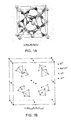
FIG. 1A illustrates a visualized crystal structure of Na4Al4Si4O16 (2[Na2Al2Si2O8]) having a carnegieite phase; -
FIG. 1B shows a visualized crystal structure of 2[Na22/3Al2Si2O32/3] including face centered cubic (FCC) lattices forming F -4 3 m cubic structure; -
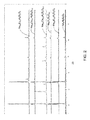
FIG. 2 shows X-ray diffraction (XRD) patterns in 2-theta-scale of corresponding samples in example 1; -
FIG. 3 shows X-ray diffraction (XRD) patterns in 2-theta-scale of corresponding sample before and after treatment in example 2; -
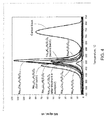
FIG. 4 shows the mass spectrometer (MS) signals of carbon dioxide generated from different samples at different temperatures in example 3; -
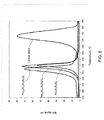
FIG. 5 shows the mass spectrometer (MS) signals of carbon dioxide generated from different samples at different temperatures in example 4; -
FIG. 6 shows the mass spectrometer (MS) signals of carbon dioxide generated from different samples at different temperatures in example 5; -
FIG. 7 is a graph showing the normalized COx generated from different samples at different temperatures in example 7; and -
FIG. 8 shows the COx yield of different samples at different temperatures in example 9. - Any numerical values recited herein include all values from the lower value to the upper value in increments of one unit provided that there is a separation of at least 2 units between any lower value and any higher value. As an example, if it is stated that the amount of a component or a value of a process variable such as, for example, temperature, pressure, time and the like is, for example, from 1 to 90, preferably from 20 to 80, more preferably from 30 to 70, it is intended that values such as 15 to 85, 22 to 68, 43 to 51, 30 to 32 etc. are expressly enumerated in this specification. For values which are less than one, one unit is considered to be 0.0001, 0.001, 0.01 or 0.1 as appropriate. These are only examples of what is specifically intended and all possible combinations of numerical values between the lowest value and the highest value enumerated are to be considered to be expressly stated in this application in a similar manner.
- Approximating language, as used herein throughout the specification and claims, may be applied to modify any quantitative representation that could permissibly vary without resulting in a change in the basic function to which it is related. Accordingly, a value modified by a term or terms, such as "about", is not to be limited to the precise value specified. In some instances, the approximating language may correspond to the precision of an instrument for measuring the value.
- As used herein, the terms "may", "could", "could be" and "may be" indicate a possibility of an occurrence within a set of circumstances; a possession of a specified property, characteristic or function; and/or qualify another verb by expressing one or more of an ability, capability, or possibility associated with the qualified verb. Accordingly, usage of "may" and "may be" indicates that a modified term is apparently appropriate, capable, or suitable for an indicated capacity, function, or usage, while taking into account that in some circumstances, the modified term may sometimes not be appropriate, capable, or suitable. For example, in some circumstances, an event or capacity may be expected, while in other circumstances, the event or capacity may not occur. This distinction is captured by the terms "may", "could", "could be" and "may be".
- The material of formula I is a crystal having a carnegieite phase, i.e., including face centered cubic (FCC) lattices forming F -4 3 m cubic structure. In some embodiments, y=0, the material may be of a crystal structure of Na4Al4Si4O16 with a carnegieite phase enriched by sodium oxide. In some embodiments, y>0, the material may be of a crystal structure of Na4Al4Si4O16 with a carnegieite phase enriched by sodium oxide and with some components thereof being substituted by M.
- For illustrative purpose,
FIG. 1A shows a visualized crystal structure of Na4Al4Si4O16 (2[Na2Al2Si2O8]) with a carnegieite phase, which is diamond cubic structure composed of 2 face centered cubic (FCC) lattices (if considering Si ions take the corner and face center position), with one lattice offsets from another along a body diagonal by ¼ of its length. -
FIG. 1B shows a visualized crystal structure of 2[Na22/3Al2Si2O32/3] having face centered cubic (FCC) lattices forming F -4 3 m cubic structure, assuming 4(Na2O)+4/3(Na2O) are incorporated into available octahedral and tetrahedral interstitial spaces of the FCC lattices of Na4Al4Si4O16. - In some embodiments, M may be at least one of potassium, lithium, cerium, cobalt, iron and vanadium.
- According to examples of the invention, x and y vary depending on the specific M in the material. In some embodiments, M is potassium and 3.2≤x≤3.8 and 0.2≤y≤0.8. In some embodiments, M is lithium and x=3.8 and y=0.2. In some embodiments, M is cobalt and x=3.8 and y=0.2. In some embodiments, M is cerium and 3.8≤x≤3.9996 and 0.0004≤y≤0.2.
- The values of a, b and δ vary depending on the vacancies in the lattices. In some embodiments, the material is of formula: Na3.8K0.2Al2Si2O9, Na3.6K0.4Al2Si2O9, Na3.2K0.8Al2Si2O9, Na3.8Li0.2Al2Si2O9, Na3.8Ce0.2Al2Si2O9.3, Na5Al2Si2O9.5, Na3.998Ce0.002Al2Si2O9.003, Na3.9996Ce0.0004Al2Si2O9.0002, Na3.72K0.24Al2Si1.92O8.82 or Na3.8CO0.2Al2Si2O9.2.
- According to examples of the invention, the values of x, y, a, b and δ may be calculated using the amounts of materials used for preparing the material of formula I. In some embodiments, the amounts of Na, M, Al, and Si in the material of formula I may be detected using such as a wave dispersive x-ray fluorescence (WD XRF) analyzer to obtain the values of x, y, a and b followed by calculating the value of δ according to the balance of charges of all elements in the material.
- In some embodiments, the material of formula I is used in a diesel particulate filter of an exhaust gas system for receiving the diesel exhaust gas from a diesel engine. In some embodiments, the material is coated on the diesel particulate filter by soaking the diesel particulate filter in a slurry comprising the material and drying the diesel particulate filter after being taken out of the slurry.
- In some embodiments, the material of formula I is used by contacting a carbonaceous material with an effective amount of the material to initiate the oxidization of the carbonaceous material at a first oxidization initiation temperature; wherein the first oxidization initiation temperature is lower than an oxidization initiation temperature of the carbonaceous material when a catalyst is not present.
- As used herein the term "the oxidization initiation temperature" refers to a temperature at which the carbonaceous material starts to oxidize, or the lowest temperature at which the carbonaceous material is able to be oxidized. In some embodiments, the oxidization initiation temperature of the carbonaceous material may be the temperature at which the carbonaceous material starts to generate carbon monoxide and/or carbon dioxide or the temperature at which carbon monoxide and/or carbon dioxide generated from the carbonaceous material is detectable.
- The contacting of the carbonaceous material and the material of formula I may be in any ways that the two materials may be contacted. In some embodiments, the carbonaceous material and the material of formula I are mixed with each other. In some embodiments, the material of formula I is impregnated in or coated/deposited onto the walls of a diesel particulate filter which are exposed to the exhaust gas stream comprising the carbonaceous material so the two materials may be contacted with each other.
- The materials may be contacted in an environment comprising an oxidant, such as steam, nitrogen oxide(s), and air comprising oxygen.
- As used herein the term "carbonaceous material" refers to but is not limited to carbonaceous solid or liquid or particulates or macromolecules forming the carbonaceous solid or liquid, which are derived from coal, petroleum, wood, hydrocarbons and other materials containing carbon. According to examples of the invention, the carbonaceous material may be at least one of hydrocarbon (e.g. diesel oil), carbon black and soot.
- The material of formula I may lower the oxidization initiation temperature of the carbonaceous material, it may be a catalyst for the oxidization of the carbonaceous material and a catalyst where soot needs to be removed through oxidization.
- According to examples of the invention, the material of formula I is stable in such environments as those comprising steam of high temperature.
- The following examples are included to provide additional guidance to those of ordinary skill in the art in practicing the claimed invention. These examples do not limit the invention of the appended claims.
- Kaolin was obtained from Sigma-Aldrich Corp., St Louis, Missouri (MO), USA. NaNO3, KNO3, LiNO3, Ce(NO3)3·6H2O, Co(NO3)2·6H2O, citric acid, triethylene glycol, and isopropanol were obtained from Sinopharm Chemical Reagent Co., Ltd., Shanghai, China. Carbon black (99.99% carbon content, ACE Black, AB 50) was obtained from synthetic oil and lubricant of Texas, Inc., Houston, TX, USA. Unless otherwise specified, all the chemicals were used without further purification.
- Unless specified otherwise, the values of δ of the materials of formula NaxMyAlaSibOδ were calculated assuming sodium, potassium, lithium, cobalt, cerium, cerium, aluminum and silicon exist in the materials in the forms of Na+, K+, Li+, Co3+, Ce4+, Al3+ and Si4+.
- NaNO3, KNO3 (LiNO3, Ce(NO3)3·6H2O or Co(NO3)2·6H2O) and citric acid were completely dissolved in water to get a solution. Tri-ethylene glycol was then added into the solution with stirring. Kaolin was finally added into the mixture and stirred for 1 hour at room temperature to form a slurry. The slurry was gradually heated up to 400°C. The heating was terminated when a powder was formed. The powder was then placed in a muffle furnace for calcination at 991 °C to form different material of formula NaxMyAlaSibOδ.
- The amounts of NaNO3, KNO3, LiNO3, Ce(NO3)3·6H2O, Co(NO3)2·6H2O, kaolin and citric acid used for different material of formula NaxMyAlaSibOδ are listed in table 1 below. The concentrations of K, Li, Ce, or Co and the values of x, y, a and b are respectively calculated according to the amounts of NaNO3, KNO3 (LiNO3, Ce(NO3)3·6H2O or Co(NO3)2·6H2O), and kaolin used for each material of formula NaxMyAlaSibOδ. The concentrations of K, Li, Ce, or Co, the values of x, y, and the formula of each material are listed in table 1 below.
- Samples were respectively taken from materials of formula Na4Al2Si2O9, Na5Al2Si2O9.5, Na3.8Ce0.2Al2Si2O9.3, Na3.8K0.2Al2Si2O9, Na3.8Li0.2Al2Si2O9, Na3.8Co0.2Al2Si2O9.2 to be measured by an X-ray diffractometer (XRD) (Bruker D8 Advance, Bruker Axs GmbH Karlsruhe, Germany) for phase identification. The X-ray diffraction (XRD) patterns in 2-theta-scale of corresponding samples are shown in
FIG. 2 . - It can be seen from
FIG. 2 that diffraction peaks of X-ray diffraction (XRD) patterns of all samples are at around 21, 34, 43, 49 and 62, indicating that the carnegieite phases with Face Centered Cubic (fcc) lattices forming F -4 3 m cubic structures were formed in all the samples. - Unless specified otherwise, the material of formula NaxMyAlaSibOδ used in the following samples were prepared in method described in example 1.
Table 1 M K Li Co Ce - - concentration of M (mol) 5% 10% 20% 5% 5% 500 ppm 100 ppm 5% - - x 3.8 3.6 3.2 3.8 3.8 3.998 3.9996 3.8 4 5 y 0.20 0.40 0.80 0.20 0.20 0.0020 0.0004 0.2000 0 0 Formula Na3.8K 0.2Al2S i2O9 Na3.6K 0.4Al2S i2O9 Na3.2K 0.8Al2S i2O9 Na3.8Li 0.2Al2S i2O9 Na3.8Co 0.2Al2Si 2O9.2 Na3.998Ce0.002Al2Si 2O9.003 Na3.9996Ce 0.0004Al2Si 2O9.0002 Na3.8Ce0.2Al2Si 2O9.3 Na4 Al2Si 2O9 Na5A l2Si2 O9.5 NaNO3 (g) 16.14 15.31 13.61 16.16 16.14 16.99 17.01 16.16 17.0 5 21.27 KNO3 (g) 1.01 2.02 4.05 - - - - - - LiNO3 (g) - - - 0.69 - - - - - Ce(NO3) 3·6H2O (g) - - - 0.0430 0.00879 4.34 - Co(NO3) 2·6H2O (g) - - - 2.91 - - - kaolin (g) 13.01 13.01 13.00 13.00 13.01 13.01 13.00 13.01 13.0 0 13.01 citric acid (g) 21.02 21.01 21.04 21.03 21.02 21.04 21.03 21.03 21.0 3 21.01 triethylen e glycol (g) 15.00 15.00 15.03 14.99 14.82 15.00 15.69 15.02 15.0 0 15.00 - Water (65 ml) was atomized by an atomizer to produce water mist which was then carried into a heating furnace by a stream of N2 of 1.2 L/min. The water mist became steam in the heating furnace at temperature of 500°C. The water steam was 23% in the steam and N2 gas flow.
- A sample of the material of formula Na3.8K0.2Al2Si2O9 (0.8832 g, from a second batch different from the first batch from which the sample in example 1 was obtained) was put in the heating furnace with the steam and N2 gas flow for treatment. After 4 hours of treatment, the feeding of water mist was stopped and the heating furnace was turned off. The sample was taken out after the heating furnace was cooled down.
- The X-ray diffraction (XRD) patterns in 2-theta-scale of the sample of material of formula Na3.8K0.2Al2Si2O9 before and after treatment are shown in
FIG. 3 . It can be seen fromFIG. 3 that after the treatment diffraction peaks of X-ray diffraction (XRD) patterns barely changed, indicating that the carnegieite phases with Face Centered Cubic (fcc) lattices forming F -4 3 m cubic structures were maintained. - Table 2 below shows the amounts of elements of the sample of material of formula Na3.8K0.2Al2Si2O9 before and after the treatment according to a wave dispersive x-ray fluorescence (WD XRF) analyzer (Rigaku ZSX 100e, Rigaku Industrial Corporation, Osaka, Japan).
- The data in table 2 indicate that potassium exists inside the crystal structure of the material of formula Na3.8K0.2Al2Si2O9 and not in the form of a water soluble salt. The formula of the material of formula Na3.8K0.2Al2Si2O9 could also be written as Na3.72K0.24Al2Si1.92O8.82 using the WD XRF analysis data of the before treatment in table 2.
Table 2 element Before the treatment After the treatment Na (mol) 0.92 0.93 Si (mol) 0.47 0.48 Al (mol) 0.50 0.50 K (mol) 0.06 0.06 - Samples of materials of formula Na3.8K0.2Al2Si2O9 (respectively from first and second batches), Na3.8K0.2Al2Si2O9 after treatment in example 2, Na3.8Li0.2Al2Si2O9, Na4Al2Si2O9, Na5Al2Si2O9.5, Na3.8Co0.2Al2Si2O9.2, Na3.8Ce0.2Al2Si2O9.3 (20.00 mg each) and 2.00 mg carbon black were respectively mixed by mortar for 5-10 minutes and were respectively loaded in to a thermo gravimetric analysis system (TGA/SDTA 851e, from Mettler Toledo, Inc.). A sample of carbon black (2.00 mg) was loaded to the thermo gravimetric analysis system. The samples were heated up to 850°C at 5°C/min in air at 80 ml/min, and then cooled down.
- Quadstar-422 mass spectrometer (MS) from Pfeiffer Vacuum Corp. was used to analyze the concentration of carbon dioxide generated from different samples at different temperatures. The MS signals of carbon dioxide of different samples at different temperatures are shown in
FIG. 4 . - It can be seen from
FIG. 4 that the starting temperature of the mixture of Na3.8K0.2Al2Si2O9 (first and second batches), Na3.8K0.2Al2Si2O9 after treatment in example 2, Na3.8Li0.2Al2Si2O9, Na3.8Co0.2Al2Si2O9.2, Na3.8Ce0.2Al2Si2O9.3 and carbon black to generate CO2 (i.e., the temperature at which the MS signals inFIG. 4 started to change) was lower than that for the mixture of Na4Al2Si2O9 and carbon black, and carbon black alone to generate CO2, indicating that the oxidization initiation temperature of carbon black is lower when mixed with the material of formula Na3.8K0.2Al2Si2O9 (first and second batches), Na3.8K0.2Al2Si2O9 after treatment in example 2, Na3.8Li0.2Al2Si2O9, Na3.8Co0.2Al2Si2O9.2, Na3.8Ce0.2Al2Si2O9.3 than with the material of formula Na4Al2Si2O9 and alone. - In terms of the catalytic performances of the samples, the sequence was: Na3.8K0.2Al2Si2O9 (first batch) > Na3.8K0.2Al2Si2O9 after treatment in example 2> Na3.8K0.2Al2Si2O9 (second batch) > Na3.8Li0.2Al2Si2O9 > Na3.8Ce0.2Al2Si2O9.3 > Na3.8CO0.2Al2Si2O9.2 > Na4Al2Si2O9 > Na5Al2Si2O9.5.
- Samples of carnegieite materials of formula Na3.8K0.2Al2Si2O9, Na3.6K0.4Al2Si2O9, and Na4Al2Si2O9 (20.00 mg each) and 2.00 mg carbon black were respectively mixed by mortar for 5-10 minutes and were respectively loaded into a thermogravimetric analysis system (TGA/SDTA 851 e, from Mettler Toledo, Inc.). A sample of carbon black (2.00 mg) was loaded to the thermogravimetric analysis system. The samples were heated up to 850 °C at 5°C/min in air at 80 ml/min, and then cooled down.
- Quadstar-422 mass spectrometer (MS) from Pfeiffer Vacuum Corp. was used to analyze the concentration of carbon dioxide generated from different samples at different temperatures. The MS signals of carbon dioxide of different samples at different temperatures are shown in
FIG. 5 . - It can be seen from
FIG. 5 that the starting temperature of the mixture of Na3.8K0.2Al2Si2O9 and carbon black to generate CO2 was lower than that for other mixtures and carbon black alone to generate CO2, and that the oxidization initiation temperature of carbon black is lower when mixed with the material of formula Na3.8K0.2Al2Si2O9 than with other carnegieite materials and alone. - Samples of carnegieite materials of formula Na3.8Ce0.2Al2Si2O9.3, Na3.998Ce0.002Al2Si2O9.003, Na3.9996Ce0.0004Al2Si2O9.0002, and Na4Al2Si2O9 (20.00 mg each) and 2.00 mg carbon black were respectively mixed by mortar for 5-10 minutes and were respectively loaded in to a thermogravimetric analysis system (TGA/SDTA 851e, from Mettler Toledo, Inc.). A sample of carbon black (2.00 mg) was loaded to the thermogravimetric analysis system. The samples were heated up to 850 °C at 5°C/min in air at 80 ml/min, and then cooled down.
- Quadstar-422 mass spectrometer (MS) from Pfeiffer Vacuum Corp. was used to analyze the concentration of carbon dioxide generated from different samples at different temperatures. The MS signals of carbon dioxide of different samples at different temperatures are shown in
FIG. 6 . - It can be seen from
FIG. 6 that the sequence of catalytic performance was: Na3.8Ce0.2Al2Si2O9.3 > Na3.998Ce0.002Al2Si2O9.003 > Na4Al2Si2O9> Na3.9996Ce0.000Al2Si2O9.0002. - Powders of the material of formula Na3.8K0.2Al2Si2O9 and 0.5 wt% Pt/Al2O3 (3 g each, 425 µm - 710 µm) were respectively packed in a quartz tube of 1 inch outer diameter (OD) and 0.75 inch internal diameter (ID) to form a catalyst powder bed. One end of each quartz tube was connected to a suction cup while the other end was connected to a house vacuum.
- Soot from a diesel storm lamp was collected by a collection vessel and filtered by the catalyst powder bed with the house vacuum on to form a soot cake. The top layer of the soot cake on the front end of the catalyst powder bed was removed since it was not in a close contact with the catalyst. The remaining catalyst powder with ∼ 1.5 wt% of soot was subsequently used in example 7.
- Catalyst powder (2.5 g, 425 - 710 µm) of Na3.8K0.2Al2Si2O9 and 0.5 wt% Pt/Al2O3 respectively loaded with ∼ 1.5 wt% of soot (from Example 6) were respectively packed in a quartz tube of 1 inch outer diameter (OD) and 0.75 inch inner diameter (ID). The two tubes and a tube with only 2.5 g soot were placed in a tube furnace.
- A gas stream comprising 300 ppm of NO, 9% of O2, 7% of H2O and balanced with N2 was allowed to pass through the tube furnace. The total gas flow rate was 3.2 standard liters per minute (SLPM). The temperature of the tube furnace was ramped from 40 °C to 640 °C at a rate of 20 °C/15 min. Water was injected into the tube furnace only when the tube furnace's temperature exceeded 120 °C to avoid condensation.
- The COx (CO and CO2) concentration in the gas stream in the tube furnace was measured by both the MultiGas™ 2030-HS High Speed Fourier Transform Infrared (FTIR) Gas Analyzer from MKS Instruments and the Horiba Nondispersive Infrared (NDIR) CO/CO2 analyzer. The COx concentrations measured by both methods were in good agreement with each other.
- Dividing the sum of the CO and CO2 concentrations at each temperature point by the maximum sum at all temperatures to obtain the normalized COx concentration at each temperature point, which are shown in
FIG. 7 and indicate that the oxidization initiation temperature of soot is lower when mixed with the material of formula Na3.8K0.2Al2Si2O9 than with 0.5 wt% Pt/Al2O3 catalyst and alone. - Powders of Na3.8K0.2Al2Si2O9 and Na4Al2Si2O9 (15 g each) were respectively premixed with 50 g iso-propanol (IPA) to form a slurry, followed by mixing them with 150 g Yttrium stabilized zirconium (YSZ) milling balls (5 mm). After each mixture was ball milled for one hour.
- A monolith (length: 2.54 cm, diameter: 1.85 cm) was soaked into one slurry for 30 seconds, which was dried in a flowing stream of air for 20 seconds, followed by blasting hot air from a heat gun for about 1 minute. The process was repeated 4 times or more until visible inspection confirmed blockage of some channels in the monolith. The weight gain was used to gauge the quantity of the catalyst deposited on the porous monolith. Finally, the coated monolith was calcined at 550°C for 4 hours in air.
- Each coated monolith (obtained in example 8) was loaded in a quartz tube of 1 inch OD and 0.75 inch ID. The two tubes were placed in a tube furnace. An empty tube was also placed in the tube furnace.
- A gas stream consisting 300 ppm of NO, 9% of O2, 7% of H2O, ultra low sulfur diesel (ULSD) vapor (C1:N = 6) and balanced with N2 (in volume) was allowed to pass through the tube furnace. The gas hour space velocity (GHSV) was kept at 30,000 hr- 1. The temperature of the tube furnace was ramped from 200 °C to 560 °C at a rate of 20 °C/15 min.
- The COx (CO+CO2) concentration in the gas stream was measured by the MultiGas™ 2030-HS High Speed Fourier Transform Infrared (FTIR) Gas Analyzer. The total ULSD concentration in terms of C1 was measured by Horiba NDIR CO/CO2 analyzers after all ULSD was converted to COx by the diesel oxidation catalyst (DOC) unit placed at the downstream of the FTIR gas analyzer. The COx yield was calculated by dividing the COx concentration obtained from the FTIR measurement by the COx concentration measured from the NDIR measurement.
-
FIG. 8 shows COx yield of the empty tube and the tubes with the monoliths. It can be seen that ULSD gave 30% of COx yield at around 400 °C without catalyst but the carnegieite catalysts (Na3.8K0.2Al2Si2O9 and Na4Al2Si2O9) showed some catalytic performance in the presence of diesel. - While only certain features of the invention have been illustrated and described herein, many modifications and changes will occur to those skilled in the art. It is, therefore, to be understood that the appended claims are intended to cover all such modifications and changes as fall within the true scope the invention.
Claims (13)
- A material of formula NaxMyAlaSibOδ with Face Centered Cubic (fcc) lattices forming F -4 3 m cubic structure, wherein
M is at least one of lithium, potassium, rubidium, caesium, vanadium, chromium, iron, cobalt, nickel, ruthenium, rhodium, palladium, silver, osmium, iridium, platinum, gold, and cerium;
0<x+y≤22/3; wherein when y=0, 4<x≤22/3, when 0<y≤22/3, 0≤x<22/3, and when M is potassium, x>0;
1≤a≤3; 1≤b≤3; and 0<δ≤32/3. - The material of claim 1, wherein y>0 and M is at least one of potassium, lithium, cerium, cobalt, iron and vanadium.
- The material of claim 1, wherein 3.2≤x≤3.9996 and 0.0004≤y≤0.8
- The material of claim 1, wherein M is potassium and 3.2≤x≤3.8 and 0.2≤y≤0.8.
- The material of claim 1, wherein M is lithium or cobalt and x=3.8 and y=0.2.
- The material of claim 1, wherein M is cerium and 3.8≤x≤3.9996 and 0.0004≤y≤0.2.
- The material of claim 1, being of formula: Na3.8K0.2Al2Si2O9, Na3.6K0.4Al2Si2O9, Na3.2K0.8Al2Si2O9, Na3.8Li0.2Al2Si2O9, Na3.8Ce0.2Al2Si2O9.3, Na3.998Ce0.002Al2Si2O9.003, Na3.9996Ce0.0004Al2Si2O9.0002, Na3.72K0.24Al2Si1.92O8.82 or Na3.8CO0.2Al2Si2O9.2.
- An exhaust gas system comprising the material of any of claims 1-7.
- The exhaust gas system of claim 8, comprising a diesel particulate filter for receiving diesel exhaust gas from a diesel engine and wherein the material is coated on the diesel pariculate filter.
- A method for using the material of any of claims 1-7, comprising:contacting a carbonaceous material with an effective amount of the material of any one claims 1 to 7 to initiate the oxidization of the carbonaceous material at a first oxidization initiation temperature;wherein the first oxidization initiation temperature is lower than an oxidization initiation temperature of the carbonaceous material when a catalyst is not present.
- The method of claim 10, wherein the contacting is in an environment comprising an oxidant.
- The method of claim 11, wherein the contacting is in an environment comprising at least one of oxygen, air, steam and nitrogen oxide.
- The method of any one of claims 10 to 12, wherein the carbonaceous material comprises at least one of carbon black, hydrocarbon and soot.
Applications Claiming Priority (1)
| Application Number | Priority Date | Filing Date | Title |
|---|---|---|---|
| CN201210272152.8A CN103566920B (en) | 2012-08-01 | 2012-08-01 | Material and the exhaust apparatus and the method that use it |
Publications (1)
| Publication Number | Publication Date |
|---|---|
| EP2692710A1 true EP2692710A1 (en) | 2014-02-05 |
Family
ID=48948239
Family Applications (1)
| Application Number | Title | Priority Date | Filing Date |
|---|---|---|---|
| EP13178575.0A Withdrawn EP2692710A1 (en) | 2012-08-01 | 2013-07-30 | Material and exhaust gas system and method for using the same |
Country Status (6)
| Country | Link |
|---|---|
| US (1) | US9586193B2 (en) |
| EP (1) | EP2692710A1 (en) |
| CN (1) | CN103566920B (en) |
| AU (1) | AU2013211490B2 (en) |
| BR (1) | BR102013019504A2 (en) |
| CA (1) | CA2821700A1 (en) |
Families Citing this family (3)
| Publication number | Priority date | Publication date | Assignee | Title |
|---|---|---|---|---|
| GB201409154D0 (en) * | 2014-05-22 | 2014-07-09 | Faradion Ltd | Sodium transition metal silicates |
| CN108872030B (en) * | 2018-09-03 | 2024-03-19 | 天津大学 | A device and method for obtaining the thermal crushing and oxidative crushing characteristics of soot |
| CN109828075B (en) * | 2019-03-26 | 2020-12-01 | 济南维瑞医药科技开发有限公司 | Method for identifying indian moringa oleifera and phoenix tail moringa oleifera in moringa leaves |
Citations (4)
| Publication number | Priority date | Publication date | Assignee | Title |
|---|---|---|---|---|
| GB2316069A (en) * | 1996-08-01 | 1998-02-18 | Mizusawa Industrial Chem | Aluminosilicate having a nepheline- or carnegieite-type structure |
| US20090203517A1 (en) | 2006-09-19 | 2009-08-13 | Nippon Soken, Inc. | Carbon-based material combustion catalyst, manufacturing method of the same, catalyst carrier, and manufacturing method of the same |
| US7797931B2 (en) | 2006-03-20 | 2010-09-21 | Ford Global Technologies, Llc | Catalyst composition for diesel particulate filter |
| US20110319690A1 (en) | 2010-06-28 | 2011-12-29 | Zhigang Deng | Method for converting carbon and hydrocarbon cracking and apparatus for hydrocarbon cracking |
Family Cites Families (13)
| Publication number | Priority date | Publication date | Assignee | Title |
|---|---|---|---|---|
| DE3882195D1 (en) | 1987-10-16 | 1993-08-12 | Atlas Fahrzeugtechnik Gmbh | METHOD AND DEVICE FOR RUSSOXIDATION IN DIESEL ENGINES. |
| SE463496B (en) | 1989-04-27 | 1990-12-03 | Anders Fredrik Ahlstroem | CATALYTIC COMBUSTION OF SOT FROM DIESEL ENGINES AND CATALYST HAIR |
| JP4427658B2 (en) | 1998-07-07 | 2010-03-10 | コーニング インコーポレイテッド | Diesel exhaust filter |
| US6843054B2 (en) | 2003-01-16 | 2005-01-18 | Arvin Technologies, Inc. | Method and apparatus for removing NOx and soot from engine exhaust gas |
| KR100469066B1 (en) | 2003-04-14 | 2005-02-02 | 에스케이 주식회사 | A catalytic filter for the removal of soot particulates from diesel engine and method of making the same |
| JP4609831B2 (en) * | 2003-07-29 | 2011-01-12 | オーセラ株式会社 | Honeycomb carrier for exhaust gas purification catalyst and manufacturing method thereof |
| US20070193254A1 (en) * | 2004-07-29 | 2007-08-23 | Johannes Erik P | Combustion engine exhaust after-treatment system incorporating syngas generator |
| EP1701179A1 (en) * | 2005-03-08 | 2006-09-13 | Schott AG | Method for producing optical elements for microlithography, lens systems obtainable therewith and their use |
| US7745363B2 (en) * | 2005-05-09 | 2010-06-29 | Corning Incorporated | Geopolymer composites and structures formed therefrom |
| US7506504B2 (en) | 2005-12-21 | 2009-03-24 | Basf Catalysts Llc | DOC and particulate control system for diesel engines |
| EP1832332B1 (en) | 2006-03-09 | 2016-05-04 | Haldor Topsøe A/S | Process and system for purification of sulphur-containing exhaust gas |
| US7631488B2 (en) | 2006-10-27 | 2009-12-15 | Postech Foundation | Oxidation catalyst for removing fine soot particulates from exhaust gases and method of removing fine soot particulates using the same |
| JP4992773B2 (en) | 2007-03-20 | 2012-08-08 | 株式会社デンソー | Catalyst material |
-
2012
- 2012-08-01 CN CN201210272152.8A patent/CN103566920B/en not_active Expired - Fee Related
-
2013
- 2013-07-19 US US13/945,951 patent/US9586193B2/en not_active Expired - Fee Related
- 2013-07-25 CA CA2821700A patent/CA2821700A1/en not_active Abandoned
- 2013-07-30 EP EP13178575.0A patent/EP2692710A1/en not_active Withdrawn
- 2013-07-31 BR BRBR102013019504-9A patent/BR102013019504A2/en not_active Application Discontinuation
- 2013-07-31 AU AU2013211490A patent/AU2013211490B2/en not_active Ceased
Patent Citations (4)
| Publication number | Priority date | Publication date | Assignee | Title |
|---|---|---|---|---|
| GB2316069A (en) * | 1996-08-01 | 1998-02-18 | Mizusawa Industrial Chem | Aluminosilicate having a nepheline- or carnegieite-type structure |
| US7797931B2 (en) | 2006-03-20 | 2010-09-21 | Ford Global Technologies, Llc | Catalyst composition for diesel particulate filter |
| US20090203517A1 (en) | 2006-09-19 | 2009-08-13 | Nippon Soken, Inc. | Carbon-based material combustion catalyst, manufacturing method of the same, catalyst carrier, and manufacturing method of the same |
| US20110319690A1 (en) | 2010-06-28 | 2011-12-29 | Zhigang Deng | Method for converting carbon and hydrocarbon cracking and apparatus for hydrocarbon cracking |
Non-Patent Citations (3)
| Title |
|---|
| HONGYAN WANG ET AL: "Characterization and thermal behavior of kaolin", JOURNAL OF THERMAL ANALYSIS AND CALORIMETRY, KLUWER ACADEMIC PUBLISHERS, DORDRECHT, NL, vol. 105, no. 1, 18 March 2011 (2011-03-18), pages 157 - 160, XP019917130, ISSN: 1572-8943, DOI: 10.1007/S10973-011-1385-0 * |
| JOURNAL OF SOLID STATE CHEMISTRY, vol. 61, 1986, pages 40 - 46 |
| MATSUI TAMOAKI ET AL: "Crystal chemistry of synthetic Mn-bearing anorthite. Incorporation of MnAl2Si2O8 end member into feldspar", EUROPEAN JOURNAL OF MINERALOGY, E. SCHWEIZERBART'SCHE VERLAGSBUCHHANDLUNG, DE, vol. 9, no. 2, 1 January 1997 (1997-01-01), pages 333 - 344, XP008165822, ISSN: 0935-1221 * |
Also Published As
| Publication number | Publication date |
|---|---|
| BR102013019504A2 (en) | 2015-06-30 |
| CN103566920A (en) | 2014-02-12 |
| US20150023863A1 (en) | 2015-01-22 |
| US9586193B2 (en) | 2017-03-07 |
| AU2013211490B2 (en) | 2017-02-16 |
| AU2013211490A1 (en) | 2014-02-20 |
| CN103566920B (en) | 2016-05-25 |
| CA2821700A1 (en) | 2014-02-01 |
Similar Documents
| Publication | Publication Date | Title |
|---|---|---|
| JP5431160B2 (en) | High acidity composition containing oxides of zirconium and silicon and oxides of at least one other element selected from titanium, aluminum, tungsten, molybdenum, cerium, iron, tin, zinc and manganese | |
| RU2444405C2 (en) | Ce-Zr-R-O CATALYSTS, ARTICLES CONTAINING Ce-Zr-R-O CATALYSTS AND METHODS OF PRODUCING AND USING Ce-Zr-R-O CATALYSTS | |
| EP1932590B1 (en) | Particulate combustion catalyst, particulate filter, and exhaust gas clean-up system | |
| JP5864444B2 (en) | Exhaust gas purification catalyst and exhaust gas purification catalyst structure | |
| KR101849068B1 (en) | Copper/chabazite-based catalyst with improved catalytic activity for reduction of nitrogen oxides | |
| KR101990156B1 (en) | METHOD FOR TREATING A GAS CONTAINING NITROGEN OXIDES(NOx), IN WHICH A COMPOSITION COMPRISING CERIUM OXIDE AND NIOBIUM OXIDE IS USED AS A CATALYST | |
| JP5864443B2 (en) | Exhaust gas purification catalyst | |
| BR112017028424B1 (en) | NITROUS OXIDE REMOVAL CATALYST COMPOSITE, EMISSION TREATMENT SYSTEM, AND, METHOD TO TREAT EXHAUST GASES | |
| CN105682790A (en) | Synergized PGM catalyst systems for diesel oxidation catalyst applications | |
| WO2006020647A1 (en) | Catalyst for purifying diesel engine exhaust emissions | |
| US20110176969A1 (en) | Composite oxide for exhaust gas purification catalyst, method for manufacturing the same, coating material for exhaust gas purification catalyst, and filter for diesel exhaust gas purification | |
| EP1256382A2 (en) | Exhaust gas purification catalyst and exhaust gas purification material | |
| EP2692710A1 (en) | Material and exhaust gas system and method for using the same | |
| JP2004216305A (en) | Exhaust gas purifying catalyst, exhaust gas purifying material using the same, and method for producing the same | |
| JP2003170056A (en) | Exhaust gas purifying catalyst and exhaust gas purifying material using the same | |
| EP2452746A1 (en) | Particulate combustion catalyst | |
| CN103153437A (en) | Electrochemical catalysis system | |
| KR101708986B1 (en) | Exhaust gas purification catalyst, exhaust gas purification device and filter, and production method for said catalyst | |
| JP5328783B2 (en) | Particulate combustion catalyst, particulate filter and exhaust gas purification device | |
| JP6681347B2 (en) | Exhaust gas purification catalyst carrier and exhaust gas purification catalyst | |
| SE463496B (en) | CATALYTIC COMBUSTION OF SOT FROM DIESEL ENGINES AND CATALYST HAIR | |
| EP2777800B1 (en) | Method for oxidizing carbonaceous material and associated diesel particulate filter and exhaust gas system | |
| JPH05138026A (en) | Catalyst for purifying exhaust gas of diesel engine | |
| WO2018055894A1 (en) | Particulate matter combustion catalyst and particulate matter combustion catalyst filter | |
| JP2009255004A (en) | Particulate combustion catalyst, particulate filter, and exhaust gas treatment apparatus |
Legal Events
| Date | Code | Title | Description |
|---|---|---|---|
| AK | Designated contracting states |
Kind code of ref document: A1 Designated state(s): AL AT BE BG CH CY CZ DE DK EE ES FI FR GB GR HR HU IE IS IT LI LT LU LV MC MK MT NL NO PL PT RO RS SE SI SK SM TR |
|
| AX | Request for extension of the european patent |
Extension state: BA ME |
|
| PUAI | Public reference made under article 153(3) epc to a published international application that has entered the european phase |
Free format text: ORIGINAL CODE: 0009012 |
|
| 17P | Request for examination filed |
Effective date: 20140805 |
|
| RBV | Designated contracting states (corrected) |
Designated state(s): AL AT BE BG CH CY CZ DE DK EE ES FI FR GB GR HR HU IE IS IT LI LT LU LV MC MK MT NL NO PL PT RO RS SE SI SK SM TR |
|
| 17Q | First examination report despatched |
Effective date: 20160620 |
|
| GRAP | Despatch of communication of intention to grant a patent |
Free format text: ORIGINAL CODE: EPIDOSNIGR1 |
|
| RIC1 | Information provided on ipc code assigned before grant |
Ipc: C04B 35/19 20060101ALI20190429BHEP Ipc: B01J 23/00 20060101ALI20190429BHEP Ipc: B01J 23/75 20060101ALI20190429BHEP Ipc: B01D 53/94 20060101ALI20190429BHEP Ipc: C04B 35/626 20060101ALI20190429BHEP Ipc: C04B 35/18 20060101AFI20190429BHEP Ipc: F02D 41/02 20060101ALI20190429BHEP Ipc: C04B 35/632 20060101ALI20190429BHEP Ipc: C01B 33/26 20060101ALI20190429BHEP Ipc: B01J 23/83 20060101ALI20190429BHEP |
|
| INTG | Intention to grant announced |
Effective date: 20190529 |
|
| STAA | Information on the status of an ep patent application or granted ep patent |
Free format text: STATUS: THE APPLICATION IS DEEMED TO BE WITHDRAWN |
|
| 18D | Application deemed to be withdrawn |
Effective date: 20191009 |