EP2689322B1 - Handhabung benutzerspezifischer informationen für inhalte während inhaltsänderungsoperationen - Google Patents
Handhabung benutzerspezifischer informationen für inhalte während inhaltsänderungsoperationen Download PDFInfo
- Publication number
- EP2689322B1 EP2689322B1 EP12760974.1A EP12760974A EP2689322B1 EP 2689322 B1 EP2689322 B1 EP 2689322B1 EP 12760974 A EP12760974 A EP 12760974A EP 2689322 B1 EP2689322 B1 EP 2689322B1
- Authority
- EP
- European Patent Office
- Prior art keywords
- user
- content
- instance
- specific information
- storage medium
- Prior art date
- Legal status (The legal status is an assumption and is not a legal conclusion. Google has not performed a legal analysis and makes no representation as to the accuracy of the status listed.)
- Active
Links
Images


Classifications
-
- G—PHYSICS
- G06—COMPUTING OR CALCULATING; COUNTING
- G06F—ELECTRIC DIGITAL DATA PROCESSING
- G06F16/00—Information retrieval; Database structures therefor; File system structures therefor
- G06F16/40—Information retrieval; Database structures therefor; File system structures therefor of multimedia data, e.g. slideshows comprising image and additional audio data
- G06F16/48—Retrieval characterised by using metadata, e.g. metadata not derived from the content or metadata generated manually
-
- G—PHYSICS
- G06—COMPUTING OR CALCULATING; COUNTING
- G06F—ELECTRIC DIGITAL DATA PROCESSING
- G06F16/00—Information retrieval; Database structures therefor; File system structures therefor
- G06F16/40—Information retrieval; Database structures therefor; File system structures therefor of multimedia data, e.g. slideshows comprising image and additional audio data
- G06F16/43—Querying
- G06F16/435—Filtering based on additional data, e.g. user or group profiles
- G06F16/437—Administration of user profiles, e.g. generation, initialisation, adaptation, distribution
-
- G—PHYSICS
- G06—COMPUTING OR CALCULATING; COUNTING
- G06F—ELECTRIC DIGITAL DATA PROCESSING
- G06F16/00—Information retrieval; Database structures therefor; File system structures therefor
- G06F16/40—Information retrieval; Database structures therefor; File system structures therefor of multimedia data, e.g. slideshows comprising image and additional audio data
-
- G—PHYSICS
- G06—COMPUTING OR CALCULATING; COUNTING
- G06F—ELECTRIC DIGITAL DATA PROCESSING
- G06F16/00—Information retrieval; Database structures therefor; File system structures therefor
- G06F16/90—Details of database functions independent of the retrieved data types
- G06F16/95—Retrieval from the web
- G06F16/953—Querying, e.g. by the use of web search engines
- G06F16/9535—Search customisation based on user profiles and personalisation
-
- G—PHYSICS
- G06—COMPUTING OR CALCULATING; COUNTING
- G06F—ELECTRIC DIGITAL DATA PROCESSING
- G06F2221/00—Indexing scheme relating to security arrangements for protecting computers, components thereof, programs or data against unauthorised activity
- G06F2221/21—Indexing scheme relating to G06F21/00 and subgroups addressing additional information or applications relating to security arrangements for protecting computers, components thereof, programs or data against unauthorised activity
- G06F2221/2141—Access rights, e.g. capability lists, access control lists, access tables, access matrices
-
- H—ELECTRICITY
- H04—ELECTRIC COMMUNICATION TECHNIQUE
- H04N—PICTORIAL COMMUNICATION, e.g. TELEVISION
- H04N21/00—Selective content distribution, e.g. interactive television or video on demand [VOD]
- H04N21/20—Servers specifically adapted for the distribution of content, e.g. VOD servers; Operations thereof
- H04N21/25—Management operations performed by the server for facilitating the content distribution or administrating data related to end-users or client devices, e.g. end-user or client device authentication, learning user preferences for recommending movies
- H04N21/254—Management at additional data server, e.g. shopping server, rights management server
- H04N21/2541—Rights Management
-
- H—ELECTRICITY
- H04—ELECTRIC COMMUNICATION TECHNIQUE
- H04N—PICTORIAL COMMUNICATION, e.g. TELEVISION
- H04N21/00—Selective content distribution, e.g. interactive television or video on demand [VOD]
- H04N21/40—Client devices specifically adapted for the reception of or interaction with content, e.g. set-top-box [STB]; Operations thereof
- H04N21/45—Management operations performed by the client for facilitating the reception of or the interaction with the content or administrating data related to the end-user or to the client device itself, e.g. learning user preferences for recommending movies, resolving scheduling conflicts
- H04N21/4508—Management of client data or end-user data
- H04N21/4532—Management of client data or end-user data involving end-user characteristics, e.g. viewer profile, preferences
-
- H—ELECTRICITY
- H04—ELECTRIC COMMUNICATION TECHNIQUE
- H04N—PICTORIAL COMMUNICATION, e.g. TELEVISION
- H04N21/00—Selective content distribution, e.g. interactive television or video on demand [VOD]
- H04N21/40—Client devices specifically adapted for the reception of or interaction with content, e.g. set-top-box [STB]; Operations thereof
- H04N21/47—End-user applications
- H04N21/475—End-user interface for inputting end-user data, e.g. personal identification number [PIN], preference data
- H04N21/4751—End-user interface for inputting end-user data, e.g. personal identification number [PIN], preference data for defining user accounts, e.g. accounts for children
Definitions
- This disclosure relates generally to playable content, and more specifically to handling user alterations of playable content that is associated with user-specific information for multiple different users.
- a content player may receive user-specific information from a number of different users and associate such user-specific information with at least one instance of content. Subsequently, the content player may receive a request for the content player to perform an operation on the instance of content that will alter the instance of content, such as a request to delete the instance of content, a request to move the instance of content, or similar operations that will alter the instance of content. In response to receiving the request, the content player may perform the operation such that the user-specific information for a user who requested the operation is affected but the user-specific information for other users is not affected.
- the user-specific information may be any kind of information and/or metadata regarding relationships between the content and one or more users.
- the user-specific information may include, but is not limited to, a last-watched placeholder in the instance of content, an indication as to whether the instance of content has been accessed, an indication as to whether the entirety of the instance of content has been accessed, a protection status indicating whether or not the instance of content can be deleted, and/any other information regarding the instance of content and a user.
- the user-specific information may be added to the instance of content whereas in other implementations the user-specific information may be configured to accompany the instance of content and/or otherwise configured to be associated with the instance of content.
- the content player may identify the user that corresponds to the user-specific information so that different user-specific information for different users of a plurality of different users can be associated with the instance of content for the respective user.
- the content player may prompt a user to select an identifier from a list in order to identify the user that corresponds to particular user-specific information.
- the content player may prompt a user to "log in" in order to identify user-specific information received during a particular log in session with a particular user.
- US5706510 describes a history management system which allows a user to create annotated symbolic links to files in a shared file system.
- Content players (such as television receivers, set top boxes, digital video recorders, digital video disc players, satellite radios, digital music players, computers, mobile computing devices, tablet computing devices, smart phones, cellular telephones, and so on) generally present content (such as audio content, video content, and so on) via one or more presentation devices (such as televisions, speakers, computer monitors, cathode ray tube displays, liquid crystal displays, plasma screen displays, and so on).
- presentation devices such as televisions, speakers, computer monitors, cathode ray tube displays, liquid crystal displays, plasma screen displays, and so on).
- Such content players may play and/or store content received from one or more content providers (such as one or more cable television programming providers, satellite television programming providers, Internet service providers, video on demand providers, pay-per-view movie providers, digital video disc retailers, and so on) via one or more communication and/or distribution links (such as one or more satellite communication links, coaxial cable communication links, cellular communication links, Internet communication links, WiFi communication links, Bluetooth® communication links, physical distribution networks, and so on).
- content providers such as one or more cable television programming providers, satellite television programming providers, Internet service providers, video on demand providers, pay-per-view movie providers, digital video disc retailers, and so on
- communication and/or distribution links such as one or more satellite communication links, coaxial cable communication links, cellular communication links, Internet communication links, WiFi communication links, Bluetooth® communication links, physical distribution networks, and so on.
- Content players may also associate various kinds of user-specific information (such as metadata) with content.
- a content player may record one or more placeholders for a user such as a marked position in the content (such as the last position the user accessed).
- a content player may record one or more statuses of the content for a user, such as whether the user has accessed the content, whether the user has accessed the entirety of the content, whether the content is protected from deletion, one or more parental control settings the user specifies for the content, and so on.
- Such user-specific information may be added to the content and/or may otherwise configured to correspond to the content.
- a content player may associate user-specific information received from a plurality of different users with at least one instance of content.
- the content player may receive one or more requests to perform one or more operations on the instance of content from a user that will alter the instance of content.
- the content player may perform the one or more operations such that the user-specific information for the requesting user is affected but the user-specific information for other users is not affected.
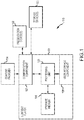
- FIG. 1 is a block diagram illustrating a system 100 for handling user-specific information for content during content-altering operations.
- the system 100 includes a content player 101 which may be a television receiver, a set top box, a digital video recorder, a digital video disc player, a satellite radio, a digital music player, a computer, a mobile computing device, a tablet computing device, a smart phone, a cellular telephone, and/or any other device capable of playing content (such as video, audio, and/or data content).
- a content player 101 which may be a television receiver, a set top box, a digital video recorder, a digital video disc player, a satellite radio, a digital music player, a computer, a mobile computing device, a tablet computing device, a smart phone, a cellular telephone, and/or any other device capable of playing content (such as video, audio, and/or data content).
- the content player 101 may include one or more processing units 105, one or more non-transitory storage media 106 (which may take the form of, but is not limited to, a magnetic storage medium; optical storage medium; magneto-optical storage medium; read only memory; random access memory; erasable programmable memory; flash memory; and so on), one or more communication components 107, and one or more user interface components 108.
- the content player may transmit content for presentation utilizing one or more presentation devices 102 (such as one or more televisions, speakers, computer monitors, cathode ray tube displays, liquid crystal displays, plasma screen displays, and/or other content presentation devices) via the communication component.
- presentation devices 102 such as one or more televisions, speakers, computer monitors, cathode ray tube displays, liquid crystal displays, plasma screen displays, and/or other content presentation devices
- the content transmitted by the content player may be content stored in the non-transitory storage medium and/or received via the communication component from one or more content providers 104 (such as a cable television programming provider, a satellite television programming provider, an Internet service provider, a video on demand provider, a pay-per-view movie provider, a digital video disc retailer, and/or other provider of content) via one or more communication and/or distribution links (such a satellite communication link, a coaxial cable communication link, a cellular communication link, an Internet communication link, a WiFi communication link, a Bluetooth® communication link, a physical distribution network, and/or any other communication link).
- content providers 104 such as a cable television programming provider, a satellite television programming provider, an Internet service provider, a video on demand provider, a pay-per-view movie provider, a digital video disc retailer, and/or other provider of content
- communication and/or distribution links such a satellite communication link, a coaxial cable communication link, a cellular communication link, an Internet communication link, a WiFi communication link,
- the content player may transmit the content to the presentation device (and/or perform other actions such as store content received from the content provider in the non-transitory storage medium) in response to user input received from one or more user input devices (such as a remote, a keyboard, a virtual keyboard, a mouse, a touch pad, and/or other user input device) via the user interface component.
- user input devices such as a remote, a keyboard, a virtual keyboard, a mouse, a touch pad, and/or other user input device
- the content player 101 may associate user-specific information (i.e., metadata) for a number of different users with one or more instances of content.
- user-specific information may include any kind of information regarding any relationship between a user and the instance of content (such as a last-watched placeholder in the instance of content for the user, an indication as to whether the user has accessed the instance of content, an indication as to whether the user has accessed the entirety of the instance of content, a protection status for the user indicating whether or not the instance of content can be deleted for the user, and/any other information regarding the instance of content with respect to the user and/or the user with respect to the instance of content).
- Such associated information may be added to the instance of content, configured to accompany the instance of content, and/or otherwise configured to be associated with the instance of content. Further, the content player may identify the user that corresponds to the user-specific information (such as by having the user select an identifier from a list utilizing a remote and/or other input device) so that different user-specific information for different users of a plurality of different users can be associated with the instance of content for the respective user.
- the content player may determine to alter one or more instances of content (such as deleting, moving, and/or otherwise performing operations that alter an instance of content). For example, the content player may determine to alter one or more instances of content in response to user input received via the user interface component 108.
- the content player may determine which user is instructing to alter the instance of content (such as by having the user select an identifier from a list utilizing a remote and/or other input device and/or retrieving a stored previous selection from such a list) and may perform the alteration of the instance of content such that the user-specific information for that user is affected by the alteration without affecting the user-specific information for other users that is associated with the instance of content.
- an instance of content stored in the non-transitory storage medium 106 may include user-specific information for a number of different users.
- the content player 101 may receive input from a particular user via the user interface component 108 that instructs the content player to move the instance of content to a storage device 103 other than the non-transitory storage medium 106.
- the content player may be configured to only allow the instance of content to exist on a single storage medium for a user at a time. Thus, if the content player moves the instance of content to the storage device 103, the content player deletes the instance of content from the source non-transitory storage medium 106.
- the content player may copy the instance of content and the user-specific information for the particular user, but not other users, to the storage device 103 and remove the user-specific information for the particular user from the instance of content stored on the non-transitory storage medium 106. Subsequently, the particular user may be able to access the instance of content stored on the storage device 103, but not the instance of content stored on the non-transitory storage medium 106 (and/or access information that indicates that the instance of content is stored on the non-transitory storage medium 1 06 such that the instance of content does not appear in a listing of stored content for the non-transitory storage medium 106). In this way, the content player may accomplish the instruction to alter the instance of content for the particular user without affecting the user-specific information for other users that is associated with the instance of content.
- an instance of content stored in the non-transitory storage medium 1 06 may include protection statuses, indicating whether or not the instance of content can be deleted, for a number of different users. If the content player 101 receives input from a particular user indicating to delete the instance of content, and the protection status for that user indicates that the instance of content can be deleted, the content player may un-associate (delete) user-specific information for the particular user. Subsequently, the particular user may be able to access the instance of content and/or access information that indicates the presence of the instance of content such that the instance of content does not appear in a listing of content. Thus, the content player may be able to delete an instance of content for a user but not others by maintaining separate user-specific protection statuses for the different users.
- Figure 2 illustrates a method 200 for handling user-specific information for content during content-altering operations.
- the method 200 may be performed by the content player 101 of Figure 1 .
- the flow begins at block 201 and proceeds to block 202 where the content player operates.
- the flow then proceeds to block 203 where the processing unit 105 determines whether or not to play content.
- the processing unit may determine to play content that is stored in the non-transitory storage medium 106 and/or received from the content provider 104 in response to user input received via the user interface component 108. If so, the flow proceeds to block 204 where the transmits the content to the presentation device 102 before the flow proceeds to block 205. Otherwise, the flow proceeds directly from block 203 to 205.
- the processing unit 105 determines whether or not to associate user-specific information with an instance of content.
- the processing unit may determine to associate user-specific information with an instance of content in response to user input received via the user interface component 108. If so, the flow proceeds to block 206. Otherwise, the flow proceeds to block 209.
- the processing unit 105 determines to associate user-specific information with an instance of content
- the processing unit 105 prompts a user to select a user identifier from a list of user identifiers.
- the flow then proceeds to block 207 where the processing unit receives the user's selection.
- the flow proceeds to block 208 where the processing unit associates the user-specific information with the instance of content as user-specific information for the used based on the received selection.
- the flow then proceeds to block 209.
- the processing unit 105 determines whether or not to alter an instance of content.
- the processing unit may determine to alter an instance of content in response to user input received via the user interface component 108. If not, the flow returns to block 202 where the content player 101 continues to operate. Otherwise, the flow proceeds to block 210.
- the processing unit 105 determines whether or not the instance of content to be altered is associated with user-specific information for multiple different users. If not, the flow proceeds to block 211 where the processing unit alters the instance of content before the flow returns to block 202 where the content player 101 continues to operate. Otherwise, the flow proceeds to block 212.
- the processing unit 105 identifies a user related to the determined alteration of the instance of content by prompting the user to select a user identifier from a list of user identifiers. The flow then proceeds to block 213 where the processing unit receives the selected user identifier. Next, the flow proceeds to block 214 where the processing unit alters the instance of content such that only the user-specific information for the identified user is affected. As such, user-specific information associated with the instance of content for other users is not affected. The flow then returns to block 202 where the content player 101 continues to operate.
- the method 200 is illustrated and described above as prompting a user to select from a list of user identifiers to identify the user for which user-specific information is to be associated and/or the user for which alteration of an instance of content is to be performed.
- this is an example and other approaches for identifying a user related to user-specific information and/or alteration of an instance of content are possible without departing from the scope of the present disclosure.
- a user may "log in" when first utilizing a content player and the content player may utilize log in information provided by that user for subsequent association of user-specific information and/or alteration of instances of content.
- Figures 3A-3H are diagrams illustrating a user 301A-301H utilizing a system 300A-300H for handling user-specific information for content during content-altering operations.
- the system 300A-300H may be the system of Figure 1 .
- the system 300A-300H may include a set top box 302A-302H that is connected to a television 303A-303H (which includes a screen 304A-304H) and a external hard drive 306A-306H and is controllable by the user 301A-301H utilizing a remote control 305A-305H.
- the set top box 302A is displaying Movie XYZ on the screen 304A of the television 303A.
- the user 301B utilizes the remote control 305B to stop play of the movie.
- the set top box 302B prepares to record a last-watched placeholder for the user 302B.
- the set top box 302B displays a list of user identifiers so that the user 302B may identify himself and the user 302B utilizes the remote control 305B to select the "square" user identifier.
- the set top box 302B then records a last-watched placeholder associated with Movie XYZ of the user 302B, identified by the square user identifier.
- the set top box 302C may subsequently display a list on the screen 304C of the television 303C that identifies programs stored by the set top box 302C.
- the set top box 302C stores the Movie XYZ which includes last-watched placeholders for the user identified by the square user identifier and a circle user identifier.
- the user 302C may then decide to signal the set top box 302C utilizing the remote control 305C to transfer the Movie XYZ to the external hard drive 306C, as illustrated by figure 3D . If the user 302D signals the set top box 302D to perform such a transfer, the set top box 302D may determine that user-specific information for more than one user is associated with Movie XYZ, copy movie XYZ from the set top box 302D to the external hard drive 306D along with the user-specific information identified with the square user identifier, and delete the the user-specific information identified with the square user identifier from the set top box 302D.
- Figure 3E illustrates the list of programming stored on the set top box 302E after such a transfer.
- the set top box 302E still stores the Movie XYZ and the user-specific information for the user identified by the circle user identifier, but not the user-specific information for the user identified by the square user identifier (i.e., the user 301E).
- the set top box 302F may display an error message on the screen 304F of the television 303F indicating that the user 301F does not have access to Movie XYZ stored on the set top box 302F. However, the user 301F may then access the Movie XYZ stored on the external hard drive 306F. As shown in figure 3G , the set top box 302G may display a list on the screen 304G of the television 303G that identifies programs stored by the external hard drive 306G.
- the external hard drive 306G stores the Movie XYZ which includes last-watched placeholder for the user identified by the square user identifier (i.e., the user 301G).
- the user 301G may access the Movie XYZ from the external hard drive 306G to play the Movie XYZ from the last-watched placeholder recorded for the user 301G, as illustrated in figure 3H .
- the methods disclosed may be implemented as sets of instructions or software readable by a device. Further, it is understood that the specific order or hierarchy of steps in the methods disclosed are examples of sample approaches. In other embodiments, the specific order or hierarchy of steps in the method can be rearranged while remaining within the disclosed subject matter.
- the accompanying method claims present elements of the various steps in a sample order, and are not necessarily meant to be limited to the specific order or hierarchy presented.
- the described disclosure may be provided as a computer program product, or software, that may include a non-transitory machine-readable medium having stored thereon instructions, which may be used to program a computer system (or other electronic devices) to perform a process according to the present disclosure.
- a non-transitory machine-readable medium includes any mechanism for storing information in a form (e.g., software, processing application) readable by a machine (e.g., a computer).
- the non-transitory machine-readable medium may take the form of, but is not limited to, a magnetic storage medium (e.g., floppy diskette, video cassette, and so on); optical storage medium (e.g., CD-ROM); magneto-optical storage medium; read only memory (ROM); random access memory (RAM); erasable programmable memory (e.g., EPROM and EEPROM); flash memory; and so on.
- a magnetic storage medium e.g., floppy diskette, video cassette, and so on
- optical storage medium e.g., CD-ROM
- magneto-optical storage medium e.g., magneto-optical storage medium
- ROM read only memory
- RAM random access memory
- EPROM and EEPROM erasable programmable memory
- flash memory and so on.
Landscapes
- Engineering & Computer Science (AREA)
- Theoretical Computer Science (AREA)
- General Engineering & Computer Science (AREA)
- Data Mining & Analysis (AREA)
- Databases & Information Systems (AREA)
- Physics & Mathematics (AREA)
- Multimedia (AREA)
- General Physics & Mathematics (AREA)
- Library & Information Science (AREA)
- Two-Way Televisions, Distribution Of Moving Picture Or The Like (AREA)
- User Interface Of Digital Computer (AREA)
- Management, Administration, Business Operations System, And Electronic Commerce (AREA)
- Debugging And Monitoring (AREA)
- Information Retrieval, Db Structures And Fs Structures Therefor (AREA)
- Information Transfer Between Computers (AREA)
Claims (13)
- Verfahren zum Handhaben benutzerspezifischer Informationen für Inhalt bei inhaltsverändernden Operationen, wobei das Verfahren Folgendes beinhaltet:Speichern einer Instanz von abspielbarem Inhalt in wenigstens einem nichtflüchtigen Speichermedium (106) eines elektronischen Geräts (101);Assoziieren (205, 208), mit wenigstens einer Verarbeitungseinheit (105) des elektronischen Geräts, von benutzerspezifischen Informationen mit der gespeicherten Instanz von abspielbarem Inhalt, wobei die benutzerspezifischen Informationen von mehreren unterschiedlichen Benutzern empfangen werden, und Speichern der benutzerspezifischen Informationen in dem wenigstens einen nichtflüchtigen Speichermedium (106) des elektronischen Geräts (101);Empfangen (209), mit der wenigstens einen Verarbeitungseinheit (105), einer Anforderung von einem der mehreren Benutzer zum Übertragen der Instanz von abspielbarem Inhalt von dem nichtflüchtigen Speichermedium (106) zu einem sekundären Speichergerät (103), wobei das sekundäre Speichergerät ein anderes Speichergerät als das nichtflüchtige Speichermedium (106) ist;Feststellen (210), mit der wenigstens einen Verarbeitungseinheit (105), dass die zu übertragende Instanz von abspielbarem Inhalt mit benutzerspezifischen Informationen für mehrere Benutzer assoziiert ist;Anfordern (212), mit der wenigstens einen Verarbeitungseinheit (105), einer Identifikation, welcher Benutzer der mehreren Benutzer die Übertragung angefordert hat;Zugreifen (214) auf die Instanz von abspielbarem Inhalt an dem elektronischen Gerät (101) und Übertragen einer Kopie der Instanz von abspielbarem Inhalt zu dem sekundären Speichergerät (103);Zugreifen auf die benutzerspezifischen Informationen für die Instanz von abspielbarem Inhalt für den identifizierten Benutzer und Übertragen der benutzerspezifischen Informationen für die Instanz von abspielbarem Inhalt für den identifizierten Benutzer zu dem sekundären Speichergerät mit der Assoziation zwischen dem identifizierten Benutzer und der Instanz von abspielbarem Inhalt;Löschen, in dem nichtflüchtigen Speichermedium (106), der benutzerspezifischen Informationen für die Instanz von abspielbarem Inhalt für den identifizierten Benutzer; undFühren, in dem nichtflüchtigen Speichermedium (106), der benutzerspezifischen Informationen für die Instanz von abspielbarem Inhalt für die mehreren anderen Benutzer als der identifizierte Benutzer an dem elektronischen Gerät.
- Verfahren nach Anspruch 1, wobei die von den mehreren unterschiedlichen Benutzern empfangenen benutzerspezifischen Informationen wenigstens eines der Folgenden beinhalten:einen Zuletzt-Betrachtet-Platzhalter für wenigstens einen der mehreren unterschiedlichen Benutzer,einen Inhaltsinstanz-geschützten Status für den wenigstens einen der mehreren unterschiedlichen Benutzer, odereinen Inhaltsinstanzzugriff-Vollendungsstatus für den wenigstens einen der mehreren unterschiedlichen Benutzer.
- Verfahren nach Anspruch 1, wobei der Schritt des Empfangens (209), mit der wenigstens einen Verarbeitungseinheit (105), einer Anforderung von einem der mehreren Benutzer zum Durchführen der wenigstens einen Operation ferner das Empfangen einer Anforderung zum Ändern eines Schutzstatus der wenigstens einen Inhaltsinstanz beinhaltet und das Verfahren auch das Ändern eines mit dem Benutzer assoziierten Schutzstatus für die wenigstens eine Inhaltsinstanz beinhaltet.
- Verfahren nach Anspruch 1, wobei der Benutzer auf die wenigstens eine Inhaltsinstanz zugreifen kann, die in dem wenigstens einen zusätzlichen nichtflüchtigen Speichermedium gespeichert wird, nachdem die benutzerspezifischen Informationen für den Benutzer der mehreren unterschiedlichen Benutzer auf das wenigstens eine zusätzliche nichtflüchtige Speichermedium kopiert wurden.
- Verfahren nach einem vorherigen Anspruch, wobei die benutzerspezifischen Informationen, die mit der Inhaltsinstanz assoziiert sind und mit der Datei übertragen werden, Benutzerzugriffsinformationen sind, die die Anwesenheit der Inhaltsinstanz zu dem Zweck anzeigen, eine Liste von betrachtbarem Inhalt zu erzeugen und Zugang zu der Inhaltsinstanz bereitzustellen.
- Verfahren nach einem vorherigen Anspruch, wobei die genannte Operation des Assoziierens, mit wenigstens einer Verarbeitungseinheit (105), von von mehreren unterschiedlichen Benutzern empfangenen benutzerspezifischen Informationen mit wenigstens einer in wenigstens einem nichtflüchtigen Speichermedium gespeicherten Instanz von abspielbarem Inhalt ferner Folgendes beinhaltet:Auffordern jedes der mehreren unterschiedlichen Benutzer, eine Kennung aus einer Liste von Kennungen auszuwählen, wenn die benutzerspezifischen Informationen empfangen werden;Assoziieren der benutzerspezifischen Informationen für jeden jeweiligen Benutzer der mehreren unterschiedlichen Benutzer mit der Kennung, die von diesem Benutzer als Reaktion auf die jeweilige Aufforderung ausgewählt wurde.
- System zum Handhaben benutzerspezifischer Informationen für Inhalt bei inhaltsverändernden Operationen, das Folgendes umfasst:wenigstens ein nichtflüchtiges Speichermedium (106), das wenigstens eine Instanz von abspielbarem Inhalt speichert;wenigstens eine Kommunikationskomponente (107), die benutzerspezifische Informationen von mehreren unterschiedlichen Benutzern zur Assoziation mit der gespeicherten Instanz von abspielbarem Inhalt empfängt; undwenigstens eine Verarbeitungseinheit (105), konfiguriert zum:Assoziieren (205, 208) von benutzerspezifischen Informationen mit der gespeicherten Instanz von abspielbarem Inhalt, wobei die benutzerspezifischen Informationen von mehreren unterschiedlichen Benutzern empfangen werden, und Speichern der benutzerspezifischen Informationen in dem wenigstens einen nichtflüchtigen Speichermedium (106) des elektronischen Geräts (101);Empfangen (209) einer Anforderung von einem der mehreren Benutzer zum Übertragen der Instanz von abspielbarem Inhalt von dem elektronischen Gerät (101) zu einem sekundären Speichergerät (103), wobei das sekundäre Speichergerät nicht das nichtflüchtige Speichermedium (106) ist;Feststellen (210), dass die zu übertragende Instanz von abspielbarem Inhalt mit benutzerspezifischen Informationen für mehrere Benutzer assoziiert ist;Anfordern (212) einer Identifikation, welcher Benutzer der mehreren Benutzer die Übertragung angefordert hat;Zugreifen (214) auf die Instanz von abspielbarem Inhalt an dem elektronischen Gerät (101) und Übertragen einer Kopie der Instanz von abspielbarem Inhalt zu dem sekundären Speichergerät (103);Zugreifen auf die benutzerspezifischen Informationen für die Instanz von abspielbarem Inhalt für den identifizierten Benutzer und Übertragen der benutzerspezifischen Informationen für die Instanz von abspielbarem Inhalt für den identifizierten Benutzer zu dem sekundären elektronischen Gerät mit der Assoziation zwischen dem identifizierten Benutzer und der Instanz von abspielbarem Inhalt;Löschen, in dem nichtflüchtigen Speichermedium (106), der benutzerspezifischen Informationen für die Instanz von abspielbarem Inhalt für den identifizierten Benutzer; undFühren, in dem nichtflüchtigen Speichermedium (106), der benutzerspezifischen Informationen für die Instanz von abspielbarem Inhalt für die anderen mehreren Benutzer als der identifizierte Benutzer an dem elektronischen Gerät.
- System nach Anspruch 7, wobei die von den mehreren unterschiedlichen Benutzern empfangenen benutzerspezifischen Informationen wenigstens eines der Folgenden umfassen:einen Zuletzt-Betrachtet-Platzhalter für wenigstens einen der mehreren unterschiedlichen Benutzer,einen Inhaltsinstanz-geschützten Status für den wenigstens einen der mehreren unterschiedlichen Benutzer, odereinen Inhaltsinstanzzugriff-Vollendungsstatus für den wenigstens einen der mehreren unterschiedlichen Benutzer.
- System nach Anspruch 7, wobei in dem Schritt des Empfangens (209), mit der wenigstens einen Verarbeitungseinheit (105), einer Anforderung von einem der mehreren Benutzer zum Durchführen der wenigstens einen Operation die Verarbeitungseinheit (105) ferner zum Empfangen einer Anforderung zum Ändern eines Schutzstatus der wenigstens einen Inhaltsinstanz und auch zum Ändern eines mit dem Benutzer assoziierten Schutzstatus für die wenigstens eine Inhaltsinstanz konfiguriert ist.
- System nach Anspruch 9, wobei der Benutzer auf die wenigstens eine in dem wenigstens einen zusätzlichen nichtflüchtigen Speichermedium gespeicherte Inhaltsinstanz zugreifen kann, nachdem die benutzerspezifischen Informationen für den Benutzer der mehreren unterschiedlichen Benutzer auf das wenigstens eine zusätzliche nichtflüchtige Speichermedium kopiert wurden.
- System nach einem der Ansprüche 7 bis 10, wobei die benutzerspezifischen Informationen, die mit der Inhaltsinstanz assoziiert sind und mit der Datei übertragen wurden, Benutzerzugriffsinformationen sind, die die Anwesenheit der Inhaltsinstanz für die Zwecke des Erzeugens einer Liste von betrachtbarem Inhalt und des Bereitstellens von Zugang zu der Inhaltsinstanz anzeigen.
- System nach einem der Ansprüche 7 bis 11, wobei die genannte Operation des Assoziierens, mit wenigstens einer Verarbeitungseinheit (105), von von mehreren unterschiedlichen Benutzern empfangenen benutzerspezifischen Informationen mit wenigstens einer Instanz von abspielbarem Inhalt, der in wenigstens einem nichtflüchtigen Speichermedium gespeichert ist, ferner Folgendes beinhaltet:Auffordern jedes der mehreren unterschiedlichen Benutzer, eine Kennung aus einer Liste von Kennungen auszuwählen, wenn die benutzerspezifischen Informationen empfangen werden;Assoziieren der benutzerspezifischen Informationen für jeden jeweiligen Benutzer der mehreren unterschiedlichen Benutzer mit der Kennung, die von diesem Benutzer als Reaktion auf die jeweilige Aufforderung ausgewählt wurde.
- Computerprogrammprodukt, das bei Ausführung auf einem Prozessor bewirkt, dass der Prozessor die Schritte nach einem der Ansprüche 1 bis 6 durchführt.
Applications Claiming Priority (2)
| Application Number | Priority Date | Filing Date | Title |
|---|---|---|---|
| US13/071,279 US9582505B2 (en) | 2011-03-24 | 2011-03-24 | Handling user-specific information for content during content-altering operations |
| PCT/US2012/029956 WO2012129311A1 (en) | 2011-03-24 | 2012-03-21 | Handling user-specific information for content during content-altering operations |
Publications (3)
| Publication Number | Publication Date |
|---|---|
| EP2689322A1 EP2689322A1 (de) | 2014-01-29 |
| EP2689322A4 EP2689322A4 (de) | 2015-02-25 |
| EP2689322B1 true EP2689322B1 (de) | 2020-09-02 |
Family
ID=46878214
Family Applications (1)
| Application Number | Title | Priority Date | Filing Date |
|---|---|---|---|
| EP12760974.1A Active EP2689322B1 (de) | 2011-03-24 | 2012-03-21 | Handhabung benutzerspezifischer informationen für inhalte während inhaltsänderungsoperationen |
Country Status (5)
| Country | Link |
|---|---|
| US (1) | US9582505B2 (de) |
| EP (1) | EP2689322B1 (de) |
| CA (1) | CA2830777C (de) |
| MX (1) | MX337470B (de) |
| WO (1) | WO2012129311A1 (de) |
Families Citing this family (2)
| Publication number | Priority date | Publication date | Assignee | Title |
|---|---|---|---|---|
| US8545331B2 (en) * | 2011-09-29 | 2013-10-01 | Echostar Technologies L.L.C. | Assisting use of control devices with different content players in a network |
| DE102016110715A1 (de) * | 2016-06-10 | 2017-12-14 | Vorwerk & Co. Interholding Gmbh | Verfahren zum Betreiben einer Küchenmaschine |
Family Cites Families (29)
| Publication number | Priority date | Publication date | Assignee | Title |
|---|---|---|---|---|
| US5706510A (en) | 1996-03-15 | 1998-01-06 | Hewlett-Packard Company | Zymbolic history management system |
| US7870578B2 (en) * | 2000-04-07 | 2011-01-11 | Visible World, Inc. | Systems and methods for managing and distributing media content |
| US7917924B2 (en) * | 2000-04-07 | 2011-03-29 | Visible World, Inc. | Systems and methods for semantic editorial control and video/audio editing |
| US7328225B1 (en) | 2002-03-27 | 2008-02-05 | Swsoft Holdings, Ltd. | System, method and computer program product for multi-level file-sharing by concurrent users |
| US20040177258A1 (en) | 2003-03-03 | 2004-09-09 | Ong Peng T. | Secure object for convenient identification |
| US7627530B2 (en) * | 2004-04-26 | 2009-12-01 | Amazon Technologies, Inc. | Method and system for managing access to media files |
| US8103590B2 (en) * | 2006-02-17 | 2012-01-24 | Yahoo! Inc. | Method and system for managing multiple catalogs of files on a network |
| US20070294246A1 (en) * | 2006-06-16 | 2007-12-20 | Microsoft Corporation | Associating metadata on a per-user basis |
| US9124650B2 (en) * | 2006-12-13 | 2015-09-01 | Quickplay Media Inc. | Digital rights management in a mobile environment |
| US7860887B2 (en) * | 2007-02-20 | 2010-12-28 | The Invention Science Fund I, Llc | Cross-media storage coordination |
| US8418206B2 (en) * | 2007-03-22 | 2013-04-09 | United Video Properties, Inc. | User defined rules for assigning destinations of content |
| US8799940B2 (en) * | 2007-11-30 | 2014-08-05 | France Telecom | Method of coding a scalable video stream destined for users with different profiles |
| US20090217352A1 (en) * | 2008-02-25 | 2009-08-27 | Tong Shen | Web managed multimedia asset management method and system |
| US7958139B2 (en) * | 2008-03-31 | 2011-06-07 | Verizon Patent And Licensing Inc. | Related content storage and retrieval systems and methods |
| US8516125B2 (en) * | 2008-06-08 | 2013-08-20 | Apple Inc. | System and method for simplified data transfer |
| US20100027966A1 (en) * | 2008-08-04 | 2010-02-04 | Opanga Networks, Llc | Systems and methods for video bookmarking |
| US20100070537A1 (en) * | 2008-09-17 | 2010-03-18 | Eloy Technology, Llc | System and method for managing a personalized universal catalog of media items |
| US8880599B2 (en) * | 2008-10-15 | 2014-11-04 | Eloy Technology, Llc | Collection digest for a media sharing system |
| US8818179B1 (en) * | 2008-11-13 | 2014-08-26 | Tivo Inc. | Shared DVR programming via a web page |
| US20100235386A1 (en) * | 2009-03-13 | 2010-09-16 | Cox Communications, Inc. | Multi-user file system for multi-room digital video recording |
| US20110072452A1 (en) * | 2009-09-23 | 2011-03-24 | Rovi Technologies Corporation | Systems and methods for providing automatic parental control activation when a restricted user is detected within range of a device |
| US10264029B2 (en) * | 2009-10-30 | 2019-04-16 | Time Warner Cable Enterprises Llc | Methods and apparatus for packetized content delivery over a content delivery network |
| US9519728B2 (en) * | 2009-12-04 | 2016-12-13 | Time Warner Cable Enterprises Llc | Apparatus and methods for monitoring and optimizing delivery of content in a network |
| US9106424B2 (en) * | 2010-01-04 | 2015-08-11 | Samsung Electronics Co., Ltd. | Method and system for providing users login access to multiple devices via a communication system |
| CA2714227C (en) * | 2010-06-18 | 2011-10-25 | Guest Tek Interactive Entertainment Ltd. | User-profile server for providing user-tailored entertainment experience across different entertainment devices and method thereof |
| US8910218B2 (en) * | 2010-07-15 | 2014-12-09 | Verizon Patent And Licensing Inc. | Method and apparatus for providing control of set-top boxes |
| US8886710B2 (en) * | 2010-09-24 | 2014-11-11 | Amazon Technologies, Inc. | Resuming content across devices and formats |
| US9015270B2 (en) * | 2010-10-08 | 2015-04-21 | Time Warner Cable Enterprises Llc | Apparatus and methods for enforcing content protection rules during data transfer between devices |
| US8725680B2 (en) * | 2011-02-08 | 2014-05-13 | Microsoft Corporation | Media content location awareness and decision making |
-
2011
- 2011-03-24 US US13/071,279 patent/US9582505B2/en active Active
-
2012
- 2012-03-21 MX MX2013010745A patent/MX337470B/es active IP Right Grant
- 2012-03-21 CA CA2830777A patent/CA2830777C/en active Active
- 2012-03-21 EP EP12760974.1A patent/EP2689322B1/de active Active
- 2012-03-21 WO PCT/US2012/029956 patent/WO2012129311A1/en not_active Ceased
Non-Patent Citations (1)
| Title |
|---|
| None * |
Also Published As
| Publication number | Publication date |
|---|---|
| US20120246197A1 (en) | 2012-09-27 |
| CA2830777A1 (en) | 2012-09-27 |
| US9582505B2 (en) | 2017-02-28 |
| EP2689322A1 (de) | 2014-01-29 |
| MX337470B (es) | 2016-03-07 |
| EP2689322A4 (de) | 2015-02-25 |
| CA2830777C (en) | 2017-11-21 |
| MX2013010745A (es) | 2014-04-14 |
| WO2012129311A1 (en) | 2012-09-27 |
Similar Documents
| Publication | Publication Date | Title |
|---|---|---|
| US10750234B2 (en) | User terminal device and content sharing method thereof | |
| US9253446B2 (en) | Information providing apparatus, portable information terminal, content processing device, device control apparatus, content processing system and program | |
| US20240192986A1 (en) | Application handoff method and apparatus | |
| US20110219312A1 (en) | Apparatus and method for displaying user interface for transmitting contents | |
| US8744240B2 (en) | Video distribution system, information providing device, and video information providing method for distributing video to a plurality of receiving terminals | |
| US10600448B2 (en) | Streaming digital media bookmark creation and management | |
| JP5799259B2 (ja) | 電子機器およびコンピュータプログラム | |
| US20160162125A1 (en) | System and method for providing media preview for playlists | |
| US20160098246A1 (en) | Method and apparatus of searching content | |
| CA2856518C (en) | Differentiating bookmarks in content access lists shared among multiple content player devices | |
| US9386060B2 (en) | Processing over-the-top content for improved initial delivery | |
| EP2689322B1 (de) | Handhabung benutzerspezifischer informationen für inhalte während inhaltsänderungsoperationen | |
| US20180242046A1 (en) | Content reproduction system, video recording apparatus, terminal apparatus, and content reproduction method | |
| US20120117627A1 (en) | Authority Control Systems and Methods | |
| EP2455872A1 (de) | Client-Vorrichtung, Informationsverarbeitungsverfahren und Informationsverarbeitungssystem | |
| KR101394849B1 (ko) | 휴대 단말기 및 휴대 단말기의 정보제공방법 | |
| US9928309B2 (en) | Handling content associated with content identifiers | |
| US20090222456A1 (en) | Apparatus for storing and processing contents and method of transmitting object meta information on contents using media transfer protocol from the apparatus | |
| JP5571476B2 (ja) | コンテンツ記録装置、コンテンツ記録システム、コンテンツの記録方法及びコンピュータプログラム | |
| KR20140025994A (ko) | 인터넷 방송 서비스 시스템 및 방법 | |
| WO2013136567A1 (ja) | コンテンツ管理装置、コンテンツ管理方法、制御プログラム、記録媒体、およびテレビジョン受像機 |
Legal Events
| Date | Code | Title | Description |
|---|---|---|---|
| PUAI | Public reference made under article 153(3) epc to a published international application that has entered the european phase |
Free format text: ORIGINAL CODE: 0009012 |
|
| 17P | Request for examination filed |
Effective date: 20131016 |
|
| AK | Designated contracting states |
Kind code of ref document: A1 Designated state(s): AL AT BE BG CH CY CZ DE DK EE ES FI FR GB GR HR HU IE IS IT LI LT LU LV MC MK MT NL NO PL PT RO RS SE SI SK SM TR |
|
| DAX | Request for extension of the european patent (deleted) | ||
| A4 | Supplementary search report drawn up and despatched |
Effective date: 20150123 |
|
| RIC1 | Information provided on ipc code assigned before grant |
Ipc: G06F 17/30 20060101AFI20150119BHEP |
|
| STAA | Information on the status of an ep patent application or granted ep patent |
Free format text: STATUS: EXAMINATION IS IN PROGRESS |
|
| 17Q | First examination report despatched |
Effective date: 20180611 |
|
| RAP1 | Party data changed (applicant data changed or rights of an application transferred) |
Owner name: DISH TECHNOLOGIES L.L.C. |
|
| REG | Reference to a national code |
Ref country code: DE Ref legal event code: R079 Ref document number: 602012072110 Country of ref document: DE Free format text: PREVIOUS MAIN CLASS: G06F0007000000 Ipc: G06F0016480000 |
|
| RIC1 | Information provided on ipc code assigned before grant |
Ipc: G06F 16/48 20190101AFI20200214BHEP |
|
| GRAP | Despatch of communication of intention to grant a patent |
Free format text: ORIGINAL CODE: EPIDOSNIGR1 |
|
| STAA | Information on the status of an ep patent application or granted ep patent |
Free format text: STATUS: GRANT OF PATENT IS INTENDED |
|
| INTG | Intention to grant announced |
Effective date: 20200327 |
|
| GRAS | Grant fee paid |
Free format text: ORIGINAL CODE: EPIDOSNIGR3 |
|
| GRAA | (expected) grant |
Free format text: ORIGINAL CODE: 0009210 |
|
| STAA | Information on the status of an ep patent application or granted ep patent |
Free format text: STATUS: THE PATENT HAS BEEN GRANTED |
|
| AK | Designated contracting states |
Kind code of ref document: B1 Designated state(s): AL AT BE BG CH CY CZ DE DK EE ES FI FR GB GR HR HU IE IS IT LI LT LU LV MC MK MT NL NO PL PT RO RS SE SI SK SM TR |
|
| REG | Reference to a national code |
Ref country code: GB Ref legal event code: FG4D |
|
| REG | Reference to a national code |
Ref country code: AT Ref legal event code: REF Ref document number: 1309654 Country of ref document: AT Kind code of ref document: T Effective date: 20200915 Ref country code: CH Ref legal event code: EP |
|
| REG | Reference to a national code |
Ref country code: DE Ref legal event code: R096 Ref document number: 602012072110 Country of ref document: DE |
|
| REG | Reference to a national code |
Ref country code: IE Ref legal event code: FG4D |
|
| REG | Reference to a national code |
Ref country code: LT Ref legal event code: MG4D |
|
| PG25 | Lapsed in a contracting state [announced via postgrant information from national office to epo] |
Ref country code: FI Free format text: LAPSE BECAUSE OF FAILURE TO SUBMIT A TRANSLATION OF THE DESCRIPTION OR TO PAY THE FEE WITHIN THE PRESCRIBED TIME-LIMIT Effective date: 20200902 Ref country code: GR Free format text: LAPSE BECAUSE OF FAILURE TO SUBMIT A TRANSLATION OF THE DESCRIPTION OR TO PAY THE FEE WITHIN THE PRESCRIBED TIME-LIMIT Effective date: 20201203 Ref country code: NO Free format text: LAPSE BECAUSE OF FAILURE TO SUBMIT A TRANSLATION OF THE DESCRIPTION OR TO PAY THE FEE WITHIN THE PRESCRIBED TIME-LIMIT Effective date: 20201202 Ref country code: BG Free format text: LAPSE BECAUSE OF FAILURE TO SUBMIT A TRANSLATION OF THE DESCRIPTION OR TO PAY THE FEE WITHIN THE PRESCRIBED TIME-LIMIT Effective date: 20201202 Ref country code: SE Free format text: LAPSE BECAUSE OF FAILURE TO SUBMIT A TRANSLATION OF THE DESCRIPTION OR TO PAY THE FEE WITHIN THE PRESCRIBED TIME-LIMIT Effective date: 20200902 Ref country code: LT Free format text: LAPSE BECAUSE OF FAILURE TO SUBMIT A TRANSLATION OF THE DESCRIPTION OR TO PAY THE FEE WITHIN THE PRESCRIBED TIME-LIMIT Effective date: 20200902 Ref country code: HR Free format text: LAPSE BECAUSE OF FAILURE TO SUBMIT A TRANSLATION OF THE DESCRIPTION OR TO PAY THE FEE WITHIN THE PRESCRIBED TIME-LIMIT Effective date: 20200902 |
|
| REG | Reference to a national code |
Ref country code: NL Ref legal event code: MP Effective date: 20200902 |
|
| REG | Reference to a national code |
Ref country code: AT Ref legal event code: MK05 Ref document number: 1309654 Country of ref document: AT Kind code of ref document: T Effective date: 20200902 |
|
| PG25 | Lapsed in a contracting state [announced via postgrant information from national office to epo] |
Ref country code: RS Free format text: LAPSE BECAUSE OF FAILURE TO SUBMIT A TRANSLATION OF THE DESCRIPTION OR TO PAY THE FEE WITHIN THE PRESCRIBED TIME-LIMIT Effective date: 20200902 Ref country code: PL Free format text: LAPSE BECAUSE OF FAILURE TO SUBMIT A TRANSLATION OF THE DESCRIPTION OR TO PAY THE FEE WITHIN THE PRESCRIBED TIME-LIMIT Effective date: 20200902 Ref country code: LV Free format text: LAPSE BECAUSE OF FAILURE TO SUBMIT A TRANSLATION OF THE DESCRIPTION OR TO PAY THE FEE WITHIN THE PRESCRIBED TIME-LIMIT Effective date: 20200902 |
|
| PG25 | Lapsed in a contracting state [announced via postgrant information from national office to epo] |
Ref country code: EE Free format text: LAPSE BECAUSE OF FAILURE TO SUBMIT A TRANSLATION OF THE DESCRIPTION OR TO PAY THE FEE WITHIN THE PRESCRIBED TIME-LIMIT Effective date: 20200902 Ref country code: CZ Free format text: LAPSE BECAUSE OF FAILURE TO SUBMIT A TRANSLATION OF THE DESCRIPTION OR TO PAY THE FEE WITHIN THE PRESCRIBED TIME-LIMIT Effective date: 20200902 Ref country code: RO Free format text: LAPSE BECAUSE OF FAILURE TO SUBMIT A TRANSLATION OF THE DESCRIPTION OR TO PAY THE FEE WITHIN THE PRESCRIBED TIME-LIMIT Effective date: 20200902 Ref country code: SM Free format text: LAPSE BECAUSE OF FAILURE TO SUBMIT A TRANSLATION OF THE DESCRIPTION OR TO PAY THE FEE WITHIN THE PRESCRIBED TIME-LIMIT Effective date: 20200902 Ref country code: PT Free format text: LAPSE BECAUSE OF FAILURE TO SUBMIT A TRANSLATION OF THE DESCRIPTION OR TO PAY THE FEE WITHIN THE PRESCRIBED TIME-LIMIT Effective date: 20210104 Ref country code: NL Free format text: LAPSE BECAUSE OF FAILURE TO SUBMIT A TRANSLATION OF THE DESCRIPTION OR TO PAY THE FEE WITHIN THE PRESCRIBED TIME-LIMIT Effective date: 20200902 |
|
| PG25 | Lapsed in a contracting state [announced via postgrant information from national office to epo] |
Ref country code: ES Free format text: LAPSE BECAUSE OF FAILURE TO SUBMIT A TRANSLATION OF THE DESCRIPTION OR TO PAY THE FEE WITHIN THE PRESCRIBED TIME-LIMIT Effective date: 20200902 Ref country code: AL Free format text: LAPSE BECAUSE OF FAILURE TO SUBMIT A TRANSLATION OF THE DESCRIPTION OR TO PAY THE FEE WITHIN THE PRESCRIBED TIME-LIMIT Effective date: 20200902 Ref country code: AT Free format text: LAPSE BECAUSE OF FAILURE TO SUBMIT A TRANSLATION OF THE DESCRIPTION OR TO PAY THE FEE WITHIN THE PRESCRIBED TIME-LIMIT Effective date: 20200902 Ref country code: IS Free format text: LAPSE BECAUSE OF FAILURE TO SUBMIT A TRANSLATION OF THE DESCRIPTION OR TO PAY THE FEE WITHIN THE PRESCRIBED TIME-LIMIT Effective date: 20210102 |
|
| REG | Reference to a national code |
Ref country code: DE Ref legal event code: R097 Ref document number: 602012072110 Country of ref document: DE |
|
| PG25 | Lapsed in a contracting state [announced via postgrant information from national office to epo] |
Ref country code: SK Free format text: LAPSE BECAUSE OF FAILURE TO SUBMIT A TRANSLATION OF THE DESCRIPTION OR TO PAY THE FEE WITHIN THE PRESCRIBED TIME-LIMIT Effective date: 20200902 |
|
| PLBE | No opposition filed within time limit |
Free format text: ORIGINAL CODE: 0009261 |
|
| STAA | Information on the status of an ep patent application or granted ep patent |
Free format text: STATUS: NO OPPOSITION FILED WITHIN TIME LIMIT |
|
| 26N | No opposition filed |
Effective date: 20210603 |
|
| PG25 | Lapsed in a contracting state [announced via postgrant information from national office to epo] |
Ref country code: DK Free format text: LAPSE BECAUSE OF FAILURE TO SUBMIT A TRANSLATION OF THE DESCRIPTION OR TO PAY THE FEE WITHIN THE PRESCRIBED TIME-LIMIT Effective date: 20200902 Ref country code: SI Free format text: LAPSE BECAUSE OF FAILURE TO SUBMIT A TRANSLATION OF THE DESCRIPTION OR TO PAY THE FEE WITHIN THE PRESCRIBED TIME-LIMIT Effective date: 20200902 |
|
| PG25 | Lapsed in a contracting state [announced via postgrant information from national office to epo] |
Ref country code: IT Free format text: LAPSE BECAUSE OF FAILURE TO SUBMIT A TRANSLATION OF THE DESCRIPTION OR TO PAY THE FEE WITHIN THE PRESCRIBED TIME-LIMIT Effective date: 20200902 Ref country code: MC Free format text: LAPSE BECAUSE OF FAILURE TO SUBMIT A TRANSLATION OF THE DESCRIPTION OR TO PAY THE FEE WITHIN THE PRESCRIBED TIME-LIMIT Effective date: 20200902 |
|
| REG | Reference to a national code |
Ref country code: CH Ref legal event code: PL |
|
| REG | Reference to a national code |
Ref country code: BE Ref legal event code: MM Effective date: 20210331 |
|
| PG25 | Lapsed in a contracting state [announced via postgrant information from national office to epo] |
Ref country code: IE Free format text: LAPSE BECAUSE OF NON-PAYMENT OF DUE FEES Effective date: 20210321 Ref country code: CH Free format text: LAPSE BECAUSE OF NON-PAYMENT OF DUE FEES Effective date: 20210331 Ref country code: LU Free format text: LAPSE BECAUSE OF NON-PAYMENT OF DUE FEES Effective date: 20210321 Ref country code: LI Free format text: LAPSE BECAUSE OF NON-PAYMENT OF DUE FEES Effective date: 20210331 |
|
| PG25 | Lapsed in a contracting state [announced via postgrant information from national office to epo] |
Ref country code: BE Free format text: LAPSE BECAUSE OF NON-PAYMENT OF DUE FEES Effective date: 20210331 |
|
| PG25 | Lapsed in a contracting state [announced via postgrant information from national office to epo] |
Ref country code: HU Free format text: LAPSE BECAUSE OF FAILURE TO SUBMIT A TRANSLATION OF THE DESCRIPTION OR TO PAY THE FEE WITHIN THE PRESCRIBED TIME-LIMIT; INVALID AB INITIO Effective date: 20120321 Ref country code: CY Free format text: LAPSE BECAUSE OF FAILURE TO SUBMIT A TRANSLATION OF THE DESCRIPTION OR TO PAY THE FEE WITHIN THE PRESCRIBED TIME-LIMIT Effective date: 20200902 |
|
| P01 | Opt-out of the competence of the unified patent court (upc) registered |
Effective date: 20230529 |
|
| PG25 | Lapsed in a contracting state [announced via postgrant information from national office to epo] |
Ref country code: MK Free format text: LAPSE BECAUSE OF FAILURE TO SUBMIT A TRANSLATION OF THE DESCRIPTION OR TO PAY THE FEE WITHIN THE PRESCRIBED TIME-LIMIT Effective date: 20200902 |
|
| PG25 | Lapsed in a contracting state [announced via postgrant information from national office to epo] |
Ref country code: MT Free format text: LAPSE BECAUSE OF FAILURE TO SUBMIT A TRANSLATION OF THE DESCRIPTION OR TO PAY THE FEE WITHIN THE PRESCRIBED TIME-LIMIT Effective date: 20200902 |
|
| PGFP | Annual fee paid to national office [announced via postgrant information from national office to epo] |
Ref country code: DE Payment date: 20241231 Year of fee payment: 14 |
|
| PGFP | Annual fee paid to national office [announced via postgrant information from national office to epo] |
Ref country code: GB Payment date: 20250102 Year of fee payment: 14 |
|
| PG25 | Lapsed in a contracting state [announced via postgrant information from national office to epo] |
Ref country code: TR Free format text: LAPSE BECAUSE OF FAILURE TO SUBMIT A TRANSLATION OF THE DESCRIPTION OR TO PAY THE FEE WITHIN THE PRESCRIBED TIME-LIMIT Effective date: 20200902 |
|
| PGFP | Annual fee paid to national office [announced via postgrant information from national office to epo] |
Ref country code: FR Payment date: 20251231 Year of fee payment: 15 |