EP2687703A2 - Turbine using CO2 as working fluid - Google Patents
Turbine using CO2 as working fluid Download PDFInfo
- Publication number
- EP2687703A2 EP2687703A2 EP13158939.2A EP13158939A EP2687703A2 EP 2687703 A2 EP2687703 A2 EP 2687703A2 EP 13158939 A EP13158939 A EP 13158939A EP 2687703 A2 EP2687703 A2 EP 2687703A2
- Authority
- EP
- European Patent Office
- Prior art keywords
- coolant
- flow path
- turbine
- turbine stage
- working fluid
- Prior art date
- Legal status (The legal status is an assumption and is not a legal conclusion. Google has not performed a legal analysis and makes no representation as to the accuracy of the status listed.)
- Granted
Links
Images



Classifications
-
- F—MECHANICAL ENGINEERING; LIGHTING; HEATING; WEAPONS; BLASTING
- F02—COMBUSTION ENGINES; HOT-GAS OR COMBUSTION-PRODUCT ENGINE PLANTS
- F02C—GAS-TURBINE PLANTS; AIR INTAKES FOR JET-PROPULSION PLANTS; CONTROLLING FUEL SUPPLY IN AIR-BREATHING JET-PROPULSION PLANTS
- F02C3/00—Gas-turbine plants characterised by the use of combustion products as the working fluid
-
- F—MECHANICAL ENGINEERING; LIGHTING; HEATING; WEAPONS; BLASTING
- F01—MACHINES OR ENGINES IN GENERAL; ENGINE PLANTS IN GENERAL; STEAM ENGINES
- F01D—NON-POSITIVE DISPLACEMENT MACHINES OR ENGINES, e.g. STEAM TURBINES
- F01D25/00—Component parts, details, or accessories, not provided for in, or of interest apart from, other groups
- F01D25/08—Cooling; Heating; Heat-insulation
- F01D25/12—Cooling
-
- F—MECHANICAL ENGINEERING; LIGHTING; HEATING; WEAPONS; BLASTING
- F02—COMBUSTION ENGINES; HOT-GAS OR COMBUSTION-PRODUCT ENGINE PLANTS
- F02C—GAS-TURBINE PLANTS; AIR INTAKES FOR JET-PROPULSION PLANTS; CONTROLLING FUEL SUPPLY IN AIR-BREATHING JET-PROPULSION PLANTS
- F02C3/00—Gas-turbine plants characterised by the use of combustion products as the working fluid
- F02C3/34—Gas-turbine plants characterised by the use of combustion products as the working fluid with recycling of part of the working fluid, i.e. semi-closed cycles with combustion products in the closed part of the cycle
-
- F—MECHANICAL ENGINEERING; LIGHTING; HEATING; WEAPONS; BLASTING
- F02—COMBUSTION ENGINES; HOT-GAS OR COMBUSTION-PRODUCT ENGINE PLANTS
- F02C—GAS-TURBINE PLANTS; AIR INTAKES FOR JET-PROPULSION PLANTS; CONTROLLING FUEL SUPPLY IN AIR-BREATHING JET-PROPULSION PLANTS
- F02C7/00—Features, components parts, details or accessories, not provided for in, or of interest apart form groups F02C1/00 - F02C6/00; Air intakes for jet-propulsion plants
- F02C7/08—Heating air supply before combustion, e.g. by exhaust gases
- F02C7/10—Heating air supply before combustion, e.g. by exhaust gases by means of regenerative heat-exchangers
-
- F—MECHANICAL ENGINEERING; LIGHTING; HEATING; WEAPONS; BLASTING
- F02—COMBUSTION ENGINES; HOT-GAS OR COMBUSTION-PRODUCT ENGINE PLANTS
- F02C—GAS-TURBINE PLANTS; AIR INTAKES FOR JET-PROPULSION PLANTS; CONTROLLING FUEL SUPPLY IN AIR-BREATHING JET-PROPULSION PLANTS
- F02C7/00—Features, components parts, details or accessories, not provided for in, or of interest apart form groups F02C1/00 - F02C6/00; Air intakes for jet-propulsion plants
- F02C7/12—Cooling of plants
- F02C7/16—Cooling of plants characterised by cooling medium
- F02C7/18—Cooling of plants characterised by cooling medium the medium being gaseous, e.g. air
-
- F—MECHANICAL ENGINEERING; LIGHTING; HEATING; WEAPONS; BLASTING
- F05—INDEXING SCHEMES RELATING TO ENGINES OR PUMPS IN VARIOUS SUBCLASSES OF CLASSES F01-F04
- F05D—INDEXING SCHEME FOR ASPECTS RELATING TO NON-POSITIVE-DISPLACEMENT MACHINES OR ENGINES, GAS-TURBINES OR JET-PROPULSION PLANTS
- F05D2210/00—Working fluids
- F05D2210/10—Kind or type
- F05D2210/12—Kind or type gaseous, i.e. compressible
Definitions
- Embodiments described herein relate generally to a turbine.
- a gas turbine, a steam turbine and so on are used as a power source for power generation.
- the turbine of the specifications is also constantly required to improve the energy efficiency.
- a problem to be solved by the present invention is to provide a turbine capable of increasing the energy efficiency.
- a turbine in one embodiment is a turbine using CO 2 as working fluid and coolant including a rotor, a plurality of moving blades, a plurality of stator blades, a working fluid transport flow path, a coolant transport flow path, and a coolant recovery flow path.
- the plurality of moving blades are arranged along an axis of the rotor.
- the plurality of stator blades constitute a plurality of turbine stages together with the plurality of moving blades.
- the working fluid transport flow path is configured to transport the working fluid sequentially to the plurality of turbine stages.
- the coolant transport flow path is configured to transport the coolant by allowing the coolant to sequentially pass through the inside of the plurality of stator blades from an upstream to a downstream of the working fluid.
- the coolant recovery flow path is configured to recover the coolant passing through the inside of the stator blade at a predetermined turbine stage and merge the recovered coolant with the working fluid transport flow path at a turbine stage on an upstream side of the predetermined turbine
- FIG. 1 is a block diagram of a thermal power generation system including a CO 2 turbine according to a first embodiment.
- FIG. 2 is a sectional view illustrating a structure at the periphery of a coolant recovery flow path included in the CO 2 turbine in FIG. 1 .
- FIG. 3 is an enlarged sectional view illustrating a structure at the periphery of a nozzle in FIG. 2 .
- FIG. 4 is a view schematically illustrating the periphery of the nozzle in FIG. 3 in a state seen from a direction of a diameter of a rotor.
- FIG. 5 is a view for explaining the flow of coolant at the periphery of the nozzle in FIG. 2 .
- FIG. 6 is a sectional view along A-A in FIG. 5 .
- FIG. 7 is a sectional view along B-B in FIG. 5 .
- FIG. 8 is a sectional view along C-C in FIG. 5 .
- FIG. 9 is a sectional view illustrating a structure at the periphery of a coolant recovery flow path of a CO 2 turbine according to a second embodiment.
- FIG. 10 is a sectional view for explaining in detail the coolant recovery flow path illustrated in FIG. 9 .
- FIG. 11 is a perspective view illustrating a structure of a part of the coolant recovery flow path provided in a nozzle segment included in the CO 2 turbine in FIG. 9 .
- FIG. 12 is a sectional view of the structure at the periphery of the coolant recovery flow path in FIG. 9 as seen in a direction of an axis of a rotor.
- FIG. 13 is a sectional view illustrating a structure at the periphery of a coolant recovery flow path of a CO 2 turbine according to a third embodiment.
- FIG. 14 is a sectional view along D-D in FIG. 13 .
- FIG. 15 is a sectional view illustrating a structure at the periphery of a coolant recovery flow path of a CO 2 turbine according to a fourth embodiment.
- a thermal power generation system 20 includes a CO 2 turbine 5, a CO 2 pump 1, a regenerative heat exchanger 2, an oxygen producer 3, a combustor 4, a power generator 6, a cooler 7, a humidity separator 8 and so on.
- the CO 2 pump 1 compresses highly-pure CO 2 made by separating water from a combustion gas (CO 2 and vapor) by the humidity separator 8, and supplies the CO 2 at high pressure to the combustor 4 and the CO 2 turbine 5 in a branching manner through the regenerative heat exchanger 2.
- the highly-pure CO 2 at higher pressure generated in the CO 2 pump 1 may be stored or utilized for enhanced oil recovery.
- the one CO 2 pump 1 doubles as supply sources for working CO 2 and cooling CO 2 .
- the working CO 2 may be called working gas or working fluid
- the cooling CO 2 may be called cooling gas, cooling fluid, or coolant.
- the regenerative heat exchanger 2 supplies CO 2 increased in temperature by heat exchange to the combustor 4.
- the regenerative heat exchanger 2 supplies part of CO 2 to the CO 2 turbine 5 before complete heat exchange.
- CO 2 supplied to the combustor 4 is for working.
- CO 2 supplied to the CO 2 turbine 5 is for cooling or sealing. Further, the regenerative heat exchanger 2 cools through heat exchange the combustion gas (CO 2 and vapor) exhausted from the CO 2 turbine 5.
- the oxygen producer 3 produces oxygen and supplies the produced oxygen to the combustor 4.
- the combustor 4 combusts injected natural gas such as methane gas, CO 2 and oxygen to generate combustion gas (CO 2 and vapor) at high temperature and high pressure, and supplies the combustion gas to the CO 2 turbine 5 as the working CO 2 .
- the CO 2 turbine 5 is driven by the working CO 2 at high temperature and high pressure.
- the CO 2 turbine 5 rotates moving blades 13 in the turbine and a turbine rotor 11 supporting the moving blades 13, and transmits their rotation force to the power generator 6.
- the turbine rotor 11 is also called an axle.
- the CO 2 turbine 5 uses CO 2 supplied from the one CO 2 pump 1 mainly as the working fluid for rotating the turbine rotor 11 and the coolant (fluid for cooling).
- the power generator 6 generates power using the rotation force of the turbine rotor 11 of the CO 2 turbine 5.
- a combination of the CO 2 turbine 5 and the power generator 6 may be sometimes called a CO 2 turbine power generator.
- the cooler 7 further cools the combustion gas (CO 2 and vapor) passed through the regenerative heat exchanger 2, and supplies the cooled combustion gas to the humidity separator 8.
- the humidity separator 8 separates water from the combustion gas (CO 2 and vapor) at low temperature outputted from the cooler 7 to generate highly-pure CO 2 , and returns the highly-pure CO 2 back to the CO 2 pump 1.
- the thermal power generation system 20 is constituted by a circulation system of oxygen combustion using CO 2 at supercritical pressure and is a zero mission power generation system which is capable of effectively utilizing CO 2 without exhausting CO 2 . Use of this system makes it possible to recover and recycle the highly-pure CO 2 at high pressure without separately installing facilities for separating and recovering CO 2 .
- power is generated by rotating (the moving blades of) the CO 2 turbine 5 by the CO 2 at high temperature (working CO 2 ) generated by injecting and combusting CO 2 , natural gas and oxygen.
- the combustion gas (CO 2 and vapor) exhausted from the CO 2 turbine 5 is cooled through the regenerative heat exchanger 2 and the cooler 7 and has water therein separated in the humidity separator 8 into CO 2 gas.
- the CO 2 gas is then circulated back to the CO 2 pump 1 and compressed, and most of CO 2 is fed back to the combustor 4.
- a coolant recovery flaw path 37 provided in the CO 2 turbine 5 in this embodiment will be described based on FIG.2 to FIG. 8 .
- a working fluid transport flow path 35 and a coolant transport flow path 36 are provided around the coolant recovery flow path 37.
- the working fluid transport flow path 35 transports the working fluid (working CO 2 ) from its upstream side (high pressure side) to its downstream side (low pressure side) with respect to a plurality of turbine stages each composed of a set of a nozzle (stator blade) 16 and the moving blade 13.
- each nozzle 16 described above is held by a nozzle segment 38 being a holding member. Further, the nozzle segment 38 holding the nozzle 16 is fixed to a hook part formed in an inner casing 15a (15b).
- the coolant transport flow path 36 transports the coolant (cooling CO 2 ) from the upstream side to the downstream side while allowing the coolant (cooling CO 2 ) to pass through the inside of the nozzle 16 at each turbine stage. More specifically, the coolant transport flow path 36 has a major flow path 36a as illustrated in FIG. 2 .
- the major flow path 36a extends from the upstream side to the downstream side inside a member of a main body of the inner casing 15a (15b).
- a flow path branches off for each turbine stage from the major flow path 36a and is guided to the inside of the nozzle 16 in each turbine stage.
- the coolant transport flow path 36 passes through the inside of the nozzle 16 and then goes through the inside of a nozzle side wall 38a of the nozzle segment 38 to the outside of the main body of the nozzle segment 38 for discharge as illustrated in FIG. 3 to FIG. 5 .
- working fluid working CO 2
- working CO 2 working fluid
- the coolant transport flow path 36 needs to cool the nozzle 16.
- the coolant recovery flaw path 37 recovers the coolant passing through the inside of the nozzle 16 at a predetermined turbine stage along the coolant transport flow path 36.
- the coolant recovery flaw path 37 merges the recovered coolant with the working fluid transport flow path 35 at a turbine stage on the upstream side of the predetermined turbine stage.
- the coolant recovery flaw path 37 is composed of seal plates 40 as seal members and the nozzle segments 38 in combination as illustrated in FIG. 5 to FIG. 8 .
- the seal plates 40 seal the gap between the segments 38 from predetermined directions.
- the coolant recovery flaw path 37 goes through a space (cavity/clearance) surrounded by the nozzle segments 38 and the seal plates 40.
- a set of seal plates 40 are arranged opposite each other with a gap intervening therebetween in a gap between end faces opposite each other of a set of nozzle segments 38 to constitute the coolant transport flow path 36 and the coolant recovery flaw path 37 as illustrated in FIG. 5 to FIG. 8 .
- a stopper part 37b and so on are arranged at a boundary portion where the coolant transport flow path 36 switches to the coolant recovery flaw path 37 as illustrated in FIG. 5 (and FIG. 2 ).
- a coolant merging hole 37a is provided at a portion of the coolant recovery flaw path 37 merging with the working fluid transport flow path 35 as illustrated in FIG. 5 (and FIG. 2 ).
- the CO 2 turbine 5 in this embodiment recovers the coolant passing through the nozzle 16, for example, at a fifth turbine stage (predetermined turbine stage) 55 and merges the recovered coolant with the working fluid transport flow path 35 on the upstream side of the fifth turbine stage (for example, on the downstream side of a second turbine stage 52) as illustrated in FIG. 2 .
- the pressure of the coolant with pressure loss due to cooling of the nozzle balances with the pressure inside the working fluid transport flow path 35, on the downstream side of the second turbine stage 52.
- the coolant is simply transported to a further downstream side of the above-described fifth turbine stage (predetermined turbine stage) 55 but the coolant with a sufficient working pressure is merged with the working fluid transport flow path 35 from an appropriate turbine stage.
- the merged coolant can be made to serve as the working fluid.
- the enthalpy loss (energy loss) of the coolant (cooling CO 2 ) is suppressed (the pressure of the coolant is effectively utilized). As a result of this, the energy efficiency can be increased.
- FIG. 9 to FIG. 12 a second embodiment will be described based on FIG. 9 to FIG. 12 .
- the same components in these drawings as those in the first embodiment illustrated in FIG. 1 to FIG. 8 are denoted by the same numerals, and duplicating descriptions are omitted.
- a CO 2 turbine in this embodiment includes a coolant recovery flow path 47 in place of the coolant recovery flow path 37 in the first embodiment as illustrated in FIG. 9 to FIG. 12 .
- the coolant recovery flow path 47 includes a collection flow path 37c.
- the collection flow path 37c collects coolant respectively recovered at a predetermined turbine stage (for example, a third turbine stage 53) and turbine stages (for example, fourth and fifth turbine stages 54, 55) on the downstream side of the predetermined turbine stage.
- the collection flow path 37c transports the collected coolant toward a turbine stage (for example, the downstream side of a second turbine state 52) on the upstream side of the predetermined turbine stage.
- the collection flow path 37c included in the coolant recovery flow path 47 passes through (goes through) the inside of a member of an inner casing 15a (15b) as illustrated in FIG 12 .
- the collection flow path 37c is provided at a position where it does not physically overlap with a major flow path 36a of a coolant transport flow path 36 inside the member of the inner casing 15a (15b).
- the coolant recovery flow path 47 further includes a relay flow path 37d and a supply flow path 37e as illustrated in FIG. 9 .
- the relay flow path 37d transports the coolant recovered from the turbine stages to the collection flow path 37c.
- the supply flow path 37e supplies the coolant from the collection flow path 37c to a working fluid transport flow path 35.
- the CO 2 turbine in the second embodiment configured as described above, it is possible to recover the coolant (the coolant with less pressure loss due to nozzle cooling) also from a turbine stage closer to the turbine stage with which the coolant is merged and cause the coolant to function as the working fluid. Therefore, the energy efficiency can further be increased.
- FIG. 13 and FIG. 14 Note that the same components in these drawings as those in the first and second embodiments illustrated in FIG. 1 to FIG. 12 are denoted by the same numerals, and duplicating descriptions are omitted.
- a CO 2 turbine in this embodiment includes a coolant recovery flow path 57 in place of the coolant recovery flow path 47 in the second embodiment.
- the coolant recovery flow path 57 includes a collection flow path 57c in place of the collection flow path 37c in the second embodiment.
- the collection flow path 57c passes through (goes through) the inside (member inside) of a plurality of shroud segments 39.
- a major flow path 36a of a coolant transport flow path 36 is provided also inside the shroud segment 39.
- the collection flow path 57c is arranged at a position where it does not physically overlap with the major flow path 36a inside the shroud segment 39.
- the CO 2 turbine in this embodiment it is possible to process and form the collection flow path while it is divided into a plurality of shroud segments, unlike the case where the collection flow path is processed and formed in the casing. Therefore, it is possible in this embodiment to increase the processability of the collection flow path in addition to the effects in the second embodiment.
- FIG. 15 a fourth embodiment will be described based on FIG. 15 .
- the same components in FIG. 15 as those in the first to third embodiments illustrated in FIG. 1 to FIG. 14 are denoted by the same numerals, and duplicating descriptions are omitted.
- a CO 2 turbine in this embodiment includes a coolant recovery flow path 77 in place of the coolant recovery flow path 37 in the first embodiment as illustrated in FIG. 15 .
- the coolant recovery flow path 77 has a stator blade (nozzle) re-cooling flow path 77c.
- the stator blade re-cooling flow path 77c recovers the coolant at a turbine stage (for example, a fifth turbine stage 55) on the downstream side of a predetermined turbine stage (for example, a third turbine stage 53).
- the stator blade re-cooling flow path 77c allows the recovered coolant to go through the inside of a nozzle (stator blade) 16 at the predetermined turbine stage and then transports the coolant toward a turbine stage (for example, the downstream side of a second turbine stage 52) on the upstream side of the predetermined turbine stage.
- stator blade re-cooling flow path 77c is provided also at a turbine stage (for example, a fourth turbine stage 54) preceding to the turbine stage at which the coolant has been recovered.
- stator blade re-cooling flow path 77c is a flow path for cooling the nozzle (stator blade) 16 at a preceding turbine stage in order from a subsequent turbine stage before merging with a working fluid transport flow path 35.
- the energy efficiency can be increased.
Landscapes
- Engineering & Computer Science (AREA)
- Chemical & Material Sciences (AREA)
- Combustion & Propulsion (AREA)
- Mechanical Engineering (AREA)
- General Engineering & Computer Science (AREA)
- Life Sciences & Earth Sciences (AREA)
- Sustainable Development (AREA)
- Turbine Rotor Nozzle Sealing (AREA)
- Engine Equipment That Uses Special Cycles (AREA)
Abstract
Description
- Embodiments described herein relate generally to a turbine.
- In a conventional power generation plant, a gas turbine, a steam turbine and so on are used as a power source for power generation.
- To obtain much motive force from the turbine, a turbine of specifications of employing working fluid at a temperature equal to or higher than the heat proof temperature of turbine blades has also been developed. In this kind of turbine, for example, coolant is injected and is made to pass through the inside of the turbine blades to cool the turbine blades.
- The turbine of the specifications is also constantly required to improve the energy efficiency.
- A problem to be solved by the present invention is to provide a turbine capable of increasing the energy efficiency.
- A turbine in one embodiment is a turbine using CO2 as working fluid and coolant including a rotor, a plurality of moving blades, a plurality of stator blades, a working fluid transport flow path, a coolant transport flow path, and a coolant recovery flow path. The plurality of moving blades are arranged along an axis of the rotor. The plurality of stator blades constitute a plurality of turbine stages together with the plurality of moving blades. The working fluid transport flow path is configured to transport the working fluid sequentially to the plurality of turbine stages. The coolant transport flow path is configured to transport the coolant by allowing the coolant to sequentially pass through the inside of the plurality of stator blades from an upstream to a downstream of the working fluid. The coolant recovery flow path is configured to recover the coolant passing through the inside of the stator blade at a predetermined turbine stage and merge the recovered coolant with the working fluid transport flow path at a turbine stage on an upstream side of the predetermined turbine stage.
-
FIG. 1 is a block diagram of a thermal power generation system including a CO2 turbine according to a first embodiment. -
FIG. 2 is a sectional view illustrating a structure at the periphery of a coolant recovery flow path included in the CO2 turbine inFIG. 1 . -
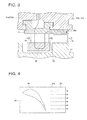
FIG. 3 is an enlarged sectional view illustrating a structure at the periphery of a nozzle inFIG. 2 . -
FIG. 4 is a view schematically illustrating the periphery of the nozzle inFIG. 3 in a state seen from a direction of a diameter of a rotor. -
FIG. 5 is a view for explaining the flow of coolant at the periphery of the nozzle inFIG. 2 . -
FIG. 6 is a sectional view along A-A inFIG. 5 . -
FIG. 7 is a sectional view along B-B inFIG. 5 . -
FIG. 8 is a sectional view along C-C inFIG. 5 . -
FIG. 9 is a sectional view illustrating a structure at the periphery of a coolant recovery flow path of a CO2 turbine according to a second embodiment. -
FIG. 10 is a sectional view for explaining in detail the coolant recovery flow path illustrated inFIG. 9 . -
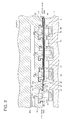
FIG. 11 is a perspective view illustrating a structure of a part of the coolant recovery flow path provided in a nozzle segment included in the CO2 turbine inFIG. 9 . -
FIG. 12 is a sectional view of the structure at the periphery of the coolant recovery flow path inFIG. 9 as seen in a direction of an axis of a rotor. -
FIG. 13 is a sectional view illustrating a structure at the periphery of a coolant recovery flow path of a CO2 turbine according to a third embodiment. -
FIG. 14 is a sectional view along D-D inFIG. 13 . -
FIG. 15 is a sectional view illustrating a structure at the periphery of a coolant recovery flow path of a CO2 turbine according to a fourth embodiment. - Hereinafter, embodiments will be described based on the drawings.
- As illustrated in
FIG. 1 , a thermalpower generation system 20 according to this embodiment includes a CO2 turbine 5, a CO2 pump 1, aregenerative heat exchanger 2, anoxygen producer 3, a combustor 4, apower generator 6, acooler 7, ahumidity separator 8 and so on. - The CO2 pump 1 compresses highly-pure CO2 made by separating water from a combustion gas (CO2 and vapor) by the
humidity separator 8, and supplies the CO2 at high pressure to the combustor 4 and the CO2 turbine 5 in a branching manner through theregenerative heat exchanger 2. - Note that the highly-pure CO2 at higher pressure generated in the CO2 pump 1 may be stored or utilized for enhanced oil recovery. In short, the one CO2 pump 1 doubles as supply sources for working CO2 and cooling CO2. The working CO2 may be called working gas or working fluid, and the cooling CO2 may be called cooling gas, cooling fluid, or coolant.
- The
regenerative heat exchanger 2 supplies CO2 increased in temperature by heat exchange to the combustor 4. Theregenerative heat exchanger 2 supplies part of CO2 to the CO2 turbine 5 before complete heat exchange. CO2 supplied to the combustor 4 is for working. CO2 supplied to the CO2 turbine 5 is for cooling or sealing. Further, theregenerative heat exchanger 2 cools through heat exchange the combustion gas (CO2 and vapor) exhausted from the CO2 turbine 5. - The
oxygen producer 3 produces oxygen and supplies the produced oxygen to the combustor 4. The combustor 4 combusts injected natural gas such as methane gas, CO2 and oxygen to generate combustion gas (CO2 and vapor) at high temperature and high pressure, and supplies the combustion gas to the CO2 turbine 5 as the working CO2. - The CO2 turbine 5 is driven by the working CO2 at high temperature and high pressure. The CO2 turbine 5 rotates moving
blades 13 in the turbine and aturbine rotor 11 supporting the movingblades 13, and transmits their rotation force to thepower generator 6. Theturbine rotor 11 is also called an axle. - In other words, the CO2 turbine 5 uses CO2 supplied from the one CO2 pump 1 mainly as the working fluid for rotating the
turbine rotor 11 and the coolant (fluid for cooling). - The
power generator 6 generates power using the rotation force of theturbine rotor 11 of the CO2 turbine 5. A combination of the CO2 turbine 5 and thepower generator 6 may be sometimes called a CO2 turbine power generator. Thecooler 7 further cools the combustion gas (CO2 and vapor) passed through theregenerative heat exchanger 2, and supplies the cooled combustion gas to thehumidity separator 8. - The
humidity separator 8 separates water from the combustion gas (CO2 and vapor) at low temperature outputted from thecooler 7 to generate highly-pure CO2, and returns the highly-pure CO2 back to the CO2 pump 1. - The thermal
power generation system 20 is constituted by a circulation system of oxygen combustion using CO2 at supercritical pressure and is a zero mission power generation system which is capable of effectively utilizing CO2 without exhausting CO2. Use of this system makes it possible to recover and recycle the highly-pure CO2 at high pressure without separately installing facilities for separating and recovering CO2. - Hereinafter, the operation of the thermal
power generation system 20 according to this embodiment will be described. In the case of this embodiment, power is generated by rotating (the moving blades of) the CO2 turbine 5 by the CO2 at high temperature (working CO2) generated by injecting and combusting CO2, natural gas and oxygen. - Then, the combustion gas (CO2 and vapor) exhausted from the CO2 turbine 5 is cooled through the
regenerative heat exchanger 2 and thecooler 7 and has water therein separated in thehumidity separator 8 into CO2 gas. The CO2 gas is then circulated back to the CO2 pump 1 and compressed, and most of CO2 is fed back to the combustor 4. - Next, the structure of a coolant
recovery flaw path 37 provided in the CO2 turbine 5 in this embodiment will be described based onFIG.2 to FIG. 8 . As illustrated inFIG. 2 , a working fluidtransport flow path 35 and a coolanttransport flow path 36 are provided around the coolantrecovery flow path 37. - The working fluid
transport flow path 35 transports the working fluid (working CO2) from its upstream side (high pressure side) to its downstream side (low pressure side) with respect to a plurality of turbine stages each composed of a set of a nozzle (stator blade) 16 and the movingblade 13. - As illustrated in
FIG. 2 andFIG. 3 , eachnozzle 16 described above is held by anozzle segment 38 being a holding member. Further, thenozzle segment 38 holding thenozzle 16 is fixed to a hook part formed in aninner casing 15a (15b). - The coolant
transport flow path 36 transports the coolant (cooling CO2) from the upstream side to the downstream side while allowing the coolant (cooling CO2) to pass through the inside of thenozzle 16 at each turbine stage. More specifically, the coolanttransport flow path 36 has amajor flow path 36a as illustrated inFIG. 2 . Themajor flow path 36a extends from the upstream side to the downstream side inside a member of a main body of theinner casing 15a (15b). In the coolanttransport flow path 36, a flow path branches off for each turbine stage from themajor flow path 36a and is guided to the inside of thenozzle 16 in each turbine stage. - Further, the coolant
transport flow path 36 passes through the inside of thenozzle 16 and then goes through the inside of anozzle side wall 38a of thenozzle segment 38 to the outside of the main body of thenozzle segment 38 for discharge as illustrated inFIG. 3 to FIG. 5 . Here, to obtain more motive power, working fluid (working CO2), for example, at a temperature equal to or higher than a heat proof temperature of thenozzle 16 needs to be injected into the CO2 turbine 5 in some case. For this reason, the coolanttransport flow path 36 needs to cool thenozzle 16. - On the other hand, the coolant
recovery flaw path 37 recovers the coolant passing through the inside of thenozzle 16 at a predetermined turbine stage along the coolanttransport flow path 36. The coolantrecovery flaw path 37 merges the recovered coolant with the working fluidtransport flow path 35 at a turbine stage on the upstream side of the predetermined turbine stage. Specifically, the coolantrecovery flaw path 37 is composed ofseal plates 40 as seal members and thenozzle segments 38 in combination as illustrated inFIG. 5 to FIG. 8 . Theseal plates 40 seal the gap between thesegments 38 from predetermined directions. The coolantrecovery flaw path 37 goes through a space (cavity/clearance) surrounded by thenozzle segments 38 and theseal plates 40. - In more detail, a set of
seal plates 40 are arranged opposite each other with a gap intervening therebetween in a gap between end faces opposite each other of a set ofnozzle segments 38 to constitute the coolanttransport flow path 36 and the coolantrecovery flaw path 37 as illustrated inFIG. 5 to FIG. 8 . Further, astopper part 37b and so on are arranged at a boundary portion where the coolanttransport flow path 36 switches to the coolantrecovery flaw path 37 as illustrated inFIG. 5 (andFIG. 2 ). Further, acoolant merging hole 37a is provided at a portion of the coolantrecovery flaw path 37 merging with the working fluidtransport flow path 35 as illustrated inFIG. 5 (andFIG. 2 ). - Here, the CO2 turbine 5 in this embodiment recovers the coolant passing through the
nozzle 16, for example, at a fifth turbine stage (predetermined turbine stage) 55 and merges the recovered coolant with the working fluidtransport flow path 35 on the upstream side of the fifth turbine stage (for example, on the downstream side of a second turbine stage 52) as illustrated inFIG. 2 . Here, the pressure of the coolant with pressure loss due to cooling of the nozzle balances with the pressure inside the working fluidtransport flow path 35, on the downstream side of thesecond turbine stage 52. - More specifically, not the coolant is simply transported to a further downstream side of the above-described fifth turbine stage (predetermined turbine stage) 55 but the coolant with a sufficient working pressure is merged with the working fluid
transport flow path 35 from an appropriate turbine stage. As a result of this, the merged coolant can be made to serve as the working fluid. - As has been described, according to the CO2 turbine 5 in this embodiment, the enthalpy loss (energy loss) of the coolant (cooling CO2) is suppressed (the pressure of the coolant is effectively utilized). As a result of this, the energy efficiency can be increased.
- Next, a second embodiment will be described based on
FIG. 9 to FIG. 12 . Note that the same components in these drawings as those in the first embodiment illustrated inFIG. 1 to FIG. 8 are denoted by the same numerals, and duplicating descriptions are omitted. - A CO2 turbine in this embodiment includes a coolant
recovery flow path 47 in place of the coolantrecovery flow path 37 in the first embodiment as illustrated inFIG. 9 to FIG. 12 . The coolantrecovery flow path 47 includes acollection flow path 37c. Thecollection flow path 37c collects coolant respectively recovered at a predetermined turbine stage (for example, a third turbine stage 53) and turbine stages (for example, fourth and fifth turbine stages 54, 55) on the downstream side of the predetermined turbine stage. Thecollection flow path 37c transports the collected coolant toward a turbine stage (for example, the downstream side of a second turbine state 52) on the upstream side of the predetermined turbine stage. - Further, the
collection flow path 37c included in the coolantrecovery flow path 47 passes through (goes through) the inside of a member of aninner casing 15a (15b) as illustrated inFIG 12 . Note that thecollection flow path 37c is provided at a position where it does not physically overlap with amajor flow path 36a of a coolanttransport flow path 36 inside the member of theinner casing 15a (15b). - In more detail, the coolant
recovery flow path 47 further includes arelay flow path 37d and asupply flow path 37e as illustrated inFIG. 9 . Therelay flow path 37d transports the coolant recovered from the turbine stages to thecollection flow path 37c. Thesupply flow path 37e supplies the coolant from thecollection flow path 37c to a working fluidtransport flow path 35. - According to the CO2 turbine in the second embodiment configured as described above, it is possible to recover the coolant (the coolant with less pressure loss due to nozzle cooling) also from a turbine stage closer to the turbine stage with which the coolant is merged and cause the coolant to function as the working fluid. Therefore, the energy efficiency can further be increased.
- Next, a third embodiment will be described based on
FIG. 13 andFIG. 14 . Note that the same components in these drawings as those in the first and second embodiments illustrated inFIG. 1 to FIG. 12 are denoted by the same numerals, and duplicating descriptions are omitted. - A CO2 turbine in this embodiment includes a coolant recovery flow path 57 in place of the coolant
recovery flow path 47 in the second embodiment. As illustrated inFIG. 13 andFIG. 14 , the coolant recovery flow path 57 includes acollection flow path 57c in place of thecollection flow path 37c in the second embodiment. Thecollection flow path 57c passes through (goes through) the inside (member inside) of a plurality ofshroud segments 39. - Note that in the CO2 turbine in this embodiment, a
major flow path 36a of a coolanttransport flow path 36 is provided also inside theshroud segment 39. In other words, thecollection flow path 57c is arranged at a position where it does not physically overlap with themajor flow path 36a inside theshroud segment 39. - According to the CO2 turbine in this embodiment, it is possible to process and form the collection flow path while it is divided into a plurality of shroud segments, unlike the case where the collection flow path is processed and formed in the casing. Therefore, it is possible in this embodiment to increase the processability of the collection flow path in addition to the effects in the second embodiment.
- Next, a fourth embodiment will be described based on
FIG. 15 . Note that the same components inFIG. 15 as those in the first to third embodiments illustrated inFIG. 1 to FIG. 14 are denoted by the same numerals, and duplicating descriptions are omitted. - A CO2 turbine in this embodiment includes a coolant
recovery flow path 77 in place of the coolantrecovery flow path 37 in the first embodiment as illustrated inFIG. 15 . The coolantrecovery flow path 77 has a stator blade (nozzle)re-cooling flow path 77c. The stator bladere-cooling flow path 77c recovers the coolant at a turbine stage (for example, a fifth turbine stage 55) on the downstream side of a predetermined turbine stage (for example, a third turbine stage 53). The stator bladere-cooling flow path 77c allows the recovered coolant to go through the inside of a nozzle (stator blade) 16 at the predetermined turbine stage and then transports the coolant toward a turbine stage (for example, the downstream side of a second turbine stage 52) on the upstream side of the predetermined turbine stage. - More specifically, the stator blade
re-cooling flow path 77c is provided also at a turbine stage (for example, a fourth turbine stage 54) preceding to the turbine stage at which the coolant has been recovered. In other words, the stator bladere-cooling flow path 77c is a flow path for cooling the nozzle (stator blade) 16 at a preceding turbine stage in order from a subsequent turbine stage before merging with a working fluidtransport flow path 35. - Consequently, according to the CO2 turbine in this embodiment, it is possible to improve the cooling performance with respect to the
nozzle 16 as well as to effectively utilize the coolant as working fluid. - According to the embodiments described above, the energy efficiency can be increased.
- While certain embodiments have been described, these embodiments have been presented by way of example only, and are not intended to limit the scope of the inventions. Indeed, the novel embodiments described herein may be embodied in a variety of other forms; furthermore, various omissions, substitutions and changes in the form of the embodiments described herein may be made without departing from the spirit of the inventions. The accompanying claims and their equivalents are intended to cover such forms or modifications as would fall within the scope and spirit of the inventions.
Claims (6)
- A turbine using CO2 as working fluid and coolant, comprising:a rotor;a plurality of moving blades arranged along an axis of the rotor;a plurality of stator blades constituting a plurality of turbine stages together with the plurality of moving blades;a working fluid transport flow path configured to transport the working fluid sequentially to the plurality of turbine stages;a coolant transport flow path configured to transport the coolant by allowing the coolant to sequentially pass through the inside of the plurality of stator blades from an upstream to a downstream of the working fluid; anda coolant recovery flow path configured to recover the coolant passing through the inside of the stator blade at a predetermined turbine stage and merge the recovered coolant with the working fluid transport flow path at a turbine stage on an upstream side of the predetermined turbine stage.
- The turbine according to claim 1,
wherein the coolant recovery flow path collects coolant recovered at the predetermined turbine stage and at a turbine stage on a downstream side of the predetermined turbine stage respectively, and transports the collected coolant toward the turbine stage on the upstream side of the predetermined turbine stage. - The turbine according to claim 1,
wherein the coolant recovery flow path recovers coolant at a turbine stage on a downstream side of the predetermined turbine stage, allows the recovered coolant to go through the inside of the stator blade at the predetermined turbine stage, and then transports the coolant toward the turbine stage on the upstream side of the predetermined turbine stage. - The turbine according to claim 1, further comprising:a plurality of holding members configured to hold the plurality of stator blades respectively; anda seal member configured to seal a gap between the plurality of holding members from a predetermined direction,wherein the coolant recovery flow path goes through a space surrounded by the plurality of holding members and the seal member.
- The turbine according to claim 1, further comprising:a casing configured to house the plurality of stator blades and the plurality of moving blades;a plurality of holding members configured to hold the plurality of stator blades respectively; anda plurality of fixing members configured to fix the plurality of holding members to the casing,wherein the coolant recovery flow path goes through the inside of the plurality of fixing members.
- The turbine according to claim 1, further comprising a casing configured to house the plurality of stator blades and the plurality of moving blades, wherein the coolant recovery flow path goes through the inside of the casing.
Applications Claiming Priority (1)
| Application Number | Priority Date | Filing Date | Title |
|---|---|---|---|
| JP2012162098A JP5868802B2 (en) | 2012-07-20 | 2012-07-20 | Turbine |
Publications (3)
| Publication Number | Publication Date |
|---|---|
| EP2687703A2 true EP2687703A2 (en) | 2014-01-22 |
| EP2687703A3 EP2687703A3 (en) | 2014-10-22 |
| EP2687703B1 EP2687703B1 (en) | 2018-01-10 |
Family
ID=47900761
Family Applications (1)
| Application Number | Title | Priority Date | Filing Date |
|---|---|---|---|
| EP13158939.2A Not-in-force EP2687703B1 (en) | 2012-07-20 | 2013-03-13 | Turbine using CO2 as working fluid |
Country Status (4)
| Country | Link |
|---|---|
| US (1) | US9399949B2 (en) |
| EP (1) | EP2687703B1 (en) |
| JP (1) | JP5868802B2 (en) |
| CN (1) | CN103573410B (en) |
Cited By (4)
| Publication number | Priority date | Publication date | Assignee | Title |
|---|---|---|---|---|
| US12421968B2 (en) | 2022-05-03 | 2025-09-23 | General Electric Company | Axial flux motor driven pump systems for pressurizing fluid in closed loop systems |
| US12448978B2 (en) | 2022-05-03 | 2025-10-21 | General Electric Company | Layered barrier cans for pumps and methods of producing the same |
| US12460647B2 (en) | 2022-05-03 | 2025-11-04 | General Electric Company | Integrated bearing systems for dynamically supporting shafts in pump systems |
| US12601352B2 (en) | 2022-05-03 | 2026-04-14 | General Electric Company | High pressure magnetic coupling shrouds and methods of producing the same |
Families Citing this family (12)
| Publication number | Priority date | Publication date | Assignee | Title |
|---|---|---|---|---|
| US9279340B2 (en) * | 2010-03-23 | 2016-03-08 | General Electric Company | System and method for cooling gas turbine components |
| JP5865204B2 (en) * | 2012-07-20 | 2016-02-17 | 株式会社東芝 | Axial turbine and power plant |
| JP6271352B2 (en) * | 2014-06-26 | 2018-01-31 | 株式会社東芝 | Gas turbine equipment |
| JP6284447B2 (en) * | 2014-06-27 | 2018-02-28 | 三菱日立パワーシステムズ株式会社 | Stator blade unit and steam turbine |
| JP6384916B2 (en) * | 2014-09-30 | 2018-09-05 | 東芝エネルギーシステムズ株式会社 | Gas turbine equipment |
| WO2016142982A1 (en) * | 2015-03-06 | 2016-09-15 | 株式会社 東芝 | Axial-flow turbine and power generation plant |
| US10526968B2 (en) | 2015-12-22 | 2020-01-07 | Toshiba Energy Systems & Solutions Corporation | Gas turbine facility |
| US9969949B1 (en) * | 2016-10-20 | 2018-05-15 | Iogen Corporation | Method and system for providing upgraded biogas |
| CN117006087A (en) * | 2022-05-03 | 2023-11-07 | 通用电气公司 | Oil lubricated fluid pump with oil separator |
| US12345279B2 (en) | 2022-05-03 | 2025-07-01 | General Electric Company | Oil lubricated fluid pumps with oil separators |
| CN115288853A (en) * | 2022-07-29 | 2022-11-04 | 华电电力科学研究院有限公司 | Gas turbine and carbon dioxide emission reduction system thereof |
| US12331781B2 (en) | 2023-02-03 | 2025-06-17 | General Electric Company | Dual thrust bearing systems and methods for operating the same |
Family Cites Families (22)
| Publication number | Priority date | Publication date | Assignee | Title |
|---|---|---|---|---|
| US4721433A (en) * | 1985-12-19 | 1988-01-26 | United Technologies Corporation | Coolable stator structure for a gas turbine engine |
| US5088888A (en) * | 1990-12-03 | 1992-02-18 | General Electric Company | Shroud seal |
| FR2681095B1 (en) * | 1991-09-05 | 1993-11-19 | Snecma | CARENE TURBINE DISTRIBUTOR. |
| US5640840A (en) | 1994-12-12 | 1997-06-24 | Westinghouse Electric Corporation | Recuperative steam cooled gas turbine method and apparatus |
| JP3238299B2 (en) * | 1995-04-17 | 2001-12-10 | 三菱重工業株式会社 | gas turbine |
| JP3197190B2 (en) * | 1995-08-25 | 2001-08-13 | 三菱重工業株式会社 | gas turbine |
| US5782076A (en) * | 1996-05-17 | 1998-07-21 | Westinghouse Electric Corporation | Closed loop air cooling system for combustion turbines |
| FR2750451B1 (en) * | 1996-06-27 | 1998-08-07 | Snecma | DEVICE FOR BLOWING GAS ADJUSTING GAMES IN A TURBOMACHINE |
| US5953900A (en) * | 1996-09-19 | 1999-09-21 | Siemens Westinghouse Power Corporation | Closed loop steam cooled steam turbine |
| EP0953748B1 (en) * | 1998-04-28 | 2004-01-28 | ALSTOM (Switzerland) Ltd | Power plant with a CO2-cycle |
| EP1165942B1 (en) * | 1999-03-30 | 2003-12-10 | Siemens Aktiengesellschaft | Turbo-engine with an array of wall elements that can be cooled and method for cooling an array of wall elements |
| US6340285B1 (en) * | 2000-06-08 | 2002-01-22 | General Electric Company | End rail cooling for combined high and low pressure turbine shroud |
| JP2002309903A (en) * | 2001-04-10 | 2002-10-23 | Mitsubishi Heavy Ind Ltd | Steam piping structure of gas turbine |
| JP2002309906A (en) | 2001-04-11 | 2002-10-23 | Mitsubishi Heavy Ind Ltd | Steam cooling type gas turbine |
| WO2006115484A1 (en) * | 2005-04-25 | 2006-11-02 | Williams International Co., L.L.C. | Gas turbine engine cooling system and method |
| JP5196482B2 (en) * | 2007-09-28 | 2013-05-15 | 一般財団法人電力中央研究所 | Turbine equipment with alkali carbonate |
| US20100071878A1 (en) | 2008-09-19 | 2010-03-25 | General Electric Company | System and method for cooling using system exhaust |
| JP2011032954A (en) | 2009-08-04 | 2011-02-17 | Chiyoda Kako Kensetsu Kk | Combined power generation system using cold of liquefied gas |
| US8740551B2 (en) * | 2009-08-18 | 2014-06-03 | Pratt & Whitney Canada Corp. | Blade outer air seal cooling |
| US20120067054A1 (en) * | 2010-09-21 | 2012-03-22 | Palmer Labs, Llc | High efficiency power production methods, assemblies, and systems |
| EP2450531B1 (en) * | 2010-11-04 | 2013-05-15 | Siemens Aktiengesellschaft | Cooling of an axial compressor |
| US20130186101A1 (en) * | 2012-01-24 | 2013-07-25 | General Electric Company | Method of using external fluid for cooling high temperature components of gas turbine for a process power plant |
-
2012
- 2012-07-20 JP JP2012162098A patent/JP5868802B2/en not_active Expired - Fee Related
-
2013
- 2013-02-27 US US13/778,577 patent/US9399949B2/en active Active
- 2013-03-13 EP EP13158939.2A patent/EP2687703B1/en not_active Not-in-force
- 2013-03-15 CN CN201310082646.4A patent/CN103573410B/en not_active Expired - Fee Related
Non-Patent Citations (1)
| Title |
|---|
| None |
Cited By (4)
| Publication number | Priority date | Publication date | Assignee | Title |
|---|---|---|---|---|
| US12421968B2 (en) | 2022-05-03 | 2025-09-23 | General Electric Company | Axial flux motor driven pump systems for pressurizing fluid in closed loop systems |
| US12448978B2 (en) | 2022-05-03 | 2025-10-21 | General Electric Company | Layered barrier cans for pumps and methods of producing the same |
| US12460647B2 (en) | 2022-05-03 | 2025-11-04 | General Electric Company | Integrated bearing systems for dynamically supporting shafts in pump systems |
| US12601352B2 (en) | 2022-05-03 | 2026-04-14 | General Electric Company | High pressure magnetic coupling shrouds and methods of producing the same |
Also Published As
| Publication number | Publication date |
|---|---|
| EP2687703B1 (en) | 2018-01-10 |
| US9399949B2 (en) | 2016-07-26 |
| JP5868802B2 (en) | 2016-02-24 |
| CN103573410A (en) | 2014-02-12 |
| EP2687703A3 (en) | 2014-10-22 |
| CN103573410B (en) | 2016-01-20 |
| US20140020402A1 (en) | 2014-01-23 |
| JP2014020331A (en) | 2014-02-03 |
Similar Documents
| Publication | Publication Date | Title |
|---|---|---|
| US9399949B2 (en) | Turbine | |
| JP5917324B2 (en) | Turbine and turbine operating method | |
| ES2912596T3 (en) | Regenerative thermodynamic power generation cycle systems, and methods for operating the same | |
| US20140119881A1 (en) | Apparatus for recirculating a fluid within a turbomachine and method for operating the same | |
| EP2687681B1 (en) | Seal apparatus of turbine and thermal power system | |
| JP2012145092A (en) | Centrifugal blower (compressor) for compressing supercritical carbon dioxide (co2), supercritical co2 gas turbine, and supercritical co2 gas turbine electric power generation technique including electric power generator | |
| US8806874B2 (en) | Axial turbine and power plant | |
| CN102325964A (en) | Cooling method and device for steam turbine power generation equipment | |
| US9631514B2 (en) | Axial-flow turbine and power plant including the same | |
| US20140060002A1 (en) | Regenerative turbine for power generation system | |
| US20130323011A1 (en) | Nozzle Diaphragm Inducer | |
| US20140030073A1 (en) | Closed loop cooling system for a gas turbine | |
| JP2011085135A (en) | System and method for cooling steam turbine rotor | |
| JPH1181904A (en) | Recoverable steam cooled gas turbine | |
| JP6235772B2 (en) | Turbine | |
| WO2019244785A1 (en) | Steam turbine installation and combined cycle plant | |
| KR20160087259A (en) | Generating System Having Super Critical Fluid Turbine-Steam Power Hybrid System | |
| JP5968176B2 (en) | Steam turbine equipment | |
| JP5951386B2 (en) | Turbine and turbine cooling method | |
| JP4304006B2 (en) | Steam turbine | |
| JP2013007324A (en) | Gas turbine, and gas turbine combined cycle power generation equipment | |
| JP2022001760A (en) | Liquefied natural gas compression system | |
| KR20250162893A (en) | Thermodynamic cycle using expanders and expanders | |
| IT202100008372A1 (en) | SEALED INTEGRATED TURBOEXPANDER-GENERATOR WITH AN ELECTRIC GENERATOR AT ONE END OF A COMMON SHAFTLINE | |
| Hoeftberger | Thermodynamics and Turbomachinery of the Oxyfuel Naki Cycles |
Legal Events
| Date | Code | Title | Description |
|---|---|---|---|
| PUAI | Public reference made under article 153(3) epc to a published international application that has entered the european phase |
Free format text: ORIGINAL CODE: 0009012 |
|
| 17P | Request for examination filed |
Effective date: 20130313 |
|
| AK | Designated contracting states |
Kind code of ref document: A2 Designated state(s): AL AT BE BG CH CY CZ DE DK EE ES FI FR GB GR HR HU IE IS IT LI LT LU LV MC MK MT NL NO PL PT RO RS SE SI SK SM TR |
|
| AX | Request for extension of the european patent |
Extension state: BA ME |
|
| PUAL | Search report despatched |
Free format text: ORIGINAL CODE: 0009013 |
|
| AK | Designated contracting states |
Kind code of ref document: A3 Designated state(s): AL AT BE BG CH CY CZ DE DK EE ES FI FR GB GR HR HU IE IS IT LI LT LU LV MC MK MT NL NO PL PT RO RS SE SI SK SM TR |
|
| AX | Request for extension of the european patent |
Extension state: BA ME |
|
| RIC1 | Information provided on ipc code assigned before grant |
Ipc: F02C 3/34 20060101ALI20140912BHEP Ipc: F02C 7/10 20060101ALI20140912BHEP Ipc: F01D 25/12 20060101ALI20140912BHEP Ipc: F02C 7/18 20060101AFI20140912BHEP Ipc: F02C 3/00 20060101ALI20140912BHEP |
|
| STAA | Information on the status of an ep patent application or granted ep patent |
Free format text: STATUS: EXAMINATION IS IN PROGRESS |
|
| 17Q | First examination report despatched |
Effective date: 20161214 |
|
| GRAP | Despatch of communication of intention to grant a patent |
Free format text: ORIGINAL CODE: EPIDOSNIGR1 |
|
| STAA | Information on the status of an ep patent application or granted ep patent |
Free format text: STATUS: GRANT OF PATENT IS INTENDED |
|
| INTG | Intention to grant announced |
Effective date: 20170822 |
|
| GRAS | Grant fee paid |
Free format text: ORIGINAL CODE: EPIDOSNIGR3 |
|
| GRAA | (expected) grant |
Free format text: ORIGINAL CODE: 0009210 |
|
| STAA | Information on the status of an ep patent application or granted ep patent |
Free format text: STATUS: THE PATENT HAS BEEN GRANTED |
|
| AK | Designated contracting states |
Kind code of ref document: B1 Designated state(s): AL AT BE BG CH CY CZ DE DK EE ES FI FR GB GR HR HU IE IS IT LI LT LU LV MC MK MT NL NO PL PT RO RS SE SI SK SM TR |
|
| REG | Reference to a national code |
Ref country code: CH Ref legal event code: EP Ref country code: AT Ref legal event code: REF Ref document number: 962674 Country of ref document: AT Kind code of ref document: T Effective date: 20180115 |
|
| GRAC | Information related to communication of intention to grant a patent modified |
Free format text: ORIGINAL CODE: EPIDOSCIGR1 |
|
| GRAT | Correction requested after decision to grant or after decision to maintain patent in amended form |
Free format text: ORIGINAL CODE: EPIDOSNCDEC |
|
| REG | Reference to a national code |
Ref country code: IE Ref legal event code: FG4D |
|
| REG | Reference to a national code |
Ref country code: DE Ref legal event code: R096 Ref document number: 602013031867 Country of ref document: DE |
|
| REG | Reference to a national code |
Ref country code: NL Ref legal event code: MP Effective date: 20180110 |
|
| REG | Reference to a national code |
Ref country code: AT Ref legal event code: MK05 Ref document number: 962674 Country of ref document: AT Kind code of ref document: T Effective date: 20180110 |
|
| PG25 | Lapsed in a contracting state [announced via postgrant information from national office to epo] |
Ref country code: NL Free format text: LAPSE BECAUSE OF FAILURE TO SUBMIT A TRANSLATION OF THE DESCRIPTION OR TO PAY THE FEE WITHIN THE PRESCRIBED TIME-LIMIT Effective date: 20180110 |
|
| PG25 | Lapsed in a contracting state [announced via postgrant information from national office to epo] |
Ref country code: FI Free format text: LAPSE BECAUSE OF FAILURE TO SUBMIT A TRANSLATION OF THE DESCRIPTION OR TO PAY THE FEE WITHIN THE PRESCRIBED TIME-LIMIT Effective date: 20180110 Ref country code: NO Free format text: LAPSE BECAUSE OF FAILURE TO SUBMIT A TRANSLATION OF THE DESCRIPTION OR TO PAY THE FEE WITHIN THE PRESCRIBED TIME-LIMIT Effective date: 20180410 Ref country code: CY Free format text: LAPSE BECAUSE OF FAILURE TO SUBMIT A TRANSLATION OF THE DESCRIPTION OR TO PAY THE FEE WITHIN THE PRESCRIBED TIME-LIMIT Effective date: 20180110 Ref country code: LT Free format text: LAPSE BECAUSE OF FAILURE TO SUBMIT A TRANSLATION OF THE DESCRIPTION OR TO PAY THE FEE WITHIN THE PRESCRIBED TIME-LIMIT Effective date: 20180110 Ref country code: HR Free format text: LAPSE BECAUSE OF FAILURE TO SUBMIT A TRANSLATION OF THE DESCRIPTION OR TO PAY THE FEE WITHIN THE PRESCRIBED TIME-LIMIT Effective date: 20180110 Ref country code: ES Free format text: LAPSE BECAUSE OF FAILURE TO SUBMIT A TRANSLATION OF THE DESCRIPTION OR TO PAY THE FEE WITHIN THE PRESCRIBED TIME-LIMIT Effective date: 20180110 |
|
| PG25 | Lapsed in a contracting state [announced via postgrant information from national office to epo] |
Ref country code: GR Free format text: LAPSE BECAUSE OF FAILURE TO SUBMIT A TRANSLATION OF THE DESCRIPTION OR TO PAY THE FEE WITHIN THE PRESCRIBED TIME-LIMIT Effective date: 20180411 Ref country code: IS Free format text: LAPSE BECAUSE OF FAILURE TO SUBMIT A TRANSLATION OF THE DESCRIPTION OR TO PAY THE FEE WITHIN THE PRESCRIBED TIME-LIMIT Effective date: 20180510 Ref country code: AT Free format text: LAPSE BECAUSE OF FAILURE TO SUBMIT A TRANSLATION OF THE DESCRIPTION OR TO PAY THE FEE WITHIN THE PRESCRIBED TIME-LIMIT Effective date: 20180110 Ref country code: RS Free format text: LAPSE BECAUSE OF FAILURE TO SUBMIT A TRANSLATION OF THE DESCRIPTION OR TO PAY THE FEE WITHIN THE PRESCRIBED TIME-LIMIT Effective date: 20180110 Ref country code: BG Free format text: LAPSE BECAUSE OF FAILURE TO SUBMIT A TRANSLATION OF THE DESCRIPTION OR TO PAY THE FEE WITHIN THE PRESCRIBED TIME-LIMIT Effective date: 20180410 Ref country code: SE Free format text: LAPSE BECAUSE OF FAILURE TO SUBMIT A TRANSLATION OF THE DESCRIPTION OR TO PAY THE FEE WITHIN THE PRESCRIBED TIME-LIMIT Effective date: 20180110 Ref country code: LV Free format text: LAPSE BECAUSE OF FAILURE TO SUBMIT A TRANSLATION OF THE DESCRIPTION OR TO PAY THE FEE WITHIN THE PRESCRIBED TIME-LIMIT Effective date: 20180110 Ref country code: PL Free format text: LAPSE BECAUSE OF FAILURE TO SUBMIT A TRANSLATION OF THE DESCRIPTION OR TO PAY THE FEE WITHIN THE PRESCRIBED TIME-LIMIT Effective date: 20180110 |
|
| REG | Reference to a national code |
Ref country code: DE Ref legal event code: R097 Ref document number: 602013031867 Country of ref document: DE |
|
| PG25 | Lapsed in a contracting state [announced via postgrant information from national office to epo] |
Ref country code: EE Free format text: LAPSE BECAUSE OF FAILURE TO SUBMIT A TRANSLATION OF THE DESCRIPTION OR TO PAY THE FEE WITHIN THE PRESCRIBED TIME-LIMIT Effective date: 20180110 Ref country code: RO Free format text: LAPSE BECAUSE OF FAILURE TO SUBMIT A TRANSLATION OF THE DESCRIPTION OR TO PAY THE FEE WITHIN THE PRESCRIBED TIME-LIMIT Effective date: 20180110 Ref country code: IT Free format text: LAPSE BECAUSE OF FAILURE TO SUBMIT A TRANSLATION OF THE DESCRIPTION OR TO PAY THE FEE WITHIN THE PRESCRIBED TIME-LIMIT Effective date: 20180110 Ref country code: AL Free format text: LAPSE BECAUSE OF FAILURE TO SUBMIT A TRANSLATION OF THE DESCRIPTION OR TO PAY THE FEE WITHIN THE PRESCRIBED TIME-LIMIT Effective date: 20180110 |
|
| REG | Reference to a national code |
Ref country code: CH Ref legal event code: PL |
|
| REG | Reference to a national code |
Ref country code: DE Ref legal event code: R082 Ref document number: 602013031867 Country of ref document: DE Representative=s name: HOFFMANN - EITLE PATENT- UND RECHTSANWAELTE PA, DE Ref country code: DE Ref legal event code: R081 Ref document number: 602013031867 Country of ref document: DE Owner name: TOSHIBA ENERGY SYSTEMS & SOLUTIONS CORPORATION, JP Free format text: FORMER OWNER: KABUSHIKI KAISHA TOSHIBA, TOKYO, JP |
|
| PLBE | No opposition filed within time limit |
Free format text: ORIGINAL CODE: 0009261 |
|
| STAA | Information on the status of an ep patent application or granted ep patent |
Free format text: STATUS: NO OPPOSITION FILED WITHIN TIME LIMIT |
|
| PG25 | Lapsed in a contracting state [announced via postgrant information from national office to epo] |
Ref country code: MC Free format text: LAPSE BECAUSE OF FAILURE TO SUBMIT A TRANSLATION OF THE DESCRIPTION OR TO PAY THE FEE WITHIN THE PRESCRIBED TIME-LIMIT Effective date: 20180110 Ref country code: SK Free format text: LAPSE BECAUSE OF FAILURE TO SUBMIT A TRANSLATION OF THE DESCRIPTION OR TO PAY THE FEE WITHIN THE PRESCRIBED TIME-LIMIT Effective date: 20180110 Ref country code: DK Free format text: LAPSE BECAUSE OF FAILURE TO SUBMIT A TRANSLATION OF THE DESCRIPTION OR TO PAY THE FEE WITHIN THE PRESCRIBED TIME-LIMIT Effective date: 20180110 Ref country code: SM Free format text: LAPSE BECAUSE OF FAILURE TO SUBMIT A TRANSLATION OF THE DESCRIPTION OR TO PAY THE FEE WITHIN THE PRESCRIBED TIME-LIMIT Effective date: 20180110 Ref country code: CZ Free format text: LAPSE BECAUSE OF FAILURE TO SUBMIT A TRANSLATION OF THE DESCRIPTION OR TO PAY THE FEE WITHIN THE PRESCRIBED TIME-LIMIT Effective date: 20180110 |
|
| REG | Reference to a national code |
Ref country code: BE Ref legal event code: MM Effective date: 20180331 |
|
| 26N | No opposition filed |
Effective date: 20181011 |
|
| GBPC | Gb: european patent ceased through non-payment of renewal fee |
Effective date: 20180410 |
|
| REG | Reference to a national code |
Ref country code: IE Ref legal event code: MM4A |
|
| PG25 | Lapsed in a contracting state [announced via postgrant information from national office to epo] |
Ref country code: LU Free format text: LAPSE BECAUSE OF NON-PAYMENT OF DUE FEES Effective date: 20180313 |
|
| PG25 | Lapsed in a contracting state [announced via postgrant information from national office to epo] |
Ref country code: IE Free format text: LAPSE BECAUSE OF NON-PAYMENT OF DUE FEES Effective date: 20180313 |
|
| PG25 | Lapsed in a contracting state [announced via postgrant information from national office to epo] |
Ref country code: BE Free format text: LAPSE BECAUSE OF NON-PAYMENT OF DUE FEES Effective date: 20180331 Ref country code: GB Free format text: LAPSE BECAUSE OF NON-PAYMENT OF DUE FEES Effective date: 20180410 Ref country code: SI Free format text: LAPSE BECAUSE OF FAILURE TO SUBMIT A TRANSLATION OF THE DESCRIPTION OR TO PAY THE FEE WITHIN THE PRESCRIBED TIME-LIMIT Effective date: 20180110 Ref country code: CH Free format text: LAPSE BECAUSE OF NON-PAYMENT OF DUE FEES Effective date: 20180331 Ref country code: LI Free format text: LAPSE BECAUSE OF NON-PAYMENT OF DUE FEES Effective date: 20180331 |
|
| PG25 | Lapsed in a contracting state [announced via postgrant information from national office to epo] |
Ref country code: FR Free format text: LAPSE BECAUSE OF NON-PAYMENT OF DUE FEES Effective date: 20180331 |
|
| PG25 | Lapsed in a contracting state [announced via postgrant information from national office to epo] |
Ref country code: MT Free format text: LAPSE BECAUSE OF NON-PAYMENT OF DUE FEES Effective date: 20180313 |
|
| PG25 | Lapsed in a contracting state [announced via postgrant information from national office to epo] |
Ref country code: TR Free format text: LAPSE BECAUSE OF FAILURE TO SUBMIT A TRANSLATION OF THE DESCRIPTION OR TO PAY THE FEE WITHIN THE PRESCRIBED TIME-LIMIT Effective date: 20180110 |
|
| PG25 | Lapsed in a contracting state [announced via postgrant information from national office to epo] |
Ref country code: HU Free format text: LAPSE BECAUSE OF FAILURE TO SUBMIT A TRANSLATION OF THE DESCRIPTION OR TO PAY THE FEE WITHIN THE PRESCRIBED TIME-LIMIT; INVALID AB INITIO Effective date: 20130313 Ref country code: PT Free format text: LAPSE BECAUSE OF FAILURE TO SUBMIT A TRANSLATION OF THE DESCRIPTION OR TO PAY THE FEE WITHIN THE PRESCRIBED TIME-LIMIT Effective date: 20180110 |
|
| PG25 | Lapsed in a contracting state [announced via postgrant information from national office to epo] |
Ref country code: MK Free format text: LAPSE BECAUSE OF NON-PAYMENT OF DUE FEES Effective date: 20180110 |
|
| PGFP | Annual fee paid to national office [announced via postgrant information from national office to epo] |
Ref country code: DE Payment date: 20231229 Year of fee payment: 12 |
|
| REG | Reference to a national code |
Ref country code: DE Ref legal event code: R119 Ref document number: 602013031867 Country of ref document: DE |
|
| PG25 | Lapsed in a contracting state [announced via postgrant information from national office to epo] |
Ref country code: DE Free format text: LAPSE BECAUSE OF NON-PAYMENT OF DUE FEES Effective date: 20251001 |