EP2687518A1 - Nitrogen-containing saturated heterocyclic compound - Google Patents
Nitrogen-containing saturated heterocyclic compound Download PDFInfo
- Publication number
- EP2687518A1 EP2687518A1 EP12757539.7A EP12757539A EP2687518A1 EP 2687518 A1 EP2687518 A1 EP 2687518A1 EP 12757539 A EP12757539 A EP 12757539A EP 2687518 A1 EP2687518 A1 EP 2687518A1
- Authority
- EP
- European Patent Office
- Prior art keywords
- group
- substituted
- lower alkoxy
- optionally substituted
- alkoxy group
- Prior art date
- Legal status (The legal status is an assumption and is not a legal conclusion. Google has not performed a legal analysis and makes no representation as to the accuracy of the status listed.)
- Granted
Links
- 0 *c1nc([o]cc2)c2cc1 Chemical compound *c1nc([o]cc2)c2cc1 0.000 description 18
- MBEZMGNNSZKKLH-UHFFFAOYSA-N C/[O]=C\CCOc(cc(cc1)[Br]=C)c1C(O)=O Chemical compound C/[O]=C\CCOc(cc(cc1)[Br]=C)c1C(O)=O MBEZMGNNSZKKLH-UHFFFAOYSA-N 0.000 description 1
- FZOYINYNEGMYMS-UHFFFAOYSA-N CC(C)(C)OC(N(Cc1cc(OC)cc(OCCCOC)c1)C1CC1)=O Chemical compound CC(C)(C)OC(N(Cc1cc(OC)cc(OCCCOC)c1)C1CC1)=O FZOYINYNEGMYMS-UHFFFAOYSA-N 0.000 description 1
- YYULVKNSBRRANZ-NHCUHLMSSA-N CC(OCCNC(c1cc([C@@H](CC2)N(C3CC3)C([C@@H]3OCCNC3)=O)c2cc1)=O)=C Chemical compound CC(OCCNC(c1cc([C@@H](CC2)N(C3CC3)C([C@@H]3OCCNC3)=O)c2cc1)=O)=C YYULVKNSBRRANZ-NHCUHLMSSA-N 0.000 description 1
- QLYXLWOKEXRPQX-UHFFFAOYSA-N CC(c(cc1)cc(C#CCNC(OCc2ccccc2)=O)c1OC)=O Chemical compound CC(c(cc1)cc(C#CCNC(OCc2ccccc2)=O)c1OC)=O QLYXLWOKEXRPQX-UHFFFAOYSA-N 0.000 description 1
- BKIRVHJNTVRBCX-UHFFFAOYSA-N CC(c(cc1)cc(C#CCNC(OCc2ccccc2)=O)c1OC)NC1CC1 Chemical compound CC(c(cc1)cc(C#CCNC(OCc2ccccc2)=O)c1OC)NC1CC1 BKIRVHJNTVRBCX-UHFFFAOYSA-N 0.000 description 1
- YZZBRJZCWFPYJT-IVAFLUGOSA-N CC(c(cc1)cc(CCCN)c1OC)N(C1CC1)C([C@@H](C1)OCCN1C(OC(C)(C)C)=O)=O Chemical compound CC(c(cc1)cc(CCCN)c1OC)N(C1CC1)C([C@@H](C1)OCCN1C(OC(C)(C)C)=O)=O YZZBRJZCWFPYJT-IVAFLUGOSA-N 0.000 description 1
- VOROELJRORBPCM-WBPHRXDCSA-N CC(c(cc1)cc(CCCNC(OC)=O)c1OC)N(C1CC1)C([C@@H](C1)OCCN1C(OC(C)(C)C)=O)=O Chemical compound CC(c(cc1)cc(CCCNC(OC)=O)c1OC)N(C1CC1)C([C@@H](C1)OCCN1C(OC(C)(C)C)=O)=O VOROELJRORBPCM-WBPHRXDCSA-N 0.000 description 1
- YDTWTLOLPFLZHX-UHFFFAOYSA-N CC(c(cc1)cc(I)c1OC)=O Chemical compound CC(c(cc1)cc(I)c1OC)=O YDTWTLOLPFLZHX-UHFFFAOYSA-N 0.000 description 1
- VDUCHDLWXCICQM-UHFFFAOYSA-N CC(c(cc1)cc2c1c(C)c[n]2CCCOC)=O Chemical compound CC(c(cc1)cc2c1c(C)c[n]2CCCOC)=O VDUCHDLWXCICQM-UHFFFAOYSA-N 0.000 description 1
- PVBLCQMBBDQUMS-UHFFFAOYSA-N CC(c(cc1)cc2c1c(Cl)c[n]2CCCOC)=O Chemical compound CC(c(cc1)cc2c1c(Cl)c[n]2CCCOC)=O PVBLCQMBBDQUMS-UHFFFAOYSA-N 0.000 description 1
- YATIWADUTAVGFK-UHFFFAOYSA-N CC(c(cc1OC)cc(OC)c1Cl)NC1CC1 Chemical compound CC(c(cc1OC)cc(OC)c1Cl)NC1CC1 YATIWADUTAVGFK-UHFFFAOYSA-N 0.000 description 1
- XIANKHYMCONBJO-UHFFFAOYSA-N CC(c(cc1OCCCOC)ccc1F)NC1CC1 Chemical compound CC(c(cc1OCCCOC)ccc1F)NC1CC1 XIANKHYMCONBJO-UHFFFAOYSA-N 0.000 description 1
- HSKVJYZVNXEPBI-QRWMCTBCSA-N CC(c1c[n](CCCCOC)c2c1ccc(C)n2)N(C1CC1)C([C@H]1CNCC1)=O Chemical compound CC(c1c[n](CCCCOC)c2c1ccc(C)n2)N(C1CC1)C([C@H]1CNCC1)=O HSKVJYZVNXEPBI-QRWMCTBCSA-N 0.000 description 1
- IQEAGDFXIAWQGN-UHFFFAOYSA-N CC(c1cc(C(F)(F)F)c(c(C)n[n]2CCCOC)c2c1)NC1CC1 Chemical compound CC(c1cc(C(F)(F)F)c(c(C)n[n]2CCCOC)c2c1)NC1CC1 IQEAGDFXIAWQGN-UHFFFAOYSA-N 0.000 description 1
- GTEPVHGPLMRIOQ-UHFFFAOYSA-N CC(c1cc(C(F)(F)F)cc(C(F)(F)F)c1)NC1CC1 Chemical compound CC(c1cc(C(F)(F)F)cc(C(F)(F)F)c1)NC1CC1 GTEPVHGPLMRIOQ-UHFFFAOYSA-N 0.000 description 1
- MTQLFLQALYGYOF-IVAFLUGOSA-N CC(c1cc(F)cc(OCCCOC)c1)N(C1CC1)C([C@@H](C1)OCCN1C(OC(C)(C)C)=O)=O Chemical compound CC(c1cc(F)cc(OCCCOC)c1)N(C1CC1)C([C@@H](C1)OCCN1C(OC(C)(C)C)=O)=O MTQLFLQALYGYOF-IVAFLUGOSA-N 0.000 description 1
- RNGJGVJRXWNEKO-RGUGMKFQSA-N CC(c1cc(OC)cc(OC)c1)N(C1CC1)C([C@@H]1OCCNC1)=O Chemical compound CC(c1cc(OC)cc(OC)c1)N(C1CC1)C([C@@H]1OCCNC1)=O RNGJGVJRXWNEKO-RGUGMKFQSA-N 0.000 description 1
- ICKAEXIGBRGHLF-UHFFFAOYSA-N CC(c1cc(OC)cc(OCCCOC)c1)NC1CC1 Chemical compound CC(c1cc(OC)cc(OCCCOC)c1)NC1CC1 ICKAEXIGBRGHLF-UHFFFAOYSA-N 0.000 description 1
- WJDQQNKHMUTWCK-UHFFFAOYSA-N CC(c1cc([n](CCCOC)nc2Br)c2c(I)c1)=O Chemical compound CC(c1cc([n](CCCOC)nc2Br)c2c(I)c1)=O WJDQQNKHMUTWCK-UHFFFAOYSA-N 0.000 description 1
- QKPMWQAOCBOAKU-YCRPNKLZSA-N CCc1n[n](CCCOC)c2cc([C@H](C)N(C3CC3)C([C@@H]3OCCNC3)=O)cc(F)c12 Chemical compound CCc1n[n](CCCOC)c2cc([C@H](C)N(C3CC3)C([C@@H]3OCCNC3)=O)cc(F)c12 QKPMWQAOCBOAKU-YCRPNKLZSA-N 0.000 description 1
- KZMGLRDBHLYMSH-TZIWHRDSSA-N COCCCOc(cc([C@@H](CCC1)N(C2CC2)C([C@@H]2OCCNC2)=O)c1c1)c1Br Chemical compound COCCCOc(cc([C@@H](CCC1)N(C2CC2)C([C@@H]2OCCNC2)=O)c1c1)c1Br KZMGLRDBHLYMSH-TZIWHRDSSA-N 0.000 description 1
- JHRJPSPULKRNSF-KPMSDPLLSA-N COc1cccc(CC2)c1CC2N(C1CC1)C([C@@H]1OCCNC1)=O Chemical compound COc1cccc(CC2)c1CC2N(C1CC1)C([C@@H]1OCCNC1)=O JHRJPSPULKRNSF-KPMSDPLLSA-N 0.000 description 1
- QKOHPZWKLKXOBH-KCTOIFOCSA-N C[C@@H](C(/N=C\c1c(C)[n](CCCO)cc1C)=C)N(C1CC1)C([C@@H]1OCCNC1)=O Chemical compound C[C@@H](C(/N=C\c1c(C)[n](CCCO)cc1C)=C)N(C1CC1)C([C@@H]1OCCNC1)=O QKOHPZWKLKXOBH-KCTOIFOCSA-N 0.000 description 1
- CSXBSONWCKXAPX-BDDPIBABSA-N C[C@@H](c1c[n](CCCCOC)c2c1/C=C\C(\C)=C\CCC2)N(C1CC1)C([C@@H]1OCCNC1)=O Chemical compound C[C@@H](c1c[n](CCCCOC)c2c1/C=C\C(\C)=C\CCC2)N(C1CC1)C([C@@H]1OCCNC1)=O CSXBSONWCKXAPX-BDDPIBABSA-N 0.000 description 1
- HTPOHBATMJWRIW-OXJNMPFZSA-N C[C@@H](c1c[n](CCCCOC)c2c1cccn2)N(C1CC1)C([C@@H]1OCCNC1)=O Chemical compound C[C@@H](c1c[n](CCCCOC)c2c1cccn2)N(C1CC1)C([C@@H]1OCCNC1)=O HTPOHBATMJWRIW-OXJNMPFZSA-N 0.000 description 1
- WPEPDDRSUQTWNS-MHECFPHRSA-N C[C@@H](c1cc(-c2c(C)[o]nc2C)c(c(C)n[n]2CCCOC)c2c1)N(C1CC1)C([C@@H]1OCCNC1)=O Chemical compound C[C@@H](c1cc(-c2c(C)[o]nc2C)c(c(C)n[n]2CCCOC)c2c1)N(C1CC1)C([C@@H]1OCCNC1)=O WPEPDDRSUQTWNS-MHECFPHRSA-N 0.000 description 1
- RBBRALYPLIXTKS-OXJNMPFZSA-N C[C@@H](c1cc(OCCCOC)c(C)cc1)N(C1CC1)C([C@@H]1OCCNC1)=O Chemical compound C[C@@H](c1cc(OCCCOC)c(C)cc1)N(C1CC1)C([C@@H]1OCCNC1)=O RBBRALYPLIXTKS-OXJNMPFZSA-N 0.000 description 1
- NAQFHRNNKXLSHN-RTBURBONSA-N C[C@H](c(c1ccccc11)n[n]1[IH]CCCOC)N(C1CC1)C([C@H](CC1)CN1C(OC(C)(C)C)=O)=O Chemical compound C[C@H](c(c1ccccc11)n[n]1[IH]CCCOC)N(C1CC1)C([C@H](CC1)CN1C(OC(C)(C)C)=O)=O NAQFHRNNKXLSHN-RTBURBONSA-N 0.000 description 1
- RHVSIUKMPHRTRM-WZONZLPQSA-N C[C@H](c(cc1)cc(OCCCOC)c1OCCCOC)N(C1CC1)C([C@@H]1OCCNC1)=O Chemical compound C[C@H](c(cc1)cc(OCCCOC)c1OCCCOC)N(C1CC1)C([C@@H]1OCCNC1)=O RHVSIUKMPHRTRM-WZONZLPQSA-N 0.000 description 1
- BRRTUPCJVJWGDX-FOIQADDNSA-N C[C@H](c1cc(C(F)(F)F)c(c(C)n[n]2CCCOC)c2c1)N(C1CC1)C([C@@H]1OCCNC1)=O Chemical compound C[C@H](c1cc(C(F)(F)F)c(c(C)n[n]2CCCOC)c2c1)N(C1CC1)C([C@@H]1OCCNC1)=O BRRTUPCJVJWGDX-FOIQADDNSA-N 0.000 description 1
- OCXRBMZFTAFVRZ-FOIQADDNSA-N C[C@H](c1cc(F)c(c(C)n[n]2CCCOC)c2c1)N(C1CC1)C([C@@H]1OCCNC1)=O Chemical compound C[C@H](c1cc(F)c(c(C)n[n]2CCCOC)c2c1)N(C1CC1)C([C@@H]1OCCNC1)=O OCXRBMZFTAFVRZ-FOIQADDNSA-N 0.000 description 1
- FUZDMPHNVOBBHN-IWPPFLRJSA-N C[C@H](c1cc([n](CCCOC)nc2C)c2c(Cl)c1)N(C1CC1)C(C1OCCNC1)=O Chemical compound C[C@H](c1cc([n](CCCOC)nc2C)c2c(Cl)c1)N(C1CC1)C(C1OCCNC1)=O FUZDMPHNVOBBHN-IWPPFLRJSA-N 0.000 description 1
- QMIVYHJIRSHQDI-UHFFFAOYSA-N Cc1cc([nH]nc2)c2cn1 Chemical compound Cc1cc([nH]nc2)c2cn1 QMIVYHJIRSHQDI-UHFFFAOYSA-N 0.000 description 1
- STHBHEYNLYNJAM-UHFFFAOYSA-N Cc1n[nH]c2c1cccn2 Chemical compound Cc1n[nH]c2c1cccn2 STHBHEYNLYNJAM-UHFFFAOYSA-N 0.000 description 1
- JJLBTVYCYWUHCH-UHFFFAOYSA-N Cc1n[nH]c2cccnc12 Chemical compound Cc1n[nH]c2cccnc12 JJLBTVYCYWUHCH-UHFFFAOYSA-N 0.000 description 1
- FSWRUYCICUXURT-UHFFFAOYSA-N Cc1nc(nccc2)c2cc1 Chemical compound Cc1nc(nccc2)c2cc1 FSWRUYCICUXURT-UHFFFAOYSA-N 0.000 description 1
- KIWHWEDXEGNASX-UHFFFAOYSA-N Cc1nc2cccnc2cc1 Chemical compound Cc1nc2cccnc2cc1 KIWHWEDXEGNASX-UHFFFAOYSA-N 0.000 description 1
- DXPQTHAFYUTZRR-UHFFFAOYSA-N Cc1ncc(cccc2)c2n1 Chemical compound Cc1ncc(cccc2)c2n1 DXPQTHAFYUTZRR-UHFFFAOYSA-N 0.000 description 1
- NGMNOLUZNGMBAI-UHFFFAOYSA-N Cc1ncc2[nH]ncc2c1 Chemical compound Cc1ncc2[nH]ncc2c1 NGMNOLUZNGMBAI-UHFFFAOYSA-N 0.000 description 1
- ZQQSRVPOAHYHEL-UHFFFAOYSA-N OC(c(ccc(Br)c1)c1F)=O Chemical compound OC(c(ccc(Br)c1)c1F)=O ZQQSRVPOAHYHEL-UHFFFAOYSA-N 0.000 description 1
- TWBQSBZONZIDHP-UHFFFAOYSA-N Sc(nc1)cc2c1[o]cc2 Chemical compound Sc(nc1)cc2c1[o]cc2 TWBQSBZONZIDHP-UHFFFAOYSA-N 0.000 description 1
Classifications
-
- C—CHEMISTRY; METALLURGY
- C07—ORGANIC CHEMISTRY
- C07D—HETEROCYCLIC COMPOUNDS
- C07D265/00—Heterocyclic compounds containing six-membered rings having one nitrogen atom and one oxygen atom as the only ring hetero atoms
- C07D265/28—1,4-Oxazines; Hydrogenated 1,4-oxazines
- C07D265/30—1,4-Oxazines; Hydrogenated 1,4-oxazines not condensed with other rings
-
- A—HUMAN NECESSITIES
- A61—MEDICAL OR VETERINARY SCIENCE; HYGIENE
- A61K—PREPARATIONS FOR MEDICAL, DENTAL OR TOILETRY PURPOSES
- A61K31/00—Medicinal preparations containing organic active ingredients
- A61K31/33—Heterocyclic compounds
- A61K31/395—Heterocyclic compounds having nitrogen as a ring hetero atom, e.g. guanethidine or rifamycins
- A61K31/535—Heterocyclic compounds having nitrogen as a ring hetero atom, e.g. guanethidine or rifamycins having six-membered rings with at least one nitrogen and one oxygen as the ring hetero atoms, e.g. 1,2-oxazines
- A61K31/5375—1,4-Oxazines, e.g. morpholine
- A61K31/5377—1,4-Oxazines, e.g. morpholine not condensed and containing further heterocyclic rings, e.g. timolol
-
- A—HUMAN NECESSITIES
- A61—MEDICAL OR VETERINARY SCIENCE; HYGIENE
- A61P—SPECIFIC THERAPEUTIC ACTIVITY OF CHEMICAL COMPOUNDS OR MEDICINAL PREPARATIONS
- A61P13/00—Drugs for disorders of the urinary system
- A61P13/12—Drugs for disorders of the urinary system of the kidneys
-
- A—HUMAN NECESSITIES
- A61—MEDICAL OR VETERINARY SCIENCE; HYGIENE
- A61P—SPECIFIC THERAPEUTIC ACTIVITY OF CHEMICAL COMPOUNDS OR MEDICINAL PREPARATIONS
- A61P9/00—Drugs for disorders of the cardiovascular system
-
- A—HUMAN NECESSITIES
- A61—MEDICAL OR VETERINARY SCIENCE; HYGIENE
- A61P—SPECIFIC THERAPEUTIC ACTIVITY OF CHEMICAL COMPOUNDS OR MEDICINAL PREPARATIONS
- A61P9/00—Drugs for disorders of the cardiovascular system
- A61P9/04—Inotropic agents, i.e. stimulants of cardiac contraction; Drugs for heart failure
-
- A—HUMAN NECESSITIES
- A61—MEDICAL OR VETERINARY SCIENCE; HYGIENE
- A61P—SPECIFIC THERAPEUTIC ACTIVITY OF CHEMICAL COMPOUNDS OR MEDICINAL PREPARATIONS
- A61P9/00—Drugs for disorders of the cardiovascular system
- A61P9/12—Antihypertensives
-
- C—CHEMISTRY; METALLURGY
- C07—ORGANIC CHEMISTRY
- C07D—HETEROCYCLIC COMPOUNDS
- C07D231/00—Heterocyclic compounds containing 1,2-diazole or hydrogenated 1,2-diazole rings
- C07D231/54—Heterocyclic compounds containing 1,2-diazole or hydrogenated 1,2-diazole rings condensed with carbocyclic rings or ring systems
- C07D231/56—Benzopyrazoles; Hydrogenated benzopyrazoles
-
- C—CHEMISTRY; METALLURGY
- C07—ORGANIC CHEMISTRY
- C07D—HETEROCYCLIC COMPOUNDS
- C07D403/00—Heterocyclic compounds containing two or more hetero rings, having nitrogen atoms as the only ring hetero atoms, not provided for by group C07D401/00
- C07D403/02—Heterocyclic compounds containing two or more hetero rings, having nitrogen atoms as the only ring hetero atoms, not provided for by group C07D401/00 containing two hetero rings
- C07D403/12—Heterocyclic compounds containing two or more hetero rings, having nitrogen atoms as the only ring hetero atoms, not provided for by group C07D401/00 containing two hetero rings linked by a chain containing hetero atoms as chain links
-
- C—CHEMISTRY; METALLURGY
- C07—ORGANIC CHEMISTRY
- C07D—HETEROCYCLIC COMPOUNDS
- C07D405/00—Heterocyclic compounds containing both one or more hetero rings having oxygen atoms as the only ring hetero atoms, and one or more rings having nitrogen as the only ring hetero atom
- C07D405/02—Heterocyclic compounds containing both one or more hetero rings having oxygen atoms as the only ring hetero atoms, and one or more rings having nitrogen as the only ring hetero atom containing two hetero rings
- C07D405/12—Heterocyclic compounds containing both one or more hetero rings having oxygen atoms as the only ring hetero atoms, and one or more rings having nitrogen as the only ring hetero atom containing two hetero rings linked by a chain containing hetero atoms as chain links
-
- C—CHEMISTRY; METALLURGY
- C07—ORGANIC CHEMISTRY
- C07D—HETEROCYCLIC COMPOUNDS
- C07D413/00—Heterocyclic compounds containing two or more hetero rings, at least one ring having nitrogen and oxygen atoms as the only ring hetero atoms
- C07D413/02—Heterocyclic compounds containing two or more hetero rings, at least one ring having nitrogen and oxygen atoms as the only ring hetero atoms containing two hetero rings
- C07D413/12—Heterocyclic compounds containing two or more hetero rings, at least one ring having nitrogen and oxygen atoms as the only ring hetero atoms containing two hetero rings linked by a chain containing hetero atoms as chain links
-
- C—CHEMISTRY; METALLURGY
- C07—ORGANIC CHEMISTRY
- C07D—HETEROCYCLIC COMPOUNDS
- C07D413/00—Heterocyclic compounds containing two or more hetero rings, at least one ring having nitrogen and oxygen atoms as the only ring hetero atoms
- C07D413/14—Heterocyclic compounds containing two or more hetero rings, at least one ring having nitrogen and oxygen atoms as the only ring hetero atoms containing three or more hetero rings
-
- C—CHEMISTRY; METALLURGY
- C07—ORGANIC CHEMISTRY
- C07D—HETEROCYCLIC COMPOUNDS
- C07D471/00—Heterocyclic compounds containing nitrogen atoms as the only ring hetero atoms in the condensed system, at least one ring being a six-membered ring with one nitrogen atom, not provided for by groups C07D451/00 - C07D463/00
- C07D471/02—Heterocyclic compounds containing nitrogen atoms as the only ring hetero atoms in the condensed system, at least one ring being a six-membered ring with one nitrogen atom, not provided for by groups C07D451/00 - C07D463/00 in which the condensed system contains two hetero rings
- C07D471/04—Ortho-condensed systems
Definitions
- the present invention relates to nitrogen-containing saturated heterocyclic compounds which are useful as a medicine, especially as a renin inhibitor, pharmaceutically acceptable salts and intermediates thereof.
- Renin inhibitors are expected as a medicine for the prevention and/or treatment of diseases such as hypertension, heart failure, diabetic nephropathy and the like, and 3,4-substituted piperidine derivatives are disclosed for example (Patent Literature 1). But a morpholine derivative is not described in the literature.
- WO 2008/153182 discloses some morpholine derivatives but they are compounds having a formula I wherein R is a hydrogen atom (Patent Literature 2).
- the present invention provides novel nitrogen-containing saturated heterocyclic compounds having an excellent activity to inhibit renin.
- the present invention is as follows;
- alkyl group or “alkoxy group” in the present invention is exemplified by a straight or branched chain group having 1 to 10 carbon atoms, and groups having 1 to 6 carbon atoms are preferable, and groups having 1 to 4 carbon atoms are especially preferable.
- lower alkyl group or “lower alkoxy group” is exemplified by a straight or branched chain group having 1 to 6 carbon atoms, and groups having 1 to 4 carbon atoms are preferable.
- lower alkanoyl is exemplified by a straight or branched chain group having 2 to 7 carbon atoms, and groups having 2 to 5 carbon atoms are preferable.
- cycloalkyl group is exemplified by a cycloalkyl group having 3 to 8 carbon atoms, groups having 3 to 6 carbon atoms are preferable and groups having 3 to 4 carbon atoms are especially preferable.
- halogen atom means a fluorine atom, a chlorine atom, a bromine atom and an iodine atom, and a fluorine atom, a chlorine atom and a bromine atom are especially preferable.
- an aryl group is exemplified by a phenyl group, a naphthyl group and the like.
- substituents of the optionally substituted alkyl group in R 3 to R 6 includes a hydroxyl group, an optionally substituted alkoxy group, a carboxyl group, an optionally substituted carbamoyl group and the like.
- substituents of the optionally substituted alkoxy group includes a hydroxyl group, an alkoxy group, a halogen atom, an alkoxy group substituted with a halogen atom, an amino group substituted with an alkylcarbonyl group, an amino group substituted with an arylcarbonyl group, a carbonylamino group substituted with a heterocyclo group, an amino group substituted with a cycloalkylcarbonyl, an amino group substituted with an alkoxycarbonyl group, an aryl group, an aryloxy group and the like.
- substituents of the optionally substituted carbamoyl group includes an alkyl group, an alkyl group substituted with a hydroxyl group, an alkyl group substituted with an alkoxy group, an alkyl group substituted with a phenyl group, a cycloalkyl group, a pyrrolidinyl group optionally substituted with a hydroxyalkyl group or an alkoxy-substituted alkyl group and the like.
- heterocyclic group includes a pyridyl group, a pyrimidyl group, a furyl group, a thienyl group, a quinolyl group, a tetrahydroquinolyl group, a isoquinolyl group, a tetrahydroisoquinolyl group, an indolyl group, an indolinyl group, an indazolyl group, a benzofuranyl group, a benzothienyl group, a dihydrobenzofuranyl group, dihydrocromenyl group, a pyrrolopyridyl group, a benzoxadinyl group, a pyrazolyl group and the like.
- the present invention includes the following inventions:
- the benzothienyl group of R 22 is any group of the next formulae:
- the quinolyl group of R 22 is any group of the next formulae:
- the naphthyl group of R 22 is any group of the next formulae:
- the tetrahydronaphthyl group of R 22 is any group of the next formulae:
- the cromanyl group of R 22 is any group of the next formulae:
- the dihydrobenzofuranyl group of R 22 is any group of the next formulae:
- the indazolyl group of R 22 is any group of the next formulae: the pyrrolopyridinyl group of R 22 is any group of the next formulae: the naphthylidinyl group of R 22 is any group of the next formulae: the benzoisoxazolyl group of R 22 is any group of the next formulae: the xanthenyl group of R 22 is a group of the next formula: the indolinyl group of R 22 is a group of the next formula: the quinazolinyl group of R 22 is a group of the next formula: the quinoxalinyl group of R 22 is a group of the next formula: the furopyridyl group of R 22 is any group of the next formulae: the dihydrofuropyridyl group of R 22 is any group of the next formulae: the imidazopyridyl group of R 22 is any group of the next formulae: and the pyrazolopyridyl group of R 22 is any group of the next formulae
- the compound [I] of the present invention can be clinically used either in the free form or in the form of a pharmaceutically acceptable salt thereof.
- the pharmaceutically acceptable salt of the compound [I] include a salt with an inorganic acid such as hydrochloride, sulfate, phosphate or hydrobromide, or a salt with an organic acid such as acetate, fumarate, oxalate, citrate, methanesulfonate, benzenesulfonate, tosylate or maleate.
- examples of the pharmaceutically acceptable salt include, salts with a base such as alkaline metal (e.g., sodium salt, potassium salt) or alkaline earth metal (e.g., calcium salt).
- a base such as alkaline metal (e.g., sodium salt, potassium salt) or alkaline earth metal (e.g., calcium salt).
- the compound [I] of the present invention also includes a mixture of a stereoisomer such as a geometrical isomer, a tautomer and an enantiomer, and an isolated stereoisomer thereof.
- a stereoisomer such as a geometrical isomer, a tautomer and an enantiomer, and an isolated stereoisomer thereof.
- (R)-configuration is preferable for an asymmetric carbon atom of the morpholine ring having the substituent, T, from the view of renin-inhibition. From the view of renin-inhibition, (R)-configuration is also preferable for an asymmetric carbon atom which is substituted with R.
- the present invention also includes an intramolecular salt, a hydrate, a pharmaceutically acceptable solvate and a crystal polymorph of the compound [I]. Additionally it should be understood that the compound [I] of the present invention is not limited to the compounds described in the examples below but includes whole the compounds of the formula [I] and pharmaceutically acceptable salts thereof.
- the compound of the present invention or the pharmaceutically acceptable salts thereof may be useful as an agent for prevention and/or treatment of hypertension, cardiac failure, diabetic nephropathy and the like, and can be advantageous as a medicine due to its low toxicity.
- the compound [I] of the present invention or a pharmaceutically acceptable salt thereof can be either orally or parenterally administered, and can be formulated into a conventional pharmaceutical preparation such as tablets, granules, capsules, powders, injections or inhalants etc.
- the dose of the compound [I] of the present invention or a pharmaceutically acceptable salt thereof may vary in accordance with the administration routes, and the ages, body weights and conditions of the patients, but usually it is in the range of about 0.001 to 500 mg/kg, preferably in the range of about 0.1 to 100 mg/kg.
- the compound [I] of the present invention can be prepared by the following methods but should not be construed to be limited thereto.
- the compound [I] of the present invention or the pharmaceutically acceptable salt thereof can be prepared by deprotecting P 1 of the compound of the formula [II]; wherein P 1 is a protecting group and the other symbols are the same as defined above, and converting the product to a pharmaceutically acceptable salt thereof, if necessary.
- the compound [II] can be prepared by reacting a carboxylic compound of the formula [III]: wherein the symbols are the same as defined above, or an activated derivative thereof with an amine compound of the formula [IV]; (R 22 RCH)R 1 NH [IV] wherein the symbols are the same as defined above.
- the compound of the present invention has two or more asymmetric carbon and the reaction product may be obtained as a mixture of diastereoisomers.
- a mixture of diastereoisomers can be separated and purified by a usual method, a silica gel column chromatography for example.
- Examples of the protecting group shown as P 1 or P 2 include a usual amino-protecting group such as a tert-butoxycarbonyl group, a benzyloxycarbonyl group, 4-methoxy benzyloxycarbonyl group, a benzyl group, a 4-methoxybenzyl group, an acetyl group, a benzoyl group, a tosyl group and the like.
- a usual amino-protecting group such as a tert-butoxycarbonyl group, a benzyloxycarbonyl group, 4-methoxy benzyloxycarbonyl group, a benzyl group, a 4-methoxybenzyl group, an acetyl group, a benzoyl group, a tosyl group and the like.
- the protecting group P 1 and P 2 of the compound [II] can be deprotected by treating with acid or base or catalytic reduction or a deprotecting agent in a suitable solvent or without solvent.
- acid an inorganic acid such as hydrochloric acid, sulfuric acid and the like, and an organic acid such as acetic acid, trifluoroacetic acid, methanesulfonic acid, p-toluenesulfonic acid and the like can be preferably used.
- an inorganic base e.g., an alkali metal hydride such as sodium hydride, an alkali metal carbonate such as sodium carbonates and potassium carbonates, an alkali metal amide such as sodium amides and lithium amide, an alkali metal alkoxide such as sodium methoxide, an alkali metal such as sodium, and an alkali metal hydroxide such as sodium hydroxide, potassium hydroxide etc.
- an alkali metal hydride such as sodium hydride
- an alkali metal carbonate such as sodium carbonates and potassium carbonates
- an alkali metal amide such as sodium amides and lithium amide
- an alkali metal alkoxide such as sodium methoxide
- an alkali metal such as sodium
- an alkali metal hydroxide such as sodium hydroxide, potassium hydroxide etc.
- zinc bromide and trimethylsilane trifluoromethanesulfonate etc. can be used.
- the catalytic reduction can be carried out by preferably using palladium carbon, palladium hydroxide carbon, platinum oxide and the like as a catalyst under hydrogen atmosphere.
- the solvent include any solvent which does not disturb the reaction, such as methanol, ethanol, isopropyl alcohol, 1,4-dioxane, diethyl ether, tetrahydrofuran, methylene chloride, chloroform, dichloroethane, ethyl acetate, toluene, and a mixture thereof.
- the acid or the base described above can be used as the solvent.
- the reaction can be suitably carried out at from -78°C to a boiling temperature of the solvent.
- the compound [II] can be prepared by a condensation reaction of a carboxylic acid compound [III] and an amine compound [IV] in a suitable solvent or without a solvent.
- the condensation reaction can be carried out by a conventional condensation reaction in the presence of a condensing agent, or reacting an activated derivative of the compound [III] (e.g., an acid halide, a mixed acid anhydride, an activated ester and the like) with the compound [IV], after the compound [III] is converted to the reactive derivative thereof.
- a condensing agent e.g., an acid halide, a mixed acid anhydride, an activated ester and the like
- condensing agent examples include N,N-dicyclohexylcarbodiimide (DCC), 1-ethyl-3-(3-dimethylaminopropyl)carbodiimide (EDC) or hydrochloride thereof, carbonyldiimidazole (CDI), diphenylphosphoryl azide (DPPA), diethyl cyanophosphonate (DEPC) and the like, and among them DCC, EDC or its hydrochloride is preferable.
- DCC N,N-dicyclohexylcarbodiimide
- EDC 1-ethyl-3-(3-dimethylaminopropyl)carbodiimide
- DEPC diethyl cyanophosphonate
- the reactive derivative of the compound [III] can be reacted with the compound [IV] in a suitable solvent or without a solvent in presence of an acid scavenger if necessary, after the compound [III] is converted to an acid halide using a halogenating agent (e.g., thionyl chloride, thionyl bromide, oxalyl chloride and the like), a mixed acid anhydride using chlorocarbonate ester (e.g., methyl chlorocarbonate, ethyl chlorocarbonate, isobutyl chloroformate and the like) or acid chloride (2,4,6-trichlorobenzoyl chloride and the like), or an activated ester of N-hydroxylamine compound (1-hydroxysuccinimide, 1-hydroxybenzotriazole and the like) or of phenol compound (p-nitrophenol and the like) or a lower alcohol ester (methyl ester, ethyl ester and the like).
- a halogenating agent
- an addition of catalyst such as dimethylformamide and the like can accelerate the reaction.
- an acid scavenger an inorganic base or an organic base is used when necessary, and examples of an inorganic base include sodium carbonate, potassium carbonate, cesium carbonate, sodium bicarbonate, sodium hydroxide, potassium hydroxide, lithium hydroxide and the like and examples of an organic base include triethylamine, tributylamine, diisopropylethylamine, 1,8-diazabicyclo[5,4,0]undeca-7-ene, N,N-diethylaniline, pyridine, lutidine, colidine and the like.
- triethylamine, diisopropylethylamine, pyridine and the like are preferably used as an acid scavenger.
- acid scavenger is used as the solvent.
- any inert solvent which does not disturb the reaction can be used and examples of the solvents include chloroform, dichloromethane, dichloroethane, toluene, diethyl ether, tetrahydrofuran, dioxane, 1,2-dimethoxyethane, ethyl acetate, amide-related solvent (N,N-dimethylformamide, N,N-dimethylacetamide, 1,3-dimethyl-2-imidazolidinon etc.), pyridine, 2,6-lutidine, water and the like, and a mixture thereof can be also used.
- chloroform tetrahydrofuran, dioxane, N,N-dimethylformamide, N,N-dimethylacetamide, and a mixture of chloroform and N,N-dimethylformamide etc. are preferred.
- condensation reaction above can be carried out at a temperature from -20°C to a reflux temperature of the solvent and if necessary, it can be carried out at a lower temperature which is suitably selected.
- N- ⁇ 1-[1-(3-methoxypropyl)-3-methyl-1H-indazol-6-yl]ethyl ⁇ -cyclopropanamine (2.63 g) and (2R)-4-(tert-butoxycarbonyl)morpholine-2-carboxylic acid (2.32 g) in N,N-dimethylformamide (25 mL) were added 1-hydroxybenzotriazole (1.36 g) and 1-ethyl-3-(3-dimethylaminopropyl)carbodiimide hydrochloride (2.11 g) under ice-cooling, and then the mixture was stirred at room temperature for 3 hours.
- Examples 299 to 308 were synthesized according to a combination of the methods described herein and conventional methods.
- a starting material is prepared from 1-bromo-3-fluoro-phenol, for example, in the similar manner to Reference Example 11 or 12.
- a substrate of synthetic peptide (Nma-KHPFH LVIHK(Dnp)-NH 2 ) and test compound were mixed, and fluorescence intensity was assayed using a fluorophotometer before starting an enzymatic reaction (exciting wavelength: 340 nm, measuring wavelength: 460 nm).
- Recombinant human renin was added and the mixture was incubated at 37°C for 1 hour, and the fluorescence intensity was measured after the reaction using a fluorophotometer (exciting wavelength: 340 nm, measuring wavelength: 460 nm).
- Renin activity was evaluated on the ground of fluorescence intensity which was obtained by deduction of the intensity before the reaction from the intensity after the reaction, and 50% inhibitory concentration (IC50) was calculated from renin activities under the existence of various concentration of the test compound.
- IC50 50% inhibitory concentration
- the compound [I] of the present invention or a pharmaceutically acceptable salt thereof has renin inhibitory activity and may be useful for treatment and/or prophylaxis of hypertension, cardiac failure, diabetic nephropathy and the like. Furthermore, the compound [II] is useful as a synthetic intermediate for preparing the compound [I].
Landscapes
- Chemical & Material Sciences (AREA)
- Organic Chemistry (AREA)
- Health & Medical Sciences (AREA)
- Life Sciences & Earth Sciences (AREA)
- Engineering & Computer Science (AREA)
- Bioinformatics & Cheminformatics (AREA)
- Veterinary Medicine (AREA)
- Public Health (AREA)
- General Health & Medical Sciences (AREA)
- Medicinal Chemistry (AREA)
- Animal Behavior & Ethology (AREA)
- Pharmacology & Pharmacy (AREA)
- Chemical Kinetics & Catalysis (AREA)
- Nuclear Medicine, Radiotherapy & Molecular Imaging (AREA)
- General Chemical & Material Sciences (AREA)
- Cardiology (AREA)
- Heart & Thoracic Surgery (AREA)
- Hospice & Palliative Care (AREA)
- Urology & Nephrology (AREA)
- Epidemiology (AREA)
- Pharmaceuticals Containing Other Organic And Inorganic Compounds (AREA)
- Plural Heterocyclic Compounds (AREA)
- Nitrogen Condensed Heterocyclic Rings (AREA)
- Heterocyclic Carbon Compounds Containing A Hetero Ring Having Oxygen Or Sulfur (AREA)
- Heterocyclic Carbon Compounds Containing A Hetero Ring Having Nitrogen And Oxygen As The Only Ring Hetero Atoms (AREA)
Abstract

Description
- The present invention relates to nitrogen-containing saturated heterocyclic compounds which are useful as a medicine, especially as a renin inhibitor, pharmaceutically acceptable salts and intermediates thereof.
- Renin inhibitors are expected as a medicine for the prevention and/or treatment of diseases such as hypertension, heart failure, diabetic nephropathy and the like, and 3,4-substituted piperidine derivatives are disclosed for example (Patent Literature 1). But a morpholine derivative is not described in the literature.
- Also
WO 2008/153182 discloses some morpholine derivatives but they are compounds having a formula I wherein R is a hydrogen atom (Patent Literature 2). -
- Patent Literature 1:
WO 06/069788 US 2009/0312304A ) - Patent Literature 2:
WO 2008/153182 (US 2010/0240644A ) - The present invention provides novel nitrogen-containing saturated heterocyclic compounds having an excellent activity to inhibit renin.
- In order to solve the problem, the inventors have extensively studied to find novel nitrogen-containing saturated heterocyclic compounds having an excellent activity to inhibit renin and finally completed the present invention.
- The present invention is as follows;
- 1. A compound of the formula [I];

- wherein R1 is a cycloalkyl group or a non-substituted alkyl group;
- R22 is 1) an optionally substituted aryl group, 2) an optionally substituted tetrahydronaphthyl group, 3) an optionally substituted naphthylidinyl group, 4) an optionally substituted pyridyl group, 5) an optionally substituted pyrazolopyridyl group, 6) an optionally substituted indolyl group, 7) an optionally substituted benzofuranyl group, 8) an optionally substituted benzothienyl group, 9) an optionally substituted quinolyl group, 10) an optionally substituted cromanyl group, 11) an optionally substituted dihydrobenzofuranyl group, 12) an optionally substituted indazolyl group, 13) an optionally substituted pyrrolopyridinyl group, 14) an optionally substituted benzoisoxazolyl group, 15) an optionally substituted xanthenyl group, 16) an optionally substituted indolinyl group, 17) an optionally substituted quinazolinyl group, 18) an optionally substituted dihydroquinazolinyl group, 19) an optionally substituted furopyridyl group, 20) an optionally substituted dihydrofuropyridyl group, 21) an optionally substituted quinoxalinyl group, 22) an optionally substituted thienopyridyl group, 23) an optionally substituted dihydropyranopyridyl group, 24) an optionally substituted dihydrobenzothienyl group, 25) an optionally substituted dihydrothienopyridyl group, or 26) an optionally substituted imidazopyridinyl group;
- R is a lower alkyl group or forms a ring by linking with R22 on each terminal;
- T is a carbonyl group;
- Z is -O-, -NH- or a single bond;
- R3, R4, R5 and R6 are the same or different, a hydrogen atom, an optionally substituted carbamoyl group or an optionally substituted alkyl group;
- or a pharmaceutically acceptable salt thereof,
- 2. A compound of the formula [II]

- wherein R1 is a cycloalkyl group or a non-substituted alkyl group;
- R22 is 1) an optionally substituted aryl group, 2) an optionally substituted tetrahydronaphthyl group, 3) an optionally substituted naphthylidinyl group, 4) an optionally substituted pyridyl group, 5) an optionally substituted pyrazolopyridyl group, 6) an optionally substituted indolyl group, 7) an optionally substituted benzofuranyl group, 8) an optionally substituted benzothienyl group, 9) an optionally substituted quinolyl group, 10) an optionally substituted cromanyl group, 11) an optionally substituted dihydrobenzofuranyl group, 12) an optionally substituted indazolyl group, 13) an optionally substituted pyrrolopyridinyl group, 14) an optionally substituted benzoisoxazolyl group, 15) an optionally substituted xanthenyl group, 16) an optionally substituted indolinyl group, 17) an optionally substituted quinazolinyl group, 18) an optionally substituted dihydoquinazolinyl group, 19) an optionally substituted furopyridyl group, 20) an optionally substituted dihydrofuropyridyl group, 21) an optionally substituted quinoxalinyl group, 22) an optionally substituted thienopyridyl group, 23) an optionally substituted dihydopyranopyridyl group, 24) an optionally substituted dihydrobenzothienyl group, 25) an optionally substituted dihydrothienopyridyl group, or 26) an optionally substituted imidazopyridinyl group;
- R is a lower alkyl group or forms a ring by linking with R22 on each terminal;
- T is a carbonyl group;
- Z1 is -O-, -NP2- or a single bond;
- R3, R4, R5 and R6 are the same or different, a hydrogen atom, an optionally substituted carbamoyl group or an optionally substituted alkyl group;
- P1 is a protecting group and P2 is a protecting group;
- or a salt thereof.
- The compound [I] of the present invention is explained in detail below.
- The term "alkyl group" or "alkoxy group" in the present invention is exemplified by a straight or branched chain group having 1 to 10 carbon atoms, and groups having 1 to 6 carbon atoms are preferable, and groups having 1 to 4 carbon atoms are especially preferable. The term "lower alkyl group" or "lower alkoxy group" is exemplified by a straight or branched chain group having 1 to 6 carbon atoms, and groups having 1 to 4 carbon atoms are preferable.
- The term "lower alkanoyl" is exemplified by a straight or branched chain group having 2 to 7 carbon atoms, and groups having 2 to 5 carbon atoms are preferable.
- The term "cycloalkyl group" is exemplified by a cycloalkyl group having 3 to 8 carbon atoms, groups having 3 to 6 carbon atoms are preferable and groups having 3 to 4 carbon atoms are especially preferable.
- The term "halogen atom" means a fluorine atom, a chlorine atom, a bromine atom and an iodine atom, and a fluorine atom, a chlorine atom and a bromine atom are especially preferable.
- The term "an aryl group" is exemplified by a phenyl group, a naphthyl group and the like.
- An example of substituents of the optionally substituted alkyl group in R3 to R6 includes a hydroxyl group, an optionally substituted alkoxy group, a carboxyl group, an optionally substituted carbamoyl group and the like.
- An example of substituents of the optionally substituted aryl group, the optionally substituted tetrahydronaphthyl group, the optionally substituted naphthylidinyl group, the optionally substituted pyridyl group, the optionally substituted pyrazolopyridyl group, the optionally substituted indolyl group, the optionally substituted benzofuranyl group, the optionally substituted benzothienyl group, the optionally substituted quinolyl group, the optionally substituted cromanyl group, the optionally substituted dihydrobenzofuranyl group, the optionally substituted indazolyl group, the optionally substituted pyrrolopyridinyl group, the optionally substituted benzoisoxazolyl group, the optionally substituted xanthenyl group, the optionally substituted indolinyl group, the optionally substituted quinazolinyl group, the optionally substituted dihydoquinazolinyl group, the optionally substituted fulopyridyl group, the optionally substituted dihydrofulopyridyl group, the optionally substituted quinoxalinyl group, the optionally substituted thienopyridyl group, the optionally substituted dihydopyranopyridyl group, the optionally substituted dihydrobenzothienyl group, the optionally substituted dihydrothienopyridyl group and the optionally substituted imidazopyridinyl group includes an alkoxy group, an alkoxy group substituted with an alkoxy group, an alkoxy group substituted with an alkylcarbonylamino group, an alkoxy group substituted with an arylcarbonylamino group, an alkoxy group substituted with a heterocyclo-substituted carbonylamino group, an alkoxy group substituted with a cycloalkylcarbonylamino group, an alkoxy group substituted with an alkoxycarbonylamino group, an alkyl group substituted with an alkoxycarbonylamino group, an alkyl group substituted with an alkoxy group substituted with an alkoxy group, an alkoxy group substituted with an aryl group, a hydroxyl group, an alkyl group, an alkyl group substituted with an alkoxy group, an oxo group, a halogen atom, an alkoxy group substituted with a halogen atom, an aryloxy group, an aryl group, an aryl group substituted with an alkoxy group, a heterocyclic group, a cyano group, a lower alkanoyl group, a carbamoyl group, a carbamoyl group substituted with an alkyl group and the like.
- An example of substituents of the optionally substituted alkoxy group includes a hydroxyl group, an alkoxy group, a halogen atom, an alkoxy group substituted with a halogen atom, an amino group substituted with an alkylcarbonyl group, an amino group substituted with an arylcarbonyl group, a carbonylamino group substituted with a heterocyclo group, an amino group substituted with a cycloalkylcarbonyl, an amino group substituted with an alkoxycarbonyl group, an aryl group, an aryloxy group and the like.
- An example of substituents of the optionally substituted carbamoyl group includes an alkyl group, an alkyl group substituted with a hydroxyl group, an alkyl group substituted with an alkoxy group, an alkyl group substituted with a phenyl group, a cycloalkyl group, a pyrrolidinyl group optionally substituted with a hydroxyalkyl group or an alkoxy-substituted alkyl group and the like.
- An example of the heterocyclic group includes a pyridyl group, a pyrimidyl group, a furyl group, a thienyl group, a quinolyl group, a tetrahydroquinolyl group, a isoquinolyl group, a tetrahydroisoquinolyl group, an indolyl group, an indolinyl group, an indazolyl group, a benzofuranyl group, a benzothienyl group, a dihydrobenzofuranyl group, dihydrocromenyl group, a pyrrolopyridyl group, a benzoxadinyl group, a pyrazolyl group and the like.
- The present invention includes the following inventions:
- (a1) a compound [I] wherein R22 is a group selected from
- 1) an optionally substituted aryl group,
- 2) an optionally substituted tetrahydronaphthyl group,
- 3) an optionally substituted naphthylidinyl group,
- 4) an optionally substituted pyridyl group,
- 5) an optionally substituted pyrazolopyridyl group,
- 6) an optionally substituted indolyl group,
- 7) an optionally substituted benzofuranyl group,
- 8) an optionally substituted benzothienyl group,
- 9) an optionally substituted quinolyl group,
- 10) an optionally substituted cromanyl group,
- 11) an optionally substituted dihydrobenzofuranyl group,
- 12) an optionally substituted indazolyl group,
- 13) an optionally substituted pyrrolopyridinyl group,
- 14) an optionally substituted benzoisoxazolyl group,
- 15) an optionally substituted xanthenyl group,
- 16) an optionally substituted indolinyl group,
- 17) an optionally substituted quinazolinyl group,
- 18) an optionally substituted dihydoquinazolinyl group,
- 19) an optionally substituted furopyridyl group,
- 20) an optionally substituted dihydrofuropyridyl group,
- 21) an optionally substituted quinoxalinyl group,
- 22) an optionally substituted thienopyridyl group,
- 23) an optionally substituted dihydopyranopyridyl group,
- 24) an optionally substituted dihydrobenzothienyl group,
- 25) an optionally substituted dihydrothienopyridyl group, and
- 26) an optionally substituted imidazopyridinyl group;
- R1 is a cyclopropyl group;
- Z is -O- or -NH-; and
- R3, R4, R5 and R6 are a hydrogen atom;
- or a pharmaceutically acceptable salt thereof,
- (a2) a compound wherein R22 is a group selected from
- 1) an optionally substituted phenyl group,
- 2) an optionally substituted naphthyl group,
- 3) an optionally substituted tetrahydronaphthy group,
- 4) an optionally substituted naphthyldinyl group,
- 5) an optionally substituted pyridyl group,
- 6) an optionally substituted pyrazolopyridyl group,
- 7) an optionally substituted indolyl group,
- 8) an optionally substituted benzofuranyl group,
- 9) an optionally substituted benzothienyl group,
- 10) an optionally substituted quinolyl group,
- 11) an optionally substituted cromanyl group,
- 12) an optionally substituted dihydrobenzofuranyl group,
- 13) an optionally substituted indazolyl group,
- 14) an optionally substituted pyrrolopyridinyl group,
- 15) an optionally substituted benzoisoxazolyl group,
- 16) an optionally substituted xanthenyl group,
- 17) an optionally substituted indolinyl group,
- 18) an optionally substituted quinazolinyl group,
- 19) an optionally substituted dihydoquinazolinyl group,
- 20) an optionally substituted furopyridyl group,
- 21) an optionally substituted dihydrofuropyridyl group,
- 22) an optionally substituted quinoxalinyl group,
- 23) an optionally substituted thienopyridyl group,
- 24) an optionally substituted dihydopyranopyridyl group,
- 25) an optionally substituted dihydrobenzothienyl group,
- 26) an optionally substituted dihydrothienopyridyl group, and
- 27) an optionally substituted imidazopyridinyl group;
- R1 is a cyclopropyl group;
- Z is -O-; and
- R3, R4, R5 and R6 are a hydrogen atom;
- or a pharmaceutically acceptable salt thereof,
- (a3) the compound of (a1) or (a2) above wherein R22 is any group of 1) to 27) described below;
- 1) a phenyl group optionally substituted with the same or different, one to four group(s) selected from a phenyl lower alkoxy group, a halogen atom, a lower alkyl group, a lower alkyl group substituted with a lower alkoxy group, a lower alkyl group substituted with a lower alkoxycarbonylamino group, a lower alkoxy group substituted with a lower alkoxy group, an aryl group substituted with a lower alkoxy group, a heterocyclic group, a cyano group and a lower alkoxy group,
- 2) a naphthyl group optionally substituted with the same or different, one to six group(s) selected from a trihalogeno lower alkoxy group, a lower alkanoylamino lower alkoxy group, a halogen atom, a lower alkyl group substituted with a lower alkoxy group, a lower alkyl group substituted with a lower alkoxycarbonylamino group, a lower alkyl group, a lower alkoxy group substituted with a lower alkoxy group, an aryl group, an aryl group substituted with a lower alkoxy group, a heterocyclic group, a cyano group and a lower alkoxy group,
- 3) a tetrahydronaphthyl group optionally substituted with the same or different, one to six group(s) selected from a halogen atom, a lower alkyl group substituted with a lower alkoxy group, a lower alkyl group substituted with a lower alkoxycarbonylamino group, a lower alkyl group, a lower alkoxy group substituted with a lower alkoxy group, an aryl group substituted with a lower alkoxy group, a heterocyclic group, a cyano group and a lower alkoxy group,
- 4) a naphthylidinyl group optionally substituted with the same or different, one to five group(s) selected from a halogen atom, a lower alkyl group substituted with a lower alkoxy group, a lower alkyl group substituted with a lower alkoxycarbonylamino group, a lower alkyl group, a lower alkoxy group substituted with a lower alkoxy group, an aryl group substituted with a lower alkoxy group, a heterocyclic group, a cyano group and a lower alkoxy group,
- 5) a pyridyl group optionally substituted with the same or different, one to four group(s) selected from a halogen atom, a lower alkyl group substituted with a lower alkoxy group, a lower alkyl group substituted with a lower alkoxycarbonylamino group, a lower alkyl group, a lower alkoxy group substituted with a lower alkoxy group, an aryl group substituted with a lower alkoxy group, a heterocyclic group, a cyano group and a lower alkoxy group,
- 6) a pyrazolopyridyl group optionally substituted with the same or different, one to four group(s) selected from a halogen atom, a lower alkyl group substituted with a lower alkoxy group, a lower alkyl group substituted with a lower alkoxycarbonylamino group, a lower alkyl group, a lower alkoxy group substituted with a lower alkoxy group, an aryl group substituted with a lower alkoxy group, a heterocyclic group, a cyano group and a lower alkoxy group,
- 7) an indolyl group optionally substituted with the same or different, one to five group(s) selected from a halogen atom, a lower alkyl group substituted with a lower alkoxy group, a lower alkyl group substituted with a lower alkoxycarbonylamino group, a lower alkyl group, a lower alkoxy group substituted with a lower alkoxy group, an aryl group substituted with a lower alkoxy group, a heterocyclic group, a cyano group and a lower alkoxy group,
- 8) a benzofuranyl group optionally substituted with the same or different, one to four group(s) selected from a halogen atom, a lower alkyl group substituted with a lower alkoxy group, a lower alkyl group substituted with a lower alkoxycarbonylamino group, a lower alkyl group, a lower alkoxy group substituted with a lower alkoxy group, an aryl group substituted with a lower alkoxy group, a heterocyclic group, a cyano group and a lower alkoxy group,
- 9) a benzothienyl group optionally substituted with the same or different, one to four group(s) selected from a halogen atom, a lower alkyl group substituted with a lower alkoxy group, a lower alkyl group substituted with a lower alkoxycarbonylamino group, a lower alkyl group, a lower alkoxy group substituted with a lower alkoxy group, an aryl group substituted with a lower alkoxy group, a heterocyclic group, a cyano group and a lower alkoxy group,
- 10) a quinolyl group optionally substituted with the same or different, one to four group(s) selected from a halogen atom, a lower alkyl group substituted with a lower alkoxy group, a lower alkyl group substituted with a lower alkoxycarbonylamino group, a lower alkyl group, a lower alkoxy group substituted with a lower alkoxy group, an aryl group substituted with a lower alkoxy group, a heterocyclic group, a cyano group and a lower alkoxy group,
- 11) a cromanyl group optionally substituted with the same or different, one to five group(s) selected from a halogen atom, a lower alkyl group substituted with a lower alkoxy group, a lower alkyl group substituted with a lower alkoxycarbonylamino group, a lower alkyl group, a lower alkoxy group substituted with a lower alkoxy group, an aryl group substituted with a lower alkoxy group, a heterocyclic group, a cyano group and a lower alkoxy group,
- 12) a dihydrobenzofuranyl group optionally substituted with the same or different, one to four group(s) selected from a halogen atom, a lower alkyl group substituted with a lower alkoxy group, a lower alkyl group substituted with a lower alkoxycarbonylamino group, a lower alkyl group, a lower alkoxy group substituted with a lower alkoxy group, an aryl group substituted with a lower alkoxy group, a heterocyclic group, a cyano group and a lower alkoxy group,
- 13) an indazolyl group optionally substituted with the same or different, one to five group(s) selected from a halogen atom, a lower alkyl group substituted with a lower alkoxy group, a lower alkyl group substituted with a lower alkoxycarbonylamino group, a lower alkyl group, a lower alkoxy group substituted with a lower alkoxy group, an aryl group substituted with a lower alkoxy group, a heterocyclic group, a cyano group and a lower alkoxy group,
- 14) a pyrrolopyridinyl group optionally substituted with the same or different, one to three group(s) selected from a halogen atom, a lower alkyl group substituted with a lower alkoxy group, a lower alkyl group substituted with a lower alkoxycarbonylamino group, a lower alkyl group, a lower alkoxy group substituted with a lower alkoxy group, an aryl group substituted with a lower alkoxy group, a heterocyclic group, a cyano group and a lower alkoxy group,
- 15) a benzoisoxazolyl group optionally substituted with the same or different, one to four group(s) selected from a halogen atom, a lower alkyl group substituted with a lower alkoxy group, a lower alkyl group substituted with a lower alkoxycarbonylamino group, a lower alkyl group, a lower alkoxy group substituted with a lower alkoxy group, an aryl group substituted with a lower alkoxy group, a heterocyclic group, a cyano group and a lower alkoxy group,
- 16) a xanthenyl group optionally substituted with the same or different, one to six group(s) selected from a halogen atom, a lower alkyl group substituted with a lower alkoxy group, a lower alkyl group substituted with a lower alkoxycarbonylamino group, a lower alkyl group, a lower alkoxy group substituted with a lower alkoxy group, an aryl group substituted with a lower alkoxy group, a heterocyclic group, a cyano group and a lower alkoxy group,
- 17) an indolinyl group optionally substituted with the same or different, one to five group(s) selected from a halogen atom, a lower alkyl group substituted with a lower alkoxy group, a lower alkyl group substituted with a lower alkoxycarbonylamino group, a lower alkyl group, a lower alkoxy group substituted with a lower alkoxy group, an aryl group substituted with a lower alkoxy group, a heterocyclic group, a cyano group and a lower alkoxy group,
- 18) a quinazolyl group optionally substituted with the same or different, one to five group(s) selected from a halogen atom, a lower alkyl group substituted with a lower alkoxy group, a lower alkyl group substituted with a lower alkoxycarbonylamino group, a lower alkyl group, a lower alkoxy group substituted with a lower alkoxy group, an aryl group substituted with a lower alkoxy group, a heterocyclic group, a cyano group and a lower alkoxy group,
- 19) a dihydroquinazolinyl group optionally substituted with the same or different, one to five group(s) selected from a halogen atom, a lower alkyl group substituted with a lower alkoxy group, a lower alkyl group substituted with a lower alkoxycarbonylamino group, a lower alkyl group, a lower alkoxy group substituted with a lower alkoxy group, an aryl group substituted with a lower alkoxy group, a heterocyclic group, a cyano group and a lower alkoxy group,
- 20) a furopyridyl group optionally substituted with the same or different, one to four group(s) selected from a halogen atom, a lower alkyl group substituted with a lower alkoxy group, a lower alkyl group substituted with a lower alkoxycarbonylamino group, a lower alkyl group, a lower alkoxy group substituted with a lower alkoxy group, an aryl group substituted with a lower alkoxy group, a heterocyclic group, a cyano group and a lower alkoxy group,
- 21) a dihydrofuropyridyl group optionally substituted with the same or different, one to four group(s) selected from a halogen atom, a lower alkyl group substituted with a lower alkoxy group, a lower alkyl group substituted with a lower alkoxycarbonylamino group, a lower alkyl group, a lower alkoxy group substituted with a lower alkoxy group, an aryl group substituted with a lower alkoxy group, a heterocyclic group, a cyano group and a lower alkoxy group,
- 22) a quinoxalinyl group optionally substituted with the same or different, one to five group(s) selected from a halogen atom, a lower alkyl group substituted with a lower alkoxy group, a lower alkyl group substituted with a lower alkoxycarbonylamino group, a lower alkyl group, a lower alkoxy group substituted with a lower alkoxy group, an aryl group substituted with a lower alkoxy group, a heterocyclic group, a cyano group and a lower alkoxy group,
- 23) a thienopyridyl group optionally substituted with the same or different, one to four group(s) selected from a halogen atom, a lower alkyl group substituted with a lower alkoxy group, a lower alkyl group substituted with a lower alkoxycarbonylamino group, a lower alkyl group, a lower alkoxy group substituted with a lower alkoxy group, an aryl group substituted with a lower alkoxy group, a heterocyclic group, a cyano group and a lower alkoxy group,
- 24) a dihydropyranopyridyl group optionally substituted with the same or different, one to four group(s) selected from a halogen atom, a lower alkyl group substituted with a lower alkoxy group, a lower alkyl group substituted with a lower alkoxycarbonylamino group, a lower alkyl group, a lower alkoxy group substituted with a lower alkoxy group, an aryl group substituted with a lower alkoxy group, a heterocyclic group, a cyano group and a lower alkoxy group,
- 25) a dihydrobenzothienyl group optionally substituted with the same or different, one to four group(s) selected from a halogen atom, a lower alkyl group substituted with a lower alkoxy group, a lower alkyl group substituted with a lower alkoxycarbonylamino group, a lower alkyl group, a lower alkoxy group substituted with a lower alkoxy group, an aryl group substituted with a lower alkoxy group, a heterocyclic group, a cyano group and a lower alkoxy group,
- 26) a dihydrothienopyridyl group optionally substituted with the same or different, one to four group(s) selected from a halogen atom, a lower alkyl group substituted with a lower alkoxy group, a lower alkyl group substituted with a lower alkoxycarbonylamino group, a lower alkyl group, a lower alkoxy group substituted with a lower alkoxy group, an aryl group substituted with a lower alkoxy group, a heterocyclic group, a cyano group and a lower alkoxy group, and
- 27) an imidazopyridinyl group optionally substituted with the same or different, one to four group(s) selected from a halogen atom, a lower alkyl group substituted with a lower alkoxy group, a lower alkyl group substituted with a lower alkoxycarbonylamino group, a lower alkyl group, a lower alkoxy group substituted with a lower alkoxy group, an aryl group substituted with a lower alkoxy group, a heterocyclic group, a cyano group and a lower alkoxy group,
- (a4) the compound of (a1) or (a2) above wherein R22 is any group of 1) to 13) described below;
- 1) a phenyl group optionally substituted with the same or different, two or three groups selected from a phenyl lower alkoxy group, a halogen atom, a lower alkyl group substituted with a lower alkoxy group, a lower alkyl group substituted with a lower alkoxycarbonylamino group, a lower alkyl group, a lower alkoxy group substituted with a lower alkoxy group and a lower alkoxy group,
- 2) a naphthyl group optionally substituted with the same or different, one to three group(s) selected from a trihalogeno lower alkoxy group, a lower alkanoylamino lower alkoxy group, a halogen atom, an aryl group, an aryl group substituted with a lower alkoxy group, a heterocyclic group, a lower alkyl group and a lower alkoxy group substituted with a lower alkoxy group,
- 3) a tetrahydronaphthyl group optionally substituted with one or two group(s) selected from a halogen atom and a lower alkoxy group substituted with a lower alkoxy group,
- 4) an indolyl group optionally substituted with the same or different, one to three group(s) selected from a halogen atom, a cyano group, a lower alkoxy group, a lower alkoxy group substituted with an aryl group group, a lower alkyl group and a lower alkyl group substituted with a lower alkoxy group,
- 5) a benzofuranyl group optionally substituted with one or two group(s) selected from a halogen atom and a lower alkoxy group substituted with a lower alkoxy group, [0017]
- 6) a benzothienyl group optionally substituted with a lower alkoxy group substituted with a lower alkoxy group,
- 7) a quinolyl group optionally substituted with a lower alkoxy group substituted with a lower alkoxy group,
- 8) a cromanyl group optionally substituted with a lower alkoxy group substituted with a lower alkoxy group,
- 9) a dihydrobenzofuranyl group optionally substituted with one or two group(s) selected from a halogen atom and a lower alkoxy group substituted with a lower alkoxy group,
- 10) an indazolyl group optionally substituted with one or two group(s) selected from a halogen atom and a lower alkoxy group substituted with a lower alkoxy group,
- 11) a pyrrolopyridinyl group optionally substituted with one to three group(s) selected from a halogen atom, a lower alkyl group and a lower alkyl group substituted with a lower alkoxy group,
- 12) a pyrazolopyridyl group optionally substituted with one or two group(s) selected from a lower alkyl group substituted with a lower alkoxycarbnylamino group and a lower alkyl group, and
- 13) a pyridyl group optionally substituted with one or two group(s) selected from a lower alkoxy group, a lower alkyl group and a lower alkyl group substituted with a lower alkoxycarbnylamino group,
- (a5) the compound of (a1) or (a2) above wherein R22 is any group of 1) to 13) described below;
- 1) a phenyl group optionally substituted with two or three groups selected from a phenyl lower alkoxy group, a fluorine atom, a bromine atom, a chlorine atom, a lower alkyl group substituted with a lower alkoxy group, a lower alkyl group substituted with a lower alkoxycarbonylamino group, a lower alkyl group, a lower alkoxy group substituted with a lower alkoxy group and a lower alkoxy group, a phenyl group,
- 2) a naphthyl group optionally substituted with the same or different, one to three group(s) selected from a trihalogeno lower alkoxy group, a lower alkanoylamino lower alkoxy group, a fluorine atom, a bromine atom, a chlorine atom, a phenyl group, a phenyl group substituted with a lower alkoxy group, a pyridyl group, a furyl group, a thienyl group, a lower alkyl group and a lower alkoxy group substituted with a lower alkoxy group,
- 3) a tetrahydronaphthyl group optionally substituted with one or two group(s) selected from a fluorine atom, a bromine atom, a chlorine atom and a lower alkoxy group substituted with a lower alkoxy group,
- 4) an indolyl group optionally substituted with one to three group(s) selected from a fluorine atom, a bromine atom, a chlorine atom, a cyano group, a lower alkoxy group, a lower alkoxy group substituted with a phenyl group, a lower alkyl group and a lower alkyl group substituted with a lower alkoxy group,
- 5) a benzofuranyl group optionally substituted with one or two group(s) selected from a bromine atom, a chlorine atom, and a lower alkoxy group substituted with a lower alkoxy group,
- 6) a benzothienyl methyl group optionally substituted with a lower alkoxy group substituted with a lower alkoxy group,
- 7) a quinolyl group optionally substituted with a lower alkoxy group substituted with a lower alkoxy group,
- 8) a cromanyl group optionally substituted with a lower alkoxy group substituted with a lower alkoxy group,
- 9) a dihydrobenzofuranyl group optionally substituted with one or two group(s) selected from a bromine atom, a chlorine atom, and a lower alkoxy group substituted with a lower alkoxy group,
- 10) an indazolyl group optionally substituted with one or two group(s) selected from a fluorine atom, a bromine atom, a chlorine atom and a lower alkyl group substituted with a lower alkoxy group,
- 11) a pyrrolopyridinyl group optionally substituted with one or two group(s) selected from a fluorine atom, a bromine atom, a chlorine atom, a lower alkyl group and a lower alkyl group substituted with a lower alkoxy group,
- 12) a pyrazolopyridyl group optionally substituted with one or two group(s) selected from a lower alkyl group substituted with a lower alkoxycarbnylamino group and a lower alkyl group, and
- 13) a pyridyl group optionally substituted with one or two group(s) selected from a lower alkoxy group, a lower alkyl group and a lower alkyl group substituted with a lower alkoxycarbnylamino group,
- (a6) the compound of (a1) or (a2) above wherein R22 is any group of 1) to 13) described below;
- 1) a phenyl group optionally substituted with two or three groups selected from a methoxy group substituted with a phenyl group, an ethoxy group substituted with a phenyl group, a fluorine atom, a bromine atom, a chlorine atom, a methyl group, a propoxy group substituted with a methoxy group, a butyl group substituted with a methoxy group, a methoxycarbonylaminopropyl group and a methoxy group,
- 2) a naphthyl group optionally substituted with the same or different, one to three group(s) selected from trifluorobutoxy group, an acetylaminoethoxy group, a fluorine atom, a bromine atom, a chlorine atom, a phenyl group, a phenyl group substituted with a methoxy group, a pyridyl group, a furyl group, a thienyl group, a methyl group and a propoxy group substituted with a methoxy group,
- 3) a tetrahydronaphthyl group optionally substituted with one or two group(s) selected from a bromine atom, a chlorine atom and a propoxy group substituted with a methoxy group,
- 4) an indolyl group optionally substituted with one or two group(s) selected from a fluorine atom, a bromine atom, a chlorine atom, a cyano group, a methoxy group, a methoxy group substituted with a phenyl group, a methyl group and a propyl group substituted with a methoxy group,
- 5) a benzofuranyl group optionally substituted with one or two group(s) selected from a bromine atom, a chlorine atom, and a propoxy group substituted with a methoxy group,
- 6) a benzothienyl group optionally substituted with a propoxy group substituted with a methoxy group,
- 7) a quinolyl group optionally substituted with a propoxy group substituted with a methoxy group,
- 8) a cromanyl group optionally substituted with a propoxy group substituted with a methoxy group,
- 9) a dihydrobenzofuranyl group optionally substituted with one or two group(s) selected from a bromine atom, a chlorine atom, and a propoxy group substituted with a methoxy group,
- 10) an indazolyl group optionally substituted with one or two group(s) selected from a fluorine atom, a chlorine atom and a propyl group substituted with a methoxy group,
- 11) a pyrrolopyridinyl group optionally substituted with one or two group(s) selected from a bromine atom, a chlorine atom, a methyl group, an ethyl group, a propyl group substituted with a methoxy group
- 12) a pyrazolopyridyl group optionally substituted with one or two group(s) selected from a methoxycarbonylaminopropyl group and a methyl group, and
- 13) a pyridyl group optionally substituted with one or two group(s) selected from a methoxy group, an ethyl group and a methoxycarbonylaminopropyl group,
- (a7) the compound of (a1) or (a2) above wherein R22 is any group of 1) to 27) described below;
- 1) a phenyl group optionally substituted with one to three group(s) selected from a halogen atom, a trihalogeno lower alkyl group, a cyano group, a benzyloxy group, a lower alkoxy group, a dihalogeno lower alkoxy group, an aminocarbonyl group, a lower alkylaminocarbonyl group, di(lower alkyl)aminocarbonyl group, a lower alkylaminocarbonyl group substituted with a lower alkoxy group, a lower alkoxy group substituted with a lower alkoxy group, a lower alkyl group substituted with a lower alkoxy group, a lower alkyl group substituted with a lower alkoxycarbonylamino group and a lower alkyl group,
- 2) a naphthyl group optionally substituted with one or two group(s) selected from a lower alkoxy group substituted with a lower alkoxycarbonylamino group and a lower alkoxy group,
- 3) a tetrahydronaphthyl group optionally substituted with a lower alkoxy group,
- 4) a naphthylidinyl group,
- 5) a pyridyl group optionally substituted with one or two group(s) selected from a lower alkoxy group, a lower alkyl group and a lower alkyl group substituted with a lower alkoxycarbonylamino group,
- 6) a pyrazolopyridyl group optionally substituted with one or two group(s) selected from a lower alkyl group substituted with a lower alkoxy group, a lower alkyl group substituted with a lower alkoxycarbonylamino group and a lower alkyl group,
- 7) an indolyl group optionally substituted with one to three group(s) selected from a halogen atom, a lower alkyl group and a lower alkyl group substituted with a lower alkoxy group,
- 8) a benzofuranyl group optionally substituted with one or two group(s) selected from a lower alkyl group substituted with a lower alkoxy group and a lower alkoxy group substituted with a lower alkoxy group,
- 9) a benzothienyl group,
- 10) a quinolyl group optionally substituted with one or two group(s) selected from a halogen atom and a lower alkoxy group,
- 11) a cromanyl group,
- 12) a dihydrobenzofuranyl group optionally substituted with a lower alkoxy group substituted with a lower alkoxy group,
- 13) an indazolyl group optionally substituted with one to three group(s) selected from a halogen atom, a lower alkoxy group substituted with a lower alkoxy group, a lower alkyl group substituted with a lower alkoxycarbonylamino group, a trihalogeno lower alkyl group, a lower alkyl and a lower alkyl group substituted with a lower alkoxy group,
- 14) a pyrrolopyridinyl group optionally substituted with one to three group(s) selected from a halogen atom, a lower alkyl group, a lower alkyl group substituted with a lower alkoxycarbonylamino group and a lower alkyl group substituted with a lower alkoxy group,
- 15) a benzoisoxazolyl group optionally substituted with one or two group(s) selected from a lower alkyl group and a lower alkyl group substituted with a lower alkoxy group,
- 16) a xanthenyl group,
- 17) an indolinyl group optionally substituted with one or two group(s) selected from a halogen atom and a lower alkyl group substituted with a lower alkoxy group,
- 18) a quinazolyl group optionally substituted with one or two group(s) selected from a hydroxyl group and a lower alkoxy group substituted with a lower alkoxy group,
- 19) a dihydroquinazolyl group optionally substituted with an oxo group,
- 20) a furopyridyl group
- 21) dihydrofuropyridyl group
- 22) quinoxalinyl group,
- 23) a thienopyridyl group
- 24) a dihydropyranopyridyl group,
- 25) a dihydrobenzothienyl group,
- 26) a dihydrothienopyridyl group, and
- 27) an imidazopyridinyl group
- (a8) the compound of (a1) or (a2) above wherein R22 is any group of 1) to 27) described below;
- 1) a phenyl group optionally substituted with one to three group(s) selected from a fluorine atom, a bromine atom, a chlorine atom, a trifluoromethyl group, a cyano group, a benzyloxy group, a methoxy group, an ethoxy group, an isopropoxy group, difluoromethoxy group, an aminocarbonyl group, a methylaminocarbonyl group, a dimethylaminocarbonyl group, a methoxyethylaminocarbonyl group, a propoxy group substituted with a methoxy group, a butyl group substituted with a methoxy group, a methoxycarbonylaminopropyl group and a methoxy group;
- 2) a naphthyl group optionally substituted with one or two group(s) selected from an ethoxy group substituted with a methoxycarbonylamino group and a methoxy group
- 3) a tetrahydronaphthyl group optionally substituted with a methoxy group
- 4) a naphthylidinyl group,
- 5) a pyridyl group optionally substituted with one or two group(s) selected from a methoxy group, an ethyl group and a methoxycarbonylaminopropyl group,
- 6) a pyrazolopyridyl group optionally substituted with one or two group(s) selected from a butyl group substituted with a methoxy group, a methoxycarbonylaminopropyl group, and a methyl group,
- 7) an indolyl group optionally substituted with one to three group(s) selected from a chlorine atom, a methyl group and a propyl group substituted with a methoxy group,
- 8) a benzofuranyl group optionally substituted with one or two group(s) selected from a propyl group substituted with a methoxy group and a propoxy group substituted with a methoxy group,
- 9) a benzothienyl group,
- 10) a quinolyl group optionally substituted with one or two group(s) selected from a chlorine atom and a methoxy group,
- 11) a cromanyl group,
- 12) a dihydrobenzofuranyl group optionally substituted with a propoxy group substituted with a methoxy group,
- 13) an indazolyl group optionally substituted with one to three group(s) selected from a fluorine atom, a chlorine atom, a propoxy group substituted with a methoxy group, a propyl group substituted with a methoxycarbonylamino group, a trifluoromethyl group, a methyl group, a propyl group substituted with a methoxy group, a butyl group substituted with a methoxy group,
- 14) a pyrrolopyridinyl group optionally substituted with one to three group(s) selected from a fluorine atom, a chlorine atom, a methyl group, an ethyl group, a propyl group substituted with a methoxycarbonylamino group, a propyl group substituted with a methoxy group and a butyl group substituted with a methoxy group,
- 15) a benzoisoxazolyl group optionally substituted with one or two group(s) selected from a methyl group and a propyl group substituted with a methoxy group
- 16) a xanthenyl group,
- 17) an indolinyl group optionally substituted with one or two group(s) selected from a chlorine atom and a propyl group substituted with a methoxy group,
- 18) a quinazolinyl group optionally substituted with one or two group(s) selected from a hydroxyl group and a propoxy group substituted with a methoxy group,
- 19) a dihydroquinazolyl group optionally substituted with an oxo group,
- 20) a furopyridyl group,
- 21) a dihydrofuropyridyl group,
- 22) a quinoxalinyl group,
- 23) a thienopyridyl group,
- 24) a dihydropyranopyridyl group,
- 25) a dihydrobenzothienyl group,
- 26) a dihydrothienopyridyl group, and
- 27) an imidazopyridinyl group
- (a9) the compound of (a1) or (a2) above wherein the indolyl group of R22 is any group of the next formulae:
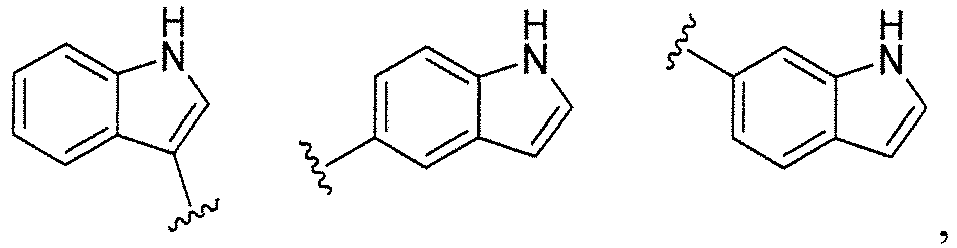

- the benzothienyl group of R22 is any group of the next formulae:


- the naphthyl group of R22 is any group of the next formulae:


- the cromanyl group of R22 is any group of the next formulae:


- the indazolyl group of R22 is any group of the next formulae:


the pyrazolopyridyl group of R22 is any group of the next formulae:
- (a10) the compound of (a1) or (a2) above which is shown by the formula Ia:

- (b1) the compound described in any of (a1) to (a10) above, wherein R22 of the compound [I] is selected from
- 3) an optionally substituted naphthylidinyl group,
- 4) an optionally substituted pyridyl group,
- 5) an optionally substituted pyrazolopyridyl group,
- 10) an optionally substituted cromanyl group,
- 17) an optionally substituted quinazolinyl group,
- 18) an optionally substituted dihydroquinazolinyl group,
- 19) an optionally substituted furopyridyl group,
- 20) an optionally substituted dihydrofuropyridyl group,
- 21) an optionally substituted quinoxalinyl group,
- 22) an optionally substituted thienopyridyl group,
- 23) an optionally substituted dihydropyranopyridyl group,
- 24) an optionally substituted dihydrobenzothienyl group, and
- 25) an optionally substituted dihydrothienopyridyl group,
- (c1) the compounds of (a1) above, which is shown by the formula [Ic1]:

- wherein Rb is lower alkyl,
- Rb1 is cycloalkyl or alkyl,
- the ring B is selected from
- 1) an aryl group
- 2) a tetrahydronaphthyl group,
- 3) a naphthyldinyl group,
- 4) a pyridyl group,
- 5) a pyrazolopyridyl group,
- 6) an indolyl group,
- 7) a benzofuranyl group,
- 8) a benzothienyl group,
- 9) a quinolyl group
- 10) a cromanyl group,
- 11) a dihydrobenzofuranyl group,
- 12) an indazolyl group
- 13) a pyrrolopyridyl group,
- 14) a benzoisoxazolyl group,
- 15) a xanthenyl group,
- 16) an indolinyl group,
- 17) a quinazolinyl group
- 18) a dihydroquinazolinyl group
- 19) a furopyridyl group
- 20) a dihydrofuropyridyl group
- 21) a quinoxalinyl group,
- 22) a thienopyridyl group,
- 23) a dihydropyranopyridyk group,
- 24) a dihydrobenzothienyl group
- 25) a dihydrothienothienyl group and
- 26) an imidazopyridinyl group,
- Rb21 to Rb23 are the same of different, and a group selected from 1) hydrogen, 2) halogen, 3) alkyl optionally substituted with a group selected from halogen, alkoxy and
- alkoxycarbonylamino, 4) alkoxy optionally substituted with a group selected from alkoxy and alkoxycarbonylamino, 5) cyano, 6) carbamoyl optionally substituted with alkyl and 7) oxo,
- or a pharmaceutically acceptable salt thereof.
- (c2) the compound of (c1), which is shown by the formula Ic2:

- wherein each symbol is the same as that of the formula Ic1 above,
- or a pharmaceutically acceptable salt thereof.
- (c3) the compound of (c1) or (c2) above, wherein the ring B is a group selected from
- 1) an aryl group
- 4) a pyridyl group
- 5) a pyrazolopyridyl group
- 6) an indolyl group,
- 7) a benzofuranyl group
- 9) a quinolyl group
- 11) a dihydrobenzofuranyl group,
- 12) an indazolyl group,
- 13) a pyrrolopyridinyl group,
- 14) a benzoisoxazolyl group,
- 16) an indolinyl group,
- 17) a quinazolinyl group, and
- 18) a dihydroquinazolinyl group,
- (c4) the compound of (c1) or (c2) above, wherein the ring B is a group selected from
- 3) a naphthylidinyl group
- 4) a pyridyl group
- 5) a pyrazolopyridyl group
- 10) a cromanyl group,
- 17) a quinazolinyl group, and
- 18) a dihydroquinazolinyl group,
- 19) a furopyridyl group,
- 20) a dihydrofuropyridyl group
- 21) a quinoxalinyl group,
- 22) a thienopyridyl group,
- 23) a dihydropyranopyridyl group
- 24) a dihydrobenzothienyl group, and
- 25) a dihydrothienopyridyl group
- (c5) the compound of (c4) wherein the ring B is a group selected from
- 4) a pyridyl group,
- 5) a pyrazolopyridyl group,
- 17) a quinazolinyl group, and
- 18) a dihydroquinazolinyl group,
- (c6) the compound of (c4) wherein the ring B is a group selected from
- 4) a pyridyl group and
- 5) a pyrazolopyridyl group,
- (c7) the compound of (c4) wherein the ring B is a group of
- 5) a pyrazolopyridyl group, preferably 3-pyrazolopyridyl group,
- (c8) the compound of any of (c1) to (c7) wherein Rb1 is a cycloalkyl group
or a pharmaceutically acceptable salt thereof. - (c9) the compound of (c8) wherein Rb1 is a cyclopropyl group
or a pharmaceutically acceptable salt thereof. - (c10) the compound of any of (c1) to (c9) wherein Rb21 is a group selected from alkyl optionally substituted with alkoxy and alkoxycarbonylamino, and alkoxy optionally substituted with alkoxy and alkoxycarbamoyl,
or a pharmaceutically acceptable salt thereof. - (c11) the compound of (c10) wherein Rb21 is a group selected from alkyl optionally substituted with alkoxy and alkoxycarbonylamino, and alkoxy optionally substituted with alkoxy and alkoxycarbamoyl,
or a pharmaceutically acceptable salt thereof. - (c12) the compound of (c10) or (c11) wherein Rb21 to Rb23 are the same or different, and a group selected from hydrogen, alkyl and alkoxy,
or a pharmaceutically acceptable salt thereof. - (d1) the compound of (1) selected from those described in examples,
or a pharmaceutically acceptable salt thereof. - (d2) the compound of (d1) selected from those IC50 values of which are described in Table 90-92,
or a pharmaceutically acceptable salt thereof. - (d3) the compound of (d2) selected from those having IC50 values less than 100 nM in Tables 90-92,
or a pharmaceutically acceptable salt thereof. - (d4) the compound of (d2) selected from those having IC50 values less than 10 nM in Tables 90-92,
or a pharmaceutically acceptable salt thereof. - (d5) the compound of any of (d1) to (d5), which is shown by the formula Ic2,
or a pharmaceutically acceptable salt thereof. - (d6) the compound of any of (d1) to (d5), which is selected from (c5),
or a pharmaceutically acceptable salt thereof. - (d7) N-cyclopropyl-N-{1-[1-(4-methoxybutyl)-1H-pyrazolo[3,4-b]pyridin-3-yl]ethyl} morpholin-2-carboxamide;
- methyl (3-{3-[1-{cyclopropyl(morpholin-2-ylcarbonyl)amino}ethyl]-1H-pyrazolo [3,4-b]pyridin-1-yl}propyl)carbamate;
- methyl (3-{3-[1-{cyclopropyl(morpholin-2-ylcarbonyl)amino}ethyl]-6-methyl-1H-pyrazolo[3,4-b]pyridin-1-yl}propyl)carbamate;
- methyl (3-{5-[1-{cyclopropyl(morpholin-2-ylcarbonyl)amino}ethyl]-2-methoxy pyridin-3-yl}propyl)carbamate;
- methyl (3-{5-[1-{cyclopropyl(morpholin-2-ylcarbonyl)amino}ethyl]-2-ethylpyridin-3-yl}propyl)carbamate;
- methyl (3-{4-[1-{cyclopropyl(morpholin-2-ylcarbonyl)amino}ethyl]-6-methoxy pyridin-2-yl}propyl)carbamate;
- methyl (3-{4-[1-{cyclopropyl(morpholin-2-ylcarbonyl)amino}ethyl]-6-ethyl pyridin-2-yl} propyl)carbamate;
- methyl (3-{4-[1-{cyclopropyl(morpholin-2-ylcarbonyl)amino}ethyl]-6-(2-methoxyethoxy)pyridin-2-yl}propyl)carbamate;
- methyl (3-{4-[1-{cyclopropyl(morpholin-2-ylcarbonyl)amino}ethyl]-6-(3-methoxypropyl)pyridin-2-yl}propyl)carbamate; or
- methyl (3-{4-[1-{cyclopropyl(morpholin-2-ylcarbonyl)amino}ethyl]-6-(propan-2-yloxy)pyridin-2-yl}propyl)carbamate,
- (e1) a pharmaceutical composition comprising the compound of any of (1), (a1) to (a10), (b1), (c1) to (c12) and (d1) to (d7) or a pharmaceutically acceptable salt thereof.
- (e2) a renin inhibitor comprising the compound of any of (1), (a1) to (a10), (b1), (c1) to (c12) and (d1) to (d7) or a pharmaceutically acceptable salt thereof.
- (e3) a pharmaceutical composition for the treatment and/or prophylaxis of hypertension, cardiac failure, diabeti nephropathy and the like, comprising the compound of any of (1), (a1) to (a10), (b1), (c1) to (c12) and (d1) to (d7) or a pharmaceutically acceptable salt thereof.
- (e4) the compound or the pharmaceutically acceptable salt thereof for use in renin inhibition, described in any of (1), (a1) to (a10), (b1), (c1) to (c12) and (d1) to (d7).
- (e5) the compound or the pharmaceutically acceptable salt thereof for use in the treatment and/or prophylaxis of diseases resolved by renin-inhibition, described in any of (1), (a1) to (a10), (b1), (c1) to (c12) and (d1) to (d7).
- (e6) the compound or the pharmaceutically acceptable salt thereof for use in the treatment and/or prophylaxis of hypertension, cardiac failure, diabetic nephropathy and the like, described in any of (1), (a1) to (a10), (b1), (c1) to (c12) and (d1) to (d7).
- (e7) a method for inhibiting renin, comprising administration of the compound or the pharmaceutically acceptable salt thereof, described in any of (1), (a1) to (a10), (b1), (c1) to (c12) and (d1) to (d7).
- (e8) a method for the treatment and/or prophylaxis of diseases resolved by renin-inhibition, comprising administration of the compound or the pharmaceutically acceptable salt thereof, described in any of (1), (a1) to (a10), (b1), (c1) to (c12) and (d1) to (d7).
- (e9) a method for the treatment and/or prophylaxis of hypertension, cardiac failure, diabetic nephropathy and the like, comprising administration of the compound or the pharmaceutically acceptable salt thereof, described in any of (1), (a1) to (a10), (b1), (c1) to (c12) and (d1) to (d7).
- The compound [I] of the present invention can be clinically used either in the free form or in the form of a pharmaceutically acceptable salt thereof. Examples of the pharmaceutically acceptable salt of the compound [I] include a salt with an inorganic acid such as hydrochloride, sulfate, phosphate or hydrobromide, or a salt with an organic acid such as acetate, fumarate, oxalate, citrate, methanesulfonate, benzenesulfonate, tosylate or maleate. Besides, when the compound [I] of the present invention has a carboxyl group(s) and the like in its molecule, examples of the pharmaceutically acceptable salt include, salts with a base such as alkaline metal (e.g., sodium salt, potassium salt) or alkaline earth metal (e.g., calcium salt).
- The compound [I] of the present invention also includes a mixture of a stereoisomer such as a geometrical isomer, a tautomer and an enantiomer, and an isolated stereoisomer thereof. In the compound [I] of the present invention, (R)-configuration is preferable for an asymmetric carbon atom of the morpholine ring having the substituent, T, from the view of renin-inhibition. From the view of renin-inhibition, (R)-configuration is also preferable for an asymmetric carbon atom which is substituted with R.,
- The present invention also includes an intramolecular salt, a hydrate, a pharmaceutically acceptable solvate and a crystal polymorph of the compound [I]. Additionally it should be understood that the compound [I] of the present invention is not limited to the compounds described in the examples below but includes whole the compounds of the formula [I] and pharmaceutically acceptable salts thereof.
- Accordingly the compound of the present invention or the pharmaceutically acceptable salts thereof may be useful as an agent for prevention and/or treatment of hypertension, cardiac failure, diabetic nephropathy and the like, and can be advantageous as a medicine due to its low toxicity.
- The compound [I] of the present invention or a pharmaceutically acceptable salt thereof can be either orally or parenterally administered, and can be formulated into a conventional pharmaceutical preparation such as tablets, granules, capsules, powders, injections or inhalants etc.
- The dose of the compound [I] of the present invention or a pharmaceutically acceptable salt thereof may vary in accordance with the administration routes, and the ages, body weights and conditions of the patients, but usually it is in the range of about 0.001 to 500 mg/kg, preferably in the range of about 0.1 to 100 mg/kg.
- The compound [I] of the present invention can be prepared by the following methods but should not be construed to be limited thereto.
- The compound [I] of the present invention or the pharmaceutically acceptable salt thereof can be prepared by deprotecting P1 of the compound of the formula [II];

- The compound [II] can be prepared by reacting a carboxylic compound of the formula [III]:

(R22RCH)R1NH [IV]
wherein the symbols are the same as defined above. - The compound of the present invention has two or more asymmetric carbon and the reaction product may be obtained as a mixture of diastereoisomers. Such a mixture of diastereoisomers can be separated and purified by a usual method, a silica gel column chromatography for example.
- Examples of the protecting group shown as P1 or P2 include a usual amino-protecting group such as a tert-butoxycarbonyl group, a benzyloxycarbonyl group, 4-methoxy benzyloxycarbonyl group, a benzyl group, a 4-methoxybenzyl group, an acetyl group, a benzoyl group, a tosyl group and the like.
- The protecting group P1 and P2 of the compound [II] can be deprotected by treating with acid or base or catalytic reduction or a deprotecting agent in a suitable solvent or without solvent. As an acid, an inorganic acid such as hydrochloric acid, sulfuric acid and the like, and an organic acid such as acetic acid, trifluoroacetic acid, methanesulfonic acid, p-toluenesulfonic acid and the like can be preferably used. As a base, an inorganic base (e.g., an alkali metal hydride such as sodium hydride, an alkali metal carbonate such as sodium carbonates and potassium carbonates, an alkali metal amide such as sodium amides and lithium amide, an alkali metal alkoxide such as sodium methoxide, an alkali metal such as sodium, and an alkali metal hydroxide such as sodium hydroxide, potassium hydroxide etc.) and the like can be preferably used. As a deprotecting agent, zinc bromide and trimethylsilane trifluoromethanesulfonate etc. can be used. The catalytic reduction can be carried out by preferably using palladium carbon, palladium hydroxide carbon, platinum oxide and the like as a catalyst under hydrogen atmosphere. Examples of the solvent include any solvent which does not disturb the reaction, such as methanol, ethanol, isopropyl alcohol, 1,4-dioxane, diethyl ether, tetrahydrofuran, methylene chloride, chloroform, dichloroethane, ethyl acetate, toluene, and a mixture thereof. The acid or the base described above can be used as the solvent. The reaction can be suitably carried out at from -78°C to a boiling temperature of the solvent.
- The compound [II] can be prepared by a condensation reaction of a carboxylic acid compound [III] and an amine compound [IV] in a suitable solvent or without a solvent.
- The condensation reaction can be carried out by a conventional condensation reaction in the presence of a condensing agent, or reacting an activated derivative of the compound [III] (e.g., an acid halide, a mixed acid anhydride, an activated ester and the like) with the compound [IV], after the compound [III] is converted to the reactive derivative thereof. Examples of the condensing agent include N,N-dicyclohexylcarbodiimide (DCC), 1-ethyl-3-(3-dimethylaminopropyl)carbodiimide (EDC) or hydrochloride thereof, carbonyldiimidazole (CDI), diphenylphosphoryl azide (DPPA), diethyl cyanophosphonate (DEPC) and the like, and among them DCC, EDC or its hydrochloride is preferable.
- When the reactive derivative of the compound [III] is used, the reactive derivative can be reacted with the compound [IV] in a suitable solvent or without a solvent in presence of an acid scavenger if necessary, after the compound [III] is converted to an acid halide using a halogenating agent (e.g., thionyl chloride, thionyl bromide, oxalyl chloride and the like), a mixed acid anhydride using chlorocarbonate ester (e.g., methyl chlorocarbonate, ethyl chlorocarbonate, isobutyl chloroformate and the like) or acid chloride (2,4,6-trichlorobenzoyl chloride and the like), or an activated ester of N-hydroxylamine compound (1-hydroxysuccinimide, 1-hydroxybenzotriazole and the like) or of phenol compound (p-nitrophenol and the like) or a lower alcohol ester (methyl ester, ethyl ester and the like). In a method converting to an acid halide, an addition of catalyst such as dimethylformamide and the like can accelerate the reaction. As an acid scavenger, an inorganic base or an organic base is used when necessary, and examples of an inorganic base include sodium carbonate, potassium carbonate, cesium carbonate, sodium bicarbonate, sodium hydroxide, potassium hydroxide, lithium hydroxide and the like and examples of an organic base include triethylamine, tributylamine, diisopropylethylamine, 1,8-diazabicyclo[5,4,0]undeca-7-ene, N,N-diethylaniline, pyridine, lutidine, colidine and the like. In the present reaction, triethylamine, diisopropylethylamine, pyridine and the like are preferably used as an acid scavenger. When the acid scavenger is used in this reaction, acid scavenger is used as the solvent.
- In the condensing reaction shown above, it can be conducted or accelerated by adding 4-aminopyridine and the like
- When using a solvent in the condensing reaction above, any inert solvent which does not disturb the reaction can be used and examples of the solvents include chloroform, dichloromethane, dichloroethane, toluene, diethyl ether, tetrahydrofuran, dioxane, 1,2-dimethoxyethane, ethyl acetate, amide-related solvent (N,N-dimethylformamide, N,N-dimethylacetamide, 1,3-dimethyl-2-imidazolidinon etc.), pyridine, 2,6-lutidine, water and the like, and a mixture thereof can be also used. Among them, chloroform, tetrahydrofuran, dioxane, N,N-dimethylformamide, N,N-dimethylacetamide, and a mixture of chloroform and N,N-dimethylformamide etc. are preferred.
- Usually the condensation reaction above can be carried out at a temperature from -20°C to a reflux temperature of the solvent and if necessary, it can be carried out at a lower temperature which is suitably selected.
- Examples of the compounds [I] of the present invention prepared by the methods illustrated above are shown below, but the present invention should not be construed to be limited thereto.
-

- To a solution of tert-butyl (2R)-2-[(cyclopropyl {1-[4-(3-methoxypropoxy)-1-benzofuran-6-yl]ethyl}amino)carbonyl]m orpholine-4-carboxylate (200 mg) and 2,6-lutidine (0.142 mL) in chloroform (4 mL) was added trimethylsilyltriflate (0.180 mL) under ice-cooling, and the mixture was stirred at the same temperature for 30 minutes. Then, thereto was added aqueous saturated sodium hydrogen carbonate solution under ice-cooling, and the mixture was extracted with ethyl acetate. The organic layer was washed with saturated saline, dried over magnesium sulfate, and then concentrated under reduced pressure. The resulting residue was purified by silica gel column chromatography (eluent: chloroform/methanol/ammonia water = 200/2/1) to give (2R)-N-cyclopropyl-N-{(1R)-1-[4-(3-methoxypropoxy)-1-benzofuran-6-yl]ethyl}morpholin e-2-carboxamide [Ex(1-1)] (12.5 mg) and (2R)-N-cyclopropyl-N-{(1S)-1-[4-(3-methoxypropoxy)-1-benzofuran-6-yl]ethyl}morpholin e-2-carboxamide [Ex(1-2)] (20.2 mg) as a colorless oil.
APCI-MS m/z: 403 [M+H]+. -

- To a solution of di-tert-butyl (2R)-2-{[{(1R)-1-[3-chloro-1-(3-methoxypropyl)-1H-indol-6-yl]ethyl}(cyclopropyl)amino]c arbonyl}piperazine-1,4-dicarboxylate (44.0 mg) and 2,6-lutidine (0.050 mL) in dichloromethane (1.0 mL) was added trimethylsilyltriflate (0.051 mL) under ice-cooling, and the mixture was stirred at the same temperature for 1 hour. Then, thereto were added aqueous saturated sodium hydrogen carbonate solution and methanol (2.0 mL) under ice-cooling, and the mixture was extracted with chloroform. The organic layer was washed with saturated saline, dried over magnesium sulfate, and then concentrated under reduced pressure. The resulting residue was purified by NH-silica gel column chromatography (eluent: ethyl acetate→ethyl acetate/methanol = 5/1) to give (2R)-N-{(1R)-1-[3-chloro-1-(3-methoxypropyl)-1H-indol-6-yl]ethyl}-N-cyclopropylpiperaz ine-2-carboxamide [Ex(2-1)] (25.4 mg) as a colorless oil.
APCI-MS m/z: 419/421[M+H]+. -

- To a solution of tert-butyl (2R)-2-[(cyclopropyl{(1R)-1-[1-(3-methoxypropyl)-3-methyl-1H-indazol-6-yl]ethyl}amino) carbonyl]morpholine-4-carboxylate (44.4 mg) in chloroform (2.0 mL) was added 4-normal hydrogen chloride-dioxane solution (0.75 mL) under ice-cooling, and the mixture was stirred at room temperature for 20 hours. The reaction solution was concentrated under reduced pressure, and the resulting residue was dissolved in water (1 mL), and then washed with diethyl ether. The aqueous layer was freeze-dried to give (2R)-N-cyclopropyl-N-{(1R)-1-[1-(3-methoxypropyl)-3-methyl-1H-indazol-6-yl]ethyl}mor pholine-2-carboxamide hydrochloride [Ex(3-1)] (25 mg) as a colorless powder.
APCI-MS m/z: 401 [M+H]+. -

- To a solution of tert-butyl (2R)-2-{[{1-[4-chloro-1-(3-methoxypropyl)-3-methyl-1H-indazol-6-yl]ethyl} (cyclopropyl)a mino]carbonyl}morpholine-4-carboxylate (146 mg) in chloroform (2.0 mL) was added 4-normal hydrogen chloride-dioxane solution (2.0 mL) under ice-cooling, and the mixture was stirred at room temperature for 3 hours. The reaction solution was concentrated under reduced pressure, and then thereto was added aqueous saturated sodium hydrogen carbonate solution under ice-cooling, and the mixture was extracted with chloroform. The organic layer was washed with saturated saline, dried over magnesium sulfate, and then concentrated under reduced pressure. The resulting residue was purified by silica gel column chromatography (eluent: chloroform/methanol/ammonia water = 500/10/1) to give (2R)-N-{(1R)-1-[4-chloro-1-(3-methoxypropyl)-3-methyl-1H-indazol-6-yl]ethyl}-N-cyclopr opylmorpholine-2-carboxamide [Ex(4-1)] (50.2 mg) and (2R)-N-{(1S)-1-[4-chloro-1-(3-methoxypropyl)-3-methyl-1H-indazol-6-yl]ethyl}-N-cyclopr opylmorpholine-2-carboxamide [Ex(4-2)] (18.4 mg) as a colorless oil.
APCI-MS m/z: 435/437[M+H]+. -

- To a solution of tert-butyl (2R)-2-{[{1-[3-bromo-4-methoxy-5-(3-methoxypropoxy)-phenyl]ethyl}(cyclopropyl)amino]carbonyl}morpholine-4-carboxylate (135 mg) in dichloromethane (2 mL) was added trifluoroacetic acid (2 mL), and the mixture was stirred at room temperature for 30 minutes. The reaction solution was concentrated under reduced pressure, and to the resulting residue was added chloroform, and the mixture was filtered through (Bond-Elute: registered trademark) (NH2). The filtrate was concentrated under reduced pressure, and the resulting residue was purified by NH-silica gel column chromatography (eluent: ethyl acetate/methanol/ammonia water = 200/10/1) to give (2R)-N-{(1R)-1-[3-bromo-4-methoxy-5-(3-methoxypropoxy)phenyl]ethyl}-N-cyclopropylm orpholine-2-carboxamide [Ex(5-1)] (53.7 mg) and (2R)-N-{(1S)-1-[3-bromo-4-methoxy-5-(3-methoxypropoxy)phenyl]ethyl}-N-cyclopropylm orpholine-2-carboxamide [Ex(5-2)] (30.5 mg) as a colorless oil.
APCI-MS m/z: 471/473[M+H]+. -

- To a solution of t-butyl (2R)-2-({cyclopropyl[1-(1-{3-[(methoxycarbonyl)amino]propyl}-1H-pyrrolo[2,3-b]pyridin-3-yl)ethyl]amino}carbonyl)morpholin-4-carboxylate (116 mg) and 2,6-lutidine (0.077 mL) in dichloromethane (2 mL) was added trimethylsilyltriflate (0.099 mL) under ice-cooling, and the mixture was stirred at the same temperature for 1 hour. Then, thereto were added aqueous sodium hydrogen carbonate solution and methanol (2.0 mL) under ice-cooling, and the mixture was extracted with chloroform. The organic layer was washed with saturated saline, dried over magnesium sulfate, and then concentrated under reduced pressure. The resulting residue was purified by NH-silica gel column chromatography (eluent: ethyl acetate→ethyl acetate/methanol = 9/1) to give methyl {3-[3-(1-{cyclopropyl[(2R)-morpholin-2-ylcarbonyl]amino}ethyl)-1H-pyrrolo[2,3-b]pyridin -1-yl]propyl}carbamate (50 mg) as a colorless oil. Methyl {3-[3-(1-{cyclopropyl[(2R)-morpholin-2-ylcarbonyl]amino}ethyl)-1H-pyrrolo[2,3-b]pyridin -1-yl]propyl}carbamate (40 mg) was separated by CHIRALPAK IC (eluent: n-hexane/ethanol/diethylamine = 50/50/0.1; instrument: Waters 302 (600E system)) into diastereomers to give methyl {3-[3-((1R)-1-{cyclopropyl[(2R)-morpholin-2-ylcarbonyl]amino}-ethyl)-1H-pyrrolo[2,3-b]pyridin-1-yl]propyl}carbamate (18 mg) as a colorless oil and methyl {3-[3-((1S)-1-{cyclopropyl[(2R)-morpholin-2-ylcarbonyl]amino}ethyl)-1H-pyrrolo[2,3-b]p yridin-1-yl]propyl}carbamate (18 mg) as a colorless oil.
APCI-MS m/z: 430[M+H]+. - The following nitrogen-containing saturated heterocyclic compounds, etc. were prepared in the similar manner to the above Examples 1 to 5. Each symbol of Methods A to C refers to each method according to the following method of Examples.
Method A: Examples 1, 2 Method B: Examples 3, 4 Method C: Example 5A [Table 1] EX. No. Chemical formula a MW b c d e 6 
392.4928 B 393 [M+H]+ O 7 
HCl 360.8826 B 325 [M+H]+ P 8 
HCl 360.8826 B 325 [M+H]+ P 9 
HCl 428.9538 B 393 [M+H]+ O [Table 2] 10 
HCl 436.9808 B 401 [M+H]+ P 11 
HCl 398.928 B 363 [M+H]+ P 12 
HCl 370.8744 B 335 [M+H]+ O 13 
334.4134 A 335 [M+H]+ O [Table 3] 14 
334.4134 A 335 [M+H]+ O 15 
348.4402 A 349 [M+H]+ O 16 
348.4402 A 349 [M+H]+ O 17 
HCl 436.9808 B 401 [M+H)+ P [Table 4] 18 
374.478 A 375 [M+H]+ O 19 
376.4938 A 377 [M+H]+ O 20 
380.4571 A 381 [M+H]+ O 21 
392.4928 A 393 [M+H]+ O [Table 5] 22 
376.4938 A 377 [M+H]+ O 23 
380.4571 A 381 [M+H]+ O 24 
392.4928 A 393 [M+H]+ O 25 
376.4938 A 377 [M+H]+ O [Table 6] 26 
376.4938 A 377 [M+H]+ O 27 
374.478 A 375 [M+H]+ O 28 
419.95 A 420/422 [M+H]+ O 29 
419.95 A 420/422 [M+H]+ O [Table 7] 30 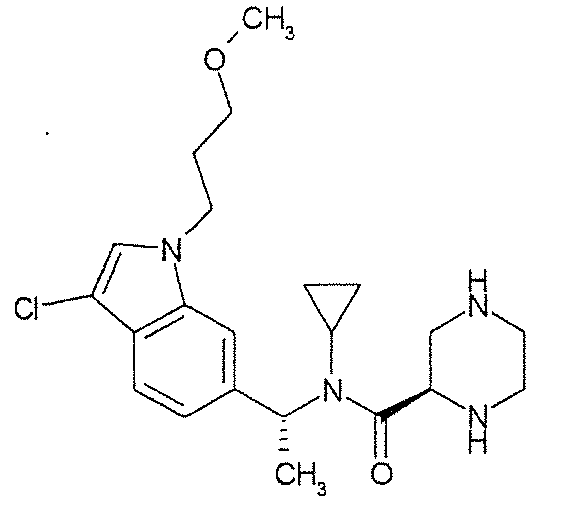
418.9659 A 419/421 [M+H]+ O 31 
418.9659 A 419/421 [M+H]+ O 32 
380.4571 A 381 [M+H]+ O 33 
380.4571 A 381 [M+H]+ O [Table 8] 34 
HCl 446.817 B 411 [M+H]+ P 35 
453.38 A 453/455 [M+H]+ O 36 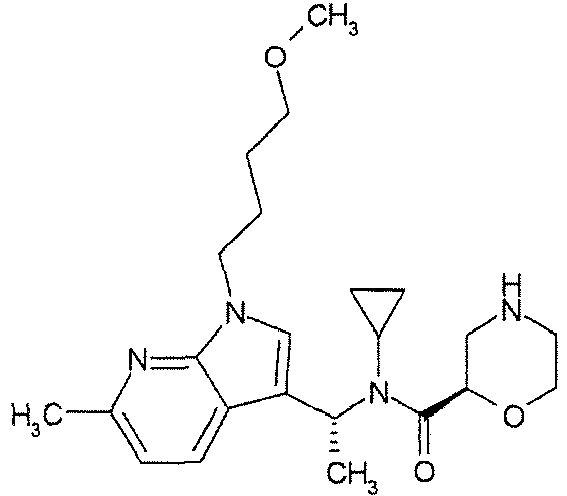
414.5466 A 415 O 37 
418.5099 A 419 [M+H]+ O [Table 9] 38 
418.5099 A 419 [M+H]+ O 39 
434.9649 B 435/437 [M+H]+ O 40 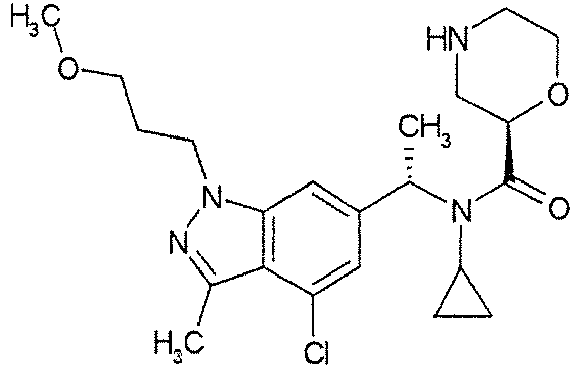
434.9649 B 435/437 [M+H]+ O 41 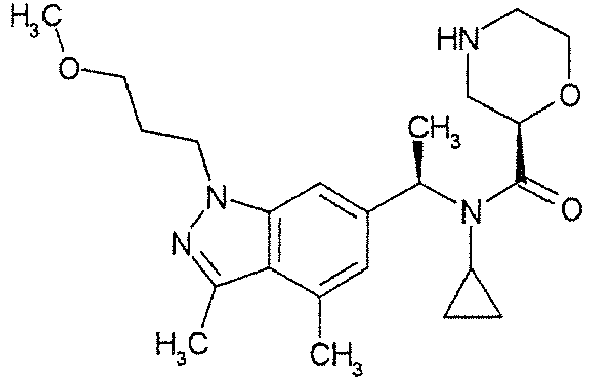
414.5466 B 415 [M+H]+ O [Table 10] 42 
429.5179 A 430 [M+H]+ O 43 
402.488 A 403 [M+H]+ O 44 
402.488 A 403 [M+H]+ O 45 
450.5722 A 451 [M+H]+ O [Table 11] 46 
450.5722 A 451 [M+H]+ O 47 
368.8585 A 369/371 [M+H]+ O 48 
368.8585 A 369/371 [M+H]+ O 49 
368.8585 A 369/371 [M+H]+ O [Table 12] 50 
387.4771 A 388 [M+H]+ P 51 
387.4771 A 388 [M+H]+ P 52 
355.4355 B 356 [M+H]+ P 53 
355.4355 B 356 [M+H]+ O [Table 13] 54 
HCl 390.9084 B 355 [M+H]+ P 55 
404.5038 A 405 [M+H]+ O 56 
404.5038 A 405 [M+H]+ O 57 
468.5169 A 469 [M+H]+ O [Table 14] 58 
468.5169 A 469 [M+H]+ O 59 
385.5049 A 386 O 60 
387.5207 A 388 [M+H]+ O 61 
385.5049 A 386 O [Table 15] 62 
418.9659 A 419/421 [M+H]+ O 63 
418.9659 A 419/421 [M+H]+ O 64 
400.5198 A 401 [M+H]+ O 65 
400.5198 A 401 [M+H]+ O [Table 16] 66 
HCl 477.9859 B 442 [M+H]+ P 67 
HCl 477.9859 B 442 [M+H]+ P 68 
HCl 420.9818 C 385 [M+H]+ O 69 
414.5466 B 415 [M+H]+ O [Table 17] 70 
418.5099 A 419 [M+H]+ O 71 
418.5099 A 419 [M+H]+ O 72 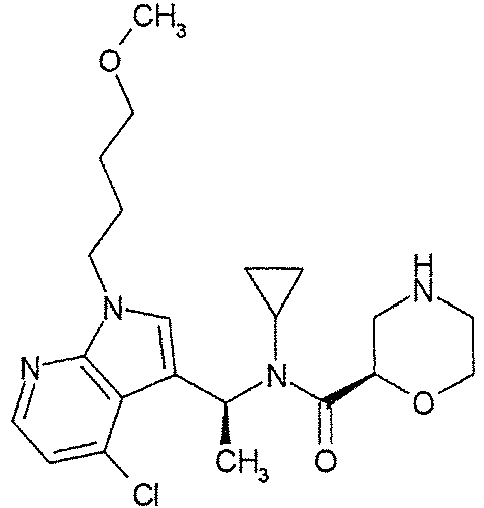
434.9649 A 435/437 [M+H]+ O 73 
434.9649 A 435/437 [M+H]+ O [Table 18] 74 
388.5048 A 389 [M+H]+ O 75 
399.5357 A 400 [M+H]+ O 76 
401.5039 A 402 [M+H]+ O 77 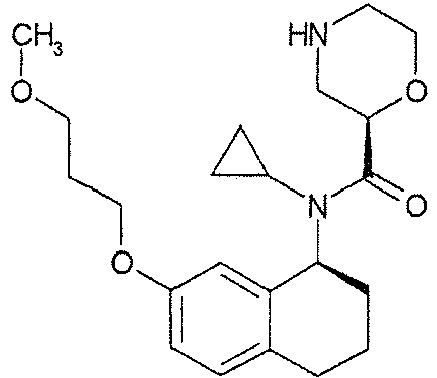
388.5048 A 389 [M+H]+ O [Table 19] 78 
399.5317 A 400 [M+H]+ O 79 
418.5099 A 419 [M+H]+ O 80 
418.5099 A 419 [M+H]+ O 81 
401.5039 A 402 [M+H]+ O [Table 20] 82 
398.5476 A 399 [M+H]+ O 83 
398.5476 A 399 [M+H]+ O 84 
387.4771 A 388 [M+H]+ O 85 
410.4829 A 411 [M+H]+ O [Table 21] 86 
430.4641 A 431 [M+H]+ O 87 
414.5466 A 415 [M+H]+ O 88 
467.4009 A 467/469 [M+H]+ O 89 
471.3889 C 471/473 [M+H]+ O [Table 22] 90 
471.3889 C 471/473 [M+H]+ O 91 
433.9808 A 434/436 [M+H]+ O 92 
433.9808 A 434/436 [M+H]+ O 93 
413.5625 A 414 [M+H]+ O [Table 23] 94 
413.5625 A 414 [M+H]+ O 95 
403.5197 A 404 [M+H]+ O 96 
403.5197 A 404 [M+H]+ O 97 
400.5198 C 401 [M+H]+ O [Table 24] 98 
400.5198 C 401 [M+H]+ O 99 
386.493 C 387 [M+H]+ O 100 
386.493 C 387 [M+H]+ O 101 
417.5029 A 418 [M+Hl+ O [Table 25] 102 
417.5029 A 418 [M+H]+ O 103 
402.488 A 403 [M+H]+ O 104 
402.488 A 403 [M+H]+ O 105 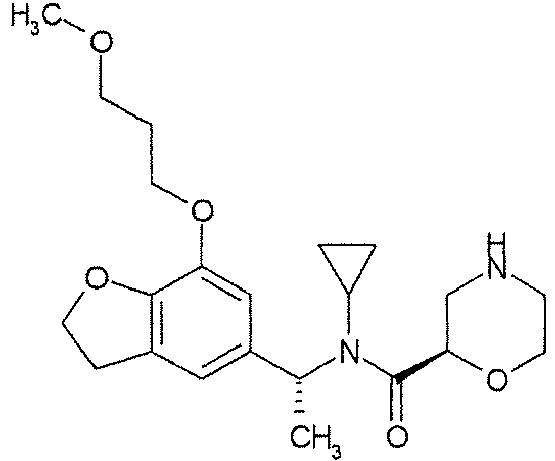
404.5038 A 405 [M+H]+ O [Table 26] 106 
404.5038 A 405 [M+H]+ O 107 
416.5188 A 417 [M+H]+ O 108 
416.5188 A 417 [M+H]+ O 109 
416.5188 A 417 [M+H]+ O [Table 27] 110 
416.5188 A 417 [M+Hl+ O 111 
HCl 378.8578 B 343 [M+H]+ P 112 
HCl 378.8578 B 343 [M+H]+ P 113 
330.4254 A 331 [M+H]+ P [Table 28] 114 
400.5198 A 401 [M+H]+ O 115 
402.5109 A 403 [M+H]+ O 116 
398.5476 A 399 [M+H]+ O 117 
405.4919 C 406 [M+Hl+ O [Table 29] 118 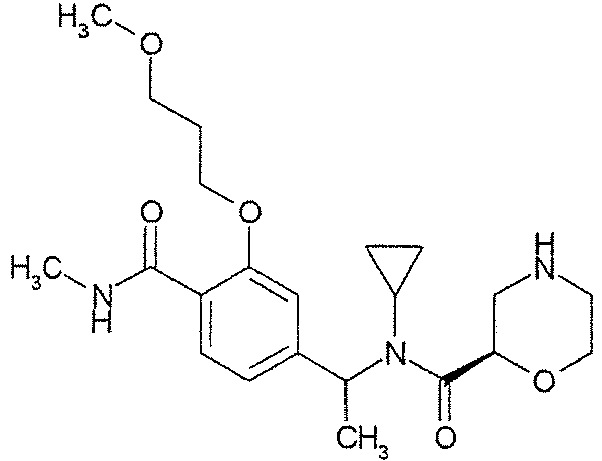
419.5187 C 420 [M+H]+ O 119 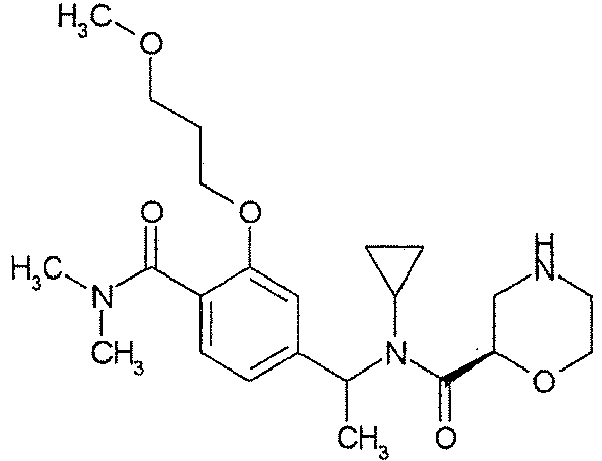
433.5455 C 434 [M+H]+ O 120 
2*HCl 432.7768 B 360/362 [M+H]+ P 121 
2*HCl 432.7768 B 360/362 [M+H]+ P [Table 30] 122 
386.489 A 387 [M+H]+ O 123 
386.489 C 387 [M+H]+ O 124 
386.493 A 387 [M+H]+ O 125 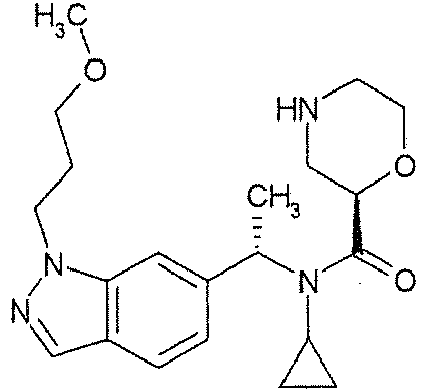
386.493 A 387 [M+H]+ O [Table 31] 126 
426.9379 C 427/429 [M+H]+ O 127 
426.9379 C 427/429 [M+H]+ O 128 
401.5079 C 402 [M+H]+ O 129 
401.5079 C 402 [M+H]+ O [Table 32] 130 
384.5208 C 385 [M+H]+ O 131 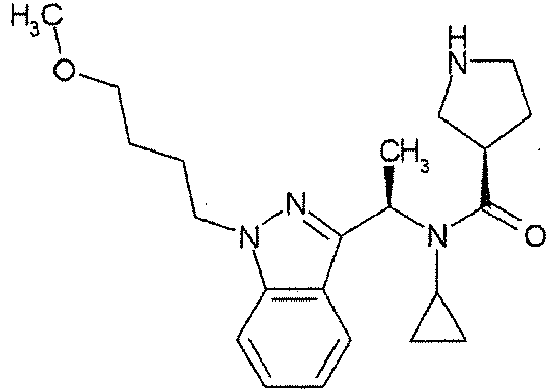
384.5208 C 385 [M+H]+ O 132 
468.5904 A 469 [M+H]+ O 133 
495.6203 A 496 [M+Hl+ O [Table 33] 134 
495.6203 A 496 [M+H]+ O 135 
428.473 C 429 [M+H]+ O 136 
386.493 A 387 [M+H]+ O 137 
420.9381 A 421/423 [M+H]+ O [Table 34] 138 
420.9381 A 421/423 [M+H]+ O 139 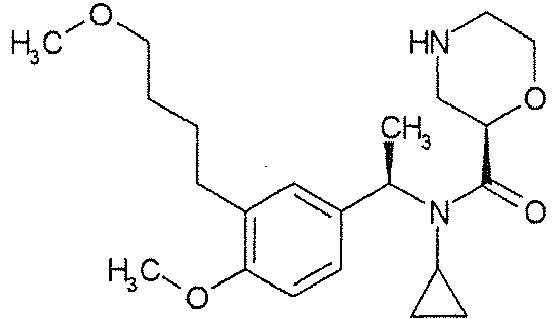
390.5206 A 391 [M+H]+ O 140 
400.5198 A 401 [M+H]+ O 141 
404.4831 A 405 [M+H]+ O [Table 35] 142 
404.4831 A 405 [M+H]+ O 143 
399.5357 A 400 [M+H]+ O 144 
414.503 C 415 [M+H]+ O 145 
414.503 C 415 [M+H]+ O [Table 36] 146 
386.493 A 387 [M+H]+ O 147 
416.5188 C 417 [M+H]+ O 148 
416.5188 C 417 [M+H]+ O 149 
406.5196 A 407 [M+H]+ O [Table 37] 150 
420.5464 A 421 [M+H]+ O 151 
450.5722 A 451 [M+H]+ O 152 
414.5466 A 415 [M+H]+ O 153 
414.5466 A 415 [M+H]+ O [Table 38] 154 
400.5145 A 401 [M+H]+ O 155 
400.5145 A 401 [M+H]+ O 156 
429.5126 C 430 [M+H]+ O 157 
447.5031 C 448 [M+H]+ O [Table 39] 158 
447.5031 C 448 [M+H]+ O 159 
400.5198 A 401 [M+H]+ O 160 
400.5198 A 401 [M+H]+ O Ex. No.: Example Number a: Salt b: Method c: MS Results APCI d: Ion species e: Form O: Oil P: Powder -

- To a solution of N-{1-[4-(3-methoxypropoxy)-l-benzofuran-6-yl]ethyl}-cyclopropanamine (200 mg) and (2R)-4-(tert-butoxycarbonyl)morpholine-2-carboxylic acid (240 mg) in N,N-dimethylformamide (7 mL) were added 1-ethyl-3-(3-dimethylaminopropyl)carbodiimide hydrochloride (212 mg) and 1-hydroxybenzotriazole (140 mg) under ice-cooling, and then stirred at room temperature for 18 hours. To the reaction mixture was added aqueous saturated sodium hydrogen carbonate solution, and the mixture was extracted with ethyl acetate. The organic layer was sequentially washed with water, 10% aqueous citric acid solution and saturated saline, and then concentrated under reduced pressure to give tert-butyl (2R)-2-[(cyclopropyl{1-[4-(3-methoxypropoxy)-1-benzofuran-6-yl]ethyl}amino)carbonyl]m orpholine-4-carboxylate [Ex(161-1)] (306 mg) as a yellow oil.
APCI-MS m/z: 503 [M+H]+ . -

- To a solution of N-{1-[1-(3-methoxypropyl)-3-methyl-1H-indazol-6-yl]ethyl}-cyclopropanamine (2.63 g) and (2R)-4-(tert-butoxycarbonyl)morpholine-2-carboxylic acid (2.32 g) in N,N-dimethylformamide (25 mL) were added 1-hydroxybenzotriazole (1.36 g) and 1-ethyl-3-(3-dimethylaminopropyl)carbodiimide hydrochloride (2.11 g) under ice-cooling, and then the mixture was stirred at room temperature for 3 hours. To the reaction mixture was added ethyl acetate, and the mixture was washed with saturated saline, dried over magnesium sulfate, and then concentrated under reduced pressure. The resulting residue was purified by silica gel column chromatography (eluent: n-hexane/ethyl acetate/methanol = 30/3/1→9/3/1) to give tert-butyl (2R)-2-[(cyclopropyl{(1R)-1-[1-(3-methoxypropyl)-3-methyl-1H-indazol-6-yl]ethyl}amino) carbonyl]morpholine-4-carboxylate [Ex(162-1)] (1.71 g) and tert-butyl (2R)-2-[(cyclopropyl{(1S)-1-[1-(3-methoxypropyl)-3-methyl-1H-indazol-6-yl]ethyl}amino) carbonyl]morpholine-4-carboxylate [Ex(162-2)] (468 mg) as a colorless oil.
APCI-MS m/z: 435 [M+H]+ . -

- To a solution ofN-[1-(2-naphthyl)ethyl]cyclopropylamine hydrochloride (149 mg), (2R)-4-(tert-butoxycarbonyl)morpholine-2-carboxylic acid (208 mg) and 1-hydroxybenzotriazole (122 mg) in N,N-dimethylformamide (6 mL) was added diisopropylethylamine (0.125 µL), and the thereto was added 1-ethyl-3-(3-dimethylaminopropyl)carbodiimide hydrochloride (207 mg) under ice-cooling. The mixture was stirred at room temperature for 19 hours, and then to the reaction solution was added 1-normal aqueous sodium hydrogen carbonate solution, and the mixture was extracted with ethyl acetate. The organic layer was sequentially washed with water twice, saturated saline, dried over sodium sulfate, and then concentrated under reduced pressure. The residue was triturated with n-hexane-diethyl ether (5:1) to give tert-butyl (2R)-2-({cyclopropyl[1-(2-naphthyl)ethyl]amino}carbonyl)morpholine-4-carboxylate [Ex(163-1)] (153 mg) as a colorless powder.
APCI-MS m/z: 425 [M+H]+. -

- To a solution of N-{1-[3-chloro-1-(3-methoxypropyl)-1H-indol-6-yl]ethyl}-cyclopropanamine (60 mg) and piperazinecarboxylic acid (77.5 mg) in dichloromethane (2 mL) were added diisopropylethylamine (0.085 mL) and diphenyl phosphorochloridate (0.037 mL) under ice-cooling, and the mixture was stirred at room temperature for 20 hours.
To the reaction solution was added 0.5% aqueous hydrochloric acid solution under ice-cooling, and the mixture was extracted with ethyl acetate. The organic layer was washed with saturated saline, dried over magnesium sulfate, and then concentrated under reduced pressure. The resulting residue was purified by silica gel column chromatography (eluent: n-hexane/ethyl acetate = 99/1→2/1) to give di-tert-butyl (2R)-2-{[{(1R)-1-[3-chloro-1-(3-methoxypropyl)-1H-indol-6-yl]ethyl}(cyclopropyl)amino] c arbonyl}piperazine-1,4-dicarboxylate [Ex(164-1)] (47.5 mg) and di-tert-butyl (2R)-2-{[{1S)-1-[3-chloro-1-(3-methoxypropyl)-1H-indol-6-yl]ethyl}-(cyclopropyl)amino]carbonyl}piperazine-1,4-dicarboxylate [Ex(164-2)] (26.8 mg) as a colorless oil.
APCI-MS m/z: 636/638[M+H]+. -

- To a solution of N- {1-[1-(3-methoxypropyl)-3,4-dimethyl-1H-indazol-6-yl] ethyl}cyclopropanamine (137 mg) and piperazinecarboxylic acid (180 mg) in dichloromethane (2.5 mL) were added diisopropylethylamine (0.20 mL) and bis(2-oxo-3-oxazolidinyl)phosphinic chloride (150 mg) under ice-cooling, and the mixture was stirred at room temperature for 15 hours. To the reaction solution was added water under ice-cooling, and the mixture was extracted with ethyl acetate. The organic layer was washed with saturated saline, dried over magnesium sulfate, and then concentrated under reduced pressure. The resulting residue was purified by silica gel column chromatography (eluent: n-hexane/ethyl acetate = 2/1→1/1) to give di-tert-butyl (2R)-2-[(cyclopropyl{(1R)-1-[1-(3-methoxypropyl)-3,4-dimethyl-1H-indazol-6-yl]ethyl}ami no]carbonyl}piperazine-1,4-dicarboxylate [Ex(165-1)] (45.6 mg) and di-tert-butyl (2R)-2-[(cyclopropyl{(1S)-1-[1-(3-methoxypropyl)-3,4-dimethyl-1H-indazol-6-yl]ethyl}-amino]carbonyl}piperazine-1,4-dicarboxylate [Ex(165-2)] (53.8 mg) as a colorless oil.
APCI-MS m/z: 614[M+H]+. -

- To a solution of tert-butyl (2R)-2-[(cyclopropyl{1-[7-(3-methoxypropoxy)-1-benzofuran-5-yl]ethyl }amino)carbonyl]m orpholine-4-carboxylate (200 mg) in ethanol (5.0 mL) was added 20% palladium hydroxide on carbon (100 mg), and the mixture was stirred under hydrogen for 5 hours. An insoluble was filtered, and then concentration under reduced pressure gave tert-butyl tert-butyl 2-[(cyclopropyl{1-[7-(3-methoxypropoxy)-2,3-dihydro-1-benzofuran-5-yl]ethyl}amino)carb onyl]morpholine-4-carboxylate [Ex(166-1)] (193 mg) as a colorless oil.
APCI-MS m/z: 505 [M+H]+ . -

- To a suspension of N-bromosuccinimide (23.4 mg) in dichloromethane (0.5 mL) was added dropwise a solution of tert-butyl {2R)-2-({cyclopropyl[(1R)-6-(3-methoxypropoxy)-2,3-dihydro-1H-inden-1-yl]amino)carbon yl]morpholine-4-carboxylate (62.4 mg) in dichloromethane (1.5 mL) under ice-cooling, and the mixture was stirred for 5 hours. The reaction solution was concentrated under reduced pressure, and the resulting residue was dissolved in ethyl acetate, and then sequentially washed with 1-normal aqueous sodium hydrogen carbonate solution, saturated saline, dried over sodium sulfate, and then concentrated under reduced pressure to give a crude product of tert-butyl (2R)-2-{[[(1R)-5-bromo-6-(3-methoxypropoxy)-2,3-dihydro-1H-inden-1-yl](cyclopropyl)a mino)carbonyl]morpholine-4-carboxylate [Ex(167-1)] (74 mg) as a yellow oil.
APCI-MS m/z: 553/5 55[M+H]+. -

- To a solution of tert-butyl (2R)-2-({cyclopropyl[(1R)-1-(4-oxo-3,4-dihydroquinazolin-2-yl)ethyl]amino}carbonyl)mor pholin-4-carboxylate (88 mg), 3-methoxy-1-propanol (36 mg) and triphenylphosphine (105 mg) in tetrahydrofuran (4 mL) was added dropwise diisopropyl azodicarboxylate (84 µL) under ice-cooling, and the mixture was stirred at room temperature for 19 hours. The reaction solution was concentrated, and the resulting residue was purified by silica gel column chromatography (eluent: n-hexane/ethyl acetate = 2/1→1/2) to give tert-butyl (2R)-2-[(cyclopropyl{(1R)-1-[4-(3-methoxypropyl)quinazolin-2-yl]ethyl}amino)carbonyl]m orpholin-4-carboxylate [Ex(168-1)] (38 mg) as a colorless oil.
APCI-MS m/z: 515[M+H]+. -

- To a solution of tert-butyl (2R)-2-{[{1-[4-(benzyloxy)-3-(3-methoxypropoxy)phenyl]-ethyl}(cyclopropyl)amino]carbonyl}morpholin-4-carboxylate (1.45 g) in methanol (12 mL) was added 10% palladium on carbon (200 mg), and the mixture was stirred under hydrogen for 2 hours. An insoluble was filtered, and then concentrated under reduced pressure. The resulting residue was purified by silica gel column chromatography (eluent: n-hexane/ethyl acetate = 2/1→1/2) to give tert-butyl (2R)-2-[(cyclopropyl{(1R)-1-[4-hydroxy-3-(3-methoxypropoxy)phenyl]ethyl}amino)carbon yl]morpholin-4-carboxylate [Ex(169-1)] (913 mg) as a colorless oil.
-

- To a solution of the compound obtained in the above (1) (100 mg) in acetonitrile (1.0 mL) were added potassium carbonate (34.7 mg) and iodoethane (35.8 mg), and the mixture was heated to reflux for 20 hours. The reaction solution was cooled to room temperature, and then diluted with ethyl acetate. An insoluble was filtered, and then concentrated under reduced pressure. The resulting residue was purified by NH-silica gel column chromatography (eluent: n-hexane/ethyl acetate = 10/1→2/1) to give tert-butyl (2R)-2-[(cyclopropyl{(1R)-1-[4-ethoxy-3-(3-methoxypropoxy)phenyl]ethyl}amino)carbonyl ]morpholin-4-carboxylate [Ex(169-2)] (60 mg) as a colorless oil.
APCI-MS m/z: 507[M+H]+. -

- 3-{1-[{[(2R)-4-(tert-butoxycarbonyl)morpholin-2-yl]carbonyl}-(cyclopropyl)amino]ethyl}-1H-indazole-1-carboxylate (695 mg) in methanol (10 mL) was added potassium carbonate (407 mg), and the mixture was stirred at room temperature for 30 minutes. The reaction solution was concentrated, and then thereto was added ethyl acetate, and the mixture was washed with aqueous saturated sodium chloride solution. The organic layer was dried over magnesium sulfate, and then concentrated under reduced pressure to give tert-butyl (2R)-2-({cyclopropyl[1-(1-{3-[(methoxycarbonyl)amino]propyl}-1H-indazol-3-yl)-ethyl]amino}carbonyl)morpholine-4-carboxylate [Ex(170-1)] (577 mg) as a colorless powder.
APCI-MS m/z: 415[M+H]+. - (3-bromopropyl)carbamate (64 mg) in N,N-dimethylformamide (2 mL) was added potassium carbonate (60 mg), and the mixture was stirred at room temperature for 18 hours. To the reaction solution was added ethyl acetate, and the mixture was washed with aqueous saturated sodium chloride solution, dried over magnesium sulfate, and then concentrated under reduced pressure. The resulting residue was purified by silica gel column chromatography (eluent: n-hexane/ethyl acetate = 1/20→1/1) to give methyl {3-[3-(1-{cyclopropyl[(2R)-morpholin-2-ylcarbonyl]amino}ethyl)-1H-indazol-1-yl]propyl} carbamate [Ex(170-2)] (74 mg) as a yellow oil.
- The following N-protected nitrogen-containing saturated heterocyclic compounds were prepared in the similar manner to the above Examples 161 to 169. Each symbol of Methods A to C refers to each method according to the following method of Examples.
Method A: Examples 161 to 163 Method B: Example 164 Method C: Example 165 Method D: Example 166 Method E: Example 167 Method F: Example 168 Method G: Example 169 -
[Table 40] EX. No. Structure a b c d e 171 
492.609 O 493 [M+H]+ A 172 
424.5378 P 425 [M+H]+ A 173 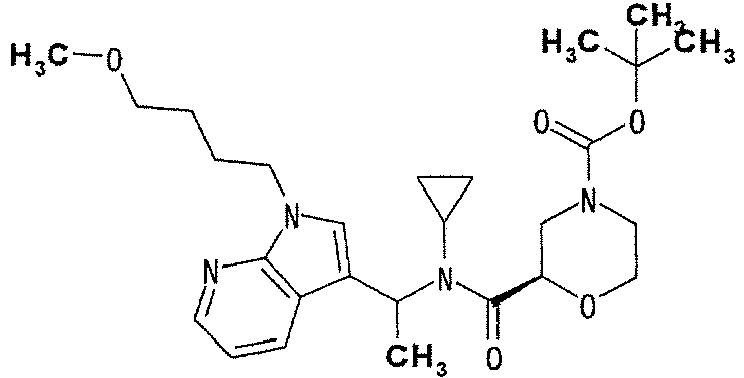
500.636 O 501 [M+H]+ A 174 
434.5296 O 435 [M+H]+ A [Table 41] 175 
448.5564 O 449 [M+H]+ A 176 
434.5296 O 435 [M+H]+ A 177 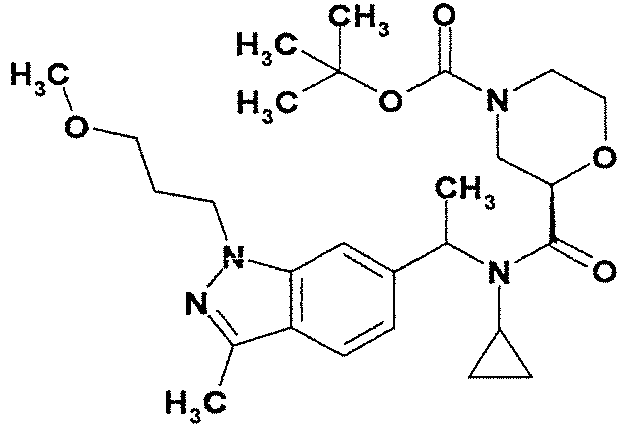
500.636 O 501 [M+H]+ A 178 
599.7681 O 600 [M+H]+ B [Table 42] 179 
474.5942 O 492 [M+NH4]+ 180 
476.61 O 477 [M+H]+ 181 
476.81 O 494 [M+NH4]+ 182 
480.5733 O 498 [M+NH4]+ [Table 43] 183 
492.609 O 510 [M+NH4]+ A 184 
480.5733 O 481 [M+H]+ A 185 
535.0811 O 535/537 [M+H]+ A 186 
514.6628 O 515 [M+H]+ A [Table 44] 187 
518.6261 O 519 [M+H]+ A 188 
514.6628 O 515 [M+H]+ A 189 
502.6042 O 503 [M+H]+ A 190 
504.62 O 505 [M+H]+ D [Table 45] 191 
550.6884 O 568 [M+N H4]+ A 192 
468.9747 O 469/471 [M+H]+ A 193 
468.9747 P 469/471 [M+H]+ A 194 
487.5933 O 488 [M+H]+ A [Table 46] 195 
510.4722 O 511 [M+H]+ A 196 
553.4903 O 553/555 [M+H]+ E 197 
529.6341 O 530 [M+H]+ A 198 
454.5636 O 455 [M+H]+ A [Table 47] 199 
541.6411 P 542 [M+H]+ A 200 
455.5517 P 456 [M+H]+ A 201 
462.5832 O 463 [M+H]+ A 202 
487.5933 O 505 [M+NH4]+ A [Table 48] 203 
530.5803 O 531 [M+H]+ A 204 
484.637 O 485 [M+H]+ A 205 
535.0811 O 535/537 [M+H]+ A 206 
500.636 O 501 [M+H]+ A [Table 49] 207 
518.6261 O 519 [M+H]+ A 208 
488.621 O 489 [M+H]+ A 209 
567.5171 O 567/569 [M+H]+ E 210 
510.5991 O 511 [M+H]+ A [Table 50] 211 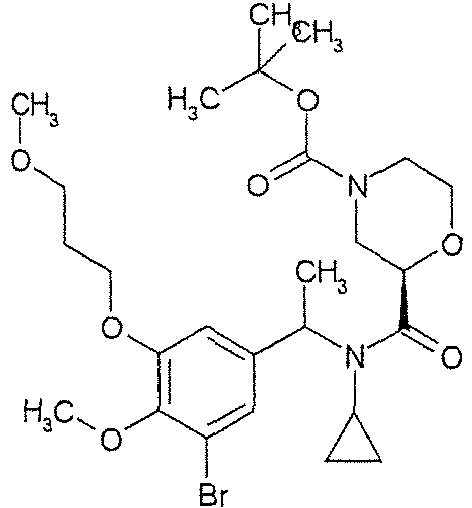
571.5051 O 571/573 [M+H]+ A 212 
499.6479 O 500 [M+H]+ A 213 
598.78 O 616 [M+NH4]+ B 214 
634.2132 O 634/636 [M+H]+ C [Table 51] 215 
613.7949 O 614 [M+H]+ C 216 
601.7363 O 602 [M+H]+ B 217 
603.7521 O 604 [M+H]+ D 218 
517.6191 O 518 [M+H]+ A [Table 52] 219 
486.6092 O 487 [M+H]+ A 220 
500.636 O 501 [M+H]+ A 221 
527.0541 O 527/529 [M+H]+ A 222 
514.6628 O 515 [M+H]+ A [Table 53] 223 
430.5416 O 431 [M+H]+ A 224 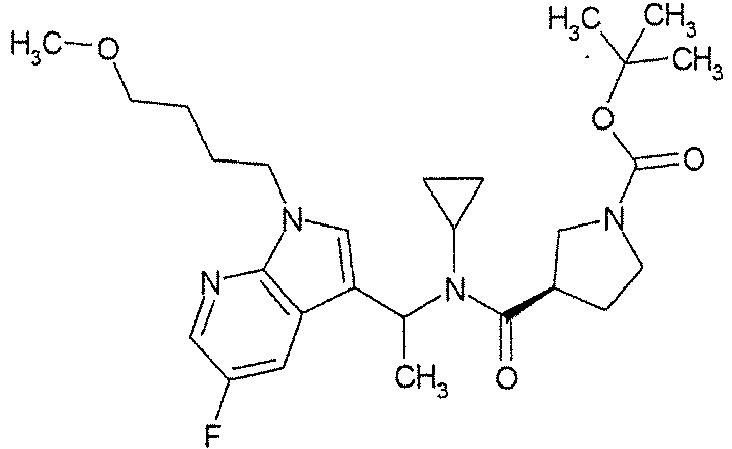
502.6271 O 503 [M+H]+ A 225 
498.6638 O 499 [M+H]+ A 226 
533.6617 O 534 [M+H]+ A [Table 54] 227 
505.6081 O 506 [M+H]+ A 228 
519.6349 O 520 [M+H]+ A 229 
502.6042 O 503 [M+H]+ A 230 
504.62 O 505 [M+H]+ D [Table 55] 231 
484.637 O 485 [M+H]+ A 232 
516.635 O 517 [M+H]+ A 233 
442.513 P 443 [M+H]+ A 234 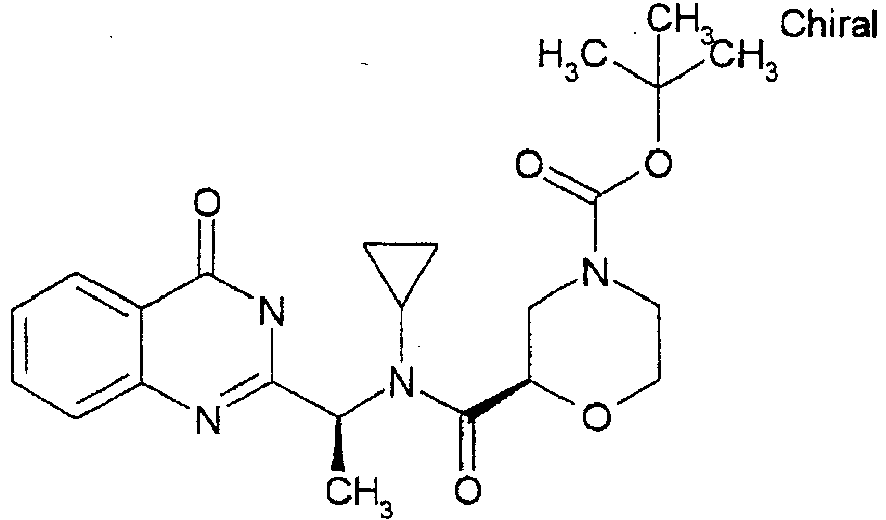
442.513 P 443 [M+H]+ A [Table 56] 235 
459.971 P 460/462 [M+H]+ A 236 
459.971 P 460/462 [M+H]+ A 237 
514.6192 O 515 [M+H]+ F 238 
514.6192 P 515 [M+H]+ F [Table 57] 239 
490.6368 O 1 491 [M+H]+ A 240 
520.0662 O 520/522 [M+H]+ A 241 
619.1983 O 636/638 [M+NH4]+ B 242 
568.6331 O 569 [M+H]+ A [Table 58] 243 
487.6369 O 488 [M+H]+ A 244 
487.6369 O 488 [M+H]+ A 245 
485.6211 O 486 [M+H]+ A 246 
486.6052 O 504 [M+NH4]+ A [Table 59] 247 
486.6092 O 487 [M+H]+ A 248 
516.635 O 517 [M+H]+ A 249 
516.635 O 517 [M+H]+ A 250 
488.625 O 489 [M+H]+ A [Table 60] 251 
595.7365 O 596 [M+H]+ A 252 
504.5993 O 505 [M+H]+ A 253 
550.6884 O 568 [M+H]+ G 254 
520.6626 O 521 [M+H]+ G [Table 61] 255 
506.6358 O 507 [M+H]+ G 256 
568.7066 O 569 [M+H]+ A 257 
528.5892 O 529 [M+H]+ A 258 
500.636 O 501 [M+H]+ A [Table 62] 259 
5 O 487 [M+H]+ A 260 
521.0543 O 521/523 [M+H]+ A 261 
518.6261 O 519 [M+H]+ A 262 
486.6092 O 487 [M+H]+ A [Table 63] 263 
514.6628 O 515 [M+H]+ A 264 
500.636 O 501 [M+H]+ A 265 
529.6285 O 530 [M+H]+ H 266 
547.6189 O [M+H]+ A 
- The following nitrogen-containing saturated heterocyclic compounds, etc. were prepared in the similar manner to the above Examples 1 to 5. Each symbol of Methods A to C refers to each method according to the following method of Examples.
Method A: Examples 1, 2 Method B: Examples 3, 4 Method C: Example 5A [Table 65-1] EX. No. Structure a MW b c d e 268 
430.5007 C 431 [M+H]+ O 269 
430.5007 C 431 [M+H]+ O 


- The following N-protected nitrogen-containing saturated heterocyclic compounds were prepared in the similar manner to the above Examples 161 to 163 (Method A).


-

- 1) To a solution of 1-(3-iodo-4-methoxyphenyl)ethanone (10 g) in diethylamine (181 mL) were added benzyl prop-2-yn-1-ylcarbamate (8.2 g),
dichlorobis(triphenylphosphine)palladium (II) (2.54 g) and copper (I) iodide (689 mg), and the mixture was stirred at 50°C for 2 hours. The reaction solution was cooled, and then thereto was added water, and the mixture was extracted with chloroform. The organic layer was sequentially washed with 2-normal hydrochloric acid, water, and then dried over magnesium sulfate, and concentrated under reduced pressure. The resulting residue was purified by silica gel column chromatography (eluent: chloroform→chloroform/ethyl acetate = 1/1) to give benzyl [3-(5-acetyl-2-methoxyphenyl)prop-2-yn-1-yl]carbamate [Ex(295-1)] (5.3 g) as a red solid.
APCI-MS m/z: 355[M+NH4]+. - 2) Benzyl [3-(5-acetyl-2-methoxyphenyl)prop-2-yn-1-yl]carbamate and cyclopropylamine were treated in the similar manner to Reference Example 6(6) to give benzyl (3-{5-[1-(cyclopropylamino)ethyl]-2-methoxyphenyl}prop-2-yn-1-yl)carbamate [Ex(295-2)] as a yellow oil.
APCI-MS m/z: 379[M+H]+. - 3) Benzyl
(3-{5-[1-(cyclopropylamino)ethyl]-2-methoxyphenyl}prop-2-yn-1-yl)carbamate and (2R)-4-(tert-butoxycarbonyl)morpholine-2-carboxylic acid were treated in the similar manner to Example 162 to give tert-butyl (2R)-2-{[{1-[3-(3-{[(benzyloxy)carbonyl]amino}prop-1-yn-1-yl)-4-methoxyphenyl]ethyl}(c yclopropyl)amino]carbonyl}morpholine-4-carboxylate [Ex(295-3)] as a colorless solid.
APCI-MS m/z: 609[M+NH4]+. - 4) To a solution of tert-butyl (2R)-2-{[{1-[3-(3-{[(benzyloxy)carbonyl]amino}prop-1-yn-1-yl)-4-methoxyphenyl]ethyl}(c yclopropyl)amino]carbonyl}morpholin-4-carboxylate (2.82 g) in methanol (25 mL) was added 10% palladium on carbon (282 mg), and the mixture was stirred under hydrogen for 7 hours. An insoluble was filtered off, and then the filtrate was concentrated under reduced pressure, and the resulting residue was purified by NH-silica gel column chromatography (eluent: chloroform→chloroform/methanol = 33/1) to give tert-butyl (2R)-2-{[{1-[3-(3-aminopropyl)-4-methoxyphenyl]ethyl}(cyclopropyl)amino]carbonyl}mor pholin-4-carboxylate [Ex(295-4)] (1.49 g) as a colorless oil.
APCI-MS m/z: 462[M+H]+. - 5) tert-Butyl (2R)-2-{[{1-[3-(3-aminopropyl)-4-methoxyphenyl] ethyl}(cyclopropyl)amino]-carbonyl}morpholin-4-carboxylater and methyl chloroformate were treated in the similar manner to Reference Example 28(5) to give tert-butyl (2R)-2-({cyclopropyl[1-(4-methoxy-3-{3-[(methoxycarbonyl)amino]propyl}phenyl)ethyl]a mino}carbonyl)morpholin-4-carboxylate [Ex(295-5)] as a colorless oil.
APCI-MS m/z: 504[M+H]+. -
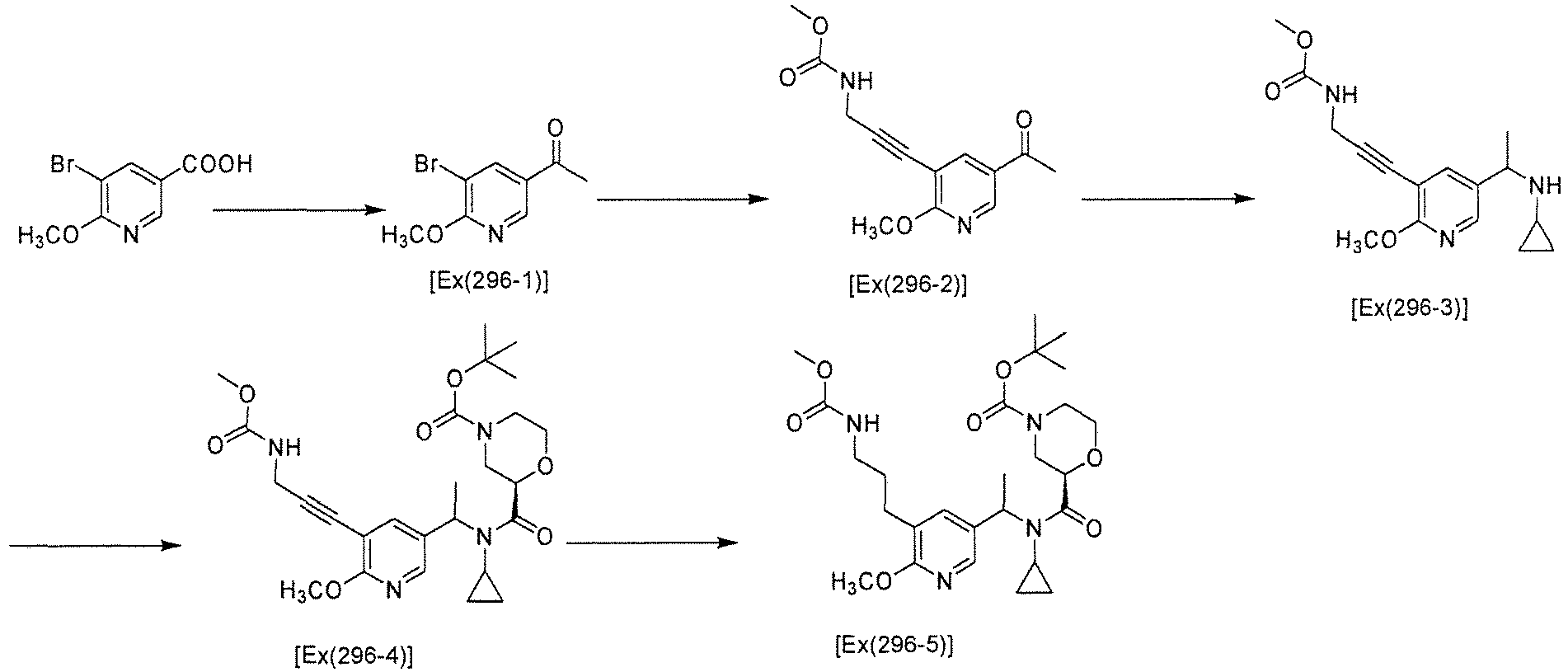
- 1) 5-Bromo-6-methoxynicotinic acid and N,O-dimethylhydroxylamine hydrochloride were treated in the similar manner to Reference Example 7(5), and then the resulting compound and methylmagnesium bromide were treated in the similar manner to Reference Example 7(6) to give 1-(5-bromo-6-methoxypyridin-3-yl)ethanone [Ex(296-1)] as a colorless powder.
APCI-MS m/z: 230/232[M+H]+. - 2) Bis(benzonitrile)dichloropalladium (II) (12 mg) and copper (I) iodide (3.8 mg) were added to 1,4-dioxane (1 mL) under argon, and then thereto were added a solution of 10% tri-t-butylphosphine in hexane (179 µL), diisopropylamine (168 µL), 1-(5-bromo-6-methoxypyridin-3-yl)ethanone (230 mg) and a solution of methyl prop-2-yn-1-ylcarbamate (149 mg) in 1,4-dioxane (1 mL). The mixture was stirred at room temperature for 5 hours. The reaction solution was concentrated under reduced pressure, and the resulting residue was purified by silica gel column chromatography (eluent: n-hexane/ethyl acetate = 3/1→1/3) to give methyl [3-(5-acetyl-2-methoxypyridin-3-yl)prop-2-yn-1-yl]carbamate [Ex(296-2)] (188 mg) as a pale yellow powder.
APCI-MS m/z: 263 [M+H]+. - 3) Methyl [3-(5-acetyl-2-methoxypyridin-3-yl)prop-2-yn-1-yl]carbamate and cyclopropylamine were treated in the similar manner to Reference Example 6(6) to give methyl (3-{5-[1-(cyclopropylamino)ethyl]-2-methoxypyridin-3-yl}prop-2-yn-1-yl)carbamate [Ex(296-3)] as a colorless oil.
APCI-MS m/z: 304[M+H]+. - 4) Methyl (3-{5-[1-(cyclopropylamino)ethyl]-2-methoxypyridin-3-yl}prop-2-yn-1-yl)carbamate and (2R)-4-(tert-butoxycarbonyl)morpholine-2-carboxylic acid were treated in the similar manner to Example 162 to give tert-butyl (2R)-2-({cyclopropyl[1-(6-methoxy-5-{3-[(methoxycarbonyl)amino]prop-1-yn-1-yl}pyridin -3-yl)ethyl]amino}carbonyl)morpholine-4-carboxylate [Ex(296-4)] as a colorless oil.
APCI-MS m/z: 517[M+H]+. - 5) To a solution of tert-butyl (2R)-2-({cyclopropyl[1-(6-methoxy-5-{3-[(methoxycarbonyl)-amino]prop-1-yn-1-yl}pyridin-3-yl)ethyl]amino}carbonyl)morpholin-4-carboxylate (150 mg) in ethyl acetate (2.5 mL) - tetrahydrofuran (2.5 µL) was added 10% palladium on carbon (30 mg), and the mixture was stirred under hydrogen for 45 minutes. An insoluble was filtered off, and then the filtrate was concentrated under reduced pressure, and the resulting residue was purified by NH-silica gel column chromatography (eluent: ethyl acetate) to give tert-butyl (2R)-2-({cyclopropyl[1-(6-methoxy-5-{3-[(methoxycarbonyl)amino]propyl}pyridin-3-yl)eth yl]amino}carbonyl)morpholine-4-carboxylate [Ex(296-5)] (159 mg) as a colorless oil.
APCI-MS m/z: 521 [M+H]+. -

- 1) 1-(2,6-Dichloropyridin-4-yl)ethanone and cyclopropylamine were treated in the similar manner to Reference Example 6(6) to give N-[1-(2,6-dichloropyridin-4-yl)ethyl]-cyclopropylamine [Ex(297-1)] as a pale yellow oil.
APCI-MS m/z: 231/233 [M+H]+. - 2) To a solution of N-[1-(2,6-dichloropyridin-4-yl)ethyl]cyclopropylamine (430 mg) in tetrahydrofuran (5 mL) were added di-tert-butyl dicarbonate (487 mg) and triethylamine (518 µL), and the mixture was heated to reflux for 24 hours. The reaction solution was cooled, and then thereto was added water, and the mixture was extracted with ethyl acetate.
The organic layer was washed with saturated saline, dried over sodium sulfate, and then concentrated under reduced pressure. The resulting residue was purified by silica gel column chromatography (eluent: n-hexane/ethyl acetate = 10/1→4/1) to give tert-butyl cyclopropyl[1-(2,6-dichloropyridin-4-yl)ethyl]carbamate [Ex(297-2)] (420 mg) as a pale yellow oil.
APCI-MS m/z: 331/333[M+H]+. - 3) To a solution of tert-butyl cyclopropyl[1-(2,6-dichloropyridin-4-yl)ethyl] carbamate (155 mg) in dimethoxyethane (4 mL) were added methyl [(2E)-3-(4,4,5,5-tetramethyl-1,3,2-dioxaboran-2-yl)prop-2-en-1-yl]carbamate (113 mg), 2M potassium carbonate (257 µL) and tetrakis(triphenylphosphine)palladium (0) (27 mg), and the mixture was heated to reflux for 3 hours. The reaction solution was cooled, and then thereto was added water, and the mixture was extracted with ethyl acetate. The organic layer was washed with saturated saline, dried over magnesium sulfate, and then concentrated under reduced pressure. The resulting residue was purified by silica gel column chromatography (eluent: n-hexane/ethyl acetate = 3/1→ethyl acetate) to give methyl [(2E)-3-(4-{1-[(tert-butoxycarbonyl)(cyclopropyl)amino]ethyl}-6-chloropyridin-2-yl)prop-2-en-1-yl]carbamate [Ex(297-3)] (98 mg) as a pale yellow oil.
APCI-MS m/z: 410/412[M+H]+. - 4) Methyl [(2E)-3-(4-{1-[(tert-butoxycarbonyl)(cyclopropyl)amino]ethyl}-6-chloropyridin-2-yl)-prop-2-en-1-yl]carbamate and vinyl boronic acid pinacol ester were treated in the similar manner to Reference Example 113(6) to give methyl [(E)-2-(4-{1-[(tert-butoxycarbonyl)(cyclopropyl)amino]ethyl}-6-vinylpyridin-2-yl)vinyl]car bamate [Ex(297-4)] as a yellow oil.
APCI-MS m/z: 402[M+H]+. - 5) Methyl [(E)-2-(4-{1-[(tert-butoxycarbonyl)(cyclopropyl)amino]ethyl}-6-vinylpyridin-2-yl)vinyl]car bamate and trifluoroacetic acid were treated in the similar manner to Reference Example 113(8) to give methyl ((E)-2-{4-[1-(cyclopropylamino)ethyl]-6-vinylpyridin-2-yl}vinyl)carbamate [Ex(297-5)] as a pale yellow oil.
APCI-MS m/z: 302[M+H]+. - 6) Methyl ((E)-2-{4-[1-(cyclopropylamino)ethyl]-6-vinylpyridin-2-yl}vinyl)carbamate and (2R)-4-(tert-butoxycarbonyl)morpholin-2-carboxylic acid were treated in the similar manner to Example 162 to give tert-butyl (2R)-2-({cyclopropyl[1-(2-{(1E)-3-[(methoxycarbonyl)amino]prop-1-en-1-yl}-6-vinylpyridi n-4-yl)ethyl]amino}carbonyl)morpholin-4-carboxylate [Ex(297-6)] as a yellow oil.
APCI-MS m/z: 515[M+H]+. - 7) tert-Butyl (2R)-2-({cyclopropyl[1-(2-{(1E)-3-[(methoxycarbonyl)amino]prop-1-en-1-yl}-6-vinylpyridi n-4-yl)ethyl]amino}carbonyl)morpholine-4-carboxylate was reduced in the similar manner to Example 296(5) to give tert-butyl (2R)-2-({cyclopropyl[1-(2-ethyl-6-{3-[(methoxycarbonyl)amino]propyl}pyridin-4-yl)ethyl]a mino}carbonyl)morpholin-4-carboxylate [Ex(297-7)] as a colorless oil.
APCI-MS m/z: 519[M+H]+. -

- 1) 1-(2-Chloro-6-methoxypyridin-4-yl)ethanone and methyl [(2E)-3-(4,4,5,5-tetramethyl-1,3,2-dioxaboran-2-yl)prop-2-en-1-yl)carbamate were treated in the similar manner to Example 297(3) to give methyl [(2E)-3-(4-acetyl-6-methoxypyridin-2-yl)prop-2-en-1-yl]carbamate [Ex(298-1)] as a colorless powder.
APCI-MS m/z: 265[M+H]+. - 2) Methyl [(2E)-3-(4-acetyl-6-methoxypyridin-2-yl)prop-2-en-1-yl]carbamate and cyclopropylamine were treated in the similar manner to Reference Example 6(6) to give methyl ((2E)-3-{4-[1-(cyclopropylamino)ethyl]-6-methoxypyridin-2-yl}prop-2-en-1-yl)carbamate [Ex(298-2)] as a colorless oil.
APCI-MS m/z: 306[M+H]+. - 3) Methyl ((2E)-3-{4-[1-(cyclopropylamino)ethyl]-6-methoxypyridin-2-yl}prop-2-en-1-yl)carbamate and (2R)-4-(tert-butoxycarbonyl)morpholine-2-carboxylic acid were treated in the similar manner to Example 162 to give tert-butyl (2R)-2-({cyclopropyl[1-(2-methoxy-6-{(1E)-3-[(methoxycarbonyl)amino]prop-1-en-1-yl}py ridin-4-yl)ethyl]amino}carbonyl)morpholine-4-carboxylate [Ex(298-3)] as a colorless oil. APCI-MS m/z: 519[M+H]+.
- 4) tert-Butyl (2R)-2-({cyclopropyl[1-(2-methoxy-6-{(1E)-3-[(methoxycarbonyl)amino]-prop-1-en-1-yl}pyridin-4-yl)ethyl]amino}carbonyl)morpholin-4-carboxylate was reduced in the similar manner to Example 296(5) to give tert-butyl (2R)-2-({cyclopropyl[1-(2-methoxy-6-{3-[(methoxycarbonyl)amino]propyl}pyridin-4-yl)eth yl]amino}carbonyl)morpholin-4-carboxylate [Ex(298-4)] as a colorless oil.
APCI-MS m/z: 521 [M+H]+. - Examples 299 to 308 were synthesized according to a combination of the methods described herein and conventional methods.


-

- (1) N-Cyclopropyl-N-[1-(2-naphthyl)ethyl]-2-nitrobenzenesulfonamide [REx(1-1)]:
- To a solution of 1-(2-naphthyl)ethanol (344 mg), N-cyclopropyl-2-nitrobenzenesulfonamide (581 mg) and triphenylphosphine (787 mg) in tetrahydrofuran (10 mL) was added dropwise diisopropyl azodicarboxylate (590 µL) under ice-cooling, and the mixture was stirred at room temperature for 3 hours. The reaction solution was concentrated, and the resulting residue was purified by silica gel column chromatography (eluent: n-hexane/ethyl acetate = 4/1→1/1), and then triturated with diethyl ether - n-hexane (1:1) to give N-cyclopropyl-N-[1-(2-naphthyl)ethyl]-2-nitrobenzenesulfonamide [REx(1-1)] (499 mg) as a colorless powder.
APCI-MS m/z: 397[M+H]+.
- To a solution of 1-(2-naphthyl)ethanol (344 mg), N-cyclopropyl-2-nitrobenzenesulfonamide (581 mg) and triphenylphosphine (787 mg) in tetrahydrofuran (10 mL) was added dropwise diisopropyl azodicarboxylate (590 µL) under ice-cooling, and the mixture was stirred at room temperature for 3 hours. The reaction solution was concentrated, and the resulting residue was purified by silica gel column chromatography (eluent: n-hexane/ethyl acetate = 4/1→1/1), and then triturated with diethyl ether - n-hexane (1:1) to give N-cyclopropyl-N-[1-(2-naphthyl)ethyl]-2-nitrobenzenesulfonamide [REx(1-1)] (499 mg) as a colorless powder.
- (2) N-[1-(2-Naphthyl)ethyl]cyclopropylamine hydrochloride [REx(1-2)]:
- To a solution of the compound obtained in (1) (480 mg) and 4-bromothiophenol (250 mg) in N,N-dimethylformamide (12 mL) was added potassium carbonate (304 mg), and the mixture was stirred at room temperature for 17 hours. To the reaction solution was added water, and the mixture was extracted with ethyl acetate. The organic layer was sequentially washed with water twice and saturated saline, dried over sodium sulfate, and then concentrated under reduced pressure. The resulting residue was dissolved in ethyl acetate (5 mL), and then thereto was added 4-normal hydrogen chloride-ethyl acetate (1 mL).
- The precipitated solid was filtered to give N-[1-(2-naphthyl)ethyl]cyclopropylamine hydrochloride [REx(1-2)] (211 mg) as a colorless powder.
APCI-MS m/z: 212[M+H]+. -

- (1) 3-Methoxypropyl 4-fluoro-3-(3-methoxypropoxy)benzoate [REx(2-1)]:
- To a solution of 4-fluoro-3-hydroxybenzoic acid (2.0 g) in acetonitrile (100 mL)-N,N-dimethylformamide (50 mL) - water (2.0 mL) were added potassium carbonate (5.31 g) and 1-bromo-3-methoxypropane (4.32 g), and the mixture was heated to reflux at 90°C for 18 hours. To the reaction mixture was added water under ice-cooling, and then the mixture was extracted with ethyl acetate. The organic layer was washed with saturated saline, dried over magnesium sulfate, and then concentrated under reduced pressure. The resulting residue was purified by silica gel column chromatography (eluent: n-hexane/ethyl acetate = 4/1→1/2 to give 3-methoxypropyl 4-fluoro-3-(3-methoxypropoxy)benzoate [REx(2-1)] (2.72 g) as a colorless oil.
APCI-MS m/z: 301[M+H]+.
- To a solution of 4-fluoro-3-hydroxybenzoic acid (2.0 g) in acetonitrile (100 mL)-N,N-dimethylformamide (50 mL) - water (2.0 mL) were added potassium carbonate (5.31 g) and 1-bromo-3-methoxypropane (4.32 g), and the mixture was heated to reflux at 90°C for 18 hours. To the reaction mixture was added water under ice-cooling, and then the mixture was extracted with ethyl acetate. The organic layer was washed with saturated saline, dried over magnesium sulfate, and then concentrated under reduced pressure. The resulting residue was purified by silica gel column chromatography (eluent: n-hexane/ethyl acetate = 4/1→1/2 to give 3-methoxypropyl 4-fluoro-3-(3-methoxypropoxy)benzoate [REx(2-1)] (2.72 g) as a colorless oil.
- (2) [Fluoro-3-(3-methoxypropoxy)phenyl]methanol [REx(2-2)]:
- To a suspension of lithium aluminum hydride (344 mg) in tetrahydrofuran (20 mL) was added dropwise a solution of the compound obtained in the above (1) (2.72 g) in tetrahydrofuran (8 mL) under ice-cooling, and then the mixture was stirred under the cooling for 1 hour. Under the cooling, to the reaction mixture were sequentially and slowly added water and 2-normal aqueous sodium hydroxide solution (1 mL), and then the mixture was stirred at room temperature for 1 hour. An insoluble was filtered off through Celite, and the filtrate was washed with aqueous saturated sodium hydrogen carbonate solution, and then dried over magnesium sulfate. The resultant was concentrated under reduced pressure, and the resulting residue was purified by silica gel column chromatography (eluent: n-hexane/ethyl acetate = 2/1→1/2) to give [fluoro-3-(3-methoxypropoxy)phenyl]methanol [REx(2-2)] (1.78 g) as a colorless oil.
APCI-MS m/z: 232[M+NH4]+.
- To a suspension of lithium aluminum hydride (344 mg) in tetrahydrofuran (20 mL) was added dropwise a solution of the compound obtained in the above (1) (2.72 g) in tetrahydrofuran (8 mL) under ice-cooling, and then the mixture was stirred under the cooling for 1 hour. Under the cooling, to the reaction mixture were sequentially and slowly added water and 2-normal aqueous sodium hydroxide solution (1 mL), and then the mixture was stirred at room temperature for 1 hour. An insoluble was filtered off through Celite, and the filtrate was washed with aqueous saturated sodium hydrogen carbonate solution, and then dried over magnesium sulfate. The resultant was concentrated under reduced pressure, and the resulting residue was purified by silica gel column chromatography (eluent: n-hexane/ethyl acetate = 2/1→1/2) to give [fluoro-3-(3-methoxypropoxy)phenyl]methanol [REx(2-2)] (1.78 g) as a colorless oil.
- (3) 4-Fluoro-3-(3-methoxypropoxy)benzaldehyde [REx(2-3)]:
- To a solution of the compound obtained in the above (2) (1.65 g) in dichloromethane (43 mL) was added 85% activated manganese dioxide (7.88 g), and the mixture was stirred at room temperature for 1 hour, and then the mixture was heated to reflux for 2 hours. An insoluble was filtered off through Celite, and then the filtrate was concentrated under reduced pressure to give 4-fluoro-3-(3-methoxypropoxy)benzaldehyde [REx(2-3)] (1.59 g) as a colorless oil.
APCI-MS m/z: 213 [M+H]+.
- To a solution of the compound obtained in the above (2) (1.65 g) in dichloromethane (43 mL) was added 85% activated manganese dioxide (7.88 g), and the mixture was stirred at room temperature for 1 hour, and then the mixture was heated to reflux for 2 hours. An insoluble was filtered off through Celite, and then the filtrate was concentrated under reduced pressure to give 4-fluoro-3-(3-methoxypropoxy)benzaldehyde [REx(2-3)] (1.59 g) as a colorless oil.
- (4) 1-[4-Fluoro-3-(3-methoxypropoxy)phenyl]ethanol [REx(2-4)]:
- To a solution of the compound obtained in the above (3) (1.55 g) in tetrahydrofuran (30 mL) was added dropwise a solution of methylmagnesium bromide in 3M diethyl ether (2.68 mL) under ice-cooling, and the mixture was stirred at the same temperature for 10 minutes. Under ice-cooling, thereto was added aqueous ammonium chloride solution, and the mixture was extracted with ethyl acetate. The organic layer was sequentially washed with water and saturated saline, and then dried over magnesium sulfate and concentrated under reduced pressure to give
APCI-MS m/z: 246 [M+NH4]+. - (5) Then, an amine compound [REx(2-6)] may be obtained in the similar manner to Reference Example 1.
-

- (1) tert-Butyl {[4-(benzyloxy)-2-naphthyl]methyl}cyclopropylcarbamate [REx(3-1)]:
- To a solution of N-{[4-(benzyloxy)-2-naphthyl]methyl}cyclopropylamine (12.3 g) in dichloromethane (150 mL) were added triethylamine (5.93 mL) and di-t-butyl dicarbonate (9.29 g) under ice-cooling, and the mixture was stirred at room temperature for 3 hours. To the reaction solution was added saturated aqueous ammonium chloride solution under ice-cooling, and the mixture was extracted with chloroform. The organic layer was washed with water and saturated saline, dried over sodium sulfate, and then concentrated under reduced pressure. The resulting residue was purified by silica gel column chromatography (eluent: n-hexane/ethyl acetate = 19/1→9/1) to give tert-butyl {[4-(benzyloxy)-2-naphthyl]methyl}cyclopropylcarbamate [REx(3-1)] (15.8 g) as a colorless powder.
APCI-MS m/z: 404[M+H]+.
- To a solution of N-{[4-(benzyloxy)-2-naphthyl]methyl}cyclopropylamine (12.3 g) in dichloromethane (150 mL) were added triethylamine (5.93 mL) and di-t-butyl dicarbonate (9.29 g) under ice-cooling, and the mixture was stirred at room temperature for 3 hours. To the reaction solution was added saturated aqueous ammonium chloride solution under ice-cooling, and the mixture was extracted with chloroform. The organic layer was washed with water and saturated saline, dried over sodium sulfate, and then concentrated under reduced pressure. The resulting residue was purified by silica gel column chromatography (eluent: n-hexane/ethyl acetate = 19/1→9/1) to give tert-butyl {[4-(benzyloxy)-2-naphthyl]methyl}cyclopropylcarbamate [REx(3-1)] (15.8 g) as a colorless powder.
- (2) tert-Butyl {1-[4-(benzyloxy)-2-naphthyl]ethyl}cyclopropylcarbamate [REx(3-2)]:
- To a solution of the compound obtained in the above (1) (807 mg) and tetramethylethylenediamine (0.39 µL) in tetrahydrofuran (10 mL) were added dropwise a solution of 1.55M n-butyllithium in hexane (1.55 mL) at -78°C under argon over 5 minutes. The mixture was stirred at the same temperature for 1 hour, and then thereto was added iodomethane (0.187 µL) at -78°C. The mixture was stirred at the same temperature for 30 minutes, and then stirred under ice-cooling for 2 hours. To the reaction solution was added saturated aqueous ammonium chloride solution under ice-cooling, and then the mixture was extracted with ethyl acetate. The organic layer was washed with water twice and saturated saline, dried over sodium sulfate, and then concentrated under reduced pressure. The resulting residue was purified by silica gel column chromatography (eluent: n-hexane/ethyl acetate = 20/1→6/1) to give tert-butyl {1-[4-(benzyloxy)-2-naphthyl]ethyl}cyclopropylcarbamate [REx(3-2)] (611 mg) as a colorless oil.
APCI-MS m/z: 418[M+H]+.
- To a solution of the compound obtained in the above (1) (807 mg) and tetramethylethylenediamine (0.39 µL) in tetrahydrofuran (10 mL) were added dropwise a solution of 1.55M n-butyllithium in hexane (1.55 mL) at -78°C under argon over 5 minutes. The mixture was stirred at the same temperature for 1 hour, and then thereto was added iodomethane (0.187 µL) at -78°C. The mixture was stirred at the same temperature for 30 minutes, and then stirred under ice-cooling for 2 hours. To the reaction solution was added saturated aqueous ammonium chloride solution under ice-cooling, and then the mixture was extracted with ethyl acetate. The organic layer was washed with water twice and saturated saline, dried over sodium sulfate, and then concentrated under reduced pressure. The resulting residue was purified by silica gel column chromatography (eluent: n-hexane/ethyl acetate = 20/1→6/1) to give tert-butyl {1-[4-(benzyloxy)-2-naphthyl]ethyl}cyclopropylcarbamate [REx(3-2)] (611 mg) as a colorless oil.
- (3) tert-Butyl [1-(4-hydroxy2-naphthyl)ethyl]carbamate [REx(3-3)]:
- To a solution of the compound obtained in the above (2) (126 mg) in methanol (3 mL) was added 10% palladium on carbon (13 mg), and the mixture was stirred under hydrogen for 3 hours. The reaction solution was diluted with ethyl acetate, and a catalyst was filtered, and then the resultant was concentrated under reduced pressure. The resulting residue was triturated with isopropyl ether/n-hexane (1:1) to give tert-butyl cyclopropyl[1-(4-hydroxy2-naphthyl)ethyl]carbamate [REx(3-3)] (50 mg) as a colorless powder.
ESI-MS m/z: 326[M-H]-.
- To a solution of the compound obtained in the above (2) (126 mg) in methanol (3 mL) was added 10% palladium on carbon (13 mg), and the mixture was stirred under hydrogen for 3 hours. The reaction solution was diluted with ethyl acetate, and a catalyst was filtered, and then the resultant was concentrated under reduced pressure. The resulting residue was triturated with isopropyl ether/n-hexane (1:1) to give tert-butyl cyclopropyl[1-(4-hydroxy2-naphthyl)ethyl]carbamate [REx(3-3)] (50 mg) as a colorless powder.
- (4) Methyl {2-[(3-{1-[(tert-butoxycarbonyl)(cyclopropyl)amino]ethyl}-1-naphthyl)oxy]ethyl}carbamate [REx(3-4)]:
- To a solution of the compound obtained in the above (3) (243 mg) and methyl (2-bromoethyl)carbamate (203 mg) in acetonitrile (10 mL) was added potassium carbonate (205 mg), and the mixture was stirred at 80°C for 7 hours. After cooling, to the reaction solution was added water, and the mixture was extracted with ethyl acetate. The organic layer was washed with saturated saline, dried over sodium sulfate, and then concentrated under reduced pressure. The resulting residue was purified by silica gel column chromatography (eluent: n-hexane/ethyl acetate = 4/1→1/1) to give methyl {2-[(3-{1-[(tert-butoxycarbonyl)(cyclopropyl)amino]ethyl}-1-naphthyl)oxy]ethyl}carbamate [REx(3-4)] (161 mg) as a pale yellow oil.
APCI-MS m/z: 429[M+H]+.
- To a solution of the compound obtained in the above (3) (243 mg) and methyl (2-bromoethyl)carbamate (203 mg) in acetonitrile (10 mL) was added potassium carbonate (205 mg), and the mixture was stirred at 80°C for 7 hours. After cooling, to the reaction solution was added water, and the mixture was extracted with ethyl acetate. The organic layer was washed with saturated saline, dried over sodium sulfate, and then concentrated under reduced pressure. The resulting residue was purified by silica gel column chromatography (eluent: n-hexane/ethyl acetate = 4/1→1/1) to give methyl {2-[(3-{1-[(tert-butoxycarbonyl)(cyclopropyl)amino]ethyl}-1-naphthyl)oxy]ethyl}carbamate [REx(3-4)] (161 mg) as a pale yellow oil.
- (5) Methyl [2-({3-[1-(cyclopropylamino)ethyl]-1-naphthyl}oxy)ethyl]carbamate [REx(3-5)]:
- To a solution of the compound obtained in the above (4) (156 mg) in chloroform (2 mL) was added 4-normal hydrogen chloride-dioxane solution (2 mL) under ice-cooling, and the mixture was stirred at room temperature for 1 hour. The mixture was concentrated under reduced pressure, and to the resulting residue was added aqueous saturated sodium hydrogen carbonate solution, and the mixture was extracted with chloroform. The organic layer was dried over sodium sulfate, and then concentrated under reduced pressure. The resulting residue was purified by silica gel column chromatography (eluent: ethyl acetate-ethyl acetate/methanol = 10/1) to give methyl [2-({3-[1-(cyclopropylamino)ethyl]-1-naphthyl}oxy)ethyl]carbamate [REx(3-5)] (76 mg) as a pale yellow oil.
APCI-MS m/z: 329[M+H]+.
- To a solution of the compound obtained in the above (4) (156 mg) in chloroform (2 mL) was added 4-normal hydrogen chloride-dioxane solution (2 mL) under ice-cooling, and the mixture was stirred at room temperature for 1 hour. The mixture was concentrated under reduced pressure, and to the resulting residue was added aqueous saturated sodium hydrogen carbonate solution, and the mixture was extracted with chloroform. The organic layer was dried over sodium sulfate, and then concentrated under reduced pressure. The resulting residue was purified by silica gel column chromatography (eluent: ethyl acetate-ethyl acetate/methanol = 10/1) to give methyl [2-({3-[1-(cyclopropylamino)ethyl]-1-naphthyl}oxy)ethyl]carbamate [REx(3-5)] (76 mg) as a pale yellow oil.
-

- To a mixture of tert-butyl cyclopropyl[1-(4-hydroxy2-naphthyl)ethyl]carbamate (43 mg) and potassium carbonate (27 mg) was added N,N-dimethylformamide (2.0 mL), and then thereto added methyl iodide (0.016 mL), and the mixture was stirred at room temperature for 4 hours. After cooling, to the reaction solution was added water, and the mixture was extracted with ethyl acetate. The organic layer was sequentially washed with water twice and saturated saline, dried over sodium sulfate, and then concentrated under reduced pressure. The resulting residue was purified by silica gel column chromatography (eluent: n-hexane/ethyl acetate = 10/1→4/1) to give tert-butyl cyclopropyl[1-(4-methoxy-2-naphthyl)ethyl]carbamate [REx(4-1)] (33 mg) as a colorless oil.
APCI-MS m/z: 342[M+H]+. - Then, deprotection of Boc group according to any one of methods of Examples 1 to 5 may give the desired amine compound.
-

- (1) tert-Butyl [3-(benzyloxy)-5-(3-methoxypropoxy)benzyl]cyclopropylcarbamate [REx(5-1)]:
- To a solution of N-[3-(benzyloxy)-5-(3-methoxypropoxy)benzyl]cyclopropylamine (15.4 g) in dichloromethane (190 mL) were added triethylamine (6.60 mL) and di-t-butyl dicarbonate (10.3 g) under ice-cooling, and the mixture was stirred at room temperature for 4 hours. To the reaction solution was added saturated aqueous ammonium chloride solution under ice-cooling, and the mixture was extracted with chloroform. The organic layer was washed with water and saturated saline, dried over sodium sulfate, and then concentrated under reduced pressure. The resulting residue was purified by silica gel column chromatography (eluent: n-hexane/ethyl acetate = 14/1) to give tert-butyl [3-(benzyloxy)-5-(3-methoxypropoxy)benzyl]cyclopropylcarbamate [REx(5-1)] (20.0 g) as a colorless oil.
APCI-MS m/z: 459[M+NH4]+.
- To a solution of N-[3-(benzyloxy)-5-(3-methoxypropoxy)benzyl]cyclopropylamine (15.4 g) in dichloromethane (190 mL) were added triethylamine (6.60 mL) and di-t-butyl dicarbonate (10.3 g) under ice-cooling, and the mixture was stirred at room temperature for 4 hours. To the reaction solution was added saturated aqueous ammonium chloride solution under ice-cooling, and the mixture was extracted with chloroform. The organic layer was washed with water and saturated saline, dried over sodium sulfate, and then concentrated under reduced pressure. The resulting residue was purified by silica gel column chromatography (eluent: n-hexane/ethyl acetate = 14/1) to give tert-butyl [3-(benzyloxy)-5-(3-methoxypropoxy)benzyl]cyclopropylcarbamate [REx(5-1)] (20.0 g) as a colorless oil.
- (2) tert-Butyl cyclopropyl[3-hydroxy5-(3-methoxypropoxy)benzyl]carbamate [REx(5-2)]:
- To a solution of the compound obtained in the above (1) (14.0 g) in ethanol (210 mL) was added 20% palladium hydroxide on carbon (2.80 g), and the mixture was stirred under hydrogen for 30 minutes. An insoluble was filtered, and then concentrated under reduced pressure. The resulting residue was purified by silica gel column chromatography (eluent: n-hexane/ethyl acetate = 4/1→2/1) to give tert-butyl cyclopropyl[3-hydroxy5-(3-methoxypropoxy)benzyl]carbamate [REx(5-2)] (11.0 g) as a colorless oil.
APCI-MS m/z: 352[M+H]+.
- To a solution of the compound obtained in the above (1) (14.0 g) in ethanol (210 mL) was added 20% palladium hydroxide on carbon (2.80 g), and the mixture was stirred under hydrogen for 30 minutes. An insoluble was filtered, and then concentrated under reduced pressure. The resulting residue was purified by silica gel column chromatography (eluent: n-hexane/ethyl acetate = 4/1→2/1) to give tert-butyl cyclopropyl[3-hydroxy5-(3-methoxypropoxy)benzyl]carbamate [REx(5-2)] (11.0 g) as a colorless oil.
- (3) tert-Butyl cyclopropyl [3-methoxy-5-(3-methoxypropoxy)benzyl] carbamate [REx(5-3)]:
- To a solution of the compound obtained in the above (2) (3.51 g) in N,N-dimethylformamide (50 mL) was added potassium carbonate (2.07 g), and then thereto was added iodomethane (0.75 mL) under ice-cooling, and the mixture was stirred at room temperature for 23 hours. To the reaction solution was added water, and the mixture was extracted with ethyl acetate. The organic layer was sequentially washed with water twice and saturated saline, dried over sodium sulfate, and then concentrated under reduced pressure.
The resulting residue was purified by silica gel column chromatography (eluent: n-hexane/ethyl acetate = 3/1) to give tert-butyl cyclopropyl[3-methoxy-5-(3-methoxypropoxy)benzyl]carbamate [REx(5-3)] (3.65 g) as a colorless oil.
APCI-MS m/z: 366[M+H]+.
- To a solution of the compound obtained in the above (2) (3.51 g) in N,N-dimethylformamide (50 mL) was added potassium carbonate (2.07 g), and then thereto was added iodomethane (0.75 mL) under ice-cooling, and the mixture was stirred at room temperature for 23 hours. To the reaction solution was added water, and the mixture was extracted with ethyl acetate. The organic layer was sequentially washed with water twice and saturated saline, dried over sodium sulfate, and then concentrated under reduced pressure.
- (4) Methylation according to the method of Reference Example 3(2), then deprotecting Boc group according to any one of methods of Examples 1 to 5 give the desired amine compound [REx(5-5)].
-

- (1) Methyl 1-(3-methoxypropyl)-1H-indole-6-carboxylate [REx(6-1)]:
- To a solution of methyl 1H-indole-6-carboxylate (5.0 g) in N,N-dimethylformamide (40 mL) was added drop by drop 60% oil-based sodium hydride (1.37 g) under ice-cooling, and then the mixture was stirred at room temperature for 15 minutes. Then, thereto was added dropwise a solution of 1-bromo-3-methoxypropane (5.24 g) in N,N-dimethylformamide (10 mL) under ice-cooling, and then thereto was added potassium iodide (948 mg), and the mixture was stirred at room temperature for 3 hours. To the reaction mixture was sequentially added ethyl acetate and water under ice-cooling, and the organic layer was separated. The organic layer was washed with water twice and saturated saline, dried over sodium sulfate, and then concentrated under reduced pressure. The resulting residue was purified by silica gel column chromatography (eluent: n-hexane/ethyl acetate = 9/1→4/1) to give methyl 1-(3-methoxypropyl)-1H-indole-6-carboxylate [REx(6-1)] (5.8 g) as a colorless oil.
APCI-MS m/z: 248[M+H]+.
- To a solution of methyl 1H-indole-6-carboxylate (5.0 g) in N,N-dimethylformamide (40 mL) was added drop by drop 60% oil-based sodium hydride (1.37 g) under ice-cooling, and then the mixture was stirred at room temperature for 15 minutes. Then, thereto was added dropwise a solution of 1-bromo-3-methoxypropane (5.24 g) in N,N-dimethylformamide (10 mL) under ice-cooling, and then thereto was added potassium iodide (948 mg), and the mixture was stirred at room temperature for 3 hours. To the reaction mixture was sequentially added ethyl acetate and water under ice-cooling, and the organic layer was separated. The organic layer was washed with water twice and saturated saline, dried over sodium sulfate, and then concentrated under reduced pressure. The resulting residue was purified by silica gel column chromatography (eluent: n-hexane/ethyl acetate = 9/1→4/1) to give methyl 1-(3-methoxypropyl)-1H-indole-6-carboxylate [REx(6-1)] (5.8 g) as a colorless oil.
- (2) Methyl 3-chloro-1-(3-methoxypropyl)-1H-indole-6-carboxylate [REx(6-2)]:
- To a solution of the compound obtained in the above (1) (2.78 g) in dichloromethane (35 mL) was added N-chlorosuccinimide (1.65 g) under ice-cooling, and the mixture was stirred at room temperature for 18 hours. To the reaction mixture was added water, and the mixture was extracted with chloroform. The organic layer was washed with saturated saline, dried over sodium sulfate, and then concentrated under reduced pressure. The resulting residue was purified by silica gel column chromatography (eluent: n-hexane→n-hexane/ethyl acetate = 2/1) to give methyl 3-chloro-1-(3-methoxypropyl)-1H-indole-6-carboxylate [REx(6-2)] (3.10 g) as a yellow oil.
APCI-MS m/z: 282/284[M+H]+.
- To a solution of the compound obtained in the above (1) (2.78 g) in dichloromethane (35 mL) was added N-chlorosuccinimide (1.65 g) under ice-cooling, and the mixture was stirred at room temperature for 18 hours. To the reaction mixture was added water, and the mixture was extracted with chloroform. The organic layer was washed with saturated saline, dried over sodium sulfate, and then concentrated under reduced pressure. The resulting residue was purified by silica gel column chromatography (eluent: n-hexane→n-hexane/ethyl acetate = 2/1) to give methyl 3-chloro-1-(3-methoxypropyl)-1H-indole-6-carboxylate [REx(6-2)] (3.10 g) as a yellow oil.
- (3) 3-Chloro-1-(3-methoxypropyl)-1H-indole-6-carboxylic acid [REx(6-3)]:
- To a solution of the compound obtained in the above (2) (1.20 g) in ethanol (10 mL) was added 2-normal aqueous sodium hydroxide solution (4.26 mL) under ice-cooling, and the mixture was stirred at room temperature for 20 hours. The reaction mixture was concentrated, and then the mixture was acidified by adding 2-normal hydrochloric acid under ice-cooling, and then thereto was added water, and the mixture was extracted with ethyl acetate. The organic layer was washed with saturated saline, and then concentrated under reduced pressure to give 3-chloro-1-(3-methoxypropyl)-1H-indole-6-carboxylic acid [REx(6-3)] (1.14 g) as a colorless powder.
ESI-MS m/z: 266/268[M-H]-.
- To a solution of the compound obtained in the above (2) (1.20 g) in ethanol (10 mL) was added 2-normal aqueous sodium hydroxide solution (4.26 mL) under ice-cooling, and the mixture was stirred at room temperature for 20 hours. The reaction mixture was concentrated, and then the mixture was acidified by adding 2-normal hydrochloric acid under ice-cooling, and then thereto was added water, and the mixture was extracted with ethyl acetate. The organic layer was washed with saturated saline, and then concentrated under reduced pressure to give 3-chloro-1-(3-methoxypropyl)-1H-indole-6-carboxylic acid [REx(6-3)] (1.14 g) as a colorless powder.
- (4) 3-Chloro-N-methoxy-1-(3-methoxypropyl)-N-methyl-1H-indole-6-carboxamide [REx(6-4)] :
- To a solution of the compound obtained in the above (3) (1.14 g), N,O-dimethylhydroxyamine hydrochloride (831 mg), 1-ethyl-3-(3-dimethylaminopropyl)-carbodiimide hydrochloride (1.25 g) and 1-hydroxybenzotriazole (863 mg) in chloroform (12 mL) was added diisopropylethylamine (1.85 mL) under ice-cooling, and then the mixture was stirred at room temperature for 24 hours. To the reaction mixture was added aqueous saturated sodium hydrogen carbonate solution under ice-cooling, and the mixture was extracted with chloroform. The organic layer was sequentially washed with water and saturated saline, dried over magnesium sulfate, and then concentrated under reduced pressure.
The resulting residue was purified by silica gel column chromatography (eluent: n-hexane/ethyl acetate = 1/1→1/3) to give 3-chloro-N-methoxy-1-(3-methoxypropyl)-N-methyl-1H-indole-6-carboxamide [REx(6-4)] (1.20 g) as a pale yellow oil.
APCI-MS m/z: 311/313[M+H]+.
- To a solution of the compound obtained in the above (3) (1.14 g), N,O-dimethylhydroxyamine hydrochloride (831 mg), 1-ethyl-3-(3-dimethylaminopropyl)-carbodiimide hydrochloride (1.25 g) and 1-hydroxybenzotriazole (863 mg) in chloroform (12 mL) was added diisopropylethylamine (1.85 mL) under ice-cooling, and then the mixture was stirred at room temperature for 24 hours. To the reaction mixture was added aqueous saturated sodium hydrogen carbonate solution under ice-cooling, and the mixture was extracted with chloroform. The organic layer was sequentially washed with water and saturated saline, dried over magnesium sulfate, and then concentrated under reduced pressure.
- (5) 1-[3-Chloro-1-(3-methoxypropyl)-1H-indol-6-yl]ethanone [REx(6-5)]:
- To a solution of the compound obtained in the above (4) (1.20 g) in tetrahydrofuran (15 mL) was added dropwise a 3M solution of methylmagnesium bromide in diethyl ether (2.56 mL) under ice-cooling, and the mixture was stirred at the same temperature for 1 hour. To the reaction solution was added 1-normal hydrochloric acid under ice-cooling, and the mixture was extracted with ethyl acetate. The organic layer was washed with saturated saline, and then dried over magnesium sulfate and concentrated under reduced pressure. The resulting residue was purified by silica gel column chromatography (eluent: n-hexane/ethyl acetate = 4/1→1/1) to give 1-[3-chloro-1-(3-methoxypropyl)-1H-indol-6-yl]ethanone [REx(6-5)] (945 mg) as a pale yellow oil.
APCI-MS m/z: 266/268[M+H]+.
- To a solution of the compound obtained in the above (4) (1.20 g) in tetrahydrofuran (15 mL) was added dropwise a 3M solution of methylmagnesium bromide in diethyl ether (2.56 mL) under ice-cooling, and the mixture was stirred at the same temperature for 1 hour. To the reaction solution was added 1-normal hydrochloric acid under ice-cooling, and the mixture was extracted with ethyl acetate. The organic layer was washed with saturated saline, and then dried over magnesium sulfate and concentrated under reduced pressure. The resulting residue was purified by silica gel column chromatography (eluent: n-hexane/ethyl acetate = 4/1→1/1) to give 1-[3-chloro-1-(3-methoxypropyl)-1H-indol-6-yl]ethanone [REx(6-5)] (945 mg) as a pale yellow oil.
- (6) N- {1-[3-Chloro-1-(3-methoxypropyl)-1H-indol-6-yl]ethyl}cyclopropanamine [REx(6-6)]:
- To a solution of the compound obtained in the above (5) (155 mg) and cyclopropylamine (99.9 mg) in dichloroethane (3.0 mL) were added magnesium sulfate (351 mg), sodium triacetoxyborohydride (371 mg) and acetic acid (105 mg), and then the mixture was stirred at room temperature for 17 hours. To the reaction mixture was added aqueous saturated sodium hydrogen carbonate solution under ice-cooling, and the mixture was extracted with chloroform. The organic layer was washed with saturated saline, dried over magnesium sulfate, and then concentrated under reduced pressure. The resulting residue was purified by silica gel column chromatography (eluent: ethyl acetate→ethyl acetate/methanol = 20/1) to give N-{1-[3-chloro-1-(3-methoxypropyl)-1H-indol-6-yl]ethyl}cyclopropanamine [REx(6-6)] (111 mg) as a pale yellow oil.
APCI-MS m/z: 307/309[M+H]+.
- To a solution of the compound obtained in the above (5) (155 mg) and cyclopropylamine (99.9 mg) in dichloroethane (3.0 mL) were added magnesium sulfate (351 mg), sodium triacetoxyborohydride (371 mg) and acetic acid (105 mg), and then the mixture was stirred at room temperature for 17 hours. To the reaction mixture was added aqueous saturated sodium hydrogen carbonate solution under ice-cooling, and the mixture was extracted with chloroform. The organic layer was washed with saturated saline, dried over magnesium sulfate, and then concentrated under reduced pressure. The resulting residue was purified by silica gel column chromatography (eluent: ethyl acetate→ethyl acetate/methanol = 20/1) to give N-{1-[3-chloro-1-(3-methoxypropyl)-1H-indol-6-yl]ethyl}cyclopropanamine [REx(6-6)] (111 mg) as a pale yellow oil.
-

- (1) Ethyl 4-(acetyloxy)benzofuran-6-carboxylate:
- To a suspension of 60% oil-based sodium hydride (6.50 g) in tetrahydrofuran (400 mL) was added dropwise a solution of 4-tert-butyl 1-ethyl 2-(diethoxyphosphoryl)succinate (55.0 g) in tetrahydrofuran (100 mL) under ice-cooling over 30 minutes, and then the mixture was stirred under the cooling for 1 hour. Then, thereto was added a solution of 2-furaldehyde (12.8 mL) in tetrahydrofuran (40 mL) under ice-cooling over 15 minutes, and the mixture was stirred at room temperature for 1 hour. Ice water was poured into the reaction mixture under ice-cooling, and the mixture was extracted with ethyl acetate. The organic layer was sequentially washed with water and saturated saline, dried over sodium sulfate, and then concentrated under reduced pressure to give 4-tert-butyl 1-ethyl (2E)-2-(2-furylmethylene)succinate (47.0 g) as a brown oil crude. Then, the oil (47.0 g) was stirred in trifluoroacetic acid (100 mL) at room temperature for 1 hour, and then concentrated under reduced pressure. The resulting residue was treated azeotropically with toluene several times to give (3E)-3-(ethoxycarbonyl)-4-(2-furyl)-but-3-enoic acid (39.2 g) as a brown oil crude. Then, the oil (39.2 g) was dissolved in acetic anhydride (100 mL), and thereto was added potassium acetate (19.8 g), and then the mixture was heated to reflux for 45 minutes. The reaction mixture was let stand to be cooled, and then thereto was added water (100 mL), and then the mixture was extracted with ethyl acetate. The organic layer was washed with saturated saline, dried over sodium sulfate, and then concentrated under reduced pressure. The resulting residue was purified by silica gel column chromatography (eluent: n-hexanelethyl acetate = 5/1) to give ethyl 4-(acetyloxy)benzofuran-6-carboxylate (24.7 g) as a pale orange solid. APCI-MS m/z: 266[M+NH4]+.
- (2) Ethyl 4-hydroxy-1-benzofuran-6-carboxylate [REx(7-1)]:
- To a solution of the compound obtained in the above (1) (24.7 g) in ethanol (150 mL) was added potassium carbonate (42.0 g), and the mixture was heated to reflux for 30 minutes. The reaction mixture was ice-cooled, and then acidified by 10% hydrochloric acid, and then extracted with ethyl acetate. The organic layer was washed with saturated saline, dried over sodium sulfate, and then concentrated under reduced pressure. The resulting residue was triturated with n-hexane-dichloromethane (5:1) to give ethyl 4-hydroxy-1-benzofuran-6-carboxylate [REx(7-1)] (19.6 g) as a pale yellow powder.
APCI-MS m/z: 207[M+H]+.
- To a solution of the compound obtained in the above (1) (24.7 g) in ethanol (150 mL) was added potassium carbonate (42.0 g), and the mixture was heated to reflux for 30 minutes. The reaction mixture was ice-cooled, and then acidified by 10% hydrochloric acid, and then extracted with ethyl acetate. The organic layer was washed with saturated saline, dried over sodium sulfate, and then concentrated under reduced pressure. The resulting residue was triturated with n-hexane-dichloromethane (5:1) to give ethyl 4-hydroxy-1-benzofuran-6-carboxylate [REx(7-1)] (19.6 g) as a pale yellow powder.
- (3) Ethyl 4-(3-methoxypropoxy)-1-benzofuran-6-carboxylate [REx(7-2)]:
- To a solution of the compound obtained in the above (2) (5.0 g) in acetonitrile (50 mL) were added potassium carbonate (5.0 g) and 1-bromo-3-methoxypropane (4.54 g), and the mixture was heated to reflux for 1.5 hours. To the reaction mixture was added water under ice-cooling, and then the mixture was extracted with ethyl acetate. The organic layer was washed with saturated saline, dried over sodium sulfate, and then concentrated under reduced pressure. The resulting residue was purified by silica gel column chromatography (eluent: n-hexane/ethyl acetate = 5/1→2/1) to give ethyl 4-(3-methoxypropoxy)-1-benzofuran-6-carboxylate [REx(7-2)] (6.61 g) as a colorless oil.
APCI-MS m/z: 279[M+H]+.
- To a solution of the compound obtained in the above (2) (5.0 g) in acetonitrile (50 mL) were added potassium carbonate (5.0 g) and 1-bromo-3-methoxypropane (4.54 g), and the mixture was heated to reflux for 1.5 hours. To the reaction mixture was added water under ice-cooling, and then the mixture was extracted with ethyl acetate. The organic layer was washed with saturated saline, dried over sodium sulfate, and then concentrated under reduced pressure. The resulting residue was purified by silica gel column chromatography (eluent: n-hexane/ethyl acetate = 5/1→2/1) to give ethyl 4-(3-methoxypropoxy)-1-benzofuran-6-carboxylate [REx(7-2)] (6.61 g) as a colorless oil.
- (4) 4-(3-Methoxypropoxy)-1-benzofuran-6-carboxylic acid [REx(7-3)]:
- To a solution of the compound obtained in the above (3) (2.64 g) in ethanol (20 mL) was added 2-normal aqueous sodium hydroxide solution (9.5 mL), and the mixture was stirred at room temperature for 3 hours. Then, thereto was added 2-normal hydrochloric acid under ice-cooling, and the mixture was extracted with ethyl acetate. The organic layer was washed with saturated saline, dried over magnesium sulfate, and then concentrated under reduced pressure to give 4-(3-methoxypropoxy)-1-benzofuran-6-carboxylic acid [REx(7-3)] (2.40 g) as a colorless powder.
APCI-MS m/z: 265[M+H+MeOH-H2O]+.
- To a solution of the compound obtained in the above (3) (2.64 g) in ethanol (20 mL) was added 2-normal aqueous sodium hydroxide solution (9.5 mL), and the mixture was stirred at room temperature for 3 hours. Then, thereto was added 2-normal hydrochloric acid under ice-cooling, and the mixture was extracted with ethyl acetate. The organic layer was washed with saturated saline, dried over magnesium sulfate, and then concentrated under reduced pressure to give 4-(3-methoxypropoxy)-1-benzofuran-6-carboxylic acid [REx(7-3)] (2.40 g) as a colorless powder.
- (5) N-Methoxy-4-(3-methoxypropoxy)-N-methyl-1-benzofuran-6-carboxamide [REx(7-4)]:
- To a solution of the compound obtained in the above (4) (2.39 g), N,O-dimethylhydroxyamine • hydrochloride (1.86 g), 1-ethyl-3-(3-dimethylaminopropyl)carbodiimide hydrochloride (2.74 g) and 1-hydroxybenzotriazole (1.93 g) in chloroform (30 mL) was added diisopropylethylamine (4.2 mL) under ice-cooling, and the mixture was stirred at room temperature for 4 hours. Under ice-cooling, to the reaction mixture was added aqueous saturated sodium hydrogen carbonate solution, and the mixture was extracted with chloroform. The organic layer was sequentially washed with water and saturated saline, dried over magnesium sulfate, and then concentrated under reduced pressure. The resulting residue was purified by silica gel column chromatography (eluent: n-hexane/ethyl acetate = 1/1→1/3) to give N-methoxy-4-(3-methoxypropoxy)-N-methyl-1-benzofuran-6-carboxamide [REx(7-4)] (2.67 g) as a pale yellow oil.
APCI-MS m/z: 294[M+H]+.
- To a solution of the compound obtained in the above (4) (2.39 g), N,O-dimethylhydroxyamine • hydrochloride (1.86 g), 1-ethyl-3-(3-dimethylaminopropyl)carbodiimide hydrochloride (2.74 g) and 1-hydroxybenzotriazole (1.93 g) in chloroform (30 mL) was added diisopropylethylamine (4.2 mL) under ice-cooling, and the mixture was stirred at room temperature for 4 hours. Under ice-cooling, to the reaction mixture was added aqueous saturated sodium hydrogen carbonate solution, and the mixture was extracted with chloroform. The organic layer was sequentially washed with water and saturated saline, dried over magnesium sulfate, and then concentrated under reduced pressure. The resulting residue was purified by silica gel column chromatography (eluent: n-hexane/ethyl acetate = 1/1→1/3) to give N-methoxy-4-(3-methoxypropoxy)-N-methyl-1-benzofuran-6-carboxamide [REx(7-4)] (2.67 g) as a pale yellow oil.
- (6) 1-[4-((3-Methoxypropoxy)-1-benzofuran-6-yl]ethanone [REx(7-5)]:
- To a solution of the compound obtained in the above (5) (2.67 g) in tetrahydrofuran (30 mL) was added dropwise a 3M solution of methylmagnesium bromide in diethyl ether (6.1 mL) under ice-cooling, and the mixture was stirred at the same temperature for 15 minutes. Under ice-cooling, 10% hydrochloric acid was poured into the mixture, and then the mixture was extracted with ethyl acetate. The organic layer was washed with saturated saline, and then dried over magnesium sulfate and concentrated under reduced pressure. The resulting residue was purified by silica gel column chromatography (eluent: n-hexane/ethyl acetate = 4/1→1/1) to give 1-[4-((3-methoxypropoxy)-1-benzofuran-6-yl]ethanone [REx(7-5)] (2.15 g) as a colorless powder.
APCI-MS m/z: 249 [M+H]+.
- To a solution of the compound obtained in the above (5) (2.67 g) in tetrahydrofuran (30 mL) was added dropwise a 3M solution of methylmagnesium bromide in diethyl ether (6.1 mL) under ice-cooling, and the mixture was stirred at the same temperature for 15 minutes. Under ice-cooling, 10% hydrochloric acid was poured into the mixture, and then the mixture was extracted with ethyl acetate. The organic layer was washed with saturated saline, and then dried over magnesium sulfate and concentrated under reduced pressure. The resulting residue was purified by silica gel column chromatography (eluent: n-hexane/ethyl acetate = 4/1→1/1) to give 1-[4-((3-methoxypropoxy)-1-benzofuran-6-yl]ethanone [REx(7-5)] (2.15 g) as a colorless powder.
- (7) N-{1-4-(3-Methoxypropoxy)-1-benzofuran-6-yl]ethyl}cyclopropanamine [REx(7-6)]:
- To a solution of the compound obtained in the above (6) (2.15 g) and cyclopropylamine (2.10 mL) in dichloroethane (150 mL) were added sodium triacetoxyborohydride (5.50 g), acetic acid (1.48 mL) and magnesium sulfate (5.20 g), and then the mixture was stirred at room temperature for 23 hours. Thereto was added aqueous saturated sodium hydrogen carbonate solution under ice-cooling, and the mixture was extracted with chloroform. The organic layer was washed with saturated saline, dried over magnesium sulfate, and then concentrated under reduced pressure. The resulting residue was purified by silica gel column chromatography (eluent: chloroform/methanol = 20/1→13/1) to give N-{1-[4-(3-methoxypropoxy)-1-benzofuran-6-yl]ethyl}cyclopropanamine [REx(7-6)] (2.47 g) as a pale yellow oil.
APCI-MS m/z: 290[M+H]+.
- To a solution of the compound obtained in the above (6) (2.15 g) and cyclopropylamine (2.10 mL) in dichloroethane (150 mL) were added sodium triacetoxyborohydride (5.50 g), acetic acid (1.48 mL) and magnesium sulfate (5.20 g), and then the mixture was stirred at room temperature for 23 hours. Thereto was added aqueous saturated sodium hydrogen carbonate solution under ice-cooling, and the mixture was extracted with chloroform. The organic layer was washed with saturated saline, dried over magnesium sulfate, and then concentrated under reduced pressure. The resulting residue was purified by silica gel column chromatography (eluent: chloroform/methanol = 20/1→13/1) to give N-{1-[4-(3-methoxypropoxy)-1-benzofuran-6-yl]ethyl}cyclopropanamine [REx(7-6)] (2.47 g) as a pale yellow oil.
-

- (1) 1-(6-Methyl-1H-pyrrolo[2,3-b]pyridin-3-yl)ethanone [REx(8-1)]:
- To a solution of 6-methyl-1H-pyrrolo[2,3-b]pyridine (500 mg) in dichloroethane (6 mL) were added aluminum chloride (1.09 g) and acetyl chloride (0.40 mL), and then the mixture was stirred at room temperature for 1.5 hours. The reaction solution was poured into aqueous saturated sodium hydrogen carbonate solution, and extracted with chloroform. The organic layer was washed with saturated saline, dried over magnesium sulfate, and then concentrated under reduced pressure. The resulting residue was triturated with isopropyl ether to give 1-(6-methyl-1H-pyrrolo[2,3-b]pyridin-3-yl)ethanone [REx(8-1)] (481 mg) as a yellow powder.
APCI-MS m/z: 175[M+H]+.
- To a solution of 6-methyl-1H-pyrrolo[2,3-b]pyridine (500 mg) in dichloroethane (6 mL) were added aluminum chloride (1.09 g) and acetyl chloride (0.40 mL), and then the mixture was stirred at room temperature for 1.5 hours. The reaction solution was poured into aqueous saturated sodium hydrogen carbonate solution, and extracted with chloroform. The organic layer was washed with saturated saline, dried over magnesium sulfate, and then concentrated under reduced pressure. The resulting residue was triturated with isopropyl ether to give 1-(6-methyl-1H-pyrrolo[2,3-b]pyridin-3-yl)ethanone [REx(8-1)] (481 mg) as a yellow powder.
- (2) 1-[1-(4-Methoxybutyl)-6-methyl-1H-pyrrolo[2,3-b]pyridin-3-yl]ethanone [REx(8-2)]:
- To a solution of the compound obtained in the above (1) (280 mg) in N,N-dimethylformamide (6 mL) was added 60% oil-based sodium hydride (83.6 mg), and then the mixture was stirred at room temperature for 30 minutes. Thereto was added dropwise a solution of 4-methoxybutyl 4-methylbenzenesulfonate in N,N-dimethylformamide (1 mL), and then thereto was added potassium iodide (267 mg), and the mixture was stirred at 50°C for 1 hour. The reaction mixture was poured into water, and extracted with ethyl acetate. The organic layer was washed with water twice and saturated saline, dried over magnesium sulfate, and then concentrated under reduced pressure.
The resulting residue was purified by silica gel column chromatography (eluent: n-hexane/ethyl acetate = 2/1→1/9) to give 1-[1-(4-methoxybutyl)-6-methyl-1H-pyrrolo[2,3-b]pyridin-3-yl]ethanone [REx(8-2)] (366 mg) as a yellow oil.
APCI-MS m/z: 261 [M+H]+.
- To a solution of the compound obtained in the above (1) (280 mg) in N,N-dimethylformamide (6 mL) was added 60% oil-based sodium hydride (83.6 mg), and then the mixture was stirred at room temperature for 30 minutes. Thereto was added dropwise a solution of 4-methoxybutyl 4-methylbenzenesulfonate in N,N-dimethylformamide (1 mL), and then thereto was added potassium iodide (267 mg), and the mixture was stirred at 50°C for 1 hour. The reaction mixture was poured into water, and extracted with ethyl acetate. The organic layer was washed with water twice and saturated saline, dried over magnesium sulfate, and then concentrated under reduced pressure.
- (3) An amine compound [REx(8-3)] is obtained in the similar manner to Reference Example 7(7).
-

- To a solution of 1-[3-chloro-1-(3-methoxypropyl)-1H-indol-6-yl]ethanone (843 mg) in 1,4-dioxane (15 mL) were added potassium phosphate (1.35 g), trimethylboroxine (883 mg), tris(dibenzylideneacetone)dipalladium (290 mg) and 2-dicyclohexylphosphino-2',4',6'-triisopropyl-1,1'-biphenyl (X-Phos) (605 mg) under argon, and the mixture was heated to stir at 110°C for 4 hours. Thereto was added water under ice-cooling, and the mixture was extracted with ethyl acetate. The organic layer was washed with saturated saline, dried over magnesium sulfate, and then concentrated under reduced pressure. The resulting residue was purified by silica gel column chromatography (eluent: n-hexane/ethyl acetate = 3/1→3/2) to give 1-[1-(3-methoxypropyl)-3-methyl-1H-indol-6-yl]ethanone [REx(9-1)] (663 mg) as a yellow oil.
APCI-MS m/z: 246[M+H]+. -

- To a mixture of methyl 1-(3-methoxypropyl)-1H-indole-6-carboxylate (1.5 g) and sodium cyanohydroborate (1.61 g) was added acetic acid (15 mL) under ice-cooling, and the mixture was stirred at room temperature for 3 hours. To the reaction solution was added aqueous saturated sodium hydrogen carbonate solution under ice-cooling, and the mixture was neutralized by adding sodium hydrogen carbonate, and then extracted with ethyl acetate.
The organic layer was washed with saturated saline, dried over sodium sulfate, and then concentrated under reduced pressure. The resulting residue was purified by silica gel column chromatography (eluent: n-hexane→n-hexane/ethyl acetate = 2/1) to give methyl 1-(3-methoxypropyl)indoline-6-carboxylate [REx(10-1)] (1.20) as a pale yellow oil.
APCI-MS m/z: 250[M+H]+. -

- To a solution of 6-hydroxyindan-1-one (1.48 g) in acetonitrile (30 mL) were added 4-methoxybutyl 4-methylbenzenesulfonate (2.93 g), potassium iodide (166 mg) and potassium carbonate (2.07 g), and the mixture was heated to stir at 80°C for 5 hours. To the reaction mixture was added water under ice-cooling, and then the mixture was extracted with ethyl acetate. The organic layer was washed with saturated saline, dried over sodium sulfate, and then concentrated under reduced pressure. The resulting residue was purified by silica gel column chromatography (eluent: n-hexane/ethyl acetate = 7/3), and then triturated with n-hexane/isopropyl ether (2:1) to give 6-(3-methoxypropoxy)indan-1-one [REx(11-1)] (1.1 g) as a colorless powder.
APCI-MS m/z: 221 [M+H]+. -

- To a solution of 7-hydroxy-1-tetralone (4.05 g) in acetonitrile (75 mL) were added 1-bromo-3-methoxypropane (4.59 g), potassium iodide (415 mg) and potassium carbonate (5.18 g), and the mixture was heated to stir at 80°C for 23 hours. To the reaction mixture was added water under ice-cooling, and then the mixture was extracted with ethyl acetate. The organic layer was washed with saturated saline, dried over sodium sulfate, and then concentrated under reduced pressure. The resulting residue was triturated with n-hexane to give 7-(3-methoxypropoxy)-3,4-dihydronaphthalen-1(2H)-one [REx(12-1)] (4.80 g) as a colorless powder.
APCI-MS m/z: 235[M+H]+. -

- To a suspension of 1-indanone-6-carboxylic acid (1.76 g) in N,N-dimethylformamide (50 mL) was added carbonyldiimidazole (3.24 g), and the mixture was stirred at room temperature for 1 hour. Thereto was added a solution of 2-methoxyethylamine (3.76 g) in dichloromethane (50 mL) under ice-cooling, and the mixture was stired at room temperature for 4 hours. The reaction solution was concentrated under reduced pressure, and then dissolved in chloroform. The organic layer was washed with aqueous saturated sodium hydrogen carbonate solution, dried over sodium sulfate, and then concentrated under reduced pressure. The resulting residue was dissolved in tetrahydrofuran (20 mL), and then thereto was added 1-normal hydrochloric acid (20 mL), and the mixture was stired at room temperature for 12 hours. To the reaction solution was added water, and the mixture was extracted with ethyl acetate. The organic layer was washed with saturated saline, dried over sodium sulfate, and then concentrated under reduced pressure. The resulting residue was triturated with isopropyl ether-ethyl acetate (2:1) to give N-(2-methoxyethyl)-3-oxoindan-5-carboxamide [REx(13-1)] (1.87 g) as a brown powder.
APCI-MS m/z: 234[M+H]+. -

- (1) Methyl 3-iodo-4-methyl-5-nitrobenzoate [REx(14-1)]:
- To a suspension of methyl 3-amino-4-methyl-5-nitrobenzoate (36.0 g) in 6-normal hydrochloric acid (276 mL) was added dropwise a solution of sodium nitrite (13.0 g) in water (35 mL) under ice-salt-cooling over 20 minutes, and the mixture was stired under ice-cooling for 1 hour. Then, thereto was added dropwise a solution of potassium iodide (34.1 g) in water (280 mL) under ice-cooling over 20 minutes, and the mixture was stired at room temperature for 2 hours. To the reaction solution was added water under ice-cooling, and the mixture was extracted with chloroform. The organic layer was sequentially washed with aqueous saturated sodium thiosulfate solution and saturated saline, dried over sodium sulfate, and then concentrated under reduced pressure. The resulting residue was purified by silica gel column chromatography (eluent: n-hexane/ethyl acetate = 50/1) to give methyl 3-iodo-4-methyl-5-nitrobenzoate [REx(14-1)] (40.5 g) as a yellow powder.
- (2) Methyl 3-amino-5-iodo-4-methylbenzoate [REx(14-2)]:
- To a solution of the compound obtained in the above (1) (40.5 g) in ethyl acetate (500 mL) was added tin (II) chloride dihydrate (142 g), and the mixture was heated to stir at 60°C for 1 hour. Aqueous sodium hydrogen carbonate solution was poured into the reaction mixture under ice-cooling, and then an insoluble was filtered through Celite. The organic layer was separated, and then washed with saturated saline, dried over sodium sulfate, and then concentrated under reduced pressure to give methyl 3-amino-5-iodo-4-methylbenzoate [REx(14-2)] (35.3 g) as a pale yellow powder.
APCI-MS m/z: 292 [M+H]+.
- To a solution of the compound obtained in the above (1) (40.5 g) in ethyl acetate (500 mL) was added tin (II) chloride dihydrate (142 g), and the mixture was heated to stir at 60°C for 1 hour. Aqueous sodium hydrogen carbonate solution was poured into the reaction mixture under ice-cooling, and then an insoluble was filtered through Celite. The organic layer was separated, and then washed with saturated saline, dried over sodium sulfate, and then concentrated under reduced pressure to give methyl 3-amino-5-iodo-4-methylbenzoate [REx(14-2)] (35.3 g) as a pale yellow powder.
- (3) Methyl 4-iodo-1H-indazole-6-carboxylate [REx(14-3)]:
- To a suspension of the compound obtained in the above (2) (35.3 g) in water (615 mL) were added concentrated hydrochloric acid (102 mL) and ammonium tetrafluoroborate (16.5 g), and the mixture was cooled to -3°C. Under the cooling, thereto was added dropwise a solution of sodium nitrite (9.20 g) in water (34 mL) over 20 minutes. The mixture was stirred at -3 °C for 1 hour, and then the precipitated crystal was filtered, sequentially washed with water (100 mL) and diethyl ether (100 mL), and then dried under reduced pressure. The resulting solid was suspended in chloroform (420 mL), and then thereto were added potassium acetate (13.1 g) and 18-crown-6 (801 mg), and the mixture was stirred at room temperature for 15 hours. To the reaction mixture was added water under ice-cooling, and then the mixture was extracted with chloroform. The organic layer was washed with saturated saline, dried over sodium sulfate, and then concentrated under reduced pressure. The resulting residue was triturated with chloroform to give methyl 4-iodo-1H-indazole-6-carboxylate [REx(14-3)] (18.9 g) as a pale orange powder.
APCI-MS m/z: 303[M+H]+.
- To a suspension of the compound obtained in the above (2) (35.3 g) in water (615 mL) were added concentrated hydrochloric acid (102 mL) and ammonium tetrafluoroborate (16.5 g), and the mixture was cooled to -3°C. Under the cooling, thereto was added dropwise a solution of sodium nitrite (9.20 g) in water (34 mL) over 20 minutes. The mixture was stirred at -3 °C for 1 hour, and then the precipitated crystal was filtered, sequentially washed with water (100 mL) and diethyl ether (100 mL), and then dried under reduced pressure. The resulting solid was suspended in chloroform (420 mL), and then thereto were added potassium acetate (13.1 g) and 18-crown-6 (801 mg), and the mixture was stirred at room temperature for 15 hours. To the reaction mixture was added water under ice-cooling, and then the mixture was extracted with chloroform. The organic layer was washed with saturated saline, dried over sodium sulfate, and then concentrated under reduced pressure. The resulting residue was triturated with chloroform to give methyl 4-iodo-1H-indazole-6-carboxylate [REx(14-3)] (18.9 g) as a pale orange powder.
- (4) Methyl 3-bromo-4-iodo-1H-indazole-6-carboxylate [REx(14-4)]:
- The compound obtained in the above (3) (24.5 g) was dissolved in acetic acid (720 mL), and after blocking out light, bromine (8.30 mL) was added dropwise to the mixture at room temperature. After stirring at room temperature for 40 hours, bromine (4.15 mL) was added thereto, and the mixture was stirred for additional 24 hours at room temperature. Then, thereto were added acetic acid (100 mL) and bromine (4.15 mL), and the mixture was stirred at room temperature for 6 hours. The reaction mixture was poured into ice water, and then thereto was added sodium thiosulfate, and the mixture was stirred at room temperature for 20 minutes, and then the precipitated solid was filtered. The solid was washed with water, and then dissolved in ethyl acetate and washed with saturated saline. The organic layer was dried over sodium sulfate, and then concentrated under reduced pressure. The resulting residue was triturated with isopropyl ether to give methyl 3-bromo-4-iodo-1H-indazole-6-carboxylate [REx(14-4)] (27.3 g) as a pale yellow powder.
APCI-MS m/z: 381/383[M+H]+.
- The compound obtained in the above (3) (24.5 g) was dissolved in acetic acid (720 mL), and after blocking out light, bromine (8.30 mL) was added dropwise to the mixture at room temperature. After stirring at room temperature for 40 hours, bromine (4.15 mL) was added thereto, and the mixture was stirred for additional 24 hours at room temperature. Then, thereto were added acetic acid (100 mL) and bromine (4.15 mL), and the mixture was stirred at room temperature for 6 hours. The reaction mixture was poured into ice water, and then thereto was added sodium thiosulfate, and the mixture was stirred at room temperature for 20 minutes, and then the precipitated solid was filtered. The solid was washed with water, and then dissolved in ethyl acetate and washed with saturated saline. The organic layer was dried over sodium sulfate, and then concentrated under reduced pressure. The resulting residue was triturated with isopropyl ether to give methyl 3-bromo-4-iodo-1H-indazole-6-carboxylate [REx(14-4)] (27.3 g) as a pale yellow powder.
- (5) Methyl 3-bromo-4-iodo-1-(3-methoxypropyl)-1H-indazole-6-carboxylate [REx(14-5)]:
- To a solution of the compound obtained in the above (4) (22.3 g) in N,N-dimethylformamide (200 mL) was added 60% oil-based sodium hydride (2.81 g) under ice-cooling, and the mixture was stirred at room temperature for 15 minutes. To the mixture was added a solution of 1-bromo-3-methoxypropane (10.8 g) in N,N-dimethylformamide (40 mL) under ice-cooling, and the mixture was stirred at room temperature for 18 hours. 10% Hydrochloric acid was poured into the reaction solution under ice-cooling, and then the mixture was extracted with ethyl acetate. The organic layer was sequentially washed with water and saturated saline, dried over sodium sulfate, and then concentrated under reduced pressure. The resulting residue was purified by silica gel column chromatography (eluent: n-hexanelethyl acetate = 9/1) to give methyl 3-bromo-4-iodo-1-(3-methoxypropyl)-1H-indazole-6-carboxylate [REx(14-5)] (23.5 g) as a pale orange powder.
APCI-MS m/z: 453/455[M+H]+.
- To a solution of the compound obtained in the above (4) (22.3 g) in N,N-dimethylformamide (200 mL) was added 60% oil-based sodium hydride (2.81 g) under ice-cooling, and the mixture was stirred at room temperature for 15 minutes. To the mixture was added a solution of 1-bromo-3-methoxypropane (10.8 g) in N,N-dimethylformamide (40 mL) under ice-cooling, and the mixture was stirred at room temperature for 18 hours. 10% Hydrochloric acid was poured into the reaction solution under ice-cooling, and then the mixture was extracted with ethyl acetate. The organic layer was sequentially washed with water and saturated saline, dried over sodium sulfate, and then concentrated under reduced pressure. The resulting residue was purified by silica gel column chromatography (eluent: n-hexanelethyl acetate = 9/1) to give methyl 3-bromo-4-iodo-1-(3-methoxypropyl)-1H-indazole-6-carboxylate [REx(14-5)] (23.5 g) as a pale orange powder.
-

- To a solution of 1-[3-bromo-4-chloro-1-(3-methoxypropyl)-1H-indazol-6-yl]ethanone (1.0 g) in 1,4-dioxane (20 mL) were added potassium carbonate (1.2 g), trimethylboroxine (0.41 mL) and 1,1'-bis(diphenylphosphino)ferrocene dichloropalladium (II) (212 mg) under argon, and the mixture was heated to stir at 80°C for 24 hours. Then, thereto was added water under ice-cooling, and the mixture was extracted with ethyl acetate. The organic layer was washed with saturated saline, dried over magnesium sulfate, and then concentrated under reduced pressure. The resulting residue was purified by NH-silica gel column chromatography (eluent: n-hexane/ethyl acetate = 4/1→3/2) to give 1-[4-chloro-1-(3-methoxypropyl)-3-methyl-1H-indazol-6-yl]ethanone [REx(15-1)] (392 mg) as a pale yellow oil.
APCI-MS m/z: 281/283[M+H]+. -

- To a solution of 1-[3-bromo-4-chloro-1-(3-methoxypropyl)-1H-indazol-6-yl]ethanone (1.0 g) in 1,4-dioxane (7.5 mL) were added potassium carbonate (1.2 g), trimethylboroxine (1.0 mL) and 1,1'-bis(diphenylphosphino)ferrocene dichloropalladium (II) (212 mg) under argon, and the mixture was heated to stir at 110°C for 24 hours. Then, thereto was added water under ice-cooling, and the mixture was extracted with ethyl acetate. The organic layer was washed with saturated saline, dried over magnesium sulfate, and then concentrated under reduced pressure. The resulting residue was purified by NH-silica gel column chromatography (eluent: n-hexane/ethyl acetate = 3/1→1/1) to give 1-[1-(3-methoxypropyl)-3,4-dimethyl-1H-indazol-6-yl]ethanone [REx(16-1)] (689 mg) as an orange oil.
APCI-MS m/z: 261 [M+H]+. -
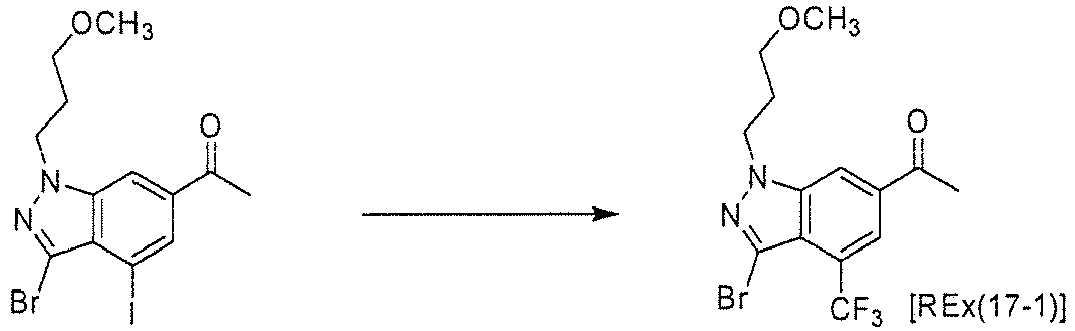
- A mixture of 1-[3-bromo-4-iodo-1-(3-methoxypropyl)-1H-indazol-6-yl]ethanone (500 mg), methyl fluorosulfonyldifluoroacetate (1.36 g), hexamethylphosphorylamide (1.27 g) and copper (I) iodide (337 mg) was heated to stir in N,N-dimethylformamide (7.0 mL) under argon at 75°C for 15 hours. Water and ethyl acetate were poured into the reaction mixture under ice-cooling, and then an insoluble was filtered through Celite. The organic layer was separated, and then sequentially washed with water and saturated saline, dried over sodium sulfate, and then concentrated under reduced pressure. The resulting residue was purified by silica gel column chromatography (eluent: n-hexane→n-hexane/ethyl acetate = 1/1) to give 1-[3-bromo-1-(3-methoxypropyl)-4-(trifluoromethyl)-1H-indazol-6-yl]ethanone [REx(17-1)] (87 mg) as a yellow oil.
APCI-MS m/z: 379/381[M+H]+. -

- (1) Methyl 1-(3-methoxypropyl)-1H-indazole-6-carboxylate [REx(18-1)]:
- To a solution of methyl 3-bromo-1-(3-methoxypropyl)-1H-indazole-6-carboxylate (3.0 g) and diisopropylethylamine (2.4 mL) in methanol (60 mL) was added 10% palladium on carbon catalyst (600 mg), and the mixture was stirred under hydrogen for 1 hour. An insoluble was filtered, and then the filtrate was concentrated under reduced pressure. The residue was dissolved in chloroform, sequentially washed with 10% hydrochloric acid water and saturated saline, and then concentrated under reduced pressure to give methyl 1-(3-methoxypropyl)-1H-indazole-6-carboxylate [REx(18-1)] (2.40 g) as a pale yellow oil.
- (2) Methyl 3-fluoro-1-(3-methoxypropyl)-1H-indazole-6-carboxylate [REx(18-2)]:
- To a solution of the compound obtained in the above (1) (2.20 g) in acetonitrile (30 mL) was added Selectfluor (Registered trademark) (3.45 g), and the mixture was stirred at 80°C for 15 hours. Then, thereto was added aqueous sodium hydrogen carbonate solution under ice-cooling, and the mixture was extracted with ethyl acetate. The organic layer was washed with saturated saline, dried over sodium sulfate, and then concentrated under reduced pressure. The resulting residue was purified by silica gel column chromatography (eluent: n-hexane→n-hexane/ethyl acetate = 5/1) to give methyl 3-fluoro-1-(3-methoxypropyl)-1H-indazole-6-carboxylate [REx(18-2)] (1.01 g) as a colorless oil.
APCI-MS m/z: 267[M+H]+.
- To a solution of the compound obtained in the above (1) (2.20 g) in acetonitrile (30 mL) was added Selectfluor (Registered trademark) (3.45 g), and the mixture was stirred at 80°C for 15 hours. Then, thereto was added aqueous sodium hydrogen carbonate solution under ice-cooling, and the mixture was extracted with ethyl acetate. The organic layer was washed with saturated saline, dried over sodium sulfate, and then concentrated under reduced pressure. The resulting residue was purified by silica gel column chromatography (eluent: n-hexane→n-hexane/ethyl acetate = 5/1) to give methyl 3-fluoro-1-(3-methoxypropyl)-1H-indazole-6-carboxylate [REx(18-2)] (1.01 g) as a colorless oil.
-

- 1-Bromo-3-fluoro-5-(3-methoxypropoxy)benzene (4.0 g) was added to water (30.4 mL), and then thereto were added ethylene glycol monovinyl ether (6.8 mL), potassium carbonate (2.52 g), 1,3-bis(diphenylphosphino)propane (125 mg) and palladium acetate (34 mg), and the mixture was heated to stir at 90°C for 22 hours. After cooling, thereto was added concentrated hydrochloric acid (7.2 mL), and the mixture was stirred at room temperature for 20 minutes. The reaction solution was extracted with ethyl acetate, washed with saturated saline, and then dried over magnesium sulfate. After concentrating under reduced pressure, the resulting residue was purified by silica gel column chromatography (eluent: n-hexane/ethyl acetate = 20/1→2/1) to give 1-[3-fluoro-5-(3-methoxypropoxy)phenyl]ethanone [REx(19-2)] (1.03 g) as a yellow oil.
APCI-MS m/z: 227[M+H]+. - A starting material is prepared from 1-bromo-3-fluoro-phenol, for example, in the similar manner to Reference Example 11 or 12.
-

- To a solution of 1-(3,5-dihydroxyphenyl)ethanone (10 g) in N,N-dimethylformamide (164 mL) - water (5 mL) were added potassium carbonate (13.6 g) and 3-methoxypropyl 4-methylbenzene sulfonate (16.1 g), and the mixture was heated to stir at 80°C for 2 hours. The reaction solution was concentrated under reduced pressure, and then thereto was added water, and then the mixture was extracted with ethyl acetate. The organic layer was washed with saturated saline, dried over sodium sulfate, and then concentrated under reduced pressure. The resulting residue was purified by silica gel column chromatography (eluent: n-hexane/ethyl acetate = 3/1→1/1) to give 1-[3-hydroxy-5-(3-methoxypropoxy)phenyl]ethanone [REx(20-1)] (4.65 g) as a colorless powder and 1-[3,5-bis(3-methoxypropoxy)phenyl]ethanone [REx(20-2)] (4.98 g) as a colorless oil.
- 2: APCI-MS m/z: 225[M+H]+.
- 3: APCI-MS m/z: 297[M+H]+.
-

- (1) 3-Acetyl-5-(3-methoxypropoxy)phenyltrifluoromethanesulfonate [REx(21-1)]:
- To a solution of 1-[3-hydroxy-5-(3-methoxypropoxy)phenyl]ethanone (4.65 g) in chloroform (100 mL) was added pyridine (5.02 mL) under ice-cooling, and then thereto was added dropwise trifluoromethanesulfonic anhydride (3.67 mL) under the ice-cooling, and then the mixture was stirred at the same temperature for 20 minutes. Then, thereto was added 1-normal hydrochloric acid, and the mixture was extracted with chloroform, and then the organic layer was sequentially washed with water and saturated saline, dried over magnesium sulfate, and then concentrated under reduced pressure to give a crude product of 3-acetyl-5-(3-methoxypropoxy)phenyltrifluoromethanesulfonate [REx(21-1)] (8.22 g) as a yellow oil.
APCI-MS m/z: 374[M+NH4]+.
- To a solution of 1-[3-hydroxy-5-(3-methoxypropoxy)phenyl]ethanone (4.65 g) in chloroform (100 mL) was added pyridine (5.02 mL) under ice-cooling, and then thereto was added dropwise trifluoromethanesulfonic anhydride (3.67 mL) under the ice-cooling, and then the mixture was stirred at the same temperature for 20 minutes. Then, thereto was added 1-normal hydrochloric acid, and the mixture was extracted with chloroform, and then the organic layer was sequentially washed with water and saturated saline, dried over magnesium sulfate, and then concentrated under reduced pressure to give a crude product of 3-acetyl-5-(3-methoxypropoxy)phenyltrifluoromethanesulfonate [REx(21-1)] (8.22 g) as a yellow oil.
- (2) 1-[3-(3-Methoxypropoxy)-5-methylphenyl]ethanone [REx(21-2)]:
- To a solution of the compound obtained in the (1) (8.22 g) in 1,4-dioxane (100 mL) were added potassium carbonate (8.6 g), trimethylboroxine (3.5 mL) and 1,1'-bis(diphenylphosphino)ferrocene dichloropalladium (II) (1.51 g), and the mixture was heated to stir at 110°C for 2 hours. After cooling to room temperature, thereto was added water, and the mixture was extracted with ethyl acetate. The organic layer was washed with saturated saline, dried over magnesium sulfate, and then concentrated under reduced pressure. The resulting residue was purified by silica gel column chromatography (eluent: n-hexane→n-hexane/ethyl acetate = 5/1) to give 1-[3-(3-methoxypropoxy)-5-methylphenyl]ethanone [REx(21-2)] (4.15 g) as a brown oil.
APCI-MS m/z: 223 [M+H]+.
- To a solution of the compound obtained in the (1) (8.22 g) in 1,4-dioxane (100 mL) were added potassium carbonate (8.6 g), trimethylboroxine (3.5 mL) and 1,1'-bis(diphenylphosphino)ferrocene dichloropalladium (II) (1.51 g), and the mixture was heated to stir at 110°C for 2 hours. After cooling to room temperature, thereto was added water, and the mixture was extracted with ethyl acetate. The organic layer was washed with saturated saline, dried over magnesium sulfate, and then concentrated under reduced pressure. The resulting residue was purified by silica gel column chromatography (eluent: n-hexane→n-hexane/ethyl acetate = 5/1) to give 1-[3-(3-methoxypropoxy)-5-methylphenyl]ethanone [REx(21-2)] (4.15 g) as a brown oil.
-

- (1) 1-(4-Chloro-3,5-dimethoxyphenyl)ethanol [REx(22-1)]:
- To a solution of 4-chloro-3,5-dimethoxybenzaldehyde (1.0 g) in tetrahydrofuran (20 mL) was added dropowise a 3M solution of methylmagnesium bromide in diethyl ether (1.83 mL) under ice-cooling, and the mixture was stirred at the same temperature for 1 hour.
Then, thereto was added aqueous ammonium chloride solution under ice-cooling, and the mixture was extracted with ethyl acetate. The organic layer was sequentially washed with water and saturated saline, and then dried over magnesium sulfate and concentrated under reduced pressure to give a crude product of 1-(4-chloro-3,5-dimethoxyphenyl)ethanol [REx(22-1)] (1.23 g) as a colorless powder.
APCI-MS m/z: 200 [M+H-H2O]+.
- To a solution of 4-chloro-3,5-dimethoxybenzaldehyde (1.0 g) in tetrahydrofuran (20 mL) was added dropowise a 3M solution of methylmagnesium bromide in diethyl ether (1.83 mL) under ice-cooling, and the mixture was stirred at the same temperature for 1 hour.
- (2) 1-(4-Chloro-3,5-dimethoxyphenyl)ethanone [REx(22-2)]:
- To a solution of the compound obtained in the above (1) (1.23 g) in dichloromethane (28 mL) was added 85% activated manganese dioxide (5.81 g), and the mixture was stirred at 40°C for 4 hours. The reaction solution was cooled to room temperature, and then thereto was added water-chloroform, and an insoluble was filtered off through Celite, and then the organic layer was separated. The organic layer was concentrated under reduced pressure, and the resulting residue was purified by silica gel column chromatography (eluent: n-hexane/ethyl acetate = 10/1→1/1) to give 1-(4-chloro-3,5-dimethoxyphenyl)ethanone [REx(22-2)] (723 mg) as a colorless powder.
APCI-MS m/z: 215[M+H]+.
- To a solution of the compound obtained in the above (1) (1.23 g) in dichloromethane (28 mL) was added 85% activated manganese dioxide (5.81 g), and the mixture was stirred at 40°C for 4 hours. The reaction solution was cooled to room temperature, and then thereto was added water-chloroform, and an insoluble was filtered off through Celite, and then the organic layer was separated. The organic layer was concentrated under reduced pressure, and the resulting residue was purified by silica gel column chromatography (eluent: n-hexane/ethyl acetate = 10/1→1/1) to give 1-(4-chloro-3,5-dimethoxyphenyl)ethanone [REx(22-2)] (723 mg) as a colorless powder.
-

- (1) 6-(1-Ethoxyvinyl)-1-(3-methoxypropyl)-1H-pyrrolo[3,2-b]pyridine [REx(23-2)]:
- To a solution of 6-bromo-1-(3-methoxypropyl)-1H-pyrrolo[3,2-b]pyridine (1.5 g) in toluene (30 mL) were added tri-n-butyltin-1-ethoxyvinyl (5.65 mL) and dichlorobis-(triphenylphosphine)palladium (II) (782 mg), and the mixture was heated to stir at 110°C for 30 minutes. The reaction solution was cooled to room temperature, and then thereto was added water-ethyl acetate, and an insoluble was filtered through Celite. The organic layer was separated, and then washed with saturated saline, dried over magnesium sulfate, and then concentrated under reduced pressure. The resulting residue was purified by NH-silica gel column chromatography (eluent: n-hexane/ethyl acetate = 4/1→1/1) to give 6-(1-ethoxyvinyl)-1-(3-methoxypropyl)-1H-pyrrolo[3,2-b]pyridine [REx(23-2)] (1.69 g) as a yellow oil.
- A starting compound [REx(23-1)] is obtained by 3-methoxypropylation at N of 6-bromo-1-1H-pyrrolo[3,2-b]pyridine.
- (2) 1-[1-(3-Methoxypropyl)-1H-pyrrolo[3,2-b]pyridin-6-yl]ethanone [REx(23-3)]:
- The compound obtained in the above (1) (1.69 g) was dissolved in chloroform (20 mL), and then thereto was added 4-normal hydrogen chloride/1,4-dioxane under ice-cooling, and the mixture was stirred at the same temperature for 2 hours. Then, thereto was added aqueous saturated sodium hydrogen carbonate solution under ice-cooling, and the mixture was extracted with chloroform. The organic layer was washed with saturated saline, dried over magnesium sulfate, and then concentrated under reduced pressure. The resulting residue was purified by NH-silica gel column chromatography (eluent: n-hexane/ethyl acetate = 2/1→1/1) to give 1-[1-(3-methoxypropyl)-1H-pyrrolo[3,2-b]pyridin-6-yl]ethanone [REx(23-3)] (766 mg) as a yellow oil.
APCI-MS m/z: 233[M+H]+.
- The compound obtained in the above (1) (1.69 g) was dissolved in chloroform (20 mL), and then thereto was added 4-normal hydrogen chloride/1,4-dioxane under ice-cooling, and the mixture was stirred at the same temperature for 2 hours. Then, thereto was added aqueous saturated sodium hydrogen carbonate solution under ice-cooling, and the mixture was extracted with chloroform. The organic layer was washed with saturated saline, dried over magnesium sulfate, and then concentrated under reduced pressure. The resulting residue was purified by NH-silica gel column chromatography (eluent: n-hexane/ethyl acetate = 2/1→1/1) to give 1-[1-(3-methoxypropyl)-1H-pyrrolo[3,2-b]pyridin-6-yl]ethanone [REx(23-3)] (766 mg) as a yellow oil.
-

- To a solution of 4-bromo-1-methoxy-2-(4-methoxybutyl)benzene (523 mg) in tetrahydrofuran (10 mL) were added lithium chloride (326 mg), tetrakis(triphenylphosphine)palladium (0) (381 mg) and tri-n-butyltin-1-ethoxyvinyl (1.11 mL), and the mixture was heated to stir at 80°C for 20 hours. The reaction solution was cooled to room temperature, and then thereto was added aqueous potassium fluoride solution, and the mixture was stirred for 30 minutes. The mixture was extracted with diethyl ether, and then thereto was added 10% hydrochloric acid, and the mixture was stirred for 1 hour. The organic layer was separated, dried over magnesium sulfate, and then concentrated under reduced pressure. The resulting residue was purified by silica gel column chromatography (eluent: n-hexane/ethyl acetate = 9/1→1/1) to give 1-[4-methoxy-3-(4-methoxybutyl)phenyl]ethanone [REx(24-1)] (195 mg) as a yellow oil.
APCI-MS m/z: 237[M+H]+. -

- (1) tert-Butyl 1-(3-methoxypropyl)-1H-pyrrolo[3,2-c]pyridine-b-carboxylate [REx(25-1)]:
- To a solution of tert-butyl 1H-pyrrolo[3,2-c]pyridine-6-carboxylate (2.0 g) in N,N-dimethylformamide (15 mL) was added drop by drop 60% oil-based sodium hydride (385 mg) under ice-cooling, and then the mixture was stirred at room temperature for 15 minutes. Then, thereto was added dropwise a solution of 1-bromo-3-methoxypropane (1.47 g) in N,N-dimethylformamide (5 mL) under ice-cooling, and then the mixture was stirred at room temperature for 18 hours. To the reaction mixture was added water under ice-cooling, and the mixture was extracted with ethyl acetate. The organic layer was sequentially washed with water and saturated saline, dried over sodium sulfate, and then concentrated under reduced pressure. The resulting residue was purified by silica gel column chromatography (eluent: n-hexane/ethyl acetate =1/1) to give tert-butyl 1-(3-methoxypropyl)-1H-pyrrolo[3,2-c]pyridine-6-carboxylate [REx(25-1)] (2.52 g) as a yellow oil.
APCI-MS m/z: 291 [M+H]+ .
- To a solution of tert-butyl 1H-pyrrolo[3,2-c]pyridine-6-carboxylate (2.0 g) in N,N-dimethylformamide (15 mL) was added drop by drop 60% oil-based sodium hydride (385 mg) under ice-cooling, and then the mixture was stirred at room temperature for 15 minutes. Then, thereto was added dropwise a solution of 1-bromo-3-methoxypropane (1.47 g) in N,N-dimethylformamide (5 mL) under ice-cooling, and then the mixture was stirred at room temperature for 18 hours. To the reaction mixture was added water under ice-cooling, and the mixture was extracted with ethyl acetate. The organic layer was sequentially washed with water and saturated saline, dried over sodium sulfate, and then concentrated under reduced pressure. The resulting residue was purified by silica gel column chromatography (eluent: n-hexane/ethyl acetate =1/1) to give tert-butyl 1-(3-methoxypropyl)-1H-pyrrolo[3,2-c]pyridine-6-carboxylate [REx(25-1)] (2.52 g) as a yellow oil.
- (2) tert-Butyl 3-chloro-1-(3-methoxypropyl)-1H-pyrrolo[3,2-c]pyridine-6-carboxylate [REx(25-2)] :
- To a solution of the compound obtained in the above (1) (2.52 g) in dichloromethane (50 mL) was added N-chlorosuccinimide (1.50 g) under ice-cooling, and the mixture was stirred at room temperature for 72 hours. To the reaction mixture was added water under ice-cooling, and the mixture was extracted with chloroform. The organic layer was washed with saturated saline, dried over sodium sulfate, and then concentrated under reduced pressure. The resulting residue was purified by NH-silica gel column chromatography (eluent: n-hexane/ethyl acetate = 9/1) to give tert-butyl 3-chloro-1-(3-methoxypropyl)-1H-pyrrolo[3,2-c]pyridine-6-carboxylate [REx(25-2)] (2.45 g) as a colorless powder.
APCI-MS m/z: 325/327[M+H]+.
- To a solution of the compound obtained in the above (1) (2.52 g) in dichloromethane (50 mL) was added N-chlorosuccinimide (1.50 g) under ice-cooling, and the mixture was stirred at room temperature for 72 hours. To the reaction mixture was added water under ice-cooling, and the mixture was extracted with chloroform. The organic layer was washed with saturated saline, dried over sodium sulfate, and then concentrated under reduced pressure. The resulting residue was purified by NH-silica gel column chromatography (eluent: n-hexane/ethyl acetate = 9/1) to give tert-butyl 3-chloro-1-(3-methoxypropyl)-1H-pyrrolo[3,2-c]pyridine-6-carboxylate [REx(25-2)] (2.45 g) as a colorless powder.
- (3) 3-Chloro-1-(3-methoxypropyl)-1H-pyrrolo[3,2-c]pyridine-6-carboxylic acid • hydrochloride [REx(25-3)]:
- The compound obtained in the above (2) (2.42 g) was added to trifluoroacetic acid (24 mL), and the mixture was stirred at room temperature for 2 hours. To the reaction solution was added 1-normal hydrochloric acid water (15 mL) under ice-cooling, and then the mixture was concentrated under reduced pressure. The resulting residue was triturated with isopropyl ether to give 3-chloro-1-(3-methoxypropyl)-1H-pyrrolo[3,2-c]pyridine-6-carboxylic acid hydrochloride [REx(25-3)] (2.20 g) as a brown powder.
ESI-MS m/z: 267/269[M-H]-.
- The compound obtained in the above (2) (2.42 g) was added to trifluoroacetic acid (24 mL), and the mixture was stirred at room temperature for 2 hours. To the reaction solution was added 1-normal hydrochloric acid water (15 mL) under ice-cooling, and then the mixture was concentrated under reduced pressure. The resulting residue was triturated with isopropyl ether to give 3-chloro-1-(3-methoxypropyl)-1H-pyrrolo[3,2-c]pyridine-6-carboxylic acid hydrochloride [REx(25-3)] (2.20 g) as a brown powder.
-

- (1) 1-[4-(Benzyloxy)-3-hydroxyphenyl]ethanone [REx(26-1)]:
- To a solution of 3',4'-dihydroxyacetophenone (25.4 g) in N,N-dimethylacetamide (420 mL) were added potassium carbonate (23.1 g) and benzyl bromide (19.9 mL) under ice-cooling, and the mixture was stirred at room temperature for 90 minutes. An insoluble was filtered, and then diluted with ethyl acetate. The organic layer was sequentially washed with water and saturated saline, dried over magnesium sulfate, and then concentrated under reduced pressure. The resulting residue was purified by silica gel column chromatography (eluent: n-hexane→n-hexane/ethyl acetate = 20/1), and then triturated with ethyl acetate to give 1-[4-(benzyloxy)-3-hydroxyphenyl]ethanone [REx(26-1)] (11.0 g) as a colorless powder.
APCI-MS m/z: 243 [M+H]+.
- To a solution of 3',4'-dihydroxyacetophenone (25.4 g) in N,N-dimethylacetamide (420 mL) were added potassium carbonate (23.1 g) and benzyl bromide (19.9 mL) under ice-cooling, and the mixture was stirred at room temperature for 90 minutes. An insoluble was filtered, and then diluted with ethyl acetate. The organic layer was sequentially washed with water and saturated saline, dried over magnesium sulfate, and then concentrated under reduced pressure. The resulting residue was purified by silica gel column chromatography (eluent: n-hexane→n-hexane/ethyl acetate = 20/1), and then triturated with ethyl acetate to give 1-[4-(benzyloxy)-3-hydroxyphenyl]ethanone [REx(26-1)] (11.0 g) as a colorless powder.
- (2) 1-[4-(Benzyloxy)-3-(3-methoxypropyl)phenyl]ethanone [REx(26-2)]:
- To a solution of the compound obtained in the above (1) (11.0 g) in acetonitrile (113 mL) were added potassium carbonate (9.37 g) and 3-methoxypropyl 4-methylbenzene sulfonate (13.2 g), and the mixture was heated to reflux for 20 hours. The reaction solution was cooled to room temperature, and then thereto was added water, and the mixture was extracted with ethyl acetate. The organic layer was dried over magnesium sulfate, and then concentrated under reduced pressure. The resulting residue was triturated with diisopropyl ether to give 1-[4-(benzyloxy)-3-(3-methoxypropyl)phenyl]ethanone [REx(26-2)] (8.75 g) as a colorless powder.
APCI-MS m/z: 315 [M+H]+ .
- To a solution of the compound obtained in the above (1) (11.0 g) in acetonitrile (113 mL) were added potassium carbonate (9.37 g) and 3-methoxypropyl 4-methylbenzene sulfonate (13.2 g), and the mixture was heated to reflux for 20 hours. The reaction solution was cooled to room temperature, and then thereto was added water, and the mixture was extracted with ethyl acetate. The organic layer was dried over magnesium sulfate, and then concentrated under reduced pressure. The resulting residue was triturated with diisopropyl ether to give 1-[4-(benzyloxy)-3-(3-methoxypropyl)phenyl]ethanone [REx(26-2)] (8.75 g) as a colorless powder.
-

- (1) 4-Bromo-2-(3-methoxypropoxy)benzoic acid [REx(27-1)]:
- To a solution of 3-methoxy-1-propanol (5.02 g) in N,N-dimethylformamide (37 mL) was added 60% oil-based sodium hydride (2.05 g), and the mixture was stirred at room temperature for 30 minutes. Then, thereto was added dropwise a solution of 4-bromo-2-fluorobenzoic acid (300 mg) in N,N-dimethylformamide (60 mL), and the mixture was stirred at room temperature for 20 hours. To the reaction solution was added water and n-hexane, and then the mixed solution was acidified by concentrated hydrochloric acid. The resulting colorless powder was filtered to give 4-bromo-2-(3-methoxypropoxy)benzoic acid [REx(27-1)] (4.43 g).
ESI-MS m/z: 289[M-H]-.
- To a solution of 3-methoxy-1-propanol (5.02 g) in N,N-dimethylformamide (37 mL) was added 60% oil-based sodium hydride (2.05 g), and the mixture was stirred at room temperature for 30 minutes. Then, thereto was added dropwise a solution of 4-bromo-2-fluorobenzoic acid (300 mg) in N,N-dimethylformamide (60 mL), and the mixture was stirred at room temperature for 20 hours. To the reaction solution was added water and n-hexane, and then the mixed solution was acidified by concentrated hydrochloric acid. The resulting colorless powder was filtered to give 4-bromo-2-(3-methoxypropoxy)benzoic acid [REx(27-1)] (4.43 g).
- (2) Methyl 4-bromo-2-(3-methoxypropoxy)benzoate [REx(27-2)]:
- To a mixture of the compound obtained in the above (1) (4.42 g) and potassium carbonate (4.22 g) was added N,N-dimethylformamide (20 mL), and then thereto was added methyl iodide (1.43 mL), and the mixture was stirred at room temperature for 30 minutes. After cooling, to the reaction solution was added water, and the mixture was extracted with ethyl acetate. The organic layer was sequentially washed with water twice and saturated saline, dried over magnesium sulfate, and then concentrated under reduced pressure. The resulting residue was purified by silica gel column chromatography (eluent: n-hexane/ethyl acetate = 20/1→3/1) to give methyl 4-bromo-2-(3-methoxypropoxy)benzoate [REx(27-2)] (4.01 g) as a colorless oil.
APCI-MS m/z: 343/305[M+H]+.
- To a mixture of the compound obtained in the above (1) (4.42 g) and potassium carbonate (4.22 g) was added N,N-dimethylformamide (20 mL), and then thereto was added methyl iodide (1.43 mL), and the mixture was stirred at room temperature for 30 minutes. After cooling, to the reaction solution was added water, and the mixture was extracted with ethyl acetate. The organic layer was sequentially washed with water twice and saturated saline, dried over magnesium sulfate, and then concentrated under reduced pressure. The resulting residue was purified by silica gel column chromatography (eluent: n-hexane/ethyl acetate = 20/1→3/1) to give methyl 4-bromo-2-(3-methoxypropoxy)benzoate [REx(27-2)] (4.01 g) as a colorless oil.
- (3) Methyl 4-acetyl-2-(3-methoxypropoxy)benzoate [REx(27-3)]:
- To a solution of the compound obtained in the above (2) (4.0 g) in toluene (44 mL) were added tri-n-butyltin-1-ethoxyvinyl (8.90 mL) and dichlorobis(triphenylphosphine)palladium (II) (1.85 g), and the mixture was heated to stir at 100°C for 17 hours. The reaction solution was cooled to room temperature, and then thereto was added 4-normal hydrogen chloride-1,4-dioxane (24 mL), and the mixture was stirred at room temperature for 1 hour. To the reaction solution was added water, and the mixture was extracted with ethyl acetate. The organic layer was washed with saturated saline, and then thereto were added magnesium sulfate and NH-silica gel, and an insoluble was filtered. The filtrate was concentrated under reduced pressure. The resulting residue was purified by silica gel column chromatography (eluent: n-hexane/ethyl acetate = 20/1) to give methyl 4-acetyl-2-(3-methoxypropoxy)benzoate [REx(27-3)] (1.02 g) as a yellow oil.
APCI-MS m/z: 267[M+H]+.
- To a solution of the compound obtained in the above (2) (4.0 g) in toluene (44 mL) were added tri-n-butyltin-1-ethoxyvinyl (8.90 mL) and dichlorobis(triphenylphosphine)palladium (II) (1.85 g), and the mixture was heated to stir at 100°C for 17 hours. The reaction solution was cooled to room temperature, and then thereto was added 4-normal hydrogen chloride-1,4-dioxane (24 mL), and the mixture was stirred at room temperature for 1 hour. To the reaction solution was added water, and the mixture was extracted with ethyl acetate. The organic layer was washed with saturated saline, and then thereto were added magnesium sulfate and NH-silica gel, and an insoluble was filtered. The filtrate was concentrated under reduced pressure. The resulting residue was purified by silica gel column chromatography (eluent: n-hexane/ethyl acetate = 20/1) to give methyl 4-acetyl-2-(3-methoxypropoxy)benzoate [REx(27-3)] (1.02 g) as a yellow oil.
-
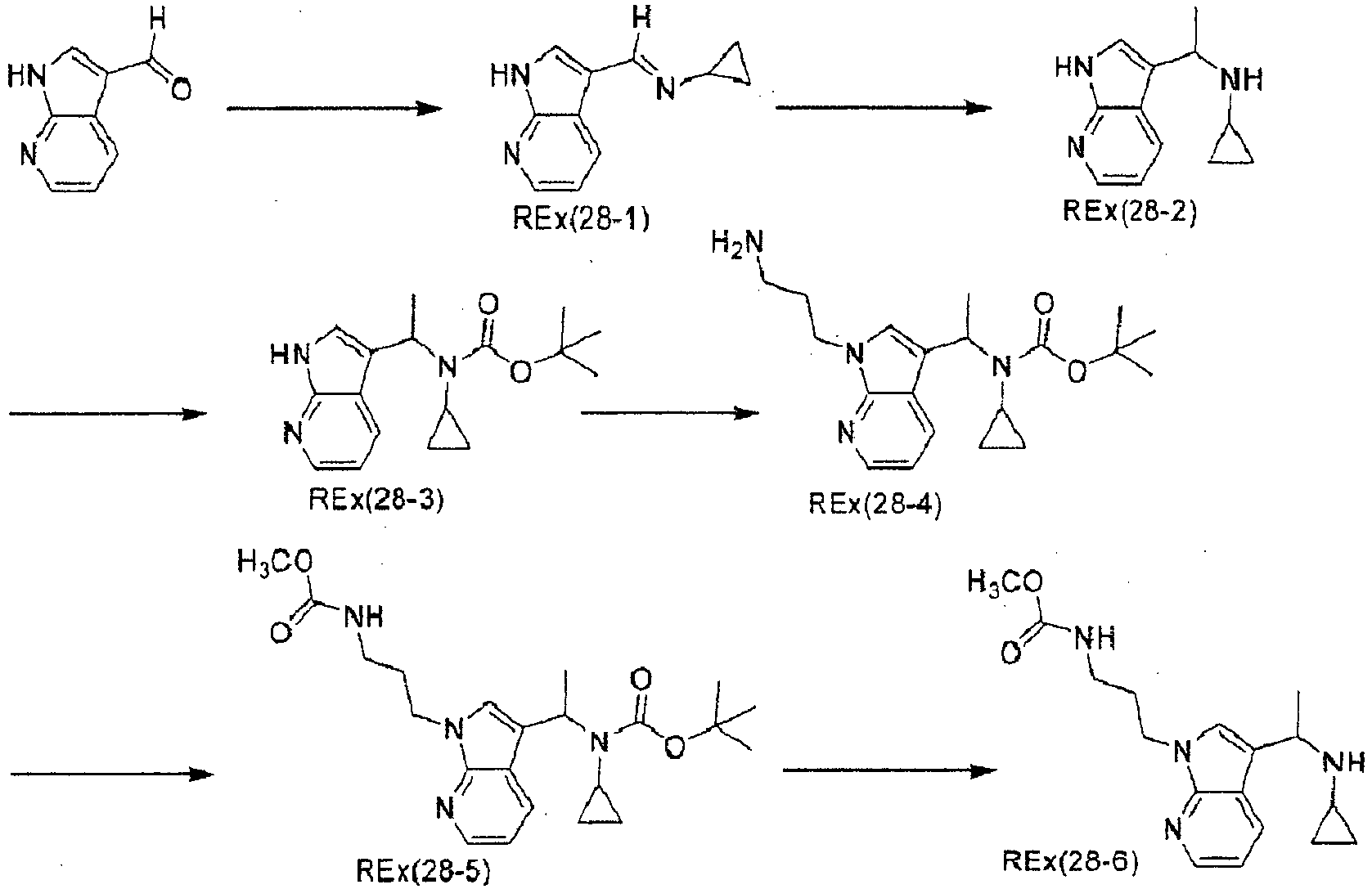
- (1) N-[(1E)-1H-Pyrrolo[2,3-b]pyridin-3-ylmethylene]cyclopropylamine [REx(28-1)]:
- To a suspension of 1H-pyrrolo[2,3-b]pyridin-3-carbaldehyde (1.46 g) in ethanol (30 mL) was added cyclopropylamine (1.41 mL), and the mixture was stirred at 50°C for 19 hours. The reaction solution was concentrated under reduced pressure, and then treated azeotropically with toluene. The resulting residue was triturated with isopropyl ether/n-hexane (3:1) to give N-[(1E)-1H-pyrrolo[2,3-b]pyridin-3-ylmethylene]cyclopropylamine [REx(28-1)] (1.75 g) as a colorless powder.
APCI-MS m/z: 186[M+H]+.
- To a suspension of 1H-pyrrolo[2,3-b]pyridin-3-carbaldehyde (1.46 g) in ethanol (30 mL) was added cyclopropylamine (1.41 mL), and the mixture was stirred at 50°C for 19 hours. The reaction solution was concentrated under reduced pressure, and then treated azeotropically with toluene. The resulting residue was triturated with isopropyl ether/n-hexane (3:1) to give N-[(1E)-1H-pyrrolo[2,3-b]pyridin-3-ylmethylene]cyclopropylamine [REx(28-1)] (1.75 g) as a colorless powder.
- (2) N-[1-(1H-Pyrrolo[2,3-b]pyridin-3-yl)ethyl]cyclopropylamine [REx(28-2)]:
- To a suspension of the compound obtained in the above (1) (1.11 g) and 1-(trimethylsilyl)-1H-benzotriazole (2.20 mL) in toluene (50 mL) was added dropwise a 3M solution of methylmagnesium bromide in diethyl ether (10 mL) under ice-cooling over 10 minutes, and the mixture was stirred at 110°C for 6 hours. The reaction solution was poured into ice-cooled ammonium chloride solution, and extracted with ethyl acetate. An insoluble was filtered, and then the organic layer was separated, and the aqueous layer was extracted with chloroform. The organic layers were collected, dried over sodium sulfate, and then concentrated under reduced pressure. The resulting residue was dissolved in ethyl acetate, and extracted with 10% aqueous citric acid solution. The aqueous layer was alkalified by aqueous potassium carbonate solution, and then extracted with chloroform. The organic layer was dried over sodium sulfate, and then concentrated under reduced pressure to give a crude product of N-[1-(1H-pyrrolo[2,3-b]pyridin-3-yl)ethyl]cyclopropylamine [REx(28-2)] (800 mg) as a yellow oil.
- (3) tert-Butyl cyclopropyl[1-(1H-pyrrolo[2,3-b]pyridin-3-yl)ethyl]carbamate [REx(28-3)] :
- To a solution of the compound obtained in the above (2) (800 mg) and potassium carbonate (1.10 g) in tetrahydrofuran (10 mL) - water (10 mL) was added a solution of di-t-butyl dicarbonate (786 mg) in tetrahydrofuran (1 mL), and the mixture was stirred at room temperature for 6 hours. To the reaction solution was added water, and the mixture was extracted with ethyl acetate. The organic layer was sequentially washed with water and saturated saline, dried over sodium sulfate, and then concentrated under reduced pressure. The resulting residue was dissolved in acetonitrile (20 mL), and then thereto were added sodium hydroxide (320 mg) and tetrabutylammonium hydrogen sulfate (68 mg), and the mixture was stirred at 50°C for 30 minutes. The reaction solution was cooled, and then an insoluble was filtered, and the filtrate was concentrated under reduced pressure. The resulting residue was dissolved in ethyl acetate, and washed with water. The organic layer was dried over sodium sulfate, and then concentrated under reduced pressure. The resulting residue was purified by silica gel column chromatography (eluent: n-hexane/ethyl acetate = 3/1→1/3) to give tert-butyl cyclopropyl[1-(1H-pyrrolo[2,3-b]pyridin-3-yl)ethyl] carbamate [REx(28-3)] (338 mg) as a pale yellow oil.
APCI-MS m/z: 302[M+H]+.
- To a solution of the compound obtained in the above (2) (800 mg) and potassium carbonate (1.10 g) in tetrahydrofuran (10 mL) - water (10 mL) was added a solution of di-t-butyl dicarbonate (786 mg) in tetrahydrofuran (1 mL), and the mixture was stirred at room temperature for 6 hours. To the reaction solution was added water, and the mixture was extracted with ethyl acetate. The organic layer was sequentially washed with water and saturated saline, dried over sodium sulfate, and then concentrated under reduced pressure. The resulting residue was dissolved in acetonitrile (20 mL), and then thereto were added sodium hydroxide (320 mg) and tetrabutylammonium hydrogen sulfate (68 mg), and the mixture was stirred at 50°C for 30 minutes. The reaction solution was cooled, and then an insoluble was filtered, and the filtrate was concentrated under reduced pressure. The resulting residue was dissolved in ethyl acetate, and washed with water. The organic layer was dried over sodium sulfate, and then concentrated under reduced pressure. The resulting residue was purified by silica gel column chromatography (eluent: n-hexane/ethyl acetate = 3/1→1/3) to give tert-butyl cyclopropyl[1-(1H-pyrrolo[2,3-b]pyridin-3-yl)ethyl] carbamate [REx(28-3)] (338 mg) as a pale yellow oil.
- (4) tert-Butyl {1-[1-(3-aminopropyl)-1H-pyrrolo[2,3-b]pyridin-3-yl]ethyl}-cyclopropylcarbamate [REx(28-4)]:
- To a solution of the compound obtained in the above (3) (301 mg) in acetonitrile (10 mL) were added sodium hydroxide (300 mg) and tetrabutylammonium hydrogen sulfate (17 mg), and the mixture was stirred at room temperature for 15 minutes. Then, thereto was added 3-chloropropylamine hydrochloride (650 mg), and the mixture was stirred at 70°C for 4 hours. The reaction solution was cooled, and then an insoluble was filtered, and the filtrate was concentrated under reduced pressure. The resulting residue was dissolved in ethyl acetate, and sequentially washed with water and saturated saline. The organic layer was dried over sodium sulfate, and then concentrated under reduced pressure to give a crude product of tert-butyl {1-[1-(3-aminopropyl)-1H-pyrrolo[2,3-b]pyridin-3-yl]ethyl}cyclopropylcarbamate [REx(28-4)] (378 mg) as a yellow oil.
APCI-MS m/z: 359[M+H]+.
- To a solution of the compound obtained in the above (3) (301 mg) in acetonitrile (10 mL) were added sodium hydroxide (300 mg) and tetrabutylammonium hydrogen sulfate (17 mg), and the mixture was stirred at room temperature for 15 minutes. Then, thereto was added 3-chloropropylamine hydrochloride (650 mg), and the mixture was stirred at 70°C for 4 hours. The reaction solution was cooled, and then an insoluble was filtered, and the filtrate was concentrated under reduced pressure. The resulting residue was dissolved in ethyl acetate, and sequentially washed with water and saturated saline. The organic layer was dried over sodium sulfate, and then concentrated under reduced pressure to give a crude product of tert-butyl {1-[1-(3-aminopropyl)-1H-pyrrolo[2,3-b]pyridin-3-yl]ethyl}cyclopropylcarbamate [REx(28-4)] (378 mg) as a yellow oil.
- (5) Methyl [3-(3-{1-[(tert-butoxycarbonyl)(cyclopropyl)amino]ethyl}-1H-pyrrolo[2,3-b]pyridin-1-yl)pr opyl]carbamate [REx(28-5)]:
- To a solution of the compound obtained in the above (4) (370 mg) in chloroform (10 mL) were added pyridine (0.25 mL) and methyl chloroformate (0.16 mL) under ice-cooling, and the mixture was stirred at room temperature for 2 hours. The reaction solution was concentrated, and then treated azeotropically with toluene. The resulting residue was dissolved in chloroform, and washed with 1-normal aqueous sodium hydrogen carbonate solution. The organic layer was dried over sodium sulfate, and then concentrated under reduced pressure. The resulting residue was purified by silica gel column chromatography (eluent: n-hexanelethyl acetate = 1/1→ethyl acetate) to give methyl [3-(3-{1-[(tert-butoxycarbonyl)-(cyclopropyl)amino]ethyl}-1H-pyrrolo[2,3-b]pyridin-1-yl)propyl]carbamate [REx(28-5)] (203 mg) as a colorless oil.
APCI-MS m/z: 417[M+H]+.
- To a solution of the compound obtained in the above (4) (370 mg) in chloroform (10 mL) were added pyridine (0.25 mL) and methyl chloroformate (0.16 mL) under ice-cooling, and the mixture was stirred at room temperature for 2 hours. The reaction solution was concentrated, and then treated azeotropically with toluene. The resulting residue was dissolved in chloroform, and washed with 1-normal aqueous sodium hydrogen carbonate solution. The organic layer was dried over sodium sulfate, and then concentrated under reduced pressure. The resulting residue was purified by silica gel column chromatography (eluent: n-hexanelethyl acetate = 1/1→ethyl acetate) to give methyl [3-(3-{1-[(tert-butoxycarbonyl)-(cyclopropyl)amino]ethyl}-1H-pyrrolo[2,3-b]pyridin-1-yl)propyl]carbamate [REx(28-5)] (203 mg) as a colorless oil.
- (6) Methyl (3-{3-[1-(cyclopropylamino)ethyl]-1H-pyrrolo[2,3-b]pyridin-1-yl}propyl)carbamate [REx(28-6)]:
- To a solution of the compound obtained in the above (5) (187 mg) and 2,6-lutidine (0.157 mL) in dichloromethane (4 mL) was added trimethylsilyltriflate (0.180 µL) under ice-cooling, and the mixture was stirred at the same temperature for 1 hour. Then, thereto were added aqueous saturated sodium hydrogen carbonate solution and methanol (2 mL) under ice-cooling, and the mixture was extracted with chloroform. The organic layer was dried over magnesium sulfate, and then concentrated under reduced pressure. The resulting residue was purified by silica gel column chromatography (eluent: chloroform→chloroform/methanol = 5/1→chloroform/methanol/ammonia water = 50/10/1) to give methyl (3-{3-[1-(cyclopropylamino)ethyl]-1H-pyrrolo[2,3-b]pyridin-1-yl}propyl)carbamate [REx(28-6)] (89 mg) as a colorless oil.
-

- (1) tert-Butyl N-{1-[3-bromo-4-iodo-1-(3-methoxypropyl)-1H-indazol-6-yl]ethyl}-cyclopropylcarbamate [REx(29-1)]:
- To a solution of N-{1-[3-bromo-4-iodo-1-(3-methoxypropyl)-1H-indazol-6-yl]ethyl}cyclopropanamine (10.2 g) in dichloromethane (200 mL) was added di-t-butyl dicarbonate (5.12 g) under ice-cooling, and the mixture was stirred at room temperature for 21 hours. Then, thereto was added dimethylaminopyridine (261 mg), and the mixture was stirred for additional 6 hours at room temperature. To the reaction solution was added water under ice-cooling, and the mixture was extracted with chloroform. The organic layer was washed with saturated saline, dried over sodium sulfate, and then concentrated under reduced pressure. The resulting residue was purified by silica gel column chromatography (eluent: n-hexane/ethyl acetate = 9/1→4/1) to give tert-butyl N-{1-[3-bromo-4-iodo-1-(3-methoxypropyl)-1H-indazol-6-yl] ethyl}cyclopropylcarbamate [REx(29-1)] (7.62 g) as a yellow oil.
- (2) tert-Butyl {1-[3-bromo-4-(3,5-dimethylisoxazol-4-yl)-1-(3-methoxypropyl)-1H-indazol-6-yl] ethyl}-cyclopropylcarbamate [REx(29-2)]:
- To a solution of the compound obtained in the above (1) (300 mg) and 3,5-dimethylisoxazol-4-boronic acid (146 mg) in dimethoxyethane (5.0 mL) was added 2M aqueous sodium carbonate solution (2.6 mL) under argon, and then thereto was added tetrakis(triphenylphosphine)palladium (0) (30 mg), and the mixture was stirred at 105°C for 22 hours. Then, thereto was added water under ice-cooling, and the mixture was extracted with ethyl acetate. The organic layer was washed with saturated saline, dried over sodium sulfate, and then concentrated under reduced pressure. The resulting residue was purified by silica gel column chromatography (eluent: n-hexane→n-hexane/ethyl acetate = 3/2) to give tert-butyl {1-[3-bromo-4-(3,5-dimethylisoxazol-4-yl)-1-(3-methoxypropyl)-1H-indazol-6-yl] ethyl}-cyclopropylcarbamate [REx(29-2)] (154 mg) as a colorless oil.
APCI-MS m/z: 547/549[M+H]+.
- To a solution of the compound obtained in the above (1) (300 mg) and 3,5-dimethylisoxazol-4-boronic acid (146 mg) in dimethoxyethane (5.0 mL) was added 2M aqueous sodium carbonate solution (2.6 mL) under argon, and then thereto was added tetrakis(triphenylphosphine)palladium (0) (30 mg), and the mixture was stirred at 105°C for 22 hours. Then, thereto was added water under ice-cooling, and the mixture was extracted with ethyl acetate. The organic layer was washed with saturated saline, dried over sodium sulfate, and then concentrated under reduced pressure. The resulting residue was purified by silica gel column chromatography (eluent: n-hexane→n-hexane/ethyl acetate = 3/2) to give tert-butyl {1-[3-bromo-4-(3,5-dimethylisoxazol-4-yl)-1-(3-methoxypropyl)-1H-indazol-6-yl] ethyl}-cyclopropylcarbamate [REx(29-2)] (154 mg) as a colorless oil.
- Deprotection of Boc group is done according to the above method.
-

- N-{1-[3-bromo-4-iodo-1-(3-methoxypropyl)-1H-indazol-6-yl]ethyl}cyclopropylcarbamate (1.0 g) in 1,4-dioxane (20 mL) were added diisopropylethylamine (0.90 mL) and 10% palladium on carbon catalyst (200 mg), and the mixture was stirred under hydrogen for 42 hours. An insoluble was filtered, and then the filtrate was sequentially washed with aqueous saturated sodium hydrogen carbonate solution and saturated saline, dried over sodium sulfate, and then concentrated under reduced pressure. The resulting residue was purified by silica gel column chromatography (eluent: n-hexane/ethyl acetate = 9/1→4/1) to give tert-butyl cyclopropyl{1-[1-(3-methoxypropyl)-1H-indazol-6-yl]ethyl}carbamate [REx(30-1)] (167 mg) as a colorless oil.
APCI-MS m/z: 374[M+H]+. -

- To a solution of 3-methoxy-1-propanol (0.14 mL) in N,N-dimethylformamide (3.0 mL) was added 60% oil-based sodium hydride (97 mg), and the mixture was stirred at room temperature for 10 minutes. Then, thereto was added dropwise a solution of N-{1-[3-fluoro-5-(trifluoromethyl)phenyl]ethyl}cyclopropylamine (300 mg) in N,N-dimethylformamide (1.0 mL), and the mixture was heated to stir at 40°C for 4 hours. After cooling to room temperature, thereto was added water, and the mixture was extracted with ethyl acetate. The organic layer was sequentially washed with water and saturated saline, dried over magnesium sulfate, and then concentrated under reduced pressure. The resulting residue was purified by silica gel column chromatography (eluent: n-hexane/ethyl acetate = 10/1→2/3) to give N-{1-[3-(3-methoxypropyl)-5-(trifluoromethyl)phenyl]ethyl}cyclopropanamine [REx(31-1)] (227 mg) as a colorless oil.
APCI-MS m/z: 318[M+H]+. -

- (1) Methyl 4-{1-[(tert-butoxycarbonyl)(cyclopropyl)amino]ethyl}-2-(3-methoxypropoxy)benzoate [REx(32-1)]:
- To a solution of methyl 4-[1-(cyclopropylamino)ethyl]-2-(3-methoxypropoxy)benzoate (1.20 g) in chloroform (9.6 mL) were added di-t-butyl dicarbonate (2.00 g) and triethylamine (2.34 mL) under ice-cooling, and the mixture was stirred at room temperature for 20 hours. To the reaction solution was added water under ice-cooling, and the mixture was extracted with chloroform.
The organic layer was dried over magnesium sulfate, and then concentrated under reduced pressure. The resulting residue was purified by silica gel column chromatography (eluent: n-hexane/ethyl acetate = 10/1→2/1) to give methyl 4-{1-[(tert-butoxycarbonyl)-(cyclopropyl)amino]ethyl}-2-(3-methoxypropoxy)benzoate (7.62 g) as a colorless oil. APCI-MS m/z: 408[M+H]+.
- To a solution of methyl 4-[1-(cyclopropylamino)ethyl]-2-(3-methoxypropoxy)benzoate (1.20 g) in chloroform (9.6 mL) were added di-t-butyl dicarbonate (2.00 g) and triethylamine (2.34 mL) under ice-cooling, and the mixture was stirred at room temperature for 20 hours. To the reaction solution was added water under ice-cooling, and the mixture was extracted with chloroform.
- (2) 4-{1-[(tert-Butoxycarbonyl)(cylopropyl)amino]ethyl}-2-(3-methoxypropoxy)ben zoic acid [REx(32-2)]:
- To a solution of the compound obtained in the above (1) (1.10 g) in methanol (13.5 mL) was added 2-normal aqueous sodium hydroxide solution (13.5 mL), and the mixture was stirred at room temperature for 2 hours. To the reaction solution was added chloroform, and then thereto was added 2-normal hydrochloric acid (13.5 mL) under ice-cooling. The organic layer was separated, and then washed with water, dried over magnesium sulfate, and then concentrated under reduced pressure. The resulting residue was purified by silica gel column chromatography (eluent: chloroform→chloroform/methanol = 20/1) to give 4-{1-[(tert-butoxycarbonyl)(cyclopropyl)amino]ethyl}-2-(3-methoxypropoxy)benzoic acid (1.14 g) as a colorless oil.
ESI-MS m/z: 392[M-H]-.
- To a solution of the compound obtained in the above (1) (1.10 g) in methanol (13.5 mL) was added 2-normal aqueous sodium hydroxide solution (13.5 mL), and the mixture was stirred at room temperature for 2 hours. To the reaction solution was added chloroform, and then thereto was added 2-normal hydrochloric acid (13.5 mL) under ice-cooling. The organic layer was separated, and then washed with water, dried over magnesium sulfate, and then concentrated under reduced pressure. The resulting residue was purified by silica gel column chromatography (eluent: chloroform→chloroform/methanol = 20/1) to give 4-{1-[(tert-butoxycarbonyl)(cyclopropyl)amino]ethyl}-2-(3-methoxypropoxy)benzoic acid (1.14 g) as a colorless oil.
- (3) tert-butyl {1-[4-(aminocarbonyl)-3-(3-methoxypropoxy)phenyl]ethyl}-cyclopropylcarbamate [REx(32-3)]:
- To a solution of the compound obtained in the above (2) (250 mg) in N,N-dimethylformamide (3.2 mL) were added ammonium chloride (40.8 mg), diisopropylethylamine (0.133 mL), 1-ethyl-3-(3-dimethylaminopropyl)carbodiimide hydrochloride (146 mg) and 1-hydroxybenzotriazole (103 mg), and then the mixture was stirred at room temperature for 30 minutes. To the reaction mixture was added water, and the mixture was extracted with ethyl acetate. The organic layer was sequentially washed with water and saturated saline, and then concentrated under reduced pressure. The resulting residue was purified by silica gel column chromatography (eluent: n-hexane/ethyl acetate = 3/2→1/6) to give tert-butyl {1-[4-(aminocarbonyl)-3-(3-methoxypropoxy)phenyl]ethyl}cyclopropylcarbamate (164 mg) as a colorless oil.
APCI-MS m/z: 393 [M+H]+ .
- To a solution of the compound obtained in the above (2) (250 mg) in N,N-dimethylformamide (3.2 mL) were added ammonium chloride (40.8 mg), diisopropylethylamine (0.133 mL), 1-ethyl-3-(3-dimethylaminopropyl)carbodiimide hydrochloride (146 mg) and 1-hydroxybenzotriazole (103 mg), and then the mixture was stirred at room temperature for 30 minutes. To the reaction mixture was added water, and the mixture was extracted with ethyl acetate. The organic layer was sequentially washed with water and saturated saline, and then concentrated under reduced pressure. The resulting residue was purified by silica gel column chromatography (eluent: n-hexane/ethyl acetate = 3/2→1/6) to give tert-butyl {1-[4-(aminocarbonyl)-3-(3-methoxypropoxy)phenyl]ethyl}cyclopropylcarbamate (164 mg) as a colorless oil.
- Similarly, deprotection of Boc group is done according to the above method.
-

- To a suspension of 2-(1-bromoethyl)quinazolin-4(3H)-one (2.53 g) in N,N-dimethylformamide (30 mL) was added cyclopropylamine (3.46 mL), and the mixture was diluted with N,N-dimethylformamide (20 mL) and water (1 mL), and then stirred for 18 hours. The reaction solution was concentrated under reduced pressure, and to the residue was added aqueous sodium hydrogen carbonate solution, and then the mixture was extracted with chloroform. The organic layer was dried over sodium sulfate, and then concentrated under reduced pressure. The resulting residue was triturated with diisopropyl ether/ethyl acetate (20:1) to give 2-[1-(cyclopropylamino)ethyl]quinazolin-4(3H)-one [REx(33-1)] (1.71 g) as a colorless powder.
APCI-MS m/z: 230[M+H]+. - The following compounds of Reference Examples 34 to 100 were prepared according to the methods of the above Reference Examples. Each symbol of Methods A-1 to F refers to each method according to the following methods of Reference Examples.
Method A-1 Reference Example 1 Method A-2 Reference Example 2 Method B Reference Example 3 Method C-1 Reference Example 6 Method C-2 Reference Example 7 Method C-3 Reference Example 8 Method D Reference Example 28 Method E-1 Reference Example 29 Method E-2 Reference Example 30 Method E-3 Reference Example 31 Method E-4 Reference Example 32 Method F Reference Example 33 -
[Table 73] Ref. EX. No. Structural formula a b c d e f 34 
HCl 279.3746 P 280 [M+H]+ B 35 
HCl 221.2955 P 222 [M+H]+ C-2 36 
287.3999 O 288 [M+H]+ C-3 37 
221.2955 O 222 [M+H]+ C-2 [Table 74] 38 
235.322 O 236 [M+H]+ C-2 39 
HCl 211.3022 P 212 [M+H]+ A 40 
HCl 261.3593 P 262 [M+H]+ C-2 41 
267.3391 O 268 [M+H]+ C-2 [Table 75] 42 
263.3752 O 264 [M+H]+ A-2 43 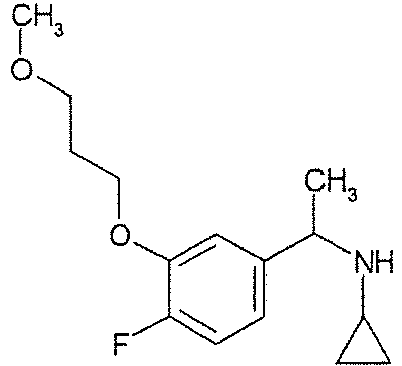
267.3391 O 268 [M+H]+ A-2 44 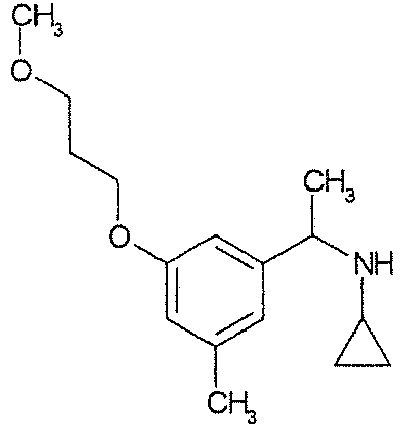
263.3752 O 264 [M+H]+ C-2 45 
279.3746 O 280 [M+H]+ C-2 [Table 76] 46 
301.4265 O 302 [M+H]+ C-3 47 
305.3904 O 306 [M+H]+ C-3 48 
321.845 O 322/324 [M+H]+ C-1 49 
301.4265 O 302 [M+H]+ C-1 [Table 77] 50 
242.3162 P 243 [M+H]+ C--2 51 
274.3581 O 275 [M+H]+ C-2 52 
HCl 297.2394 P 298 [M+H]+ C-2 53 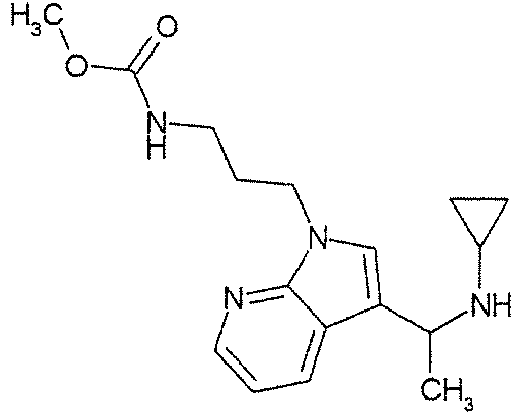
316.3981 O 317 [M+H]+ D [Table 78] 54 
241.3282 O 242 [M+H]+ B 55 
328.4055 O 329 [M+H]+ B 56 
317.3466 O 318 [M+H]+ E-3 57 
255.7405 O 256/258 [M+H]+ C-2 [Table 79] 58 
255.7405 O 256/258 [M+H]+ C-2 59 
337.4537 O 338 [M+H]+ C-2 60 
274.3581 O 275 [M+H]+ C-2 61 
274.4011 O 275 [M+H]+ C-1 [Table 80] 62 
275.3859 O 276 [M+H]+ C-2 63 
289.3694 O 290 [M+H]+ C-2 64 
306.8303 O 307/309 [M+H]+ C-1 65 
249.3486 O 250 [M+H]+ C-2 [Table 81] 66 
297.3651 O 298 [M+H]+ B 67 
355.3979 O 356 [M+H]+ C-1 68 
321.845 O 322/324 [M+H]+ C-3 69 
287.3999 O 288 [M+H]+ C-3 [Table 82] 70 
305.3904 O 306 [M+H]+ C-3 71 
358.2707 O 358/360 [M+H]+ C-2 72 
273.3733 O 274 [M+H]+ C-3 73 
287.3999 O 288 [M+H]+ C-3 [Table 83] 74 
286.4118 O 287 [M+H]+ C-1 75 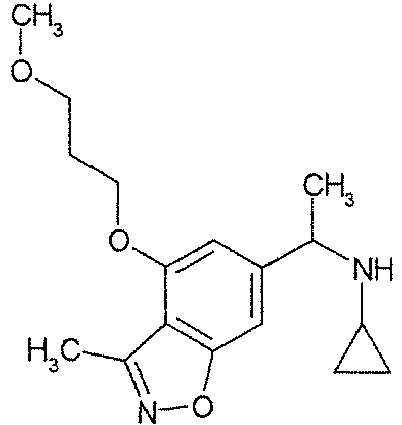
304.3841 O 305 [M+H]+ C-2 76 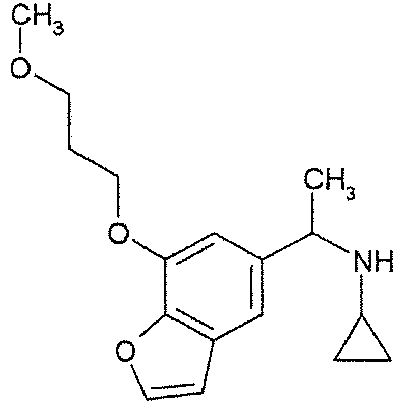
289.3694 O 290 [M+H]+ C-2 77 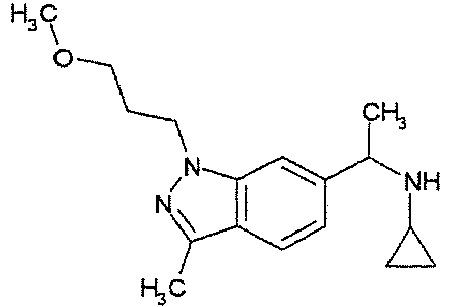
287.3999 O 288 [M+H]+ C-1 [Table 84] 78 
313.8197 O 314/316 [M+H]+ C-2 79 
288.388 O 289 [M+H]+ C-3 80 
301.4265 O 302 [M+H]+ C-3 81 
217.3068 O 218 [M+H]+ C-2 [Table 85] 82 
355.4706 O 356 [M+H]+ C-2 83 
320.4265 O 321 [M+H]+ E-4 84 
306.3999 O 307 [M+H]+ E-4 85 
292.3734 P 293 [M+H]+ E-4 [Table 86] 86 
229.2777 P 230 [M+H]+ F 87 
246.7353 O 247/249 [M+H]+ C-2 88 
277.4018 O 278 [M+H]+ C-2 89 
273.3733 O 274 [M+H]+ C-1 [Table 87] 90 
303.3993 O 304 [M+H]+ C-2 91 
303.3993 O 304 [M+H]+ C-2 92 
382.4992 O 383 [M+H]+ E-1 93 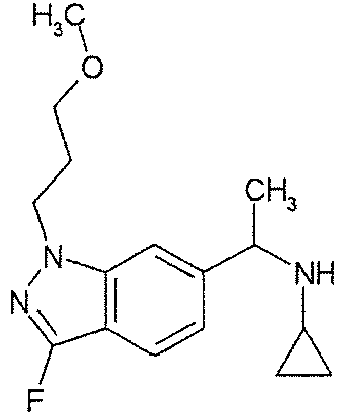
291.3638 O 292 [M+H]+ C-1 [Table 88] 94 
315.3555 O 316 [M+H]+ C-2 95 
287.3999 O 288 [M+H]+ C-1 96 
307.8184 O 308/310 [M+H]+ C-1 97 
273.3733 O 274 [M+H]+ E-2 
-

- To a solution of 1-(1H-indazol-3-yl)ethanone (5.0 g) and triethylamine (6.53 mL) in chloroform (80 mL) was added dropwise a solution of methyl chlorocarbonate (3.24 g) in chloroform (20 mL) under ice-cooling over 1 hour, and the mixture was stirred at room temperature for 14 hours. The reaction solution was washed with aqueous saturated sodium chloride solution, dried over magnesium sulfate, and then concentrated under reduced pressure. The resulting residue was triturated with n-hexane to give methyl 3-acetyl-1H-indazole-1-carboxylate) [REx(101-1)] (6.67 g) as a colorless powder.
APCI-MS m/z: 219[M+H]+. -

- (1) To a solution of 6-fluoro-3-iodo-1H-indazole (1.5 g) and methyl (3-bromopropyl)carbamate (1.68 g) in N,N-dimethylformamide (5 mL) was added potassium carbonate (1.58 g), and the mixture was stirred at room temperature for 3 days. To the reaction solution was added ethyl acetate, and the mixture was washed with aqueous saturated sodium chloride solution, dried over magnesium sulfate, and then concentrated under reduced pressure. The resulting residue was purified by silica gel column chromatography (eluent: n-hexane/ethyl acetate = 1/20→3/2) to give methyl [3-(6-fluoro-3-iodo-1H-indazol-1-yl)propyl]carbamate [REx(102-1)] (836 mg) as a red oil.
APCI-MS m/z: 378[M+H]+. - (2) To a solution of the compound obtained in (1) (830 mg) in 1,4-dioxane (10 mL) were added tri-n-butyltin-1-ethoxyvinyl (1.03 g) and dichlorobis(triphenylphosphine)palladium (II) (155 mg), and the mixture was heated to reflux for 17 hours. The reaction solution was cooled to room temperature, and then thereto was added a solution of potassium fluoride (250 mg) in water (3 mL), and the mixture was stirred at room temperature for 15 minutes. Then, thereto was added 1-normal hydrochloric acid (5 mL), and the mixture was stirred at room temperature for 1 hour, and then an insoluble was filtered. To the filtrate was added ethyl acetate, and the mixture was washed with aqueous saturated sodium chloride solution, dried over magnesium sulfate, and then concentrated under reduced pressure. The resulting residue was purified by silica gel column chromatography (eluent: n-hexane/ethyl acetate = 20/1→1/1) to give methyl [3-(3-acetyl-6-fluoro-1H-indazol-1-yl)propyl]carbamate [REx(102-2)] (437 mg) as a red oil.
APCI-MS m/z: 294[M+H]+. -

- 1) To 1-[1-(4-methoxybenzyl)-1H-pyrazolo[3,4-b]pyridin-3-yl]ethanone (3.14 g) was added trifluoroacetic acid (20 mL), and the mixture was heated to reflux for 2 days. The reaction solution was concentrated under reduced pressure. The resulting residue was diluted with ethyl acetate, and then sequentially washed with aqueous saturated sodium hydrogen carbonate solution and saturated saline, dried over magnesium sulfate, and then concentrated under reduced pressure. The resulting residue was purified by silica gel column chromatography (eluent: n-hexane/ethyl acetate = 95/5→7/3) to give 1-(1H-pyrazolo[3,4-b]pyridin-3-yl)ethanone) [REx(103-1)] (1.73 g) as a pale yellow powder.
APCI-MS m/z: 162[M+H]+. - 2) To a solution of 1-(1H-pyrazolo[3,4-b]pyridin-3-yl)ethanone (500 mg) and methyl (3-bromopropyl)carbamate (912 mg) in N,N-dimethylformaniide (5 mL) was added potassium carbonate (864 mg), and the mixture was stirred at room temperature for 3 days. To the reaction solution was added ethyl acetate, and the mixture was washed with saturated saline, dried over magnesium sulfate, and then concentrated under reduced pressure. The resulting residue was purified by silica gel column chromatography (eluent: n-hexane/ethyl acetate = 95/5→1/1) to give methyl [3-(3-acetyl-1H-pyrazolo[3,4-b]pyridin-1-yl)propyl]carbamate) [REx(103-2)] (308 mg) as a red oil.
APCI-MS m/z: 277[M+H]+. -

- 1) To a mixture of 2-chloro-6-methylnicotinaldehyde (5.0 g) and hydrazine monohydrate (6.24 mL) was added para-toluenesulfonic acid monohydrate (3.67 g), and the mixture was stirred at 130°C for 18 hours. The reaction solution was cooled, and then thereto was added 10% aqueous citric acid solution, and the mixture was stirred at room temperature for 30 minutes. The reaction solution was extracted with ethyl acetate, and washed with saturated saline. The organic layer was dried over sodium sulfate, and then concentrated under reduced pressure to give 6-methyl-1H-pyrazolo[3,4-b]pyridine [REx(104-1)] (3.61 g) as a brown powder.
APCI-MS m/z: 134[M+H]+. - 2) To a solution of 6-methyl-1H-pyrazolo[3,4-b]pyridine (4.44 g) and iodine (16.9 g) in N,N-dimethylformamide (100 mL) was added potassium hydroxide (7.48 g) under ice-cooling, and the mixture was stirred at room temperature for 4 hours. The reaction solution was poured into ice water, and the precipitate was filtered. The filtrate was extracted with ethyl acetate, washed with saturated saline, and then dried over sodium sulfate and concentrated under reduced pressure. The resulting residue was combined with the above-mentioned precipitate and purified by silica gel column chromatography (eluent: chloroform→chloroform/methanol =19/1) to give 3-iodo-6-methyl-1H-pyrazolo[3,4-b]pyridine [REx(104-2)] (6.48 g) as a brown powder.
APCI-MS m/z: 260[M+H]+. - 3) 3-Iodo-6-methyl-1H-pyrazolo[3,4-b]pyridine and methyl (3-bromopropyl)carbamate were treated in the similar manner to Reference Example 102(1) to give methyl [3-(3-iodo-6-methyl-1H-pyrazolo[3,4-b]pyridin-1-yl)propyl]carbamate [REx(104-3)] as a colorless powder.
APCI-MS m/z: 375[M+H]+. - 4) Methyl [3-(3-iodo-6-methyl-1H-pyrazolo[3,4-b]pyridin-1-yl)propyl]carbamate and tri-n-butyltin-ethoxyvinyl were treated in the similar manner to Reference Example 102(2) to give methyl [3-(3-acetyl-6-methyl-1H-pyrazolo[3,4-b]pyridin-1-yl)propyl]carbamate [REx(104-4)] as a colorless powder.
APCI-MS m/z: 291 [M+H]+ . -

- 1) To a solution of 1H-pyrrole (5.0 g) in N,N-dimethylformamide (40 mL) was added drop by drop sodium hydride (3.58 g) under ice-cooling, and then the mixture was stirred at room temperature for 20 minutes. Then, thereto was added dropwise a solution of 1-bromo-3-methoxypropane (2.74 g) in N,N-dimethylformamide (2 mL) under ice-cooling, and the mixture was stirred at room temperature for 2 hours. To the reaction mixture was added water under ice-cooling, and then the mixture was extracted with diethyl ether. The organic layer was washed with saturated saline, dried over sodium sulfate, and then concentrated under reduced pressure. The resulting residue was purified by silica gel column chromatography (eluent: n-hexane/ethyl acetate = 100/1→20/1) to give 1-(3-methoxypropyl)-1H-pyrrole [REx(105-1)] (9.07 g) as a colorless oil.
- 2) A solution of 1-(3-methoxypropyl)-1H-pyrrole (3.92 g), ethyl 3-dimethylamino-2-(dimethylaminomethyleneamino)acrylate (7.20 g) (ref. Liebigs Ann. Chem. 1980,344-357) and trifluoroacetic acid (8.33 mL) in acetic acid (32 mL) was stirred at room temperature for 18 hours, and then heated to reflux for 3 hours. After cooling, the reaction solution was concentrated under reduced pressure. To the resulting residue was added aqueous saturated sodium hydrogen carbonate solution under ice-cooling, and the mixture was extracted with ethyl acetate. The organic layer was washed with saturated saline, dried over sodium sulfate, and then concentrated under reduced pressure. The resulting residue was purified by silica gel column chromatography (eluent: n-hexane/ethyl acetate = 1/1→AcOEt) to give ethyl 1-(3-methoxypropyl)-1H-pyrrolo[3,2-c]pyridine-6-carboxylate [REx(105-2)] (4.79 g) as a brown oil.
APCI-MS m/z: 263 [M+H]+ . - 3) To a solution of ethyl 1-(3-methoxypropyl)-1H-pyrrolo[3,2-c]pyridine-6-carboxylate (2.00 g) in dichloromethane (40 mL) was added N-bromosuccinimide (1.49 g) under ice-cooling, and the mixture was stirred at room temperature for 3 hours. To the reaction solution was added water, and the mixture was extracted with chloroform. The organic layer was washed with saturated saline, dried over sodium sulfate, and then concentrated under reduced pressure. The resulting residue was purified by NH-silica gel column chromatography (eluent: n-hexane/ethyl acetate = 9/1→4/1) to give ethyl 3-bromo-1-(3-methoxypropyl)-1H-pyrrolo[3,2-c]pyridine-6-carboxylate [REx(105-3)] (2.12 g) as a yellow oil.
APCI-MS m/z: 341/343 [M+H]+. - 4) To a solution of ethyl 3-bromo-1-(3-methoxypropyl)-1H-pyrrolo[3,2-c]pyridine-6-carboxylate (1.70 g) in 1,4-dioxane (25 mL) were added trimethylboroxine (2.09 mL), cesium carbonate (4.87 g), 2-dicyclohexylphosphino-2',4',6'-triisopropyl-1,1'-biphenyl (X-Phos) (297 mg) and tris(dibenzylideneacetone)dipalladium (228 mg) under argon, and the mixture was stirred at 110°C for 15 hours. The reaction solution was cooled, and then thereto was added water, and the mixture was extracted with ethyl acetate. The organic layer was washed with saturated saline, dried over sodium sulfate, and then concentrated under reduced pressure. The resulting residue was purified by silica gel column chromatography (eluent: n-hexane→ethyl acetate) to give ethyl 1-(3-methoxypropyl)-3-methyl-1H-pyrrolo[3,2-c]pyridine-6-carboxylate [REx(105-4)] (831 mg) as a yellow oil.
APCI-MS m/z: 277[M+H]+. - 5) To a solution of ethyl 1-(3-methoxypropyl)-3-methyl-1H-pyrrolo[3,2-c]pyridine-6-carboxylate (100 mg) in chloroform (2 mL) was added meta-chloroperoxybenzoic acid (250 mg) under ice-cooling, and then the mixture was stirred at room temperature for 2 hours. The reaction solution was concentrated, and then the resulting residue was purified by NH-silica gel column chromatography (eluent: ethyl acetate→ethyl acetate/methanol = 10/1) to give ethyl 1-(3-methoxypropyl)-3-methyl-1H-pyrrolo[3,2-c]pyridine-6-carboxylate 5-oxide [REx(105-5)] (41 mg) as a pale yellow oil.
APCI-MS m/z: 293 [M+H]+ . - 6) A solution of ethyl 1-(3-methoxypropyl)-3-methyl-1H-pyrrolo[3,2-c]pyridine-6-carboxylate 5-oxide (40 mg) in phosphorus oxychloride (2 mL) was stirred at 100°C for 1 hour. The reaction solution was concentrated, and the resulting residue was dissolved in ethyl acetate. It was sequentially washed with aqueous saturated sodium hydrogen carbonate solution and saturated saline, and dried over sodium sulfate, and then concentrated under reduced pressure. The resulting residue was purified by silica gel column chromatography (eluent: n-hexane→n-hexane/ethyl acetate = 1/1) to give ethyl 4-chloro-1-(3-methoxypropyl)-3-methyl-1H-pyrrolo[3,2-c]pyridine-6-carboxylate [REx(105-6)] (23 mg) as a colorless powder.
APCI-MS m/z: 311/313[M+H]+. - 7) To a solution of ethyl 4-chloro-1-(3-methoxypropyl)-3-methyl-1H-pyrrolo[3,2-c]pyridine-6-carboxylate (290 mg) in ethanol (6 mL) was added 2-normal aqueous sodium hydroxide solution (0.95 mL) under ice-cooling, and the mixture was stirred at room temperature for 90 minutes. Then, thereto was added 2-normal hydrochloric acid (0.95 mL) under ice-cooling, and then the reaction solution was concentrated. To a solution of the residue in chloroform (6 mL) were added N,O-dimethylhydroxyamine hydrochloride (137 mg), 1-ethyl-3-(3-dimethylaminopropyl)carbodiimide hydrochloride (268 mg), 1-hydroxybenzotriazole (189 mg) and diisopropylethylamine (325 µL) under ice-cooling, and then the mixture was stirred at room temperature for 15 hours. To the reaction mixture was added aqueous saturated sodium hydrogen carbonate solution under ice-cooling, and the mixture was extracted with chloroform. The organic layer was sequentially washed with water and saturated saline, dried over sodium sulfate, and then concentrated under reduced pressure. The resulting residue was purified by silica gel column chromatography (eluent: n-hexane→ethyl acetate) to give 4-chloro-N-methoxy-1-(3-methoxypropyl)-N,3-dimethyl-1H-pyrrolo[3,2-c]pyridine-6-carbo xamide [REx(105-7)] (277 mg) as a colorless oil.
APCI-MS m/z: 326/328[M+H]+. - 8) 4-Chloro-N-methoxy-1-(3-methoxypropyl)-N,3-dimethyl-1H-pyrrolo[3,2-c]pyridi ne-6-carboxamide and methylmagnesium bromide were treated in the similar manner to Reference Example 6(5) to give 1-[4-chloro-1-(3-methoxypropyl)-3-methyl-1H-pyrrolo[3,2-c]pyridin-6-yl]ethanone [REx(105-8)] as a colorless powder.
APCI-MS m/z: 281/283 [M+H]+. - 9) To a solution of 1-[4-chloro-1-(3-methoxypropyl)-3-methyl-1H-pyrrolo[3,2-c]pyridin-6-yl]ethanone (50 mg) in 1,4-dioxane (2 mL) were added trimethylboroxine (50 µL), cesium carbonate (174 mg), 2-dicyclohexylphosphino-2',4',6'-triisopropyl-1,1'-biphenyl (X-Phos) (17 mg) and tris(dibenzylideneacetone)dipalladium (8 mg) under argon, and the mixture was stirred at 80°C for 2 hours. The reaction solution was cooled, and then thereto was added water, and the mixture was extracted with ethyl acetate. The organic layer was washed with saturated saline, dried over sodium sulfate, and then concentrated under reduced pressure. The resulting residue was purified by silica gel column chromatography (eluent: n-hexane→n-hexane/ethyl acetate = 1/1) to give 1-[1-(3-methoxypropyl)-3,4-dimethyl-1H-pyrrolo[3,2-c]pyridin-6-yl]ethanone [REx(105-9)] (105 mg) as a colorless oil.
APCI-MS m/z: 261 [M+H]+ . -

- 1) To a solution of ethyl 3-bromo-1-(3-methoxypropyl)-1H-pyrrolo[3,2-c]pyridine-6-carboxylate (200 mg) in 1,4-dioxane (2 mL) were added trivinylboroxine pyridine complex (141 mg), cesium carbonate (573 mg), 2-dicyclohexylphosphino-2',4',6'-triisopropyl-1,1'-biphenyl (X-Phos) (56 mg) and tris(dibenzylideneacetone)dipalladium (27 mg) under argon, and the mixture was stirred at 100°C for 1 hour. The reaction solution was cooled, and then thereto was added water, and the mixture was extracted with ethyl acetate. The organic layer was washed with saturated saline, dried over sodium sulfate, and then concentrated under reduced pressure. The resulting residue was purified by silica gel column chromatography (eluent: n-hexane/ethyl acetate = 9/1→4/1) to give ethyl 1-(3-methoxypropyl)-3-vinyl-1H-pyrrolo[3,2-c]pyridine-6-carboxylate [REx(106-1)] (118 mg) as a yellow oil.
APCI-MS m/z: 289[M+H]+. - 2) To a solution of ethyl 1-(3-methoxypropyl)-3-vinyl-1H-pyrrolo[3,2-c]pyridine-6-carboxylate (460 mg) in ethanol (9 mL) was added 10% palladium on carbon (92 mg), and the mixture was stirred under hydrogen for 1 hour. An insoluble was filtered off, and then the filtrate was concentrated under reduced pressure. The resulting residue was purified by silica gel column chromatography (eluent: n-hexane/ethyl acetate = 9/1→1/1) to give ethyl 3-ethyl-1-(3-methoxypropyl)-1H-pyrrolo[3,2-c]pyridine-6-carboxylate [REx(106-2)] (294 mg) as a yellow oil.
APCI-MS m/z: 291 [M+H]+ . - 3) Ethyl 3-ethyl-1-(3-methoxypropyl)-1H-pyrrolo[3,2-c]pyridine-6-carboxylate was treated with aqueous sodium hydroxide solution and N,O-dimethylhydroxyamine hydrochloride in the similar manner to Reference Example 105(7) to give 3-ethyl-N-methoxy-1-(3-methoxypropyl)-N-methyl-1H-pyrrolo[3,2-c]pyridine-6-carboxami de [REx(106-3)] as a pale yellow oil.
APCI-MS m/z: 306[M+H]+. - 4) 3-Ethyl-N-methoxy-1-(3-methoxypropyl)-N-methyl-1H-pyrrolo[3,2-c]pyridine-6-carboxamide and methylmagnesium bromide were treated in the similar manner to Reference Example 6(5) to give 1-[3-ethyl-1-(3-methoxypropyl)-1H-pyrrolo[3,2-c]pyridin-6-yl]ethanone [REx(106-4)] as a pale yellow oil.
APCI-MS m/z: 261 [M+H]+. -

- 4-Bromo-1-methoxy-2-(4-methoxybutyl)benzene and tri-n-butyltin-1-ethoxyvinyl were treated in the similar manner to Reference Example 27(3) to give 1-[4-methoxy-3-(4-methoxybutyl)phenyl]ethanone as a yellow oil.
APCI-MS m/z: 237[M+H]+. - Compounds of Reference Examples 103 to 107 were treated in the similar manner to Reference Example 6-(6) to give the following compounds.
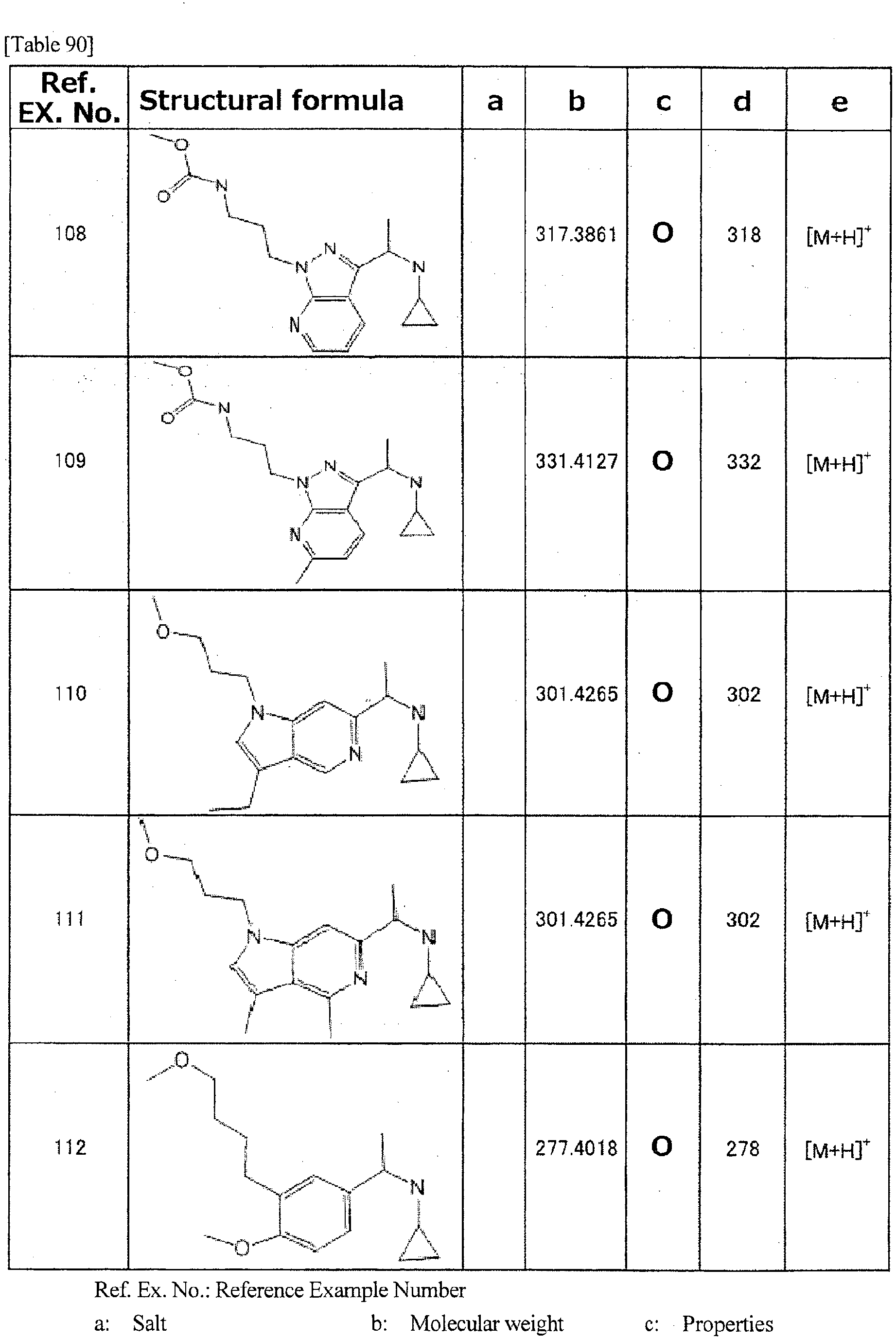

-

- 1) 5-Bromo-6-chloronicotinic acid and N,O-dimethylhydroxyamine hydrochloride were treated in the similar manner to Reference Example 7(5), and then the resulting compound and methylmagnesium bromide were treated in the similar manner to Reference Example 7(6) to give 1-(5-bromo-6-chloropyridin-3-yl)ethanone [REx(113-1)] as a colorless powder.
APCI-MS m/z: 234/236[M+H]+. - 2) 1-(5-Bromo-6-chloropyridin-3-yl)ethanone and cyclopropylamine were treated in the similar manner to Reference Example 6(6) to give N-[1-(5-bromo-6-chloropyridin-3-yl)ethyl]cyclopropylamine [REx(113-2)] as a pale yellow oil.
APCI-MS m/z: 275/277[M+H]+. - 3) To a solution of N-[1-(5-bromo-6-chloropyridin-3-yl)ethyl]cyclopropylamine (2.47 g) in ethyl acetate (15 mL) - tetrahydrofuran (15 mL) - water (15 mL) were added sodium hydrogen carbonate (3.78 g) and di-tert-butyl dicarbonate (3.94 g), and the mixture was stirred at room temperature for 41 hours. To the reaction solution was added water, and then the mixture was extracted with ethyl acetate. The organic layer was washed with saturated saline, dried over sodium sulfate, and then concentrated under reduced pressure. The resulting residue was purified by silica gel column chromatography (eluent: n-hexane/ethyl acetate = 4/1→1/1) to give tert-butyl [1-(5-bromo-6-chloropyridin-3-yl)ethyl]cyclopropylcarbamate [REx(113-3)] (2.6 g) as a pale yellow oil.
- 4) To a solution of t-butyl [1-(5-bromo-6-chloropyridin-3-yl)ethyl]cyclopropylcarbamate (530 mg) in N,N-dimethylformamide (8 mL) were added methyl prop-2-yn-1-ylcarbamate (384 mg), triethylamine (1.96 mL), dichlorobis(triphenylphosphine)palladium (II) (69 mg) and copper (I) iodide (40 mg), and the mixture was stirred at 60°C for 2 hours. The reaction solution was cooled, and then diluted with ethyl acetate, and an insoluble was filtered off. The filtrate was sequentially washed with water and saturated saline, dried over sodium sulfate, and then concentrated under reduced pressure. The resulting residue was purified by silica gel column chromatography (eluent: n-hexane/ethyl acetate = 4/1→1/1) to give methyl [3-(5-{1-[(tert-butoxycarbonyl)(cyclopropyl)amino]ethyl}-2-chloropyridin-3-yl)prop-2-yn-1 -yl]carbamate [REx(113-4)] (362 mg) as a pale yellow oil.
APCI-MS m/z: 408/410[M+H]+. - 5) Methyl [3-(5-{1-[(tert-butoxycarbonyl)(cyclopropyl)amino]ethyl}-2-chloropyridin-3-yl)prop-2-yn-1 -yl]carbamate was reduced in the similar manner to Example 296(5) to give methyl [3-(5-{1-[(tert-butoxycarbonyl)(cyclopropyl)amino]ethyl}-2-chloropyridin-3-yl)propyl]carba mate [REx(113-5)] as a pale yellow oil.
APCI-MS m/z: 412/414[M+H]+. - 6) To a solution of methyl [3-(5-{1-[(tert-butoxycarbonyl)(cyclopropyl)amino]ethyl}-2-chloropyridin-3-yl)propyl] carba mate (380 mg) in dimethoxyethane (8 mL) were added vinyl boronic acid pinacol ester (235 µL), 2M sodium carbonate (1.38 mL) and dichlorobis(triphenylphosphine)palladium (II) (65 mg), and the mixture was stirred at 85°C for 17 hours. The reaction solution was cooled, and then an insoluble was filtered off through Celite, and to the filtrate was added water, and the mixture was extracted with ethyl acetate. The organic layer was washed with saturated saline, dried over sodium sulfate, and then concentrated under reduced pressure. The resulting residue was purified by silica gel column chromatography (eluent: n-hexane/ethyl acetate = 3/1→1/4) to give methyl [3-(5-{1-[(tert-butoxycarbonyl)(cyclopropyl)amino]ethyl}-2-vinylpyridin-3-yl)propyl]carba mate [REx(113-6)] (282 mg) as a pale yellow oil.
APCI-MS m/z: 404[M+H]+. - 7) To a solution of methyl [3-(5-{1-[(tert-butoxycarbonyl)(cyclopropyl)amino]ethyl}-2-vinylpyridin-3-yl)propyl]carba mate (280 mg) in methanol (10 mL) was added 10% palladium on carbon (140 mg), and the mixture was stirred under hydrogen for 2 hours. An insoluble was filtered off, and then the filtrate was concentrated under reduced pressure. The resulting residue was purified by silica gel column chromatography (eluent: chloroform →chloroform/methanol = 4/1) to give methyl [3-(5-{1-[(tert-butoxycarbonyl)(cyclopropyl)amino]-ethyl}-2-ethylpyridin-3-yl)propyl]carbamate [REx(113-7)] (210 mg) as a pale yellow oil.
APCI-MS m/z: 406[M+H]+. - 8) To a solution of methyl [3-(5-{(1-[(tert-butoxycarbonyl)(cyclopropyl)amino]ethy}-2-ethylpyridin-3-yl)propyl] carbamate (204 mg) in dichloromethane (1.5 mL) was added trifluoroacetic acid (1.5 mL) under ice-cooling, and the mixture was stirred at room temperature for 1 hour. The reaction solution was poured into ice-cooled aqueous saturated sodium hydrogen carbonate solution, and extracted with chloroform. The organic layer was washed with saturated saline, dried over sodium sulfate, and then concentrated under reduced pressure. The resulting residue was purified by NH-silica gel column chromatography (eluent: chloroform→chloroform/methanol = 20/1) to give methyl (3-{5-[1-(cyclopropylamino)ethyl]-2-ethylpyridin-3-yl}propyl)carbamate [REx(113-8)] (142 mg) as a pale yellow oil.
APCI-MS m/z: 306[M+H]+. -

- To a solution of (-)-α-pinene (3.64 mL) in tetrahydrofuran (5 mL) was added dropwise borane-dimethyl sulfide complex (1.09 mL) under ice-cooling, and the mixture was stirred at room temperature for 15 hours. To the reaction solution was added dropwise a solution of methyl prop-2-yn-1-ylcarbamate (1.0 g) in tetrahydrofuran (3 mL) under ice-cooling, and then the mixture was stirred at room temperature for 17 hours. To the reaction solution was added dropwise acetaldeheyde (5 mL) under ice-cooling, and the mixture was stirred at room temperature for 3 hours. The reaction solution was concentrated under reduced pressure, and the resulting residue was dissolved in diethyl ether (15 mL). To the solution was added pinacol (1.56 g), and the mixture was stirred at room temperature for 2 hours. The reaction solution was washed with water, and then dried over magnesium sulfate and concentrated under reduced pressure. The resulting residue was purified by silica gel column chromatography (eluent: n-hexane/ethyl acetate = 10/1→3/2) to give methyl [(2E)-3-(4,4,5,5-tetramethyl-1,3,2-dioxaboran-2-yl)prop-2-en-1-yl]carbarmate (1.18 g) as a pale yellow oil.
APCI-MS m/z: 242[M+H]+. - A substrate of synthetic peptide (Nma-KHPFH LVIHK(Dnp)-NH2) and test compound were mixed, and fluorescence intensity was assayed using a fluorophotometer before starting an enzymatic reaction (exciting wavelength: 340 nm, measuring wavelength: 460 nm). Recombinant human renin was added and the mixture was incubated at 37°C for 1 hour, and the fluorescence intensity was measured after the reaction using a fluorophotometer (exciting wavelength: 340 nm, measuring wavelength: 460 nm). Renin activity was evaluated on the ground of fluorescence intensity which was obtained by deduction of the intensity before the reaction from the intensity after the reaction, and 50% inhibitory concentration (IC50) was calculated from renin activities under the existence of various concentration of the test compound. Example compounds herein showed the following values.
-
[Table 91] Example IC50(nM) 6 13 7 13 8 490 9 7.3 10 1.2 12 73 17 210 18 44 19 10 21 8.4 22 270 24 240 25 19 26 320 27 300 28 1.4 29 5.9 30 30 31 580 35 6.8 36 0.5 37 6.6 38 3.7 39 1.4 40 14 41 2.3 42 1.5 43 1.6 44 30 45 8.5 46 17 49 89 52 4.2 53 72 54 31 55 1.9 56 35 57 0.4 58 16 59 2.1 60 7 61 14 62 12 63 800 64 0.9 65 6.4 66 2.4 67 1.5 68 140 69 21 70 0.6 71 21 75 78 76 37 78 1 79 1.1 80 8.4 81 25 82 16 83 330 85 11 86 16 87 7 88 52 89 3.9 90 71 91 15 92 62 93 41 94 120 97 0.7 98 4.4 99 7.3 100 41 101 29 102 290 103 2.4 104 89 -
[Table 92] Example IC50 (nM) 105 8.1 106 530 109 500 110 67 113 540 114 4.1 115 87 116 16 122 19 123 42 124 3.2 125 12 126 6.6 127 15 128 3.3 129 42 132 16 133 20 134 250 135 11 136 33 137 6.3 138 12 139 2.5 140 10 141 4 142 17 143 58 144 4.8 145 63 146 28 147 16 149 13 150 8.7 151 34 152 1.2 153 46 268 3.6 269 6.6 270 0.4 271 3.7 276 2.5 280 0.9 281 6.7 284 0.5 285 6.1 286 3 287 35 -
[Table 93] Example IC50(nM) 299 1.6 301 3.3 304 1.3 305 12 306 230 - The compound [I] of the present invention or a pharmaceutically acceptable salt thereof has renin inhibitory activity and may be useful for treatment and/or prophylaxis of hypertension, cardiac failure, diabetic nephropathy and the like. Furthermore, the compound [II] is useful as a synthetic intermediate for preparing the compound [I].
Claims (15)
- A compound of the formula [I];
 wherein R1 is a cycloalkyl group or a non-substituted alkyl group;R22 is 1) an optionally substituted aryl group, 2) an optionally substituted tetrahydronaphthyl group, 3) an optionally substituted naphthylidinyl group, 4) an optionally substituted pyridyl group, 5) an optionally substituted pyrazolopyridyl group, 6) an optionally substituted indolyl group, 7) an optionally substituted benzofuranyl group, 8) an optionally substituted benzothienyl group, 9) an optionally substituted quinolyl group, 10) an optionally substituted cromanyl group, 11) an optionally substituted dihydrobenzofuranyl group, 12) an optionally substituted indazolyl group, 13) an optionally substituted pyrrolopyridinyl group, 14) an optionally substituted benzoisoxazolyl group, 15) an optionally substituted xanthenyl group, 16) an optionally substituted indolinyl group, 17) an optionally substituted quinazolinyl group, 18) an optionally substituted dihydoquinazolinyl group, 19) an optionally substituted furopyridyl group, 20) an optionally substituted dihydrofuropyridyl group, 21) an optionally substituted quinoxalinyl group, 22) an optionally substituted thienopyridyl group, 23) an optionally substituted dihydopyranopyridyl group, 24) an optionally substituted dihydrobenzothienyl group, 25) an optionally substituted dihydrothienopyridyl group, or 26) an optionally substituted imidazopyridinyl group;R is a lower alkyl group or forms a ring by linking with R22 on each terminal;T is a carbonyl group;Z is -O-, -NH- or a single bond;R3, R4, R5 and R6 are the same or different, a hydrogen atom, an optionally substituted carbamoyl group or an optionally substituted alkyl group;or a pharmaceutically acceptable salt thereof,
 - The compound according to claim 1,wherein R22 is any group selected from;1) a phenyl group optionally substituted with the same or different, one to four group(s) selected from a phenyl lower alkoxy group, a halogen atom, a lower alkyl group, a lower alkyl group substituted with a lower alkoxy group, a lower alkyl group substituted with a lower alkoxycarbonylamino group, a lower alkoxy group substituted with a lower alkoxy group, an aryl group substituted with a lower alkoxy group, a heterocyclic group, a cyano group and a lower alkoxy group,2) a naphthyl group optionally substituted with the same or different, one to six group(s) selected from a trihalogeno lower alkoxy group, a lower alkanoylamino lower alkoxy group, a halogen atom, a lower alkyl group substituted with a lower alkoxy group, a lower alkyl group substituted with a lower alkoxycarbonylamino group, a lower alkyl group, a lower alkoxy group substituted with a lower alkoxy group, an aryl group, an aryl group substituted with a lower alkoxy group, a heterocyclic group, a cyano group and a lower alkoxy group,3) a tetrahydronaphthyl group optionally substituted with the same or different, one to six group(s) selected from a halogen atom, a lower alkyl group substituted with a lower alkoxy group, a lower alkyl group substituted with a lower alkoxycarbonylamino group, a lower alkyl group, a lower alkoxy group substituted with a lower alkoxy group, an aryl group substituted with a lower alkoxy group, a heterocyclic group, a cyano group and a lower alkoxy group,4) a naphthylidinyl group optionally substituted with the same or different, one to five group(s) selected from a halogen atom, a lower alkyl group substituted with a lower alkoxy group, a lower alkyl group substituted with a lower alkoxycarbonylamino group, a lower alkyl group, a lower alkoxy group substituted with a lower alkoxy group, an aryl group substituted with a lower alkoxy group, a heterocyclic group, a cyano group and a lower alkoxy group,5) a pyridyl group optionally substituted with the same or different, one to four group(s) selected from a halogen atom, a lower alkyl group substituted with a lower alkoxy group, a lower alkyl group substituted with a lower alkoxycarbonylamino group, a lower alkyl group, a lower alkoxy group substituted with a lower alkoxy group, an aryl group substituted with a lower alkoxy group, a heterocyclic group, a cyano group and a lower alkoxy group,6) a pyrazolopyridyl group optionally substituted with the same or different, one to four group(s) selected from a halogen atom, a lower alkyl group substituted with a lower alkoxy group, a lower alkyl group substituted with a lower alkoxycarbonylamino group, a lower alkyl group, a lower alkoxy group substituted with a lower alkoxy group, an aryl group substituted with a lower alkoxy group, a heterocyclic group, a cyano group and a lower alkoxy group,7) an indolyl group optionally substituted with the same or different, one to five group(s) selected from a halogen atom, a lower alkyl group substituted with a lower alkoxy group, a lower alkyl group substituted with a lower alkoxycarbonylamino group, a lower alkyl group, a lower alkoxy group substituted with a lower alkoxy group, an aryl group substituted with a lower alkoxy group, a heterocyclic group, a cyano group and a lower alkoxy group,8) a benzofuranyl group optionally substituted with the same or different, one to four group(s) selected from a halogen atom, a lower alkyl group substituted with a lower alkoxy group, a lower alkyl group substituted with a lower alkoxycarbonylamino group, a lower alkyl group, a lower alkoxy group substituted with a lower alkoxy group, an aryl group substituted with a lower alkoxy group, a heterocyclic group, a cyano group and a lower alkoxy group,9) a benzothienyl group optionally substituted with the same or different, one to four group(s) selected from a halogen atom, a lower alkyl group substituted with a lower alkoxy group, a lower alkyl group substituted with a lower alkoxycarbonylamino group, a lower alkyl group, a lower alkoxy group substituted with a lower alkoxy group, an aryl group substituted with a lower alkoxy group, a heterocyclic group, a cyano group and a lower alkoxy group,10) a quinolyl group optionally substituted with the same or different, one to four group(s) selected from a halogen atom, a lower alkyl group substituted with a lower alkoxy group, a lower alkyl group substituted with a lower alkoxycarbonylamino group, a lower alkyl group, a lower alkoxy group substituted with a lower alkoxy group, an aryl group substituted with a lower alkoxy group, a heterocyclic group, a cyano group and a lower alkoxy group,11) a cromanyl group optionally substituted with the same or different, one to five group(s) selected from a halogen atom, a lower alkyl group substituted with a lower alkoxy group, a lower alkyl group substituted with a lower alkoxycarbonylamino group, a lower alkyl group, a lower alkoxy group substituted with a lower alkoxy group, an aryl group substituted with a lower alkoxy group, a heterocyclic group, a cyano group and a lower alkoxy group,12) a dihydrobenzofuranyl group optionally substituted with the same or different, one to four group(s) selected from a halogen atom, a lower alkyl group substituted with a lower alkoxy group, a lower alkyl group substituted with a lower alkoxycarbonylamino group, a lower alkyl group, a lower alkoxy group substituted with a lower alkoxy group, an aryl group substituted with a lower alkoxy group, a heterocyclic group, a cyano group and a lower alkoxy group,13) an indazolyl group optionally substituted with the same or different, one to four group(s) selected from a halogen atom, a lower alkyl group substituted with a lower alkoxy group, a lower alkyl group substituted with a lower alkoxycarbonylamino group, a lower alkyl group, a lower alkoxy group substituted with a lower alkoxy group, an aryl group substituted with a lower alkoxy group, a heterocyclic group, a cyano group and a lower alkoxy group,14) a pyrrolopyridinyl group optionally substituted with the same or different, one to three group(s) selected from a halogen atom, a lower alkyl group substituted with a lower alkoxy group, a lower alkyl group substituted with a lower alkoxycarbonylamino group, a lower alkyl group, a lower alkoxy group substituted with a lower alkoxy group, an aryl group substituted with a lower alkoxy group, a heterocyclic group, a cyano group and a lower alkoxy group,15) a benzoisoxazolyl group optionally substituted with the same or different, one to four group(s) selected from a halogen atom, a lower alkyl group substituted with a lower alkoxy group, a lower alkyl group substituted with a lower alkoxycarbonylamino group, a lower alkyl group, a lower alkoxy group substituted with a lower alkoxy group, an aryl group substituted with a lower alkoxy group, a heterocyclic group, a cyano group and a lower alkoxy group,16) a xanthenyl group optionally substituted with the same or different, one to six group(s) selected from a halogen atom, a lower alkyl group substituted with a lower alkoxy group, a lower alkyl group substituted with a lower alkoxycarbonylamino group, a lower alkyl group, a lower alkoxy group substituted with a lower alkoxy group, an aryl group substituted with a lower alkoxy group, a heterocyclic group, a cyano group and a lower alkoxy group,17) an indolinyl group optionally substituted with the same or different, one to five group(s) selected from a halogen atom, a lower alkyl group substituted with a lower alkoxy group, a lower alkyl group substituted with a lower alkoxycarbonylamino group, a lower alkyl group, a lower alkoxy group substituted with a lower alkoxy group, an aryl group substituted with a lower alkoxy group, a heterocyclic group, a cyano group and a lower alkoxy group,18) an indolinyl group optionally substituted with the same or different, one to five group(s) selected from a halogen atom, a lower alkyl group substituted with a lower alkoxy group, a lower alkyl group substituted with a lower alkoxycarbonylamino group, a lower alkyl group, a lower alkoxy group substituted with a lower alkoxy group, an aryl group substituted with a lower alkoxy group, a heterocyclic group, a cyano group and a lower alkoxy group,19) a dihydroquinazolinyl group optionally substituted with the same or different, one to five group(s) selected from a halogen atom, a lower alkyl group substituted with a lower alkoxy group, a lower alkyl group substituted with a lower alkoxycarbonylamino group, a lower alkyl group, a lower alkoxy group substituted with a lower alkoxy group, an aryl group substituted with a lower alkoxy group, a heterocyclic group, a cyano group and a lower alkoxy group,20) a furopyridyl group optionally substituted with the same or different, one to four group(s) selected from a halogen atom, a lower alkyl group substituted with a lower alkoxy group, a lower alkyl group substituted with a lower alkoxycarbonylamino group, a lower alkyl group, a lower alkoxy group substituted with a lower alkoxy group, an aryl group substituted with a lower alkoxy group, a heterocyclic group, a cyano group and a lower alkoxy group,21) a dihydrofuropyridyl group optionally substituted with the same or different, one to four group(s) selected from a halogen atom, a lower alkyl group substituted with a lower alkoxy group, a lower alkyl group substituted with a lower alkoxycarbonylamino group, a lower alkyl group, a lower alkoxy group substituted with a lower alkoxy group, an aryl group substituted with a lower alkoxy group, a heterocyclic group, a cyano group and a lower alkoxy group,22) a quinoxalinyl group optionally substituted with the same or different, one to five group(s) selected from a halogen atom, a lower alkyl group substituted with a lower alkoxy group, a lower alkyl group substituted with a lower alkoxycarbonylamino group, a lower alkyl group, a lower alkoxy group substituted with a lower alkoxy group, an aryl group substituted with a lower alkoxy group, a heterocyclic group, a cyano group and a lower alkoxy group,23) a thienopyridyl group optionally substituted with the same or different, one to four group(s) selected from a halogen atom, a lower alkyl group substituted with a lower alkoxy group, a lower alkyl group substituted with a lower alkoxycarbonylamino group, a lower alkyl group, a lower alkoxy group substituted with a lower alkoxy group, an aryl group substituted with a lower alkoxy group, a heterocyclic group, a cyano group and a lower alkoxy group,24) a dihydropyranopyridyl group optionally substituted with the same or different, one to four group(s) selected from a halogen atom, a lower alkyl group substituted with a lower alkoxy group, a lower alkyl group substituted with a lower alkoxycarbonylamino group, a lower alkyl group, a lower alkoxy group substituted with a lower alkoxy group, an aryl group substituted with a lower alkoxy group, a heterocyclic group, a cyano group and a lower alkoxy group,25) a dihydrobenzothienyl group optionally substituted with the same or different, one to four group(s) selected from a halogen atom, a lower alkyl group substituted with a lower alkoxy group, a lower alkyl group substituted with a lower alkoxycarbonylamino group, a lower alkyl group, a lower alkoxy group substituted with a lower alkoxy group, an aryl group substituted with a lower alkoxy group, a heterocyclic group, a cyano group and a lower alkoxy group,26) a dihydrothienopyridyl group optionally substituted with the same or different, one to four group(s) selected from a halogen atom, a lower alkyl group substituted with a lower alkoxy group, a lower alkyl group substituted with a lower alkoxycarbonylamino group, a lower alkyl group, a lower alkoxy group substituted with a lower alkoxy group, an aryl group substituted with a lower alkoxy group, a heterocyclic group, a cyano group and a lower alkoxy group, and27) an imidazopyridinyl group optionally substituted with the same or different, one to four group(s) selected from a halogen atom, a lower alkyl group substituted with a lower alkoxy group, a lower alkyl group substituted with a lower alkoxycarbonylamino group, a lower alkyl group, a lower alkoxy group substituted with a lower alkoxy group, an aryl group substituted with a lower alkoxy group, a heterocyclic group, a cyano group and a lower alkoxy group,
or a pharmaceutically acceptable salt thereof. - The compound according to claim 1, wherein R22 is selected from3) an optionally substituted naphthylidinyl group,4) an optionally substituted pyridyl group,5) an optionally substituted pyrazolopyridyl group,10) an optionally substituted cromanyl group,17) an optionally substituted quinazolinyl group,18) an optionally substituted dihydroquinazolinyl group,19) an optionally substituted furopyridyl group,20) an optionally substituted dihydrofuropyridyl group,21) an optionally substituted quinoxalinyl group,22) an optionally substituted thienopyridyl group,23) an optionally substituted dihydropyranopyridyl group,24) an optionally substituted dihydrobenzothienyl group, and25) an optionally substituted dihydrothienopyridyl group,
or a pharmaceutically acceptable salt thereof. - The compound according to claim 1, which is shown by the formula Ic1:
 wherein Rb is lower alkyl,Rb1 is cycloalkyl or alkyl,the ring B is selected from1) an aryl group2) a tetrahydronaphthyl group,3) a naphthyldinyl group,4) a pyridyl group,5) a pyrazolopyridyl group,6) an indolyl group,7) a benzofuranyl group,8) a benzothienyl group,9) a quinolyl group10) a cromanyl group,11) a dihydrobenzofuranyl group,12) an indazolyl group13) a pyrrolopyridyl group,14) a benzoisoxazolyl group,15) a xanthenyl group,16) an indolinyl group,17) a quinazolinyl group18) a dihydroquinazolinyl group19) a furopyridyl group20) a dihydrofuropyridyl group21) a quinoxalinyl group,22) a thienopyridyl group,23) a dihydropyranopyridyl group,24) a dihydrobenzothienyl group25) a dihydrothienothienyl group and26) an imidazopyridinyl group,Rb21 to Rb23 are the same of different, and a group selected from 1) hydrogen, 2) halogen, 3) alkyl optionally substituted with a group selected from halogen, alkoxy and alkoxycarbonylamino, 4) alkoxy optionally substituted with a group selected from alkoxy and alkoxycarbonylamino, 5) cyano, 6) carbamoyl optionally substituted with alkyl and 7) oxo,or a pharmaceutically acceptable salt thereof.
 - The compound according to claim 4, which is shown by the formula Ic2:
 wherein Rb is lower alkyl,Rb1 is cycloalkyl or alkyl,the ring B is selected from1) an aryl group2) a tetrahydronaphthyl group,3) a naphthyldinyl group,4) a pyridyl group,5) a pyrazolopyridyl group,6) an indolyl group,7) a benzofuranyl group,8) a benzothienyl group,9) a quinolyl group10) a cromanyl group,11) a dihydrobenzofuranyl group,12) an indazolyl group13) a pyrrolopyridyl group,14) a benzoisoxazolyl group,15) a xanthenyl group,16) an indolinyl group,17) a quinazolinyl group18) a dihydroquinazolinyl group19) a furopyridyl group20) a dihydrofuropyridyl group21) a quinoxalinyl group,22) a thienopyridyl group,23) a dihydropyranopyridyk group,24) a dihydrobenzothienyl group25) a dihydrothienothienyl group and26) an imidazopyridinyl group,Rb21 to Rb23 are the same of different, and a group selected from 1) hydrogen, 2) halogen, 3) alkyl optionally substituted with a group selected from halogen, alkoxy and alkoxycarbonylamino, 4) alkoxy optionally substituted with a group selected from alkoxy and alkoxycarbonylamino, 5) cyano, 6) carbamoyl optionally substituted with alkyl and 7) oxo,or a pharmaceutically acceptable salt thereof.
 - The compound according to claims 4 or 5, wherein the ring B is selected from3) a naphthylidinyl group4) a pyridyl group5) a pyrazolopyridyl group10) a cromanyl group,17) a quinazolinyl group, and18) a dihydroquinazolinyl group,19) a furopyridyl group,20) a dihydrofuropyridyl group21) a quinoxalinyl group,22) a thienopyridyl group,23) a dihydropyranopyridyl group24) a dihydrobenzothienyl group, and25) a dihydrothienopyridyl group
or a pharmaceutically acceptable salt thereof. - The compound according to claim 6, wherein the ring B is selected from4) a pyridyl group5) a pyrazolopyridyl group17) a quinazolinyl group, and18) a dihydroquinazolinyl group,
or a pharmaceutically acceptable salt thereof. - The compound according to any of claims 4-7, wherein Rb1 is a cycloalkyl group,
or a pharmaceutically acceptable salt thereof. - The compound according to claim 8, wherein Rb1 is a cyclopropyl group,
or a pharmaceutically acceptable salt thereof. - The compound according to any of claims 4-9, wherein Rb21 is a group selected from alkyl optionally substituted with alkoxy and alkoxycarbonylamino, and alkoxy optionally substituted with alkoxy and alkoxycarbamoyl,
or a pharmaceutically acceptable salt thereof. - The compound according to claim 1, which is selected from those described in examples,
or a pharmaceutically acceptable salt thereof. - A pharmaceutical composition comprising the compound according to any of claims 1-11.
- A pharmaceutical composition for use in the treatment and/or prophylaxis of hypertension, cardiac failure, diabetic nephropathy and the like, comprising the compound according to any of claims 1-11,
or a pharmaceutically acceptable salt thereof. - A method for the treatment and/or prophylaxis of hypertension, cardiac failure, diabetic nephropathy and the like, comprising administration of the compound according to any of claims 1-11 or the pharmaceutically acceptable salt thereof,
- A compound of the formula [II]:
 wherein R1 is a cycloalkyl group or a non-substituted alkyl group;R22 is 1) an optionally substituted aryl group, 2) an optionally substituted tetrahydronaphthyl group, 3) an optionally substituted naphthylidinyl group, 4) an optionally substituted pyridyl group, 5) an optionally substituted pyrazolopyridyl group, 6) an optionally substituted indolyl group, 7) an optionally substituted benzofuranyl group, 8) an optionally substituted benzothienyl group, 9) an optionally substituted quinolyl group, 10) an optionally substituted cromanyl group, 11) an optionally substituted dihydrobenzofuranyl group, 12) an optionally substituted indazolyl group, 13) an optionally substituted pyrrolopyridinyl group, 14) an optionally substituted benzoisoxazolyl group, 15) an optionally substituted xanthenyl group, 16) an optionally substituted indolinyl group, 17) an optionally substituted quinazolinyl group, 18) an optionally substituted dihydoquinazolinyl group, 19) an optionally substituted furopyridyl group, 20) an optionally substituted dihydrofuropyridyl group, 21) an optionally substituted quinoxalinyl group, 22) an optionally substituted thienopyridyl group, 23) an optionally substituted dihydopyranopyridyl group, 24) an optionally substituted dihydrobenzothienyl group, 25) an optionally substituted dihydrothienopyridyl group, or 26) an optionally substituted imidazopyridinyl group;R is a lower alkyl group or forms a ring by linking with R22 on each terminal;T is a carbonyl group;Z1 is -O-, -NP2- or a single bond;R3, R4, R5 and R6 are the same or different, a hydrogen atom, an optionally substituted carbamoyl group or an optionally substituted alkyl group;P1 is a protecting group and P2 is a protecting group;or a salt thereof.
Priority Applications (1)
| Application Number | Priority Date | Filing Date | Title |
|---|---|---|---|
| PL12757539T PL2687518T3 (en) | 2011-03-16 | 2012-03-15 | Saturated nitrogen containing heterocyclic compound |
Applications Claiming Priority (2)
| Application Number | Priority Date | Filing Date | Title |
|---|---|---|---|
| JP2011058338 | 2011-03-16 | ||
| PCT/JP2012/056750 WO2012124775A1 (en) | 2011-03-16 | 2012-03-15 | Nitrogen-containing saturated heterocyclic compound |
Publications (3)
| Publication Number | Publication Date |
|---|---|
| EP2687518A1 true EP2687518A1 (en) | 2014-01-22 |
| EP2687518A4 EP2687518A4 (en) | 2014-08-20 |
| EP2687518B1 EP2687518B1 (en) | 2017-11-01 |
Family
ID=46830839
Family Applications (1)
| Application Number | Title | Priority Date | Filing Date |
|---|---|---|---|
| EP12757539.7A Active EP2687518B1 (en) | 2011-03-16 | 2012-03-15 | Nitrogen-containing saturated heterocyclic compound |
Country Status (18)
| Country | Link |
|---|---|
| US (2) | US9278944B2 (en) |
| EP (1) | EP2687518B1 (en) |
| JP (1) | JP5760078B2 (en) |
| KR (1) | KR101651722B1 (en) |
| CN (1) | CN103562191B (en) |
| AU (1) | AU2012229859C1 (en) |
| BR (1) | BR112013023480B1 (en) |
| CA (1) | CA2828378C (en) |
| DK (1) | DK2687518T3 (en) |
| ES (1) | ES2652454T3 (en) |
| HU (1) | HUE037584T2 (en) |
| MX (1) | MX349484B (en) |
| PH (1) | PH12013501840A1 (en) |
| PL (1) | PL2687518T3 (en) |
| PT (1) | PT2687518T (en) |
| RU (1) | RU2595136C2 (en) |
| TW (1) | TWI597273B (en) |
| WO (1) | WO2012124775A1 (en) |
Cited By (2)
| Publication number | Priority date | Publication date | Assignee | Title |
|---|---|---|---|---|
| EP2933248A4 (en) * | 2012-09-14 | 2016-04-13 | Mitsubishi Tanabe Pharma Corp | NEW INHIBITOR OF THE RENIN |
| EP3398946A4 (en) * | 2015-12-29 | 2019-08-28 | Shanghai Pharmaceuticals Holding Co., Ltd. | SALT OF MORPHOLINE DERIVATIVE AND ITS CRYSTALLINE FORM, AND PREPARATION METHOD, PHARMACEUTICAL COMPOSITION AND USE THEREOF |
Families Citing this family (6)
| Publication number | Priority date | Publication date | Assignee | Title |
|---|---|---|---|---|
| JP5764628B2 (en) * | 2012-09-14 | 2015-08-19 | 田辺三菱製薬株式会社 | Pharmaceutical composition |
| CN109705052B (en) * | 2019-01-25 | 2020-12-08 | 苏州大学 | A kind of method for preparing 1,4-dihydrooxazine |
| CN114129569B (en) * | 2020-09-04 | 2026-01-23 | 上海医药集团股份有限公司 | Application of nitrogen-containing saturated heterocyclic compound |
| WO2022047730A1 (en) | 2020-09-04 | 2022-03-10 | Shanghai Pharmaceuticals Holding Co., Ltd. | Methods to treat inflammatory bowel disease |
| CN118084737A (en) * | 2024-04-07 | 2024-05-28 | 江苏工程职业技术学院 | Synthesis method of 4-(1-((tert-butoxycarbonyl)amino)cyclobutyl)benzoic acid |
| CN120365731B (en) * | 2025-06-04 | 2025-12-16 | 浙江福莱新材料股份有限公司 | A high-strength flame-retardant, sound-insulating, and heat-insulating composite material and its preparation method |
Family Cites Families (8)
| Publication number | Priority date | Publication date | Assignee | Title |
|---|---|---|---|---|
| GB0119797D0 (en) * | 2001-08-14 | 2001-10-03 | Glaxo Group Ltd | Chemical compounds |
| GB0428526D0 (en) | 2004-12-30 | 2005-02-09 | Novartis Ag | Organic compounds |
| GB0505969D0 (en) * | 2005-03-23 | 2005-04-27 | Novartis Ag | Organic compounds |
| DE102005017116A1 (en) * | 2005-04-13 | 2006-10-26 | Novartis Ag | Inhibitors of Inhibitors of Apoptosis Proteins (IAP) |
| GB0511063D0 (en) | 2005-05-31 | 2005-07-06 | Novartis Ag | Organic compounds |
| TWI452044B (en) * | 2007-06-15 | 2014-09-11 | Mitsubishi Tanabe Pharma Corp | Morpholine derivative |
| US8440693B2 (en) * | 2009-12-22 | 2013-05-14 | Novartis Ag | Substituted isoquinolinones and quinazolinones |
| CN104640847B (en) * | 2012-09-14 | 2019-10-15 | 上海医药集团股份有限公司 | Novel Renin Inhibitors |
-
2012
- 2012-03-15 JP JP2013504772A patent/JP5760078B2/en active Active
- 2012-03-15 DK DK12757539.7T patent/DK2687518T3/en active
- 2012-03-15 US US14/005,512 patent/US9278944B2/en active Active
- 2012-03-15 EP EP12757539.7A patent/EP2687518B1/en active Active
- 2012-03-15 AU AU2012229859A patent/AU2012229859C1/en active Active
- 2012-03-15 HU HUE12757539A patent/HUE037584T2/en unknown
- 2012-03-15 PH PH1/2013/501840A patent/PH12013501840A1/en unknown
- 2012-03-15 RU RU2013146012/04A patent/RU2595136C2/en active
- 2012-03-15 MX MX2013010554A patent/MX349484B/en active IP Right Grant
- 2012-03-15 WO PCT/JP2012/056750 patent/WO2012124775A1/en not_active Ceased
- 2012-03-15 KR KR1020137027214A patent/KR101651722B1/en active Active
- 2012-03-15 BR BR112013023480-6A patent/BR112013023480B1/en active IP Right Grant
- 2012-03-15 PT PT127575397T patent/PT2687518T/en unknown
- 2012-03-15 CN CN201280013626.5A patent/CN103562191B/en active Active
- 2012-03-15 PL PL12757539T patent/PL2687518T3/en unknown
- 2012-03-15 CA CA2828378A patent/CA2828378C/en active Active
- 2012-03-15 ES ES12757539.7T patent/ES2652454T3/en active Active
- 2012-03-16 TW TW101109070A patent/TWI597273B/en active
-
2016
- 2016-01-12 US US14/993,925 patent/US10155731B2/en active Active
Non-Patent Citations (2)
| Title |
|---|
| No further relevant documents disclosed * |
| See also references of WO2012124775A1 * |
Cited By (3)
| Publication number | Priority date | Publication date | Assignee | Title |
|---|---|---|---|---|
| EP2933248A4 (en) * | 2012-09-14 | 2016-04-13 | Mitsubishi Tanabe Pharma Corp | NEW INHIBITOR OF THE RENIN |
| US9556159B2 (en) | 2012-09-14 | 2017-01-31 | Mitsubishi Tanabe Pharma Corporation | Renin inhibitor |
| EP3398946A4 (en) * | 2015-12-29 | 2019-08-28 | Shanghai Pharmaceuticals Holding Co., Ltd. | SALT OF MORPHOLINE DERIVATIVE AND ITS CRYSTALLINE FORM, AND PREPARATION METHOD, PHARMACEUTICAL COMPOSITION AND USE THEREOF |
Also Published As
Similar Documents
| Publication | Publication Date | Title |
|---|---|---|
| US10155731B2 (en) | Nitrogen-containing saturated heterocyclic compound | |
| KR102699906B1 (en) | Bruton's tyrosine kinase inhibitor | |
| CN105814050B (en) | Pyrazolopyridine Derivatives Used as TNF Activity Modulators | |
| US9556159B2 (en) | Renin inhibitor | |
| US9890168B2 (en) | 2,4-disubstituted 7H-pyrrolo[2,3-d]pyrimidine derivative, preparation method and medicinal use thereof | |
| JP5764628B2 (en) | Pharmaceutical composition | |
| EA021439B1 (en) | Quinazoline compounds | |
| JPH08225535A (en) | Indazole derivative | |
| CA2730071A1 (en) | Antineoplastic derivatives of 4-oxo-l, 4-dihydro-quinolin?, preparation thereof, and therapeutic use thereof | |
| US10793566B2 (en) | Bruton's tyrosine kinase inhibitors | |
| US20250353831A1 (en) | Novel heterobicyclic compound for inhibiting yap-tead interaction and pharmaceutical composition comprising same |
Legal Events
| Date | Code | Title | Description |
|---|---|---|---|
| PUAI | Public reference made under article 153(3) epc to a published international application that has entered the european phase |
Free format text: ORIGINAL CODE: 0009012 |
|
| 17P | Request for examination filed |
Effective date: 20130917 |
|
| AK | Designated contracting states |
Kind code of ref document: A1 Designated state(s): AL AT BE BG CH CY CZ DE DK EE ES FI FR GB GR HR HU IE IS IT LI LT LU LV MC MK MT NL NO PL PT RO RS SE SI SK SM TR |
|
| DAX | Request for extension of the european patent (deleted) | ||
| A4 | Supplementary search report drawn up and despatched |
Effective date: 20140718 |
|
| RIC1 | Information provided on ipc code assigned before grant |
Ipc: C07D 403/12 20060101ALI20140714BHEP Ipc: A61P 9/12 20060101ALI20140714BHEP Ipc: A61K 31/4025 20060101ALI20140714BHEP Ipc: A61P 13/12 20060101ALI20140714BHEP Ipc: C07D 413/14 20060101ALI20140714BHEP Ipc: A61K 31/496 20060101ALI20140714BHEP Ipc: A61K 31/5377 20060101ALI20140714BHEP Ipc: A61P 9/00 20060101ALI20140714BHEP Ipc: A61K 31/437 20060101ALI20140714BHEP Ipc: C07D 265/30 20060101AFI20140714BHEP Ipc: C07D 405/12 20060101ALI20140714BHEP Ipc: A61K 31/416 20060101ALI20140714BHEP Ipc: C07D 471/04 20060101ALI20140714BHEP Ipc: A61K 31/5375 20060101ALI20140714BHEP Ipc: C07D 413/12 20060101ALI20140714BHEP |
|
| RAP1 | Party data changed (applicant data changed or rights of an application transferred) |
Owner name: SHANGHAI PHARMACEUTICALS HOLDING CO., LTD. Owner name: MITSUBISHI TANABE PHARMA CORPORATION |
|
| 17Q | First examination report despatched |
Effective date: 20151124 |
|
| GRAP | Despatch of communication of intention to grant a patent |
Free format text: ORIGINAL CODE: EPIDOSNIGR1 |
|
| INTG | Intention to grant announced |
Effective date: 20170512 |
|
| GRAS | Grant fee paid |
Free format text: ORIGINAL CODE: EPIDOSNIGR3 |
|
| GRAA | (expected) grant |
Free format text: ORIGINAL CODE: 0009210 |
|
| AK | Designated contracting states |
Kind code of ref document: B1 Designated state(s): AL AT BE BG CH CY CZ DE DK EE ES FI FR GB GR HR HU IE IS IT LI LT LU LV MC MK MT NL NO PL PT RO RS SE SI SK SM TR |
|
| REG | Reference to a national code |
Ref country code: GB Ref legal event code: FG4D |
|
| RIN1 | Information on inventor provided before grant (corrected) |
Inventor name: SUGAMA, HIROSHI Inventor name: IIJIMA, TORU Inventor name: SHEN, JINGKANG Inventor name: HIRAI, MIKI Inventor name: XIE, JIANSHU Inventor name: XIA, GUANGXIN Inventor name: KAWAGUCHI, TAKAYUKI |
|
| REG | Reference to a national code |
Ref country code: CH Ref legal event code: EP Ref country code: AT Ref legal event code: REF Ref document number: 941874 Country of ref document: AT Kind code of ref document: T Effective date: 20171115 |
|
| REG | Reference to a national code |
Ref country code: IE Ref legal event code: FG4D |
|
| RIN2 | Information on inventor provided after grant (corrected) |
Inventor name: HIRAI, MIKI Inventor name: XIA, GUANGXIN Inventor name: XIE, JIANSHU Inventor name: KAWAGUCHI, TAKAYUKI Inventor name: IIJIMA, TORU Inventor name: SHEN, JINGKANG Inventor name: SUGAMA, HIROSHI |
|
| REG | Reference to a national code |
Ref country code: DE Ref legal event code: R096 Ref document number: 602012039230 Country of ref document: DE |
|
| REG | Reference to a national code |
Ref country code: SE Ref legal event code: TRGR |
|
| REG | Reference to a national code |
Ref country code: CH Ref legal event code: NV Representative=s name: BOVARD AG PATENT- UND MARKENANWAELTE, CH |
|
| REG | Reference to a national code |
Ref country code: NL Ref legal event code: FP |
|
| RIN2 | Information on inventor provided after grant (corrected) |
Inventor name: SHEN, JINGKANG Inventor name: IIJIMA, TORU Inventor name: KAWAGUCHI, TAKAYUKI Inventor name: XIE, JIANSHU Inventor name: HIRAI, MIKI Inventor name: SUGAMA, HIROSHI Inventor name: XIA, GUANGXIN |
|
| REG | Reference to a national code |
Ref country code: PT Ref legal event code: SC4A Ref document number: 2687518 Country of ref document: PT Date of ref document: 20180119 Kind code of ref document: T Free format text: AVAILABILITY OF NATIONAL TRANSLATION Effective date: 20180112 |
|
| REG | Reference to a national code |
Ref country code: DK Ref legal event code: T3 Effective date: 20180125 Ref country code: FR Ref legal event code: PLFP Year of fee payment: 7 |
|
| REG | Reference to a national code |
Ref country code: ES Ref legal event code: FG2A Ref document number: 2652454 Country of ref document: ES Kind code of ref document: T3 Effective date: 20180202 |
|
| REG | Reference to a national code |
Ref country code: LT Ref legal event code: MG4D |
|
| PG25 | Lapsed in a contracting state [announced via postgrant information from national office to epo] |
Ref country code: LT Free format text: LAPSE BECAUSE OF FAILURE TO SUBMIT A TRANSLATION OF THE DESCRIPTION OR TO PAY THE FEE WITHIN THE PRESCRIBED TIME-LIMIT Effective date: 20171101 Ref country code: NO Free format text: LAPSE BECAUSE OF FAILURE TO SUBMIT A TRANSLATION OF THE DESCRIPTION OR TO PAY THE FEE WITHIN THE PRESCRIBED TIME-LIMIT Effective date: 20180201 Ref country code: FI Free format text: LAPSE BECAUSE OF FAILURE TO SUBMIT A TRANSLATION OF THE DESCRIPTION OR TO PAY THE FEE WITHIN THE PRESCRIBED TIME-LIMIT Effective date: 20171101 |
|
| PG25 | Lapsed in a contracting state [announced via postgrant information from national office to epo] |
Ref country code: LV Free format text: LAPSE BECAUSE OF FAILURE TO SUBMIT A TRANSLATION OF THE DESCRIPTION OR TO PAY THE FEE WITHIN THE PRESCRIBED TIME-LIMIT Effective date: 20171101 Ref country code: BG Free format text: LAPSE BECAUSE OF FAILURE TO SUBMIT A TRANSLATION OF THE DESCRIPTION OR TO PAY THE FEE WITHIN THE PRESCRIBED TIME-LIMIT Effective date: 20180201 Ref country code: RS Free format text: LAPSE BECAUSE OF FAILURE TO SUBMIT A TRANSLATION OF THE DESCRIPTION OR TO PAY THE FEE WITHIN THE PRESCRIBED TIME-LIMIT Effective date: 20171101 Ref country code: IS Free format text: LAPSE BECAUSE OF FAILURE TO SUBMIT A TRANSLATION OF THE DESCRIPTION OR TO PAY THE FEE WITHIN THE PRESCRIBED TIME-LIMIT Effective date: 20180301 Ref country code: HR Free format text: LAPSE BECAUSE OF FAILURE TO SUBMIT A TRANSLATION OF THE DESCRIPTION OR TO PAY THE FEE WITHIN THE PRESCRIBED TIME-LIMIT Effective date: 20171101 |
|
| REG | Reference to a national code |
Ref country code: GR Ref legal event code: EP Ref document number: 20180400235 Country of ref document: GR Effective date: 20180518 |
|
| PG25 | Lapsed in a contracting state [announced via postgrant information from national office to epo] |
Ref country code: CZ Free format text: LAPSE BECAUSE OF FAILURE TO SUBMIT A TRANSLATION OF THE DESCRIPTION OR TO PAY THE FEE WITHIN THE PRESCRIBED TIME-LIMIT Effective date: 20171101 Ref country code: SK Free format text: LAPSE BECAUSE OF FAILURE TO SUBMIT A TRANSLATION OF THE DESCRIPTION OR TO PAY THE FEE WITHIN THE PRESCRIBED TIME-LIMIT Effective date: 20171101 Ref country code: EE Free format text: LAPSE BECAUSE OF FAILURE TO SUBMIT A TRANSLATION OF THE DESCRIPTION OR TO PAY THE FEE WITHIN THE PRESCRIBED TIME-LIMIT Effective date: 20171101 Ref country code: CY Free format text: LAPSE BECAUSE OF FAILURE TO SUBMIT A TRANSLATION OF THE DESCRIPTION OR TO PAY THE FEE WITHIN THE PRESCRIBED TIME-LIMIT Effective date: 20171101 |
|
| REG | Reference to a national code |
Ref country code: DE Ref legal event code: R097 Ref document number: 602012039230 Country of ref document: DE |
|
| PG25 | Lapsed in a contracting state [announced via postgrant information from national office to epo] |
Ref country code: RO Free format text: LAPSE BECAUSE OF FAILURE TO SUBMIT A TRANSLATION OF THE DESCRIPTION OR TO PAY THE FEE WITHIN THE PRESCRIBED TIME-LIMIT Effective date: 20171101 Ref country code: SM Free format text: LAPSE BECAUSE OF FAILURE TO SUBMIT A TRANSLATION OF THE DESCRIPTION OR TO PAY THE FEE WITHIN THE PRESCRIBED TIME-LIMIT Effective date: 20171101 |
|
| PLBE | No opposition filed within time limit |
Free format text: ORIGINAL CODE: 0009261 |
|
| STAA | Information on the status of an ep patent application or granted ep patent |
Free format text: STATUS: NO OPPOSITION FILED WITHIN TIME LIMIT |
|
| REG | Reference to a national code |
Ref country code: HU Ref legal event code: AG4A Ref document number: E037584 Country of ref document: HU |
|
| 26N | No opposition filed |
Effective date: 20180802 |
|
| PG25 | Lapsed in a contracting state [announced via postgrant information from national office to epo] |
Ref country code: SI Free format text: LAPSE BECAUSE OF FAILURE TO SUBMIT A TRANSLATION OF THE DESCRIPTION OR TO PAY THE FEE WITHIN THE PRESCRIBED TIME-LIMIT Effective date: 20171101 Ref country code: MC Free format text: LAPSE BECAUSE OF FAILURE TO SUBMIT A TRANSLATION OF THE DESCRIPTION OR TO PAY THE FEE WITHIN THE PRESCRIBED TIME-LIMIT Effective date: 20171101 |
|
| PG25 | Lapsed in a contracting state [announced via postgrant information from national office to epo] |
Ref country code: LU Free format text: LAPSE BECAUSE OF NON-PAYMENT OF DUE FEES Effective date: 20180315 |
|
| REG | Reference to a national code |
Ref country code: DE Ref legal event code: R082 Ref document number: 602012039230 Country of ref document: DE Representative=s name: HOFFMANN - EITLE PATENT- UND RECHTSANWAELTE PA, DE Ref country code: DE Ref legal event code: R081 Ref document number: 602012039230 Country of ref document: DE Owner name: SHANGHAI PHARMACEUTICALS HOLDING CO., LTD., CN Free format text: FORMER OWNER: SHANGHAI PHARMACEUTICALS HOLDING CO., LTD., SHANGHAI, CN Ref country code: DE Ref legal event code: R081 Ref document number: 602012039230 Country of ref document: DE Owner name: SHANGHAI PHARMACEUTICALS HOLDING CO., LTD., CN Free format text: FORMER OWNERS: MITSUBISHI TANABE PHARMA CORP., OSAKA-SHI, JP; SHANGHAI PHARMACEUTICALS HOLDING CO., LTD., SHANGHAI, CN |
|
| REG | Reference to a national code |
Ref country code: ES Ref legal event code: PC2A Owner name: SHANGHAI PHARMACEUTICALS HOLDING CO., LTD. Effective date: 20190409 |
|
| REG | Reference to a national code |
Ref country code: AT Ref legal event code: UEP Ref document number: 941874 Country of ref document: AT Kind code of ref document: T Effective date: 20171101 |
|
| REG | Reference to a national code |
Ref country code: GB Ref legal event code: 732E Free format text: REGISTERED BETWEEN 20190523 AND 20190529 |
|
| PG25 | Lapsed in a contracting state [announced via postgrant information from national office to epo] |
Ref country code: MT Free format text: LAPSE BECAUSE OF NON-PAYMENT OF DUE FEES Effective date: 20180315 |
|
| PG25 | Lapsed in a contracting state [announced via postgrant information from national office to epo] |
Ref country code: MK Free format text: LAPSE BECAUSE OF NON-PAYMENT OF DUE FEES Effective date: 20171101 |
|
| PG25 | Lapsed in a contracting state [announced via postgrant information from national office to epo] |
Ref country code: AL Free format text: LAPSE BECAUSE OF FAILURE TO SUBMIT A TRANSLATION OF THE DESCRIPTION OR TO PAY THE FEE WITHIN THE PRESCRIBED TIME-LIMIT Effective date: 20171101 |
|
| P01 | Opt-out of the competence of the unified patent court (upc) registered |
Effective date: 20230510 |
|
| PGFP | Annual fee paid to national office [announced via postgrant information from national office to epo] |
Ref country code: ES Payment date: 20250404 Year of fee payment: 14 |
|
| PGFP | Annual fee paid to national office [announced via postgrant information from national office to epo] |
Ref country code: CH Payment date: 20250401 Year of fee payment: 14 |
|
| REG | Reference to a national code |
Ref country code: CH Ref legal event code: U11 Free format text: ST27 STATUS EVENT CODE: U-0-0-U10-U11 (AS PROVIDED BY THE NATIONAL OFFICE) Effective date: 20260401 |
|
| PGFP | Annual fee paid to national office [announced via postgrant information from national office to epo] |
Ref country code: SE Payment date: 20260312 Year of fee payment: 15 |
|
| PGFP | Annual fee paid to national office [announced via postgrant information from national office to epo] |
Ref country code: GB Payment date: 20260227 Year of fee payment: 15 |
|
| PGFP | Annual fee paid to national office [announced via postgrant information from national office to epo] |
Ref country code: DK Payment date: 20260325 Year of fee payment: 15 Ref country code: IE Payment date: 20260305 Year of fee payment: 15 Ref country code: DE Payment date: 20260320 Year of fee payment: 15 |
|
| PGFP | Annual fee paid to national office [announced via postgrant information from national office to epo] |
Ref country code: AT Payment date: 20260310 Year of fee payment: 15 |
|
| PGFP | Annual fee paid to national office [announced via postgrant information from national office to epo] |
Ref country code: BE Payment date: 20260304 Year of fee payment: 15 Ref country code: IT Payment date: 20260227 Year of fee payment: 15 |
|
| PGFP | Annual fee paid to national office [announced via postgrant information from national office to epo] |
Ref country code: HU Payment date: 20260305 Year of fee payment: 15 Ref country code: NL Payment date: 20260326 Year of fee payment: 15 |
|
| PGFP | Annual fee paid to national office [announced via postgrant information from national office to epo] |
Ref country code: FR Payment date: 20260323 Year of fee payment: 15 |
|
| PGFP | Annual fee paid to national office [announced via postgrant information from national office to epo] |
Ref country code: TR Payment date: 20260302 Year of fee payment: 15 |
|
| PGFP | Annual fee paid to national office [announced via postgrant information from national office to epo] |
Ref country code: PT Payment date: 20260302 Year of fee payment: 15 |
|
| PGFP | Annual fee paid to national office [announced via postgrant information from national office to epo] |
Ref country code: GR Payment date: 20260302 Year of fee payment: 15 Ref country code: PL Payment date: 20260302 Year of fee payment: 15 |
|
| REG | Reference to a national code |
Ref country code: CH Ref legal event code: R14 Free format text: ST27 STATUS EVENT CODE: U-0-0-R10-R14 (AS PROVIDED BY THE NATIONAL OFFICE) Effective date: 20260430 |