EP2687002B1 - LDAP-Operation für mehrere Telefonbucheinträge - Google Patents
LDAP-Operation für mehrere Telefonbucheinträge Download PDFInfo
- Publication number
- EP2687002B1 EP2687002B1 EP11708246.1A EP11708246A EP2687002B1 EP 2687002 B1 EP2687002 B1 EP 2687002B1 EP 11708246 A EP11708246 A EP 11708246A EP 2687002 B1 EP2687002 B1 EP 2687002B1
- Authority
- EP
- European Patent Office
- Prior art keywords
- distinguished name
- ldap
- entry
- multiple entries
- entries
- Prior art date
- Legal status (The legal status is an assumption and is not a legal conclusion. Google has not performed a legal analysis and makes no representation as to the accuracy of the status listed.)
- Active
Links
Images


Classifications
-
- G—PHYSICS
- G06—COMPUTING OR CALCULATING; COUNTING
- G06F—ELECTRIC DIGITAL DATA PROCESSING
- G06F16/00—Information retrieval; Database structures therefor; File system structures therefor
- G06F16/20—Information retrieval; Database structures therefor; File system structures therefor of structured data, e.g. relational data
- G06F16/28—Databases characterised by their database models, e.g. relational or object models
- G06F16/282—Hierarchical databases, e.g. IMS, LDAP data stores or Lotus Notes
-
- G—PHYSICS
- G06—COMPUTING OR CALCULATING; COUNTING
- G06F—ELECTRIC DIGITAL DATA PROCESSING
- G06F16/00—Information retrieval; Database structures therefor; File system structures therefor
- G06F16/90—Details of database functions independent of the retrieved data types
-
- H—ELECTRICITY
- H04—ELECTRIC COMMUNICATION TECHNIQUE
- H04L—TRANSMISSION OF DIGITAL INFORMATION, e.g. TELEGRAPHIC COMMUNICATION
- H04L61/00—Network arrangements, protocols or services for addressing or naming
- H04L61/45—Network directories; Name-to-address mapping
- H04L61/4505—Network directories; Name-to-address mapping using standardised directories; using standardised directory access protocols
- H04L61/4523—Network directories; Name-to-address mapping using standardised directories; using standardised directory access protocols using lightweight directory access protocol [LDAP]
Definitions
- the present invention relates to methods and apparatus for implementing Lightweight Directory Access Protocol, LDAP, operations. More particularly, the invention relates to methods and apparatus implementing a LDAP operation for multiple entries within a directory.
- LDAP Lightweight Directory Access Protocol
- the Lightweight Directory Access Protocol is an open industry standard, defined in IETF RFC 4511, that specifies a standard method for accessing and updating information in a directory.
- a directory is usually considered to be a repository or database of information that is optimized to enable the data within the directory to be accessed (i.e. read or searched), under the assumption that data within the directory is accessed much more often than it is updated (i.e. written).
- LDAP defines the communication protocol used between directory clients and directory servers, wherein a directory client is used to access the directory through a directory server.
- LDAP is based on the X.500 standard. However, unlike X.500, LDAP supports TCP/IP, which is necessary for any type of Internet access.
- LDAP requires that the data or entries within a directory are structured in a Directory Information Tree (DIT), which is a hierarchical tree-like structure. The top level of this tree-like structure is referred to as the "root", from which a number of branches originate. Each branch in a DIT leads from the root of the DIT to an entry in the directory.
- An entry consists of a set of attributes, and each attribute has a name (e.g. an attribute type or attribute description) and one or more values.
- the attributes are defined in a schema. Every entry within the DIT has a distinguished name (DN), which uniquely and unambiguously identifies the entry.
- DN distinguished name
- the DN of an entry is made up of the DN of its superior (parent) entry, together with specially nominated attribute values (i.e.
- each DN is composed of an ordered sequence of RDNs, each separated by a comma (see T-REC-X.501).
- Figure 1 illustrates an example of a DIT.
- LDAP defines various operations that allow a directory client to request that the addition, modification or deletion of an entry be performed on its behalf by a directory server. These operations are implemented when a directory client sends the appropriate request message to a directory server. For example, a directory client may send an Add Request, a Modify Request, a Delete Request, a Modify Distinguished Name Request or a Compare Request message. Such a request message identifies the entry on which the requested operation should be performed using the DN of the entry.
- Figure 2a illustrates an example of a DIT with an entry identified as "subscribers".
- the directory client is required to specify 5 million DNs and 5 million lists of attributes, even if each new entry has the same immediate superior entry and even if each entry is to contain the same attributes.
- LDIF LDAP Data Interchange Format
- a LDIF file consists of a series of records separated by line separators, wherein a record consists of a sequence of lines describing a directory entry, or a sequence of lines describing a set of changes to a directory entry.
- US 2005/015763 discloses a method and system for loading LDIF data into a directory, wherein each entry in the LDIF file is associated with a priority value, wherein the priority value for an entry may be based e.g. on the number of delimiters in the DN within the entry, and wherein multiple loading threads concurrently add the entries into an LDAP directory in accordance with their associated priority values. That is, when used to create or modify multiple entries, LDIF also requires that a record must be specified for each entry, with each record specifying a DN and a list of attributes that are to make up the entry, even if each entry has the same immediate superior entry and even if each entry is to contain the same attributes. Therefore, the use of LDIF also suffers from the same problems as LDAP when creating and/or modifying multiple entries.
- the invention is carried out according to the method of independent claim 1 and the apparatuses of independent claims 10 and 15.
- a method of operating a Lightweight Directory Access Protocol, LDAP, directory client comprises, when it is required that an LDAP operation be performed for multiple directory entries, generating a message requesting the LDAP operation, the message specifying how the distinguished name of each of the multiple entries can be determined, and sending the request message to a LDAP directory server.
- LDAP directory client may establish how the distinguished name of each of the multiple entries can be determined.
- the present invention provides that LDAP operations can be implemented for multiple entries within a directory using a single request message and without the need for the request to include the distinguished name for each of the multiple entries.
- the step of generating a message requesting the LDAP operation may comprise including, in the request message, a field specifying how the distinguished name of each of the multiple entries can be determined.
- the step of generating a message requesting the LDAP operation may also further comprise generating one or more variation criteria that can be used to determine the distinguished name of each of the multiple entries, and including the one or more variation criteria in the request message.
- variation criteria can comprise one or more of logical functions, inequalities, regular expressions, and ranges.
- the step of generating a message requesting the LDAP operation may comprise determining a distinguished name of a first entry of the multiple entries, establishing how a distinguished name of each of the remaining multiple entries can be determined from the distinguished name of the first entry, and including, in the request message, the distinguished name of the first entry and information specifying how the distinguished name of each of the remaining multiple entries can be determined from the distinguished name of the first entry.
- the information specifying how the distinguished name of each of the remaining multiple entries can be determined from the distinguished name of the first entry may comprise one or more filter criteria. These variation criteria can comprise one or more of logical functions, inequalities, regular expressions, and ranges.
- the operation may be any one of an add entry operation, a modify entry operation, a delete entry operation, a modify distinguished name operation, and a compare entry operation.
- the request message may be any one of an Add Request, a Modify Request, a Delete Request, a Modify Distinguished Name Request, and a Compare Request.
- the method may further comprise generating a list of one or more attributes that are to be included in each of the multiple entries, and including the list of one or more attributes in the request message.
- the method may further comprise generating a list of one or more modifications that are to be made to each of the multiple entries, and including the list of one or more modifications in the request message.
- the list of one or more modifications can include one or more of the addition of one or more attribute values, the deletion of one or more attribute values, the replacement of one or more attribute values, and the modification of one or more attribute values.
- the method may further comprise establishing how a new distinguished name of each of the multiple entries can be determined, and including information specifying how the new distinguished name of each of the multiple entries can be determined in the request message,
- the method may further comprise generating an attribute value assertion that is to be compared with a value of a particular attribute of each of the multiple entries, and including the attribute value assertion in the request message sent to the LDAP directory server.
- a method of operating an Lightweight Directory Access Protocol, LDAP, directory server comprises receiving a message from a LDAP directory client, the message requesting an LDAP operation and specifying how a distinguished name can be determined for each of multiple directory entries, determining the distinguished name of each of the multiple entries, and implementing the requested operation for each of the multiple entries.
- LDAP Lightweight Directory Access Protocol
- the method may further comprise determining if the message includes a field specifying how a distinguished name can be determined for each of multiple directory entries, and, if so, determining that the requested operation should be performed for each of the multiple directory entries.
- the step of determining the distinguished name of each of the multiple entries may further comprise obtaining one or more variation criteria from the request message, and using the one or more variation criteria to determine the distinguished name of each of the multiple entries.
- variation criteria can comprise one or more of logical functions, inequalities, regular expressions, and ranges.
- the step of determining the distinguished name of each of the multiple entries may comprise obtaining, from the request message, a distinguished name of a first entry of the multiple entries and information specifying how the distinguished name of each of the remaining multiple entries can be determined from the distinguished name of the first entry, and using the information to determine the distinguished name of each of the remaining multiple entries from the distinguished name of the first entry.
- the information specifying how the distinguished name of each of the remaining multiple entries can be determined from the distinguished name of the first entry from the request message can comprise one or more filter criteria. These variation criteria can comprise one or more of logical functions, inequalities, regular expressions, and ranges.
- the method may further comprise sending a response to the LDAP directory client indicating the result of the requested operation.
- the operation may be any one of an add entry operation, a modify entry operation, a delete entry operation, a modify distinguished name operation, and a compare entry operation.
- the request message may be any one of an Add Request, a Modify Request, a Delete Request, a Modify Distinguished Name Request, and a Compare Request.
- the method may further comprise obtaining a list of one or more attributes from the request message, and adding each of the multiple entries to the directory, each of the multiple entries including the one or more attributes obtained from the request message.
- the method may further comprise obtaining a list of one or more modifications from the request message, and performing the one or more modifications on each of the multiple entries.
- the list of one or more modifications can include one or more of: the addition of one or more attribute values, the deletion of one or more attribute values, the replacement of one or more attribute values, and the modification of one or more attribute values.
- the method may further comprise obtaining information specifying how a new distinguished name of each of the multiple entries can be determined from the request message, using the information to determine a new distinguished name of each of the multiple entries, and modifying the distinguished name of each of the multiple entries.
- the method may further comprise obtaining an attribute value assertion from the request message, and comparing the attribute value assertion with a value of a particular attribute of each of the multiple entries.
- an apparatus configured to operate as a Lightweight Directory Access Protocol, LDAP, directory client.
- the apparatus comprises:
- the operation request unit may be further configured to include, in the request message, a field specifying how the distinguished name of each of the multiple entries can be determined.
- the operation request unit may be further configured to generate one or more variation criteria that can be used to determine the distinguished name of each of the multiple entries, and to include the one or more variation criteria in the request message.
- the operation request unit may be configured to generate variation criteria that comprise one or more of logical functions, inequalities, regular expressions, and ranges.
- the operation request unit may be further configured to determine a distinguished name of a first entry of the multiple entries, establish how a distinguished name of each of the remaining multiple entries can be determined from the distinguished name of the first entry, and include, in the request message, the distinguished name of the first entry and information specifying how the distinguished name of each of the remaining multiple entries can be determined from the distinguished name of the first entry.
- the operation request unit may be further configured to generate one or more variation criteria that can be used to determine the distinguished name of each of the remaining multiple entries from the distinguished name of the first entry.
- the operation request unit may be configured to generate variation criteria that comprise one or more of logical functions, inequalities, regular expressions, and ranges.
- the operation request unit may be further configured to establish how the distinguished name of each of the multiple entries can be determined.
- the operation request unit may be further configured to request an operation that may be any one of an add entry operation, a modify entry operation, a delete entry operation, a modify distinguished name operation, and a compare entry operation.
- the operation request unit may be further configured to generate a request message that can be any one of an Add Request, a Modify Request, a Delete Request, a Modify Distinguished Name Request, and a Compare Request.
- the operation request unit may be further configured to generate a list of one or more attributes that are to be included in each of the multiple entries, and to include the list of one or more attributes in the request message.
- the operation request unit may be further configured to generate a list of one or more modifications that are to be made to each of the multiple entries, and to include the list of one or more modifications in the request message.
- the operation request unit may then be configured to generate a list of one or more modifications that can include one or more of: the addition of one or more attribute values, the deletion of one or more attribute values, the replacement of one or more attribute values, and the modification of one or more attribute values.
- the operation request unit may be further configured to establish how a new distinguished name of each of the multiple entries can be determined, and include information specifying how the new distinguished name of each of the multiple entries can be determined in the request message.
- the operation request unit may be further configured to generate an attribute value assertion that is to be compared with a value of a particular attribute of each of the multiple entries, and include the attribute value assertion in the request message sent to the LDAP directory server.
- an apparatus configured to operate as a Lightweight Directory Access Protocol, LDAP, directory server.
- the apparatus comprises:
- the operation performance unit may be further configured to determine if the request message includes a field specifying how a distinguished name can be determined for each of multiple directory entries, and, if so, to determine that the requested operation should be performed for each of the multiple directory entries.
- the operation performance unit may be further configured to obtain one or more variation criteria from the request message, and use the one or more variation criteria to determine the distinguished name of each of the multiple entries.
- the operation performance unit may be further configured to use variation criteria that comprise one or more of logical functions, inequalities, regular expressions, and ranges.
- the operation performance unit may be configured to obtain, from the request message, a distinguished name of a first entry of the multiple entries from the request message and information specifying how the distinguished name of each of the remaining multiple entries can be determined from the distinguished name of the first entry, and to use the information to determine the distinguished name of each of the remaining multiple entries from the distinguished name of the first entry.
- the operation performance unit may be further configured to obtain, from the request message, one or more variation criteria that specify how the distinguished name of each of the remaining multiple entries can be determined from the distinguished name of the first entry.
- the operation performance unit may be further configured to use variation criteria that comprise one or more of logical functions, inequalities, regular expressions, and ranges.
- the operation performance unit may be further configured to generate a response to the LDAP directory client indicating the result of the requested operation.
- the apparatus may further comprise a transmitter for sending the response to the LDAP directory client.
- the operation performance unit may be configured to perform an operation that is any one of an add entry operation, a modify entry operation, a delete entry operation, a modify distinguished name operation, and a compare entry operation.
- the operation performance unit may be configured to process a request message that is any one of an Add Request, a Modify Request, a Delete Request, a Modify Distinguished Name Request, and a Compare Request.
- the operation performance unit may be configured to obtain a list of one or more attributes from the request message, and add each of the multiple entries to the directory, each of the multiple entries including the one or more attributes obtained from the request message.
- the operation performance unit may be configured to obtain a list of one or more modifications from the request message, and perform the one or more modifications on each of the multiple entries.
- the operation performance unit may be further configured to perform one or more modifications that can include one or more of: the addition of one or more attribute values, the deletion of one or more attribute values, the replacement of one or more attribute values, and the modification of one or more attribute values.
- the operation performance unit may be configured to obtain information specifying how a new distinguished name of each of the multiple entries can be determined from the request message, use the information to determine a new distinguished name of each of the multiple entries, and modify the distinguished name of each of the multiple entries.
- the operation performance unit may be configured to obtain an attribute value assertion from the request message, and compare the attribute value assertion with a value of a particular attribute of each of the multiple entries.
- a method of creating multiple entries in a Lightweight Directory Access Protocol, LDAP, directory comprising:
- a single request message can be used to implement a LDAP operation for multiple entries, and without the need for the request to include the Distinguished Name for each of the multiple entries.
- these mechanisms enable the operations to be implemented using only a single set of inputs, or a single set of criteria from which the inputs can be determined, such that the request message does not need to include inputs for each of the multiple entries.
- the LDAP protocol could be modified to allow the inclusion of a "variation" field within a request message, the values of the "variation” field defining one or more filter/variation criteria that are to be used to determine the identifier of each of the multiple entries.
- the values of the "variation” field could define the DN of a first entry and specify how the DN of a number of other entries can be determined from the DN of the first entry.
- the "variation" field could be used to indicate the location within the DIT where the new entries are to be created, and indicate how the RDNs identifying the individual entries can be generated.
- the LDAP Clients would therefore need to be enhanced so as to enable requests messages to be created including this unique field and the appropriate values, and to send request messages containing this field to LDAP Servers.
- the LDAP Servers would therefore need to be enhanced to be able to understand and make use of the information conveyed in the "variation" field when it is included within a request message.
- the Add operation allows a client to request the addition of an entry into the DIT.
- the Add Request message is defined as:
- the value of the "entry” field defines the DN for the entry that is to be created (i.e. the path in the DIT plus the RDN of the new entry), whilst the value of the "attributes” field provides a list of attributes that, along with the RDN, make up the content of the entry being added.
- the Add Request message can be extended to include the "variation" field, such that the enhanced Add Request message is then defined as:
- the value of the "entry" field defines the DN for one of the new entries that is to be created. As such, this DN will identify the path in the DIT and will thereby identify the existing entry that will be the parent of all of the new entries, together with the RDN that will be used as a basis for generating the RDNs of the multiple entries.
- the "variation" field could then specify how the RDNs of each of the multiple entries can be determined from the RDN that is included as part of the DN in the "entry” field.
- the value of the "attributes” field again provides a single list of attributes that, along with the RDN, make up the content of each of the multiple entries that are being added.
- the "variation" field could be defined in a similar way, using a similar syntax to that of the existing LDAP "filter” field.
- the values of the "filter” field express one or more conditions that an entry shall satisfy in order to be returned as part of the outcome.
- a filter is therefore expressed in terms of assertions about the presence or value of certain attributes of an entry, and is satisfied if and only if it evaluates to TRUE.
- the "variation" filed could therefore be defined as:
- the "variation" field can therefore be used to specify how the DN of each of the multiple entries can be determined using any combination of logical functions/operators, inequalities, regular expressions and ranges.
- Add Request message could be defined as:
- LDAP request messages are formulated using the Abstract Syntax Notation One (ASN.1) syntax and notation. This applies to all of the example LDAP request messages defined herein.
- ASN.1 Abstract Syntax Notation One
- LDAP operations such as those operations that are used to modify an entry, delete an entry, modify the distinguished name of an entry or compare the value of an attribute in an entry with an assertion value.
- the corresponding request messages can be extended to include the "variation" field.
- the Modify operation allows a client to request the modification of an entry (e.g. the addition, deletion or replacement of attribute values within an entry) within the DIT.
- the Modify Request message is defined as:
- the Modify Request message can be extended to include the "variation" field, such that the enhanced Modify Request message is then defined as:
- the "variation” filed When the "variation" filed is included within the Modify Request, this indicates to an LDAP Server that the modification of the attribute(s) of multiple entries is requested.
- the value of the "entry” field defines the DN for one of the entries that is to be modified. As such, this DN will identify the path in the DIT and will thereby identify the entry that is the parent of all of the entries that are to be modified, together with the RDN that will be used as a basis for determining the RDNs of the multiple entries.
- the "variation” field then specifies how the RDNs of each of the multiple entries can be determined from the RDN that is part of the DN specified in the "entry” field.
- the "changes” field then specifies a single list of modifications that are to be performed on each of the multiple entries.
- the "operation” field is used to specify the type of modification being performed (e.g. addition, deletion, replacement).
- the "variation” field could be defined using a similar syntax to that of the existing LDAP "filter” field.
- the “variation” could be defined to include a subset of the options provided in specification for the "filter” field.
- the “variation” can use any combination of logical functions/operators, inequalities, regular expressions and ranges.
- the Modify Request message could be defined as:
- RDN i.e. MSISDN
- MSISDN the RDN
- an operation would be performed for the specific entry whose DN is included in the request (e.g. identified in the "entry” or "object” field), and for any other entries whose DNs are determined by applying the criteria given in the "variation" field to the DN included in the request.
- the Delete operation allows a client to request the removal of an entry from the Directory.
- the Delete Request is defined as:
- the Delete Request message can be extended to include the "variation" field, such that the enhanced Delete Request message is then defined as:
- the "variation" field then specifies how the RDNs of each of the multiple entries can be determined from the RDN that is part of the DN specified in the "entry" field.
- the "variation" field could be defined in a similar way to the existing LDAP "filter” field, using any combination of logical functions/operators, inequalities, regular expressions and ranges.
- Delete Request message could be defined as:
- the Modify DN operation allows a client to change the RDN of an entry in the Directory and/or to move a subtree of entries to a new location in the Directory.
- the Modify DN Request is defined as:
- the Modify DN Request message can be extended to include the "variation" field, such that the enhanced Modify DN Request message is then defined as:
- the "variation" field specifies how the RDNs of each of the multiple entries can be determined from the RDN that is included as part of the DN in the "entry” field. If the Modify DN Request is being used to move multiple entries to a new location in the Directory, then the value of the "newSuperior" field defines the DN of an existing entry that is to become the immediate superior (parent) of the multiple entries. If the Modify DN Request is being used to change the RDN of multiple entries then the "variation” field can also be used to determine the new RDN of each of the multiple entries. To do so, the value of the "newrdn” field could be used to define the new RDN of the entry whose DN is defined in the "entry” field. The “variation” field could then also be used to determine the new RDNs of each of the multiple entries from the RDN that is specified in the "newrdn” field.
- ModifyDNRequest message could be extended further to include an additional field that specifies how the new RDNs of each of the multiple entries are to be determined.
- FIG 3 illustrates schematically an embodiment of a LDAP Client 10 configured to perform the methods described above.
- the LDAP Client 10 can be implemented as a combination of computer hardware and software and comprises a transmitter 11, a receiver 12, a multiple entry operation request unit 13, and a memory 14.
- the multiple entry operation request unit 13 may be provided by programs/executable files that are stored in the memory 14 and implemented by a processor.
- the memory 14 stores any configuration information that is pre-configured into the LDAP Client 10 together with any additional data or information that is required by the LDAP Client 10.
- FIG. 4 illustrates schematically an embodiment of a LDAP Server 20 configured to perform the methods described above.
- the LDAP Server 20 can be implemented as a combination of computer hardware and software and comprises a transmitter 21, a receiver 22, a multiple entry operation performance unit 23, and a memory 24.
- the multiple entry operation performance unit 23 may be provided by programs/executable files that are stored in the memory 24 and implemented by a processor, and may be part of an LDAP protocol implementation unit (not shown).
- the memory 24 stores any configuration information that is pre-configured into the LDAP Server 20 together with any additional data or information that is required by the LDAP Server 20.
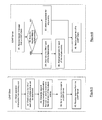
- FIG. 5 is a flow diagram illustrating an example of the process implemented by a LDAP Client. The steps performed are as follows:
- FIG. 6 is a flow diagram illustrating an example of the process implemented by a LDAP Server. The steps performed are as follows:
- the information included within a request message that specifies how a DN can be determined for each of the multiple entries can take a similar format to that of the existing LDAP "filter" field, such that this information is provided to the LDAP Server as one or more expressions or functions, that are referred to as variation criteria. These can therefore specify how the DN of each of the multiple entries can be determined using logical functions, inequalities, regular expressions, and ranges.
- a request message could provide regular expression in the form of a DN including one or more wildcards or variable characters (e.g. 5948790, where '?' denotes a wildcard or variable character).
- This DN can then be used as a basis for determining the DN of each of the multiple entries.
- a request message could provide regular expression in the form of a DN including one or more wildcards or variable characters, and define a subset of all of the possible characters that can be substituted for each of those wildcards or variable characters (e.g. 849xyz, where 4 ⁇ x ⁇ 7; 1 ⁇ y ⁇ 8; 5 ⁇ z ⁇ 8).
- the filtering/search functionality defined for the conventional LDAP Search Request could be used to find/identify one or more entries to which the variation criteria are to be applied.
- the Modify Request message could be defined as:
- Those fields given in italics provide the filtering/search functionality of the conventional LDAP Search Request. Those fields that are underlined provide the modification functionality of the conventional LDAP Modify Request.
- the "variation" field can function so as to specify how the RDNs of each of the multiple entries can be determined from the DNs of the entries identified using the filter/search criteria.
- the LDAP Server that receives a request message that includes both filtering/search criteria and variation criteria should be configured to interpret this message as requesting that this operation be performed for multiple entries.
- the LDAP Server should be configured to identify the multiple entries by using the filtering/search criteria to identify one or more entries, and then apply the variation criteria to the one or more identified entries.
- LDAP operations can be implemented for multiple entries within a directory using a single request message and without the need for the request to include the Distinguished Name for each of the multiple entries.
- these mechanisms enable the operations to be implemented using only a single set of inputs, or a single set of variation criteria from which the inputs can be determined, such that the request message does not need to include inputs for each of the multiple entries.
- the methods and apparatus described above are therefore particularly useful when initially creating multiple entries with default values. For example, using conventional technology, when initially adding subscribers into a subscriber database that is part of a telecommunications network, the subscribers must be added to the database on an individual (i.e. one-by-one) basis.
- the methods and apparatus described above would simplify this initial provisioning by allowing multiple subscribers to be added into the database using a single message that includes only the minimum information.
- the methods and apparatus described above minimise the information that must be conveyed between an LDAP Client and an LDAP Server in order to implement an operation for multiple entries, as the bandwidth provided between LDAP Clients and LDAP Servers is typically minimised. This also minimises the processing burden placed on the LDAP Clients and LDAP Servers. Moreover, the methods and apparatus described above also improve the consistency of the data in a directory, by removing the need for the same data to be entered numerous times, a process which is particularly error-prone.
Landscapes
- Engineering & Computer Science (AREA)
- Databases & Information Systems (AREA)
- Theoretical Computer Science (AREA)
- Data Mining & Analysis (AREA)
- Physics & Mathematics (AREA)
- General Engineering & Computer Science (AREA)
- General Physics & Mathematics (AREA)
- Computer Networks & Wireless Communication (AREA)
- Signal Processing (AREA)
- Information Retrieval, Db Structures And Fs Structures Therefor (AREA)
- Computer And Data Communications (AREA)
Claims (18)
- Verfahren zum Betreiben eines Leichtgewichts-Verzeichniszugriffsprotokoll, LDAP, - Verzeichnisclients, wobei das Verfahren umfasst:wenn es erforderlich ist, dass eine LDAP-Operation für mehrere Verzeichniseinträge durchgeführt wird:Erzeugen einer Nachricht, welche die LDAP-Operation anfordert, wobei die Nachricht spezifiziert, wie der Unterscheidungsname jedes der mehreren Einträge bestimmt werden kann; undSenden der Anforderungsnachricht an einen LDAP-Verzeichnisserver.
- Verfahren nach Anspruch 1, wobei der Schritt des Erzeugens einer Nachricht, welche die LDAP-Operation anfordert, umfasst:Aufnehmen eines Feldes in die Anforderungsnachricht, das spezifiziert, wie der Unterscheidungsname jedes der mehreren Einträge bestimmt werden kann.
- Verfahren nach einem der vorhergehenden Ansprüche, wobei der Schritt des Erzeugens einer Nachricht, welche die LDAP-Operation, anfordert, ferner umfasst:Erzeugen eines oder mehrerer Variationskriterien, die zum Bestimmen des Unterscheidungsnamens jedes der mehreren Einträge verwendet werden; undAufnehmen des einen Variationskriteriums oder der mehreren Variationskriterien in die Anforderungsnachricht.
- Verfahren nach Anspruch 1 oder 2, wobei der Schritt des Erzeugens einer Nachricht, welche die LDAP-Operation anfordert, umfasst:Bestimmen eines Unterscheidungsnamens eines ersten Eintrags der mehreren Einträge;Festlegen, wie ein Unterscheidungsname jedes der restlichen mehreren Einträge aus dem Unterscheidungsnamen des ersten Eintrags bestimmt werden kann; undAufnehmen des Unterscheidunganamens des ersten Eintrags und von Informationen, die spezifizieren, wie der Unterscheidungsname jedes der restlichen mehreren Einträge aus dem Unterscheidungsnamen des ersten Eintrags bestimmt werden kann, in die Anforderungsnachricht.
- Verfahren nach Anspruch 4, wobei der Schritt des Erzeugens einer Nachricht, welche die LDAP-Operation anfordert, ferner umfasst:Erzeugen eines oder mehrerer variationskriterien, die zum Bestimmen des Unterscheidungsnamens jedes der restlichen mehreren Einträge aus dem Unterscheidungsnamen des ersten Eintrags verwendet werden können; undAufnehmen des einen Variationskriteriums oder der mehreren Variationskriterien in die Anforderungsnachricht.
- Verfahren zum Betreiben eines Leichtgewichts-Verzeichniszugriffsprotokoll, LDAP, - Verzeichnisservers, wobei das Verfahren umfasst:Empfangen einer Nachricht von einem LDAP-Verseichnisclient, wobei die Nachricht eine LDAP-Operation anfordert und spezifiziert, wie ein Unterscheidungsname für jeden von mehreren Verzeichniseinträgen bestimmt werden kann;Bestimmen des Unterscheidungsnamens jedes der mehreren Einträge; undImplementieren der angeforderten Operation für jeden der mehreren Einträge.
- Verfahren nach Anspruch 6, wobei das ferner Verfahren umfasst:Bestimmen, ob die Nachricht ein Feld umfasst, das spezifiziert, wie ein Unterscheidungsname für jeden von mehreren verzeichniseinträgen bestimmt werden kann; undwenn dies der Fall ist: Bestimmen, , dass die angeforderte Operation für jeden der mehreren Verzeichniseinträge durchgeführt werden sollte .
- Verfahren nach einem der Ansprüche 6 oder 7, wobei der Schritt des Bestimmens des Unterscheidungsnamens jedes der mehreren Einträge umfasst:Erhalten eines oder mehrerer Variationskriterien aus der Anforderungsnachricht; undVerwenden des einen Variationskriteriums oder der mehreren Variationskriterien zum Bestimmen des Unterscheidungsnamens jedes der mehreren Einträge.
- Verfahren nach einem der Ansprüche 6 oder 7, wobei der Schritt des Bestimmens des Unterscheidungsnamens jedes der mehreren Einträge umfasst:Erhalten eines Unterscheidungsnamens eines ersten Eintrags der mehreren Einträge aus der Anforderungsnachricht;Erhalten aus der Anforderungsnachricht von Informationen, die spezifizieren, wie ein Unterscheidungsname jedes der restlichen mehreren Einträge aus dem Untersheidungsnamen des ersten Eintrags bestimmt werden kann; undVerwanden der Informationen, um den Unterscheidungsnamen jedes der restlichen mehreren Einträge aus dem Unterscheidungsnamen des ersten Eintrags zu bestimmten.
- Vorrichtung, die so konfiguriert ist, dass sie als Leichtgewichts-verzeichniszugriffsprotokoll, LDAP, - Verzeichnisclient funktioniert, wobei die Vorrichtung umfasst::eine Operationsanforderungseinheit zum Erzeugen einer Nachricht, die eine LDAP-Operation anfordert, und zum Aufnehmen von Informationen in die Anforderungsnachricht, die spezifizieren, wie ein Unterscheidungsname für jeden von mehreren - Verzeichniseinträgen bestimmt werden kann; undeinen Sender zum Senden der Anforderungsnachricht an einen LDAP-Verseichnisserver.
- Vorrichtung nach Anspruch 10, wobei die Operationsanforderungseinheit ferner konfiguriert ist zum:Aufnehmen eines Feldes in die Anforderungsnachricht, das spezifiziert, wie der Uhterscheidungsname jedes der mehreren Einträge bestimmt werden kann.
- Vorrichtung nach einem der Ansprüche 10 oder 11, wobei die Operationsanforderungseinheit ferner konfiguriert ist zum:Erzeugen eines oder mehrerer Variationskriterien, die zum Bestimmen des Unterscheidungsnamens jedes der mehreren Einträge verwendet-werden können; undAufnehmen des einen Variationskriteriums oder der mehreren Variationskriterien in die Anforderungsnachricht.
- Vorrichtung nach einem der Ansprüche 10 oder 11, wobei die Operationsanforderungseinheit ferner konfiguriert ist zum:Bestimmen eines Unterscheidungsnamens eines ersten Eintrags der mehreren Einträge;Festlegen, wie ein Unterscheidungsname jedes der restlichen mehreren Einträge aus dem Unterscheidungsnamen des ersten Eintrags bestimmt werden kann; undAufnehmen des Unterscheidungsnamens des ersten Eintrags und von Informationen, die spezifizieren, wie der Unterscheidungsname jedes der restlichen mehreren Einträge aus dem Unterscheidungsnamen des ersten Eintrags bestimmt werden kann, in die Anforderungsnachricht.
- Vorrichtung nach Anspruch 13, wobei die Operationsanforderungseinheit ferner konfiguriert ist zum:Erzeugen eines oder mehrerer Variationskriterien, die zum Bestimmen des Unterscheidungsnamens jedes der restlichen mehreren Einträge aus dem Unterscheidungsnamen des ersten Eintrags verwendet werden können; undAufnehmen des einen Variationskriteriums oder der mehreren Variationskriterien in die Anforderungsnachricht.
- Vorrichtung, die so konfiguriert ist, dass sie als Leichtgewichts-Verzeichniszugriffsprotokoll, LDAP,- Verzeichnisserver funktioniert, wobei die Vorrichtung umfasst:einen Empfänger zum Empfangen einer Nachricht von einem LDAP-Verzeichnisclient, wobei die Nachricht eine LDAP-Operation anfordert;eine Operationsdurchführungseinheit zum Bestimmen, ob die Anforderungsnachricht spezifiziert, wie ein Unterscheidungsname für jeden von mehreren Verzeichniseinträgen bestimmt werden kann, und, wenn dies der Fall ist, zum Bestimmen des Unterscheidungsnamens jedes der mehreren Einträge und Implementierten der angeforderten Operation für jeden der mehreren Einträge.
- Vorrichtung nach Anspruch 15 wobei die Operationsdurchführungseinheit ferner konfiguriert ist zum:Bestimmen, ob die Anforderungsnachricht ein Feld umfasst, das spezifiziert, wie ein Unterscheidungsname für jeden von mehreren Verseichniseinträgen bestimmt werden kann, und, wenn dies der Fall ist, zum Bestimmen, dass die angeforderte Operation, für jeden der mehreren Verzeichniseinträge durchgeführt werden sollte.
- Vorrichtung nach einem der Ansprüche 15 oder 16, wobei die Opertionsanforderungseinheit ferner konfiguriert ist zum:Erhalten eines oder mehrerer Variationskriterien aus der Anforderungsnachricht; undVerwenden des einen Variationskriteriums oder der mehreren Variationskriterien zum Bestimmen des Unterscheidungsnamens jedes der mehreren Einträge.
- Vorrichtung nach einem der Ansprüche 15 oder 16, wobei die Operationsanforderungseinheit ferner konfiguriert ist zum:Erhalten eines Unterscheidungsnamens eines ersten Eintrags der mehreren Einträge aus der Anforderungsnachricht;Erhalten aus der Anforderungsnachricht von Informationen, die spezifizieren, wie ein Ünterscheidungsname jedes der restlichen mehreren Einträge aus dem Unterscheidungsnamen des ersten Eintrags bestimmt werden kann; undVerwenden der Informationen, um den Unterscheidungsnamen jedes der restlichen mehreren Einträge aus dem Unterscheidungsnamen des ersten Eintrags zu bestimmen.
Applications Claiming Priority (1)
| Application Number | Priority Date | Filing Date | Title |
|---|---|---|---|
| PCT/EP2011/053811 WO2012123016A1 (en) | 2011-03-14 | 2011-03-14 | Ldap operation for multiple directory entries |
Publications (2)
| Publication Number | Publication Date |
|---|---|
| EP2687002A1 EP2687002A1 (de) | 2014-01-22 |
| EP2687002B1 true EP2687002B1 (de) | 2015-03-11 |
Family
ID=44625381
Family Applications (1)
| Application Number | Title | Priority Date | Filing Date |
|---|---|---|---|
| EP11708246.1A Active EP2687002B1 (de) | 2011-03-14 | 2011-03-14 | LDAP-Operation für mehrere Telefonbucheinträge |
Country Status (3)
| Country | Link |
|---|---|
| US (1) | US20140006427A1 (de) |
| EP (1) | EP2687002B1 (de) |
| WO (1) | WO2012123016A1 (de) |
Families Citing this family (1)
| Publication number | Priority date | Publication date | Assignee | Title |
|---|---|---|---|---|
| US20140089619A1 (en) * | 2012-09-27 | 2014-03-27 | Infinera Corporation | Object replication framework for a distributed computing environment |
Family Cites Families (14)
| Publication number | Priority date | Publication date | Assignee | Title |
|---|---|---|---|---|
| US6085188A (en) * | 1998-03-30 | 2000-07-04 | International Business Machines Corporation | Method of hierarchical LDAP searching with relational tables |
| US7801913B2 (en) * | 1998-12-07 | 2010-09-21 | Oracle International Corporation | System and method for querying data for implicit hierarchies |
| US6714930B1 (en) * | 2000-05-31 | 2004-03-30 | International Business Machines Corporation | Lightweight directory access protocol, (LDAP) trusted processing of unique identifiers |
| US6609121B1 (en) * | 2000-07-17 | 2003-08-19 | International Business Machines Corporation | Lightweight directory access protocol interface to directory assistance systems |
| US6980985B1 (en) * | 2000-08-30 | 2005-12-27 | At&T Corp. | Distributed evalulation of directory queries using a topology cache |
| US6785686B2 (en) * | 2001-05-29 | 2004-08-31 | Sun Microsystems, Inc. | Method and system for creating and utilizing managed roles in a directory system |
| US6976036B2 (en) * | 2001-11-06 | 2005-12-13 | Science Applications International Corporation | Database management system |
| US7188094B2 (en) * | 2002-07-08 | 2007-03-06 | Sun Microsystems, Inc. | Indexing virtual attributes in a directory server system |
| US7548989B2 (en) * | 2003-07-01 | 2009-06-16 | International Business Machines Corporation | Method and system for maintaining consistency during multi-threaded processing of LDIF data |
| US7870101B2 (en) * | 2005-12-30 | 2011-01-11 | International Business Machines Corporation | Method and apparatus for presentation of a security-focused repository with a party-focused repository |
| US7921104B2 (en) * | 2006-08-31 | 2011-04-05 | Red Hat, Inc. | Invoking actions on data via LDAP requests |
| US7895176B2 (en) * | 2006-11-29 | 2011-02-22 | Red Hat, Inc. | Entry group tags |
| US7562075B2 (en) * | 2006-12-07 | 2009-07-14 | International Business Machines Corporation | Change approvals for computing systems |
| US8219565B2 (en) * | 2009-06-15 | 2012-07-10 | International Business Machines Corporation | Filter range bound paged search |
-
2011
- 2011-03-14 WO PCT/EP2011/053811 patent/WO2012123016A1/en not_active Ceased
- 2011-03-14 EP EP11708246.1A patent/EP2687002B1/de active Active
- 2011-03-14 US US14/004,717 patent/US20140006427A1/en not_active Abandoned
Non-Patent Citations (1)
| Title |
|---|
| HARRISON J SERMERSHEIM NOVELL R ET AL: "LDAP v3 Extensions for Bulk Transfer of LDIF Data; draft-rharrison-bulkldif-00.txt", 19990601, 1 June 1999 (1999-06-01), XP015034523, ISSN: 0000-0004 * |
Also Published As
| Publication number | Publication date |
|---|---|
| EP2687002A1 (de) | 2014-01-22 |
| WO2012123016A1 (en) | 2012-09-20 |
| US20140006427A1 (en) | 2014-01-02 |
Similar Documents
| Publication | Publication Date | Title |
|---|---|---|
| US11729146B1 (en) | Network segmentation by security groups | |
| US8285753B2 (en) | Change approvals for computing systems | |
| US6553368B2 (en) | Network directory access mechanism | |
| CN107656981A (zh) | 一种基于标识技术的数据共享和管理方法及系统 | |
| US8725681B1 (en) | Synthesized identifiers for system information database | |
| US10747733B2 (en) | Generating category-based views of a directory | |
| US9143559B2 (en) | Directory server replication | |
| US20250265049A1 (en) | Systems, Methods, And Devices for Automatic Application Programming Interface Model Generation Based on Network Traffic | |
| EP1738282B1 (de) | Aufrechterhalten der datenintegrität in einer verteilten umgebung | |
| US8055665B2 (en) | Sorted search in a distributed directory environment using a proxy server | |
| EP2687002B1 (de) | LDAP-Operation für mehrere Telefonbucheinträge | |
| US7313598B1 (en) | Method and apparatus for partial replication of directory information in a distributed environment | |
| US11706189B2 (en) | Domain management and synchronization system | |
| US7734611B2 (en) | Dynamic views based on LDAP | |
| CN114827083B (zh) | 域名解析方法、系统以及ecs递归服务器 | |
| Wei et al. | P1935_Edge_Platform. pdf | |
| US9674138B2 (en) | Managed LDAP entries | |
| CN121750713A (zh) | 应用识别方法及网络设备 | |
| CN121792625A (zh) | 一种应用程序编程接口管理方法、装置、设备及介质 | |
| CN117880075A (zh) | 数据管理方法、服务器端、客户端及系统 | |
| WO2004114574A2 (en) | Group network methods and systems |
Legal Events
| Date | Code | Title | Description |
|---|---|---|---|
| PUAI | Public reference made under article 153(3) epc to a published international application that has entered the european phase |
Free format text: ORIGINAL CODE: 0009012 |
|
| 17P | Request for examination filed |
Effective date: 20131009 |
|
| AK | Designated contracting states |
Kind code of ref document: A1 Designated state(s): AL AT BE BG CH CY CZ DE DK EE ES FI FR GB GR HR HU IE IS IT LI LT LU LV MC MK MT NL NO PL PT RO RS SE SI SK SM TR |
|
| DAX | Request for extension of the european patent (deleted) | ||
| GRAP | Despatch of communication of intention to grant a patent |
Free format text: ORIGINAL CODE: EPIDOSNIGR1 |
|
| RIC1 | Information provided on ipc code assigned before grant |
Ipc: H04L 29/12 20060101AFI20140911BHEP Ipc: G06F 17/30 20060101ALI20140911BHEP |
|
| INTG | Intention to grant announced |
Effective date: 20141009 |
|
| GRAS | Grant fee paid |
Free format text: ORIGINAL CODE: EPIDOSNIGR3 |
|
| GRAA | (expected) grant |
Free format text: ORIGINAL CODE: 0009210 |
|
| AK | Designated contracting states |
Kind code of ref document: B1 Designated state(s): AL AT BE BG CH CY CZ DE DK EE ES FI FR GB GR HR HU IE IS IT LI LT LU LV MC MK MT NL NO PL PT RO RS SE SI SK SM TR |
|
| REG | Reference to a national code |
Ref country code: GB Ref legal event code: FG4D |
|
| REG | Reference to a national code |
Ref country code: CH Ref legal event code: EP |
|
| REG | Reference to a national code |
Ref country code: IE Ref legal event code: FG4D |
|
| REG | Reference to a national code |
Ref country code: AT Ref legal event code: REF Ref document number: 715862 Country of ref document: AT Kind code of ref document: T Effective date: 20150415 |
|
| REG | Reference to a national code |
Ref country code: DE Ref legal event code: R096 Ref document number: 602011014574 Country of ref document: DE Effective date: 20150423 |
|
| REG | Reference to a national code |
Ref country code: NL Ref legal event code: T3 |
|
| PG25 | Lapsed in a contracting state [announced via postgrant information from national office to epo] |
Ref country code: HR Free format text: LAPSE BECAUSE OF FAILURE TO SUBMIT A TRANSLATION OF THE DESCRIPTION OR TO PAY THE FEE WITHIN THE PRESCRIBED TIME-LIMIT Effective date: 20150311 Ref country code: ES Free format text: LAPSE BECAUSE OF FAILURE TO SUBMIT A TRANSLATION OF THE DESCRIPTION OR TO PAY THE FEE WITHIN THE PRESCRIBED TIME-LIMIT Effective date: 20150311 Ref country code: FI Free format text: LAPSE BECAUSE OF FAILURE TO SUBMIT A TRANSLATION OF THE DESCRIPTION OR TO PAY THE FEE WITHIN THE PRESCRIBED TIME-LIMIT Effective date: 20150311 Ref country code: NO Free format text: LAPSE BECAUSE OF FAILURE TO SUBMIT A TRANSLATION OF THE DESCRIPTION OR TO PAY THE FEE WITHIN THE PRESCRIBED TIME-LIMIT Effective date: 20150611 Ref country code: LT Free format text: LAPSE BECAUSE OF FAILURE TO SUBMIT A TRANSLATION OF THE DESCRIPTION OR TO PAY THE FEE WITHIN THE PRESCRIBED TIME-LIMIT Effective date: 20150311 Ref country code: SE Free format text: LAPSE BECAUSE OF FAILURE TO SUBMIT A TRANSLATION OF THE DESCRIPTION OR TO PAY THE FEE WITHIN THE PRESCRIBED TIME-LIMIT Effective date: 20150311 |
|
| REG | Reference to a national code |
Ref country code: AT Ref legal event code: MK05 Ref document number: 715862 Country of ref document: AT Kind code of ref document: T Effective date: 20150311 |
|
| REG | Reference to a national code |
Ref country code: LT Ref legal event code: MG4D |
|
| PG25 | Lapsed in a contracting state [announced via postgrant information from national office to epo] |
Ref country code: GR Free format text: LAPSE BECAUSE OF FAILURE TO SUBMIT A TRANSLATION OF THE DESCRIPTION OR TO PAY THE FEE WITHIN THE PRESCRIBED TIME-LIMIT Effective date: 20150612 Ref country code: RS Free format text: LAPSE BECAUSE OF FAILURE TO SUBMIT A TRANSLATION OF THE DESCRIPTION OR TO PAY THE FEE WITHIN THE PRESCRIBED TIME-LIMIT Effective date: 20150311 Ref country code: LV Free format text: LAPSE BECAUSE OF FAILURE TO SUBMIT A TRANSLATION OF THE DESCRIPTION OR TO PAY THE FEE WITHIN THE PRESCRIBED TIME-LIMIT Effective date: 20150311 |
|
| PG25 | Lapsed in a contracting state [announced via postgrant information from national office to epo] |
Ref country code: SK Free format text: LAPSE BECAUSE OF FAILURE TO SUBMIT A TRANSLATION OF THE DESCRIPTION OR TO PAY THE FEE WITHIN THE PRESCRIBED TIME-LIMIT Effective date: 20150311 Ref country code: RO Free format text: LAPSE BECAUSE OF FAILURE TO SUBMIT A TRANSLATION OF THE DESCRIPTION OR TO PAY THE FEE WITHIN THE PRESCRIBED TIME-LIMIT Effective date: 20150311 Ref country code: PT Free format text: LAPSE BECAUSE OF FAILURE TO SUBMIT A TRANSLATION OF THE DESCRIPTION OR TO PAY THE FEE WITHIN THE PRESCRIBED TIME-LIMIT Effective date: 20150713 Ref country code: EE Free format text: LAPSE BECAUSE OF FAILURE TO SUBMIT A TRANSLATION OF THE DESCRIPTION OR TO PAY THE FEE WITHIN THE PRESCRIBED TIME-LIMIT Effective date: 20150311 Ref country code: CZ Free format text: LAPSE BECAUSE OF FAILURE TO SUBMIT A TRANSLATION OF THE DESCRIPTION OR TO PAY THE FEE WITHIN THE PRESCRIBED TIME-LIMIT Effective date: 20150311 |
|
| REG | Reference to a national code |
Ref country code: CH Ref legal event code: PL |
|
| PG25 | Lapsed in a contracting state [announced via postgrant information from national office to epo] |
Ref country code: AT Free format text: LAPSE BECAUSE OF FAILURE TO SUBMIT A TRANSLATION OF THE DESCRIPTION OR TO PAY THE FEE WITHIN THE PRESCRIBED TIME-LIMIT Effective date: 20150311 Ref country code: PL Free format text: LAPSE BECAUSE OF FAILURE TO SUBMIT A TRANSLATION OF THE DESCRIPTION OR TO PAY THE FEE WITHIN THE PRESCRIBED TIME-LIMIT Effective date: 20150311 Ref country code: IS Free format text: LAPSE BECAUSE OF FAILURE TO SUBMIT A TRANSLATION OF THE DESCRIPTION OR TO PAY THE FEE WITHIN THE PRESCRIBED TIME-LIMIT Effective date: 20150711 |
|
| REG | Reference to a national code |
Ref country code: DE Ref legal event code: R097 Ref document number: 602011014574 Country of ref document: DE |
|
| PG25 | Lapsed in a contracting state [announced via postgrant information from national office to epo] |
Ref country code: IT Free format text: LAPSE BECAUSE OF FAILURE TO SUBMIT A TRANSLATION OF THE DESCRIPTION OR TO PAY THE FEE WITHIN THE PRESCRIBED TIME-LIMIT Effective date: 20150311 |
|
| REG | Reference to a national code |
Ref country code: IE Ref legal event code: MM4A |
|
| PLBE | No opposition filed within time limit |
Free format text: ORIGINAL CODE: 0009261 |
|
| STAA | Information on the status of an ep patent application or granted ep patent |
Free format text: STATUS: NO OPPOSITION FILED WITHIN TIME LIMIT |
|
| PG25 | Lapsed in a contracting state [announced via postgrant information from national office to epo] |
Ref country code: MC Free format text: LAPSE BECAUSE OF FAILURE TO SUBMIT A TRANSLATION OF THE DESCRIPTION OR TO PAY THE FEE WITHIN THE PRESCRIBED TIME-LIMIT Effective date: 20150311 Ref country code: LI Free format text: LAPSE BECAUSE OF NON-PAYMENT OF DUE FEES Effective date: 20150331 Ref country code: CH Free format text: LAPSE BECAUSE OF NON-PAYMENT OF DUE FEES Effective date: 20150331 Ref country code: DK Free format text: LAPSE BECAUSE OF FAILURE TO SUBMIT A TRANSLATION OF THE DESCRIPTION OR TO PAY THE FEE WITHIN THE PRESCRIBED TIME-LIMIT Effective date: 20150311 Ref country code: IE Free format text: LAPSE BECAUSE OF NON-PAYMENT OF DUE FEES Effective date: 20150314 |
|
| REG | Reference to a national code |
Ref country code: FR Ref legal event code: ST Effective date: 20160111 |
|
| 26N | No opposition filed |
Effective date: 20151214 |
|
| PG25 | Lapsed in a contracting state [announced via postgrant information from national office to epo] |
Ref country code: SI Free format text: LAPSE BECAUSE OF FAILURE TO SUBMIT A TRANSLATION OF THE DESCRIPTION OR TO PAY THE FEE WITHIN THE PRESCRIBED TIME-LIMIT Effective date: 20150311 |
|
| PG25 | Lapsed in a contracting state [announced via postgrant information from national office to epo] |
Ref country code: FR Free format text: LAPSE BECAUSE OF NON-PAYMENT OF DUE FEES Effective date: 20150511 |
|
| PG25 | Lapsed in a contracting state [announced via postgrant information from national office to epo] |
Ref country code: BE Free format text: LAPSE BECAUSE OF FAILURE TO SUBMIT A TRANSLATION OF THE DESCRIPTION OR TO PAY THE FEE WITHIN THE PRESCRIBED TIME-LIMIT Effective date: 20150311 |
|
| PG25 | Lapsed in a contracting state [announced via postgrant information from national office to epo] |
Ref country code: MT Free format text: LAPSE BECAUSE OF FAILURE TO SUBMIT A TRANSLATION OF THE DESCRIPTION OR TO PAY THE FEE WITHIN THE PRESCRIBED TIME-LIMIT Effective date: 20150311 |
|
| PG25 | Lapsed in a contracting state [announced via postgrant information from national office to epo] |
Ref country code: HU Free format text: LAPSE BECAUSE OF FAILURE TO SUBMIT A TRANSLATION OF THE DESCRIPTION OR TO PAY THE FEE WITHIN THE PRESCRIBED TIME-LIMIT; INVALID AB INITIO Effective date: 20110314 Ref country code: BG Free format text: LAPSE BECAUSE OF FAILURE TO SUBMIT A TRANSLATION OF THE DESCRIPTION OR TO PAY THE FEE WITHIN THE PRESCRIBED TIME-LIMIT Effective date: 20150311 Ref country code: SM Free format text: LAPSE BECAUSE OF FAILURE TO SUBMIT A TRANSLATION OF THE DESCRIPTION OR TO PAY THE FEE WITHIN THE PRESCRIBED TIME-LIMIT Effective date: 20150311 |
|
| PG25 | Lapsed in a contracting state [announced via postgrant information from national office to epo] |
Ref country code: CY Free format text: LAPSE BECAUSE OF FAILURE TO SUBMIT A TRANSLATION OF THE DESCRIPTION OR TO PAY THE FEE WITHIN THE PRESCRIBED TIME-LIMIT Effective date: 20150311 |
|
| PG25 | Lapsed in a contracting state [announced via postgrant information from national office to epo] |
Ref country code: TR Free format text: LAPSE BECAUSE OF FAILURE TO SUBMIT A TRANSLATION OF THE DESCRIPTION OR TO PAY THE FEE WITHIN THE PRESCRIBED TIME-LIMIT Effective date: 20150311 |
|
| PG25 | Lapsed in a contracting state [announced via postgrant information from national office to epo] |
Ref country code: LU Free format text: LAPSE BECAUSE OF NON-PAYMENT OF DUE FEES Effective date: 20150314 |
|
| PG25 | Lapsed in a contracting state [announced via postgrant information from national office to epo] |
Ref country code: MK Free format text: LAPSE BECAUSE OF FAILURE TO SUBMIT A TRANSLATION OF THE DESCRIPTION OR TO PAY THE FEE WITHIN THE PRESCRIBED TIME-LIMIT Effective date: 20150311 |
|
| PG25 | Lapsed in a contracting state [announced via postgrant information from national office to epo] |
Ref country code: AL Free format text: LAPSE BECAUSE OF FAILURE TO SUBMIT A TRANSLATION OF THE DESCRIPTION OR TO PAY THE FEE WITHIN THE PRESCRIBED TIME-LIMIT Effective date: 20150311 |
|
| REG | Reference to a national code |
Ref country code: DE Ref legal event code: R079 Ref document number: 602011014574 Country of ref document: DE Free format text: PREVIOUS MAIN CLASS: H04L0029120000 Ipc: H04L0067286900 |
|
| PGFP | Annual fee paid to national office [announced via postgrant information from national office to epo] |
Ref country code: GB Payment date: 20260327 Year of fee payment: 16 |
|
| PGFP | Annual fee paid to national office [announced via postgrant information from national office to epo] |
Ref country code: DE Payment date: 20260327 Year of fee payment: 16 |
|
| PGFP | Annual fee paid to national office [announced via postgrant information from national office to epo] |
Ref country code: NL Payment date: 20260326 Year of fee payment: 16 |