EP2682461A1 - Carrier for immobilizing methanotroph and method for removing methane employing the same - Google Patents
Carrier for immobilizing methanotroph and method for removing methane employing the same Download PDFInfo
- Publication number
- EP2682461A1 EP2682461A1 EP20130165345 EP13165345A EP2682461A1 EP 2682461 A1 EP2682461 A1 EP 2682461A1 EP 20130165345 EP20130165345 EP 20130165345 EP 13165345 A EP13165345 A EP 13165345A EP 2682461 A1 EP2682461 A1 EP 2682461A1
- Authority
- EP
- European Patent Office
- Prior art keywords
- methane
- methanotroph
- tobermolite
- biofilter
- carrier
- Prior art date
- Legal status (The legal status is an assumption and is not a legal conclusion. Google has not performed a legal analysis and makes no representation as to the accuracy of the status listed.)
- Granted
Links
Images






Classifications
-
- C—CHEMISTRY; METALLURGY
- C12—BIOCHEMISTRY; BEER; SPIRITS; WINE; VINEGAR; MICROBIOLOGY; ENZYMOLOGY; MUTATION OR GENETIC ENGINEERING
- C12N—MICROORGANISMS OR ENZYMES; COMPOSITIONS THEREOF; PROPAGATING, PRESERVING, OR MAINTAINING MICROORGANISMS; MUTATION OR GENETIC ENGINEERING; CULTURE MEDIA
- C12N11/00—Carrier-bound or immobilised enzymes; Carrier-bound or immobilised microbial cells; Preparation thereof
- C12N11/14—Enzymes or microbial cells immobilised on or in an inorganic carrier
-
- C—CHEMISTRY; METALLURGY
- C12—BIOCHEMISTRY; BEER; SPIRITS; WINE; VINEGAR; MICROBIOLOGY; ENZYMOLOGY; MUTATION OR GENETIC ENGINEERING
- C12N—MICROORGANISMS OR ENZYMES; COMPOSITIONS THEREOF; PROPAGATING, PRESERVING, OR MAINTAINING MICROORGANISMS; MUTATION OR GENETIC ENGINEERING; CULTURE MEDIA
- C12N11/00—Carrier-bound or immobilised enzymes; Carrier-bound or immobilised microbial cells; Preparation thereof
-
- B—PERFORMING OPERATIONS; TRANSPORTING
- B09—DISPOSAL OF SOLID WASTE; RECLAMATION OF CONTAMINATED SOIL
- B09C—RECLAMATION OF CONTAMINATED SOIL
- B09C1/00—Reclamation of contaminated soil
- B09C1/10—Reclamation of contaminated soil microbiologically, biologically or by using enzymes
-
- C—CHEMISTRY; METALLURGY
- C12—BIOCHEMISTRY; BEER; SPIRITS; WINE; VINEGAR; MICROBIOLOGY; ENZYMOLOGY; MUTATION OR GENETIC ENGINEERING
- C12N—MICROORGANISMS OR ENZYMES; COMPOSITIONS THEREOF; PROPAGATING, PRESERVING, OR MAINTAINING MICROORGANISMS; MUTATION OR GENETIC ENGINEERING; CULTURE MEDIA
- C12N1/00—Microorganisms; Compositions thereof; Processes of propagating, maintaining or preserving microorganisms or compositions thereof; Processes of preparing or isolating a composition containing a microorganism; Culture media therefor
- C12N1/20—Bacteria; Culture media therefor
-
- B—PERFORMING OPERATIONS; TRANSPORTING
- B09—DISPOSAL OF SOLID WASTE; RECLAMATION OF CONTAMINATED SOIL
- B09B—DISPOSAL OF SOLID WASTE NOT OTHERWISE PROVIDED FOR
- B09B1/00—Dumping solid waste
Definitions
- This invention relates to a carrier for immobilizingMethanotroph and method for removing methane employing the same.
- this invention relates to a carrier for immobilizing Methanotroph that can selectively allowMethanotroph to growwith high reproduction rate, biofilter that comprises immobilized Methanotroph in the carrier, biocover that comprises Methanotroph immobilizedin the carrier, method for removing methane using the biofilter or biocover, culture media for Methanotroph that can selectively allow Methanotroph to grow with high reproduction rate, and method for culturing Methanotroph using the culture media.
- Methane is one of the greenhouse gases that causes global climate change and the greenhouse effect caused by methane is 20 times stronger than those caused by carbon dioxide.
- One of main synthetic source factor of methane is landfill. It is estimated thatannual amount of methane caused by landfill is 35 to 73 Tg(tera gram). For this reason, there are active research activities to recover and use methane generated from landfills as energy source. However, for small scale landfill that would be economically inefficient to install a methane collection facility, or a landfill that has reached full capacity considerable time ago and discharges methane that is too low in concentration to be used as energy, there is no prepared measure to address this issue.
- Methanotroph uses methane as carbon source and energy source to proliferate, using Methanotroph is known as an effective method for removing methane.
- Methanotroph must be immobilized by inoculating to a mineral carrier such as illite and montmorillonite in order for Methanotroph to be used in a landfill, Methanotroph cannot normally proliferate or grow when inoculated to the mineral carrier, thereby resulting in low methane reduction efficiency even in case of usage of immobilized Methanotroph.
- a mineral carrier such as illite and montmorillonite
- One of the objects of this invention is to provide a carrier for immobilizing Methanotroph that comprises tobermolite.
- Another object of this invention is to provide a biofilter that comprises Methanotroph immobilizedto the carrier.
- Another object of this invention is to provide a biocover that comprises Methanotroph immobilized to the carrier.
- Another object of this invention is to provide a biocover comprising a biofilter that comprises Methanotroph immobilized to the carrier.
- Another object of this invention is to provide a method to remove methane using the biofilter or biocover.
- Another object of this invention is to provide a culture media for Methanotrophthat comprises tobermolite.
- Another object of this invention is to provide a method to culture Methanotroph using the media.
- this invention provides a carrier for immobilizing Methanotroph that comprises tobermolite.
- tobermolite is a stabilized calcium silicate hydrate(5CaO. 6SiO 2 . 5H 2 O) that has high solidity which is produced from silica(SiO 2 )and calcium through hydrothermal reaction. Tobermolite has porosous, light weight, solid and of crystal habit features, and is most effectively created when CaO/SiO 2 molar ratio is between from 0.5 to 1.5.
- the tobermolite can be used as a carrier for immobilizingMethanoroph as well as a culture media, although its usage is not limited to the described thereof.
- Methanotroph refers to an organism in the methylotroph category that uses only methane as a carbon source and energy source. Methanotroph absorbs methane at the exterior of a cell and transforms the absorbed methane to consecutive order of CH 3 OH, HCHO, HCOOH and CO 2 , thereby obtaining ATP by totally oxidizing methane to carbon dioxide. Methanotroph of this invention may be microorganism such as Methylocystis sp., Methylosarcina sp., and Methylocaldum sp., although not limited to the described thereof, as long as it can be immobilized to the tobermolite and have ability of eliminating methane.
- methylotroph refers to an organism that uses compounds with one carbon such as methane, methanol and methylamine, or compounds that did not C-C combine within a molecule such as dimethylamine and trimethylamine as carbon source and energy source.
- Methylotroph is categorized to either obligate methylotroph ( Methylococcus sp., Methylosinus sp. etc.) that can only use the compounds, or faculative methylotroph ( Pseudomonas sp., Methylobacterium sp. etc.) that can also use other carbon compounds.
- Methanotroph of this invention is categorized as obligate methylotroph that can use methane as only carbon source and energy source, although not limited to the described thereof.
- carrier for immobilizing refers to substrate that immobilizes microorganism for industrial usage.
- the substrate has durability that is preferable for industrial usage as it can immobilize the target microorganism with high concentration, comprises multiple pore, can form reticulated network of flow channels that are formed by extension of the pore, as well as has sufficient mechanical strength such as elasticity and compressive strength.
- the carrier can be a carrier that is not inoculated with Methanotroph, a carrier that is already inoculated with Methanotroph, or a carrier inoculated with proliferated Methanotroph, although not limited to the described thereof.
- tobermolite that can immobilize and selectively allow Methanotroph to proliferate can be used alone, as well as combination of tobermolite and other mineral substances that can help proliferation of the Methanotroph can be used, although the above carrier is not limited by this.
- the content of the tobermolite that is comprised in the carrier is preferably 10 to 90 wt %, more preferably 50 to 90 wt % and most preferably 80 to 90 wt % with reference to the total weight of the carrier, although not specifically limited to the description thereof if it may constitute the carrier that can be used for immobilizing and culturing of Methanotroph.
- the inventors of this invention introduced tobermolite with immobilized Methanotroph to the soil in order to accelerate its methane oxidation. There was no oxidation of Methane when solely soil was used, while minor oxidation of soil was shown when tobermolite was introduced to the soil( Figure 3 ). Also, in a comparison of efficiency for removing of methane between a tobermolite carrier and a perlite carrier, both of which hadimmobilized Methanotroph, tobermolite immobilized with Methanotroph was more efficient in removing methane than perlite immobilized with Methanotroph.( Figure 4 and Figure 11 ).
- this invention provides a biofilter or biocover that comprise Methanotroph immobilizedto the carrier.
- the biofilter can be constituted by solely tobermolite immobilized Methanotroph which is a necessary constituting factor that can remove methane, as the biofilter shows function of removing methane by use of Methanotroph.
- the biofilter may comprise a packing section that can contain the above tobermolite with immobilizedMethanotroph or the above tobermolite as a necessary constituting factor, and additional constituting factors such as a blower, a watering system and a drainage container to efficiently remove methane from polluted gas comprising methane usingthe above packing section.
- the method of immobilizing the Methanotroph to the carrier is not particularly limited.
- preferable method is applying an inoculum that comprises methanotroph to the dried tobermolite and afterward drying the tobermolite.
- More preferable method of immobilizing the Methanotroph to the carrier comprises steps of obtaining suspension by suspending inoculums(Earthworms Cast, landfill cover soil, wetland soil, etc.) in water, gravitationally setting the suspension by maintaining a static condition for a certain period of time, obtaining supernatant, applying the supernatant to the dry carrier and drying it.
- the biofilter of this invention can comprise a packing section with tobermolite carrier having immobilized Methanotroph for purpose of removing the methane contained in the gas that is injected to the biofilter.
- Tobermolite carrier comprised in the packing section can be constituted of solely tobermolite or mixture of tobermolite with other carrier, although not limited to description thereof.
- elements such as blower, watering system and drainage container can be added to the biofilter.
- the blower obtains methane by way of suction from its occurring location and provides it to the biofilter;
- circulation system comprises circulation pump and watering device intended to maintain 70% or more water content in the carrier by providing water for purpose of sustaining activity of Methanotrophand preventing dryness of the carrier during operation of the biofilter;
- drainage container can preserve extra water content unused in the packing section and provide water to the watering system, providing various nutrients required for growth of Methanotroph to the water content.
- Constitution and additional constituents of devices is not particularly limited, if biofilter of this invention shows methane removing effect.
- biocover of this invention comprising the biofilter can be used practically to remove methane from the location of its occurrence.
- biocover of this invention can be installed to the ventilation opening or vent hole of a small scale landfill that would be economically inefficient to install a methane collection facility, or a landfill that has reached full capacity considerable time ago and discharges methane that is too low in concentration to be used as energy, for the purpose of removing the methane discharged from the landfill( Figure 12a and 12b).
- Figure 12 depicts an example of biocover that comprises tobermolite biofilter of this invention. (a) shows a biocover without the biofilter tobermolite, and (b) shows a biocover attached with the tobermolite biofilter.
- biocover of this invention can be a shape of a lid that could be attached to the ventilation opening or vent hole of a landfill, and midsection of the lid may be designed in a way that tobermolite biofilter of this invention can be inserted and attached in form of a unit.
- the tobermolite biofilter can become a carrier(tobermolite or mixture ofother carrier and tobermolite) comprising Methanotroph, although not limited to the description thereof.
- a blower, watering system, drainage container and such which are part of elaborated biofilter system, can be added to the biocover to enhance methane removing effect of tobermolite biofilter, although constituting factors thereof arenot particularly limited.
- this invention provides the method to remove methane using the biofilter or biocover.
- methane removing method of this invention comprises a step of installing the biofilter or biocover to the location where methane is discharged.
- the location where methane exist can be a location such as a landfill, although not particularly limited.
- this invention provides media for culturing Methanotroph.
- the inventors of this invention immobilized a mixed bacteria which comprises Methanotroph and other bacteria to the tobermolite or perlite. After culturing the mixed bacteria by providing it with methane, it was observed that the Methanotroph in the total bacteria group was 7.7% when the immobilized bacteria was cultured in the perlite, but the Methanotroph in the total bacteria group was 93.5% when the immobilized bacteria was cultured in the tobermolite. This increased in proportion with the length of the cultured period( Figure9 ).
- this invention uses the media to provide a method for culturing Methanotroph.
- the method of culturing Methanotroph of this invention comprises the steps to inoculate the Methanotroph to the media and culturing the Methanotroph by providing it with methane.
- This invention can culture Methanotroph selectively and with high proliferation, while increasing efficiency of removing methane and removable amount of methane. Therefore this invention can be widely used in development of biofilter for removing stench or methane.
- Tobermolite and perlite were used as inorganic filter bed materials for this example. Their diameters were 4 to 8 mm. After they were thoroughly washed by tap water, their water holding capacities, pH (1:5), bulk densities, particle densities, porosities, surface areas and intrusion volumes were determined. Surface areas and intrusion volumes were measured using WIN9400 Series mercury intrusion porosimetry (Micromeritics, Norcross, USA). The results are listed in Table 1. Media experiments were used to confirm that these materials were unable to absorb methane (data not shown).
- Biofilters made of cylindrical acrylic resin, were used in this example. Each biofilter consisted of three parts: a packing section, watering system and medium container. The height and inner diameter of the packing section were 100 and 8 cm (approximately 5 L), respectively. The biofilters contained a perforated plate at the bottom in order to allow gases to be evenly spread. The filter materials prepared above were packed into the packing column and the working volume was 5 L.
- the watering system which was 20 cm in height with an 8 cm inner diameter, contained a water inlet port at the top and a perforated plate 5 cm away from the inlet.
- the medium container which was 20 cm in height with a 15 cm inner diameter, was approximately 3.5 L.
- Inoculum was prepared from packing materials (perlite and granular activated carbon, 10:1 w:w) of a lab-scale Methanotrophic biofilter (Kim, T.G., et al., Microbial community analysis of a methane-oxidizing biofilm using ribosomal tag pyrosequencing. J. Microbiol. Biotechn., in press., 2012) which had been overwintered without methane supply.
- the packing materials were thoroughly mixed with NMS medium (1:10 w:w).
- NMS contains 1 g of MgSO4 ⁇ 7H2O, 0.295 g of CaCl2 ⁇ 2H2O, 1 g of KN03, 0.26 g of KH2PO4 and 0.41 g of Na2HPO4 ⁇ 2H2O.
- CuSO4 was added to reach a final concentration of 30 ⁇ M. After mixing, a static condition was maintained for 30 min. The supernatant was used as an inoculum for the biofilters. The inoculum (2.5 L) was added into the medium containers and circulated 4 times per day for 7 days to allow cell attachment to the packing materials.
- a synthetic gas composed of methane and compressed air was humidified by passing through 50 cm long humidifiers.
- the synthetic gas air and CH 4
- the synthetic gas was continuously introduced into the bottom of the biofilters at a flow rate of 250 mL/min (a space velocity of 3/hr). Gas flows were controlled with commercial flow-meters (Dwyer Inc., Michigan city, USA and Kofloc Inc., Kyoto, Japan). Methane inlet concentrations were maintained at 20,000 to 100,000 ppm.
- the biofilters were operated at 20 ⁇ 5°C for 23 days, in a modified NMS medium.
- the modified medium contains 1 g of MgSO 4 ⁇ 7H 2 O, 0.295 g of CaCl 2 ⁇ 2H 2 O, 10 g of KNO 3 , 2.6 g of KH 2 PO 4 and 4.1 g of Na 2 HPO 4 ⁇ 2H 2 O per 1 L.
- CuSO 4 was added to achieve a final concentration of 30 ⁇ M.
- medium was circulated 4 times per day and replaced every week.
- Gases were sampled from inlets and outlets of the biofilters using 0.5 mL gastight syringes (Hamilton, Reno, USA) equipped with teflon minnert fittings. Methane concentrations were monitored using gas chromatography (GC, 6850N, Agilent Technologies, Santa Clara, USA), equipped with a flame ionization detector and a wax column (30 m ⁇ 0.32 mm ⁇ 0.25 ⁇ m, Supelco, Bellefonte, USA). N 2 was used as a carrier gas. The temperatures of the oven, injector and detector were fixed at 100, 250 and 250°C, respectively.
- Filter bed materials were collected from the biofilters at the end of the experimental period. Cells were detached from the filter bed materials by three different ultrasonic conditions using a Q500 ultrasonic processor (Qsonica, Newton, USA). A 10 g sample was added to a sterile conical tube (50 mL) containing 20 ml of sterile saline solution (0.9%). A tube was placed on bucket of ice to prevent thermal effect of ultrasound and the horn tip (6 mm diameter) of the processor was immersed about 1 cm in the solution. Ultrasonic was applied for 5 min. The actual power delivered to the suspension was 0, 10 or 50 W at a fixed frequency of 20 kHz. Then, it was agitated at 250 rpm for 30 min.
- Q500 ultrasonic processor Qsonica, Newton, USA
- EXAMPLE 1-5 Polymerase chain reaction (PCR) and pyrosequencing
- the primer set 340F and 805R was used to amplify the 340-805 region of the 16S rRNA gene (positions based on Escherichia coli) containing the V3 and V4.
- the 50- ⁇ L mixtures contained 5 ⁇ L of 10X PCR buffer (Genenmed, Seoul, Korea), 10 ⁇ g of bovine serum albumin, 2 ⁇ L of each composite primer (10 ⁇ M), 1 U of Ace Taq polymerase (Genenmed), 4 ⁇ L of 2.5 mM dNTPs and approximately 150 ng of template DNA.
- the reactions were performed(95°C for 3 min, 25 cycles (94°C for 45 secs, 50°C for 45 secs and 72°C for 45 secs) and at 72°C for 5 mins) in a 2700 GeneAmp PCR system (Applied Biosystems, Foster, USA).
- PCR products Four PCR products were combined and the PCR products were subjected to electrophoresis on 2% low melting agarose gel. The expected size of the PCR products was about 530 bp.
- the agarose gel containing the PCR products were excised. After, DNA from the agarose gel was purified using the QIAquick Gel extraction kit (Qiagen, Valencia, USA), as described in the manufacturer's instructions.
- the concentration of the purified DNA was measured using an ASP-2680 spectrophotometer (ACTgene). The same amount of purified DNA was combined in a single tube to produce pyrosequencing libraries, and sent to Macrogen Incorporation (Seoul, Korea) to be run on a Genome Sequencer 454 FLX Titanium system (Roche Diagnostics, Mannheim, Germany).
- High-quality sequences were obtained using several steps: Trimming primers, removing low quality DNA sequences (length ⁇ 350 nt; average quality score ⁇ 25; and with an ambiguity) using the quality trimming tool of the RDP pyrosequencing pipeline (Cole et al., 2009), and excluding chimeras with Black Box Chimera Check software (Gontcharova et al., 2010). Pyrosequencing reads were taxonomically assigned using the RDP-classifier of the pipeline with bootstrap values more than 80%. The RDP classifier provides rapid and independent taxonomic classifications from domain to genus. The classification result was analyzed using MEGAN software version 4.50 (Huson et al., 2007). Reads assigned to Methanotrophic genera (Iguchi et al., 2011; Semrau et al., 2010) were assumed to be Methanotrophs, and their proportions in the pyrosequencing libraries were calculated.
- a lab-scale biofilter with tobermolite was operated for 20 days, with the same conditions as previously described above. Inoculum was prepared from the bed material of the perlite biofilter (the section 2.2). The perlite was mixed with NMS medium (1:10 w:w). After mixing, a static condition was maintained for 30 min. The supernatant (2.5 L) was added into the medium container.
- DNA was extracted from tobermolite on days 14 and 21, as well as from the inoculum. Cells were detached from tobermolite and DNA was extracted by the method described above. The actual power of 10 W was applied in this experiment. A 1.5-mL aliquot of the inoculum was transferred to a 1.5-mL microtube, and centrifuged at 16,000 x g for 10 min. The supernatant was discarded. DNA was extracted as described above. There were two replicates per each sample. Pyroseqeuncing was performed and analyzed as described above.
- Example 2 Two tobermolite and perlite biofilters were set up as described in the Example 1-2. Inoculum was prepared from the bed material of the perlite biofilter as previously described in the Example 1-7.
- the synthetic gas air and CH 4 ) was continuously introduced into the bottom of the biofilters at flow rates of 250 to 500 mL/min (a space velocity of 3 to 6/hr). Methane inlet concentrations were maintained at 20,000 to 140,000 ppm.
- the biofilters were operated at 20 ⁇ 5°C for 174 and 204 days for the tobermolite and perlite biofilters, respectively, with the modified NMS medium. During the operation, medium was circulated 4 times per day and replaced every week.
- Methanotrophs immobilized in tobermolite was introduced into soil to enhance the methane oxidation of the soil. No apparent methane oxidation was observed when solely soil was used and little oxidation was shown in the usage of soil with tobermolite ( Figure. 3 ). Methane was completely consumed within 105 hours in soil when Methanotrophs immobilized in tobermolite was applied. The results indicate promising potential of tobermolite for formulating Methanotrophs to apply Methanotrophs into soil environments and engineering systems.
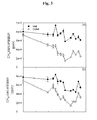
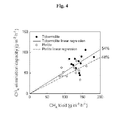
- FIG. 3 shows the methane removal efficiencies (RE) in tobermolite and perlite biofilters. Methane REs were stabilized after 7 days in the both biofilters. Methane elimination capacities (EC) were plotted with the inlet loads ( Figure 4 ). For data analysis, results for the first 7 days were excluded. EC was 73.7 ⁇ 17.4 and 52.5 ⁇ 13.3 g/m 3 h at loads of 133.7 ⁇ 26.6 and 114.3 ⁇ 26.6 g/m 3 h for the tobermolite and perlite biofilters, respectively.
- RE methane removal efficiencies
- EC Methane elimination capacities
- Slope values which correspond to methane REs, were calculated to be 0.54(54%) and 0.44(44%) for the tobermolite and perlite biofilters, respectively.
- the tobermolite biofilter was more efficient for methane removal than the perlite biofilter.
- EXAMPLE 2-3 Comparison of bacterial communities of short-term operated tobermolite and perlite biofilters
- Methylosarcina was most abundant in the tobermolite biofilter, making up to 82.6% (50 W), followed by Pseudoxanthomonas (7%), Flavobacterium (4%) and Hyphomicrobium (4%). In contrast, Aquimonas (23%), Pseudoxanthomonas (21%), Hyphomicrobium (20%), Flavobacterium (9%) and Bacillus (4%) were abundant and Methanotrophs constituted up to 7.7% (0 W) in the perlite biofilter.
- Methylosarcina was found to be a sole Methanotroph in the tobermolite biofilter, while there were four Methanotrophic genera such as Methylococcus (0.17% of the community), Methylocystis (1.63%), Methylosarcina (3.4%) and Methylo sinus (0.13%) in the perlite biofilter. Methylosarcina was most abundant in the both biofilters. Methanotrophs are generally grouped into types I and II by physiological characteristics and phylogenetic affiliation (Semrau et al., 2010). All observed Methanotrophic genera belong type I group, except for Methylocysitis. The both biofilters were predominated by type I members.
- Methanotrophs are more abundant than type I members in Methanotrophic biofilters and biofilm. Ultrasound has been commonly used to detach cells and biofilms from substrata. As the ultrasonic input power increased, Methanotrophic proportion increased from 72.0% to 82.6% in tobermolite, while decreased from 7.7% to 4.1% in perlite ( Figure 6 ). The results suggested that Methanotrophs were more tightly inoculated to tobermolite than to perlite.
- Methanotrophs made up 78.6% of the community on day 14, with Methylosarcina (76.8% of the community), Methylocaldum (1.2%) and Methylocystis (0.7%). Methylotrophs (single carbon degrader) such as Methylophilus (8.8%) and Hyphomicrobium (5.4%) were observed. Methanotrophs comprised 93.5% at day 21, with Methylosarcina (48.1% of the community) and Methylocaldum (45.5%). To the best of our knowledge, this is the highest degree of selectivity(over 93% of total bacteria) for growth of Methanotrophs in Methanotrophic biofilter systems(over 93% of bacteria). The results demonstrate that tobermolite is a carrier for Methanotrophs that is excellent in selective growth, showing selective Methanotroph growth of up to 93% of total bacteria in the tobermolite carrier.
- Figure 10 shows the removal efficiencies (RE) of methane in the long-term operated tobermolite and perlite biofilters. RE increased rapidly for the first few days in the both biofilters.
- methane RE value On the day 150 when RE value reached 60%, gas detention was reduced to 15 mins resulting in methane RE value of 50%. Maximum amount of removed Methane was 66.3 ⁇ 3.4 and 151.4 ⁇ 2.0g/m 3 h under 20 and 15 mins detention time, respectively. Maximum level of methane RE in perlite biofilter was 151.4g/m 3 h(value corresponding to 3,633g/m 3 d). Thus, it was proven methane RE is higher in long term operation of biofilter when using tobermolite, compared to perlite biofilter. [Table 3] Methane elimination capacities of filter bed materials.
- tobermolite biofilter shows the greatest methane elimination capacities (EC), compared with the reported values.
- EC methane elimination capacities
- RE methane removal efficiencies
- tobermolite Due to significant clogging and channeling problems in the perlite biofilter, the packing material was washed out on days 35 and 110 to remove the excessive biomass. It was observed that there were no apparent clogging and channeling problems in the tobermolite biofilter for the long-term operation. This indicated that tobermolite can be an excellent filter bed material for methane removal in terms of operation management.
- Example 2 shows that selective growth of microorganism intended to be inoculated to a filter carrier provides many advantages such as easy usage and management.
- tobermolite and perlite was used as a filter carrier for removing methane.
- the tobermolite biofilter showed better methane RE compared to perlite biofilter. Pyrosequencing result demonstrated that Methanotroph was a dominant species in tobermolite, while remaining as a fraction in perlite. By way of repeated biofilter experiments, it was verified that Methanotroph was 93.5% in tobermolite.
- tobermolite provides an ideal habitat for selective growth of Methanotroph.
- the result shows potential of tobermolite as a promising biofilter carrier in aspect of effect and habitat of Mehtanotroph.
- Biocover was produced to investigate the methane removing feature of a functional biocover that uses tobermolite as a main packing material.
- Lab scale biocover was produced using acrylic column.
- Detailed diagram of the device is on figure 1 .
- Biocover comprise of packing section which is 8 cm in diameter and 50cm in height, ventilation section which is 8 cm in diameter and 15 cm in height as well as gas injection section which is 8 cm in diameter and 5 cm in height. Filling material was filled into the packing section of the biofilter after mixing Ga-pyeong landfill soil, earthworm cast and tobermolite by way of 0.25:0.25:0.5(w/w/w).
- the gas injection section in lower part of the biocover was filled with orchid stones (4-8 mm in diameter) to evenly provide the gas to the packing layer of the biocover.
- orchid stones (4-8 mm in diameter) to evenly provide the gas to the packing layer of the biocover.
- (Methane/carbon dioxide (40:60% (v/v), Seoul special gas, Korea) gas was provided to the biocover at speed of 5 mL/min after passing it through a humidifier.
- the ventilation section in the upper part of biocover duplicated the air condition close to the landfill soil by injecting air at a flow rate of 20 ml/min.
- the biocover was operated for 134 days at room temperature (30s°C).
- concentration of O 2 and N 2 , CH 4 as well as CO 2 was analyzed using GC with thermal conductivity detector(TCD)( Figure 13 and 14 ).
Landscapes
- Life Sciences & Earth Sciences (AREA)
- Engineering & Computer Science (AREA)
- Chemical & Material Sciences (AREA)
- Health & Medical Sciences (AREA)
- Organic Chemistry (AREA)
- Wood Science & Technology (AREA)
- Zoology (AREA)
- Bioinformatics & Cheminformatics (AREA)
- Genetics & Genomics (AREA)
- Biotechnology (AREA)
- Microbiology (AREA)
- Biomedical Technology (AREA)
- General Health & Medical Sciences (AREA)
- General Engineering & Computer Science (AREA)
- Biochemistry (AREA)
- Environmental & Geological Engineering (AREA)
- Soil Sciences (AREA)
- Mycology (AREA)
- Molecular Biology (AREA)
- Medicinal Chemistry (AREA)
- Tropical Medicine & Parasitology (AREA)
- Virology (AREA)
- Inorganic Chemistry (AREA)
- Micro-Organisms Or Cultivation Processes Thereof (AREA)
Abstract
Description
- This invention relates to a carrier for immobilizingMethanotroph and method for removing methane employing the same. In more detail, this invention relates to a carrier for immobilizing Methanotroph that can selectively allowMethanotroph to growwith high reproduction rate, biofilter that comprises immobilized Methanotroph in the carrier, biocover that comprises Methanotroph immobilizedin the carrier, method for removing methane using the biofilter or biocover, culture media for Methanotroph that can selectively allow Methanotroph to grow with high reproduction rate, and method for culturing Methanotroph using the culture media.
- Since the industrial revolution, phenomenon such as urbanization, industrialization, and population increase has caused various environmental issues. Among the issues, climate change caused by greenhouse gases has been recognized as a global environmental problem that is threatening earthious environmental issues. Among the issue, since United Nations Framework Convention on Climate Change (1992), imposition of international joint measure and various policy such as emission trading system and carbon tax are being established and implemented, while researches related to reduction of greenhouse gases are being actively conducted. Also, reduction in emission of greenhouse gases is notbeing expanded beyond industrial sector to sector of agricultureandstockbreeding as well as waste disposal.
- Second main reason following carbon dioxide, Methane is one of the greenhouse gases that causes global climate change and the greenhouse effect caused by methane is 20 times stronger than those caused by carbon dioxide. One of main synthetic source factor of methane is landfill. It is estimated thatannual amount of methane caused by landfill is 35 to 73 Tg(tera gram). For this reason, there are active research activities to recover and use methane generated from landfills as energy source. However, for small scale landfill that would be economically inefficient to install a methane collection facility, or a landfill that has reached full capacity considerable time ago and discharges methane that is too low in concentration to be used as energy, there is no prepared measure to address this issue.
- In order to reduce amount of methane caused by landfill that outputs methane unusable for energy, researches relating to use of Methanotroph that consumes methane to proliferate, is being conducted. Since Methanotroph uses methane as carbon source and energy source to proliferate, using Methanotroph is known as an effective method for removing methane.
- However, using the Methanotroph to remove methane caused by landfill carries a flaw in that the methane removal efficiency is very low.
- Despite Methanotroph must be immobilized by inoculating to a mineral carrier such as illite and montmorillonite in order for Methanotroph to be used in a landfill, Methanotroph cannot normally proliferate or grow when inoculated to the mineral carrier, thereby resulting in low methane reduction efficiency even in case of usage of immobilized Methanotroph.
- In order to resolve this issue, active research is being conducted to develop Methanotroph that shows excellent efficiency in methane removal. (Korean Patent Publication No.
2011-0006962 2011-0006964 - Further, even if superior Methanorophs for removing methane are used, issue concerning the strain not being able to beeffectively immobilized for normal functioning still needs to be resolved.
- Under these circumstances, these inventors discovered that selective and high proliferation of Methanotroph is feasible when using tobermolite, which is a type of mineral carrier, as an immobilized carrier for Methanotroph, thereby completing this invention.
- One of the objects of this invention is to provide a carrier for immobilizing Methanotroph that comprises tobermolite.
- Another object of this invention is to providea biofilter that comprises Methanotroph immobilizedto the carrier.
- Another object of this invention is to provide a biocover that comprises Methanotroph immobilized to the carrier.
- Another object of this invention is to provide a biocover comprising a biofilter that comprises Methanotroph immobilized to the carrier.
- Another object of this invention is to provide a method to remove methane using the biofilter or biocover.
- Another object of this invention is to provide a culture media for Methanotrophthat comprises tobermolite.
- Another object of this invention is to provide a method to culture Methanotroph using the media.
- As an embodiment for achieving the object, this invention provides a carrier for immobilizing Methanotroph that comprises tobermolite.
- The terminology of this invention, "tobermolite", is a stabilized calcium silicate hydrate(5CaO. 6SiO2. 5H2O) that has high solidity which is produced from silica(SiO2)and calcium through hydrothermal reaction. Tobermolite has porosous, light weight, solid and of crystal habit features, and is most effectively created when CaO/SiO2 molar ratio is between from 0.5 to 1.5.
- For purpose of this invention, the tobermolite can be used as a carrier for immobilizingMethanoroph as well as a culture media, although its usage is not limited to the described thereof.
- The terminology of this invention, "Methanotroph", refers to an organism in the methylotroph category that uses only methane as a carbon source and energy source. Methanotroph absorbs methane at the exterior of a cell and transforms the absorbed methane to consecutive order of CH3OH, HCHO, HCOOH and CO2, thereby obtaining ATP by totally oxidizing methane to carbon dioxide. Methanotroph of this invention may be microorganism such as Methylocystis sp., Methylosarcina sp., and Methylocaldum sp., although not limited to the described thereof, as long as it can be immobilized to the tobermolite and have ability of eliminating methane.
- The terminology of this invention, "methylotroph", refers to an organism that uses compounds with one carbon such as methane, methanol and methylamine, or compounds that did not C-C combine within a molecule such as dimethylamine and trimethylamine as carbon source and energy source. Methylotroph is categorized to either obligate methylotroph (Methylococcus sp., Methylosinus sp. etc.) that can only use the compounds, or faculative methylotroph (Pseudomonas sp., Methylobacterium sp. etc.) that can also use other carbon compounds. Methanotroph of this invention is categorized as obligate methylotroph that can use methane as only carbon source and energy source, although not limited to the described thereof.
- The terminology of this invention, "carrier for immobilizing" refers to substrate that immobilizes microorganism for industrial usage. The substrate has durability that is preferable for industrial usage as it can immobilize the target microorganism with high concentration, comprises multiple pore, can form reticulated network of flow channels that are formed by extension of the pore, as well as has sufficient mechanical strength such as elasticity and compressive strength.
- For purpose of this invention, the carrier can be a carrier that is not inoculated with Methanotroph, a carrier that is already inoculated with Methanotroph, or a carrier inoculated with proliferated Methanotroph, although not limited to the described thereof.
- Also, tobermolite that can immobilize and selectively allow Methanotroph to proliferate can be used alone, as well as combination of tobermolite and other mineral substances that can help proliferation of the Methanotroph can be used, although the above carrier is not limited by this. In case a combination of the tobermolite and other material substance is used as the carrier, the content of the tobermolite that is comprised in the carrier is preferably 10 to 90 wt %, more preferably 50 to 90 wt % and most preferably 80 to 90 wt % with reference to the total weight of the carrier, although not specifically limited to the description thereof if it may constitute the carrier that can be used for immobilizing and culturing of Methanotroph.
- The inventors of this invention introduced tobermolite with immobilized Methanotroph to the soil in order to accelerate its methane oxidation. There was no oxidation of Methane when solely soil was used, while minor oxidation of soil was shown when tobermolite was introduced to the soil(
Figure 3 ). Also, in a comparison of efficiency for removing of methane between a tobermolite carrier and a perlite carrier, both of which hadimmobilized Methanotroph, tobermolite immobilized with Methanotroph was more efficient in removing methane than perlite immobilized with Methanotroph.(Figure 4 andFigure 11 ). Also, as a result of long-term culturing under condition of supplying methane to the tobermolite carrier and perlite carrier whichhadimmobilized Methanotroph, biofilm formed on the surface of perlite that resulted in decrease of availability as a biofilter while there were no forming of biofilm on the surface of tobermolite, showing no decrease of availability as a biofilter. - As another embodiment, this invention provides a biofilter or biocover that comprise Methanotroph immobilizedto the carrier. The biofilter can be constituted by solely tobermolite immobilized Methanotroph which is a necessary constituting factor that can remove methane, as the biofilter shows function of removing methane by use of Methanotroph. Further, the biofilter may comprise a packing section that can contain the above tobermolite with immobilizedMethanotroph or the above tobermolite as a necessary constituting factor, and additional constituting factors such as a blower, a watering system and a drainage container to efficiently remove methane from polluted gas comprising methane usingthe above packing section.
- In this invention, the method of immobilizing the Methanotroph to the carrier is not particularly limited. However, preferable method is applying an inoculum that comprises methanotroph to the dried tobermolite and afterward drying the tobermolite. More preferable method of immobilizing the Methanotroph to the carrier comprises steps of obtaining suspension by suspending inoculums(Earthworms Cast, landfill cover soil, wetland soil, etc.) in water, gravitationally setting the suspension by maintaining a static condition for a certain period of time, obtaining supernatant, applying the supernatant to the dry carrier and drying it.
- The biofilter of this invention can comprise a packing section with tobermolite carrier having immobilized Methanotroph for purpose of removing the methane contained in the gas that is injected to the biofilter.
- Tobermolite carrier comprised in the packing section can be constituted of solely tobermolite or mixture of tobermolite with other carrier, although not limited to description thereof.
- Also, for purpose of enhancing the methane removing effect of the biofilter, elements such as blower, watering system and drainage container can be added to the biofilter.
- To elaborate, the blower obtains methane by way of suction from its occurring location and provides it to the biofilter; circulation system comprises circulation pump and watering device intended to maintain 70% or more water content in the carrier by providing water for purpose of sustaining activity of Methanotrophand preventing dryness of the carrier during operation of the biofilter; drainage container can preserve extra water content unused in the packing section and provide water to the watering system, providing various nutrients required for growth of Methanotroph to the water content. Constitution and additional constituents of devices is not particularly limited, if biofilter of this invention shows methane removing effect.
- Further, biocover of this invention comprising the biofilter can be used practically to remove methane from the location of its occurrence. To illustrate, biocover of this invention can be installed to the ventilation opening or vent hole of a small scale landfill that would be economically inefficient to install a methane collection facility, or a landfill that has reached full capacity considerable time ago and discharges methane that is too low in concentration to be used as energy, for the purpose of removing the methane discharged from the landfill(
Figure 12a and 12b). Figure 12 depicts an example of biocover that comprises tobermolite biofilter of this invention. (a) shows a biocover without the biofilter tobermolite, and (b) shows a biocover attached with the tobermolite biofilter. As observed inFigure 12 , biocover of this invention can be a shape of a lid that could be attached to the ventilation opening or vent hole of a landfill, and midsection of the lid may be designed in a way that tobermolite biofilter of this invention can be inserted and attached in form of a unit. In this regard, the tobermolite biofilter can become a carrier(tobermolite or mixture ofother carrier and tobermolite) comprising Methanotroph, although not limited to the description thereof. - A blower, watering system, drainage container and such, which are part of elaborated biofilter system, can be added to the biocover to enhance methane removing effect of tobermolite biofilter, although constituting factors thereof arenot particularly limited.
- As another embodiment, this invention provides the method to remove methane using the biofilter or biocover. Specifically, methane removing method of this invention comprises a step of installing the biofilter or biocover to the location where methane is discharged. In this respect, the location where methane exist can be a location such as a landfill, although not particularly limited.
- As another embodiment, this invention provides media for culturing Methanotroph.
- The inventors of this invention immobilized a mixed bacteria which comprises Methanotroph and other bacteria to the tobermolite or perlite. After culturing the mixed bacteria by providing it with methane, it was observed that the Methanotroph in the total bacteria group was 7.7% when the immobilized bacteria was cultured in the perlite, but the Methanotroph in the total bacteria group was 93.5% when the immobilized bacteria was cultured in the tobermolite. This increased in proportion with the length of the cultured period(
Figure9 ). - As another embodiment, this invention uses the media to provide a method for culturing Methanotroph. In detail, the method of culturing Methanotroph of this invention comprises the steps to inoculate the Methanotroph to the media and culturing the Methanotroph by providing it with methane.
- This invention can culture Methanotroph selectively and with high proliferation, while increasing efficiency of removing methane and removable amount of methane. Therefore this invention can be widely used in development of biofilter for removing stench or methane.
-
-
Figure 1 . Schematic diagram of biofilters. -
Figure 2 . Potential of tobermolite as a carrier of Methanotrophs. Methanotrophs immobilized in tobermolite was introduced into soil for enhancing the soil methane-oxidation. -
Figure 3 . Comparison of Methanotrophic performances of short-term operated tobermolite (a) and perlite (b) biofilters. -
Figure 4 . Comparison of methane elimination capacities of short-term operated tobermolite and perlite biofilters. The data of theday 0 were excluded. -
Figure 5 . Comparison of bacterial communities of short-term operated tobermolite (a) and perlite (b) biofilters. Arrows indicate methnaotrophs. Genera with assigned read numbers ≤ 0.2% of the sequencing effort were excluded. Only genera observed in either library are shown. -
Figure 6 . Comparison of Methanotroph proportions in communities of short-term operated tobermolite (a) and perlite (b) biofilters. -
Figure 7 . Methanotrophic performance of tobermolite biofilter for studying temporal variation of community structure. Inlet and outlet methane concentrations (b) and removal efficiency (b). -
Figure 8 . Temporal variation of microbial community in tobermolite biofilter (n=2). (a), Inoculum; (b), day 14; and (c), day 21. Arrows indicate methnaotrophs. Genera with assigned read numbers ≤ 0.2% of the sequencing effort were excluded. Only genera observed in either library are shown. -
Figure 9 . Temporal variation of Methanotroph proportions in tobermolite biofilter. -
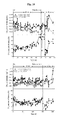
Figure 10 . Methanotrophic performances of long-term operated tobermolite (a) and perlite (b) biofilters. -
Figure 11 . Methane elimination capacities of long-term operated tobermolite (a) and perlite (b) biofilters. -
Figure 12 . An example of biocover that comprises tobermolite biofilter of this invention. (a) shows a biocover without the biofilter tobermolite, and (b) shows a biocover attached with the tobermolite biofilter. -
Figure 13 . Concentration of methane extracted from the inlet and the outlet of biocover is shown relative to time. -
Figure 14 . Gas profile according to progression of operationof biocover. - A better understanding of the present invention may be obtained through the following examples which are set forth to illustrate, but are not to be construed as limiting, the present invention.
- Tobermolite and perlite were used as inorganic filter bed materials for this example. Their diameters were 4 to 8 mm. After they were thoroughly washed by tap water, their water holding capacities, pH (1:5), bulk densities, particle densities, porosities, surface areas and intrusion volumes were determined. Surface areas and intrusion volumes were measured using WIN9400 Series mercury intrusion porosimetry (Micromeritics, Norcross, USA). The results are listed in Table 1. Media experiments were used to confirm that these materials were unable to absorb methane (data not shown).
- Laboratory-scale biofilters, made of cylindrical acrylic resin, were used in this example. Each biofilter consisted of three parts: a packing section, watering system and medium container. The height and inner diameter of the packing section were 100 and 8 cm (approximately 5 L), respectively. The biofilters contained a perforated plate at the bottom in order to allow gases to be evenly spread. The filter materials prepared above were packed into the packing column and the working volume was 5 L. The watering system, which was 20 cm in height with an 8 cm inner diameter, contained a water inlet port at the top and a
perforated plate 5 cm away from the inlet. The medium container, which was 20 cm in height with a 15 cm inner diameter, was approximately 3.5 L. These were assembled (watering system-packing section-medium container) by rubber packing and six bolts/nuts. After setting up, the gas tightness of the reactor was verified with water and compressed air. Inoculum was prepared from packing materials (perlite and granular activated carbon, 10:1 w:w) of a lab-scale Methanotrophic biofilter (Kim, T.G., et al., Microbial community analysis of a methane-oxidizing biofilm using ribosomal tag pyrosequencing. J. Microbiol. Biotechn., in press., 2012) which had been overwintered without methane supply. The packing materials were thoroughly mixed with NMS medium (1:10 w:w). NMS contains 1 g of MgSO4·7H2O, 0.295 g of CaCl2·2H2O, 1 g of KN03, 0.26 g of KH2PO4 and 0.41 g of Na2HPO4·2H2O. CuSO4 was added to reach a final concentration of 30 µM. After mixing, a static condition was maintained for 30 min. The supernatant was used as an inoculum for the biofilters. The inoculum (2.5 L) was added into the medium containers and circulated 4 times per day for 7 days to allow cell attachment to the packing materials. - A synthetic gas composed of methane and compressed air was humidified by passing through 50 cm long humidifiers. The synthetic gas (air and CH4) was continuously introduced into the bottom of the biofilters at a flow rate of 250 mL/min (a space velocity of 3/hr). Gas flows were controlled with commercial flow-meters (Dwyer Inc., Michigan city, USA and Kofloc Inc., Kyoto, Japan). Methane inlet concentrations were maintained at 20,000 to 100,000 ppm. The biofilters were operated at 20 ± 5°C for 23 days, in a modified NMS medium. The modified medium contains 1 g of MgSO4·7H2O, 0.295 g of CaCl2·2H2O, 10 g of KNO3, 2.6 g of KH2PO4 and 4.1 g of Na2HPO4·2H2O per 1 L. CuSO4 was added to achieve a final concentration of 30 µM. During the operation, medium was circulated 4 times per day and replaced every week.
- Gases were sampled from inlets and outlets of the biofilters using 0.5 mL gastight syringes (Hamilton, Reno, USA) equipped with teflon minnert fittings. Methane concentrations were monitored using gas chromatography (GC, 6850N, Agilent Technologies, Santa Clara, USA), equipped with a flame ionization detector and a wax column (30 m×0.32 mm×0.25 µm, Supelco, Bellefonte, USA). N2 was used as a carrier gas. The temperatures of the oven, injector and detector were fixed at 100, 250 and 250°C, respectively.
- Filter bed materials were collected from the biofilters at the end of the experimental period. Cells were detached from the filter bed materials by three different ultrasonic conditions using a Q500 ultrasonic processor (Qsonica, Newton, USA). A 10 g sample was added to a sterile conical tube (50 mL) containing 20 ml of sterile saline solution (0.9%). A tube was placed on bucket of ice to prevent thermal effect of ultrasound and the horn tip (6 mm diameter) of the processor was immersed about 1 cm in the solution. Ultrasonic was applied for 5 min. The actual power delivered to the suspension was 0, 10 or 50 W at a fixed frequency of 20 kHz. Then, it was agitated at 250 rpm for 30 min. A 1.5 mL suspension was transferred to a 1.5 mL microtube, and centrifuged at 16,000 x g for 10 min. The supernatant was discarded from the tube. DNA was extracted using the NucleoSpin Soil kit (Macherey-Nagel GmbH, Düren, Germany), by a modified method of applying BeadBeater-8 system (BioSpec, Bartlesville, USA) at 5,000 rpm for 30 secs to the sample. DNA was eluted using 100 µL of the elution buffer and stored at 20°C prior to use. DNA was quantified using an ASP-2680 spectrophotometer (ACTGene, Piscataway, USA).
- A total of 6 different pyrosequencing libraries were produced (2 biofilters x 3 ultrasonic treatments). For PCR, the primer set 340F and 805R was used to amplify the 340-805 region of the 16S rRNA gene (positions based on Escherichia coli) containing the V3 and V4.
- 340F: 5'-TCCTACGGGAGGCAGCAG-3'(Sequence ID No. 1)
- 805R: 5'-GACTACHVGGGTATCTAATCC-3'(Sequence ID No. 2)
- Composite primer sets for multiplex pyrosequencing(Sequence ID No. 3 and 4) were made based on the 340F-805R sequence:
- forward primer

- reverse primer

- For each DNA sample, four independent PCR mixtures were prepared in parallel to avoid PCR bias. The 50-µL mixtures contained 5 µL of 10X PCR buffer (Genenmed, Seoul, Korea), 10 µg of bovine serum albumin, 2 µL of each composite primer (10 µM), 1 U of Ace Taq polymerase (Genenmed), 4 µL of 2.5 mM dNTPs and approximately 150 ng of template DNA. The reactions were performed(95°C for 3 min, 25 cycles (94°C for 45 secs, 50°C for 45 secs and 72°C for 45 secs) and at 72°C for 5 mins) in a 2700 GeneAmp PCR system (Applied Biosystems, Foster, USA).
- Four PCR products were combined and the PCR products were subjected to electrophoresis on 2% low melting agarose gel. The expected size of the PCR products was about 530 bp. The agarose gel containing the PCR products were excised. After, DNA from the agarose gel was purified using the QIAquick Gel extraction kit (Qiagen, Valencia, USA), as described in the manufacturer's instructions.
- The concentration of the purified DNA was measured using an ASP-2680 spectrophotometer (ACTgene). The same amount of purified DNA was combined in a single tube to produce pyrosequencing libraries, and sent to Macrogen Incorporation (Seoul, Korea) to be run on a Genome Sequencer 454 FLX Titanium system (Roche Diagnostics, Mannheim, Germany).
- High-quality sequences were obtained using several steps: Trimming primers, removing low quality DNA sequences (length < 350 nt; average quality score < 25; and with an ambiguity) using the quality trimming tool of the RDP pyrosequencing pipeline (Cole et al., 2009), and excluding chimeras with Black Box Chimera Check software (Gontcharova et al., 2010). Pyrosequencing reads were taxonomically assigned using the RDP-classifier of the pipeline with bootstrap values more than 80%. The RDP classifier provides rapid and independent taxonomic classifications from domain to genus. The classification result was analyzed using MEGAN software version 4.50 (Huson et al., 2007). Reads assigned to Methanotrophic genera (Iguchi et al., 2011; Semrau et al., 2010) were assumed to be Methanotrophs, and their proportions in the pyrosequencing libraries were calculated.
- A lab-scale biofilter with tobermolite was operated for 20 days, with the same conditions as previously described above. Inoculum was prepared from the bed material of the perlite biofilter (the section 2.2). The perlite was mixed with NMS medium (1:10 w:w). After mixing, a static condition was maintained for 30 min. The supernatant (2.5 L) was added into the medium container.
- DNA was extracted from tobermolite on days 14 and 21, as well as from the inoculum. Cells were detached from tobermolite and DNA was extracted by the method described above. The actual power of 10 W was applied in this experiment. A 1.5-mL aliquot of the inoculum was transferred to a 1.5-mL microtube, and centrifuged at 16,000 x g for 10 min. The supernatant was discarded. DNA was extracted as described above. There were two replicates per each sample. Pyroseqeuncing was performed and analyzed as described above.
- Two tobermolite and perlite biofilters were set up as described in the Example 1-2. Inoculum was prepared from the bed material of the perlite biofilter as previously described in the Example 1-7. The synthetic gas (air and CH4) was continuously introduced into the bottom of the biofilters at flow rates of 250 to 500 mL/min (a space velocity of 3 to 6/hr). Methane inlet concentrations were maintained at 20,000 to 140,000 ppm. The biofilters were operated at 20 ± 5°C for 174 and 204 days for the tobermolite and perlite biofilters, respectively, with the modified NMS medium. During the operation, medium was circulated 4 times per day and replaced every week.
- Fresh tobermolite was thoroughly washed wth tap water. Tobermolite was collected from the long-term operated biofilter on
day 160. They were allowed to dry for a week under a room condition. Soil was collected from a landfill cover (Gapyeong-gun, Kyungido, Korea). Soil was dried and sieved through 2 mm mesh. 80 grams of soil and 20 grams of tobermolite were thoroughly mixed, adjusted to a soil moisture content of 20%, and placed into 600 mL serum bottles. Serum bottles were sealed with butyl-rubber stoppers and methane was injected to reach a final concentration of 100,000 ppm. They were incubated at a room temperature. Methane concentrations in the headspace were monitored over time using gas chromatography. There were three treatments: i) soil only; ii) soil + tobermolite; and (iii) soil + tobermolite with Methanotrophs. There were five replicates for each sample. - Methanotrophs immobilized in tobermolite was introduced into soil to enhance the methane oxidation of the soil. No apparent methane oxidation was observed when solely soil was used and little oxidation was shown in the usage of soil with tobermolite (
Figure. 3 ). Methane was completely consumed within 105 hours in soil when Methanotrophs immobilized in tobermolite was applied. The results indicate promising potential of tobermolite for formulating Methanotrophs to apply Methanotrophs into soil environments and engineering systems. - Two identical biofilters were set up and tobermolite and perlite were used as packing materials.
[Table 1] Physicochemical characteristics of tobermolite and perlite. Characteristic Tobermolite Perlite Water holding capacity (%) 109.5±5.1 64.6±12.4 pH 7.0±0.1 6.0±0.0 Bulk density (g/cm3) 0.276±0.000 0.470±0.002 Particle density (g/cm3) 1.050±0.022 1.248±0.048 Porosity (%) 73.7±0.6 62.3±1.4 Surface area (m2/g) 122.0 27.0 Intrusion volume (mL/g) 0.7638 1.2868 - Noticeably, surface area of tobermolite is 4 to 5 times greater than that of perlite, and is comparable to those of clay minerals such as illite and montmorillonite.
Figure 3 shows the methane removal efficiencies (RE) in tobermolite and perlite biofilters. Methane REs were stabilized after 7 days in the both biofilters. Methane elimination capacities (EC) were plotted with the inlet loads (Figure 4 ). For data analysis, results for the first 7 days were excluded. EC was 73.7 ± 17.4 and 52.5 ± 13.3 g/m3h at loads of 133.7 ± 26.6 and 114.3 ± 26.6 g/m3h for the tobermolite and perlite biofilters, respectively. EC increased along with methane loads. Slope values, which correspond to methane REs, were calculated to be 0.54(54%) and 0.44(44%) for the tobermolite and perlite biofilters, respectively. The tobermolite biofilter was more efficient for methane removal than the perlite biofilter. - A total of 6 pyrosequencing libraries with average read lengths of 416-424 bp were obtained after the filtering steps (Table 2).
[Table 2] The sequence numbers and average read lengths of pyrosequencing libraries. Sample N length The first run of biofilter Tobermolite (0 W) 14,051 423.8 Tobermolite (10 W) 6,970 423.9 Tobermolite (50 W) 8,943 424.2 Perlite (0 W) 1,793 420.0 Perlite (10 W) 1,242 421.2 Perlite (50 W) 1,377 416.2 The second run of biofilter Inoculum-1 310 418.8 Inoculum-2 477 418.2 Day 14-1 599 423.9 Day 14-2 796 423.8 Day 21-1 696 425.5 Day 21-2 136 424.7 - All sequences were individually identified at the genus level (
Figure 5 ). Methylosarcina was most abundant in the tobermolite biofilter, making up to 82.6% (50 W), followed by Pseudoxanthomonas (7%), Flavobacterium (4%) and Hyphomicrobium (4%). In contrast, Aquimonas (23%), Pseudoxanthomonas (21%), Hyphomicrobium (20%), Flavobacterium (9%) and Bacillus (4%) were abundant and Methanotrophs constituted up to 7.7% (0 W) in the perlite biofilter. Methylosarcina was found to be a sole Methanotroph in the tobermolite biofilter, while there were four Methanotrophic genera such as Methylococcus (0.17% of the community), Methylocystis (1.63%), Methylosarcina (3.4%) and Methylo sinus (0.13%) in the perlite biofilter. Methylosarcina was most abundant in the both biofilters. Methanotrophs are generally grouped into types I and II by physiological characteristics and phylogenetic affiliation (Semrau et al., 2010). All observed Methanotrophic genera belong type I group, except for Methylocysitis. The both biofilters were predominated by type I members. It has been observed that type II Methanotrophs are more abundant than type I members in Methanotrophic biofilters and biofilm. Ultrasound has been commonly used to detach cells and biofilms from substrata. As the ultrasonic input power increased, Methanotrophic proportion increased from 72.0% to 82.6% in tobermolite, while decreased from 7.7% to 4.1% in perlite (Figure 6 ). The results suggested that Methanotrophs were more tightly inoculated to tobermolite than to perlite. - To verify tobermolite as a selective bed material for Methanotrophs, the biofilter experiment with tobermolite was repeated with the same conditions. The used inoculum was obtained from the perlite biofilter as mentioned in the Example 2-7. RE and EC results are shown in
Figure 7 , were similar with those of the short-term operated biofilter. Methane RE was stabilized after 3 days. For data analysis, results for the first 3 days were excluded. EC was 62.1 ± 20.7 g/m3h at a methane load of 144.1 ± 31.5 g/m3h. - A total of 6 pyrosequencing libraries with average read lengths of 418-426 bp were obtained after the filtering steps (Table 2). Sequences were individually identified at the genus level (
Figure 8 ). Methanotrophs including Methylocystis, Methylosarcina and Methylocaldum were observed in the biofilter. Methanotrophs dramatically increased over time (Figure 9 ). Non-Methanotrophs such as Leptonema, Ignavibacterium, Flavobacterium, Hyphomicrobium, Acidobacteria, Proteiniphilum, Nannocystis and Bacillus were abundant in the inoculum, while Methanotrophs were present in less than 1%. Methanotrophs made up 78.6% of the community on day 14, with Methylosarcina (76.8% of the community), Methylocaldum (1.2%) and Methylocystis (0.7%). Methylotrophs (single carbon degrader) such as Methylophilus (8.8%) and Hyphomicrobium (5.4%) were observed. Methanotrophs comprised 93.5% at day 21, with Methylosarcina (48.1% of the community) and Methylocaldum (45.5%). To the best of our knowledge, this is the highest degree of selectivity(over 93% of total bacteria) for growth of Methanotrophs in Methanotrophic biofilter systems(over 93% of bacteria). The results demonstrate that tobermolite is a carrier for Methanotrophs that is excellent in selective growth, showing selective Methanotroph growth of up to 93% of total bacteria in the tobermolite carrier. -
Figure 10 shows the removal efficiencies (RE) of methane in the long-term operated tobermolite and perlite biofilters. RE increased rapidly for the first few days in the both biofilters. - RE increased with time for the first 120 days in the tobermolite biofilter. Under 20 mins of detention time, methane RE reached close to 100%. Afterwards, methane load was stepwise raised by way of reducing the gas detention time. Methane RE was low as the gas detention time was reduced to 15 mins. However, after few days the methane RE increased to almost 100%. When the gas detention time was reduced to 10 mins, methane RE increased to approximately 80%. Maximum level of methane RE in tobermolite biofilter was 357.8g/m3h(value corresponding to 8,592g/m3d). Further, RE maintained at 40 to 50% for the first 150 days in the perlite biofilter under gas detention time of 20 mins. On the
day 150 when RE value reached 60%, gas detention was reduced to 15 mins resulting in methane RE value of 50%. Maximum amount of removed Methane was 66.3 ± 3.4 and 151.4 ± 2.0g/m3h under 20 and 15 mins detention time, respectively. Maximum level of methane RE in perlite biofilter was 151.4g/m3h(value corresponding to 3,633g/m3d). Thus, it was proven methane RE is higher in long term operation of biofilter when using tobermolite, compared to perlite biofilter.[Table 3] Methane elimination capacities of filter bed materials. Filter bed material Operating condition Space velocity Maximum elimination capacity (g/m3d) Efficiency Reference Tobermolite Lab scale 6 8,587 74% This invention Perlite Lab scale 4 3,634 51% This invention Perlite+activated carbon Lab scale 3 2,544 83% Unpublished Compost Lab scale 4.7 1,488 N/A Ref. 1 Compost+peat+ wood Fibers Lab scale 4.7 960 N/A Ref. 1 Multi-layers Lab scale 4.7 720 N/A Ref. 1 Inorganic gavel+stone Lab scale 14.4 1,440 66% Ref. 2 composted pine bark+perlite Lab scale 0.3 137 60% Ref. 3 inorganic material Lab scale 14 701 41% Ref. 4 mature compost Lab scale 14 300 19% Ref. 4 inorganic stone Lab scale 14 1,073 60% Ref. 5 Porous clay Lab scale 14.6 408 19% Ref. 6 Rock material (5 mm) Lab scale 14.6 912 42% Ref. 6 Rock material (2 mm) Lab scale 14.6 1,200 56% Ref. 6 Soil+earthworm cast Lab scale 11.8 6,818 68% Ref. 7 Compost Pilot scale 6.3 960 N/A Ref. 1 Compost+peat+ wood fibers Pilot scale 6.3 480 N/A Ref. 1 Compost Pilot scale <0.516 672 100% Ref. 8 Wood chips+compost Pilot scale <0.516 576 100% Ref. 8 Perlite+compost Pilot scale 0.8-8.6 216 N/A Ref. 9 Ref. 1: Streese, J., et al., Waste Manage., 23:573-580, 2003
Ref. 2: Josiane, N., et al., The Canadian Journal of Chemical Engineering, 87:136-142, 2009
Ref. 3: Plessis, C.A.d., et al., Fuel, 82:1359-1365, 2003
Ref. 4: Nikiema, J., et al., Chem. Eng. J., 113:111-117, 2005
Ref. 5: Nikiema, J., et al., Can. J. Civ. Eng., 37:335-345, 2010
Ref. 6: Nikiema, J., et al., International Journal of Chemical Engineering, 2010:1-8, 2010 Ref. 7: Park, S., et al., Water, Air, & Soil Pollution, 196:19-27, 2009
Ref. 8: Haubrichs, R., et al., Waste Manage., 26:408-416, 2006
Ref. 9: Melse, R.W, et al., Environ. Sci. Tech., 39:5460-5468, 2005 - In comparison of tobermolite biofilter with biofilters that uses various types of carriers that are publicly known, tobermolite biofilter shows the greatest methane elimination capacities (EC), compared with the reported values. The results demonstrated that methane removal efficiencies(RE)is very high when tobermolite is used as a carrier. Clogging is caused mostly by overgrowth of microbes and results in the bed pressure drop which in turn increases the operating costs and decreases the efficiency. On
day 15, biofilms were apparently visible in the column for the perlite biofilter. - Due to significant clogging and channeling problems in the perlite biofilter, the packing material was washed out on
days 35 and 110 to remove the excessive biomass. It was observed that there were no apparent clogging and channeling problems in the tobermolite biofilter for the long-term operation. This indicated that tobermolite can be an excellent filter bed material for methane removal in terms of operation management. - The result of the Example 2 shows that selective growth of microorganism intended to be inoculated to a filter carrier provides many advantages such as easy usage and management.
- In this invention, tobermolite and perlite was used as a filter carrier for removing methane. The tobermolite biofilter showed better methane RE compared to perlite biofilter. Pyrosequencing result demonstrated that Methanotroph was a dominant species in tobermolite, while remaining as a fraction in perlite. By way of repeated biofilter experiments, it was verified that Methanotroph was 93.5% in tobermolite.
- Observation made through progression of time demonstrated selective growth of Methanotroph in tobermolite. Therefore, tobermolite provides an ideal habitat for selective growth of Methanotroph. The result shows potential of tobermolite as a promising biofilter carrier in aspect of effect and habitat of Mehtanotroph.
- Lab scale biocover was produced to investigate the methane removing feature of a functional biocover that uses tobermolite as a main packing material. Lab scale biocover was produced using acrylic column. Detailed diagram of the device is on
figure 1 . Biocover comprise of packing section which is 8 cm in diameter and 50cm in height, ventilation section which is 8 cm in diameter and 15 cm in height as well as gas injection section which is 8 cm in diameter and 5 cm in height. Filling material was filled into the packing section of the biofilter after mixing Ga-pyeong landfill soil, earthworm cast and tobermolite by way of 0.25:0.25:0.5(w/w/w). - The gas injection section in lower part of the biocover was filled with orchid stones (4-8 mm in diameter) to evenly provide the gas to the packing layer of the biocover. To prevent drying of the biocover, (Methane/carbon dioxide (40:60% (v/v), Seoul special gas, Korea) gas was provided to the biocover at speed of 5 mL/min after passing it through a humidifier. The ventilation section in the upper part of biocover duplicated the air condition close to the landfill soil by injecting air at a flow rate of 20 ml/min. The biocover was operated for 134 days at room temperature (30s°C). During the operation of the biocover, 300µℓ of samples were extracted every 1 to 2 days from sampling ports located at entrance and exit of the biocover, by using a 500µℓ gastight syringe. Removal rate of each gas was calculated by analyzing the concentration of each gas from the sample using GC-FID and observing the difference in concentration between gas deriving from entrance and the exit.
- Also, in order to monitor gas profile according to depth of the biocover, concentration of O2 and N2, CH4 as well as CO2 was analyzed using GC with thermal conductivity detector(TCD)(
Figure 13 and14 ). - In providing a mixed gas of 40% methane and 60% CO2(v/v) at speed of 5 ml/min to the lab scale biocover that uses tobermolite as a main packing material, concentration of methane extracted from the inlet and the outlet of biocover is shown relative to time in
Figure 13 . In the initial stage of operation, methane showed decomposition rate of under 60%. However, as time progressed and efficiency increased, it was stabilized(after day 30), showing an average of 73ter in methane RE. The methane EC at this time is 228.7 to 291.4 g/m2d. Also,Figure 14 shows gas profile atday 25, 52, 100 and 134 according to progression of operation. It is verified that, compared to the initial stabilizing period of day 25, oxygen and nitrogen ofday 52, 100 and 134, which stably maintain removing of methane, are provided in depth and methane and carbon dioxide profile are also maintained stably. Also, it is noticed through observation that concentration of methane rapidly decreases atheight 30 to 50 cm, indicating that removing of methane is most active in this section. Therefore, it is verified that methane eliminating capability of a biocover that uses tobermolite as a main packing material is stably operated and maintained at high efficiency.
Claims (9)
- A carrier for immobilizing Methanotroph comprising tobermolite.
- The Carrier of Claim 1, wherein said carrier comprises immobilized Methanotroph.
- The Carrier of Claim 2, wherein said Methanotroph is selected from the group consisting of Methylocystis sp., Methylosarcina sp., Methylocaldum sp. and combination thereof.
- A Biofilter comprising Methanotroph that is immobilized in the carrier of Claim 1.
- A biocover comprising the biofilter of Claim 4.
- A method for removing methane comprising:installing biofilter of Claim 4 or biocover of claim 5 to location where methane exists.
- The method of claim 6, wherein said location is a landfill.
- A culture media for Methanotrophcomprising tobermolite.
- A method for culturing Methanotroph comprising:(a) inoculating a Methanotroph to the culture media of claim 8; and(b) culturing the Methanotroph while supplying methane.
Applications Claiming Priority (1)
| Application Number | Priority Date | Filing Date | Title |
|---|---|---|---|
| KR1020120043467A KR101518536B1 (en) | 2012-04-25 | 2012-04-25 | Immobilized carrier for Methanotrophs and method for removing methane employing the same |
Publications (2)
| Publication Number | Publication Date |
|---|---|
| EP2682461A1 true EP2682461A1 (en) | 2014-01-08 |
| EP2682461B1 EP2682461B1 (en) | 2016-04-13 |
Family
ID=48190226
Family Applications (1)
| Application Number | Title | Priority Date | Filing Date |
|---|---|---|---|
| EP13165345.3A Active EP2682461B1 (en) | 2012-04-25 | 2013-04-25 | Carrier for immobilizing methanotroph and method for removing methane employing the same |
Country Status (2)
| Country | Link |
|---|---|
| EP (1) | EP2682461B1 (en) |
| KR (1) | KR101518536B1 (en) |
Cited By (1)
| Publication number | Priority date | Publication date | Assignee | Title |
|---|---|---|---|---|
| US20240351929A1 (en) * | 2023-04-24 | 2024-10-24 | Floating Island International Inc. | Systems and methods of biogenic methane mitigation |
Families Citing this family (3)
| Publication number | Priority date | Publication date | Assignee | Title |
|---|---|---|---|---|
| KR101880351B1 (en) * | 2016-06-10 | 2018-07-19 | 이화여자대학교 산학협력단 | Bio-complex textile for removing pollutant gas |
| KR102508430B1 (en) * | 2020-04-21 | 2023-03-08 | 고승규 | Liquid filter for reducing odor and a microbial cultivator equipped with therefor |
| WO2022155641A1 (en) * | 2021-01-14 | 2022-07-21 | Parsons Corporation | System and method for methane biodegradation |
Citations (4)
| Publication number | Priority date | Publication date | Assignee | Title |
|---|---|---|---|---|
| JP2003259867A (en) * | 2002-03-11 | 2003-09-16 | Ishikawajima Harima Heavy Ind Co Ltd | Microbial carrier for methane fermentation |
| WO2011007907A1 (en) * | 2009-07-15 | 2011-01-20 | 이화여자대학교 산학협력단 | Novel methane oxidizing bacteria, methylocystis microorganism and method for reducing methane using same |
| KR20110006964A (en) | 2009-07-15 | 2011-01-21 | 이화여자대학교 산학협력단 | Novel Microorganisms of Methyloxidation Bacteria |
| KR20110006962A (en) | 2009-07-15 | 2011-01-21 | 이화여자대학교 산학협력단 | Simultaneous Reduction of Methane and Volatile Organic Compounds Using Novel Methane Oxidizing Bacteria |
-
2012
- 2012-04-25 KR KR1020120043467A patent/KR101518536B1/en not_active Expired - Fee Related
-
2013
- 2013-04-25 EP EP13165345.3A patent/EP2682461B1/en active Active
Patent Citations (4)
| Publication number | Priority date | Publication date | Assignee | Title |
|---|---|---|---|---|
| JP2003259867A (en) * | 2002-03-11 | 2003-09-16 | Ishikawajima Harima Heavy Ind Co Ltd | Microbial carrier for methane fermentation |
| WO2011007907A1 (en) * | 2009-07-15 | 2011-01-20 | 이화여자대학교 산학협력단 | Novel methane oxidizing bacteria, methylocystis microorganism and method for reducing methane using same |
| KR20110006964A (en) | 2009-07-15 | 2011-01-21 | 이화여자대학교 산학협력단 | Novel Microorganisms of Methyloxidation Bacteria |
| KR20110006962A (en) | 2009-07-15 | 2011-01-21 | 이화여자대학교 산학협력단 | Simultaneous Reduction of Methane and Volatile Organic Compounds Using Novel Methane Oxidizing Bacteria |
Non-Patent Citations (17)
| Title |
|---|
| DATABASE WPI Week 200409, Derwent World Patents Index; AN 2004-084972, XP002716396 * |
| HAUBRICHS R ET AL: "Evaluation of aerated biofilter systems for microbial methane oxidation of poor landfill gas", WASTE MANAGEMENT, ELSEVIER, NEW YORK, NY, US, vol. 26, no. 4, 1 January 2006 (2006-01-01), pages 408 - 416, XP024961187, ISSN: 0956-053X, [retrieved on 20060101], DOI: 10.1016/J.WASMAN.2005.11.008 * |
| HAUBRICHS, R. ET AL., WASTE MANAGE, vol. 26, 2006, pages 408 - 416 |
| J. STREESE ET AL: "Microbial oxidation of methane from old landfills in biofilters", WASTE MANAGEMENT, vol. 23, no. 7, 1 January 2003 (2003-01-01), pages 573 - 580, XP055088048, ISSN: 0956-053X, DOI: 10.1016/S0956-053X(03)00097-7 * |
| JOSIANE NIKIEMA ET AL: "The Use of Inorganic Packing Materials during Methane Biofiltration", INTERNATIONAL JOURNAL OF CHEMICAL ENGINEERING, vol. 39, no. 3, 1 January 2010 (2010-01-01), pages 400 - 8, XP055088302, ISSN: 1687-806X, DOI: 10.1016/S1164-5563(01)01067-6 * |
| JOSIANE, N. ET AL., THE CANADIAN JOURNAL OF CHEMICAL ENGINEERING, vol. 87, 2009, pages 136 - 142 |
| KIM, T.G. ET AL.: "Microbial community analysis of a methane-oxidizing biofilm using ribosomal tag pyrosequencing", J. MICROBIOL. BIOTECHN., 2012 |
| MALGORZATA PAWOWSKA ET AL: "The effect of bed properties on methane removal in an aerated biofilter Model studies", WASTE MANAGEMENT, ELSEVIER, NEW YORK, NY, US, vol. 31, no. 5, 11 October 2010 (2010-10-11), pages 903 - 913, XP028164612, ISSN: 0956-053X, [retrieved on 20101018], DOI: 10.1016/J.WASMAN.2010.10.005 * |
| MELSE, R.W. ET AL., ENVIRON. SCI. TECH., vol. 39, 2005, pages 5460 - 5468 |
| NIKIEMA, J. ET AL., CAN. J. CIV. ENG., vol. 37, 2010, pages 335 - 345 |
| NIKIEMA, J. ET AL., CHEM. ENG. J., vol. 113, 2005, pages 111 - 117 |
| NIKIEMA, J. ET AL., INTERNATIONAL JOURNAL OF CHEMICAL ENGINEERING, 2010, pages 1 - 8 |
| PARK, S. ET AL., WATER, AIR, & SOIL POLLUTION, vol. 196, 2009, pages 19 - 27 |
| PLESSIS, C.A.D. ET AL., FUEL, vol. 82, 2003, pages 1359 - 1365 |
| SO-YEON JEONG ET AL: "Effect of Tobermolite, Perlite and Polyurethane Packing Materials on Methanotrophic Activity", KOREAN JOURNAL OF MICROBIOLOGY AND BIOTECHNOLOGY, vol. 41, no. 2, 28 June 2013 (2013-06-28), pages 215 - 220, XP055087991, ISSN: 1598-642X, DOI: 10.4014/kjmb.1301.01005 * |
| STREESE, J. ET AL., WASTE MANAGE, vol. 23, 2003, pages 573 - 580 |
| YUN JEONGHEE ET AL: "Comparison of Methanotrophic Activity at Top and Bottom Layers in Up-flow Biofilters", KOREAN JOURNAL OF MICROBIOLOGY AND BIOTECHNOLOGY, vol. 41, no. 2, June 2013 (2013-06-01), pages 221 - 227, XP002716395, ISSN: 1598-642X * |
Cited By (2)
| Publication number | Priority date | Publication date | Assignee | Title |
|---|---|---|---|---|
| US20240351929A1 (en) * | 2023-04-24 | 2024-10-24 | Floating Island International Inc. | Systems and methods of biogenic methane mitigation |
| US12275660B2 (en) * | 2023-04-24 | 2025-04-15 | Floating Island International Inc. | Systems and methods of biogenic methane mitigation |
Also Published As
| Publication number | Publication date |
|---|---|
| EP2682461B1 (en) | 2016-04-13 |
| KR101518536B1 (en) | 2015-05-07 |
| KR20130120309A (en) | 2013-11-04 |
Similar Documents
| Publication | Publication Date | Title |
|---|---|---|
| Malhautier et al. | Biofiltration of volatile organic compounds | |
| García‐Peña et al. | Toluene biofiltration by the fungus Scedosporium apiospermum TB1 | |
| Cheng et al. | Treatment of gaseous toluene in three biofilters inoculated with fungi/bacteria: microbial analysis, performance and starvation response | |
| EP3411339B1 (en) | Process for aerobic nitritation of ammonia | |
| Mohammad et al. | Mesophilic and thermophilic biotreatment of BTEX‐polluted air in reactors | |
| Zhang et al. | Performance and microbial community evolution of toluene degradation using a fungi-based bio-trickling filter | |
| Gutiérrez-Acosta et al. | Performance of innovative PU-foam and natural fiber-based composites for the biofiltration of a mixture of volatile organic compounds by a fungal biofilm | |
| Sakuma et al. | Comparison of different packing materials for the biofiltration of air toxics | |
| Li et al. | H2S removal and bacterial structure along a full-scale biofilter bed packed with polyurethane foam in a landfill site | |
| Daugulis et al. | Removal and destruction of high concentrations of gaseous toluene in a two-phase partitioning bioreactor by Alcaligenes xylosoxidans | |
| Lin et al. | Biodegradation kinetics and microbial dynamics of toluene removal in a two-stage cell-biochar-filled biotrickling filter | |
| Cheng et al. | An innovative nutritional slow-release packing material with functional microorganisms for biofiltration: Characterization and performance evaluation | |
| EP2682461B1 (en) | Carrier for immobilizing methanotroph and method for removing methane employing the same | |
| Qi et al. | Treatment of paint spray booth off-gases in a fungal biofilter | |
| Yang et al. | Comparison of single‐layer and multi‐layer rotating drum biofilters for VOC removal | |
| Chen et al. | Treatment of a BTo-X-contaminated gas stream with a biotrickling filter inoculated with microbes bound to a wheat bran/red wood powder/diatomaceous earth carrier | |
| Kim et al. | Characterization of tobermolite as a bed material for selective growth of methanotrophs in biofiltration | |
| González-Martín et al. | Optimization of acrylic-styrene latex-based biofilms as a platform for biological indoor air treatment | |
| Zilli et al. | Treatment of benzene-contaminated airstreams in laboratory-scale biofilters packed with raw and sieved sugarcane bagasse and with peat | |
| Li et al. | Performances of two biotrickling filters in treating H2S-containing waste gases and analysis of corresponding bacterial communities by pyrosequencing | |
| Cheng et al. | Performance and biofilm characteristics of a gas biofilter for n-hexane removal at various operational conditions | |
| Ng et al. | Use of activated carbon as a support medium for H2S biofiltration and effect of bacterial immobilization on available pore surface | |
| Zhou et al. | A trickling fibrous‐bed bioreactor for biofiltration of benzene in air | |
| Soccol et al. | Biofiltration: an emerging technology | |
| Paluszak et al. | Deodorizing bacterial consortium: community analysis of biofilms and leachate water collected from an air biofiltration system in a piggery |
Legal Events
| Date | Code | Title | Description |
|---|---|---|---|
| PUAI | Public reference made under article 153(3) epc to a published international application that has entered the european phase |
Free format text: ORIGINAL CODE: 0009012 |
|
| 17P | Request for examination filed |
Effective date: 20130425 |
|
| AK | Designated contracting states |
Kind code of ref document: A1 Designated state(s): AL AT BE BG CH CY CZ DE DK EE ES FI FR GB GR HR HU IE IS IT LI LT LU LV MC MK MT NL NO PL PT RO RS SE SI SK SM TR |
|
| AX | Request for extension of the european patent |
Extension state: BA ME |
|
| 17Q | First examination report despatched |
Effective date: 20140909 |
|
| GRAP | Despatch of communication of intention to grant a patent |
Free format text: ORIGINAL CODE: EPIDOSNIGR1 |
|
| INTG | Intention to grant announced |
Effective date: 20151022 |
|
| GRAS | Grant fee paid |
Free format text: ORIGINAL CODE: EPIDOSNIGR3 |
|
| GRAA | (expected) grant |
Free format text: ORIGINAL CODE: 0009210 |
|
| AK | Designated contracting states |
Kind code of ref document: B1 Designated state(s): AL AT BE BG CH CY CZ DE DK EE ES FI FR GB GR HR HU IE IS IT LI LT LU LV MC MK MT NL NO PL PT RO RS SE SI SK SM TR |
|
| REG | Reference to a national code |
Ref country code: GB Ref legal event code: FG4D |
|
| REG | Reference to a national code |
Ref country code: AT Ref legal event code: REF Ref document number: 790175 Country of ref document: AT Kind code of ref document: T Effective date: 20160415 Ref country code: CH Ref legal event code: EP |
|
| REG | Reference to a national code |
Ref country code: IE Ref legal event code: FG4D |
|
| REG | Reference to a national code |
Ref country code: DE Ref legal event code: R096 Ref document number: 602013006410 Country of ref document: DE |
|
| REG | Reference to a national code |
Ref country code: LT Ref legal event code: MG4D |
|
| PG25 | Lapsed in a contracting state [announced via postgrant information from national office to epo] |
Ref country code: BE Free format text: LAPSE BECAUSE OF NON-PAYMENT OF DUE FEES Effective date: 20160430 |
|
| REG | Reference to a national code |
Ref country code: AT Ref legal event code: MK05 Ref document number: 790175 Country of ref document: AT Kind code of ref document: T Effective date: 20160413 |
|
| REG | Reference to a national code |
Ref country code: NL Ref legal event code: MP Effective date: 20160413 |
|
| PG25 | Lapsed in a contracting state [announced via postgrant information from national office to epo] |
Ref country code: NO Free format text: LAPSE BECAUSE OF FAILURE TO SUBMIT A TRANSLATION OF THE DESCRIPTION OR TO PAY THE FEE WITHIN THE PRESCRIBED TIME-LIMIT Effective date: 20160713 Ref country code: NL Free format text: LAPSE BECAUSE OF FAILURE TO SUBMIT A TRANSLATION OF THE DESCRIPTION OR TO PAY THE FEE WITHIN THE PRESCRIBED TIME-LIMIT Effective date: 20160413 Ref country code: PL Free format text: LAPSE BECAUSE OF FAILURE TO SUBMIT A TRANSLATION OF THE DESCRIPTION OR TO PAY THE FEE WITHIN THE PRESCRIBED TIME-LIMIT Effective date: 20160413 Ref country code: FI Free format text: LAPSE BECAUSE OF FAILURE TO SUBMIT A TRANSLATION OF THE DESCRIPTION OR TO PAY THE FEE WITHIN THE PRESCRIBED TIME-LIMIT Effective date: 20160413 Ref country code: LT Free format text: LAPSE BECAUSE OF FAILURE TO SUBMIT A TRANSLATION OF THE DESCRIPTION OR TO PAY THE FEE WITHIN THE PRESCRIBED TIME-LIMIT Effective date: 20160413 |
|
| PG25 | Lapsed in a contracting state [announced via postgrant information from national office to epo] |
Ref country code: ES Free format text: LAPSE BECAUSE OF FAILURE TO SUBMIT A TRANSLATION OF THE DESCRIPTION OR TO PAY THE FEE WITHIN THE PRESCRIBED TIME-LIMIT Effective date: 20160413 Ref country code: GR Free format text: LAPSE BECAUSE OF FAILURE TO SUBMIT A TRANSLATION OF THE DESCRIPTION OR TO PAY THE FEE WITHIN THE PRESCRIBED TIME-LIMIT Effective date: 20160714 Ref country code: PT Free format text: LAPSE BECAUSE OF FAILURE TO SUBMIT A TRANSLATION OF THE DESCRIPTION OR TO PAY THE FEE WITHIN THE PRESCRIBED TIME-LIMIT Effective date: 20160816 Ref country code: LV Free format text: LAPSE BECAUSE OF FAILURE TO SUBMIT A TRANSLATION OF THE DESCRIPTION OR TO PAY THE FEE WITHIN THE PRESCRIBED TIME-LIMIT Effective date: 20160413 Ref country code: AT Free format text: LAPSE BECAUSE OF FAILURE TO SUBMIT A TRANSLATION OF THE DESCRIPTION OR TO PAY THE FEE WITHIN THE PRESCRIBED TIME-LIMIT Effective date: 20160413 Ref country code: SE Free format text: LAPSE BECAUSE OF FAILURE TO SUBMIT A TRANSLATION OF THE DESCRIPTION OR TO PAY THE FEE WITHIN THE PRESCRIBED TIME-LIMIT Effective date: 20160413 Ref country code: HR Free format text: LAPSE BECAUSE OF FAILURE TO SUBMIT A TRANSLATION OF THE DESCRIPTION OR TO PAY THE FEE WITHIN THE PRESCRIBED TIME-LIMIT Effective date: 20160413 Ref country code: RS Free format text: LAPSE BECAUSE OF FAILURE TO SUBMIT A TRANSLATION OF THE DESCRIPTION OR TO PAY THE FEE WITHIN THE PRESCRIBED TIME-LIMIT Effective date: 20160413 |
|
| REG | Reference to a national code |
Ref country code: CH Ref legal event code: PL |
|
| PG25 | Lapsed in a contracting state [announced via postgrant information from national office to epo] |
Ref country code: IT Free format text: LAPSE BECAUSE OF FAILURE TO SUBMIT A TRANSLATION OF THE DESCRIPTION OR TO PAY THE FEE WITHIN THE PRESCRIBED TIME-LIMIT Effective date: 20160413 Ref country code: BE Free format text: LAPSE BECAUSE OF FAILURE TO SUBMIT A TRANSLATION OF THE DESCRIPTION OR TO PAY THE FEE WITHIN THE PRESCRIBED TIME-LIMIT Effective date: 20160413 |
|
| REG | Reference to a national code |
Ref country code: DE Ref legal event code: R097 Ref document number: 602013006410 Country of ref document: DE |
|
| REG | Reference to a national code |
Ref country code: IE Ref legal event code: MM4A |
|
| PG25 | Lapsed in a contracting state [announced via postgrant information from national office to epo] |
Ref country code: LI Free format text: LAPSE BECAUSE OF NON-PAYMENT OF DUE FEES Effective date: 20160430 Ref country code: EE Free format text: LAPSE BECAUSE OF FAILURE TO SUBMIT A TRANSLATION OF THE DESCRIPTION OR TO PAY THE FEE WITHIN THE PRESCRIBED TIME-LIMIT Effective date: 20160413 Ref country code: MC Free format text: LAPSE BECAUSE OF FAILURE TO SUBMIT A TRANSLATION OF THE DESCRIPTION OR TO PAY THE FEE WITHIN THE PRESCRIBED TIME-LIMIT Effective date: 20160413 Ref country code: DK Free format text: LAPSE BECAUSE OF FAILURE TO SUBMIT A TRANSLATION OF THE DESCRIPTION OR TO PAY THE FEE WITHIN THE PRESCRIBED TIME-LIMIT Effective date: 20160413 Ref country code: RO Free format text: LAPSE BECAUSE OF FAILURE TO SUBMIT A TRANSLATION OF THE DESCRIPTION OR TO PAY THE FEE WITHIN THE PRESCRIBED TIME-LIMIT Effective date: 20160413 Ref country code: CH Free format text: LAPSE BECAUSE OF NON-PAYMENT OF DUE FEES Effective date: 20160430 Ref country code: SK Free format text: LAPSE BECAUSE OF FAILURE TO SUBMIT A TRANSLATION OF THE DESCRIPTION OR TO PAY THE FEE WITHIN THE PRESCRIBED TIME-LIMIT Effective date: 20160413 Ref country code: CZ Free format text: LAPSE BECAUSE OF FAILURE TO SUBMIT A TRANSLATION OF THE DESCRIPTION OR TO PAY THE FEE WITHIN THE PRESCRIBED TIME-LIMIT Effective date: 20160413 |
|
| PLBE | No opposition filed within time limit |
Free format text: ORIGINAL CODE: 0009261 |
|
| STAA | Information on the status of an ep patent application or granted ep patent |
Free format text: STATUS: NO OPPOSITION FILED WITHIN TIME LIMIT |
|
| PG25 | Lapsed in a contracting state [announced via postgrant information from national office to epo] |
Ref country code: SM Free format text: LAPSE BECAUSE OF FAILURE TO SUBMIT A TRANSLATION OF THE DESCRIPTION OR TO PAY THE FEE WITHIN THE PRESCRIBED TIME-LIMIT Effective date: 20160413 |
|
| REG | Reference to a national code |
Ref country code: FR Ref legal event code: ST Effective date: 20170215 |
|
| 26N | No opposition filed |
Effective date: 20170116 |
|
| PG25 | Lapsed in a contracting state [announced via postgrant information from national office to epo] |
Ref country code: FR Free format text: LAPSE BECAUSE OF NON-PAYMENT OF DUE FEES Effective date: 20160613 |
|
| PG25 | Lapsed in a contracting state [announced via postgrant information from national office to epo] |
Ref country code: IE Free format text: LAPSE BECAUSE OF NON-PAYMENT OF DUE FEES Effective date: 20160425 Ref country code: SI Free format text: LAPSE BECAUSE OF FAILURE TO SUBMIT A TRANSLATION OF THE DESCRIPTION OR TO PAY THE FEE WITHIN THE PRESCRIBED TIME-LIMIT Effective date: 20160413 |
|
| GBPC | Gb: european patent ceased through non-payment of renewal fee |
Effective date: 20170425 |
|
| PG25 | Lapsed in a contracting state [announced via postgrant information from national office to epo] |
Ref country code: GB Free format text: LAPSE BECAUSE OF NON-PAYMENT OF DUE FEES Effective date: 20170425 |
|
| PG25 | Lapsed in a contracting state [announced via postgrant information from national office to epo] |
Ref country code: CY Free format text: LAPSE BECAUSE OF FAILURE TO SUBMIT A TRANSLATION OF THE DESCRIPTION OR TO PAY THE FEE WITHIN THE PRESCRIBED TIME-LIMIT Effective date: 20160413 Ref country code: HU Free format text: LAPSE BECAUSE OF FAILURE TO SUBMIT A TRANSLATION OF THE DESCRIPTION OR TO PAY THE FEE WITHIN THE PRESCRIBED TIME-LIMIT; INVALID AB INITIO Effective date: 20130425 |
|
| PG25 | Lapsed in a contracting state [announced via postgrant information from national office to epo] |
Ref country code: IS Free format text: LAPSE BECAUSE OF FAILURE TO SUBMIT A TRANSLATION OF THE DESCRIPTION OR TO PAY THE FEE WITHIN THE PRESCRIBED TIME-LIMIT Effective date: 20160413 Ref country code: MT Free format text: LAPSE BECAUSE OF NON-PAYMENT OF DUE FEES Effective date: 20160430 Ref country code: LU Free format text: LAPSE BECAUSE OF NON-PAYMENT OF DUE FEES Effective date: 20160425 Ref country code: MK Free format text: LAPSE BECAUSE OF FAILURE TO SUBMIT A TRANSLATION OF THE DESCRIPTION OR TO PAY THE FEE WITHIN THE PRESCRIBED TIME-LIMIT Effective date: 20160413 Ref country code: TR Free format text: LAPSE BECAUSE OF FAILURE TO SUBMIT A TRANSLATION OF THE DESCRIPTION OR TO PAY THE FEE WITHIN THE PRESCRIBED TIME-LIMIT Effective date: 20160413 |
|
| PG25 | Lapsed in a contracting state [announced via postgrant information from national office to epo] |
Ref country code: BG Free format text: LAPSE BECAUSE OF FAILURE TO SUBMIT A TRANSLATION OF THE DESCRIPTION OR TO PAY THE FEE WITHIN THE PRESCRIBED TIME-LIMIT Effective date: 20160413 |
|
| PG25 | Lapsed in a contracting state [announced via postgrant information from national office to epo] |
Ref country code: AL Free format text: LAPSE BECAUSE OF FAILURE TO SUBMIT A TRANSLATION OF THE DESCRIPTION OR TO PAY THE FEE WITHIN THE PRESCRIBED TIME-LIMIT Effective date: 20160413 |
|
| PGFP | Annual fee paid to national office [announced via postgrant information from national office to epo] |
Ref country code: DE Payment date: 20250407 Year of fee payment: 13 |