EP2681228B1 - Platinum complexes and their use - Google Patents
Platinum complexes and their use Download PDFInfo
- Publication number
- EP2681228B1 EP2681228B1 EP12707291.6A EP12707291A EP2681228B1 EP 2681228 B1 EP2681228 B1 EP 2681228B1 EP 12707291 A EP12707291 A EP 12707291A EP 2681228 B1 EP2681228 B1 EP 2681228B1
- Authority
- EP
- European Patent Office
- Prior art keywords
- complex
- cell
- platinum
- complexes
- mmol
- Prior art date
- Legal status (The legal status is an assumption and is not a legal conclusion. Google has not performed a legal analysis and makes no representation as to the accuracy of the status listed.)
- Not-in-force
Links
- 0 C=C(c1nc(C2=NC(*I)=N*2)ccc1)NN=C(C(F)(F)F)N Chemical compound C=C(c1nc(C2=NC(*I)=N*2)ccc1)NN=C(C(F)(F)F)N 0.000 description 1
Images







Classifications
-
- C—CHEMISTRY; METALLURGY
- C07—ORGANIC CHEMISTRY
- C07F—ACYCLIC, CARBOCYCLIC OR HETEROCYCLIC COMPOUNDS CONTAINING ELEMENTS OTHER THAN CARBON, HYDROGEN, HALOGEN, OXYGEN, NITROGEN, SULFUR, SELENIUM OR TELLURIUM
- C07F15/00—Compounds containing elements of Groups 8, 9, 10 or 18 of the Periodic Table
- C07F15/0006—Compounds containing elements of Groups 8, 9, 10 or 18 of the Periodic Table compounds of the platinum group
- C07F15/0086—Platinum compounds
- C07F15/0093—Platinum compounds without a metal-carbon linkage
-
- C—CHEMISTRY; METALLURGY
- C07—ORGANIC CHEMISTRY
- C07D—HETEROCYCLIC COMPOUNDS
- C07D401/00—Heterocyclic compounds containing two or more hetero rings, having nitrogen atoms as the only ring hetero atoms, at least one ring being a six-membered ring with only one nitrogen atom
- C07D401/02—Heterocyclic compounds containing two or more hetero rings, having nitrogen atoms as the only ring hetero atoms, at least one ring being a six-membered ring with only one nitrogen atom containing two hetero rings
- C07D401/04—Heterocyclic compounds containing two or more hetero rings, having nitrogen atoms as the only ring hetero atoms, at least one ring being a six-membered ring with only one nitrogen atom containing two hetero rings directly linked by a ring-member-to-ring-member bond
-
- C—CHEMISTRY; METALLURGY
- C07—ORGANIC CHEMISTRY
- C07D—HETEROCYCLIC COMPOUNDS
- C07D401/00—Heterocyclic compounds containing two or more hetero rings, having nitrogen atoms as the only ring hetero atoms, at least one ring being a six-membered ring with only one nitrogen atom
- C07D401/14—Heterocyclic compounds containing two or more hetero rings, having nitrogen atoms as the only ring hetero atoms, at least one ring being a six-membered ring with only one nitrogen atom containing three or more hetero rings
-
- C—CHEMISTRY; METALLURGY
- C09—DYES; PAINTS; POLISHES; NATURAL RESINS; ADHESIVES; COMPOSITIONS NOT OTHERWISE PROVIDED FOR; APPLICATIONS OF MATERIALS NOT OTHERWISE PROVIDED FOR
- C09K—MATERIALS FOR MISCELLANEOUS APPLICATIONS, NOT PROVIDED FOR ELSEWHERE
- C09K11/00—Luminescent materials, e.g. electroluminescent or chemiluminescent
- C09K11/06—Luminescent materials, e.g. electroluminescent or chemiluminescent containing organic luminescent materials
-
- H—ELECTRICITY
- H05—ELECTRIC TECHNIQUES NOT OTHERWISE PROVIDED FOR
- H05B—ELECTRIC HEATING; ELECTRIC LIGHT SOURCES NOT OTHERWISE PROVIDED FOR; CIRCUIT ARRANGEMENTS FOR ELECTRIC LIGHT SOURCES, IN GENERAL
- H05B33/00—Electroluminescent light sources
- H05B33/12—Light sources with substantially two-dimensional [2D] radiating surfaces
- H05B33/14—Light sources with substantially two-dimensional [2D] radiating surfaces characterised by the chemical or physical composition or the arrangement of the electroluminescent material, or by the simultaneous addition of the electroluminescent material in or onto the light source
-
- H—ELECTRICITY
- H10—SEMICONDUCTOR DEVICES; ELECTRIC SOLID-STATE DEVICES NOT OTHERWISE PROVIDED FOR
- H10K—ORGANIC ELECTRIC SOLID-STATE DEVICES
- H10K85/00—Organic materials used in the body or electrodes of devices covered by this subclass
- H10K85/30—Coordination compounds
- H10K85/341—Transition metal complexes, e.g. Ru(II)polypyridine complexes
- H10K85/346—Transition metal complexes, e.g. Ru(II)polypyridine complexes comprising platinum
-
- C—CHEMISTRY; METALLURGY
- C09—DYES; PAINTS; POLISHES; NATURAL RESINS; ADHESIVES; COMPOSITIONS NOT OTHERWISE PROVIDED FOR; APPLICATIONS OF MATERIALS NOT OTHERWISE PROVIDED FOR
- C09K—MATERIALS FOR MISCELLANEOUS APPLICATIONS, NOT PROVIDED FOR ELSEWHERE
- C09K2211/00—Chemical nature of organic luminescent or tenebrescent compounds
- C09K2211/10—Non-macromolecular compounds
- C09K2211/1018—Heterocyclic compounds
- C09K2211/1025—Heterocyclic compounds characterised by ligands
- C09K2211/1029—Heterocyclic compounds characterised by ligands containing one nitrogen atom as the heteroatom
-
- C—CHEMISTRY; METALLURGY
- C09—DYES; PAINTS; POLISHES; NATURAL RESINS; ADHESIVES; COMPOSITIONS NOT OTHERWISE PROVIDED FOR; APPLICATIONS OF MATERIALS NOT OTHERWISE PROVIDED FOR
- C09K—MATERIALS FOR MISCELLANEOUS APPLICATIONS, NOT PROVIDED FOR ELSEWHERE
- C09K2211/00—Chemical nature of organic luminescent or tenebrescent compounds
- C09K2211/10—Non-macromolecular compounds
- C09K2211/1018—Heterocyclic compounds
- C09K2211/1025—Heterocyclic compounds characterised by ligands
- C09K2211/1044—Heterocyclic compounds characterised by ligands containing two nitrogen atoms as heteroatoms
-
- C—CHEMISTRY; METALLURGY
- C09—DYES; PAINTS; POLISHES; NATURAL RESINS; ADHESIVES; COMPOSITIONS NOT OTHERWISE PROVIDED FOR; APPLICATIONS OF MATERIALS NOT OTHERWISE PROVIDED FOR
- C09K—MATERIALS FOR MISCELLANEOUS APPLICATIONS, NOT PROVIDED FOR ELSEWHERE
- C09K2211/00—Chemical nature of organic luminescent or tenebrescent compounds
- C09K2211/10—Non-macromolecular compounds
- C09K2211/1018—Heterocyclic compounds
- C09K2211/1025—Heterocyclic compounds characterised by ligands
- C09K2211/1059—Heterocyclic compounds characterised by ligands containing three nitrogen atoms as heteroatoms
-
- C—CHEMISTRY; METALLURGY
- C09—DYES; PAINTS; POLISHES; NATURAL RESINS; ADHESIVES; COMPOSITIONS NOT OTHERWISE PROVIDED FOR; APPLICATIONS OF MATERIALS NOT OTHERWISE PROVIDED FOR
- C09K—MATERIALS FOR MISCELLANEOUS APPLICATIONS, NOT PROVIDED FOR ELSEWHERE
- C09K2211/00—Chemical nature of organic luminescent or tenebrescent compounds
- C09K2211/18—Metal complexes
- C09K2211/185—Metal complexes of the platinum group, i.e. Os, Ir, Pt, Ru, Rh or Pd
-
- H—ELECTRICITY
- H10—SEMICONDUCTOR DEVICES; ELECTRIC SOLID-STATE DEVICES NOT OTHERWISE PROVIDED FOR
- H10K—ORGANIC ELECTRIC SOLID-STATE DEVICES
- H10K2101/00—Properties of the organic materials covered by group H10K85/00
- H10K2101/10—Triplet emission
-
- H—ELECTRICITY
- H10—SEMICONDUCTOR DEVICES; ELECTRIC SOLID-STATE DEVICES NOT OTHERWISE PROVIDED FOR
- H10K—ORGANIC ELECTRIC SOLID-STATE DEVICES
- H10K50/00—Organic light-emitting devices
- H10K50/10—OLEDs or polymer light-emitting diodes [PLED]
- H10K50/11—OLEDs or polymer light-emitting diodes [PLED] characterised by the electroluminescent [EL] layers
Definitions
- the invention relates to platinum complexes and their use in biomedical applications, like in vitro and in vivo imaging and cell staining.
- Cell staining is a technique that can be used to better visualize cells and cell components under a microscope. By using different stains, one can preferentially stain certain cell components, such as a nucleus or a cell-membrane, or the entire cell. Most stains can be used on fixed, or non-living cells, while only some can be used on living cells.
- Duati et al. discloses synthesis and characterization of mixed ligand 2,2';6',2' '-terpyridine (tpy) ruthenium complexes with 2,6-bis([1,2,4]triazol-3-yl)pyridine, 2,6-bis(5-phenyl-[1,2,4]triazol-3-yl)pyridine, and 2,6-bis([1,2,3,4]tetrazol-5-yl)pyridine.
- the species are characterized by HPLC, 1H NMR, UV/vis, and emission spectroscopy.
- JP 2007169541 A a triazine ring-containing polymer compound is described relating to an electron transport triazine ring-containing polymer compound preferably used for an organic light-emitting element.
- WO 2007/133349 A2 discloses a series of 2,2'-bipyridines or 1,10-phenanthrolines featuring alkyl groups appended in the 4,4' positions or 4,7-positions.
- Electroluminescent compounds like platinum(II)complexes gained more and more attention recently.
- WO 2009/111299 discloses a platinum(II)complex in which three aromatic systems together form a tridentate ligand coordinated to a platinum ion through atoms X, Y and Z.
- the complexes are asymmetric and emit in the UV to near IR range. They are intended for use in organic light emitting devices.
- Platinum complexes are also used in tumour therapy as they intercalate with DNA. This means that those complexes are toxic, which is a problem for their use in cell staining, especially in in vivo staining of cells.
- the object of the present invention is to provide the use of novel platinum(II)complexes which are either toxic or not toxic and suitable to stain cells or cell compartments.
- the invention provides the use of a platinum(II)complex comprising a mono- or dinuclear N ⁇ N ⁇ N-type ligand according to formulas (I) wherein
- the platinum(II)complex can also be in the aggregate form wherein the photophysical properties changes upon aggregation of the complex.
- platinum(II)complex is coupled to a targeting agent.
- Figure 1 shows examples of molecules according to the disclosure, which can be uptaken by cells.
- PtL1 is able to self-assemble within the nucleus, while PtL2 stains only the cytoplasm.
- PtL3 which is completely water-soluble enters into the nucleus and forms aggregates.
- Figure 2 shows normalized excitation and emission spectra in 2MeTHF at 77K for PtL1.
- Sample concentrations were 1.0x10 -4 M (solid line) and 1.0x10 -5 M (dotted line).
- the samples were excited at 300 nm (upper) and 350 (lower) for the emission spectra and for excitation the spectra were acquired at 580 nm.
- the upper spectra show emission bands at 450 nm (upper) and the aggregated platinum complexes in cell culture medium.
- the emission quantum yields for a series of platinum complexes possessing the same tridentate is comparable and can be as high as 74%.
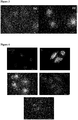
- Figure 3 shows the uptake of PtL1 and its aggregates formation inside the nucleus after 2h incubation.
- Figure 3 a shows excitation at 360-370 nm and figure 3b shows excitation at 460-490 nm of PtL1.
- Figure 4 shows uptake kinetic of PtL1 at the indicated incubation times. After 4h a maximum uptake into the nucleus can be observed. Longer incubation times result in a decrease of staining.
- Figure 5 shows in a) and b) excitation at different excitation ranges.
- excitation at 360-370 nm is shown
- figure 5b shows excitation at 460-490 nm
- Figure 5c shows an overlay at both excitation ranges. The specific accumulation in the nucleus is clearly visible.
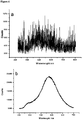
- Figure 6 shows emission spectra of the platinum complexes in cell.
- Figure 7 shows the cell uptake of the water-soluble platinum complex PtL3.
- the increased water solubility results in a longer time until the complex is accumulated in the nucleus. After 30 minutes (a) or 2h (b) no staining of nuclei is visible. Weak fluorescence is visible after 4h incubation (c) and after 8h (d) the nuclei are clearly and specifically stained.
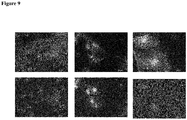
- Figure 9 shows endothelial cell uptake kinetics of PtL1.
- Fig 9a, b show 30 min incubation, figure 9c, d 2h incubation and figure 9e, f 4 h of incubation.
- the upper row shows fluorescence of PtL1
- the lower row shows DAPI-staining of the nuclei.
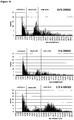
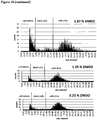
- Figure 10 shows cytotoxicity results of different DMSO concentrations after 24h incubation.
- the used complex PtL1 was solved in DMSO and to exclude a toxic effect by DMSO in Hela-S3 cells viability studies were investigated by using a Casy-1 device. Different concentrations had to be checked in case of cytotoxicity and especially the best concentration of DMSO for ongoing experiments had to be determined The cytotoxicity experiments showed clearly that a DMSO concentration from 10 % down to 5 % is extremely toxic for the cells. Nearly no viable cells could be detected. A concentration of 2,5 % DMSO showed already a high amount of viable Hela-S3 cells but still some dead cells were detected. Below 1,8 % DMSO no toxic effect was detectable for Hela-S3 cells after 24 h incubation. For safety reasons in case of cytotoxicity the following experiments were performed at a concentration of 1 % DMSO.
- Figure 11 shows cell viability after 24h incubation with complex PtL1 (OH), PtL2 (PPH) and PTL3 (PEG) .
- the performed experiments highlighted clearly that the incubation with complex PtL1 reduced the cell viability only about 26 %. This gives us a serious consideration that this complex did not induce rapid cell death after 24 h. Additional experiments with complex PtL2 showed after a 24 h incubation a decreased viability of around 28 % (see figure 11 ).
- Figure 12 shows an epifluorescence image of the aggregates formed in acetone of the PtL1.
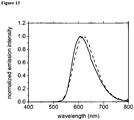
- Figure 13 shows the red emission of dinuclear compounds 12 and 13, when they are aggregated.
- This invention deals with the use of metal complexes and in particular, Pt ions coordinated to tridentate ligands coordinated via N-N-N.
- a fourth ligand is coordinated which could be e.g. pyridine, pyrazine, diazine, azoles, carbenes, phosphine, thiocyano, carboxylate, thiol, (di)sulfide, isotiocyanate, cyanate, carbonyl, halogens.
- the invention focuses on the materials and on the emission properties of the metal complexes as well as the change in the emission properties, colour, excited state lifetimes, emission quantum yields, reactivity - including toxicity-, upon aggregation/disaggregation of the Pt complexes.
- the aggregation can be independently controlled either with the tridentate ligand or with the ancillary ligand. Furthermore functionalization of one or more of the ligands leads to the localization of the Pt complexes in a desired part of the cell.
- the assembly to form aggregates is caused by the tendency of the platinum complexes to interact via the dz 2 orbitals and can be modulated by the ligands coordinated to the Pt ion.
- the assembly can be induced by the solvent, the interaction with biomolecules or by the template effect of DNA or RNA.
- the general formulas of the complexes investigated are shown below where their synthesis is reported.
- the compounds are taken up by different type of cells and they are at the beginning localized in the cytoplasm as mononuclear species. Migration of the complexes in different part of the cell determines an increase of the local concentration of the Pt compounds leading to aggregates, if the case, which possess different photophysical and/or cytotoxicity properties.
- the disclosed platinum complexes represent dynamic labels, because the monomeric species in the cytoplasm show e.g. blue emission, while the aggregates in the nucleus show orange emission due to the aggregated form. It is not only completely surprising that the complexes are able to stain the nucleus without being toxic, but also that the color depends on the cellular localization of the complexes.
- the complexes can be hydrophilic or hydrophobic (on the metal moiety).
- the Pt units stay in the interior part of the aggregate, which can self-assemble in water or in the cell.
- Such localization determines a lack of sensitivity towards oxygen and possible quenchers in solution.
- their interaction with DNA, RNA or other vital parts of the cell is inhibited and therefore their toxicity is switched off. Imaging of portion or of the entire cell is possible and the brightness of the complexes is better than any existing molecular probe so far used for the imaging e.g. of the nucleus.
- the present invention discloses new materials and their use as imaging agent.
- the formation of luminescent aggregates can allow an enhancement or a change in colour of the emission leading to a dynamic label and on the formation of soft assemblies, which, in some cases, are even more emissive than the isolated corresponding species.
- the disclosed complexes are suitable for uptake by cells, and their internalization.
- a platinum complex with a similar structure to those used for tumor therapy is able to be uptaken as monomeric species, emitting blue light, by the cell and selectively accumulate into the nucleus.
- the complexes can accumulate in the e.g. nucleus of cancer cells ( figure 3, 4 , 5 , 7 ) or other type (e.g. epithelial or endothelial, figure 9 ) of cells and form luminescent aggregates.
- the process can be followed by simple epifluorescence microscopy since the platinum complex as monomeric species is a blue emitter and the aggregates are orange.
- Organometallic complexes capable of self-assembly in cells in vivo have not been disclosed previously and it is the first time that any aggregate forms specifically inside the nucleus. Furthermore the formation of the aggregate leads to a turn off of the toxicity of the platinum complexes, which in principle should exert its toxicity upon intercalation into the DNA.
- the disclosed complexes are intended for their use in in vitro and in vivo imaging.
- In vivo imaging comprises staining of living cells in cell culture or even the uptake of the platinum complexes via endovenous injection in animals.
- HeLa cells derived from cervical cancer
- the cells were incubated at 37 °C under a 5% CO 2 atmosphere for 24 h. After that the culture medium was removed and replaced with 2 ml medium containing the platinum complex (PtL1 or PtL2: 50 ⁇ M in 1%DMSO containing media or PtL3: 50 ⁇ M in 1%THF containing media) which was filtered with 0.2 ⁇ m membrane filter before used.
- PtL1 or PtL2 50 ⁇ M in 1%DMSO containing media
- PtL3 50 ⁇ M in 1%THF containing media
- the samples were excited with a 375 nm laser 40 kHz for lifetime measurements and for spectral measurements.
- the spectra were recorded on the same setup using a fibre-coupled spectrometer (Shamrock 163, Andor) and a back-illuminated CCD camera (Newton DU970N).
- Endothelial cell uptake kinetics Approximately 50.000 endothelial cells were seeded as a monolayer onto gelatine coated glass cover slips in a 6-well plate in Dulbecco's modified Eagle's medium with 2% fetal bovine serum. The cells were incubated at 37 °C under a 5% CO 2 atmosphere for 24 h. After that the culture medium was removed and replaced with 2 ml medium containing the platinum complex PtL1, (50 ⁇ M in 1%DMSO containing media) which was filtered with 0.2 ⁇ m membrane filter before used.
- PtL1 platinum complex
- HeLa S3 cells were seeded into12-well tissue culture dishes in a density of approximately 80000 cells per well. The logarithmically growing cells were cultured for 24 h in Ham's F12 nutrient mixture containing 10% fetal bovine serum, 100 U penicillin per mL and 100 mg streptomycin per mL and incubated at 37 °C with 5% CO2 in air and 100% humidity until the Pt-complexes were added. The cytotoxicity of thePt-complexes was elucidated by quantifying the percentage of viable cells.
- Cell viability was measured after 24 h Pt-complexincubation and trypsinizing of cells, by an automatic cell counter (Casy-1, Roche Innovatis AG). These measurements are based on non-invasive (dye-free) electrical current exclusion with signal evaluation via pulse area analysis and allow the structural integrity of cells (membrane integrity and cell death).
- the lifetime and emission spectra of the Pt complex (PtL1) in the cell nucleus were recorded by using a confocal fluorescence microscopy with a 100x oil immersion objective. The samples were excited with a 375 nm laser 2.5 kHz for lifetime measurements and for spectral measurements. The spectra were recorded on the same setup using a fibre-coupled spectrometer and a back-illuminated CCD camera. The lifetime measurements showed that the monomeric Pt-complex has a short lifetime, on the contrary the aggregate Pt-complex in
- Table 1 The lifetime values of platinum complex PtL1 with different incubation times in cells 5a: 5 x 10 -5 M for 30min; 5b 5 x 10 -5 M for 4h sample ⁇ ex Lifetime [nm] [ns] 5 a 375 4.8 5 b 375 198
- the spectral measurements were also in agreement with the emission spectra of the Pt-complex in cell culture media.
- Time resolved measurements were performed using the multichannel scaling (MCS) single-photon-counting or time-correlated single-photon-counting (TCSPC) option on the Honba Jobin-Yvone IBH FL-322 Fluorolog 3.
- MCS multichannel scaling
- TCSPC time-correlated single-photon-counting
- a pulsed xenon lamp was used to excite the sample in the case of MCS setup, while a pulsed NanoLED at 402 nm in the case of TCSPC.
- the excitation sources were mounted directly on the sample chamber at 90° to a double-grating emission monochromator (2.1 nm/mm dispersion, 1200 grooves/mm) and collected by a TBX-4-X single-photon-counting detector.
- the photons collected at the detector are correlated by a time-to-amplitude converter (TAC) to the excitation pulse.
- TAC time-to-amplitude converter
- Signals were collecter using an IBH Data Station Hub photon-counting module, and data analysis was performed using the commercially available DAS6 software (HORIBA Jobin-Yvon IBH). The quality of the fit was assessed by minimizing the reduced ⁇ 2 function and by visual inspection of the weighted residuals. All solvent used for spectroscopical characterization were spectrometric grade and purchased by VWR.
- compound 2 (280 mg, 0.80 mmol, 1.0 eq.), PtCl 2 (DMSO) 2 (339 mg, 0.80 mmol, 1.0 eq.), 4-amylpyridine (145 ⁇ L, 0.80 mmol, 1.0 eq.) and triethylamine (100 ⁇ L) were suspended in 20 mL of a 3:1 2-ethoxyethanol and water mixture. The reaction mixture was overnight heated at 85°C. Rapidly, a yellowish-orange precipitate appeared.
- compound 2 335.0 mg, 0.96 mmol, 1.1 eq.
- PtCl 2 (DMSO) 2 368.0 mg, 0.87 mmol, 1.0 eq.
- 4-(1,1-dibutyl)pentylpyridine 200 ⁇ L, 0.87 mmol, 1.0 eq.
- the reaction mixture was overnight heated at 85°C. Rapidly, a plentiful green precipitate appeared.
- the desired compound (7) was purified on column chromatography using as silica gel as stationary phase and a gradient 1:1.5 ⁇ 2:1 of THF: n -hexane mixture as eluent, and obtained as green solid (383.0 mg, 0.617 mmol, yield 56.6%).
- HR-ESI-MS positive scan: calcd. 621.04 uma [M+H]; found 622.04932 [M+H] + .
- compound 2 (197.8 mg, 0.57 mmol, 1.0 eq.), PtCl 2 (DMSO) 2 (240.0 mg, 0.57 mmol, 1.0 eq.), bis-(diphenylphosphine)-ethane (113.1 mg, 0.28 mmol, 0.5 eq.) and triethylamine (198 ⁇ L, 2.5 eq.) were suspended in 16 mL of a 3:1 mixture of 2-ethoxyethanol and water. The reaction mixture was overnight heated at 85°C. Rapidly, the reaction mixture turned yellow and a plentiful pale yellow precipitate appeared.
- the desired compound (8) was purified on column chromatography using as silica gel as stationary phase and a gradient 2:1 ⁇ 1:1 of THF: n -hexane mixture as eluent, and obtained as pale yellow solid (124.0 mg, 0.08 mmol, yield 14.6%).
- HR-ESI-MS positive scan: calcd. 1482.14 uma [M]; found 1505.1224 [M+Na] + .
- compound 2 (264.0 mg, 0.76 mmol, 1.0 eq.), PtCl 2 (DMSO) 2 (320.0 mg, 0.76 mmol, 1.0 eq.), bis-(diphenylphosphine)-methane (145.7 mg, 0.38 mmol, 0.5 eq.) and triethylamine (264 ⁇ L, 2.5 eq.) were suspended in 20 mL of a 3:1 mixture of 2-ethoxyethanol and water. The reaction mixture was overnight heated at 85°C. Rapidly, the reaction mixture turned yellow and a plentiful pale yellow precipitate appeared.
- the compound 10, PtL3, was prepared accordingly to the same synthetic procedure used for the compounds 3-7 , where the compound 11 was used as ancillary neutral ligand in order to increase the water-solubility of the final complex.
- the desired compound (9) was purified on column chromatography using as silica gel as stationary phase and acetone as eluent, and obtained as pale yellow solid (yield 76%).
- compound 2 (1 eq.), PtCl 2 (DMSO) 2 (1.0 eq.), 1,2-Bis(4-pyridyl)ethane (0.5 eq.) and triethylamine (2.5 eq.) were suspended in 16 mL of a 3:1 mixture of 2-ethoxyethanol and water.
- the reaction mixture was overnight heated at 85 °C. Rapidly, the reaction mixture turned yellow-orange and a plentiful red precipitate appeared, corresponding to the desired compound 13.
Landscapes
- Chemical & Material Sciences (AREA)
- Organic Chemistry (AREA)
- Engineering & Computer Science (AREA)
- Materials Engineering (AREA)
- Crystallography & Structural Chemistry (AREA)
- Inorganic Chemistry (AREA)
- Pyridine Compounds (AREA)
Description
- This application claims priority of
German application DE 10 2011 001 007.6 filed March 1,2011 , which is incorporated by reference herein. - The invention relates to platinum complexes and their use in biomedical applications, like in vitro and in vivo imaging and cell staining.
- Cell staining is a technique that can be used to better visualize cells and cell components under a microscope. By using different stains, one can preferentially stain certain cell components, such as a nucleus or a cell-membrane, or the entire cell. Most stains can be used on fixed, or non-living cells, while only some can be used on living cells.
- Duati et al. (Inorg. Chem., 2003, 42(51), 8377- 84) discloses synthesis and characterization of mixed ligand 2,2';6',2' '-terpyridine (tpy) ruthenium complexes with 2,6-bis([1,2,4]triazol-3-yl)pyridine, 2,6-bis(5-phenyl-[1,2,4]triazol-3-yl)pyridine, and 2,6-bis([1,2,3,4]tetrazol-5-yl)pyridine. The species are characterized by HPLC, 1H NMR, UV/vis, and emission spectroscopy.
- The publication of Schneider et al. (Inorg. Chem., 2009, 48(10), 4306-16) discloses three cyclometalated 6-phenyl4-(p-R-phenyl)-2,2'-bipyridyl (CNN-Ph-R) Pt(II) acetylide complexes, Pt(CNN-Ph-R)(CCPh), where R = Me (1), COOMe (2), and P(O)(OEt)(2) (3), whiche have been synthesized and studied.
Compounds - The document of Strassert et aL (Angew. Chem. Int. ed., 2010, 50(4), 946-50) discloses a one-pot synthetic strategy for a new class of platinum(II) triplet emitter with particular photophysical porperties owing to aggregate formation.
- In
JP 2007169541 A - Rubino and colleagues (Inorg. Chim. Acta, 2011, 370(1), 207-14) describe mononuclear complexes of sterically hindered polidentate heterocyclic N ligands [PtCl(bbp)]Cl (1) [bbp = 2,6-bis(2-benzimidazolyl)pyridine], [PtCl2(dptdn)](H2O) (2) [dptdn =
sodium 5,6-diphenyl3-(2'-pyridyl)-1,2,4-triazine-4",4"'-disulfonate] and [(dptdn)(dpt)Pt]Cl2(H2O) (3) [dpt = 5,6-diphenyl3-(2'-pyridyl)-1,2,4-triazine] that were prepared and structurally characterised. - In
WO 2007/133349 A2 discloses a series of 2,2'-bipyridines or 1,10-phenanthrolines featuring alkyl groups appended in the 4,4' positions or 4,7-positions. - Electroluminescent compounds like platinum(II)complexes gained more and more attention recently.
WO 2009/111299 discloses a platinum(II)complex in which three aromatic systems together form a tridentate ligand coordinated to a platinum ion through atoms X, Y and Z. The complexes are asymmetric and emit in the UV to near IR range. They are intended for use in organic light emitting devices. - Platinum complexes are also used in tumour therapy as they intercalate with DNA. This means that those complexes are toxic, which is a problem for their use in cell staining, especially in in vivo staining of cells.
- The object of the present invention is to provide the use of novel platinum(II)complexes which are either toxic or not toxic and suitable to stain cells or cell compartments.
- The invention provides the use of a platinum(II)complex comprising a mono- or dinuclear N^N^N-type ligand according to formulas (I)


- Y1 to Y9 represent carbon atoms,
- R1-4, R6, R7,R9, R19-22, R24, R25, R27-31, R33, R34, and R36 are H
- X1, X3, X4, X6, X7, X9, X10, X12, X13, X15, X16 andX18 are nitrogen atoms,
- X2, X5, X8, X11, X14 and X17 are carbon atoms,
- R5, R8 or R23, R26, R32 and R35 are CF3,
- L represents PPh3 or a pyridine group, and
- L-L' represents PPh2-CH2-CH2PPh2, PPh2-CH2-PPh2, pyridazine or pyridine-CH2-CH2-pyrinde.
- The platinum(II)complex can also be in the aggregate form wherein the photophysical properties changes upon aggregation of the complex.
- It is also envisaged that the platinum(II)complex is coupled to a targeting agent.
-
- Fig. 1
- Platinum(II)complexes: PtL1 capable of self-assembly in the nucleus, PtL2 unable to form aggregates and staining the cytoplasm, PtL3 analogous to PtL1 but completely soluble in water.
- Fig. 2
- Normalized excitation and emission spectra for monomeric PtL1 (upper) and its aggregated form (lower).
- Fig. 3
- Uptake of the complex PtL1 and its aggregates formation inside the nucleus after 2 hours incubation
- Fig. 4
- Cell uptake kinetics of PtL1 at indicated time-points
- Fig. 5
- Fluorescence microscopy images of cell uptake of PtL1 after 4h incubation time
- Fig. 6
- Emission spectra of platinum(II)complexes with different incubation times in the cell: a. 30 min, b. 4h
- Fig. 7
- Cell uptake PtL3
- Fig. 8
- Cell uptake PtL2
- Fig. 9
- Endothelial cell uptake kinetics of PtL1
- Fig. 10
- Cytotoxicity results of different DMSO concetrations after 24 h incubation
- Fig. 11
- Cell viability after incubation with complex PtL2 and PtL1
- Fig. 12
- Aggregate formation for PtL1
- Fig. 13
- Red emission of aggregate complexes
-
Figure 1 shows examples of molecules according to the disclosure, which can be uptaken by cells. PtL1 is able to self-assemble within the nucleus, while PtL2 stains only the cytoplasm. Also PtL3, which is completely water-soluble enters into the nucleus and forms aggregates. - The examples demonstrate that the choice of ligands and substituents is critical for the respective application of the disclosed platinum(II)complexes.
-
Figure 2 shows normalized excitation and emission spectra in 2MeTHF at 77K for PtL1. Sample concentrations were 1.0x10⁻⁴ M (solid line) and 1.0x10⁻⁵ M (dotted line). The samples were excited at 300 nm (upper) and 350 (lower) for the emission spectra and for excitation the spectra were acquired at 580 nm. - The upper spectra show emission bands at 450 nm (upper) and the aggregated platinum complexes in cell culture medium. The emission quantum yields for a series of platinum complexes possessing the same tridentate is comparable and can be as high as 74%.
-
Figure 3 shows the uptake of PtL1 and its aggregates formation inside the nucleus after 2h incubation.Figure 3 a shows excitation at 360-370 nm andfigure 3b shows excitation at 460-490 nm of PtL1. -
Figure 4 shows uptake kinetic of PtL1 at the indicated incubation times. After 4h a maximum uptake into the nucleus can be observed. Longer incubation times result in a decrease of staining. -
Figure 5 shows in a) and b) excitation at different excitation ranges. Infigure 5a excitation at 360-370 nm is shown, whilefigure 5b ) shows excitation at 460-490 nm.Figure 5c shows an overlay at both excitation ranges. The specific accumulation in the nucleus is clearly visible. -
Figure 6 shows emission spectra of the platinum complexes in cell. The monomeric platinum complex displayed after 30 minutes incubation in the cells very weak emission (a), while the aggregates of the platinum complex show a very intense emission after 4h of incubation emission around λem = 580 nm as depicted infigure 6 b. -
Figure 7 shows the cell uptake of the water-soluble platinum complex PtL3. The increased water solubility results in a longer time until the complex is accumulated in the nucleus. After 30 minutes (a) or 2h (b) no staining of nuclei is visible. Weak fluorescence is visible after 4h incubation (c) and after 8h (d) the nuclei are clearly and specifically stained. - The same experimental setup was performed using complex PtL2. The results are shown in
figure 8 and the time points correspond tofigure 7 . Obviously PtL2 enters the cells, but fails to aggregate in the nucleus. Due to the bulky phosphine ligand the complex seems not to be able to enter the nucleus so that no orange emission was detected. The compound stains only the cytoplasm. -
Figure 9 shows endothelial cell uptake kinetics of PtL1.Fig 9a, b show 30 min incubation,figure 9c, d 2h incubation andfigure 9e, 4 h of incubation. The upper row shows fluorescence of PtL1, whereas the lower row shows DAPI-staining of the nuclei.f -
Figure 10 shows cytotoxicity results of different DMSO concentrations after 24h incubation. The used complex PtL1 was solved in DMSO and to exclude a toxic effect by DMSO in Hela-S3 cells viability studies were investigated by using a Casy-1 device. Different concentrations had to be checked in case of cytotoxicity and especially the best concentration of DMSO for ongoing experiments had to be determined The cytotoxicity experiments showed clearly that a DMSO concentration from 10 % down to 5 % is extremely toxic for the cells. Nearly no viable cells could be detected. A concentration of 2,5 % DMSO showed already a high amount of viable Hela-S3 cells but still some dead cells were detected. Below 1,8 % DMSO no toxic effect was detectable for Hela-S3 cells after 24 h incubation. For safety reasons in case of cytotoxicity the following experiments were performed at a concentration of 1 % DMSO. -
Figure 11 shows cell viability after 24h incubation with complex PtL1 (OH), PtL2 (PPH) and PTL3 (PEG) . The performed experiments highlighted clearly that the incubation with complex PtL1 reduced the cell viability only about 26 %. This gives us a serious consideration that this complex did not induce rapid cell death after 24 h. Additional experiments with complex PtL2 showed after a 24 h incubation a decreased viability of around 28 % (seefigure 11 ). -
Figure 12 shows an epifluorescence image of the aggregates formed in acetone of the PtL1. -
Figure 13 shows the red emission of dinuclear compounds 12 and 13, when they are aggregated. - This invention deals with the use of metal complexes and in particular, Pt ions coordinated to tridentate ligands coordinated via N-N-N. To fill the coordination sphere a fourth ligand is coordinated which could be e.g. pyridine, pyrazine, diazine, azoles, carbenes, phosphine, thiocyano, carboxylate, thiol, (di)sulfide, isotiocyanate, cyanate, carbonyl, halogens.
- The invention focuses on the materials and on the emission properties of the metal complexes as well as the change in the emission properties, colour, excited state lifetimes, emission quantum yields, reactivity - including toxicity-, upon aggregation/disaggregation of the Pt complexes.
- The aggregation can be independently controlled either with the tridentate ligand or with the ancillary ligand. Furthermore functionalization of one or more of the ligands leads to the localization of the Pt complexes in a desired part of the cell. The assembly to form aggregates is caused by the tendency of the platinum complexes to interact via the dz2 orbitals and can be modulated by the ligands coordinated to the Pt ion. The assembly can be induced by the solvent, the interaction with biomolecules or by the template effect of DNA or RNA.
- The general formulas of the complexes investigated are shown below where their synthesis is reported. The compounds are taken up by different type of cells and they are at the beginning localized in the cytoplasm as mononuclear species. Migration of the complexes in different part of the cell determines an increase of the local concentration of the Pt compounds leading to aggregates, if the case, which possess different photophysical and/or cytotoxicity properties.
- Thus, the disclosed platinum complexes represent dynamic labels, because the monomeric species in the cytoplasm show e.g. blue emission, while the aggregates in the nucleus show orange emission due to the aggregated form. It is not only completely surprising that the complexes are able to stain the nucleus without being toxic, but also that the color depends on the cellular localization of the complexes.
- It was demonstrated that imaging of the cytoplasm, and even more interesting of the nucleus, can occur (
figures 3, 4 ,5 ,7 ,8 ,9 ). The complexes can be hydrophilic or hydrophobic (on the metal moiety). In this last case the Pt units stay in the interior part of the aggregate, which can self-assemble in water or in the cell. Such localization determines a lack of sensitivity towards oxygen and possible quenchers in solution. Furthermore, their interaction with DNA, RNA or other vital parts of the cell is inhibited and therefore their toxicity is switched off. Imaging of portion or of the entire cell is possible and the brightness of the complexes is better than any existing molecular probe so far used for the imaging e.g. of the nucleus. - The present invention discloses new materials and their use as imaging agent. The formation of luminescent aggregates (see
figure12 ) can allow an enhancement or a change in colour of the emission leading to a dynamic label and on the formation of soft assemblies, which, in some cases, are even more emissive than the isolated corresponding species. The disclosed complexes (see e.g.figure 1 ) are suitable for uptake by cells, and their internalization. In particular a platinum complex with a similar structure to those used for tumor therapy is able to be uptaken as monomeric species, emitting blue light, by the cell and selectively accumulate into the nucleus. The complexes can accumulate in the e.g. nucleus of cancer cells (figure 3, 4 ,5 ,7 ) or other type (e.g. epithelial or endothelial,figure 9 ) of cells and form luminescent aggregates. The process can be followed by simple epifluorescence microscopy since the platinum complex as monomeric species is a blue emitter and the aggregates are orange. - Organometallic complexes capable of self-assembly in cells in vivo have not been disclosed previously and it is the first time that any aggregate forms specifically inside the nucleus. Furthermore the formation of the aggregate leads to a turn off of the toxicity of the platinum complexes, which in principle should exert its toxicity upon intercalation into the DNA.
- Toxicity studies showed on the other hand that the toxicity is very minor even after 48 hours of incubation.
- Toxicity studies show that the toxicity can be modulated using different ligands (see
figure 11 ) - The disclosed platinum(II)complexes provide several advantages:
- The complexes are suitable as dynamic labels for cells and can stain different part of the cell. In particular nucleus staining with visible emitters and long excited state lifetimes has been demonstrated. There are only very few nucleus dyes and they are all very toxic and short live.
- The colour of the emission of the aggregate is very suitable for microscopy and in vivo studies and many other colors can be developed with simple modification of the ligand. This allows having a completely new family of dyes for cell staining, covering the spectrum from ultraviolet to near-infrared (NIR).
- NIR Pt emitters either as monomers or aggregates can be used for in vivo imaging.
- The excited state lifetime of the emitter is extremely long compared with the existing dyes and therefore the measurements are easy and interference from biomolecules is avoided.
- The stability of the aggregate is very high and photo bleaching is less than for any other organic dye allowing longer observation time.
- By choosing appropriate tridentate and/or ancillary ligands it is possible to change solubility in organic solvents and/or water or modulate the degree of aggregation
- By choosing appropriate tridentate and/or ancillary ligands it is possible to influence the degree of aggregation, solubility in organic and/or aqueous solvents or to change the excited state properties and color of emission.
- Dinuclear or multinuclear complexes (
figure 12 ) are used for the same purposes. - The disclosed complexes are intended for their use in in vitro and in vivo imaging. In vivo imaging comprises staining of living cells in cell culture or even the uptake of the platinum complexes via endovenous injection in animals.
- Cell uptake kinetics with HeLa cells: Approximately 50.000 HeLa cells (derived from cervical cancer) were seeded as a monolayer onto glass cover slips in a 6-well plate in Dulbecco's modified Eagle's medium Ham's F-12 supplement with 2% fetal bovine serum. The cells were incubated at 37 °C under a 5% CO2 atmosphere for 24 h. After that the culture medium was removed and replaced with 2 ml medium containing the platinum complex (PtL1 or PtL2: 50 µM in 1%DMSO containing media or PtL3: 50 µM in 1%THF containing media) which was filtered with 0.2 µm membrane filter before used. After incubation at 37 °C or 4 °C for 30 min, 2 h, 4 h, 8 h, and 24 h the medium was removed, and the cell layer was washed gently with phosphate buffer solution (PBS, 1mL x 3) and fixed with 4% paraformaldehyde (PFA) solution for 10 min. Subsequently, cell layer was washed with PBS x 2 and with
water x 3. Finally the cover slips were mounted onto glass slides for measurements. Observations were performed using a fluorescence microscopy (Microtime 200 - PicoQuant GmbH, Germany) with a 100x oil immersion objective (Planapochromat, NA 1.4). The samples were excited with a 375nm laser 40 kHz for lifetime measurements and for spectral measurements. The spectra were recorded on the same setup using a fibre-coupled spectrometer (Shamrock 163, Andor) and a back-illuminated CCD camera (Newton DU970N). - Endothelial cell uptake kinetics: Approximately 50.000 endothelial cells were seeded as a monolayer onto gelatine coated glass cover slips in a 6-well plate in Dulbecco's modified Eagle's medium with 2% fetal bovine serum. The cells were incubated at 37 °C under a 5% CO2 atmosphere for 24 h. After that the culture medium was removed and replaced with 2 ml medium containing the platinum complex PtL1, (50 µM in 1%DMSO containing media) which was filtered with 0.2 µm membrane filter before used. After incubation at 37 °C for 30 min, 2 h, and 4 h the medium was removed, and the cell layer was washed gently with phosphate buffer solution (PBS, 1mL x 3) and fixed with 4% paraformaldehyde (PFA) solution for 10 min. Subsequently, cell layer was washed with PBS x 2 and with
water x 3. Finally, the fixed cell nucleus was stained with 4',6-diamidino-2-phenylindole (DAPI). The images were recorded with epifluorescence microscopy to follow the kinetics of uptake and formation of the Pt complex aggregates inside the cells. - Cytotoxicity experiments: HeLa S3 cells were seeded into12-well tissue culture dishes in a density of approximately 80000 cells per well. The logarithmically growing cells were cultured for 24 h in Ham's F12 nutrient mixture containing 10% fetal bovine serum, 100 U penicillin per mL and 100 mg streptomycin per mL and incubated at 37 °C with 5% CO2 in air and 100% humidity until the Pt-complexes were added. The cytotoxicity of thePt-complexes was elucidated by quantifying the percentage of viable cells. Cell viability was measured after 24 h Pt-complexincubation and trypsinizing of cells, by an automatic cell counter (Casy-1, Roche Innovatis AG).These measurements are based on non-invasive (dye-free) electrical current exclusion with signal evaluation via pulse area analysis and allow the structural integrity of cells (membrane integrity and cell death).
- Co-staining experiments: After incubation for 30 min, 2 h, 4 h, 8 h, and 24 h the medium was removed, and the cell layer was washed gently with phosphate buffer solution (PBS, 1mL x 3) and cell membrane was stained with red-fluorescent FM® 4-64 dyes (5 µg/ml in ice cold Hanks' balanced salt solution (HBSS) without magnesium or calcium) for 1 min. Then cell layer was fixed with 4% paraformaldehyde (PFA) solution for 10 min in ice. Subsequently, cell layer was washed with HBSS x 2 and with water x 3 and cell nucleus was stained with 4',6-diamidino-2-phenylindole (DAPI). Finally the cover slips were mounted onto glass slides for measurements. Observations were performed using a confocal fluorescence microscopy (Leica).
- The lifetime and emission spectra of the Pt complex (PtL1) in the cell nucleus: The lifetime and emission spectra of the Pt complex in the cell nucleus were recorded by using a confocal fluorescence microscopy with a 100x oil immersion objective. The samples were excited with a 375 nm laser 2.5 kHz for lifetime measurements and for spectral measurements. The spectra were recorded on the same setup using a fibre-coupled spectrometer and a back-illuminated CCD camera. The lifetime measurements showed that the monomeric Pt-complex has a short lifetime, on the contrary the aggregate Pt-complex in
- the cell nucleus has a long lifetime (Table 1). Similar result was also shown by the measurement of the same Pt-complex (1.0*10-5 M) in cell culture media.
- Table 1: The lifetime values of platinum complex PtL1 with different incubation times in cells 5a: 5 x 10⁻⁵ M for 30min; 5b 5 x 10⁻⁵ M for 4h
sample λex Lifetime [nm] [ns] 5 a 375 4.8 5 b 375 198 - The spectral measurements were also in agreement with the emission spectra of the Pt-complex in cell culture media. The monomeric Pt-complex (after 30 min incubation period in the cells) showed very weak emission and the Pt-complex as aggregates (after 4h incubation period in the cells) showed emission around λem = 580 nm (
Figure 6 ). - Synthesis. All the reactions were carried out under nitrogen atmosphere. All the solvents and reagents are used as received from Aldrich, Fluka, TCI and VWR without further purification. K2PtCl4 was purchased from Precious Metal Online. PtCl2(DMSO)2 was prepared by following already reported synthetic procedures (R. Romeo, L. M. Scolaro Inorg. Synth. 1998, 32, 153). Column chromatography was performed with silica gel 60 (particle size 63-200 µm, 230-400 mesh, Merk). High-resolution electron spray ionization mass spectrometry (HR-ESI-MS) was performed on a Bruker Daltonics (Bremen, Germany) MicroToF with loop injection. 1H- 19F and 31P-NMR were carried out on an
ARX 300 from Bruker Analytische Messtechnik (Karlsruhe, Germany). All these facilities were available at the Department of Chemistry, University of Muenster, Germany. - Photophysics. Absorption spectra were measured on a
Varian Cary 5000 double-beam UV-vis-NIR spectrometer and baseline corrected. Steady-state emission spectra were recorded on an Edimburgh FS920 spectrometer equipped with a 450 W xenon-arc lamp, excitation and emission monochromators (1.8 nm/mm dispersion, 1800 grooves/mm blazed at 500 nm), and a Hamamatsu R928 photomultiplier tube. Emission and excitation spectra were corrected for sourse intensity (lamp and grating) by standard correction curves. Time resolved measurements were performed using the multichannel scaling (MCS) single-photon-counting or time-correlated single-photon-counting (TCSPC) option on the Honba Jobin-Yvone IBH FL-322 Fluorolog 3. A pulsed xenon lamp was used to excite the sample in the case of MCS setup, while a pulsed NanoLED at 402 nm in the case of TCSPC. The excitation sources were mounted directly on the sample chamber at 90° to a double-grating emission monochromator (2.1 nm/mm dispersion, 1200 grooves/mm) and collected by a TBX-4-X single-photon-counting detector. The photons collected at the detector are correlated by a time-to-amplitude converter (TAC) to the excitation pulse. Signals were collecter using an IBH Data Station Hub photon-counting module, and data analysis was performed using the commercially available DAS6 software (HORIBA Jobin-Yvon IBH). The quality of the fit was assessed by minimizing the reduced χ2 function and by visual inspection of the weighted residuals. All solvent used for spectroscopical characterization were spectrometric grade and purchased by VWR. -

- In a 500 mL round bottom flask 2,6-dicarbonitrile (20.0 g, 154.9 mmol, 1.0 eq.) and MeONa (1.67 g, 30.98 mmol, 0.2 eq) were dissolved in 180 mL of dry methanol. After refluxing for 6 h, ammonium chloride (12.8 g, 340.8 mmol, 2.2 eq.) was added to the reaction mixture and kept overnight under reflux. After cooling, the solid was filtered over a Buchner, washed with Et2O, dried and collected as pure compound 1 (30.6 g, 130.2 mmol, yield 84.0%) 1H NMR (D2O, ppm) δ: 8.43 (1H, m)
HR-ESI-MS (positive scan): calcd. 235.04 uma; found 164.0903 [M-Cl-HCl]+ -

- In a 500 mL round-bottom flask, ethyltrifluoroacetate (13.7 mL, 114.4 mmol, 2.2 eq.) was dissolved in 150 mL of THF and hydrazine monohydrate (6.15 mL, 126.7 mmol, 2.2 eq.) was added. The reaction mixture was refluxed for 2 h, then compound 1 (15.0 g, 63.5 mmol, 1 eq.) and sodium methoxide (2.54 g, 63.5 mmol, 1 eq.) were added. The reaction mixture was kept overnight refluxing under N2. After cooling, the desired product (2) was purified from the crude on column chromatography by using silica gel as stationary phase and dichloromethane and acetone 9:1 as eluent (2.04 g, 5.84 mmol, yield 9.2%).
1HNMR (CD2Cl2, ppm) δ: 13.82 (2H), 8.21 (2H), 8.06 (1H); 19F{1H} NMR (CD2Cl2, ppm) δ: -65.61 (1F)
HR-ESI-MS (negative scan): calcd. 349.05 uma [M]; found 348.0457[M-H]- -

- In a 250 mL round-bottom flask, compound 2 (1.40 g, 4.01 mmol, 1.1 eq.), PtCl2(DMSO)2 (1.54 g, 3.65 mmol, 1.0 eq.), triphenylphosphine (956 mg, 3.65 mmol, 1.0 eq.) were suspended in 130 mL of a 3:1 2-ethoxyethanol and water mixture. The reaction mixture was overnight heated at 85°C. Rapidly, a greenish-blue precipitate appeared. The desired compound (3), PtL2, was purified on column chromatography using as silica gel as stationary phase and 2:3 THF:n-hexane mixture as eluent and obtained as pale yellow solid (634 mg, 0.79 mmol, yield 22%).
1H NMR (CD2Cl2, ppm) δ: 8.08 (1H), 7.83 (2H), 7.72-7.64 (6H), 7.51-7.44 (3H), 7.40-7.34 (6H); 19F{1H} NMR (CD2Cl2, ppm) δ: -65.06 (1F); 31P{1H} NMR (CD2Cl2, ppm) δ: 10.76 (1P)
HR-ESI-MS (positive scan): calcd. 804.09 uma [M]; found 805.0973 [M+H]+; 827.0793 [M+Na]+. -

- In a 50 mL round-bottom flask, compound 2 (280 mg, 0.80 mmol, 1.0 eq.), PtCl2(DMSO)2 (339 mg, 0.80 mmol, 1.0 eq.), 4-amylpyridine (145 µL, 0.80 mmol, 1.0 eq.) and triethylamine (100 µL) were suspended in 20 mL of a 3:1 2-ethoxyethanol and water mixture. The reaction mixture was overnight heated at 85°C. Rapidly, a yellowish-orange precipitate appeared. The desired compound (4) was purified on column chromatography using as silica gel as stationary phase and 1:1 THF:n-hexane mixture as eluent and obtained as yellowish-orange solid (166 mg, 0.24 mmol, yield 30.0%).
1H NMR (CD2Cl2, ppm) δ: 9.36 (2H), 7.98 (1H), 7.72 (2H), 7.35 (2H), 2.69 (2H), 1.66 (2H), 0.87-0.72 (7H); 19F{1H} NMR (CD2Cl2, ppm) δ: -64.81 (1F).
HR-ESI-MS (positive scan): calcd. 804.09 uma [M]; found 805.0973 [M+H]+; 827.0793 [M+Na]+. -

- In a 50 mL round-bottom flask, compound 2 (230.0 mg, 0.660 mmol, 1.0 eq.), PtCl2(DMSO)2 (306.0 mg, 0.73 mmol, 1.1 eq.), 4-hydroxypyridine (63 µL, 0.660 mmol, 1.0 eq.) were suspended in 20 mL of a 3:1 2-ethoxyethanol and water mixture. The reaction mixture was overnight heated at 85°C. Rapidly, a yellowish-green precipitate appeared. The desired compound (5), PtL1 was purified on column chromatography using as silica gel as stationary phase and 3:1 THF:n-hexane mixture as eluent, and obtained as yellow solid (66.1 mg, 0.104 mmol, yield 15.7%).
1H NMR (THF-d8 , ppm) δ: 9.31 (2H), 8.14 (1H), 8.72 (2H), 6.95 (2H); 19F{1H} NMR (THF-d8, ppm) δ: -65.10 (1F).
HR-ESI-MS (negative scan): calcd. 636.03246 uma [M]; found 636.03002 [M-H]-. -

- In a 100 mL round-bottom flask, compound 2 (335.0 mg, 0.96 mmol, 1.1 eq.), PtCl2(DMSO)2 (368.0 mg, 0.87 mmol, 1.0 eq.), 4-(1,1-dibutyl)pentylpyridine (200 µL, 0.87 mmol, 1.0 eq.) were suspended in 25 mL of a 3:1 2-ethoxyethanol and water mixture. The reaction mixture was overnight heated at 85°C. Rapidly, a plentiful green precipitate appeared. The desired compound (6) was purified on column chromatography using as silica gel as stationary phase and 12 THF:n-hexane mixture as eluent, and obtained as green solid (340.0 mg, 0.43 mmol, yield 44.0%).
1H NMR (CD2Cl2, ppm) δ: 9.56 (2H), 8.03 (1H), 7.80 (2H), 7.52 (2H), 1.66 (6H), 1.21 (6H), 0.97 (6H), 0.80 (9H); 19F{1H} NMR (CD2Cl2, ppm) δ: -64.58 (1F).
HR-ESI-MS (positive scan): calcd. 804.25330 uma [M+H]; found 804.25251 [M-H]+. -

- In a 100 mL round-bottom flask, compound 2 (381.8 mg, 1.09 mmol, 1.1 eq.), PtCl2(DMSO)2 (419.7 mg, 0.99 mmol, 1.0 eq.), and pyridine (80 µL, 0.99 mmol, 1.0 eq.) were suspended in 33 mL of a 3:1 mixture of 2-ethoxyethanol and water. The reaction mixture was overnight heated at 85°C. Rapidly, a plentiful greenish-yellow precipitate appeared. The desired compound (7) was purified on column chromatography using as silica gel as stationary phase and a gradient 1:1.5 → 2:1 of THF:n-hexane mixture as eluent, and obtained as green solid (383.0 mg, 0.617 mmol, yield 56.6%).
1H NMR (CD2Cl2, ppm) δ: 9.61 (2H), 8.05 (2H), 7.80 (2H), 7.62 (2H); 19F{1H} NMR (CD2Cl2, ppm) δ: -64.62.
HR-ESI-MS (positive scan): calcd. 621.04 uma [M+H]; found 622.04932 [M+H]+. -

- In a 100 mL round-bottom flask, compound 2 (197.8 mg, 0.57 mmol, 1.0 eq.), PtCl2(DMSO)2 (240.0 mg, 0.57 mmol, 1.0 eq.), bis-(diphenylphosphine)-ethane (113.1 mg, 0.28 mmol, 0.5 eq.) and triethylamine (198 µL, 2.5 eq.) were suspended in 16 mL of a 3:1 mixture of 2-ethoxyethanol and water. The reaction mixture was overnight heated at 85°C. Rapidly, the reaction mixture turned yellow and a plentiful pale yellow precipitate appeared. The desired compound (8) was purified on column chromatography using as silica gel as stationary phase and a gradient 2:1 → 1:1 of THF:n-hexane mixture as eluent, and obtained as pale yellow solid (124.0 mg, 0.08 mmol, yield 14.6%).
1HNMR(CD2Cl2, ppm) δ: 8.11 (1H), 7.84 (2H), 7.63 (4H), 7.51 (2H), 7.35 (4H), 3.68 (2H); 19F{1H} NMR (CD2Cl2, ppm) δ: -64.90 (1H), 31P{1H} NMR (CD2Cl2, ppm) δ: 6.56 (1P).
HR-ESI-MS (positive scan): calcd. 1482.14 uma [M]; found 1505.1224 [M+Na]+. -

- In a 100 mL round-bottom flask, compound 2 (264.0 mg, 0.76 mmol, 1.0 eq.), PtCl2(DMSO)2 (320.0 mg, 0.76 mmol, 1.0 eq.), bis-(diphenylphosphine)-methane (145.7 mg, 0.38 mmol, 0.5 eq.) and triethylamine (264 µL, 2.5 eq.) were suspended in 20 mL of a 3:1 mixture of 2-ethoxyethanol and water. The reaction mixture was overnight heated at 85°C. Rapidly, the reaction mixture turned yellow and a plentiful pale yellow precipitate appeared. The desired compound (9) was purified on column chromatography using as silica gel as stationary phase and a 1:1 THF:n-hexane mixture as eluent, and obtained as pale yellow solid (338.0 mg, 0.23 mmol, yield 30.2%).
1H NMR (CD2Cl2, ppm) δ: 8.17 (1H), 7.86 (2H), 7.77 (4H), 7.21 (6H), 5.54 (1H); 19F{1H} NMR (CD2Cl2, ppm) δ: -64.92 (1H), 31P{1H} NMR (CD2Cl2, ppm) δ: -3.21 (1P).
HR-ESI-MS (positive scan): calcd. 1468.12 uma [M]; found 1469.12200 [M+H]+. -

- The
compound 10, PtL3, was prepared accordingly to the same synthetic procedure used for the compounds 3-7, where the compound 11 was used as ancillary neutral ligand in order to increase the water-solubility of the final complex. The desired compound (9) was purified on column chromatography using as silica gel as stationary phase and acetone as eluent, and obtained as pale yellow solid (yield 76%). -

- In a 100 mL round-bottom flask, compound 2 (1 eq.), PtCl2(DMSO)2(1.0 eq.), pyridazine (0.5 eq.) and triethylamine (2.5 eq.) were suspended in 16 mL of a 3:1 mixture of 2-ethoxyethanol and water. The reaction mixture was overnight heated at 85 °C. Rapidly, the reaction mixture turned yellow-orange and a plentiful orange precipitate appeared, corresponding to the desired compound 12 (yield 28%).
-

- In a 100 mL round-bottom flask, compound 2 (1 eq.), PtCl2(DMSO)2 (1.0 eq.), 1,2-Bis(4-pyridyl)ethane (0.5 eq.) and triethylamine (2.5 eq.) were suspended in 16 mL of a 3:1 mixture of 2-ethoxyethanol and water. The reaction mixture was overnight heated at 85 °C. Rapidly, the reaction mixture turned yellow-orange and a plentiful red precipitate appeared, corresponding to the desired compound 13.
Claims (4)
- A use of a platinum(II) complex according to formula (I) for imaging

 - Y1 to Y9 represent carbon atoms,- R1-4, R6, R7, R9, R19-22, R24, R25, R27-31, R33, R34, and R36 are H,- X1, X3, X4, X6, X7, X9, X10, X12, X13, X15, X16 and X18 are nitrogen atoms,- X2, X5, X8, X11, X14 and X17 are carbon atoms,Westfälische Wilhelms -Universität Münster- R5, R8 or R23, R26, R32 and R35 are CF3,- L represents PPh3 or a pyridine group, and- L-L' represents PPh2-CH2-CH2PPh2, PPh2-CH2-PPh2, pyridazine or pyridine-CH2-CH2 pyridine.
 - The use of a platinum(II) complex according to claim 1, wherein the complex is in the aggregated form.
- The use of a platinum(II) complex according to claim 1, wherein the emission colour or the emission quantum yield or the excited state lifetime change upon aggregation of the complex.
- The use of a platinum(II) complex according to claim 1, wherein the complex is coupled to a targeting agent.
Applications Claiming Priority (2)
| Application Number | Priority Date | Filing Date | Title |
|---|---|---|---|
| DE102011001007A DE102011001007A1 (en) | 2011-03-01 | 2011-03-01 | New platinum (II) complexes as triplet emitters for OLED applications |
| PCT/EP2012/053586 WO2012117082A1 (en) | 2011-03-01 | 2012-03-01 | Platinum complexes and their use |
Publications (2)
| Publication Number | Publication Date |
|---|---|
| EP2681228A1 EP2681228A1 (en) | 2014-01-08 |
| EP2681228B1 true EP2681228B1 (en) | 2016-12-21 |
Family
ID=45808881
Family Applications (1)
| Application Number | Title | Priority Date | Filing Date |
|---|---|---|---|
| EP12707291.6A Not-in-force EP2681228B1 (en) | 2011-03-01 | 2012-03-01 | Platinum complexes and their use |
Country Status (4)
| Country | Link |
|---|---|
| US (1) | US8962838B2 (en) |
| EP (1) | EP2681228B1 (en) |
| DE (1) | DE102011001007A1 (en) |
| WO (1) | WO2012117082A1 (en) |
Families Citing this family (13)
| Publication number | Priority date | Publication date | Assignee | Title |
|---|---|---|---|---|
| US8828984B2 (en) * | 2012-11-19 | 2014-09-09 | The University Of Hong Kong | Gold(III) complexes containing N-heterocyclic carbene ligand, synthesis, and their applications in cancer treatment and thiol detection |
| EP2873711A1 (en) * | 2013-11-18 | 2015-05-20 | Centre National de la Recherche Scientifique (C.N.R.S.) | Platinum complexes |
| US20170047532A1 (en) * | 2015-08-13 | 2017-02-16 | Samsung Electronics Co., Ltd. | Organometallic compound, organic light-emitting device including the organometallic compound, and diagnosis composition including the organometallic compound |
| EP3130595B1 (en) * | 2015-08-13 | 2018-10-17 | Samsung Electronics Co., Ltd. | Organometallic compound, organic light-emitting device including the organometallic compound, and diagnosis composition including the organometallic compound |
| KR102645088B1 (en) | 2016-02-11 | 2024-03-07 | 삼성전자주식회사 | Organometallic compound and organic light emitting device and a composition for diagnosing including the same |
| KR102527229B1 (en) * | 2017-05-10 | 2023-05-02 | 삼성디스플레이 주식회사 | Organometallic compound and organic light emitting device comprising the same |
| CN109503667B (en) * | 2018-12-28 | 2020-09-08 | 西安交通大学 | Three-ligand synergistic enhanced aggregation-induced emission organometallic platinum complex luminescent material |
| CN110699069B (en) * | 2019-10-17 | 2020-09-04 | 华中科技大学 | Light response type luminescent material and application thereof |
| DE102020110305A1 (en) * | 2020-04-15 | 2021-10-21 | Bundesanstalt Für Materialforschung Und -Prüfung | Use of d8 metal complex compounds with ligand-controlled aggregation and luminescence properties |
| CN112778375B (en) * | 2021-01-08 | 2024-03-01 | 陕西师范大学 | Amphiphilic chiral platinum complex, self-assembled temperature-sensitive single-component luminescent material and application thereof |
| CN113683645B (en) * | 2021-09-02 | 2023-11-07 | 湖北科技学院 | A dinuclear Pt(II) complex with anti-tumor activity and its preparation method and application |
| WO2023121258A1 (en) * | 2021-12-22 | 2023-06-29 | Samsung Display Co., Ltd. | A ligand for complexes for use in optoelectronic devices |
| CN116675718B (en) * | 2023-04-21 | 2025-10-28 | 深圳大学 | Metal complex and organic electroluminescent device |
Family Cites Families (9)
| Publication number | Priority date | Publication date | Assignee | Title |
|---|---|---|---|---|
| JP2006069936A (en) | 2004-08-31 | 2006-03-16 | Fuji Photo Film Co Ltd | Metal complex, luminescent solid, organic EL device and organic EL display |
| US20060264414A1 (en) | 2005-04-08 | 2006-11-23 | The Board of Regents, University and Community College System of Nevada on behalf of the | Fluorous 2,2'-bipyridines and fluorinated biphasic sysems for ligand design |
| JP2007169541A (en) | 2005-12-26 | 2007-07-05 | Konica Minolta Holdings Inc | ORGANIC ELECTROLUMINESCENT ELEMENT MATERIAL, ORGANIC ELECTROLUMINESCENT ELEMENT, DISPLAY DEVICE AND LIGHTING DEVICE |
| US8057989B2 (en) | 2006-02-10 | 2011-11-15 | The University Of Hong Kong | Label-free optical sensing and characterization of biomolecules by d8 or d10 metal complexes |
| US9023490B2 (en) * | 2007-06-15 | 2015-05-05 | Versitech Limited | Extended pi-conjugated platinum (II) complexes |
| US8389725B2 (en) | 2008-02-29 | 2013-03-05 | Arizona Board Of Regents For And On Behalf Of Arizona State University | Tridentate platinum (II) complexes |
| GB0818151D0 (en) | 2008-10-03 | 2008-11-12 | Central Lab Innovation And Knowledge Transf Ltd | Imaging techniques |
| US20100314994A1 (en) * | 2009-06-16 | 2010-12-16 | Chi Ming Che | Platinum (II) Isoqulinoline-Pyridine-Benzene Based Complexes, Methods for Making Same, and Organic Light-Emitting Diodes Including Such Complexes |
| WO2011050574A1 (en) | 2009-10-28 | 2011-05-05 | The University Of Hong Kong | Pharmaceutical composition containing cyclometalated n-heterocyclic carbene complexes for cancer treatment |
-
2011
- 2011-03-01 DE DE102011001007A patent/DE102011001007A1/en not_active Withdrawn
-
2012
- 2012-03-01 EP EP12707291.6A patent/EP2681228B1/en not_active Not-in-force
- 2012-03-01 WO PCT/EP2012/053586 patent/WO2012117082A1/en not_active Ceased
- 2012-03-01 US US14/002,637 patent/US8962838B2/en not_active Expired - Fee Related
Non-Patent Citations (1)
| Title |
|---|
| None * |
Also Published As
| Publication number | Publication date |
|---|---|
| US8962838B2 (en) | 2015-02-24 |
| US20140088307A1 (en) | 2014-03-27 |
| EP2681228A1 (en) | 2014-01-08 |
| WO2012117082A1 (en) | 2012-09-07 |
| DE102011001007A1 (en) | 2012-09-06 |
Similar Documents
| Publication | Publication Date | Title |
|---|---|---|
| US8962838B2 (en) | Platinum complexes and their use | |
| Septiadi et al. | Bio-imaging with neutral luminescent Pt (II) complexes showing metal⋯ metal interactions | |
| Colombo et al. | Neutral N^ C^ N terdentate luminescent Pt (II) complexes: their synthesis, photophysical properties, and bio-imaging applications | |
| Zhang et al. | Near-infrared-emitting iridium (III) complexes as phosphorescent dyes for live cell imaging | |
| Campello et al. | Lanthanide complexes with phenanthroline-based ligands: Insights into cell death mechanisms obtained by microscopy techniques | |
| Hussain et al. | Enhancing the photocytotoxic potential of curcumin on terpyridyl lanthanide (III) complex formation | |
| Zhang et al. | Mitochondria-targeting phosphorescent iridium (III) complexes for living cell imaging | |
| Palmioli et al. | Glyco-functionalized dinuclear rhenium (I) complexes for cell imaging | |
| Sarkar et al. | Remarkable visible light-triggered cytotoxicity of mitochondria targeting mixed-ligand cobalt (III) complexes of curcumin and phenanthroline bases binding to human serum albumin | |
| Shewring et al. | Multimodal probes: superresolution and transmission electron microscopy imaging of mitochondria, and oxygen mapping of cells, using small-molecule Ir (III) luminescent complexes | |
| Alam et al. | ‘Aggregation induced emission’active iridium (III) complexes with applications in mitochondrial staining | |
| Nie et al. | Two novel six-coordinated cadmium (II) and zinc (II) complexes from carbazate β-diketonate: crystal structures, enhanced two-photon absorption and biological imaging application | |
| Mazuryk et al. | 2-Nitroimidazole-ruthenium polypyridyl complex as a new conjugate for cancer treatment and visualization | |
| Zhou et al. | Synthesis, optical properties and biological imaging of the rare earth complexes with curcumin and pyridine | |
| George et al. | A lysosome targetable luminescent bioprobe based on a europium β-diketonate complex for cellular imaging applications | |
| Auvray et al. | Silafluorene as a promising core for cell-permeant, highly bright and two-photon excitable fluorescent probes for live-cell imaging | |
| Rubio et al. | Biological activity and photocatalytic properties of a naphthyl-imidazo phenanthroline (HNAIP) ligand and its [Ir (ppy) 2 (HNAIP)] Cl and [Rh (ppy) 2 (HNAIP)] Cl complexes | |
| Khalil et al. | Monomeric Ti (IV)-based complexes incorporating luminescent nitrogen ligands: synthesis, structural characterization, emission spectroscopy and cytotoxic activities | |
| Patra et al. | An aggregation induced emission active bis-heteroleptic ruthenium (II) complex for luminescence light-up detection of pyrophosphate ions | |
| Gupta et al. | Utilizing a series of fac-Re (CO) 3 core based quinonoid containing complexes for photophysical and cell imaging studies | |
| Kar et al. | Iridium (III)–Cp*-(imidazo [4, 5-f][1, 10] phenanthrolin-2-yl) phenol analogues as hypoxia active, GSH-resistant cancer cytoselective and mitochondria-targeting cancer stem cell therapeutic agents | |
| CN102924531B (en) | Iridium-selenium multi-pyridine ligand and its preparation method and application | |
| KR102719666B1 (en) | Compounds for imaging of mitochondria and fluorescent probe and detection method for mitochondria using the same | |
| Chow | Two-photon induced emissive thiophene donor–acceptor systems as molecular probes for in vitro bio-imaging: synthesis, crystal structure, and spectroscopic properties | |
| Neumann et al. | Rhenium fac-Tricarbonyl Bisimine Chalcogenide Complexes: Synthesis, Photophysical Studies, and Confocal and Time-Resolved Cell Microscopy |
Legal Events
| Date | Code | Title | Description |
|---|---|---|---|
| PUAI | Public reference made under article 153(3) epc to a published international application that has entered the european phase |
Free format text: ORIGINAL CODE: 0009012 |
|
| 17P | Request for examination filed |
Effective date: 20131001 |
|
| AK | Designated contracting states |
Kind code of ref document: A1 Designated state(s): AL AT BE BG CH CY CZ DE DK EE ES FI FR GB GR HR HU IE IS IT LI LT LU LV MC MK MT NL NO PL PT RO RS SE SI SK SM TR |
|
| DAX | Request for extension of the european patent (deleted) | ||
| 17Q | First examination report despatched |
Effective date: 20151015 |
|
| GRAP | Despatch of communication of intention to grant a patent |
Free format text: ORIGINAL CODE: EPIDOSNIGR1 |
|
| INTG | Intention to grant announced |
Effective date: 20160808 |
|
| GRAS | Grant fee paid |
Free format text: ORIGINAL CODE: EPIDOSNIGR3 |
|
| GRAA | (expected) grant |
Free format text: ORIGINAL CODE: 0009210 |
|
| AK | Designated contracting states |
Kind code of ref document: B1 Designated state(s): AL AT BE BG CH CY CZ DE DK EE ES FI FR GB GR HR HU IE IS IT LI LT LU LV MC MK MT NL NO PL PT RO RS SE SI SK SM TR |
|
| REG | Reference to a national code |
Ref country code: GB Ref legal event code: FG4D |
|
| REG | Reference to a national code |
Ref country code: CH Ref legal event code: EP |
|
| REG | Reference to a national code |
Ref country code: IE Ref legal event code: FG4D |
|
| REG | Reference to a national code |
Ref country code: AT Ref legal event code: REF Ref document number: 855385 Country of ref document: AT Kind code of ref document: T Effective date: 20170115 |
|
| REG | Reference to a national code |
Ref country code: DE Ref legal event code: R096 Ref document number: 602012026808 Country of ref document: DE |
|
| PG25 | Lapsed in a contracting state [announced via postgrant information from national office to epo] |
Ref country code: LV Free format text: LAPSE BECAUSE OF FAILURE TO SUBMIT A TRANSLATION OF THE DESCRIPTION OR TO PAY THE FEE WITHIN THE PRESCRIBED TIME-LIMIT Effective date: 20161221 |
|
| REG | Reference to a national code |
Ref country code: FR Ref legal event code: PLFP Year of fee payment: 6 |
|
| REG | Reference to a national code |
Ref country code: LT Ref legal event code: MG4D |
|
| REG | Reference to a national code |
Ref country code: NL Ref legal event code: MP Effective date: 20161221 |
|
| PG25 | Lapsed in a contracting state [announced via postgrant information from national office to epo] |
Ref country code: SE Free format text: LAPSE BECAUSE OF FAILURE TO SUBMIT A TRANSLATION OF THE DESCRIPTION OR TO PAY THE FEE WITHIN THE PRESCRIBED TIME-LIMIT Effective date: 20161221 Ref country code: GR Free format text: LAPSE BECAUSE OF FAILURE TO SUBMIT A TRANSLATION OF THE DESCRIPTION OR TO PAY THE FEE WITHIN THE PRESCRIBED TIME-LIMIT Effective date: 20170322 Ref country code: NO Free format text: LAPSE BECAUSE OF FAILURE TO SUBMIT A TRANSLATION OF THE DESCRIPTION OR TO PAY THE FEE WITHIN THE PRESCRIBED TIME-LIMIT Effective date: 20170321 Ref country code: LT Free format text: LAPSE BECAUSE OF FAILURE TO SUBMIT A TRANSLATION OF THE DESCRIPTION OR TO PAY THE FEE WITHIN THE PRESCRIBED TIME-LIMIT Effective date: 20161221 |
|
| REG | Reference to a national code |
Ref country code: AT Ref legal event code: MK05 Ref document number: 855385 Country of ref document: AT Kind code of ref document: T Effective date: 20161221 |
|
| PG25 | Lapsed in a contracting state [announced via postgrant information from national office to epo] |
Ref country code: RS Free format text: LAPSE BECAUSE OF FAILURE TO SUBMIT A TRANSLATION OF THE DESCRIPTION OR TO PAY THE FEE WITHIN THE PRESCRIBED TIME-LIMIT Effective date: 20161221 Ref country code: HR Free format text: LAPSE BECAUSE OF FAILURE TO SUBMIT A TRANSLATION OF THE DESCRIPTION OR TO PAY THE FEE WITHIN THE PRESCRIBED TIME-LIMIT Effective date: 20161221 Ref country code: FI Free format text: LAPSE BECAUSE OF FAILURE TO SUBMIT A TRANSLATION OF THE DESCRIPTION OR TO PAY THE FEE WITHIN THE PRESCRIBED TIME-LIMIT Effective date: 20161221 |
|
| PG25 | Lapsed in a contracting state [announced via postgrant information from national office to epo] |
Ref country code: NL Free format text: LAPSE BECAUSE OF FAILURE TO SUBMIT A TRANSLATION OF THE DESCRIPTION OR TO PAY THE FEE WITHIN THE PRESCRIBED TIME-LIMIT Effective date: 20161221 |
|
| PG25 | Lapsed in a contracting state [announced via postgrant information from national office to epo] |
Ref country code: CZ Free format text: LAPSE BECAUSE OF FAILURE TO SUBMIT A TRANSLATION OF THE DESCRIPTION OR TO PAY THE FEE WITHIN THE PRESCRIBED TIME-LIMIT Effective date: 20161221 Ref country code: SK Free format text: LAPSE BECAUSE OF FAILURE TO SUBMIT A TRANSLATION OF THE DESCRIPTION OR TO PAY THE FEE WITHIN THE PRESCRIBED TIME-LIMIT Effective date: 20161221 Ref country code: IS Free format text: LAPSE BECAUSE OF FAILURE TO SUBMIT A TRANSLATION OF THE DESCRIPTION OR TO PAY THE FEE WITHIN THE PRESCRIBED TIME-LIMIT Effective date: 20170421 Ref country code: RO Free format text: LAPSE BECAUSE OF FAILURE TO SUBMIT A TRANSLATION OF THE DESCRIPTION OR TO PAY THE FEE WITHIN THE PRESCRIBED TIME-LIMIT Effective date: 20161221 Ref country code: EE Free format text: LAPSE BECAUSE OF FAILURE TO SUBMIT A TRANSLATION OF THE DESCRIPTION OR TO PAY THE FEE WITHIN THE PRESCRIBED TIME-LIMIT Effective date: 20161221 |
|
| PG25 | Lapsed in a contracting state [announced via postgrant information from national office to epo] |
Ref country code: IT Free format text: LAPSE BECAUSE OF FAILURE TO SUBMIT A TRANSLATION OF THE DESCRIPTION OR TO PAY THE FEE WITHIN THE PRESCRIBED TIME-LIMIT Effective date: 20161221 Ref country code: PL Free format text: LAPSE BECAUSE OF FAILURE TO SUBMIT A TRANSLATION OF THE DESCRIPTION OR TO PAY THE FEE WITHIN THE PRESCRIBED TIME-LIMIT Effective date: 20161221 Ref country code: SM Free format text: LAPSE BECAUSE OF FAILURE TO SUBMIT A TRANSLATION OF THE DESCRIPTION OR TO PAY THE FEE WITHIN THE PRESCRIBED TIME-LIMIT Effective date: 20161221 Ref country code: BE Free format text: LAPSE BECAUSE OF FAILURE TO SUBMIT A TRANSLATION OF THE DESCRIPTION OR TO PAY THE FEE WITHIN THE PRESCRIBED TIME-LIMIT Effective date: 20161221 Ref country code: AT Free format text: LAPSE BECAUSE OF FAILURE TO SUBMIT A TRANSLATION OF THE DESCRIPTION OR TO PAY THE FEE WITHIN THE PRESCRIBED TIME-LIMIT Effective date: 20161221 Ref country code: ES Free format text: LAPSE BECAUSE OF FAILURE TO SUBMIT A TRANSLATION OF THE DESCRIPTION OR TO PAY THE FEE WITHIN THE PRESCRIBED TIME-LIMIT Effective date: 20161221 Ref country code: PT Free format text: LAPSE BECAUSE OF FAILURE TO SUBMIT A TRANSLATION OF THE DESCRIPTION OR TO PAY THE FEE WITHIN THE PRESCRIBED TIME-LIMIT Effective date: 20170421 Ref country code: BG Free format text: LAPSE BECAUSE OF FAILURE TO SUBMIT A TRANSLATION OF THE DESCRIPTION OR TO PAY THE FEE WITHIN THE PRESCRIBED TIME-LIMIT Effective date: 20170321 |
|
| REG | Reference to a national code |
Ref country code: DE Ref legal event code: R097 Ref document number: 602012026808 Country of ref document: DE |
|
| PLBE | No opposition filed within time limit |
Free format text: ORIGINAL CODE: 0009261 |
|
| STAA | Information on the status of an ep patent application or granted ep patent |
Free format text: STATUS: NO OPPOSITION FILED WITHIN TIME LIMIT |
|
| REG | Reference to a national code |
Ref country code: CH Ref legal event code: PL |
|
| 26N | No opposition filed |
Effective date: 20170922 |
|
| PG25 | Lapsed in a contracting state [announced via postgrant information from national office to epo] |
Ref country code: MC Free format text: LAPSE BECAUSE OF FAILURE TO SUBMIT A TRANSLATION OF THE DESCRIPTION OR TO PAY THE FEE WITHIN THE PRESCRIBED TIME-LIMIT Effective date: 20161221 Ref country code: DK Free format text: LAPSE BECAUSE OF FAILURE TO SUBMIT A TRANSLATION OF THE DESCRIPTION OR TO PAY THE FEE WITHIN THE PRESCRIBED TIME-LIMIT Effective date: 20161221 |
|
| REG | Reference to a national code |
Ref country code: IE Ref legal event code: MM4A |
|
| PG25 | Lapsed in a contracting state [announced via postgrant information from national office to epo] |
Ref country code: LU Free format text: LAPSE BECAUSE OF NON-PAYMENT OF DUE FEES Effective date: 20170301 |
|
| PG25 | Lapsed in a contracting state [announced via postgrant information from national office to epo] |
Ref country code: SI Free format text: LAPSE BECAUSE OF FAILURE TO SUBMIT A TRANSLATION OF THE DESCRIPTION OR TO PAY THE FEE WITHIN THE PRESCRIBED TIME-LIMIT Effective date: 20161221 Ref country code: IE Free format text: LAPSE BECAUSE OF NON-PAYMENT OF DUE FEES Effective date: 20170301 Ref country code: LI Free format text: LAPSE BECAUSE OF NON-PAYMENT OF DUE FEES Effective date: 20170331 Ref country code: CH Free format text: LAPSE BECAUSE OF NON-PAYMENT OF DUE FEES Effective date: 20170331 |
|
| REG | Reference to a national code |
Ref country code: FR Ref legal event code: PLFP Year of fee payment: 7 |
|
| PG25 | Lapsed in a contracting state [announced via postgrant information from national office to epo] |
Ref country code: MT Free format text: LAPSE BECAUSE OF NON-PAYMENT OF DUE FEES Effective date: 20170301 |
|
| PG25 | Lapsed in a contracting state [announced via postgrant information from national office to epo] |
Ref country code: HU Free format text: LAPSE BECAUSE OF FAILURE TO SUBMIT A TRANSLATION OF THE DESCRIPTION OR TO PAY THE FEE WITHIN THE PRESCRIBED TIME-LIMIT; INVALID AB INITIO Effective date: 20120301 |
|
| PG25 | Lapsed in a contracting state [announced via postgrant information from national office to epo] |
Ref country code: CY Free format text: LAPSE BECAUSE OF NON-PAYMENT OF DUE FEES Effective date: 20161221 |
|
| PG25 | Lapsed in a contracting state [announced via postgrant information from national office to epo] |
Ref country code: MK Free format text: LAPSE BECAUSE OF FAILURE TO SUBMIT A TRANSLATION OF THE DESCRIPTION OR TO PAY THE FEE WITHIN THE PRESCRIBED TIME-LIMIT Effective date: 20161221 |
|
| PG25 | Lapsed in a contracting state [announced via postgrant information from national office to epo] |
Ref country code: TR Free format text: LAPSE BECAUSE OF FAILURE TO SUBMIT A TRANSLATION OF THE DESCRIPTION OR TO PAY THE FEE WITHIN THE PRESCRIBED TIME-LIMIT Effective date: 20161221 |
|
| PGFP | Annual fee paid to national office [announced via postgrant information from national office to epo] |
Ref country code: GB Payment date: 20200325 Year of fee payment: 9 |
|
| PGFP | Annual fee paid to national office [announced via postgrant information from national office to epo] |
Ref country code: FR Payment date: 20200325 Year of fee payment: 9 |
|
| PG25 | Lapsed in a contracting state [announced via postgrant information from national office to epo] |
Ref country code: AL Free format text: LAPSE BECAUSE OF FAILURE TO SUBMIT A TRANSLATION OF THE DESCRIPTION OR TO PAY THE FEE WITHIN THE PRESCRIBED TIME-LIMIT Effective date: 20161221 |
|
| REG | Reference to a national code |
Ref country code: DE Ref legal event code: R082 Ref document number: 602012026808 Country of ref document: DE Representative=s name: FORTMANN TEGETHOFF PATENT- UND RECHTSANWAELTE, DE |
|
| PGFP | Annual fee paid to national office [announced via postgrant information from national office to epo] |
Ref country code: DE Payment date: 20210323 Year of fee payment: 10 |
|
| GBPC | Gb: european patent ceased through non-payment of renewal fee |
Effective date: 20210301 |
|
| PG25 | Lapsed in a contracting state [announced via postgrant information from national office to epo] |
Ref country code: GB Free format text: LAPSE BECAUSE OF NON-PAYMENT OF DUE FEES Effective date: 20210301 Ref country code: FR Free format text: LAPSE BECAUSE OF NON-PAYMENT OF DUE FEES Effective date: 20210331 |
|
| REG | Reference to a national code |
Ref country code: DE Ref legal event code: R119 Ref document number: 602012026808 Country of ref document: DE |
|
| PG25 | Lapsed in a contracting state [announced via postgrant information from national office to epo] |
Ref country code: DE Free format text: LAPSE BECAUSE OF NON-PAYMENT OF DUE FEES Effective date: 20221001 |