EP2669353A1 - Antioxidant, antioxidant composition and production method therefor - Google Patents
Antioxidant, antioxidant composition and production method therefor Download PDFInfo
- Publication number
- EP2669353A1 EP2669353A1 EP12739446.8A EP12739446A EP2669353A1 EP 2669353 A1 EP2669353 A1 EP 2669353A1 EP 12739446 A EP12739446 A EP 12739446A EP 2669353 A1 EP2669353 A1 EP 2669353A1
- Authority
- EP
- European Patent Office
- Prior art keywords
- antioxidant
- dihydroxy
- oyster meat
- solution
- methoxybenzyl alcohol
- Prior art date
- Legal status (The legal status is an assumption and is not a legal conclusion. Google has not performed a legal analysis and makes no representation as to the accuracy of the status listed.)
- Granted
Links
Images






Classifications
-
- A—HUMAN NECESSITIES
- A23—FOODS OR FOODSTUFFS; TREATMENT THEREOF, NOT COVERED BY OTHER CLASSES
- A23B—PRESERVATION OF FOODS, FOODSTUFFS OR NON-ALCOHOLIC BEVERAGES; CHEMICAL RIPENING OF FRUIT OR VEGETABLES
- A23B2/00—Preservation of foods or foodstuffs, in general
- A23B2/70—Preservation of foods or foodstuffs, in general by treatment with chemicals
- A23B2/725—Preservation of foods or foodstuffs, in general by treatment with chemicals in the form of liquids or solids
- A23B2/729—Organic compounds; Microorganisms; Enzymes
- A23B2/733—Compounds of undetermined constitution obtained from animals or plants
-
- A—HUMAN NECESSITIES
- A23—FOODS OR FOODSTUFFS; TREATMENT THEREOF, NOT COVERED BY OTHER CLASSES
- A23L—FOODS, FOODSTUFFS OR NON-ALCOHOLIC BEVERAGES, NOT OTHERWISE PROVIDED FOR; PREPARATION OR TREATMENT THEREOF
- A23L17/00—Food-from-the-sea products; Fish products; Fish meal; Fish-egg substitutes; Preparation or treatment thereof
- A23L17/20—Fish extracts
-
- A—HUMAN NECESSITIES
- A23—FOODS OR FOODSTUFFS; TREATMENT THEREOF, NOT COVERED BY OTHER CLASSES
- A23L—FOODS, FOODSTUFFS OR NON-ALCOHOLIC BEVERAGES, NOT OTHERWISE PROVIDED FOR; PREPARATION OR TREATMENT THEREOF
- A23L33/00—Modifying nutritive qualities of foods; Dietetic products; Preparation or treatment thereof
- A23L33/10—Modifying nutritive qualities of foods; Dietetic products; Preparation or treatment thereof using additives
-
- A—HUMAN NECESSITIES
- A23—FOODS OR FOODSTUFFS; TREATMENT THEREOF, NOT COVERED BY OTHER CLASSES
- A23L—FOODS, FOODSTUFFS OR NON-ALCOHOLIC BEVERAGES, NOT OTHERWISE PROVIDED FOR; PREPARATION OR TREATMENT THEREOF
- A23L33/00—Modifying nutritive qualities of foods; Dietetic products; Preparation or treatment thereof
- A23L33/10—Modifying nutritive qualities of foods; Dietetic products; Preparation or treatment thereof using additives
- A23L33/15—Vitamins
- A23L33/155—Vitamins A or D
-
- A—HUMAN NECESSITIES
- A23—FOODS OR FOODSTUFFS; TREATMENT THEREOF, NOT COVERED BY OTHER CLASSES
- A23L—FOODS, FOODSTUFFS OR NON-ALCOHOLIC BEVERAGES, NOT OTHERWISE PROVIDED FOR; PREPARATION OR TREATMENT THEREOF
- A23L33/00—Modifying nutritive qualities of foods; Dietetic products; Preparation or treatment thereof
- A23L33/10—Modifying nutritive qualities of foods; Dietetic products; Preparation or treatment thereof using additives
- A23L33/16—Inorganic salts, minerals or trace elements
-
- A—HUMAN NECESSITIES
- A23—FOODS OR FOODSTUFFS; TREATMENT THEREOF, NOT COVERED BY OTHER CLASSES
- A23L—FOODS, FOODSTUFFS OR NON-ALCOHOLIC BEVERAGES, NOT OTHERWISE PROVIDED FOR; PREPARATION OR TREATMENT THEREOF
- A23L33/00—Modifying nutritive qualities of foods; Dietetic products; Preparation or treatment thereof
- A23L33/10—Modifying nutritive qualities of foods; Dietetic products; Preparation or treatment thereof using additives
- A23L33/17—Amino acids, peptides or proteins
- A23L33/175—Amino acids
-
- C—CHEMISTRY; METALLURGY
- C07—ORGANIC CHEMISTRY
- C07C—ACYCLIC OR CARBOCYCLIC COMPOUNDS
- C07C41/00—Preparation of ethers; Preparation of compounds having groups, groups or groups
- C07C41/01—Preparation of ethers
- C07C41/34—Separation; Purification; Stabilisation; Use of additives
-
- C—CHEMISTRY; METALLURGY
- C07—ORGANIC CHEMISTRY
- C07C—ACYCLIC OR CARBOCYCLIC COMPOUNDS
- C07C43/00—Ethers; Compounds having groups, groups or groups
- C07C43/02—Ethers
- C07C43/20—Ethers having an ether-oxygen atom bound to a carbon atom of a six-membered aromatic ring
- C07C43/23—Ethers having an ether-oxygen atom bound to a carbon atom of a six-membered aromatic ring containing hydroxy or O-metal groups
-
- C—CHEMISTRY; METALLURGY
- C09—DYES; PAINTS; POLISHES; NATURAL RESINS; ADHESIVES; COMPOSITIONS NOT OTHERWISE PROVIDED FOR; APPLICATIONS OF MATERIALS NOT OTHERWISE PROVIDED FOR
- C09K—MATERIALS FOR MISCELLANEOUS APPLICATIONS, NOT PROVIDED FOR ELSEWHERE
- C09K15/00—Anti-oxidant compositions; Compositions inhibiting chemical change
- C09K15/04—Anti-oxidant compositions; Compositions inhibiting chemical change containing organic compounds
- C09K15/06—Anti-oxidant compositions; Compositions inhibiting chemical change containing organic compounds containing oxygen
- C09K15/08—Anti-oxidant compositions; Compositions inhibiting chemical change containing organic compounds containing oxygen containing a phenol or quinone moiety
Definitions
- the present invention relates to an antioxidant, an antioxidant composition, and a method for producing the antioxidant and the antioxidant composition. Especially, the present invention relates to an antioxidant and an antioxidant composition produced from an oyster meat and a method for producing the antioxidant and the antioxidant composition.
- a liquid extract containing the active ingredient extract from oyster meat is, for example, sprayed to a predetermined drum-shaped dehydrated body.
- the drum-shaped dehydrated body itself is heated for drying.
- a liquid extract containing the extract from oyster meat is frozen to dehydrate.
- the extraction and production of the active ingredient extract from oyster meat is, as described above, preferred to be performed as follows.
- the active ingredient extract from oyster meat can be extracted and produced such that a large amount of sources of nutritional benefit such as glycogen, taurine, protein, or similar material and so-called blood platelet anticoagulant, which contains zinc or similar material, can be contained, and the oyster meat extract can be recovered efficiently.
- the present invention is classed as an invention in a series of the above-described conventional original ideas.
- One of its objectives is to provide an antioxidant from oyster meat extract, an antioxidant composition, and a method for producing the antioxidant and the antioxidant composition.
- the antioxidant and the antioxidant composition feature high content rate and degree of extraction of substances. These substances contain taurine, glycogen, protein, and so-called blood platelet anticoagulant, which contains zinc, fat-soluble vitamin with high activation such as vitamin D, and other useful substances.
- the antioxidant and the antioxidant composition also feature a so-called antioxidative property, which has recently attracted attention.
- the antioxidant and the antioxidant composition generated from an oyster meat and an oyster meat extract containing the antioxidant composition can be efficiently extracted. Accordingly, a large amount of the antioxidant and the antioxidant composition can be extracted from the oyster meat extract and contained for production.
- oxidant stress It is generally known that reactive oxygen is generated by aerobic life and causes oxidation of lipid, protein, and nucleic acid, thus damaging a cell.
- the oxidation level of a living body is maintained substantially constant by a balance between a reactive oxygen producing system and a scavenging system using an antioxidant substance. The balance is lost due to various factors such as drugs, radiation, ischemia, or similar cause.
- An inclination to the reactive oxygen producing system is referred to as oxidant stress.
- oxidant stress is one cause of various diseases such as cancer, arteriosclerotic disease, an ischemia/reperfusion injury, chronic rheumatoid arthritis, diabetes, a neurological disorder such as an Alzheimer's disease and a Parkinson's disease; and aging.
- antioxidant substances are broadly classified into two groups according to constitution.
- SOD superoxidedismutase
- CAT catalase
- GPx glutathioneperoxidase
- GST glutathioneS-transferase
- Prx glutathionereductase
- Prx peroxiredoxin
- non-enzymatic antioxidant substance ascorbicacid, ⁇ -tocopherol, glutathione (GSH), carotenoids, flavonoids, metallothionein, and similar material are included.
- An oyster for example, Crassostreagigas is a bivalve belonging to a family Ostreidae in the order Pterioida.
- the habitat covers the entire East Asia region including Japan.
- a Japanese oyster is also cultivated in France and Australia, and is renowned as the most eaten oyster in the world. Since it is highly nutritious, the oyster has been used for food since ancient times.
- the oyster includes a large amount of minerals such as calcium, zinc, selenium, copper, manganese, or similar material as well as glycogen and protein.
- the inventors of the present invention have succeeded to find a so-called novel and excellent antioxidant substance from an oyster.
- the inventors have also succeeded to determine the chemical constitution and conduct the chemosynthesis of the antioxidant substance.
- the inventors have succeeded to provide a so-called novel and excellent antioxidant and antioxidant composition in both cases where the substance is not derived from the oyster and is derived from the oyster.
- the antioxidant capacity of the substance was also able to be confirmed by an oxidation experiment of human low-density lipoproteins (LDL) and an oxidation experiment of a cell line in a liver.
- LDL low-density lipoproteins
- the present invention is characterized as follows.
- the present invention is an antioxidant including 3,5-dihydroxy-4-methoxybenzyl alcohol.
- the present invention is an antioxidant composition including 3,5-dihydroxy-4-methoxybenzyl alcohol.
- the present invention is constituted to include 3,5-dihydroxy-4-methoxybenzyl alcohol contained in a product generated from an oyster meat.
- the present invention is constituted to include 3,5-dihydroxy-4-methoxybenzyl alcohol contained in an extract extracted from an oyster meat.
- the present invention recovers a 3,5-dihydroxy-4-methoxybenzyl alcohol fraction from an oyster meat using ethyl acetate.
- the present invention recovers a 3,5-dihydroxy-4-methoxybenzyl alcohol fraction from an oyster meat using ethyl acetate and ethanol.
- the present invention stores an oyster meat in an extraction container where an extraction solution is accumulated, collects a solution with an oyster meat extract, adds ethyl acetate to the collected solution with an oyster meat extract, and recovers a 3,5-dihydroxy-4-methoxybenzyl alcohol fraction.
- the present invention stores an oyster meat in an extraction container where an extraction solution is accumulated, collects a solution with an oyster meat extract, adds ethyl acetate and ethanol to the collected solution with an oyster meat extract, and recovers a 3,5-dihydroxy-4-methoxybenzyl alcohol fraction.
- the present invention stores an oyster meat in an extraction container where an extraction solution is accumulated, collects a solution with an oyster meat extract, adds ethanol to a collected solution with an oyster meat extract to separate the solution into a supernatant and a precipitate, removes the separated supernatant, adds ethyl acetate to the supernatant to separate the solution into an ethyl acetate layer and a water layer, concentrates a solution of the separated ethyl acetate layer, and recovers a 3,5-dihydroxy-4-methoxybenzyl alcohol fraction.
- an antioxidant and an antioxidant composition including 3,5-dihydroxy-4-methoxybenzyl alcohol derived from an oyster, or not derived from the oyster can be provided.
- the present invention achieves an excellent effect where a product with an oyster meat extract can be provided.
- the product with an oyster meat extract includes a comparatively large amount of antioxidant compositions that feature a so-called antioxidative property.
- the product with the oyster meat extract features high content rate and degree of extraction of substances. These substances include taurine, glycogen, protein, and so-called blood platelet anticoagulant, which contains zinc, fat-soluble vitamin with high activation such as vitamin D, and other useful substances.
- reference numeral 1 denotes an extraction container.
- the extraction container 1 accumulates an extraction solution 2 to extract an extraction from an oyster meat.
- raw oyster meat 3 is stored in the extraction container 1 accumulating the extraction solution 2.
- the extraction containing various active ingredients of the oyster meat is extracted.
- the extraction solution 2 in the extraction container 1 where the oyster meat 3 is stored may be stirred for further efficient extraction. This damages the oyster meat 3 itself; therefore, it is preferred that a stirring operation be not performed during the extraction step.
- the extraction solution 2 where the oyster meat extract is extracted as described above is then concentrated in a concentration step.
- an ethanol solution 4 is added to a concentrated liquid 6.
- a solution with an ethanol concentration approximately 70% is formed.
- the solution is stirred and separated into a precipitate 7 and a supernatant 8.
- the precipitate 7 is dehydrated, made into tablets, and finally provided to health food or similar product.
- the supernatant 8 did not include any active ingredient of the oyster meat extract or include a trace amount of the oyster meat extract. Therefore, the supernatant 8 was disposed. However, afterwards, according to experiment and study results, it was found that the supernatant 8 included many active ingredients regarding the oyster meat extract. Currently, the supernatant 8 is used without being disposed. Furthermore, the supernatant 8 is concentrated again, and the concentrated liquid is finally dehydrated. The dehydrated material does not become a complete solid material shape but can be formed into a paste shape. Accordingly, the dehydrated material is produced as a paste-type health food or similar product. Then, this paste-type health food is dissolved in hot water or similar liquid by a customer and provided as a health food beverage.
- this working example recovered the oyster meat extract containing 3,5-dihydroxy-4-methoxybenzyl alcohol, which will be describe later, using the supernatant 8. That is, after dissolving the solution into the precipitate 7 and the supernatant 8 as described above, ethanol was removed from the supernatant 8 by an evaporator or similar apparatus. Then, the supernatant 8 was concentrated until the amount of the supernatant 8 becomes approximately half. For example, the supernatant 8 of 40 mL was concentrated to obtain concentrated liquid 9, which is the supernatant 8 of 20 mL.
- the concentrated liquid of 20 mL was diluted so as to be 5 times the concentrated liquid to generate a diluted solution 10.
- the concentrated liquid of 20 mL became the diluted solution 10 with the amount of 100 mL.
- This step was performed to remove impurities as much as possible.
- ethyl acetate 5 of approximately 200 mL was, for example, added into the solution of the diluted solution 10 of 100 mL.
- the solution was separated into a water layer 10 and an ethyl acetate layer 11 by stirring or similar method or by using a separator. Over time, the mixed solution was separated into the water layer 10 and the ethyl acetate layer 11.
- the ethyl acetate layer 11 included 3,5-dihydroxy-4-methoxybenzyl alcohol, which will be described below.
- the amount of the confirmed 3,5-dihydroxy-4-methoxybenzyl alcohol specifically, it was confirmed that the ethyl acetate layer 11 collected approximately 2 L included 3,5-dihydroxy-4-methoxybenzyl alcohol of approximately 3 mg.
- the oyster meat 3 was added in the extraction solution 2 containing the ethanol solution 4 to extract an active ingredient extract from oyster meat (Step 100 and Step 102).
- the extract liquid was concentrated (Step 104).
- the ethanol solution 4 was added to the concentrated liquid 6 to make the concentrated liquid 6 be a solution with an ethanol concentration of approximately 70% (Step 106).
- the solution was stirred to separate it into the precipitate 7 and the supernatant 8 (Step 108).
- the solution was concentrated up to 100 mL by a rotary evaporator or similar apparatus.
- a distilled water of 80 mL was added to the concentrated liquid of 20 mL, the solution was transferred to a separation funnel, and hexane extraction was performed.
- a chloroform, of 200 mL, an ethyl acetate of 200 mL, and a butanol of 200 mL were extracted from the water layer step-by-step in this order. That is, the polarity of the organic solvent to extract 3,5-dihydroxy-4-methoxybenzyl alcohol was increased step-by-step. Fractions where the respective organic solvents were added were generated. Whether the 3,5-dihydroxy-4-methoxybenzyl alcohol was extracted to each of the fractions or not is confirmed (see Fig. 4 ).
- the 3,5-dihydroxy-4-methoxybenzyl alcohol can be separated and purified by the following operation.
- Trolox (Wako) or a test sample of 0.05 mL dissolved in a mixed solution of 0.075 mol/L phosphoric acid buffer solution 2.3 of 5 mL, 6.3 x 10 -7 mol/L Fluorescein (fluorescent probe) of 0.3 mL, and 7% (w/v) methylated ⁇ -cyclodextrin (Wako) was warmed for 10 minutes at 37°C.
- An antioxidant activity is indicated by length of period (for example, the horizontal axis in Fig. 5 ) during which a measured fluorescence value (the vertical axis in the same drawing) at the start of measurement is maintained. The longer the period, the stronger the antioxidant activity is. The antioxidant activity was confirmed in the ethyl acetate extract fraction among the four kinds of the extract fractions.
- a silica gel thin layer fractionation chromatography of normal phase is performed on the ethyl acetate extract showing an antioxidant activity.
- a silica gel thin layer plate 200 x 200 mm, thickness: 0.5 mm, Merck, Darmstadt
- ethyl acetate-chloroform 2:1, v/v
- An ultraviolet lamp (254 nm) was irradiated to the plate after deployment and 11 fractions with ultraviolet absorption feature were obtained.
- the sample of each fraction was separated together with a gel carrier. For example, when the antioxidant activity was measured after elution with methanol, the antioxidant activity was observed in the sixth fraction from the low polarity side.
- the fraction showing antioxidant activity in the Thin-Layer-Chromatography was purified by a high performance liquid chromatography (HPLC).
- HPLC high performance liquid chromatography
- the fraction was separated at room temperature using a HPLC system (pump : L-2130, UV detector: L-2420, HITACHI, Tokyo), a reverse-phase column (APCELLPACC18, 250 x 4.6 mm I.D., SHISEIDO, Tokyo), and a mobile phase with acetonitrile solution of 5% (flow rate: 1.0 mL/min). Also this operation finally obtains 3,5-dihydroxy-4-methoxybenzyl alcohol of 3.0 mg from ethanol extract liquid of 160 mL, which is the source material.
- the ORAC method has advantages in that both a soluble sample and a liposoluble sample can be measured and the above-described any organic solvent fractions can be measured.
- One measurement by the ORAC method can evaluate both the duration and the titer of the antioxidant effect, and therefore, for example, an experiment operation is simple.
- the ORAC method was considered to be advantageous in measurements in this working example.
- the measurement principle of the ORAC method will be somewhat described.
- the fluorescence intensity degraded by the reactive oxygen species is measured, and the curve of the fluorescence intensity decreasing over time is depicted, the rate of decrease in the fluorescence intensity of the fluorescent substance is delayed by coexistence of the antioxidant substance with the reaction system. Accordingly, with this principle, the presence of the antioxidant substance can be confirmed (see Fig. 9 ).
- the antioxidant capacity of the 3,5-dihydroxy-4-methoxybenzyl alcohol according to the present invention was observed by the ORAC method. Then, a delay period was present, in the same manner as a reference material (Trolox), and high antioxidant activity was observed (see Fig. 10 ). In the present working example, the ORAC method was employed for investigation of the above-described supernatant 8. Accordingly, 3,5-dihydroxy-4-methoxybenzyl alcohol featuring high antioxidative potency was found in the ethyl acetate fraction.
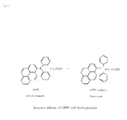
- Diphenyl-1-pyrenlphosphine does not generate a fluorescent light itself, but generates a fluorescent light by oxidation.
- Fig. 12 illustrates the principle of the fluorescence of the diphenyl-1-pyrenlphosphine (DPPP). Using the fluorescent dye, the degree of oxidation of a cell line (C3A) in a liver was observed.
- a cell where the 3,5-dihydroxy-4-methoxybenzyl alcohol according to the present invention had been added was cultured for 5 days.
- the cell labeled by DPPP was oxidized by 2, 2'-azobis (2-methylpropionamidine) dihydrochloide, and then the fluorescence intensity of the DPPP in each cell was measured.
- the added cell exhibited concentration dependence and low fluorescence intensity. It was confirmed that the antioxidant substance, 3,5-dihydroxy-4-methoxybenzyl alcohol, reduced the oxidation (see Fig. 13 ).
- 3,5-dihydroxy-4-methoxybenzyl alcohol featured an antioxidative property.
- the 3,5-dihydroxy-4-methoxybenzyl alcohol can be extracted from an oyster meat extract efficiently according to the present invention. Accordingly, a large amount of an antioxidant composition and an antioxidant can be recovered from the oyster meat extract and produced efficiently.
- the inventors of the present invention conducted a chemosynthesis of 3,5-dihydroxy-4-methoxybenzyl alcohol, and have succeeded the chemosynthesis.
- Fig. 16 illustrates all steps of the chemosynthesis.
- the nuclear magnetic resonance spectrum (NMR: AMX-500, Bruker, Düsseldorf) and the mass spectrum (LXQ, ThermoScientific, Waltham) of the synthesized substance were measured to confirm the constitution.
- potassium carbonate (4.50 g, 32.6 mmol) was added to a dimethylformamide (DMF) solution (45 mL) with a methyl gallate (5.00 g, 27.2 mmol), and the solution was stirred for one hour at 85°C.
- methyl iodide (4.00 g, 28.2 mmol) was gradually dropped and stirred for 30 minutes in an ice bath, and further stirred for 24 hours at room temperature.
- Reaction liquid was filtered, purified water was added, and extraction was performed with ethyl acetate. The separated ethyl acetate layer was washed with saturated saline and dehydrated by sodium sulfate.
- the extract liquid was purified by silica gel column chromatography (solvent: chloroform ⁇ chloroform-ethyl acetate (3:1, v/v)) and obtained 4-methoxy form of 2.79 g (yield: 51.9%).
- 3,5-dihydroxy-4-methoxybenzyl alcohol which is the antioxidant substance obtained from the oyster, can be said to have a highly hydroxylated aromatic compound.
- a hydroxylated aromatic namely, phenolic compounds include many substances featuring antioxidant activity, such as chlorogenic acid represented by caffeic acid, nigrin group, and flavonoid.
- antioxidant substance identified in the present invention exhibited high antioxidant activity in ORAC where radical scavenging ability was observed and in cell experiments using AAPH. This strongly suggests the possibility that the substance can produce an antioxidant capacity serving as a radical scavenger.
- the substance purified according to the present invention features an amphipathic nature.
- the substance had an ORAC value three times of that of L(+)-ascorbic acid, which is broadly used as one of the few water-soluble antioxidants. Accordingly, there are high expectations for the effect of the substance as an antioxidant. Reduction of oxidation of the LDL by the substance in a dose-dependent manner suggests an effect that the substance produces an anti-atherogenic action through preventing oxidation of the LDL.
- PnA cis-parinaricacid
- fluoresceinatedphosphoethanolamine fluoresceinatedphosphoethanolamine
- undecylamine-fluorescein a probe such as cis-parinaricacid (PnA), fluoresceinatedphosphoethanolamine, and undecylamine-fluorescein
- PnA is frequently used as a probe for observing oxidation of a living cell.
- PnA often exhibits cytotoxicity and affects physiological activity of a cell.
- the DPPP used in the present invention did not affect cell proliferation, cytotoxicity, or similar reaction for at least three days. It has been reported that the DPPP and the oxidized DPPP localized at the cell membrane of the living cell were stable for at least two days. The DPPP does not generate a fluorescent light itself, but the oxidized DPPP generates a fluorescent light. Using the DPPP, conventionally, a method for observing a lipid peroxide of a living cell has been established. Antioxidative potency of a vitamin E was confirmed using human monocytic lineage cells (U937) in suspension.
- the antioxidant substance significantly reduced oxidation of a C3A cell, which is a cell line derived from a liver. This suggests that the substance according to the present invention can produce antioxidant activity at least even in a hepatocyte. With this result together with the above-described reduction of LDL oxidation, there are high expectations about the effect of the substance as an antioxidant.
- NASH non-alcoholic steatohepatitis
- the present invention has found a novel antioxidant substance from an oyster and has determined the chemical constitution as 3,5-dihydroxy-4-methoxybenzyl alcohol. Further, the chemosynthesis method has also been determined. Furthermore, the ORAC value of the substance according to the present invention is 1.24 ⁇ 0.3, 5 ⁇ molTE/ ⁇ mol in the purified product and 1.47 ⁇ 0.40 ⁇ molTE/ ⁇ mol in the synthesized product. The substance showed a high antioxidant capacity between those of a chlorogenic acid and L(+)- the ascorbic acid of a water-soluble antioxidant.
- the substance according to the present invention 3,5-dihydroxy-4-methoxybenzyl alcohol, showed an antioxidant capacity in a dose-dependent manner to metal oxidation of human LDL. Also, in the antioxidant capacity experiment using a C3A cell, the substance showed an antioxidant capacity in a dose-dependent manner.
Landscapes
- Chemical & Material Sciences (AREA)
- Life Sciences & Earth Sciences (AREA)
- Engineering & Computer Science (AREA)
- Organic Chemistry (AREA)
- Food Science & Technology (AREA)
- Polymers & Plastics (AREA)
- Health & Medical Sciences (AREA)
- Nutrition Science (AREA)
- Mycology (AREA)
- Zoology (AREA)
- Materials Engineering (AREA)
- Proteomics, Peptides & Aminoacids (AREA)
- Marine Sciences & Fisheries (AREA)
- Inorganic Chemistry (AREA)
- Wood Science & Technology (AREA)
- Coloring Foods And Improving Nutritive Qualities (AREA)
- Food Preservation Except Freezing, Refrigeration, And Drying (AREA)
- Anti-Oxidant Or Stabilizer Compositions (AREA)
- Acyclic And Carbocyclic Compounds In Medicinal Compositions (AREA)
- Pharmaceuticals Containing Other Organic And Inorganic Compounds (AREA)
- Botany (AREA)
Abstract
Description
- The present invention relates to an antioxidant, an antioxidant composition, and a method for producing the antioxidant and the antioxidant composition. Especially, the present invention relates to an antioxidant and an antioxidant composition produced from an oyster meat and a method for producing the antioxidant and the antioxidant composition.
- Conventionally, various methods to extract an extract including various active ingredients from an oyster meat and to produce health food including the active ingredient extract from the oyster meat have been devised. Healthy ingredients including active ingredient extracted from oyster meat are recognized as so-called dietary supplement products. The healthy ingredients attract attention in general as extremely superior product having many beneficial substances. Currently, dietary supplement products regarding a wide variety of active ingredients extracted from oyster meat produced by a wide variety of production methods are sold.
- Food products regarding the extract from oyster meat produced as follows are conventionally and generally known. A liquid extract containing the active ingredient extract from oyster meat is, for example, sprayed to a predetermined drum-shaped dehydrated body. The drum-shaped dehydrated body itself is heated for drying. Alternatively, a liquid extract containing the extract from oyster meat is frozen to dehydrate. The extraction and production of the active ingredient extract from oyster meat is, as described above, preferred to be performed as follows. The active ingredient extract from oyster meat can be extracted and produced such that a large amount of sources of nutritional benefit such as glycogen, taurine, protein, or similar material and so-called blood platelet anticoagulant, which contains zinc or similar material, can be contained, and the oyster meat extract can be recovered efficiently.
-
- [Patent document 1] Japanese Unexamined Patent Application Publication No.
2010-193756 - The present invention is classed as an invention in a series of the above-described conventional original ideas. One of its objectives is to provide an antioxidant from oyster meat extract, an antioxidant composition, and a method for producing the antioxidant and the antioxidant composition. The antioxidant and the antioxidant composition feature high content rate and degree of extraction of substances. These substances contain taurine, glycogen, protein, and so-called blood platelet anticoagulant, which contains zinc, fat-soluble vitamin with high activation such as vitamin D, and other useful substances. The antioxidant and the antioxidant composition also feature a so-called antioxidative property, which has recently attracted attention. For example, the antioxidant and the antioxidant composition generated from an oyster meat and an oyster meat extract containing the antioxidant composition can be efficiently extracted. Accordingly, a large amount of the antioxidant and the antioxidant composition can be extracted from the oyster meat extract and contained for production.
- It is generally known that reactive oxygen is generated by aerobic life and causes oxidation of lipid, protein, and nucleic acid, thus damaging a cell. Usually, the oxidation level of a living body is maintained substantially constant by a balance between a reactive oxygen producing system and a scavenging system using an antioxidant substance. The balance is lost due to various factors such as drugs, radiation, ischemia, or similar cause. An inclination to the reactive oxygen producing system is referred to as oxidant stress. It is considered that accumulation of oxidant stress is one cause of various diseases such as cancer, arteriosclerotic disease, an ischemia/reperfusion injury, chronic rheumatoid arthritis, diabetes, a neurological disorder such as an Alzheimer's disease and a Parkinson's disease; and aging.
- So-called antioxidant substances are broadly classified into two groups according to constitution. As an enzymatic antioxidant substance, superoxidedismutase (SOD), catalase (CAT), glutathioneperoxidase (GPx), glutathioneS-transferase (GST), glutathionereductase, peroxiredoxin (Prx), and similar material are listed. On the other hand, as a non-enzymatic antioxidant substance, ascorbicacid, α-tocopherol, glutathione (GSH), carotenoids, flavonoids, metallothionein, and similar material are included.
- An oyster, for example, Crassostreagigas is a bivalve belonging to a family Ostreidae in the order Pterioida. The habitat covers the entire East Asia region including Japan. Nowadays, a Japanese oyster is also cultivated in France and Australia, and is renowned as the most eaten oyster in the world. Since it is highly nutritious, the oyster has been used for food since ancient times. As described above, it is said that the oyster includes a large amount of minerals such as calcium, zinc, selenium, copper, manganese, or similar material as well as glycogen and protein. As an antioxidant substance derived from the oyster, SOD, CAT, GPx, and Prx6 are reported as an enzymatic antioxidant substance and metallothionein, while uncouplingprotein5 (UCP5), ascorbic acid, α-tocopherol, and β-carotene are reported as a non-enzymatic antioxidant substance.
- However, the inventors of the present invention have succeeded to find a so-called novel and excellent antioxidant substance from an oyster. The inventors have also succeeded to determine the chemical constitution and conduct the chemosynthesis of the antioxidant substance. Thus, the inventors have succeeded to provide a so-called novel and excellent antioxidant and antioxidant composition in both cases where the substance is not derived from the oyster and is derived from the oyster. The antioxidant capacity of the substance was also able to be confirmed by an oxidation experiment of human low-density lipoproteins (LDL) and an oxidation experiment of a cell line in a liver.
- The present invention is characterized as follows. The present invention is an antioxidant including 3,5-dihydroxy-4-methoxybenzyl alcohol. Or, the present invention is an antioxidant composition including 3,5-dihydroxy-4-methoxybenzyl alcohol. Or, the present invention is constituted to include 3,5-dihydroxy-4-methoxybenzyl alcohol contained in a product generated from an oyster meat. Or, the present invention is constituted to include 3,5-dihydroxy-4-methoxybenzyl alcohol contained in an extract extracted from an oyster meat. Or, the present invention recovers a 3,5-dihydroxy-4-methoxybenzyl alcohol fraction from an oyster meat using ethyl acetate. Or, the present invention recovers a 3,5-dihydroxy-4-methoxybenzyl alcohol fraction from an oyster meat using ethyl acetate and ethanol. Or, the present invention stores an oyster meat in an extraction container where an extraction solution is accumulated, collects a solution with an oyster meat extract, adds ethyl acetate to the collected solution with an oyster meat extract, and recovers a 3,5-dihydroxy-4-methoxybenzyl alcohol fraction. Or, the present invention stores an oyster meat in an extraction container where an extraction solution is accumulated, collects a solution with an oyster meat extract, adds ethyl acetate and ethanol to the collected solution with an oyster meat extract, and recovers a 3,5-dihydroxy-4-methoxybenzyl alcohol fraction. Or, the present invention stores an oyster meat in an extraction container where an extraction solution is accumulated, collects a solution with an oyster meat extract, adds ethanol to a collected solution with an oyster meat extract to separate the solution into a supernatant and a precipitate, removes the separated supernatant, adds ethyl acetate to the supernatant to separate the solution into an ethyl acetate layer and a water layer, concentrates a solution of the separated ethyl acetate layer, and recovers a 3,5-dihydroxy-4-methoxybenzyl alcohol fraction.
- With the present invention, an antioxidant and an antioxidant composition including 3,5-dihydroxy-4-methoxybenzyl alcohol derived from an oyster, or not derived from the oyster can be provided. Also, the present invention achieves an excellent effect where a product with an oyster meat extract can be provided. The product with an oyster meat extract includes a comparatively large amount of antioxidant compositions that feature a so-called antioxidative property. Also, the product with the oyster meat extract features high content rate and degree of extraction of substances. These substances include taurine, glycogen, protein, and so-called blood platelet anticoagulant, which contains zinc, fat-soluble vitamin with high activation such as vitamin D, and other useful substances.
-
-
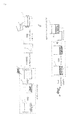
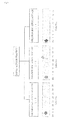
Fig. 1 is a schematic configuration explanatory view (1) illustrating a schematic configuration of the present invention; -
Fig. 2 is a schematic configuration explanatory view (2) illustrating the schematic configuration of the present invention; -
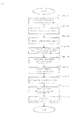
Fig. 3 is an explanatory view illustrating a flowchart of the present invention; -
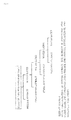
Fig. 4 is an explanatory view illustrating a state where a polarity of an organic solvent is increased in phases toextract 3,5-dihydroxy-4-methoxybenzyl alcohol; -
Fig. 5 is an explanatory view illustrating a result of an antioxidant activity test of each extract; -
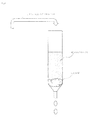
Fig. 6 is an explanatory view illustrating an extract using a silica open column; -
Fig. 7 is an explanatory view illustrating an ethyl acetate fraction extract; -
Fig. 8 is an explanatory view illustrating a constitution of 3,5-dihydroxy-4-methoxybenzyl alcohol extracted according to the present invention; -
Fig. 9 is an explanatory view illustrating a measurement principle of an ORAC method; -
Fig. 10 is an explanatory view illustrating an antioxidant capacity of 3,5-dihydroxy-4-methoxybenzyl alcohol according to the present invention; -
Fig. 11 is an explanatory view illustrating a state where a degree of oxidation of LDL is quantitated by a TBARS method; -
Fig. 12 is an explanatory view illustrating a principle of a fluorescence of diphenyl-1-pyrenlphosphine (DPPP); -
Fig. 13 is an explanatory view illustrating a state of oxidation inhibition by a cell where 3,5-dihydroxy-4-methoxybenzyl alcohol is doped according to the present invention; -
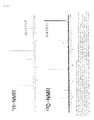
Fig. 14 is an explanatory view (1) illustrating a structural analysis of 3,5-dihydroxy-4-methoxybenzyl alcohol according to the present invention; -
Fig. 15 is an explanatory view (2) illustrating the structural analysis of 3,5-dihydroxy-4-methoxybenzyl alcohol according to the present invention; and -
Fig. 16 is an explanatory view illustrating a chemosynthesis of 3,5-dihydroxy-4-methoxybenzyl alcohol. - The following describes the present invention based on one working example illustrated in the drawings.
- In
Fig. 1 andFig. 2 ,reference numeral 1 denotes an extraction container. Theextraction container 1 accumulates anextraction solution 2 to extract an extraction from an oyster meat. Then,raw oyster meat 3 is stored in theextraction container 1 accumulating theextraction solution 2. Thus, the extraction containing various active ingredients of the oyster meat is extracted. - Conventionally, when extracting the oyster meat extract, the
extraction solution 2 in theextraction container 1 where theoyster meat 3 is stored may be stirred for further efficient extraction. This damages theoyster meat 3 itself; therefore, it is preferred that a stirring operation be not performed during the extraction step. Theextraction solution 2 where the oyster meat extract is extracted as described above is then concentrated in a concentration step. - Next, an
ethanol solution 4 is added to aconcentrated liquid 6. Thus, a solution with an ethanol concentration approximately 70% is formed. Then, the solution is stirred and separated into a precipitate 7 and asupernatant 8. As seen fromFig. 1 , the precipitate 7 is dehydrated, made into tablets, and finally provided to health food or similar product. - Conventionally, it has been regarded that the
supernatant 8 did not include any active ingredient of the oyster meat extract or include a trace amount of the oyster meat extract. Therefore, thesupernatant 8 was disposed. However, afterwards, according to experiment and study results, it was found that thesupernatant 8 included many active ingredients regarding the oyster meat extract. Currently, thesupernatant 8 is used without being disposed. Nowadays, thesupernatant 8 is concentrated again, and the concentrated liquid is finally dehydrated. The dehydrated material does not become a complete solid material shape but can be formed into a paste shape. Accordingly, the dehydrated material is produced as a paste-type health food or similar product. Then, this paste-type health food is dissolved in hot water or similar liquid by a customer and provided as a health food beverage. - First, this working example recovered the oyster meat extract containing 3,5-dihydroxy-4-methoxybenzyl alcohol, which will be describe later, using the
supernatant 8. That is, after dissolving the solution into the precipitate 7 and thesupernatant 8 as described above, ethanol was removed from thesupernatant 8 by an evaporator or similar apparatus. Then, thesupernatant 8 was concentrated until the amount of thesupernatant 8 becomes approximately half. For example, thesupernatant 8 of 40 mL was concentrated to obtain concentrated liquid 9, which is thesupernatant 8 of 20 mL. - Next, the concentrated liquid of 20 mL was diluted so as to be 5 times the concentrated liquid to generate a diluted
solution 10. For example, the concentrated liquid of 20 mL became the dilutedsolution 10 with the amount of 100 mL. This step was performed to remove impurities as much as possible. Then, for example,ethyl acetate 5 of approximately 200 mL was, for example, added into the solution of the dilutedsolution 10 of 100 mL. Then, the solution was separated into awater layer 10 and anethyl acetate layer 11 by stirring or similar method or by using a separator. Over time, the mixed solution was separated into thewater layer 10 and theethyl acetate layer 11. - Then, it was confirmed that the
ethyl acetate layer 11 included 3,5-dihydroxy-4-methoxybenzyl alcohol, which will be described below. Regarding the amount of the confirmed 3,5-dihydroxy-4-methoxybenzyl alcohol, specifically, it was confirmed that theethyl acetate layer 11 collected approximately 2 L included 3,5-dihydroxy-4-methoxybenzyl alcohol of approximately 3 mg. - Next, the following will be described: what process separates and purifies the 3,5-dihydroxy-4-methoxybenzyl alcohol from the oyster meat extract, how to confirm the presence of the 3,5-dihydroxy-4-methoxybenzyl alcohol in the oyster meat extract, what constitutes the 3,5-dihydroxy-4-methoxybenzyl alcohol, and how to confirm the antioxidant effect of the 3,5-dihydroxy-4-methoxybenzyl alcohol.
- The description will be given with reference to the flowchart illustrated in
Fig. 3 . For example, theoyster meat 3 was added in theextraction solution 2 containing theethanol solution 4 to extract an active ingredient extract from oyster meat (Step 100 and Step 102). After extraction, the extract liquid was concentrated (Step 104). Then, for example, theethanol solution 4 was added to theconcentrated liquid 6 to make theconcentrated liquid 6 be a solution with an ethanol concentration of approximately 70% (Step 106). Then, the solution was stirred to separate it into the precipitate 7 and the supernatant 8 (Step 108). - Then, using the
supernatant 8, an extraction operation using ethyl acetate, which extracts 3,5-dihydroxy-4-methoxybenzyl alcohol, was performed. As seen fromFig. 3 , the ethanol was removed (Step 110) and chloroform, ethyl acetate, and butanol were added from the respective hexanes to thesupernatant 8 that were diluted approximately five times, so as to generate fractions of the respective substances. - For example, the solution was concentrated up to 100 mL by a rotary evaporator or similar apparatus. For example, a distilled water of 80 mL was added to the concentrated liquid of 20 mL, the solution was transferred to a separation funnel, and hexane extraction was performed. After removal of a hexane layer (200 mL), a chloroform, of 200 mL, an ethyl acetate of 200 mL, and a butanol of 200 mL were extracted from the water layer step-by-step in this order. That is, the polarity of the organic solvent to extract 3,5-dihydroxy-4-methoxybenzyl alcohol was increased step-by-step. Fractions where the respective organic solvents were added were generated. Whether the 3,5-dihydroxy-4-methoxybenzyl alcohol was extracted to each of the fractions or not is confirmed (see
Fig. 4 ). - Next, after concentrating the fractions where the respective organic solvents have been added, for example, by an evaporator, the fractions were observed with a Thin-Layer-Chromatography (hereinafter referred to as TLC). Then, antioxidative potency was searched by a so-called OxygenRadicalAbsorbanceCapacity method (ORAC method). As a result, it was confirmed that in the TLC image, the fractions were eluted in order of the fraction with the lower polarity to the fraction with higher polarity, that is, in order of hexane, chloroform, ethyl acetate, and butanol.
- In the ethyl acetate fraction, a plateau portion was observed by the ORAC method, and a high antioxidant capacity was recognized in the ethyl acetate fraction. Accordingly, it was determined that 3,5-dihydroxy-4-methoxybenzyl alcohol existed in the ethyl acetate fraction (see
Fig. 5 , Step 112). - Next, after concentrating the ethyl acetate fraction by the evaporator, extraction using a so-called silica open column was performed (
Fig. 6 , Step 114). An extraction fraction where the proportion between ethyl acetate and chloroform is 3:2 was selected (seeFig. 7 ). Finally, 3,5-dihydroxy-4-methoxybenzyl alcohol was able to be separated and purified from the fraction by reverse-phase column (HPLC) (Step 116). Thus, 3,5-dihydroxy-4-methoxybenzyl alcohol was able to be separated and purified from thesupernatant 8 where the oyster meat extract has been extracted. - The 3,5-dihydroxy-4-methoxybenzyl alcohol can be separated and purified by the following operation. First, Trolox (Wako) or a test sample of 0.05 mL dissolved in a mixed solution of 0.075 mol/L phosphoric acid buffer solution 2.3 of 5 mL, 6.3 x 10⁻⁷ mol/L Fluorescein (fluorescent probe) of 0.3 mL, and 7% (w/v) methylated β-cyclodextrin (Wako) was warmed for 10 minutes at 37°C.
- 1.28 x 10⁻¹ mol/L2, 2'-azobis(2-amidinopropane) dihydrochloride (AAPH, Wako), which has been preliminarily warmed at 37°C, was added by 0.3 mL. For example, while stirring with a stirrer, a fluorescence intensity (excitation wavelength: 493 nm, fluorescence wavelength: 515 nm) was measured for every 10 seconds and up to 5, 000 seconds by a spectrofluorophotometer (FP-6500, JASCO, Tokyo).
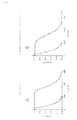
- An antioxidant activity is indicated by length of period (for example, the horizontal axis in
Fig. 5 ) during which a measured fluorescence value (the vertical axis in the same drawing) at the start of measurement is maintained. The longer the period, the stronger the antioxidant activity is. The antioxidant activity was confirmed in the ethyl acetate extract fraction among the four kinds of the extract fractions. - Next, a silica gel thin layer fractionation chromatography of normal phase is performed on the ethyl acetate extract showing an antioxidant activity. Using a silica gel thin layer plate (200 x 200 mm, thickness: 0.5 mm, Merck, Darmstadt), and ethyl acetate-chloroform (2:1, v/v) was used as a mobile phase. An ultraviolet lamp (254 nm) was irradiated to the plate after deployment and 11 fractions with ultraviolet absorption feature were obtained. The sample of each fraction was separated together with a gel carrier. For example, when the antioxidant activity was measured after elution with methanol, the antioxidant activity was observed in the sixth fraction from the low polarity side.
- Furthermore, the fraction showing antioxidant activity in the Thin-Layer-Chromatography was purified by a high performance liquid chromatography (HPLC). The fraction was separated at room temperature using a HPLC system (pump : L-2130, UV detector: L-2420, HITACHI, Tokyo), a reverse-phase column (APCELLPACC18, 250 x 4.6 mm I.D., SHISEIDO, Tokyo), and a mobile phase with acetonitrile solution of 5% (flow rate: 1.0 mL/min). Also this operation finally obtains 3,5-dihydroxy-4-methoxybenzyl alcohol of 3.0 mg from ethanol extract liquid of 160 mL, which is the source material.
- The presence of the 3,5-dihydroxy-4-methoxybenzyl alcohol was presumed as follows. An ultraviolet absorption spectrum (V-530, JASCO), a nuclear magnetic resonance spectrum (NMR: AMX-500, Bruker, Karlsruhe), and a mass spectrum (JMS-T100CS, JEOL, Tokyo) were measured, and structural analysis was performed (
Fig. 14 andFig. 15 ). As a result, the constitution of the substance that was separated and purified was presumed as 3,5-dihydroxy-4-methoxybenzyl alcohol (Fig. 15 ). - UV (EtOH), λmax 270 nm; 1H-NMR (500 MHz, Acetone-d6) δH: 7.82 (2H, br.s, aromatic-OH), 6.40 (2H, s, H-2, 6), 4.42 (2H, s, H-1'), 3.94 (1H, br.s, -OH), 3.79 (3H, s, -OMe); 13C-NMR (125 MHz, Acetone-d6) δC: 151.1 (C-3, 5), 139.4 (C-1), 13, 5.1 (C-4), 106.5 (C-2, 6), 64.5 (C-1'), 60.6 (-OMe); ESI-TOFMS, m/z153.05451 [M-OH]+ (calc. for C8H8O3, 153.05517), 171.06911 [M + H]+ (calc. for C8H11O4, 171.06573).
- Here, the properties of 3,5-dihydroxy-4-methoxybenzyl alcohol, which was separated and purified, will be described. The properties are pale-yellow powder and show lipid solubility and water solubility. It was confirmed that the 3,5-dihydroxy-4-methoxybenzyl alcohol was a phenolic compound as illustrated in
Fig. 8 . - Methods for measuring an antioxidant substance in a food product have been variously reported. However, all the methods have a drawback and an advantage, and therefore the method has not been standardized or determined as an official method (confirmation of validity of an analysis value). However, in the United States of America, a supplement and a beverage with an ORAC value have already been on the market. This trend is becoming a world standard. Accordingly, in this working example, the antioxidative potency is measured by the ORAC method.
- A research conference that studies on employing the ORAC method as an official method (Antioxidant-Unit Research Association) has already been founded in Japan. The ORAC method has advantages in that both a soluble sample and a liposoluble sample can be measured and the above-described any organic solvent fractions can be measured. One measurement by the ORAC method can evaluate both the duration and the titer of the antioxidant effect, and therefore, for example, an experiment operation is simple. The ORAC method was considered to be advantageous in measurements in this working example.
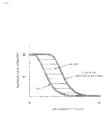
- Now, the measurement principle of the ORAC method will be somewhat described. First, in the case where constant reactive oxygen species are generated, the fluorescence intensity degraded by the reactive oxygen species is measured, and the curve of the fluorescence intensity decreasing over time is depicted, the rate of decrease in the fluorescence intensity of the fluorescent substance is delayed by coexistence of the antioxidant substance with the reaction system. Accordingly, with this principle, the presence of the antioxidant substance can be confirmed (see
Fig. 9 ). - The antioxidant capacity of the 3,5-dihydroxy-4-methoxybenzyl alcohol according to the present invention was observed by the ORAC method. Then, a delay period was present, in the same manner as a reference material (Trolox), and high antioxidant activity was observed (see
Fig. 10 ). In the present working example, the ORAC method was employed for investigation of the above-describedsupernatant 8. Accordingly, 3,5-dihydroxy-4-methoxybenzyl alcohol featuring high antioxidative potency was found in the ethyl acetate fraction. - Next, in both oxidation experiments of cultured hepatocyte and a low-density lipoprotein (LDL), the antioxidant activity of the 3,5-dihydroxy-4-methoxybenzyl alcohol is revealed.
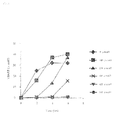
- When normal human LDL is oxidized by copper sulfate, 3,5-dihydroxy-4-methoxybenzyl alcohol was added, and the degree of oxidation of the LDL was quantitated by a TBARS method (see
Fig. 11 ). When the substance was added at 180 µM, similarly to Control (0 µM), lag-time was not observed. The Lag-time refers to a period where a rise of a curve is not observed. It is determined that, as the time increases, antioxidant activity occurs. However, the lag-time was extended by dose dependency. The lag-time was 2 hours for addition of 270 µM, 4 hours for addition of 360 µM, and 5 hours for addition 450 µM and 540 µM. It was confirmed that the 3,5-dihydroxy-4-methoxybenzyl alcohol reduced the metal oxidation of the LDL. - Diphenyl-1-pyrenlphosphine (DPPP) does not generate a fluorescent light itself, but generates a fluorescent light by oxidation.
Fig. 12 illustrates the principle of the fluorescence of the diphenyl-1-pyrenlphosphine (DPPP). Using the fluorescent dye, the degree of oxidation of a cell line (C3A) in a liver was observed. - A cell where the 3,5-dihydroxy-4-methoxybenzyl alcohol according to the present invention had been added was cultured for 5 days. The cell labeled by DPPP was oxidized by 2, 2'-azobis (2-methylpropionamidine) dihydrochloide, and then the fluorescence intensity of the DPPP in each cell was measured. As a result, compared with the cell where 3,5-dihydroxy-4-methoxybenzyl alcohol was not added, the added cell exhibited concentration dependence and low fluorescence intensity. It was confirmed that the antioxidant substance, 3,5-dihydroxy-4-methoxybenzyl alcohol, reduced the oxidation (see
Fig. 13 ). - As described above, it was apparent that 3,5-dihydroxy-4-methoxybenzyl alcohol featured an antioxidative property. The 3,5-dihydroxy-4-methoxybenzyl alcohol can be extracted from an oyster meat extract efficiently according to the present invention. Accordingly, a large amount of an antioxidant composition and an antioxidant can be recovered from the oyster meat extract and produced efficiently.
- To confirm the constitution of 3,5-dihydroxy-4-methoxybenzyl alcohol, the inventors of the present invention conducted a chemosynthesis of 3,5-dihydroxy-4-methoxybenzyl alcohol, and have succeeded the chemosynthesis.
-
Fig. 16 illustrates all steps of the chemosynthesis. The nuclear magnetic resonance spectrum (NMR: AMX-500, Bruker, Karlsruhe) and the mass spectrum (LXQ, ThermoScientific, Waltham) of the synthesized substance were measured to confirm the constitution. First, potassium carbonate (4.50 g, 32.6 mmol) was added to a dimethylformamide (DMF) solution (45 mL) with a methyl gallate (5.00 g, 27.2 mmol), and the solution was stirred for one hour at 85°C. Then, methyl iodide (4.00 g, 28.2 mmol) was gradually dropped and stirred for 30 minutes in an ice bath, and further stirred for 24 hours at room temperature. Reaction liquid was filtered, purified water was added, and extraction was performed with ethyl acetate. The separated ethyl acetate layer was washed with saturated saline and dehydrated by sodium sulfate. - After concentration, the extract liquid was purified by silica gel column chromatography (solvent: chloroform → chloroform-ethyl acetate (3:1, v/v)) and obtained 4-methoxy form of 2.79 g (yield: 51.9%).
- 1H-NMR (500 MHz, CD3OD) δH: 7.01 (2H, s, H-2, 6), 3.85 (3H, s, -OMe), 3.82 (3H, s, -OMe); 13C-NMR (125 MHz, CD3OD) δC: 168.5 (-C = O), 151.7 (C-3, 5), 141.2 (C-1), 126.5 (C-4), 110.1 (C-2, 6), 60.7 (-OMe), 52.5 (-OMe); ESI-ITMS, m/z199 [M+H]+, 197 [M-H]-.
- Next, a tetrahydrofuran solution (4 mL) with 4-methoxy form (560 mg, 2.8 mmol) with methyl gallate was dropped carefully to a tetrahydrofuran (THF) solution (6 mL) with lithium aluminum hydride (469 mg,12.4 mmol) in an ice bath (0°C). Then, the mixture was stirred for six hours at 60 to 65°C, ethyl acetate and a 10% sulfuric acid aqueous solution were added to the mixture, and then the reaction was stopped. Purified water was added to the reaction liquid, extraction was performed with the ethyl acetate, and the separated ethyl acetate layer was washed with saturated saline and dehydrated by sodium sulfate. After concentration, the extract liquid was purified by silica gel column chromatography (solvent: chloroform-methanol (50:1, v/v) → chloroform-methanol (50:3, v/v)) and a reductant, that is, synthetic 3,5-dihydroxy-4-methoxybenzyl alcohol of 175.9 mg (yield: 36.6%) was obtained.
- 1H-NMR (500 MHz, Acetone-d6) δH: 7.82 (2H, br.s, aromatic-OH), 6.40 (2H, s, H-2, 6), 4.42 (2H, s, H-1'), 3.94 (1H, br.s, -OH), 3.79 (3H, s, -OMe); 13C-NMR (125 MHz, Acetone-d6) δC: 151.1 (C-3, 5), 139.4 (C-1), 13, 5.1 (C-4), 106.5 (C-2, 6), 64.5 (C-1'), 60.6 (-OMe); ESI-ITMS, m/z171 [M + H]+, 153[M-OH]+.
- Between 3,5-dihydroxy-4-methoxybenzyl alcohol and the synthetic compound, various spectral data of the above-described 1H-NMR, 13C-NMR, and ESI-MS coincided and the duration of HPLC and the mobility of a Thin-Layer-Chromatography coincide. It was confirmed that 3,5-dihydroxy-4-methoxybenzyl alcohol existed in the synthetic compound.
- As described above, 3,5-dihydroxy-4-methoxybenzyl alcohol, which is the antioxidant substance obtained from the oyster, can be said to have a highly hydroxylated aromatic compound. Up to now, it has been reported that a hydroxylated aromatic, namely, phenolic compounds include many substances featuring antioxidant activity, such as chlorogenic acid represented by caffeic acid, nigrin group, and flavonoid.
- It is known that these substances produce antioxidant activity by serving as a capture agent for peroxide, especially, peroxy radical (ROO•). Accordingly, the antioxidant substance identified in the present invention exhibited high antioxidant activity in ORAC where radical scavenging ability was observed and in cell experiments using AAPH. This strongly suggests the possibility that the substance can produce an antioxidant capacity serving as a radical scavenger.
- The substance purified according to the present invention features an amphipathic nature. However, the substance had an ORAC value three times of that of L(+)-ascorbic acid, which is broadly used as one of the few water-soluble antioxidants. Accordingly, there are high expectations for the effect of the substance as an antioxidant. Reduction of oxidation of the LDL by the substance in a dose-dependent manner suggests an effect that the substance produces an anti-atherogenic action through preventing oxidation of the LDL.
- On the other hand, to observe oxidation of a living cell in real-time, a probe such as cis-parinaricacid (PnA), fluoresceinatedphosphoethanolamine, and undecylamine-fluorescein have been developed. Among them, PnA is frequently used as a probe for observing oxidation of a living cell. However, it is reported that PnA often exhibits cytotoxicity and affects physiological activity of a cell.
- The DPPP used in the present invention did not affect cell proliferation, cytotoxicity, or similar reaction for at least three days. It has been reported that the DPPP and the oxidized DPPP localized at the cell membrane of the living cell were stable for at least two days. The DPPP does not generate a fluorescent light itself, but the oxidized DPPP generates a fluorescent light. Using the DPPP, conventionally, a method for observing a lipid peroxide of a living cell has been established. Antioxidative potency of a vitamin E was confirmed using human monocytic lineage cells (U937) in suspension.
- In the present invention, the antioxidant substance significantly reduced oxidation of a C3A cell, which is a cell line derived from a liver. This suggests that the substance according to the present invention can produce antioxidant activity at least even in a hepatocyte. With this result together with the above-described reduction of LDL oxidation, there are high expectations about the effect of the substance as an antioxidant.
- As diseases associated with oxidant stress, conventionally, arteriosclerotic disease has generated much interest. In recent years, an ectopic fat storage disease such as a non-alcoholic steatohepatitis (NASH) has been drawing attention. In NASH, it is known that reactive oxygen relates to a hepatocellular necrosis, inflammatory cytokine production, and liver fibrosis. In NASH, it is reported that an oxidized LDL concentration is high in the blood. Furthermore, it is reported that an increase in the inflammatory cytokine production in NASH and a hepatic stellate cell involved in an increase in collagen production are activated by the oxidized LDL. Novel antioxidant substances from oysters found in the present invention can be highly expected to contribute to prevention of NASH.
- Thus, the present invention has found a novel antioxidant substance from an oyster and has determined the chemical constitution as 3,5-dihydroxy-4-methoxybenzyl alcohol. Further, the chemosynthesis method has also been determined. Furthermore, the ORAC value of the substance according to the present invention is 1.24 ± 0.3, 5 µmolTE/µmol in the purified product and 1.47 ± 0.40 µmolTE/µmol in the synthesized product. The substance showed a high antioxidant capacity between those of a chlorogenic acid and L(+)- the ascorbic acid of a water-soluble antioxidant.
- The substance according to the present invention, 3,5-dihydroxy-4-methoxybenzyl alcohol, showed an antioxidant capacity in a dose-dependent manner to metal oxidation of human LDL. Also, in the antioxidant capacity experiment using a C3A cell, the substance showed an antioxidant capacity in a dose-dependent manner.
-
- 1
- extraction container
- 2
- extraction solution
- 3
- raw oyster meat
- 4
- ethanol solution
- 5
- ethyl acetate
- 6
- concentrated liquid
- 7
- precipitate
- 8
- supernatant
- 9
- concentrated liquid of supernatant
- 10
- diluted solution
Claims (9)
- An antioxidant, comprising 3,5-dihydroxy-4-methoxybenzyl alcohol.
- An antioxidant composition, comprising 3,5-dihydroxy-4-methoxybenzyl alcohol.
- An antioxidant constituted comprising 3,5-dihydroxy-4-methoxybenzyl alcohol contained in a product generated from an oyster meat.
- An oyster meat extract with an antioxidant, comprising 3,5-dihydroxy-4-methoxybenzyl alcohol contained in an extract extracted from an oyster meat.
- A method for producing an antioxidant composition, comprising:recovering a 3,5-dihydroxy-4-methoxybenzyl alcohol fraction from an oyster meat using ethyl acetate.
- A method for producing an antioxidant composition, comprising recovering a 3,5-dihydroxy-4-methoxybenzyl alcohol fraction from an oyster meat using ethyl acetate and ethanol.
- A method for producing an antioxidant composition, comprising:storing an oyster meat in an extraction container where an extraction solution is accumulated;collecting a solution with an oyster meat extract;adding ethyl acetate to the collected solution with an oyster meat extract; andrecovering a 3,5-dihydroxy-4-methoxybenzyl alcohol fraction.
- A method for producing an antioxidant composition, comprising:storing an oyster meat in an extraction container where an extraction solution is accumulated;collecting a solution with an oyster meat extract;adding ethyl acetate and ethanol to the collected solution with an oyster meat extract; andrecovering a 3,5-dihydroxy-4-methoxybenzyl alcohol fraction.
- A method for producing an antioxidant composition, comprising:storing an oyster meat in an extraction container where an extraction solution is accumulated;collecting a solution with an oyster meat extract;adding ethanol to the collected solution with an oyster meat extract to separate the solution into a supernatant and a precipitate;removing the separated supernatant;adding ethyl acetate to the supernatant to separate the solution into an ethyl acetate layer and a water layer;concentrating a solution of the separated ethyl acetate layer; andrecovering a 3,5-dihydroxy-4-methoxybenzyl alcohol fraction.
Applications Claiming Priority (2)
| Application Number | Priority Date | Filing Date | Title |
|---|---|---|---|
| JP2011016354A JP5679559B2 (en) | 2011-01-28 | 2011-01-28 | Method for producing antioxidant composition |
| PCT/JP2012/000487 WO2012102044A1 (en) | 2011-01-28 | 2012-01-26 | Antioxidant, antioxidant composition and production method therefor |
Publications (3)
| Publication Number | Publication Date |
|---|---|
| EP2669353A1 true EP2669353A1 (en) | 2013-12-04 |
| EP2669353A4 EP2669353A4 (en) | 2018-01-10 |
| EP2669353B1 EP2669353B1 (en) | 2020-11-04 |
Family
ID=46580619
Family Applications (1)
| Application Number | Title | Priority Date | Filing Date |
|---|---|---|---|
| EP12739446.8A Active EP2669353B1 (en) | 2011-01-28 | 2012-01-26 | Antioxidant, antioxidant composition and production method therefor |
Country Status (7)
| Country | Link |
|---|---|
| US (1) | US9012513B2 (en) |
| EP (1) | EP2669353B1 (en) |
| JP (1) | JP5679559B2 (en) |
| AU (1) | AU2012210049B2 (en) |
| MY (1) | MY156744A (en) |
| SG (1) | SG191390A1 (en) |
| WO (1) | WO2012102044A1 (en) |
Cited By (3)
| Publication number | Priority date | Publication date | Assignee | Title |
|---|---|---|---|---|
| CN104922096A (en) * | 2015-05-27 | 2015-09-23 | 云南中医学院 | Application of 4-methoxy benzyl alcohol to preparation of antioxidant type drug |
| US9745237B2 (en) | 2014-08-22 | 2017-08-29 | Watanabe Oyster Laboratory Co., Ltd. | Generation method for generating 3, 5-dihydroxy-4-methoxybenzyl alcohol from oyster meat |
| KR20220100965A (en) * | 2019-11-20 | 2022-07-18 | 가부시키가이샤 와타나베오이스타겐큐쇼 | Method for producing 3,5-dihydroxy-4-methoxybenzyl alcohol from plankton |
Families Citing this family (10)
| Publication number | Priority date | Publication date | Assignee | Title |
|---|---|---|---|---|
| WO2016009594A1 (en) * | 2014-07-15 | 2016-01-21 | 株式会社渡辺オイスター研究所 | Hepatoprotective agent, glucose metabolism-improving agent, and anti-obesity agent |
| CN104211633B (en) * | 2014-08-12 | 2016-06-15 | 中国科学院微生物研究所 | Isoindole compounds and application thereof |
| JP6486070B2 (en) * | 2014-11-04 | 2019-03-20 | 株式会社渡辺オイスター研究所 | Method for synthesizing 3,5-dihydroxy-4-methoxybenzyl alcohol (3,5-dihydroxy-4-methoxybenzyl alcohol) |
| CN107404862B (en) * | 2015-02-13 | 2021-05-28 | 综合牡蛎股份有限公司 | How to farm oysters on land |
| JP6791570B2 (en) * | 2016-01-27 | 2020-11-25 | 株式会社渡辺オイスター研究所 | Anti-stress agent extracted from oyster meat |
| JP6632010B1 (en) * | 2018-08-07 | 2020-01-15 | 株式会社渡辺オイスター研究所 | Method for producing 3,5-dihydroxy-4-methoxybenzyl alcohol from plankton |
| JP7177438B2 (en) * | 2018-12-20 | 2022-11-24 | 株式会社渡辺オイスター研究所 | Production method for producing 3,5-dihydroxy-4-methoxybenzyl alcohol |
| JP2023080697A (en) * | 2021-11-30 | 2023-06-09 | 株式会社渡辺オイスター研究所 | Growth inhibitor for metastatic human prostate cancer cells |
| CN114209679B (en) * | 2022-02-21 | 2022-06-10 | 中国科学院南海海洋研究所 | Synthetic method and application of 3, 5-dihydroxy-4-methoxy benzyl alcohol |
| JP2024104803A (en) * | 2023-01-25 | 2024-08-06 | 株式会社渡辺オイスター研究所 | Anti-inflammatory agents |
Family Cites Families (3)
| Publication number | Priority date | Publication date | Assignee | Title |
|---|---|---|---|---|
| JP4121583B2 (en) * | 1996-05-09 | 2008-07-23 | 日本クリニック株式会社 | Antioxidant composition and method for producing the same |
| US20070020346A1 (en) * | 2005-05-03 | 2007-01-25 | Hongtao Xing | Botanical anticancer formulations |
| JP5126900B2 (en) | 2009-02-24 | 2013-01-23 | 株式会社渡辺オイスター研究所 | Production method of oyster meat extract granules. |
-
2011
- 2011-01-28 JP JP2011016354A patent/JP5679559B2/en not_active Expired - Fee Related
-
2012
- 2012-01-26 MY MYPI2013002539A patent/MY156744A/en unknown
- 2012-01-26 SG SG2013050034A patent/SG191390A1/en unknown
- 2012-01-26 AU AU2012210049A patent/AU2012210049B2/en not_active Ceased
- 2012-01-26 US US13/980,974 patent/US9012513B2/en active Active
- 2012-01-26 WO PCT/JP2012/000487 patent/WO2012102044A1/en not_active Ceased
- 2012-01-26 EP EP12739446.8A patent/EP2669353B1/en active Active
Cited By (5)
| Publication number | Priority date | Publication date | Assignee | Title |
|---|---|---|---|---|
| US9745237B2 (en) | 2014-08-22 | 2017-08-29 | Watanabe Oyster Laboratory Co., Ltd. | Generation method for generating 3, 5-dihydroxy-4-methoxybenzyl alcohol from oyster meat |
| CN104922096A (en) * | 2015-05-27 | 2015-09-23 | 云南中医学院 | Application of 4-methoxy benzyl alcohol to preparation of antioxidant type drug |
| KR20220100965A (en) * | 2019-11-20 | 2022-07-18 | 가부시키가이샤 와타나베오이스타겐큐쇼 | Method for producing 3,5-dihydroxy-4-methoxybenzyl alcohol from plankton |
| EP4063343A4 (en) * | 2019-11-20 | 2023-12-13 | Watanabe Oyster Laboratory Co., Ltd. | PROCESS FOR PRODUCING 3,5-DIHYDROXY-4-METHOXYBENZYLIC ALCOHOL FROM PLANKTON |
| US12281345B2 (en) | 2019-11-20 | 2025-04-22 | Watanabe Oyster Laboratory Co., Ltd. | Method for producing 3,5-dihydroxy-4-methoxybenzyl alcohol from plankton |
Also Published As
| Publication number | Publication date |
|---|---|
| US20130303629A1 (en) | 2013-11-14 |
| WO2012102044A1 (en) | 2012-08-02 |
| AU2012210049A1 (en) | 2013-07-11 |
| SG191390A1 (en) | 2013-08-30 |
| US9012513B2 (en) | 2015-04-21 |
| AU2012210049B2 (en) | 2015-05-28 |
| EP2669353B1 (en) | 2020-11-04 |
| MY156744A (en) | 2016-03-31 |
| EP2669353A4 (en) | 2018-01-10 |
| JP5679559B2 (en) | 2015-03-04 |
| JP2012153852A (en) | 2012-08-16 |
Similar Documents
| Publication | Publication Date | Title |
|---|---|---|
| US9012513B2 (en) | Antioxidant, antioxidant composition and production method therefor | |
| Stalmach et al. | Metabolite profiling of hydroxycinnamate derivatives in plasma and urine after the ingestion of coffee by humans: identification of biomarkers of coffee consumption | |
| JP6978199B2 (en) | A method for producing a liver weight reducing agent that reduces liver weight per body weight. | |
| Hong et al. | Microwave-assisted extraction of phenolic compounds from grape seed | |
| JP5615966B2 (en) | Piceatannol-containing composition | |
| JP6791570B2 (en) | Anti-stress agent extracted from oyster meat | |
| Mahmoud et al. | Ascorbic acid modifies the free radical scavenging behaviour of catechin: An insight into the mechanism | |
| Neilson et al. | Tea catechin auto-oxidation dimers are accumulated and retained by Caco-2 human intestinal cells | |
| Jabbar et al. | Nutritional, phytochemical characterization and antioxidant capacity of Ningxia wolfberry (Lycium barbarum L.) | |
| JP2017200918A (en) | Composition containing cashew apple extract | |
| KR20100039104A (en) | An anti-oxidant active composition containing compounds from ishige okamurae | |
| WO2019182032A1 (en) | Method for producing solid dispersion containing nobiletin | |
| WO2009107959A2 (en) | Method for separating valuable flavonoid-containing fraction and novel flavonoid substance from above-ground part of the tree named sageretia theezans | |
| JP6486070B2 (en) | Method for synthesizing 3,5-dihydroxy-4-methoxybenzyl alcohol (3,5-dihydroxy-4-methoxybenzyl alcohol) | |
| WO2013123618A1 (en) | Process for manufacture of extract containing zeaxanthin and/or its esters | |
| WO2014136681A1 (en) | Water-soluble flavonoid composition; drink, food, pharmaceutical product and cosmetic product, each of which contains same; and method for producing water-soluble flavonoid composition | |
| WO2020087687A1 (en) | Isopentenyl chalcone compound and preparation method therefor | |
| JP2014114283A (en) | Method for producing polyphenol | |
| JP2008308630A (en) | Antioxidants derived from asteraceae plants, process for producing the same and 2,4-hexadienal derivatives | |
| JP5822251B2 (en) | Anti-tumor agent, caspase inhibitor, basidiomycetous basidiomycetes extract and method for producing the same | |
| WO2007041891A1 (en) | Methods of separating catechins from green tea leaves | |
| EP2849768B1 (en) | Extract of greyia radlkoferi and use thereof | |
| CN102125595B (en) | Method for preparing phenolic acid by extraction from rapeseed leaching residue (dregs) | |
| JP2010105959A (en) | Composition containing highly pure 9-cis-beta carotene and method for preparing the same | |
| Krivošija et al. | Supramolecular Solvent Extraction for Valorization of Orange Peel Herbal Dust |
Legal Events
| Date | Code | Title | Description |
|---|---|---|---|
| PUAI | Public reference made under article 153(3) epc to a published international application that has entered the european phase |
Free format text: ORIGINAL CODE: 0009012 |
|
| 17P | Request for examination filed |
Effective date: 20130823 |
|
| AK | Designated contracting states |
Kind code of ref document: A1 Designated state(s): AL AT BE BG CH CY CZ DE DK EE ES FI FR GB GR HR HU IE IS IT LI LT LU LV MC MK MT NL NO PL PT RO RS SE SI SK SM TR |
|
| DAX | Request for extension of the european patent (deleted) | ||
| RA4 | Supplementary search report drawn up and despatched (corrected) |
Effective date: 20171211 |
|
| RIC1 | Information provided on ipc code assigned before grant |
Ipc: A23L 17/20 20160101ALI20171205BHEP Ipc: A23L 33/15 20160101ALI20171205BHEP Ipc: A23L 33/16 20160101ALI20171205BHEP Ipc: C09K 15/08 20060101AFI20171205BHEP Ipc: A23L 33/10 20160101ALI20171205BHEP Ipc: A23L 3/3472 20060101ALI20171205BHEP Ipc: A23L 33/175 20160101ALI20171205BHEP Ipc: A23L 33/155 20160101ALI20171205BHEP |
|
| STAA | Information on the status of an ep patent application or granted ep patent |
Free format text: STATUS: EXAMINATION IS IN PROGRESS |
|
| 17Q | First examination report despatched |
Effective date: 20190718 |
|
| GRAP | Despatch of communication of intention to grant a patent |
Free format text: ORIGINAL CODE: EPIDOSNIGR1 |
|
| STAA | Information on the status of an ep patent application or granted ep patent |
Free format text: STATUS: GRANT OF PATENT IS INTENDED |
|
| RIC1 | Information provided on ipc code assigned before grant |
Ipc: A23L 33/10 20160101ALI20200409BHEP Ipc: A23L 33/155 20160101ALI20200409BHEP Ipc: A23L 33/15 20160101ALI20200409BHEP Ipc: A23L 17/20 20160101ALI20200409BHEP Ipc: C09K 15/08 20060101AFI20200409BHEP Ipc: A23L 33/175 20160101ALI20200409BHEP Ipc: C07C 43/23 20060101ALI20200409BHEP Ipc: A23L 3/3472 20060101ALI20200409BHEP Ipc: A23L 33/16 20160101ALI20200409BHEP |
|
| INTG | Intention to grant announced |
Effective date: 20200512 |
|
| GRAS | Grant fee paid |
Free format text: ORIGINAL CODE: EPIDOSNIGR3 |
|
| GRAA | (expected) grant |
Free format text: ORIGINAL CODE: 0009210 |
|
| STAA | Information on the status of an ep patent application or granted ep patent |
Free format text: STATUS: THE PATENT HAS BEEN GRANTED |
|
| AK | Designated contracting states |
Kind code of ref document: B1 Designated state(s): AL AT BE BG CH CY CZ DE DK EE ES FI FR GB GR HR HU IE IS IT LI LT LU LV MC MK MT NL NO PL PT RO RS SE SI SK SM TR |
|
| REG | Reference to a national code |
Ref country code: GB Ref legal event code: FG4D |
|
| REG | Reference to a national code |
Ref country code: CH Ref legal event code: EP |
|
| REG | Reference to a national code |
Ref country code: AT Ref legal event code: REF Ref document number: 1330836 Country of ref document: AT Kind code of ref document: T Effective date: 20201115 |
|
| REG | Reference to a national code |
Ref country code: DE Ref legal event code: R096 Ref document number: 602012073086 Country of ref document: DE |
|
| REG | Reference to a national code |
Ref country code: IE Ref legal event code: FG4D |
|
| REG | Reference to a national code |
Ref country code: NL Ref legal event code: MP Effective date: 20201104 |
|
| REG | Reference to a national code |
Ref country code: AT Ref legal event code: MK05 Ref document number: 1330836 Country of ref document: AT Kind code of ref document: T Effective date: 20201104 |
|
| PG25 | Lapsed in a contracting state [announced via postgrant information from national office to epo] |
Ref country code: GR Free format text: LAPSE BECAUSE OF FAILURE TO SUBMIT A TRANSLATION OF THE DESCRIPTION OR TO PAY THE FEE WITHIN THE PRESCRIBED TIME-LIMIT Effective date: 20210205 Ref country code: NO Free format text: LAPSE BECAUSE OF FAILURE TO SUBMIT A TRANSLATION OF THE DESCRIPTION OR TO PAY THE FEE WITHIN THE PRESCRIBED TIME-LIMIT Effective date: 20210204 Ref country code: PT Free format text: LAPSE BECAUSE OF FAILURE TO SUBMIT A TRANSLATION OF THE DESCRIPTION OR TO PAY THE FEE WITHIN THE PRESCRIBED TIME-LIMIT Effective date: 20210304 Ref country code: RS Free format text: LAPSE BECAUSE OF FAILURE TO SUBMIT A TRANSLATION OF THE DESCRIPTION OR TO PAY THE FEE WITHIN THE PRESCRIBED TIME-LIMIT Effective date: 20201104 Ref country code: FI Free format text: LAPSE BECAUSE OF FAILURE TO SUBMIT A TRANSLATION OF THE DESCRIPTION OR TO PAY THE FEE WITHIN THE PRESCRIBED TIME-LIMIT Effective date: 20201104 |
|
| PG25 | Lapsed in a contracting state [announced via postgrant information from national office to epo] |
Ref country code: LV Free format text: LAPSE BECAUSE OF FAILURE TO SUBMIT A TRANSLATION OF THE DESCRIPTION OR TO PAY THE FEE WITHIN THE PRESCRIBED TIME-LIMIT Effective date: 20201104 Ref country code: IS Free format text: LAPSE BECAUSE OF FAILURE TO SUBMIT A TRANSLATION OF THE DESCRIPTION OR TO PAY THE FEE WITHIN THE PRESCRIBED TIME-LIMIT Effective date: 20210304 Ref country code: SE Free format text: LAPSE BECAUSE OF FAILURE TO SUBMIT A TRANSLATION OF THE DESCRIPTION OR TO PAY THE FEE WITHIN THE PRESCRIBED TIME-LIMIT Effective date: 20201104 Ref country code: PL Free format text: LAPSE BECAUSE OF FAILURE TO SUBMIT A TRANSLATION OF THE DESCRIPTION OR TO PAY THE FEE WITHIN THE PRESCRIBED TIME-LIMIT Effective date: 20201104 Ref country code: BG Free format text: LAPSE BECAUSE OF FAILURE TO SUBMIT A TRANSLATION OF THE DESCRIPTION OR TO PAY THE FEE WITHIN THE PRESCRIBED TIME-LIMIT Effective date: 20210204 Ref country code: AT Free format text: LAPSE BECAUSE OF FAILURE TO SUBMIT A TRANSLATION OF THE DESCRIPTION OR TO PAY THE FEE WITHIN THE PRESCRIBED TIME-LIMIT Effective date: 20201104 Ref country code: ES Free format text: LAPSE BECAUSE OF FAILURE TO SUBMIT A TRANSLATION OF THE DESCRIPTION OR TO PAY THE FEE WITHIN THE PRESCRIBED TIME-LIMIT Effective date: 20201104 |
|
| REG | Reference to a national code |
Ref country code: LT Ref legal event code: MG9D |
|
| PG25 | Lapsed in a contracting state [announced via postgrant information from national office to epo] |
Ref country code: HR Free format text: LAPSE BECAUSE OF FAILURE TO SUBMIT A TRANSLATION OF THE DESCRIPTION OR TO PAY THE FEE WITHIN THE PRESCRIBED TIME-LIMIT Effective date: 20201104 |
|
| PG25 | Lapsed in a contracting state [announced via postgrant information from national office to epo] |
Ref country code: LT Free format text: LAPSE BECAUSE OF FAILURE TO SUBMIT A TRANSLATION OF THE DESCRIPTION OR TO PAY THE FEE WITHIN THE PRESCRIBED TIME-LIMIT Effective date: 20201104 Ref country code: SK Free format text: LAPSE BECAUSE OF FAILURE TO SUBMIT A TRANSLATION OF THE DESCRIPTION OR TO PAY THE FEE WITHIN THE PRESCRIBED TIME-LIMIT Effective date: 20201104 Ref country code: RO Free format text: LAPSE BECAUSE OF FAILURE TO SUBMIT A TRANSLATION OF THE DESCRIPTION OR TO PAY THE FEE WITHIN THE PRESCRIBED TIME-LIMIT Effective date: 20201104 Ref country code: SM Free format text: LAPSE BECAUSE OF FAILURE TO SUBMIT A TRANSLATION OF THE DESCRIPTION OR TO PAY THE FEE WITHIN THE PRESCRIBED TIME-LIMIT Effective date: 20201104 Ref country code: EE Free format text: LAPSE BECAUSE OF FAILURE TO SUBMIT A TRANSLATION OF THE DESCRIPTION OR TO PAY THE FEE WITHIN THE PRESCRIBED TIME-LIMIT Effective date: 20201104 Ref country code: CZ Free format text: LAPSE BECAUSE OF FAILURE TO SUBMIT A TRANSLATION OF THE DESCRIPTION OR TO PAY THE FEE WITHIN THE PRESCRIBED TIME-LIMIT Effective date: 20201104 |
|
| REG | Reference to a national code |
Ref country code: DE Ref legal event code: R119 Ref document number: 602012073086 Country of ref document: DE |
|
| REG | Reference to a national code |
Ref country code: DE Ref legal event code: R097 Ref document number: 602012073086 Country of ref document: DE |
|
| PG25 | Lapsed in a contracting state [announced via postgrant information from national office to epo] |
Ref country code: DK Free format text: LAPSE BECAUSE OF FAILURE TO SUBMIT A TRANSLATION OF THE DESCRIPTION OR TO PAY THE FEE WITHIN THE PRESCRIBED TIME-LIMIT Effective date: 20201104 Ref country code: MC Free format text: LAPSE BECAUSE OF FAILURE TO SUBMIT A TRANSLATION OF THE DESCRIPTION OR TO PAY THE FEE WITHIN THE PRESCRIBED TIME-LIMIT Effective date: 20201104 |
|
| REG | Reference to a national code |
Ref country code: CH Ref legal event code: PL |
|
| PLBE | No opposition filed within time limit |
Free format text: ORIGINAL CODE: 0009261 |
|
| STAA | Information on the status of an ep patent application or granted ep patent |
Free format text: STATUS: NO OPPOSITION FILED WITHIN TIME LIMIT |
|
| PG25 | Lapsed in a contracting state [announced via postgrant information from national office to epo] |
Ref country code: LU Free format text: LAPSE BECAUSE OF NON-PAYMENT OF DUE FEES Effective date: 20210126 |
|
| REG | Reference to a national code |
Ref country code: BE Ref legal event code: MM Effective date: 20210131 |
|
| 26N | No opposition filed |
Effective date: 20210805 |
|
| PG25 | Lapsed in a contracting state [announced via postgrant information from national office to epo] |
Ref country code: AL Free format text: LAPSE BECAUSE OF FAILURE TO SUBMIT A TRANSLATION OF THE DESCRIPTION OR TO PAY THE FEE WITHIN THE PRESCRIBED TIME-LIMIT Effective date: 20201104 Ref country code: IT Free format text: LAPSE BECAUSE OF FAILURE TO SUBMIT A TRANSLATION OF THE DESCRIPTION OR TO PAY THE FEE WITHIN THE PRESCRIBED TIME-LIMIT Effective date: 20201104 Ref country code: NL Free format text: LAPSE BECAUSE OF FAILURE TO SUBMIT A TRANSLATION OF THE DESCRIPTION OR TO PAY THE FEE WITHIN THE PRESCRIBED TIME-LIMIT Effective date: 20201104 |
|
| PG25 | Lapsed in a contracting state [announced via postgrant information from national office to epo] |
Ref country code: CH Free format text: LAPSE BECAUSE OF NON-PAYMENT OF DUE FEES Effective date: 20210131 Ref country code: DE Free format text: LAPSE BECAUSE OF NON-PAYMENT OF DUE FEES Effective date: 20210803 Ref country code: SI Free format text: LAPSE BECAUSE OF FAILURE TO SUBMIT A TRANSLATION OF THE DESCRIPTION OR TO PAY THE FEE WITHIN THE PRESCRIBED TIME-LIMIT Effective date: 20201104 Ref country code: LI Free format text: LAPSE BECAUSE OF NON-PAYMENT OF DUE FEES Effective date: 20210131 |
|
| PG25 | Lapsed in a contracting state [announced via postgrant information from national office to epo] |
Ref country code: IS Free format text: LAPSE BECAUSE OF FAILURE TO SUBMIT A TRANSLATION OF THE DESCRIPTION OR TO PAY THE FEE WITHIN THE PRESCRIBED TIME-LIMIT Effective date: 20210304 |
|
| PG25 | Lapsed in a contracting state [announced via postgrant information from national office to epo] |
Ref country code: BE Free format text: LAPSE BECAUSE OF NON-PAYMENT OF DUE FEES Effective date: 20210131 |
|
| PG25 | Lapsed in a contracting state [announced via postgrant information from national office to epo] |
Ref country code: HU Free format text: LAPSE BECAUSE OF FAILURE TO SUBMIT A TRANSLATION OF THE DESCRIPTION OR TO PAY THE FEE WITHIN THE PRESCRIBED TIME-LIMIT; INVALID AB INITIO Effective date: 20120126 Ref country code: CY Free format text: LAPSE BECAUSE OF FAILURE TO SUBMIT A TRANSLATION OF THE DESCRIPTION OR TO PAY THE FEE WITHIN THE PRESCRIBED TIME-LIMIT Effective date: 20201104 |
|
| PGFP | Annual fee paid to national office [announced via postgrant information from national office to epo] |
Ref country code: IE Payment date: 20240119 Year of fee payment: 13 |
|
| PG25 | Lapsed in a contracting state [announced via postgrant information from national office to epo] |
Ref country code: MK Free format text: LAPSE BECAUSE OF FAILURE TO SUBMIT A TRANSLATION OF THE DESCRIPTION OR TO PAY THE FEE WITHIN THE PRESCRIBED TIME-LIMIT Effective date: 20201104 |
|
| PGFP | Annual fee paid to national office [announced via postgrant information from national office to epo] |
Ref country code: FR Payment date: 20240124 Year of fee payment: 13 |
|
| PG25 | Lapsed in a contracting state [announced via postgrant information from national office to epo] |
Ref country code: TR Free format text: LAPSE BECAUSE OF FAILURE TO SUBMIT A TRANSLATION OF THE DESCRIPTION OR TO PAY THE FEE WITHIN THE PRESCRIBED TIME-LIMIT Effective date: 20201104 |
|
| PG25 | Lapsed in a contracting state [announced via postgrant information from national office to epo] |
Ref country code: MT Free format text: LAPSE BECAUSE OF FAILURE TO SUBMIT A TRANSLATION OF THE DESCRIPTION OR TO PAY THE FEE WITHIN THE PRESCRIBED TIME-LIMIT Effective date: 20201104 |
|
| PGFP | Annual fee paid to national office [announced via postgrant information from national office to epo] |
Ref country code: GB Payment date: 20250128 Year of fee payment: 14 |
|
| PG25 | Lapsed in a contracting state [announced via postgrant information from national office to epo] |
Ref country code: FR Free format text: LAPSE BECAUSE OF NON-PAYMENT OF DUE FEES Effective date: 20250131 |
|
| PG25 | Lapsed in a contracting state [announced via postgrant information from national office to epo] |
Ref country code: IE Free format text: LAPSE BECAUSE OF NON-PAYMENT OF DUE FEES Effective date: 20250126 |