EP2669340A1 - An improved binary pressure sensitive paint coating - Google Patents
An improved binary pressure sensitive paint coating Download PDFInfo
- Publication number
- EP2669340A1 EP2669340A1 EP13170141.9A EP13170141A EP2669340A1 EP 2669340 A1 EP2669340 A1 EP 2669340A1 EP 13170141 A EP13170141 A EP 13170141A EP 2669340 A1 EP2669340 A1 EP 2669340A1
- Authority
- EP
- European Patent Office
- Prior art keywords
- coating
- pressure sensitive
- pyrene
- psp
- binary
- Prior art date
- Legal status (The legal status is an assumption and is not a legal conclusion. Google has not performed a legal analysis and makes no representation as to the accuracy of the status listed.)
- Granted
Links
Images



Classifications
-
- G—PHYSICS
- G01—MEASURING; TESTING
- G01L—MEASURING FORCE, STRESS, TORQUE, WORK, MECHANICAL POWER, MECHANICAL EFFICIENCY, OR FLUID PRESSURE
- G01L1/00—Measuring force or stress, in general
- G01L1/24—Measuring force or stress, in general by measuring variations of optical properties of material when it is stressed, e.g. by photoelastic stress analysis using infrared, visible light, ultraviolet
-
- C—CHEMISTRY; METALLURGY
- C08—ORGANIC MACROMOLECULAR COMPOUNDS; THEIR PREPARATION OR CHEMICAL WORKING-UP; COMPOSITIONS BASED THEREON
- C08G—MACROMOLECULAR COMPOUNDS OBTAINED OTHERWISE THAN BY REACTIONS ONLY INVOLVING UNSATURATED CARBON-TO-CARBON BONDS
- C08G77/00—Macromolecular compounds obtained by reactions forming a linkage containing silicon with or without sulfur, nitrogen, oxygen or carbon in the main chain of the macromolecule
- C08G77/48—Macromolecular compounds obtained by reactions forming a linkage containing silicon with or without sulfur, nitrogen, oxygen or carbon in the main chain of the macromolecule in which at least two but not all the silicon atoms are connected by linkages other than oxygen atoms
- C08G77/58—Metal-containing linkages
-
- C—CHEMISTRY; METALLURGY
- C09—DYES; PAINTS; POLISHES; NATURAL RESINS; ADHESIVES; COMPOSITIONS NOT OTHERWISE PROVIDED FOR; APPLICATIONS OF MATERIALS NOT OTHERWISE PROVIDED FOR
- C09D—COATING COMPOSITIONS, e.g. PAINTS, VARNISHES OR LACQUERS; FILLING PASTES; CHEMICAL PAINT OR INK REMOVERS; INKS; CORRECTING FLUIDS; WOODSTAINS; PASTES OR SOLIDS FOR COLOURING OR PRINTING; USE OF MATERIALS THEREFOR
- C09D183/00—Coating compositions based on macromolecular compounds obtained by reactions forming in the main chain of the macromolecule a linkage containing silicon, with or without sulfur, nitrogen, oxygen, or carbon only; Coating compositions based on derivatives of such polymers
- C09D183/04—Polysiloxanes
-
- C—CHEMISTRY; METALLURGY
- C09—DYES; PAINTS; POLISHES; NATURAL RESINS; ADHESIVES; COMPOSITIONS NOT OTHERWISE PROVIDED FOR; APPLICATIONS OF MATERIALS NOT OTHERWISE PROVIDED FOR
- C09D—COATING COMPOSITIONS, e.g. PAINTS, VARNISHES OR LACQUERS; FILLING PASTES; CHEMICAL PAINT OR INK REMOVERS; INKS; CORRECTING FLUIDS; WOODSTAINS; PASTES OR SOLIDS FOR COLOURING OR PRINTING; USE OF MATERIALS THEREFOR
- C09D5/00—Coating compositions, e.g. paints, varnishes or lacquers, characterised by their physical nature or the effects produced; Filling pastes
- C09D5/22—Luminous paints
-
- C—CHEMISTRY; METALLURGY
- C08—ORGANIC MACROMOLECULAR COMPOUNDS; THEIR PREPARATION OR CHEMICAL WORKING-UP; COMPOSITIONS BASED THEREON
- C08G—MACROMOLECULAR COMPOUNDS OBTAINED OTHERWISE THAN BY REACTIONS ONLY INVOLVING UNSATURATED CARBON-TO-CARBON BONDS
- C08G77/00—Macromolecular compounds obtained by reactions forming a linkage containing silicon with or without sulfur, nitrogen, oxygen or carbon in the main chain of the macromolecule
- C08G77/80—Siloxanes having aromatic substituents, e.g. phenyl side groups
-
- C—CHEMISTRY; METALLURGY
- C08—ORGANIC MACROMOLECULAR COMPOUNDS; THEIR PREPARATION OR CHEMICAL WORKING-UP; COMPOSITIONS BASED THEREON
- C08K—Use of inorganic or non-macromolecular organic substances as compounding ingredients
- C08K3/00—Use of inorganic substances as compounding ingredients
- C08K3/18—Oxygen-containing compounds, e.g. metal carbonyls
- C08K3/20—Oxides; Hydroxides
- C08K3/22—Oxides; Hydroxides of metals
- C08K2003/2237—Oxides; Hydroxides of metals of titanium
- C08K2003/2241—Titanium dioxide
Definitions
- the present invention relates to an improved binary pressure sensitive paint (PSP) coating suitable for wind tunnel studies in both transonic and supersonic flows and also for application on large area models.
- PSP binary pressure sensitive paint
- the present invention relates to an improved binary PSP coating having improved adhesion and enhanced shelf-life that is useful for accurately measuring pressure changes at the surface of an aerodynamic model during wind tunnel testing under transonic flows and supersonic flow conditions and also can be used over larger areas of model surfaces.
- Dual luminophor compositions and related methods wherein dual luminophor compositions include a first luminescent compound having a luminescent emission that is sensitive to oxygen concentration, a second luminescent compound having a luminescent emission that is insensitive to oxygen concentration, an oxygen permeable host material, and a method for measuring pressure of an oxygen-containing fluid dual luminophor compositions. It may be noted that the luminophores and the oxygen permeable host material used are different from that of the present invention.
- the present invention therefore provides a stable binary PSP coating with improved adhesion and enhanced shelf-life for the air pressure sensor coating suitable for application over larger areas on the model surface.
- screen layer of epoxy base coat has been replaced with silicone-titanium dioxide and silicon primer is introduced as adhesive layer.
- Adhesive layer is placed between the substrate and screen layer; screen layer and the active layer of PSP.
- the main object of the present invention is thus to provide an improved binary pressure sensitive paint (PSP) coating and a process for preparing the same, which obviates the drawbacks of the hitherto known prior art as detailed above.
- PSP binary pressure sensitive paint
- Another object of the present invention is to provide a composition of a pyrene-based binary PSP coating that is free from paint degradation problems commonly associated with conventional pyrene-based pressure sensitive paint coatings.
- Yet another object of the present invention is to provide a method for preparing a pyrene end-labeled polydimethylsiloxane by reacting a pyrene derivative with a silanol terminated poly dimethyl siloxane resin in the presence of an organo functional / silicone functional silane coupling agent.
- Still another object of the present invention is to provide an improved binary PSP coating that incorporates a reference luminophore, which is an oxysulfide of rare earth elements that can correct for variations in excitation intensity over the model surface and also for errors due to temperature sensitivity of the paint.
- a reference luminophore which is an oxysulfide of rare earth elements that can correct for variations in excitation intensity over the model surface and also for errors due to temperature sensitivity of the paint.
- Yet another object of the present invention is to provide an improved binary pressure sensitive paint (PSP) coating having enhanced adhesion, and improved shelf-life for the pressure sensor coating.
- PSP binary pressure sensitive paint
- Still another object of the present invention is to provide a new silicone based screen layer for models which need not be subjected to any heat treatment, which is also solvent resistant, and helps in getting consistent paint properties for the binary PSP coating of the present invention.
- the present invention provides a stable binary pressure sensitive paint coating having improved adhesion and enhanced shelf-life suitable for application over large surface areas.
- the present invention also provides a simple process for modifying the screen layer and adhesive layer, which is helpful in getting consistent paint properties for the binary pressure sensitive paint coating of the present invention.
- the pressure sensitive paint coating of the present invention consists mainly of two layers (i) screen layer, and (ii) active layer as shown in Figure 1 of the drawings accompanying this specification.
- Silicone-titanium dioxide has been used for screen layer and silicon primer for adhesive layer.
- a thin adhesive layer of thickness about 1 to 2 ⁇ m is applied with a soft cloth on the model surface so that the screen layer will have good adhesion to the substrate.
- the thickness of screen layer is in the range of 10 to 20 ⁇ m.
- Another thin adhesive layer of thickness about 1 to 2 ⁇ m is applied on the screen layer before applying the active layer to ensure adhesion between the screen layer and the active layer.
- the topcoat is the pressure sensitive layer, often termed as the active layer having thickness of about 30 to 50 ⁇ m.
- the adhesive layer is cured for 24 hours to improve its solvent resistance.
- the novelty of the present invention lies in providing a stable binary pressure sensitive paint coating having pressure sensitivity in the range of 60 to 70 %/bar, temperature coefficient in the range of 0.30 to 0.50 %/°C thermal stability up to 60°C, good adhesion and enhanced shelf-life, which is ideally suitable for getting accurate surface pressure data in transonic and supersonic flow applications over larger areas of model surfaces.
- the present invention provides an improved binary PSP coating comprising a stack of layers consisting of a screen layer, an active layer and two adhesive layers, wherein the said first adhesive layer being deposited on the model surface followed by deposition of silicone-titanium dioxide screen layer on the first adhesive layer, the second adhesive layer being deposited on the said screen layer followed by deposition of active layer on the second adhesive layer, wherein the said layers being subjected to curing at temperature of 25 to 40°C for a period of 24 to 72 hours in order to provide stable binary pressure sensitive paint coating having good pressure sensitivity in the range of 60 to 70 %/bar, temperature coefficient in the range of 0.30 to 0.50 %/°C, thermal stability up to 60°C, improved adhesion and enhanced shelf-life.
- a commercially available silicone primer is applied as adhesive layers and the thickness of adhesive layers is about 1 to 2 ⁇ m.
- the thickness of the screen layer and active layer are in the range of 10 to 20 ⁇ m and 30 to 50 ⁇ m respectively.
- the improved binary PSP coating has enhanced adhesion in transonic and supersonic flows and improved shelf life of 2 months and high pressure sensitivity in the range of 60 to 70 %/bar, thermal stability up to 60°C and low temperature coefficient in the range of 0.30 to 0.50 %/°C.
- the new screen layer consists of a mixture of silicone resin and commercial titanium dioxide pigment in suitable proportions, mixed well with a solvent like toluene and applied on the substrate/model surface by spraying.
- the improved binary PSP coating of the present invention is suitable for application over large areas on the model surface.
- the present invention provides a binary pressure sensitive paint coating comprising a stack of layers consisting of a screen layer, an active layer and two adhesive layers, said coating being obtainable by a first adhesive layer being deposited on a model surface followed by deposition of a silicone-titanium dioxide screen layer on the said first adhesive layer, a second adhesive layer being deposited on the said screen layer followed by deposition of active layer on the said second adhesive layer, with the said layers being subjected to curing at temperature of 25 to 40°C for a period of 24 to 72 hours in order to provide the binary pressure sensitive paint coating, said coating having pressure sensitivity in the range of 60 to 70 %/bar, temperature coefficient in the range of 0.30 to 0.50 %/°C and thermal stability up to 60°C.
- the silicone-titanium dioxide screen layer preferably comprises (and typically is, or consists essentially of) a mixture of silicone resin and titanium dioxide, typically a homogenous mixture.
- the ratio of silicone resin to titanium dioxide in the mixture is preferably X:1 wherein X is from 2 to 4, typically around 3.
- the present invention relates to an improved binary pressure sensitive paint (PSP) coating which is suitable for wind tunnel studies in both transonic and supersonic flows. It provides a stable binary pressure sensitive paint coating with improved adhesion and enhanced shelf-life in both transonic and supersonic flows.
- PSP binary pressure sensitive paint
- the pressure sensitivity of the coatings reported so far decrease gradually with time due to the slow interactions between the diffused epoxy functional groups of epoxy paint screen layer with the reactive functional groups of active layer resulting in increased cross linking, thereby causing decreased oxygen permeability and decreased pressure sensitivity for the active layer. It is required that the pressure sensitivity of the coating should remain nearly constant for one month for good paint performance.
- the inventors of the present investigation demonstrated that direct contact of active layer with the epoxy screen layer caused gradual degradation in pressure sensitivity of the binary PSP coating with time resulting in poor shelf-life of the PSP coating.
- the silicone-titanium dioxide mixture cured at a temperature of 25 to 40°C for a period of 24 to 72 hours is used as the screen layer to replace the vulnerable epoxy white base coat.
- silicone primer is used as adhesive layer on the model surface and also between the screen layer and the active layer.
- the replacement of the problematic epoxy screen layer with a silicone screen layer is also helpful for improving the paint performance and enhanced shelf-life for the present invention.
- the present invention provides a novel binary paint coating having a rare combination of enhanced adhesion, reasonably high pressure sensitivity, low temperature coefficient and good stability, which is ideally suitable for getting accurate surface pressure data in transonic and supersonic flow applications.
- the method of preparation of the active layer of the binary PSP formulation of the present invention comprises of mixing the pyrene end-labeled Polydimethylsiloxane [PDMS] solution with a two-part room temperature vulcanizable (RTV) silicone resin (RTV 11 from M/s Momentive Performance Materials), dibutyl tin dilaurate (DBT) as catalyst, and a europium-doped rare earth oxysulfide as reference luminophore. Toluene was used as solvent to dilute the paint mixture.
- RTV room temperature vulcanizable
- DBT dibutyl tin dilaurate
- the present invention provides a fluorescent pyrene derivative end-labeled and immobilized in a polydimethylsiloxane (PDMS) resin.
- PDMS polydimethylsiloxane
- the method of preparation of pyrene end-labeled PDMS resin involves reacting a solution of pyrene derivative in dichloromethane with a silanol terminated PDMS resin (molecular weight in the range of 400 to 26,000) and silane coupling agent in the presence of a catalyst (stannous 2-ethyl-hexanoate) under ambient conditions.
- the derivative of pyrene used in the present invention is a hydroxyl substituted pyrene with generic formula, py - (CH 2 ) n - OH where py is pyrene and n is in the range of 1 to 10. Pyrene derivatives with other functional groups like amine and carboxylic acid could not be used as the resulting PSP compositions would not have the desired PSP properties.
- the reaction conditions are favorable for the complete conversion of pyrene butanol to pyrene end-labeled PDMS. This solution containing pyrene end-labeled PDMS if stored out of contact with air and humidity is stable for about one month.
- the molecular weight of silanol terminated PDMS resin used in the present invention is in the range of 400 to 26,000. Other PDMS resins with higher or lower molecular weight yield products with lower pressure sensitivity and poor stability.
- the molecular weight of the silanol terminated PDMS resin is a key factor affecting the pressure sensitivity and stability of the PSP coating.
- the other important factors, which affect the pressure sensitivity of the PSP coating are the weight ratio of silanol terminated PDMS resin to pyrene derivative, the weight ratio of silane coupling agent to pyrene derivative, and the amount of catalyst, stannous 2-ethyl-hexanoate.
- the weight ratio of silane-coupling agent to pyrene derivative should be in the range of 5 to 10 and the weight ratio of silanol terminated PDMS resin to pyrene derivative should be in the range of 50 to 200.
- the concentration of stannous 2-ethyl-hexanoate used as catalyst for the preparation of pyrene-end labeled PDMS should be in the range of 0.20% to 0.40%.
- the pyrene end-labeled PDMS is mixed with a two part, room temperature vulcanizable (RTV) silicone resin and required amount of dibutyl tin dilaurate (DBT) and sprayed as a thin coating. It is important that the PSP coating after spraying should cure at room temperature to produce a smooth tack-free coating with good adhesion to the substrate.
- RTV room temperature vulcanizable
- DBT dibutyl tin dilaurate
- the weight ratio of silicone resin to total silanol terminated PDMS resin including pyrene end-labeled PDMS is critical to obtain complete curing of the PSP coating at room temperature and should be in the range of 0.5 to 5.0.
- the PSP coating may be tacky and if the ratio is higher than 5.0, the fluorescent emission intensity will be low, which will result in poor signal to noise ratio.
- concentration of catalyst dibutyl tin dilaurate used for the polymerization of silicone is in the range of 0.20% to 0.40%.
- the present invention uses a reference luminophore, which is an oxysulfide of rare earth elements doped with europium. It is not sensitive to the pressure and can be used to correct for the excitation intensity variations during the test. It emits phosphorescence and the emission is centered at about 625 nm. The efficiency of phosphorescence emission from this red phosphor was high.
- the temperature coefficient of this reference luminophore cancels the temperature coefficient of the pyrene end-labeled silicone polymer thereby resulting in a binary PSP coating with low temperature coefficient.
- the concentration of reference luminophore in the paint formulation is in the range of 2.0 to 4.0 %.
- the method of application of paint coating on model and coupons comprises spraying the screen layer and active layer on the test surface and the coupons (aluminum strips 15 cm x 5cm with a thickness of about 0.30 mm) after applying the adhesive layer.
- the model and coupons were cleaned with acetone or a cleaning agent containing a mixture of acetone, xylene and butyl acetate, followed by applying a commercially available silicone primer (SS 4044 from M/s Momentive Performance Materials) as adhesive layer on the model surface and coupons using cotton or soft cloth, cured at temperature of 25 to 40°C for a period of 24 to 72 hours.
- Silicone screen layer was prepared by mixing silicone resin and commercial titanium dioxide (3:1 weight ratio), mixed well with suitable amounts of toluene using a glass rod and a camel hair brush for homogeneous mixing and applied on the substrate/model surface by spraying. After curing the silicone resin - titanium dioxide mixture at temperature of 25 to 40°C for a period of 24 to 72 hours, silicone primer (SS 4044) was applied over the screen layer using cotton, cured at room temperature for 24 hours.
- silicone primer SS 4044
- the binary PSP coating prepared as described earlier was sprayed on the coupons or model surface pre-coated with the silicone resin - titanium dioxide as screen layer and silicone primer as adhesive layer. After curing the PSP coating at temperature of 25 to 40°C for a period of 24 to 72 hours, the coupons were cut into 5 cm X 3 cm size. A small amount of talc was applied on the surface of the coating to protect it from dust particles during wind tunnel testing. The total thickness of the binary PSP coating including screen layer and adhesive layer and active layer was in the range of 40 to 70 ⁇ m.
- the PSP coupons were used for calibration of the paint, determination of temperature coefficient and for carrying out thermal aging test.
- the binary PSP coating sprayed on models was used for carrying out wind tunnel aging test.
- the binary PSP coatings reported earlier were suitable for application over a surface area of ⁇ 400 cm 2 .
- proportionally larger quantities of ingredients have to be mixed which would contain proportionally larger volumes of solvents like dichloromethane and toluene.
- the excess dichloromethane being an aggressive solvent would attack the epoxy screen layer of the previous invention which would result in nonlinearity of calibration with decrease in pressure sensitivity of the PSP coating.
- Another disadvantage is that the excess solvent decreases the viscosity of paint mixture and the paint flows after spraying on complex nonplanar models.
- excess dichloromethane is removed by evaporation under magnetic stirring at controlled temperature of 30 ⁇ 5°C before mixing with other ingredients. This step of removal of dichloromethane from the PSP before mixing and spraying is found to be essential in getting consistent results of paint properties for large areas of model surface.
- the experimental setup for recording the fluorescence spectra of the binary PSP coating of present invention consisted mainly of a Fiber optic spectrometer, model S2000 from M/s Ocean Optics, Inc, USA with a 300W Xenon arc lamp (model no. 6258 from Oriel Instruments) as excitation source.
- the infrared radiation from the xenon lamp was filtered by means of a water filter.
- Excitation light in the ultraviolet range 335 ⁇ 5 nm was provided by using interference filter, Melles Griot, no. 03FIM026 which was capable of simultaneously exciting both luminophores in the PSP coating.
- the sample chamber had provision for passing nitrogen and mixtures of air and nitrogen through it while recording the spectra.
- the fluorescence emission spectra of the binary PSP coating of present invention is shown in Figure 2 of the drawings accompanying this specification.
- the experimental setup for the calibration of the binary PSP coupon of present invention consisted mainly of an excitation source, calibration chamber and detector. Excitation light was provided by a pulsed xenon source filtered in the ultraviolet range 335 ⁇ 5 nm which was capable of simultaneously exciting both luminophores in the paint coating.
- the pressure inside the calibration chamber was varied from 0.10 bar to 1.60 bar in steps of 0.10 bar and temperature was varied from 10°C to 35°C.
- Two peltier-cooled scientific grade 12-bit CCD cameras with resolution of 1280 x 1024 pixels and equipped with suitable filters were used as detectors to acquire images of the blue and red emission from the coating.
- the data analysis was done by dedicated software of the NAL PSP System.
- the method of preparation of the Stern-Volmer calibration graph of PSP coating is described herein.
- the excitation radiation from the source was focused on the PSP coating.
- the CCD cameras detected the brightness of the light emitted by the PSP coating.
- the coating was made to experience a pressure change in the range of 0.10 to 1.60 bar in steps of 0.10 bar at a constant temperature of 25°C.
- Measurement of the brightness of light emitted by the coating was taken during each pressure change and emission intensity images from the coating in blue region (450 to 550 nm) and red region (600 to 650nm) were recorded using two CCD cameras with appropriate filters.
- a plot of blue and red intensity of the binary paint versus pressure is depicted in Figure 3 of the drawings accompanying this specification.
- the Stern-Volmer calibration graph was prepared by plotting I ref /I versus the normalized pressure, p/p ref .
- the Stern-Volmer calibration plot of the binary PSP coating of present invention at 25°C in the pressure range of 0.10 to 1.60 bar is shown in Figure 4 of the drawings accompanying this specification.
- the paint stability was assessed through a static thermal aging (TA) test.
- the coupons were calibrated and then subjected to a temperature of 60°C for 1 hour in a vacuum oven and calibrated again.
- the intensity and pressure sensitivity of the coupons before and after thermal aging test were compared. It was observed that the change in normalized intensity after thermal aging test was less than 5%. There was no change in pressure sensitivity after thermal aging test as shown in Figure 6 of the drawings accompanying this specification.
- the paint stability was further assessed through wind tunnel aging test.
- the methodology utilized for wind tunnel aging test comprised of comparing the wind-off images of both blue and red emissions at ambient conditions with those obtained after the first blowdown. Paint was spray-coated on delta wing models and aging test of the paint coating was conducted in the 0.3m-trisonic blowdown wind tunnel at a Mach number of 0.8 and a model incidence, ⁇ of 10°. Each blowdown was of approximately 25 s duration. The blue and red images were acquired at the end of 5 blowdowns and continued up to 50 blowdowns. The normalized intensity maps of the blue images after 5 to 50 blowdowns are compared with the image obtained after the first blowdown are shown in Figure 7 of the drawings accompanying this specification.
- the paint coupon was calibrated at regular intervals.
- the calibration graphs of a fresh paint coupon and calibrations after one month and two months are shown in Figure 9 of the drawings accompanying this specification.
- the improvement in shelf-life of the coating was obtained because the epoxy screen layer was substituted with the new silicone - titanium dioxide screen layer.
- the present invention provides an improved binary PSP coating which can be sprayed to produce a uniform coating with desired PSP characteristics like reasonably high pressure sensitivity, low temperature coefficient and good stability under wind tunnel test conditions.
- Binary PSP coating of the present invention prevents degradation of fluorescent intensity due to luminophore loss by diffusion and sublimation.
- the present invention also provides binary PSP coatings having improved adhesion and enhanced shelf-life.
- This example illustrates the preparation and application of the new silicone-titanium dioxide screen layer coating.
- Silicone primer (SS 4044) was applied using cotton over the model surface, cured at temperature of 30°C for 24 hours.
- 3.0 g silicone resin (RTV 11) was mixed with 1.0 g titanium dioxide and 10 ml toluene, stirred well with a glass rod for 10 minutes and mixed well with a camel hair brush to obtain a homogenous mixture.
- the mixture was filtered through a clean cloth into a spray gun and sprayed the mixture on the surface pre-coated with silicone primer. This quantity was sufficient to prepare a coating of 10 to 20 ⁇ m thickness over an area of 600 cm 2 .
- the coating was allowed to cure at temperature of 30°C for 24 hours.
- Applied silicone primer (SS 4044) using cotton over the dry screen layer, cured at temperature of 30°C for 24 hours.
- pyrene butanol 0.08 g was weighed into a 100 ml conical flask and dissolved in 20 ml AR dichloromethane. 0.06 g of stannous 2-ethyl-hexanoate was added to the solution while stirring. The flask was covered with a rubber septum and the solution was stirred magnetically. 0.60 g silane coupling agent and 10.0 g silanol terminated PDMS resin of molecular weight 1500 were transferred in drops to the solution while stirring over a period of 30 minutes. The solution was stirred further for 3 hours at temperature of 30°C to complete the reaction and to obtain pyrene-end-labeled PDMS. The solution was transferred to a dry reagent bottle and made up to 50 ml with AR toluene. The bottle was sealed and stored in a desiccator.
- This example describes the preparation of the binary pressure sensitive paint formulation for large area application
- Example 2 50 ml solution of pyrene-end-labeled PDMS as prepared in Example-2 was evaporated at controlled temperature of 30 ⁇ 5°C under magnetic stirring till the volume was reduced to about 40 ml. 14.4 g RTV silicone resin was added to it and mixed well to obtain a homogenous mixture. 3.6 g red phosphor (yttrium oxysulfide doped with europium) was added and mixed well. Finally, 1.0 g dibutyl tin dilaurate was added and mixed well for about 10 min before spraying.
- red phosphor yttrium oxysulfide doped with europium
- This example describes the preparation of binary pressure sensitive paint coating
- the coating on the model and paint coupons were applied by spraying the paint mixture described in Example 3 on the prepared model or aluminum sheet pre-coated with the white screen layer as described in Example 1 using a spray gun and compressed air with air pressure of about 22 ⁇ 5°C. Spraying was done in a number of passes over the model till the surface shows a smooth coating of about 40 ⁇ m thickness. The coating was allowed to cure at temperature of 30°C for 24 hours. A small amount of talc was sprinkled on the coating surface and spread uniformly as a thin layer to protect the coated surface from dust and oil from the airflow in wind tunnel.
- the paint coupon (4cm X 3cm) prepared was calibrated in the PSP calibration chamber in the pressure range of 0.10 bar to 1.6 bar as described earlier.
- the binary pressure sensitive paint coating on delta wing model exhibited good adhesion after several blowdowns under transonic and supersonic flow conditions.
- the thermal aging test and wind tunnel aging tests demonstrate that paint coupons of binary paint formulation with covalently bonded pyrene derivative as described in the present invention are stable and do not suffer from paint degradation.
- the present invention provides a stable pressure sensitive paint coating having enhanced shelf-life of two months.
Landscapes
- Chemical & Material Sciences (AREA)
- Organic Chemistry (AREA)
- Life Sciences & Earth Sciences (AREA)
- Chemical Kinetics & Catalysis (AREA)
- Wood Science & Technology (AREA)
- Materials Engineering (AREA)
- Engineering & Computer Science (AREA)
- Medicinal Chemistry (AREA)
- General Physics & Mathematics (AREA)
- Physics & Mathematics (AREA)
- Polymers & Plastics (AREA)
- Health & Medical Sciences (AREA)
- Paints Or Removers (AREA)
Abstract
Description
- The present invention relates to an improved binary pressure sensitive paint (PSP) coating suitable for wind tunnel studies in both transonic and supersonic flows and also for application on large area models. In particular, the present invention relates to an improved binary PSP coating having improved adhesion and enhanced shelf-life that is useful for accurately measuring pressure changes at the surface of an aerodynamic model during wind tunnel testing under transonic flows and supersonic flow conditions and also can be used over larger areas of model surfaces.
- Reference may be made to
US patent publication no. 2006/0160241 A1 , titled Dual luminophor compositions and related methods, wherein dual luminophor compositions include a first luminescent compound having a luminescent emission that is sensitive to oxygen concentration, a second luminescent compound having a luminescent emission that is insensitive to oxygen concentration, an oxygen permeable host material, and a method for measuring pressure of an oxygen-containing fluid dual luminophor compositions. It may be noted that the luminophores and the oxygen permeable host material used are different from that of the present invention. - Reference may be made to
US patent no. 7176272 B2 , titled Pressure sensitive material, wherein an optically detectable response is generated to changes in pressure and the material includes an elastomer, a polyacrylate and a silicone in combination with a photochemical system. The photochemical system may be in the form of an exciplex or a fluorescence energy transfer, which are reversible processes based on a totally different approach as compared to that of the present invention. - Reference may be made to Indian Patent Application No.
2337/DEL/2005 - Thus, keeping in purview the hitherto reported prior art, the inventors of the present invention realized that there exists a dire need to provide a stable binary pressure sensitive paint coating with improved adhesion and enhanced shelf-life for pressure sensitive coatings, suitable for application over large areas, useful for surface pressure mapping of wind tunnel models.
- The present invention therefore provides a stable binary PSP coating with improved adhesion and enhanced shelf-life for the air pressure sensor coating suitable for application over larger areas on the model surface. In the present invention, screen layer of epoxy base coat has been replaced with silicone-titanium dioxide and silicon primer is introduced as adhesive layer. Adhesive layer is placed between the substrate and screen layer; screen layer and the active layer of PSP. The advantages of using a silicone based screen layer are to avoid the use of epoxy paint and heat treatment as well as to avoid the adverse effects of the possible interaction between epoxy screen layer and the active layer. Also new silicone-titanium dioxide screen layer can be cured under ambient conditions.
- The main object of the present invention is thus to provide an improved binary pressure sensitive paint (PSP) coating and a process for preparing the same, which obviates the drawbacks of the hitherto known prior art as detailed above.
- Another object of the present invention is to provide a composition of a pyrene-based binary PSP coating that is free from paint degradation problems commonly associated with conventional pyrene-based pressure sensitive paint coatings.
- Yet another object of the present invention is to provide a method for preparing a pyrene end-labeled polydimethylsiloxane by reacting a pyrene derivative with a silanol terminated poly dimethyl siloxane resin in the presence of an organo functional / silicone functional silane coupling agent.
- Still another object of the present invention is to provide an improved binary PSP coating that incorporates a reference luminophore, which is an oxysulfide of rare earth elements that can correct for variations in excitation intensity over the model surface and also for errors due to temperature sensitivity of the paint.
- Yet another object of the present invention is to provide an improved binary pressure sensitive paint (PSP) coating having enhanced adhesion, and improved shelf-life for the pressure sensor coating.
- Still another object of the present invention is to provide a new silicone based screen layer for models which need not be subjected to any heat treatment, which is also solvent resistant, and helps in getting consistent paint properties for the binary PSP coating of the present invention.
- The present invention provides a stable binary pressure sensitive paint coating having improved adhesion and enhanced shelf-life suitable for application over large surface areas. The present invention also provides a simple process for modifying the screen layer and adhesive layer, which is helpful in getting consistent paint properties for the binary pressure sensitive paint coating of the present invention.
- The pressure sensitive paint coating of the present invention consists mainly of two layers (i) screen layer, and (ii) active layer as shown in
Figure 1 of the drawings accompanying this specification. Silicone-titanium dioxide has been used for screen layer and silicon primer for adhesive layer. A thin adhesive layer of thickness about 1 to 2 µm is applied with a soft cloth on the model surface so that the screen layer will have good adhesion to the substrate. Typically, the thickness of screen layer is in the range of 10 to 20 µm. Another thin adhesive layer of thickness about 1 to 2 µm is applied on the screen layer before applying the active layer to ensure adhesion between the screen layer and the active layer. The topcoat is the pressure sensitive layer, often termed as the active layer having thickness of about 30 to 50 µm. The adhesive layer is cured for 24 hours to improve its solvent resistance. These modifications in the screen layer and adhesive layer are helpful in improving the paint performance and getting consistent results in the present invention. - The novelty of the present invention lies in providing a stable binary pressure sensitive paint coating having pressure sensitivity in the range of 60 to 70 %/bar, temperature coefficient in the range of 0.30 to 0.50 %/°C thermal stability up to 60°C, good adhesion and enhanced shelf-life, which is ideally suitable for getting accurate surface pressure data in transonic and supersonic flow applications over larger areas of model surfaces.
- The aforesaid novelties of the present invention have been achieved by adopting the following inventive steps:
- 1. Replacing the epoxy screen layers as reported in the prior arts with a silicone - titanium dioxide screen layer cured at temperature of 25 to 40°C for a period of 24 to 72 hours.
- 2. Introducing an adhesive layer between the model surface and screen layer and another adhesive layer between the screen layer and active layer for improving the adhesion of the active layer to screen layer.
- 3. Removal of excess dichloromethane from the paint mixture by evaporation under magnetic stirring at controlled temperature of 30 ± 5°C before mixing with other ingredients.
- Accordingly, the present invention provides an improved binary PSP coating comprising a stack of layers consisting of a screen layer, an active layer and two adhesive layers, wherein the said first adhesive layer being deposited on the model surface followed by deposition of silicone-titanium dioxide screen layer on the first adhesive layer, the second adhesive layer being deposited on the said screen layer followed by deposition of active layer on the second adhesive layer, wherein the said layers being subjected to curing at temperature of 25 to 40°C for a period of 24 to 72 hours in order to provide stable binary pressure sensitive paint coating having good pressure sensitivity in the range of 60 to 70 %/bar, temperature coefficient in the range of 0.30 to 0.50 %/°C, thermal stability up to 60°C, improved adhesion and enhanced shelf-life.
- In an embodiment of the present invention, a commercially available silicone primer is applied as adhesive layers and the thickness of adhesive layers is about 1 to 2 µm.
- In another embodiment of the present invention, the thickness of the screen layer and active layer are in the range of 10 to 20 µm and 30 to 50 µm respectively.
- In still another embodiment of the present invention, the improved binary PSP coating has enhanced adhesion in transonic and supersonic flows and improved shelf life of 2 months and high pressure sensitivity in the range of 60 to 70 %/bar, thermal stability up to 60°C and low temperature coefficient in the range of 0.30 to 0.50 %/°C.
- In yet another embodiment of the present invention, the new screen layer consists of a mixture of silicone resin and commercial titanium dioxide pigment in suitable proportions, mixed well with a solvent like toluene and applied on the substrate/model surface by spraying.
- In still another embodiment, the improved binary PSP coating of the present invention is suitable for application over large areas on the model surface.
- The present invention provides a binary pressure sensitive paint coating comprising a stack of layers consisting of a screen layer, an active layer and two adhesive layers, said coating being obtainable by a first adhesive layer being deposited on a model surface followed by deposition of a silicone-titanium dioxide screen layer on the said first adhesive layer, a second adhesive layer being deposited on the said screen layer followed by deposition of active layer on the said second adhesive layer, with the said layers being subjected to curing at temperature of 25 to 40°C for a period of 24 to 72 hours in order to provide the binary pressure sensitive paint coating, said coating having pressure sensitivity in the range of 60 to 70 %/bar, temperature coefficient in the range of 0.30 to 0.50 %/°C and thermal stability up to 60°C.
- The silicone-titanium dioxide screen layer preferably comprises (and typically is, or consists essentially of) a mixture of silicone resin and titanium dioxide, typically a homogenous mixture. The ratio of silicone resin to titanium dioxide in the mixture is preferably X:1 wherein X is from 2 to 4, typically around 3.
- The present invention is illustrated in
Figures 1 to 9 of the drawing(s) accompanying this specification. -
Figure 1 represents schematic diagram of different layers of the pressure sensitive paint (PSP) coating of the present invention. -
Figure 2 shows fluorescence spectra of the binary PSP coating of present invention in the presence of air and nitrogen. -
Figure 3 shows the effect of air pressure on the blue and red intensity of the binary PSP coating of present invention. -
Figure 4 shows calibration graph of the binary PSP coating of present invention at T = 25°C in the pressure range of 0.10 to 1.60 bar. -
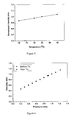
Figure 5 shows the effect of temperature on the normalized intensity of the binary PSP coating of present invention at P = 1 bar. -
Figure 6 shows comparison of the calibration graphs of the binary PSP coating of present invention before and after thermal aging test at 60°C and 0.1 bar. -
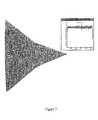
Figure 7 shows normalized intensity ratio image of the PSP coating of present invention on the model after 50 blow downs in the wind tunnel. A paint coupon embedded on the model surface for comparison of paint calibration can be seen. -
Figure 8 shows comparison of the calibration graphs of the binary PSP coating of present invention before and after wind tunnel aging test. -
Figure 9 shows the effect of shelf-life on the calibration graphs of the binary PSP coating of present invention. - As stated earlier, the present invention relates to an improved binary pressure sensitive paint (PSP) coating which is suitable for wind tunnel studies in both transonic and supersonic flows. It provides a stable binary pressure sensitive paint coating with improved adhesion and enhanced shelf-life in both transonic and supersonic flows.
- It is pertinent to mention here that the pressure sensitivity of the coatings reported so far decrease gradually with time due to the slow interactions between the diffused epoxy functional groups of epoxy paint screen layer with the reactive functional groups of active layer resulting in increased cross linking, thereby causing decreased oxygen permeability and decreased pressure sensitivity for the active layer. It is required that the pressure sensitivity of the coating should remain nearly constant for one month for good paint performance. The inventors of the present investigation demonstrated that direct contact of active layer with the epoxy screen layer caused gradual degradation in pressure sensitivity of the binary PSP coating with time resulting in poor shelf-life of the PSP coating.
- Therefore, in the present invention, the silicone-titanium dioxide mixture cured at a temperature of 25 to 40°C for a period of 24 to 72 hours is used as the screen layer to replace the vulnerable epoxy white base coat. To have sufficient adhesion between the layers of coating, silicone primer is used as adhesive layer on the model surface and also between the screen layer and the active layer. These changes have enhanced shelf life of the PSP coating to 2 months. The replacement of the problematic epoxy screen layer with the silicone screen layer is also helpful for enhancing the adhesion and improving the paint performance and shelf-life for the present invention. Present invention also provides a solution to non-compatibility of heating of certain coated models, particularly for models embedded with sensitive kulites. The replacement of the problematic epoxy screen layer with a silicone screen layer is also helpful for improving the paint performance and enhanced shelf-life for the present invention. Thus, the present invention provides a novel binary paint coating having a rare combination of enhanced adhesion, reasonably high pressure sensitivity, low temperature coefficient and good stability, which is ideally suitable for getting accurate surface pressure data in transonic and supersonic flow applications.
- The method of preparation of the active layer of the binary PSP formulation of the present invention comprises of mixing the pyrene end-labeled Polydimethylsiloxane [PDMS] solution with a two-part room temperature vulcanizable (RTV) silicone resin (RTV 11 from M/s Momentive Performance Materials), dibutyl tin dilaurate (DBT) as catalyst, and a europium-doped rare earth oxysulfide as reference luminophore. Toluene was used as solvent to dilute the paint mixture.
- The present invention provides a fluorescent pyrene derivative end-labeled and immobilized in a polydimethylsiloxane (PDMS) resin. The method of preparation of pyrene end-labeled PDMS resin involves reacting a solution of pyrene derivative in dichloromethane with a silanol terminated PDMS resin (molecular weight in the range of 400 to 26,000) and silane coupling agent in the presence of a catalyst (stannous 2-ethyl-hexanoate) under ambient conditions. The derivative of pyrene used in the present invention is a hydroxyl substituted pyrene with generic formula, py - (CH2)n - OH where py is pyrene and n is in the range of 1 to 10. Pyrene derivatives with other functional groups like amine and carboxylic acid could not be used as the resulting PSP compositions would not have the desired PSP properties. The reaction conditions are favorable for the complete conversion of pyrene butanol to pyrene end-labeled PDMS. This solution containing pyrene end-labeled PDMS if stored out of contact with air and humidity is stable for about one month.
- The method of preparation of pyrene end-labeled PDMS resin to use as active layer in present invention involves the following steps:
- (A) Reacting a solution of pyrene derivative in dichloromethane with silane coupling agent to form a urethane adduct and coupling the said urethane adduct to silanol terminated poly dimethyl siloxane (PDMS) in the presence of a catalyst stannous 2-ethyl-hexanoate under constant stirring for a period in the range of 3 to 4 hours, at temperature of 25 to 35°C, to obtain pyrene end-labeled PDMS.
- (B) Mixing the said pyrene end-labeled PDMS obtained in step (A) with two part, condensation cure, room temperature vulcanizable (RTV) silicone resin in the presence of catalyst dibutyl tin dilaurate and adding europium-doped rare earth oxysulfide to the resultant mixture to obtain the active layer paint mixture.
- (C) Replacing the epoxy screen layer with a silicone - titanium dioxide screen layer and Introducing an adhesive layer between the model surface and screen layer and another adhesive layer between the screen layer and active layer for improving the adhesion of the active layer to screen layer.
- (D) Removing excess dichloromethane in the paint mixture by evaporation at controlled temperature of 30 ± 5°C.
- The molecular weight of silanol terminated PDMS resin used in the present invention is in the range of 400 to 26,000. Other PDMS resins with higher or lower molecular weight yield products with lower pressure sensitivity and poor stability. The molecular weight of the silanol terminated PDMS resin is a key factor affecting the pressure sensitivity and stability of the PSP coating. The other important factors, which affect the pressure sensitivity of the PSP coating are the weight ratio of silanol terminated PDMS resin to pyrene derivative, the weight ratio of silane coupling agent to pyrene derivative, and the amount of catalyst, stannous 2-ethyl-hexanoate. The weight ratio of silane-coupling agent to pyrene derivative should be in the range of 5 to 10 and the weight ratio of silanol terminated PDMS resin to pyrene derivative should be in the range of 50 to 200. The concentration of stannous 2-ethyl-hexanoate used as catalyst for the preparation of pyrene-end labeled PDMS should be in the range of 0.20% to 0.40%.
- In order to improve the mechanical properties of the PSP coating and also to obtain faster curing at room temperature, the pyrene end-labeled PDMS is mixed with a two part, room temperature vulcanizable (RTV) silicone resin and required amount of dibutyl tin dilaurate (DBT) and sprayed as a thin coating. It is important that the PSP coating after spraying should cure at room temperature to produce a smooth tack-free coating with good adhesion to the substrate. The weight ratio of silicone resin to total silanol terminated PDMS resin including pyrene end-labeled PDMS is critical to obtain complete curing of the PSP coating at room temperature and should be in the range of 0.5 to 5.0. If the ratio is less than 0.5, the PSP coating may be tacky and if the ratio is higher than 5.0, the fluorescent emission intensity will be low, which will result in poor signal to noise ratio. The concentration of catalyst dibutyl tin dilaurate used for the polymerization of silicone is in the range of 0.20% to 0.40%. During the curing of the paint, the alkoxy groups on the pyrene end-labeled PDMS condense with the functional group on the RTV silicone resin and copolymerization takes place thus immobilizing pyrene to the silicone polymer. The binary PSP coating of the present invention exhibits good stability. Since the active pressure sensitive luminophore molecules are chemically attached by a covalent bond to the polymer binder, the luminophore molecules are retained in the polymer thus preventing paint degradation.
- The present invention uses a reference luminophore, which is an oxysulfide of rare earth elements doped with europium. It is not sensitive to the pressure and can be used to correct for the excitation intensity variations during the test. It emits phosphorescence and the emission is centered at about 625 nm. The efficiency of phosphorescence emission from this red phosphor was high. The temperature coefficient of this reference luminophore cancels the temperature coefficient of the pyrene end-labeled silicone polymer thereby resulting in a binary PSP coating with low temperature coefficient. The concentration of reference luminophore in the paint formulation is in the range of 2.0 to 4.0 %.
- Preparation of binary pressure sensitive paint coating of present invention involves the following steps:
- 1. cleaning of model surface;
- 2. deposition of silicone primer adhesive layer on model surface;
- 3. deposition of silicone resin - titanium dioxide screen layer on the said adhesive layer;
- 4. deposition of second adhesive layer on the said screen layer; and
- 5. deposition of PSP active layer on the said second adhesive layer.
- The method of application of paint coating on model and coupons comprises spraying the screen layer and active layer on the test surface and the coupons (aluminum strips 15 cm x 5cm with a thickness of about 0.30 mm) after applying the adhesive layer. The model and coupons were cleaned with acetone or a cleaning agent containing a mixture of acetone, xylene and butyl acetate, followed by applying a commercially available silicone primer (SS 4044 from M/s Momentive Performance Materials) as adhesive layer on the model surface and coupons using cotton or soft cloth, cured at temperature of 25 to 40°C for a period of 24 to 72 hours. Silicone screen layer was prepared by mixing silicone resin and commercial titanium dioxide (3:1 weight ratio), mixed well with suitable amounts of toluene using a glass rod and a camel hair brush for homogeneous mixing and applied on the substrate/model surface by spraying. After curing the silicone resin - titanium dioxide mixture at temperature of 25 to 40°C for a period of 24 to 72 hours, silicone primer (SS 4044) was applied over the screen layer using cotton, cured at room temperature for 24 hours. The advantages of using a silicone based screen layer are to avoid the use of epoxy paint and heat treatment.
- The binary PSP coating prepared as described earlier was sprayed on the coupons or model surface pre-coated with the silicone resin - titanium dioxide as screen layer and silicone primer as adhesive layer. After curing the PSP coating at temperature of 25 to 40°C for a period of 24 to 72 hours, the coupons were cut into 5 cm X 3 cm size. A small amount of talc was applied on the surface of the coating to protect it from dust particles during wind tunnel testing. The total thickness of the binary PSP coating including screen layer and adhesive layer and active layer was in the range of 40 to 70 µm. The PSP coupons were used for calibration of the paint, determination of temperature coefficient and for carrying out thermal aging test. The binary PSP coating sprayed on models was used for carrying out wind tunnel aging test.
- The binary PSP coatings reported earlier were suitable for application over a surface area of < 400 cm2. To apply PSP coating on large areas of 1000 cm2 and more, proportionally larger quantities of ingredients have to be mixed which would contain proportionally larger volumes of solvents like dichloromethane and toluene. The excess dichloromethane, being an aggressive solvent would attack the epoxy screen layer of the previous invention which would result in nonlinearity of calibration with decrease in pressure sensitivity of the PSP coating. Another disadvantage is that the excess solvent decreases the viscosity of paint mixture and the paint flows after spraying on complex nonplanar models. In the binary PSP coating of the present invention, excess dichloromethane is removed by evaporation under magnetic stirring at controlled temperature of 30 ± 5°C before mixing with other ingredients. This step of removal of dichloromethane from the PSP before mixing and spraying is found to be essential in getting consistent results of paint properties for large areas of model surface.
- The experimental setup for recording the fluorescence spectra of the binary PSP coating of present invention consisted mainly of a Fiber optic spectrometer, model S2000 from M/s Ocean Optics, Inc, USA with a 300W Xenon arc lamp (model no. 6258 from Oriel Instruments) as excitation source. The infrared radiation from the xenon lamp was filtered by means of a water filter. Excitation light in the ultraviolet range 335 ± 5 nm was provided by using interference filter, Melles Griot, no. 03FIM026 which was capable of simultaneously exciting both luminophores in the PSP coating. The sample chamber had provision for passing nitrogen and mixtures of air and nitrogen through it while recording the spectra. The fluorescence emission spectra of the binary PSP coating of present invention is shown in
Figure 2 of the drawings accompanying this specification. - The experimental setup for the calibration of the binary PSP coupon of present invention consisted mainly of an excitation source, calibration chamber and detector. Excitation light was provided by a pulsed xenon source filtered in the ultraviolet range 335 ± 5 nm which was capable of simultaneously exciting both luminophores in the paint coating. The pressure inside the calibration chamber was varied from 0.10 bar to 1.60 bar in steps of 0.10 bar and temperature was varied from 10°C to 35°C. Two peltier-cooled scientific grade 12-bit CCD cameras with resolution of 1280 x 1024 pixels and equipped with suitable filters were used as detectors to acquire images of the blue and red emission from the coating. The data analysis was done by dedicated software of the NAL PSP System.
- The method of preparation of the Stern-Volmer calibration graph of PSP coating is described herein. The excitation radiation from the source was focused on the PSP coating. The CCD cameras detected the brightness of the light emitted by the PSP coating. Then the coating was made to experience a pressure change in the range of 0.10 to 1.60 bar in steps of 0.10 bar at a constant temperature of 25°C. Measurement of the brightness of light emitted by the coating was taken during each pressure change and emission intensity images from the coating in blue region (450 to 550 nm) and red region (600 to 650nm) were recorded using two CCD cameras with appropriate filters. A plot of blue and red intensity of the binary paint versus pressure is depicted in
Figure 3 of the drawings accompanying this specification. It can be seen that blue intensity decreased with increase in air pressure whereas red intensity was independent of pressure and remained constant. The normalized intensity, I was determined by taking the ratio of blue and red intensity at each pressure value. Then the ratio of normalized intensity, Iref/I was calculated where Iref is the normalized intensity at the reference pressure. P = 1 bar was taken as the reference pressure, pref. The Stern-Volmer calibration graph was prepared by plotting Iref/I versus the normalized pressure, p/pref. The PSP software provided with the PSP System normalized the blue to red intensity ratio with reference to that at P = 1 bar and plotted the calibration graph. The Stern-Volmer calibration plot of the binary PSP coating of present invention at 25°C in the pressure range of 0.10 to 1.60 bar is shown inFigure 4 of the drawings accompanying this specification. The pressure sensitivity of the binary PSP coating was obtained from the slope of the linear fit of the calibration graph at 25°C (slope = 0.63 is equivalent to a pressure sensitivity of 63%/bar). If the calibration graph shows non-linearity, a polynomial of second degree is used to match the data points and the pressure sensitivity is obtained from the first and second coefficients of the polynomial fit. - The method of determination of temperature coefficient of the PSP coating comprised of measuring the brightness of blue and red light emitted by the PSP coating at temperatures, 10, 20, 25 and 35°C at P = 1 bar. The measurements were made after equilibrating the coating for a period of 5 minutes at each temperature. The intensity ratio of blue to red emission (Iblue/Ired) was determined at each temperature value. The intensity ratio was normalized with reference to the intensity ratio at the reference temperature (25°C). The plot of normalized intensity ratio as a function of temperature at P = 1 bar is illustrated in
Figure 5 of the drawings accompanying this specification. It can be seen that the temperature coefficient is 0.40 %/°C. - The paint stability was assessed through a static thermal aging (TA) test. The coupons were calibrated and then subjected to a temperature of 60°C for 1 hour in a vacuum oven and calibrated again. The intensity and pressure sensitivity of the coupons before and after thermal aging test were compared. It was observed that the change in normalized intensity after thermal aging test was less than 5%. There was no change in pressure sensitivity after thermal aging test as shown in
Figure 6 of the drawings accompanying this specification. - The paint stability was further assessed through wind tunnel aging test. The methodology utilized for wind tunnel aging test comprised of comparing the wind-off images of both blue and red emissions at ambient conditions with those obtained after the first blowdown. Paint was spray-coated on delta wing models and aging test of the paint coating was conducted in the 0.3m-trisonic blowdown wind tunnel at a Mach number of 0.8 and a model incidence, α of 10°. Each blowdown was of approximately 25 s duration. The blue and red images were acquired at the end of 5 blowdowns and continued up to 50 blowdowns. The normalized intensity maps of the blue images after 5 to 50 blowdowns are compared with the image obtained after the first blowdown are shown in
Figure 7 of the drawings accompanying this specification. A comparison of the intensity maps showed no degradation for the paint up to 50 blowdowns. There was no change in pressure sensitivity after thermal aging test as shown inFigure 8 of the drawings accompanying this specification. There was no visible mechanical damage to the paint surface due to blowdowns thus showing that the coating has good adhesion and required hardness. - In order to assess the shelf-life of the paint coating, the paint coupon was calibrated at regular intervals. The calibration graphs of a fresh paint coupon and calibrations after one month and two months are shown in
Figure 9 of the drawings accompanying this specification. There was only negligible change in the pressure sensitivity of the paint coating after 2 months as compared to that of the fresh coupon. The improvement in shelf-life of the coating was obtained because the epoxy screen layer was substituted with the new silicone - titanium dioxide screen layer. - As detailed herein above, the present invention provides an improved binary PSP coating which can be sprayed to produce a uniform coating with desired PSP characteristics like reasonably high pressure sensitivity, low temperature coefficient and good stability under wind tunnel test conditions. Binary PSP coating of the present invention prevents degradation of fluorescent intensity due to luminophore loss by diffusion and sublimation. The present invention also provides binary PSP coatings having improved adhesion and enhanced shelf-life.
- The following examples are given by way of illustration and therefore should not be construed to limit the scope of the present invention.
- The model surface was cleaned with cleaning solvent containing 40 ml xylene, 30 ml acetone and 30 ml n-butyl acetate. Silicone primer (SS 4044) was applied using cotton over the model surface, cured at temperature of 30°C for 24 hours. 3.0 g silicone resin (RTV 11) was mixed with 1.0 g titanium dioxide and 10 ml toluene, stirred well with a glass rod for 10 minutes and mixed well with a camel hair brush to obtain a homogenous mixture. The mixture was filtered through a clean cloth into a spray gun and sprayed the mixture on the surface pre-coated with silicone primer. This quantity was sufficient to prepare a coating of 10 to 20 µm thickness over an area of 600 cm2. The coating was allowed to cure at temperature of 30°C for 24 hours. Applied silicone primer (SS 4044) using cotton over the dry screen layer, cured at temperature of 30°C for 24 hours.
- 0.08 g of pyrene butanol was weighed into a 100 ml conical flask and dissolved in 20 ml AR dichloromethane. 0.06 g of stannous 2-ethyl-hexanoate was added to the solution while stirring. The flask was covered with a rubber septum and the solution was stirred magnetically. 0.60 g silane coupling agent and 10.0 g silanol terminated PDMS resin of molecular weight 1500 were transferred in drops to the solution while stirring over a period of 30 minutes. The solution was stirred further for 3 hours at temperature of 30°C to complete the reaction and to obtain pyrene-end-labeled PDMS. The solution was transferred to a dry reagent bottle and made up to 50 ml with AR toluene. The bottle was sealed and stored in a desiccator.
- 50 ml solution of pyrene-end-labeled PDMS as prepared in Example-2 was evaporated at controlled temperature of 30 ± 5°C under magnetic stirring till the volume was reduced to about 40 ml. 14.4 g RTV silicone resin was added to it and mixed well to obtain a homogenous mixture. 3.6 g red phosphor (yttrium oxysulfide doped with europium) was added and mixed well. Finally, 1.0 g dibutyl tin dilaurate was added and mixed well for about 10 min before spraying.
- The coating on the model and paint coupons were applied by spraying the paint mixture described in Example 3 on the prepared model or aluminum sheet pre-coated with the white screen layer as described in Example 1 using a spray gun and compressed air with air pressure of about 22 ± 5°C. Spraying was done in a number of passes over the model till the surface shows a smooth coating of about 40 µm thickness. The coating was allowed to cure at temperature of 30°C for 24 hours. A small amount of talc was sprinkled on the coating surface and spread uniformly as a thin layer to protect the coated surface from dust and oil from the airflow in wind tunnel.
- The paint coupon (4cm X 3cm) prepared was calibrated in the PSP calibration chamber in the pressure range of 0.10 bar to 1.6 bar as described earlier.
- The binary pressure sensitive paint coating on delta wing model exhibited good adhesion after several blowdowns under transonic and supersonic flow conditions.
- As described earlier, the thermal aging test and wind tunnel aging tests demonstrate that paint coupons of binary paint formulation with covalently bonded pyrene derivative as described in the present invention are stable and do not suffer from paint degradation.
- Thus the present invention provides a stable pressure sensitive paint coating having enhanced shelf-life of two months.
- The main advantages of the improved binary pressure sensitive paint coating of the present invention are:
- The binary paint coatings of the present invention have low temperature coefficient.
- The binary paint coatings of the present invention are free from paint degradation during wind tunnel experiments.
- The binary paint coatings of the present invention have improved adhesion and enhanced shelf-life.
- The binary paint coatings of the present invention are suitable for application over large areas of model surface.
- The binary paint coatings of the present invention have the rare combination of reasonably high pressure sensitivity, low temperature coefficient, good stability improved adhesion, and enhanced shelf-life of the coating so that they are ideally suitable for getting accurate surface pressure data in transonic and supersonic flow applications.
Claims (15)
- An improved binary pressure sensitive paint coating comprising a stack of layers consisting of a screen layer, an active layer and two adhesive layers, wherein the said first adhesive layer being deposited on the model surface followed by deposition of silicone-titanium dioxide screen layer on the said first adhesive layer, the second adhesive layer being deposited on the said screen layer followed by the deposition of active layer on the said second adhesive layer, wherein the said layers being subjected to curing at temperature of 25 to 40°C for a period of 24 to 72 hours in order to provide stable binary pressure sensitive paint coating having good pressure sensitivity in the range of 60 to 70 %/bar, temperature coefficient in the range of 0.30 to 0.50 %/°C, thermal stability up to 60°C, improved adhesion and enhanced shelf-life.
- An improved binary pressure sensitive paint coating as claimed in claim 1, wherein the screen layer comprises silicone-titanium dioxide and having thickness in the range of 10 to 20 µm.
- An improved binary pressure sensitive paint coating as claimed in claim 1 or 2, wherein the adhesive layer comprises silicone primer (SS 4044) and having thickness is in the range of 1 to 2 µm.
- An improved binary pressure sensitive paint coating as claimed in claim 1, 2 or 3, wherein the active layer comprises pyrene-end-labeled PDMS and having thickness in the range of 30 to 50 µm.
- An improved binary pressure sensitive paint coating as claimed in any one of claims 1 to 4, having enhanced adhesion and improved shelf life of 2 months and reasonably high pressure sensitivity in the range of 60 to 70 %/bar, low temperature coefficient in the range of 0.30 to 0.50 %/°C and thermal stability up to 60°C.
- An improved binary pressure sensitive paint coating as claimed in any one of claims 1 to 5, wherein the excess dichloromethane in the resulting PSP formulation is removed by magnetic stirring at controlled temperature of 30 ± 5°C.
- An improved binary pressure sensitive paint coating as claimed in any one of claims 1 to 6, suitable for wind tunnel studies in both transonic and supersonic flows.
- A method for preparing a pyrene end-labeled polydimethylsiloxane by reacting a pyrene derivative with a silanol terminated poly dimethyl siloxane (PDMS) resin in the presence of an organo functional or silicone functional silane coupling agent.
- A method according to claim 8 which comprises reacting a solution of pyrene derivative in dichloromethane with a silanol terminated PDMS resin and silane coupling agent in the presence of a catalyst under ambient conditions.
- A method according to claim 9 wherein the silanol terminated PDMS resin has a molecular weight in the range of 400 to 26,000, the catalyst is stannous 2-ethyl-hexanoate and the derivative of pyrene is a hydroxyl substituted pyrene with generic formula, py - (CH2)n - OH where py is pyrene and n is in the range of 1 to 10.
- A pyrene end-labeled polydimethylsiloxane resin obtainable by a method as defined in claim 8, 9 or 10.
- A method of preparing an active layer for a binary PSP coating, which method comprises mixing a solution of the pyrene end-labeled Polydimethylsiloxane [PDMS] as defined in any one of claims 8 to 12 with a two-part room temperature vulcanizable (RTV) silicone resin, a catalyst, and a reference luminophore.
- A method according to claim 12 wherein the catalyst is dibutyl tin dilaurate, the reference luminophore is a europium-doped rare earth oxysulfide and toluene is used as solvent.
- A method according to claim 12 or 13, wherein the pyrene end-labeled polydimethylsiloxane is obtainable by a method as defined in claim 9 and wherein the method comprises a step of removing excess dichloromethane by evaporation at a temperature of 30 ±5°C.
- A paint mixture for use as an active layer for a binary PSP coating, which mixture is obtainable by a method as defined in claim 12, 13 or 14.
Applications Claiming Priority (1)
| Application Number | Priority Date | Filing Date | Title |
|---|---|---|---|
| IN1687DE2012 IN2012DE01687A (en) | 2012-06-01 | 2012-06-01 |
Publications (2)
| Publication Number | Publication Date |
|---|---|
| EP2669340A1 true EP2669340A1 (en) | 2013-12-04 |
| EP2669340B1 EP2669340B1 (en) | 2018-05-02 |
Family
ID=48613410
Family Applications (1)
| Application Number | Title | Priority Date | Filing Date |
|---|---|---|---|
| EP13170141.9A Not-in-force EP2669340B1 (en) | 2012-06-01 | 2013-05-31 | An improved binary pressure sensitive paint coating |
Country Status (2)
| Country | Link |
|---|---|
| EP (1) | EP2669340B1 (en) |
| IN (1) | IN2012DE01687A (en) |
Cited By (5)
| Publication number | Priority date | Publication date | Assignee | Title |
|---|---|---|---|---|
| US9970913B2 (en) | 2014-09-30 | 2018-05-15 | The Boeing Company | Multi-component sensing coating for pressure and temperature measurements |
| CN109734450A (en) * | 2019-02-26 | 2019-05-10 | 天津大学 | A kind of preparation method of photosensitive ceramic liquid for photocuring additive manufacturing |
| CN113512356A (en) * | 2020-04-10 | 2021-10-19 | 中国科学院大学 | Pressure sensitive paint based on siloxane modified photoluminescence and coating prepared from pressure sensitive paint |
| CN114739626A (en) * | 2022-06-13 | 2022-07-12 | 中国空气动力研究与发展中心高速空气动力研究所 | Rotating blade grid pressure measurement test method based on quick response pressure-sensitive paint |
| CN116296228A (en) * | 2022-09-06 | 2023-06-23 | 中国空气动力研究与发展中心高速空气动力研究所 | An experimental device for static calibration and coating characteristics research of low-temperature pressure-sensitive paint |
Families Citing this family (2)
| Publication number | Priority date | Publication date | Assignee | Title |
|---|---|---|---|---|
| CN112268684B (en) * | 2020-12-14 | 2021-03-19 | 中国空气动力研究与发展中心低速空气动力研究所 | Variable azimuth angle surface pressure measuring system and method for low-speed wind tunnel rotor model |
| CN114323543B (en) * | 2022-03-10 | 2022-05-17 | 中国空气动力研究与发展中心高速空气动力研究所 | Method for improving test efficiency of pressure-sensitive paint |
Citations (6)
| Publication number | Priority date | Publication date | Assignee | Title |
|---|---|---|---|---|
| EP0417535A2 (en) * | 1989-09-11 | 1991-03-20 | F. Hoffmann-La Roche Ag | Optical oxygen sensor |
| WO1996041142A1 (en) * | 1995-06-07 | 1996-12-19 | Mcdonnell Douglas Corporation | Formulations and method of use of pressure sensitive paint |
| US20060160241A1 (en) | 2004-12-03 | 2006-07-20 | Gamal-Eddin Khalil | Dual-luminophor compositions and related methods |
| EP1715317A1 (en) * | 2005-04-19 | 2006-10-25 | Deutsches Zentrum für Luft- und Raumfahrt e.V. | Method and measuring apparatus for determining a pressure distribuition on the surface of an object |
| US7176272B2 (en) | 2002-11-08 | 2007-02-13 | Leatech, Llc | Pressure sensitive material |
| WO2011018355A1 (en) * | 2009-08-11 | 2011-02-17 | Deutsches Zentrum für Luft- und Raumfahrt e.V. | Pressure-sensitive paint |
-
2012
- 2012-06-01 IN IN1687DE2012 patent/IN2012DE01687A/en unknown
-
2013
- 2013-05-31 EP EP13170141.9A patent/EP2669340B1/en not_active Not-in-force
Patent Citations (6)
| Publication number | Priority date | Publication date | Assignee | Title |
|---|---|---|---|---|
| EP0417535A2 (en) * | 1989-09-11 | 1991-03-20 | F. Hoffmann-La Roche Ag | Optical oxygen sensor |
| WO1996041142A1 (en) * | 1995-06-07 | 1996-12-19 | Mcdonnell Douglas Corporation | Formulations and method of use of pressure sensitive paint |
| US7176272B2 (en) | 2002-11-08 | 2007-02-13 | Leatech, Llc | Pressure sensitive material |
| US20060160241A1 (en) | 2004-12-03 | 2006-07-20 | Gamal-Eddin Khalil | Dual-luminophor compositions and related methods |
| EP1715317A1 (en) * | 2005-04-19 | 2006-10-25 | Deutsches Zentrum für Luft- und Raumfahrt e.V. | Method and measuring apparatus for determining a pressure distribuition on the surface of an object |
| WO2011018355A1 (en) * | 2009-08-11 | 2011-02-17 | Deutsches Zentrum für Luft- und Raumfahrt e.V. | Pressure-sensitive paint |
Non-Patent Citations (3)
| Title |
|---|
| "ELASTOSIL E43 TRANSPARENT: Safety Data Sheet (1907/2006/EC)", 5 July 2013 (2013-07-05), München, pages 1 - 9, XP055076835, Retrieved from the Internet <URL:http://sdb.wacker.com/pf/e/result/report.jsp?P_LANGU=E&P_SYS=2&P_SSN=3733&P_REP=00000000000000000044&P_RES=17871&P_SPEC=R> [retrieved on 20130828] * |
| BASU B J ET AL: "A novel pyrene-based binary pressure sensitive paint with low temperature coefficient and improved stability", SENSORS AND ACTUATORS B: CHEMICAL: INTERNATIONAL JOURNAL DEVOTED TO RESEARCH AND DEVELOPMENT OF PHYSICAL AND CHEMICAL TRANSDUCERS, ELSEVIER S.A, SWITZERLAND, vol. 138, no. 1, 24 April 2009 (2009-04-24), pages 283 - 288, XP026033840, ISSN: 0925-4005, [retrieved on 20090224], DOI: 10.1016/J.SNB.2009.02.029 * |
| COLAS A: "Silicone Chemistry Overview", INTERNET CITATION, 1997, pages 1 - 10, XP002482169, Retrieved from the Internet <URL:http://www.dowcorning.com/content/publishedlit/51-960A-01.pdf> [retrieved on 20080529] * |
Cited By (7)
| Publication number | Priority date | Publication date | Assignee | Title |
|---|---|---|---|---|
| US9970913B2 (en) | 2014-09-30 | 2018-05-15 | The Boeing Company | Multi-component sensing coating for pressure and temperature measurements |
| CN109734450A (en) * | 2019-02-26 | 2019-05-10 | 天津大学 | A kind of preparation method of photosensitive ceramic liquid for photocuring additive manufacturing |
| CN109734450B (en) * | 2019-02-26 | 2021-09-28 | 天津大学 | Preparation method of photosensitive ceramic liquid for photocuring additive manufacturing |
| CN113512356A (en) * | 2020-04-10 | 2021-10-19 | 中国科学院大学 | Pressure sensitive paint based on siloxane modified photoluminescence and coating prepared from pressure sensitive paint |
| CN113512356B (en) * | 2020-04-10 | 2022-04-19 | 中国科学院大学 | Pressure sensitive paint based on siloxane modified photoluminescence and coating prepared from pressure sensitive paint |
| CN114739626A (en) * | 2022-06-13 | 2022-07-12 | 中国空气动力研究与发展中心高速空气动力研究所 | Rotating blade grid pressure measurement test method based on quick response pressure-sensitive paint |
| CN116296228A (en) * | 2022-09-06 | 2023-06-23 | 中国空气动力研究与发展中心高速空气动力研究所 | An experimental device for static calibration and coating characteristics research of low-temperature pressure-sensitive paint |
Also Published As
| Publication number | Publication date |
|---|---|
| IN2012DE01687A (en) | 2015-10-02 |
| EP2669340B1 (en) | 2018-05-02 |
Similar Documents
| Publication | Publication Date | Title |
|---|---|---|
| EP2669340B1 (en) | An improved binary pressure sensitive paint coating | |
| Abumelha | Simple production of photoluminescent polyester coating using lanthanide‐doped pigment | |
| US5612492A (en) | Formulations and method of use of pressure sensitive paint | |
| Hradil et al. | Temperature-corrected pressure-sensitive paint measurements using a single camera and a dual-lifetime approach | |
| US5359887A (en) | Pressure sensitive paint formulations and methods | |
| Basu | Optical oxygen sensing based on luminescence quenching of platinum porphyrin dyes doped in ormosil coatings | |
| EP2635624B1 (en) | Optical sensor and sensing system for oxygen monitoring in fluids using molybdenum cluster phosphorescence | |
| US5965642A (en) | Acrylic and fluoroacrylic polymers for oxygen pressure sensing and pressure-sensitive paints utilizing these polymers | |
| US9964493B2 (en) | Mechanoluminescence paint sensor for stress and crack visualizations | |
| CN113480901B (en) | Quick-response double-component pressure sensitive coating suitable for pulsating pressure measurement and data processing method thereof | |
| AU597813B2 (en) | Process for fluorimetric monitoring of functional coatings and compositions and fluorescent agents therefor | |
| US20170176332A1 (en) | Optical sensor for detecting a chemical species | |
| CN113512356B (en) | Pressure sensitive paint based on siloxane modified photoluminescence and coating prepared from pressure sensitive paint | |
| Basu et al. | A novel pyrene-based binary pressure sensitive paint with low temperature coefficient and improved stability | |
| JP2005105160A (en) | Pressure-sensitive paint for low oxygen pressure and method for producing the same | |
| JP5004228B2 (en) | Three-layer pressure-sensitive paint thin film sensor | |
| JP3896488B2 (en) | Pressure-sensitive paint with pressure-sensitive dye supported on fluoropolymer and its production method | |
| CN112322288B (en) | Temperature sensing material and preparation method and application thereof | |
| CN113480897B (en) | Bi-component pressure sensitive coating suitable for steady-state pressure measurement and data processing method thereof | |
| JP2008303277A (en) | Phosphor paste and method for producing the same, phosphor film using the same, and method for producing the same | |
| CN111748334B (en) | PDMS slurry based on D-A type organic doped crystalline afterglow material and its preparation method and application | |
| Kwak et al. | Oxygen sensitivity of photoluminescence intensity of Pt complex dispersed in fluorinated acrylate for pressure sensitive paint applications | |
| CN118620418A (en) | A temperature sensitive coating suitable for wind tunnel measurement and its preparation method and application | |
| TWI789893B (en) | Barrier composition and preparation method thereof | |
| JP2010024348A (en) | Pressure-sensitive coating material with reduced temperature sensitivity, and pressure-sensitive sensor |
Legal Events
| Date | Code | Title | Description |
|---|---|---|---|
| PUAI | Public reference made under article 153(3) epc to a published international application that has entered the european phase |
Free format text: ORIGINAL CODE: 0009012 |
|
| AK | Designated contracting states |
Kind code of ref document: A1 Designated state(s): AL AT BE BG CH CY CZ DE DK EE ES FI FR GB GR HR HU IE IS IT LI LT LU LV MC MK MT NL NO PL PT RO RS SE SI SK SM TR |
|
| AX | Request for extension of the european patent |
Extension state: BA ME |
|
| 17P | Request for examination filed |
Effective date: 20140604 |
|
| RBV | Designated contracting states (corrected) |
Designated state(s): AL AT BE BG CH CY CZ DE DK EE ES FI FR GB GR HR HU IE IS IT LI LT LU LV MC MK MT NL NO PL PT RO RS SE SI SK SM TR |
|
| STAA | Information on the status of an ep patent application or granted ep patent |
Free format text: STATUS: EXAMINATION IS IN PROGRESS |
|
| 17Q | First examination report despatched |
Effective date: 20170512 |
|
| REG | Reference to a national code |
Ref country code: DE Ref legal event code: R079 Ref document number: 602013036783 Country of ref document: DE Free format text: PREVIOUS MAIN CLASS: C09D0007120000 Ipc: G01L0001240000 |
|
| GRAP | Despatch of communication of intention to grant a patent |
Free format text: ORIGINAL CODE: EPIDOSNIGR1 |
|
| STAA | Information on the status of an ep patent application or granted ep patent |
Free format text: STATUS: GRANT OF PATENT IS INTENDED |
|
| RIC1 | Information provided on ipc code assigned before grant |
Ipc: C09D 5/22 20060101ALI20171103BHEP Ipc: C08G 77/58 20060101ALI20171103BHEP Ipc: G01L 1/24 20060101AFI20171103BHEP Ipc: C09D 183/04 20060101ALI20171103BHEP |
|
| INTG | Intention to grant announced |
Effective date: 20171123 |
|
| GRAS | Grant fee paid |
Free format text: ORIGINAL CODE: EPIDOSNIGR3 |
|
| GRAA | (expected) grant |
Free format text: ORIGINAL CODE: 0009210 |
|
| STAA | Information on the status of an ep patent application or granted ep patent |
Free format text: STATUS: THE PATENT HAS BEEN GRANTED |
|
| AK | Designated contracting states |
Kind code of ref document: B1 Designated state(s): AL AT BE BG CH CY CZ DE DK EE ES FI FR GB GR HR HU IE IS IT LI LT LU LV MC MK MT NL NO PL PT RO RS SE SI SK SM TR |
|
| REG | Reference to a national code |
Ref country code: GB Ref legal event code: FG4D |
|
| REG | Reference to a national code |
Ref country code: AT Ref legal event code: REF Ref document number: 995786 Country of ref document: AT Kind code of ref document: T Effective date: 20180515 Ref country code: CH Ref legal event code: EP |
|
| REG | Reference to a national code |
Ref country code: FR Ref legal event code: PLFP Year of fee payment: 6 |
|
| REG | Reference to a national code |
Ref country code: DE Ref legal event code: R096 Ref document number: 602013036783 Country of ref document: DE Ref country code: IE Ref legal event code: FG4D |
|
| REG | Reference to a national code |
Ref country code: NL Ref legal event code: MP Effective date: 20180502 |
|
| REG | Reference to a national code |
Ref country code: LT Ref legal event code: MG4D |
|
| PG25 | Lapsed in a contracting state [announced via postgrant information from national office to epo] |
Ref country code: BG Free format text: LAPSE BECAUSE OF FAILURE TO SUBMIT A TRANSLATION OF THE DESCRIPTION OR TO PAY THE FEE WITHIN THE PRESCRIBED TIME-LIMIT Effective date: 20180802 Ref country code: FI Free format text: LAPSE BECAUSE OF FAILURE TO SUBMIT A TRANSLATION OF THE DESCRIPTION OR TO PAY THE FEE WITHIN THE PRESCRIBED TIME-LIMIT Effective date: 20180502 Ref country code: NO Free format text: LAPSE BECAUSE OF FAILURE TO SUBMIT A TRANSLATION OF THE DESCRIPTION OR TO PAY THE FEE WITHIN THE PRESCRIBED TIME-LIMIT Effective date: 20180802 Ref country code: ES Free format text: LAPSE BECAUSE OF FAILURE TO SUBMIT A TRANSLATION OF THE DESCRIPTION OR TO PAY THE FEE WITHIN THE PRESCRIBED TIME-LIMIT Effective date: 20180502 Ref country code: SE Free format text: LAPSE BECAUSE OF FAILURE TO SUBMIT A TRANSLATION OF THE DESCRIPTION OR TO PAY THE FEE WITHIN THE PRESCRIBED TIME-LIMIT Effective date: 20180502 Ref country code: LT Free format text: LAPSE BECAUSE OF FAILURE TO SUBMIT A TRANSLATION OF THE DESCRIPTION OR TO PAY THE FEE WITHIN THE PRESCRIBED TIME-LIMIT Effective date: 20180502 |
|
| PG25 | Lapsed in a contracting state [announced via postgrant information from national office to epo] |
Ref country code: HR Free format text: LAPSE BECAUSE OF FAILURE TO SUBMIT A TRANSLATION OF THE DESCRIPTION OR TO PAY THE FEE WITHIN THE PRESCRIBED TIME-LIMIT Effective date: 20180502 Ref country code: GR Free format text: LAPSE BECAUSE OF FAILURE TO SUBMIT A TRANSLATION OF THE DESCRIPTION OR TO PAY THE FEE WITHIN THE PRESCRIBED TIME-LIMIT Effective date: 20180803 Ref country code: LV Free format text: LAPSE BECAUSE OF FAILURE TO SUBMIT A TRANSLATION OF THE DESCRIPTION OR TO PAY THE FEE WITHIN THE PRESCRIBED TIME-LIMIT Effective date: 20180502 Ref country code: NL Free format text: LAPSE BECAUSE OF FAILURE TO SUBMIT A TRANSLATION OF THE DESCRIPTION OR TO PAY THE FEE WITHIN THE PRESCRIBED TIME-LIMIT Effective date: 20180502 Ref country code: RS Free format text: LAPSE BECAUSE OF FAILURE TO SUBMIT A TRANSLATION OF THE DESCRIPTION OR TO PAY THE FEE WITHIN THE PRESCRIBED TIME-LIMIT Effective date: 20180502 |
|
| REG | Reference to a national code |
Ref country code: CH Ref legal event code: PL |
|
| REG | Reference to a national code |
Ref country code: AT Ref legal event code: MK05 Ref document number: 995786 Country of ref document: AT Kind code of ref document: T Effective date: 20180502 |
|
| REG | Reference to a national code |
Ref country code: BE Ref legal event code: MM Effective date: 20180531 |
|
| PG25 | Lapsed in a contracting state [announced via postgrant information from national office to epo] |
Ref country code: CZ Free format text: LAPSE BECAUSE OF FAILURE TO SUBMIT A TRANSLATION OF THE DESCRIPTION OR TO PAY THE FEE WITHIN THE PRESCRIBED TIME-LIMIT Effective date: 20180502 Ref country code: PL Free format text: LAPSE BECAUSE OF FAILURE TO SUBMIT A TRANSLATION OF THE DESCRIPTION OR TO PAY THE FEE WITHIN THE PRESCRIBED TIME-LIMIT Effective date: 20180502 Ref country code: RO Free format text: LAPSE BECAUSE OF FAILURE TO SUBMIT A TRANSLATION OF THE DESCRIPTION OR TO PAY THE FEE WITHIN THE PRESCRIBED TIME-LIMIT Effective date: 20180502 Ref country code: SK Free format text: LAPSE BECAUSE OF FAILURE TO SUBMIT A TRANSLATION OF THE DESCRIPTION OR TO PAY THE FEE WITHIN THE PRESCRIBED TIME-LIMIT Effective date: 20180502 Ref country code: DK Free format text: LAPSE BECAUSE OF FAILURE TO SUBMIT A TRANSLATION OF THE DESCRIPTION OR TO PAY THE FEE WITHIN THE PRESCRIBED TIME-LIMIT Effective date: 20180502 Ref country code: EE Free format text: LAPSE BECAUSE OF FAILURE TO SUBMIT A TRANSLATION OF THE DESCRIPTION OR TO PAY THE FEE WITHIN THE PRESCRIBED TIME-LIMIT Effective date: 20180502 Ref country code: AT Free format text: LAPSE BECAUSE OF FAILURE TO SUBMIT A TRANSLATION OF THE DESCRIPTION OR TO PAY THE FEE WITHIN THE PRESCRIBED TIME-LIMIT Effective date: 20180502 |
|
| REG | Reference to a national code |
Ref country code: DE Ref legal event code: R097 Ref document number: 602013036783 Country of ref document: DE |
|
| PG25 | Lapsed in a contracting state [announced via postgrant information from national office to epo] |
Ref country code: LI Free format text: LAPSE BECAUSE OF NON-PAYMENT OF DUE FEES Effective date: 20180531 Ref country code: CH Free format text: LAPSE BECAUSE OF NON-PAYMENT OF DUE FEES Effective date: 20180531 Ref country code: SM Free format text: LAPSE BECAUSE OF FAILURE TO SUBMIT A TRANSLATION OF THE DESCRIPTION OR TO PAY THE FEE WITHIN THE PRESCRIBED TIME-LIMIT Effective date: 20180502 Ref country code: IT Free format text: LAPSE BECAUSE OF FAILURE TO SUBMIT A TRANSLATION OF THE DESCRIPTION OR TO PAY THE FEE WITHIN THE PRESCRIBED TIME-LIMIT Effective date: 20180502 |
|
| REG | Reference to a national code |
Ref country code: IE Ref legal event code: MM4A |
|
| PLBE | No opposition filed within time limit |
Free format text: ORIGINAL CODE: 0009261 |
|
| STAA | Information on the status of an ep patent application or granted ep patent |
Free format text: STATUS: NO OPPOSITION FILED WITHIN TIME LIMIT |
|
| PG25 | Lapsed in a contracting state [announced via postgrant information from national office to epo] |
Ref country code: MC Free format text: LAPSE BECAUSE OF FAILURE TO SUBMIT A TRANSLATION OF THE DESCRIPTION OR TO PAY THE FEE WITHIN THE PRESCRIBED TIME-LIMIT Effective date: 20180502 Ref country code: LU Free format text: LAPSE BECAUSE OF NON-PAYMENT OF DUE FEES Effective date: 20180531 |
|
| 26N | No opposition filed |
Effective date: 20190205 |
|
| PG25 | Lapsed in a contracting state [announced via postgrant information from national office to epo] |
Ref country code: IE Free format text: LAPSE BECAUSE OF NON-PAYMENT OF DUE FEES Effective date: 20180531 |
|
| PG25 | Lapsed in a contracting state [announced via postgrant information from national office to epo] |
Ref country code: SI Free format text: LAPSE BECAUSE OF FAILURE TO SUBMIT A TRANSLATION OF THE DESCRIPTION OR TO PAY THE FEE WITHIN THE PRESCRIBED TIME-LIMIT Effective date: 20180502 Ref country code: BE Free format text: LAPSE BECAUSE OF NON-PAYMENT OF DUE FEES Effective date: 20180531 |
|
| PG25 | Lapsed in a contracting state [announced via postgrant information from national office to epo] |
Ref country code: AL Free format text: LAPSE BECAUSE OF FAILURE TO SUBMIT A TRANSLATION OF THE DESCRIPTION OR TO PAY THE FEE WITHIN THE PRESCRIBED TIME-LIMIT Effective date: 20180502 |
|
| PG25 | Lapsed in a contracting state [announced via postgrant information from national office to epo] |
Ref country code: MT Free format text: LAPSE BECAUSE OF NON-PAYMENT OF DUE FEES Effective date: 20180531 |
|
| PG25 | Lapsed in a contracting state [announced via postgrant information from national office to epo] |
Ref country code: TR Free format text: LAPSE BECAUSE OF FAILURE TO SUBMIT A TRANSLATION OF THE DESCRIPTION OR TO PAY THE FEE WITHIN THE PRESCRIBED TIME-LIMIT Effective date: 20180502 |
|
| PG25 | Lapsed in a contracting state [announced via postgrant information from national office to epo] |
Ref country code: HU Free format text: LAPSE BECAUSE OF FAILURE TO SUBMIT A TRANSLATION OF THE DESCRIPTION OR TO PAY THE FEE WITHIN THE PRESCRIBED TIME-LIMIT; INVALID AB INITIO Effective date: 20130531 Ref country code: PT Free format text: LAPSE BECAUSE OF FAILURE TO SUBMIT A TRANSLATION OF THE DESCRIPTION OR TO PAY THE FEE WITHIN THE PRESCRIBED TIME-LIMIT Effective date: 20180502 |
|
| PG25 | Lapsed in a contracting state [announced via postgrant information from national office to epo] |
Ref country code: MK Free format text: LAPSE BECAUSE OF NON-PAYMENT OF DUE FEES Effective date: 20180502 Ref country code: CY Free format text: LAPSE BECAUSE OF FAILURE TO SUBMIT A TRANSLATION OF THE DESCRIPTION OR TO PAY THE FEE WITHIN THE PRESCRIBED TIME-LIMIT Effective date: 20180502 |
|
| PG25 | Lapsed in a contracting state [announced via postgrant information from national office to epo] |
Ref country code: IS Free format text: LAPSE BECAUSE OF FAILURE TO SUBMIT A TRANSLATION OF THE DESCRIPTION OR TO PAY THE FEE WITHIN THE PRESCRIBED TIME-LIMIT Effective date: 20180902 |
|
| PGFP | Annual fee paid to national office [announced via postgrant information from national office to epo] |
Ref country code: GB Payment date: 20220504 Year of fee payment: 10 Ref country code: FR Payment date: 20220506 Year of fee payment: 10 Ref country code: DE Payment date: 20220523 Year of fee payment: 10 |
|
| REG | Reference to a national code |
Ref country code: DE Ref legal event code: R119 Ref document number: 602013036783 Country of ref document: DE |
|
| GBPC | Gb: european patent ceased through non-payment of renewal fee |
Effective date: 20230531 |
|
| PG25 | Lapsed in a contracting state [announced via postgrant information from national office to epo] |
Ref country code: DE Free format text: LAPSE BECAUSE OF NON-PAYMENT OF DUE FEES Effective date: 20231201 Ref country code: GB Free format text: LAPSE BECAUSE OF NON-PAYMENT OF DUE FEES Effective date: 20230531 |
|
| PG25 | Lapsed in a contracting state [announced via postgrant information from national office to epo] |
Ref country code: FR Free format text: LAPSE BECAUSE OF NON-PAYMENT OF DUE FEES Effective date: 20230531 |