EP2645987B1 - Novel catalases - Google Patents
Novel catalases Download PDFInfo
- Publication number
- EP2645987B1 EP2645987B1 EP11791279.0A EP11791279A EP2645987B1 EP 2645987 B1 EP2645987 B1 EP 2645987B1 EP 11791279 A EP11791279 A EP 11791279A EP 2645987 B1 EP2645987 B1 EP 2645987B1
- Authority
- EP
- European Patent Office
- Prior art keywords
- catalase
- nucleic acid
- polypeptide
- acid molecule
- activity
- Prior art date
- Legal status (The legal status is an assumption and is not a legal conclusion. Google has not performed a legal analysis and makes no representation as to the accuracy of the status listed.)
- Not-in-force
Links
- 108010053835 Catalase Proteins 0.000 title claims description 245
- 102000016938 Catalase Human genes 0.000 title claims description 233
- MHAJPDPJQMAIIY-UHFFFAOYSA-N Hydrogen peroxide Chemical compound OO MHAJPDPJQMAIIY-UHFFFAOYSA-N 0.000 claims description 188
- 230000000694 effects Effects 0.000 claims description 71
- 108020004707 nucleic acids Proteins 0.000 claims description 71
- 102000039446 nucleic acids Human genes 0.000 claims description 71
- 150000007523 nucleic acids Chemical class 0.000 claims description 71
- 108090000623 proteins and genes Proteins 0.000 claims description 68
- 108090000765 processed proteins & peptides Proteins 0.000 claims description 66
- 229920001184 polypeptide Polymers 0.000 claims description 62
- 102000004196 processed proteins & peptides Human genes 0.000 claims description 62
- 238000000034 method Methods 0.000 claims description 50
- 102000004169 proteins and genes Human genes 0.000 claims description 48
- 239000000203 mixture Substances 0.000 claims description 45
- 239000013598 vector Substances 0.000 claims description 45
- 125000003275 alpha amino acid group Chemical group 0.000 claims description 44
- 150000001413 amino acids Chemical class 0.000 claims description 27
- 238000006243 chemical reaction Methods 0.000 claims description 24
- 125000003729 nucleotide group Chemical group 0.000 claims description 23
- 239000002773 nucleotide Substances 0.000 claims description 22
- 238000004061 bleaching Methods 0.000 claims description 21
- 239000002537 cosmetic Substances 0.000 claims description 16
- 239000012634 fragment Substances 0.000 claims description 16
- 239000004753 textile Substances 0.000 claims description 16
- 239000001301 oxygen Substances 0.000 claims description 15
- 229910052760 oxygen Inorganic materials 0.000 claims description 15
- QVGXLLKOCUKJST-UHFFFAOYSA-N atomic oxygen Chemical compound [O] QVGXLLKOCUKJST-UHFFFAOYSA-N 0.000 claims description 14
- 208000037265 diseases, disorders, signs and symptoms Diseases 0.000 claims description 14
- 108020001507 fusion proteins Proteins 0.000 claims description 14
- 102000037865 fusion proteins Human genes 0.000 claims description 14
- XLYOFNOQVPJJNP-UHFFFAOYSA-N water Substances O XLYOFNOQVPJJNP-UHFFFAOYSA-N 0.000 claims description 14
- 201000010099 disease Diseases 0.000 claims description 13
- 239000008194 pharmaceutical composition Substances 0.000 claims description 12
- 235000013305 food Nutrition 0.000 claims description 11
- 210000004209 hair Anatomy 0.000 claims description 10
- 230000036542 oxidative stress Effects 0.000 claims description 9
- FWMNVWWHGCHHJJ-SKKKGAJSSA-N 4-amino-1-[(2r)-6-amino-2-[[(2r)-2-[[(2r)-2-[[(2r)-2-amino-3-phenylpropanoyl]amino]-3-phenylpropanoyl]amino]-4-methylpentanoyl]amino]hexanoyl]piperidine-4-carboxylic acid Chemical compound C([C@H](C(=O)N[C@H](CC(C)C)C(=O)N[C@H](CCCCN)C(=O)N1CCC(N)(CC1)C(O)=O)NC(=O)[C@H](N)CC=1C=CC=CC=1)C1=CC=CC=C1 FWMNVWWHGCHHJJ-SKKKGAJSSA-N 0.000 claims description 8
- 108091028043 Nucleic acid sequence Proteins 0.000 claims description 8
- 238000012545 processing Methods 0.000 claims description 8
- 238000012258 culturing Methods 0.000 claims description 7
- 206010036087 Polymorphic light eruption Diseases 0.000 claims description 6
- 208000003486 acatalasia Diseases 0.000 claims description 6
- 235000013361 beverage Nutrition 0.000 claims description 6
- 238000004140 cleaning Methods 0.000 claims description 5
- 208000002874 Acne Vulgaris Diseases 0.000 claims description 4
- 206010047642 Vitiligo Diseases 0.000 claims description 4
- 230000005856 abnormality Effects 0.000 claims description 4
- 206010000496 acne Diseases 0.000 claims description 4
- 201000004681 Psoriasis Diseases 0.000 claims description 3
- 230000003712 anti-aging effect Effects 0.000 claims description 3
- 201000011486 lichen planus Diseases 0.000 claims description 3
- 206010039073 rheumatoid arthritis Diseases 0.000 claims description 3
- 230000037075 skin appearance Effects 0.000 claims description 3
- 208000004631 alopecia areata Diseases 0.000 claims description 2
- 230000001771 impaired effect Effects 0.000 claims description 2
- 210000004027 cell Anatomy 0.000 description 63
- 229960002163 hydrogen peroxide Drugs 0.000 description 62
- 230000014509 gene expression Effects 0.000 description 49
- 235000018102 proteins Nutrition 0.000 description 46
- 235000001014 amino acid Nutrition 0.000 description 33
- 229940024606 amino acid Drugs 0.000 description 26
- 239000006228 supernatant Substances 0.000 description 22
- 241000235058 Komagataella pastoris Species 0.000 description 20
- 108010076504 Protein Sorting Signals Proteins 0.000 description 20
- 108020004414 DNA Proteins 0.000 description 19
- 102000004190 Enzymes Human genes 0.000 description 19
- 108090000790 Enzymes Proteins 0.000 description 19
- 229940088598 enzyme Drugs 0.000 description 19
- 238000003556 assay Methods 0.000 description 18
- 239000000499 gel Substances 0.000 description 17
- 239000002609 medium Substances 0.000 description 17
- 241000588724 Escherichia coli Species 0.000 description 16
- 210000003491 skin Anatomy 0.000 description 16
- 241000228143 Penicillium Species 0.000 description 15
- 230000008569 process Effects 0.000 description 14
- -1 super-oxide anions Chemical class 0.000 description 14
- 241000228245 Aspergillus niger Species 0.000 description 13
- 101000579647 Penaeus vannamei Penaeidin-2a Proteins 0.000 description 13
- 238000004458 analytical method Methods 0.000 description 13
- 241000228168 Penicillium sp. Species 0.000 description 12
- 230000000875 corresponding effect Effects 0.000 description 12
- 239000000243 solution Substances 0.000 description 12
- 238000004519 manufacturing process Methods 0.000 description 11
- 108091032973 (ribonucleotides)n+m Proteins 0.000 description 10
- 240000004808 Saccharomyces cerevisiae Species 0.000 description 10
- 235000014680 Saccharomyces cerevisiae Nutrition 0.000 description 10
- 241000282414 Homo sapiens Species 0.000 description 9
- OHDRQQURAXLVGJ-HLVWOLMTSA-N azane;(2e)-3-ethyl-2-[(e)-(3-ethyl-6-sulfo-1,3-benzothiazol-2-ylidene)hydrazinylidene]-1,3-benzothiazole-6-sulfonic acid Chemical compound [NH4+].[NH4+].S/1C2=CC(S([O-])(=O)=O)=CC=C2N(CC)C\1=N/N=C1/SC2=CC(S([O-])(=O)=O)=CC=C2N1CC OHDRQQURAXLVGJ-HLVWOLMTSA-N 0.000 description 9
- 238000009472 formulation Methods 0.000 description 9
- 230000001965 increasing effect Effects 0.000 description 9
- 239000000047 product Substances 0.000 description 9
- 238000002415 sodium dodecyl sulfate polyacrylamide gel electrophoresis Methods 0.000 description 9
- 150000001875 compounds Chemical class 0.000 description 8
- OSVXSBDYLRYLIG-UHFFFAOYSA-N dioxidochlorine(.) Chemical compound O=Cl=O OSVXSBDYLRYLIG-UHFFFAOYSA-N 0.000 description 8
- 239000013604 expression vector Substances 0.000 description 8
- 239000013612 plasmid Substances 0.000 description 8
- 238000012216 screening Methods 0.000 description 8
- 241000228212 Aspergillus Species 0.000 description 7
- 241000894006 Bacteria Species 0.000 description 7
- 241000235648 Pichia Species 0.000 description 7
- 241001523006 Talaromyces marneffei Species 0.000 description 7
- 230000001580 bacterial effect Effects 0.000 description 7
- 239000003795 chemical substances by application Substances 0.000 description 7
- 239000002299 complementary DNA Substances 0.000 description 7
- 238000001952 enzyme assay Methods 0.000 description 7
- 150000002978 peroxides Chemical class 0.000 description 7
- 230000001105 regulatory effect Effects 0.000 description 7
- 238000011282 treatment Methods 0.000 description 7
- 238000007792 addition Methods 0.000 description 6
- 238000013459 approach Methods 0.000 description 6
- 239000007844 bleaching agent Substances 0.000 description 6
- 230000002538 fungal effect Effects 0.000 description 6
- 239000003550 marker Substances 0.000 description 6
- JDSHMPZPIAZGSV-UHFFFAOYSA-N melamine Chemical compound NC1=NC(N)=NC(N)=N1 JDSHMPZPIAZGSV-UHFFFAOYSA-N 0.000 description 6
- 244000005700 microbiome Species 0.000 description 6
- 230000028327 secretion Effects 0.000 description 6
- 108010035532 Collagen Proteins 0.000 description 5
- 102000008186 Collagen Human genes 0.000 description 5
- 108700026244 Open Reading Frames Proteins 0.000 description 5
- 101000579646 Penaeus vannamei Penaeidin-1 Proteins 0.000 description 5
- 230000002378 acidificating effect Effects 0.000 description 5
- 239000000969 carrier Substances 0.000 description 5
- 238000005119 centrifugation Methods 0.000 description 5
- 229920001436 collagen Polymers 0.000 description 5
- BNIILDVGGAEEIG-UHFFFAOYSA-L disodium hydrogen phosphate Chemical compound [Na+].[Na+].OP([O-])([O-])=O BNIILDVGGAEEIG-UHFFFAOYSA-L 0.000 description 5
- 229910000397 disodium phosphate Inorganic materials 0.000 description 5
- 239000003623 enhancer Substances 0.000 description 5
- 238000000855 fermentation Methods 0.000 description 5
- 230000004151 fermentation Effects 0.000 description 5
- 230000000670 limiting effect Effects 0.000 description 5
- 239000011159 matrix material Substances 0.000 description 5
- 238000001906 matrix-assisted laser desorption--ionisation mass spectrometry Methods 0.000 description 5
- 230000004048 modification Effects 0.000 description 5
- 238000012986 modification Methods 0.000 description 5
- 230000036961 partial effect Effects 0.000 description 5
- 239000008363 phosphate buffer Substances 0.000 description 5
- 229920000642 polymer Polymers 0.000 description 5
- 239000012064 sodium phosphate buffer Substances 0.000 description 5
- GHCZTIFQWKKGSB-UHFFFAOYSA-N 2-hydroxypropane-1,2,3-tricarboxylic acid;phosphoric acid Chemical compound OP(O)(O)=O.OC(=O)CC(O)(C(O)=O)CC(O)=O GHCZTIFQWKKGSB-UHFFFAOYSA-N 0.000 description 4
- IJGRMHOSHXDMSA-UHFFFAOYSA-N Atomic nitrogen Chemical compound N#N IJGRMHOSHXDMSA-UHFFFAOYSA-N 0.000 description 4
- 101100494773 Caenorhabditis elegans ctl-2 gene Proteins 0.000 description 4
- 239000004155 Chlorine dioxide Substances 0.000 description 4
- 101100112369 Fasciola hepatica Cat-1 gene Proteins 0.000 description 4
- 108010070675 Glutathione transferase Proteins 0.000 description 4
- 102100029100 Hematopoietic prostaglandin D synthase Human genes 0.000 description 4
- 102000011782 Keratins Human genes 0.000 description 4
- 108010076876 Keratins Proteins 0.000 description 4
- 101710175625 Maltose/maltodextrin-binding periplasmic protein Proteins 0.000 description 4
- 229920000877 Melamine resin Polymers 0.000 description 4
- 241001465754 Metazoa Species 0.000 description 4
- 101100005271 Neurospora crassa (strain ATCC 24698 / 74-OR23-1A / CBS 708.71 / DSM 1257 / FGSC 987) cat-1 gene Proteins 0.000 description 4
- 102000003992 Peroxidases Human genes 0.000 description 4
- WQZGKKKJIJFFOK-VFUOTHLCSA-N beta-D-glucose Chemical compound OC[C@H]1O[C@@H](O)[C@H](O)[C@@H](O)[C@@H]1O WQZGKKKJIJFFOK-VFUOTHLCSA-N 0.000 description 4
- 239000000872 buffer Substances 0.000 description 4
- 239000003153 chemical reaction reagent Substances 0.000 description 4
- 235000019398 chlorine dioxide Nutrition 0.000 description 4
- 239000012228 culture supernatant Substances 0.000 description 4
- OPTASPLRGRRNAP-UHFFFAOYSA-N cytosine Chemical compound NC=1C=CNC(=O)N=1 OPTASPLRGRRNAP-UHFFFAOYSA-N 0.000 description 4
- 239000003085 diluting agent Substances 0.000 description 4
- 239000000975 dye Substances 0.000 description 4
- 238000002474 experimental method Methods 0.000 description 4
- 238000001502 gel electrophoresis Methods 0.000 description 4
- 150000004676 glycans Chemical class 0.000 description 4
- UYTPUPDQBNUYGX-UHFFFAOYSA-N guanine Chemical compound O=C1NC(N)=NC2=C1N=CN2 UYTPUPDQBNUYGX-UHFFFAOYSA-N 0.000 description 4
- 238000011534 incubation Methods 0.000 description 4
- 239000007788 liquid Substances 0.000 description 4
- 239000000463 material Substances 0.000 description 4
- 229910052751 metal Inorganic materials 0.000 description 4
- 239000002184 metal Substances 0.000 description 4
- 238000010369 molecular cloning Methods 0.000 description 4
- 239000008188 pellet Substances 0.000 description 4
- 108040007629 peroxidase activity proteins Proteins 0.000 description 4
- 229920001282 polysaccharide Polymers 0.000 description 4
- 239000005017 polysaccharide Substances 0.000 description 4
- FGIUAXJPYTZDNR-UHFFFAOYSA-N potassium nitrate Chemical compound [K+].[O-][N+]([O-])=O FGIUAXJPYTZDNR-UHFFFAOYSA-N 0.000 description 4
- 239000000843 powder Substances 0.000 description 4
- 238000000746 purification Methods 0.000 description 4
- 230000002829 reductive effect Effects 0.000 description 4
- 230000010076 replication Effects 0.000 description 4
- 108091008146 restriction endonucleases Proteins 0.000 description 4
- 239000000523 sample Substances 0.000 description 4
- 239000007787 solid Substances 0.000 description 4
- 241000894007 species Species 0.000 description 4
- 239000000126 substance Substances 0.000 description 4
- 238000006467 substitution reaction Methods 0.000 description 4
- 229920001817 Agar Polymers 0.000 description 3
- 108091026890 Coding region Proteins 0.000 description 3
- 108020004705 Codon Proteins 0.000 description 3
- 241000196324 Embryophyta Species 0.000 description 3
- 241000233866 Fungi Species 0.000 description 3
- WQZGKKKJIJFFOK-GASJEMHNSA-N Glucose Natural products OC[C@H]1OC(O)[C@H](O)[C@@H](O)[C@@H]1O WQZGKKKJIJFFOK-GASJEMHNSA-N 0.000 description 3
- 108010015776 Glucose oxidase Proteins 0.000 description 3
- 239000004366 Glucose oxidase Substances 0.000 description 3
- 241000238631 Hexapoda Species 0.000 description 3
- OKKJLVBELUTLKV-UHFFFAOYSA-N Methanol Chemical compound OC OKKJLVBELUTLKV-UHFFFAOYSA-N 0.000 description 3
- 229920002396 Polyurea Polymers 0.000 description 3
- 108010008281 Recombinant Fusion Proteins Proteins 0.000 description 3
- 102000007056 Recombinant Fusion Proteins Human genes 0.000 description 3
- HEMHJVSKTPXQMS-UHFFFAOYSA-M Sodium hydroxide Chemical compound [OH-].[Na+] HEMHJVSKTPXQMS-UHFFFAOYSA-M 0.000 description 3
- 102000002933 Thioredoxin Human genes 0.000 description 3
- 239000008272 agar Substances 0.000 description 3
- 125000000539 amino acid group Chemical group 0.000 description 3
- 230000015572 biosynthetic process Effects 0.000 description 3
- 210000004899 c-terminal region Anatomy 0.000 description 3
- 229910052799 carbon Inorganic materials 0.000 description 3
- 230000015556 catabolic process Effects 0.000 description 3
- 230000003197 catalytic effect Effects 0.000 description 3
- 238000004113 cell culture Methods 0.000 description 3
- 230000001413 cellular effect Effects 0.000 description 3
- 108091011157 chitin binding proteins Proteins 0.000 description 3
- 102000021178 chitin binding proteins Human genes 0.000 description 3
- 238000003776 cleavage reaction Methods 0.000 description 3
- 238000010367 cloning Methods 0.000 description 3
- 238000010276 construction Methods 0.000 description 3
- 230000001276 controlling effect Effects 0.000 description 3
- 239000006071 cream Substances 0.000 description 3
- 230000035614 depigmentation Effects 0.000 description 3
- 238000001514 detection method Methods 0.000 description 3
- 238000007323 disproportionation reaction Methods 0.000 description 3
- 239000003937 drug carrier Substances 0.000 description 3
- 235000013601 eggs Nutrition 0.000 description 3
- 230000007613 environmental effect Effects 0.000 description 3
- 230000002255 enzymatic effect Effects 0.000 description 3
- 210000003527 eukaryotic cell Anatomy 0.000 description 3
- 238000001641 gel filtration chromatography Methods 0.000 description 3
- 239000008103 glucose Substances 0.000 description 3
- 229940116332 glucose oxidase Drugs 0.000 description 3
- 235000019420 glucose oxidase Nutrition 0.000 description 3
- 239000001963 growth medium Substances 0.000 description 3
- 238000004128 high performance liquid chromatography Methods 0.000 description 3
- 230000001939 inductive effect Effects 0.000 description 3
- 239000004615 ingredient Substances 0.000 description 3
- 238000002955 isolation Methods 0.000 description 3
- 210000004962 mammalian cell Anatomy 0.000 description 3
- 150000002739 metals Chemical class 0.000 description 3
- 235000013336 milk Nutrition 0.000 description 3
- 210000004080 milk Anatomy 0.000 description 3
- 238000007857 nested PCR Methods 0.000 description 3
- 230000003287 optical effect Effects 0.000 description 3
- 238000007254 oxidation reaction Methods 0.000 description 3
- 108091033319 polynucleotide Proteins 0.000 description 3
- 102000040430 polynucleotide Human genes 0.000 description 3
- 239000002157 polynucleotide Substances 0.000 description 3
- 238000001742 protein purification Methods 0.000 description 3
- 230000009467 reduction Effects 0.000 description 3
- 230000007017 scission Effects 0.000 description 3
- 238000004659 sterilization and disinfection Methods 0.000 description 3
- 108060008226 thioredoxin Proteins 0.000 description 3
- 229940094937 thioredoxin Drugs 0.000 description 3
- 230000000699 topical effect Effects 0.000 description 3
- 238000013518 transcription Methods 0.000 description 3
- 230000035897 transcription Effects 0.000 description 3
- 229930024421 Adenine Natural products 0.000 description 2
- GFFGJBXGBJISGV-UHFFFAOYSA-N Adenine Chemical compound NC1=NC=NC2=C1N=CN2 GFFGJBXGBJISGV-UHFFFAOYSA-N 0.000 description 2
- 201000004384 Alopecia Diseases 0.000 description 2
- 240000003291 Armoracia rusticana Species 0.000 description 2
- 235000011330 Armoracia rusticana Nutrition 0.000 description 2
- 241001225321 Aspergillus fumigatus Species 0.000 description 2
- 244000063299 Bacillus subtilis Species 0.000 description 2
- 235000014469 Bacillus subtilis Nutrition 0.000 description 2
- VTYYLEPIZMXCLO-UHFFFAOYSA-L Calcium carbonate Chemical compound [Ca+2].[O-]C([O-])=O VTYYLEPIZMXCLO-UHFFFAOYSA-L 0.000 description 2
- 108030002440 Catalase peroxidases Proteins 0.000 description 2
- ZAMOUSCENKQFHK-UHFFFAOYSA-N Chlorine atom Chemical compound [Cl] ZAMOUSCENKQFHK-UHFFFAOYSA-N 0.000 description 2
- 241000193468 Clostridium perfringens Species 0.000 description 2
- 108700010070 Codon Usage Proteins 0.000 description 2
- 241000701022 Cytomegalovirus Species 0.000 description 2
- YQYJSBFKSSDGFO-UHFFFAOYSA-N Epihygromycin Natural products OC1C(O)C(C(=O)C)OC1OC(C(=C1)O)=CC=C1C=C(C)C(=O)NC1C(O)C(O)C2OCOC2C1O YQYJSBFKSSDGFO-UHFFFAOYSA-N 0.000 description 2
- 244000290594 Ficus sycomorus Species 0.000 description 2
- 101000834253 Gallus gallus Actin, cytoplasmic 1 Proteins 0.000 description 2
- DHMQDGOQFOQNFH-UHFFFAOYSA-N Glycine Chemical compound NCC(O)=O DHMQDGOQFOQNFH-UHFFFAOYSA-N 0.000 description 2
- 108010001336 Horseradish Peroxidase Proteins 0.000 description 2
- XEEYBQQBJWHFJM-UHFFFAOYSA-N Iron Chemical compound [Fe] XEEYBQQBJWHFJM-UHFFFAOYSA-N 0.000 description 2
- SRBFZHDQGSBBOR-HWQSCIPKSA-N L-arabinopyranose Chemical compound O[C@H]1COC(O)[C@H](O)[C@H]1O SRBFZHDQGSBBOR-HWQSCIPKSA-N 0.000 description 2
- ZDXPYRJPNDTMRX-VKHMYHEASA-N L-glutamine Chemical compound OC(=O)[C@@H](N)CCC(N)=O ZDXPYRJPNDTMRX-VKHMYHEASA-N 0.000 description 2
- 239000006137 Luria-Bertani broth Substances 0.000 description 2
- CSNNHWWHGAXBCP-UHFFFAOYSA-L Magnesium sulfate Chemical compound [Mg+2].[O-][S+2]([O-])([O-])[O-] CSNNHWWHGAXBCP-UHFFFAOYSA-L 0.000 description 2
- 241000191938 Micrococcus luteus Species 0.000 description 2
- 108010006519 Molecular Chaperones Proteins 0.000 description 2
- 241000699666 Mus <mouse, genus> Species 0.000 description 2
- 241001674208 Mycothermus thermophilus Species 0.000 description 2
- 229910004835 Na2B4O7 Inorganic materials 0.000 description 2
- 108091093037 Peptide nucleic acid Proteins 0.000 description 2
- 241001061294 Pyrobaculum calidifontis Species 0.000 description 2
- 241000191967 Staphylococcus aureus Species 0.000 description 2
- 239000012505 Superdex™ Substances 0.000 description 2
- 101710137500 T7 RNA polymerase Proteins 0.000 description 2
- 241000557720 Thermus brockianus Species 0.000 description 2
- 108700029229 Transcriptional Regulatory Elements Proteins 0.000 description 2
- 241000223259 Trichoderma Species 0.000 description 2
- ISAKRJDGNUQOIC-UHFFFAOYSA-N Uracil Chemical compound O=C1C=CNC(=O)N1 ISAKRJDGNUQOIC-UHFFFAOYSA-N 0.000 description 2
- 241000700618 Vaccinia virus Species 0.000 description 2
- 241000700605 Viruses Species 0.000 description 2
- IXKSXJFAGXLQOQ-XISFHERQSA-N WHWLQLKPGQPMY Chemical compound C([C@@H](C(=O)N[C@@H](CC=1C2=CC=CC=C2NC=1)C(=O)N[C@@H](CC(C)C)C(=O)N[C@@H](CCC(N)=O)C(=O)N[C@@H](CC(C)C)C(=O)N1CCC[C@H]1C(=O)NCC(=O)N[C@@H](CCC(N)=O)C(=O)N[C@@H](CC(O)=O)C(=O)N1CCC[C@H]1C(=O)N[C@@H](CCSC)C(=O)N[C@@H](CC=1C=CC(O)=CC=1)C(O)=O)NC(=O)[C@@H](N)CC=1C2=CC=CC=C2NC=1)C1=CNC=N1 IXKSXJFAGXLQOQ-XISFHERQSA-N 0.000 description 2
- 238000010521 absorption reaction Methods 0.000 description 2
- 239000002253 acid Substances 0.000 description 2
- DZBUGLKDJFMEHC-UHFFFAOYSA-N acridine Chemical compound C1=CC=CC2=CC3=CC=CC=C3N=C21 DZBUGLKDJFMEHC-UHFFFAOYSA-N 0.000 description 2
- 229960000643 adenine Drugs 0.000 description 2
- 235000010419 agar Nutrition 0.000 description 2
- 231100000360 alopecia Toxicity 0.000 description 2
- 229960000723 ampicillin Drugs 0.000 description 2
- AVKUERGKIZMTKX-NJBDSQKTSA-N ampicillin Chemical compound C1([C@@H](N)C(=O)N[C@H]2[C@H]3SC([C@@H](N3C2=O)C(O)=O)(C)C)=CC=CC=C1 AVKUERGKIZMTKX-NJBDSQKTSA-N 0.000 description 2
- 239000003242 anti bacterial agent Substances 0.000 description 2
- 229940091771 aspergillus fumigatus Drugs 0.000 description 2
- OHDRQQURAXLVGJ-AXMZSLBLSA-N azane;(2z)-3-ethyl-2-[(z)-(3-ethyl-6-sulfo-1,3-benzothiazol-2-ylidene)hydrazinylidene]-1,3-benzothiazole-6-sulfonic acid Chemical compound [NH4+].[NH4+].S/1C2=CC(S([O-])(=O)=O)=CC=C2N(CC)C\1=N\N=C1/SC2=CC(S([O-])(=O)=O)=CC=C2N1CC OHDRQQURAXLVGJ-AXMZSLBLSA-N 0.000 description 2
- 235000013405 beer Nutrition 0.000 description 2
- SRBFZHDQGSBBOR-UHFFFAOYSA-N beta-D-Pyranose-Lyxose Natural products OC1COC(O)C(O)C1O SRBFZHDQGSBBOR-UHFFFAOYSA-N 0.000 description 2
- 230000003115 biocidal effect Effects 0.000 description 2
- 238000005282 brightening Methods 0.000 description 2
- 230000008859 change Effects 0.000 description 2
- 239000000460 chlorine Substances 0.000 description 2
- 229910052801 chlorine Inorganic materials 0.000 description 2
- 238000004587 chromatography analysis Methods 0.000 description 2
- 229940104302 cytosine Drugs 0.000 description 2
- 235000013365 dairy product Nutrition 0.000 description 2
- 230000009615 deamination Effects 0.000 description 2
- 238000006481 deamination reaction Methods 0.000 description 2
- 230000003247 decreasing effect Effects 0.000 description 2
- 238000006731 degradation reaction Methods 0.000 description 2
- 238000012217 deletion Methods 0.000 description 2
- 230000037430 deletion Effects 0.000 description 2
- 238000010790 dilution Methods 0.000 description 2
- 239000012895 dilution Substances 0.000 description 2
- UQGFMSUEHSUPRD-UHFFFAOYSA-N disodium;3,7-dioxido-2,4,6,8,9-pentaoxa-1,3,5,7-tetraborabicyclo[3.3.1]nonane Chemical compound [Na+].[Na+].O1B([O-])OB2OB([O-])OB1O2 UQGFMSUEHSUPRD-UHFFFAOYSA-N 0.000 description 2
- 239000003814 drug Substances 0.000 description 2
- 239000004744 fabric Substances 0.000 description 2
- 229920000159 gelatin Polymers 0.000 description 2
- 235000019322 gelatine Nutrition 0.000 description 2
- HHLFWLYXYJOTON-UHFFFAOYSA-N glyoxylic acid Chemical compound OC(=O)C=O HHLFWLYXYJOTON-UHFFFAOYSA-N 0.000 description 2
- 150000003278 haem Chemical class 0.000 description 2
- XLYOFNOQVPJJNP-ZSJDYOACSA-N heavy water Substances [2H]O[2H] XLYOFNOQVPJJNP-ZSJDYOACSA-N 0.000 description 2
- 238000001114 immunoprecipitation Methods 0.000 description 2
- 230000006698 induction Effects 0.000 description 2
- 208000015181 infectious disease Diseases 0.000 description 2
- 230000000977 initiatory effect Effects 0.000 description 2
- 238000004255 ion exchange chromatography Methods 0.000 description 2
- 101150066555 lacZ gene Proteins 0.000 description 2
- 239000011785 micronutrient Substances 0.000 description 2
- 235000013369 micronutrients Nutrition 0.000 description 2
- 239000008267 milk Substances 0.000 description 2
- 230000009456 molecular mechanism Effects 0.000 description 2
- 238000002703 mutagenesis Methods 0.000 description 2
- 230000035772 mutation Effects 0.000 description 2
- 210000000282 nail Anatomy 0.000 description 2
- 238000001426 native polyacrylamide gel electrophoresis Methods 0.000 description 2
- 229910052757 nitrogen Inorganic materials 0.000 description 2
- 239000002674 ointment Substances 0.000 description 2
- 238000012261 overproduction Methods 0.000 description 2
- 230000001590 oxidative effect Effects 0.000 description 2
- 239000013600 plasmid vector Substances 0.000 description 2
- 230000008488 polyadenylation Effects 0.000 description 2
- 239000002243 precursor Substances 0.000 description 2
- 230000001737 promoting effect Effects 0.000 description 2
- ZCCUUQDIBDJBTK-UHFFFAOYSA-N psoralen Chemical compound C1=C2OC(=O)C=CC2=CC2=C1OC=C2 ZCCUUQDIBDJBTK-UHFFFAOYSA-N 0.000 description 2
- 238000004076 pulp bleaching Methods 0.000 description 2
- 230000005855 radiation Effects 0.000 description 2
- 229920002477 rna polymer Polymers 0.000 description 2
- 230000003248 secreting effect Effects 0.000 description 2
- 238000001542 size-exclusion chromatography Methods 0.000 description 2
- 238000005063 solubilization Methods 0.000 description 2
- 230000007928 solubilization Effects 0.000 description 2
- 238000010186 staining Methods 0.000 description 2
- UCSJYZPVAKXKNQ-HZYVHMACSA-N streptomycin Chemical compound CN[C@H]1[C@H](O)[C@@H](O)[C@H](CO)O[C@H]1O[C@@H]1[C@](C=O)(O)[C@H](C)O[C@H]1O[C@@H]1[C@@H](NC(N)=N)[C@H](O)[C@@H](NC(N)=N)[C@H](O)[C@H]1O UCSJYZPVAKXKNQ-HZYVHMACSA-N 0.000 description 2
- RWQNBRDOKXIBIV-UHFFFAOYSA-N thymine Chemical compound CC1=CNC(=O)NC1=O RWQNBRDOKXIBIV-UHFFFAOYSA-N 0.000 description 2
- 230000002103 transcriptional effect Effects 0.000 description 2
- 230000009466 transformation Effects 0.000 description 2
- 238000011144 upstream manufacturing Methods 0.000 description 2
- 239000013603 viral vector Substances 0.000 description 2
- 239000002023 wood Substances 0.000 description 2
- FDKWRPBBCBCIGA-REOHCLBHSA-N (2r)-2-azaniumyl-3-$l^{1}-selanylpropanoate Chemical compound [Se]C[C@H](N)C(O)=O FDKWRPBBCBCIGA-REOHCLBHSA-N 0.000 description 1
- ASJSAQIRZKANQN-CRCLSJGQSA-N 2-deoxy-D-ribose Chemical compound OC[C@@H](O)[C@@H](O)CC=O ASJSAQIRZKANQN-CRCLSJGQSA-N 0.000 description 1
- BZSXEZOLBIJVQK-UHFFFAOYSA-N 2-methylsulfonylbenzoic acid Chemical compound CS(=O)(=O)C1=CC=CC=C1C(O)=O BZSXEZOLBIJVQK-UHFFFAOYSA-N 0.000 description 1
- VXGRJERITKFWPL-UHFFFAOYSA-N 4',5'-Dihydropsoralen Natural products C1=C2OC(=O)C=CC2=CC2=C1OCC2 VXGRJERITKFWPL-UHFFFAOYSA-N 0.000 description 1
- WYWHKKSPHMUBEB-UHFFFAOYSA-N 6-Mercaptoguanine Natural products N1C(N)=NC(=S)C2=C1N=CN2 WYWHKKSPHMUBEB-UHFFFAOYSA-N 0.000 description 1
- 208000033764 Acatalasemia Diseases 0.000 description 1
- NIXOWILDQLNWCW-UHFFFAOYSA-N Acrylic acid Chemical group OC(=O)C=C NIXOWILDQLNWCW-UHFFFAOYSA-N 0.000 description 1
- 241000589155 Agrobacterium tumefaciens Species 0.000 description 1
- 102100036826 Aldehyde oxidase Human genes 0.000 description 1
- 241000122170 Aliivibrio salmonicida Species 0.000 description 1
- KLSJWNVTNUYHDU-UHFFFAOYSA-N Amitrole Chemical compound NC1=NC=NN1 KLSJWNVTNUYHDU-UHFFFAOYSA-N 0.000 description 1
- 241000256182 Anopheles gambiae Species 0.000 description 1
- 239000004475 Arginine Substances 0.000 description 1
- 241000351920 Aspergillus nidulans Species 0.000 description 1
- 101000765308 Aspergillus niger N-(5'-phosphoribosyl)anthranilate isomerase Proteins 0.000 description 1
- 240000006439 Aspergillus oryzae Species 0.000 description 1
- 235000002247 Aspergillus oryzae Nutrition 0.000 description 1
- 241000228257 Aspergillus sp. Species 0.000 description 1
- 241001203868 Autographa californica Species 0.000 description 1
- NTTIDCCSYIDANP-UHFFFAOYSA-N BCCP Chemical compound BCCP NTTIDCCSYIDANP-UHFFFAOYSA-N 0.000 description 1
- 241000193830 Bacillus <bacterium> Species 0.000 description 1
- 241000193747 Bacillus firmus Species 0.000 description 1
- 241000194107 Bacillus megaterium Species 0.000 description 1
- 241000606124 Bacteroides fragilis Species 0.000 description 1
- 101710201279 Biotin carboxyl carrier protein Proteins 0.000 description 1
- 101710180532 Biotin carboxyl carrier protein of acetyl-CoA carboxylase Proteins 0.000 description 1
- BTBUEUYNUDRHOZ-UHFFFAOYSA-N Borate Chemical compound [O-]B([O-])[O-] BTBUEUYNUDRHOZ-UHFFFAOYSA-N 0.000 description 1
- 241000588807 Bordetella Species 0.000 description 1
- 241000283690 Bos taurus Species 0.000 description 1
- 241000167854 Bourreria succulenta Species 0.000 description 1
- 241000701822 Bovine papillomavirus Species 0.000 description 1
- 235000001171 Brassica oleracea var gongylodes Nutrition 0.000 description 1
- 244000304217 Brassica oleracea var. gongylodes Species 0.000 description 1
- 238000009631 Broth culture Methods 0.000 description 1
- 241000371430 Burkholderia cenocepacia Species 0.000 description 1
- 241001136175 Burkholderia pseudomallei Species 0.000 description 1
- QCMYYKRYFNMIEC-UHFFFAOYSA-N COP(O)=O Chemical class COP(O)=O QCMYYKRYFNMIEC-UHFFFAOYSA-N 0.000 description 1
- 101100348341 Caenorhabditis elegans gas-1 gene Proteins 0.000 description 1
- 241000222178 Candida tropicalis Species 0.000 description 1
- 241000282472 Canis lupus familiaris Species 0.000 description 1
- 241000283707 Capra Species 0.000 description 1
- 229920002134 Carboxymethyl cellulose Polymers 0.000 description 1
- 101710188964 Catalase-1 Proteins 0.000 description 1
- 208000017667 Chronic Disease Diseases 0.000 description 1
- 241001149956 Cladosporium herbarum Species 0.000 description 1
- 102100031673 Corneodesmosin Human genes 0.000 description 1
- 229920000742 Cotton Polymers 0.000 description 1
- 241000699802 Cricetulus griseus Species 0.000 description 1
- FDKWRPBBCBCIGA-UWTATZPHSA-N D-Selenocysteine Natural products [Se]C[C@@H](N)C(O)=O FDKWRPBBCBCIGA-UWTATZPHSA-N 0.000 description 1
- PHOQVHQSTUBQQK-SQOUGZDYSA-N D-glucono-1,5-lactone Chemical compound OC[C@H]1OC(=O)[C@H](O)[C@@H](O)[C@@H]1O PHOQVHQSTUBQQK-SQOUGZDYSA-N 0.000 description 1
- SRBFZHDQGSBBOR-SOOFDHNKSA-N D-ribopyranose Chemical compound O[C@@H]1COC(O)[C@H](O)[C@@H]1O SRBFZHDQGSBBOR-SOOFDHNKSA-N 0.000 description 1
- 101150074155 DHFR gene Proteins 0.000 description 1
- 102000053602 DNA Human genes 0.000 description 1
- 230000004544 DNA amplification Effects 0.000 description 1
- 241000702421 Dependoparvovirus Species 0.000 description 1
- 206010012434 Dermatitis allergic Diseases 0.000 description 1
- 101100317179 Dictyostelium discoideum vps26 gene Proteins 0.000 description 1
- 102100024746 Dihydrofolate reductase Human genes 0.000 description 1
- MYMOFIZGZYHOMD-UHFFFAOYSA-N Dioxygen Chemical compound O=O MYMOFIZGZYHOMD-UHFFFAOYSA-N 0.000 description 1
- 241000255581 Drosophila <fruit fly, genus> Species 0.000 description 1
- 239000006144 Dulbecco’s modified Eagle's medium Substances 0.000 description 1
- 101100407639 Emericella nidulans (strain FGSC A4 / ATCC 38163 / CBS 112.46 / NRRL 194 / M139) prtB gene Proteins 0.000 description 1
- 241000702374 Enterobacteria phage fd Species 0.000 description 1
- 241000283073 Equus caballus Species 0.000 description 1
- 241000588722 Escherichia Species 0.000 description 1
- 241000672609 Escherichia coli BL21 Species 0.000 description 1
- 108010054218 Factor VIII Proteins 0.000 description 1
- 102000001690 Factor VIII Human genes 0.000 description 1
- 108010074860 Factor Xa Proteins 0.000 description 1
- GHASVSINZRGABV-UHFFFAOYSA-N Fluorouracil Chemical compound FC1=CNC(=O)NC1=O GHASVSINZRGABV-UHFFFAOYSA-N 0.000 description 1
- 101150094690 GAL1 gene Proteins 0.000 description 1
- 102100028501 Galanin peptides Human genes 0.000 description 1
- 241000287828 Gallus gallus Species 0.000 description 1
- 206010017711 Gangrene Diseases 0.000 description 1
- 108010010803 Gelatin Proteins 0.000 description 1
- 239000001828 Gelatine Substances 0.000 description 1
- 206010064571 Gene mutation Diseases 0.000 description 1
- 108700039691 Genetic Promoter Regions Proteins 0.000 description 1
- 244000194101 Ginkgo biloba Species 0.000 description 1
- 235000008100 Ginkgo biloba Nutrition 0.000 description 1
- 239000004471 Glycine Substances 0.000 description 1
- HVLSXIKZNLPZJJ-TXZCQADKSA-N HA peptide Chemical compound C([C@@H](C(=O)N[C@@H](CC(O)=O)C(=O)N[C@@H](C(C)C)C(=O)N1[C@@H](CCC1)C(=O)N[C@@H](CC(O)=O)C(=O)N[C@@H](CC=1C=CC(O)=CC=1)C(=O)N[C@@H](C)C(O)=O)NC(=O)[C@H]1N(CCC1)C(=O)[C@@H](N)CC=1C=CC(O)=CC=1)C1=CC=C(O)C=C1 HVLSXIKZNLPZJJ-TXZCQADKSA-N 0.000 description 1
- 241000205063 Haloarcula marismortui Species 0.000 description 1
- 241000204946 Halobacterium salinarum Species 0.000 description 1
- 244000020551 Helianthus annuus Species 0.000 description 1
- 235000003222 Helianthus annuus Nutrition 0.000 description 1
- 241000590002 Helicobacter pylori Species 0.000 description 1
- 101000928314 Homo sapiens Aldehyde oxidase Proteins 0.000 description 1
- 101100121078 Homo sapiens GAL gene Proteins 0.000 description 1
- 241000223199 Humicola grisea Species 0.000 description 1
- 239000004354 Hydroxyethyl cellulose Substances 0.000 description 1
- 229920001479 Hydroxyethyl methyl cellulose Polymers 0.000 description 1
- 108091092195 Intron Proteins 0.000 description 1
- 239000007836 KH2PO4 Substances 0.000 description 1
- 102100022905 Keratin, type II cytoskeletal 1 Human genes 0.000 description 1
- 102100025758 Keratin, type II cytoskeletal 4 Human genes 0.000 description 1
- 108010070514 Keratin-1 Proteins 0.000 description 1
- 108010070520 Keratin-2 Proteins 0.000 description 1
- 102000005714 Keratin-2 Human genes 0.000 description 1
- 108010070918 Keratin-3 Proteins 0.000 description 1
- 102000005373 Keratin-3 Human genes 0.000 description 1
- 108010070921 Keratin-4 Proteins 0.000 description 1
- 108010070553 Keratin-5 Proteins 0.000 description 1
- 102000005705 Keratin-5 Human genes 0.000 description 1
- 108010070557 Keratin-6 Proteins 0.000 description 1
- 102000005706 Keratin-6 Human genes 0.000 description 1
- 108010070507 Keratin-7 Proteins 0.000 description 1
- 102000005711 Keratin-7 Human genes 0.000 description 1
- 108010070511 Keratin-8 Proteins 0.000 description 1
- 102000005712 Keratin-8 Human genes 0.000 description 1
- 241000588747 Klebsiella pneumoniae Species 0.000 description 1
- 229930182816 L-glutamine Natural products 0.000 description 1
- QEFRNWWLZKMPFJ-ZXPFJRLXSA-N L-methionine (R)-S-oxide Chemical compound C[S@@](=O)CC[C@H]([NH3+])C([O-])=O QEFRNWWLZKMPFJ-ZXPFJRLXSA-N 0.000 description 1
- QEFRNWWLZKMPFJ-UHFFFAOYSA-N L-methionine sulphoxide Natural products CS(=O)CCC(N)C(O)=O QEFRNWWLZKMPFJ-UHFFFAOYSA-N 0.000 description 1
- 102000003960 Ligases Human genes 0.000 description 1
- 108090000364 Ligases Proteins 0.000 description 1
- 241000186807 Listeria seeligeri Species 0.000 description 1
- PWHULOQIROXLJO-UHFFFAOYSA-N Manganese Chemical compound [Mn] PWHULOQIROXLJO-UHFFFAOYSA-N 0.000 description 1
- 108010041559 Methionine Sulfoxide Reductases Proteins 0.000 description 1
- 102000000532 Methionine Sulfoxide Reductases Human genes 0.000 description 1
- 102000005431 Molecular Chaperones Human genes 0.000 description 1
- 241000699660 Mus musculus Species 0.000 description 1
- 101100447658 Mus musculus Gas1 gene Proteins 0.000 description 1
- 101710135898 Myc proto-oncogene protein Proteins 0.000 description 1
- 102100038895 Myc proto-oncogene protein Human genes 0.000 description 1
- 241000187479 Mycobacterium tuberculosis Species 0.000 description 1
- 101710150975 N-acyl-L-amino acid amidohydrolase Proteins 0.000 description 1
- 229910004619 Na2MoO4 Inorganic materials 0.000 description 1
- 229930193140 Neomycin Natural products 0.000 description 1
- 101000898444 Neosartorya fumigata (strain ATCC MYA-4609 / Af293 / CBS 101355 / FGSC A1100) Catalase B Proteins 0.000 description 1
- 241000221961 Neurospora crassa Species 0.000 description 1
- 101710163270 Nuclease Proteins 0.000 description 1
- 241001195348 Nusa Species 0.000 description 1
- 241000320412 Ogataea angusta Species 0.000 description 1
- 240000007594 Oryza sativa Species 0.000 description 1
- 235000007164 Oryza sativa Nutrition 0.000 description 1
- 239000002033 PVDF binder Substances 0.000 description 1
- 241000526686 Paracoccidioides brasiliensis Species 0.000 description 1
- 241001494479 Pecora Species 0.000 description 1
- 229930182555 Penicillin Natural products 0.000 description 1
- JGSARLDLIJGVTE-MBNYWOFBSA-N Penicillin G Chemical compound N([C@H]1[C@H]2SC([C@@H](N2C1=O)C(O)=O)(C)C)C(=O)CC1=CC=CC=C1 JGSARLDLIJGVTE-MBNYWOFBSA-N 0.000 description 1
- 241001507683 Penicillium aurantiogriseum Species 0.000 description 1
- 241000228150 Penicillium chrysogenum Species 0.000 description 1
- 241000228129 Penicillium janthinellum Species 0.000 description 1
- 108091005804 Peptidases Proteins 0.000 description 1
- 102000035195 Peptidases Human genes 0.000 description 1
- 102000002508 Peptide Elongation Factors Human genes 0.000 description 1
- 108010068204 Peptide Elongation Factors Proteins 0.000 description 1
- 208000020547 Peroxisomal disease Diseases 0.000 description 1
- 240000009164 Petroselinum crispum Species 0.000 description 1
- 235000002770 Petroselinum crispum Nutrition 0.000 description 1
- 244000046052 Phaseolus vulgaris Species 0.000 description 1
- 235000010627 Phaseolus vulgaris Nutrition 0.000 description 1
- 241000286209 Phasianidae Species 0.000 description 1
- 241000233647 Phytophthora nicotianae var. parasitica Species 0.000 description 1
- 241000235061 Pichia sp. Species 0.000 description 1
- 240000007320 Pinus strobus Species 0.000 description 1
- 235000008578 Pinus strobus Nutrition 0.000 description 1
- 240000004713 Pisum sativum Species 0.000 description 1
- 235000010582 Pisum sativum Nutrition 0.000 description 1
- 108700011066 PreScission Protease Proteins 0.000 description 1
- 241000767510 Protaetia brevitarsis Species 0.000 description 1
- 229940096437 Protein S Drugs 0.000 description 1
- 241000588770 Proteus mirabilis Species 0.000 description 1
- 241001327281 Pseudogymnoascus pannorum Species 0.000 description 1
- 241000589517 Pseudomonas aeruginosa Species 0.000 description 1
- 241000589776 Pseudomonas putida Species 0.000 description 1
- 241000589615 Pseudomonas syringae Species 0.000 description 1
- 241000947431 Pyrobaculum calidifontis JCM 11548 Species 0.000 description 1
- 241000700157 Rattus norvegicus Species 0.000 description 1
- 108091027981 Response element Proteins 0.000 description 1
- 241000191023 Rhodobacter capsulatus Species 0.000 description 1
- 241000191043 Rhodobacter sphaeroides Species 0.000 description 1
- 241000190984 Rhodospirillum rubrum Species 0.000 description 1
- PYMYPHUHKUWMLA-LMVFSUKVSA-N Ribose Natural products OC[C@@H](O)[C@@H](O)[C@@H](O)C=O PYMYPHUHKUWMLA-LMVFSUKVSA-N 0.000 description 1
- 239000006146 Roswell Park Memorial Institute medium Substances 0.000 description 1
- 241000714474 Rous sarcoma virus Species 0.000 description 1
- 241000607142 Salmonella Species 0.000 description 1
- 101100256357 Schizosaccharomyces pombe (strain 972 / ATCC 24843) seb1 gene Proteins 0.000 description 1
- 241000710961 Semliki Forest virus Species 0.000 description 1
- 241000607715 Serratia marcescens Species 0.000 description 1
- 241000589196 Sinorhizobium meliloti Species 0.000 description 1
- 229920002125 Sokalan® Polymers 0.000 description 1
- 241000256248 Spodoptera Species 0.000 description 1
- 241000269319 Squalius cephalus Species 0.000 description 1
- 108091081024 Start codon Proteins 0.000 description 1
- 241000187747 Streptomyces Species 0.000 description 1
- 241000187432 Streptomyces coelicolor Species 0.000 description 1
- QAOWNCQODCNURD-UHFFFAOYSA-N Sulfuric acid Chemical compound OS(O)(=O)=O QAOWNCQODCNURD-UHFFFAOYSA-N 0.000 description 1
- LSNNMFCWUKXFEE-UHFFFAOYSA-N Sulfurous acid Chemical compound OS(O)=O LSNNMFCWUKXFEE-UHFFFAOYSA-N 0.000 description 1
- 241001136496 Talaromyces islandicus Species 0.000 description 1
- 241001659671 Talaromyces piceae Species 0.000 description 1
- 241000606507 Talaromyces pinophilus Species 0.000 description 1
- RYYWUUFWQRZTIU-UHFFFAOYSA-N Thiophosphoric acid Chemical class OP(O)(S)=O RYYWUUFWQRZTIU-UHFFFAOYSA-N 0.000 description 1
- 108010022394 Threonine synthase Proteins 0.000 description 1
- 108090000190 Thrombin Proteins 0.000 description 1
- 101710150448 Transcriptional regulator Myc Proteins 0.000 description 1
- 241001136486 Trichocomaceae Species 0.000 description 1
- 241001480015 Trigonopsis variabilis Species 0.000 description 1
- 241001290502 Vibrio rumoiensis Species 0.000 description 1
- 108700005077 Viral Genes Proteins 0.000 description 1
- 108010031318 Vitronectin Proteins 0.000 description 1
- 239000005862 Whey Substances 0.000 description 1
- 102000007544 Whey Proteins Human genes 0.000 description 1
- 108010046377 Whey Proteins Proteins 0.000 description 1
- 241000589636 Xanthomonas campestris Species 0.000 description 1
- 241001513148 Zavarzinia compransoris Species 0.000 description 1
- 240000008042 Zea mays Species 0.000 description 1
- 235000007244 Zea mays Nutrition 0.000 description 1
- SXEHKFHPFVVDIR-UHFFFAOYSA-N [4-(4-hydrazinylphenyl)phenyl]hydrazine Chemical compound C1=CC(NN)=CC=C1C1=CC=C(NN)C=C1 SXEHKFHPFVVDIR-UHFFFAOYSA-N 0.000 description 1
- 230000021736 acetylation Effects 0.000 description 1
- 238000006640 acetylation reaction Methods 0.000 description 1
- 230000009471 action Effects 0.000 description 1
- 230000004913 activation Effects 0.000 description 1
- 239000000654 additive Substances 0.000 description 1
- 238000005273 aeration Methods 0.000 description 1
- 239000000443 aerosol Substances 0.000 description 1
- 238000001042 affinity chromatography Methods 0.000 description 1
- 230000032683 aging Effects 0.000 description 1
- 239000003570 air Substances 0.000 description 1
- 230000001476 alcoholic effect Effects 0.000 description 1
- 235000010443 alginic acid Nutrition 0.000 description 1
- 229920000615 alginic acid Polymers 0.000 description 1
- 125000000217 alkyl group Chemical group 0.000 description 1
- 239000002168 alkylating agent Substances 0.000 description 1
- HMFHBZSHGGEWLO-UHFFFAOYSA-N alpha-D-Furanose-Ribose Natural products OCC1OC(O)C(O)C1O HMFHBZSHGGEWLO-UHFFFAOYSA-N 0.000 description 1
- 238000003277 amino acid sequence analysis Methods 0.000 description 1
- 210000004102 animal cell Anatomy 0.000 description 1
- 238000011091 antibody purification Methods 0.000 description 1
- 239000003963 antioxidant agent Substances 0.000 description 1
- ODKSFYDXXFIFQN-UHFFFAOYSA-N arginine Natural products OC(=O)C(N)CCCNC(N)=N ODKSFYDXXFIFQN-UHFFFAOYSA-N 0.000 description 1
- 125000000613 asparagine group Chemical group N[C@@H](CC(N)=O)C(=O)* 0.000 description 1
- 239000012298 atmosphere Substances 0.000 description 1
- 239000012752 auxiliary agent Substances 0.000 description 1
- 229940005348 bacillus firmus Drugs 0.000 description 1
- 230000009286 beneficial effect Effects 0.000 description 1
- 230000008901 benefit Effects 0.000 description 1
- 229960002685 biotin Drugs 0.000 description 1
- YBJHBAHKTGYVGT-ZKWXMUAHSA-N biotin Natural products N1C(=O)N[C@@H]2[C@H](CCCCC(=O)O)SC[C@@H]21 YBJHBAHKTGYVGT-ZKWXMUAHSA-N 0.000 description 1
- 235000020958 biotin Nutrition 0.000 description 1
- 239000011616 biotin Substances 0.000 description 1
- 239000007853 buffer solution Substances 0.000 description 1
- 239000006227 byproduct Substances 0.000 description 1
- 229910000019 calcium carbonate Inorganic materials 0.000 description 1
- 229940041514 candida albicans extract Drugs 0.000 description 1
- 150000004657 carbamic acid derivatives Chemical class 0.000 description 1
- 239000001768 carboxy methyl cellulose Substances 0.000 description 1
- 235000010948 carboxy methyl cellulose Nutrition 0.000 description 1
- 239000008112 carboxymethyl-cellulose Substances 0.000 description 1
- 239000003054 catalyst Substances 0.000 description 1
- 238000006555 catalytic reaction Methods 0.000 description 1
- 239000001913 cellulose Substances 0.000 description 1
- 229920002678 cellulose Polymers 0.000 description 1
- 238000012512 characterization method Methods 0.000 description 1
- 235000013351 cheese Nutrition 0.000 description 1
- 239000002738 chelating agent Substances 0.000 description 1
- 238000007385 chemical modification Methods 0.000 description 1
- 235000019693 cherries Nutrition 0.000 description 1
- 230000002759 chromosomal effect Effects 0.000 description 1
- 238000012761 co-transfection Methods 0.000 description 1
- 239000003086 colorant Substances 0.000 description 1
- 238000004040 coloring Methods 0.000 description 1
- 230000000295 complement effect Effects 0.000 description 1
- 239000012468 concentrated sample Substances 0.000 description 1
- 238000013270 controlled release Methods 0.000 description 1
- 238000007796 conventional method Methods 0.000 description 1
- ARUVKPQLZAKDPS-UHFFFAOYSA-L copper(II) sulfate Chemical compound [Cu+2].[O-][S+2]([O-])([O-])[O-] ARUVKPQLZAKDPS-UHFFFAOYSA-L 0.000 description 1
- 229910000366 copper(II) sulfate Inorganic materials 0.000 description 1
- 230000002596 correlated effect Effects 0.000 description 1
- 238000005520 cutting process Methods 0.000 description 1
- 230000006378 damage Effects 0.000 description 1
- 230000009849 deactivation Effects 0.000 description 1
- 230000002950 deficient Effects 0.000 description 1
- 230000000593 degrading effect Effects 0.000 description 1
- 230000001627 detrimental effect Effects 0.000 description 1
- 238000011161 development Methods 0.000 description 1
- 230000018109 developmental process Effects 0.000 description 1
- 238000002405 diagnostic procedure Methods 0.000 description 1
- 102000004419 dihydrofolate reductase Human genes 0.000 description 1
- 108020001096 dihydrofolate reductase Proteins 0.000 description 1
- 229910001882 dioxygen Inorganic materials 0.000 description 1
- ZPWVASYFFYYZEW-UHFFFAOYSA-L dipotassium hydrogen phosphate Chemical compound [K+].[K+].OP([O-])([O-])=O ZPWVASYFFYYZEW-UHFFFAOYSA-L 0.000 description 1
- 229910000396 dipotassium phosphate Inorganic materials 0.000 description 1
- 208000035475 disorder Diseases 0.000 description 1
- 239000006185 dispersion Substances 0.000 description 1
- GRWZHXKQBITJKP-UHFFFAOYSA-L dithionite(2-) Chemical compound [O-]S(=O)S([O-])=O GRWZHXKQBITJKP-UHFFFAOYSA-L 0.000 description 1
- NAGJZTKCGNOGPW-UHFFFAOYSA-N dithiophosphoric acid Chemical class OP(O)(S)=S NAGJZTKCGNOGPW-UHFFFAOYSA-N 0.000 description 1
- 230000009977 dual effect Effects 0.000 description 1
- 230000002500 effect on skin Effects 0.000 description 1
- 238000001962 electrophoresis Methods 0.000 description 1
- 239000000839 emulsion Substances 0.000 description 1
- 238000005538 encapsulation Methods 0.000 description 1
- 210000002472 endoplasmic reticulum Anatomy 0.000 description 1
- 238000005516 engineering process Methods 0.000 description 1
- 230000009144 enzymatic modification Effects 0.000 description 1
- 210000002615 epidermis Anatomy 0.000 description 1
- 238000006735 epoxidation reaction Methods 0.000 description 1
- 125000001495 ethyl group Chemical group [H]C([H])([H])C([H])([H])* 0.000 description 1
- 229960000301 factor viii Drugs 0.000 description 1
- 239000000945 filler Substances 0.000 description 1
- 229960002949 fluorouracil Drugs 0.000 description 1
- 239000006260 foam Substances 0.000 description 1
- 230000004927 fusion Effects 0.000 description 1
- 239000008273 gelatin Substances 0.000 description 1
- 235000011852 gelatine desserts Nutrition 0.000 description 1
- 238000002523 gelfiltration Methods 0.000 description 1
- 239000003349 gelling agent Substances 0.000 description 1
- 230000002068 genetic effect Effects 0.000 description 1
- 238000010353 genetic engineering Methods 0.000 description 1
- 238000010448 genetic screening Methods 0.000 description 1
- 210000004907 gland Anatomy 0.000 description 1
- 102000018146 globin Human genes 0.000 description 1
- 108060003196 globin Proteins 0.000 description 1
- ZDXPYRJPNDTMRX-UHFFFAOYSA-N glutamine Natural products OC(=O)C(N)CCC(N)=O ZDXPYRJPNDTMRX-UHFFFAOYSA-N 0.000 description 1
- 230000013595 glycosylation Effects 0.000 description 1
- 238000006206 glycosylation reaction Methods 0.000 description 1
- 230000037308 hair color Effects 0.000 description 1
- 230000009931 harmful effect Effects 0.000 description 1
- 230000036541 health Effects 0.000 description 1
- 229940037467 helicobacter pylori Drugs 0.000 description 1
- 239000000416 hydrocolloid Substances 0.000 description 1
- 239000000017 hydrogel Substances 0.000 description 1
- 239000001257 hydrogen Substances 0.000 description 1
- 229910052739 hydrogen Inorganic materials 0.000 description 1
- 125000004435 hydrogen atom Chemical class [H]* 0.000 description 1
- 235000019447 hydroxyethyl cellulose Nutrition 0.000 description 1
- 230000033444 hydroxylation Effects 0.000 description 1
- 238000005805 hydroxylation reaction Methods 0.000 description 1
- 230000036039 immunity Effects 0.000 description 1
- 230000001976 improved effect Effects 0.000 description 1
- 238000000338 in vitro Methods 0.000 description 1
- 210000003000 inclusion body Anatomy 0.000 description 1
- 238000012994 industrial processing Methods 0.000 description 1
- 238000001802 infusion Methods 0.000 description 1
- 238000011081 inoculation Methods 0.000 description 1
- 238000003780 insertion Methods 0.000 description 1
- 230000037431 insertion Effects 0.000 description 1
- 239000012212 insulator Substances 0.000 description 1
- 230000003993 interaction Effects 0.000 description 1
- 238000011835 investigation Methods 0.000 description 1
- 238000005342 ion exchange Methods 0.000 description 1
- 229910052742 iron Inorganic materials 0.000 description 1
- BAUYGSIQEAFULO-UHFFFAOYSA-L iron(2+) sulfate (anhydrous) Chemical compound [Fe+2].[O-]S([O-])(=O)=O BAUYGSIQEAFULO-UHFFFAOYSA-L 0.000 description 1
- 229910000359 iron(II) sulfate Inorganic materials 0.000 description 1
- 229960000318 kanamycin Drugs 0.000 description 1
- 229930027917 kanamycin Natural products 0.000 description 1
- SBUJHOSQTJFQJX-NOAMYHISSA-N kanamycin Chemical compound O[C@@H]1[C@@H](O)[C@H](O)[C@@H](CN)O[C@@H]1O[C@H]1[C@H](O)[C@@H](O[C@@H]2[C@@H]([C@@H](N)[C@H](O)[C@@H](CO)O2)O)[C@H](N)C[C@@H]1N SBUJHOSQTJFQJX-NOAMYHISSA-N 0.000 description 1
- 229930182823 kanamycin A Natural products 0.000 description 1
- 230000002147 killing effect Effects 0.000 description 1
- 239000002502 liposome Substances 0.000 description 1
- 229920002521 macromolecule Polymers 0.000 description 1
- 229910052943 magnesium sulfate Inorganic materials 0.000 description 1
- 229910052748 manganese Inorganic materials 0.000 description 1
- 239000011572 manganese Substances 0.000 description 1
- SQQMAOCOWKFBNP-UHFFFAOYSA-L manganese(II) sulfate Chemical compound [Mn+2].[O-]S([O-])(=O)=O SQQMAOCOWKFBNP-UHFFFAOYSA-L 0.000 description 1
- 229910000357 manganese(II) sulfate Inorganic materials 0.000 description 1
- 230000035800 maturation Effects 0.000 description 1
- 238000005259 measurement Methods 0.000 description 1
- 230000001404 mediated effect Effects 0.000 description 1
- 201000001441 melanoma Diseases 0.000 description 1
- 239000012528 membrane Substances 0.000 description 1
- FFEARJCKVFRZRR-UHFFFAOYSA-N methionine Chemical compound CSCCC(N)C(O)=O FFEARJCKVFRZRR-UHFFFAOYSA-N 0.000 description 1
- 229920000609 methyl cellulose Polymers 0.000 description 1
- 125000002496 methyl group Chemical group [H]C([H])([H])* 0.000 description 1
- 230000011987 methylation Effects 0.000 description 1
- 238000007069 methylation reaction Methods 0.000 description 1
- 239000001923 methylcellulose Substances 0.000 description 1
- 235000010981 methylcellulose Nutrition 0.000 description 1
- 125000000325 methylidene group Chemical group [H]C([H])=* 0.000 description 1
- 230000000813 microbial effect Effects 0.000 description 1
- 238000002156 mixing Methods 0.000 description 1
- 229910000402 monopotassium phosphate Inorganic materials 0.000 description 1
- 229960004927 neomycin Drugs 0.000 description 1
- 230000007935 neutral effect Effects 0.000 description 1
- 230000003472 neutralizing effect Effects 0.000 description 1
- 231100000252 nontoxic Toxicity 0.000 description 1
- 230000003000 nontoxic effect Effects 0.000 description 1
- 210000001672 ovary Anatomy 0.000 description 1
- 230000003647 oxidation Effects 0.000 description 1
- 239000002245 particle Substances 0.000 description 1
- 238000009928 pasteurization Methods 0.000 description 1
- 230000007918 pathogenicity Effects 0.000 description 1
- 239000001814 pectin Substances 0.000 description 1
- 229920001277 pectin Polymers 0.000 description 1
- 235000010987 pectin Nutrition 0.000 description 1
- 229940049954 penicillin Drugs 0.000 description 1
- 101150093025 pepA gene Proteins 0.000 description 1
- 238000000955 peptide mass fingerprinting Methods 0.000 description 1
- 239000000816 peptidomimetic Substances 0.000 description 1
- 239000002304 perfume Substances 0.000 description 1
- 201000001245 periodontitis Diseases 0.000 description 1
- 230000003617 peroxidasic effect Effects 0.000 description 1
- 239000008252 pharmaceutical gel Substances 0.000 description 1
- PTMHPRAIXMAOOB-UHFFFAOYSA-N phosphoramidic acid Chemical class NP(O)(O)=O PTMHPRAIXMAOOB-UHFFFAOYSA-N 0.000 description 1
- 230000026731 phosphorylation Effects 0.000 description 1
- 238000006366 phosphorylation reaction Methods 0.000 description 1
- 238000009428 plumbing Methods 0.000 description 1
- 229920000729 poly(L-lysine) polymer Polymers 0.000 description 1
- 229920002401 polyacrylamide Polymers 0.000 description 1
- 229920002451 polyvinyl alcohol Polymers 0.000 description 1
- 235000019422 polyvinyl alcohol Nutrition 0.000 description 1
- 229920002981 polyvinylidene fluoride Polymers 0.000 description 1
- 229920000036 polyvinylpyrrolidone Polymers 0.000 description 1
- 235000013855 polyvinylpyrrolidone Nutrition 0.000 description 1
- GNSKLFRGEWLPPA-UHFFFAOYSA-M potassium dihydrogen phosphate Chemical compound [K+].OP(O)([O-])=O GNSKLFRGEWLPPA-UHFFFAOYSA-M 0.000 description 1
- 239000001965 potato dextrose agar Substances 0.000 description 1
- 230000001376 precipitating effect Effects 0.000 description 1
- 238000002360 preparation method Methods 0.000 description 1
- 239000003755 preservative agent Substances 0.000 description 1
- 235000019833 protease Nutrition 0.000 description 1
- 239000011546 protein dye Substances 0.000 description 1
- 230000012846 protein folding Effects 0.000 description 1
- 238000000164 protein isolation Methods 0.000 description 1
- 230000006337 proteolytic cleavage Effects 0.000 description 1
- 230000005588 protonation Effects 0.000 description 1
- 108010036322 pseudocatalase Proteins 0.000 description 1
- 101150054232 pyrG gene Proteins 0.000 description 1
- 230000002285 radioactive effect Effects 0.000 description 1
- 239000003642 reactive oxygen metabolite Substances 0.000 description 1
- 230000008707 rearrangement Effects 0.000 description 1
- 230000008439 repair process Effects 0.000 description 1
- 230000003362 replicative effect Effects 0.000 description 1
- 238000011160 research Methods 0.000 description 1
- 230000001177 retroviral effect Effects 0.000 description 1
- 238000004366 reverse phase liquid chromatography Methods 0.000 description 1
- 238000004007 reversed phase HPLC Methods 0.000 description 1
- 210000003705 ribosome Anatomy 0.000 description 1
- 125000000548 ribosyl group Chemical group C1([C@H](O)[C@H](O)[C@H](O1)CO)* 0.000 description 1
- 239000012449 sabouraud dextrose agar Substances 0.000 description 1
- 229920006395 saturated elastomer Polymers 0.000 description 1
- 239000006152 selective media Substances 0.000 description 1
- 229940055619 selenocysteine Drugs 0.000 description 1
- ZKZBPNGNEQAJSX-UHFFFAOYSA-N selenocysteine Natural products [SeH]CC(N)C(O)=O ZKZBPNGNEQAJSX-UHFFFAOYSA-N 0.000 description 1
- 235000016491 selenocysteine Nutrition 0.000 description 1
- 230000035945 sensitivity Effects 0.000 description 1
- 238000000926 separation method Methods 0.000 description 1
- 238000002864 sequence alignment Methods 0.000 description 1
- 238000012163 sequencing technique Methods 0.000 description 1
- 239000002453 shampoo Substances 0.000 description 1
- 239000004460 silage Substances 0.000 description 1
- AJPJDKMHJJGVTQ-UHFFFAOYSA-M sodium dihydrogen phosphate Chemical compound [Na+].OP(O)([O-])=O AJPJDKMHJJGVTQ-UHFFFAOYSA-M 0.000 description 1
- 239000011684 sodium molybdate Substances 0.000 description 1
- TVXXNOYZHKPKGW-UHFFFAOYSA-N sodium molybdate (anhydrous) Chemical compound [Na+].[Na+].[O-][Mo]([O-])(=O)=O TVXXNOYZHKPKGW-UHFFFAOYSA-N 0.000 description 1
- 229910000162 sodium phosphate Inorganic materials 0.000 description 1
- 239000002689 soil Substances 0.000 description 1
- 238000002798 spectrophotometry method Methods 0.000 description 1
- 238000001228 spectrum Methods 0.000 description 1
- 239000007921 spray Substances 0.000 description 1
- 230000006641 stabilisation Effects 0.000 description 1
- 238000011105 stabilization Methods 0.000 description 1
- 239000003381 stabilizer Substances 0.000 description 1
- 238000010561 standard procedure Methods 0.000 description 1
- 230000001954 sterilising effect Effects 0.000 description 1
- 229960005322 streptomycin Drugs 0.000 description 1
- 230000035882 stress Effects 0.000 description 1
- 239000000758 substrate Substances 0.000 description 1
- 230000009469 supplementation Effects 0.000 description 1
- 239000002352 surface water Substances 0.000 description 1
- 238000001356 surgical procedure Methods 0.000 description 1
- 239000000725 suspension Substances 0.000 description 1
- 238000004114 suspension culture Methods 0.000 description 1
- 229940124597 therapeutic agent Drugs 0.000 description 1
- 230000001225 therapeutic effect Effects 0.000 description 1
- 238000002560 therapeutic procedure Methods 0.000 description 1
- ZEMGGZBWXRYJHK-UHFFFAOYSA-N thiouracil Chemical compound O=C1C=CNC(=S)N1 ZEMGGZBWXRYJHK-UHFFFAOYSA-N 0.000 description 1
- 229950000329 thiouracil Drugs 0.000 description 1
- 229960004072 thrombin Drugs 0.000 description 1
- 229940113082 thymine Drugs 0.000 description 1
- MNRILEROXIRVNJ-UHFFFAOYSA-N tioguanine Chemical compound N1C(N)=NC(=S)C2=NC=N[C]21 MNRILEROXIRVNJ-UHFFFAOYSA-N 0.000 description 1
- 229960003087 tioguanine Drugs 0.000 description 1
- 210000001519 tissue Anatomy 0.000 description 1
- 239000003053 toxin Substances 0.000 description 1
- 231100000765 toxin Toxicity 0.000 description 1
- 108700012359 toxins Proteins 0.000 description 1
- 230000005030 transcription termination Effects 0.000 description 1
- 230000026683 transduction Effects 0.000 description 1
- 238000010361 transduction Methods 0.000 description 1
- 238000001890 transfection Methods 0.000 description 1
- 238000013519 translation Methods 0.000 description 1
- 230000014621 translational initiation Effects 0.000 description 1
- 230000032258 transport Effects 0.000 description 1
- 238000009966 trimming Methods 0.000 description 1
- PIEPQKCYPFFYMG-UHFFFAOYSA-N tris acetate Chemical compound CC(O)=O.OCC(N)(CO)CO PIEPQKCYPFFYMG-UHFFFAOYSA-N 0.000 description 1
- 238000001419 two-dimensional polyacrylamide gel electrophoresis Methods 0.000 description 1
- 238000002525 ultrasonication Methods 0.000 description 1
- 241001529453 unidentified herpesvirus Species 0.000 description 1
- 241000701366 unidentified nuclear polyhedrosis viruses Species 0.000 description 1
- 241001515965 unidentified phage Species 0.000 description 1
- 241001430294 unidentified retrovirus Species 0.000 description 1
- 229940035893 uracil Drugs 0.000 description 1
- 229920002554 vinyl polymer Polymers 0.000 description 1
- 230000003612 virological effect Effects 0.000 description 1
- 230000000007 visual effect Effects 0.000 description 1
- 238000001262 western blot Methods 0.000 description 1
- 239000012138 yeast extract Substances 0.000 description 1
- 235000013618 yogurt Nutrition 0.000 description 1
- NWONKYPBYAMBJT-UHFFFAOYSA-L zinc sulfate Chemical compound [Zn+2].[O-]S([O-])(=O)=O NWONKYPBYAMBJT-UHFFFAOYSA-L 0.000 description 1
- 229910000368 zinc sulfate Inorganic materials 0.000 description 1
- 239000011686 zinc sulphate Substances 0.000 description 1
Images


Classifications
-
- C—CHEMISTRY; METALLURGY
- C12—BIOCHEMISTRY; BEER; SPIRITS; WINE; VINEGAR; MICROBIOLOGY; ENZYMOLOGY; MUTATION OR GENETIC ENGINEERING
- C12N—MICROORGANISMS OR ENZYMES; COMPOSITIONS THEREOF; PROPAGATING, PRESERVING, OR MAINTAINING MICROORGANISMS; MUTATION OR GENETIC ENGINEERING; CULTURE MEDIA
- C12N9/00—Enzymes; Proenzymes; Compositions thereof; Processes for preparing, activating, inhibiting, separating or purifying enzymes
- C12N9/0004—Oxidoreductases (1.)
- C12N9/0065—Oxidoreductases (1.) acting on hydrogen peroxide as acceptor (1.11)
-
- A—HUMAN NECESSITIES
- A61—MEDICAL OR VETERINARY SCIENCE; HYGIENE
- A61K—PREPARATIONS FOR MEDICAL, DENTAL OR TOILETRY PURPOSES
- A61K8/00—Cosmetics or similar toiletry preparations
- A61K8/18—Cosmetics or similar toiletry preparations characterised by the composition
- A61K8/30—Cosmetics or similar toiletry preparations characterised by the composition containing organic compounds
- A61K8/60—Sugars; Derivatives thereof
- A61K8/606—Nucleosides; Nucleotides; Nucleic acids
-
- A—HUMAN NECESSITIES
- A61—MEDICAL OR VETERINARY SCIENCE; HYGIENE
- A61K—PREPARATIONS FOR MEDICAL, DENTAL OR TOILETRY PURPOSES
- A61K8/00—Cosmetics or similar toiletry preparations
- A61K8/18—Cosmetics or similar toiletry preparations characterised by the composition
- A61K8/30—Cosmetics or similar toiletry preparations characterised by the composition containing organic compounds
- A61K8/64—Proteins; Peptides; Derivatives or degradation products thereof
- A61K8/66—Enzymes
-
- A—HUMAN NECESSITIES
- A61—MEDICAL OR VETERINARY SCIENCE; HYGIENE
- A61Q—SPECIFIC USE OF COSMETICS OR SIMILAR TOILETRY PREPARATIONS
- A61Q19/00—Preparations for care of the skin
- A61Q19/08—Anti-ageing preparations
-
- C—CHEMISTRY; METALLURGY
- C12—BIOCHEMISTRY; BEER; SPIRITS; WINE; VINEGAR; MICROBIOLOGY; ENZYMOLOGY; MUTATION OR GENETIC ENGINEERING
- C12Y—ENZYMES
- C12Y111/00—Oxidoreductases acting on a peroxide as acceptor (1.11)
- C12Y111/01—Peroxidases (1.11.1)
- C12Y111/01006—Catalase (1.11.1.6)
-
- D—TEXTILES; PAPER
- D06—TREATMENT OF TEXTILES OR THE LIKE; LAUNDERING; FLEXIBLE MATERIALS NOT OTHERWISE PROVIDED FOR
- D06L—DRY-CLEANING, WASHING OR BLEACHING FIBRES, FILAMENTS, THREADS, YARNS, FABRICS, FEATHERS OR MADE-UP FIBROUS GOODS; BLEACHING LEATHER OR FURS
- D06L4/00—Bleaching fibres, filaments, threads, yarns, fabrics, feathers or made-up fibrous goods; Bleaching leather or furs
- D06L4/40—Bleaching fibres, filaments, threads, yarns, fabrics, feathers or made-up fibrous goods; Bleaching leather or furs using enzymes
-
- D—TEXTILES; PAPER
- D21—PAPER-MAKING; PRODUCTION OF CELLULOSE
- D21C—PRODUCTION OF CELLULOSE BY REMOVING NON-CELLULOSE SUBSTANCES FROM CELLULOSE-CONTAINING MATERIALS; REGENERATION OF PULPING LIQUORS; APPARATUS THEREFOR
- D21C5/00—Other processes for obtaining cellulose, e.g. cooking cotton linters ; Processes characterised by the choice of cellulose-containing starting materials
- D21C5/005—Treatment of cellulose-containing material with microorganisms or enzymes
-
- D—TEXTILES; PAPER
- D21—PAPER-MAKING; PRODUCTION OF CELLULOSE
- D21H—PULP COMPOSITIONS; PREPARATION THEREOF NOT COVERED BY SUBCLASSES D21C OR D21D; IMPREGNATING OR COATING OF PAPER; TREATMENT OF FINISHED PAPER NOT COVERED BY CLASS B31 OR SUBCLASS D21G; PAPER NOT OTHERWISE PROVIDED FOR
- D21H17/00—Non-fibrous material added to the pulp, characterised by its constitution; Paper-impregnating material characterised by its constitution
- D21H17/005—Microorganisms or enzymes
-
- A—HUMAN NECESSITIES
- A61—MEDICAL OR VETERINARY SCIENCE; HYGIENE
- A61K—PREPARATIONS FOR MEDICAL, DENTAL OR TOILETRY PURPOSES
- A61K38/00—Medicinal preparations containing peptides
-
- A—HUMAN NECESSITIES
- A61—MEDICAL OR VETERINARY SCIENCE; HYGIENE
- A61Q—SPECIFIC USE OF COSMETICS OR SIMILAR TOILETRY PREPARATIONS
- A61Q5/00—Preparations for care of the hair
- A61Q5/10—Preparations for permanently dyeing the hair
-
- C—CHEMISTRY; METALLURGY
- C07—ORGANIC CHEMISTRY
- C07K—PEPTIDES
- C07K2319/00—Fusion polypeptide
-
- C—CHEMISTRY; METALLURGY
- C07—ORGANIC CHEMISTRY
- C07K—PEPTIDES
- C07K2319/00—Fusion polypeptide
- C07K2319/01—Fusion polypeptide containing a localisation/targetting motif
- C07K2319/02—Fusion polypeptide containing a localisation/targetting motif containing a signal sequence
-
- C—CHEMISTRY; METALLURGY
- C07—ORGANIC CHEMISTRY
- C07K—PEPTIDES
- C07K2319/00—Fusion polypeptide
- C07K2319/20—Fusion polypeptide containing a tag with affinity for a non-protein ligand
- C07K2319/21—Fusion polypeptide containing a tag with affinity for a non-protein ligand containing a His-tag
-
- C—CHEMISTRY; METALLURGY
- C07—ORGANIC CHEMISTRY
- C07K—PEPTIDES
- C07K2319/00—Fusion polypeptide
- C07K2319/20—Fusion polypeptide containing a tag with affinity for a non-protein ligand
- C07K2319/22—Fusion polypeptide containing a tag with affinity for a non-protein ligand containing a Strep-tag
-
- C—CHEMISTRY; METALLURGY
- C07—ORGANIC CHEMISTRY
- C07K—PEPTIDES
- C07K2319/00—Fusion polypeptide
- C07K2319/20—Fusion polypeptide containing a tag with affinity for a non-protein ligand
- C07K2319/23—Fusion polypeptide containing a tag with affinity for a non-protein ligand containing a GST-tag
-
- C—CHEMISTRY; METALLURGY
- C07—ORGANIC CHEMISTRY
- C07K—PEPTIDES
- C07K2319/00—Fusion polypeptide
- C07K2319/20—Fusion polypeptide containing a tag with affinity for a non-protein ligand
- C07K2319/24—Fusion polypeptide containing a tag with affinity for a non-protein ligand containing a MBP (maltose binding protein)-tag
-
- C—CHEMISTRY; METALLURGY
- C07—ORGANIC CHEMISTRY
- C07K—PEPTIDES
- C07K2319/00—Fusion polypeptide
- C07K2319/40—Fusion polypeptide containing a tag for immunodetection, or an epitope for immunisation
- C07K2319/41—Fusion polypeptide containing a tag for immunodetection, or an epitope for immunisation containing a Myc-tag
-
- C—CHEMISTRY; METALLURGY
- C07—ORGANIC CHEMISTRY
- C07K—PEPTIDES
- C07K2319/00—Fusion polypeptide
- C07K2319/40—Fusion polypeptide containing a tag for immunodetection, or an epitope for immunisation
- C07K2319/42—Fusion polypeptide containing a tag for immunodetection, or an epitope for immunisation containing a HA(hemagglutinin)-tag
-
- C—CHEMISTRY; METALLURGY
- C07—ORGANIC CHEMISTRY
- C07K—PEPTIDES
- C07K2319/00—Fusion polypeptide
- C07K2319/40—Fusion polypeptide containing a tag for immunodetection, or an epitope for immunisation
- C07K2319/43—Fusion polypeptide containing a tag for immunodetection, or an epitope for immunisation containing a FLAG-tag
-
- C—CHEMISTRY; METALLURGY
- C07—ORGANIC CHEMISTRY
- C07K—PEPTIDES
- C07K2319/00—Fusion polypeptide
- C07K2319/60—Fusion polypeptide containing spectroscopic/fluorescent detection, e.g. green fluorescent protein [GFP]
Definitions
- the invention relates to a nucleic acid molecule encoding a polypeptide having the activity of a catalase (EC 1.11.1.6), which nucleic acid molecule is (a) a nucleic acid molecule encoding a polypeptide comprising or consisting of the amino acid sequence of SEQ ID NO: 1; (b) a nucleic acid molecule comprising or consisting of the nucleotide sequence of SEQ ID NO: 2; (c) a nucleic acid molecule comprising or consisting of a nucleic acid molecule encoding a polypeptide having the activity of a catalase the amino acid sequence of which is at least 99% identical to the amino acid sequence of SEQ ID NO: 1, (d) a nucleic acid molecule encoding a polypeptide having the activity of a catalase and comprising or consisting of a nucleotide sequence which is at least 98% identical to the nucleotide sequence of SEQ ID NO: 2, (e) a fragment of the polypeptid
- Catalases can be found in a wide variety of eukaryotic and prokaryotic organisms including, but not limited to Agrobacterium tumefaciens, Aliivibrio salmonicida, Anopheles gambiae, Aspergillus nidulans, Aspergillus niger, Bacillus firmus, Bacillus megaterium, Bacillus subtilis, Bacteroides fragilis, Bordetella perfussis, Bos taurus, Brassica oleracea var.
- catalases (EC 1.11.1.6, CAS 9001-05-02) catalyse the disproportionation of two molecules of hydrogen peroxide (H 2 O 2 ) into two molecules water (H 2 O) and one molecule oxygen (O 2 ).
- the operating temperature of catalase activity comprises the whole range from 0°C to 100 °C, depending on the exact nature of the enzyme.
- the pH of catalase activity can range between 3 and 13.
- Cells utilize catalases, together with other cellular enzyme systems, to protect themselves against the harmful effects of reactive oxygen species such as super-oxide anions, hydrogen peroxide, and hydroxyl radicals.
- catalases Three general classes of catalases have been described in the literature: the typical or monofunctional catalases; the catalase-peroxidases that have a peroxidative activity as well as catalase activity; and the Mn-catalases or pseudocatalases.
- Typical catalases which have similar properties, have been isolated from numerous animals, plants, and microorganisms. These enzymes typically have four subunits of equal size with a combined molecular mass of 225,000-270,000 kDa and characteristically have four protoheme IX prosthetic groups per tetrameric molecule. These enzymes also typically display a broad pH activity range from 4 to 10, are specifically inhibited by 3-amino-1,2,4-triazole, and are resistant to reduction by dithionite.
- catalases can be used to destroy or detect hydrogen peroxide, e.g., in production of glyoxylic acid and in glucose sensors. Also, in processes where hydrogen peroxide is used as a bleaching or antibacterial agent, catalases can be used to destroy residual hydrogen peroxide, e.g. in contact lens cleaning, in bleaching steps in pulp and paper production, and in the pasteurization of dairy products.
- catalases find many applications in industry. Due to their efficiency in the degradation of hydrogen peroxide, catalases are often applied in processes that require the destruction of excess hydrogen peroxide from a previous process step, because hydrogen peroxide might disturb the subsequent step of that particular process. Thus, there is a need to remove hydrogen peroxide from the process stream so that the process water may be reused in subsequent steps. E.g. in the textile industry, catalase is applied to remove hydrogen peroxide from the bleach liquor and bleached fabric after the bleaching step. Hydrogen peroxide would have a detrimental effect during the subsequent dying step, because it could bleach the dyes.
- Catalase can be utilized as oxygen producer e.g. for reducing pollution in an aqueous environment.
- EP 0946427 B1 describes the benefits of catalase as oxygen supplier for promoting growth of aerobic species and reducing biological pollution e.g. in silage, animal feed, plumbing systems and the like.
- Clostridium perfringens Harmon, S.M. and Kautter, D.A., Beneficial effect of catalase treatment on growth of Clostridium perfringens, Appl. Env. Microbiol., Sept. 1976, 409-416
- a certain strain of E.coli responsible for EHEC ah enterohemorrhagic disease
- Mizunoe, Y, Wai, S.N., Takade, A, Yoshida, S-I Restoration of culturability of starvation-stressed and low-temperature stressed Escherichia coli 0157 cells by using H2O2 degrading compounds, Arch. Microbiol. 1999, 172, 63-67 ).
- catalases can be used, amongst other applications, to increase the sulfite content during fermentation of alcoholic products.
- WO 2007/105350 A2 discloses a gene encoding a catalase in brewery yeast which can be utilized in the production of beer.
- catalases are used in textile and pupl and paper processing. In these processes in general high temperatures occur.
- EP 2256192 A1 describes a thermostable catalase which is, for example, intended to be used to remove hydrogen peroxide remaining after bleaching of cotton or disinfection of food.
- a desugaring is performed with a combination of glucose oxidase and catalase.
- Glucose oxidase oxidises ß-D-glucose to ⁇ -D-gluconolactone while reducing molecular oxygen to hydrogen peroxide.
- the disproportionation reaction of the catalase in the enzyme cocktail can be used to regenerate the consumed oxygen in order to let the reaction proceed and to consume excess hydrogen peroxide that might compromise the taste of the egg powder.
- the industrial use of hydrogen peroxide constantly increases, because it reduces environmental impact and hazard relative to an equivalent amount of chlorine. Nevertheless, the environmental exposure to hydrogen peroxide may occur through emissions in all major environmental compartments, air, surface water, and soil. Thus, there is a need to treat hydrogen peroxide to reduce environmental exposure.
- the catalase enzyme has been used in the textile industry as a environmentally friendly agent of removing or decreasing residual hydrogen peroxide in exhausted bleach baths.
- bleaching of textiles, pulp and paper typically occurs at high temperatures and pH. At these elevated temperatures and pH, commercially available catalases do not retain sufficient activity to provide an economically practical method of removing the hydrogen peroxide. Thus, the temperature and pH of the process water must be reduced prior to treatment with traditional catalases.
- WO 2002/103032 A2 describes methods for neutralizing hydrogen peroxide using catalase enzymes as well as methods of designing new catalases with increased activity and stability at increased pH and temperatures.
- the invention relates in first embodiment to a nucleic acid molecule encoding a polypeptide having the activity of a catalase (EC 1.11.1.6), which nucleic acid molecule is (a) a nucleic acid molecule encoding a polypeptide comprising or consisting of the amino acid sequence of SEQ ID NO: 1; (b) a nucleic acid molecule comprising or consisting of the nucleotide sequence of SEQ ID NO: 2; (c) a nucleic acid molecule comprising or consisting of a nucleic acid molecule encoding a polypeptide having the activity of a catalase the amino acid sequence of which is at least 99% identical to the amino acid sequence of SEQ ID NO: 1, (d) a nucleic acid molecule encoding a polypeptide having the activity of a catalase and comprising or consisting of a nucleotide sequence which is at least 98% identical to the nucleic acid molecule (EC 1.11.1.6), which nucleic acid molecule is
- this fragment comprises the core region of SEQ ID NO:1, which is the region extending from amino acid position 70 to amino acid position 460 of SEQ ID NO: 1.
- nucleic acid molecule defines a linear molecular chain consisting of at least 2025 nucleotides.
- group of molecules designated herein as “nucleic acid molecules” also comprises complete genes.
- nucleic acid molecule is interchangeably used herein with the term “polynucleotide”.
- nucleic acid molecule in accordance with the present invention includes DNA, such as cDNA or double or single stranded genomic DNA and RNA.
- DNA deoxyribonucleic acid
- DNA means any chain or sequence of the chemical building blocks adenine (A), guanine (G), cytosine (C) and thymine (T), called nucleotide bases, that are linked together on a deoxyribose sugar backbone.
- DNA can have one strand of nucleotide bases, or two complimentary strands which may form a double helix structure.
- RNA ribonucleic acid
- A adenine
- G guanine
- C cytosine
- U uracil
- nucleotide bases that are linked together on a ribose sugar backbone.
- RNA typically has one strand of nucleotide bases. Included are also single- and double-stranded hybrid molecules, i.e., DNA-DNA, DNA-RNA and RNA-RNA.
- the nucleic acid molecule may also be modified by many means known in the art.
- Non-limiting examples of such modifications include methylation, "caps”, substitution of one or more of the naturally occurring nucleotides with an analog, and internucleotide modifications such as, for example, those with uncharged linkages (e.g., methyl phosphonates, phosphotriesters, phosphoroamidates, carbamates, etc.) and with charged linkages (e.g., phosphorothioates, phosphorodithioates, etc.).
- uncharged linkages e.g., methyl phosphonates, phosphotriesters, phosphoroamidates, carbamates, etc.
- charged linkages e.g., phosphorothioates, phosphorodithioates, etc.
- Polynucleotides may contain one or more additional covalently linked moieties, such as, for example, proteins (e.g., nucleases, toxins, antibodies, signal peptides, poly-L-lysine, etc.), intercalators (e.g., acridine, psoralen, etc.), chelators (e.g., metals, radioactive metals, iron, oxidative metals, etc.), and alkylators.
- the polynucleotides may be derivatized by formation of a methyl or ethyl phosphotriester or an alkyl phosphorarnidate linkage.
- nucleic acid mimicking molecules known in the art such as synthetic or semi-synthetic derivatives of DNA or RNA and mixed polymers.
- nucleic acid mimicking molecules or nucleic acid derivatives according to the invention include phosphorothioate nucleic acid, phosphoramidate nucleic acid, 2'-O-methoxyethyl ribonucleic acid, morpholino nucleic acid, hexitol nucleic acid (HNA), peptide nucleic acid (PNA) and locked nucleic acid (LNA) (see Braasch and Corey, Chem Biol 2001, 8: 1 ).
- LNA is an RNA derivative in which the ribose ring is constrained by a methylene linkage between the 2'-oxygen and the 4'-carbon.
- nucleic acids containing modified bases for example thio-uracil, thio-guanine and fluoro-uracil.
- a nucleic acid molecule typically carries genetic information, including the information used by cellular machinery to make proteins and/or polypeptides.
- the nucleic acid molecule of the invention may additionally comprise promoters, enhancers, response elements, signal sequences, polyadenylation sequences, introns, 5'- and 3'- non-coding regions, and the like.
- polypeptide as used herein interchangeably with the term “protein” describes linear molecular chains of amino acids, including single chain proteins or their fragments containing at least 675 amino acids. Polypeptides may further form oligomers consisting of at least two identical or different molecules. The corresponding higher order structures of such multimers are, correspondingly, termed homo- or heterodimers, homo- or heterotrimers etc..
- the polypeptides of the invention may form heteromultimers or homomultimers, such as heterodimers or homodimers.
- peptidomimetics of such proteins/polypeptides where amino acid(s) and/or peptide bond(s) have been replaced by functional analogues are also encompassed by the invention.
- Such functional analogues include all known amino acids other than the 20 gene-encoded amino acids, such as selenocysteine.
- polypeptide and protein also refer to naturally modified polypeptides and proteins where the modification is effected e.g. by glycosylation, acetylation, phosphorylation, ubiqitinylation and similar modifications which are well known in the art.
- a polypeptide having the activity of a catalase as used herein means a polypeptide which catalyzes the chemical reaction 2H 2 O 2 ⁇ 2H 2 O + O 2 .
- the enzymatic activity of a catalase is thus the disproportionation of two molecules of hydrogen peroxide (H 2 O 2 ) into one molecule water (H 2 O) and one molecule oxygen (O 2 ).
- catalase activity can be assayed as described in the examples of the invention or by methods well known in the art.
- Free catalase activity may be for example monitored spectrophotometrically following the action of catalase on hydrogen peroxide, based upon the measurement of the ultraviolet absorption of peroxide ( Beers and Sizer "A spectrophotometric method for measuring the breakdown of hydrogen peroxide by catalase” (1952), Journal of Biological Chemistry 195: 133-140 ).
- the term “percent (%) sequence identity” describes the number of matches ("hits") of identical nucleotides/amino acids of two or more aligned nucleic acid or amino acid sequences as compared to the number of nucleotides or amino acid residues making up the overall length of the template nucleic acid or amino acid sequences.
- percent (%) sequence identity describes the number of matches ("hits") of identical nucleotides/amino acids of two or more aligned nucleic acid or amino acid sequences as compared to the number of nucleotides or amino acid residues making up the overall length of the template nucleic acid or amino acid sequences.
- using an alignment for two or more sequences or subsequences the percentage of amino acid residues or nucleotides that are the same (e.g.
- NCBI BLAST algorithm Stephen F. Altschul, Thomas L. Madden, Alejandro A. Schulffer, Jinghui Zhang, Zheng Zhang, Webb Miller, and David J. Lipman (1997), "Gapped BLAST and PSI-BLAST: a new generation of protein database search programs", Nucleic Acids Res. 25:3389-3402 ) which is preferably employed in accordance with this invention.
- the skilled person is aware of additional suitable programs to align nucleic acid sequences.
- amino acid sequence identity of at least 99% identity is envisaged by the invention. Furthermore, are envisaged with increasing preference amino acid sequence identities of at least 99,5 %, at least 99,8 %, and 100% identity by the invention.
- nucleotide sequence identity of at least 98% identity is envisaged by the invention. Furthermore, are envisaged with increasing preference nucleotide sequence identities of at least 99%, at least 99,5%, at least 99,8 %, and 100% identity by the invention.
- nucleic acid or polypeptide may be modified using methods known in the art, such as, mutations or introduction of truncations, substitutions, deletions and/or additions.
- a nucleic acid derived from Penicillium spec. may be modified by altering the codons of the nucleic acid to reflect codon bias in an appropriate host cell and a catalase derived from Penicillium may be modified by substituting amino acids.
- allelic variants which denotes any of two or more alternative forms of a gene occupying the same chromosomal locus. Allelic variation arises naturally through mutation, and may result in polymorphism within populations.
- Gene mutations can be silent (no change in the encoded polypeptide) or may encode polypeptides having altered amino acid sequences.
- An allelic variant of a polypeptide is a polypeptide encoded by an allelic variant of a gene, wherein the allelic variant of a gene produces a change in the amino acid sequence of the polypeptide encoded therein.
- Fragments according to the present invention are polypeptides having the activity of a catalase as defined herein above and comprise at least 675 amino acids.
- the fragments according the present invention are polypeptides of at least, 680, at least 685 and at least 690 amino acids.
- Fragments of the polypeptide of the invention which substantially retain catalase activity, include N-terminal truncations, C-terminal truncations, amino acid substitutions, internal deletions and addition of amino acids (either internally or at either terminus of the protein). For example, conservative amino acid substitutions are known in the art and may be introduced into the catalase of the invention without substantially affecting catalase activity.
- the catalases of the invention is also termed B1_1 throughout this specification.
- B1_1 and the catalase A7_1 which is also described herein comprise an putative N-terminal signal peptide of 19 amino acids (sequence shown in bold in Figure 6 ) and directly C-terminal thereof a putative propeptide of 23 amino acids (underlined sequence in Figure 6 ).
- the signal peptide and propeptide together are also referred to as pre-propeptide herein.
- SEQ ID NOs: 1 and 3 show the amino acid sequence of the putative mature catalses B1_1 and A7_1 (corresponding amino acid positions 43 to 734 in Figure 6 ), respectively.
- SEQ ID NOs: 5 and 7 show the amino acid sequence of the catalses B1_1 and A7_1 including the putative propetide (corresponding to amino acid positions 20 to 734 in Figure 6 ), respectively.
- SEQ ID NOs: 9 and 11 show the amino acid sequence of the catalses B1_1 and A7_1 including the putative pre-propetide (corresponding to amino acid positions 1 to 734 in Figure 6 ), respectively.
- the amino acids sequences as set forth in SEQ ID NOs: 1, 3, 5, 7, 9 and 11 are encoded by the nucleotide sequences as set forth in SEQ ID NOs: 2, 4, 6, 8, 10 and 12, respectively.
- polypeptide of SEQ ID NOs: 5, 7, 9 and 11, or encoded by SEQ ID NOs: 6, 8, 10 and 12 has the activity of a catalase after proteolytic cleavage, in particular if said cleavage results in a polypeptide of SEQ ID NOs: 1 or 3, or a polypeptide encoded by SEQ ID NOs: 2 or 4.
- nucleotide sequences as set forth in SEQ ID NOs: 6 and 10 and the nucleotide sequences encoding the amino acid sequences of SEQ ID NOs: 5 and 9 are particularly preferred examples of the nucleic acid molecule of the invention.
- propeptide as used herein describes a linear molecular chain of amino acids, which characterizes a precursor of a protein and is cleaved during maturation or activation of the protein (e.g. the amino acid sequence of amino acids positions 19 to 42 in Figure 6 are cleaved off).
- pre-propeptide as used herein characterizes a precursor of a propeptide containing protein and further includes a signal peptide (e.g. the first 19 amino acids as shown in Figure 6 are cleaved off).
- the catalases of the invention including their signal peptide and propeptide are the primary translation product, which may be further proteolytically processed to the mature protein.
- signal peptide as used herein defines a short amino acid sequence (preferably, the first 19 amino acids as shown in Figure 6 ) that directs the transport of a protein to a particular cell compartment and preferably to the endoplasmic reticulum.
- thermostable catalases can be found.
- catalases of the manganese type have been found in thermophilic and hyperthermophilic organisms, such as Pyrobaculum calidifontis ( Amo, T., et al. Unique presence of a manganese catalase in a hyperthermophilic Archeon Pyrobaculum calidifontis VA1, J. Bacteriol., June 2002, 3305-3312 ).
- WO 2005/044994 A2 describes thermal and pH stable catalases from the thermophilic organism Thermus brockianus.
- WO 1992/017571 discloses a catalase from Scytalidium thermophilum with activity at temperatures of up to 75°C and EP 2256192 A1 describes a catalase isolated from Humicola grisea and Penicillium pinophilum with activity at temperatures of up to 70°C.
- the catalases of the invention termed B1_1
- B1_1 was purified and characterized from the genus Penicillium. As a part of the characterization, the enzyme was tested for H 2 O 2 -formation under different assay conditions and found to be significantly more thermal/acid stable than these other enzymes.
- the novel thermal and low pH stable catalase of the invention from the species Penicillium was successfully expressed in heterologous hosts such as Trichoderma reseei, Pichia pastoris and Aspergillus niger.
- the catalases of the invention termed B1_1 (amino acid sequence of SEQ ID NO: 1, nucleotide sequence of SEQ ID NO: 2), showed high efficiency of conversion of hydrogen peroxide of up to 100% at 80°C, which considerably exceeds the temperature which was applied by the inventors during the screening procedure (65°C) leading to the identification of the catalase expressing Penicillium strain.
- the catalase derived from Penicillium strainPEN_2 shows unexpectedly high activity at high temperature- and low pH-, which to the best knowledge of the inventors has been found in this combination for the first time. This is particularly evident from a comparison of the catalase of the invention which is derived from the penicillium strain PEN_2 (catalase B1_1) with a further catalase described herein which is derived from the penicillium strains PEN_1 (catalase A7_1).
- the catalase B1_1 shows at extreme conditions of 90°C and pH of 4 (and in two different media) a superior peroxide conversion (expressed as lower percentage of residual H 2 O 2 ) as the catalase A7_1.
- the invention relates to a polypeptide encoded by the nucleic acid molecule of the invention.
- amino acid sequences of SEQ ID NOs: 1, 5 and 9 are particularly preferred examples of the polypeptide of the invention. Most preferred is the amino acid sequence of SEQ ID NOs: 1.
- the invention in another embodiment relates to a vector comprising the nucleic acid molecule of the invention.
- a vector according to this invention is generally and preferably capable of directing the replication, and/or the expression of the nucleic acid molecule of the invention and/or the expression of the polypeptide encoded thereby.
- the vector is a plasmid, cosmid, virus, bacteriophage or another vector used conventionally e.g. in genetic engineering.
- Exemplary plasmids and vectors are listed, for example, in Studier and coworkers ( Studier, W.F.; Rosenberg A.H.; Dunn J.J.; Dubendroff J.W., 1990, Use of the T7 RNA polymerase to direct expression of cloned genes, Methods Enzymol. 185, 61-89 ) or the brochures supplied by the companies Novagen, Promega, New England Biolabs, Clontech and Gibco BRL.
- Other preferred plasmids and vectors can be found in: Glover, D.M., 1985, DNA cloning: a practical approach, Vol. I-III, IRL Press Ltd., Oxford ; Rodriguez, R.L. and Denhardt, D.T.
- Non-limiting examples of suitable vectors include prokaryotic plasmid vectors, such as the pUC-series, pBluescript (Stratagene), the pET-series of expression vectors (Novagen) or pCRTOPO (Invitrogen), lambda gt11, pJOE, the pBBR1-MCS series, pJB861, pBSMuL, pBC2, pUCPKS, pTACT1 and vectors compatible with expression in mammalian cells like pREP (Invitrogen), pCEP4 (Invitrogen), pMC1neo (Stratagene), pXT1 (Stratagene), pSG5 (Stratagene), EBO-pSV2neo, pBPV-1, pdBPVMMTneo, pRSVgpt, pRSVneo, pSV2-dhfr, pIZD35, Okayama-Berg c
- the nucleic acid molecule of the present invention referred to above may also be inserted into vectors such that a translational fusion with another nucleic acid molecule is generated.
- overlap extension PCR can be applied (e.g. Wurch, T., Lestienne, F., and Pauwels, P.J., A modified overlap extension PCR method to create chimeric genes in the absence of restriction enzymes, Biotechn. Techn. 12, 9, Sept. 1998, 653-657 ).
- the products arising therefrom are termed fusion proteins and will be described further below.
- the other nucleic acid molecules may encode a protein which may e.g. increase the solubility and/or facilitate the purifcation of the protein encoded by the nucleic acid molecule of the invention.
- Non-limiting examples include pET32, pET41, pET43.
- the vectors may also contain an additional expressible nucleic acid coding for one or more chaperones to facilitate correct protein folding.
- Suitable bacterial expression hosts comprise e. g. strains derived from BL21 (such as BL21(DE3), BL21(DE3)PlysS, BL21(DE3)RIL, BL21 (DE3)PRARE) or Rosetta®.
- Particularly preferred plasmids which can be used to introduce the nucleic acid encoding the polypeptide of the invention having the activity of a catalase into the host cell are: pUC18/19 (Roche Biochemicals), pKK-177-3H (Roche Biochemicals), pBTac2 (Roche Biochemicals), pKK223-3 (Amersham Pharmacia Biotech), pKK-233-3 (Stratagene) and pET (Novagen). Further suitable plasmids are listed in PCT/EP03/07148 . Very particular preference is given to an expression system which is based on plasmids belonging to the pET series.
- vectors can contain one or more origins of replication (ori) and inheritance systems for cloning or expression, one or more markers for selection in the host, e.g., antibiotic resistance, and one or more expression cassettes.
- origins of replication include, for example, the Col E1, the SV40 viral and the M13 origins of replication.
- the coding sequences inserted in the vector can e.g. be synthesized by standard methods, or isolated from natural sources. Ligation of the coding sequences to transcriptional regulatory elements and/or to other amino acid encoding sequences can be carried out using established methods. Transcriptional regulatory elements (parts of an expression cassette) ensuring expression in prokaryotes or eukaryotic cells are well known to those skilled in the art. These elements comprise regulatory sequences ensuring the initiation of the transcription (e.
- Additional regulatory elements may include transcriptional as well as translational enhancers, and/or naturally-associated or heterologous promoter regions.
- the regulatory elements may be native to the catalase of the invention or heterologous regulatory elements.
- the nucleic acid molecule of the invention is operably linked to such expression control sequences allowing expression in prokaryotes or eukaryotic cells.
- the vector may further comprise nucleotide sequences encoding secretion signals as further regulatory elements.
- leader sequences capable of directing the expressed polypeptide to a cellular compartment may be added to the coding sequence of the nucleic acid molecule of the invention.
- leader sequences are well known in the art.
- Specifically designed vectors allow the shuttling of DNA between different hosts, such as bacteria-fungal cells or bacteria-animal cells.
- nucleic acid molecules of the invention as described herein above may be designed for direct introduction or for introduction via liposomes, phage vectors or viral vectors (e.g. adenoviral, retroviral) into the cell.
- viral vectors e.g. adenoviral, retroviral
- baculoviral systems or systems based on Vaccinia Virus or Semliki Forest Virus can be used as vector in eukaryotic expression system for the nucleic acid molecules of the invention.
- Expression vectors derived from viruses such as retroviruses, vaccinia virus, adeno-associated virus, herpes viruses, or bovine papilloma virus, may be used for delivery of the nucleic acids or vector into targeted cell population. Methods which are well known to those skilled in the art can be used to construct recombinant viral vectors; see, for example, the techniques described in Sambrook, 2001 and Ausubel, 2001.
- Promoters which are particularly advantageous for implementing the invention and which are to be used, in particular, in E. coli are known to the skilled person ( Sambrook, J.; Fritsch, E.F. and Maniatis, T. (1989), Molecular cloning: a laboratory manual, 2nd ed., Cold Spring Harbor Laboratory Press, New York ). Further suitable promoters are those selected from T7, lac, tac, trp, ara or rhamnose-inducible promoters. Other promoters are mentioned in ( Cantrell, SA (2003) Vectors for the expression of recombinant proteins in E. coli.
- Examples for regulatory elements permitting expression in eukaryotic host cells are the AOX1 or GAL1 promoter in yeast or the CMV- (Cytomegalovirus), SV40-, RSV-promoter (Rous sarcoma virus), chicken beta-actin promoter, CAG-promoter (a combination of chicken beta-actin promoter and cytomegalovirus immediate-early enhancer), the gai10 promoter, human elongation factor 1 ⁇ -promoter, CMV enhancer, CaM-kinase promoter, the Autographa californica multiple nuclear polyhedrosis virus (AcMNPV) polyhedral promoter or a globin intron in mammalian and other animal cells.
- CMV- Cytomegalovirus
- RSV-promoter Rasarcoma virus
- chicken beta-actin promoter a combination of chicken beta-actin promoter and cytomegalovirus immediate-early enhancer
- the gai10 promoter human elong
- regulatory elements may also comprise transcription termination signals, such as the SV40-poly-A site or the tk-poly-A site or the SV40, lacZ and AcMNPV polyhedral polyadenylation signals, downstream of the nucleic acid.
- transcription termination signals such as the SV40-poly-A site or the tk-poly-A site or the SV40, lacZ and AcMNPV polyhedral polyadenylation signals, downstream of the nucleic acid.
- the co-transfection with a selectable marker such as kanamycin or ampicillin resistance genes for culturing in E. coli and other bacteria allows the identification and isolation of the transfected cells.
- DHFR dihydrofolate reductase
- Another useful selection marker is the enzyme glutamine synthase (GS) (Murphy et al. 1991; Bebbington et al. 1992).
- the cells are grown in selective medium and the cells with the highest resistance are selected.
- the invention relates to a host cell carrying the vector of the invention.
- the host cell of the invention may "carry" the vector of the invention due to a transformation, transduction or transfection of the host cell with the vector. Accordingly, also describes herein is a host cell transformed, transduced or transfected with the vector of the invention.
- the vector or expression vector is introduced into an appropriate host cell, which preferably can be grown in large quantities, and the catalase is purified from the host cells or the culture media.
- the host cells may also be used to supply the catalase of the invention without requiring purification of the catalase (see Yuan, Y.; Wang, S.; Song, Z.; and Gao, R., Immobilization of an L-aminoacylase-producing strain of Aspergillus oryzae into gelatin pellets and its application in the resolution of D,L-methionine, Biotechnol Appl. Biochem. (2002). 35:107-113 ).
- the catalase of the invention may be secreted by host cells, which are contacted with a hydrogen peroxide solution.
- host cells which are contacted with a hydrogen peroxide solution.
- any of a wide variety of expression systems may be used to provide the catalase protein.
- the precise host cell used is not critical to the invention, so long as the host cells produce the catalase when grown under suitable growth conditions.
- Host cells into which vectors containing the nucleic acid molecule of the invention can be cloned are used for replicating and isolating a sufficient quantity of the recombinant enzyme.
- the methods used for this purpose are well known to the skilled person ( Sambrook, J.; Fritsch, E.F. and Maniatis, T. (1989), Molecular cloning: a laboratory manual, 2nd ed., Cold Spring Harbor Laboratory Press, New York ).
- Suitable prokaryotic host cells comprise e.g. bacteria of the species Escherichia, such as strains derived from E. coli BL21 (e.g. BL21(DE3), BL21(DE3)PlysS, BL21(DE3)RIL, BL21(DE3)PRARE, BL21 codon plus, BL21(DE3) codon plus), Rosetta®, XL1 Blue, NM522, JM101, JM109, JM105, RR1, DH5 ⁇ , TOP 10, HB101 or MM294. Further suitable bacterial host cells are Streptomyces, Salmonella or Bacillus such as Bacillus subtilis. E. coli strains are preferred prokaryotic host cells in connection with the present invention.
- bacteria of the species Escherichia such as strains derived from E. coli BL21 (e.g. BL21(DE3), BL21(DE3)PlysS, BL21(DE3)RIL, BL21(DE3)PRARE,
- Suitable eukaryotic host cells are e.g. yeasts such as Saccharomyces cerevisiae, Hansenula polymorpha or Pichia sp. such as P. pastoris, insect cells such as Drosophila S2 or Spodoptera Sf9 cells, plant cells, or fungi cells, preferably of the family Trichocomaceae, more preferably of the genus Aspergillus, Penicillium or Trichoderma reseei.
- E. coli DH18B ⁇ kat E Invitrogen
- Pichia pastoris or Aspergillus niger as a eucaryotic host.
- a eukaryotic host cell is preferred over a procaryotic host cell.
- Mammalian host cells that could be used include human Hela, HEK293, H9 and Jurkat cells, mouse NIH3T3 and C127 cells, COS 1, COS 7 and CV1, quail QC1-3 cells, mouse L cells, Bowes melanoma cells and Chinese hamster ovary (CHO) cells.
- the invention in another embodiment relates to a method of producing a protein having the activity of a catalase (EC 1.11.1.6) comprising (a) culturing the host cell of the invention, and (b) isolating the produced protein having the activity of a catalase.
- a catalase EC 1.11.1.6
- Suitable conditions for culturing a prokaryotic or eukaryotic host are well known to the person skilled in the art. Suitable conditions for culturing E . coli DH18B ⁇ kat E (Invitrogen), Pichia pastoris or Aspergillus niger are, for example provided in the examples of the invention. In general, suitable conditions for culturing bacteria are growing them under aeration in Luria Bertani (LB) medium. To increase the yield and the solubility of the expression product, the medium can be buffered or supplemented with suitable additives known to enhance or facilitate both. E. coli can be cultured from 4 to about 37 °C, the exact temperature or sequence of temperatures depends on the molecule to be overexpressed.
- Aspergillus sp. may be grown on Sabouraud dextrose agar, or potato dextrose agar at about to 10°C to about 40°C, and preferably at about 25°C.
- Suitable conditions for yeast cultures are known, for example from Guthrie and Fink, "Guide to Yeast Genetics and Molecular Cell Biology” (2002); Academic Pr Inc .. The skilled person is also aware of all these conditions and may further adapt these conditions to the needs of a particular host species and the requirements of the polypeptide expressed.
- an inducible promoter controls the nucleic acid of the invention in the vector present in the host cell
- expression of the polypeptide can be induced by addition of an appropriate inducing agent. Suitable expression protocols and strategies are known to the skilled person.
- mammalian cell culture can e.g. be carried out in RPMI or DMEM medium containing 10% (v/v) FCS, 2mM L-glutamine and 100 U/ml penicillin/streptomycin.
- the cells can be kept at 37 °C in a 5% CO 2 , water saturated atmosphere.
- Suitable media for insect cell culture is e.g. TNM + 10% FCS or SF900 medium. Insect cells are usually grown at 27 °C as adhesion or suspension culture.
- Suitable expression protocols for eukaryotic cells are well known to the skilled person and can be retrieved e.g. from in Sambrook, 2001.
- Methods of isolation of the polypeptide produced are well-known in the art and comprise without limitation method steps such as ion exchange chromatography, gel filtration chromatography (size exclusion chromatography), affinity chromatography, high pressure liquid chromatography (HPLC), reversed phase HPLC, disc gel electrophoresis or immunoprecipitation, see, for example, in Sambrook, 2001.
- the step of protein isolation is preferably a step of protein purification.
- Protein purification in accordance with the invention specifies a process or a series of processes intended to further isolate the polypeptide of the invention from a complex mixture preferably to homogeneity. Purification steps, for example, exploit differences in protein size, physico-chemical properties and binding affinity. For example, proteins may be purified according to their isoelectric points by running them through a pH graded gel or an ion exchange column. Further, proteins may be separated according to their size or molecular weight via size exclusion chromatography or by SDS-PAGE (sodium dodecyl sulfate-polyacrylamide gel electrophoresis) analysis.
- SDS-PAGE sodium dodecyl sulfate-polyacrylamide gel electrophoresis
- proteins are often purified by using 2D-PAGE and are then further analysed by peptide mass fingerprinting to establish the protein identity. This is very useful for scientific purposes and the detection limits for protein are very low and nanogram amounts of protein are sufficient for their analysis. Proteins may also be separated by polarity/hydrophobicity via high performance liquid chromatography or reversed-phase chromatography. Thus, methods for protein purification are well known to the skilled person and are exemplified in the examples of the invention.
- polypeptide of the invention is a fusion protein.
- a fusion protein according to the present invention contains at least one additional, heterologous amino acid sequence. Often, but not necessarily, these additional sequences will be located at the N- or C-terminal end of the polypeptide. It may e.g. be convenient to initially express the polypeptide as a fusion protein from which the additional amino acid residues can be removed, e.g. by a proteinase (e.g. thrombin, factor VIII, factor Xa protease, or PreScission Protease) capable of specifically trimming the polypeptide of the present invention.
- a proteinase e.g. thrombin, factor VIII, factor Xa protease, or PreScission Protease
- the heterologous amino acid sequence may be a tag.
- Tags are attached to proteins for various purposes. Affinity tags are appended to proteins so that they can be purified from their crude biological source using an affinity technique. These include but are not limited to chitin binding protein (CBP), maltose binding protein (MBP), glutathione-S-transferase (GST), and poly(His) tag.
- CBP chitin binding protein
- MBP maltose binding protein
- GST glutathione-S-transferase
- poly(His) tag is a widely used protein tag; it binds to metal matrices. Solubilization tags are used, especially for recombinant proteins expressed in chaperone-deficient species such as E. coli, to assist in the proper folding in proteins and keep them from precipitating.
- affinity tags include but are not limited to thioredoxin (TRX) and poly(NANP).
- TRX thioredoxin
- poly(NANP) Some affinity tags have a dual role as a solubilization agent, such as MBP, and GST.
- Chromatography tags are used to alter chromatographic properties of the protein to afford different resolution across a particular separation technique. Chromatography tags comprise but are not limited to of polyanionic amino acids, such as FLAG-tag.
- Epitope tags are short peptide sequences which are chosen because high-affinity antibodies can be reliably produced in many different species. These are usually derived from viral genes, which explain their high immunoreactivity. Epitope tags include but are not limited to V5-tag, c-myc-tag, and HA-tag.
- Fluorescence tags are used to give visual readout on a protein.
- GFP and its variants are the most commonly used fluorescence tags. More advanced applications of GFP include using it as a folding reporter (fluorescent if folded, colorless if not).
- tags find many other usages, such as specific enzymatic modification (such as biotin ligase tags) and chemical modification (FIAsH) tag.
- a binding domain capable of binding, directly or indirectly to the skin specifies a binding domain which binds to an epitope being present directly on the skin or an epitope being present on dermal appendages like hair, glands or nails.
- an epitope has to be understood as the part of a macromolecule (e.g. collagen, keratin, polysaccharides or polysaccharide derivatives, melamine-type polymers, or polyurea) that binds to the binding domain according to the invention.
- Such binding domains may bind to collagen, keratin, polysaccharides or polysaccharide derivatives, to melamine-type polymers, or to polyurea.
- the binding domain is a collagen binding domain, a keratin binding domain, a melamine binding domain or a polyurea binding domain.
- the collagen binding domain is preferably an epidermal collagen binding domain.
- the keratin binding domain is preferably a keratin 1, 2, 3, 4, 5, 6, 7, or 8 binding domain.
- Melamine binding domains are peptide/polypeptide binding domains that bind to melamine (a repeating unit of C 3 N 6 H 6 [1,3,5 triazine 2,4,6 triamine]) or a melamine-like polymer. Melamine polymers are commonly used as encapsulation materials.
- Exemplary fusion proteins of the polypeptide of the invention may assist in expression and/or purification of the protein.
- the invention relates to a composition
- a composition comprising the nucleic acid molecule of the invention, the polypeptide of the invention, the vector of the invention, the host cell of the invention, and/or the fusion protein of the invention, or combinations thereof.
- the composition is a large-scale composition, a pharmaceutical composition, a diagnostic composition or a cosmetic composition.
- a "large-scale composition” refers to a composition involved in the production of an economic good within an economy with the exception of pharmaceuticals, diagnostics and cosmetic which are further detailed herein below.
- Catalases are, for example, widely used in the food industry for removing hydrogen peroxide from beverage and food, for example in milk and/or cheese production ( Catalase, Worthington Enzyme Manual. Worthington Biochemical Corporation, http://www.worthingtonbiochem.com/CTL/default.html ).
- the processing of milk leads to low pH conditions (e.g. the pH of whey and yoghurt is in the range of 3.8-5.5).
- Another use is in food or food wrappers where a catalase prevents food from oxidizing ( Hengge A (1999). "Re: how is catalase used in industry?", General Biology. MadSci Network ).
- Catalase is also used in the textile, pulp or paper industry for removing hydrogen peroxide from fabrics to make sure that the material is peroxide-free and/or to stop a bleaching reaction of textile, pulp or paper (e.g. textile industry, Case study 228. International Cleaner Production Information Clearinghouse.).
- the large-scale composition is therefore for processing textile, beverage, food, pulp or paper.
- catalases are used in the processing of textiles, pulp and paper and for the removal of hydrogen peroxide used for disinfection of food and beverages. In these processes sometimes high temperatures occur.
- Chlorine dioxide is sometimes used in combination with chlorine, but it may be also used alone in ECF (elemental chlorine-free) bleaching sequences. It is in general used at a moderately acidic pH of 3.5 to 6. Since the catalase of the invention even displays considerable catalytic activity at a temperature of 90°C and a pH of about 4 (cf. Table 1), this catalase is particularly useful for industrial processing, like processing textile, pulp and paper and food. For example, for the bleaching of linen chlorine dioxide is used in combination with H 2 O 2 . The catalase of the invention can be used for removing H 2 O 2 .in the linen bleaching process.
- the term "pharmaceutical composition” relates to a composition for administration to a patient, preferably a human patient.
- the pharmaceutical composition is preferably used in a disease associated with oxidative stress, a disease associated with overproduction of hydrogen peroxide, or a disease associated with the loss of function or reduced function of a catalase.
- a non-limiting example of a disease associated with the loss of function or reduced function of a catalase is acatalasia (also known in the art as acatalasemia, or Takahara's disease), which is an autosomal recessive peroxisomal disorder caused by a complete lack of catalase.
- Acatalasia causes an increased incidence of periodontal infections, and can under rare circumstances lead to gangrene.
- a non-limiting example of a disease associated with overproduction of hydrogen peroxide and/or oxidative stress is vitiligio (e.g. Liu et al. (2010), Journal of Investigative Dermatology, 130:2647-2653 ), which is a chronic disorder that causes severe depigmentation of patches of skin.
- Another non-limiting example of a disease associated with a decreased catalase level is polymorphic light eruption (PLE) ( Guarrera et al. (1998), Acta Derm Venerol, 78:335-336 ), which is an allergic skin reaction caused by sunlight induced oxidative stress.
- PLE polymorphic light eruption
- disorders associated with oxidative stress are acne vulgaris and alopecia areata, for which a topical treatment with a catalase comprising composition can be envisioned.
- diseases characterized by the occurrence of oxidative stress are Acne vulgaris ( Sarici et al. (2010), J Eur Acad Dermatil Venerol, 24(7):763-7 ), Alopecia areatea ( Abdel Fattah et al. (2010) J Eur Acad Dermatil Venerol, Epub ahead of print ), Lichen planus ( Aly, DG, Shahin, RS (2010) Acta Dermatoverol. Alp Panonica Adriat. 19,(1):3-11 ), Psoriasis, and Rheumatoid arthritis (Coaccioli, S. et al. (2009), 160(6): 467-72).
- the catalases of the invention are particularly useful for converting hydrogen peroxide under acidic conditions. Since the skin has a pH of between 4.5 and 6.2 (also known in the art as acid mantle of the skin), the catalases of the invention are particularly useful for applications to the skin.
- the pharmaceutical composition of the invention comprises the compounds recited above, alone or in combination.
- the composition may be in solid or liquid form and may be, inter alia, in the form of (a) powder(s), (a) solution(s) or (an) aerosol(s), cream(s), ointment(s) or gel(s).
- the pharmaceutical composition of the present invention may, optionally and additionally, comprise a pharmaceutically acceptable carrier.
- pharmaceutically acceptable carrier is meant a non-toxic solid, semisolid or liquid filler, diluent, encapsulating material or formulation auxiliary of any type. Examples of suitable pharmaceutical carriers are well known in the art. Compositions comprising such carriers can be formulated by well known conventional methods. The pharmaceutical composition can be administered topically.
- the dosage regimen corresponding to a suitable dose for administration will be determined by the attending physician and clinical factors which may, inter alia, depend on the size of the area to be treated, the stage or severity of its condition.
- the concentration of the compound(s) as recited above in a composition for topical application can be in the range of 0.001 to 1% (w/w), preferably 0.01-0.1 % (w/w). Topical application is preferably repeated in one or more than one daily applications.
- the pharmaceutical composition of the invention can be applied in combination with (solid) carriers or matrices such as dressing(s), band aid(s) or tape(s).
- the compound(s) can be covalently or non-covalently bound to said carrier or matrix.
- the compound(s) may be incorporated into a dressing to be applied over the area to be treated.
- Such dressings include staged or layered dressings incorporating slow-release hydrocolloid particles.
- the concentration of a solution of the pharmaceutical composition to be immobilised in a matrix of a dressing is generally in the range of 0.001 to 1% (w/v) preferably 0.01-0.1% (w/v).
- the compound(s) as recited above can be incorporated into a suitable material capable of delivering the enzyme to the area to be treated in a slow release or controlled release manner.
- a gel formulation of the pharmaceutical composition of the present invention further comprises at least one gel forming agent commonly used in pharmaceutical gel formulations.
- gel forming agents are cellulose derivatives such as methyl cellulose, hydroxyethyl cellulose, and carboxymethyl cellulose; vinyl polymers such as polyvinyl alcohols, polyvinyl pyrrolidones; and carboxypoly-methylene derivatives such as carbopol.
- Further gelling agents that can be used for the present invention are pectins, gums, alginates, agar and gelatine.
- the gel or emugel formulation may contain auxiliary agents commonly used in this kind of formulations such as preservatives, antioxidants, stabilizers, colorants and perfumes.
- the pharmaceutical composition of the invention is for use in treating a disease characterized by impaired catalase such as vitiligo, acatalasia, polymorphic light eruption (PLE) or a disease characterized by the occurrence of oxidative stress such as Acne vulgaris, Alopecia areatea, Lichen planus, Psoriasis and Rheumatoid arthritis.
- a disease characterized by impaired catalase such as vitiligo, acatalasia, polymorphic light eruption (PLE) or a disease characterized by the occurrence of oxidative stress
- Acne vulgaris vitiligo
- Acatalasia polymorphic light eruption
- a disease characterized by the occurrence of oxidative stress such as Acne vulgaris, Alopecia areatea, Lichen planus, Psoriasis and Rheumatoid arthritis.
- catalases are an useful ingredient in diagnostic compositions.
- a over- or underproduction of hydrogen peroxide by an individual or a microbial (preferably bacterial) infection with a microbal organism (preferably a bacteria) which metabolizes or produces hydrogen peroxide may be diagnosed using a diagnostic compositions comprising a catalase.
- a cosmetic composition according to the invention is for use in non-therapeutic applications.
- Cosmetic compositions may also be defined by their intended use, as compositions intended to be rubbed, poured, sprinkled, or sprayed on, or otherwise applied to the human body for cleansing, beautifying, promoting attractiveness, or altering the appearance.
- the particular formulation of the cosmetic composition according to the invention is not limited. Envisaged formulations include rinse solutions, emulsions, creams, milks, gels such as hydrogels, ointments, suspensions, dispersions, powders, solid sticks, foams, sprays and shampoos.
- the cosmetic composition according to the invention may further comprise cosmetically acceptable diluents and/or carriers. Choosing appropriate carriers and diluents in dependency of the desired formulation is within the skills of the skilled person. Suitable cosmetically acceptable diluents and carriers are well known in the art and include agents referred to in Bushell et al. (WO 2006/053613 ).
- Preferred formulations for said cosmetic composition are rinse solutions and creams.
- composition of the invention in cosmetics is, for example, aiming at treating the skin and skin appendages (e.g. hair and nails) enzymatically for converting hydrogen peroxide into water and oxygen.
- a suitable concentration of the compound(s) of the invention for cosmetic use is believed to be in the range of 0,0001 to 1% (w/v), preferably 0,0001 to 0, 1% (w/v), even more preferably 0,001 to 0,1 % (w/v).
- Preferred amounts of the cosmetic compositions according to the invention to be applied in a single application are between 0.1 and 10g, more preferred between 0.1 and 1g, most preferred 0.5g.
- the amount to be applied also depends on the size of the area to be treated and has to be adapted thereto.
- Catalases may be used to decompose hydrogen peroxide used to inhibit growth of bacteria and to remove hydrogen peroxide from the surface of the skin or even within the skin tissue. This effect results in skin smoothening and thus qualifies catalases as ingredient in anti-aging cosmetic compositions or as ingredient in, for example, a face mask for improving skin appearance.
- skin has an acidic pH of about 5.5. Since the catalase of the invention even displays catalytic activity at a pH of 4 (cf. Table 1), this catalase is particularly useful for the development of cosmetic compositions.
- catalases may be incorporated into anti-greying treatments, i.e. to prevent aging of hair (e.g., Hitti M (2009-02-25). "Why Hair Goes Gray", Health News. WebMD ; and Wood et al. (2009), FASEB J. 23 (7): 2065-75 ).
- Some commercial contact lens-cleaning products disinfect the lens using a hydrogen peroxide solution.
- a solution containing catalase is then used to decompose the hydrogen peroxide before the lens can be used again ( US 5,521,091 ).
- Pigmentary abnormalities of the skin are in accordance with the invention preferably depigmentation abnormalities.
- Depigmentation may be associated with skin bleaching caused by hydrogen peroxiode. Hydrogen peroxide in turn is enzymatically cleaved by catalases as detailed herein above.
- the cosmetic composition is for anti-aging, improving skin appearance, preventing hair greying, cleaning contact lenses and/or correcting pigmentary abnormalities.
- the present invention relates to a method of converting hydrogen peroxide into water and oxygen comprising contacting the nucleic acid molecule of the invention, the polypeptide of the invention, the vector of the invention, the host cell of the invention, and/or the fusion protein of the invention, or combinations thereof with a sample comprising hydrogen peroxide.
- the catalase may be used to remove or reduce residual hydrogen peroxide, for example, in contact lens cleaning, in bleaching steps in pulp and paper preparation, dairy production, production of beverages and others.
- the invention also relates to the use of the nucleic acid molecule of the invention, the polypeptide of the invention, the vector of the invention, the host cell of the invention, and/or the fusion protein of the invention, or combinations thereof for the conversion of hydrogen peroxide into water and oxygen.
- the invention may be used to treat, e.g. hydrogen peroxide containing solutions in order to convert hydrogen peroxide to water and oxygen.
- the conditions for catalysis are at a high temperature, a low pH, a high concentration of hydrogen peroxide, or a combination thereof.
- a high temperature includes temperatures preferably between 60°C and 100°C, more preferably between 65°C and about 95°C.
- An acidic or low pH includes preferably a pH between 2 and 9, more preferably a pH between 3 and 7 and most preferably a pH between 4 and 6.
- the catalases of the invention may be used as one catalyst involved in a oxidation reaction, e.g., epoxidation and hydroxylation.
- Catalases may be used, for example, to remove or reduce the concentration of H 2 O 2 for environmental (pollution control/clean-up) purposes. Furthermore the stress induced by the presence of H 2 O 2 during the culturing of microorganisms can be significantly reduced by addition of catalases, thus increasing the yield of cultured microorganisms or actually enabling the cultivation of isolated microorganisms with a high sensitivity to peroxide.
- catalases have the enzymatic activity of converting hydrogen peroxide into water and oxygen.
- catalases may be used to generate or supply oxygen by treating hydrogen peroxide in the presence of the catalase. Accordingly, the enzymatic conversion by catalase increases the oxygen content which may for example facilitate or enhance bacterial growth of aerobic microorganisms in fermentation processes.
- catalases may be combined with further enzymes.
- a combination of glucose oxidase and catalase may be used for desugaring.
- the conversion serves for controlling or stopping bleaching of a industrial product.
- a method of controlling or stopping the bleaching of a industrial product comprising contacting the nucleic acid molecule of the invention, the polypeptide of the invention, the vector of the invention, the host cell of the invention, and/or the fusion protein of the invention, or combinations thereof with a bleaching solution used in textile, pulp, or paper industry, wherein the bleaching solution comprises hydrogen peroxide.
- nucleic acid molecule of the invention the polypeptide of the invention, the vector of the invention, the host cell of the invention, and/or the fusion protein of the invention, or combinations thereof for controlling or stopping the bleaching of a large-scale product by hydrogen peroxide.
- the industrial product is textile, pulp or paper.
- catalases may be used to remove hydrogen peroxide following brightening or bleaching of, for example, textile, pulp or paper.
- the activity of the catalase was measured by detection of residual amount of hydrogenperoxide (H 2 O 2 ) after incubation of a defined amount of H 2 O 2 for 15 min with catalase.
- 30% hydrogenperoxide H 2 O 2 , VWR, 107209.0250
- citrate phosphate buffer pH4.0 (122.9 mM C 6 H 8 O 7 x H 2 O, 154.2 mM Na 2 HPO 4 ) or pH7.0 (35.3 mM C 6 H 8 O 7 x H 2 O, 329.4 mM Na 2 HPO 4 ) or borate buffer pH9.3 (25°C) (25.0 mM Na 2 B 4 O 7 x 10 H 2 O, 3.6 mM NaOH).
- the determination of residual H 2 O 2 was done in a second reaction step by measuring the horseradish peroxidise catalyzed oxidation of 2,2'-azino-bis(3-ethylbenzothiazoline-6-sulfonicacid)diammonium salt (ABTS, Sigma-Aldrich/A1888).
- the oxidation reaction yields a coloured compound.
- the amount of dye that is formed is correlated with the concentration of H 2 O 2 .
- the formation of the dye can be monitored spectrophotometrically by measuring the absorption at 405 nm.
- ABTS/Peroxidase reagent 8.8 mg ABTS were dissolved in 10 ml citrate phosphate buffer, pH7.6 (12.7 mM C 6 H 8 O 7 x H 2 O, 374.6 mM Na 2 HPO 4 ) and 2160 U of horseradish peroxidase, Type VI-A, Sigma-Aldrich/P6782 dissolved in 5mM sodium phosphate buffer, pH7.0 were added) were filled in each well of 96-well flat bottom MTP (Greiner Bio-one, REF 655101). Reaction 2 was started by addition of 5 ⁇ l of each reaction 1. The formation of the dye was immediately measured at 30°C following a 5 sec shaking step (Spectra Max 190 microtiterplate reader, Molecular devices).
- ABTS/Peroxidase reagent 8.8 mg ABTS were dissolved in 10 ml citrate phosphate buffer, pH7.6 (12.7 mM C 6 H 8 O 7 x H 2 O, 374.6 mM Na 2 HPO 4 ) and 2160 U of horseradish peroxidase, Type VI-A, Sigma-Aldrich/P6782 dissolved in 5mM sodium phosphate buffer, pH7.0 were added). No colouring gives a hint to catalase activity.
- Catalase activity was assayed in polyacrylamide gels following running native gel electrophoresis. (Clare et al., 1984). Following electrophoresis the gel is soaked in 50 mM sodium phosphate buffer, pH 7.0 containing 50 ⁇ g / ml horseradish peroxidise (Sigma-Aldrich/P6782) at 20°C for 45 min in the dark. H 2 O 2 was then added to a final concentration of 5.0 mM and incubation was continued for 10 min at 20°C. The gel was then rapidly rinsed twice with water and then placed into 0.5 mg/ml of diaminobenzidine (Sigma, D5637) in the phosphate buffer, until staining was completed.
- diaminobenzidine Sigma, D5637
- More than 400 bacterial and fungal strains were selected for investigation and streaked onto agar plates and incubated until growth on the plates occurred. Some cells were transferred using an inoculating loop for inoculation of 50 ml medium filled in 300 ml Erlenmeyer flasks. Cultures were shaken and grown. Supernatants were harvested by centrifugation and sterile filtered. Until use they were stored at 6 °C. Supernatants were diluted 1:10 and tested for catalase activity applying the ABTS-MTP-assay described in example 1.
- PEN_2 was grown in KP-medium (glucose, 8.0%; polypeptone, 0.25%; KNO 3 , 0.05%; yeast extract, 0.5%; KH 2 PO 4 , 0.1%; CaCO 3 , 2.5%). Cells were harvested by centrifugation and supernatant was sterile filtered and stored at 6°C. Protein was concentrated 100times using Vivaspin columns (10 kDa). Native gel electrophoresis was performed using a 7% Tris-Acetate gel and Tris-glycin native buffer (Invitrogen). 7.5 ⁇ l of concentrated sample was loaded in each lane. After running gel electrophoresis lanes were separated by cutting.
- RNA encoding favoured catalase for example strain PEN_2 was grown in PK-medium, pH7 (glucose, 6.0%; KNO 3 0.5%; MgSO 4 x 7 H 2 O, 0.05%; NaH 2 PO 4 , 0.3%; K 2 HPO 4 x 3 H 2 O 0.25%; 2 ml of micronutrients solution; micronutrients solution (Na 2 B 4 O 7 x 10 H 2 O, 0.08%; Na 2 MoO 4 x 2 H 2 O, 0.08%; FeSO 4 x 7 H 2 O, 0.04%; CuSO 4 x 5 H 2 O, 0.04%; MnSO 4 x 5 H 2 O, 0.08%; ZnSO 4 x 7 H 2 O, 0,8%) and shaken in Erlenmeyer flasks.
- cDNA served as template for PCR screening revealing novel partial catalase-sequence areas. Comparison of corresponding partial amino acid sequences with identified MALDI-MS/MS-fragments revealed areas of identity in one case.
- the catalase isolated from the strain PEN_1 was termed A7_1 and the catalase isolated from PEN_2 was termed B1_1.
- Fig. 6 An alignment between these two amino acid sequences showing the differences is shown in Fig. 6 .
- the putative signal sequence and the putative propeptide were deduced from information from the literature concerning catalase genes from Aspergillus fumigatus and related catalases ( Calera, J.A., Paris, S., Monod, M., Hamilton, A.J., Debeaupuis, J.-P-, Diaquin, M., Lopez-Medrano, R., Leal, F. and Latge, J.-P. (1997) Cloning and Disruption of the Antigenic Catalase Gene of Aspergillus fumigatus, Infection and Immunity, 4718-4724 ). After heterologous expression the mature protein is found in the supernatant.
- catalase gene e.g. B1_1 originating from strain PEN_2 in Escherichia coli expression construct set up in a typical expression vector such as pBAD- or pBAD/gIII-System (Invitrogen) and a suitable expression host such as E. coli DH10B ⁇ katE (Invitrogen modified) were used.
- a typical expression vector such as pBAD- or pBAD/gIII-System (Invitrogen) and a suitable expression host such as E. coli DH10B ⁇ katE (Invitrogen modified)
- ORF open reading frame
- Gene amplification was done in such a way that for example gene was amplified including or excluding putative propeptide region or substituting putative native signal sequence by the vector encoded leader peptide from the bacteriophage fd gene III protein (gIII) (pBAD/gIII-System, Invitrogen). Restriction enzyme recognition sequences were chosen on the basis of their absence in the coding region of the gene of interest and could be e.g. Ncol, Sall or Kpnl.
- E . coli host systems transformed with relevant plasmids were grown over night in 5 ml Luria broth culture medium complemented with the appropriate antibiotic. 200 ⁇ l of such culture was used to inoculate 20 ml of Luria broth medium containing final 100 ⁇ g/ml ampicillin. Cultures were grown at a temperature of 37°C on a gyratory shaker at 180 rpm. Samples were taken when the optical density reached about 0.5. At this point in time for induction of expression sterile filtered L-arabinose was added to final concentrations of 0.2% and 0.002%. Cells were further harvested 4 hours after induction by centrifugation. Pellets were frozen at -80°C for further treatment.
- an integrative vector system was used for expression, providing either a methanol inducible promoter such as pAOX-promoter or a constitutively expressed promoter such as pGAP-, pPGK1 or YPT1-promoter.
- Native signal sequence of catalase genes of interest were in some cases substituted by e.g. vector encoded ⁇ -factor secretion signal sequence from Saccharomyces cerevisiae or Phol signal sequence.
- the gene of interest were e.g.
- PCR amplified to introduce unique restriction enzyme recognition sequences upstream and downstream of the open reading frame (ORF) which allowed to ligate the catalase gene with the expression vector.
- ORF open reading frame
- expression constructs were assembled for example by overlap extension PCR or using InFusion technology (Clontech Laboratories, Inc.).
- hac1, sec4 or seb1 were coexpressed or some genes such as pepA or gas1 were deactivated by e.g. knock in strategies.
- Furthermore to improve yield of expressed catalase several approaches were followed such as increase of copy number, or UV-mutagenesis. In the latter case Pichia clones were exposed toward UV radiation.
- Aspergillus niger was evaluated as host system. As a first step a selection was made from a selected number of potential laboratory strains based on catalase background activities and in vitro degradation of a Pichia-produced catalase sample. Based on these selection criteria Aspergillus niger strain AB1.18 ( pyrG, pep A18) was chosen. The basic vector used was based on PAN52-4 (Z32699) providing a constitutive promoter gpd and including an AmdS selection marker. In some cases vector pAN7-1 (Z32698.1) carrying a gene expressing a hygromycin resistance marker was cotransformed.
- the second amino acid of the assumed signal sequence should be arginine (R) and not glycine (G) as in protein B1_1. Therefore the coding region was reconstructed using a small synthetic A. niger- codon-optimized 5' gene fragment.
- R arginine
- G glycine
- To evaluate approaches to further increase the expression yield the copy number of the gene of interest was increased by applying a second transformation cycle using the original construct again.
- Aspergillus clones were exposed to UV radiation. Clones that survived the procedure were further investigated. To identify the best catalase producer strains clones were analyzed in a microplate assay (see fig. 4 ).
- Each well of 48-well microtiter plates (VWR International, 736-0349) was filled with 1200 ⁇ l PD-medium (BD Becton Dickinson, 254920). Each clone was grown in quadruplicate by inoculating medium with spores. Strains were mostly grown five days at 28°C at 750 rpm using Titramax 1000 (Heidolph). Then aliquot of supernatant was sterile filtered (0.45 ⁇ m, PVDF membrane) and catalase activity was measured using the ABTS-MTP-plate assay as described above (pH7, RT, 5.4 mM H 2 O 2 ). Aspergillus clones producing the highest catalase levels were cultivated under controlled fermentation conditions to generate catalase samples and to compare yield.
- PEN_1 and PEN_2 were either grown in KP- (see above)- or in PK-medium (see above), cells were harvested by centrifugation and supernatants were sterile filtered. Total protein concentration was determined according to Bradford ( Bradford, M. M. A rapid sensitive method for the quantitation of microgram quantities of protein utilizing the principle of protein-dye binding. Anal. Biochemistry (1976) 72, 248 - 254 ). Samples were stored at 4°C until measuring catalase activity using ABTS-MTP-plate-assay as described in example 1 determining residual H 2 O 2 concentration in percent of initial H 2 O 2 concentration (see tables below).
- catalase activity of heterologously expressed derivates of catalase B1_1 (Cat52_5 (SEQ ID NO: 22; Cat52_5_B (SEQ ID NO: 23), which were optimized with respect to codon usage of the host, in Aspergillus niger sterile filtered supernatant of Aspergillus clones grown and harvested as described above were analyzed for catalase activity using e.g. In gel enzyme assay (e. g. Fig. 5 ) and ABTS MTP-plate-assay. Catalase activity in sterile filtered supernatant of Aspergillus niger culture heterologously expressing Penicillium catalase was detected in both assays.
Landscapes
- Health & Medical Sciences (AREA)
- Life Sciences & Earth Sciences (AREA)
- Chemical & Material Sciences (AREA)
- General Health & Medical Sciences (AREA)
- Engineering & Computer Science (AREA)
- Biochemistry (AREA)
- Organic Chemistry (AREA)
- Zoology (AREA)
- Veterinary Medicine (AREA)
- Genetics & Genomics (AREA)
- Bioinformatics & Cheminformatics (AREA)
- Wood Science & Technology (AREA)
- Microbiology (AREA)
- Animal Behavior & Ethology (AREA)
- Public Health (AREA)
- General Engineering & Computer Science (AREA)
- Molecular Biology (AREA)
- Birds (AREA)
- Epidemiology (AREA)
- Textile Engineering (AREA)
- Gerontology & Geriatric Medicine (AREA)
- Dermatology (AREA)
- Medicinal Chemistry (AREA)
- Biomedical Technology (AREA)
- Biotechnology (AREA)
- Enzymes And Modification Thereof (AREA)
- Micro-Organisms Or Cultivation Processes Thereof (AREA)
Description
- The invention relates to a nucleic acid molecule encoding a polypeptide having the activity of a catalase (EC 1.11.1.6), which nucleic acid molecule is (a) a nucleic acid molecule encoding a polypeptide comprising or consisting of the amino acid sequence of SEQ ID NO: 1; (b) a nucleic acid molecule comprising or consisting of the nucleotide sequence of SEQ ID NO: 2; (c) a nucleic acid molecule comprising or consisting of a nucleic acid molecule encoding a polypeptide having the activity of a catalase the amino acid sequence of which is at least 99% identical to the amino acid sequence of SEQ ID NO: 1, (d) a nucleic acid molecule encoding a polypeptide having the activity of a catalase and comprising or consisting of a nucleotide sequence which is at least 98% identical to the nucleotide sequence of SEQ ID NO: 2, (e) a fragment of the polypeptide of any of (a) to (d) having the activity of a catalase and comprising at least 675 amino acids; or (f) the nucleic acid sequence of any of (a) to (d) wherein T is U.
- Catalases can be found in a wide variety of eukaryotic and prokaryotic organisms including, but not limited to Agrobacterium tumefaciens, Aliivibrio salmonicida, Anopheles gambiae, Aspergillus nidulans, Aspergillus niger, Bacillus firmus, Bacillus megaterium, Bacillus subtilis, Bacteroides fragilis, Bordetella perfussis, Bos taurus, Brassica oleracea var. gongylodes, Burkholderia cenocepacia, Burkholderia pseudomallei, Candida tropicalis, Canis familiaris, Capra capra, Chrysosporium pannorum, Cladosporium herbarum, Comamonas compransoris, Equus caballus, Escherichia coli, Gallus gallus, Ginkgo biloba, Haloarcula marismortui, Halobacterium halobium, Helianthus annuus, Helicobacter pylori, Homo sapiens, Klebsiella pneumoniae, Leuciscus cephalus, Listeria seeligeri, Micrococcus luteus, Micrococcus lysodeikticus, Mus musculus, Mycobacterium tuberculosis, Neurospora crassa, Oryza sativa, Ovis aries, Paracoccidioides brasiliensis, Penicillium chrysogenum, Penicillium cyclopium, Penicillium islandicum, Penicillium piceum, Penicillium implicissimum, Petroselinum hortense, Phaseolus vulgaris, Phytophthora nicotianae, Pichia pastoris, Pinus strobus, Pisum sativum, Protaetia brevitarsis, Proteus mirabilis, Pseudomonas aeruginosa, Pseudomonas putida, Pseudomonas syringae, Pyrobaculum calidifontis, Rattus norvegicus, Rhodobacter sphaeroides, Rhodopseudomonas capsulata, Rhodospirillum rubrum, Saccharomyces cerevisiae, Scytalidium thermophilum, Serratia marcescens, Sinorhizobium meliloti, Streptomyces coelicolor, Thermus brockianus, Trigonopsis variabilis, Vibrio rumoiensis, Xanthomonas campestris, Zea mays.
- In filamentous fungi, such as Penicillium, catalases and/or catalase-peroxidases are thought to play a role in host-fungus interactions and pathogenicity. The molecular mechanism of catalases, amongst them a catalase from Penicillium vitale was investigated in detail (Alfonso-Prieto M, Biarnés X, Vidossich P, Rovira C., (2009), The molecular mechanism of the catalase reaction, J Am Chem Soc. 26;131(33):11751-61).
- In general, catalases (EC 1.11.1.6, CAS 9001-05-02) catalyse the disproportionation of two molecules of hydrogen peroxide (H2O2) into two molecules water (H2O) and one molecule oxygen (O2). The operating temperature of catalase activity comprises the whole range from 0°C to 100 °C, depending on the exact nature of the enzyme. The pH of catalase activity can range between 3 and 13. Cells utilize catalases, together with other cellular enzyme systems, to protect themselves against the harmful effects of reactive oxygen species such as super-oxide anions, hydrogen peroxide, and hydroxyl radicals.
- Three general classes of catalases have been described in the literature: the typical or monofunctional catalases; the catalase-peroxidases that have a peroxidative activity as well as catalase activity; and the Mn-catalases or pseudocatalases. Typical catalases, which have similar properties, have been isolated from numerous animals, plants, and microorganisms. These enzymes typically have four subunits of equal size with a combined molecular mass of 225,000-270,000 kDa and characteristically have four protoheme IX prosthetic groups per tetrameric molecule. These enzymes also typically display a broad pH activity range from 4 to 10, are specifically inhibited by 3-amino-1,2,4-triazole, and are resistant to reduction by dithionite.
- Generally, in processes where hydrogen peroxide is a by-product, catalases can be used to destroy or detect hydrogen peroxide, e.g., in production of glyoxylic acid and in glucose sensors. Also, in processes where hydrogen peroxide is used as a bleaching or antibacterial agent, catalases can be used to destroy residual hydrogen peroxide, e.g. in contact lens cleaning, in bleaching steps in pulp and paper production, and in the pasteurization of dairy products.
- There is growing interest in utilizing hydrogen peroxide in industrial sectors as a more environmentally friendly alternative to existing chemical treatments for bleaching and sterilization. Consequently, catalases find many applications in industry. Due to their efficiency in the degradation of hydrogen peroxide, catalases are often applied in processes that require the destruction of excess hydrogen peroxide from a previous process step, because hydrogen peroxide might disturb the subsequent step of that particular process. Thus, there is a need to remove hydrogen peroxide from the process stream so that the process water may be reused in subsequent steps. E.g. in the textile industry, catalase is applied to remove hydrogen peroxide from the bleach liquor and bleached fabric after the bleaching step. Hydrogen peroxide would have a detrimental effect during the subsequent dying step, because it could bleach the dyes.
- Catalase can be utilized as oxygen producer e.g. for reducing pollution in an aqueous environment.
EP 0946427 B1 describes the benefits of catalase as oxygen supplier for promoting growth of aerobic species and reducing biological pollution e.g. in silage, animal feed, plumbing systems and the like. - A number of publications describe the effects of catalases on the propagation of microorganisms, especially those of clinical or hygienic relevance. E.g. Staphylococcus aureus cells which are thermally stressed are much more sensitive to H2O2 and therefore addition of catalase to the culture medium lead to an increase of enumeration of S. aureus cells by a factor of 1.000 (Flowers, R.S., Martin, S.E., Brewer, D.G. and Ordal, Z.J., Catalase and enumeration of stressed Staphylococcus aureus cells, Appl. Env. Microbiol. May 1977, 1112-1117). A similar effect was described for Clostridium perfringens (Harmon, S.M. and Kautter, D.A., Beneficial effect of catalase treatment on growth of Clostridium perfringens, Appl. Env. Microbiol., Sept. 1976, 409-416) or a certain strain of E.coli responsible for EHEC, ah enterohemorrhagic disease (Mizunoe, Y, Wai, S.N., Takade, A, Yoshida, S-I, Restoration of culturability of starvation-stressed and low-temperature stressed Escherichia coli 0157 cells by using H2O2 degrading compounds, Arch. Microbiol. 1999, 172, 63-67). Furthermore, supplementation of media with catalase was suitable to elicit a greater occurrence of members of previously uncultured microbes in cultivation experiments with samples from natural habitats (Stevenson, B.S., Eichorst, S.A., Wertz, J.T., Schmidt, T.M. and Breznak, J.A. New strategies for cultivation and detection of previously uncultured microbes. Appl. Env. Microbiol., Aug. 2004, 4748-4755).
- In the beverage industry catalases can be used, amongst other applications, to increase the sulfite content during fermentation of alcoholic products.
WO 2007/105350 A2 discloses a gene encoding a catalase in brewery yeast which can be utilized in the production of beer. Furthermore, catalases are used in textile and pupl and paper processing. In these processes in general high temperatures occur.EP 2256192 A1 describes a thermostable catalase which is, for example, intended to be used to remove hydrogen peroxide remaining after bleaching of cotton or disinfection of food. - During processing of eggs to egg powder, a desugaring is performed with a combination of glucose oxidase and catalase. Glucose oxidase oxidises ß-D-glucose to δ-D-gluconolactone while reducing molecular oxygen to hydrogen peroxide. The disproportionation reaction of the catalase in the enzyme cocktail can be used to regenerate the consumed oxygen in order to let the reaction proceed and to consume excess hydrogen peroxide that might compromise the taste of the egg powder.
- Furthermore, a potential role of catalases as therapeutic agent against oxidative stress in diseases like vitiligo as well as in a cosmetic application during senile hair greying is postulated (Schallreuter, K.U., Rübsam, K., Gibbons, N.CJ., Maitland, D.J., Chavan, B., Zothner, C., Rokos, H. and Wood, J.M., Methionine Sulfoxide Reductases A and B are Deactivated by Hydrogen Peroxide (H2O2) in the Epidermis of Patients with Vitiligo, J. Invest. Dermatol. (2008) 128, 808-815; Wood, J.M., Decker, H., Hartmann, H., Chavan, B., Rokos, H., Spencer, J.D., Hasse, S., Thornton, M.J., Shalbaf, M., Paus, R., and Schallreuter, K.U., Senile hair greying: H2O2-mediated oxidative stress affects human hair color by blunting methionine sulfoxide repair, FASEB J. (2009), 23, 2065-75).
- The industrial use of hydrogen peroxide constantly increases, because it reduces environmental impact and hazard relative to an equivalent amount of chlorine. Nevertheless, the environmental exposure to hydrogen peroxide may occur through emissions in all major environmental compartments, air, surface water, and soil. Thus, there is a need to treat hydrogen peroxide to reduce environmental exposure. The catalase enzyme has been used in the textile industry as a environmentally friendly agent of removing or decreasing residual hydrogen peroxide in exhausted bleach baths. However, bleaching of textiles, pulp and paper typically occurs at high temperatures and pH. At these elevated temperatures and pH, commercially available catalases do not retain sufficient activity to provide an economically practical method of removing the hydrogen peroxide. Thus, the temperature and pH of the process water must be reduced prior to treatment with traditional catalases.
- Many industrial processes utilizing hydrogen peroxide occur at elevated temperatures and pH (> 60 °C and pH 9). The currently available commercial enzymes, which rapidly lose their activity under these conditions, are unsuitable for use under such conditions. Thus, temperature plays a significant role in enzyme performance. In addition to temperature, pH also affects enzyme kinetics and stability of the enzyme. The pH may affect deactivation of the enzyme due to covalent changes, such as the deamination of asparagine residues and non-covalent changes such as the rearrangement of the protein chain. High pH, indicative of a basic or alkaline environment, may also result in random cleavage of the peptide. Beyond deamination and cleavage, pH has a substantial effect on the protonation state of the amino acid side chains and the function of the enzyme. Thus, enzymes display a range of pH within which they will function adequately. In particular, commercially available catalases are optimally active at a temperature range between 20-50 °C and at neutral pH.
-
WO 2002/103032 A2 describes methods for neutralizing hydrogen peroxide using catalase enzymes as well as methods of designing new catalases with increased activity and stability at increased pH and temperatures. - In view of the various industrial applications of catalases referred to herein above, there is an ongoing need of further catalases, ideally being improved as compared to the catalases known from the prior art.
- This need is addressed by the provision of the embodiments characterized in the claims. Accordingly, the invention relates in first embodiment to a nucleic acid molecule encoding a polypeptide having the activity of a catalase (EC 1.11.1.6), which nucleic acid molecule is (a) a nucleic acid molecule encoding a polypeptide comprising or consisting of the amino acid sequence of SEQ ID NO: 1; (b) a nucleic acid molecule comprising or consisting of the nucleotide sequence of SEQ ID NO: 2; (c) a nucleic acid molecule comprising or consisting of a nucleic acid molecule encoding a polypeptide having the activity of a catalase the amino acid sequence of which is at least 99% identical to the amino acid sequence of SEQ ID NO: 1, (d) a nucleic acid molecule encoding a polypeptide having the activity of a catalase and comprising or consisting of a nucleotide sequence which is at least 98% identical to the nucleotide sequence of SEQ ID NO: 2, (e) a fragment of the polypeptide of any of (a) to (d) having the activity of a catalase and comprising with increasing preference at least 500 amino acids, at least 550 amino acids, at least 600 amino acids, at least 650 amino acids, or at least 675 amino acids, or (f) the nucleic acid sequence of any of (a) to (d) wherein T is U.
- With regard to the fragment as defined in (e) it is preferred that this fragment comprises the core region of SEQ ID NO:1, which is the region extending from
amino acid position 70 to amino acid position 460 of SEQ ID NO: 1. - In accordance with the present invention the term "nucleic acid molecule" defines a linear molecular chain consisting of at least 2025 nucleotides. The group of molecules designated herein as "nucleic acid molecules" also comprises complete genes. The term "nucleic acid molecule" is interchangeably used herein with the term "polynucleotide".
- The term "nucleic acid molecule" in accordance with the present invention includes DNA, such as cDNA or double or single stranded genomic DNA and RNA. In this regard, "DNA" (deoxyribonucleic acid) means any chain or sequence of the chemical building blocks adenine (A), guanine (G), cytosine (C) and thymine (T), called nucleotide bases, that are linked together on a deoxyribose sugar backbone. DNA can have one strand of nucleotide bases, or two complimentary strands which may form a double helix structure. "RNA" (ribonucleic acid) means any chain or sequence of the chemical building blocks adenine (A), guanine (G), cytosine (C) and uracil (U), called nucleotide bases, that are linked together on a ribose sugar backbone. RNA typically has one strand of nucleotide bases. Included are also single- and double-stranded hybrid molecules, i.e., DNA-DNA, DNA-RNA and RNA-RNA. The nucleic acid molecule may also be modified by many means known in the art. Non-limiting examples of such modifications include methylation, "caps", substitution of one or more of the naturally occurring nucleotides with an analog, and internucleotide modifications such as, for example, those with uncharged linkages (e.g., methyl phosphonates, phosphotriesters, phosphoroamidates, carbamates, etc.) and with charged linkages (e.g., phosphorothioates, phosphorodithioates, etc.). Polynucleotides may contain one or more additional covalently linked moieties, such as, for example, proteins (e.g., nucleases, toxins, antibodies, signal peptides, poly-L-lysine, etc.), intercalators (e.g., acridine, psoralen, etc.), chelators (e.g., metals, radioactive metals, iron, oxidative metals, etc.), and alkylators. The polynucleotides may be derivatized by formation of a methyl or ethyl phosphotriester or an alkyl phosphorarnidate linkage. Further included are nucleic acid mimicking molecules known in the art such as synthetic or semi-synthetic derivatives of DNA or RNA and mixed polymers. Such nucleic acid mimicking molecules or nucleic acid derivatives according to the invention include phosphorothioate nucleic acid, phosphoramidate nucleic acid, 2'-O-methoxyethyl ribonucleic acid, morpholino nucleic acid, hexitol nucleic acid (HNA), peptide nucleic acid (PNA) and locked nucleic acid (LNA) (see Braasch and Corey, Chem Biol 2001, 8: 1). LNA is an RNA derivative in which the ribose ring is constrained by a methylene linkage between the 2'-oxygen and the 4'-carbon. Also included are nucleic acids containing modified bases, for example thio-uracil, thio-guanine and fluoro-uracil. A nucleic acid molecule typically carries genetic information, including the information used by cellular machinery to make proteins and/or polypeptides. The nucleic acid molecule of the invention may additionally comprise promoters, enhancers, response elements, signal sequences, polyadenylation sequences, introns, 5'- and 3'- non-coding regions, and the like.
- The term "polypeptide" as used herein interchangeably with the term "protein" describes linear molecular chains of amino acids, including single chain proteins or their fragments containing at least 675 amino acids. Polypeptides may further form oligomers consisting of at least two identical or different molecules. The corresponding higher order structures of such multimers are, correspondingly, termed homo- or heterodimers, homo- or heterotrimers etc.. The polypeptides of the invention may form heteromultimers or homomultimers, such as heterodimers or homodimers. Furthermore, peptidomimetics of such proteins/polypeptides where amino acid(s) and/or peptide bond(s) have been replaced by functional analogues are also encompassed by the invention. Such functional analogues include all known amino acids other than the 20 gene-encoded amino acids, such as selenocysteine. The terms "polypeptide" and "protein" also refer to naturally modified polypeptides and proteins where the modification is effected e.g. by glycosylation, acetylation, phosphorylation, ubiqitinylation and similar modifications which are well known in the art.
- The term "a polypeptide having the activity of a catalase (EC 1.11.1.6)" as used herein means a polypeptide which catalyzes the chemical reaction 2H2O2 → 2H2O + O2. The enzymatic activity of a catalase is thus the disproportionation of two molecules of hydrogen peroxide (H2O2) into one molecule water (H2O) and one molecule oxygen (O2).
- In this regard it is noted that catalase activity can be assayed as described in the examples of the invention or by methods well known in the art. Free catalase activity may be for example monitored spectrophotometrically following the action of catalase on hydrogen peroxide, based upon the measurement of the ultraviolet absorption of peroxide (Beers and Sizer "A spectrophotometric method for measuring the breakdown of hydrogen peroxide by catalase" (1952), Journal of Biological Chemistry 195: 133-140).
- In accordance with the present invention, the term "percent (%) sequence identity" describes the number of matches ("hits") of identical nucleotides/amino acids of two or more aligned nucleic acid or amino acid sequences as compared to the number of nucleotides or amino acid residues making up the overall length of the template nucleic acid or amino acid sequences. In other terms, using an alignment, for two or more sequences or subsequences the percentage of amino acid residues or nucleotides that are the same (e.g. 98% identity) may be determined, when the (sub)sequences are compared and aligned for maximum correspondence over a window of comparison, or over a designated region as measured using a sequence comparison algorithm as known in the art, or when manually aligned and visually inspected. This definition also applies to the complement of any sequence to be aligned.
- Amino acid sequence analysis and alignment in connection with the present invention was carried out using the NCBI BLAST algorithm (Stephen F. Altschul, Thomas L. Madden, Alejandro A. Schäffer, Jinghui Zhang, Zheng Zhang, Webb Miller, and David J. Lipman (1997), "Gapped BLAST and PSI-BLAST: a new generation of protein database search programs", Nucleic Acids Res. 25:3389-3402) which is preferably employed in accordance with this invention. The skilled person is aware of additional suitable programs to align nucleic acid sequences.
- As defined herein above, an amino acid sequence identity of at least 99% identity is envisaged by the invention. Furthermore, are envisaged with increasing preference amino acid sequence identities of at least 99,5 %, at least 99,8 %, and 100% identity by the invention.
- As also defined herein above, a nucleotide sequence identity of at least 98% identity is envisaged by the invention. Furthermore, are envisaged with increasing preference nucleotide sequence identities of at least 99%, at least 99,5%, at least 99,8 %, and 100% identity by the invention.
- In order to arrive at the desired sequence identity, the nucleic acid or polypeptide may be modified using methods known in the art, such as, mutations or introduction of truncations, substitutions, deletions and/or additions. For example, a nucleic acid derived from Penicillium spec. may be modified by altering the codons of the nucleic acid to reflect codon bias in an appropriate host cell and a catalase derived from Penicillium may be modified by substituting amino acids. Also encompassed are allelic variants, which denotes any of two or more alternative forms of a gene occupying the same chromosomal locus. Allelic variation arises naturally through mutation, and may result in polymorphism within populations. Gene mutations can be silent (no change in the encoded polypeptide) or may encode polypeptides having altered amino acid sequences. An allelic variant of a polypeptide is a polypeptide encoded by an allelic variant of a gene, wherein the allelic variant of a gene produces a change in the amino acid sequence of the polypeptide encoded therein.
- Fragments according to the present invention are polypeptides having the activity of a catalase as defined herein above and comprise at least 675 amino acids. In this regard, it is preferred with increasing preference that the fragments according the present invention are polypeptides of at least, 680, at least 685 and at least 690 amino acids.
- Fragments of the polypeptide of the invention, which substantially retain catalase activity, include N-terminal truncations, C-terminal truncations, amino acid substitutions, internal deletions and addition of amino acids (either internally or at either terminus of the protein). For example, conservative amino acid substitutions are known in the art and may be introduced into the catalase of the invention without substantially affecting catalase activity.
- The catalases of the invention, is also termed B1_1 throughout this specification. As it can be seen in
Figure 6 of the application the catalase of the invention B1_1 and the catalase A7_1 which is also described herein comprise an putative N-terminal signal peptide of 19 amino acids (sequence shown in bold inFigure 6 ) and directly C-terminal thereof a putative propeptide of 23 amino acids (underlined sequence inFigure 6 ). The signal peptide and propeptide together are also referred to as pre-propeptide herein. Accordingly, SEQ ID NOs: 1 and 3 show the amino acid sequence of the putative mature catalses B1_1 and A7_1 (corresponding amino acid positions 43 to 734 inFigure 6 ), respectively. SEQ ID NOs: 5 and 7 show the amino acid sequence of the catalses B1_1 and A7_1 including the putative propetide (corresponding to amino acid positions 20 to 734 inFigure 6 ), respectively. Furthermore, SEQ ID NOs: 9 and 11 show the amino acid sequence of the catalses B1_1 and A7_1 including the putative pre-propetide (corresponding toamino acid positions 1 to 734 inFigure 6 ), respectively. The amino acids sequences as set forth in SEQ ID NOs: 1, 3, 5, 7, 9 and 11 are encoded by the nucleotide sequences as set forth in SEQ ID NOs: 2, 4, 6, 8, 10 and 12, respectively. Without wishing to be bound by theory, the inventors believe that the polypeptide of SEQ ID NOs: 5, 7, 9 and 11, or encoded by SEQ ID NOs: 6, 8, 10 and 12 has the activity of a catalase after proteolytic cleavage, in particular if said cleavage results in a polypeptide of SEQ ID NOs: 1 or 3, or a polypeptide encoded by SEQ ID NOs: 2 or 4. - The nucleotide sequences as set forth in SEQ ID NOs: 6 and 10 and the nucleotide sequences encoding the amino acid sequences of SEQ ID NOs: 5 and 9 are particularly preferred examples of the nucleic acid molecule of the invention.
- The term "propeptide" as used herein describes a linear molecular chain of amino acids, which characterizes a precursor of a protein and is cleaved during maturation or activation of the protein (e.g. the amino acid sequence of amino acids positions 19 to 42 in
Figure 6 are cleaved off). The term "pre-propeptide" as used herein characterizes a precursor of a propeptide containing protein and further includes a signal peptide (e.g. the first 19 amino acids as shown inFigure 6 are cleaved off). The catalases of the invention including their signal peptide and propeptide are the primary translation product, which may be further proteolytically processed to the mature protein. - The term "signal peptide" as used herein defines a short amino acid sequence (preferably, the first 19 amino acids as shown in
Figure 6 ) that directs the transport of a protein to a particular cell compartment and preferably to the endoplasmic reticulum. - Many of the catalase enzymes known in the art exhibit low thermal stability at temperatures above 60°C. Moreover, several catalases are rapidly inactivated in the presence of hydrogen peroxide, and most of the catalase enzymes have low activity and stability at elevated temperature and low or high pH, making them unsuitable for many applications. In the literature many examples for thermostable catalases can be found. E.g. catalases of the manganese type have been found in thermophilic and hyperthermophilic organisms, such as Pyrobaculum calidifontis (Amo, T., et al. Unique presence of a manganese catalase in a hyperthermophilic Archeon Pyrobaculum calidifontis VA1, J. Bacteriol., June 2002, 3305-3312).
WO 2005/044994 A2 describes thermal and pH stable catalases from the thermophilic organism Thermus brockianus. -
WO 1992/017571 discloses a catalase from Scytalidium thermophilum with activity at temperatures of up to 75°C andEP 2256192 A1 describes a catalase isolated from Humicola grisea and Penicillium pinophilum with activity at temperatures of up to 70°C. - However, to the best knowledge of the inventors the monofunctional heme-containing catalases in the art exhibit little to no activity under conditions of elevated temperature up to 90°C and at low pH such as a pH of 4.0.
- Here we disclose a monofunctional, heme-containing catalase. The catalases of the invention, termed B1_1, was purified and characterized from the genus Penicillium. As a part of the characterization, the enzyme was tested for H2O2-formation under different assay conditions and found to be significantly more thermal/acid stable than these other enzymes.
- In more detail, the novel thermal and low pH stable catalase of the invention from the species Penicillium was successfully expressed in heterologous hosts such as Trichoderma reseei, Pichia pastoris and Aspergillus niger. Surprisingly, the catalases of the invention, termed B1_1 (amino acid sequence of SEQ ID NO: 1, nucleotide sequence of SEQ ID NO: 2), showed high efficiency of conversion of hydrogen peroxide of up to 100% at 80°C, which considerably exceeds the temperature which was applied by the inventors during the screening procedure (65°C) leading to the identification of the catalase expressing Penicillium strain. Moreover, conversion of hydrogen peroxide of up to 100 % was observed at acidic conditions (pH4) at 65°C and 80°C. Even at the combination of extreme conditions of a temperature of 90°C and pH4 substantial peroxide conversion percentages of 64 and 78, respectively, were measured in two different media (cf. Table 1).
- The catalase derived from Penicillium strainPEN_2 (catalase B1_1) shows unexpectedly high activity at high temperature- and low pH-, which to the best knowledge of the inventors has been found in this combination for the first time. This is particularly evident from a comparison of the catalase of the invention which is derived from the penicillium strain PEN_2 (catalase B1_1) with a further catalase described herein which is derived from the penicillium strains PEN_1 (catalase A7_1). As it is evident from Table 1 in the examples provided herein below, the catalase B1_1 shows at extreme conditions of 90°C and pH of 4 (and in two different media) a superior peroxide conversion (expressed as lower percentage of residual H2O2) as the catalase A7_1.
- In this regard, it is noteworthy that the amino acid sequence identity of B1_1 (SEQ ID NO: 1) and A7_1 (SEQ NO: 3) is 98.1% (
Figure 6 ). The nucleotide sequence identity of B1_1 (SEQ ID NO: 2) and A7_1 (SEQ NO: 4) is 96.8%. This indicates that the few amino acid changes between the catalases B1_1 and A7_1 result in a superior peroxide conversion of the catalase B1_1 at 90°C and pH 4. To the best knowledge of the inventors, no prior art catalase shows an as good catalytic activity at 90°C and pH 4 as the catalase B1_1. - In a further embodiment, the invention relates to a polypeptide encoded by the nucleic acid molecule of the invention.
- The amino acid sequences of SEQ ID NOs: 1, 5 and 9 are particularly preferred examples of the polypeptide of the invention. Most preferred is the amino acid sequence of SEQ ID NOs: 1.
- In another embodiment the invention relates to a vector comprising the nucleic acid molecule of the invention.
- A vector according to this invention is generally and preferably capable of directing the replication, and/or the expression of the nucleic acid molecule of the invention and/or the expression of the polypeptide encoded thereby.
- Preferably, the vector is a plasmid, cosmid, virus, bacteriophage or another vector used conventionally e.g. in genetic engineering.
- Exemplary plasmids and vectors are listed, for example, in Studier and coworkers (Studier, W.F.; Rosenberg A.H.; Dunn J.J.; Dubendroff J.W., 1990, Use of the T7 RNA polymerase to direct expression of cloned genes, Methods Enzymol. 185, 61-89) or the brochures supplied by the companies Novagen, Promega, New England Biolabs, Clontech and Gibco BRL. Other preferred plasmids and vectors can be found in: Glover, D.M., 1985, DNA cloning: a practical approach, Vol. I-III, IRL Press Ltd., Oxford; Rodriguez, R.L. and Denhardt, D.T. (eds), 1988, Vectors: a survey of molecular cloning vectors and their uses, 179-204, Butterworth, Stoneham; Goedeel, D.V., 1990, Systems for heterologous gene expression, Methods Enzymol. 185, 3-7; Sambrook, J.; Russell, D. W., 2001, Molecular cloning: a laboratory manual, 3rd ed., Cold Spring Harbor Laboratory Press, New York.
- Non-limiting examples of suitable vectors include prokaryotic plasmid vectors, such as the pUC-series, pBluescript (Stratagene), the pET-series of expression vectors (Novagen) or pCRTOPO (Invitrogen), lambda gt11, pJOE, the pBBR1-MCS series, pJB861, pBSMuL, pBC2, pUCPKS, pTACT1 and vectors compatible with expression in mammalian cells like pREP (Invitrogen), pCEP4 (Invitrogen), pMC1neo (Stratagene), pXT1 (Stratagene), pSG5 (Stratagene), EBO-pSV2neo, pBPV-1, pdBPVMMTneo, pRSVgpt, pRSVneo, pSV2-dhfr, pIZD35, Okayama-Berg cDNA expression vector pcDV1 (Pharmacia), pRc/CMV, pcDNA1, pcDNA3 (Invitrogene), pSPORT1 (GIBCO BRL), pGEMHE (Promega), pLXIN, pSIR (Clontech), pIRES-EGFP (Clontech), pEAK-10 (Edge Biosystems) pTriEx-Hygro (Novagen) and pCINeo (Promega). Examples for plasmid vectors suitable for Pichia pastoris comprise e.g. the plasmids pAO815, pPIC9K and pPIC3.5K (all Invitrogen).
- The nucleic acid molecule of the present invention referred to above may also be inserted into vectors such that a translational fusion with another nucleic acid molecule is generated. To this aim, overlap extension PCR can be applied (e.g. Wurch, T., Lestienne, F., and Pauwels, P.J., A modified overlap extension PCR method to create chimeric genes in the absence of restriction enzymes, Biotechn. Techn. 12, 9, Sept. 1998, 653-657). The products arising therefrom are termed fusion proteins and will be described further below. The other nucleic acid molecules may encode a protein which may e.g. increase the solubility and/or facilitate the purifcation of the protein encoded by the nucleic acid molecule of the invention. Non-limiting examples include pET32, pET41, pET43. The vectors may also contain an additional expressible nucleic acid coding for one or more chaperones to facilitate correct protein folding. Suitable bacterial expression hosts comprise e. g. strains derived from BL21 (such as BL21(DE3), BL21(DE3)PlysS, BL21(DE3)RIL, BL21 (DE3)PRARE) or Rosetta®.
- Particularly preferred plasmids which can be used to introduce the nucleic acid encoding the polypeptide of the invention having the activity of a catalase into the host cell are: pUC18/19 (Roche Biochemicals), pKK-177-3H (Roche Biochemicals), pBTac2 (Roche Biochemicals), pKK223-3 (Amersham Pharmacia Biotech), pKK-233-3 (Stratagene) and pET (Novagen). Further suitable plasmids are listed in
PCT/EP03/07148 . Very particular preference is given to an expression system which is based on plasmids belonging to the pET series. - For vector modification techniques, see Sambrook and Russel, 2001. Generally, vectors can contain one or more origins of replication (ori) and inheritance systems for cloning or expression, one or more markers for selection in the host, e.g., antibiotic resistance, and one or more expression cassettes. Suitable origins of replication include, for example, the Col E1, the SV40 viral and the M13 origins of replication.
- The coding sequences inserted in the vector can e.g. be synthesized by standard methods, or isolated from natural sources. Ligation of the coding sequences to transcriptional regulatory elements and/or to other amino acid encoding sequences can be carried out using established methods. Transcriptional regulatory elements (parts of an expression cassette) ensuring expression in prokaryotes or eukaryotic cells are well known to those skilled in the art. These elements comprise regulatory sequences ensuring the initiation of the transcription (e. g., translation initiation codon, transcriptional termination sequences, promoters, enhancers, and/or insulators), internal ribosomal entry sites (IRES) (Owens et al., 2001) and optionally poly-A signals ensuring termination of transcription and stabilization of the transcript. Additional regulatory elements may include transcriptional as well as translational enhancers, and/or naturally-associated or heterologous promoter regions. The regulatory elements may be native to the catalase of the invention or heterologous regulatory elements. Preferably, the nucleic acid molecule of the invention is operably linked to such expression control sequences allowing expression in prokaryotes or eukaryotic cells. The vector may further comprise nucleotide sequences encoding secretion signals as further regulatory elements. Such sequences are well known to the person skilled in the art. Furthermore, depending on the expression system used, leader sequences capable of directing the expressed polypeptide to a cellular compartment may be added to the coding sequence of the nucleic acid molecule of the invention. Such leader sequences are well known in the art. Specifically designed vectors allow the shuttling of DNA between different hosts, such as bacteria-fungal cells or bacteria-animal cells.
- The nucleic acid molecules of the invention as described herein above may be designed for direct introduction or for introduction via liposomes, phage vectors or viral vectors (e.g. adenoviral, retroviral) into the cell. Additionally, baculoviral systems or systems based on Vaccinia Virus or Semliki Forest Virus can be used as vector in eukaryotic expression system for the nucleic acid molecules of the invention. Expression vectors derived from viruses such as retroviruses, vaccinia virus, adeno-associated virus, herpes viruses, or bovine papilloma virus, may be used for delivery of the nucleic acids or vector into targeted cell population. Methods which are well known to those skilled in the art can be used to construct recombinant viral vectors; see, for example, the techniques described in Sambrook, 2001 and Ausubel, 2001.
- Promoters which are particularly advantageous for implementing the invention and which are to be used, in particular, in E. coli are known to the skilled person (Sambrook, J.; Fritsch, E.F. and Maniatis, T. (1989), Molecular cloning: a laboratory manual, 2nd ed., Cold Spring Harbor Laboratory Press, New York). Further suitable promoters are those selected from T7, lac, tac, trp, ara or rhamnose-inducible promoters. Other promoters are mentioned in (Cantrell, SA (2003) Vectors for the expression of recombinant proteins in E. coli. Methods in Molecular biology 235: 257-275; Sawers, G; Jarsch, M (1996) Alternative principles for the production of recombinant proteins in Escherichia coli. Applied Microbiology and Biotechnology 46(1): 1-9). Very particular preference is given to using the T7 promoter in the vector according to the invention (Studier, W.F.; Rosenberg A.H.; Dunn J.J.; Dubendroff J.W.; (1990), Use of the T7 RNA polymerase to direct expression of cloned genes, Methods Enzymol. 185, 61-89; or brochures supplied by the companies Novagen or Promega).
- Examples for regulatory elements permitting expression in eukaryotic host cells are the AOX1 or GAL1 promoter in yeast or the CMV- (Cytomegalovirus), SV40-, RSV-promoter (Rous sarcoma virus), chicken beta-actin promoter, CAG-promoter (a combination of chicken beta-actin promoter and cytomegalovirus immediate-early enhancer), the gai10 promoter, human elongation factor 1α-promoter, CMV enhancer, CaM-kinase promoter, the Autographa californica multiple nuclear polyhedrosis virus (AcMNPV) polyhedral promoter or a globin intron in mammalian and other animal cells. Besides elements which are responsible for the initiation of transcription such regulatory elements may also comprise transcription termination signals, such as the SV40-poly-A site or the tk-poly-A site or the SV40, lacZ and AcMNPV polyhedral polyadenylation signals, downstream of the nucleic acid.
- The co-transfection with a selectable marker such as kanamycin or ampicillin resistance genes for culturing in E. coli and other bacteria allows the identification and isolation of the transfected cells.
- Selectable markers for mammalian cell culture are the dhfr, gpt, neomycin, hygromycin resistance genes. The transfected nucleic acid can also be amplified to express large amounts of the encoded (poly)peptide. The DHFR (dihydrofolate reductase) marker is useful to develop cell lines that carry several hundred or even several thousand copies of the gene of interest. Another useful selection marker is the enzyme glutamine synthase (GS) (Murphy et al. 1991; Bebbington et al. 1992).
- Using such markers, the cells are grown in selective medium and the cells with the highest resistance are selected.
- In a further embodiment the invention relates to a host cell carrying the vector of the invention.
- The host cell of the invention may "carry" the vector of the invention due to a transformation, transduction or transfection of the host cell with the vector. Accordingly, also describes herein is a host cell transformed, transduced or transfected with the vector of the invention.
- Large amounts of the catalase may be produced by said transformed host, wherein the isolated nucleotide sequence encoding the catalase, or a functional fragment thereof, is inserted into an appropriate vector or expression vector before insertion into the host. The vector or expression vector is introduced into an appropriate host cell, which preferably can be grown in large quantities, and the catalase is purified from the host cells or the culture media.
- The host cells may also be used to supply the catalase of the invention without requiring purification of the catalase (see Yuan, Y.; Wang, S.; Song, Z.; and Gao, R., Immobilization of an L-aminoacylase-producing strain of Aspergillus oryzae into gelatin pellets and its application in the resolution of D,L-methionine, Biotechnol Appl. Biochem. (2002). 35:107-113). For example, the catalase of the invention may be secreted by host cells, which are contacted with a hydrogen peroxide solution. Those skilled in the field of molecular biology will understand that any of a wide variety of expression systems may be used to provide the catalase protein. The precise host cell used is not critical to the invention, so long as the host cells produce the catalase when grown under suitable growth conditions.
- Host cells into which vectors containing the nucleic acid molecule of the invention can be cloned are used for replicating and isolating a sufficient quantity of the recombinant enzyme. The methods used for this purpose are well known to the skilled person (Sambrook, J.; Fritsch, E.F. and Maniatis, T. (1989), Molecular cloning: a laboratory manual, 2nd ed., Cold Spring Harbor Laboratory Press, New York).
- Suitable prokaryotic host cells comprise e.g. bacteria of the species Escherichia, such as strains derived from E. coli BL21 (e.g. BL21(DE3), BL21(DE3)PlysS, BL21(DE3)RIL, BL21(DE3)PRARE, BL21 codon plus, BL21(DE3) codon plus), Rosetta®, XL1 Blue, NM522, JM101, JM109, JM105, RR1, DH5α,
TOP 10, HB101 or MM294. Further suitable bacterial host cells are Streptomyces, Salmonella or Bacillus such as Bacillus subtilis. E. coli strains are preferred prokaryotic host cells in connection with the present invention. - Suitable eukaryotic host cells are e.g. yeasts such as Saccharomyces cerevisiae, Hansenula polymorpha or Pichia sp. such as P. pastoris, insect cells such as Drosophila S2 or Spodoptera Sf9 cells, plant cells, or fungi cells, preferably of the family Trichocomaceae, more preferably of the genus Aspergillus, Penicillium or Trichoderma reseei.
- Very particular preference is given to an expression system which is present in E. coli DH18BΔkat E (Invitrogen) as a procaryotic host and Pichia pastoris or Aspergillus niger as a eucaryotic host. In general, a eukaryotic host cell is preferred over a procaryotic host cell.
- Mammalian host cells that could be used include human Hela, HEK293, H9 and Jurkat cells, mouse NIH3T3 and C127 cells,
COS 1, COS 7 and CV1, quail QC1-3 cells, mouse L cells, Bowes melanoma cells and Chinese hamster ovary (CHO) cells. - In another embodiment the invention relates to a method of producing a protein having the activity of a catalase (EC 1.11.1.6) comprising (a) culturing the host cell of the invention, and (b) isolating the produced protein having the activity of a catalase.
- Suitable conditions for culturing a prokaryotic or eukaryotic host are well known to the person skilled in the art. Suitable conditions for culturing E. coli DH18BΔkat E (Invitrogen), Pichia pastoris or Aspergillus niger are, for example provided in the examples of the invention. In general, suitable conditions for culturing bacteria are growing them under aeration in Luria Bertani (LB) medium. To increase the yield and the solubility of the expression product, the medium can be buffered or supplemented with suitable additives known to enhance or facilitate both. E. coli can be cultured from 4 to about 37 °C, the exact temperature or sequence of temperatures depends on the molecule to be overexpressed. In general, Aspergillus sp. may be grown on Sabouraud dextrose agar, or potato dextrose agar at about to 10°C to about 40°C, and preferably at about 25°C. Suitable conditions for yeast cultures are known, for example from Guthrie and Fink, "Guide to Yeast Genetics and Molecular Cell Biology" (2002); Academic Pr Inc.. The skilled person is also aware of all these conditions and may further adapt these conditions to the needs of a particular host species and the requirements of the polypeptide expressed. In case an inducible promoter controls the nucleic acid of the invention in the vector present in the host cell, expression of the polypeptide can be induced by addition of an appropriate inducing agent. Suitable expression protocols and strategies are known to the skilled person.
- Depending on the cell type and its specific requirements, mammalian cell culture can e.g. be carried out in RPMI or DMEM medium containing 10% (v/v) FCS, 2mM L-glutamine and 100 U/ml penicillin/streptomycin. The cells can be kept at 37 °C in a 5% CO2, water saturated atmosphere.
- Suitable media for insect cell culture is e.g. TNM + 10% FCS or SF900 medium. Insect cells are usually grown at 27 °C as adhesion or suspension culture.
- Suitable expression protocols for eukaryotic cells are well known to the skilled person and can be retrieved e.g. from in Sambrook, 2001.
- Methods of isolation of the polypeptide produced are well-known in the art and comprise without limitation method steps such as ion exchange chromatography, gel filtration chromatography (size exclusion chromatography), affinity chromatography, high pressure liquid chromatography (HPLC), reversed phase HPLC, disc gel electrophoresis or immunoprecipitation, see, for example, in Sambrook, 2001.
- The step of protein isolation is preferably a step of protein purification. Protein purification in accordance with the invention specifies a process or a series of processes intended to further isolate the polypeptide of the invention from a complex mixture preferably to homogeneity. Purification steps, for example, exploit differences in protein size, physico-chemical properties and binding affinity. For example, proteins may be purified according to their isoelectric points by running them through a pH graded gel or an ion exchange column. Further, proteins may be separated according to their size or molecular weight via size exclusion chromatography or by SDS-PAGE (sodium dodecyl sulfate-polyacrylamide gel electrophoresis) analysis. In the art, proteins are often purified by using 2D-PAGE and are then further analysed by peptide mass fingerprinting to establish the protein identity. This is very useful for scientific purposes and the detection limits for protein are very low and nanogram amounts of protein are sufficient for their analysis. Proteins may also be separated by polarity/hydrophobicity via high performance liquid chromatography or reversed-phase chromatography. Thus, methods for protein purification are well known to the skilled person and are exemplified in the examples of the invention.
- In a preferred embodiment, the polypeptide of the invention is a fusion protein.
- In addition to the amino acid sequence of the polypeptide of the present invention (which has the activity of a catalase), a fusion protein according to the present invention contains at least one additional, heterologous amino acid sequence. Often, but not necessarily, these additional sequences will be located at the N- or C-terminal end of the polypeptide. It may e.g. be convenient to initially express the polypeptide as a fusion protein from which the additional amino acid residues can be removed, e.g. by a proteinase (e.g. thrombin, factor VIII, factor Xa protease, or PreScission Protease) capable of specifically trimming the polypeptide of the present invention.
- For example, the heterologous amino acid sequence may be a tag. Tags are attached to proteins for various purposes. Affinity tags are appended to proteins so that they can be purified from their crude biological source using an affinity technique. These include but are not limited to chitin binding protein (CBP), maltose binding protein (MBP), glutathione-S-transferase (GST), and poly(His) tag. The poly(His) tag is a widely used protein tag; it binds to metal matrices. Solubilization tags are used, especially for recombinant proteins expressed in chaperone-deficient species such as E. coli, to assist in the proper folding in proteins and keep them from precipitating. These include but are not limited to thioredoxin (TRX) and poly(NANP). Some affinity tags have a dual role as a solubilization agent, such as MBP, and GST. Chromatography tags are used to alter chromatographic properties of the protein to afford different resolution across a particular separation technique. Chromatography tags comprise but are not limited to of polyanionic amino acids, such as FLAG-tag. Epitope tags are short peptide sequences which are chosen because high-affinity antibodies can be reliably produced in many different species. These are usually derived from viral genes, which explain their high immunoreactivity. Epitope tags include but are not limited to V5-tag, c-myc-tag, and HA-tag. These tags are particularly useful for western blotting and immunoprecipitation experiments, although they also find use in antibody purification. Fluorescence tags are used to give visual readout on a protein. For example, GFP and its variants are the most commonly used fluorescence tags. More advanced applications of GFP include using it as a folding reporter (fluorescent if folded, colorless if not). Moreover, tags find many other usages, such as specific enzymatic modification (such as biotin ligase tags) and chemical modification (FIAsH) tag. Examples of suitable tags to be used in accordance with the invention comprise but are not limited to lacZ, GST, maltose-binding protein, NusA, BCCP, c-myc, CaM, His, FLAG, GFP, YFP, cherry, thioredoxin, poly(NANP), V5, Snap, HA, chitin-binding protein,
Softag 1,Softag 3, Strep, or S-protein, and furthermore tags comprising a binding domain capable of binding, directly or indirectly, to the skin. - In this connection, the term a "binding domain capable of binding, directly or indirectly to the skin" specifies a binding domain which binds to an epitope being present directly on the skin or an epitope being present on dermal appendages like hair, glands or nails. In this regard, an epitope has to be understood as the part of a macromolecule (e.g. collagen, keratin, polysaccharides or polysaccharide derivatives, melamine-type polymers, or polyurea) that binds to the binding domain according to the invention. Such binding domains may bind to collagen, keratin, polysaccharides or polysaccharide derivatives, to melamine-type polymers, or to polyurea. Preferably the binding domain is a collagen binding domain, a keratin binding domain, a melamine binding domain or a polyurea binding domain. The collagen binding domain is preferably an epidermal collagen binding domain. The keratin binding domain is preferably a
keratin triazine 2,4,6 triamine]) or a melamine-like polymer. Melamine polymers are commonly used as encapsulation materials. - Exemplary fusion proteins of the polypeptide of the invention may assist in expression and/or purification of the protein.
- In a further embodiment the invention relates to a composition comprising the nucleic acid molecule of the invention, the polypeptide of the invention, the vector of the invention, the host cell of the invention, and/or the fusion protein of the invention, or combinations thereof.
- According to a preferred embodiment of the invention, the composition is a large-scale composition, a pharmaceutical composition, a diagnostic composition or a cosmetic composition.
- In accordance with the invention a "large-scale composition" refers to a composition involved in the production of an economic good within an economy with the exception of pharmaceuticals, diagnostics and cosmetic which are further detailed herein below.
- Catalases are, for example, widely used in the food industry for removing hydrogen peroxide from beverage and food, for example in milk and/or cheese production (Catalase, Worthington Enzyme Manual. Worthington Biochemical Corporation, http://www.worthingtonbiochem.com/CTL/default.html). The processing of milk leads to low pH conditions (e.g. the pH of whey and yoghurt is in the range of 3.8-5.5). Another use is in food or food wrappers where a catalase prevents food from oxidizing (Hengge A (1999). "Re: how is catalase used in industry?", General Biology. MadSci Network). Catalase is also used in the textile, pulp or paper industry for removing hydrogen peroxide from fabrics to make sure that the material is peroxide-free and/or to stop a bleaching reaction of textile, pulp or paper (e.g. textile industry, Case study 228. International Cleaner Production Information Clearinghouse.).
- According to a preferred embodiment of the present invention, the large-scale composition is therefore for processing textile, beverage, food, pulp or paper.
- As discussed herein above, catalases are used in the processing of textiles, pulp and paper and for the removal of hydrogen peroxide used for disinfection of food and beverages. In these processes sometimes high temperatures occur. Today mainly chlorine dioxide is used for bleaching textile, pulp, paper, food, as well as skin (and in a number of other industries).
- Over 95% of the chlorine dioxide produced in the world today is made from sodium chlorate and is used for pulp bleaching. Chlorine dioxide is sometimes used in combination with chlorine, but it may be also used alone in ECF (elemental chlorine-free) bleaching sequences. It is in general used at a moderately acidic pH of 3.5 to 6. Since the catalase of the invention even displays considerable catalytic activity at a temperature of 90°C and a pH of about 4 (cf. Table 1), this catalase is particularly useful for industrial processing, like processing textile, pulp and paper and food. For example, for the bleaching of linen chlorine dioxide is used in combination with H2O2. The catalase of the invention can be used for removing H2O2.in the linen bleaching process.
- In accordance with the present invention, the term "pharmaceutical composition" relates to a composition for administration to a patient, preferably a human patient. The pharmaceutical composition is preferably used in a disease associated with oxidative stress, a disease associated with overproduction of hydrogen peroxide, or a disease associated with the loss of function or reduced function of a catalase. A non-limiting example of a disease associated with the loss of function or reduced function of a catalase is acatalasia (also known in the art as acatalasemia, or Takahara's disease), which is an autosomal recessive peroxisomal disorder caused by a complete lack of catalase. Acatalasia causes an increased incidence of periodontal infections, and can under rare circumstances lead to gangrene. A non-limiting example of a disease associated with overproduction of hydrogen peroxide and/or oxidative stress is vitiligio (e.g. Liu et al. (2010), Journal of Investigative Dermatology, 130:2647-2653), which is a chronic disorder that causes severe depigmentation of patches of skin. Another non-limiting example of a disease associated with a decreased catalase level is polymorphic light eruption (PLE) (Guarrera et al. (1998), Acta Derm Venerol, 78:335-336), which is an allergic skin reaction caused by sunlight induced oxidative stress. Further non-limiting examples of disorders associated with oxidative stress are acne vulgaris and alopecia areata, for which a topical treatment with a catalase comprising composition can be envisioned. Further non-limiting examples of diseases characterized by the occurrence of oxidative stress are Acne vulgaris (Sarici et al. (2010), J Eur Acad Dermatil Venerol, 24(7):763-7), Alopecia areatea (Abdel Fattah et al. (2010) J Eur Acad Dermatil Venerol, Epub ahead of print), Lichen planus (Aly, DG, Shahin, RS (2010) Acta Dermatoverol. Alp Panonica Adriat. 19,(1):3-11), Psoriasis, and Rheumatoid arthritis (Coaccioli, S. et al. (2009), 160(6): 467-72).
- As it is evident from the examples, the catalases of the invention are particularly useful for converting hydrogen peroxide under acidic conditions. Since the skin has a pH of between 4.5 and 6.2 (also known in the art as acid mantle of the skin), the catalases of the invention are particularly useful for applications to the skin.
- The pharmaceutical composition of the invention comprises the compounds recited above, alone or in combination. The composition may be in solid or liquid form and may be, inter alia, in the form of (a) powder(s), (a) solution(s) or (an) aerosol(s), cream(s), ointment(s) or gel(s). The pharmaceutical composition of the present invention may, optionally and additionally, comprise a pharmaceutically acceptable carrier. By "pharmaceutically acceptable carrier" is meant a non-toxic solid, semisolid or liquid filler, diluent, encapsulating material or formulation auxiliary of any type. Examples of suitable pharmaceutical carriers are well known in the art. Compositions comprising such carriers can be formulated by well known conventional methods. The pharmaceutical composition can be administered topically. The dosage regimen corresponding to a suitable dose for administration will be determined by the attending physician and clinical factors which may, inter alia, depend on the size of the area to be treated, the stage or severity of its condition. The concentration of the compound(s) as recited above in a composition for topical application can be in the range of 0.001 to 1% (w/w), preferably 0.01-0.1 % (w/w). Topical application is preferably repeated in one or more than one daily applications.
- The pharmaceutical composition of the invention can be applied in combination with (solid) carriers or matrices such as dressing(s), band aid(s) or tape(s). The compound(s) can be covalently or non-covalently bound to said carrier or matrix. For example, the compound(s) may be incorporated into a dressing to be applied over the area to be treated. Examples of such dressings include staged or layered dressings incorporating slow-release hydrocolloid particles. The concentration of a solution of the pharmaceutical composition to be immobilised in a matrix of a dressing is generally in the range of 0.001 to 1% (w/v) preferably 0.01-0.1% (w/v). Furthermore, the compound(s) as recited above can be incorporated into a suitable material capable of delivering the enzyme to the area to be treated in a slow release or controlled release manner.
- A gel formulation of the pharmaceutical composition of the present invention further comprises at least one gel forming agent commonly used in pharmaceutical gel formulations. Examples of gel forming agents are cellulose derivatives such as methyl cellulose, hydroxyethyl cellulose, and carboxymethyl cellulose; vinyl polymers such as polyvinyl alcohols, polyvinyl pyrrolidones; and carboxypoly-methylene derivatives such as carbopol. Further gelling agents that can be used for the present invention are pectins, gums, alginates, agar and gelatine. Furthermore, the gel or emugel formulation may contain auxiliary agents commonly used in this kind of formulations such as preservatives, antioxidants, stabilizers, colorants and perfumes.
- In accordance with a more preferred embodiment the pharmaceutical composition of the invention is for use in treating a disease characterized by impaired catalase such as vitiligo, acatalasia, polymorphic light eruption (PLE) or a disease characterized by the occurrence of oxidative stress such as Acne vulgaris, Alopecia areatea, Lichen planus, Psoriasis and Rheumatoid arthritis.
- Furthermore, catalases are an useful ingredient in diagnostic compositions. For example, a over- or underproduction of hydrogen peroxide by an individual or a microbial (preferably bacterial) infection with a microbal organism (preferably a bacteria) which metabolizes or produces hydrogen peroxide may be diagnosed using a diagnostic compositions comprising a catalase.
- A cosmetic composition according to the invention is for use in non-therapeutic applications.
- Cosmetic compositions may also be defined by their intended use, as compositions intended to be rubbed, poured, sprinkled, or sprayed on, or otherwise applied to the human body for cleansing, beautifying, promoting attractiveness, or altering the appearance.
- The particular formulation of the cosmetic composition according to the invention is not limited. Envisaged formulations include rinse solutions, emulsions, creams, milks, gels such as hydrogels, ointments, suspensions, dispersions, powders, solid sticks, foams, sprays and shampoos. For this purpose, the cosmetic composition according to the invention may further comprise cosmetically acceptable diluents and/or carriers. Choosing appropriate carriers and diluents in dependency of the desired formulation is within the skills of the skilled person. Suitable cosmetically acceptable diluents and carriers are well known in the art and include agents referred to in
Bushell et al. (WO 2006/053613 ). Preferred formulations for said cosmetic composition are rinse solutions and creams. - The application of the composition of the invention in cosmetics is, for example, aiming at treating the skin and skin appendages (e.g. hair and nails) enzymatically for converting hydrogen peroxide into water and oxygen. A suitable concentration of the compound(s) of the invention for cosmetic use is believed to be in the range of 0,0001 to 1% (w/v), preferably 0,0001 to 0, 1% (w/v), even more preferably 0,001 to 0,1 % (w/v).
- Preferred amounts of the cosmetic compositions according to the invention to be applied in a single application are between 0.1 and 10g, more preferred between 0.1 and 1g, most preferred 0.5g. The amount to be applied also depends on the size of the area to be treated and has to be adapted thereto.
- Catalases may be used to decompose hydrogen peroxide used to inhibit growth of bacteria and to remove hydrogen peroxide from the surface of the skin or even within the skin tissue. This effect results in skin smoothening and thus qualifies catalases as ingredient in anti-aging cosmetic compositions or as ingredient in, for example, a face mask for improving skin appearance. As it is well-known in the art, skin has an acidic pH of about 5.5. Since the catalase of the invention even displays catalytic activity at a pH of 4 (cf. Table 1), this catalase is particularly useful for the development of cosmetic compositions.
- Low levels of catalase are supposed to play a role in the greying process of human hair. Hydrogen peroxide is naturally produced by the body and catalase breaks it down. If there is a dip in catalase levels, hydrogen peroxide cannot be broken down. This causes the hydrogen peroxide to bleach the hair from the inside out. Thus, it is believed in the art catalases may be incorporated into anti-greying treatments, i.e. to prevent aging of hair (e.g., Hitti M (2009-02-25). "Why Hair Goes Gray", Health News. WebMD; and Wood et al. (2009), FASEB J. 23 (7): 2065-75).
- Some commercial contact lens-cleaning products disinfect the lens using a hydrogen peroxide solution. A solution containing catalase is then used to decompose the hydrogen peroxide before the lens can be used again (
US 5,521,091 ). - Pigmentary abnormalities of the skin are in accordance with the invention preferably depigmentation abnormalities. Depigmentation may be associated with skin bleaching caused by hydrogen peroxiode. Hydrogen peroxide in turn is enzymatically cleaved by catalases as detailed herein above.
- In accordance with a more preferred embodiment of the invention the cosmetic composition is for anti-aging, improving skin appearance, preventing hair greying, cleaning contact lenses and/or correcting pigmentary abnormalities.
- In a further embodiment the present invention relates to a method of converting hydrogen peroxide into water and oxygen comprising contacting the nucleic acid molecule of the invention, the polypeptide of the invention, the vector of the invention, the host cell of the invention, and/or the fusion protein of the invention, or combinations thereof with a sample comprising hydrogen peroxide.
- In accordance with this method its is preferred that methods for treatment of the human or animal body by surgery or therapy and diagnostic methods practised on the human or animal body are excluded.
- In processes where hydrogen peroxide is used as a bleaching or antibacterial agent, the catalase may be used to remove or reduce residual hydrogen peroxide, for example, in contact lens cleaning, in bleaching steps in pulp and paper preparation, dairy production, production of beverages and others.
- In another embodiment the invention also relates to the use of the nucleic acid molecule of the invention, the polypeptide of the invention, the vector of the invention, the host cell of the invention, and/or the fusion protein of the invention, or combinations thereof for the conversion of hydrogen peroxide into water and oxygen.
- Thus, the invention may be used to treat, e.g. hydrogen peroxide containing solutions in order to convert hydrogen peroxide to water and oxygen. In particular, the invention may be used where the conditions for catalysis are at a high temperature, a low pH, a high concentration of hydrogen peroxide, or a combination thereof. A high temperature includes temperatures preferably between 60°C and 100°C, more preferably between 65°C and about 95°C. An acidic or low pH includes preferably a pH between 2 and 9, more preferably a pH between 3 and 7 and most preferably a pH between 4 and 6.
- Moreover, the catalases of the invention may be used as one catalyst involved in a oxidation reaction, e.g., epoxidation and hydroxylation.
- Catalases may be used, for example, to remove or reduce the concentration of H2O2 for environmental (pollution control/clean-up) purposes. Furthermore the stress induced by the presence of H2O2 during the culturing of microorganisms can be significantly reduced by addition of catalases, thus increasing the yield of cultured microorganisms or actually enabling the cultivation of isolated microorganisms with a high sensitivity to peroxide.
- As explained herein above, catalases have the enzymatic activity of converting hydrogen peroxide into water and oxygen. Thus, catalases may be used to generate or supply oxygen by treating hydrogen peroxide in the presence of the catalase. Accordingly, the enzymatic conversion by catalase increases the oxygen content which may for example facilitate or enhance bacterial growth of aerobic microorganisms in fermentation processes.
- In general the catalases may be combined with further enzymes. For example, a combination of glucose oxidase and catalase may be used for desugaring.
- In accordance with a preferred embodiment of the method of the invention or the use of the invention, the conversion serves for controlling or stopping bleaching of a industrial product.
- Accordingly, also described herein is a method of controlling or stopping the bleaching of a industrial product comprising contacting the nucleic acid molecule of the invention, the polypeptide of the invention, the vector of the invention, the host cell of the invention, and/or the fusion protein of the invention, or combinations thereof with a bleaching solution used in textile, pulp, or paper industry, wherein the bleaching solution comprises hydrogen peroxide.
- Furthermore, described herein is the use of the nucleic acid molecule of the invention, the polypeptide of the invention, the vector of the invention, the host cell of the invention, and/or the fusion protein of the invention, or combinations thereof for controlling or stopping the bleaching of a large-scale product by hydrogen peroxide.
- In accordance with an even more preferred embodiment of the method and/or the use of the invention, the industrial product is textile, pulp or paper.
- Pulp bleaching and brightening with hydrogen peroxide is commonly used in the pulp and paper industry. Thus, catalases may be used to remove hydrogen peroxide following brightening or bleaching of, for example, textile, pulp or paper.
- The Figures show
- FIG. 1:
- A. two-dimensional native PAGE (Coomassie stain), 100 times concentrated supernatant from Pencillium PEN-2 culture supernatant; B, SDS-PAGE (Coomassie stain) of culture supernatant of strain PEN-2 purified by electroelution showing the apparent molecular weight of catalase of approx. 95 kDa
- FIG. 2:
- Expression in Aspergillus niger and SDS-PAGE analysis of supernatant of PEN-2: lane 1: undiluted, lane 2: 1:20, lane 3: 1:10, lane M: molecular weight marker
- FIG. 3:
- Expression in Pichia pastoris and purification of culture supernatant by gel filtration and analysis of fractions on SDS-PAGE (lane No. = fraction No.).
- FIG. 4:
- Screening for growth of Pichia clones after UV-mutagenesis in the presence of H2O2 (plate with 96 cavities observed from the bottom). White cavities indicate growth in the presence of H2O2. Cavities marked by circles contained mutant of clone B1_1 in two parallel cultures.
- FIG. 5:
- Proof of activity of heterologously expressed catalase in Aspergillus culture supernatant ("In gel enzyme assay" see example 1).
- FIG.6:
- Alignment of amino acid sequences of catalases B1_1 and A7_1. Putative signal sequences are marked by bold letters and putative propeptide sequences are underlined.
- FIG. 7:
- Distance matrix with catalases B1_1, A7_1 and the closest NCBI database sequence identity (next neighbour) which is Catalase1 from Penicillium marneffei (XP_002153601)
- The Examples illustrate the invention.
- Activity assay based on the substrate ABTS (2,2'-azino-bis(3-ethylbenzothiazoline-6-sulfonicacid)diammonium salt in multi-well plates (ABTS-MTP-Assay)
- The activity of the catalase was measured by detection of residual amount of hydrogenperoxide (H2O2) after incubation of a defined amount of H2O2 for 15 min with catalase. For
reaction 1 30% hydrogenperoxide (H2O2, VWR, 107209.0250)) was diluted in either citrate phosphate buffer, pH4.0 (122.9 mM C6H8O7 x H2O, 154.2 mM Na2HPO4) or pH7.0 (35.3 mM C6H8O7 x H2O, 329.4 mM Na2HPO4) or borate buffer pH9.3 (25°C) (25.0 mM Na2B4O7 x 10 H2O, 3.6 mM NaOH). 25 µl of prediluted H2O2 solution were filled in each well of 96-well PCR-MTP (LS-Labor-Service GmbH, 294981350). Then 45 µl of desired buffer solution was further added. This assay plate was put inside Thermoshaker (BIOER/Mixing Block MB-102) and has been preheated for 5 min. 5 µl of sterile filtered supernatant or catalase containing solution was added and has been shaken for 2 min at 600 rpm. Incubation was continued further 13 min without shaking.Reaction 1 was stopped by acidifying adding 75µl 1 M H2SO4 (98%, Applichem/A4309,1000). The determination of residual H2O2 was done in a second reaction step by measuring the horseradish peroxidise catalyzed oxidation of 2,2'-azino-bis(3-ethylbenzothiazoline-6-sulfonicacid)diammonium salt (ABTS, Sigma-Aldrich/A1888). The oxidation reaction yields a coloured compound. The amount of dye that is formed is correlated with the concentration of H2O2. The formation of the dye can be monitored spectrophotometrically by measuring the absorption at 405 nm. To detect residual H2O2 95 µl of ABTS/Peroxidase reagent (ABTS/Peroxidase reagent: 8.8 mg ABTS were dissolved in 10 ml citrate phosphate buffer, pH7.6 (12.7 mM C6H8O7 x H2O, 374.6 mM Na2HPO4) and 2160 U of horseradish peroxidase, Type VI-A, Sigma-Aldrich/P6782 dissolved in 5mM sodium phosphate buffer, pH7.0 were added) were filled in each well of 96-well flat bottom MTP (Greiner Bio-one, REF 655101).Reaction 2 was started by addition of 5 µl of eachreaction 1. The formation of the dye was immediately measured at 30°C following a 5 sec shaking step (Spectra Max 190 microtiterplate reader, Molecular devices). - 10 g agar were added to 500 ml citrate phosphate buffer, pH7.0 (35.3 mM C6H8O7 x H2O; 329.4 mM Na2HPO4) and autoclaved. Shortly before use 0.018% H2O2 was added. Then immediately 200 µl were filled in each well of 96-well MTP. After solidifying 5 µl of each sample was added per well and incubated over night at 50°C. To detect residual H2O2 20 µl of ABTS/Peroxidase reagent were added per well. (ABTS/Peroxidase reagent: 8.8 mg ABTS were dissolved in 10 ml citrate phosphate buffer, pH7.6 (12.7 mM C6H8O7 x H2O, 374.6 mM Na2HPO4) and 2160 U of horseradish peroxidase, Type VI-A, Sigma-Aldrich/P6782 dissolved in 5mM sodium phosphate buffer, pH7.0 were added). No colouring gives a hint to catalase activity.
- Catalase activity was assayed in polyacrylamide gels following running native gel electrophoresis. (Clare et al., 1984). Following electrophoresis the gel is soaked in 50 mM sodium phosphate buffer, pH 7.0 containing 50 µg / ml horseradish peroxidise (Sigma-Aldrich/P6782) at 20°C for 45 min in the dark. H2O2 was then added to a final concentration of 5.0 mM and incubation was continued for 10 min at 20°C. The gel was then rapidly rinsed twice with water and then placed into 0.5 mg/ml of diaminobenzidine (Sigma, D5637) in the phosphate buffer, until staining was completed.
- In the screening of bacterial and fungal strains catalase producers were determined which secrete catalase in the medium. The aim of this study was to identify such strains secreting catalase highly efficient within a broad profile of both pH and temperature.
- More than 400 bacterial and fungal strains were selected for investigation and streaked onto agar plates and incubated until growth on the plates occurred. Some cells were transferred using an inoculating loop for inoculation of 50 ml medium filled in 300 ml Erlenmeyer flasks. Cultures were shaken and grown. Supernatants were harvested by centrifugation and sterile filtered. Until use they were stored at 6 °C. Supernatants were diluted 1:10 and tested for catalase activity applying the ABTS-MTP-assay described in example 1.
- In order to identify catalases with activity under extreme pH conditions and at high temperature screening conditions were chosen accordingly. Thus, screening for catalase activity of diluted supernatants was conducted at pH4 or pH9 and at 65°C, and a final concentration of 5.4 mM H2O2, respectively. Those supernatants showing reduction of H2O2 concentration of more than 29 percent were further investigated measuring activity at pH7. Fungal or bacterial strains showing highest catalase activity that means reduction of more than 29 percent applying conditions as described above were further evaluated by reculturing and retesting. Two fungal isolates were selected whose supernatants showed higher catalase activity in comparison to all other tested supernatants. These were the strains PEN_1 and PEN_2.
- To isolate wanted active catalase and corresponding cDNA-gene two strategies were followed. On the one hand active protein was identified by protein identification via MALDI-MS/MS analysis and on the other hand a sequence based approach was chosen.
- To identify active catalase secreted in medium fungal strain PEN_2 was grown in KP-medium (glucose, 8.0%; polypeptone, 0.25%; KNO3, 0.05%; yeast extract, 0.5%; KH2PO4, 0.1%; CaCO3, 2.5%). Cells were harvested by centrifugation and supernatant was sterile filtered and stored at 6°C. Protein was concentrated 100times using Vivaspin columns (10 kDa). Native gel electrophoresis was performed using a 7% Tris-Acetate gel and Tris-glycin native buffer (Invitrogen). 7.5 µl of concentrated sample was loaded in each lane. After running gel electrophoresis lanes were separated by cutting. One lane was stained following in gel enzyme assay procedure described above. Further lanes were separated for 2D-SDS_PAGE using invitrogen Two-Dimensional Native/SDS-PAGE system. Colloidal coomassie staining revealed a single band corresponding to white zone of stained native gel stripe representing active catalase (
Fig. 1 ). Fragments of protein corresponding to single band were identified via MALDI-MS/MS analysis. Furthermore for partly purify catalase protein fungal strain PEN_2 was grown in KP-medium again as described above. Protein in supernatant was concentrated about 20times and buffer was exchanged at the same time to sodium phosphate buffer, pH7.0. Then gel filtration chromatography was performed on a Superdex 200HR 30/10 column (Pharmacia) with sodium phosphate buffer, pH7.0, using a flow rate of 0.5 ml/min. 32 fractions were sampled and analyzed for catalase activity applying ABTS-agar-MTP-plate assay. Fractions showing catalase activity were further investigated using In gel enzyme assay (see above) and Enzyme activity assay (see above). Aliquots of fractions showing catalase activity were applied to SDS-PAGE analysis. Fragments of protein corresponding to a single band around 95 kDa were identified by MALDI-MS/MS-analysis. - Furthermore a sequence based approach was chosen to reveal partial catalase sequences which could be translated in amino acid sequences. Comparison of these amino acid sequences with fragments identified by MALDI-MS/MS-analysis (see above) revealed identical sequence regions. These sequence regions representing partial sequence area of catalase gene corresponding to active catalase of interest could be used to isolate full length catalase gene. Primers for genetic screening for catalase genes were constructed using known catalase sequences of Aspergillus and Penicillium strains. To generate templates for PCR reaction cDNA had to be generated using total RNA originating from for example strain PEN_2. To isolate total RNA encoding favoured catalase for example strain PEN_2 was grown in PK-medium, pH7 (glucose, 6.0%; KNO3 0.5%; MgSO4 x 7 H2O, 0.05%; NaH2PO4, 0.3%; K2HPO4 x 3 H2O 0.25%; 2 ml of micronutrients solution; micronutrients solution (Na2B4O7 x 10 H2O, 0.08%; Na2MoO4 x 2 H2O, 0.08%; FeSO4 x 7 H2O, 0.04%; CuSO4 x 5 H2O, 0.04%; MnSO4 x 5 H2O, 0.08%; ZnSO4 x 7 H2O, 0,8%) and shaken in Erlenmeyer flasks. Catalase activity was monitored using ABTS-agar-MTP-plate-assay. Culture showing high catalase activity was harvested by centrifugation and cell pellet was frozen by liquid nitrogen and stored at -80°C. For isolation of total-RNA two cell pellets of 0.5 g were further frozen with liquid nitrogen and mechanically pulverised. RNA was isolated according RNeasy Plant MiniKit from Qiagen (Cat. No. 74903). Either RLT- or RLC-buffer were added. Samples were divided into 5 aliquots. Isolated RNA was dissolved each in 30 µl DEPC-treated water. The generation of cDNA from RNA was accomplished according to the "SMART cDNA Library construction Kit User Manual" (CLONTECH Laboratories, Inc.). Generated cDNA served as template for PCR screening revealing novel partial catalase-sequence areas. Comparison of corresponding partial amino acid sequences with identified MALDI-MS/MS-fragments revealed areas of identity in one case. To identify full length catalase gene sequence representing catalase of interest cDNA fragments were phosphorylated and ligated. Then primers directed against boundaries of known partial catalase-sequence of interest were designed for in side out PCR. Full-length catalase genes were further amplified and subcloned for sequencing.
- The catalase isolated from the strain PEN_1 was termed A7_1 and the catalase isolated from PEN_2 was termed B1_1.
- An alignment between these two amino acid sequences showing the differences is shown in
Fig. 6 . The putative signal sequence and the putative propeptide were deduced from information from the literature concerning catalase genes from Aspergillus fumigatus and related catalases (Calera, J.A., Paris, S., Monod, M., Hamilton, A.J., Debeaupuis, J.-P-, Diaquin, M., Lopez-Medrano, R., Leal, F. and Latge, J.-P. (1997) Cloning and Disruption of the Antigenic Catalase Gene of Aspergillus fumigatus, Infection and Immunity, 4718-4724). After heterologous expression the mature protein is found in the supernatant. Therefore, it can be concluded that correct processing is accomplished by the host during secretion. BLAST-analysis of the two amino acid sequences were performed in order to identify the next neighbour in the NCBI database, which resulted in Penicillium marneffei Catalase Cat1 (NCBI XP_002153601.3). Clustal analysis of this next neighbour in direct alignment with A7_1 and B1_1 and subsequent distance matrix analysis with the full length sequence (including pre- and propeptide) revealed a 90.87% identity to a mycelial catalase (Cat1) of Penicillium marneffei for A7_1 and a 91.42% identitiy to the same mycelial catalase (Cat1) of Penicillium marneffei for B1_1. The identity between B1_1 and A7_1 amino acid sequences is 97.68%. A distance matrix showing the differences between the two catalases of the invention and their next neighbour is shown infig. 7A . - When comparing the putative mature amino acid sequence (without prepro-sequence) the values were 91.62% identity to the next neighbour (Cat1 of P. marneffei) for B1_1 and 91.18% identity for A7_1 and 98.12% identity to each other (s.
Fig. 7B ). - The same procedure was applied for the nucleotide sequences resulting in an identity of 85.76 for B1_1 and 85.26% for A7_1 in comparison to Penicillium marneffei (NCBI XN_002153565.11) for the full length sequence and 85.67% and 85.23%, respectively, for the sequence coding the putative mature protein (s.
Fig. 7C ). - To evaluate feasibility of heterologous expression of catalase gene e.g. B1_1 originating from strain PEN_2 in Escherichia coli expression construct set up in a typical expression vector such as pBAD- or pBAD/gIII-System (Invitrogen) and a suitable expression host such as E. coli DH10BΔkatE (Invitrogen modified) were used. For construction of expression constructs, the gene of interest were PCR amplified to introduce unique restriction enzyme recognition sequences upstream and downstream of the open reading frame (ORF) which allowed to ligate the catalase gene with the expression vector. Gene amplification was done in such a way that for example gene was amplified including or excluding putative propeptide region or substituting putative native signal sequence by the vector encoded leader peptide from the bacteriophage fd gene III protein (gIII) (pBAD/gIII-System, Invitrogen). Restriction enzyme recognition sequences were chosen on the basis of their absence in the coding region of the gene of interest and could be e.g. Ncol, Sall or Kpnl.
- For heterologous expression experiments E. coli host systems transformed with relevant plasmids were grown over night in 5 ml Luria broth culture medium complemented with the appropriate antibiotic. 200 µl of such culture was used to inoculate 20 ml of Luria broth medium containing final 100 µg/ml ampicillin. Cultures were grown at a temperature of 37°C on a gyratory shaker at 180 rpm. Samples were taken when the optical density reached about 0.5. At this point in time for induction of expression sterile filtered L-arabinose was added to final concentrations of 0.2% and 0.002%. Cells were further harvested 4 hours after induction by centrifugation. Pellets were frozen at -80°C for further treatment. Cells were disrupted by ultrasonication. Applying SDS-PAGE analysis showed no heterologous expression of samples with expression constructs including putative native signal sequence. Expression of inclusion bodies was shown investigating expression of constructs with leader peptide gIII. However, no catalase activity could be detected at all using ABTS-agar-MTP-plate assay after incubation of samples at temperature of 80°C for 15 minutes.
- To evaluate feasibility of heterologous expression of catalase genes of interest in the yeast Pichia pastoris an integrative vector system was used for expression, providing either a methanol inducible promoter such as pAOX-promoter or a constitutively expressed promoter such as pGAP-, pPGK1 or YPT1-promoter. Native signal sequence of catalase genes of interest were in some cases substituted by e.g. vector encoded α-factor secretion signal sequence from Saccharomyces cerevisiae or Phol signal sequence. For construction of expression constructs, the gene of interest were e.g. PCR amplified to introduce unique restriction enzyme recognition sequences upstream and downstream of the open reading frame (ORF) which allowed to ligate the catalase gene with the expression vector. Furthermore expression constructs were assembled for example by overlap extension PCR or using InFusion technology (Clontech Laboratories, Inc.). To evaluate several approaches which could improve yield or secretion of catalase of interest e.g. hac1, sec4 or seb1 were coexpressed or some genes such as pepA or gas1 were deactivated by e.g. knock in strategies. Furthermore to improve yield of expressed catalase several approaches were followed such as increase of copy number, or UV-mutagenesis. In the latter case Pichia clones were exposed toward UV radiation. Clones that survived exposure were grown in medium supplemented with H2O2 concentration normally killing Pichia clones. Pichia clones that were able to grow in such medium were further analyzed (e.g.
Fig. 4 ). In order to investigate which Pichia clone variant showed highest yield of expressed catalase all variants were grown in 30 ml medium in 300 ml Erlenmeyer flasks at temperature of 28°C and 180 rpm. The initial optical density was adjusted to 0.1. Cultures have been cultured for two days at least. Then catalase activity in sterile filtered supernatant was daily monitored using ABTS-agar-MTP-plate assay either with or no heat pretreatment of sample for 15 min at 80°C. Optical density of active cultures was determined and supernatant sterile filtered. Samples were stored at 4°C until measuring catalase activity using ABTS-MTP-plate-assay as described in example 1 (pH7, 80°C, 5.4 mM H2O2). Pichia clones which showed highest catalase activity in supernatant were applied to fermentation. To further analyze heterologously expressed Penicillium catalase sterile filtered supernatant was taken for partly purify catalase of interest. Following ion-exchange chromatography experiments gel-filtration chromatography was performed using Superdex 200HR 30/10 column (Pharmacia) (e.g.Fig.3 ) - To further increase yield of heterologous catalase expression, Aspergillus niger was evaluated as host system. As a first step a selection was made from a selected number of potential laboratory strains based on catalase background activities and in vitro degradation of a Pichia-produced catalase sample. Based on these selection criteria Aspergillus niger strain AB1.18 (pyrG, pepA18) was chosen. The basic vector used was based on PAN52-4 (Z32699) providing a constitutive promoter gpd and including an AmdS selection marker. In some cases vector pAN7-1 (Z32698.1) carrying a gene expressing a hygromycin resistance marker was cotransformed. As possibly relevant for functional secretion in fungi, the second amino acid of the assumed signal sequence should be arginine (R) and not glycine (G) as in protein B1_1. Therefore the coding region was reconstructed using a small synthetic A. niger-codon-optimized 5' gene fragment. To evaluate approaches to further increase the expression yield the copy number of the gene of interest was increased by applying a second transformation cycle using the original construct again. Furthermore, Aspergillus clones were exposed to UV radiation. Clones that survived the procedure were further investigated. To identify the best catalase producer strains clones were analyzed in a microplate assay (see
fig. 4 ). Each well of 48-well microtiter plates (VWR International, 736-0349) was filled with 1200 µl PD-medium (BD Becton Dickinson, 254920). Each clone was grown in quadruplicate by inoculating medium with spores. Strains were mostly grown five days at 28°C at 750 rpm using Titramax 1000 (Heidolph). Then aliquot of supernatant was sterile filtered (0.45 µm, PVDF membrane) and catalase activity was measured using the ABTS-MTP-plate assay as described above (pH7, RT, 5.4 mM H2O2). Aspergillus clones producing the highest catalase levels were cultivated under controlled fermentation conditions to generate catalase samples and to compare yield. - PEN_1 and PEN_2 were either grown in KP- (see above)- or in PK-medium (see above), cells were harvested by centrifugation and supernatants were sterile filtered. Total protein concentration was determined according to Bradford (Bradford, M. M. A rapid sensitive method for the quantitation of microgram quantities of protein utilizing the principle of protein-dye binding. Anal. Biochemistry (1976) 72, 248 - 254). Samples were stored at 4°C until measuring catalase activity using ABTS-MTP-plate-assay as described in example 1 determining residual H2O2 concentration in percent of initial H2O2 concentration (see tables below). Surprisingly, at 80°C, which exceeds the temperature applied during the screening considerably, conversion of peroxide of up to 100 % were observed at pH4. Even at the extreme conditions of a temperature of 90°C and pH4 substantial peroxide conversion percentages of 55-78 were measured. Thus, both strains PEN_1 and PEN_2 express catalases with acitivity in a high temperature- and low pH-range, which have not been described in this combination before.

- To verify catalase activity of heterologously expressed catalase in Pichia pastoris sterile filtered supernatant of Pichia clones grown and harvested as described above were analyzed for catalase activity applying ABTS-MTP-plate-assay as described in example 1 determining residual H2O2 concentration in percent of initial H2O2 concentration (see table below). As described above native signal sequence of catalase genes of interest were in some cases substituted by e.g. vector encoded α-factor secretion signal sequence from Saccharomyces cerevisiae or Phol signal sequence (PhoA7_1; PhoB1_1; αMFA7_1; αMFB1_1)

- Thus, it was shown that after heterologous expression in Pichia pastoris both catalases of the invention show efficient conversion of hydrogen peroxide even at 80°C.
- To show catalase activity of heterologously expressed derivates of catalase B1_1 (Cat52_5 (SEQ ID NO: 22; Cat52_5_B (SEQ ID NO: 23), which were optimized with respect to codon usage of the host, in Aspergillus niger sterile filtered supernatant of Aspergillus clones grown and harvested as described above were analyzed for catalase activity using e.g. In gel enzyme assay (e. g.
Fig. 5 ) and ABTS MTP-plate-assay. Catalase activity in sterile filtered supernatant of Aspergillus niger culture heterologously expressing Penicillium catalase was detected in both assays. At 80°C a conversion of hydrogen peroxide of over 90% (less than 10% residual H2O to a mycelial catalase of Penicillium marneffei for A7_1) at pH 7.0 in the ABTS-MTP plate assay was detected with fermentation supernatant in a dilution of 1:150 or even higher dilutions showing the production of active catalase in the heterologous host Aspergillus. -
- <110> B.R.A.I.N. Biotechnology Research and Information Network AG
- <120> Novel Catalases
- <130> S2967 PCT
- <150>
EP 10 01 5193.5
<151> 2010-12-01 - <160> 23
- <170> PatentIn version 3.3
- <210> 1
<211> 692
<212> PRT
<213> Penicillium sp. - <400> 1


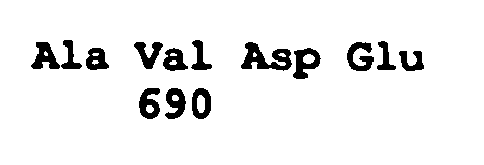
- 690
- <210> 2
<211> 2076
<212> DNA
<213> Penicillium sp. - <400> 2


- <210> 3
<211> 692
<212> PRT
<213> Penicillium sp. - <400> 3

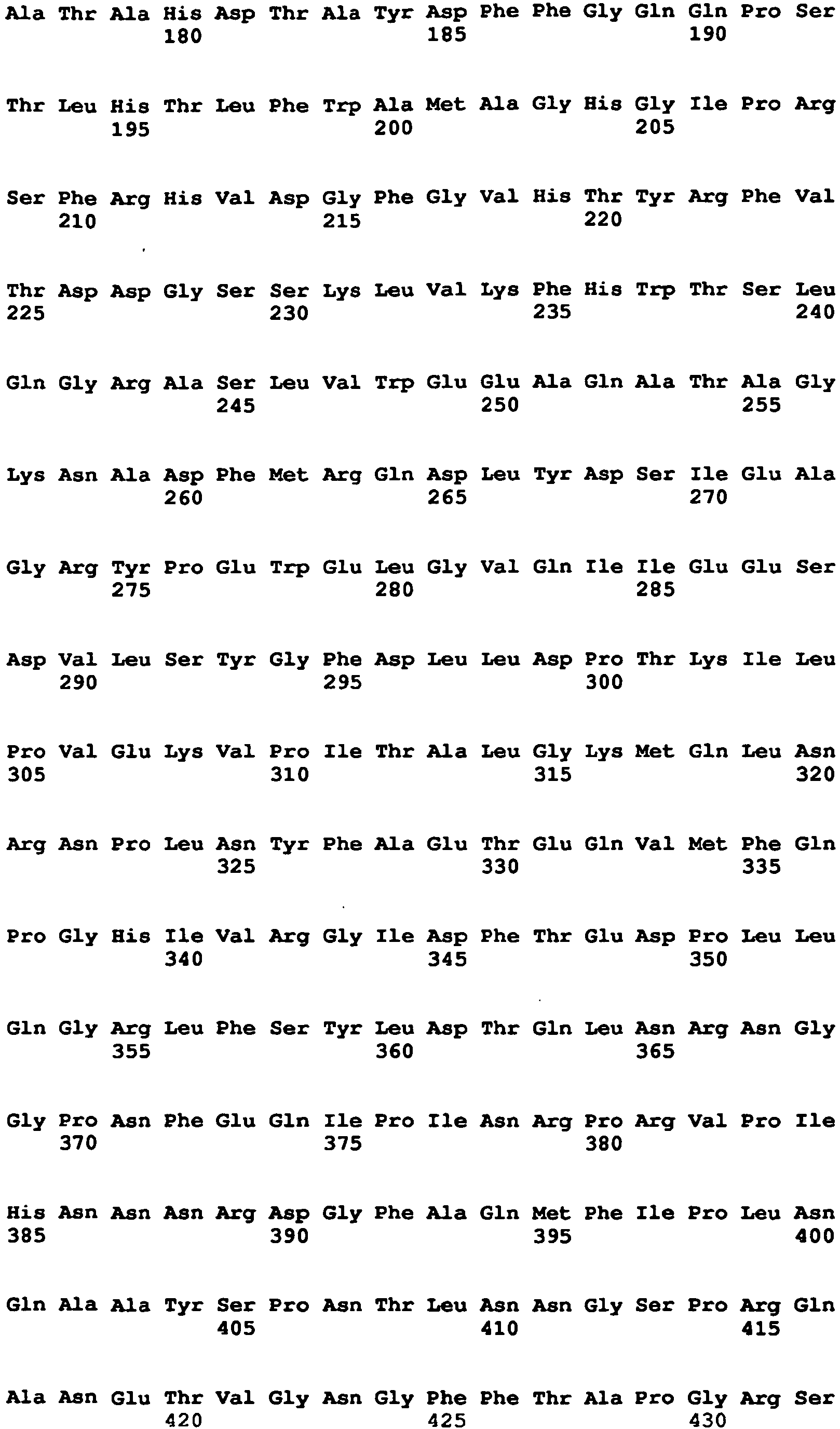


- 690
- <210> 4
<211> 2076
<212> DNA
<213> Penicillium sp. - <400> 4


- <210> 5
<211> 715
<212> PRT
<213> Penicillium sp. - <400> 5

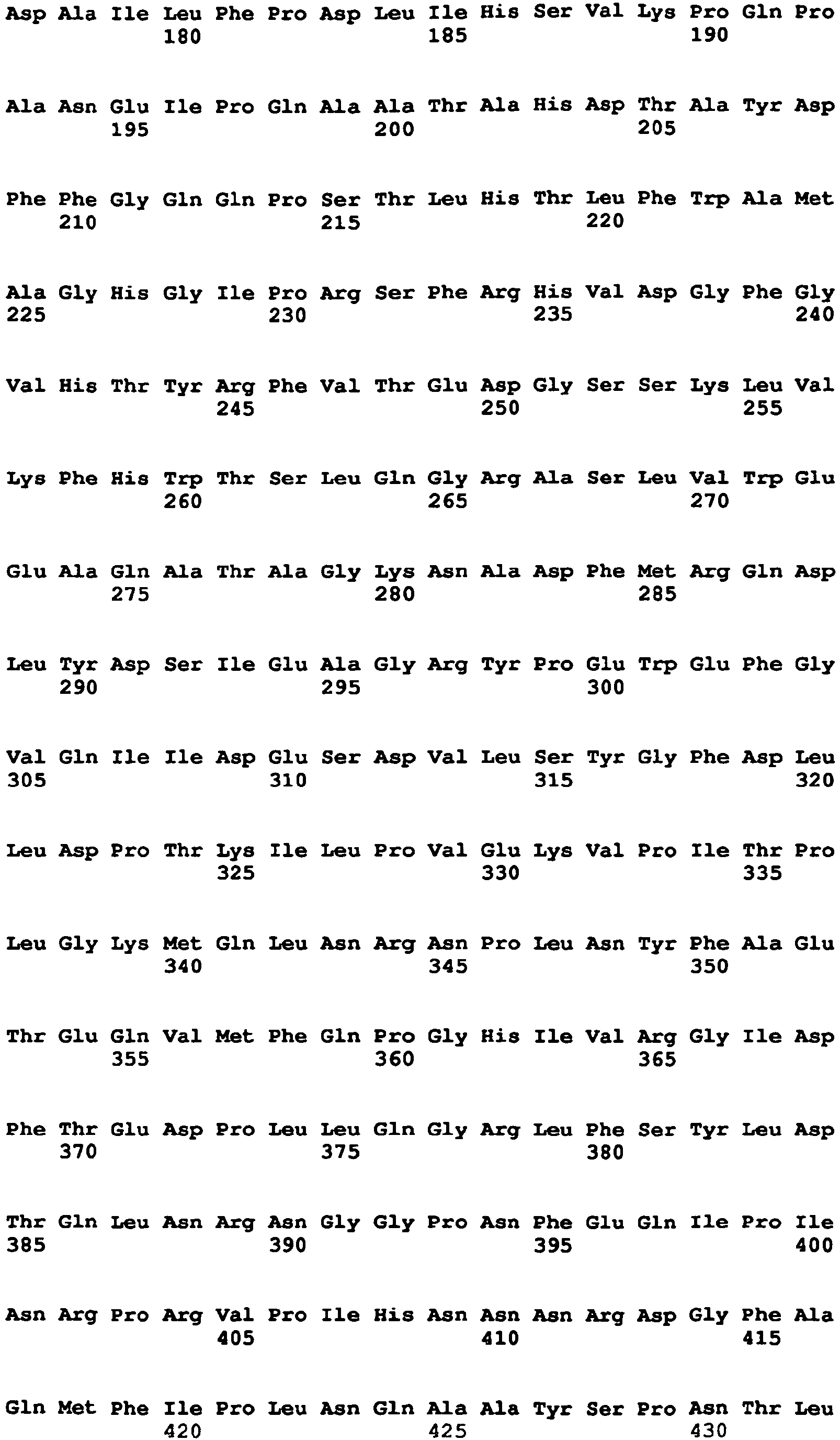


- <210> 6
<211> 2145
<212> DNA
<213> Penicillium sp. - <400> 6


- <210> 7
<211> 715
<212> PRT
<213> Penicillium sp. - <400> 7


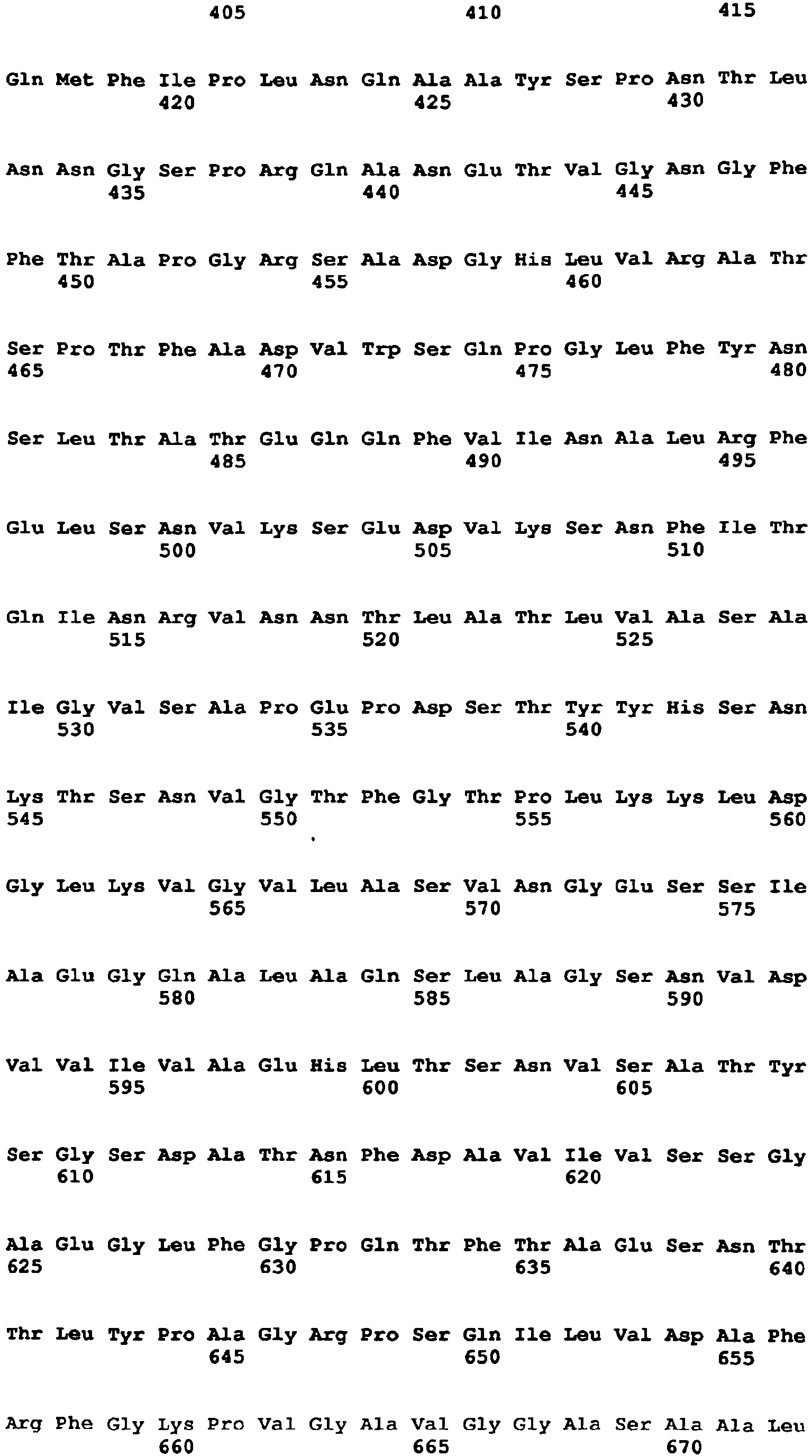

- <210> 8
<211> 2145
<212> DNA
<213> Penicillium sp. - <400> 8


- <210> 9
<211> 734
<212> PRT
<213> Penicillium sp. - <400> 9


- <210> 10
<211> 2202
<212> DNA
<213> Penicillium sp. - <400> 10


- <210> 11
<211> 734
<212> PRT
<213> Penicillium sp. - <400> 11


- <210> 12
<211> 2202
<212> DNA
<213> Penicillium sp. - <400> 12


- <210> 13
<211> 2214
<212> DNA
<213> Pichia pastoris - <400> 13
caaaacagtt tgaaggccgg cattcgtgga tcgaccctct tggaagactt catcttccgt 300

- cagaaaatcc agcattttga tcatgagcgt gtcccggaac gtgccgtgca tgctcgaggt 360
- gcaggtgctc atggtgtatt tacttcatat gccgactggt ccaacatcac tgctgcttca 420
- tttttgggag cttccggaaa ggaaacgccc acatttgtcc gcttctcgac tgttgcaggc 480
- agccgaggaa gtgccgacac cgctcgtgac gttcacggat ttgctactcg cttctatact 540
- gacgagggaa actatgacat tgttggaaac aacattcctg tcttcttcat ccaagatgct 600
- atcttattcc cagatctcat ccatagcgtt aagccacagc cagccaatga aatcccacag 660
- gctgctactg cacacgacac ggcctatgac ttctttggtc aacagccaag cactctgcat 720
- accctcttct gggcaatggc aggccatggt atcccacggt ctttccgtca tgttgacgga 780
- ttcggtgtcc acacctatcg gttcgtgaca gatgatggct cgtccaagtt ggtcaaattt 840
- cactggacat cgctgcaagg tcgggccagt ctggtctggg aggaagctca ggccactgct 900
- ggcaaaaatg ccgactttat gagacaggat ctgtatgata gcattgaggc tggccgttat 960
- ccagagtggg agctcggcgt gcaaataatt gaggagtcgg atgtcttaag ctacggattt 1020
- gacctgttgg atccaaccaa gattcttccg gttgaaaaag ttccaattac tgcgctcgga 1080
- aaaatgcaac tcaaccgtaa tccattgaat tactttgccg agacagagca agtcatgttc 1140
- caacctggcc acattgttcg tggtatcgac ttcaccgagg atcctcttct ccagggtcgt 1200
- ttattctcct acctcgatac tcagctgaat cgcaatggtg gtcccaactt tgaacaaatt 1260
- ccaatcaatc gtccgcgtgt tcctatccac aacaacaacc gcgatggatt cgcccaaatg 1320
- tttattcctt tgaaccaggc agcatattca cccaacacct tgaataatgg ctctcctcga 1380
- caagccaacg agactgtcgg aaatggcttc tttaccgccc ccgggcgctc cgcagatgga 1440
- caccttgttc gcgctacgag cccaacattt gccgacgtgt ggtctcagcc tggcttgttt 1500
- tacaactcct tgacggctac cgaacaacag ttcgtgatca atgctttgcg tttcgaattg 1560
- tctaatgtaa agagcgagga tgttaaaagc aatttcatca cacagataaa tcgcgtaaac 1620
- aacacgttag caacacttgt ggcttctgca attggagtct ccgcgcccga acccgactct 1680
- acatactacc acagcaataa gacgtctaat gtcggaacat tcggtactcc gttgaaaaag 1740
- cttgacggtc tcaaggtcgg agtccttgct tcggtgaacg gtgaaagtag tattgccgag 1800
- ggacaagcat tggcacaaag cctagcgggc tcgaacgtgg acgtcgttat cgtcgccgag 1860
- catcttactt cgaacgtgtc agctacatac tctggatcag acgcaacgaa ctttgatgct 1920
- gttattgtca gctcaggggc tgaaggtctc tttggacctc aaacctttac agccgaatcc 1980
- aatacaacac tttatccggc aggccgtcct agccagattt tggtcgatgc cttccgcttt 2040
- ggcaagccgg ttggagcagt tggtggtgcc agtgcagctc tgtcagcggt ggatatcagt 2100
- actgatcgta gtggtgtgat tactggtgat tccgtcagtg acgactttgt caagcagcta 2160

- <210> 14
<211> 2214
<212> DNA
<213> Pichia pastoris - <400> 14


- <210> 15
<211> 2415
<212> DNA
<213> Pichia pastoris - <400> 15

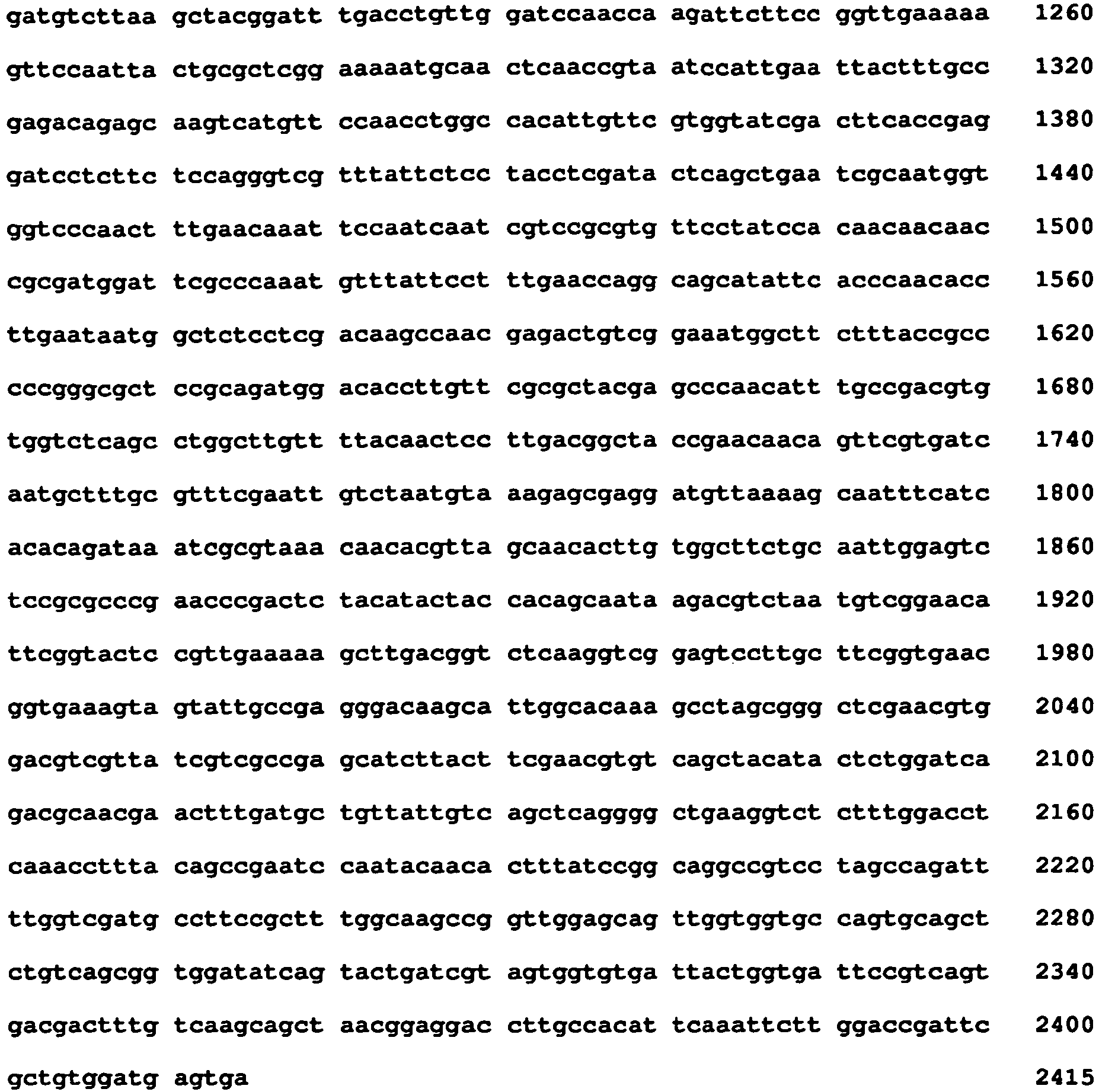
- <210> 16
<211> 2415
<212> DNA
<213> Pichia pastoris - <400> 16


- <210> 17
<211> 2205
<212> DNA
<213> Aspergillus niger - <400> 17


- <210> 18
<211> 737
<212> PRT
<213> Pichia pastoris - <400> 18


- <210> 19
<211> 737
<212> PRT
<213> Pichia pastoris - <400> 19


- <210> 20
<211> 804
<212> PRT
<213> Pichia pastoris - <400> 20


- <210> 21
<211> 804
<212> PRT
<213> Pichia pastoris - <400> 21

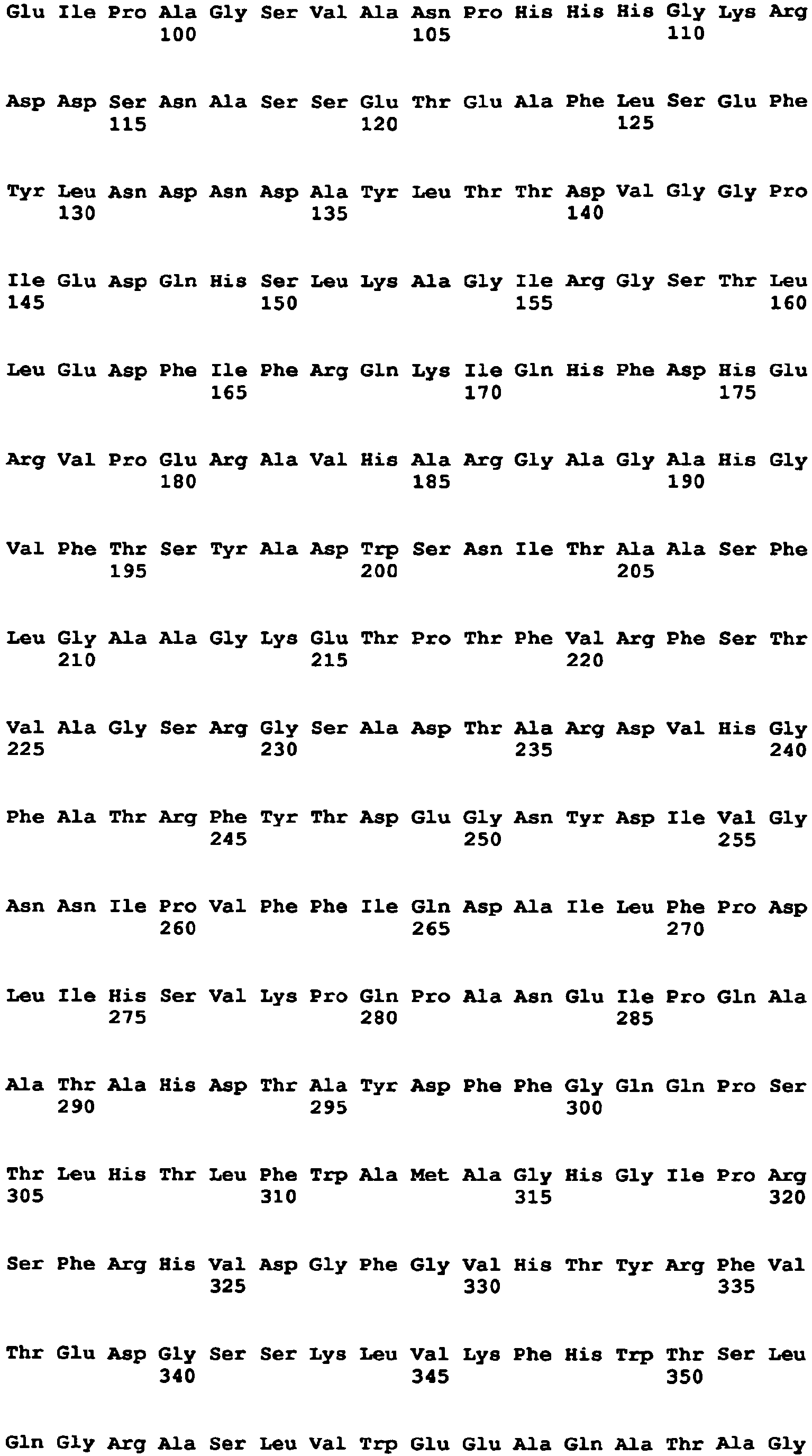


- <210> 22
<211> 734
<212> PRT
<213> Aspergillus niger - <400> 22


- <210> 23
<211> 734
<212> PRT
<213> Aspergillus niger - <400> 23
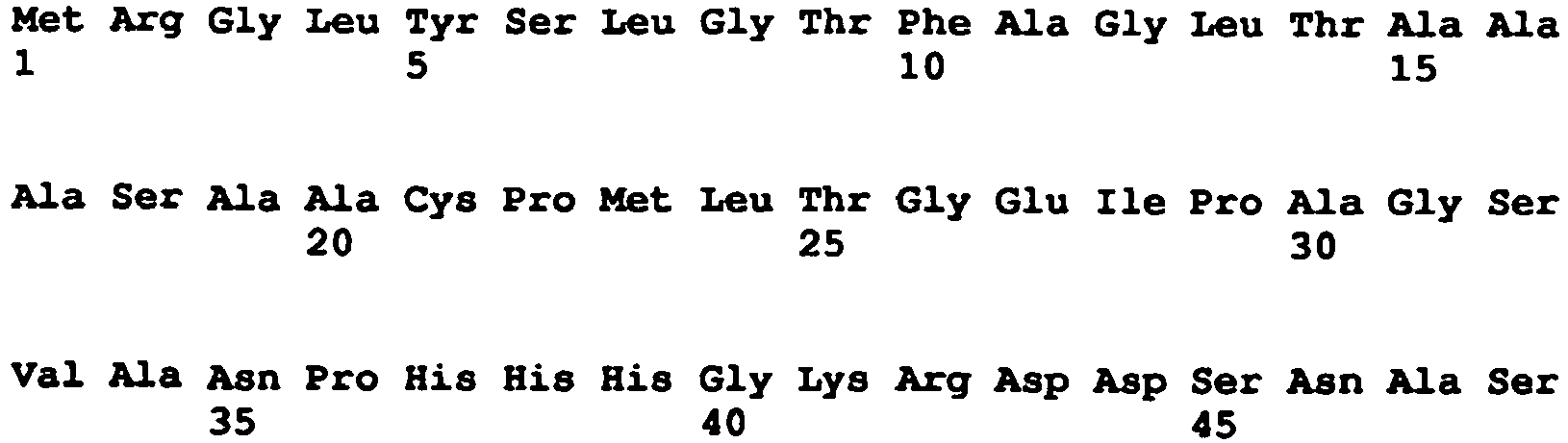


Claims (15)
- A nucleic acid molecule encoding a polypeptide having the activity of a catalase (EC 1.11.1.6), which nucleic acid molecule is(a) a nucleic acid molecule encoding a polypeptide comprising or consisting of the amino acid sequence of SEQ ID NO: 1;(b) a nucleic acid molecule comprising or consisting of the nucleotide sequence of SEQ ID NO: 2;(c) a nucleic acid molecule comprising or consisting of a nucleic acid molecule encoding a polypeptide having the activity of a catalase the amino acid sequence of which is at least 99% identical to the amino acid sequence of SEQ ID NO: 1,(d) a nucleic acid molecule encoding a polypeptide having the activity of a catalase and comprising or consisting of a nucleotide sequence which is at least 98% identical to the nucleotide sequence of SEQ ID NO: 2,(e) a fragment of the polypeptide of any of (a) to (d) having the activity of a catalase and comprising at least 675 amino acids, or(f) the nucleic acid sequence of any of (a) to (d) wherein T is U.
- A polypeptide encoded by the nucleic acid molecule of claim 1.
- A vector comprising the nucleic acid molecule of claim 1.
- A host cell carrying the vector of claim 3.
- A method of producing a protein having the activity of a catalase (EC 1.11.1.6) comprising(a) culturing the host cell of claim 4, and(b) isolating the produced protein having the activity of a catalase.
- The polypeptide of claim 2, which is a fusion protein.
- A composition comprising the nucleic acid molecule of claim 1, the polypeptide of claim 2, the vector of claim 3, the host cell of claim 4, and/or the fusion protein of claim 6, or combinations thereof.
- The composition of claim 7, which is an large-scale composition, a pharmaceutical composition, a diagnostic composition or a cosmetic composition.
- The large-scale composition of claim 8, wherein the composition is for processing textile, beverage, food, pulp or paper.
- The pharmaceutical composition of claim 8 for use in treating a disease characterized by impaired catalase, such as vitiligo, acatalasia, polymorphic light eruption (PLE), or a disease characterized by the occurrence of oxidative stress such as Acne vulgaris, Alopecia areata, Lichen planus, Psoriasis and Rheumatoid arthritis.
- The cosmetic composition of claim 8, wherein the composition is for anti-aging, improving skin appearance, preventing hair greying, cleaning contact lenses and/or correcting pigmentary abnormalities.
- A method of converting hydrogen peroxide into water and oxygen comprising contacting the polypeptide of claim 2, the host cell of claim 4, and/or the fusion protein of claim 6, or combinations thereof with a sample comprising hydrogen peroxide.
- Use of the nucleic acid molecule of claim 1, the polypeptide of claim 2, the vector of claim 3, the host cell of claim 4, and/or the fusion protein of claim 6, or combinations thereof for the conversion of hydrogen peroxide into water and oxygen.
- The method according to claim 12 or the use according to claim 13, wherein the conversion serves for controlling or stopping bleaching of an industrial product.
- The method or use according to claim 14, wherein the industrial product is textile, pulp or paper.
Priority Applications (1)
| Application Number | Priority Date | Filing Date | Title |
|---|---|---|---|
| EP11791279.0A EP2645987B1 (en) | 2010-12-01 | 2011-12-01 | Novel catalases |
Applications Claiming Priority (3)
| Application Number | Priority Date | Filing Date | Title |
|---|---|---|---|
| EP10015193 | 2010-12-01 | ||
| PCT/EP2011/071576 WO2012072777A1 (en) | 2010-12-01 | 2011-12-01 | Novel catalases |
| EP11791279.0A EP2645987B1 (en) | 2010-12-01 | 2011-12-01 | Novel catalases |
Publications (2)
| Publication Number | Publication Date |
|---|---|
| EP2645987A1 EP2645987A1 (en) | 2013-10-09 |
| EP2645987B1 true EP2645987B1 (en) | 2015-11-04 |
Family
ID=45094614
Family Applications (1)
| Application Number | Title | Priority Date | Filing Date |
|---|---|---|---|
| EP11791279.0A Not-in-force EP2645987B1 (en) | 2010-12-01 | 2011-12-01 | Novel catalases |
Country Status (3)
| Country | Link |
|---|---|
| EP (1) | EP2645987B1 (en) |
| DK (1) | DK2645987T3 (en) |
| WO (1) | WO2012072777A1 (en) |
Families Citing this family (6)
| Publication number | Priority date | Publication date | Assignee | Title |
|---|---|---|---|---|
| EP3233036B1 (en) | 2014-12-15 | 2023-01-25 | 3M Innovative Properties Company | Kits for removing calculus |
| BR112018076904B1 (en) | 2016-06-22 | 2022-02-08 | 3M Innovative Properties Company | METHOD AND KIT OF PARTS FOR CALCULATION REMOVAL OF A TOOTH |
| JP2019532965A (en) | 2016-10-20 | 2019-11-14 | スリーエム イノベイティブ プロパティズ カンパニー | Method and kit for removing tartar using non-enzymatic hydrogen peroxide decomposition catalyst |
| CN109843249A (en) | 2016-10-20 | 2019-06-04 | 3M创新有限公司 | Method and kit for stone removal using metal ions and bicarbonate |
| WO2023225459A2 (en) | 2022-05-14 | 2023-11-23 | Novozymes A/S | Compositions and methods for preventing, treating, supressing and/or eliminating phytopathogenic infestations and infections |
| CN115247135B (en) * | 2021-04-27 | 2025-08-15 | 华东理工大学 | Enhancing golgi to extracellular protein transport process to increase pichia extracellular glucose oxidase yield |
Family Cites Families (12)
| Publication number | Priority date | Publication date | Assignee | Title |
|---|---|---|---|---|
| EP0082798B2 (en) * | 1981-12-21 | 1991-11-27 | Ciba-Geigy Ag | Method for disinfecting and cleaning contact lenses |
| EP0580662B1 (en) | 1991-03-27 | 1998-06-10 | Novo Nordisk A/S | Catalase, its production and use |
| US5362647A (en) | 1993-02-12 | 1994-11-08 | Allergan, Inc. | Compositions and methods for destroying hydrogen peroxide |
| GB2307175A (en) * | 1995-11-14 | 1997-05-21 | Steifel Lab Inc | Topical composition comprising a transition metal and bicarbonate ions, particularly for the promotion of pigmentation |
| US20020102680A1 (en) | 1996-07-03 | 2002-08-01 | Robertson Dan E. | Catalases |
| US5876990A (en) | 1996-10-22 | 1999-03-02 | Reddy; Malireddy S. | Biochemical media system for reducing pollution |
| US7468195B2 (en) * | 2000-06-09 | 2008-12-23 | Crawford Healthcare Limited | Skin treatment preparation |
| CA2543442A1 (en) | 2003-11-05 | 2005-05-19 | Battelle Energy Alliance, Llc | High temperature and alkaline stable catalase |
| JP2006008571A (en) * | 2004-06-24 | 2006-01-12 | Maruzen Pharmaceut Co Ltd | Moisturizer, antioxidant, anti-aging agent, skin cosmetics and beauty food and drink |
| WO2006053613A2 (en) | 2004-11-19 | 2006-05-26 | Unilever N.V. | Skin care composition comprising fusion polypeptide composition |
| ATE497972T1 (en) | 2006-02-28 | 2011-02-15 | Suntory Holdings Ltd | CATALASE GENE AND USE THEREOF |
| DK2256192T3 (en) * | 2008-02-18 | 2015-09-28 | Meiji Seika Pharma Co Ltd | thermostable catalase |
-
2011
- 2011-12-01 WO PCT/EP2011/071576 patent/WO2012072777A1/en not_active Ceased
- 2011-12-01 EP EP11791279.0A patent/EP2645987B1/en not_active Not-in-force
- 2011-12-01 DK DK11791279.0T patent/DK2645987T3/en active
Also Published As
| Publication number | Publication date |
|---|---|
| EP2645987A1 (en) | 2013-10-09 |
| DK2645987T3 (en) | 2016-01-11 |
| WO2012072777A1 (en) | 2012-06-07 |
Similar Documents
| Publication | Publication Date | Title |
|---|---|---|
| DK2645987T3 (en) | New Catalases | |
| Kjalke et al. | Comparison of structure and activities of peroxidases from Coprinus cinereus, Coprinus macrorhizus and Arthromyces ramosus | |
| EP1940348B1 (en) | A composition comprising a coupled enzyme system | |
| EP1572993B1 (en) | Choline oxidases | |
| von Heimendahl et al. | Pinoresinol–lariciresinol reductases with different stereospecificity from Linum album and Linum usitatissimum | |
| JP2002507111A (en) | Haloperoxidase from Curbularia verruclosa and nucleic acids encoding the same | |
| Kim et al. | D-Arabinose dehydrogenase and its gene from Saccharomyces cerevisiae | |
| DK2601291T3 (en) | new glucose oxidase | |
| KR102390390B1 (en) | Hemoglobin A1c measurement method and measurement kit | |
| KR20130038914A (en) | Glucose dehydrogenase | |
| JP2023516355A (en) | Methods for cell-free protein expression of mature polypeptides derived from zymogens and proproteins | |
| DK2550293T3 (en) | BACILLUS PUMILUS BILIRUBIN OXIDASE AND APPLICATIONS THEREOF | |
| EP4211233A2 (en) | Compositions and methods of use thereof | |
| Linke et al. | Carotene-degrading activities from Bjerkandera adusta possess an application in detergent industries | |
| EP1763578B1 (en) | Tannase | |
| JP4309681B2 (en) | Preparation method of Shiitake laccase and degradation method of phenolic environmental pollutants | |
| Huang et al. | Isolation and expression of protein disulfide isomerase cDNA from sweet potato (Ipomoea batatas [L.] Lam ‘Tainong 57’) storage roots | |
| ES2762703T3 (en) | Catalyst and use of it | |
| Günata et al. | Hydrolysis of monoterpenyl-β-D-glucosides by cloned β-glucosidases from Bacillus polymyxa | |
| Johansson et al. | Isozymes of the manganese (II)-dependent peroxidase in the white-rot basidiomycete Trametes versicolor | |
| US6790644B2 (en) | 1,3-dicarbonyl-dioxygenase—a new c-c-bond cleaving enzyme | |
| Khanna et al. | Cloning and expression of a biosurfactant gene from endosulfan degrading Bacillus sp.: correlation between esterase activity and biosurfactant production | |
| KR102677568B1 (en) | Costmetic composition for skin whitening comprising lignin peroxidase isozyme and use thereof | |
| EP2546343A1 (en) | Novel lipoxygenases derived from lemna paucicostata | |
| JP7143985B2 (en) | novel peroxidase |
Legal Events
| Date | Code | Title | Description |
|---|---|---|---|
| PUAI | Public reference made under article 153(3) epc to a published international application that has entered the european phase |
Free format text: ORIGINAL CODE: 0009012 |
|
| 17P | Request for examination filed |
Effective date: 20130410 |
|
| AK | Designated contracting states |
Kind code of ref document: A1 Designated state(s): AL AT BE BG CH CY CZ DE DK EE ES FI FR GB GR HR HU IE IS IT LI LT LU LV MC MK MT NL NO PL PT RO RS SE SI SK SM TR |
|
| DAX | Request for extension of the european patent (deleted) | ||
| GRAP | Despatch of communication of intention to grant a patent |
Free format text: ORIGINAL CODE: EPIDOSNIGR1 |
|
| INTG | Intention to grant announced |
Effective date: 20150401 |
|
| GRAS | Grant fee paid |
Free format text: ORIGINAL CODE: EPIDOSNIGR3 |
|
| GRAR | Information related to intention to grant a patent recorded |
Free format text: ORIGINAL CODE: EPIDOSNIGR71 |
|
| GRAA | (expected) grant |
Free format text: ORIGINAL CODE: 0009210 |
|
| INTG | Intention to grant announced |
Effective date: 20150921 |
|
| AK | Designated contracting states |
Kind code of ref document: B1 Designated state(s): AL AT BE BG CH CY CZ DE DK EE ES FI FR GB GR HR HU IE IS IT LI LT LU LV MC MK MT NL NO PL PT RO RS SE SI SK SM TR |
|
| REG | Reference to a national code |
Ref country code: GB Ref legal event code: FG4D |
|
| REG | Reference to a national code |
Ref country code: CH Ref legal event code: EP |
|
| REG | Reference to a national code |
Ref country code: AT Ref legal event code: REF Ref document number: 758691 Country of ref document: AT Kind code of ref document: T Effective date: 20151115 |
|
| REG | Reference to a national code |
Ref country code: IE Ref legal event code: FG4D |
|
| REG | Reference to a national code |
Ref country code: DE Ref legal event code: R096 Ref document number: 602011021240 Country of ref document: DE |
|
| REG | Reference to a national code |
Ref country code: FR Ref legal event code: PLFP Year of fee payment: 5 |
|
| REG | Reference to a national code |
Ref country code: DK Ref legal event code: T3 Effective date: 20160107 |
|
| REG | Reference to a national code |
Ref country code: NL Ref legal event code: FP |
|
| REG | Reference to a national code |
Ref country code: LT Ref legal event code: MG4D |
|
| REG | Reference to a national code |
Ref country code: CH Ref legal event code: NV Representative=s name: VOSSIUS AND PARTNER, CH Ref country code: AT Ref legal event code: MK05 Ref document number: 758691 Country of ref document: AT Kind code of ref document: T Effective date: 20151104 |
|
| PG25 | Lapsed in a contracting state [announced via postgrant information from national office to epo] |
Ref country code: HR Free format text: LAPSE BECAUSE OF FAILURE TO SUBMIT A TRANSLATION OF THE DESCRIPTION OR TO PAY THE FEE WITHIN THE PRESCRIBED TIME-LIMIT Effective date: 20151104 Ref country code: IT Free format text: LAPSE BECAUSE OF FAILURE TO SUBMIT A TRANSLATION OF THE DESCRIPTION OR TO PAY THE FEE WITHIN THE PRESCRIBED TIME-LIMIT Effective date: 20151104 Ref country code: LT Free format text: LAPSE BECAUSE OF FAILURE TO SUBMIT A TRANSLATION OF THE DESCRIPTION OR TO PAY THE FEE WITHIN THE PRESCRIBED TIME-LIMIT Effective date: 20151104 Ref country code: ES Free format text: LAPSE BECAUSE OF FAILURE TO SUBMIT A TRANSLATION OF THE DESCRIPTION OR TO PAY THE FEE WITHIN THE PRESCRIBED TIME-LIMIT Effective date: 20151104 Ref country code: IS Free format text: LAPSE BECAUSE OF FAILURE TO SUBMIT A TRANSLATION OF THE DESCRIPTION OR TO PAY THE FEE WITHIN THE PRESCRIBED TIME-LIMIT Effective date: 20160304 Ref country code: NO Free format text: LAPSE BECAUSE OF FAILURE TO SUBMIT A TRANSLATION OF THE DESCRIPTION OR TO PAY THE FEE WITHIN THE PRESCRIBED TIME-LIMIT Effective date: 20160204 |
|
| PG25 | Lapsed in a contracting state [announced via postgrant information from national office to epo] |
Ref country code: GR Free format text: LAPSE BECAUSE OF FAILURE TO SUBMIT A TRANSLATION OF THE DESCRIPTION OR TO PAY THE FEE WITHIN THE PRESCRIBED TIME-LIMIT Effective date: 20160205 Ref country code: RS Free format text: LAPSE BECAUSE OF FAILURE TO SUBMIT A TRANSLATION OF THE DESCRIPTION OR TO PAY THE FEE WITHIN THE PRESCRIBED TIME-LIMIT Effective date: 20151104 Ref country code: PT Free format text: LAPSE BECAUSE OF FAILURE TO SUBMIT A TRANSLATION OF THE DESCRIPTION OR TO PAY THE FEE WITHIN THE PRESCRIBED TIME-LIMIT Effective date: 20160304 Ref country code: AT Free format text: LAPSE BECAUSE OF FAILURE TO SUBMIT A TRANSLATION OF THE DESCRIPTION OR TO PAY THE FEE WITHIN THE PRESCRIBED TIME-LIMIT Effective date: 20151104 Ref country code: BE Free format text: LAPSE BECAUSE OF NON-PAYMENT OF DUE FEES Effective date: 20151231 Ref country code: FI Free format text: LAPSE BECAUSE OF FAILURE TO SUBMIT A TRANSLATION OF THE DESCRIPTION OR TO PAY THE FEE WITHIN THE PRESCRIBED TIME-LIMIT Effective date: 20151104 Ref country code: PL Free format text: LAPSE BECAUSE OF FAILURE TO SUBMIT A TRANSLATION OF THE DESCRIPTION OR TO PAY THE FEE WITHIN THE PRESCRIBED TIME-LIMIT Effective date: 20151104 Ref country code: SE Free format text: LAPSE BECAUSE OF FAILURE TO SUBMIT A TRANSLATION OF THE DESCRIPTION OR TO PAY THE FEE WITHIN THE PRESCRIBED TIME-LIMIT Effective date: 20151104 Ref country code: LV Free format text: LAPSE BECAUSE OF FAILURE TO SUBMIT A TRANSLATION OF THE DESCRIPTION OR TO PAY THE FEE WITHIN THE PRESCRIBED TIME-LIMIT Effective date: 20151104 |
|
| REG | Reference to a national code |
Ref country code: CH Ref legal event code: PFA Owner name: B.R.A.I.N. BIOTECHNOLOGY RESEARCH AND INFORMAT, DE Free format text: FORMER OWNER: B.R.A.I.N. BIOTECHNOLOGY RESEARCH AND INFORMATION NETWORK AG, DE |
|
| PG25 | Lapsed in a contracting state [announced via postgrant information from national office to epo] |
Ref country code: CZ Free format text: LAPSE BECAUSE OF FAILURE TO SUBMIT A TRANSLATION OF THE DESCRIPTION OR TO PAY THE FEE WITHIN THE PRESCRIBED TIME-LIMIT Effective date: 20151104 |
|
| REG | Reference to a national code |
Ref country code: DE Ref legal event code: R097 Ref document number: 602011021240 Country of ref document: DE |
|
| PG25 | Lapsed in a contracting state [announced via postgrant information from national office to epo] |
Ref country code: RO Free format text: LAPSE BECAUSE OF FAILURE TO SUBMIT A TRANSLATION OF THE DESCRIPTION OR TO PAY THE FEE WITHIN THE PRESCRIBED TIME-LIMIT Effective date: 20151104 Ref country code: SK Free format text: LAPSE BECAUSE OF FAILURE TO SUBMIT A TRANSLATION OF THE DESCRIPTION OR TO PAY THE FEE WITHIN THE PRESCRIBED TIME-LIMIT Effective date: 20151104 Ref country code: SM Free format text: LAPSE BECAUSE OF FAILURE TO SUBMIT A TRANSLATION OF THE DESCRIPTION OR TO PAY THE FEE WITHIN THE PRESCRIBED TIME-LIMIT Effective date: 20151104 Ref country code: EE Free format text: LAPSE BECAUSE OF FAILURE TO SUBMIT A TRANSLATION OF THE DESCRIPTION OR TO PAY THE FEE WITHIN THE PRESCRIBED TIME-LIMIT Effective date: 20151104 |
|
| PLBE | No opposition filed within time limit |
Free format text: ORIGINAL CODE: 0009261 |
|
| STAA | Information on the status of an ep patent application or granted ep patent |
Free format text: STATUS: NO OPPOSITION FILED WITHIN TIME LIMIT |
|
| REG | Reference to a national code |
Ref country code: IE Ref legal event code: MM4A |
|
| PG25 | Lapsed in a contracting state [announced via postgrant information from national office to epo] |
Ref country code: MC Free format text: LAPSE BECAUSE OF FAILURE TO SUBMIT A TRANSLATION OF THE DESCRIPTION OR TO PAY THE FEE WITHIN THE PRESCRIBED TIME-LIMIT Effective date: 20151104 |
|
| 26N | No opposition filed |
Effective date: 20160805 |
|
| PG25 | Lapsed in a contracting state [announced via postgrant information from national office to epo] |
Ref country code: IE Free format text: LAPSE BECAUSE OF NON-PAYMENT OF DUE FEES Effective date: 20151201 |
|
| PG25 | Lapsed in a contracting state [announced via postgrant information from national office to epo] |
Ref country code: SI Free format text: LAPSE BECAUSE OF FAILURE TO SUBMIT A TRANSLATION OF THE DESCRIPTION OR TO PAY THE FEE WITHIN THE PRESCRIBED TIME-LIMIT Effective date: 20151104 |
|
| REG | Reference to a national code |
Ref country code: FR Ref legal event code: PLFP Year of fee payment: 6 |
|
| PG25 | Lapsed in a contracting state [announced via postgrant information from national office to epo] |
Ref country code: BE Free format text: LAPSE BECAUSE OF FAILURE TO SUBMIT A TRANSLATION OF THE DESCRIPTION OR TO PAY THE FEE WITHIN THE PRESCRIBED TIME-LIMIT Effective date: 20151104 |
|
| PG25 | Lapsed in a contracting state [announced via postgrant information from national office to epo] |
Ref country code: BG Free format text: LAPSE BECAUSE OF FAILURE TO SUBMIT A TRANSLATION OF THE DESCRIPTION OR TO PAY THE FEE WITHIN THE PRESCRIBED TIME-LIMIT Effective date: 20151104 Ref country code: HU Free format text: LAPSE BECAUSE OF FAILURE TO SUBMIT A TRANSLATION OF THE DESCRIPTION OR TO PAY THE FEE WITHIN THE PRESCRIBED TIME-LIMIT; INVALID AB INITIO Effective date: 20111201 |
|
| PG25 | Lapsed in a contracting state [announced via postgrant information from national office to epo] |
Ref country code: CY Free format text: LAPSE BECAUSE OF FAILURE TO SUBMIT A TRANSLATION OF THE DESCRIPTION OR TO PAY THE FEE WITHIN THE PRESCRIBED TIME-LIMIT Effective date: 20151104 |
|
| PG25 | Lapsed in a contracting state [announced via postgrant information from national office to epo] |
Ref country code: MT Free format text: LAPSE BECAUSE OF FAILURE TO SUBMIT A TRANSLATION OF THE DESCRIPTION OR TO PAY THE FEE WITHIN THE PRESCRIBED TIME-LIMIT Effective date: 20151104 |
|
| PG25 | Lapsed in a contracting state [announced via postgrant information from national office to epo] |
Ref country code: LU Free format text: LAPSE BECAUSE OF NON-PAYMENT OF DUE FEES Effective date: 20151201 |
|
| REG | Reference to a national code |
Ref country code: FR Ref legal event code: PLFP Year of fee payment: 7 |
|
| PG25 | Lapsed in a contracting state [announced via postgrant information from national office to epo] |
Ref country code: TR Free format text: LAPSE BECAUSE OF FAILURE TO SUBMIT A TRANSLATION OF THE DESCRIPTION OR TO PAY THE FEE WITHIN THE PRESCRIBED TIME-LIMIT Effective date: 20151104 Ref country code: MK Free format text: LAPSE BECAUSE OF FAILURE TO SUBMIT A TRANSLATION OF THE DESCRIPTION OR TO PAY THE FEE WITHIN THE PRESCRIBED TIME-LIMIT Effective date: 20151104 |
|
| PG25 | Lapsed in a contracting state [announced via postgrant information from national office to epo] |
Ref country code: AL Free format text: LAPSE BECAUSE OF FAILURE TO SUBMIT A TRANSLATION OF THE DESCRIPTION OR TO PAY THE FEE WITHIN THE PRESCRIBED TIME-LIMIT Effective date: 20151104 |
|
| PGFP | Annual fee paid to national office [announced via postgrant information from national office to epo] |
Ref country code: NL Payment date: 20191220 Year of fee payment: 9 |
|
| PGFP | Annual fee paid to national office [announced via postgrant information from national office to epo] |
Ref country code: FR Payment date: 20191220 Year of fee payment: 9 Ref country code: DK Payment date: 20191225 Year of fee payment: 9 |
|
| PGFP | Annual fee paid to national office [announced via postgrant information from national office to epo] |
Ref country code: CH Payment date: 20191220 Year of fee payment: 9 |
|
| PGFP | Annual fee paid to national office [announced via postgrant information from national office to epo] |
Ref country code: GB Payment date: 20201228 Year of fee payment: 10 |
|
| PGFP | Annual fee paid to national office [announced via postgrant information from national office to epo] |
Ref country code: DE Payment date: 20201223 Year of fee payment: 10 |
|
| REG | Reference to a national code |
Ref country code: DK Ref legal event code: EBP Effective date: 20201231 |
|
| REG | Reference to a national code |
Ref country code: CH Ref legal event code: PL |
|
| REG | Reference to a national code |
Ref country code: NL Ref legal event code: MM Effective date: 20210101 |
|
| PG25 | Lapsed in a contracting state [announced via postgrant information from national office to epo] |
Ref country code: NL Free format text: LAPSE BECAUSE OF NON-PAYMENT OF DUE FEES Effective date: 20210101 |
|
| PG25 | Lapsed in a contracting state [announced via postgrant information from national office to epo] |
Ref country code: FR Free format text: LAPSE BECAUSE OF NON-PAYMENT OF DUE FEES Effective date: 20201231 |
|
| PG25 | Lapsed in a contracting state [announced via postgrant information from national office to epo] |
Ref country code: CH Free format text: LAPSE BECAUSE OF NON-PAYMENT OF DUE FEES Effective date: 20201231 Ref country code: LI Free format text: LAPSE BECAUSE OF NON-PAYMENT OF DUE FEES Effective date: 20201231 |
|
| PG25 | Lapsed in a contracting state [announced via postgrant information from national office to epo] |
Ref country code: DK Free format text: LAPSE BECAUSE OF NON-PAYMENT OF DUE FEES Effective date: 20201231 |
|
| REG | Reference to a national code |
Ref country code: DE Ref legal event code: R119 Ref document number: 602011021240 Country of ref document: DE |
|
| GBPC | Gb: european patent ceased through non-payment of renewal fee |
Effective date: 20211201 |
|
| PG25 | Lapsed in a contracting state [announced via postgrant information from national office to epo] |
Ref country code: GB Free format text: LAPSE BECAUSE OF NON-PAYMENT OF DUE FEES Effective date: 20211201 Ref country code: DE Free format text: LAPSE BECAUSE OF NON-PAYMENT OF DUE FEES Effective date: 20220701 |