EP2645854B1 - Method of blood pooling and storage - Google Patents
Method of blood pooling and storage Download PDFInfo
- Publication number
- EP2645854B1 EP2645854B1 EP11845230.9A EP11845230A EP2645854B1 EP 2645854 B1 EP2645854 B1 EP 2645854B1 EP 11845230 A EP11845230 A EP 11845230A EP 2645854 B1 EP2645854 B1 EP 2645854B1
- Authority
- EP
- European Patent Office
- Prior art keywords
- rbcs
- rbc
- blood
- units
- unit
- Prior art date
- Legal status (The legal status is an assumption and is not a legal conclusion. Google has not performed a legal analysis and makes no representation as to the accuracy of the status listed.)
- Active
Links
Images
Classifications
-
- C—CHEMISTRY; METALLURGY
- C12—BIOCHEMISTRY; BEER; SPIRITS; WINE; VINEGAR; MICROBIOLOGY; ENZYMOLOGY; MUTATION OR GENETIC ENGINEERING
- C12N—MICROORGANISMS OR ENZYMES; COMPOSITIONS THEREOF; PROPAGATING, PRESERVING, OR MAINTAINING MICROORGANISMS; MUTATION OR GENETIC ENGINEERING; CULTURE MEDIA
- C12N5/00—Undifferentiated human, animal or plant cells, e.g. cell lines; Tissues; Cultivation or maintenance thereof; Culture media therefor
- C12N5/06—Animal cells or tissues; Human cells or tissues
- C12N5/0602—Vertebrate cells
- C12N5/0634—Cells from the blood or the immune system
- C12N5/0641—Erythrocytes
-
- A—HUMAN NECESSITIES
- A01—AGRICULTURE; FORESTRY; ANIMAL HUSBANDRY; HUNTING; TRAPPING; FISHING
- A01K—ANIMAL HUSBANDRY; AVICULTURE; APICULTURE; PISCICULTURE; FISHING; REARING OR BREEDING ANIMALS, NOT OTHERWISE PROVIDED FOR; NEW BREEDS OF ANIMALS
- A01K5/00—Feeding devices for stock or game ; Feeding wagons; Feeding stacks
- A01K5/01—Feed troughs; Feed pails
- A01K5/0114—Pet food dispensers; Pet food trays
-
- A—HUMAN NECESSITIES
- A01—AGRICULTURE; FORESTRY; ANIMAL HUSBANDRY; HUNTING; TRAPPING; FISHING
- A01K—ANIMAL HUSBANDRY; AVICULTURE; APICULTURE; PISCICULTURE; FISHING; REARING OR BREEDING ANIMALS, NOT OTHERWISE PROVIDED FOR; NEW BREEDS OF ANIMALS
- A01K5/00—Feeding devices for stock or game ; Feeding wagons; Feeding stacks
- A01K5/02—Automatic devices
-
- A—HUMAN NECESSITIES
- A01—AGRICULTURE; FORESTRY; ANIMAL HUSBANDRY; HUNTING; TRAPPING; FISHING
- A01K—ANIMAL HUSBANDRY; AVICULTURE; APICULTURE; PISCICULTURE; FISHING; REARING OR BREEDING ANIMALS, NOT OTHERWISE PROVIDED FOR; NEW BREEDS OF ANIMALS
- A01K5/00—Feeding devices for stock or game ; Feeding wagons; Feeding stacks
- A01K5/02—Automatic devices
- A01K5/0291—Automatic devices with timing mechanisms, e.g. pet feeders
-
- A—HUMAN NECESSITIES
- A01—AGRICULTURE; FORESTRY; ANIMAL HUSBANDRY; HUNTING; TRAPPING; FISHING
- A01N—PRESERVATION OF BODIES OF HUMANS OR ANIMALS OR PLANTS OR PARTS THEREOF; BIOCIDES, e.g. AS DISINFECTANTS, AS PESTICIDES OR AS HERBICIDES; PEST REPELLANTS OR ATTRACTANTS; PLANT GROWTH REGULATORS
- A01N1/00—Preservation of bodies of humans or animals, or parts thereof
- A01N1/10—Preservation of living parts
-
- A—HUMAN NECESSITIES
- A01—AGRICULTURE; FORESTRY; ANIMAL HUSBANDRY; HUNTING; TRAPPING; FISHING
- A01N—PRESERVATION OF BODIES OF HUMANS OR ANIMALS OR PLANTS OR PARTS THEREOF; BIOCIDES, e.g. AS DISINFECTANTS, AS PESTICIDES OR AS HERBICIDES; PEST REPELLANTS OR ATTRACTANTS; PLANT GROWTH REGULATORS
- A01N1/00—Preservation of bodies of humans or animals, or parts thereof
- A01N1/10—Preservation of living parts
- A01N1/12—Chemical aspects of preservation
- A01N1/122—Preservation or perfusion media
-
- A—HUMAN NECESSITIES
- A01—AGRICULTURE; FORESTRY; ANIMAL HUSBANDRY; HUNTING; TRAPPING; FISHING
- A01N—PRESERVATION OF BODIES OF HUMANS OR ANIMALS OR PLANTS OR PARTS THEREOF; BIOCIDES, e.g. AS DISINFECTANTS, AS PESTICIDES OR AS HERBICIDES; PEST REPELLANTS OR ATTRACTANTS; PLANT GROWTH REGULATORS
- A01N1/00—Preservation of bodies of humans or animals, or parts thereof
- A01N1/10—Preservation of living parts
- A01N1/12—Chemical aspects of preservation
- A01N1/122—Preservation or perfusion media
- A01N1/126—Physiologically active agents, e.g. antioxidants or nutrients
-
- A—HUMAN NECESSITIES
- A61—MEDICAL OR VETERINARY SCIENCE; HYGIENE
- A61K—PREPARATIONS FOR MEDICAL, DENTAL OR TOILETRY PURPOSES
- A61K35/00—Medicinal preparations containing materials or reaction products thereof with undetermined constitution
- A61K35/12—Materials from mammals; Compositions comprising non-specified tissues or cells; Compositions comprising non-embryonic stem cells; Genetically modified cells
- A61K35/14—Blood; Artificial blood
-
- A—HUMAN NECESSITIES
- A61—MEDICAL OR VETERINARY SCIENCE; HYGIENE
- A61K—PREPARATIONS FOR MEDICAL, DENTAL OR TOILETRY PURPOSES
- A61K35/00—Medicinal preparations containing materials or reaction products thereof with undetermined constitution
- A61K35/12—Materials from mammals; Compositions comprising non-specified tissues or cells; Compositions comprising non-embryonic stem cells; Genetically modified cells
- A61K35/14—Blood; Artificial blood
- A61K35/16—Blood plasma; Blood serum
-
- A—HUMAN NECESSITIES
- A61—MEDICAL OR VETERINARY SCIENCE; HYGIENE
- A61K—PREPARATIONS FOR MEDICAL, DENTAL OR TOILETRY PURPOSES
- A61K35/00—Medicinal preparations containing materials or reaction products thereof with undetermined constitution
- A61K35/12—Materials from mammals; Compositions comprising non-specified tissues or cells; Compositions comprising non-embryonic stem cells; Genetically modified cells
- A61K35/14—Blood; Artificial blood
- A61K35/18—Erythrocytes
-
- A—HUMAN NECESSITIES
- A61—MEDICAL OR VETERINARY SCIENCE; HYGIENE
- A61K—PREPARATIONS FOR MEDICAL, DENTAL OR TOILETRY PURPOSES
- A61K35/00—Medicinal preparations containing materials or reaction products thereof with undetermined constitution
- A61K35/12—Materials from mammals; Compositions comprising non-specified tissues or cells; Compositions comprising non-embryonic stem cells; Genetically modified cells
- A61K35/14—Blood; Artificial blood
- A61K35/19—Platelets; Megacaryocytes
-
- A—HUMAN NECESSITIES
- A61—MEDICAL OR VETERINARY SCIENCE; HYGIENE
- A61M—DEVICES FOR INTRODUCING MEDIA INTO, OR ONTO, THE BODY; DEVICES FOR TRANSDUCING BODY MEDIA OR FOR TAKING MEDIA FROM THE BODY; DEVICES FOR PRODUCING OR ENDING SLEEP OR STUPOR
- A61M1/00—Suction or pumping devices for medical purposes; Devices for carrying-off, for treatment of, or for carrying-over, body-liquids; Drainage systems
- A61M1/02—Blood transfusion apparatus
- A61M1/0272—Apparatus for treatment of blood or blood constituents prior to or for conservation, e.g. freezing, drying or centrifuging
-
- A—HUMAN NECESSITIES
- A61—MEDICAL OR VETERINARY SCIENCE; HYGIENE
- A61M—DEVICES FOR INTRODUCING MEDIA INTO, OR ONTO, THE BODY; DEVICES FOR TRANSDUCING BODY MEDIA OR FOR TAKING MEDIA FROM THE BODY; DEVICES FOR PRODUCING OR ENDING SLEEP OR STUPOR
- A61M1/00—Suction or pumping devices for medical purposes; Devices for carrying-off, for treatment of, or for carrying-over, body-liquids; Drainage systems
- A61M1/34—Filtering material out of the blood by passing it through a membrane, i.e. hemofiltration or diafiltration
- A61M1/342—Adding solutions to the blood, e.g. substitution solutions
-
- A—HUMAN NECESSITIES
- A61—MEDICAL OR VETERINARY SCIENCE; HYGIENE
- A61M—DEVICES FOR INTRODUCING MEDIA INTO, OR ONTO, THE BODY; DEVICES FOR TRANSDUCING BODY MEDIA OR FOR TAKING MEDIA FROM THE BODY; DEVICES FOR PRODUCING OR ENDING SLEEP OR STUPOR
- A61M1/00—Suction or pumping devices for medical purposes; Devices for carrying-off, for treatment of, or for carrying-over, body-liquids; Drainage systems
- A61M1/34—Filtering material out of the blood by passing it through a membrane, i.e. hemofiltration or diafiltration
- A61M1/3496—Plasmapheresis; Leucopheresis; Lymphopheresis
-
- C—CHEMISTRY; METALLURGY
- C12—BIOCHEMISTRY; BEER; SPIRITS; WINE; VINEGAR; MICROBIOLOGY; ENZYMOLOGY; MUTATION OR GENETIC ENGINEERING
- C12N—MICROORGANISMS OR ENZYMES; COMPOSITIONS THEREOF; PROPAGATING, PRESERVING, OR MAINTAINING MICROORGANISMS; MUTATION OR GENETIC ENGINEERING; CULTURE MEDIA
- C12N5/00—Undifferentiated human, animal or plant cells, e.g. cell lines; Tissues; Cultivation or maintenance thereof; Culture media therefor
- C12N5/06—Animal cells or tissues; Human cells or tissues
- C12N5/0602—Vertebrate cells
- C12N5/0634—Cells from the blood or the immune system
- C12N5/0644—Platelets; Megakaryocytes
-
- A—HUMAN NECESSITIES
- A61—MEDICAL OR VETERINARY SCIENCE; HYGIENE
- A61M—DEVICES FOR INTRODUCING MEDIA INTO, OR ONTO, THE BODY; DEVICES FOR TRANSDUCING BODY MEDIA OR FOR TAKING MEDIA FROM THE BODY; DEVICES FOR PRODUCING OR ENDING SLEEP OR STUPOR
- A61M2202/00—Special media to be introduced, removed or treated
- A61M2202/04—Liquids
- A61M2202/0413—Blood
- A61M2202/0429—Red blood cells; Erythrocytes
-
- A—HUMAN NECESSITIES
- A61—MEDICAL OR VETERINARY SCIENCE; HYGIENE
- A61M—DEVICES FOR INTRODUCING MEDIA INTO, OR ONTO, THE BODY; DEVICES FOR TRANSDUCING BODY MEDIA OR FOR TAKING MEDIA FROM THE BODY; DEVICES FOR PRODUCING OR ENDING SLEEP OR STUPOR
- A61M2202/00—Special media to be introduced, removed or treated
- A61M2202/20—Pathogenic agents
Definitions
- RBCs red blood cell
- platelet platelet
- plasma products which can potentially benefit three different patients.
- Stored RBCs currently suffer certain disadvantages.
- the lifespan of stored RBCs is 42 days, which given the fluctuation of supply and demand for RBCs, can lead to dangerous shortages in times of unexpected need.
- RBCs can also harbor pathogens that can endanger the recipient if the pathogen is transmitted via transfusion.
- an individual donates each unit of blood collected which is fractionated and stored separately resulting in a great degree of variance in the amount of RBCs collected and stored in each unit.
- the concentration and volume of RBCs varies from unit to unit and thus the number of RBCs administered to a given recipient is variable.
- WO98/41087 describes red blood cell compositions and methods for the collection of red blood cells.
- a pathogen-free RBC product that has an increased lifespan and provides a uniform amount of RBCs per unit would be highly desirable.
- the present invention provides a method for preparing a red blood cell (RBC)-containing product from a plurality of blood units comprising: a) separating a RBC component from the plurality of blood units obtained from a plurality of donors, wherein the blood unit or the RBC component has been leukoreduced; b) pooling the leukoreduced RBC components from the plurality of blood units; c) treating the RBC component to inactivate one or more pathogens; and d) adding a storage solution to the RBC component; wherein the RBC component in the storage solution provides one or more RBC units having a storage life of 42 days to 100 days, and wherein the RBC unit or each RBC unit comprises a uniform dose of RBCs.
- the method may comprise segregating
- a cell-containing product obtained by a method comprising: a) obtaining a plurality of whole blood units, b) separating a desired cell component from the obtained blood, c) leukoreducing the whole blood or cell component; d) pooling the desired cell components, e) treating the separated cell component to inactivate one or more pathogens, and f) adding a storage solution to the cell component, wherein the cell component in the storage solution provides a cell-containing product having a storage life of about 42 to about 100 days.
- a method of making a plurality of units of RBCs comprising a) pooling leukoreduced RBCs from a plurality of blood units, b) treating the RBCs to inactivate one or more pathogens, and c) separating RBCs into a plurality of units comprising a uniform dose of RBCs.
- the method may comprise segregating the cell component by blood type prior to the pooling step and pooling only units having the same blood type.
- the invention provides a method of making a plurality of units of RBCs comprising: a) separating the RBCs from a plurality of blood units obtained from a plurality of donors, wherein the blood units or RBC have been leukoreduced; b) pooling the RBCs; c)treating the pooled RBCs to inactivate one or more pathogens; and d) dividing the pooled RBCs into a plurality of RBC units, each RBC unit comprising a uniform dose of RBCs.
- the blood unit may comprise a unit of whole blood or RBCs obtained by apheresis.
- the storage solution may comprise at least one material selected from the group consisting of adenine, glucose, phosphate, mannitol, guanosine, and a combination thereof.
- the treating step may inactivate one or more pathogens without damaging the structure or function of the cell component.
- the one or more pathogens are selected from the group consisting of viruses, bacteria, fungi, prions, parasites, and combinations thereof.
- the one or more pathogens are inactivated by at least one method selected from the group consisting of irradiation, solvent and detergent, magnetophoresis, immunomagnetic bead technology, and a combination thereof.
- the method may further comprise a step of inactivating residual white blood cells in the pooled RBC component.
- Each of the pooled RBC components may be of the same blood type.
- the blood type may be selected from ABO, Rh, and a combination thereof.
- the cell containing product may be divided into one or more units before or after adding the storage solution.
- the uniform dose of RBCs is a uniform number of RBCs per unit or a uniform hemoglobin concentration.
- the uniform dose may comprise a RBC dose of 1-5 x 10 12 RBCs/unit, or 2-3 x 10 12 RBCs/unit.
- the uniform dose may comprise a hemoglobin concentration of about 20-80 g/unit, or about 50 g/unit.
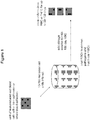
- Fig. 1 is a schematic of the steps of a blood pooling, pathogen inactivation, and blood storage method in accordance with an embodiment of the disclosure.
- the disclosure provides a method for obtaining a pathogen free pharmaceutical grade red blood cell (RBC) product that contains a uniform unit dose of RBCs, presents a reduced risk of inducing adverse effects in the recipient, and has an increased storage life.
- RBC red blood cell
- a further advantage of administering the unit of RBCs obtained according to the disclosed methods is the mitigation of adverse events such as transfusion associated graft vs. host disease, disease transmission, transfusion related immunomodulation (potentially resulting in nosocomial infection, multiorgan failure) and transfusion associated lung injury.
- a method of making a cell containing component comprises a) obtaining a plurality of whole blood units, b) separating a desired cell component from the blood units, c) leukoreducing the whole blood or the desired cell component; d) pooling the desired cell components from the blood units, e) treating the cell component to inactivate one or more pathogens, and f) adding a storage solution to the cell component.
- the step of inactivating one or more pathogens can take place prior to separating the desired cell component from the pooled blood.
- Blood units can be obtained from a plurality of donors according to methods known to persons of ordinary skill in the art.
- the blood is segregated according to one or more blood type group (ABO, RhD, Kell, Duffy, etc) prior to pooling.
- the pooled RBCs or blood units have the same blood type of at least one blood group.
- the blood units can be typed for one, two or more blood groups and pooled based on the one, two or more blood groups.
- the pooled blood units each have the same ABO blood type and the same Rh blood type.
- the pooled blood units each have the same ABO type but differ in Rh blood type.
- the donors are typically mammals, such as humans.
- the donors can be any gender, age, race or ethnicity.
- the blood cell product is a homogenous RBC product that is obtained by fractionation or other known separation means.
- Blood and erythrocyte fractionation relies on the unique structure of the RBCs to separate them from plasma and other elements in the blood.
- Fractionation of whole blood into its constituents is an established technique, well known in the art.
- whole blood is centrifuged with or without an isotonic buffer at low speed for a short period of time.
- centrifugation at a range of about 600 to about 3900 rpm for about 5 to about 20 minutes at about -10°C to about 20°C is usually sufficient to separate the RBCs from the other components.
- whole blood stored at 4°C is centrifuged at 2000 rpm for about 20 minutes.
- the RBC concentrate is diluted 2-fold with a phosphate buffered saline.
- the blood fractionation step can occur before or after leukoreduction and/or the pathogen and white blood cell (WBC) inactivation and removal step.
- WBC white blood cell
- the blood components are separated using a blood component separation system, such as the system described in co-pending U.S. Patent application 13/291,822 filed on November 8, 2011 .
- a blood component separation system such as the system described in co-pending U.S. Patent application 13/291,822 filed on November 8, 2011 .
- Other blood component separation systems are known in the art and any system which produces a cell-containing product are suitable for use with the methods disclosed herein.
- the separated blood components are pooled in a vat or container large enough to contain the blood components and any additional materials necessary (storage solution, additives, radiation sensitizers, photoquenchers, etc.).
- the vat or storage container maintains the blood components and additives in a sterile environment and allows the addition or removal or material without exposure to a non-sterile environment.
- any number of units of leukoreduced blood, or RBCs can be pooled. In certain embodiments, 10-100 units of leukoreduced whole blood or RBCs are pooled.
- the pooled blood, or RBC units are then treated to inactivate any pathogens present in the donated blood units.
- pathogens can be inactivated with the methods disclosed herein.
- residual WBCs not removed during leukoreduction which can transmit pathogens contained within and also invoke immunogenic reactions, can be removed and/or inactivated. Removal of residual WBCs from the pooled blood can be achieved by any known means of leukoreduction including, but not limited to, leukoreduction filters, gradient centrifugation, etc. (see, for example, LEUKOTRAP ® , Pall Corp)
- Pathogen and WBC inactivation results in an eradication of the infectious agent while preserving the structure and function of the RBCs. That is, greater than 70%, 80%, 90% or even 95% of the RBCs are considered viable following pathogen inactivation, which is indicative of a high level of retention of intact cell function and structure.
- RBC viability can be assessed by visual inspection of the sample and/or by determining the percent hemolysis in a stored unit. Such analyses are routine in the art and can be conducted by the tetramethylbenzidiene (TMB) method or using a hematology analyzer (e.g., Beckman Coulter AcT).
- TMB tetramethylbenzidiene
- a hematology analyzer e.g., Beckman Coulter AcT.
- RBC viability corresponds to post-transfusion in vivo circulatory survival time.
- the RBCs described herein have a circulatory survival time of about 110 days in vivo .
- One or more methods of pathogen inactivation can be used in accordance with the disclosed methods. Via the inactivation procedures disclosed herein, essentially all pathogens in the whole blood or RBC component are reduced. Methods for determining infectivity levels are known to persons of ordinary skill in the art (see for example, Thrombosis and Hemostasis, 44:138-142, 1980 ). In accordance with the disclosed methods, at least 10 4 infectious units of pathogen are inactivated. In certain embodiments, at least 10 5 infection units or at least 10 6 infectious units of pathogen are inactivated.
- inactivation of pathogen is obtained to the extent of at least "4 logs", and alternatively, greater than 5 logs or greater than 6 logs, such that pathogen in the sample is reduced to the extent determined by infectivity studies where that pathogen is present in the untreated sample in such a concentration that even after dilution to 10 4 , 10 5 , or 10 6 , pathogen activity can be measured.
- the terms “inactivate” and “reduce” both refer to a multiple log reduction in the number of viable pathogens in the whole blood or RBC component.
- a pathogen in the blood cell product is inactivated using irradiation.
- irradiation refers to any form of radiation conventionally used to inactivate cells or pathogens (WBCs, viruses, parasites, bacteria, or other pathogenic organisms) either alone or in combination with some other agent or condition.
- WBCs pathogens
- Non-limiting examples of irradiation include ultraviolet (UVA, UVB, UVC), gamma-irradiation, X-irradiation, and visible light.
- Monochromatic light in the range of about 660-700 nm is included in this definition as well.
- an effective amount of irradiation is applied in the presence of a mixture of (a) compound that quenches photodynamic type I reactions and a compound that quenches type II photodynamic reactions, or (b) a bifunctional compound that quenches both types of photodynamic reactions.
- a typical radiation fluence range is 5-100 J/cm 2 or 50-100 J/cm 2 for UVA, 0.02-2 J/cm 2 or 0.05-0.2 J/cm 2 for UVC, and 1-40 kGy for gamma-irradiation.
- Quenchers scavenge type I and or II reactions and thereby provide protection to the RBCs.
- Suitable quenchers are any known to react with both free radicals (type I quenchers) or reactive forms of oxygen (type II quenchers).
- Representative quenchers include unsaturated fatty acids, reduced sugars, cholesterol indole derivatives, azides (e.g., sodium azide), tryptophan, polyhydric alcohols (e.g., glycerol, mannitol), thiols (e.g., glutathione), superoxide dismutase, flavonoids (e.g., quercetin and rutin), amino acids, DABCO, vitamins, and combinations thereof.
- the irradiation process can be carried out over a temperature range of about 0°C to about 42°C. In certain embodiments, the temperature is about 20°C to about 27°C, or about 20°C to about 25°C.
- the pathogen inactivation process is carried out for a time less than 24 hours, and in certain embodiments, less than 10, less than 8, or less than 4 hours. In certain embodiments, irradiation is carried out for about 1 minute to about 240 minutes or, alternately, about 5 minutes to about 120 minutes.
- the RBC suspension can be maintained at a pH range of about 6.5-8, preferably 7.2-7.6.
- the irradiation process can occur in the presence of one or more radiation sensitizers.
- Suitable radiation sensitizers include, but are not limited to, phthalocyanines, purpurins, and other molecules resembling porphyrins, photoactive compounds excited by UV light (e.g., psoralen, 8-methoxypsoralen, 4'-aminomethyl-4,5',8-trimethylpsoralen, bergapten, angelicin), dyes that absorb light in the visible spectrum (e.g., pypericin, methylene blue, eosin, fluoresceins, flavins), dyes that absorb X-irradiation (e.g., brominated psoralen, brominated hematoporphyrin, iodinated phthalocyanine), and combinations thereof.
- irradiation sensitizers is known in the art and is described in, for example, U.S. Patent Nos. 5,120,6
- the photoreactive compound can be removed by any known means, such as, centrifugation, washing, dialysis, and/or adsorption onto hydrophobic matrices.
- a solvent-detergent method can be used to inactivate pathogens in blood. This method is described, for example, in U.S. Patent No. 4,540,573 .
- Organic solvents can be combined with anionic or nonionic detergents to kill pathogens and preserve desirable cellular components.
- an organic solvent such as tri(n-butyl)phosphate combined with nonionic detergents such as TWEEN 80 or TRITON X-100.
- a nonanionic detergent, alcohol, ether, or mixtures thereof can be used.
- an RBC containing solution can be contacted with a dialkylphosphate or a trialkylphosphate having alkyl groups that contain 1 to 10 carbon atoms, preferably 2-10 carbon atoms.
- Mixture of such compounds can be used as well as phosphates having alkyl groups of different length chains, for example, ethyl di(n-butyl) phosphate.
- Mixtures of di- and trialkylphosphates can be utilized in accordance with the disclosure.
- Di- or trialkylphosphates can be used in an amount of about 0.01 mg/ml to about 100 mg/ml, preferably about 0.1 mg/ml to about 10 mg/ml. Treatment can occur at a temperature of about -5°C to about 70°C.
- treatment can occur at a temperature between about 0°C and about 60°C. Treatment can occur for about 1 hour to about 24 hours.
- the di-, trialkylphosphate, or nonionic detergent can be removed by any known means such as extraction (see U.S. Patent No. 4,789,545 ), diafiltration with ether insoluble (e.g., TEFLON microporous membranes), adsorption using chromatographic or affinity chromographic supports, and/or precipitation.
- wetting agents can be used in conjunction with the di- and trialkylphosphates to enhance the contact of the pathogen with the di- and trialkylphosphates.
- the wetting agent is a nonionic detergent.
- Detergents containing polyoxyethylene derivatives of fatty acids, or partial esters of sorbitol anhydrides are suitable. Examples of such detergents include, but are not limited to commercially available products TWEEN 80, TWEEN 20, polysorbate 80, and nonionic oil soluble water detergents such as oxyethylated alkylphenol (aka TRITON X100).
- Zwitterionic detergents such as N-dodecyl-N,N-dimethyl-2-ammonio-1-ethane sulphonate and its congeners,or non-ionic detergents such as octyl-beta-D-glucopyranoside are also suitable.
- the amount of wetting agent can be in a range from about 0.001% to about 10%. In certain embodiments, the wetting agent is present in an amount of about 0.01 % to about 1.5%.
- pathogen inactivation such as heat treatment, pH manipulation, methylene treatment, additional radiation treatments (with or without a chemical agent, such as formaldehyde, cyanines, riboflavin), inactivation and removal with microparticles (see U.S. Patent No. 6,730,230 ), magnetophoresis, microdevices utilizing immunomagnetic and microfluidic technology, and/or immunomagnetic beads, can be used.
- pathogens in the blood samples are inactivated.
- a number of blood borne pathogens are known and, if present in a blood sample, can transmit disease to a recipient.
- Diseases such as human immunodeficiency virus (HIV), hepatitis, syphilis, malaria, babesiosis, brucellosis, leptospirosis, arboviral infection, relapsing fever, Creutzfeldt-Jakob disease, human T-lymphotropic virus type I, and viral hemorrhagic fever can be transmitted via blood.
- HIV human immunodeficiency virus
- hepatitis hepatitis
- syphilis malaria
- babesiosis brucellosis
- leptospirosis arboviral infection
- Creutzfeldt-Jakob disease human T-lymphotropic virus type I
- viral hemorrhagic fever can be transmitted via blood.
- the categories of pathogens that can be inactivated using the disclosed methods include, but are not limited to, viruses (including cell-free lipid enveloped viruses, actively replicating cell-associated viruses, non-enveloped viruses, and latent cell-associated viruses), bacteria, fungi, prions, and parasites.
- viruses including cell-free lipid enveloped viruses, actively replicating cell-associated viruses, non-enveloped viruses, and latent cell-associated viruses
- bacteria including fungi, prions, and parasites.
- Non-limiting examples of lipid-coated human viruses include, but are not limited to, vesicular stomatitis virus (VSV), moloney sarcoma virus, Sindvis virus, human immunodeficiency virus (HIV-1, HIV-2), human T-cell lymphotrophic virus-I (HTLV-I), hepatitis B virus, non-A, non-B hepatitis virus (NANB; aka hepatitis C), cytomegalovirus, Epstein Barr, virus, lactate dehydrogenase elevating virus, herpes group viruses, rhabdovirus, leukoviruses, myxoviruses, alphaviruses, arboviruses (group B), paramyxoviruses, arenaviruses, and coronaviruses.
- VSV vesicular stomatitis virus
- HTLV-I human T-cell lymphotrophic virus-I
- hepatitis B virus non-A, non
- Nonlimiting examples of non-enveloped virus that can be inactivated in accordance with the disclosed methods include parvovirus, polio virus, hepatitis A virus, enteric non-a, non-B hepatitis virus, bacteriophage M13, and satellite adeno-associated virus (AAV).
- Bacterial contamination of blood products can cause infection in a recipient.
- bacterial infections that can be inactivated in accordance with the methods disclosed herein include Yersinia pestis, Haemophilus influenzae, Staphylococcus aureus, Neisseria meningitides, Neisseria gonorrhoeae, and Streptococcus pyogenes .
- Protozoa can cause a number of infections in humans, including: malaria, amoebiasis, babesiosis, giardiasis, toxoplasmosis, cryptosporidiosis, trichomoniasis, leishmaniasis, trypanosomiasis, and sleeping sickness.
- the organisms causing these illnesses can be inactivated in accordance with the disclosed methods.
- Some fungi can cause disease in humans, including, but not limited to, aspergilloses, candidoses, coccidioidomycosis, cryptococcosis, histoplasmosis, mycetomas, and paracoccidioidomycosis.
- the fungi leading to these and other infections can be inactivated with the disclosed methods.
- Prions are proteinaceous infection particles that cause a number of diseases in mammals. In humans, prions are associated with Creutzfeldt-Jakob disease (i.e., mad cow disease). Prion inactivation can be achieved with the pathogen inactivation methods disclosed herein or by other methods known to persons of ordinary skill in the art.
- a plurality of RBCs units are prepared in which each unit has an approximately uniform dose of RBCs.
- the pooled RBCs are kept suspended in solution by any known means (mechanical agitation, fluid agitation) in order to maintain the RBCs evenly distributed in solution such that a unit having a uniform dose of RBCs can be prepared.
- uniform dose it is meant that the amount of RBCs, i.e., the number of RBCs per unit, does not vary by more than about 20%, about 15%, about 10% or about 5% from unit to unit.
- the size of a unit prepared in accordance with the disclosed methods can vary depending on the desired use.
- RBCs can be stored in smaller and larger aliquots in order to serve neonatal, pediatric and/or adult populations.
- RBC units contain at least about 1 x 10 9 RBCs/mL, at least about 5 x 10 9 RBCs/mL, or at least 1 x 10 10 RBCs/mL.
- the uniform dose of RBCs can be 1-5 x 10 12 RBCs per unit.
- the uniform dose of RBCs can be 2-4 x 10 12 RBCs per unit or 2-3 x 10 12 RBCs per unit.
- a "uniform dose of RBCs" can refer to a uniform hemoglobin concentration and the RBC units can be sized such that they contain a standard or uniform dose of hemoglobin, regardless of number of RBCs.
- each unit contains 20-80 grams of hemoglobin, 30-70 grams of hemoglobin, 40-60 grams of hemoglobin, or about 50 grams of hemoglobin per RBC unit.
- RBCs are stored in a storage solution.
- the storage solution can be any that preserves 2,3-diphosphoglycerate (DPG) and maintains high adenine triphosphate (ATP) concentrations, minimizes hemolysis (hemolysis ⁇ 1%), and reduces potassium leak, thereby improving the structure and function of the stored RBCs.
- DPG 2,3-diphosphoglycerate
- ATP adenine triphosphate
- RBC storage solutions are known in the art (e.g., ADSOL, Baxter Healthcare, Deerfield IL; SAGM [saline-adenine-glucose-mannitol] and PAGGSM [phosphate, adenine, glucose, guanosine, saline and mannitol]).
- the storage solutions disclosed herein include one or more of adenine, glucose, sodium phosphate, mannitol, dextrose, sodium chloride, sodium citrate, citric acid, and guanosine.
- the storage solution comprises adenine, glucose, sodium phosphate, mannitol and guanosine.
- RBCs using known protocols and storage solutions, can be stored for approximately 42 days before administration to a subject, after which time the structure, function and viability of the of the RBCs is compromised.
- the obtained RBC product can be stored for about 42 days to about 100 days, or for about 60 days to about 100 days, or for about 70 days to about 90 days.
- the units can be stored at a temperature of about 1°C to about 6°C.
- the biochemical changes loss of 2,3-DPG/ATP, inability to release adequate oxygen, potassium leakage
- biomechanical changes deformation of biconcave disc, impaired movement through microcirculation, hemolysis
- immunologic changes that occur in ex vivo storage of RBCs are reduced.
- RBC storage lesion a reduction in one or more of these parameters can confer significant advantages and increase the success of the RBC transfusion.
- the methods disclosed herein can be performed utilizing known equipment and reagents. Any available assortment of collection tubing, collection bags, and storage bags can be used in accordance with the disclosed methods. In certain embodiments, di(2-ethylhexyl) phthalate (DEHP) free tubing, collection, and storage bags are desirable.
- DEHP di(2-ethylhexyl) phthalate
- the methods disclosed herein are well suited for a variety of settings, including but not limited to, community and other blood banks, military sites, hospitals, and clinics.
- RBC Approximately 10 to 100 units of RBC are fractionated from a plurality of blood units and leukoreduced.
- the RBCs are separated according to type and group (i.e., ABO, Rh, etc.) and blood of the same blood type is collected (i.e, pooled) in a vat and treated via UV radiation and a type I and II quencher to remove any pathogen and inactivate residual WBCs.
- a storage solution of adenine, glucose, sodium phosphate, mannitol and guanosine is added following pathogen inactivation.
- the resultant cell containing composition is aliquotted into units comprising a uniform number of RBCs/mL. The units are stored at 1 °C to 6°C.
- RBC Approximately 10 to 100 units of RBC are fractionated from a plurality of blood units and leukoreduced.
- the RBCs are separated according to type and group (i.e., ABO, Rh, etc.) and blood of the same blood type is collected (i.e, pooled) in a vat and treated using solvent/detergent methods to remove any pathogen and inactivate residual WBCs.
- a storage solution of adenine, glucose, sodium phosphate, mannitol and guanosine is added following pathogen inactivation.
- the resultant cell containing composition is aliquotted into units comprising a uniform number of RBCs/mL. The units are stored at 1 °C to 6°C.
- the cell containing composition from either of Examples 1 or 2 is analyzed for stability and viability of RBCs at a time period of 20 days, 40 days, 60 days and 100 days. Analysis of ATP and 2,3-DPG levels and percentage hemolysis is used to determine the stability and viability of the RBCs in the cell containing solution. Storage life of the cell containing composition is determined therefrom.
- the isolated RBCs from each unit are washed with a phosphate buffered saline and the blood type of each unit is tested. Blood units of the same type are then pooled. The pooled RBCs are further subjected to UV radiation for about 2-4 hours or to a solvent/detergent cleansing step to inactivate any pathogenic contaminants.
- a storage solution is added to the RBCs to produce a cell containing composition. The cell containing composition is gently agitated by mechanical means to maintain the RBCs uniformly dispersed in the storage solution. The cell containing solution is divided into units having a uniform number of RBCs/mL. The units are stored at about 1°C to about 6°C for about 50 to about 100 days prior to use.
Landscapes
- Health & Medical Sciences (AREA)
- Life Sciences & Earth Sciences (AREA)
- Engineering & Computer Science (AREA)
- Biomedical Technology (AREA)
- General Health & Medical Sciences (AREA)
- Hematology (AREA)
- Zoology (AREA)
- Biotechnology (AREA)
- Chemical & Material Sciences (AREA)
- Environmental Sciences (AREA)
- Animal Behavior & Ethology (AREA)
- Veterinary Medicine (AREA)
- Public Health (AREA)
- Wood Science & Technology (AREA)
- Cell Biology (AREA)
- Heart & Thoracic Surgery (AREA)
- Immunology (AREA)
- Virology (AREA)
- Epidemiology (AREA)
- Pharmacology & Pharmacy (AREA)
- Medicinal Chemistry (AREA)
- Developmental Biology & Embryology (AREA)
- Organic Chemistry (AREA)
- Genetics & Genomics (AREA)
- Bioinformatics & Cheminformatics (AREA)
- Vascular Medicine (AREA)
- Anesthesiology (AREA)
- Dentistry (AREA)
- Biodiversity & Conservation Biology (AREA)
- Animal Husbandry (AREA)
- Birds (AREA)
- General Engineering & Computer Science (AREA)
- Microbiology (AREA)
- Biochemistry (AREA)
- Medicines Containing Material From Animals Or Micro-Organisms (AREA)
- Biophysics (AREA)
- Physiology (AREA)
Description
- The present application claims the benefit under 35 U.S.C. §119(e) to
U.S. Provisional Application 61/417,771 filed November 29, 2010 - A single donation of whole blood can supply red blood cell (RBCs), platelet, and plasma products, which can potentially benefit three different patients. Stored RBCs currently suffer certain disadvantages. The lifespan of stored RBCs is 42 days, which given the fluctuation of supply and demand for RBCs, can lead to dangerous shortages in times of unexpected need. RBCs can also harbor pathogens that can endanger the recipient if the pathogen is transmitted via transfusion. In addition, an individual donates each unit of blood collected which is fractionated and stored separately resulting in a great degree of variance in the amount of RBCs collected and stored in each unit. As a result, the concentration and volume of RBCs varies from unit to unit and thus the number of RBCs administered to a given recipient is variable.
WO98/41087 - Accordingly, a pathogen-free RBC product that has an increased lifespan and provides a uniform amount of RBCs per unit would be highly desirable.
- According to the present invention, there is provided a method for preparing a red blood cell (RBC)-containing product from a plurality of blood units, and a method of making a plurality of units of RBCs as defined in the appending claims. Thus, the present invention provides a method for preparing a red blood cell (RBC)-containing product from a plurality of blood units comprising: a) separating a RBC component from the plurality of blood units obtained from a plurality of donors, wherein the blood unit or the RBC component has been leukoreduced; b) pooling the leukoreduced RBC components from the plurality of blood units; c) treating the RBC component to inactivate one or more pathogens; and d) adding a storage solution to the RBC component; wherein the RBC component in the storage solution provides one or more RBC units having a storage life of 42 days to 100 days, and wherein the RBC unit or each RBC unit comprises a uniform dose of RBCs.
The method may comprise segregating the cell component by blood type prior to the pooling step. - There is described a cell-containing product obtained by a method comprising: a) obtaining a plurality of whole blood units, b) separating a desired cell component from the obtained blood, c) leukoreducing the whole blood or cell component; d) pooling the desired cell components, e) treating the separated cell component to inactivate one or more pathogens, and f) adding a storage solution to the cell component, wherein the cell component in the storage solution provides a cell-containing product having a storage life of about 42 to about 100 days.
- A method of making a plurality of units of RBCs is disclosed comprising a) pooling leukoreduced RBCs from a plurality of blood units, b) treating the RBCs to inactivate one or more pathogens, and c) separating RBCs into a plurality of units comprising a uniform dose of RBCs. The method may comprise segregating the cell component by blood type prior to the pooling step and pooling only units having the same blood type.
- The invention provides a method of making a plurality of units of RBCs comprising: a) separating the RBCs from a plurality of blood units obtained from a plurality of donors, wherein the blood units or RBC have been leukoreduced; b) pooling the RBCs; c)treating the pooled RBCs to inactivate one or more pathogens; and d) dividing the pooled RBCs into a plurality of RBC units, each RBC unit comprising a uniform dose of RBCs.
- The blood unit may comprise a unit of whole blood or RBCs obtained by apheresis.
- The storage solution may comprise at least one material selected from the group consisting of adenine, glucose, phosphate, mannitol, guanosine, and a combination thereof.
- The treating step may inactivate one or more pathogens without damaging the structure or function of the cell component. In another embodiment, the one or more pathogens are selected from the group consisting of viruses, bacteria, fungi, prions, parasites, and combinations thereof. The one or more pathogens are inactivated by at least one method selected from the group consisting of irradiation, solvent and detergent, magnetophoresis, immunomagnetic bead technology, and a combination thereof. The method may further comprise a step of inactivating residual white blood cells in the pooled RBC component.
- Each of the pooled RBC components may be of the same blood type. The blood type may be selected from ABO, Rh, and a combination thereof.
- The cell containing product may be divided into one or more units before or after adding the storage solution. The uniform dose of RBCs is a uniform number of RBCs per unit or a uniform hemoglobin concentration. The uniform dose may comprise a RBC dose of 1-5 x 10¹² RBCs/unit, or 2-3 x 10¹² RBCs/unit. The uniform dose may comprise a hemoglobin concentration of about 20-80 g/unit, or about 50 g/unit.
-
Fig. 1 is a schematic of the steps of a blood pooling, pathogen inactivation, and blood storage method in accordance with an embodiment of the disclosure. - The disclosure provides a method for obtaining a pathogen free pharmaceutical grade red blood cell (RBC) product that contains a uniform unit dose of RBCs, presents a reduced risk of inducing adverse effects in the recipient, and has an increased storage life. A further advantage of administering the unit of RBCs obtained according to the disclosed methods is the mitigation of adverse events such as transfusion associated graft vs. host disease, disease transmission, transfusion related immunomodulation (potentially resulting in nosocomial infection, multiorgan failure) and transfusion associated lung injury.
- In one embodiment, a method of making a cell containing component is provided that comprises a) obtaining a plurality of whole blood units, b) separating a desired cell component from the blood units, c) leukoreducing the whole blood or the desired cell component; d) pooling the desired cell components from the blood units, e) treating the cell component to inactivate one or more pathogens, and f) adding a storage solution to the cell component. In certain embodiments, the step of inactivating one or more pathogens can take place prior to separating the desired cell component from the pooled blood.
- Blood units can be obtained from a plurality of donors according to methods known to persons of ordinary skill in the art. In certain embodiments, the blood is segregated according to one or more blood type group (ABO, RhD, Kell, Duffy, etc) prior to pooling. In certain embodiments, the pooled RBCs or blood units have the same blood type of at least one blood group. The blood units can be typed for one, two or more blood groups and pooled based on the one, two or more blood groups. In certain embodiments, the pooled blood units each have the same ABO blood type and the same Rh blood type. In another embodiment, the pooled blood units each have the same ABO type but differ in Rh blood type. The donors are typically mammals, such as humans. The donors can be any gender, age, race or ethnicity. In another embodiment, RBCs obtained from whole blood or from apheresis donors.
- In certain embodiments, the blood cell product is a homogenous RBC product that is obtained by fractionation or other known separation means. Blood and erythrocyte fractionation relies on the unique structure of the RBCs to separate them from plasma and other elements in the blood. Fractionation of whole blood into its constituents is an established technique, well known in the art. Typically, whole blood is centrifuged with or without an isotonic buffer at low speed for a short period of time. Although the speed of centrifugation can vary, centrifugation at a range of about 600 to about 3900 rpm for about 5 to about 20 minutes at about -10°C to about 20°C is usually sufficient to separate the RBCs from the other components. In one embodiment, for example, whole blood stored at 4°C is centrifuged at 2000 rpm for about 20 minutes. The RBC concentrate is diluted 2-fold with a phosphate buffered saline. The blood fractionation step can occur before or after leukoreduction and/or the pathogen and white blood cell (WBC) inactivation and removal step.
- In another embodiment, the blood components are separated using a blood component separation system, such as the system described in co-pending
U.S. Patent application 13/291,822 filed on November 8, 2011 - The separated blood components are pooled in a vat or container large enough to contain the blood components and any additional materials necessary (storage solution, additives, radiation sensitizers, photoquenchers, etc.). The vat or storage container maintains the blood components and additives in a sterile environment and allows the addition or removal or material without exposure to a non-sterile environment.
- Any number of units of leukoreduced blood, or RBCs, can be pooled. In certain embodiments, 10-100 units of leukoreduced whole blood or RBCs are pooled.
- The pooled blood, or RBC units are then treated to inactivate any pathogens present in the donated blood units. A variety of pathogens can be inactivated with the methods disclosed herein. In addition, residual WBCs not removed during leukoreduction, which can transmit pathogens contained within and also invoke immunogenic reactions, can be removed and/or inactivated. Removal of residual WBCs from the pooled blood can be achieved by any known means of leukoreduction including, but not limited to, leukoreduction filters, gradient centrifugation, etc. (see, for example, LEUKOTRAP®, Pall Corp)
- Pathogen and WBC inactivation, in accordance with the methods disclosed herein, results in an eradication of the infectious agent while preserving the structure and function of the RBCs. That is, greater than 70%, 80%, 90% or even 95% of the RBCs are considered viable following pathogen inactivation, which is indicative of a high level of retention of intact cell function and structure. RBC viability can be assessed by visual inspection of the sample and/or by determining the percent hemolysis in a stored unit. Such analyses are routine in the art and can be conducted by the tetramethylbenzidiene (TMB) method or using a hematology analyzer (e.g., Beckman Coulter AcT). RBC viability corresponds to post-transfusion in vivo circulatory survival time. The RBCs described herein have a circulatory survival time of about 110 days in vivo.
- One or more methods of pathogen inactivation can be used in accordance with the disclosed methods. Via the inactivation procedures disclosed herein, essentially all pathogens in the whole blood or RBC component are reduced. Methods for determining infectivity levels are known to persons of ordinary skill in the art (see for example, Thrombosis and Hemostasis, 44:138-142, 1980). In accordance with the disclosed methods, at least 104 infectious units of pathogen are inactivated. In certain embodiments, at least 105 infection units or at least 106 infectious units of pathogen are inactivated. Restated, inactivation of pathogen is obtained to the extent of at least "4 logs", and alternatively, greater than 5 logs or greater than 6 logs, such that pathogen in the sample is reduced to the extent determined by infectivity studies where that pathogen is present in the untreated sample in such a concentration that even after dilution to 104, 105, or 106, pathogen activity can be measured. For the purposes of this disclosure, the terms "inactivate" and "reduce" both refer to a multiple log reduction in the number of viable pathogens in the whole blood or RBC component.
- In certain embodiments, a pathogen in the blood cell product is inactivated using irradiation. The term "irradiation" refers to any form of radiation conventionally used to inactivate cells or pathogens (WBCs, viruses, parasites, bacteria, or other pathogenic organisms) either alone or in combination with some other agent or condition. Non-limiting examples of irradiation include ultraviolet (UVA, UVB, UVC), gamma-irradiation, X-irradiation, and visible light. Monochromatic light in the range of about 660-700 nm is included in this definition as well.
- In one embodiment, an effective amount of irradiation is applied in the presence of a mixture of (a) compound that quenches photodynamic type I reactions and a compound that quenches type II photodynamic reactions, or (b) a bifunctional compound that quenches both types of photodynamic reactions. A typical radiation fluence range is 5-100 J/cm2 or 50-100 J/cm2 for UVA, 0.02-2 J/cm2 or 0.05-0.2 J/cm2 for UVC, and 1-40 kGy for gamma-irradiation. Quenchers scavenge type I and or II reactions and thereby provide protection to the RBCs. Suitable quenchers are any known to react with both free radicals (type I quenchers) or reactive forms of oxygen (type II quenchers). Representative quenchers include unsaturated fatty acids, reduced sugars, cholesterol indole derivatives, azides (e.g., sodium azide), tryptophan, polyhydric alcohols (e.g., glycerol, mannitol), thiols (e.g., glutathione), superoxide dismutase, flavonoids (e.g., quercetin and rutin), amino acids, DABCO, vitamins, and combinations thereof.
- The irradiation process can be carried out over a temperature range of about 0°C to about 42°C. In certain embodiments, the temperature is about 20°C to about 27°C, or about 20°C to about 25°C. The pathogen inactivation process is carried out for a time less than 24 hours, and in certain embodiments, less than 10, less than 8, or less than 4 hours. In certain embodiments, irradiation is carried out for about 1 minute to about 240 minutes or, alternately, about 5 minutes to about 120 minutes. During the inactivation process, the RBC suspension can be maintained at a pH range of about 6.5-8, preferably 7.2-7.6.
- The irradiation process can occur in the presence of one or more radiation sensitizers. Suitable radiation sensitizers include, but are not limited to, phthalocyanines, purpurins, and other molecules resembling porphyrins, photoactive compounds excited by UV light (e.g., psoralen, 8-methoxypsoralen, 4'-aminomethyl-4,5',8-trimethylpsoralen, bergapten, angelicin), dyes that absorb light in the visible spectrum (e.g., pypericin, methylene blue, eosin, fluoresceins, flavins), dyes that absorb X-irradiation (e.g., brominated psoralen, brominated hematoporphyrin, iodinated phthalocyanine), and combinations thereof. The use of irradiation sensitizers is known in the art and is described in, for example,
U.S. Patent Nos. 5,120,649 ,5,232,844 , and6,548,242 . - Following pathogen inactivation with photoreactive compounds, the photoreactive compound can be removed by any known means, such as, centrifugation, washing, dialysis, and/or adsorption onto hydrophobic matrices.
- In lieu of, or in addition to, the above described pathogen inactivation methods, a solvent-detergent method can be used to inactivate pathogens in blood. This method is described, for example, in
U.S. Patent No. 4,540,573 . Organic solvents can be combined with anionic or nonionic detergents to kill pathogens and preserve desirable cellular components. For instance, an organic solvent, such as tri(n-butyl)phosphate combined with nonionic detergents such as TWEEN 80 or TRITON X-100. Alternately, a nonanionic detergent, alcohol, ether, or mixtures thereof can be used. In one embodiment, an RBC containing solution can be contacted with a dialkylphosphate or a trialkylphosphate having alkyl groups that contain 1 to 10 carbon atoms, preferably 2-10 carbon atoms. Mixture of such compounds can be used as well as phosphates having alkyl groups of different length chains, for example, ethyl di(n-butyl) phosphate. Mixtures of di- and trialkylphosphates can be utilized in accordance with the disclosure. Di- or trialkylphosphates can be used in an amount of about 0.01 mg/ml to about 100 mg/ml, preferably about 0.1 mg/ml to about 10 mg/ml. Treatment can occur at a temperature of about -5°C to about 70°C. In
certain embodiments, treatment can occur at a temperature between about 0°C and about 60°C. Treatment can occur for about 1 hour to about 24 hours. Following pathogen inactivation of the RBC containing solution, the di-, trialkylphosphate, or nonionic detergent can be removed by any known means such as extraction (seeU.S. Patent No. 4,789,545 ), diafiltration with ether insoluble (e.g., TEFLON microporous membranes), adsorption using chromatographic or affinity chromographic supports, and/or precipitation. - Wetting agents can be used in conjunction with the di- and trialkylphosphates to enhance the contact of the pathogen with the di- and trialkylphosphates. In certain embodiments, the wetting agent is a nonionic detergent. Detergents containing polyoxyethylene derivatives of fatty acids, or partial esters of sorbitol anhydrides are suitable. Examples of such detergents include, but are not limited to commercially available products TWEEN 80, TWEEN 20, polysorbate 80, and nonionic oil soluble water detergents such as oxyethylated alkylphenol (aka TRITON X100). Zwitterionic detergents such as N-dodecyl-N,N-dimethyl-2-ammonio-1-ethane sulphonate and its congeners,or non-ionic detergents such as octyl-beta-D-glucopyranoside are also suitable. The amount of wetting agent can be in a range from about 0.001% to about 10%. In certain embodiments, the wetting agent is present in an amount of about 0.01 % to about 1.5%.
- Other known methods of pathogen inactivation such as heat treatment, pH manipulation, methylene treatment, additional radiation treatments (with or without a chemical agent, such as formaldehyde, cyanines, riboflavin), inactivation and removal with microparticles (see
U.S. Patent No. 6,730,230 ), magnetophoresis, microdevices utilizing immunomagnetic and microfluidic technology, and/or immunomagnetic beads, can be used. - As stated above, in certain embodiments of the disclosed methods, pathogens in the blood samples are inactivated. A number of blood borne pathogens are known and, if present in a blood sample, can transmit disease to a recipient. Diseases such as human immunodeficiency virus (HIV), hepatitis, syphilis, malaria, babesiosis, brucellosis, leptospirosis, arboviral infection, relapsing fever, Creutzfeldt-Jakob disease, human T-lymphotropic virus type I, and viral hemorrhagic fever can be transmitted via blood. Accordingly, the categories of pathogens that can be inactivated using the disclosed methods include, but are not limited to, viruses (including cell-free lipid enveloped viruses, actively replicating cell-associated viruses, non-enveloped viruses, and latent cell-associated viruses), bacteria, fungi, prions, and parasites.
- A number of viruses are blood borne and therefore transmittable via transfusion. Non-limiting examples of lipid-coated human viruses include, but are not limited to, vesicular stomatitis virus (VSV), moloney sarcoma virus, Sindvis virus, human immunodeficiency virus (HIV-1, HIV-2), human T-cell lymphotrophic virus-I (HTLV-I), hepatitis B virus, non-A, non-B hepatitis virus (NANB; aka hepatitis C), cytomegalovirus, Epstein Barr, virus, lactate dehydrogenase elevating virus, herpes group viruses, rhabdovirus, leukoviruses, myxoviruses, alphaviruses, arboviruses (group B), paramyxoviruses, arenaviruses, and coronaviruses.
- Nonlimiting examples of non-enveloped virus that can be inactivated in accordance with the disclosed methods include parvovirus, polio virus, hepatitis A virus, enteric non-a, non-B hepatitis virus, bacteriophage M13, and satellite adeno-associated virus (AAV).
- Bacterial contamination of blood products can cause infection in a recipient. Examples of bacterial infections that can be inactivated in accordance with the methods disclosed herein include Yersinia pestis, Haemophilus influenzae, Staphylococcus aureus, Neisseria meningitides, Neisseria gonorrhoeae, and Streptococcus pyogenes.
- Protozoa can cause a number of infections in humans, including: malaria, amoebiasis, babesiosis, giardiasis, toxoplasmosis, cryptosporidiosis, trichomoniasis, leishmaniasis, trypanosomiasis, and sleeping sickness. The organisms causing these illnesses can be inactivated in accordance with the disclosed methods.
- Some fungi can cause disease in humans, including, but not limited to, aspergilloses, candidoses, coccidioidomycosis, cryptococcosis, histoplasmosis, mycetomas, and paracoccidioidomycosis. The fungi leading to these and other infections can be inactivated with the disclosed methods.
- Prions are proteinaceous infection particles that cause a number of diseases in mammals. In humans, prions are associated with Creutzfeldt-Jakob disease (i.e., mad cow disease). Prion inactivation can be achieved with the pathogen inactivation methods disclosed herein or by other methods known to persons of ordinary skill in the art.
- Before or after addition of a storage solution, a plurality of RBCs units are prepared in which each unit has an approximately uniform dose of RBCs. The pooled RBCs are kept suspended in solution by any known means (mechanical agitation, fluid agitation) in order to maintain the RBCs evenly distributed in solution such that a unit having a uniform dose of RBCs can be prepared. By uniform dose, it is meant that the amount of RBCs, i.e., the number of RBCs per unit, does not vary by more than about 20%, about 15%, about 10% or about 5% from unit to unit. The size of a unit prepared in accordance with the disclosed methods can vary depending on the desired use. That is, the RBCs can be stored in smaller and larger aliquots in order to serve neonatal, pediatric and/or adult populations. In general, RBC units contain at least about 1 x 10⁹ RBCs/mL, at least about 5 x 10⁹ RBCs/mL, or at least 1 x 10¹⁰ RBCs/mL. Alternatively, the uniform dose of RBCs can be 1-5 x 10¹² RBCs per unit. In additional embodiments, the uniform dose of RBCs can be 2-4 x 10¹² RBCs per unit or 2-3 x 10¹² RBCs per unit.
- Additionally, a "uniform dose of RBCs" can refer to a uniform hemoglobin concentration and the RBC units can be sized such that they contain a standard or uniform dose of hemoglobin, regardless of number of RBCs. In one embodiment, each unit contains 20-80 grams of hemoglobin, 30-70 grams of hemoglobin, 40-60 grams of hemoglobin, or about 50 grams of hemoglobin per RBC unit.
- Following pathogen inactivation, RBCs are stored in a storage solution. The storage solution can be any that preserves 2,3-diphosphoglycerate (DPG) and maintains high adenine triphosphate (ATP) concentrations, minimizes hemolysis (hemolysis < 1%), and reduces potassium leak, thereby improving the structure and function of the stored RBCs. RBC storage solutions are known in the art (e.g., ADSOL, Baxter Healthcare, Deerfield IL; SAGM [saline-adenine-glucose-mannitol] and PAGGSM [phosphate, adenine, glucose, guanosine, saline and mannitol]). The storage solutions disclosed herein include one or more of adenine, glucose, sodium phosphate, mannitol, dextrose, sodium chloride, sodium citrate, citric acid, and guanosine. In one embodiment, the storage solution comprises adenine, glucose, sodium phosphate, mannitol and guanosine.
- RBCs, using known protocols and storage solutions, can be stored for approximately 42 days before administration to a subject, after which time the structure, function and viability of the of the RBCs is compromised. In contrast, using the disclosed methods, the obtained RBC product can be stored for about 42 days to about 100 days, or for about 60 days to about 100 days, or for about 70 days to about 90 days. The units can be stored at a temperature of about 1°C to about 6°C. Further, in accordance with the disclosed methods, the biochemical changes (loss of 2,3-DPG/ATP, inability to release adequate oxygen, potassium leakage), biomechanical changes (deformation of biconcave disc, impaired movement through microcirculation, hemolysis), and immunologic changes that occur in ex vivo storage of RBCs (collectively referred to as "RBC storage lesion") are reduced. These changes can greatly affect RBC and patient survival post-transfusion and therefore, a reduction in one or more of these parameters can confer significant advantages and increase the success of the RBC transfusion.
- The methods disclosed herein can be performed utilizing known equipment and reagents. Any available assortment of collection tubing, collection bags, and storage bags can be used in accordance with the disclosed methods. In certain embodiments, di(2-ethylhexyl) phthalate (DEHP) free tubing, collection, and storage bags are desirable.
- The methods disclosed herein are well suited for a variety of settings, including but not limited to, community and other blood banks, military sites, hospitals, and clinics.
- Approximately 10 to 100 units of RBC are fractionated from a plurality of blood units and leukoreduced. The RBCs are separated according to type and group (i.e., ABO, Rh, etc.) and blood of the same blood type is collected (i.e, pooled) in a vat and treated via UV radiation and a type I and II quencher to remove any pathogen and inactivate residual WBCs. A storage solution of adenine, glucose, sodium phosphate, mannitol and guanosine is added following pathogen inactivation. The resultant cell containing composition is aliquotted into units comprising a uniform number of RBCs/mL. The units are stored at 1 °C to 6°C.
- Approximately 10 to 100 units of RBC are fractionated from a plurality of blood units and leukoreduced. The RBCs are separated according to type and group (i.e., ABO, Rh, etc.) and blood of the same blood type is collected (i.e, pooled) in a vat and treated using solvent/detergent methods to remove any pathogen and inactivate residual WBCs. A storage solution of adenine, glucose, sodium phosphate, mannitol and guanosine is added following pathogen inactivation. The resultant cell containing composition is aliquotted into units comprising a uniform number of RBCs/mL. The units are stored at 1 °C to 6°C.
- The cell containing composition from either of Examples 1 or 2 is analyzed for stability and viability of RBCs at a time period of 20 days, 40 days, 60 days and 100 days. Analysis of ATP and 2,3-DPG levels and percentage hemolysis is used to determine the stability and viability of the RBCs in the cell containing solution. Storage life of the cell containing composition is determined therefrom.
- About 100 units of blood are subjected to a process of leukoreduction with a leukoreduction filter and subsequently fractionated via centrifugation for about 20 min at 2000 rpm. The isolated RBCs from each unit are washed with a phosphate buffered saline and the blood type of each unit is tested. Blood units of the same type are then pooled. The pooled RBCs are further subjected to UV radiation for about 2-4 hours or to a solvent/detergent cleansing step to inactivate any pathogenic contaminants. A storage solution is added to the RBCs to produce a cell containing composition. The cell containing composition is gently agitated by mechanical means to maintain the RBCs uniformly dispersed in the storage solution. The cell containing solution is divided into units having a uniform number of RBCs/mL. The units are stored at about 1°C to about 6°C for about 50 to about 100 days prior to use.
- Specific embodiments disclosed herein may be further limited in the claims using consisting of or consisting essentially of language. When used in the claims, whether as filed or added per amendment, the transition term "consisting of" excludes any element, step, or ingredient not specified in the claims. The transition term "consisting essentially of" limits the scope of a claim to the specified materials or steps and those that do not materially affect the basic and novel characteristic(s). Embodiments of the invention so claimed are inherently or expressly described and enabled herein.
Claims (13)
- A method for preparing a red blood cell (RBC)-containing product from a plurality of blood units comprising:a) separating a RBC component from the plurality of blood units obtained from a plurality of donors, wherein the blood unit or the RBC component has been leukoreduced;b) pooling the leukoreduced RBC components from the plurality of blood unitsc) treating the RBC component to inactivate one or more pathogens; andd) adding a storage solution to the RBC component;wherein the RBC component in the storage solution provides one or more RBC units having a storage life of 42 days to 100 days, and
wherein the RBC unit or each RBC unit comprises a uniform dose of RBCs. - A method of making a plurality of units of RBCs comprising:a) separating the RBCs from a plurality of blood units obtained from a plurality of donors, wherein the blood units or RBC have been leukoreduced;b) pooling the RBCsc) treating the pooled RBCs to inactivate one or more pathogens; andd) dividing the pooled RBCs into a plurality of RBC units, each RBC unit comprising a uniform dose of RBCs.
- The method of claim 1, wherein the RBC component is divided into one or more RBC units before or after adding the storage solution.
- The method of claim 2, further comprising adding a storage solution to the pooled RBCs, wherein the RBCs in the storage solution provide the RBC units.
- The method of claim 1 or claim 4, wherein the storage solution comprises at least one material selected from the group consisting of adenine, glucose, phosphate, mannitol, guanosine, and a combination thereof.
- The method of claim 1 or claim 2, wherein the one or more pathogens are inactivated by at least one method selected from the group consisting of irradiation, solvent and detergent, magnetophoresis, immunomagnetic bead technology, and a combination thereof.
- The method of claim 1 or claim 2, further comprising a step of inactivating residual white blood cells in the pooled RBC component.
- The method of claim 1 or claim 2, wherein the blood unit comprises a unit of whole blood or RBCs obtained by apheresis.
- The method of claim 1 or claim 2, wherein the uniform dose of RBCs is determined by the number of RBCs.
- The method of claim 9, wherein each RBC unit contains 1 x 10¹² to 5 x 10¹² RBCs/unit.
- The method of claim 1 or claim 2, wherein the uniform dose of RBCs is determined by hemoglobin content.
- The method of claim 11, wherein each RBC unit contains 20-80 g of hemoglobin.
- The method of claim 1 or claim 4, wherein each of the pooled RBC units is of the same blood type.
Applications Claiming Priority (2)
| Application Number | Priority Date | Filing Date | Title |
|---|---|---|---|
| US41777010P | 2010-11-29 | 2010-11-29 | |
| PCT/US2011/062460 WO2012075041A2 (en) | 2010-11-29 | 2011-11-29 | Method of blood pooling and storage |
Publications (3)
| Publication Number | Publication Date |
|---|---|
| EP2645854A2 EP2645854A2 (en) | 2013-10-09 |
| EP2645854A4 EP2645854A4 (en) | 2014-04-30 |
| EP2645854B1 true EP2645854B1 (en) | 2017-10-18 |
Family
ID=46126913
Family Applications (1)
| Application Number | Title | Priority Date | Filing Date |
|---|---|---|---|
| EP11845230.9A Active EP2645854B1 (en) | 2010-11-29 | 2011-11-29 | Method of blood pooling and storage |
Country Status (4)
| Country | Link |
|---|---|
| US (7) | US8512942B2 (en) |
| EP (1) | EP2645854B1 (en) |
| CA (1) | CA2826969C (en) |
| WO (1) | WO2012075041A2 (en) |
Families Citing this family (22)
| Publication number | Priority date | Publication date | Assignee | Title |
|---|---|---|---|---|
| CA2826969C (en) | 2010-11-29 | 2019-02-19 | New York Blood Center, Inc. | Method of blood pooling and storage |
| US11730676B2 (en) | 2012-08-22 | 2023-08-22 | Hemerus Medical, Llc | Blood storage container containing aqueous composition for the storage of red blood cells |
| US9066909B2 (en) | 2012-09-06 | 2015-06-30 | Biomet Biologics, Llc | Methods for producing and using rejuvenated red blood cells |
| US10253295B2 (en) | 2012-09-06 | 2019-04-09 | Biomet Manufacturing, Llc | Methods for producing rejuvenated red blood cells |
| KR101426804B1 (en) | 2012-10-09 | 2014-08-05 | 김홍승 | Platelet preserving composition, and kit for preserving platelet, and method for preserving platelet using the same |
| US9103842B2 (en) | 2013-01-31 | 2015-08-11 | Biomet Biologics, Llc | Methods for rejuvenating red blood cells |
| US9011408B2 (en) * | 2013-01-31 | 2015-04-21 | Biomet Biologics, Llc | Functionally-closed, sterile blood processing solution system and method |
| US9102918B2 (en) | 2013-01-31 | 2015-08-11 | Biomet Biologics, Llc | Methods for rejuvenating red blood cells |
| US9782707B2 (en) | 2014-03-24 | 2017-10-10 | Fenwal, Inc. | Biological fluid filters having flexible walls and methods for making such filters |
| US10159778B2 (en) | 2014-03-24 | 2018-12-25 | Fenwal, Inc. | Biological fluid filters having flexible walls and methods for making such filters |
| US10376627B2 (en) | 2014-03-24 | 2019-08-13 | Fenwal, Inc. | Flexible biological fluid filters |
| US9796166B2 (en) | 2014-03-24 | 2017-10-24 | Fenwal, Inc. | Flexible biological fluid filters |
| US9968738B2 (en) | 2014-03-24 | 2018-05-15 | Fenwal, Inc. | Biological fluid filters with molded frame and methods for making such filters |
| EA201790265A1 (en) * | 2014-07-23 | 2017-07-31 | Сирус Корпорейшн | METHODS FOR OBTAINING PLATELET-CONTAINING PRODUCTS |
| EP3250713B1 (en) | 2015-01-26 | 2025-07-09 | Sanquin IP B.V. | Methods and systems for the detection and removal of pathogens from blood |
| FR3036707B1 (en) | 2015-05-29 | 2019-05-17 | Maco Pharma | PROCESS FOR STERILIZING A PLATELET LYSATE |
| EA201891577A1 (en) * | 2016-01-07 | 2019-02-28 | Сирус Корпорейшн | SYSTEMS AND METHODS FOR PREPARING PLATELETS |
| JP6673728B2 (en) * | 2016-03-21 | 2020-03-25 | テルモ株式会社 | Blood component separation device and blood component separation method |
| US20190321407A1 (en) * | 2016-12-31 | 2019-10-24 | Cerus Corporation | Compositions and methods for preparation of red blood cells |
| WO2021187988A2 (en) * | 2020-03-20 | 2021-09-23 | Hemoclear Bv | Blood separation system and blood products |
| CN111662869A (en) * | 2020-06-02 | 2020-09-15 | 北京康思润业生物技术有限公司 | Immunomagnetic bead for separating red blood cells and preparation method and application thereof |
| WO2026133241A1 (en) | 2024-12-20 | 2026-06-25 | Menarini Silicon Biosystems S.P.A. | Process and assembly for preparing a sample |
Family Cites Families (30)
| Publication number | Priority date | Publication date | Assignee | Title |
|---|---|---|---|---|
| US6447987B1 (en) * | 1978-09-09 | 2002-09-10 | The United States Of America As Represented By The Secretary Of The Army | Prolonged storage of red blood cells |
| US4540573A (en) | 1983-07-14 | 1985-09-10 | New York Blood Center, Inc. | Undenatured virus-free biologically active protein derivatives |
| US4789545A (en) | 1986-03-31 | 1988-12-06 | New York Blood Center, Inc. | Removal of lipid soluble process chemicals from biological materials by extraction with naturally occurring oils or synthetic substitutes thereof |
| US5981163A (en) | 1990-05-15 | 1999-11-09 | New York Blood Center, Inc. | Process for the sterilization of biological compositions using irradiation and quenchers of type I and type II photodynamic reactions |
| US6077659A (en) | 1990-05-15 | 2000-06-20 | New York Blood Center, Inc. | Vitamin E and derivatives thereof prevent potassium ion leakage and other types of damage in red cells that are virus sterilized by phthalocyanines and light |
| US5712086A (en) | 1990-05-15 | 1998-01-27 | New York Blood Center, Inc. | Process for transfusing cell containing fractions sterilized with radiation and a quencher of type I and type II photodynamic reactions |
| US5120649A (en) | 1990-05-15 | 1992-06-09 | New York Blood Center, Inc. | Photodynamic inactivation of viruses in blood cell-containing compositions |
| US5658722A (en) | 1990-05-15 | 1997-08-19 | New York Blood Center, Inc. | Process for the sterilization of biological compositions using UVA1 irradiation |
| US5232844A (en) | 1990-05-15 | 1993-08-03 | New York Blood Center | Photodynamic inactivation of viruses in cell-containing compositions |
| AU667530B2 (en) | 1992-05-28 | 1996-03-28 | New York Blood Center, Inc., The | Removal of antibodies from blood-derived compositions while retaining coagulation factors |
| NL9320033A (en) * | 1992-06-10 | 1995-04-03 | Pall Corp | System for handling transitional area material. |
| US5637451A (en) | 1995-03-29 | 1997-06-10 | New York Blood Center, Inc. | Photodynamic treatment of red blood cells with phthalocyanines and red light at higher light fluence rates is protective of red blood cells |
| US5624794A (en) | 1995-06-05 | 1997-04-29 | The Regents Of The University Of California | Method for extending the useful shelf-life of refrigerated red blood cells by flushing with inert gas |
| US20020192632A1 (en) | 1995-06-07 | 2002-12-19 | Hei Derek J. | Method and devices for the removal of psoralens from blood products |
| US5762791A (en) * | 1995-08-09 | 1998-06-09 | Baxter International Inc. | Systems for separating high hematocrit red blood cell concentrations |
| US6136586A (en) | 1995-08-29 | 2000-10-24 | Vi Technologies, Inc. | Methods for the selective modification of viral nucleic acids |
| CA2236873A1 (en) | 1995-11-06 | 1997-05-15 | New York Blood Center, Inc. | Viral inactivation treatment of red blood cells using phthalocyanines and red light |
| TW391881B (en) * | 1996-09-25 | 2000-06-01 | Baxter Int | Method and apparatus for filtering suspensions of medical and biological fluids or the like |
| WO1998041087A1 (en) | 1997-03-17 | 1998-09-24 | Baxter International Inc. | Red blood cell compositions and methods for collecting and storing red blood cells |
| US6482585B2 (en) | 1997-04-16 | 2002-11-19 | Sigma-Tau Industrie Farmaceutiche Riunite S.P.A. | Storage and maintenance of blood products including red blood cells and platelets |
| US6403124B1 (en) | 1997-04-16 | 2002-06-11 | Sigma-Tau Industrie Farmaceutiche Riunite S.P.A. | Storage and maintenance of blood products including red blood cells and platelets |
| AUPP737298A0 (en) | 1998-11-30 | 1998-12-24 | University Of Queensland, The | Combinatorial libraries |
| US7651474B2 (en) * | 1999-10-01 | 2010-01-26 | Caridianbct, Inc. | Method and apparatus for leukoreduction of red blood cells |
| CA2435255A1 (en) | 2001-01-16 | 2002-08-15 | Biotransplant, Inc. | Use of high density microparticles for removal of pathogens |
| JP4050477B2 (en) * | 2001-03-28 | 2008-02-20 | テルモ株式会社 | Blood component collection device |
| US7264608B2 (en) * | 2001-12-05 | 2007-09-04 | Fenwal, Inc. | Manual processing systems and methods for providing blood components conditioned for pathogen inactivation |
| EP2128613A1 (en) | 2008-05-28 | 2009-12-02 | Institut Pasteur | Method for screening compounds for their ability to increase rigidity of red blood cells infected by a protozoan parasite of the genus plasmodium and application thereof |
| US9199016B2 (en) * | 2009-10-12 | 2015-12-01 | New Health Sciences, Inc. | System for extended storage of red blood cells and methods of use |
| WO2012064754A2 (en) | 2010-11-08 | 2012-05-18 | New York Blood Center, Inc. | Component preparation system |
| CA2826969C (en) | 2010-11-29 | 2019-02-19 | New York Blood Center, Inc. | Method of blood pooling and storage |
-
2011
- 2011-11-29 CA CA2826969A patent/CA2826969C/en active Active
- 2011-11-29 EP EP11845230.9A patent/EP2645854B1/en active Active
- 2011-11-29 US US13/306,759 patent/US8512942B2/en active Active
- 2011-11-29 WO PCT/US2011/062460 patent/WO2012075041A2/en not_active Ceased
-
2012
- 2012-05-30 US US13/483,379 patent/US10385317B2/en active Active
-
2013
- 2013-07-17 US US13/944,674 patent/US8968993B2/en active Active
-
2015
- 2015-01-16 US US14/598,938 patent/US9394518B2/en active Active
-
2016
- 2016-06-13 US US15/181,195 patent/US9982230B2/en active Active
-
2018
- 2018-05-02 US US15/969,081 patent/US10612000B2/en active Active
-
2019
- 2019-07-17 US US16/514,689 patent/US12258582B2/en active Active
Non-Patent Citations (1)
| Title |
|---|
| None * |
Also Published As
| Publication number | Publication date |
|---|---|
| US10612000B2 (en) | 2020-04-07 |
| CA2826969A1 (en) | 2012-06-07 |
| US20150125847A1 (en) | 2015-05-07 |
| US10385317B2 (en) | 2019-08-20 |
| US20130302780A1 (en) | 2013-11-14 |
| WO2012075041A2 (en) | 2012-06-07 |
| WO2012075041A3 (en) | 2013-01-10 |
| US20180245043A1 (en) | 2018-08-30 |
| US20120252001A1 (en) | 2012-10-04 |
| US9982230B2 (en) | 2018-05-29 |
| US20190338248A1 (en) | 2019-11-07 |
| US20160298083A1 (en) | 2016-10-13 |
| EP2645854A4 (en) | 2014-04-30 |
| CA2826969C (en) | 2019-02-19 |
| US8968993B2 (en) | 2015-03-03 |
| US12258582B2 (en) | 2025-03-25 |
| US20120135391A1 (en) | 2012-05-31 |
| EP2645854A2 (en) | 2013-10-09 |
| US8512942B2 (en) | 2013-08-20 |
| US9394518B2 (en) | 2016-07-19 |
Similar Documents
| Publication | Publication Date | Title |
|---|---|---|
| US10612000B2 (en) | Method of blood pooling and storage | |
| JP7629891B2 (en) | Anaerobic Blood Storage and Pathogen Inactivation Methods | |
| NZ500534A (en) | Improved storage and maintenance of blood products using a solution of L-carnitine or a derivative | |
| WO2019060610A1 (en) | Compositions and methods for pathogen inactivation of platelets | |
| EP3562493A1 (en) | Compositions and methods for preparation of red blood cells | |
| US20230015525A1 (en) | Anaerobic Blood Storage and Pathogen Inactivation Method |
Legal Events
| Date | Code | Title | Description |
|---|---|---|---|
| PUAI | Public reference made under article 153(3) epc to a published international application that has entered the european phase |
Free format text: ORIGINAL CODE: 0009012 |
|
| 17P | Request for examination filed |
Effective date: 20130530 |
|
| AK | Designated contracting states |
Kind code of ref document: A2 Designated state(s): AL AT BE BG CH CY CZ DE DK EE ES FI FR GB GR HR HU IE IS IT LI LT LU LV MC MK MT NL NO PL PT RO RS SE SI SK SM TR |
|
| DAX | Request for extension of the european patent (deleted) | ||
| A4 | Supplementary search report drawn up and despatched |
Effective date: 20140401 |
|
| RIC1 | Information provided on ipc code assigned before grant |
Ipc: A61M 1/36 20060101ALI20140326BHEP Ipc: A01N 1/02 20060101AFI20140326BHEP Ipc: A61M 1/02 20060101ALI20140326BHEP Ipc: A61M 37/00 20060101ALI20140326BHEP |
|
| 17Q | First examination report despatched |
Effective date: 20150227 |
|
| RIC1 | Information provided on ipc code assigned before grant |
Ipc: A01N 1/02 20060101AFI20161021BHEP Ipc: A61K 35/14 20060101ALI20161021BHEP Ipc: A61M 1/02 20060101ALI20161021BHEP |
|
| GRAP | Despatch of communication of intention to grant a patent |
Free format text: ORIGINAL CODE: EPIDOSNIGR1 |
|
| STAA | Information on the status of an ep patent application or granted ep patent |
Free format text: STATUS: GRANT OF PATENT IS INTENDED |
|
| INTG | Intention to grant announced |
Effective date: 20170606 |
|
| GRAS | Grant fee paid |
Free format text: ORIGINAL CODE: EPIDOSNIGR3 |
|
| GRAA | (expected) grant |
Free format text: ORIGINAL CODE: 0009210 |
|
| STAA | Information on the status of an ep patent application or granted ep patent |
Free format text: STATUS: THE PATENT HAS BEEN GRANTED |
|
| AK | Designated contracting states |
Kind code of ref document: B1 Designated state(s): AL AT BE BG CH CY CZ DE DK EE ES FI FR GB GR HR HU IE IS IT LI LT LU LV MC MK MT NL NO PL PT RO RS SE SI SK SM TR |
|
| REG | Reference to a national code |
Ref country code: GB Ref legal event code: FG4D |
|
| REG | Reference to a national code |
Ref country code: CH Ref legal event code: EP |
|
| REG | Reference to a national code |
Ref country code: AT Ref legal event code: REF Ref document number: 937146 Country of ref document: AT Kind code of ref document: T Effective date: 20171115 Ref country code: IE Ref legal event code: FG4D |
|
| REG | Reference to a national code |
Ref country code: DE Ref legal event code: R096 Ref document number: 602011042577 Country of ref document: DE |
|
| REG | Reference to a national code |
Ref country code: FR Ref legal event code: PLFP Year of fee payment: 7 |
|
| REG | Reference to a national code |
Ref country code: NL Ref legal event code: MP Effective date: 20171018 |
|
| REG | Reference to a national code |
Ref country code: LT Ref legal event code: MG4D |
|
| REG | Reference to a national code |
Ref country code: AT Ref legal event code: MK05 Ref document number: 937146 Country of ref document: AT Kind code of ref document: T Effective date: 20171018 |
|
| PG25 | Lapsed in a contracting state [announced via postgrant information from national office to epo] |
Ref country code: NL Free format text: LAPSE BECAUSE OF FAILURE TO SUBMIT A TRANSLATION OF THE DESCRIPTION OR TO PAY THE FEE WITHIN THE PRESCRIBED TIME-LIMIT Effective date: 20171018 |
|
| PG25 | Lapsed in a contracting state [announced via postgrant information from national office to epo] |
Ref country code: LT Free format text: LAPSE BECAUSE OF FAILURE TO SUBMIT A TRANSLATION OF THE DESCRIPTION OR TO PAY THE FEE WITHIN THE PRESCRIBED TIME-LIMIT Effective date: 20171018 Ref country code: NO Free format text: LAPSE BECAUSE OF FAILURE TO SUBMIT A TRANSLATION OF THE DESCRIPTION OR TO PAY THE FEE WITHIN THE PRESCRIBED TIME-LIMIT Effective date: 20180118 Ref country code: FI Free format text: LAPSE BECAUSE OF FAILURE TO SUBMIT A TRANSLATION OF THE DESCRIPTION OR TO PAY THE FEE WITHIN THE PRESCRIBED TIME-LIMIT Effective date: 20171018 Ref country code: SE Free format text: LAPSE BECAUSE OF FAILURE TO SUBMIT A TRANSLATION OF THE DESCRIPTION OR TO PAY THE FEE WITHIN THE PRESCRIBED TIME-LIMIT Effective date: 20171018 Ref country code: ES Free format text: LAPSE BECAUSE OF FAILURE TO SUBMIT A TRANSLATION OF THE DESCRIPTION OR TO PAY THE FEE WITHIN THE PRESCRIBED TIME-LIMIT Effective date: 20171018 |
|
| PG25 | Lapsed in a contracting state [announced via postgrant information from national office to epo] |
Ref country code: AT Free format text: LAPSE BECAUSE OF FAILURE TO SUBMIT A TRANSLATION OF THE DESCRIPTION OR TO PAY THE FEE WITHIN THE PRESCRIBED TIME-LIMIT Effective date: 20171018 Ref country code: RS Free format text: LAPSE BECAUSE OF FAILURE TO SUBMIT A TRANSLATION OF THE DESCRIPTION OR TO PAY THE FEE WITHIN THE PRESCRIBED TIME-LIMIT Effective date: 20171018 Ref country code: HR Free format text: LAPSE BECAUSE OF FAILURE TO SUBMIT A TRANSLATION OF THE DESCRIPTION OR TO PAY THE FEE WITHIN THE PRESCRIBED TIME-LIMIT Effective date: 20171018 Ref country code: GR Free format text: LAPSE BECAUSE OF FAILURE TO SUBMIT A TRANSLATION OF THE DESCRIPTION OR TO PAY THE FEE WITHIN THE PRESCRIBED TIME-LIMIT Effective date: 20180119 Ref country code: BG Free format text: LAPSE BECAUSE OF FAILURE TO SUBMIT A TRANSLATION OF THE DESCRIPTION OR TO PAY THE FEE WITHIN THE PRESCRIBED TIME-LIMIT Effective date: 20180118 Ref country code: IS Free format text: LAPSE BECAUSE OF FAILURE TO SUBMIT A TRANSLATION OF THE DESCRIPTION OR TO PAY THE FEE WITHIN THE PRESCRIBED TIME-LIMIT Effective date: 20180218 Ref country code: LV Free format text: LAPSE BECAUSE OF FAILURE TO SUBMIT A TRANSLATION OF THE DESCRIPTION OR TO PAY THE FEE WITHIN THE PRESCRIBED TIME-LIMIT Effective date: 20171018 |
|
| REG | Reference to a national code |
Ref country code: DE Ref legal event code: R097 Ref document number: 602011042577 Country of ref document: DE |
|
| PG25 | Lapsed in a contracting state [announced via postgrant information from national office to epo] |
Ref country code: SK Free format text: LAPSE BECAUSE OF FAILURE TO SUBMIT A TRANSLATION OF THE DESCRIPTION OR TO PAY THE FEE WITHIN THE PRESCRIBED TIME-LIMIT Effective date: 20171018 Ref country code: EE Free format text: LAPSE BECAUSE OF FAILURE TO SUBMIT A TRANSLATION OF THE DESCRIPTION OR TO PAY THE FEE WITHIN THE PRESCRIBED TIME-LIMIT Effective date: 20171018 Ref country code: DK Free format text: LAPSE BECAUSE OF FAILURE TO SUBMIT A TRANSLATION OF THE DESCRIPTION OR TO PAY THE FEE WITHIN THE PRESCRIBED TIME-LIMIT Effective date: 20171018 Ref country code: MC Free format text: LAPSE BECAUSE OF FAILURE TO SUBMIT A TRANSLATION OF THE DESCRIPTION OR TO PAY THE FEE WITHIN THE PRESCRIBED TIME-LIMIT Effective date: 20171018 Ref country code: CH Free format text: LAPSE BECAUSE OF NON-PAYMENT OF DUE FEES Effective date: 20171130 Ref country code: LI Free format text: LAPSE BECAUSE OF NON-PAYMENT OF DUE FEES Effective date: 20171130 Ref country code: CZ Free format text: LAPSE BECAUSE OF FAILURE TO SUBMIT A TRANSLATION OF THE DESCRIPTION OR TO PAY THE FEE WITHIN THE PRESCRIBED TIME-LIMIT Effective date: 20171018 |
|
| PLBE | No opposition filed within time limit |
Free format text: ORIGINAL CODE: 0009261 |
|
| STAA | Information on the status of an ep patent application or granted ep patent |
Free format text: STATUS: NO OPPOSITION FILED WITHIN TIME LIMIT |
|
| PG25 | Lapsed in a contracting state [announced via postgrant information from national office to epo] |
Ref country code: PL Free format text: LAPSE BECAUSE OF FAILURE TO SUBMIT A TRANSLATION OF THE DESCRIPTION OR TO PAY THE FEE WITHIN THE PRESCRIBED TIME-LIMIT Effective date: 20171018 Ref country code: SM Free format text: LAPSE BECAUSE OF FAILURE TO SUBMIT A TRANSLATION OF THE DESCRIPTION OR TO PAY THE FEE WITHIN THE PRESCRIBED TIME-LIMIT Effective date: 20171018 Ref country code: IT Free format text: LAPSE BECAUSE OF FAILURE TO SUBMIT A TRANSLATION OF THE DESCRIPTION OR TO PAY THE FEE WITHIN THE PRESCRIBED TIME-LIMIT Effective date: 20171018 Ref country code: LU Free format text: LAPSE BECAUSE OF NON-PAYMENT OF DUE FEES Effective date: 20171129 Ref country code: RO Free format text: LAPSE BECAUSE OF FAILURE TO SUBMIT A TRANSLATION OF THE DESCRIPTION OR TO PAY THE FEE WITHIN THE PRESCRIBED TIME-LIMIT Effective date: 20171018 |
|
| REG | Reference to a national code |
Ref country code: BE Ref legal event code: MM Effective date: 20171130 |
|
| REG | Reference to a national code |
Ref country code: IE Ref legal event code: MM4A |
|
| 26N | No opposition filed |
Effective date: 20180719 |
|
| PG25 | Lapsed in a contracting state [announced via postgrant information from national office to epo] |
Ref country code: MT Free format text: LAPSE BECAUSE OF NON-PAYMENT OF DUE FEES Effective date: 20171129 |
|
| PG25 | Lapsed in a contracting state [announced via postgrant information from national office to epo] |
Ref country code: IE Free format text: LAPSE BECAUSE OF NON-PAYMENT OF DUE FEES Effective date: 20171129 |
|
| PG25 | Lapsed in a contracting state [announced via postgrant information from national office to epo] |
Ref country code: BE Free format text: LAPSE BECAUSE OF NON-PAYMENT OF DUE FEES Effective date: 20171130 Ref country code: SI Free format text: LAPSE BECAUSE OF FAILURE TO SUBMIT A TRANSLATION OF THE DESCRIPTION OR TO PAY THE FEE WITHIN THE PRESCRIBED TIME-LIMIT Effective date: 20171018 |
|
| PG25 | Lapsed in a contracting state [announced via postgrant information from national office to epo] |
Ref country code: HU Free format text: LAPSE BECAUSE OF FAILURE TO SUBMIT A TRANSLATION OF THE DESCRIPTION OR TO PAY THE FEE WITHIN THE PRESCRIBED TIME-LIMIT; INVALID AB INITIO Effective date: 20111129 |
|
| PG25 | Lapsed in a contracting state [announced via postgrant information from national office to epo] |
Ref country code: CY Free format text: LAPSE BECAUSE OF NON-PAYMENT OF DUE FEES Effective date: 20171018 |
|
| PG25 | Lapsed in a contracting state [announced via postgrant information from national office to epo] |
Ref country code: MK Free format text: LAPSE BECAUSE OF FAILURE TO SUBMIT A TRANSLATION OF THE DESCRIPTION OR TO PAY THE FEE WITHIN THE PRESCRIBED TIME-LIMIT Effective date: 20171018 |
|
| PG25 | Lapsed in a contracting state [announced via postgrant information from national office to epo] |
Ref country code: TR Free format text: LAPSE BECAUSE OF FAILURE TO SUBMIT A TRANSLATION OF THE DESCRIPTION OR TO PAY THE FEE WITHIN THE PRESCRIBED TIME-LIMIT Effective date: 20171018 |
|
| PG25 | Lapsed in a contracting state [announced via postgrant information from national office to epo] |
Ref country code: PT Free format text: LAPSE BECAUSE OF FAILURE TO SUBMIT A TRANSLATION OF THE DESCRIPTION OR TO PAY THE FEE WITHIN THE PRESCRIBED TIME-LIMIT Effective date: 20171018 |
|
| PG25 | Lapsed in a contracting state [announced via postgrant information from national office to epo] |
Ref country code: AL Free format text: LAPSE BECAUSE OF FAILURE TO SUBMIT A TRANSLATION OF THE DESCRIPTION OR TO PAY THE FEE WITHIN THE PRESCRIBED TIME-LIMIT Effective date: 20171018 |
|
| P01 | Opt-out of the competence of the unified patent court (upc) registered |
Effective date: 20240424 |
|
| REG | Reference to a national code |
Ref country code: DE Ref legal event code: R079 Ref document number: 602011042577 Country of ref document: DE Free format text: PREVIOUS MAIN CLASS: A01N0001020000 Ipc: A01N0001100000 |
|
| PGFP | Annual fee paid to national office [announced via postgrant information from national office to epo] |
Ref country code: DE Payment date: 20251128 Year of fee payment: 15 |
|
| PGFP | Annual fee paid to national office [announced via postgrant information from national office to epo] |
Ref country code: GB Payment date: 20251127 Year of fee payment: 15 |
|
| PGFP | Annual fee paid to national office [announced via postgrant information from national office to epo] |
Ref country code: FR Payment date: 20251125 Year of fee payment: 15 |