EP2641091B1 - New animal model for diabetic complications - Google Patents
New animal model for diabetic complications Download PDFInfo
- Publication number
- EP2641091B1 EP2641091B1 EP11785153.5A EP11785153A EP2641091B1 EP 2641091 B1 EP2641091 B1 EP 2641091B1 EP 11785153 A EP11785153 A EP 11785153A EP 2641091 B1 EP2641091 B1 EP 2641091B1
- Authority
- EP
- European Patent Office
- Prior art keywords
- diet
- mice
- preventive
- therapeutic regimen
- treated
- Prior art date
- Legal status (The legal status is an assumption and is not a legal conclusion. Google has not performed a legal analysis and makes no representation as to the accuracy of the status listed.)
- Active
Links
Images


Classifications
-
- G—PHYSICS
- G01—MEASURING; TESTING
- G01N—INVESTIGATING OR ANALYSING MATERIALS BY DETERMINING THEIR CHEMICAL OR PHYSICAL PROPERTIES
- G01N33/00—Investigating or analysing materials by specific methods not covered by groups G01N1/00 - G01N31/00
- G01N33/48—Biological material, e.g. blood, urine; Haemocytometers
- G01N33/50—Chemical analysis of biological material, e.g. blood, urine; Testing involving biospecific ligand binding methods; Immunological testing
- G01N33/5005—Chemical analysis of biological material, e.g. blood, urine; Testing involving biospecific ligand binding methods; Immunological testing involving human or animal cells
- G01N33/5008—Chemical analysis of biological material, e.g. blood, urine; Testing involving biospecific ligand binding methods; Immunological testing involving human or animal cells for testing or evaluating the effect of chemical or biological compounds, e.g. drugs, cosmetics
- G01N33/5082—Supracellular entities, e.g. tissue, organisms
- G01N33/5088—Supracellular entities, e.g. tissue, organisms of vertebrates
-
- G—PHYSICS
- G01—MEASURING; TESTING
- G01N—INVESTIGATING OR ANALYSING MATERIALS BY DETERMINING THEIR CHEMICAL OR PHYSICAL PROPERTIES
- G01N33/00—Investigating or analysing materials by specific methods not covered by groups G01N1/00 - G01N31/00
- G01N33/48—Biological material, e.g. blood, urine; Haemocytometers
- G01N33/50—Chemical analysis of biological material, e.g. blood, urine; Testing involving biospecific ligand binding methods; Immunological testing
- G01N33/68—Chemical analysis of biological material, e.g. blood, urine; Testing involving biospecific ligand binding methods; Immunological testing involving proteins, peptides or amino acids
- G01N33/6893—Chemical analysis of biological material, e.g. blood, urine; Testing involving biospecific ligand binding methods; Immunological testing involving proteins, peptides or amino acids related to diseases not provided for elsewhere
-
- G—PHYSICS
- G01—MEASURING; TESTING
- G01N—INVESTIGATING OR ANALYSING MATERIALS BY DETERMINING THEIR CHEMICAL OR PHYSICAL PROPERTIES
- G01N2800/00—Detection or diagnosis of diseases
- G01N2800/04—Endocrine or metabolic disorders
- G01N2800/042—Disorders of carbohydrate metabolism, e.g. diabetes, glucose metabolism
-
- G—PHYSICS
- G01—MEASURING; TESTING
- G01N—INVESTIGATING OR ANALYSING MATERIALS BY DETERMINING THEIR CHEMICAL OR PHYSICAL PROPERTIES
- G01N2800/00—Detection or diagnosis of diseases
- G01N2800/34—Genitourinary disorders
- G01N2800/347—Renal failures; Glomerular diseases; Tubulointerstitial diseases, e.g. nephritic syndrome, glomerulonephritis; Renovascular diseases, e.g. renal artery occlusion, nephropathy
Definitions
- the invention relates to the field of diabetes, more particularly complications caused by diabetes or diabetes-like phenomena, like insulin resistance, metabolic syndrome and such, especially diabetic complications such as micro- and macrovascular complications, retinopathy, hepatopathy and diabetic nephropathy. More particularly, the invention relates to an animal model for such complications, in particular diabetic nephropathy and methods for finding therapies for the prevention of diabetes induced tissue damage and particularly renal damage.
- Nephropathy is a complication which is often seen in diabetes, as well with diabetes type 1, diabetes type 2, pre-diabetes, gestational as drug-induced diabetes. There are wide differences in estimates of how many people with diabetes will progress to having diabetic kidney disease - from 6 to 27 per cent of people with Type 1 diabetes, to 25 to 50 per cent of Type 2. Diabetic disease is characterized by high levels of blood glucose which is associated with tissue damage. Small vascular and capillary structures are very sensitive to diabetes-induced injury and organs such as the kidney are frequently affected. By endothelial and microvascular damage the kidneys start to become 'leaky' which is first diagnosed on basis of increased protein levels in the urine (microalbuminuria). If no intervention follows, this develops in an even higher level of proteins in the urine (macroalbuminuria), glucosuria and finally in end-stage renal disease (ESRD) which necessitates dialysis or kidney transplantation.
- ESRD end-stage renal disease
- Diabetic nephropathy is the major cause of ESRD worldwide, and its incidence has increased by more than 50% in the past ten years ( USRDS 2008 Annual Data Report: Atlas of Chronic Kidney Disease and End-Stage Renal Disease in the Unites States, NIH ).
- micro- and macrovascular complications that play a role in renal damage also can result in other forms of complications, such as retinopathy.
- Is is likely that micro- and macrovascular dysfunction also play a role in the development other diabetes-associated pathologies such as neuropathy, hepatopathy, hepatosteatosis, adipose inflammation (e.g. in visceral adiposity) and pancreas dysfunction.
- Some of the drawbacks of the present models are:,i) that diabetic complications develop heterogeneously with great variations between animals (despite comparable genetic make-up and age) and ii) that the severity of diabetic complications, especially microalbuminuria, does not progress over time as it is the case in humans.
- LDLr -/- mice when fed with high energy diets produce controllable, progressively developing and consistent diabetic complications, especially renal damage, similar to the human pathophysiology and biological response.
- the invention thus comprises a method for discovering a preventive or therapeutic regimen for the prevention or treatment of diabetic micro- or macrovascular complications, comprising the steps of:
- the invention relates to a method for discovering a preventive or therapeutic regimen for the prevention or treatment of diabetic nephropathy, comprising the steps of:
- the invention relates to a method for discovering a preventive or therapeutic regimen for the prevention or treatment of diet-induced liver steatosis / NASH (non alcoholic steato hepatitis), comprising the steps of:
- the preventive or therapeutic regimen is administration of a medicament or combination of medicaments, wherein the medicaments in said combination may be administered concomitantly or sequentially.
- the preventive or therapeutic regimen is a life style intervention or a combination of a life style intervention and one or more medicaments.
- LDLr -/- mice for study regarding the aetiology, progression, prevention, and treatment of diabetic macro- and microvascular complications, in which mice said complications have not been effected by streptozotocin induced diabetes. More specifically, these diabetic complications are selected from the group of diabetic neuropathy, diabetic hepatosteatitis, impaired wound healing, glucosuria and diabetic retinopathy, or combinations thereof.
- LDLr -/- mice as first described by Ishibashi, S. et al. in 1994 (J. Clin. Invest. 93:1885-1893, 1994 ) are mice that do not or no longer express an active LDL receptor protein, preferably in which the gene coding for said LDL-receptor has been knocked out. They are commonly used for research purposes in the field of lipid metabolism and atherosclerosis.
- Protein content of the urine is expressed as the albumin/creatinine ratio as is discussed in detail in the Examples.
- Nephropathy or renal damage is the condition in which the function of the kidneys is deteriorated, which condition includes morphological manifestations of renal tissue damage, microalbuminuria, macroalbuminuria, fatty degeneration, tissue necrosis, glucosuria, kidney fibrosis and end-stage renal disease (ESRD).
- ESRD end-stage renal disease
- High energy diets are diets in which the lipid content is increased, especially in the form of fats or oils.
- animal fats such as lard, beef tallow, butter, and ghee are used. These diets are typical diabetogenic diets and they also induce obesity. Some plant-derived fats are also diabetogenic, for instance palm oil based diets. All the above diabetogenic diets contain a high content of saturated fatty acids and monosaturated fatty acids and relatively little polyunsaturated fatty acids (PUFAs).
- PUFAs polyunsaturated fatty acids
- Atherogenic diets differ from diabetogenic diets in several ways: they typically contain less fat (in w/w% as well as in En%) and they typically are supplemented with cholesterol at a concentration of 0.1% w/w and 1% w/w). Some investigators also add choclate to the atherogenic diets to stimulate cholesterol uptake and to increase plasma cholesterol.
- a typical atherogenic diet contains for instance 15% w/w cocoa and 1% w/w palm oil and 1% cholesterol as fat source (as reported in Kleemann et al. Genome Biology, 2007 ).
- mice it has also been proven feasible to introduce a diabetes like syndrome by treating them with a chemical substance that targets the pancreas, streptozocin (STZ), a method that has been applied in several animal models to introduce a diabetes type 1 like state by damaging pancreatic cells by STZ ( McEvoy, R.C. et al., 1984, J. Clin. Invest. 74:715-722 ).
- STZ-induction of type 1 diabetes in LDLR -/- mice is associated with spontaneous nephropathy ( Hammad, S.M., 2003, Kidney Blood Press. Res. 26:351-361 ; Taneja, D., et al. 2010, J. Lipid Res. 51:1464-1470) http://www.ncbi.nlm.nih.gov/pubmed/8182121 .
- the present inventors now surprisingly found that feeding LDLr -/- mice with a high energy diet did not only increase plasma LDL cholesterol, triglyceride levels, plasma glucose levels, plasma sVCAM-1, plasma E-selectin, plasma SAA, plasma insulin levels and plasma C-peptide levels (the latter clearly demonstrating intact pancreatic beta cells) thereby enabling their uses as animal model for insulin resistance/metabolic syndrome and atherosclerosis but they also found that these mice developed diabetic complications, in particular a nephropathy, as revealed by microalbuminuria, which behaved dose-dependently in respect to the amount of fat ingested with the food.
- the high energy diet caused already notable symptoms of diabetic disease including microalbuminuria within 10-15 weeks after the start of high fat diet feeding, which means that the animal model of the current invention can be obtained relatively rapidly, and is thus suitable for pharmacological studies.
- diabetic complications in this model i) are diet-inducible in a dose-dependent way; ii) renal disease also progresses over time (increasing extent of microalbuminuria); and iii) the complications, especially the renal damage, are similar to the human pathophysiology and biological responses.
- the extent of renal disease is reversible and can be modulated by both dietary interventions (including lifestyle) as well as with drugs.
- the animal is very well suited to study the aetiology of diabetic nephropathy and the influences of external factors, drugs, lifestyle changes (such as change in diet and/or body exercise), aging, hormonal status, stress, inflammatory tone on the development of the nephropathy.
- Possible therapeutic interventions not only for the prevention of diabetic nephropathy, but also for the treatment of this complication can easily be accommodated by using this animal model.
- the severity of the disease state can easily be monitored by determining the amount of protein in the urine (albuminuria).
- the invention relates to a new method for discovering preventive and therapeutic strategies for the prevention or treatment of diabetic nephropathy comprising the steps of a) feeding LDLr -/- mice with a high energy diet; b) before, during and/or after this diet treating the mice with the preventive or therapeutic regimen and c) checking whether any change in the protein content of the urine of said mice occurs.
- the 'preventive or therapeutic regimen' mentioned above can be a medicament or a combination of medicaments, including neutraceuticals and biologicals (administered concomitantly or sequentially), but also a change in lifestyle, or a combination of both.
- a change in lifestyle may include a change to another diet, or any further interference, such as a change in housing conditions (such as climatic conditions, day-night rhythm, social environment (solitary or group housing condition)), a change in feeding pattern, alternating feeding, change in stress, change in hormone treatment or a change in the level of physical exercise of the test animals, with respect to the animals of the control treatment.
- a change in housing conditions such as climatic conditions, day-night rhythm, social environment (solitary or group housing condition)
- a change in feeding pattern such as climatic conditions, day-night rhythm, social environment (solitary or group housing condition)
- alternating feeding such as climatic conditions, day-night rhythm, social environment (solitary or group housing condition)
- change in stress such as climatic conditions, day-night rhythm, social environment (solitary or group housing condition)
- a change in feeding pattern such as climatic conditions, day-night rhythm, social environment (solitary or group housing condition)
- alternating feeding such as climatic conditions, day-night rhythm
- the new model also allows to study the effects of preventive and therapeutic regimens on systemic and local inflammation.
- the application of this newly developed model also comprises testing of preventive and therapeutic regimens directed at improving the function of liver (diabetic non-alcoholic steatosis, NASH and liver fibrosis), the function of the eyes (diabetic retinopathy), neuropathy induced impaired wound healing, the integrity and inflammatory state of the gut and the quantity and/or inflammatory status of adipose tissue itself. It has been shown in the experimental part of the present invention that liver abnormalities show in the mice model of the invention.
- mice Groups of male LDLr-/- male mice (>12 weeks old) were fed a high fat diet for 20 weeks and monitored over time. Groups were treated with increasing concentrations of dietary fat as listed below (energy percentage from lard; En%) and a control group received chow.
- Body weight and food intake were measured over time.
- Tail blood samples (4 h fasting blood) and spot urine were taken at regular time points (time points are indicated in graphs below; last plasma sample was taken in week 18) and analyzed for glucose, insulin, HOMA (Homeostatic Model Assessment), plasma lipids, systemic- and vascular inflammation as well as ALAT (alanine transaminase).
- organs were collected, weighed and stored for future analysis.
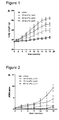
- Fig 1 A dose dependent increase in body weight was observed with increasing amount of dietary fat (Fig 1 ). This increase in body weight was reflected by dose dependent increase in visceral- and subcutaneous adipose tissue. Both adipose depots have causatively been associated with the development cardiovascular and metabolic disease. By contrast, gonadal adipose tissue was comparably increased in the fat-treated groups. After 9 weeks of high fat treatment, the parameters indicative for prediabetes were manifest.
- Plasma glucose levels in week 15 were 11.8 mM, 13.9 mM, 15.7 mM and 16.5 for group 1, 2, 3 and 4, respectively.
- Plasma C-peptide levels (C-peptide is co-secreted with insulin but has a greater plasma half-life) in week 12 were 2.0, 3.0, 3.1 and 3.7 ng/mL for group 1, 2, 3 and 4, respectively.
- Plasma cholesterol and plasma triglycerides were markedly elevated by all diets.
- plasma cholesterol levels in week 18 were 8, 19, 24, 26 mM and plasma triglyceride levels in week 18 were 1, 3, 4, 5 mM for group 1, 2, 3, and 4, respectively .
- the increase in total plasma cholesterol was mainly confined to cholesterol in LDL particles (as revealed by lipoprotein analysis, not shown).
- Systemic inflammation quantitative by serum amyloid A in plasma was 2.5, 7.1, 8.3, 22.8 ⁇ g/mL for group 1, 2, 3, and 4, respectively, and significantly increased with all three lard diets.
- vascular inflammation markers VCAM and E-selectin
- the middle dose (45 En% lard diet) was defined to be the optimal diet to use for interventions with drugs since ALAT was not increased Thereby putative adverse liver effects of drugs can still be detected.
- Several anti-diabetic interventions (drugs and life-style) were tested according to the experimental set-up described above.
- LDLr-/- mice (12 weeks old) were fed 45 En% Lard diet for 9 weeks to establish a prediabetic state (as described above and including visceral adiposity, hypertriglyceridemia, elevated glucose and insulin, chronic inflammation). After these 9 weeks, the interventions were started and continued until week 16. Drugs were mixed into lard diet and administered orally via the feed. One group of mice was sacrifice at the start of the intervention at week 9 for reference. Another control group was fed chow throughout the 16 weeks (serving as internal reference). The groups were as follows:
- mice were sacrificed and the various organs were isolated and weighed and stored at -80C and/or in formalin. Livers were processed for microarray analysis. More specifically, the same lobe of each liver was used for RNA extraction to prepare mRNA of microarray quality according to an established protocol ( Kleemann et al., Genome Biology, 2007 ).
- the first data demonstrate that the different interventions have differential effects on global health parameters (body weight, tissue weights, fat distribution over the various depots etc) and on microalbuminuria which appears to be reversible and which can be modulated with drugs. For instance, body weight ( Fig 5 ) was reduced by fenofibrate and LXR agonist, whereas body weight was slightly increased by rosiglitazone.
- adipose tissue was unaffected by rosiglitazone, while the distribution of the fat across the various depots was markedly affected with this drug (subcutaneous fat was increased while gonadal fat mass ( Fig 6 ) was reduced). Gonadal fat was also lowered by fenofibrate, sulphonylurea, LXR agonist and salicylate.
- Microalbuminuria is a hallmark of diabetic nephropathy and was determined by measuring the concentration of albumine and creatinine in spot urine collected at various time points during the experiment. Subsequently the albumine/creatinine ratio was calculated, viz. the amount of albumine expressed in ⁇ g per mg creatinine ( Fig. 7 ).
- the drugs metformin, fenofibrate, atorvastatin, glibenclamide, rosiglitazone, pioglitazone and salicylate significantly improved the albumine/creatinine ratio compared to high fat treated control animals that were not treated with drugs.
- mice Male LDLr-/- mice (>12 weeks old) were fed a high fat diet (45% En% Lard diet) for 10 weeks, and for an additional 6 weeks high fat diet enriched with 1% (w/w) cholesterol.
- Fig 8 It was observed ( Fig 8 ) that the histology very much resembled the histology seen in human steatosis / NASH (non-alcoholic liver steato hepatitis), as shown by Cohen, J.C. et al, Science 3332, 1519-1532, 24 June 2011 . Clear deposition of lipid droplets in the cytoplasm of hepatocytes, and significant collagen deposition (fibrosis) could be observed ( Fig. 8 ). This means that the specific diet treated mice of the invention can also be used to assess the liver for steatosis like phenomena.
Landscapes
- Health & Medical Sciences (AREA)
- Life Sciences & Earth Sciences (AREA)
- Engineering & Computer Science (AREA)
- Biomedical Technology (AREA)
- Immunology (AREA)
- Molecular Biology (AREA)
- Chemical & Material Sciences (AREA)
- Urology & Nephrology (AREA)
- Hematology (AREA)
- Cell Biology (AREA)
- General Health & Medical Sciences (AREA)
- General Physics & Mathematics (AREA)
- Pathology (AREA)
- Food Science & Technology (AREA)
- Medicinal Chemistry (AREA)
- Physics & Mathematics (AREA)
- Biotechnology (AREA)
- Analytical Chemistry (AREA)
- Microbiology (AREA)
- Biochemistry (AREA)
- Proteomics, Peptides & Aminoacids (AREA)
- Bioinformatics & Cheminformatics (AREA)
- Toxicology (AREA)
- Tropical Medicine & Parasitology (AREA)
- Acyclic And Carbocyclic Compounds In Medicinal Compositions (AREA)
- Medicines That Contain Protein Lipid Enzymes And Other Medicines (AREA)
Description
- The invention relates to the field of diabetes, more particularly complications caused by diabetes or diabetes-like phenomena, like insulin resistance, metabolic syndrome and such, especially diabetic complications such as micro- and macrovascular complications, retinopathy, hepatopathy and diabetic nephropathy. More particularly, the invention relates to an animal model for such complications, in particular diabetic nephropathy and methods for finding therapies for the prevention of diabetes induced tissue damage and particularly renal damage.
- Nephropathy is a complication which is often seen in diabetes, as well with diabetes type 1,
diabetes type 2, pre-diabetes, gestational as drug-induced diabetes. There are wide differences in estimates of how many people with diabetes will progress to having diabetic kidney disease - from 6 to 27 per cent of people with Type 1 diabetes, to 25 to 50 per cent ofType 2. Diabetic disease is characterized by high levels of blood glucose which is associated with tissue damage. Small vascular and capillary structures are very sensitive to diabetes-induced injury and organs such as the kidney are frequently affected. By endothelial and microvascular damage the kidneys start to become 'leaky' which is first diagnosed on basis of increased protein levels in the urine (microalbuminuria). If no intervention follows, this develops in an even higher level of proteins in the urine (macroalbuminuria), glucosuria and finally in end-stage renal disease (ESRD) which necessitates dialysis or kidney transplantation. - Diabetic nephropathy is the major cause of ESRD worldwide, and its incidence has increased by more than 50% in the past ten years (USRDS 2008 Annual Data Report: Atlas of Chronic Kidney Disease and End-Stage Renal Disease in the Unites States, NIH).
- Similar micro- and macrovascular complications that play a role in renal damage also can result in other forms of complications, such as retinopathy. Is is likely that micro- and macrovascular dysfunction also play a role in the development other diabetes-associated pathologies such as neuropathy, hepatopathy, hepatosteatosis, adipose inflammation (e.g. in visceral adiposity) and pancreas dysfunction.
- Lack of reliable, translational animal models that sufficiently mimic the multifactorial human pathofysiology have prevented optimal development of insight in the disease mechanism and candidate therapy/drug development. Therefore , much effort has been devoted to develop animal models for this specific complication in diabetes (see: Brosius, F.C. et al., 2009, J. Am. Soc. Nephrol. 20:2503-2512). Some mouse models have been described in this overview, but it is considered that there is still need for more, and/or more comprehensive animal models. Some of the drawbacks of the present models are:,i) that diabetic complications develop heterogeneously with great variations between animals (despite comparable genetic make-up and age) and ii) that the severity of diabetic complications, especially microalbuminuria, does not progress over time as it is the case in humans.
- The inventors now have surprisingly found that low density lipoprotein receptor-deficient mice (LDLr-/-) mice when fed with high energy diets produce controllable, progressively developing and consistent diabetic complications, especially renal damage, similar to the human pathophysiology and biological response.
- The invention thus comprises a method for discovering a preventive or therapeutic regimen for the prevention or treatment of diabetic micro- or macrovascular complications, comprising the steps of:
- a. providing LDLr-/- mice, which have not been treated with streptozotocin, having been fed with a high energy diet; and which
- b. before, during and/or after this diet have been treated with the preventive or therapeutic regimen;
- c. checking whether any change in the micro- or macrovascular system of the animal occurs.
- More specifically, the invention relates to a method for discovering a preventive or therapeutic regimen for the prevention or treatment of diabetic nephropathy, comprising the steps of:
- a. providing LDLr-/- mice, which have not been treated with streptozotocin, having been fed with a high energy diet; and which
- b. before, during and/or after this diet have been treated with the preventive or therapeutic regimen;
- c. checking whether any change in the protein content of the urine of said mice occurs and or whether any histological or immunohistological change in the kidneys of said mice occurs.
- Further, the invention relates to a method for discovering a preventive or therapeutic regimen for the prevention or treatment of diet-induced liver steatosis / NASH (non alcoholic steato hepatitis),, comprising the steps of:
- a. providing LDLr-/- mice, which have not been treated with streptozotocin, having been fed with a high energy diet; and which
- b. before, during and/or after this diet have been treated with the preventive or therapeutic regimen;
- c. checking whether any change in liver histology of said mice occurs.
- Preferably in a method according to the invention, the preventive or therapeutic regimen is administration of a medicament or combination of medicaments, wherein the medicaments in said combination may be administered concomitantly or sequentially. Alternatively the preventive or therapeutic regimen is a life style intervention or a combination of a life style intervention and one or more medicaments.
- Also part of the disclosure is the use of LDLr-/- mice for study regarding the aetiology, progression, prevention, and treatment of diabetic macro- and microvascular complications, in which mice said complications have not been effected by streptozotocin induced diabetes. More specifically, these diabetic complications are selected from the group of diabetic neuropathy, diabetic hepatosteatitis, impaired wound healing, glucosuria and diabetic retinopathy, or combinations thereof.
-
-
Fig. 1 : The increase in body weight is correlated to the concentration of fat in the diet. -
Fig. 2 : HOMA values are dose-dependently increased by intake of fat through the diet. -
Fig. 3 : Dose dependent increase in urinary protein concentration (Y-axis) in relation to fat content in the diet. The protein content of the urine is generally expressed as the albumin to creatinine ratio, where the level of albumin is typically expressed in µg/ml while the level of creatinine is typically expressed in mg/ml. -
Fig. 4 : ALAT-values caused by high-energy diets. -
Fig. 5 : Body weight in LDLr-/- mice fed with high energy diet after pharmaceutical and life style interventions. -
Fig. 6 : Gonadal fat mass in LDLr-/- mice fed with high energy diet after pharmaceutical and life style interventions. -
Fig. 7 : Concentration of protein in urine in LDLr-/- mice fed with high energy diet after pharmaceutical and life style interventions. -
Fig. 8 : Histology of the liver. Clearly shown are the lipid droplets and collagen depositions. - In the following description and examples a number of terms are used. In order to provide a clear and consistent understanding of the specification and claims, including the scope to be given such terms, the following definitions are provided. Unless otherwise defined herein, all technical and scientific terms used have the same meaning as commonly understood by one of ordinary skill in the art to which this invention belongs.
- LDLr-/- mice as first described by Ishibashi, S. et al. in 1994 (J. Clin. Invest. 93:1885-1893, 1994) are mice that do not or no longer express an active LDL receptor protein, preferably in which the gene coding for said LDL-receptor has been knocked out. They are commonly used for research purposes in the field of lipid metabolism and atherosclerosis.
- Protein content of the urine is expressed as the albumin/creatinine ratio as is discussed in detail in the Examples.
- Nephropathy or renal damage is the condition in which the function of the kidneys is deteriorated, which condition includes morphological manifestations of renal tissue damage, microalbuminuria, macroalbuminuria, fatty degeneration, tissue necrosis, glucosuria, kidney fibrosis and end-stage renal disease (ESRD).
- High energy diets are diets in which the lipid content is increased, especially in the form of fats or oils. Preferably animal fats, such as lard, beef tallow, butter, and ghee are used. These diets are typical diabetogenic diets and they also induce obesity. Some plant-derived fats are also diabetogenic, for instance palm oil based diets. All the above diabetogenic diets contain a high content of saturated fatty acids and monosaturated fatty acids and relatively little polyunsaturated fatty acids (PUFAs). When diabetogenic diets are fed to susceptible animals, such as LDLr-/- mice or apoE3 Leiden mice, these animals will develop human-like features of the metabolic syndrome and/or diabetes.
- LDLr-/- mice have been used already for some years in the research for atherosclerosis using atherogenic diets. Atherogenic diets differ from diabetogenic diets in several ways: they typically contain less fat (in w/w% as well as in En%) and they typically are supplemented with cholesterol at a concentration of 0.1% w/w and 1% w/w). Some investigators also add choclate to the atherogenic diets to stimulate cholesterol uptake and to increase plasma cholesterol. A typical atherogenic diet contains for
instance 15% w/w cocoa and 1% w/w palm oil and 1% cholesterol as fat source (as reported in Kleemann et al. Genome Biology, 2007). An overview of the most frequently used atherogenic diets (clearly differing from diabetogenic diets) is also provided in Zadelaar et al., ATVB, 2007).. The LDLR-/- mice, being deficient for the LDL-receptor protein have been found to have severe elevated plasma LDL cholesterol levels when fed a atherogenic diet. and increased LDL cholesterol is associated with aortic atherosclerotic lesion developement (Ishibashi, S. et al., 1994, J. Clin. Invest. 93:1885-1893). - In these mice it has also been proven feasible to introduce a diabetes like syndrome by treating them with a chemical substance that targets the pancreas, streptozocin (STZ), a method that has been applied in several animal models to introduce a diabetes type 1 like state by damaging pancreatic cells by STZ (McEvoy, R.C. et al., 1984, J. Clin. Invest. 74:715-722). Further, it is known that STZ-induction of type 1 diabetes in LDLR-/- mice is associated with spontaneous nephropathy (Hammad, S.M., 2003, Kidney Blood Press. Res. 26:351-361; Taneja, D., et al. 2010, J. Lipid Res. 51:1464-1470) http://www.ncbi.nlm.nih.gov/pubmed/8182121 .
- The present inventors now surprisingly found that feeding LDLr-/-mice with a high energy diet did not only increase plasma LDL cholesterol, triglyceride levels, plasma glucose levels, plasma sVCAM-1, plasma E-selectin, plasma SAA, plasma insulin levels and plasma C-peptide levels (the latter clearly demonstrating intact pancreatic beta cells) thereby enabling their uses as animal model for insulin resistance/metabolic syndrome and atherosclerosis but they also found that these mice developed diabetic complications, in particular a nephropathy, as revealed by microalbuminuria, which behaved dose-dependently in respect to the amount of fat ingested with the food. This nephropathy thus developed under conditions leading to diet-
inducible type 2 diabetes and without an STZ induction, and thus not only resembles the human aetiology of the disease, but also led to similar, micro- as well as macrovascular complications and pathophysiology. Notably, LDLR-/- mice fed diabetogenic diets exhibit elevated plasma insulin levels and elevated C-peptide levels at the same time point when microalbuminuria is observed indicating that pancreatic beta cells are still intact and functioning (C-peptide is co-secreted with insulin from pancreatic beta-cells). This clearly demonstrates that the microalbuminuria of the present invention is unrelated to the STZ-induced microalbuminuria which has been reported by others (see references above). - The high energy diet caused already notable symptoms of diabetic disease including microalbuminuria within 10-15 weeks after the start of high fat diet feeding, which means that the animal model of the current invention can be obtained relatively rapidly, and is thus suitable for pharmacological studies.
- Importantly, diabetic complications in this model i) are diet-inducible in a dose-dependent way; ii) renal disease also progresses over time (increasing extent of microalbuminuria); and iii) the complications, especially the renal damage, are similar to the human pathophysiology and biological responses. Lastly, the extent of renal disease is reversible and can be modulated by both dietary interventions (including lifestyle) as well as with drugs.
- The animal is very well suited to study the aetiology of diabetic nephropathy and the influences of external factors, drugs, lifestyle changes (such as change in diet and/or body exercise), aging, hormonal status, stress, inflammatory tone on the development of the nephropathy. Possible therapeutic interventions, not only for the prevention of diabetic nephropathy, but also for the treatment of this complication can easily be accommodated by using this animal model. The severity of the disease state can easily be monitored by determining the amount of protein in the urine (albuminuria).
- Accordingly, the invention relates to a new method for discovering preventive and therapeutic strategies for the prevention or treatment of diabetic nephropathy comprising the steps of a) feeding LDLr-/- mice with a high energy diet; b) before, during and/or after this diet treating the mice with the preventive or therapeutic regimen and c) checking whether any change in the protein content of the urine of said mice occurs. It should be understood that the 'preventive or therapeutic regimen' mentioned above can be a medicament or a combination of medicaments, including neutraceuticals and biologicals (administered concomitantly or sequentially), but also a change in lifestyle, or a combination of both. A change in lifestyle may include a change to another diet, or any further interference, such as a change in housing conditions (such as climatic conditions, day-night rhythm, social environment (solitary or group housing condition)), a change in feeding pattern, alternating feeding, change in stress, change in hormone treatment or a change in the level of physical exercise of the test animals, with respect to the animals of the control treatment.
- The new model also allows to study the effects of preventive and therapeutic regimens on systemic and local inflammation.
- Since the organs that are susceptible to diabetic complications including the kidney, the liver, the eye, the gut and the larger vessels are surrounded by adipose tissue and since adipose tissue may contribute to the development of diabetic complications in these tissues, the application of this newly developed model also comprises testing of preventive and therapeutic regimens directed at improving the function of liver (diabetic non-alcoholic steatosis, NASH and liver fibrosis), the function of the eyes (diabetic retinopathy), neuropathy induced impaired wound healing, the integrity and inflammatory state of the gut and the quantity and/or inflammatory status of adipose tissue itself. It has been shown in the experimental part of the present invention that liver abnormalities show in the mice model of the invention.
- The invention will be illustrated in the following Example(s), which is for illustrative purpose and not deemed to be limiting the invention as claimed.
- Groups of male LDLr-/- male mice (>12 weeks old) were fed a high fat diet for 20 weeks and monitored over time. Groups were treated with increasing concentrations of dietary fat as listed below (energy percentage from lard; En%) and a control group received chow.
- 1. chow control
- 2. 30 En% Lard diet
- 3. 45 En% Lard diet
- 4. 60 En% Lard diet
- Body weight and food intake were measured over time. Tail blood samples (4 h fasting blood) and spot urine were taken at regular time points (time points are indicated in graphs below; last plasma sample was taken in week 18) and analyzed for glucose, insulin, HOMA (Homeostatic Model Assessment), plasma lipids, systemic- and vascular inflammation as well as ALAT (alanine transaminase). At the end of the experiment, organs were collected, weighed and stored for future analysis.
- The above experimental set-up allowed definition of the most optimal concentration of lard in the diet to establish the hallmarks of human prediabetes, insulin resistance and overt diabetes.
- A dose dependent increase in body weight was observed with increasing amount of dietary fat (
Fig 1 ). This increase in body weight was reflected by dose dependent increase in visceral- and subcutaneous adipose tissue. Both adipose depots have causatively been associated with the development cardiovascular and metabolic disease. By contrast, gonadal adipose tissue was comparably increased in the fat-treated groups. After 9 weeks of high fat treatment, the parameters indicative for prediabetes were manifest. - For example, glucose and insulin were markedly elevated by the two highest lard concentration and consequently also the HOMA value indicating a state of insulin resistance (
Fig 2 ). Plasma glucose levels inweek 15 were 11.8 mM, 13.9 mM, 15.7 mM and 16.5 forgroup week 12 were 2.0, 3.0, 3.1 and 3.7 ng/mL forgroup week 18 were 8, 19, 24, 26 mM and plasma triglyceride levels inweek 18 were 1, 3, 4, 5 mM forgroup group group - In line with microvascular damage, a dose dependent increase in microalbuminurea was observed (
Fig 3 ) which is a hallmark of nephropathy. Interestingly, the model exhibited a diet-inducible, homogenously developing microalbuminuria that developed gradually over time and in a dose-dependent fashion depending on the amount of fat in the diet. Finally, ALAT, a measure of liver function, was only slightly increased by 30% and 45% En lard, but was markedly increased by 60% En lard (Fig 4 ). - Based on the findings of the above experiment, an intervention study was designed. The middle dose (45 En% lard diet) was defined to be the optimal diet to use for interventions with drugs since ALAT was not increased Thereby putative adverse liver effects of drugs can still be detected. Several anti-diabetic interventions (drugs and life-style) were tested according to the experimental set-up described above.
- LDLr-/- mice (12 weeks old) were fed 45 En% Lard diet for 9 weeks to establish a prediabetic state (as described above and including visceral adiposity, hypertriglyceridemia, elevated glucose and insulin, chronic inflammation). After these 9 weeks, the interventions were started and continued until
week 16. Drugs were mixed into lard diet and administered orally via the feed. One group of mice was sacrifice at the start of the intervention atweek 9 for reference. Another control group was fed chow throughout the 16 weeks (serving as internal reference). The groups were as follows: - 1.
Chow 15 weeks: healthy control - 2.
Lard 15 weeks: diseased control controls - 3.
Lard 9 weeks: start intervention control - 4. Metformin (250 mg/kg)
- 5. Sulphonylurea (
Glibenclamide 10 mg/kg) - 6. Rosiglitazone (10 mg/kg)
- 7. Pioglitazone (10 mg/kg)
- 8. DDP-IV inhibitor (
Sitagliptin 20 mg/kg) - 9. Fenofibrate (50 mg/kg)
- 10. Atovastatin (10 mg/kg)
- 11. LXR agonist (T0901317, 10 mg/kg)
- 12. Vioxx (34 mg/kg)
- 13. Salicylate (40 mg/kg)
- 14. Life style intervention (after 9 weeks Lard switch to chow)

- Body weight and food intake were measured regularly and blood samples were taken at t=0, t=6, t=9, t=12, t=14 and t=15 weeks. Spot urine was collected at t=0, t=8 and t=15 weeks. At the end of the study, the mice were sacrificed and the various organs were isolated and weighed and stored at -80C and/or in formalin. Livers were processed for microarray analysis. More specifically, the same lobe of each liver was used for RNA extraction to prepare mRNA of microarray quality according to an established protocol (Kleemann et al., Genome Biology, 2007).
- Results of the intervention study: Mice that were fed lard for 16 weeks became obese while mice which were kept on chow did not develop symptoms of prediabetes confirming that the disease phenotype is induced by the diet. The first data demonstrate that the different interventions have differential effects on global health parameters (body weight, tissue weights, fat distribution over the various depots etc) and on microalbuminuria which appears to be reversible and which can be modulated with drugs. For instance, body weight (
Fig 5 ) was reduced by fenofibrate and LXR agonist, whereas body weight was slightly increased by rosiglitazone. Total adipose tissue was unaffected by rosiglitazone, while the distribution of the fat across the various depots was markedly affected with this drug (subcutaneous fat was increased while gonadal fat mass (Fig 6 ) was reduced). Gonadal fat was also lowered by fenofibrate, sulphonylurea, LXR agonist and salicylate. - Interestingly, differential effects of the drugs on microalbuminuia were observed. Microalbuminuria is a hallmark of diabetic nephropathy and was determined by measuring the concentration of albumine and creatinine in spot urine collected at various time points during the experiment. Subsequently the albumine/creatinine ratio was calculated, viz. the amount of albumine expressed in µg per mg creatinine (
Fig. 7 ). The drugs metformin, fenofibrate, atorvastatin, glibenclamide, rosiglitazone, pioglitazone and salicylate significantly improved the albumine/creatinine ratio compared to high fat treated control animals that were not treated with drugs. Since drugs were mixed into the high energy diet, the data indicate that these drugs interfere with diet -evoked diabetic nephropathy in a setting oftype 2 diabetes. Notably, lifestyle intervention (switch to chow feeding) also reduced microalbuminuria to a level that was comparable to healthy control animals (Fig. 7 ) demonstrating that the disease phenotype is fully reversible. - Male LDLr-/- mice (>12 weeks old) were fed a high fat diet (45% En% Lard diet) for 10 weeks, and for an additional 6 weeks high fat diet enriched with 1% (w/w) cholesterol.
- Animals were sacrificed and livers were removed. Liver was weighed, fixed in formaldehyde and paraffin embedded. Tissue sections were stained for collagen using picrosiriusred staining (0.1% Sirius Red in saturated aqueous picric acid solution) and analyzed microscopically.
- It was observed (
Fig 8 ) that the histology very much resembled the histology seen in human steatosis / NASH (non-alcoholic liver steato hepatitis), as shown by Cohen, J.C. et al, Science 3332, 1519-1532, 24 June 2011. Clear deposition of lipid droplets in the cytoplasm of hepatocytes, and significant collagen deposition (fibrosis) could be observed (Fig. 8 ). This means that the specific diet treated mice of the invention can also be used to assess the liver for steatosis like phenomena.
Claims (5)
- Method for discovering a preventive or therapeutic regimen for the prevention or treatment of diabetic micro- or macrovascular complications, comprising the steps of:a. providing LDLr-/- mice, which have not been treated with streptozotocin, having been fed with a high energy diet; and whichb. before, during and/or after this diet have been treated with the preventive or therapeutic regimen; andc. checking whether any change in the micro- or macrovascular system of the animal occurs.
- Method for discovering a preventive or therapeutic regimen for the prevention or treatment of diabetic nephropathy, comprising the steps of:a. providing LDLr-/- mice, which have not been treated with streptozotocin, having been fed with a high energy diet; and whichb. before, during and/or after this diet have been treated with the preventive or therapeutic regimen; andc. checking whether any change in the protein content of the urine of said mice occurs and or whether any histological or immunohistological change in the kidneys of said mice occurs.
- Method for discovering a preventive or therapeutic regimen for the prevention or treatment of diet-induced liver steatosis / NASH (non alcoholic steato hepatitis), comprising the steps of:a. providing LDLr-/- mice, which have not been treated with streptozotocin, having been fed with a high energy diet; and whichb. before, during and/or after this diet have been treated with the preventive or therapeutic regimen;c. checking whether any change in liver histology of said mice occurs.
- Method according any previous claim, wherein the preventive or therapeutic regimen has been administration of a medicament or combination of medicaments, wherein the medicaments in said combination may be administered concomitantly or sequentially.
- Method according to any previous claim, wherein the preventive or therapeutic regimen has been a life style intervention or a combination of a life style intervention and one or more medicaments.
Applications Claiming Priority (2)
| Application Number | Priority Date | Filing Date | Title |
|---|---|---|---|
| PCT/NL2010/050757 WO2012067493A1 (en) | 2010-11-15 | 2010-11-15 | New animal model for diabetic complications |
| PCT/NL2011/050776 WO2012067503A1 (en) | 2010-11-15 | 2011-11-14 | New animal model for diabetic complications |
Publications (2)
| Publication Number | Publication Date |
|---|---|
| EP2641091A1 EP2641091A1 (en) | 2013-09-25 |
| EP2641091B1 true EP2641091B1 (en) | 2016-10-26 |
Family
ID=43859770
Family Applications (1)
| Application Number | Title | Priority Date | Filing Date |
|---|---|---|---|
| EP11785153.5A Active EP2641091B1 (en) | 2010-11-15 | 2011-11-14 | New animal model for diabetic complications |
Country Status (3)
| Country | Link |
|---|---|
| US (2) | US9726664B2 (en) |
| EP (1) | EP2641091B1 (en) |
| WO (2) | WO2012067493A1 (en) |
Families Citing this family (2)
| Publication number | Priority date | Publication date | Assignee | Title |
|---|---|---|---|---|
| WO2014028737A1 (en) * | 2012-08-16 | 2014-02-20 | Campaigne Enterprise Llc | Diabetic animal model for diabetes research |
| CN105557623A (en) * | 2015-12-02 | 2016-05-11 | 南京凯斯艾生物科技有限公司 | Experimental animal model with non-alcoholic steatohepatitis transforming into hepatic carcinoma |
-
2010
- 2010-11-15 WO PCT/NL2010/050757 patent/WO2012067493A1/en not_active Ceased
-
2011
- 2011-11-14 WO PCT/NL2011/050776 patent/WO2012067503A1/en not_active Ceased
- 2011-11-14 EP EP11785153.5A patent/EP2641091B1/en active Active
- 2011-11-14 US US13/885,199 patent/US9726664B2/en active Active
-
2017
- 2017-06-28 US US15/635,741 patent/US10578611B2/en active Active
Non-Patent Citations (1)
| Title |
|---|
| None * |
Also Published As
| Publication number | Publication date |
|---|---|
| US10578611B2 (en) | 2020-03-03 |
| WO2012067493A1 (en) | 2012-05-24 |
| US20170363619A1 (en) | 2017-12-21 |
| EP2641091A1 (en) | 2013-09-25 |
| WO2012067503A1 (en) | 2012-05-24 |
| US20130324423A1 (en) | 2013-12-05 |
| US9726664B2 (en) | 2017-08-08 |
Similar Documents
| Publication | Publication Date | Title |
|---|---|---|
| Juvet et al. | On the role of liver X receptors in lipid accumulation in adipocytes | |
| Vizzutti et al. | Curcumin limits the fibrogenic evolution of experimental steatohepatitis | |
| Morrison et al. | Obeticholic acid modulates serum metabolites and gene signatures characteristic of human NASH and attenuates inflammation and fibrosis progression in Ldlr‐/‐. leiden mice | |
| Kunkel et al. | Ursolic acid increases skeletal muscle and brown fat and decreases diet-induced obesity, glucose intolerance and fatty liver disease | |
| Parafati et al. | Bergamot polyphenol fraction prevents nonalcoholic fatty liver disease via stimulation of lipophagy in cafeteria diet-induced rat model of metabolic syndrome | |
| Mueller et al. | Ursodeoxycholic acid: Effects on hepatic unfolded protein response, apoptosis and oxidative stress in morbidly obese patients | |
| Adami et al. | Worsening of memory deficit induced by energy-dense diet in a rat model of early-Alzheimer's disease is associated to neurotoxic Aβ species and independent of neuroinflammation | |
| Rogers et al. | Deficiency in the heat stress response could underlie susceptibility to metabolic disease | |
| Choi et al. | Downregulation of fetuin-B and zinc-α2-glycoprotein is linked to impaired fatty acid metabolism in liver cells | |
| Herrera et al. | Acarbose has sex-dependent and-independent effects on age-related physical function, cardiac health, and lipid biology | |
| Ozay et al. | The role of oxidative stress and inflammatory response in high-fat diet induced peripheral neuropathy | |
| Prior et al. | PMP22 duplication dysregulates lipid homeostasis and plasma membrane organization in developing human Schwann cells | |
| CN102548393A (en) | Steatohepatitis-liver cancer model animal | |
| Singhal et al. | RLIP76 protein knockdown attenuates obesity due to a high-fat diet | |
| Mitchell et al. | t-10, c-12 CLA dietary supplementation inhibits atherosclerotic lesion development despite adverse cardiovascular and hepatic metabolic marker profiles | |
| Flisinski et al. | Morphometric analysis of muscle fibre types in rat locomotor and postural skeletal muscles in different stages of chronic kidney disease | |
| US10578611B2 (en) | Animal model for non alcoholic steato hepatitis and liver fibrosis | |
| Pintana et al. | Hyperglycemia induced the Alzheimer’s proteins and promoted loss of synaptic proteins in advanced-age female Goto-Kakizaki (GK) rats | |
| Wang et al. | Tyrosol regulates hepatic lipid metabolism in high-fat diet-induced NAFLD mice | |
| Li et al. | AMPK-PPARγ-Cidec axis drives the fasting-induced lipid droplet aggregation in the liver of obese mice | |
| Sugimoto-Kawabata et al. | Colestilan decreases weight gain by enhanced NEFA incorporation in biliary lipids and fecal lipid excretion [S] | |
| Qiu et al. | Steroidogenic acute regulatory protein (StAR) overexpression reduces inflammation and insulin resistance in obese mice | |
| Goon et al. | Untargeted serum metabolites profiling in high-fat diet mice supplemented with enhanced palm tocotrienol-rich fraction using UHPLC-MS | |
| Wang et al. | Acute endoplasmic reticulum stress induces inflammation reaction, complement system activation, and lipid metabolism disorder of piglet livers: a proteomic approach | |
| Madsen et al. | Muscle very long-chain ceramides associate with insulin resistance independently of obesity |
Legal Events
| Date | Code | Title | Description |
|---|---|---|---|
| PUAI | Public reference made under article 153(3) epc to a published international application that has entered the european phase |
Free format text: ORIGINAL CODE: 0009012 |
|
| 17P | Request for examination filed |
Effective date: 20130605 |
|
| AK | Designated contracting states |
Kind code of ref document: A1 Designated state(s): AL AT BE BG CH CY CZ DE DK EE ES FI FR GB GR HR HU IE IS IT LI LT LU LV MC MK MT NL NO PL PT RO RS SE SI SK SM TR |
|
| DAX | Request for extension of the european patent (deleted) | ||
| 17Q | First examination report despatched |
Effective date: 20140506 |
|
| RAP1 | Party data changed (applicant data changed or rights of an application transferred) |
Owner name: NEDERLANDSE ORGANISATIE VOOR TOEGEPAST- NATUURWETE |
|
| GRAP | Despatch of communication of intention to grant a patent |
Free format text: ORIGINAL CODE: EPIDOSNIGR1 |
|
| INTG | Intention to grant announced |
Effective date: 20160418 |
|
| RIN1 | Information on inventor provided before grant (corrected) |
Inventor name: STOOP, REINOUT Inventor name: VERHEIJEN, JOHAN, HENDRIKUS Inventor name: KOOISTRA, TEAKE Inventor name: KLEEMANN, ROBERT Inventor name: WIELINGA, PETER, YDO |
|
| GRAJ | Information related to disapproval of communication of intention to grant by the applicant or resumption of examination proceedings by the epo deleted |
Free format text: ORIGINAL CODE: EPIDOSDIGR1 |
|
| GRAR | Information related to intention to grant a patent recorded |
Free format text: ORIGINAL CODE: EPIDOSNIGR71 |
|
| GRAS | Grant fee paid |
Free format text: ORIGINAL CODE: EPIDOSNIGR3 |
|
| GRAA | (expected) grant |
Free format text: ORIGINAL CODE: 0009210 |
|
| INTC | Intention to grant announced (deleted) | ||
| INTG | Intention to grant announced |
Effective date: 20160915 |
|
| AK | Designated contracting states |
Kind code of ref document: B1 Designated state(s): AL AT BE BG CH CY CZ DE DK EE ES FI FR GB GR HR HU IE IS IT LI LT LU LV MC MK MT NL NO PL PT RO RS SE SI SK SM TR |
|
| REG | Reference to a national code |
Ref country code: GB Ref legal event code: FG4D |
|
| REG | Reference to a national code |
Ref country code: CH Ref legal event code: EP |
|
| REG | Reference to a national code |
Ref country code: AT Ref legal event code: REF Ref document number: 840390 Country of ref document: AT Kind code of ref document: T Effective date: 20161115 |
|
| REG | Reference to a national code |
Ref country code: IE Ref legal event code: FG4D |
|
| REG | Reference to a national code |
Ref country code: DE Ref legal event code: R096 Ref document number: 602011031716 Country of ref document: DE |
|
| REG | Reference to a national code |
Ref country code: FR Ref legal event code: PLFP Year of fee payment: 6 |
|
| REG | Reference to a national code |
Ref country code: NL Ref legal event code: FP |
|
| REG | Reference to a national code |
Ref country code: LT Ref legal event code: MG4D |
|
| PG25 | Lapsed in a contracting state [announced via postgrant information from national office to epo] |
Ref country code: LV Free format text: LAPSE BECAUSE OF FAILURE TO SUBMIT A TRANSLATION OF THE DESCRIPTION OR TO PAY THE FEE WITHIN THE PRESCRIBED TIME-LIMIT Effective date: 20161026 Ref country code: BE Free format text: LAPSE BECAUSE OF NON-PAYMENT OF DUE FEES Effective date: 20161130 |
|
| REG | Reference to a national code |
Ref country code: AT Ref legal event code: MK05 Ref document number: 840390 Country of ref document: AT Kind code of ref document: T Effective date: 20161026 |
|
| PG25 | Lapsed in a contracting state [announced via postgrant information from national office to epo] |
Ref country code: GR Free format text: LAPSE BECAUSE OF FAILURE TO SUBMIT A TRANSLATION OF THE DESCRIPTION OR TO PAY THE FEE WITHIN THE PRESCRIBED TIME-LIMIT Effective date: 20170127 Ref country code: LT Free format text: LAPSE BECAUSE OF FAILURE TO SUBMIT A TRANSLATION OF THE DESCRIPTION OR TO PAY THE FEE WITHIN THE PRESCRIBED TIME-LIMIT Effective date: 20161026 Ref country code: NO Free format text: LAPSE BECAUSE OF FAILURE TO SUBMIT A TRANSLATION OF THE DESCRIPTION OR TO PAY THE FEE WITHIN THE PRESCRIBED TIME-LIMIT Effective date: 20170126 Ref country code: SE Free format text: LAPSE BECAUSE OF FAILURE TO SUBMIT A TRANSLATION OF THE DESCRIPTION OR TO PAY THE FEE WITHIN THE PRESCRIBED TIME-LIMIT Effective date: 20161026 |
|
| PG25 | Lapsed in a contracting state [announced via postgrant information from national office to epo] |
Ref country code: RS Free format text: LAPSE BECAUSE OF FAILURE TO SUBMIT A TRANSLATION OF THE DESCRIPTION OR TO PAY THE FEE WITHIN THE PRESCRIBED TIME-LIMIT Effective date: 20161026 Ref country code: ES Free format text: LAPSE BECAUSE OF FAILURE TO SUBMIT A TRANSLATION OF THE DESCRIPTION OR TO PAY THE FEE WITHIN THE PRESCRIBED TIME-LIMIT Effective date: 20161026 Ref country code: AT Free format text: LAPSE BECAUSE OF FAILURE TO SUBMIT A TRANSLATION OF THE DESCRIPTION OR TO PAY THE FEE WITHIN THE PRESCRIBED TIME-LIMIT Effective date: 20161026 Ref country code: PL Free format text: LAPSE BECAUSE OF FAILURE TO SUBMIT A TRANSLATION OF THE DESCRIPTION OR TO PAY THE FEE WITHIN THE PRESCRIBED TIME-LIMIT Effective date: 20161026 Ref country code: BE Free format text: LAPSE BECAUSE OF FAILURE TO SUBMIT A TRANSLATION OF THE DESCRIPTION OR TO PAY THE FEE WITHIN THE PRESCRIBED TIME-LIMIT Effective date: 20161026 Ref country code: HR Free format text: LAPSE BECAUSE OF FAILURE TO SUBMIT A TRANSLATION OF THE DESCRIPTION OR TO PAY THE FEE WITHIN THE PRESCRIBED TIME-LIMIT Effective date: 20161026 Ref country code: PT Free format text: LAPSE BECAUSE OF FAILURE TO SUBMIT A TRANSLATION OF THE DESCRIPTION OR TO PAY THE FEE WITHIN THE PRESCRIBED TIME-LIMIT Effective date: 20170227 Ref country code: IS Free format text: LAPSE BECAUSE OF FAILURE TO SUBMIT A TRANSLATION OF THE DESCRIPTION OR TO PAY THE FEE WITHIN THE PRESCRIBED TIME-LIMIT Effective date: 20170226 Ref country code: FI Free format text: LAPSE BECAUSE OF FAILURE TO SUBMIT A TRANSLATION OF THE DESCRIPTION OR TO PAY THE FEE WITHIN THE PRESCRIBED TIME-LIMIT Effective date: 20161026 |
|
| REG | Reference to a national code |
Ref country code: CH Ref legal event code: PL |
|
| REG | Reference to a national code |
Ref country code: DE Ref legal event code: R097 Ref document number: 602011031716 Country of ref document: DE |
|
| PG25 | Lapsed in a contracting state [announced via postgrant information from national office to epo] |
Ref country code: DK Free format text: LAPSE BECAUSE OF FAILURE TO SUBMIT A TRANSLATION OF THE DESCRIPTION OR TO PAY THE FEE WITHIN THE PRESCRIBED TIME-LIMIT Effective date: 20161026 Ref country code: LI Free format text: LAPSE BECAUSE OF NON-PAYMENT OF DUE FEES Effective date: 20161130 Ref country code: CZ Free format text: LAPSE BECAUSE OF FAILURE TO SUBMIT A TRANSLATION OF THE DESCRIPTION OR TO PAY THE FEE WITHIN THE PRESCRIBED TIME-LIMIT Effective date: 20161026 Ref country code: RO Free format text: LAPSE BECAUSE OF FAILURE TO SUBMIT A TRANSLATION OF THE DESCRIPTION OR TO PAY THE FEE WITHIN THE PRESCRIBED TIME-LIMIT Effective date: 20161026 Ref country code: EE Free format text: LAPSE BECAUSE OF FAILURE TO SUBMIT A TRANSLATION OF THE DESCRIPTION OR TO PAY THE FEE WITHIN THE PRESCRIBED TIME-LIMIT Effective date: 20161026 Ref country code: SK Free format text: LAPSE BECAUSE OF FAILURE TO SUBMIT A TRANSLATION OF THE DESCRIPTION OR TO PAY THE FEE WITHIN THE PRESCRIBED TIME-LIMIT Effective date: 20161026 Ref country code: CH Free format text: LAPSE BECAUSE OF NON-PAYMENT OF DUE FEES Effective date: 20161130 Ref country code: MC Free format text: LAPSE BECAUSE OF FAILURE TO SUBMIT A TRANSLATION OF THE DESCRIPTION OR TO PAY THE FEE WITHIN THE PRESCRIBED TIME-LIMIT Effective date: 20161026 |
|
| REG | Reference to a national code |
Ref country code: IE Ref legal event code: MM4A |
|
| PG25 | Lapsed in a contracting state [announced via postgrant information from national office to epo] |
Ref country code: SM Free format text: LAPSE BECAUSE OF FAILURE TO SUBMIT A TRANSLATION OF THE DESCRIPTION OR TO PAY THE FEE WITHIN THE PRESCRIBED TIME-LIMIT Effective date: 20161026 Ref country code: BG Free format text: LAPSE BECAUSE OF FAILURE TO SUBMIT A TRANSLATION OF THE DESCRIPTION OR TO PAY THE FEE WITHIN THE PRESCRIBED TIME-LIMIT Effective date: 20170126 Ref country code: IT Free format text: LAPSE BECAUSE OF FAILURE TO SUBMIT A TRANSLATION OF THE DESCRIPTION OR TO PAY THE FEE WITHIN THE PRESCRIBED TIME-LIMIT Effective date: 20161026 |
|
| PLBE | No opposition filed within time limit |
Free format text: ORIGINAL CODE: 0009261 |
|
| STAA | Information on the status of an ep patent application or granted ep patent |
Free format text: STATUS: NO OPPOSITION FILED WITHIN TIME LIMIT |
|
| PG25 | Lapsed in a contracting state [announced via postgrant information from national office to epo] |
Ref country code: LU Free format text: LAPSE BECAUSE OF NON-PAYMENT OF DUE FEES Effective date: 20161130 |
|
| 26N | No opposition filed |
Effective date: 20170727 |
|
| REG | Reference to a national code |
Ref country code: FR Ref legal event code: PLFP Year of fee payment: 7 |
|
| PG25 | Lapsed in a contracting state [announced via postgrant information from national office to epo] |
Ref country code: IE Free format text: LAPSE BECAUSE OF NON-PAYMENT OF DUE FEES Effective date: 20161114 Ref country code: SI Free format text: LAPSE BECAUSE OF FAILURE TO SUBMIT A TRANSLATION OF THE DESCRIPTION OR TO PAY THE FEE WITHIN THE PRESCRIBED TIME-LIMIT Effective date: 20161026 |
|
| PG25 | Lapsed in a contracting state [announced via postgrant information from national office to epo] |
Ref country code: HU Free format text: LAPSE BECAUSE OF FAILURE TO SUBMIT A TRANSLATION OF THE DESCRIPTION OR TO PAY THE FEE WITHIN THE PRESCRIBED TIME-LIMIT; INVALID AB INITIO Effective date: 20111114 Ref country code: CY Free format text: LAPSE BECAUSE OF FAILURE TO SUBMIT A TRANSLATION OF THE DESCRIPTION OR TO PAY THE FEE WITHIN THE PRESCRIBED TIME-LIMIT Effective date: 20161026 |
|
| PG25 | Lapsed in a contracting state [announced via postgrant information from national office to epo] |
Ref country code: MK Free format text: LAPSE BECAUSE OF FAILURE TO SUBMIT A TRANSLATION OF THE DESCRIPTION OR TO PAY THE FEE WITHIN THE PRESCRIBED TIME-LIMIT Effective date: 20161026 |
|
| PG25 | Lapsed in a contracting state [announced via postgrant information from national office to epo] |
Ref country code: MT Free format text: LAPSE BECAUSE OF NON-PAYMENT OF DUE FEES Effective date: 20161114 |
|
| PG25 | Lapsed in a contracting state [announced via postgrant information from national office to epo] |
Ref country code: TR Free format text: LAPSE BECAUSE OF FAILURE TO SUBMIT A TRANSLATION OF THE DESCRIPTION OR TO PAY THE FEE WITHIN THE PRESCRIBED TIME-LIMIT Effective date: 20161026 |
|
| PG25 | Lapsed in a contracting state [announced via postgrant information from national office to epo] |
Ref country code: AL Free format text: LAPSE BECAUSE OF FAILURE TO SUBMIT A TRANSLATION OF THE DESCRIPTION OR TO PAY THE FEE WITHIN THE PRESCRIBED TIME-LIMIT Effective date: 20161026 |
|
| P01 | Opt-out of the competence of the unified patent court (upc) registered |
Effective date: 20230522 |
|
| PGFP | Annual fee paid to national office [announced via postgrant information from national office to epo] |
Ref country code: NL Payment date: 20251119 Year of fee payment: 15 |
|
| PGFP | Annual fee paid to national office [announced via postgrant information from national office to epo] |
Ref country code: DE Payment date: 20251119 Year of fee payment: 15 |
|
| PGFP | Annual fee paid to national office [announced via postgrant information from national office to epo] |
Ref country code: GB Payment date: 20251121 Year of fee payment: 15 |
|
| PGFP | Annual fee paid to national office [announced via postgrant information from national office to epo] |
Ref country code: FR Payment date: 20251125 Year of fee payment: 15 |