EP2638942A1 - Mist separation apparatus - Google Patents
Mist separation apparatus Download PDFInfo
- Publication number
- EP2638942A1 EP2638942A1 EP12290089.7A EP12290089A EP2638942A1 EP 2638942 A1 EP2638942 A1 EP 2638942A1 EP 12290089 A EP12290089 A EP 12290089A EP 2638942 A1 EP2638942 A1 EP 2638942A1
- Authority
- EP
- European Patent Office
- Prior art keywords
- separator
- gas
- inlet
- vessel
- liquid
- Prior art date
- Legal status (The legal status is an assumption and is not a legal conclusion. Google has not performed a legal analysis and makes no representation as to the accuracy of the status listed.)
- Granted
Links
Images

Classifications
-
- B—PERFORMING OPERATIONS; TRANSPORTING
- B01—PHYSICAL OR CHEMICAL PROCESSES OR APPARATUS IN GENERAL
- B01D—SEPARATION
- B01D46/00—Filters or filtering processes specially modified for separating dispersed particles from gases or vapours
- B01D46/0027—Filters or filtering processes specially modified for separating dispersed particles from gases or vapours with additional separating or treating functions
- B01D46/003—Filters or filtering processes specially modified for separating dispersed particles from gases or vapours with additional separating or treating functions including coalescing means for the separation of liquid
- B01D46/0031—Filters or filtering processes specially modified for separating dispersed particles from gases or vapours with additional separating or treating functions including coalescing means for the separation of liquid with collecting, draining means
-
- F—MECHANICAL ENGINEERING; LIGHTING; HEATING; WEAPONS; BLASTING
- F02—COMBUSTION ENGINES; HOT-GAS OR COMBUSTION-PRODUCT ENGINE PLANTS
- F02M—SUPPLYING COMBUSTION ENGINES IN GENERAL WITH COMBUSTIBLE MIXTURES OR CONSTITUENTS THEREOF
- F02M21/00—Apparatus for supplying engines with non-liquid fuels, e.g. gaseous fuels stored in liquid form
- F02M21/02—Apparatus for supplying engines with non-liquid fuels, e.g. gaseous fuels stored in liquid form for gaseous fuels
-
- B—PERFORMING OPERATIONS; TRANSPORTING
- B01—PHYSICAL OR CHEMICAL PROCESSES OR APPARATUS IN GENERAL
- B01D—SEPARATION
- B01D45/00—Separating dispersed particles from gases or vapours by gravity, inertia, or centrifugal forces
- B01D45/04—Separating dispersed particles from gases or vapours by gravity, inertia, or centrifugal forces by utilising inertia
- B01D45/08—Separating dispersed particles from gases or vapours by gravity, inertia, or centrifugal forces by utilising inertia by impingement against baffle separators
-
- B—PERFORMING OPERATIONS; TRANSPORTING
- B01—PHYSICAL OR CHEMICAL PROCESSES OR APPARATUS IN GENERAL
- B01D—SEPARATION
- B01D46/00—Filters or filtering processes specially modified for separating dispersed particles from gases or vapours
- B01D46/56—Filters or filtering processes specially modified for separating dispersed particles from gases or vapours with multiple filtering elements, characterised by their mutual disposition
- B01D46/62—Filters or filtering processes specially modified for separating dispersed particles from gases or vapours with multiple filtering elements, characterised by their mutual disposition connected in series
-
- B—PERFORMING OPERATIONS; TRANSPORTING
- B63—SHIPS OR OTHER WATERBORNE VESSELS; RELATED EQUIPMENT
- B63H—MARINE PROPULSION OR STEERING
- B63H21/00—Use of propulsion power plant or units on vessels
- B63H21/38—Apparatus or methods specially adapted for use on marine vessels, for handling power plant or unit liquids, e.g. lubricants, coolants, fuels or the like
-
- F—MECHANICAL ENGINEERING; LIGHTING; HEATING; WEAPONS; BLASTING
- F02—COMBUSTION ENGINES; HOT-GAS OR COMBUSTION-PRODUCT ENGINE PLANTS
- F02M—SUPPLYING COMBUSTION ENGINES IN GENERAL WITH COMBUSTIBLE MIXTURES OR CONSTITUENTS THEREOF
- F02M21/00—Apparatus for supplying engines with non-liquid fuels, e.g. gaseous fuels stored in liquid form
- F02M21/02—Apparatus for supplying engines with non-liquid fuels, e.g. gaseous fuels stored in liquid form for gaseous fuels
- F02M21/0218—Details on the gaseous fuel supply system, e.g. tanks, valves, pipes, pumps, rails, injectors or mixers
- F02M21/0227—Means to treat or clean gaseous fuels or fuel systems, e.g. removal of tar, cracking, reforming or enriching
-
- F—MECHANICAL ENGINEERING; LIGHTING; HEATING; WEAPONS; BLASTING
- F02—COMBUSTION ENGINES; HOT-GAS OR COMBUSTION-PRODUCT ENGINE PLANTS
- F02M—SUPPLYING COMBUSTION ENGINES IN GENERAL WITH COMBUSTIBLE MIXTURES OR CONSTITUENTS THEREOF
- F02M25/00—Engine-pertinent apparatus for adding non-fuel substances or small quantities of secondary fuel to combustion-air, main fuel or fuel-air mixture
-
- F—MECHANICAL ENGINEERING; LIGHTING; HEATING; WEAPONS; BLASTING
- F17—STORING OR DISTRIBUTING GASES OR LIQUIDS
- F17C—VESSELS FOR CONTAINING OR STORING COMPRESSED, LIQUEFIED OR SOLIDIFIED GASES; FIXED-CAPACITY GAS-HOLDERS; FILLING VESSELS WITH, OR DISCHARGING FROM VESSELS, COMPRESSED, LIQUEFIED, OR SOLIDIFIED GASES
- F17C2221/00—Handled fluid, in particular type of fluid
- F17C2221/03—Mixtures
- F17C2221/032—Hydrocarbons
- F17C2221/033—Methane, e.g. natural gas, CNG, LNG, GNL, GNC, PLNG
-
- F—MECHANICAL ENGINEERING; LIGHTING; HEATING; WEAPONS; BLASTING
- F17—STORING OR DISTRIBUTING GASES OR LIQUIDS
- F17C—VESSELS FOR CONTAINING OR STORING COMPRESSED, LIQUEFIED OR SOLIDIFIED GASES; FIXED-CAPACITY GAS-HOLDERS; FILLING VESSELS WITH, OR DISCHARGING FROM VESSELS, COMPRESSED, LIQUEFIED, OR SOLIDIFIED GASES
- F17C2223/00—Handled fluid before transfer, i.e. state of fluid when stored in the vessel or before transfer from the vessel
- F17C2223/01—Handled fluid before transfer, i.e. state of fluid when stored in the vessel or before transfer from the vessel characterised by the phase
- F17C2223/0146—Two-phase
- F17C2223/0153—Liquefied gas, e.g. LPG, GPL
- F17C2223/0161—Liquefied gas, e.g. LPG, GPL cryogenic, e.g. LNG, GNL, PLNG
-
- F—MECHANICAL ENGINEERING; LIGHTING; HEATING; WEAPONS; BLASTING
- F17—STORING OR DISTRIBUTING GASES OR LIQUIDS
- F17C—VESSELS FOR CONTAINING OR STORING COMPRESSED, LIQUEFIED OR SOLIDIFIED GASES; FIXED-CAPACITY GAS-HOLDERS; FILLING VESSELS WITH, OR DISCHARGING FROM VESSELS, COMPRESSED, LIQUEFIED, OR SOLIDIFIED GASES
- F17C2223/00—Handled fluid before transfer, i.e. state of fluid when stored in the vessel or before transfer from the vessel
- F17C2223/03—Handled fluid before transfer, i.e. state of fluid when stored in the vessel or before transfer from the vessel characterised by the pressure level
- F17C2223/033—Small pressure, e.g. for liquefied gas
-
- F—MECHANICAL ENGINEERING; LIGHTING; HEATING; WEAPONS; BLASTING
- F17—STORING OR DISTRIBUTING GASES OR LIQUIDS
- F17C—VESSELS FOR CONTAINING OR STORING COMPRESSED, LIQUEFIED OR SOLIDIFIED GASES; FIXED-CAPACITY GAS-HOLDERS; FILLING VESSELS WITH, OR DISCHARGING FROM VESSELS, COMPRESSED, LIQUEFIED, OR SOLIDIFIED GASES
- F17C2223/00—Handled fluid before transfer, i.e. state of fluid when stored in the vessel or before transfer from the vessel
- F17C2223/04—Handled fluid before transfer, i.e. state of fluid when stored in the vessel or before transfer from the vessel characterised by other properties of handled fluid before transfer
- F17C2223/042—Localisation of the removal point
- F17C2223/043—Localisation of the removal point in the gas
-
- F—MECHANICAL ENGINEERING; LIGHTING; HEATING; WEAPONS; BLASTING
- F17—STORING OR DISTRIBUTING GASES OR LIQUIDS
- F17C—VESSELS FOR CONTAINING OR STORING COMPRESSED, LIQUEFIED OR SOLIDIFIED GASES; FIXED-CAPACITY GAS-HOLDERS; FILLING VESSELS WITH, OR DISCHARGING FROM VESSELS, COMPRESSED, LIQUEFIED, OR SOLIDIFIED GASES
- F17C2223/00—Handled fluid before transfer, i.e. state of fluid when stored in the vessel or before transfer from the vessel
- F17C2223/04—Handled fluid before transfer, i.e. state of fluid when stored in the vessel or before transfer from the vessel characterised by other properties of handled fluid before transfer
- F17C2223/042—Localisation of the removal point
- F17C2223/046—Localisation of the removal point in the liquid
-
- F—MECHANICAL ENGINEERING; LIGHTING; HEATING; WEAPONS; BLASTING
- F17—STORING OR DISTRIBUTING GASES OR LIQUIDS
- F17C—VESSELS FOR CONTAINING OR STORING COMPRESSED, LIQUEFIED OR SOLIDIFIED GASES; FIXED-CAPACITY GAS-HOLDERS; FILLING VESSELS WITH, OR DISCHARGING FROM VESSELS, COMPRESSED, LIQUEFIED, OR SOLIDIFIED GASES
- F17C2225/00—Handled fluid after transfer, i.e. state of fluid after transfer from the vessel
- F17C2225/01—Handled fluid after transfer, i.e. state of fluid after transfer from the vessel characterised by the phase
- F17C2225/0107—Single phase
- F17C2225/0123—Single phase gaseous, e.g. CNG, GNC
-
- F—MECHANICAL ENGINEERING; LIGHTING; HEATING; WEAPONS; BLASTING
- F17—STORING OR DISTRIBUTING GASES OR LIQUIDS
- F17C—VESSELS FOR CONTAINING OR STORING COMPRESSED, LIQUEFIED OR SOLIDIFIED GASES; FIXED-CAPACITY GAS-HOLDERS; FILLING VESSELS WITH, OR DISCHARGING FROM VESSELS, COMPRESSED, LIQUEFIED, OR SOLIDIFIED GASES
- F17C2225/00—Handled fluid after transfer, i.e. state of fluid after transfer from the vessel
- F17C2225/03—Handled fluid after transfer, i.e. state of fluid after transfer from the vessel characterised by the pressure level
- F17C2225/035—High pressure, i.e. between 10 and 80 bars
-
- F—MECHANICAL ENGINEERING; LIGHTING; HEATING; WEAPONS; BLASTING
- F17—STORING OR DISTRIBUTING GASES OR LIQUIDS
- F17C—VESSELS FOR CONTAINING OR STORING COMPRESSED, LIQUEFIED OR SOLIDIFIED GASES; FIXED-CAPACITY GAS-HOLDERS; FILLING VESSELS WITH, OR DISCHARGING FROM VESSELS, COMPRESSED, LIQUEFIED, OR SOLIDIFIED GASES
- F17C2227/00—Transfer of fluids, i.e. method or means for transferring the fluid; Heat exchange with the fluid
- F17C2227/01—Propulsion of the fluid
- F17C2227/0128—Propulsion of the fluid with pumps or compressors
- F17C2227/0135—Pumps
-
- F—MECHANICAL ENGINEERING; LIGHTING; HEATING; WEAPONS; BLASTING
- F17—STORING OR DISTRIBUTING GASES OR LIQUIDS
- F17C—VESSELS FOR CONTAINING OR STORING COMPRESSED, LIQUEFIED OR SOLIDIFIED GASES; FIXED-CAPACITY GAS-HOLDERS; FILLING VESSELS WITH, OR DISCHARGING FROM VESSELS, COMPRESSED, LIQUEFIED, OR SOLIDIFIED GASES
- F17C2227/00—Transfer of fluids, i.e. method or means for transferring the fluid; Heat exchange with the fluid
- F17C2227/01—Propulsion of the fluid
- F17C2227/0128—Propulsion of the fluid with pumps or compressors
- F17C2227/0171—Arrangement
- F17C2227/0178—Arrangement in the vessel
-
- F—MECHANICAL ENGINEERING; LIGHTING; HEATING; WEAPONS; BLASTING
- F17—STORING OR DISTRIBUTING GASES OR LIQUIDS
- F17C—VESSELS FOR CONTAINING OR STORING COMPRESSED, LIQUEFIED OR SOLIDIFIED GASES; FIXED-CAPACITY GAS-HOLDERS; FILLING VESSELS WITH, OR DISCHARGING FROM VESSELS, COMPRESSED, LIQUEFIED, OR SOLIDIFIED GASES
- F17C2227/00—Transfer of fluids, i.e. method or means for transferring the fluid; Heat exchange with the fluid
- F17C2227/03—Heat exchange with the fluid
- F17C2227/0367—Localisation of heat exchange
- F17C2227/0388—Localisation of heat exchange separate
- F17C2227/0393—Localisation of heat exchange separate using a vaporiser
-
- F—MECHANICAL ENGINEERING; LIGHTING; HEATING; WEAPONS; BLASTING
- F17—STORING OR DISTRIBUTING GASES OR LIQUIDS
- F17C—VESSELS FOR CONTAINING OR STORING COMPRESSED, LIQUEFIED OR SOLIDIFIED GASES; FIXED-CAPACITY GAS-HOLDERS; FILLING VESSELS WITH, OR DISCHARGING FROM VESSELS, COMPRESSED, LIQUEFIED, OR SOLIDIFIED GASES
- F17C2265/00—Effects achieved by gas storage or gas handling
- F17C2265/01—Purifying the fluid
- F17C2265/015—Purifying the fluid by separating
- F17C2265/017—Purifying the fluid by separating different phases of a same fluid
-
- F—MECHANICAL ENGINEERING; LIGHTING; HEATING; WEAPONS; BLASTING
- F17—STORING OR DISTRIBUTING GASES OR LIQUIDS
- F17C—VESSELS FOR CONTAINING OR STORING COMPRESSED, LIQUEFIED OR SOLIDIFIED GASES; FIXED-CAPACITY GAS-HOLDERS; FILLING VESSELS WITH, OR DISCHARGING FROM VESSELS, COMPRESSED, LIQUEFIED, OR SOLIDIFIED GASES
- F17C2265/00—Effects achieved by gas storage or gas handling
- F17C2265/06—Fluid distribution
- F17C2265/066—Fluid distribution for feeding engines for propulsion
-
- F—MECHANICAL ENGINEERING; LIGHTING; HEATING; WEAPONS; BLASTING
- F17—STORING OR DISTRIBUTING GASES OR LIQUIDS
- F17C—VESSELS FOR CONTAINING OR STORING COMPRESSED, LIQUEFIED OR SOLIDIFIED GASES; FIXED-CAPACITY GAS-HOLDERS; FILLING VESSELS WITH, OR DISCHARGING FROM VESSELS, COMPRESSED, LIQUEFIED, OR SOLIDIFIED GASES
- F17C2270/00—Applications
- F17C2270/01—Applications for fluid transport or storage
- F17C2270/0102—Applications for fluid transport or storage on or in the water
- F17C2270/0105—Ships
-
- Y—GENERAL TAGGING OF NEW TECHNOLOGICAL DEVELOPMENTS; GENERAL TAGGING OF CROSS-SECTIONAL TECHNOLOGIES SPANNING OVER SEVERAL SECTIONS OF THE IPC; TECHNICAL SUBJECTS COVERED BY FORMER USPC CROSS-REFERENCE ART COLLECTIONS [XRACs] AND DIGESTS
- Y02—TECHNOLOGIES OR APPLICATIONS FOR MITIGATION OR ADAPTATION AGAINST CLIMATE CHANGE
- Y02T—CLIMATE CHANGE MITIGATION TECHNOLOGIES RELATED TO TRANSPORTATION
- Y02T10/00—Road transport of goods or passengers
- Y02T10/10—Internal combustion engine [ICE] based vehicles
- Y02T10/30—Use of alternative fuels, e.g. biofuels
Definitions
- This invention relates to a mist separation apparatus particularly but not exclusively for use in an installation for supplying natural gas from a storage tank as a fuel for an engine, typically on board a ship or other sea-going vessel.
- natural gas as a fuel, for example, on board a ship or other sea-going vessel is becoming increasingly common.
- the natural gas is stored in one or more tanks in liquid form (i.e. as liquefied natural gas (LNG)).
- LNG liquefied natural gas
- LNG has a boiling point of -163°C at 1 bar it will naturally vaporise within the storage tank and a flow of vaporised natural gas can be continuously withdrawn for use as a fuel.
- LNG liquefied natural gas
- LNG has a boiling point of -163°C at 1 bar it will naturally vaporise within the storage tank and a flow of vaporised natural gas can be continuously withdrawn for use as a fuel.
- the demand for fuel is not always able to be met by natural vaporisation of the LNG. Accordingly, the naturally vaporising natural gas is supplemented with a flow of forcedly vaporised natural gas.
- the natural gas is typically compressed in a compressor to the pressure demanded by the engine. It is important to avoid the entry of particles of liquid into the compressor. Such particles may cause damage to the moving parts of the compressor. Accordingly, a mist separator is used upstream of the compressor.
- the mist separator comprises a vertical vessel having a mesh or other means for disengaging particles of liquid from the gas. There is an outlet for liquid at or near the bottom of the vessel and an outlet at the top of the vessel for gas from which any particles of liquid have been disengaged.
- the vessel typically has a drain for removing the liquid. If both naturally vaporised natural gas and forcibly vaporised natural gas are to be supplied, the vessel may have one or more inlets for the former and one or more inlets for the latter.
- the forcibly vaporised natural gas can be produced at a desired temperature, which can be selected according to composition intentionally to provide a condition in which it is possible to facilitate the removal of droplets containing heavy hydrocarbons
- the temperature of the naturally vaporised natural gas tends to be variable and higher than that of the forcibly vaporised natural gas.
- the warmer gas stream can revaporise some of the liquid particles as it passes through the mesh or other liquid disengagement means or can come into contact with a body of liquid yet to be drained and vaporise some of that liquid.
- the naturally vaporised gas typically contains a small proportion of higher hydrocarbons. These hydrocarbons tend naturally to occur disproportionately in the collected liquid phase. Any revaporisation of the liquid will therefore tend to enhance the concentration of higher hydrocarbons in the natural gas stream to the compressor.
- a mist separation apparatus comprising a main vessel having a first inlet for a first gas stream and an outlet for gas, the main vessel having a first separator spaced from a second separator along a gas flow path extending from the first inlet to the outlet, both separators being able to disengage particles of liquid from the gas, wherein the vessel has a second inlet for feeding a second gas stream that may for periods of time be at a higher temperature than the first gas stream into the gas flow path intermediate the first separator and the second separator.
- the first separator and the second separator may both comprise one or more porous pads, porous meshes, sieve plates, chimney plates (for example, bubble cap plates), or any other similar device for the disengagement of liquid particles from a gas or vapour, or a combination of such devices.
- the first separator may comprise a horizontal or vertical pad or mesh.
- the second separator may comprise a horizontal or vertical pad or mesh.
- a horizontally disposed first separator may be used in conjunction with a vertically disposed second separator, or vice versa.
- both separators may be horizontally disposed or vertically disposed.
- the first and second separators preferably both have drains associated therewith, the drains communicating with a liquid collection vessel.
- first separator and second separator comprise a horizontally disposed pad or mesh
- a tray with gas passages therethrough may be provided intermediate the first and second separators for the purpose of collecting the liquid to be drained as it falls under gravity from the second separator.
- the invention also provides an installation for the flow of natural gas having a mist separation apparatus according to the invention disposed therealong.
- the said first inlet to the main vessel typically communicates with a source of naturally vaporising LNG (for example a LNG storage vessel or tank) and the second inlet to the main vessel typically communicates with a forcing vaporiser of LNG.
- the forcing vaporiser may receive LNG from a pump in communication with the LNG storage vessel or tank.
- the outlet to the main vessel may typically communicate with a compressor.
- the compressor may be employed to provide compressed natural gas to a combustion engine, typically on board a ship or other sea-going vessel.
- the outlet to the main vessel may communicate directly with the engine.
- the mist separation apparatus minimises revaporisation by the second gas stream of liquid disengaged from the first gas stream.
- This result can be of particular value when both gas streams are of natural gas and the resulting natural gas is to be used as a fuel in a combustion engine. This is because the disengaged particles of liquid tend to be relatively rich in heavier hydrocarbons (in comparison with the original gas), the presence of such heavier hydrocarbons typically tending to have a detrimental effect on the quality of the fuel if present in sufficient quantity.
- a main vessel 2 for disengaging any particles of liquid hydrocarbons contained in natural gas.
- the main vessel 2 has a first side inlet 4 for natural gas and a second side inlet 6 for natural gas at a higher elevation than the first inlet 4.
- the vessel 2 is also provided at its top with a gas outlet 8 and at its bottom with a first drain 10 for the flow of liquid under gravity to a drain pot or sump 14.
- the main vessel 2 contains two vertically spaced separators 20 and 22. Both of the separators 20 and 22 comprise a plurality of sheets of metal mesh. Typically, each separator comprises a coiled metallic fabric having a thickness in the range 100mm to 200mm (for example 150mm). Gas laden with particles of liquid passes through the apertures in the sheets in operation of the apparatus. Particles of liquid become disengaged from the gas in the separators 20 and 22.
- liquid collected in the separator 20 will begin to seep out of it and will be collected at the bottom of the vessel 2.
- the drain may from time to time be opened, or may be kept permanently open, in order to allow this liquid to fall under gravity into the pot 14.
- the first gas stream entering through the inlet 4 is thus freed of liquid droplets by the separator 20 and passes into the space intermediate the separators 20 and 22. There it is joined by a second gas stream admitted to the vessel 2 through the second inlet 6. Any particles of liquid entrained in the second stream of gas are disengaged therefrom by the second separator 22 as the gas rises therethrough. A resultant gas stream freed of liquid exits the separator vessel 2 through the outlet 8. After a period of time, liquid seeps under gravity out of the separator 22. It is collected by a collector 30 intermediate the first separator 20 and the second separator 22.
- the collector 30 may, for example, be in the form of a bubble cap tray.
- the chimneys of the bubble cap tray are effective to allow gas to pass therethrough but to allow the liquid from the separator 22 to be collected.
- the so-collected liquid passes to a second drain 12 communicating with the drain pot 14.
- the drain 12 is shown in Figure 1 having a location outside the main vessel 2, it may alternatively be located internally of the main vessel 2.
- the inlet 4 communicates with a forcing vaporiser (not shown) of LNG which sends vaporised natural gas to the separator at a temperature of approximately - 100°C. Entrained droplets of unvaporised LNG are disengaged from this gas by passage through the first separator 20.
- the second inlet 6 communicates with the ullage space of a storage tank (not shown) for LNG. Owing to natural vaporisation, the ullage space tends to contain natural gas at a temperature between -140°C and -50°C. A stream of this gas is fed from the inlet 6 into the flow of the forcibly vaporised natural gas in the space between the separators 20 and 22 within the main vessel 2.
- Particles of LNG which are introduced into the main vessel 2 with the naturally vaporised natural gas are disengaged in natural gas free of particles of liquid thus passes out of the main vessel 2 through its outlet 8.
- the liquid collected in the separator 22 tends after a period of time to seep under gravity out of the layers of mesh (or other separating medium) and are intercepted by the tray 30.
- the LNG so collected is therefore drained into the pot 14. If desired, the pot 14 may from time to time be emptied, the collected liquid typically being returned to the storage vessel communicating with the second inlet 6.
- two horizontally disposed separators 40 and 42 are arranged side by side in the main vessel 2 with a gap therebetween.
- the separator 40 is disposed on one side (the left hand side, as shown) of a first partition 44 and the other separator 42 is disposed on the other side (the right hand side, as shown) of a second partition 45.
- the first inlet 4 communicates with the gas space defined between the separator 40 and the partition 44.
- the second inlet 6 communicates with the space in the main vessel 2 defined between the first partition 44 and the second partition 45.
- the gas introduced through the inlet 4 passes from below through the separator 40, any particles of liquid being disengaged therefrom by the separator 40.
- the resulting gas mixes with that introduced through the inlet 6 in the space between the partitions 44 and 45 and passes from below through the separator 42, any particules of liquid being disengaged from the gas by the separator 42.
- the gas passes out of the vessel 2 through an outlet 8 at the top of the vessel 2.
- Drains 46 and 48 are provided beneath the respective separator 40 and 42, the drains 46 and 48 communicating with a drain pot (not shown in Figure 2 ).
- FIG. 3 two horizontally spaced vertical separators 50 and 52 are provided in the vessel 2.
- a first inlet communicates with the top of the vessel 2 on its left hand side (as shown). There is thus a generally horizontal flow of gas through the vessel 2.
- Drains 54 and 56 communicate with the separators 50 and 52, respectively, and terminate in a drain pot (not shown in Figure 3 ).
- the outlet 8 is located downstream of the separator 52.
- FIG 4 the arrangement is similar to that shown in Figure 1 , save that the lower horizontal separator 20 is replaced by a vertical tubular separator 60.
- the separator 60 disengages particles of liquid from the gas entering the vessel 2 through the inlet 4.
- the resulting gas essentially free of liquid particles, is able to pass vertically upwards through the vessel 2 to encounter the second separator 62.
- This gas mixes with a second stream of gas entering the vessel 2 through the second inlet 6.
- the resultant gas mixture passes through the second separator 62, which is effective to remove particles of liquid introduced with the second stream of gas or from the mixture.
- Drains 68 and 70 are provided to collect liquid seeping out of the separators 60 and 62, respectively, and communicate with a drain pot (not shown in Figure 4 ).
- a liquid collector tray 74 is located below the second separator 62 but above the first separator 60 so as to catch the liquid from the second separator 62. Its structure and operation may be similar to that of the collector tray 30 shown in and described with reference to Figure 1 .
- inventions of the apparatus according to the invention shown in Figures 1 to 4 all have in common the feature that in consequence of their respective configurations there is no contact between the higher temperature stream of gas admitted to the main vessel 2 through the inlet 6 (for example, naturally vaporised LNG) and the liquid droplets in the lower temperature gas stream admitted to the main vessel 2 through the inlet 4 (for example, forcibly vaporised LNG).
- the gas is not enriched in higher boiling point components through vaporisation by the higher temperature gas stream of liquid particles separated from the lower temperature gas stream.
- an apparatus as shown in Figure 1 is incorporated in an installation 500 which is intended to supply natural gas from a storage tank 502 to a combustion engine 530, for example, a dual fuel diesel engine.
- the inlet 4 to the vessel 2 communicates with a forcing vaporiser 506 which in turn communicates with a submerged pump 508 within the vessel 502.
- the vaporiser 506 is effective to vaporise LNG supplied by the pump 508 from the vessel 502.
- this resulting vapour or gas is supplied to the inlet 4 at a temperature of -100°C.
- the second inlet 6 of the vessel 2 communicates directly with the ullage space of the LNG storage tank 502.
- particles of liquid are disengaged from the feeds to the inlets 4 and 6 and the disengaged liquid is drained into the drain pot 14.
- the drain pot is connected to the tank 502 so that the liquid can be returned to that tank.
- the outlet 8 from the vessel 2 is connected to a length of the pipeline 500 leading to a rotary compressor 520.
- the compressor 520 raises the pressure of the natural gas to that required by a combustion engine 530 in communication with the outlet of the compressor 520.
- the installation 500 may be provided on board a sea-going tanker or other vessel for transporting LNG over long distances between a site on which natural gas is liquefied and a site to which the LNG is to be delivered.
- a proportion of the LNG is retained for the return voyage. It is during the return voyage, in particular, that the temperature of the natural gas in the ullage space of the tank 502 can rise significantly above that at which the forcibly vaporised LNG is delivered to the inlet 4 by the vaporiser 506.
- the apparatus according to the invention prevents naturally vaporising LNG from the ullage space of the tank 502 from revaporising significant amounts of higher hydrocarbons in the separator vessel 2 and thereby adversely affecting the quality of the fuel fed to the engine 530.
Landscapes
- Engineering & Computer Science (AREA)
- Chemical & Material Sciences (AREA)
- Chemical Kinetics & Catalysis (AREA)
- Combustion & Propulsion (AREA)
- Mechanical Engineering (AREA)
- General Engineering & Computer Science (AREA)
- General Chemical & Material Sciences (AREA)
- Oil, Petroleum & Natural Gas (AREA)
- Ocean & Marine Engineering (AREA)
- Filling Or Discharging Of Gas Storage Vessels (AREA)
- Separating Particles In Gases By Inertia (AREA)
- Gas Separation By Absorption (AREA)
Abstract
Description
- This invention relates to a mist separation apparatus particularly but not exclusively for use in an installation for supplying natural gas from a storage tank as a fuel for an engine, typically on board a ship or other sea-going vessel.
- The use of natural gas as a fuel, for example, on board a ship or other sea-going vessel is becoming increasingly common. The natural gas is stored in one or more tanks in liquid form (i.e. as liquefied natural gas (LNG)). Because LNG has a boiling point of -163°C at 1 bar it will naturally vaporise within the storage tank and a flow of vaporised natural gas can be continuously withdrawn for use as a fuel. Generally, however, the demand for fuel is not always able to be met by natural vaporisation of the LNG. Accordingly, the naturally vaporising natural gas is supplemented with a flow of forcedly vaporised natural gas.
- The natural gas is typically compressed in a compressor to the pressure demanded by the engine. It is important to avoid the entry of particles of liquid into the compressor. Such particles may cause damage to the moving parts of the compressor. Accordingly, a mist separator is used upstream of the compressor. The mist separator comprises a vertical vessel having a mesh or other means for disengaging particles of liquid from the gas. There is an outlet for liquid at or near the bottom of the vessel and an outlet at the top of the vessel for gas from which any particles of liquid have been disengaged. The vessel typically has a drain for removing the liquid. If both naturally vaporised natural gas and forcibly vaporised natural gas are to be supplied, the vessel may have one or more inlets for the former and one or more inlets for the latter. Whereas the forcibly vaporised natural gas can be produced at a desired temperature, which can be selected according to composition intentionally to provide a condition in which it is possible to facilitate the removal of droplets containing heavy hydrocarbons, the temperature of the naturally vaporised natural gas tends to be variable and higher than that of the forcibly vaporised natural gas. There is a problem that the warmer gas stream can revaporise some of the liquid particles as it passes through the mesh or other liquid disengagement means or can come into contact with a body of liquid yet to be drained and vaporise some of that liquid. The naturally vaporised gas typically contains a small proportion of higher hydrocarbons. These hydrocarbons tend naturally to occur disproportionately in the collected liquid phase. Any revaporisation of the liquid will therefore tend to enhance the concentration of higher hydrocarbons in the natural gas stream to the compressor. Some engines are, however, better operated with natural gas fuels containing a limited quantity of higher hydrocarbons.
- According to the present invention there is provided a mist separation apparatus comprising a main vessel having a first inlet for a first gas stream and an outlet for gas, the main vessel having a first separator spaced from a second separator along a gas flow path extending from the first inlet to the outlet, both separators being able to disengage particles of liquid from the gas, wherein the vessel has a second inlet for feeding a second gas stream that may for periods of time be at a higher temperature than the first gas stream into the gas flow path intermediate the first separator and the second separator.
- The first separator and the second separator may both comprise one or more porous pads, porous meshes, sieve plates, chimney plates (for example, bubble cap plates), or any other similar device for the disengagement of liquid particles from a gas or vapour, or a combination of such devices.
- A large number of different configurations are possible for the arrangement of main vessel and separators. For example, the first separator may comprise a horizontal or vertical pad or mesh. Similarly, the second separator may comprise a horizontal or vertical pad or mesh. A horizontally disposed first separator may be used in conjunction with a vertically disposed second separator, or vice versa. Alternatively, both separators may be horizontally disposed or vertically disposed.
- The first and second separators preferably both have drains associated therewith, the drains communicating with a liquid collection vessel.
- If both the first separator and second separator comprise a horizontally disposed pad or mesh, a tray with gas passages therethrough may be provided intermediate the first and second separators for the purpose of collecting the liquid to be drained as it falls under gravity from the second separator.
- The invention also provides an installation for the flow of natural gas having a mist separation apparatus according to the invention disposed therealong. In such an arrangement, the said first inlet to the main vessel typically communicates with a source of naturally vaporising LNG (for example a LNG storage vessel or tank) and the second inlet to the main vessel typically communicates with a forcing vaporiser of LNG. The forcing vaporiser may receive LNG from a pump in communication with the LNG storage vessel or tank. The outlet to the main vessel may typically communicate with a compressor. The compressor may be employed to provide compressed natural gas to a combustion engine, typically on board a ship or other sea-going vessel. In an alternative arrangement, the outlet to the main vessel may communicate directly with the engine.
- The mist separation apparatus according to the invention minimises revaporisation by the second gas stream of liquid disengaged from the first gas stream. This result can be of particular value when both gas streams are of natural gas and the resulting natural gas is to be used as a fuel in a combustion engine. This is because the disengaged particles of liquid tend to be relatively rich in heavier hydrocarbons (in comparison with the original gas), the presence of such heavier hydrocarbons typically tending to have a detrimental effect on the quality of the fuel if present in sufficient quantity.
- The apparatus and installation according to the invention will now be described by way of example with reference to the accompanying drawings, in which:
-
Figure 1 is a schematic diagram illustrating a first embodiment of the apparatus according to the invention; and -
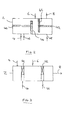
Figures 2 to 4 illustrate schematically alternative embodiments to that shown inFigure 1 ; and -
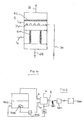
Figure 5 illustrates schematically an installation for supplying a combustion engine with natural gas in accordance with the invention. - Like parts in the different Figures may be illustrated by the same reference numerals.
- Referring to
Figure 1 of the drawings, there is shown amain vessel 2 for disengaging any particles of liquid hydrocarbons contained in natural gas. Themain vessel 2 has afirst side inlet 4 for natural gas and asecond side inlet 6 for natural gas at a higher elevation than thefirst inlet 4. Thevessel 2 is also provided at its top with agas outlet 8 and at its bottom with afirst drain 10 for the flow of liquid under gravity to a drain pot orsump 14. - The
main vessel 2 contains two vertically spacedseparators 20 and 22. Both of theseparators 20 and 22 comprise a plurality of sheets of metal mesh. Typically, each separator comprises a coiled metallic fabric having a thickness in the range 100mm to 200mm (for example 150mm). Gas laden with particles of liquid passes through the apertures in the sheets in operation of the apparatus. Particles of liquid become disengaged from the gas in theseparators 20 and 22. - Over a period of time liquid collected in the
separator 20 will begin to seep out of it and will be collected at the bottom of thevessel 2. The drain may from time to time be opened, or may be kept permanently open, in order to allow this liquid to fall under gravity into thepot 14. - The first gas stream entering through the
inlet 4 is thus freed of liquid droplets by theseparator 20 and passes into the space intermediate theseparators 20 and 22. There it is joined by a second gas stream admitted to thevessel 2 through thesecond inlet 6. Any particles of liquid entrained in the second stream of gas are disengaged therefrom by the second separator 22 as the gas rises therethrough. A resultant gas stream freed of liquid exits theseparator vessel 2 through theoutlet 8. After a period of time, liquid seeps under gravity out of the separator 22. It is collected by acollector 30 intermediate thefirst separator 20 and the second separator 22. Thecollector 30 may, for example, be in the form of a bubble cap tray. The chimneys of the bubble cap tray are effective to allow gas to pass therethrough but to allow the liquid from the separator 22 to be collected. The so-collected liquid passes to asecond drain 12 communicating with thedrain pot 14. Although thedrain 12 is shown inFigure 1 having a location outside themain vessel 2, it may alternatively be located internally of themain vessel 2. - In typical operation of the apparatus shown in
Figure 1 , theinlet 4 communicates with a forcing vaporiser (not shown) of LNG which sends vaporised natural gas to the separator at a temperature of approximately - 100°C. Entrained droplets of unvaporised LNG are disengaged from this gas by passage through thefirst separator 20. Thesecond inlet 6 communicates with the ullage space of a storage tank (not shown) for LNG. Owing to natural vaporisation, the ullage space tends to contain natural gas at a temperature between -140°C and -50°C. A stream of this gas is fed from theinlet 6 into the flow of the forcibly vaporised natural gas in the space between theseparators 20 and 22 within themain vessel 2. Particles of LNG which are introduced into themain vessel 2 with the naturally vaporised natural gas are disengaged in natural gas free of particles of liquid thus passes out of themain vessel 2 through itsoutlet 8. The liquid collected in the separator 22 tends after a period of time to seep under gravity out of the layers of mesh (or other separating medium) and are intercepted by thetray 30. The LNG so collected is therefore drained into thepot 14. If desired, thepot 14 may from time to time be emptied, the collected liquid typically being returned to the storage vessel communicating with thesecond inlet 6. - There are a number of alternative configurations of the
main vessel 2. - Referring to
Figure 2 , two horizontally disposedseparators main vessel 2 with a gap therebetween. Theseparator 40 is disposed on one side (the left hand side, as shown) of afirst partition 44 and theother separator 42 is disposed on the other side (the right hand side, as shown) of asecond partition 45. Thefirst inlet 4 communicates with the gas space defined between theseparator 40 and thepartition 44. Thesecond inlet 6 communicates with the space in themain vessel 2 defined between thefirst partition 44 and thesecond partition 45. The gas introduced through theinlet 4 passes from below through theseparator 40, any particles of liquid being disengaged therefrom by theseparator 40. The resulting gas mixes with that introduced through theinlet 6 in the space between thepartitions separator 42, any particules of liquid being disengaged from the gas by theseparator 42. The gas passes out of thevessel 2 through anoutlet 8 at the top of thevessel 2. - Drains 46 and 48 are provided beneath the
respective separator Figure 2 ). - Turning now to
Figure 3 , two horizontally spacedvertical separators vessel 2. A first inlet communicates with the top of thevessel 2 on its left hand side (as shown). There is thus a generally horizontal flow of gas through thevessel 2. There is a second inlet for gas at the top of thevessel 2 intermediate theseparators Drains separators Figure 3 ). Theoutlet 8 is located downstream of theseparator 52. - Referring to
Figure 4 , the arrangement is similar to that shown inFigure 1 , save that the lowerhorizontal separator 20 is replaced by a vertical tubular separator 60. There is radial flow of the first gas stream from aninlet 4, the gas passing from outside the tubular separator 60 to the space located therewithin. The separator 60 disengages particles of liquid from the gas entering thevessel 2 through theinlet 4. The resulting gas, essentially free of liquid particles, is able to pass vertically upwards through thevessel 2 to encounter thesecond separator 62. This gas mixes with a second stream of gas entering thevessel 2 through thesecond inlet 6. The resultant gas mixture passes through thesecond separator 62, which is effective to remove particles of liquid introduced with the second stream of gas or from the mixture.Drains separators 60 and 62, respectively, and communicate with a drain pot (not shown inFigure 4 ). Aliquid collector tray 74 is located below thesecond separator 62 but above the first separator 60 so as to catch the liquid from thesecond separator 62. Its structure and operation may be similar to that of thecollector tray 30 shown in and described with reference toFigure 1 . - The embodiments of the apparatus according to the invention shown in
Figures 1 to 4 all have in common the feature that in consequence of their respective configurations there is no contact between the higher temperature stream of gas admitted to themain vessel 2 through the inlet 6 (for example, naturally vaporised LNG) and the liquid droplets in the lower temperature gas stream admitted to themain vessel 2 through the inlet 4 (for example, forcibly vaporised LNG). As a result, the gas is not enriched in higher boiling point components through vaporisation by the higher temperature gas stream of liquid particles separated from the lower temperature gas stream. - Referring now to
Figure 5 , an apparatus as shown inFigure 1 is incorporated in aninstallation 500 which is intended to supply natural gas from astorage tank 502 to acombustion engine 530, for example, a dual fuel diesel engine. Theinlet 4 to thevessel 2 communicates with a forcingvaporiser 506 which in turn communicates with a submergedpump 508 within thevessel 502. Thevaporiser 506 is effective to vaporise LNG supplied by thepump 508 from thevessel 502. Typically, this resulting vapour or gas is supplied to theinlet 4 at a temperature of -100°C. Thesecond inlet 6 of thevessel 2 communicates directly with the ullage space of theLNG storage tank 502. In operation particles of liquid are disengaged from the feeds to theinlets drain pot 14. The drain pot is connected to thetank 502 so that the liquid can be returned to that tank. Theoutlet 8 from thevessel 2 is connected to a length of thepipeline 500 leading to arotary compressor 520. Thecompressor 520 raises the pressure of the natural gas to that required by acombustion engine 530 in communication with the outlet of thecompressor 520. - The
installation 500 may be provided on board a sea-going tanker or other vessel for transporting LNG over long distances between a site on which natural gas is liquefied and a site to which the LNG is to be delivered. Typically, a proportion of the LNG is retained for the return voyage. It is during the return voyage, in particular, that the temperature of the natural gas in the ullage space of thetank 502 can rise significantly above that at which the forcibly vaporised LNG is delivered to theinlet 4 by thevaporiser 506. The apparatus according to the invention prevents naturally vaporising LNG from the ullage space of thetank 502 from revaporising significant amounts of higher hydrocarbons in theseparator vessel 2 and thereby adversely affecting the quality of the fuel fed to theengine 530.
Claims (10)
- A mist separation apparatus comprising a main vessel having a first inlet for a first gas stream and an outlet for gas, the main vessel having a first separator spaced from a second separator along a gas flow path extending from the first inlet to the outlet, both separators being able to disengage particles of liquid from the gas, wherein the vessel has a second inlet for feeding a second gas stream that may for periods of time be at a higher temperature than the first gas stream into the gas path intermediate the first separator and the second separator.
- Mist separation apparatus according to claim 1, wherein the first separator and second separator both comprise one or more porous pads, pads meshes, sieve plates or chimney plates.
- Mist separation apparatus according to claim 2, wherein the first separator comprises a horizontal or vertical pad or mesh.
- Mist separation apparatus according to claim 2 or claim 3, wherein the second separator comprises a horizontal or vertical pad or mesh.
- Mist separation apparatus according to any one of the preceding claims, wherein the first and second separators both have drains associated therewith, the drains communicating with a liquid collection vessel.
- A natural gas delivery installation comprising mist separation apparatus according to any one of the preceding claims.
- A natural gas delivery installation according to claim 6, wherein the first inlet communicates with a source of forcibly vaporised LNG.
- A natural gas delivery installation according to claim 6 or claim 7, wherein the second inlet communicates with a source of naturally vaporising LNG.
- A natural gas delivery installation according to any one of claims 6 to 8, wherein the said outlet communicates with a compressor.
- A natural gas delivery installation according to claim 9 wherein the outlet of the compressor communicates with a combustion engine.
Priority Applications (7)
| Application Number | Priority Date | Filing Date | Title |
|---|---|---|---|
| DK12290089.7T DK2638942T3 (en) | 2012-03-15 | 2012-03-15 | Fog Separation Device |
| PL12290089T PL2638942T3 (en) | 2012-03-15 | 2012-03-15 | Mist separation apparatus |
| ES12290089.7T ES2605753T3 (en) | 2012-03-15 | 2012-03-15 | Fog separation apparatus |
| EP12290089.7A EP2638942B1 (en) | 2012-03-15 | 2012-03-15 | Mist separation apparatus |
| JP2013050140A JP6285635B2 (en) | 2012-03-15 | 2013-03-13 | Mist separator |
| KR1020130027401A KR101974658B1 (en) | 2012-03-15 | 2013-03-14 | Mist separation apparatus |
| CN201310163056.4A CN103381332B (en) | 2012-03-15 | 2013-03-15 | Mist separation apparatus |
Applications Claiming Priority (1)
| Application Number | Priority Date | Filing Date | Title |
|---|---|---|---|
| EP12290089.7A EP2638942B1 (en) | 2012-03-15 | 2012-03-15 | Mist separation apparatus |
Publications (2)
| Publication Number | Publication Date |
|---|---|
| EP2638942A1 true EP2638942A1 (en) | 2013-09-18 |
| EP2638942B1 EP2638942B1 (en) | 2016-09-21 |
Family
ID=45954555
Family Applications (1)
| Application Number | Title | Priority Date | Filing Date |
|---|---|---|---|
| EP12290089.7A Not-in-force EP2638942B1 (en) | 2012-03-15 | 2012-03-15 | Mist separation apparatus |
Country Status (7)
| Country | Link |
|---|---|
| EP (1) | EP2638942B1 (en) |
| JP (1) | JP6285635B2 (en) |
| KR (1) | KR101974658B1 (en) |
| CN (1) | CN103381332B (en) |
| DK (1) | DK2638942T3 (en) |
| ES (1) | ES2605753T3 (en) |
| PL (1) | PL2638942T3 (en) |
Families Citing this family (2)
| Publication number | Priority date | Publication date | Assignee | Title |
|---|---|---|---|---|
| CN108114564A (en) * | 2017-12-27 | 2018-06-05 | 江苏海岸药业有限公司 | A kind of bottle washing machine moisture separator |
| CN114288791B (en) * | 2021-12-08 | 2023-06-16 | 合肥江航飞机装备股份有限公司 | Air source treatment device for airborne oxygen concentrator |
Citations (3)
| Publication number | Priority date | Publication date | Assignee | Title |
|---|---|---|---|---|
| WO2010007535A1 (en) * | 2008-07-15 | 2010-01-21 | Cryostar Sas | Conversion of liquefied natural gas |
| EP2180231A1 (en) * | 2008-10-24 | 2010-04-28 | Cryostar SAS | Convenrsion of liquefied natural gas |
| WO2010143978A1 (en) * | 2009-06-11 | 2010-12-16 | Ntnu Technology Transfer As | A separator for a gas/liquid flow |
Family Cites Families (14)
| Publication number | Priority date | Publication date | Assignee | Title |
|---|---|---|---|---|
| DK145457C (en) * | 1980-03-25 | 1983-04-18 | Haldor Topsoe As | PROCEDURE FOR THE PRODUCTION OF SULFURIC ACID, BY THE QUANTITY OF SULFURIC ACID IN THE EXHAUST GAS CONTROLLED BY TEMPERATURE CONTROL |
| JPH02105700U (en) * | 1989-02-09 | 1990-08-22 | ||
| DE19505231A1 (en) * | 1995-02-16 | 1996-08-22 | Metallgesellschaft Ag | Process for cleaning gases with water |
| JP3969949B2 (en) * | 2000-10-25 | 2007-09-05 | 関西電力株式会社 | Amine recovery method and apparatus, and decarbonation gas apparatus provided with the same |
| JP3850737B2 (en) * | 2001-08-27 | 2006-11-29 | 大阪瓦斯株式会社 | Air heat source liquefied natural gas vaporizer |
| US6880360B2 (en) * | 2002-10-03 | 2005-04-19 | York International Corporation | Compressor systems for use with smokeless lubricant |
| MY140540A (en) * | 2004-07-12 | 2009-12-31 | Shell Int Research | Treating liquefied natural gas |
| GB0501335D0 (en) * | 2005-01-21 | 2005-03-02 | Cryostar France Sa | Natural gas supply method and apparatus |
| ATE497824T1 (en) * | 2006-12-22 | 2011-02-15 | Sulzer Chemtech Ag | DEVICE FOR SEPARATING LIQUID FROM A FLUID STREAM LOADED WITH LIQUID DROPS |
| JP4625478B2 (en) * | 2007-03-26 | 2011-02-02 | 関西電力株式会社 | Amine recovery method and apparatus, and decarbonation apparatus equipped with the same |
| US8337587B2 (en) * | 2008-05-20 | 2012-12-25 | Lummus Technology Inc. | Carbon dioxide purification |
| KR20100084799A (en) * | 2009-01-19 | 2010-07-28 | 삼성중공업 주식회사 | Fuel supplying device of duel fuel engine with additive cooling means |
| CN101559291B (en) * | 2009-05-18 | 2011-10-26 | 建湖县鸿达阀门管件有限公司 | Oil-gas-water three-phase separator |
| CN102022228B (en) * | 2010-12-14 | 2012-08-22 | 奇瑞汽车股份有限公司 | Fuel gas filter plant for gas-fuelled vehicle |
-
2012
- 2012-03-15 ES ES12290089.7T patent/ES2605753T3/en active Active
- 2012-03-15 DK DK12290089.7T patent/DK2638942T3/en active
- 2012-03-15 PL PL12290089T patent/PL2638942T3/en unknown
- 2012-03-15 EP EP12290089.7A patent/EP2638942B1/en not_active Not-in-force
-
2013
- 2013-03-13 JP JP2013050140A patent/JP6285635B2/en not_active Expired - Fee Related
- 2013-03-14 KR KR1020130027401A patent/KR101974658B1/en active Active
- 2013-03-15 CN CN201310163056.4A patent/CN103381332B/en active Active
Patent Citations (3)
| Publication number | Priority date | Publication date | Assignee | Title |
|---|---|---|---|---|
| WO2010007535A1 (en) * | 2008-07-15 | 2010-01-21 | Cryostar Sas | Conversion of liquefied natural gas |
| EP2180231A1 (en) * | 2008-10-24 | 2010-04-28 | Cryostar SAS | Convenrsion of liquefied natural gas |
| WO2010143978A1 (en) * | 2009-06-11 | 2010-12-16 | Ntnu Technology Transfer As | A separator for a gas/liquid flow |
Also Published As
| Publication number | Publication date |
|---|---|
| KR101974658B1 (en) | 2019-05-02 |
| DK2638942T3 (en) | 2017-01-02 |
| EP2638942B1 (en) | 2016-09-21 |
| PL2638942T3 (en) | 2017-08-31 |
| CN103381332A (en) | 2013-11-06 |
| KR20130105516A (en) | 2013-09-25 |
| CN103381332B (en) | 2017-04-12 |
| ES2605753T3 (en) | 2017-03-16 |
| JP6285635B2 (en) | 2018-02-28 |
| JP2013208610A (en) | 2013-10-10 |
Similar Documents
| Publication | Publication Date | Title |
|---|---|---|
| JP4526188B2 (en) | Method for discharging compressed liquefied natural gas from containers | |
| US10300429B2 (en) | Separating impurities from a fluid stream using multiple co-current contactors | |
| EP3095498B1 (en) | Aircraft fuel system with cyclonic separator | |
| EP1838991B2 (en) | Natural gas supply method and apparatus | |
| US6892710B2 (en) | Fuel/air separation system | |
| CN110740928B (en) | Boil-off gas reliquefaction system and ship | |
| JP6793052B2 (en) | Boil-off gas recovery system | |
| US20120017639A1 (en) | Methods and systems for storing and transporting gases | |
| US20180050348A1 (en) | Quench water hydrocyclone | |
| KR20140061533A (en) | Device for collecting and separating aqueous and/or oily liquids and cryogenic liquid | |
| CA2764605A1 (en) | A separator for a gas/liquid flow | |
| US7476365B2 (en) | Apparatus for removing mercury from natural gas | |
| EP2638942B1 (en) | Mist separation apparatus | |
| KR102132517B1 (en) | Reliquefaction system for boil-off gas and ship having the same | |
| US11491442B2 (en) | Air separation modules and methods of removing condensate from air separation modules | |
| KR101411634B1 (en) | Oil separating device | |
| KR101295667B1 (en) | Lng fuel supply system for dual fuel diesel engine using kettle type heat exchanger | |
| RU2309787C2 (en) | Installation for trapping the vapors of the hydrocarbons from the air-vapors mixtures formed at the oil products storing and transfer | |
| CN220788172U (en) | Transformer accident oil pool | |
| RU2452556C1 (en) | Plant for hydrocarbon vapors recovery | |
| RU65785U1 (en) | SEPARATOR-DROP BATTERY FOR THIN GAS CLEANING FROM LIQUID | |
| CN205241609U (en) | Multistage associated gas lighter hydrocarbons recovery unit | |
| RU2620050C1 (en) | Method for cleaning from oil or petroleum vapours of vapour-gas medium which is produced during storage of oil or petroleum, or when filling tank with oil or petroleum and plant for its implementation (options) | |
| KR20220082854A (en) | Integration of contaminant separation and re-gasification systems | |
| RU223179U1 (en) | OIL SEPARATION UNIT |
Legal Events
| Date | Code | Title | Description |
|---|---|---|---|
| PUAI | Public reference made under article 153(3) epc to a published international application that has entered the european phase |
Free format text: ORIGINAL CODE: 0009012 |
|
| AK | Designated contracting states |
Kind code of ref document: A1 Designated state(s): AL AT BE BG CH CY CZ DE DK EE ES FI FR GB GR HR HU IE IS IT LI LT LU LV MC MK MT NL NO PL PT RO RS SE SI SK SM TR |
|
| AX | Request for extension of the european patent |
Extension state: BA ME |
|
| 17P | Request for examination filed |
Effective date: 20140318 |
|
| RBV | Designated contracting states (corrected) |
Designated state(s): AL AT BE BG CH CY CZ DE DK EE ES FI FR GB GR HR HU IE IS IT LI LT LU LV MC MK MT NL NO PL PT RO RS SE SI SK SM TR |
|
| 17Q | First examination report despatched |
Effective date: 20140704 |
|
| GRAP | Despatch of communication of intention to grant a patent |
Free format text: ORIGINAL CODE: EPIDOSNIGR1 |
|
| INTG | Intention to grant announced |
Effective date: 20160406 |
|
| GRAS | Grant fee paid |
Free format text: ORIGINAL CODE: EPIDOSNIGR3 |
|
| GRAA | (expected) grant |
Free format text: ORIGINAL CODE: 0009210 |
|
| AK | Designated contracting states |
Kind code of ref document: B1 Designated state(s): AL AT BE BG CH CY CZ DE DK EE ES FI FR GB GR HR HU IE IS IT LI LT LU LV MC MK MT NL NO PL PT RO RS SE SI SK SM TR |
|
| REG | Reference to a national code |
Ref country code: GB Ref legal event code: FG4D |
|
| REG | Reference to a national code |
Ref country code: CH Ref legal event code: EP |
|
| REG | Reference to a national code |
Ref country code: AT Ref legal event code: REF Ref document number: 830591 Country of ref document: AT Kind code of ref document: T Effective date: 20161015 |
|
| REG | Reference to a national code |
Ref country code: IE Ref legal event code: FG4D |
|
| REG | Reference to a national code |
Ref country code: DE Ref legal event code: R096 Ref document number: 602012023253 Country of ref document: DE |
|
| REG | Reference to a national code |
Ref country code: NL Ref legal event code: FP |
|
| REG | Reference to a national code |
Ref country code: SE Ref legal event code: TRGR |
|
| REG | Reference to a national code |
Ref country code: DK Ref legal event code: T3 Effective date: 20161222 |
|
| REG | Reference to a national code |
Ref country code: LT Ref legal event code: MG4D |
|
| PG25 | Lapsed in a contracting state [announced via postgrant information from national office to epo] |
Ref country code: RS Free format text: LAPSE BECAUSE OF FAILURE TO SUBMIT A TRANSLATION OF THE DESCRIPTION OR TO PAY THE FEE WITHIN THE PRESCRIBED TIME-LIMIT Effective date: 20160921 Ref country code: LT Free format text: LAPSE BECAUSE OF FAILURE TO SUBMIT A TRANSLATION OF THE DESCRIPTION OR TO PAY THE FEE WITHIN THE PRESCRIBED TIME-LIMIT Effective date: 20160921 |
|
| REG | Reference to a national code |
Ref country code: NO Ref legal event code: T2 Effective date: 20160921 Ref country code: FR Ref legal event code: PLFP Year of fee payment: 6 |
|
| REG | Reference to a national code |
Ref country code: AT Ref legal event code: MK05 Ref document number: 830591 Country of ref document: AT Kind code of ref document: T Effective date: 20160921 |
|
| PG25 | Lapsed in a contracting state [announced via postgrant information from national office to epo] |
Ref country code: LV Free format text: LAPSE BECAUSE OF FAILURE TO SUBMIT A TRANSLATION OF THE DESCRIPTION OR TO PAY THE FEE WITHIN THE PRESCRIBED TIME-LIMIT Effective date: 20160921 |
|
| REG | Reference to a national code |
Ref country code: ES Ref legal event code: FG2A Ref document number: 2605753 Country of ref document: ES Kind code of ref document: T3 Effective date: 20170316 |
|
| PG25 | Lapsed in a contracting state [announced via postgrant information from national office to epo] |
Ref country code: RO Free format text: LAPSE BECAUSE OF FAILURE TO SUBMIT A TRANSLATION OF THE DESCRIPTION OR TO PAY THE FEE WITHIN THE PRESCRIBED TIME-LIMIT Effective date: 20160921 Ref country code: EE Free format text: LAPSE BECAUSE OF FAILURE TO SUBMIT A TRANSLATION OF THE DESCRIPTION OR TO PAY THE FEE WITHIN THE PRESCRIBED TIME-LIMIT Effective date: 20160921 |
|
| PG25 | Lapsed in a contracting state [announced via postgrant information from national office to epo] |
Ref country code: BG Free format text: LAPSE BECAUSE OF FAILURE TO SUBMIT A TRANSLATION OF THE DESCRIPTION OR TO PAY THE FEE WITHIN THE PRESCRIBED TIME-LIMIT Effective date: 20161221 Ref country code: AT Free format text: LAPSE BECAUSE OF FAILURE TO SUBMIT A TRANSLATION OF THE DESCRIPTION OR TO PAY THE FEE WITHIN THE PRESCRIBED TIME-LIMIT Effective date: 20160921 Ref country code: PT Free format text: LAPSE BECAUSE OF FAILURE TO SUBMIT A TRANSLATION OF THE DESCRIPTION OR TO PAY THE FEE WITHIN THE PRESCRIBED TIME-LIMIT Effective date: 20170123 Ref country code: SK Free format text: LAPSE BECAUSE OF FAILURE TO SUBMIT A TRANSLATION OF THE DESCRIPTION OR TO PAY THE FEE WITHIN THE PRESCRIBED TIME-LIMIT Effective date: 20160921 Ref country code: SM Free format text: LAPSE BECAUSE OF FAILURE TO SUBMIT A TRANSLATION OF THE DESCRIPTION OR TO PAY THE FEE WITHIN THE PRESCRIBED TIME-LIMIT Effective date: 20160921 Ref country code: IS Free format text: LAPSE BECAUSE OF FAILURE TO SUBMIT A TRANSLATION OF THE DESCRIPTION OR TO PAY THE FEE WITHIN THE PRESCRIBED TIME-LIMIT Effective date: 20170121 Ref country code: CZ Free format text: LAPSE BECAUSE OF FAILURE TO SUBMIT A TRANSLATION OF THE DESCRIPTION OR TO PAY THE FEE WITHIN THE PRESCRIBED TIME-LIMIT Effective date: 20160921 |
|
| REG | Reference to a national code |
Ref country code: DE Ref legal event code: R097 Ref document number: 602012023253 Country of ref document: DE |
|
| REG | Reference to a national code |
Ref country code: GR Ref legal event code: EP Ref document number: 20160403168 Country of ref document: GR Effective date: 20170410 |
|
| PLBE | No opposition filed within time limit |
Free format text: ORIGINAL CODE: 0009261 |
|
| STAA | Information on the status of an ep patent application or granted ep patent |
Free format text: STATUS: NO OPPOSITION FILED WITHIN TIME LIMIT |
|
| 26N | No opposition filed |
Effective date: 20170622 |
|
| REG | Reference to a national code |
Ref country code: CH Ref legal event code: PL |
|
| GBPC | Gb: european patent ceased through non-payment of renewal fee |
Effective date: 20170315 |
|
| PG25 | Lapsed in a contracting state [announced via postgrant information from national office to epo] |
Ref country code: MC Free format text: LAPSE BECAUSE OF FAILURE TO SUBMIT A TRANSLATION OF THE DESCRIPTION OR TO PAY THE FEE WITHIN THE PRESCRIBED TIME-LIMIT Effective date: 20160921 Ref country code: SI Free format text: LAPSE BECAUSE OF FAILURE TO SUBMIT A TRANSLATION OF THE DESCRIPTION OR TO PAY THE FEE WITHIN THE PRESCRIBED TIME-LIMIT Effective date: 20160921 |
|
| REG | Reference to a national code |
Ref country code: IE Ref legal event code: MM4A |
|
| REG | Reference to a national code |
Ref country code: GB Ref legal event code: S28 Free format text: APPLICATION FILED |
|
| PG25 | Lapsed in a contracting state [announced via postgrant information from national office to epo] |
Ref country code: LU Free format text: LAPSE BECAUSE OF NON-PAYMENT OF DUE FEES Effective date: 20170315 |
|
| REG | Reference to a national code |
Ref country code: FR Ref legal event code: PLFP Year of fee payment: 7 |
|
| PG25 | Lapsed in a contracting state [announced via postgrant information from national office to epo] |
Ref country code: IE Free format text: LAPSE BECAUSE OF NON-PAYMENT OF DUE FEES Effective date: 20170315 Ref country code: GB Free format text: LAPSE BECAUSE OF NON-PAYMENT OF DUE FEES Effective date: 20170315 Ref country code: LI Free format text: LAPSE BECAUSE OF NON-PAYMENT OF DUE FEES Effective date: 20170331 Ref country code: CH Free format text: LAPSE BECAUSE OF NON-PAYMENT OF DUE FEES Effective date: 20170331 |
|
| REG | Reference to a national code |
Ref country code: GB Ref legal event code: S28 Free format text: RESTORATION ALLOWED Effective date: 20180308 |
|
| PG25 | Lapsed in a contracting state [announced via postgrant information from national office to epo] |
Ref country code: MT Free format text: LAPSE BECAUSE OF NON-PAYMENT OF DUE FEES Effective date: 20170315 |
|
| PG25 | Lapsed in a contracting state [announced via postgrant information from national office to epo] |
Ref country code: AL Free format text: LAPSE BECAUSE OF FAILURE TO SUBMIT A TRANSLATION OF THE DESCRIPTION OR TO PAY THE FEE WITHIN THE PRESCRIBED TIME-LIMIT Effective date: 20160921 |
|
| PG25 | Lapsed in a contracting state [announced via postgrant information from national office to epo] |
Ref country code: HU Free format text: LAPSE BECAUSE OF FAILURE TO SUBMIT A TRANSLATION OF THE DESCRIPTION OR TO PAY THE FEE WITHIN THE PRESCRIBED TIME-LIMIT; INVALID AB INITIO Effective date: 20120315 |
|
| PG25 | Lapsed in a contracting state [announced via postgrant information from national office to epo] |
Ref country code: CY Free format text: LAPSE BECAUSE OF NON-PAYMENT OF DUE FEES Effective date: 20160921 |
|
| PG25 | Lapsed in a contracting state [announced via postgrant information from national office to epo] |
Ref country code: MK Free format text: LAPSE BECAUSE OF FAILURE TO SUBMIT A TRANSLATION OF THE DESCRIPTION OR TO PAY THE FEE WITHIN THE PRESCRIBED TIME-LIMIT Effective date: 20160921 |
|
| PG25 | Lapsed in a contracting state [announced via postgrant information from national office to epo] |
Ref country code: TR Free format text: LAPSE BECAUSE OF FAILURE TO SUBMIT A TRANSLATION OF THE DESCRIPTION OR TO PAY THE FEE WITHIN THE PRESCRIBED TIME-LIMIT Effective date: 20160921 |
|
| PG25 | Lapsed in a contracting state [announced via postgrant information from national office to epo] |
Ref country code: HR Free format text: LAPSE BECAUSE OF FAILURE TO SUBMIT A TRANSLATION OF THE DESCRIPTION OR TO PAY THE FEE WITHIN THE PRESCRIBED TIME-LIMIT Effective date: 20160921 |
|
| PGFP | Annual fee paid to national office [announced via postgrant information from national office to epo] |
Ref country code: NO Payment date: 20230321 Year of fee payment: 12 Ref country code: FR Payment date: 20230320 Year of fee payment: 12 Ref country code: FI Payment date: 20230320 Year of fee payment: 12 Ref country code: DK Payment date: 20230323 Year of fee payment: 12 |
|
| PGFP | Annual fee paid to national office [announced via postgrant information from national office to epo] |
Ref country code: SE Payment date: 20230315 Year of fee payment: 12 Ref country code: PL Payment date: 20230308 Year of fee payment: 12 Ref country code: GR Payment date: 20230317 Year of fee payment: 12 Ref country code: GB Payment date: 20230323 Year of fee payment: 12 Ref country code: DE Payment date: 20230320 Year of fee payment: 12 Ref country code: BE Payment date: 20230321 Year of fee payment: 12 |
|
| PGFP | Annual fee paid to national office [announced via postgrant information from national office to epo] |
Ref country code: NL Payment date: 20230322 Year of fee payment: 12 |
|
| PGFP | Annual fee paid to national office [announced via postgrant information from national office to epo] |
Ref country code: IT Payment date: 20230331 Year of fee payment: 12 Ref country code: ES Payment date: 20230414 Year of fee payment: 12 |
|
| REG | Reference to a national code |
Ref country code: DE Ref legal event code: R119 Ref document number: 602012023253 Country of ref document: DE |
|
| PG25 | Lapsed in a contracting state [announced via postgrant information from national office to epo] |
Ref country code: FI Free format text: LAPSE BECAUSE OF NON-PAYMENT OF DUE FEES Effective date: 20240315 |
|
| REG | Reference to a national code |
Ref country code: DK Ref legal event code: EBP Effective date: 20240331 |
|
| REG | Reference to a national code |
Ref country code: SE Ref legal event code: EUG |
|
| PG25 | Lapsed in a contracting state [announced via postgrant information from national office to epo] |
Ref country code: FI Free format text: LAPSE BECAUSE OF NON-PAYMENT OF DUE FEES Effective date: 20240315 |
|
| REG | Reference to a national code |
Ref country code: NL Ref legal event code: MM Effective date: 20240401 |
|
| GBPC | Gb: european patent ceased through non-payment of renewal fee |
Effective date: 20240315 |
|
| PG25 | Lapsed in a contracting state [announced via postgrant information from national office to epo] |
Ref country code: NL Free format text: LAPSE BECAUSE OF NON-PAYMENT OF DUE FEES Effective date: 20240401 |
|
| REG | Reference to a national code |
Ref country code: BE Ref legal event code: MM Effective date: 20240331 |
|
| PG25 | Lapsed in a contracting state [announced via postgrant information from national office to epo] |
Ref country code: NL Free format text: LAPSE BECAUSE OF NON-PAYMENT OF DUE FEES Effective date: 20240401 |
|
| PG25 | Lapsed in a contracting state [announced via postgrant information from national office to epo] |
Ref country code: DE Free format text: LAPSE BECAUSE OF NON-PAYMENT OF DUE FEES Effective date: 20241001 |
|
| PG25 | Lapsed in a contracting state [announced via postgrant information from national office to epo] |
Ref country code: NO Free format text: LAPSE BECAUSE OF NON-PAYMENT OF DUE FEES Effective date: 20240331 |
|
| PG25 | Lapsed in a contracting state [announced via postgrant information from national office to epo] |
Ref country code: GR Free format text: LAPSE BECAUSE OF NON-PAYMENT OF DUE FEES Effective date: 20241004 Ref country code: BE Free format text: LAPSE BECAUSE OF NON-PAYMENT OF DUE FEES Effective date: 20240331 |
|
| PG25 | Lapsed in a contracting state [announced via postgrant information from national office to epo] |
Ref country code: GB Free format text: LAPSE BECAUSE OF NON-PAYMENT OF DUE FEES Effective date: 20240315 |
|
| PG25 | Lapsed in a contracting state [announced via postgrant information from national office to epo] |
Ref country code: FR Free format text: LAPSE BECAUSE OF NON-PAYMENT OF DUE FEES Effective date: 20240331 |
|
| PG25 | Lapsed in a contracting state [announced via postgrant information from national office to epo] |
Ref country code: NO Free format text: LAPSE BECAUSE OF NON-PAYMENT OF DUE FEES Effective date: 20240331 Ref country code: GR Free format text: LAPSE BECAUSE OF NON-PAYMENT OF DUE FEES Effective date: 20241004 Ref country code: GB Free format text: LAPSE BECAUSE OF NON-PAYMENT OF DUE FEES Effective date: 20240315 Ref country code: FR Free format text: LAPSE BECAUSE OF NON-PAYMENT OF DUE FEES Effective date: 20240331 Ref country code: DE Free format text: LAPSE BECAUSE OF NON-PAYMENT OF DUE FEES Effective date: 20241001 Ref country code: BE Free format text: LAPSE BECAUSE OF NON-PAYMENT OF DUE FEES Effective date: 20240331 |
|
| PG25 | Lapsed in a contracting state [announced via postgrant information from national office to epo] |
Ref country code: DK Free format text: LAPSE BECAUSE OF NON-PAYMENT OF DUE FEES Effective date: 20240331 |
|
| PG25 | Lapsed in a contracting state [announced via postgrant information from national office to epo] |
Ref country code: IT Free format text: LAPSE BECAUSE OF NON-PAYMENT OF DUE FEES Effective date: 20240315 |
|
| PG25 | Lapsed in a contracting state [announced via postgrant information from national office to epo] |
Ref country code: ES Free format text: LAPSE BECAUSE OF NON-PAYMENT OF DUE FEES Effective date: 20240316 |
|
| PG25 | Lapsed in a contracting state [announced via postgrant information from national office to epo] |
Ref country code: SE Free format text: LAPSE BECAUSE OF NON-PAYMENT OF DUE FEES Effective date: 20240316 |
|
| PG25 | Lapsed in a contracting state [announced via postgrant information from national office to epo] |
Ref country code: PL Free format text: LAPSE BECAUSE OF NON-PAYMENT OF DUE FEES Effective date: 20240315 |