EP2628810A1 - Superalloy compositions, articles, and methods of manufacture - Google Patents
Superalloy compositions, articles, and methods of manufacture Download PDFInfo
- Publication number
- EP2628810A1 EP2628810A1 EP12180468.6A EP12180468A EP2628810A1 EP 2628810 A1 EP2628810 A1 EP 2628810A1 EP 12180468 A EP12180468 A EP 12180468A EP 2628810 A1 EP2628810 A1 EP 2628810A1
- Authority
- EP
- European Patent Office
- Prior art keywords
- weight percent
- composition
- aluminum
- tantalum
- titanium
- Prior art date
- Legal status (The legal status is an assumption and is not a legal conclusion. Google has not performed a legal analysis and makes no representation as to the accuracy of the status listed.)
- Granted
Links
Images


Classifications
-
- C—CHEMISTRY; METALLURGY
- C22—METALLURGY; FERROUS OR NON-FERROUS ALLOYS; TREATMENT OF ALLOYS OR NON-FERROUS METALS
- C22C—ALLOYS
- C22C19/00—Alloys based on nickel or cobalt
- C22C19/03—Alloys based on nickel or cobalt based on nickel
- C22C19/05—Alloys based on nickel or cobalt based on nickel with chromium
- C22C19/051—Alloys based on nickel or cobalt based on nickel with chromium and Mo or W
- C22C19/056—Alloys based on nickel or cobalt based on nickel with chromium and Mo or W with the maximum Cr content being at least 10% but less than 20%
-
- B—PERFORMING OPERATIONS; TRANSPORTING
- B22—CASTING; POWDER METALLURGY
- B22F—WORKING METALLIC POWDER; MANUFACTURE OF ARTICLES FROM METALLIC POWDER; MAKING METALLIC POWDER; APPARATUS OR DEVICES SPECIALLY ADAPTED FOR METALLIC POWDER
- B22F5/00—Manufacture of workpieces or articles from metallic powder characterised by the special shape of the product
- B22F5/009—Manufacture of workpieces or articles from metallic powder characterised by the special shape of the product of turbine components other than turbine blades
-
- C—CHEMISTRY; METALLURGY
- C22—METALLURGY; FERROUS OR NON-FERROUS ALLOYS; TREATMENT OF ALLOYS OR NON-FERROUS METALS
- C22C—ALLOYS
- C22C1/00—Making non-ferrous alloys
- C22C1/04—Making non-ferrous alloys by powder metallurgy
-
- C—CHEMISTRY; METALLURGY
- C22—METALLURGY; FERROUS OR NON-FERROUS ALLOYS; TREATMENT OF ALLOYS OR NON-FERROUS METALS
- C22C—ALLOYS
- C22C1/00—Making non-ferrous alloys
- C22C1/04—Making non-ferrous alloys by powder metallurgy
- C22C1/0433—Nickel- or cobalt-based alloys
-
- C—CHEMISTRY; METALLURGY
- C22—METALLURGY; FERROUS OR NON-FERROUS ALLOYS; TREATMENT OF ALLOYS OR NON-FERROUS METALS
- C22C—ALLOYS
- C22C19/00—Alloys based on nickel or cobalt
- C22C19/03—Alloys based on nickel or cobalt based on nickel
- C22C19/05—Alloys based on nickel or cobalt based on nickel with chromium
- C22C19/051—Alloys based on nickel or cobalt based on nickel with chromium and Mo or W
- C22C19/057—Alloys based on nickel or cobalt based on nickel with chromium and Mo or W with the maximum Cr content being less 10%
-
- C—CHEMISTRY; METALLURGY
- C22—METALLURGY; FERROUS OR NON-FERROUS ALLOYS; TREATMENT OF ALLOYS OR NON-FERROUS METALS
- C22C—ALLOYS
- C22C30/00—Alloys containing less than 50% by weight of each constituent
-
- C—CHEMISTRY; METALLURGY
- C22—METALLURGY; FERROUS OR NON-FERROUS ALLOYS; TREATMENT OF ALLOYS OR NON-FERROUS METALS
- C22F—CHANGING THE PHYSICAL STRUCTURE OF NON-FERROUS METALS AND NON-FERROUS ALLOYS
- C22F1/00—Changing the physical structure of non-ferrous metals or alloys by heat treatment or by hot or cold working
- C22F1/10—Changing the physical structure of non-ferrous metals or alloys by heat treatment or by hot or cold working of nickel or cobalt or alloys based thereon
Definitions
- the disclosure relates to nickel-base superalloys. More particularly, the disclosure relates to such superalloys used in high-temperature gas turbine engine components such as turbine disks and compressor disks.
- U.S. Patent 6521175 discloses an advanced nickel-base superalloy for powder metallurgical (PM) manufacture of turbine disks.
- the disclosure of the '175 patent is incorporated by reference herein as if set forth at length.
- the '175 patent discloses disk alloys optimized for short-time engine cycles, with disk temperatures approaching temperatures of about 1500°F (816°C).
- US20100008790 discloses a nickel-base disk alloy having a relatively high concentration of tantalum coexisting with a relatively high concentration of one or more other components
- Other disk alloys are disclosed in US5104614 , US5662749 , US6908519 , EP1201777 , and EP1195446 .
- Blades are typically cast and some blades include complex internal features.
- U.S. Patents 3061426 , 4209348 , 4569824 , 4719080 , 5270123 , 6355117 , and 6706241 disclose various blade alloys.
- One aspect of the disclosure involves a nickel-base composition of matter having a content of nickel as a largest content; 3.10-3.75 wt% aluminum; 0.02-0.09 wt% boron; 0.02-0.09 wt% carbon; 9.5-11.25 wt% chromium; 20.0-22.0 wt% cobalt; 2.8-4.2 wt% molybdenum; 1.6-2.4 wt% niobium; 4.2-6.1 wt% tantalum; 2.6-3.5 wt% titanium; 1.8-2.5 wt% tungsten; and 0.04-0.09 wt% zirconium.
- the aluminium content is in the range of 3.18-3.70 wt% aluminium, more preferably 3.3-3.7 wt% aluminium.
- the boron content is in the range of 0.02-0.05 wt% boron, more preferably 0.035-0.05 wt% boron.
- the carbon content is in the range of 0.025-0.055 wt% carbon, more preferably 0.03-0.04 wt% carbon.
- the chromium content is in the range of 10.00-10.85 wt% chromium, more preferably 10.0-10.4 wt% chromium.
- the cobalt content is in the range of 20.4-21.2 wt% cobalt, more preferably 20.4-21.2 wt% cobalt.
- the molybdenum content is in the range of 3.05-3.85 wt% molybdenum, more preferably 3.45-3.85 wt% molybdenum.
- the niobium content is in the range of 1.70-2.29 wt% niobium, more preferably 1.89-2.29 wt% niobium.
- the tantalum content is in the range of 4.3-4.9 wt% tantalum, more preferably 4.5-4.9 wt% tantalum.
- the titanium content is in the range of 2.75-3.30 wt% titanium, more preferably 2.9-3.3 wt% titanium.
- the tungsten content is in the range of 1.9-2.4 wt% tungsten, more preferably 2.0-2.4 wt% tungsten.
- the zirconium content is in the range of 0.040-0.075 wt% zirconium, more preferably 0.04-0.075 wt% zirconium.
- the composition comprises, in weight percent: 3.18-3.70 aluminum; 0.020-0.050 boron; 0.025-0.055 carbon; 10.00-10.85 chromium; 20.4-21.2 cobalt; 3.05-3.85 molybdenum; 1.70-2.29 niobium; 4.3-4.9 tantalum; 2.75-3.30 titanium; 1.9-2.4 tungsten; and 0.040-0.075 zirconium.
- composition consists essentially of said combination.
- the composition comprises, if any, in weight percent, no more than: 0.005 copper; 0.15 iron; 0.50 hafnium; 0.0005 sulphur; 0.1 silicon; and 0.1. vanadium.
- the composition comprises, in weight percent at least one of: 3.3-3.7 aluminum; 0.035-0.05 boron; 0.03-0.04 carbon; 10.0-10.4 chromium; 20.4-21.2 cobalt; 3.45-3.85 molybdenum; 1.89-2.29 niobium; 4.5-4.9 tantalum; 2.9-3.3 titanium; 2.0-2.4 tungsten; and 0.04-0.075 zirconium.
- the composition comprises, in weight percent: 3.3-3.7 aluminum; 0.035-0.05 boron; 0.03-0.04 carbon; 10.0-10.4 chromium; 20.4-21.2 cobalt; 3.45-3.85 molybdenum; 1.89-2.29 niobium; 4.5-4.9 tantalum; 2.9-3.3 titanium; 2.0-2.4 tungsten; 0.04-0.075 zirconium; and no more than 1.0 percent, individually, of every additional constituent, if any, more preferably no more than 0.5 percent.
- the composition comprises, in weight percent: 3.18-3.63 aluminum; 0.020-0.030 boron; 0.025-0.055 carbon; 10.05-10.85 chromium; 20.60-21.20 cobalt; 3.05-3.55 molybdenum; 1.70-2.00 niobium; 4.3-4.70 tantalum; 2.75-3.25 titanium; 1.90-2.10 tungsten; 0.050-0.070 zirconium; and no more than 1.0 percent, individually, of every additional constituent, if any, more preferably no more than 0.5 percent.
- said content of nickel is at least 50 weight percent.
- said content of nickel is 50-53 weight percent.
- a weight ratio of said titanium to said aluminum is at least 0.57.
- a combined content of said tantalum, aluminum, titanium, and niobium is at least 11.5 percent.
- a combined content of said tantalum, aluminum, titanium, and niobium is 12.0-14.2 weight percent.
- a combined content of said titanium and niobium is 4.6-5.25 weight percent.
- a combined content of said tantalum and aluminum is 7.6-8.2 weight percent.
- a weight ratio of said aluminum to said tantalum is 0.7-0.8.
- a weight ratio of said molybdenum to said tungsten 1.6-1.9.
- composition comprises, in weight percent: no more than 4.0 weight percent, individually, of every additional constituent, if any.
- composition comprises, in weight percent: no more than 0.5 weight percent, individually, of every additional constituent, if any.
- composition comprises, in weight percent: no more than 4.0 weight percent, total, of every additional constituent, if any.
- composition is in powder form.
- Another aspect of the disclosure involves a process for forming an article comprising: compacting a powder having the composition of any of the embodiments; forging a precursor formed from the compacted powder; and machining the forged precursor.
- the process may further comprise: heat treating the precursor, at least one of before and after the machining, by heating to a temperature of no more than 1232°C (2250°F.)
- the process may further comprise: heat treating the precursor, at least one of before and after the machining, the heat treating effective to increase a characteristic ⁇ grain size from a first value of about 10 ⁇ m or less to a second value of 20-120 ⁇ m.
- Another aspect of the disclosure involves a gas turbine engine turbine or compressor disk having the composition of any of the embodiments.
- a powder metallurgical article comprising: a content of nickel as a largest content; 3.25-3.75 wt% aluminum; 0.02-0.09 wt% boron; 0.02-0.09 wt% carbon; 9.0-11.0 wt% chromium; 16.0-22.0 wt% cobalt; 2.0-5.0 wt% molybdenum; 1.0-3.5 wt% niobium; 4.2-5.4 wt% tantalum; 2.0-4.5 wt% titanium; 1.8-2.4 wt% tungsten; and 0.04-0.09 wt% zirconium.
- a combined content of said tantalum, aluminum, titanium, and niobium is at least 11.5 weight percent; a combined content of titanium and niobium is 4.6-5.9 weight percent; and a combined content of tantalum and aluminum is 7.3-8.6 weight percent.
- the powder metallurgical article may comprise a composition as described in any of the statements above.
- the alloy may be used to form turbine disks via powder metallurgical processes.
- FIG. 1 shows a gas turbine engine disk assembly 20 including a disk 22 and a plurality of blades 24.
- the disk is generally annular, extending from an inboard bore or hub 26 at a central aperture to an outboard rim 28.
- a relatively thin web 30 is radially between the bore 26 and rim 28.
- the periphery of the rim 28 has a circumferential array of engagement features 32 (e.g., dovetail slots) for engaging complementary features 34 of the blades 24.
- the disk and blades may be a unitary structure (e.g., so-called "integrally bladed" rotors or disks).
- the disk 22 is advantageously formed by a powder metallurgical forging process (e.g., as is disclosed in U.S. Patent 6,521,175 ).
- FIG. 2 shows an exemplary process.
- the elemental components of the alloy are mixed (e.g., as individual components of refined purity or alloys thereof).
- the mixture is melted sufficiently to eliminate component segregation.
- the melted mixture is atomized to form droplets of molten metal.
- the atomized droplets are cooled to solidify into powder particles.
- the powder may be screened to restrict the ranges of powder particle sizes allowed.
- the powder is put into a container.
- the container of powder is consolidated in a multi-step process involving compression and heating.
- the resulting consolidated powder then has essentially the full density of the alloy without the chemical segregation typical of larger castings.
- a blank of the consolidated powder may be forged at appropriate temperatures and deformation constraints to provide a forging with the basic disk profile.
- the forging is then heat treated in a multi-step process involving high temperature heating followed by a rapid cooling process or quench.
- the heat treatment increases the characteristic gamma ( ⁇ ) grain size from an exemplary 10 ⁇ m or less to an exemplary 20-120 ⁇ m (with 30-60 ⁇ m being preferred).
- the quench for the heat treatment may also form strengthening precipitates (e.g., gamma prime ( ⁇ ') and eta ( ⁇ ) phases discussed in further detail below) of a desired distribution of sizes and desired volume percentages.
- Table I of FIG. 3 shows two particular specifications for two alloys, identified as Alloy A and Alloy B. It also shows a broader specification for one exemplary alloy or group of alloys (including A and B in common). The nominal composition and nominal limits were derived based upon sensitivities to elemental changes (e.g., derived from phase diagrams). The table also shows a measured composition of test samples. The table also shows nominal compositions of the prior art alloys: (1) of US '790; (2) of NF3 (discussed, e.g., in US6521175 ); (3) ME16 (discussed, e.g., in EP1195446 ); and IN-100. Except where noted, all contents are by weight and specifically in weight percent.
- the FIG. 3 alloy has been engineered to provide the necessary properties for both disk rim and bore. Beyond the base nickel and the required components, an exemplary alloy has no more than 4.0 percent (more narrowly 2% or 1%), total/combined, of every additional constituent, if any. Similarly, the exemplary alloy may have no more than 2.0 percent (more narrowly 1% or 0.5%), individually, of every additional constituent, if any (or such lower amounts as may be in the table or may otherwise constitute merely impurity levels). Exemplary nickel contents are 49-55, more narrowly 50-53.
- Ta tantalum
- levels above 3% Ta e.g., 4.2-6.1 wt% combined with relatively high levels of other ⁇ ' formers (namely, one or a combination of aluminum (Al), titanium (Ti), niobium (Nb), tungsten (W), and hafnium (Hf)) and relatively high levels of cobalt (Co) are believed unique.
- the Ta serves as a solid solution strengthening additive to the ⁇ ' and to the ⁇ .
- the presence of the relatively large Ta atoms reduces diffusion principally in the ⁇ ' phase but also in the ⁇ . This may reduce high-temperature creep.
- the sum of the primary elements (Al, Ti, Ta, and Nb) that form gamma prime are between approximately 11.5 and 15.0 wt%, more narrowly 12.0-14.2 wt% and an exemplary level of 12.8 or 13.4 wt%.
- This provides benefits in creep and high temperature strength (and possibly notched dwell LCF).
- An exemplary combined content of Nb and Ti does not exceed 5.9 wt% due to undesirable phase formation and is at least 4.6 wt% to maintain rupture resistance, more narrowly 4.6-5.25 wt%. Therefore, an exemplary combined content of Al + Ta is between 7.3 and 8.6 wt%, more narrowly 7.6-8.2 wt%, to maintain high strength capability.
- the ratio of Al/Ta should be between 0.67 and 0.83 (using wt%), more narrowly 0.7-0.8. This provides the maximum gamma prime flow stress at the highest possible temperature. This manifests itself in very high yield strength in the alloy at 1250°F (677°C) and resists, to some extent, decrease of yield strength as high as 1500°F (816°C). The higher values of this ratio will produce higher ductility, but lower tensile and rupture capabilities. The lower values will produce undesirable phase formation and lower ductility.
- the Mo/W ratios in this alloy may be maintained to prevent low ductility at temperatures above 1000°F (538°C) and up to 2200°F (1204°C).
- a target ratio is 1.65 (using wt%), more broadly 1.6-1.9, but can be as high as 2.1 and as low as 1.5 without disruption of the desired properties.
- Significantly lower values produce low high temperature ductility (resulting in lower resistance to quench cracking) and higher values do not have the desired levels of ultimate tensile strength at temperatures from room temperature to 2100°F (1149°C) and resistance to creep at 1200°F (649°C) and above.
- inventive alloys to the modern blade alloys. Relatively high Ta contents are common to modern blade alloys. There may be several compositional differences between the inventive alloys and modern blade alloys.
- the blade alloys are typically produced by casting techniques as their high-temperature capability is enhanced by the ability to form very large polycrystalline and/or single grains (also known as single crystals). Use of such blade alloys in powder metallurgical applications is compromised by the formation of very large grain size and their requirements for high-temperature heat treatment. The resulting cooling rate would cause significant quench cracking and tearing (particularly for larger parts).
- those blade alloys have a lower cobalt (Co) concentration than the exemplary inventive alloys.
- the exemplary inventive alloys have been customized for utilization in disk manufacture through the adjustment of several other elements, including one or more of Al, Co, Cr, Hf, Mo, Nb, Ti, and W. Nevertheless, possible use of the inventive alloys for blades, vanes, and other non-disk components can't be excluded.
- a high-Ta disk alloy having improved high temperature properties e.g., for use at temperatures of 1200-1500°F (649-816°C) or greater.
- metric is a conversion from the English (e.g., an English measurement) and should not be regarded as indicating a false degree of precision.
- Ni 3 Ti The most basic ⁇ form is Ni 3 Ti. It has generally been believed that, in modern disk and blade alloys, ⁇ forms when the Al to Ti weight ratio is less than or equal to one. In the exemplary alloys, this ratio is greater than one. From compositional analysis of the ⁇ phase, it appears that Ta significantly contributes to the formation of the ⁇ phase as Ni 3 (Ti,Ta). A different correlation (reflecting more than Al and Ti) may therefore be more appropriate. Utilizing standard partitioning coefficients one can estimate the total mole fraction (by way of atomic percentages) of the elements that substitute for atomic sites normally occupied by Al. These elements include Hf, Mo, Nb, Ta, Ti, V, W and, to a smaller extent, Cr.
- ⁇ formation and quality thereof are believed particularly sensitive to the Ti and Ta contents. If the above-identified ratio of Al to its substitutes is satisfied, there may be a further approximate predictor for the formation of ⁇ . It is estimated that ⁇ will form if the Al content is (in weight percents) less than or equal to about 3.5%, the Ta content is greater than or equal to about 6.35%, the Co content is greater than or equal to about 16%, the Ti content is greater than or equal to about 2.25%, and, perhaps most significantly, the sum of Ti and Ta contents is greater than or equal to about 8.0%.
- a partially narrower (as to individual elements), partially broader, compositional range than the "Common" range of FIG. 3 is: a content of nickel as a largest content; 3.25-3.75 wt% aluminum; 0.02-0.09 wt% boron; 0.02-0.09 wt% carbon; 9.0-11.0 wt% chromium; 16.0-22.0 wt% cobalt; 2.0-5.0 wt% molybdenum; 1.0-3.5 wt% niobium; 4.2-5.4 wt% tantalum; 2.0-4.5 wt% titanium; 1.8-2.4 wt% tungsten; and 0.04-0.09 wt% zirconium.
Landscapes
- Chemical & Material Sciences (AREA)
- Engineering & Computer Science (AREA)
- Mechanical Engineering (AREA)
- Materials Engineering (AREA)
- Metallurgy (AREA)
- Organic Chemistry (AREA)
- Manufacturing & Machinery (AREA)
- Physics & Mathematics (AREA)
- Thermal Sciences (AREA)
- Crystallography & Structural Chemistry (AREA)
- Powder Metallurgy (AREA)
- Turbine Rotor Nozzle Sealing (AREA)
Abstract
Description
- The disclosure relates to nickel-base superalloys. More particularly, the disclosure relates to such superalloys used in high-temperature gas turbine engine components such as turbine disks and compressor disks.
- The combustion, turbine, and exhaust sections of gas turbine engines are subject to extreme heating as are latter portions of the compressor section. This heating imposes substantial material constraints on components of these sections. One area of particular importance involves blade-bearing turbine disks. The disks are subject to extreme mechanical stresses, in addition to the thermal stresses, for significant periods of time during engine operation.
- Exotic materials have been developed to address the demands of turbine disk use.
U.S. Patent 6521175 (the '175 patent) discloses an advanced nickel-base superalloy for powder metallurgical (PM) manufacture of turbine disks. The disclosure of the '175 patent is incorporated by reference herein as if set forth at length. The '175 patent discloses disk alloys optimized for short-time engine cycles, with disk temperatures approaching temperatures of about 1500°F (816°C).US20100008790 (the '790 publication) discloses a nickel-base disk alloy having a relatively high concentration of tantalum coexisting with a relatively high concentration of one or more other components Other disk alloys are disclosed inUS5104614 ,US5662749 ,US6908519 ,EP1201777 , andEP1195446 . -
- One aspect of the disclosure involves a nickel-base composition of matter having a content of nickel as a largest content; 3.10-3.75 wt% aluminum; 0.02-0.09 wt% boron; 0.02-0.09 wt% carbon; 9.5-11.25 wt% chromium; 20.0-22.0 wt% cobalt; 2.8-4.2 wt% molybdenum; 1.6-2.4 wt% niobium; 4.2-6.1 wt% tantalum; 2.6-3.5 wt% titanium; 1.8-2.5 wt% tungsten; and 0.04-0.09 wt% zirconium.
- Preferably the aluminium content is in the range of 3.18-3.70 wt% aluminium, more preferably 3.3-3.7 wt% aluminium.
- Preferably the boron content is in the range of 0.02-0.05 wt% boron, more preferably 0.035-0.05 wt% boron.
- Preferably the carbon content is in the range of 0.025-0.055 wt% carbon, more preferably 0.03-0.04 wt% carbon.
- Preferably the chromium content is in the range of 10.00-10.85 wt% chromium, more preferably 10.0-10.4 wt% chromium.
- Preferably the cobalt content is in the range of 20.4-21.2 wt% cobalt, more preferably 20.4-21.2 wt% cobalt.
- Preferably the molybdenum content is in the range of 3.05-3.85 wt% molybdenum, more preferably 3.45-3.85 wt% molybdenum.
- Preferably the niobium content is in the range of 1.70-2.29 wt% niobium, more preferably 1.89-2.29 wt% niobium.
- Preferably the tantalum content is in the range of 4.3-4.9 wt% tantalum, more preferably 4.5-4.9 wt% tantalum.
- Preferably the titanium content is in the range of 2.75-3.30 wt% titanium, more preferably 2.9-3.3 wt% titanium. Preferably the tungsten content is in the range of 1.9-2.4 wt% tungsten, more preferably 2.0-2.4 wt% tungsten.
- Preferably the zirconium content is in the range of 0.040-0.075 wt% zirconium, more preferably 0.04-0.075 wt% zirconium.
- In additional or alternative embodiments of any of the foregoing embodiments the composition comprises, in weight percent: 3.18-3.70 aluminum; 0.020-0.050 boron; 0.025-0.055 carbon; 10.00-10.85 chromium; 20.4-21.2 cobalt; 3.05-3.85 molybdenum; 1.70-2.29 niobium; 4.3-4.9 tantalum; 2.75-3.30 titanium; 1.9-2.4 tungsten; and 0.040-0.075 zirconium.
- In additional or alternative embodiments of any of the foregoing embodiments the composition consists essentially of said combination.
- In additional or alternative embodiments of any of the foregoing embodiments the composition comprises, if any, in weight percent, no more than: 0.005 copper; 0.15 iron; 0.50 hafnium; 0.0005 sulphur; 0.1 silicon; and 0.1. vanadium.
- In additional or alternative embodiments of any of the foregoing embodiments the composition comprises, in weight percent at least one of: 3.3-3.7 aluminum; 0.035-0.05 boron; 0.03-0.04 carbon; 10.0-10.4 chromium; 20.4-21.2 cobalt; 3.45-3.85 molybdenum; 1.89-2.29 niobium; 4.5-4.9 tantalum; 2.9-3.3 titanium; 2.0-2.4 tungsten; and 0.04-0.075 zirconium.
- In additional or alternative embodiments of any of the foregoing embodiments the composition comprises, in weight percent: 3.3-3.7 aluminum; 0.035-0.05 boron; 0.03-0.04 carbon; 10.0-10.4 chromium; 20.4-21.2 cobalt; 3.45-3.85 molybdenum; 1.89-2.29 niobium; 4.5-4.9 tantalum; 2.9-3.3 titanium; 2.0-2.4 tungsten; 0.04-0.075 zirconium; and no more than 1.0 percent, individually, of every additional constituent, if any, more preferably no more than 0.5 percent.
- In additional or alternative embodiments of any of the foregoing embodiments the composition comprises, in weight percent: 3.18-3.63 aluminum; 0.020-0.030 boron; 0.025-0.055 carbon; 10.05-10.85 chromium; 20.60-21.20 cobalt; 3.05-3.55 molybdenum; 1.70-2.00 niobium; 4.3-4.70 tantalum; 2.75-3.25 titanium; 1.90-2.10 tungsten; 0.050-0.070 zirconium; and no more than 1.0 percent, individually, of every additional constituent, if any, more preferably no more than 0.5 percent.
- In additional or alternative embodiments of any of the foregoing embodiments, said content of nickel is at least 50 weight percent.
- In additional or alternative embodiments of any of the foregoing embodiments, said content of nickel is 50-53 weight percent.
- In additional or alternative embodiments of any of the foregoing embodiments, a weight ratio of said titanium to said aluminum is at least 0.57.
- In additional or alternative embodiments of any of the foregoing embodiments, a combined content of said tantalum, aluminum, titanium, and niobium is at least 11.5 percent.
- In additional or alternative embodiments of any of the foregoing embodiments, a combined content of said tantalum, aluminum, titanium, and niobium is 12.0-14.2 weight percent.
- In additional or alternative embodiments of any of the foregoing embodiments, a combined content of said titanium and niobium is 4.6-5.25 weight percent.
- In additional or alternative embodiments of any of the foregoing embodiments, a combined content of said tantalum and aluminum is 7.6-8.2 weight percent.
- In additional or alternative embodiments of any of the foregoing embodiments, a weight ratio of said aluminum to said tantalum is 0.7-0.8.
- In additional or alternative embodiments of any of the foregoing embodiments, a weight ratio of said molybdenum to said tungsten 1.6-1.9.
- In additional or alternative embodiments of any of the foregoing embodiments the composition comprises, in weight percent: no more than 4.0 weight percent, individually, of every additional constituent, if any.
- In additional or alternative embodiments of any of the foregoing embodiments the composition comprises, in weight percent: no more than 0.5 weight percent, individually, of every additional constituent, if any.
- In additional or alternative embodiments of any of the foregoing embodiments the composition comprises, in weight percent: no more than 4.0 weight percent, total, of every additional constituent, if any.
- In additional or alternative embodiments of any of the foregoing embodiments the composition is in powder form.
- Another aspect of the disclosure involves a process for forming an article comprising: compacting a powder having the composition of any of the embodiments; forging a precursor formed from the compacted powder; and machining the forged precursor.
- In additional or alternative embodiments of any of the foregoing embodiments the process may further comprise: heat treating the precursor, at least one of before and after the machining, by heating to a temperature of no more than 1232°C (2250°F.)
- In additional or alternative embodiments of any of the foregoing embodiments the process may further comprise: heat treating the precursor, at least one of before and after the machining, the heat treating effective to increase a characteristic γ grain size from a first value of about 10µm or less to a second value of 20-120µm.
- Another aspect of the disclosure involves a gas turbine engine turbine or compressor disk having the composition of any of the embodiments.
- Another aspect of the disclosure involves a powder metallurgical article comprising: a content of nickel as a largest content; 3.25-3.75 wt% aluminum; 0.02-0.09 wt% boron; 0.02-0.09 wt% carbon; 9.0-11.0 wt% chromium; 16.0-22.0 wt% cobalt; 2.0-5.0 wt% molybdenum; 1.0-3.5 wt% niobium; 4.2-5.4 wt% tantalum; 2.0-4.5 wt% titanium; 1.8-2.4 wt% tungsten; and 0.04-0.09 wt% zirconium. A combined content of said tantalum, aluminum, titanium, and niobium is at least 11.5 weight percent; a combined content of titanium and niobium is 4.6-5.9 weight percent; and a combined content of tantalum and aluminum is 7.3-8.6 weight percent.
- The powder metallurgical article may comprise a composition as described in any of the statements above.
- In various implementations, the alloy may be used to form turbine disks via powder metallurgical processes.
- The details of one or more embodiments are set forth in the accompanying drawings and the description below. Other features, objects, and advantages will be apparent from the description and drawings, and from the claims.
-
-
FIG. 1 is an exploded partial view of a gas turbine engine turbine disk assembly. -
FIG. 2 is a flowchart of a process for preparing a disk of the assembly ofFIG. 1 . -
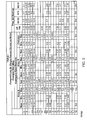
FIG. 3 is a table of preferred compositions of an inventive disk alloy and of prior art alloys. -
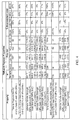
FIG. 4 is a table of select measured properties of the preferred disk alloys and prior art alloys ofFIG. 3 . -
FIG. 5 is a table of additional select measured properties of the preferred disk alloys and prior art alloys ofFIG. 3 . - Like reference numbers and designations in the various drawings indicate like elements.
-
FIG. 1 shows a gas turbineengine disk assembly 20 including adisk 22 and a plurality ofblades 24. The disk is generally annular, extending from an inboard bore orhub 26 at a central aperture to anoutboard rim 28. A relativelythin web 30 is radially between thebore 26 andrim 28. The periphery of therim 28 has a circumferential array of engagement features 32 (e.g., dovetail slots) for engagingcomplementary features 34 of theblades 24. In other embodiments, the disk and blades may be a unitary structure (e.g., so-called "integrally bladed" rotors or disks). - The
disk 22 is advantageously formed by a powder metallurgical forging process (e.g., as is disclosed inU.S. Patent 6,521,175 ).FIG. 2 shows an exemplary process. The elemental components of the alloy are mixed (e.g., as individual components of refined purity or alloys thereof). The mixture is melted sufficiently to eliminate component segregation. The melted mixture is atomized to form droplets of molten metal. The atomized droplets are cooled to solidify into powder particles. The powder may be screened to restrict the ranges of powder particle sizes allowed. The powder is put into a container. The container of powder is consolidated in a multi-step process involving compression and heating. The resulting consolidated powder then has essentially the full density of the alloy without the chemical segregation typical of larger castings. A blank of the consolidated powder may be forged at appropriate temperatures and deformation constraints to provide a forging with the basic disk profile. The forging is then heat treated in a multi-step process involving high temperature heating followed by a rapid cooling process or quench. Preferably, the heat treatment increases the characteristic gamma (γ) grain size from an exemplary 10µm or less to an exemplary 20-120µm (with 30-60µm being preferred). The quench for the heat treatment may also form strengthening precipitates (e.g., gamma prime (γ') and eta (η) phases discussed in further detail below) of a desired distribution of sizes and desired volume percentages. Subsequent heat treatments are used to modify these distributions to produce the requisite mechanical properties of the manufactured forging. The increased grain size is associated with good high-temperature creep-resistance and decreased rate of crack growth during the service of the manufactured forging. The heat treated forging is then subject to machining of the final profile and the slots. - Improved performance and durability are required of future generation commercial, military, and industrial gas turbine engines. Decreased thrust specific fuel consumption (TSFC) in commercial gas turbine engines and higher thrust-to-weight in military engines will require compressor and turbine disk materials to be able to withstand higher rotational speeds (at smaller cross-sectional sizes). Therefore advanced disk materials will need to have higher resistance to bore burst limits. Advanced disks must be able to withstand higher temperatures, not only in the rim but throughout the disk. The ability to withstand long times and high temperatures requires improved strength, creep to rupture performance and thermomechanical fatigue (TMF) resistance. Improved low cycle fatigue (LCF) and high temperature notched LCF are also required.
- Table I of
FIG. 3 shows two particular specifications for two alloys, identified as Alloy A and Alloy B. It also shows a broader specification for one exemplary alloy or group of alloys (including A and B in common). The nominal composition and nominal limits were derived based upon sensitivities to elemental changes (e.g., derived from phase diagrams). The table also shows a measured composition of test samples. The table also shows nominal compositions of the prior art alloys: (1) of US '790; (2) of NF3 (discussed, e.g., inUS6521175 ); (3) ME16 (discussed, e.g., inEP1195446 ); and IN-100. Except where noted, all contents are by weight and specifically in weight percent. - The
FIG. 3 alloy has been engineered to provide the necessary properties for both disk rim and bore. Beyond the base nickel and the required components, an exemplary alloy has no more than 4.0 percent (more narrowly 2% or 1%), total/combined, of every additional constituent, if any. Similarly, the exemplary alloy may have no more than 2.0 percent (more narrowly 1% or 0.5%), individually, of every additional constituent, if any (or such lower amounts as may be in the table or may otherwise constitute merely impurity levels). Exemplary nickel contents are 49-55, more narrowly 50-53. - Comparative properties of the Alloy A and prior art samples are seen in
FIGS. 4 and5 . There and below, where both English units and metric (e.g., SI) units are present, the English units represent the original data or other value and the metric represent a conversion therefrom. Other tests indicate Alloy B to have similar performances to Alloy A relative to the prior art. - We experimentally derived properties that give, for example: high tensile strength and low cycle fatigue (LCF) resistance in the bore; and high notched LCF capability and creep and rupture resistance needed at the rim.
- Unexpected high tensile strength in a coarse grained condition for this alloy approaches that of the fine grained condition of the latest generation of disk alloys: ME16(aka ME3); and René 104. This will permit an enabling higher stress in the bore of the disk, potentially without the need to utilized dual property, dual microstructure or dual heat treat processes to provide the necessary tensile strength and LCF capabilities. Rupture strengths for the coarse grained part show up to 9X the capability of coarse grain ME16 at 1200°F (649°C) and a 16 ksi (110MPa) improvement at 1350°F (732°C). Notched LCF strength is 40 ksi (276MPa) or 100°F (56K(°C)) greater than ME16. Two-minute dwell LCF at 1300°F (704°C) shows approximately 35 ksi (241MPa).
- Whereas typical modern disk alloy compositions contain 0-3 weight percent tantalum (Ta), the present alloys have a higher level. More specifically, levels above 3% Ta (e.g., 4.2-6.1 wt%) combined with relatively high levels of other γ' formers (namely, one or a combination of aluminum (Al), titanium (Ti), niobium (Nb), tungsten (W), and hafnium (Hf)) and relatively high levels of cobalt (Co) are believed unique. The Ta serves as a solid solution strengthening additive to the γ' and to the γ. The presence of the relatively large Ta atoms reduces diffusion principally in the γ' phase but also in the γ. This may reduce high-temperature creep. At higher levels of Ta, formation of η phase can occur. These exemplary levels of Ta are less than those of the US '790 example. The exemplary alloys were selected based upon trends observed/discussed in copending application docket 0009404-US-A(09-118) entitled Superalloy Compositions, Articles, and Methods of Manufacture and filed on even date herewith (the '9404 application).
- As discussed in the '9404 application, a number of elemental relationships (mostly dealing with aluminum, chromium, and tantalum) not previously reported were found to have a large impact on a number of properties, including but not necessarily limited to high temperature strengths, creep, and rupture. The exemplary alloys were developed through rigorous optimization of these elemental relationships in order to yield an advantageous blend of these properties.
- First, the optimums in creep and high temperature strength do not appear until Ta is approximately 1.35 atomic % (approximately 4.2 weight%), and with diminishing returns on its effect after approximately 2.0 atomic % (approximately 6.1 weight %) due to a density increase without a property increase. Additionally, it is suspected, but not experimentally proven, that exemplary notched dwell low cycle fatigue (LCF) is dependent on Ta content.
- Secondly, the sum of the primary elements (Al, Ti, Ta, and Nb) that form gamma prime, are between approximately 11.5 and 15.0 wt%, more narrowly 12.0-14.2 wt% and an exemplary level of 12.8 or 13.4 wt%. This provides benefits in creep and high temperature strength (and possibly notched dwell LCF). An exemplary combined content of Nb and Ti does not exceed 5.9 wt% due to undesirable phase formation and is at least 4.6 wt% to maintain rupture resistance, more narrowly 4.6-5.25 wt%. Therefore, an exemplary combined content of Al + Ta is between 7.3 and 8.6 wt%, more narrowly 7.6-8.2 wt%, to maintain high strength capability.
- Thirdly, the ratio of Al/Ta should be between 0.67 and 0.83 (using wt%), more narrowly 0.7-0.8. This provides the maximum gamma prime flow stress at the highest possible temperature. This manifests itself in very high yield strength in the alloy at 1250°F (677°C) and resists, to some extent, decrease of yield strength as high as 1500°F (816°C). The higher values of this ratio will produce higher ductility, but lower tensile and rupture capabilities. The lower values will produce undesirable phase formation and lower ductility.
- Fourth, the Mo/W ratios in this alloy may be maintained to prevent low ductility at temperatures above 1000°F (538°C) and up to 2200°F (1204°C). A target ratio is 1.65 (using wt%), more broadly 1.6-1.9, but can be as high as 2.1 and as low as 1.5 without disruption of the desired properties. Significantly lower values produce low high temperature ductility (resulting in lower resistance to quench cracking) and higher values do not have the desired levels of ultimate tensile strength at temperatures from room temperature to 2100°F (1149°C) and resistance to creep at 1200°F (649°C) and above.
- In addition to the exemplary specification "common" to Alloy A and Alloy B, a narrower range of one or all its components may be provided by selecting the lower min and higher max values from the two individual specifications. Additionally, one or more of the foregoing relationships (ratios, sums, etc.) may be superimposed to further limit the compositional possibilities.
- Maximum strengths occur around 1200°F (649°C) because of the design for balanced properties with the high content of gamma prime, and a very high refractory content (Mo, W, Nb and Ta). High resistance to creep, rupture and TMF is created by the same constituents as the tensile capability but is further enhanced by the use of a very low Cr content.
- It is also worth comparing the inventive alloys to the modern blade alloys. Relatively high Ta contents are common to modern blade alloys. There may be several compositional differences between the inventive alloys and modern blade alloys. The blade alloys are typically produced by casting techniques as their high-temperature capability is enhanced by the ability to form very large polycrystalline and/or single grains (also known as single crystals). Use of such blade alloys in powder metallurgical applications is compromised by the formation of very large grain size and their requirements for high-temperature heat treatment. The resulting cooling rate would cause significant quench cracking and tearing (particularly for larger parts). Among other differences, those blade alloys have a lower cobalt (Co) concentration than the exemplary inventive alloys. Broadly, relative to high-Ta modern blade alloys, the exemplary inventive alloys have been customized for utilization in disk manufacture through the adjustment of several other elements, including one or more of Al, Co, Cr, Hf, Mo, Nb, Ti, and W. Nevertheless, possible use of the inventive alloys for blades, vanes, and other non-disk components can't be excluded.
- Accordingly, the possibility exists for optimizing a high-Ta disk alloy having improved high temperature properties (e.g., for use at temperatures of 1200-1500°F (649-816°C) or greater). It is noted that wherever both metric and English units are given the metric is a conversion from the English (e.g., an English measurement) and should not be regarded as indicating a false degree of precision.
- The most basic η form is Ni3Ti. It has generally been believed that, in modern disk and blade alloys, η forms when the Al to Ti weight ratio is less than or equal to one. In the exemplary alloys, this ratio is greater than one. From compositional analysis of the η phase, it appears that Ta significantly contributes to the formation of the η phase as Ni3(Ti,Ta). A different correlation (reflecting more than Al and Ti) may therefore be more appropriate. Utilizing standard partitioning coefficients one can estimate the total mole fraction (by way of atomic percentages) of the elements that substitute for atomic sites normally occupied by Al. These elements include Hf, Mo, Nb, Ta, Ti, V, W and, to a smaller extent, Cr. These elements act as solid solution strengtheners to the γ' phase. When the γ' phase has too many of these additional atoms, other phases are apt to form, such as η when there is too much Ti. It is therefore instructive to address the ratio of Al to the sum of these other elements as a predictive assessment for η formation. For example, it appears that η will form when the molar ratio of Al atoms to the sum of the other atoms that partition to the Al site in γ' is less than or equal to about 0.79-0.81. This is particularly significant in concert with the high levels of Ta. Nominally, for NF3 this ratio is 0.84 and the Al to Ti weight percent ratio is 1.0. For test samples of NF3 these were observed as 0.82 and 0.968, respectively. The η phase would be predicted in NF3 by the conventional wisdom Al to Ti ratio but has not been observed. ME16 has similar nominal values of 0.85 and 0.98, respectively, and also does not exhibit the η phase as would be predicted by the Al to Ti ratio.
- The η formation and quality thereof are believed particularly sensitive to the Ti and Ta contents. If the above-identified ratio of Al to its substitutes is satisfied, there may be a further approximate predictor for the formation of η. It is estimated that η will form if the Al content is (in weight percents) less than or equal to about 3.5%, the Ta content is greater than or equal to about 6.35%, the Co content is greater than or equal to about 16%, the Ti content is greater than or equal to about 2.25%, and, perhaps most significantly, the sum of Ti and Ta contents is greater than or equal to about 8.0%.
- With these various relationships in mind, a partially narrower (as to individual elements), partially broader, compositional range than the "Common" range of
FIG. 3 is: a content of nickel as a largest content; 3.25-3.75 wt% aluminum; 0.02-0.09 wt% boron; 0.02-0.09 wt% carbon; 9.0-11.0 wt% chromium; 16.0-22.0 wt% cobalt; 2.0-5.0 wt% molybdenum; 1.0-3.5 wt% niobium; 4.2-5.4 wt% tantalum; 2.0-4.5 wt% titanium; 1.8-2.4 wt% tungsten; and 0.04-0.09 wt% zirconium. This may be further specified by relationships above (one example being that a combined content of said tantalum, aluminum, titanium, and niobium is at least 11.5 weight percent; a combined content of titanium and niobium is 4.6-5.9 weight percent; and a combined content of tantalum and aluminum is 7.3-8.6 weight percent). - One or more embodiments have been described. Nevertheless, it will be understood that various modifications may be made. For example, the operational requirements of any particular engine will influence the manufacture of its components. As noted above, the principles may be applied to the manufacture of other components such as impellers, shaft members (e.g., shaft hub structures), and the like. Accordingly, other embodiments are within the scope of the following claims.
- The following clauses set out features of the invention which may not presently be claimed in this application, but which may form the basis for future amendment or a divisional application.
- 1. A composition of matter, comprising in combination, in weight percent:
- a content of nickel as a largest content;
- 3.10-3.75 aluminum;
- 0.02-0.09 boron;
- 0.02-0.09 carbon;
- 9.5-11.25 chromium;
- 20.0-22.0 cobalt;
- 2.8-4.2 molybdenum;
- 1.6-2.4 niobium;
- 4.2-6.1 tantalum;
- 2.6-3.5 titanium;
- 1.8-2.5 tungsten; and
- 0.04-0.09 zirconium.
- 2. The composition of
clause 1 comprising, in weight percent:- 3.18-3.70 aluminum;
- 0.020-0.050 boron;
- 0.025-0.055 carbon;
- 10.00-10.85 chromium;
- 20.4-21.2 cobalt;
- 3.05-3.85 molybdenum;
- 1.70-2.29 niobium;
- 4.3-4.9 tantalum;
- 2.75-3.30 titanium;
- 1.9-2.4 tungsten; and
- 0.040-0.075 zirconium.
- 3. The composition of
clause 1 consisting essentially of said combination. - 4. The composition of
clause 1 comprising, if any, in weight percent, no more than:- 0.005 copper;
- 0.15 iron;
- 0.50 hafnium;
- 0.0005 sulphur;
- 0.1 silicon; and
- 0.1. vanadium.
- 5. The composition of
clause 4 comprising, in weight percent, at least one of:- 3.3-3.7 aluminum;
- 0.035-0.05 boron;
- 0.03-0.04 carbon;
- 10.0-10.4 chromium;
- 20.4-21.2 cobalt;
- 3.45-3.85 molybdenum;
- 1.89-2.29 niobium;
- 4.5-4.9 tantalum;
- 2.9-3.3 titanium;
- 2.0-2.4 tungsten; and
- 0.04-0.75 zirconium.
- 6. The composition of
clause 1 comprising, in weight percent:- 3.3-3.7 aluminum;
- 0.035-0.05 boron;
- 0.03-0.04 carbon;
- 10.0-10.4 chromium;
- 20.4-21.2 cobalt;
- 3.45-3.85 molybdenum;
- 1.89-2.29 niobium;
- 4.5-4.9 tantalum;
- 2.9-3.3 titanium;
- 2.0-2.4 tungsten;
- 0.04-0.75 zirconium; and
- no more than 1.0 percent, individually, of every additional constituent, if any.
- 7. The composition of
clause 1 comprising, in weight percent:- 3.18-3.63 aluminum;
- 0.020-0.030 boron;
- 0.025-0.055 carbon;
- 10.05-10.85 chromium;
- 20.60-21.20 cobalt;
- 3.05-3.55 molybdenum;
- 1.70-2.00 niobium;
- 4.3-4.70 tantalum;
- 2.75-3.25 titanium;
- 1.90-2.10 tungsten;
- 0.050-0.070 zirconium; and
- no more than 1.0 percent, individually, of every additional constituent, if any.
- 8. The composition of
clause 1 wherein:- said content of nickel is at least 50 weight percent.
- 9. The composition of
clause 1 wherein:- said content of nickel is 50-53 weight percent.
- 10. The composition of
clause 1 wherein a weight ratio of said titanium to said aluminum is at least 0.57. - 11. The composition of
clause 1 wherein:- a combined content of said tantalum, aluminum, titanium, and niobium is at least 11.5 percent.
- 12. The composition of
clause 1 wherein:- a combined content of said tantalum, aluminum, titanium, and niobium is 12.0-14.2 weight percent.
- 13. The composition of
clause 1 wherein:- a combined content of said titanium and niobium is 4.6-5.25 weight percent.
- 14. The composition of
clause 1 wherein:- a combined content of said tantalum and aluminum is 7.6-8.2 weight percent.
- 15. The composition of
clause 1 wherein:- a weight ratio of said aluminum to said tantalum is 0.7-0.8.
- 16. The composition of
clause 1 wherein:- a weight ratio of said molybdenum to said tungsten 1.6-1.9.
- 17. The composition of
clause 1 further comprising:- no more than 4.0 weight percent, individually, of every additional constituent, if any.
- 18. The composition of
clause 1 further comprising:- no more than 0.5 weight percent, individually, of every additional constituent, if any.
- 19. The composition of
clause 1 further comprising:- no more than 4.0 weight percent, total, of every additional constituent, if any.
- 20. The composition of
clause 1 in powder form. - 21. A process for forming an article comprising:
- compacting a powder having the composition of
clause 1; - forging a precursor formed from the compacted powder; and
- machining the forged precursor.
- compacting a powder having the composition of
- 22. The process of clause 21 further comprising:
- heat treating the precursor, at least one of before and after the machining, by heating to a temperature of no more than 1232°C (2250°F.)
- 23. The process of clause 21 further comprising:
- heat treating the precursor, at least one of before and after the machining, the heat treating effective to increase a characteristic γ grain size from a first value of about 10µm or less to a second value of 20-120µm.
- 24. A gas turbine engine turbine or compressor disk having the composition of
clause 1. - 25. A powder metallurgical article comprising:
- a content of nickel as a largest content;
- 3.25-3.75 aluminum;
- 0.02-0.09 boron;
- 0.02-0.09 carbon;
- 9.0-11.0 chromium;
- 16.0-22.0 cobalt;
- 2.0-5.0 molybdenum;
- 1.0-3.5 niobium;
- 4.2-5.4 tantalum;
- 2.0-4.5 titanium;
- 1.8-2.4 tungsten; and
- 0.04-0.09 zirconium;
- a combined content of said tantalum, aluminum, titanium, and niobium is at least 11.5 weight percent;
- a combined content of titanium and niobium is 4.6-5.9 weight percent; and
- a combined content of tantalum and aluminum is 7.3-8.6 weight percent.
- a content of nickel as a largest content;
Claims (15)
- A composition of matter, comprising in combination, in weight percent:a content of nickel as a largest content;3.10-3.75 aluminum;0.02-0.09 boron;0.02-0.09 carbon;9.5-11.25 chromium;20.0-22.0 cobalt;2.8-4.2 molybdenum;1.6-2.4 niobium;4.2-6.1 tantalum;2.6-3.5 titanium;1.8-2.5 tungsten; and0.04-0.09 zirconium.
- The composition of claim 1 comprising, in weight percent:3.18-3.70 aluminum;0.020-0.050 boron;0.025-0.055 carbon;10.00-10.85 chromium;20.4-21.2 cobalt;3.05-3.85 molybdenum;1.70-2.29 niobium;4.3-4.9 tantalum;2.75-3.30 titanium;1.9-2.4 tungsten; and0.040-0.075 zirconium,
and wherein preferably comprising, in weight percent, at least one of:3.3-3.7 aluminum;0.035-0.05 boron;0.03-0.04 carbon;10.0-10.4 chromium;20.4-21.2 cobalt;3.45-3.85 molybdenum;1.89-2.29 niobium;4.5-4.9 tantalum;2.9-3.3 titanium;2.0-2.4 tungsten; and0.04-0.075 zirconium. - The composition of claim 1 or 2, comprising, if any, in weight percent, no more than:0.005 copper;0.15 iron;0.50 hafnium;0.0005 sulphur;0.1 silicon; and0.1. vanadium.
- The composition of any preceding claim, consisting essentially of said combination.
- The composition of claim 1 comprising, in weight percent:3.3-3.7 aluminum;0.035-0.05 boron;0.03-0.04 carbon;10.0-10.4 chromium;20.4-21.2 cobalt;3.45-3.85 molybdenum;1.89-2.29 niobium;4.5-4.9 tantalum;2.9-3.3 titanium;2.0-2.4 tungsten;0.04-0.75 zirconium; and
no more than 1.0 percent, individually, of every additional constituent, if any,
and wherein said composition preferably comprising, in weight percent:3.18-3.63 aluminum;0.020-0.030 boron;0.025-0.055 carbon;10.05-10.85 chromium;20.60-21.20 cobalt;3.05-3.55 molybdenum;1.70-2.00 niobium;4.3-4.70 tantalum;2.75-3.25 titanium;1.90-2.10 tungsten;0.050-0.070 zirconium; and
no more than 1.0 percent, individually, of every additional constituent, if any. - The composition of any preceding claim, wherein:said content of nickel is at least 50 weight percent, preferably 50-53 weight percent.
- The composition of any preceding claim, wherein one or more of the following conditions apply:a weight ratio of said titanium to said aluminum is at least 0.57;a weight ratio of said aluminum to said tantalum is 0.7-0.8; and/ora weight ratio of said molybdenum to said tungsten 1.6-1.9.
- The composition of any preceding claim, wherein:a combined content of said tantalum, aluminum, titanium, and niobium is at least 11.5 percent, preferably 12.0-14.2 weight percent.
- The composition of any preceding claim, wherein:a combined content of said titanium and niobium is 4.6-5.25 weight percent,and/ora combined content of said tantalum and aluminum is 7.6-8.2 weight percent.
- The composition of any preceding claim, further comprising:no more than 0.5 weight percent, individually, of every additional constituent, if any, and/or preferably no more than 4.0 weight percent, total, of every additional constituent, if any.
- The composition of any preceding claim in powder form.
- A process for forming an article comprising:compacting a powder having the composition of any of claims 1 to 10;forging a precursor formed from the compacted powder; andmachining the forged precursor.
- The process of claim 12 further comprising:heat treating the precursor, at least one of before and after the machining, by heating to a temperature of no more than 1232°C (2250°F.), and further preferably heat treating the precursor, at least one of before and after the machining, the heat treating effective to increase a characteristic γ grain size from a first value of about 10µm or less to a second value of 20-120µm.
- A gas turbine engine turbine or compressor disk having the composition of any of claims 1 to 10.
- A powder metallurgical article comprising, in weight percent:a content of nickel as a largest content;3.25-3.75 aluminum;0.02-0.09 boron;0.02-0.09 carbon;9.0-11.0 chromium;16.0-22.0 cobalt;2.0-5.0 molybdenum;1.0-3.5 niobium;4.2-5.4 tantalum;2.0-4.5 titanium;1.8-2.4 tungsten; and0.04-0.09 zirconium;
wherein:a combined content of said tantalum, aluminum, titanium, and niobium is at least 11.5 weight percent;a combined content of titanium and niobium is 4.6-5.9 weight percent; anda combined content of tantalum and aluminum is 7.3-8.6 weight percent.
Applications Claiming Priority (1)
| Application Number | Priority Date | Filing Date | Title |
|---|---|---|---|
| US13/372,585 US9783873B2 (en) | 2012-02-14 | 2012-02-14 | Superalloy compositions, articles, and methods of manufacture |
Publications (2)
| Publication Number | Publication Date |
|---|---|
| EP2628810A1 true EP2628810A1 (en) | 2013-08-21 |
| EP2628810B1 EP2628810B1 (en) | 2016-11-09 |
Family
ID=46690404
Family Applications (1)
| Application Number | Title | Priority Date | Filing Date |
|---|---|---|---|
| EP12180468.6A Active EP2628810B1 (en) | 2012-02-14 | 2012-08-14 | Superalloy compositions, articles, and methods of manufacture |
Country Status (2)
| Country | Link |
|---|---|
| US (1) | US9783873B2 (en) |
| EP (1) | EP2628810B1 (en) |
Cited By (1)
| Publication number | Priority date | Publication date | Assignee | Title |
|---|---|---|---|---|
| EP3231881A1 (en) * | 2016-04-11 | 2017-10-18 | United Technologies Corporation | Braze material for hybrid structures |
Families Citing this family (7)
| Publication number | Priority date | Publication date | Assignee | Title |
|---|---|---|---|---|
| EP3090075B1 (en) | 2013-12-24 | 2018-12-05 | United Technologies Corporation | Hot corrosion-protected article and manufacture method therefor |
| US10266958B2 (en) | 2013-12-24 | 2019-04-23 | United Technologies Corporation | Hot corrosion-protected articles and manufacture methods |
| US10718041B2 (en) | 2017-06-26 | 2020-07-21 | Raytheon Technologies Corporation | Solid-state welding of coarse grain powder metallurgy nickel-based superalloys |
| CN110157993B (en) * | 2019-06-14 | 2020-04-14 | 中国华能集团有限公司 | A kind of high-strength corrosion-resistant iron-nickel-based superalloy and preparation method thereof |
| GB202015106D0 (en) * | 2020-08-20 | 2020-11-11 | Rolls Royce Plc | Alloy |
| CN114574793B (en) * | 2022-01-25 | 2023-03-14 | 东北大学 | Heat treatment process for improving performance of GH4706 alloy |
| CN115679157B (en) * | 2022-12-29 | 2023-03-28 | 北京钢研高纳科技股份有限公司 | Nickel-based superalloy and its preparation method and structural parts |
Citations (15)
| Publication number | Priority date | Publication date | Assignee | Title |
|---|---|---|---|---|
| US3061426A (en) | 1960-02-01 | 1962-10-30 | Int Nickel Co | Creep resistant alloy |
| US4209348A (en) | 1976-11-17 | 1980-06-24 | United Technologies Corporation | Heat treated superalloy single crystal article and process |
| US4569824A (en) | 1980-05-09 | 1986-02-11 | United Technologies Corporation | Corrosion resistant nickel base superalloys containing manganese |
| US4719080A (en) | 1985-06-10 | 1988-01-12 | United Technologies Corporation | Advanced high strength single crystal superalloy compositions |
| EP0292320A2 (en) * | 1987-05-21 | 1988-11-23 | General Electric Company | Nickel base superalloy |
| US5104614A (en) | 1986-02-06 | 1992-04-14 | Societe Nationale D'etude Et De Construction De Moteurs D'aviation "S.N.E.C.M.A." | Superalloy compositions with a nickel base |
| US5270123A (en) | 1992-03-05 | 1993-12-14 | General Electric Company | Nickel-base superalloy and article with high temperature strength and improved stability |
| US5662749A (en) | 1995-06-07 | 1997-09-02 | General Electric Company | Supersolvus processing for tantalum-containing nickel base superalloys |
| US6355117B1 (en) | 1992-10-30 | 2002-03-12 | United Technologies Corporation | Nickel base superalloy single crystal articles with improved performance in air and hydrogen |
| EP1195446A1 (en) | 2000-10-04 | 2002-04-10 | General Electric Company | Ni based superalloy and its use as gas turbine disks, shafts, and impellers |
| EP1201777A1 (en) | 2000-09-29 | 2002-05-02 | General Electric Company | Superalloy optimized for high-temperature performance in high-pressure turbine disks |
| US6521175B1 (en) | 1998-02-09 | 2003-02-18 | General Electric Co. | Superalloy optimized for high-temperature performance in high-pressure turbine disks |
| US6706241B1 (en) | 2002-11-12 | 2004-03-16 | Alstom Technology Ltd | Nickel-base superalloy |
| US6908519B2 (en) | 2002-07-19 | 2005-06-21 | General Electric Company | Isothermal forging of nickel-base superalloys in air |
| US20100008790A1 (en) | 2005-03-30 | 2010-01-14 | United Technologies Corporation | Superalloy compositions, articles, and methods of manufacture |
Family Cites Families (8)
| Publication number | Priority date | Publication date | Assignee | Title |
|---|---|---|---|---|
| US4894089A (en) | 1987-10-02 | 1990-01-16 | General Electric Company | Nickel base superalloys |
| US5476555A (en) * | 1992-08-31 | 1995-12-19 | Sps Technologies, Inc. | Nickel-cobalt based alloys |
| US8992699B2 (en) | 2009-05-29 | 2015-03-31 | General Electric Company | Nickel-base superalloys and components formed thereof |
| US8613810B2 (en) | 2009-05-29 | 2013-12-24 | General Electric Company | Nickel-base alloy, processing therefor, and components formed thereof |
| US8992700B2 (en) | 2009-05-29 | 2015-03-31 | General Electric Company | Nickel-base superalloys and components formed thereof |
| US20100329883A1 (en) | 2009-06-30 | 2010-12-30 | General Electric Company | Method of controlling and refining final grain size in supersolvus heat treated nickel-base superalloys |
| US20100329876A1 (en) | 2009-06-30 | 2010-12-30 | General Electric Company | Nickel-base superalloys and components formed thereof |
| US9752215B2 (en) | 2012-02-14 | 2017-09-05 | United Technologies Corporation | Superalloy compositions, articles, and methods of manufacture |
-
2012
- 2012-02-14 US US13/372,585 patent/US9783873B2/en active Active
- 2012-08-14 EP EP12180468.6A patent/EP2628810B1/en active Active
Patent Citations (15)
| Publication number | Priority date | Publication date | Assignee | Title |
|---|---|---|---|---|
| US3061426A (en) | 1960-02-01 | 1962-10-30 | Int Nickel Co | Creep resistant alloy |
| US4209348A (en) | 1976-11-17 | 1980-06-24 | United Technologies Corporation | Heat treated superalloy single crystal article and process |
| US4569824A (en) | 1980-05-09 | 1986-02-11 | United Technologies Corporation | Corrosion resistant nickel base superalloys containing manganese |
| US4719080A (en) | 1985-06-10 | 1988-01-12 | United Technologies Corporation | Advanced high strength single crystal superalloy compositions |
| US5104614A (en) | 1986-02-06 | 1992-04-14 | Societe Nationale D'etude Et De Construction De Moteurs D'aviation "S.N.E.C.M.A." | Superalloy compositions with a nickel base |
| EP0292320A2 (en) * | 1987-05-21 | 1988-11-23 | General Electric Company | Nickel base superalloy |
| US5270123A (en) | 1992-03-05 | 1993-12-14 | General Electric Company | Nickel-base superalloy and article with high temperature strength and improved stability |
| US6355117B1 (en) | 1992-10-30 | 2002-03-12 | United Technologies Corporation | Nickel base superalloy single crystal articles with improved performance in air and hydrogen |
| US5662749A (en) | 1995-06-07 | 1997-09-02 | General Electric Company | Supersolvus processing for tantalum-containing nickel base superalloys |
| US6521175B1 (en) | 1998-02-09 | 2003-02-18 | General Electric Co. | Superalloy optimized for high-temperature performance in high-pressure turbine disks |
| EP1201777A1 (en) | 2000-09-29 | 2002-05-02 | General Electric Company | Superalloy optimized for high-temperature performance in high-pressure turbine disks |
| EP1195446A1 (en) | 2000-10-04 | 2002-04-10 | General Electric Company | Ni based superalloy and its use as gas turbine disks, shafts, and impellers |
| US6908519B2 (en) | 2002-07-19 | 2005-06-21 | General Electric Company | Isothermal forging of nickel-base superalloys in air |
| US6706241B1 (en) | 2002-11-12 | 2004-03-16 | Alstom Technology Ltd | Nickel-base superalloy |
| US20100008790A1 (en) | 2005-03-30 | 2010-01-14 | United Technologies Corporation | Superalloy compositions, articles, and methods of manufacture |
Cited By (1)
| Publication number | Priority date | Publication date | Assignee | Title |
|---|---|---|---|---|
| EP3231881A1 (en) * | 2016-04-11 | 2017-10-18 | United Technologies Corporation | Braze material for hybrid structures |
Also Published As
| Publication number | Publication date |
|---|---|
| US20130209265A1 (en) | 2013-08-15 |
| US9783873B2 (en) | 2017-10-10 |
| EP2628810B1 (en) | 2016-11-09 |
Similar Documents
| Publication | Publication Date | Title |
|---|---|---|
| US8147749B2 (en) | Superalloy compositions, articles, and methods of manufacture | |
| EP2628810B1 (en) | Superalloy compositions, articles, and methods of manufacture | |
| RU2433197C2 (en) | Heat-resistant nickel-based alloy, part manufacturing method, and turbomachine part | |
| CA2957786C (en) | Enhanced superalloys by zirconium addition | |
| CA2804402C (en) | Nickel-base alloy, processing therefor, and components formed thereof | |
| US9518310B2 (en) | Superalloys and components formed thereof | |
| EP3024957B1 (en) | Superalloys and components formed thereof | |
| EP2628811B1 (en) | Superalloy compositions, articles, and methods of manufacture | |
| CN101935781A (en) | Nickel-based superalloys and components formed therefrom | |
| CN102816953A (en) | Alumina-Forming Cobalt-Nickel Base Alloy and Method of Making an Article Therefrom | |
| JP4885530B2 (en) | High strength and high ductility Ni-base superalloy, member using the same, and manufacturing method | |
| US8858874B2 (en) | Ternary nickel eutectic alloy | |
| AU2017341454A1 (en) | Nickel alloy | |
| CA2586974A1 (en) | Nickel-base superalloy | |
| JP7747633B2 (en) | Nickel-based superalloy | |
| MX2007005560A (en) | Nickel-based superalloy |
Legal Events
| Date | Code | Title | Description |
|---|---|---|---|
| PUAI | Public reference made under article 153(3) epc to a published international application that has entered the european phase |
Free format text: ORIGINAL CODE: 0009012 |
|
| AK | Designated contracting states |
Kind code of ref document: A1 Designated state(s): AL AT BE BG CH CY CZ DE DK EE ES FI FR GB GR HR HU IE IS IT LI LT LU LV MC MK MT NL NO PL PT RO RS SE SI SK SM TR |
|
| AX | Request for extension of the european patent |
Extension state: BA ME |
|
| 17P | Request for examination filed |
Effective date: 20140214 |
|
| RBV | Designated contracting states (corrected) |
Designated state(s): AL AT BE BG CH CY CZ DE DK EE ES FI FR GB GR HR HU IE IS IT LI LT LU LV MC MK MT NL NO PL PT RO RS SE SI SK SM TR |
|
| GRAP | Despatch of communication of intention to grant a patent |
Free format text: ORIGINAL CODE: EPIDOSNIGR1 |
|
| RIC1 | Information provided on ipc code assigned before grant |
Ipc: C22C 1/04 20060101AFI20160422BHEP Ipc: C22F 1/10 20060101ALI20160422BHEP Ipc: C22C 19/05 20060101ALI20160422BHEP Ipc: B22F 5/04 20060101ALI20160422BHEP Ipc: C22C 30/00 20060101ALI20160422BHEP |
|
| INTG | Intention to grant announced |
Effective date: 20160518 |
|
| GRAS | Grant fee paid |
Free format text: ORIGINAL CODE: EPIDOSNIGR3 |
|
| GRAA | (expected) grant |
Free format text: ORIGINAL CODE: 0009210 |
|
| RAP1 | Party data changed (applicant data changed or rights of an application transferred) |
Owner name: UNITED TECHNOLOGIES CORPORATION |
|
| AK | Designated contracting states |
Kind code of ref document: B1 Designated state(s): AL AT BE BG CH CY CZ DE DK EE ES FI FR GB GR HR HU IE IS IT LI LT LU LV MC MK MT NL NO PL PT RO RS SE SI SK SM TR |
|
| REG | Reference to a national code |
Ref country code: GB Ref legal event code: FG4D |
|
| REG | Reference to a national code |
Ref country code: AT Ref legal event code: REF Ref document number: 843980 Country of ref document: AT Kind code of ref document: T Effective date: 20161115 Ref country code: CH Ref legal event code: EP |
|
| REG | Reference to a national code |
Ref country code: IE Ref legal event code: FG4D |
|
| REG | Reference to a national code |
Ref country code: DE Ref legal event code: R096 Ref document number: 602012025087 Country of ref document: DE |
|
| PG25 | Lapsed in a contracting state [announced via postgrant information from national office to epo] |
Ref country code: LV Free format text: LAPSE BECAUSE OF FAILURE TO SUBMIT A TRANSLATION OF THE DESCRIPTION OR TO PAY THE FEE WITHIN THE PRESCRIBED TIME-LIMIT Effective date: 20161109 |
|
| REG | Reference to a national code |
Ref country code: LT Ref legal event code: MG4D |
|
| REG | Reference to a national code |
Ref country code: NL Ref legal event code: MP Effective date: 20161109 |
|
| REG | Reference to a national code |
Ref country code: AT Ref legal event code: MK05 Ref document number: 843980 Country of ref document: AT Kind code of ref document: T Effective date: 20161109 |
|
| PG25 | Lapsed in a contracting state [announced via postgrant information from national office to epo] |
Ref country code: LT Free format text: LAPSE BECAUSE OF FAILURE TO SUBMIT A TRANSLATION OF THE DESCRIPTION OR TO PAY THE FEE WITHIN THE PRESCRIBED TIME-LIMIT Effective date: 20161109 Ref country code: NL Free format text: LAPSE BECAUSE OF FAILURE TO SUBMIT A TRANSLATION OF THE DESCRIPTION OR TO PAY THE FEE WITHIN THE PRESCRIBED TIME-LIMIT Effective date: 20161109 Ref country code: SE Free format text: LAPSE BECAUSE OF FAILURE TO SUBMIT A TRANSLATION OF THE DESCRIPTION OR TO PAY THE FEE WITHIN THE PRESCRIBED TIME-LIMIT Effective date: 20161109 Ref country code: NO Free format text: LAPSE BECAUSE OF FAILURE TO SUBMIT A TRANSLATION OF THE DESCRIPTION OR TO PAY THE FEE WITHIN THE PRESCRIBED TIME-LIMIT Effective date: 20170209 Ref country code: GR Free format text: LAPSE BECAUSE OF FAILURE TO SUBMIT A TRANSLATION OF THE DESCRIPTION OR TO PAY THE FEE WITHIN THE PRESCRIBED TIME-LIMIT Effective date: 20170210 |
|
| PG25 | Lapsed in a contracting state [announced via postgrant information from national office to epo] |
Ref country code: IS Free format text: LAPSE BECAUSE OF FAILURE TO SUBMIT A TRANSLATION OF THE DESCRIPTION OR TO PAY THE FEE WITHIN THE PRESCRIBED TIME-LIMIT Effective date: 20170309 Ref country code: PL Free format text: LAPSE BECAUSE OF FAILURE TO SUBMIT A TRANSLATION OF THE DESCRIPTION OR TO PAY THE FEE WITHIN THE PRESCRIBED TIME-LIMIT Effective date: 20161109 Ref country code: ES Free format text: LAPSE BECAUSE OF FAILURE TO SUBMIT A TRANSLATION OF THE DESCRIPTION OR TO PAY THE FEE WITHIN THE PRESCRIBED TIME-LIMIT Effective date: 20161109 Ref country code: PT Free format text: LAPSE BECAUSE OF FAILURE TO SUBMIT A TRANSLATION OF THE DESCRIPTION OR TO PAY THE FEE WITHIN THE PRESCRIBED TIME-LIMIT Effective date: 20170309 Ref country code: RS Free format text: LAPSE BECAUSE OF FAILURE TO SUBMIT A TRANSLATION OF THE DESCRIPTION OR TO PAY THE FEE WITHIN THE PRESCRIBED TIME-LIMIT Effective date: 20161109 Ref country code: FI Free format text: LAPSE BECAUSE OF FAILURE TO SUBMIT A TRANSLATION OF THE DESCRIPTION OR TO PAY THE FEE WITHIN THE PRESCRIBED TIME-LIMIT Effective date: 20161109 Ref country code: HR Free format text: LAPSE BECAUSE OF FAILURE TO SUBMIT A TRANSLATION OF THE DESCRIPTION OR TO PAY THE FEE WITHIN THE PRESCRIBED TIME-LIMIT Effective date: 20161109 Ref country code: AT Free format text: LAPSE BECAUSE OF FAILURE TO SUBMIT A TRANSLATION OF THE DESCRIPTION OR TO PAY THE FEE WITHIN THE PRESCRIBED TIME-LIMIT Effective date: 20161109 |
|
| REG | Reference to a national code |
Ref country code: DE Ref legal event code: R082 Ref document number: 602012025087 Country of ref document: DE Representative=s name: SCHMITT-NILSON SCHRAUD WAIBEL WOHLFROM PATENTA, DE |
|
| REG | Reference to a national code |
Ref country code: FR Ref legal event code: PLFP Year of fee payment: 6 |
|
| PG25 | Lapsed in a contracting state [announced via postgrant information from national office to epo] |
Ref country code: EE Free format text: LAPSE BECAUSE OF FAILURE TO SUBMIT A TRANSLATION OF THE DESCRIPTION OR TO PAY THE FEE WITHIN THE PRESCRIBED TIME-LIMIT Effective date: 20161109 Ref country code: CZ Free format text: LAPSE BECAUSE OF FAILURE TO SUBMIT A TRANSLATION OF THE DESCRIPTION OR TO PAY THE FEE WITHIN THE PRESCRIBED TIME-LIMIT Effective date: 20161109 Ref country code: SK Free format text: LAPSE BECAUSE OF FAILURE TO SUBMIT A TRANSLATION OF THE DESCRIPTION OR TO PAY THE FEE WITHIN THE PRESCRIBED TIME-LIMIT Effective date: 20161109 Ref country code: RO Free format text: LAPSE BECAUSE OF FAILURE TO SUBMIT A TRANSLATION OF THE DESCRIPTION OR TO PAY THE FEE WITHIN THE PRESCRIBED TIME-LIMIT Effective date: 20161109 Ref country code: DK Free format text: LAPSE BECAUSE OF FAILURE TO SUBMIT A TRANSLATION OF THE DESCRIPTION OR TO PAY THE FEE WITHIN THE PRESCRIBED TIME-LIMIT Effective date: 20161109 |
|
| REG | Reference to a national code |
Ref country code: DE Ref legal event code: R097 Ref document number: 602012025087 Country of ref document: DE |
|
| PG25 | Lapsed in a contracting state [announced via postgrant information from national office to epo] |
Ref country code: IT Free format text: LAPSE BECAUSE OF FAILURE TO SUBMIT A TRANSLATION OF THE DESCRIPTION OR TO PAY THE FEE WITHIN THE PRESCRIBED TIME-LIMIT Effective date: 20161109 Ref country code: SM Free format text: LAPSE BECAUSE OF FAILURE TO SUBMIT A TRANSLATION OF THE DESCRIPTION OR TO PAY THE FEE WITHIN THE PRESCRIBED TIME-LIMIT Effective date: 20161109 Ref country code: BG Free format text: LAPSE BECAUSE OF FAILURE TO SUBMIT A TRANSLATION OF THE DESCRIPTION OR TO PAY THE FEE WITHIN THE PRESCRIBED TIME-LIMIT Effective date: 20170209 Ref country code: BE Free format text: LAPSE BECAUSE OF FAILURE TO SUBMIT A TRANSLATION OF THE DESCRIPTION OR TO PAY THE FEE WITHIN THE PRESCRIBED TIME-LIMIT Effective date: 20161109 |
|
| PLBE | No opposition filed within time limit |
Free format text: ORIGINAL CODE: 0009261 |
|
| STAA | Information on the status of an ep patent application or granted ep patent |
Free format text: STATUS: NO OPPOSITION FILED WITHIN TIME LIMIT |
|
| 26N | No opposition filed |
Effective date: 20170810 |
|
| PG25 | Lapsed in a contracting state [announced via postgrant information from national office to epo] |
Ref country code: SI Free format text: LAPSE BECAUSE OF FAILURE TO SUBMIT A TRANSLATION OF THE DESCRIPTION OR TO PAY THE FEE WITHIN THE PRESCRIBED TIME-LIMIT Effective date: 20161109 |
|
| REG | Reference to a national code |
Ref country code: CH Ref legal event code: PL |
|
| PG25 | Lapsed in a contracting state [announced via postgrant information from national office to epo] |
Ref country code: MC Free format text: LAPSE BECAUSE OF FAILURE TO SUBMIT A TRANSLATION OF THE DESCRIPTION OR TO PAY THE FEE WITHIN THE PRESCRIBED TIME-LIMIT Effective date: 20161109 |
|
| PG25 | Lapsed in a contracting state [announced via postgrant information from national office to epo] |
Ref country code: CH Free format text: LAPSE BECAUSE OF NON-PAYMENT OF DUE FEES Effective date: 20170831 Ref country code: LI Free format text: LAPSE BECAUSE OF NON-PAYMENT OF DUE FEES Effective date: 20170831 |
|
| REG | Reference to a national code |
Ref country code: IE Ref legal event code: MM4A |
|
| PG25 | Lapsed in a contracting state [announced via postgrant information from national office to epo] |
Ref country code: LU Free format text: LAPSE BECAUSE OF NON-PAYMENT OF DUE FEES Effective date: 20170814 |
|
| REG | Reference to a national code |
Ref country code: FR Ref legal event code: PLFP Year of fee payment: 7 |
|
| PG25 | Lapsed in a contracting state [announced via postgrant information from national office to epo] |
Ref country code: IE Free format text: LAPSE BECAUSE OF NON-PAYMENT OF DUE FEES Effective date: 20170814 |
|
| PG25 | Lapsed in a contracting state [announced via postgrant information from national office to epo] |
Ref country code: MT Free format text: LAPSE BECAUSE OF NON-PAYMENT OF DUE FEES Effective date: 20170814 |
|
| PG25 | Lapsed in a contracting state [announced via postgrant information from national office to epo] |
Ref country code: HU Free format text: LAPSE BECAUSE OF FAILURE TO SUBMIT A TRANSLATION OF THE DESCRIPTION OR TO PAY THE FEE WITHIN THE PRESCRIBED TIME-LIMIT; INVALID AB INITIO Effective date: 20120814 |
|
| PG25 | Lapsed in a contracting state [announced via postgrant information from national office to epo] |
Ref country code: CY Free format text: LAPSE BECAUSE OF NON-PAYMENT OF DUE FEES Effective date: 20161109 |
|
| PG25 | Lapsed in a contracting state [announced via postgrant information from national office to epo] |
Ref country code: MK Free format text: LAPSE BECAUSE OF FAILURE TO SUBMIT A TRANSLATION OF THE DESCRIPTION OR TO PAY THE FEE WITHIN THE PRESCRIBED TIME-LIMIT Effective date: 20161109 |
|
| PG25 | Lapsed in a contracting state [announced via postgrant information from national office to epo] |
Ref country code: TR Free format text: LAPSE BECAUSE OF FAILURE TO SUBMIT A TRANSLATION OF THE DESCRIPTION OR TO PAY THE FEE WITHIN THE PRESCRIBED TIME-LIMIT Effective date: 20161109 |
|
| PG25 | Lapsed in a contracting state [announced via postgrant information from national office to epo] |
Ref country code: AL Free format text: LAPSE BECAUSE OF FAILURE TO SUBMIT A TRANSLATION OF THE DESCRIPTION OR TO PAY THE FEE WITHIN THE PRESCRIBED TIME-LIMIT Effective date: 20161109 |
|
| REG | Reference to a national code |
Ref country code: DE Ref legal event code: R081 Ref document number: 602012025087 Country of ref document: DE Owner name: RAYTHEON TECHNOLOGIES CORPORATION (N.D.GES.D.S, US Free format text: FORMER OWNER: UNITED TECHNOLOGIES CORPORATION, FARMINGTON, CONN., US Ref country code: DE Ref legal event code: R081 Ref document number: 602012025087 Country of ref document: DE Owner name: RTX CORPORATION (N.D.GES.D. STAATES DELAWARE),, US Free format text: FORMER OWNER: UNITED TECHNOLOGIES CORPORATION, FARMINGTON, CONN., US |
|
| P01 | Opt-out of the competence of the unified patent court (upc) registered |
Effective date: 20230520 |
|
| PGFP | Annual fee paid to national office [announced via postgrant information from national office to epo] |
Ref country code: DE Payment date: 20250724 Year of fee payment: 14 |
|
| PGFP | Annual fee paid to national office [announced via postgrant information from national office to epo] |
Ref country code: GB Payment date: 20250724 Year of fee payment: 14 |
|
| PGFP | Annual fee paid to national office [announced via postgrant information from national office to epo] |
Ref country code: FR Payment date: 20250723 Year of fee payment: 14 |
|
| REG | Reference to a national code |
Ref country code: DE Ref legal event code: R081 Ref document number: 602012025087 Country of ref document: DE Owner name: RTX CORPORATION (N.D.GES.D. STAATES DELAWARE),, US Free format text: FORMER OWNER: RAYTHEON TECHNOLOGIES CORPORATION (N.D.GES.D.STAATES DELAWARE), ARLINGTON, VA, US |