EP2626418A1 - Method for activating helper t cell - Google Patents
Method for activating helper t cell Download PDFInfo
- Publication number
- EP2626418A1 EP2626418A1 EP11830662.0A EP11830662A EP2626418A1 EP 2626418 A1 EP2626418 A1 EP 2626418A1 EP 11830662 A EP11830662 A EP 11830662A EP 2626418 A1 EP2626418 A1 EP 2626418A1
- Authority
- EP
- European Patent Office
- Prior art keywords
- hla
- molecule
- drb1
- cells
- peptide
- Prior art date
- Legal status (The legal status is an assumption and is not a legal conclusion. Google has not performed a legal analysis and makes no representation as to the accuracy of the status listed.)
- Granted
Links
Images




Classifications
-
- C—CHEMISTRY; METALLURGY
- C07—ORGANIC CHEMISTRY
- C07K—PEPTIDES
- C07K7/00—Peptides having 5 to 20 amino acids in a fully defined sequence; Derivatives thereof
- C07K7/04—Linear peptides containing only normal peptide links
- C07K7/08—Linear peptides containing only normal peptide links having 12 to 20 amino acids
-
- C—CHEMISTRY; METALLURGY
- C12—BIOCHEMISTRY; BEER; SPIRITS; WINE; VINEGAR; MICROBIOLOGY; ENZYMOLOGY; MUTATION OR GENETIC ENGINEERING
- C12N—MICROORGANISMS OR ENZYMES; COMPOSITIONS THEREOF; PROPAGATING, PRESERVING, OR MAINTAINING MICROORGANISMS; MUTATION OR GENETIC ENGINEERING; CULTURE MEDIA
- C12N5/00—Undifferentiated human, animal or plant cells, e.g. cell lines; Tissues; Cultivation or maintenance thereof; Culture media therefor
- C12N5/06—Animal cells or tissues; Human cells or tissues
- C12N5/0602—Vertebrate cells
- C12N5/0634—Cells from the blood or the immune system
- C12N5/0636—T lymphocytes
-
- A—HUMAN NECESSITIES
- A61—MEDICAL OR VETERINARY SCIENCE; HYGIENE
- A61K—PREPARATIONS FOR MEDICAL, DENTAL OR TOILETRY PURPOSES
- A61K31/00—Medicinal preparations containing organic active ingredients
- A61K31/70—Carbohydrates; Sugars; Derivatives thereof
- A61K31/7088—Compounds having three or more nucleosides or nucleotides
- A61K31/711—Natural deoxyribonucleic acids, i.e. containing only 2'-deoxyriboses attached to adenine, guanine, cytosine or thymine and having 3'-5' phosphodiester links
-
- A—HUMAN NECESSITIES
- A61—MEDICAL OR VETERINARY SCIENCE; HYGIENE
- A61K—PREPARATIONS FOR MEDICAL, DENTAL OR TOILETRY PURPOSES
- A61K35/00—Medicinal preparations containing materials or reaction products thereof with undetermined constitution
- A61K35/12—Materials from mammals; Compositions comprising non-specified tissues or cells; Compositions comprising non-embryonic stem cells; Genetically modified cells
- A61K35/14—Blood; Artificial blood
- A61K35/17—Lymphocytes; B-cells; T-cells; Natural killer cells; Interferon-activated or cytokine-activated lymphocytes
-
- A—HUMAN NECESSITIES
- A61—MEDICAL OR VETERINARY SCIENCE; HYGIENE
- A61K—PREPARATIONS FOR MEDICAL, DENTAL OR TOILETRY PURPOSES
- A61K38/00—Medicinal preparations containing peptides
-
- A—HUMAN NECESSITIES
- A61—MEDICAL OR VETERINARY SCIENCE; HYGIENE
- A61K—PREPARATIONS FOR MEDICAL, DENTAL OR TOILETRY PURPOSES
- A61K40/00—Cellular immunotherapy
- A61K40/10—Cellular immunotherapy characterised by the cell type used
- A61K40/11—T-cells, e.g. tumour infiltrating lymphocytes [TIL] or regulatory T [Treg] cells; Lymphokine-activated killer [LAK] cells
-
- A—HUMAN NECESSITIES
- A61—MEDICAL OR VETERINARY SCIENCE; HYGIENE
- A61K—PREPARATIONS FOR MEDICAL, DENTAL OR TOILETRY PURPOSES
- A61K40/00—Cellular immunotherapy
- A61K40/40—Cellular immunotherapy characterised by antigens that are targeted or presented by cells of the immune system
- A61K40/41—Vertebrate antigens
- A61K40/42—Cancer antigens
- A61K40/4242—Transcription factors, e.g. SOX or c-MYC
- A61K40/4243—Wilms tumor 1 [WT1]
-
- A—HUMAN NECESSITIES
- A61—MEDICAL OR VETERINARY SCIENCE; HYGIENE
- A61K—PREPARATIONS FOR MEDICAL, DENTAL OR TOILETRY PURPOSES
- A61K48/00—Medicinal preparations containing genetic material which is inserted into cells of the living body to treat genetic diseases; Gene therapy
-
- A—HUMAN NECESSITIES
- A61—MEDICAL OR VETERINARY SCIENCE; HYGIENE
- A61P—SPECIFIC THERAPEUTIC ACTIVITY OF CHEMICAL COMPOUNDS OR MEDICINAL PREPARATIONS
- A61P35/00—Antineoplastic agents
-
- A—HUMAN NECESSITIES
- A61—MEDICAL OR VETERINARY SCIENCE; HYGIENE
- A61P—SPECIFIC THERAPEUTIC ACTIVITY OF CHEMICAL COMPOUNDS OR MEDICINAL PREPARATIONS
- A61P37/00—Drugs for immunological or allergic disorders
- A61P37/02—Immunomodulators
- A61P37/04—Immunostimulants
-
- A—HUMAN NECESSITIES
- A61—MEDICAL OR VETERINARY SCIENCE; HYGIENE
- A61P—SPECIFIC THERAPEUTIC ACTIVITY OF CHEMICAL COMPOUNDS OR MEDICINAL PREPARATIONS
- A61P43/00—Drugs for specific purposes, not provided for in groups A61P1/00-A61P41/00
-
- C—CHEMISTRY; METALLURGY
- C07—ORGANIC CHEMISTRY
- C07K—PEPTIDES
- C07K14/00—Peptides having more than 20 amino acids; Gastrins; Somatostatins; Melanotropins; Derivatives thereof
- C07K14/435—Peptides having more than 20 amino acids; Gastrins; Somatostatins; Melanotropins; Derivatives thereof from animals; from humans
- C07K14/705—Receptors; Cell surface antigens; Cell surface determinants
- C07K14/70503—Immunoglobulin superfamily
- C07K14/70539—MHC-molecules, e.g. HLA-molecules
-
- C—CHEMISTRY; METALLURGY
- C07—ORGANIC CHEMISTRY
- C07K—PEPTIDES
- C07K14/00—Peptides having more than 20 amino acids; Gastrins; Somatostatins; Melanotropins; Derivatives thereof
- C07K14/82—Translation products from oncogenes
-
- C—CHEMISTRY; METALLURGY
- C07—ORGANIC CHEMISTRY
- C07K—PEPTIDES
- C07K16/00—Immunoglobulins [IG], e.g. monoclonal or polyclonal antibodies
- C07K16/18—Immunoglobulins [IG], e.g. monoclonal or polyclonal antibodies against material from animals or humans
- C07K16/32—Immunoglobulins [IG], e.g. monoclonal or polyclonal antibodies against material from animals or humans against translation products of oncogenes
-
- C—CHEMISTRY; METALLURGY
- C12—BIOCHEMISTRY; BEER; SPIRITS; WINE; VINEGAR; MICROBIOLOGY; ENZYMOLOGY; MUTATION OR GENETIC ENGINEERING
- C12N—MICROORGANISMS OR ENZYMES; COMPOSITIONS THEREOF; PROPAGATING, PRESERVING, OR MAINTAINING MICROORGANISMS; MUTATION OR GENETIC ENGINEERING; CULTURE MEDIA
- C12N5/00—Undifferentiated human, animal or plant cells, e.g. cell lines; Tissues; Cultivation or maintenance thereof; Culture media therefor
- C12N5/06—Animal cells or tissues; Human cells or tissues
- C12N5/0602—Vertebrate cells
- C12N5/0634—Cells from the blood or the immune system
- C12N5/0636—T lymphocytes
- C12N5/0638—Cytotoxic T lymphocytes [CTL] or lymphokine activated killer cells [LAK]
-
- C—CHEMISTRY; METALLURGY
- C12—BIOCHEMISTRY; BEER; SPIRITS; WINE; VINEGAR; MICROBIOLOGY; ENZYMOLOGY; MUTATION OR GENETIC ENGINEERING
- C12N—MICROORGANISMS OR ENZYMES; COMPOSITIONS THEREOF; PROPAGATING, PRESERVING, OR MAINTAINING MICROORGANISMS; MUTATION OR GENETIC ENGINEERING; CULTURE MEDIA
- C12N5/00—Undifferentiated human, animal or plant cells, e.g. cell lines; Tissues; Cultivation or maintenance thereof; Culture media therefor
- C12N5/06—Animal cells or tissues; Human cells or tissues
- C12N5/0602—Vertebrate cells
- C12N5/0634—Cells from the blood or the immune system
- C12N5/0639—Dendritic cells, e.g. Langherhans cells in the epidermis
-
- C—CHEMISTRY; METALLURGY
- C12—BIOCHEMISTRY; BEER; SPIRITS; WINE; VINEGAR; MICROBIOLOGY; ENZYMOLOGY; MUTATION OR GENETIC ENGINEERING
- C12N—MICROORGANISMS OR ENZYMES; COMPOSITIONS THEREOF; PROPAGATING, PRESERVING, OR MAINTAINING MICROORGANISMS; MUTATION OR GENETIC ENGINEERING; CULTURE MEDIA
- C12N5/00—Undifferentiated human, animal or plant cells, e.g. cell lines; Tissues; Cultivation or maintenance thereof; Culture media therefor
- C12N5/06—Animal cells or tissues; Human cells or tissues
- C12N5/0602—Vertebrate cells
- C12N5/0634—Cells from the blood or the immune system
- C12N5/0645—Macrophages, e.g. Kuepfer cells in the liver; Monocytes
-
- C—CHEMISTRY; METALLURGY
- C12—BIOCHEMISTRY; BEER; SPIRITS; WINE; VINEGAR; MICROBIOLOGY; ENZYMOLOGY; MUTATION OR GENETIC ENGINEERING
- C12Q—MEASURING OR TESTING PROCESSES INVOLVING ENZYMES, NUCLEIC ACIDS OR MICROORGANISMS; COMPOSITIONS OR TEST PAPERS THEREFOR; PROCESSES OF PREPARING SUCH COMPOSITIONS; CONDITION-RESPONSIVE CONTROL IN MICROBIOLOGICAL OR ENZYMOLOGICAL PROCESSES
- C12Q1/00—Measuring or testing processes involving enzymes, nucleic acids or microorganisms; Compositions therefor; Processes of preparing such compositions
- C12Q1/02—Measuring or testing processes involving enzymes, nucleic acids or microorganisms; Compositions therefor; Processes of preparing such compositions involving viable microorganisms
-
- A—HUMAN NECESSITIES
- A61—MEDICAL OR VETERINARY SCIENCE; HYGIENE
- A61K—PREPARATIONS FOR MEDICAL, DENTAL OR TOILETRY PURPOSES
- A61K39/00—Medicinal preparations containing antigens or antibodies
- A61K2039/51—Medicinal preparations containing antigens or antibodies comprising whole cells, viruses or DNA/RNA
- A61K2039/515—Animal cells
- A61K2039/5158—Antigen-pulsed cells, e.g. T-cells
-
- A—HUMAN NECESSITIES
- A61—MEDICAL OR VETERINARY SCIENCE; HYGIENE
- A61K—PREPARATIONS FOR MEDICAL, DENTAL OR TOILETRY PURPOSES
- A61K39/00—Medicinal preparations containing antigens or antibodies
- A61K2039/57—Medicinal preparations containing antigens or antibodies characterised by the type of response, e.g. Th1, Th2
-
- A—HUMAN NECESSITIES
- A61—MEDICAL OR VETERINARY SCIENCE; HYGIENE
- A61K—PREPARATIONS FOR MEDICAL, DENTAL OR TOILETRY PURPOSES
- A61K2239/00—Indexing codes associated with cellular immunotherapy of group A61K40/00
- A61K2239/46—Indexing codes associated with cellular immunotherapy of group A61K40/00 characterised by the cancer treated
-
- C—CHEMISTRY; METALLURGY
- C12—BIOCHEMISTRY; BEER; SPIRITS; WINE; VINEGAR; MICROBIOLOGY; ENZYMOLOGY; MUTATION OR GENETIC ENGINEERING
- C12N—MICROORGANISMS OR ENZYMES; COMPOSITIONS THEREOF; PROPAGATING, PRESERVING, OR MAINTAINING MICROORGANISMS; MUTATION OR GENETIC ENGINEERING; CULTURE MEDIA
- C12N2501/00—Active agents used in cell culture processes, e.g. differentation
- C12N2501/20—Cytokines; Chemokines
- C12N2501/23—Interleukins [IL]
- C12N2501/2302—Interleukin-2 (IL-2)
-
- C—CHEMISTRY; METALLURGY
- C12—BIOCHEMISTRY; BEER; SPIRITS; WINE; VINEGAR; MICROBIOLOGY; ENZYMOLOGY; MUTATION OR GENETIC ENGINEERING
- C12N—MICROORGANISMS OR ENZYMES; COMPOSITIONS THEREOF; PROPAGATING, PRESERVING, OR MAINTAINING MICROORGANISMS; MUTATION OR GENETIC ENGINEERING; CULTURE MEDIA
- C12N2501/00—Active agents used in cell culture processes, e.g. differentation
- C12N2501/20—Cytokines; Chemokines
- C12N2501/23—Interleukins [IL]
- C12N2501/2307—Interleukin-7 (IL-7)
Definitions
- the present invention relates to a method for activating helper T cells, which includes the step of activating helper T cells by adding a WT1 peptide to antigen presenting cells, wherein the WT1 peptide has the ability to bind to any MHC class II molecule of an HLA-DRB1*0101 molecule, an HLA-DRB1*0401 molecule, an HLA-DRB1*0403 molecule, an HLA-DRB1*0406 molecule, an HLA-DRB1*0803 molecule, an HLA-DRB1*0901 molecule, an HLA-DRB1*1101 molecule, an HLA-DRB3*0202 molecule, an HLA-DRB4*0101 molecule, an HLA-DRB1*1501 molecule, an HLA-DRB1*0405 molecule, an HLA-DRB1*1502 molecule, an HLA-DPB1*0501 molecule, an HLA-DPB1*0901 molecule, an HLA
- the WT1 gene (Wilms' tumor 1 gene) was identified as a causative gene of a Wilms' tumor which is a kidney cancer in childhood, and the gene encodes a transcription factor having a zinc finger structure (Non-Patent Documents 1 and 2). Subsequent studies showed that the above gene serves as a cancer gene in hematopoietic organ tumors or solid cancers (Non-Patent Documents 3 to 6).
- cytotoxic T cells specific to the peptide are induced by stimulating peripheral blood mononuclear cells in vitro using a peptide having a portion of an amino acid sequence encoding the WT1 protein, and these CTLs injure cancer cells of hematopoietic organ tumors or solid cancers expressing the WT1 endogenously.
- the CTLs recognize the above peptide in the form of a complex bound to an MHC class I molecule, and thus the peptide differs depending on subtypes of the MHC class I (Patent Documents 1 to 4, and Non-Patent Document 7).
- helper T cells specific to a cancer antigen is important in order to induce the CTLs effectively (Non-Patent Document 8).
- the helper T cells are induced and activated by recognizing a complex of an MHC class II molecule with an antigen peptide on antigen presenting cells. Activated helper T cells aid proliferation, differentiation and maturation of B cells by producing cytokines such as IL-2, IL-4, IL-5, IL-6, or interferons.
- Non-Patent Document 9 Since such helper T cells have a function to activate an immune system by promoting proliferation and activation of B cells and T cells, it is suggested that the enhancement of a function of helper T cells through an MHC class II-binding antigen peptide in cancer immunotherapy to enhance effects of a cancer vaccine is useful (Non-Patent Document 9).
- WT1 peptides in the present specification
- the object to be achieved by the present invention is to provide a method for activating helper T cells, a method for activating cytotoxic T cells, by applying a particular WT1 peptide to a wide range of MHC class II molecule-positive subjects, an activation inducer of cytotoxic T cells, a pharmaceutical composition for treating/preventing a cancer, and the like.
- a peptide having the amino acid sequence: Lys Arg Tyr Phe Lys Leu Ser His Leu Gln Met His Ser Arg Lys His binds to an HLA-DRB1*0101 molecule, an HLA-DRB1*0401 molecule, an HLA-DRB1*0403 molecule, an HLA-DRB1*0406 molecule, an HLA-DRB1*0803 molecule, an HLA-DRB1*0901 molecule, an HLA-DRB1*1101 molecule, an HLA-DRB3*0202 molecule, an HLA-DRB4*0101 molecule, an HLA-DRB1*1501 molecule, an HLA-DRB1*0405 molecule, an HLA-DRB1*1502 molecule, an HLA-DPB1*0501 molecule, an HLA-DPB1*0901 molecule, an HLA-DPB1*0201 molecule, and an HLA
- the present invention provides:
- a method for activating helper T cells, a composition therefor, a method for activating cytotoxic T cells, a composition therefor, an activation inducer of cytotoxic T cells, a pharmaceutical composition for treating and/or preventing a cancer by activating helper T cells and cytotoxic T cells, and the like are obtained by applying a WT1 peptide to a wide range of subjects having any MHC class II molecule of an HLA-DRB1*0101 molecule, an HLA-DRB1*0401 molecule, an HLA-DRB1*0403 molecule, an HLA-DRB1*0406 molecule, an HLA-DRB1*0803 molecule, an HLA-DRB1*0901 molecule, an HLA-DRB1*1101 molecule, an HLA-DRB3*0202 molecule, an HLA-DRB4*0101 molecule, an HLA-DRB1*1501 molecule, an HLA-DRB1*0405 molecule,
- the present invention provides a method for activating helper T cells or cytotoxic T cells, which includes the step of activating helper T cells or cytotoxic T cells by adding a WT1 peptide to antigen presenting cells, wherein the WT1 peptide has the ability to bind to an MHC class II molecule.
- the step of activating cytotoxic T cells may be carried out by passing through the step of activating helper T cells.
- the WT1 peptide used in the present invention is one having the ability to bind to any MHC class II molecule of an HLA-DRB1*0101 molecule, an HLA-DRB1*0401 molecule, an HLA-DRB1*0403 molecule, an HLA-DRB1*0406 molecule, an HLA-DRB1*0803 molecule, an HLA-DRB1*0901 molecule, an HLA-DRB1*1101 molecule, an HLA-DRB3*0202 molecule, an HLA-DRB4*0101 molecule, an HLA-DRB1*1501 molecule, an HLA-DRB1*0405 molecule, an HLA-DRB1*1502 molecule, an HLA-DPB1*0501 molecule, an HLA-DPB1*0901 molecule, an HLA-DPB1*0201 molecule or an HLA-DPB1*0301 molecule.
- the WT1 peptide used in the present invention may be one having the ability to bind to at least two or more MHC class II molecules of the above MHC class II molecules. Also, the WT1 peptide used in the present invention may have the ability to bind to any MHC class II molecule, for example, of HLA-DR, HLA-DQ and HLA-DP molecules.
- the WT1 peptide may be a peptide having a portion of an amino acid sequence of a human WT1 protein depicted in SEQ ID NO:1.
- the peptide according to the present invention has no particular limitation in its amino acid sequence and length so far as the peptide has the above feature. However, a too long peptide is susceptible to a protease action, and a too short peptide can not bind to a peptide accommodating groove well.
- the length of the peptide according to the present invention is one of preferably 10 to 25 amino acids, more preferably 15 to 21 amino acids, further preferably 16 to 20 amino acids, for example, of 16 amino acids, 17 amino acids, 18 amino acids, or 19 amino acids.
- Specific examples of the peptide according to the present invention are those containing the amino acid sequence: Lys Arg Tyr Phe Lys Leu Ser His Leu Gln Met His Ser Arg Lys His (SEQ ID NO:2).
- the WT1 peptide used in the present invention includes variants of the above peptide.
- the variants may contain, for example, a peptide selected from the group consisting of peptides having an amino acid sequence in which several amino acids, for example, 1 to 9, preferably 1 to 5, 1 to 4, 1 to 3, more preferably 1 to 2 amino acids, further preferably one amino acid in the amino acid sequence depicted in SEQ ID NO:2 is/are substituted, deleted or added. Substitution of amino acids in peptides may be carried out at any positions and with any types of amino acids, and conservative amino acid substitution is preferred.
- conservative amino acid substitution examples include substitution of a Glu residue with an Asp residue, a Phe residue with a Tyr residue, a Leu residue with an Ile residue, an Ala residue with a Ser residue, a His residue with an Arg residue and the like.
- addition or deletion of amino acids may be carried out at the N-terminus and the C-terminus in peptides, but may be carried out in an interior sequence.
- Preferred specific examples of the peptides according to the present invention are those having SEQ ID NO:2.
- any of the above peptides must have the ability to bind to any MHC class II molecule of an HLA-DRB1*0101 molecule, an HLA-DRB1*0401 molecule, an HLA-DRB1*0403 molecule, an HLA-DRB1*0406 molecule, an HLA-DRB1*0803 molecule, an HLA-DRB1*0901 molecule, an HLA-DRB1*1101 molecule, an HLA-DRB3*0202 molecule, an HLA-DRB4*0101 molecule, an HLA-DRB1*1501 molecule, an HLA-DRB1*0405 molecule, an HLA-DRB1*1502 molecule, an HLA-DPB1*0501 molecule, an HLA-DPB1*0901 molecule, an HLA-DPB1*0201 molecule or an HLA-DPB1*0301 molecule, and must activate helper T cells or cytotoxic T cells (herein, also
- the peptides according to the present invention may be those obtained by modification of the above amino acid sequence.
- Amino acid residues in the above amino acid sequence can be modified by a known method. Such modification may be, for example, esterification, alkylation, halogenation, phosphorylation and the like on a functional group in a side chain of an amino acid residue.
- an amino acid, a peptide, an analog thereof and the like may be bound to the peptide.
- a histidine tag may be added, or a fusion protein may be formed together with a protein such as thioredoxin.
- a detectable label may be bound to the WT1 peptide.
- these substances may be bound to the peptide according to the present invention, they may be treated, for example, by an in vivo enzyme and the like, or by a process such as intracellular processing to finally generate a peptide consisting of the above amino acid sequence, which is presented on cell surface as a complex with an MHC class II molecule, thereby being able to obtain an induction effect of helper T cells and/or cytotoxic T cells.
- These substances may be those regulating solubility of the peptide according to the present invention, those improving stability of the peptide such as protease resistance, those allowing specific delivery of the peptide of the present invention, for example, to a given tissue or organ, or those having an enhancing action of an uptake efficiency of antigen presenting cells or other action. Also, these substances may be those increasing an ability to induce CTL, for example, helper peptides other than the peptide according to the present invention.
- the WT1 peptide used in the present invention can be synthesized using a method usually used in the art or a modified method thereof. Such a synthesis method is disclosed, for example, in Peptide Synthesis, Interscience, New York, 1966 ; The Proteins, Vol. 2, Academic Press Inc., New York, 1976 ; Peptide Synthesis, Maruzen Co., Ltd., 1975 ; Basis and Experiments of Peptide Synthesis, Maruzen Co., Ltd., 1985 ; Development of Medicines (continuation), Vol. 14, Peptide Synthesis, Hirokawa Shoten Co., 1991 , and the like.
- the peptide used in the present invention can be prepared using a genetic engineering technique on the basis of information of a nucleotide sequence encoding the peptide.
- a genetic engineering technique is well known to those skilled in the art.
- Such a technique can be conducted according to methods such as those described in literatures (Molecular Cloning, T. Maniatis et al., CSH Laboratory (1983); DNA Cloning, DM. Glover, IRL PRESS (1985)).
- the present invention relates to a polynucleotide sequence encoding the WT1 peptide described above.
- the polynucleotide sequence encoding the WT1 peptide may be a DNA sequence or an RNA sequence.
- such a polynucleotide sequence may be used instead of the WT1 peptide.
- Such a polynucleotide sequence may be used by integrating into a suitable vector.
- the vector includes plasmids, phage vectors, virus vectors and the like, for example, pUC118, pUC119, pBR322, pCR3, pYES2, pYEUra3, pKCR, pCDM8, pGL2, pcDNA3.1, pRc/RSV, pRc/CMV, pAcSGHisNT-A, ⁇ ZAPII, ⁇ gt11 and the like.
- the vector may contain, as needed, factors such as an expression-inducible promoter, a gene encoding a signal sequence, a marker gene for selection, and a terminator. A method for introducing these genes into cells or living bodies, a method for expressing them and the like are known to those skilled in the art.
- the antigen presenting cells used in the present invention are those which can present an antigen peptide containing the above WT1 peptide together with an MHC class II molecule to helper T cells, and mean, for example, dendritic cells, peripheral blood mononuclear cells and the like.
- subjects from which the antigen presenting cells used in the present invention are derived must have the same molecule as an MHC class II molecule to which the WT1 peptide added can bind (for example, any one or more MHC class II molecules of an HLA-DRB1*0101 molecule, an HLA-DRB1*0401 molecule, an HLA-DRB1*0403 molecule, an HLA-DRB1*0406 molecule, an HLA-DRB1*0803 molecule, an HLA-DRB1*0901 molecule, an HLA-DRB1*1101 molecule, an HLA-DRB3*0202 molecule, an HLA-DRB4*0101 molecule, an HLA-DRB1*1501 molecule, an HLA-DRB1*0405 molecule, an HLA-DRB1*1502 molecule, an HLA-DPB1*0501 molecule, an HLA-DPB1*0901 molecule, an HLA-DPB1*0201 molecule
- addition of the WT1 peptide to antigen presenting cells may be carried out directly by addition of the WT1 peptide, or indirectly by addition of a polynucleotide encoding the WT1 peptide or of an expression vector containing a polynucleotide encoding the WT1 peptide or by addition of cells containing the expression vector.
- the above addition can be carried out by a method known in the art.
- the above polynucleotide encoding the WT1 peptide, expression vector containing a polynucleotide encoding the WT1 peptide, and cells containing the expression vector can be obtained by a technique well known to those skilled in the art.
- the polynucleotide used in the present invention can be determined on the basis of an amino acid sequence of the above WT1 peptide (for example, the amino acid sequence depicted in SEQ ID NO:2).
- the above polynucleotide can be prepared, for example, by a DNA or RNA synthesis, a PCR method and the like.
- the types of expression vectors containing the above polynucleotide, sequences contained in addition to the above polynucleotide sequence and the like can be selected properly depending on the purposes, types and the like of hosts into which the expression vectors are introduced.
- the expression vectors include plasmids, phage vectors, virus vectors and the like.
- the cells containing an expression vector can be prepared, for example, by transforming host cells.
- the host cells include Escherichia coli cells, yeast cells, insect cells, animal cells and the like.
- a method for transforming host cells may be a conventional method, and it is possible to use, for example, a calcium phosphate method, a DEAE-dextran method, an electroporation method, and a lipid for gene transfer.
- helper T cells are activated when a TCR-CD3 complex on a T cell surface recognizes an antigen peptide through an MHC class II molecule on a surface of antigen presenting cells, and integrin on a T cell surface is stimulated by an integrin ligand on a surface of antigen presenting cells.
- the activation of helper T cells in the present specification includes not only the activation of helper T cells but also induction and proliferation of helper T cells.
- helper T cells activated in the present invention may be undifferentiated T cells (for example, naive T cells) and the like.
- the activated helper T cells have a function that activates an immune system by promoting induction, proliferation and activation of B cells and cytotoxic T cells.
- helper T cells activated in vitro using the method of the present invention can be used for treating or preventing a cancer and the like, or as an adjunctive agent therefor.
- the activation of helper T cells can be evaluated, for example, by measuring the production or secretion of cytokines such as interferons (for example, interferon- ⁇ , etc.) and interleukins.
- the present invention provides a composition for activating helper T cells or cytotoxic T cells by adding a WT1 peptide to antigen presenting cells.
- the activation of cytotoxic T cells may be carried out by passing through the activation of helper T cells.
- a WT1 peptide, a polynucleotide encoding the WT1 peptide, a vector containing the polynucleotide, and cells containing the vector can be exemplified in the composition of the present invention, any molecules may be used providing that they are factors capable of presenting a WT1 peptide as an antigen peptide on a surface of antigen presenting cells. These factors can be obtained by a method well known to those skilled in the art as described above.
- the WT1 peptide used in the present invention has the ability to bind to any of an HLA-DRB1*0101 molecule, an HLA-DRB1*0401 molecule, an HLA-DRB1*0403 molecule, an HLA-DRB1*0406 molecule, an HLA-DRB1*0803 molecule, an HLA-DRB1*0901 molecule, an HLA-DRB1*1101 molecule, an HLA-DRB3*0202 molecule, an HLA-DRB4*0101 molecule, an HLA-DRB1*1501 molecule, an HLA-DRB1*0405 molecule, an HLA-DRB1*1502 molecule, an HLA-DPB1*0501 molecule, an HLA-DPB1*0901 molecule, an HLA-DPB1*0201 molecule or an HLA-DPB1*0301 molecule, as described above.
- the WT1 peptide used in the present invention may have the ability to bind to at least two or more MHC class II molecules of the above MHC class II molecules. Moreover, the WT1 peptide used in the present invention may have the ability to bind to any MHC class II molecule of HLA-DR, HLA-DQ, or HLA-DP molecules.
- composition of the present invention When the composition of the present invention is administered to a subject having any one or more MHC class II molecules of an HLA-DRB1*0101 molecule, an HLA-DRB1*0401 molecule, an HLA-DRB1*0403 molecule, an HLA-DRB1*0406 molecule, an HLA-DRB1*0803 molecule, an HLA-DRB1*0901 molecule, an HLA-DRB1*1101 molecule, an HLA-DRB3*0202 molecule, an HLA-DRB4*0101 molecule, an HLA-DRB1*1501 molecule, an HLA-DRB1*0405 molecule, an HLA-DRB1*1502 molecule, an HLA-DPB1*0501 molecule, an HLA-DPB1*0901 molecule, an HLA-DPB1*0201 molecule or an HLA-DPB1*0301 molecule, an immune system is activated by activation of helper T cells and/or
- the WT1 gene is highly expressed in various cancers and tumors, for example, in hematological malignancy such as leukemia, myelodysplastic syndrome, multiple myeloma and malignant lymphoma, as well as in solid cancers such as stomach cancer, colorectal cancer, lung cancer, breast cancer, germ-cell cancer, liver cancer, skin cancer, bladder cancer, prostate cancer, uterus cancer, cervical cancer and ovary cancer, and therefore, the composition of the present invention can be used as an adjunctive agent for treating or preventing a cancer.
- helper T cells, cytotoxic T cells and the like which are activated using the composition of the present invention, can be used, for example, as an adjunctive agent for treating the above cancers.
- the composition of the present invention may contain, for example, a carrier, an excipient, an additive and the like.
- the above WT1 peptide and the like contained in the composition of the present invention activate helper T cells and/or cytotoxic T cells in a WT1 peptide-specific manner, and therefore, the composition may contain a known MHC class I-restrictive WT1 peptide, or may be applied together with such a peptide.
- a method for applying the composition of the present invention can be selected properly depending on conditions such as the desired degree of activation of helper T cells and/or cytotoxic T cells, and the state of antigen presenting cells.
- the application method includes, for example, administration to a subject by intradermal administration, subcutaneous administration, intramuscular administration, intravenous administration, transnasal administration, oral administration and the like, or addition to a culture fluid of antigen presenting cells, but is not limited thereto.
- the amount of the above WT1 peptide and the like contained in the composition of the present invention, the form of the composition, the application frequency of the composition and the like can be selected properly depending on conditions such as the desired degree of activation of helper T cells and/or cytotoxic T cells, and the state of antigen presenting cells.
- the present invention provides a method for treating or preventing a cancer in a subject, which includes the step of activating helper T cells or cytotoxic T cells by adding a WT1 peptide to antigen presenting cells, wherein the WT1 peptide has the ability to bind to any MHC class II molecule of an HLA-DRB1*0101 molecule, an HLA-DRB1*0401 molecule, an HLA-DRB1*0403 molecule, an HLA-DRB1*0406 molecule, an HLA-DRB1*0803 molecule, an HLA-DRB1*0901 molecule, an HLA-DRB1*1101 molecule, an HLA-DRB3*0202 molecule, an HLA-DRB4*0101 molecule, an HLA-DRB1*1501 molecule, an HLA-DRB1*0405 molecule, an HLA-DRB1*1502 molecule, an HLA-DPB1*0501 molecule, an HLA-DPB1
- the method of the present invention activates an immune system in a subject by activating helper T cells and/or cytotoxic T cells, thereby treating or preventing a cancer in a subject.
- the step of activating cytotoxic T cells may be carried out by passing through the step of activating helper T cells.
- the addition of the WT1 peptide to antigen presenting cells may be carried out directly by addition of the WT1 peptide, or indirectly by addition of a polynucleotide encoding the WT1 peptide or of an expression vector containing a polynucleotide encoding the WT1 peptide or by addition of cells containing the expression vector.
- the above polynucleotide encoding the WT1 peptide, expression vector containing a polynucleotide encoding the WT1 peptide, and cells containing the expression vector can be obtained by a method well known to those skilled in the art, as described above.
- Subjects to which the method of the present invention can be applied are those positive in respect to any MHC class II molecule of an HLA-DRB1*0101 molecule, an HLA-DRB1*0401 molecule, an HLA-DRB1*0403 molecule, an HLA-DRB1*0406 molecule, an HLA-DRB1*0803 molecule, an HLA-DRB1*0901 molecule, an HLA-DRB1*1101 molecule, an HLA-DRB3*0202 molecule, an HLA-DRB4*0101 molecule, an HLA-DRB1*1501 molecule, an HLA-DRB1*0405 molecule, an HLA-DRB1*1502 molecule, an HLA-DPB1*0501 molecule, an HLA-DPB1*0901 molecule, an HLA-DPB1*0201 molecule or an HLA-DPB1*0301 molecule.
- Cancers to which the present invention can be applied may be any cancers, and include, for example, hematopoietic organ tumors such as leukemia, myelodysplastic syndrome, multiple myeloma and malignant lymphoma, as well as solid cancers such as stomach cancer, bowel cancer, lung cancer, breast cancer, germ-cell cancer, liver cancer, skin cancer, bladder cancer, prostate cancer, uterus cancer, cervical cancer and ovary cancer.
- the method of the present invention may be used together with a method for treating or preventing a cancer using an MHC class I molecule-restrictive WT1 peptide or a pharmaceutical composition therefor.
- the present invention provides use of a WT1 peptide for preparing the above composition, of a polynucleotide encoding the WT1 peptide, of a vector containing the polynucleotide, and of cells containing the vector.
- the present invention relates to a kit containing the above WT1 peptide, polynucleotide encoding the WT1 peptide, vector containing the polynucleotide, or cells containing the vector, for activating helper T cells and/or cytotoxic T cells by adding the WT1 peptide to antigen presenting cells, wherein the WT1 peptide has the ability to bind to any MHC class II molecule of an HLA-DRB1*0101 molecule, an HLA-DRB1*0401 molecule, an HLA-DRB1*0403 molecule, an HLA-DRB1*0406 molecule, an HLA-DRB1*0803 molecule, an HLA-DRB1*0901 molecule, an HLA-DRB1*1101 molecule, an HLA-DRB3*0202 molecule, an HLA-DRB4*0101 molecule, an HLA-DRB1*1501 molecule, an HLA-DRB1*
- the kit is used in the above method for activating helper T cells or cytotoxic T cells.
- the kit of the present invention may contain, for example, an obtaining means of antigen presenting cells, an evaluating means of activity of helper T cells and/or cytotoxic T cells and the like, in addition to the WT1 peptide.
- the kit is accompanied with an instruction manual. It is possible to effectively activate helper T cells or cytotoxic T cells using the kit of the present invention.
- the present invention provides antigen presenting cells which present a complex of an antigen peptide containing a WT1 peptide with an MHC class II molecule.
- the MHC class II molecule may be any molecule of an HLA-DRB1*0101 molecule, an HLA-DRB1*0401 molecule, an HLA-DRB1*0403 molecule, an HLA-DRB1*0406 molecule, an HLA-DRB1*0803 molecule, an HLA-DRB1*0901 molecule, an HLA-DRB1*1101 molecule, an HLA-DRB3*0202 molecule, an HLA-DRB4*0101 molecule, an HLA-DRB1*1501 molecule, an HLA-DRB1*0405 molecule, an HLA-DRB1*1502 molecule, an HLA-DPB1*0501 molecule, an HLA-DPB1*0901 molecule, an HLA-DPB1*0201 molecule
- the antigen presenting cells of the present invention may be prepared using a technique known to those skilled in the art. For example, they may be prepared by isolating cells having an antigen presenting ability from a cancer patient, and then pulsing the isolated cells with the above WT1 peptide (for example, peptide having the amino acid sequence as shown in SEQ ID NO:2) or with a polynucleotide encoding the WT1 peptide, or introducing an expression vector containing the polynucleotide into the cells, thereby allowing a complex of an antigen peptide containing the WT1 peptide with an MHC class II molecule to present on the cell surface ( Cancer Immunol. Immunother. 46:82, 1998 , J.
- the cells having an antigen presenting ability are not limited so far as they express an MHC class II molecule capable of presenting a WT1 peptide on the cell surface, and peripheral blood mononuclear cells or dendritic cells having a high antigen presenting ability are preferred.
- the presence of the antigen presenting cells of the present invention is confirmed by an increase of activity of cytotoxic T cells, which is confirmed by an increase of an amount of interferon- ⁇ , as shown in the Examples.
- the antigen presenting cells of the present invention are effectively used in a cell therapy (for example, dendritic cell therapy) as an active ingredient of a pharmaceutical composition.
- the present invention provides helper T cells which recognize a complex of an antigen peptide containing a WT1 peptide with an MHC class II molecule.
- the MHC class II molecule may be any molecule of an HLA-DRB1*0101 molecule, an HLA-DRB1*0401 molecule, an HLA-DRB1*0403 molecule, an HLA-DRB1*0406 molecule, an HLA-DRB1*0803 molecule, an HLA-DRB1*0901 molecule, an HLA-DRB1*1101 molecule, an HLA-DRB3*0202 molecule, an HLA-DRB4*0101 molecule, an HLA-DRB1*1501 molecule, an HLA-DRB1*0405 molecule, an HLA-DRB1*1502 molecule, an HLA-DPB1*0501 molecule, an HLA-DPB1*0901 molecule, an HLA-DPB1*0201 molecule
- the helper T cells of the present invention include, for example, those recognizing a complex of an antigen peptide containing a peptide consisting of the amino acid sequence depicted in SEQ ID NO:2 with any MHC class II molecule of an HLA-DRB1*0101 molecule, an HLA-DRB1*0401 molecule, an HLA-DRB1*0403 molecule, an HLA-DRB1*0406 molecule, an HLA-DRB1*0803 molecule, an HLA-DRB1*0901 molecule, an HLA-DRB1*1101 molecule, an HLA-DRB3*0202 molecule, an HLA-DRB4*0101 molecule, an HLA-DRB1*1501 molecule, an HLA-DRB1*0405 molecule, an HLA-DRB1*1502 molecule, an HLA-DPB1*0501 molecule, an HLA-DPB1*0901 molecule, an HLA-DPB1*0201 molecule
- the present invention provides cytotoxic T cells which are activated by helper T cells recognizing a complex of an antigen peptide containing a WT1 peptide with an MHC class II molecule.
- the cytotoxic T cells of the present invention include, for example, those activated by helper T cells recognizing a complex of an antigen peptide containing a peptide consisting of the amino acid sequence as shown in SEQ ID NO:2 with any MHC class II molecule of an HLA-DRB1*0101 molecule, an HLA-DRB1*0401 molecule, an HLA-DRB1*0403 molecule, an HLA-DRB1*0406 molecule, an HLA-DRB1*0803 molecule, an HLA-DRB1*0901 molecule, an HLA-DRB1*1101 molecule, an HLA-DRB3*0202 molecule, an HLA-DRB4*0101 molecule, an HLA-DRB1*1501 molecule, an HLA-DRB
- the cytotoxic T cells of the present invention can easily be prepared by those skilled in the art using a known technique. For example, they are prepared by isolating peripheral blood lymphocytes from a patient, and stimulating them in vitro with a peptide (for example, peptide having the amino acid sequence depicted in SEQ ID NO:2), a polynucleotide encoding the peptide, or an expression vector containing the polynucleotide ( Journal of Experimental Medicine 1999, 190:1669 ).
- the cytotoxic T cells thus prepared can be used as an active ingredient of a pharmaceutical composition for treating or preventing a cancer and the like.
- an activity to induce cytotoxic T cells was recognized by administration of WT-332 in a sample derived from a subject having a certain MHC class molecule.
- the present invention provides an HLA tetramer having the above antigen peptide containing a WT1 peptide and an MHC class II molecule.
- the MHC class II molecule may be any molecule of an HLA-DRB1*0101 molecule, an HLA-DRB1*0401 molecule, an HLA-DRB1*0403 molecule, an HLA-DRB1*0406 molecule, an HLA-DRB1*0803 molecule, an HLA-DRB1*0901 molecule, an HLA-DRB1*1101 molecule, an HLA-DRB3*0202 molecule, an HLA-DRB4*0101 molecule, an HLA-DRB1*1501 molecule, an HLA-DRB1*0405 molecule, an HLA-DRB1*1502 molecule, an HLA-DPB1*0501 molecule or an HLA-DPB1*0901 molecule, or may be at least two or more molecules of the above MHC class II
- the HLA tetramer means a tetramerized product which is obtained by biotinylating a complex (HLA monomer) obtained by association of an HLA protein with a peptide, and then binding the biotinylated product to avidin.
- HLA tetramers containing various antigen peptides are commercially available, and it is possible to prepare the HLA tetramer of the present invention easily ( Science 279: 2103-2106 (1998 ), Science 274: 94-96 (1996 )).
- the tetramer of the present invention is preferably labeled with fluorescence so that the bound helper T cells and cytotoxic T cells of the present invention can be selected or detected easily by a known detecting means such as flow cytometry and fluorescence microscope.
- the HLA tetramer in the present invention is not limited to a tetramer, and it is also possible to use a multimer such as a pentamer and a dendrimer, as needed.
- the multimer means a multimerized product which is obtained by binding two or more complexes (HLA monomers) obtained by association of an HLA protein with a peptide using a known technique.
- the present invention provides a pharmaceutical composition for activating helper T cells or cytotoxic T cells, which contains, as an active ingredient, any of the above-mentioned composition, antigen presenting cells, helper T cells, cytotoxic T cells or tetramer.
- the pharmaceutical composition of the present invention may contain, as an active ingredient, any one or more of the above-mentioned composition, antigen presenting cells, helper T cells, cytotoxic T cells or tetramer.
- the pharmaceutical composition of the present invention can be used for treating or preventing a cancer.
- the pharmaceutical composition of the present invention can be applied to various cancers and tumors expressing WT1, for example, to hematopoietic organ tumors such as leukemia, myelodysplastic syndrome, multiple myeloma and malignant lymphoma, as well as to solid cancers such as stomach cancer, bowel cancer, lung cancer, breast cancer, germ-cell cancer, liver cancer, skin cancer, bladder cancer, prostate cancer, uterus cancer, cervical cancer and ovary cancer.
- hematopoietic organ tumors such as leukemia, myelodysplastic syndrome, multiple myeloma and malignant lymphoma
- solid cancers such as stomach cancer, bowel cancer, lung cancer, breast cancer, germ-cell cancer, liver cancer, skin cancer, bladder cancer, prostate cancer, uterus cancer, cervical cancer and ovary cancer.
- the pharmaceutical composition of the present invention can be used for administering to a subject having an MHC class II molecule such as an HLA-DRB1*0101 molecule, an HLA-DRB1*0401 molecule, an HLA-DRB1*0403 molecule, an HLA-DRB1*0406 molecule, an HLA-DRB1*0803 molecule, an HLA-DRB1*0901 molecule, an HLA-DRB1*1101 molecule, an HLA-DRB3*0202 molecule, an HLA-DRB4*0101 molecule, an HLA-DRB1*1501 molecule, an HLA-DRB1*0405 molecule, an HLA-DRB1*1502 molecule, an HLA-DPB1*0501 molecule, an HLA-DPB1*0901 molecule, an HLA-DPB1*0201 molecule or an HLA-DPB1*0301 molecule.
- an MHC class II molecule such as an HLA-DRB1*
- the pharmaceutical composition of the present invention may be used together with other method for treating or preventing a cancer or pharmaceutical composition therefor.
- the pharmaceutical composition of the present invention may contain an activating agent, a proliferating agent, an inducing agent and the like of helper T cells or cytotoxic T cells, or may contain a known MHC class I-restrictive WT1 peptide.
- the pharmaceutical composition of the present invention may contain, for example, a carrier, an excipients and the like.
- the administration method of the pharmaceutical composition of the present invention can be selected properly depending on conditions such as a type of diseases, a state of subjects and a target site.
- the method includes, for example, intradermal administration, subcutaneous administration, intramuscular administration, intravenous administration, transnasal administration, oral administration and the like, but is not limited thereto.
- the amount of the above active ingredient contained in the pharmaceutical composition of the present invention, the dosage form of the composition, the administration frequency of the composition and the like can be selected properly depending on conditions such as a type of diseases, a state of subjects, a target site and the like.
- the present invention provides a method for treating or preventing a cancer, which include the step of administering any of the above-mentioned composition, antigen presenting cells, helper T cells, cytotoxic T cells or tetramer to a subject in an effective amount, wherein the subject has any MHC class II molecule of an HLA-DRB1*0101 molecule, an HLA-DRB1*0401 molecule, an HLA-DRB1*0403 molecule, an HLA-DRB1*0406 molecule, an HLA-DRB1*0803 molecule, an HLA-DRB1*0901 molecule, an HLA-DRB1*1101 molecule, an HLA-DRB3*0202 molecule, an HLA-DRB4*0101 molecule, an HLA-DRB1*1501 molecule, an HLA-DRB1*0405 molecule, an HLA-DRB1*1502 molecule, an HLA-DPB1*0501 molecule, an HLA-DPB1
- Cancers which can be treated or prevented by the method of the present invention are various cancers and tumors expressing WT1, for example, hematopoietic organ tumors such as leukemia, myelodysplastic syndrome, multiple myeloma and malignant lymphoma, as well as solid cancers such as stomach cancer, bowel cancer, lung cancer, breast cancer, germ-cell cancer, liver cancer, skin cancer, bladder cancer, prostate cancer, uterus cancer, cervical cancer and ovary cancer.
- the method of the present invention may be used together with other method for treating or preventing a cancer, for example, a method for treating or preventing a cancer using a known MHC class I molecule-restrictive WT1 peptide.
- the present invention provides use of any of the above-mentioned composition, antigen presenting cells, helper T cells, cytotoxic T cells or tetramer for preparing the above pharmaceutical composition.
- the present invention relates to an antibody which specifically binds to the above WT1 peptide or polynucleotide encoding the WT1 peptide (hereinafter, the antibody is also referred to as an anti-WT1 antibody).
- the antibody of the present invention may be either of a polyclonal antibody or a monoclonal antibody. Specifically, an antibody which specifically binds to a peptide having the amino acid sequence as shown in SEQ ID NO:2 and the like may be mentioned.
- a method for preparing such an antibody is already known, and the antibody of the present invention can be prepared according to such a conventional method as well ( Current protocols in Molecular Biology, Ausubel et al.
- a nonhuman animal such as domestic rabbit is immunized using a peptide having the amino acid sequence depicted in SEQ ID NO:2 as an immunogen, and a polyclonal antibody can be obtained from a serum of the animal by a conventional method.
- a monoclonal antibody a nonhuman animal such as mouse is immunized using the peptide used in the present invention (a peptide having the amino acid sequence depicted in SEQ ID NO:2), and the resulting spleen cells and myeloma cells are fused to prepare hybridoma cells, from which the monoclonal antibody can be obtained ( Current protocols in Molecular Biology, Ausubel et al. (ed.), 1987, John Wiley and Sons (pub.), Section 11.4-11.11 ). Also, the preparation of the anti-WT1 antibody of the present invention can be carried out by boosting an immunological reaction using various adjuvants depending on a host.
- Such adjuvants include a mineral gel (for example, Freund's adjuvant, aluminum hydroxide, etc.), a surfactant, a human adjuvant and the like.
- the anti-WT1 antibody of the present invention can be used for affinity chromatography, immunological diagnosis and the like.
- a method for the immunological diagnosis can be selected properly from immunoblotting, radioimmunoassay (RIA), enzyme-linked immunosorbent assay (ELISA), fluorescent or luminescent measurement and the like.
- the present invention provides a method for determining the presence or amount of a WT1 peptide in a subject positive in respect to any MHC class II molecule of an HLA-DRB1*0101, HLA-DRB1*0401, HLA-DRB1*0403, HLA-DRB1*0406, HLA-DRB1*0803, HLA-DRB1*0901, HLA-DRB1*1101, HLA-DRB3*0202, HLA-DRB4*0101, or HLA-DRB1*1501 molecule, an HLA-DRB1*0405 molecule, an HLA-DRB1*1502 molecule, an HLA-DPB1*0501 molecule, an HLA-DPB1*0901 molecule, an HLA-DPB1*0201 molecule or an HLA-DPB1*0301 molecule, the method including the steps of:
- the present invention relates to a kit for determining the presence or amount of a WT1 peptide, which contains the above anti-WT1 antibody as an essential constituent.
- the kit of the present invention may contain, for example, means for obtaining the anti-WT1 antibody and means for evaluating anti-WT1 antibody, and the like, in addition to the above anti-WT1 antibody.
- the kit is accompanied with an instruction manual.
- the present invention provides a method for determining the presence or amount of WT1-specific helper T cells or WT1-specific cytotoxic T cells in a subject positive in respect to any MHC class II molecule of an HLA-DRB1*0101, HLA-DRB1*0401, HLA-DRB1 * 0403, HLA-DRB1*0406, HLA-DRB1*0803, HLA-DRB1*0901, HLA-DRB1*1101, HLA-DRB3*0202, HLA-DRB4*0101, or HLA-DRB1*1501 molecule, an HLA-DRB1*0405 molecule, an HLA-DRB1*1502 molecule, an HLA-DPB1*0501 molecule, an HLA-DPB1*0901 molecule, an HLA-DPB1*0201 molecule or an HLA-DPB1*0301 molecule, the method including the steps of:
- the present invention relates to a kit for determining the presence or amount of a WT1 peptide, which contains the above WT1 peptide as an essential component.
- the kit of the present invention may contain, for example, an obtaining means of samples, an evaluating means such as cytokines, in addition to the above WT1 peptide.
- the kit is attached with an instruction manual.
- PBMCs Peripheral blood mononuclear cells
- donor 1 HLA-DRB1*0406/1201-, DRB3*0101-, and DRB4*0103-positive
- donor 2 HLA-DRB1*0901/1101-, DRB3*0202-, and DRB4*0103-positive
- donor 3 HLA-DRB1*0401/0405-, and DRB4*0102/0103-positive
- donor 4 HLA-DRB1*0901/1101-, DRB3*0202-, and DRB4*0103-positive).
- the separated PBMCs (1.5 ⁇ 10 7 cells) were suspended in a medium composed of 45% RPMI-1640 (SIGMA), 45% AIM-V (Invitrogen), and 10% AB type human serum (MP Biomedicals), and seeded on a 24-well plate at 1.5 ⁇ 10 6 cells/well (day 0).
- WT1-332 (a peptide consisting of the amino acid sequence depicted in SEQ ID NO:2) was added at a concentration of 10 ⁇ g/mL and IL-7 (PeproTech) at a concentration of 10 ng/mL, and the cells were cultured at 37°C under 5% CO 2 for one week.
- a portion of the separated PBMCs was freeze-preserved for antigen presenting cells in case of re-stimulation.
- re-stimulation was carried out.
- the freeze-preserved PBMCs were thawed, pulsed with 10 ⁇ g/mL WT1-332, treated with 50 ⁇ g/mL mitomycin C (Kyowa Hakko Kirin Co., Ltd.), and seeded on a new 24-well plate at 1.0 ⁇ 10 6 to 1.6 ⁇ 10 6 cells/well.
- the cells cultured for one week were recovered, and seeded on wells seeded with antigen presenting cells at 1.0 x 10 6 to 1.6 ⁇ 10 6 cells/well.
- IL-7 was added to each well at a concentration of 10 ng/mL, and the cells were cultured at 37°C under 5% CO 2 .
- a half amount of the culture fluid in each well was gently removed, and instead a medium containing 40 U/mL IL-2 (PeproTech) was added to the well, and the culture was continued. Thereafter, the replacement procedure of a half amount of the culture fluid was carried out every other day using a medium containing 20 U/mL IL-2, and cells were properly recovered between the 14th day and the 21th day and used for experiments.
- PBMCs were separated from peripheral blood of healthy blood donors (donor 5: HLA-DRB1*0406/1201-, DRB3*0101-, and DRB4*0103-positive, donor 6: HLA-DRB1*0403/1405-, DRB3*0202-, and DRB4*0103-positive, donor 7: HLA-DRB1*0403/1201-, DRB3*0101-, and DRB4*0103-positive, donor 8: HLA-DRB1*0101/0901-, and DRB4*0103-positive, donor 9: HLA-DRB1*1401/1406-, and DRB3*0202-positive, donor 10: HLA-DRB1*0803/0901-, and DRB4*0103-positive, donor 11: HLA-DRB1*1101/1502-, and DRB3*0202-positive, donor 12: HLA-DRB1*0405/1406-, DRB3*0202-, and DRB4*0
- T cells induced from PBMCs of donors 1 to 4 were cultured for 24 hours in the absence of WT1-332, in the presence of 10 ⁇ g/mL WT1-332, and in the presence of 10 *g/mL WT1-332 and 10 ⁇ g/mL anti-HLA-DR antibody (BD Co.). After the culture, the amount of IFN- ⁇ in the supernatant was quantified by ELISA (BD Co.). As a result, it was shown that all the T cells induced recognize WT1-332 and produce IFN- ⁇ , and that the reaction is HLA-DR molecule-restricted.
- T cells induced from PBMCs of donors 1 to 4 were reacted with each of suitable antigen presenting cells pulsed with WT1-332, and a restrictive allele of the T cells induced was determined.
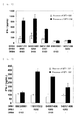
- T cells induced from PBMCs of donor 1 were co-cultured for 24 hours with antigen presenting cells derived from donors 5, 6, 7, 8 and 9, which were pulsed with 10 ⁇ g/mL WT1-332. After the co-culture, the amount of IFN- ⁇ in the supernatant was quantified by ELISA. The results are shown in Fig. 1 . T cells derived from donor 1 produced IFN- ⁇ when co-cultured with HLA-DR4 (DRB1*0403, 0406)-positive antigen presenting cells, which revealed that the restrictive allele was HLA-DRB1*0406. Also, it was shown that HLA-DRB1*0403 can present WT1-332 and stimulate T cells.
- HLA-DR4 DRB1*0403, 0406
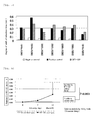
- T cells induced from PBMCs of donor 2 were co-cultured for 24 hours with antigen presenting cells derived from donors 10, 11, 12 and 9, which were pulsed with 10 ⁇ g/mL WT1-332. After the co-culture, the amount of IFN- ⁇ in the supernatant was quantified by ELISA. The results are shown in Fig. 2 . T cells derived from donor 2 produced IFN- ⁇ when co-cultured with HLA-DRB3*0202-positive antigen presenting cells, which revealed that the restrictive allele was HLA-DRB3*0202.
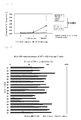
- T cells induced from PBMCs of donor 3 were co-cultured for 24 hours with antigen presenting cells derived from donors 13, 14, 15 and 10, which were pulsed with 10 ⁇ g/mL WT1-332. After the co-culture, the amount of IFN- ⁇ in the supernatant was quantified by ELISA. The results are shown in Fig. 3 . T cells derived from donor 3 produced IFN- ⁇ when co-cultured with HLA-DR4 (DRB1*0401, 0405)-positive antigen presenting cells, which revealed that both HLA-DRB1 * 0401 and 0405 can present WT1-332 and stimulate T cells.
- HLA-DR4 DRB1*0401, 0405
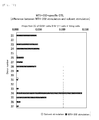
- T cells induced from PBMCs of donor 4 were co-cultured for 24 hours with antigen presenting cells derived from donors 16, 11, 17, 18, 19 and 20, which were pulsed with 10 ⁇ g/mL WT1-332. After the co-culture, the amount of IFN- ⁇ in the supernatant was quantified by ELISA. The results are shown in Fig. 4 . T cells derived from donor 4 produced IFN- ⁇ when co-cultured with HLA-DRB1*1101-positive antigen presenting cells, which revealed that the restrictive allele was HLA-DRB1*1101.
- a folding test of 7 types of HLA class II monomer proteins (DRB1*1501, 0101, 0405, 0803, 0901, 1502, or DRB4*0101) with WT1-332 was carried out using HPLC.
- a folding reaction solution was prepared by mixing an HLA class II monomer protein, a peptide [a peptide binding to each protein (positive control), a peptide not binding to each protein (negative control), and WT1-332], and a folding buffer. After reacting the solution at 37°C, the retention time was analyzed using HPLC.
- HLA class II monomer proteins which had been freeze-preserved at -80°C were thawed on ice.
- the HLA class II monomer proteins thawed were adjusted using a dilution buffer so that they were contained in an amount of 0.05 mg (1 ⁇ 10 -9 mol) in 83 ⁇ L.
- the amount of a peptide which is a 50-fold molar amount relative to an HLA class II monomer protein was calculated using the following calculation formula.
- Molecular weight of peptide ⁇ 1 , 000 amount of peptide required ⁇ mg
- Amount of peptide required / purity of peptide / 100 amount of peptide added ⁇ mg
- Amount of peptide added / 20 mg / mL ⁇ 1 , 000 amount of peptide solution added ⁇ L
- a 10% amount of a mixed solution of an HLA class II monomer protein and a peptide was added.
- a peptide solution and a folding buffer were added in a calculated amount, and the mixture was allowed to stand at 37°C overnight.
- HPLC Waters 2695 Separation Module
- a Seperdex 200 column was equilibrated with an equilibrating buffer.
- 300 ⁇ L of the equilibrate buffer was added and well mixed, and a 100 ⁇ L portion of the mixture was used as a sample injection volume to calculate the retention time. Analysis time was 50 minutes.
- the criterion for the folding of an HLA class II monomer protein with a peptide is a shift of the retention time of not less than 0.1 minute as compared with a control (solvent only).
- PBMCs Peripheral blood mononuclear cells
- HLA-DRB1 * 1501, 1502, 0405, HLA-DPB1 * 0501, and 0901 The separated PBMCs were divided into portions of 1.2 ⁇ 10 7 cells, suspended in a medium composed of 45% RPMI-1640 (SIGMA), 45% AIM-V (Invitrogen), and 10% AB type human serum (MP Biomedicals), and seeded on a 24-well plate at 1.5 ⁇ 10 6 cells/well (on the 0th day).
- SIGMA 45% RPMI-1640
- AIM-V Invitrogen
- MP Biomedicals 10% AB type human serum
- WT1-332 was added at a concentration of 20 ⁇ g/mL and IL-7 (PeproTech) at a concentration of 10 ng/mL, and the cells were cultured at 37°C under 5% CO 2 for one week.
- a portion of the separated PBMCs was freeze-preserved for antigen presenting cells when re-stimulating. After one week (on the 7th day), re-stimulation was carried out.
- the freeze-preserved PBMCs were thawed, pulsed with 20 ⁇ g/mL WT1-332 or 10 ⁇ M acetic acid solvent, treated with 50 ⁇ g/mL mitomycin C (Kyowa Hakko Kirin Co., Ltd.), and seeded on a new 24-well plate at 1.0 ⁇ 10 6 to 1.6 ⁇ 10 6 cells/well.
- the cells cultured for one week were recovered, and seeded on wells seeded with antigen presenting cells at 1.0 ⁇ 10 6 to 1.6 ⁇ 10 6 cells/well.
- IL-7 was added to each well at a concentration of 10 ng/mL, and the cells were cultured at 37°C under 5% CO 2 .
- Antigen re-stimulation was carried out by seeding PBMCs on the 0th day after preparation and living cells recovered on day 7 and day 14 from a WT1-332 induction group and a solvent induction group on a 96-well U-bottom plate, and adding a WT1-332 containing medium at a final concentration of 20 ⁇ g/mL. Also, a solvent containing medium was added at a final concentration of 10 ⁇ M as a control. After culturing the cells at 37°C under 5% CO 2 for 4 hours, Brefeldin A (BioLegend) was added and the culture was further continued.
- Brefeldin A BioLegend
- T cells induced from PBMCs of donors 21 to 37 were cultured for 24 hours in the presence of 10 ⁇ M of a solvent, in the presence of 20 ⁇ g/mL of WT1-332, and in the presence of 20 ⁇ g/mL of WT1-332 and 10 ⁇ g/mL of an anti-HLA-DR antibody (L243[G46-6], BD Co.). After the culture, the amount of IFN- ⁇ in the supernatant was quantified by ELISA (BD Co.). The results are shown in Fig. 8 . In samples from donors 21 to 37, it was shown that the T cells induced recognize WT1-332 and produce IFN- ⁇ , and that the reaction is HLA-DR molecule-restricted.
- T cells induced from PBMCs of donors 38 to 46 were cultured for 24 hours in the presence of 10 ⁇ M of a solvent, in the presence of 20 ⁇ g/mL of WT1-332, and in the presence of 20 ⁇ g/mL of WT1-332 and 10 ⁇ g/mL of an anti-HLA-DR antibody (L243[G46-6], BD Co.) or 10 ⁇ g/mL of an anti-HLA-DQ antibody (SPVL3, BC Co.).
- the amount of IFN- ⁇ in the supernatant was quantified by ELISA (BD Co.). The results are shown in Fig. 11 .
- the T cells In samples from donors 38 to 46, the T cells induced recognized WT1-332 and produced IFN- ⁇ , and the reaction was not inhibited by the anti-HLA-DR antibody and the anti-HLA-DQ antibody. As is apparent from these facts, the WT1-332-induced T cells derived from donors 38 to 46 are HLA-DP molecule-restricted.
- DRB3*0202 is in linkage disequilibrium with DRB1*1101, DRB1*1401 and DRB1*1405 (DRB1 allele denoted by the symbol “ ⁇ ” in the table)
- DRB4*0101 is in linkage disequilibrium with DRB1*0403, DRB1*0405 and DRB1 * 0901 (DRB1 allele denoted by the symbol " ⁇ ” in the Table).
- alleles denoted by a bold, italic letter represent a new compatible HLA-DRB1 allele.
- the present invention provides a method for activating helper T cells and/or cytotoxic T cells using a WT1 peptide having the ability to bind to any MHC class II molecule of an HLA-DRB1*0101 molecule, an HLA-DRB1*0401 molecule, an HLA-DRB1*0403 molecule, an HLA-DRB1*0406 molecule, an HLA-DRB1*0803 molecule, an HLA-DRB1*0901 molecule, an HLA-DRB1*1101 molecule, an HLA-DRB3*0202 molecule, an HLA-DRB4*0101 molecule, an HLA-DRB1*1501 molecule, an HLA-DRB1*0405 molecule, an HLA-DRB1*1502 molecule, an HLA-DPB1*0501 molecule, an HLA-DPB1*0901 molecule, an HLA-DPB1*0201 molecule or an HLA-DPB1*0301 molecule and
Landscapes
- Health & Medical Sciences (AREA)
- Life Sciences & Earth Sciences (AREA)
- Chemical & Material Sciences (AREA)
- Engineering & Computer Science (AREA)
- Organic Chemistry (AREA)
- Biomedical Technology (AREA)
- Immunology (AREA)
- General Health & Medical Sciences (AREA)
- Genetics & Genomics (AREA)
- Zoology (AREA)
- Bioinformatics & Cheminformatics (AREA)
- Biotechnology (AREA)
- Wood Science & Technology (AREA)
- Biochemistry (AREA)
- Cell Biology (AREA)
- Medicinal Chemistry (AREA)
- Animal Behavior & Ethology (AREA)
- Veterinary Medicine (AREA)
- Public Health (AREA)
- Microbiology (AREA)
- Hematology (AREA)
- General Engineering & Computer Science (AREA)
- Epidemiology (AREA)
- Proteomics, Peptides & Aminoacids (AREA)
- Molecular Biology (AREA)
- Biophysics (AREA)
- Pharmacology & Pharmacy (AREA)
- Gastroenterology & Hepatology (AREA)
- Oncology (AREA)
- General Chemical & Material Sciences (AREA)
- Chemical Kinetics & Catalysis (AREA)
- Nuclear Medicine, Radiotherapy & Molecular Imaging (AREA)
- Virology (AREA)
- Developmental Biology & Embryology (AREA)
- Toxicology (AREA)
- Physics & Mathematics (AREA)
- Analytical Chemistry (AREA)
- Micro-Organisms Or Cultivation Processes Thereof (AREA)
- Medicines Containing Material From Animals Or Micro-Organisms (AREA)
- Medicines That Contain Protein Lipid Enzymes And Other Medicines (AREA)
Abstract
Description
- The present invention relates to a method for activating helper T cells, which includes the step of activating helper T cells by adding a WT1 peptide to antigen presenting cells, wherein the WT1 peptide has the ability to bind to any MHC class II molecule of an HLA-DRB1*0101 molecule, an HLA-DRB1*0401 molecule, an HLA-DRB1*0403 molecule, an HLA-DRB1*0406 molecule, an HLA-DRB1*0803 molecule, an HLA-DRB1*0901 molecule, an HLA-DRB1*1101 molecule, an HLA-DRB3*0202 molecule, an HLA-DRB4*0101 molecule, an HLA-DRB1*1501 molecule, an HLA-DRB1*0405 molecule, an HLA-DRB1*1502 molecule, an HLA-DPB1*0501 molecule, an HLA-DPB1*0901 molecule, an HLA-DPB1*0201 molecule or an HLA-DPB1*0301 molecule, a composition therefor, a method for activating cytotoxic T cells, an activation inducer of cytotoxic T cells (CTL), a pharmaceutical composition for treating and/or preventing a cancer by activating helper T cells and/or cytotoxic T cells, and the like.
- The WT1 gene (Wilms' tumor 1 gene) was identified as a causative gene of a Wilms' tumor which is a kidney cancer in childhood, and the gene encodes a transcription factor having a zinc finger structure (Non-Patent Documents 1 and 2). Subsequent studies showed that the above gene serves as a cancer gene in hematopoietic organ tumors or solid cancers (Non-Patent Documents 3 to 6).
- It was shown that cytotoxic T cells (CTLs) specific to the peptide are induced by stimulating peripheral blood mononuclear cells in vitro using a peptide having a portion of an amino acid sequence encoding the WT1 protein, and these CTLs injure cancer cells of hematopoietic organ tumors or solid cancers expressing the WT1 endogenously. The CTLs recognize the above peptide in the form of a complex bound to an MHC class I molecule, and thus the peptide differs depending on subtypes of the MHC class I (Patent Documents 1 to 4, and Non-Patent Document 7).
- On the other hand, the presence of helper T cells specific to a cancer antigen is important in order to induce the CTLs effectively (Non-Patent Document 8). The helper T cells are induced and activated by recognizing a complex of an MHC class II molecule with an antigen peptide on antigen presenting cells. Activated helper T cells aid proliferation, differentiation and maturation of B cells by producing cytokines such as IL-2, IL-4, IL-5, IL-6, or interferons. Since such helper T cells have a function to activate an immune system by promoting proliferation and activation of B cells and T cells, it is suggested that the enhancement of a function of helper T cells through an MHC class II-binding antigen peptide in cancer immunotherapy to enhance effects of a cancer vaccine is useful (Non-Patent Document 9).
- It has recently been shown that a promiscuous helper peptide which can bind to multiple MHC class II molecules and activate helper T cells is present among particular peptides having a portion of an amino acid sequence encoding a WT1 protein (hereinafter, also referred to as WT1 peptides in the present specification) (patent documents 5 and 6). However, it was very difficult to verify whether or not the WT1 peptides also have effects on other MHC class II molecules, because of many kinds of MHC class II molecules.
-
- Patent Document 1: International Publication No.
WO 2003/106682 - Patent Document 2: International Publication No.
WO 2005/095598 - Patent Document 3: International Publication No.
WO 2007/097358 - Patent Document 4: International Application No.
PCT/JP2007/074146 - Patent Document 5: International Publication No.
WO 2005/045027 - Patent Document 6: International Publication No.
WO 2008/105462 -
- Non-Patent Document 1: Daniel A. Haber et al., Cell. 1990 Jun 29; 61(7):1257-69
- Non-Patent Document 2: Call KM et al., Cell. 1990 Feb 9; 60(3):509-20
- Non-Patent Document 3: Menke AL et al., Int Rev Cytol. 1998; 181:151-212. Review
- Non-Patent Document 4: Yamagami T et al., Blood. 1996 Apr 1; 87(7):2878-84
- Non-Patent Document 5: Inoue K et al., Blood. 1998 Apr 15; 91 (8) :2969-76
- Non-Patent Document 6: Tsuboi A et al., Leuk Res. 1999 May; 23 (5) :499-505
- Non-Patent Document 7: Oka Y et al., Immunogenetics. 2000 Feb; 51(2):99-107
- Non-Patent Document 8: Gao FG et al., Cancer Res. 2002 Nov 15; 62(22):6438-41
- Non-Patent Document 9: Zeng G, J Immunother. 2001 May; 24 (3) :195-204
- Accordingly, the object to be achieved by the present invention is to provide a method for activating helper T cells, a method for activating cytotoxic T cells, by applying a particular WT1 peptide to a wide range of MHC class II molecule-positive subjects, an activation inducer of cytotoxic T cells, a pharmaceutical composition for treating/preventing a cancer, and the like.
- Under these circumstances, the present inventors have intensively studied and found that a peptide having the amino acid sequence: Lys Arg Tyr Phe Lys Leu Ser His Leu Gln Met His Ser Arg Lys His binds to an HLA-DRB1*0101 molecule, an HLA-DRB1*0401 molecule, an HLA-DRB1*0403 molecule, an HLA-DRB1*0406 molecule, an HLA-DRB1*0803 molecule, an HLA-DRB1*0901 molecule, an HLA-DRB1*1101 molecule, an HLA-DRB3*0202 molecule, an HLA-DRB4*0101 molecule, an HLA-DRB1*1501 molecule, an HLA-DRB1*0405 molecule, an HLA-DRB1*1502 molecule, an HLA-DPB1*0501 molecule, an HLA-DPB1*0901 molecule, an HLA-DPB1*0201 molecule, and an HLA-DPB1*0301 molecule, and activates helper T cells and/or cytotoxic T cells. Thus, the present invention has been completed.
- The present invention provides:
- (1) A method for activating helper T cells, which includes the step of activating helper T cells by adding a WT1 peptide to antigen presenting cells, wherein the WT1 peptide has the ability to bind to any MHC class II molecule of an HLA-DRB1*0101 molecule, an HLA-DRB1*0401 molecule, an HLA-DRB1*0403 molecule, an HLA-DRB1*0406 molecule, an HLA-DRB1*0803 molecule, an HLA-DRB1*0901 molecule, an HLA-DRB1*1101 molecule, an HLA-DRB3*0202 molecule, an HLA-DRB4*0101 molecule, an HLA-DPB1*0201 molecule or an HLA-DPB1*0301 molecule;
- (2) The method according to (1), wherein the WT1 peptide has the ability to bind to at least two MHC class II molecules of an HLA-DRB1*0101 molecule, an HLA-DRB1*0401 molecule, an HLA-DRB1*0403 molecule, an HLA-DRB1*0406 molecule, an HLA-DRB1*0803 molecule, an HLA-DRB1*0901 molecule, an HLA-DRB1*1101 molecule, an HLA-DRB3*0202 molecule, an HLA-DRB4*0101 molecule, an HLA-DPB1*0201 molecule and an HLA-DPB1*0301 molecule;
- (3) The method according to (1) or (2), wherein the WT1 peptide further has the ability to bind to an HLA-DRB1*0405 molecule, an HLA-DRB1*1501 molecule, an HLA-DRB1*1502 molecule, an HLA-DPB1*0501 molecule and/or an HLA-DPB1*0901 molecule;
- (4) The method according to any one of (1) to (3), wherein the addition of a WT1 peptide to antigen presenting cells is carried out by adding a WT1 peptide, a polynucleotide encoding the WT1 peptide, an expression vector containing the polypeptide, or cells containing the expression vector;
- (5) The method according to any one of (1) to (4), wherein the WT1 peptide is a peptide containing the amino acid sequence: Lys Arg Tyr Phe Lys Leu Ser His Leu Gln Met His Ser Arg Lys His (SEQ ID NO:2), a variant or a modification thereof;
- (6) A composition containing a WT1 peptide for activating helper T cells by adding the WT1 peptide to antigen presenting cells, wherein the WT1 peptide has the ability to bind to any MHC class II molecule of an HLA-DRB1*0101 molecule, an HLA-DRB1*0401 molecule, an HLA-DRB1*0403 molecule, an HLA-DRB1*0406 molecule, an HLA-DRB1*0803 molecule, an HLA-DRB1*0901 molecule, an HLA-DRB1*1101 molecule, an HLA-DRB3*0202 molecule, an HLA-DRB4*0101 molecule, an HLA-DPB1*0201 molecule or an HLA-DPB1*0301 molecule;
- (7) The composition according to (6), wherein the WT1 peptide has the ability to bind to at least two MHC class II molecules of an HLA-DRB1*0101 molecule, an HLA-DRB1*0401 molecule, an HLA-DRB1*0403 molecule, an HLA-DRB1*0406 molecule, an HLA-DRB1*0803 molecule, an HLA-DRB1*0901 molecule, an HLA-DRB1*1101 molecule, an HLA-DRB3*0202 molecule, an HLA-DRB4*0101 molecule, an HLA-DPB1*0201 molecule and an HLA-DPB1*0301 molecule;
- (8) The composition according to (6) or (7), wherein the WT1 peptide further has the ability to bind to an HLA-DRB1*0405 molecule, an HLA-DRB1*1501 molecule, an HLA-DRB1*1502 molecule, an HLA-DPB1*0501 molecule and/or an HLA-DPB1*0901 molecule;
- (9) The composition according to any one of (6) to (8), wherein the addition of a WT1 peptide to antigen presenting cells is carried out by adding a WT1 peptide, a polynucleotide encoding the WT1 peptide, an expression vector containing the polynucleotide, or cells containing the expression vector;
- (10) The composition according to any one of (6) to (9), wherein the WT1 peptide is a peptide containing the amino acid sequence: Lys Arg Tyr Phe Lys Leu Ser His Leu Gln Met His Ser Arg Lys His (SEQ ID NO:2), a variant or a modification thereof;
- (11) Antigen presenting cells which present a complex of an antigen peptide containing a WT1 peptide with an MHC class II molecule, wherein the MHC class II molecule is any MHC class II molecule of an HLA-DRB1*0101 molecule, an HLA-DRB1*0401 molecule, an HLA-DRB1*0403 molecule, an HLA-DRB1*0406 molecule, an HLA-DRB1*0803 molecule, an HLA-DRB1*0901 molecule, an HLA-DRB1*1101 molecule, an HLA-DRB3*0202 molecule, an HLA-DRB4*0101 molecule, an HLA-DPB1*0201 molecule or an HLA-DPB1*0301 molecule;
- (12) Helper T cells which recognize a complex of an antigen peptide containing a WT1 peptide with an MHC class II molecule, wherein the MHC class II molecule is any MHC class II molecule of an HLA-DRB1*0101 molecule, an HLA-DRB1*0401 molecule, an HLA-DRB1*0403 molecule, an HLA-DRB1*0406 molecule, an HLA-DRB1*0803 molecule, an HLA-DRB1*0901 molecule, an HLA-DRB1*1101 molecule, an HLA-DRB3*0202 molecule, an HLA-DRB4*0101 molecule, an HLA-DPB1*0201 molecule or an HLA-DPB1*0301 molecule;
- (13) Cytotoxic T cells which are activated by the helper T cells according to (11);
- (14) A pharmaceutical composition for treating or preventing a cancer, including, as an active ingredient, any of the composition according to any one of (6) to (10), the antigen presenting cells according to (11), the helper T cells according to (12), or the cytotoxic T cells according to (13);
- (15) A pharmaceutical composition for activating cytotoxic T cells, including, as an active ingredient, any of a WT1 peptide, a polynucleotide encoding the WT1 peptide, an expression vector containing the polynucleotide, or cells containing the expression vector, and which is administered to a subject having any MHC class II molecule of an HLA-DPB1*0501 molecule, an HLA-DPB1*0901 molecule, an HLA-DPB1*0201 molecule, an HLA-DPB1*0301 molecule, an HLA-DRB1*1501 molecule, an HLA-DRB1*1502 molecule, an HLA-DRB1*0405 molecule, an HLA-DRB1*0101 molecule, an HLA-DRB1*0401 molecule, an HLA-DRB1*0403 molecule, an HLA-DRB1*0406 molecule, an HLA-DRB1*0803 molecule, an HLA-DRB1*0901 molecule, an HLA-DRB1*1101 molecule, an HLA-DRB3*0202 molecule or an HLA-DRB4*0101 molecule;
- (16) An antibody specifically binding to a WT1 peptide, wherein the WT1 peptide has the ability to bind to any MHC class II molecule of an HLA-DRB1*0101 molecule, an HLA-DRB1*0401 molecule, an HLA-DRB1*0403 molecule, an HLA-DRB1*0406 molecule, an HLA-DRB1*0803 molecule, an HLA-DRB1*0901 molecule, an HLA-DRB1*1101 molecule, an HLA-DRB3*0202 molecule, an HLA-DRB4*0101 molecule, an HLA-DPB1*0201 molecule or an HLA-DPB1*0301 molecule;
- (17) A method for determining the presence or amount of WT1-specific helper T cells in a subject positive in respect to any MHC class II molecule of an HLA-DRB1*0101, HLA-DRB1*0401, HLA-DRB1*0403, HLA-DRB1*0406, HLA-DRB1*0803, HLA-DRB1*0901, HLA-DRB1*1101, HLA-DRB3*0202, HLA-DRB4*0101, HLA-DPB1*0201 molecule or an HLA-DPB1*0301 molecule, the method includes the steps of:
- (a) stimulating a sample obtained from the subject using a WT1 peptide, and
- (b) determining the presence or amount of cytokines or helper T cells, wherein the increase of the presence or amount of cytokines or helper T cells shows the presence or amount of the WT1-specific helper T cells.
- According to the present invention, a method for activating helper T cells, a composition therefor, a method for activating cytotoxic T cells, a composition therefor, an activation inducer of cytotoxic T cells, a pharmaceutical composition for treating and/or preventing a cancer by activating helper T cells and cytotoxic T cells, and the like are obtained by applying a WT1 peptide to a wide range of subjects having any MHC class II molecule of an HLA-DRB1*0101 molecule, an HLA-DRB1*0401 molecule, an HLA-DRB1*0403 molecule, an HLA-DRB1*0406 molecule, an HLA-DRB1*0803 molecule, an HLA-DRB1*0901 molecule, an HLA-DRB1*1101 molecule, an HLA-DRB3*0202 molecule, an HLA-DRB4*0101 molecule, an HLA-DRB1*1501 molecule, an HLA-DRB1*0405 molecule, an HLA-DRB1*1502 molecule, an HLA-DPB1*0501 molecule, an HLA-DPB1*0901 molecule, an HLA-DPB1*0201 molecule or an HLA-DPB1*0301 molecule, thus enabling activation of helper T cells and cytotoxic T cells in vivo and in vitro in subjects having such an MHC class II molecule, and treatment and prevention of a cancer, and the like.
-
-
Fig. 1 shows the results obtained by measuring the amount of IFN-γ after co-culturing T cells induced from PBMCs derived from donor 1 (HLA-DRB1*0406/1201-, DRB3*0101-, and DRB4*0103-positive) with PBMCs derived from various donors pulsed with WT1-332. In the drawing, the ordinate denotes the amount of IFN-γ (pg/mL) in a supernatant liquid after the co-culture. In the drawing, the abscissa denotes the types of HLA-DRB1, 3 and 4 molecules which are positive in the various donors. -
Fig. 2 shows the results obtained by measuring the amount of IFN-γ after co-culturing T cells induced from PBMCs derived from donor 2 (HLA-DRB1*0901/1101-, DRB3*0202-, and DRB4*0103-positive) with PBMCs derived from various donors pulsed with WT1-332. In the drawing, the ordinate denotes the amount of IFN-γ (pg/mL) in a supernatant liquid after the co-culture. The abscissa denotes the types of HLA-DRB1, 3 and 4 molecules which are positive in the various donors. -
Fig. 3 shows the results obtained by measuring the amount of IFN-γ after co-culturing T cells induced from PBMCs derived from donor 3 (HLA-DRB1*0401/0405-, and DRB4*0102/0103-positive) with PBMCs derived from various donors pulsed with WT1-332. In the drawing, the ordinate denotes the amount of IFN-γ (pg/mL) in a supernatant liquid after the co-culture. The abscissa denotes the types of HLA-DRB1 and 4 molecules which are positive in the various positive donors. -
Fig. 4 shows the results obtained by measuring the amount of IFN-γ after co-culturing T cells induced from PBMCs derived from donor 4 (HLA-DRB1*0901/1101-, DRB3*0202-, and DRB4*0103-positive) with PBMCs derived from various donors pulsed with WT1-332. In the drawing, the ordinate denotes the amount of IFN-γ (pg/mL) in a supernatant liquid after the co-culture. The abscissa denotes the types of HLA-DRB1, 3 and 4 molecules which are positive in the various positive donors. -
Fig. 5 shows that HLA-class II monomer proteins (DRB1*0101, DRB1*0405, DRB1*1501, DRB1*1502, DRB1*0803, DRB1*0901 and DRB4*0101) were specifically associated with various peptides. In the drawing, the ordinate denotes the degree of shift of retention time (minute). The abscissa denotes the types of HLA-class II monomer proteins. Also, the bar graphs show the types of peptides added [from the left, negative control (□), positive control (■), and WT1-332 (shaded □) ] . -
Fig. 6 shows that the proportion of WT1-332-specific Th1 (the proportion of CD4-positive cells/intracellular IFN-γ-positive cells) increases time-dependently and significantly when T cells induced from PBMCs derived from healthy blood donors (in total 42 donors having at least one of HLA-DRB1*1501, 1502, 0405, HLA-DPB1*0501, and 0901) were stimulated with WT1-332. In the drawing, the ordinate denotes the proportion (%) of the number of CD4-positive cells/the number of intracellular IFN-γ-positive cells in living cells, and the abscissa denotes culture days (days). Also, the symbol "●" denotes the proportion in samples induced by addition of WT1-332 (WT1-332 induction group), and the symbol "○" denotes the proportion in samples induced by addition of a solvent (control) (solvent induction group). -
Fig. 7 shows that the number of WT1-332-specific CTL cells (the proportion of CD8-positive cells/IFN-γ-positive cells) increases time-dependently and significantly when T cells induced from PBMCs derived from healthy blood donors (in total 42 donors having at least one of HLA-DRB1*1501, 1502, 0405, HLA-DPB1*0501, and 0901) were stimulated with WT1-332. In the drawing, the ordinate denotes the proportion (%) of the number of CD8-positive cells/the number of intracellular IFN-γ-positive cells in living cells, and the abscissa denotes culture days (days). Also, the symbol "●" denotes the proportion in samples induced by addition of WT1-332 (WT1-332 induction group), and the symbol "○" denotes the proportion in samples induced by addition of a solvent (control) (solvent induction group). -
Fig. 8 shows HLA-DR-restrictiveness of 17 samples (donors 21 to 37) in which WT1-332-specific Th1 was induced inFig. 6 andFig. 7 . In each sample, a WT1-332-specific IFN-γ production was recognized when T cells onday 14 after induction by WT1-332 addition were stimulated with WT1-332, and the IFN-γ production was inhibited when the cells were cultured with addition of an anti-HLA-DR antibody. This shows that the T cells induced by WT1-332 are HLA-DR-restricted. In the drawing, the ordinate denotes the donor number (donors 21 to 37), and the abscissa denotes the amount of IFN-γ produced (pg/mL). Also, the symbol "■" denotes the amount of IFN-γ produced after WT1-332 stimulation, the symbol "shaded □" denotes the amount of IFN-γ produced after WT1-332 + anti-HLA-DR antibody stimulation, and the symbol "□" denotes the amount of IFN-γ produced after solvent (control) stimulation. -
Fig. 9 shows that the proportion of the number of WT1-332-specific Th1 cells (CD4-positive cells/intracellular IFN-γ-positive cells) increases when T cells onday 14 after induction by WT1-332 addition are stimulated with WT1-332 in each of 17 samples (donors 21 to 37) having HLA-DR-restricted WT1-332-specific Th1 induced inFig. 6 andFig. 7 . In the drawing, the ordinate denotes the donor number (donors 21 to 37), and the abscissa denotes the proportion (%) of the number of CD4-positive cells/the number of intracellular IFN-γ-positive cells in living cells. Also, the symbol "■" denotes the proportion after WT1-332 stimulation, and the symbol "□" denotes the proportion after solvent (control) stimulation. -
Fig. 10 shows that the proportion of the number of WT1-332-specific CTL cells (CD8-positive cells/intracellular IFN-γ-positive cells) increases when T cells onday 14 after induction by WT1-332 addition are stimulated with WT1-332 in each of 17 samples (donors 21 to 37) having HLA-DR-restricted WT1-332-specific Th1 induced inFig. 6 andFig. 7 . In the drawing, the ordinate denotes the donor number (donors 21 to 37), and the abscissa denotes the proportion (%) of the number of CD8-positive cells/the number of intracellular IFN-γ-positive cells in living cells. Also, the symbol "■" denotes the proportion after WT1-332 stimulation, and the symbol "□" denotes the proportion after solvent (control) stimulation. -
Fig. 11 shows HLA-DP-restrictiveness of 9 samples (donors 38 to 46) in which WT1-332-specific Th1 was induced inFig. 6 andFig. 7 . In each sample, a WT1-332-specific IFN-γ production was recognized when T cells onday 14 after induction by WT1-332 addition were stimulated with WT1-332, and the IFN-γ production was not inhibited when the cells were cultured with addition of an anti-HLA-DR antibody, and also when the cells were cultured with addition of an anti-HLA-DQ antibody. This shows that the T cells induced by WT1-332 are HLA-DP-restricted. In the drawing, the ordinate denotes the donor number (donors 38 to 46), and the abscissa denotes the amount of IFN-γ produced (pg/mL). Also, the symbol "■" denotes the amount of IFN-γ produced after WT1-332 stimulation, the symbol "shaded □" denotes the amount of IFN-γ produced after WT1-332 + anti-HLA-DR antibody stimulation, the symbol "dashed □" denotes the amount of IFN-γ produced after WT1-332 + anti-HLA-DQ antibody stimulation, and the symbol "□" denotes the amount of IFN-γ produced after solvent (control) stimulation. -
Fig. 12 shows that the proportion of the number of WT1-332-specific Th1 cells (CD4-positive cells/intracellular IFN-γ-positive cells) increases when T cells onday 14 after induction by WT1-332 addition are stimulated with WT1-332 in each of 9 samples (donors 38 to 46) having HLA-DP-restrictive WT1-332-specific Th1 induced inFig. 6 andFig. 7 . In the drawing, the ordinate denotes the donor number (donors 38 to 46), and the abscissa denotes the proportion (%) of the number of CD4-positive cells/the number of intracellular IFN-γ-positive cells in living cells. Also, the symbol "■" denotes the proportion after WT1-332 stimulation, and the symbol "□" denotes the proportion after solvent (control) stimulation. -
Fig. 13 shows that the proportion of the number of WT1-332-specific CTL cells (CD8-positive cells/intracellular IFN-γ-positive cells) increases when T cells onday 14 after induction by WT1-332 addition are stimulated with WT1-332 in each of 9 samples (donors 38 to 46) having HLA-DP-restricted WT1-332-specific Th1 induced inFig. 6 andFig. 7 . In the drawing, the ordinate denotes the donor number (donors 38 to 46), and the abscissa denotes the proportion (%) of the number of CD8-positive cells/the number of intracellular IFN-γ-positive cells in living cells. Also, the symbol "■" denotes the proportion after WT1-332 stimulation, and the symbol "□" denotes the proportion after solvent (control) stimulation. - In one aspect, the present invention provides a method for activating helper T cells or cytotoxic T cells, which includes the step of activating helper T cells or cytotoxic T cells by adding a WT1 peptide to antigen presenting cells, wherein the WT1 peptide has the ability to bind to an MHC class II molecule. In the present invention, the step of activating cytotoxic T cells may be carried out by passing through the step of activating helper T cells. Also, the WT1 peptide used in the present invention is one having the ability to bind to any MHC class II molecule of an HLA-DRB1*0101 molecule, an HLA-DRB1*0401 molecule, an HLA-DRB1*0403 molecule, an HLA-DRB1*0406 molecule, an HLA-DRB1*0803 molecule, an HLA-DRB1*0901 molecule, an HLA-DRB1*1101 molecule, an HLA-DRB3*0202 molecule, an HLA-DRB4*0101 molecule, an HLA-DRB1*1501 molecule, an HLA-DRB1*0405 molecule, an HLA-DRB1*1502 molecule, an HLA-DPB1*0501 molecule, an HLA-DPB1*0901 molecule, an HLA-DPB1*0201 molecule or an HLA-DPB1*0301 molecule. Moreover, the WT1 peptide used in the present invention may be one having the ability to bind to at least two or more MHC class II molecules of the above MHC class II molecules. Also, the WT1 peptide used in the present invention may have the ability to bind to any MHC class II molecule, for example, of HLA-DR, HLA-DQ and HLA-DP molecules.
- In the present invention, the WT1 peptide may be a peptide having a portion of an amino acid sequence of a human WT1 protein depicted in SEQ ID NO:1. The peptide according to the present invention has no particular limitation in its amino acid sequence and length so far as the peptide has the above feature. However, a too long peptide is susceptible to a protease action, and a too short peptide can not bind to a peptide accommodating groove well. The length of the peptide according to the present invention is one of preferably 10 to 25 amino acids, more preferably 15 to 21 amino acids, further preferably 16 to 20 amino acids, for example, of 16 amino acids, 17 amino acids, 18 amino acids, or 19 amino acids. Specific examples of the peptide according to the present invention are those containing the amino acid sequence: Lys Arg Tyr Phe Lys Leu Ser His Leu Gln Met His Ser Arg Lys His (SEQ ID NO:2).
- In addition, the WT1 peptide used in the present invention includes variants of the above peptide. The variants may contain, for example, a peptide selected from the group consisting of peptides having an amino acid sequence in which several amino acids, for example, 1 to 9, preferably 1 to 5, 1 to 4, 1 to 3, more preferably 1 to 2 amino acids, further preferably one amino acid in the amino acid sequence depicted in SEQ ID NO:2 is/are substituted, deleted or added. Substitution of amino acids in peptides may be carried out at any positions and with any types of amino acids, and conservative amino acid substitution is preferred. Examples of the conservative amino acid substitution include substitution of a Glu residue with an Asp residue, a Phe residue with a Tyr residue, a Leu residue with an Ile residue, an Ala residue with a Ser residue, a His residue with an Arg residue and the like. Preferably, addition or deletion of amino acids may be carried out at the N-terminus and the C-terminus in peptides, but may be carried out in an interior sequence. Preferred specific examples of the peptides according to the present invention are those having SEQ ID NO:2. In this connection, any of the above peptides must have the ability to bind to any MHC class II molecule of an HLA-DRB1*0101 molecule, an HLA-DRB1*0401 molecule, an HLA-DRB1*0403 molecule, an HLA-DRB1*0406 molecule, an HLA-DRB1*0803 molecule, an HLA-DRB1*0901 molecule, an HLA-DRB1*1101 molecule, an HLA-DRB3*0202 molecule, an HLA-DRB4*0101 molecule, an HLA-DRB1*1501 molecule, an HLA-DRB1*0405 molecule, an HLA-DRB1*1502 molecule, an HLA-DPB1*0501 molecule, an HLA-DPB1*0901 molecule, an HLA-DPB1*0201 molecule or an HLA-DPB1*0301 molecule, and must activate helper T cells or cytotoxic T cells (herein, also referred to as CTL). In the present specification, the above WT1 peptide is also referred to as "WT1-332". Also, human MHC molecules are generally referred to as HLA molecules, and therefore, MHC is used as a synonym of HLA in the present specification.
- Moreover, the peptides according to the present invention may be those obtained by modification of the above amino acid sequence. Amino acid residues in the above amino acid sequence can be modified by a known method. Such modification may be, for example, esterification, alkylation, halogenation, phosphorylation and the like on a functional group in a side chain of an amino acid residue. Also, it is possible to bind various substances to the N-terminus and/or C-terminus of a peptide containing the above amino acid sequence. For example, an amino acid, a peptide, an analog thereof and the like may be bound to the peptide. For example, a histidine tag may be added, or a fusion protein may be formed together with a protein such as thioredoxin. Alternatively, a detectable label may be bound to the WT1 peptide. In case these substances are bound to the peptide according to the present invention, they may be treated, for example, by an in vivo enzyme and the like, or by a process such as intracellular processing to finally generate a peptide consisting of the above amino acid sequence, which is presented on cell surface as a complex with an MHC class II molecule, thereby being able to obtain an induction effect of helper T cells and/or cytotoxic T cells. These substances may be those regulating solubility of the peptide according to the present invention, those improving stability of the peptide such as protease resistance, those allowing specific delivery of the peptide of the present invention, for example, to a given tissue or organ, or those having an enhancing action of an uptake efficiency of antigen presenting cells or other action. Also, these substances may be those increasing an ability to induce CTL, for example, helper peptides other than the peptide according to the present invention.
- The WT1 peptide used in the present invention can be synthesized using a method usually used in the art or a modified method thereof. Such a synthesis method is disclosed, for example, in Peptide Synthesis, Interscience, New York, 1966; The Proteins, Vol. 2, Academic Press Inc., New York, 1976; Peptide Synthesis, Maruzen Co., Ltd., 1975; Basis and Experiments of Peptide Synthesis, Maruzen Co., Ltd., 1985; Development of Medicines (continuation), Vol. 14, Peptide Synthesis, Hirokawa Shoten Co., 1991, and the like. Also, the peptide used in the present invention can be prepared using a genetic engineering technique on the basis of information of a nucleotide sequence encoding the peptide. Such a genetic engineering technique is well known to those skilled in the art. Such a technique can be conducted according to methods such as those described in literatures (Molecular Cloning, T. Maniatis et al., CSH Laboratory (1983); DNA Cloning, DM. Glover, IRL PRESS (1985)).
- Also, the present invention relates to a polynucleotide sequence encoding the WT1 peptide described above. The polynucleotide sequence encoding the WT1 peptide may be a DNA sequence or an RNA sequence. In the present invention, such a polynucleotide sequence may be used instead of the WT1 peptide. Such a polynucleotide sequence may be used by integrating into a suitable vector. The vector includes plasmids, phage vectors, virus vectors and the like, for example, pUC118, pUC119, pBR322, pCR3, pYES2, pYEUra3, pKCR, pCDM8, pGL2, pcDNA3.1, pRc/RSV, pRc/CMV, pAcSGHisNT-A, λZAPII, λgt11 and the like. The vector may contain, as needed, factors such as an expression-inducible promoter, a gene encoding a signal sequence, a marker gene for selection, and a terminator. A method for introducing these genes into cells or living bodies, a method for expressing them and the like are known to those skilled in the art.
- The antigen presenting cells used in the present invention are those which can present an antigen peptide containing the above WT1 peptide together with an MHC class II molecule to helper T cells, and mean, for example, dendritic cells, peripheral blood mononuclear cells and the like. Accordingly, subjects from which the antigen presenting cells used in the present invention are derived must have the same molecule as an MHC class II molecule to which the WT1 peptide added can bind (for example, any one or more MHC class II molecules of an HLA-DRB1*0101 molecule, an HLA-DRB1*0401 molecule, an HLA-DRB1*0403 molecule, an HLA-DRB1*0406 molecule, an HLA-DRB1*0803 molecule, an HLA-DRB1*0901 molecule, an HLA-DRB1*1101 molecule, an HLA-DRB3*0202 molecule, an HLA-DRB4*0101 molecule, an HLA-DRB1*1501 molecule, an HLA-DRB1*0405 molecule, an HLA-DRB1*1502 molecule, an HLA-DPB1*0501 molecule, an HLA-DPB1*0901 molecule, an HLA-DPB1*0201 molecule, an HLA-DPB1*0301 molecule, etc.).
- In the present invention, addition of the WT1 peptide to antigen presenting cells may be carried out directly by addition of the WT1 peptide, or indirectly by addition of a polynucleotide encoding the WT1 peptide or of an expression vector containing a polynucleotide encoding the WT1 peptide or by addition of cells containing the expression vector. The above addition can be carried out by a method known in the art. The above polynucleotide encoding the WT1 peptide, expression vector containing a polynucleotide encoding the WT1 peptide, and cells containing the expression vector can be obtained by a technique well known to those skilled in the art. Specifically, the polynucleotide used in the present invention can be determined on the basis of an amino acid sequence of the above WT1 peptide (for example, the amino acid sequence depicted in SEQ ID NO:2). The above polynucleotide can be prepared, for example, by a DNA or RNA synthesis, a PCR method and the like. Also, the types of expression vectors containing the above polynucleotide, sequences contained in addition to the above polynucleotide sequence and the like can be selected properly depending on the purposes, types and the like of hosts into which the expression vectors are introduced. The expression vectors include plasmids, phage vectors, virus vectors and the like. The cells containing an expression vector can be prepared, for example, by transforming host cells. The host cells include Escherichia coli cells, yeast cells, insect cells, animal cells and the like. A method for transforming host cells may be a conventional method, and it is possible to use, for example, a calcium phosphate method, a DEAE-dextran method, an electroporation method, and a lipid for gene transfer.
- In general, helper T cells are activated when a TCR-CD3 complex on a T cell surface recognizes an antigen peptide through an MHC class II molecule on a surface of antigen presenting cells, and integrin on a T cell surface is stimulated by an integrin ligand on a surface of antigen presenting cells. The activation of helper T cells in the present specification includes not only the activation of helper T cells but also induction and proliferation of helper T cells. Also, helper T cells activated in the present invention may be undifferentiated T cells (for example, naive T cells) and the like. The activated helper T cells have a function that activates an immune system by promoting induction, proliferation and activation of B cells and cytotoxic T cells. Accordingly, the method of the present invention can be used as an adjunctive therapy for treating a cancer and the like. Also, helper T cells activated in vitro using the method of the present invention can be used for treating or preventing a cancer and the like, or as an adjunctive agent therefor. The activation of helper T cells can be evaluated, for example, by measuring the production or secretion of cytokines such as interferons (for example, interferon-γ, etc.) and interleukins.
- In another aspect, the present invention provides a composition for activating helper T cells or cytotoxic T cells by adding a WT1 peptide to antigen presenting cells. In the present invention, the activation of cytotoxic T cells may be carried out by passing through the activation of helper T cells. Although a WT1 peptide, a polynucleotide encoding the WT1 peptide, a vector containing the polynucleotide, and cells containing the vector can be exemplified in the composition of the present invention, any molecules may be used providing that they are factors capable of presenting a WT1 peptide as an antigen peptide on a surface of antigen presenting cells. These factors can be obtained by a method well known to those skilled in the art as described above.
- The WT1 peptide used in the present invention has the ability to bind to any of an HLA-DRB1*0101 molecule, an HLA-DRB1*0401 molecule, an HLA-DRB1*0403 molecule, an HLA-DRB1*0406 molecule, an HLA-DRB1*0803 molecule, an HLA-DRB1*0901 molecule, an HLA-DRB1*1101 molecule, an HLA-DRB3*0202 molecule, an HLA-DRB4*0101 molecule, an HLA-DRB1*1501 molecule, an HLA-DRB1*0405 molecule, an HLA-DRB1*1502 molecule, an HLA-DPB1*0501 molecule, an HLA-DPB1*0901 molecule, an HLA-DPB1*0201 molecule or an HLA-DPB1*0301 molecule, as described above. Also, the WT1 peptide used in the present invention may have the ability to bind to at least two or more MHC class II molecules of the above MHC class II molecules. Moreover, the WT1 peptide used in the present invention may have the ability to bind to any MHC class II molecule of HLA-DR, HLA-DQ, or HLA-DP molecules.
- When the composition of the present invention is administered to a subject having any one or more MHC class II molecules of an HLA-DRB1*0101 molecule, an HLA-DRB1*0401 molecule, an HLA-DRB1*0403 molecule, an HLA-DRB1*0406 molecule, an HLA-DRB1*0803 molecule, an HLA-DRB1*0901 molecule, an HLA-DRB1*1101 molecule, an HLA-DRB3*0202 molecule, an HLA-DRB4*0101 molecule, an HLA-DRB1*1501 molecule, an HLA-DRB1*0405 molecule, an HLA-DRB1*1502 molecule, an HLA-DPB1*0501 molecule, an HLA-DPB1*0901 molecule, an HLA-DPB1*0201 molecule or an HLA-DPB1*0301 molecule, an immune system is activated by activation of helper T cells and/or cytotoxic T cells in the subject. Also, the WT1 gene is highly expressed in various cancers and tumors, for example, in hematological malignancy such as leukemia, myelodysplastic syndrome, multiple myeloma and malignant lymphoma, as well as in solid cancers such as stomach cancer, colorectal cancer, lung cancer, breast cancer, germ-cell cancer, liver cancer, skin cancer, bladder cancer, prostate cancer, uterus cancer, cervical cancer and ovary cancer, and therefore, the composition of the present invention can be used as an adjunctive agent for treating or preventing a cancer. Alternatively, helper T cells, cytotoxic T cells and the like, which are activated using the composition of the present invention, can be used, for example, as an adjunctive agent for treating the above cancers.
- In addition to the above WT1 peptide, polynucleotide encoding the WT1 peptide, vector containing the polynucleotide, and cells containing the vector, the composition of the present invention may contain, for example, a carrier, an excipient, an additive and the like. The above WT1 peptide and the like contained in the composition of the present invention activate helper T cells and/or cytotoxic T cells in a WT1 peptide-specific manner, and therefore, the composition may contain a known MHC class I-restrictive WT1 peptide, or may be applied together with such a peptide.
- A method for applying the composition of the present invention can be selected properly depending on conditions such as the desired degree of activation of helper T cells and/or cytotoxic T cells, and the state of antigen presenting cells. The application method includes, for example, administration to a subject by intradermal administration, subcutaneous administration, intramuscular administration, intravenous administration, transnasal administration, oral administration and the like, or addition to a culture fluid of antigen presenting cells, but is not limited thereto. The amount of the above WT1 peptide and the like contained in the composition of the present invention, the form of the composition, the application frequency of the composition and the like can be selected properly depending on conditions such as the desired degree of activation of helper T cells and/or cytotoxic T cells, and the state of antigen presenting cells.
- In still another aspect, the present invention provides a method for treating or preventing a cancer in a subject, which includes the step of activating helper T cells or cytotoxic T cells by adding a WT1 peptide to antigen presenting cells, wherein the WT1 peptide has the ability to bind to any MHC class II molecule of an HLA-DRB1*0101 molecule, an HLA-DRB1*0401 molecule, an HLA-DRB1*0403 molecule, an HLA-DRB1*0406 molecule, an HLA-DRB1*0803 molecule, an HLA-DRB1*0901 molecule, an HLA-DRB1*1101 molecule, an HLA-DRB3*0202 molecule, an HLA-DRB4*0101 molecule, an HLA-DRB1*1501 molecule, an HLA-DRB1*0405 molecule, an HLA-DRB1*1502 molecule, an HLA-DPB1*0501 molecule, an HLA-DPB1*0901 molecule, an HLA-DPB1*0201 molecule or an HLA-DPB1*0301 molecule. The method of the present invention activates an immune system in a subject by activating helper T cells and/or cytotoxic T cells, thereby treating or preventing a cancer in a subject. In the method of the present invention, the step of activating cytotoxic T cells may be carried out by passing through the step of activating helper T cells. The addition of the WT1 peptide to antigen presenting cells may be carried out directly by addition of the WT1 peptide, or indirectly by addition of a polynucleotide encoding the WT1 peptide or of an expression vector containing a polynucleotide encoding the WT1 peptide or by addition of cells containing the expression vector. The above polynucleotide encoding the WT1 peptide, expression vector containing a polynucleotide encoding the WT1 peptide, and cells containing the expression vector can be obtained by a method well known to those skilled in the art, as described above. Subjects to which the method of the present invention can be applied are those positive in respect to any MHC class II molecule of an HLA-DRB1*0101 molecule, an HLA-DRB1*0401 molecule, an HLA-DRB1*0403 molecule, an HLA-DRB1*0406 molecule, an HLA-DRB1*0803 molecule, an HLA-DRB1*0901 molecule, an HLA-DRB1*1101 molecule, an HLA-DRB3*0202 molecule, an HLA-DRB4*0101 molecule, an HLA-DRB1*1501 molecule, an HLA-DRB1*0405 molecule, an HLA-DRB1*1502 molecule, an HLA-DPB1*0501 molecule, an HLA-DPB1*0901 molecule, an HLA-DPB1*0201 molecule or an HLA-DPB1*0301 molecule. Cancers to which the present invention can be applied may be any cancers, and include, for example, hematopoietic organ tumors such as leukemia, myelodysplastic syndrome, multiple myeloma and malignant lymphoma, as well as solid cancers such as stomach cancer, bowel cancer, lung cancer, breast cancer, germ-cell cancer, liver cancer, skin cancer, bladder cancer, prostate cancer, uterus cancer, cervical cancer and ovary cancer. Also, the method of the present invention may be used together with a method for treating or preventing a cancer using an MHC class I molecule-restrictive WT1 peptide or a pharmaceutical composition therefor.
- In still another aspect, the present invention provides use of a WT1 peptide for preparing the above composition, of a polynucleotide encoding the WT1 peptide, of a vector containing the polynucleotide, and of cells containing the vector.
- In still further aspect, the present invention relates to a kit containing the above WT1 peptide, polynucleotide encoding the WT1 peptide, vector containing the polynucleotide, or cells containing the vector, for activating helper T cells and/or cytotoxic T cells by adding the WT1 peptide to antigen presenting cells, wherein the WT1 peptide has the ability to bind to any MHC class II molecule of an HLA-DRB1*0101 molecule, an HLA-DRB1*0401 molecule, an HLA-DRB1*0403 molecule, an HLA-DRB1*0406 molecule, an HLA-DRB1*0803 molecule, an HLA-DRB1*0901 molecule, an HLA-DRB1*1101 molecule, an HLA-DRB3*0202 molecule, an HLA-DRB4*0101 molecule, an HLA-DRB1*1501 molecule, an HLA-DRB1*0405 molecule, an HLA-DRB1*1502 molecule, an HLA-DPB1*0501 molecule, an HLA-DPB1*0901 molecule, an HLA-DPB1*0201 molecule or an HLA-DPB1*0301 molecule. Preferably, the kit is used in the above method for activating helper T cells or cytotoxic T cells. The kit of the present invention may contain, for example, an obtaining means of antigen presenting cells, an evaluating means of activity of helper T cells and/or cytotoxic T cells and the like, in addition to the WT1 peptide. In general, the kit is accompanied with an instruction manual. It is possible to effectively activate helper T cells or cytotoxic T cells using the kit of the present invention.
- In another aspect, the present invention provides antigen presenting cells which present a complex of an antigen peptide containing a WT1 peptide with an MHC class II molecule. In this case, the MHC class II molecule may be any molecule of an HLA-DRB1*0101 molecule, an HLA-DRB1*0401 molecule, an HLA-DRB1*0403 molecule, an HLA-DRB1*0406 molecule, an HLA-DRB1*0803 molecule, an HLA-DRB1*0901 molecule, an HLA-DRB1*1101 molecule, an HLA-DRB3*0202 molecule, an HLA-DRB4*0101 molecule, an HLA-DRB1*1501 molecule, an HLA-DRB1*0405 molecule, an HLA-DRB1*1502 molecule, an HLA-DPB1*0501 molecule, an HLA-DPB1*0901 molecule, an HLA-DPB1*0201 molecule or an HLA-DPB1*0301 molecule, or may be at least two or more molecules of the above MHC class II molecules. The antigen presenting cells of the present invention may be prepared using a technique known to those skilled in the art. For example, they may be prepared by isolating cells having an antigen presenting ability from a cancer patient, and then pulsing the isolated cells with the above WT1 peptide (for example, peptide having the amino acid sequence as shown in SEQ ID NO:2) or with a polynucleotide encoding the WT1 peptide, or introducing an expression vector containing the polynucleotide into the cells, thereby allowing a complex of an antigen peptide containing the WT1 peptide with an MHC class II molecule to present on the cell surface (Cancer Immunol. Immunother. 46:82, 1998, J. Immunol., 158: p1796, 1997, Cancer Res., 59: p1184, 1999, Cancer Res., 56: p5672, 1996, J. Immunol., 161: p5607, 1998, J. Exp. Med., 184: p465, 1996). In the present specification, the cells having an antigen presenting ability are not limited so far as they express an MHC class II molecule capable of presenting a WT1 peptide on the cell surface, and peripheral blood mononuclear cells or dendritic cells having a high antigen presenting ability are preferred. Also, the presence of the antigen presenting cells of the present invention is confirmed by an increase of activity of cytotoxic T cells, which is confirmed by an increase of an amount of interferon-γ, as shown in the Examples. The antigen presenting cells of the present invention are effectively used in a cell therapy (for example, dendritic cell therapy) as an active ingredient of a pharmaceutical composition.
- In still another aspect, the present invention provides helper T cells which recognize a complex of an antigen peptide containing a WT1 peptide with an MHC class II molecule. In this case, the MHC class II molecule may be any molecule of an HLA-DRB1*0101 molecule, an HLA-DRB1*0401 molecule, an HLA-DRB1*0403 molecule, an HLA-DRB1*0406 molecule, an HLA-DRB1*0803 molecule, an HLA-DRB1*0901 molecule, an HLA-DRB1*1101 molecule, an HLA-DRB3*0202 molecule, an HLA-DRB4*0101 molecule, an HLA-DRB1*1501 molecule, an HLA-DRB1*0405 molecule, an HLA-DRB1*1502 molecule, an HLA-DPB1*0501 molecule, an HLA-DPB1*0901 molecule, an HLA-DPB1*0201 molecule or an HLA-DPB1*0301 molecule, or may be at least two or more molecules of the above MHC class II molecules. The helper T cells of the present invention include, for example, those recognizing a complex of an antigen peptide containing a peptide consisting of the amino acid sequence depicted in SEQ ID NO:2 with any MHC class II molecule of an HLA-DRB1*0101 molecule, an HLA-DRB1*0401 molecule, an HLA-DRB1*0403 molecule, an HLA-DRB1*0406 molecule, an HLA-DRB1*0803 molecule, an HLA-DRB1*0901 molecule, an HLA-DRB1*1101 molecule, an HLA-DRB3*0202 molecule, an HLA-DRB4*0101 molecule, an HLA-DRB1*1501 molecule, an HLA-DRB1*0405 molecule, an HLA-DRB1*1502 molecule, an HLA-DPB1*0501 molecule, an HLA-DPB1*0901 molecule, an HLA-DPB1*0201 molecule or an HLA-DPB1*0301 molecule. The helper T cells of the present invention can easily be prepared and obtained by those skilled in the art using a technique known in the art (Iwata, M. et al., Eur. J. Immunol, 26, 2081 (1996)).
- In still another aspect, the present invention provides cytotoxic T cells which are activated by helper T cells recognizing a complex of an antigen peptide containing a WT1 peptide with an MHC class II molecule.
The cytotoxic T cells of the present invention include, for example, those activated by helper T cells recognizing a complex of an antigen peptide containing a peptide consisting of the amino acid sequence as shown in SEQ ID NO:2 with any MHC class II molecule of an HLA-DRB1*0101 molecule, an HLA-DRB1*0401 molecule, an HLA-DRB1*0403 molecule, an HLA-DRB1*0406 molecule, an HLA-DRB1*0803 molecule, an HLA-DRB1*0901 molecule, an HLA-DRB1*1101 molecule, an HLA-DRB3*0202 molecule, an HLA-DRB4*0101 molecule, an HLA-DRB1*1501 molecule, an HLA-DRB1*0405 molecule, an HLA-DRB1*1502 molecule, an HLA-DPB1*0501 molecule, an HLA-DPB1*0901 molecule, an HLA-DPB1*0201 molecule or an HLA-DPB1*0301 molecule. The cytotoxic T cells of the present invention can easily be prepared by those skilled in the art using a known technique. For example, they are prepared by isolating peripheral blood lymphocytes from a patient, and stimulating them in vitro with a peptide (for example, peptide having the amino acid sequence depicted in SEQ ID NO:2), a polynucleotide encoding the peptide, or an expression vector containing the polynucleotide (Journal of Experimental Medicine 1999, 190:1669). The cytotoxic T cells thus prepared can be used as an active ingredient of a pharmaceutical composition for treating or preventing a cancer and the like. In the Examples of the present specification, an activity to induce cytotoxic T cells was recognized by administration of WT-332 in a sample derived from a subject having a certain MHC class molecule. This shows that antigen presenting cells which present a complex of an antigen peptide consisting of a WT1 peptide with an MHC class II molecule are present in peripheral blood mononuclear cells, and shows the presence of antigen presenting cells which present the complex, helper T cells which specifically recognize them, and cytotoxic T cells induced by the helper T cells. - In still another aspect, the present invention provides an HLA tetramer having the above antigen peptide containing a WT1 peptide and an MHC class II molecule. The MHC class II molecule may be any molecule of an HLA-DRB1*0101 molecule, an HLA-DRB1*0401 molecule, an HLA-DRB1*0403 molecule, an HLA-DRB1*0406 molecule, an HLA-DRB1*0803 molecule, an HLA-DRB1*0901 molecule, an HLA-DRB1*1101 molecule, an HLA-DRB3*0202 molecule, an HLA-DRB4*0101 molecule, an HLA-DRB1*1501 molecule, an HLA-DRB1*0405 molecule, an HLA-DRB1*1502 molecule, an HLA-DPB1*0501 molecule or an HLA-DPB1*0901 molecule, or may be at least two or more molecules of the above MHC class II molecules. In the present specification, the HLA tetramer means a tetramerized product which is obtained by biotinylating a complex (HLA monomer) obtained by association of an HLA protein with a peptide, and then binding the biotinylated product to avidin. HLA tetramers containing various antigen peptides are commercially available, and it is possible to prepare the HLA tetramer of the present invention easily (Science 279: 2103-2106 (1998), Science 274: 94-96 (1996)). The tetramer of the present invention is preferably labeled with fluorescence so that the bound helper T cells and cytotoxic T cells of the present invention can be selected or detected easily by a known detecting means such as flow cytometry and fluorescence microscope. The HLA tetramer in the present invention is not limited to a tetramer, and it is also possible to use a multimer such as a pentamer and a dendrimer, as needed. In the present specification, the multimer means a multimerized product which is obtained by binding two or more complexes (HLA monomers) obtained by association of an HLA protein with a peptide using a known technique.
- In another aspect, the present invention provides a pharmaceutical composition for activating helper T cells or cytotoxic T cells, which contains, as an active ingredient, any of the above-mentioned composition, antigen presenting cells, helper T cells, cytotoxic T cells or tetramer. The pharmaceutical composition of the present invention may contain, as an active ingredient, any one or more of the above-mentioned composition, antigen presenting cells, helper T cells, cytotoxic T cells or tetramer. The pharmaceutical composition of the present invention can be used for treating or preventing a cancer. The pharmaceutical composition of the present invention can be applied to various cancers and tumors expressing WT1, for example, to hematopoietic organ tumors such as leukemia, myelodysplastic syndrome, multiple myeloma and malignant lymphoma, as well as to solid cancers such as stomach cancer, bowel cancer, lung cancer, breast cancer, germ-cell cancer, liver cancer, skin cancer, bladder cancer, prostate cancer, uterus cancer, cervical cancer and ovary cancer. Also, the pharmaceutical composition of the present invention can be used for administering to a subject having an MHC class II molecule such as an HLA-DRB1*0101 molecule, an HLA-DRB1*0401 molecule, an HLA-DRB1*0403 molecule, an HLA-DRB1*0406 molecule, an HLA-DRB1*0803 molecule, an HLA-DRB1*0901 molecule, an HLA-DRB1*1101 molecule, an HLA-DRB3*0202 molecule, an HLA-DRB4*0101 molecule, an HLA-DRB1*1501 molecule, an HLA-DRB1*0405 molecule, an HLA-DRB1*1502 molecule, an HLA-DPB1*0501 molecule, an HLA-DPB1*0901 molecule, an HLA-DPB1*0201 molecule or an HLA-DPB1*0301 molecule. The pharmaceutical composition of the present invention may be used together with other method for treating or preventing a cancer or pharmaceutical composition therefor. Moreover, the pharmaceutical composition of the present invention may contain an activating agent, a proliferating agent, an inducing agent and the like of helper T cells or cytotoxic T cells, or may contain a known MHC class I-restrictive WT1 peptide.
- In addition to an active ingredient, the pharmaceutical composition of the present invention may contain, for example, a carrier, an excipients and the like. The administration method of the pharmaceutical composition of the present invention can be selected properly depending on conditions such as a type of diseases, a state of subjects and a target site. The method includes, for example, intradermal administration, subcutaneous administration, intramuscular administration, intravenous administration, transnasal administration, oral administration and the like, but is not limited thereto. The amount of the above active ingredient contained in the pharmaceutical composition of the present invention, the dosage form of the composition, the administration frequency of the composition and the like can be selected properly depending on conditions such as a type of diseases, a state of subjects, a target site and the like.
- In still another aspect, the present invention provides a method for treating or preventing a cancer, which include the step of administering any of the above-mentioned composition, antigen presenting cells, helper T cells, cytotoxic T cells or tetramer to a subject in an effective amount, wherein the subject has any MHC class II molecule of an HLA-DRB1*0101 molecule, an HLA-DRB1*0401 molecule, an HLA-DRB1*0403 molecule, an HLA-DRB1*0406 molecule, an HLA-DRB1*0803 molecule, an HLA-DRB1*0901 molecule, an HLA-DRB1*1101 molecule, an HLA-DRB3*0202 molecule, an HLA-DRB4*0101 molecule, an HLA-DRB1*1501 molecule, an HLA-DRB1*0405 molecule, an HLA-DRB1*1502 molecule, an HLA-DPB1*0501 molecule, an HLA-DPB1*0901 molecule, an HLA-DPB1*0201 molecule or an HLA-DPB1*0301 molecule. Cancers which can be treated or prevented by the method of the present invention are various cancers and tumors expressing WT1, for example, hematopoietic organ tumors such as leukemia, myelodysplastic syndrome, multiple myeloma and malignant lymphoma, as well as solid cancers such as stomach cancer, bowel cancer, lung cancer, breast cancer, germ-cell cancer, liver cancer, skin cancer, bladder cancer, prostate cancer, uterus cancer, cervical cancer and ovary cancer. The method of the present invention may be used together with other method for treating or preventing a cancer, for example, a method for treating or preventing a cancer using a known MHC class I molecule-restrictive WT1 peptide.
- In still another aspect, the present invention provides use of any of the above-mentioned composition, antigen presenting cells, helper T cells, cytotoxic T cells or tetramer for preparing the above pharmaceutical composition.
- In one aspect, the present invention relates to an antibody which specifically binds to the above WT1 peptide or polynucleotide encoding the WT1 peptide (hereinafter, the antibody is also referred to as an anti-WT1 antibody). The antibody of the present invention may be either of a polyclonal antibody or a monoclonal antibody. Specifically, an antibody which specifically binds to a peptide having the amino acid sequence as shown in SEQ ID NO:2 and the like may be mentioned. A method for preparing such an antibody is already known, and the antibody of the present invention can be prepared according to such a conventional method as well (Current protocols in Molecular Biology, Ausubel et al. (ed.), 1987, John Wiley and Sons (pub.), Section 11.12-11.13, Antibodies; A Laboratory Manual, Lane, H. D. et al. (ed.), Cold Spring Harber Laboratory Press (pub.), New York, 1989). For example, a nonhuman animal such as domestic rabbit is immunized using a peptide having the amino acid sequence depicted in SEQ ID NO:2 as an immunogen, and a polyclonal antibody can be obtained from a serum of the animal by a conventional method. On the other hand, in the case of a monoclonal antibody, a nonhuman animal such as mouse is immunized using the peptide used in the present invention (a peptide having the amino acid sequence depicted in SEQ ID NO:2), and the resulting spleen cells and myeloma cells are fused to prepare hybridoma cells, from which the monoclonal antibody can be obtained (Current protocols in Molecular Biology, Ausubel et al. (ed.), 1987, John Wiley and Sons (pub.), Section 11.4-11.11). Also, the preparation of the anti-WT1 antibody of the present invention can be carried out by boosting an immunological reaction using various adjuvants depending on a host. Such adjuvants include a mineral gel (for example, Freund's adjuvant, aluminum hydroxide, etc.), a surfactant, a human adjuvant and the like. The anti-WT1 antibody of the present invention can be used for affinity chromatography, immunological diagnosis and the like. A method for the immunological diagnosis can be selected properly from immunoblotting, radioimmunoassay (RIA), enzyme-linked immunosorbent assay (ELISA), fluorescent or luminescent measurement and the like.
- In another aspect, the present invention provides a method for determining the presence or amount of a WT1 peptide in a subject positive in respect to any MHC class II molecule of an HLA-DRB1*0101, HLA-DRB1*0401, HLA-DRB1*0403, HLA-DRB1*0406, HLA-DRB1*0803, HLA-DRB1*0901, HLA-DRB1*1101, HLA-DRB3*0202, HLA-DRB4*0101, or HLA-DRB1*1501 molecule, an HLA-DRB1*0405 molecule, an HLA-DRB1*1502 molecule, an HLA-DPB1*0501 molecule, an HLA-DPB1*0901 molecule, an HLA-DPB1*0201 molecule or an HLA-DPB1*0301 molecule, the method including the steps of:
- (a) reacting a sample obtained from the subject with the above anti-WT1 antibody, and then
- (b) determining the presence or amount of the above anti-WT1 antibody contained in the sample.
- In still another aspect, the present invention relates to a kit for determining the presence or amount of a WT1 peptide, which contains the above anti-WT1 antibody as an essential constituent. The kit of the present invention may contain, for example, means for obtaining the anti-WT1 antibody and means for evaluating anti-WT1 antibody, and the like, in addition to the above anti-WT1 antibody. In general, the kit is accompanied with an instruction manual. By using the kit of the present invention, it becomes possible to determine the presence or amount of a WT1 peptide simply and rapidly in the above method for determining the presence or amount of a WT1 peptide.
- In still another aspect, the present invention provides a method for determining the presence or amount of WT1-specific helper T cells or WT1-specific cytotoxic T cells in a subject positive in respect to any MHC class II molecule of an HLA-DRB1*0101, HLA-DRB1*0401, HLA-DRB1*0403, HLA-DRB1*0406, HLA-DRB1*0803, HLA-DRB1*0901, HLA-DRB1*1101, HLA-DRB3*0202, HLA-DRB4*0101, or HLA-DRB1*1501 molecule, an HLA-DRB1*0405 molecule, an HLA-DRB1*1502 molecule, an HLA-DPB1*0501 molecule, an HLA-DPB1*0901 molecule, an HLA-DPB1*0201 molecule or an HLA-DPB1*0301 molecule, the method including the steps of:
- (a) stimulating a sample obtained from the subject using a WT1 peptide, and
- (b) determining the presence or amount of cytokines, helper T cells or cytotoxic T cells, and wherein the increase of the presence or amount of cytokines, helper T cells or cytotoxic T cells shows the presence or amount of the WT1-specific helper T cells or WT1-specific cytotoxic T cells.
- In still another aspect, the present invention relates to a kit for determining the presence or amount of a WT1 peptide, which contains the above WT1 peptide as an essential component. The kit of the present invention may contain, for example, an obtaining means of samples, an evaluating means such as cytokines, in addition to the above WT1 peptide. In general, the kit is attached with an instruction manual. By using the kit of the present invention, it becomes possible to determine the presence or amount of a WT1 peptide simply and rapidly in the above method for determining the presence or amount of a WT1 peptide.
- The present invention will be described in detail and specifically by way of examples, but they should not be construed as limiting the present invention.
- Peripheral blood mononuclear cells (PBMCs) were separated from peripheral blood of healthy blood donors (donor 1: HLA-DRB1*0406/1201-, DRB3*0101-, and DRB4*0103-positive, donor 2: HLA-DRB1*0901/1101-, DRB3*0202-, and DRB4*0103-positive, donor 3: HLA-DRB1*0401/0405-, and DRB4*0102/0103-positive, donor 4: HLA-DRB1*0901/1101-, DRB3*0202-, and DRB4*0103-positive). The separated PBMCs (1.5 × 10⁷ cells) were suspended in a medium composed of 45% RPMI-1640 (SIGMA), 45% AIM-V (Invitrogen), and 10% AB type human serum (MP Biomedicals), and seeded on a 24-well plate at 1.5 × 10⁶ cells/well (day 0). To the wells seeded with PBMCs, WT1-332 (a peptide consisting of the amino acid sequence depicted in SEQ ID NO:2) was added at a concentration of 10 µg/mL and IL-7 (PeproTech) at a concentration of 10 ng/mL, and the cells were cultured at 37°C under 5% CO2 for one week. Also, a portion of the separated PBMCs was freeze-preserved for antigen presenting cells in case of re-stimulation.
- After one week (on the 7th day), re-stimulation was carried out. First, the freeze-preserved PBMCs were thawed, pulsed with 10 µg/mL WT1-332, treated with 50 µg/mL mitomycin C (Kyowa Hakko Kirin Co., Ltd.), and seeded on a new 24-well plate at 1.0 × 10⁶ to 1.6 × 10⁶ cells/well. Next, the cells cultured for one week were recovered, and seeded on wells seeded with antigen presenting cells at 1.0 x 10⁶ to 1.6 × 10⁶ cells/well. Finally, IL-7 was added to each well at a concentration of 10 ng/mL, and the cells were cultured at 37°C under 5% CO2. After 2 days (on the 9th day), a half amount of the culture fluid in each well was gently removed, and instead a medium containing 40 U/mL IL-2 (PeproTech) was added to the well, and the culture was continued. Thereafter, the replacement procedure of a half amount of the culture fluid was carried out every other day using a medium containing 20 U/mL IL-2, and cells were properly recovered between the 14th day and the 21th day and used for experiments.
- PBMCs were separated from peripheral blood of healthy blood donors (donor 5: HLA-DRB1*0406/1201-, DRB3*0101-, and DRB4*0103-positive, donor 6: HLA-DRB1*0403/1405-, DRB3*0202-, and DRB4*0103-positive, donor 7: HLA-DRB1*0403/1201-, DRB3*0101-, and DRB4*0103-positive, donor 8: HLA-DRB1*0101/0901-, and DRB4*0103-positive, donor 9: HLA-DRB1*1401/1406-, and DRB3*0202-positive, donor 10: HLA-DRB1*0803/0901-, and DRB4*0103-positive, donor 11: HLA-DRB1*1101/1502-, and DRB3*0202-positive, donor 12: HLA-DRB1*0405/1406-, DRB3*0202-, and DRB4*0103-positive, donor 13: HLA-DRB1*0401/0405-, and DRB4*0102/0103-positive, donor 14: HLA-DRB1*0401/1502-, and DRB4*0102-positive, donor 15: HLA-DRB1*0101/0405-, and DRB4*0103-positive, donor 16: HLA-DRB1*0901/1501-, and DRB4*0103-positive, donor 17: HLA-DRB1*0405/1501-, and DRB4*0103-positive, donor 18: HLA-DRB1*1401/1502-, and DRB3*0202-positive, donor 19: HLA-DRB1*1403/1502-, and DRB3*0101-positive, donor 20: HLA-DRB1*0803/1302-, and DRB3*0301-positive), and used as antigen presenting cells used in experiments for determination of a restrictive allele. PBMCs of each donor were freeze-preserved at -80°C until use.
- T cells induced from PBMCs of donors 1 to 4 were cultured for 24 hours in the absence of WT1-332, in the presence of 10 µg/mL WT1-332, and in the presence of 10 *g/mL WT1-332 and 10 µg/mL anti-HLA-DR antibody (BD Co.). After the culture, the amount of IFN-γ in the supernatant was quantified by ELISA (BD Co.). As a result, it was shown that all the T cells induced recognize WT1-332 and produce IFN-γ, and that the reaction is HLA-DR molecule-restricted.
- T cells induced from PBMCs of donors 1 to 4 were reacted with each of suitable antigen presenting cells pulsed with WT1-332, and a restrictive allele of the T cells induced was determined.
- T cells induced from PBMCs of donor 1 were co-cultured for 24 hours with antigen presenting cells derived from
donors 5, 6, 7, 8 and 9, which were pulsed with 10 µg/mL WT1-332. After the co-culture, the amount of IFN-γ in the supernatant was quantified by ELISA. The results are shown inFig. 1 . T cells derived from donor 1 produced IFN-γ when co-cultured with HLA-DR4 (DRB1*0403, 0406)-positive antigen presenting cells, which revealed that the restrictive allele was HLA-DRB1*0406. Also, it was shown that HLA-DRB1*0403 can present WT1-332 and stimulate T cells. - T cells induced from PBMCs of
donor 2 were co-cultured for 24 hours with antigen presenting cells derived fromdonors 10, 11, 12 and 9, which were pulsed with 10 µg/mL WT1-332. After the co-culture, the amount of IFN-γ in the supernatant was quantified by ELISA. The results are shown inFig. 2 . T cells derived fromdonor 2 produced IFN-γ when co-cultured with HLA-DRB3*0202-positive antigen presenting cells, which revealed that the restrictive allele was HLA-DRB3*0202. - T cells induced from PBMCs of donor 3 were co-cultured for 24 hours with antigen presenting cells derived from
donors Fig. 3 . T cells derived from donor 3 produced IFN-γ when co-cultured with HLA-DR4 (DRB1*0401, 0405)-positive antigen presenting cells, which revealed that both HLA-DRB1 *0401 and 0405 can present WT1-332 and stimulate T cells. - T cells induced from PBMCs of donor 4 were co-cultured for 24 hours with antigen presenting cells derived from donors 16, 11, 17, 18, 19 and 20, which were pulsed with 10 µg/mL WT1-332. After the co-culture, the amount of IFN-γ in the supernatant was quantified by ELISA. The results are shown in
Fig. 4 . T cells derived from donor 4 produced IFN-γ when co-cultured with HLA-DRB1*1101-positive antigen presenting cells, which revealed that the restrictive allele was HLA-DRB1*1101. - Next, in order to evaluate a binding ability of WT1-332 with MHC class II molecules, a folding test of 7 types of HLA class II monomer proteins (DRB1*1501, 0101, 0405, 0803, 0901, 1502, or DRB4*0101) with WT1-332 was carried out using HPLC. Briefly, a folding reaction solution was prepared by mixing an HLA class II monomer protein, a peptide [a peptide binding to each protein (positive control), a peptide not binding to each protein (negative control), and WT1-332], and a folding buffer. After reacting the solution at 37°C, the retention time was analyzed using HPLC. The folding with WT1-332 was evaluated by utilizing a shift of the retention time due to the binding of an HLA class II monomer protein with a peptide. Reagents used in this test are shown in the following table.
(Table 1: Reagents used in Test)Table 1 Supplier Superdex200 GE Healthcare Sciences Folding buffer MBL Equilibrating buffer MBL Positive control peptide: PVSKMRMATPLLMQA (SEQ ID NO:3) MBL Negative control peptide: KAERADLLAYLKQATA (SEQ ID NO:4) MBL - HLA class II monomer proteins which had been freeze-preserved at -80°C were thawed on ice. The HLA class II monomer proteins thawed were adjusted using a dilution buffer so that they were contained in an amount of 0.05 mg (1 × 10⁻⁹ mol) in 83 µL.
- About 1 mg of each peptide was weighed by an electronic balance, transferred to a glass vial, and dissolved in DMSO to give a concentration of 20 mg/mL.
- The amount of a peptide which is a 50-fold molar amount relative to an HLA class II monomer protein was calculated using the following calculation formula.



- As a folding buffer, a 10% amount of a mixed solution of an HLA class II monomer protein and a peptide was added. The amount of the folding buffer added was calculated using the following calculation equation.

- To a glass vial charged with an HLA class II monomer protein, a peptide solution and a folding buffer were added in a calculated amount, and the mixture was allowed to stand at 37°C overnight. HPLC (Waters 2695 Separation Module) was started, and a
Seperdex 200 column was equilibrated with an equilibrating buffer. To all samples, 300 µL of the equilibrate buffer was added and well mixed, and a 100 µL portion of the mixture was used as a sample injection volume to calculate the retention time. Analysis time was 50 minutes. The criterion for the folding of an HLA class II monomer protein with a peptide is a shift of the retention time of not less than 0.1 minute as compared with a control (solvent only). As a result, it was found that the degree of shift of the retention time increased by not less than 0.1 minute in 7 types of HLA class II monomer proteins tested (DRB1*1501, 0101, 0405, 0803, 0901, 1502, or DRB4*0101) (Fig. 5 ), whereby it became clear that WT1-332 specifically binds to these proteins and can be presented as an antigen. - Peripheral blood mononuclear cells (PBMCs) were separated from peripheral blood of healthy blood donors (in total 42 donors having at least one of HLA-
DRB1
After one week (on the 7th day), re-stimulation was carried out. First, the freeze-preserved PBMCs were thawed, pulsed with 20 µg/mL WT1-332 or 10 µM acetic acid solvent, treated with 50 µg/mL mitomycin C (Kyowa Hakko Kirin Co., Ltd.), and seeded on a new 24-well plate at 1.0 × 10⁶ to 1.6 × 10⁶ cells/well. Next, the cells cultured for one week were recovered, and seeded on wells seeded with antigen presenting cells at 1.0 × 10⁶ to 1.6 × 10⁶ cells/well. Finally, IL-7 was added to each well at a concentration of 10 ng/mL, and the cells were cultured at 37°C under 5% CO2. After 2 days (on the 9th day), a half amount of the culture fluid in each well was gently removed, and instead a medium containing 40 U/mL IL-2 (PeproTech) was added to the well, and the culture was continued. Thereafter, the replacement procedure of a half amount of the culture fluid was carried out every other day using a medium containing 20 U/mL IL-2.
Cells were recovered on the 0th day, 7th day, and 14th day, and used in experiments for measurement of IFN-γ. - Antigen re-stimulation was carried out by seeding PBMCs on the 0th day after preparation and living cells recovered on
day 7 andday 14 from a WT1-332 induction group and a solvent induction group on a 96-well U-bottom plate, and adding a WT1-332 containing medium at a final concentration of 20 µg/mL. Also, a solvent containing medium was added at a final concentration of 10 µM as a control. After culturing the cells at 37°C under 5% CO2 for 4 hours, Brefeldin A (BioLegend) was added and the culture was further continued. After 6 hours from the start of culture, cells were recovered and stained with a PE-labeled anti-human CD4 antibody and an FITC-labeled anti-human CD8 antibody. Intracellular IFN-γ staining was carried out using BD Cytofix/Cytoperm Fixation/Permiabilization Kit (Becton Dickinson) and a PerCP/Cy5.5-labeled anti-human IFN-γ antibody. EPICS-XL MCL (Beckman Coulter) was used for analysis. The results are shown inFigs. 6 and7 . FromFig. 6 , it was confirmed that, in the WT1-332 induction group, the WT1-332-specific Th1 remarkably and time-dependently increased between the 7th day and the 14th day. The increase was significant relative to the solvent induction group (P < 0.0001). FromFig. 7 , it was confirmed that, in the WT1-332 induction group, the WT1-332-specific CTL time-dependently increased between the 7th day and the 14th day, and the increase was significant relative to the solvent induction group (P < 0.0001). - On the 14th day, T cells induced from PBMCs of
donors 21 to 37 were cultured for 24 hours in the presence of 10 µM of a solvent, in the presence of 20 µg/mL of WT1-332, and in the presence of 20 µg/mL of WT1-332 and 10 µg/mL of an anti-HLA-DR antibody (L243[G46-6], BD Co.). After the culture, the amount of IFN-γ in the supernatant was quantified by ELISA (BD Co.). The results are shown inFig. 8 . In samples fromdonors 21 to 37, it was shown that the T cells induced recognize WT1-332 and produce IFN-γ, and that the reaction is HLA-DR molecule-restricted.
Also, on the 14th day, T cells induced from PBMCs ofdonors 38 to 46 were cultured for 24 hours in the presence of 10 µM of a solvent, in the presence of 20 µg/mL of WT1-332, and in the presence of 20 µg/mL of WT1-332 and 10 µg/mL of an anti-HLA-DR antibody (L243[G46-6], BD Co.) or 10 µg/mL of an anti-HLA-DQ antibody (SPVL3, BC Co.). After the culture, the amount of IFN-γ in the supernatant was quantified by ELISA (BD Co.). The results are shown inFig. 11 . In samples fromdonors 38 to 46, the T cells induced recognized WT1-332 and produced IFN-γ, and the reaction was not inhibited by the anti-HLA-DR antibody and the anti-HLA-DQ antibody. As is apparent from these facts, the WT1-332-induced T cells derived fromdonors 38 to 46 are HLA-DP molecule-restricted. - With respect to each of 17 samples (
donors 21 to 37) which were HLA-DR-restricted and had WT1-332-specific Th1 induced, in the results using healthy blood donors (in total 42 donors having at least one of HLA-DRB1*1501, 1502, 0405, HLA-DPB1*0501, and 0901) inFigs. 6 and7 , the result on the 14th day is shown inFigs. 9 and10 . Also, the HLA class II type (type of HLA-DRB1 allele and HLA-DPB1 allele) of each of 17 samples (donors 21 to 37) is shown in the following Table 2. In this connection, DRB3*0202 is in linkage disequilibrium with DRB1*1101, DRB1*1401 and DRB1*1405 (DRB1 allele denoted by the symbol "Δ" in the table), and DRB4*0101 is in linkage disequilibrium with DRB1*0403, DRB1*0405 and DRB1*0901 (DRB1 allele denoted by the symbol "▲" in the Table). In the Table, alleles denoted by a bold, italic letter represent a new compatible HLA-DRB1 allele. -
Table 2 Donor No. HLA class II type DRB1 allele DPB1 allele 21 0901▲ 1401Δ 0501 0501 22 0101 0901 ▲ 0402 0501 23 0401 0405▲ 0501 0501 24 0406▲ 1501 0201 0501 25 1401Δ 1502 0201 0901 26 0901▲ 1101 Δ 0501 0501 27 1101 Δ 1502 0401 0901 28 0803 0901 ▲ 0201 0501 29 1401Δ 1502 0501 0901 30 0405▲ 1501 0501 0501 31 0405▲ 1405Δ 0501 0501 32 0403▲ 1501 0402 0501 33 0101 0405▲ 0402 0501 34 1403 1501 0201 0501 35 1202 1501 0201 0501 36 0405▲ 0406 ▲ 0201 0501 37 0101 1501 0402 0501 Fig. 9 ,Fig. 10 and Table 2, induction of WT1-332-specific Th1 and WT1-332-specific CTL was recognized in cells having these HLA-DR alleles. - Also, with respect to each of 9 samples (
donors 38 to 46) which were HLA-DP-restrictive and had WT1-332-specific Th1 induced, in the results using healthy blood donors (in total 42 donors having at least one of HLA-DRB1 Figs. 6 and7 , the result on the 14th day is shown inFigs. 12 and13 . Also, the HLA class II type (type of HLA-DRB1 allele and HLA-DPB1 allele) of each of 9 samples (donors 38 to 46) is shown in the following Table 3. In the table, the symbol "*" denotes compatible HLA-DPB1 alleles previously known. -
Table 3 Donor No. HLA class II type DRB1 allele DPB1 allele 38 0901 1401 0501* 0501* 39 1201 1201 0201 0501* 40 1502 1502 0901* 0901* 41 0401 1502 0201 0901* 42 1501 1502 0201 0901* 43 0405 0901 0201 0301 44 1501 1502 0501* 0901* 45 0405 1406 0201 0501* 46 1302 1502 0201 0901* Fig. 12 ,Fig. 13 and Table 3, induction of WT1-332-specific Th1 and WT1-332-specific CTL was recognized in cells having these HLA-DP alleles. - The present invention provides a method for activating helper T cells and/or cytotoxic T cells using a WT1 peptide having the ability to bind to any MHC class II molecule of an HLA-DRB1*0101 molecule, an HLA-DRB1*0401 molecule, an HLA-DRB1*0403 molecule, an HLA-DRB1*0406 molecule, an HLA-DRB1*0803 molecule, an HLA-DRB1*0901 molecule, an HLA-DRB1*1101 molecule, an HLA-DRB3*0202 molecule, an HLA-DRB4*0101 molecule, an HLA-DRB1*1501 molecule, an HLA-DRB1*0405 molecule, an HLA-DRB1*1502 molecule, an HLA-DPB1*0501 molecule, an HLA-DPB1*0901 molecule, an HLA-DPB1*0201 molecule or an HLA-DPB1*0301 molecule and a composition therefor, a pharmaceutical composition for treating and/or preventing a cancer by activating helper T cells and/or cytotoxic T cells, and the like. Thus, the present invention is applicable to the field of pharmaceuticals and the like, for example, development and production fields of preventives or remedies for various hematopoietic organ tumors and solid cancer highly expressing a WT1 gene.


Claims (17)
- A method for activating helper T cells, which comprises the step of activating helper T cells by adding a WT1 peptide to antigen presenting cells, wherein the WT1 peptide has the ability to bind to any MHC class II molecule of an HLA-DRB1*0101 molecule, an HLA-DRB1*0401 molecule, an HLA-DRB1*0403 molecule, an HLA-DRB1*0406 molecule, an HLA-DRB1*0803 molecule, an HLA-DRB1*0901 molecule, an HLA-DRB1*1101 molecule, an HLA-DRB3*0202 molecule, an HLA-DRB4*0101 molecule, an HLA-DPB1*0201 molecule or an HLA-DPB1*0301 molecule.
- The method according to claim 1, wherein the WT1 peptide has the ability to bind to at least two MHC class II molecules of an HLA-DRB1*0101 molecule, an HLA-DRB1*0401 molecule, an HLA-DRB1*0403 molecule, an HLA-DRB1*0406 molecule, an HLA-DRB1*0803 molecule, an HLA-DRB1*0901 molecule, an HLA-DRB1*1101 molecule, an HLA-DRB3*0202 molecule, an HLA-DRB4*0101 molecule, an HLA-DPB1*0201 molecule and an HLA-DPB1*0301 molecule.
- The method according to claim 1 or 2, wherein the WT1 peptide further has the ability to bind to an HLA-DRB1*0405 molecule, an HLA-DRB1*1501 molecule, an HLA-DRB1*1502 molecule, an HLA-DPB1*0501 molecule and/or an HLA-DPB1*0901 molecule.
- The method according to any one of claims 1 to 3, wherein the addition of a WT1 peptide to antigen presenting cells is carried out by adding a WT1 peptide, a polynucleotide encoding the WT1 peptide, an expression vector containing the polypeptide, or cells containing the expression vector.
- The method according to any one of claims 1 to 4, wherein the WT1 peptide is a peptide containing the amino acid sequence: Lys Arg Tyr Phe Lys Leu Ser His Leu Gln Met His Ser Arg Lys His (SEQ ID NO:2), a variant or a modification thereof.
- A composition containing a WT1 peptide for activating helper T cells by adding the WT1 peptide to antigen presenting cells, wherein the WT1 peptide has the ability to bind to any MHC class II molecule of an HLA-DRB1*0101 molecule, an HLA-DRB1*0401 molecule, an HLA-DRB1*0403 molecule, an HLA-DRB1*0406 molecule, an HLA-DRB1*0803 molecule, an HLA-DRB1*0901 molecule, an HLA-DRB1*1101 molecule, an HLA-DRB3*0202 molecule, an HLA-DRB4*0101 molecule, an HLA-DPB1*0201 molecule or an HLA-DPB1*0301 molecule.
- The composition according to claim 6, wherein the WT1 peptide has the ability to bind to at least two MHC class II molecules of an HLA-DRB1*0101 molecule, an HLA-DRB1*0401 molecule, an HLA-DRB1*0403 molecule, an HLA-DRB1*0406 molecule, an HLA-DRB1*0803 molecule, an HLA-DRB1*0901 molecule, an HLA-DRB1*1101 molecule, an HLA-DRB3*0202 molecule, an HLA-DRB4*0101 molecule, an HLA-DPB1*0201 molecule and an HLA-DPB1*0301 molecule.
- The composition according to claim 6 or 7, wherein the WT1 peptide further has the ability to bind to an HLA-DRB1*0405 molecule, an HLA-DRB1*1501 molecule, an HLA-DRB1*1502 molecule, an HLA-DPB1*0501 molecule and/or an HLA-DPB1*0901 molecule.
- The composition according to any one of claims 6 to 8, wherein the addition of a WT1 peptide to antigen presenting cells is carried out by adding a WT1 peptide, a polynucleotide encoding the WT1 peptide, an expression vector containing the polynucleotide, or cells containing the expression vector.
- The composition according to any one of claims 6 to 9, wherein the WT1 peptide is a peptide containing the amino acid sequence: Lys Arg Tyr Phe Lys Leu Ser His Leu Gln Met His Ser Arg Lys His (SEQ ID NO:2), a variant or a modification thereof.
- Antigen presenting cells which present a complex of an antigen peptide containing a WT1 peptide with an MHC class II molecule, wherein the MHC class II molecule is any MHC class II molecule of an HLA-DRB1*0101 molecule, an HLA-DRB1*0401 molecule, an HLA-DRB1*0403 molecule, an HLA-DRB1*0406 molecule, an HLA-DRB1*0803 molecule, an HLA-DRB1*0901 molecule, an HLA-DRB1*1101 molecule, an HLA-DRB3*0202 molecule, an HLA-DRB4*0101 molecule, an HLA-DPB1*0201 molecule or an HLA-DPB1*0301 molecule.
- Helper T cells which recognize a complex of an antigen peptide containing a WT1 peptide with an MHC class II molecule, wherein the MHC class II molecule is any MHC class II molecule of an HLA-DRB1*0101 molecule, an HLA-DRB1*0401 molecule, an HLA-DRB1*0403 molecule, an HLA-DRB1*0406 molecule, an HLA-DRB1*0803 molecule, an HLA-DRB1*0901 molecule, an HLA-DRB1*1101 molecule, an HLA-DRB3*0202 molecule, an HLA-DRB4*0101 molecule, an HLA-DPB1*0201 molecule or an HLA-DPB1*0301 molecule.
- Cytotoxic T cells which are activated by the helper T cells according to claim 11.
- A pharmaceutical composition for treating or preventing a cancer, comprising, as an active ingredient, any of the composition according to any one of claims 6 to 10, the antigen presenting cells according to claim 11, the helper T cells according to claim 12, or the cytotoxic T cells according to claim 13.
- A pharmaceutical composition for activating cytotoxic T cells, comprising, as an active ingredient, any of a WT1 peptide, a polynucleotide encoding the WT1 peptide, an expression vector containing the polynucleotide, or cells containing the expression vector, and which is administered to a subject having any MHC class II molecule of an HLA-DPB1*0501 molecule, an HLA-DPB1*0901 molecule, an HLA-DPB1*0201 molecule, an HLA-DPB1*0301 molecule, an HLA-DRB1*1501 molecule, an HLA-DRB1*1502 molecule, an HLA-DRB1*0405 molecule, an HLA-DRB1*0101 molecule, an HLA-DRB1*0401 molecule, an HLA-DRB1*0403 molecule, an HLA-DRB1*0406 molecule, an HLA-DRB1*0803 molecule, an HLA-DRB1*0901 molecule, an HLA-DRB1*1101 molecule, an HLA-DRB3*0202 molecule or an HLA-DRB4*0101 molecule.
- An antibody specifically binding to a WT1 peptide, wherein the WT1 peptide has the ability to bind to any MHC class II molecule of an HLA-DRB1*0101 molecule, an HLA-DRB1*0401 molecule, an HLA-DRB1*0403 molecule, an HLA-DRB1*0406 molecule, an HLA-DRB1*0803 molecule, an HLA-DRB1*0901 molecule, an HLA-DRB1*1101 molecule, an HLA-DRB3*0202 molecule, an HLA-DRB4*0101 molecule, an HLA-DPB1*0201 molecule or an HLA-DPB1*0301 molecule.
- A method for determining the presence or amount of WT1-specific helper T cells in a subject positive in respect to any MHC class II molecule of an HLA-DRB1*0101, HLA-DRB1*0401, HLA-DRB1*0403, HLA-DRB1*0406, HLA-DRB1*0803, HLA-DRB1*0901, HLA-DRB1*1101, HLA-DRB3*0202, HLA-DRB4*0101, HLA-DPB1*0201 molecule or an HLA-DPB1*0301 molecule, the method comprising the steps of:(a) stimulating a sample obtained from the subject using a WT1 peptide, and(b) determining the presence or amount of cytokines or helper T cells, wherein the increase of the presence or amount of cytokines or helper T cells shows the presence or amount of the WT1-specific helper T cells.
Applications Claiming Priority (2)
| Application Number | Priority Date | Filing Date | Title |
|---|---|---|---|
| JP2010225806 | 2010-10-05 | ||
| PCT/JP2011/072874 WO2012046730A1 (en) | 2010-10-05 | 2011-10-04 | Method for activating helper t cell |
Publications (4)
| Publication Number | Publication Date |
|---|---|
| EP2626418A1 true EP2626418A1 (en) | 2013-08-14 |
| EP2626418A4 EP2626418A4 (en) | 2014-02-19 |
| EP2626418B1 EP2626418B1 (en) | 2020-12-09 |
| EP2626418B8 EP2626418B8 (en) | 2021-03-24 |
Family
ID=45927725
Family Applications (1)
| Application Number | Title | Priority Date | Filing Date |
|---|---|---|---|
| EP11830662.0A Active EP2626418B8 (en) | 2010-10-05 | 2011-10-04 | Method for activating helper t cell |
Country Status (21)
| Country | Link |
|---|---|
| US (2) | US10654892B2 (en) |
| EP (1) | EP2626418B8 (en) |
| JP (3) | JP6134139B2 (en) |
| KR (3) | KR102171794B1 (en) |
| CN (2) | CN103298928B (en) |
| AR (1) | AR083295A1 (en) |
| AU (1) | AU2011313327B2 (en) |
| BR (1) | BR112013008230A2 (en) |
| CA (1) | CA2813557C (en) |
| CO (1) | CO6710946A2 (en) |
| EA (1) | EA037547B1 (en) |
| ES (1) | ES2849187T3 (en) |
| IL (2) | IL225536B (en) |
| MX (2) | MX361299B (en) |
| MY (1) | MY170306A (en) |
| NZ (2) | NZ609460A (en) |
| PH (1) | PH12013500654A1 (en) |
| SG (3) | SG10202108581TA (en) |
| TW (2) | TWI608099B (en) |
| WO (1) | WO2012046730A1 (en) |
| ZA (1) | ZA201303056B (en) |
Cited By (4)
| Publication number | Priority date | Publication date | Assignee | Title |
|---|---|---|---|---|
| EP2933261A4 (en) * | 2012-12-17 | 2016-07-06 | Otsuka Pharma Co Ltd | METHOD FOR ACTIVATING AUXILIARY T LYMPHOCYTES |
| EP3112378A4 (en) * | 2014-02-26 | 2017-11-29 | Tella, Inc. | Wt1 antigenic polypeptide, and anti-tumor agent containing said polypeptide |
| EP3549957A4 (en) * | 2016-11-30 | 2020-08-05 | Sumitomo Dainippon Pharma Co., Ltd. | WT1-HELPER PEPTIDE AND COMBINATION OF THE SAYING PEPTIDE AND A CANCER ANTIGEN PEPTIDE CONJUGATE |
| US11759509B2 (en) | 2013-03-29 | 2023-09-19 | Sumitomo Pharma Co., Ltd. | WT1 antigen peptide conjugate vaccine |
Families Citing this family (16)
| Publication number | Priority date | Publication date | Assignee | Title |
|---|---|---|---|---|
| US20080070835A1 (en) | 2003-11-05 | 2008-03-20 | International Institute Of Cancer Immunology, Inc | Hla-Dr-Binding Antigen Peptide Derived From Wt1 |
| CA2626238C (en) | 2005-10-17 | 2015-10-06 | Memorial Sloan Kettering Cancer Center | Wt1 hla class ii-binding peptides and compositions and methods comprising same |
| US9265816B2 (en) | 2006-04-10 | 2016-02-23 | Sloan Kettering Institute For Cancer Research | Immunogenic WT-1 peptides and methods of use thereof |
| PL2119778T3 (en) | 2007-02-27 | 2016-04-29 | Int Inst Cancer Immunology Inc | Method for activation of helper T cell and composition for use in the method |
| AR076349A1 (en) | 2009-04-23 | 2011-06-01 | Int Inst Cancer Immunology Inc | CANCER ANTIGEN AUXILIARY PEPTIDE |
| NZ609460A (en) * | 2010-10-05 | 2015-07-31 | Otsuka Pharma Co Ltd | Method for activating helper t cell |
| CA2861206C (en) | 2012-01-13 | 2021-07-06 | Richard J. O'reilly | Immunogenic wt-1 peptides and methods of use thereof |
| CA2884366A1 (en) | 2012-09-12 | 2014-03-20 | International Institute Of Cancer Immunology, Inc. | Antigen-specific helper t-cell receptor genes |
| US10815273B2 (en) | 2013-01-15 | 2020-10-27 | Memorial Sloan Kettering Cancer Center | Immunogenic WT-1 peptides and methods of use thereof |
| CN110078813B (en) | 2013-01-15 | 2023-03-28 | 纪念斯隆凯特林癌症中心 | Immunogenic WT-1 peptides and methods of use thereof |
| JP6723164B2 (en) | 2014-12-25 | 2020-07-15 | 株式会社癌免疫研究所 | Method for modifying T cell population |
| CN106565836B (en) * | 2015-10-10 | 2020-08-18 | 中国科学院广州生物医药与健康研究院 | High affinity soluble PDL-1 molecule |
| DK3539974T5 (en) | 2016-11-09 | 2024-05-27 | Univ Osaka | Method for modifying t cell population |
| JPWO2019131722A1 (en) * | 2017-12-27 | 2021-01-14 | 大日本住友製薬株式会社 | A conjugate of a WT1-derived peptide and a composition containing the same. |
| KR102267463B1 (en) * | 2018-02-15 | 2021-06-21 | 코쿠리츠다이가쿠호진 아사히카와 이카다이가쿠 | cancer antigen peptide |
| KR20210049119A (en) * | 2018-08-22 | 2021-05-04 | 프레드 헛친슨 켄서 리서치 센터 | Immunotherapy targeting the KRAS or HER2 antigen |
Family Cites Families (31)
| Publication number | Priority date | Publication date | Assignee | Title |
|---|---|---|---|---|
| US5726288A (en) | 1989-11-13 | 1998-03-10 | Massachusetts Institute Of Technology | Localization and characterization of the Wilms' tumor gene |
| HK1038929B (en) | 1998-07-31 | 2005-05-06 | 株式会社国际癌症免疫研究所 | Cancer antigens based on tumor suppressor gene wt1 product |
| PL201881B1 (en) | 1998-09-30 | 2009-05-29 | Corixa Corp | Compositions and methods for wt1 specific immunotherapy |
| US7063854B1 (en) | 1998-09-30 | 2006-06-20 | Corixa Corporation | Composition and methods for WTI specific immunotherapy |
| US20030235557A1 (en) | 1998-09-30 | 2003-12-25 | Corixa Corporation | Compositions and methods for WT1 specific immunotherapy |
| CA2401070A1 (en) | 2000-02-22 | 2001-08-30 | Corixa Corporation | Compositions and methods for diagnosis and therapy of malignant mesothelioma |
| EP1371664B1 (en) | 2001-03-22 | 2008-01-09 | International Institute of Cancer Immunology, Inc. | Wti modified peptide |
| GB0108491D0 (en) | 2001-04-04 | 2001-05-23 | Gendaq Ltd | Engineering zinc fingers |
| DE60238958D1 (en) | 2001-06-29 | 2011-02-24 | Chugai Pharmaceutical Co Ltd | A cancer vaccine with a cancer antigen based on the product of the tumor suppressing gene WT1 and a cationic liposome |
| US8735357B2 (en) | 2001-09-28 | 2014-05-27 | International Institute Of Cancer Immunology, Inc. | Method of inducing antigen-specific T cells |
| US20050002951A1 (en) | 2001-09-28 | 2005-01-06 | Haruo Sugiyama | Novel method of inducing antigen-specific t cells |
| WO2003106682A1 (en) | 2002-06-12 | 2003-12-24 | 中外製薬株式会社 | Hla-a24-restricted cancer antigen peptide |
| AU2003262094A1 (en) | 2002-09-12 | 2004-04-30 | Haruo Sugiyama | Cancer antigen peptide preparation |
| EP1548028B1 (en) | 2002-09-20 | 2009-09-09 | International Institute of Cancer Immunology, Inc. | Substituted type peptides of wt1 |
| KR101399678B1 (en) | 2003-01-15 | 2014-05-27 | 추가이 세이야쿠 가부시키가이샤 | Dimerized peptide |
| CA2530184C (en) | 2003-06-27 | 2015-10-06 | Haruo Sugiyama | Method of selecting patients suitable for wt1 vaccine |
| US20080070835A1 (en) | 2003-11-05 | 2008-03-20 | International Institute Of Cancer Immunology, Inc | Hla-Dr-Binding Antigen Peptide Derived From Wt1 |
| JP4886507B2 (en) | 2004-03-31 | 2012-02-29 | 株式会社癌免疫研究所 | WT1-derived cancer antigen peptide |
| US7608769B2 (en) * | 2004-05-12 | 2009-10-27 | First Act, Inc. | Packaged drum set |
| JP4719876B2 (en) | 2005-04-04 | 2011-07-06 | 国立大学法人愛媛大学 | HLA class II restricted WT1 antigen peptide |
| CA2626238C (en) | 2005-10-17 | 2015-10-06 | Memorial Sloan Kettering Cancer Center | Wt1 hla class ii-binding peptides and compositions and methods comprising same |
| ES2352855T3 (en) | 2005-11-30 | 2011-02-23 | International Institute Of Cancer Immunology, Inc. | NEW WILMS TUMOR PEPTIDE COMPOUNDS. |
| US7420880B2 (en) | 2005-12-29 | 2008-09-02 | Timex Group B.V. | Multimode electronic device with calibrating/setting mechanism |
| CN102250211A (en) | 2006-02-22 | 2011-11-23 | 株式会社癌免疫研究所 | HLA-A*3303-restricted WT1 peptide and pharmaceutical composition comprising the peptide |
| US9265816B2 (en) | 2006-04-10 | 2016-02-23 | Sloan Kettering Institute For Cancer Research | Immunogenic WT-1 peptides and methods of use thereof |
| CA2886621A1 (en) | 2006-12-28 | 2008-07-10 | International Institute Of Cancer Immunology, Inc. | Hla-a*1101-restricted wt1 peptide and pharmaceutical composition comprising the same |
| PL2119778T3 (en) * | 2007-02-27 | 2016-04-29 | Int Inst Cancer Immunology Inc | Method for activation of helper T cell and composition for use in the method |
| US10093977B2 (en) | 2007-03-05 | 2018-10-09 | International Institute Of Cancer Immunology, Inc. | Cancer antigen-specific T-cell receptor gene, peptide encoded by the gene, and use of them |
| AR076349A1 (en) | 2009-04-23 | 2011-06-01 | Int Inst Cancer Immunology Inc | CANCER ANTIGEN AUXILIARY PEPTIDE |
| NZ609460A (en) * | 2010-10-05 | 2015-07-31 | Otsuka Pharma Co Ltd | Method for activating helper t cell |
| EA201591168A1 (en) | 2012-12-17 | 2016-05-31 | Оцука Фармасьютикал Ко., Лтд. | HELP T-CELL ACTIVATION METHOD |
-
2011
- 2011-10-04 NZ NZ609460A patent/NZ609460A/en unknown
- 2011-10-04 CA CA2813557A patent/CA2813557C/en active Active
- 2011-10-04 SG SG10202108581TA patent/SG10202108581TA/en unknown
- 2011-10-04 MX MX2013003884A patent/MX361299B/en active IP Right Grant
- 2011-10-04 TW TW100135857A patent/TWI608099B/en active
- 2011-10-04 KR KR1020207004213A patent/KR102171794B1/en active Active
- 2011-10-04 EP EP11830662.0A patent/EP2626418B8/en active Active
- 2011-10-04 KR KR1020137011554A patent/KR20140009168A/en not_active Ceased
- 2011-10-04 WO PCT/JP2011/072874 patent/WO2012046730A1/en not_active Ceased
- 2011-10-04 CN CN201180058552.2A patent/CN103298928B/en active Active
- 2011-10-04 AR ARP110103676A patent/AR083295A1/en unknown
- 2011-10-04 KR KR1020197008457A patent/KR102079480B1/en not_active Expired - Fee Related
- 2011-10-04 SG SG2013025622A patent/SG189287A1/en unknown
- 2011-10-04 TW TW105107752A patent/TW201623616A/en unknown
- 2011-10-04 CN CN201610191489.4A patent/CN105802910A/en active Pending
- 2011-10-04 EA EA201390509A patent/EA037547B1/en unknown
- 2011-10-04 NZ NZ703560A patent/NZ703560A/en unknown
- 2011-10-04 BR BR112013008230A patent/BR112013008230A2/en not_active Application Discontinuation
- 2011-10-04 JP JP2012537718A patent/JP6134139B2/en active Active
- 2011-10-04 US US13/877,768 patent/US10654892B2/en active Active
- 2011-10-04 AU AU2011313327A patent/AU2011313327B2/en not_active Ceased
- 2011-10-04 MY MYPI2013001197A patent/MY170306A/en unknown
- 2011-10-04 SG SG10201508252PA patent/SG10201508252PA/en unknown
- 2011-10-04 PH PH1/2013/500654A patent/PH12013500654A1/en unknown
- 2011-10-04 ES ES11830662T patent/ES2849187T3/en active Active
-
2013
- 2013-04-02 IL IL225536A patent/IL225536B/en not_active IP Right Cessation
- 2013-04-05 MX MX2018008436A patent/MX2018008436A/en unknown
- 2013-04-25 ZA ZA2013/03056A patent/ZA201303056B/en unknown
- 2013-05-03 CO CO13111246A patent/CO6710946A2/en unknown
-
2016
- 2016-05-03 IL IL245440A patent/IL245440A0/en unknown
- 2016-05-31 JP JP2016109398A patent/JP6298101B2/en active Active
-
2017
- 2017-12-12 JP JP2017237964A patent/JP2018093870A/en active Pending
-
2020
- 2020-03-31 US US16/835,761 patent/US12415833B2/en active Active
Cited By (6)
| Publication number | Priority date | Publication date | Assignee | Title |
|---|---|---|---|---|
| EP2933261A4 (en) * | 2012-12-17 | 2016-07-06 | Otsuka Pharma Co Ltd | METHOD FOR ACTIVATING AUXILIARY T LYMPHOCYTES |
| US11759509B2 (en) | 2013-03-29 | 2023-09-19 | Sumitomo Pharma Co., Ltd. | WT1 antigen peptide conjugate vaccine |
| EP3112378A4 (en) * | 2014-02-26 | 2017-11-29 | Tella, Inc. | Wt1 antigenic polypeptide, and anti-tumor agent containing said polypeptide |
| US10253075B2 (en) | 2014-02-26 | 2019-04-09 | tella, Inc. | WT1 antigenic polypeptide, and anti-tumor agent containing said polypeptide |
| EP3549957A4 (en) * | 2016-11-30 | 2020-08-05 | Sumitomo Dainippon Pharma Co., Ltd. | WT1-HELPER PEPTIDE AND COMBINATION OF THE SAYING PEPTIDE AND A CANCER ANTIGEN PEPTIDE CONJUGATE |
| US12383608B2 (en) | 2016-11-30 | 2025-08-12 | Sumitomo Pharma Co., Ltd. | WT1 helper peptides and combinations of WT1 helper peptide and conjugate of cancer antigen peptides |
Also Published As
Similar Documents
| Publication | Publication Date | Title |
|---|---|---|
| US12415833B2 (en) | Method for activating helper T cell | |
| EP2933261B1 (en) | Method for activating helper t cell | |
| HK1188465A (en) | Method for activating helper t cell | |
| HK1188465B (en) | Method for activating helper t cell | |
| HK1216755B (en) | Method for activating helper t cell |
Legal Events
| Date | Code | Title | Description |
|---|---|---|---|
| PUAI | Public reference made under article 153(3) epc to a published international application that has entered the european phase |
Free format text: ORIGINAL CODE: 0009012 |
|
| 17P | Request for examination filed |
Effective date: 20130405 |
|
| AK | Designated contracting states |
Kind code of ref document: A1 Designated state(s): AL AT BE BG CH CY CZ DE DK EE ES FI FR GB GR HR HU IE IS IT LI LT LU LV MC MK MT NL NO PL PT RO RS SE SI SK SM TR |
|
| DAX | Request for extension of the european patent (deleted) | ||
| A4 | Supplementary search report drawn up and despatched |
Effective date: 20140121 |
|
| RIC1 | Information provided on ipc code assigned before grant |
Ipc: A61K 38/00 20060101ALI20140115BHEP Ipc: C12N 5/0786 20100101ALI20140115BHEP Ipc: A61K 35/12 20060101ALI20140115BHEP Ipc: C07K 16/32 20060101ALI20140115BHEP Ipc: A61K 35/76 20060101ALI20140115BHEP Ipc: A61K 48/00 20060101ALI20140115BHEP Ipc: C12N 5/0783 20100101AFI20140115BHEP Ipc: A61K 31/711 20060101ALI20140115BHEP Ipc: C07K 14/82 20060101ALI20140115BHEP Ipc: A61P 35/00 20060101ALI20140115BHEP Ipc: C12N 5/0784 20100101ALI20140115BHEP Ipc: C12Q 1/02 20060101ALI20140115BHEP |
|
| REG | Reference to a national code |
Ref country code: HK Ref legal event code: DE Ref document number: 1188465 Country of ref document: HK |
|
| 17Q | First examination report despatched |
Effective date: 20150623 |
|
| STAA | Information on the status of an ep patent application or granted ep patent |
Free format text: STATUS: EXAMINATION IS IN PROGRESS |
|
| REG | Reference to a national code |
Ref country code: DE Ref legal event code: R079 Ref document number: 602011069608 Country of ref document: DE Free format text: PREVIOUS MAIN CLASS: C12N0005078300 Ipc: A61K0039000000 |
|
| RIC1 | Information provided on ipc code assigned before grant |
Ipc: A61K 39/00 20060101AFI20200414BHEP Ipc: A61P 37/04 20060101ALI20200414BHEP Ipc: A61K 35/17 20150101ALI20200414BHEP Ipc: C12N 5/0783 20100101ALI20200414BHEP Ipc: C07K 14/82 20060101ALI20200414BHEP Ipc: A61P 43/00 20060101ALI20200414BHEP Ipc: A61P 35/00 20060101ALI20200414BHEP |
|
| GRAP | Despatch of communication of intention to grant a patent |
Free format text: ORIGINAL CODE: EPIDOSNIGR1 |
|
| STAA | Information on the status of an ep patent application or granted ep patent |
Free format text: STATUS: GRANT OF PATENT IS INTENDED |
|
| INTG | Intention to grant announced |
Effective date: 20200529 |
|
| GRAS | Grant fee paid |
Free format text: ORIGINAL CODE: EPIDOSNIGR3 |
|
| GRAA | (expected) grant |
Free format text: ORIGINAL CODE: 0009210 |
|
| STAA | Information on the status of an ep patent application or granted ep patent |
Free format text: STATUS: THE PATENT HAS BEEN GRANTED |
|
| AK | Designated contracting states |
Kind code of ref document: B1 Designated state(s): AL AT BE BG CH CY CZ DE DK EE ES FI FR GB GR HR HU IE IS IT LI LT LU LV MC MK MT NL NO PL PT RO RS SE SI SK SM TR |
|
| REG | Reference to a national code |
Ref country code: GB Ref legal event code: FG4D |
|
| REG | Reference to a national code |
Ref country code: AT Ref legal event code: REF Ref document number: 1342701 Country of ref document: AT Kind code of ref document: T Effective date: 20201215 Ref country code: CH Ref legal event code: EP |
|
| REG | Reference to a national code |
Ref country code: DE Ref legal event code: R096 Ref document number: 602011069608 Country of ref document: DE |
|
| REG | Reference to a national code |
Ref country code: IE Ref legal event code: FG4D |
|
| REG | Reference to a national code |
Ref country code: DE Ref legal event code: R081 Ref document number: 602011069608 Country of ref document: DE Owner name: INTERNATIONAL INSTITUTE OF CANCER IMMUNOLOGY, , JP Free format text: FORMER OWNERS: INTERNATIONAL INSTITUTE OF CANCER IMMUNOLOGY, INC., SUITA-SHI, OSAKA, JP; OTSUKA PHARMACEUTICAL CO., LTD., TOKYO, JP |
|
| REG | Reference to a national code |
Ref country code: CH Ref legal event code: NV Representative=s name: BOHEST AG, CH |
|
| RAP2 | Party data changed (patent owner data changed or rights of a patent transferred) |
Owner name: INTERNATIONAL INSTITUTE OF CANCER IMMUNOLOGY, INC. |
|
| REG | Reference to a national code |
Ref country code: CH Ref legal event code: PK Free format text: BERICHTIGUNG B8 |
|
| PG25 | Lapsed in a contracting state [announced via postgrant information from national office to epo] |
Ref country code: NO Free format text: LAPSE BECAUSE OF FAILURE TO SUBMIT A TRANSLATION OF THE DESCRIPTION OR TO PAY THE FEE WITHIN THE PRESCRIBED TIME-LIMIT Effective date: 20210309 Ref country code: FI Free format text: LAPSE BECAUSE OF FAILURE TO SUBMIT A TRANSLATION OF THE DESCRIPTION OR TO PAY THE FEE WITHIN THE PRESCRIBED TIME-LIMIT Effective date: 20201209 Ref country code: RS Free format text: LAPSE BECAUSE OF FAILURE TO SUBMIT A TRANSLATION OF THE DESCRIPTION OR TO PAY THE FEE WITHIN THE PRESCRIBED TIME-LIMIT Effective date: 20201209 Ref country code: GR Free format text: LAPSE BECAUSE OF FAILURE TO SUBMIT A TRANSLATION OF THE DESCRIPTION OR TO PAY THE FEE WITHIN THE PRESCRIBED TIME-LIMIT Effective date: 20210310 |
|
| PG25 | Lapsed in a contracting state [announced via postgrant information from national office to epo] |
Ref country code: SE Free format text: LAPSE BECAUSE OF FAILURE TO SUBMIT A TRANSLATION OF THE DESCRIPTION OR TO PAY THE FEE WITHIN THE PRESCRIBED TIME-LIMIT Effective date: 20201209 Ref country code: LV Free format text: LAPSE BECAUSE OF FAILURE TO SUBMIT A TRANSLATION OF THE DESCRIPTION OR TO PAY THE FEE WITHIN THE PRESCRIBED TIME-LIMIT Effective date: 20201209 Ref country code: BG Free format text: LAPSE BECAUSE OF FAILURE TO SUBMIT A TRANSLATION OF THE DESCRIPTION OR TO PAY THE FEE WITHIN THE PRESCRIBED TIME-LIMIT Effective date: 20210309 |
|
| REG | Reference to a national code |
Ref country code: NL Ref legal event code: MP Effective date: 20201209 |
|
| PG25 | Lapsed in a contracting state [announced via postgrant information from national office to epo] |
Ref country code: NL Free format text: LAPSE BECAUSE OF FAILURE TO SUBMIT A TRANSLATION OF THE DESCRIPTION OR TO PAY THE FEE WITHIN THE PRESCRIBED TIME-LIMIT Effective date: 20201209 Ref country code: HR Free format text: LAPSE BECAUSE OF FAILURE TO SUBMIT A TRANSLATION OF THE DESCRIPTION OR TO PAY THE FEE WITHIN THE PRESCRIBED TIME-LIMIT Effective date: 20201209 |
|
| REG | Reference to a national code |
Ref country code: LT Ref legal event code: MG9D |
|
| PG25 | Lapsed in a contracting state [announced via postgrant information from national office to epo] |
Ref country code: SM Free format text: LAPSE BECAUSE OF FAILURE TO SUBMIT A TRANSLATION OF THE DESCRIPTION OR TO PAY THE FEE WITHIN THE PRESCRIBED TIME-LIMIT Effective date: 20201209 Ref country code: CZ Free format text: LAPSE BECAUSE OF FAILURE TO SUBMIT A TRANSLATION OF THE DESCRIPTION OR TO PAY THE FEE WITHIN THE PRESCRIBED TIME-LIMIT Effective date: 20201209 Ref country code: EE Free format text: LAPSE BECAUSE OF FAILURE TO SUBMIT A TRANSLATION OF THE DESCRIPTION OR TO PAY THE FEE WITHIN THE PRESCRIBED TIME-LIMIT Effective date: 20201209 Ref country code: LT Free format text: LAPSE BECAUSE OF FAILURE TO SUBMIT A TRANSLATION OF THE DESCRIPTION OR TO PAY THE FEE WITHIN THE PRESCRIBED TIME-LIMIT Effective date: 20201209 Ref country code: PT Free format text: LAPSE BECAUSE OF FAILURE TO SUBMIT A TRANSLATION OF THE DESCRIPTION OR TO PAY THE FEE WITHIN THE PRESCRIBED TIME-LIMIT Effective date: 20210409 Ref country code: SK Free format text: LAPSE BECAUSE OF FAILURE TO SUBMIT A TRANSLATION OF THE DESCRIPTION OR TO PAY THE FEE WITHIN THE PRESCRIBED TIME-LIMIT Effective date: 20201209 Ref country code: RO Free format text: LAPSE BECAUSE OF FAILURE TO SUBMIT A TRANSLATION OF THE DESCRIPTION OR TO PAY THE FEE WITHIN THE PRESCRIBED TIME-LIMIT Effective date: 20201209 |
|
| REG | Reference to a national code |
Ref country code: ES Ref legal event code: FG2A Ref document number: 2849187 Country of ref document: ES Kind code of ref document: T3 Effective date: 20210816 |
|
| PG25 | Lapsed in a contracting state [announced via postgrant information from national office to epo] |
Ref country code: PL Free format text: LAPSE BECAUSE OF FAILURE TO SUBMIT A TRANSLATION OF THE DESCRIPTION OR TO PAY THE FEE WITHIN THE PRESCRIBED TIME-LIMIT Effective date: 20201209 |
|
| REG | Reference to a national code |
Ref country code: DE Ref legal event code: R097 Ref document number: 602011069608 Country of ref document: DE |
|
| REG | Reference to a national code |
Ref country code: AT Ref legal event code: UEP Ref document number: 1342701 Country of ref document: AT Kind code of ref document: T Effective date: 20201209 |
|
| PG25 | Lapsed in a contracting state [announced via postgrant information from national office to epo] |
Ref country code: IS Free format text: LAPSE BECAUSE OF FAILURE TO SUBMIT A TRANSLATION OF THE DESCRIPTION OR TO PAY THE FEE WITHIN THE PRESCRIBED TIME-LIMIT Effective date: 20210409 |
|
| PLBE | No opposition filed within time limit |
Free format text: ORIGINAL CODE: 0009261 |
|
| STAA | Information on the status of an ep patent application or granted ep patent |
Free format text: STATUS: NO OPPOSITION FILED WITHIN TIME LIMIT |
|
| PG25 | Lapsed in a contracting state [announced via postgrant information from national office to epo] |
Ref country code: AL Free format text: LAPSE BECAUSE OF FAILURE TO SUBMIT A TRANSLATION OF THE DESCRIPTION OR TO PAY THE FEE WITHIN THE PRESCRIBED TIME-LIMIT Effective date: 20201209 |
|
| 26N | No opposition filed |
Effective date: 20210910 |
|
| PG25 | Lapsed in a contracting state [announced via postgrant information from national office to epo] |
Ref country code: SI Free format text: LAPSE BECAUSE OF FAILURE TO SUBMIT A TRANSLATION OF THE DESCRIPTION OR TO PAY THE FEE WITHIN THE PRESCRIBED TIME-LIMIT Effective date: 20201209 Ref country code: DK Free format text: LAPSE BECAUSE OF FAILURE TO SUBMIT A TRANSLATION OF THE DESCRIPTION OR TO PAY THE FEE WITHIN THE PRESCRIBED TIME-LIMIT Effective date: 20201209 |
|
| PGFP | Annual fee paid to national office [announced via postgrant information from national office to epo] |
Ref country code: BE Payment date: 20210927 Year of fee payment: 11 |
|
| PGFP | Annual fee paid to national office [announced via postgrant information from national office to epo] |
Ref country code: AT Payment date: 20211008 Year of fee payment: 11 |
|
| PGFP | Annual fee paid to national office [announced via postgrant information from national office to epo] |
Ref country code: CH Payment date: 20211007 Year of fee payment: 11 |
|
| PG25 | Lapsed in a contracting state [announced via postgrant information from national office to epo] |
Ref country code: IS Free format text: LAPSE BECAUSE OF FAILURE TO SUBMIT A TRANSLATION OF THE DESCRIPTION OR TO PAY THE FEE WITHIN THE PRESCRIBED TIME-LIMIT Effective date: 20210409 |
|
| PG25 | Lapsed in a contracting state [announced via postgrant information from national office to epo] |
Ref country code: MC Free format text: LAPSE BECAUSE OF FAILURE TO SUBMIT A TRANSLATION OF THE DESCRIPTION OR TO PAY THE FEE WITHIN THE PRESCRIBED TIME-LIMIT Effective date: 20201209 |
|
| PG25 | Lapsed in a contracting state [announced via postgrant information from national office to epo] |
Ref country code: LU Free format text: LAPSE BECAUSE OF NON-PAYMENT OF DUE FEES Effective date: 20211004 |
|
| PG25 | Lapsed in a contracting state [announced via postgrant information from national office to epo] |
Ref country code: IE Free format text: LAPSE BECAUSE OF NON-PAYMENT OF DUE FEES Effective date: 20211004 |
|
| PG25 | Lapsed in a contracting state [announced via postgrant information from national office to epo] |
Ref country code: HU Free format text: LAPSE BECAUSE OF FAILURE TO SUBMIT A TRANSLATION OF THE DESCRIPTION OR TO PAY THE FEE WITHIN THE PRESCRIBED TIME-LIMIT; INVALID AB INITIO Effective date: 20111004 Ref country code: CY Free format text: LAPSE BECAUSE OF FAILURE TO SUBMIT A TRANSLATION OF THE DESCRIPTION OR TO PAY THE FEE WITHIN THE PRESCRIBED TIME-LIMIT Effective date: 20201209 |
|
| REG | Reference to a national code |
Ref country code: CH Ref legal event code: PL |
|
| REG | Reference to a national code |
Ref country code: AT Ref legal event code: MM01 Ref document number: 1342701 Country of ref document: AT Kind code of ref document: T Effective date: 20221004 |
|
| REG | Reference to a national code |
Ref country code: BE Ref legal event code: MM Effective date: 20221031 |
|
| P01 | Opt-out of the competence of the unified patent court (upc) registered |
Effective date: 20230530 |
|
| PG25 | Lapsed in a contracting state [announced via postgrant information from national office to epo] |
Ref country code: LI Free format text: LAPSE BECAUSE OF NON-PAYMENT OF DUE FEES Effective date: 20221031 Ref country code: CH Free format text: LAPSE BECAUSE OF NON-PAYMENT OF DUE FEES Effective date: 20221031 Ref country code: AT Free format text: LAPSE BECAUSE OF NON-PAYMENT OF DUE FEES Effective date: 20221004 |
|
| PG25 | Lapsed in a contracting state [announced via postgrant information from national office to epo] |
Ref country code: BE Free format text: LAPSE BECAUSE OF NON-PAYMENT OF DUE FEES Effective date: 20221031 |
|
| PG25 | Lapsed in a contracting state [announced via postgrant information from national office to epo] |
Ref country code: MK Free format text: LAPSE BECAUSE OF FAILURE TO SUBMIT A TRANSLATION OF THE DESCRIPTION OR TO PAY THE FEE WITHIN THE PRESCRIBED TIME-LIMIT Effective date: 20201209 |
|
| PG25 | Lapsed in a contracting state [announced via postgrant information from national office to epo] |
Ref country code: TR Free format text: LAPSE BECAUSE OF FAILURE TO SUBMIT A TRANSLATION OF THE DESCRIPTION OR TO PAY THE FEE WITHIN THE PRESCRIBED TIME-LIMIT Effective date: 20201209 |
|
| PG25 | Lapsed in a contracting state [announced via postgrant information from national office to epo] |
Ref country code: MT Free format text: LAPSE BECAUSE OF FAILURE TO SUBMIT A TRANSLATION OF THE DESCRIPTION OR TO PAY THE FEE WITHIN THE PRESCRIBED TIME-LIMIT Effective date: 20201209 |
|
| PGFP | Annual fee paid to national office [announced via postgrant information from national office to epo] |
Ref country code: FR Payment date: 20240925 Year of fee payment: 14 |
|
| PGFP | Annual fee paid to national office [announced via postgrant information from national office to epo] |
Ref country code: DE Payment date: 20240926 Year of fee payment: 14 |
|
| PGFP | Annual fee paid to national office [announced via postgrant information from national office to epo] |
Ref country code: GB Payment date: 20241023 Year of fee payment: 14 |
|
| PGFP | Annual fee paid to national office [announced via postgrant information from national office to epo] |
Ref country code: IT Payment date: 20241004 Year of fee payment: 14 Ref country code: ES Payment date: 20241104 Year of fee payment: 14 |