EP2616952B1 - Lastausgleichscluster - Google Patents
Lastausgleichscluster Download PDFInfo
- Publication number
- EP2616952B1 EP2616952B1 EP11825743.5A EP11825743A EP2616952B1 EP 2616952 B1 EP2616952 B1 EP 2616952B1 EP 11825743 A EP11825743 A EP 11825743A EP 2616952 B1 EP2616952 B1 EP 2616952B1
- Authority
- EP
- European Patent Office
- Prior art keywords
- server
- request
- requested resource
- servers
- connection
- Prior art date
- Legal status (The legal status is an assumption and is not a legal conclusion. Google has not performed a legal analysis and makes no representation as to the accuracy of the status listed.)
- Active
Links
Images



Classifications
-
- H—ELECTRICITY
- H04—ELECTRIC COMMUNICATION TECHNIQUE
- H04L—TRANSMISSION OF DIGITAL INFORMATION, e.g. TELEGRAPHIC COMMUNICATION
- H04L67/00—Network arrangements or protocols for supporting network services or applications
- H04L67/01—Protocols
- H04L67/10—Protocols in which an application is distributed across nodes in the network
- H04L67/1001—Protocols in which an application is distributed across nodes in the network for accessing one among a plurality of replicated servers
- H04L67/1004—Server selection for load balancing
- H04L67/101—Server selection for load balancing based on network conditions
-
- H—ELECTRICITY
- H04—ELECTRIC COMMUNICATION TECHNIQUE
- H04L—TRANSMISSION OF DIGITAL INFORMATION, e.g. TELEGRAPHIC COMMUNICATION
- H04L61/00—Network arrangements, protocols or services for addressing or naming
- H04L61/09—Mapping addresses
- H04L61/25—Mapping addresses of the same type
- H04L61/2503—Translation of Internet protocol [IP] addresses
- H04L61/2521—Translation architectures other than single NAT servers
- H04L61/2528—Translation at a proxy
-
- H—ELECTRICITY
- H04—ELECTRIC COMMUNICATION TECHNIQUE
- H04L—TRANSMISSION OF DIGITAL INFORMATION, e.g. TELEGRAPHIC COMMUNICATION
- H04L61/00—Network arrangements, protocols or services for addressing or naming
- H04L61/50—Address allocation
- H04L61/5007—Internet protocol [IP] addresses
-
- H—ELECTRICITY
- H04—ELECTRIC COMMUNICATION TECHNIQUE
- H04L—TRANSMISSION OF DIGITAL INFORMATION, e.g. TELEGRAPHIC COMMUNICATION
- H04L67/00—Network arrangements or protocols for supporting network services or applications
- H04L67/01—Protocols
- H04L67/02—Protocols based on web technology, e.g. hypertext transfer protocol [HTTP]
-
- H—ELECTRICITY
- H04—ELECTRIC COMMUNICATION TECHNIQUE
- H04L—TRANSMISSION OF DIGITAL INFORMATION, e.g. TELEGRAPHIC COMMUNICATION
- H04L67/00—Network arrangements or protocols for supporting network services or applications
- H04L67/01—Protocols
- H04L67/10—Protocols in which an application is distributed across nodes in the network
- H04L67/1001—Protocols in which an application is distributed across nodes in the network for accessing one among a plurality of replicated servers
-
- H—ELECTRICITY
- H04—ELECTRIC COMMUNICATION TECHNIQUE
- H04L—TRANSMISSION OF DIGITAL INFORMATION, e.g. TELEGRAPHIC COMMUNICATION
- H04L67/00—Network arrangements or protocols for supporting network services or applications
- H04L67/01—Protocols
- H04L67/10—Protocols in which an application is distributed across nodes in the network
- H04L67/1001—Protocols in which an application is distributed across nodes in the network for accessing one among a plurality of replicated servers
- H04L67/1004—Server selection for load balancing
- H04L67/1023—Server selection for load balancing based on a hash applied to IP addresses or costs
-
- H—ELECTRICITY
- H04—ELECTRIC COMMUNICATION TECHNIQUE
- H04L—TRANSMISSION OF DIGITAL INFORMATION, e.g. TELEGRAPHIC COMMUNICATION
- H04L67/00—Network arrangements or protocols for supporting network services or applications
- H04L67/01—Protocols
- H04L67/10—Protocols in which an application is distributed across nodes in the network
- H04L67/1001—Protocols in which an application is distributed across nodes in the network for accessing one among a plurality of replicated servers
- H04L67/1036—Load balancing of requests to servers for services different from user content provisioning, e.g. load balancing across domain name servers
-
- H—ELECTRICITY
- H04—ELECTRIC COMMUNICATION TECHNIQUE
- H04L—TRANSMISSION OF DIGITAL INFORMATION, e.g. TELEGRAPHIC COMMUNICATION
- H04L67/00—Network arrangements or protocols for supporting network services or applications
- H04L67/01—Protocols
- H04L67/10—Protocols in which an application is distributed across nodes in the network
- H04L67/104—Peer-to-peer [P2P] networks
- H04L67/1061—Peer-to-peer [P2P] networks using node-based peer discovery mechanisms
- H04L67/1068—Discovery involving direct consultation or announcement among potential requesting and potential source peers
-
- H—ELECTRICITY
- H04—ELECTRIC COMMUNICATION TECHNIQUE
- H04L—TRANSMISSION OF DIGITAL INFORMATION, e.g. TELEGRAPHIC COMMUNICATION
- H04L67/00—Network arrangements or protocols for supporting network services or applications
- H04L67/14—Session management
- H04L67/141—Setup of application sessions
-
- H—ELECTRICITY
- H04—ELECTRIC COMMUNICATION TECHNIQUE
- H04L—TRANSMISSION OF DIGITAL INFORMATION, e.g. TELEGRAPHIC COMMUNICATION
- H04L67/00—Network arrangements or protocols for supporting network services or applications
- H04L67/50—Network services
- H04L67/56—Provisioning of proxy services
- H04L67/568—Storing data temporarily at an intermediate stage, e.g. caching
-
- H—ELECTRICITY
- H04—ELECTRIC COMMUNICATION TECHNIQUE
- H04L—TRANSMISSION OF DIGITAL INFORMATION, e.g. TELEGRAPHIC COMMUNICATION
- H04L69/00—Network arrangements, protocols or services independent of the application payload and not provided for in the other groups of this subclass
- H04L69/30—Definitions, standards or architectural aspects of layered protocol stacks
- H04L69/32—Architecture of open systems interconnection [OSI] 7-layer type protocol stacks, e.g. the interfaces between the data link level and the physical level
- H04L69/322—Intralayer communication protocols among peer entities or protocol data unit [PDU] definitions
- H04L69/326—Intralayer communication protocols among peer entities or protocol data unit [PDU] definitions in the transport layer [OSI layer 4]
-
- H—ELECTRICITY
- H04—ELECTRIC COMMUNICATION TECHNIQUE
- H04L—TRANSMISSION OF DIGITAL INFORMATION, e.g. TELEGRAPHIC COMMUNICATION
- H04L67/00—Network arrangements or protocols for supporting network services or applications
- H04L67/01—Protocols
- H04L67/10—Protocols in which an application is distributed across nodes in the network
- H04L67/1001—Protocols in which an application is distributed across nodes in the network for accessing one among a plurality of replicated servers
- H04L67/1004—Server selection for load balancing
- H04L67/1014—Server selection for load balancing based on the content of a request
Definitions
- Embodiments of the invention generally relate to a load-balancing cluster and to a method operable in a load-balancing cluster.
- a load-balancing cluster may include a switch having a plurality of ports and a plurality of servers connected to at least some of the plurality of ports of the switch.
- Each of the servers is addressable by the same virtual Internet Protocol (VIP) address.
- VIP virtual Internet Protocol
- each of the plurality of servers includes a mechanism constructed and adapted to respond to a connection request at the VIP address by selecting one of said plurality of servers to handle that connection, wherein the operation of selecting is based, at least in part, on a first given function of information used to request the connection.
- Each of the plurality of servers further includes a firewall mechanism constructed and adapted to accept all requests for the VIP address for a particular connection only on the server that has been selected to handle that particular connection.
- each of the plurality of servers includes a mechanism constructed and adapted to determine when a server has been selected and when a request for a resource has been made, whether the server is responsible for the request for the resource, where determining is based, at least in part, on information associated with the request for the resource.
- the load balancing cluster additionally including a handoff mechanism constructed and adapted to handoff a network connection to another of the plurality of servers and to accept a handoff request from another of the plurality of servers, wherein the handoff mechanism determines whether to handoff a network connection or to accept a handoff request based on at least one attribute associated with the requested resource.
- a method may be operable in a load-balancing cluster including a switch having a plurality of ports and a plurality of servers connected to at least some of the plurality of ports of the switch, each of the plurality of servers being addressable by the same Internet Protocol (IP) address, and each of the plurality of servers having a unique hardware address.
- IP Internet Protocol
- the method includes obtaining a connection request at the cluster to connect to a server associated with the IP address wherein the connection request is for a resource.
- the method further involves providing the connection request to each server connected to the switch. At least one of the plurality of servers determines which of the plurality servers is to handle the connection, wherein the operation of determining is based, at least in part, on a given function of information used to request the connection.
- the first server If a first server of the plurality of servers that is determined to handle the connection does not have a copy of the requested resource, the first server provides a notification to a second server of the plurality of servers that does have a copy of the requested resource, wherein the notification indicates that the first server does not have a copy of the requested resource.
- Another method for load-balancing across a plurality of servers connected to a switch may be provided, wherein each of the plurality of servers is addressable by the same internet Protocol (IP) address.
- IP internet Protocol
- the method includes receiving a connection request to connect to a server associated with the IP address, wherein the connection request is for a resource.
- the method further includes determining which of the plurality servers is to handle the connection.
- the first server provides a notification to a second server of the plurality of servers that does have a copy of the requested resource, wherein the notification indicates that the first server does not have a copy of the requested resource
- the second server determines whether to: i) provide a copy of the requested resource to said server, or ii) request the server to handoff the connection to the second server so that the second server can serve the requested resource.
- the operation of determining is performed by the second server and is based on an attribute of the requested resource.
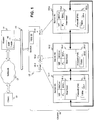
- a load-balancing cluster 10 is formed by an n- port switch 12 connected to a number (between 1 and n) of servers 14-1, 14- 2, 14-m, where m ⁇ 5 n (collectively "servers 14") via ports 16-1, 16-2, 6-n. Not every port 16-fc of the switch 12 needs to have an actual ⁇ or operating) server 14 connected thereto.
- the switch 12 is preferably an Ethernet switch.
- Each server 14- j includes a processor (or collection of processors) constructed and adapted to provide data in response to requests.
- all servers are the same and run the same version of operating system (OS), with same kernel and software.
- OS operating system
- the servers may be any server running any type of server processes.
- the servers need not all be the homogeneous, and heterogeneous servers are contemplated herein.
- Each server 14- j in the cluster 10 is addressable by a unique hardware address - in the case of the Ethernet, a so-called a MAC address (also known sometimes as an Ethernet address).
- a MAC address also known sometimes as an Ethernet address
- the MAC or actual hardware address of the j -th cluster server is denoted MACj .
- the servers 14 in the load-balancing cluster 10 are all assigned the same virtual IP address ( VIP ), e.g., "10.0.0.1".
- VIP virtual IP address
- Each server preferably also has at least one other unique (preferably local) IP address, denoted IPj for the j -th cluster server.
- IPj IP address
- a VIP address is also has MAC address (denoted MACVIP) associated with it, with the VIP's MAC address being shared by all the servers in a cluster. That is, in preferred embodiments, the (VIP, VIP's MAC address) pair, i.e., (VIP, MACVIP) is the same for all the servers in a cluster.
- each server also preferably has its own private (IP address, IP's MAC address) pair (e.g., (IPi, MACi)).
- the servers 14 in cluster 10 are addressable externally (e.g., from network 17 , e.g., the Internet) via the local (Ethernet) network 13 and switch 12 .
- network 17 e.g., the Internet
- switch 12 forwards Ethernet frames, preferably as fast and as efficiently as possible.
- the switch 12 may perform one-to-one (unicast) forwarding or one-to-many (broadcast or multicast) forwarding. In unicast forwarding a packet enters the switch on one port and leaves the switch on another port.
- the switch 12 may use so-called "IGMP snooping" to learn which physical ports belong to live servers. In case of an "unlearned" unicast MAC address, the switch 12 forwards incoming traffic to all ports.
- the system is not limited by the manner in which the switch 12 provides packets to the servers 14 connected thereto. Those skilled in the art will realize and understand, upon reading this description, that different and/or other methods of achieving this result may be used.
- an Ethernet MAC address is used to identify a particular host machine connected to the network.
- a protocol such as, e.g., ARP, may be used to translate between a host's IP address and its Ethernet MAC address.
- ARP e.g., ARP
- IP router provides a gateway between two (or more) IP networks.
- the purpose of an IP router is to forward IP packets from one IP network to another.
- An IP router should have an interface and IP address in each network to which it is connected. So, IP router 11 has at least two interfaces and two IP addresses: one IP address to connect to the upstream network ( 17 in Fig. 1 ) and the other IP address to connect to the local Ethernet network ( 13 in Fig. 1 ).
- a request from client 19 is made to the IP address VIP (via network 17 ) and reaches the router 11 .
- the request comes into the router 11 via the interface connected to the upstream network 17 , and the router 11 forwards the request to the VIP (on the local Ethernet network 13 ).
- the router 11 encapsulates the IP packet (i.e., the request) into an Ethernet packet before sending it. In order for the router 11 to know where to send the Ethernet packet, the router makes an ARP request. Once the Ethernet packet is sent, the switch 12 forwards it to the server(s) 14 .
- a router In order to affect ARP mapping, a router (e.g., router 11 ) typically maintains a so-called ARP table 15 (mapping IP addresses to the MAC addresses of hosts connected thereto). In this manner, when an IP packet is sent to a particular host that is connected to the router 11 , the router automatically resolves to the destination host's MAC address and forwards the packet to the appropriate host. The router 11 will try to deliver the IP packet directly to destination (i.e., the VIP) because the router is connected to the same local Ethernet network.
- ARP table 15 mapping IP addresses to the MAC addresses of hosts connected thereto
- Certain special MAC addresses can be used to instruct a switch to broadcast (or multicast) a packet, thereby providing a packet to all hosts connected to that switch.
- an Ethernet switch sends a packet with a broadcast or multicast MAC address in its destination field to every port (or every port with a server connected thereto), whereby every host/server connected to the Ethernet switch should get a copy of the packet.
- the client 19 has the IP address of a server (in this case VIP), and tries to establish a connection via the network 17 and the router 11 .
- VIP IP address of a server
- the router 11 When the router 11 gets a request to connect to a server with the IP address VIP (shared by the cluster servers 14- j ), the router maps the IP address VIP to a special MAC address that causes the switch 12 to forward the request to each server connected thereto.
- the switch 12 treats the MAC address for a VIP as a multicast Ethernet address. Consequently, each member of the cluster 12 (i.e., each server 14 ) sees all incoming traffic (addressed to VIP).
- the router's ARP table 15 thus gets a multicast Ethernet address for the VIP, and thus, at the IP layer, all incoming traffic to the VIP address is provided to all servers 14 connected to the switch 12.
- the switch 12 maintains a so-called "forwarding database,” (FDB 23 in Fig. 1 ) to map destination Ethernet MAC addresses to physical Ethernet ports 16 on switch 12.
- FDB 23 forwarding database
- the switch queries the forwarding database (e.g., using the destination MAC address as a key) and tries determine which physical port should be used to send the Ethernet packet out.
- This forwarding database 23 allows switch 12 to forward Ethernet packets only where they should go.
- switch 12 when switch 12 receives an Ethernet packet and cannot find an entry in its forwarding database for a destination Ethernet MAC address (i.e., e.g., in the case of an unknown/unlearned MAC address), the switch forwards such an Ethernet packet to all the ports (except the one it came from).
- a multicast Ethernet MAC address has entry in the switch's 12 forwarding database instructing it to forward Ethernet packet to multiple ports 16.
- An Ethernet switch will generally try to learn by looking at the MAC addresses of all the Ethernet packets passed through the switch and will try to update its forwarding database accordingly. However, it is preferable to ensure that the switch 12 never "learns" about MAC address for the VIP and never builds an association between VIP cluster MAC addresses and physical ports 16. The switch 12 is thereby forced to always forward Ethernet packets destined for the cluster MAC address (and thus the cluster VIP) to multiple/all ports 16.
- a TCP connection may be established between the client 19 and that cluster server 14.
- a TCP connection is established between two machines, in part, using a well-known three-way handshake (SYN, SYN/ACK, ACK). This protocol is described, e.g., in " RFC 793 - Transmission Control Protocol,” Sept. 1991 , the entire contents of which are incorporated herein by reference for all purposes.
- each cluster member i.e., each server 14
- each cluster member effectively decides which server 14 will handle a connection.
- each cluster member decides for itself whether or not to handle a connection.
- the other cluster members do not handle (and need not even see) traffic related to that connection. The manner of server selection is described below.
- Each cluster member (server) includes a stateful firewall (FW) mechanism that is used to filter unwanted incoming traffic.
- the firewall mechanism for the j-th server is denoted 20-j.
- the firewall Upon receipt of an IP packet, the firewall first determines whether the packet is for an old (i.e., already established) connection or for a new connection. For already-established connections each firewall mechanism is configured to reject incoming traffic that does not have an entry in its firewall state table 22, and only to accept incoming traffic that does have an entry in its firewall state table.
- the firewall table for the j-th server is denoted 22-j.
- the firewall may still inspect packets associated with new connections (i.e., connections in the process of being established, specifically packets with only SYN flag set). To summarize: first the firewalls make a decision as to whether an IP packet is "new" or "old”. If the packet is "old” then it is discarded unless a state entry exists. If the packet is "new” it is passed for further inspection (e.g., load balancing) and then, depending on the results, can be either discarded or accepted.
- packets associated with new connections i.e., connections in the process of being established, specifically packets with only SYN flag set.
- a corresponding entry is created in that member's firewall state table 22-j.
- the cluster member/server creates a firewall state table entry for any packet that belongs to a connection initiated from or accepted by the cluster member. If a packet indicates that a remote host wishes to open a new connection (e.g., via an IP SYN packet), then such packet gets inspected by a firewall rule that determines whether or not the cluster member should accept it. If the packet was accepted by a cluster member, the firewall state table for that cluster member is updated and all subsequent packets on the connection will be accepted by the cluster member. The firewalls of the other cluster members will block packets that they are not supposed to be processing (i.e., packets that do not belong to connections they initiated or accepted).
- the firewall rule preferably ensures that only one cluster member will accept a particular connection, however in some cases, it is possible that more than one cluster member decide to accept the same connection. This situation would create duplicate responses from the cluster. However, as those skilled in the art will realize and understand, upon reading this description, this is not a problem for a TCP connection because the remote host will only accept one response and discard others. In this scenario only one cluster member will be able to communicate with the remote host, other cluster members will have a stuck connection that will be closed due to timeout. In the case when no servers respond to an initial SYN packet the client will retry and will send another SYN packet after a timeout. While cluster members may have inconsistent state, they should converge and achieve consistent state quickly.
- the firewall determines which cluster member should handle a particular connection using a given mapping function, preferably a hash function.
- a hash function preferably a hash function.
- the hash function jhash a standard hash function supplied in the Linux kernel, may be used.
- the hash function produces an integer value. To obtain a value in the range 1 to m , for some m , the output of the hash function is divided by m and the remainder is used (this operation may be performed using an integer remainder or modulo operation).
- the value of m is the number of currently live servers in the cluster.
- the function MAP (source IP, m ) may be implemented as:
- each server 14 performs the (same) mapping function (with the same inputs).
- Each server or cluster member 14 is associated with a particular local server number (or agent identifier (ID)).
- agent identifier e.g., if there are eight servers 14-0, 14-7, their corresponding agent IDs may be 0, 2, ..., 7, respectively.
- Each server compares the result of the mapping function (e.g., hash modulo m ) to its local server number. If the result of the mapping function is equal to the local server number, the packet is accepted, otherwise the packet is dropped.
- the exemplary functions shown above all operate on values related to the particular connection (e.g., source and destination address and port information).
- the mapping function may be one which merely takes as input the number of active servers (MAP (m) ⁇ ⁇ 1 .. m ⁇ ) .
- An example of such a function is a round-robin function.
- Another example of such a function is one which uses external (possibly random) information. Note, however, that since all servers have to use the same mapping function and have to produce the same result, such a function may need to access a global space and all invocations of such a function (from each cluster server) may need to be operating on the same values.
- mapping function should produce a number in the range 0 to 6.
- server S4 (which corresponds to bucket 4) handles the connection.
- one of the servers e.g., S3 becomes inactive.
- the status of the cluster is then as follows: Port#. 0 1 2 3 4 5 6 7 Server S0 S1 S3 - S4 - S5 S6 Bucket 0 1 2 1 2 - 4 - 4 5 4 1 2 - 4 - 4 5 4 5
- mapping function may produce a value in the range 0 to 5. If a new connection comes in, and if the mapping function produces a value 4, then server S6 (not S5) will handle this connection.
- the buckets may be renumbered or reordered in different ways when a server is added to or removed from the cluster. For example, it may be desirable to give the new server the bucket number 5 and to leave the other servers as they were. It should be noted that existing connections are not affected by server/bucket renumbering because load balancing is only performed on new connections. Existing (i.e., old) connections handled entirely in the firewall.
- Each cluster member 14 includes a so-called heartbeat processes / mechanism 18 .
- Each heartbeat mechanism 18 (on each cluster member 14 ) is a process (or collection of processes) that performs at least the following tasks:
- the heartbeat monitors the state of VIPs on servers.
- Each server may have more than one VIP configured, and the heartbeat keeps track of each VIP's state separately.
- heartbeat mechanism While described herein as a single mechanism, those skilled in the art will realize and understand, upon reading this description, that the various functions of the heartbeat mechanism can each be considered a separate function or mechanism.
- the heartbeat mechanism 18 on each cluster member / server 14 determines its own state as well as that of each VIP on other cluster members. (In order to simplify the drawing, not all of the connections between the various heartbeat mechanisms are shown in Fig. 1 . )
- heartbeat mechanism 18 maintains information about other VIPs in the cluster 10 (preferably all other VIPs). To this end, the heartbeat mechanism 18 builds and maintains a list of VIPs connected to the switch 12 , and then, for each of those VIPs, maintains (and routinely updates) information.
- the heartbeat mechanism 18 on each server 14 first builds a list of network interfaces in the system and obtains information about IP addresses on these interfaces.
- the heartbeat mechanism 18 may, e.g., use, as its main input, a table containing information about the local cluster and VIPs. In general, an external process may provide VIP configuration on the local cluster to the heartbeat process, e.g., in a form of table. Those skilled in the art will know and understand, upon reading this description how such a process and table may be defined and configured.
- the heartbeat mechanism 18 considers each VIP in the cluster 10 to be in one of three states, namely "configured", “connecting” and “connectable”. In order to maintain these states, the heartbeat mechanism 18 obtains a list of VIPs that should be configured on the cluster 10 . Each VIP from the list is preferably cross-checked against list of IP addresses on all interfaces. If a match is found, the VIP is marked as "configured”. (A VIP is in the "configured” state - when the VIP is configured on one of the local (to host) interfaces). For every VIP marked as "configured”, the heartbeat mechanism 18 tries to initiate a TCP connection on a specified port, e.g., either 80 or 443.
- a specified port e.g., either 80 or 443.
- connection to a VIP As soon as connection to a VIP is initiated, the VIP is marked as “connecting”. If connection to a VIP is successful, the VIP is marked as “connectable”.
- a VIP's state is “connecting” when a TCP health check is currently in-progress; a VIP's state is “connectable” when the most recent TCP health check succeeded.
- the heartbeat mechanism 18 continuously performs the actions described above, preferably at fixed, prescribed time intervals.
- Servers are automatically configured (or removed) on (from) loopback clone interfaces as needed.
- the heartbeat mechanism takes over the first 100 (Io:0 - Io:99) loopback clone interfaces. If needed, manual loopback interfaces can be configured starting from Io.100 and up.
- Each active heartbeat mechanism 18 continuously listens for ARP requests. Upon receipt of an ARP request, the heartbeat mechanism examines request to see if it relates to a VIP that should be configured on the cluster. If the ARP request does relate to a VIP, the heartbeat mechanism checks if the VIP is in "configured" state and if so, the heartbeat mechanism replies with an ARP reply for that VIP.
- the heartbeat mechanism 18 preferably tries to maintain full state information for all servers 14 in the cluster 10 .
- State per cluster preferably includes one or more of: (a) number of cluster members that should serve traffic for the cluster, (b) number of cluster members that are serving traffic for the cluster; and (c) timestamp information.
- Each heartbeat mechanism preferably announces its full state to other cluster members at a prescribed time interval. State updates are preferably sent to a multicast UDP address which is shared by all cluster members. (Note: this UDP multicast is not the same as the VIP multicast discussed above.)
- the heartbeat mechanism can also be configured to send multiple unicast UDP messages to each member of the cluster when performing state announcing.
- Each heartbeat mechanism updates its state upon receiving state update from other cluster members if the following conditions are met: the server is present on the receiving cluster member and the received state is "newer" (per timestamp) than the current state on receiving cluster member. Since a timestamp is used, preferably clocks on all cluster members are synchronized.
- a heartbeat mechanism 18 analyzes its state and checks for state transitions.
- the heartbeat mechanism checks each server's state and makes sure that it is fresh. So-called “non-fresh” servers are automatically considered as “down”. Each server's state is compared to its previous state, and, if different, a state transition is noted.
- Changes to VIP state are made as they detected, based on the current heartbeat's view of the cluster.
- server selection has been made within a cluster by the cluster members at the TCP level.
- the system does not require a load balancing switch, thereby reducing the cost.
- the system duplicates incoming (client-to-cluster) traffic to all servers in the cluster and lets each server decide if it is to deal with particular part of the incoming traffic. All servers in the cluster communicate with each other and decide on an individual server's health.
- Another level of server selection - within a cluster - is also provided, as a result of which an initially-selected server (selected as described above) may pass on (or attempt to pass on) responsibility for a particular connection to another cluster member. For example, if one server in a cluster has already handled a particular request for a certain resource, that server may have that resource cached. The server with the already-cached copy of the resource may then be a better choice than another server in the cluster to process a request.
- the server may ascertain whether it is responsible for handling/serving the resource, and, if not, the previously-selected server may notify (or provide a notification) to another cluster member that is responsible for handling the resource (e.g., another cluster member that already has a copy of the requested resource).
- the notification may include a hand-off request to so that another cluster member responsible for the resource can server the resource itself.
- the notification may include a request for a copy of the resource (e.g., via a peer-fill request) from another cluster member responsible for the resource (i.e., that already has a copy of the requested resource).
- the cluster member responsible for (handling) the requested resource may process the notification from the previously or originally selected server ina number of ways. For instance, a cluster member that has previously served the requested resource (or that is 'responsible' for handling the request, or already has a copy of the requested resource) may determine whether to accept or reject a hand-off request (or a peer-fill request) from the previously or originally selected server. For example, the other cluster member may decide to accept or reject the hand-off request (or peer-fill request) based on various attributes of the requested resource such as, but not limited to, the size and popularity of the requested resource.
- the responsible server accepts a hand-off request (or rejects a peer-fill request) if the size of the request resource exceeds a threshold value.
- This step is advantageous because copying a large resource to the previously selected server is inefficient and would not be a worthwhile expenditure of system and network resources. If, on the other hand, the size of the requested resource is small (i.e., does not exceed a size threshold), then it may be worthwhile to reject the hand-off request (or accept the peer-fill request) and provide a copy of the requested resource to the previously selected sever so that the previously selected server can handle the request.
- the responsible server may reject the hand-off request (or accept/honor the peer-fill request) and (indirectly) force the previously selected server to obtain and serve the requested resource (or simply provide a copy of the requested resource to the previously selected server). Since the resource is popular and, thus, likely to continue to be requested frequently, it would be beneficial for other servers (i.e., the previously selected server) to have a copy of the requested resource so that the requested "popular" resource can be served more efficiently.
- the responsible server may also provide a copy of the requested resource to the previously selected server (or the previously selected server may also obtain a copy of the requested resource from other sources, such as other peers, upstream servers, etc.).
- a "resource” may be any kind of resource, including, without limitation static and dynamic: video content, audio content, text, image content, web pages, Hypertext Markup Language (HTML) files, XML files, files in a markup language, documents, hypertext documents, data files, and embedded resources.
- HTTP Hypertext Markup Language
- the server 14- k may receive a request from the client 19 , e.g., for a resource.
- the server 14- k may receive an HTTP request (e.g., an HTTP GET request) from client 19 .
- HTTP request e.g., an HTTP GET request
- Such a request generally includes a URL along with various HTTP headers (e.g., a host header, etc.).
- the selected server 14- k now determines whether it is responsible to handle this request or whether the request should be passed on to a different cluster member. To make this determination, the selected server 14- k considers the request itself and applies a second given function to at least some of the information used to make the request (e.g., to the URL and/or headers in the request).
- This second function essentially partitions the request space (e.g., the URL space) so as to determine whether the selected server is, in fact, responsible to for this particular request. If the server determines that it is responsible for the request, it continues processing the request. If not, the server hands-off the request (as described below) on to another cluster member (e.g., server 14- p ) that is responsible for the request. Having successfully passed off the request, the cluster member, server 14- k , updates its firewall to reject packets associated with the connection. The responsible cluster member (server 14- p ) correspondingly updates its firewall to accept packets associated with this connection.
- the request space e.g., the URL space
- partition function the function used to partition the requests is referred to as a partition function.
- the partition function may be a hash function or the like. In some cases the partition function may take into account the nature or type of request or resource requested. For example, certain cluster members may be allocated to certain types of requests (e.g., movies, software applications, etc.).
- the partition function applied to the URL can be used to implement a degree of policy based load mapping.
- partition functions are: Partition URL m ⁇ 1.. m Partition URL host header m ⁇ 1 , . m Partition URL HTTP headers m ⁇ 1.. m where Partition (params, m) is implemented as, e.g., hash(params) modulo m where m is the number of active servers in the cluster.
- the Partition function may choose to use only a part of the URL (e.g., the hostname).
- a cluster may comprise a number of non-homogenous servers. Certain requests may be directed to certain cluster servers based on server capability (e.g., speed) or based on arrangements with customers.
- a server may be able to completely move an individual established TCP connection from one server to another in the same cluster.
- the cluster includes two servers: server A and server B.
- Each of the servers runs a web cache, listening on a shared VIP (and port, e.g., port 80). Remote clients make incoming TCP connections to the VIP and port (as described above).
- server A is initially selected to accept a particular TCP connection from a client (at S30 in Fig. 3 ).
- Server A accepts the connection from the client and waits for the HTTP request from the client.
- server A decides to hand the request off to the server B. That is, the selected server (server A in this example) ascertains (using the partition function described above) whether it is the server responsible for the request (at S31).
- the originally- selected server is responsible for the request (at S32), then it handles the request (at S33 ), otherwise it hands off (or tries to hand off) the request to the responsible cluster member (server B in this example) (at S34 ). If the handoff is determined to be successful (at S35 ), then the server responsible for the request (Server B in the example) handles the request (at S36 ), otherwise the originally selected server (Server A) handles the request (at S37 ).
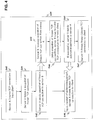
- the hand-off process ( S34 ) takes place as follows (with reference to Fig. 4 ) (for the purposes of this discussion, assume that server A hands off to server B):
- the responsible server (Server B) receives the snapshot of the frozen TCP connection from the originally-selected server (Server A) (at S43 ). Using the snapshot of the frozen TCP connection, the responsible server (Server B) attempts to clone the TCP connection to the remote client (at S44 ). If the connection was cloned successfully, the responsible server (server B) sends acknowledgement to the originally-selected server (Server A), preferably using the side communication channel to the server A (at S45 ).
- the originally-selected server (Server A) closes the frozen TCP connection to the client (at S46 ).
- the responsible server then thaws the frozen (clone) TCP connection to the client (at S47 ).
- the responsible server (Server B) continues to process incoming HTTP request from the client (at 52 in Fig. 4 ).
- the accepting server may fail to clone connection or may refuse to satisfy handoff request. In these cases a negative acknowledgment will be sent and originating (handoff) server will continue to process original request. Should the responsible server (Server B) decline (or fail to satisfy) the handoff request from the originally-selected server (Server A), server A may thaw the TCP connection and continue to serve it locally.
- a responsible server generally should not decline a handoff request or a request to take over a connection. However, a responsible server may have to decline a request, for example if its software is being shutdown. Note, too that two or more servers in the same cluster may be responsible for the same content, and may provide a degree of redundancy in content (to reduce fills from the origin server) and also to handle a so-called "flash crowd" when a certain piece of content becomes very popular for a relatively short period time.
- the responsible server may update its firewall to accept packets relating to that connection (and the server that handed off the connection may update its firewall to no longer accept such packets).
- the server making the handoff may provide the responsible server with information about the request (e.g., the type of request, the URL, the headers, etc.). In this way the responsible server may have sufficient information to satisfy the request.
- information about the request e.g., the type of request, the URL, the headers, etc.
- mapping function should produce a number in the range 0 to 6.
- server S4 (which corresponds to bucket 4) is selected at the TCP level to handle the connection.
- Server S4 and the client then establish their connection and the client then sends an HTTP request (e.g., a GET request with a URL (URL1) and header information).
- HTTP request e.g., a GET request with a URL (URL1) and header information.
- partition function can use the same bucket association as the mapping function or it may use a different association. For example, if the partition function is implementing policy-based or capacity based distribution, then the partition function may need a separate bucket association. For this example, assume that the partition function uses the same bucket association as the mapping function.
- Server S4 freezes the TCP connection from the client (at S40 in Fig. 4 ) and then takes a snapshot of the frozen TCP connection, storing required information about the connection (at S41 ).
- Server S4 sends the snapshot of the frozen TCP connection to Server S6, preferably using a side communication channel (at S42 ).
- Server S6 receives the snapshot of the frozen TCP connection from Server S4 (at S43 ).
- Server S6 uses the snapshot of the frozen TCP connection, Server S6 attempts to clone the TCP connection to the remote client (at S44 ). If the connection is successfully cloned, then server S6 sends an acknowledgement to Server S4, preferably using the side communication channel (at S45 ).
- Server S4 Upon receipt of the acknowledgement, Server S4 closes the frozen TCP connection to the client (at S46 ). Server S6 then thaws the frozen (clone) TCP connection to the client (at S47 ). With the handoff successful, Server S6 continues to process incoming HTTP request from the client.
- the result of this function is 6 which corresponds to server S6.
- S6 connects with the client and the client then sends an HTTP GET request with a URL (URL1 - the same as in the earlier request) and header information.
- the number of servers connected to the switch could be greater than the number of servers responsible for the VIP.
- a cluster may be configured with 20 servers connected to the same switch, 10 servers serving one VIP and another 10 servers serving another VIP.
- the heartbeat assists in load balancing for two VIPs, and each VIP will be load balanced across 10 servers.
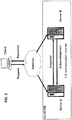
- a collection of load-balancing clusters 10-1, 0-2, ..., 10 - p may be combined.
- Each cluster 10- j has one or more corresponding VIPs (VIP- j ), so that requests for a server at the IP address VIP- k (for some value of k ) will be directed (by router 110 ) to the appropriate cluster for handling by one of the cluster members.
- the router 110 may be, e.g., a load balancing router.
- a client 19 may request a resource and be directed by a server selector system (e.g., DNS or the like) to a cluster.
- the server selector returns an IP address that happens to be a VIP address.
- the client then requests the resource from the VIP and, as described above, is connected (during a TCP connection) to a particular cluster member to handle the request.
- connection may be handed off to another cluster member.
- Fig. 6 is a flowchart (600-1 and 600-2) of processing steps associated with server interactions.
- step 605 the cluster (i.e., via a switch) obtains a connection request to connect to a server associated with the virtual IP address (i.e., any server sitting behind the switch associated with a virtual IP address).
- a server associated with the virtual IP address i.e., any server sitting behind the switch associated with a virtual IP address.
- step 610 the cluster (i.e., via the switch) provides the connection request to each server connected to the switch.
- step 615 at least one of the plurality of servers connected to the switch determines which of the plurality of servers should handle the connection. Such a determination can be based, for example, on a given function of information used to request the connection.
- step 620 if the server that is determined to handle the request does not have a copy of the requested resource, that server then requests to hand-off the connection (i.e., TCP connection) to at least one other of the plurality of servers that does have a copy of the requested resource.
- the server may request a copy of the requested resource (e.g., via a peer-fill request) from another server that has a copy of the resource instead of sending a hand-off request.
- the server that has a copy of the requested resource determines whether to accept or reject the hand-off request (or reject or accept the peer-fill request) from the server that was originally determined to handle the connection/request. This determination can be based, for example, on the size of the requested resource, the popularity of the requested resource, as well as other attributes that are suitable for determining whether or not a TCP hand-off should occur in a server cluster in response to a request for certain resources.
- the server that has the copy of the requested resource accepts the hand-off request (or rejects the peer-fill request) if the size of the requested resource value exceeds a threshold value.
- the size of the requested resource is determined to be too large (i.e., exceeds a threshold value) for expending precious system and network resource (i.e., by providing intra-cluster copies of resources, for example, one server sending a copy of a resource to another server in the cluster)
- the server with the requested resource will handle the request itself (i.e., serve the requested resources, and, for example, not honor the peer-fill request).
- the server that has the copy of the requested resource accepts the hand-off request (or rejects the peer-fill request) if the popularity of the requested resource does not exceed a popularity threshold value.
- a popularity threshold value i.e., the number of times the particular resource has been requested during a retrospective time period does not exceed a threshold value
- the server with the copy of the request resource handles the connection and serves the resource (and, for example, does not honor the peer-fill request). Since the resource is not yet deemed popular, it is likely that the resource will not be requested as often and therefore is would not be efficient to transfer copies of the resource to other servers in the cluster.
- the server that has the copy of the requested resource rejects the hand-off request (or accepts/honors the peer-fill request if a copy of the resource is available) if the popularity of the requested resource exceeds the popularity threshold value.
- the server that has the copy of the requested resource rejects the hand-off request (or accepts/honors the peer-fill request if a copy of the resource is available) if the popularity of the requested resource exceeds the popularity threshold value.
- the server that has the copy of the requested resource rejects the hand-off request (or accepts/honors the peer-fill request if a copy of the resource is available) if the popularity of the requested resource exceeds the popularity threshold value.
- the server with the copy of the requested resource rejects the request, which, in one embodiment, forces the requesting server to obtain and serve the requested resource itself (and, thus, maintain a copy of the popular resource, for example, by honoring the peer-fill request and thus providing a copy of the requested resource).
- the server that has the copy of the requested resource rejects the hand-off request (or accepts/honors the peer-fill request if a copy of the resource is available) if the popularity of the requested resource exceeds the popularity threshold value and the size of the requested resource exceeds the threshold size value.
- This particular step elucidates the significance of popular content. Even if the size of the requested resource is deemed to large to send an intra-cluster copy from one server to another server within the same cluster (i.e., in light of the expenditure to system and network resources within the cluster), the popularity of the content may still make it more efficient in the long run to distribute a copy (or copies) of the requested resource throughout the cluster in anticipation of more requests for the popular content at the cluster. For example, one way to distribute copies of the requested resource is to reject the hand-off request and (either directly or indirectly) force the originally-selected server to handle the connection and ultimately serve the requested resource.
- Fig. 7 is a flowchart 700 of processing steps associated with server interactions.
- a connection request to connect to a server associated with the IP address is received (e.g., at a cluster comprising a switch and plurality of server connected thereto via one or more ports of the switch).
- step 710 a determination is made as to which of the plurality servers is to handle the connection (e.g., via a hash function).
- step 720 if a first server of the plurality of servers is determined to be the server to handle the connection (e.g., via the hash function), and the first server does not have a copy of the requested resource, the first server provides a notification to a second server of the plurality of servers that does have a copy of the requested resource, in one example embodiment, the notification indicates that the first server does not have a copy of the requested resource.
- the notification can include a hand-off request to hand-off the connection to another server (e.g., the second server in this step), and/or a peer-fill request that requests a copy of the requested resource from another server (e.g., the second server in this step).
- the second sever determines whether to: i) provide a copy of the requested resource to said server (e.g., reject a hand-off request or accept a peer-fill request if a copy of the requested resource is available), or ii) request the server to handoff the connection to the second server so that the second server can serve the requested resource (e.g., accept a hand-off request or reject a peer-fill request). For example, in one embodiment this determining may be based on an attribute of the requested resource (e.g., size, popularity, etc.).
- embodiments of the present invention operate on any computer system and can be implemented in software, hardware or any combination thereof.
- the invention can reside, permanently or temporarily, on any memory or storage medium, including but not limited to a RAM, a ROM, a disk, an ASIC, a PROM and the like.
Landscapes
- Engineering & Computer Science (AREA)
- Computer Networks & Wireless Communication (AREA)
- Signal Processing (AREA)
- Computer Security & Cryptography (AREA)
- Data Exchanges In Wide-Area Networks (AREA)
Claims (14)
- Lastausgleichscluster, Folgendes umfassend:(A) einen Switch mit einer Vielzahl von Ports; und(B) eine Vielzahl von Servern, die an mindestens einige der Vielzahl von Ports des Switches angeschlossen sind, wobei jeder der Server durch dieselbe VIP(virtuelles Internetprotokoll)-Adresse adressierbar ist, worin jeder der Vielzahl von Servern Folgendes umfasst:einen Mechanismus, konstruiert und angepasst, um auf eine Verbindungsanforderung an der VIP-Adresse zu reagieren, indem einer der Vielzahl von Servern zum Handhaben dieser Verbindung ausgewählt wird, worin das Auswählen mindestens zum Teil auf einer ersten gegebenen Funktion der Information basiert, die verwendet wird, um die Verbindung anzufordern;einen Firewall-Mechanismus, konstruiert und angepasst, um alle Anforderungen für die VIP-Adresse für eine bestimmte Verbindung nur auf dem Server anzunehmen, der zum Handhaben dieser bestimmten Verbindung ausgewählt wurde;einen Mechanismus, konstruiert und angepasst zum Bestimmen, wenn ein Server ausgewählt wurde und wenn eine Anforderung für eine Ressource gemacht wurde, ob der Server für die Anforderung für die Ressource verantwortlich ist, wobei das Bestimmen mindestens zum Teil auf Information basiert, die mit der Anforderung für die Ressource assoziiert ist; undeinen Übergabemechanismus, konstruiert und angepasst zum Übergeben einer Netzverbindung an einen anderen der Vielzahl von Servern und zum Annehmen einer Übergabeanforderung von einem anderen der Vielzahl von Servern, worin der Übergabemechanismus bestimmt, ob eine Netzverbindung zu übergeben ist oder eine Übergabeanforderung auf der Basis von mindestens einem Attribut anzunehmen ist, das mit der angeforderten Ressource assoziiert ist,worin das mindestens eine Attribut, das mit der angeforderten Ressource assoziiert ist, mindestens eins von Folgenden umfasst: die Größe der angeforderten Ressource und die Popularität der angeforderten Ressource,
worin der Übergabemechanismus dazu konfiguriert ist, eine Übergabeanforderung anzunehmen, falls die Größe der angeforderten Ressource einen Schwellenwert übersteigt,
worin der Übergabemechanismus dazu konfiguriert ist, eine Übergabeanforderung abzulehnen, falls die Größe der angeforderten Ressource einen Schwellenwert nicht übersteigt. - Lastausgleichscluster nach Anspruch 1, worin:der Übergabemechanismus dazu konfiguriert ist, eine Übergabeanforderung anzunehmen, falls die Popularität der angeforderten Ressource einen Schwellenwert nicht übersteigt.
- Lastausgleichscluster nach Anspruch 1, worin:der andere der Vielzahl von Servern, der tatsächlich eine Kopie der angeforderten Ressource hat, dazu konfiguriert ist, die Übergabeanforderung abzulehnen, falls die Popularität der angeforderten Ressource einen Schwellenwert übersteigt, und worin als Antwort auf das Empfangen der Ablehnung der Server die angeforderte Ressource erhält und zur Verfügung stellt.
- Lastausgleichscluster nach Anspruch 1, worin:der Übergabemechanismus dazu konfiguriert ist, eine Übergabeanforderung anzunehmen, falls die Popularität der angeforderten Ressource einen Schwellenwert der Popularität nicht übersteigt und die Größe der angeforderten Ressource einen Schwellenwert der Größe übersteigt.
- Lastausgleichscluster nach Anspruch 1, worin die Anforderung für die Ressource eine HTTP(Hypertext-Transferprotokoll)-Anforderung ist, worin vorzugsweise die mit der Anforderung für die Ressource assoziierte Information einen URL umfasst, worin vorzugsweise die HTTP-Anforderung eine HTTP-GET-Anforderung ist und worin die mit der Anforderung für die Ressource assoziierte Information einen URL und mindestens einen HTTP-Header umfasst.
- Verfahren, betriebsfähig in einem Lastausgleichscluster, Folgendes umfassend:einen Switch mit einer Vielzahl von Ports; und eine Vielzahl von Servern, die an mindestens einige der Vielzahl von Ports des Switches angeschlossen sind, wobei jeder der Vielzahl von Servern durch dieselbe VIP(virtuelles Internetprotokoll)-Adresse adressierbar ist, und jeder der Vielzahl von Servern eine eindeutige Hardware-Adresse hat, wobei das Verfahren Folgendes umfasst:Empfangen einer Verbindungsanforderung am Cluster zum Verbinden an einen Server, der mit der IP-Adresse assoziiert ist, worin die Verbindungsanforderung eine Ressource betrifft;Bereitstellen der Verbindungsanforderung an jeden Server, der an den Switch angeschlossen ist;mindestens durch einen der Vielzahl von Servern erfolgendes Bestimmen, welcher aus der Vielzahl von Servern die Verbindung handhaben soll, worin der Akt des Bestimmens mindestens zum Teil auf einer gegebenen Funktion der Information basiert, die verwendet wird, um die Verbindung anzufordern;falls ein erster Server der Vielzahl von Servern, der zum Handhaben der Verbindung bestimmt ist, keine Kopie der angeforderten Ressource hat, stellt der erste Server eine Benachrichtigung einem zweiten Server der Vielzahl von Servern bereit, der tatsächlich eine Kopie der angeforderten Ressource hat, worin die Benachrichtigung anzeigt, dass der erste Server keine Kopie die angeforderten Ressource hat, unddurch den zweiten Server bestimmen, ob: i) eine Kopie der angeforderten Ressource dem Server bereitzustellen ist, oder ii) der Server aufzufordern ist, die Verbindung an den zweiten Server zu übergeben, sodass der zweite Server die angeforderte Ressource zur Verfügung stellen kann,
worin der vom zweiten Server ausgeführte Akt des Bestimmens auf einem Attribut der angeforderten Ressource basiert,
worin das Attribut der angeforderten Ressource mindestens eins von Folgenden umfasst: eine Größe der angeforderten Ressource und eine Popularität der angeforderten Ressource,
der zweite Server eine Kopie der angeforderten Ressource dem ersten Server bereitstellt, falls die die Größe der angeforderten Ressource eine Größenschwelle nicht übersteigt,
der zweite Server den ersten Server auffordert, die Verbindung an den zweiten Server zu übergeben, falls die Größe der angeforderten Ressource eine Größenschwelle übersteigt. - Verfahren nach Anspruch 6, worin die Benachrichtigung eine Übergabeanforderung oder eine Peerfill-Anforderung ist.
- Verfahren nach Anspruch 6, außerdem umfassend, dass der zweite Server eine Kopie der angeforderten Ressource dem ersten Server bereitstellt, falls ein Popularitätswert, der mit der angeforderten Ressource assoziiert ist, eine Popularitätsschwelle übersteigt.
- Verfahren nach Anspruch 8, außerdem umfassend:nach Empfang mindestens eines Teils der angeforderten Ressource vom zweiten Server stellt der erste Server die erforderte Ressource zur Verfügung.
- Verfahren nach Anspruch 6, außerdem umfassend, dass der zweite Server den ersten Server auffordert, die Verbindung dem zweiten Server zu übergeben, falls ein Popularitätswert, der mit der angeforderten Ressource assoziiert ist, eine Popularitätsschwelle nicht übersteigt.
- Verfahren nach Anspruch 10, außerdem umfassend:dass der erste Server die Verbindung dem zweiten Server übergibt; undder zweite Server die angeforderte Ressource zur Verfügung stellt.
- Verfahren nach Anspruch 6, worin die gegebene Funktion eine Hash-Funktion umfasst.
- Verfahren nach Anspruch 6, worin die Information, die durch die gegebene Funktion verwendet wird, das VIP, Portinformationen, die Anzahl der Server im Cluster, die Anzahl der bedienenden Server im Cluster und eine Servernummer umfasst.
- Verfahren nach Anspruch 6, worin die Hardware-Adresse eine MAC(Medien-Zugangssteuerung)-Adresse ist und worin die Verbindung eine TCP(Übertragungs-Steuerprotokoll)-Verbindung ist.
Applications Claiming Priority (2)
| Application Number | Priority Date | Filing Date | Title |
|---|---|---|---|
| US12/880,313 US8489750B2 (en) | 2008-02-28 | 2010-09-13 | Load-balancing cluster |
| PCT/US2011/051254 WO2012037041A1 (en) | 2010-09-13 | 2011-09-12 | Load-balancing cluster |
Publications (3)
| Publication Number | Publication Date |
|---|---|
| EP2616952A1 EP2616952A1 (de) | 2013-07-24 |
| EP2616952A4 EP2616952A4 (de) | 2015-12-23 |
| EP2616952B1 true EP2616952B1 (de) | 2016-12-07 |
Family
ID=45831926
Family Applications (1)
| Application Number | Title | Priority Date | Filing Date |
|---|---|---|---|
| EP11825743.5A Active EP2616952B1 (de) | 2010-09-13 | 2011-09-12 | Lastausgleichscluster |
Country Status (4)
| Country | Link |
|---|---|
| US (4) | US8489750B2 (de) |
| EP (1) | EP2616952B1 (de) |
| CA (1) | CA2811211C (de) |
| WO (1) | WO2012037041A1 (de) |
Families Citing this family (65)
| Publication number | Priority date | Publication date | Assignee | Title |
|---|---|---|---|---|
| US11323510B2 (en) | 2008-02-28 | 2022-05-03 | Level 3 Communications, Llc | Load-balancing cluster |
| US8015298B2 (en) * | 2008-02-28 | 2011-09-06 | Level 3 Communications, Llc | Load-balancing cluster |
| US8489750B2 (en) | 2008-02-28 | 2013-07-16 | Level 3 Communications, Llc | Load-balancing cluster |
| US8499093B2 (en) * | 2010-05-14 | 2013-07-30 | Extreme Networks, Inc. | Methods, systems, and computer readable media for stateless load balancing of network traffic flows |
| CA2824203C (en) | 2011-01-12 | 2021-03-30 | Level 3 Communications, Llc | Customized domain names in a content delivery network (cdn) |
| US8776207B2 (en) | 2011-02-16 | 2014-07-08 | Fortinet, Inc. | Load balancing in a network with session information |
| US9270639B2 (en) * | 2011-02-16 | 2016-02-23 | Fortinet, Inc. | Load balancing among a cluster of firewall security devices |
| CN103548296A (zh) * | 2011-03-21 | 2014-01-29 | 诺基亚西门子通信公司 | 用于改进移动网络中的tcp性能的方法和装置 |
| US8959222B2 (en) * | 2011-05-19 | 2015-02-17 | International Business Machines Corporation | Load balancing system for workload groups |
| EP2547047B1 (de) * | 2011-07-08 | 2016-02-17 | Alcatel Lucent | Zentralisiertes system zur weglenkung von ethernet paketen in einem ip netzwerk |
| US8966012B2 (en) * | 2011-08-31 | 2015-02-24 | Metaswitch Networks Ltd | Processing data and operating a communications device |
| JP5811703B2 (ja) * | 2011-09-02 | 2015-11-11 | 富士通株式会社 | 分散制御プログラム、分散制御方法、および情報処理装置 |
| US9813491B2 (en) * | 2011-10-20 | 2017-11-07 | Oracle International Corporation | Highly available network filer with automatic load balancing and performance adjustment |
| EP3249545B1 (de) | 2011-12-14 | 2022-02-09 | Level 3 Communications, LLC | Inhaltsausgabenetzwerk |
| KR101383905B1 (ko) * | 2011-12-19 | 2014-04-17 | 주식회사 솔박스 | 해시 함수 결과를 이용한 서버 부하 분산 처리 방법 및 그 장치 |
| US9154367B1 (en) * | 2011-12-27 | 2015-10-06 | Google Inc. | Load balancing and content preservation |
| US20130173806A1 (en) * | 2011-12-31 | 2013-07-04 | Level 3 Communications, Llc | Load-balancing cluster |
| ITVI20120026A1 (it) * | 2012-01-27 | 2013-07-28 | St Microelectronics Srl | Metodi per la condivisione di files relativi al protocollo bit fountain |
| US9330107B1 (en) * | 2012-02-08 | 2016-05-03 | Google Inc. | System and method for storing metadata for a file in a distributed storage system |
| WO2013134810A1 (en) * | 2012-03-12 | 2013-09-19 | Zeptoip Pty Ltd | A network device and a method for networking |
| US9032488B2 (en) * | 2012-04-17 | 2015-05-12 | Salesforce.Com, Inc. | Cross instance user authentication architecture |
| US9264396B2 (en) * | 2012-06-04 | 2016-02-16 | International Business Machines Corporation | Workload balancing between nodes in a cluster as required by allocations of IP addresses within a cluster |
| US9973468B2 (en) * | 2012-06-15 | 2018-05-15 | Citrix Systems, Inc. | Systems and methods for address resolution protocol (ARP) resolution over a link aggregation of a cluster channel |
| US9634918B2 (en) | 2012-12-13 | 2017-04-25 | Level 3 Communications, Llc | Invalidation sequencing in a content delivery framework |
| US10652087B2 (en) | 2012-12-13 | 2020-05-12 | Level 3 Communications, Llc | Content delivery framework having fill services |
| US10701149B2 (en) | 2012-12-13 | 2020-06-30 | Level 3 Communications, Llc | Content delivery framework having origin services |
| US20140337472A1 (en) | 2012-12-13 | 2014-11-13 | Level 3 Communications, Llc | Beacon Services in a Content Delivery Framework |
| US10791050B2 (en) | 2012-12-13 | 2020-09-29 | Level 3 Communications, Llc | Geographic location determination in a content delivery framework |
| US10701148B2 (en) | 2012-12-13 | 2020-06-30 | Level 3 Communications, Llc | Content delivery framework having storage services |
| US9628344B2 (en) | 2012-12-13 | 2017-04-18 | Level 3 Communications, Llc | Framework supporting content delivery with reducer services network |
| US9497489B2 (en) | 2013-03-12 | 2016-11-15 | Google Technology Holdings LLC | System and method for stream fault tolerance through usage based duplication and shadow sessions |
| US9729652B2 (en) * | 2013-04-22 | 2017-08-08 | Microsoft Technology Licensing, Llc | Dynamically affinitizing users to a version of a website |
| WO2014182706A1 (en) * | 2013-05-06 | 2014-11-13 | Convida Wireless LLC | Semantics support and management in m2m systems |
| US9503371B2 (en) | 2013-09-04 | 2016-11-22 | Nicira, Inc. | High availability L3 gateways for logical networks |
| US9577845B2 (en) | 2013-09-04 | 2017-02-21 | Nicira, Inc. | Multiple active L3 gateways for logical networks |
| US9515901B2 (en) * | 2013-10-18 | 2016-12-06 | AppDynamics, Inc. | Automatic asynchronous handoff identification |
| US9590901B2 (en) | 2014-03-14 | 2017-03-07 | Nicira, Inc. | Route advertisement by managed gateways |
| US20160261632A1 (en) * | 2014-05-28 | 2016-09-08 | Telefonaktiebolaget L M Ericsson (Publ) | Methods and Arrangements for Cloud Caching |
| NO336192B1 (no) * | 2014-06-13 | 2015-06-08 | Mhwirth As | Fremgangsmåte for forbedret redundans og oppetid i SCADA nettverk |
| US10038628B2 (en) | 2015-04-04 | 2018-07-31 | Nicira, Inc. | Route server mode for dynamic routing between logical and physical networks |
| CN107438994B (zh) | 2015-06-26 | 2021-02-05 | 慧与发展有限责任合伙企业 | 用于服务器负载均衡的方法、设备和计算机存储介质 |
| US9923811B2 (en) | 2015-06-27 | 2018-03-20 | Nicira, Inc. | Logical routers and switches in a multi-datacenter environment |
| US10320905B2 (en) | 2015-10-02 | 2019-06-11 | Oracle International Corporation | Highly available network filer super cluster |
| US10375014B2 (en) * | 2015-12-09 | 2019-08-06 | Dell Products, Lp | System and method for minimizing broadcast communications when allocating network addresses |
| US10333849B2 (en) | 2016-04-28 | 2019-06-25 | Nicira, Inc. | Automatic configuration of logical routers on edge nodes |
| US10091161B2 (en) | 2016-04-30 | 2018-10-02 | Nicira, Inc. | Assignment of router ID for logical routers |
| US10560320B2 (en) | 2016-06-29 | 2020-02-11 | Nicira, Inc. | Ranking of gateways in cluster |
| WO2018004600A1 (en) | 2016-06-30 | 2018-01-04 | Sophos Limited | Proactive network security using a health heartbeat |
| US10237123B2 (en) | 2016-12-21 | 2019-03-19 | Nicira, Inc. | Dynamic recovery from a split-brain failure in edge nodes |
| US10616045B2 (en) | 2016-12-22 | 2020-04-07 | Nicira, Inc. | Migration of centralized routing components of logical router |
| US11140195B2 (en) | 2018-04-04 | 2021-10-05 | Sophos Limited | Secure endpoint in a heterogenous enterprise network |
| US10862864B2 (en) | 2018-04-04 | 2020-12-08 | Sophos Limited | Network device with transparent heartbeat processing |
| US11271950B2 (en) | 2018-04-04 | 2022-03-08 | Sophos Limited | Securing endpoints in a heterogenous enterprise network |
| US11616758B2 (en) | 2018-04-04 | 2023-03-28 | Sophos Limited | Network device for securing endpoints in a heterogeneous enterprise network |
| US10972431B2 (en) * | 2018-04-04 | 2021-04-06 | Sophos Limited | Device management based on groups of network adapters |
| CN110971630B (zh) * | 2018-09-29 | 2021-05-04 | 华为技术有限公司 | 一种通信方法及装置 |
| US10735250B2 (en) | 2018-11-30 | 2020-08-04 | International Business Machines Corporation | Dynamic distributor selection for network load balancing |
| US10986172B2 (en) | 2019-06-24 | 2021-04-20 | Walmart Apollo, Llc | Configurable connection reset for customized load balancing |
| US11528214B2 (en) | 2020-04-06 | 2022-12-13 | Vmware, Inc. | Logical router implementation across multiple datacenters |
| CN111787079B (zh) * | 2020-06-19 | 2023-04-07 | 广州市百果园信息技术有限公司 | 基于通信群组的通信方法、装置、服务器、系统及介质 |
| WO2023039341A1 (en) | 2021-09-08 | 2023-03-16 | Level 3 Communications, Llc | Systems and methods for configuration of sequence handlers |
| CN115794002A (zh) * | 2021-09-09 | 2023-03-14 | 华为技术有限公司 | 会议终端及其控制方法、装置 |
| JP2023083757A (ja) * | 2021-12-06 | 2023-06-16 | 株式会社日立製作所 | ストレージ管理システム、及びストレージシステムの管理方法 |
| CN115174583B (zh) * | 2022-06-28 | 2024-03-29 | 福州大学 | 基于可编程数据平面的服务器负载均衡方法 |
| US12425371B2 (en) * | 2022-09-16 | 2025-09-23 | Cisco Technology, Inc. | System and method for providing SCHC-based edge firewalling |
Family Cites Families (50)
| Publication number | Priority date | Publication date | Assignee | Title |
|---|---|---|---|---|
| US6470389B1 (en) * | 1997-03-14 | 2002-10-22 | Lucent Technologies Inc. | Hosting a network service on a cluster of servers using a single-address image |
| US6167438A (en) * | 1997-05-22 | 2000-12-26 | Trustees Of Boston University | Method and system for distributed caching, prefetching and replication |
| US6128279A (en) * | 1997-10-06 | 2000-10-03 | Web Balance, Inc. | System for balancing loads among network servers |
| US6553420B1 (en) * | 1998-03-13 | 2003-04-22 | Massachusetts Institute Of Technology | Method and apparatus for distributing requests among a plurality of resources |
| US6430618B1 (en) * | 1998-03-13 | 2002-08-06 | Massachusetts Institute Of Technology | Method and apparatus for distributing requests among a plurality of resources |
| US6108703A (en) * | 1998-07-14 | 2000-08-22 | Massachusetts Institute Of Technology | Global hosting system |
| US6578066B1 (en) * | 1999-09-17 | 2003-06-10 | Alteon Websystems | Distributed load-balancing internet servers |
| US6888797B1 (en) * | 1999-05-05 | 2005-05-03 | Lucent Technologies Inc. | Hashing-based network load balancing |
| US6463454B1 (en) | 1999-06-17 | 2002-10-08 | International Business Machines Corporation | System and method for integrated load distribution and resource management on internet environment |
| US6785704B1 (en) * | 1999-12-20 | 2004-08-31 | Fastforward Networks | Content distribution system for operation over an internetwork including content peering arrangements |
| US20020010783A1 (en) | 1999-12-06 | 2002-01-24 | Leonard Primak | System and method for enhancing operation of a web server cluster |
| US6601101B1 (en) * | 2000-03-15 | 2003-07-29 | 3Com Corporation | Transparent access to network attached devices |
| US6826613B1 (en) * | 2000-03-15 | 2004-11-30 | 3Com Corporation | Virtually addressing storage devices through a switch |
| US7240100B1 (en) * | 2000-04-14 | 2007-07-03 | Akamai Technologies, Inc. | Content delivery network (CDN) content server request handling mechanism with metadata framework support |
| US6976090B2 (en) * | 2000-04-20 | 2005-12-13 | Actona Technologies Ltd. | Differentiated content and application delivery via internet |
| US7725602B2 (en) * | 2000-07-19 | 2010-05-25 | Akamai Technologies, Inc. | Domain name resolution using a distributed DNS network |
| US7912978B2 (en) * | 2000-07-19 | 2011-03-22 | Akamai Technologies, Inc. | Method for determining metrics of a content delivery and global traffic management network |
| US6954784B2 (en) * | 2000-08-17 | 2005-10-11 | International Business Machines Corporation | Systems, method and computer program products for cluster workload distribution without preconfigured port identification by utilizing a port of multiple ports associated with a single IP address |
| US7150015B2 (en) * | 2000-09-01 | 2006-12-12 | Pace Charles P | Method and system for deploying an asset over a multi-tiered network |
| US6970939B2 (en) * | 2000-10-26 | 2005-11-29 | Intel Corporation | Method and apparatus for large payload distribution in a network |
| AU2002234258A1 (en) * | 2001-01-22 | 2002-07-30 | Sun Microsystems, Inc. | Peer-to-peer network computing platform |
| US7197536B2 (en) * | 2001-04-30 | 2007-03-27 | International Business Machines Corporation | Primitive communication mechanism for adjacent nodes in a clustered computer system |
| US6944678B2 (en) | 2001-06-18 | 2005-09-13 | Transtech Networks Usa, Inc. | Content-aware application switch and methods thereof |
| CA2411806A1 (en) * | 2001-11-16 | 2003-05-16 | Telecommunications Research Laboratory | Wide-area content-based routing architecture |
| US9167036B2 (en) | 2002-02-14 | 2015-10-20 | Level 3 Communications, Llc | Managed object replication and delivery |
| US7284067B2 (en) | 2002-02-20 | 2007-10-16 | Hewlett-Packard Development Company, L.P. | Method for integrated load balancing among peer servers |
| GB0213073D0 (en) * | 2002-06-07 | 2002-07-17 | Hewlett Packard Co | Method of maintaining availability of requested network resources |
| US20030236813A1 (en) | 2002-06-24 | 2003-12-25 | Abjanic John B. | Method and apparatus for off-load processing of a message stream |
| US7480737B2 (en) * | 2002-10-25 | 2009-01-20 | International Business Machines Corporation | Technique for addressing a cluster of network servers |
| US7774495B2 (en) * | 2003-02-13 | 2010-08-10 | Oracle America, Inc, | Infrastructure for accessing a peer-to-peer network environment |
| US7181524B1 (en) * | 2003-06-13 | 2007-02-20 | Veritas Operating Corporation | Method and apparatus for balancing a load among a plurality of servers in a computer system |
| US20050022017A1 (en) * | 2003-06-24 | 2005-01-27 | Maufer Thomas A. | Data structures and state tracking for network protocol processing |
| US7912954B1 (en) | 2003-06-27 | 2011-03-22 | Oesterreicher Richard T | System and method for digital media server load balancing |
| US7606929B2 (en) | 2003-06-30 | 2009-10-20 | Microsoft Corporation | Network load balancing with connection manipulation |
| US7590736B2 (en) * | 2003-06-30 | 2009-09-15 | Microsoft Corporation | Flexible network load balancing |
| US7636917B2 (en) | 2003-06-30 | 2009-12-22 | Microsoft Corporation | Network load balancing with host status information |
| US7613822B2 (en) | 2003-06-30 | 2009-11-03 | Microsoft Corporation | Network load balancing with session information |
| JP2005062927A (ja) * | 2003-08-11 | 2005-03-10 | Hitachi Ltd | 負荷制御方法および装置並びにその処理プログラム |
| JP4515319B2 (ja) * | 2005-04-27 | 2010-07-28 | 株式会社日立製作所 | コンピュータシステム |
| US7694011B2 (en) * | 2006-01-17 | 2010-04-06 | Cisco Technology, Inc. | Techniques for load balancing over a cluster of subscriber-aware application servers |
| US9135075B2 (en) * | 2007-03-09 | 2015-09-15 | Hewlett-Packard Development Company, L.P. | Capacity planning for computing systems hosting multi-tier application based on think time value and resource cost of composite transaction using statistical regression analysis |
| US20090049449A1 (en) * | 2007-08-15 | 2009-02-19 | Srinidhi Varadarajan | Method and apparatus for operating system independent resource allocation and control |
| US8386610B2 (en) * | 2007-12-31 | 2013-02-26 | Netapp, Inc. | System and method for automatic storage load balancing in virtual server environments |
| US8489750B2 (en) | 2008-02-28 | 2013-07-16 | Level 3 Communications, Llc | Load-balancing cluster |
| US8015298B2 (en) | 2008-02-28 | 2011-09-06 | Level 3 Communications, Llc | Load-balancing cluster |
| EP2612254B1 (de) * | 2010-09-03 | 2021-05-26 | Level 3 Communications, LLC | Erweiterung von caching-netzwerkfunktionen zu einem bestehenden streaming-medien-server |
| US9037712B2 (en) | 2010-09-08 | 2015-05-19 | Citrix Systems, Inc. | Systems and methods for self-loading balancing access gateways |
| US8824286B2 (en) * | 2010-10-29 | 2014-09-02 | Futurewei Technologies, Inc. | Network aware global load balancing system and method |
| US9055076B1 (en) | 2011-06-23 | 2015-06-09 | Amazon Technologies, Inc. | System and method for distributed load balancing with load balancer clients for hosts |
| US20130173806A1 (en) | 2011-12-31 | 2013-07-04 | Level 3 Communications, Llc | Load-balancing cluster |
-
2010
- 2010-09-13 US US12/880,313 patent/US8489750B2/en active Active
-
2011
- 2011-09-12 CA CA2811211A patent/CA2811211C/en active Active
- 2011-09-12 WO PCT/US2011/051254 patent/WO2012037041A1/en not_active Ceased
- 2011-09-12 EP EP11825743.5A patent/EP2616952B1/de active Active
-
2013
- 2013-05-21 US US13/899,476 patent/US8886814B2/en active Active
-
2014
- 2014-11-10 US US14/537,773 patent/US9197699B2/en active Active
-
2015
- 2015-11-21 US US14/948,267 patent/US10742723B2/en active Active
Also Published As
| Publication number | Publication date |
|---|---|
| EP2616952A1 (de) | 2013-07-24 |
| US9197699B2 (en) | 2015-11-24 |
| US20160150000A1 (en) | 2016-05-26 |
| US20130332613A1 (en) | 2013-12-12 |
| WO2012037041A1 (en) | 2012-03-22 |
| CA2811211C (en) | 2018-10-02 |
| US8886814B2 (en) | 2014-11-11 |
| CA2811211A1 (en) | 2012-03-22 |
| US20150142943A1 (en) | 2015-05-21 |
| US10742723B2 (en) | 2020-08-11 |
| EP2616952A4 (de) | 2015-12-23 |
| US20100332664A1 (en) | 2010-12-30 |
| US8489750B2 (en) | 2013-07-16 |
Similar Documents
| Publication | Publication Date | Title |
|---|---|---|
| CA2811211C (en) | Load-balancing cluster | |
| EP2798513B1 (de) | Lastausgleichscluster | |
| US8015298B2 (en) | Load-balancing cluster | |
| US11323510B2 (en) | Load-balancing cluster | |
| US10826832B2 (en) | Load balanced access to distributed scaling endpoints using global network addresses | |
| US9077554B1 (en) | Simplified method for processing multiple connections from the same client | |
| US8788665B2 (en) | Method and system for optimizing a network by independently scaling control segments and data flow | |
| US20260025306A1 (en) | System providing faster and more efficient data communication | |
| CN113826363A (zh) | 全局网络接入点中冗余控制器之间的一致路由公告 | |
| US20050229243A1 (en) | Method and system for providing Web browsing through a firewall in a peer to peer network | |
| US11349912B2 (en) | Cross-cluster direct server return in a content delivery network (CDN) | |
| US10749945B2 (en) | Cross-cluster direct server return with anycast rendezvous in a content delivery network (CDN) | |
| HK1186542B (en) | Load-balancing cluster | |
| HK1186542A (en) | Load-balancing cluster | |
| HK1203654B (en) | Load-balancing cluster |
Legal Events
| Date | Code | Title | Description |
|---|---|---|---|
| PUAI | Public reference made under article 153(3) epc to a published international application that has entered the european phase |
Free format text: ORIGINAL CODE: 0009012 |
|
| 17P | Request for examination filed |
Effective date: 20130208 |
|
| AK | Designated contracting states |
Kind code of ref document: A1 Designated state(s): AL AT BE BG CH CY CZ DE DK EE ES FI FR GB GR HR HU IE IS IT LI LT LU LV MC MK MT NL NO PL PT RO RS SE SI SK SM TR |
|
| DAX | Request for extension of the european patent (deleted) | ||
| REG | Reference to a national code |
Ref country code: HK Ref legal event code: DE Ref document number: 1186542 Country of ref document: HK |
|
| RA4 | Supplementary search report drawn up and despatched (corrected) |
Effective date: 20151123 |
|
| RIC1 | Information provided on ipc code assigned before grant |
Ipc: G06F 15/16 20060101AFI20151117BHEP Ipc: H04L 29/08 20060101ALI20151117BHEP |
|
| GRAP | Despatch of communication of intention to grant a patent |
Free format text: ORIGINAL CODE: EPIDOSNIGR1 |
|
| INTG | Intention to grant announced |
Effective date: 20160805 |
|
| GRAJ | Information related to disapproval of communication of intention to grant by the applicant or resumption of examination proceedings by the epo deleted |
Free format text: ORIGINAL CODE: EPIDOSDIGR1 |
|
| GRAR | Information related to intention to grant a patent recorded |
Free format text: ORIGINAL CODE: EPIDOSNIGR71 |
|
| GRAS | Grant fee paid |
Free format text: ORIGINAL CODE: EPIDOSNIGR3 |
|
| GRAA | (expected) grant |
Free format text: ORIGINAL CODE: 0009210 |
|
| STAA | Information on the status of an ep patent application or granted ep patent |
Free format text: STATUS: THE PATENT HAS BEEN GRANTED |
|
| INTC | Intention to grant announced (deleted) | ||
| AK | Designated contracting states |
Kind code of ref document: B1 Designated state(s): AL AT BE BG CH CY CZ DE DK EE ES FI FR GB GR HR HU IE IS IT LI LT LU LV MC MK MT NL NO PL PT RO RS SE SI SK SM TR |
|
| INTG | Intention to grant announced |
Effective date: 20161028 |
|
| REG | Reference to a national code |
Ref country code: GB Ref legal event code: FG4D |
|
| REG | Reference to a national code |
Ref country code: CH Ref legal event code: EP Ref country code: AT Ref legal event code: REF Ref document number: 852295 Country of ref document: AT Kind code of ref document: T Effective date: 20161215 |
|
| REG | Reference to a national code |
Ref country code: IE Ref legal event code: FG4D |
|
| REG | Reference to a national code |
Ref country code: CH Ref legal event code: NV Representative=s name: SERVOPATENT GMBH, CH |
|
| REG | Reference to a national code |
Ref country code: DE Ref legal event code: R096 Ref document number: 602011033225 Country of ref document: DE |
|
| PG25 | Lapsed in a contracting state [announced via postgrant information from national office to epo] |
Ref country code: LV Free format text: LAPSE BECAUSE OF FAILURE TO SUBMIT A TRANSLATION OF THE DESCRIPTION OR TO PAY THE FEE WITHIN THE PRESCRIBED TIME-LIMIT Effective date: 20161207 |
|
| REG | Reference to a national code |
Ref country code: LT Ref legal event code: MG4D |
|
| REG | Reference to a national code |
Ref country code: NL Ref legal event code: MP Effective date: 20161207 |
|
| PG25 | Lapsed in a contracting state [announced via postgrant information from national office to epo] |
Ref country code: SE Free format text: LAPSE BECAUSE OF FAILURE TO SUBMIT A TRANSLATION OF THE DESCRIPTION OR TO PAY THE FEE WITHIN THE PRESCRIBED TIME-LIMIT Effective date: 20161207 Ref country code: GR Free format text: LAPSE BECAUSE OF FAILURE TO SUBMIT A TRANSLATION OF THE DESCRIPTION OR TO PAY THE FEE WITHIN THE PRESCRIBED TIME-LIMIT Effective date: 20170308 Ref country code: LT Free format text: LAPSE BECAUSE OF FAILURE TO SUBMIT A TRANSLATION OF THE DESCRIPTION OR TO PAY THE FEE WITHIN THE PRESCRIBED TIME-LIMIT Effective date: 20161207 Ref country code: NO Free format text: LAPSE BECAUSE OF FAILURE TO SUBMIT A TRANSLATION OF THE DESCRIPTION OR TO PAY THE FEE WITHIN THE PRESCRIBED TIME-LIMIT Effective date: 20170307 |
|
| REG | Reference to a national code |
Ref country code: AT Ref legal event code: MK05 Ref document number: 852295 Country of ref document: AT Kind code of ref document: T Effective date: 20161207 |
|
| PG25 | Lapsed in a contracting state [announced via postgrant information from national office to epo] |
Ref country code: FI Free format text: LAPSE BECAUSE OF FAILURE TO SUBMIT A TRANSLATION OF THE DESCRIPTION OR TO PAY THE FEE WITHIN THE PRESCRIBED TIME-LIMIT Effective date: 20161207 Ref country code: RS Free format text: LAPSE BECAUSE OF FAILURE TO SUBMIT A TRANSLATION OF THE DESCRIPTION OR TO PAY THE FEE WITHIN THE PRESCRIBED TIME-LIMIT Effective date: 20161207 Ref country code: ES Free format text: LAPSE BECAUSE OF FAILURE TO SUBMIT A TRANSLATION OF THE DESCRIPTION OR TO PAY THE FEE WITHIN THE PRESCRIBED TIME-LIMIT Effective date: 20161207 Ref country code: HR Free format text: LAPSE BECAUSE OF FAILURE TO SUBMIT A TRANSLATION OF THE DESCRIPTION OR TO PAY THE FEE WITHIN THE PRESCRIBED TIME-LIMIT Effective date: 20161207 |
|
| PG25 | Lapsed in a contracting state [announced via postgrant information from national office to epo] |
Ref country code: NL Free format text: LAPSE BECAUSE OF FAILURE TO SUBMIT A TRANSLATION OF THE DESCRIPTION OR TO PAY THE FEE WITHIN THE PRESCRIBED TIME-LIMIT Effective date: 20161207 |
|
| PG25 | Lapsed in a contracting state [announced via postgrant information from national office to epo] |
Ref country code: IS Free format text: LAPSE BECAUSE OF FAILURE TO SUBMIT A TRANSLATION OF THE DESCRIPTION OR TO PAY THE FEE WITHIN THE PRESCRIBED TIME-LIMIT Effective date: 20170407 Ref country code: EE Free format text: LAPSE BECAUSE OF FAILURE TO SUBMIT A TRANSLATION OF THE DESCRIPTION OR TO PAY THE FEE WITHIN THE PRESCRIBED TIME-LIMIT Effective date: 20161207 Ref country code: CZ Free format text: LAPSE BECAUSE OF FAILURE TO SUBMIT A TRANSLATION OF THE DESCRIPTION OR TO PAY THE FEE WITHIN THE PRESCRIBED TIME-LIMIT Effective date: 20161207 Ref country code: RO Free format text: LAPSE BECAUSE OF FAILURE TO SUBMIT A TRANSLATION OF THE DESCRIPTION OR TO PAY THE FEE WITHIN THE PRESCRIBED TIME-LIMIT Effective date: 20161207 Ref country code: SK Free format text: LAPSE BECAUSE OF FAILURE TO SUBMIT A TRANSLATION OF THE DESCRIPTION OR TO PAY THE FEE WITHIN THE PRESCRIBED TIME-LIMIT Effective date: 20161207 |
|
| REG | Reference to a national code |
Ref country code: FR Ref legal event code: PLFP Year of fee payment: 7 |
|
| PG25 | Lapsed in a contracting state [announced via postgrant information from national office to epo] |
Ref country code: IT Free format text: LAPSE BECAUSE OF FAILURE TO SUBMIT A TRANSLATION OF THE DESCRIPTION OR TO PAY THE FEE WITHIN THE PRESCRIBED TIME-LIMIT Effective date: 20161207 Ref country code: PL Free format text: LAPSE BECAUSE OF FAILURE TO SUBMIT A TRANSLATION OF THE DESCRIPTION OR TO PAY THE FEE WITHIN THE PRESCRIBED TIME-LIMIT Effective date: 20161207 Ref country code: SM Free format text: LAPSE BECAUSE OF FAILURE TO SUBMIT A TRANSLATION OF THE DESCRIPTION OR TO PAY THE FEE WITHIN THE PRESCRIBED TIME-LIMIT Effective date: 20161207 Ref country code: AT Free format text: LAPSE BECAUSE OF FAILURE TO SUBMIT A TRANSLATION OF THE DESCRIPTION OR TO PAY THE FEE WITHIN THE PRESCRIBED TIME-LIMIT Effective date: 20161207 Ref country code: PT Free format text: LAPSE BECAUSE OF FAILURE TO SUBMIT A TRANSLATION OF THE DESCRIPTION OR TO PAY THE FEE WITHIN THE PRESCRIBED TIME-LIMIT Effective date: 20170407 Ref country code: BG Free format text: LAPSE BECAUSE OF FAILURE TO SUBMIT A TRANSLATION OF THE DESCRIPTION OR TO PAY THE FEE WITHIN THE PRESCRIBED TIME-LIMIT Effective date: 20170307 Ref country code: BE Free format text: LAPSE BECAUSE OF FAILURE TO SUBMIT A TRANSLATION OF THE DESCRIPTION OR TO PAY THE FEE WITHIN THE PRESCRIBED TIME-LIMIT Effective date: 20161207 |
|
| REG | Reference to a national code |
Ref country code: DE Ref legal event code: R097 Ref document number: 602011033225 Country of ref document: DE |
|
| PLBE | No opposition filed within time limit |
Free format text: ORIGINAL CODE: 0009261 |
|
| STAA | Information on the status of an ep patent application or granted ep patent |
Free format text: STATUS: NO OPPOSITION FILED WITHIN TIME LIMIT |
|
| 26N | No opposition filed |
Effective date: 20170908 |
|
| PG25 | Lapsed in a contracting state [announced via postgrant information from national office to epo] |
Ref country code: DK Free format text: LAPSE BECAUSE OF FAILURE TO SUBMIT A TRANSLATION OF THE DESCRIPTION OR TO PAY THE FEE WITHIN THE PRESCRIBED TIME-LIMIT Effective date: 20161207 Ref country code: SI Free format text: LAPSE BECAUSE OF FAILURE TO SUBMIT A TRANSLATION OF THE DESCRIPTION OR TO PAY THE FEE WITHIN THE PRESCRIBED TIME-LIMIT Effective date: 20161207 |
|
| REG | Reference to a national code |
Ref country code: HK Ref legal event code: GR Ref document number: 1186542 Country of ref document: HK |
|
| REG | Reference to a national code |
Ref country code: FR Ref legal event code: PLFP Year of fee payment: 8 |
|
| PG25 | Lapsed in a contracting state [announced via postgrant information from national office to epo] |
Ref country code: MT Free format text: LAPSE BECAUSE OF NON-PAYMENT OF DUE FEES Effective date: 20170912 |
|
| PGFP | Annual fee paid to national office [announced via postgrant information from national office to epo] |
Ref country code: IT Payment date: 20180719 Year of fee payment: 15 Ref country code: MC Payment date: 20180829 Year of fee payment: 8 |
|
| PGFP | Annual fee paid to national office [announced via postgrant information from national office to epo] |
Ref country code: TR Payment date: 20180906 Year of fee payment: 8 |
|
| PG25 | Lapsed in a contracting state [announced via postgrant information from national office to epo] |
Ref country code: HU Free format text: LAPSE BECAUSE OF FAILURE TO SUBMIT A TRANSLATION OF THE DESCRIPTION OR TO PAY THE FEE WITHIN THE PRESCRIBED TIME-LIMIT; INVALID AB INITIO Effective date: 20110912 |
|
| PG25 | Lapsed in a contracting state [announced via postgrant information from national office to epo] |
Ref country code: CY Free format text: LAPSE BECAUSE OF NON-PAYMENT OF DUE FEES Effective date: 20161207 |
|
| PG25 | Lapsed in a contracting state [announced via postgrant information from national office to epo] |
Ref country code: MK Free format text: LAPSE BECAUSE OF FAILURE TO SUBMIT A TRANSLATION OF THE DESCRIPTION OR TO PAY THE FEE WITHIN THE PRESCRIBED TIME-LIMIT Effective date: 20161207 |
|
| PG25 | Lapsed in a contracting state [announced via postgrant information from national office to epo] |
Ref country code: MC Free format text: LAPSE BECAUSE OF NON-PAYMENT OF DUE FEES Effective date: 20190930 |
|
| REG | Reference to a national code |
Ref country code: CH Ref legal event code: PL |
|
| PG25 | Lapsed in a contracting state [announced via postgrant information from national office to epo] |
Ref country code: LI Free format text: LAPSE BECAUSE OF NON-PAYMENT OF DUE FEES Effective date: 20190930 Ref country code: AL Free format text: LAPSE BECAUSE OF FAILURE TO SUBMIT A TRANSLATION OF THE DESCRIPTION OR TO PAY THE FEE WITHIN THE PRESCRIBED TIME-LIMIT Effective date: 20161207 Ref country code: CH Free format text: LAPSE BECAUSE OF NON-PAYMENT OF DUE FEES Effective date: 20190930 Ref country code: IE Free format text: LAPSE BECAUSE OF NON-PAYMENT OF DUE FEES Effective date: 20190912 Ref country code: LU Free format text: LAPSE BECAUSE OF NON-PAYMENT OF DUE FEES Effective date: 20190912 |
|
| PG25 | Lapsed in a contracting state [announced via postgrant information from national office to epo] |
Ref country code: TR Free format text: LAPSE BECAUSE OF NON-PAYMENT OF DUE FEES Effective date: 20190912 |
|
| P01 | Opt-out of the competence of the unified patent court (upc) registered |
Effective date: 20230509 |
|
| PGFP | Annual fee paid to national office [announced via postgrant information from national office to epo] |
Ref country code: GB Payment date: 20250818 Year of fee payment: 15 |
|
| PGFP | Annual fee paid to national office [announced via postgrant information from national office to epo] |
Ref country code: DE Payment date: 20251110 Year of fee payment: 15 |
|
| PGFP | Annual fee paid to national office [announced via postgrant information from national office to epo] |
Ref country code: FR Payment date: 20251001 Year of fee payment: 15 |