EP2612914A1 - Oligonucleotide, and therapeutic agent for dyslipidemia containing oligonucleotide as active ingredient - Google Patents
Oligonucleotide, and therapeutic agent for dyslipidemia containing oligonucleotide as active ingredient Download PDFInfo
- Publication number
- EP2612914A1 EP2612914A1 EP11821885.8A EP11821885A EP2612914A1 EP 2612914 A1 EP2612914 A1 EP 2612914A1 EP 11821885 A EP11821885 A EP 11821885A EP 2612914 A1 EP2612914 A1 EP 2612914A1
- Authority
- EP
- European Patent Office
- Prior art keywords
- pcsk9
- group
- oligonucleotide
- bna
- seq
- Prior art date
- Legal status (The legal status is an assumption and is not a legal conclusion. Google has not performed a legal analysis and makes no representation as to the accuracy of the status listed.)
- Granted
Links
Images








Classifications
-
- C—CHEMISTRY; METALLURGY
- C12—BIOCHEMISTRY; BEER; SPIRITS; WINE; VINEGAR; MICROBIOLOGY; ENZYMOLOGY; MUTATION OR GENETIC ENGINEERING
- C12N—MICROORGANISMS OR ENZYMES; COMPOSITIONS THEREOF; PROPAGATING, PRESERVING, OR MAINTAINING MICROORGANISMS; MUTATION OR GENETIC ENGINEERING; CULTURE MEDIA
- C12N15/00—Mutation or genetic engineering; DNA or RNA concerning genetic engineering, vectors, e.g. plasmids, or their isolation, preparation or purification; Use of hosts therefor
- C12N15/09—Recombinant DNA-technology
- C12N15/11—DNA or RNA fragments; Modified forms thereof; Non-coding nucleic acids having a biological activity
- C12N15/113—Non-coding nucleic acids modulating the expression of genes, e.g. antisense oligonucleotides; Antisense DNA or RNA; Triplex- forming oligonucleotides; Catalytic nucleic acids, e.g. ribozymes; Nucleic acids used in co-suppression or gene silencing
- C12N15/1137—Non-coding nucleic acids modulating the expression of genes, e.g. antisense oligonucleotides; Antisense DNA or RNA; Triplex- forming oligonucleotides; Catalytic nucleic acids, e.g. ribozymes; Nucleic acids used in co-suppression or gene silencing against enzymes
-
- A—HUMAN NECESSITIES
- A61—MEDICAL OR VETERINARY SCIENCE; HYGIENE
- A61K—PREPARATIONS FOR MEDICAL, DENTAL OR TOILETRY PURPOSES
- A61K31/00—Medicinal preparations containing organic active ingredients
- A61K31/70—Carbohydrates; Sugars; Derivatives thereof
- A61K31/7088—Compounds having three or more nucleosides or nucleotides
- A61K31/712—Nucleic acids or oligonucleotides having modified sugars, i.e. other than ribose or 2'-deoxyribose
-
- A—HUMAN NECESSITIES
- A61—MEDICAL OR VETERINARY SCIENCE; HYGIENE
- A61K—PREPARATIONS FOR MEDICAL, DENTAL OR TOILETRY PURPOSES
- A61K9/00—Medicinal preparations characterised by special physical form
- A61K9/0012—Galenical forms characterised by the site of application
- A61K9/0019—Injectable compositions; Intramuscular, intravenous, arterial, subcutaneous administration; Compositions to be administered through the skin in an invasive manner
-
- A—HUMAN NECESSITIES
- A61—MEDICAL OR VETERINARY SCIENCE; HYGIENE
- A61K—PREPARATIONS FOR MEDICAL, DENTAL OR TOILETRY PURPOSES
- A61K9/00—Medicinal preparations characterised by special physical form
- A61K9/0012—Galenical forms characterised by the site of application
- A61K9/0019—Injectable compositions; Intramuscular, intravenous, arterial, subcutaneous administration; Compositions to be administered through the skin in an invasive manner
- A61K9/0021—Intradermal administration, e.g. through microneedle arrays or needleless injectors
-
- A—HUMAN NECESSITIES
- A61—MEDICAL OR VETERINARY SCIENCE; HYGIENE
- A61K—PREPARATIONS FOR MEDICAL, DENTAL OR TOILETRY PURPOSES
- A61K9/00—Medicinal preparations characterised by special physical form
- A61K9/06—Ointments; Bases therefor; Other semi-solid forms, e.g. creams, sticks, gels
-
- A—HUMAN NECESSITIES
- A61—MEDICAL OR VETERINARY SCIENCE; HYGIENE
- A61P—SPECIFIC THERAPEUTIC ACTIVITY OF CHEMICAL COMPOUNDS OR MEDICINAL PREPARATIONS
- A61P3/00—Drugs for disorders of the metabolism
- A61P3/06—Antihyperlipidemics
-
- A—HUMAN NECESSITIES
- A61—MEDICAL OR VETERINARY SCIENCE; HYGIENE
- A61P—SPECIFIC THERAPEUTIC ACTIVITY OF CHEMICAL COMPOUNDS OR MEDICINAL PREPARATIONS
- A61P3/00—Drugs for disorders of the metabolism
- A61P3/08—Drugs for disorders of the metabolism for glucose homeostasis
- A61P3/10—Drugs for disorders of the metabolism for glucose homeostasis for hyperglycaemia, e.g. antidiabetics
-
- A—HUMAN NECESSITIES
- A61—MEDICAL OR VETERINARY SCIENCE; HYGIENE
- A61P—SPECIFIC THERAPEUTIC ACTIVITY OF CHEMICAL COMPOUNDS OR MEDICINAL PREPARATIONS
- A61P43/00—Drugs for specific purposes, not provided for in groups A61P1/00-A61P41/00
-
- C—CHEMISTRY; METALLURGY
- C12—BIOCHEMISTRY; BEER; SPIRITS; WINE; VINEGAR; MICROBIOLOGY; ENZYMOLOGY; MUTATION OR GENETIC ENGINEERING
- C12N—MICROORGANISMS OR ENZYMES; COMPOSITIONS THEREOF; PROPAGATING, PRESERVING, OR MAINTAINING MICROORGANISMS; MUTATION OR GENETIC ENGINEERING; CULTURE MEDIA
- C12N2310/00—Structure or type of the nucleic acid
- C12N2310/10—Type of nucleic acid
- C12N2310/11—Antisense
-
- C—CHEMISTRY; METALLURGY
- C12—BIOCHEMISTRY; BEER; SPIRITS; WINE; VINEGAR; MICROBIOLOGY; ENZYMOLOGY; MUTATION OR GENETIC ENGINEERING
- C12N—MICROORGANISMS OR ENZYMES; COMPOSITIONS THEREOF; PROPAGATING, PRESERVING, OR MAINTAINING MICROORGANISMS; MUTATION OR GENETIC ENGINEERING; CULTURE MEDIA
- C12N2310/00—Structure or type of the nucleic acid
- C12N2310/30—Chemical structure
- C12N2310/32—Chemical structure of the sugar
- C12N2310/323—Chemical structure of the sugar modified ring structure
- C12N2310/3231—Chemical structure of the sugar modified ring structure having an additional ring, e.g. LNA, ENA
-
- C—CHEMISTRY; METALLURGY
- C12—BIOCHEMISTRY; BEER; SPIRITS; WINE; VINEGAR; MICROBIOLOGY; ENZYMOLOGY; MUTATION OR GENETIC ENGINEERING
- C12N—MICROORGANISMS OR ENZYMES; COMPOSITIONS THEREOF; PROPAGATING, PRESERVING, OR MAINTAINING MICROORGANISMS; MUTATION OR GENETIC ENGINEERING; CULTURE MEDIA
- C12N2310/00—Structure or type of the nucleic acid
- C12N2310/30—Chemical structure
- C12N2310/35—Nature of the modification
- C12N2310/351—Conjugate
-
- C—CHEMISTRY; METALLURGY
- C12—BIOCHEMISTRY; BEER; SPIRITS; WINE; VINEGAR; MICROBIOLOGY; ENZYMOLOGY; MUTATION OR GENETIC ENGINEERING
- C12Y—ENZYMES
- C12Y304/00—Hydrolases acting on peptide bonds, i.e. peptidases (3.4)
- C12Y304/21—Serine endopeptidases (3.4.21)
Definitions
- the present invention relates to an oligonucleotide and a therapeutic agent for dyslipidemia containing the oligonucleotide as an active ingredient.
- Familial hypercholesterolemia resulting from mutations in the LDL receptor gene is a disease that appears 1 out of 500 people (250000 people domestically), and is the most common disease among the hereditary metabolic disorders. Patients' serum total cholesterol levels show 230 to 500 mg/dL (healthy person: 200 mg/dL or less), and symptoms such as xanthoma of the skin and tendon and coronary artery disease resulting from juvenile arteriosclerosis are observed. The average life expectancy of the patients is 54 years for male and 69 years for female, being much shorter than the average life expectancy of the entire population.
- a typical therapeutic method may be LDL apheresis treatment, but this therapeutic method is problematic in that the method imposes a large burden on the patient.
- An example of drug therapy may be administration of statins, but there is a problem in that statins do not show sufficient effects on familial hypercholesterolemia.
- hyperlipidemia is a lifestyle-induced disease that causes cardiac infarction and apoplexy, which are causes of death next to cancer.
- Non Patent Literature 1 a strategy targeting PCSK9, which regulates the metabolism of an LDL (low-density lipoprotein) receptor, has recently been attracting attention (Non Patent Literature 1). It aims at lowering the blood LDL concentration by suppressing the expression of the PCSK9 gene, which decomposes the LDL receptor, and thus increasing the level of LDL receptor expression and facilitating the cellular uptake and metabolism of LDL. Therapeutic experiments using an antisense method that is one technique involving nucleic acid medicines are also in progress.
- the 2'-MOE (2'-O-methoxyethyl)-modified oligonucleotide described in Non Patent Literature 2 has excellent stability in the living body but has a poor binding affinity to the target RNA, and is thus problematic in that a very high dose is required to demonstrate a pharmaceutical effect.
- the oligonucleotide containing a locked nucleic acid (LNA) described in Non Patent Literature 1 has a superior binding affinity to the target RNA, and an effect of suppressing the mRNA of PCSK9 in vivo also is shown, but there is still room for improvement in stability, safety, and the like in the living body.
- LNA locked nucleic acid
- An object of the present invention is to provide an oligonucleotide useful as a therapeutic agent for dyslipidemia that has excellent binding affinity to the PCSK9 gene as well as stability and safety.
- the inventors found that allowing a bridged artificial nucleic acid to be contained in an oligonucleotide that can bind to a specific target sequence of the PCSK9 gene makes it possible to provide an oligonucleotide useful as a therapeutic agent for dyslipidemia that has excellent binding affinity to the PCSK9 gene as well as stability and safety, and then the inventors accomplished the present invention. Moreover, the inventors found that formulating a sustained-release preparation that contains a bioabsorbable material as a carrier makes it possible to use the pharmaceutical agent in a low dose, and thus the inventors accomplished the present invention.
- the present invention provides an oligonucleotide containing a sugar-modified nucleoside, the sugar-modified nucleoside has a bridging structure between 4'-position and 2'-position, and the oligonucleotide can bind to the human PCSK9 gene.
- the human PCSK9 gene is a DNA or RNA composed of a base sequence containing any of the following base sequences: base sequence of SEQ ID NO. 3; base sequence of SEQ ID NO. 4; base sequence of SEQ ID NO. 5; base sequence of SEQ ID NO. 6; base sequence of SEQ ID NO. 7; base sequence of SEQ ID NO. 8; base sequence of SEQ ID NO. 9; base sequence of SEQ ID NO. 10; base sequence of SEQ ID NO. 11; base sequence of SEQ ID NO. 12; base sequence of SEQ ID NO. 13; base sequence of SEQ ID NO. 14; base sequence of SEQ ID NO. 15; base sequence of SEQ ID NO. 16; base sequence of SEQ ID NO. 17; base sequence of SEQ ID NO. 18; or base sequences complementary to these.
- the bridging structure is represented by -CH 2 -O-, -(CH 2 ) 2 -O-, -CH 2 -NR 1 -O-, or -(CH 2 ) 2 -NR 1 -O-, wherein R 1 is a hydrogen atom; a C 1-7 alkyl group that may form a branch or ring; a C 2-7 alkenyl group that may form a branch or ring; a C 3-12 aryl group that may have any one or more substituents selected from an ⁇ group consisting of a hydroxyl group, C 1-6 linear alkyl group, C 1-6 linear alkoxy group, mercapto group, C 1-6 linear alkylthio group, amino group, C 1-6 linear alkylamino group, and halogen atom, and that may contain a hetero atom; or an aralkyl group having a C 3-12 aryl portion that may have any one or more substituents selected from the ⁇ group and that may contain
- the bridging structure is represented by -CO-NR 1 -, -CH 2 -CO-NR 1 -, -(CH 2 ) 2 -CO-NR 1 -, -CO-NR 1 -X-, or -CH 2 -CO-NR 1 -X-, wherein R 1 is a hydrogen atom; a C 1-7 alkyl group that may form a branch or ring; a C 2-7 alkenyl group that may form a branch or ring; a C 3-12 aryl group that may have any one or more substituents selected from an ⁇ group consisting of a hydroxyl group, C 1-6 linear alkyl group, C 1-6 linear alkoxy group, mercapto group, C 1-6 linear alkylthio group, amino group, C 1-6 linear alkylamino group, and halogen atom, and that may contain a hetero atom; or an aralkyl group having a C 3-12 aryl portion that may have any one or more substituents selected
- the oligonucleotide has a base sequence length of 10 to 25 bases.
- the present invention provides a therapeutic agent for dyslipidemia containing the oligonucleotide as an active ingredient.
- the therapeutic agent is a sustained-release preparation that contains a bioabsorbable material as a carrier.
- the bioabsorbable material is atelocollagen or peptide gel.
- an oligonucleotide useful as a therapeutic agent for dyslipidemia that has excellent binding affinity to the PCSK9 gene as well as stability and safety can be provided.
- C 1-6 linear alkyl group refers to any C 1-6 linear alkyl group, or specifically, a methyl group, ethyl group, n-propyl group, n-butyl group, n-pentyl group, or n-hexyl group.
- C 1-6 linear alkoxy group includes an alkoxy group that has any C 1-6 linear alkyl group. Examples include a methyloxy group, ethyloxy group, n-propyloxy group, and the like.
- C 1-6 linear alkylthio group includes an alkylthio group that has any C 1-6 linear alkyl group. Examples include a methylthio group, ethylthio group, n-propylthio group, and the like.
- C 1-6 linear alkylamino group includes an alkylamino group that has one or two alkylamino groups having any C 1-6 linear alkyl group. Examples include a methylamino group, dimethylamino group, ethylamino group, methylethylamino group, diethylamino group, and the like.
- C 1-7 alkyl group that may form a branch or ring includes any C 1-7 linear alkyl group, any C 3-7 branched alkyl group, and any C 3-7 cyclic alkyl group. It may be simply referred to as a "lower alkyl group”.
- Examples of the C 1-7 linear alkyl group include a methyl group, ethyl group, n-propyl group, n-butyl group, n-pentyl group, n-hexyl group, and n-heptyl group; examples of the C 3-7 branched alkyl group include an isopropyl group, isobutyl group, tert-butyl group, isopentyl group, and the like; and examples of the C 3-7 cyclic alkyl group include a cyclobutyl group, cyclopentyl group, cyclohexyl group, and the like.
- C 2-7 alkenyl group that may form a branch or ring includes any C 2-7 linear alkenyl group, any C 3-7 branched alkenyl group, and any C 3-7 cyclic alkenyl group. It may be simply referred to as a "lower alkenyl group”.
- Examples of the C 2-7 linear alkenyl group include an ethenyl group, 1-propenyl group, 2-propenyl group, 1-butenyl group, 2-butenyl group, 1-pentenyl group, 2-pentenyl group, 3-pentenyl group, 4-pentenyl group, 1-hexenyl group, and the like;
- examples of the C 3-7 branched alkenyl group include an isopropenyl group, 1-methyl-1-propenyl group, 1-methyl-2-propenyl group, 2-methyl-1-propenyl group, 2-methyl-2-propenyl group, 1-methyl-2-butenyl group, and the like; and examples of the C 3-7 cyclic alkenyl group include a cyclobutenyl group, cyclopentenyl group, cyclohexenyl group, and the like.
- C 3-12 aryl group that may contain a hetero atom includes any C 6-12 aromatic hydrocarbon composed solely of a hydrocarbon and any C 3-12 heteroaromatic compound containing a hetero atom (a nitrogen atom, oxygen atom, or sulfur atom) in the ring structure.
- Examples of the C 6-12 aromatic hydrocarbon composed solely of a hydrocarbon include a phenyl group, naphthyl group, indenyl group, azulenyl group, and the like; and examples of the C 3-12 heteroaromatic compound containing a hetero atom in the ring structure include a pyridyl group, pyrrolyl group, quinolyl group, indolyl group, imidazolyl group, furyl group, thienyl group, and the like.
- aralkyl group having a C 3-12 aryl portion that may have a hetero atom examples include a benzyl group, phenethyl group, naphthylmethyl group, 3-phenylpropyl group, 2-phenylpropyl group, 4-phenylbutyl group, 2-phenylbutyl group, pyridylmethyl group, indolylmethyl group, furylmethyl group, thienylmethyl group, pyrrolylmethyl group, 2-pyridylethyl group, 1-pyridylethyl group, 3-thienylpropyl group, and the like.
- halogen atom examples include a fluorine atom, chlorine atom, bromine atom, and iodine atom.
- a fluorine atom or chlorine atom is preferable.
- nucleoside refers to a glycosylamine that contains a nucleobase and a sugar.
- examples of the nucleoside include, but are not limited to, naturally occurring nucleosides, abasic nucleosides, modified nucleosides, and nucleosides having a pseudo base and/or sugar group.
- nucleotide refers to a glycosomine that contains a nucleobase and a sugar in which a sugar and a phosphate group are covalently bonded.
- the nucleotide may be optionally modified with various substituents.
- deoxyribonucleotide refers to a nucleotide that has hydrogen at 2'-position of the sugar portion of the nucleotide.
- the deoxyribonucleotide may be optionally modified with various substituents.
- deoxyribonucleic acid refers to a nucleic acid that contains a deoxyribonucleotide.
- ribonucleotide refers to a nucleotide that has hydroxy at 2'-position of the sugar portion of the nucleotide.
- the ribonucleotide may be optionally modified with various substituents.
- RNA ribonucleic acid
- modified nucleoside refers to a non-naturally occurring nucleoside among the “nucleosides” in which a purine or pyrimidine base and a sugar are bonded and to a nucleoside in which an aromatic hetero ring or aromatic hydrocarbon ring that is neither a purine nor pyrimidine and that can be used in place of a purine or pyrimidine and a sugar are bonded.
- Preferable examples include sugar-modified nucleosides in which the sugar portion is modified.
- oligonucleotide refers to an "oligonucleotide” in which 2 to 50 identical or different "nucleosides" are bonded via a phosphodiester link. It also includes a non-naturally occurring derivative of the "oligonucleotide”.
- Such derivatives include sugar derivatives in which the sugar portion is modified thioate derivatives in which the phosphate diester portion is thioated; phosphorothioate derivatives in which the oxygen atom of the phosphate group in the phosphodiester link is replaced with a sulfur atom; esters in which the terminal phosphate portion is esterified; and amides in which the amino group on the purine base is amidated, and more prefeable examples include sugar derivatives in which the sugar portion is modified.
- the oligonucleotide of the present invention contains at least one sugar-modified nucleoside at any position.
- the position and the number thereof are not particularly limited, and may be suitably configured according to the object. Two or more sugar-modified nucleosides may be mutually the same or may be different.
- the oligonucleotide of the present invention includes an oligonucleotide in which a naturally occurring DNA or RNA is chemically modified. Such modification changes the activity of the oligonucleotide. For example, it enhances affinity to the target nucleic acid, enhances resistance to a nucleolytic enzyme (nuclease), and changes the pharmacokinetics or histological distribution of the oligonucleotide. Enhancing the affinity of the oligonucleotide to the target can make it possible to use a shorter oligonucleotide.
- the oligonucleotide of the present invention can bind to the human PCSK9 gene.
- the term "can bind" means that a plurality of different single-strand oligonucleotides or nucleic acids can form a nucleic acid having two or more strands due to the complementarity of the nucleobase.
- the term means that a double-strand nucleic acid can be formed.
- the melting temperature (T m ) of the nucleic acid having two or more strands is not particularly limited. For example, in two different single-strand oligonucleotides or nucleic acids that form a double-strand nucleic acid, it is not necessary that the base sequences of the double-strand forming regions are completely complementary to each other.
- the human PCSK9 gene contains the base sequence of SEQ ID NO. 1 (GenBank accession number: NM_174936; a coding region, 2079 bases), and encodes the amino acid sequence of SEQ ID NO. 2.
- the PCSK9 gene is involved in decomposition of the LDL receptor.
- the region of the human PCSK9 gene to which the oligonucleotide of the present invention can bind is preferably a region composed of a base sequence containing any of the following base sequences: base sequence of SEQ ID NO. 3; base sequence of SEQ ID NO. 4; base sequence of SEQ ID NO. 5; base sequence of SEQ ID NO. 6; base sequence of SEQ ID NO. 7; base sequence of SEQ ID NO. 8; base sequence of SEQ ID NO. 9; base sequence of SEQ ID NO. 10; base sequence of SEQ ID NO. 11; base sequence of SEQ ID NO. 12; base sequence of SEQ ID NO. 13; base sequence of SEQ ID NO. 14; base sequence of SEQ ID NO. 15; base sequence of SEQ ID NO. 16; base sequence of SEQ ID NO. 17; base sequence of SEQ ID NO. 18; or base sequences complementary to these. More preferably, it is a DNA or RNA composed of these base sequences.
- the sugar-modified nucleoside contained in the oligonucleotide of the present invention has a bridging structure between 4'-position and 2'-position.
- bridging structure is represented by -CH 2 -O- or -(CH 2 ) 2 -O-.
- BNA bridging structure
- BNA examples include, but are not limited to, ⁇ -L-methyleneoxy (4'-CH 2 -O-2'), ß-D-methyleneoxy (4'-CH 2 -O-2'), and ethyleneoxy (4'-(CH 2 ) 2 -O-2').
- the BNA nucleoside (monomer) and an oligonucleotide containing it can be synthesized by methods described in, for example, Non Patent Literatures 3 to 7.
- bridging structure is represented by -CH 2 -NR 1 -O- or -(CH 2 ) 2 -NR 1 -O-, wherein R 1 is a hydrogen atom; a C 1-7 alkyl group that may form a branch or ring; a C 2-7 alkenyl group that may form a branch or ring a C 3-12 aryl group that may form any one or more substituents selected from an ⁇ group consisting of a hydroxyl group, C 1-6 linear alkyl group, C 1-6 linear alkoxy group, mercapto group, C 1-6 linear alkylthio group, amino group, C 1-6 linear alkylamino group, and halogen atom, and that may contain a hetero atom; or an aralkyl group having a C 3-12 aryl portion that may have any one or more substituents selected from the ⁇ group and that may contain a hetero atom.
- NC such a bridging structure
- NC examples include, but are not limited to, oxyamino (4'-CH 2 -NH-O-2') and N-methyloxyamino (4'-CH 2 -NCH 3 -O-2').
- the NC nucleoside (monomer) and an oligonucleotide containing it can be synthesized by methods described in, for example, Non Patent Literatures 8 to 11.
- bridging structure is represented by -CO-NR 1 -, -CH 2 -CO-NR 1 -, -(CH 2 ) 2 -CO-NR 1 -, -CO-NR 1 -X-, or -CH 2 -CO-NR 1 -X -, wherein R 1 is a hydrogen atom; a C 1-7 alkyl group that may form a branch or ring; a C 2-7 alkenyl group that may form a branch or ring; a C 3-12 aryl group that may have any one or more substituents selected from an ⁇ group consisting of a hydroxyl group, C 1-6 linear alkyl group, C 1-6 linear alkoxy group, mercapto group, C 1-6 linear alkylthio group, amino group, C 1-6 linear alkylamino group, and halogen atom, and that may contain a hetero atom; or an aralkyl group having a C 3-12 aryl portion that may have any one or more substituents selected
- CON examples include, but are not limited to, unsubstituted amide (4'-CO-NH-2'), N-methylamide (4'-CO-NCH 3 -2'), acetamide (4'-CH 2 -CO-NH-2'), N-methylacetamide (4'-CH 2 -CO-NCH 3 -2'), N-oxyacetamide (4'-CH 2 -CO-NH-O-2'), and N-methyl-N-oxyacetamide (4'-CH 2 -CO-NCH 3 -O-2').
- the CON nucleoside (monomer) and an oligonucleotide containing it can be synthesized by methods described in, for example, the examples below.
- the length of the base sequence of the oligonucleotide of the present invention is not particularly limited, and it is preferably 10 to 25 bases, and more preferably 13 to 20 bases.
- the structure of the 5'-end or 3'-end of the oligonucleotide of the present invention is not particularly limited.
- cholesterol is bound to the 5'-end or 3'-end.
- the method for binding cholesterol to the 5'-end or 3'-end is not particularly limited. Examples include a method in which cholesterol is introduced as an amidite, a method in which cholesterol is introduced as a solid-phase carrier for oligonucleotide synthesis, and a method in which cholesterol is conjugated after an oligonucleotide is synthesized.
- the oligonucleotide forms a stable double strand with the mRNA and inhibits biosynthesis of the pathogenic protein (an antisense method), or forms a triple strand with a double-strand DNA in the genome and inhibits transcription to the mRNA.
- the oligonucleotide makes it possible to suppress proliferation of a virus that has infected. Also, it is expected that the bridging structure containing an amide bond has a high level of biocompatibility, and thus it can be expected that the oligonucleotide also functions as an aptamer for recognizing a biogenic substance such as protein.
- the oligonucleotide of the present invention is useful as a pharmaceutical agent (antisense nucleic acid), such as an antitumor agent or an antiviral agent, that treats the disease by inhibiting the function of a specific gene.
- a pharmaceutical agent antisense nucleic acid
- an antitumor agent or an antiviral agent that treats the disease by inhibiting the function of a specific gene.
- the antisense method requires both binding affinity to the mRNA of the target human PCSK9 and resistance to nucleases in the living body.
- the structure of the sugar portion of a nucleic acid in a single-strand state continuously fluctuate between a form that is similar to a DNA double strand and a form that is similar to a DNA-RNA double strand or RNA double strand.
- the structure of its sugar portion is fixed.
- the oligonucleotide of the present invention has a sugar portion that is fixed in advance into a state for forming a double strand, and is therefore likely to form a double strand with the target RNA chain and can stably exist. Also, it is known that the nucleic acid double strand is stabilized by hydrated water that is connected into a chain called a water molecule network.
- the bridging structure containing an amide bond of the present invention is highly hydrophilic and therefore can be more stabilized. Moreover, the amide bond that bridges the sugar portion is unlikely to be recognized by a biological enzyme and can greatly contribute to the nuclease resistance of the oligonucleotide.
- the oligonucleotide of the present invention binds to the mRNA of human PCSK9, for example, as an antisense nucleic acid and can suppress the expression of the human PCSK9 gene. Suppression of the expression of the human PCSK9 gene increases the level of LDL receptor protein expression and facilitates the cellular uptake and metabolism of LDL, and thereby the blood LDL concentration can be lowered. In this way, the oligonucleotide of the present invention demonstrates an effect as a therapeutic agent for dyslipidemia.
- the therapeutic agent for dyslipidemia that contains the oligonucleotide of the present invention as an active ingredient may be blended with, for example, an auxiliary agent that is usually used in the technical field of pharmaceutical formulations, such as an excipient, binder, preservative, oxidation stabilizer, disintegrator, lubricant, or corrigent, and formulated into a parenteral preparation or liposomal preparation.
- an auxiliary agent that is usually used in the technical field of pharmaceutical formulations, such as an excipient, binder, preservative, oxidation stabilizer, disintegrator, lubricant, or corrigent
- the therapeutic agent for dyslipidemia may be blended with a pharmaceutical carrier that is usually used in this technical field and formulated into a topical preparation such as a solution, cream, or ointment.
- the therapeutic agent may be formulated into a sustained-release preparation.
- the carrier for the sustained-release preparation is not particularly limited, and preferably it is a bioabsorbable material.
- the bioabsorbable material is not particularly limited, and examples include atelocollagen, peptide gel, hyaluronic acid gel, fibrin adhesive, alginic acid gel, and poly( ⁇ -hydroxy acid). Atelocollagen and peptide gel are preferable. For example, kneading the oligonucleotide of the present invention and the bioabsorbable material can give a sustained-release preparation.
- nucleoside analog 2'-amino-3'-O-[2-cyanoethoxy(diisopropylamino)phosphinol-5'-O-dimethoxytrityl-2'-N,4 '-C-oxomethylenethymidine (compound 16)
- N,N-diisopropylammoniumtetrazolide (22.2 mg, 0.13 mmol) and 2-cyanoethyl N,N,N',N'-tetraisopropylphosphorodiamidite (54.0 ⁇ L, 0.17 mmol) were added to 2.0 mL of an anhydrous acetonitrile-tetrahydrofuran solution (3:1 (v/v)) of compound 15 (100 mg, 0.17 mmol) obtained in (11) above, and stirred. After 1.5 hours, saturated sodium bicarbonate water was added and stirred for several minutes, then the solution was extracted with water/ethyl acetate, and the organic layer was recovered and dried over anhydrous sodium sulfate.
- the physical property data of the obtained compound 16 was as follows: melting point: 110-112°C (CH 2 Cl 2 ); 31 P-NMR (202.35MHz, CDCl 3 ): ⁇ 149.74, 150.12; MS(FAB): m/z 786 (MH + ), high resolution MS(FAB): calculated C 41 H 49 N 5 O 9 (MH + ): 786.3268. measured 786.3266.
- the base sequence (SEQ ID NO. 1: coding region, 2079 bases) of the human PCSK9 gene was obtained from GenBank (accession number: NM_174936). This base sequence was analyzed by computer software from the following 4 viewpoints, and the base sequence of a region that is suitable as a target of the oligonucleotide was selected.
- Target regions of the oligonucleotide most suitable in regard to the 4 conditions above were selected (SEQ ID NOS. 3 to 18), and oligonucleotides composed of complementary base sequences were designed (Tables 1-1 and 1-2).
- the term "PS backbone" refers to a structure in which the oxygen atom of the phosphate group in the phosphodiester linkage is replaced by a sulfur atom (the group corresponding to the phosphate group is referred to as a phosphorothioate group).
- an oligonucleotide in which all phosphate groups of an oligonucleotide are replaced by phosphorothioate groups is particularly referred to as an S-oligonucleotide.
- the oligonucleotides in Table 1-1 are all S-oligonucleotides.
- Oligonucleotide name Base sequence of oligonucleotide Target region in PCSK9 gene PCSK9-0-S 5'-gggctcatagcacattatcc-3' 2606-2625 PCSK9-0-BNA 5'-GggCTCatagcaCaTTaTCc-3' PCSK9-1-S 5'-ccaggcctatgagggtgccg-3' 786-805 (SEQ ID NO.
- PCSK9-1-BNA-13 5'-CCtatgagggTGC-3' 788-800 SEQ ID NO. 4
- PCSK9-2-S 5'-gcatcccggccgctgaccac-3' 697-716 SEQ ID NO.
- PCSK9-4-S 5'-gccacgtgggcagcagcctg-3' 1159-1178 (SEQ ID NO. 9)
- PCSK9-4-NC(T,C) 5'-gCCaCgTgggcagCagCCTg-3'
- PCSK9-4-ii-BNA 5'-CgTgggcagCagCCTg-3' 1159-1174 (SEQ ID NO.
- BNA monomers were synthesized by the methods described in Non Patent Literatures 3 to 7.
- NC monomers were synthesized by the methods described in Non Patent Literatures 8 to 11.
- CON monomer amino acid synthesized in Example 1 as a monomer for DNA synthesis
- 1 to 100 mg (in vivo grade) of oligonucleotides were synthesized as necessary by a DNA synthesizer, and subjected to HPLC purification and lyophilization treatment. The purity and structure of each obtained oligonucleotide were confirmed by HPLC and MALDI-TOF-MS.
- the synthesized oligonucleotides were S-oligonucleotides not containing any sugar-modified nucleoside (DNA-oligonucleotides: PCSK9-1-S and the like), oligonucleotides containing a BNA-nucleoside (BNA-oligonucleotides: PCSK9-1-BNA and the like), oligonucleotides containing an NC-nucleoside (NC-oligonucleotides: PCSK9-1-NC and the like), and oligonucleotides containing a CON-nucleoside (CON-oligonucleotides: PCSK9-4-ii-CON-A and the like).
- oligonucleotide PCSK9-1-BNA-3C was synthesized in large quantities, thus giving 10 mg of an oligonucleotide.
- oligonucleotide 1 nmol of an oligonucleotide was mixed with 10 ⁇ L FBS (fetal bovine serum), and sterilized water was added to the mixture so as to reach 20 ⁇ L. After this solution was incubated at 37°C for a predetermined period of time, 13 ⁇ L of formamide was added such that the final formamide concentration was 40%, and the nucleases in FBS were deactivated. This sample was stored at -80°C until HPLC analysis.
- FBS fetal bovine serum
- buffer A 25 mM Tris-HCl, 0.5% CH 3 CN, pH 7.0
- buffer A 25 mM Tris-HCl, 0.5% CH 3 CN, pH 7.0
- JASCO LC-2000 Plus series manufactured by Jasco Corporation
- TSK-GEL registered trademark DNA-NPR
- Buffer A 25 mM Tris-HCl, 0.5% CH 3 CN, pH 7.0
- buffer B 25 mM Tris-HCl, 0.5% CH 3 CN, 1 M NH 4 Cl, pH 7.0
- concentrations were changed from A being 100% and B being 0% to A being 50% and B being 50%, and for the next 10 minutes, A was 0% and B was 100%.
- the wavelength for detection by the above-described HPLC analysis was 260 nm.
- the HPLC peak area corresponding to the oligonucleotide was measured both before mixing with FBS and 120 minutes after mixing with FBS, and from the ratio of these areas, the percentage of oligonucleotide 120 minutes after mixing with FBS [% (120 min)] was obtained. Tables 2 and 3 show the results.
- BNA-oligonucleotides with the same number of BNA-nucleosides there was no correlation between the oligonucleotide length and the nuclease resistance. Accordingly, it was found that the number of BNA-nucleosides is more relevant to the nuclease resistance than the length of BNA-oligonucleotide.
- oligonucleotide and a target RNA were mixed in a buffer (8.1 mM Na 2 HPO 4 , 2.68 mM KCl, 1.47 mM KH 2 PO 4 , pH 7.2), and heated at 95°C for 5 minutes and then annealed to room temperature, thus forming a double-strand nucleic acid.
- the thermal stability of this double-strand nucleic acid was analyzed using a Peltier UV melting apparatus of a UV/Vis spectrophotometer DU800 (manufactured by Beckman).
- the temperature of the double-strand nucleic acid was increased from 20°C to 95°C at a rate of 0.5 °C/min, and the change of the absorbance (A) at 260 nm caused by the increase in the temperature (T) was measured.
- the concentration of the double-strand nucleic acid was set at 1 ⁇ M, and the optical path length of the cell was set at 1 cm.
- a graph showing dA/dT vs T was drawn from the results of this measurement, and the temperature at which the value of dA/dT was largest, i.e., the temperature at which the change of A caused by T was largest, was regarded as the T m of the double-strand nucleic acid and used as an indicator of the thermal stability of the double-strand nucleic acid. Tables 4 and 5 show the results.
- the double-strand nucleic acids composed of BNA-oligonucleotides and target RNAs had T m at least 30°C higher than the double-strand nucleic acids composed of DNA-oligonucleotides and target RNAs. Accordingly, it was found that the double-strand nucleic acids composed of BNA-oligonucleotides and target RNAs have a higher structural stability than the double-strand nucleic acids composed of DNA-ohgonucleotides and target RNAs.
- the double-strand nucleic acids composed of BNA-oligonucleotides and target RNAs and the double-strand nucleic acids composed of NC-oligonucleotides and target RNAs had nearly the same T m . Accordingly, it was found that the double-strand nucleic acids composed of BNA-oligonucleotides and target RNAs and the double-strand nucleic acids composed of NC-oligonucleotides and target RNAs had nearly the same structural stability. Moreover, regarding the double-strand nucleic acids composed of target RNAs and BNA-oligonucleotides with the same length, the larger the number of BNA-nucleosides, the higher the T m .
- the 5'-end of the target RNA was labeled with ⁇ -32 P.
- 10 pmol of RNA and [ ⁇ - 32 P]ATP equivalent to 10 pmol (manufactured by PerkinElmer) were reacted using a T4 polynucleotide kinase (manufactured by Toyobo Co., Ltd.).
- the product containing the [ ⁇ - 32 P]-labeled RNA after the reaction was purified by a spin column to remove the unreacted [ ⁇ - 32 P]ATP 1 ⁇ L of 10 ⁇ M complementary-strand oligonucleotide was added to the purified [ ⁇ - 32 P]-labeled RNA, and the mixture was heated at 95°C for 5 minutes and then annealed to room temperature, thus forming a double-strand nucleic acid.
- Electrophoresis was carried out at 4°C for a double-strand nucleic acid composed of a DNA-oligonucleotide and a target RNA, at room temperature for a double-strand nucleic acid composed of a BNA-oligonucleotide and a target RNA, and at 60°C for a double-strand nucleic acid composed of an NC-oligonucleotide and a target RNA.
- the gel after electrophoresis was exposed to an imaging plate and then analyzed by an image analyzer.
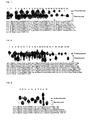
- FIGS 1 to 5 show the results.
- Mouse liver cell strain NMuli cells prepared so as to have 4.0 ⁇ 10 5 cells/mL were seeded onto a 6-well plate in an amount of 2 mL per well, and cultured at 37°C under 5% CO 2 for 24 hours.
- 14.3 ⁇ L of Lipofectamine 2000 manufactured by Invitrogen
- 533.5 ⁇ L of Opti-MEM manufactured by Invitrogen in the case of having a final concentration of 1 nM, 529.1 ⁇ L for 3 nM, 513.7 ⁇ L for 10 nM, 469.7 ⁇ L for 30 nM,
- the mixed solution was incubated at room temperature for 20 minutes, and then 500 ⁇ L of the mixed solution and 1500 ⁇ L of Opti-MEM were added to each well.
- the culture medium was replaced 4 hours after oligonucleotide addition.
- Cells were collected after an additional 20 hours and disrupted by ISOGEN (manufactured by Nippon Gene Co., Ltd.), and total RNA was extracted from the collected cells. The concentration of the extracted total RNA was quantified by a spectrophotometer, and the RNA length was analyzed by agarose gel electrophoresis.
- SuperScript II Solution a solution in which 2 ⁇ L of 200 U/ ⁇ L SuperScript II (manufactured by Invitrogen) and 6 ⁇ L of distilled water were mixed
- the mixture was incubated at 42°C for 50 minutes to carry out a reverse transcription reaction.
- the mixture was incubated at 70°C for 15 minutes to deactivate SuperScript II.
- 1 ⁇ L of 2 U/ ⁇ L of RNase H (manufactured by Invitrogen) was added to the mixture, and the mixture was incubated at 37°C for 20 minutes to give cDNA.
- oligonucleotides and the primers used are as follows:
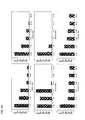
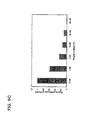
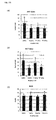
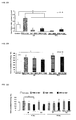
- FIGS 6 to 8 show the results of the PCSK9 mRNA expression levels obtained in the NMuli cells treated with the respective oligonucleotides.
- FIG. 6 shows the results in the case of BNA-oligonucleotide treatment ( FIG. 6A : PCSK9-0-BNA, PCSK9-1-BNA, PCSK9-2-BNA, PCSK9-3-BNA, PCSK9-4-BNA, PCSK9-5-BNA;
- FIG. 6B PCSK 9-6-BNA, PCSK9-7-BNA, PCSK9-8-BNA, PCSK9-9-BNA, PCSK9-10-BNA, PCSK9-1-BNA-3C; and FIG.
- FIGS. 6C PCSK9-4-BNA (T, C)), and FIGS 7 and 8 show the results in the case of NC-oligonucleotide treatment ( FIG. 7 : PCSK9-1-NC, PCSK9-2-NC, and PCSK9-4-NC (T, C); FIG. 8 : PCSK9-5-NC (T, C), PCSK9-6-NC (T, C), PCSK9-7-NC (T, C), PCSK9-8-NC (T, C), and PCSK9-10-NC (T, C)).
- FIGS. 6 to 8 in the many cases of the oligonucleotide treatment, the PCSK9 mRNA expression levels were lowered in an oligonucleotide concentration-dependent manner.
- Table 6 shows the results of the PCSK9 mRNA expression levels attained when treated with 50 nM PCSK9-4-BNA, PCSK9-4-i-BNA, PCSK9-4-ii-BNA, PCSK9-4-ii-BNA-A, PCSK9-4-iii-BNA, or PCSK9-4-iii-BNA-A relative to the PCSK9 mRNA expression level attained when not treated with an oligonucleotide being 1.
- PCSK9-4-i-BNA and, among the shorter sequences, PCSK9-4-ii-BNA and PCSK9-4-iii-BNA-A demonstrated a superior PCSK9 gene expression inhibitory effect.
- oligonucleotides and the primers used are as follows:
- FIG. 9 shows the results obtained when 50 nM oligonucleotides were used. As is clear from FIG. 9 , it was found that short oligonucleotides (13 bases) such as PCSK9-4-BNA-13 all have a greater PCSK9 gene expression inhibitory effect than PCSK9-1-BNA (20 bases).
- C57BL6/J mice Male: CLEA Japan
- CLEA Japan Five 6-week old C57BL6/J mice (male: CLEA Japan) were provided as test animals for each administration group.
- a high-fat load diet F2HFD1, manufactured by Oriental Yeast Co., Ltd.
- the blood was collected on day 0, and a BNA-oligonucleotide or NC-oligonucleotide was intraperitoneally administered (10 mg/kg/time).
- Administration was carried out twice per week for 2 weeks to 6 weeks, during which the blood was collected several times from the caudal vein. 3 weeks or 6 weeks later, the blood was collected from the caudal vein in a fasting state.
- mice were anesthetized with diethyl ether and then subjected to perfusion with PBS from the superior mesenteric vein, and the liver was collected, washed with PBS, cut into small pieces, flash-frozen with liquid nitrogen, and then stored at -80°C.
- the frozen liver sections were homogenized in 1 mL of TRIzol Regent (manufactured by Invitrogen), and 200 ⁇ L of chloroform was added thereto. Then, the sections were centrifuged at 13,200 rpm at 4°C for 15 minutes. 220 ⁇ L of supernatant was added to 400 ⁇ L of isopropanol, mixed by inversion, and centrifuged at 13,200 rpm at 4°C for 15 minutes, and then isopropanol was removed. Next, 800 ⁇ L of 75% ethanol was added, and then the mixture was centrifuged at 13,200 rpm at 4°C for 5 minutes.
- RNA-free water Water, DEPC treated, RNase tested; Nacalai Tesque, Inc.
- the extracted total RNA was quantified by a spectrophotometer, and the length of the RNA was confirmed by agarose gel electrophoresis.
- cDNA was prepared from 10 ⁇ g of the total RNA using a High Capacity cDNA Reverse Transcription Kit (manufactured by Applied Biosystems). Using the obtained cDNA and Fast SYBR (registered trademark) Green Master Mix (manufactured by Applied Biosystems), real-time PCR was carried out, and the PCSK9 mRNA level was quantified. In the real-time PCR, the GAPDH mRNA level of the housekeeping gene was also quantified at the same time, and the PCSK9 mRNA level relative to the GAPDH mRNA level was evaluated.
- oligonucleotides and the primers used are as follows:
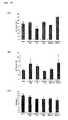
- FIGS. 10 and 11 show the results of determining the PCSK9 mRNA expression level in the liver obtained by mouse intraperitoneal administration of each oligonucleotide ( FIG. 10 : PCSK9-1-BNA, PCSK9-1-NC; FIG. 11 : PCSK9-2-BNA, PCSK9-2-NC, PCSK9-4-BNA, PCSK9-4-BNA (T, C), PCSK9-4-NC (T, C)).
- FIGS. 10 and 11 the PCSK9 mRNA expression levels in all oligonucleotide-administered groups were lowered to no greater than 5% of that of the saline-administered group.
- the blood was collected from the mouse caudal vein, left to stand still for 20 minutes at room temperature, and then centrifuged at 5000 rpm at 4°C for 20 minutes to separate the serum.
- the serum total cholesterol level of each serum sample was quantified using Cholesterol E-Test Wako (manufactured by Wako Pure Chemical Industries, Ltd.). 1.5 mL of a color-producing reagent was added to 10 ⁇ L of the serum, the mixture was warmed at 37°C for 5 minutes, and the absorbance at 600 nm was measured using a spectrophotometer. A value was calculated using the calibration curve of a standard reagent.
- lipoprotein For lipoprotein analysis, at Skylight Biotech Inc., lipoprotein was fractionated into 3 fractions (VLDL: very low density lipoprotein, LDL: low density lipoprotein, and HDL: high density lipoprotein) according to the molecular weight by gel filtration using HPLC, and the cholesterol level of each fraction was quantified using Cholesterol E-Test Wako.
- FIG. 12 shows the results.
- the serum total cholesterol level (TC), cholesterol level in the VLDL fraction (VLDL-C), cholesterol level in the LDL fraction (LDL-C), and cholesterol level in the HDL fraction (HDL-C) of all PCSK9-1-BNA and PCSK9-1-NC oligonucleotide-administered groups were lower than that of the saline-administered group.
- the frozen liver sections (50 mg) were added to 500 ⁇ L of a RIPA buffer for homogenization and subjected to refrigerated centrifugation at 10,000 rpm for 3 minutes, and the supernatant was subjected to protein quantification using Bio-Rad DC (manufactured by Bio-Rad Laboratories, Inc.). 7 ⁇ g of protein was applied to the respective lanes on polyacrylamide gel ReadyGel J (4%) (manufactured by Bio-Rad Laboratories, Inc.), and electrophoresis was carried out at 200 V for 40 minutes.
- the AST level, the ALT level, and the BUN level were quantified.
- the AST level and the ALT level were quantified using Transaminase CII-Test Wako (manufactured by Wako Pure Chemical Industries, Ltd.). 250 ⁇ L of a substrate enzyme liquid for AST level measurement or ALT level measurement was added to 10 ⁇ L of the serum, and the mixture was warmed at 37°C for 5 minutes.
- FIG. 16 shows the results of determining the cholesterol levels in the LDL fractions and the cholesterol levels in the HDL fractions ("LDL” indicates the cholesterol levels in the LDL fractions, and "HDL” indicates the cholesterol levels in the HDL fractions).
- mice were anesthetized with diethyl ether and then subjected to perfusion with PBS from the heart, and the liver was collected, washed with PBS, cut into small pieces, flash-frozen with liquid nitrogen, and then stored at -80°C.
- the PCSK9 mRNA level was quantified in the same manner as in Example 10.
- FIG. 17 shows the results.
- FIG. 18 shows the results (A: AST level, B: ALT level, C: BUN level).
- the PCSK9 mRNA expression levels in the liver in all oligonucleotide-administered groups were markedly lower than that of the saline-administered group. Also, although no marked increase of an acute-phase toxicity marker of the liver or the kidney was observed, the BUN level was slightly increased in a dose-dependent manner.
- FIG. 19 shows the results of determining the cholesterol levels in the LDL fractions and the cholesterol levels in the HDL fractions ("LDL” indicates the cholesterol levels in the LDL fractions, and "HDL” indicates the cholesterol levels in the HDL fractions).
- mice were anesthetized with diethyl ether and then subjected to perfusion with PBS from the heart, and the liver was collected, washed with PBS, cut into small pieces, flash-frozen with liquid nitrogen, and then stored at -80°C.
- the PCSK9 mRNA level was quantified in the same manner as in Example 10.
- FIG. 20 shows the results.
- FIG. 21 shows the results.
- One 3-week old guinea pig Hartley (male: Japan SLC Inc.) was provided as a test animal for each administration group. After 2 weeks of a high-fat load diet (F2HFD1, manufactured by Oriental Yeast Co., Ltd.), the blood was collected on day 0, and saline, PCSK9-4-iii-BNA-gp, lovastatin + saline, or lovastatin + PCSK9-4-iii-BNA-gp was intraperitoneally administered. The dosage was configured such that lovastatin was continuously administered in an amount of about 30 mg/kg/day for 9 days, and PCSK9-4-iii-BNA-gp was administered in an amount of 20 mg/kg 3 times in 9 days. After administration, the blood was collected from one guinea pig from each administration group 7 days later. The serum total cholesterol level was quantified in the same manner as in Example 10. FIG. 24 shows the results.
- the serum total cholesterol levels of the PCSK9-4-iii-BNA-gp-administered group, the lovastatin-administered group, and lovastatin + PCSK9-4-iii-BNA-gp-administered group were lowered by 44%, 47%, and 57%, respectively, relative to the saline administered group.
- PCSK9-4-iii-BNA-gp showed a cholesterol reducing effect despite its lower dosage than lovastatin, and showed an even greater effect when used in combination.
- the serum total cholesterol level of the lovastatin-administered group was recovered to the same level as the saline-administered group, but the serum total cholesterol level of the lovastatin + PCSK9-4-iii-BNA-gp-administered group was lowered by about 50% relative to the saline-administered group, continuously showing a cholesterol reducing effect.
- mice Male: Japan SLC Inc.
- PCSK9-1-BNA dissolved in PBS was intraperitoneally administered. The dosage was 0, 0.05, 0.25, 0.5, 1, 2.5, or 5 mg/kg.
- 3 mice from each administration group were anesthetized with a mixed solution of anesthetic agents Vetorphale, (manufactured by Meiji Seika Co., Ltd.), Domitor (Nippon Zenyaku Kogyo Co.., Ltd.), and Dormicum (manufactured by Astellas Pharma, Inc.) 3 days later, 7 days later, and 14 days later, and then the blood was collected.
- the PCSK9 mRNA expression level in the liver was lowered in a manner dependent on the dosage of PCSK9-1-BNA. Also, it recovered as the days passed.
- mice Male: Japan SLC Inc.
- PCSK9-1-BNA dissolved in PBS was intraperitoneously administered in a continuous manner daily.
- the dosage was 0, 0.009, 0.018, 0.036, 0.071, or 0.18 mg/kg. This is the value with which the total dosage after 2 weeks of continuous administration reaches 0, 0.125, 0.25, 0.5, 1, or 2.5 mg/kg.
- 3 mice from each administration group were anesthetized with a mixed solution of anesthetic agents Vetorphale, Domitor, and Dormicum 3 days later and 7 days later, and then the blood was collected.
- FIG. 27 shows the ratios of the serum total cholesterol levels obtained in the continuous-administration experiment relative to the serum total cholesterol levels obtained in the single-administration experiment at predetermined days elapsed after administration of PCSK9-1-BNA.
- PCSK9-1-BNA 0.1 mg was kneaded into 0.1 mL of 3 % by weight atelocollagen (Koken atelocollagen implant manufactured by Koken Co., Ltd.), the mixture was left to stand still at 37°C for 24 hours, and thus a PCSK9-1-BNA-containing atelocollagen gel was prepared.
- a high-fat load diet was further given for 3 days and for 14 days, and then the blood was collected from the tail.
- mice were anesthetized with a mixed solution of anesthetic agents Vetorphale, Domitor, and Dormicum, and then the gel was collected. Hepatic perfusion was carried out with PBS and the liver was collected, washed with PBS, then homogenized, and stored at -80°C.
- the mRNA was extracted from the thawed liver using a QuickGene Kit.
- the subsequent cDNA preparation and real-time PCR were carried out in the same manner as in Example 10, and the mRNA level of PCSK9 was quantified.
- FIG. 28 shows the results of determining the mRNA levels 3 days later
- FIG. 29 shows the results of determining the serum total cholesterol levels 3 days later
- FIG. 30 shows the results of determining VLDL-C 3 days later and 14 days later.
- Peptidic injectable hydrogels composed of peptide sequences mimicking 2-microglobulin shown in Table 8 were used as carriers for sustained release of PCSK9-1-BNA (the amino acid sequences of peptides 1 to 4 in Table 8 correspond to SEQ ID NOS. 36 to 39, respectively).
- the peptides were synthesized by the Fmoc solid-phase method, and dissolved in DMSO/H 2 O in a concentration of 1 % by weight to complex with oligonucleotides.
- Peptides 3 and 4 formed uniform gels when 10% DMSO/H 2 O was used as a solvent.
- the hydrogel of peptide 4 showed prompt gelating properties of forming a gel within 5 minutes, and as shown in Table 9, demonstrated a high elastic modulus in a concentration-dependent manner.
- PCSK9-1-BNA 3 ⁇ g of PCSK9-1-BNA was mixed with 0.1 mL of an aqueous peptide 4 solution (peptide concentration of 1 % by weight; DMSO concentration of 10 (v/v)%) and left to stand at room temperature, and thus a PCSK9-1-BNA-containing injectable hydrogel was prepared.
- mice Male: Japan SLC Inc.
- the PCSK9-1-BNA-containing peptidic injectable hydrogel was embedded intraperitoneally (i.p.) or subcutaneously (s.c.). After embedding, the mice were anesthetized with a mixed solution of anesthetic agents Vetorphale, Domitor, and Dormicum 3 days after. Hepatic perfusion was carried out with PBS, and the liver was collected, washed with PBS, then entirely dissolved in 4 ml of a tissue lysis solution, and stored at -80°C. The mRNA was extracted from the thawed liver lysate using a QuickGene Kit. The subsequent cDNA preparation and real-time PCR were carried out in the same manner as in Example 10, and the mRNA level of PCSK9 was quantified.
- FIG. 31 shows the results.
- a peptidic injectable hydrogel that gelates in several minutes and completely disappears in 2 weeks in the living body is useful as a carrier of a sustained-release preparation for dyslipidemia that contains an oligonucleotide as an active ingredient.
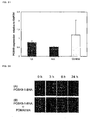
- PCSK9-1-BNA labeled with a fluorescent dye Alexa 750 (manufactured by Molecular Probes) (Alexa 750-PCSK9-1-BNA) was mixed with 100 mL of an aqueous peptide 4 solution (peptide concentration of 1 % by weight; DMSO concentration of 10 (v/v)%) and left to stand at room temperature, and thus a PCSK9-1-BNA-containing peptidic injectable hydrogel was prepared.
- Alexa 750-PCSK9-1-BNA-containing peptidic injectable hydrogel was embedded subcutaneously (s.c.). After embedding, using an in vivo imager (Maestro), Alexa 750-PCSK9-1-BNA remaining in the gel was quantified over time.
- FIG. 32(A) shows the results.
- FIG. 32(B) shows the results.
- an oligonucleotide useful as a therapeutic agent for dyslipidemia that has excellent binding affinity to the PCSK9 gene as well as stability and safety can be provided.
- the oligonucleotide of the present invention is expected to be used as a therapeutic drug effective against familial hypercholesterolemia as well as hyperlipidemia, which causes cardiac infarction and apoplexy.
Landscapes
- Health & Medical Sciences (AREA)
- Life Sciences & Earth Sciences (AREA)
- Chemical & Material Sciences (AREA)
- General Health & Medical Sciences (AREA)
- Engineering & Computer Science (AREA)
- Medicinal Chemistry (AREA)
- Pharmacology & Pharmacy (AREA)
- Animal Behavior & Ethology (AREA)
- Public Health (AREA)
- Veterinary Medicine (AREA)
- Genetics & Genomics (AREA)
- Epidemiology (AREA)
- Organic Chemistry (AREA)
- Bioinformatics & Cheminformatics (AREA)
- Biomedical Technology (AREA)
- Molecular Biology (AREA)
- Dermatology (AREA)
- Wood Science & Technology (AREA)
- General Engineering & Computer Science (AREA)
- Biotechnology (AREA)
- Zoology (AREA)
- Biochemistry (AREA)
- Diabetes (AREA)
- Chemical Kinetics & Catalysis (AREA)
- General Chemical & Material Sciences (AREA)
- Nuclear Medicine, Radiotherapy & Molecular Imaging (AREA)
- Physics & Mathematics (AREA)
- Virology (AREA)
- Biophysics (AREA)
- Plant Pathology (AREA)
- Microbiology (AREA)
- Obesity (AREA)
- Hematology (AREA)
- Endocrinology (AREA)
- Emergency Medicine (AREA)
- Pharmaceuticals Containing Other Organic And Inorganic Compounds (AREA)
- Medicines That Contain Protein Lipid Enzymes And Other Medicines (AREA)
- Medicinal Preparation (AREA)
Abstract
Description
- The present invention relates to an oligonucleotide and a therapeutic agent for dyslipidemia containing the oligonucleotide as an active ingredient.
- Familial hypercholesterolemia resulting from mutations in the LDL receptor gene is a disease that appears 1 out of 500 people (250000 people domestically), and is the most common disease among the hereditary metabolic disorders. Patients' serum total cholesterol levels show 230 to 500 mg/dL (healthy person: 200 mg/dL or less), and symptoms such as xanthoma of the skin and tendon and coronary artery disease resulting from juvenile arteriosclerosis are observed. The average life expectancy of the patients is 54 years for male and 69 years for female, being much shorter than the average life expectancy of the entire population. A typical therapeutic method may be LDL apheresis treatment, but this therapeutic method is problematic in that the method imposes a large burden on the patient. An example of drug therapy may be administration of statins, but there is a problem in that statins do not show sufficient effects on familial hypercholesterolemia.
- Meanwhile, hyperlipidemia is a lifestyle-induced disease that causes cardiac infarction and apoplexy, which are causes of death next to cancer.
- In therapeutic development for such hypercholesterolemia, a strategy targeting PCSK9, which regulates the metabolism of an LDL (low-density lipoprotein) receptor, has recently been attracting attention (Non Patent Literature 1). It aims at lowering the blood LDL concentration by suppressing the expression of the PCSK9 gene, which decomposes the LDL receptor, and thus increasing the level of LDL receptor expression and facilitating the cellular uptake and metabolism of LDL. Therapeutic experiments using an antisense method that is one technique involving nucleic acid medicines are also in progress.
- Most of the conventional nucleic acid medicines that are effective in the in vitro cellular system are, however, not effective in vivo. Possible causes may be that conventional nucleic acid medicines are immediately decomposed when introduced into the body and that the affinity and specificity of conventional nucleic acid medicines to the target gene are poor, and therefore an antisense technique has been attracting attention as a technique to suppress the PCSK9 gene expression.
- The 2'-MOE (2'-O-methoxyethyl)-modified oligonucleotide described in
Non Patent Literature 2 has excellent stability in the living body but has a poor binding affinity to the target RNA, and is thus problematic in that a very high dose is required to demonstrate a pharmaceutical effect. The oligonucleotide containing a locked nucleic acid (LNA) described inNon Patent Literature 1 has a superior binding affinity to the target RNA, and an effect of suppressing the mRNA of PCSK9 in vivo also is shown, but there is still room for improvement in stability, safety, and the like in the living body. -
- [Non Patent Literature 1] N. Gupta et al., PLoS ONE, 2010, Vol.5, e10682
- [Non Patent Literature 2] M. J. Graham et al., J. Lipid. Res., 2007, Vol.48, p. 763
- [Non Patent Literature 3] S. Obika et al., Tetrahedron Lett., 1997, Vo.38, p. 8735-8738
- [Non Patent Literature 4] S. Obika et al., Tetrahedron Lett., 1998, Vol39, p. 5401-5404
- [Non Patent Literature 5] S. K. Singh et al., Chem. Commun., 1998, Vol.4, p. 455-456
- [Non Patent Literature 6] A. A. Koshkin et al., Tetrahedron, 1998, Vol.54, p. 3607-3630
- [Non Patent Literature 7] S. Obika et al., Bioorg. Med. Chem., 2001, Vol.9, p. 1001-1011
- [Non Patent Literature 8] S. M. A. Rahman et al., Angew. Chem. Int. Ed., 2007, Vol.46, p. 4306-4309
- [Non Patent Literature 9] S. M. A. Rahman et al., Nucleosides Nucleotides Nucleic Acids, 2007, Vol.26, p. 1625-1628
- [Non Patent Literature 10] K. Miyashita et al., Chem. Commun., 2007, Vol.36, p. 3765-3767
- [Non Patent Literature 11] S. M. A. Rahman et al., J. Am. Chem. Soc., 2008, Vol.130, p. 4886-4896
- An object of the present invention is to provide an oligonucleotide useful as a therapeutic agent for dyslipidemia that has excellent binding affinity to the PCSK9 gene as well as stability and safety.
- As a result of having conducted diligent research to solve the foregoing problems, the inventors found that allowing a bridged artificial nucleic acid to be contained in an oligonucleotide that can bind to a specific target sequence of the PCSK9 gene makes it possible to provide an oligonucleotide useful as a therapeutic agent for dyslipidemia that has excellent binding affinity to the PCSK9 gene as well as stability and safety, and then the inventors accomplished the present invention. Moreover, the inventors found that formulating a sustained-release preparation that contains a bioabsorbable material as a carrier makes it possible to use the pharmaceutical agent in a low dose, and thus the inventors accomplished the present invention.
- The present invention provides an oligonucleotide containing a sugar-modified nucleoside, the sugar-modified nucleoside has a bridging structure between 4'-position and 2'-position, and the oligonucleotide can bind to the human PCSK9 gene.
- In one embodiment, the human PCSK9 gene is a DNA or RNA composed of a base sequence containing any of the following base sequences: base sequence of SEQ ID NO. 3; base sequence of SEQ ID NO. 4; base sequence of SEQ ID NO. 5; base sequence of SEQ ID NO. 6; base sequence of SEQ ID NO. 7; base sequence of SEQ ID NO. 8; base sequence of SEQ ID NO. 9; base sequence of SEQ ID NO. 10; base sequence of SEQ ID NO. 11; base sequence of SEQ ID NO. 12; base sequence of SEQ ID NO. 13; base sequence of SEQ ID NO. 14; base sequence of SEQ ID NO. 15; base sequence of SEQ ID NO. 16; base sequence of SEQ ID NO. 17; base sequence of SEQ ID NO. 18; or base sequences complementary to these.
- In one embodiment, the bridging structure is represented by -CH2-O-, -(CH2)2-O-, -CH2-NR1-O-, or -(CH2)2-NR1-O-, wherein
R1 is a hydrogen atom;
a C1-7 alkyl group that may form a branch or ring;
a C2-7 alkenyl group that may form a branch or ring;
a C3-12 aryl group that may have any one or more substituents selected from an α group consisting of a hydroxyl group, C1-6 linear alkyl group, C1-6 linear alkoxy group, mercapto group, C1-6 linear alkylthio group, amino group, C1-6 linear alkylamino group, and halogen atom, and that may contain a hetero atom; or
an aralkyl group having a C3-12 aryl portion that may have any one or more substituents selected from the α group and that may contain a hetero atom. - In one embodiment, the bridging structure is represented by -CO-NR1-, -CH2-CO-NR1-, -(CH2)2-CO-NR1-, -CO-NR1-X-, or -CH2-CO-NR1-X-, wherein
R1 is a hydrogen atom;
a C1-7 alkyl group that may form a branch or ring;
a C2-7 alkenyl group that may form a branch or ring;
a C3-12 aryl group that may have any one or more substituents selected from an α group consisting of a hydroxyl group, C1-6linear alkyl group, C1-6 linear alkoxy group, mercapto group, C1-6 linear alkylthio group, amino group, C1-6 linear alkylamino group, and halogen atom, and that may contain a hetero atom; or
an aralkyl group having a C3-12 aryl portion that may have any one or more substituents selected from the α group and that may have a hetero atom; and
X is an oxygen atom, sulfur atom, amino group, or methylene group. - In one embodiment, the oligonucleotide has a base sequence length of 10 to 25 bases.
- In one embodiment, at least one selected from the group consisting of an intercalator, reporter molecule, polyamine, polyamide, polyethylene glycol, thioether, polyether, cholesterol, thiocholesterol, cholic acid portion, folic acid, lipid, phospholipid, biotin, phenazine, phenanthridine, anthraquinone, adamantane, acridine, fluorescein, rhodamine, coumarin, and pigment is bound to a 5'-end or 3'-end of the oligonucleotide.
- Also, the present invention provides a therapeutic agent for dyslipidemia containing the oligonucleotide as an active ingredient.
- In one embodiment, the therapeutic agent is a sustained-release preparation that contains a bioabsorbable material as a carrier.
- In one embodiment, the bioabsorbable material is atelocollagen or peptide gel.
- According to the present research, an oligonucleotide useful as a therapeutic agent for dyslipidemia that has excellent binding affinity to the PCSK9 gene as well as stability and safety can be provided.
-
- [
FIG. 1] FIG. 1 is an image showing the results of analyzing the RNase H sensitivity of a double-strand nucleic acid composed of [y-32P]-labeled mRNA of PCSK9 and DNA-oligonucleotide. - [
FIG. 2] FIG. 2 is an image showing the results of analyzing the RNase H sensitivity of a double-strand nucleic acid composed of [y-32P]-labeled mRNA of PCSK9 and BNA-oligonucleotide. - [
FIG. 3] FIG. 3 is an image showing the results of analyzing the RNase H sensitivity of a double-strand nucleic acid composed of [y-32P]-labeled mRNA of PCSK9 and BNA-oligonucleotide or NC-oligonucleotide. - [
FIG. 4] FIG. 4 is an image showing the results of analyzing the RNase H sensitivity of a double-strand nucleic acid composed of [y-32P]-labeled mRNA of PCSK9 and NC-oligonucleotide. - [
FIG. 5] FIG. 5 is an image showing the results of analyzing the RNase H sensitivity of a double-strand nucleic acid composed of [y-32P]-labeled mRNA of PCSK9 and BNA-oligonucleotide. - [
FIG. 6A] FIG. 6A includes graphs showing the PCSK9 mRNA expression levels of NMuLi cells treated with BNA-oligonucleotide. - [
FIG. 6B] FIG. 6B includes graphs showing the PCSK9 mRNA expression levels of NMuLi cells treated with BNA-oligonucleotide. - [
FIG. 6C] FIG. 6C is a graph showing the PCSK9 mRNA expression levels of NMuLi cells treated with BNA-oligonucleotide. - [
FIG. 7] FIG. 7 includes graphs showing the PCSK9 mRNA expression levels of NMuLi cells treated with NC-oligonucleotide. - [
FIG. 8] FIG. 8 includes graphs showing the PCSK9 mRNA expression levels of NMuLi cells treated with NC-oligonucleotide. - [
FIG. 9] FIG. 9 is a graph showing the PCSK9 mRNA expression levels of Huh-7 cells treated with BNA-oligonucleotide (13 bases). - [
FIG. 10] FIG. 10 is a graph showing the PCSK9 mRNA expression levels in the liver after 6-week mouse intraperitoneal administration of PCSK9-1-BNA or PCSK9-1-NC. - [
FIG. 11] FIG. 11 is a graph showing the PCSK9 mRNA expression levels in the liver after 3-week mouse intraperitoneal administration of PCSK9 oligonucleotide. - [
FIG. 12] FIG. 12 is a graph showing the serum total cholesterol levels and the cholesterol levels in the lipoprotein fraction after 6-week mouse intraperitoneal administration of PCS9-1-BNA or PCS9-1-NC. - [
FIG. 13] FIG. 13 is a graph showing the LDL receptor protein expression levels in the liver after 6-week mouse intraperitoneal administration of PCSK9-1-BNA or PCSK9-1-NC. - [
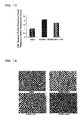
FIG. 14] FIG. 14 shows pathological images (HE staining, 40-fold magnification) of the liver after 3-week mouse intraperitoneal administration of PCSK9-2-BNA, PCSK9-2-NC, or PCSK9-4-BNA. - [
FIG. 15] FIG. 15 includes graphs showing serum AST levels (A), serum ALT levels (B), and serum BUN levels (C) after 2-week mouse intraperitoneal administration of PCSK9 oligonucleotide. - [
FIG. 16] FIG. 16 is a graph showing serum cholesterol levels (according to the fraction) after 6-week mouse intraperitoneal administration of PCSK9-1-BNA. - [
FIG. 17] FIG. 17 is a graph showing the PCSK9 mRNA expression levels in the liver after 6-week mouse intraperitoneal administration of PCSK9-1-BNA. - [
FIG. 18] FIG. 18 includes graphs showing serum AST levels (A), serum ALT levels (B), and serum BUN levels (C) after 6-week mouse intraperitoneal administration of PCSK9-1-BNA. - [
FIG. 19] FIG. 19 is a graph showing serum cholesterol levels (according to the fraction) after 4-week mouse intraperitoneal administration of PCSK9-1-NC. - [
FIG. 20] FIG. 20 is a graph showing the hepatic PCSK9 mRNA expression levels after 4-week mouse intraperitoneal administration of PCSK9-1-NC. - [
FIG. 21] FIG. 21 includes graphs showing serum AST levels (A), serum ALT levels (B), and serum BUN levels (C) after 6-week mouse intraperitoneal administration of PCSK9-1-NC. - [
FIG. 22] FIG. 22 is a graph showing serum total cholesterol levels before and after mouse caudal vein administration of BNA-oligonucleotide, NC-oligonucleotide, or CON-oligonucleotide. - [
FIG. 23] FIG 23 is a graph showing the change over time of the serum total cholesterol level after 3-day guinea pig intraperitoneal administration of PCSK9-4-iii-BNA-gp. - [
FIG. 24] FIG. 24 is a graph showing decreases of serum total cholesterol levels after guinea pig intraperitoneal administration of PCSK9-4-iii-BNA-gp and/or lovastatin. - [
FIG. 25] FIG. 25 is a graph showing the PCSK9 mRNA expression levels in the liver after single mouse intraperitoneal administration of PCSK9-1-BNA. - [
FIG. 26] FIG. 26 is a graph showing the PCSK9 mRNA expression levels in the liver after continuous mouse intraperitoneal administration of PCSK9-1-BNA. - [
FIG. 27] FIG. 27 is a graph showing the dosage of PCSK9-1-BNA and the ratio of the serum total cholesterol levels (continuous administration/single administration) in accordance with the number of days elapsed after administration until blood collection. - [
FIG. 28] FIG. 28 is a graph showing the PCSK9 mRNA expression levels in theliver 3 days after mouse intraperitoneal administration of PCSK9-1-BNA-containing gel. - [
FIG. 29] FIG. 29 is a graph showing the serumtotal cholesterol levels 3 days after mouse intraperitoneal administration of PCSK9-1-BNA-containing gel. - [
FIG. 30] FIG. 30 is a graph showing the cholesterol levels in theVLDL fraction 3 days after and 14 days after mouse intraperitoneal administration of PCSK9-1-BNA-containing gel. - [
FIG. 31] FIG. 31 is a graph showing the PCSK9 mRNA expression levels in theliver 3 days after mouse intraperitoneal or subcutaneous administration of peptidic injectable hydrogel. - [
FIG. 32] FIG. 32 includes images showing the results of analyzing by an in vivo imager over time Alexa 750-PCSK9-1-BNA remaining after mouse subcutaneous administration of peptidic injectable hydrogel. - First, the terms used herein will now be defined.
- Herein, the term "C1-6 linear alkyl group" refers to any C1-6 linear alkyl group, or specifically, a methyl group, ethyl group, n-propyl group, n-butyl group, n-pentyl group, or n-hexyl group.
- Herein, the term "C1-6 linear alkoxy group" includes an alkoxy group that has any C1-6 linear alkyl group. Examples include a methyloxy group, ethyloxy group, n-propyloxy group, and the like.
- Herein, the term "C1-6 linear alkylthio group" includes an alkylthio group that has any C1-6 linear alkyl group. Examples include a methylthio group, ethylthio group, n-propylthio group, and the like.
- Herein, the term "C1-6 linear alkylamino group" includes an alkylamino group that has one or two alkylamino groups having any C1-6 linear alkyl group. Examples include a methylamino group, dimethylamino group, ethylamino group, methylethylamino group, diethylamino group, and the like.
- Herein, the term "C1-7 alkyl group that may form a branch or ring" includes any C1-7 linear alkyl group, any C3-7 branched alkyl group, and any C3-7 cyclic alkyl group. It may be simply referred to as a "lower alkyl group". Examples of the C1-7 linear alkyl group include a methyl group, ethyl group, n-propyl group, n-butyl group, n-pentyl group, n-hexyl group, and n-heptyl group; examples of the C3-7 branched alkyl group include an isopropyl group, isobutyl group, tert-butyl group, isopentyl group, and the like; and examples of the C3-7 cyclic alkyl group include a cyclobutyl group, cyclopentyl group, cyclohexyl group, and the like.
- Herein, the term "C2-7 alkenyl group that may form a branch or ring" includes any C2-7 linear alkenyl group, any C3-7 branched alkenyl group, and any C3-7 cyclic alkenyl group. It may be simply referred to as a "lower alkenyl group". Examples of the C2-7 linear alkenyl group include an ethenyl group, 1-propenyl group, 2-propenyl group, 1-butenyl group, 2-butenyl group, 1-pentenyl group, 2-pentenyl group, 3-pentenyl group, 4-pentenyl group, 1-hexenyl group, and the like; examples of the C3-7 branched alkenyl group include an isopropenyl group, 1-methyl-1-propenyl group, 1-methyl-2-propenyl group, 2-methyl-1-propenyl group, 2-methyl-2-propenyl group, 1-methyl-2-butenyl group, and the like; and examples of the C3-7 cyclic alkenyl group include a cyclobutenyl group, cyclopentenyl group, cyclohexenyl group, and the like.
- Herein, the term "C3-12 aryl group that may contain a hetero atom" includes any C6-12 aromatic hydrocarbon composed solely of a hydrocarbon and any C3-12 heteroaromatic compound containing a hetero atom (a nitrogen atom, oxygen atom, or sulfur atom) in the ring structure. Examples of the C6-12 aromatic hydrocarbon composed solely of a hydrocarbon include a phenyl group, naphthyl group, indenyl group, azulenyl group, and the like; and examples of the C3-12 heteroaromatic compound containing a hetero atom in the ring structure include a pyridyl group, pyrrolyl group, quinolyl group, indolyl group, imidazolyl group, furyl group, thienyl group, and the like.
- Examples of the term "aralkyl group having a C3-12 aryl portion that may have a hetero atom" include a benzyl group, phenethyl group, naphthylmethyl group, 3-phenylpropyl group, 2-phenylpropyl group, 4-phenylbutyl group, 2-phenylbutyl group, pyridylmethyl group, indolylmethyl group, furylmethyl group, thienylmethyl group, pyrrolylmethyl group, 2-pyridylethyl group, 1-pyridylethyl group, 3-thienylpropyl group, and the like.
- Herein, examples of the term "halogen atom" include a fluorine atom, chlorine atom, bromine atom, and iodine atom. A fluorine atom or chlorine atom is preferable.
- Herein, the term "nucleoside" refers to a glycosylamine that contains a nucleobase and a sugar. Examples of the nucleoside include, but are not limited to, naturally occurring nucleosides, abasic nucleosides, modified nucleosides, and nucleosides having a pseudo base and/or sugar group.
- Herein, the term "nucleotide" refers to a glycosomine that contains a nucleobase and a sugar in which a sugar and a phosphate group are covalently bonded. The nucleotide may be optionally modified with various substituents.
- Herein, the term "deoxyribonucleotide" refers to a nucleotide that has hydrogen at 2'-position of the sugar portion of the nucleotide. The deoxyribonucleotide may be optionally modified with various substituents.
- Herein, the term "deoxyribonucleic acid (DNA)" refers to a nucleic acid that contains a deoxyribonucleotide.
- Herein, the term "ribonucleotide" refers to a nucleotide that has hydroxy at 2'-position of the sugar portion of the nucleotide. The ribonucleotide may be optionally modified with various substituents.
- Herein, the term "ribonucleic acid (RNA)" refers to a nucleic acid that contains a ribonucleotide.
- Herein, the term "modified nucleoside" refers to a non-naturally occurring nucleoside among the "nucleosides" in which a purine or pyrimidine base and a sugar are bonded and to a nucleoside in which an aromatic hetero ring or aromatic hydrocarbon ring that is neither a purine nor pyrimidine and that can be used in place of a purine or pyrimidine and a sugar are bonded. Preferable examples include sugar-modified nucleosides in which the sugar portion is modified.
- Herein, the term "oligonucleotide" refers to an "oligonucleotide" in which 2 to 50 identical or different "nucleosides" are bonded via a phosphodiester link. It also includes a non-naturally occurring derivative of the "oligonucleotide". Preferable examples of such derivatives include sugar derivatives in which the sugar portion is modified thioate derivatives in which the phosphate diester portion is thioated; phosphorothioate derivatives in which the oxygen atom of the phosphate group in the phosphodiester link is replaced with a sulfur atom; esters in which the terminal phosphate portion is esterified; and amides in which the amino group on the purine base is amidated, and more prefeable examples include sugar derivatives in which the sugar portion is modified.
- Below, the present invention will now be described in detailed.
- The oligonucleotide of the present invention contains at least one sugar-modified nucleoside at any position. The position and the number thereof are not particularly limited, and may be suitably configured according to the object. Two or more sugar-modified nucleosides may be mutually the same or may be different.
- The oligonucleotide of the present invention includes an oligonucleotide in which a naturally occurring DNA or RNA is chemically modified. Such modification changes the activity of the oligonucleotide. For example, it enhances affinity to the target nucleic acid, enhances resistance to a nucleolytic enzyme (nuclease), and changes the pharmacokinetics or histological distribution of the oligonucleotide. Enhancing the affinity of the oligonucleotide to the target can make it possible to use a shorter oligonucleotide.
- The oligonucleotide of the present invention can bind to the human PCSK9 gene.
- Here, the term "can bind" means that a plurality of different single-strand oligonucleotides or nucleic acids can form a nucleic acid having two or more strands due to the complementarity of the nucleobase. Preferably, the term means that a double-strand nucleic acid can be formed. The melting temperature (Tm) of the nucleic acid having two or more strands is not particularly limited. For example, in two different single-strand oligonucleotides or nucleic acids that form a double-strand nucleic acid, it is not necessary that the base sequences of the double-strand forming regions are completely complementary to each other.
- The human PCSK9 gene contains the base sequence of SEQ ID NO. 1 (GenBank accession number: NM_174936; a coding region, 2079 bases), and encodes the amino acid sequence of SEQ ID NO. 2. The PCSK9 gene is involved in decomposition of the LDL receptor.
- The region of the human PCSK9 gene to which the oligonucleotide of the present invention can bind is preferably a region composed of a base sequence containing any of the following base sequences: base sequence of SEQ ID NO. 3; base sequence of SEQ ID NO. 4; base sequence of SEQ ID NO. 5; base sequence of SEQ ID NO. 6; base sequence of SEQ ID NO. 7; base sequence of SEQ ID NO. 8; base sequence of SEQ ID NO. 9; base sequence of SEQ ID NO. 10; base sequence of SEQ ID NO. 11; base sequence of SEQ ID NO. 12; base sequence of SEQ ID NO. 13; base sequence of SEQ ID NO. 14; base sequence of SEQ ID NO. 15; base sequence of SEQ ID NO. 16; base sequence of SEQ ID NO. 17; base sequence of SEQ ID NO. 18; or base sequences complementary to these. More preferably, it is a DNA or RNA composed of these base sequences.
- The sugar-modified nucleoside contained in the oligonucleotide of the present invention has a bridging structure between 4'-position and 2'-position.
- One example of the bridging structure is represented by -CH2-O- or -(CH2)2-O-. Hereinafter, such a bridging structure may be referred to as BNA.
- Examples of the BNA include, but are not limited to, α-L-methyleneoxy (4'-CH2-O-2'), ß-D-methyleneoxy (4'-CH2-O-2'), and ethyleneoxy (4'-(CH2)2-O-2'). The BNA nucleoside (monomer) and an oligonucleotide containing it can be synthesized by methods described in, for example,
Non Patent Literatures 3 to 7. - Another example of the bridging structure is represented by -CH2-NR1-O- or -(CH2)2-NR1-O-, wherein
R1 is a hydrogen atom;
a C1-7 alkyl group that may form a branch or ring;
a C2-7 alkenyl group that may form a branch or ring
a C3-12 aryl group that may form any one or more substituents selected from an α group consisting of a hydroxyl group, C1-6 linear alkyl group, C1-6 linear alkoxy group, mercapto group, C1-6 linear alkylthio group, amino group, C1-6 linear alkylamino group, and halogen atom, and that may contain a hetero atom; or
an aralkyl group having a C3-12 aryl portion that may have any one or more substituents selected from the α group and that may contain a hetero atom. Hereinafter, such a bridging structure may be referred to as NC. - Examples of NC include, but are not limited to, oxyamino (4'-CH2-NH-O-2') and N-methyloxyamino (4'-CH2-NCH3-O-2'). The NC nucleoside (monomer) and an oligonucleotide containing it can be synthesized by methods described in, for example,
Non Patent Literatures 8 to 11. - Another example of the bridging structure is represented by -CO-NR1-, -CH2-CO-NR1-, -(CH2)2-CO-NR1-, -CO-NR1-X-, or -CH2-CO-NR1-X -, wherein
R1 is a hydrogen atom;
a C1-7 alkyl group that may form a branch or ring;
a C2-7 alkenyl group that may form a branch or ring;
a C3-12 aryl group that may have any one or more substituents selected from an α group consisting of a hydroxyl group, C1-6 linear alkyl group, C1-6 linear alkoxy group, mercapto group, C1-6 linear alkylthio group, amino group, C1-6 linear alkylamino group, and halogen atom, and that may contain a hetero atom; or
an aralkyl group having a C3-12 aryl portion that may have any one or more substituents selected from the α group and that may contain a hetero atom; and
X is an oxygen atom, sulfur atom, amino group, or methylene group. Hereinafter, such a bridging structure may be referred to as CON. - Examples of CON include, but are not limited to, unsubstituted amide (4'-CO-NH-2'), N-methylamide (4'-CO-NCH3-2'), acetamide (4'-CH2-CO-NH-2'), N-methylacetamide (4'-CH2-CO-NCH3-2'), N-oxyacetamide (4'-CH2-CO-NH-O-2'), and N-methyl-N-oxyacetamide (4'-CH2-CO-NCH3-O-2'). The CON nucleoside (monomer) and an oligonucleotide containing it can be synthesized by methods described in, for example, the examples below.
- The length of the base sequence of the oligonucleotide of the present invention is not particularly limited, and it is preferably 10 to 25 bases, and more preferably 13 to 20 bases.
- The structure of the 5'-end or 3'-end of the oligonucleotide of the present invention is not particularly limited. For example, at least one selected from the group consisting of an intercalator, reporter molecule, polyamine, polyamide, polyethylene glycol, thioether, polyether, cholesterol, thiocholesterol, cholic acid portion, folic acid, lipid, phospholipid, biotin, phenazine, phenanthridine, anthraquinone, adamantane, acridine, fluorescein, rhodamine, coumarin, and pigment is bound. Preferably, cholesterol is bound to the 5'-end or 3'-end. Due to the binding of cholesterol, it can be expected that the in vivo stability of the oligonucleotide is enhanced and the uptake thereof into the liver, which is the target organ, is enhanced. The method for binding cholesterol to the 5'-end or 3'-end is not particularly limited. Examples include a method in which cholesterol is introduced as an amidite, a method in which cholesterol is introduced as a solid-phase carrier for oligonucleotide synthesis, and a method in which cholesterol is conjugated after an oligonucleotide is synthesized.
- The oligonucleotide containing a sugar-modified nucleoside, or in particular, a sugar-modified nucleoside in which sugar modification is CON, is fixed by the bridging structure, or in particular, a bridging structure containing an amide bond, between 4'-position and 2'-position as described above, is therefore unlikely to be decomposed by various nucleases, and can exist in a living body for a long period of time after being administered into the living body. For example, the oligonucleotide forms a stable double strand with the mRNA and inhibits biosynthesis of the pathogenic protein (an antisense method), or forms a triple strand with a double-strand DNA in the genome and inhibits transcription to the mRNA. Also, the oligonucleotide makes it possible to suppress proliferation of a virus that has infected. Also, it is expected that the bridging structure containing an amide bond has a high level of biocompatibility, and thus it can be expected that the oligonucleotide also functions as an aptamer for recognizing a biogenic substance such as protein.
- Accordingly, it is expected that the oligonucleotide of the present invention is useful as a pharmaceutical agent (antisense nucleic acid), such as an antitumor agent or an antiviral agent, that treats the disease by inhibiting the function of a specific gene.
- In particular, the antisense method requires both binding affinity to the mRNA of the target human PCSK9 and resistance to nucleases in the living body. Generally, it is known that the structure of the sugar portion of a nucleic acid in a single-strand state continuously fluctuate between a form that is similar to a DNA double strand and a form that is similar to a DNA-RNA double strand or RNA double strand. When a single-strand nucleic acid forms a double strand with a complementary RNA chain, the structure of its sugar portion is fixed. The oligonucleotide of the present invention has a sugar portion that is fixed in advance into a state for forming a double strand, and is therefore likely to form a double strand with the target RNA chain and can stably exist. Also, it is known that the nucleic acid double strand is stabilized by hydrated water that is connected into a chain called a water molecule network. The bridging structure containing an amide bond of the present invention is highly hydrophilic and therefore can be more stabilized. Moreover, the amide bond that bridges the sugar portion is unlikely to be recognized by a biological enzyme and can greatly contribute to the nuclease resistance of the oligonucleotide.
- The oligonucleotide of the present invention binds to the mRNA of human PCSK9, for example, as an antisense nucleic acid and can suppress the expression of the human PCSK9 gene. Suppression of the expression of the human PCSK9 gene increases the level of LDL receptor protein expression and facilitates the cellular uptake and metabolism of LDL, and thereby the blood LDL concentration can be lowered. In this way, the oligonucleotide of the present invention demonstrates an effect as a therapeutic agent for dyslipidemia.
- The therapeutic agent for dyslipidemia that contains the oligonucleotide of the present invention as an active ingredient may be blended with, for example, an auxiliary agent that is usually used in the technical field of pharmaceutical formulations, such as an excipient, binder, preservative, oxidation stabilizer, disintegrator, lubricant, or corrigent, and formulated into a parenteral preparation or liposomal preparation. Also, the therapeutic agent for dyslipidemia may be blended with a pharmaceutical carrier that is usually used in this technical field and formulated into a topical preparation such as a solution, cream, or ointment. Preferably, the therapeutic agent may be formulated into a sustained-release preparation. The carrier for the sustained-release preparation is not particularly limited, and preferably it is a bioabsorbable material. The bioabsorbable material is not particularly limited, and examples include atelocollagen, peptide gel, hyaluronic acid gel, fibrin adhesive, alginic acid gel, and poly(α-hydroxy acid). Atelocollagen and peptide gel are preferable. For example, kneading the oligonucleotide of the present invention and the bioabsorbable material can give a sustained-release preparation.
- The present invention will now be described below using examples. However, it goes without saying that the present invention is not limited to the following examples.
-

-

- Under a nitrogen stream, triethylamine (15.1 mL, 110 mmol) was added to a dichloromethane solution (80 mL) of compound 1 (14.7 g, 36.8 mmol), then dimethyl aminopyridine (0.90 g, 7.36 mmol) and tert-buthyldimethylsilyl chloride (15.1 mL, 58.9 mmol) were added under ice-cooling, and the solution was refluxed. Note that
compound 1 can be prepared according to A. A. Koshkin et al., Tetrahedron, 1998, vol. 54, pp. 3607-3630 and S. K. Singh et al., Chem. Commun., 1998, pp. 455-456. After 20 hours, water was added, the solution was extracted with methylene chloride, and then the organic layer was washed with water and saturated brine and dried over anhydrous sodium sulfate. The obtained crude product was purified by silica gel chromatography (n-hexane:ethyl acetate = 9:1 (v/v)), thus giving compound 2 (20.4 g, yield 85.9%) as oil. - The physical property data of the obtained compound 2 is as follows: [α]D 25 + 84.8 (c 1.00, CHCl3) ; IR (KBr): 1457, 1372, 1105, 1025cm-1 ; 1H-NMR (270MHz, CDCl3) : δ1.03 (9H, s), 1.29 (6H, s), 3.62, 3.73 (2H, AB, J = 10.5 Hz), 4.03, 4.08 (2H, AB, J = 11.3 Hz), 4.20 (1H, d, J = 5.1 Hz), 4.45, 4.55 (2H, AB, J = 11.9 Hz), 4.49, 4.66 (2H, AB, J = 12.2 Hz), 4.58 (1H, dd, J = 5.1 Hz, 4.1 Hz), 5.76 (1H, d, J = 4.1 Hz), 7.21-7.70 (20H, m) ; 13C-NMR (75.45MHz, CDCl3) : δ19.9, 26.9, 27.2, 27.5, 65.3, 72.6, 73.0, 74.2, 78.8, 80.2, 88.2, 104.8, 113.8, 128.2, 128.2, 128.3, 128.3, 128.8, 128.9, 130.1, 133.9, 134.1, 135.4, 136.3, 136.4, 138.5, 138.7 ; MS(FAB) : m/z 661 (MNa+) : calculated C39H46O6Si : C, 73.32; H, 7.26, measured C, 73.44; H, 7.32.
-

- Sulfuric anhydride (1.78 mL, 18.8 mmol) was added to a 0.1% (v/v) concentrated sulfuric acid acetic acid solution (1.11 mL) of compound 2 (1.00 g, 1.57 mmol) obtained in (1) above, and stirred. After 3.5 hours, saturated sodium bicarbonate water was added to the reaction solution, the reaction solution was extracted with ethyl acetate, and the organic layer was washed with water and saturated brine and then dried over anhydrous sodium sulfate. After distilling off the solvent, the crude product (1.07 g) of
compound 3 was obtained as oil, and used for the subsequent thymine introduction. - Under a nitrogen stream, thymine (297 mg, 2.36 mmol) was added to an acetonitrile solution (5 mL) of the crude product of
compound 3 and dissolved in a 40°C oil bath, then N,O-bistrimethylsilylacetamide (1.34 mL, 5.50 mmol) and trimethylsilyl trifluoromethanesulfonate (0.28 mL, 1.57 mmol) were added at room temperature, and the solution was refluxed and stirred for 1 hour. Saturated sodium bicarbonate water was added, the solution was extracted with ethyl acetate, and the organic layer was washed with water and saturated brine and then dried over anhydrous sodium sulfate. After distilling off the solvent, the obtained crude product was purified by silica gel chromatography (n-hexane:ethyl acetate = 10:1 → 1:1 (v/v)), thus giving compound 4 (367 mg, yield 49%) as white amorphous. - The physical property data of the obtained compound 4 was as follows: melting point: 55-59°C; [α]D 24 -11.7 (c 0.800, CHCl3) ; IR (KBr) : 1747, 1693, 1232, 1113 cm-1; 1H-NMR (300MHz, CDCl3) : δ1.04 (9H, s), 1.52 (3H, s), 1.96 (3H, s), 3.71, 3.76 (2H, AB, J = 10.5 Hz), 3.69, 3.94, (2H, AB, J = 10.8 Hz), 4.41 (1H, d, J = 6.0 Hz), 4.54, 4.58 (2H, AB, J = 12.6 Hz), 4.54, 4.58 (2H, AB, J = 12.6 Hz), 5.38 (1H, t, J = 6.0 Hz), 6.16 (1H, d, J = 6.0 Hz), 7.18-7.63 (20H, m), 7.87 (1H,s) ; 13C-NMR (75.45MHz, CDCl3) : δ12.0, 19.2, 20.6, 26.9, 63.8, 72.2, 73.7, 74.6, 74.9, 77.7, 85.5, 87.9, 111.3, 127.6, 127.7, 127.7, 127.8, 128.1, 128.3, 128.6, 129.7, 129.9, 132.6, 132.9, 135.5, 135.7, 135.7, 137.2, 137.5, 150.4, 163.6, 170.2 ; MS(FAB) : m/z 749 (MH+), calculated C43H48N2O8Si: C, 68.96; H, 6.46; N, 3.74. measured C, 68.92; H, 6.45; N, 3.74.
-
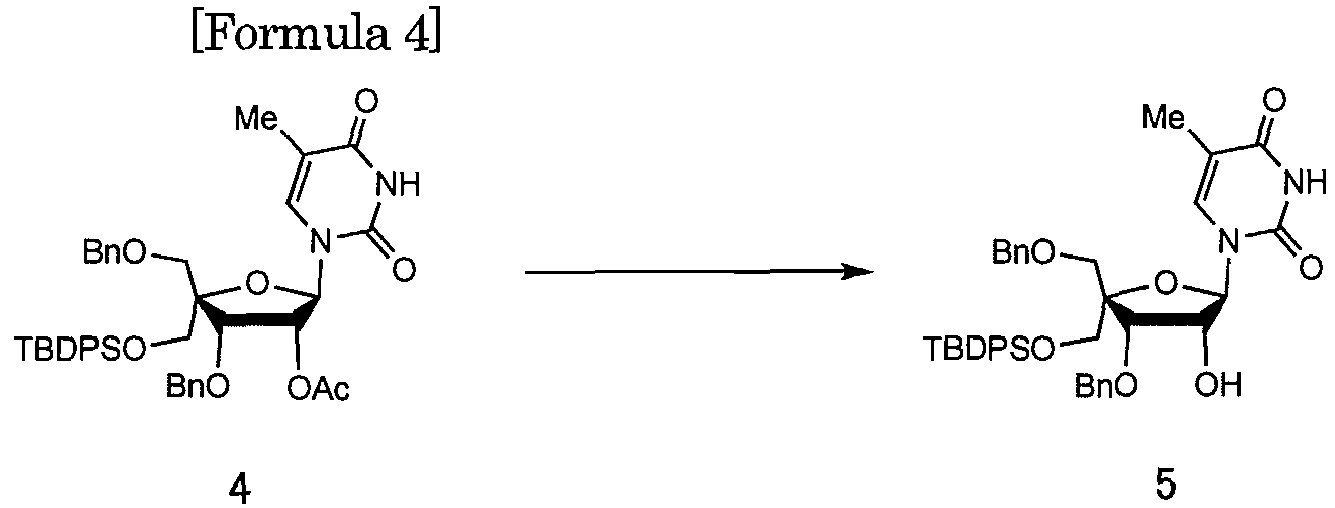
- A 40% (v/v) methylamine solution (1.1 mL, 13 mmol) was added to a tetrahydrofuran solution (2.4 mL) of compound 4 (326 mg, 0.435 mmol) obtained in (2) above, and stirred for 30 minutes at room temperature. After distilling off the solvent, the solution was extracted with ethyl acetate, and the organic layer was dried over anhydrous sodium sulfate. After distilling off the solvent, the obtained crude product was purified by flash column chromatography (n-hexane:ethyl acetate = 1:1 (v/v)), thus giving compound 5 (312 mg, yield 100%) as white amorphous.
- The physical property data of the obtained compound 5 was as follows: melting point:61-63°C; [α]D 25 -12.2 (c 0.750, CHCl3) ; IR (KBr): 3403, 3175, 1688, 1468, 1272, 1113 cm-1 ; 1H-NMR (270MHz, CDCl3) : δ1.06 (9H, s), 1.60 (3H, s), 3.54, 3.63 (2H, AB, J = 10.5 Hz), 3.64 (1H, d, J = 10.8 Hz), 3.73, 3.83 (2H, AB, J =10.5 Hz), 4.31 (1H, d, J = 4.9 Hz,) 4.41 (1H, ddd, J = 4.9 Hz, 4.9 Hz, 10.8 Hz), 4.50 (2H,s), 4.67, 4.73 (2H, AB, J = 11.1 Hz), 5.95 (1H, d, J = 4.9 Hz), 7.21-7.66 (20H, m), 8.12 (1H,s) ; 13C-NMR (67.80MHz, CDCl3) : δ12.1, 19.1, 26.8, 64.2, 72.2, 73.8, 74.2, 74.5, 77.2, 78.5, 88.1, 90.9, 110.9, 127.7, 127.8, 127.9, 128.0, 128.1, 128.2, 128.6, 130.0, 132.2, 132.2, 135.6, 135.7, 136.5, 137.2, 150.3, 163.4;MS(FAB): m/z 707 (MH+). calculated C41H46N2O7Si: C, 69.66; H, 6.56; N, 3.96. measured C, 69.59; H, 6.59; N, 3.93.
-

- Under a nitrogen stream, dimethylaminopyridine (181 mg, 1.48 mmol) was added to a dichloromethane solution (7 mL) of compound 5 (262 mg, 0.37 mmol) obtained in (3) above. Trifluoromethanesulfonyl chloride (0.12 mL, 1.11 mmol) was added under ice-cooling, the temperature was gradually increased to room temperature, and then the solution was stirred for 1 hour. Saturated sodium bicarbonate water was added, the solution was extracted with dichloromethane, and the organic layer was washed with saturated brine and then dried over anhydrous sodium sulfate. After distilling off the solvent, compound 6 (248 mg, yield 97%) was obtained as white amorphous.
- The physical property data of the obtained compound 6 was as follows: melting point: 51-54°C; [α]D 26 -33.5 (c 1.000, CHCl3); IR (KBr): 1667, 1650, 1563, 1482, 1112 cm-1; 1H-NMR (300MHz, CDCl3) : δ1.03 (9H, s), 1.99 (3H, s), 3.29, 3.34 (2H, AB, J = 10.8 Hz), 3.68, 3.82 (2H, AB, J = 10.5 Hz), 4.31 (1H, d, J =3.9 Hz), 4.32, 4.38 (2H, AB, J =12 Hz), 4.60, 4.81 (2H, AB, J = 11.4 Hz), 5.50 (1H, dd, J =6.3, 3.9 Hz), 6.23 (1H, d, J = 6.3 Hz), 7.08-7.66 (21H, m) ; 13C-NMR (75.45MHz, CDCl3): δ14.0, 18.9, 26.7, 64.0, 69.4, 73.4, 84.0, 87.1, 88.7, 89.9, 119.0, 127.4, 127.6, 127.7, 127.8, 128.1, 128.3, 128.4, 128.5, 129.8, 129.8, 130.1, 131.9, 132.3, 135.3, 135.5, 136.4, 137.0, 159.2, 172.3 ; MS(FAB): m/z 689 (MH+), calculated C41H44N2O6Si: C, 71.48; H, 6.44; N, 4.07. measured C, 71.38; H, 6.49; N, 4.08.
-

- A 1 N aqueous sodium hydroxide solution (1.90 mL) was added to a tetrahydrofuran solution (11 mL) of compound 6 (510 mg, 0.74 mmol) obtained in (4) above, and stirred for 11.5 hours at room temperature. After neutralization with an aqueous ammonium chloride solution, the solvent was distilled off, the solution was extracted with dichloromethane, and the organic layer was washed with saturated sodium bicarbonate water and then dried over anhydrous sodium sulfate. After distilling off the solvent, the obtained crude product was purified by flash column chromatography (n-hexane:ethyl acetate = 1:1 (v/v)), thus giving compound 7 (524 mg, yield 100%) as white amorphous.
- The physical property data of the obtained compound 7 was as follows: : melting point: 67-70°C; [α]D 26 +24.5 (c 0.840, CHCl3); IR (KBr): 3347, 3184, 1690, 1471 cm-1; 1H-NMR (270MHz, CDCl3) : δ1.02 (9H, s), 1.65 (3H, s), 3.48, 3.70 (2H, AB, J = 10.3 Hz), 3.50 (1H, d, J = 7.0 Hz), 3.62, 3.76 (2H, AB, J =10.8 Hz), 4.22 (1H, d, J = 7.0 Hz,) 4.51, 4.78 (2H, AB, J = 7.6 Hz), 4.54 (1H, d, J =11.6 Hz), 4.69 (1H, ddd, J = 5.1, 7.0, 7.6 Hz), 6.15 (1H, d, J = 5.1 Hz), 7.29-7.64 (20H, m), 8.10 (1H,s); 13C-NMR (67.80MHz, CDCl3): δ12.0, 18.8, 26.5, 63.9, 69.7, 72.6, 73.6, 75.3, 81.9, 85.3, 85.5, 109.5, 127.5, 127.6, 127.8, 128.0, 128.2, 128.5, 129.5, 129.6, 132.4, 135.4, 135.5, 136.8, 137.2, 137.9, 151.1, 164.3 ; MS(FAB): m/z 707 (MH+), calculated C41H46N2O7Si: C, 69.66; H, 6.56; N, 3.96. measured C, 69.42; H, 6.54; N, 3.97.
-

- Under a nitrogen stream, pyridine (1.65 mL, 20.5 mmol) and trifluoromethanesulfonic anhydride (1.37 mL, 8.20 mmol) were added to a dichloromethane solution (40 mL) of compound 7 (2.86 g, 4.10 mmol) obtained in (5) above under ice-cooling, and stirred for 1 hour under ice-cooling conditions. After the acid anhydride was decomposed by adding water, the solution was extracted with dichloromethane, and the organic layer was dried over anhydrous sodium sulfate. After distilling off the solvent, the obtained crude product was obtained as yellow oil, and briefly purified by flush column chromatography (n-hexane:ethyl acetate = 3:1 → 2:1 (v/v)), thus giving a crude product of
compound 8 as pale yellow amorphous. - Next, under a nitrogen stream, sodium azide (0.23 g, 3.60 mmol) was added to a dimethylformamide solution (80 mL) of compound 8 (1.96 g, 2.34 mmol) and stirred. After 48 hours, the solvent was distilled off, water was added, the solution was extracted with dichloromethane, and the organic layer was washed with saturated brine and then dried over anhydrous sodium sulfate. After distilling off the solvent, the obtained crude product was purified by flash column chromatography (n-hexane:ethyl acetate = 3:1), thus giving compound 9 (1.71 g, yield 100%) as white amorphous.
- The physical property data of the obtained compound 9 was as follows: melting point: 53-56°C; [α]D 27 -32.7 (c 0.840, CHCl3); IR (KBr): 3175, 2109, 1686, 1268, 1111 cm-1; 1H-NMR (300MHz, CDCl3) : δ0.99 (9H, s), 1.58 (3H, s), 3.63, 3.69 (2H, AB, J = 10.5 Hz), 3.69, 3.91 (2H, AB, J = 10.5 Hz), 3.91 (1H, dd, J = 7.2 Hz, 5.4 Hz), 4.23 (1H, d, J = 5.4 Hz), 4.47, 4.53 (2H, AB, J = 11.4 Hz), 4.57, 4.75 (2H, AB, J = 11.4 Hz), 6.03 (1H, d, J = 7.2 Hz), 7.23-7.60 (20H, m), 8.70 (1H,s); 13C-NMR (75.45MHz, CDCl3): 812.1, 19.1, 26.9, 64.0, 64.6, 72.4, 73.8, 74.6, 79.5, 85.2, 87.9, 111.3, 127.7, 127.7, 127.8, 128.0, 128.2, 128.4, 128.7, 129.7, 129.9, 132.5, 132.8, 135.1, 135.5, 135.7, 136.8, 136.9, 150.2, 163.4; MS(FAB): m/z 732 (MH+), calculated C41H45N5O6Si: C, 67.28; H, 6.20; N, 9.57. measured C, 67.25; H, 6.27; N, 9.45.
-

- Under a nitrogen stream, a tetrahydrofuran solution (2.20 mL, 2.20 mmol) of 1 N tetrabutylammonium fluoride was added to a tetrahydrofuran solution (30 mL) of compound 9 (1.10 g, 1.50 mmol) obtained in (6) above, and stirred for 12.5 hours. After distilling off the solvent, water and ethyl acetate were added in sequence, and the organic layer was dried over anhydrous sodium sulfate. After distilling off the solvent, the crude product was purified by flash column chromatography (hexane:ethyl acetate = 10:1 (v/v) → ethyl acetate only), thus giving compound 10 (682.2 mg, yield 92%) as oil.
- The physical property data of the obtained
compound 10 was as follows: - melting point 41-45°C; [α]D 25 +13.3 (c 0.950, CHCl3); IR (KBr): 3435, 2113, 1694, 1459, 1268, 1097 cm-1; 1H-NMR (300MHz, CDCl3): δ1.63 (3H, s), 2.09 (1H, br), 3.73 (1H, s), 4.04 (1H, t, J = 6.3 Hz), 4.39 (1H, d, J = 6.3 Hz), 4.51, 4.55 (2H, AB, J = 10.2 Hz), 4.56, 4.91 (2H, AB, J = 11.4 Hz), 6.18 (1H, d, J = 6.3 Hz), 7.26-7.44 (10H, m), 8.50 (1H,s) ; 13C-NMR (75.45Hz, CDCl3) : δ12.2, 63.4, 64.9, 71.8, 73.8, 74.8, 79.4, 86.4, 87.5, 111.5, 127.7, 128.2, 128.2, 128.6, 128.7, 128.8, 135.2, 136.5, 137.0, 150.3, 163.5; MS(FAB): m/z 494 (MH+), high resolution MS(FAB): calculated C25H28N5O6 (MH+): 494.2040. measured 494.2045.
-

- Under a nitrogen stream, powder
molecular sieves 4 Å (0.31 g) and pyridinium dichromate (1.50 g, 4.00 mmol) were added in sequence to a dimethylformamide suspension (3.1 mL) of compound 10 (0.20 g, 0.40 mmol) obtained in (7) above, and stirred under room temperature conditions. After 4.5 hours, water was added and stirred for several minutes, and then acetic acid (2 mL) was added and further stirred for 1 hour. After the suspension was diluted with ethyl acetate, filtered through celite, and extracted with ethyl acetate. The organic layer was washed with a 0.4 M aqueous oxalic acid solution (30 mL) and a 0.3 M aqueous ammonium oxalate solution (30 mL), and then dried over anhydrous sodium sulfate. After distilling off the solvent, compound 11 (0.20 g, yield 100%) was obtained as a pale yellow solid. - The physical property data of the obtained
compound 11 was as follows: 1H-NMR (300MHz, CDCl3): δ1.64 (3H, s), 3.83 (1H, dd, J = 8.4, 5.4 Hz), 3.84, 4.12 (2H, AB, J = 10.5 Hz), 4.45 (1H, d, J = 5.4 Hz), 4.59, 4.65 (2H, AB, J = 11.4 Hz), 4.75, 4.82 (2H, AB, J = 10.5 Hz), 5.89 (1H, br), 6.54 (1H, d, J = 8.4 Hz), 7.28-7.44 (10H, m), 7.99 (1H, s), 9.31 (1H, br); MS(FAB): m/z 508 (MH+), high resolution MS(FAB): calculated C25H25N5O7 (MH+): 508.1832. measured 508.1825. -

- Compound 11 (389.7 mg, 0.77 mmol) obtained in (8) above was dissolved in a mixed solution (0.8 mL) of water:tetrahydrofuran = 1:3, and tributyl phosphine (0.96 mL, 3.85 mmol) was added and stirred at room temperature. After 3.5 hours, the product from which the solvent had been distilled off was dissolved in methanol and washed with hexane. After distilling off the solvent, a crude product (380 mg) of
compound 12 was obtained as oil, and used for the subsequent ring-closing reaction. - Under a nitrogen stream, 1-ethyl-3-(3-dimethylaminopropyl)carbodiimide hydrochloride (221 mg, 1.16 mmol) was added to a DMF solution (11 mL) of
compound 12 under ice-cooling, and stirred for 21.5 hours at room temperature. After distilling off the solvent, the solution was extracted with ethyl acetate, and the organic layer was dried over anhydrous sodium sulfate. After distilling off the solvent, the crude product was purified by column chromatography (hexane:ethyl acetate = 5:1 (v/v) → ethyl acetate only), thus giving compound 13 (191.3 mg, yield 53.6%) as oil. - The physical property data of the obtained
compound 13 was as follows: [α]D 25 +62.1 (c 0.400, CHCl3); IR (KBr): 3186, 1692, 1469, 1455, 1272, 1112 cm-1; 1H-NMR (300MHz, CDCl3): δ1.61 (3H, s), 3.96, 4.11 (2H, AB, J = 11.4 Hz), 4.13 (1H, s), 4.22 (1H, s), 4.56 (2H, s), 4.60, 4.67 (2H, AB, J = 11.4 Hz), 5.45 (1H, s), 6.58 (1H, br), 7.21-7.56 (10H, m), 7.57 (1H, s), 9.24 (1H, br) ; 13C-NMR (67.80Hz, CDCl3): 12.3, 58.4, 63.0, 72.4, 74.0, 78.3, 86.2, 86.6, 110.9, 127.8, 127.8, 128.1, 128.3, 128.5, 128.6, 135.1, 136.2, 137.4, 142.0, 150.5, 163.8, 174.3 ; MS(FAB): m/z 464 (MH+). -


- Under a nitrogen stream, 20% (v/v) palladium hydroxide on carbon (100 mg) was added to 2.2 mL of a tetrahydrofuran solution of compound 13 (101 mg, 0.22 mmol) obtained in (9) above, and stirred for 3 hours. The compound was hot-filtered and washed with hot methanol (150 mL), and then the solvent was distilled off, thus giving a crude product. Recrystallization was carried out using methanol, thus giving compound 14 (57.2 mg, yield 93%) as white solids.
- The physical property data of the obtained
compound 14 was as follows: [α]D 25 +31.6 (c 0.700, CH3OH) ; IR (KBr): 3255, 2925, 2852, 1692, 1466, 1231, 1065 cm-1; 1H-NMR (300MHz, CD3OD): δ1.89 (3H, s), 3.88, 4.04 (2H, AB, J = 12.9 Hz), 4.12 (1H, s), 4.30 (1H, s), 5.38 (1H, s), 7.86 (1H, s). -

- Under a nitrogen stream, 4,4'-dimethoxytrityl chloride (48.8 mg, 0.14 mmol) was added to 0.8 mL of an anhydrous pyridine solution of compound 14 (27.3 mg, 0.10 mmol) obtained in (10) above, and stirred for 3 hours. After saturated sodium bicarbonate water was added and stirred for several minutes and the solvent was distilled off, the solution was extracted with saturated sodium bicarbonate water/ethyl acetate, and the organic layer was recovered and dried over anhydrous sodium sulfate. After distilling off the solvent, the crude product was purified by flash column chromatography (n-hexane:ethyl acetate = 10:1 (v/v) → ethyl acetate only), thus giving compound 15 (47.6 mg, yield 85%) as white foam.
- The physical property data of the obtained
compound 15 was as follows: melting point: 79-81°C; IR (KBr): 3342, 3063, 2928, 1690, 1509, 1270, 1253,1177, 1035 cm-1; 1H-NMR (300MHz, CDCl3): δ1.66 (3H, s), 3.61, 3.92 (2H, AB, J = 12.8 Hz), 3.78 (6H, s), 4.26 (1H, s), 4.46 (1H, s), 5.42 (1H, s), 6.86-7.45 (13H, m), 7.78 (1H,s); MS(FAB): m/z 586 (MH+). -

- Under a nitrogen stream, N,N-diisopropylammoniumtetrazolide (22.2 mg, 0.13 mmol) and 2-cyanoethyl N,N,N',N'-tetraisopropylphosphorodiamidite (54.0 µL, 0.17 mmol) were added to 2.0 mL of an anhydrous acetonitrile-tetrahydrofuran solution (3:1 (v/v)) of compound 15 (100 mg, 0.17 mmol) obtained in (11) above, and stirred. After 1.5 hours, saturated sodium bicarbonate water was added and stirred for several minutes, then the solution was extracted with water/ethyl acetate, and the organic layer was recovered and dried over anhydrous sodium sulfate. After distilling off the solvent, the organic layer was purified by flash column chromatography (dichloromethane:methanol:triethylamine = 50:1:1 (v/v/v)). The obtained crude product was dissolved in n-hexane and reprecipitated by addition of dichloromethane, thus giving compound 16 (29.4 mg, 22%) as white powder.
- The physical property data of the obtained
compound 16 was as follows: melting point: 110-112°C (CH2Cl2); 31P-NMR (202.35MHz, CDCl3): δ149.74, 150.12; MS(FAB): m/z 786 (MH+), high resolution MS(FAB): calculated C41H49N5O9 (MH+): 786.3268. measured 786.3266. - The base sequence (SEQ ID NO. 1: coding region, 2079 bases) of the human PCSK9 gene was obtained from GenBank (accession number: NM_174936). This base sequence was analyzed by computer software from the following 4 viewpoints, and the base sequence of a region that is suitable as a target of the oligonucleotide was selected.
- (1) The folding of the mouse PCSK9 mRNA was calculated using mFold software (M. Zuker, Nucleic Acids Res., 2003, vol. 31, pp. 3406-3415). For the ease of oligonucleotide binding, a region where a stem loop structure is unlikely to be formed on the mRNA was selected.
- (2) The base sequences of the human and mouse PCSK9 genes were compared using JustBio software (URL:http://www.justbio.com/). A region where the human and mouse base sequences are identical was selected such that application to a human is possible based on the evaluation results from the mouse.
- (3) A region with a large GC content was selected such that a high level of thermal stability was attained when a double-strand nucleic acid was formed from the oligonucleotide and the target.
- (4) Whether a base sequence that is similar to the base sequence of the target region was present or not in another region of the genome was determined using Blast software (S. F. Altschul et al., J. Mol. Biol., 1990, vol. 215, pp. 403-410). A region composed of a base sequence with low similarity to the base sequences of other regions of the genome was selected so as not to allow the oligonucleotide to bind to other mRNAs.
- Target regions of the oligonucleotide most suitable in regard to the 4 conditions above were selected (SEQ ID NOS. 3 to 18), and oligonucleotides composed of complementary base sequences were designed (Tables 1-1 and 1-2). In Table 1-1, the term "PS backbone" refers to a structure in which the oxygen atom of the phosphate group in the phosphodiester linkage is replaced by a sulfur atom (the group corresponding to the phosphate group is referred to as a phosphorothioate group). Herein, an oligonucleotide in which all phosphate groups of an oligonucleotide are replaced by phosphorothioate groups is particularly referred to as an S-oligonucleotide.
The oligonucleotides in Table 1-1 are all S-oligonucleotides. -
[Table 1-1] Oligonucleotide name Base sequence of oligonucleotide Target region in PCSK9 gene PCSK9-0-S 5'-gggctcatagcacattatcc-3' 2606-2625 PCSK9-0-BNA 5'-GggCTCatagcaCaTTaTCc-3' PCSK9-1-S 5'-ccaggcctatgagggtgccg-3' 786-805 (SEQ ID NO. 3) PCSK9-1-BNA 5'-CCaggCCTaTgagggTgCCg-3' PCSK9-1-BNA-3C 5'-CCaggCCTaTgagggTgCCg-Ch-3' (Ch:cholesterol modified) PCSK9-1-NC 5'-CCaggCCTaTgagggTgCCg-3' PCSK9-1-BNA-13 5'-CCtatgagggTGC-3' 788-800 (SEQ ID NO. 4) PCSK9-2-S 5'-gcatcccggccgctgaccac-3' 697-716 (SEQ ID NO. 5) PCSK9-2-BNA 5'-gCaTCCCggccgCTgaCCac-3' PCSK9-2-NC 5'-gCaTCCCggccgC7'gaCCac-3' PCSK9-2-BNA-13 5'-CCggccgctgACC-3' 699-711 (SEQ ID NO. 6) PCSK9-3-S 5'-gctggggagtagaggcaggc-3' 964-983 (SEQ ID NO. 7) PCSK9-3-BNA 5'-gCTGgggagTAgAggCAgGc-3' PCSK9-3-BNA-13 5'-AGtagaggcaGGC-3' 964-976 (SEQ ID NO. 8) PCSK9-4-S 5'-gccacgtgggcagcagcctg-3' 1159-1178 (SEQ ID NO. 9) PCSK9-4-BNA 5'-gCCaCgTgggcagCAgCCTg-3' PCSK9-4-BNA(T,C) 5'-gCCaCgTgggcagCagCCTg-3' PCSK9-4-NC(T,C) 5'-gCCaCgTgggcagCagCCTg-3' PCSK9-4-i-BNA 5'-gCCaCgtgggcagcagCCTg-3' PCSK9-4-ii-BNA 5'-CgTgggcagCagCCTg-3' 1159-1174 (SEQ ID NO. 10) PCSK9-4-ii-BNA-A 5-CgTgggcagcagCCTg-3' PCSK9-4-ii-NC-A 5'-CgTgggcagcagCCTg-3' PCSK9-4-ii-CON-A 5'-CgTgggcagcagCCTg-3' PCSK9-4-iii-BNA 5'-CgTgggcagCagCC-3' 1161-1174 (SEQ ID NO. 11) PCSK9-4-iii-BNA-A 5'-CgTgggcagcagCC-3' PCSK9-4-BNA-13 5'-ACgtgggcagCAG-3' 1163-1175 (SEQ ID NO. 12) PCSK9-5-S 5'-ggtcctcagggaaccaggcc-3' 1278-1297 (SEQ ID NO. 13) PCSK9-5-BNA 5'-ggTCCTCagggaaCCAggCc-3' PCSK9-5-BNA(T,C) 5'-ggTCCTCagggaaCCaggCc-3' PCSK9-5-NC(T,C) 5'-ggTCCTCagggaaCCaggCc-3' PCSK9-6-S 5'-gccaccaggttgggggtcag-3' 1306-1325 (SEQ ID NO. 14) PCSK9-6-BNA 5'-gCCaCCaggTTgggggTCAg-3' PCSK9-6-BNA(T,C) 5'-gCCaCCaggTTgggggTCag-3' PCSK9-6-NC(T,C) 5'-gCCaCCaggTTgggggTCag-3' PCSK9-7-S 5'-ctggagcagctcagcagctc-3' 1444-1463 (SEQ ID NO. 15) PCSK9-7-BNA 5'-CTgGagcagCTCagCagCTc-3' PCSK9-7-BNA(T,C) 5'-CTggagcagCTCagCagCTc-3' PCSK9-7-NC(T,C) 5'-CTggagcagCTCagCagCTc-3' PCSK9-8-S 5'-tagacaccctcacccccaaa-3' 1543-1562 (SEQ ID NO. 16) PCSK9-8-BNA 5'-TagaCaCCCTcacccCCaAa-3' PCSK9-8-BNA(T,C) 5'-TagaCaCCCTcacccCCaaa-3' PCSK9-8-NC(T,C) 5'-TagaCaCCCTcacccCCaaa-3' PCSK9-9-S 5'-cctggggcatggcagcagga-3' 1795-1814 (SEQ ID NO. 17) PCSK9-9-BNA 5'-CCTggggcaTggCAgCAgGa-3' PCSK9-10-S 5'-gccggctccggcagcagatg-3' 2028-2047 (SEQ ID NO. 18) PCSK9-10-BNA 5'-gCCggCTCCggcagCagATg-3' PCSK9-10-BNA(T,C) 5'-gCCggCTCCggcagCagaTg-3' PCSK9-10-NC(T,C) 5'-gCCggCTCCggcagCagaTg-3' all PS backbone, italicized upper-case character: NC, underlined upper-case character:
CON, upper-case character: BNA, lower-case character: DNA -
[Table 1-2] Oligonucleotide name Base sequence of oligonucleotide Target region in PCSK9 gene PCSK9-4-ii-BNA-A2 5'-CgTgsgsgscsasgscsasgsCCTg-3' 1159-1174(SEQ ID NO. 10) PCSK9-4-ii-NC-A2 5'-CgTgsgsgscsasgscsasgsCCTg-3' s:phosphorothioate group, italicized upper-case character: NC, upper-case character: BNA, lower-case character: DNA - BNA monomers (amidites) were synthesized by the methods described in
Non Patent Literatures 3 to 7. NC monomers (amidites) were synthesized by the methods described inNon Patent Literatures 8 to 11. Using these and the CON monomer (amidite) synthesized in Example 1 as a monomer for DNA synthesis, 1 to 100 mg (in vivo grade) of oligonucleotides were synthesized as necessary by a DNA synthesizer, and subjected to HPLC purification and lyophilization treatment. The purity and structure of each obtained oligonucleotide were confirmed by HPLC and MALDI-TOF-MS. - As shown in Tables 1-1 and 1-2, the synthesized oligonucleotides (PCSK9 oligonucleotides) were S-oligonucleotides not containing any sugar-modified nucleoside (DNA-oligonucleotides: PCSK9-1-S and the like), oligonucleotides containing a BNA-nucleoside (BNA-oligonucleotides: PCSK9-1-BNA and the like), oligonucleotides containing an NC-nucleoside (NC-oligonucleotides: PCSK9-1-NC and the like), and oligonucleotides containing a CON-nucleoside (CON-oligonucleotides: PCSK9-4-ii-CON-A and the like).
- According to a technique of introducing cholesterol as an amidite, oligonucleotide PCSK9-1-BNA-3C was synthesized in large quantities, thus giving 10 mg of an oligonucleotide.
- 1 nmol of an oligonucleotide was mixed with 10 µL FBS (fetal bovine serum), and sterilized water was added to the mixture so as to reach 20 µL. After this solution was incubated at 37°C for a predetermined period of time, 13 µL of formamide was added such that the final formamide concentration was 40%, and the nucleases in FBS were deactivated. This sample was stored at -80°C until HPLC analysis. For HPLC analysis, 400 µL of buffer A (25 mM Tris-HCl, 0.5% CH3CN, pH 7.0) was added to this sample such that the final formamide concentration was 3%, and the mixture after being filtered twice with a 4 mm Millex (registered trademark)-HV Syringe Driven Filter Unit (pore size of 0.45 µm; manufactured by Millipore) was used as an HPLC analysis sample. The JASCO LC-2000 Plus series (manufactured by Jasco Corporation) was used for HPLC, and TSK-GEL (registered trademark) DNA-NPR (manufactured by Tosoh Corporation) was used as an HPLC column. Buffer A (25 mM Tris-HCl, 0.5% CH3CN, pH 7.0) and buffer B (25 mM Tris-HCl, 0.5% CH3CN, 1 M NH4Cl, pH 7.0) were used. For the first 10 minutes, A was 100% and B was 0%, then for the next 45 minutes, the concentrations were changed from A being 100% and B being 0% to A being 50% and B being 50%, and for the next 10 minutes, A was 0% and B was 100%. The wavelength for detection by the above-described HPLC analysis was 260 nm. The HPLC peak area corresponding to the oligonucleotide was measured both before mixing with FBS and 120 minutes after mixing with FBS, and from the ratio of these areas, the percentage of
oligonucleotide 120 minutes after mixing with FBS [% (120 min)] was obtained. Tables 2 and 3 show the results. -
[Table 2] n 0 1 2 3 4 5 6 7 8 9 10 % (120 min.) of PCSK9-n-S 12 27.6 45.9 37 47.9 44.5 25.2 29.3 42.6 36.6 34.9 % (120 min.) of PCSK9-n-BNA 65.2 65.9 46 48.6 55.3 60.1 70.5 60.7 61.6 64.8 54.8 Ratio* 5.43 2.39 1 1.31 1.15 1.35 2.8 2.07 1.45 1.77 1.57 *Ratio = [% (120 min.) of PCSK9-n-BNA]/[% (120 min.) of PCSK9-n-S] -
[Table 3] Oligonucleotide name PCSK9 -1-BNA PCSK9 -1-NC PCSK9 -1-BNA-3C PCSK9 -2-BNA PCSK9 -2-NC PCSK9 -4-BNA PCSK9 -4-BNA (T,C) PCSK9 -4-NC (T,C) PCSK9 -4-i-BNA PCSK9 -4-ii-BNA PCSK9 -4-ii-BNA-A PCSK9 -4-iii-BNA % (120 min.) 65.9 66 68.1 46 75.3 55.3 61.4 63.7 34.5 39.9 31.8 35.8 Oligonucleotide name PCSK9 -4-iii-BNA-A PCSK9 -5-BNA PCSK9 -5-NC (T,C) PCSK9 -6-BNA PCSK9 -6-NC (T,C) PCSK9 -7-BNA PCSK9 -7-NC (T,C) PCSK9 -8-BNA PCSK9 -8-NC (T,C) PCSK9 -10-BNA PCSK9 -10-NC (T,C) % (120 min.) 29.9 60.1 63.7 70.5 70.7 60.7 66.2 61.6 87.9 54.8 59.7 - As is clear from Tables 2 and 3, the percentages of the BNA-
oligonucleotides 120 minutes after mixing with FBS [% (120 minutes)] were markedly higher than those of the DNA-oligonucleotides. Also, the percentages of the NC-oligonucleotides 120 minutes after mixing with FBS [% (120 minutes)] were higher than those of the BNA-oligonucleotides. Accordingly, it was found that the NC-oligonucleotides have the highest resistance to nucleases present in the serum. Moreover, it was found that regarding the BNA-oligonucleotides with the same length, the larger the number of BNA-nucleosides, the higher the nuclease resistance. Regarding the BNA-oligonucleotides with the same number of BNA-nucleosides, there was no correlation between the oligonucleotide length and the nuclease resistance. Accordingly, it was found that the number of BNA-nucleosides is more relevant to the nuclease resistance than the length of BNA-oligonucleotide. - Equimolar amounts of an oligonucleotide and a target RNA were mixed in a buffer (8.1 mM Na2HPO4, 2.68 mM KCl, 1.47 mM KH2PO4, pH 7.2), and heated at 95°C for 5 minutes and then annealed to room temperature, thus forming a double-strand nucleic acid. The thermal stability of this double-strand nucleic acid was analyzed using a Peltier UV melting apparatus of a UV/Vis spectrophotometer DU800 (manufactured by Beckman). The temperature of the double-strand nucleic acid was increased from 20°C to 95°C at a rate of 0.5 °C/min, and the change of the absorbance (A) at 260 nm caused by the increase in the temperature (T) was measured. The concentration of the double-strand nucleic acid was set at 1 µM, and the optical path length of the cell was set at 1 cm. A graph showing dA/dT vs T was drawn from the results of this measurement, and the temperature at which the value of dA/dT was largest, i.e., the temperature at which the change of A caused by T was largest, was regarded as the Tm of the double-strand nucleic acid and used as an indicator of the thermal stability of the double-strand nucleic acid. Tables 4 and 5 show the results.
-
[Table 4] n 0 1 2 3 4 5 6 7 8 9 10 Tm (°C) of PCSK9-n-S 37 49.6 57.5 47.2 51.8 50.4 51.3 47.2 54.6 50.4 53.9 Tm (C°) of PCSK9-n-BNA 72.1 83.2 94.1 83 94 84 85.5 78.6 85.6 81.2 87.7 Tm (°C)* 35.1 33.6 36.6 35.8 42.2 33.6 34.2 31.4 31 30.8 33.8 * Tm (°C) = [Tm (°C) of PCSK9-n-BNA] - [Tm (°C) of PCSK9-n-S] -
[Table 5] Oligonucleotide name PCSK9 -1-BNA PCSK9 -1-N C PCSK9 -1-BNA-3C PCSK9 -2-BNA PCSK9 -2-NC PCSK9 -4-BNA PCSK9 -4-BNA (T,C) PCSK9 -4-NC (T,C) PCSK9 -4-i-BNA PCSK9 -4-ii-BNA POSK9 -4-ii-BNA-A PCSK9 -4-iii-BNA Tm(°C) 83.2 86 84.9 94.1 94.4 94 87.6 88.6 74.7 71.9 65.1 64.3 Oligonucleotide name PCSK9 -4-iii-BNA-A PCSK9 -5-BNA PCSK9 -5-NC (T,C) PCSK9 -6-BNA PCSK9 -6-NC (T,C) PCSK9 -7-BNA PCSK9 -7-NC (T,C) PCSK9 -8-BNA PCSK9 -8-NC (T,C) PCSK9 -10-BNA PCSK9 -10-NC (T,C) Tm(°C) 54 84 83.3 85.5 87.7 78.6 77.1 85.6 90.1 87.7 94.2 - As is clear from Tables 4 and 5, in many cases, the double-strand nucleic acids composed of BNA-oligonucleotides and target RNAs had Tm at least 30°C higher than the double-strand nucleic acids composed of DNA-oligonucleotides and target RNAs. Accordingly, it was found that the double-strand nucleic acids composed of BNA-oligonucleotides and target RNAs have a higher structural stability than the double-strand nucleic acids composed of DNA-ohgonucleotides and target RNAs. Also, the double-strand nucleic acids composed of BNA-oligonucleotides and target RNAs and the double-strand nucleic acids composed of NC-oligonucleotides and target RNAs had nearly the same Tm. Accordingly, it was found that the double-strand nucleic acids composed of BNA-oligonucleotides and target RNAs and the double-strand nucleic acids composed of NC-oligonucleotides and target RNAs had nearly the same structural stability. Moreover, regarding the double-strand nucleic acids composed of target RNAs and BNA-oligonucleotides with the same length, the larger the number of BNA-nucleosides, the higher the Tm. Regarding the double-strand nucleic acids composed of target RNAs and BNA-oligonucleotides with the same number of BNA-nucleosides, the larger the oligonucleotide length, the higher the Tm. Accordingly, it was found that the number of BNA nucleosides and the length of BNA-oligonucleotide both contribute to the structural stability of the double-strand nucleic acids composed of BNA-oligonucleotides and target RNAs.
- The 5'-end of the target RNA was labeled with γ-32P. Specifically, 10 pmol of RNA and [γ-32P]ATP equivalent to 10 pmol (manufactured by PerkinElmer) were reacted using a T4 polynucleotide kinase (manufactured by Toyobo Co., Ltd.). The product containing the [γ-32P]-labeled RNA after the reaction was purified by a spin column to remove the unreacted [γ-32P]ATP 1µL of 10 µM complementary-strand oligonucleotide was added to the purified [γ-32P]-labeled RNA, and the mixture was heated at 95°C for 5 minutes and then annealed to room temperature, thus forming a double-strand nucleic acid.
- Next, 1 µL of the [γ-32P]-labeled double-strand nucleic acid was mixed with 9 µL of a reaction buffer (40 mM Tris-HCl, 4 mM MgCl2, 1 mM DTT, 4% glycerol, 0.003% BSA). 1 µL was collected from the mixture, and 9 µL of a stop solution (0.05 M EDTA, 80% formamide, BPB) was added to give an RNase H-untreated sample. 0.6 equivalents of RNase H (0.0006 units) was added to the remaining 9 µL of the reaction solution and incubated at 37°C for 5 minutes. 1 µL was collected therefrom, and 9 µL of a stop solution was added to give an RNase H-untreated sample. These samples were stored at -20°C until electrophoresis analysis. Electrophoresis of the samples was carried out at 300 V for 120 minutes using 20% denatured polyacrylamide gel containing 6 M urea. Electrophoresis was carried out at 4°C for a double-strand nucleic acid composed of a DNA-oligonucleotide and a target RNA, at room temperature for a double-strand nucleic acid composed of a BNA-oligonucleotide and a target RNA, and at 60°C for a double-strand nucleic acid composed of an NC-oligonucleotide and a target RNA. The gel after electrophoresis was exposed to an imaging plate and then analyzed by an image analyzer.
FIGS 1 to 5 show the results. - As is clear from
FIGS. 1 to 5 , it was found that in any case the molecular weight of the [γ-32P]-labeled RNA was decreased by addition of RNase H, and thus the [γ-32p]-labeled RNA was decomposed by RNase H occurred. Accordingly, it was found that all double-strand nucleic acids were sensitive to RNase H. - Mouse liver cell strain NMuli cells prepared so as to have 4.0×10⁵ cells/mL were seeded onto a 6-well plate in an amount of 2 mL per well, and cultured at 37°C under 5% CO2 for 24 hours. In order to achieve a final concentration of 1, 3, 10, 30, or 50 nM, 14.3 µL of Lipofectamine 2000 (manufactured by Invitrogen), 2.2 µL of a 1 µM oligonucleotide-containing solution for a final concentration of 1 nM, 6.6 µL for 3 nM, 22 µL for 10 nM, 66 µL for 30 nM, or 110 µL for 50 nM; and 533.5 µL of Opti-MEM (manufactured by Invitrogen) in the case of having a final concentration of 1 nM, 529.1 µL for 3 nM, 513.7 µL for 10 nM, 469.7 µL for 30 nM, or 425.7 µL for 50 nM were mixed. The mixed solution was incubated at room temperature for 20 minutes, and then 500 µL of the mixed solution and 1500 µL of Opti-MEM were added to each well. The culture medium was replaced 4 hours after oligonucleotide addition. Cells were collected after an additional 20 hours and disrupted by ISOGEN (manufactured by Nippon Gene Co., Ltd.), and total RNA was extracted from the collected cells. The concentration of the extracted total RNA was quantified by a spectrophotometer, and the RNA length was analyzed by agarose gel electrophoresis.
- 1 µL of 0.5 µg/µL oligo dT (5'-TTTTTTTTTTTTTTTTTT-3') and 1 µL of 10 mM dNTP were added to the total RNA prepared so as to have 4 µg/10 µL. The mixture was incubated at 65°C for 5 minutes, and then rapidly cooled on ice. 1 µL of 40 U/µL RNase OUT (registered trademark) (manufactured by Invitrogen), 4 µL of 5× First Strand Buffer (manufactured by Invitrogen), and 2 µL of 0.1 M DTT (Wako Pure Chemical Industries, Ltd.) were added to the mixture, and the mixture was incubated at 42°C for 2 minutes. 1 µL of SuperScript II Solution (a solution in which 2 µL of 200 U/µL SuperScript II (manufactured by Invitrogen) and 6 µL of distilled water were mixed) was further added to the mixture, and the mixture was incubated at 42°C for 50 minutes to carry out a reverse transcription reaction. After the reaction, the mixture was incubated at 70°C for 15 minutes to deactivate SuperScript II. 1 µL of 2 U/µL of RNase H (manufactured by Invitrogen) was added to the mixture, and the mixture was incubated at 37°C for 20 minutes to give cDNA. Using the obtained cDNA, Fast SYBR (registered trademark) Green Master Mix (manufactured by Applied Biosystems) and SYBR (registered trademark) Green Realtime PCR Master Mix (Toyobo Co., Ltd.), real-time PCR was carried out by a Mini Opticon (registered trademark) real-time PCR analysis system (Bio-Rad Laboratories, Inc.) to quantify the PCSK9 mRNA level. In the real-time PCR, the GAPDH mRNA level of the housekeeping gene was also quantified at the same time, and the PCSK9 mRNA level relative to the GAPDH mRNA level was evaluated.
- The oligonucleotides and the primers used are as follows:
- PCSK9-0-BNA
- PCSK9 Fw primer 0:5'-TCAGTTCTGCACACCTCCAG-3' (SEQ ID NO. 19)
- PCSK9 Rv primer 0: 5'-GGGTAAGGTGCGGTAAGTCC-3' (SEQ ID NO. 20) PCSK9-1-BNA, PCSK9-2-BNA, PCSK9-1-NC, PCSK9-2-NC, PCSK9-1-BNA-3C
- PCSK9 Fw primer 1:5'-CACGCTTCCACAGACAGGCG-3' (SEQ ID NO. 21)
- PCSK9 Rv primer 1:5'-CGTTGAGGATGCGGCTATAC-3' (SEQ ID NO. 22) PCSK9-3-BNA
- PCSK9 Fw primer 2:5'-GCCGGCACCTGGCGAGGACT-3' (SEQ ID NO. 23)
- PCSK9 Rv primer 2:5'-CCACTCTGTGACATGAAGCA-3' (SEQ ID NO. 24) PCSK9-4-BNA, PCSK9-4-BNA(T,C), PCSK9-5-BNA, PCSK9-6-BNA, PCSK9-4-NC(T,C), PCSK9-5-NC(T,C), PCSK9-6-NC(T,C), PCSK9-4-i-BNA, PCSK9-4-ii-BNA, PCSK9-4-ii-BNA-A, PCSK9-4-iii-BNA, PCSK9-4-iii-BNA-A
- PCSK9 Fw primer 3:5'-GTGACTGCAGCACATGCTTC-3' (SEQ ID NO. 25)
- PCSK9 Rv primer 3: 5'-CGTCCTACAGAGCAGCTGCC-3' (SEQ ID NO. 26) PCSK9-7-BNA, PCSK9-8-BNA, PCSK9-7-NC(T,C), PCSK9-8-NC(T,C),
- PCSK9 Fw primer 4:5'-GCTCTGTAGGACGGTGTGGT-3' (SEQ ID NO. 27)
- PCSK9 Rv primer 4:5'-GGTGTTGTGGATGCTGCAGT-3' (SEQ ID NO. 28) PCSK9-9-BNA
- PCSK9 Fw primer 5:5'-CCAGAAGGACCATGTTCTCA-3' (SEQ ID NO. 29)
- PCSK9 Rv primer 5:5'-GCACATTGCATCCAGTCAGG-3' (SEQ ID NO. 30) PCSK9-10-BNA, PCSK9-10-NC(T,C)
- PCSK9 Fw primer 6:5'-GGATCTCAGGTCCTTCAGAG-3' (SEQ ID NO. 31)
- PCSK9 Rv primer 6:5'-GCCTGAGGCTGTCACTGAAC-3' (SEQ ID NO. 32)
For quantification of GAPDH - GAPDH Fw primer: 5'-GTGTGAACGGATTTGGCCGT-3' (SEQ ID NO.33)
- GAPDH Rv primer: 5'-GACAAGCTTCCCATTCTCGG-3' (SEQ ID NO.34)
-
FIGS 6 to 8 show the results of the PCSK9 mRNA expression levels obtained in the NMuli cells treated with the respective oligonucleotides.FIG. 6 shows the results in the case of BNA-oligonucleotide treatment (FIG. 6A : PCSK9-0-BNA, PCSK9-1-BNA, PCSK9-2-BNA, PCSK9-3-BNA, PCSK9-4-BNA, PCSK9-5-BNA;FIG. 6B : PCSK 9-6-BNA, PCSK9-7-BNA, PCSK9-8-BNA, PCSK9-9-BNA, PCSK9-10-BNA, PCSK9-1-BNA-3C; andFIG. 6C : PCSK9-4-BNA (T, C)), andFIGS 7 and8 show the results in the case of NC-oligonucleotide treatment (FIG. 7 : PCSK9-1-NC, PCSK9-2-NC, and PCSK9-4-NC (T, C);FIG. 8 : PCSK9-5-NC (T, C), PCSK9-6-NC (T, C), PCSK9-7-NC (T, C), PCSK9-8-NC (T, C), and PCSK9-10-NC (T, C)). As is clear fromFIGS. 6 to 8 , in the many cases of the oligonucleotide treatment, the PCSK9 mRNA expression levels were lowered in an oligonucleotide concentration-dependent manner. - Table 6 shows the results of the PCSK9 mRNA expression levels attained when treated with 50 nM PCSK9-4-BNA, PCSK9-4-i-BNA, PCSK9-4-ii-BNA, PCSK9-4-ii-BNA-A, PCSK9-4-iii-BNA, or PCSK9-4-iii-BNA-A relative to the PCSK9 mRNA expression level attained when not treated with an oligonucleotide being 1.
-
[Table 6] Oligonucleotide name PCSK9-4-BNA PCSK9-4-i-BNA PCSK9-4-ii-BNA PCSK9-4-ii-BNA-A PCSK9-4-iii-BNA PCSK9-4-iii-BNA-A Relative mRNA level 0.259 ± 0.036 0.205 ±0.043 0.189 ±0.015 0.309 ±0.046 0.290 ±0.019 0.194 ±0.076 - As is clear from Table 6, PCSK9-4-i-BNA and, among the shorter sequences, PCSK9-4-ii-BNA and PCSK9-4-iii-BNA-A demonstrated a superior PCSK9 gene expression inhibitory effect.
- The in vitro expression inhibitory effect on the PCSK9 gene by an oligonucleotide was investigated in the same manner as in Example 8 except that human hepatoma-derived cell strain Huh-7 was used in place of NMuli.
- The oligonucleotides and the primers used are as follows:
- PCSK9-1-BNA, PCSK9-1-BNA-13, PCSK9-2-BNA-13
- PCSK9 Fw primer 1:5'-CACGCTTCCACAGACAGGCG-3'(SEQ ID NO.21)
- PCSK9 Rv primer 1:5'-CGTTGAGGATGCGGCTATAC-3' (SEQ ID NO.22) PCSK9-3-BNA-13
- PCSK9 Fw primer 2:5'-GCCGGCACCTGGCGAGGACT-3' (SEQ ID NO.23)
- PCSK9 Rv primer 2:5'-CCACTCTGTGACATGAAGCA-3' (SEQ ID NO.24) PCSK9-4-BNA-13
- PCSK9 Fw primer 3:5'-GTGACTGCAGCACATGCTTC-3' (SEQ ID NO.25)
- PCSK9 Rv primer 3:5'-CGTCCTACAGAGCAGCTGCC-3' (SEQ ID NO.26)
-
FIG. 9 shows the results obtained when 50 nM oligonucleotides were used. As is clear fromFIG. 9 , it was found that short oligonucleotides (13 bases) such as PCSK9-4-BNA-13 all have a greater PCSK9 gene expression inhibitory effect than PCSK9-1-BNA (20 bases). - Five 6-week old C57BL6/J mice (male: CLEA Japan) were provided as test animals for each administration group. After 2 weeks of a high-fat load diet (F2HFD1, manufactured by Oriental Yeast Co., Ltd.), the blood was collected on
day 0, and a BNA-oligonucleotide or NC-oligonucleotide was intraperitoneally administered (10 mg/kg/time). Administration was carried out twice per week for 2 weeks to 6 weeks, during which the blood was collected several times from the caudal vein. 3 weeks or 6 weeks later, the blood was collected from the caudal vein in a fasting state. Next, the mice were anesthetized with diethyl ether and then subjected to perfusion with PBS from the superior mesenteric vein, and the liver was collected, washed with PBS, cut into small pieces, flash-frozen with liquid nitrogen, and then stored at -80°C. - The frozen liver sections were homogenized in 1 mL of TRIzol Regent (manufactured by Invitrogen), and 200 µL of chloroform was added thereto. Then, the sections were centrifuged at 13,200 rpm at 4°C for 15 minutes. 220 µL of supernatant was added to 400 µL of isopropanol, mixed by inversion, and centrifuged at 13,200 rpm at 4°C for 15 minutes, and then isopropanol was removed. Next, 800 µL of 75% ethanol was added, and then the mixture was centrifuged at 13,200 rpm at 4°C for 5 minutes. The precipitate containing total RNA was dissolved in 80 µL of RNA-free water (Water, DEPC treated, RNase tested; Nacalai Tesque, Inc.). The extracted total RNA was quantified by a spectrophotometer, and the length of the RNA was confirmed by agarose gel electrophoresis.
- cDNA was prepared from 10 µg of the total RNA using a High Capacity cDNA Reverse Transcription Kit (manufactured by Applied Biosystems). Using the obtained cDNA and Fast SYBR (registered trademark) Green Master Mix (manufactured by Applied Biosystems), real-time PCR was carried out, and the PCSK9 mRNA level was quantified. In the real-time PCR, the GAPDH mRNA level of the housekeeping gene was also quantified at the same time, and the PCSK9 mRNA level relative to the GAPDH mRNA level was evaluated.
- The oligonucleotides and the primers used are as follows:
- PCSK9-1-BNA, PCSK9-1-NC
- PCSK9 Fw primer 7: 5'-GCTCAACTGTCAAGGGAAGG-3' (SEQ ID NO.35)
- PCSK9 Rv primer 1: 5'-CGTTGAGGATGCGGCTATAC-3' (SEQ ID NO.22) PCSK9-2-BNA, PCSK9-2-NC
- PCSK9 Fw primer 1:5'-CACGCTTCCACAGACAGGCG-3' (SEQ ID NO.21)
- PCSK9 Rv primer 1:5'-CGTTGAGGATGCGGCTATAC-3' (SEQ ID NO.22) PCSK9-4-BNA, PCSK9-4-BNA(T,C) PCSK9-4-NC(T,C)
- PCSK9 Fw primer 3:5'-GTGACTGCAGCACATGCTTC-3' (SEQ ID NO.25)
- PCSK9 Rv primer 3:5'-CGTCCTACAGAGCAGCTGCC-3' (SEQ ID NO.26) For quantification of GAPDH
- GAPDH Fw primer: 5'-GTGTGAACGGATTTGGCCGT-3' (SEQ ID NO.33)
- GAPDH Rv primer: 5'-GACAAGCTTCCCATTCTCGG-3' (SEQ ID NO.34)
-
FIGS. 10 and 11 show the results of determining the PCSK9 mRNA expression level in the liver obtained by mouse intraperitoneal administration of each oligonucleotide (FIG. 10 : PCSK9-1-BNA, PCSK9-1-NC;FIG. 11 : PCSK9-2-BNA, PCSK9-2-NC, PCSK9-4-BNA, PCSK9-4-BNA (T, C), PCSK9-4-NC (T, C)). As is clear fromFIGS. 10 and 11 , the PCSK9 mRNA expression levels in all oligonucleotide-administered groups were lowered to no greater than 5% of that of the saline-administered group. - The blood was collected from the mouse caudal vein, left to stand still for 20 minutes at room temperature, and then centrifuged at 5000 rpm at 4°C for 20 minutes to separate the serum. The serum total cholesterol level of each serum sample was quantified using Cholesterol E-Test Wako (manufactured by Wako Pure Chemical Industries, Ltd.). 1.5 mL of a color-producing reagent was added to 10 µL of the serum, the mixture was warmed at 37°C for 5 minutes, and the absorbance at 600 nm was measured using a spectrophotometer. A value was calculated using the calibration curve of a standard reagent.
- For lipoprotein analysis, at Skylight Biotech Inc., lipoprotein was fractionated into 3 fractions (VLDL: very low density lipoprotein, LDL: low density lipoprotein, and HDL: high density lipoprotein) according to the molecular weight by gel filtration using HPLC, and the cholesterol level of each fraction was quantified using Cholesterol E-Test Wako.
FIG. 12 shows the results. - As is clear from the
FIG. 12 , the serum total cholesterol level (TC), cholesterol level in the VLDL fraction (VLDL-C), cholesterol level in the LDL fraction (LDL-C), and cholesterol level in the HDL fraction (HDL-C) of all PCSK9-1-BNA and PCSK9-1-NC oligonucleotide-administered groups were lower than that of the saline-administered group. - The frozen liver sections (50 mg) were added to 500 µL of a RIPA buffer for homogenization and subjected to refrigerated centrifugation at 10,000 rpm for 3 minutes, and the supernatant was subjected to protein quantification using Bio-Rad DC (manufactured by Bio-Rad Laboratories, Inc.). 7 µg of protein was applied to the respective lanes on polyacrylamide gel ReadyGel J (4%) (manufactured by Bio-Rad Laboratories, Inc.), and electrophoresis was carried out at 200 V for 40 minutes. Blotting was carried out at 180 mA for 90 minutes using Immun-Blot (registered trademark) PVDF Membrane (manufactured by Bio-Rad Laboratories, Inc.), and then blocking was carried out for 1 hour using Blocking One (Nacalai Tesque, Inc.). The obtained membrane was reacted with a goat anti-LDL receptor polyclonal antibody (LDLR M-20, Santa Cruz Biotechnology Inc.) as a primary antibody, and reacted with an anti-goat polyclonal antibody (Donkey anti goat IgG HRP, Santa Cruz Biotechnology Inc.) as a secondary antibody. Next, the membrane was allowed to develop a color using ECL plus (Western Blotting Detection System, GE Healthcare), and the level of color development was quantified.
FIG. 13 shows the results. - As is clear from
FIG. 13 , the LDL receptor protein expression levels of all PCSK9-1-BNA and PCSK9-1-NC oligonucleotide-administered groups were increased 1.7 to 2 fold relative to that of the saline-administered group. - An experiment of administering an oligonucleotide into a mouse was carried out in the same manner as above except that PCSK9-2-BNA, PCSK9-2-NC, or PCSK9-4-BNA was used as an oligonucleotide and intraperitoneally administered 6 times in 3 weeks (20 mg/kg/time). In the same manner as above, the liver tissue was collected, fixed by being immersed in a 10% formalin buffer for 24 hours, then washed with running water for 6 hours, and paraffin-embedded. A thin section (5 µm) was prepared, hematoxylin-stained, observed under a microscope, and photographed.
FIG. 14 shows the results (40-fold magnification). - As is clear from
FIG. 14 , none of the oligonucleotide-administered groups showed hepatotoxicity compared with the saline-administered group. - Using the mouse serum after administration of an oligonucleotide (PCSK9-2-BNA, PCSK9-2-NC, PCSK9-4-BNA, PCSK9-4-BNA (T, C), or PCSK9-4-NC (T, C)), the AST level, the ALT level, and the BUN level were quantified. The AST level and the ALT level were quantified using Transaminase CII-Test Wako (manufactured by Wako Pure Chemical Industries, Ltd.). 250 µL of a substrate enzyme liquid for AST level measurement or ALT level measurement was added to 10 µL of the serum, and the mixture was warmed at 37°C for 5 minutes. 250 µL of a color-producing reagent was added, and the mixture was warmed at 37°C for 20 minutes. Next, after adding 1 mL of a reaction stop solution, the absorbance at 555 nm was measured using a spectrophotometer. The respective levels were calculated using the calibration curve of a standard reagent. For the BUN level, 1 mL of a color-producing reagent A was added to 10 µL of the serum, the mixture was warmed at 37°C for 15 minutes, 1 mL of a color-producing reagent B was added, the mixture was warmed at 37°C for 10 minutes, and the absorbance at 570 nm was measured using a spectrophotometer. The levels were calculated using the calibration curve of a standard reagent.
FIG. 15 shows the results (A: AST level, B: ALT level, C: BUN level). - As is clear from
FIG. 15 , none of the oligonucleotide-administered groups showed a significant change in AST level or ALT level compared with the saline-administered group, thus not showing hepatotoxicity. - Five 6-week old C57BL6/J mice (male: CLEA Japan) were provided as test animals for each administration group. After 2 weeks of a high-fat load diet (F2HFD1, Oriental Yeast Co., Ltd.), the blood was collected on
day 0, and an oligonucleotide (PCSK9-1-BNA) was intraperitoneally administered. The dosage was 0, 1, 5, 10, or 20 mg/kg. Administration was carried out twice per week for 6 weeks, and 6 weeks later, the blood was collected from the caudal vein in a fasting state. The serum total cholesterol level and the lipoprotein fraction cholesterol level were quantified in the same manner as in Example 10.FIG. 16 shows the results of determining the cholesterol levels in the LDL fractions and the cholesterol levels in the HDL fractions ("LDL" indicates the cholesterol levels in the LDL fractions, and "HDL" indicates the cholesterol levels in the HDL fractions). - As is clear from
FIG. 16 , although the HDL-C of the oligonucleotide PCSK9-1-BNA-administered groups was not different from that of the saline-administered group, the LDL-C was reduced in a dose-dependent manner. - Five 6-week old C57BL6/J mice (male: CLEA Japan) were provided as test animals for each administration group. After 2 weeks of a high-fat load diet (F2HFD1, Oriental Yeast Co., Ltd.), the blood was collected on
day 0, and PCSK9-1-BNA was intraperitoneally administered. The dosage was 0, 1, 5, 10, or 20 mg/kg. Administration was carried out twice per week for 6 weeks, and 6 weeks later, the blood was collected from the caudal vein in a fasting state. Next, the mice were anesthetized with diethyl ether and then subjected to perfusion with PBS from the heart, and the liver was collected, washed with PBS, cut into small pieces, flash-frozen with liquid nitrogen, and then stored at -80°C. The PCSK9 mRNA level was quantified in the same manner as in Example 10.FIG. 17 shows the results. - As is clear from
FIG. 17 , the PCSK9 mRNA expression in the liver of the oligonucleotide PCSK9-1-BNA-administered groups was nearly completely suppressed (>97%) with the respective dosages compared with the saline-administered group. - Using the mouse serum after administration of PCSK9-1-BNA of Example 12, the AST level, the ALT level, and the BUN level were quantified in the same manner as in Example 10.
FIG. 18 shows the results (A: AST level, B: ALT level, C: BUN level). - As is clear from
FIG. 18 , the PCSK9 mRNA expression levels in the liver in all oligonucleotide-administered groups were markedly lower than that of the saline-administered group. Also, although no marked increase of an acute-phase toxicity marker of the liver or the kidney was observed, the BUN level was slightly increased in a dose-dependent manner. - Five 6-week old C57BL6/J mice (male: CLEA Japan) were provided as test animals for each administration group. After 2 weeks of a high-fat load diet (F2HFD1, Oriental Yeast Co., Ltd.), the blood was collected on
day 0, and PCSK9-1-NC was intraperitoneally administered. The dosage was 0, 1, 5, or 10 mg/kg. Administration was carried out twice per week for 6 weeks, and 4 weeks later or 6 weeks later, the blood was collected from the caudal vein in a fasting state. The serum total cholesterol level and the lipoprotein fraction cholesterol level were quantified in the same manner as in Example 10.FIG. 19 shows the results of determining the cholesterol levels in the LDL fractions and the cholesterol levels in the HDL fractions ("LDL" indicates the cholesterol levels in the LDL fractions, and "HDL" indicates the cholesterol levels in the HDL fractions). - As is clear from
FIG. 19 , although the HDL-C of the oligonucleotide PCSK9-1-NC-administered groups was not different from that of the saline-administered group, the LDL-C was reduced in a dose-dependent manner. - Five 6-week old C57BL6/J mice (male: CLEA Japan) were provided as test animals for each administration group. After 2 weeks of a high-fat load diet (F2HFD1, Oriental Yeast Co., Ltd.), the blood was collected on
day 0, and PCSK9-1-NC was intraperitoneally administered. The dosage was 0, 1, 5, 10, or 20 mg/kg. Administration was carried out twice per week for 6 weeks, and 4 weeks later or 6 weeks later, the blood was collected from the caudal vein in a fasting state. Next, the mice were anesthetized with diethyl ether and then subjected to perfusion with PBS from the heart, and the liver was collected, washed with PBS, cut into small pieces, flash-frozen with liquid nitrogen, and then stored at -80°C. The PCSK9 mRNA level was quantified in the same manner as in Example 10.FIG. 20 shows the results. - As is clear from
FIG. 20 , the PCSK9 mRNA expression in the liver of the oligonucleotide PCSK9-1-NC-administered groups was highly efficiently suppressed (>97%) in a dose-dependent manner compared with the saline-administered group. - Using the mouse serum after administration of PCSK9-1-NC of Example 15, the AST level, the ALT level, and the BUN level were quantified in the same manner as in Example 10.
FIG. 21 shows the results. - As is clear from
FIG. 21 , no marked increase of an acute-phase toxicity marker of the liver or the kidney was observed in the oligonucleotide PCSK9-1-NC-administered groups compared with the saline-administered group. - Three 6-week old C57BL6/J mice (male: CLEA Japan) were provided as test animals for each administration group. After 3 weeks of a high-fat load diet (F2HFD1, Oriental Yeast Co., Ltd.), the blood was collected on
day 0, and an oligonucleotide (PCSK9-4-ii-BNA-A, PCSK9-4-ii-BNA-A2, PCSK9-4-ii-NC-A, PCSK9-4-ii-NC-A2, or PCSK9-4-ii-CON-A) was intraperitoneally administered from thetail vein 9 days later and 12 days later (35 mg/kg). 14 days later, the blood was collected from the caudal vein in a fasting state. The serum total cholesterol level was quantified in the same manner as in Example 10.FIG. 22 shows the results. - As is clear from
FIG. 22 , although the serum total cholesterol level did not change in the saline-administered group, the serum total cholesterol levels of all BNA-oligonucleotide, NC-oligonucleotide, and CON-oligonucleotide-administered groups were lowered. - One 3-week old guinea pig Hartley (male: Japan SLC Inc.) was provided as a test animal for each administration group. After 2 weeks of a high-fat load diet (F2HFD1, manufactured by Oriental Yeast Co., Ltd.), the blood was collected on
day 0, and PCSK9-4-iii-BNA-gp (5 '-CATgggcagccgCC-3'; all PS skeleton, lower-case character: DNA, upper-case character: BNA, a region in the guinea pig corresponding to the human target region composed of the base sequence of SEQ ID NO. 11 was regarded as a target) was intraperitoneally administered in a continuous manner for 3 days. The dosage was 0, 20, or 25 mg/kg per day. After administration, the blood was collected from one guinea pig from eachadministration group 3 days later and 7 days later. The serum total cholesterol level was quantified in the same manner as in Example 10.FIG. 23 shows the results. - As is clear from
FIG. 23 , as a result of administering the oligonucleotide PCSK9-1-iii-BNA-gp, the serum total cholesterol level was lowered by 8% 3 days later and lowered by 40% 7 days later. - One 3-week old guinea pig Hartley (male: Japan SLC Inc.) was provided as a test animal for each administration group. After 2 weeks of a high-fat load diet (F2HFD1, manufactured by Oriental Yeast Co., Ltd.), the blood was collected on
day 0, and saline, PCSK9-4-iii-BNA-gp, lovastatin + saline, or lovastatin + PCSK9-4-iii-BNA-gp was intraperitoneally administered. The dosage was configured such that lovastatin was continuously administered in an amount of about 30 mg/kg/day for 9 days, and PCSK9-4-iii-BNA-gp was administered in an amount of 20 mg/kg 3 times in 9 days. After administration, the blood was collected from one guinea pig from eachadministration group 7 days later. The serum total cholesterol level was quantified in the same manner as in Example 10.FIG. 24 shows the results. - As is clear from
FIG. 24 , the serum total cholesterol levels of the PCSK9-4-iii-BNA-gp-administered group, the lovastatin-administered group, and lovastatin + PCSK9-4-iii-BNA-gp-administered group were lowered by 44%, 47%, and 57%, respectively, relative to the saline administered group. PCSK9-4-iii-BNA-gp showed a cholesterol reducing effect despite its lower dosage than lovastatin, and showed an even greater effect when used in combination. When the blood was collected 3 days after the termination of lovastatin administration, the serum total cholesterol level of the lovastatin-administered group was recovered to the same level as the saline-administered group, but the serum total cholesterol level of the lovastatin + PCSK9-4-iii-BNA-gp-administered group was lowered by about 50% relative to the saline-administered group, continuously showing a cholesterol reducing effect. - Nine 5-week old C57BL6/J mice (male: Japan SLC Inc.) were provided as test animals for each administration group. PCSK9-1-BNA dissolved in PBS was intraperitoneally administered. The dosage was 0, 0.05, 0.25, 0.5, 1, 2.5, or 5 mg/kg. After administration, 3 mice from each administration group were anesthetized with a mixed solution of anesthetic agents Vetorphale, (manufactured by Meiji Seika Co., Ltd.), Domitor (Nippon Zenyaku Kogyo Co.., Ltd.), and Dormicum (manufactured by Astellas Pharma, Inc.) 3 days later, 7 days later, and 14 days later, and then the blood was collected. Hepatic perfusion was carried out with PBS and the liver was collected and washed with PBS, and then the liver was entirely dissolved in 4 mL of a tissue lysis solution included in a QuickGene Kit (manufactured by FUJIFILM Corporation), and stored at -80°C. The mRNA was extracted from the thawed liver lysate using the QuickGene Kit. The subsequent cDNA preparation and real-time PCR were carried out in the same manner as in Example 10, and the PCSK9 mRNAlevel was quantified.
FIG. 25 shows the results. - As is clear from
FIG. 25 , the PCSK9 mRNA expression level in the liver was lowered in a manner dependent on the dosage of PCSK9-1-BNA. Also, it recovered as the days passed. - Nine 5-week old C57BL6/J mice (male: Japan SLC Inc.) were provided as test animals for each administration group. PCSK9-1-BNA dissolved in PBS was intraperitoneously administered in a continuous manner daily. The dosage was 0, 0.009, 0.018, 0.036, 0.071, or 0.18 mg/kg. This is the value with which the total dosage after 2 weeks of continuous administration reaches 0, 0.125, 0.25, 0.5, 1, or 2.5 mg/kg. After administration, 3 mice from each administration group were anesthetized with a mixed solution of anesthetic agents Vetorphale, Domitor, and
Dormicum 3 days later and 7 days later, and then the blood was collected. Hepatic perfusion was carried out with PBS and the liver was collected and washed with PBS, and then the liver was entirely dissolved in 4 mL of a tissue lysis solution and stored at -80°C. The mRNA was extracted from the thawed liver lysate using a QuickGene Kit. The subsequent cDNA preparation and real-time PCR were carried out in the same manner as in Example 10, and the PCSK9 mRNA level was quantified.FIG. 26 shows the results. - As is clear from
FIG. 26 , the PCSK9 mRNA expression in the liver in the case of continuous administration as well was inhibited in a manner dependent on the dosage of PCSK9-1-BNA as in the case of single administration in Example 20. With the smallest dosage (a dosage of 0.027 mg/kg in 3 days), no clear inhibition was observed from single administration in Example 20, but inhibition was observed from continuous administration. This suggests that PCSK9-1-BNA formulated into a sustained-release preparation enhances the mRNA inhibitory effect. - An experiment of single administration of PCSK9-1-BNA into a mouse was carried out in the same manner as in Example 20 except that the dosage of PCSK9-1-BNA and the number of days elapsed from administration until blood collection were changed so as to meet the conditions shown in Table 7. Also, an experiment of continuous administration of PCSK9-1-BNA into a mouse was carried out in the same manner as in Example 21 except that the dosage of PCSK9-1-BNA and the number of days elapsed from administration until blood collection were changed so as to meet the conditions shown in Table 7. The serum total cholesterol level was quantified in the same manner as in Example 10.
FIG. 27 shows the ratios of the serum total cholesterol levels obtained in the continuous-administration experiment relative to the serum total cholesterol levels obtained in the single-administration experiment at predetermined days elapsed after administration of PCSK9-1-BNA. -
[Table 7] Total dosage (µ g) 5 7 10 14 20 21 28 50 Days after administration (days) 7 ○ ○ 14 ○ ○ ○ ○ ○ ○ 21 ○ 28 ○ ○ - As is clear from
FIG. 27 , many results obtained 7 days and 14 days after administration show that the ratios (continuous administration/single administration) of the serum total cholesterol levels are about 1.0 or exceed 1.0. This means that, from the comparison of the cholesterol reducing effects obtained from the same dosage, a sufficient effect is not obtained from about 2 weeks of sustained release. On the other hand, the results obtained 21 days and 28 days after administration show that the ratios (continuous/single) of the serum total cholesterol levels are greatly lower than 1.0. A comparison ofFIGS. 25 and 26 shows that single administration and continuous administration of PCSK9-1-BNA in the same dosage do not result in a largely different PCSK9 mRNA inhibitory effect in the liver, but in regard to the cholesterol reducing effect, the effect of sustained release for prolonged exposure to low-concentration PCSK9-1-BNA can be greatly expected. - 0.1 mg of PCSK9-1-BNA was kneaded into 0.1 mL of 3 % by weight atelocollagen (Koken atelocollagen implant manufactured by Koken Co., Ltd.), the mixture was left to stand still at 37°C for 24 hours, and thus a PCSK9-1-BNA-containing atelocollagen gel was prepared.
- Two to five weeks old C57BL6/J mice (male: Japan SLC Inc.) were provided as test animals for each administration group. After 2 weeks of a high-fat load diet (F2HFD1, Oriental Yeast Co., Ltd.), the PCSK9-1-BNA-containing atelocollagen gel was intraperitoneally (I.P.) or subcutaneously (S.C.) embedded under anesthesia (BNA-in-Gel group). For comparison, an untreated group (control group), a group whose members were embedded with a PBS-containing gel (PBS-in-Gel group), and a group whose members were embedded with a gel and separately administered with PCSK9BNA (Gel+BNA group) were provided.
- After embedding or administration, a high-fat load diet was further given for 3 days and for 14 days, and then the blood was collected from the tail. Next, the mice were anesthetized with a mixed solution of anesthetic agents Vetorphale, Domitor, and Dormicum, and then the gel was collected. Hepatic perfusion was carried out with PBS and the liver was collected, washed with PBS, then homogenized, and stored at -80°C. The mRNA was extracted from the thawed liver using a QuickGene Kit. The subsequent cDNA preparation and real-time PCR were carried out in the same manner as in Example 10, and the mRNA level of PCSK9 was quantified. Also, the serum total cholesterol level and VLDL-C was quantified in the same manner as in Example 10.
FIG. 28 shows the results of determining themRNA levels 3 days later,FIG. 29 shows the results of determining the serumtotal cholesterol levels 3 days later. Also,FIG. 30 shows the results of determining VLDL-C 3 days later and 14 days later. - As is clear from
FIG. 28 , regardless of whether PCSK9-1-BNA was intraperitoneally administered or subcutaneously administered, the level of PCSK9 mRNA expression was markedly lowered. On the other hand, as is clear fromFIG. 29 , a markedly lowered serum total cholesterol level was observed only in the group for which a PCSK9-1-BNA-containing atelocollagen gel was used (BNA-in-Gel group). It was thus shown that an administration method that involves sustained release of PCSK9-1-BNA from an atelocollagen gel may demonstrate a more efficient treatment effect than an administration method that directly administers PCSK9-1-BNA. As is clear fromFIG. 30 , VLDL-C was markedly lowered 3 days later, but it was recovered to the same level as that of theuntreated group 14 days later. - Peptidic injectable hydrogels composed of peptide sequences mimicking 2-microglobulin shown in Table 8 were used as carriers for sustained release of PCSK9-1-BNA (the amino acid sequences of
peptides 1 to 4 in Table 8 correspond to SEQ ID NOS. 36 to 39, respectively). The peptides were synthesized by the Fmoc solid-phase method, and dissolved in DMSO/H2O in a concentration of 1 % by weight to complex with oligonucleotides.Peptides peptide 4 showed prompt gelating properties of forming a gel within 5 minutes, and as shown in Table 9, demonstrated a high elastic modulus in a concentration-dependent manner. -
[Table 8] Peptide sequence Gelation behavior in 10%- DMSO Peptide 1 Ac-(RVDI)4-CONH2 No gelation Peptide 2 Ac-(RVEI)4-CONH2 No gelation Peptide 3 Ac-(RVKVEIDI)2-CONH2 Gelation Peptide 4 Ac-(RVEIKVDI)2-CONH2 Gelation -
[Table 9] Peptide concentration (mass%) Modulus (loss modulus G") (Pa) 0.5 148 1 407 2 1250 - 3 µg of PCSK9-1-BNA was mixed with 0.1 mL of an
aqueous peptide 4 solution (peptide concentration of 1 % by weight; DMSO concentration of 10 (v/v)%) and left to stand at room temperature, and thus a PCSK9-1-BNA-containing injectable hydrogel was prepared. - 5-week old C57BL6/J mice (male: Japan SLC Inc.) were used as test animals. The PCSK9-1-BNA-containing peptidic injectable hydrogel was embedded intraperitoneally (i.p.) or subcutaneously (s.c.). After embedding, the mice were anesthetized with a mixed solution of anesthetic agents Vetorphale, Domitor, and
Dormicum 3 days after. Hepatic perfusion was carried out with PBS, and the liver was collected, washed with PBS, then entirely dissolved in 4 ml of a tissue lysis solution, and stored at -80°C. The mRNA was extracted from the thawed liver lysate using a QuickGene Kit. The subsequent cDNA preparation and real-time PCR were carried out in the same manner as in Example 10, and the mRNA level of PCSK9 was quantified.FIG. 31 shows the results. - As is clear from
FIG. 31 , in both cases, the PCSK9 mRNA expression in the liver was significantly inhibited. - It seems that a peptidic injectable hydrogel that gelates in several minutes and completely disappears in 2 weeks in the living body is useful as a carrier of a sustained-release preparation for dyslipidemia that contains an oligonucleotide as an active ingredient.
- 20 mg of PCSK9-1-BNA labeled with a fluorescent dye Alexa 750 (manufactured by Molecular Probes) (Alexa 750-PCSK9-1-BNA) was mixed with 100 mL of an
aqueous peptide 4 solution (peptide concentration of 1 % by weight; DMSO concentration of 10 (v/v)%) and left to stand at room temperature, and thus a PCSK9-1-BNA-containing peptidic injectable hydrogel was prepared. - 5-week old C57BL6/J mice (male: Japan SLC Inc.) were used as test animals. The Alexa 750-PCSK9-1-BNA-containing peptidic injectable hydrogel was embedded subcutaneously (s.c.). After embedding, using an in vivo imager (Maestro), Alexa 750-PCSK9-1-BNA remaining in the gel was quantified over time.
FIG. 32(A) shows the results. - As is clear from
FIG. 32(A) , a large amount of Alexa 750-PCSK9-1-BNA locally disappeared immediately after being embedded, and a sufficient sustained-release effect was not obtained. - Therefore, in order to retain Alexa 750-PCSK9-1-BNA in the gel for a long period of time, a complex between Alexa 750-PCSK9-1-BNA and a polycation (poly[2-(diethylamino)ethyl methacrylate]: PDMAEMA; Mn = 86000, Mw/Mn = 1.9) ([number of nitrogen atoms of PDMAEMA]:[number of phosphorus atoms of Alexa 750-PCSK9-1-BNA] = 48:1, prepared by being mixed at room temperature for 30 minutes) was used in place of Alexa 750-PCSK9-1-BNA, and a PCSK9-1-BNA-containing peptidic injectable hydrogel was prepared in the same manner. Then, after the gel was embedded in a mouse in the same manner, the Alexa 750-PCSK9-1-BNA remaining in the gel was evaluated over time using an in vivo imager.
FIG. 32(B) shows the results. - As is clear from
FIG. 32(B) , it was possible to greatly inhibit the local disappearance of Alexa 750-PCSK9-1-BNA. - According to the present research, an oligonucleotide useful as a therapeutic agent for dyslipidemia that has excellent binding affinity to the PCSK9 gene as well as stability and safety can be provided. The oligonucleotide of the present invention is expected to be used as a therapeutic drug effective against familial hypercholesterolemia as well as hyperlipidemia, which causes cardiac infarction and apoplexy.


Claims (9)
- An oligonucleotide comprising a sugar-modified nucleoside,
the sugar-modified nucleoside having a bridging structure between 4'-position and 2'-position, and
the oligonucleotide being capable of binding to human PCSK9 gene. - The oligonucleotide according to claim 1, wherein the human PCSK9 gene is a DNA or RNA composed of a base sequence containing any of the following base sequences: base sequence of SEQ ID NO. 3; base sequence of SEQ ID NO. 4; base sequence of SEQ ID NO. 5; base sequence of SEQ ID NO. 6; base sequence of SEQ ID NO. 7; base sequence of SEQ ID NO. 8; base sequence of SEQ ID NO. 9; base sequence of SEQ ID NO. 10; base sequence of SEQ ID NO. 11; base sequence of SEQ ID NO. 12; base sequence of SEQ ID NO. 13; base sequence of SEQ ID NO. 14; base sequence of SEQ ID NO. 15; base sequence of SEQ ID NO. 16; base sequence of SEQ ID NO. 17; base sequence of SEQ ID NO. 18; or base sequences complementary to these.
- The oligonucleotide according to claim 1 or 2, wherein the bridging structure is represented by -CH2-O-, -(CH2)2-O-, -CH2-NR1-O-, or -(CH2)2-NR1-O-, wherein
R1 is a hydrogen atom;
a C1-7alkyl group that may form a branch or ring;
a C2-7alkenyl group that may form a branch or ring;
a C3-12aryl group that may have any one or more substituents selected from an α group consisting of a hydroxyl group, C1-6 linear alkyl group, C1-6 linear alkoxy group, mercapto group, C1-6 linear alkylthio group, amino group, C1-6 linear alkylamino group, and halogen atom, and that may contain a hetero atom; or
an aralkyl group having a C3-12 aryl portion that may have any one or more substituents selected from the α group and that may contain a hetero atom. - The oligonucleotide according to claim 1 or 2, wherein the bridging structure is represented by -CO-NR1-, -CH2-CO-NR1-, -(CH2)2-CO-NR1-, -CO-NR1-X-, or -CH2-CO-NR1-X-, wherein
R1 is a hydrogen atom;
a C1-7 alkyl group that may form a branch or ring;
a C2-7 alkenyl group that may form a branch or ring;
a C3-12 aryl group that may have any one or more substituents selected from an α group consisting of a hydroxyl group, C1-6 linear alkyl group, C1-6 linear alkoxy group, mercapto group, C1-6 linear alkylthio group, amino group, C1-6 linear alkylamino group, and halogen atom, and that may contain a hetero atom; or
an aralkyl group having a C3-12 aryl portion that may have any one or more substituents selected from the α group and that may contain a hetero atom; and
X is an oxygen atom, sulfur atom, amino group, or methylene group. - The oligonucleotide according to any of claims 1 to 4, wherein the oligonucleotide has a base sequence length of 10 to 25 bases.
- The oligonucleotide according to any of claims 1 to 5, wherein at least one selected from the group consisting of an intercalator, reporter molecule, polyamine, polyamide, polyethylene glycol, thioether, polyether, cholesterol, thiocholesterol, cholic acid portion, folic acid, lipid, phospholipid, biotin, phenazine, phenanthridine, anthraquinone, adamantane, acridine, fluorescein, rhodamine, coumarin, and pigment is bound to a 5'-end or 3'-end of the oligonucleotide.
- A therapeutic agent for dyslipidemia, comprising an oligonucleotide of any of claims 1 to 6 as an active ingredient.
- The therapeutic agent according to claim 7, which is a sustained-release preparation comprising a bioabsorbable material as a carrier.
- The therapeutic agent according to claim 8, wherein the bioabsorbable material is atelocollagen or peptide gel.
Applications Claiming Priority (2)
| Application Number | Priority Date | Filing Date | Title |
|---|---|---|---|
| JP2010195187 | 2010-08-31 | ||
| PCT/JP2011/069818 WO2012029870A1 (en) | 2010-08-31 | 2011-08-31 | Oligonucleotide, and therapeutic agent for dyslipidemia containing oligonucleotide as active ingredient |
Publications (3)
| Publication Number | Publication Date |
|---|---|
| EP2612914A1 true EP2612914A1 (en) | 2013-07-10 |
| EP2612914A4 EP2612914A4 (en) | 2014-12-31 |
| EP2612914B1 EP2612914B1 (en) | 2017-06-21 |
Family
ID=45772947
Family Applications (1)
| Application Number | Title | Priority Date | Filing Date |
|---|---|---|---|
| EP11821885.8A Not-in-force EP2612914B1 (en) | 2010-08-31 | 2011-08-31 | Oligonucleotide, and therapeutic agent for dyslipidemia containing oligonucleotide as active ingredient |
Country Status (4)
| Country | Link |
|---|---|
| US (1) | US9127280B2 (en) |
| EP (1) | EP2612914B1 (en) |
| JP (1) | JP5875006B2 (en) |
| WO (1) | WO2012029870A1 (en) |
Cited By (2)
| Publication number | Priority date | Publication date | Assignee | Title |
|---|---|---|---|---|
| US10011833B2 (en) | 2013-03-15 | 2018-07-03 | MiRagen Therapeutics, Inc. | Bridged bicyclic nucleosides |
| EP4382128A4 (en) * | 2021-08-02 | 2025-04-30 | Lnctac Co., Ltd. | Method for enhancing sustained release capability of nucleic acid drug |
Families Citing this family (10)
| Publication number | Priority date | Publication date | Assignee | Title |
|---|---|---|---|---|
| US8541562B2 (en) * | 2009-10-29 | 2013-09-24 | Osaka University | Bridged artificial nucleoside and nucleotide |
| US9255154B2 (en) | 2012-05-08 | 2016-02-09 | Alderbio Holdings, Llc | Anti-PCSK9 antibodies and use thereof |
| JP2015165772A (en) * | 2012-07-04 | 2015-09-24 | 国立大学法人大阪大学 | Oligonucleotide and therapeutic agent for dyslipidemia containing oligonucleotide as an active ingredient |
| SG10201804331TA (en) | 2012-11-15 | 2018-07-30 | Roche Innovation Ct Copenhagen As | Oligonucleotide conjugates |
| JP6270742B2 (en) * | 2013-01-10 | 2018-01-31 | 塩野義製薬株式会社 | Method for producing cross-linked nucleic acid derivative |
| WO2017119463A1 (en) | 2016-01-07 | 2017-07-13 | 国立大学法人大阪大学 | α-SYNUCLEIN EXPRESSION INHIBITOR |
| BR112019020148A2 (en) | 2017-04-13 | 2020-05-05 | Cadila Healthcare Limited | peptide |
| US11273222B2 (en) | 2017-05-26 | 2022-03-15 | National Cerebral And Cardiovascular Center | Antisense nucleic acid targeting PCSK9 |
| CN114341157B (en) * | 2019-07-22 | 2025-02-28 | 新加坡科技研究局 | A series of injectable hydrogels self-assembled from short peptides for various biomedical applications |
| CN115485381A (en) | 2020-03-26 | 2022-12-16 | 国立研究开发法人国立循环器病研究中心 | Antisense nucleic acid with APOC3 as target |
Family Cites Families (8)
| Publication number | Priority date | Publication date | Assignee | Title |
|---|---|---|---|---|
| EP1661905B9 (en) | 2003-08-28 | 2012-12-19 | IMANISHI, Takeshi | Novel artificial nucleic acids of n-o bond crosslinkage type |
| DK2021472T3 (en) * | 2006-05-05 | 2011-09-19 | Isis Pharmaceuticals Inc | Compounds and Methods for Modeling Gene Expression |
| EP2076597A2 (en) * | 2006-10-09 | 2009-07-08 | Santaris Pharma A/S | Rna antagonist compounds for the modulation of pcsk9 |
| US8093222B2 (en) * | 2006-11-27 | 2012-01-10 | Isis Pharmaceuticals, Inc. | Methods for treating hypercholesterolemia |
| US20110224280A1 (en) | 2008-04-16 | 2011-09-15 | Niels Fisker Nielsen | Pharmaceutical Composition Comprising Anti PCSK9 Oligomers |
| WO2009148605A2 (en) * | 2008-06-04 | 2009-12-10 | Isis Pharmaceuticals, Inc. | Methods for treating hypercholesterolemia |
| US20110172292A1 (en) | 2008-06-30 | 2011-07-14 | Hansen Jens Bo Rode | Antidote oligomers |
| US8541562B2 (en) | 2009-10-29 | 2013-09-24 | Osaka University | Bridged artificial nucleoside and nucleotide |
-
2011
- 2011-08-31 US US13/819,722 patent/US9127280B2/en not_active Expired - Fee Related
- 2011-08-31 EP EP11821885.8A patent/EP2612914B1/en not_active Not-in-force
- 2011-08-31 WO PCT/JP2011/069818 patent/WO2012029870A1/en not_active Ceased
- 2011-08-31 JP JP2012531921A patent/JP5875006B2/en not_active Expired - Fee Related
Cited By (2)
| Publication number | Priority date | Publication date | Assignee | Title |
|---|---|---|---|---|
| US10011833B2 (en) | 2013-03-15 | 2018-07-03 | MiRagen Therapeutics, Inc. | Bridged bicyclic nucleosides |
| EP4382128A4 (en) * | 2021-08-02 | 2025-04-30 | Lnctac Co., Ltd. | Method for enhancing sustained release capability of nucleic acid drug |
Also Published As
| Publication number | Publication date |
|---|---|
| US20130172402A1 (en) | 2013-07-04 |
| EP2612914A4 (en) | 2014-12-31 |
| JPWO2012029870A1 (en) | 2013-10-31 |
| US9127280B2 (en) | 2015-09-08 |
| WO2012029870A1 (en) | 2012-03-08 |
| EP2612914B1 (en) | 2017-06-21 |
| JP5875006B2 (en) | 2016-03-02 |
Similar Documents
| Publication | Publication Date | Title |
|---|---|---|
| EP2612914B1 (en) | Oligonucleotide, and therapeutic agent for dyslipidemia containing oligonucleotide as active ingredient | |
| US11091764B2 (en) | Antisense oligomers targeting PCSK9 | |
| EP2792746A1 (en) | Oligonucleotide and therapeutic agent for hyperlipidemia containing same as active ingredient | |
| JP7833044B2 (en) | Compositions and methods for inhibiting the expression of the protein LPA (Apo(a)) | |
| US12544449B2 (en) | Antisense nucleic acid targeting PCSK9 | |
| CN104126010A (en) | Chimeric double-stranded nucleic acid | |
| JP2016509837A (en) | Chimeric single-stranded antisense polynucleotide and double-stranded antisense agent | |
| JP2015518714A (en) | Compositions and methods for regulating gene expression | |
| EP3831837A1 (en) | Small cell lung cancer therapeutic agent containing oligonucleotide | |
| CN118984717A (en) | ARNATAR compounds and methods for enhancing cellular uptake | |
| TW202434200A (en) | Lipid conjugates for the delivery of therapeutic agents to adipose tissue | |
| JP2015165772A (en) | Oligonucleotide and therapeutic agent for dyslipidemia containing oligonucleotide as an active ingredient | |
| EP3837274B1 (en) | Acetyl-coa carboxylase2 antisense oligonucleotides | |
| CN103649311A (en) | Oligonucleotide derivatives, therapeutic pharmaceutical compositions and diagnostic pharmaceutical compositions containing oligonucleotide derivatives, and oligonucleotide derivatives for miRNA function inhibition | |
| EP4600358A1 (en) | Compound for inhibiting c3 gene expression, pharmaceutical composition and use thereof | |
| RU2807629C2 (en) | Antisense oligonucleotides of acetyl-coa-carboxylase-2 | |
| CN120866310A (en) | RNAi compositions and uses thereof | |
| WO2025148770A1 (en) | Modified nucleotide monomer and use thereof | |
| WO2026055502A2 (en) | Inhibin subunit beta e-related double stranded oligonucleotide compositions and methods relating thereto | |
| JP2026510866A (en) | RNAi agent for inhibiting the expression of mitochondrial amidoxime reducing agent 1 (MARC1), the pharmaceutical composition thereof, and method of use. | |
| CN121991949A (en) | Double-stranded ribonucleic acid for inhibiting GPR146 gene expression, conjugate and application | |
| EA045986B1 (en) | NUCLEIC ACIDS FOR INHIBITION OF LPA EXPRESSION IN THE CELL |
Legal Events
| Date | Code | Title | Description |
|---|---|---|---|
| PUAI | Public reference made under article 153(3) epc to a published international application that has entered the european phase |
Free format text: ORIGINAL CODE: 0009012 |
|
| 17P | Request for examination filed |
Effective date: 20130328 |
|
| AK | Designated contracting states |
Kind code of ref document: A1 Designated state(s): AL AT BE BG CH CY CZ DE DK EE ES FI FR GB GR HR HU IE IS IT LI LT LU LV MC MK MT NL NO PL PT RO RS SE SI SK SM TR |
|
| DAX | Request for extension of the european patent (deleted) | ||
| A4 | Supplementary search report drawn up and despatched |
Effective date: 20141201 |
|
| RIC1 | Information provided on ipc code assigned before grant |
Ipc: C12N 15/09 20060101AFI20141125BHEP Ipc: A61P 3/10 20060101ALI20141125BHEP Ipc: A61P 43/00 20060101ALI20141125BHEP Ipc: A61K 47/42 20060101ALI20141125BHEP Ipc: A61K 31/712 20060101ALI20141125BHEP |
|
| 17Q | First examination report despatched |
Effective date: 20141222 |
|
| GRAP | Despatch of communication of intention to grant a patent |
Free format text: ORIGINAL CODE: EPIDOSNIGR1 |
|
| STAA | Information on the status of an ep patent application or granted ep patent |
Free format text: STATUS: GRANT OF PATENT IS INTENDED |
|
| INTG | Intention to grant announced |
Effective date: 20170120 |
|
| GRAS | Grant fee paid |
Free format text: ORIGINAL CODE: EPIDOSNIGR3 |
|
| GRAA | (expected) grant |
Free format text: ORIGINAL CODE: 0009210 |
|
| STAA | Information on the status of an ep patent application or granted ep patent |
Free format text: STATUS: THE PATENT HAS BEEN GRANTED |
|
| AK | Designated contracting states |
Kind code of ref document: B1 Designated state(s): AL AT BE BG CH CY CZ DE DK EE ES FI FR GB GR HR HU IE IS IT LI LT LU LV MC MK MT NL NO PL PT RO RS SE SI SK SM TR |
|
| REG | Reference to a national code |
Ref country code: GB Ref legal event code: FG4D |
|
| REG | Reference to a national code |
Ref country code: CH Ref legal event code: EP |
|
| REG | Reference to a national code |
Ref country code: IE Ref legal event code: FG4D |
|
| REG | Reference to a national code |
Ref country code: AT Ref legal event code: REF Ref document number: 902975 Country of ref document: AT Kind code of ref document: T Effective date: 20170715 |
|
| REG | Reference to a national code |
Ref country code: DE Ref legal event code: R096 Ref document number: 602011038985 Country of ref document: DE |
|
| REG | Reference to a national code |
Ref country code: FR Ref legal event code: PLFP Year of fee payment: 7 |
|
| REG | Reference to a national code |
Ref country code: NL Ref legal event code: MP Effective date: 20170621 |
|
| PG25 | Lapsed in a contracting state [announced via postgrant information from national office to epo] |
Ref country code: FI Free format text: LAPSE BECAUSE OF FAILURE TO SUBMIT A TRANSLATION OF THE DESCRIPTION OR TO PAY THE FEE WITHIN THE PRESCRIBED TIME-LIMIT Effective date: 20170621 Ref country code: NO Free format text: LAPSE BECAUSE OF FAILURE TO SUBMIT A TRANSLATION OF THE DESCRIPTION OR TO PAY THE FEE WITHIN THE PRESCRIBED TIME-LIMIT Effective date: 20170921 Ref country code: GR Free format text: LAPSE BECAUSE OF FAILURE TO SUBMIT A TRANSLATION OF THE DESCRIPTION OR TO PAY THE FEE WITHIN THE PRESCRIBED TIME-LIMIT Effective date: 20170922 Ref country code: LT Free format text: LAPSE BECAUSE OF FAILURE TO SUBMIT A TRANSLATION OF THE DESCRIPTION OR TO PAY THE FEE WITHIN THE PRESCRIBED TIME-LIMIT Effective date: 20170621 Ref country code: HR Free format text: LAPSE BECAUSE OF FAILURE TO SUBMIT A TRANSLATION OF THE DESCRIPTION OR TO PAY THE FEE WITHIN THE PRESCRIBED TIME-LIMIT Effective date: 20170621 |
|
| REG | Reference to a national code |
Ref country code: LT Ref legal event code: MG4D |
|
| REG | Reference to a national code |
Ref country code: AT Ref legal event code: MK05 Ref document number: 902975 Country of ref document: AT Kind code of ref document: T Effective date: 20170621 |
|
| PG25 | Lapsed in a contracting state [announced via postgrant information from national office to epo] |
Ref country code: NL Free format text: LAPSE BECAUSE OF FAILURE TO SUBMIT A TRANSLATION OF THE DESCRIPTION OR TO PAY THE FEE WITHIN THE PRESCRIBED TIME-LIMIT Effective date: 20170621 Ref country code: RS Free format text: LAPSE BECAUSE OF FAILURE TO SUBMIT A TRANSLATION OF THE DESCRIPTION OR TO PAY THE FEE WITHIN THE PRESCRIBED TIME-LIMIT Effective date: 20170621 Ref country code: BG Free format text: LAPSE BECAUSE OF FAILURE TO SUBMIT A TRANSLATION OF THE DESCRIPTION OR TO PAY THE FEE WITHIN THE PRESCRIBED TIME-LIMIT Effective date: 20170921 Ref country code: SE Free format text: LAPSE BECAUSE OF FAILURE TO SUBMIT A TRANSLATION OF THE DESCRIPTION OR TO PAY THE FEE WITHIN THE PRESCRIBED TIME-LIMIT Effective date: 20170621 Ref country code: LV Free format text: LAPSE BECAUSE OF FAILURE TO SUBMIT A TRANSLATION OF THE DESCRIPTION OR TO PAY THE FEE WITHIN THE PRESCRIBED TIME-LIMIT Effective date: 20170621 |
|
| PG25 | Lapsed in a contracting state [announced via postgrant information from national office to epo] |
Ref country code: EE Free format text: LAPSE BECAUSE OF FAILURE TO SUBMIT A TRANSLATION OF THE DESCRIPTION OR TO PAY THE FEE WITHIN THE PRESCRIBED TIME-LIMIT Effective date: 20170621 Ref country code: RO Free format text: LAPSE BECAUSE OF FAILURE TO SUBMIT A TRANSLATION OF THE DESCRIPTION OR TO PAY THE FEE WITHIN THE PRESCRIBED TIME-LIMIT Effective date: 20170621 Ref country code: CZ Free format text: LAPSE BECAUSE OF FAILURE TO SUBMIT A TRANSLATION OF THE DESCRIPTION OR TO PAY THE FEE WITHIN THE PRESCRIBED TIME-LIMIT Effective date: 20170621 Ref country code: AT Free format text: LAPSE BECAUSE OF FAILURE TO SUBMIT A TRANSLATION OF THE DESCRIPTION OR TO PAY THE FEE WITHIN THE PRESCRIBED TIME-LIMIT Effective date: 20170621 Ref country code: SK Free format text: LAPSE BECAUSE OF FAILURE TO SUBMIT A TRANSLATION OF THE DESCRIPTION OR TO PAY THE FEE WITHIN THE PRESCRIBED TIME-LIMIT Effective date: 20170621 |
|
| PG25 | Lapsed in a contracting state [announced via postgrant information from national office to epo] |
Ref country code: IS Free format text: LAPSE BECAUSE OF FAILURE TO SUBMIT A TRANSLATION OF THE DESCRIPTION OR TO PAY THE FEE WITHIN THE PRESCRIBED TIME-LIMIT Effective date: 20171021 Ref country code: ES Free format text: LAPSE BECAUSE OF FAILURE TO SUBMIT A TRANSLATION OF THE DESCRIPTION OR TO PAY THE FEE WITHIN THE PRESCRIBED TIME-LIMIT Effective date: 20170621 Ref country code: PL Free format text: LAPSE BECAUSE OF FAILURE TO SUBMIT A TRANSLATION OF THE DESCRIPTION OR TO PAY THE FEE WITHIN THE PRESCRIBED TIME-LIMIT Effective date: 20170621 Ref country code: SM Free format text: LAPSE BECAUSE OF FAILURE TO SUBMIT A TRANSLATION OF THE DESCRIPTION OR TO PAY THE FEE WITHIN THE PRESCRIBED TIME-LIMIT Effective date: 20170621 Ref country code: IT Free format text: LAPSE BECAUSE OF FAILURE TO SUBMIT A TRANSLATION OF THE DESCRIPTION OR TO PAY THE FEE WITHIN THE PRESCRIBED TIME-LIMIT Effective date: 20170621 |
|
| REG | Reference to a national code |
Ref country code: DE Ref legal event code: R097 Ref document number: 602011038985 Country of ref document: DE |
|
| REG | Reference to a national code |
Ref country code: CH Ref legal event code: PL |
|
| PG25 | Lapsed in a contracting state [announced via postgrant information from national office to epo] |
Ref country code: MC Free format text: LAPSE BECAUSE OF FAILURE TO SUBMIT A TRANSLATION OF THE DESCRIPTION OR TO PAY THE FEE WITHIN THE PRESCRIBED TIME-LIMIT Effective date: 20170621 |
|
| PLBE | No opposition filed within time limit |
Free format text: ORIGINAL CODE: 0009261 |
|
| STAA | Information on the status of an ep patent application or granted ep patent |
Free format text: STATUS: NO OPPOSITION FILED WITHIN TIME LIMIT |
|
| PG25 | Lapsed in a contracting state [announced via postgrant information from national office to epo] |
Ref country code: DK Free format text: LAPSE BECAUSE OF FAILURE TO SUBMIT A TRANSLATION OF THE DESCRIPTION OR TO PAY THE FEE WITHIN THE PRESCRIBED TIME-LIMIT Effective date: 20170621 Ref country code: CH Free format text: LAPSE BECAUSE OF NON-PAYMENT OF DUE FEES Effective date: 20170831 Ref country code: LI Free format text: LAPSE BECAUSE OF NON-PAYMENT OF DUE FEES Effective date: 20170831 |
|
| 26N | No opposition filed |
Effective date: 20180322 |
|
| REG | Reference to a national code |
Ref country code: IE Ref legal event code: MM4A |
|
| REG | Reference to a national code |
Ref country code: BE Ref legal event code: MM Effective date: 20170831 |
|
| PG25 | Lapsed in a contracting state [announced via postgrant information from national office to epo] |
Ref country code: LU Free format text: LAPSE BECAUSE OF NON-PAYMENT OF DUE FEES Effective date: 20170831 |
|
| PG25 | Lapsed in a contracting state [announced via postgrant information from national office to epo] |
Ref country code: IE Free format text: LAPSE BECAUSE OF NON-PAYMENT OF DUE FEES Effective date: 20170831 |
|
| REG | Reference to a national code |
Ref country code: FR Ref legal event code: PLFP Year of fee payment: 8 |
|
| PG25 | Lapsed in a contracting state [announced via postgrant information from national office to epo] |
Ref country code: BE Free format text: LAPSE BECAUSE OF NON-PAYMENT OF DUE FEES Effective date: 20170831 Ref country code: SI Free format text: LAPSE BECAUSE OF FAILURE TO SUBMIT A TRANSLATION OF THE DESCRIPTION OR TO PAY THE FEE WITHIN THE PRESCRIBED TIME-LIMIT Effective date: 20170621 |
|
| PG25 | Lapsed in a contracting state [announced via postgrant information from national office to epo] |
Ref country code: MT Free format text: LAPSE BECAUSE OF NON-PAYMENT OF DUE FEES Effective date: 20170831 |
|
| REG | Reference to a national code |
Ref country code: DE Ref legal event code: R082 Ref document number: 602011038985 Country of ref document: DE Representative=s name: HERNANDEZ, YORCK, DIPL.-ING., DE Ref country code: DE Ref legal event code: R081 Ref document number: 602011038985 Country of ref document: DE Owner name: SHIBA, MARIKO, SUITA-SHI, JP Free format text: FORMER OWNERS: NATIONAL CEREBRAL AND CARDIOVASCULAR CENTER, SUITA-SHI, OSAKA, JP; OSAKA UNIVERSITY, SUITA-SHI, OSAKA, JP; TOKYO UNIVERSITY OF SCIENCE EDUCATIONAL FOUNDATION ADMINISTRATIVE ORGANIZATION, TOKYO, JP |
|
| REG | Reference to a national code |
Ref country code: GB Ref legal event code: 732E Free format text: REGISTERED BETWEEN 20190516 AND 20190522 |
|
| PG25 | Lapsed in a contracting state [announced via postgrant information from national office to epo] |
Ref country code: HU Free format text: LAPSE BECAUSE OF FAILURE TO SUBMIT A TRANSLATION OF THE DESCRIPTION OR TO PAY THE FEE WITHIN THE PRESCRIBED TIME-LIMIT; INVALID AB INITIO Effective date: 20110831 |
|
| PG25 | Lapsed in a contracting state [announced via postgrant information from national office to epo] |
Ref country code: CY Free format text: LAPSE BECAUSE OF NON-PAYMENT OF DUE FEES Effective date: 20170621 |
|
| PG25 | Lapsed in a contracting state [announced via postgrant information from national office to epo] |
Ref country code: MK Free format text: LAPSE BECAUSE OF FAILURE TO SUBMIT A TRANSLATION OF THE DESCRIPTION OR TO PAY THE FEE WITHIN THE PRESCRIBED TIME-LIMIT Effective date: 20170621 |
|
| PG25 | Lapsed in a contracting state [announced via postgrant information from national office to epo] |
Ref country code: TR Free format text: LAPSE BECAUSE OF FAILURE TO SUBMIT A TRANSLATION OF THE DESCRIPTION OR TO PAY THE FEE WITHIN THE PRESCRIBED TIME-LIMIT Effective date: 20170621 |
|
| PG25 | Lapsed in a contracting state [announced via postgrant information from national office to epo] |
Ref country code: PT Free format text: LAPSE BECAUSE OF FAILURE TO SUBMIT A TRANSLATION OF THE DESCRIPTION OR TO PAY THE FEE WITHIN THE PRESCRIBED TIME-LIMIT Effective date: 20170621 |
|
| PG25 | Lapsed in a contracting state [announced via postgrant information from national office to epo] |
Ref country code: AL Free format text: LAPSE BECAUSE OF FAILURE TO SUBMIT A TRANSLATION OF THE DESCRIPTION OR TO PAY THE FEE WITHIN THE PRESCRIBED TIME-LIMIT Effective date: 20170621 |
|
| PGFP | Annual fee paid to national office [announced via postgrant information from national office to epo] |
Ref country code: FR Payment date: 20200825 Year of fee payment: 10 Ref country code: GB Payment date: 20200820 Year of fee payment: 10 Ref country code: DE Payment date: 20200831 Year of fee payment: 10 |
|
| REG | Reference to a national code |
Ref country code: DE Ref legal event code: R119 Ref document number: 602011038985 Country of ref document: DE |
|
| GBPC | Gb: european patent ceased through non-payment of renewal fee |
Effective date: 20210831 |
|
| PG25 | Lapsed in a contracting state [announced via postgrant information from national office to epo] |
Ref country code: GB Free format text: LAPSE BECAUSE OF NON-PAYMENT OF DUE FEES Effective date: 20210831 Ref country code: FR Free format text: LAPSE BECAUSE OF NON-PAYMENT OF DUE FEES Effective date: 20210831 Ref country code: DE Free format text: LAPSE BECAUSE OF NON-PAYMENT OF DUE FEES Effective date: 20220301 |