EP2609424B1 - Enzymatic reagent inks for use in test strips having a predetermined calibration code - Google Patents
Enzymatic reagent inks for use in test strips having a predetermined calibration code Download PDFInfo
- Publication number
- EP2609424B1 EP2609424B1 EP11754712.5A EP11754712A EP2609424B1 EP 2609424 B1 EP2609424 B1 EP 2609424B1 EP 11754712 A EP11754712 A EP 11754712A EP 2609424 B1 EP2609424 B1 EP 2609424B1
- Authority
- EP
- European Patent Office
- Prior art keywords
- percent
- mass
- fumed silica
- enzyme
- weight percent
- Prior art date
- Legal status (The legal status is an assumption and is not a legal conclusion. Google has not performed a legal analysis and makes no representation as to the accuracy of the status listed.)
- Not-in-force
Links
- 238000012360 testing method Methods 0.000 title claims description 59
- 239000000976 ink Substances 0.000 title description 42
- 239000003153 chemical reaction reagent Substances 0.000 title description 12
- 230000002255 enzymatic effect Effects 0.000 title description 4
- VYPSYNLAJGMNEJ-UHFFFAOYSA-N Silicium dioxide Chemical compound O=[Si]=O VYPSYNLAJGMNEJ-UHFFFAOYSA-N 0.000 claims description 50
- 108090000790 Enzymes Proteins 0.000 claims description 45
- 102000004190 Enzymes Human genes 0.000 claims description 45
- 229940088598 enzyme Drugs 0.000 claims description 45
- WQZGKKKJIJFFOK-GASJEMHNSA-N Glucose Natural products OC[C@H]1OC(O)[C@H](O)[C@@H](O)[C@@H]1O WQZGKKKJIJFFOK-GASJEMHNSA-N 0.000 claims description 44
- 239000008103 glucose Substances 0.000 claims description 44
- OKTJSMMVPCPJKN-UHFFFAOYSA-N Carbon Chemical compound [C] OKTJSMMVPCPJKN-UHFFFAOYSA-N 0.000 claims description 30
- 229910052799 carbon Inorganic materials 0.000 claims description 29
- 229910021485 fumed silica Inorganic materials 0.000 claims description 25
- 239000008280 blood Substances 0.000 claims description 17
- 210000004369 blood Anatomy 0.000 claims description 17
- KRKNYBCHXYNGOX-UHFFFAOYSA-N citric acid Chemical compound OC(=O)CC(O)(C(O)=O)CC(O)=O KRKNYBCHXYNGOX-UHFFFAOYSA-N 0.000 claims description 14
- 239000000203 mixture Substances 0.000 claims description 14
- 229920000663 Hydroxyethyl cellulose Polymers 0.000 claims description 13
- 235000019420 glucose oxidase Nutrition 0.000 claims description 13
- 108010015776 Glucose oxidase Proteins 0.000 claims description 12
- 239000004366 Glucose oxidase Substances 0.000 claims description 12
- 229940116332 glucose oxidase Drugs 0.000 claims description 12
- -1 potassium ferricyanide Chemical compound 0.000 claims description 12
- XLYOFNOQVPJJNP-UHFFFAOYSA-N water Substances O XLYOFNOQVPJJNP-UHFFFAOYSA-N 0.000 claims description 10
- 108010050375 Glucose 1-Dehydrogenase Proteins 0.000 claims description 8
- YAGKRVSRTSUGEY-UHFFFAOYSA-N ferricyanide Chemical group [Fe+3].N#[C-].N#[C-].N#[C-].N#[C-].N#[C-].N#[C-] YAGKRVSRTSUGEY-UHFFFAOYSA-N 0.000 claims description 7
- 239000004372 Polyvinyl alcohol Substances 0.000 claims description 6
- 239000002518 antifoaming agent Substances 0.000 claims description 6
- 229920002451 polyvinyl alcohol Polymers 0.000 claims description 6
- 235000019447 hydroxyethyl cellulose Nutrition 0.000 claims description 5
- 239000001509 sodium citrate Substances 0.000 claims description 5
- HRXKRNGNAMMEHJ-UHFFFAOYSA-K trisodium citrate Chemical compound [Na+].[Na+].[Na+].[O-]C(=O)CC(O)(CC([O-])=O)C([O-])=O HRXKRNGNAMMEHJ-UHFFFAOYSA-K 0.000 claims description 5
- 229940038773 trisodium citrate Drugs 0.000 claims description 5
- 239000004354 Hydroxyethyl cellulose Substances 0.000 claims description 4
- 150000001875 compounds Chemical class 0.000 claims description 4
- AWDBHOZBRXWRKS-UHFFFAOYSA-N tetrapotassium;iron(6+);hexacyanide Chemical compound [K+].[K+].[K+].[K+].[Fe+6].N#[C-].N#[C-].N#[C-].N#[C-].N#[C-].N#[C-] AWDBHOZBRXWRKS-UHFFFAOYSA-N 0.000 claims description 4
- 239000004349 Polyvinylpyrrolidone-vinyl acetate copolymer Substances 0.000 claims description 3
- KJTLSVCANCCWHF-UHFFFAOYSA-N Ruthenium Chemical compound [Ru] KJTLSVCANCCWHF-UHFFFAOYSA-N 0.000 claims description 3
- 235000010299 hexamethylene tetramine Nutrition 0.000 claims description 3
- 239000004312 hexamethylene tetramine Substances 0.000 claims description 3
- VKYKSIONXSXAKP-UHFFFAOYSA-N hexamethylenetetramine Chemical compound C1N(C2)CN3CN1CN2C3 VKYKSIONXSXAKP-UHFFFAOYSA-N 0.000 claims description 3
- 235000019448 polyvinylpyrrolidone-vinyl acetate copolymer Nutrition 0.000 claims description 3
- 229910052707 ruthenium Inorganic materials 0.000 claims description 3
- WQZGKKKJIJFFOK-VFUOTHLCSA-N beta-D-glucose Chemical compound OC[C@H]1O[C@@H](O)[C@H](O)[C@@H](O)[C@@H]1O WQZGKKKJIJFFOK-VFUOTHLCSA-N 0.000 claims 4
- VWWQXMAJTJZDQX-UYBVJOGSSA-N flavin adenine dinucleotide Chemical compound C1=NC2=C(N)N=CN=C2N1[C@@H]([C@H](O)[C@@H]1O)O[C@@H]1CO[P@](O)(=O)O[P@@](O)(=O)OC[C@@H](O)[C@@H](O)[C@@H](O)CN1C2=NC(=O)NC(=O)C2=NC2=C1C=C(C)C(C)=C2 VWWQXMAJTJZDQX-UYBVJOGSSA-N 0.000 claims 2
- 235000019162 flavin adenine dinucleotide Nutrition 0.000 claims 2
- 239000011714 flavin adenine dinucleotide Substances 0.000 claims 2
- 229940093632 flavin-adenine dinucleotide Drugs 0.000 claims 2
- WUKKREVJKMPFTB-UHFFFAOYSA-N pyrrolo[2,3-h]quinolin-2-one Chemical compound C1=C2N=CC=C2C2=NC(=O)C=CC2=C1 WUKKREVJKMPFTB-UHFFFAOYSA-N 0.000 claims 2
- 239000010410 layer Substances 0.000 description 39
- 239000000758 substrate Substances 0.000 description 22
- 238000000034 method Methods 0.000 description 19
- 239000000377 silicon dioxide Substances 0.000 description 13
- 239000000463 material Substances 0.000 description 11
- 238000007639 printing Methods 0.000 description 10
- 230000008569 process Effects 0.000 description 9
- 238000009413 insulation Methods 0.000 description 8
- 239000012790 adhesive layer Substances 0.000 description 7
- 238000002156 mixing Methods 0.000 description 7
- 229910001220 stainless steel Inorganic materials 0.000 description 7
- 239000010935 stainless steel Substances 0.000 description 7
- 239000000853 adhesive Substances 0.000 description 6
- 230000001070 adhesive effect Effects 0.000 description 6
- 238000000840 electrochemical analysis Methods 0.000 description 5
- 238000004519 manufacturing process Methods 0.000 description 5
- 229920000728 polyester Polymers 0.000 description 5
- 230000004044 response Effects 0.000 description 5
- 238000005259 measurement Methods 0.000 description 4
- 238000006243 chemical reaction Methods 0.000 description 3
- 238000001514 detection method Methods 0.000 description 3
- 238000001035 drying Methods 0.000 description 3
- 238000009472 formulation Methods 0.000 description 3
- 230000002209 hydrophobic effect Effects 0.000 description 3
- 238000007254 oxidation reaction Methods 0.000 description 3
- 230000037361 pathway Effects 0.000 description 3
- KDLHZDBZIXYQEI-UHFFFAOYSA-N Palladium Chemical compound [Pd] KDLHZDBZIXYQEI-UHFFFAOYSA-N 0.000 description 2
- LOUPRKONTZGTKE-WZBLMQSHSA-N Quinine Chemical compound C([C@H]([C@H](C1)C=C)C2)C[N@@]1[C@@H]2[C@H](O)C1=CC=NC2=CC=C(OC)C=C21 LOUPRKONTZGTKE-WZBLMQSHSA-N 0.000 description 2
- 229920004482 WACKER® Polymers 0.000 description 2
- 230000008859 change Effects 0.000 description 2
- 239000003795 chemical substances by application Substances 0.000 description 2
- 239000011248 coating agent Substances 0.000 description 2
- 238000000576 coating method Methods 0.000 description 2
- 239000000945 filler Substances 0.000 description 2
- NOESYZHRGYRDHS-UHFFFAOYSA-N insulin Chemical compound N1C(=O)C(NC(=O)C(CCC(N)=O)NC(=O)C(CCC(O)=O)NC(=O)C(C(C)C)NC(=O)C(NC(=O)CN)C(C)CC)CSSCC(C(NC(CO)C(=O)NC(CC(C)C)C(=O)NC(CC=2C=CC(O)=CC=2)C(=O)NC(CCC(N)=O)C(=O)NC(CC(C)C)C(=O)NC(CCC(O)=O)C(=O)NC(CC(N)=O)C(=O)NC(CC=2C=CC(O)=CC=2)C(=O)NC(CSSCC(NC(=O)C(C(C)C)NC(=O)C(CC(C)C)NC(=O)C(CC=2C=CC(O)=CC=2)NC(=O)C(CC(C)C)NC(=O)C(C)NC(=O)C(CCC(O)=O)NC(=O)C(C(C)C)NC(=O)C(CC(C)C)NC(=O)C(CC=2NC=NC=2)NC(=O)C(CO)NC(=O)CNC2=O)C(=O)NCC(=O)NC(CCC(O)=O)C(=O)NC(CCCNC(N)=N)C(=O)NCC(=O)NC(CC=3C=CC=CC=3)C(=O)NC(CC=3C=CC=CC=3)C(=O)NC(CC=3C=CC(O)=CC=3)C(=O)NC(C(C)O)C(=O)N3C(CCC3)C(=O)NC(CCCCN)C(=O)NC(C)C(O)=O)C(=O)NC(CC(N)=O)C(O)=O)=O)NC(=O)C(C(C)CC)NC(=O)C(CO)NC(=O)C(C(C)O)NC(=O)C1CSSCC2NC(=O)C(CC(C)C)NC(=O)C(NC(=O)C(CCC(N)=O)NC(=O)C(CC(N)=O)NC(=O)C(NC(=O)C(N)CC=1C=CC=CC=1)C(C)C)CC1=CN=CN1 NOESYZHRGYRDHS-UHFFFAOYSA-N 0.000 description 2
- 238000000926 separation method Methods 0.000 description 2
- VXEGSRKPIUDPQT-UHFFFAOYSA-N 4-[4-(4-methoxyphenyl)piperazin-1-yl]aniline Chemical compound C1=CC(OC)=CC=C1N1CCN(C=2C=CC(N)=CC=2)CC1 VXEGSRKPIUDPQT-UHFFFAOYSA-N 0.000 description 1
- ZIUYHTQZEPDUCZ-UHFFFAOYSA-N 7h-pyrrolo[2,3-h]quinoline Chemical compound C1=CN=C2C(C=CN3)=C3C=CC2=C1 ZIUYHTQZEPDUCZ-UHFFFAOYSA-N 0.000 description 1
- 229930024421 Adenine Natural products 0.000 description 1
- GFFGJBXGBJISGV-UHFFFAOYSA-N Adenine Chemical compound NC1=NC=NC2=C1N=CN2 GFFGJBXGBJISGV-UHFFFAOYSA-N 0.000 description 1
- 229910002012 Aerosil® Inorganic materials 0.000 description 1
- 235000001258 Cinchona calisaya Nutrition 0.000 description 1
- RGHNJXZEOKUKBD-UHFFFAOYSA-N D-gluconic acid Natural products OCC(O)C(O)C(O)C(O)C(O)=O RGHNJXZEOKUKBD-UHFFFAOYSA-N 0.000 description 1
- RGHNJXZEOKUKBD-SQOUGZDYSA-N Gluconic acid Natural products OC[C@@H](O)[C@@H](O)[C@H](O)[C@@H](O)C(O)=O RGHNJXZEOKUKBD-SQOUGZDYSA-N 0.000 description 1
- 208000013016 Hypoglycemia Diseases 0.000 description 1
- 102000004877 Insulin Human genes 0.000 description 1
- 108090001061 Insulin Proteins 0.000 description 1
- 239000004677 Nylon Substances 0.000 description 1
- 239000004698 Polyethylene Substances 0.000 description 1
- 239000004642 Polyimide Substances 0.000 description 1
- 239000004743 Polypropylene Substances 0.000 description 1
- 239000004820 Pressure-sensitive adhesive Substances 0.000 description 1
- 239000006004 Quartz sand Substances 0.000 description 1
- AUNGANRZJHBGPY-SCRDCRAPSA-N Riboflavin Chemical compound OC[C@@H](O)[C@@H](O)[C@@H](O)CN1C=2C=C(C)C(C)=CC=2N=C2C1=NC(=O)NC2=O AUNGANRZJHBGPY-SCRDCRAPSA-N 0.000 description 1
- 229910021607 Silver chloride Inorganic materials 0.000 description 1
- 229910000831 Steel Inorganic materials 0.000 description 1
- 229920006243 acrylic copolymer Polymers 0.000 description 1
- 229960000643 adenine Drugs 0.000 description 1
- 239000002318 adhesion promoter Substances 0.000 description 1
- 239000012491 analyte Substances 0.000 description 1
- 238000013459 approach Methods 0.000 description 1
- 230000015572 biosynthetic process Effects 0.000 description 1
- 210000001124 body fluid Anatomy 0.000 description 1
- 239000010839 body fluid Substances 0.000 description 1
- LOUPRKONTZGTKE-UHFFFAOYSA-N cinchonine Natural products C1C(C(C2)C=C)CCN2C1C(O)C1=CC=NC2=CC=C(OC)C=C21 LOUPRKONTZGTKE-UHFFFAOYSA-N 0.000 description 1
- 238000004140 cleaning Methods 0.000 description 1
- 239000004020 conductor Substances 0.000 description 1
- 229920001577 copolymer Polymers 0.000 description 1
- 108700041286 delta Proteins 0.000 description 1
- 230000008021 deposition Effects 0.000 description 1
- 238000009792 diffusion process Methods 0.000 description 1
- 238000010891 electric arc Methods 0.000 description 1
- KXVGTQFNYXBBHD-UHFFFAOYSA-N ethenyl acetate;pyrrolidin-2-one Chemical compound CC(=O)OC=C.O=C1CCCN1 KXVGTQFNYXBBHD-UHFFFAOYSA-N 0.000 description 1
- 239000012530 fluid Substances 0.000 description 1
- 239000007789 gas Substances 0.000 description 1
- 239000003349 gelling agent Substances 0.000 description 1
- 239000000174 gluconic acid Substances 0.000 description 1
- 235000012208 gluconic acid Nutrition 0.000 description 1
- PCHJSUWPFVWCPO-UHFFFAOYSA-N gold Chemical compound [Au] PCHJSUWPFVWCPO-UHFFFAOYSA-N 0.000 description 1
- 229910052737 gold Inorganic materials 0.000 description 1
- 239000010931 gold Substances 0.000 description 1
- 238000010438 heat treatment Methods 0.000 description 1
- 238000000265 homogenisation Methods 0.000 description 1
- 229910052739 hydrogen Inorganic materials 0.000 description 1
- 239000001257 hydrogen Substances 0.000 description 1
- 230000005660 hydrophilic surface Effects 0.000 description 1
- 230000003345 hyperglycaemic effect Effects 0.000 description 1
- 230000002218 hypoglycaemic effect Effects 0.000 description 1
- 229940125396 insulin Drugs 0.000 description 1
- 230000002427 irreversible effect Effects 0.000 description 1
- 238000011031 large-scale manufacturing process Methods 0.000 description 1
- 239000013528 metallic particle Substances 0.000 description 1
- 229920001778 nylon Polymers 0.000 description 1
- 230000003647 oxidation Effects 0.000 description 1
- 229910052763 palladium Inorganic materials 0.000 description 1
- 229920000515 polycarbonate Polymers 0.000 description 1
- 239000004417 polycarbonate Substances 0.000 description 1
- 229920000573 polyethylene Polymers 0.000 description 1
- 229920001721 polyimide Polymers 0.000 description 1
- 229920001155 polypropylene Polymers 0.000 description 1
- 229920000915 polyvinyl chloride Polymers 0.000 description 1
- 239000004800 polyvinyl chloride Substances 0.000 description 1
- 229960000948 quinine Drugs 0.000 description 1
- 230000001105 regulatory effect Effects 0.000 description 1
- 238000007650 screen-printing Methods 0.000 description 1
- 239000005049 silicon tetrachloride Substances 0.000 description 1
- 229910052709 silver Inorganic materials 0.000 description 1
- 239000004332 silver Substances 0.000 description 1
- HKZLPVFGJNLROG-UHFFFAOYSA-M silver monochloride Chemical compound [Cl-].[Ag+] HKZLPVFGJNLROG-UHFFFAOYSA-M 0.000 description 1
- 239000007787 solid Substances 0.000 description 1
- 238000001179 sorption measurement Methods 0.000 description 1
- 239000010959 steel Substances 0.000 description 1
- 238000010998 test method Methods 0.000 description 1
- 239000002562 thickening agent Substances 0.000 description 1
- 238000012546 transfer Methods 0.000 description 1
- 238000009834 vaporization Methods 0.000 description 1
- 230000008016 vaporization Effects 0.000 description 1
- 238000012795 verification Methods 0.000 description 1
- 229920002554 vinyl polymer Polymers 0.000 description 1
Images




Classifications
-
- C—CHEMISTRY; METALLURGY
- C12—BIOCHEMISTRY; BEER; SPIRITS; WINE; VINEGAR; MICROBIOLOGY; ENZYMOLOGY; MUTATION OR GENETIC ENGINEERING
- C12Q—MEASURING OR TESTING PROCESSES INVOLVING ENZYMES, NUCLEIC ACIDS OR MICROORGANISMS; COMPOSITIONS OR TEST PAPERS THEREFOR; PROCESSES OF PREPARING SUCH COMPOSITIONS; CONDITION-RESPONSIVE CONTROL IN MICROBIOLOGICAL OR ENZYMOLOGICAL PROCESSES
- C12Q1/00—Measuring or testing processes involving enzymes, nucleic acids or microorganisms; Compositions therefor; Processes of preparing such compositions
- C12Q1/26—Measuring or testing processes involving enzymes, nucleic acids or microorganisms; Compositions therefor; Processes of preparing such compositions involving oxidoreductase
-
- C—CHEMISTRY; METALLURGY
- C12—BIOCHEMISTRY; BEER; SPIRITS; WINE; VINEGAR; MICROBIOLOGY; ENZYMOLOGY; MUTATION OR GENETIC ENGINEERING
- C12Q—MEASURING OR TESTING PROCESSES INVOLVING ENZYMES, NUCLEIC ACIDS OR MICROORGANISMS; COMPOSITIONS OR TEST PAPERS THEREFOR; PROCESSES OF PREPARING SUCH COMPOSITIONS; CONDITION-RESPONSIVE CONTROL IN MICROBIOLOGICAL OR ENZYMOLOGICAL PROCESSES
- C12Q1/00—Measuring or testing processes involving enzymes, nucleic acids or microorganisms; Compositions therefor; Processes of preparing such compositions
- C12Q1/001—Enzyme electrodes
- C12Q1/005—Enzyme electrodes involving specific analytes or enzymes
- C12Q1/006—Enzyme electrodes involving specific analytes or enzymes for glucose
-
- G—PHYSICS
- G01—MEASURING; TESTING
- G01N—INVESTIGATING OR ANALYSING MATERIALS BY DETERMINING THEIR CHEMICAL OR PHYSICAL PROPERTIES
- G01N33/00—Investigating or analysing materials by specific methods not covered by groups G01N1/00 - G01N31/00
- G01N33/48—Biological material, e.g. blood, urine; Haemocytometers
- G01N33/483—Physical analysis of biological material
- G01N33/487—Physical analysis of biological material of liquid biological material
- G01N33/49—Blood
-
- G—PHYSICS
- G01—MEASURING; TESTING
- G01N—INVESTIGATING OR ANALYSING MATERIALS BY DETERMINING THEIR CHEMICAL OR PHYSICAL PROPERTIES
- G01N33/00—Investigating or analysing materials by specific methods not covered by groups G01N1/00 - G01N31/00
- G01N33/48—Biological material, e.g. blood, urine; Haemocytometers
- G01N33/50—Chemical analysis of biological material, e.g. blood, urine; Testing involving biospecific ligand binding methods; Immunological testing
-
- G—PHYSICS
- G01—MEASURING; TESTING
- G01N—INVESTIGATING OR ANALYSING MATERIALS BY DETERMINING THEIR CHEMICAL OR PHYSICAL PROPERTIES
- G01N33/00—Investigating or analysing materials by specific methods not covered by groups G01N1/00 - G01N31/00
- G01N33/48—Biological material, e.g. blood, urine; Haemocytometers
- G01N33/50—Chemical analysis of biological material, e.g. blood, urine; Testing involving biospecific ligand binding methods; Immunological testing
- G01N33/66—Chemical analysis of biological material, e.g. blood, urine; Testing involving biospecific ligand binding methods; Immunological testing involving blood sugars, e.g. galactose
Definitions
- the invention relates to enzymatic reagent inks, or enzyme inks, useful in electrochemical test strips.
- the invention relates to reagent inks for use in electrochemical test strips having a predetermined calibration code.
- Electrochemical test strips are designed to measure the concentration of an analyte, such as glucose, in a body fluid sample.
- an analyte such as glucose
- the glucose measurement is based on the selective oxidation of glucose, as for example, by the glucose oxidase enzyme.
- the glucose is oxidized to gluconic acid by the oxidized form of glucose oxidase and the oxidized enzyme is converted to its reduced state.
- the reduced enzyme is re-oxidized by reaction with a mediator, such as ferricyanide.
- ferricyanide mediator is reduced to ferrocyanide.
- test current is created by the electrochemical re-oxidation of the reduced mediator at the electrode surface. Since, in an ideal environment, the amount of reduced mediator created during the chemical reaction is directly proportional to the amount of glucose in the sample positioned between the electrodes, the test current generated is proportional to the glucose content of the sample.
- Test meters that use this principle enable an individual to sample and test a blood sample and determine the blood's glucose concentration at any given time.
- the glucose current generated is detected by the test meter and converted into a glucose concentration reading using an algorithm that relates the test current to a glucose concentration via a simple mathematical formula.
- the test meters work in conjunction with a disposable test strip that may include a sample-receiving chamber and at least two electrodes disposed within the sample-receiving chamber in addition to the enzyme and the mediator.
- Such a glucose test using a test meter and strip use batch calibration information about the test strip, such as batch slope and intercept values, determined from the manufacturing of a particular strip lot, or batch.
- batch slope and intercept information When a user performs a glucose test using a strip from a particular strip lot, the batch slope and batch intercept information must be inputted into a test meter in the form of a calibration code by the user if the information varies batch-to-batch. If a user forgets to account for a change in calibration factors when using a different lot of test strips, there is a possibility that an inaccurate glucose measurement result may occur. Such an error can lead to insulin dose errors by the individual resulting in a hypo- or hyperglycemic episode.
- test strip manufacturers have developed test strips and methods of manufacturing the strips, in which test strip lots can be prepared that do not require a user to input any calibration information before performing a test measurement because a high percentage of test strip lots can be produced that have a relatively constant batch slope and batch intercept.
- the test strip lots effectively have the same calibration and, when the test strips are used in a glucose test meter manufactured with the calibration information, no calibration coding is necessary or required of the user during each usage of the test strips.
- US 6,241,862 describes a disposable glucose test strip for use in a test meter of the type which receives a disposable test strip and a sample of blood from a patient and performs an electrochemical analysis made using a non-conductive integrated reagent/blood separation layer containing a filler, an enzyme effective to oxidize glucose, e.g., glucose oxidase, and a mediator effective to transfer electrons from the enzyme.
- the integrated layer formulation is printed over a conductive carbon element to form a working electrode.
- the filler is selected to have a balance of hydrophobicity and hydrophilicity such that once dry it forms a two-dimensional network on the surface of the conductive element.
- test strips from the process have bias values that fall within predetermined target ranges, for example, within predetermined target ranges.
- the invention provides an enzyme ink composition
- an enzyme ink composition comprising, consisting essentially of an enzyme capable of selectively recognizing glucose in a blood sample, a mediator, and one or more materials capable of regulating the mass transport of the mediator so that biases in response to one or more of a low glucose value and a high glucose value falls within a predetermined target for a predetermined calibration code.
- the invention may find its greatest utility in enzyme inks for use in electrochemical-based test strips for the determination of glucose levels in whole blood samples. More preferably, the enzyme inks of the invention are used in electrochemical test strips for measuring glucose, which electrodes have co-planar electrodes. Most preferably the inks of the invention are used in ULTRATM type test strips as disclosed in United States Patent Nos. 5,708,247 , 5,95,836 , 7,112,265 , 6241,862 , 6284,125 , 7,462,265 and U.S. Patent Publication Nos. 20100112678 and 20100112612 .
- the inks of the invention contain at least two hydrophobic, fumed silica materials that are chemically equivalent, meaning that the materials have equal stability and are composed of substantially the same materials, but differ in BET measured surface area and total carbon content.
- BET measured surface area is meant the BET surface area of hydrophilic silica.
- the fumed silicas useful in the invention may be any such silica capable of providing the desired bias response at high and low glucose levels. It is believed that this can be accomplished by using materials that regulate the mass transport of the mediator thereby maintaining counter/reference electrode function throughout the test time. Fumed silicas useful in the invention are commercially available or may be produced by known methods such as by burning silicon tetrachloride in an oxygen-hydrogen flame or from the vaporization of quartz sand in an electric arc. Suitable silicas include, without limitation those under the trade names HDK® available from Wacker Chemie GmbH, CAB-O-SIL® available from Cabot and AEROSIL® available from Evonik deGussa Ltd. Preferably, the fumed silicas used are HDK silicas.
- the silicas may provide the best material in that one silica typically is used in the reagent and can be easily blended with a second silica.
- one silica material with a BET measured surface area of about 130 to 170 m 2 /g and carbon content of about 0.8 to 1.2 weight percent is combined with a second silica material that has a BET measured surface area of about 270 to 330 m 2 /g and a carbon content of about 1.4 to 2.6 weight percent.
- the surface area is calculated using the BET theory for physical adsorption of gas molecules on a solid surface according to test procedure DIN ISO 9277/DIN 66132.
- the fumed silicas used are HDK silicas and most preferably are a combination of HDK H15 and HDK H30 silicas.
- the amount of each of the silicas useful in the invention is an amount effective to provide the desired degree of bias response at one or both of high and low glucose levels.
- the amount of the lower surface area and lower carbon content fumed silica, such as HDK H15 will be about 99 to about 1, preferably 75 to about 45 and more preferably about 71 to about 68 weight percent of the total amount of fumed silica used in the enzyme ink.
- the amount of the greater surface area and higher carbon content silica, such as HDK 30, will be about 1 to about 99, preferably 25 to about 55, and more preferably about 29 to about 32 weight percent.
- the fumed silicas may be combined with a suitable enzyme and mediator to form the enzyme reagent ink.
- useful enzymes are any enzyme that is capable of selectively recognizing glucose within a blood sample and preferably is a redox enzyme including, without limitation, glucose oxidase or glucose dehydrogenase.
- the glucose dehydrogenase may have a pyrrolo-quinoline quinine co-factor or a flavin adenine dinucleotoide co-factor. More preferably, the enzyme is glucose oxidase.
- Suitable mediators include without limitation, ferricyanide, ruthenium hexamine trichloride, or the like.
- the mediator is potassium ferricyanide.
- Additional components of the enzyme ink may be, without limitation, a buffer, an adhesion promoter, preferably polyvinyl alcohol (“PVA”), a film-forming agent, preferably polyvinyl pyrrolidone-vinyl acetate, an antifoam compound, a gelling and thickening agent, preferably hydroxyethyl cellulose ("HEC”), water, preferably Analar grade, and combinations thereof.
- PVA polyvinyl alcohol
- HEC hydroxyethyl cellulose
- a most preferred formulation of the enzyme ink of the invention is: about 0.3 percent by mass of an antifoam compound; about 0.6 percent by mass PVA; about 0.6 percent by mass citric acid; about 1.9 percent by mass trisodium citrate; about 0.6 percent by mass polyvinylpyrrolidone-vinyl acetate copolymer; about 3.27 percent by mass hydroxyethyl cellulose; about 3.6 percent by mass of fumed silica with a BET measured surface area of about 130 to 170 m 2 /g and carbon content of about 0.8 to 1.2 weight %; about 1.3 percent by mass of a fumed silica that has a BET measured surface area of about 270 to about 330 and a carbon content of about 1.2 to 2.6 weight %; about 0.03 percent by mass of potassium hexacyanoferrate II; about 23 percent by mass of potassium ferricyanide; about 2.1 percent by mass of glucose oxidase and about 62.4 percent by mass Analar grade water.
- the bias of the strips of the invention may be calibrated by any convenient method including without limitation, the following method.
- An amount, typically around 1500 strips, are selected at random from the batch.
- These are benchmarked against actual blood glucose concentration by measuring these using a standard laboratory analyzer such as Yellow Springs Instrument ("YSI").
- YSI Yellow Springs Instrument
- the difference in response to high and low blood glucose contents may be described by any method that measures bias change over an operational range.
- the linearity may be described by the term a in the quadratic calibration ax ⁇ 2 + mx +c, wherein m is the slope and c is the slope intercept.
- m is the slope
- c is the slope intercept.
- the amount of the fumed silicas in the enzyme ink can be used to affect the potassium ferricyanide diffusion of the strip and, thus, alter the counter electrode - reference electrode efficiency. This can be used to alter the bias at one or both of high and low glucose levels.
- a verification run may be performed to verify that a linearity substantially equal to the target values is achieved. If the linearity is substantially equal to the target values, then the methods will move forward to large-scale production batches. However, if the second linearity is not substantially equal to the target range, then the ratio of the fumed silicas used is adjusted and more strips prepared and tested to verify that the modified amounts provide the bias that is desired. This can be repeated as necessary
- the amount of mediator, the conductive ink lot, oxidized mediator lot, mixing time, mixing process, standing time, preconditioning of substrate, mesh type, mesh deformability, working electrode length, working electrode area, working electrode separation and snap distance may affect one or both of the batch slope and intercept.
- these can be controlled so as to be sufficiently identical during each run such that a substantially constant slope and intercept are obtained batch-to-batch.
- the working electrode area and the amount of reduced mediator are controlled, as described in United States Patent Publication No. 20090208743A1 , so as to achieve a substantially constant slope and intercept.
- a test strip using the enzyme ink of the invention may be manufactured using any convenient, known method including, without limitation, web printing, screen printing and combinations thereof.
- the strip may be manufactured by sequential, aligned formation of a patterned conductor layer, insulation layer, reagent layer, patterned adhesive layer, hydrophilic layer and a top film onto an electrically insulating substrate.
- a substrate is used that may be nylon, polycarbonate, polyimide, polyvinyl chloride, polyethylene, polypropylene, glycolated polyester, polyester and combinations thereof.
- the substrate is a polyester, more preferably Melinex ST328, which is manufactured by DuPont Teijin Films.
- the substrate may be preconditioned to reduce the amount of expansion and stretch that can occur in the strip manufacturing process.
- the substrate may be heated to a temperature, which is not exceeded in the subsequent print steps.
- the substrate may be heated to approximately 160°C.
- the heating takes place under tension of between about 150N and 180N more typically around 165N.
- preconditioning the substrate can be heated to a temperature sufficient to remove the irreversible stretch, again optionally while under tension as described above.
- the substrate is held under a tension of approximately 165N throughout the process in order to maintain registration of the layers to be printed.
- the substrate is also subjected to various temperatures of about 140°C or less in order to dry the printed inks during each printing step.
- a cleaning system may be used which cleans the top, or print, side and the underside of the substrate using a vacuum and brush system.
- One or more prints with carbon with metallic particles, silver/silver chloride ink or gold or palladium based inks or any combination thereof in one or more printing steps may be used to provide an electrode layer.
- the substrate prior to the printing process and immediately after drying, the substrate is passed over a first chilled roller, to rapidly cool the substrate to a predetermined temperature, typically room temperature around 18-21 °C and typically 19.5 °C +/- 0.5 °C.
- the substrate may be passed over a second chilled roller.
- any ink suitable for use as an insulation ink and applicable in a print station in a web manufacturing process may be used including, without limitation, Ercon E6110-116 Jet Black Insulayer Ink, which may be purchased from Ercon, Inc.
- the substrate including printed carbon and insulation patterns, is passed over third chilled roller as described above.
- a first enzyme ink printing may then take place using an ink of the invention.
- the substrate including printed carbon and insulation patterns, is passed over a fourth chilled roller.
- a topside, underside and side humidification may be provided.
- an arrangement of pipes may provide a substantially constant stream of humidified air above, below and sideways onto the substrate and layers ensuring the water content of the ink is maintained at a constant level.
- the amount and arrangement of humidification typically pipes carrying humidified air, will depend, amongst other things, upon the amount of humidification required, the water content of the ink, the humidity and temperature of the surrounding air, the temperature of the substrate as it approaches the enzyme print station, the temperature of the print roller, the size of the screen and the exposure of the screen to the surrounding, unhumidified air.
- Figure 1A is an exploded perspective view of an exemplary test strip 100, which may include seven layers disposed on a substrate 5.
- Figure 1B is an exemplary top plan view of the individual layers of Figure 1A .
- the seven layers disposed on substrate 5 can be a conductive layer 50, which can also be referred to as electrode layer 50, an insulation layer 16, two overlapping reagent layers 22a and 22b, an adhesive layer 60, a hydrophilic layer 70, and a top layer 80.
- conductive layer 50 may include a reference electrode 10, a first working electrode 12, a second working electrode 14, a first contact pad 13, a second contact pad 15, a reference contact pad 11, a first working electrode track 8, a second working electrode track 9, a reference electrode track 7, and a strip detection bar 17.
- the conductive layer may be formed from carbon ink.
- First contact pad 13, second contact pad 15, and reference contact pad 11 may be adapted to electrically connect to a test meter.
- First working electrode track 8 provides an electrically continuous pathway from first working electrode 12 to first contact pad 13.
- second working electrode track 9 provides an electrically continuous pathway from second working electrode 14 to second contact pad 15.
- reference electrode track 7 provides an electrically continuous pathway from reference electrode 10 to reference contact pad 11.
- Strip detection bar 17 is electrically connected to reference contact pad 11.
- a test meter can detect that test strip 100 has been properly inserted by measuring a continuity between reference contact pad 11 and strip detection bar 17, as illustrated in Figures 1A , 1B and 1C .
- the enzyme ink layer may be disposed on a portion of the conductive layer 50, substrate 5, and insulation layer 16 as illustrated in Figures 1A and 1B .
- two successive enzyme ink layers 22a and 22b may be screen-printed on conductive layer 50, typically also overlapping slightly insulation layer 16.
- adhesive layer 60 may include first adhesive pad 24, second adhesive pad 26, and third adhesive pad 28, as illustrated in Figures 8A to 8F and 9.
- Adhesive layer 60 can be deposited on test strip 100 after the deposition of reagent layer 22.
- First adhesive pad 24 and second adhesive pad 26 can be aligned to be immediately adjacent to, touch, or partially overlap with reagent layer 22.
- Adhesive layer 60 may include a water based acrylic copolymer pressure sensitive adhesive which is commercially available from Tape Specialties LTD, which is located in Tring, Herts, United Kingdom (part#A6435). Adhesive layer 60 is disposed on a portion of insulation layer 16, conductive layer 50, and substrate 5. Adhesive layer 60 binds hydrophilic layer 70 to test strip 100.
- Hydrophilic layer 70 may include a distal hydrophilic portion 32 and proximal hydrophilic portion 34, as illustrated in Figures 8A and 8B. Hydrophilic layer 70 may be a polyester having one hydrophilic surface such as an anti-fog coating, which is commercially available from 3M.
- top layer 80 The final layer to be added to test strip 100 is top layer 80, as illustrated in Figures 1A and 1B .
- Top layer 80 may include a clear portion 36 and opaque portion 38, as illustrated in Figures 1A and 1B .
- Top layer 80 is disposed on and adhered to hydrophilic layer 70.
- Top layer 80 may be a polyester that has an adhesive coating on one side. It should be noted that the clear portion 36 substantially overlaps distal hydrophilic portion 32, which allows a user to visually confirm that the sample-receiving chamber 92 may be sufficiently filled.
- Opaque portion 38 helps the user observe a high degree of contrast between a colored fluid such as, for example, blood within the sample-receiving chamber 92 and the opaque portion 38.
- a PVA-antifoam-citric acid solution was prepared by combining 0.5ml of DC 1500 Antifoam (commercially available from BDH/Merek Ltd.) with 7500 grams of water (AnalaR, available from BDH/Merck Ltd.). Next, 90 grams of PVA (Sigma-Aldrich, MW 85,000-124,000, 87%-89% hydrolyzed) were added to the solution and homogenized at >7000 RPM for 2 hours. After homogenization, 81.5 grams of citric acid were mixed into the solution.
- a pH adjusting solution was prepared by mixing 270 grams of trisodium citrate into 1000 ml of water. The pH of the PVA-antifoam-citric acid solution was then adjusted to pH 5 by adding a sufficient amount of trisodium citrate solution.
- the pH 5 solution was filtered through a 125 micron sieve and transferred to a 30 liter stainless steel pot. Additional water was added to the 30 liter steel pot until the total solution weight was 9250 grams. 44.5 mL of DC 1500 Antifoam were then added to the stainless steel pot.
- a 90 mm diameter mixer blade was attached to a Dispersmat mixer and mounted to the stainless steel pot such that the mixer blade was 2 centimeters above the bottom of the pot.
- the mixer was set at 800 RPM and then 90 grams of polyvinylpyrrolidone-vinyl acetate (PVP/VA S-630 co-polymer, commercially available from the ISP Company, and which has a 60/40 ratio and a molecular weight of 24,000 to 30,000) and 449 grams of HEC (commercially available as Natrosol 250G) were added during first two minutes of mixing. Next, the mixing speed was increased to 5500 RPMs and continued for five additional minutes, resulting in a HEC solution.
- PVP/VA S-630 co-polymer commercially available from the ISP Company, and which has a 60/40 ratio and a molecular weight of 24,000 to 30,000
- HEC commercially available as Natrosol 250G
- the HEC solution was transferred to a 15 liter keg and mixed gently ( i.e ., rolled) for 12 to 25 hours.
- the viscosity was then measured and confirmed to be within the range of 13,000 to 17,000 cP (measured at 25°C and 5 RPMs).
- the rolled HEC solution was equilibrated to between 7 °C and 10 °C.
- 9000 grams of the rolled and equilibrated HEC solution were mixed with 446 grams of hydrophobic silica material H15 and 209g of hydrophobic silica material H30 (Wacker HDK grade, commercially available from Wacker Chemie AG) in a 30 liter stainless steel pot to form an HEC/silica mixture.
- a 175 mm diameter mixer blade was attached to the Dispersmat mixer and mounted to the stainless steel pot so that the mixer blade was at the bottom of the pot.
- the combined HEC/silica mixture was mixed at 2600 RPM for 16 minutes.
- the density of the formulation was then measured (using a Cole-Parmer Pycnometer) to determined to be in the range of from about 0.9650 - 1.0150g/cm 3 g/cm 3 .
- the HEC-silica mixture was then transferred to a 15 liter keg and rolled gently for 8 to 16 hours.
- the viscosity was then measured and confirmed to be within 37,000 to 50,000 cP (measured at 25°C and 10 RPMs).
- HEC-silica mixture 4515 grams were combined with 1386 grams of potassium ferricyanide, 1.6g potassium hexacyanoferrate II, and 126 grams of glucose oxidase in a 15 liter stainless steel pot.
- a 125 mm diameter mixer blade was attached to the Dispersmat mixer and mounted to the stainless steel pot so that the mixer blade was at the bottom of the pot and the mixture mixed at 1500 RPMs for 15 minutes.
- the pH was in the range from about 4.8 to 5.4 and the viscosity was in the range from about 36,000 to 48,000 cP (measured at 25 °C and 10 RPM).
- Example 1 The method of Example 1 was used to prepare enzyme inks except that the amounts of fumed silicas used were as set forth in Table 1 below.
- Table 1 Table 1
- Example % H30 % H15 Mixture Surface Area Carbon Content Surface Area Carbon Content Surface Area Carbon Content 2 0% 100% --- 300 m 2 /g 150 m 2 /g 150 m 2 /g 2 1 1 3 100% 0% --- 300 m 2 /g 150 m 2 /g 300 /g 2 1 2 4 20% 80 % --- 300 m 2 /g 150 m 2 /g 180 m 2 /g 2 1 1.2 5 50% 50% --- 300 m 2 /g 150 m 2 /g 225 m 2 /g 2 1 1.5 6 80% 20% --- 300 m 2 /g 150 m 2 /g 270 m 2 /g 2 1 1.8
- Test strips were manufactured using the enzyme ink in accordance with the process set forth in the specification hereinabove. The strips were calibrated by randomly selecting 1500 strips. Blood from 12 different donors was spiked to each of 6 levels (50, 100, 150, 200, 300 and 500 mg) of glucose and 8 strips were given blood from identical donors and levels so that a total of 12 x 6 x 8 or 576 tests were conducted for each test batch. These were benchmarked against actual blood glucose concentration by measuring these using a standard laboratory analyzer, a Yellow Springs instrument 2300 ("YSI").
- YSI Yellow Springs instrument 2300
- the bias (50 mg level) and percent bias (100-500 mg levels) were calculated for each glucose level along with the Delta_150 for the ink mixture of each example.
- the bias, percent bias and Delta_150 are all shown in Table 2 below.
- a scattperplot of bias or percent bias versus glucose level is shown in Figure 2 . Table 2 Ex.
- Mean Bias 50mg
- % bias 100-500mg
- Delta 150 50 100 150 200 300 500 2 -4.2 -6.1 -5.4 -4.7 -5.2 -9.4 -4.1 3 -7.3 -10.0 -7.2 -4.2 -1.9 0.6 7.7 4 -5.9 -8.8 -7.2 -6.6 -5.8 -8.7 -1.6 5 -6.2 -8.5 -6.5 -4.9 -3.9 -4.4 2.1 6 -6.4 -8.6 -5.6 -3.4 -0.8 0.5 6.2
- a strong correlation between Delta_150 and the specific area is shown.
- a graph of Delta_150 plotted against the percent carbon content of each grade (H30 and H15) assuming the grades contained the nominal amount of carbon for that grade and the resultant regression is shown in Figure 4 .
- the same high R-squared value of 99.6 % indicates a strong correlation between Delta_150 and the carbon content.
Landscapes
- Health & Medical Sciences (AREA)
- Life Sciences & Earth Sciences (AREA)
- Chemical & Material Sciences (AREA)
- Engineering & Computer Science (AREA)
- Organic Chemistry (AREA)
- Immunology (AREA)
- Molecular Biology (AREA)
- Biomedical Technology (AREA)
- Physics & Mathematics (AREA)
- Hematology (AREA)
- Biochemistry (AREA)
- General Health & Medical Sciences (AREA)
- Analytical Chemistry (AREA)
- Proteomics, Peptides & Aminoacids (AREA)
- Wood Science & Technology (AREA)
- Zoology (AREA)
- Biotechnology (AREA)
- Microbiology (AREA)
- Urology & Nephrology (AREA)
- Biophysics (AREA)
- Bioinformatics & Cheminformatics (AREA)
- General Engineering & Computer Science (AREA)
- General Physics & Mathematics (AREA)
- Genetics & Genomics (AREA)
- Pathology (AREA)
- Food Science & Technology (AREA)
- Medicinal Chemistry (AREA)
- Emergency Medicine (AREA)
- Cell Biology (AREA)
- Ecology (AREA)
- Diabetes (AREA)
- Measuring Or Testing Involving Enzymes Or Micro-Organisms (AREA)
- Apparatus Associated With Microorganisms And Enzymes (AREA)
- Investigating Or Analysing Biological Materials (AREA)
- Enzymes And Modification Thereof (AREA)
Description
- The invention relates to enzymatic reagent inks, or enzyme inks, useful in electrochemical test strips. In particular, the invention relates to reagent inks for use in electrochemical test strips having a predetermined calibration code.
- Electrochemical test strips are designed to measure the concentration of an analyte, such as glucose, in a body fluid sample. In the case of the measurement of glucose in a blood sample, the glucose measurement is based on the selective oxidation of glucose, as for example, by the glucose oxidase enzyme. The glucose is oxidized to gluconic acid by the oxidized form of glucose oxidase and the oxidized enzyme is converted to its reduced state. Next, the reduced enzyme is re-oxidized by reaction with a mediator, such as ferricyanide. During this re-oxidation, the ferricyanide mediator is reduced to ferrocyanide.
- When these reactions are conducted with a test voltage applied between two electrodes, a test current is created by the electrochemical re-oxidation of the reduced mediator at the electrode surface. Since, in an ideal environment, the amount of reduced mediator created during the chemical reaction is directly proportional to the amount of glucose in the sample positioned between the electrodes, the test current generated is proportional to the glucose content of the sample.
- Test meters that use this principle enable an individual to sample and test a blood sample and determine the blood's glucose concentration at any given time. The glucose current generated is detected by the test meter and converted into a glucose concentration reading using an algorithm that relates the test current to a glucose concentration via a simple mathematical formula. In general, the test meters work in conjunction with a disposable test strip that may include a sample-receiving chamber and at least two electrodes disposed within the sample-receiving chamber in addition to the enzyme and the mediator.
- Such a glucose test using a test meter and strip use batch calibration information about the test strip, such as batch slope and intercept values, determined from the manufacturing of a particular strip lot, or batch. When a user performs a glucose test using a strip from a particular strip lot, the batch slope and batch intercept information must be inputted into a test meter in the form of a calibration code by the user if the information varies batch-to-batch. If a user forgets to account for a change in calibration factors when using a different lot of test strips, there is a possibility that an inaccurate glucose measurement result may occur. Such an error can lead to insulin dose errors by the individual resulting in a hypo- or hyperglycemic episode.
- To overcome this disadvantage of using test strips, test strip manufacturers have developed test strips and methods of manufacturing the strips, in which test strip lots can be prepared that do not require a user to input any calibration information before performing a test measurement because a high percentage of test strip lots can be produced that have a relatively constant batch slope and batch intercept. Thus, the test strip lots effectively have the same calibration and, when the test strips are used in a glucose test meter manufactured with the calibration information, no calibration coding is necessary or required of the user during each usage of the test strips.
-
US 6,241,862 describes a disposable glucose test strip for use in a test meter of the type which receives a disposable test strip and a sample of blood from a patient and performs an electrochemical analysis made using a non-conductive integrated reagent/blood separation layer containing a filler, an enzyme effective to oxidize glucose, e.g., glucose oxidase, and a mediator effective to transfer electrons from the enzyme. The integrated layer formulation is printed over a conductive carbon element to form a working electrode. The filler is selected to have a balance of hydrophobicity and hydrophilicity such that once dry it forms a two-dimensional network on the surface of the conductive element. -
-
Figure 1A is an exploded, perspective view of a test strip. -
Figure 1B is a top plan view of the strip ofFigure 1A . -
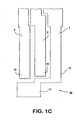
Figure 1C is a magnified view of a portion of the test Strip ofFigure 1A . -
Figure 2 is a scatterplot graph of bias versus glucose level of the inks of Examples 2 through 6. -
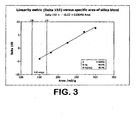
Figure 3 is a graph of Delta_150 values versus surface area for the inks of Examples 2 through 6. -
Figure 4 is a graph ofDelta_1 50 values versus carbon content for the inks of Examples 2 through 6. - It is a discovery of the invention that bias, in response to high and low glucose levels, of a test strip lot may be impacted by the selection of fumed silicas used in the strips' enzyme ink. More specifically, it is a discovery of the invention that the use of at least two fumed silicas, one with a greater surface area and carbon content than the other, in the enzyme ink of the test strips provides a test strip bias at the low and high glucose ends that falls within a desired target range thus providing an improved method for the production of single calibration code strip lots with good yields. In one embodiment, the test strips from the process have bias values that fall within predetermined target ranges, for example, within predetermined target ranges.
- In one embodiment the invention provides an enzyme ink composition comprising, consisting essentially of an enzyme capable of selectively recognizing glucose in a blood sample, a mediator, and one or more materials capable of regulating the mass transport of the mediator so that biases in response to one or more of a low glucose value and a high glucose value falls within a predetermined target for a predetermined calibration code.
- The invention may find its greatest utility in enzyme inks for use in electrochemical-based test strips for the determination of glucose levels in whole blood samples. More preferably, the enzyme inks of the invention are used in electrochemical test strips for measuring glucose, which electrodes have co-planar electrodes. Most preferably the inks of the invention are used in ULTRA™ type test strips as disclosed in United States Patent Nos.
5,708,247 ,5,95,836 ,7,112,265 ,6241,862 ,6284,125 ,7,462,265 andU.S. Patent Publication Nos. 20100112678 and20100112612 . - The inks of the invention contain at least two hydrophobic, fumed silica materials that are chemically equivalent, meaning that the materials have equal stability and are composed of substantially the same materials, but differ in BET measured surface area and total carbon content. By "BET measured surface area" is meant the BET surface area of hydrophilic silica.
- The fumed silicas useful in the invention may be any such silica capable of providing the desired bias response at high and low glucose levels. It is believed that this can be accomplished by using materials that regulate the mass transport of the mediator thereby maintaining counter/reference electrode function throughout the test time. Fumed silicas useful in the invention are commercially available or may be produced by known methods such as by burning silicon tetrachloride in an oxygen-hydrogen flame or from the vaporization of quartz sand in an electric arc. Suitable silicas include, without limitation those under the trade names HDK® available from Wacker Chemie GmbH, CAB-O-SIL® available from Cabot and AEROSIL® available from Evonik deGussa Ltd. Preferably, the fumed silicas used are HDK silicas.
- One ordinarily skilled in the art will recognize that any material that is watersoluble, inert and that can modify the mass transport of the mediator in the solvating reagent pad of the test strip can be used in lieu of the fumed silicas. However, the silicas may provide the best material in that one silica typically is used in the reagent and can be easily blended with a second silica.
- In the present invention, one silica material with a BET measured surface area of about 130 to 170 m2/g and carbon content of about 0.8 to 1.2 weight percent is combined with a second silica material that has a BET measured surface area of about 270 to 330 m2/g and a carbon content of about 1.4 to 2.6 weight percent. For purposes of the invention, the surface area is calculated using the BET theory for physical adsorption of gas molecules on a solid surface according to test procedure DIN ISO 9277/DIN 66132. Preferably, the fumed silicas used are HDK silicas and most preferably are a combination of HDK H15 and HDK H30 silicas.
- The amount of each of the silicas useful in the invention is an amount effective to provide the desired degree of bias response at one or both of high and low glucose levels. Typically, the amount of the lower surface area and lower carbon content fumed silica, such as HDK H15, will be about 99 to about 1, preferably 75 to about 45 and more preferably about 71 to about 68 weight percent of the total amount of fumed silica used in the enzyme ink. The amount of the greater surface area and higher carbon content silica, such as HDK 30, will be about 1 to about 99, preferably 25 to about 55, and more preferably about 29 to about 32 weight percent.
- The fumed silicas may be combined with a suitable enzyme and mediator to form the enzyme reagent ink. Useful enzymes are any enzyme that is capable of selectively recognizing glucose within a blood sample and preferably is a redox enzyme including, without limitation, glucose oxidase or glucose dehydrogenase. The glucose dehydrogenase may have a pyrrolo-quinoline quinine co-factor or a flavin adenine dinucleotoide co-factor. More preferably, the enzyme is glucose oxidase. Suitable mediators include without limitation, ferricyanide, ruthenium hexamine trichloride, or the like. Preferably, the mediator is potassium ferricyanide. Additional components of the enzyme ink may be, without limitation, a buffer, an adhesion promoter, preferably polyvinyl alcohol ("PVA"), a film-forming agent, preferably polyvinyl pyrrolidone-vinyl acetate, an antifoam compound, a gelling and thickening agent, preferably hydroxyethyl cellulose ("HEC"), water, preferably Analar grade, and combinations thereof.
- A most preferred formulation of the enzyme ink of the invention is: about 0.3 percent by mass of an antifoam compound; about 0.6 percent by mass PVA; about 0.6 percent by mass citric acid; about 1.9 percent by mass trisodium citrate; about 0.6 percent by mass polyvinylpyrrolidone-vinyl acetate copolymer; about 3.27 percent by mass hydroxyethyl cellulose; about 3.6 percent by mass of fumed silica with a BET measured surface area of about 130 to 170 m2/g and carbon content of about 0.8 to 1.2 weight %; about 1.3 percent by mass of a fumed silica that has a BET measured surface area of about 270 to about 330 and a carbon content of about 1.2 to 2.6 weight %; about 0.03 percent by mass of potassium hexacyanoferrate II; about 23 percent by mass of potassium ferricyanide; about 2.1 percent by mass of glucose oxidase and about 62.4 percent by mass Analar grade water. The enzymatic reagent ink of the invention may be made by any convenient process.
- The bias of the strips of the invention may be calibrated by any convenient method including without limitation, the following method. An amount, typically around 1500 strips, are selected at random from the batch. Blood from 12 different donors is spiked to each of six levels of glucose and eight strips are given blood from identical donors and levels so that a total of 12 x 6 x 8 = 576 tests are conducted for that batch. These are benchmarked against actual blood glucose concentration by measuring these using a standard laboratory analyzer such as Yellow Springs Instrument ("YSI"). A graph of measured glucose concentration is plotted against actual glucose concentration (or measured current versus YSI current), and a formula y = mx+c least squares fitted to the graph to give a value for batch slope m and batch intercept c for the remaining strips from the lot or batch. The difference in response to high and low blood glucose contents may be described by any method that measures bias change over an operational range. For example, the linearity may be described by the term a in the quadratic calibration ax^2 + mx +c, wherein m is the slope and c is the slope intercept. Another convenient measure is the linearity
metric Delta 150 which is defined as the difference between the percent bias at 500 mg/dl glucose and at 150 mg/dl and may be represented by the following equation:
- The amount of the fumed silicas in the enzyme ink can be used to affect the potassium ferricyanide diffusion of the strip and, thus, alter the counter electrode - reference electrode efficiency. This can be used to alter the bias at one or both of high and low glucose levels. After the amount of fumed silicas is set, a verification run may be performed to verify that a linearity substantially equal to the target values is achieved. If the linearity is substantially equal to the target values, then the methods will move forward to large-scale production batches. However, if the second linearity is not substantially equal to the target range, then the ratio of the fumed silicas used is adjusted and more strips prepared and tested to verify that the modified amounts provide the bias that is desired. This can be repeated as necessary
- It should be noted that other factors including, without limitation, the amount of mediator, the conductive ink lot, oxidized mediator lot, mixing time, mixing process, standing time, preconditioning of substrate, mesh type, mesh deformability, working electrode length, working electrode area, working electrode separation and snap distance, may affect one or both of the batch slope and intercept. These can be controlled so as to be sufficiently identical during each run such that a substantially constant slope and intercept are obtained batch-to-batch. Preferably, the working electrode area and the amount of reduced mediator are controlled, as described in United States Patent Publication No.
20090208743A1 , so as to achieve a substantially constant slope and intercept. - A test strip using the enzyme ink of the invention may be manufactured using any convenient, known method including, without limitation, web printing, screen printing and combinations thereof. For example, the strip may be manufactured by sequential, aligned formation of a patterned conductor layer, insulation layer, reagent layer, patterned adhesive layer, hydrophilic layer and a top film onto an electrically insulating substrate.
- An exemplary web printing process is as follows. A substrate is used that may be nylon, polycarbonate, polyimide, polyvinyl chloride, polyethylene, polypropylene, glycolated polyester, polyester and combinations thereof. Preferably, the substrate is a polyester, more preferably Melinex ST328, which is manufactured by DuPont Teijin Films. Prior to entering one or more printing stations, the substrate may be preconditioned to reduce the amount of expansion and stretch that can occur in the strip manufacturing process. In the preconditioning step, the substrate may be heated to a temperature, which is not exceeded in the subsequent print steps. For example, the substrate may be heated to approximately 160°C. Generally, the heating takes place under tension of between about 150N and 180N more typically around 165N. Alternatively, preconditioning the substrate can be heated to a temperature sufficient to remove the irreversible stretch, again optionally while under tension as described above.
- Preferably, the substrate is held under a tension of approximately 165N throughout the process in order to maintain registration of the layers to be printed. The substrate is also subjected to various temperatures of about 140°C or less in order to dry the printed inks during each printing step. Optionally, prior to printing a cleaning system may be used which cleans the top, or print, side and the underside of the substrate using a vacuum and brush system.
- One or more prints with carbon with metallic particles, silver/silver chloride ink or gold or palladium based inks or any combination thereof in one or more printing steps may be used to provide an electrode layer. In one embodiment, prior to the printing process and immediately after drying, the substrate is passed over a first chilled roller, to rapidly cool the substrate to a predetermined temperature, typically room temperature around 18-21 °C and typically 19.5 °C +/- 0.5 °C. After the printed carbon patterns are deposited in the printing process, the substrate may be passed over a second chilled roller.
- Any ink suitable for use as an insulation ink and applicable in a print station in a web manufacturing process may be used including, without limitation, Ercon E6110-116 Jet Black Insulayer Ink, which may be purchased from Ercon, Inc. Immediately after drying, the substrate, including printed carbon and insulation patterns, is passed over third chilled roller as described above.
- A first enzyme ink printing may then take place using an ink of the invention. After the first enzyme ink printing process and immediately after drying, the substrate, including printed carbon and insulation patterns, is passed over a fourth chilled roller. One or more of a topside, underside and side humidification may be provided. For example, an arrangement of pipes may provide a substantially constant stream of humidified air above, below and sideways onto the substrate and layers ensuring the water content of the ink is maintained at a constant level. The amount and arrangement of humidification, typically pipes carrying humidified air, will depend, amongst other things, upon the amount of humidification required, the water content of the ink, the humidity and temperature of the surrounding air, the temperature of the substrate as it approaches the enzyme print station, the temperature of the print roller, the size of the screen and the exposure of the screen to the surrounding, unhumidified air.
-
Figure 1A is an exploded perspective view of anexemplary test strip 100, which may include seven layers disposed on asubstrate 5.Figure 1B is an exemplary top plan view of the individual layers ofFigure 1A . The seven layers disposed onsubstrate 5 can be aconductive layer 50, which can also be referred to aselectrode layer 50, aninsulation layer 16, two overlappingreagent layers adhesive layer 60, ahydrophilic layer 70, and atop layer 80. - For
test strip 100, as illustrated inFigures 1A ,1B and1C ,conductive layer 50 may include areference electrode 10, a first workingelectrode 12, a second workingelectrode 14, afirst contact pad 13, asecond contact pad 15, areference contact pad 11, a first workingelectrode track 8, a secondworking electrode track 9, areference electrode track 7, and astrip detection bar 17. The conductive layer may be formed from carbon ink.First contact pad 13,second contact pad 15, andreference contact pad 11 may be adapted to electrically connect to a test meter. First workingelectrode track 8 provides an electrically continuous pathway from first workingelectrode 12 tofirst contact pad 13. Similarly, second workingelectrode track 9 provides an electrically continuous pathway from second workingelectrode 14 tosecond contact pad 15. Similarly,reference electrode track 7 provides an electrically continuous pathway fromreference electrode 10 toreference contact pad 11.Strip detection bar 17 is electrically connected to referencecontact pad 11. A test meter can detect thattest strip 100 has been properly inserted by measuring a continuity betweenreference contact pad 11 andstrip detection bar 17, as illustrated inFigures 1A ,1B and1C . - The enzyme ink layer may be disposed on a portion of the
conductive layer 50,substrate 5, andinsulation layer 16 as illustrated inFigures 1A and1B . In one embodiment, two successive enzyme ink layers 22a and 22b may be screen-printed onconductive layer 50, typically also overlapping slightlyinsulation layer 16. Fortest strip 100,adhesive layer 60 may include firstadhesive pad 24, secondadhesive pad 26, and thirdadhesive pad 28, as illustrated in Figures 8A to 8F and 9.Adhesive layer 60 can be deposited ontest strip 100 after the deposition of reagent layer 22. Firstadhesive pad 24 and secondadhesive pad 26 can be aligned to be immediately adjacent to, touch, or partially overlap with reagent layer 22.Adhesive layer 60 may include a water based acrylic copolymer pressure sensitive adhesive which is commercially available from Tape Specialties LTD, which is located in Tring, Herts, United Kingdom (part#A6435).Adhesive layer 60 is disposed on a portion ofinsulation layer 16,conductive layer 50, andsubstrate 5.Adhesive layer 60 bindshydrophilic layer 70 totest strip 100. -
Hydrophilic layer 70 may include a distalhydrophilic portion 32 and proximalhydrophilic portion 34, as illustrated in Figures 8A and 8B.Hydrophilic layer 70 may be a polyester having one hydrophilic surface such as an anti-fog coating, which is commercially available from 3M. - The final layer to be added to
test strip 100 istop layer 80, as illustrated inFigures 1A and1B .Top layer 80 may include aclear portion 36 andopaque portion 38, as illustrated inFigures 1A and1B .Top layer 80 is disposed on and adhered tohydrophilic layer 70.Top layer 80 may be a polyester that has an adhesive coating on one side. It should be noted that theclear portion 36 substantially overlaps distalhydrophilic portion 32, which allows a user to visually confirm that the sample-receivingchamber 92 may be sufficiently filled.Opaque portion 38 helps the user observe a high degree of contrast between a colored fluid such as, for example, blood within the sample-receivingchamber 92 and theopaque portion 38. - The invention will be further clarified by a consideration of the following, non-limiting examples.
- The following procedure was employed to prepare an exemplary enzymatic ink of the invention.
- A PVA-antifoam-citric acid solution was prepared by combining 0.5ml of DC 1500 Antifoam (commercially available from BDH/Merek Ltd.) with 7500 grams of water (AnalaR, available from BDH/Merck Ltd.). Next, 90 grams of PVA (Sigma-Aldrich, MW 85,000-124,000, 87%-89% hydrolyzed) were added to the solution and homogenized at >7000 RPM for 2 hours. After homogenization, 81.5 grams of citric acid were mixed into the solution.
- A pH adjusting solution was prepared by mixing 270 grams of trisodium citrate into 1000 ml of water. The pH of the PVA-antifoam-citric acid solution was then adjusted to
pH 5 by adding a sufficient amount of trisodium citrate solution. - The
pH 5 solution was filtered through a 125 micron sieve and transferred to a 30 liter stainless steel pot. Additional water was added to the 30 liter steel pot until the total solution weight was 9250 grams. 44.5 mL of DC 1500 Antifoam were then added to the stainless steel pot. - A 90 mm diameter mixer blade was attached to a Dispersmat mixer and mounted to the stainless steel pot such that the mixer blade was 2 centimeters above the bottom of the pot. The mixer was set at 800 RPM and then 90 grams of polyvinylpyrrolidone-vinyl acetate (PVP/VA S-630 co-polymer, commercially available from the ISP Company, and which has a 60/40 ratio and a molecular weight of 24,000 to 30,000) and 449 grams of HEC (commercially available as Natrosol 250G) were added during first two minutes of mixing. Next, the mixing speed was increased to 5500 RPMs and continued for five additional minutes, resulting in a HEC solution.
- After the mixing period, the HEC solution was transferred to a 15 liter keg and mixed gently (i.e., rolled) for 12 to 25 hours. The viscosity was then measured and confirmed to be within the range of 13,000 to 17,000 cP (measured at 25°C and 5 RPMs).
- The rolled HEC solution was equilibrated to between 7 °C and 10 °C. Next, 9000 grams of the rolled and equilibrated HEC solution were mixed with 446 grams of hydrophobic silica material H15 and 209g of hydrophobic silica material H30 (Wacker HDK grade, commercially available from Wacker Chemie AG) in a 30 liter stainless steel pot to form an HEC/silica mixture.
- A 175 mm diameter mixer blade was attached to the Dispersmat mixer and mounted to the stainless steel pot so that the mixer blade was at the bottom of the pot. The combined HEC/silica mixture was mixed at 2600 RPM for 16 minutes. The density of the formulation was then measured (using a Cole-Parmer Pycnometer) to determined to be in the range of from about 0.9650 - 1.0150g/cm3 g/cm3.
- The HEC-silica mixture was then transferred to a 15 liter keg and rolled gently for 8 to 16 hours. The viscosity was then measured and confirmed to be within 37,000 to 50,000 cP (measured at 25°C and 10 RPMs).
- 4515 grams of HEC-silica mixture were combined with 1386 grams of potassium ferricyanide, 1.6g potassium hexacyanoferrate II, and 126 grams of glucose oxidase in a 15 liter stainless steel pot. A 125 mm diameter mixer blade was attached to the Dispersmat mixer and mounted to the stainless steel pot so that the mixer blade was at the bottom of the pot and the mixture mixed at 1500 RPMs for 15 minutes. After mixing, the pH was in the range from about 4.8 to 5.4 and the viscosity was in the range from about 36,000 to 48,000 cP (measured at 25 °C and 10 RPM).
- The method of Example 1 was used to prepare enzyme inks except that the amounts of fumed silicas used were as set forth in Table 1 below. Table 1
Table 1 Example % H30 % H15 Mixture Surface Area Carbon Content Surface Area Carbon Content Surface Area Carbon Content 2 0% 100% --- 300 m2/g 150 m2/g 150 m2/g 2 1 1 3 100% 0% --- 300 m2/g 150 m2/g 300 m2/g 2 1 2 4 20% 80 % --- 300 m2/g 150 m2/g 180 m2/g 2 1 1.2 5 50% 50% --- 300 m2/g 150 m2/g 225 m2/g 2 1 1.5 6 80% 20% --- 300 m2/g 150 m2/g 270 m2/g 2 1 1.8 - Test strips were manufactured using the enzyme ink in accordance with the process set forth in the specification hereinabove. The strips were calibrated by randomly selecting 1500 strips. Blood from 12 different donors was spiked to each of 6 levels (50, 100, 150, 200, 300 and 500 mg) of glucose and 8 strips were given blood from identical donors and levels so that a total of 12 x 6 x 8 or 576 tests were conducted for each test batch. These were benchmarked against actual blood glucose concentration by measuring these using a standard laboratory analyzer, a Yellow Springs instrument 2300 ("YSI"). A graph of measured glucose concentration was plotted against actual glucose concentration (or measured current versus YSI current) and a formula y = mx+c least squares fitted to the graph to give a value for batch slope m and batch intercept c. In addition, the bias (50 mg level) and percent bias (100-500 mg levels) were calculated for each glucose level along with the Delta_150 for the ink mixture of each example. The bias, percent bias and Delta_150 are all shown in Table 2 below. A scattperplot of bias or percent bias versus glucose level is shown in
Figure 2 .Table 2 Ex. Mean Bias (50mg) % bias (100-500mg) Delta 15050 100 150 200 300 500 2 -4.2 -6.1 -5.4 -4.7 -5.2 -9.4 -4.1 3 -7.3 -10.0 -7.2 -4.2 -1.9 0.6 7.7 4 -5.9 -8.8 -7.2 -6.6 -5.8 -8.7 -1.6 5 -6.2 -8.5 -6.5 -4.9 -3.9 -4.4 2.1 6 -6.4 -8.6 -5.6 -3.4 -0.8 0.5 6.2 - The results demonstrate that enzyme inks with higher levels of H30 fumed silica produced higher glucose readings at 500 mg/dl producing a small bias value. Inks with little or no H30 had lower glucose readings at 500 mg/dl. A graph of Delta_150 plotted against the normal effective area of the fumed silica achieved by the H30-H15 blend as prepared and the resultant regression is shown in
Figure 3 . - A strong correlation between Delta_150 and the specific area is shown. A graph of Delta_150 plotted against the percent carbon content of each grade (H30 and H15) assuming the grades contained the nominal amount of carbon for that grade and the resultant regression is shown in
Figure 4 . The same high R-squared value of 99.6 % indicates a strong correlation between Delta_150 and the carbon content.
Claims (12)
- An enzyme ink composition, comprising an enzyme capable of selectively recognizing glucose in a blood sample, a mediator, and a first and a second fumed silica, wherein the first fumed silica comprises a BET measured surface area of about 130 to 170 m2/g and a carbon content of about 0.8 to about 1.23 weight percent and the second fumed silica comprises a BET measured surface area of about 270 to 330 m2/g and a carbon content of about 1.4 to about 2.6 weight percent.
- The enzyme ink of claim 1, wherein the first fumed silica is present in an amount of about 99 to about 1 weight percent of the total amount of the fumed silicas and the second fumed silica is present in amount of about 1 to about 99 weight percent.
- The enzyme ink of claim 1, wherein the first fumed silica is present in an amount of about 75 to about 45 weight percent of the total amount of the fumed silicas and the second fumed silica is present in amount of about 25 to about 55 weight percent.
- The enzyme ink of claim 1, wherein the enzyme is elected from the group consisting of glucose oxidase, glucose dehydrogenase, glucose dehydrogenase with a pyrrolo-quinolone co-factor, and glucose dehydrogenase with a flavin adenine dinucleotide co-factor and the mediator is selected from the group consisting of ferricyanide and ruthenium hexamine trichloride.
- The enzyme ink of claim 1, wherein the enzyme is glucose oxidase and the mediator is ferricyanide.
- An enzyme ink of claim 1, comprising about 0.3 percent by mass of an antifoam compound, about 0.6 percent by mass of polyvinyl alcohol, about 0.6 percent by mass citric acid, about 1.9 percent by mass trisodium citrate, about 0.6 percent by mass polyvinylpyrrolidone-vinyl acetate copolymer, about 3.27 percent by mass hydroxyethyl cellulose, about 3.6 percent by mass of a first fumed silica with a BET measured surface area of about 130 to 170 m2/g and a carbon content of about 0.8 to about 1.23 weight percent, about 1.3 percent by mass of a second fumed silica with a BET measured surface area of about 270 to 330 m2/g and a carbon content of about 1.4 to about 2.6 weight percent, about 0.03 percent by mass potassium hexacyanoferrate II, about 23 percent by mass of potassium ferricyanide; about 2.1 percent by mass glucose oxidase and about 62.4 percent by mass water
- A test strip comprising at least two co-planar electrodes, wherein at least one of the electrodes comprises an enzyme ink composition comprising an enzyme capable of selectively recognizing glucose in a blood sample, a mediator, and a first and a second fumed silica, wherein the first fumed silica comprises a BET measured surface area of about 130 to 170 m2/g and a carbon content of about 0.8 to about 1.23 weight percent and the second fumed silica comprises a BET measured surface area of about 270 to 330 m2/g and a carbon content of about 1.4 to about 2.6 weight percent.
- The test strip of claim 7, wherein the first fumed silica is present in an amount of about 99 to about 1 weight percent of the total amount of the fumed silicas and the second fumed silica is present in amount of about 1 to about 99 weight percent.
- The test strip of claim 7, wherein the first fumed silica is present in an amount of about 75 to about 45 weight percent of the total amount of the fumed silicas and the second fumed silica is present in amount of about 25 to about 55 weight percent.
- The test strip of claim 7, wherein the enzyme is selected from the group consisting of glucose oxidase, glucose dehydrogenase, glucose dehydrogenase with a pyrrolo-quinolone co-factor, and glucose dehydrogenase with a flavin adenine dinucleotide co-factor and the mediator is selected from the group consisting of ferricyanide and ruthenium hexamine trichloride.
- The test strip of claim 7, wherein the enzyme is glucose oxidase and the mediator is ferricyanide.
- The test strip of claim 7, wherein the enzyme ink comprises about 0.3 percent by mass of an antifoam compound, about 0.6 percent by mass of polyvinyl alcohol, about 0.6 percent by mass citric acid, about 1.9 percent by mass trisodium citrate, about 0.6 percent by mass polyvinylpyrrolidone-vinyl acetate copolymer, about 3.27 percent by mass hydroxyethyl cellulose, about 3.6 percent by mass of a first fumed silica with a BET measured surface area of about 130 to 170 m2/g and a carbon content of about 0.8 to about 1.23 weight percent, about 1.3 percent by mass of a second fumed silica with a BET measured surface area of about 270 to 330 m2/g and a carbon content of about 1.4 to about 2.6 weight percent, about 0.03 percent by mass potassium hexacyanoferrate II, about 23 percent by mass of potassium ferricyanide; about 2.1 percent by mass glucose oxidase and about 62.4 percent by mass water.
Applications Claiming Priority (2)
| Application Number | Priority Date | Filing Date | Title |
|---|---|---|---|
| US12/861,822 US8409412B2 (en) | 2010-08-23 | 2010-08-23 | Enzymatic reagent inks for use in test strips having a predetermined calibration code |
| PCT/GB2011/001245 WO2012025711A1 (en) | 2010-08-23 | 2011-08-19 | Enzymatic reagent inks for use in test strips having a predetermined calibration code |
Publications (2)
| Publication Number | Publication Date |
|---|---|
| EP2609424A1 EP2609424A1 (en) | 2013-07-03 |
| EP2609424B1 true EP2609424B1 (en) | 2015-03-25 |
Family
ID=44584248
Family Applications (1)
| Application Number | Title | Priority Date | Filing Date |
|---|---|---|---|
| EP11754712.5A Not-in-force EP2609424B1 (en) | 2010-08-23 | 2011-08-19 | Enzymatic reagent inks for use in test strips having a predetermined calibration code |
Country Status (11)
| Country | Link |
|---|---|
| US (1) | US8409412B2 (en) |
| EP (1) | EP2609424B1 (en) |
| JP (1) | JP5876486B2 (en) |
| KR (1) | KR101836815B1 (en) |
| CN (1) | CN103080745B (en) |
| AU (1) | AU2011294938B2 (en) |
| BR (1) | BR112013004278A2 (en) |
| CA (1) | CA2809085C (en) |
| ES (1) | ES2539229T3 (en) |
| RU (1) | RU2541111C2 (en) |
| WO (1) | WO2012025711A1 (en) |
Families Citing this family (8)
| Publication number | Priority date | Publication date | Assignee | Title |
|---|---|---|---|---|
| TWM442505U (en) * | 2012-07-06 | 2012-12-01 | Ok Biotech Co Ltd | Biological inspection testpiece |
| US9121050B2 (en) | 2013-03-15 | 2015-09-01 | American Sterilizer Company | Non-enzyme based detection method for electronic monitoring of biological indicator |
| US8858884B2 (en) | 2013-03-15 | 2014-10-14 | American Sterilizer Company | Coupled enzyme-based method for electronic monitoring of biological indicator |
| JP6857031B2 (en) * | 2014-03-07 | 2021-04-14 | アセンシア・ダイアベティス・ケア・ホールディングス・アーゲーAscensia Diabetes Care Holdings AG | Biosensor calibration coding system and method |
| TWI551860B (en) * | 2015-07-17 | 2016-10-01 | 台欣生物科技研發股份有限公司 | Test strip |
| CN112251069A (en) * | 2020-10-29 | 2021-01-22 | 郑州百瑞动物药业有限公司 | Enzyme ink for enzyme electrode based on water-based screen printing technology and preparation method thereof |
| JP7507715B2 (en) * | 2021-03-25 | 2024-06-28 | テルモ株式会社 | Test Strips |
| US20250261881A1 (en) * | 2022-05-03 | 2025-08-21 | Massachusetts Institute Of Technology | Flexible electronics for analyte detection |
Family Cites Families (18)
| Publication number | Priority date | Publication date | Assignee | Title |
|---|---|---|---|---|
| RU2012878C1 (en) * | 1991-07-19 | 1994-05-15 | Феликс Борисович Левин | Universal test band for determination of glucose content in urine, blood and other biological liquids |
| AUPN363995A0 (en) | 1995-06-19 | 1995-07-13 | Memtec Limited | Electrochemical cell |
| US7112265B1 (en) | 1996-02-14 | 2006-09-26 | Lifescan Scotland Limited | Disposable test strips with integrated reagent/blood separation layer |
| US5708247A (en) | 1996-02-14 | 1998-01-13 | Selfcare, Inc. | Disposable glucose test strips, and methods and compositions for making same |
| US6241862B1 (en) | 1996-02-14 | 2001-06-05 | Inverness Medical Technology, Inc. | Disposable test strips with integrated reagent/blood separation layer |
| US6685985B2 (en) * | 2001-02-09 | 2004-02-03 | Basf Corporation | Method of improving the appearance of coated articles having both vertical and horizontal surfaces, and coating compositions for use therein |
| AT410223B (en) | 2001-08-09 | 2003-03-25 | Adlassnig Alexander Mag Dr | BIOSENSORS IN THICK FILM TECHNOLOGY |
| US6946299B2 (en) | 2002-04-25 | 2005-09-20 | Home Diagnostics, Inc. | Systems and methods for blood glucose sensing |
| US7462265B2 (en) | 2003-06-06 | 2008-12-09 | Lifescan, Inc. | Reduced volume electrochemical sensor |
| CA2553632A1 (en) | 2004-02-06 | 2005-08-25 | Bayer Healthcare Llc | Oxidizable species as an internal reference for biosensors and method of use |
| MX2007010778A (en) | 2005-03-04 | 2007-11-07 | Bayer Healthcare Llc | Stabilizing the activity of pqq-dependent glucose dehydrogenase in electrochemical biosensors. |
| US8218930B2 (en) | 2005-04-05 | 2012-07-10 | Pettit John W | High-reliability optical fiber having a nanocomposite coating |
| US20080164142A1 (en) | 2006-10-27 | 2008-07-10 | Manuel Alvarez-Icaza | Surface treatment of carbon composite material to improve electrochemical properties |
| JP5296805B2 (en) * | 2007-12-10 | 2013-09-25 | バイエル・ヘルスケア・エルエルシー | Porous particle reagent composition, device and method for biosensor |
| JP5176612B2 (en) * | 2008-03-10 | 2013-04-03 | 住友電気工業株式会社 | Biosensor measuring instrument |
| US20100112612A1 (en) | 2008-10-30 | 2010-05-06 | John William Dilleen | Method for determining an analyte using an analytical test strip with a minimal fill-error viewing window |
| US8012428B2 (en) | 2008-10-30 | 2011-09-06 | Lifescan Scotland, Ltd. | Analytical test strip with minimal fill-error sample viewing window |
| US20100270152A1 (en) | 2009-04-24 | 2010-10-28 | Lifescan Scotland Limited | Enzymatic reagent ink |
-
2010
- 2010-08-23 US US12/861,822 patent/US8409412B2/en active Active
-
2011
- 2011-08-19 JP JP2013525349A patent/JP5876486B2/en active Active
- 2011-08-19 AU AU2011294938A patent/AU2011294938B2/en not_active Ceased
- 2011-08-19 EP EP11754712.5A patent/EP2609424B1/en not_active Not-in-force
- 2011-08-19 ES ES11754712.5T patent/ES2539229T3/en active Active
- 2011-08-19 BR BR112013004278A patent/BR112013004278A2/en not_active Application Discontinuation
- 2011-08-19 CA CA2809085A patent/CA2809085C/en not_active Expired - Fee Related
- 2011-08-19 WO PCT/GB2011/001245 patent/WO2012025711A1/en not_active Ceased
- 2011-08-19 RU RU2013112863/15A patent/RU2541111C2/en not_active IP Right Cessation
- 2011-08-19 CN CN201180041027.XA patent/CN103080745B/en not_active Expired - Fee Related
- 2011-08-19 KR KR1020137006688A patent/KR101836815B1/en not_active Expired - Fee Related
Also Published As
| Publication number | Publication date |
|---|---|
| CA2809085C (en) | 2019-11-12 |
| US8409412B2 (en) | 2013-04-02 |
| AU2011294938A1 (en) | 2013-04-11 |
| CA2809085A1 (en) | 2012-03-01 |
| KR101836815B1 (en) | 2018-03-09 |
| KR20140032932A (en) | 2014-03-17 |
| JP2013536430A (en) | 2013-09-19 |
| US20120043204A1 (en) | 2012-02-23 |
| JP5876486B2 (en) | 2016-03-02 |
| RU2541111C2 (en) | 2015-02-10 |
| RU2013112863A (en) | 2014-09-27 |
| ES2539229T3 (en) | 2015-06-29 |
| AU2011294938B2 (en) | 2015-12-17 |
| CN103080745B (en) | 2015-04-01 |
| BR112013004278A2 (en) | 2016-07-26 |
| CN103080745A (en) | 2013-05-01 |
| WO2012025711A1 (en) | 2012-03-01 |
| EP2609424A1 (en) | 2013-07-03 |
| HK1185942A1 (en) | 2014-02-28 |
Similar Documents
| Publication | Publication Date | Title |
|---|---|---|
| US8409412B2 (en) | Enzymatic reagent inks for use in test strips having a predetermined calibration code | |
| JP5044655B2 (en) | Reagent formulations using ruthenium hexamine as a transmitter for electrochemical test strips | |
| JP5236824B2 (en) | Stabilization of enzyme activity with electrochemical biosensors | |
| TWI441922B (en) | Improved reagent compositions for use in electrochemical detection | |
| EP2213748B1 (en) | Analytical instrument having improved arrangement of reagent section and analytical method | |
| EP2243841B1 (en) | Method for manufacturing an enzymatic reagent ink | |
| EP2893027B1 (en) | Improved matrix stability compositions and methods | |
| WO2005066356A1 (en) | Biosensor and method of manufacture | |
| EP2243840B1 (en) | Enzymatic reagent ink | |
| HK1185942B (en) | Enzymatic reagent inks for use in test strips having a predetermined calibration code | |
| US20130047415A1 (en) | Use of chamber height to affect calibration code in test strip manufacturing | |
| CN116569031A (en) | Oxygen-insensitive electrochemical biosensors and methods of use thereof | |
| CN117616132A (en) | Disposable electrochemical biosensor based on NAD(P)-dependent dehydrogenase and diaphorase | |
| HK1135435B (en) | A reagent formulation using ruthenium hexamine as a mediator for electrochemical test strips | |
| HK1231520B (en) | Improved matrix stability compositions and methods | |
| HK1148558B (en) | Enzymatic reagent ink | |
| HK1148557B (en) | Method for manufacturing an enzymatic reagent ink | |
| HK1149055B (en) | Analytical test strips | |
| HK1149055A1 (en) | Analytical test strips |
Legal Events
| Date | Code | Title | Description |
|---|---|---|---|
| PUAI | Public reference made under article 153(3) epc to a published international application that has entered the european phase |
Free format text: ORIGINAL CODE: 0009012 |
|
| 17P | Request for examination filed |
Effective date: 20130225 |
|
| AK | Designated contracting states |
Kind code of ref document: A1 Designated state(s): AL AT BE BG CH CY CZ DE DK EE ES FI FR GB GR HR HU IE IS IT LI LT LU LV MC MK MT NL NO PL PT RO RS SE SI SK SM TR |
|
| DAX | Request for extension of the european patent (deleted) | ||
| 17Q | First examination report despatched |
Effective date: 20131212 |
|
| REG | Reference to a national code |
Ref country code: HK Ref legal event code: DE Ref document number: 1185942 Country of ref document: HK |
|
| GRAP | Despatch of communication of intention to grant a patent |
Free format text: ORIGINAL CODE: EPIDOSNIGR1 |
|
| INTG | Intention to grant announced |
Effective date: 20140701 |
|
| GRAP | Despatch of communication of intention to grant a patent |
Free format text: ORIGINAL CODE: EPIDOSNIGR1 |
|
| INTG | Intention to grant announced |
Effective date: 20141209 |
|
| GRAS | Grant fee paid |
Free format text: ORIGINAL CODE: EPIDOSNIGR3 |
|
| GRAA | (expected) grant |
Free format text: ORIGINAL CODE: 0009210 |
|
| AK | Designated contracting states |
Kind code of ref document: B1 Designated state(s): AL AT BE BG CH CY CZ DE DK EE ES FI FR GB GR HR HU IE IS IT LI LT LU LV MC MK MT NL NO PL PT RO RS SE SI SK SM TR |
|
| REG | Reference to a national code |
Ref country code: GB Ref legal event code: FG4D |
|
| REG | Reference to a national code |
Ref country code: CH Ref legal event code: NV Representative=s name: E. BLUM AND CO. AG PATENT- UND MARKENANWAELTE , CH Ref country code: CH Ref legal event code: EP |
|
| REG | Reference to a national code |
Ref country code: IE Ref legal event code: FG4D |
|
| REG | Reference to a national code |
Ref country code: DE Ref legal event code: R096 Ref document number: 602011015066 Country of ref document: DE Effective date: 20150507 |
|
| REG | Reference to a national code |
Ref country code: AT Ref legal event code: REF Ref document number: 718162 Country of ref document: AT Kind code of ref document: T Effective date: 20150515 |
|
| REG | Reference to a national code |
Ref country code: ES Ref legal event code: FG2A Ref document number: 2539229 Country of ref document: ES Kind code of ref document: T3 Effective date: 20150629 |
|
| PG25 | Lapsed in a contracting state [announced via postgrant information from national office to epo] |
Ref country code: HR Free format text: LAPSE BECAUSE OF FAILURE TO SUBMIT A TRANSLATION OF THE DESCRIPTION OR TO PAY THE FEE WITHIN THE PRESCRIBED TIME-LIMIT Effective date: 20150325 Ref country code: SE Free format text: LAPSE BECAUSE OF FAILURE TO SUBMIT A TRANSLATION OF THE DESCRIPTION OR TO PAY THE FEE WITHIN THE PRESCRIBED TIME-LIMIT Effective date: 20150325 Ref country code: LT Free format text: LAPSE BECAUSE OF FAILURE TO SUBMIT A TRANSLATION OF THE DESCRIPTION OR TO PAY THE FEE WITHIN THE PRESCRIBED TIME-LIMIT Effective date: 20150325 Ref country code: FI Free format text: LAPSE BECAUSE OF FAILURE TO SUBMIT A TRANSLATION OF THE DESCRIPTION OR TO PAY THE FEE WITHIN THE PRESCRIBED TIME-LIMIT Effective date: 20150325 |
|
| REG | Reference to a national code |
Ref country code: AT Ref legal event code: MK05 Ref document number: 718162 Country of ref document: AT Kind code of ref document: T Effective date: 20150325 |
|
| REG | Reference to a national code |
Ref country code: LT Ref legal event code: MG4D |
|
| PG25 | Lapsed in a contracting state [announced via postgrant information from national office to epo] |
Ref country code: LV Free format text: LAPSE BECAUSE OF FAILURE TO SUBMIT A TRANSLATION OF THE DESCRIPTION OR TO PAY THE FEE WITHIN THE PRESCRIBED TIME-LIMIT Effective date: 20150325 Ref country code: RS Free format text: LAPSE BECAUSE OF FAILURE TO SUBMIT A TRANSLATION OF THE DESCRIPTION OR TO PAY THE FEE WITHIN THE PRESCRIBED TIME-LIMIT Effective date: 20150325 Ref country code: GR Free format text: LAPSE BECAUSE OF FAILURE TO SUBMIT A TRANSLATION OF THE DESCRIPTION OR TO PAY THE FEE WITHIN THE PRESCRIBED TIME-LIMIT Effective date: 20150626 |
|
| PG25 | Lapsed in a contracting state [announced via postgrant information from national office to epo] |
Ref country code: NL Free format text: LAPSE BECAUSE OF FAILURE TO SUBMIT A TRANSLATION OF THE DESCRIPTION OR TO PAY THE FEE WITHIN THE PRESCRIBED TIME-LIMIT Effective date: 20150325 |
|
| PG25 | Lapsed in a contracting state [announced via postgrant information from national office to epo] |
Ref country code: SK Free format text: LAPSE BECAUSE OF FAILURE TO SUBMIT A TRANSLATION OF THE DESCRIPTION OR TO PAY THE FEE WITHIN THE PRESCRIBED TIME-LIMIT Effective date: 20150325 Ref country code: RO Free format text: LAPSE BECAUSE OF FAILURE TO SUBMIT A TRANSLATION OF THE DESCRIPTION OR TO PAY THE FEE WITHIN THE PRESCRIBED TIME-LIMIT Effective date: 20150325 Ref country code: CZ Free format text: LAPSE BECAUSE OF FAILURE TO SUBMIT A TRANSLATION OF THE DESCRIPTION OR TO PAY THE FEE WITHIN THE PRESCRIBED TIME-LIMIT Effective date: 20150325 Ref country code: EE Free format text: LAPSE BECAUSE OF FAILURE TO SUBMIT A TRANSLATION OF THE DESCRIPTION OR TO PAY THE FEE WITHIN THE PRESCRIBED TIME-LIMIT Effective date: 20150325 Ref country code: PT Free format text: LAPSE BECAUSE OF FAILURE TO SUBMIT A TRANSLATION OF THE DESCRIPTION OR TO PAY THE FEE WITHIN THE PRESCRIBED TIME-LIMIT Effective date: 20150727 |
|
| PG25 | Lapsed in a contracting state [announced via postgrant information from national office to epo] |
Ref country code: IS Free format text: LAPSE BECAUSE OF FAILURE TO SUBMIT A TRANSLATION OF THE DESCRIPTION OR TO PAY THE FEE WITHIN THE PRESCRIBED TIME-LIMIT Effective date: 20150725 Ref country code: PL Free format text: LAPSE BECAUSE OF FAILURE TO SUBMIT A TRANSLATION OF THE DESCRIPTION OR TO PAY THE FEE WITHIN THE PRESCRIBED TIME-LIMIT Effective date: 20150325 Ref country code: AT Free format text: LAPSE BECAUSE OF FAILURE TO SUBMIT A TRANSLATION OF THE DESCRIPTION OR TO PAY THE FEE WITHIN THE PRESCRIBED TIME-LIMIT Effective date: 20150325 |
|
| REG | Reference to a national code |
Ref country code: DE Ref legal event code: R097 Ref document number: 602011015066 Country of ref document: DE |
|
| REG | Reference to a national code |
Ref country code: HK Ref legal event code: GR Ref document number: 1185942 Country of ref document: HK |
|
| PG25 | Lapsed in a contracting state [announced via postgrant information from national office to epo] |
Ref country code: DK Free format text: LAPSE BECAUSE OF FAILURE TO SUBMIT A TRANSLATION OF THE DESCRIPTION OR TO PAY THE FEE WITHIN THE PRESCRIBED TIME-LIMIT Effective date: 20150325 |
|
| PLBE | No opposition filed within time limit |
Free format text: ORIGINAL CODE: 0009261 |
|
| STAA | Information on the status of an ep patent application or granted ep patent |
Free format text: STATUS: NO OPPOSITION FILED WITHIN TIME LIMIT |
|
| 26N | No opposition filed |
Effective date: 20160105 |
|
| PG25 | Lapsed in a contracting state [announced via postgrant information from national office to epo] |
Ref country code: LU Free format text: LAPSE BECAUSE OF FAILURE TO SUBMIT A TRANSLATION OF THE DESCRIPTION OR TO PAY THE FEE WITHIN THE PRESCRIBED TIME-LIMIT Effective date: 20150819 Ref country code: MC Free format text: LAPSE BECAUSE OF FAILURE TO SUBMIT A TRANSLATION OF THE DESCRIPTION OR TO PAY THE FEE WITHIN THE PRESCRIBED TIME-LIMIT Effective date: 20150325 |
|
| PG25 | Lapsed in a contracting state [announced via postgrant information from national office to epo] |
Ref country code: SI Free format text: LAPSE BECAUSE OF FAILURE TO SUBMIT A TRANSLATION OF THE DESCRIPTION OR TO PAY THE FEE WITHIN THE PRESCRIBED TIME-LIMIT Effective date: 20150325 |
|
| REG | Reference to a national code |
Ref country code: FR Ref legal event code: PLFP Year of fee payment: 6 |
|
| PG25 | Lapsed in a contracting state [announced via postgrant information from national office to epo] |
Ref country code: BE Free format text: LAPSE BECAUSE OF FAILURE TO SUBMIT A TRANSLATION OF THE DESCRIPTION OR TO PAY THE FEE WITHIN THE PRESCRIBED TIME-LIMIT Effective date: 20150325 |
|
| PG25 | Lapsed in a contracting state [announced via postgrant information from national office to epo] |
Ref country code: MT Free format text: LAPSE BECAUSE OF FAILURE TO SUBMIT A TRANSLATION OF THE DESCRIPTION OR TO PAY THE FEE WITHIN THE PRESCRIBED TIME-LIMIT Effective date: 20150325 |
|
| PG25 | Lapsed in a contracting state [announced via postgrant information from national office to epo] |
Ref country code: BG Free format text: LAPSE BECAUSE OF FAILURE TO SUBMIT A TRANSLATION OF THE DESCRIPTION OR TO PAY THE FEE WITHIN THE PRESCRIBED TIME-LIMIT Effective date: 20150325 Ref country code: HU Free format text: LAPSE BECAUSE OF FAILURE TO SUBMIT A TRANSLATION OF THE DESCRIPTION OR TO PAY THE FEE WITHIN THE PRESCRIBED TIME-LIMIT; INVALID AB INITIO Effective date: 20110819 Ref country code: NO Free format text: LAPSE BECAUSE OF FAILURE TO SUBMIT A TRANSLATION OF THE DESCRIPTION OR TO PAY THE FEE WITHIN THE PRESCRIBED TIME-LIMIT Effective date: 20150625 Ref country code: SM Free format text: LAPSE BECAUSE OF FAILURE TO SUBMIT A TRANSLATION OF THE DESCRIPTION OR TO PAY THE FEE WITHIN THE PRESCRIBED TIME-LIMIT Effective date: 20150325 |
|
| PG25 | Lapsed in a contracting state [announced via postgrant information from national office to epo] |
Ref country code: CY Free format text: LAPSE BECAUSE OF FAILURE TO SUBMIT A TRANSLATION OF THE DESCRIPTION OR TO PAY THE FEE WITHIN THE PRESCRIBED TIME-LIMIT Effective date: 20150325 |
|
| REG | Reference to a national code |
Ref country code: FR Ref legal event code: PLFP Year of fee payment: 7 |
|
| PG25 | Lapsed in a contracting state [announced via postgrant information from national office to epo] |
Ref country code: TR Free format text: LAPSE BECAUSE OF FAILURE TO SUBMIT A TRANSLATION OF THE DESCRIPTION OR TO PAY THE FEE WITHIN THE PRESCRIBED TIME-LIMIT Effective date: 20150325 Ref country code: MK Free format text: LAPSE BECAUSE OF FAILURE TO SUBMIT A TRANSLATION OF THE DESCRIPTION OR TO PAY THE FEE WITHIN THE PRESCRIBED TIME-LIMIT Effective date: 20150325 |
|
| REG | Reference to a national code |
Ref country code: FR Ref legal event code: PLFP Year of fee payment: 8 |
|
| PG25 | Lapsed in a contracting state [announced via postgrant information from national office to epo] |
Ref country code: AL Free format text: LAPSE BECAUSE OF FAILURE TO SUBMIT A TRANSLATION OF THE DESCRIPTION OR TO PAY THE FEE WITHIN THE PRESCRIBED TIME-LIMIT Effective date: 20150325 |
|
| PGFP | Annual fee paid to national office [announced via postgrant information from national office to epo] |
Ref country code: IT Payment date: 20190821 Year of fee payment: 9 Ref country code: FR Payment date: 20190711 Year of fee payment: 9 Ref country code: DE Payment date: 20190806 Year of fee payment: 9 Ref country code: ES Payment date: 20190902 Year of fee payment: 9 Ref country code: IE Payment date: 20190813 Year of fee payment: 9 |
|
| PGFP | Annual fee paid to national office [announced via postgrant information from national office to epo] |
Ref country code: GB Payment date: 20190815 Year of fee payment: 9 |
|
| PGFP | Annual fee paid to national office [announced via postgrant information from national office to epo] |
Ref country code: CH Payment date: 20190819 Year of fee payment: 9 |
|
| REG | Reference to a national code |
Ref country code: DE Ref legal event code: R119 Ref document number: 602011015066 Country of ref document: DE |
|
| REG | Reference to a national code |
Ref country code: CH Ref legal event code: PL |
|
| GBPC | Gb: european patent ceased through non-payment of renewal fee |
Effective date: 20200819 |
|
| PG25 | Lapsed in a contracting state [announced via postgrant information from national office to epo] |
Ref country code: CH Free format text: LAPSE BECAUSE OF NON-PAYMENT OF DUE FEES Effective date: 20200831 Ref country code: LI Free format text: LAPSE BECAUSE OF NON-PAYMENT OF DUE FEES Effective date: 20200831 |
|
| PG25 | Lapsed in a contracting state [announced via postgrant information from national office to epo] |
Ref country code: DE Free format text: LAPSE BECAUSE OF NON-PAYMENT OF DUE FEES Effective date: 20210302 Ref country code: FR Free format text: LAPSE BECAUSE OF NON-PAYMENT OF DUE FEES Effective date: 20200831 Ref country code: IT Free format text: LAPSE BECAUSE OF NON-PAYMENT OF DUE FEES Effective date: 20200819 |
|
| PG25 | Lapsed in a contracting state [announced via postgrant information from national office to epo] |
Ref country code: GB Free format text: LAPSE BECAUSE OF NON-PAYMENT OF DUE FEES Effective date: 20200819 Ref country code: IE Free format text: LAPSE BECAUSE OF NON-PAYMENT OF DUE FEES Effective date: 20200819 |
|
| REG | Reference to a national code |
Ref country code: ES Ref legal event code: FD2A Effective date: 20220110 |
|
| PG25 | Lapsed in a contracting state [announced via postgrant information from national office to epo] |
Ref country code: ES Free format text: LAPSE BECAUSE OF NON-PAYMENT OF DUE FEES Effective date: 20200820 |