EP2606894A1 - Novel therapeutic use of p75 receptor antagonists - Google Patents
Novel therapeutic use of p75 receptor antagonists Download PDFInfo
- Publication number
- EP2606894A1 EP2606894A1 EP11306709.4A EP11306709A EP2606894A1 EP 2606894 A1 EP2606894 A1 EP 2606894A1 EP 11306709 A EP11306709 A EP 11306709A EP 2606894 A1 EP2606894 A1 EP 2606894A1
- Authority
- EP
- European Patent Office
- Prior art keywords
- group
- compound
- pyridin
- bladder
- compounds
- Prior art date
- Legal status (The legal status is an assumption and is not a legal conclusion. Google has not performed a legal analysis and makes no representation as to the accuracy of the status listed.)
- Withdrawn
Links
- 239000002464 receptor antagonist Substances 0.000 title claims abstract description 20
- 229940044551 receptor antagonist Drugs 0.000 title claims abstract description 20
- 102100036220 PC4 and SFRS1-interacting protein Human genes 0.000 title claims abstract description 18
- 230000001225 therapeutic effect Effects 0.000 title 1
- 150000003839 salts Chemical class 0.000 claims abstract description 22
- 238000002360 preparation method Methods 0.000 claims abstract description 20
- 206010020853 Hypertonic bladder Diseases 0.000 claims abstract description 16
- 208000009722 Overactive Urinary Bladder Diseases 0.000 claims abstract description 15
- 239000003814 drug Substances 0.000 claims abstract description 15
- 208000020629 overactive bladder Diseases 0.000 claims abstract description 15
- 230000002265 prevention Effects 0.000 claims abstract description 11
- 239000002253 acid Substances 0.000 claims description 14
- ZGEMSUUNLVFYPT-UHFFFAOYSA-N 1-(2-phenyl-6,7-dihydro-4h-pyrazolo[4,3-c]pyridin-5-yl)-2-(8-pyridin-3-yl-3,8-diazabicyclo[3.2.1]octan-3-yl)ethanone Chemical compound C1CC2=NN(C=3C=CC=CC=3)C=C2CN1C(=O)CN(C1)CC2CCC1N2C1=CC=CN=C1 ZGEMSUUNLVFYPT-UHFFFAOYSA-N 0.000 claims description 3
- WMVPUFWFSOVFML-UHFFFAOYSA-N 1-[4-[4-chloro-3-(trifluoromethyl)phenyl]-3,6-dihydro-2h-pyridin-1-yl]-2-[8-(5-fluoropyrimidin-2-yl)-3,8-diazabicyclo[3.2.1]octan-3-yl]ethanone Chemical compound N1=CC(F)=CN=C1N1C2CCC1CN(CC(=O)N1CC=C(CC1)C=1C=C(C(Cl)=CC=1)C(F)(F)F)C2 WMVPUFWFSOVFML-UHFFFAOYSA-N 0.000 claims description 3
- CVRCENOFWCSYGS-AQDIUKAZSA-N 6-[(3r,5s)-3,5-dimethyl-4-[2-oxo-2-(2-phenyl-6,7-dihydro-4h-pyrazolo[4,3-c]pyridin-5-yl)ethyl]piperazin-1-yl]pyridine-3-carboxylic acid;hydrochloride Chemical compound Cl.N1([C@H](C)CN(C[C@@H]1C)C=1N=CC(=CC=1)C(O)=O)CC(=O)N(CC1=C2)CCC1=NN2C1=CC=CC=C1 CVRCENOFWCSYGS-AQDIUKAZSA-N 0.000 claims description 3
- GEHLJBYNRPSRFJ-KDURUIRLSA-N 6-[(3s,5r)-4-[2-[4-(1-benzofuran-7-yl)-3,6-dihydro-2h-pyridin-1-yl]-2-oxoethyl]-3,5-dimethylpiperazin-1-yl]pyridine-3-carboxylic acid Chemical compound C([C@@H](N([C@H](C)C1)CC(=O)N2CC=C(CC2)C=2C=3OC=CC=3C=CC=2)C)N1C1=CC=C(C(O)=O)C=N1 GEHLJBYNRPSRFJ-KDURUIRLSA-N 0.000 claims description 3
- 150000001875 compounds Chemical class 0.000 description 68
- 210000003932 urinary bladder Anatomy 0.000 description 29
- 125000004435 hydrogen atom Chemical group [H]* 0.000 description 23
- 125000000217 alkyl group Chemical group 0.000 description 17
- 125000005843 halogen group Chemical group 0.000 description 16
- 125000004178 (C1-C4) alkyl group Chemical group 0.000 description 15
- 229910052731 fluorine Inorganic materials 0.000 description 15
- -1 trifluoromethoxy radical Chemical class 0.000 description 14
- 241001465754 Metazoa Species 0.000 description 12
- 241000700159 Rattus Species 0.000 description 12
- 150000007513 acids Chemical class 0.000 description 11
- 125000000229 (C1-C4)alkoxy group Chemical group 0.000 description 10
- 125000001153 fluoro group Chemical group F* 0.000 description 10
- 230000027939 micturition Effects 0.000 description 10
- 239000000203 mixture Substances 0.000 description 9
- 239000003981 vehicle Substances 0.000 description 9
- HBAQYPYDRFILMT-UHFFFAOYSA-N 8-[3-(1-cyclopropylpyrazol-4-yl)-1H-pyrazolo[4,3-d]pyrimidin-5-yl]-3-methyl-3,8-diazabicyclo[3.2.1]octan-2-one Chemical class C1(CC1)N1N=CC(=C1)C1=NNC2=C1N=C(N=C2)N1C2C(N(CC1CC2)C)=O HBAQYPYDRFILMT-UHFFFAOYSA-N 0.000 description 8
- 108010025020 Nerve Growth Factor Proteins 0.000 description 8
- 102000005962 receptors Human genes 0.000 description 8
- 108020003175 receptors Proteins 0.000 description 8
- 125000003545 alkoxy group Chemical group 0.000 description 7
- 210000004027 cell Anatomy 0.000 description 7
- 125000004093 cyano group Chemical group *C#N 0.000 description 7
- 125000000896 monocarboxylic acid group Chemical group 0.000 description 7
- 125000005010 perfluoroalkyl group Chemical group 0.000 description 7
- IJGRMHOSHXDMSA-UHFFFAOYSA-N Atomic nitrogen Chemical compound N#N IJGRMHOSHXDMSA-UHFFFAOYSA-N 0.000 description 6
- 125000003709 fluoroalkyl group Chemical group 0.000 description 6
- HQKMJHAJHXVSDF-UHFFFAOYSA-L magnesium stearate Chemical compound [Mg+2].CCCCCCCCCCCCCCCCCC([O-])=O.CCCCCCCCCCCCCCCCCC([O-])=O HQKMJHAJHXVSDF-UHFFFAOYSA-L 0.000 description 6
- 238000000034 method Methods 0.000 description 6
- 239000000244 polyoxyethylene sorbitan monooleate Substances 0.000 description 6
- 235000010482 polyoxyethylene sorbitan monooleate Nutrition 0.000 description 6
- 229940068968 polysorbate 80 Drugs 0.000 description 6
- 229920000053 polysorbate 80 Polymers 0.000 description 6
- WKBOTKDWSSQWDR-UHFFFAOYSA-N Bromine atom Chemical compound [Br] WKBOTKDWSSQWDR-UHFFFAOYSA-N 0.000 description 5
- ZAMOUSCENKQFHK-UHFFFAOYSA-N Chlorine atom Chemical compound [Cl] ZAMOUSCENKQFHK-UHFFFAOYSA-N 0.000 description 5
- PXGOKWXKJXAPGV-UHFFFAOYSA-N Fluorine Chemical compound FF PXGOKWXKJXAPGV-UHFFFAOYSA-N 0.000 description 5
- 102000007072 Nerve Growth Factors Human genes 0.000 description 5
- FAPWRFPIFSIZLT-UHFFFAOYSA-M Sodium chloride Chemical compound [Na+].[Cl-] FAPWRFPIFSIZLT-UHFFFAOYSA-M 0.000 description 5
- GDTBXPJZTBHREO-UHFFFAOYSA-N bromine Substances BrBr GDTBXPJZTBHREO-UHFFFAOYSA-N 0.000 description 5
- 229910052794 bromium Inorganic materials 0.000 description 5
- 125000004432 carbon atom Chemical group C* 0.000 description 5
- 239000000460 chlorine Substances 0.000 description 5
- 229910052801 chlorine Inorganic materials 0.000 description 5
- 230000000694 effects Effects 0.000 description 5
- 239000011737 fluorine Substances 0.000 description 5
- 125000000623 heterocyclic group Chemical group 0.000 description 5
- 239000000725 suspension Substances 0.000 description 5
- 125000004169 (C1-C6) alkyl group Chemical group 0.000 description 4
- ZCYVEMRRCGMTRW-UHFFFAOYSA-N 7553-56-2 Chemical compound [I] ZCYVEMRRCGMTRW-UHFFFAOYSA-N 0.000 description 4
- UFHFLCQGNIYNRP-UHFFFAOYSA-N Hydrogen Chemical compound [H][H] UFHFLCQGNIYNRP-UHFFFAOYSA-N 0.000 description 4
- 239000004480 active ingredient Substances 0.000 description 4
- 125000001931 aliphatic group Chemical group 0.000 description 4
- 125000000484 butyl group Chemical group [H]C([*])([H])C([H])([H])C([H])([H])C([H])([H])[H] 0.000 description 4
- 125000003917 carbamoyl group Chemical group [H]N([H])C(*)=O 0.000 description 4
- 125000001995 cyclobutyl group Chemical group [H]C1([H])C([H])([H])C([H])(*)C1([H])[H] 0.000 description 4
- 125000001559 cyclopropyl group Chemical group [H]C1([H])C([H])([H])C1([H])* 0.000 description 4
- 125000001495 ethyl group Chemical group [H]C([H])([H])C([H])([H])* 0.000 description 4
- 229910052739 hydrogen Inorganic materials 0.000 description 4
- 239000001257 hydrogen Substances 0.000 description 4
- 229910052740 iodine Inorganic materials 0.000 description 4
- 239000011630 iodine Substances 0.000 description 4
- 125000000959 isobutyl group Chemical group [H]C([H])([H])C([H])(C([H])([H])[H])C([H])([H])* 0.000 description 4
- 125000001449 isopropyl group Chemical group [H]C([H])([H])C([H])(*)C([H])([H])[H] 0.000 description 4
- 125000002496 methyl group Chemical group [H]C([H])([H])* 0.000 description 4
- 125000001436 propyl group Chemical group [H]C([*])([H])C([H])([H])C([H])([H])[H] 0.000 description 4
- 238000001356 surgical procedure Methods 0.000 description 4
- 125000000999 tert-butyl group Chemical group [H]C([H])([H])C(*)(C([H])([H])[H])C([H])([H])[H] 0.000 description 4
- WZKSXHQDXQKIQJ-UHFFFAOYSA-N F[C](F)F Chemical compound F[C](F)F WZKSXHQDXQKIQJ-UHFFFAOYSA-N 0.000 description 3
- 102000015336 Nerve Growth Factor Human genes 0.000 description 3
- DNIAPMSPPWPWGF-UHFFFAOYSA-N Propylene glycol Chemical compound CC(O)CO DNIAPMSPPWPWGF-UHFFFAOYSA-N 0.000 description 3
- NINIDFKCEFEMDL-UHFFFAOYSA-N Sulfur Chemical compound [S] NINIDFKCEFEMDL-UHFFFAOYSA-N 0.000 description 3
- 239000002775 capsule Substances 0.000 description 3
- 229910052799 carbon Inorganic materials 0.000 description 3
- 238000007405 data analysis Methods 0.000 description 3
- 208000037265 diseases, disorders, signs and symptoms Diseases 0.000 description 3
- 208000035475 disorder Diseases 0.000 description 3
- 231100000673 dose–response relationship Toxicity 0.000 description 3
- 229940079593 drug Drugs 0.000 description 3
- 235000003599 food sweetener Nutrition 0.000 description 3
- 239000000499 gel Substances 0.000 description 3
- 230000014509 gene expression Effects 0.000 description 3
- 235000019359 magnesium stearate Nutrition 0.000 description 3
- 229910052757 nitrogen Inorganic materials 0.000 description 3
- 230000002018 overexpression Effects 0.000 description 3
- 229910052760 oxygen Inorganic materials 0.000 description 3
- 239000001301 oxygen Substances 0.000 description 3
- 239000008194 pharmaceutical composition Substances 0.000 description 3
- 239000000546 pharmaceutical excipient Substances 0.000 description 3
- 229920000036 polyvinylpyrrolidone Polymers 0.000 description 3
- 235000013855 polyvinylpyrrolidone Nutrition 0.000 description 3
- 229920006395 saturated elastomer Polymers 0.000 description 3
- 239000011780 sodium chloride Substances 0.000 description 3
- 239000000243 solution Substances 0.000 description 3
- 239000003765 sweetening agent Substances 0.000 description 3
- 125000004950 trifluoroalkyl group Chemical group 0.000 description 3
- 125000000876 trifluoromethoxy group Chemical group FC(F)(F)O* 0.000 description 3
- 125000002023 trifluoromethyl group Chemical group FC(F)(F)* 0.000 description 3
- 230000003202 urodynamic effect Effects 0.000 description 3
- OKTJSMMVPCPJKN-UHFFFAOYSA-N Carbon Chemical compound [C] OKTJSMMVPCPJKN-UHFFFAOYSA-N 0.000 description 2
- MYMOFIZGZYHOMD-UHFFFAOYSA-N Dioxygen Chemical compound O=O MYMOFIZGZYHOMD-UHFFFAOYSA-N 0.000 description 2
- DGAQECJNVWCQMB-PUAWFVPOSA-M Ilexoside XXIX Chemical compound C[C@@H]1CC[C@@]2(CC[C@@]3(C(=CC[C@H]4[C@]3(CC[C@@H]5[C@@]4(CC[C@@H](C5(C)C)OS(=O)(=O)[O-])C)C)[C@@H]2[C@]1(C)O)C)C(=O)O[C@H]6[C@@H]([C@H]([C@@H]([C@H](O6)CO)O)O)O.[Na+] DGAQECJNVWCQMB-PUAWFVPOSA-M 0.000 description 2
- GUBGYTABKSRVRQ-QKKXKWKRSA-N Lactose Natural products OC[C@H]1O[C@@H](O[C@H]2[C@H](O)[C@@H](O)C(O)O[C@@H]2CO)[C@H](O)[C@@H](O)[C@H]1O GUBGYTABKSRVRQ-QKKXKWKRSA-N 0.000 description 2
- 241000699670 Mus sp. Species 0.000 description 2
- 229920001774 Perfluoroether Polymers 0.000 description 2
- 239000005864 Sulphur Substances 0.000 description 2
- 230000006907 apoptotic process Effects 0.000 description 2
- 125000003118 aryl group Chemical group 0.000 description 2
- 230000037396 body weight Effects 0.000 description 2
- 229940125782 compound 2 Drugs 0.000 description 2
- 230000008602 contraction Effects 0.000 description 2
- 125000006165 cyclic alkyl group Chemical group 0.000 description 2
- 125000004122 cyclic group Chemical group 0.000 description 2
- 125000000753 cycloalkyl group Chemical group 0.000 description 2
- 125000000113 cyclohexyl group Chemical group [H]C1([H])C([H])([H])C([H])([H])C([H])(*)C([H])([H])C1([H])[H] 0.000 description 2
- 125000001511 cyclopentyl group Chemical group [H]C1([H])C([H])([H])C([H])([H])C([H])(*)C1([H])[H] 0.000 description 2
- 230000009429 distress Effects 0.000 description 2
- 239000002552 dosage form Substances 0.000 description 2
- 238000002474 experimental method Methods 0.000 description 2
- 239000008187 granular material Substances 0.000 description 2
- 238000007918 intramuscular administration Methods 0.000 description 2
- 238000001990 intravenous administration Methods 0.000 description 2
- 239000008101 lactose Substances 0.000 description 2
- 229960001375 lactose Drugs 0.000 description 2
- 125000006431 methyl cyclopropyl group Chemical group 0.000 description 2
- LXCFILQKKLGQFO-UHFFFAOYSA-N methylparaben Chemical compound COC(=O)C1=CC=C(O)C=C1 LXCFILQKKLGQFO-UHFFFAOYSA-N 0.000 description 2
- 210000003205 muscle Anatomy 0.000 description 2
- 210000005036 nerve Anatomy 0.000 description 2
- 210000004126 nerve fiber Anatomy 0.000 description 2
- 125000004430 oxygen atom Chemical group O* 0.000 description 2
- 230000036407 pain Effects 0.000 description 2
- WEXRUCMBJFQVBZ-UHFFFAOYSA-N pentobarbital Chemical compound CCCC(C)C1(CC)C(=O)NC(=O)NC1=O WEXRUCMBJFQVBZ-UHFFFAOYSA-N 0.000 description 2
- 239000000843 powder Substances 0.000 description 2
- QELSKZZBTMNZEB-UHFFFAOYSA-N propylparaben Chemical compound CCCOC(=O)C1=CC=C(O)C=C1 QELSKZZBTMNZEB-UHFFFAOYSA-N 0.000 description 2
- 230000004044 response Effects 0.000 description 2
- 239000011734 sodium Substances 0.000 description 2
- 229910052708 sodium Inorganic materials 0.000 description 2
- 238000007920 subcutaneous administration Methods 0.000 description 2
- 229910052717 sulfur Inorganic materials 0.000 description 2
- 125000004434 sulfur atom Chemical group 0.000 description 2
- 230000004083 survival effect Effects 0.000 description 2
- 208000024891 symptom Diseases 0.000 description 2
- 210000001519 tissue Anatomy 0.000 description 2
- 239000000080 wetting agent Substances 0.000 description 2
- PUPZLCDOIYMWBV-UHFFFAOYSA-N (+/-)-1,3-Butanediol Chemical compound CC(O)CCO PUPZLCDOIYMWBV-UHFFFAOYSA-N 0.000 description 1
- 244000215068 Acacia senegal Species 0.000 description 1
- GUBGYTABKSRVRQ-XLOQQCSPSA-N Alpha-Lactose Chemical compound O[C@@H]1[C@@H](O)[C@@H](O)[C@@H](CO)O[C@H]1O[C@@H]1[C@@H](CO)O[C@H](O)[C@H](O)[C@H]1O GUBGYTABKSRVRQ-XLOQQCSPSA-N 0.000 description 1
- WSVLPVUVIUVCRA-KPKNDVKVSA-N Alpha-lactose monohydrate Chemical compound O.O[C@@H]1[C@@H](O)[C@@H](O)[C@@H](CO)O[C@H]1O[C@@H]1[C@@H](CO)O[C@H](O)[C@H](O)[C@H]1O WSVLPVUVIUVCRA-KPKNDVKVSA-N 0.000 description 1
- 0 CC(CN=C[C@](C)(*)C=C(C)*)N Chemical compound CC(CN=C[C@](C)(*)C=C(C)*)N 0.000 description 1
- 238000001061 Dunnett's test Methods 0.000 description 1
- 239000001856 Ethyl cellulose Substances 0.000 description 1
- ZZSNKZQZMQGXPY-UHFFFAOYSA-N Ethyl cellulose Chemical compound CCOCC1OC(OC)C(OCC)C(OCC)C1OC1C(O)C(O)C(OC)C(CO)O1 ZZSNKZQZMQGXPY-UHFFFAOYSA-N 0.000 description 1
- LYCAIKOWRPUZTN-UHFFFAOYSA-N Ethylene glycol Chemical compound OCCO LYCAIKOWRPUZTN-UHFFFAOYSA-N 0.000 description 1
- 108010010803 Gelatin Proteins 0.000 description 1
- 229920000084 Gum arabic Polymers 0.000 description 1
- PIWKPBJCKXDKJR-UHFFFAOYSA-N Isoflurane Chemical compound FC(F)OC(Cl)C(F)(F)F PIWKPBJCKXDKJR-UHFFFAOYSA-N 0.000 description 1
- 206010024264 Lethargy Diseases 0.000 description 1
- 241000124008 Mammalia Species 0.000 description 1
- 229920000168 Microcrystalline cellulose Polymers 0.000 description 1
- WHNWPMSKXPGLAX-UHFFFAOYSA-N N-Vinyl-2-pyrrolidone Chemical compound C=CN1CCCC1=O WHNWPMSKXPGLAX-UHFFFAOYSA-N 0.000 description 1
- 102000007339 Nerve Growth Factor Receptors Human genes 0.000 description 1
- 108010032605 Nerve Growth Factor Receptors Proteins 0.000 description 1
- 239000004677 Nylon Substances 0.000 description 1
- 239000004698 Polyethylene Substances 0.000 description 1
- 229920002472 Starch Polymers 0.000 description 1
- 238000003639 Student–Newman–Keuls (SNK) method Methods 0.000 description 1
- 229930006000 Sucrose Natural products 0.000 description 1
- CZMRCDWAGMRECN-UGDNZRGBSA-N Sucrose Chemical compound O[C@H]1[C@H](O)[C@@H](CO)O[C@@]1(CO)O[C@@H]1[C@H](O)[C@@H](O)[C@H](O)[C@@H](CO)O1 CZMRCDWAGMRECN-UGDNZRGBSA-N 0.000 description 1
- RTAQQCXQSZGOHL-UHFFFAOYSA-N Titanium Chemical compound [Ti] RTAQQCXQSZGOHL-UHFFFAOYSA-N 0.000 description 1
- 102100023935 Transmembrane glycoprotein NMB Human genes 0.000 description 1
- 208000000921 Urge Urinary Incontinence Diseases 0.000 description 1
- 230000003187 abdominal effect Effects 0.000 description 1
- 239000000205 acacia gum Substances 0.000 description 1
- 235000010489 acacia gum Nutrition 0.000 description 1
- 239000000654 additive Substances 0.000 description 1
- 230000002411 adverse Effects 0.000 description 1
- VREFGVBLTWBCJP-UHFFFAOYSA-N alprazolam Chemical compound C12=CC(Cl)=CC=C2N2C(C)=NN=C2CN=C1C1=CC=CC=C1 VREFGVBLTWBCJP-UHFFFAOYSA-N 0.000 description 1
- 229940035676 analgesics Drugs 0.000 description 1
- 238000000540 analysis of variance Methods 0.000 description 1
- 238000010171 animal model Methods 0.000 description 1
- 239000005557 antagonist Substances 0.000 description 1
- 239000000730 antalgic agent Substances 0.000 description 1
- 230000002421 anti-septic effect Effects 0.000 description 1
- 229940064004 antiseptic throat preparations Drugs 0.000 description 1
- 239000007900 aqueous suspension Substances 0.000 description 1
- QVGXLLKOCUKJST-UHFFFAOYSA-N atomic oxygen Chemical compound [O] QVGXLLKOCUKJST-UHFFFAOYSA-N 0.000 description 1
- 239000011230 binding agent Substances 0.000 description 1
- 230000004071 biological effect Effects 0.000 description 1
- 230000008827 biological function Effects 0.000 description 1
- 230000036760 body temperature Effects 0.000 description 1
- 150000001721 carbon Chemical group 0.000 description 1
- 230000030833 cell death Effects 0.000 description 1
- 239000001913 cellulose Substances 0.000 description 1
- 235000010980 cellulose Nutrition 0.000 description 1
- 229920002678 cellulose Polymers 0.000 description 1
- 210000003169 central nervous system Anatomy 0.000 description 1
- 239000003795 chemical substances by application Substances 0.000 description 1
- 230000027288 circadian rhythm Effects 0.000 description 1
- 229940110456 cocoa butter Drugs 0.000 description 1
- 235000019868 cocoa butter Nutrition 0.000 description 1
- 239000003086 colorant Substances 0.000 description 1
- 239000000470 constituent Substances 0.000 description 1
- 239000006071 cream Substances 0.000 description 1
- 201000003146 cystitis Diseases 0.000 description 1
- 230000034994 death Effects 0.000 description 1
- 230000003247 decreasing effect Effects 0.000 description 1
- 230000002950 deficient Effects 0.000 description 1
- 230000003111 delayed effect Effects 0.000 description 1
- 230000002939 deleterious effect Effects 0.000 description 1
- 230000001419 dependent effect Effects 0.000 description 1
- 238000011161 development Methods 0.000 description 1
- 230000018109 developmental process Effects 0.000 description 1
- 230000004069 differentiation Effects 0.000 description 1
- 239000003085 diluting agent Substances 0.000 description 1
- 239000002270 dispersing agent Substances 0.000 description 1
- 239000006185 dispersion Substances 0.000 description 1
- 239000003937 drug carrier Substances 0.000 description 1
- 235000019325 ethyl cellulose Nutrition 0.000 description 1
- 229920001249 ethyl cellulose Polymers 0.000 description 1
- 229960004667 ethyl cellulose Drugs 0.000 description 1
- 230000007717 exclusion Effects 0.000 description 1
- 238000013401 experimental design Methods 0.000 description 1
- 239000000796 flavoring agent Substances 0.000 description 1
- 235000019634 flavors Nutrition 0.000 description 1
- 235000019264 food flavour enhancer Nutrition 0.000 description 1
- 230000006870 function Effects 0.000 description 1
- 239000008273 gelatin Substances 0.000 description 1
- 229920000159 gelatin Polymers 0.000 description 1
- 235000019322 gelatine Nutrition 0.000 description 1
- 235000011852 gelatine desserts Nutrition 0.000 description 1
- 238000002695 general anesthesia Methods 0.000 description 1
- 208000006750 hematuria Diseases 0.000 description 1
- 125000002887 hydroxy group Chemical group [H]O* 0.000 description 1
- 239000001866 hydroxypropyl methyl cellulose Substances 0.000 description 1
- 235000010979 hydroxypropyl methyl cellulose Nutrition 0.000 description 1
- 229920003088 hydroxypropyl methyl cellulose Polymers 0.000 description 1
- 229960003943 hypromellose Drugs 0.000 description 1
- 239000000411 inducer Substances 0.000 description 1
- 230000006698 induction Effects 0.000 description 1
- 230000030214 innervation Effects 0.000 description 1
- 230000036724 intravesical pressure Effects 0.000 description 1
- 229960002725 isoflurane Drugs 0.000 description 1
- 229960001021 lactose monohydrate Drugs 0.000 description 1
- 210000004185 liver Anatomy 0.000 description 1
- 229940057948 magnesium stearate Drugs 0.000 description 1
- 239000000463 material Substances 0.000 description 1
- 238000005259 measurement Methods 0.000 description 1
- 229920000609 methyl cellulose Polymers 0.000 description 1
- 235000010270 methyl p-hydroxybenzoate Nutrition 0.000 description 1
- 239000004292 methyl p-hydroxybenzoate Substances 0.000 description 1
- 239000001923 methylcellulose Substances 0.000 description 1
- 229960002216 methylparaben Drugs 0.000 description 1
- 239000003094 microcapsule Substances 0.000 description 1
- 235000019813 microcrystalline cellulose Nutrition 0.000 description 1
- 229940016286 microcrystalline cellulose Drugs 0.000 description 1
- 239000008108 microcrystalline cellulose Substances 0.000 description 1
- 238000000520 microinjection Methods 0.000 description 1
- 238000002156 mixing Methods 0.000 description 1
- 239000003149 muscarinic antagonist Substances 0.000 description 1
- 230000017074 necrotic cell death Effects 0.000 description 1
- 229940053128 nerve growth factor Drugs 0.000 description 1
- 210000002569 neuron Anatomy 0.000 description 1
- 125000004433 nitrogen atom Chemical group N* 0.000 description 1
- 206010029446 nocturia Diseases 0.000 description 1
- 229920001778 nylon Polymers 0.000 description 1
- 239000002674 ointment Substances 0.000 description 1
- 238000001543 one-way ANOVA Methods 0.000 description 1
- 238000007911 parenteral administration Methods 0.000 description 1
- 230000001991 pathophysiological effect Effects 0.000 description 1
- 230000037361 pathway Effects 0.000 description 1
- 229960001412 pentobarbital Drugs 0.000 description 1
- 230000002093 peripheral effect Effects 0.000 description 1
- 229940124531 pharmaceutical excipient Drugs 0.000 description 1
- 230000004983 pleiotropic effect Effects 0.000 description 1
- 229920000573 polyethylene Polymers 0.000 description 1
- 229920001223 polyethylene glycol Polymers 0.000 description 1
- 239000001267 polyvinylpyrrolidone Substances 0.000 description 1
- 230000008092 positive effect Effects 0.000 description 1
- 230000002980 postoperative effect Effects 0.000 description 1
- 229940069328 povidone Drugs 0.000 description 1
- 239000002243 precursor Substances 0.000 description 1
- 230000008569 process Effects 0.000 description 1
- 230000035755 proliferation Effects 0.000 description 1
- 230000000069 prophylactic effect Effects 0.000 description 1
- 235000010232 propyl p-hydroxybenzoate Nutrition 0.000 description 1
- 239000004405 propyl p-hydroxybenzoate Substances 0.000 description 1
- 229960003415 propylparaben Drugs 0.000 description 1
- 210000002307 prostate Anatomy 0.000 description 1
- 102000004169 proteins and genes Human genes 0.000 description 1
- 108090000623 proteins and genes Proteins 0.000 description 1
- 150000003254 radicals Chemical class 0.000 description 1
- 102000027426 receptor tyrosine kinases Human genes 0.000 description 1
- 108091008598 receptor tyrosine kinases Proteins 0.000 description 1
- 230000009467 reduction Effects 0.000 description 1
- 238000011160 research Methods 0.000 description 1
- 210000001044 sensory neuron Anatomy 0.000 description 1
- 210000002460 smooth muscle Anatomy 0.000 description 1
- 210000000329 smooth muscle myocyte Anatomy 0.000 description 1
- 229940083542 sodium Drugs 0.000 description 1
- 235000015424 sodium Nutrition 0.000 description 1
- 239000008247 solid mixture Substances 0.000 description 1
- 210000000278 spinal cord Anatomy 0.000 description 1
- 230000006641 stabilisation Effects 0.000 description 1
- 238000011105 stabilization Methods 0.000 description 1
- 239000008107 starch Substances 0.000 description 1
- 235000019698 starch Nutrition 0.000 description 1
- 238000007619 statistical method Methods 0.000 description 1
- 239000008174 sterile solution Substances 0.000 description 1
- 230000035882 stress Effects 0.000 description 1
- 239000005720 sucrose Substances 0.000 description 1
- 239000000829 suppository Substances 0.000 description 1
- 239000000375 suspending agent Substances 0.000 description 1
- 230000002459 sustained effect Effects 0.000 description 1
- 208000011580 syndromic disease Diseases 0.000 description 1
- 239000006188 syrup Substances 0.000 description 1
- 235000020357 syrup Nutrition 0.000 description 1
- 239000000454 talc Substances 0.000 description 1
- 229910052623 talc Inorganic materials 0.000 description 1
- 235000012222 talc Nutrition 0.000 description 1
- 238000012360 testing method Methods 0.000 description 1
- 230000000699 topical effect Effects 0.000 description 1
- 238000012549 training Methods 0.000 description 1
- 108091007466 transmembrane glycoproteins Proteins 0.000 description 1
- 230000001173 tumoral effect Effects 0.000 description 1
- 206010046494 urge incontinence Diseases 0.000 description 1
- 210000002700 urine Anatomy 0.000 description 1
- 210000003741 urothelium Anatomy 0.000 description 1
- 210000005166 vasculature Anatomy 0.000 description 1
- XLYOFNOQVPJJNP-UHFFFAOYSA-N water Substances O XLYOFNOQVPJJNP-UHFFFAOYSA-N 0.000 description 1
Images


Classifications
-
- A—HUMAN NECESSITIES
- A61—MEDICAL OR VETERINARY SCIENCE; HYGIENE
- A61K—PREPARATIONS FOR MEDICAL, DENTAL OR TOILETRY PURPOSES
- A61K31/00—Medicinal preparations containing organic active ingredients
- A61K31/33—Heterocyclic compounds
- A61K31/395—Heterocyclic compounds having nitrogen as a ring hetero atom, e.g. guanethidine or rifamycins
- A61K31/495—Heterocyclic compounds having nitrogen as a ring hetero atom, e.g. guanethidine or rifamycins having six-membered rings with two or more nitrogen atoms as the only ring heteroatoms, e.g. piperazine or tetrazines
- A61K31/4995—Pyrazines or piperazines forming part of bridged ring systems
-
- A—HUMAN NECESSITIES
- A61—MEDICAL OR VETERINARY SCIENCE; HYGIENE
- A61K—PREPARATIONS FOR MEDICAL, DENTAL OR TOILETRY PURPOSES
- A61K31/00—Medicinal preparations containing organic active ingredients
- A61K31/33—Heterocyclic compounds
- A61K31/395—Heterocyclic compounds having nitrogen as a ring hetero atom, e.g. guanethidine or rifamycins
- A61K31/435—Heterocyclic compounds having nitrogen as a ring hetero atom, e.g. guanethidine or rifamycins having six-membered rings with one nitrogen as the only ring hetero atom
- A61K31/46—8-Azabicyclo [3.2.1] octane; Derivatives thereof, e.g. atropine, cocaine
-
- A—HUMAN NECESSITIES
- A61—MEDICAL OR VETERINARY SCIENCE; HYGIENE
- A61K—PREPARATIONS FOR MEDICAL, DENTAL OR TOILETRY PURPOSES
- A61K31/00—Medicinal preparations containing organic active ingredients
- A61K31/33—Heterocyclic compounds
- A61K31/395—Heterocyclic compounds having nitrogen as a ring hetero atom, e.g. guanethidine or rifamycins
- A61K31/495—Heterocyclic compounds having nitrogen as a ring hetero atom, e.g. guanethidine or rifamycins having six-membered rings with two or more nitrogen atoms as the only ring heteroatoms, e.g. piperazine or tetrazines
- A61K31/496—Non-condensed piperazines containing further heterocyclic rings, e.g. rifampin, thiothixene or sparfloxacin
-
- A—HUMAN NECESSITIES
- A61—MEDICAL OR VETERINARY SCIENCE; HYGIENE
- A61K—PREPARATIONS FOR MEDICAL, DENTAL OR TOILETRY PURPOSES
- A61K31/00—Medicinal preparations containing organic active ingredients
- A61K31/33—Heterocyclic compounds
- A61K31/395—Heterocyclic compounds having nitrogen as a ring hetero atom, e.g. guanethidine or rifamycins
- A61K31/495—Heterocyclic compounds having nitrogen as a ring hetero atom, e.g. guanethidine or rifamycins having six-membered rings with two or more nitrogen atoms as the only ring heteroatoms, e.g. piperazine or tetrazines
- A61K31/505—Pyrimidines; Hydrogenated pyrimidines, e.g. trimethoprim
- A61K31/506—Pyrimidines; Hydrogenated pyrimidines, e.g. trimethoprim not condensed and containing further heterocyclic rings
-
- A—HUMAN NECESSITIES
- A61—MEDICAL OR VETERINARY SCIENCE; HYGIENE
- A61K—PREPARATIONS FOR MEDICAL, DENTAL OR TOILETRY PURPOSES
- A61K31/00—Medicinal preparations containing organic active ingredients
- A61K31/33—Heterocyclic compounds
- A61K31/395—Heterocyclic compounds having nitrogen as a ring hetero atom, e.g. guanethidine or rifamycins
- A61K31/55—Heterocyclic compounds having nitrogen as a ring hetero atom, e.g. guanethidine or rifamycins having seven-membered rings, e.g. azelastine, pentylenetetrazole
-
- A—HUMAN NECESSITIES
- A61—MEDICAL OR VETERINARY SCIENCE; HYGIENE
- A61P—SPECIFIC THERAPEUTIC ACTIVITY OF CHEMICAL COMPOUNDS OR MEDICINAL PREPARATIONS
- A61P13/00—Drugs for disorders of the urinary system
-
- A—HUMAN NECESSITIES
- A61—MEDICAL OR VETERINARY SCIENCE; HYGIENE
- A61P—SPECIFIC THERAPEUTIC ACTIVITY OF CHEMICAL COMPOUNDS OR MEDICINAL PREPARATIONS
- A61P13/00—Drugs for disorders of the urinary system
- A61P13/10—Drugs for disorders of the urinary system of the bladder
-
- A—HUMAN NECESSITIES
- A61—MEDICAL OR VETERINARY SCIENCE; HYGIENE
- A61P—SPECIFIC THERAPEUTIC ACTIVITY OF CHEMICAL COMPOUNDS OR MEDICINAL PREPARATIONS
- A61P3/00—Drugs for disorders of the metabolism
- A61P3/08—Drugs for disorders of the metabolism for glucose homeostasis
- A61P3/10—Drugs for disorders of the metabolism for glucose homeostasis for hyperglycaemia, e.g. antidiabetics
-
- A—HUMAN NECESSITIES
- A61—MEDICAL OR VETERINARY SCIENCE; HYGIENE
- A61P—SPECIFIC THERAPEUTIC ACTIVITY OF CHEMICAL COMPOUNDS OR MEDICINAL PREPARATIONS
- A61P43/00—Drugs for specific purposes, not provided for in groups A61P1/00-A61P41/00
Definitions
- the subject of the present invention is the use of p75 receptor antagonists for the preparation of medicaments for use in the treatment and/or prevention of overactive bladder.
- Overactive bladder syndrome (sometimes called an 'irritable' bladder or 'detrusor instability') is a common condition characterized by repeated and uncontrolled bladder contractions. Symptoms include urgency, frequency, nocturia and urge incontinence. Their causes are not fully understood although they are partially due to the defective behaviour of the detrusor. Bladder training is usually the main treatment, and medication (including antimuscarinic agents) does generally not alleviate all symptoms.
- the compounds according to the present invention have an affinity for the p75 neurotrophin receptor.
- Neurotrophins belong to a family of proteins of which the biological effect is in particular cell survival and differentiation.
- the p75 receptor which is the receptor for all neurotrophins, is a transmembrane glycoprotein of the tumoral necrosis factor (TNF) receptor family ( W.J. Friedman and L.A. Greene, Exp. Cell. Res., 1999,253, 131-142 ).
- TNF tumoral necrosis factor
- the p75 receptor is expressed in several cell types, and several biological functions have been attributed to said receptor: firstly, modulation of the affinity of neurotrophins for receptor tyrosine kinases (trk); secondly, in the absence of trk, induction of a signal for cell death by apoptosis.
- the neurotrophin precursors, proneurotrophins are capable of binding to p75 with a high affinity, and are considered to be powerful inducers of p75 dependent apoptosis in neurons and certain cell lines.
- the p75 receptor is a key component in the process of cell survival/proliferation or death, not only in the central nervous system but also in a number of peripheral tissues like nerves, liver, bladder muscles and prostate.
- This pleiotropic receptor has multiple and even opposite functions, which likely depend on the cell and tissue type, as well as on the physio-pathological status of the organism.
- mice selectively over expressing bladder Nerve Growth Factor exhibited: increased bladder wall innervation, decreased bladder capacity, more frequent micturition, increased non-voiding bladder contractions; all consistent with an overactive bladder (OAB) phenotype ( Girard BM and al "Neurotrophin/receptor expression in urinary bladder of mice with overexpression of NGF in urothelium" Am J Physiol Renal Physiol. 300: F345-F355, (2011 )).
- OAB overactive bladder
- P75 receptors and Trks receptors are expressed throughout the rat urinary bladder and are present in nerve fibers of the detrusor smooth muscle, the suburothelial nerve plexus, urothelial cells, and nerve fibers associated with the suburothelial bladder vasculature.
- the present invention provides for the use of a p75 receptor antagonist in the preparation of medicaments for use in the treatment and/or prevention of overactive bladder.
- the present invention provides for the use of a p75 receptor antagonist of the following general formula (I): in which:
- the compounds of Formula (I) may contain one or more asymmetrical carbon atoms. They may therefore exist in the form of enantiomers or of diastereoisomers. These enantiomers and diastereoisomers, and also mixtures thereof, including racemic mixtures, are part of the invention.
- the compounds of Formula (I) may exist in the form of bases or addition salts with acids. Such addition salts are part of the invention.
- salts may be prepared with pharmaceutically acceptable acids, but the salts of other acids that are useful, for example, for purifying or isolating the compounds of Formula (I) are also part of the invention.
- the present invention provides for the use of a P75 receptor antagonist of the following general formula (II): in which:
- the compounds of formula (II) may comprise one or more asymmetrical carbon atoms. They may therefore exist in the form of enantiomers or diastereoisomers. These enantiomers and diastereoisomers and also mixtures thereof, including racemic mixtures, form part of the invention.
- the compounds of formula (II) may exist in the form of bases or of addition salts with acids. Such addition salts form part of the invention.
- salts may be prepared with pharmaceutically acceptable acids, but the salts of other acids that are useful, for example, for purifying or isolating the compounds of formula (II) also form part of the invention.
- the present invention provides for the use of a P75 receptor antagonist of the following general formula (III): in which:
- the compounds of formula (III) may comprise one or more asymmetrical carbon atoms. They may therefore exist in the form of enantiomers or diastereoisomers. These enantiomers and diastereoisomers, and also mixtures thereof, including racemic mixtures, form part of the invention.
- the compounds of formula (III) may exist in the form of bases or of addition salts with acids. Such addition salts form part of the invention.
- salts may be prepared with pharmaceutically acceptable acids, but the salts of other acids that are useful, for example, for purifying or isolating the compounds of formula (III) also form part of the invention.
- the present invention provides for the use of a P75 receptor antagonist of the following general formula (IV): in which:
- the fused heterocycle of formula Y may be attached to the rest of the molecule via any of the available carbon atoms, and in which:
- the compounds of formula (IV) may comprise one or more asymmetric carbon atoms. They may thus exist in the form of enantiomers or diastereoisomers. These enantiomers and diastereoisomers, and also mixtures thereof, including racemic mixtures, form part of the invention.
- the compounds of formula (IV) may exist in the form of bases or of acid-addition salts. Such addition salts form part of the invention.
- salts may be prepared with pharmaceutically acceptable acids, but the salts of other acids that are useful, for example, for purifying or isolating the compounds of formula (IV) also form part of the invention.
- the present invention provides for the use of a P75 receptor antagonist selected from:
- Said p75 receptor antagonists above, and the pharmaceutically acceptable salts thereof may be used at daily doses of 0.1 to 200 mg per kilo of body weight of the mammal to be treated, preferably at daily doses of from 0.5 to 100 mg/kg. In humans, the dose may vary preferably from 0.5 mg to 50 mg per day, in particular from 1 to 30 mg, depending on the age of the individual to be treated, the type of treatment, prophylactic or curative, and the seriousness of the disorder.
- Said p75 receptor antagonists are generally administered as a dosage unit of 0.5 to 50 mg, preferably of 1 to 30 mg, of active principle, one to five times a day. Preferable unit dosage forms comprise 1 or 30 mg of p75 receptor antagonists.
- Said dosage units are preferably formulated in pharmaceutical compositions in which the active principle is mixed with a pharmaceutical excipient.
- compositions of the present invention use can me made for oral, sublingual, subcutaneous, intramuscular, intravenous, topical, transdermal or rectal administration.
- Said p75 receptor antagonists, and the pharmaceutically acceptable salts thereof may be administered in unit administration forms, mixed with conventional pharmaceutical supports, to animals and humans for treating the abovementioned disorders.
- the unit administration forms which are suitable comprise oral forms such as tablets, gel capsules, powders, granules and oral solutions or suspensions, sublingual and buccal administration forms, subcutaneous, intramuscular or intravenous administration forms, local administration forms and rectal administration forms.
- the main active ingredient is mixed with a pharmaceutical vehicle such as gelatin, starch, lactose, magnesium stearate, talc, gum arabic or the like.
- a pharmaceutical vehicle such as gelatin, starch, lactose, magnesium stearate, talc, gum arabic or the like.
- the tablets may be coated with sucrose or other suitable materials, or they may be treated such that they have sustained or delayed activity and that they release, in a continuous manner, a predetermined amount of active principle.
- Usual excipients include lactose monohydrate, microcrystalline cellulose, povidone, sodium carboxymethylstarch, magnesium stearate, ethylcellulose, hypromellose, macrogol 400, titane dioxide.
- a preparation of gel capsules is obtained by mixing the active ingredient with a diluent and pouring the mixture obtained into soft or hard gel capsules.
- a preparation in the form of a syrup or elixir may contain the active ingredient together with a sweetener, preferably a calorie-free sweetener, methylparaben and propylparaben as antiseptics, and also a flavour enhancer and a suitable colorant.
- a sweetener preferably a calorie-free sweetener, methylparaben and propylparaben as antiseptics, and also a flavour enhancer and a suitable colorant.
- the water-dispersible powders or granules may contain the active ingredient mixed with dispersing agents or wetting agents, or suspending agents, such as polyvinylpyrrolidone, and also with sweeteners or flavour correctors.
- the active principle is mixed into an excipient for preparing creams or ointments, or it is dissolved in a vehicle for intraocular administration, for example in the form of an eyewash.
- suppositories prepared with binders which melt at rectal temperature, for example cocoa butter or polyethylene glycols.
- aqueous suspensions, saline solutions or injectable sterile solutions which contain pharmacologically compatible dispersion agents and/or wetting agents, for example propylene glycol or butylene glycol, are used.
- the active principle may also be formulated in the form of microcapsules, optionally with one or more supports or additives.
- a single cystometrogram is defined as the simultaneous recording of intravesical pressure, infused volume and voided volume during a single filling-voiding cycle.
- At least 4 reproducible micturition cycles are recorded (basal period) after the initial stabilization period of 25 to 30 minutes, using MED-CMG software (Catamount Research &Development Company). Then, vehicle or compounds were administered orally at 2 ml/kg.
- cystometrograms are analyzed using a specific software, SOF-552 cystometry data analysis.
- Rats were removed from study, before any treatment when adverse events occurred that included: a reduction in body weight post-surgery, lethargy superior or equal to 20%, pain, or distress not relieved by sanofi's approved regimen of postoperative analgesics or hematuria.
- the compounds increased the ICI and the bladder capacity in this pathophysiological model.
- the compounds had no effect on micturition pressure parameters suggesting a specific response.
- a unitary dosage form of a compound of the invention in the form of a tablet may comprise the following constituents: P75 receptor antagonist 5,0 mg Lactose 122,0 mg Microcristalline cellulose 36,0 mg Sodium carboxymethylstarch 7,0 mg Polyvidone 9 mg Magnesium stearate 1,0 mg
Landscapes
- Health & Medical Sciences (AREA)
- Medicinal Chemistry (AREA)
- Veterinary Medicine (AREA)
- Public Health (AREA)
- General Health & Medical Sciences (AREA)
- Animal Behavior & Ethology (AREA)
- Life Sciences & Earth Sciences (AREA)
- Pharmacology & Pharmacy (AREA)
- Chemical & Material Sciences (AREA)
- Epidemiology (AREA)
- Nuclear Medicine, Radiotherapy & Molecular Imaging (AREA)
- Chemical Kinetics & Catalysis (AREA)
- Organic Chemistry (AREA)
- General Chemical & Material Sciences (AREA)
- Bioinformatics & Cheminformatics (AREA)
- Engineering & Computer Science (AREA)
- Emergency Medicine (AREA)
- Diabetes (AREA)
- Urology & Nephrology (AREA)
- Hematology (AREA)
- Endocrinology (AREA)
- Obesity (AREA)
- Pharmaceuticals Containing Other Organic And Inorganic Compounds (AREA)
- Medicines That Contain Protein Lipid Enzymes And Other Medicines (AREA)
- Acyclic And Carbocyclic Compounds In Medicinal Compositions (AREA)
- Plural Heterocyclic Compounds (AREA)
- Peptides Or Proteins (AREA)
Abstract
Description
- The subject of the present invention is the use of p75 receptor antagonists for the preparation of medicaments for use in the treatment and/or prevention of overactive bladder.
- Overactive bladder syndrome (sometimes called an 'irritable' bladder or 'detrusor instability') is a common condition characterized by repeated and uncontrolled bladder contractions. Symptoms include urgency, frequency, nocturia and urge incontinence. Their causes are not fully understood although they are partially due to the defective behaviour of the detrusor. Bladder training is usually the main treatment, and medication (including antimuscarinic agents) does generally not alleviate all symptoms.
- It is therefore highly desirable to provide new medicines for the treatment and/or prevention of the above disorder.
- The compounds according to the present invention have an affinity for the p75 neurotrophin receptor.
- Neurotrophins belong to a family of proteins of which the biological effect is in particular cell survival and differentiation.
- The p75 receptor, which is the receptor for all neurotrophins, is a transmembrane glycoprotein of the tumoral necrosis factor (TNF) receptor family (W.J. Friedman and L.A. Greene, Exp. Cell. Res., 1999,253, 131-142). The p75 receptor is expressed in several cell types, and several biological functions have been attributed to said receptor: firstly, modulation of the affinity of neurotrophins for receptor tyrosine kinases (trk); secondly, in the absence of trk, induction of a signal for cell death by apoptosis. Moreover, the neurotrophin precursors, proneurotrophins, are capable of binding to p75 with a high affinity, and are considered to be powerful inducers of p75 dependent apoptosis in neurons and certain cell lines.
- The p75 receptor is a key component in the process of cell survival/proliferation or death, not only in the central nervous system but also in a number of peripheral tissues like nerves, liver, bladder muscles and prostate. This pleiotropic receptor has multiple and even opposite functions, which likely depend on the cell and tissue type, as well as on the physio-pathological status of the organism. It has been observed that mice selectively over expressing bladder Nerve Growth Factor exhibited: increased bladder wall innervation, decreased bladder capacity, more frequent micturition, increased non-voiding bladder contractions; all consistent with an overactive bladder (OAB) phenotype (Girard BM and al "Neurotrophin/receptor expression in urinary bladder of mice with overexpression of NGF in urothelium" Am J Physiol Renal Physiol. 300: F345-F355, (2011)).
- P75 receptors and Trks receptors are expressed throughout the rat urinary bladder and are present in nerve fibers of the detrusor smooth muscle, the suburothelial nerve plexus, urothelial cells, and nerve fibers associated with the suburothelial bladder vasculature. (Klinger MB and al "75NTR Expression in Rat Urinary Bladder Sensory Neurons and Spinal Cord with Cyclophosphamide-Induced Cystitis" J. Comp. Neurol. 507: 1379-1392, (2008).).
- P75 receptors overexpression on detrusor smooth muscle cells altogether with overexpression of NGF could play a deleterious role on the functionality of detrusor muscle.
- According to a first object, the present invention provides for the use of a p75 receptor antagonist in the preparation of medicaments for use in the treatment and/or prevention of overactive bladder.
- In the present patent application the terms "use of a p75 receptor antagonist in the preparation of medicaments" have to be understood as synonyms of the terms "a p75 receptor antagonist for the preparation of a medicament for use".
- According to another object of the invention, the present invention provides for the use of a p75 receptor antagonist of the following general formula (I):

- m represents 0 or 1;
- A represents:

or
A represents a hydrogen atom and B represents:
- W- is a nitrogenous heterocycle chosen from:

- 1-3 represents 1, 2 or 3;
- n represents 1 or 2;
- R1 represents a halogen atom, a (C1-C4)alkyl group, a trifluoromethyl radical, a (C1-C4)alkoxy group or a trifluoromethoxy radical;
- R2 represents a hydrogen atom, a halogen atom, a (C1-C4)alkyl group, a trifluoromethyl radical, a (C1-C4)alkoxy group, a trifluoromethoxy radical, a COOR group or a CONH2 group;
- R5 represents a group of formula:


- R, R6 and R7 represent a C1-C6 alkyl group;
- The compounds of Formula (I) may contain one or more asymmetrical carbon atoms. They may therefore exist in the form of enantiomers or of diastereoisomers. These enantiomers and diastereoisomers, and also mixtures thereof, including racemic mixtures, are part of the invention.
- The compounds of Formula (I) may exist in the form of bases or addition salts with acids. Such addition salts are part of the invention.
- These salts may be prepared with pharmaceutically acceptable acids, but the salts of other acids that are useful, for example, for purifying or isolating the compounds of Formula (I) are also part of the invention.
- In the context of the compounds of general formula (I):
- the term "a halogen atom" is intended to mean: a fluorine, a chlorine, a bromine or an iodine;
- the term "an alkyl group" is intended to mean: a linear or branched, saturated aliphatic group. By way of examples, mention may be made of a C1-C4 alkyl group that may represent a methyl, ethyl, propyl, isopropyl, butyl, isobutyl or tert-butyl;
- the term "a fluoroalkyl group" is intended to mean: an alkyl group of which one or more of the hydrogen atoms has (have) been substituted with a fluorine atom;
- the term "a perfluoroalkyl group" is intended to mean: an alkyl group of which all the hydrogen atoms have been substituted with a fluorine atom, for example trifluoroalkyl;
- the term "an alkoxy group" is intended to mean: an -O-alkyl radical where the alkyl group is as defined above.
- These compounds and their method of preparation are described in
WO2009/150388 , from which the content is included herein by reference. - According to another object of the invention, the present invention provides for the use of a P75 receptor antagonist of the following general formula (II):

- m is 0 or 1;
- A is:

or
A is a hydrogen atom and B is:
- R1 and R2, which may be identical or different, are independently a hydrogen or halogen atom, a C1-C4 alkyl, C1-C4 fluoroalkyl, C1-C2 perfluoroalkyl or C1-C4 alkoxy group or a trifluoromethoxy group;
- n is 1 or 2;
- R3 is a group of formula:

- R, R6 and R7 are a C1-C6 alkyl;
- The compounds of formula (II) may comprise one or more asymmetrical carbon atoms. They may therefore exist in the form of enantiomers or diastereoisomers. These enantiomers and diastereoisomers and also mixtures thereof, including racemic mixtures, form part of the invention.
- The compounds of formula (II) may exist in the form of bases or of addition salts with acids. Such addition salts form part of the invention.
- These salts may be prepared with pharmaceutically acceptable acids, but the salts of other acids that are useful, for example, for purifying or isolating the compounds of formula (II) also form part of the invention.
- In the context of the compounds of general formula (II):
- the term "a halogen atom" is intended to mean: a fluorine, a chlorine, a bromine or an iodine;
- the term "an alkyl group" is intended to mean: a linear or branched, saturated aliphatic group. By way of examples, mention may be made of a C1-C4 alkyl group which may represent a methyl, ethyl, propyl, isopropyl, butyl, isobutyl or tert-butyl;
- the term "a fluoroalkyl group" is intended to mean: an alkyl group of which one or more hydrogen atoms have been substituted with a fluorine atom;
- the term "a perfluoroalkyl group" is intended to mean: an alkyl group of which all the hydrogen atoms have been substituted with a fluorine atom;
- the term "an alkoxy group" is intended to mean: an -O-alkyl group where the alkyl group is as defined above.
- These compounds and their method of preparation are described in
WO2009/150387 , from which the content is included herein by reference. - According to another object of the invention, the present invention provides for the use of a P75 receptor antagonist of the following general formula (III):

- A represents a group:

- n represents 1 or 2;
- m represents 0 or 1;
- Y represents a carbon, nitrogen, sulphur or oxygen atom or a single or double bond;
- X, X1 and X2 represent a carbon, nitrogen, sulphur or oxygen atom, it being understood that at least one of X, X1 and X2 is other than a carbon atom;
- R and R1, located on any one of the available positions, independently represent a hydrogen atom, a halogen atom, a (C1-C4)alkyl group, a (C1-C4)alkoxy group, a perfluoroalkyl radical, a trifluoromethoxy radical, a cyano, or a COOH, COOalkyl, CONR5R6 or NHCOR5 group;
or R1 represents a group chosen from:
- R3 and R4, located on any one of the available positions, independently represent a hydrogen atom, a halogen atom, a (C1-C4)alkyl group, a (C1-C4)alkoxy group, a perfluoroalkyl radical, a trifluoromethoxy radical, a cyano, or a COOH, COOalkyl, CONR5R6 or NHCOR5 group;
- -W- is a nitrogenous heterocycle chosen from:

- 1-2 represents 1 or 2;
- 1-3 represents 1, 2 or 3;
- R2 represents a group of formula:

- R7 and R8, located on any one of the available positions, independently represent a hydrogen atom, a halogen atom, a (C1-C4)alkyl group, a (C1-C4)alkoxy group, a trifluoromethyl radical, a trifluoromethoxy radical, a cyano, or a COOH, COOalkyl, COOcycloalkyl, SOalkyl, SO2alkyl CONH2, CONR5R6 or NHCOR5 group;
or one of R7 and R8 represents a heterocycle chosen from:

- Z represents an oxygen or sulphur atom;
- R5 and R6 represent a hydrogen or a C1-C6 alkyl group;
- The compounds of formula (III) may comprise one or more asymmetrical carbon atoms. They may therefore exist in the form of enantiomers or diastereoisomers. These enantiomers and diastereoisomers, and also mixtures thereof, including racemic mixtures, form part of the invention.
- The compounds of formula (III) may exist in the form of bases or of addition salts with acids. Such addition salts form part of the invention.
- These salts may be prepared with pharmaceutically acceptable acids, but the salts of other acids that are useful, for example, for purifying or isolating the compounds of formula (III) also form part of the invention.
- In the context of the compounds of general formula (III):
- the term "a halogen atom" is intended to mean: a fluorine, a chlorine, a bromine or an iodine;
- the term "an alkyl group" is intended to mean: a linear, branched or cyclic, saturated aliphatic group. By way of examples, mention may be made of a C1-C4 alkyl group which may represent a methyl, ethyl, propyl, isopropyl, butyl, isobutyl, tert-butyl, cyclopropyl or cyclobutyl;
- the term "a fluoroalkyl group" is intended to mean: an alkyl group of which one or more hydrogen atoms have been substituted with a fluorine atom;
- the term "a perfluoroalkyl group" is intended to mean: an alkyl group of which all the hydrogen atoms have been substituted with a fluorine atom, for example a trifluoroalkyl group such as trifluoromethyl;
- the term "an alkoxy group" is intended to mean: an -O-alkyl radical where the alkyl group is as defined above;
- the term "a perfluoroalkoxy group" is intended to mean: an alkoxy group of which all the hydrogen atoms have been substituted with a fluorine atom, for example a trifluoroalkoxy group such as trifluoromethoxy;
- the term "a cycloalkyl group" is intended to mean: a cyclic alkyl group. By way of examples, mention may be made of cyclopropyl, methylcyclopropyl, cyclobutyl, cyclopentyl, cyclohexyl, etc., groups.the term "a halogen atom" is intended to mean: a fluorine, a chlorine, a bromine.
- These compounds and their method of preparation are described in
WO2011080444 , from which the content is included herein by reference. - According to another object of the invention, the present invention provides for the use of a P75 receptor antagonist of the following general formula (IV):

- n represents 1 or 2;
- m represents 0 or 1;
- A represents a fused heterocyclic group of formula (Y)

- The fused heterocycle of formula Y may be attached to the rest of the molecule via any of the available carbon atoms, and in which:
- U completes:
- either an aromatic or saturated 6-atom nucleus, containing one or two nitrogen atoms, the nucleus possibly being substituted with one or two halogen atoms, one or two (C1-C4)alkyl or (C1-C4)alkoxy groups, or one or two perfluoroalkyl radicals;
- or an aromatic or saturated 5-atom nucleus, containing a nitrogen, oxygen or sulfur atom, the nucleus possibly being substituted with one or two groups (C1-C4)alkyl;
- X and X1 represent CH or N;
- R and R1 located on any of the available positions, independently represent a hydrogen atom, a halogen atom, a group (C1-C4)alkyl, (C1-C4)alkoxy, a perfluoroalkyl or trifluoromethoxy radical, a cyano or a group COOH, COOalkyl, CONR3R4 or NHCOR3;
- -W- is a nitrogenous heterocycle chosen from:

- -W- is a nitrogenous heterocycle chosen from:
- 1-2 represents 1 or 2;
- 1-3 represents 1, 2 or 3;
- R2 represents a group of formula:

- in which R5 and R6, located on any of the available positions, independently represent a hydrogen atom, a halogen atom, a group (Cl-C4)alkyl or (Cl-C4)alkoxy, a trifluoromethyl or trifluoromethoxy radical, a cyano or a group COOH, COOalkyl, COOcycloalkyl, SOalkyl, SO2alkyl, CONR3R4, NR3R4 or NHCOR3;
or one of the groups R5 and R6 may also represent a heterocycle chosen from:

- Z represents an oxygen or sulfur atom;
- R3 and R4 represent a hydrogen or a group C1-C6 alkyl;
- The compounds of formula (IV) may comprise one or more asymmetric carbon atoms. They may thus exist in the form of enantiomers or diastereoisomers. These enantiomers and diastereoisomers, and also mixtures thereof, including racemic mixtures, form part of the invention.
- The compounds of formula (IV) may exist in the form of bases or of acid-addition salts. Such addition salts form part of the invention.
- These salts may be prepared with pharmaceutically acceptable acids, but the salts of other acids that are useful, for example, for purifying or isolating the compounds of formula (IV) also form part of the invention.
- In the context of the present invention, the following definitions apply:
- a halogen atom: a fluorine, a chlorine, a bromine or an iodine;
- an alkyl group: a saturated, linear, branched or cyclic aliphatic group. Examples that may be mentioned include a group (C1-C4)alkyl which may represent a methyl, ethyl, propyl, isopropyl, butyl, isobutyl, tert-butyl, cyclopropyl or cyclobutyl;
- a fluoroalkyl group: an alkyl group in which one or more hydrogen atoms have been replaced with a fluorine atom;
- a perfluoroalkyl group: an alkyl group in which all the hydrogen atoms have been replaced with a fluorine atom, for example trifluoroalkyl;
- an alkoxy group: a radical -O-alkyl in which the alkyl group is as defined previously;
- a perfluoroalkoxy group: an alkoxy group in which all the hydrogen atoms have been replaced with a fluorine atom, for example trifluoroalkoxy;
- a cycloalkyl group: a cyclic alkyl group. Examples that may be mentioned include cyclopropyl, methylcyclopropyl, cyclobutyl, cyclopentyl, cyclohexyl, etc., groups.
- These compounds and their method of preparation are described in
WO2011080445 , from which the content is included herein by reference. - According to another object of the invention, the present invention provides for the use of a P75 receptor antagonist selected from:
- compound n°1: 1-[4-(4-chloro-3-trifluoromethyl-phenyl)-3,6-dihydro-2H-pyridin-1-yl]-2-[8-(5-fluoro-pyrimidin-2-yl)-3,8-diaza-bicyclo[3.2.1]oct-3-yl]-ethanone ;
- compound n°2: 6-{(3S,5R)-3,5-Dimethyl-4-[2-oxo-2-(2-phenyl-2,4,6,7-tetrahydropyrazolo[4,3-c]pyridin-5-yl)ethyl]piperazin-1-yl}nicotinic acid hydrochloride;
- compound n°3: 6-{(3S,5R)-4-[2-(4-benzofuran-7-yl-3,6-dihydro-2H-pyridin-1-yl)-2-oxoethyl]-3,5-dimethylpiperazin-1-yl}nicotinic acid;
- compound n°4: 1-(2-phenyl-2,4,6,7-tetrahydropyrazolo[4,3-c]pyridin-5-yl)-2-(8-pyridin-3-yl-3,8-diazabicyclo[3.2.1]oct-3-yl)ethanone;
- These compounds and their mode of preparation are respectively described as compound n°11 in
WO2009/150388 for compound n°1, as compounds n°21 and n°28 inWO2011080444 for compounds n°2 and n°4 and as compound n°57 inWO2011080445 for compound n°3, from which the content is included herein by reference. - The following table describes the structure of these compounds.
Compound n° Structure 1 
2 
3 
4 
- Said p75 receptor antagonists above, and the pharmaceutically acceptable salts thereof, may be used at daily doses of 0.1 to 200 mg per kilo of body weight of the mammal to be treated, preferably at daily doses of from 0.5 to 100 mg/kg. In humans, the dose may vary preferably from 0.5 mg to 50 mg per day, in particular from 1 to 30 mg, depending on the age of the individual to be treated, the type of treatment, prophylactic or curative, and the seriousness of the disorder. Said p75 receptor antagonists are generally administered as a dosage unit of 0.5 to 50 mg, preferably of 1 to 30 mg, of active principle, one to five times a day. Preferable unit dosage forms comprise 1 or 30 mg of p75 receptor antagonists.
- Said dosage units are preferably formulated in pharmaceutical compositions in which the active principle is mixed with a pharmaceutical excipient.
- In the pharmaceutical compositions of the present invention, use can me made for oral, sublingual, subcutaneous, intramuscular, intravenous, topical, transdermal or rectal administration.
- Said p75 receptor antagonists, and the pharmaceutically acceptable salts thereof, may be administered in unit administration forms, mixed with conventional pharmaceutical supports, to animals and humans for treating the abovementioned disorders. The unit administration forms which are suitable comprise oral forms such as tablets, gel capsules, powders, granules and oral solutions or suspensions, sublingual and buccal administration forms, subcutaneous, intramuscular or intravenous administration forms, local administration forms and rectal administration forms.
- When a solid composition in the form of tablets is prepared, the main active ingredient is mixed with a pharmaceutical vehicle such as gelatin, starch, lactose, magnesium stearate, talc, gum arabic or the like. The tablets may be coated with sucrose or other suitable materials, or they may be treated such that they have sustained or delayed activity and that they release, in a continuous manner, a predetermined amount of active principle. Usual excipients include lactose monohydrate, microcrystalline cellulose, povidone, sodium carboxymethylstarch, magnesium stearate, ethylcellulose, hypromellose, macrogol 400, titane dioxide.
- A preparation of gel capsules is obtained by mixing the active ingredient with a diluent and pouring the mixture obtained into soft or hard gel capsules.
- A preparation in the form of a syrup or elixir may contain the active ingredient together with a sweetener, preferably a calorie-free sweetener, methylparaben and propylparaben as antiseptics, and also a flavour enhancer and a suitable colorant.
- The water-dispersible powders or granules may contain the active ingredient mixed with dispersing agents or wetting agents, or suspending agents, such as polyvinylpyrrolidone, and also with sweeteners or flavour correctors.
- For local administration, the active principle is mixed into an excipient for preparing creams or ointments, or it is dissolved in a vehicle for intraocular administration, for example in the form of an eyewash.
- For rectal administration, use is made of suppositories prepared with binders which melt at rectal temperature, for example cocoa butter or polyethylene glycols.
- For parenteral administration, aqueous suspensions, saline solutions or injectable sterile solutions which contain pharmacologically compatible dispersion agents and/or wetting agents, for example propylene glycol or butylene glycol, are used.
- The active principle may also be formulated in the form of microcapsules, optionally with one or more supports or additives.
- The following examples further illustrate the present invention.
-
-
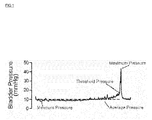
Figure 1 is a cystometrogram (CMG) from a rat during the light phase in response to continuously-infused saline, in normal filling-voiding micturition cycle. -
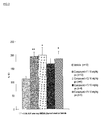
Figure 2 shows the effect of the compounds on intercontraction intervals (ICI) in SHR male rats, characterized by overactive bladder (OAB). -
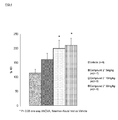
Figure 3 represents the positive activity of the p75 antagonists on bladder capacity of SHR male rats. -
Figure 4 shows the dose response activity (3,10, 30 mg/kg po) of compound 2 on intercontraction intervals in SHR male rats. -
Figure 5 represents the dose dependent activity of compound 2 on bladder capacity in SHR male rats. - Male adult SHR/N Ico rats (250g; Charles Italy), were housed 7 days prior to the surgery with free access to standard chow and water. Animals were used in accordance with sanofi international ethical code and the international principles governing the care and treatment of laboratory animals, (E.E.E Council Directive 86/609, DJL358, 1 Cec. 12, 1987) in a fully accredited AAALAC facility.
All efforts were made to minimize the potential for animal pain, stress, or distress. - A lower midline abdominal incision was performed under general anesthesia with 2-3% isoflurane using aseptic techniques. Their body temperature was maintained at 37° C using a homeothermic blanket. Polyethylene tubing was inserted into the dome of the bladder and secured in place with a 6-0 nylon purse-string suture. The distal end of the tubing was sealed, tunneled subcutaneously, and externalized at the back of the neck, out of the animal's reach. At the moment of the surgery animals were 16 weeks old.
- After one week from surgery, animals were placed in a Small Animal Cystometry Lab Station (MED Associates, St. Albans, Vermont) for urodynamic measurements. Prior to the start of recording the bladder was emptied and the catheter was connected via a T-tube to a pressure transducer and microinjection pump. Isotonic saline (0.9% NaCl at room temperature) was infused into the bladder at a rate of 10 ml per hour. An analytical balance beneath the wire-bottomed animal cage measured the amount of urine voided during continuous cystometry. A single cystometrogram is defined as the simultaneous recording of intravesical pressure, infused volume and voided volume during a single filling-voiding cycle. At least 4 reproducible micturition cycles are recorded (basal period) after the initial stabilization period of 25 to 30 minutes, using MED-CMG software (Catamount Research &Development Company).
Then, vehicle or compounds were administered orally at 2 ml/kg. - Due to kinetic profile of compounds, urodynamic assessment was performed 1h after treatment and at least 4 reproducible micturition cycles were recorded.
- Experiments were performed at similar times of day to avoid the possible impact of circadian rhythm variations (Herrera and al "Diurnal variation in Urodynamics of rat." PLoS ONE 5(8) (2010)). At the end of experiments, animals were sacrificed with an overdose of pentobarbital.
-
- Vehicle: 0.5% Polysorbate 80 (PS80) solution in buffered methylcellulose (MC 0.6%)
- Compound n°1 at 10 mg/kg: suspension (0.5% PS80 plus MC 0.6%)
- Compound n°2 at 3, 10, 30 mg/kg: suspension (0.5% PS80 plus MC 0.6%)
- Compound n°3 at 10 mg/kg: suspension (0.5% PS80 plus MC 0.6%)
- Compound n°4 at 10 mg/kg: suspension (0.5% PS80 plus MC 0.6%)
- In order to investigate the role of compounds according to the invention in the micturition pathway, 5 groups of 4-12 rats are used:
- Group 1, Vehicle per os (po) (n=10)
- Group 2, Compound n°1 at 10 mg/kg po (n=12)
- Group 3, Compound n°2 at 10 mg/kg po (n=6)
-
Group 4, Compound n°3 at 10 mg/kg po (n=4) -
Group 5, Compound n°4 at 10 mg/kg po (n=5) - In order to perform a dose response of Compound n°2 (3-10-30 mg/kg), 4 groups of 6-9 rats are used:
- Group 1, Vehicle po (n=8)
- Group 2, Compound n°2 at 3 mg/kg po (n=7)
- Group 3, Compound n°2 at 10 mg/kg po (n=6)
-
Group 4, Compound n°2 at 30 mg/kg po (n=9) - The cystometrograms are analyzed using a specific software, SOF-552 cystometry data analysis.
- The following endpoints have been considered (
Figure 1 ): - 1. Intercontaction intervals (sec) (ICI) - Time between micturition events (micturition interval)
- 2. Threshold pressure (mmHg) (TP) - Bladder pressure immediately prior to micturition
- 3. Maximum bladder pressure (mmHg) (Max P) -Highest bladder pressure associated with voiding
- 4. Minimum bladder pressure (mmHg) (Min P) - Lowest bladder pressure during bladder filling
- 5. Infused volume (µl) (Inf. Vol) -Volume of saline infused during the micturtion cycle
- 6. Average bladder pressure (mmHg) (Aver P) - Average bladder pressure during bladder filling
- Rats were removed from study, before any treatment when adverse events occurred that included: a reduction in body weight post-surgery, lethargy superior or equal to 20%, pain, or distress not relieved by sanofi's approved regimen of postoperative analgesics or hematuria.
- Animals with atypical micturition pattern are excluded from the study.
- In order to limit the impact of inter-group or intra-group variability, all data were expressed as % of control period (100%), as mean ± standard error of mean (SEM) and were averaged per group of treatment. A one way analysis of variance (ANOVA), followed by Newman-Keuls' test or Dunnett's test, were used. A probability value of P<0.05 was regarded as significant.
- In order to limit the impact of inter-group or intra-group variability that existed; the data have been expressed as percentage of control values.
- 1. The compounds at 10 mg/kg po increased the ICI (intercontraction intervals) and the bladder capacity (infused volume)
For ICI (Figure 2 )- √ Vehicle 111.7 ± 10.3 %, compound n°1, 195.5± 15.4 %, compound n°2, 10 mg/kg po 199.7 ± 28.5%, compound n°3, 10 mg/kg po 167.2 ± 20.3%, compound n°4, 10 mg/kg po 186.3 ± 26.9%
Figure 3 )- √ Vehicle 111.7 ± 10.3 %, compound n°1, 194.9± 15.3 %, compound n°2, 10 mg/kg po 198.9 ± 28.3%, compound n°3, 10 mg/kg po 167.14 ± 20%, compound n°4, 10 mg/kg po 186.2 ± 26.9%
- 2. The compounds at 10 mg/kg po increased the ICI (intercontraction intervals) and the bladder capacity (infused volume) dose dependently
For ICI (Figure 4 )- √ Vehicle 114.3 ± 12.01 %, compound n°2, 3 mg/kg po 160.9 ± 21.8%, compound n°2, 10 mg/kg po 199.7 ± 28.5%, compound n°2, 30 mg/kg po 210.5 ± 24.7%
Figure 5 )- √ Vehicle 114.3 ± 12 %, compound n°2, 3 mg/kg po 160.8 ± 21.7%, compound n°2, 10 mg/kg po 198.9 ± 28.3%, compound n°2, 30 mg/kg po 209.9 ± 24.5%.
- The compounds increased the ICI and the bladder capacity in this pathophysiological model. The compounds had no effect on micturition pressure parameters suggesting a specific response.
- As a representative example, a unitary dosage form of a compound of the invention in the form of a tablet may comprise the following constituents:
P75 receptor antagonist 5,0 mg Lactose 122,0 mg Microcristalline cellulose 36,0 mg Sodium carboxymethylstarch 7,0 mg Polyvidone 9 mg Magnesium stearate 1,0 mg
or
A represents a hydrogen atom; and
B represents a fused heterocyclic group of formula (Y)

in the preparation of medicaments for use in the treatment and/or prevention overactive bladder.
Claims (4)
- A p75 receptor antagonist for the preparation of a medicament for use in the treatment and/or prevention of overactive bladder.
- A p75 receptor antagonist according to claim 1 selected from:- compound n°1: 1-[4-(4-chloro-3-trifluoromethyl-phenyl)-3,6-dihydro-2H-pyridin-1-yl]-2-[8-(5-fluoro-pyrimidin-2-yl)-3,8-diaza-bicyclo[3.2.1]oct-3-yl]-ethanone ;- compound n°2: 6-{(3S,5R)-3,5-Dimethyl-4-[2-oxo-2-(2-phenyl-2,4,6,7-tetrahydropyrazolo[4,3-c]pyridin-5-yl)ethyl]piperazin-1-yl}nicotinic acid hydrochloride;- compound n°3: 6-{(3S,5R)-4-[2-(4-benzofuran-7-yl-3,6-dihydro-2H-pyridin-1-yl)-2-oxoethyl]-3,5-dimethylpiperazin-1-yl}nicotinic acid;- compound n°4: 1-(2-phenyl-2,4,6,7-tetrahydropyrazolo[4,3-c]pyridin-5-yl)-2-(8-pyridin-3-yl-3,8-diazabicyclo[3.2.1]oct-3-yl)ethanone;
in the form of a base or of an addition salt with an acid. - Use of a p75 receptor antagonist in the preparation of medicaments for use in the treatment and/or prevention of overactive bladder.
- Use according to claim 3, wherein said p75 receptor antagonist is selected from:- compound n°1: 1-[4-(4-chloro-3-trifluoromethyl-phenyl)-3,6-dihydro-2H-pyridin-1-yl]-2-[8-(5-fluoro-pyrimidin-2-yl)-3,8-diaza-bicyclo[3.2.1]oct-3-yl]-ethanone ;- compound n°2: 6-{(3S,5R)-3,5-Dimethyl-4-[2-oxo-2-(2-phenyl-2,4,6,7-tetrahydropyrazolo[4,3-c]pyridin-5-yl)ethyl]piperazin-1-yl}nicotinic acid hydrochloride;- compound n°3: 6-{(3S,5R)-4-[2-(4-benzofuran-7-yl-3,6-dihydro-2H-pyridin-1-yl)-2-oxoethyl]-3,5-dimethylpiperazin-1-yl}nicotinic acid;- compound n°4: 1-(2-phenyl-2,4,6,7-tetrahydropyrazolo[4,3-c]pyridin-5-yl)-2-(8-pyridin-3-yl-3,8-diazabicyclo[3.2.1]oct-3-yl)ethanone;
in the form of a base or of an addition salt with an acid.
Priority Applications (29)
| Application Number | Priority Date | Filing Date | Title |
|---|---|---|---|
| EP11306709.4A EP2606894A1 (en) | 2011-12-20 | 2011-12-20 | Novel therapeutic use of p75 receptor antagonists |
| ARP120104842A AR089344A1 (en) | 2011-12-20 | 2012-12-20 | HETEROCICLICAL RECEIVER ANTAGONISTS p75 |
| HK14112081.9A HK1198580A1 (en) | 2011-12-20 | 2012-12-20 | Novel therapeutic use of p75 receptor antagonists |
| KR1020147019353A KR20140103151A (en) | 2011-12-20 | 2012-12-20 | Novel therapeutic use of p75 receptor antagonists |
| PE2014001001A PE20141854A1 (en) | 2011-12-20 | 2012-12-20 | NEW THERAPEUTIC USE OF P75 RECEIVER ANTAGONISTS |
| BR112014014933A BR112014014933A2 (en) | 2011-12-20 | 2012-12-20 | therapeutic use of p75 receptor antagonists |
| PCT/EP2012/076494 WO2013092918A1 (en) | 2011-12-20 | 2012-12-20 | Novel therapeutic use of p75 receptor antagonists |
| NZ626485A NZ626485B2 (en) | 2011-12-20 | 2012-12-20 | Novel therapeutic use of p75 receptor antagonists |
| CN201280070033.2A CN104144688B (en) | 2011-12-20 | 2012-12-20 | Therapeutic uses of p75 receptor antagonists |
| UY0001034535A UY34535A (en) | 2011-12-20 | 2012-12-20 | NEW THERAPEUTIC USE OF P75 RECEIVER ANTAGONISTS. |
| AU2012356922A AU2012356922B2 (en) | 2011-12-20 | 2012-12-20 | Novel therapeutic use of p75 receptor antagonists |
| EP12806060.5A EP2793889A1 (en) | 2011-12-20 | 2012-12-20 | Novel therapeutic use of p75 receptor antagonists |
| MX2014007673A MX2014007673A (en) | 2011-12-20 | 2012-12-20 | Novel therapeutic use of p75 receptor antagonists. |
| JP2014548035A JP6275649B2 (en) | 2011-12-20 | 2012-12-20 | Novel therapeutic use of p75 receptor antagonist |
| EA201491226A EA028616B1 (en) | 2011-12-20 | 2012-12-20 | USE OF p75 RECEPTOR ANTAGONISTS FOR TREATING OVERACTIVE BLADDER |
| CA2859582A CA2859582A1 (en) | 2011-12-20 | 2012-12-20 | Novel therapeutic use of p75 receptor antagonists |
| SG11201403390QA SG11201403390QA (en) | 2011-12-20 | 2012-12-20 | Novel therapeutic use of p75 receptor antagonists |
| DO2014000137A DOP2014000137A (en) | 2011-12-20 | 2014-06-17 | NEW THERAPEUTIC USE OF P75 RECEIVER ANTAGONISTS |
| IL233189A IL233189A0 (en) | 2011-12-20 | 2014-06-17 | Novel therapeutic use of p75 receptor antagonists |
| US14/306,882 US20140296513A1 (en) | 2011-12-20 | 2014-06-17 | Novel therapeutic use of p75 receptor antagonists |
| TNP2014000269A TN2014000269A1 (en) | 2011-12-20 | 2014-06-17 | Novel therapeutic use of p75 receptor antagonists |
| CL2014001619A CL2014001619A1 (en) | 2011-12-20 | 2014-06-18 | P75 receptor antagonists, selected from compounds such as (heterocyclyl tetrahydropyridine) - (piperazinyl) -1-alkanolone and (heterocyclyl dihydropyridine) - (piperazinyl) -1-alkanone derivatives for the treatment and / or prevention of overactive bladder; and use for the treatment and / or prevention of overactive bladder. |
| PH12014501390A PH12014501390A1 (en) | 2011-12-20 | 2014-06-18 | Novel therapeutic use of p75 receptor antagonists |
| CR20140298A CR20140298A (en) | 2011-12-20 | 2014-06-19 | NEW THERAPEUTIC USE OF P75 RECEIVER ANTAGONISTS |
| CO14139616A CO6990740A2 (en) | 2011-12-20 | 2014-06-27 | New therapeutic use of p75 receptor antagonists |
| MA37184A MA35850B1 (en) | 2011-12-20 | 2014-07-07 | New therapeutic use of p75 receptor antagonists |
| US15/233,227 US9763940B2 (en) | 2011-12-20 | 2016-08-10 | Therapeutic use of P75 receptor antagonists |
| JP2017189265A JP2018030865A (en) | 2011-12-20 | 2017-09-29 | Novel therapeutic use of p75 receptor antagonists |
| AU2017248550A AU2017248550A1 (en) | 2011-12-20 | 2017-10-20 | Novel therapeutic use of p75 receptor antagonists |
Applications Claiming Priority (1)
| Application Number | Priority Date | Filing Date | Title |
|---|---|---|---|
| EP11306709.4A EP2606894A1 (en) | 2011-12-20 | 2011-12-20 | Novel therapeutic use of p75 receptor antagonists |
Publications (1)
| Publication Number | Publication Date |
|---|---|
| EP2606894A1 true EP2606894A1 (en) | 2013-06-26 |
Family
ID=47429839
Family Applications (2)
| Application Number | Title | Priority Date | Filing Date |
|---|---|---|---|
| EP11306709.4A Withdrawn EP2606894A1 (en) | 2011-12-20 | 2011-12-20 | Novel therapeutic use of p75 receptor antagonists |
| EP12806060.5A Withdrawn EP2793889A1 (en) | 2011-12-20 | 2012-12-20 | Novel therapeutic use of p75 receptor antagonists |
Family Applications After (1)
| Application Number | Title | Priority Date | Filing Date |
|---|---|---|---|
| EP12806060.5A Withdrawn EP2793889A1 (en) | 2011-12-20 | 2012-12-20 | Novel therapeutic use of p75 receptor antagonists |
Country Status (24)
| Country | Link |
|---|---|
| US (2) | US20140296513A1 (en) |
| EP (2) | EP2606894A1 (en) |
| JP (2) | JP6275649B2 (en) |
| KR (1) | KR20140103151A (en) |
| CN (1) | CN104144688B (en) |
| AR (1) | AR089344A1 (en) |
| AU (2) | AU2012356922B2 (en) |
| BR (1) | BR112014014933A2 (en) |
| CA (1) | CA2859582A1 (en) |
| CL (1) | CL2014001619A1 (en) |
| CO (1) | CO6990740A2 (en) |
| CR (1) | CR20140298A (en) |
| DO (1) | DOP2014000137A (en) |
| EA (1) | EA028616B1 (en) |
| HK (1) | HK1198580A1 (en) |
| IL (1) | IL233189A0 (en) |
| MA (1) | MA35850B1 (en) |
| MX (1) | MX2014007673A (en) |
| PE (1) | PE20141854A1 (en) |
| PH (1) | PH12014501390A1 (en) |
| SG (1) | SG11201403390QA (en) |
| TN (1) | TN2014000269A1 (en) |
| UY (1) | UY34535A (en) |
| WO (1) | WO2013092918A1 (en) |
Families Citing this family (3)
| Publication number | Priority date | Publication date | Assignee | Title |
|---|---|---|---|---|
| EP2606894A1 (en) * | 2011-12-20 | 2013-06-26 | Sanofi | Novel therapeutic use of p75 receptor antagonists |
| KR20250099259A (en) | 2017-06-06 | 2025-07-01 | 유로반트 사이언시즈 게엠베하 | Use of vibegron to treat overactive bladder |
| JP7530182B2 (en) * | 2020-02-06 | 2024-08-07 | 株式会社東芝 | Biocompatible Materials |
Citations (5)
| Publication number | Priority date | Publication date | Assignee | Title |
|---|---|---|---|---|
| US20070123514A1 (en) * | 2005-09-15 | 2007-05-31 | Painceptor Pharma Corporation | Methods of modulating neurotrophin-mediated activity |
| WO2009150388A1 (en) | 2008-06-13 | 2009-12-17 | Sanofi-Aventis | Novel derivatives of (bridged piperazinyl)-1-alcanone and use thereof as p75 inhibitors |
| WO2009150387A1 (en) | 2008-06-13 | 2009-12-17 | Sanofi-Aventis | Derivatives of 2-oxo-alkyl-1-piperazin-2-one, preparation method thereof and therapeutic use of same |
| WO2011080444A1 (en) | 2009-12-14 | 2011-07-07 | Sanofi-Aventis | Novel (heterocycle/condensed piperidine)-(piperazinyl)-1-alcanone or (heterocycle/condensed pyrrolidine)-(piperazinyl)-1-alcanone derivatives, and use thereof as p75 inhibitors |
| WO2011080445A1 (en) | 2009-12-14 | 2011-07-07 | Sanofi-Aventis | Novel (heterocycle/tetrahydropyridine)-(piperazinyl)-1-alcanone and (heterocycle/dihydropyrrolidine)-(piperazinyl)-1-alcanone derivatives, and use thereof as p75 inhibitors |
Family Cites Families (19)
| Publication number | Priority date | Publication date | Assignee | Title |
|---|---|---|---|---|
| DE3236243A1 (en) | 1982-09-30 | 1984-04-05 | Merck Patent Gmbh, 6100 Darmstadt | SULFURIZED INDOLDER DERIVATIVES |
| FR2744448B1 (en) | 1996-02-02 | 1998-04-24 | Pf Medicament | NOVEL PIPERIDINES DERIVED FROM ARYL PIPERAZINE, AS WELL AS THEIR PREPARATION METHOD, PHARMACEUTICAL COMPOSITIONS AND THEIR USE AS MEDICAMENTS |
| AU728523C (en) | 1996-10-21 | 2001-08-09 | Nps Pharmaceuticals, Inc. | Neurotrophin antagonist compositions |
| US6613942B1 (en) | 1997-07-01 | 2003-09-02 | Novo Nordisk A/S | Glucagon antagonists/inverse agonists |
| WO1999001423A1 (en) | 1997-07-01 | 1999-01-14 | Novo Nordisk A/S | Glucagon antagonists/inverse agonists |
| DE19826841A1 (en) | 1998-06-16 | 1999-12-23 | Merck Patent Gmbh | Arylalkanoylpyridazines |
| GB9905010D0 (en) | 1999-03-04 | 1999-04-28 | Merck Sharp & Dohme | Therapeutic agents |
| EP1165522A1 (en) | 1999-04-06 | 2002-01-02 | Krenitsky Pharmaceuticals, Inc. | Neurotrophic thio substituted pyrimidines |
| US6468990B1 (en) | 1999-05-17 | 2002-10-22 | Queen's University At Kingston | Method of inhibiting binding of nerve growth factor to p75 NTR receptor |
| FR2803593B1 (en) | 2000-01-06 | 2002-02-15 | Sanofi Synthelabo | NOVEL TETRAHYDROPYRIDINES, PROCESS FOR THEIR PREPARATION AND PHARMACEUTICAL COMPOSITIONS CONTAINING THEM |
| UA77526C2 (en) | 2002-06-07 | 2006-12-15 | Sanofi Aventis | Substituted derivatives of 1-piperazineacylpiperidine, a method for the preparation thereof and their use in therapy |
| FR2862967B1 (en) | 2003-12-01 | 2006-08-04 | Sanofi Synthelabo | (4-PHENYLPIPERAZIN-1-YL) ACYLPIPERIDINE DERIVATIVES, THEIR PREPARATION AND THEIR THERAPEUTIC USE |
| FR2862968B1 (en) | 2003-12-01 | 2006-08-04 | Sanofi Synthelabo | 4 - [(ARYLMETHYL) AMINOMETHYL] PIPERIDINE DERIVATIVES, THEIR PREPARATION AND THEIR THERAPEUTIC USE |
| MX2007001399A (en) | 2004-08-02 | 2007-04-18 | Osi Pharm Inc | Aryl-amino substituted pyrrolopyrimidine multi-kinase inhibiting compounds. |
| US20110071180A1 (en) | 2008-03-05 | 2011-03-24 | Targacept, Inc. | Sub-type selective amides of diazabicycloalkanes |
| TWI443098B (en) | 2008-03-24 | 2014-07-01 | Medivation Technologies Inc | Pyrido[3,4-b]indoles and methods of use |
| CN101284838B (en) | 2008-06-06 | 2011-05-04 | 天津药物研究院 | Ethylene imine derivates with thienopyridine, preparation method and applications thereof |
| JP2010254641A (en) * | 2009-04-28 | 2010-11-11 | Astellas Pharma Inc | Azole carboxamide compound or salt thereof |
| EP2606894A1 (en) * | 2011-12-20 | 2013-06-26 | Sanofi | Novel therapeutic use of p75 receptor antagonists |
-
2011
- 2011-12-20 EP EP11306709.4A patent/EP2606894A1/en not_active Withdrawn
-
2012
- 2012-12-20 EA EA201491226A patent/EA028616B1/en not_active IP Right Cessation
- 2012-12-20 SG SG11201403390QA patent/SG11201403390QA/en unknown
- 2012-12-20 WO PCT/EP2012/076494 patent/WO2013092918A1/en not_active Ceased
- 2012-12-20 PE PE2014001001A patent/PE20141854A1/en not_active Application Discontinuation
- 2012-12-20 JP JP2014548035A patent/JP6275649B2/en not_active Expired - Fee Related
- 2012-12-20 EP EP12806060.5A patent/EP2793889A1/en not_active Withdrawn
- 2012-12-20 BR BR112014014933A patent/BR112014014933A2/en not_active IP Right Cessation
- 2012-12-20 HK HK14112081.9A patent/HK1198580A1/en unknown
- 2012-12-20 AR ARP120104842A patent/AR089344A1/en unknown
- 2012-12-20 CA CA2859582A patent/CA2859582A1/en not_active Abandoned
- 2012-12-20 CN CN201280070033.2A patent/CN104144688B/en not_active Expired - Fee Related
- 2012-12-20 AU AU2012356922A patent/AU2012356922B2/en not_active Ceased
- 2012-12-20 UY UY0001034535A patent/UY34535A/en not_active Application Discontinuation
- 2012-12-20 KR KR1020147019353A patent/KR20140103151A/en not_active Ceased
- 2012-12-20 MX MX2014007673A patent/MX2014007673A/en unknown
-
2014
- 2014-06-17 TN TNP2014000269A patent/TN2014000269A1/en unknown
- 2014-06-17 IL IL233189A patent/IL233189A0/en unknown
- 2014-06-17 DO DO2014000137A patent/DOP2014000137A/en unknown
- 2014-06-17 US US14/306,882 patent/US20140296513A1/en not_active Abandoned
- 2014-06-18 PH PH12014501390A patent/PH12014501390A1/en unknown
- 2014-06-18 CL CL2014001619A patent/CL2014001619A1/en unknown
- 2014-06-19 CR CR20140298A patent/CR20140298A/en unknown
- 2014-06-27 CO CO14139616A patent/CO6990740A2/en unknown
- 2014-07-07 MA MA37184A patent/MA35850B1/en unknown
-
2016
- 2016-08-10 US US15/233,227 patent/US9763940B2/en not_active Expired - Fee Related
-
2017
- 2017-09-29 JP JP2017189265A patent/JP2018030865A/en active Pending
- 2017-10-20 AU AU2017248550A patent/AU2017248550A1/en not_active Abandoned
Patent Citations (5)
| Publication number | Priority date | Publication date | Assignee | Title |
|---|---|---|---|---|
| US20070123514A1 (en) * | 2005-09-15 | 2007-05-31 | Painceptor Pharma Corporation | Methods of modulating neurotrophin-mediated activity |
| WO2009150388A1 (en) | 2008-06-13 | 2009-12-17 | Sanofi-Aventis | Novel derivatives of (bridged piperazinyl)-1-alcanone and use thereof as p75 inhibitors |
| WO2009150387A1 (en) | 2008-06-13 | 2009-12-17 | Sanofi-Aventis | Derivatives of 2-oxo-alkyl-1-piperazin-2-one, preparation method thereof and therapeutic use of same |
| WO2011080444A1 (en) | 2009-12-14 | 2011-07-07 | Sanofi-Aventis | Novel (heterocycle/condensed piperidine)-(piperazinyl)-1-alcanone or (heterocycle/condensed pyrrolidine)-(piperazinyl)-1-alcanone derivatives, and use thereof as p75 inhibitors |
| WO2011080445A1 (en) | 2009-12-14 | 2011-07-07 | Sanofi-Aventis | Novel (heterocycle/tetrahydropyridine)-(piperazinyl)-1-alcanone and (heterocycle/dihydropyrrolidine)-(piperazinyl)-1-alcanone derivatives, and use thereof as p75 inhibitors |
Non-Patent Citations (6)
| Title |
|---|
| GIRARD BM: "Neurotrophin/receptor expression in urinary bladder of mice with overexpression of NGF in urothelium", AM J PHYSIOL RENAL PHYSIOL., vol. 300, 2011, pages F345 - F355 |
| HERRERA: "Diurnal variation in Urodynamics of rat", PLOS ONE, vol. 5, no. 8, 2010 |
| KLINGER MB: "75NTR Expression in Rat Urinary Bladder Sensory Neurons and Spinal Cord with Cyclophosphamide-Induced Cystitis", J. COMP. NEUROL., vol. 507, 2008, pages 1379 - 1392 |
| LECCI A ET AL: "Overactive urinary bladder: Targeting sensory pathways", DRUG DISCOVERY TODAY: THERAPEUTIC STRATEGIES, ELSEVIER, vol. 2, no. 1, 1 April 2005 (2005-04-01), pages 15 - 23, XP004991427, ISSN: 1740-6773, DOI: 10.1016/J.DDSTR.2005.05.007 * |
| STEERS W D: "Therapeutic strategies for urge urinary incontinence", DRUG DISCOVERY TODAY: THERAPEUTIC STRATEGIES, ELSEVIER, vol. 1, no. 2, 1 October 2004 (2004-10-01), pages 267 - 273, XP004637038, ISSN: 1740-6773, DOI: 10.1016/J.DDSTR.2004.09.007 * |
| W.J. FRIEDMAN; L.A. GREENE, EXP. CELL. RES., vol. 253, 1999, pages 131 - 142 |
Also Published As
Similar Documents
| Publication | Publication Date | Title |
|---|---|---|
| US6835740B2 (en) | Methods for treating sleep apnea and sleep induced apnea using optically pure (+) norcisapride | |
| JP3097697B2 (en) | Method for treating vomiting and central nervous system disorders using optically pure (+) norcisapride | |
| US9907795B2 (en) | Method of treatment of chronic cough administering orvepitant in combination with other therapeutic agents | |
| AU2016384267B2 (en) | Orvepitant for the treatment of chronic cough | |
| JP5957525B2 (en) | Substituted 4,5,6,7-tetrahydro-1H-pyrazolo [4,3-c] pyridines, their use as medicaments and pharmaceutical formulations containing them | |
| US20230181538A1 (en) | Aldosterone synthase inhibitors for treating chronic kidney disease | |
| US9763940B2 (en) | Therapeutic use of P75 receptor antagonists | |
| US6559165B1 (en) | Methods for treating bulimia using optically pure (−) norcisapride | |
| NZ626485B2 (en) | Novel therapeutic use of p75 receptor antagonists | |
| OA16932A (en) | Novel therapeutic use of p75 receptor antagonists. | |
| TW201332997A (en) | Novel therapeutic use of p75 receptor antagonists | |
| JP2006528155A (en) | Use of 3,7-diazabicyclo [3.3.1] nonane compounds for the treatment and / or prevention of antiarrhythmic events in human male patients | |
| CA3304672A1 (en) | Muscle relaxant antagonist for reversal for benzylisoquinoline muscle relaxant | |
| JPWO2010047369A1 (en) | Treatment for diabetic nephropathy | |
| EP1468685A2 (en) | Use of optically pure (+)-norcisapride for treating apnea, bulimia and other disorders | |
| MXPA00012365A (en) | Use of optically pure (-) norcisapride in the treatment of apnea, bulimia, and other disorders |
Legal Events
| Date | Code | Title | Description |
|---|---|---|---|
| AK | Designated contracting states |
Kind code of ref document: A1 Designated state(s): AL AT BE BG CH CY CZ DE DK EE ES FI FR GB GR HR HU IE IS IT LI LT LU LV MC MK MT NL NO PL PT RO RS SE SI SK SM TR |
|
| AX | Request for extension of the european patent |
Extension state: BA ME |
|
| PUAI | Public reference made under article 153(3) epc to a published international application that has entered the european phase |
Free format text: ORIGINAL CODE: 0009012 |
|
| 17P | Request for examination filed |
Effective date: 20140102 |
|
| RBV | Designated contracting states (corrected) |
Designated state(s): AL AT BE BG CH CY CZ DE DK EE ES FI FR GB GR HR HU IE IS IT LI LT LU LV MC MK MT NL NO PL PT RO RS SE SI SK SM TR |
|
| STAA | Information on the status of an ep patent application or granted ep patent |
Free format text: STATUS: THE APPLICATION IS DEEMED TO BE WITHDRAWN |
|
| 18D | Application deemed to be withdrawn |
Effective date: 20140103 |