EP2587421A1 - Securely delivering and verifying a mobile boarding pass - Google Patents
Securely delivering and verifying a mobile boarding pass Download PDFInfo
- Publication number
- EP2587421A1 EP2587421A1 EP12182682.0A EP12182682A EP2587421A1 EP 2587421 A1 EP2587421 A1 EP 2587421A1 EP 12182682 A EP12182682 A EP 12182682A EP 2587421 A1 EP2587421 A1 EP 2587421A1
- Authority
- EP
- European Patent Office
- Prior art keywords
- series
- data
- boarding pass
- barcodes
- different
- Prior art date
- Legal status (The legal status is an assumption and is not a legal conclusion. Google has not performed a legal analysis and makes no representation as to the accuracy of the status listed.)
- Withdrawn
Links
Images


Classifications
-
- G—PHYSICS
- G06—COMPUTING OR CALCULATING; COUNTING
- G06Q—INFORMATION AND COMMUNICATION TECHNOLOGY [ICT] SPECIALLY ADAPTED FOR ADMINISTRATIVE, COMMERCIAL, FINANCIAL, MANAGERIAL OR SUPERVISORY PURPOSES; SYSTEMS OR METHODS SPECIALLY ADAPTED FOR ADMINISTRATIVE, COMMERCIAL, FINANCIAL, MANAGERIAL OR SUPERVISORY PURPOSES, NOT OTHERWISE PROVIDED FOR
- G06Q10/00—Administration; Management
- G06Q10/02—Reservations, e.g. for tickets, services or events
-
- B—PERFORMING OPERATIONS; TRANSPORTING
- B64—AIRCRAFT; AVIATION; COSMONAUTICS
- B64F—GROUND OR AIRCRAFT-CARRIER-DECK INSTALLATIONS SPECIALLY ADAPTED FOR USE IN CONNECTION WITH AIRCRAFT; DESIGNING, MANUFACTURING, ASSEMBLING, CLEANING, MAINTAINING OR REPAIRING AIRCRAFT, NOT OTHERWISE PROVIDED FOR; HANDLING, TRANSPORTING, TESTING OR INSPECTING AIRCRAFT COMPONENTS, NOT OTHERWISE PROVIDED FOR
- B64F1/00—Ground or aircraft-carrier-deck installations
- B64F1/36—Other airport installations
- B64F1/366—Check-in counters
-
- G—PHYSICS
- G06—COMPUTING OR CALCULATING; COUNTING
- G06Q—INFORMATION AND COMMUNICATION TECHNOLOGY [ICT] SPECIALLY ADAPTED FOR ADMINISTRATIVE, COMMERCIAL, FINANCIAL, MANAGERIAL OR SUPERVISORY PURPOSES; SYSTEMS OR METHODS SPECIALLY ADAPTED FOR ADMINISTRATIVE, COMMERCIAL, FINANCIAL, MANAGERIAL OR SUPERVISORY PURPOSES, NOT OTHERWISE PROVIDED FOR
- G06Q20/00—Payment architectures, schemes or protocols
- G06Q20/04—Payment circuits
- G06Q20/045—Payment circuits using payment protocols involving tickets
-
- G—PHYSICS
- G07—CHECKING-DEVICES
- G07B—TICKET-ISSUING APPARATUS; FARE-REGISTERING APPARATUS; FRANKING APPARATUS
- G07B15/00—Arrangements or apparatus for collecting fares, tolls or entrance fees at one or more control points
Definitions
- the present invention relates to secure access systems and methods and more specifically to a system and method of securely delivering and verifying a mobile boarding pass.
- Barcoded boarding pass is a standard used by airlines which defines a two-dimensional barcode printed on a boarding pass or sent to a mobile phone for electronic boarding passes.
- the barcode is encoded with boarding pass information defined by the standard, such as traveler name, flight number, and flight date and time.
- the standard accepts different symbologies for use by mobile phones, including Aztec code, Datamatrix, and QR code. Barcodes may be delivered to mobile phones using Multimedia Messaging Service (MMS), electronic mail (e-mail) or Wireless Application Protocol (WAP).
- MMS Multimedia Messaging Service
- e-mail electronic mail
- WAP Wireless Application Protocol
- the ability to capture and duplicate two-dimensional barcodes from paper or from a mobile device is a security risk for certain types of applications. It may be possible for an attacker to intercept a barcode and use it for fraudulent access, key-reverse-engineering, or other nefarious purposes.
- a two-dimensional barcode intercepted from a valid boarding pass may be used with a forged identification document, such as a forged driver's license, to pass through a Transportation Security Administration (TSA) checkpoint, at which a TSA representative checks the validity of the boarding pass and matches information from the boarding pass with information from the identification document.
- TSA Transportation Security Administration
- a system and method of securely delivering and verifying a mobile boarding pass is provided.
- An example method includes receiving boarding pass data for a traveler from reservation data, creating a digital certificate containing the boarding pass data, encrypting the digital certificate using a plurality of different tokens to produce a series of different encrypted digital certificates, encoding the series of different encrypted digital certificates into a series of different two-dimensional barcodes, providing the series of different two-dimensional barcodes to a mobile communication device of the traveler in advance of arrival at a security checkpoint, receiving decoded barcode data in one or more of the two-dimensional barcodes from a barcode reader at the security checkpoint following reading of the two-dimensional barcodes from the mobile communication device, decrypting the decoded barcode data using the plurality of different tokens, and identifying a valid digital certificate containing boarding pass data in the decoded barcode data.
- a method of delivering a boarding pass comprising: receiving boarding pass data for a traveler from reservation data; creating a digital certificate containing the boarding pass data; encrypting the digital certificate using a plurality of different tokens to produce a series of different encrypted digital certificates; encoding the series of different encrypted digital certificates into a series of different two-dimensional barcodes; providing the series of different two-dimensional barcodes to a mobile communication device of the traveler.
- Providing the series of different two-dimensional barcodes to a mobile communication device of the traveler may be performed prior to arrival of the mobile communication device at a security checkpoint.
- the method may comprise the further step of receiving decoded barcode data in one or more of the two-dimensional barcodes from a barcode reader at the security checkpoint following reading of the two-dimensional barcodes from the mobile communication device.
- the method may comprise the further steps of decrypting the decoded barcode data using the plurality of different tokens; and identifying a valid digital certificate containing boarding pass data in the decoded barcode data.
- a method of verifying a mobile boarding pass comprising: receiving decoded barcode data in one or more two-dimensional barcodes of the mobile boarding pass from a barcode reader; decrypting the decoded barcode data using a series of different tokens; and identifying a valid digital certificate containing boarding pass data in the decoded barcode data.
- a mobile boarding pass method comprising: receiving boarding pass data for a traveler from reservation data; creating a digital certificate containing the boarding pass data; encrypting the digital certificate using a plurality of different tokens to produce a series of different encrypted digital certificates; encoding the series of different encrypted digital certificates into a series of different two-dimensional barcodes; providing the series of different two-dimensional barcodes to a mobile communication device of the traveler in advance of arrival at a security checkpoint; receiving decoded barcode data in one or more of the two-dimensional barcodes from a barcode reader at the security checkpoint following reading of the two-dimensional barcodes from the mobile communication device; decrypting the decoded barcode data using the plurality of different tokens; and identifying a valid digital certificate containing boarding pass data in the decoded barcode data.
- Fig. 1 is a block diagram of a network of travel systems
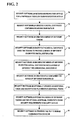
- Fig. 2 is a flow diagram illustrating a method of delivering boarding pass data
- Fig. 3 is a flow diagram illustrating a method of verifying the boarding pass data.
- an example airline system 10 includes reservation system 12, check-point system 14, and gate system 16.
- Reservation system 12 executes security software 20 which secures boarding pass data 22 and generates a series of different barcodes 62 containing the secured boarding pass data.
- the secured boarding pass data validates the boarding pass data in barcodes 62 as not being fraudulently copied or altered when barcodes 62 are read at a security checkpoint or departure gate.
- security software 20 may create or obtain a digital certificate containing boarding pass data 22 and encrypt the digital certificate using a key or token. Security software 20 then generates the series of different barcodes 62 which can be decrypted by systems at the security checkpoints and departure gates using the token.
- security software 20 obtains or generates a predetermined pattern or series of tokens for creating a series of different encrypted versions of the common digital certificate.
- Systems at the security checkpoints and departure gates use predetermined pattern or series of tokens to decrypt the different versions of the common digital certificate.
- Security software 20 may obtain or derive boarding pass data 22 from reservation data 24.
- Travelers establish reservation data 24 when they book reservations for travel. For example, travelers provide identification information and choose flights and flight times when they book reservations. This and other information, such as contact information, is stored as reservation data 24.
- Security software 20 may schedule delivery of the series of barcodes 62 and deliver the series of barcodes 62 to a mobile communication device 60 using the contact information provided by the traveler when the traveler booked the reservation. Security software 20 may deliver the series of barcodes 62 using any method identified in the barcoded boarding pass (BCBP) standard.
- BCBP barcoded boarding pass
- Security software 20 may further enhance security in a number of different ways. For example, security software 20 may deliver the series of barcodes 62 to mobile communication device 60 when presentation of barcodes 62 is required, such as during an initial security check at a security checkpoint. Security software 20 may deliver barcodes 62 a predetermined number of hours or minutes prior to the scheduled flight.
- security software 20 may lock the series of barcodes 62 and deliver the locked series of barcodes 62 during or following completion of a on-line check-in procedure in which mobile communication device 60 connects to reservation system 12 in advance of arrival at an airport, or at some other time in advance of when display of screen images of the series of barcodes 62 is required.
- security software 20 may send the series of barcodes 62 as a single file encrypted with a separate key than the key or keys used by security software 20 to encrypt the digital certificate or certificates.
- a traveler may be required to enter the separate key into mobile communication device 60 to unlock and use the series of barcodes 62.
- the key may include a personal identification number (PIN) or a biometric such as a fingerprint for mobile communication devices 60 equipped with biometric readers.
- PIN personal identification number
- biometric such as a fingerprint for mobile communication devices 60 equipped with biometric readers.
- security software 20 When security software 20 sends a key such as a PIN to unlock the series of barcodes 62, it does so separately from sending the series of barcodes. For example, using the contact information, security software 20 may send an electronic mail (e-mail) or a simple message service (SMS) or "text" message to mobile communication device 60 containing the PIN.
- a key such as a PIN
- SMS simple message service
- the separate key may include a Unique Identifier (UDID) of mobile communication device 60 provided by the traveler as part of reservation data 24, and mere use of mobile communication device 60 may be enough to unlock and use the series of barcodes 62.
- UDID Unique Identifier
- security software 20 may include a predetermined time period during which the series of barcodes must be read by a barcode reader at a security check-point or departure gate, which prevents the series of barcodes 62 from being read at any other time.
- security software 20 may vary the time between barcodes 62 according to a predetermined pattern, so that only a barcode reader at a security check-point or departure gate can read the series of barcodes 62.
- security software 20 may include expiration information which prevents the series of barcodes 62 from being read following a scheduled departure time.
- Security software 20 may store the tokens, additional keys, digital certificate information, and additional rules or security requirements as security data 26.
- Reservation system 12 may include one or more computers, each including a processor, memory, and program and data storage. Reservation system 12 may execute an operating system such as a Microsoft operating system. Reservation system 12 may execute other computer software that may be stored in a computer readable medium, such as a memory.
- Reservation system 12 further includes network circuitry for connecting to network 30, and other circuitry for connecting to peripherals.
- Network 30 may include any combination of wireless or wired networks, including a global communication network, also known as the Internet.
- Network 30 may include a local or wide area network portion shared by reservation system 12, check-point system 14, and gate system 16.
- reservation system 12 may include a web server with addresses for web sites for delivering web pages.
- Mobile communication device 60 downloads and displays the web pages for purposes including but not limited to establishing and logging into traveler accounts, setting or changing traveler preferences, making or cancelling reservations, checking loyalty status, paying or authorizing payment for flight services, and performing the on-line check-in procedure. Mobile communication device 60 may also connect to the reservation system web site to download the series of barcodes 62 containing boarding pass data.
- Mobile communication device 60 may include a smart phone or other portable communication device.
- Mobile communication device 60 may include a processor, memory, and program and data storage. Mobile communication device 60 may execute an operating system and other computer software that may be stored in a computer readable medium, such as a memory.
- the software may, for example, include a software applet written to be executed within the operating system of the smart phone and provided by airline system 10.
- mobile communication device 60 may execute web browser software for displaying web pages from reservation system 12.
- mobile communication device 60 may execute software for displaying screen images of barcodes 62 in a mobile boarding pass format.
- mobile communication device 60 may execute software for receiving and decrypting files containing the series of barcodes 62.
- Mobile communication device 60 may further include wireless network circuitry for connecting to network 30, graphics circuitry for connecting to a display, and other circuitry for connecting to other peripherals.
- Mobile communication device 60 and its graphics circuitry may be equipped with dynamic image rendering technology for dynamically creating and displaying screen images of the series of barcodes 62 during check-in at a departure gate.
- a traveler After arriving at an airport, a traveler may be required to pass through one or more security checkpoints, such as a Transportation Security Administration (TSA) check-point or a departure gate.
- TSA Transportation Security Administration
- Check-point system 14 and gate system 16 may share security data 26.
- Check-point system 14 includes a barcode reader 40 capable of reading the series of barcodes 62.
- Check-point system 14 may include one or more computers, each including a processor, memory, and program and data storage.
- Check-point system 14 may execute an operating system such as a Microsoft operating system.
- Check-point system 14 may execute other computer software that may be stored in a computer readable medium, such as a memory.
- Check-point system 14 may further include network circuitry for connecting to network 30, and other circuitry for connecting to peripherals such as barcode reader 40.
- a traveler uses mobile communication device 60 to display screen images of the series of barcodes 62.
- the traveler places the display of mobile communication device 60 facing barcode reader 40 so that barcode reader 40 may read and decode the series of barcodes 62.
- Check-point system 14 executes check-point software 42 for receiving decoded barcode data from barcode reader 40 and for determining whether the boarding pass data is valid.
- check-point software 42 decrypts the decoded barcode data using the tokens used by security software 20 and determines whether decoded barcode data includes a valid digital certificate created by security software 20 containing the boarding pass data.
- security data 26 may also include other security settings, such as time and sequence data for the series of barcodes 62.
- Security requirements for reading the series of barcodes 62 may vary.
- check-point software 42 may determine that security requirements have been satisfied if barcode reader 40 reads and decodes two or more barcodes 62 in the series of barcodes 62 and check-point software 42 is able to establish that the two or more barcodes 62 contain boarding pass data signed with a valid digital certificate.
- check-point software 42 may determine that security requirements have been satisfied if barcode reader 40 reads and decodes two or more barcodes 62 according to a predetermined pattern or order, for example, two or more consecutive barcodes 62, and check-point software 42 is able to establish that the two or more barcodes 62 contain boarding pass data signed with a valid digital certificate.
- check-point software 42 may determine that security requirements have been satisfied if barcode reader 40 reads and decodes two or more barcodes 62 separated by correct predetermined time periods associated with those barcodes 62, and check-point software 42 is able to establish that the two or more barcodes 62 contain boarding pass data signed with a valid digital certificate.
- check-point software 42 may determine that security requirements have not been met if barcode reader 40 detects and reads only a static image of a barcode 62, or reads the barcodes 62 outside of a predetermined time period that the digital certificate is valid, or if the digital certificate for the series of barcodes 62 has expired.
- Gate system 16 may include one or computers, each including a processor, memory, and program and data storage. Gate system 16 may execute an operating system such as a Microsoft operating system. Gate system 16 may execute other computer software that may be stored in a computer readable medium, such as a memory.
- Gate system 16 may further include network circuitry for connecting to network 30, and other circuitry for connecting to peripherals such as barcode reader 50.
- Barcode reader 50 may also be capable of reading the series of barcodes 62 and gate system 16 may be configured in a similar fashion as check-point system 14.
- Gate system 16 executes gate software 52 for receiving decoded barcode data from barcode reader 40 and for determining whether the boarding pass data is valid. For this purpose, gate software 52 decrypts the decoded barcode data using the tokens used by security software 20 and determines whether decoded barcode data includes boarding pass data signed with the digital certificate used by security software 20.
- barcode reader 50 may be capable of reading only a single barcode 62.
- Gate software 52 may determine that a different, more relaxed, set of security requirements at a gate have been satisfied if barcode reader 50 reads and decodes one of the series of barcodes 62 and gate software 52 is able to establish that the one barcode 62 includes a digital certificate created by security software 20 containing the boarding pass data.
- Fig. 2 an example boarding pass delivery method is illustrated in detail beginning with step 70.
- step 70 security software 20 receives boarding pass data 22 for a particular traveler from reservation data 24.
- security software 20 creates a digital certificate containing boarding pass data 22.
- step 74 security software 20 creates a series of different tokens.
- step 76 security software 20 encrypts the digital certificate using the tokens to produce a series of different encrypted digital certificates.
- security software 20 encodes the series of different encrypted digital certificates into a series of different two-dimensional barcodes 62.
- step 80 security software 20 creates a file containing the series of different barcodes 62.
- security software 20 optionally creates an additional token and encrypts the file with the additional token.
- security software 20 stores the series of different tokens and the optional additional token with other security requirements in security data 26. Either or both of check-point software 42 and gate software 52 may then use the tokens and security requirements when the traveler arrives at those locations.
- security software 20 provides the file to mobile communication device 60. If the file is encrypted, security software 20 separately provides the additional token to mobile communication device 60.
- Mobile communication device 60 displays the series of different barcodes 62 at a security check-point (or departure gate).
- Fig. 3 an example method of verifying the boarding pass data is illustrated in detail beginning with step 90.
- check-point software 42 receives an indication from barcode reader 40 (or barcode reader 50) following an attempt to read and decode barcodes from mobile communication device 60.
- step 92 check-point software 42 determines whether barcode reader 40 was able to read and decode barcodes from mobile communication device 60. If so, operation proceeds to step 94. Otherwise, operation proceeds to step 108.
- check-point software 42 provides an indication to an operator that barcode reader 40 was able to read and decode barcodes from mobile communication device 60.
- check-point software 42 obtains decoded barcode data from one or more of barcodes 62 following reading and decoding by barcode reader 40 (or barcode reader 50).
- check-point software 42 receives the series of different tokens from security data 26.
- check-point software 42 decrypts the decoded barcode data using the series of different tokens.
- check-point software 42 applies each token against each piece of barcode data.
- check-point software 42 inspects each decrypted piece of barcode data.
- check-point software 42 determine whether it includes a valid digital certificate created by security software 20 containing the boarding pass data.
- check-point software 42 determines whether at least two pieces of barcode data include the valid digital certificate created by security software 20 and containing the boarding pass data. If so, operation continues to step 106. Otherwise, operation continues to 110.
- check-point software 42 provides an indication to an operator that the barcode data is valid. The operator may allow the traveler to pass through the check-point.
- check-point software 42 provides an indication to the operator that barcode reader 40 was not able to read and decode barcodes from mobile communication device 60 in step 108. Operation proceeds to step 110.
- check-point software 42 provides an indication to the operator that the barcode data is not valid in step 110. The operator may investigate further and/or alert security personnel.
- Check-point software 42 may optionally perform other security tests using data and rules in security data 26, such as whether the two pieces of barcode data occur consecutively in the series, whether the barcode data has been read outside of an authorized time period, or whether the barcode data has expired.
Landscapes
- Business, Economics & Management (AREA)
- Engineering & Computer Science (AREA)
- Physics & Mathematics (AREA)
- General Physics & Mathematics (AREA)
- Tourism & Hospitality (AREA)
- Theoretical Computer Science (AREA)
- General Business, Economics & Management (AREA)
- Strategic Management (AREA)
- Mechanical Engineering (AREA)
- Economics (AREA)
- Entrepreneurship & Innovation (AREA)
- Human Resources & Organizations (AREA)
- Marketing (AREA)
- Operations Research (AREA)
- Quality & Reliability (AREA)
- Development Economics (AREA)
- Aviation & Aerospace Engineering (AREA)
- Finance (AREA)
- Accounting & Taxation (AREA)
- Devices For Checking Fares Or Tickets At Control Points (AREA)
Abstract
Description
- The present invention relates to secure access systems and methods and more specifically to a system and method of securely delivering and verifying a mobile boarding pass.
- Barcoded boarding pass (BCBP) is a standard used by airlines which defines a two-dimensional barcode printed on a boarding pass or sent to a mobile phone for electronic boarding passes. The barcode is encoded with boarding pass information defined by the standard, such as traveler name, flight number, and flight date and time. The standard accepts different symbologies for use by mobile phones, including Aztec code, Datamatrix, and QR code. Barcodes may be delivered to mobile phones using Multimedia Messaging Service (MMS), electronic mail (e-mail) or Wireless Application Protocol (WAP).
- Airlines, security organizations like the Transportation Security Administration (TSA), and possibly others use a barcode reader to read the two-dimensional barcodes and decode the barcodes to obtain and use the boarding pass information for security purposes, flight check-in, and possibly other uses.
- The ability to capture and duplicate two-dimensional barcodes from paper or from a mobile device is a security risk for certain types of applications. It may be possible for an attacker to intercept a barcode and use it for fraudulent access, key-reverse-engineering, or other nefarious purposes.
- For example, a two-dimensional barcode intercepted from a valid boarding pass may be used with a forged identification document, such as a forged driver's license, to pass through a Transportation Security Administration (TSA) checkpoint, at which a TSA representative checks the validity of the boarding pass and matches information from the boarding pass with information from the identification document.
- Therefore, it would be desirable to be able to deliver mobile boarding passes which overcome, or at least mitigate, these problems.
- In accordance with the teachings of the present invention, a system and method of securely delivering and verifying a mobile boarding pass is provided.
- An example method includes receiving boarding pass data for a traveler from reservation data, creating a digital certificate containing the boarding pass data, encrypting the digital certificate using a plurality of different tokens to produce a series of different encrypted digital certificates, encoding the series of different encrypted digital certificates into a series of different two-dimensional barcodes, providing the series of different two-dimensional barcodes to a mobile communication device of the traveler in advance of arrival at a security checkpoint, receiving decoded barcode data in one or more of the two-dimensional barcodes from a barcode reader at the security checkpoint following reading of the two-dimensional barcodes from the mobile communication device, decrypting the decoded barcode data using the plurality of different tokens, and identifying a valid digital certificate containing boarding pass data in the decoded barcode data.
- According to a first aspect of the present invention there is provided a method of delivering a boarding pass comprising: receiving boarding pass data for a traveler from reservation data; creating a digital certificate containing the boarding pass data; encrypting the digital certificate using a plurality of different tokens to produce a series of different encrypted digital certificates; encoding the series of different encrypted digital certificates into a series of different two-dimensional barcodes; providing the series of different two-dimensional barcodes to a mobile communication device of the traveler.
- Providing the series of different two-dimensional barcodes to a mobile communication device of the traveler may be performed prior to arrival of the mobile communication device at a security checkpoint.
- The method may comprise the further step of receiving decoded barcode data in one or more of the two-dimensional barcodes from a barcode reader at the security checkpoint following reading of the two-dimensional barcodes from the mobile communication device.
- The method may comprise the further steps of decrypting the decoded barcode data using the plurality of different tokens; and identifying a valid digital certificate containing boarding pass data in the decoded barcode data.
- According to a second aspect of the present invention there is provided a method of verifying a mobile boarding pass comprising: receiving decoded barcode data in one or more two-dimensional barcodes of the mobile boarding pass from a barcode reader; decrypting the decoded barcode data using a series of different tokens; and identifying a valid digital certificate containing boarding pass data in the decoded barcode data.
- According to a third aspect of the present invention there is provided a mobile boarding pass method comprising: receiving boarding pass data for a traveler from reservation data; creating a digital certificate containing the boarding pass data; encrypting the digital certificate using a plurality of different tokens to produce a series of different encrypted digital certificates; encoding the series of different encrypted digital certificates into a series of different two-dimensional barcodes; providing the series of different two-dimensional barcodes to a mobile communication device of the traveler in advance of arrival at a security checkpoint; receiving decoded barcode data in one or more of the two-dimensional barcodes from a barcode reader at the security checkpoint following reading of the two-dimensional barcodes from the mobile communication device; decrypting the decoded barcode data using the plurality of different tokens; and identifying a valid digital certificate containing boarding pass data in the decoded barcode data.
- These and other aspects of the present invention will be apparent from the following specific description, given by way of example, with reference to the accompanying drawings, in which:
-
Fig. 1 is a block diagram of a network of travel systems; -
Fig. 2 is a flow diagram illustrating a method of delivering boarding pass data; and -
Fig. 3 is a flow diagram illustrating a method of verifying the boarding pass data. - Turning now to
Fig. 1 , anexample airline system 10 includesreservation system 12, check-point system 14, andgate system 16. -
Reservation system 12 executessecurity software 20 which securesboarding pass data 22 and generates a series ofdifferent barcodes 62 containing the secured boarding pass data. The secured boarding pass data validates the boarding pass data inbarcodes 62 as not being fraudulently copied or altered whenbarcodes 62 are read at a security checkpoint or departure gate. - For example,
security software 20 may create or obtain a digital certificate containingboarding pass data 22 and encrypt the digital certificate using a key or token.Security software 20 then generates the series ofdifferent barcodes 62 which can be decrypted by systems at the security checkpoints and departure gates using the token. - In an example embodiment,
security software 20 obtains or generates a predetermined pattern or series of tokens for creating a series of different encrypted versions of the common digital certificate. Systems at the security checkpoints and departure gates use predetermined pattern or series of tokens to decrypt the different versions of the common digital certificate. -
Security software 20 may obtain or deriveboarding pass data 22 fromreservation data 24. Travelers establishreservation data 24 when they book reservations for travel. For example, travelers provide identification information and choose flights and flight times when they book reservations. This and other information, such as contact information, is stored asreservation data 24. -
Security software 20 may schedule delivery of the series ofbarcodes 62 and deliver the series ofbarcodes 62 to amobile communication device 60 using the contact information provided by the traveler when the traveler booked the reservation.Security software 20 may deliver the series ofbarcodes 62 using any method identified in the barcoded boarding pass (BCBP) standard. -
Security software 20 may further enhance security in a number of different ways. For example,security software 20 may deliver the series ofbarcodes 62 tomobile communication device 60 when presentation ofbarcodes 62 is required, such as during an initial security check at a security checkpoint.Security software 20 may deliver barcodes 62 a predetermined number of hours or minutes prior to the scheduled flight. - As another example,
security software 20 may lock the series ofbarcodes 62 and deliver the locked series ofbarcodes 62 during or following completion of a on-line check-in procedure in whichmobile communication device 60 connects toreservation system 12 in advance of arrival at an airport, or at some other time in advance of when display of screen images of the series ofbarcodes 62 is required. For example,security software 20 may send the series ofbarcodes 62 as a single file encrypted with a separate key than the key or keys used bysecurity software 20 to encrypt the digital certificate or certificates. - A traveler may be required to enter the separate key into
mobile communication device 60 to unlock and use the series ofbarcodes 62. For example, the key may include a personal identification number (PIN) or a biometric such as a fingerprint formobile communication devices 60 equipped with biometric readers. - When
security software 20 sends a key such as a PIN to unlock the series ofbarcodes 62, it does so separately from sending the series of barcodes. For example, using the contact information,security software 20 may send an electronic mail (e-mail) or a simple message service (SMS) or "text" message tomobile communication device 60 containing the PIN. - Alternatively, the separate key may include a Unique Identifier (UDID) of
mobile communication device 60 provided by the traveler as part ofreservation data 24, and mere use ofmobile communication device 60 may be enough to unlock and use the series ofbarcodes 62. - As another example,
security software 20 may include a predetermined time period during which the series of barcodes must be read by a barcode reader at a security check-point or departure gate, which prevents the series ofbarcodes 62 from being read at any other time. - As another example,
security software 20 may vary the time betweenbarcodes 62 according to a predetermined pattern, so that only a barcode reader at a security check-point or departure gate can read the series ofbarcodes 62. - As another example,
security software 20 may include expiration information which prevents the series ofbarcodes 62 from being read following a scheduled departure time. -
Security software 20 may store the tokens, additional keys, digital certificate information, and additional rules or security requirements assecurity data 26. -
Reservation system 12 may include one or more computers, each including a processor, memory, and program and data storage.Reservation system 12 may execute an operating system such as a Microsoft operating system.Reservation system 12 may execute other computer software that may be stored in a computer readable medium, such as a memory. -
Reservation system 12 further includes network circuitry for connecting tonetwork 30, and other circuitry for connecting to peripherals. - Network 30 may include any combination of wireless or wired networks, including a global communication network, also known as the Internet.
Network 30 may include a local or wide area network portion shared byreservation system 12, check-point system 14, andgate system 16. - In an example embodiment,
reservation system 12 may include a web server with addresses for web sites for delivering web pages. -
Mobile communication device 60 downloads and displays the web pages for purposes including but not limited to establishing and logging into traveler accounts, setting or changing traveler preferences, making or cancelling reservations, checking loyalty status, paying or authorizing payment for flight services, and performing the on-line check-in procedure.Mobile communication device 60 may also connect to the reservation system web site to download the series ofbarcodes 62 containing boarding pass data. -
Mobile communication device 60 may include a smart phone or other portable communication device. -
Mobile communication device 60 may include a processor, memory, and program and data storage.Mobile communication device 60 may execute an operating system and other computer software that may be stored in a computer readable medium, such as a memory. - The software may, for example, include a software applet written to be executed within the operating system of the smart phone and provided by
airline system 10. - For example,
mobile communication device 60 may execute web browser software for displaying web pages fromreservation system 12. - As another example,
mobile communication device 60 may execute software for displaying screen images ofbarcodes 62 in a mobile boarding pass format. - As another example,
mobile communication device 60 may execute software for receiving and decrypting files containing the series ofbarcodes 62. -
Mobile communication device 60 may further include wireless network circuitry for connecting to network 30, graphics circuitry for connecting to a display, and other circuitry for connecting to other peripherals.Mobile communication device 60 and its graphics circuitry may be equipped with dynamic image rendering technology for dynamically creating and displaying screen images of the series ofbarcodes 62 during check-in at a departure gate. - After arriving at an airport, a traveler may be required to pass through one or more security checkpoints, such as a Transportation Security Administration (TSA) check-point or a departure gate. Check-
point system 14 andgate system 16 may sharesecurity data 26. - Check-
point system 14 includes abarcode reader 40 capable of reading the series ofbarcodes 62. - Check-
point system 14 may include one or more computers, each including a processor, memory, and program and data storage. Check-point system 14 may execute an operating system such as a Microsoft operating system. Check-point system 14 may execute other computer software that may be stored in a computer readable medium, such as a memory. - Check-
point system 14 may further include network circuitry for connecting to network 30, and other circuitry for connecting to peripherals such asbarcode reader 40. - A traveler uses
mobile communication device 60 to display screen images of the series ofbarcodes 62. The traveler places the display ofmobile communication device 60 facingbarcode reader 40 so thatbarcode reader 40 may read and decode the series ofbarcodes 62. - Check-
point system 14 executes check-point software 42 for receiving decoded barcode data frombarcode reader 40 and for determining whether the boarding pass data is valid. For this purpose, check-point software 42 decrypts the decoded barcode data using the tokens used bysecurity software 20 and determines whether decoded barcode data includes a valid digital certificate created bysecurity software 20 containing the boarding pass data. - In addition to a reference token,
security data 26 may also include other security settings, such as time and sequence data for the series ofbarcodes 62. - Security requirements for reading the series of
barcodes 62 may vary. In one example embodiment, check-point software 42 may determine that security requirements have been satisfied ifbarcode reader 40 reads and decodes two ormore barcodes 62 in the series ofbarcodes 62 and check-point software 42 is able to establish that the two ormore barcodes 62 contain boarding pass data signed with a valid digital certificate. - In another example embodiment, check-
point software 42 may determine that security requirements have been satisfied ifbarcode reader 40 reads and decodes two ormore barcodes 62 according to a predetermined pattern or order, for example, two or moreconsecutive barcodes 62, and check-point software 42 is able to establish that the two ormore barcodes 62 contain boarding pass data signed with a valid digital certificate. - In another example embodiment, check-
point software 42 may determine that security requirements have been satisfied ifbarcode reader 40 reads and decodes two ormore barcodes 62 separated by correct predetermined time periods associated with thosebarcodes 62, and check-point software 42 is able to establish that the two ormore barcodes 62 contain boarding pass data signed with a valid digital certificate. - In these and/or other example embodiments, check-
point software 42 may determine that security requirements have not been met ifbarcode reader 40 detects and reads only a static image of abarcode 62, or reads thebarcodes 62 outside of a predetermined time period that the digital certificate is valid, or if the digital certificate for the series ofbarcodes 62 has expired. -
Gate system 16 may include one or computers, each including a processor, memory, and program and data storage.Gate system 16 may execute an operating system such as a Microsoft operating system.Gate system 16 may execute other computer software that may be stored in a computer readable medium, such as a memory. -
Gate system 16 may further include network circuitry for connecting to network 30, and other circuitry for connecting to peripherals such asbarcode reader 50. -
Barcode reader 50 may also be capable of reading the series ofbarcodes 62 andgate system 16 may be configured in a similar fashion as check-point system 14.Gate system 16 executesgate software 52 for receiving decoded barcode data frombarcode reader 40 and for determining whether the boarding pass data is valid. For this purpose,gate software 52 decrypts the decoded barcode data using the tokens used bysecurity software 20 and determines whether decoded barcode data includes boarding pass data signed with the digital certificate used bysecurity software 20. - In an alternative embodiment,
barcode reader 50 may be capable of reading only asingle barcode 62.Gate software 52 may determine that a different, more relaxed, set of security requirements at a gate have been satisfied ifbarcode reader 50 reads and decodes one of the series ofbarcodes 62 andgate software 52 is able to establish that the onebarcode 62 includes a digital certificate created bysecurity software 20 containing the boarding pass data. - Turning now to
Fig. 2 , an example boarding pass delivery method is illustrated in detail beginning withstep 70. - In
step 70,security software 20 receives boardingpass data 22 for a particular traveler fromreservation data 24. - In
step 72,security software 20 creates a digital certificate containingboarding pass data 22. - In
step 74,security software 20 creates a series of different tokens. - In
step 76,security software 20 encrypts the digital certificate using the tokens to produce a series of different encrypted digital certificates. - In
step 78,security software 20 encodes the series of different encrypted digital certificates into a series of different two-dimensional barcodes 62. - In
step 80,security software 20 creates a file containing the series ofdifferent barcodes 62. - In
step 82,security software 20 optionally creates an additional token and encrypts the file with the additional token. - In
step 84,security software 20 stores the series of different tokens and the optional additional token with other security requirements insecurity data 26. Either or both of check-point software 42 andgate software 52 may then use the tokens and security requirements when the traveler arrives at those locations. - In
step 86,security software 20 provides the file tomobile communication device 60. If the file is encrypted,security software 20 separately provides the additional token tomobile communication device 60. -
Mobile communication device 60 displays the series ofdifferent barcodes 62 at a security check-point (or departure gate). - Turning now to
Fig. 3 , an example method of verifying the boarding pass data is illustrated in detail beginning withstep 90. - In
step 90, check-point software 42 (or gate software 52) receives an indication from barcode reader 40 (or barcode reader 50) following an attempt to read and decode barcodes frommobile communication device 60. - In
step 92, check-point software 42 determines whetherbarcode reader 40 was able to read and decode barcodes frommobile communication device 60. If so, operation proceeds to step 94. Otherwise, operation proceeds to step 108. - In
step 94, check-point software 42 provides an indication to an operator thatbarcode reader 40 was able to read and decode barcodes frommobile communication device 60. - In
step 96, check-point software 42 (or gate software 52) obtains decoded barcode data from one or more ofbarcodes 62 following reading and decoding by barcode reader 40 (or barcode reader 50). - In
step 98, check-point software 42 receives the series of different tokens fromsecurity data 26. - In
step 100, check-point software 42 decrypts the decoded barcode data using the series of different tokens. In an example embodiment, check-point software 42 applies each token against each piece of barcode data. - In
step 102, check-point software 42 inspects each decrypted piece of barcode data. - In
step 104, check-point software 42 determine whether it includes a valid digital certificate created bysecurity software 20 containing the boarding pass data. - In an example embodiment, check-
point software 42 determines whether at least two pieces of barcode data include the valid digital certificate created bysecurity software 20 and containing the boarding pass data. If so, operation continues to step 106. Otherwise, operation continues to 110. - In
step 106, check-point software 42 provides an indication to an operator that the barcode data is valid. The operator may allow the traveler to pass through the check-point. - Returning to step 92, check-
point software 42 provides an indication to the operator thatbarcode reader 40 was not able to read and decode barcodes frommobile communication device 60 instep 108. Operation proceeds to step 110. - Returning to step 104, check-
point software 42 provides an indication to the operator that the barcode data is not valid instep 110. The operator may investigate further and/or alert security personnel. - Check-
point software 42 may optionally perform other security tests using data and rules insecurity data 26, such as whether the two pieces of barcode data occur consecutively in the series, whether the barcode data has been read outside of an authorized time period, or whether the barcode data has expired. - Although the present invention has been described with particular reference to certain preferred embodiments thereof, variations and modifications of the present invention can be effected within the scope of the following claims. For example, while the present invention has been described with reference to an airline and air travel, other transportation, and non-transportation, methods and venues are also envisioned. Other security applications for the techniques of the present invention are also envisioned.
Claims (5)
- A method of delivering a boarding pass (62) comprising:receiving boarding pass data (22) for a traveler from reservation data (24) (step 70);creating a digital certificate containing the boarding pass data (22) (step 72);encrypting the digital certificate using a plurality of different tokens to produce a series of different encrypted digital certificates (step 76);encoding the series of different encrypted digital certificates into a series of different two-dimensional barcodes (62) (step 78);providing the series of different two-dimensional barcodes (62) to a mobile communication device (60) of the traveler (step 86).
- A method according to claim 1, wherein the step of providing the series of different two-dimensional barcodes (62) to a mobile communication device (60) of the traveler is performed prior to arrival of the mobile communication device (60) at a security checkpoint (14).
- A method according to claim 2, wherein the method comprises the further step of receiving decoded barcode data in one or more of the two-dimensional barcodes (62) from a barcode reader (50) at the security checkpoint (14) following reading of the two-dimensional barcodes (62) from the mobile communication device (60).
- A method according to claim 3, wherein the method comprises the further steps of decrypting the decoded barcode data using the plurality of different tokens; and identifying a valid digital certificate containing boarding pass data (22) in the decoded barcode data.
- A method of verifying a mobile boarding pass (62) comprising:receiving decoded barcode data in one or more two-dimensional barcodes of the mobile boarding pass (62) from a barcode reader (step 96);decrypting the decoded barcode data using a series of different tokens (step 100); andidentifying a valid digital certificate containing boarding pass data in the decoded barcode data (step 104).
Applications Claiming Priority (1)
| Application Number | Priority Date | Filing Date | Title |
|---|---|---|---|
| US13/285,914 US8672221B2 (en) | 2011-10-31 | 2011-10-31 | System and method of securely delivering and verifying a mobile boarding pass |
Publications (1)
| Publication Number | Publication Date |
|---|---|
| EP2587421A1 true EP2587421A1 (en) | 2013-05-01 |
Family
ID=47002618
Family Applications (1)
| Application Number | Title | Priority Date | Filing Date |
|---|---|---|---|
| EP12182682.0A Withdrawn EP2587421A1 (en) | 2011-10-31 | 2012-08-31 | Securely delivering and verifying a mobile boarding pass |
Country Status (3)
| Country | Link |
|---|---|
| US (1) | US8672221B2 (en) |
| EP (1) | EP2587421A1 (en) |
| CN (1) | CN103281179B (en) |
Cited By (2)
| Publication number | Priority date | Publication date | Assignee | Title |
|---|---|---|---|---|
| WO2014199325A1 (en) | 2013-06-12 | 2014-12-18 | Tecbak | System and method for controlling joint access to a piece of equipment by participants |
| WO2017198796A1 (en) * | 2016-05-18 | 2017-11-23 | Tixserve Limited | An electronic ticketing system |
Families Citing this family (10)
| Publication number | Priority date | Publication date | Assignee | Title |
|---|---|---|---|---|
| US9501882B2 (en) * | 2010-11-23 | 2016-11-22 | Morphotrust Usa, Llc | System and method to streamline identity verification at airports and beyond |
| KR20140108749A (en) * | 2013-02-27 | 2014-09-15 | 한국전자통신연구원 | Apparatus for generating privacy-protecting document authentication information and method of privacy-protecting document authentication using the same |
| US9659424B2 (en) * | 2013-06-20 | 2017-05-23 | Parakeet Technologies, Inc. | Technologies and methods for security access |
| CN103729765B (en) * | 2014-01-15 | 2016-02-17 | 腾讯科技(深圳)有限公司 | A kind of authentication control method, terminal, server, terminal device and system |
| CN107133801B (en) * | 2016-02-29 | 2021-06-29 | 阿里巴巴集团控股有限公司 | Generation of boarding pass and verification information code, boarding pass verification method and device |
| CN107451501B (en) * | 2017-07-03 | 2020-03-06 | 阿里巴巴集团控股有限公司 | Method and device for realizing dynamic graphic coding |
| GB2575109A (en) * | 2018-06-29 | 2020-01-01 | Sita Inf Networking Computing Usa Inc | Improved system, device and method for token generation and use |
| US10890460B2 (en) * | 2018-10-19 | 2021-01-12 | International Business Machines Corporation | Navigation and location validation for optimizing vehicle-based transit systems |
| US20230298416A1 (en) * | 2020-07-20 | 2023-09-21 | Abbott Laboratories | Digital pass verification systems and methods |
| CN113810407A (en) * | 2021-09-16 | 2021-12-17 | 杭州安恒信息技术股份有限公司 | Data processing method, device and system and storage medium |
Citations (10)
| Publication number | Priority date | Publication date | Assignee | Title |
|---|---|---|---|---|
| US6223166B1 (en) * | 1997-11-26 | 2001-04-24 | International Business Machines Corporation | Cryptographic encoded ticket issuing and collection system for remote purchasers |
| WO2002033886A2 (en) * | 2000-10-18 | 2002-04-25 | Siemens Ag Österreich | Secured transmission and archiving of data |
| US20030014315A1 (en) * | 1999-12-03 | 2003-01-16 | Harri Jaalinoja | Method and a system for obtaining services using a cellular telecommunication system |
| US20030093667A1 (en) * | 2001-11-13 | 2003-05-15 | Santanu Dutta | Secure handling of stored-value data objects |
| US20080114698A1 (en) * | 1996-08-12 | 2008-05-15 | Intertrust Technologies Corporation | Systems and methods using cryptography to protect secure computing environments |
| US20090022314A1 (en) * | 2005-02-10 | 2009-01-22 | Ntt Docomo , Inc. | Information processing device, read terminal, non-public information read system, non-public information read method, information processing program, and non-public information read program |
| GB2459686A (en) * | 2008-05-01 | 2009-11-04 | Trinity Mobile Ltd | Encrypted Barcode including Time Sensitive Token |
| GB2460240A (en) * | 2008-05-20 | 2009-11-25 | Yourrail Ltd | Secure mobile barcode ticket or voucher |
| US20100293386A1 (en) * | 2009-05-18 | 2010-11-18 | Aziz Kezzou | Distribution and printing of travel documents |
| WO2011064844A1 (en) * | 2009-11-25 | 2011-06-03 | 株式会社 東芝 | Digital signature server and user terminal |
Family Cites Families (9)
| Publication number | Priority date | Publication date | Assignee | Title |
|---|---|---|---|---|
| CN1452131A (en) * | 2002-04-19 | 2003-10-29 | 黄庆祥 | Two-dimensional barcode online coupon generation system |
| CA2695439A1 (en) * | 2007-07-12 | 2009-01-15 | Innovation Investments, Llc | Identity authentication and secured access systems, components, and methods |
| CN101609566B (en) * | 2008-06-18 | 2011-04-13 | 李嘉辉 | Method for realizing electronic ticket based on mobile phone |
| CN101661585A (en) * | 2009-09-22 | 2010-03-03 | 王舰 | Paperless boarding system based on two-dimension code technology and biometric identification technology |
| CN101800642B (en) * | 2009-12-31 | 2013-02-13 | 卓望数码技术(深圳)有限公司 | Encoding and decoding methods, equipment and system of graphic codes |
| US8849560B2 (en) * | 2010-05-19 | 2014-09-30 | Arinc Incorporated | Method and apparatus for customer/passenger wayfinding using boarding pass barcode scanning capabilities on low-cost display devices |
| US8555338B2 (en) * | 2010-08-10 | 2013-10-08 | Mobimate Ltd. | Apparatus and method for retrieving a boarding pass |
| US20120138679A1 (en) * | 2010-12-01 | 2012-06-07 | Yodo Inc. | Secure two dimensional bar codes for authentication |
| US20120298737A1 (en) * | 2011-05-26 | 2012-11-29 | Thales Avionics, Inc. | Methods, apparatuses and articles of manufacture to provide passenger preference data to in-flight entertainment systems |
-
2011
- 2011-10-31 US US13/285,914 patent/US8672221B2/en active Active
-
2012
- 2012-08-31 EP EP12182682.0A patent/EP2587421A1/en not_active Withdrawn
- 2012-10-23 CN CN201210408857.8A patent/CN103281179B/en active Active
Patent Citations (11)
| Publication number | Priority date | Publication date | Assignee | Title |
|---|---|---|---|---|
| US20080114698A1 (en) * | 1996-08-12 | 2008-05-15 | Intertrust Technologies Corporation | Systems and methods using cryptography to protect secure computing environments |
| US6223166B1 (en) * | 1997-11-26 | 2001-04-24 | International Business Machines Corporation | Cryptographic encoded ticket issuing and collection system for remote purchasers |
| US20030014315A1 (en) * | 1999-12-03 | 2003-01-16 | Harri Jaalinoja | Method and a system for obtaining services using a cellular telecommunication system |
| WO2002033886A2 (en) * | 2000-10-18 | 2002-04-25 | Siemens Ag Österreich | Secured transmission and archiving of data |
| US20030093667A1 (en) * | 2001-11-13 | 2003-05-15 | Santanu Dutta | Secure handling of stored-value data objects |
| US20090022314A1 (en) * | 2005-02-10 | 2009-01-22 | Ntt Docomo , Inc. | Information processing device, read terminal, non-public information read system, non-public information read method, information processing program, and non-public information read program |
| GB2459686A (en) * | 2008-05-01 | 2009-11-04 | Trinity Mobile Ltd | Encrypted Barcode including Time Sensitive Token |
| GB2460240A (en) * | 2008-05-20 | 2009-11-25 | Yourrail Ltd | Secure mobile barcode ticket or voucher |
| US20100293386A1 (en) * | 2009-05-18 | 2010-11-18 | Aziz Kezzou | Distribution and printing of travel documents |
| WO2011064844A1 (en) * | 2009-11-25 | 2011-06-03 | 株式会社 東芝 | Digital signature server and user terminal |
| EP2506490A1 (en) * | 2009-11-25 | 2012-10-03 | Kabushiki Kaisha Toshiba | Digital signature server and user terminal |
Cited By (3)
| Publication number | Priority date | Publication date | Assignee | Title |
|---|---|---|---|---|
| WO2014199325A1 (en) | 2013-06-12 | 2014-12-18 | Tecbak | System and method for controlling joint access to a piece of equipment by participants |
| WO2017198796A1 (en) * | 2016-05-18 | 2017-11-23 | Tixserve Limited | An electronic ticketing system |
| US10937251B2 (en) | 2016-05-18 | 2021-03-02 | Tixserve Limited | Electronic ticketing system |
Also Published As
| Publication number | Publication date |
|---|---|
| US20130105575A1 (en) | 2013-05-02 |
| CN103281179B (en) | 2016-10-26 |
| CN103281179A (en) | 2013-09-04 |
| US8672221B2 (en) | 2014-03-18 |
Similar Documents
| Publication | Publication Date | Title |
|---|---|---|
| US8672221B2 (en) | System and method of securely delivering and verifying a mobile boarding pass | |
| US8496169B2 (en) | System and method for electronic ticket verification, identification, and authorization with a wireless communication device | |
| US20190019199A1 (en) | Method and system for providing visual validation of electronic tickets and payment for an additional item | |
| US10262481B2 (en) | System and method to streamline identity verification at airports and beyond | |
| KR101617569B1 (en) | Hub and spokes pin verification | |
| CA2838607C (en) | System and method for enabling transactions on an associated network | |
| EP1444242B1 (en) | Secure handling of stored-value data objects | |
| US20140351596A1 (en) | Method, system and apparatus for authenticating user identity | |
| US20030093695A1 (en) | Secure handling of stored-value data objects | |
| US9299203B2 (en) | Access level management techniques | |
| US20120209630A1 (en) | System and method for trusted mobile device payment | |
| EP1439495B1 (en) | Device for ordering and validating an electronic ticket | |
| KR101296137B1 (en) | A mobile phone id card security methods and system by the using of qr code | |
| CN106452756A (en) | Construction verification method and device capable of verifying security two-dimensional code offline | |
| CN1416552A (en) | Electronic ticket system | |
| JPWO2003017157A1 (en) | Identification information issuing device and method, authentication device and method, program, and recording medium | |
| AU2013246898A1 (en) | Airport security check system and method therefor | |
| GB2501144B (en) | Airport security check system and method therefor | |
| TWI666565B (en) | Identity authentication system and method thereof | |
| US20140344162A1 (en) | Method and system for enhancing the security of electronic transactions | |
| US12254477B2 (en) | Method and system for providing visual validation of electronic tickets and payment for an additional item | |
| JP2003066836A (en) | Electronic signature method | |
| EP4409498A1 (en) | Device security with one-way function | |
| JP2022018823A (en) | Vehicle fare calculation system, vehicle fare calculation device, and mobile terminal | |
| Kuo et al. | A 2D Barcode Validation System for Mobile Commerce |
Legal Events
| Date | Code | Title | Description |
|---|---|---|---|
| PUAI | Public reference made under article 153(3) epc to a published international application that has entered the european phase |
Free format text: ORIGINAL CODE: 0009012 |
|
| AK | Designated contracting states |
Kind code of ref document: A1 Designated state(s): AL AT BE BG CH CY CZ DE DK EE ES FI FR GB GR HR HU IE IS IT LI LT LU LV MC MK MT NL NO PL PT RO RS SE SI SK SM TR |
|
| AX | Request for extension of the european patent |
Extension state: BA ME |
|
| 17P | Request for examination filed |
Effective date: 20131104 |
|
| RBV | Designated contracting states (corrected) |
Designated state(s): AL AT BE BG CH CY CZ DE DK EE ES FI FR GB GR HR HU IE IS IT LI LT LU LV MC MK MT NL NO PL PT RO RS SE SI SK SM TR |
|
| 17Q | First examination report despatched |
Effective date: 20140103 |
|
| STAA | Information on the status of an ep patent application or granted ep patent |
Free format text: STATUS: THE APPLICATION HAS BEEN WITHDRAWN |
|
| 18W | Application withdrawn |
Effective date: 20141124 |