EP2582098B1 - Service-routing-verfahren und -system in einem service-overlay-netzwerk - Google Patents
Service-routing-verfahren und -system in einem service-overlay-netzwerk Download PDFInfo
- Publication number
- EP2582098B1 EP2582098B1 EP11791900.1A EP11791900A EP2582098B1 EP 2582098 B1 EP2582098 B1 EP 2582098B1 EP 11791900 A EP11791900 A EP 11791900A EP 2582098 B1 EP2582098 B1 EP 2582098B1
- Authority
- EP
- European Patent Office
- Prior art keywords
- service
- entity
- routing entity
- service routing
- routing
- Prior art date
- Legal status (The legal status is an assumption and is not a legal conclusion. Google has not performed a legal analysis and makes no representation as to the accuracy of the status listed.)
- Active
Links
Images




Classifications
-
- H—ELECTRICITY
- H04—ELECTRIC COMMUNICATION TECHNIQUE
- H04L—TRANSMISSION OF DIGITAL INFORMATION, e.g. TELEGRAPHIC COMMUNICATION
- H04L45/00—Routing or path finding of packets in data switching networks
- H04L45/64—Routing or path finding of packets in data switching networks using an overlay routing layer
-
- H—ELECTRICITY
- H04—ELECTRIC COMMUNICATION TECHNIQUE
- H04L—TRANSMISSION OF DIGITAL INFORMATION, e.g. TELEGRAPHIC COMMUNICATION
- H04L67/00—Network arrangements or protocols for supporting network services or applications
- H04L67/50—Network services
- H04L67/60—Scheduling or organising the servicing of application requests, e.g. requests for application data transmissions using the analysis and optimisation of the required network resources
- H04L67/63—Routing a service request depending on the request content or context
Definitions
- the present invention relates to the field of communications, and in particular to a service routing method and a system on a service overlay network.
- the process of basic service routing is generally as follows: A service routing entity that receives a service request sends a service request to a home service routing entity of a service, and then the home service routing entity forwards the service request to the service provider.
- the home service routing entity of the service may exit the service overlay network.
- the service request of the service requester may fail to be correctly routed to the service provider, resulting in service routing failure.
- a topology-aware overlay is proposed in which hosts self-organize into groups. End hosts within the same group have similar network conditions and can easily collaborate with each other to achieve QoS awareness.
- Embodiments of the present invention provide a service routing method and a system on a service overlay network, which solve the problem in the prior art where the service routing entity that receives a service request must clearly know the home service routing entity of the service provider and therefore cannot efficiently adapt to the dynamic characteristic of the service overlay network.
- a method for routing a service on a service overlay network including:
- a service overlay network system including:
- the service overlay network has favorable scalability, and the service routing entity may dynamically join or exit the service overlay network according to the overall load of the network.
- the current service routing entity selects, according to the routing code of a newly joined service routing entity, from its own service routing table, a next-hop service routing entity that has a most adjacency relationship with the routing code.
- next-hop service routing entity If the next-hop service routing entity is not the current service routing entity itself, the current service routing entity forwards the routing code of the newly joined service routing entity to the next-hop service routing entity, and the next-hop service routing entity continues to search for a service routing entity that is most adjacent to the newly joined service routing entity in its own service routing table in a cyclic, repeated, and iterative routing table; a second service registration entity, configured to accept registration of the service registration information sent by the most adjacent service routing entity; and return a registration response to the most adjacent service routing entity; and the neighboring service routing entity, configured to receive the service routing table update message sent by the most adjacent service routing entity; where if the service routing table of the neighboring service routing entity includes the exiting service routing entity, the neighboring service routing entity deletes the exiting service routing entity from its own service routing table.
- the service overlay network has favorable scalability, and the service routing entity may dynamically join or exit the service overlay network according to the overall load of the network.
- the current service routing entity selects, according to the routing code of a newly joined service routing entity, from its own service routing table, a next-hop service routing entity that has a most adjacency relationship with the routing code.
- next-hop service routing entity If the next-hop service routing entity is not the current service routing entity itself, the current service routing entity forwards the routing code of the newly joined service routing entity to the next-hop service routing entity, and the next-hop service routing entity continues to search for a service routing entity that is most adjacent to the newly joined service routing entity in its own service routing table in a cyclic, repeated, and iterative manner until a next-hop service routing entity that has a most adjacency relationship with the routing code of the newly joined service routing entity selected by a certain service routing entity from its own service routing table is the certain service routing entity itself, in which case, the certain service routing entity is the most adjacent service routing entity. Then the most adjacent service routing entity and the newly joined service routing entity separately update and set their own service routing tables to implement dynamic addition of the service routing entity.
- an exiting service routing entity When a service routing entity exits a service overlay network, an exiting service routing entity entrusts all service registration information stored on its corresponding service registration entity to a most adjacent service routing entity that has a most adjacency relationship in terms of routing codes with the exiting service routing entity, and then the most adjacent service routing entity updates a service routing table, implementing dynamic exit of the service routing entity.
- a current service routing entity receives a service request, and selects, according to a routing table of a home service routing entity of the service, from its own service routing table, a second service routing entity that has a most adjacency relationship with it.
- the service routing entity forwards the service request to the second service routing entity, and the second service routing entity continues to search for a service routing entity that is most adjacent to the routing code of the newly joined service routing entity in its own service routing table in a cyclic, repeated, and iterative manner until a second service routing entity that has a most adjacency relationship with the routing code of the home service routing entity selected by a certain service routing entity from its own service routing table is the certain service routing entity itself, in which case, the certain service routing entity is the most adjacent service routing entity. Then the most adjacent service routing entity obtains service registration information from its corresponding service registration entity, and sends the service request to a service provider according to an endpoint address of the service provider in the service registration information.
- a service routing entity that receives a service request does not need to clearly know a home service routing entity of a service provider, and may perform self-organized routing based on an adjacency relationship of the routing code allocated for the service routing entity to implement routing of the service request on the service overlay network, thereby efficiently adapting to the dynamic characteristic of the service overlay network.
- the system architecture of a service overlay network as shown in FIG. 1 includes the following major functional modules:
- the service overlay network allocates a service address which is used to route a service request on the service overlay network.
- the form of the service address is Service_ID@SR_ID.
- Service_ID is the identity of the service
- SR_ID is an identity of the home service routing entity of the service.
- the home service routing entity is allocated by the service overlay network during the service registration process.
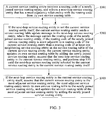
- An embodiment of the present invention provides a method for routing a service on a service overlay network, as shown in FIG. 2 .
- the steps of the method include:
- a current service routing entity receives a service request, and selects, according to a routing table of a home service routing entity of the service, from its own service routing table, a second service routing entity that has a most adjacency relationship with the current service routing entity.
- the service routing entity forwards the service request to the second service routing entity, and the second service routing entity continues to search for a service routing entity that is most adjacent to the routing code of the newly joined service routing entity in its own service routing table in a cyclic, repeated, and iterative manner until a second service routing entity that has a most adjacency relationship with the routing code of the home service routing entity selected by a certain service routing entity from its own service routing table is the certain service routing entity itself, in which case, the certain service routing entity is the most adjacent service routing entity.
- the most adjacent service routing entity obtains service registration information from its corresponding service registration entity, and sends the service request to a service provider according to an endpoint address of the service provider in the service registration information.
- a service routing entity that receives a service request does not need to clearly know a home service routing entity of a service provider, and may perform self-organized routing based on an adjacency relationship of a routing code allocated for the service routing entity to implement routing of the service request on the service overlay network, thereby efficiently adapting to the dynamic characteristic of the service overlay network.
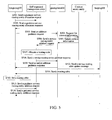
- An embodiment of the present invention provides a method for newly joining a service overlay network, as shown in FIG. 3 .
- the steps of the method include:
- the routing code of the newly joined service routing entity received by the current service routing entity is a routing code that is allocated by a self-organized management entity for the newly joined service routing entity where the allocated routing code is obtained from the self-organized management entity by receiving an addition guidance request of the newly joined service routing entity, the current service routing entity is the guidance service routing entity; the newly joined service routing entity joins the service overlay network for the first time.
- the routing code of the newly joined service routing entity is obtaining the routing code of the newly joined service routing entity from an addition guidance request by receiving an addition guidance request of the newly joined service routing entity, the current service routing entity is also the guidance service routing entity; at this time, the newly joined service routing entity joins the service overlay network not for the first time.
- next-hop service routing entity is not the current service routing entity itself, the current service routing entity sends a service routing table update message to the next-hop service routing entity, where the service routing table update message carries the routing code of the newly joined service routing entity; if the routing code of the newly joined service routing entity is more adjacent to the routing code of the current service routing entity than a routing code of at least one neighboring service routing entity in the service routing table of the current service routing entity, the current service routing entity updates its own service routing table by adding the newly joined service routing entity; set the next-hop service routing entity as the current service routing entity, and perform step S301 until the next-hop service routing entity selected by the current service routing entity is the current service routing entity itself.
- next-hop service routing entity is the current service routing entity itself, it is assumed that the current service routing entity is the most adjacent service routing entity; the most adjacent service routing entity sends its own service routing table to the newly joined service routing entity, and updates the service routing table of the most adjacent service routing entity by adding the newly joined service routing entity.
- a current service routing entity selects, according to the routing code of a newly joined service routing entity, from its own service routing table, a next-hop service routing entity that has a most adjacency relationship with the routing code.
- next-hop service routing entity If the next-hop service routing entity is not the current service routing entity itself, the current service routing entity forwards the routing code of the newly joined service routing entity to the next-hop service routing entity, and the next-hop service routing entity continues to search for a service routing entity that is most adjacent to the newly joined service routing entity in its own service routing table in a cyclic, repeated, and iterative manner until a next-hop service routing entity that has a most adjacency relationship with the routing code of the newly joined service routing entity selected a certain service routing entity from its own service routing table is the current service routing entity itself, in which case, the service routing entity is the most adjacent service routing entity. Then the most adjacent service routing entity and the newly joined service routing entity separately update and set their own service routing tables to implement dynamic addition of the service routing entity.
- self-organized routing may be performed based on an adjacency relationship of a routing code, and a service routing entity that receives a service request does not need to clearly know a home service routing entity of a service provider, thereby efficiently adapting to the dynamic characteristic of the service overlay network.
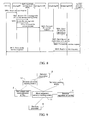
- An embodiment of the present invention provides a method for exiting a service overlay network, as shown in FIG. 4 .
- the steps of the method include:
- an exiting service routing entity entrusts all service registration information stored on its corresponding service registration entity to a most adjacent service routing entity that has a most adjacency relationship in terms of routing codes with the exiting service routing entity, and then the most adjacent service routing entity updates a service routing table, implementing dynamic exit of the service routing entity.
- self-organized routing may be performed based on an adjacency relationship of a routing code, and a service routing entity that receives a service request does not need to clearly know a home service routing entity of a service provider, thereby efficiently adapting to the dynamic characteristic of the service overlay network.
- the service overlay network currently has five service routing entities.
- the specific information about these service routing entities is shown in Table 1.
- the service type code for web application is 604122
- the service type code for video is 538572
- the service type code for Web service is 678942.
- the service routing table includes only the adjacency table.
- the adjacency relationship of routing codes is based on the precedence and successor relationship of the circular chain permutation formed by the routing codes.
- the adjacency table has three service routing entities, including the service routing entity itself, and the precedence service routing entity and successor service routing entity of the service routing entity.
- hongkongSR is a newly joined service routing entity that requests joining the service overlay network. The specific steps are as follows:
- the service type of the newly joined service routing entity hongkongSR is specified. If the service type of the newly joined service routing entity hongkongSR is not specified, the self-organized management entity selects a second service routing entity that meets a required requirement (for example, shortest network round-trip time) with the newly joined service routing entity on the service overlay network. If the service type of the second service routing entity is B, the service type code in the routing code of the second service routing entity is cb, and the node code is c1, then the self-organized management entity allocates cb as the service type code for the newly joined service routing entity, and allocates a node code c2 that is adjacent to c1 and is not allocated. In this case, the service type code in the routing code of the newly joined service routing entity is cb, and the node code is c2.
- S508 The self-organized management entity sends a service routing entity addition response to guangzhouSR, where the service routing entity addition response carries the routing code 678942454256723491 allocated for hongkongSR.
- guangzhouSR sends a first-time addition guidance response to hongkongSR, indicating that hongkongSR successfully joins the service overlay network.
- the first-time addition guidance response carries the routing code 678942454256723491 allocated for hongkongSR.
- the newly joined service routing entity hongkongSR joins the service overlay network for the first time. If the newly joined service routing entity joins the service overlay network after exiting the network, it is not first-time addition, and the newly joined service routing entity has a routing code. In step S503, the routing code is sent to the guidance service routing entity. Because the guidance service routing entity obtains the routing code of the newly joined service routing entity, it no longer needs to request the context awareness for the context information and request the self-organized management entity for the routing code. Therefore, S510 is directly performed after step S503 is performed.
- the service routing table of guangzhouSR is ⁇ beijingSR, guangzhouSR, nanjingSR ⁇ , where the routing code of crizo2354256723491, which is most adjacent to the routing code 678942454256723491 of hongkongSR. Therefore, guangzhouSR selects beijingSR as the next-hop service routing entity, and sends a service routing table update message to beijingSR, instructing hongkongSR to join the service overlay network with the identity hongkongSR, routing code 678942454256723491, and endpoint address hongkongSR.abc.com of the hongkongSR.
- the routing code 678942454256723491 of hongkongSR is more adjacent to the routing code 678942677128361745 of guangzhouSR than the routing code 678942354256723491 of beijingSR.
- hongkongSR becomes the precedence service routing entity of guangzhouSR, and the service routing table of guangzhouSR is updated and becomes ⁇ hongkongSR, guangzhouSR, nanjingSR ⁇ .
- the service routing table of beijingSR is ⁇ shanghaiSR, beijingSR, guangzhouSR ⁇ , where the routing code 678942354256723491 of beijingSR is the most adjacent to the routing code 678942454256723491 of hongkongSR. As such, it may be determined that beijingSR is the most adjacent service routing entity of hongkongSR, beijingSR directly sends its own service routing table ⁇ shanghaiSR, beijingSR, guangzhouSR ⁇ to hongkongSR, and the service routing table update message is no longer forwarded.
- beijingSR performs service routing table update.
- the routing code 678942454256723491 of hongkongSR is more adjacent to the routing code 678942354256723491 of beijingSR than the routing code 678942677128361745 of guangzhouSR.
- hongkongSR becomes the successor service routing entity of beijingSR, and the service routing table of beijingSR is updated and becomes ⁇ shanghaiSR, beijingSR, hongkongSR ⁇ .
- hongkongSR receives the service routing table ⁇ shanghaiSR, beijingSR, guangzhouSR ⁇ of beijingSR, determines that beijingSR is its precedence service routing entity and guangzhouSR is its successor service routing entity, and sets its service routing table to ⁇ beijingSR, hongkongSR, guangzhouSR ⁇ .
- hongkongSR is selected as the guidance service routing entity and sends a guidance service routing entity addition request to the self-organized management entity, where the request carries the endpoint address hongkongSR.abc.com of hongkongSR.
- the newly joined service routing entity hongkongSR joins the service overlay network for the first time. If the newly joined service routing entity does not join the network for the first time and is already a guidance service routing entity, the newly joined service routing entity sends a guidance service routing entity update request to the self-organized management entity, where the request carries the endpoint address of the newly joined service routing entity in the request.
- S514 The self-organized management entity adds hongkongSR to the guidance service routing entity list.
- the guidance service routing entity list is updated and becomes ⁇ shanghaiSR (shanghaiSR.abc.com), guangzhouSR (guangzhouSR.abc.com), hongkongSR (hongkongSR.abc.com) ⁇ .
- the self-organized management entity sends a guidance service routing entity allocation response to hongkongSR.
- the self-organized management entity updates the guidance service routing entity list after receiving the guidance service routing entity update request, and sends a guidance service routing entity update success response to the newly joined service routing entity.
- the specific steps include:
- the specific steps include:
- the service overlay network has favorable scalability, and the service routing entity may dynamically join or exit the service overlay network according to the overall load of the network.
- the current service routing entity selects, according to the routing code of a newly joined service routing entity, from its own service routing table, a next-hop service routing entity that has a most adjacency relationship with the routing code.
- next-hop service routing entity If the next-hop service routing entity is not the current service routing entity itself, the current service routing entity forwards the routing code of the newly joined service routing entity to the next-hop service routing entity, and the next-hop service routing entity continues to search for a service routing entity that is most adjacent to the routing code of the newly joined service routing entity in its own service routing table in a cyclic, repeated, and iterative manner until a next-hop service routing entity that has a most adjacency relationship with the routing code of the newly joined service routing entity selected by a certain service routing entity from its own service routing table is the certain service routing entity itself, in which case, the certain service routing entity is the most adjacent service routing entity. Then the most adjacent service routing entity and the newly joined service routing entity separately update and set their own service routing tables to implement dynamic addition of the service routing entity.
- an exiting service routing entity When a service routing entity exits a service overlay network, an exiting service routing entity entrusts all service registration information stored on its corresponding service registration entity to a most adjacent service routing entity that has a most adjacency relationship in terms of routing codes with the exiting service routing entity, and then the most adjacent service routing entity updates a service routing table, implementing dynamic exit of the service routing entity.
- a current service routing entity receives a service request, and selects, according to a routing table of a home service routing entity of the service, from its own service routing table, a second service routing entity that has a most adjacency relationship with it.
- the service routing entity forwards the service request to the second service routing entity, and the second service routing entity continues to search for a service routing entity that is most adjacent to the routing code of the newly joined service routing entity in its own service routing table in a cyclic, repeated, and iterative manner until a second service routing entity that has a most adjacency relationship with the routing code of the home service routing entity selected by a certain service routing entity from its own service routing table is the certain service routing entity itself, in which case, the certain service routing entity is the most adjacent service routing entity. Then the most adjacent service routing entity obtains service registration information from its corresponding service registration entity, and sends the service request to a service provider according to an endpoint address of the service provider in the service registration information.
- a service routing entity that receives a service request does not need to clearly know a home service routing entity of a service provider, and may perform self-organized routing based on an adjacency relationship of a routing code allocated for the service routing entity to implement routing of the service request on the service overlay network, thereby efficiently adapting to the dynamic characteristic of the service overlay network.
- routing convergence during the self-organized routing process may be accelerated, reducing the routing hops.
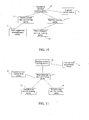
- the service overlay network system provided in this embodiment whose system architecture chart is shown in FIG. 9 , includes:
- system provided in this embodiment further includes:
- a current service routing entity receives a service request, and selects, according to a routing table of a home service routing entity of the service, from its own service routing table, a second service routing entity that has a most adjacency relationship with the current service routing entity.
- the service routing entity forwards the service request to the second service routing entity, and the second service routing entity continues to search for a service routing entity that is most adjacent to the routing code of the newly joined service routing entity in its own service routing table in a cyclic, repeated, and iterative manner until a second service routing entity that has a most adjacency relationship with the routing code of the home service routing entity selected by a certain service routing entity from its own service routing table is the certain service routing entity itself, in which case, the certain service routing entity is the most adjacent service routing entity.
- the most adjacent service routing entity obtains service registration information from its corresponding service registration entity, and sends the service request to a service provider according to an endpoint address of the service provider in the service registration information.
- a service routing entity that receives a service request does not need to clearly know a home service routing entity of a service provider, and may perform self-organized routing based on an adjacency relationship of a routing code allocated for the service routing entity to implement routing of the service request on the service overlay network, thereby efficiently adapting to the dynamic characteristic of the service overlay network.
- a service overlay network system provided in another embodiment of the present invention, as shown in FIG. 10 includes:
- system provided in this embodiment further includes:
- a current service routing entity selects, according to the routing code of a newly joined service routing entity, from its own service routing table, a next-hop service routing entity that has a most adjacency relationship with the routing code.
- next-hop service routing entity If the next-hop service routing entity is not the current service routing entity itself, the current service routing entity forwards the routing code of the newly joined service routing entity to the next-hop service routing entity, and the next-hop service routing entity continues to search for a service routing entity that is most adjacent to the newly joined service routing entity in its own service routing table in a cyclic, repeated, and iterative manner until a next-hop service routing entity that has a most adjacency relationship with the routing code of the newly joined service routing entity selected by a certain service routing entity from its own service routing table is the certain service routing entity itself, in which case, the certain service routing entity is the most adjacent service routing entity.
- the most adjacent service routing entity and the newly joined service routing entity separately update and set their own service routing tables to implement dynamic addition of the service routing entity.
- self-organized routing may be performed based on an adjacency relationship of a routing code, and a service routing entity that receives a service request does not need to clearly know a home service routing entity of a service provider, thereby efficiently adapting to the dynamic characteristic of the service overlay network.
- a service overlay network system provided in still another embodiment of the present invention, as shown in FIG. 11 includes:
- an exiting service routing entity entrusts all service registration information stored on its corresponding service registration entity to a most adjacent service routing entity that has a most adjacency relationship in terms of routing codes with the exiting service routing entity, and then the most adjacent service routing entity updates a service routing table, implementing dynamic exit of the service routing entity.
- self-organized routing may be performed based on an adjacency relationship of a routing code, and a service routing entity that receives a service request does not need to clearly know a home service routing entity of a service provider, thereby efficiently adapting to the dynamic characteristic of the service overlay network.
- the program may be stored in a computer readable storage medium.
- the storage medium may be any medium capable of storing program codes, such as ROM, RAM, magnetic disk, or CD-ROM.
Landscapes
- Engineering & Computer Science (AREA)
- Computer Networks & Wireless Communication (AREA)
- Signal Processing (AREA)
- Data Exchanges In Wide-Area Networks (AREA)
- Telephonic Communication Services (AREA)
Claims (8)
- Verfahren zum Lenken eines Dienstes in einem Dienstüberlagerungsnetz, das Folgendes umfasst:Schritt A: Empfangen einer Dienstanforderung durch eine aktuelle Dienstleitweglenkungsentität und Auswählen einer zweiten Dienstleitweglenkungsentität aus ihrer eigenen Dienstleitweglenkungstabelle durch die aktuelle Dienstleitweglenkungsentität gemäß dem Leitweglenkungscode einer Heimdienstleitweglenkungsentität eines Diensts, deren Leitweglenkungscode zum Leitweglenkungscode der Heimdienstleitweglenkungsentität am nächsten benachbart ist;wenn die zweite Dienstleitweglenkungsentität nicht die aktuelle Dienstleitweglenkungsentität selbst ist, Weiterleiten der Dienstanforderung durch die aktuelle Dienstleitweglenkungsentität zur zweiten Dienstleitweglenkungsentität, wobei die Dienstanforderung den Leitweglenkungscode der Heimdienstleitweglenkungsentität trägt; Festlegen der zweiten Dienstleitweglenkungsentität als aktuelle Dienstleitweglenkungsentität und Durchführen von Schritt A, bis die zweite Dienstleitweglenkungsentität, die durch die aktuelle Dienstleitweglenkungsentität ausgewählt wird, die aktuelle Dienstleitweglenkungsentität selbst ist; undwenn die zweite Dienstleitweglenkungsentität die aktuelle Dienstleitweglenkungsentität selbst ist, Festlegen der aktuellen Dienstleitweglenkungsentität als erste am nächsten benachbarte Dienstleitweglenkungsentität, Erhalten von Dienstregistrierungsinformationen des Diensts von einer Dienstregistrierungsentität durch die erste am nächsten benachbarte Dienstleitweglenkungsentität entsprechend der ersten am nächsten benachbarten Dienstleitweglenkungsentität, und die erste am nächsten benachbarte Dienstleitweglenkungsentität sendet die Dienstanforderung zu einem Dienstanbieter gemäß einer Endpunktadresse des Dienstanbieters in den Dienstregistrierungsinformationen.
- Verfahren nach Anspruch 1, wobei:die Dienstanforderung eine Dienstadresse trägt und die Dienstadresse eine Identität des Diensts und eine Identität der Heimdienstleitweglenkungsentität umfasst.
- Verfahren nach Anspruch 2, wobei:wenn das Empfangen der Dienstanforderung durch die aktuelle Dienstleitweglenkungsentität das Empfangen der Dienstanforderung von einem Dienstanforderer ist, die aktuelle Dienstleitweglenkungsentität als Zugangsdienstleitweglenkungsentität festgelegt wird; nach dem Empfangen der Dienstanforderung die Zugangsdienstleitweglenkungsentität die Identität der Heimdienstleitweglenkungsentität durch Analysieren der Dienstadresse, die in der Dienstanforderung getragen wird, erhält und die Identität der Heimdienstleitweglenkungsentität zu einer selbstorganisierten Managemententität sendet, um den Leitweglenkungscode der Heimdienstleitweglenkungsentität von der selbstorganisierten Managemententität zu erfassen.
- Verfahren nach Anspruch 1, wobei der Leitweglenkungscode einen Diensttypcode und einen Knotencode umfasst.
- Verfahren nach Anspruch 1, wobei vor dem Empfangen der Dienstanforderung durch die aktuelle Dienstleitweglenkungsentität das Verfahren ferner Folgendes umfasst:Schritt B: Empfangen des Leitweglenkungscodes einer neu angeschlossenen Dienstleitweglenkungsentität durch eine Zwischendienstleitweglenkungsentität und Auswählen einer Dienstleitweglenkungsentität der nächsten Etappe, die eine am nächsten benachbarte Beziehung zum Leitweglenkungscode aufweist, aus ihrer eigenen Dienstleitweglenkungstabelle;wenn die Dienstleitweglenkungsentität der nächsten Etappe nicht die Zwischendienstleitweglenkungsentität selbst ist, Senden einer Dienstleitweglenkungstabellen-Aktualisierungsmeldung zur Dienstleitweglenkungsentität der nächsten Etappe durch die Zwischendienstleitweglenkungsentität, wobei die Dienstleitweglenkungstabellen-Aktualisierungsmeldung den Leitweglenkungscode der neu angeschlossenen Dienstleitweglenkungsentität trägt; wenn der Leitweglenkungscode der neu angeschlossenen Dienstleitweglenkungsentität zu einem Leitweglenkungscode der Zwischendienstleitweglenkungsentität näher benachbart ist als ein Leitweglenkungscode von mindestens einer angrenzenden Dienstleitweglenkungsentität in der Dienstleitweglenkungstabelle der Zwischendienstleitweglenkungsentität, Aktualisieren ihrer eigenen Dienstleitweglenkungstabelle durch die Zwischendienstleitweglenkungsentität durch Hinzufügen der neu angeschlossenen Dienstleitweglenkungsentität; Festlegen der Dienstleitweglenkungsentität der nächsten Etappe als die Zwischendienstleitweglenkungsentität und Durchführen von Schritt B, bis die durch die Zwischendienstleitweglenkungsentität ausgewählte Dienstleitweglenkungsentität der nächsten Etappe die Zwischendienstleitweglenkungsentität selbst ist; undwenn die Dienstleitweglenkungsentität der nächsten Etappe die Zwischendienstleitweglenkungsentität selbst ist, Festlegen der Zwischendienstleitweglenkungsentität als zweite am nächsten benachbarte Dienstleitweglenkungsentität; Senden ihrer eigenen Dienstleitweglenkungstabelle durch die zweite am nächsten benachbarte Dienstleitweglenkungsentität zur neu angeschlossenen Dienstleitweglenkungsentität und Aktualisieren der Dienstleitweglenkungstabelle der zweiten am nächsten benachbarten Dienstleitweglenkungsentität durch Hinzufügen der neu angeschlossenen Dienstleitweglenkungsentität.
- Verfahren nach Anspruch 1, wobei vor dem Empfangen der Dienstanforderung durch die aktuelle Dienstleitweglenkungsentität das Verfahren ferner Folgendes umfasst:Erhalten aller Dienstregistrierungsinformationen, die in der ersten Dienstregistrierungsentität gespeichert sind, durch eine ausscheidende Dienstleitweglenkungsentität von ihrer entsprechenden ersten Dienstregistrierungsentität;Auswählen einer dritten am nächsten benachbarten Dienstleitweglenkungsentität durch die ausscheidende Dienstleitweglenkungsentität aus einer Dienstleitweglenkungstabelle, die eine am nächsten benachbarte Beziehung hinsichtlich Leitweglenkungscodes zur ausscheidenden Dienstleitweglenkungsentität aufweist, und Senden einer Dienstleitweglenkungsentitäts-Ausscheidungsanforderung, die die Dienstregistrierungsinformationen trägt, zur dritten am nächsten benachbarten Dienstleitweglenkungsentität;Registrieren der Dienstregistrierungsinformationen durch die dritte am nächsten benachbarte Dienstleitweglenkungsentität bei ihrer entsprechenden zweiten D ienstregistrierungsentität;Löschen der ausscheidenden Dienstleitweglenkungsentität durch die dritte am nächsten benachbarte Dienstleitweglenkungsentität aus ihrer eigenen Dienstleitweglenkungstabelle und Senden einer Dienstleitweglenkungstabellen-Aktualisierungsmeldung zu einer angrenzenden Dienstleitweglenkungsentität in der Dienstleitweglenkungstabelle; undnach dem Empfangen der Dienstleitweglenkungstabellen-Aktualisierungsmeldung durch die angrenzende Dienstleitweglenkungsentität, wenn eine Dienstleitweglenkungstabelle der angrenzenden Dienstleitweglenkungsentität die ausscheidende Dienstleitweglenkungsentität umfasst, Löschen der ausscheidenden Dienstleitweglenkungsentität aus der Dienstleitweglenkungstabelle.
- Dienstüberlagerungsnetzsystem, das Folgendes umfasst:eine Dienstleitweglenkungsentität, die dazu konfiguriert ist, eine Dienstanforderung zu empfangen und gemäß dem Leitweglenkungscode einer Heimdienstleitweglenkungsentität des Diensts aus ihrer eigenen Dienstleitweglenkungstabelle eine zweite Dienstleitweglenkungsentität auszuwählen, deren Leitweglenkungscode zum Leitweglenkungscode der Heimdienstleitweglenkungsentität am nächsten benachbart ist, wobei, wenn die zweite Dienstleitweglenkungsentität nicht die aktuelle Dienstleitweglenkungsentität selbst ist, die Dienstleitweglenkungsentität die Dienstanforderung zur zweiten Dienstleitweglenkungsentität weiterleitet;eine am nächsten benachbarte Dienstleitweglenkungsentität, die, wenn die zweite Dienstleitweglenkungsentität, die durch die Dienstleitweglenkungsentität ausgewählt wird, die Dienstleitweglenkungsentität selbst ist, dazu konfiguriert ist, die Dienstleitweglenkungsentität als die am nächsten benachbarte Dienstleitweglenkungsentität festzulegen; eine Dienstregistrierungsinformations-Abfrageanforderung zu einer Dienstregistrierungsentität zu senden;Dienstregistrierungsinformationen zu empfangen, die von der Dienstregistrierungsentität zurückgegeben werden; und die Dienstanforderung zu einem Dienstanbieter gemäß einer Endpunktadresse des Dienstanbieters in den Dienstregistrierungsinformationen zu senden; unddie Dienstregistrierungsentität, die dazu konfiguriert ist, die Dienstregistrierungsinformations-Abfrageanforderung, die von der am nächsten benachbarten Dienstleitweglenkungsentität gesendet wird, zu empfangen; und die Dienstregistrierungsinformationen zur am nächsten benachbarten Dienstleitweglenkungsentität zu senden.
- Dienstüberlagerungsnetzsystem nach Anspruch 7, das ferner Folgendes umfasst:einen Dienstanforderer, der dazu konfiguriert ist, die Dienstanforderung zu einer Zugangsdienstleitweglenkungsentität zu senden; und eine Dienstantwort zu empfangen, die von der Zugangsdienstleitweglenkungsentität zurückgegeben wird;die Zugangsdienstleitweglenkungsentität, wobei, wenn das Empfangen der Dienstanforderung durch die Dienstleitweglenkungsentität das Empfangen der Dienstanforderung vom Dienstanforderer ist, die Dienstleitweglenkungsentität als Zugangsdienstleitweglenkungsentität festgelegt wird; die dazu konfiguriert ist, eine Anforderung, die eine Identität einer Heimdienstleitweglenkungsentität trägt, zu einer selbstorganisierten Managemententität zu senden; den Leitweglenkungscode der Heimdienstleitweglenkungsentität zu empfangen, der von der selbstorganisierten Managemententität zurückgegeben wird, wobei die Zugangsdienstleitweglenkungsentität gemäß dem Leitweglenkungscode eine zweite Dienstleitweglenkungsentität, die einem Leitweglenkungscode entspricht, der eine am nächsten benachbarte Beziehung zum Leitweglenkungscode aufweist, aus ihrer eigenen Dienstleitweglenkungstabelle auswählt, und wenn die zweite Dienstleitweglenkungsentität nicht die Zugangsdienstleitweglenkungsentität selbst ist, die Zugangsdienstleitweglenkungsentität die Dienstanforderung zur zweiten Dienstleitweglenkungsentität weiterleitet, und die Dienstantwort zum Dienstanforderer weiterzuleiten;die selbstorganisierte Managemententität, die dazu konfiguriert ist, die Anforderung zu empfangen, die die Identität der Heimdienstleitweglenkungsentität trägt, die von der Zugangsdienstleitweglenkungsentität gesendet wird; den Leitweglenkungscode der Heimdienstleitweglenkungsentität gemäß der Identität der Heimdienstleitweglenkungsentität abzufragen; und den Leitweglenkungscode zur Zugangsdienstleitweglenkungsentität zu senden; undeinen Dienstanbieter, der dazu konfiguriert ist, die Dienstanforderung zu empfangen, die von der am nächsten benachbarten Dienstleitweglenkungsentität weitergeleitet wird, und die Dienstantwort zur am nächsten benachbarten Dienstleitweglenkungsentität zu senden.
Applications Claiming Priority (2)
| Application Number | Priority Date | Filing Date | Title |
|---|---|---|---|
| CN201010200655.5A CN102136990B (zh) | 2010-06-09 | 2010-06-09 | 一种业务叠加网络的业务路由方法及系统 |
| PCT/CN2011/074936 WO2011153909A1 (zh) | 2010-06-09 | 2011-05-31 | 一种业务叠加网络的业务路由方法及系统 |
Publications (3)
| Publication Number | Publication Date |
|---|---|
| EP2582098A1 EP2582098A1 (de) | 2013-04-17 |
| EP2582098A4 EP2582098A4 (de) | 2013-06-12 |
| EP2582098B1 true EP2582098B1 (de) | 2015-09-09 |
Family
ID=44296650
Family Applications (1)
| Application Number | Title | Priority Date | Filing Date |
|---|---|---|---|
| EP11791900.1A Active EP2582098B1 (de) | 2010-06-09 | 2011-05-31 | Service-routing-verfahren und -system in einem service-overlay-netzwerk |
Country Status (4)
| Country | Link |
|---|---|
| US (1) | US8780883B2 (de) |
| EP (1) | EP2582098B1 (de) |
| CN (1) | CN102136990B (de) |
| WO (1) | WO2011153909A1 (de) |
Families Citing this family (10)
| Publication number | Priority date | Publication date | Assignee | Title |
|---|---|---|---|---|
| US9078144B2 (en) * | 2012-05-02 | 2015-07-07 | Nokia Solutions And Networks Oy | Signature enabler for multi-vendor SON coordination |
| CN104079482B (zh) * | 2013-03-26 | 2017-06-27 | 华为技术有限公司 | 一种选择路由路径的方法及装置 |
| WO2014186963A1 (zh) * | 2013-05-23 | 2014-11-27 | 华为技术有限公司 | 业务路由系统、设备和方法 |
| CN104243302B (zh) | 2013-06-20 | 2018-03-16 | 华为技术有限公司 | 业务路由报文处理方法、装置及网络系统 |
| CN104254129B (zh) * | 2013-06-25 | 2019-01-25 | 中兴通讯股份有限公司 | 临近业务发现的资源配置方法及装置 |
| US9467478B1 (en) | 2013-12-18 | 2016-10-11 | vIPtela Inc. | Overlay management protocol for secure routing based on an overlay network |
| CN104954413B (zh) * | 2014-03-31 | 2018-07-13 | 阿里巴巴集团控股有限公司 | 提供互联网应用服务的方法、系统、用户端设备及服务端 |
| CN110324165B (zh) * | 2018-03-30 | 2021-05-11 | 华为技术有限公司 | 网络设备的管理方法、装置及系统 |
| CN109474665B (zh) * | 2018-09-30 | 2021-08-06 | 咪咕文化科技有限公司 | 一种信息处理方法、装置和计算机存储介质 |
| CN112165431B (zh) * | 2020-06-09 | 2022-04-12 | 上海金融期货信息技术有限公司 | 一种低延时微服务路由管理系统 |
Family Cites Families (9)
| Publication number | Priority date | Publication date | Assignee | Title |
|---|---|---|---|---|
| US7246148B1 (en) * | 1995-09-29 | 2007-07-17 | Cisco Technology, Inc. | Enhanced network services using a subnetwork of communicating processors |
| US8204082B2 (en) * | 2000-06-23 | 2012-06-19 | Cloudshield Technologies, Inc. | Transparent provisioning of services over a network |
| WO2002087172A1 (en) | 2001-04-20 | 2002-10-31 | Motorola, Inc. | Protocol and structure for self-organizing network |
| GB0317372D0 (en) * | 2003-07-25 | 2003-08-27 | Royal Holloway University Of L | Routing protocol for ad hoc networks |
| CN1331331C (zh) * | 2004-04-27 | 2007-08-08 | 国家数字交换系统工程技术研究中心 | 自组织网络的实现方法 |
| KR20080026795A (ko) * | 2006-09-21 | 2008-03-26 | 삼성전자주식회사 | 네트워크의 라우팅 프로토콜 선택 방법 및 그 장치 |
| CN101409905A (zh) * | 2007-10-08 | 2009-04-15 | 北京邮电大学 | 一种基于任播方式的移动多跳分组无线网络路由方法 |
| CN101179501A (zh) * | 2007-12-12 | 2008-05-14 | 北京航空航天大学 | 一种移动ad hoc网络按需类路由的局部路由发现方法 |
| CN101686173A (zh) | 2008-09-27 | 2010-03-31 | 华为技术有限公司 | 一种业务协商方法、系统和设备 |
-
2010
- 2010-06-09 CN CN201010200655.5A patent/CN102136990B/zh active Active
-
2011
- 2011-05-31 WO PCT/CN2011/074936 patent/WO2011153909A1/zh not_active Ceased
- 2011-05-31 EP EP11791900.1A patent/EP2582098B1/de active Active
-
2012
- 2012-12-07 US US13/708,809 patent/US8780883B2/en active Active
Also Published As
| Publication number | Publication date |
|---|---|
| CN102136990A (zh) | 2011-07-27 |
| CN102136990B (zh) | 2013-11-06 |
| US20130094504A1 (en) | 2013-04-18 |
| WO2011153909A1 (zh) | 2011-12-15 |
| EP2582098A4 (de) | 2013-06-12 |
| EP2582098A1 (de) | 2013-04-17 |
| US8780883B2 (en) | 2014-07-15 |
Similar Documents
| Publication | Publication Date | Title |
|---|---|---|
| EP2582098A1 (de) | Service-routing-verfahren und -system in einem service-overlay-netzwerk | |
| CN102195855B (zh) | 一种业务路由方法和业务网络 | |
| RU2682930C2 (ru) | Выбор маршрута в беспроводных сетях | |
| CN101123536B (zh) | 实现一体化网络位置管理的方法 | |
| US6977938B2 (en) | Mobile IP for mobile ad hoc networks | |
| US8942167B2 (en) | Methods, apparatus and computer readable medium for seamless internet protocol multicast connectivity in unified networks | |
| US7756038B2 (en) | Service advertisement framework (SAF) in a communications network | |
| EP1289223B1 (de) | System und Verfahren zum mikromobilitätsbasierten Netz-Routing | |
| EP1925123B1 (de) | Gesteuertes temporäres mobilnetz | |
| US20120155442A1 (en) | Method and System for Efficient Homeless MPLS Micro-Mobility | |
| US20230353479A1 (en) | Edge Computing Data and Service Discovery Using an Interior Gateway Protocol (IGP) | |
| US10536368B2 (en) | Network-aware routing in information centric networking | |
| CN101640628B (zh) | 基于Mesh网络的路由管理与路由方法、节点、装置及系统 | |
| US20040141477A1 (en) | Method, system and mobile host for mobility pattern based selection of a local mobility agent | |
| CN102780701B (zh) | 访问控制方法和设备 | |
| US8423668B2 (en) | Link state protocol routing message containment | |
| US20080130664A1 (en) | Method and apparatus for establishing multipath in heterogeneous interface environment | |
| CN102647364A (zh) | Mesh网络路由方法、设备及系统 | |
| US9710513B2 (en) | Access management method, device and system | |
| CN102655475B (zh) | 移动通信切换方法、设备和系统 | |
| US20180367627A1 (en) | Fast roaming with shared services in enterprise fabric based networks | |
| US8111635B2 (en) | Server, terminal, and method for supporting mobility | |
| KR101598109B1 (ko) | 견고한 분산 이동성 관리 방법 및 시스템 | |
| CN102752883A (zh) | 一种基于点对点网络的通讯系统及通讯方法 | |
| KR100939526B1 (ko) | 애드혹 네트워크를 위한 효율적인 sip 등록방법 및 이를 위한 게이트웨이 노드 |
Legal Events
| Date | Code | Title | Description |
|---|---|---|---|
| PUAI | Public reference made under article 153(3) epc to a published international application that has entered the european phase |
Free format text: ORIGINAL CODE: 0009012 |
|
| 17P | Request for examination filed |
Effective date: 20121217 |
|
| AK | Designated contracting states |
Kind code of ref document: A1 Designated state(s): AL AT BE BG CH CY CZ DE DK EE ES FI FR GB GR HR HU IE IS IT LI LT LU LV MC MK MT NL NO PL PT RO RS SE SI SK SM TR |
|
| A4 | Supplementary search report drawn up and despatched |
Effective date: 20130515 |
|
| RIC1 | Information provided on ipc code assigned before grant |
Ipc: H04L 12/715 20130101AFI20130508BHEP |
|
| DAX | Request for extension of the european patent (deleted) | ||
| RIN1 | Information on inventor provided before grant (corrected) |
Inventor name: ARULPRAKASAM, KOTEESWARA PRABHU Inventor name: CHEN, SHAN Inventor name: CHANG, HENG Inventor name: AMOGH, NIRANTH |
|
| REG | Reference to a national code |
Ref country code: DE Ref legal event code: R079 Ref document number: 602011019673 Country of ref document: DE Free format text: PREVIOUS MAIN CLASS: H04L0012560000 Ipc: H04L0029080000 |
|
| GRAP | Despatch of communication of intention to grant a patent |
Free format text: ORIGINAL CODE: EPIDOSNIGR1 |
|
| RIC1 | Information provided on ipc code assigned before grant |
Ipc: H04L 12/715 20130101ALI20150220BHEP Ipc: H04L 29/08 20060101AFI20150220BHEP |
|
| INTG | Intention to grant announced |
Effective date: 20150320 |
|
| GRAS | Grant fee paid |
Free format text: ORIGINAL CODE: EPIDOSNIGR3 |
|
| GRAA | (expected) grant |
Free format text: ORIGINAL CODE: 0009210 |
|
| AK | Designated contracting states |
Kind code of ref document: B1 Designated state(s): AL AT BE BG CH CY CZ DE DK EE ES FI FR GB GR HR HU IE IS IT LI LT LU LV MC MK MT NL NO PL PT RO RS SE SI SK SM TR |
|
| REG | Reference to a national code |
Ref country code: GB Ref legal event code: FG4D |
|
| REG | Reference to a national code |
Ref country code: AT Ref legal event code: REF Ref document number: 748933 Country of ref document: AT Kind code of ref document: T Effective date: 20150915 Ref country code: CH Ref legal event code: EP |
|
| REG | Reference to a national code |
Ref country code: IE Ref legal event code: FG4D |
|
| REG | Reference to a national code |
Ref country code: DE Ref legal event code: R096 Ref document number: 602011019673 Country of ref document: DE |
|
| REG | Reference to a national code |
Ref country code: NL Ref legal event code: MP Effective date: 20150909 |
|
| PG25 | Lapsed in a contracting state [announced via postgrant information from national office to epo] |
Ref country code: NO Free format text: LAPSE BECAUSE OF FAILURE TO SUBMIT A TRANSLATION OF THE DESCRIPTION OR TO PAY THE FEE WITHIN THE PRESCRIBED TIME-LIMIT Effective date: 20151209 Ref country code: FI Free format text: LAPSE BECAUSE OF FAILURE TO SUBMIT A TRANSLATION OF THE DESCRIPTION OR TO PAY THE FEE WITHIN THE PRESCRIBED TIME-LIMIT Effective date: 20150909 Ref country code: LT Free format text: LAPSE BECAUSE OF FAILURE TO SUBMIT A TRANSLATION OF THE DESCRIPTION OR TO PAY THE FEE WITHIN THE PRESCRIBED TIME-LIMIT Effective date: 20150909 Ref country code: LV Free format text: LAPSE BECAUSE OF FAILURE TO SUBMIT A TRANSLATION OF THE DESCRIPTION OR TO PAY THE FEE WITHIN THE PRESCRIBED TIME-LIMIT Effective date: 20150909 Ref country code: GR Free format text: LAPSE BECAUSE OF FAILURE TO SUBMIT A TRANSLATION OF THE DESCRIPTION OR TO PAY THE FEE WITHIN THE PRESCRIBED TIME-LIMIT Effective date: 20151210 |
|
| REG | Reference to a national code |
Ref country code: LT Ref legal event code: MG4D |
|
| REG | Reference to a national code |
Ref country code: AT Ref legal event code: MK05 Ref document number: 748933 Country of ref document: AT Kind code of ref document: T Effective date: 20150909 |
|
| PG25 | Lapsed in a contracting state [announced via postgrant information from national office to epo] |
Ref country code: RS Free format text: LAPSE BECAUSE OF FAILURE TO SUBMIT A TRANSLATION OF THE DESCRIPTION OR TO PAY THE FEE WITHIN THE PRESCRIBED TIME-LIMIT Effective date: 20150909 Ref country code: SE Free format text: LAPSE BECAUSE OF FAILURE TO SUBMIT A TRANSLATION OF THE DESCRIPTION OR TO PAY THE FEE WITHIN THE PRESCRIBED TIME-LIMIT Effective date: 20150909 Ref country code: HR Free format text: LAPSE BECAUSE OF FAILURE TO SUBMIT A TRANSLATION OF THE DESCRIPTION OR TO PAY THE FEE WITHIN THE PRESCRIBED TIME-LIMIT Effective date: 20150909 Ref country code: ES Free format text: LAPSE BECAUSE OF FAILURE TO SUBMIT A TRANSLATION OF THE DESCRIPTION OR TO PAY THE FEE WITHIN THE PRESCRIBED TIME-LIMIT Effective date: 20150909 |
|
| PG25 | Lapsed in a contracting state [announced via postgrant information from national office to epo] |
Ref country code: NL Free format text: LAPSE BECAUSE OF FAILURE TO SUBMIT A TRANSLATION OF THE DESCRIPTION OR TO PAY THE FEE WITHIN THE PRESCRIBED TIME-LIMIT Effective date: 20150909 |
|
| REG | Reference to a national code |
Ref country code: FR Ref legal event code: PLFP Year of fee payment: 6 |
|
| PG25 | Lapsed in a contracting state [announced via postgrant information from national office to epo] |
Ref country code: IT Free format text: LAPSE BECAUSE OF FAILURE TO SUBMIT A TRANSLATION OF THE DESCRIPTION OR TO PAY THE FEE WITHIN THE PRESCRIBED TIME-LIMIT Effective date: 20150909 Ref country code: IS Free format text: LAPSE BECAUSE OF FAILURE TO SUBMIT A TRANSLATION OF THE DESCRIPTION OR TO PAY THE FEE WITHIN THE PRESCRIBED TIME-LIMIT Effective date: 20160109 Ref country code: CZ Free format text: LAPSE BECAUSE OF FAILURE TO SUBMIT A TRANSLATION OF THE DESCRIPTION OR TO PAY THE FEE WITHIN THE PRESCRIBED TIME-LIMIT Effective date: 20150909 Ref country code: SK Free format text: LAPSE BECAUSE OF FAILURE TO SUBMIT A TRANSLATION OF THE DESCRIPTION OR TO PAY THE FEE WITHIN THE PRESCRIBED TIME-LIMIT Effective date: 20150909 Ref country code: EE Free format text: LAPSE BECAUSE OF FAILURE TO SUBMIT A TRANSLATION OF THE DESCRIPTION OR TO PAY THE FEE WITHIN THE PRESCRIBED TIME-LIMIT Effective date: 20150909 |
|
| PG25 | Lapsed in a contracting state [announced via postgrant information from national office to epo] |
Ref country code: PL Free format text: LAPSE BECAUSE OF FAILURE TO SUBMIT A TRANSLATION OF THE DESCRIPTION OR TO PAY THE FEE WITHIN THE PRESCRIBED TIME-LIMIT Effective date: 20150909 Ref country code: RO Free format text: LAPSE BECAUSE OF FAILURE TO SUBMIT A TRANSLATION OF THE DESCRIPTION OR TO PAY THE FEE WITHIN THE PRESCRIBED TIME-LIMIT Effective date: 20150909 Ref country code: AT Free format text: LAPSE BECAUSE OF FAILURE TO SUBMIT A TRANSLATION OF THE DESCRIPTION OR TO PAY THE FEE WITHIN THE PRESCRIBED TIME-LIMIT Effective date: 20150909 Ref country code: PT Free format text: LAPSE BECAUSE OF FAILURE TO SUBMIT A TRANSLATION OF THE DESCRIPTION OR TO PAY THE FEE WITHIN THE PRESCRIBED TIME-LIMIT Effective date: 20160111 |
|
| REG | Reference to a national code |
Ref country code: DE Ref legal event code: R097 Ref document number: 602011019673 Country of ref document: DE |
|
| PLBE | No opposition filed within time limit |
Free format text: ORIGINAL CODE: 0009261 |
|
| STAA | Information on the status of an ep patent application or granted ep patent |
Free format text: STATUS: NO OPPOSITION FILED WITHIN TIME LIMIT |
|
| 26N | No opposition filed |
Effective date: 20160610 |
|
| PG25 | Lapsed in a contracting state [announced via postgrant information from national office to epo] |
Ref country code: SI Free format text: LAPSE BECAUSE OF FAILURE TO SUBMIT A TRANSLATION OF THE DESCRIPTION OR TO PAY THE FEE WITHIN THE PRESCRIBED TIME-LIMIT Effective date: 20150909 Ref country code: DK Free format text: LAPSE BECAUSE OF FAILURE TO SUBMIT A TRANSLATION OF THE DESCRIPTION OR TO PAY THE FEE WITHIN THE PRESCRIBED TIME-LIMIT Effective date: 20150909 Ref country code: BE Free format text: LAPSE BECAUSE OF NON-PAYMENT OF DUE FEES Effective date: 20160531 |
|
| PG25 | Lapsed in a contracting state [announced via postgrant information from national office to epo] |
Ref country code: BE Free format text: LAPSE BECAUSE OF FAILURE TO SUBMIT A TRANSLATION OF THE DESCRIPTION OR TO PAY THE FEE WITHIN THE PRESCRIBED TIME-LIMIT Effective date: 20150909 Ref country code: LU Free format text: LAPSE BECAUSE OF FAILURE TO SUBMIT A TRANSLATION OF THE DESCRIPTION OR TO PAY THE FEE WITHIN THE PRESCRIBED TIME-LIMIT Effective date: 20160531 |
|
| REG | Reference to a national code |
Ref country code: CH Ref legal event code: PL |
|
| PG25 | Lapsed in a contracting state [announced via postgrant information from national office to epo] |
Ref country code: CH Free format text: LAPSE BECAUSE OF NON-PAYMENT OF DUE FEES Effective date: 20160531 Ref country code: LI Free format text: LAPSE BECAUSE OF NON-PAYMENT OF DUE FEES Effective date: 20160531 |
|
| REG | Reference to a national code |
Ref country code: IE Ref legal event code: MM4A |
|
| REG | Reference to a national code |
Ref country code: FR Ref legal event code: PLFP Year of fee payment: 7 |
|
| PG25 | Lapsed in a contracting state [announced via postgrant information from national office to epo] |
Ref country code: IE Free format text: LAPSE BECAUSE OF NON-PAYMENT OF DUE FEES Effective date: 20160531 |
|
| REG | Reference to a national code |
Ref country code: FR Ref legal event code: PLFP Year of fee payment: 8 |
|
| PG25 | Lapsed in a contracting state [announced via postgrant information from national office to epo] |
Ref country code: CY Free format text: LAPSE BECAUSE OF FAILURE TO SUBMIT A TRANSLATION OF THE DESCRIPTION OR TO PAY THE FEE WITHIN THE PRESCRIBED TIME-LIMIT Effective date: 20150909 Ref country code: HU Free format text: LAPSE BECAUSE OF FAILURE TO SUBMIT A TRANSLATION OF THE DESCRIPTION OR TO PAY THE FEE WITHIN THE PRESCRIBED TIME-LIMIT; INVALID AB INITIO Effective date: 20110531 Ref country code: SM Free format text: LAPSE BECAUSE OF FAILURE TO SUBMIT A TRANSLATION OF THE DESCRIPTION OR TO PAY THE FEE WITHIN THE PRESCRIBED TIME-LIMIT Effective date: 20150909 |
|
| PG25 | Lapsed in a contracting state [announced via postgrant information from national office to epo] |
Ref country code: MT Free format text: LAPSE BECAUSE OF NON-PAYMENT OF DUE FEES Effective date: 20160531 Ref country code: TR Free format text: LAPSE BECAUSE OF FAILURE TO SUBMIT A TRANSLATION OF THE DESCRIPTION OR TO PAY THE FEE WITHIN THE PRESCRIBED TIME-LIMIT Effective date: 20150909 Ref country code: MK Free format text: LAPSE BECAUSE OF FAILURE TO SUBMIT A TRANSLATION OF THE DESCRIPTION OR TO PAY THE FEE WITHIN THE PRESCRIBED TIME-LIMIT Effective date: 20150909 Ref country code: MC Free format text: LAPSE BECAUSE OF FAILURE TO SUBMIT A TRANSLATION OF THE DESCRIPTION OR TO PAY THE FEE WITHIN THE PRESCRIBED TIME-LIMIT Effective date: 20150909 |
|
| PG25 | Lapsed in a contracting state [announced via postgrant information from national office to epo] |
Ref country code: BG Free format text: LAPSE BECAUSE OF FAILURE TO SUBMIT A TRANSLATION OF THE DESCRIPTION OR TO PAY THE FEE WITHIN THE PRESCRIBED TIME-LIMIT Effective date: 20150909 |
|
| PG25 | Lapsed in a contracting state [announced via postgrant information from national office to epo] |
Ref country code: AL Free format text: LAPSE BECAUSE OF FAILURE TO SUBMIT A TRANSLATION OF THE DESCRIPTION OR TO PAY THE FEE WITHIN THE PRESCRIBED TIME-LIMIT Effective date: 20150909 |
|
| REG | Reference to a national code |
Ref country code: DE Ref legal event code: R079 Ref document number: 602011019673 Country of ref document: DE Free format text: PREVIOUS MAIN CLASS: H04L0029080000 Ipc: H04L0065000000 |
|
| REG | Reference to a national code |
Ref country code: FR Ref legal event code: PLFP Year of fee payment: 13 |
|
| P01 | Opt-out of the competence of the unified patent court (upc) registered |
Effective date: 20230524 |
|
| PGFP | Annual fee paid to national office [announced via postgrant information from national office to epo] |
Ref country code: DE Payment date: 20250402 Year of fee payment: 15 |
|
| PGFP | Annual fee paid to national office [announced via postgrant information from national office to epo] |
Ref country code: GB Payment date: 20250401 Year of fee payment: 15 |
|
| PGFP | Annual fee paid to national office [announced via postgrant information from national office to epo] |
Ref country code: FR Payment date: 20250401 Year of fee payment: 15 |