EP2581370A1 - Crystals of di(arylamino)aryl compound - Google Patents
Crystals of di(arylamino)aryl compound Download PDFInfo
- Publication number
- EP2581370A1 EP2581370A1 EP11783482.0A EP11783482A EP2581370A1 EP 2581370 A1 EP2581370 A1 EP 2581370A1 EP 11783482 A EP11783482 A EP 11783482A EP 2581370 A1 EP2581370 A1 EP 2581370A1
- Authority
- EP
- European Patent Office
- Prior art keywords
- type crystal
- crystal
- compound
- crystals
- filtration
- Prior art date
- Legal status (The legal status is an assumption and is not a legal conclusion. Google has not performed a legal analysis and makes no representation as to the accuracy of the status listed.)
- Withdrawn
Links
Images







Classifications
-
- C—CHEMISTRY; METALLURGY
- C07—ORGANIC CHEMISTRY
- C07D—HETEROCYCLIC COMPOUNDS
- C07D401/00—Heterocyclic compounds containing two or more hetero rings, having nitrogen atoms as the only ring hetero atoms, at least one ring being a six-membered ring with only one nitrogen atom
- C07D401/02—Heterocyclic compounds containing two or more hetero rings, having nitrogen atoms as the only ring hetero atoms, at least one ring being a six-membered ring with only one nitrogen atom containing two hetero rings
- C07D401/12—Heterocyclic compounds containing two or more hetero rings, having nitrogen atoms as the only ring hetero atoms, at least one ring being a six-membered ring with only one nitrogen atom containing two hetero rings linked by a chain containing hetero atoms as chain links
-
- A—HUMAN NECESSITIES
- A61—MEDICAL OR VETERINARY SCIENCE; HYGIENE
- A61K—PREPARATIONS FOR MEDICAL, DENTAL OR TOILETRY PURPOSES
- A61K31/00—Medicinal preparations containing organic active ingredients
- A61K31/33—Heterocyclic compounds
- A61K31/395—Heterocyclic compounds having nitrogen as a ring hetero atom, e.g. guanethidine or rifamycins
- A61K31/53—Heterocyclic compounds having nitrogen as a ring hetero atom, e.g. guanethidine or rifamycins having six-membered rings with three nitrogens as the only ring hetero atoms, e.g. chlorazanil, melamine
-
- A—HUMAN NECESSITIES
- A61—MEDICAL OR VETERINARY SCIENCE; HYGIENE
- A61P—SPECIFIC THERAPEUTIC ACTIVITY OF CHEMICAL COMPOUNDS OR MEDICINAL PREPARATIONS
- A61P35/00—Antineoplastic agents
-
- A—HUMAN NECESSITIES
- A61—MEDICAL OR VETERINARY SCIENCE; HYGIENE
- A61P—SPECIFIC THERAPEUTIC ACTIVITY OF CHEMICAL COMPOUNDS OR MEDICINAL PREPARATIONS
- A61P43/00—Drugs for specific purposes, not provided for in groups A61P1/00-A61P41/00
Definitions
- the present invention relates to a crystal of N- ⁇ 2-methoxy-4-[4-(4-methylpiperazin-1-yl)piperidin-1-yl]phenyll-N'-[2-(propane-2-sulfonyl)phenyl]-1,3,5-triazine-2,4-diamine (referred to hereinafter as "Compound A").
- Patent Document 1 It is reported that Compound A represented by formula (I) has a good inhibitory activity against the kinase activity of EML4-ALK fusion protein or mutant EGFR protein and is useful as an active ingredient of a pharmaceutical composition for treating cancer (Patent Document 1).
- Example 23 of Patent Document 1 describes a crystal of Compound A whose melting point is 164-165°C. However, there is no disclosure or suggestion on polymorphs of Compound A.
- Patent Document 1 International Publication WO 2009/008371
- the present invention provides a crystal of Compound A, which is preferable as a drug substance and which has properties suitable for industrial production.
- a compound that is used as a drug substance is required to have properties suitable for industrial production and to be in a single form that is easy to handle, because a uniform quality and a stable supply of medicines need to be ensured in the industrial production of medicines.
- the present inventors studied polymorphic forms of Compound A intensively, and found to their surprise that differences in specific manufacture conditions induce variations in the generated crystals, and at least 5 types of crystals, namely A01-type, A02-type, A03-type, A04-type, and A05-type, as well as a hydrate are formed for Compound A. Further, the present inventors reached a surprising understanding that the crystal form of Compound A having preferred properties as a drug substance is the A04-type crystal.
- the A04-type crystal was originally obtained only as a mixed crystal with a crystal having a close stability level (especially, A03 crystal) or a solvate, and it was extremely difficult to obtain the A04-type crystal as a single crystal.
- the present inventors were able to successfully produce the A04-type crystal alone and complete the invention.
- the present invention relates to the A04-type crystal of Compound A that is preferable as a drug substance and that has properties suitable for industrial production.
- the present invention also relates to a pharmaceutical composition comprising A04-type crystal of Compound A.
- the present invention also relates to a pharmaceutical composition for treating cancer comprising A04-type crystal of Compound A.
- the present invention also relates to the use of A04-type crystal of Compound A in manufacturing a pharmaceutical composition for treating cancer, a method for treating cancer comprising administering an effective amount of A04-type crystal of Compound A to a patient, and the use of A04-type crystal of Compound A for treating cancer.
- the crystal of Compound A described in Example 23 of Patent Document 1 has a melting point of 164-165°C, and it is understood that the crystal is A01-type crystal, A02-type crystal or a mixed crystal thereof based on the comparison of the melting point with the peak temperatures of the crystals of Compound A in the DSC charts in the following drawings.
- the A04-type crystal of Compound A of the present invention has good storage stability and preferred properties as a drug substance; the crystal can be obtained as a single crystal; most importantly, it has good filtering properties and properties suitable for industrial production, hence, the crystal is an extremely useful form in the use of Compound A as a drug substance.
- the terms "A01-ty crystal”, “'A02-type crystal”, “A03-type crystal”, “A04-type crystal”, and “A05-type crystal” below respectively refer to "A01-type crystal of Compound A", “A02-type crystal of Compound A”, “A03-type crystal of Compound A”, “A04-type crystal of Compound A", and "A05-type crystal of Compound A”.
- TA Instruments Q-2000, TA Instruments 2910, or TA Instruments Q1000 was used in the measurement for the DSC analysis according to the following conditions: temperature range of measurement: from room temperature to 220°C or higher (modified as necessary); rate of temperature increase: 10°C /min; nitrogen flow rate: 50 mL/min; aluminum sample pan.
- RINT-Ultima III or MXP18TAHF22 produced by Mac Science was used in the measurement of powder X-ray diffraction according to the following conditions: X-ray tube: Cu; tube-current: 40 mA or 200 mA; tube-voltage: 40 kV; sampling width: 0.020°; scanning speed: 3°/min or 4°/min; wavelength: 1.54056 ⁇ ; range of measurement diffraction angles (20): 2.5-40° or 3-40°.
- the present invention is described in detail below.
- the A04-type crystal of the present invention can be obtained as a single crystal; it excels in filtration properties, and has good solubility, hygroscopicity, stability and/or handling properties. It is also the most stable crystal among the A01-type crystal, the A02-type crystal, the A03-type crystal, the A04-type crystal and the A05-type crystal throughout all temperature ranges. Hence, the A04-type crystal of the present invention is an extremely useful form in the use of Compound A as a drug substance.
- the A01-type crystal, the A02-type crystal, the A03-type crystal, the A04-type crystal, the A05-type crystal and a hydrate of Compound A are differentiated by the powder X-ray diffraction measurement and/or DSC analysis (refer to Figures 5-18 ).
- TA Instruments Q-2000 was used in the measurement for the DISC analysis according to the following conditions: temperature range of measurement: room temperature to 220°C; rate of temperature increase: 10°C/min; nitrogen flow rate: 50 mL/min; aluminum sample pan.
- RINT-Ultima III was used in the measurement of powder X-ray diffraction according to the following conditions: X-ray tube: Cu; tube-current: 40 mA; tube-voltage: 40 kV; sampling width: 0.020°; scanning speed: 3°/min; wavelength: 1.54056 ⁇ ; range of measurement diffraction angles (2 ⁇ ): 3-40°.
- the spacing of the crystal lattice and the overall pattern are important in identifying crystals based on the nature of the powder X-ray diffraction data, and the relative intensity should not be strictly interpreted, since it can change slightly according to the crystal growth direction, the particle size and the measurement conditions. Further, the description "around", which takes in account various errors during the measurement, indicates ⁇ 3°C for one embodiment and ⁇ 2°C for a different embodiment in a DSC analysis and ⁇ 2° for one embodiment and ⁇ 1° for a different embodiment in a powder X-ray diffraction.
- the A02 crystal can be prepared, for example, by the methods shown in Reference Example 2 and in the Variation of Reference Example 2.
- the A04-type crystal of the present invention can be obtained by the solvent-mediated transformation from an A02-type crystal.
- the A04-type crystal can be prepared by suspending and stirring the A02-type crystal in a solvent under heat, at 40°C or higher for one embodiment, at 50°C or higher for another embodiment and at 60°C or higher for yet another embodiment.
- solvent used herein are not particularly limited and include 50% acetone aqueous solution, methyl ethyl ketone, and acetone. In one embodiment, 50% acetone aqueous solution or methyl ethyl ketone is used.
- the A04-type crystal of the present invention can be prepared by heating and dissolving Compound A in a solvent, then, stirring the product under heat at 40°C or higher for one embodiment, and at 60°C or higher for another embodiment.
- solvent used herein are not particularly limited and include 50% ethanol aqueous solution and methyl ethyl ketone.
- a seed crystal of the A04-type crystal can be added to produce the A04-type crystal of the present invention efficiently and with high reproducibility.
- Compound A and other starting compounds can be prepared by the method in Patent Document 1 or methods that are obvious to a person skilled in the art.
- the pharmaceutical composition comprising the crystal of Compound A of the present invention as an active ingredient can be prepared by commonly used methods using excipients, that is, excipients for pharmaceutical agents or carriers for pharmaceutical agents, commonly used in the art.
- the pharmaceutical composition can be administered by either oral administration of tablets, pills, capsules, granules, powders, liquid drugs and the like, or by parenteral administration through intraarticular, intravenous, intramascular or other injections, suppositories, eye drops, eye ointments, endermic liquid formulations, ointments, endermic patches, transmucosal liquid formulations, transmucosal patches, inhalants and the like.
- the solid composition for oral administration tablets, powders, granules and the like are used.
- the crystal of Compound A is mixed with at least one inert excipient.
- the composition may contain inert additives such as lubricants, disintegrants, stabilizers, and solubilizing agents.
- the tablets or pills may be coated with a sugar coating or a film of a gastric or enteric substance.
- Formulations for external use include ointments, plasters, creams, jellies, cataplasms, sprays, lotions, eye drops, eye ointments, and the like.
- the formulations contain generally used ointment bases, lotion bases, aqueous or non-aqueous liquid preparations, suspensions, emulsions, and the like.
- transmucosal formulations such as an inhalation, a transnasal formulation, and the like
- those in the form of a solid, liquid, or semi-solid state are used, and can be prepared in accordance with a conventionally known method.
- a known excipient and also a pH adjusting agent, an antiseptic, a surfactant, a lubricant, a stabilizing agent, a thickening agent, or the like may be appropriately added thereto.
- an appropriate device for inhalation or blowing can be used.
- a compound may be administered alone or as a powder of prescribed mixture, or as a solution or suspension in combination with a pharmaceutically acceptable carrier, using a conventionally known device or sprayer, such as a measured administration inhalation device, and the like.
- the dry powder inhaler or the like may be for single or multiple administration use, and a dry powder or a powder-containing capsule may be used.
- this may be in a form such as a pressurized aerosol spray which uses an appropriate propellant, for example, a suitable gas such as chlorofluoroalkane, carbon dioxide, or the like.
- the daily dose is from about 0.001 to 100 mg/kg, preferably from 0.1 to 30 mg/kg, and more preferably 0.1 to 10 mg/kg, per body weight, administered in one portion or in 2 to 4 divided portions.
- the daily dose is suitably administered from about 0.0001 to 10 mg/kg per body weight, once a day or two or more times a day.
- a transmucosal formulation is administered at a dose from about 0.001 to 100 mg/kg per body weight, once a day or two or more times a day. The dose is appropriately decided in response to the individual case by taking the symptoms, the age, the gender, and the like into consideration.
- the crystal of Compound A of the present invention can be used in combination with various therapeutic or prophylactic agents for diseases against which Compound A would be effective.
- an antitumor agent when administered alone during chemotherapy for tumor, particularly malignant tumor, the antitumor agent has a limit in its effect in terms of side effects and the like, and thus often fails to produce a sufficient antitumor effect. For this reason, in clinical cases, multidrug therapy is used in which two or more drugs with different mechanisms of action are combined.
- this combination therapy aims to reduce side effects and/or enhance the desired antitumor effect, for example, 1) to reduce the number of non-sensitive cell population, 2) to prevent or delay the development of drug resistance, 3) to disperse toxicity by combination of drugs with different toxicity levels, and the like.
- drugs may be administered simultaneously or separately in succession or at desired time intervals.
- Formulations for simultaneous administration may be in either mixed or separate form.
- Drugs which can be combined include chemotherapeutics (e.g., alkylating agent, antimetabolite, and the like), immunotherapeutic agents, hormonal therapeutic agents, and cell growth factor inhibitors, more specifically drugs such as cisplatin, carboplatin, paclitaxel, docetaxel, gemcitabine, irinotecan, vinorelbine, bevacizumab, and the like.
- chemotherapeutics e.g., alkylating agent, antimetabolite, and the like
- immunotherapeutic agents e.g., hormonal therapeutic agents, and cell growth factor inhibitors
- cell growth factor inhibitors more specifically drugs such as cisplatin, carboplatin, paclitaxel, docetaxel, gemcitabine, irinotecan, vinorelbine, bevacizumab, and the like.
- A02-type crystal To 5 g of A02-type crystal, 50 mL of methyl ethyl ketone was added and the mixture was stirred under suspension at about 50°C for 5 days. Then, the mixture was slowly cooled to 25°C, the precipitated solid was collected by filtration, and the solid was washed with 5 mL of methyl ethyl ketone and subsequently dried to obtain 3.88 g of A04-type crystal.
- the precipitated solid was collected by filtration, and then the solid was washed with a mixture of 10 mL of methyl ethyl ketone and 10 mL of n-heptane and subsequently dried under reduced pressure to obtain 9.15 g of A04-type crystal.
- the collected solid was dissolved in 300 mL of water, to which a saturated sodium hydrogen carbonate aqueous solution was added to form a mixture of pH8, then it was extracted 3 times using 300 mL of ethyl acetate, respectively.
- the extract was washed with water and saturated saline, dried with anhydrous sodium sulfate, and then the solvent was distilled out under reduced pressure.
- the organic layer was washed twice by a mixture of 38.1 kg of sodium chloride and 191 kg of water, respectively, followed by condensation of the resultant organic layer under reduced pressure at 50°C until the liquid was about 56 L. Then, 75 kg of acetone was added and condensation under reduced pressure was conducted at 50°C until the liquid was about 56 L, and the same procedure was conducted again. Then, 32 kg of acetone was added, and the mixture was stirred at about 40°C for 1 hour, followed by an addition of 83 kg of isopropyl acetate at around same temperature and 1 hour of stirring.
- the mixture was slowly cooled until it reached about 0°C, the precipitated solid was collected by filtration, and the solid was washed with a mixture of 15 kg of acetone and 17 kg of isopropyl acetate, and with 33 kg of isopropyl acetate, and then dried to obtain 26.6 kg of A02-type crystal.
- the precipitated solid was collected by filtration and washed with a mixture of 62.9 kg of tetrahydrofuran and 34.3 kg of n-heptane, then the resultant solid was dried to obtain 71.2 kg of 2-methoxy-4-[4-(4-methylpiperazin-1-yl)piperidin-1-yl]aniline tris(trifluoroacetate) crystals.
- A02-type crystal was heated to 150°C at 10°C/min in a DSC furnace, then cooled to room temperature at 10°C/min to prepare A01-type crystal.
- Acetonitrile 200 mL was added to 5.0 g of Compound A and dissolved with heating under reflux. The mixture was rapidly cooled to room temperature and the precipitated solid was collected by filtration. The solid was dried to obtain 1.56 g of A01-type crystal.
- Ethanol/water (9:1) (2 mL) was added to about 50 mg of Compound Aand dissolved with heating under reflux. After cooling, the mixture was stirred in an open system for 2 days, then a lid was placed on the system and the mixture was further stirred for 3 days. The precipitated solid was collected by filtration and 21 mg of A03-type crystals were obtained.
- a mixed solvent of 65 mL of ethanol and 35 mL of water was added to 10.0 g of Compound A and dissolved under heating at about 75°C. Then, 30 mL of water was added to the mixture and the mixture was left to cool.
- A05-type crystal (10 mg) was added at about 30°C, and the mixture was cooled to 25°C, then the precipitated solid was collected by filtration and washed with 20 mL of 50% ethanol aqueous solution and dried to obtain 6.9 g of Compound A crystal.
- the crystal (1.0338 g) was dried at 50°C under reduced pressure for 7 days to obtain 0.9760 g of A05-type crystal.
- a mixed solvent of 3.25 mL of ethanol and 3.25 mL of water was added to 500 mg of Compound A and dissolved under heating at about 80°C, then the mixture was cooled.
- A04-type crystal (of about 1 spatula) was added at a temperature around room temperature and stirred overnight. Then, the solid was collected by filtration and dried to obtain 340 mg of A05-type crystal.
- a mixed solvent of 65 mL of ethanol and 35 mL of water was added to 10.0 g of Compound A and dissolved under heating at about 75°C, then 30 mL of water was added to the mixture and the mixture was cooled.
- A05-type crystal (10 mg) was added at about 30°C and the mixture was cooled to 25°C, then the precipitated solid was collected by filtration and washed with 20 mL of 50% ethanol aqueous solution and dried to obtain 6.9 g of Compound A crystal.
- the crystal (0.8858 g) was stored for about 7 days in a desiccator together with a beaker of water to obtain 0.9441 g of a hydrate of Compound A.
- A04-type crystal samples were separately stored for 3 months under (1) 40°C/75% R.H., (2) 60°C/uncontrolled humidity, and (3) 25°C/uncontrolled humidity/D65 lamp (1000 lux) illumination (2 months under condition (3)), and the change in the crystal form of the samples before and after storage was measured by powder X-ray diffraction and DSC analysis and the change in the purity of the same was confirmed by HPLC measurement (using HPLC Condition 1 or HPLC Condition 2 shown below as the mearuement conditions).
- A04-type crystal was weighed into an (open) weighing bottle with a known mass to obtain a precise mass, then the weighing bottle was placed in a desiccator adjusted to a relative humidity of 93% by KNO 3 saturated aqueous solution and stored at 25°C for 7 days before measuring the change in mass.
- the result showed no significant change in mass and demonstrated that A04 crystal does not exhibit hygrocopicity.
- the change in the crystal form of the samples before and after storage is measured by powder X-ray diffraction and DSC analysis and the change in the purity of the same can be confirmed by HPLC measurement.
- A04-type crystal was assessed using water balance measuring apparatus SGA-X100 (VTI) under the following conditions. Temperature: 25°C, measurement range: 5-95% R.H., measurement interval: 5%. The resulting weight change of lower than 0.1% through water absorption and dehydration in the humidity range of 5-95% R.H. showed that A04-type crystal does not exhibit hygroscopicity.
- Test Example 1 clearly show that A04-type crystal has properties preferable as a drug substance, and it is an extremetly useful form in the use of Compound A as a drug substance.
- the cake average specific resistance of the A02-type crystal was 1.31 ⁇ 10 11 m/kg, whereas that of A04-type crystal was 8.43 ⁇ 10 8 m/kg, and the value for the A02-type crystal was about 155 times as large as that for the A04-type crystal.
- the filtration time ⁇ for constant pressure filtration can be obtained by formula (3).
- A02-type crystal prepared by a method similar to a Variation of Reference Example 2 and A04-type crystal prepared by a method similar to Example 2 and Example 4 were subjected to HPLC measurement to assess the amount of impurities (using the above HPLC Condition 1 or HPLC Condition 3 shown below as the mearuement condition).
- the result showed the total amount of impurities of A04-type crystal prepared by a method similar to Example 2 and Example 4 to be lower than 1%.
- the total amount of impurities of A02-type crystal prepared by a method similar to a Variation of Reference Example 2 was 2.42%, indicating that the A02-type crystal contain more impurities than A04-type crystal.
- A05-type crystal was subjected to slurry agitation under room temperature and its solvent-mediated transformation was studied. It was consequently confirmed that A05-type crystal was transformed to A04-type crystal after 1 minute of agitation in methyl ethyl ketone under room temperature. This showed that the thermodynamic stability level of the crystal of Compound A under room temperature is A04-type crystal>A05-type crystal, since the solvent-mediated transformation results in a transformation to a more stable form.
- thermodynamic stability level under room temperature is A04-type crystal>A03-type crystal>A02-type crystal>A01-type crystal>A05-type crystal.
- This result and the comparison of the melting peak temperatures of A01-type crystal, A02-type crystal, A03-type crystal, A04-type crystal and A05-type crystal show that A04-type crystal is in monotropic relation to A01-type crystal, A02-type crystal, A03-type crystal and A05-type crystal, and it exhibits the highest melting peak temperature (A01-type crystal: 164°C, A02-type crystal: transformation point to A01-type crystal 142°C, A03-type crystal: 171°C, A04-type crystal: 180°C, A05-type crystal: 89°C), so it is the most stable crystal of the crystal forms of Compound A in all temperature range.
- the schematic diagram showing the interrelation of the stability levels of the crystals based on the above result is presented as Figure 4 .
- A04-type crystal of the present invention is considered the most stable form of crystal in all temperature range, so there is low production risk of the crystals in the desired crystal form suddenly vanishing by the rise of the industrial production of the most stable form of crystal, as the ritonavir case. Further, it can be stably supplied as a single crystal, and particularly, it has good filterability and properties suitable for industrial production, so it is an extremely useful form in the use of Compound A as a drug substance.
- A01-type crystal and A02-type crystal are a metastable crystal, so they require strict control of the crystallization condition for stable production, and they hold a production risk of the crystal forms suddenly vanishing as in the above ritonavir case.
- A02-type crystal has a stronger tendency to take in impurities in the crystal than A04-type crystal, because it is at least necessary to perform crystallization under conditions inducing rapid nucleation and obtain the crystal before it transforms to A04-type crystal or A03-type crystal in order to stably obtain the A02-type crystal as a single crystal, as mentioned above.
- restricting the introduction of impurities is extremely difficult for A02-type crystal compared to A04 crystal, because the former crystal tends to take in impurities and the washing effects in the washing step is low due to its filterability, as mentioned above.
- A04-type crystal of the present invention is extremely useful in the use of Compound A as a drug substance, since A04-type crystal has good storage stability and preferred properties as a drug substance, and it can be obtained as a single crystal, and particularly, it has good filterability and properties suitable for industrial production.
Landscapes
- Chemical & Material Sciences (AREA)
- Health & Medical Sciences (AREA)
- Organic Chemistry (AREA)
- Medicinal Chemistry (AREA)
- Pharmacology & Pharmacy (AREA)
- Life Sciences & Earth Sciences (AREA)
- Animal Behavior & Ethology (AREA)
- General Health & Medical Sciences (AREA)
- Public Health (AREA)
- Veterinary Medicine (AREA)
- Epidemiology (AREA)
- Chemical Kinetics & Catalysis (AREA)
- General Chemical & Material Sciences (AREA)
- Nuclear Medicine, Radiotherapy & Molecular Imaging (AREA)
- Engineering & Computer Science (AREA)
- Bioinformatics & Cheminformatics (AREA)
- Pharmaceuticals Containing Other Organic And Inorganic Compounds (AREA)
- Plural Heterocyclic Compounds (AREA)
Abstract
Description
- The present invention relates to a crystal of N-{2-methoxy-4-[4-(4-methylpiperazin-1-yl)piperidin-1-yl]phenyll-N'-[2-(propane-2-sulfonyl)phenyl]-1,3,5-triazine-2,4-diamine (referred to hereinafter as "Compound A").
- It is reported that Compound A represented by formula (I) has a good inhibitory activity against the kinase activity of EML4-ALK fusion protein or mutant EGFR protein and is useful as an active ingredient of a pharmaceutical composition for treating cancer (Patent Document 1).

Patent Document 1 describes a crystal of Compound A whose melting point is 164-165°C. However, there is no disclosure or suggestion on polymorphs of Compound A. - Patent Document 1: International Publication
WO 2009/008371 - The present invention provides a crystal of Compound A, which is preferable as a drug substance and which has properties suitable for industrial production.
- A compound that is used as a drug substance is required to have properties suitable for industrial production and to be in a single form that is easy to handle, because a uniform quality and a stable supply of medicines need to be ensured in the industrial production of medicines.
The present inventors studied polymorphic forms of Compound A intensively, and found to their surprise that differences in specific manufacture conditions induce variations in the generated crystals, and at least 5 types of crystals, namely A01-type, A02-type, A03-type, A04-type, and A05-type, as well as a hydrate are formed for Compound A. Further, the present inventors reached a surprising understanding that the crystal form of Compound A having preferred properties as a drug substance is the A04-type crystal. However, the A04-type crystal was originally obtained only as a mixed crystal with a crystal having a close stability level (especially, A03 crystal) or a solvate, and it was extremely difficult to obtain the A04-type crystal as a single crystal. By many trials and errors of examining the crystallization condition of the A04-type crystal, the present inventors were able to successfully produce the A04-type crystal alone and complete the invention.
In summary, the present invention relates to the A04-type crystal of Compound A that is preferable as a drug substance and that has properties suitable for industrial production. - The present invention also relates to a pharmaceutical composition comprising A04-type crystal of Compound A.
The present invention also relates to a pharmaceutical composition for treating cancer comprising A04-type crystal of Compound A.
The present invention also relates to the use of A04-type crystal of Compound A in manufacturing a pharmaceutical composition for treating cancer, a method for treating cancer comprising administering an effective amount of A04-type crystal of Compound A to a patient, and the use of A04-type crystal of Compound A for treating cancer. - On a side note, the crystal of Compound A described in Example 23 of
Patent Document 1 has a melting point of 164-165°C, and it is understood that the crystal is A01-type crystal, A02-type crystal or a mixed crystal thereof based on the comparison of the melting point with the peak temperatures of the crystals of Compound A in the DSC charts in the following drawings. - The A04-type crystal of Compound A of the present invention has good storage stability and preferred properties as a drug substance; the crystal can be obtained as a single crystal; most importantly, it has good filtering properties and properties suitable for industrial production, hence, the crystal is an extremely useful form in the use of Compound A as a drug substance.
Note that the terms "A01-ty crystal", "'A02-type crystal", "A03-type crystal", "A04-type crystal", and "A05-type crystal" below respectively refer to "A01-type crystal of Compound A", "A02-type crystal of Compound A", "A03-type crystal of Compound A", "A04-type crystal of Compound A", and "A05-type crystal of Compound A". -
-
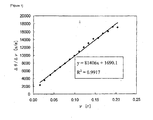
Figure 1 shows a Ruth plot (y axis: Δθ/Δν, x axis: v) of A02-type crystal obtained in the constant pressure filtration experiment. -
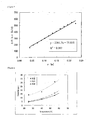
Figure 2 shows a Ruth plot (y axis: Δθ/Δν, x axis: v) of A04-type crystal obtained in the constant pressure filtration experiment. -
Figure 3 shows a solubility graph (y axis: solubility, x axis: temperature) of A02-type crystal, A03-type crystal and A04-type crystal in a 50% acetone aqueous solution. -
Figure 4 shows differences in the stability level (y axis: free energy, x axis: temperature) among polymorphic forms, namely A01-type crystal, A02-type crystal, A03-type crystal, A04-type crystal and A05-type crystal. -
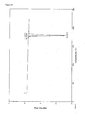
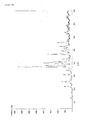
Figure 5 shows a powder X-ray diffraction pattern of A04-type crystal prepared in Example 2. -
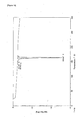
Figure 6 shows a DSC chart of A04-type crystal prepared in Example 2. -
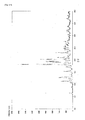
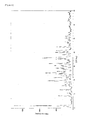
Figure 7 shows a powder X-ray diffraction pattern of mixed crystals of A01-type crystal and A02-type crystal prepared in Reference Example 1. -
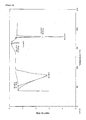
Figure 8 shows a DSC chart of mixed crystals of A01-type crystal and A02-type crystal prepared in Reference Example 1. -
Figure 9 shows a powder X-ray diffraction pattern of A02-type crystal prepared in Reference Example 2. -
Figure 10 shows a DSC chart of A02-type crystal prepared in Reference Example 2. -
Figure 11 shows a powder X-ray diffraction pattern of A01-type crystal prepared in Reference Example 3. -
Figure 12 shows a DSC chart of A01-type crystal prepared in Reference Example 3. -
Figure 13 shows a powder X-ray diffraction pattern of A03-type crystal prepared in Reference Example 4. -
Figure 14 shows a DSC chart of A03-type crystal prepared in Reference Example 4. -
Figure 15 shows a powder X-ray diffraction pattern of A05-type crystal prepared by Reference Example 5. -
Figure 16 shows a DSC chart of A05-type crystal prepared by Reference Example 5. -
Figure 17 shows a powder X-ray diffraction pattern of a hydrate of Compound A prepared by Reference Example 6. -
Figure 18 shows a DSC chart of a hydrate of Compound A prepared by Reference Example 6. - The measurement conditions applied to the analyses of
Figures 5-18 are as follows.
TA Instruments Q-2000, TA Instruments 2910, or TA Instruments Q1000 was used in the measurement for the DSC analysis according to the following conditions: temperature range of measurement: from room temperature to 220°C or higher (modified as necessary); rate of temperature increase: 10°C /min; nitrogen flow rate: 50 mL/min; aluminum sample pan.
RINT-Ultima III or MXP18TAHF22 produced by Mac Science was used in the measurement of powder X-ray diffraction according to the following conditions: X-ray tube: Cu; tube-current: 40 mA or 200 mA; tube-voltage: 40 kV; sampling width: 0.020°; scanning speed: 3°/min or 4°/min; wavelength: 1.54056 Å; range of measurement diffraction angles (20): 2.5-40° or 3-40°. - The present invention is described in detail below.
The A04-type crystal of the present invention can be obtained as a single crystal; it excels in filtration properties, and has good solubility, hygroscopicity, stability and/or handling properties. It is also the most stable crystal among the A01-type crystal, the A02-type crystal, the A03-type crystal, the A04-type crystal and the A05-type crystal throughout all temperature ranges. Hence, the A04-type crystal of the present invention is an extremely useful form in the use of Compound A as a drug substance.
Note that no crystal was observed in the crystal screening of Compound A using various solvents other than A01-type crystal, A02-type crystal, A03-type crystal, A04-type crystal, A05-type crystalsand a hydrate of Compound A.
Further, crystals of various salts of Compound A were obtained for assessment, but none of the crystals exhibited preferred properties as a drug substance; 14 types of salts were obtained, specifically monohydrochloride, trihydrochloride, monofumarate, monosulfate, monomesylate, hemifumarate, monotosylate, monophosphate, diphosphate, trihydrobromide, monotartrate, monosuccinate, monomalate, monoglutamate.
The A01-type crystal, the A02-type crystal, the A03-type crystal, the A04-type crystal, the A05-type crystal and a hydrate of Compound A are differentiated by the powder X-ray diffraction measurement and/or DSC analysis (refer toFigures 5-18 ). - The physicochemical properties of the A04-type crystal of the present invention are shown below.
- [1] It has heat absorption peak around 180°C in a DSC analysis (rate of temperature increase: 10°C/min).
- [2] It has peaks around 20(°)=6.5, 7.9, 12.3, 13.1, 14.4, 15.3, 15.9, 17.0, 17.6, 18.6, 19.0, 19.9, 20.6, 21.0, 21.5, 22.2, 23.2, 23.9, 24.9, 25.9, and 28.8 in a powder X-ray diffraction. Examples of distinctive peaks include peaks around 2θ(°)=6.5, 15.9, 19.9, 23.2 and 24.9. Further, the peak around 2θ(°)=6.5 is a distinctive peak observed only for the A04-type crystal in the A01-type crystal, A02-type crystal, A03-type crystal, A04-type crystal, A05-type crystal and a hydrate of Compound A, under the following analysis conditions.
- The measurement conditions for the above analyses are described below.
TA Instruments Q-2000 was used in the measurement for the DISC analysis according to the following conditions: temperature range of measurement: room temperature to 220°C; rate of temperature increase: 10°C/min; nitrogen flow rate: 50 mL/min; aluminum sample pan.
RINT-Ultima III was used in the measurement of powder X-ray diffraction according to the following conditions: X-ray tube: Cu; tube-current: 40 mA; tube-voltage: 40 kV; sampling width: 0.020°; scanning speed: 3°/min; wavelength: 1.54056 Å; range of measurement diffraction angles (2θ): 3-40°. - Note that the spacing of the crystal lattice and the overall pattern are important in identifying crystals based on the nature of the powder X-ray diffraction data, and the relative intensity should not be strictly interpreted, since it can change slightly according to the crystal growth direction, the particle size and the measurement conditions.
Further, the description "around", which takes in account various errors during the measurement, indicates ±3°C for one embodiment and ±2°C for a different embodiment in a DSC analysis and ±2° for one embodiment and ±1° for a different embodiment in a powder X-ray diffraction. - The A02 crystal can be prepared, for example, by the methods shown in Reference Example 2 and in the Variation of Reference Example 2.
The A04-type crystal of the present invention can be obtained by the solvent-mediated transformation from an A02-type crystal. Specifically, the A04-type crystal can be prepared by suspending and stirring the A02-type crystal in a solvent under heat, at 40°C or higher for one embodiment, at 50°C or higher for another embodiment and at 60°C or higher for yet another embodiment. Examples of solvent used herein are not particularly limited and include 50% acetone aqueous solution, methyl ethyl ketone, and acetone. In one embodiment, 50% acetone aqueous solution or methyl ethyl ketone is used.
The A04-type crystal of the present invention can be prepared by heating and dissolving Compound A in a solvent, then, stirring the product under heat at 40°C or higher for one embodiment, and at 60°C or higher for another embodiment. Examples of solvent used herein are not particularly limited and include 50% ethanol aqueous solution and methyl ethyl ketone.
Further, a seed crystal of the A04-type crystal can be added to produce the A04-type crystal of the present invention efficiently and with high reproducibility.
Note that Compound A and other starting compounds can be prepared by the method inPatent Document 1 or methods that are obvious to a person skilled in the art. - The pharmaceutical composition comprising the crystal of Compound A of the present invention as an active ingredient can be prepared by commonly used methods using excipients, that is, excipients for pharmaceutical agents or carriers for pharmaceutical agents, commonly used in the art.
The pharmaceutical composition can be administered by either oral administration of tablets, pills, capsules, granules, powders, liquid drugs and the like, or by parenteral administration through intraarticular, intravenous, intramascular or other injections, suppositories, eye drops, eye ointments, endermic liquid formulations, ointments, endermic patches, transmucosal liquid formulations, transmucosal patches, inhalants and the like. - As the solid composition for oral administration, tablets, powders, granules and the like are used. In such a solid composition, the crystal of Compound A is mixed with at least one inert excipient. In accordance with common methods, the composition may contain inert additives such as lubricants, disintegrants, stabilizers, and solubilizing agents. As occasion demands, the tablets or pills may be coated with a sugar coating or a film of a gastric or enteric substance.
Formulations for external use include ointments, plasters, creams, jellies, cataplasms, sprays, lotions, eye drops, eye ointments, and the like. The formulations contain generally used ointment bases, lotion bases, aqueous or non-aqueous liquid preparations, suspensions, emulsions, and the like. - Regarding the transmucosal formulations such as an inhalation, a transnasal formulation, and the like, those in the form of a solid, liquid, or semi-solid state are used, and can be prepared in accordance with a conventionally known method. For example, a known excipient, and also a pH adjusting agent, an antiseptic, a surfactant, a lubricant, a stabilizing agent, a thickening agent, or the like may be appropriately added thereto. For their administration, an appropriate device for inhalation or blowing can be used. For example, a compound may be administered alone or as a powder of prescribed mixture, or as a solution or suspension in combination with a pharmaceutically acceptable carrier, using a conventionally known device or sprayer, such as a measured administration inhalation device, and the like. The dry powder inhaler or the like may be for single or multiple administration use, and a dry powder or a powder-containing capsule may be used. Alternatively, this may be in a form such as a pressurized aerosol spray which uses an appropriate propellant, for example, a suitable gas such as chlorofluoroalkane, carbon dioxide, or the like.
- Generally, in the case of oral administration, the daily dose is from about 0.001 to 100 mg/kg, preferably from 0.1 to 30 mg/kg, and more preferably 0.1 to 10 mg/kg, per body weight, administered in one portion or in 2 to 4 divided portions. In the case of intravenous administration, the daily dose is suitably administered from about 0.0001 to 10 mg/kg per body weight, once a day or two or more times a day. In addition, a transmucosal formulation is administered at a dose from about 0.001 to 100 mg/kg per body weight, once a day or two or more times a day. The dose is appropriately decided in response to the individual case by taking the symptoms, the age, the gender, and the like into consideration.
- The crystal of Compound A of the present invention can be used in combination with various therapeutic or prophylactic agents for diseases against which Compound A would be effective. In general, when an antitumor agent is administered alone during chemotherapy for tumor, particularly malignant tumor, the antitumor agent has a limit in its effect in terms of side effects and the like, and thus often fails to produce a sufficient antitumor effect. For this reason, in clinical cases, multidrug therapy is used in which two or more drugs with different mechanisms of action are combined. By combining antitumor agents with different mechanisms of action, this combination therapy aims to reduce side effects and/or enhance the desired antitumor effect, for example, 1) to reduce the number of non-sensitive cell population, 2) to prevent or delay the development of drug resistance, 3) to disperse toxicity by combination of drugs with different toxicity levels, and the like. In such combination therapy, drugs may be administered simultaneously or separately in succession or at desired time intervals. Formulations for simultaneous administration may be in either mixed or separate form.
Drugs which can be combined include chemotherapeutics (e.g., alkylating agent, antimetabolite, and the like), immunotherapeutic agents, hormonal therapeutic agents, and cell growth factor inhibitors, more specifically drugs such as cisplatin, carboplatin, paclitaxel, docetaxel, gemcitabine, irinotecan, vinorelbine, bevacizumab, and the like. - The present invention is described in detail below by the Examples, without being limited in scope thereby, and the embodiment of the present invention can be modified as necessary by methods obvious to a person skilled in the art.
In addition, preparation methods of a mixed crystal of A01-type crystal and A02-type crystal is provided as Reference Example 1, the preparation method of A02-type crystal is provided as Reference Example 2 and a Variation of Reference Example 2, the preparation method of A01-type crystal is provided as Reference Example 3 and a Variation of Reference Example 3, the preparation method of A03-type crystal is provided as Reference Example 4, the preparation method of A05-type crystal is provided as Reference Example 5 and a Variation of Reference Example 5 and the preparation method of a hydrate of Compound A is provided as Reference Example 6.
The nuclear magnetic resonance spectrum (NMR) was measured using JNM-AL400 produced by JEOL, Ltd. in deuterated chloroform (CDCL3) using tetramethylsilane (TMS) as an internal standard. - To 5 g of A02-type crystal, 50 mL of methyl ethyl ketone was added and the mixture was stirred under suspension at about 50°C for 5 days. Then, the mixture was slowly cooled to 25°C, the precipitated solid was collected by filtration, and the solid was washed with 5 mL of methyl ethyl ketone and subsequently dried to obtain 3.88 g of A04-type crystal.
- To 13 kg of A02-type crystal, 78 L of 50% acetone aqueous solution preheated to about 60°C and 1.3 g of A04-type crystal were added, and the mixture was stirred under suspension at about 60°C for about 2.5 hours. Then, 26 L of 50% acetone aqueous solution was added and the mixture was stirred for about 21.5 hours. Then, the mixture was slowly cooled to 25°C, the precipitated solid was collected by filtration, and the solid was washed with 78 L of 50% acetone aqueous solution and subsequently dried to obtain 11.03 kg of A04-type crystal.
- δ(ppm)=1.31(d, 6H, J=6.8Hz), 1.58-1.80(m, 4H), 1.90-2.04(m, 2H), 2.16-2.84(m, 12H), 3.18-3.32(m, 1H), 3.66-3.76(m, 2H), 3.88(s, 3H), 6.48-6.60(m, 2H), 7.18-7.26(m, 1H), 7.50-7.72(m, 2H), 7.86-7.92(dd, 1H, J=1.2Hz, J=7.6Hz), 8.06-8.16(m, 1H), 8.28-8.48(m, 1H), 8.48-8.62(m, 1H), 9.28(s, 1H)
- To 10.0 g of Compound A, 200 mL of methyl ethyl ketone was added and dissolved under heating. Then, 10 mg of A04-type crystal was added at about 70°C and stirred at about 60°C for 7 hours. Then, the mixture was slowly cooled to 25°C, the precipitated solid was collected by filtration, and the solid was washed with 20 mL of methyl ethyl ketone and subsequently dried to obtain 7.6 g of A04-type crystal.
- To 10.0 g of Compound A, 210 mL of methyl ethyl ketone was added and dissolved under heating, then 110 mL of methyl ethyl ketone was removed by condensation under normal pressure.
Then, 1 mg of A04-type crystal was added at about 70°C and stirred at about 70°C for 1 hour. After 80 mL of n-heptane was added at about 70°C and the mixture was stirred for 30 minutes, the mixture was slowly cooled to 25°C. The precipitated solid was collected by filtration, and then the solid was washed with a mixture of 10 mL of methyl ethyl ketone and 10 mL of n-heptane and subsequently dried under reduced pressure to obtain 9.15 g of A04-type crystal. - δ(ppm)=1.31(d, 6H, J=6.8Hz), 1.57-1.78(m, 4H), 1.90-2.00(m, 2H), 2.22-2.80(m, 12H), 3.20-3.33(m, 1H), 3.60-3.80(m, 2H), 3.88(s, 3H), 6.50-6.60(m, 2H), 7.18-7.30(m, 1H), 7.50-7.70(m, 2H), 7.80-7.92(dd, 1H, J=0.8Hz, J=5.6Hz), 8.00-8.20(m, 1H), 8.30-8.48(m, 1H), 8.48-8.60(m, 1H), 9.28(s, 1H)
- To a mixture of 30.0 g of 4-chloro-N-[2-(propane-2-sulfonyl)phenyl]-1,3,5-triazin-2-amine and 450 mL of ethanol, 19 mL of methanesulfonic acid was added and the mixture was stirred under room temperature for 15 minutes, then 29.2 g of 2-methoxy-4-[4-(4-methylpiperazin-1-yl)piperidin-1-yl]aniline was added and the mixture was stirred at 100°C for 5 hours. The reaction mixture was cooled, to the mixture was added 900 mL of diethyl ether, and the precipitated solid was collected by filtration. The collected solid was dissolved in 300 mL of water, to which a saturated sodium hydrogen carbonate aqueous solution was added to form a mixture of pH8, then it was extracted 3 times using 300 mL of ethyl acetate, respectively. The extract was washed with water and saturated saline, dried with anhydrous sodium sulfate, and then the solvent was distilled out under reduced pressure. The residue was purified by silica gel column chromatography (developing solvent: chloroform/methanol/concentrated ammonia aqueous solution=100/1/0→50/1/0→30/1/0→30/1/0.1→20/1/0.1), and the resultant solid was collected by filtration and washed with ethanol to obtain 27.94 g of a mixed crystal of A01-type crystal and A02-type crystal.
- δ(ppm)=1.31(d, 6H, J=8.0Hz), 1.59-1.78(m, 4H), 1.90-2.01(m, 2H), 2.22-2.80(m, 12H), 3.19-3.33(m, 1H), 3.65-3.76(m, 2H), 3.88(s, 3H), 6.49-6.60(m, 2H), 7.17-7.30 (m, 1H), 7.50-7.70(m, 2H), 7.84-7.92(dd, 1H, J=1.6Hz, J=8.0Hz), 8.04-8.17(m, 1H), 8.30-8.48(m, 1H), 8.48-8.62(m, 1H), 9.28(s, 1H)
- Compound A (100 mg) was dissolved under heating to about 2 mL of acetone and cooled, then the precipitated solid was collected by filtration to obtain 65 mg of A02-type crystal.
- δ(ppm)=1.31(d, 6H, J=8.0Hz), 1.56-1.78(m, 4H), 1.91-2.02(m, 2H), 2.22-2.80(m, 12H), 3.18-3.33(m, 1H), 3.63-3.77(m, 2H), 3.88(s, 3H), 6.47-6.63(m, 2H), 7.17-7.32 (m, 1H), 7.50-7.73(m, 2H), 7.84-7.92(m, 1H), 8.04-8.17(m, 1H), 8.29-8.48(m, 1H), 8.48-8.65(m, 1H), 9.29(s, 1H)
- To about 400 L of a methyl ethyl ketone solution containing 29.34 kg of 4-chloro-N-[2-(propane-2-sulfonyl)phenyl]-1,3,5-triazin-2-amine, 60.6 kg of 2-methoxy-4-[4-(4-methylpiperazin-1-yl)piperidin-1-yl]aniline tris(trifluoroacetate) was added and the mixture was stirred at about 65°C for about 3 hours. Then, a mixture of 19.1 kg of sodium chloride, 15.8 kg of sodium hydroxide and 191 kg of water was added, and an organic layer was collected. Then, the organic layer was washed twice by a mixture of 38.1 kg of sodium chloride and 191 kg of water, respectively, followed by condensation of the resultant organic layer under reduced pressure at 50°C until the liquid was about 56 L. Then, 75 kg of acetone was added and condensation under reduced pressure was conducted at 50°C until the liquid was about 56 L, and the same procedure was conducted again. Then, 32 kg of acetone was added, and the mixture was stirred at about 40°C for 1 hour, followed by an addition of 83 kg of isopropyl acetate at around same temperature and 1 hour of stirring. Then, the mixture was slowly cooled until it reached about 0°C, the precipitated solid was collected by filtration, and the solid was washed with a mixture of 15 kg of acetone and 17 kg of isopropyl acetate, and with 33 kg of isopropyl acetate, and then dried to obtain 26.6 kg of A02-type crystal.
- Note that 2-methoxy-4-[4-(4-methylpiperazin-1-yl)piperidin-1-yl]aniline tris(trifluoroacetate) used in Reference Example 2 can be prepared by methods obvious to a person skilled in the art, the below described method or other methods.
- After 39.8 kg of 1-[1-(3-methoxy-4-nitrophenyl)piperidin-4-yl]-4-methylpiperazine, 6.0 kg of 10% palladium carbon and 354.5 kg of tetrahydrofuran were mixed, the mixture was stirred under hydrogen pressure of about 0.1 MPa at about 25°C for about 5 hours. Then, the temperature was raised to about 35°C, and palladium carbon was removed by filtration and washed with 68.0 kg of tetrahydrofuran. After 42.2 kg of trifluoroacetic acid was added to the resultant filtrate, 4.0 g of 2-methoxy-4-[4-(4-methylpiperazin-1-yl)piperidin-1-yl]aniline tris(trifluoroacetate) crystals were added and the mixture was stirred at about 35°C for about 1 hour, then 221 kg of n-heptane was added at about 20°C. The precipitated solid was collected by filtration and washed with a mixture of 62.9 kg of tetrahydrofuran and 34.3 kg of n-heptane, then the resultant solid was dried to obtain 71.2 kg of 2-methoxy-4-[4-(4-methylpiperazin-1-yl)piperidin-1-yl]aniline tris(trifluoroacetate) crystals.
- δ(ppm)=1.67(m, 2H), 2.06(m, 2H), 2.79(s, 3H), 2.8-3.9(m, 18H), 3.88(s, 3H), 6.62(d, 1H, J=8.4Hz), 6.79(s, 1H), 7.11(d, 1H, J=8.4Hz)
- Isopropyl alcohol (57 mL) was added to dissolve 5.7 g of 2-methoxy-4-[4-(4-methylpiperazin-1-yl)piperidin-1-yl]aniline, then 6.62 g of trifluoroacetic acid was added and the mixture was cooled to 0°C. The precipitated solid was collected by filtration and dried to obtain 11.65 g of 2-methoxy-4-[4-(4-methylpiperazin-1-yl)piperidin-1-yl]aniline tris(trifluoroacetate) crystals.
- A02-type crystal was heated to 150°C at 10°C/min in a DSC furnace, then cooled to room temperature at 10°C/min to prepare A01-type crystal.
- Acetonitrile (200 mL) was added to 5.0 g of Compound A and dissolved with heating under reflux. The mixture was rapidly cooled to room temperature and the precipitated solid was collected by filtration. The solid was dried to obtain 1.56 g of A01-type crystal.
- Ethanol/water (9:1) (2 mL) was added to about 50 mg of Compound Aand dissolved with heating under reflux. After cooling, the mixture was stirred in an open system for 2 days, then a lid was placed on the system and the mixture was further stirred for 3 days. The precipitated solid was collected by filtration and 21 mg of A03-type crystals were obtained.
- A mixed solvent of 65 mL of ethanol and 35 mL of water was added to 10.0 g of Compound A and dissolved under heating at about 75°C. Then, 30 mL of water was added to the mixture and the mixture was left to cool. A05-type crystal (10 mg) was added at about 30°C, and the mixture was cooled to 25°C, then the precipitated solid was collected by filtration and washed with 20 mL of 50% ethanol aqueous solution and dried to obtain 6.9 g of Compound A crystal. The crystal (1.0338 g) was dried at 50°C under reduced pressure for 7 days to obtain 0.9760 g of A05-type crystal.
- A mixed solvent of 3.25 mL of ethanol and 3.25 mL of water was added to 500 mg of Compound A and dissolved under heating at about 80°C, then the mixture was cooled. A04-type crystal (of about 1 spatula) was added at a temperature around room temperature and stirred overnight. Then, the solid was collected by filtration and dried to obtain 340 mg of A05-type crystal.
- A mixed solvent of 65 mL of ethanol and 35 mL of water was added to 10.0 g of Compound A and dissolved under heating at about 75°C, then 30 mL of water was added to the mixture and the mixture was cooled. A05-type crystal (10 mg) was added at about 30°C and the mixture was cooled to 25°C, then the precipitated solid was collected by filtration and washed with 20 mL of 50% ethanol aqueous solution and dried to obtain 6.9 g of Compound A crystal. The crystal (0.8858 g) was stored for about 7 days in a desiccator together with a beaker of water to obtain 0.9441 g of a hydrate of Compound A.
- The effects of A04-type crystal of the present invention are shown below. Note that "R.H." represents relative humidity.
- A04-type crystal samples were separately stored for 3 months under (1) 40°C/75% R.H., (2) 60°C/uncontrolled humidity, and (3) 25°C/uncontrolled humidity/D65 lamp (1000 lux) illumination (2 months under condition (3)), and the change in the crystal form of the samples before and after storage was measured by powder X-ray diffraction and DSC analysis and the change in the purity of the same was confirmed by HPLC measurement (using
HPLC Condition 1 orHPLC Condition 2 shown below as the mearuement conditions). - The result showed no significant change in the crystal form or the purity for any of the conditions, and A04 crystal was confirmed to be crystal with good physiochemical stability.
(HPLC Condition 1) Mobile phase: (Liquid A) 0.8 g/L ammonium hydrogencarbonate aqueous solution (adjusted to pH10 by ammonia water (28)), (Liquid B) methanol, gradient% Liquid B: 35% (0 min)/linear 70% (0-50 min)/70% (50-70 min), column: XBridge Shield RP18, 4.6x150 mm,particle size 5 µm (produced by Waters), flow rate: 1 mL/min, column temperature: 40°C, detection: UV 214 nm.
(HPLC Condition 2) Mobile phase: (Liquid A) 2.0 g/L ammonium hydrogencarbonate aqueous solution (adjusted to pH9 by ammonia water (28)), (Liquid B) methanol, gradient% Liquid B: 30% (0 min)/linear 70% (0-50 min)/70% (50-70 min), column: XBridge Shield RP18, 4.6x150 mm,particle size 5 µm (produced by Waters), flow rate: 1 mL/min, column temperature: 30°C, detection: UV 214 nm. - About 0.5 g of A04-type crystal was weighed into an (open) weighing bottle with a known mass to obtain a precise mass, then the weighing bottle was placed in a desiccator adjusted to a relative humidity of 93% by KNO3 saturated aqueous solution and stored at 25°C for 7 days before measuring the change in mass.
The result showed no significant change in mass and demonstrated that A04 crystal does not exhibit hygrocopicity.
In addition, the change in the crystal form of the samples before and after storage is measured by powder X-ray diffraction and DSC analysis and the change in the purity of the same can be confirmed by HPLC measurement. - The water absorption/dehydration behavior of A04-type crystal was assessed using water balance measuring apparatus SGA-X100 (VTI) under the following conditions. Temperature: 25°C, measurement range: 5-95% R.H., measurement interval: 5%.
The resulting weight change of lower than 0.1% through water absorption and dehydration in the humidity range of 5-95% R.H. showed that A04-type crystal does not exhibit hygroscopicity. - The above results of Test Example 1 clearly show that A04-type crystal has properties preferable as a drug substance, and it is an extremetly useful form in the use of Compound A as a drug substance.
- Slurries of A02-type crystal prepared by a method similar to that of the Variation of Reference Example 2 and A04-type crystal prepared by a method similar to that of Example 2 were used to perform constant pressure filteration test, and the cake-average filteration specific resistance αm was obtained by constant pressure filteration formula of Ruth shown in formula (1) to assess filterability. Note that the slurry used in the present test is the crystallization slurry immediately before the crystals are collected by filtration in the preparation of the crystals.
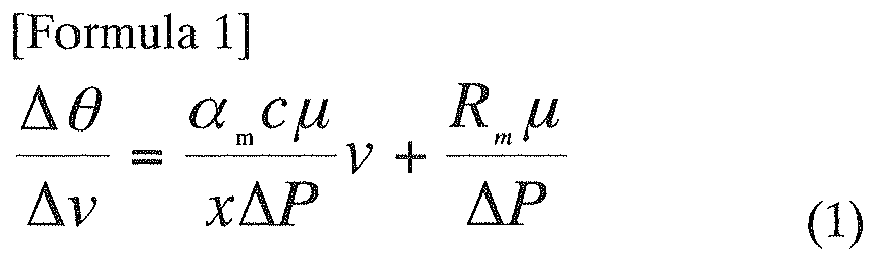
(wherein, θ is the filtration time [sec], ν is the integral filtrate amount per unit filtration area [m3/m2], αm is the cake average specific resistance [m/kg], c is the solid content suspension density [kg/m3], µ is the filtrate viscosity [Pa · s], x is the filtrate/slurry volume ratio, ΔP is the applied pressure [Pa], Rm is the filter resistance [m/m2]. The filter resistance Rm is the resistance of filters such as filter cloth or sintered wire gauze used in the filtration device, and shows approximately a constant value for the same filtration condition. - The calculation of cake average specific resistance αm [m/kg] was performed by plotting (Ruth plot) ν [m3/m2] and Δθ/Δν [sec/m], obtaining the filtration constant B from the inclination of the obtained line, and inserting the parameters shown in the filtration condition row of Table 1 to formula (2).

The filtration condition, filtration constant B and cake average specific resistance αm of A02-type crystal and A04-type crystal were respectively shown in Table 1. Further, the result of the Ruth plot of A02-type crystal and A04-type crystal were respectively shown inFigures 1 and2 .[Table 1] Filteration Condition A02-type crystal A04-type crystal Applied Pressure ΔP 100 kPa 100 kPa Solid Content Suspension Density c 134 kg/m3 124 kg/m3 Filterate Viscosity µ 0.47 mPa · s 1.8 mPa · s Filteration Area 4.1 cm2 5.7 cm2 Filterate/Slurry Volume Ratio x 0.933 0.858 Filtration Constant B 81406 2201.7 Cake Average Specific Resistance αm 1.31×10¹¹ m/kg 8.43×10⁸ m/kg - The cake average specific resistance of the A02-type crystal was 1.31×10¹¹ m/kg, whereas that of A04-type crystal was 8.43×10⁸ m/kg, and the value for the A02-type crystal was about 155 times as large as that for the A04-type crystal. The filtration time θ for constant pressure filtration can be obtained by formula (3).

That is to say that when the constant pressure filtration is performed for A02-type crystal and A04-type crystal under the same condition, A02-type crystal will require filtration time about 155 times as long as that of the A04-type crystal, since the filtration time is proportional to αm (Note that the filter resistance Rm, which depends only on the filter used in filtration, is ignored herein to assess the filterability of the crystals).
The above assessments show that the filterability of A04-type crystal prepared in Example 2 is significantly higher than that of A02-type crystal prepared in the Variation of Reference Example 2. - It is inappropriate to make generalizations since the filtration time varies by the production amount and the filtration device to be used, but it is normally preferable to have a cake average specific resistance of approximately 108 m/kg or lower for productions having a scale in the order of ten to the order of a hundred kg. Hence, there is a great need to improve the filterability of the crystal when the A02-type crystal having a cake average specific resistance that is 100 times the preferable cake average specific resistance or higher is used in industrial production.
- It is quite effective to let crystals grow large in order to improve crystal filterability. General methods for inducing crystals to grow large include a method of adding a seed crystal at a high temperature for slow, time consuming growth, or a method of precipitating crystals then raising the temperature again to selectively dissolve microcrystals. However, it is extremely difficult to singly obtain A-02 type crystal in a large size, because parts of A02-type crystal readily transform to A03-type crystal or the most stable A-04 type crystal, and form A03-type crystal, A04-type crystal, or mixed crystals thereof before growing sufficiently as A02-type crystal.
Accordingly, it is at least necessary to perform crystallization under conditions inducing rapid nucleation and obtain the crystal before it transforms in order to stably obtain the A02-type crystal alone. Such conditions inducing rapid nucleation will not allow crystals to grow sufficiently to produce large crystals, so it will be difficult to obtain A02-type crystal having good filterability. - Further, a bad filterability of crystals leads to low washing effects in the washing step using solvents; hence, there is concern of the crystallization mother liquor sticking to the crystals, resulting in the introduction of impurities and a decrease in purity.
- A02-type crystal prepared by a method similar to a Variation of Reference Example 2 and A04-type crystal prepared by a method similar to Example 2 and Example 4 were subjected to HPLC measurement to assess the amount of impurities (using the
above HPLC Condition 1 orHPLC Condition 3 shown below as the mearuement condition). The result showed the total amount of impurities of A04-type crystal prepared by a method similar to Example 2 and Example 4 to be lower than 1%. In contrast, the total amount of impurities of A02-type crystal prepared by a method similar to a Variation of Reference Example 2 was 2.42%, indicating that the A02-type crystal contain more impurities than A04-type crystal.
In an industrial scale production of A02-type crystal, methods other than the Variation of Reference Example 2 do not allow the stable production of A02-type crystal alone. Hence, it is considered that the amount of impurities in the crystallization mother liquor is also involved with the control of A02-type crystal (it is confirmed that the crystals readily transform to A03-type crystal, A04-type crystal, or their mixed crystals when the amount of impurities in the crystallization mother liquor is small, as mentioned above). That is, the stable production of A02-type crystal alone at an industrial scale requires a given amount of impurities to exist in the crystallization mother liquor, and consequently, much impurity will be contained in the A02-type crystal; hence, it is concluded that industrially produced A02-type crystal contain a large amount of impurities.
(HPLC Condition 3) Mobile phase: 0.1% perchloric acid aqueous solution/acetonitrile = 3:1 (0-30 min), column: L-column 2 ODS, 4.6x150 mm,particle size 5 µm (produced by Chemical Evaluation and Research Institute), flow rate: 1 mL/min, column temperature: 40°C, detection: UV 225 nm. - The solubility of A02-type crystal, A03-type crystal and A04-type crystal was measured for 50% acetone aqueous solution. The result is shown in Table 2 and
Figure 3 . The solubility is lowest for A04-type crystal at all temperatures. The result showed that the thermodynamic stability level of the crystal of Compound A around room temperature is A04-type crystal>A03-type crystal>A02-type crystal.[Table 2] Temperature Solubility A02-type crystal A03-type crystal A04- type crystal 25°C 13.6 g/L 5.3 g/L 4.5 g/ L 40°C 17.7 g/L 8.5 g/L 8.0 g/ L 55°C 30.8 g/L 16.1 g/L 13.0 g/L - A05-type crystal was subjected to slurry agitation under room temperature and its solvent-mediated transformation was studied. It was consequently confirmed that A05-type crystal was transformed to A04-type crystal after 1 minute of agitation in methyl ethyl ketone under room temperature. This showed that the thermodynamic stability level of the crystal of Compound A under room temperature is A04-type crystal>A05-type crystal, since the solvent-mediated transformation results in a transformation to a more stable form.
- The following observation can be made from the result of the DSC analyses of A01-type crystal, A02-type crystal, A03-type crystal, A04-type crystal and A05-type crystal shown in the drawings.
- (a) The absorption of heat around 142°C in the DSC analysis result of
Figure 10 shouws the transformation from A02-type crystal to A01-type crystal. A01-type crystal and A02-type crystal can be transformed into each other, and A02-type crystal is thermodynamically more stable under room temperature. - (b) From the comparison of A01-type crystal (melting point: 164°C, heat of melting: 81 J/g (
Figure 12 )) and A05-type crystal (melting point: 89°C, heat of melting: 34 J/g (Figure 16 )), A01-type crystal and A05-type crystal are in a monotropic relation based on the principle of heat of melting, and the A01-type crystal is thermodynamically more stable than A05-type crystal in all temperature range. - (c) From the comparison of A04-type crystal (melting point: 180°C, heat of melting: 95 J/g (
Figure 6 )) and A01-type crystal (melting point: 164°C, heat of melting: 81 J/g (Figure 12 )), A04-type crystal and A01-type crystal are in a monotropic relation based on the principle of heat of melting, and the A04-type crystal is thermodynamically more stable than A01-type crystal in all temperature range. - The results of (i) to (iii) above show that the thermodynamic stability level under room temperature is A04-type crystal>A03-type crystal>A02-type crystal>A01-type crystal>A05-type crystal. This result and the comparison of the melting peak temperatures of A01-type crystal, A02-type crystal, A03-type crystal, A04-type crystal and A05-type crystal show that A04-type crystal is in monotropic relation to A01-type crystal, A02-type crystal, A03-type crystal and A05-type crystal, and it exhibits the highest melting peak temperature (A01-type crystal: 164°C, A02-type crystal: transformation point to A01-type crystal 142°C, A03-type crystal: 171°C, A04-type crystal: 180°C, A05-type crystal: 89°C), so it is the most stable crystal of the crystal forms of Compound A in all temperature range. The schematic diagram showing the interrelation of the stability levels of the crystals based on the above result is presented as
Figure 4 . - There are cases in which it is preferable to provide the drug substance in the most stable crystal form to ensure a uniform quality and a stable supply of medicines. A well known example is the ritonavir case. Ritonavir was commercially supplied as the metastable crystal, but one day, a more stable crystal form suddenly appeared, and the commercial production of the metastable form crystal became impossible ever since. To prevent such a risk, there is currently a high demand for drug substances to be supplied in the most stable crystal form.
- A04-type crystal of the present invention is considered the most stable form of crystal in all temperature range, so there is low production risk of the crystals in the desired crystal form suddenly vanishing by the rise of the industrial production of the most stable form of crystal, as the ritonavir case. Further, it can be stably supplied as a single crystal, and particularly, it has good filterability and properties suitable for industrial production, so it is an extremely useful form in the use of Compound A as a drug substance.
- On the other hand, A01-type crystal and A02-type crystal are a metastable crystal, so they require strict control of the crystallization condition for stable production, and they hold a production risk of the crystal forms suddenly vanishing as in the above ritonavir case.
- Further, A02-type crystal has a stronger tendency to take in impurities in the crystal than A04-type crystal, because it is at least necessary to perform crystallization under conditions inducing rapid nucleation and obtain the crystal before it transforms to A04-type crystal or A03-type crystal in order to stably obtain the A02-type crystal as a single crystal, as mentioned above.
As shown above, restricting the introduction of impurities is extremely difficult for A02-type crystal compared to A04 crystal, because the former crystal tends to take in impurities and the washing effects in the washing step is low due to its filterability, as mentioned above. - A04-type crystal of the present invention is extremely useful in the use of Compound A as a drug substance, since A04-type crystal has good storage stability and preferred properties as a drug substance, and it can be obtained as a single crystal, and particularly, it has good filterability and properties suitable for industrial production.
Claims (11)
- A crystal of N-{2-methoxy-4-[4-(4-methylpiperazin-1-yl)piperidin-1-yl]phenyl}-N'-[2-(propane-2-sulfonyl)phenyl]-1,3,5-triazine-2,4-diamine having a heat absorbing peak around 180°C in a DSC analysis (rate of temperature increase: 10°C/min).
- A crystal of N-{2-methoxy-4-[4-(4-methylpiperazin-1-yl)piperidin-1-yl]phenyl}-N'-[2-(propane-2-sulfonyl)phenyl]-1,3,5-triazine-2,4-diamine having a peak around 2θ(°) = 6.5 in a powder X-ray diffraction (tube: Cu).
- The crystal according to Claim 2 having peaks around 2θ(°) = 6.5, 15.9, 19.9, 23.2 and 24.9 in a powder X-ray diffraction (tube: Cu).
- The crystal according to Claim 3 having peaks around 2θ(°) = 6.5, 7.9, 12.3, 13.1, 14.4, 15.3, 15.9, 17.0, 17.6, 18.6, 19.0, 19.9, 20.6, 21.0, 21.5, 22.2, 23.2, 23.9, 24.9, 25.9, and 28.8 in a powder X-ray diffraction (tube: Cu).
- The crystal according to Claim 1 having a peak around 2θ(°) = 6.5 in a powder X-ray diffraction (tube: Cu).
- A pharmaceutical composition comprising a crystal according to any one of Claims 1-5 as an active ingredient.
- The pharmaceutical composition according to Claim 6 which is a pharmaceutical composition for treating cancer.
- A use of the crystal according to any one of Claims 1-5 in manufacturing a pharmaceutical composition for treating cancer.
- A method for treating cancer comprising administering an effective dosage of the crystal according to any one of Claims 1-5 to a patient.
- The crystal according to any one of Claims 1-5 for treating cancer.
- A use of the crystal according to any one of Claims 1-5 for treating cancer.
Applications Claiming Priority (2)
| Application Number | Priority Date | Filing Date | Title |
|---|---|---|---|
| JP2010114265 | 2010-05-18 | ||
| PCT/JP2011/061156 WO2011145548A1 (en) | 2010-05-18 | 2011-05-16 | Crystals of di(arylamino)aryl compound |
Publications (2)
| Publication Number | Publication Date |
|---|---|
| EP2581370A1 true EP2581370A1 (en) | 2013-04-17 |
| EP2581370A4 EP2581370A4 (en) | 2013-10-16 |
Family
ID=44991651
Family Applications (1)
| Application Number | Title | Priority Date | Filing Date |
|---|---|---|---|
| EP11783482.0A Withdrawn EP2581370A4 (en) | 2010-05-18 | 2011-05-16 | DI (ARYLAMINO) ARYLIC COMPOUND CRYSTALS |
Country Status (4)
| Country | Link |
|---|---|
| US (1) | US20130059855A1 (en) |
| EP (1) | EP2581370A4 (en) |
| JP (1) | JPWO2011145548A1 (en) |
| WO (1) | WO2011145548A1 (en) |
Families Citing this family (2)
| Publication number | Priority date | Publication date | Assignee | Title |
|---|---|---|---|---|
| JP2012153674A (en) | 2011-01-28 | 2012-08-16 | Astellas Pharma Inc | Method for producing di(arylamino)aryl compound and synthetic intermediate for the method |
| WO2014002922A1 (en) * | 2012-06-26 | 2014-01-03 | アステラス製薬株式会社 | Method for treating cancer by combined use of anti-cancer agent |
Family Cites Families (1)
| Publication number | Priority date | Publication date | Assignee | Title |
|---|---|---|---|---|
| TWI389893B (en) * | 2007-07-06 | 2013-03-21 | Astellas Pharma Inc | Di (arylamino) ary1 compound |
-
2011
- 2011-05-16 WO PCT/JP2011/061156 patent/WO2011145548A1/en not_active Ceased
- 2011-05-16 EP EP11783482.0A patent/EP2581370A4/en not_active Withdrawn
- 2011-05-16 US US13/698,183 patent/US20130059855A1/en not_active Abandoned
- 2011-05-16 JP JP2012515872A patent/JPWO2011145548A1/en not_active Withdrawn
Non-Patent Citations (2)
| Title |
|---|
| CAIRA M R: "CRYSTALLINE POLYMORPHISM OF ORGANIC COMPOUNDS", TOPICS IN CURRENT CHEMISTRY, SPRINGER, BERLIN, DE, vol. 198, 1 January 1998 (1998-01-01), pages 163-208, XP001156954, ISSN: 0340-1022, DOI: 10.1007/3-540-69178-2_5 ISBN: 978-3-540-36760-4 * |
| See also references of WO2011145548A1 * |
Also Published As
| Publication number | Publication date |
|---|---|
| WO2011145548A1 (en) | 2011-11-24 |
| EP2581370A4 (en) | 2013-10-16 |
| US20130059855A1 (en) | 2013-03-07 |
| JPWO2011145548A1 (en) | 2013-07-22 |
Similar Documents
| Publication | Publication Date | Title |
|---|---|---|
| EP4083042A1 (en) | Spiro ring-containing quinazoline compound | |
| CA2665048C (en) | Crystalline forms of thiazolidinedione compound and its manufacturing method | |
| EP3647312B1 (en) | Crystal form of deuterated azd9291, preparation method therefor, and use thereof | |
| EP2970128B1 (en) | Base addition salts of nitroxoline and uses thereof | |
| US10323044B2 (en) | Crystal of imidazo-oxazine, pharmaceutical composition containing said crystal, and method for producing said crystal | |
| EP3560919A1 (en) | Salt of substituted piperidine compound | |
| EP4722218A1 (en) | Crystal of quinoline-substituted compound | |
| EP2455368B1 (en) | 2-[[[2-[(hydroxyacetyl)amino]-4-pyridinyl]methyl]thio]-n-[4-(trifluoromethoxy)phenyl]-3-pyridinecarboxamide benzene- sulfonate, crystals of same, polymorphs thereof, and processes for production thereof | |
| US20130267572A1 (en) | Plymorphic Forms of Deferasirox (ICL670A) | |
| EP3023421A1 (en) | Crystalline forms of afatinib dimaleate | |
| US20130059855A1 (en) | Crystal of di(arylamino)aryl compound | |
| EP3752159A2 (en) | Novel crystalline forms of tamibarotene for treatment of cancer | |
| EP2896623A1 (en) | CRYSTAL OF N-[2-({2-[(2S)-2-CYANOPYRROLIDIN-1-YL]-2- OXOETHYL}AMINO)-2-METHYLPROPYL]-2-METHYLPYRAZOLO[1,5-a]PYRIMIDINE-6-CARBOXAMIDE | |
| EP2851363B1 (en) | Agomelatine acid radical composite, and preparation method and application thereof | |
| EP3088402A1 (en) | CRYSTALS (2) OF PYRAZINO[2,1-c][1,2,4]TRIAZINE COMPOUND | |
| CN114031561A (en) | 4-phenoxy-containing quinazoline compound and application thereof | |
| KR20050059132A (en) | Novel crystals | |
| EP3345898B1 (en) | Crystals of 5-cyclopropyl-2-((1-(3-fluorobenzyl)-1h-indol-5-yl)amino)nicotinic acid | |
| TW200817426A (en) | 2'-cyanopyrimidine nucleoside compound | |
| EA035346B1 (en) | 4-toluenesulfonic acid palbociclib salt, method for production thereof and use thereof in medicine | |
| HK40041642A (en) | Crystal of pyrazolo[3,4-d]pyrimidine | |
| CN112638914A (en) | Crystals of pyrazolo [3,4-d ] pyrimidine | |
| HK1214589B (en) | Base addition salts of nitroxoline and uses thereof |
Legal Events
| Date | Code | Title | Description |
|---|---|---|---|
| PUAI | Public reference made under article 153(3) epc to a published international application that has entered the european phase |
Free format text: ORIGINAL CODE: 0009012 |
|
| 17P | Request for examination filed |
Effective date: 20121128 |
|
| AK | Designated contracting states |
Kind code of ref document: A1 Designated state(s): AL AT BE BG CH CY CZ DE DK EE ES FI FR GB GR HR HU IE IS IT LI LT LU LV MC MK MT NL NO PL PT RO RS SE SI SK SM TR |
|
| DAX | Request for extension of the european patent (deleted) | ||
| A4 | Supplementary search report drawn up and despatched |
Effective date: 20130912 |
|
| RIC1 | Information provided on ipc code assigned before grant |
Ipc: A61K 31/53 20060101ALI20130906BHEP Ipc: C07D 401/12 20060101AFI20130906BHEP Ipc: A61P 43/00 20060101ALI20130906BHEP Ipc: A61P 35/00 20060101ALI20130906BHEP |
|
| GRAP | Despatch of communication of intention to grant a patent |
Free format text: ORIGINAL CODE: EPIDOSNIGR1 |
|
| INTG | Intention to grant announced |
Effective date: 20140211 |
|
| STAA | Information on the status of an ep patent application or granted ep patent |
Free format text: STATUS: THE APPLICATION IS DEEMED TO BE WITHDRAWN |
|
| 18D | Application deemed to be withdrawn |
Effective date: 20140624 |